From Essex to Cologne in a V6
Ford’s V6 engines have powered many of its most memorable cars since the 1960s.
The German-made Cologne V6 started things off in 1964, followed by the Essex V6 in 1966.
So, here are the road cars that have used these V6 engines, from sports cars to SUVs, in chronological order.
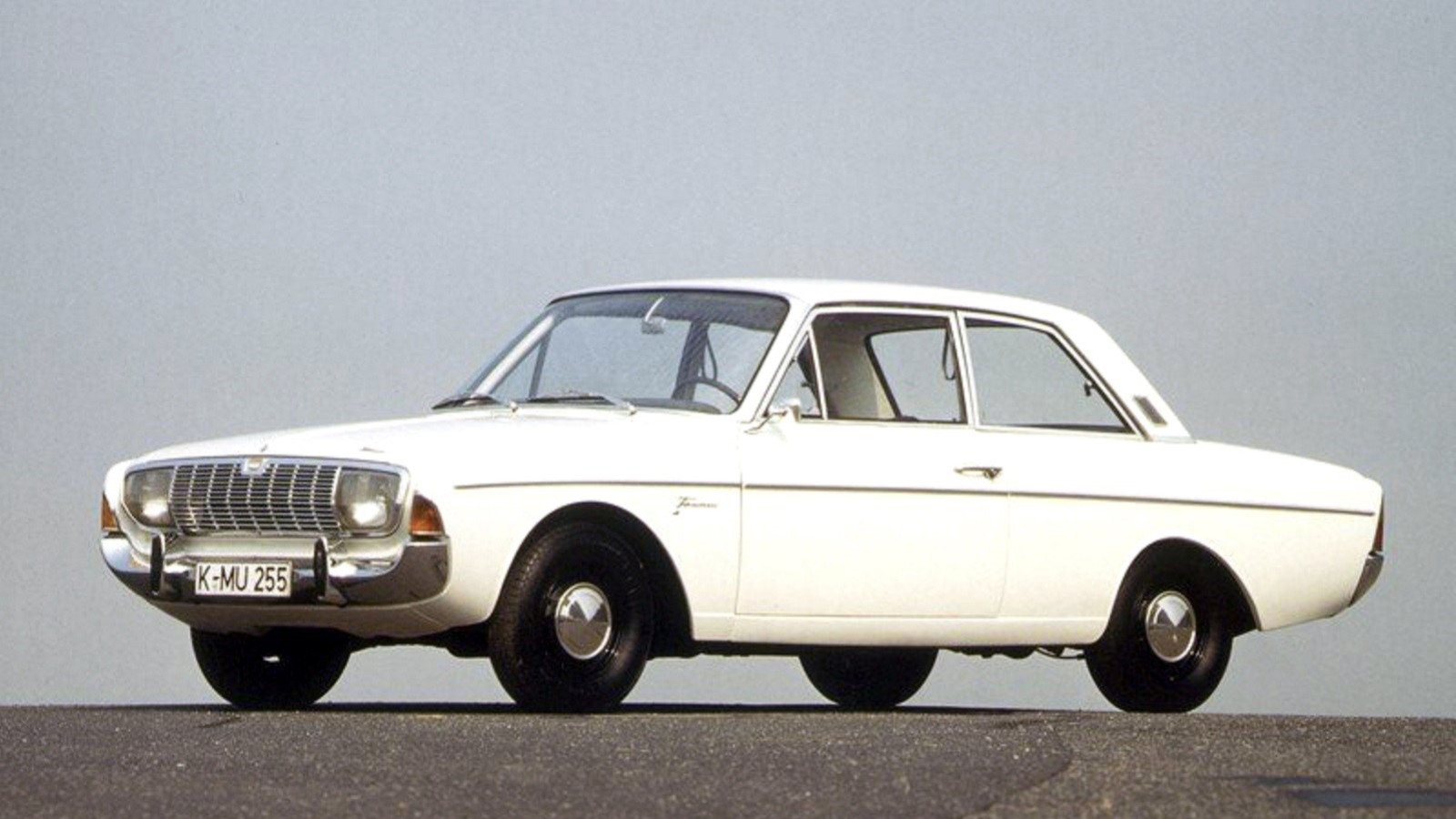
1. Ford Taunus 20M (1964)
Ford of Germany got the jump on its British counterpart with the launch of the 20M, which was the first V6-powered car from the Blue Oval in Europe.
Powered by the Cologne V6 motor, there was also a selection of two-door coupe and four-door sedan bodies.
Ford pitched the 20M very keenly on price, undercutting the six-cylinder competition from Opel in Germany by 17.5%.
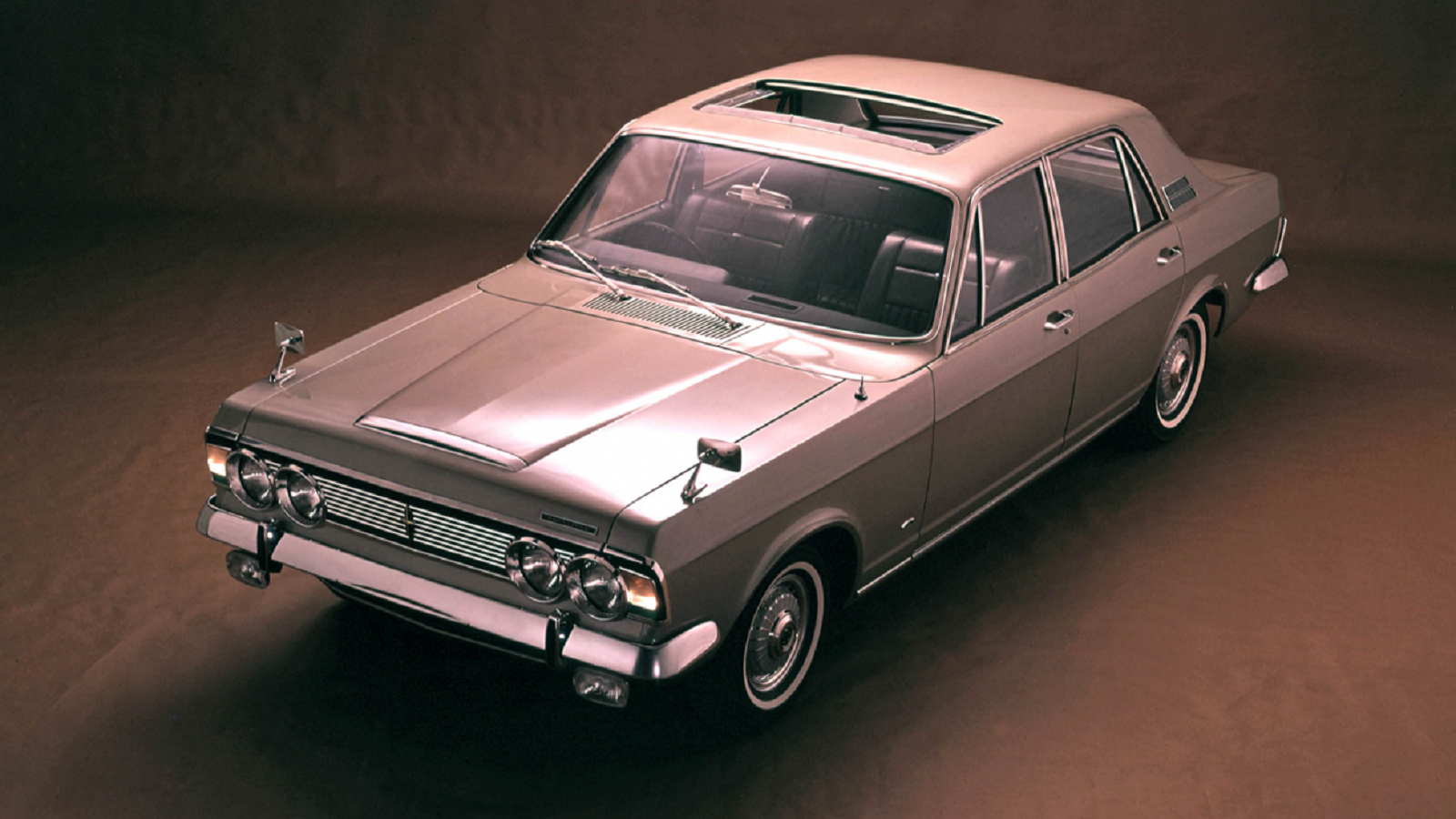
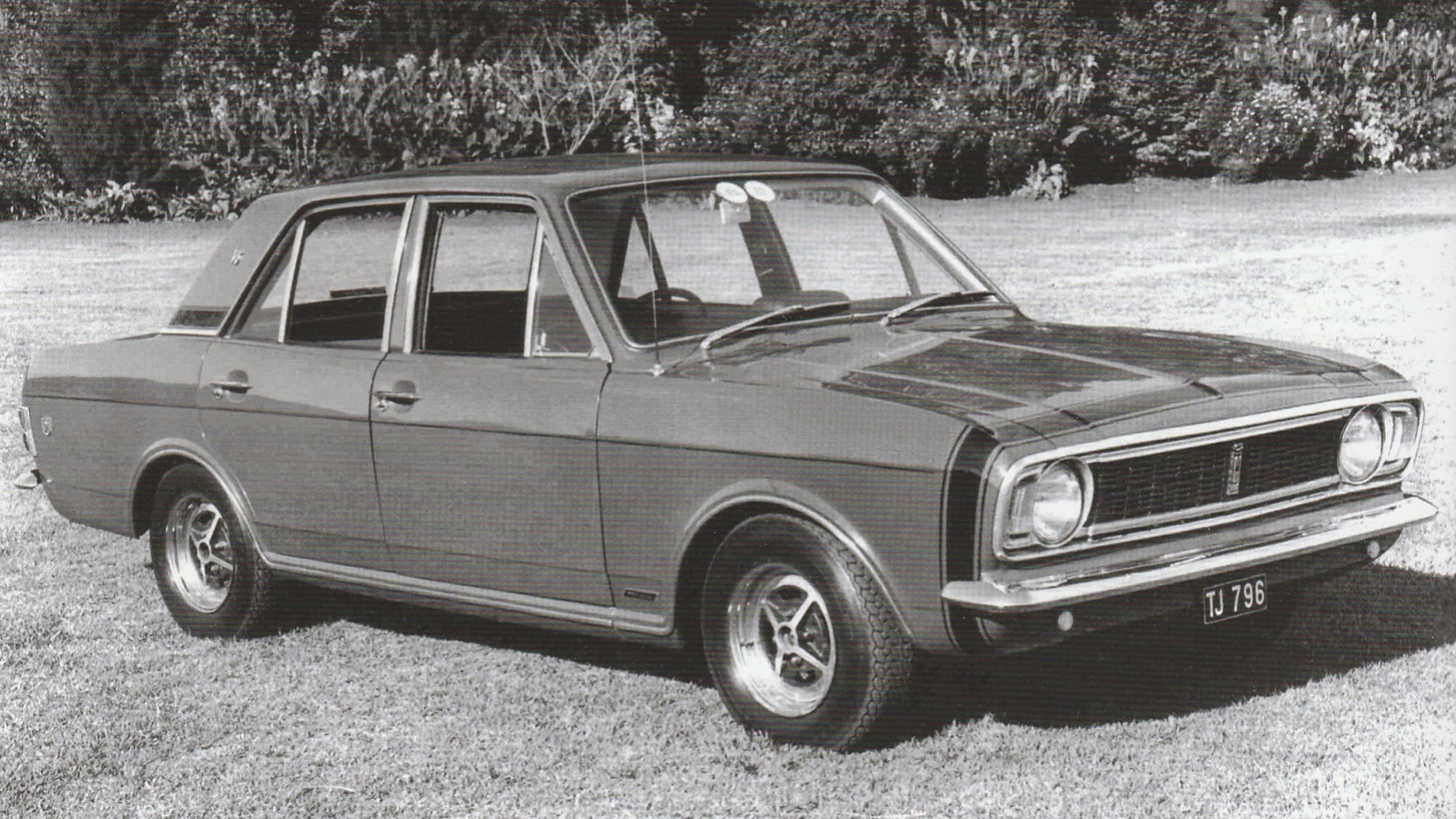
2. Ford Zodiac (1966)
The 3.0-liter ‘Essex’ V6 was a much-needed replacement for Ford’s aging straight-six engines used in the previous generation of Zephyr and Zodiac models.
In the new sharp-edged Zephyr 6, Ford used a 2.5-liter version of its new V6 engine, while the Zodiac gained the larger 3.0-liter.
To cope with the extra power offered by its latest motors, the Zephyr 6 and Zodiac became the first Ford sedans to use all-round disc brakes.
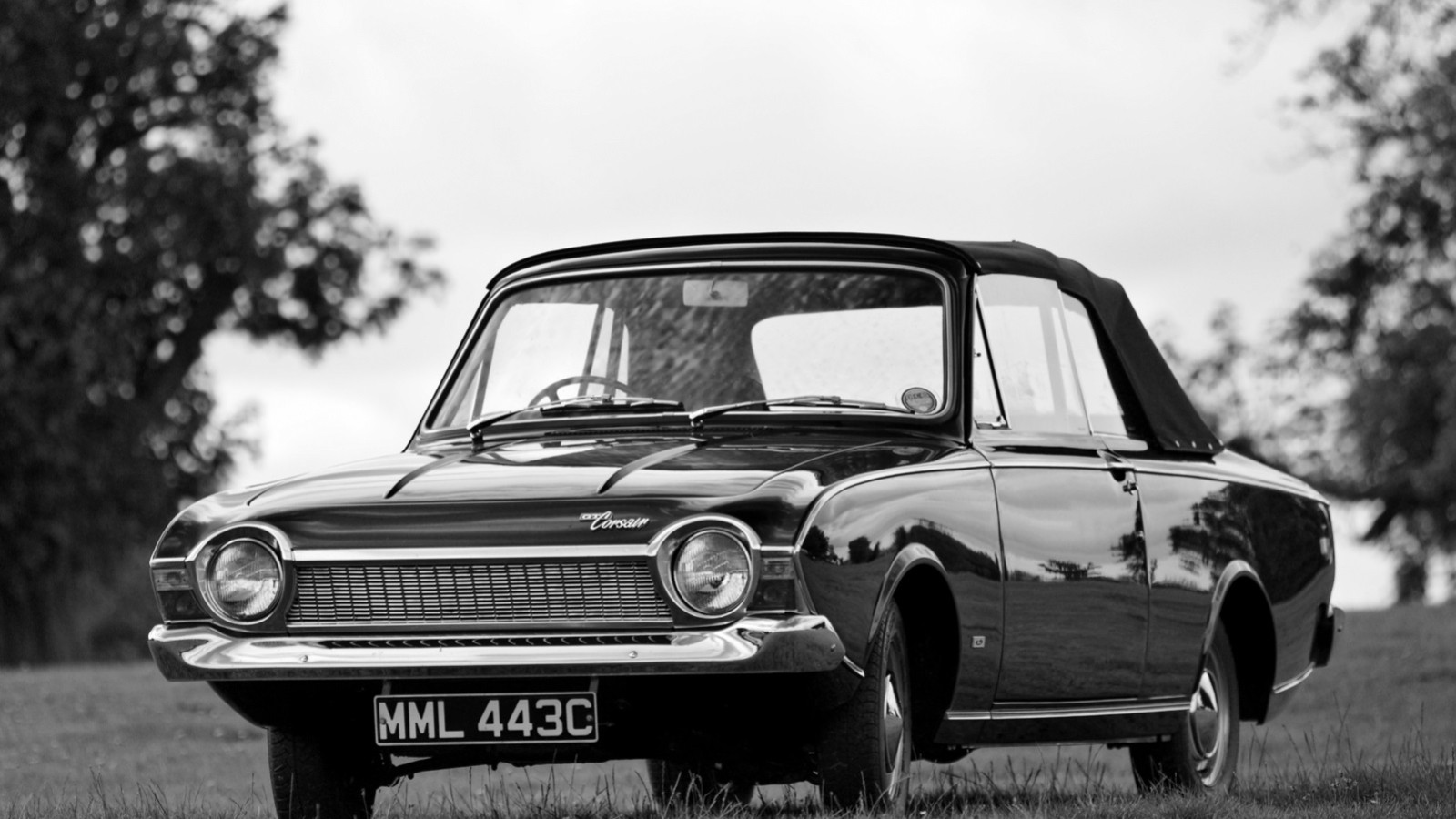
3. Crayford Corsair (1966)
Crayford Engineering is most noted for its coachwork turning sedans into convertibles, but it also offered an engine swap for the V4-powered Ford Corsair.
Out came the original four-cylinder motor and in went the new 3.0-liter V6 from the Zephyr and Zodiac range.
This was a relatively straightforward swap because most Corsairs were fitted with Ford’s V4, so the compact V6 fitted easily.
It also gave a healthy increase in performance.
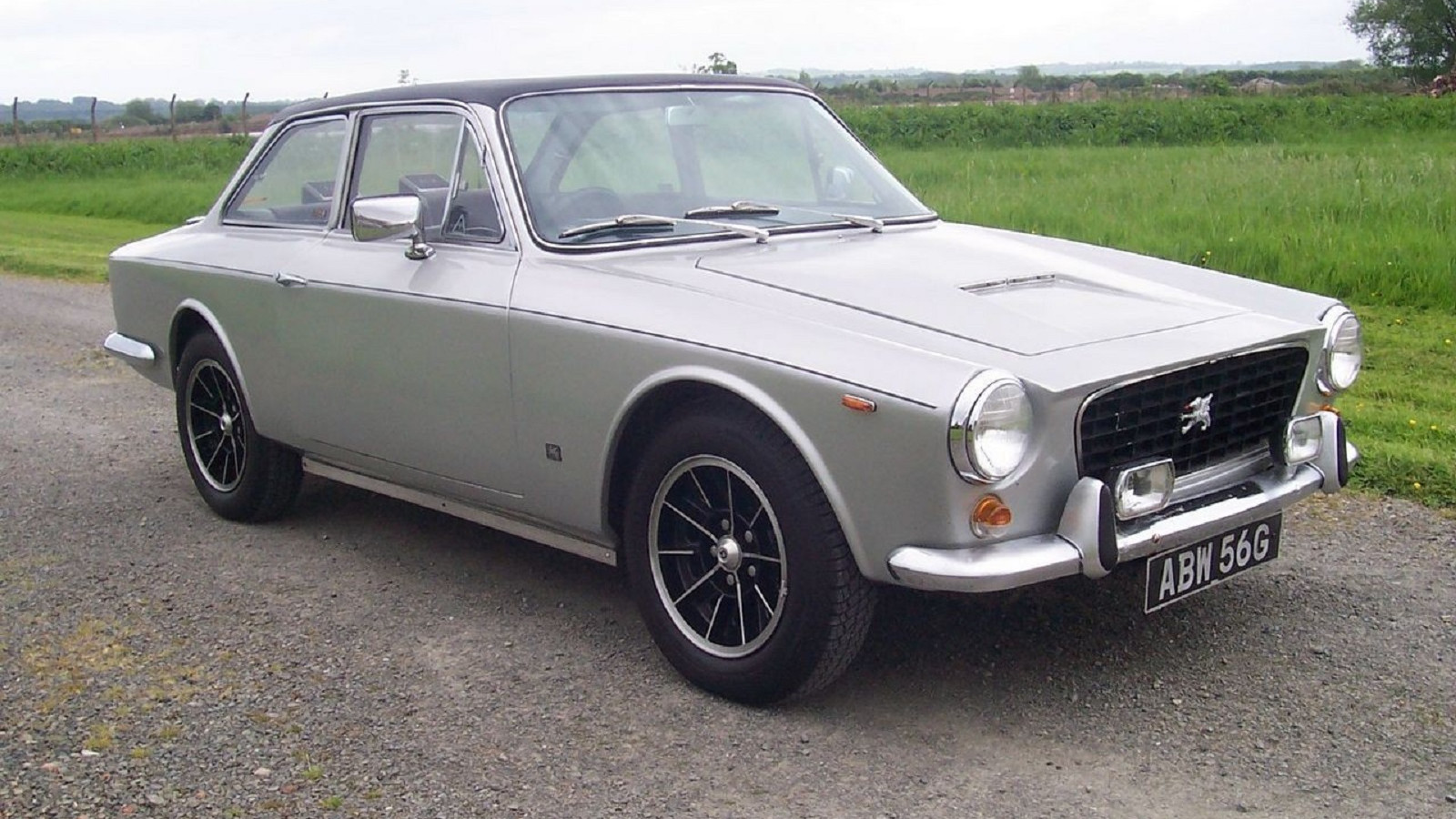
4. Gilbern Genie (1966)
Gilbern was among the first small car companies to spot the potential of the Ford V6 in a sporting application.
The Genie was offered with both the 2.5- and 3.0-liter Essex V6 engines, though most sales went to the larger-capacity motor. With the bigger engine, the Genie was good for a top speed of 120mph.
Early Genies came with MGB-derived front suspension, but the Welsh car company switched to the MGC’s front end to cope with the performance and weight of the Ford V6.
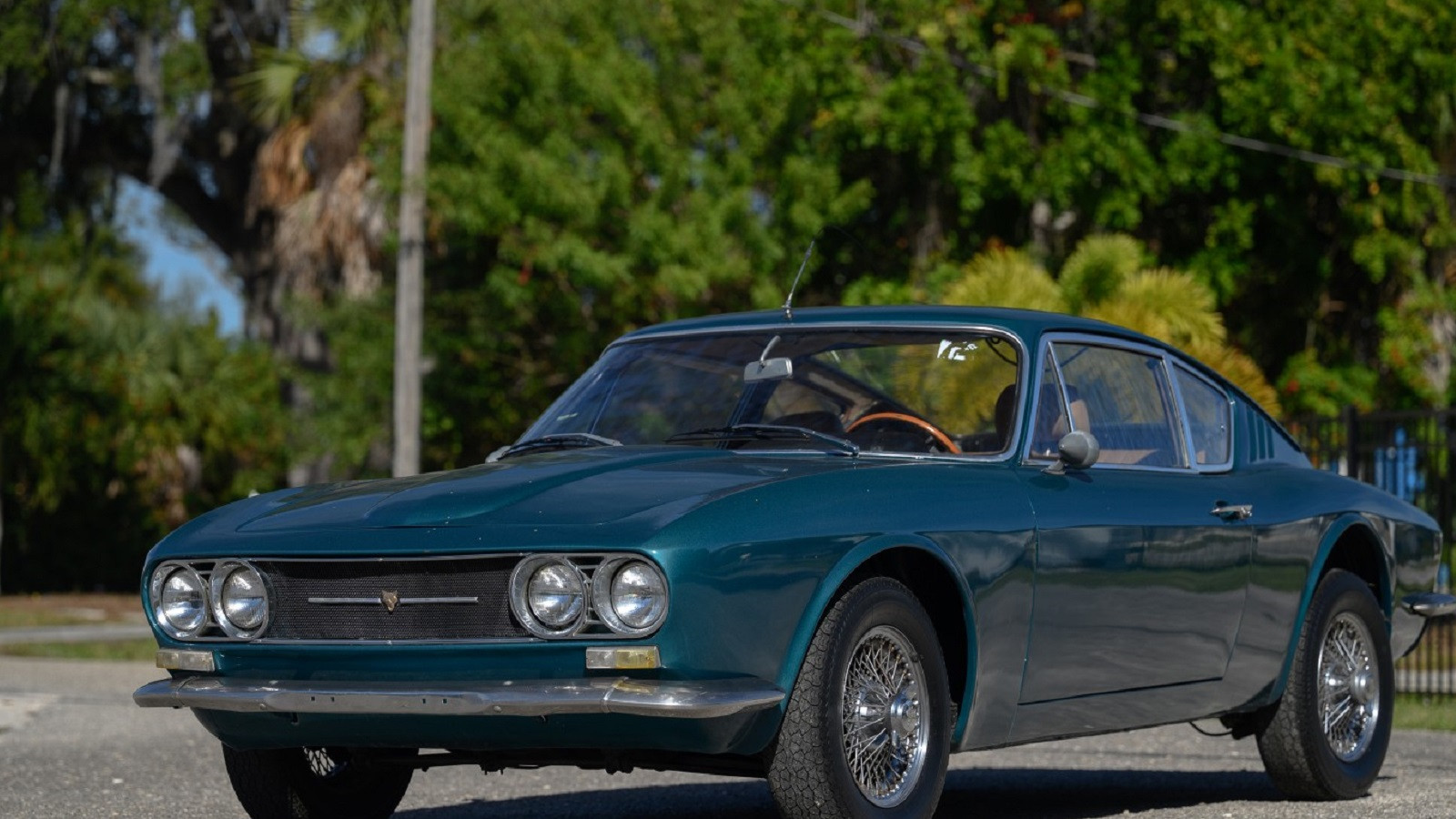
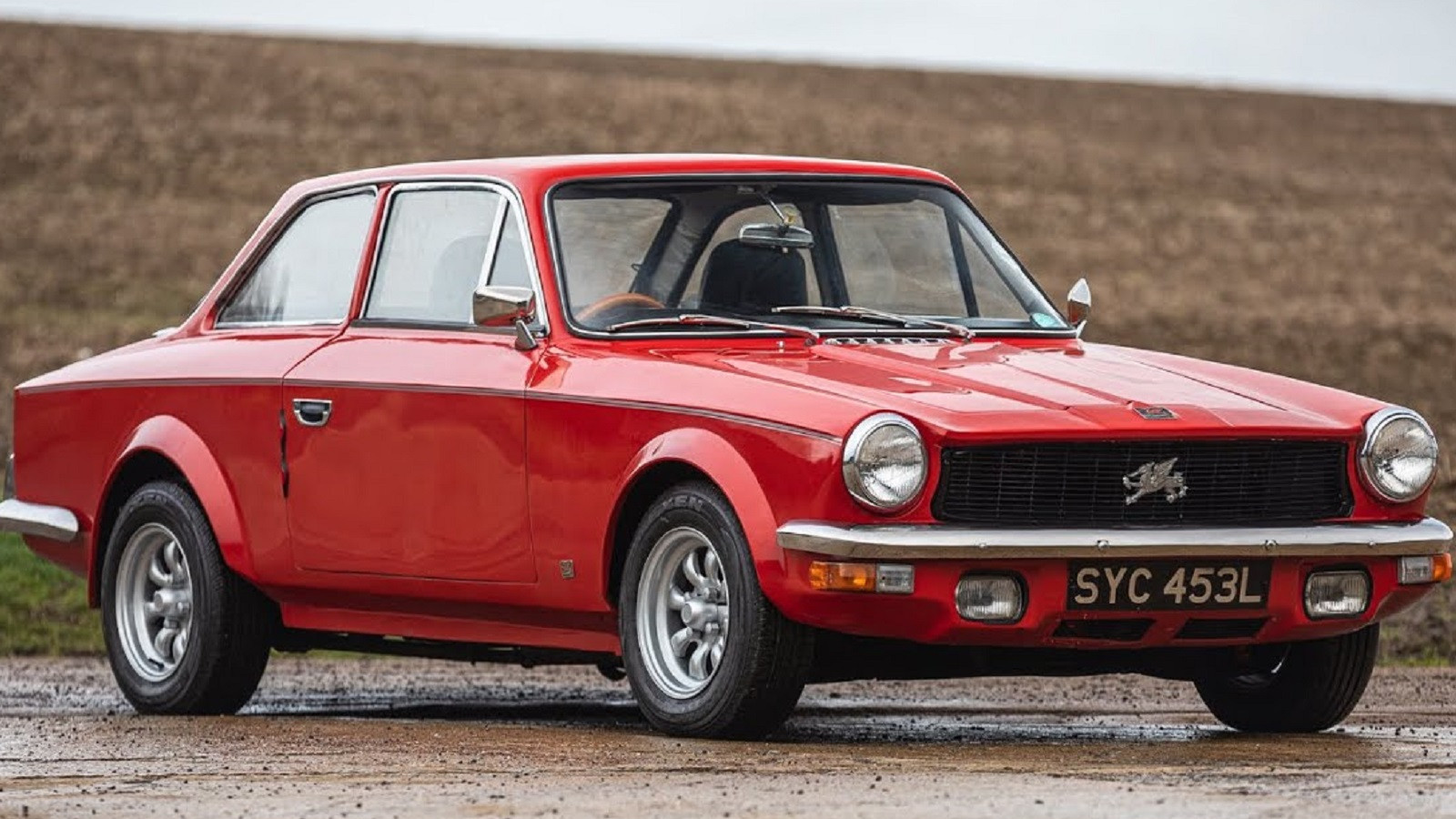
5. OSI 20M TS (1967)
The short-lived OSI used the Ford Taunus 20M as its base and was offered with 2.0- and 2.3-liter versions of the Cologne V6.
Built in Italy at the behest of Ford, the OSI was a very pretty coupe with four seats that was sold through Ford’s own dealer network.
Very few OSI 20M TS coupes were made, not helped by the car’s high price. An estimated 2200 were built before the Italian firm went bankrupt.
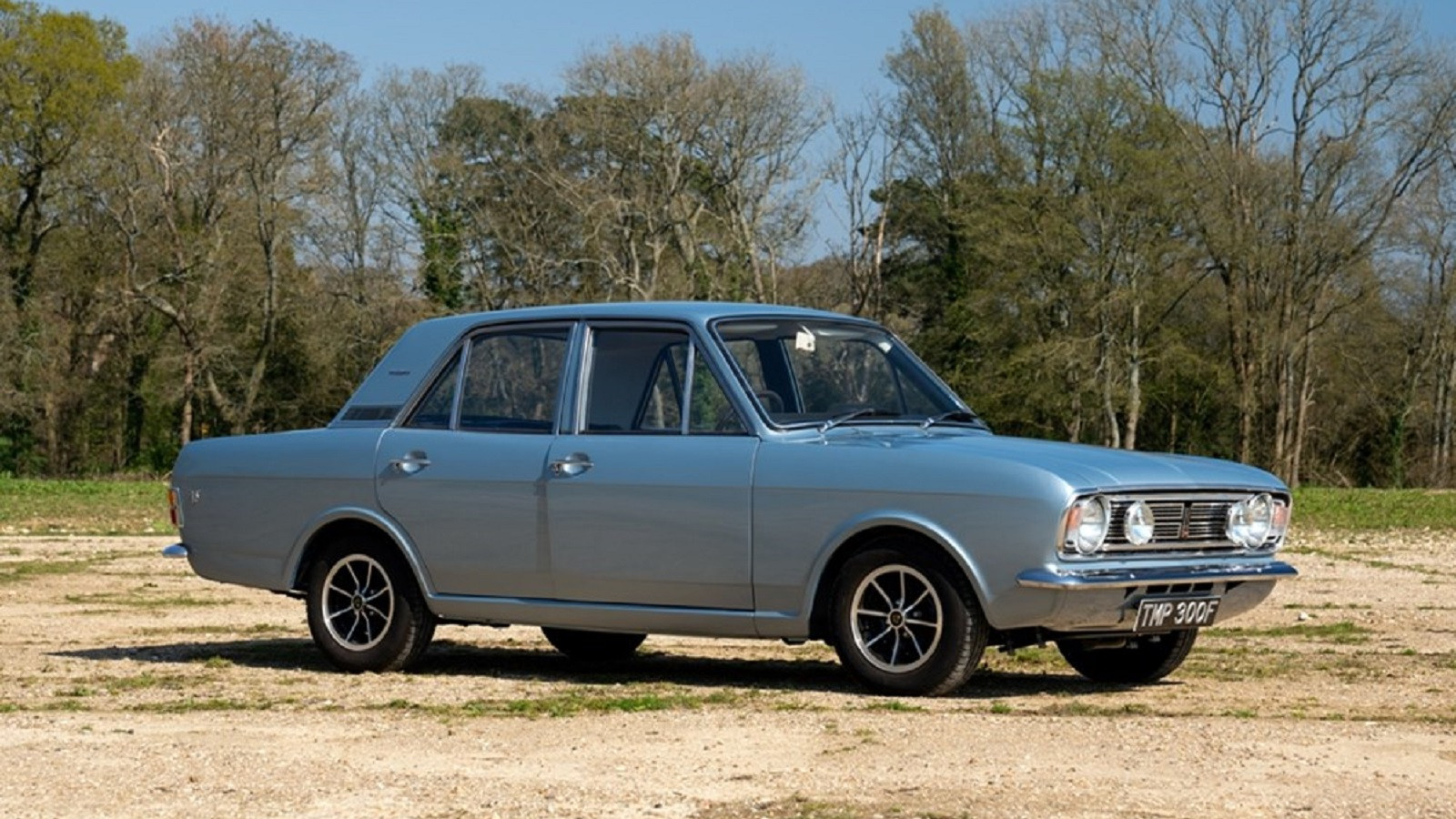
6. Uren Cortina Savage (1967)
The Cortina Savage was a bespoke performance car built by Jeff Uren, initially using the Mk1 version of Ford’s sedan before moving attention to the Mk2 Cortina.
This second-generation model found considerable success and, like the South African Cortina Perana, used the Zephyr’s 3.0-liter Essex V6.
Uren didn’t just offer the standard motor, instead giving customers the choice of various upgrades that could take the V6 up to c280HP.
The company included better brakes, suspension and wheels as part of its conversion, and as many as 1100 Cortina Savages of all types were built.
Uren also offered its V6 conversion in other Ford models, such as its Escort Apache and Capri Comanche.
7. Ford Cortina Perana (1968)
Basil Green came up with his Cortina Perana to satisfy demand in South Africa for a fast Ford at a reasonable price.
His firm squeezed the 3.0-liter Essex V6 from a Zephyr into the Mk2 Cortina, and used a Lotus Cortina gearbox and limited-slip rear differential to cope with the power.
Stiffened suspension and large front brakes helped deal with the improved performance from the V6 engine, which propelled the Perana from 0-60mph in 8.6 secs to easily outpace the Lotus Cortina.
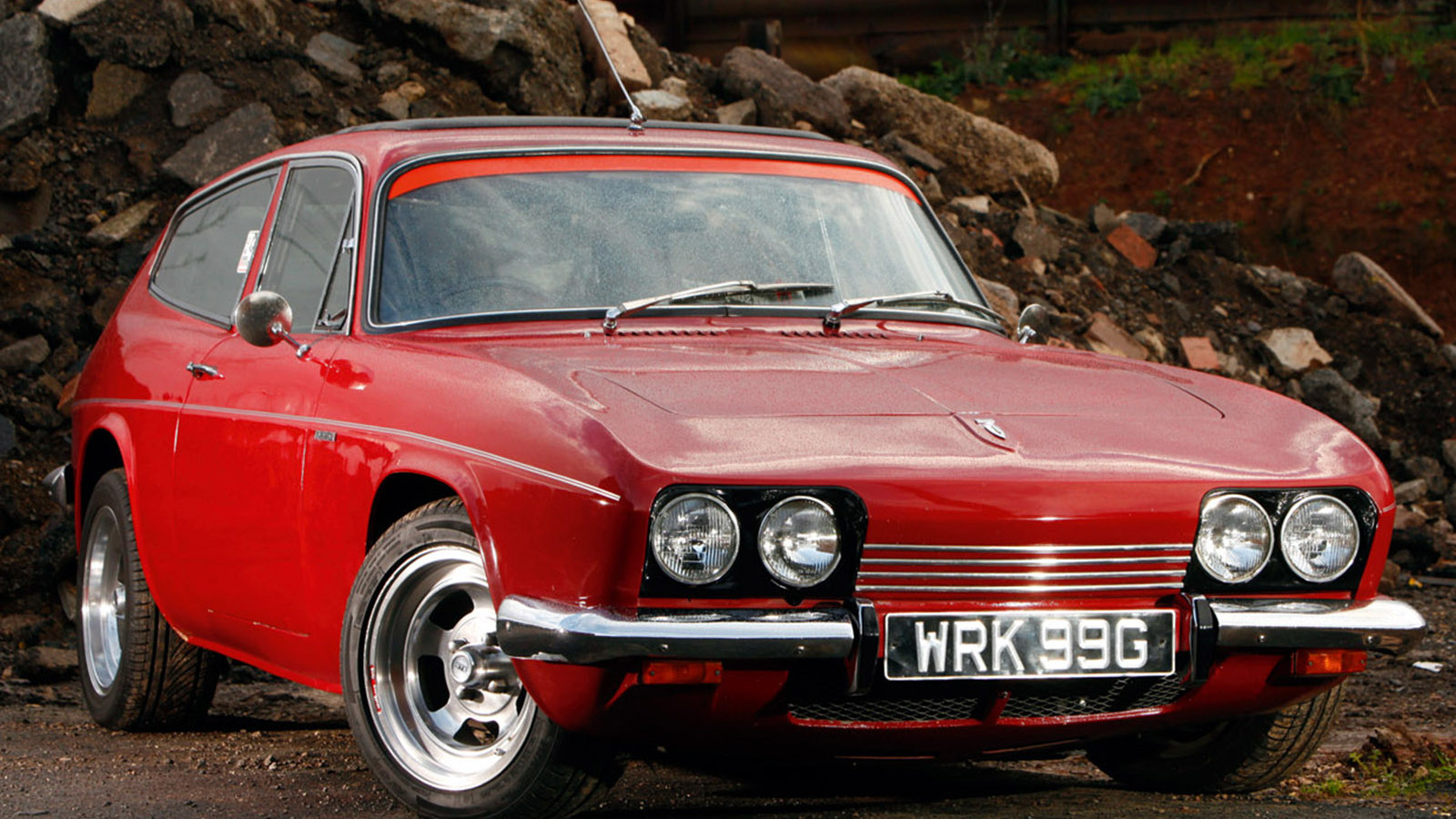
8. Reliant Scimitar (1968)
If the sporting wagon shape of the Reliant Scimitar was its outstanding styling feature, the six-cylinder engine was its performance trump card.
In such a compact car, the 3.0-liter Essex V6 mixed strong acceleration of 0-60mph in 8.9 secs and a 121mph top speed with relaxed cruising ability.
In 1980, Reliant swapped to the 2.8-liter Cologne V6 in keeping with the change made by Ford with its Capri. In this later form, the Scimitar continued in production until 1986, and then briefly under the Middlebridge banner.
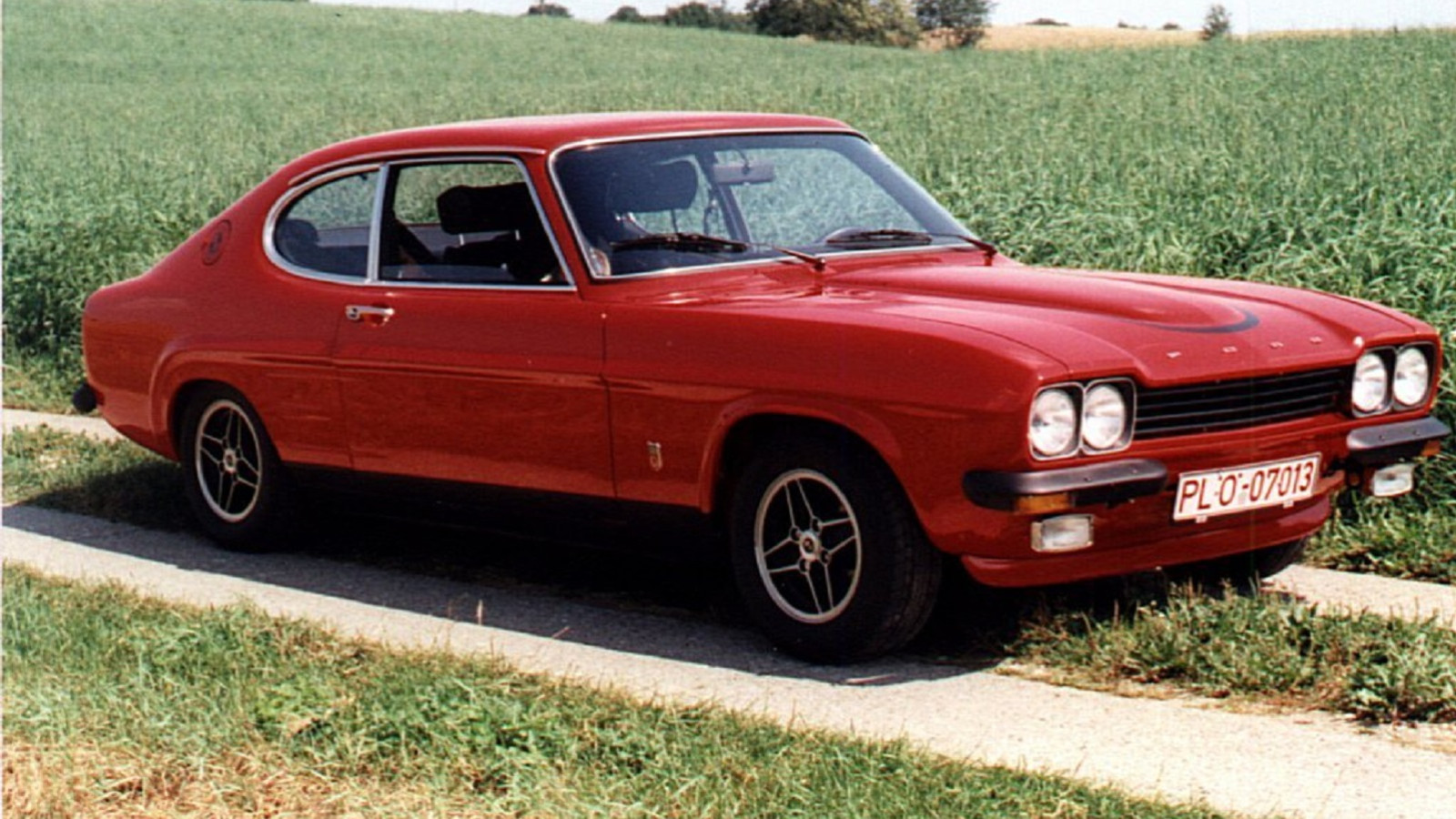
9. Ford Capri (1968)
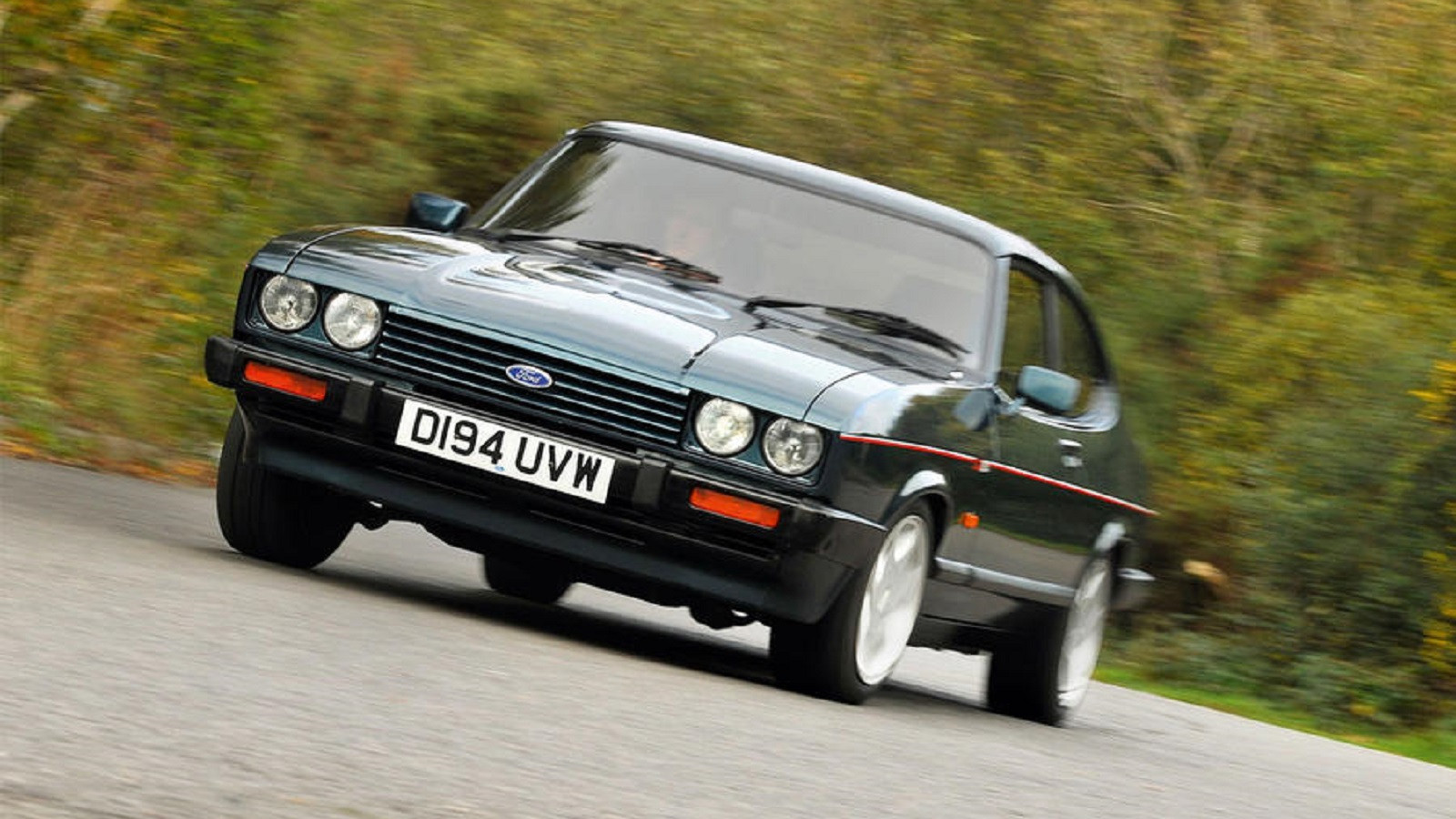
The Ford Capri is undoubtedly one of the most fondly remembered berths for the company’s V6, both in Essex and Cologne forms.
It all started with the 3000 of 1968, which was offered in three trims covering sporty GT, luxury E and the range-capping GXL.
The Mk1 Capri also saw the homologation-special RS2600 and RS3100 models offered as road cars to enable the Ford coupe to compete in Touring Car racing.
The Mk2 Capri took over in 1974 with the 3000S the one for sporting drivers, while the Ghia was more opulently fitted out.
Early Mk3 Capris used the same Essex motor, but in 1982 Ford replaced it with the Cologne 2.8 V6, which saw out Capri production in 1987.
Before then, Ford offered the turbocharged Tickford Capri in 1984 with a 2.8 V6. This was unmissable in its white livery with big spoilers, but more important were changes to the rear suspension that greatly improved the handling.
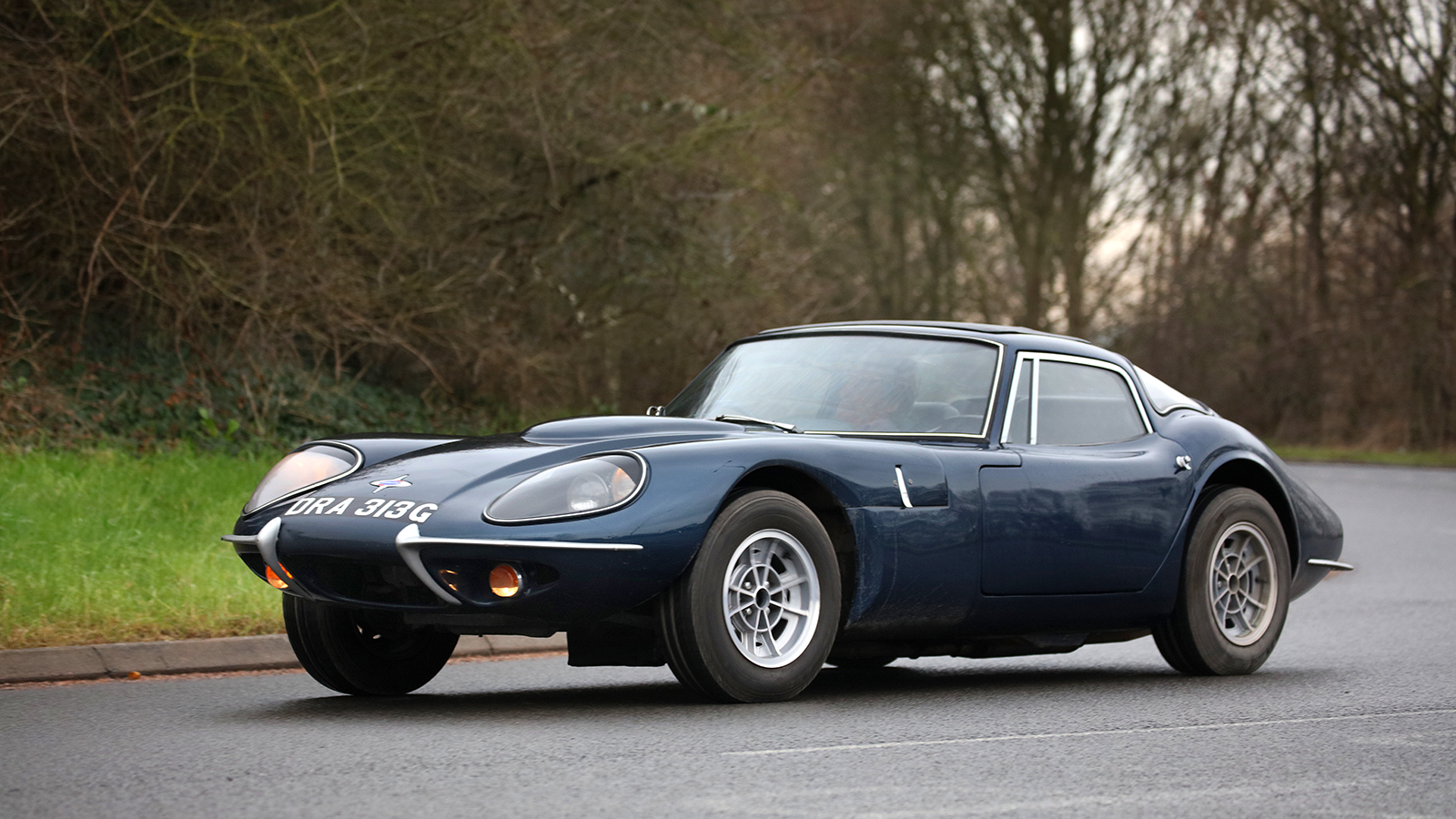
10. Marcos 3-Litre (1968)
The 3-Litre name (to use the British spelling) refers to more than one engine in the Marcos coupe, because the company offered its low-slung sports car with Ford’s Essex V6 to UK and European customers. However, for the US market the car was sold with Volvo’s straight-six 3.0-liter motor.
With the Ford V6 under its long hood, the Marcos was good for 125mph and 0-60mph in a brisk 7.8 secs.
The 3-Litre also adopted an all-steel chassis rather than the laminated wood frame of earlier cars.
11. Gilbern Invader (1969)
The Invader was a much-refined model based on the Gilbern Genie.
This meant an upgrade to a 3.0-liter Essex V6, with the option of overdrive for the four-speed manual gearbox or an automatic transmission.
Gilbern started to use the Mk3 Cortina rear axle in later Invaders, which can be identified by flared wheelarches to allow for the wider track.
A two-door wagon version of the Invader made a brief appearance from 1971 to 1972 as a V6-powered rival to the Reliant Scimitar, but sales were slow and Gilbern built just 603 Invaders in total.
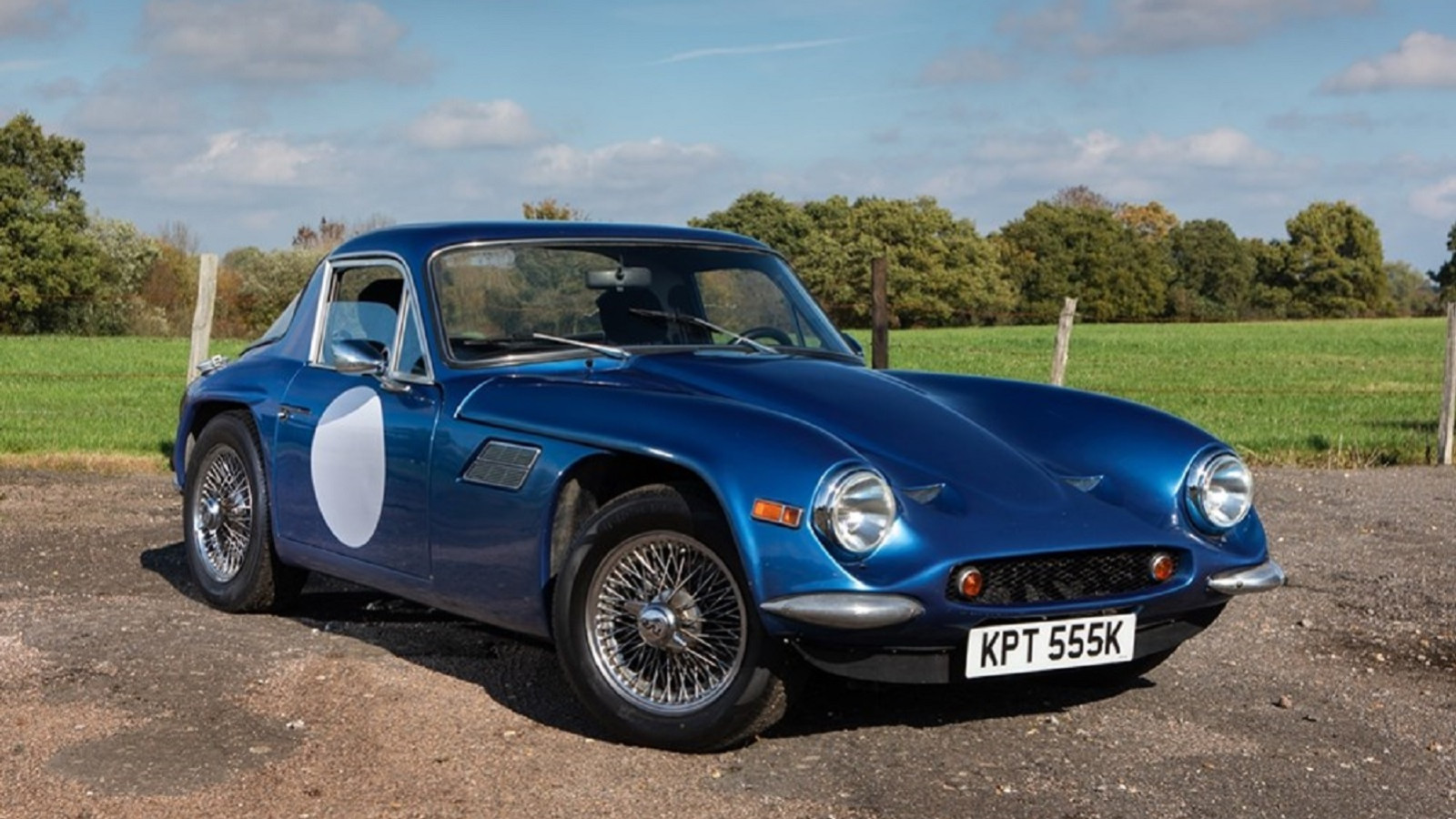
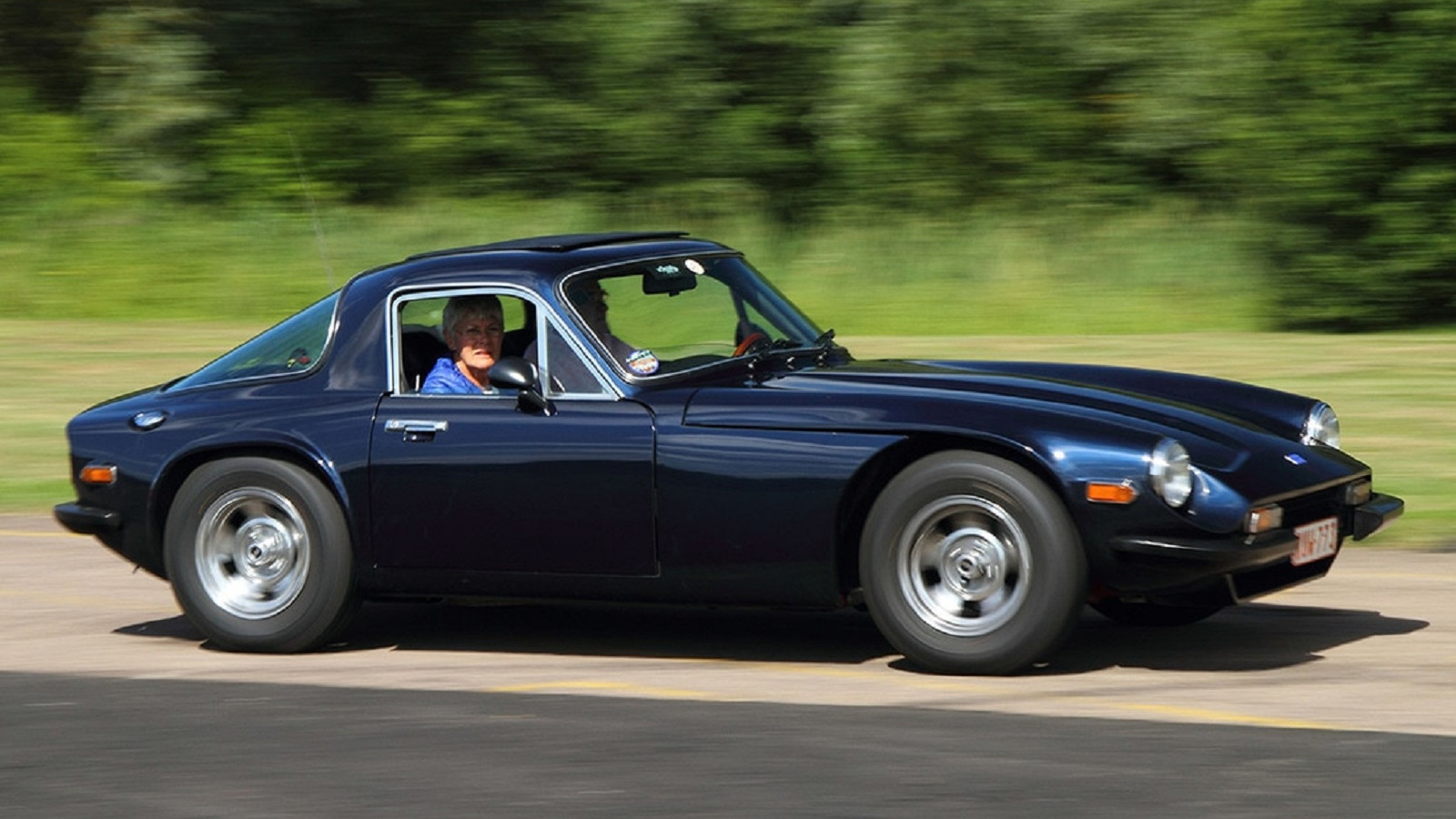
12. TVR Tuscan (1969)
Sitting between the four-cylinder Vixen and mighty V8-powered Griffith, the Tuscan V6 pointed the way for TVR’s future development.
While not as brutally fast as its V8 Griffith and Tuscan sisters, the V6 was more affordable and a little less intimidating to drive on the road.
It was still quick for the period thanks to 0-60mph in 8.3 secs and a top speed that nudged 125mph.
Only 101 Tuscan V6 cars were made between 1969 and 1971, and all came with cast alloy wheels and servo brakes.
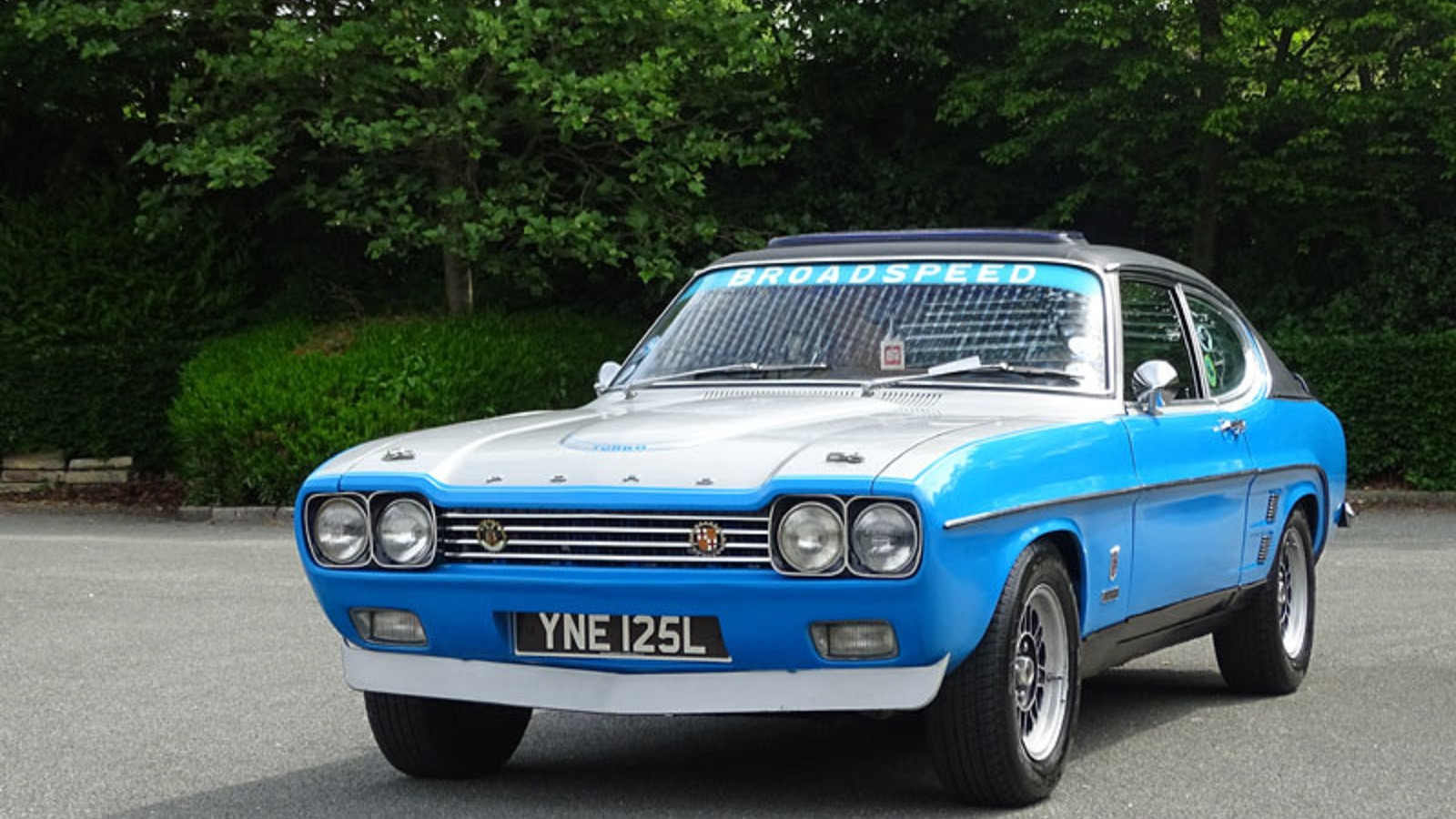
13. Broadspeed Bullitt Capri (1970)
The Broadspeed Bullitt Capri unashamedly took its name from the Steve McQueen film and backed up the association with a tuned version of Ford’s Essex V6.
The base car was a Capri 3000 with reworked cylinder heads, higher compression and a high-lift camshaft.
There were also upgrades to the brakes and suspension, plus a long list of optional extras that customers could choose from.
On the road, the Bullitt could achieve 0-60mph in 7.3 secs, which was 3 secs better than a standard Capri 3000. Top speed registered at 126mph to beat the Capri’s 114mph.
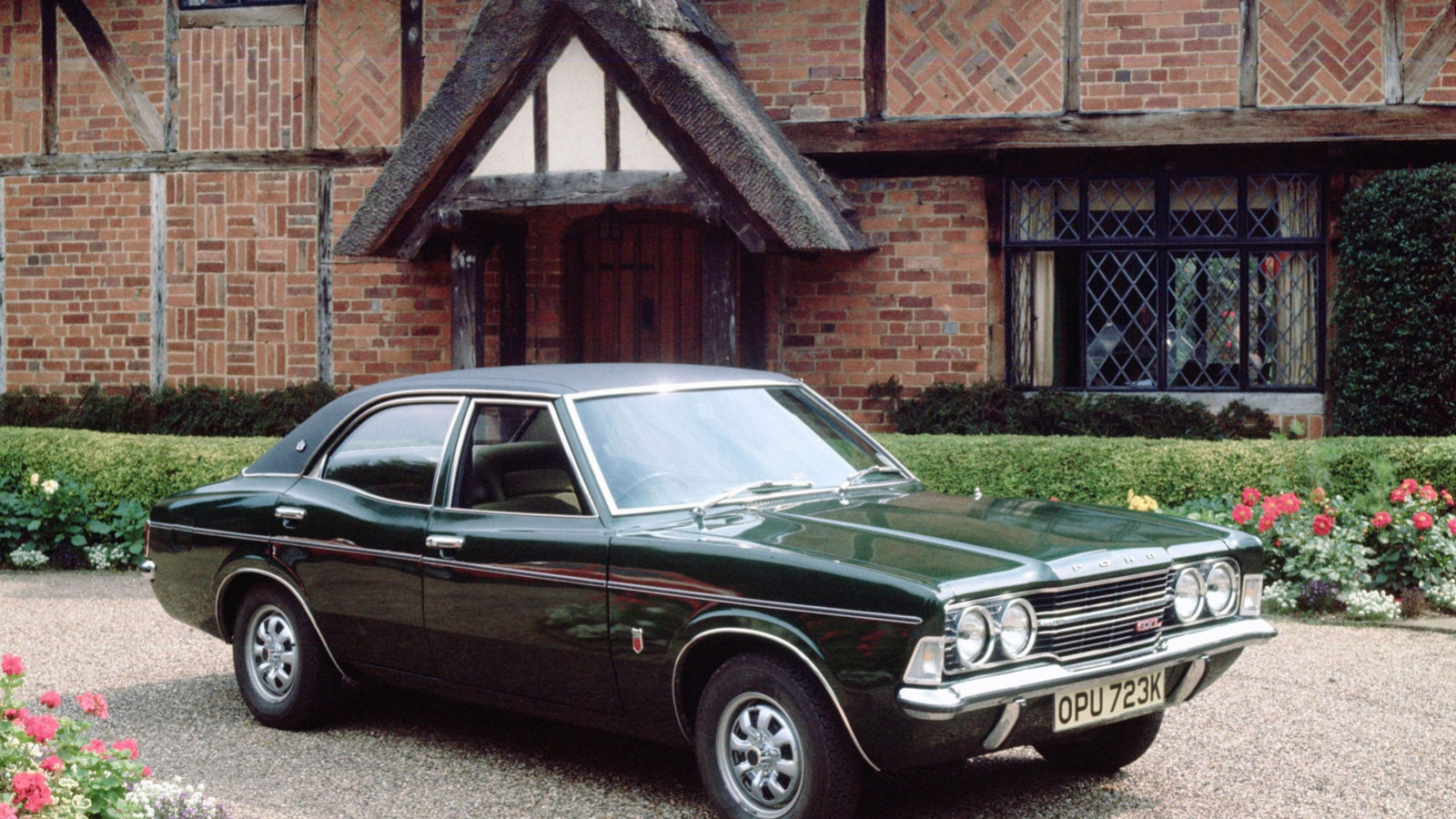
14. Ford Cortina (1970)
Ford offered a 2.3-liter version of its Cologne V6 in the later Mk4 and Mk5 versions of the Cortina, but UK customers were not given this option with the new Mk3 model in 1970.
This was reserved for South African buyers, who could choose the car with a 2.5- or 3.0-liter version of the Essex V6.
In the later generations of Cortina, South African buyers could still have a 3.0-liter model.
The 2.3-liter V6 offered in the UK was not a popular choice, because it was little faster and used more fuel than the 2.0-liter Pinto-engined model.
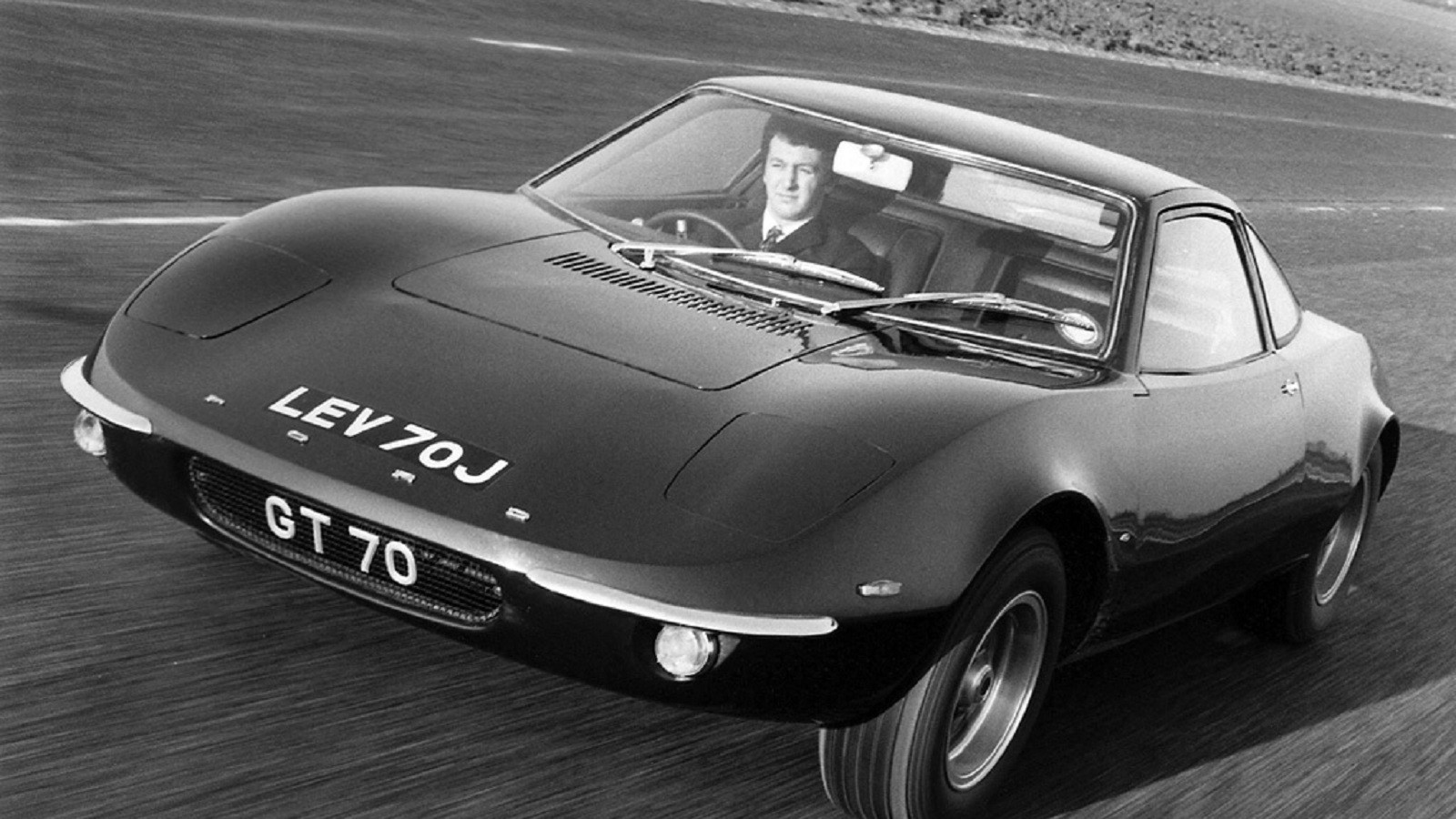
15. Ford GT70 (1970)
Long before the RS200, Ford built the GT70 as a limited-run special for rallying.
It used a mid-mounted 2.6-liter Cologne V6 with 243HP, which was based on the same motor used in the Capri RS2600.
Thanks to its overall weight of 765kg, the GT70 was quick and made its competition debut in 1971.
By the time the GT70 entered rallies, the Escort was already proving to be a very effective rally car and Ford threw its weight behind the sedan, because success on the stages helped sell cars in the showroom. As a result, the GT70 withered and only six were ever made.
16. TVR 3000M (1971)
While the Tuscan V6 had showed promise, it was TVR’s new range for the 1970s that made more used of the Ford V6.
The 3000M looked similar to the earlier Tuscan and used the same 3.0-liter V6, but this time with more pace, which helped offset the 3000M’s greater weight, though it was hardly portly at 925kg.
TVR added the Taimar in 1976, which was a 3000M but with a lift-up rear hatch that made it a far more practical car for the small weight penalty of 9kg.
There were also 30 Taimar Turbo cars made using a Broadspeed turbocharger, which made this the first production turbo car built in the UK.
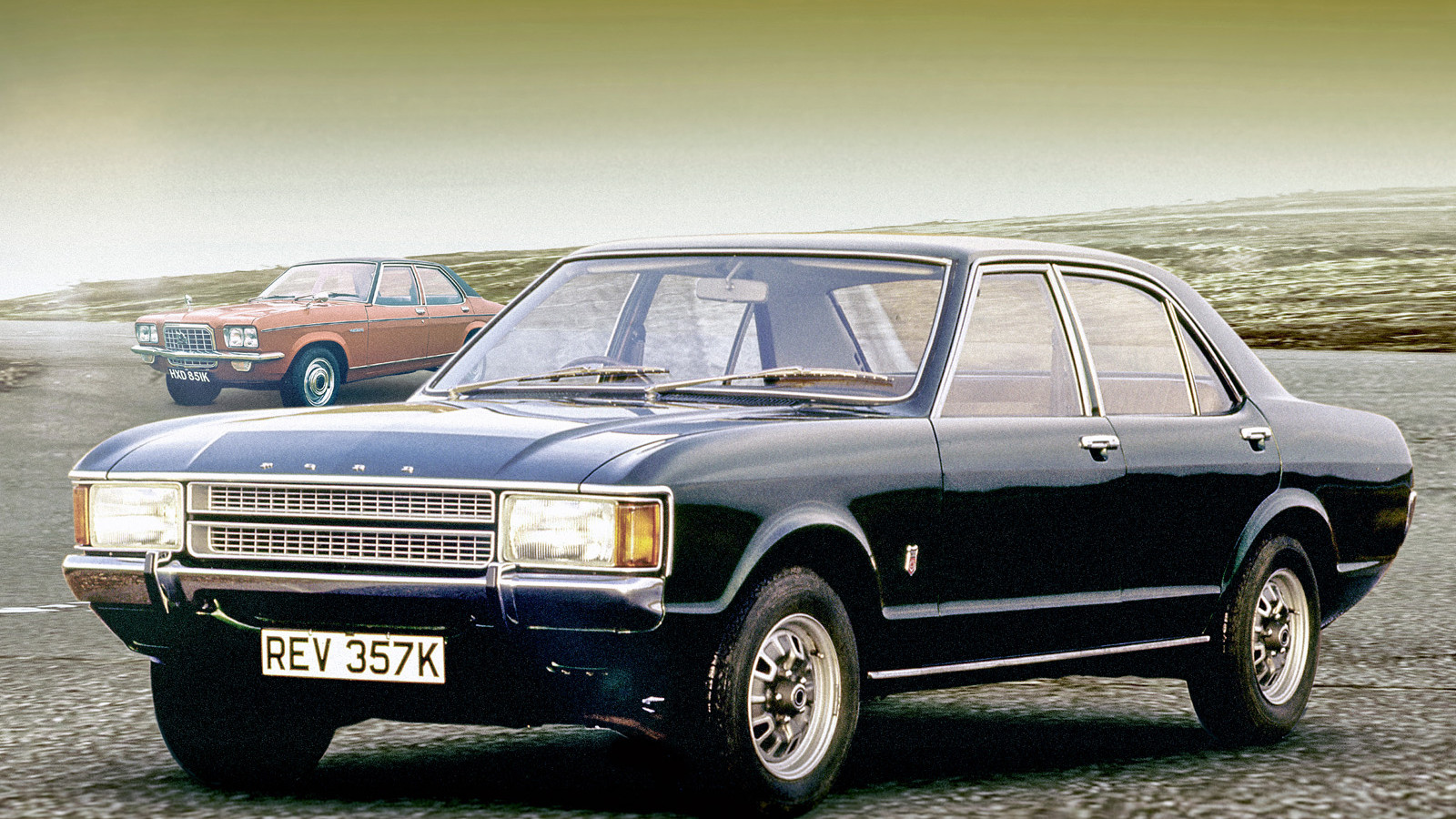
17. Ford Granada (1972)
The Consul and Granada were much more svelte than the Zephyr and Zodiac cars they replaced.
Underneath the cleaner styling were the same 2.5- and 3.0-liter V6s. The Consul came with both, while the Granada was only offered with the larger motor in keeping with its status as the more upmarket, luxurious model.
From 1975, all cars in the range were called Granada, while a coupe version was available from 1974.
The Mk2 Granada switched to the Cologne 2.8 V6 and gained fuel injection, while the later Mk3 used this motor and then a 2.9-liter from 1987.
The ultimate V6 in the Granada was the Cosworth-badged 2.9 in the Scorpio, with 24 valves and 204HP.
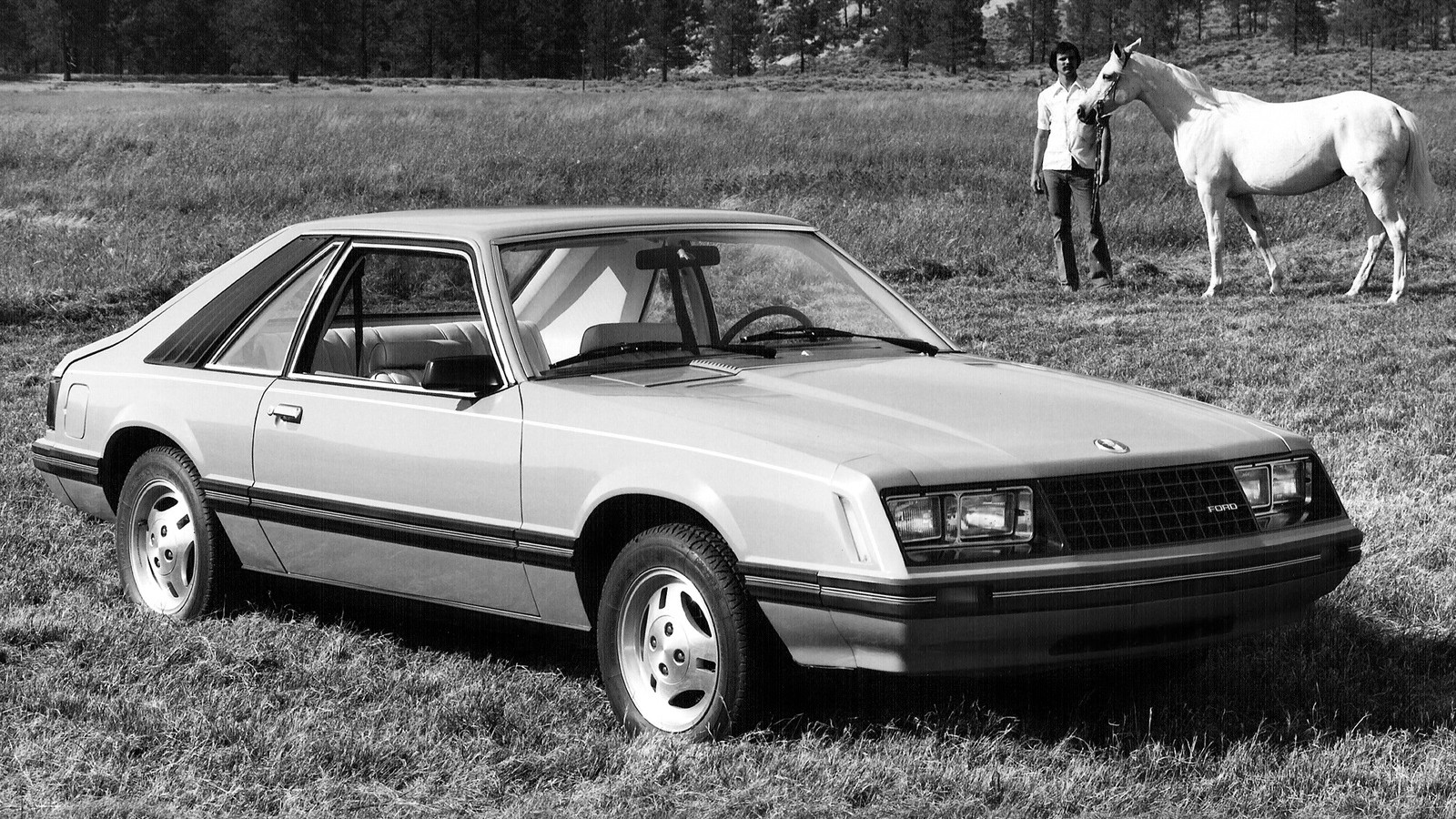
18. Ford Mustang (1973)
Ford tried to cover all bases with the Mustang II and III models as fuel consumption and shortages struck.
There was a V8 model and a four-cylinder, as well as a 2.8-liter Cologne V6-powered version offered to buyers in Europe.
The problem these generations of Mustang faced was that Ford’s own Capri was better looking, quicker and came with a 3.0-liter V6.
There was also the small matter that an Escort RS2000 was quicker than the Mustang.
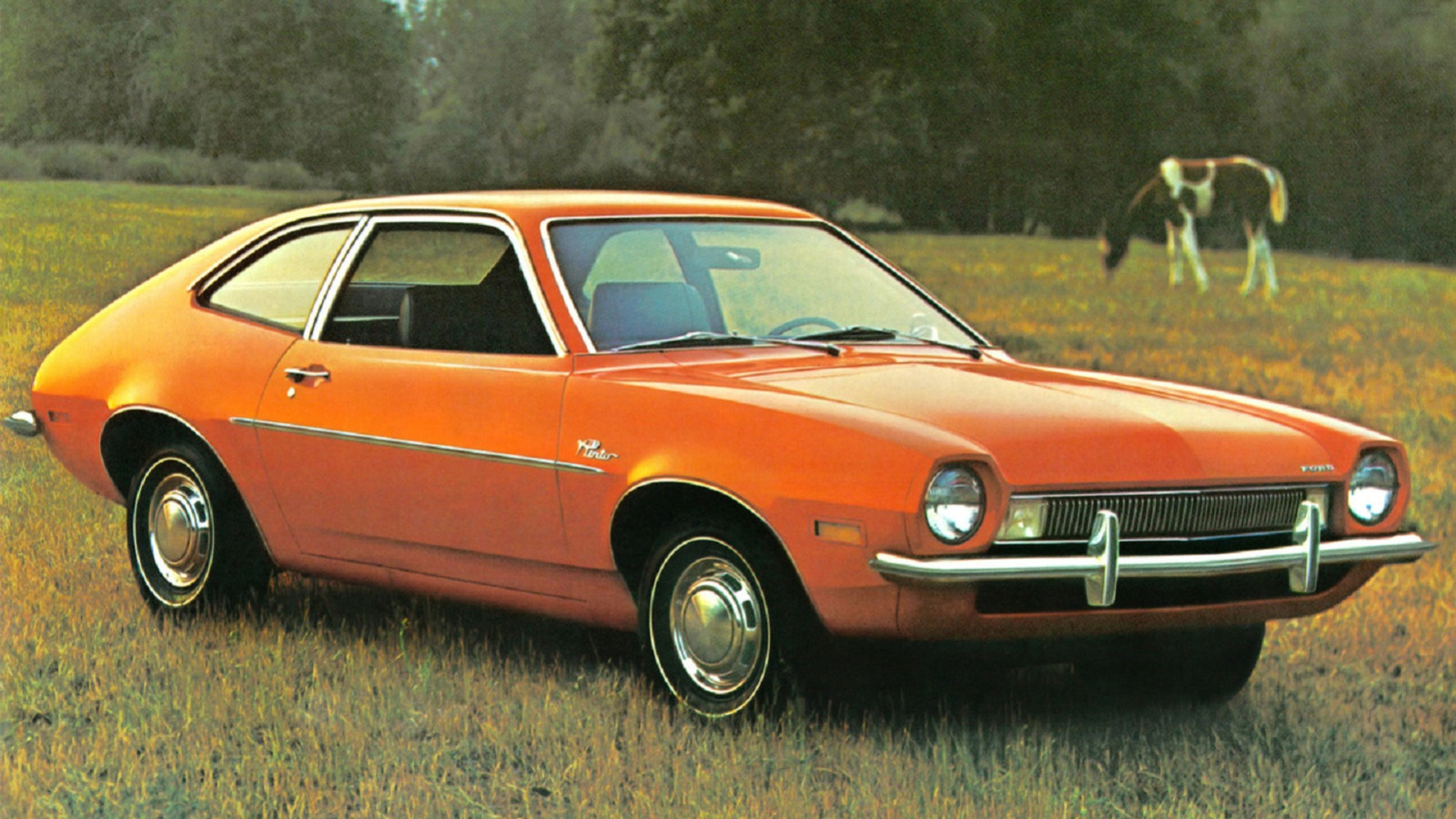
19. Ford Pinto (1974)
It may have been called Pinto just like the engine that powered it at launch, but Ford’s subcompact car needed a shot in the arm to keep up with the AMC Gremlin.
It got this boost in the shape of the 2.8-liter Cologne V6, albeit in a muted 91HP form.
Ford also sold this car as the Mercury Bobcat, initially only in Canada and then in the USA from 1975.
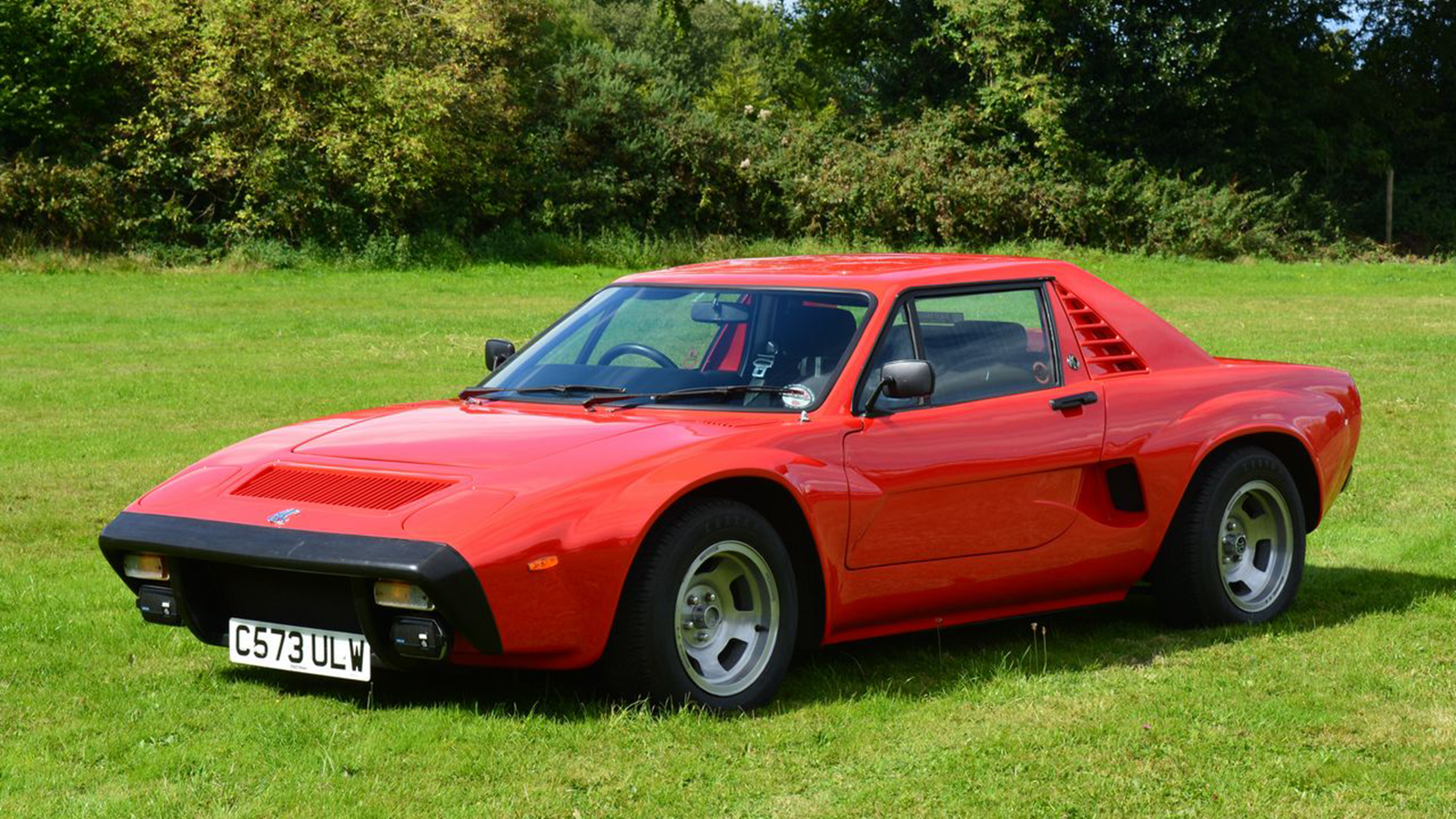
20. AC 3000ME (1979)
The AC 3000ME had been around since 1973 as a styling exercise and proposed production model.
It took AC until 1979 to deliver the goods and it used a transversely mounted 3.0-liter Essex V6 driving through a five-speed manual gearbox. This was enough to see the 3000ME from 0-60mph in 8.5 secs.
By the time it was released, the AC was too slow and too late for a car with a launch price of £12,400.
Around 100 were built in total, with 82 made at Thames Ditton and a handful when the project was built in a Scottish factory between 1984 and ’85.
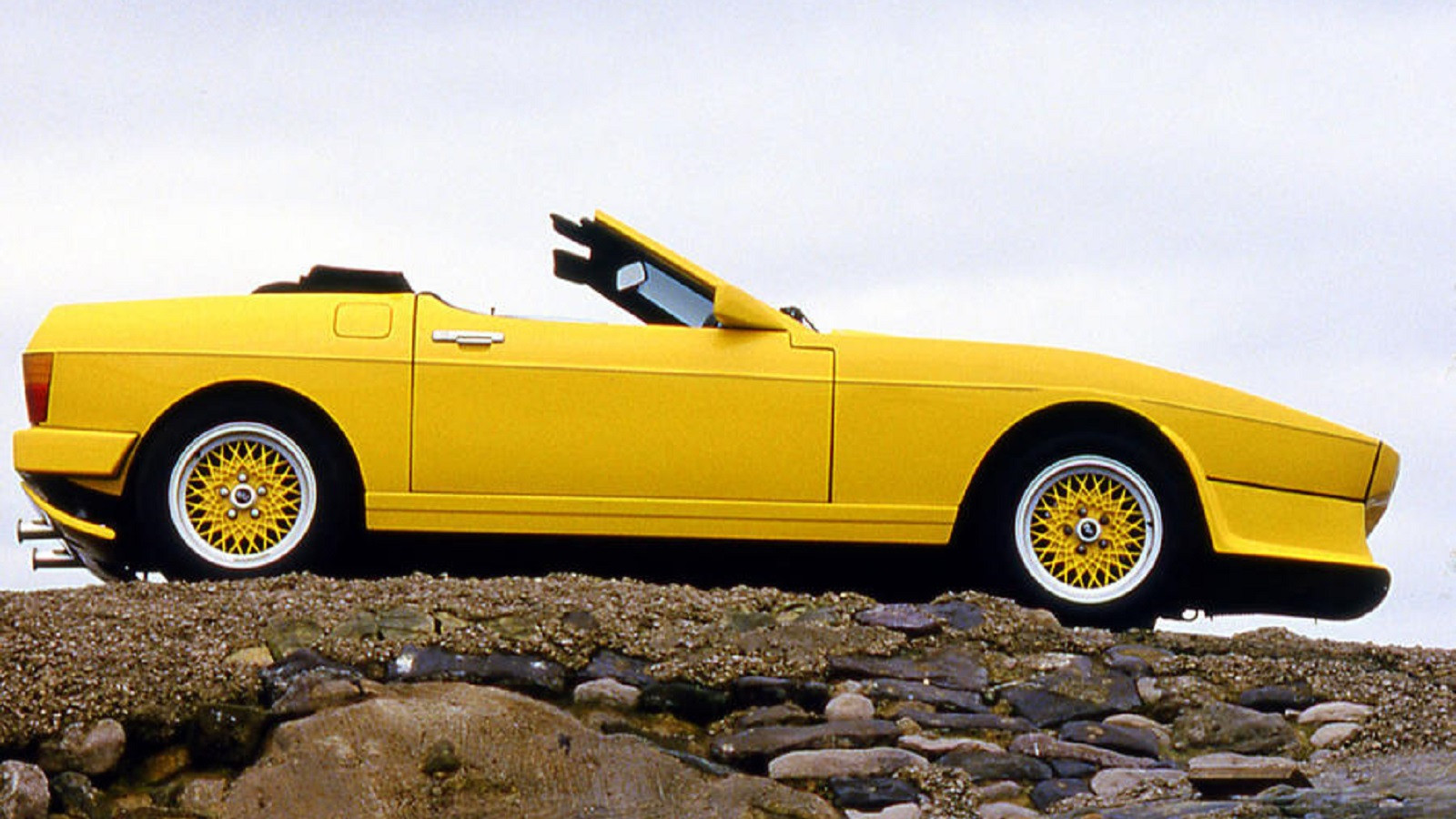
21. TVR Tasmin (1980)
TVR entered the 1980s with a bold new wedge-shaped look styled by Oliver Winterbottom and powered by a new engine to the company, in the form of the 2.8-liter Cologne V6.
The Tasmin was a two-seater coupe, which was followed by four-seat version and convertible in 1981.
In 1984, the Tasmin became the 280i with two-seat coupe and drop-top bodies, and the pair helped shape the company’s success for the following two decades.
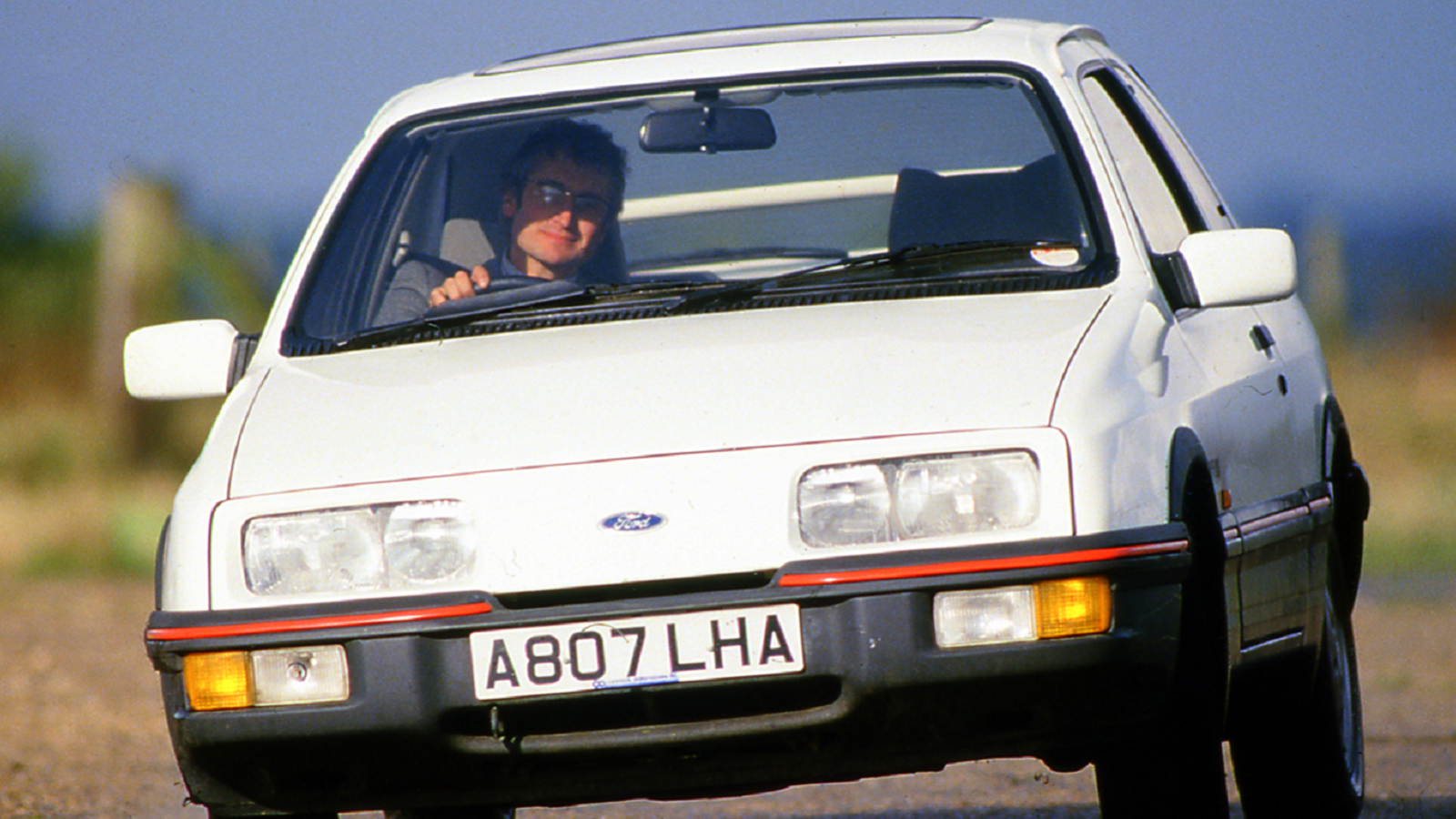
22. Ford Sierra (1982)
Ford stunned the world with its sleek, aerodynamic Sierra at launch in 1982.
In the beginning, the biggest engine on offer was the 2.3-liter Cologne V6 with 115HP.
That was okay for 115mph and 0-60mph in 11.9 secs, but Ford quickly recognized the opportunity for a proper sporting Sierra and added the XR4i in 1983 with the 2.8-liter V6. It produced 150HP and delivered 0-60mph in 7.7 secs to make it a grown-up hot hatch.
A year after the XR4i’s launch, Ford gave buyers another take on a rapid Sierra with the introduction of the XR4x4.
It managed 0-60mph in 8.2 secs and a 127mph top end, but it was the four-wheel-drive traction that made this car a revelation. Power to the front wheels was solved by running the driveshafts through the V6 engine’s sump.
23. Panther Kallista (1982)
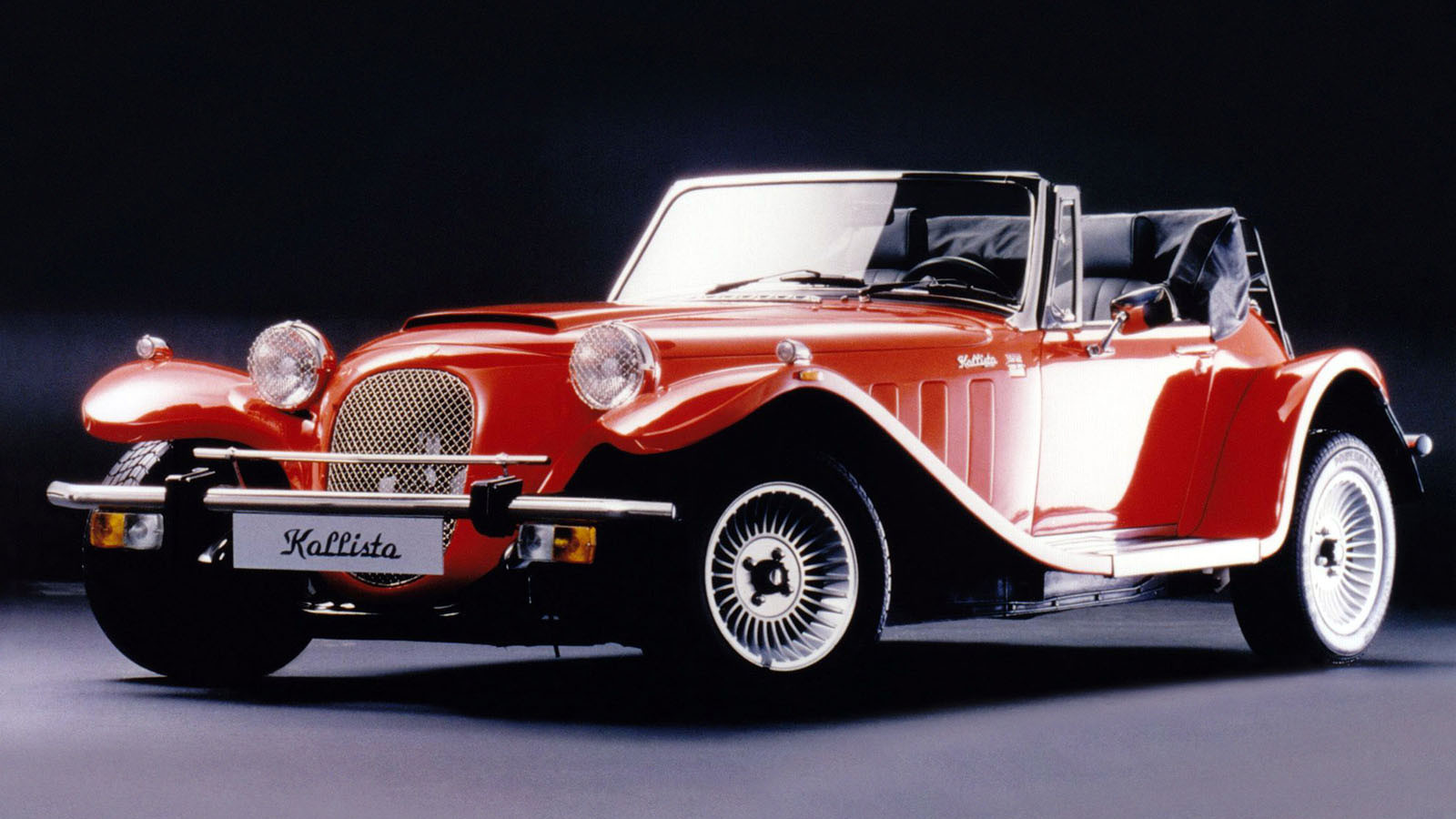
Panther radically redesigned its pastiche Kallista when it switched from the previous Lima’s Vauxhall power to the new car’s Ford engines, even if the car appeared almost identical from the outside.
The 2.8-liter V6 was now the headline act under the hood, with 0-60mph in 7.7 secs thanks to the Kallista’s modest weight of 965kg.
The Kallista remained in production until 1990 and is now beginning to emerge as a classic in its own right, rather than being seen as a quirky Morgan alternative.
24. Ford Bronco II (1983)
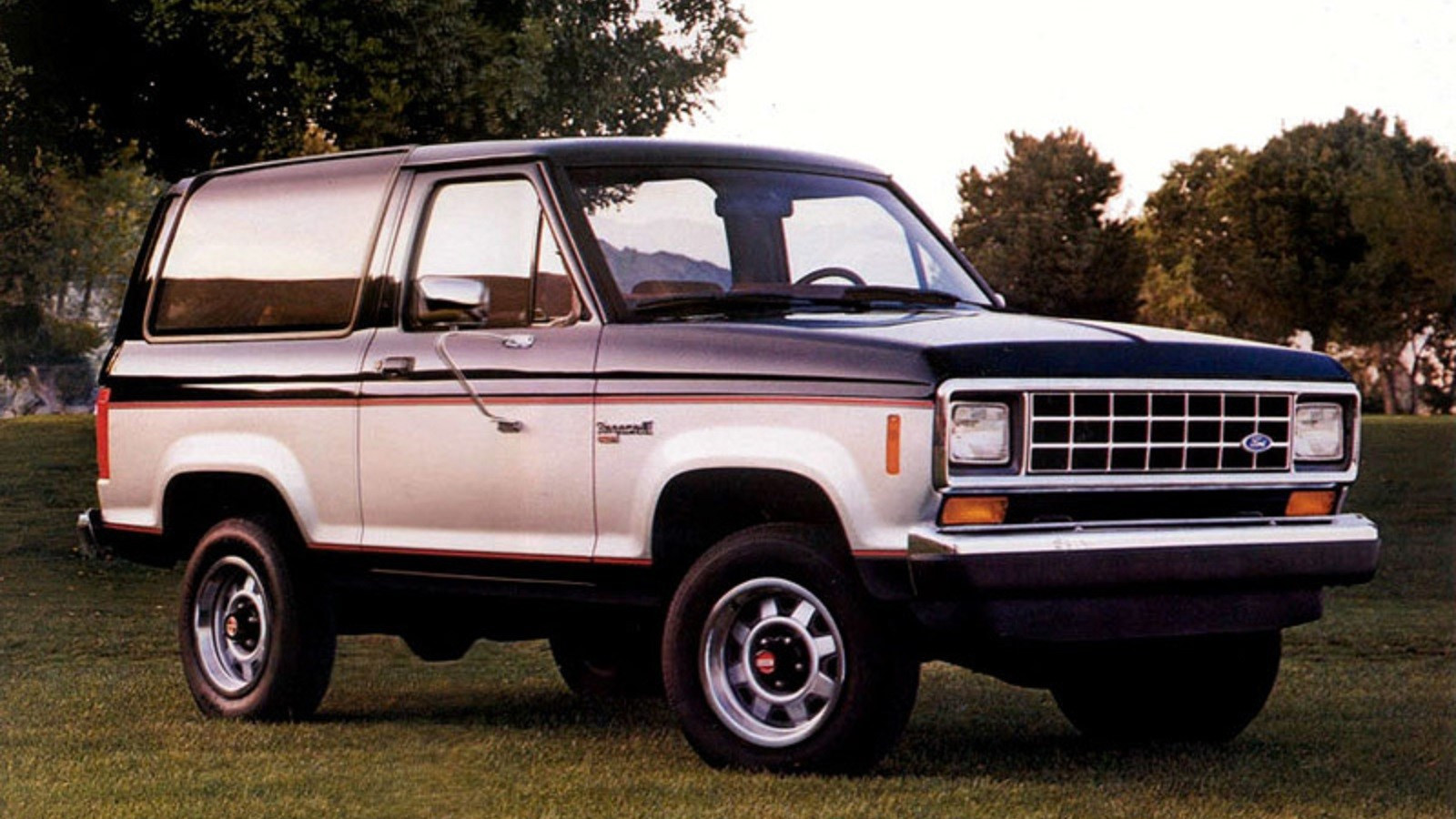
The Ford Bronco II was a thoroughly US designed and built 4x4, yet it was offered with the German-made Cologne V6.
It started off in 1984 with a detuned 2.8-liter version of the engine that delivered an underwhelming 117HP.
This was partly to suit the nature of this SUV, and also because it used a carburetor rather than the fuel injection the motor was running in the likes of the Granada and Capri by then.
In 1986, Ford gave the Bronco a welcome increase in power with the 2.9-liter fuel-injected Cologne V6 that came with 141HP.
25. Ford Aerostar (1986)
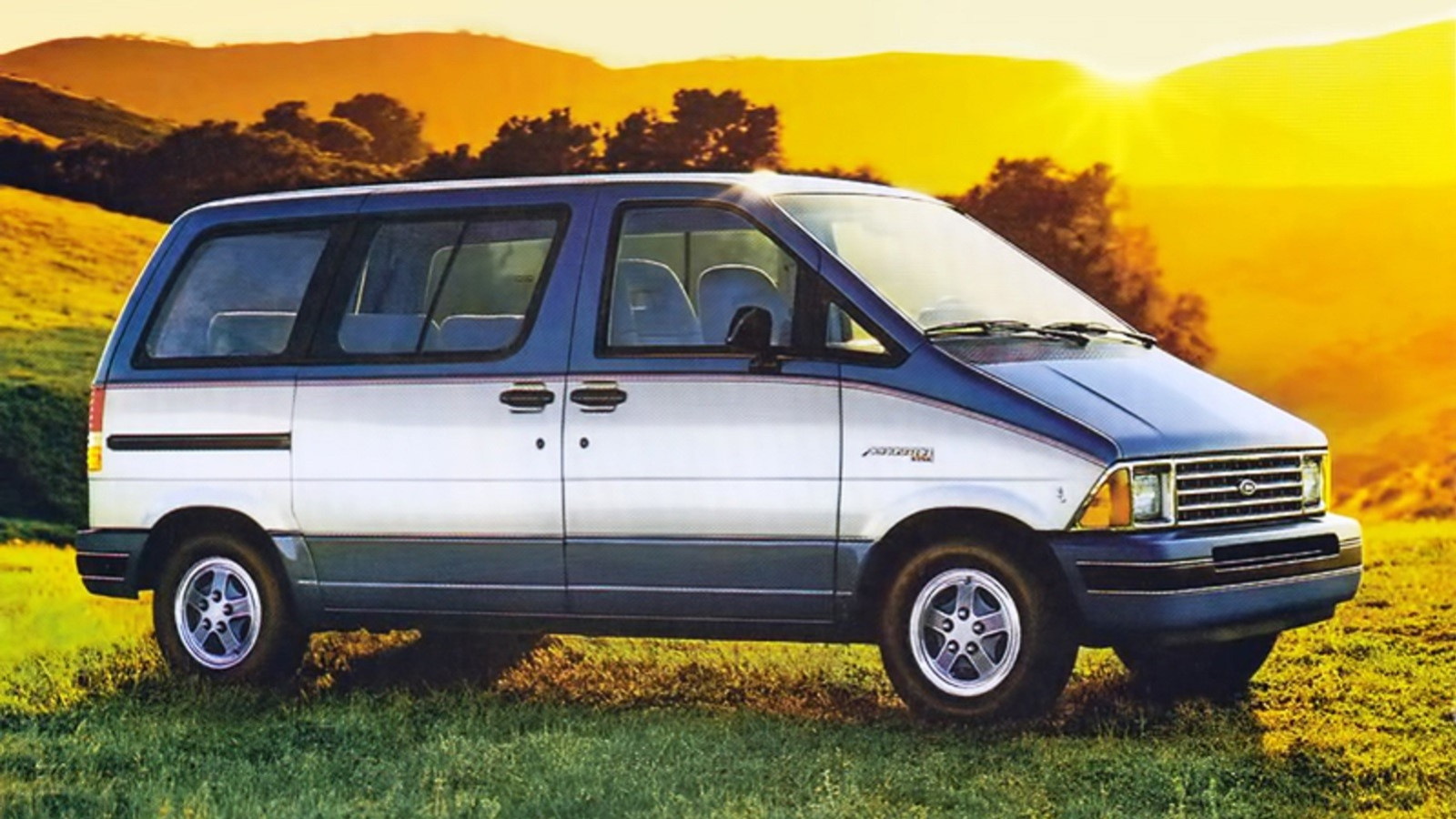
Ford got on terms with Chrysler in the burgeoning minivan minivan class with the arrival of the Aerostar in 1986.
Many buyers ignored the meagre 102HP 2.3-liter four-cylinder model, and chose the 117HP 2.8-liter Cologne V6-powered version.
This was the same carburetor-fed motor as used in the Bronco, with low-down torque favored over more power at higher revs.
Ford replaced the 2.8-liter V6 with a 147HP 3.0-liter unit in 1986, but this was a Vulcan family V6 developed in the US rather than the Essex V6 built in the UK.
There was also a 4.0-liter Cologne V6-engined model with 162HP from 1990.
26. TVR S (1986)
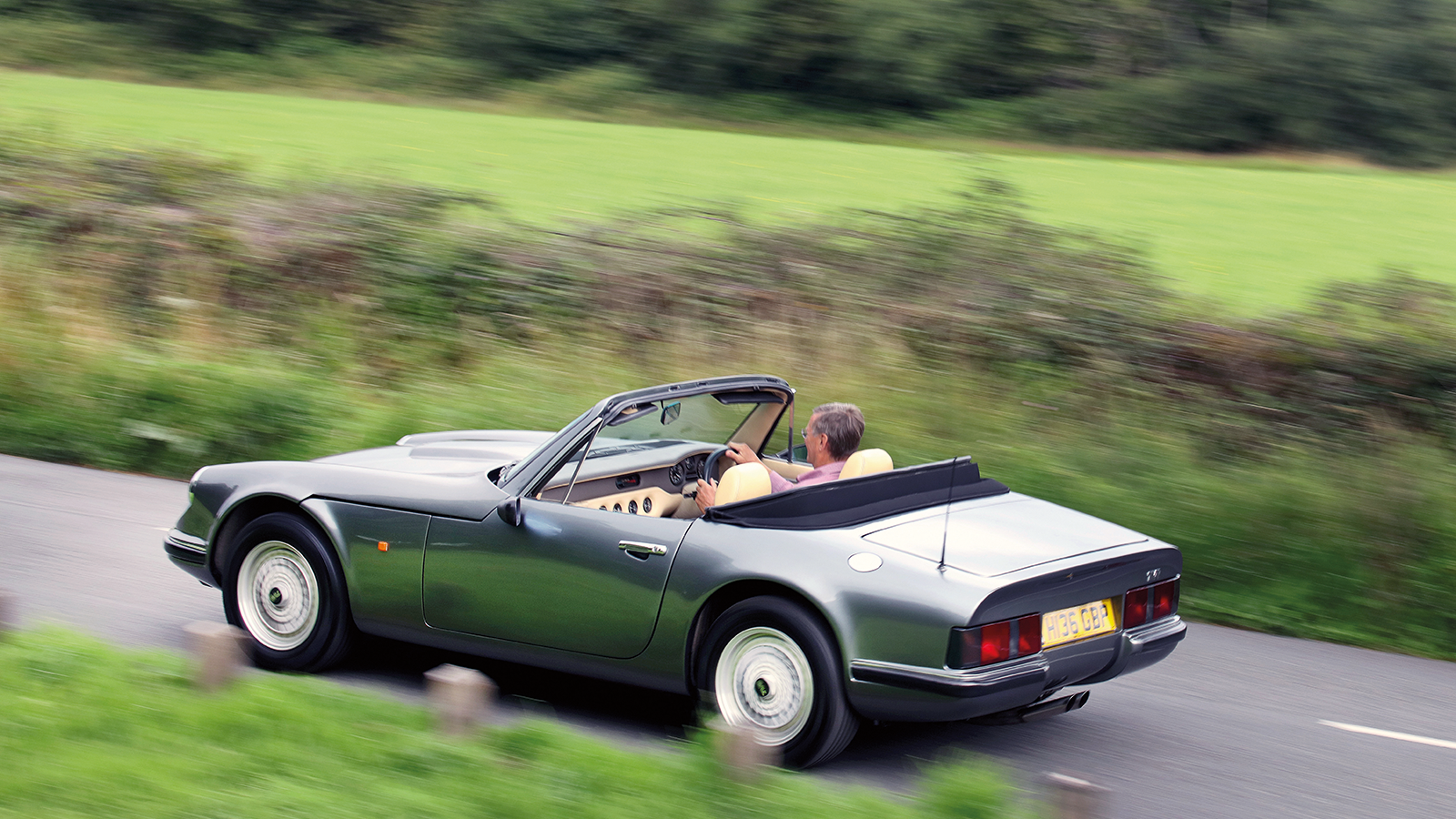
The S was a clever marketing move by TVR to introduce a more affordable model while using existing knowledge from the firm’s recent past.
Its chassis was borrowed from the Tasmin and the looks were derived from the earlier 3000S, while the engine started out as the 2.8-liter unit from the Ford Capri.
The S2 was uprated in 1988 with the 2.9-liter V6 as used in the Ford Granada, which gave the same performance as the 2.8 of 0-60mph in 6.8 secs and a top speed claimed at 141mph.
27. Ford Explorer (1990)
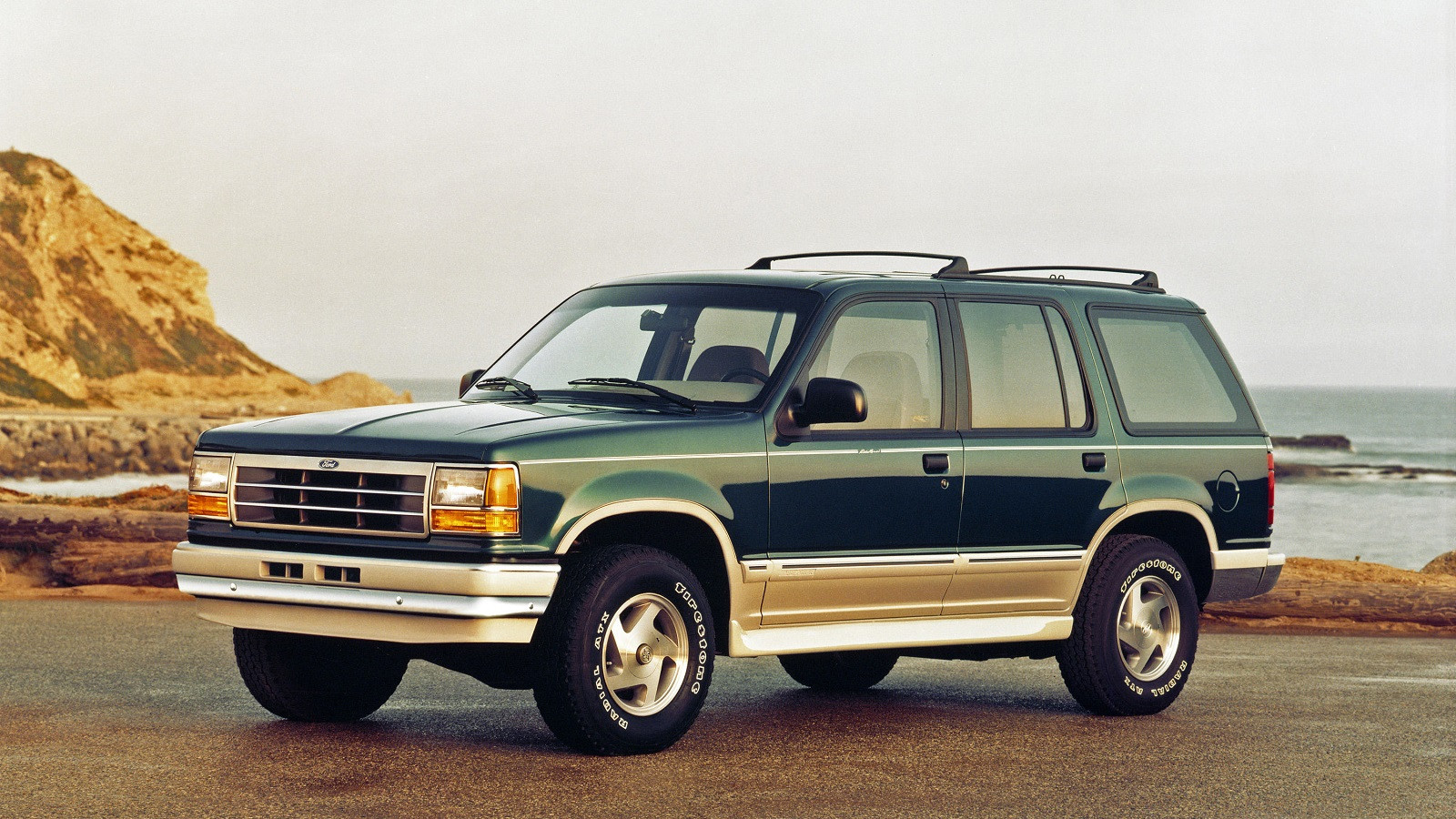
The Cologne V6 found itself on the other side of the Atlantic in 4.0-liter form to power Ford’s Explorer SUV.
This was a larger car than the Bronco it was based on and needed the extra power of the 155HP 4.0-liter engine to deal with its weight and barn-door aerodynamics.
In 1993, Ford increased the power of the Cologne engine to 162HP, though the driver would be hard pressed to notice any difference in performance or fuel economy.
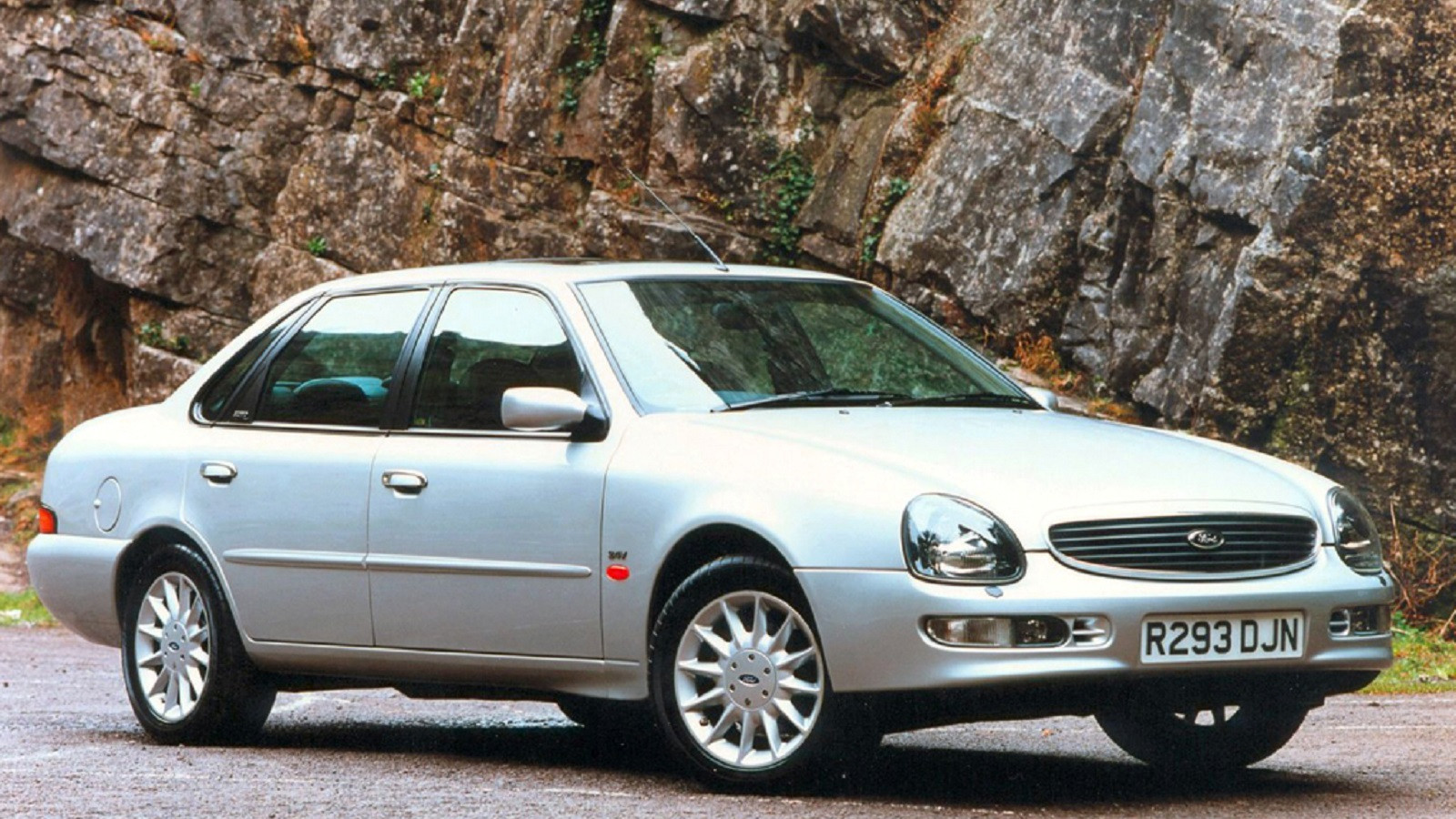
28. Ford Scorpio Cosworth (1991)
Ford breathed new life into its Cologne V6 in 1991 when it fitted new cylinder heads with four valves per cylinder.
Designed by Cosworth, these new heads made the engine rev much more freely and smoothly, as well as liberating 197HP to begin with.
In the later bug-eyed Scorpio Cosworth, the engine increased in power to 209HP. This was enough to shift the hefty Ford from 0-60mph in 9.0 secs and on to 138mph.