Superb ‘sixes’
Think of Italian classic cars and most will conjure ideas of wailing V12s or perky four-cylinder motors, but this country has made more than its fair share of six-cylinder-powered cars.
Going right back to the early days of its automotive industry, Italian car makers have looked to six-cylinder engines for their smooth, refined power.
Whether in straight-six or V6 configurations, these engines have powered everything from luxury sedans to rally winners.
Here’s our look at Italy’s six-cylinder classic cars, arranged in chronological order.
1. 1927 Alfa Romeo 6C-1500/1750/1900
The Alfa Romeo 6C became a mainstay of the company with the 1500 that was launched in 1927.
The 1487cc straight-six proved very successful on the road and in competition, and it was used with a variety of body styles.
A more powerful 1750 version arrived in 1929 and there was the option of a supercharger that lifted power to as much as 103HP.
Depending on the engine spec and body fitted, the 1750 could reach speeds of up to 110mph.
Alfa Romeo’s final derivative of this engine was the 1917cc unit for the 6C 1900, which came with aluminum cylinder heads to deliver 68HP.
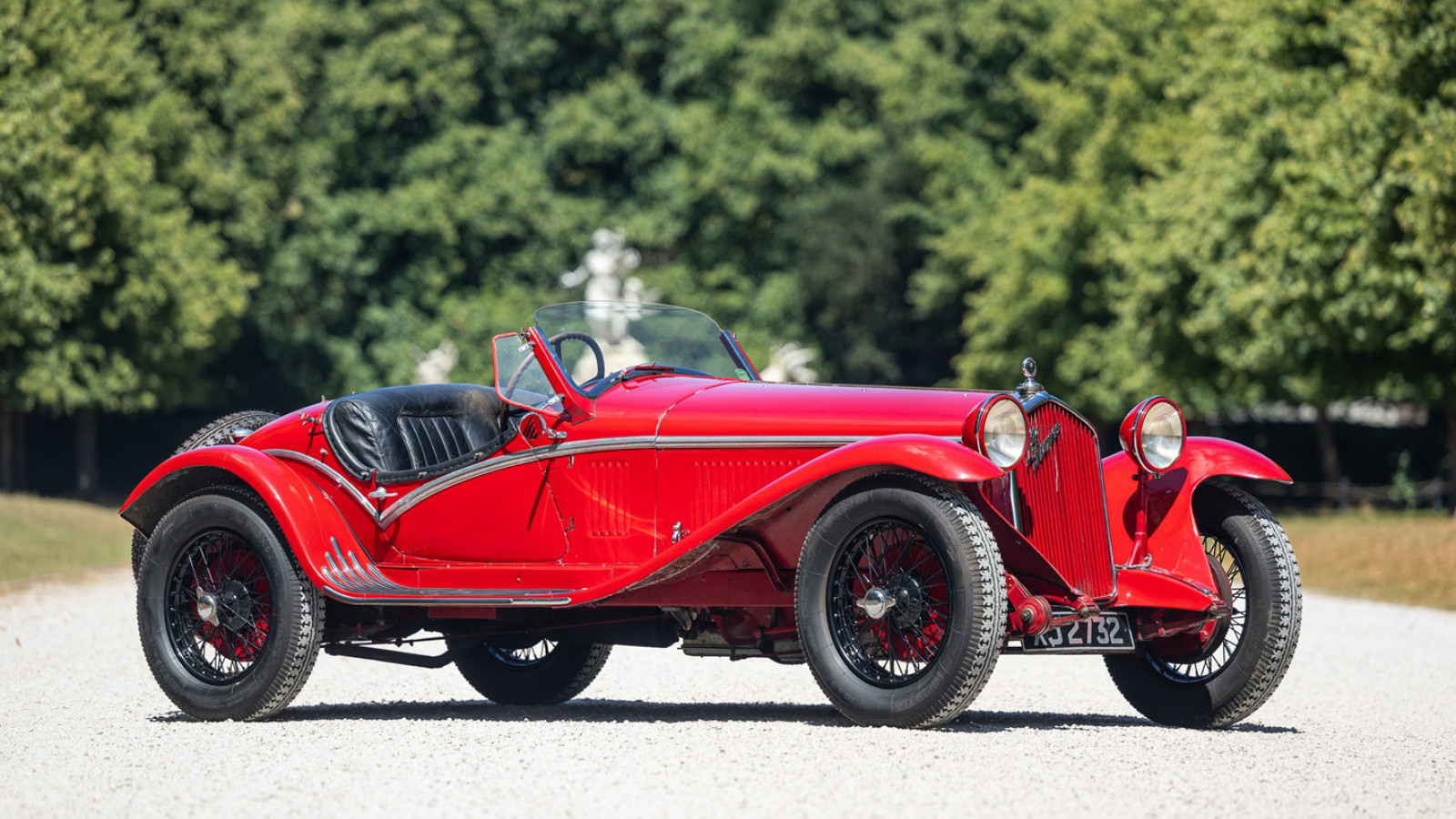
2. 1934 Alfa Romeo 6C-2300/2500
Although it shared the 6C name, this was an all-new engine from Alfa Romeo designed by Vittorio Jano.
In its modest Turismo form, the engine produced a solid 69HP, but if you opted for the Pescara version that increased to a much more satisfying 97HP.
All told, Alfa produced 1606 2300 cars, wearing a mix of sedan, tourer, open-top and coupe bodies.
In 1938, the 6C-2500 became the last of this line, though it did appear in tiny numbers post-war up until 1951.
The straight-six could be fed by one, two or three carburetors, with the most potent giving 121HP for the road or 147HP for competition use.
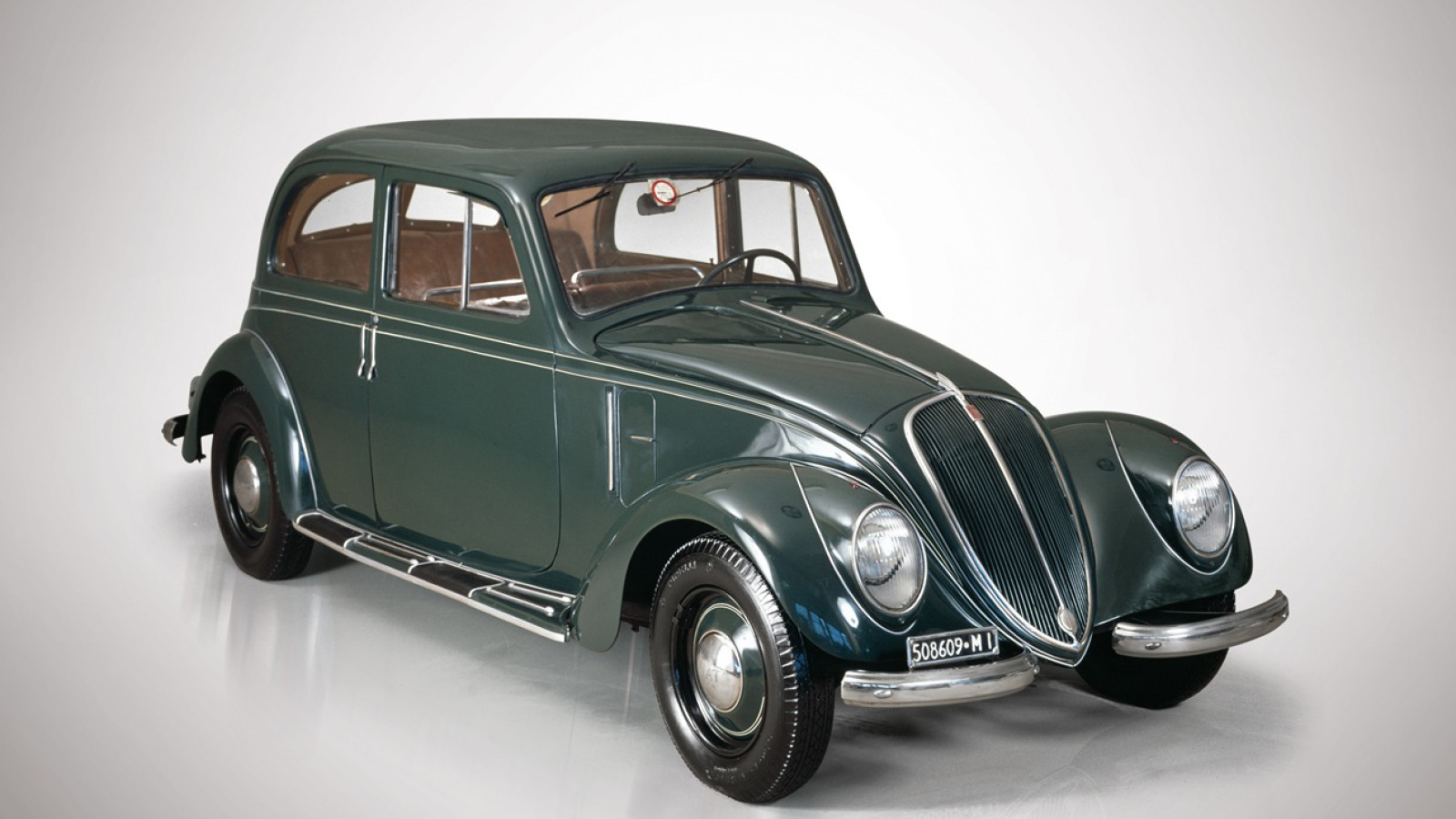
3. 1936 Fiat 1500
Fiat was no stranger to straight-six engines in its cars, but the 1500 of 1936 was a much more modern design.
The short-stroke, four-bearing motor had a 1493cc capacity and gave 45HP to feel peppy in the sedan or cabriolet 1500 models.
While not the quickest car of its class, the Fiat was noted for its refinement and the smoothness of its engine at speeds of up to 70mph.
Improvements arrived in 1939 and 1940, and the 1900 resumed production in 1946 with small upgrades improving power to 48HP.
Approximately 46,000 Fiat 1500s had left the factory by the time the last rolled off the line in 1950.
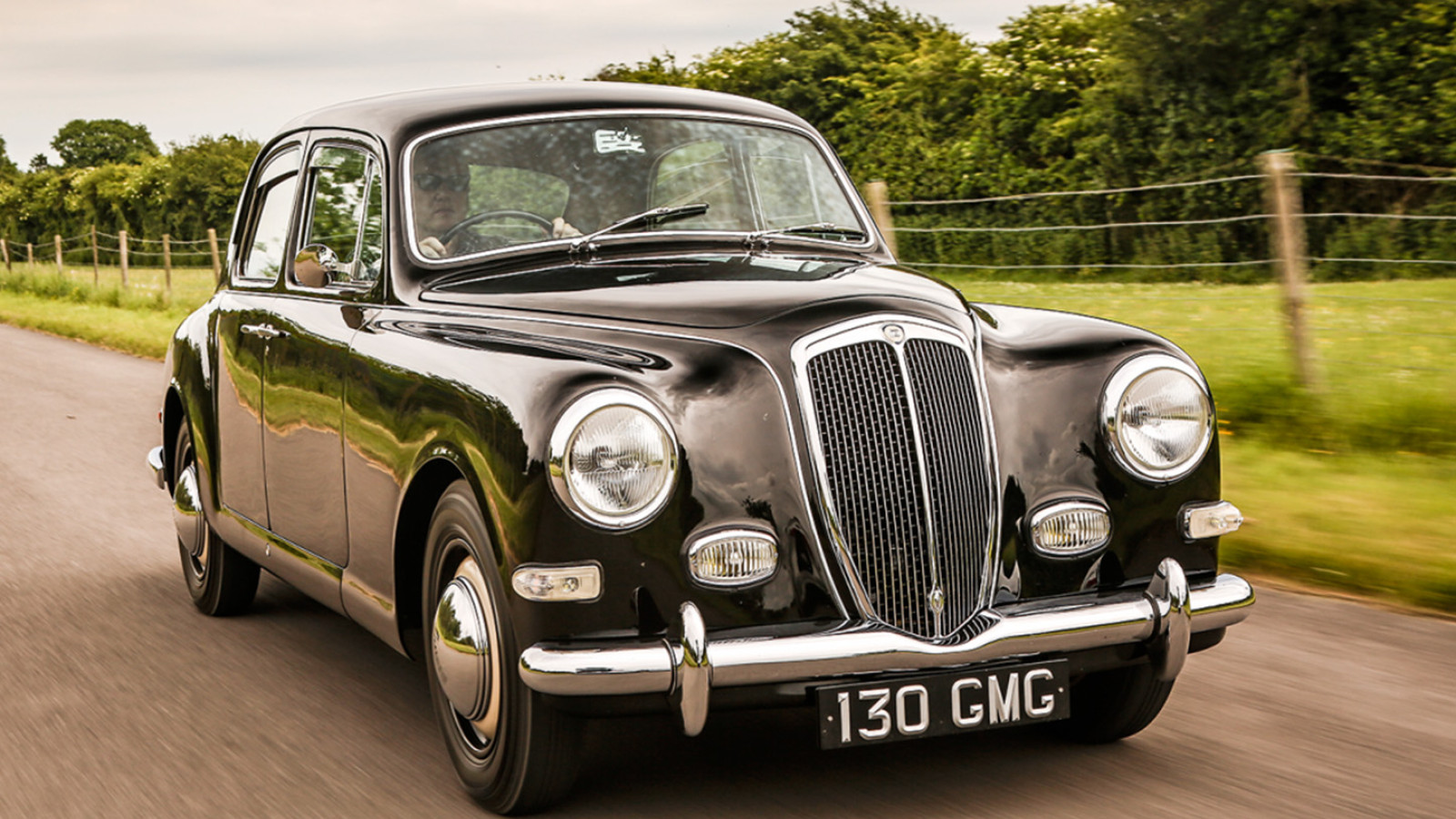
4. 1950 Lancia Aurelia
Lancia’s elegant Aurelia range spanned sedan, coupe and convertible models, all using the sophisticated V6 engine designed by Vittorio Jano.
This compact motor started with a 1754cc capacity for the four-door car, growing to a 1991cc version and then a 2266cc.
For the nimble B20 GT coupe, Lancia installed the 2-liter motor or a 2451cc V6, which meant a top speed of up to 110mph.
The rare Spider and Convertible variants all used the larger 2.5-liter V6, but only 761 of these models combined were produced.
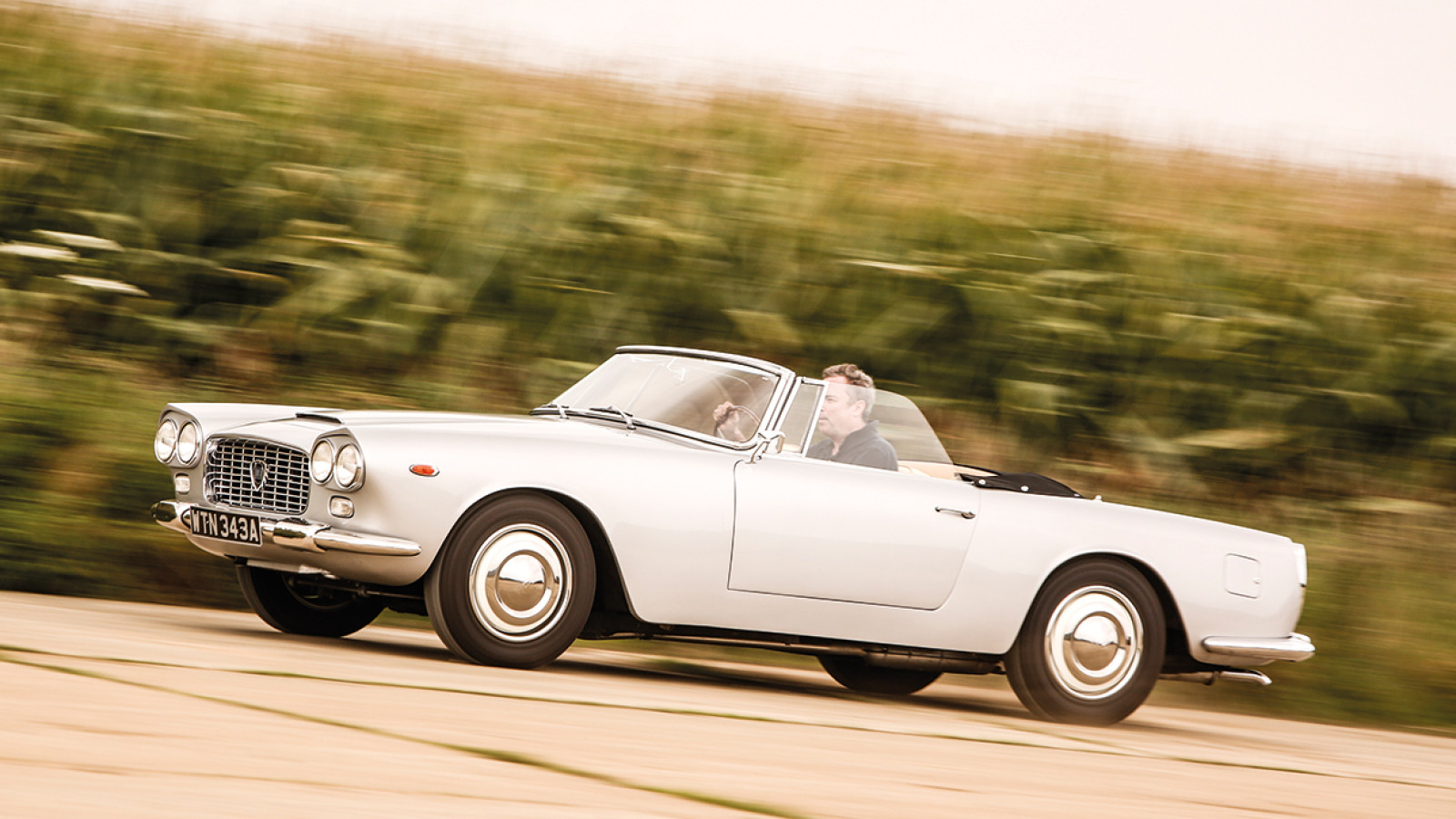
5. 1957 Lancia Flaminia
The heft of the new Flaminia sedan demanded Lancia use a 2.5-liter V6 engine from the outset, which was a new 2458cc motor.
It made for reasonable progress in the sedan, while a larger, 2.8-liter unit arrived in 1963, with improved pace and refinement.
Like the Aurelia before it, the Flaminia spawned a range of Coupe, Convertible and Sport versions.
The ultimate Lancia Flaminia was the Supersport Zagato that used a 2.8 V6 tuned to 152HP to offer a top speed of 130mph.
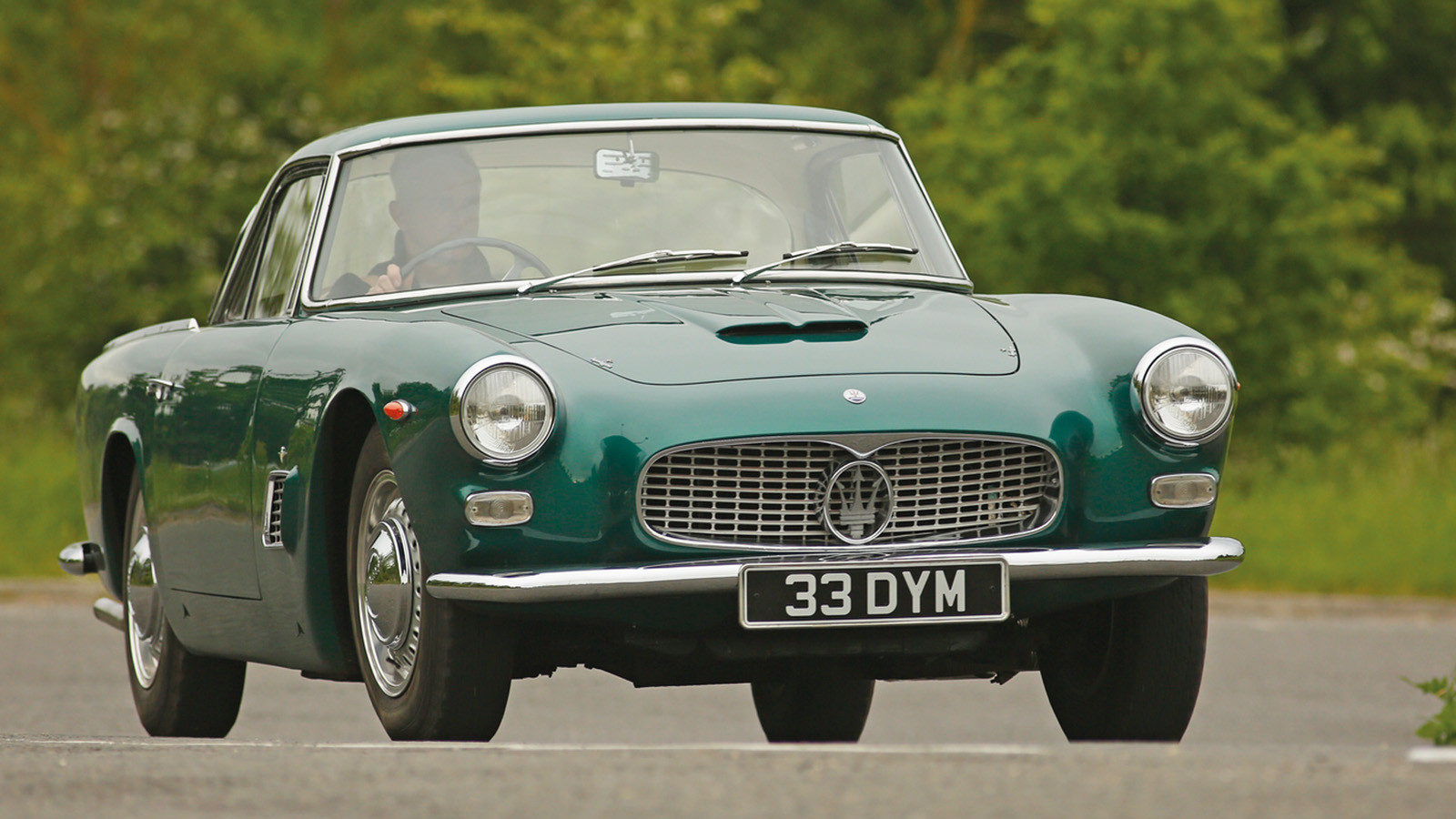
6. 1958 Maserati 3500GT
Maserati joined the elite of the luxury GT market with its 3500GT, which was based on the A6G’s chassis.
The engine was a brand-new, 3.5-liter straight-six that went on to power the 350S race car.
For the 3500GT, the 3485cc engine started out with 220HP and upped that to 235HP towards the end of the car’s life thanks to fuel injection.
Swapping to injection from the earlier triple carburetors was not universally welcomed, because the Lucas system was difficult to maintain.
When production ended, Maserati had built 1981 3500GT coupes and 242 convertibles.
7. 1959 Fiat 1800
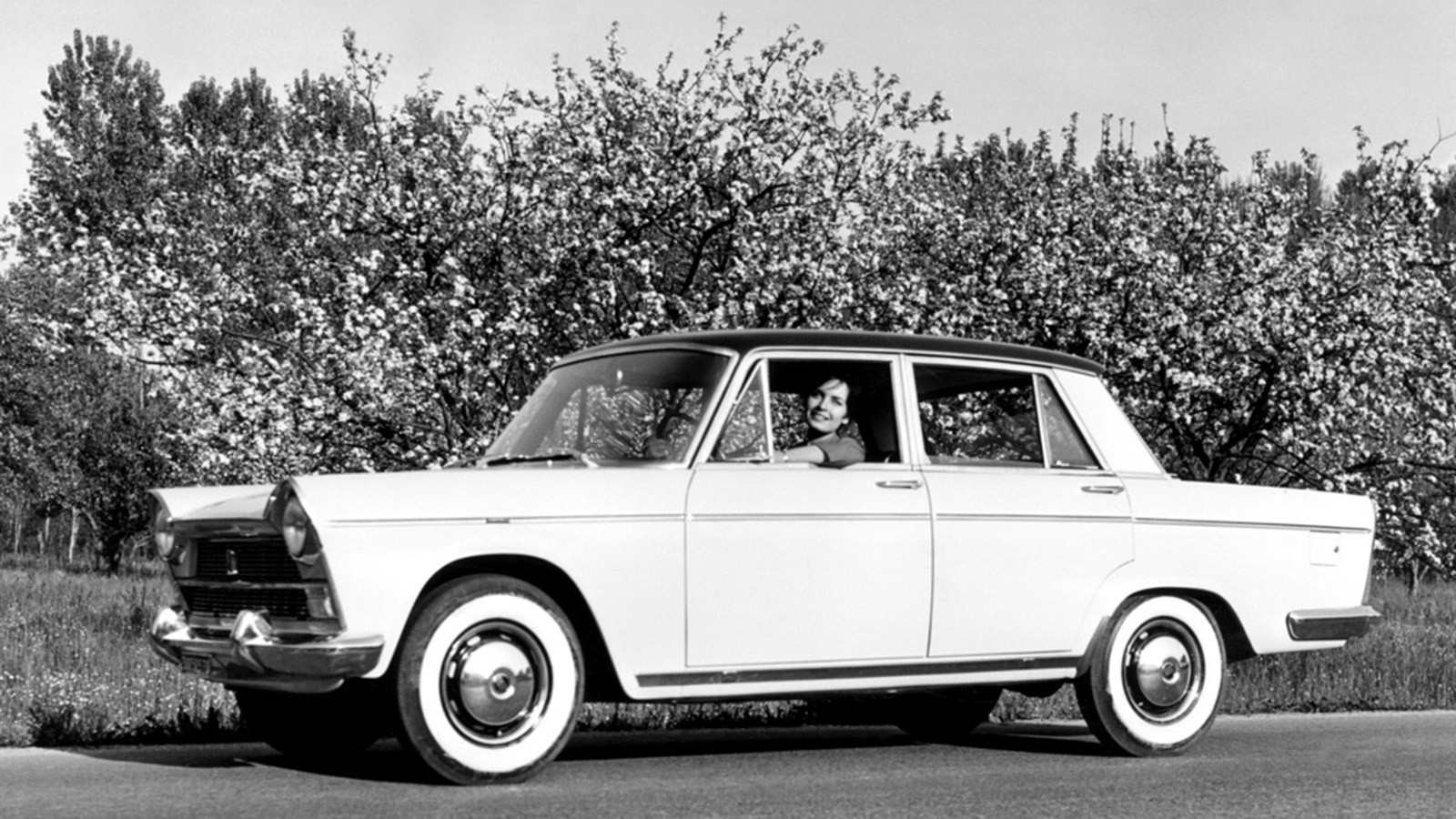
Although seen largely as a maker of affordable cars, Fiat introduced its first all-new, post-war, six-cylinder model with the 1800 in 1959.
The engine was designed by Lampredi and noted for being surprisingly powerful, even in entry-level 1800 form with 75HP.
While that later increased, the 2.1-liter version offered 82HP and the 2.3-liter unit as much as 117HP.
Fiat also used the 2.3-liter ‘six’ in its 2300 Coupe, and there was the option of a high-compression motor for the 2300S.
When production ended in 1968, around 185,000 examples of this six-cylinder range had been built.
8. 1962 Alfa Romeo 2600
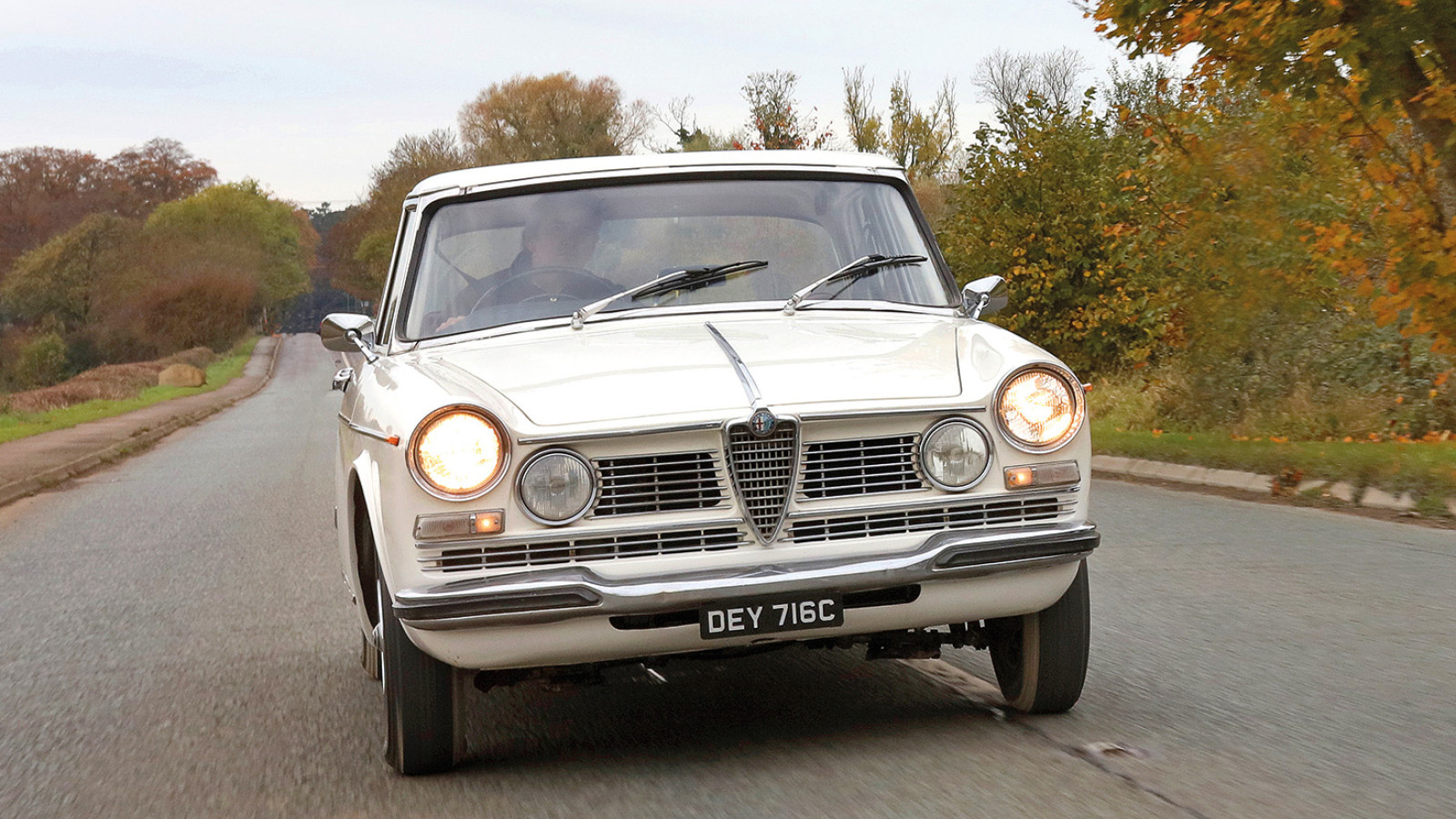
Alfa Romeo’s new sedan was offered with a four-cylinder, 2-liter engine, or you could opt for the brawnier 2600 with its 131HP straight-six.
The twin-cam engine gave the Berlina sedan strong performance, and it came with a floor change and front disc brakes to cope.
In the 2600 Sprint coupe and Spider models, the 2584cc, six-cylinder motor’s power increased to 145HP for a 125mph top speed.
While the engine delivered undoubtedly strong performance, its extra weight over the 2000 model did little for cornering ability.
Rarest of all is the 2600 Sprint Zagato with its 165HP engine – just 105 were made.
9. 1962 Maserati Sebring
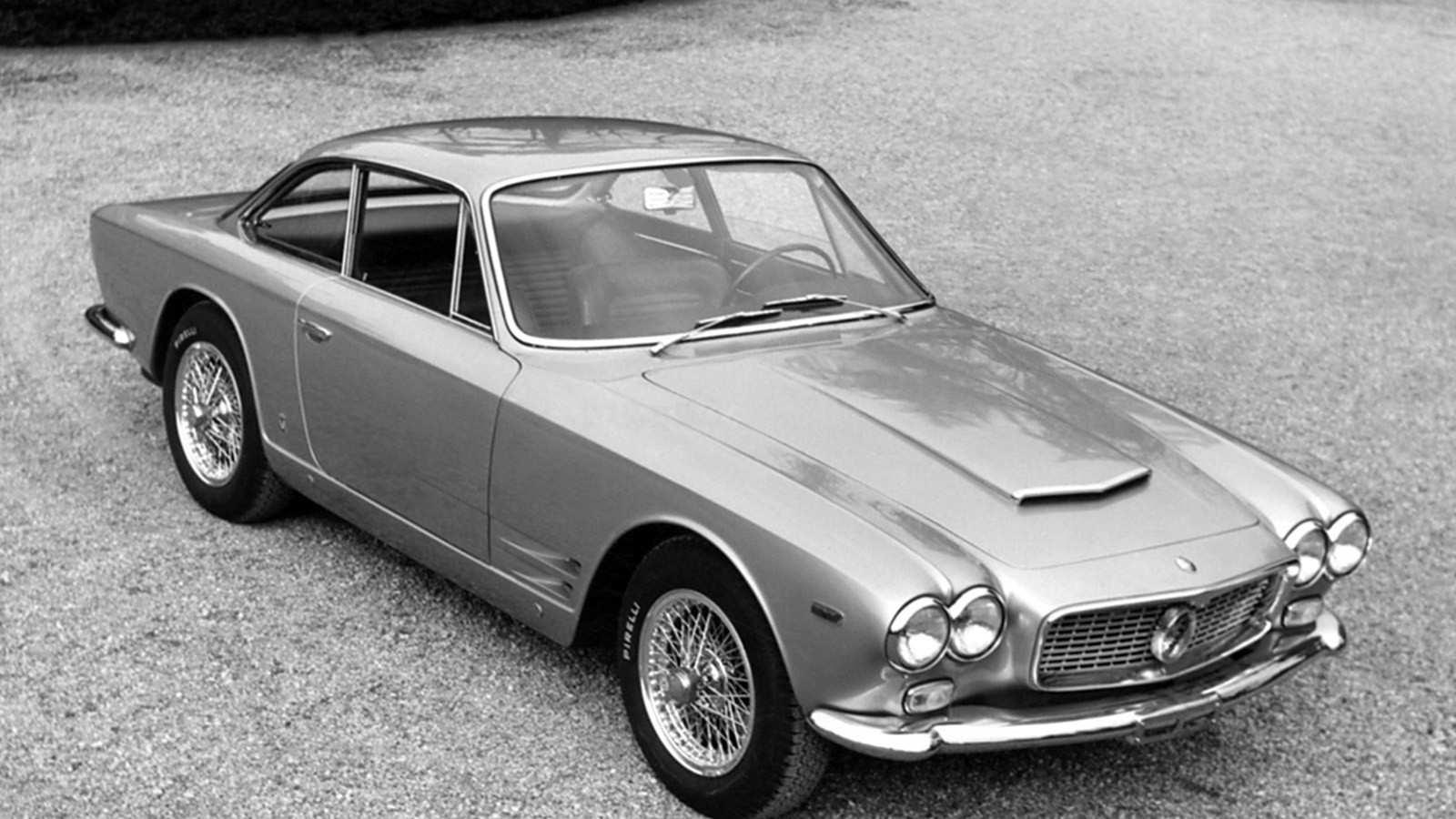
Using the 3500GT convertible’s chassis swathed in a handsome coupe body, Maserati added the Sebring to its line-up in 1962.
From the start, it used the fuel-injected, straight-six engine from the 3500GT and offered 235HP in its initial 3485cc capacity.
This grew to 3694cc for the Series II that came with 245HP, while the uprated Series II had a 4014cc motor delivering 256HP for a true 150mph top speed.
A three-speed automatic gearbox was an alternative to the standard five-speed manual gearbox.
Around 450 Maserati Sebrings were built altogether during a production run that spanned five years.
10. 1964 Maserati Mistral
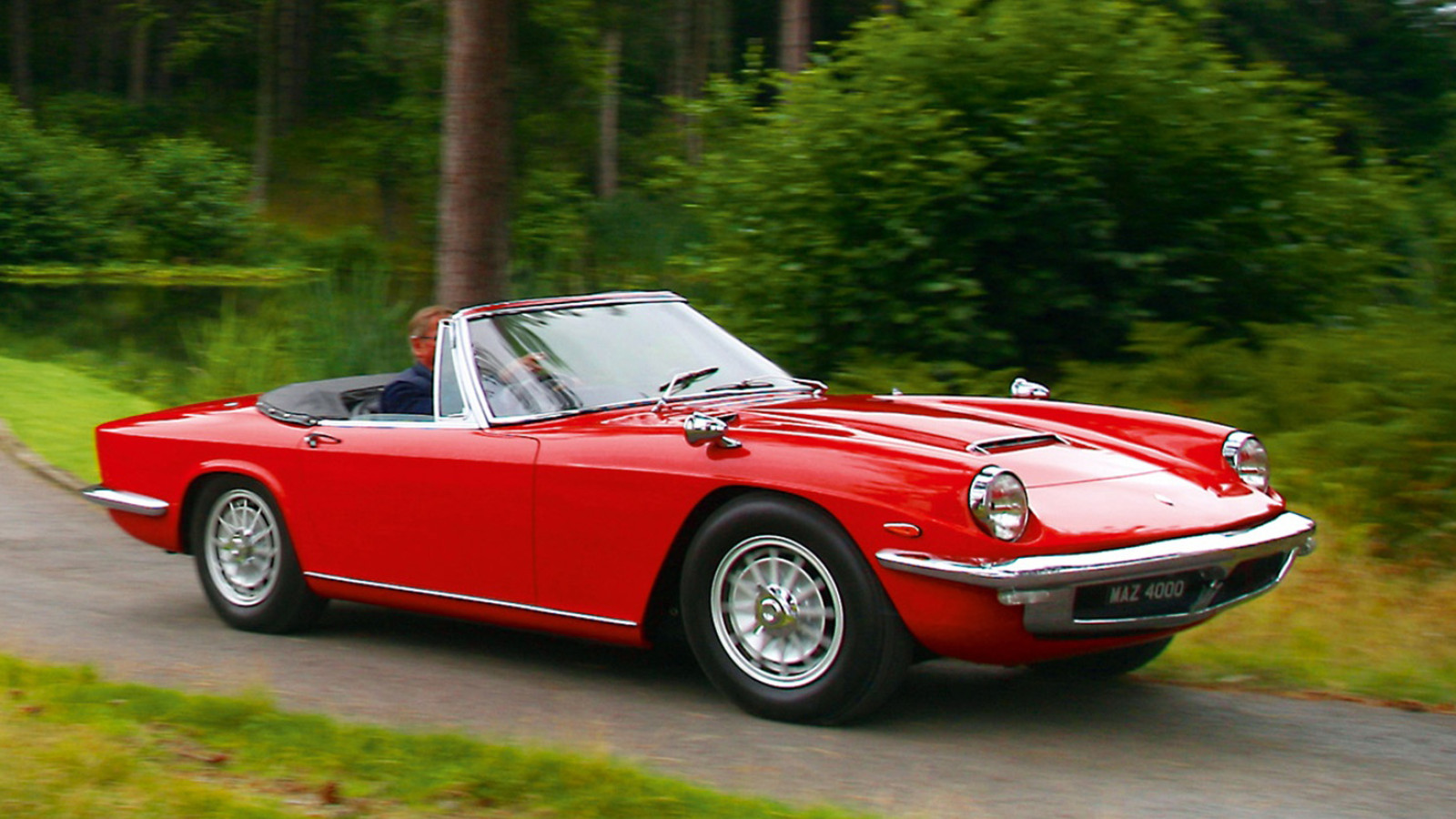
Keen not to see good ideas go to waste, Maserati used a shortened and strengthened 3500GT chassis for the Mistral, along with the straight-six engine.
Starting with the 3.5-liter unit in 238HP guise with fuel injection as standard, the Mistral soon gained the larger 3.7-liter unit that delivered 249HP.
The ultimate version of the Pietro Frua-styled Mistral came with a 269HP, 4-liter straight-six that could reach 155mph flat out.
Maserati also offered a Mistral Spider with an optional metal hardtop, and the company sold 120 of the drop-top in addition to 828 coupes.
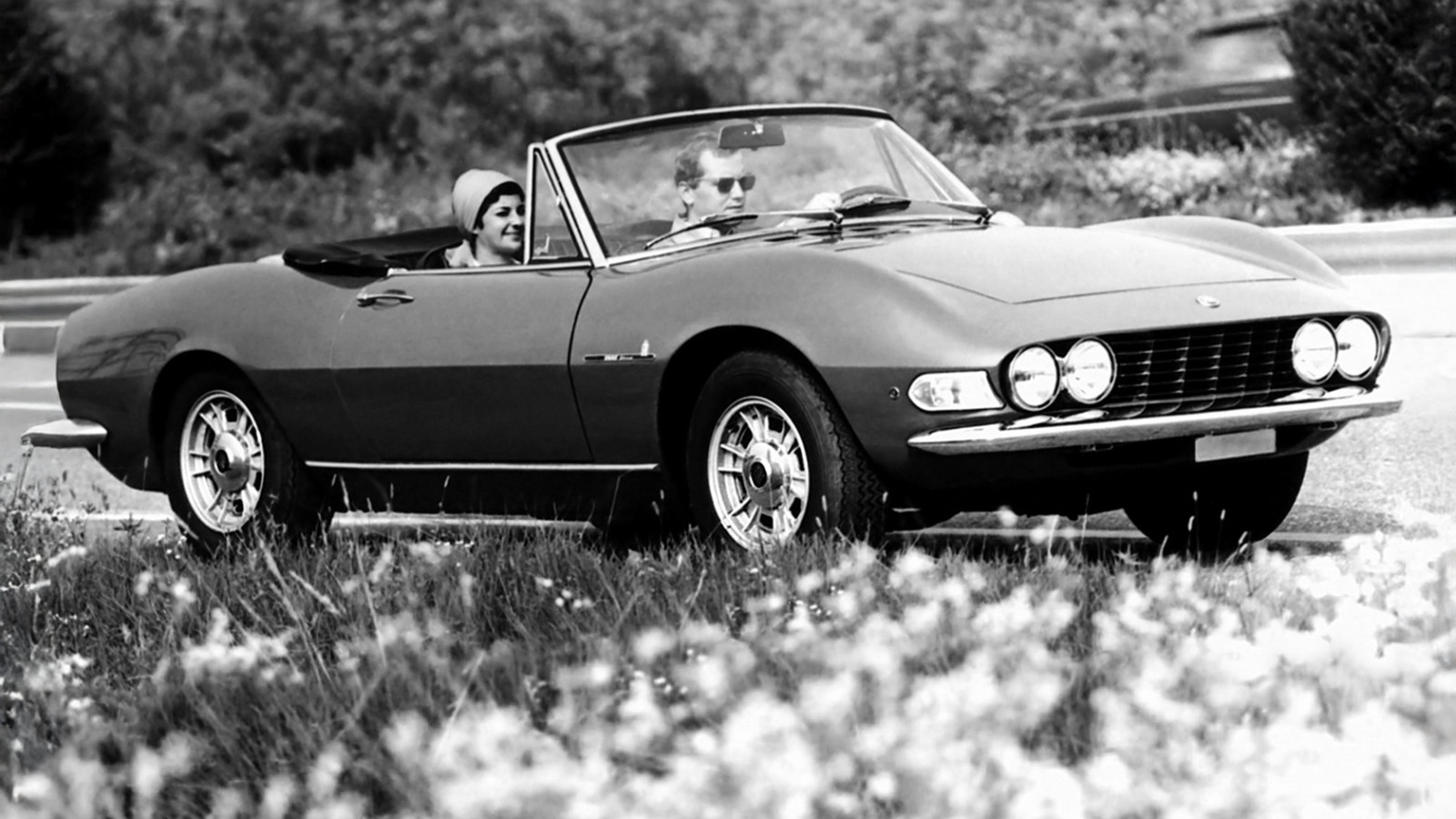
11. 1966 Fiat Dino 2000/2400
Despite looking distinctly different, Fiat’s Dino Coupe and Spider models shared the same Ferrari-sourced V6 engines.
The Spider came first in 1966 to help Ferrari homologate its 2-liter V6 for use in Formula Two racing.
The quad cam V6 grew to 2.4 liters in 1969, with power rising from 160HP to 179HP, and consequent improvements in acceleration and top speed for both cars.
While the mechanical package was identical between the two models, the Spider’s body was styled by Pininfarina and the Coupe’s by Bertone.
The Coupe also had a wheelbase that was 12in (305mm) longer than its sibling’s.
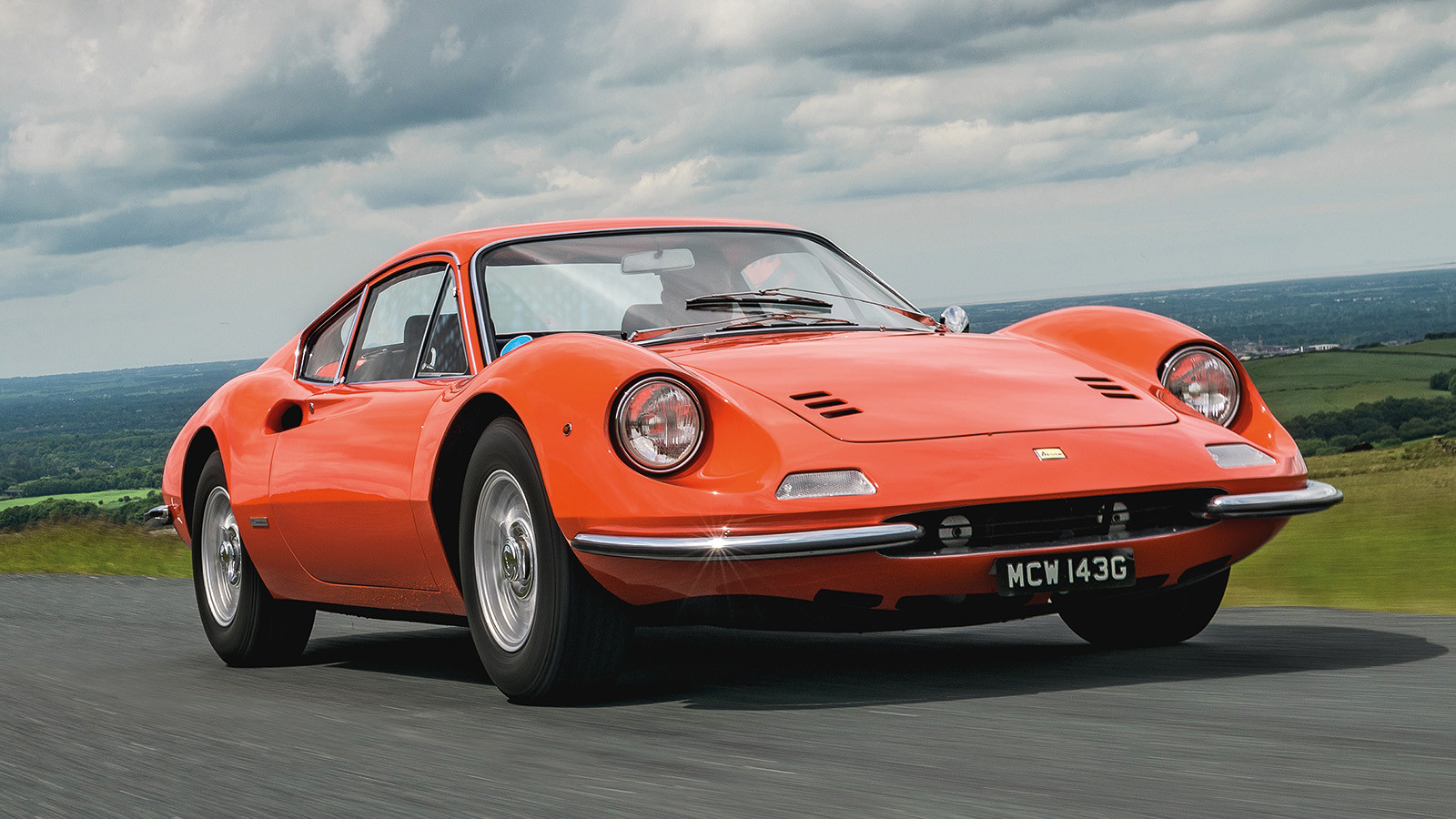
12. 1968 Ferrari Dino 206/246
The Dino 206 was Ferrari’s first mid-engined production car and used the marque’s compact, 1987cc V6, mounted transversely to help with packaging.
Driving through a five-speed gearbox, the engine came with 179HP for a 142mph top speed.
In 1969, the engine was increased in size to 2418cc to turn the 206 into the 246.
A key difference between the pair is the 206’s engine has an aluminum block to underline its racing roots, while the 246’s motor uses a cheaper-to-produce iron block with aluminum cylinder heads.
The 2.4-liter V6 gave 194HP and on a good day it could see a true 150mph flat out.
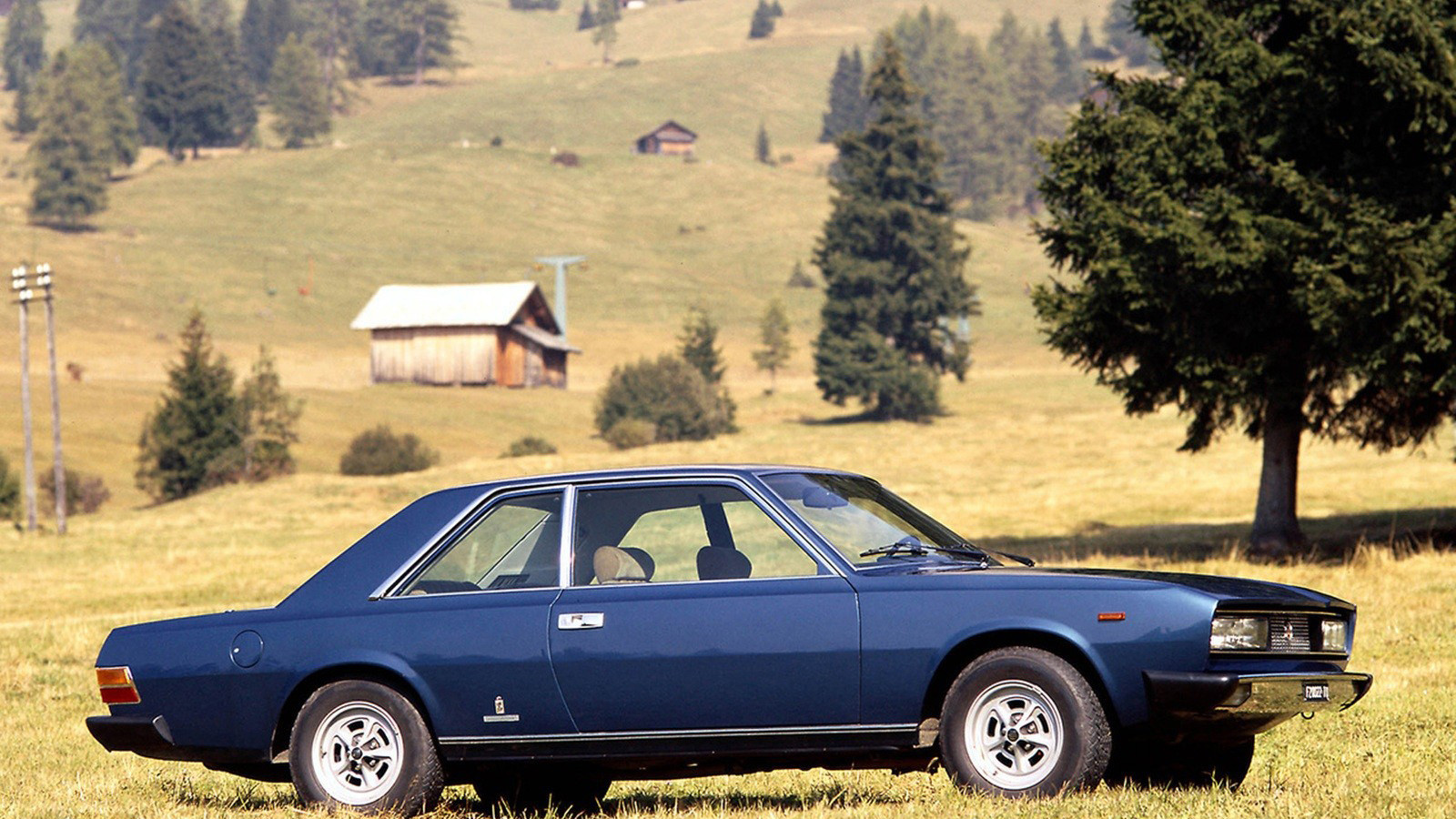
13. 1969 Fiat 130
It would have been quite the claim for Fiat’s 130 sedan and Coupe had it used the same engine as the Ferrari Dino.
Sadly, the large sedan and its two-door sibling only used the iron-block bottom end of the V6 that had also been used in Fiat’s Dino 2400s.
For the 130 models, the V6 had single-camshaft cylinder heads and they were driven by a toothed belt rather than a chain.
The result was a more modest power output of 140HP, even though the motor’s capacity had been increased to 2886cc.
A larger 3235cc V6 arrived in 1971 for the sedan and this engine was always used in the Coupe.
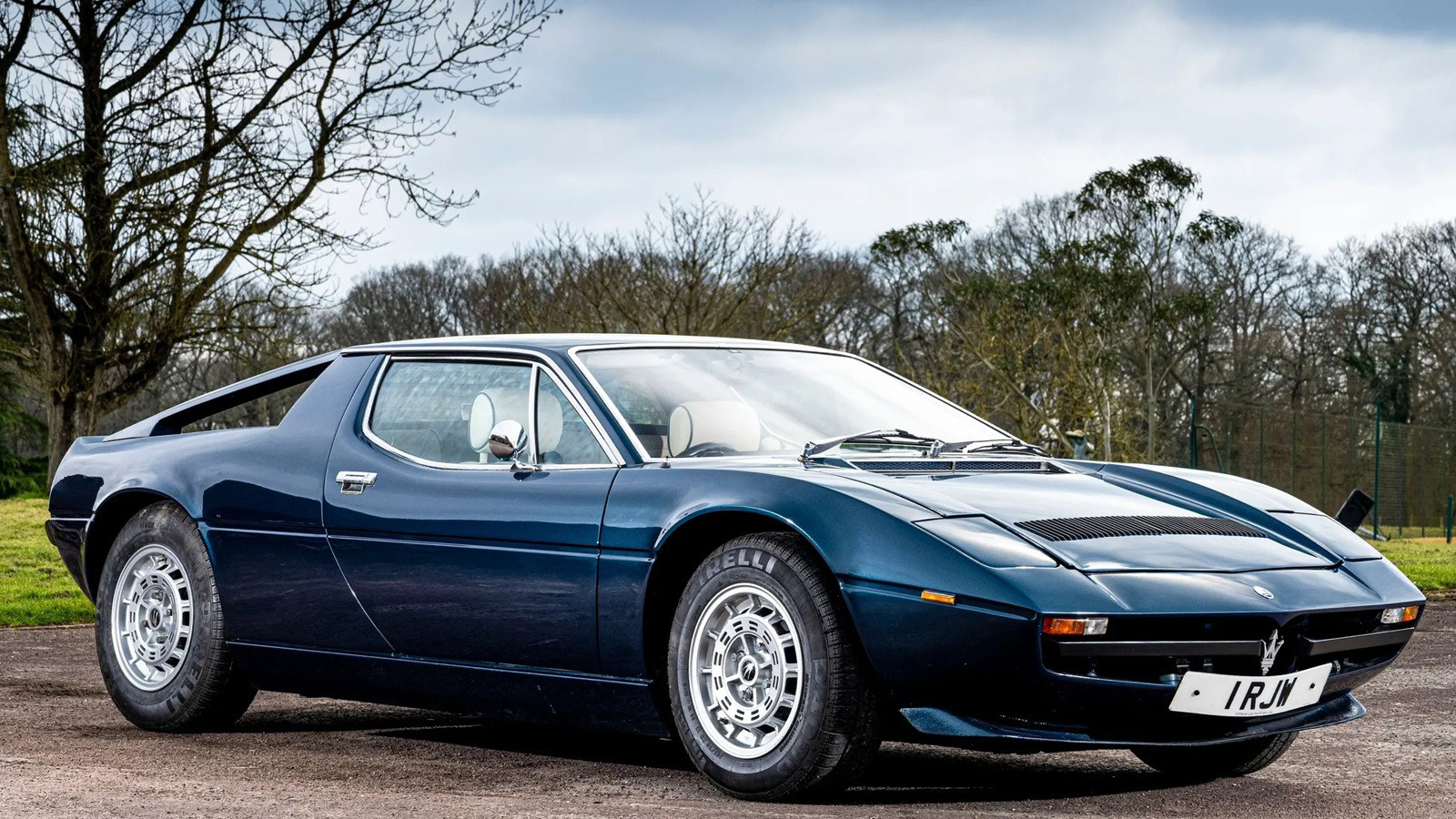
14. 1972 Maserati Merak
Using the frame and much of the bodywork from the Bora, Maserati fitted the V6 it had built for the Citroën SM to create its own junior supercar, the Merak.
With a mid-mounted 2965cc V6 producing 190HP, the Merak was a solid rival to the Ferrari Dino and Porsche 911.
When Alejandro de Tomaso took over Maserati in 1975, he set about refining the Merak and a ZF five-speed gearbox replaced the Citroën unit in 1976.
The SS version had arrived in early 1975 with 220HP to offer a 155mph top speed, which was 8mph up on the earlier 3.0’s.
There was also an Italy-only, 2-liter V6 with a meager 159HP.
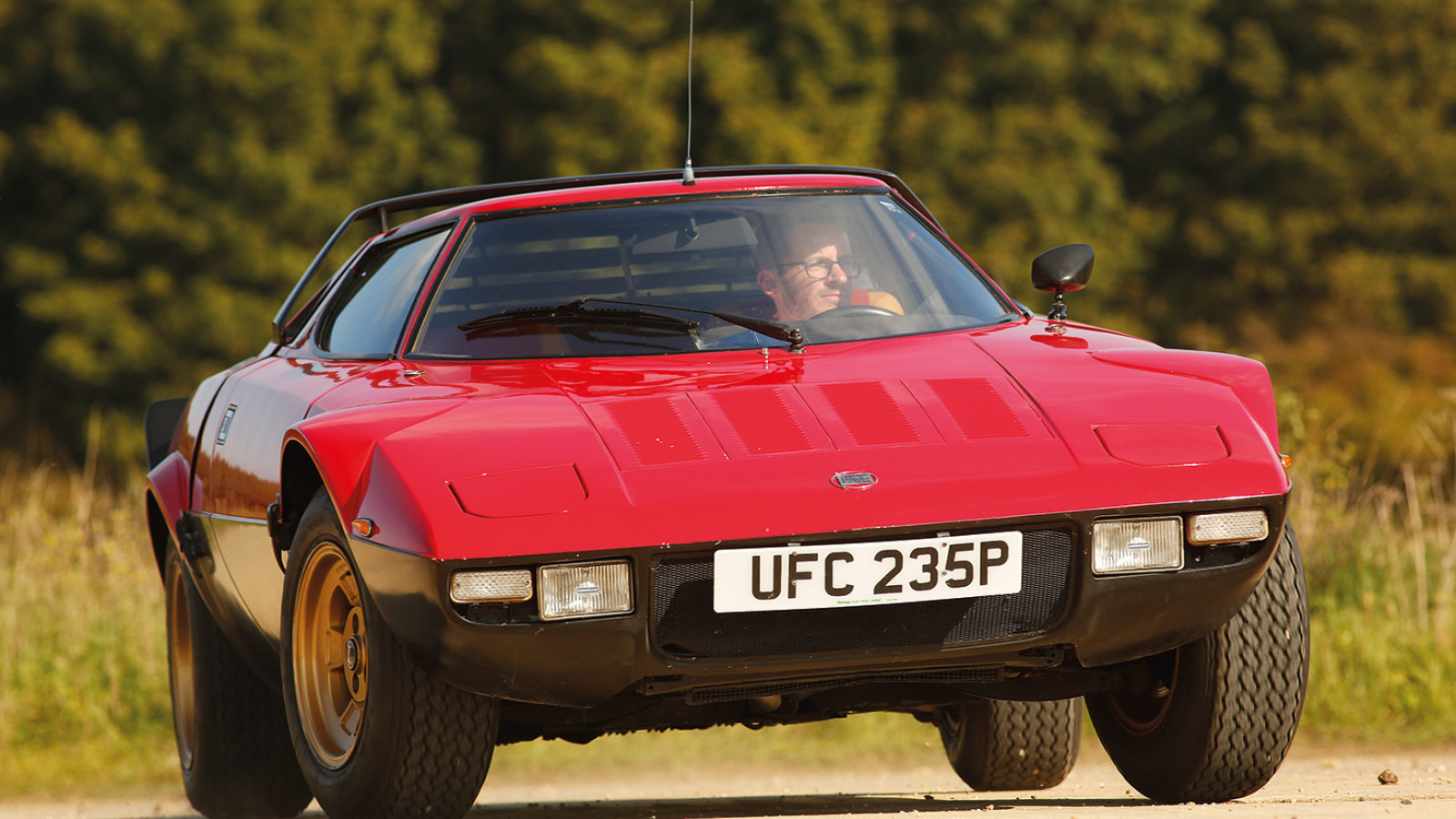
15. 1973 Lancia Stratos
Mating a Ferrari engine to a thoroughbred rally car was not the most obvious route to success, but it worked with startling results in the Lancia Stratos.
The Dino-spec, 2418cc V6 produced 190HP in standard road trim, delivering 0-60mph in 6.8 secs and 142mph.
Full rally versions made as much as c320HP and that was enough to power the Stratos to World Rally Championship titles for Lancia in 1974, 1975 and 1976, as well as the drivers’ title for Sandro Munari in 1977.
Given this success, it took Lancia a long time to sell the run of 492 cars built to meet the required number for homologation.
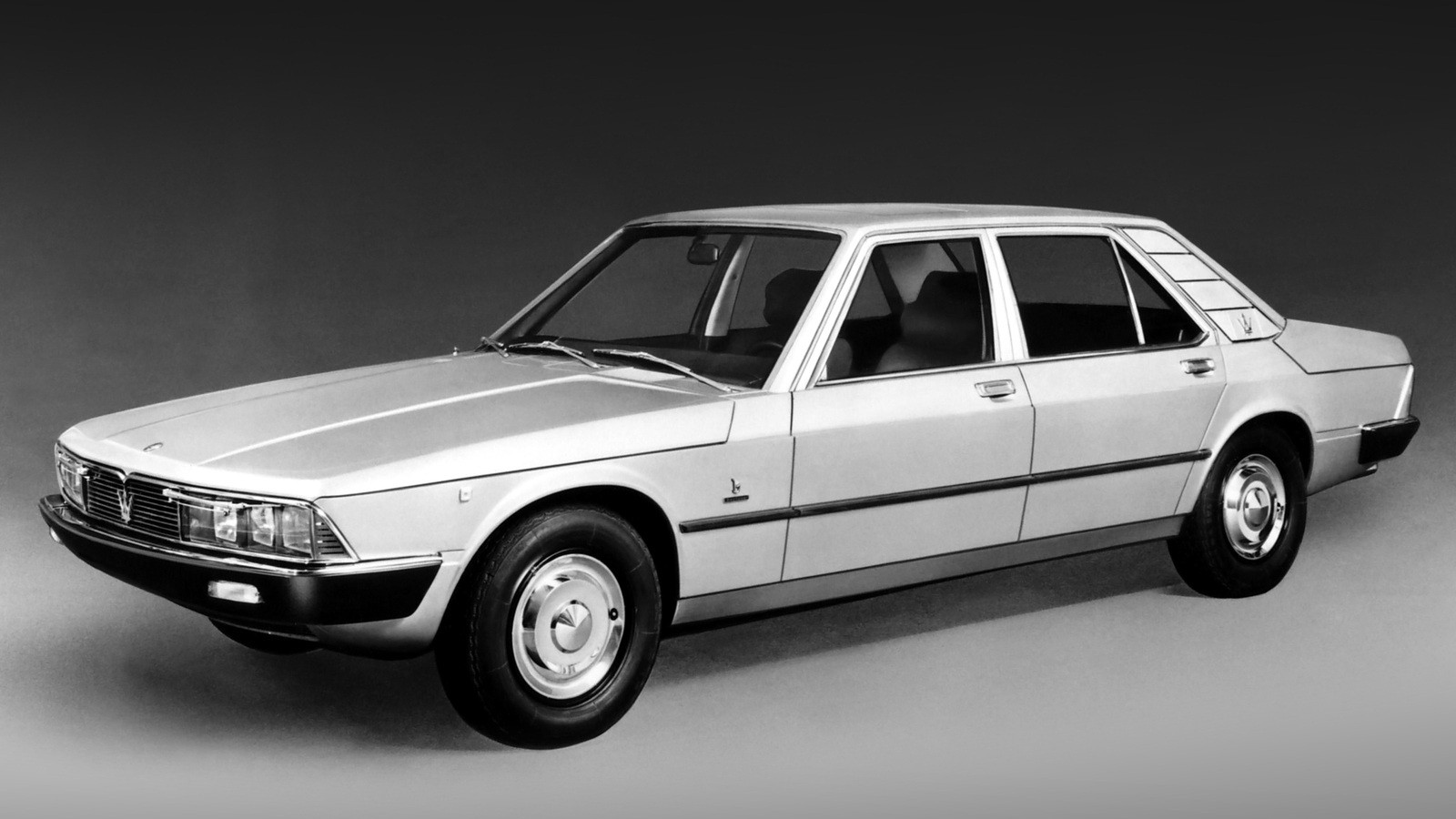
16. 1975 Maserati Quattroporte II
The Maserati Quattroporte II was a big departure for the Italian auto maker that had a lot to do with its then owner, Citroën.
Power came from the SM’s 2965cc V8 with 210HP, which could take this four-door luxury sedan to 124mph.
It also used the SM’s five-speed manual gearbox, which meant front-wheel drive and made this the only Maserati ever built with this feature.
A sales flop, a mere 12 units were produced in its three years of production and all were sold to customers in the Middle East, before this model was dropped and replaced by the V8-powered, rear-drive Quattroporte III in 1978.
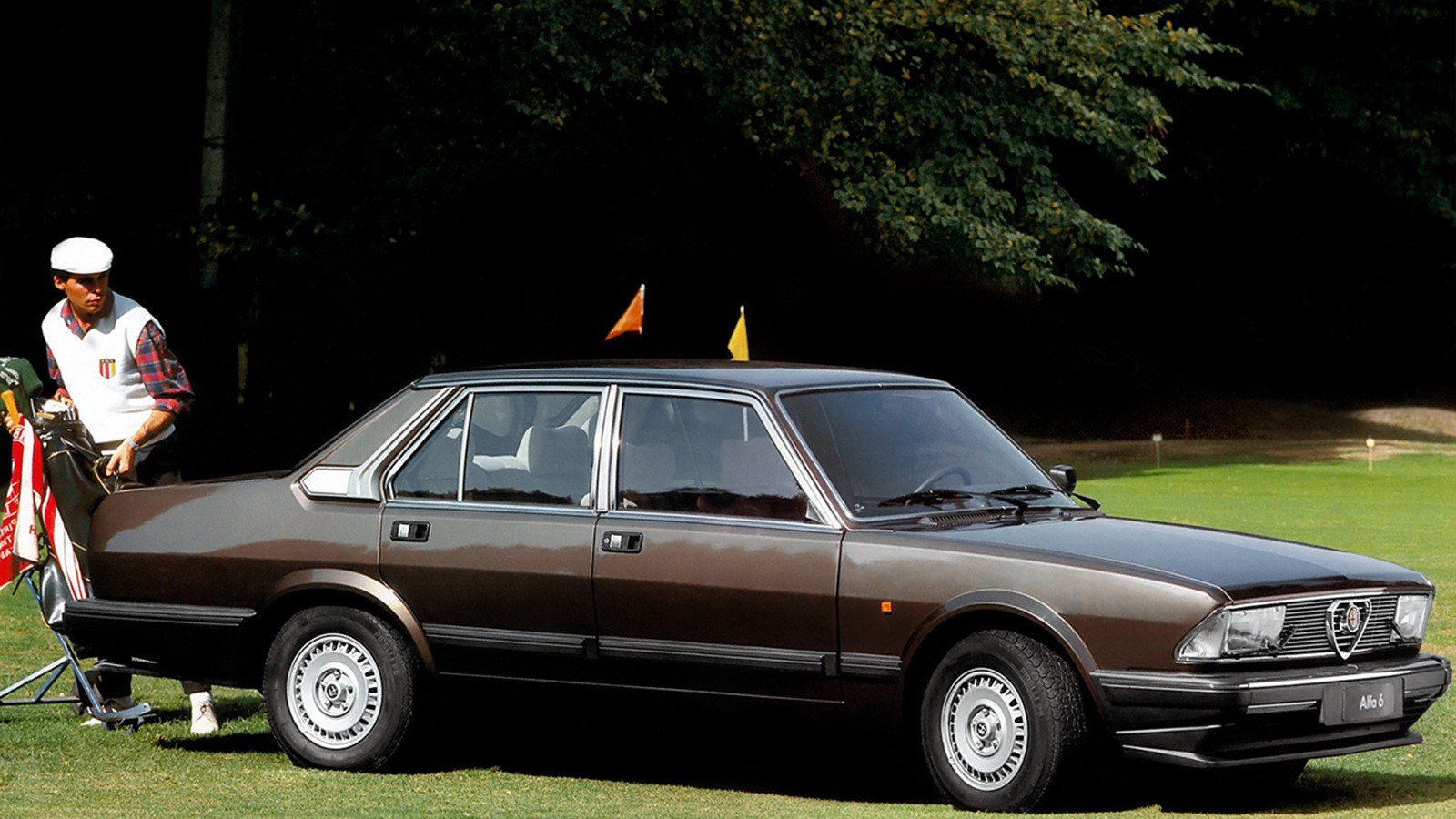
17. 1980 Alfa Romeo 6
In almost every way, the Alfa Romeo 6 was doomed to fail, but it did have one saving grace: its V6 engine.
This was the first car Alfa Romeo used the Giuseppe Busso-designed V6 in and it could power the 6 to top speeds as high as 120mph.
There was a 2-liter version of the V6 for some markets and a 2.5 V6 as the range topper, which could also be had with a three-speed automatic transmission.
In 1983, Alfa Romeo added the Quadrifoglio Oro version with fuel injection but the same 158HP as the triple-carburetor, 2.5-liter V6.
Fuel injection became standard in 1985, by which time the writing was on the wall for the Alfa 6 after just 12,288 had been built.
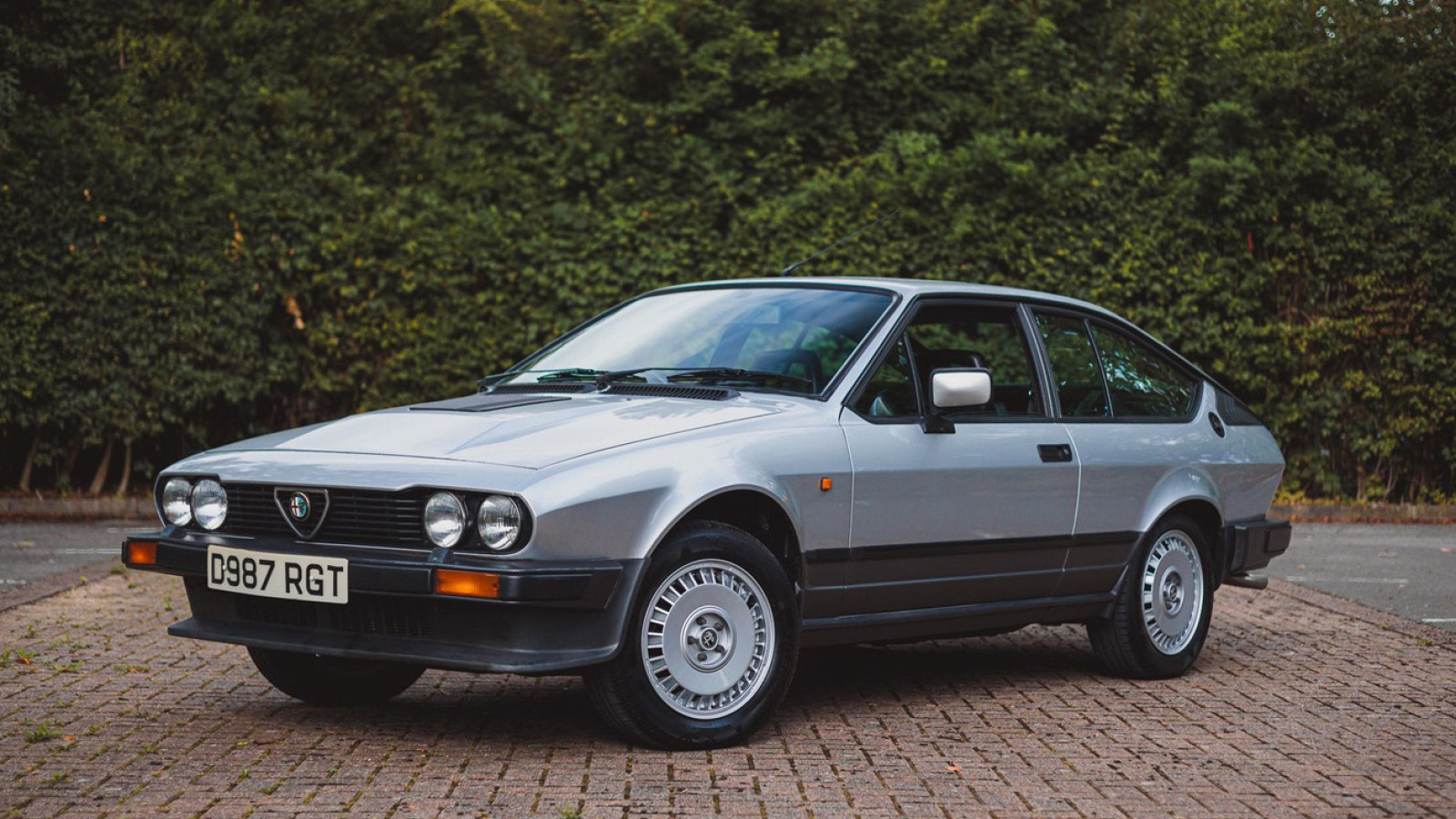
18. 1981 Alfa Romeo GTV6
Alfa Romeo’s new Busso V6 found its perfect home with the launch of the svelte GTV6 coupe in 1981.
With fuel injection as standard, the 2.5-liter V6 gave a lusty 160HP to propel the coupe from rest to 60mph in 8.6 secs and on to 127mph flat out.
The GTV6 was easily identified by the hump in its hood needed to clear the fuel-injection system.
A 3-liter V6 version was offered only in South Africa, while the US market had the option of an officially sanctioned Callaway Twin Turbo model that came with 232HP to give 0-60mph in 5.9 secs and 140mph.
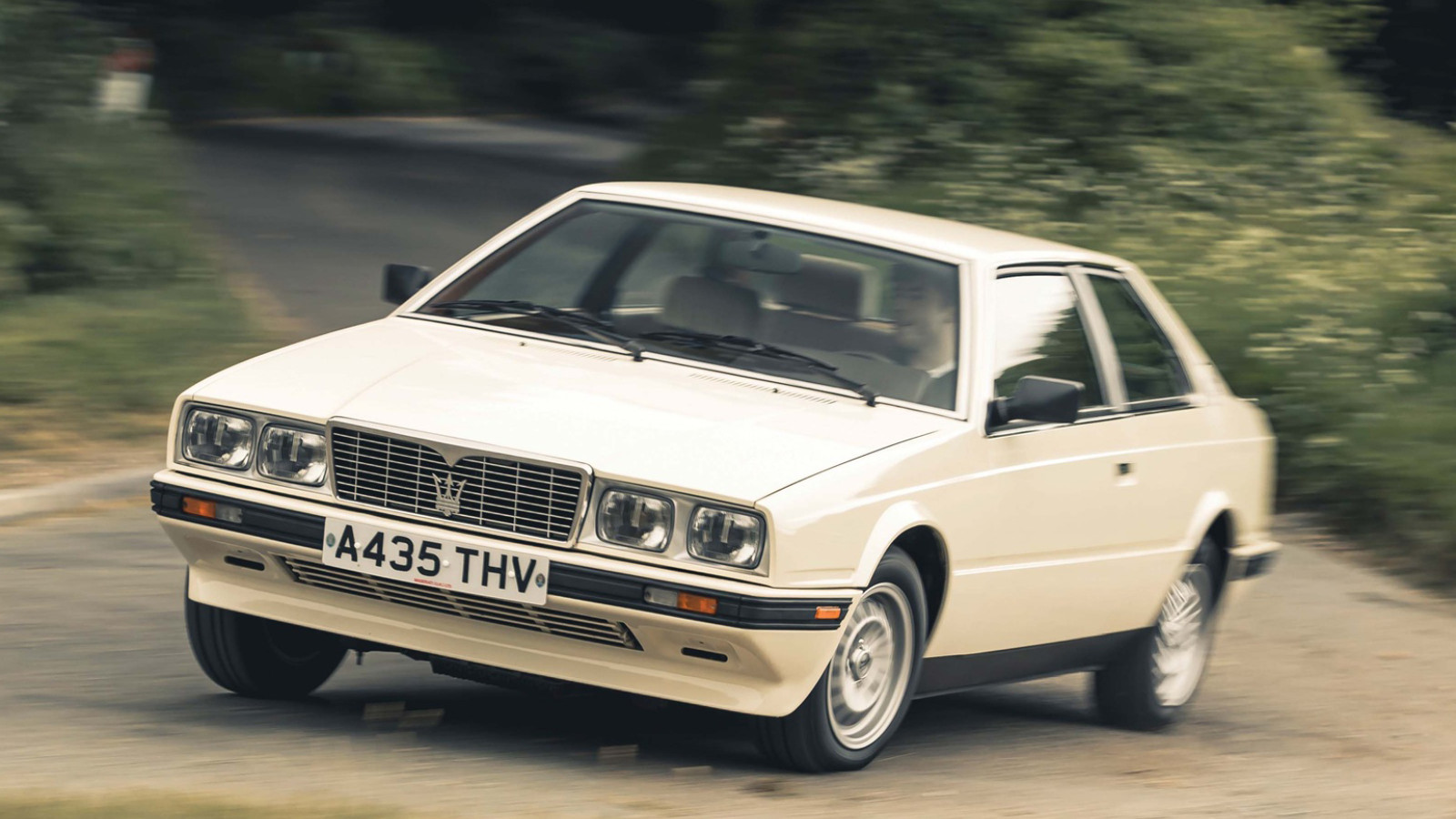
19. 1981 Maserati Biturbo
Maserati’s ageing line-up got a very 1980s shot in the arm with the arrival of the Biturbo in 1981.
The compact, two-door sedan packed a twin-turbo, 2-liter V6 developing 179HP, which meant it could easily outpace a similarly sized BMW 323i.
The Biturbo evolved into a range of models, including a four-door sedan and a Spyder convertible, as well as the notch-backed Karif coupe that had a 2-8-liter version of the V6.
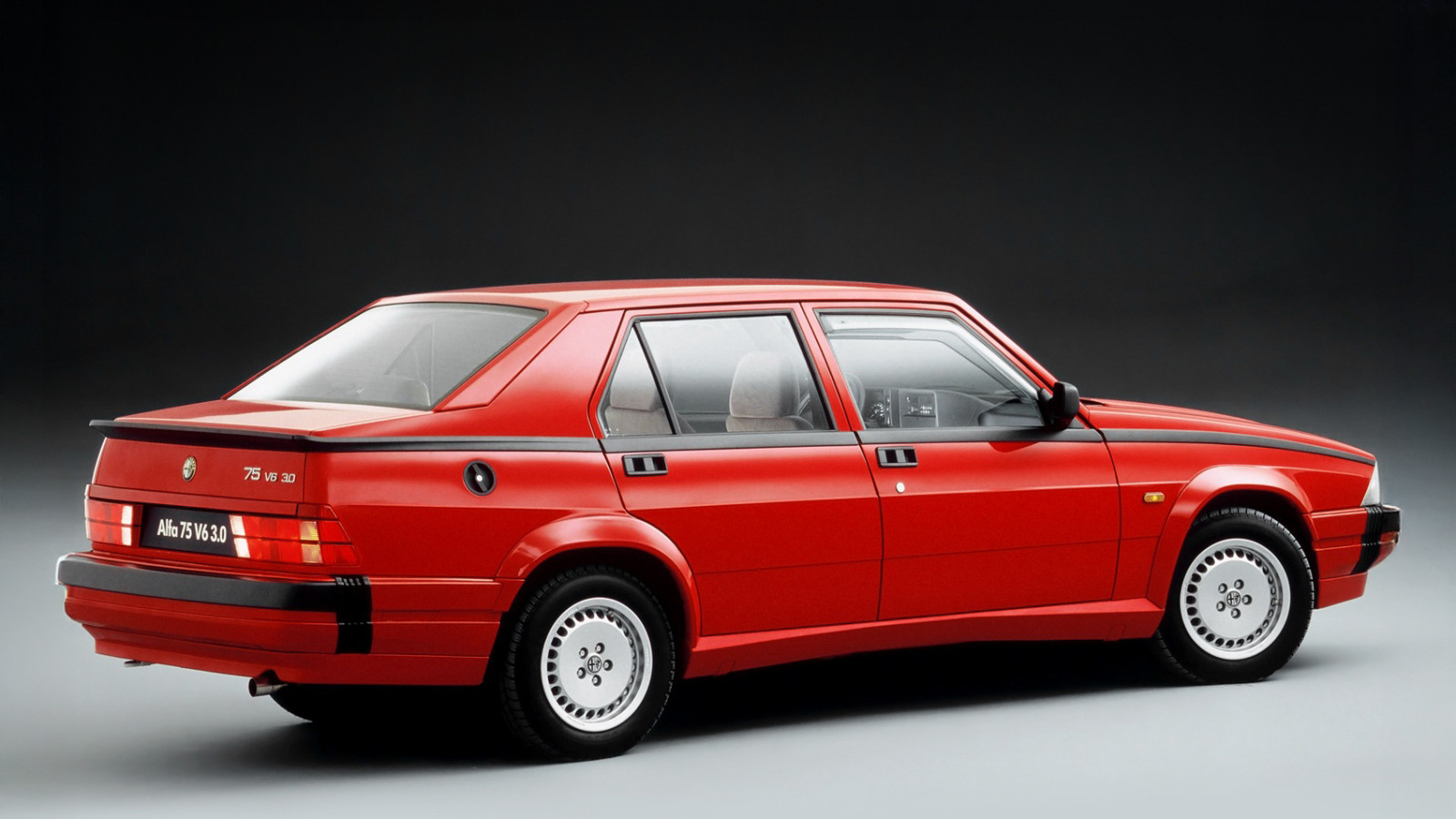
20. 1985 Alfa Romeo 75
Named to celebrate Alfa Romeo’s 75th anniversary, this boxy sedan needed something special to mark the occasion, and that came in the form of V6 engines.
From launch, 75 customers could order the 156HP, fuel-injected 2.5 V6 shared with the GTV6 coupe.
However, the marque had something extra planned for 1987 with the addition of a 188HP 3.0 V6 that turned the 75 into a serious performance sedan.
In 3.0 V6 spec, the 75 was good for 0-60mph in 7.5 secs and 134mph all out, and handling matched the pace thanks to a rear-mounted transaxle gearbox.
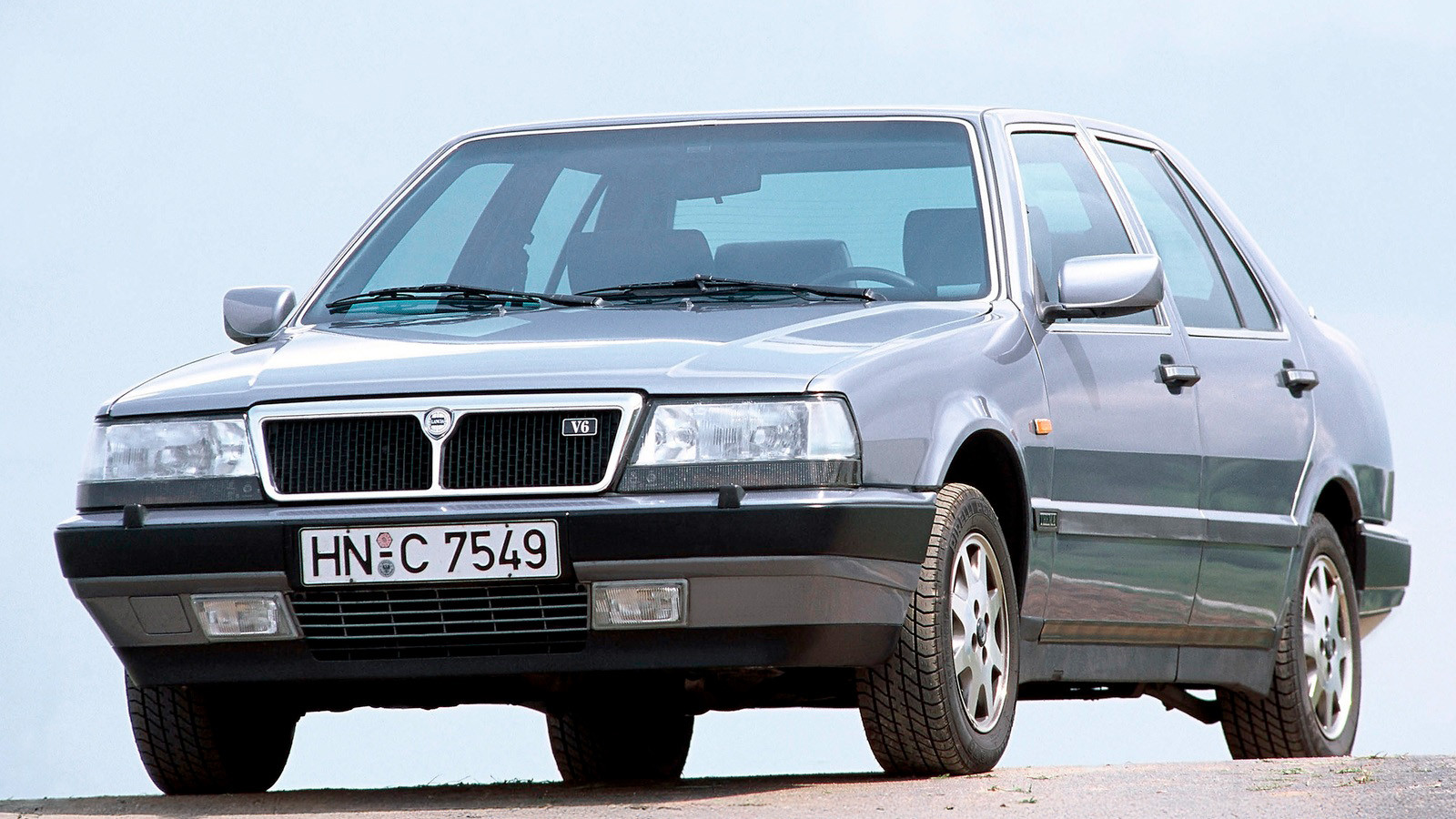
21. 1985 Lancia Thema V6
The Lancia Thema V6 sold in low numbers during its production life and it was largely overlooked.
With its PRV (Peugeot, Renault, Volvo) 2849cc V6 engine and 150HP used between 1985 and 1991, it might not have had purebred Italian roots, but it was a refined executive cruiser.
However, for those wanting rapid performance, Lancia went on to offer the Ferrari V8-powered Thema 8.32, while the mainstream Thema Turbo had more power at 165HP, plus it was quicker and cheaper than the V6.
The third-generation Thema V6 that ran from 1992 to 1994 adopted the 175HP 3.0 V6 from Alfa Romeo.
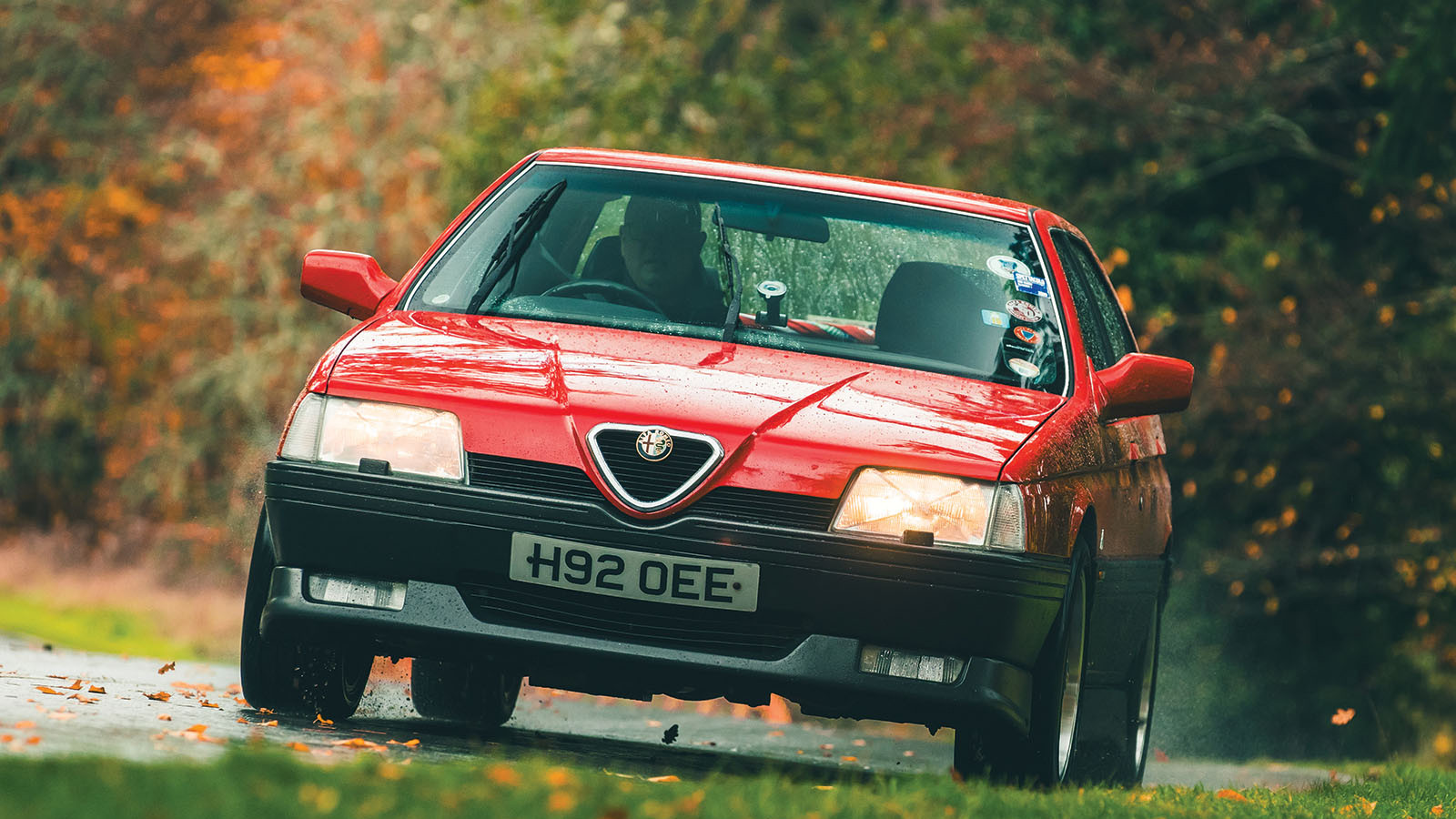
22. 1987 Alfa Romeo 164
Alfa Romeo might have used a platform shared with the Fiat Croma, Lancia Thema and Saab 9000 for its front-wheel-drive 164, but it was always going to have an Alfa V6.
There were 2-liter, four-cylinder gasoline engines and 2.5 turbodiesel, but the pick of the range came with Alfa’s 3.0 ‘six’.
The sonorous Busso V6 delivered 192HP for 0-60mph in 7.7 secs and 143mph, while the Quadrifoglio model of 1990 upped that to 200HP and 147mph.
The 166 that followed the 164 in 1998 was similar in concept, but based on a platform shared with the Lancia Kappa, and the 166 used 2.5- and 3-liter V6 engines.
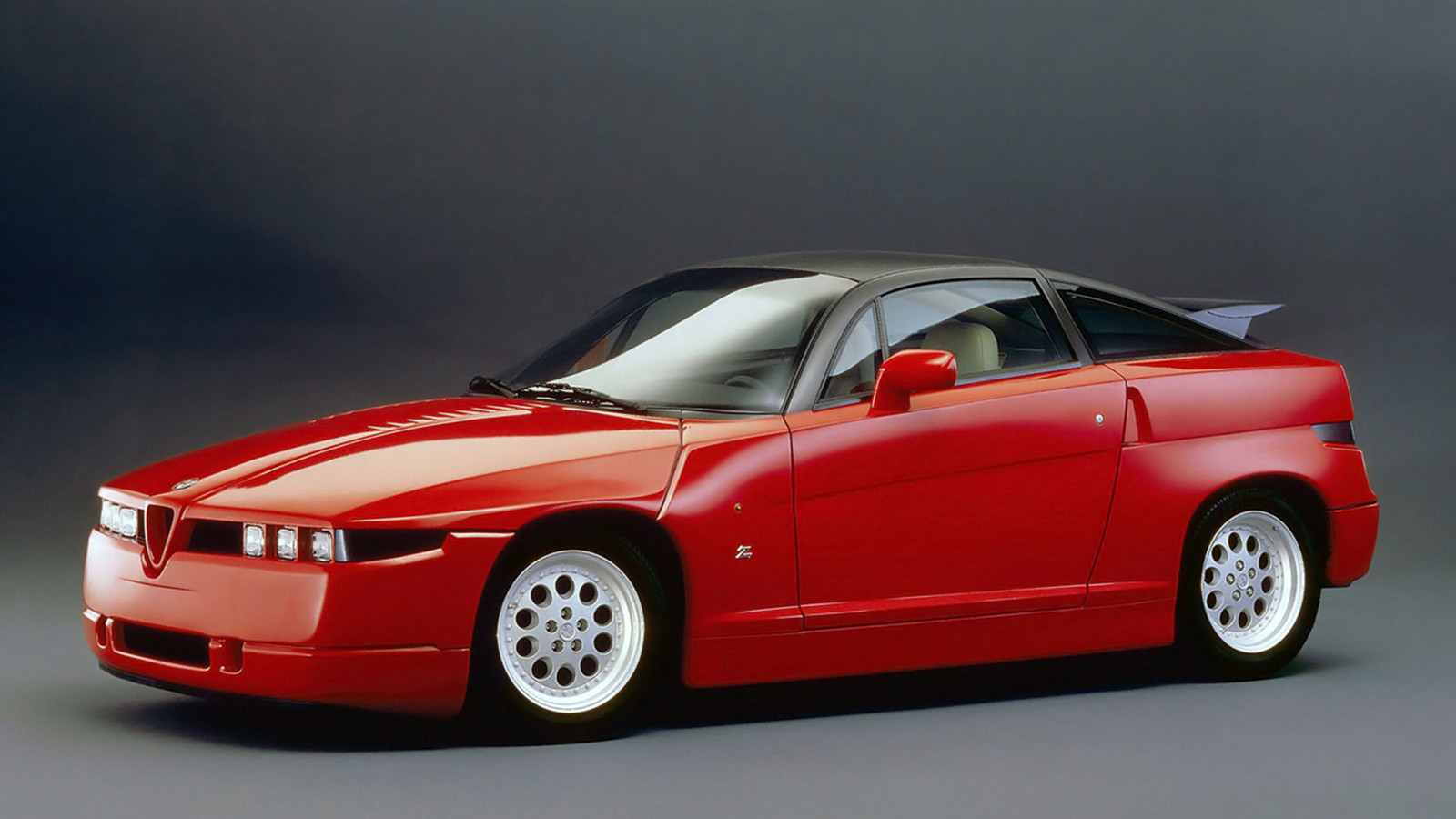
23. 1989 Alfa Romeo SZ/RZ
The Alfa Romeo SZ and its RZ convertible sibling may have been based on the humble 75 sedan, but that also meant sharing its superb, 3.0 V6 engine.
For the Zagato-styled coupe and convertible, the motor had its power finessed up to 209HP, which gave it the pace to match its appearance.
Top speed was claimed at 153mph and 0-60mph took just 6.9 secs, while handling balance was a standout feature helped by the rear-mounted, transaxle gearbox.
This choice of engine also gave the RZ and SZ a V6 exhaust note every bit as distinctive as the exterior looks.
Even so, Alfa sold just 1036 RZ coupes and 248 SZ drop-tops.
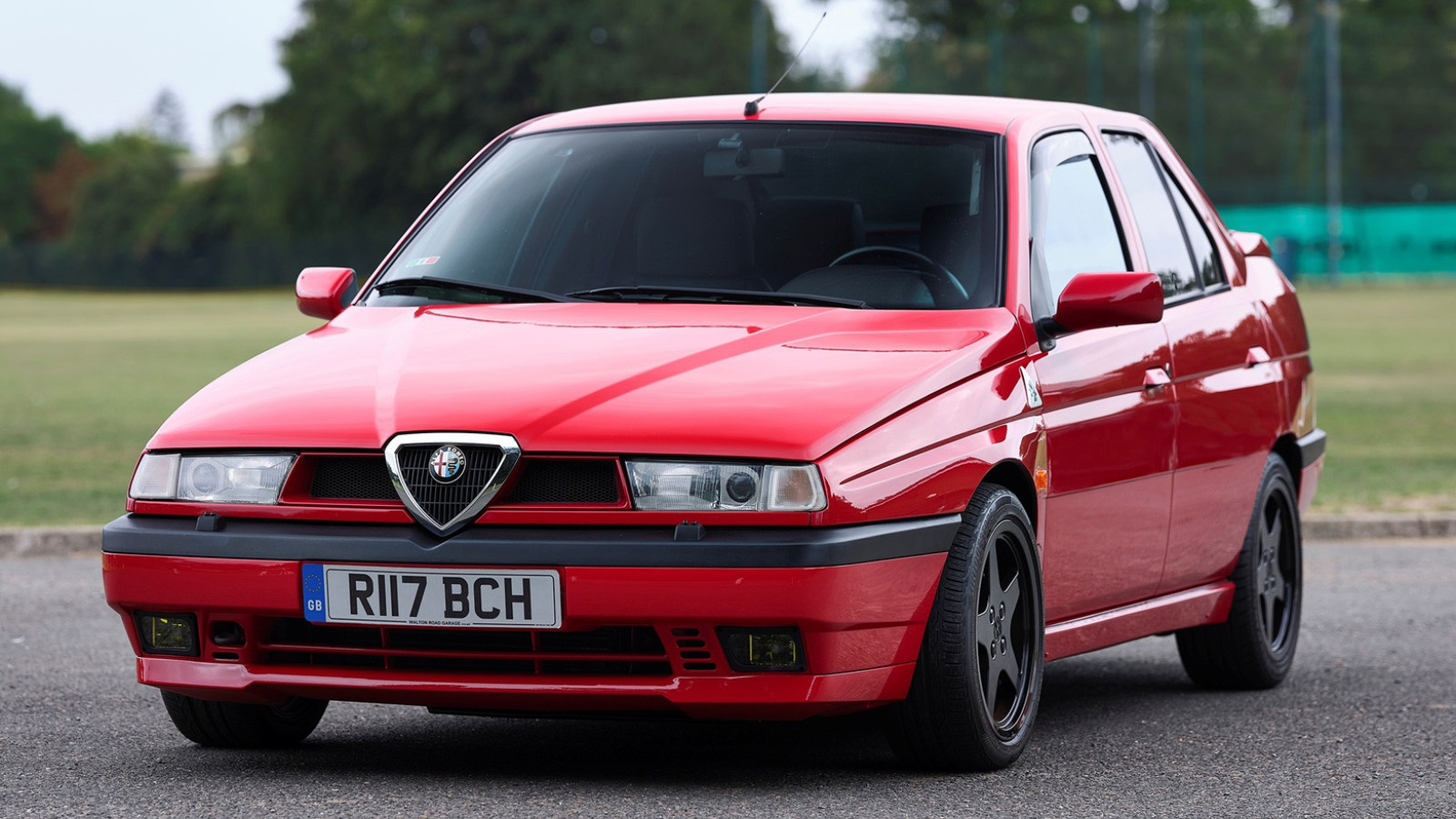
24. 1992 Alfa Romeo 155
Faced with stiff opposition from Germany in the compact-executive sector, Alfa Romeo looked to its 2.5 V6 engine to give its new 155 some added appeal.
The 155 adopted front-wheel drive in place of the previous 75 model’s rear-drive set-up, but the V6 engine won over traditionalists with its 166HP output.
This much power in a small sedan meant 0-60mph in 6.7 secs and a top speed of 139mph – enough to keep the BMW 3 Series in check.
For competition use, Alfa Romeo built the 426HP V6 TI to race in the 1993 DTM (German touring-car championship) and won with 12 victories from 20 starts.
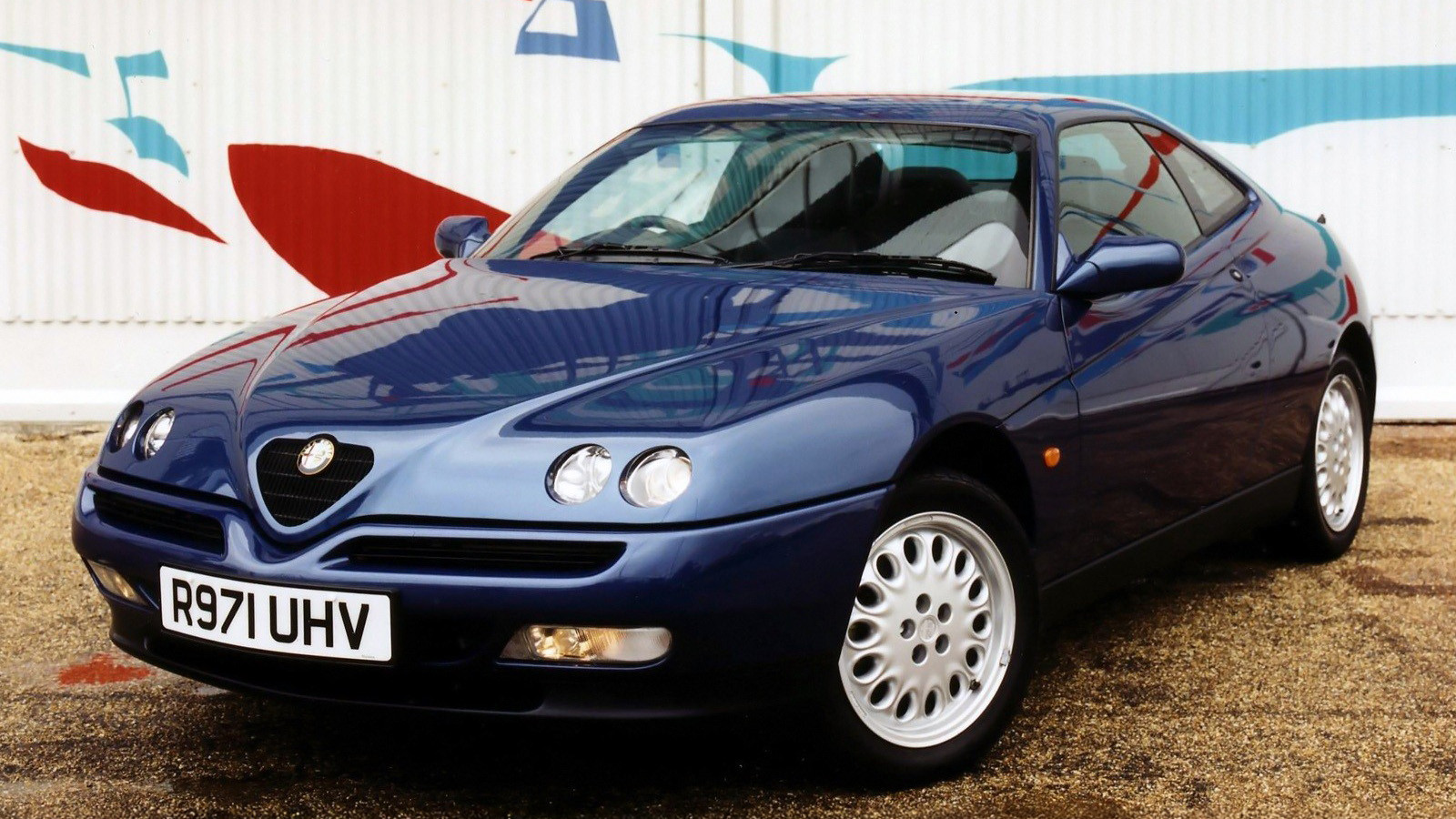
25. 1995 Alfa Romeo GTV/Spider
The GTV coupe and Spider were welcomed with open arms when they arrived in 1995, as much for their styling as the way they drove.
A 2-liter, four-cylinder TwinSpark engine was fine if you just wanted the looks, but the Busso V6-powered cars had the muscle to match the style.
The GTV and Spider were quick cars, ticking off 0-62mph in 6.6 secs and reaching a maximum of 145mph.
In 2003, the V6 was increased to 3.2 liters and 241HP, pushing the GTV’s top speed a shade over 150mph.
A turbocharged, 2-liter V6 was offered only in Italy to meet the country’s tough tax limits.
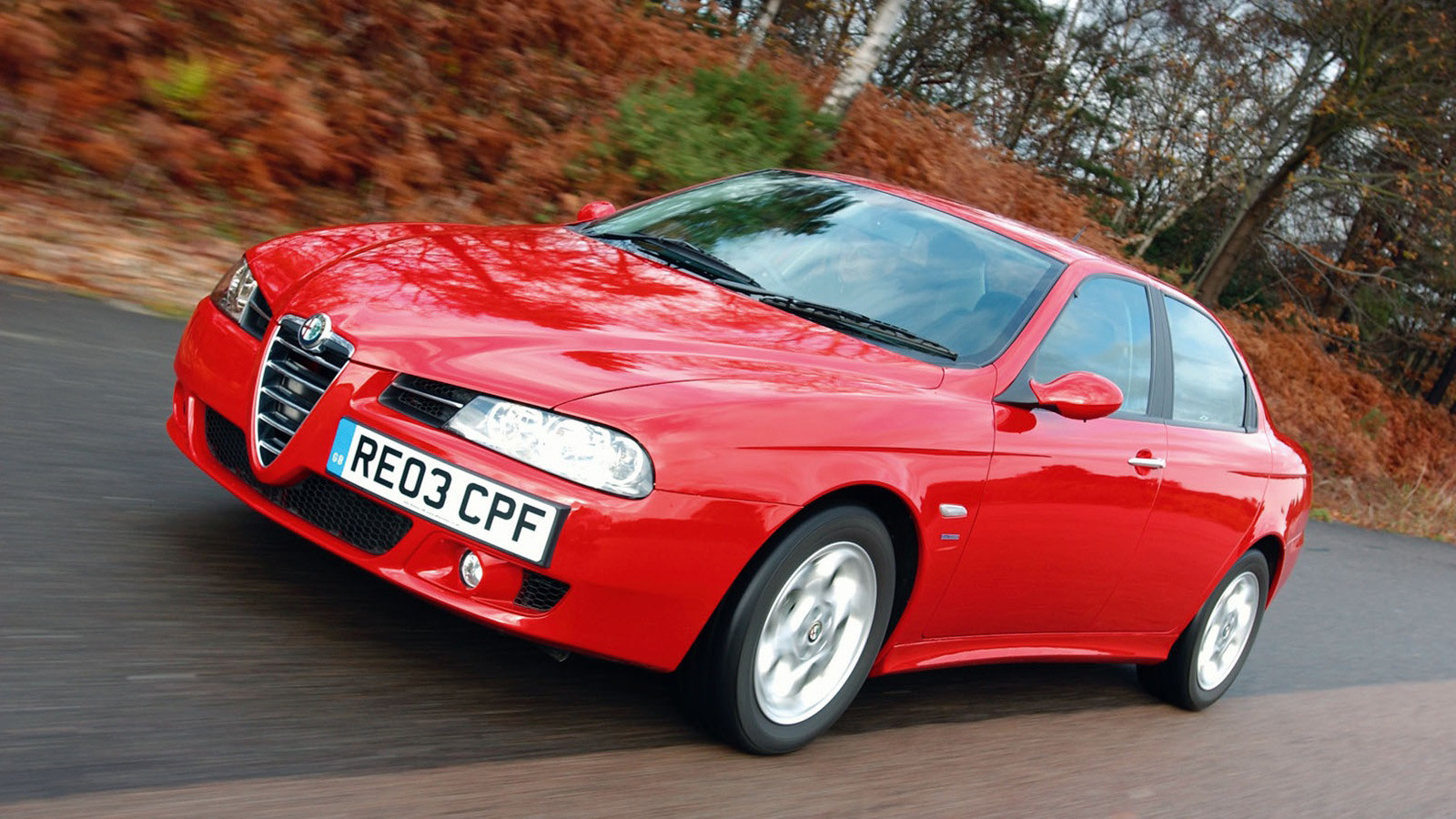
26. 1996 Alfa Romeo 156
Alfa Romeo had long since learned it needed a spread of engines to tempt company car buyers, and alongside the smaller gasolines and diesels in the sleek 156 there was the delightful 2.5 V6.
The Busso V6 now offered 190HP in the 156 and was more than a match for anything the German auto manufacturers could muster.
Yet, Alfa managed to go one better with the GTA model that arrived in 2001 and packed a 250HP, 3.2-liter V6 to give 0-60mph in 6 secs and 153mph.
The GTA was a bit of a handful to drive with all that power sent to just the front wheels: sadly, Alfa Romeo didn’t offer its all-wheel-drive set-up for this performance V6 model.
We hope you enjoyed reading. Please click the ‘Follow’ button for more super stories from Classic & Sports Car.