Pleasing North American buyers wasn’t always easy for British manufacturers
Success in the huge and lucrative North American market has always been the ultimate prize for British auto makers, simply because the territory is so vast and the potential returns are so substantial. In the 1950s and ’60s UK sports cars – MG, Triumph, Jaguar and Austin-Healey – led the way, creating a new market for themselves with little local competition.
The trouble was, the sense of humor required to run an MGB or a TR as a fun car often deserted American buyers when they bought British sedans.
As this list shows, makers of sedans had a much patchier record and too many hopefuls have underestimated the infrastructure required in a country where the extremes of weather can be as unforgiving as the buyers.
Countless British cars – even good ones such as the Rover 2000 – broke down too often and were poorly served by local dealers.
The energy crisis of the early ’70s was an opportunity that Britain fumbled by foisting on the Americans slightly worse versions of its cheaper-to-run offerings that were as unreliable and uncompetitive as ever. Japanese makers were left unchallenged and reaped the rewards.
Here we present 10 ways in which British manufacturers have tweaked some familiar (and not so familiar) classic cars for Stateside consumption over the years.
1. Triumph TR250
Triumph was adept at producing US-market-only versions of its TR sports cars.
The TR3B of 1962 was created to placate American dealers who thought the Michelotti TR4 looked too sophisticated: they demanded that the TR3 be kept alive for the USA.
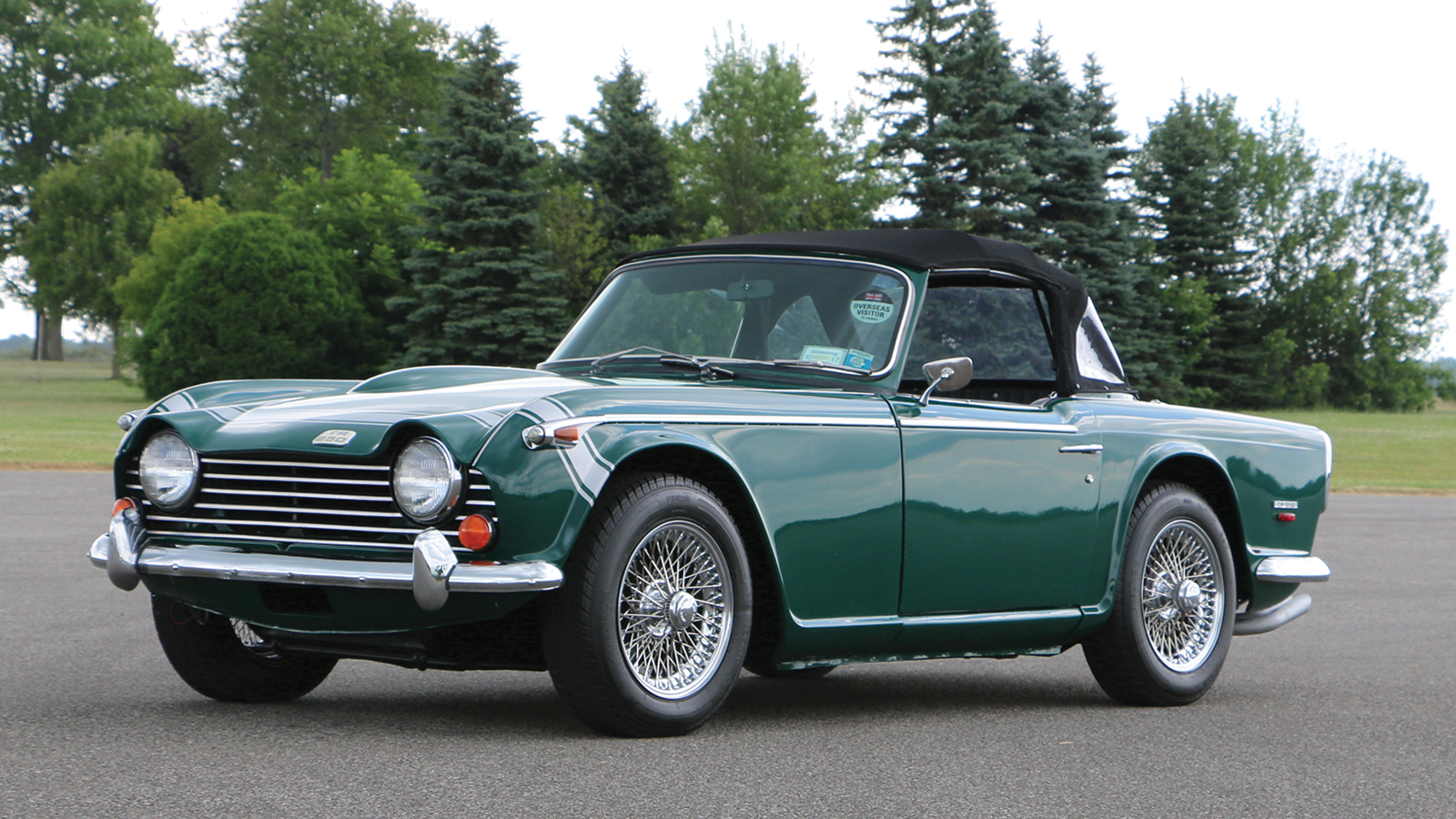
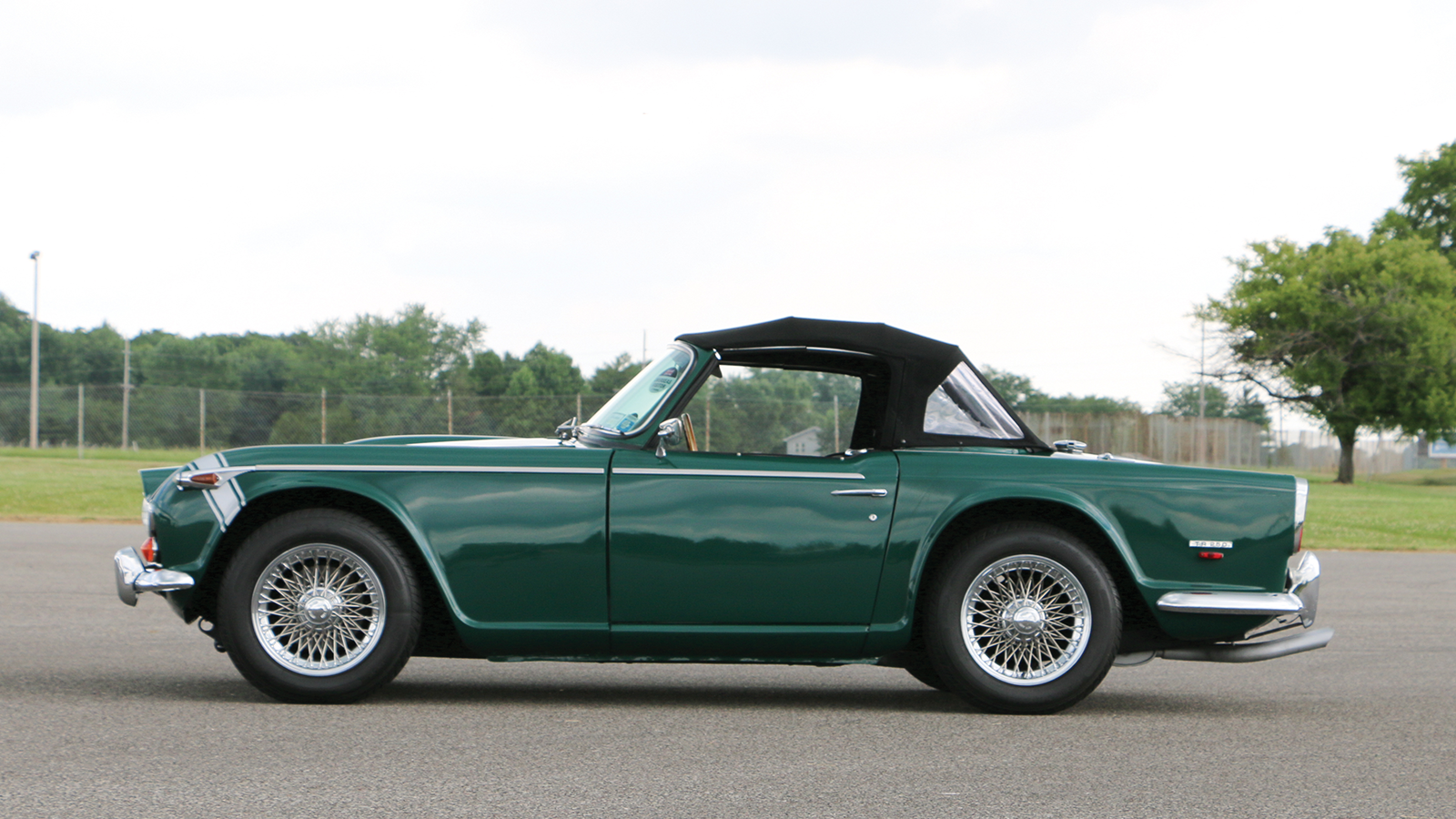
The 1967 TR250 (TR5 in the UK) was an oddity built to highlight how different this new Federalized six-cylinder car was from previous TRs.
Triumph TR250 (cont.)
The TR250 had ‘speed stripes’ over the hood and front fenders, plus appropriate badges (‘250’ alluded to its new 2.5-liter capacity), but did without the Lucas fuel-injection system of the lusty 150HP TR5 sold in Europe.
On a pair of Stromberg carbs, at 110HP, that meant the 250 had no more go than the TR4A. Buyers didn’t mind and, between August 1967 and December ’68, bought 8484 of them anyway.
Anorak fact Just 2947 TR5s make it a much rarer car than the TR250
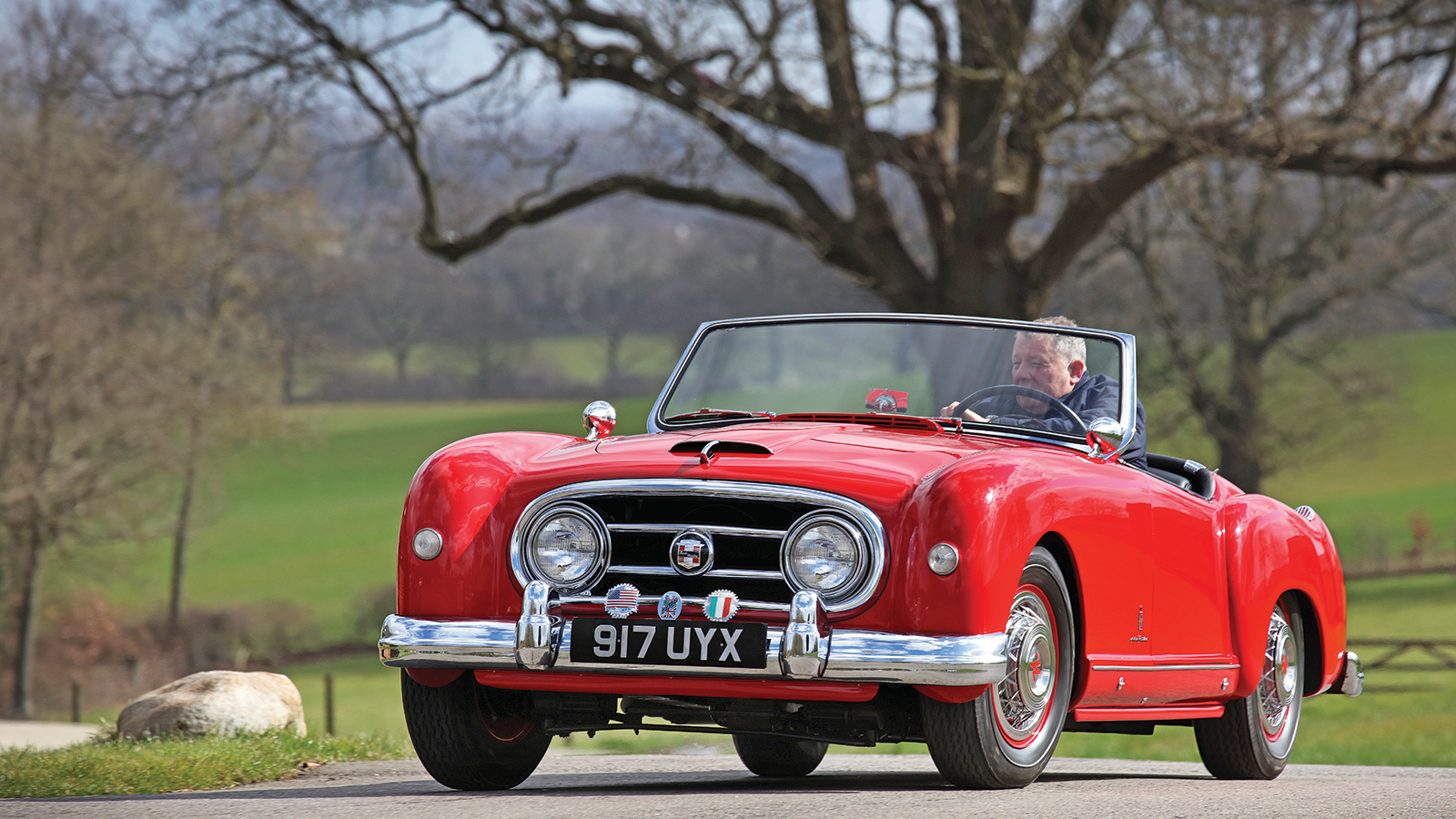
2. Nash Metropolitan
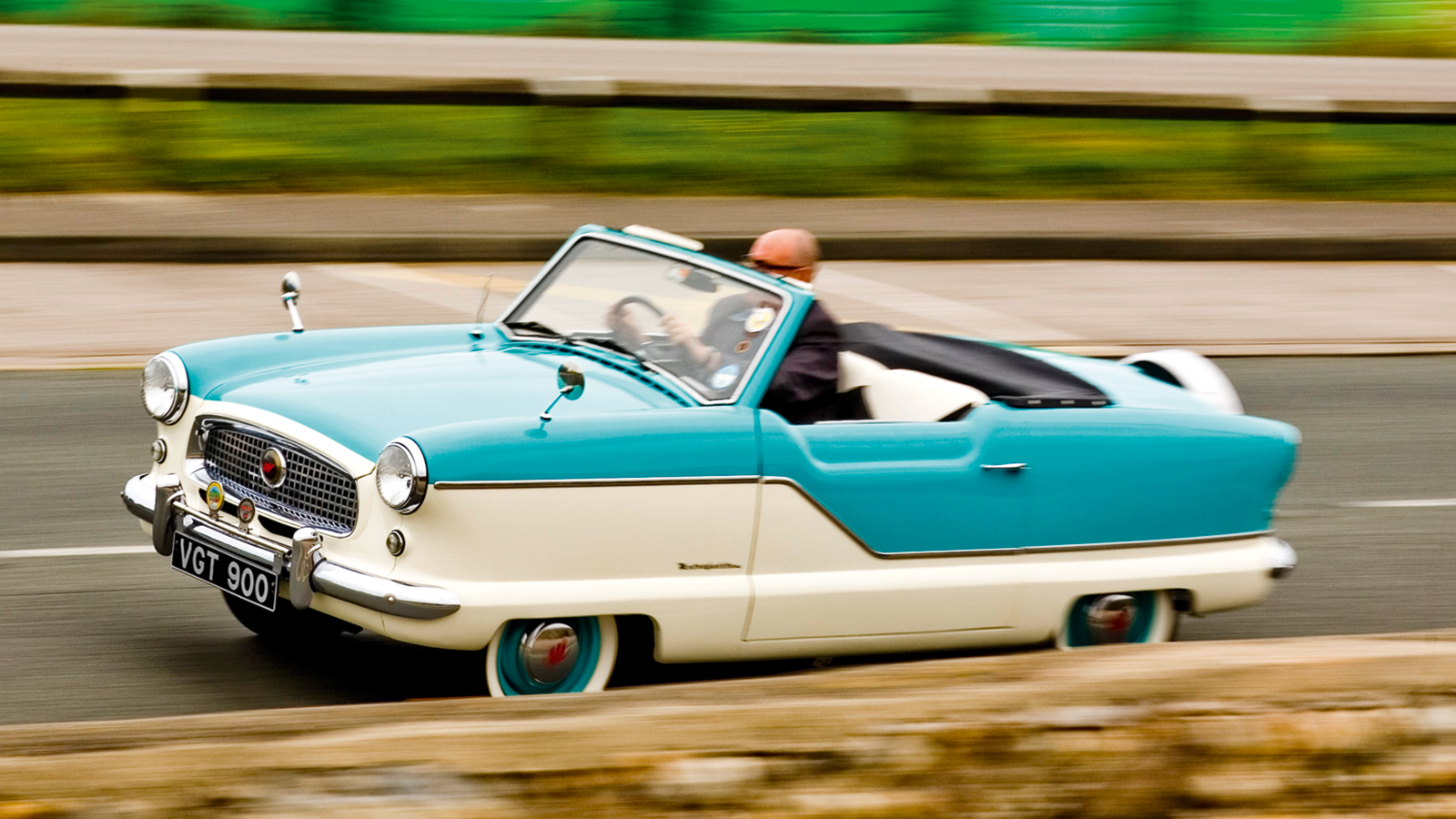
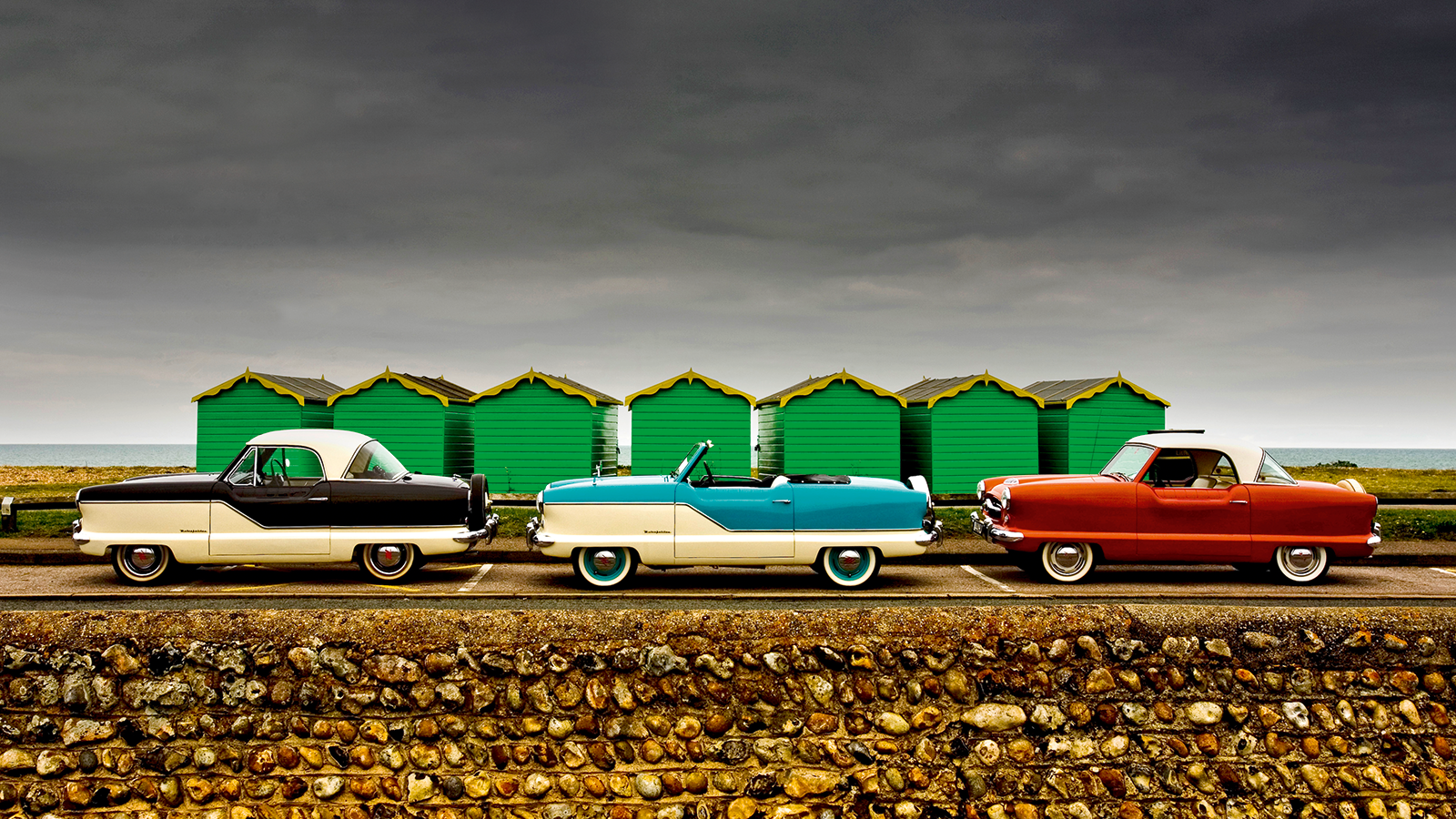
If the Austin Atlantic (which we will come to later) failed to charm the Americans, the Metropolitan (which was never badged as an Austin) was a success, with 104,000 built.
Initially for the American market only, it was badged as both a Nash and a Hudson, and had an Austin A40 drivetrain in a close-coupled, two-seater monocoque body, aimed as a second or third car.
Nash Metropolitan (cont.)
Styled by Nash but built in Longbridge, it came as a coupe or a convertible, initially as a 1.2-liter but later a 1.5-liter.
Only the bigger-engined post-1956 models were sold in the UK, where the 74mph, three-speed, column-change Metropolitan was an object of desire for many and an expensive trinket at £700.
Anorak fact Despite the body shape, only the later 1.5-liter Metropolitans featured an opening trunklid
3. Sterling 825 & 827
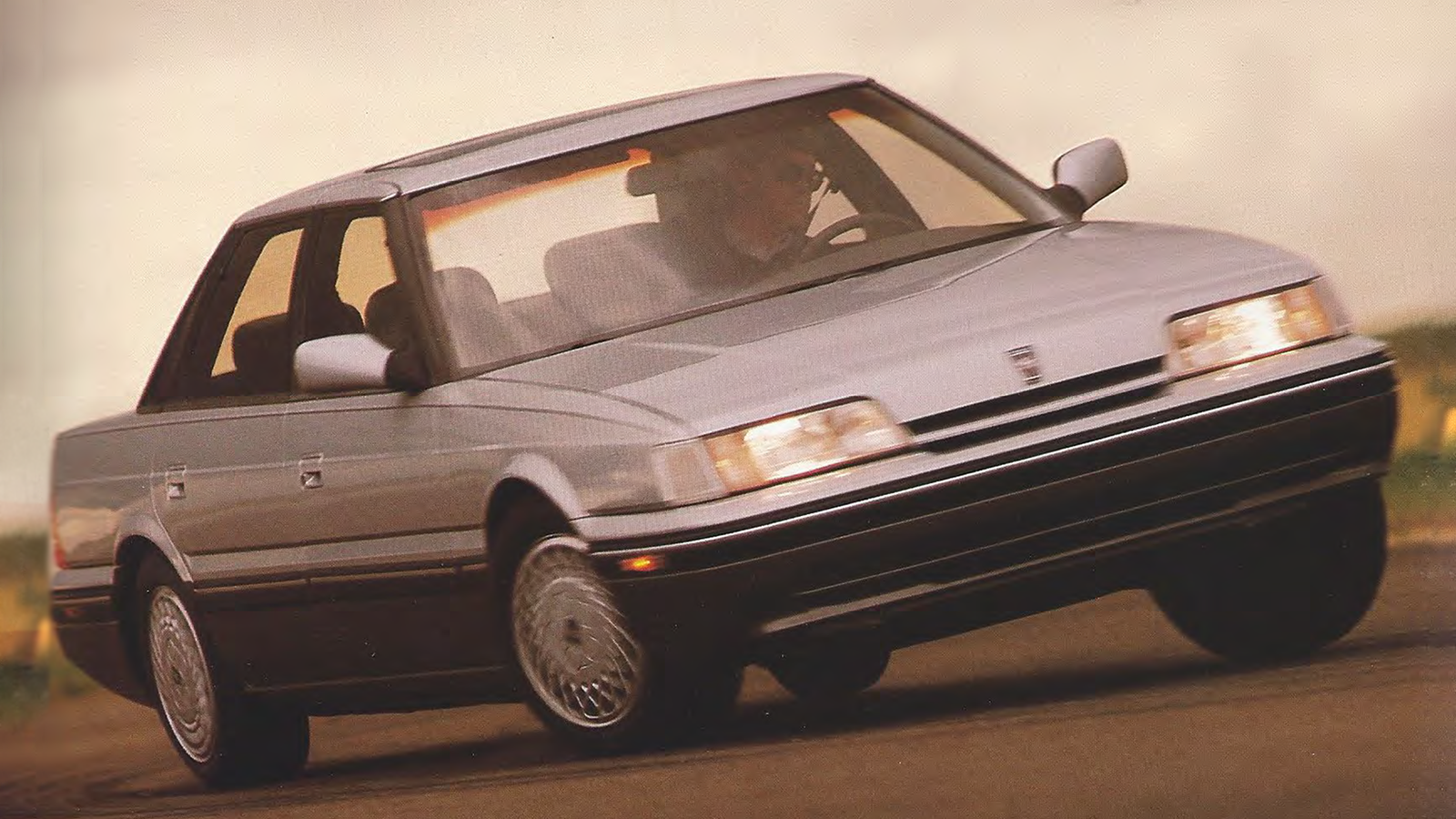
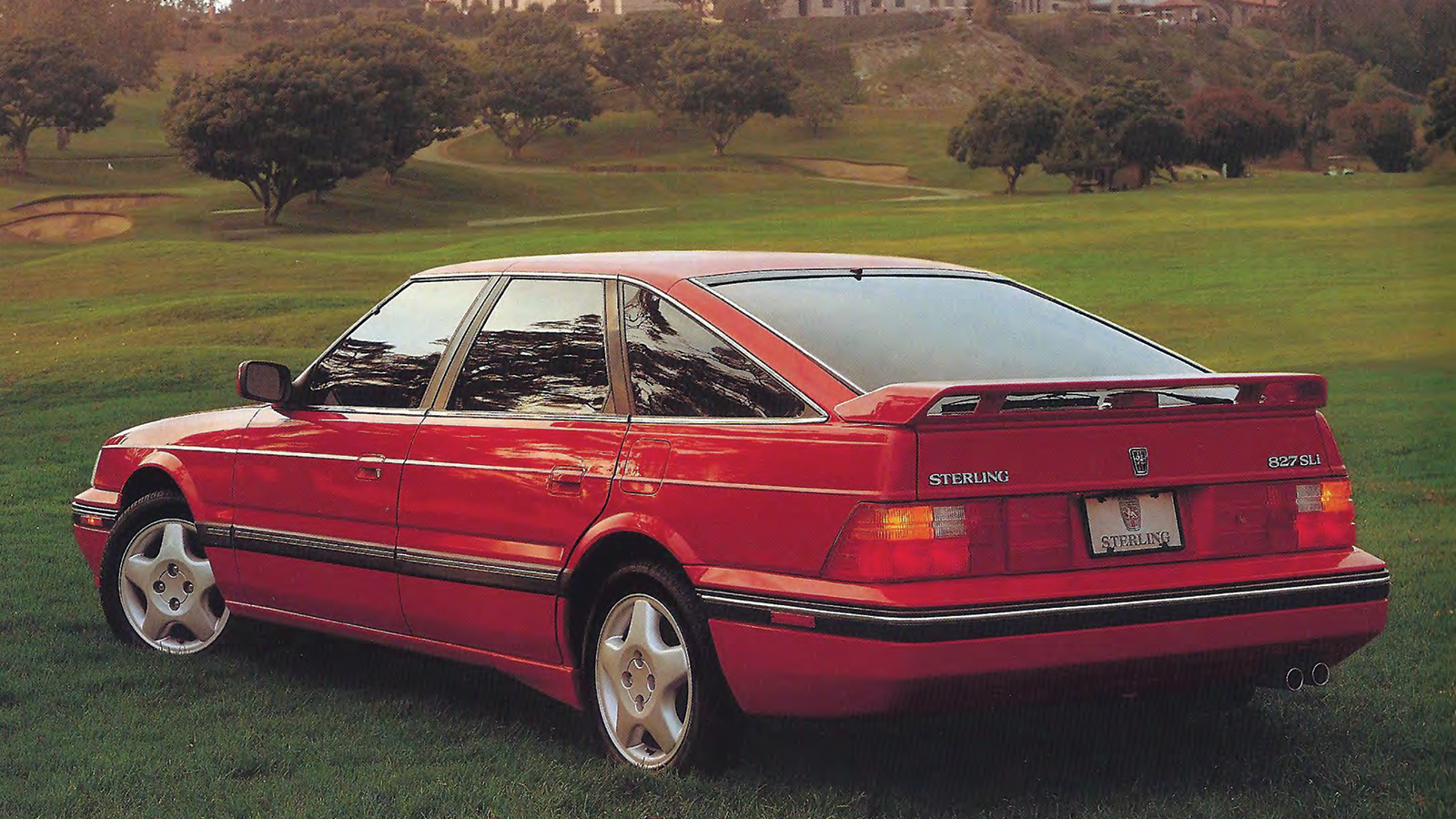
The British knew it as the Rover Sterling, the most decorated member of the new Rover 800 clan, developed jointly with Honda’s Legend.
For the Japanese, this V6 luxo-sedan was new territory; for Rover, it was a way of re-establishing credibility as a maker of luxury cars after the debacle of the SD1.
While Honda marketed the Acura Legend in the USA, the flagship V6 Rover 800 became the Sterling, a name that emphasized Britishness without reviving memories of the SD1.
Sterling 825 & 827 (cont.)
American buyers were impressed at first by the leather-and-wood interior finishes that made the Honda look a little ordinary.
They were less enamoured of the Sterling’s dodgy Lucas electrics and early evidence of rust.
Strong first-year sales halved year-on-year through to 1991, when Rover pulled out of the American market for good.
Anorak fact Sterlings were famously trimmed in leather that could turn green in strong sunlight
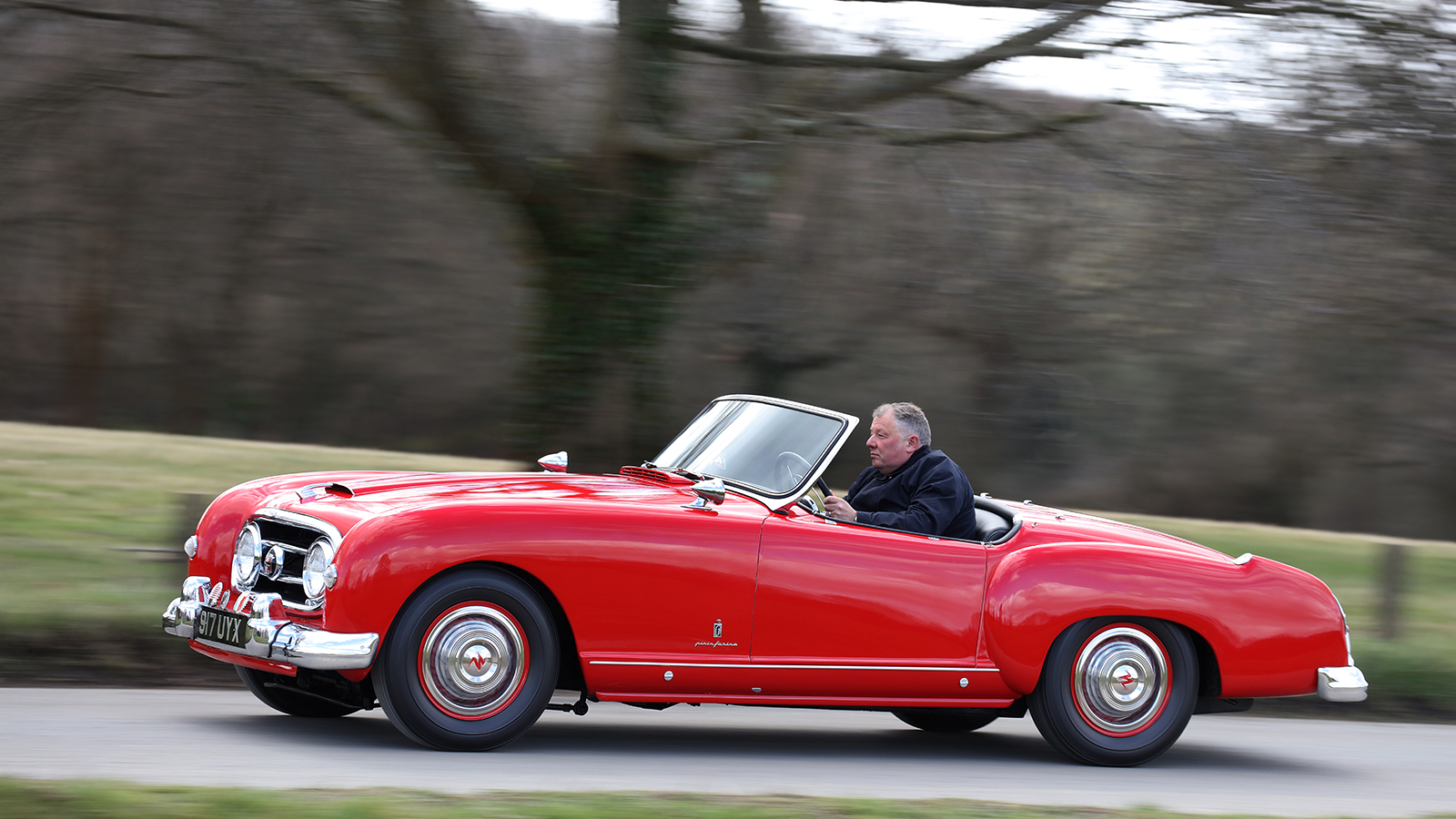
4. Nash-Healey
Although only 506 were made, the momentum Donald Healey gained from his association with the Nash-Healey propped up his flagging post-war financial fortunes for long enough to do the deal that made the Austin-Healey a reality.
After a casual encounter on the RMS Queen Mary between a cash-strapped Healey and George Mason of Nash, a prototype appeared six months later using a Nash 3.8-liter straight-six in a Healey Silverstone chassis.
The Gerry Coker-designed body fitted to the first 104 cars made the Nash-Healey a difficult sell against cheaper Jaguar XK opposition.
Nash-Healey (cont.)
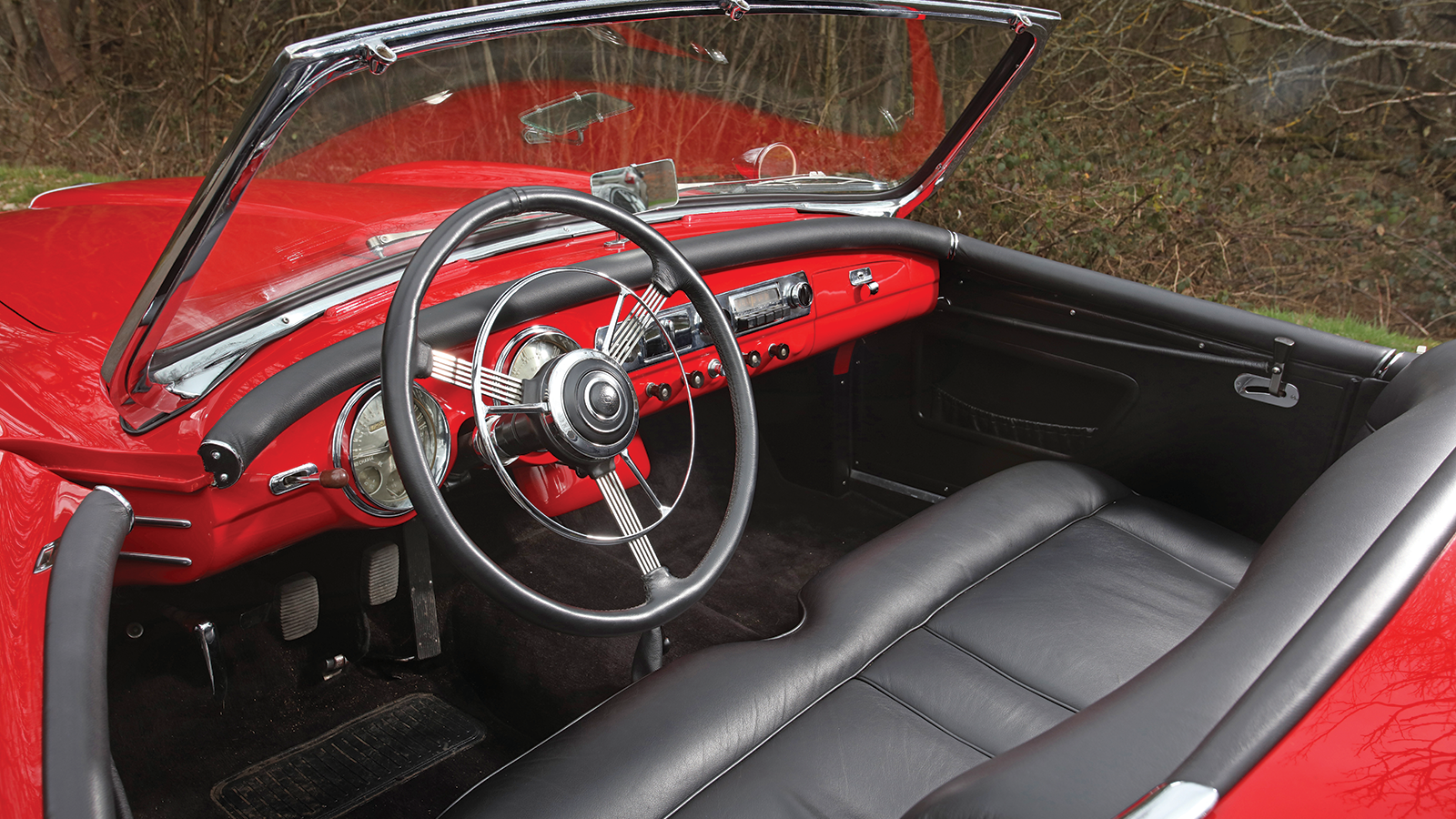
With three seats and a ponderous gearbox it was no sports car either, even with the bigger 4-liter engine used from 1952.
The Farina-bodied Nash-Healeys were prettier, but the cost of shipping chassis from the UK to Italy and then the States made the price even less competitive.
The Farina-styled cars accounted for 402 sales, some in Le Mans Coupe form that prolonged interest through to 1954.
Anorak fact Some 25 Nash-Healey bodies were fitted with Alvis 3-liter engines and sold in the home market as the Healey G-type
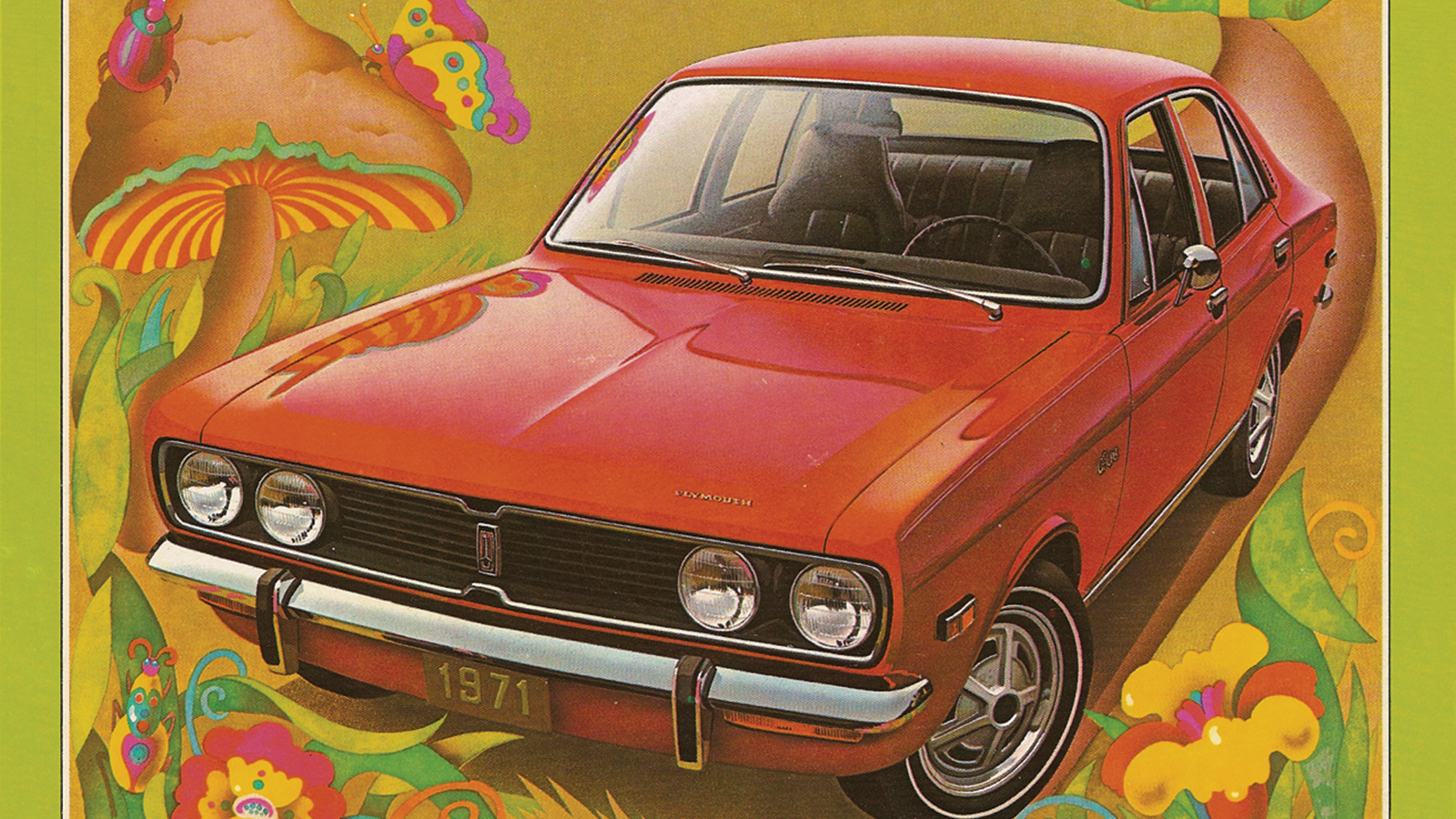
5. Plymouth Cricket
The Hillman Avenger was an unexciting but competent British sedan that served many UK drivers faithfully.
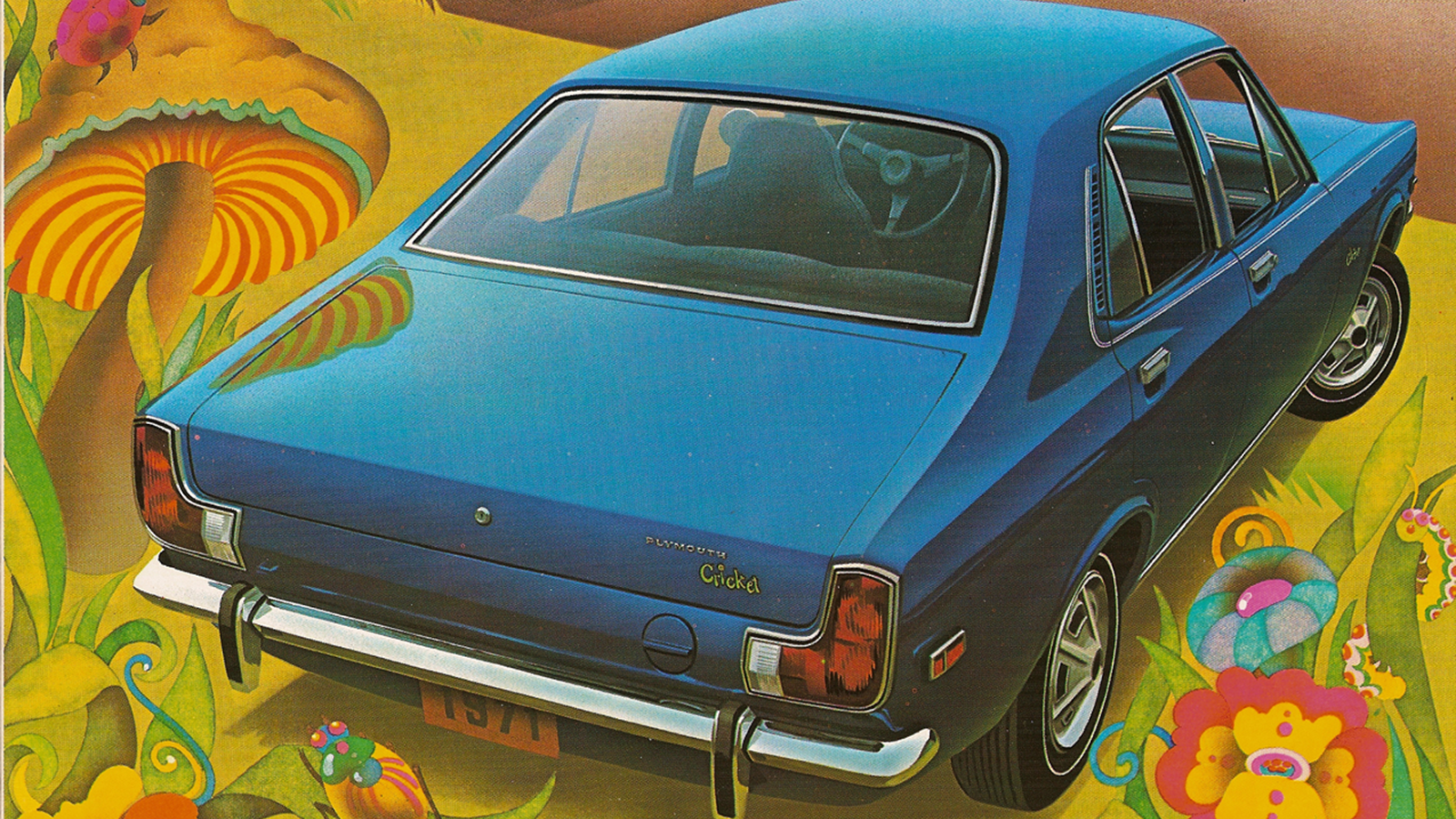
There were certainly worse cars in the early ’70s, which makes the online hate for the inoffensive Plymouth Cricket, Chrysler’s attempt to woo American buyers looking for a smaller car, difficult to fathom.
Caught napping in the wake of a new-found interest in good gas mileage, the Cricket was brought in as a captive import to sell alongside Dodge-badged Mitsubishi Colts.
Plymouth Cricket (cont.)
With blue-collar Plymouth badging, it seemed like a good temporary fix while Chrysler developed a home-brewed answer to the Pinto/Vega offensive.
Americans were spared the 1300 engine, but even as a 1500 the Cricket’s acceleration was infamously glacial.
Anorak fact Chrysler’s marketing team thought ‘Avenger’ sounded too aggressive, whereas ‘Cricket’ linked the car to its genteel UK roots
6. Mercury Capri
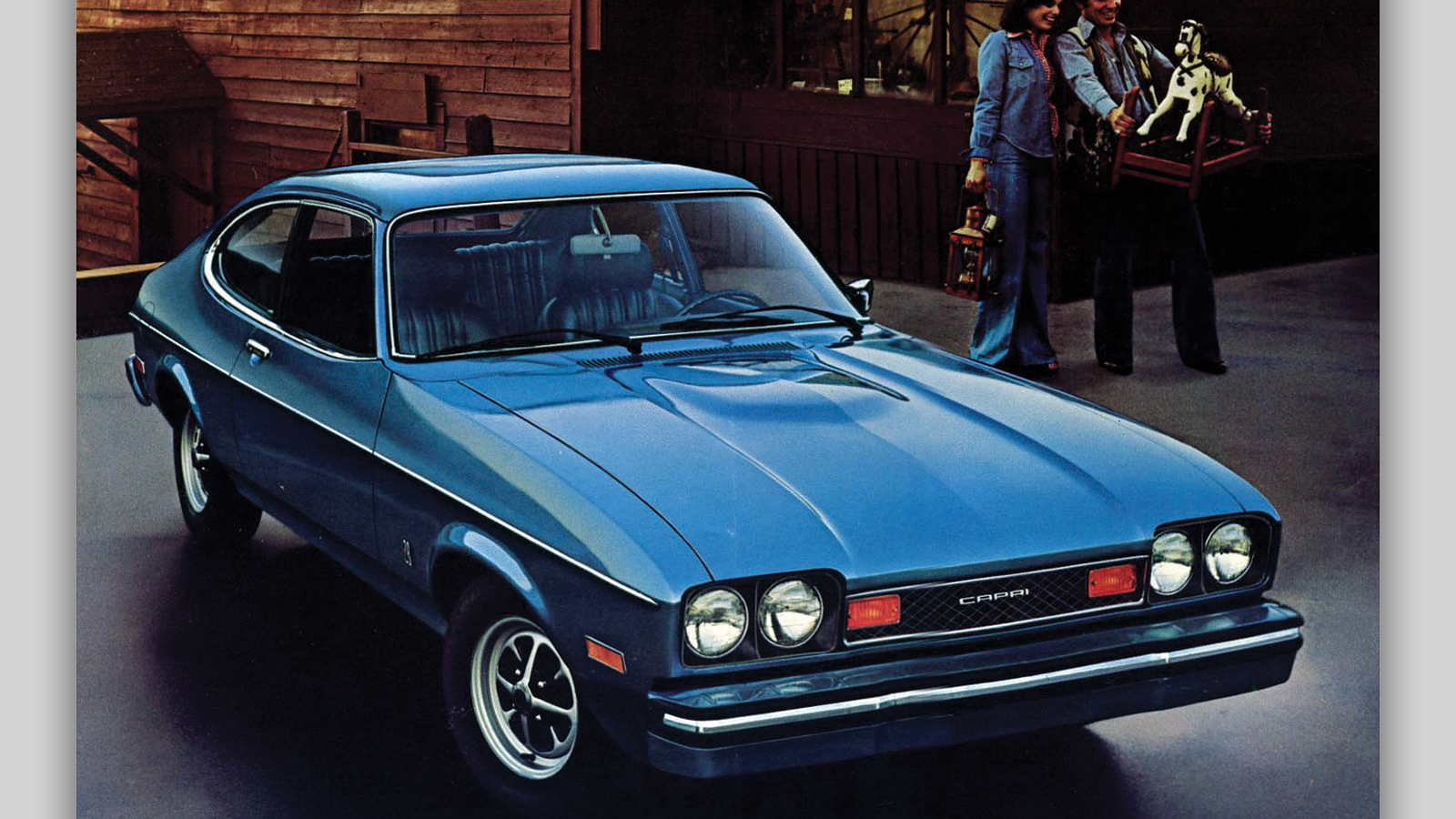
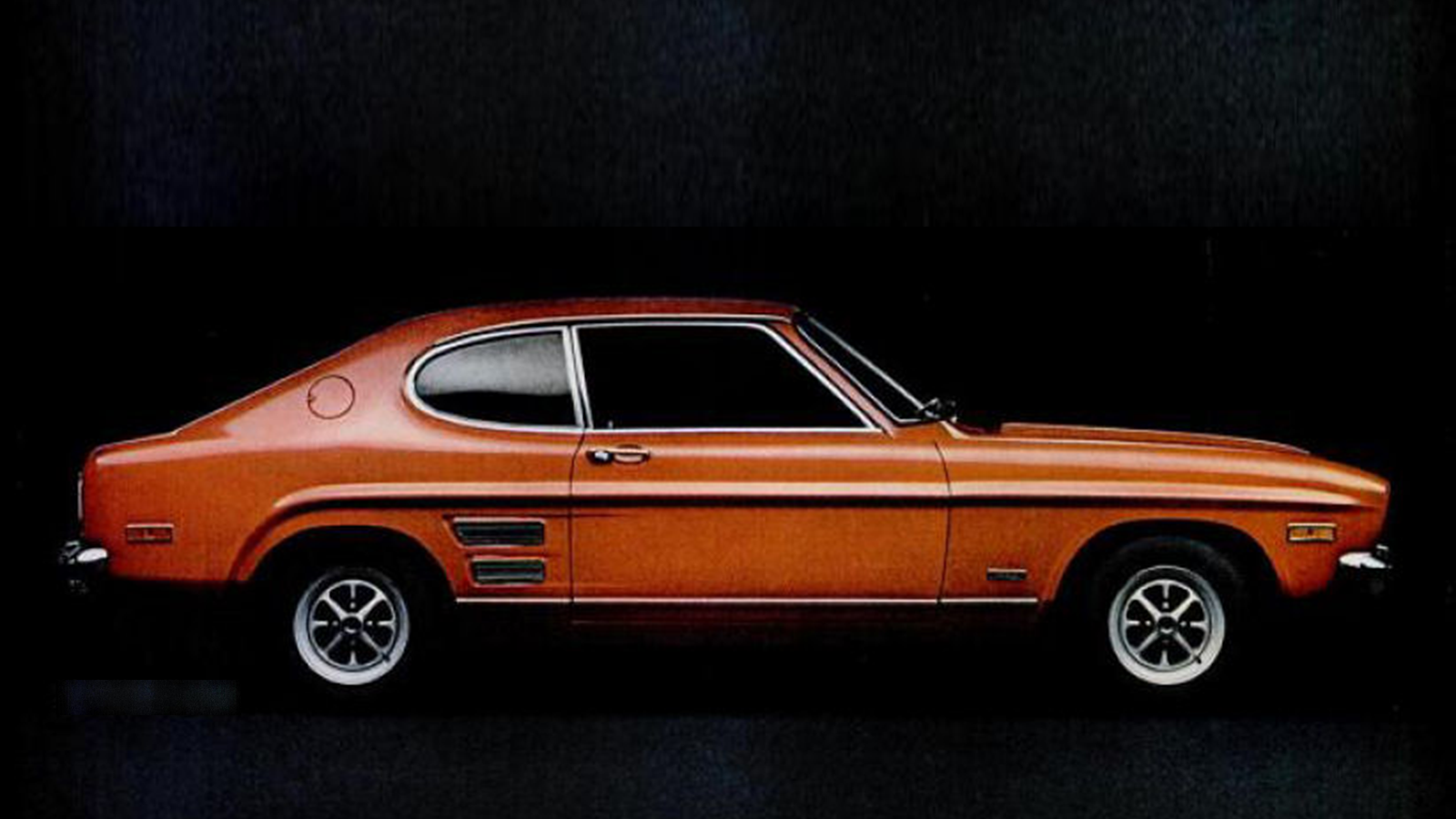
Ford had sold its ‘English Line’ cars in the USA since the 1950s, including reasonable success with the Mk2 Cortina.
You could argue that the Mercury Capri was a German Ford for American consumption but, given that its spiritual home was Dagenham in the English county Essex, let’s not split hairs.
The point is that what was badged simply as ‘Capri’ in the US is a forgotten success story of the captive-import genre that for some years came second only to VW’s Beetle in the league of import sales.
Mercury Capri (cont.)
It was marketed as a sophisticated European, but at a sensible $2400, with British crossflow Kent or Pinto in-line ‘fours’ alongside Cologne V6s of 2.6 or, latterly, 2.8 liters.
Even with big bumpers and emissions equipment, sales were strong through to the end, latterly in Capri II hatchback form. More than half a million found American homes.
Anorak fact The success of the Capri influenced Ford’s decision to downsize the Mustang for 1974
7. Austin Marina
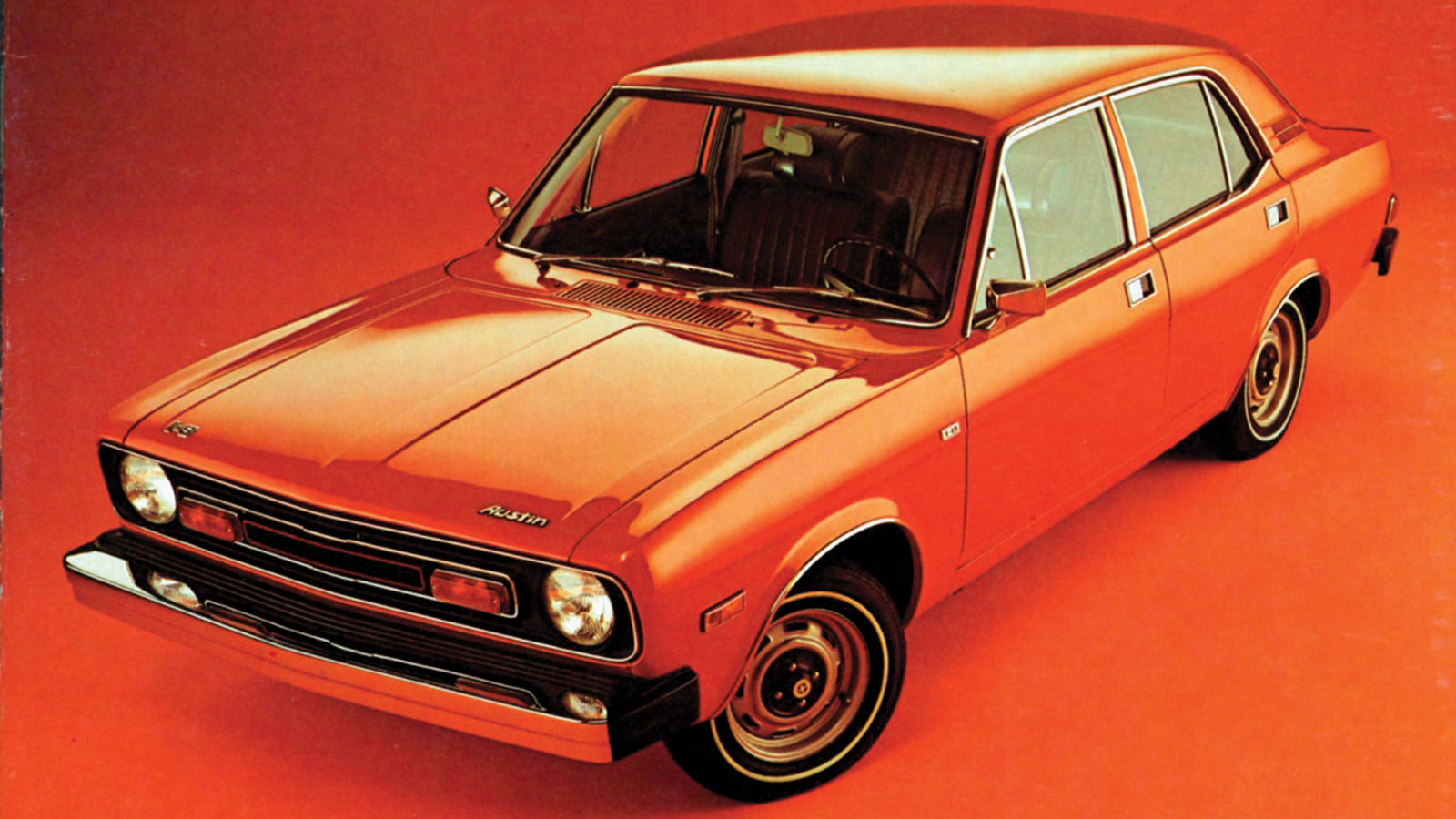
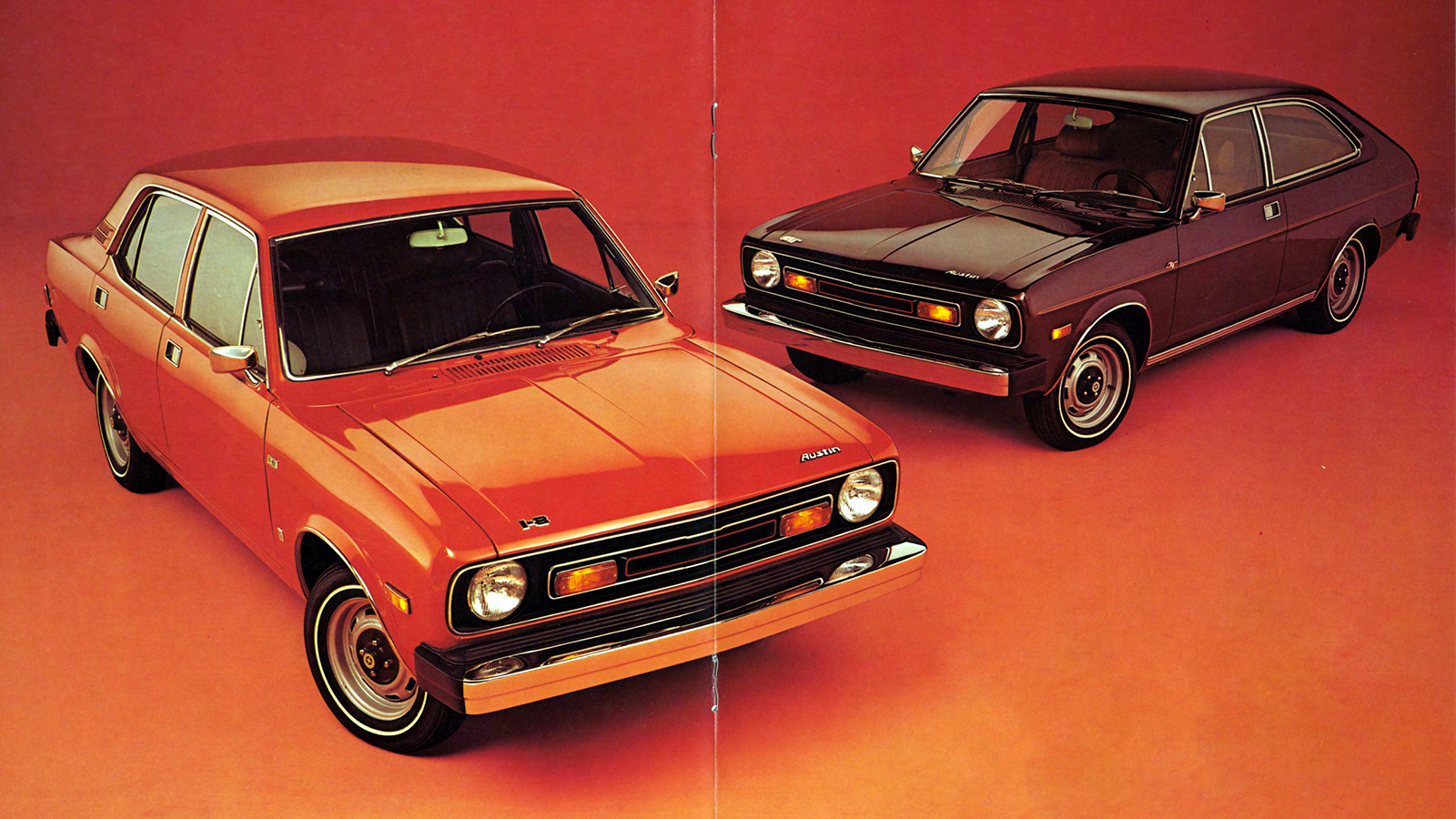
Rebadged to cash in on the goodwill generated by the Austin-Healey, US-bound Marinas came only in single-carburetor 1.8-liter form, even if you opted for the GT Coupe.
The idea of a simple, cheap-to-run tin box for gasoline-conscious Americans fell apart in execution: problems with severe wheel wobble, front tire wear, throttle cables and electrics did not endear the car to the US market.
Austin Marina (cont.)
They were good value thanks to the weak pound, but even against the risible Ford Pinto and Chevy Vega the Marina didn’t stand a chance.
After two seasons, latterly with power-sapping air pumps and park-bench bumpers, the game was up.
Canada put up with this shed long enough to get the MkII, but it still found few friends and many unsold examples are thought to have ended up being disposed of cheaply to BL employees.
Anorak fact The titular character of American TV series Lou Grant drove an Austin Marina
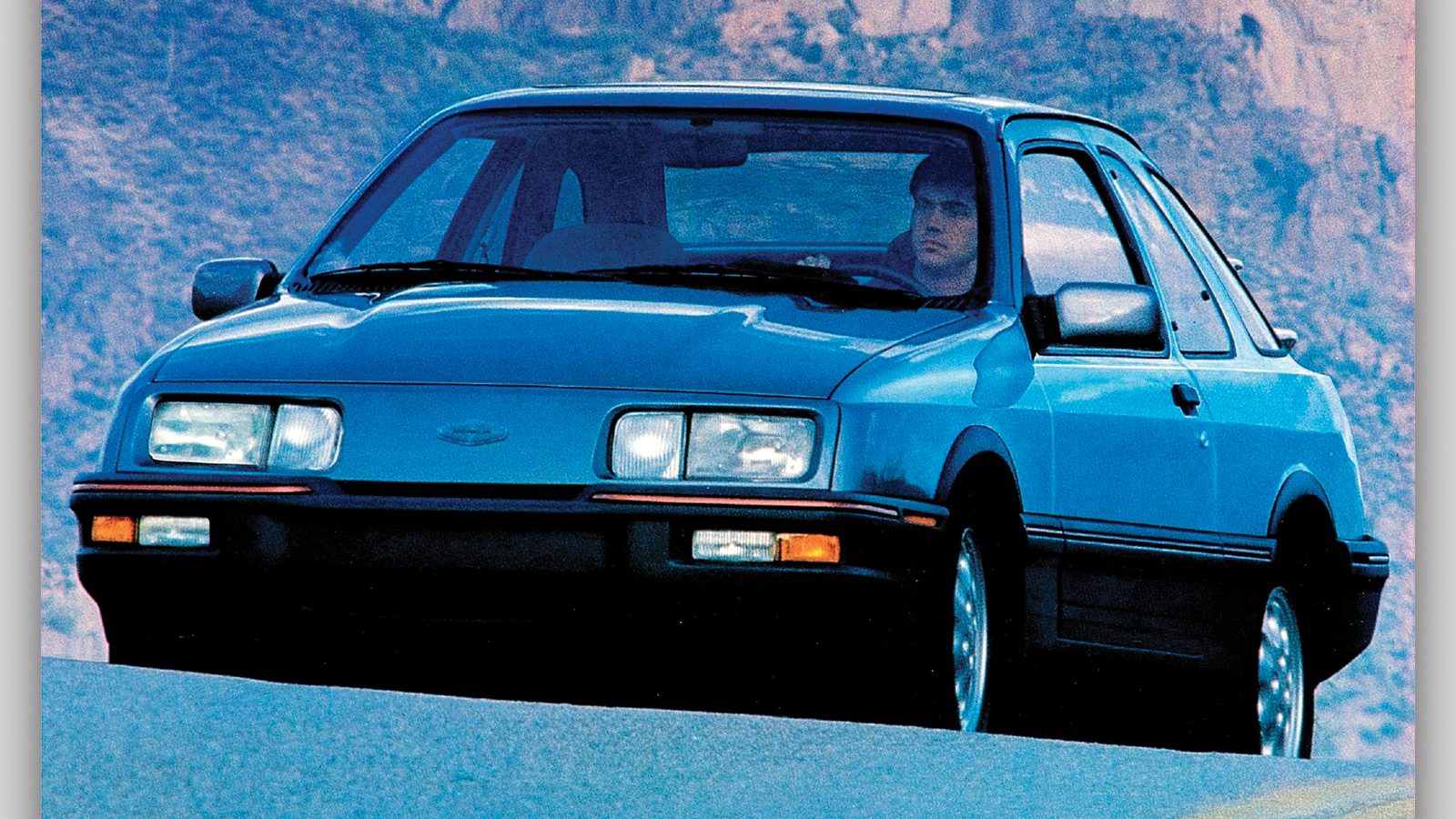
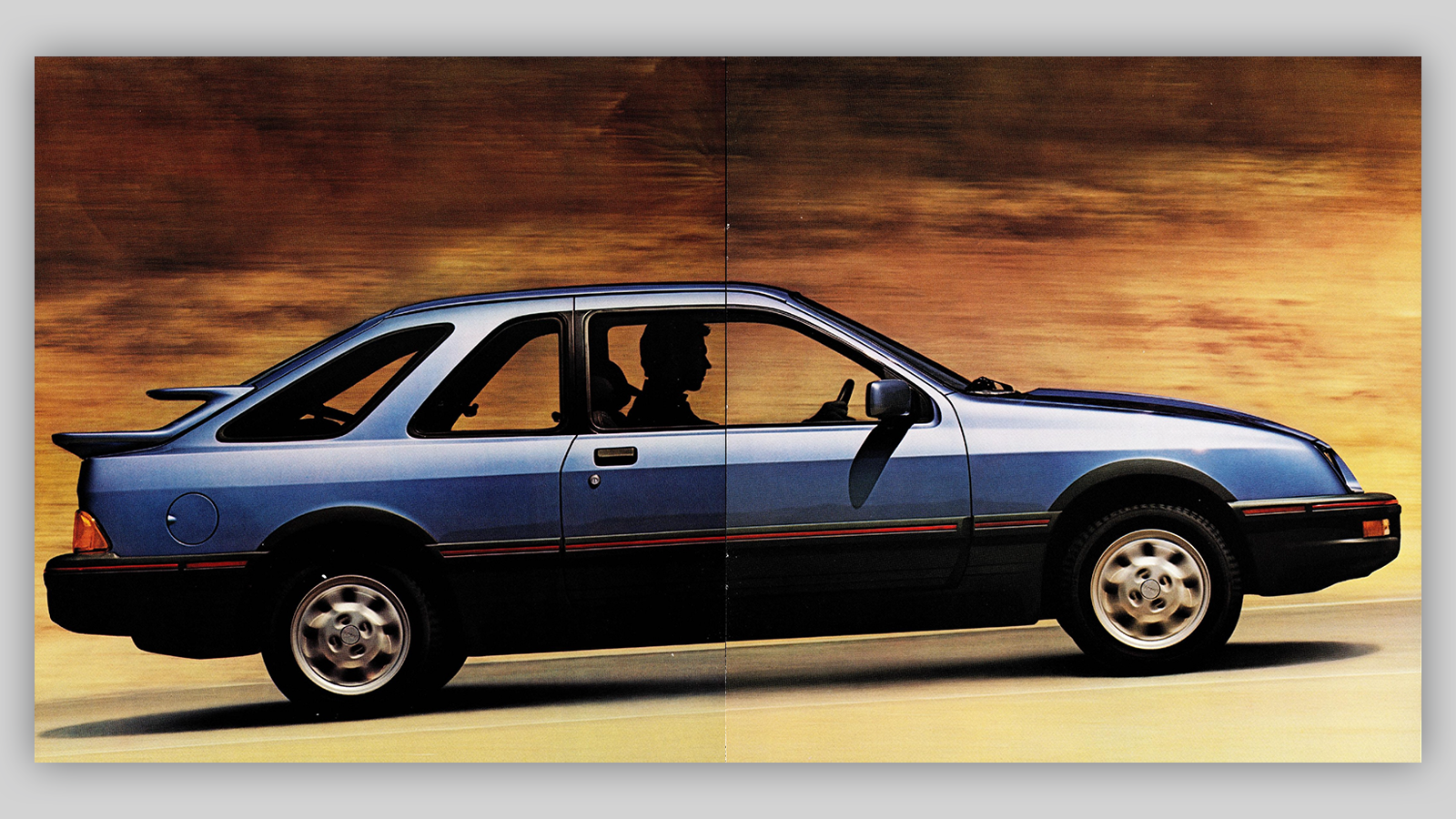
8. Merkur XR4Ti
To take on the Germans, Ford’s Bob Lutz reinvented the Sierra XR4i for the US market as the Merkur XR4Ti.
Sold through Lincoln-Mercury dealers, it looked almost identical to its European cousin but had its 2.8-liter V6 replaced by a 2.3-liter turbo ‘four’ sourced from Ford’s Brazilian outpost.
Among 850 changes (adding 280LB to the weight) were side-impact bars, catalytic converters and softer suspension, with tuning by Jackie Stewart.
Merkur XR4Ti (cont.)
The five-speed model had 177HP, the three-speed auto 147HP, but the mid-range torque produced similar results: 0-60mph in around 8 secs and up to 129mph.
At $16,000, with air conditioning, the Merkur looked like good value next to a basic BMW 3 Series.
Sales were initially encouraging and the XR4Ti was well-reviewed, but exchange rates soon put up prices and the Merkur struggled. The weird name – German for mercury – didn’t help.
Anorak fact Karmann assembled the Merkur on Ford’s behalf
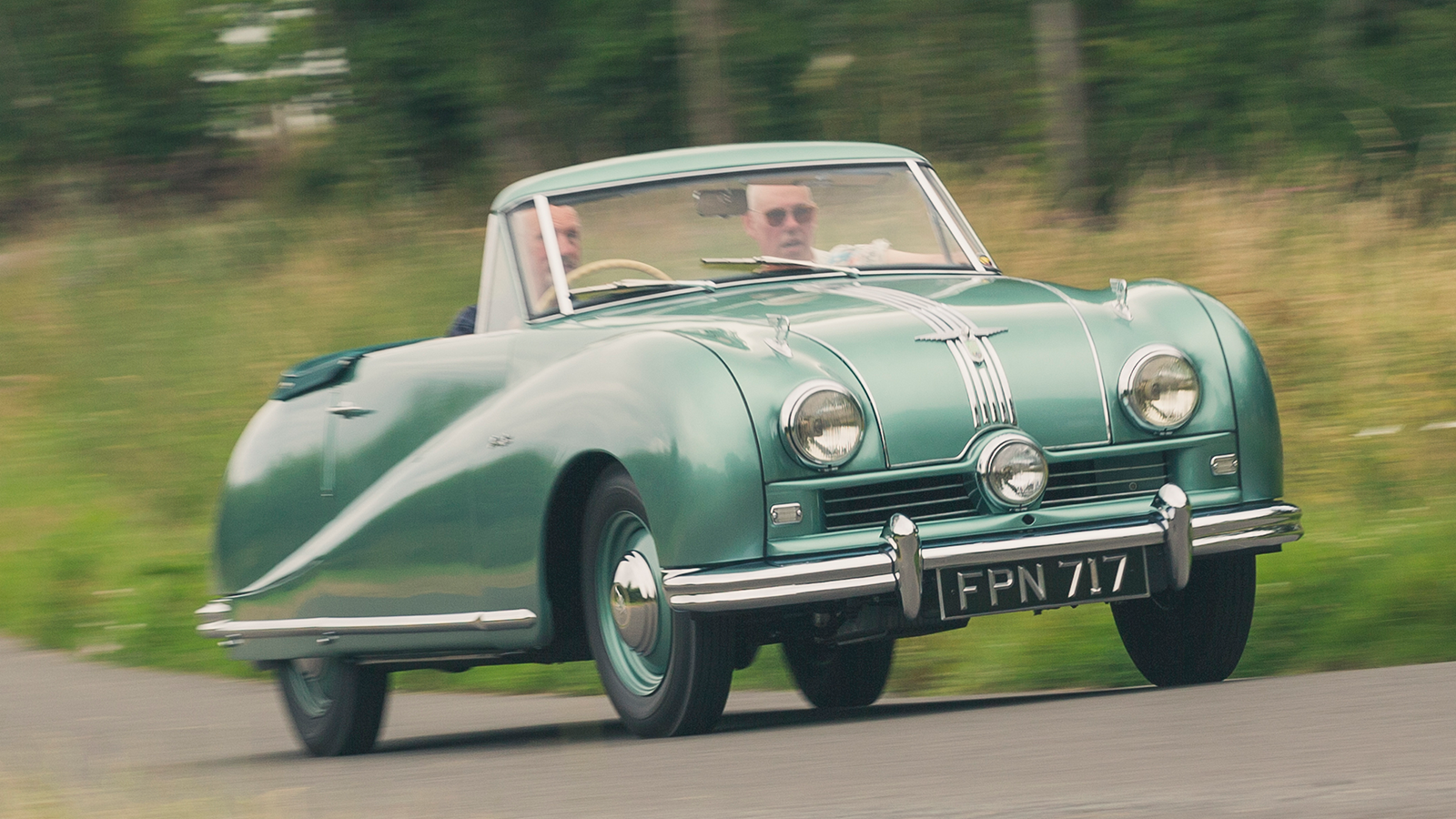
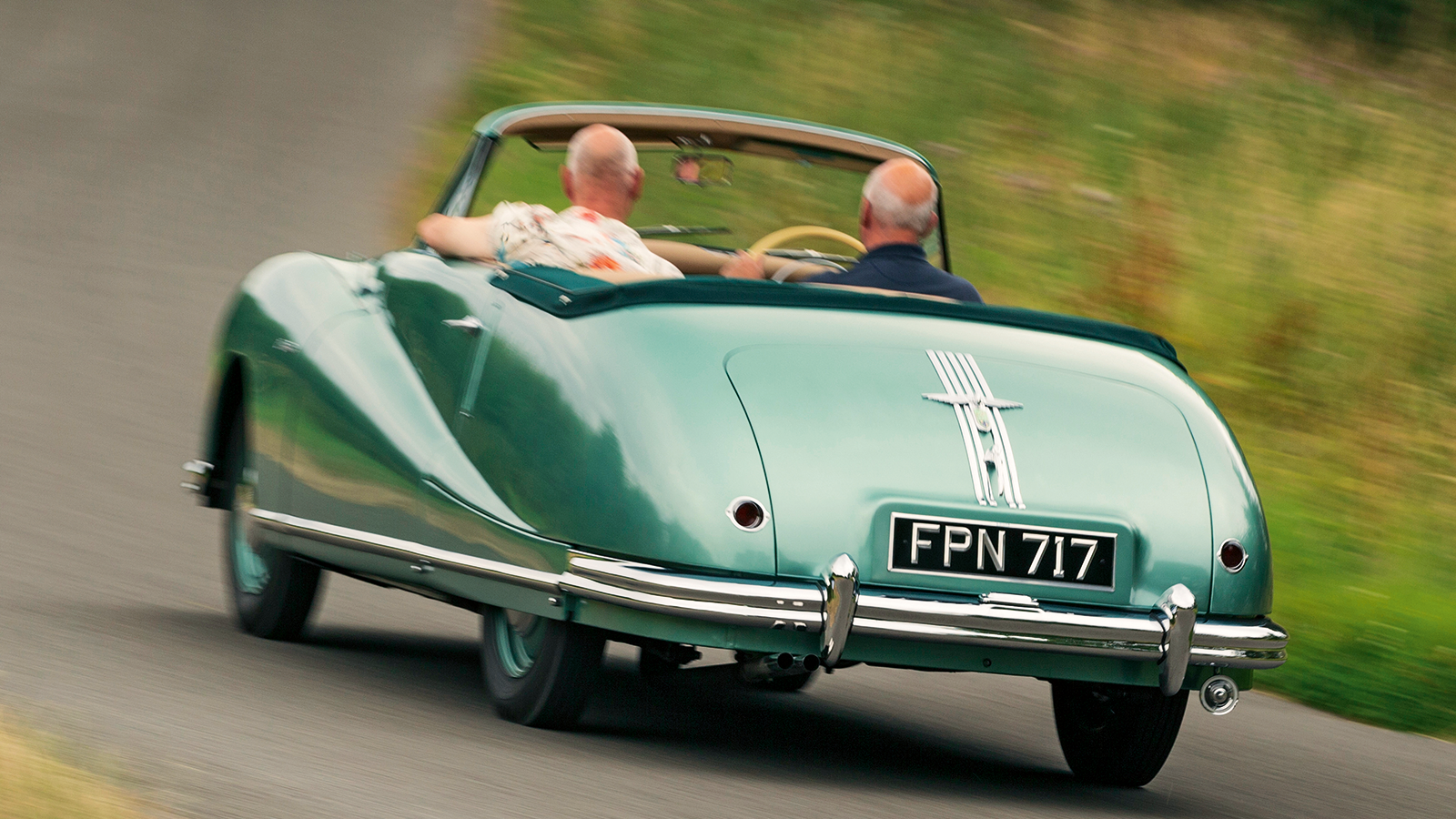
9. Austin A90 Atlantic
Austin chief Leonard Lord was keen to deliver on the government’s ‘Export or Die’ policy with a product ideally tailored to North American tastes.
But not even record-breaking at Indianapolis could convince Americans they wanted a four-cylinder English car.
Able to top 95mph and whip up to 60mph in 16 secs, the cyclops-eyed Austin was one of the fastest early post-war production cars.
With its Pontiac-aping chrome, center foglight and column change, everything about the Atlantic was outside Austin’s comfort zone.
Austin A90 Atlantic (cont.)
Production of the A90 began in January 1949 – strictly for export only – but the US market took only 350 Atlantics, although more than 800 were exported to Australasia.
Retiring hurt, Longbridge adapted the car into a closed sports-sedan version in 1949 that yielded a modest second lease of life.
Total A90 Atlantic production was 7981 cars between 1949 and 1952.
Anorak fact The later $1000 price cut was, in percentage terms, one of the biggest ever
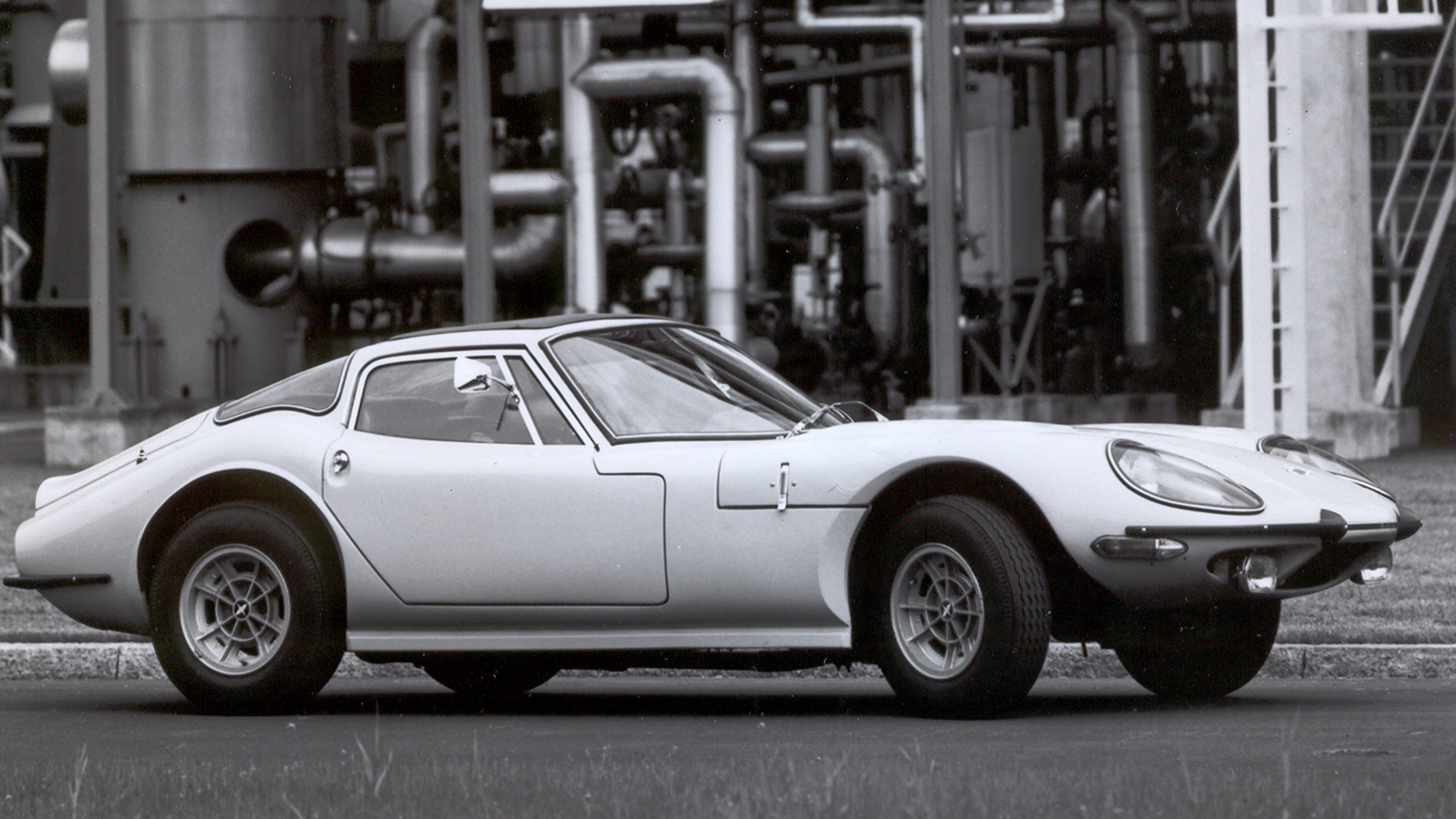
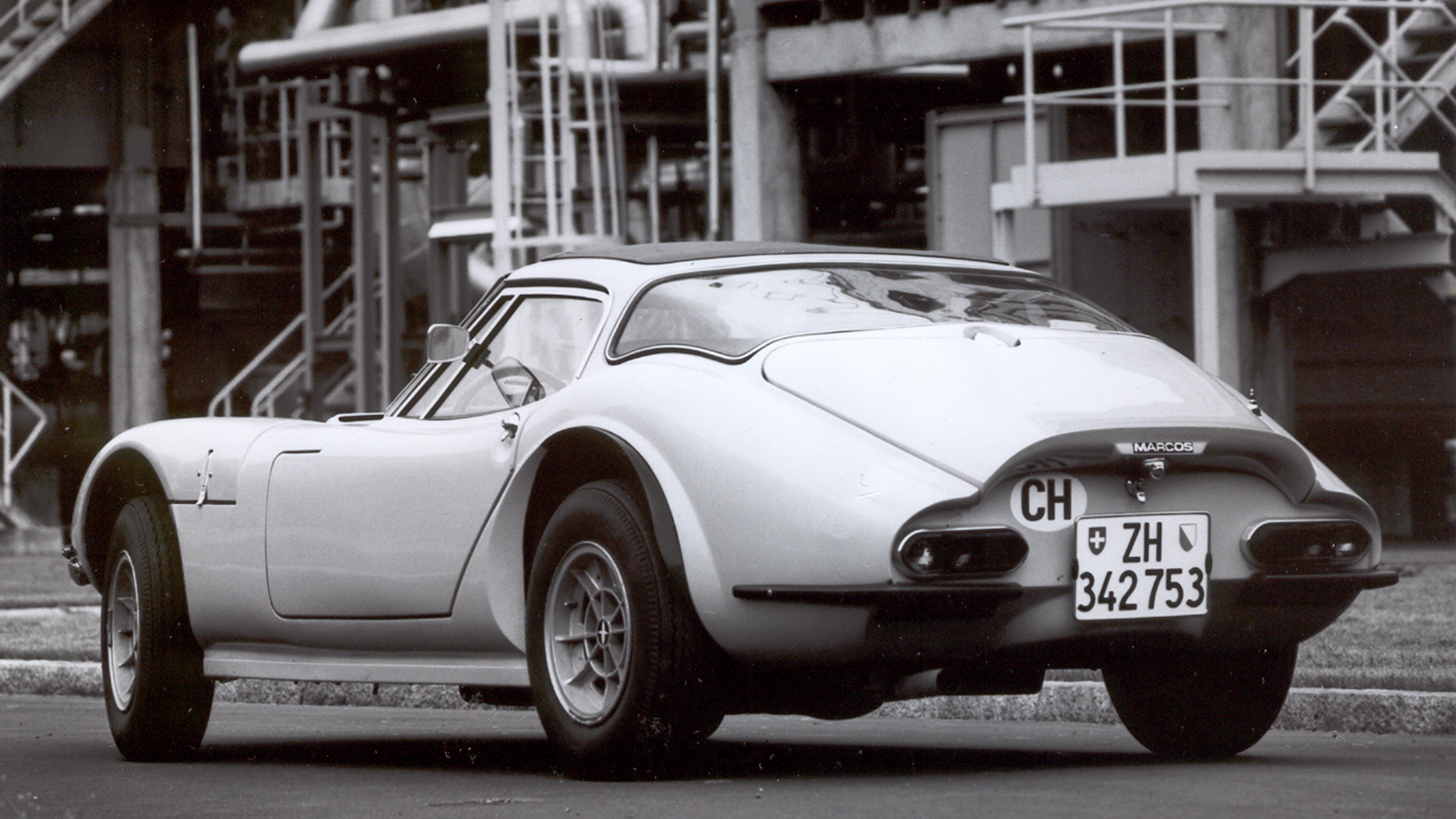
10. Marcos 3 Litre
The Essex V6 from the Ford Zodiac was well suited to the requirements of Marcos, but was too dirty to pass American Federal emissions tests.
So Jem Marsh did a deal with Volvo to supply its B30 3-liter straight-six, which was already well established on the American market in the 164 sedan.
Thus equipped, the Federal 3 Litre (to use the UK spelling) Marcos was nearly as quick as the Ford V6 models, even if its long, heavy engine compromised the handling.
It looked as if it was going to give Marcos the American foothold it needed until 27 cars were impounded by US Customs.
Marcos 3 Litre (cont.)
It struggled to believe the Wiltshire firm was sufficiently low-volume to be exempt from certain local safety regulations.
By the time it knew differently, the investment tied up in the cars had nobbled Marsh’s finances.
With Cosmic alloy wheels, a Capri rear axle and no central power-bulge, the Volvo cars were sold off in the UK through to the end of Marcos (in its first incarnation) in 1972.
Anorak fact Some of the Volvo 3-liter-powered cars destined for America had automatic gearboxes and air conditioning