

The Lancia Gamma reaches its half century
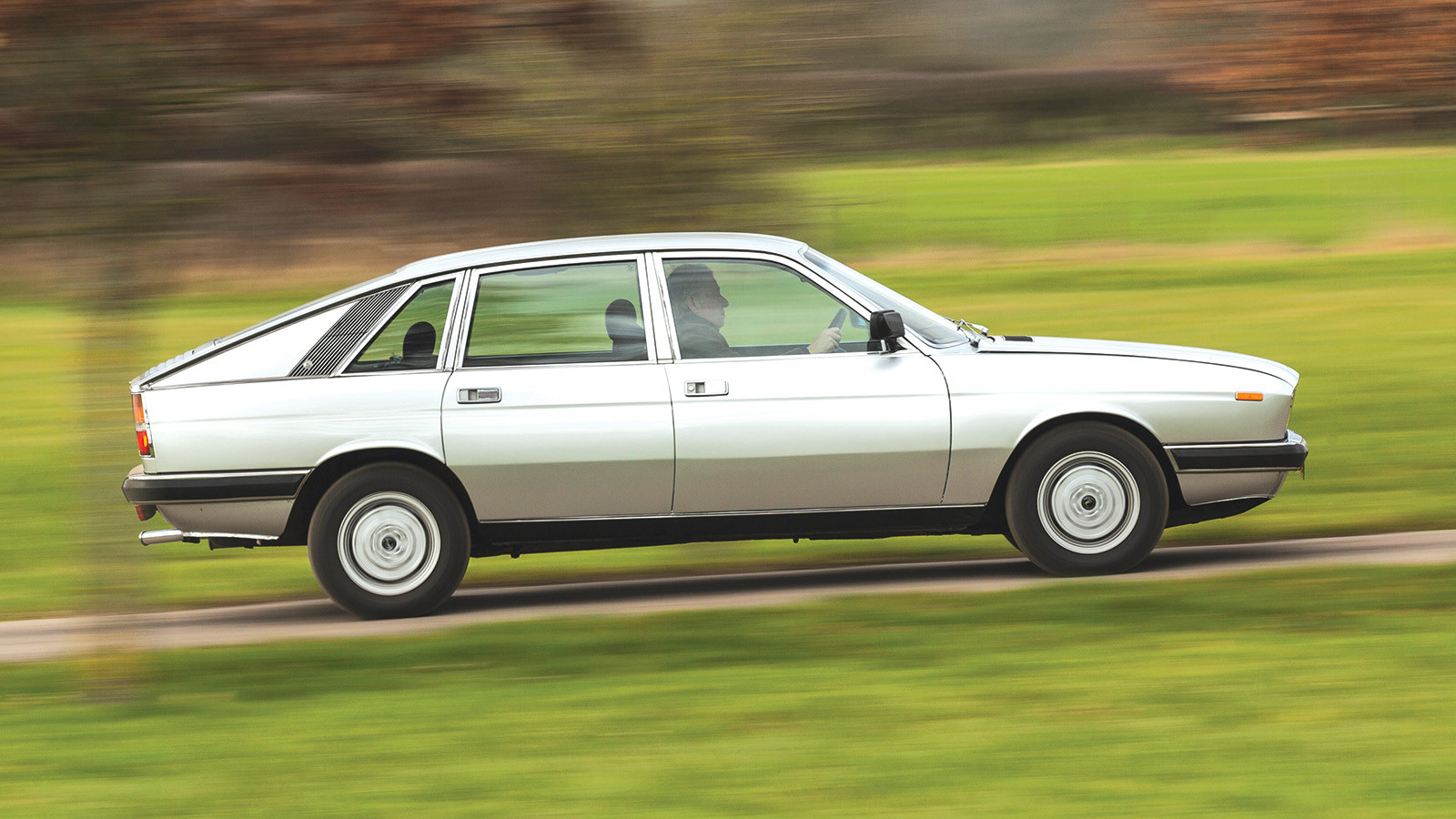
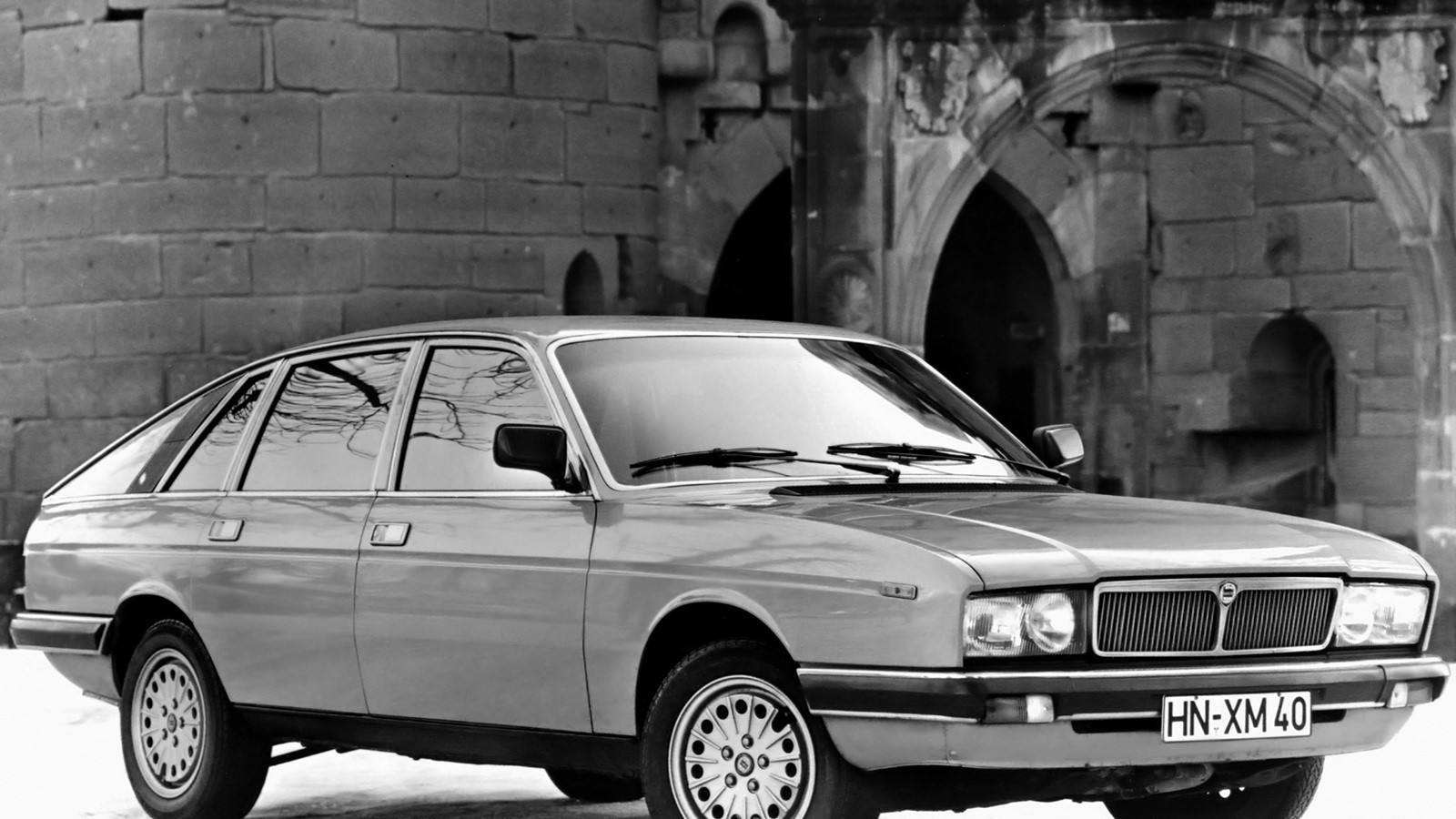
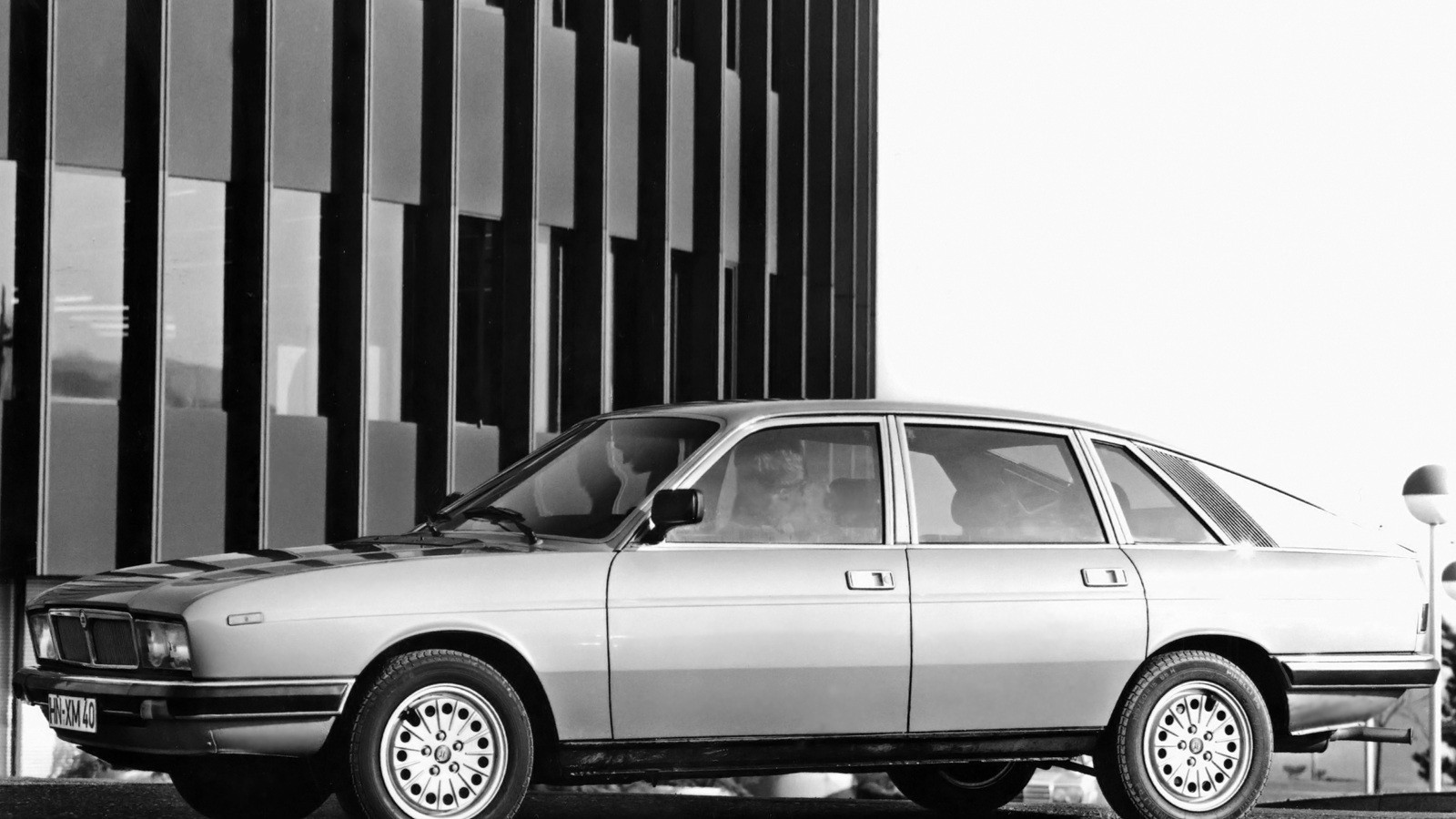
The Lancia Gamma was a bold attempt by the Italian auto manufacturer to get back into the executive-sedan class.
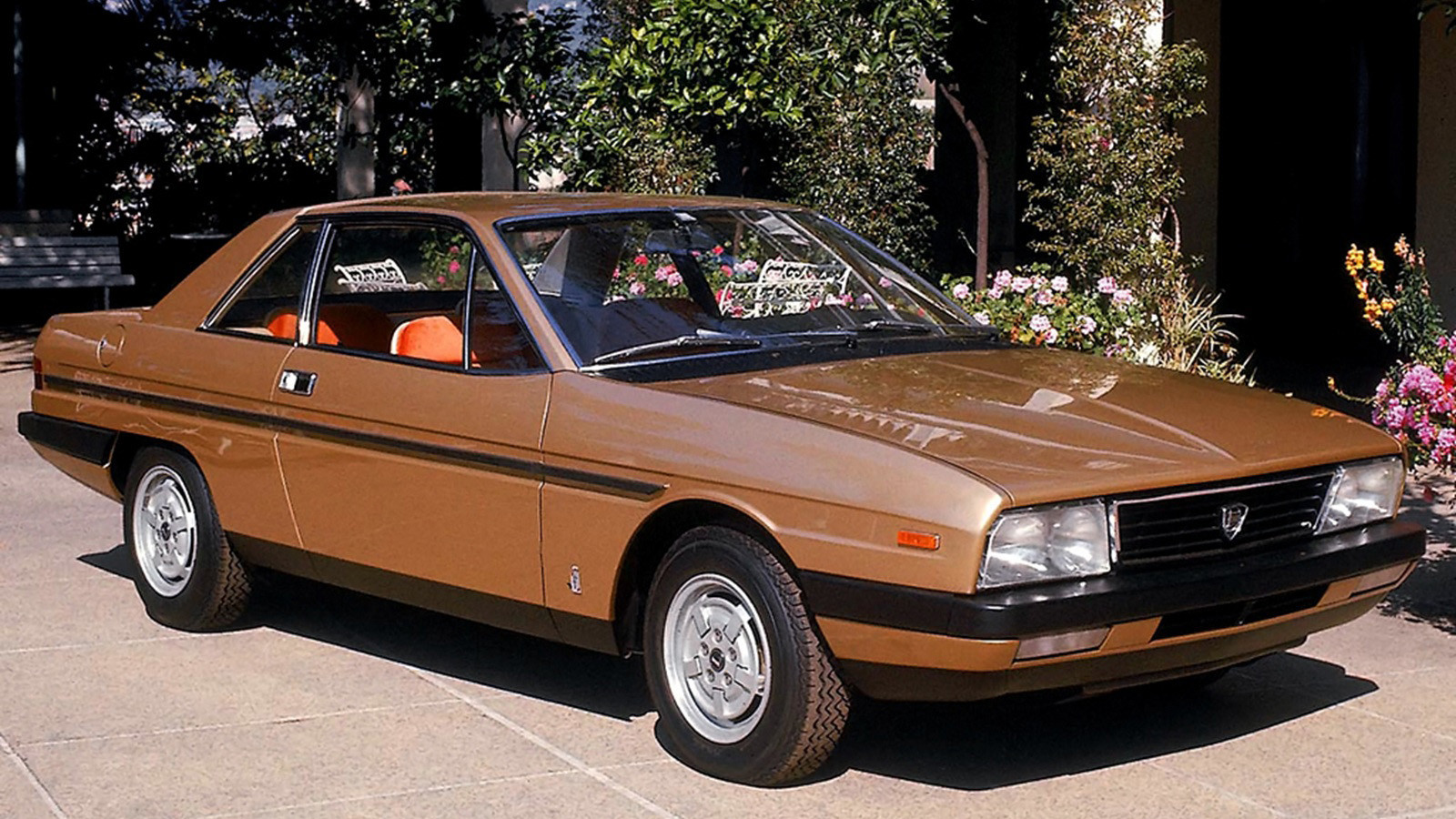
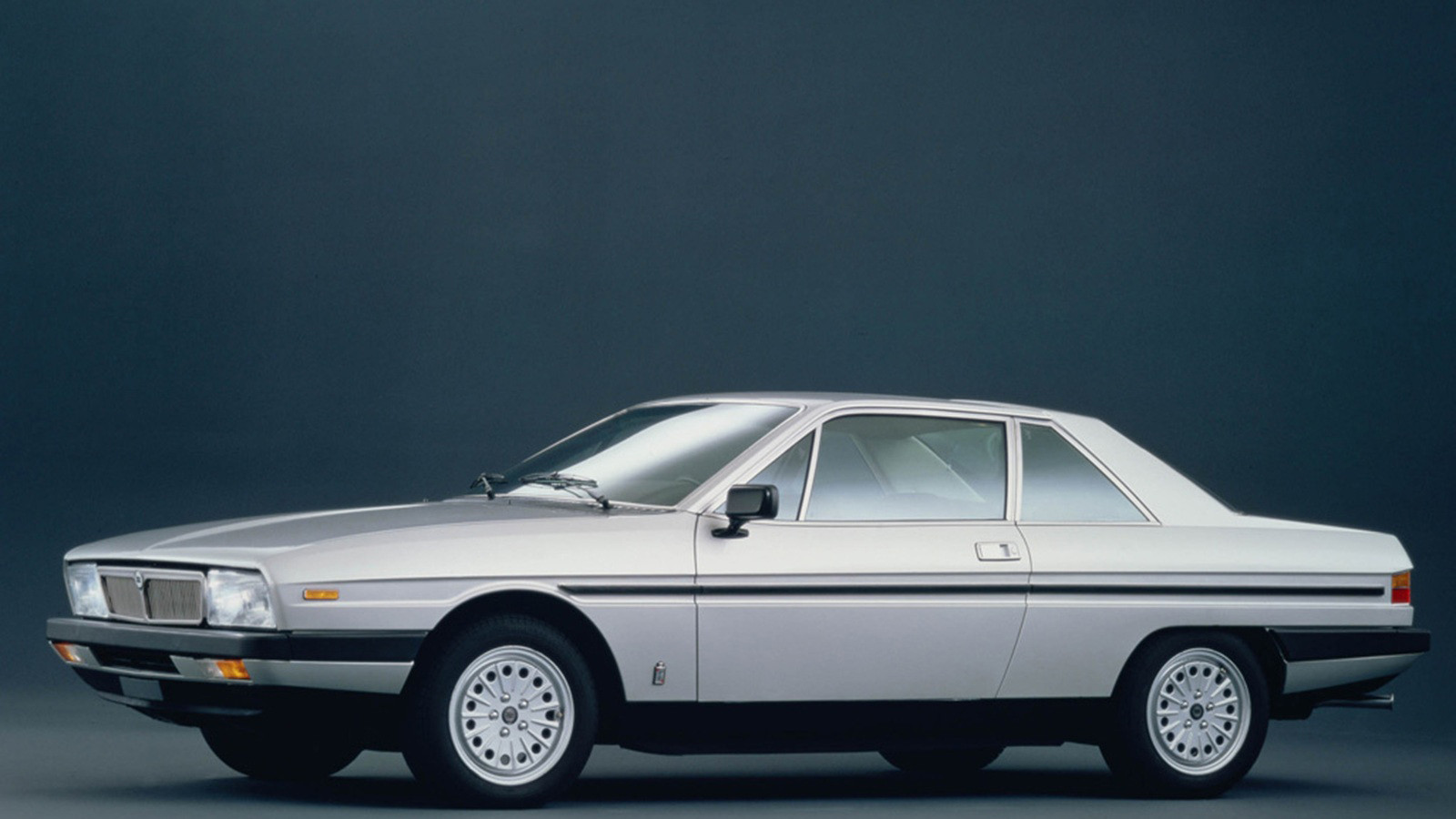
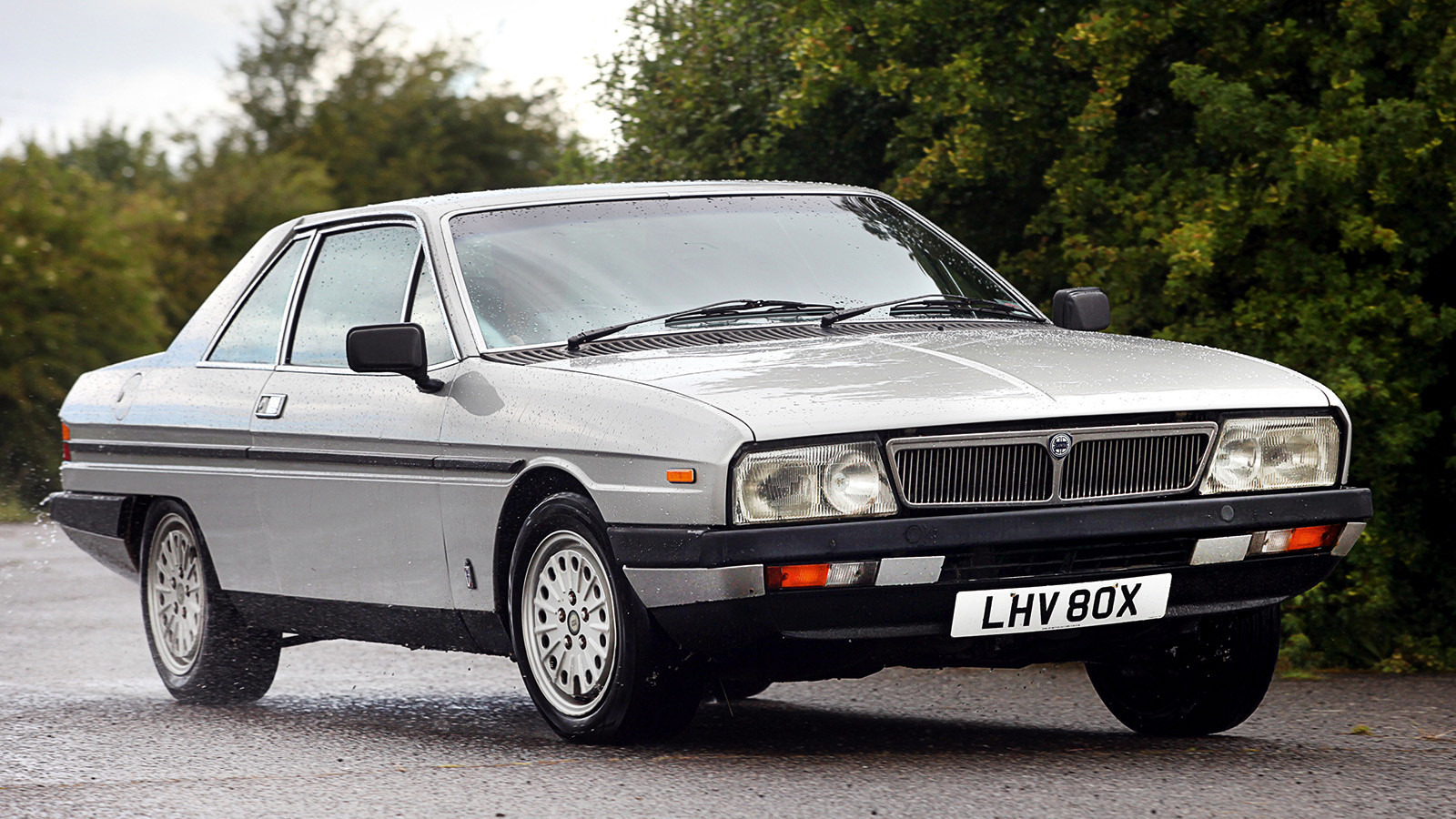
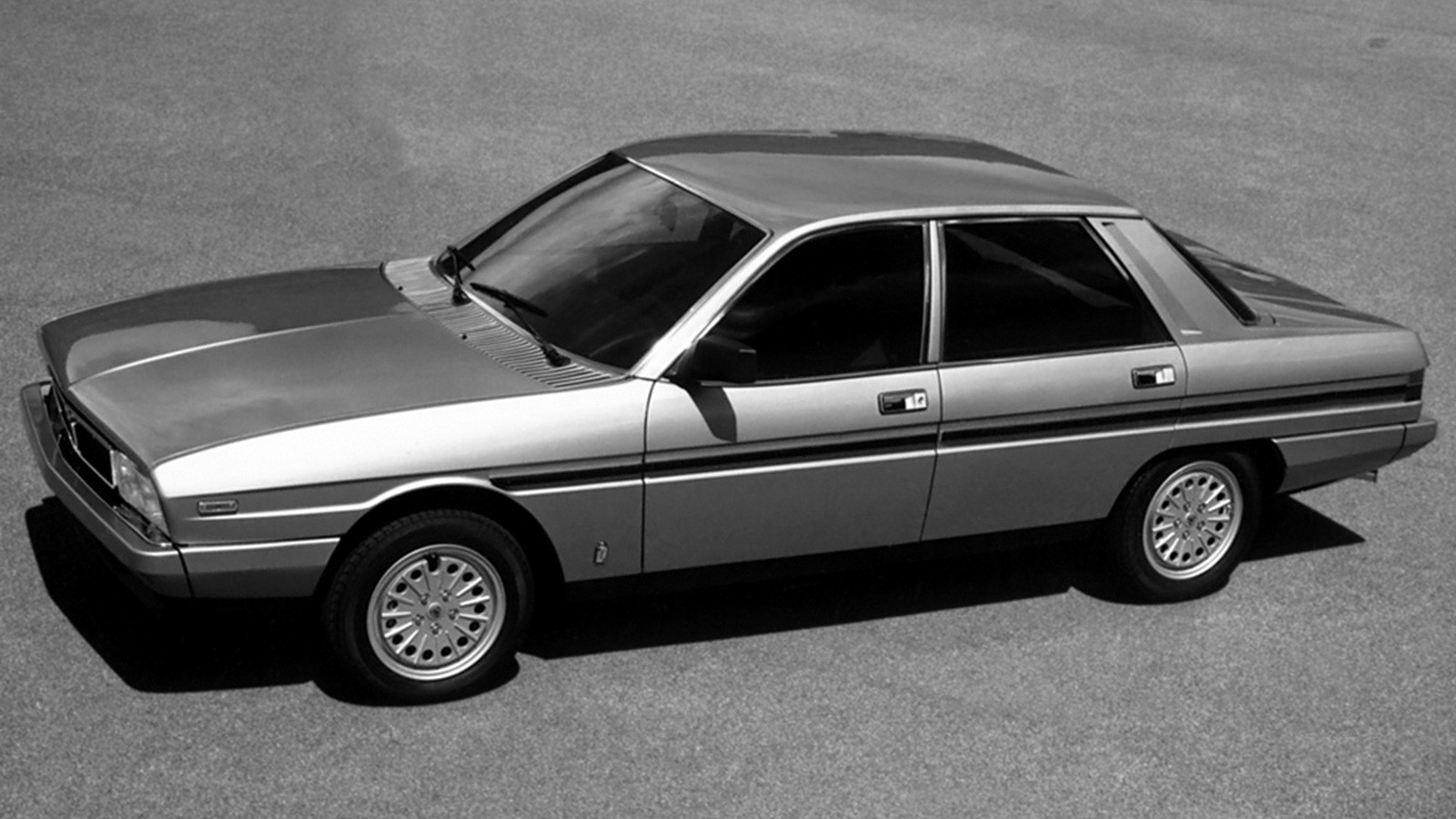
Now, 50 years on from its launch, the Gamma is more appreciated for the appearance of its distinctive fastback sedan and handsome coupe models.
With front-wheel drive, a new engine and independent suspension all round, the Gamma should have been a sure-fire hit.
However, it didn’t quite hit the mark, so here’s our chronological look at the still-intriguing Lancia Gamma.
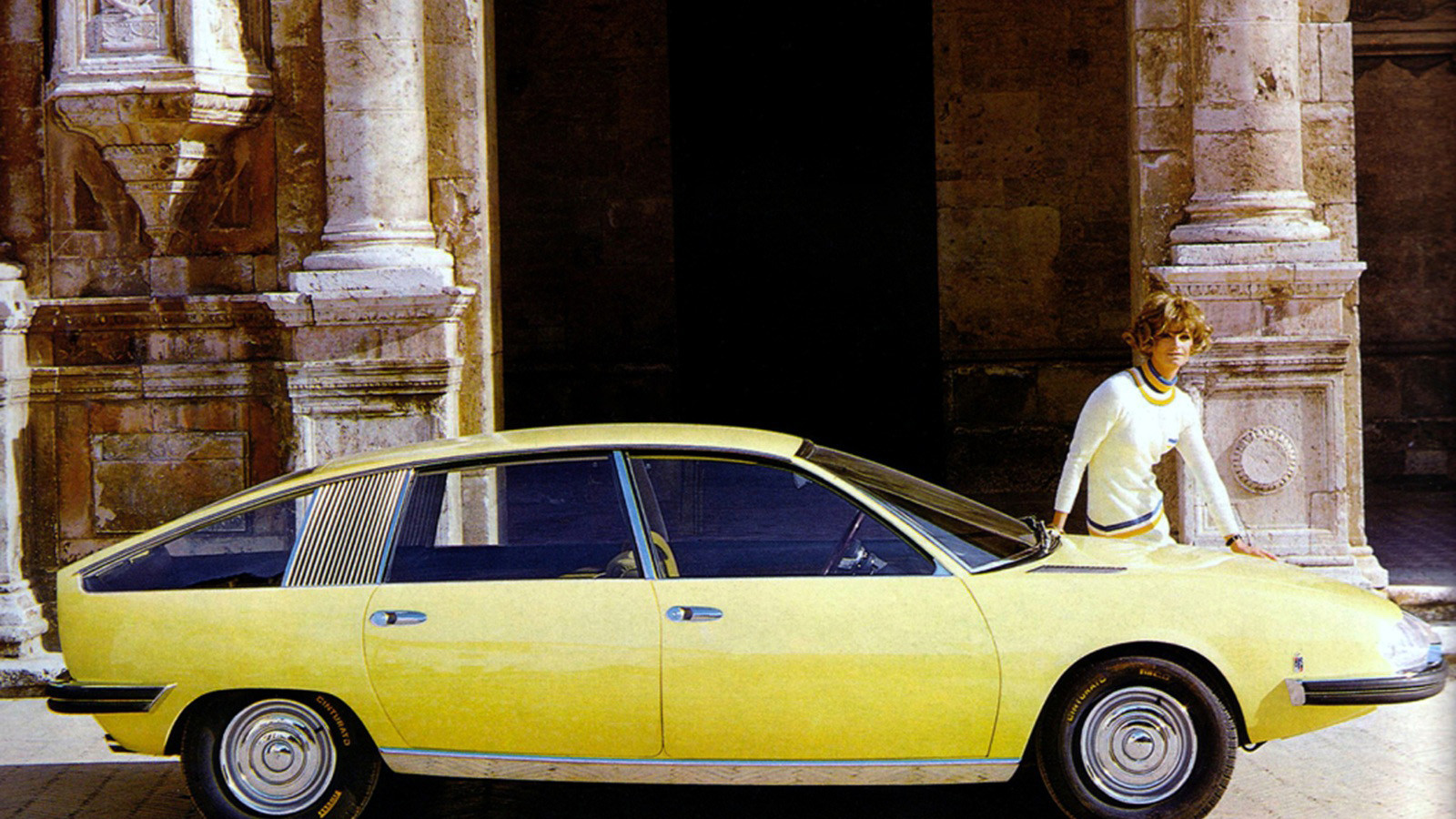
BMC 1800 Aerodinamica (1967)
Inspiration for the Lancia Gamma came from a perhaps unexpected quarter.
Leonardo Fioravanti, working at Pininfarina, penned the British firm BMC’s 1800 Aerodinamica concept, which was later turned down, before being picked up by Citroën.
Fiat owned a large stake in the French firm when it acquired Lancia in 1969, and Fiat engineering boss Oscar Montabone decided this design should be the basis for the new model that was named Y2 while in development.
Pininfarina’s Aldo Brovarone then led the design concept for what became the Lancia Gamma range, launched in 1976.
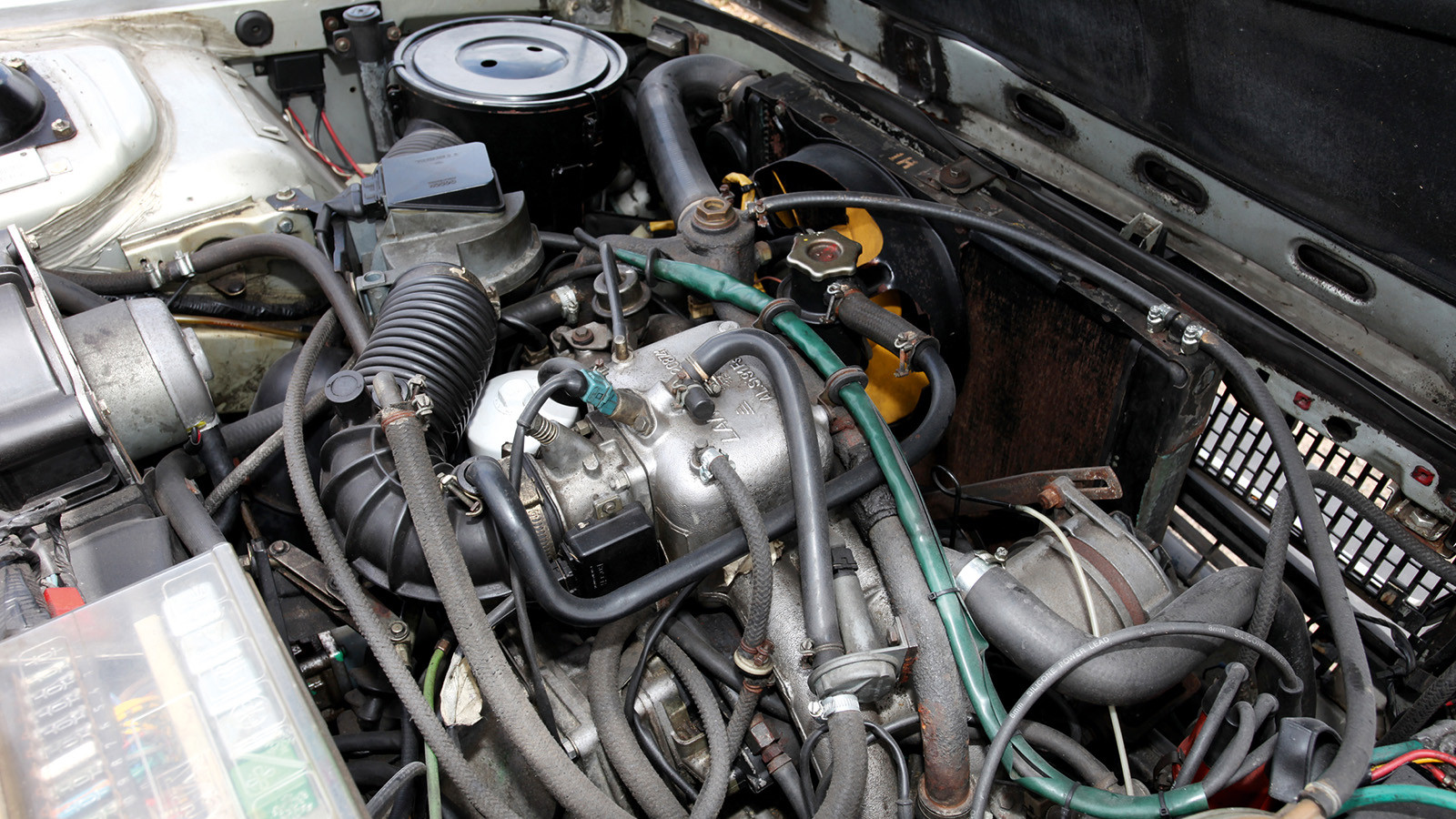
A new boxer engine (1970)
Alongside an all-new look for the Gamma, Lancia also came up with a new engine for its executive model.
It was always planned to place the Gamma’s motor ahead of the front axle line, so it had to be light and compact.
This ruled out Fiat’s V6, so a new flat-four boxer engine was designed. It used lots of aluminum in its construction and was given the code 830.
The 140HP, 2.5-liter version of the engine was to be offered with an automatic gearbox at launch in 1976, but delays meant this didn’t arrive until 1980, which undermined sales in some key countries.
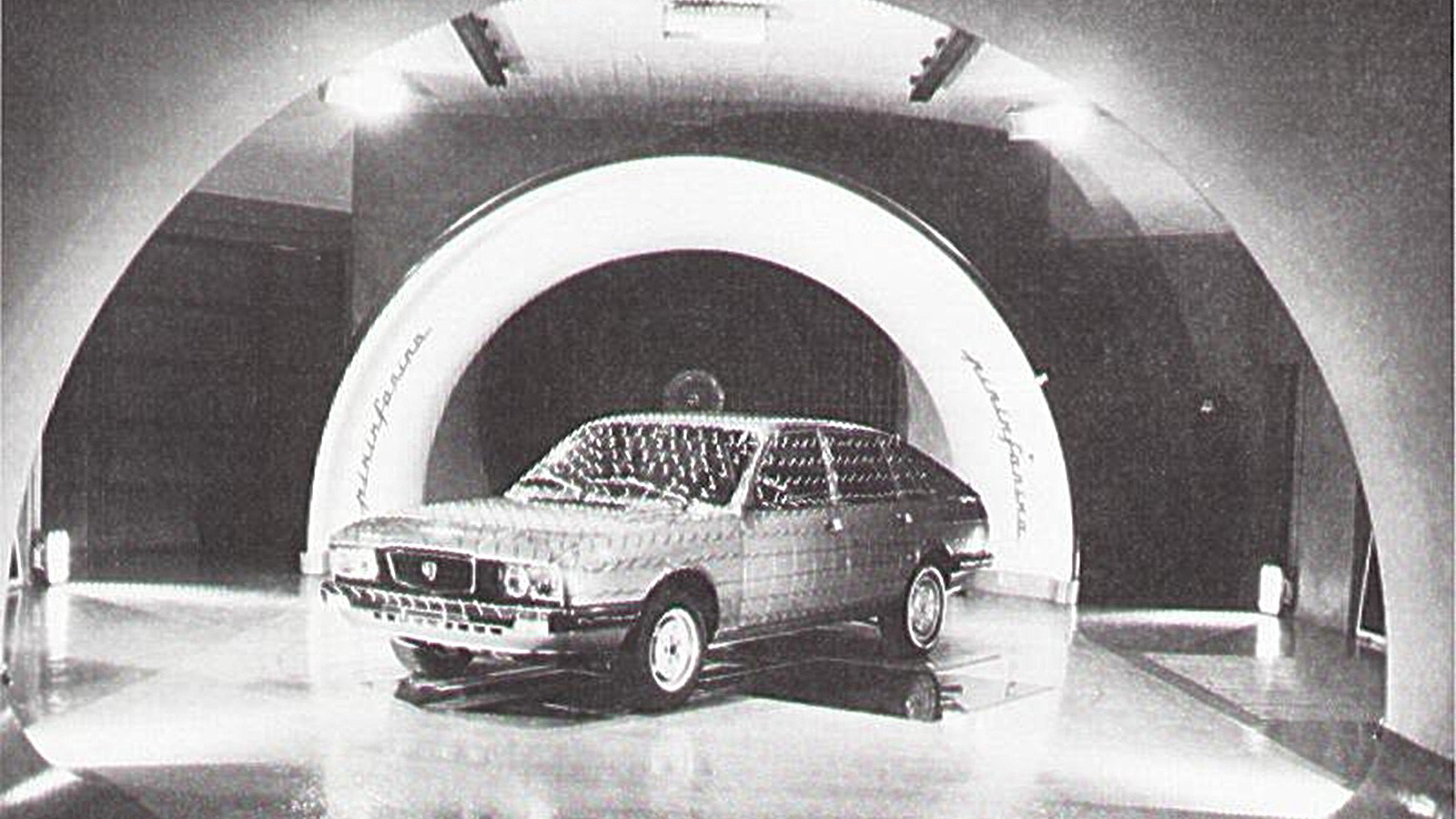
Wind-tunnel tested (1972)
It didn’t take long from Fiat’s takeover of Lancia for the Y2 concept to emerge as the marque’s new large sedan.
Initial tests of the Y2 in the wind tunnel showed it had a very slippery shape, with a Cd of just 0.30.
However, that was compromised when the Lancia was given a more upright, front-end design that resulted in a final aerodynamic value of 0.37Cd.
At the rear, the sloping tail of the Gamma’s eventual shape dictated an extra window set into the trunklid to help improve rearward vision for the driver – this window was covered by a slatted grille that could be raised to clean the glass.
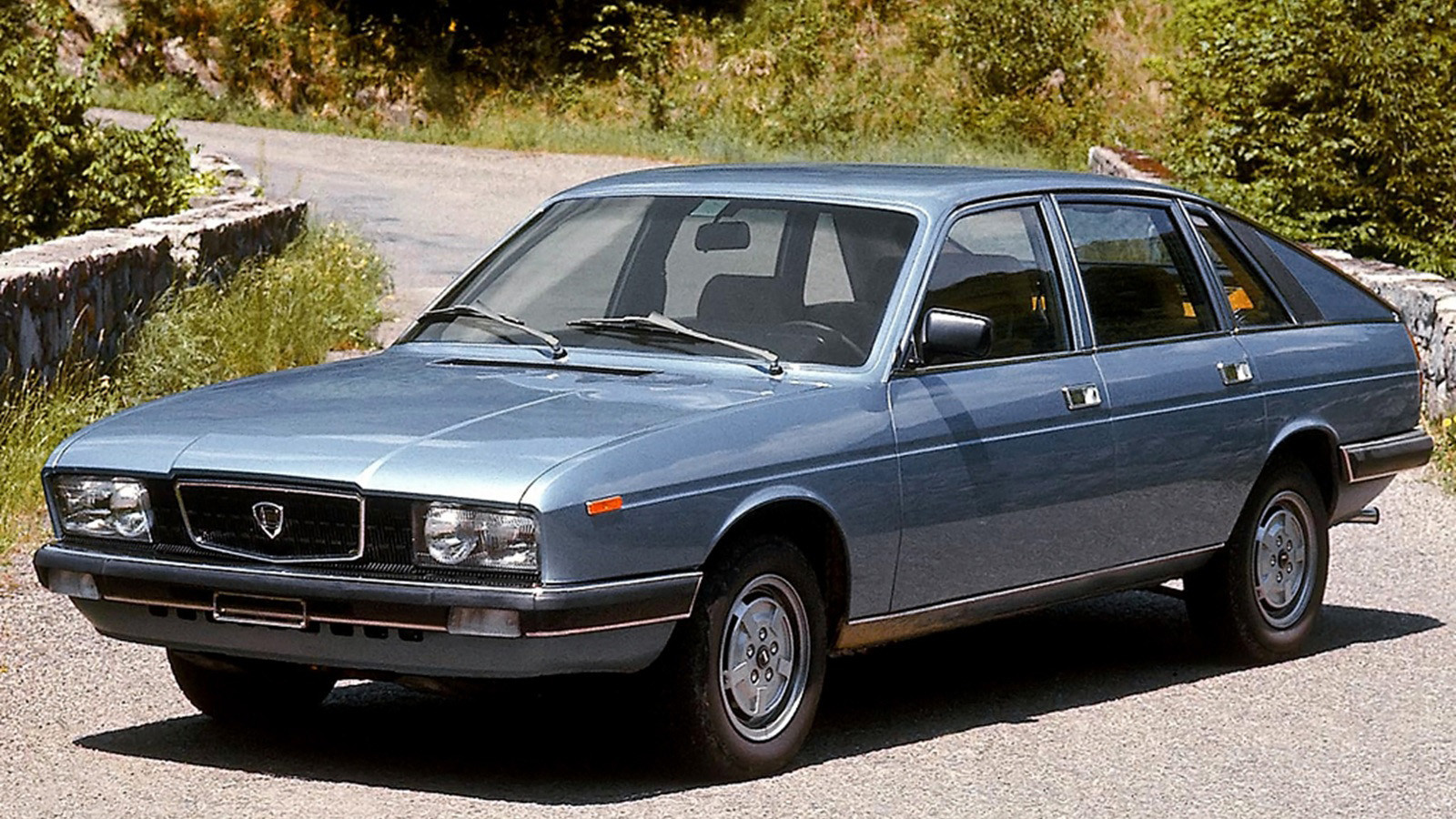
Lancia Gamma Berlina 2000 Series 1 (1976)
Introduced to the world at the Geneva motor show in 1976, the Gamma’s name followed Lancia’s convention at the time of using letters of the Greek alphabet.
The 2000 model had been hastily devised with a 2-liter version of the flat-four engine to address Italy’s domestic tax regime that punished cars with powerplants above this capacity.
The obvious visual clue to the smaller-engined model was a badge on the rear, plus some 2000s made do with steel wheels rather than alloys.
The 2000 could do 0-60mph in 10.6 secs en route to a 115mph top speed.
Lancia Gamma Berlina 2500 Series 1 (1976)
The 2500 version of the Gamma was the car Lancia always intended to build and it hoped it would restore the company’s place in the executive-sedan market.
It was hampered in this by a list price that was higher than many rivals, but early road tests noted how flexible the 2.5-liter boxer engine was.
Many reviews also wondered if the car wouldn’t have been more able to deal with its German competitors had it come with a six-cylinder motor.
Even so, the 2500 version of the Lancia Gamma was capable of 0-60mph in 9.6 secs with a 121mph top speed, making it usefully quicker than its lower-powered sibling.
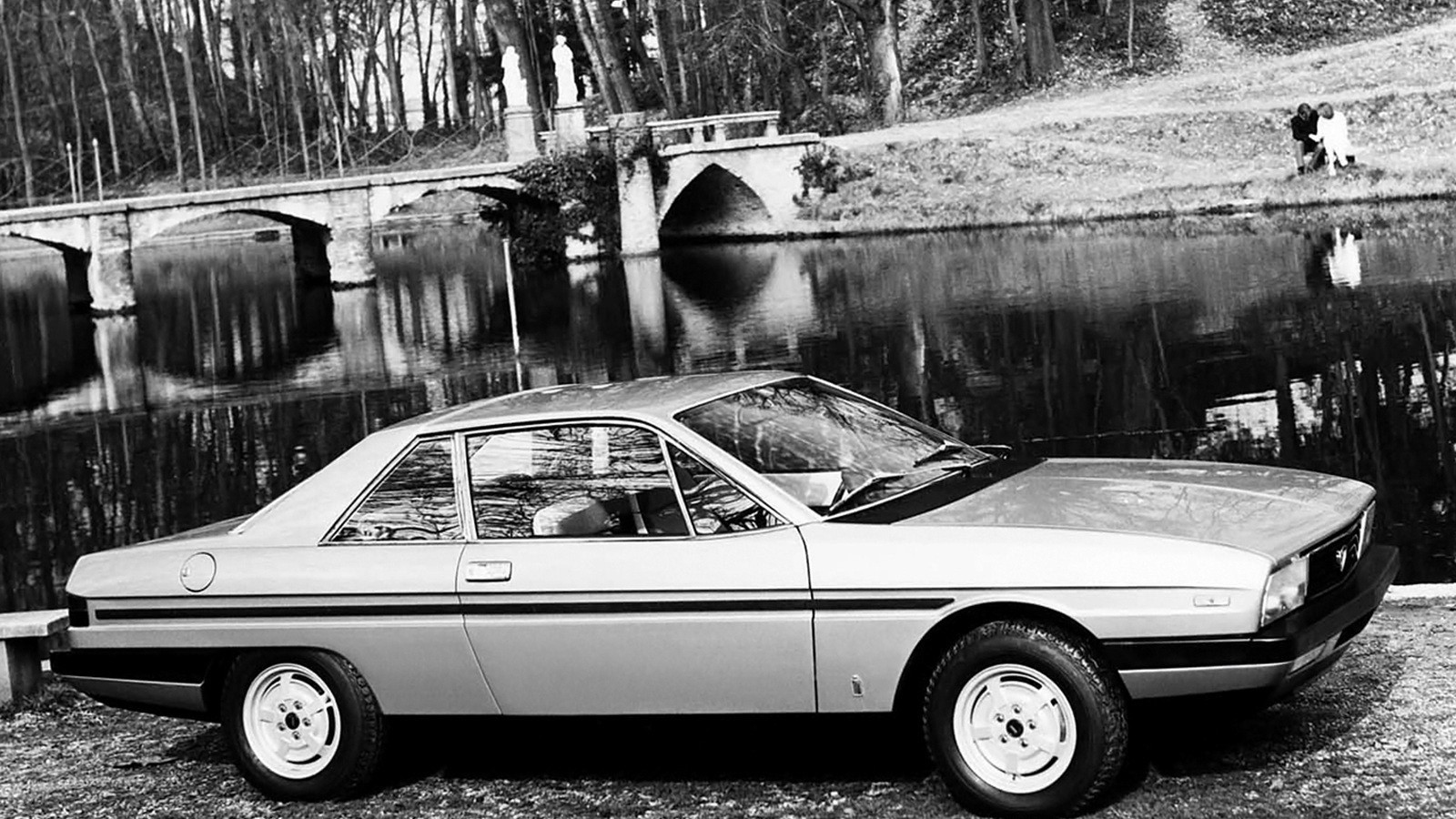
Lancia Gamma Coupe 2500 Series 1 (1976)
In the eyes of many contemporary reviewers and buyers, the Lancia Gamma Coupe was a case of a silk purse from a sow’s ear.
That might have been somewhat unfair to the Gamma sedan, but the Coupe had no trouble convincing people of its right to be considered alongside the best coupes at similar money.
The very first was built late in 1976, but deliveries didn’t come on stream until 1977.
The Series 1 Gamma Coupe 2500 was never intended to be a volume seller, but Lancia likely hoped to shift more than the 2285 cars it built of this handsomely styled, two-door version.
Lancia Gamma Coupe 2000 Series 1 (1977)
Mixing the glamor of the Gamma Coupe with the more frugal, 2-liter engine of its Berlina, Lancia enjoyed slow but steady sales of this model.
While the performance of the 120HP engine was met with a lukewarm reception by motoring journalists, the Gamma Coupe’s handling was noted for its poise compared to rivals such as the Alfa Romeo Alfetta.
It was helped in this respect by the two-door model removing 4.5in (114mm) from the Gamma sedan’s wheelbase, to give greater agility.
As with the sedan, the 2-liter Coupe didn’t come to the UK, because these models were produced solely for the Italian market.
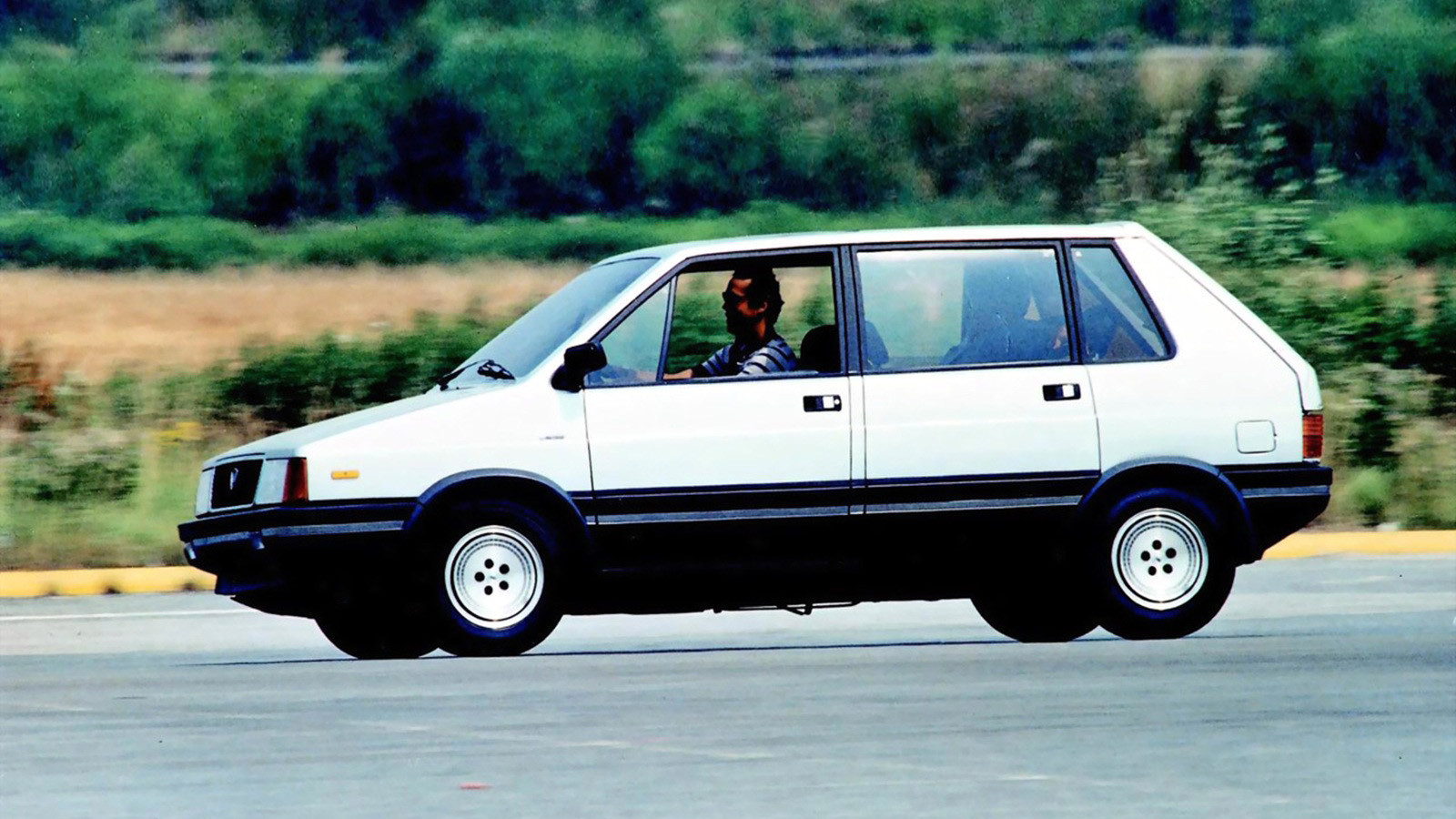
Italdesign Megagamma (1978)
If ever a car was ahead of its time, it was the Megagamma from Italdesign.
Based on the floorpan of a Lancia Gamma 2500 sedan, the Megagamma mooted the minivan monobox idea six years before the Renault Espace made its debut.
It may have been 10in (254mm) shorter than the Gamma sedan, yet the Megagamma offered more cabin space for five occupants and a large trunk.
When it was unveiled at the 1978 Turin motor show, the press was underwhelmed, but Japanese auto makers were paying attention and this car’s influence was clear in subsequent models like the Mitsubishi Space Wagon and the Nissan Prairie.
Pininfarina Spider T-Roof (1978)
Alongside Italdesign’s Megagamma concept at the 1978 Turin motor show, Pininfarina displayed an altogether more svelte take on Lancia’s model.
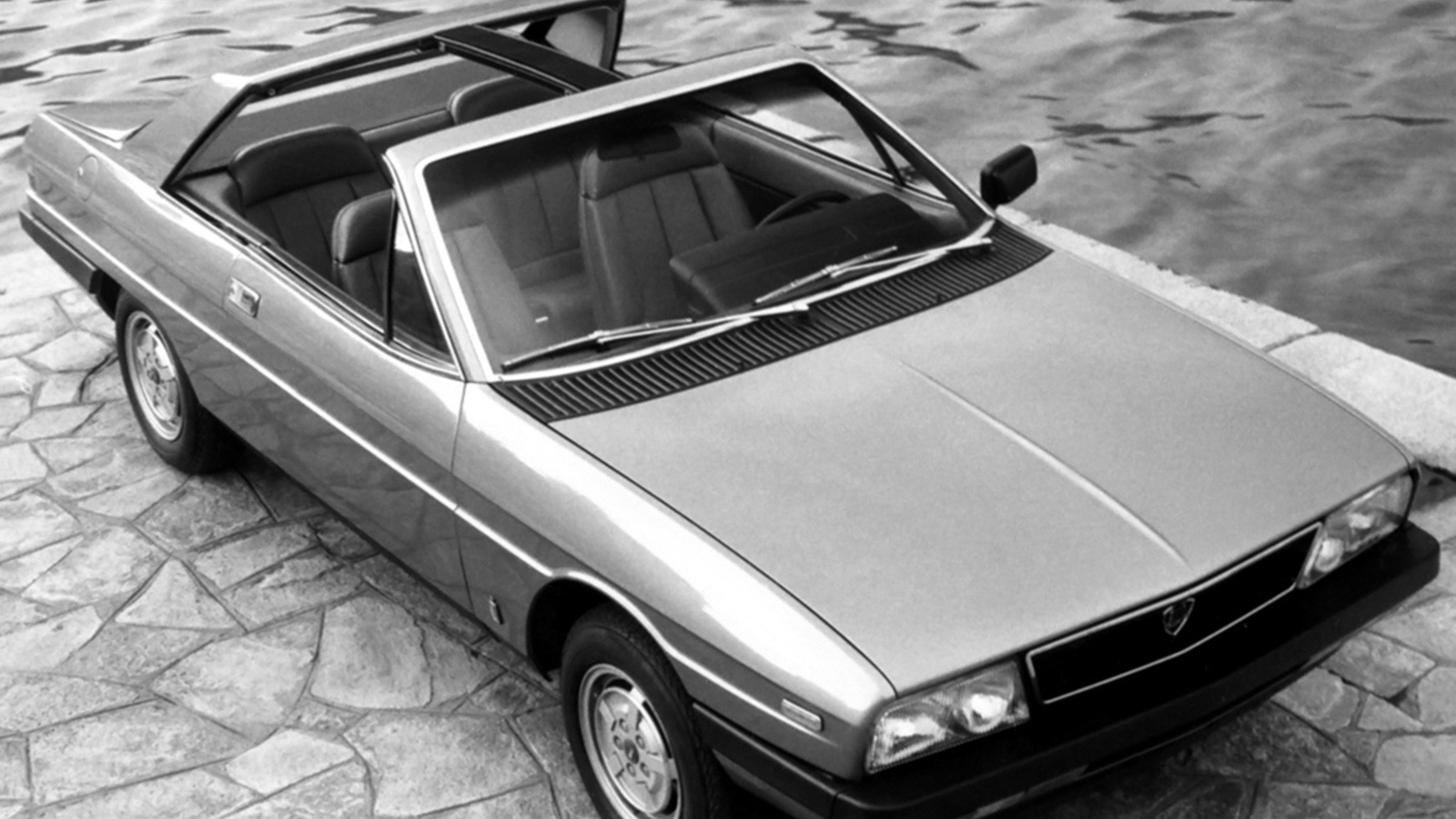
Based on the Gamma Coupe, Pininfarina’s Spider T-Roof lived up to its name as an open version of the Lancia hardtop.
Two roof panels could be taken out individually to open the cabin to fresh air, leaving just a slender, strengthening rib between the front and rear windshield frames, because the center pillars had been removed.
It looked production ready, but that didn’t happen. However, the Spider was used by Pope John Paul II during a visit to Turin in 1980.
Lancia Gamma Series 2 (1980)
A revamp for 1980 was less about updating the Lancia Gamma’s styling as drawing together all the improvements since it was launched four years earlier.
The engine now had an improved belt tensioner intended to deal with a key flaw in its design, along with new rods, bearings, pistons and cylinder heads.
The Series 2 also had much better rust protection, but the only outward clue was a wider, stainless-steel grille and reshaped hood to suit.
The new grille also brought the Gamma into line with Lancia’s latest corporate identity being championed by the Delta hatchback.
Lancia Gamma 2500 IE (1980)
Based on the same 2484cc flat-four, the Lancia Gamma 2500 IE’s engine added Bosch L-Jetronic injection to give a smoother and more refined driving experience.
Fuel injection also helped improve the economy of the 2.5-liter boxer motor, but it did not increase power, which remained at 140HP.
Perhaps just as important as this updated engine was the addition, at last, of a four-speed automatic gearbox to the Gamma’s options list.
Lancia also sold an armored Gamma 2500 IE Protecta model with bulletproof glass and bodywork, plus reinforced door locks.
Lancia Gamma Coupe Series 2 (1980)
The same grille treatment as the Gamma sedan was applied to the two-door version of this Lancia, which also received a new rear-end look.
As with the sedan, the revised front came with a larger air intake incorporated into the bumper, while at the rear there was now a Lancia badge on the trunk.
A revised dashboard was introduced, too, and shared with the sedan, as well as new fabric upholstery and an adjustable courtesy light.
Lancia also used lower-profile tires with the new 15in alloy wheels for the updated 2.5-liter Gamma models, in place of the 14in items of the 2-liter cars.
Lancia Gamma Coupe IE (1980)
Unlike the Berlina sedan, the Lancia Gamma Coupe dropped the 2.5-liter, carburetor engine altogether with the 1980 update to only offer the fuel-injected IE unit, though the 2000 remained available, too.
Even though the 2-liter Coupe was removed from Lancia’s line-up in 1982, a year before all Gamma production ended, the 2000 model outsold the faster, more refined 2500 IE by 1265 cars to 1153, respectively.
As with the Berlina, the Gamma Coupe remained available from Lancia until 1985, but only to shift remaining stock because production had halted in 1983 with a total of 6666 Coupes and 14,554 sedans built.
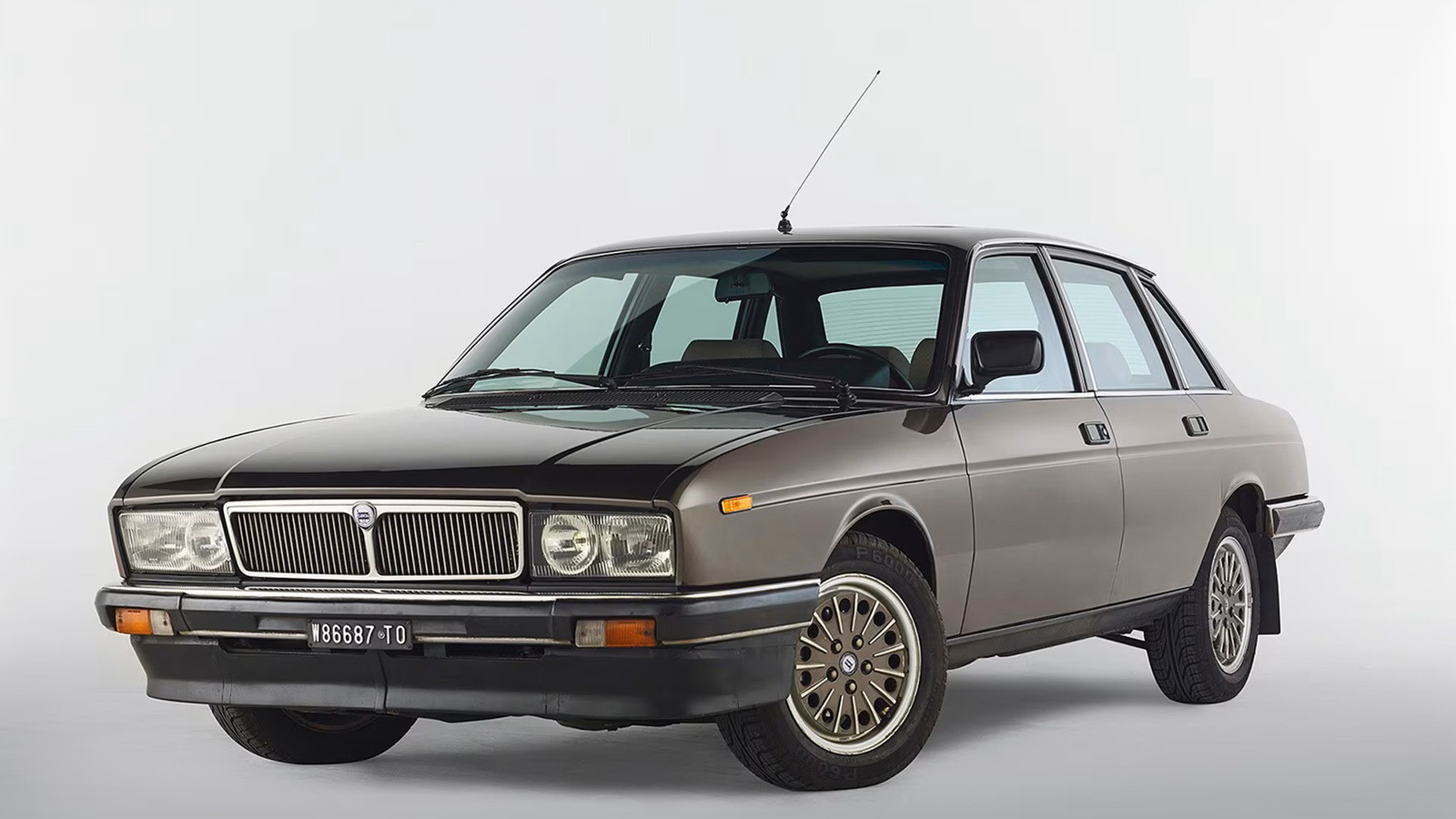
Lancia Gamma Elaborazione 3V (1980)
Lancia looked to give the Gamma broader appeal with a more traditional sedan styling exercise in 1980 called the Elaborazione 3V.
Exhibited at the Turin motor show, it had a frontal appearance and side profile not unlike the Jaguar XJ40 that would arrive some six years later.
It was based on a 2500 IE and shared a similar style to Lancia’s Beta Trevi.
A lukewarm reception to the car convinced Lancia not to go any further with the Elaborazione 3V.
It went on to serve as VIP transport for Fiat’s senior board members before being pensioned off to the company’s heritage fleet, where it remains to this day.
Pininfarina Gamma Scala (1980)
The Gamma Scala came too late to save Lancia’s executive offering, but it was a tantalizing vision of what could have been if the Coupe’s looks had been applied to a four-door model.
Eschewing the Gamma Berlina’s fastback appearance, the Scala was unashamedly a four-door sedan.
It was based on a standard Berlina floorpan but with the front and rear ends of the Coupe, plus a set of rear doors.
The stylish Scala had an equally sleek interior, with bespoke leather upholstery and electrically adjustable seats.
It did the rounds of various motor shows, but Lancia had given up on the Gamma by this point.
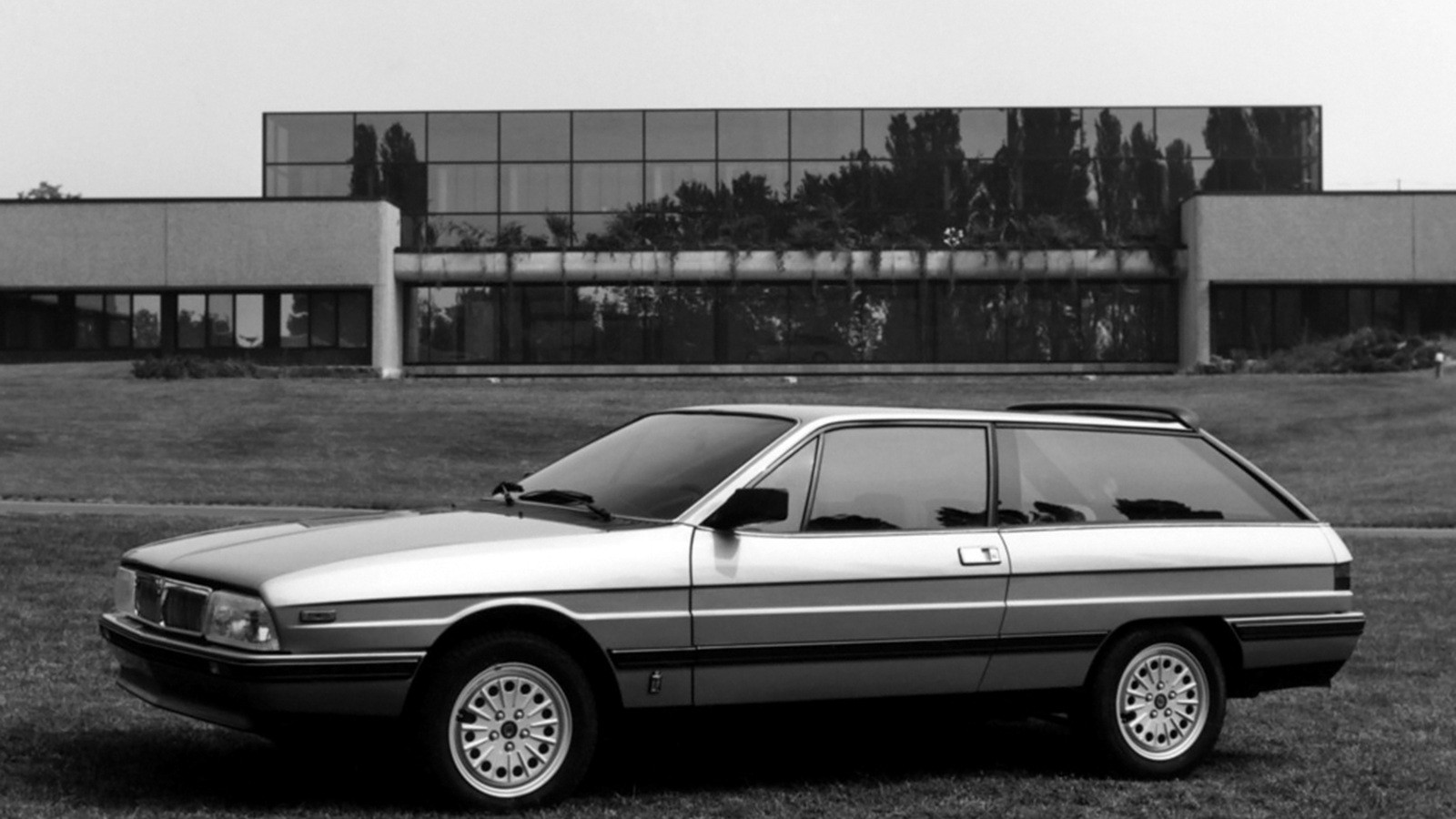
Pininfarina Olgiata (1982)
Clearly inspired by the Lancia Beta HPE, Pininfarina’s Olgiata concept was pitched at a wealthier audience who would appreciate its Gamma underpinnings.
Using a Gamma Berlina 2500 IE as the base, the Olgiata took its styling cues more from the Gamma Coupe.
A large tailgate opened on to a generous trunk, plus there were two roomy rear seats that could be tipped forward to offer even more load space.
Unique, houndstooth upholstery added to the cabin’s appeal, but the Olgiata remained a one-off for the 1982 Paris motor show.
The Olgiata was later sold to a private collector and survives to this day.
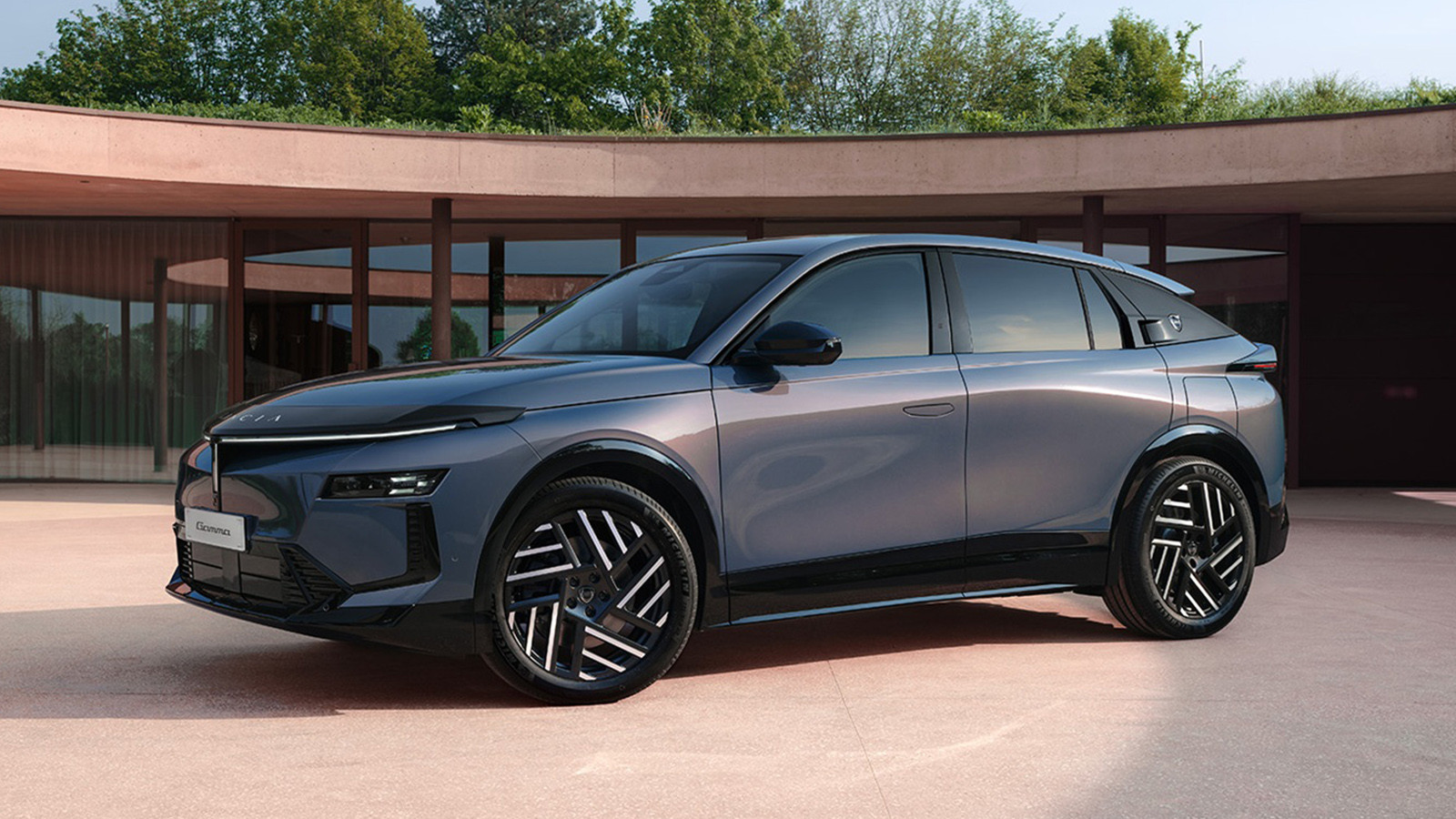
Lancia New Gamma (2026)
Lancia announced the New Gamma in May 2026, as a 50th-anniversary tribute to the original.
Designed, developed and built entirely in Italy, the New Gamma reinvents the Lancia model as a fastback-shaped crossover in terms of its looks.
The interior makes a nod to the original in the style of its door trims and dashboard.
It comes with a 145HP, 1.2-liter, gasoline-electric hybrid powertrain, or a choice of EV motors ranging from 230- to 375HP, the latter with four-wheel drive.
The New Gamma is based on the Peugeot 3008 and will be built at Lancia’s Melfi factory alongside the revived Delta that is due to arrive in 2028.
We hope you enjoyed reading. Please click the ‘Follow’ button for more super stories from Classic & Sports Car.