Pre-war pioneers
The motor industry was still very young when manufacturers began to see the value of taking part in competitions, which would demonstrate (they hoped) that their cars were better than anyone else’s.
There is therefore no point in complaining, as people often do, that motorsport is a business these days – the fact is that it always has been.
Development was so rapid that, while the earliest winners were simply standard vehicles, within just a few years success in both racing and record breaking was almost impossible without developing a car which bore little resemblance to what anyone would use as daily transport.
We’re illustrating that here by listing 19 notable competition cars, in chronological order, all of which made their mark before the First World War.
1. 1894 De Dion-Bouton
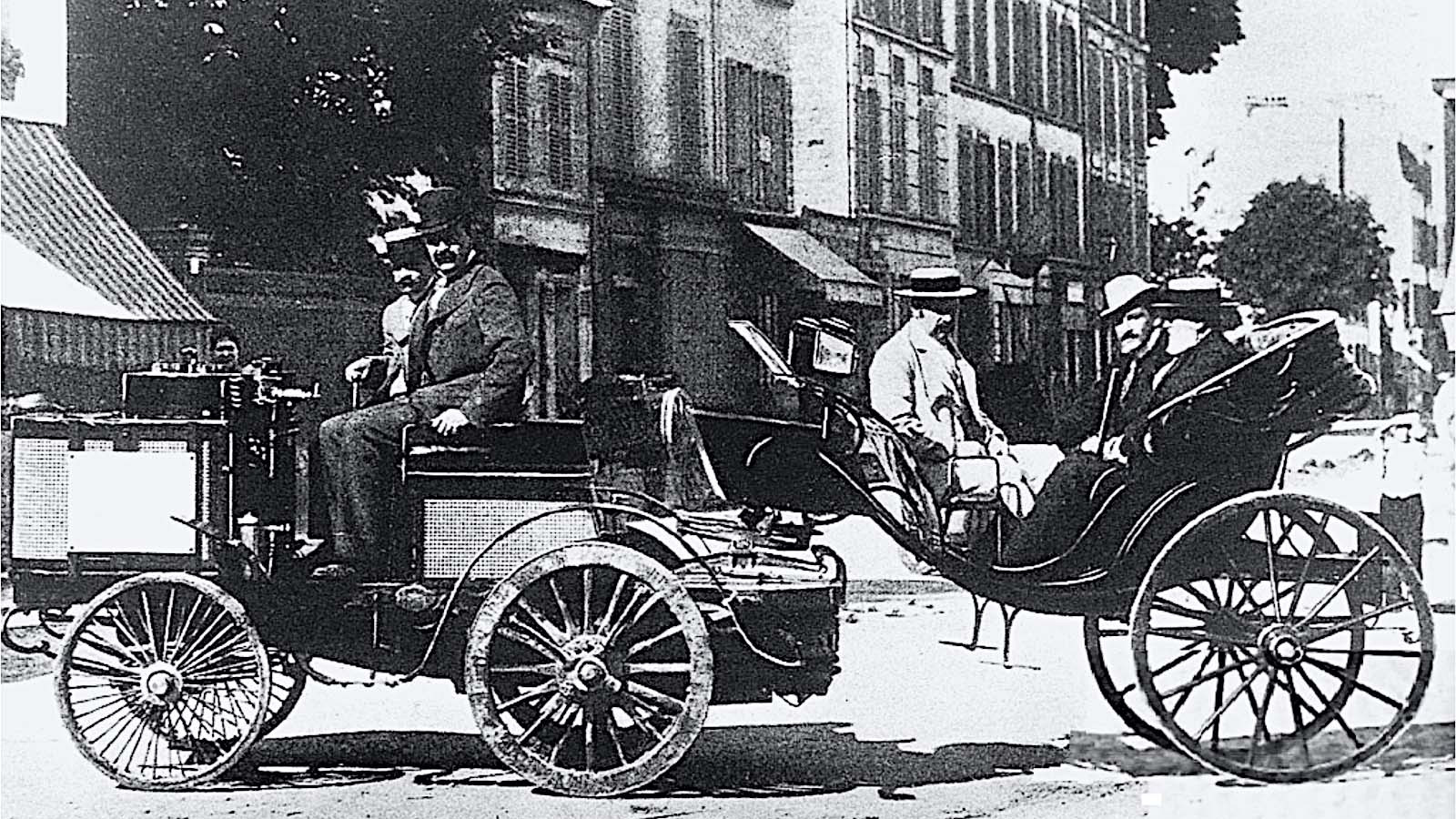
The first organised motoring competition is generally regarded to have been held in July 1894 on public roads between Paris and Rouen, with a lunch break in Mantes-la-Jolie.
The best time over the route was set by Marquis Jules-Albert de Dion, whose articulated steam tractor (built by the company he had co-founded) is easily distinguishable at first glance from a modern Ferrari, McLaren or Red Bull Formula One car.
By today’s standards, it should have been the winner, but the Paris-Rouen was about finding the best vehicle according to a rather complicated set of requirements, rather than simply being the fastest.
As reported in the newspaper Le Petit Journal, which organised the event, the De Dion-Bouton was awarded the second prize (first being shared by Peugeot and Panhard et Levassor) because, though undoubtedly very impressive, ‘it did not quite correspond to the desideratum of the competition’.
2. 1895 Peugeot Type 7
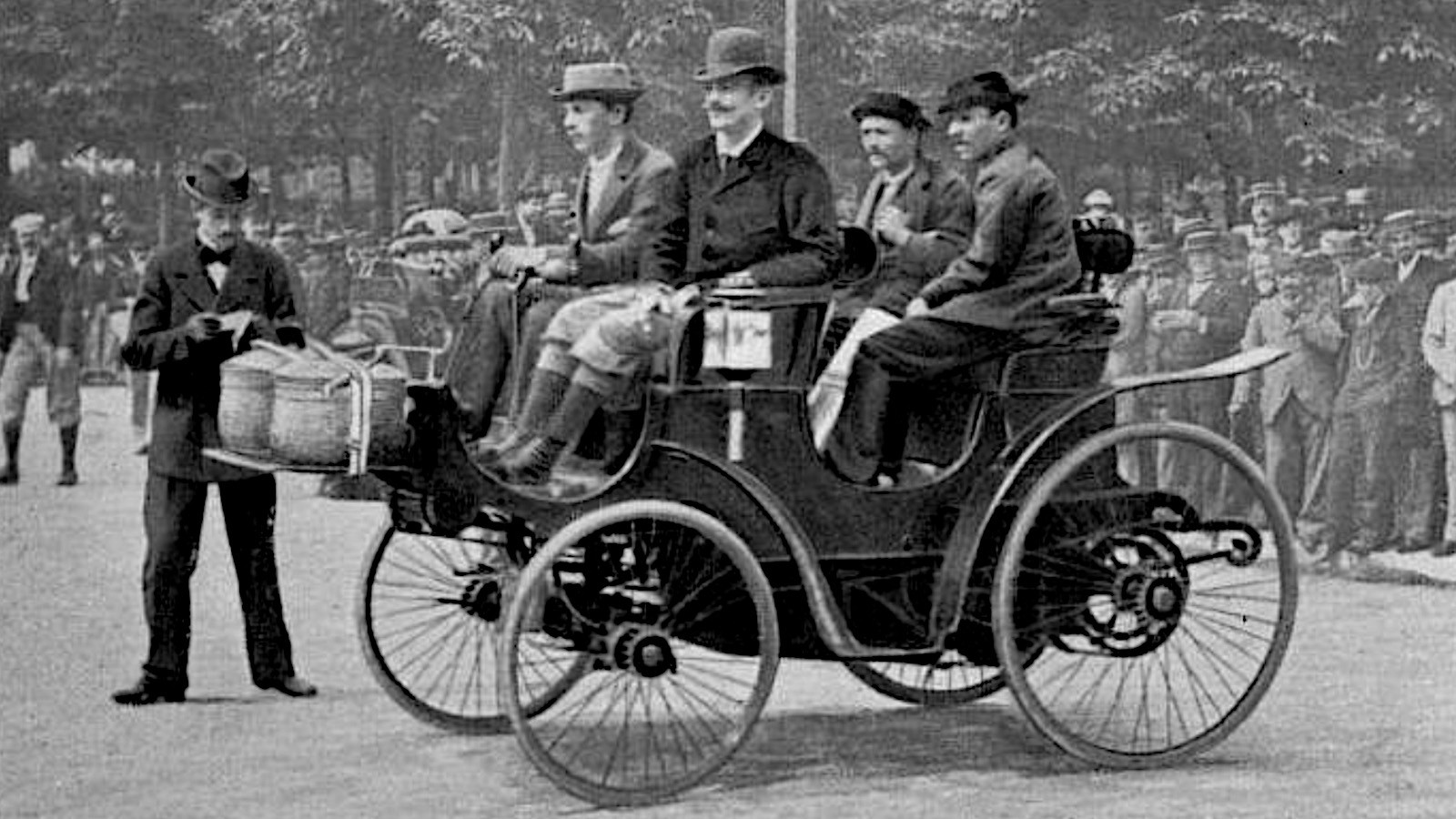
More of a genuine race than the previous year’s Paris-Rouen, the Paris-Bordeaux-Paris event of 1895 was approximately 10 times longer, and presented a far more serious challenge.
After an adjustment of the results, it was won by Paul Koechlin, whose Peugeot Type 7 was the company’s first model with a 1.3-litre Daimler V-twin engine, rather than the 565cc unit of the same layout it had used previously.
On elapsed time, it actually finished third, 11 hours behind a Panhard et Levassor and more than five behind another Peugeot, but those cars had only two seats each, and the regulations stated that no car would be eligible for an award unless it had four.
3. 1898 La Jamais Contente
In December 1898, Count Gaston de Chasseloup-Laubat established a land speed record of 39.24mph in his Jeantaud electric car.
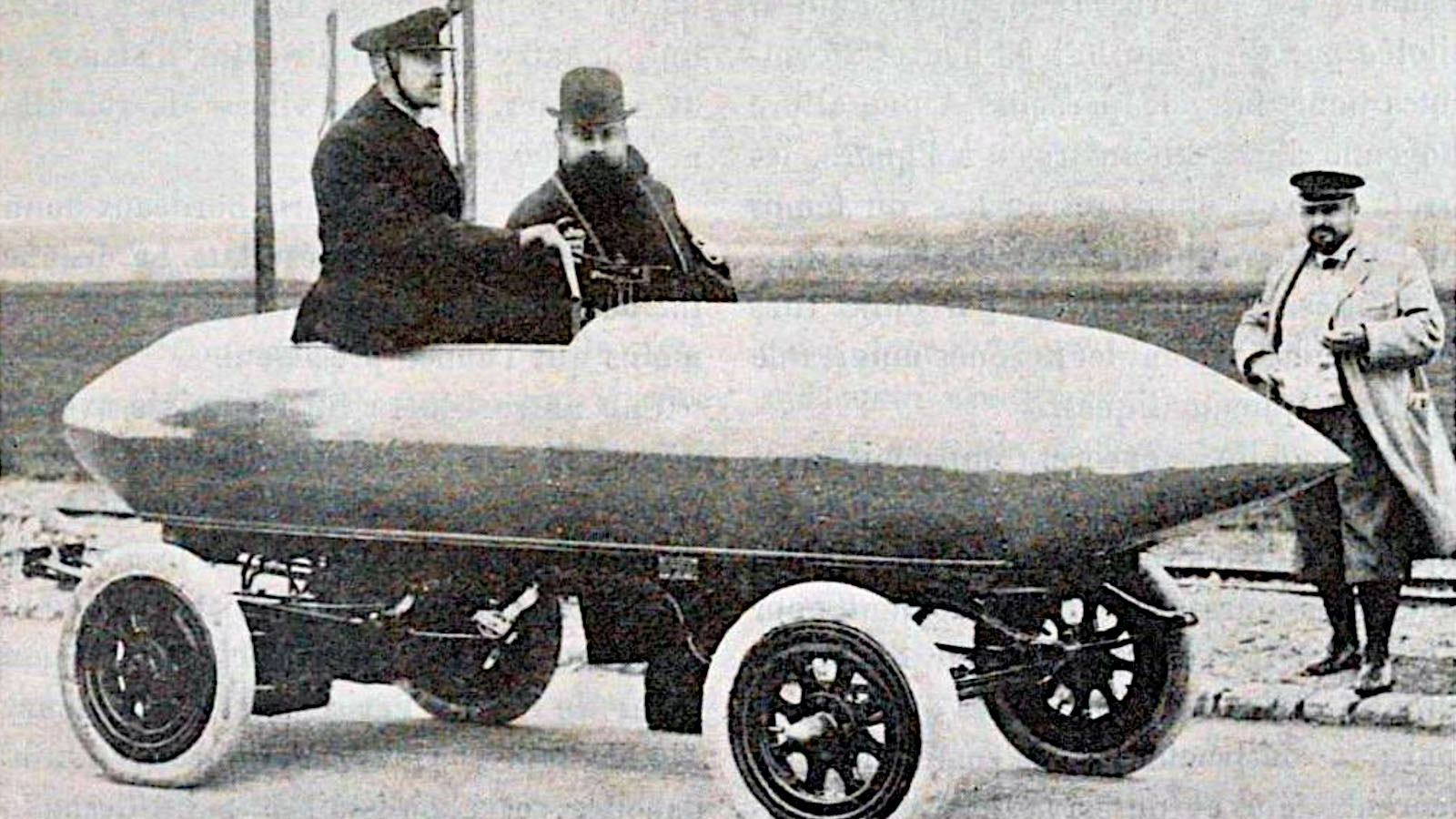
Over the next four months, the record was raised several times – always at Achères on the outskirts of Paris – by both Chasseloup-Laubat and his Belgian rival Camille Jenatzy (another electric-vehicle pioneer) until Jenatzy brought out his purpose-built, bullet-shaped La Jamais Contente, whose name translates into English as ‘the never satisfied’.
The contest came to an end at this point, because Jenatzy achieved 65.79mph, or 105.88kph, a speed Chasseloup-Laubat couldn’t match and one not exceeded by anybody in anything for nearly three years.
La Jamais Contente was therefore the fastest car of the 19th century, and the first ever timed at more than 100kph.
4. 1900 Mercedes 35hp
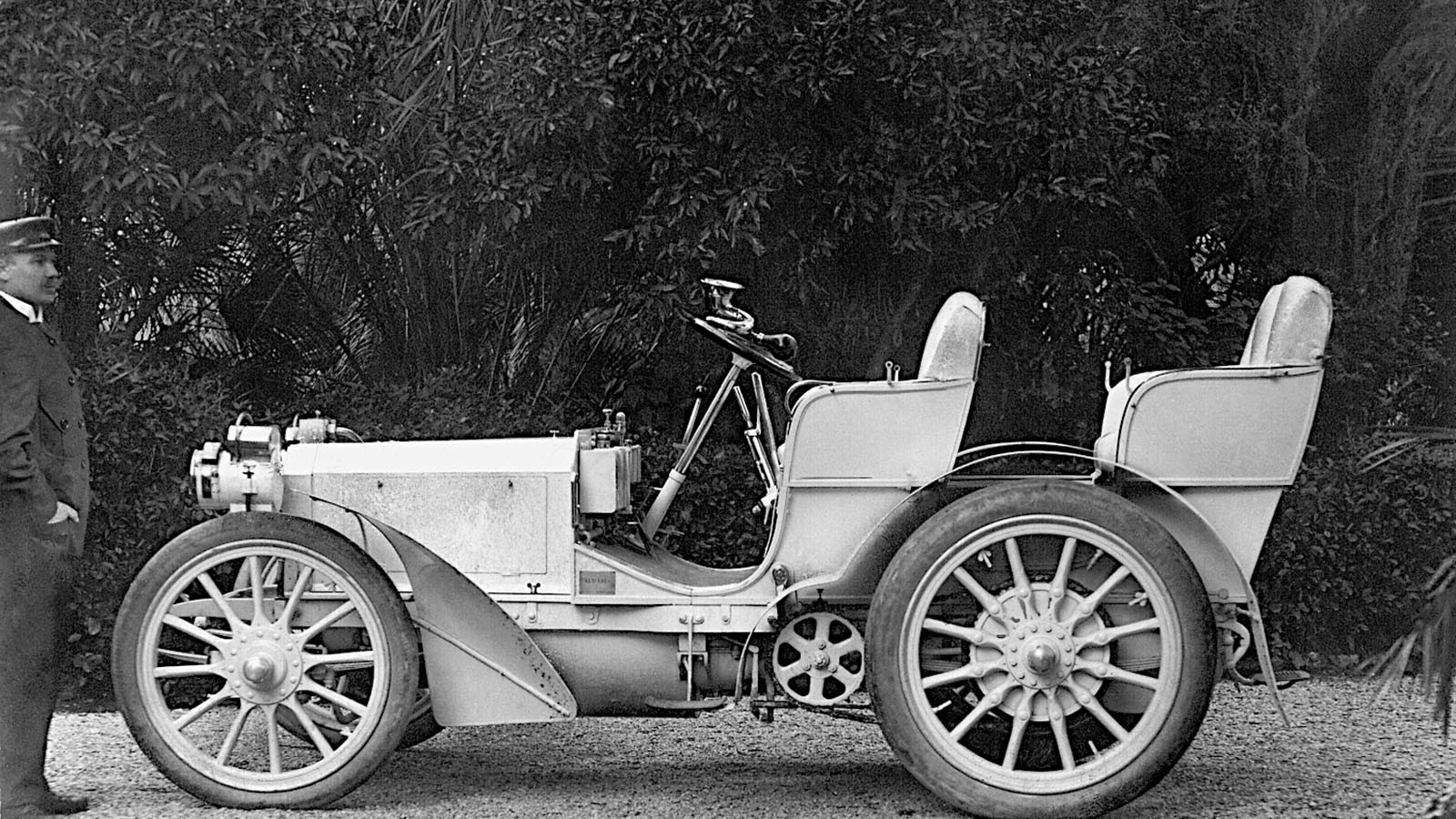
The first Mercedes car was commissioned from Daimler by one of its agents, Emil Jellinek (who named it, as he named almost everything else, after his daughter), but designed by Wilhelm Maybach.
The radical 35hp was up and running in November 1900, and in the following year it dominated several important motorsport events in and around Nice in the south of France, where the German-born Jellinek ran his dealership.
Paul Meyan, journalist and co-founder of the French Automobile Club, summed up the situation by declaring, ‘We have entered the Mercedes era’.
In a very early example of a competition car influencing the design of roadgoing ones, the 35hp entered production, and was quickly followed by the related, though less powerful, 12/16hp and 8/11hp, both introduced in 1901.
5. 1902 Gardner-Serpollet Œuf de Pâques
Brothers Léon and Henri Serpollet were French pioneers of steam cars who were able to reach greater heights with the support of the wealthy American financier Frank Gardner.
After an undistinguished showing in the 1894 Paris-Rouen (four Serpollets started but only two finished, both outside the top 10), the steamers became more successful in competition, but nothing exceeded the performance of one particularly special model.
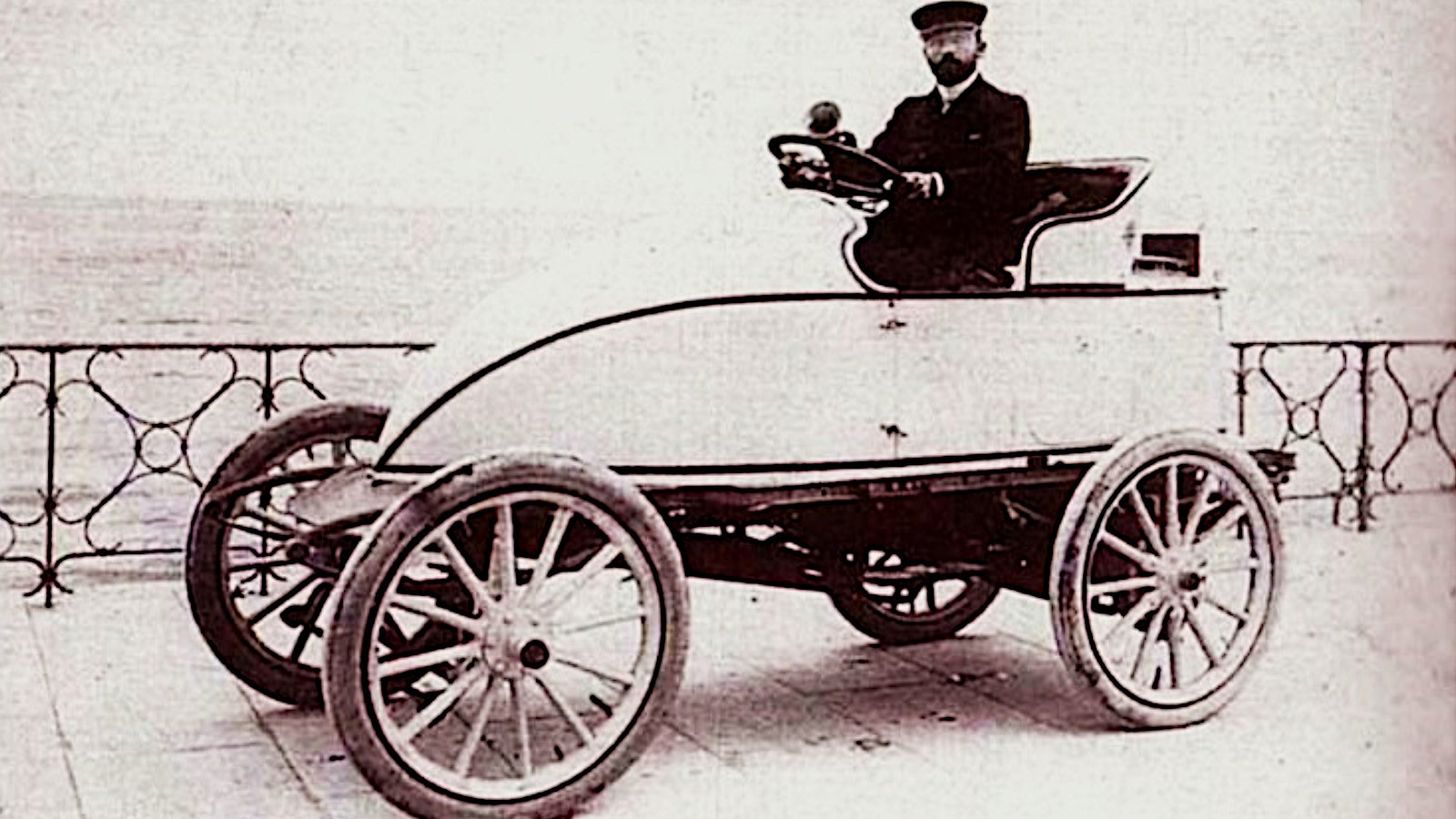
Known as the Œuf de Pâques (‘Easter egg’) because of its semi-ovoid body, the car, driven by Léon Serpollet, covered a flying kilometre in April 1902 at an average of 75.06mph, breaking the long-standing land speed record set by La Jamais Contente and leading the Tatler to describe it two weeks later as ‘the speediest motor car in the world’.
The new outright record, which stood for just four months, was the first of only two ever set by steam cars.
6. 1904 Ford 999
Among the founders of globally successful car companies, Henry Ford stands alone in many respects.
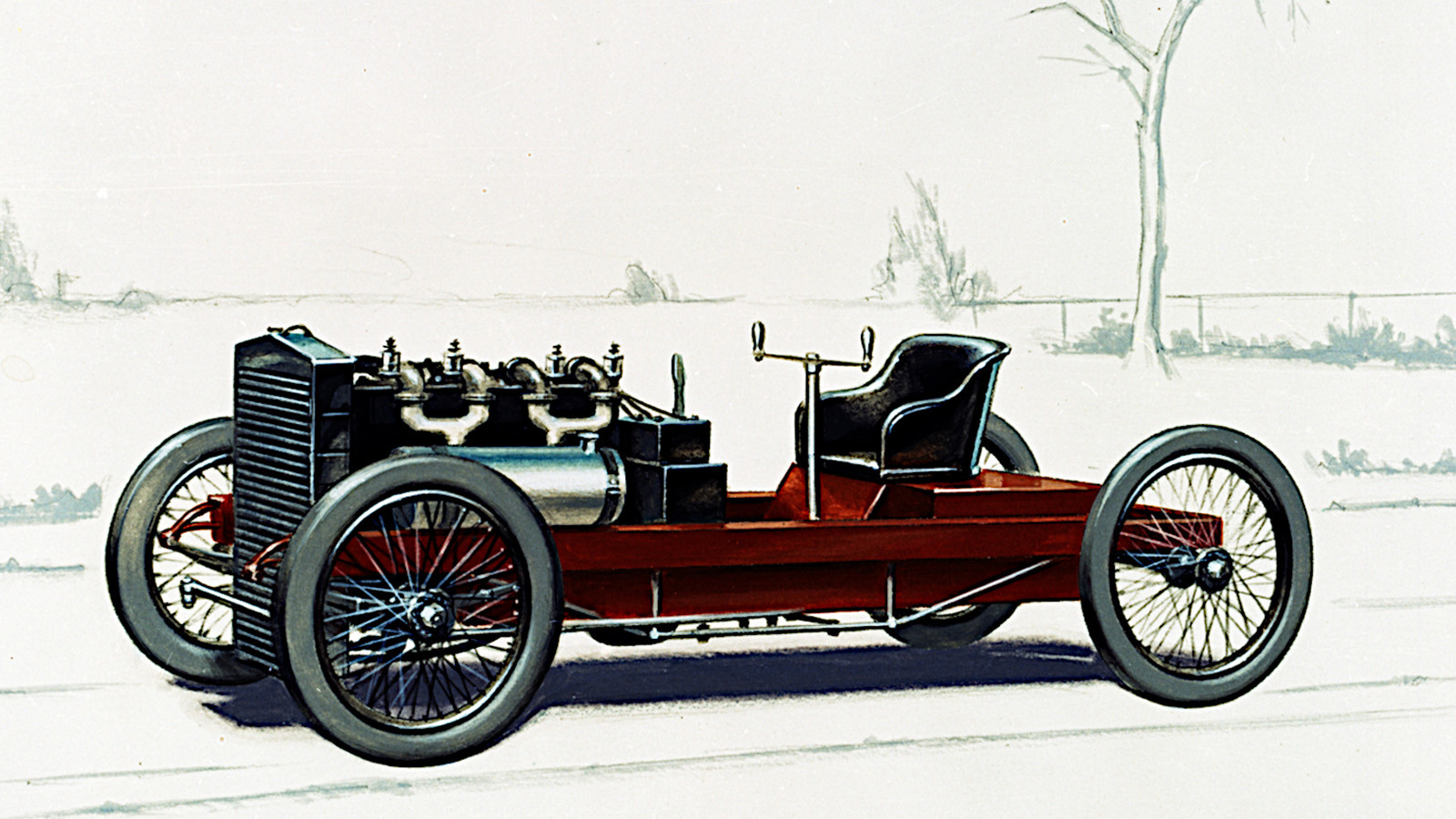
Not the least of these is the fact that he was, from mid January to late March 1904, the holder of the land speed record, having driven the Ford 999 across a frozen lake at 91.37mph.
This is what the 999 is most famous for today, but it had already (before a crash and rebuild) performed very well in motorsport, notably in the hands of Barney Oldfield, one of the finest and possibly the most famous of the early American racing drivers.
7. 1904 Richard-Brasier
Predating the first Grand Prix, the Gordon Bennett Cup races were held once each year from 1900 to 1905, and open to a maximum of three cars from any single country.
Léon Théry and a Richard-Brasier made up the most successful driver/car combination in the history of the event, winning on German roads in 1904 and then repeating the achievement in France the following year.
Richard-Brasier was therefore one of only two manufacturers to win twice (Panhard had done this in 1900 and 1901), while Théry was the only driver to do so.
The company, renamed Brasier and later Chaigneau-Brasier, does not figure strongly in motorsport history after this, and Théry died of tuberculosis in 1909, a few weeks short of his 30th birthday.
8. 1905 Darracq 200hp
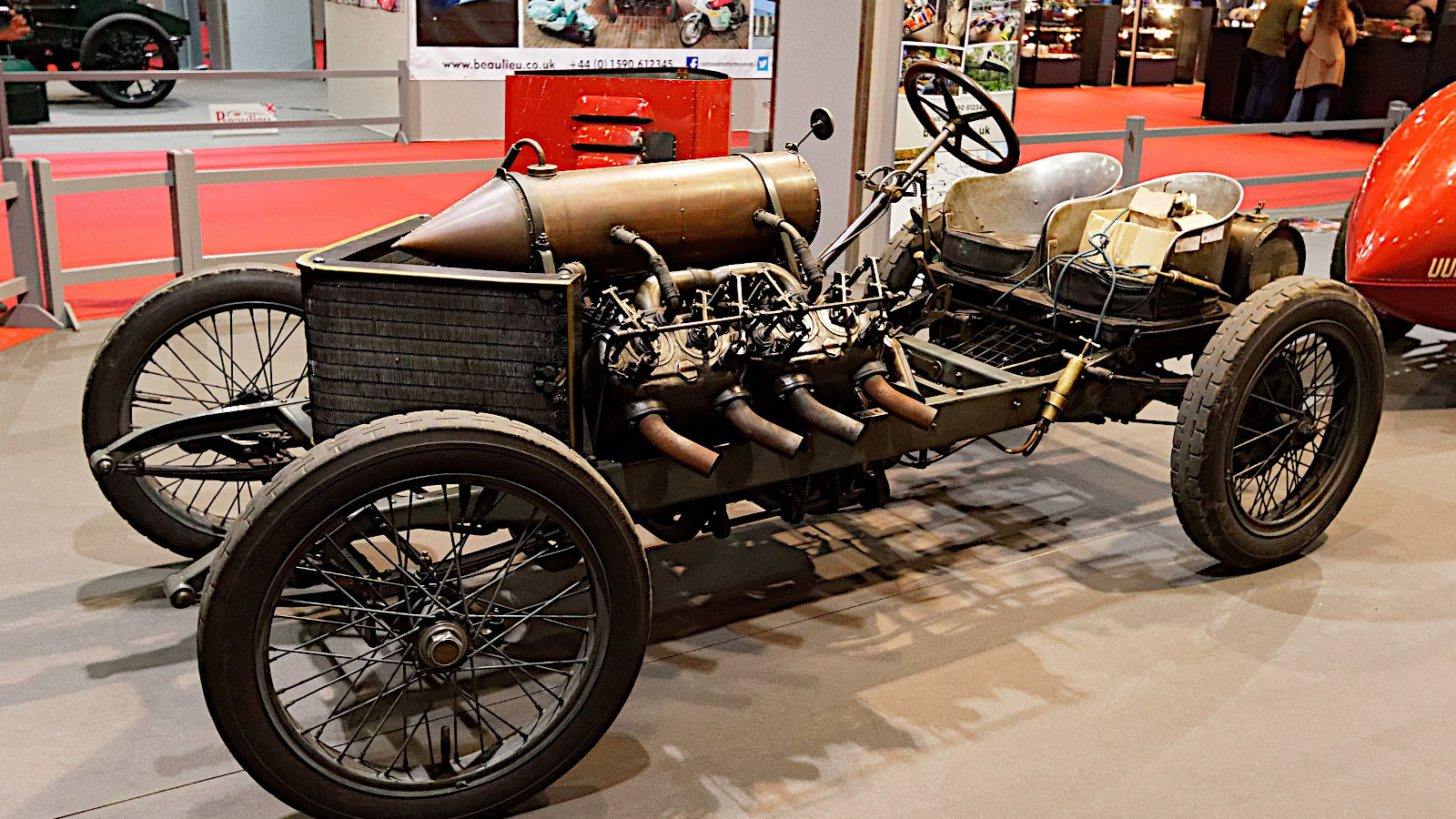
In December 1905, Victor Hémery set a new land speed record of 109.59mph at Arles in southern France in a quite remarkable Darracq.
Its 25-litre engine was essentially two in-line, four-cylinder units joined together to make one of the world’s first V8s.
Hémery would go much faster at Daytona just a few weeks later, but by then the record had been raised significantly, and the Darracq couldn’t keep up.
In recent years the car has become a prominent and spectacular feature of British historic racing in the hands of its current owner, Mark Walker.
9. 1906 Renault AK 90CV
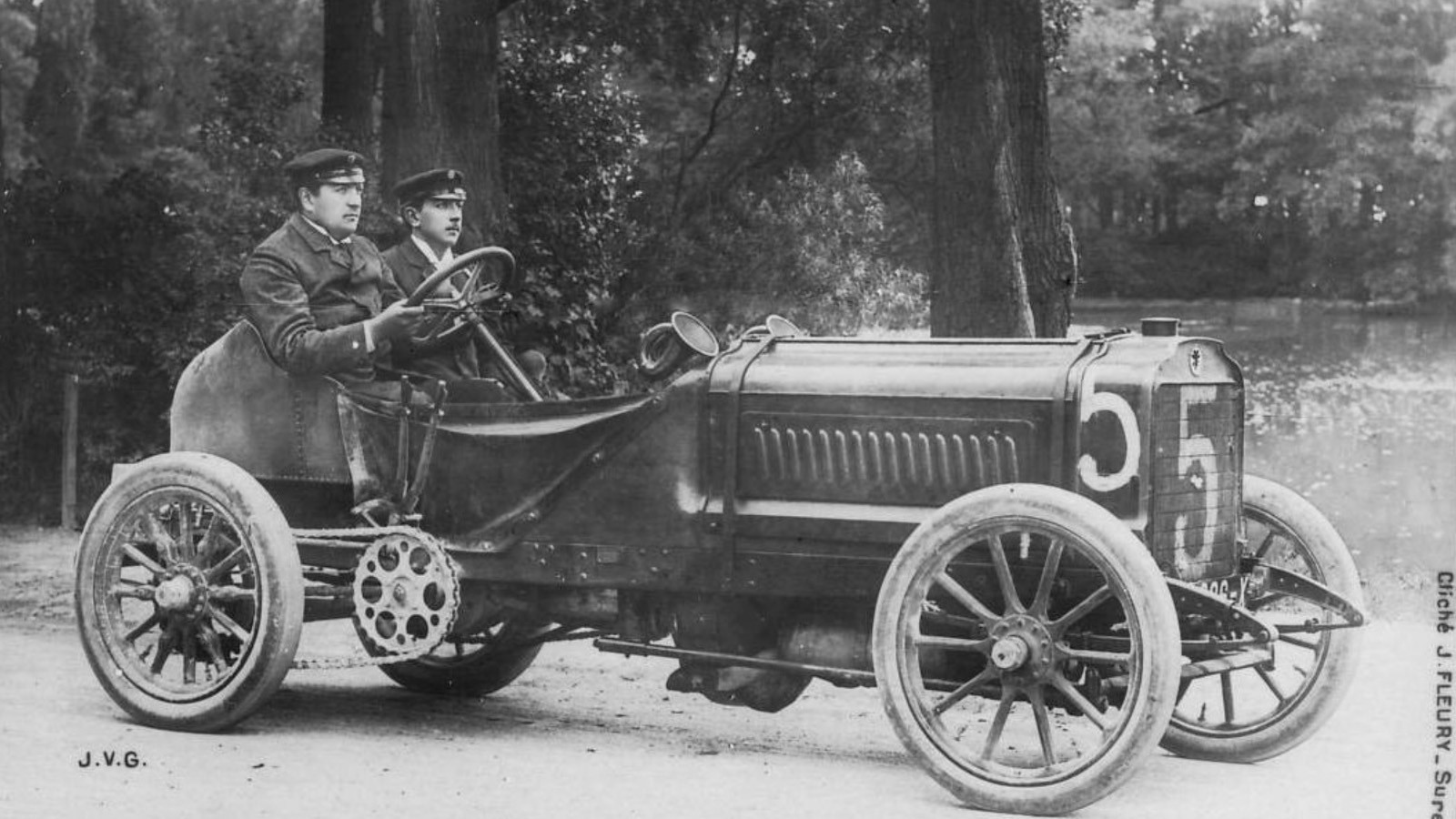
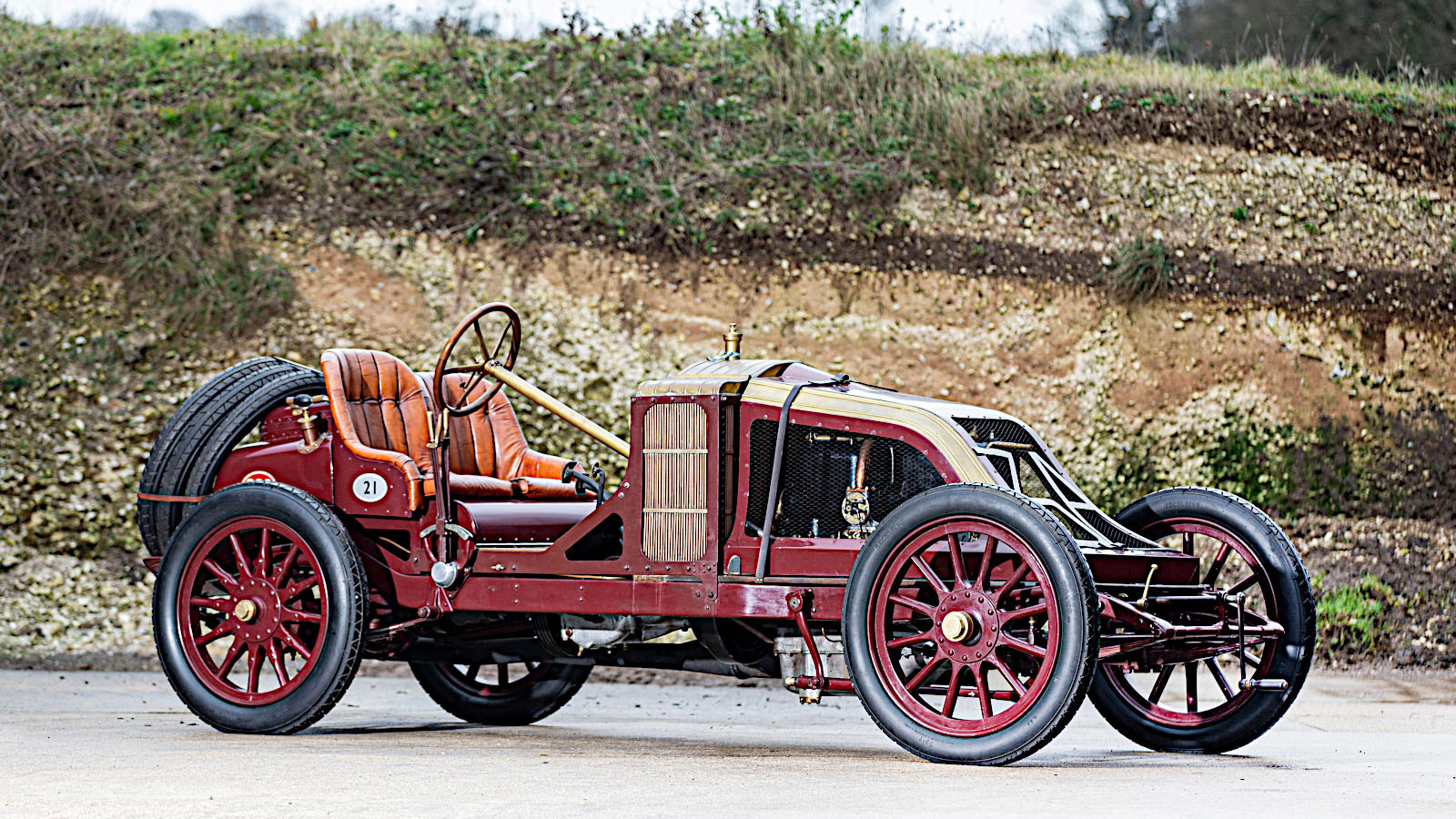
The very first car race held as a Grand Prix (though the name has been retrospectively applied to earlier ones) took place on roads around Le Mans in June 1906.
Renault’s contender was the AK 90CV, whose engine capacity of 13 litres was relatively modest by the standards of the day.
Placing the radiator behind the engine gave this car unusually good weight distribution, though, and the resulting fine handling, along with the driving talent of Ferenc Szisz, allowed the Renault to win the race by more than half an hour.
Cars and drivers of many other countries have won Grands Prix since then, but France – and, thanks to Szisz, Hungary – got there first.
Recreation pictured
10. 1906 Stanley Rocket
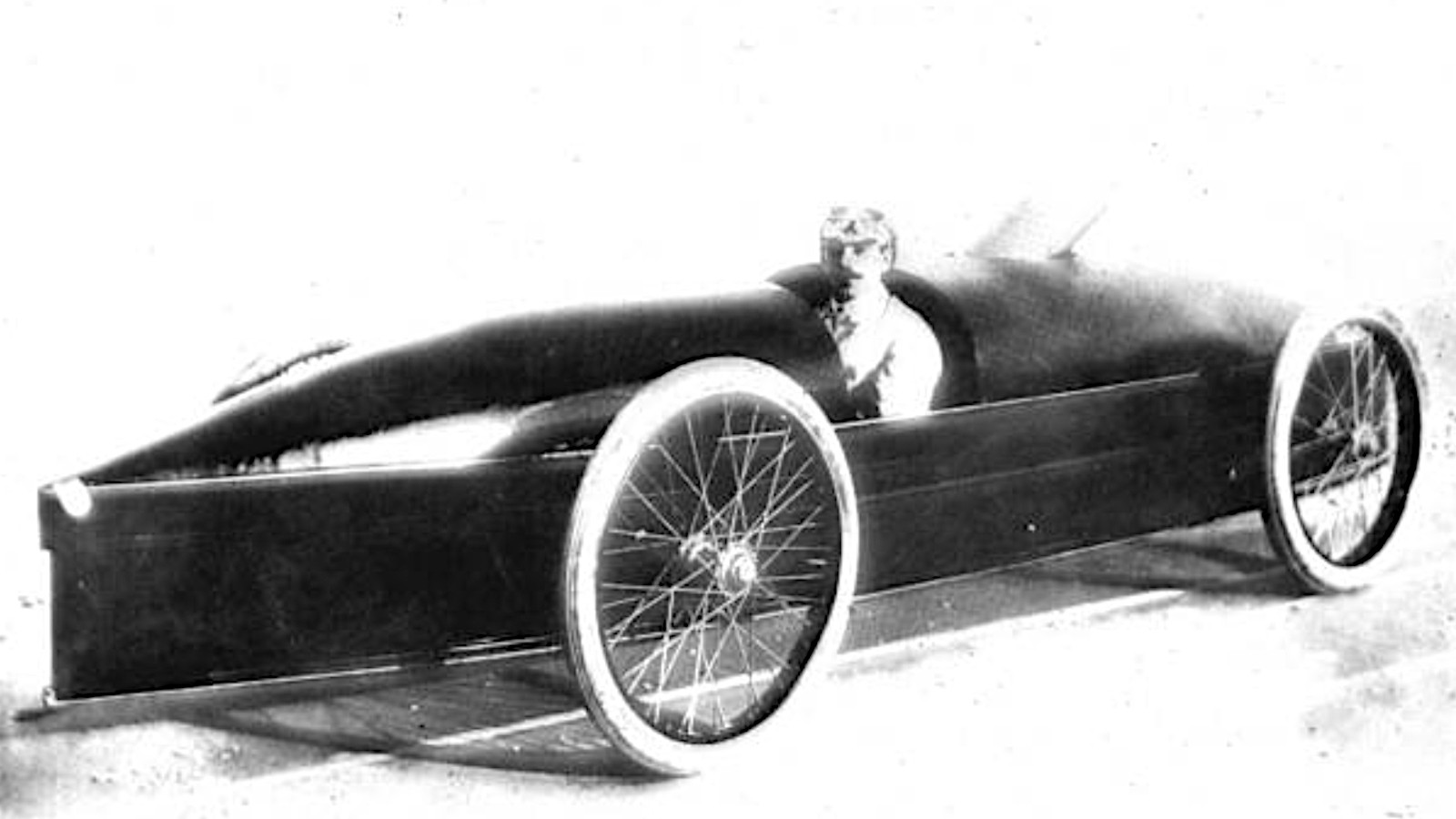
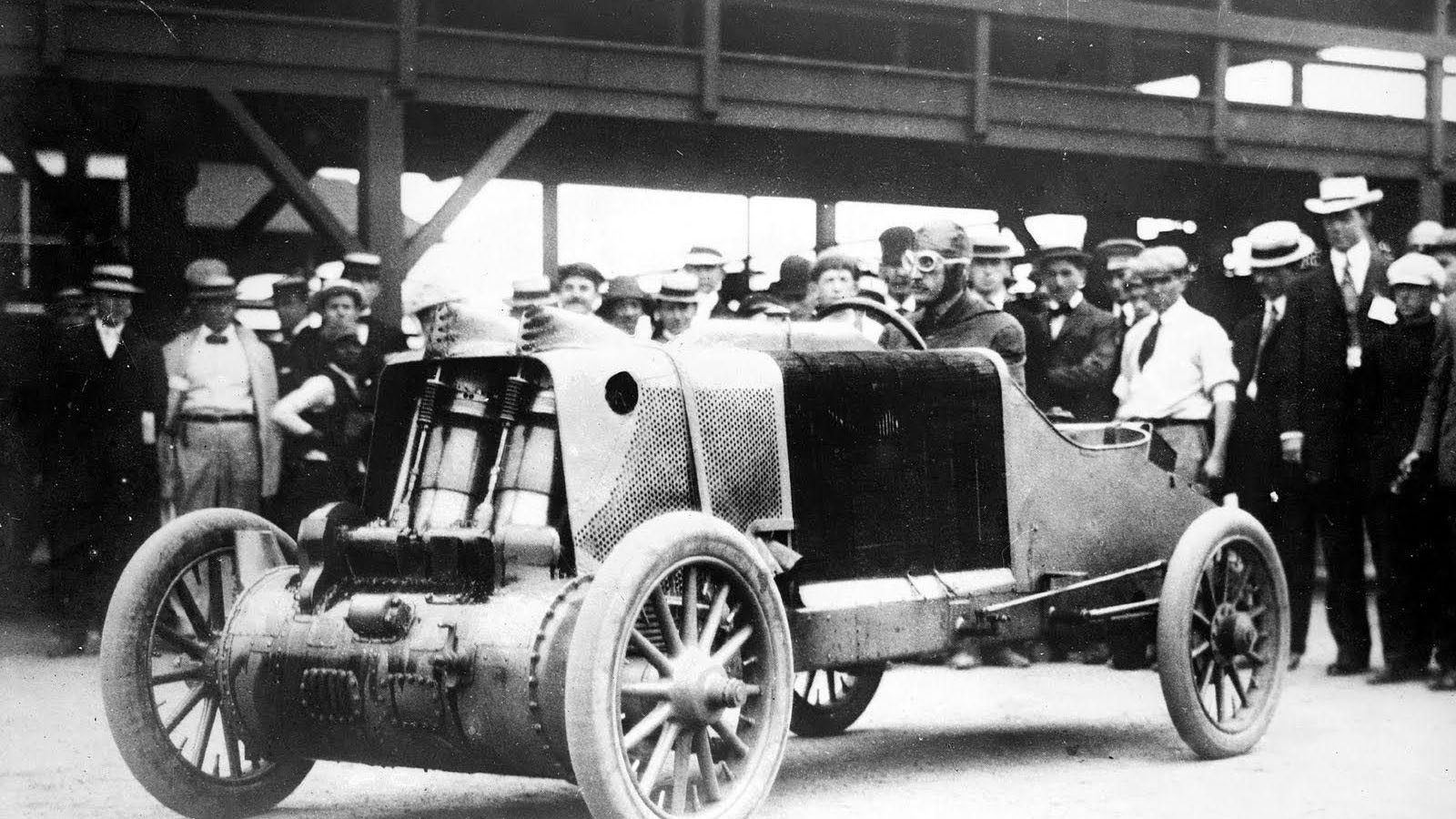
Of the many cars which took part at the Daytona beach races in January 1906, the Stanley Rocket was part of two unofficial categories – those powered by steam (referred to as ‘freaks’ by disgruntled enthusiasts of the petrol engine) and those with streamlined bodies – and was so controversial that a rival competitor reputedly tried to set it on fire.
Less than four years after Gardner-Serpollet’s Œuf de Pâques had set a land speed record of 75.06mph, and just a few weeks after the Darracq 200hp raised it to 109.59mph, Fred Marriott blasted the Rocket through a flying kilometre at a quite incredible 127.66mph.
No car of any type would exceed that in an officially recognised run over the same distance for more than a decade and a half, and none would hold the world record for as long until John Cobb’s Railton Mobil Special did so from 1947 until 1964.
11. 1907 Christie
Although very few of those in this list can be described in these terms, it’s certainly true that a car can be both fascinating and unsuccessful.
That certainly applies to the latest and most famous in a series of racers built in 1907 by American John Walter Christie, a machine whose main claim to fame is that its engine – a V4 measuring nearly 20 litres – was, remains and probably always will be, the largest ever used in a Grand Prix.
Even more unusually, this huge unit was mounted transversely and drove the front wheels, no doubt creating galactic levels of torque steer.
Christie entered this extraordinary car in the 1907 French Grand Prix, but retired after completing only four of the scheduled 10 laps, and is reported to have been roundly chastised for his failure when he returned home.
12. 1907 Fiat
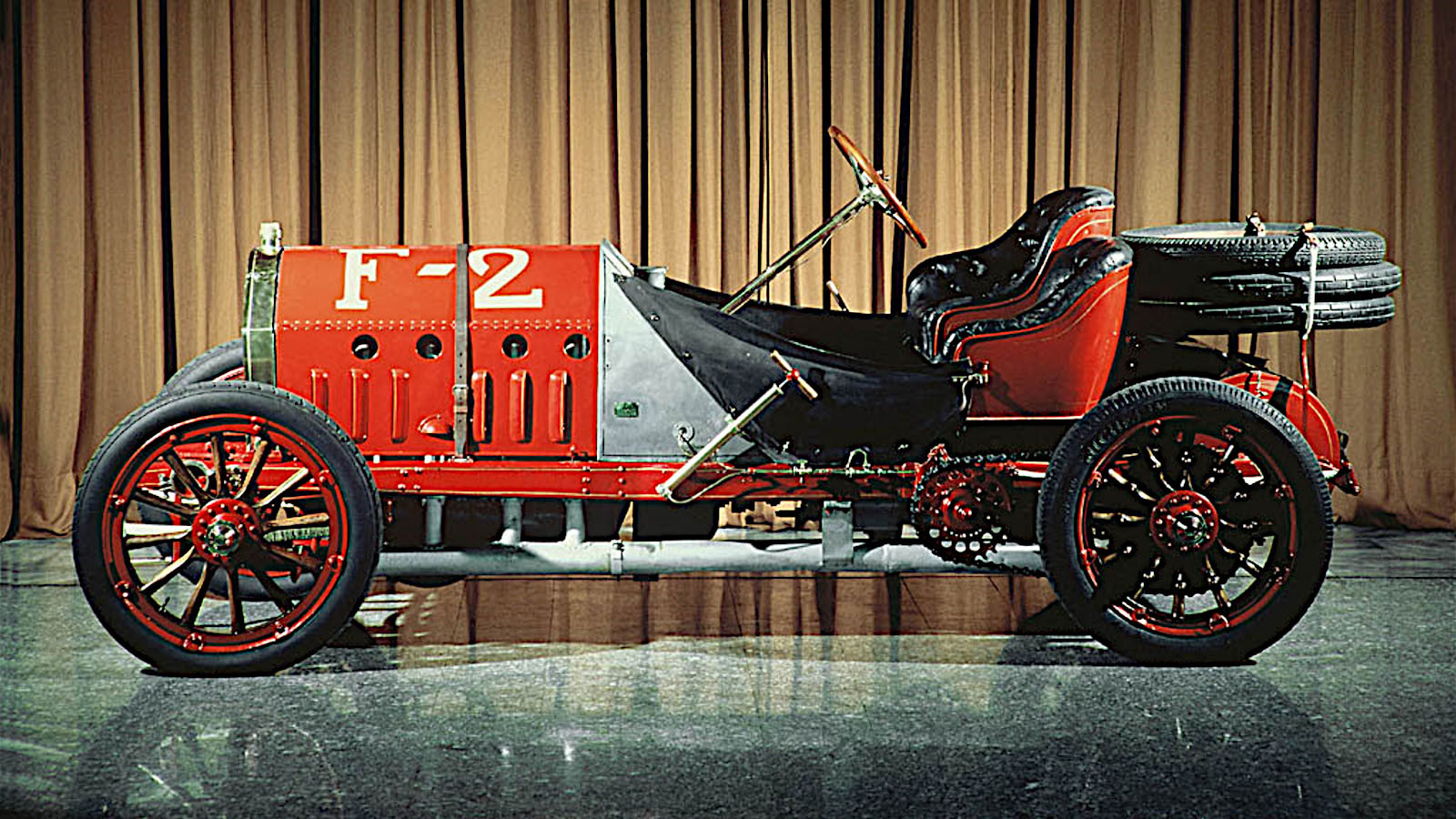
The most important European races of 1907 – the Targa Florio in Sicily, the Kaiserpreis in Germany and the French Grand Prix – were held over a period of just six weeks from April to July, and Fiat won all of them.
In every case, the car was driven by the brilliant Felice Nazzaro, and always had an impressively modern engine with overhead valves (the valves in the contemporary Renault were mounted alongside the cylinders) and hemispherical combustion chambers.
As was often the way during this period, however, each event had its own set of technical regulations with, respectively, a maximum bore, a maximum engine capacity and a minimum fuel consumption of 30 litres per 100 kilometres, or 9.4 Imperial mpg.
In order to be allowed to compete, Fiat therefore had to build a 6.4-litre engine for the Targa Florio, an 8-litre for the Kaiserpreis and a huge, but relatively economical, 16.3-litre for the Grand Prix, a challenge which it met with the greatest possible success.
13. 1909 Blitzen Benz
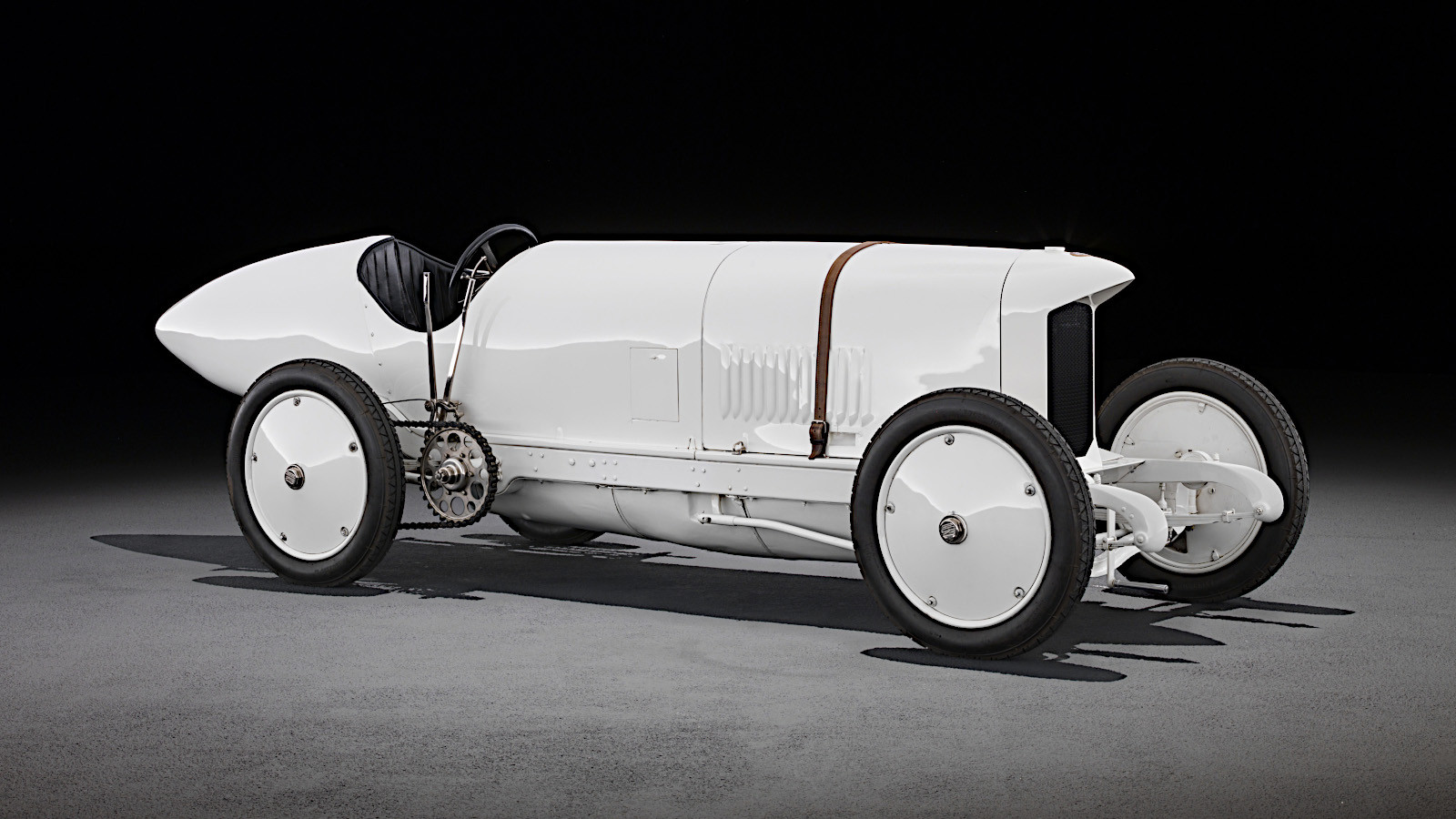
Blitzen – the German word for ‘lightning’ – was a nickname given to six 21.5-litre Benzes based on an existing Grand Prix design.
At Brooklands in November 1909, Victor Hémery (the same chap who had driven the Darracq 200hp so quickly four years earlier) averaged 125.94mph over a flying mile, not quite matching the Stanley Rocket’s 1906 performance over the longer, and therefore more suitable for record-breaking, course on the Daytona sands.
Bob Burman’s 141.7mph at Daytona in April 1911 was the highest speed achieved by any vehicle in the world up to that point, including aircraft, but it didn’t count as a land speed record because Burman drove in only one direction, and a recent rule change meant that an official record now had to be an average of two runs over the same course in opposite directions.
Back at Brooklands, Lydston Hornsted took a Blitzen Benz to what was then a best-ever two-way flying mile average of 124.09mph in June 1914.
14. 1909 Alco
The American Locomotive Company, best known for its steam railway engines, also built luxury cars known as Alcos before the First World War.
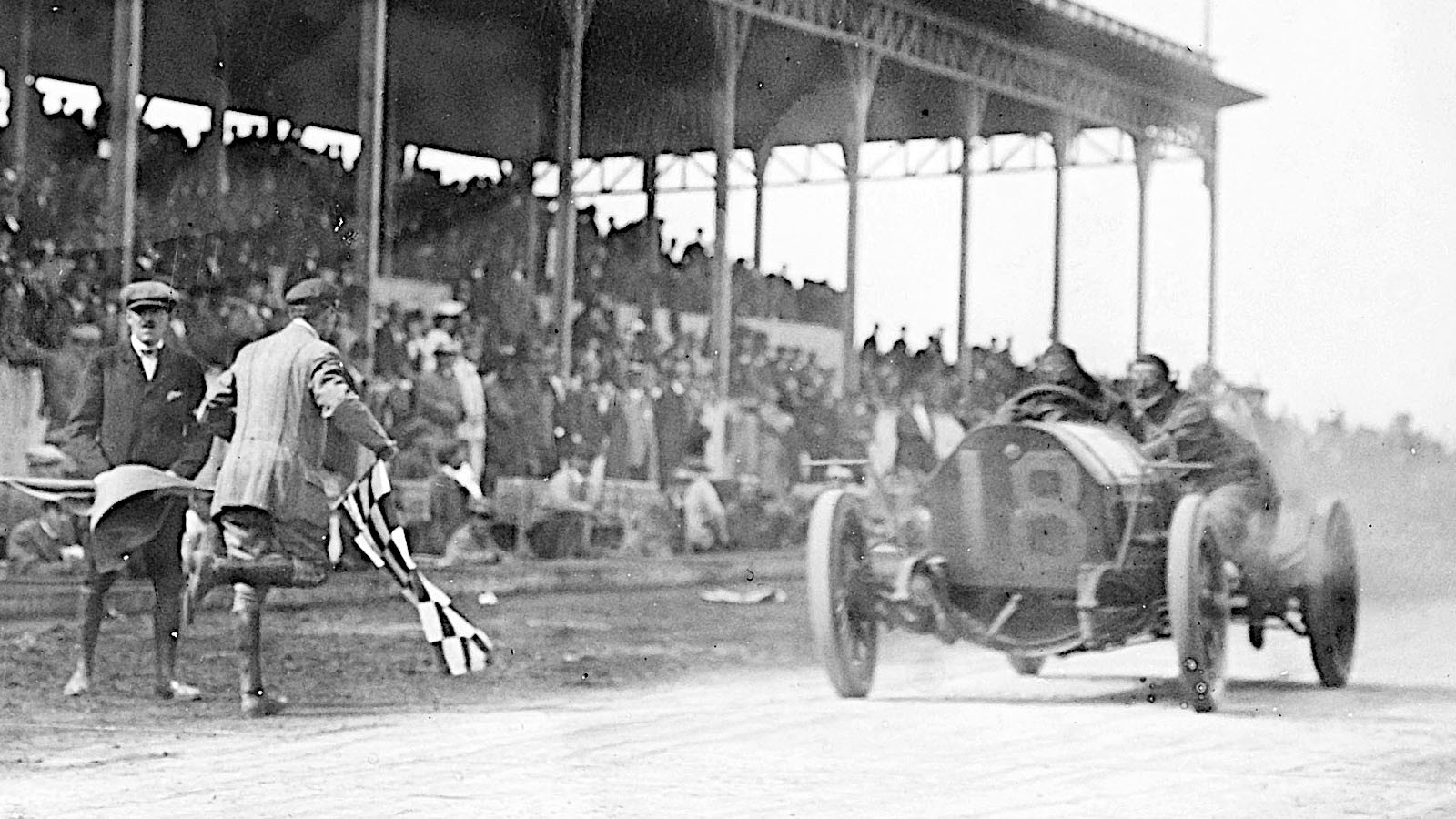
This side of the business was unprofitable, and soon abandoned, but it did achieve enormous success in the Vanderbilt Cup races.
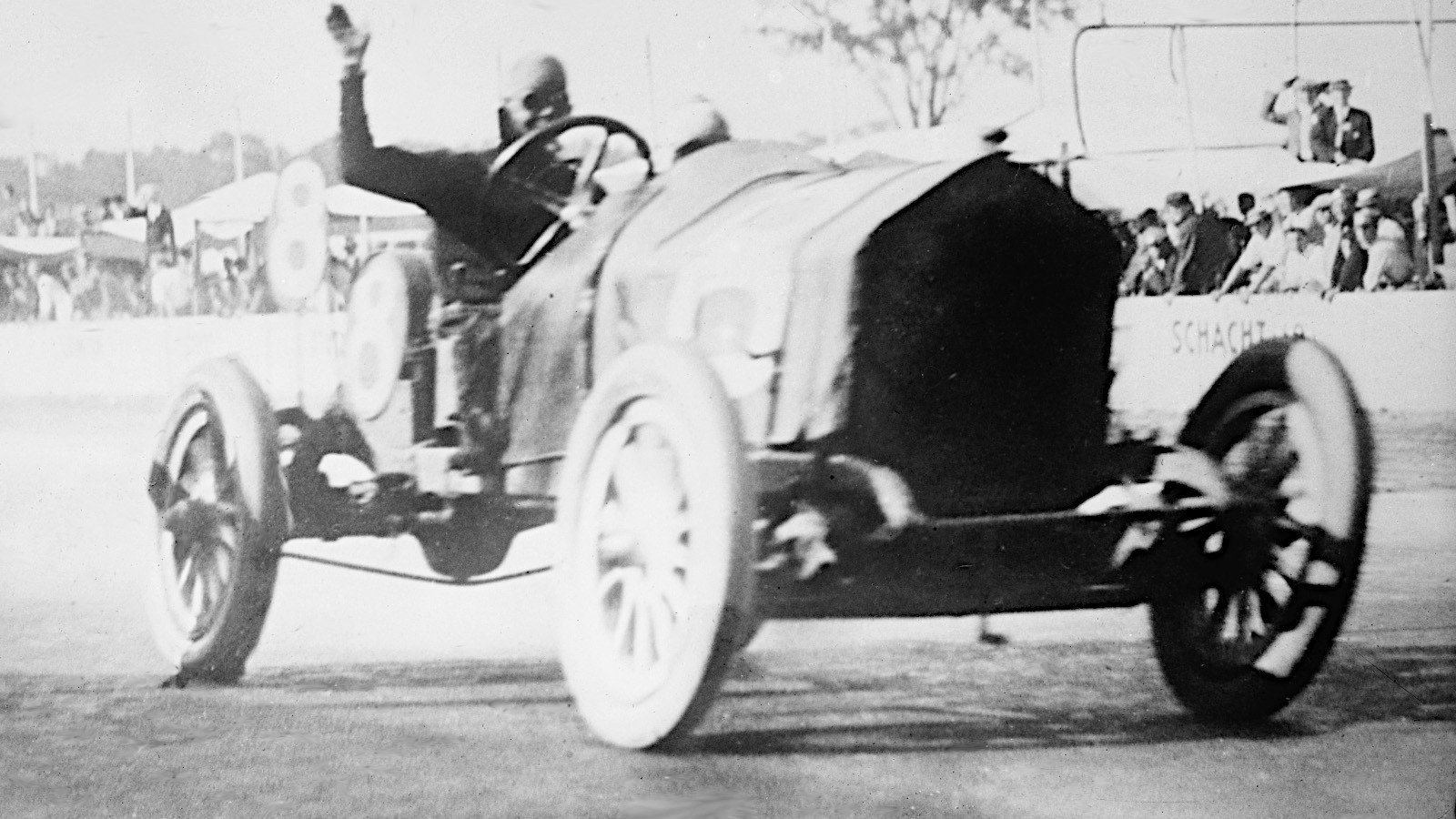
The 1909 event was held on Long Island Motor Parkway, and won by Harry Grant in an 11-litre, straight-six Alco nicknamed the Black Beast.
That feat was repeated in 1910 (as pictured above), making Grant the first driver, and Alco the second manufacturer after Darracq, to win the Cup twice.
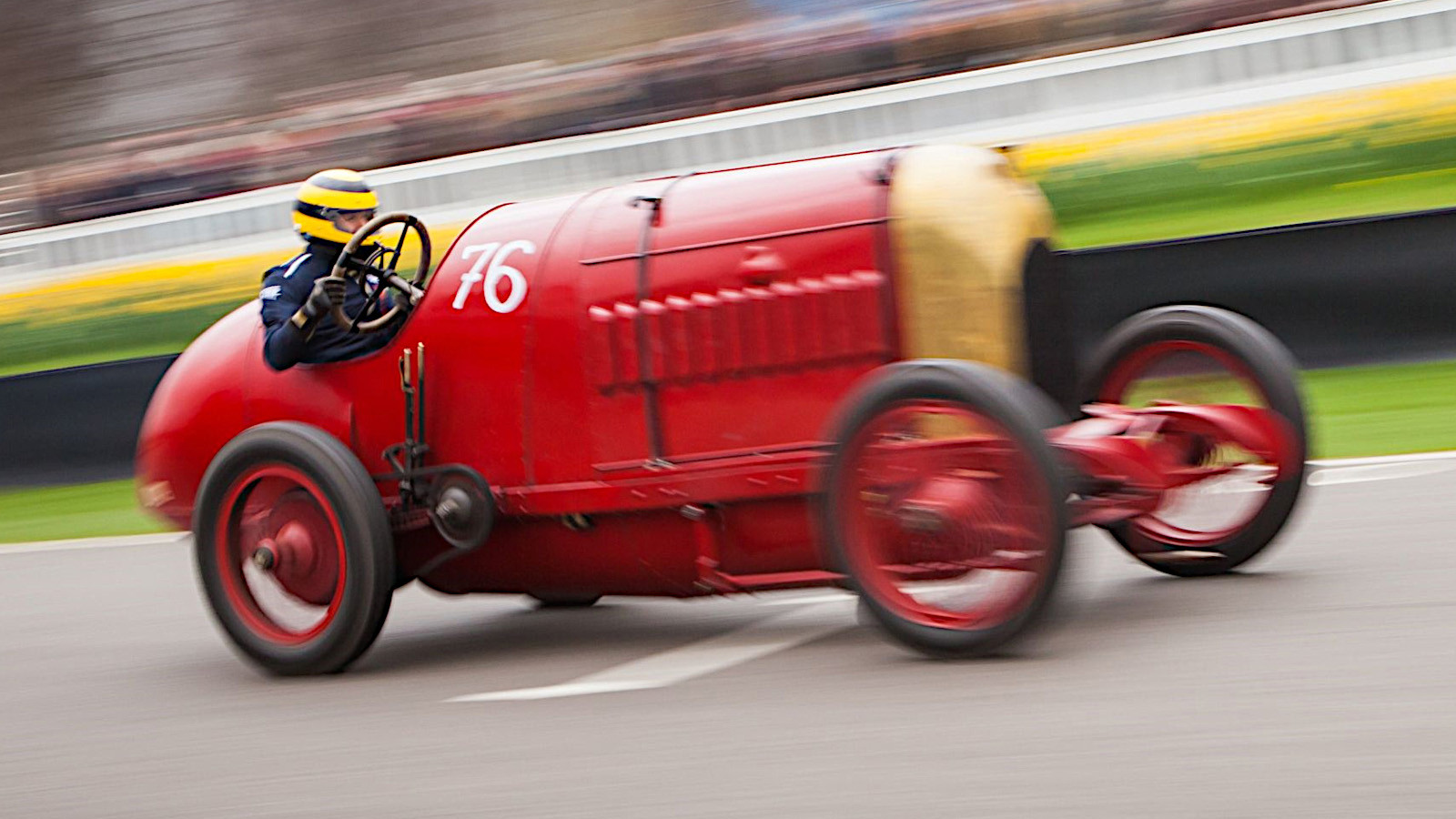
15. 1911 Fiat S76
Although it has been described as ‘the racing car that all other racing cars secretly want to be’, the Fiat S76 was in fact created for record runs, and specifically to be faster than the Blitzen Benz.
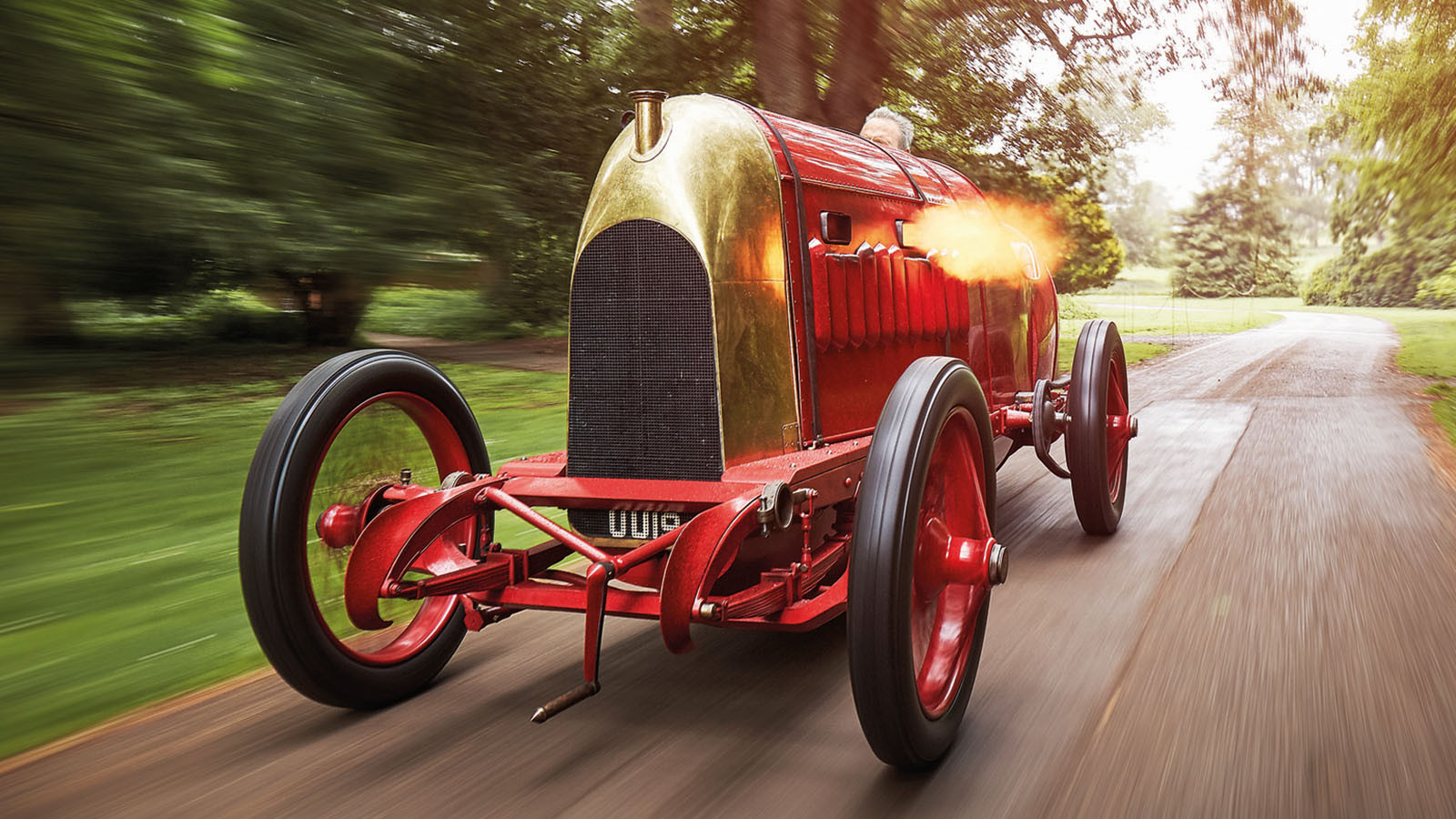
At Ostend in Belgium in late 1913, now owned not by Fiat but by Boris Soukhanov, and driven by Arthur Duray, the 28.4-litre Beast achieved 132mph, which was faster than the Benz’s land speed record (though slower than the unofficial run at Daytona), but didn’t count because it was never possible to run twice in different directions within one hour, as the regulations demanded.
The Ostend car was one of two S76s, and parts of both were used in a 21st-century recreation by Duncan Pittaway.
Pittaway has driven it in hillclimbs and circuit races, so despite Fiat’s original intentions, the Beast has become a racing car after all.
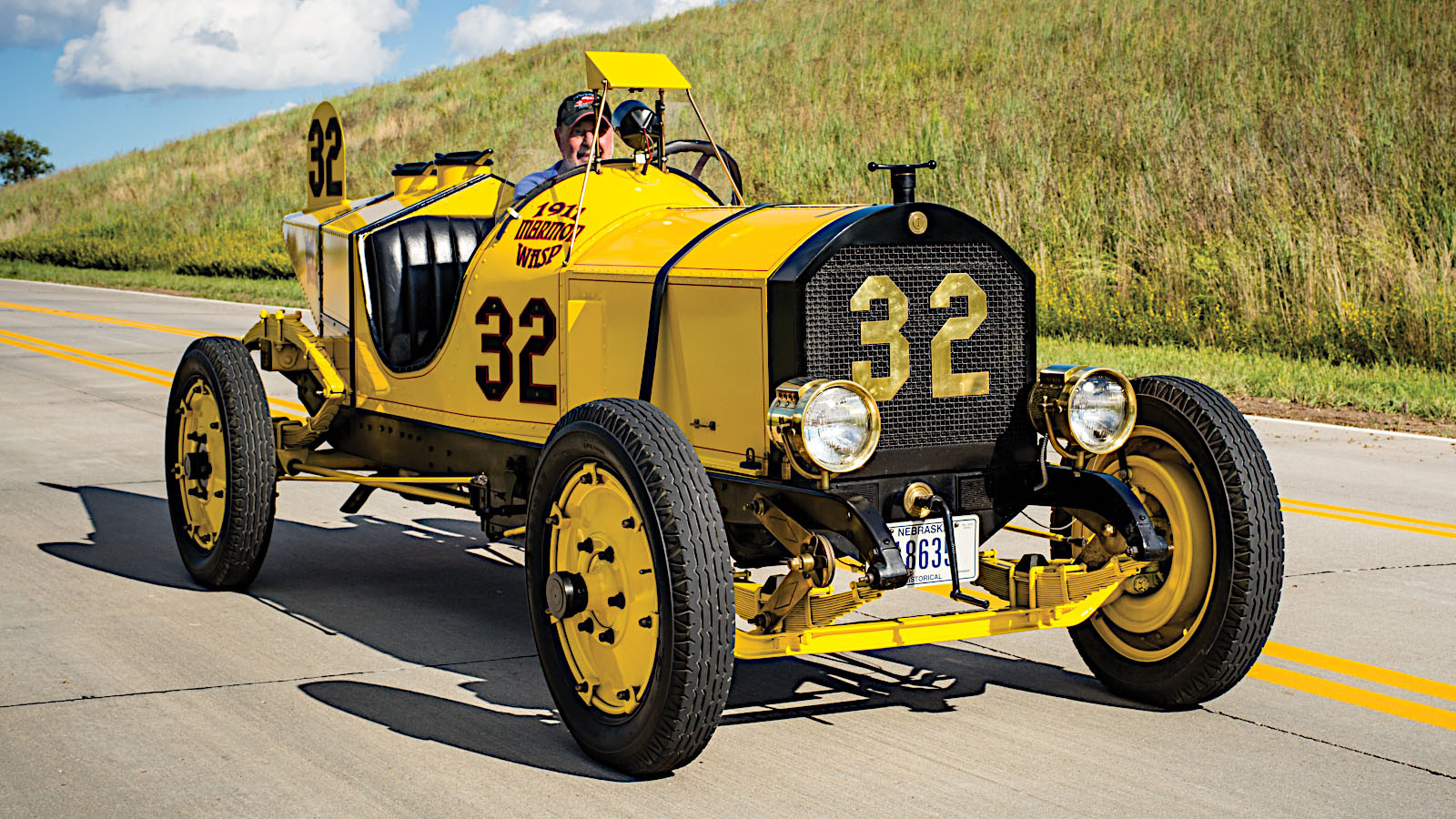
16. 1911 Marmon Wasp
Although the Indianapolis Motor Speedway hosted its inaugural race meeting in August 1909, the first running of the famous Indy 500 did not happen until May 1911.
That historic event was won by Ray Harroun (with Cyrus Patschke acting as relief driver) in the Wasp, built by Harroun’s then employer Marmon, and extremely unusual among racing cars of the pre-First World War period for being a single-seater with a rear-view mirror.
In a race lasting nearly seven hours, the Wasp finished less than two minutes ahead of Ralph Mulford’s Lozier, which lost a lot of time being repaired in the pits.
The car pictured here is not the original Marmon Wasp, but a recreation which reportedly took more than 19,000 hours to complete and is fitted with several later Nash components.
17. 1912 National
For most of its duration, the 1912 Indianapolis 500 looked like a complete walkover for Ralph DePalma’s Mercedes, which headed the field for 196 of the 200 laps and built up an enormous lead.
When the Mercedes engine failed in the closing minutes, victory was assured for Joe Dawson and his relief driver Don Herr, who were in a very secure second place in their National.
The remarkable thing about this machine was that it wasn’t a purpose-built racer, but a stripped-down and only slightly modified version of National’s Model 40 road car.
This has led to claims that it was the only stock car ever to win North America’s greatest race, a distinction the long-defunct National is likely to hold forever.
18. 1912 Peugeot
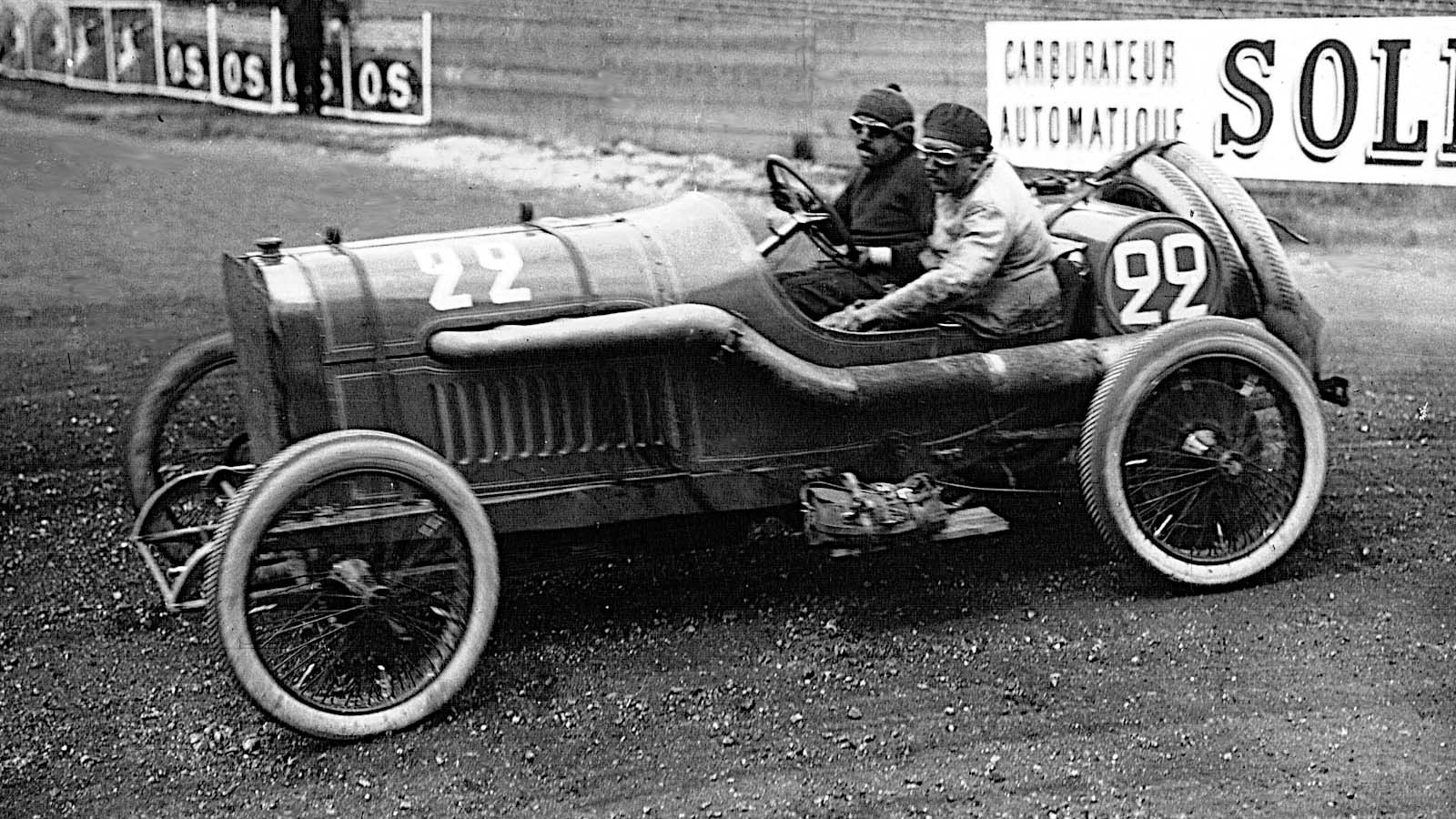
Peugeot’s works drivers Georges Boillot, Jules Goux and Paolo Zuccarelli decided in 1912 that they could design a better racing car than the company’s engineers (who responded by nicknaming them ‘the charlatans’), and brought in Ernest Henry to design its motor.
The resulting vehicle had a then-unique combination of four valves per cylinder and twin overhead camshafts, and proved to be dazzlingly successful.
In various forms, it won the French Grand Prix in 1912 (pictured) and 1913, and the Indianapolis 500 in the latter year, and continued winning major events – including the US Grand Prix, or Grand Prize as it was known at the time – after the start of the First World War.
19. 1914 Mercedes
The 1914 French Grand Prix, held less than four weeks before the outbreak of war, is regarded in some quarters as the most exciting race of the era.
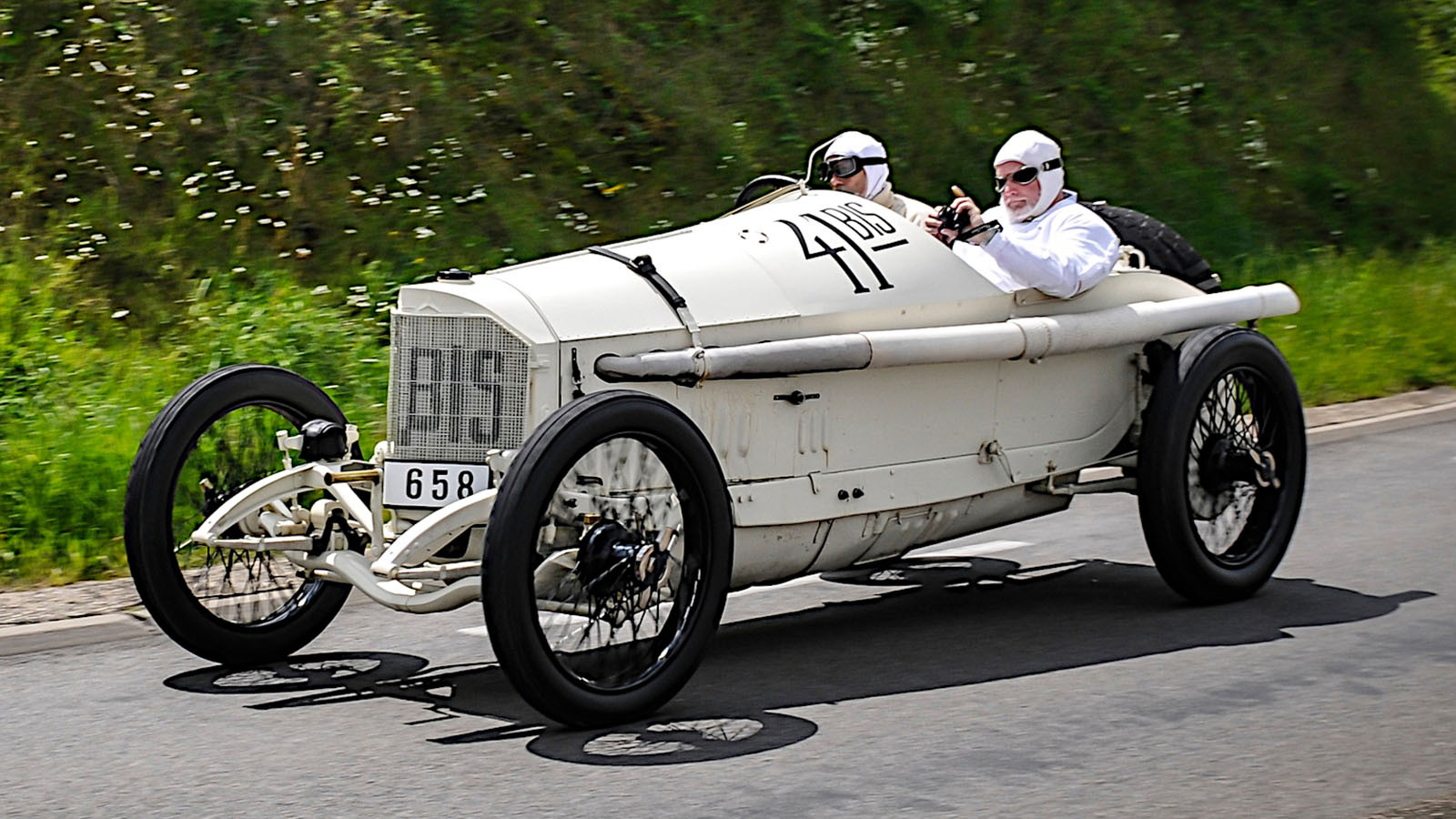
At the sharp end, it was largely a battle between Mercedes and Peugeot, and in this case the Germans were victorious, with Christian Lautenschlager, Louis Wagner and Otto Salzer taking the top three positions despite their cars (unlike the Peugeots) not having front-wheel brakes.
One of the winning trio was acquired by Ralph DePalma, who – with more reliability on his side than he had three years earlier – won the 1915 Indianapolis 500 in it, while another was shipped to the UK for display purposes, kept there when Britain and Germany became enemies, and studied very closely.
The 4.5-litre motor in particular was of great interest, and influenced the design of British and American car and aircraft engines for several years afterwards.
We hope you enjoyed this gallery. Please click the ‘Follow’ button above for more super stories from Classic & Sports Car.