
Une affaire du famille
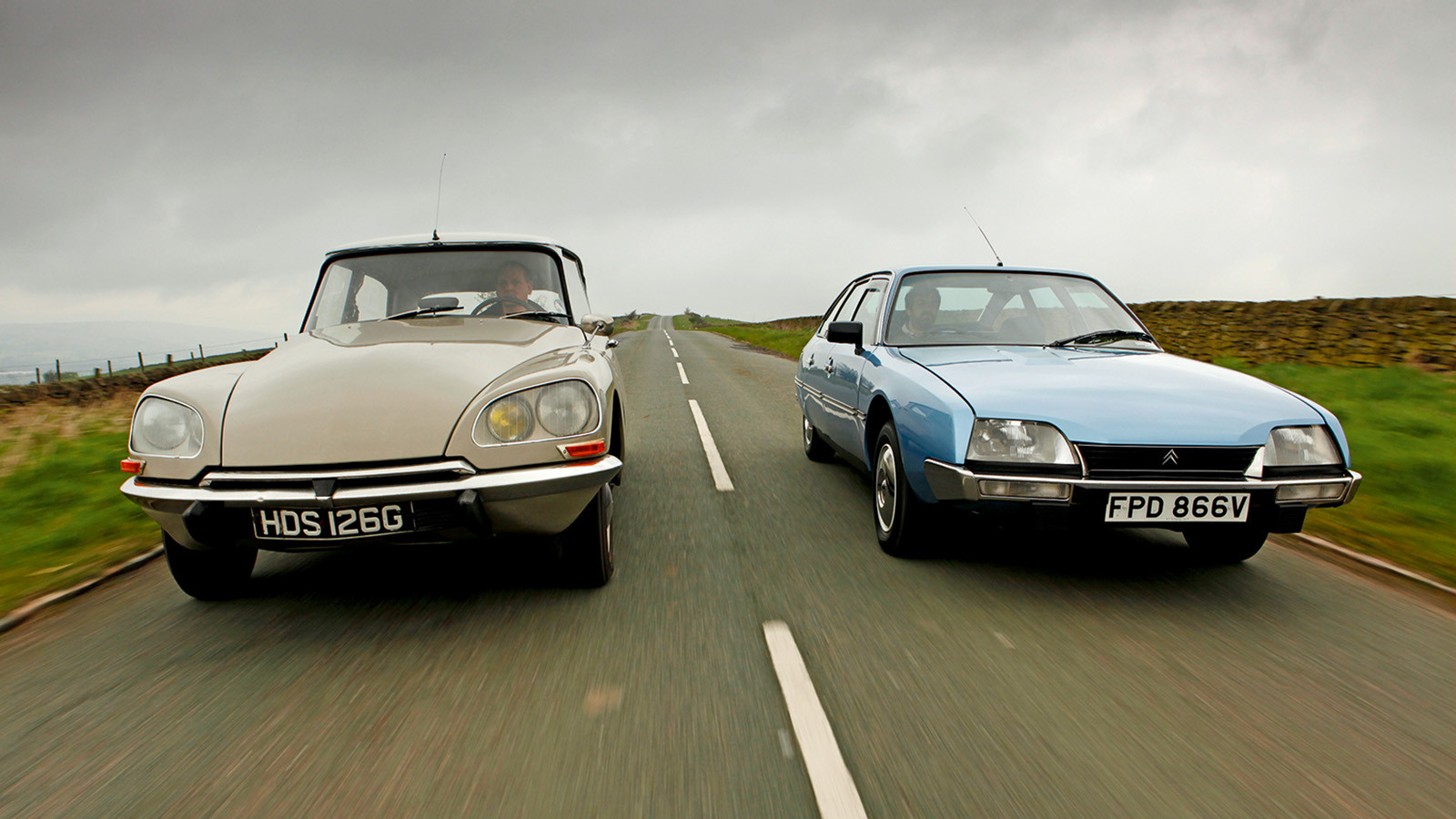
Many of Citroën’s most iconic and popular cars have been aimed at family buyers, from the era-defining DS to the flexible Berlingo.
Right from the outset, Citroën has put family cars at the centre of its model range and many went on to enjoy long production runs.
Always innovative in their design and approach, family cars from Citroën have generated great devotion no matter their size or cost, so here’s a list of the firm’s family cars in chronological order.
1. 1919 Citroën Type A
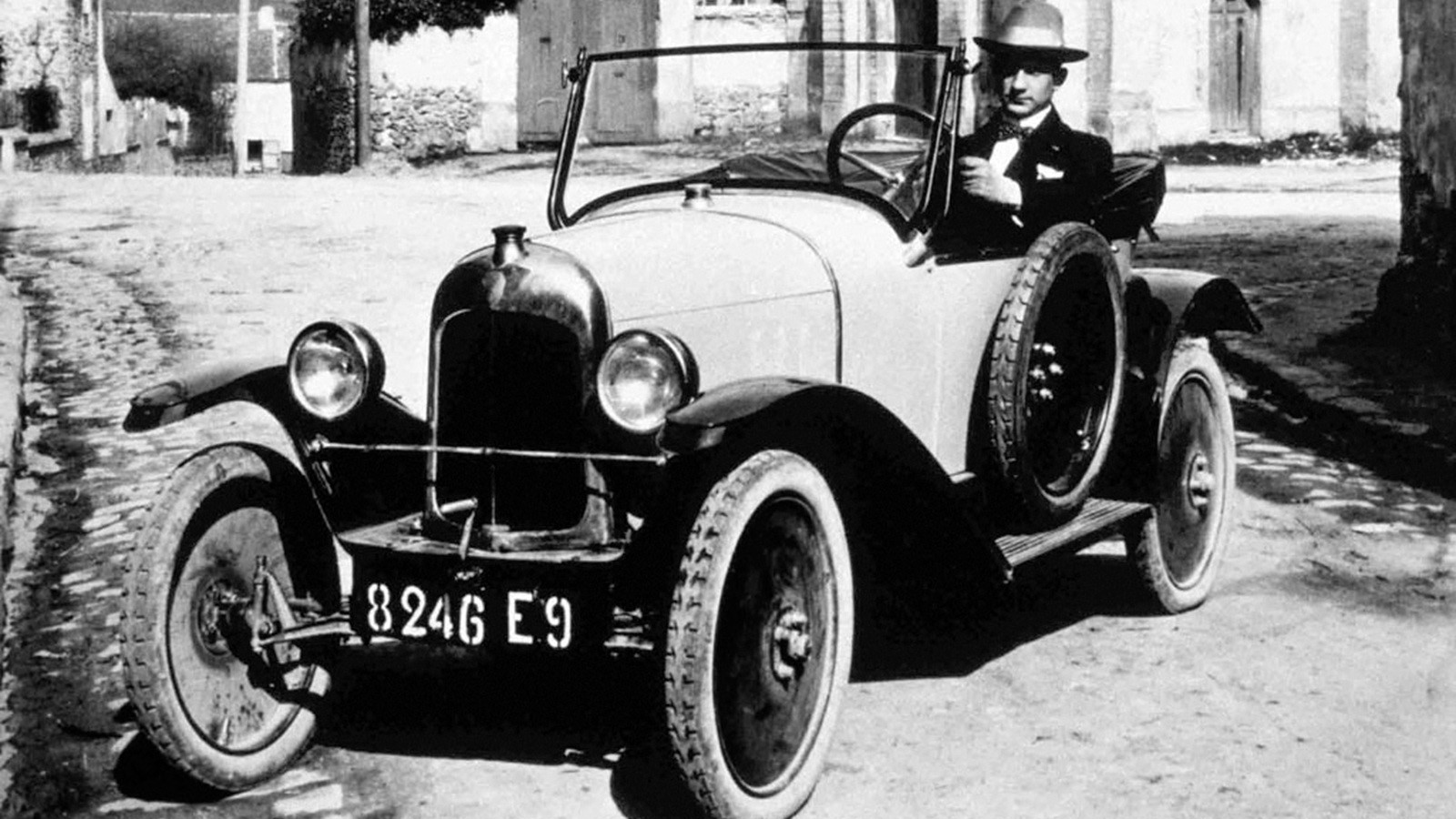
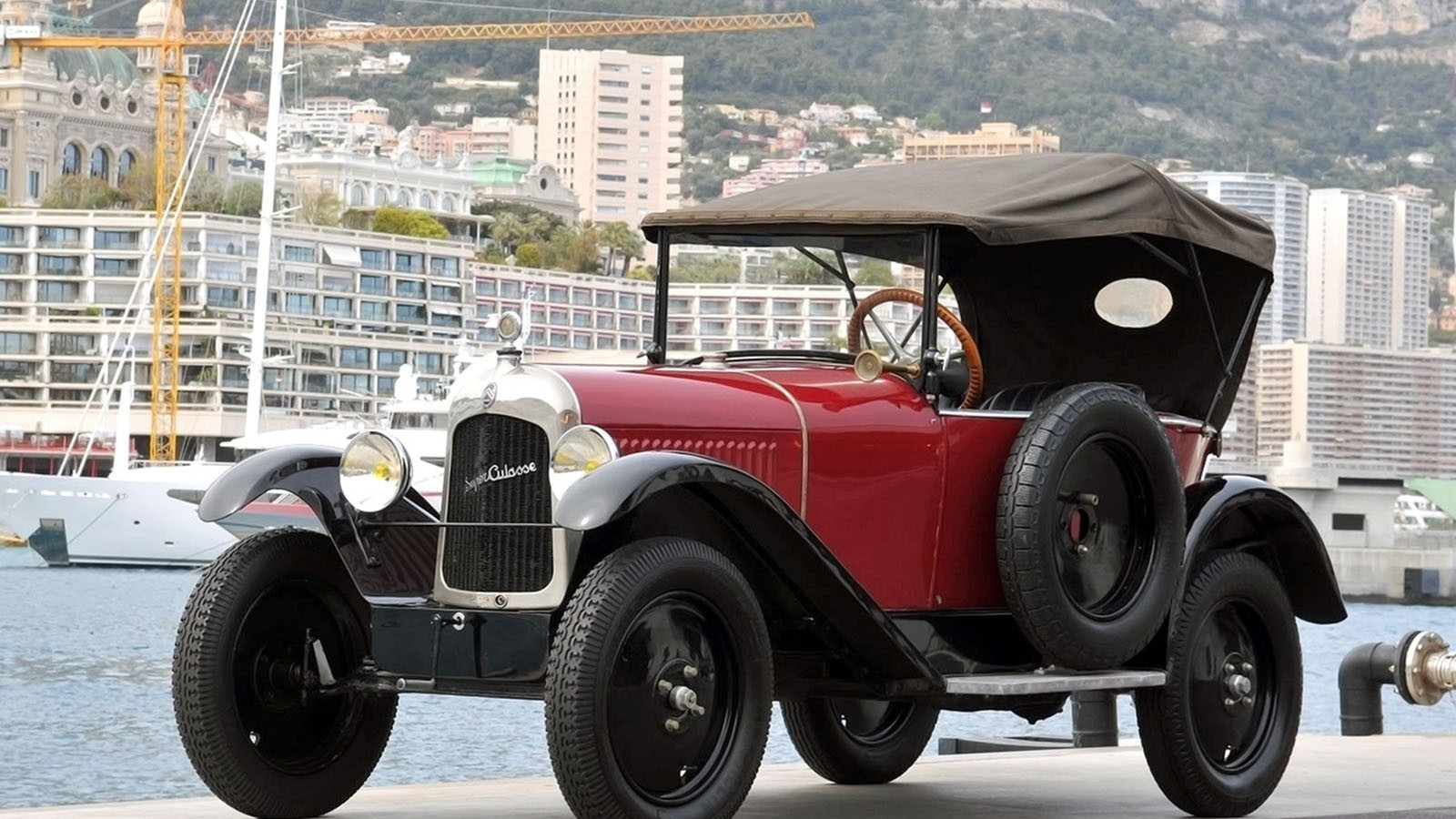
André Citroën was inspired by the Ford Model T and its efficient production, which he applied to his first car, the appropriately named Type A that became Europe’s first mass-produced car.
The Type A set the template for future Citroëns of a simple vehicle that used clever engineering, so it came with inverted twin quarter elliptic springs that did away with the need for shock absorbers.
There was also an electric start for the 1327cc, four-cylinder engine that developed 17bhp, though period power ratings ranked it as a 10HP model.
The Type A also used a double helical gear in its final drive, and it was this herringbone shape that gave rise to Citroën’s double chevron logo.
Offered with two chassis lengths and three body styles, Citroën built an impressive 24,093 Type As by the time it was replaced in 1921.
2. 1921 Citroën Type B2
The Citroën Type B2 was a natural progression from the Type A, and featured a larger capacity and more powerful 1452cc engine with 20bhp, though it was still officially rated at 10HP.
Its robust nature and good fuel economy endeared the Type B2 to the growing number of families that could afford a car. Citroën also promoted its latest model by creating its own fleet of taxis in Paris.
In 1924, Citroën added the B10 that used an all-steel body, while the B12 of 1925 refined and improved matters with a more rigid chassis, as well as better brakes and suspension.
The Type B2 in its three guises proved hugely popular and Citroën produced more than 155,000 of them by the time this line ended in 1927.
3. 1922 Citroën Type C
While there were French tax incentives to building a cyclecar in 1922, Citroën ignored this class of car’s 350kg (772lb) maximum weight limit to create the Type C.
Tipping the scales at 555kg (1224lb), the Type C was a small vehicle aimed at those who might not otherwise be able to afford a new car.
It was initially only offered as a two-seater, with the first finished in yellow that earned the model its nickname of ‘Petite Citron,’ or Little Lemon.
A three-seat version arrived in 1925 to widen its market to young family buyers.
Citroën’s gamble to build a small car rather than a cyclecar paid off in a similar way to the Austin Seven, and the French marque sold a very healthy 80,759 Type Cs from 1922-’26.
4. 1928 Citroën C4 and C6
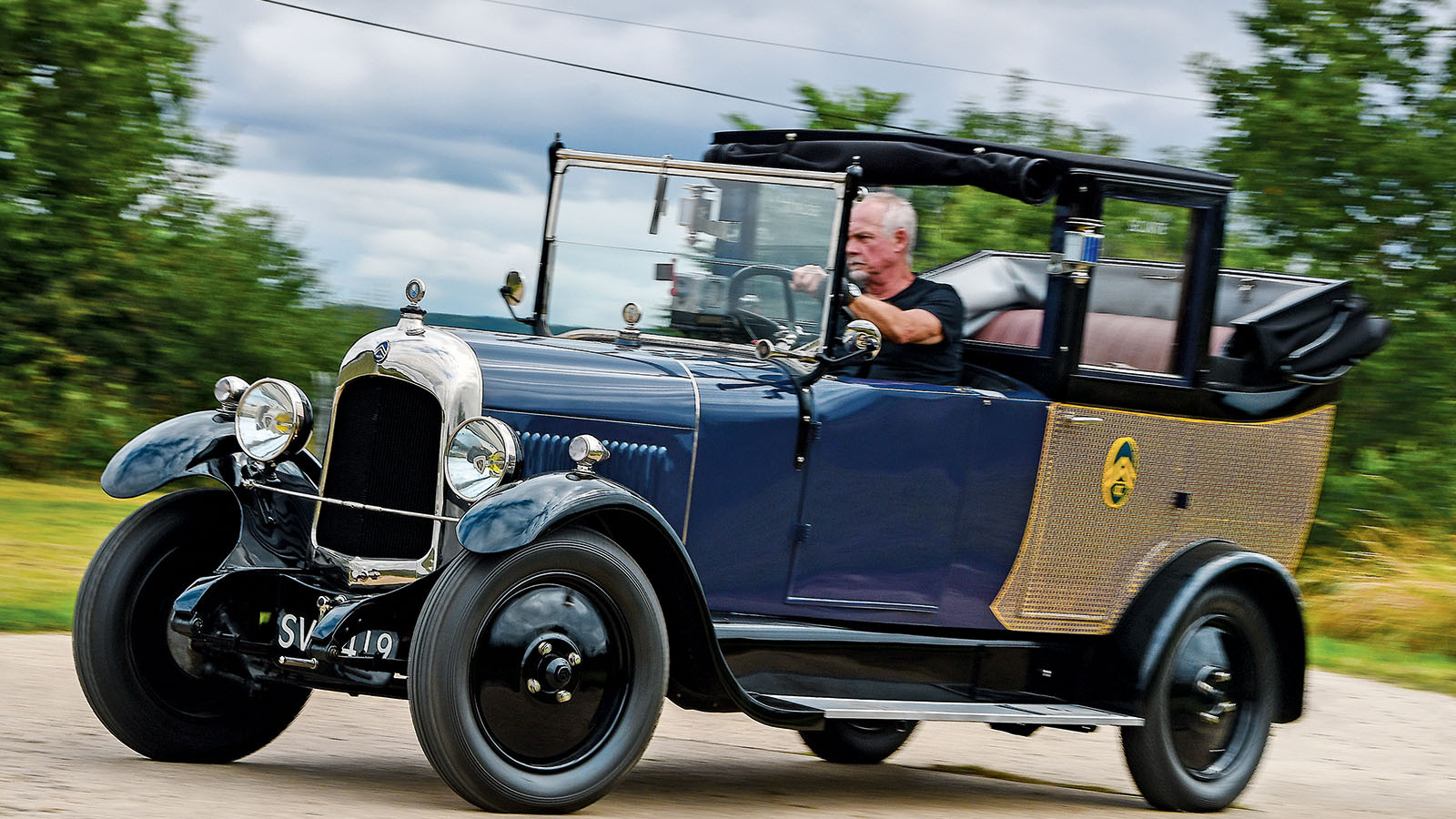
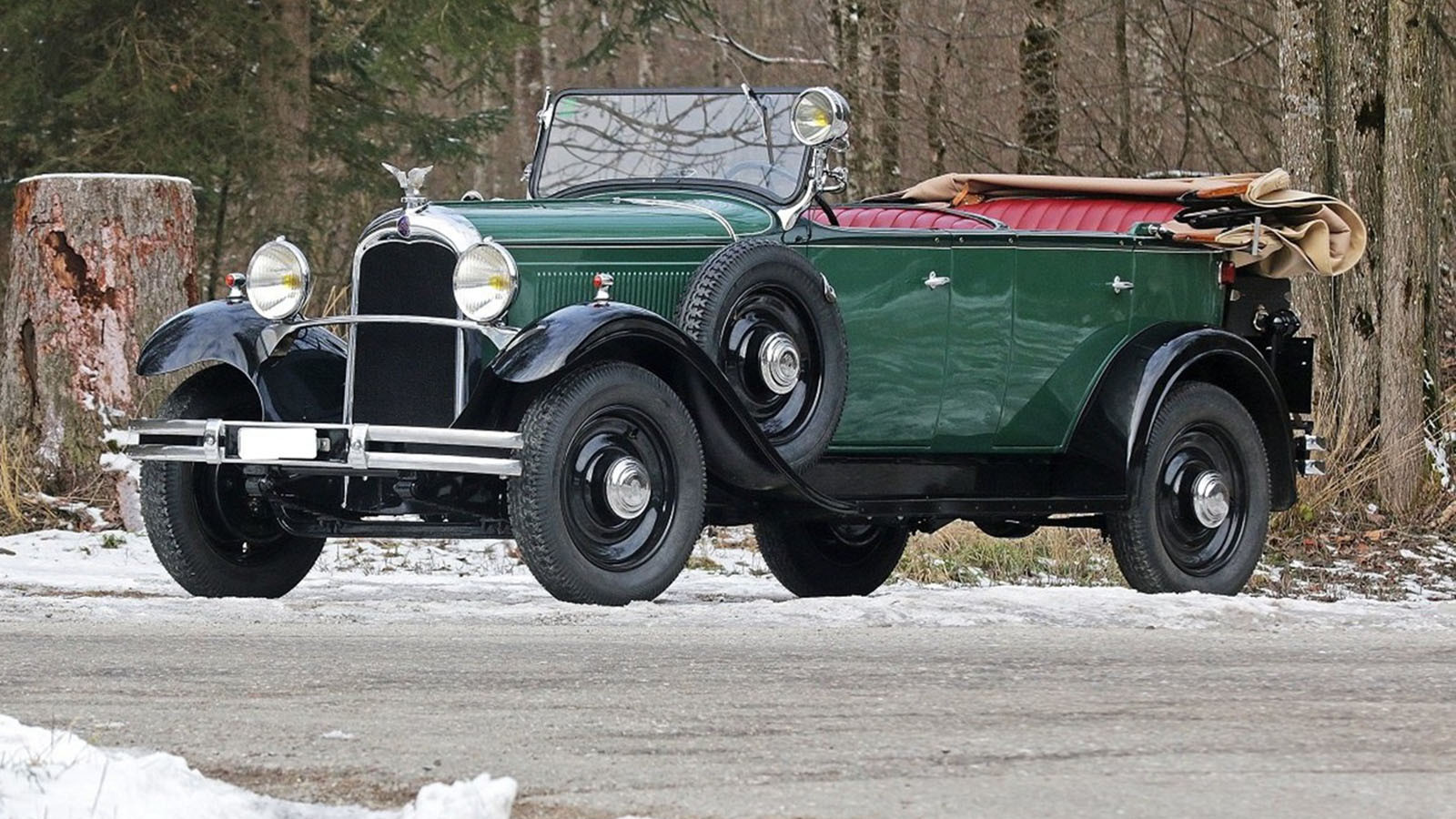
The Citroën C4 (pictured), and its C6 sibling, started life as the AC 4 and AC 6, but moved to the more simple naming convention in 1929.
The 1628cc, four-cylinder C4 and the C6 with its 2442cc, six-cylinder motor could be had with two- and four-seat open bodies, but most were supplied as upright and slightly dull four-door saloons.
Both the C4 and C6 could also be ordered with a range of commercial vehicle body styles, including van, pick-up and even as a bus.
If not the most excitingly styled Citroën models nor the company’s most technically advanced, the C4 and C6 were big sellers and notched up 304,341 sales between them.
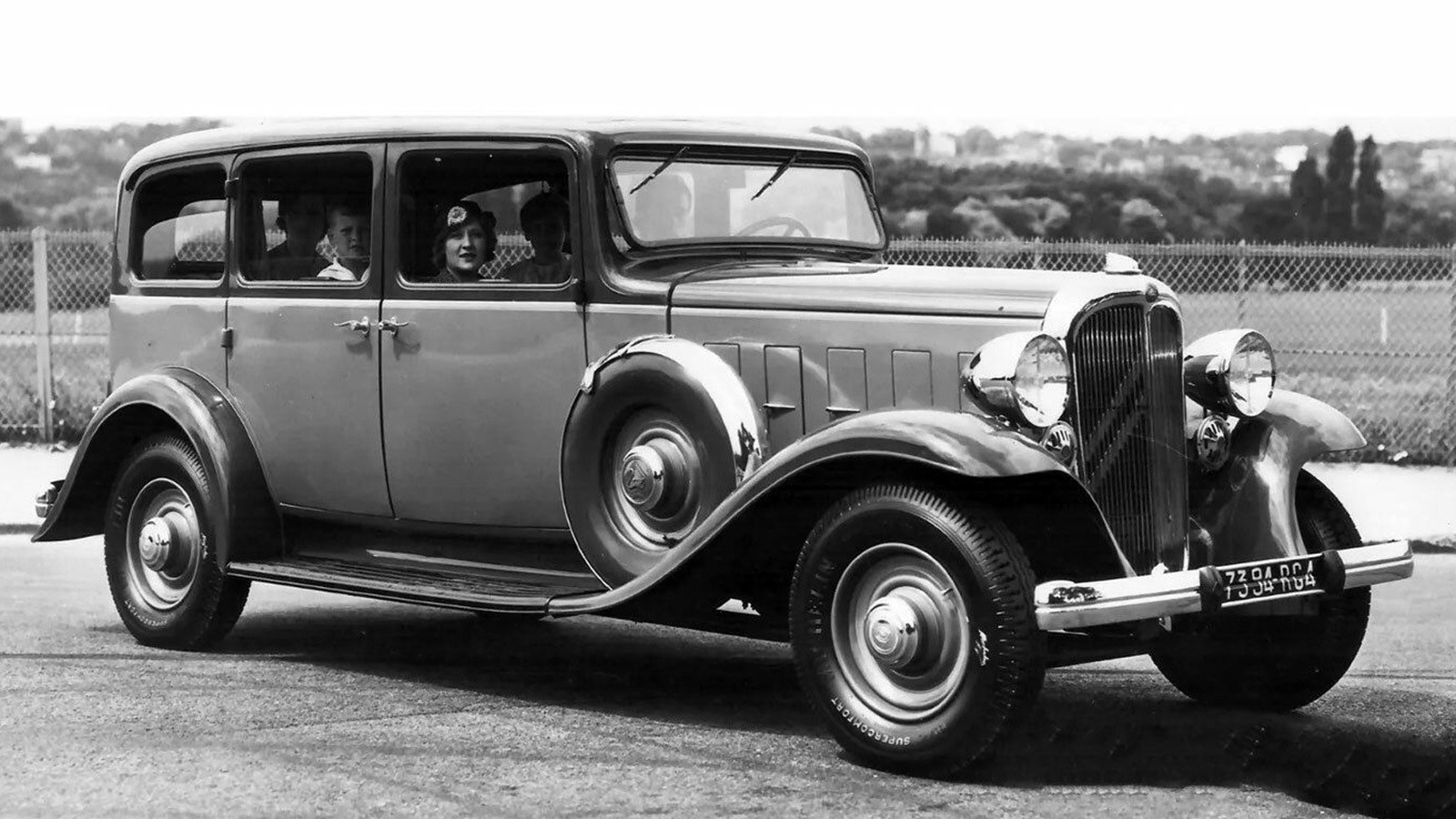
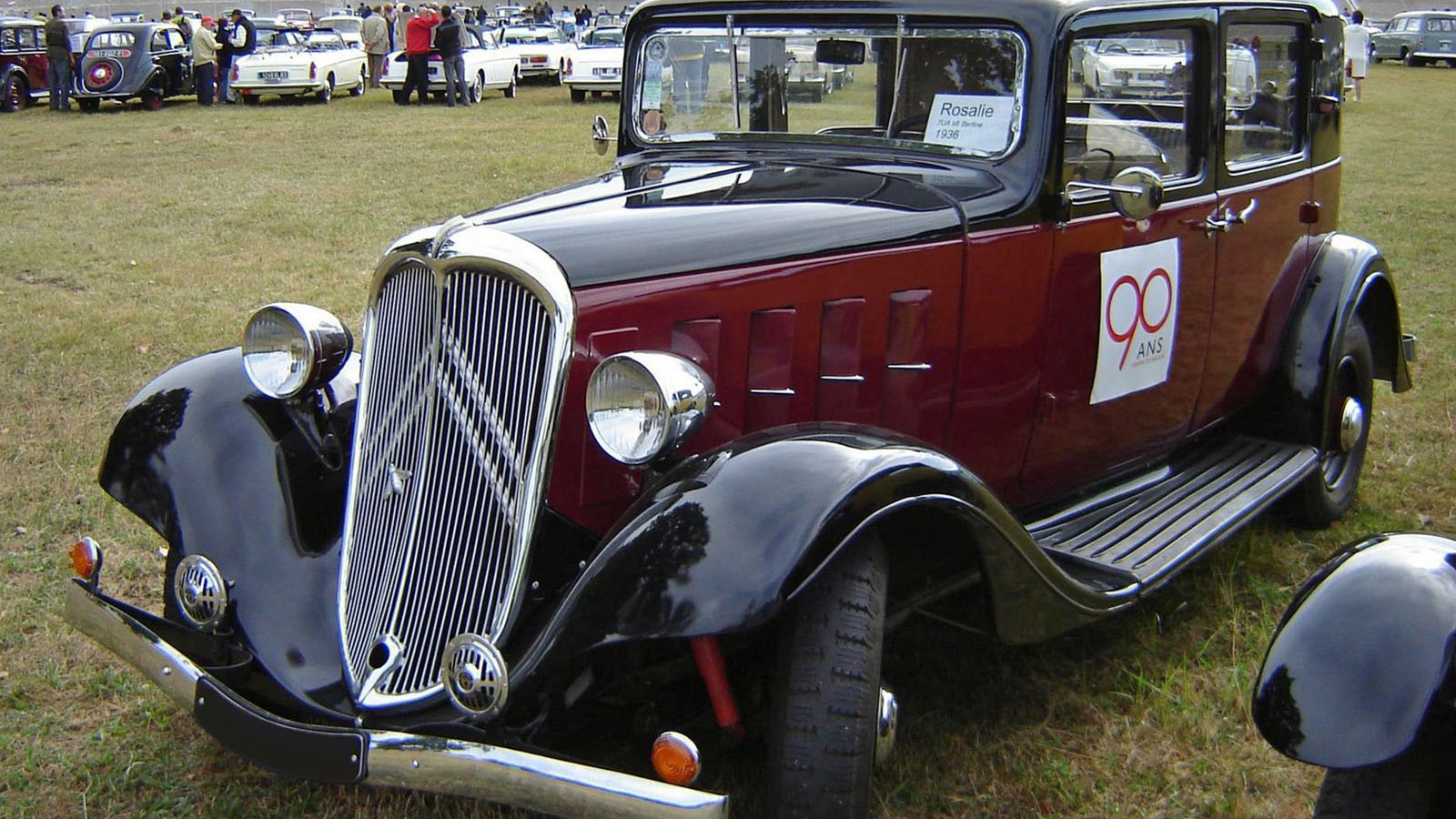
5. 1932 Citroën 8 Rosalie
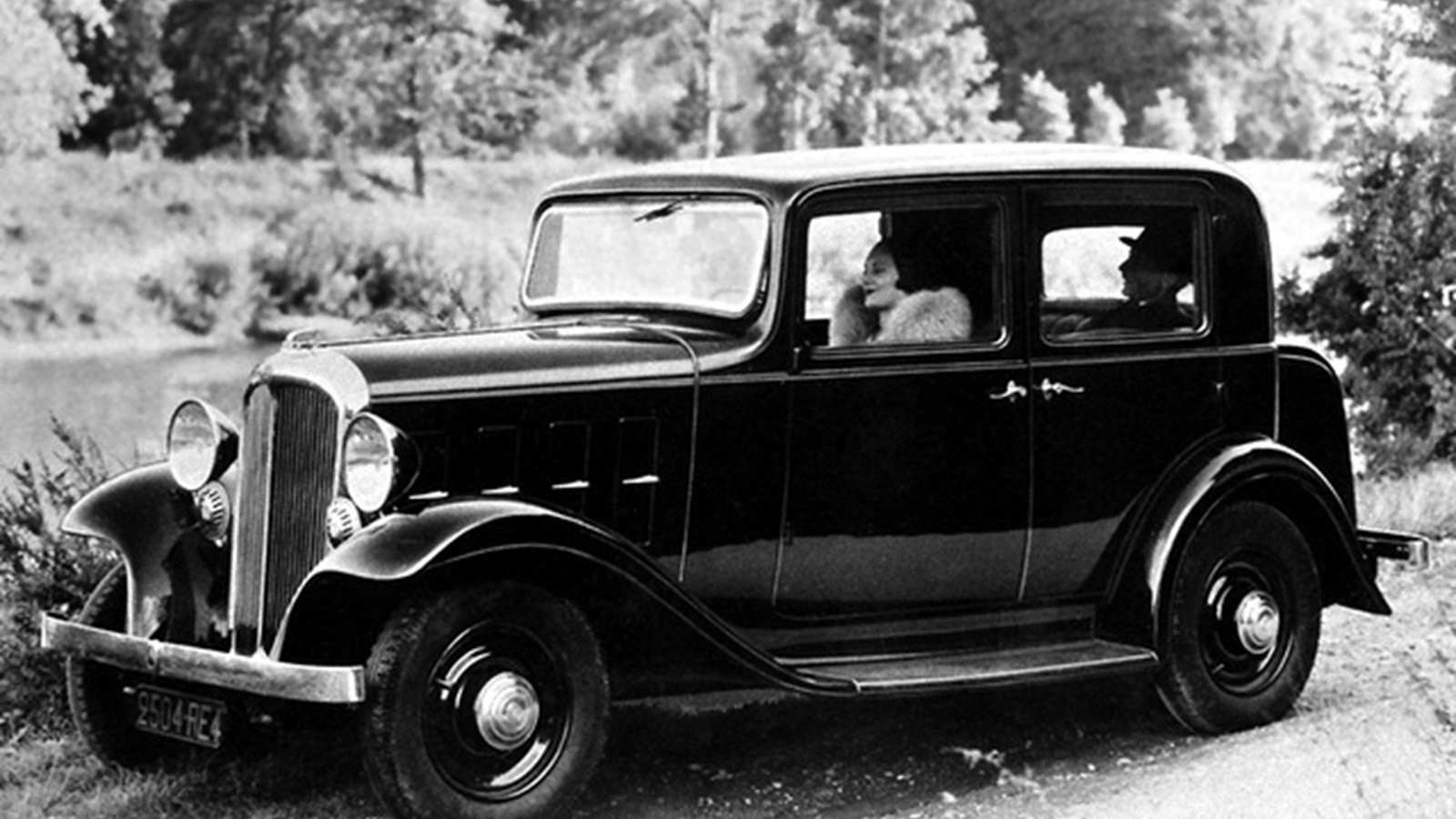
The most famous Citroën Rosalie was the unique, record-breaking car that drove for more than 300,000km (186,000 miles) in 134 days and nights at the Montlhéry track.
This impressive feat garnered plenty of headlines for Citroën and leant the Rosalie name to the 8 line-up, as well as the 10HP and 15HP models, introduced in 1932.
All were staples of their respective family-car markets and Citroën found 38,835 buyers for the 8.
While the 8 didn’t break new ground with its design, the Rosalie range did take Citroën further upmarket and was profitable for the company, but not enough to stave off its debts accrued in developing the new Traction Avant.
A mild restyle in 1934 saw an inclined radiator grille that gave the Rosalie range a look more in line with the Traction Avant.
6. 1932 Citroën 10 Rosalie
Where the Citroën 8 made do with a 1452cc, four-cylinder engine, the 10 gained a 1767cc motor for added performance.
As a result of its extra power, the 10 was good for a 62mph top speed compared to the 8’s 56mph.
This was despite the 10’s greater weight and 30cm (nearly 12in) longer wheelbase that offered more rear cabin space.
To counter this, Citroën offered the Rosalie 10 Légère with a lighter body, while the same restyle of the radiator arrived in 1934.
The 10 proved the most commercially successful of the Rosalie models, selling 49,249 during its lifetime.
7. 1932 Citroën 15 Rosalie
While its smaller stablemates were selling in big numbers, the 15 was up against many more established upmarket players and consequently only found 7228 customers between 1932 and 1935.
What those buyers got was a 2650cc, six-cylinder engine with a three-speed gearbox. The larger unit required a longer bonnet for the 15 compared to the 8 and 10 models.
The 15 came in two wheelbases and could be ordered as the 15 Légère that used the body from the 10 from the front scuttle back. In this lighter saloon form, the 15 was good for a top speed of 72mph.
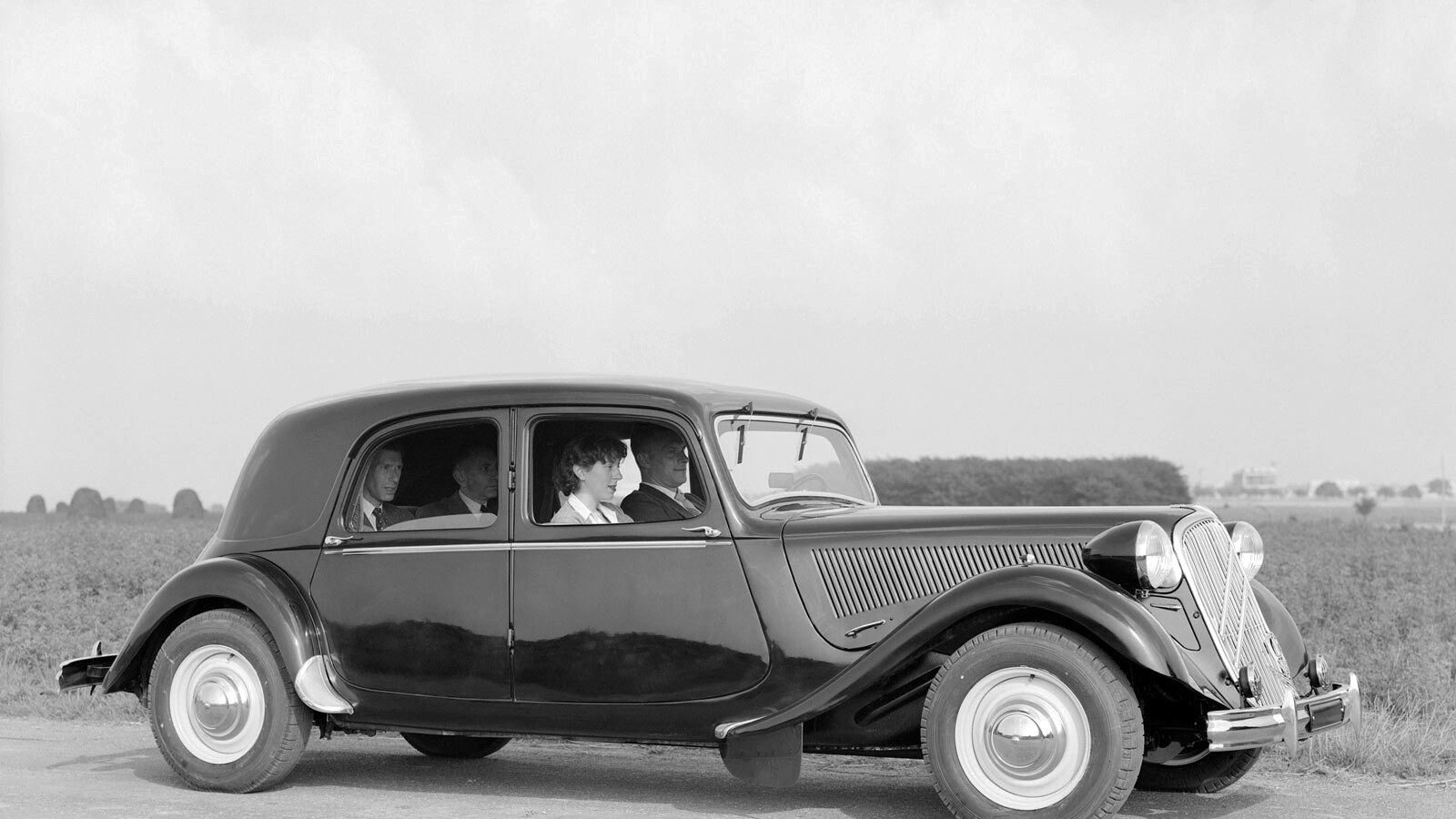
8. 1934 Citroën Traction Avant
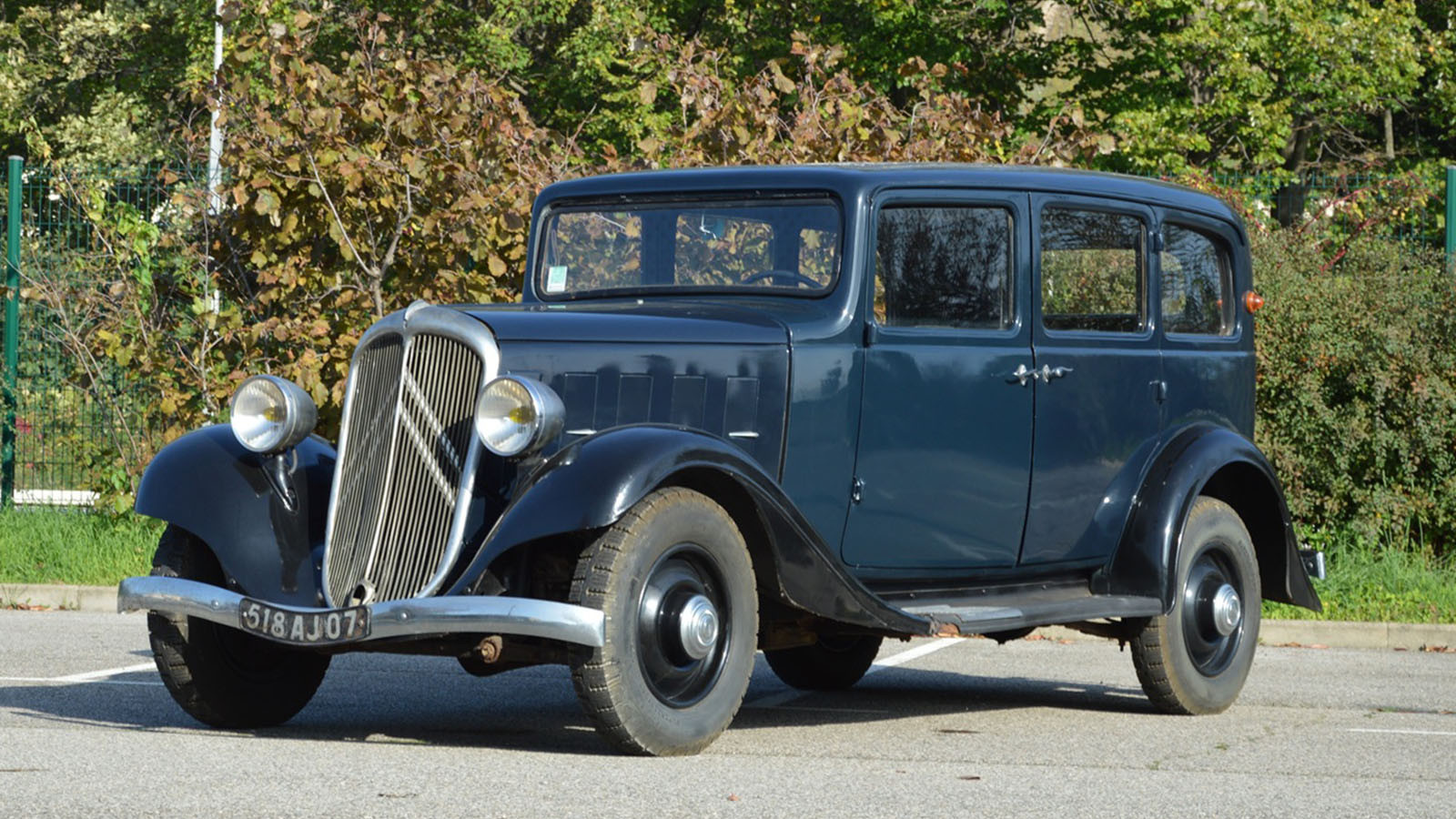
The definitive pre-war Citroën family car, the Traction Avant arrived in 1934 and wowed the world with its unitary construction and front-wheel drive.
Its design allowed the Traction Avant to sit lower for better handling and aerodynamics, while the front-wheel drive meant more passenger space because there was no transmission tunnel running the length of the cabin.
Independent suspension provided a supple ride, while hydraulic brakes made the Traction Avant better at stopping than almost any other family car you could buy.
The 7A was the first Traction Avant model with a weedy 1.3-litre engine, followed soon after by the 7B with its 1.5-litre motor.
More powerful models followed, along with longer versions and the 15/6 with its 2866cc, six-cylinder engine for 85mph performance.
Sadly, the Traction Avant’s development costs bankrupted Citroën and forced its sale to Michelin, but that didn’t prevent this brilliant family car from carrying on in production until 1957, with around 760,000 built.
9. 1935 Citroën 7UA and 11UA
The 7- and 11UA models were a combination of parts to offer customers a more traditional family saloon than Citroën’s recently launched Traction Avant.
Both the 7UA and 11UA stuck with rear-wheel drive and used the body from the earlier 10 model, so this was a familiar car in style to many Citroën buyers.
The engines for both were lifted from the Traction Avant, but turned through 180 degrees to drive through a three-speed gearbox. The 7 used the 1628cc engine from the Traction Avant 7C, while the 11UA borrowed the Traction 11’s 1911cc unit.
A diesel motor was added with the 11UD model in 1937 and these upright saloons soldiered on until 1939.
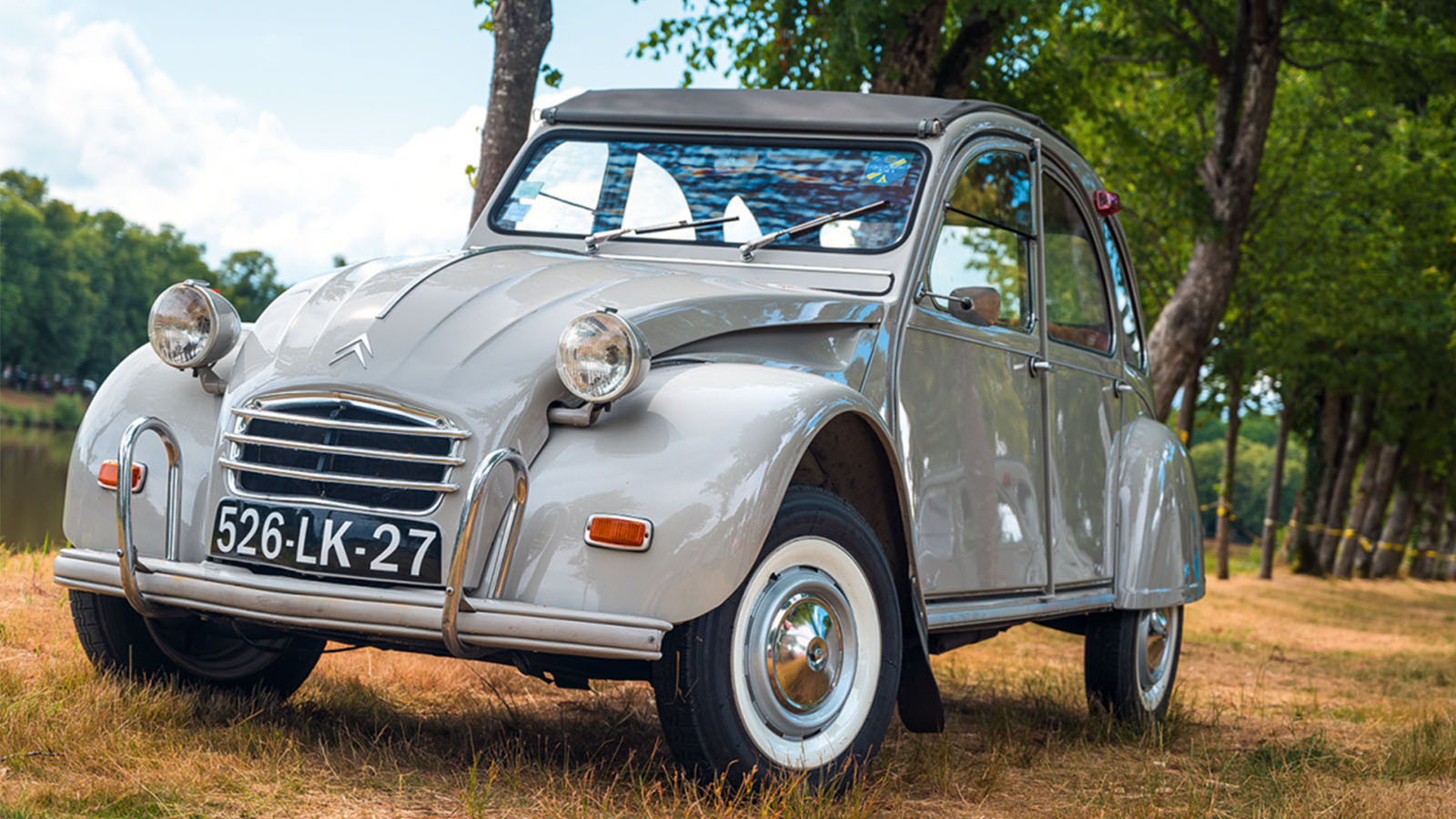
10. 1948 Citroën 2CV
The Citroën 2CV might have been known as the TPV, for Toute Petite Voiture (Very Small Car) and unveiled to the world in October 1939.
However, the Second World War put paid to that and the name was derived from its fiscal horsepower.
The rest of the 2CV’s tale is one of huge success, because it offered post-war France a cheap, versatile and rugged car that could carry a family of four plus luggage.
Early models made do with a 375cc version of the flat-twin engine, while later iterations upped that to 425-, 435- and eventually 602cc.
Front-hinged doors and a window in the rear pillar further updated the 2CV as it carried on selling in large numbers, and Citroën added the Dyane model in 1967 with a hatchback boot opening to improve practicality.
In a production life that lasted all the way to 1990, Citroën sold 3,868,634 2CVs, plus lots more of the many derivatives based on this clever family car.
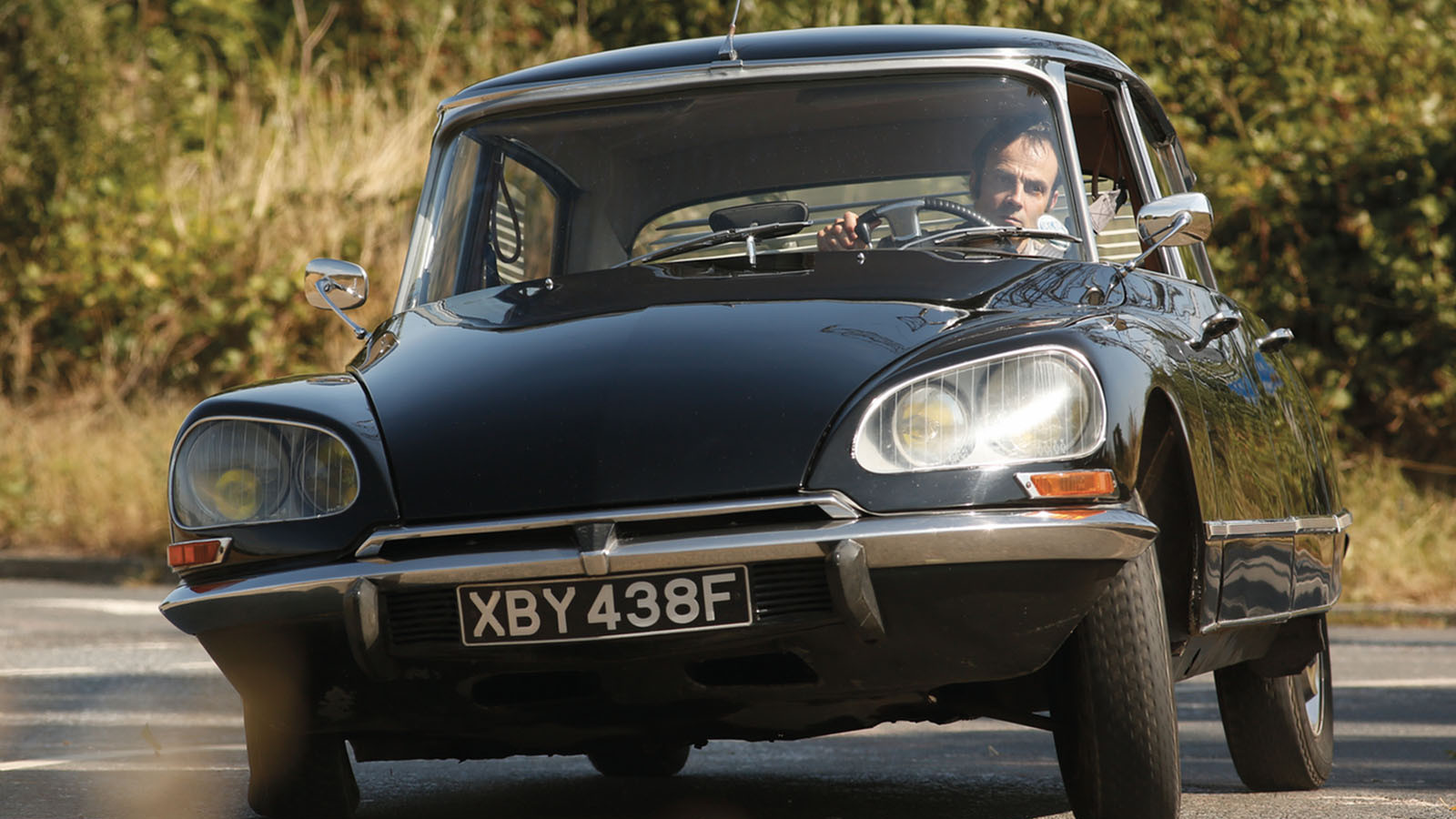
11. 1955 Citroën DS
Every bit as radical as the Traction Avant had been in 1934, the Citroën DS stunned the world in 1955 with its futuristic looks and specification.
Yet behind the sleek aerodynamic appearance and hydropneumatic suspension was an eminently capable family car.
There was ample space inside and a generous boot, and Citroën went on to offer the vast Safari estate, too.
The ID19 was a simplified version of the DS, which did without the hydropneumatically assisted steering, gearchange and brakes, while a refresh in 1968 introduced the faired-in headlights with driving lights that swivelled with the steering.
Above all, it’s its superb ride that made the Citroën DS stand out from other family cars and helped its maker sell 1,456,115 of them.
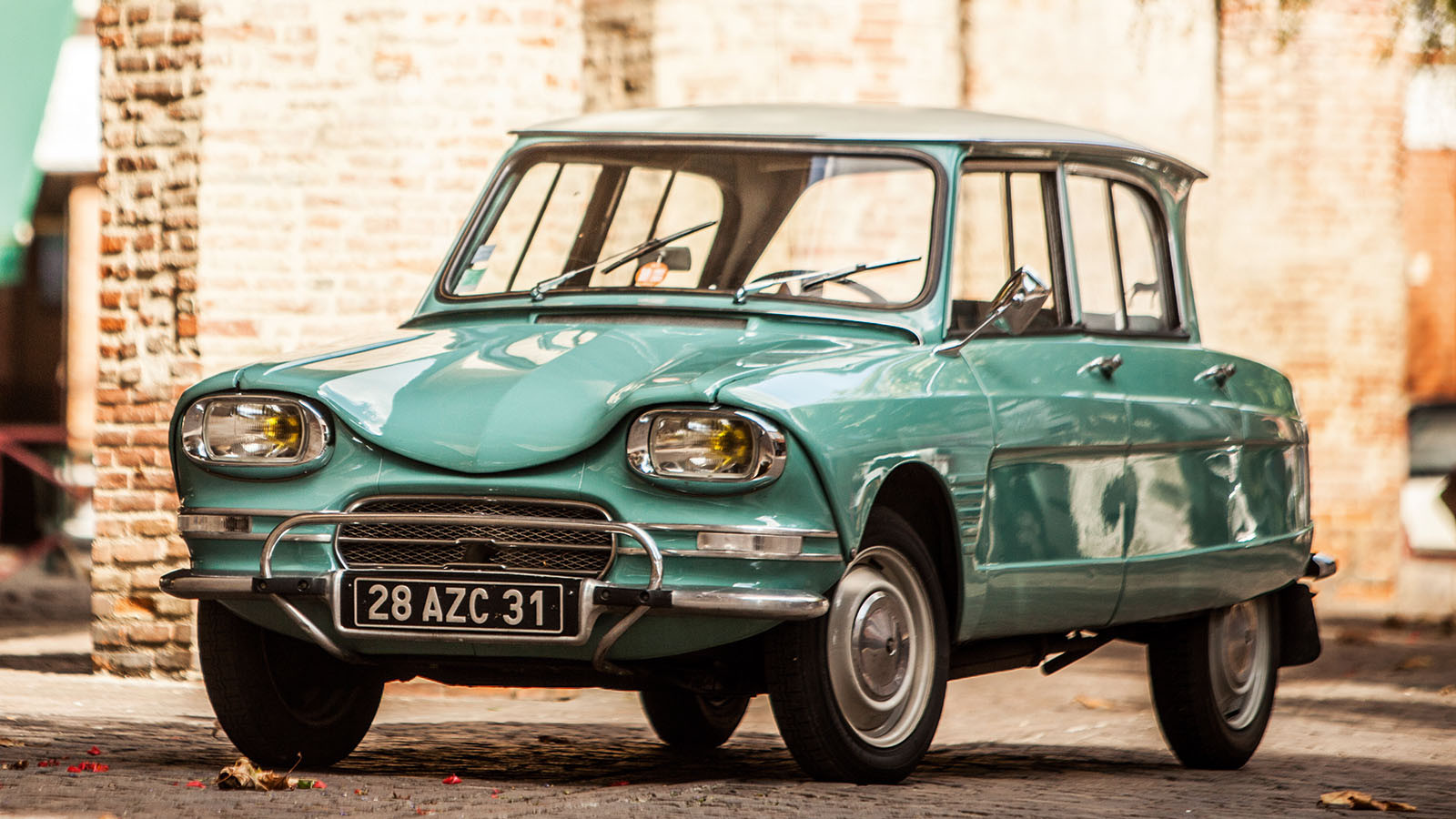
12. 1961 Citroën Ami
Citroën’s Ami range was notable for being the first car built at the company’s new factory near Rennes and the first car with rectangular headlights, as well as for its distinctive reverse-rake rear windscreen.
Using the same chassis and interlinked suspension as the 2CV, the Ami was a concerted push by Citroën to create a more upmarket, small family car. It worked, too: the Ami range notched up more than 1.8 million sales.
The Citroën Ami 6 was the first to arrive using a 602cc engine with 21bhp, while the Ami 8 added slightly more power.
However, if you wanted even more oomph, the Ami Super of 1973 was the pick of the bunch with its 55bhp, 1015cc, flat-four engine from the GS that delivered an 88mph top speed.
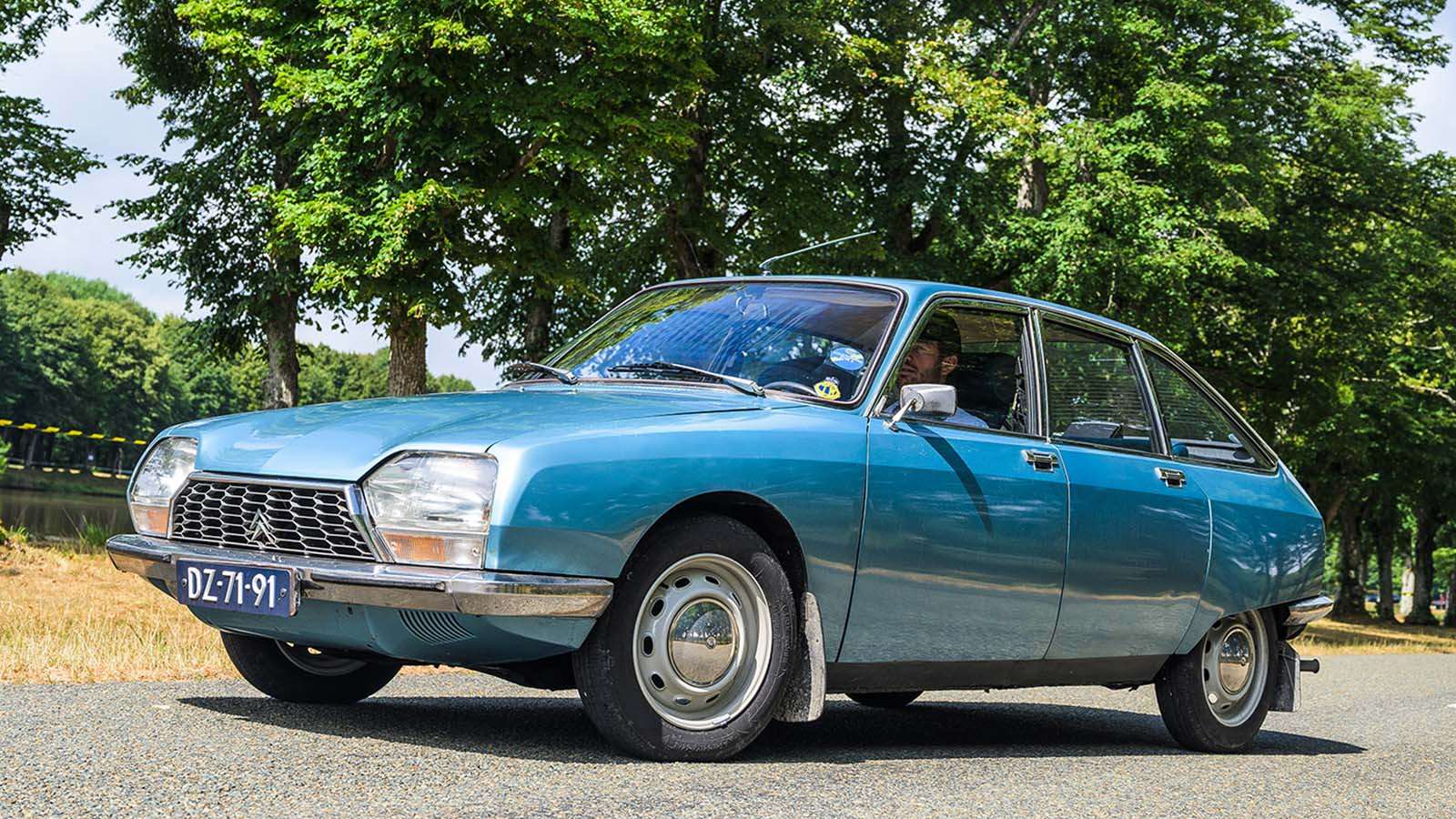
13. 1970 Citroën GS
Citroën finally plugged the gap in its line-up between the 2CV and DS with the all-new GS.
Using a range of air-cooled, flat-four engines, the GS was typically daring in its styling, which suggested it was a hatchback, but this didn’t arrive until the GSA update of 1980.
An estate version brought practicality for family buyers in 1971, while a more powerful 1222cc engine was added in 1972 to answer early criticism of the GS being underpowered.
The Birotor model of 1973 more than answered that issue thanks to its 106bhp output, but the Wankel rotary engine used too much fuel and oil.
In the end, only 847 Birotors were made out of almost 2.5 million GS models produced.
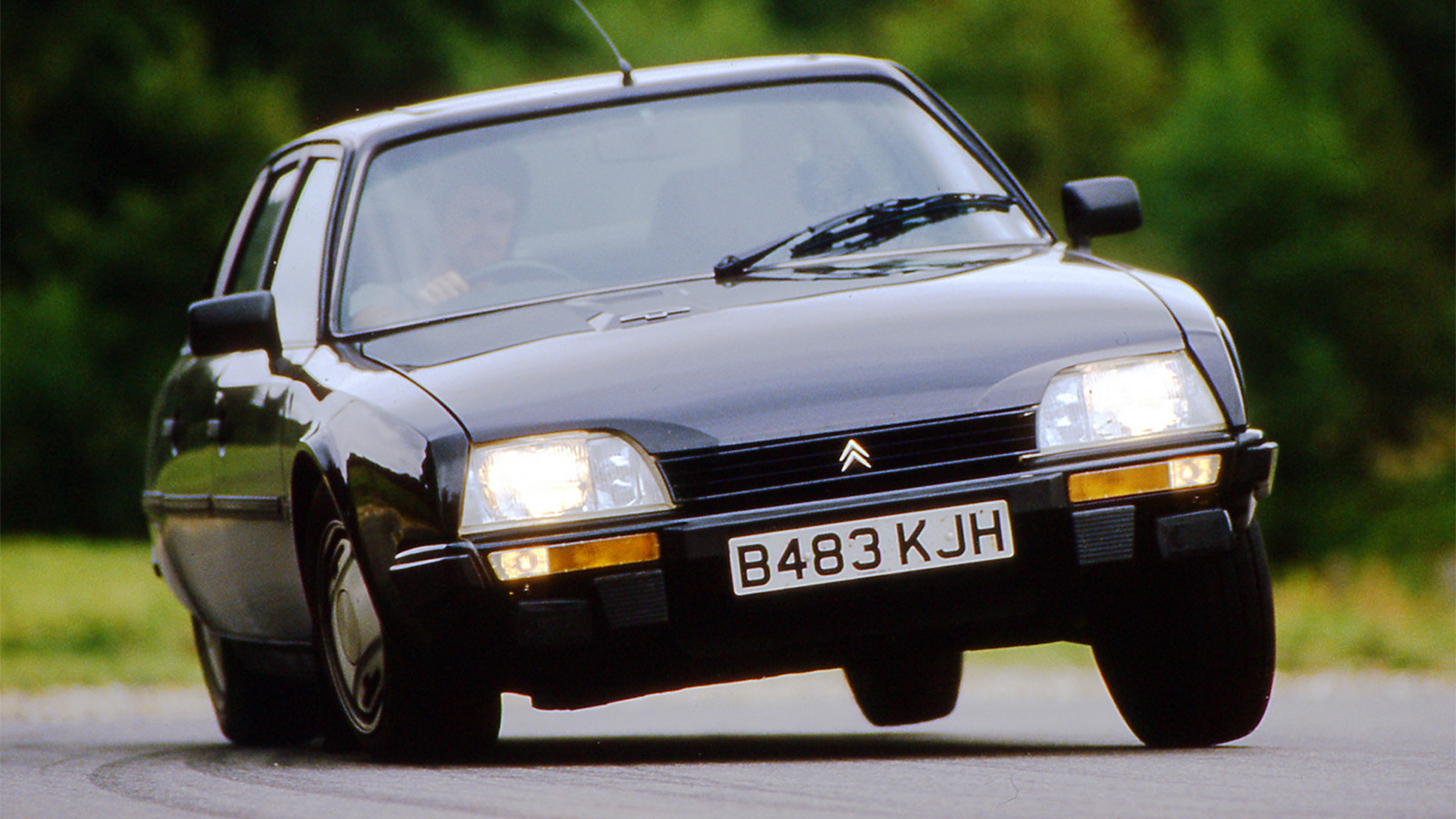
14. 1974 Citroën CX
Replacing a car as special as the DS would pose most car makers with a tough challenge, but Citroën more than rose to the occasion with the 1974 CX.
The expected hydropneumatic suspension was used, along with front-wheel drive, but the engine was now mounted transversely to give more front cabin room.
More compact than the DS, the CX still managed to offer more interior and luggage space, helping it win the 1975 Car of the Year title.
Engines grew in power throughout the CX’s life and diesel motors were an option, as well as a cavernous estate from 1975.
The ultimate model arrived with the CX25 GTi Turbo with its 166bhp, 2.5-litre engine that could propel it from 0-60mph in 7.7 secs and on to 138mph.
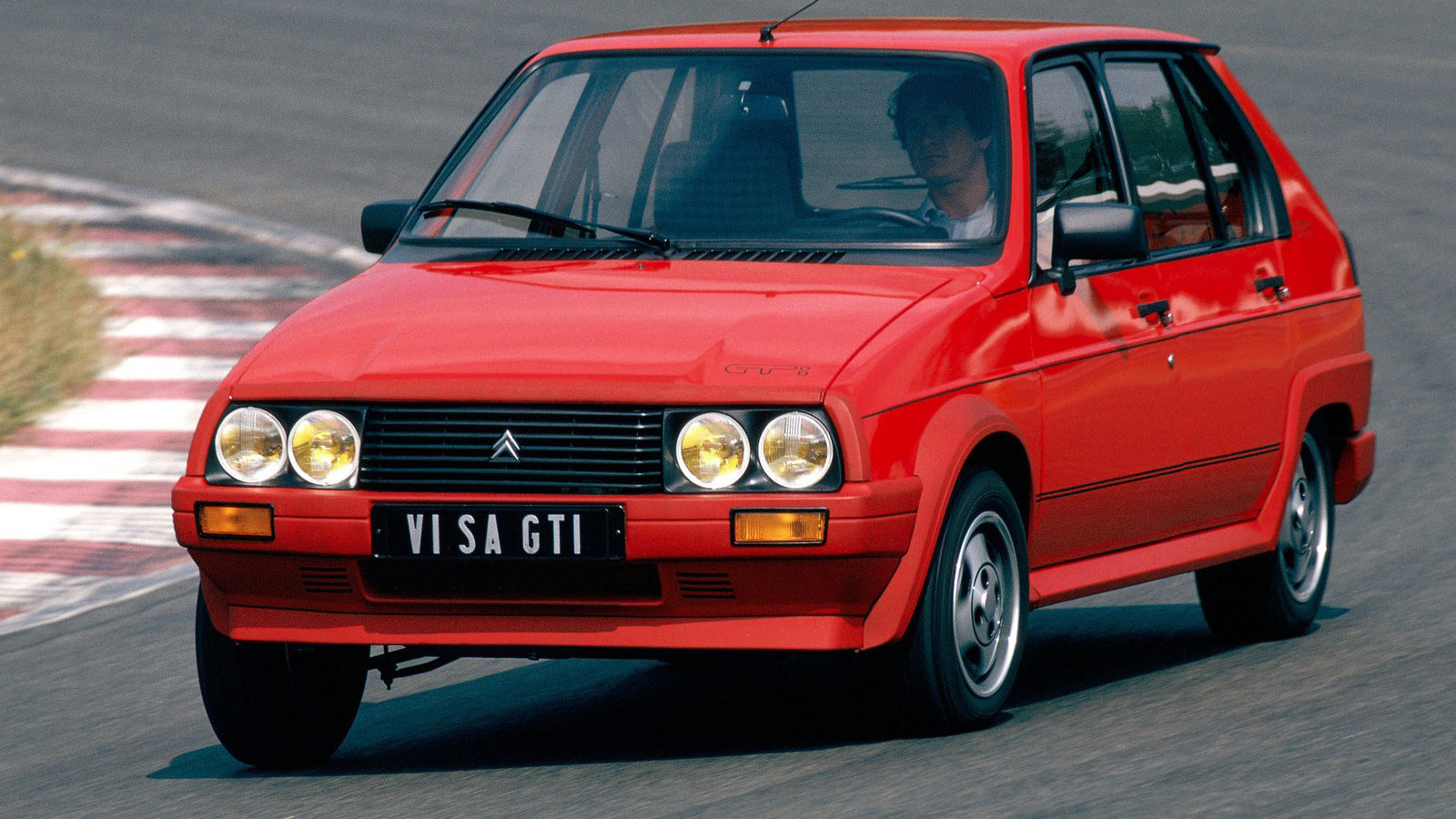
15. 1978 Citroën Visa
The Visa was a replacement for the Ami and, while more conservative on the outside, it was no less typically Citroën underneath.
Using the Peugeot 104’s platform, the Visa then went off piste to offer both four-cylinder, transversely mounted and water-cooled engines alongside an enlarged, 652cc version of the 2CV’s flat-twin, air-cooled motor.
Inside the surprisingly roomy Visa, the driver was faced with two square dials and a cylindrical satellite control drum for functions such as the lights, wipers and indicators – which were not self-cancelling.
Odd as the Citroën Visa seemed, it went on to record more than 1.25 million sales, including the punchy GTi and the Convertible that retained four doors.
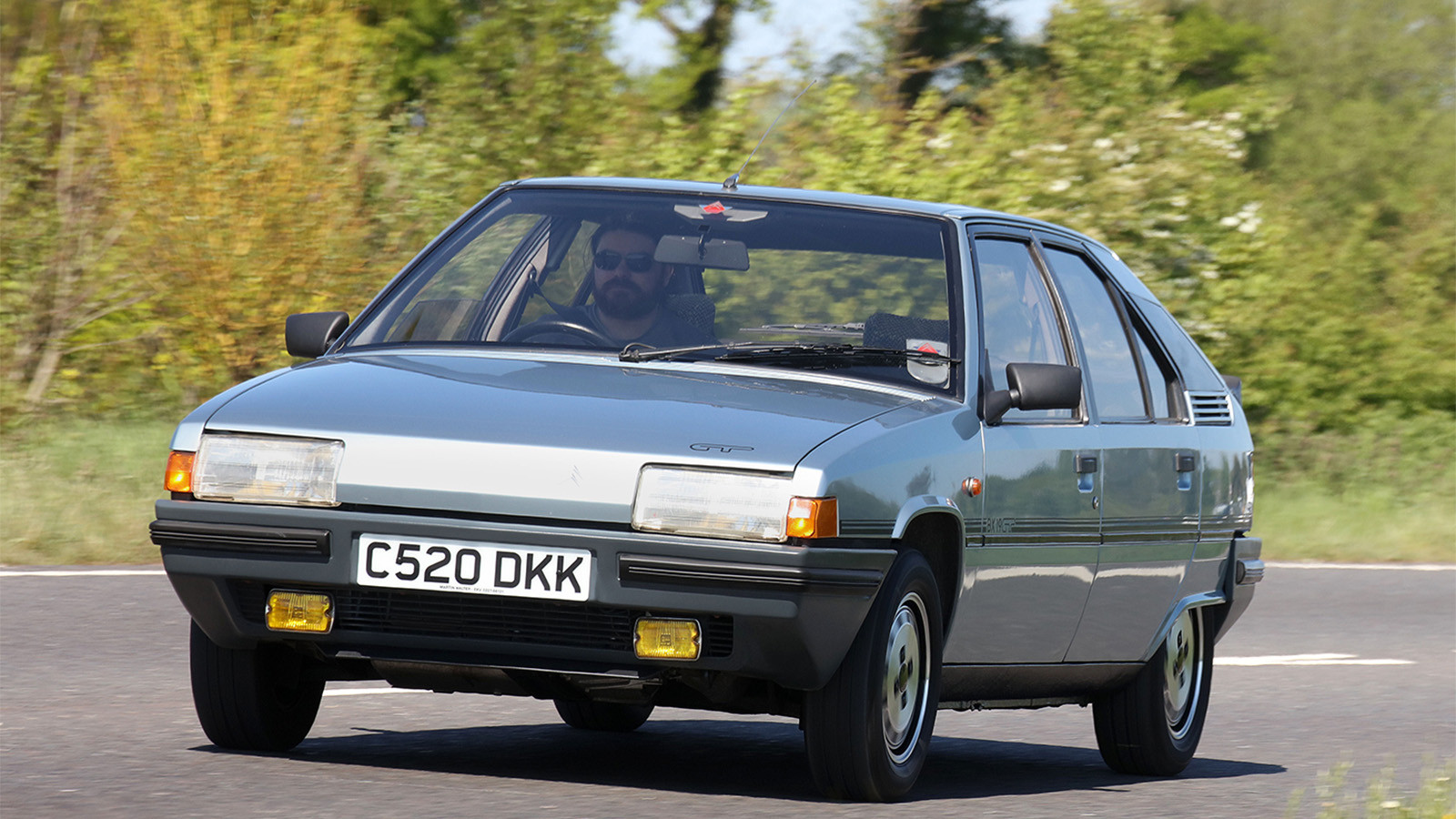
16. 1982 Citroën BX
The BX was quite a departure from Citroën’s previous family cars when it came to styling, if not so much on the mechanical set-up.
Gone were the smooth curves of the GS and in their place came the sharply creased looks by Marcello Gandini.
To reduce weight, some of the body panels were made from plastic, including the bonnet, tailgate and bumpers.
The platform and engines came from Peugeot, but the hydropneumatic suspension, brakes and power steering were pure Citroën.
A diesel engine made the BX popular with company car drivers covering plenty of miles, but it was the BX GTi 16V with its 1.9-litre engine that tempted keen drivers with its superb balance of handling and ride.
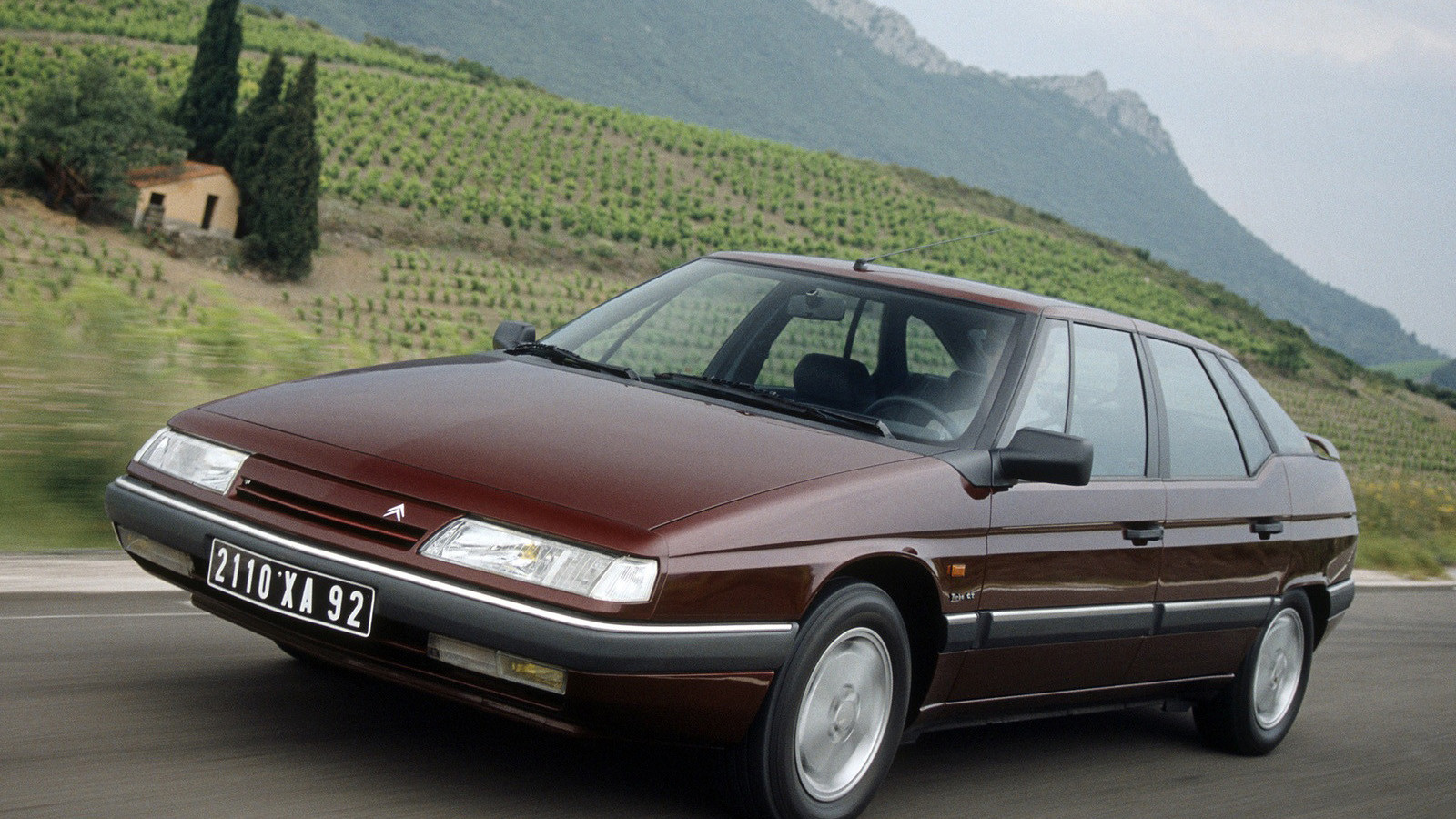
17. 1989 Citroën XM
Carrying on Citroën’s tradition of quirky, large, family cars, the XM was a worth successor to the CX.
As with the smaller BX, the XM had to share its platform and engines with parent company Peugeot’s 605.
However, that didn’t mean giving up on Citroën’s trademark suspension and the XM was the first to use the marque’s latest Hydractive set-up.
This used two additional hydropneumatic spheres and computer control to vary the suspension, with an automatic setting for comfort or a firmer sports option.
The XM’s spacious interior also retained enough Citroën flavour to appeal to the company’s traditional base, while an estate model was offered from 1991.
Even so, the XM struggled against increased competition in the upmarket, family-car sector and sales ended in 2000 with 333,775 XMs produced.
18. 1992 Citroën Xantia
The Xantia may have had a tough act to follow in the Citroën BX, but the elegant new saloon and estate range quickly caught on with buyers.
While Peugeot provided the underpinnings from the 405, Citroën refused to compromise on its own suspension, so the Xantia used the Hydractive 2 system.
Citroën improved on this in 1994 with the Activa model that used an active suspension design to all but eliminate body lean in corners.
The result of this was the Xantia could complete the infamous ‘moose test’ at a higher speed than the second best car, a Porsche 911 GT3 RS.
More pertinently, the Xantia was another in a long line of refined, stylish, family cars from Citroën, which earned it total sales of 1.2 million.
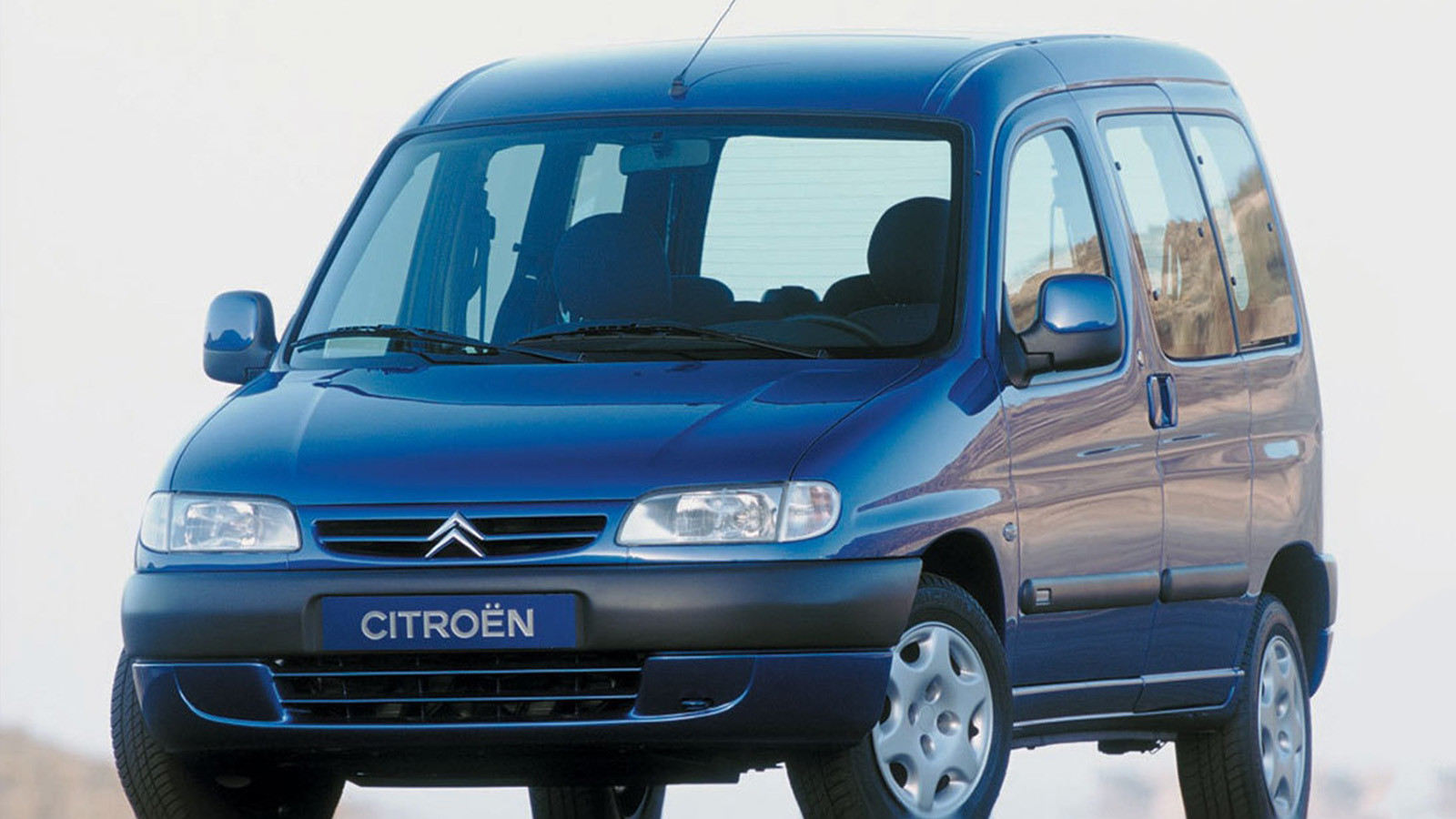
19. 1996 Citroën Berlingo Multispace
The idea of a van with windows to create a practical family car was not new, but the Berlingo’s sheer usefulness made it a great success.
It helped the Berlingo had a similar back-to-basics appeal as Citroën’s 2CV, and customers could always opt for the swisher Xsara Picasso and larger Synergie if they wanted more from their MPV.
However, plenty chose the Berlingo with its wipe-clean cabin that was ideal for children, its huge boot and its sliding side doors.
The Berlingo was even decent to drive thanks to its softly sprung suspension and dutiful, if slow, engines.
Little wonder Citroën shifted 784,258 Berlingos between 1996 and 2008.
20. 2005 Citroën C6
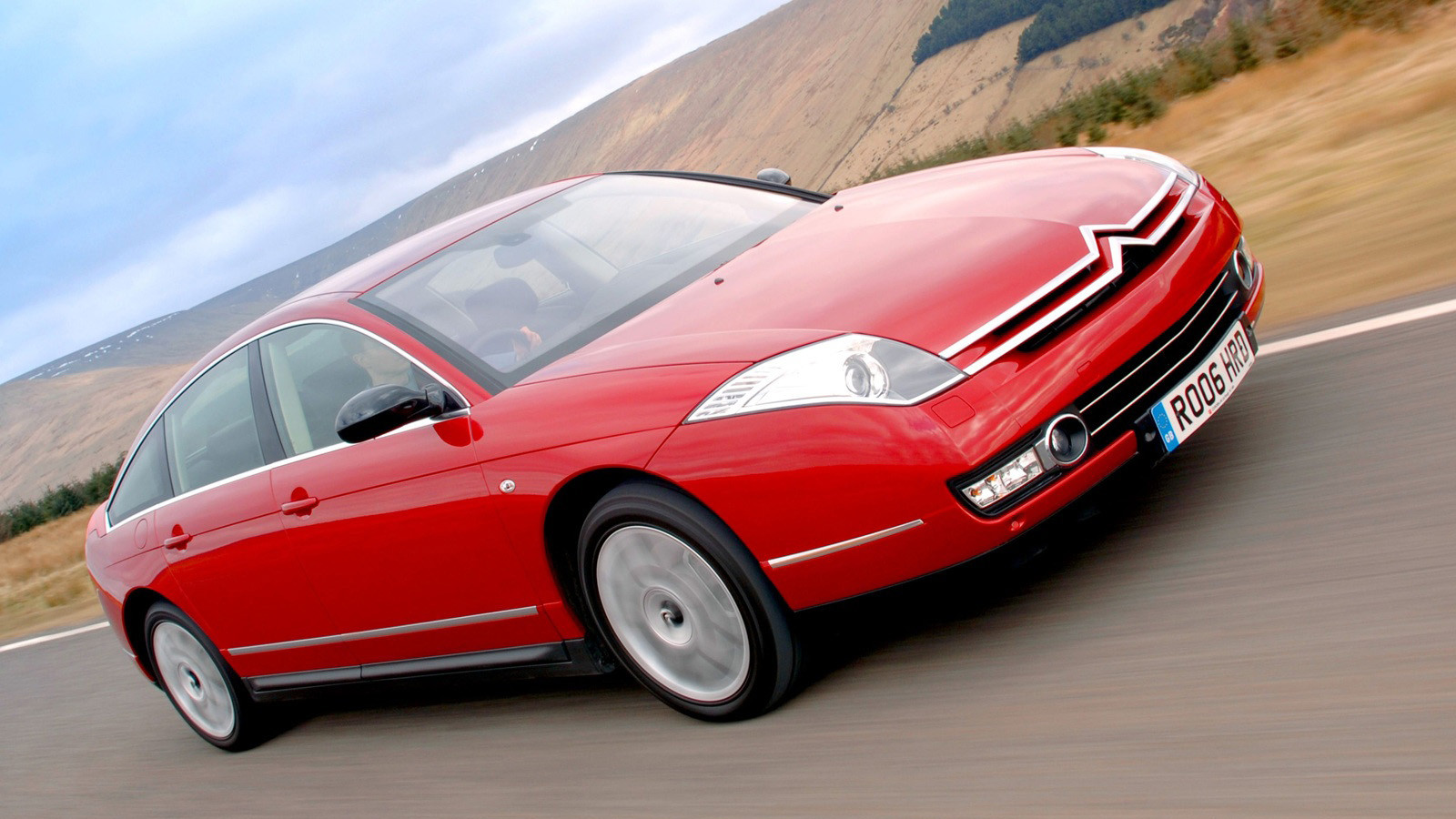
As an antidote to Germany’s large family saloons from Audi, BMW, Mercedes-Benz and Volkswagen, the Citroën C6 was delightfully different.
What the C6 lacked in ruthless efficiency compared to its premium-badged rivals, it more than made up for with its chic looks and unapologetic design features.
It also helped that the C6 used the latest Hydractive 3+ suspension from Citroën, which delivered a ride comfort and suppleness its rivals could not match.
The C6 was also brimmed with all of the latest technology and safety equipment, along with lusty V6 engines, plus a 2.2-litre, four-cylinder, turbodiesel unit.
However, all of this was not enough to tempt buyers into the Citroën C6 and it faded quietly out of production in 2012 after just 23,384 were made.
We hope you enjoyed this gallery. Please click the ‘Follow’ button above for more super stories from Classic & Sports Car.