




Two names into one car company
Some of the most alluring car names are double barrelled, from sporting greats to luxury brands and everything in between.
Many double-barrelled car companies are the result of two minds coming together to create a business, while some are due to mergers.
Others are a statement of patriotic intent, while a few are simply flags of convenience to keep all sides happy.
Here’s our look at some of the double-barrelled names of car makers and how they came about, with the list arranged in alphabetical order.
1. Alfa Romeo
One of the most revered and romantic names in the automotive world, Alfa Romeo was born out of the slightly less glamorous Anonima Lombarda Fabbrica Automobili, or ALFA for short.
Founded in 1910, ALFA began life in a factory bought from Darracq, which had been floundering, by Cavaliere Ugo Stella.
The marque was then acquired by Nicolo Romeo, an Italian industrialist and engineer, in 1915.
Romeo added his name to the firm’s title, creating one of Italy’s most recognisable companies, and he also expanded the brand’s output to cover aero engines and heavy machinery.
All of this was set against a backdrop of svelte sports and touring cars.
Romeo left the company in 1928 and the Italian government took control in 1933, and Fiat bought Alfa Romeo in 1986. It is now part of the Stellantis group of car makers.
2. Armstrong Siddeley
This stalwart of upmarket cars was itself the result of a merger of two other double-barrelled names, Armstrong-Whitworth and Siddeley-Deasy.
John Siddeley had started making cars as early as 1902, though this firm was then bought by Wolseley.
Siddeley left Wolseley in 1909 to take on the running of the Deasy firm and his name was added to the badge in 1912, and these were the first to use the famous Sphinx badge and slogan ‘As silent as the Sphinx’.
Siddeley-Deasy was bought by Armstrong-Whitworth in 1919 to create Armstrong Siddeley.
It continued to build luxury cars through further acquisitions and mergers, and always with an aviation theme to its owners including eventually Bristol as part of industrial rationalisation in the post-war years.
The final Armstrong Siddeley car was produced in 1960, and the owners’ club took over the company’s spares and trademark in 1972.
3. Arrol-Johnston
Arrol-Johnston was one of the three big car makers based in Scotland in the early years of motoring.
Founded in 1895 by engineer George Johnston and politician and engineer Sir William Arrol, the company was based in Heathhall in Dumfries.
The cars produced by Arrol-Johnston were luxury models and its factory was noted for its advanced design built of ferrocrete.
It was also among the first to use electric tools and airlines to improve efficiency and production speed.
The patriotically named Victory model was launched in 1919, but it was not a success and marked the decline of Arrol-Johnston.
A brief merger with Aster in 1927 created the Arrol-Aster, but that came to an end in 1931.
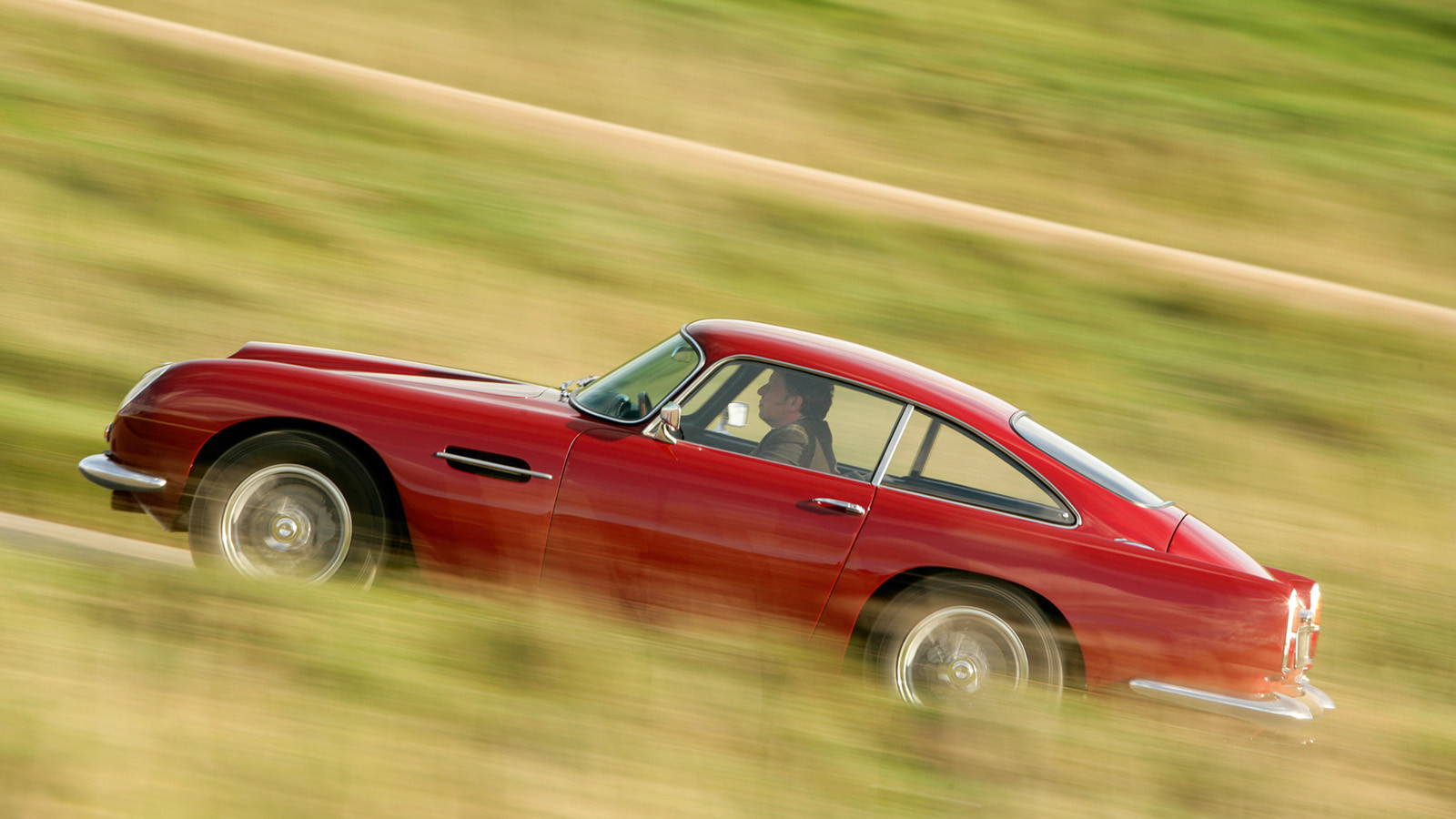
4. Aston Martin
This famous sports-car company came about from Robert Bamford and Lionel Martin selling cars.
Martin built his own car to compete with at the Aston Hill Climb in 1914 and this was followed by the first Aston Martin production car in 1915.
Following the First World War, production resumed at a modest rate, though financial troubles were never far away and Bamford left the firm in 1920.
Aston Martin was bought by Lady Charnwood in 1924, but struggled again, and Lionel Martin sold his stake in 1925.
The company then moved to Feltham to the west of London and enjoyed considerable sporting success, with Augustus ‘Bert’ Bertelli heading the design and technical side of the business.
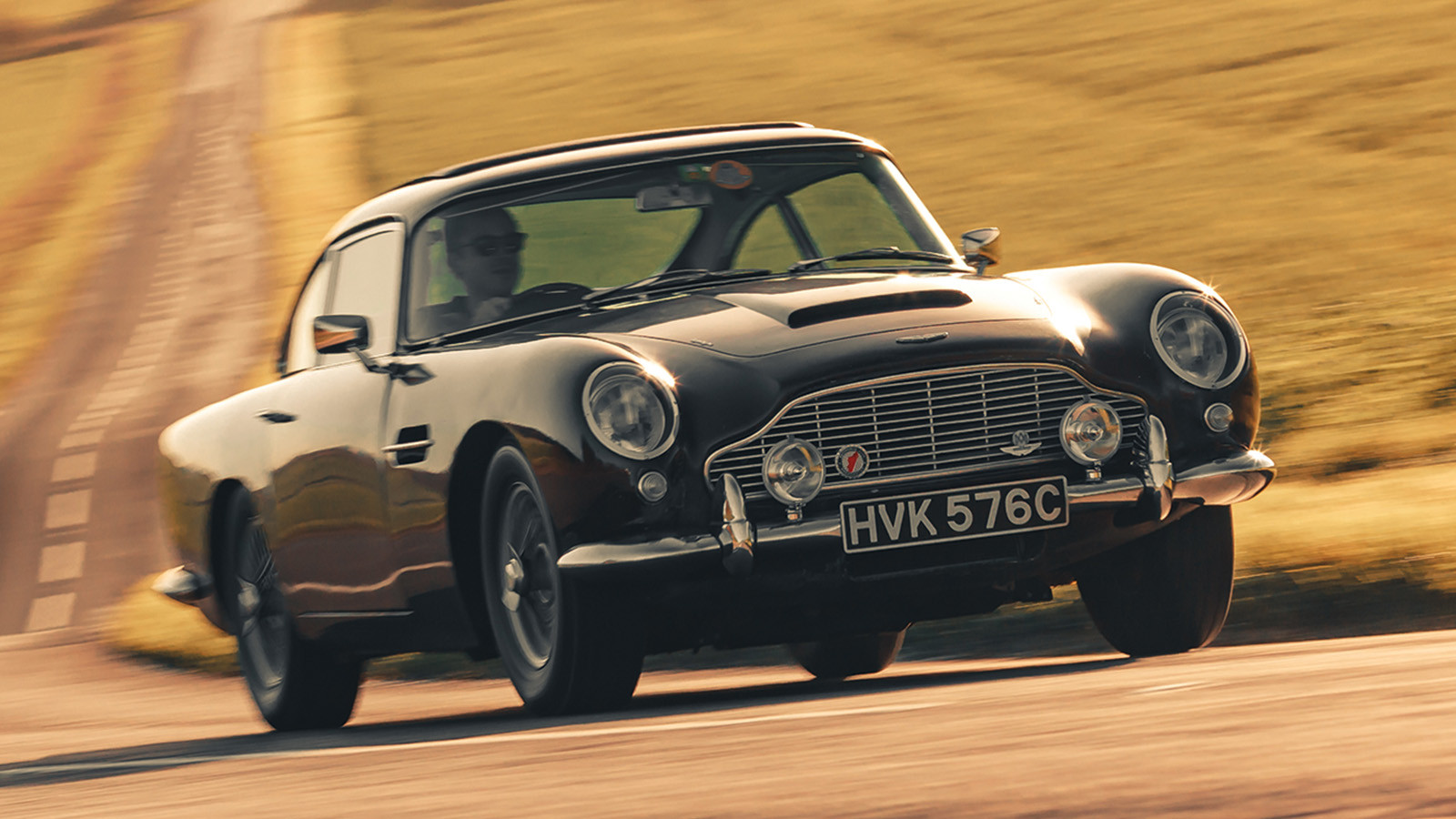
More owners followed before the Second World War halted production, after which David Brown bought Aston Martin and launched his eponymous DB series of cars.
5. Austin-Healey
Donald Healey was not averse to partnerships, as proved by his Nash-Healey sports car of 1950, which we will come to later.
The 100 used the engine, gearbox and other mechanical parts from the Austin A90 Atlantic, and Healey displayed it at the 1952 London Motor Show, where it caught the attention of Austin boss Leonard Lord.
Healey and Lord quickly reached a deal where Austin would build the cars to give it a rival to the Triumph TR2.
The original Healey 100 became the Austin-Healey 100, with the number noting the car’s top speed.
For 1956, a six-cylinder engine replaced the A90 Atlantic’s four-cylinder motor and the 100/6 was born. This was the first of the ‘Big’ Healeys, with straight-six engines and strong performance.
Always conscious of the need for affordable cars, Lord and Healey decided on a smaller sports car.
Healey designed the Sprite, though the original idea for pop-up headlights was vetoed on cost grounds and resulted in the famous ‘Frogeye’ or ‘Bugeye’ front end.
The Austin-Healey name soldiered on until 1971, when the final Sprite was produced.
6. Brough Superior
The Brough Superior name is more usually associated with motorcycles, but company boss George Brough also wanted a car to rival the Anglo-American Railton.
Brough looked to Hudson for its chassis and engines to begin with, which resulted in the 4 Litre model that arrived in 1935.
This was followed by the 3½ Litre a year later, though only around 75 Hudson-based cars of both types were made in total.
Not to be defeated, the Brough Superior name was attached to one final roll of the dice in the form of the XII model in 1938.
It used a 4.4-litre V12 engine from a Lincoln fitted into a chassis of Brough’s own design. Despite its opulence and advanced features, such as 12-volt electrics, it remained a one-off.
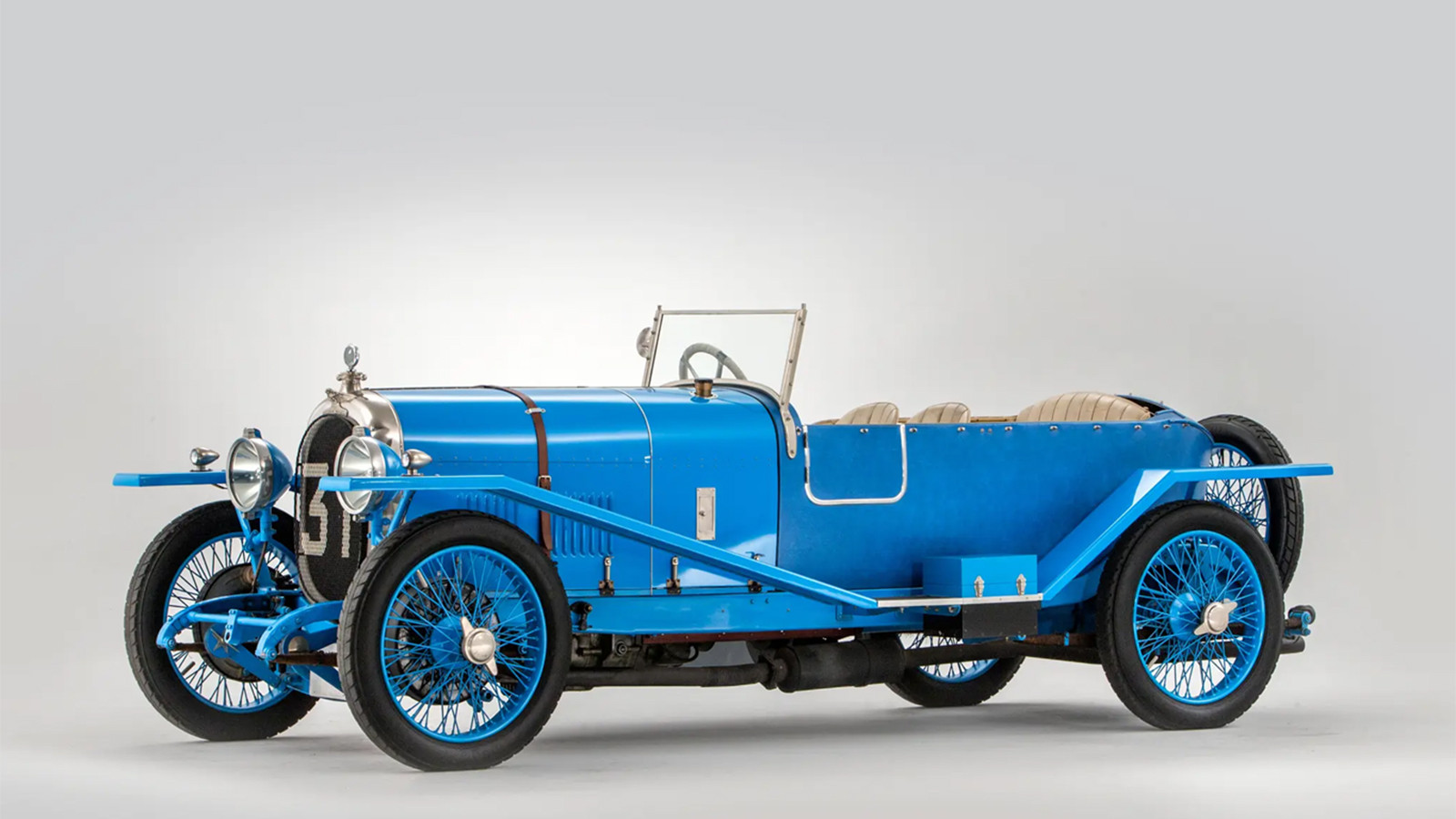
7. Chenard-Walcker
Like many pioneering automobile firms, Chenard-Walcker was created by engineers with a background in the railways and bicycle manufacture.
Ernest Chenard and Henri Walcker set up their business in 1899, and the first car rolled out of the gates in 1901.
The company enjoyed good sales and went public in 1906, followed by a move to a larger factory in 1908.
Chenard-Walcker cars were popular as taxis in the company’s native France for their comfort and reliability. That latter element also helped Chenard-Walcker win the first ever Le Mans 24 Hours race in 1923.
An agreement with Delahaye and Rosengart in 1925 saw the three firms share parts, but Chenard-Walcker left this partnership in 1930.
The French firm carried on through bankruptcy in 1936, when it was bought by Chausson.
A few cars were made immediately after the Second World War, but Chenard-Walcker then focused on small vans before it was swallowed by Peugeot in 1951.
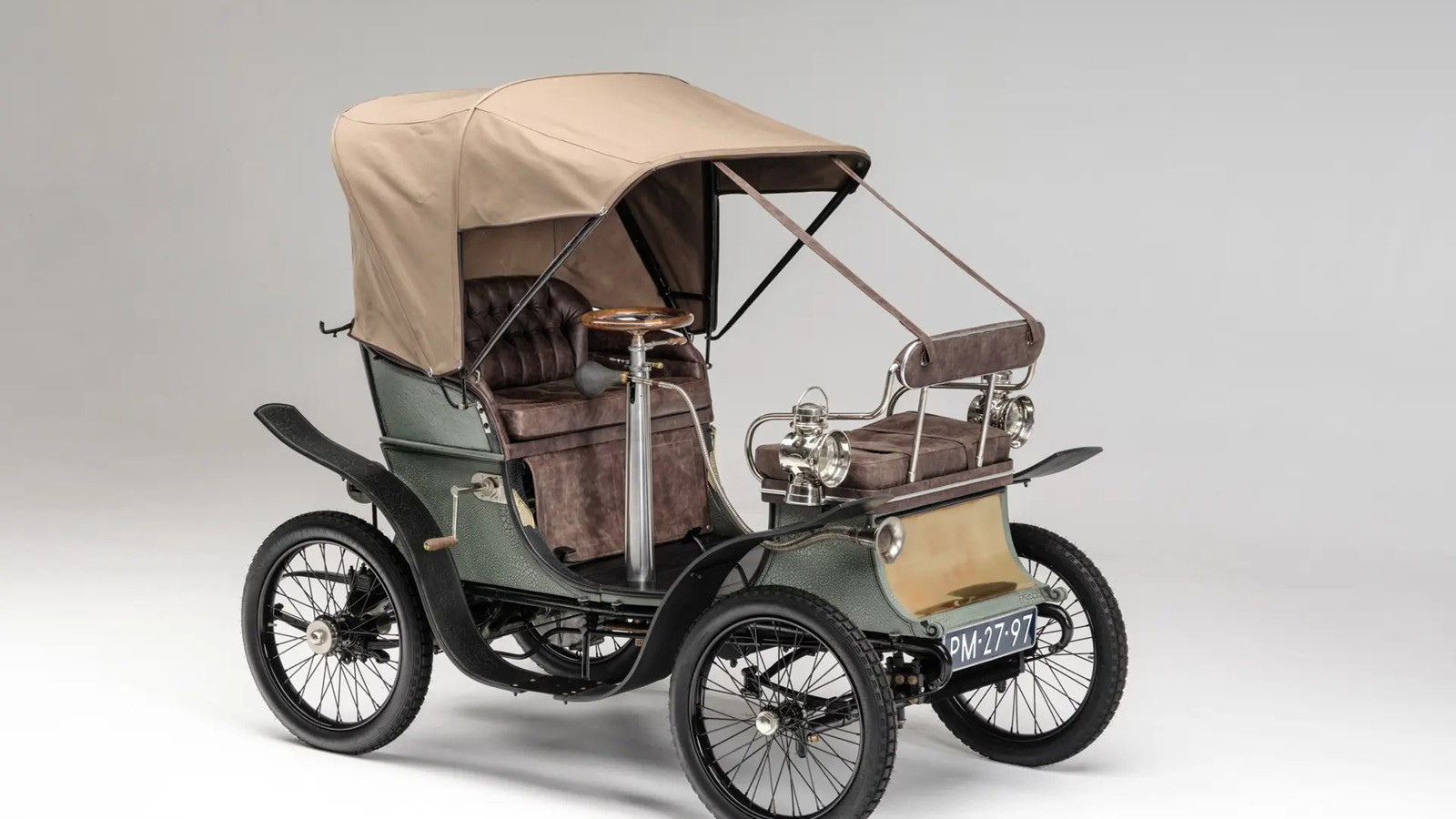
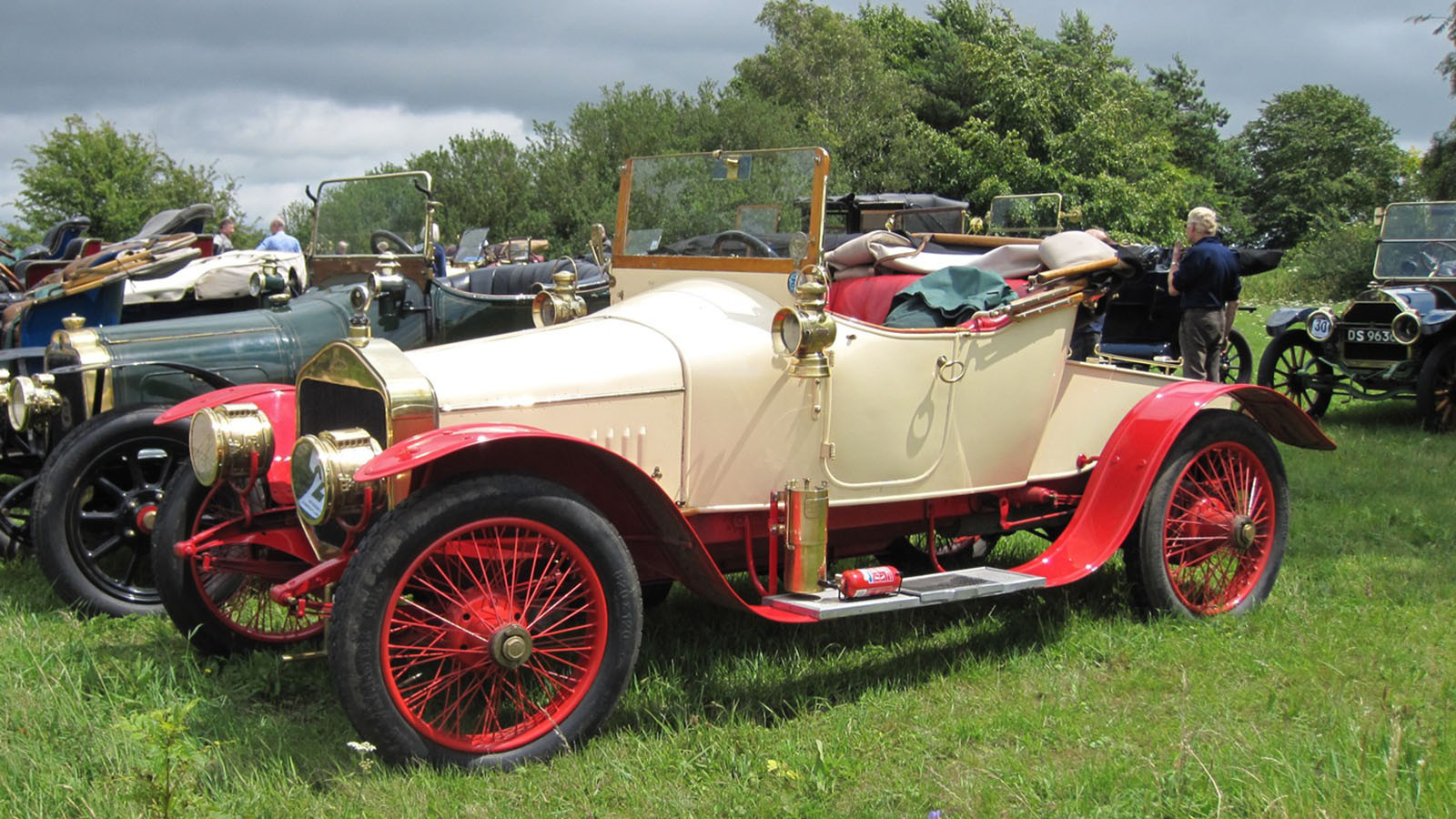
8. De Dion Bouton
This French firm could have had a triple-barrelled name if it had used all three founders in its title, and it was initially run as Trépardoux et Cie.
It came about when Count de Dion, Georges Bouton and Charles Trépardoux met in a workshop in 1882, which led to a number of light vehicles and heavy, steam-powered, commercial trucks.
Trépardoux left the business in 1893 and De Dion Bouton grew to be a major engine maker.
The first automobile from the company itself arrived in 1899 and it quickly gained recognition for the quality of its cars.
De Dion Bouton could not recapture the success it had enjoyed prior to the First World War and could not compete with cheaper rivals in the 1920s.
Car production came to an end in 1931, though some commercial vehicles bearing the company name carried on being made until 1950.
9. Frazer Nash
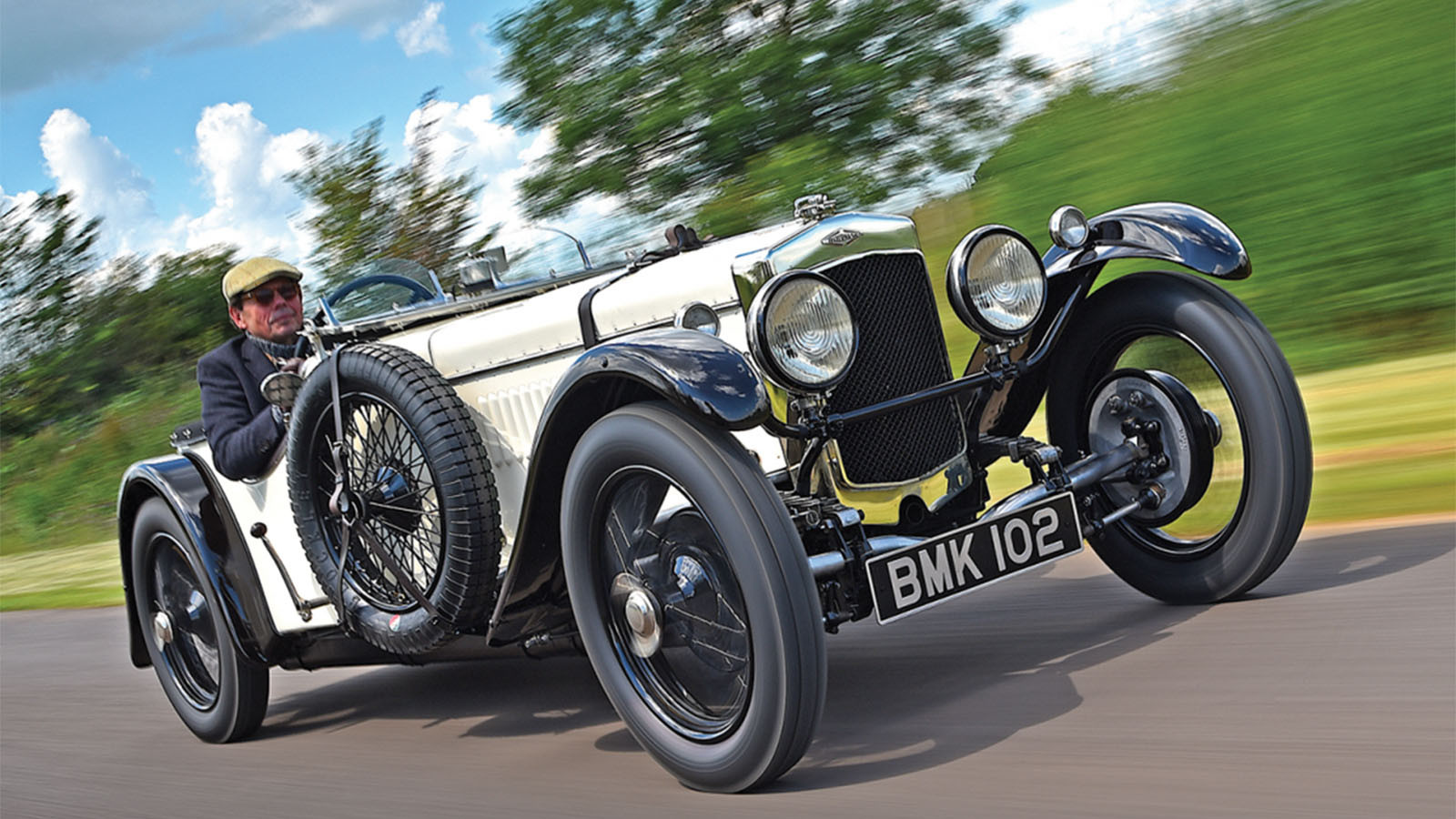
Frazer Nash took its name from its double-barrelled founder Archibald ‘Archie’ Frazer-Nash, yet the company did without his hyphenated version of the name.
Frazer Nash began in 1922 and there were a handful of light models made before a return to chain-driven sports cars came about, following the same principles as the GN models that Archie Frazer-Nash had been involved with.
Financial difficulties arose in 1925 and Frazer Nash merged with William Thomas before being taken over in 1928 by Richard Plunkett-Greene. Archie Frazer-Nash had left the business in 1926.
This daring sports-car company was then acquired by HJ Aldington in 1929, by which time it was known as AFN Ltd.
The simple, fast, sporting models remained on offer up to 1936, but by then the company was importing BMWs and renaming them Frazer Nash-BMWs.
The last Frazer Nash built was the Continental Gran Turismo Coupé of 1957, which used a 3.2-litre BMW V8 engine.
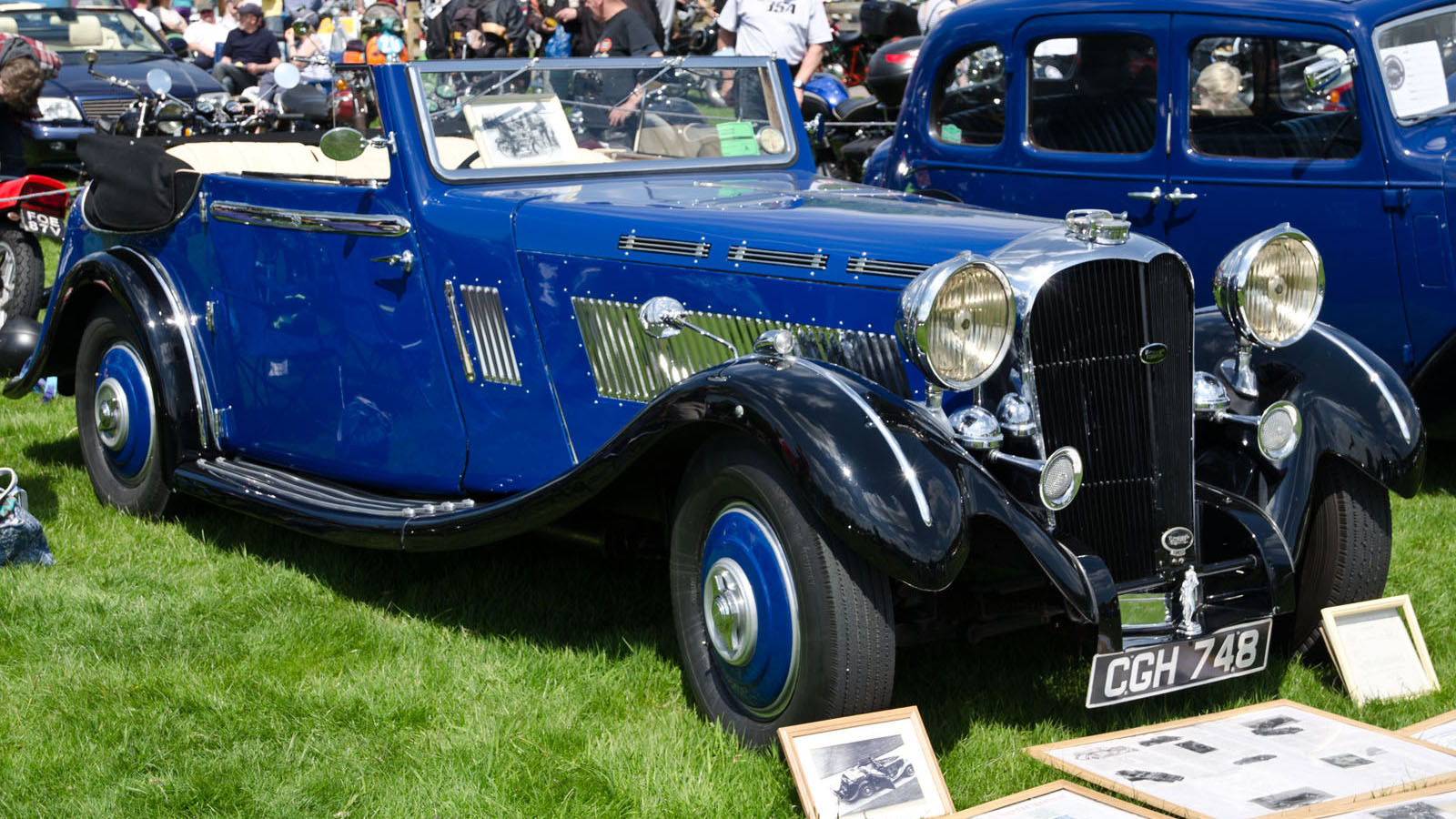
10. Gordon-Keeble
John Gordon had already produced the Peerless based on the Triumph TR2, but his sights were set on greater things with help from Jim Keeble.
Together, they offered the Gordon-Keeble GK1 that married European looks to V8 power from the Chevrolet Corvette.
It was a potent combination thanks to 300bhp from the 5.4-litre V8 engine that offered a 135mph top speed.
The model also had the looks courtesy of styling by Giorgetto Giugiaro, plus there was seating for four in the stylish cabin.
The Gordon-Keeble should have been a serious rival for the Jaguar E-type, but it cost almost one and a half times the price of the Jag.
This meant GK1 sales didn’t take off and only 99 cars were made between 1964 and 1967.
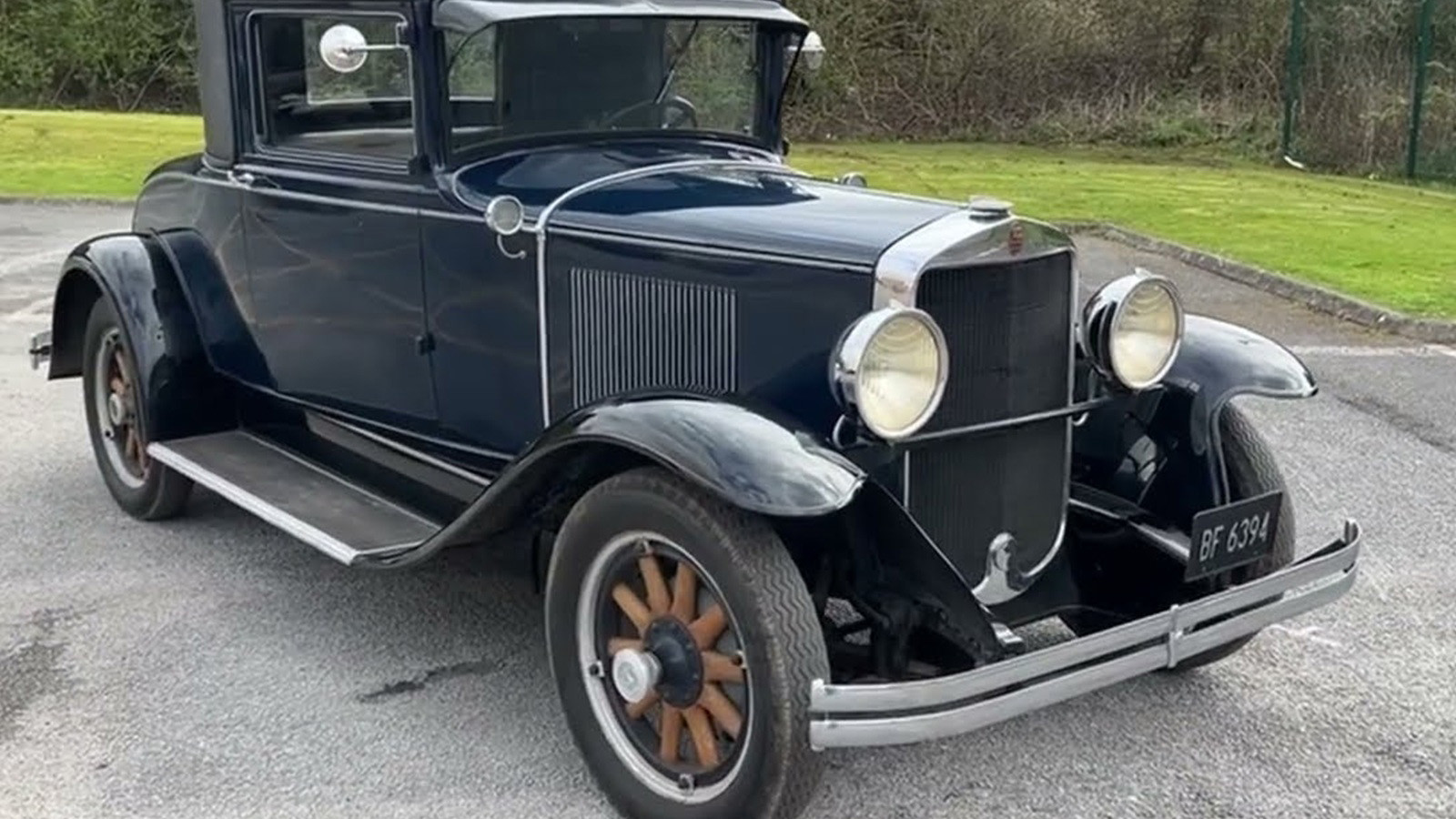
11. Graham-Paige
Following success in glass manufacturing and producing trucks, the Graham brothers bought the Paige-Detroit company from Dodge in 1927.
The Graham-Paige name was used for the cars this new business now offered that followed similar lines to the earlier Paige-Detroit models.
Even though the firm was launching into the jaws of America’s Great Depression, it did well and made 78,000 cars in its first year.
These were powered by straight-six and eight-cylinder engines, and mostly used bodies built in-house.
Following a legal dispute between the Grahams and the Chrysler Corporation, the brothers dropped the Paige name from their cars and trucks, with all the cars then becoming simply ‘Graham’.
The marque stopped making cars in 1940 and failed to revive production after the Second World War, when Graham was taken over by Kaiser-Frazer.
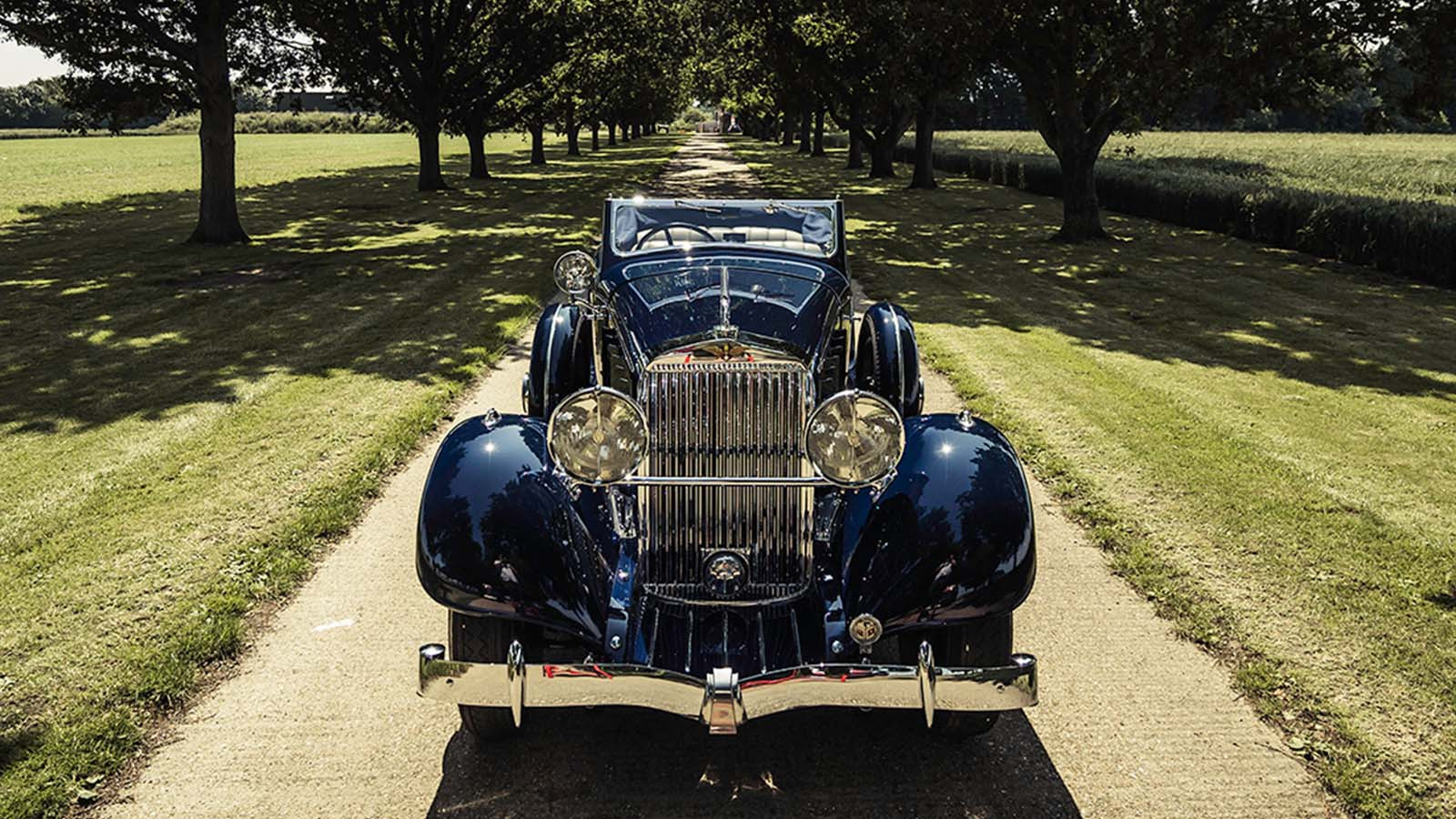
12. Hispano-Suiza
As well as its double-barrelled name, Hispano-Suiza could also claim dual nationality.
Although regarded by some as a French brand, it was based in Spain and these Spanish roots are recognised in the name that reflects its founders’ nationalities.
Damián Mateu was a Spanish businessman, while Marc Birkigt was a Swiss engineer. Together, their respective countries gave the marque its name – Hispano-Suiza meaning ‘Spanish-Swiss’ in Spain.
The firm started in 1904 and was soon making aero engines, trucks and luxury cars.
The French-based, car-making arm of the business stopped production in 1938 and never resumed, while in Spain the car division was taken over by the country’s government at the end of the Second World War.
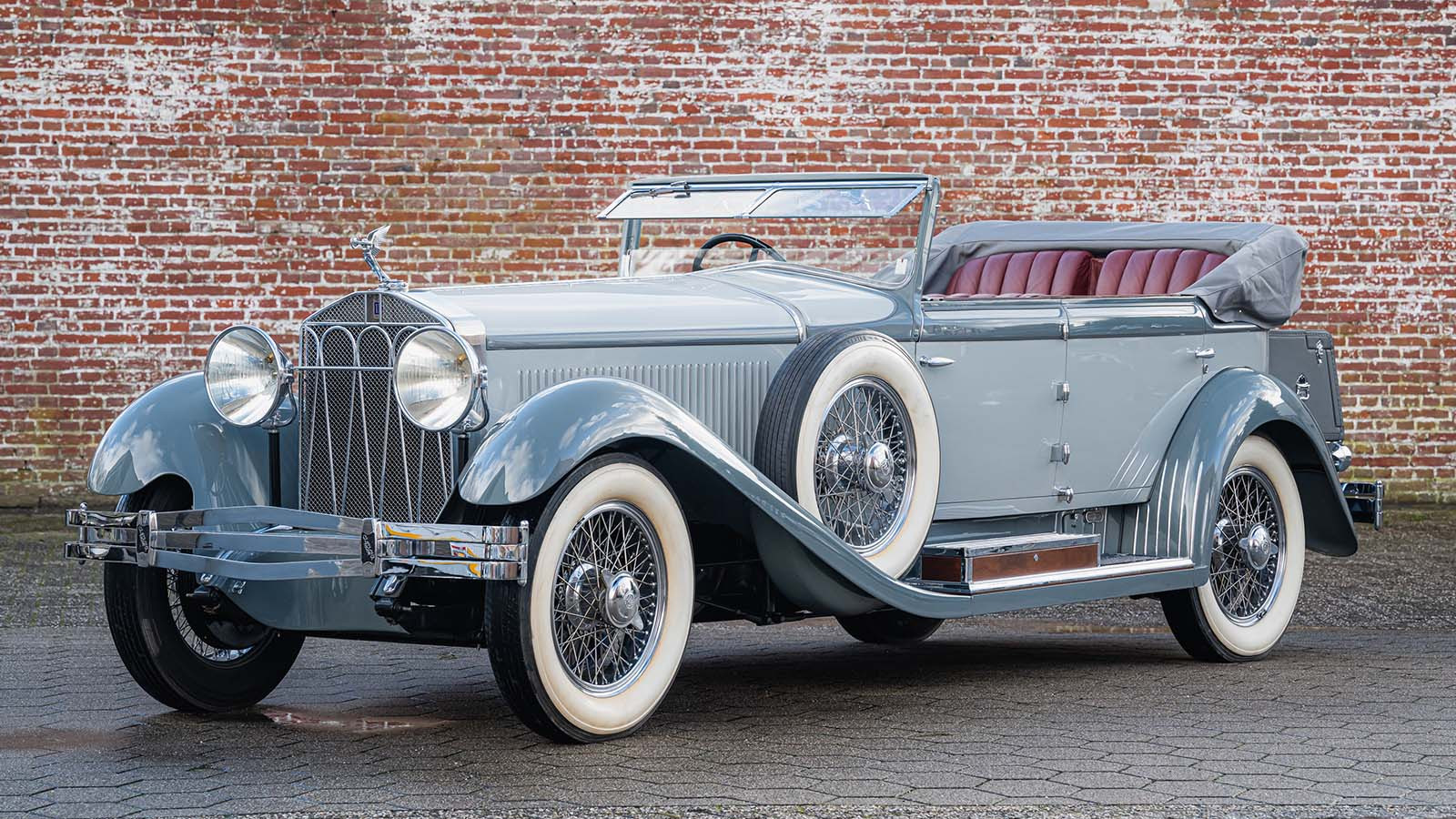
13. Isotta Fraschini
Set up in Milan in 1899 by Cesare Isotta and Vincenzo Fraschini, this firm started life by importing Mors and Renault cars.
This led the pair to make their own car, which closely resembled a Renault and used an Aster engine.
In 1903, Isotta Fraschini introduced its first car designed fully in-house, and by 1906 the company was the second-largest automobile maker in Italy.
Financial issues saw the company briefly under the ownership of Lorraine-Dietrich, but it was being independently run again by 1909.
The Tipo 8 of 1919 was a great success and sold strongly in the USA, but the economic slump of the late 1920s hit the company hard.
Ford looked set to rescue Isotta Fraschini in 1930, but Mussolini’s government prevented this bid and the last car was made in 1934.
There was an attempt to revive the name after the war, but only a handful of cars were made, and Isotta Fraschini was bought in 1955 and turned to producing trolley buses.
There have been various further efforts to restart Isotta Fraschini as a car maker, most recently with an electric supercar.
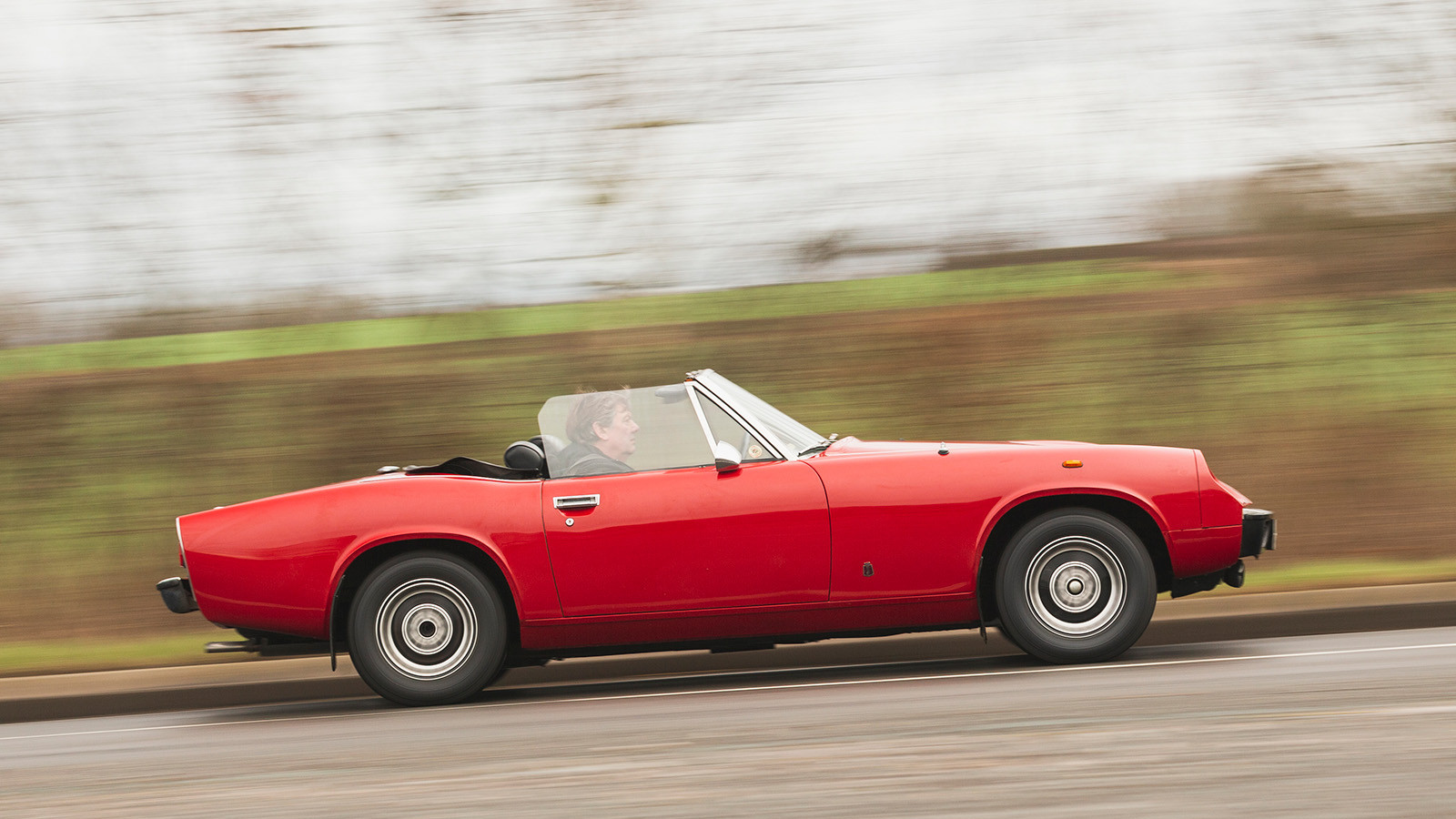
14. Jensen-Healey
When Donald Healey’s deal with Austin effectively ended in 1967, when the last 3000 model was made, he was on the lookout for a new project.
So was American car dealer Kjell Qvale, who went on to be a major shareholder in Jensen.
Sensing an opportunity, Qvale made Healey chairman of Jensen and charged him with creating a new sports car to be called the Jensen-Healey.
With modern styling for this two-seat roadster that was a cut above the MGB and Triumph TR6 in ambition, the Jensen-Healey used a 2-litre engine from Lotus. All the ingredients were there to succeed, but reliability dogged early cars.
A two-door, sporting, estate version arrived in 1975, called the Jensen GT – note the Healey name had been dropped. Only 473 GTs were built compared to 10,926 Jensen-Healey convertibles.
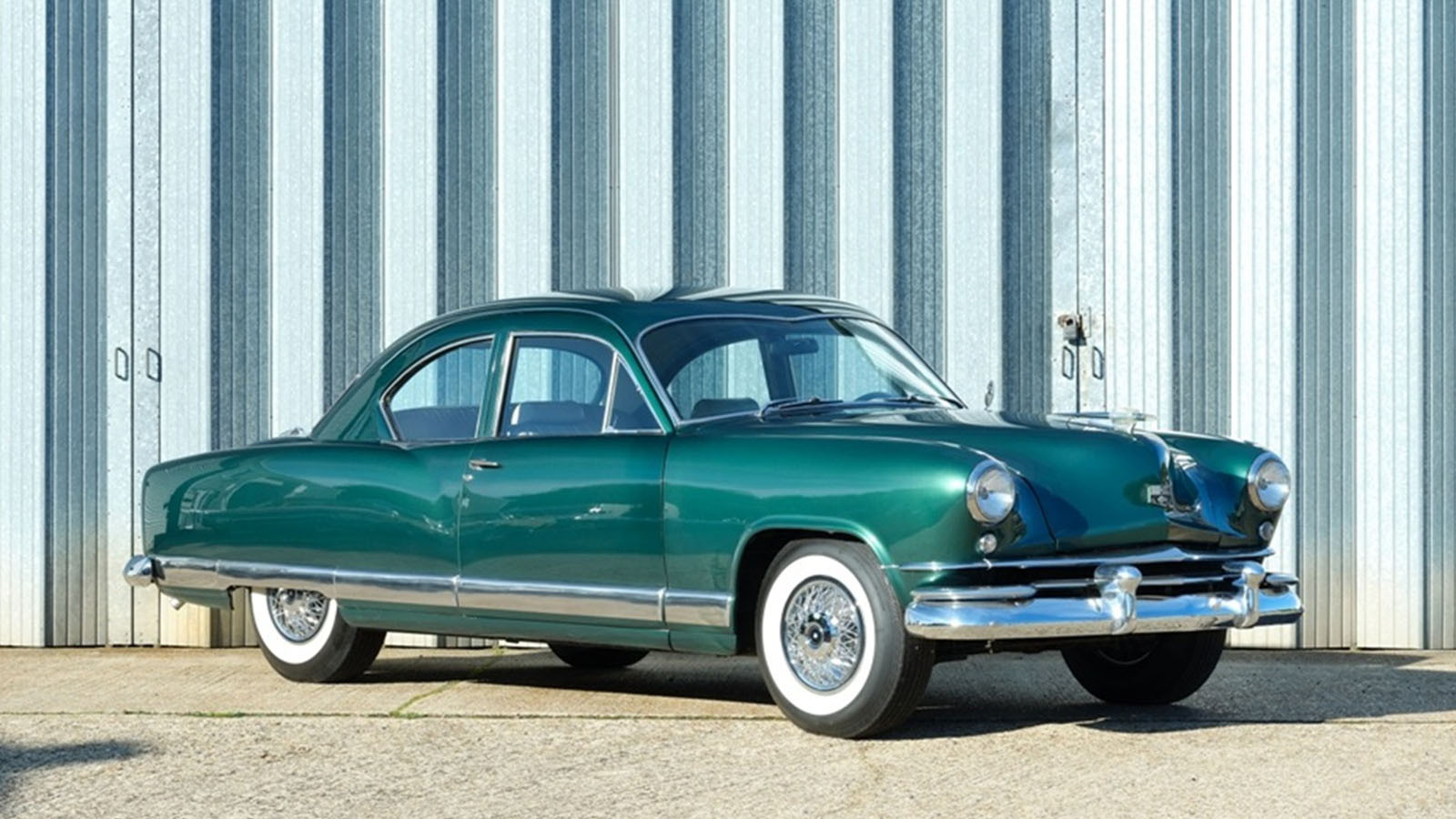
15. Kaiser-Frazer
Kaiser-Frazer came into being in July 1945 and in 1946 had a pair of prototypes to show to the world in New York.
The Kaiser model took its name from company founder Henry Kaiser and the car was unusual for its front-wheel drive.
The other prototype was called the Frazer in honour of the other half of the business’ bosses, Joseph Frazer, and was a more traditional rear-wheel-drive design.
The Kaiser-Frazer models enjoyed a brief moment of success because the Big Three car companies in the US – Chrysler, Ford and General Motors – didn’t introduce new models until 1948.
With sales of its own cars slowing, Kaiser-Frazer bought Willys-Overland in 1953 to get its hands on the Jeep and Willys utility vehicles.
The company was renamed Kaiser-Willys, because Frazer had left at the end of 1949, and passenger-car production ceased in 1955.
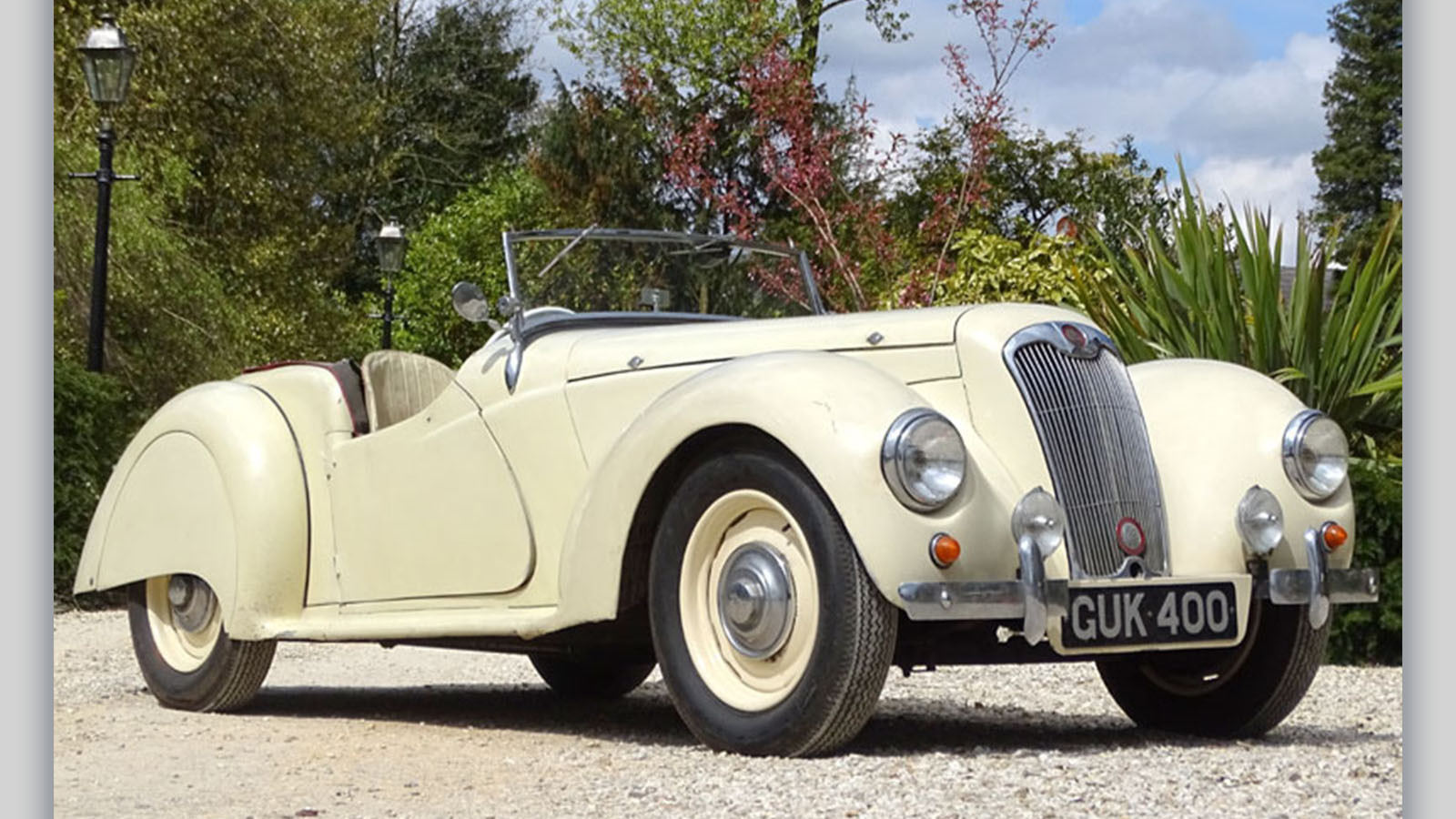
16. Lea-Francis
Bicycle production was the original core business of Richard Henry Lea and Graham Ingoldsby Francis, who had formed Lea-Francis in 1895.
They had dabbled with building a car in 1904, but it wasn’t until 1919 that they truly became a car manufacturer.
Many of Lea-Francis’ cars enjoyed a sporting appeal and its Hyper model was the first supercharged production car in the UK.
Despite such innovation, the marque encountered financial troubles in the early 1930s, but was revived in 1937 under new management.
Car production survived into the 1950s, before the business turned to engineering instead.
An attempt was made to restart the Lea-Francis name in 1960 with the ill-conceived Lynx, and another was tried in 1980 with no success.
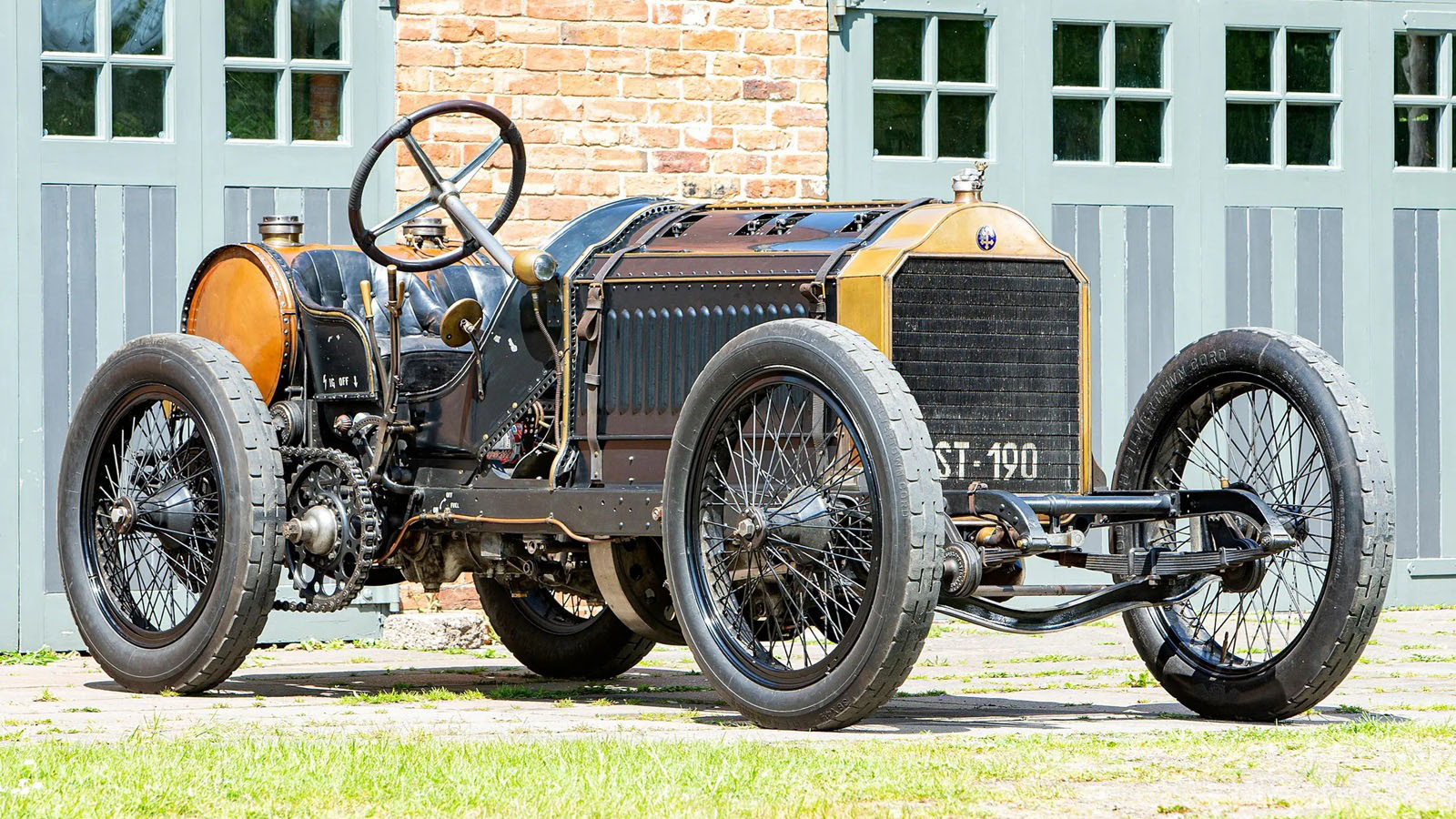
17. Lorraine-Dietrich
Jean de Dietrich started his car company in 1896 in France and it did well, even employing Ettore Bugatti for a time.
When one of De Dietrich’s factories stopped producing the company’s own car, the other decided to emphasise its French roots by adding ‘Lorraine’ to its name in 1904.
Lorraine-Dietrich then used racing to promote its models and image, and it had some success that helped sell cars.
Further motorsport glory followed after the First World War with wins at Le Mans in 1925 and 1926.
However, most Lorraine-Dietrich cars of this period were upmarket saloons and when the De Dietrich family sold its interest in the company, the cars were rebadged simply as ‘Lorraine’ from 1928 onward.
Car production finished completely in 1934.
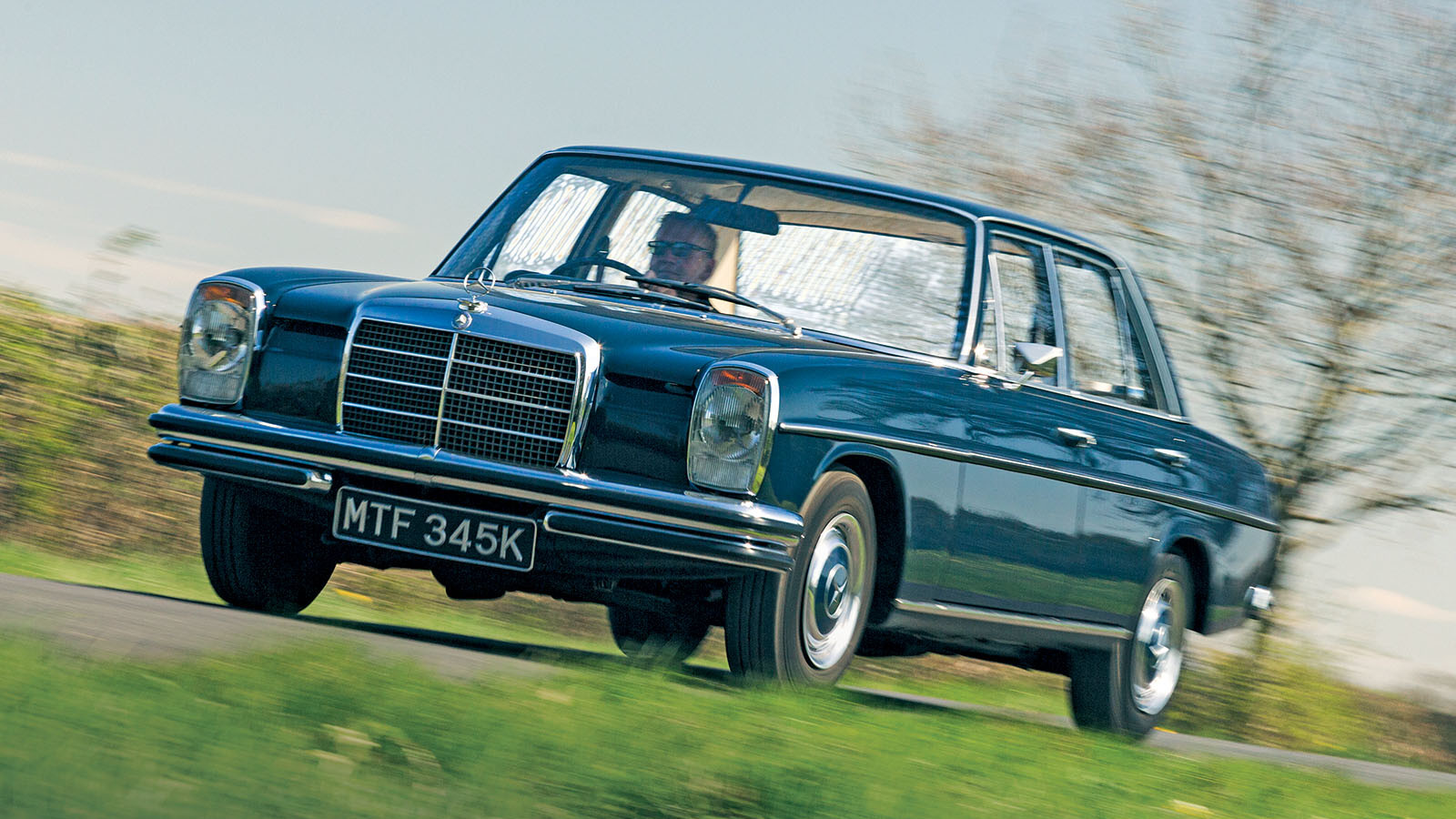
18. Mercedes-Benz
Easily one of the most recognisable double-barrelled car marques in the world, Mercedes-Benz took its name from Carl Benz and Mercédès, the daughter of Emil Jellinek.
Jellinek was the agent for Daimler cars in Nice, France, and asked Daimler engineer Wilhelm Daimler to make a bespoke car for wealthy customers in the south of France, which was called the Mercedes.
The Mercedes name was registered by Daimler in 1901, but it wasn’t until 1926 when the brand name Mercedes-Benz was added to a car, after Daimler and Benz merged that same year.
From then on, Mercedes didn’t look back, as it introduced cars to cater for a broad selection of buyers.
19. Nash-Healey
You could never accuse Donald Healey of lacking industriousness.
When the British car maker was turned down by General Motors to provide its V8 engines for Healey’s new sports car, he struck a deal with Nash instead and created the Nash-Healey.
It might not have been a V8, but the Nash straight-six motor offered plenty of power and the car was shown at the 1950 Paris motor show, followed by its US debut at the Chicago show in early 1951.
Using a widened Healey Silverstone chassis, the Nash-Healey had a full-width body made of aluminium. It was restyled by Pinin Farina for the 1952 model year with a more modern look to the front, then a coupé joined the range in 1953.
Production never took off in the way that either Nash or Healey had hoped, and production ended in 1954, by which time Donald Healey was concentrating on the Austin-Healey 100.
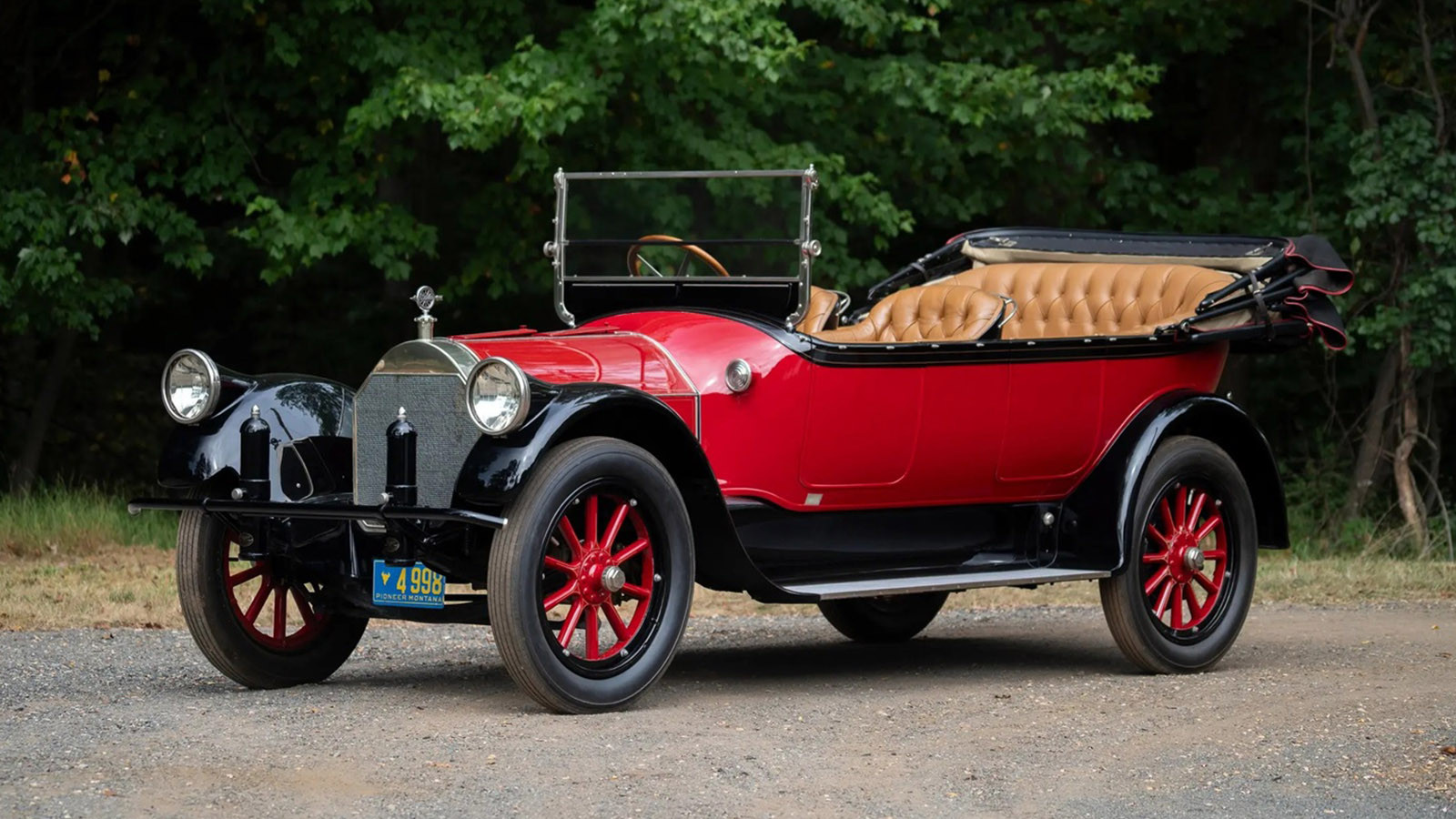
20. Pierce-Arrow
George Pierce started to make bicycles in 1896 and by 1901 had made his first car, the single-cylinder Motorette.
This was joined in 1903 by the twin-cylinder Arrow, followed by the Great Arrow in 1904 to take the brand further into the luxury market.
With the company doing well, Pierce sold up in 1907 and the company was renamed Pierce-Arrow a year later to capitalise on its popular model.
The company’s cars moved even further upmarket and were noted for their rigorous testing and excellent build, which endeared them to presidents, Hollywood stars and anyone else who could afford one.
Studebaker acquired Pierce-Arrow in 1928 and the radical Silver Arrow was unveiled in 1933 with a V12 engine.
However, only five Silver Arrows were made and car production ended in 1938.
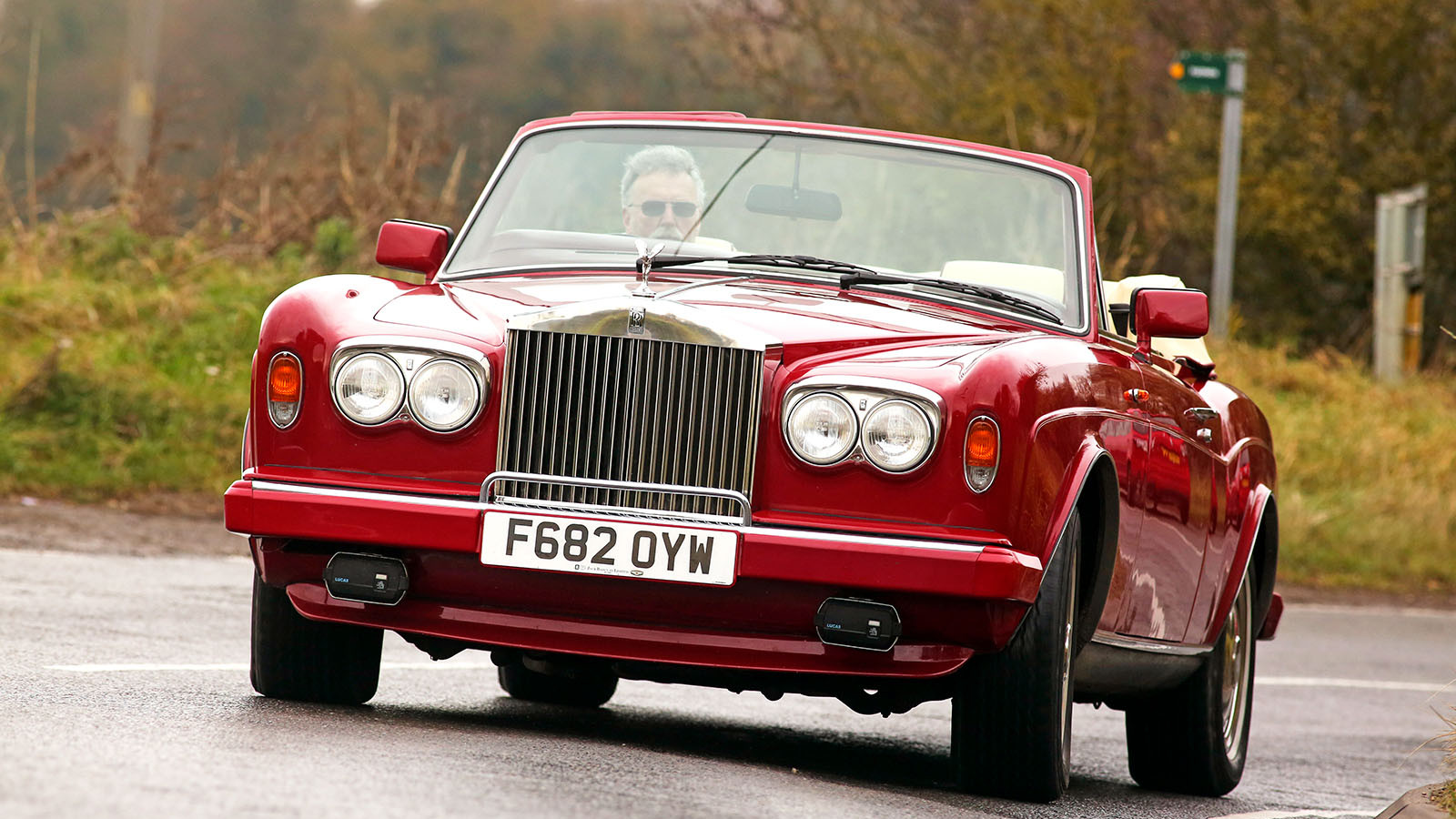
21. Rolls-Royce
Henry Edmunds is responsible for the creation of one of the world’s longest-running car makers, because he brought Charles Rolls and Henry Royce together, setting in motion the beginnings of a great automotive brand.
Rolls and Royce were introduced in May 1904 in Manchester, where Charles Rolls realised the car that Royce had built was exactly what he needed to sell in his London dealership.
A deal was done and the car was called the Rolls-Royce.
With clever marketing and endurance entries orchestrated by the company’s managing director, Claude Johnson, Rolls-Royce soon became known as ‘The Best Car in the World’.
The marque evolved through several owners in the following decades, BMW being its present custodian.
22. Straker-Squire
Straker-Squire can trace its roots back to a company called Brazil, Straker & Co that was based in Bristol, in the UK.
It started making steam wagons and changed its name to Straker-Squire in 1904, when Lionel Squire joined.
The firm started to build and race its own cars at this time, and went on to make aero engines during the First World War.
When the conflict ended, Straker-Squire split its automotive and aero-engine businesses, with the car division focusing on high-end and performance models, alongside commercial vehicles.
The company experienced financial woes, which were not alleviated by the introduction of cheaper models. Straker-Squire went out of business in 1925.
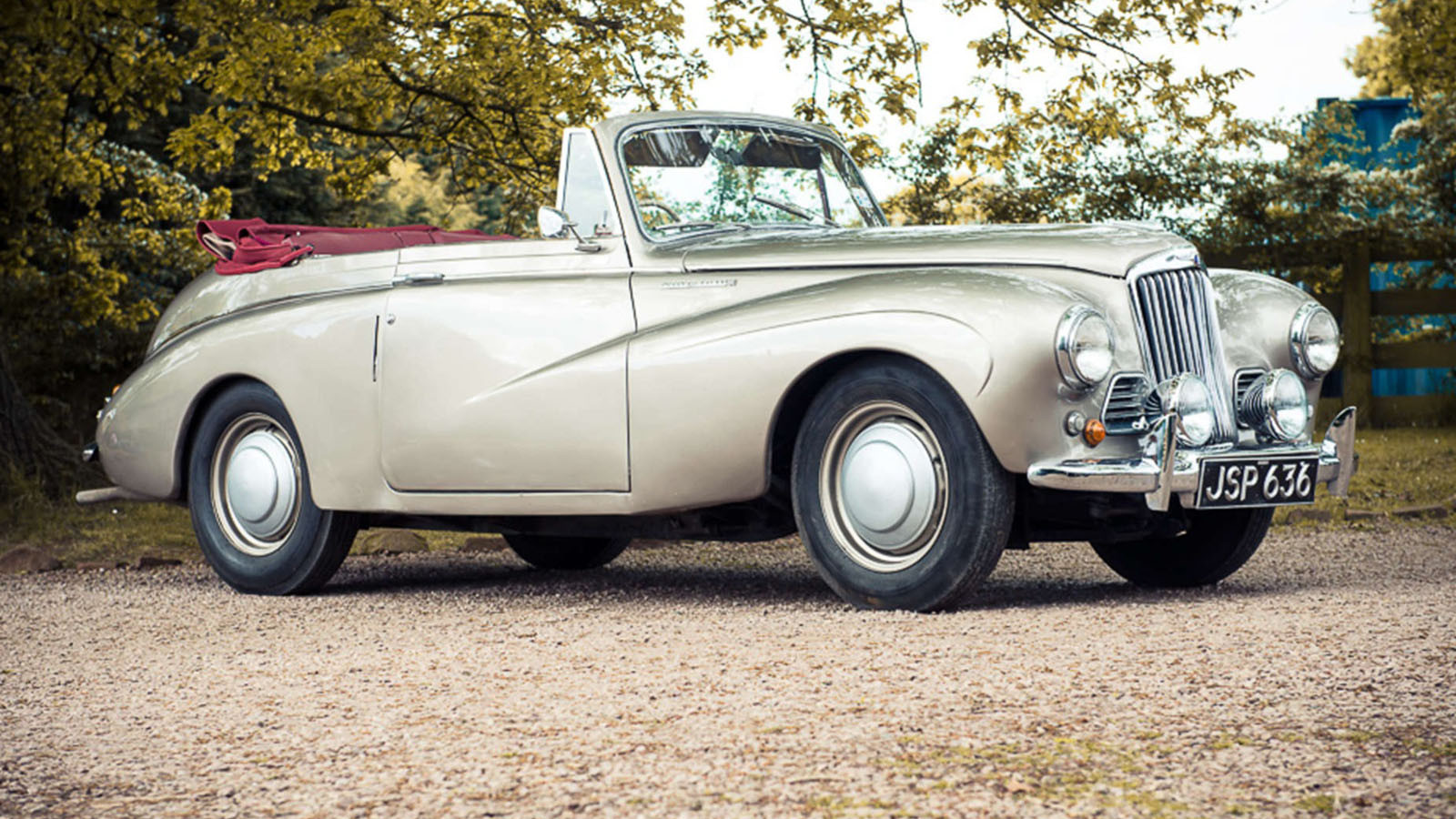
23. Sunbeam-Talbot
The Sunbeam-Talbot name was an idea dreamt up by the Rootes Group to attach to upmarket versions of the firm’s Hillman and Humber models.
While the chassis, engines and running gear were unchanged from their more humble stablemates, some Sunbeam-Talbot models did at least have bodies made by Thrupp & Maberly, to give a veneer of upmarket respectability.
These cars were produced in London between 1938 and 1945, but from 1946 production shifted to the Ryton factory in Warwickshire, and lasted up to 1954.
The first Sunbeam-Talbots were the Ten and 3 Litre, while after the war the 90 of 1948 gained a solid reputation in rallying that laid the groundwork for the Sunbeam Alpine.
We hope you enjoyed this gallery. Please click the ‘Follow’ button above for more super stories from Classic & Sports Car.