Very varied Volvos
For most of its history, Volvo has rightly been renowned as a maker of practical estate cars.
There’s much more to the company than that, though.
Volvo’s output has naturally also included a great many saloons, as well as coupés and the occasional convertible, one example of the latter being the first Volvo ever to go on sale.
In a perhaps unorthodox piece of storytelling, we’re going to trace Volvo’s development up to the end of the 20th century entirely through cars with these non-estate body styles, mentioning wagons only in passing for the sake of context.
This list is in chronological order of the cars’ launch years, and does not include commercial vehicles or taxis.
1. 1927 Volvo ÖV4 and PV4
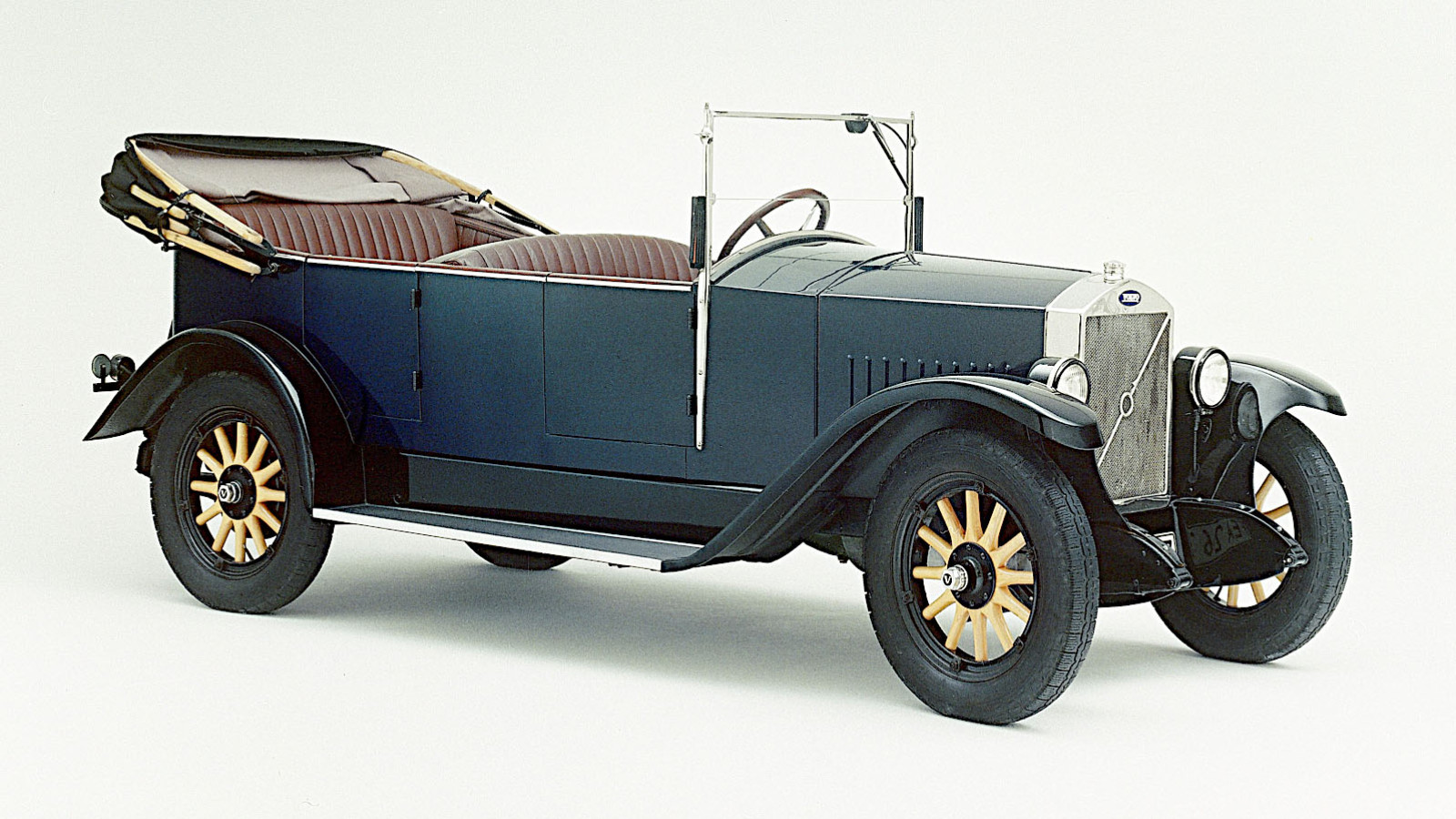
The ÖV4, whose name indicates that it was an open car (Öppen Vagn) with a four-cylinder engine, was Volvo’s first production model and, in most cases, its first convertible.
Of the 275 examples built up to 1929, 205 had this body style, the others being either pick-up trucks or rolling chassis.
The PV4 introduced a few weeks after the ÖV4’s debut in April 1927 was effectively the same vehicle, sharing its structure, three-speed gearbox and 1944cc engine, but it had a roof and was therefore Volvo’s first saloon.
With its superior weather protection, the PV4 was inevitably more popular on the Swedish market, which explains why it was worth the effort to build 694 examples, around 2.5 times the production rate of the ÖV4.
2. 1929 Volvo PV650 series
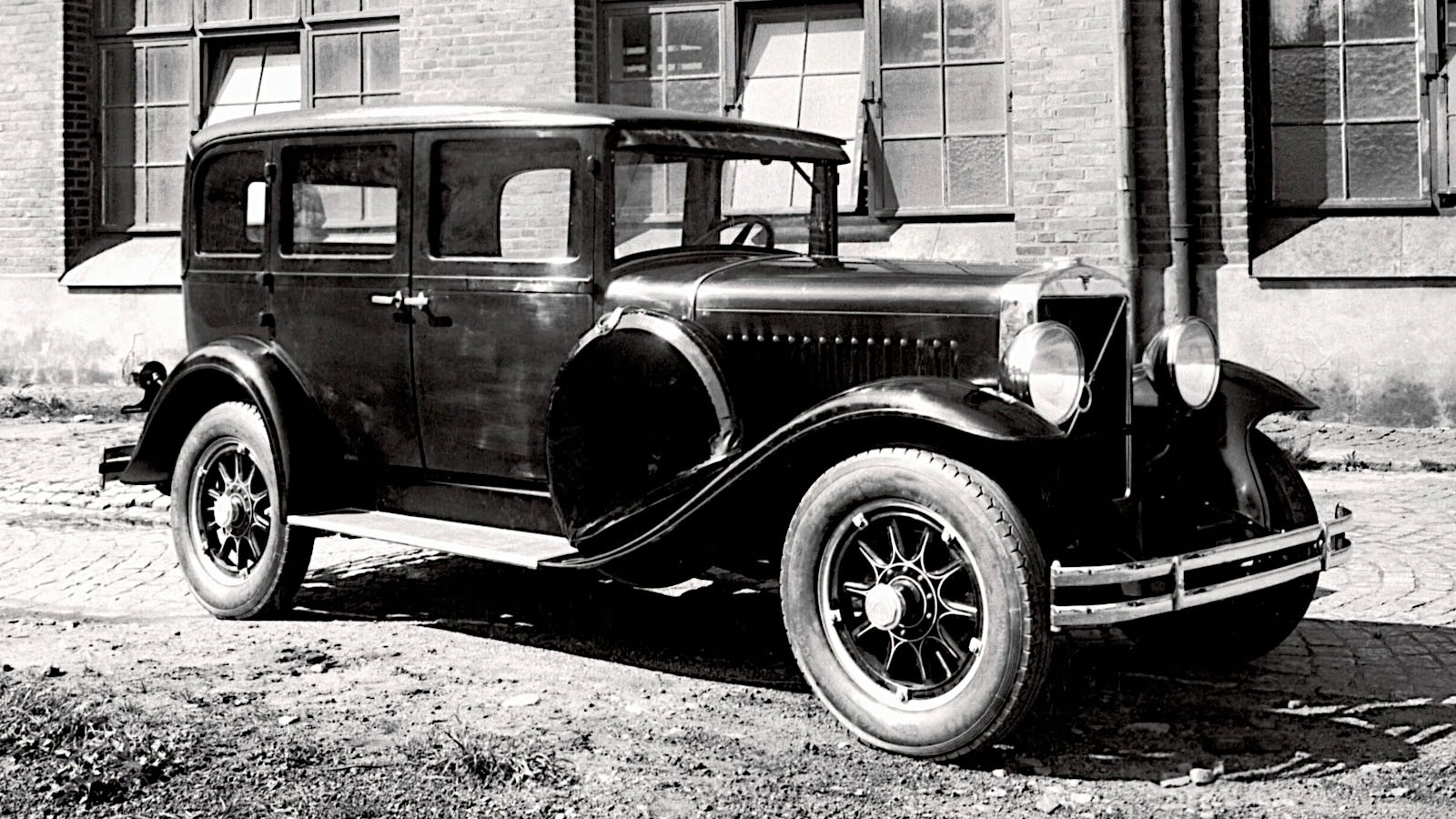
The ÖV4 and PV4 were both replaced by Volvo’s larger and grander PV651 saloon (pictured), which had a 3010cc, straight-six engine.
Several variants followed over the next six years, the first being the PV652 whose brakes, like those of its successors, were operated hydraulically rather than mechanically.
The PV653 and the more luxurious PV654 came along in 1933, while the PV655 was the only version not produced as a saloon but as a rolling chassis to which other bodies could be fitted.
The PV658 and PV659, both with considerably different styling than the earlier models, made their debuts in 1935, by which time the engine’s capacity had grown to 3670cc and its power output, originally a modest 55bhp, had been raised to more than 80bhp.
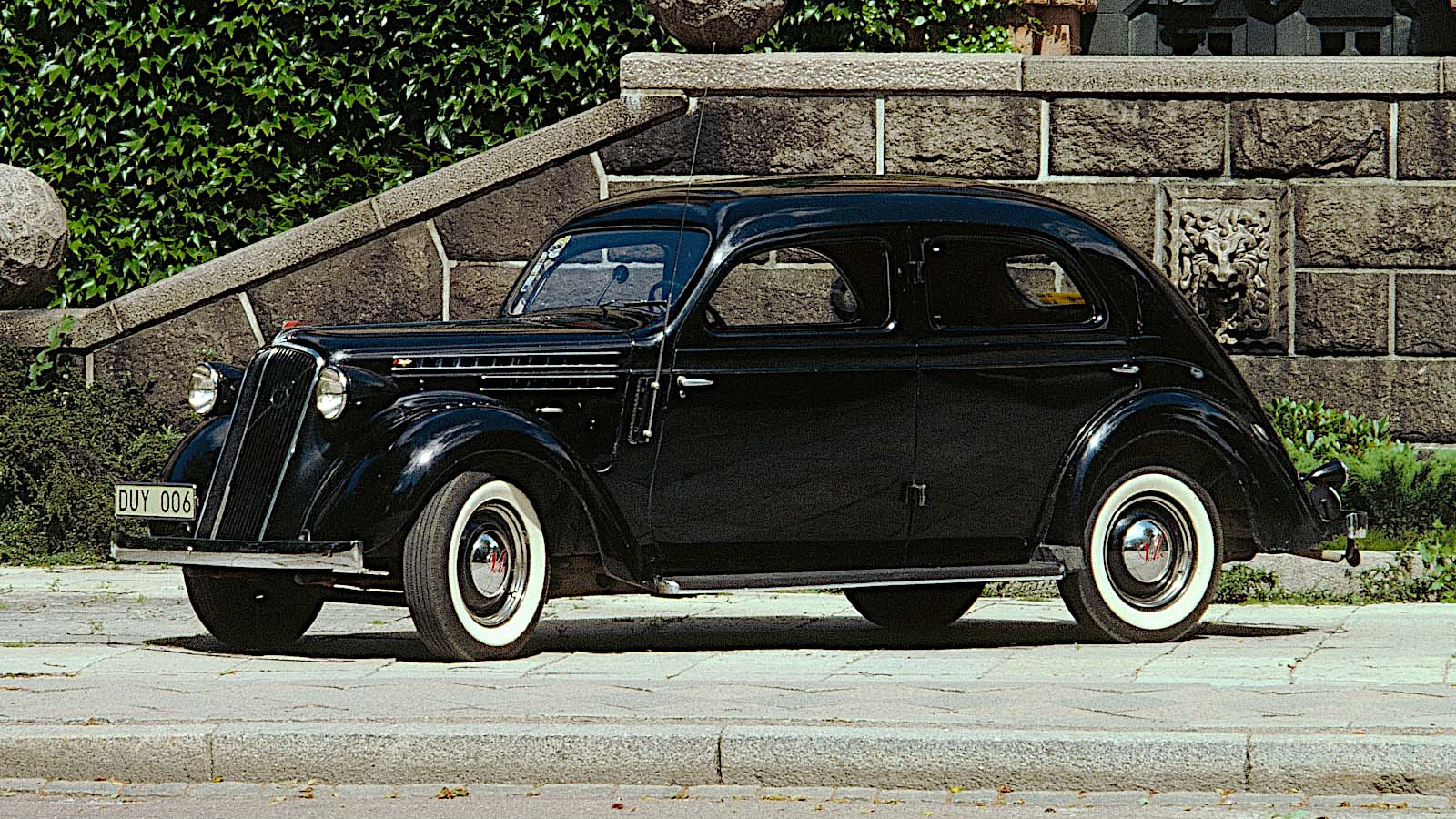
3. 1935 Volvo PV36 Carioca
Only a year after the launch of the Chrysler Airflow, Volvo introduced the similarly streamlined PV36 Carioca saloon.
Compared with every previous production Volvo, it looked modern and radical, though the more trenchant opinion of one motoring historian, published in 1970, that it was ’hideous’ now seems a little unfair.
It was certainly easier on the eye than the even more outlandish Venus Bilo concept, which was used to test public reaction and apparently did not go down at all well, since it was never put on sale.
Despite its appearance, the Volvo PV36 Carioca was mechanically conventional, being fitted with the same 3670cc, straight-six engine used in the later PV650 series models.
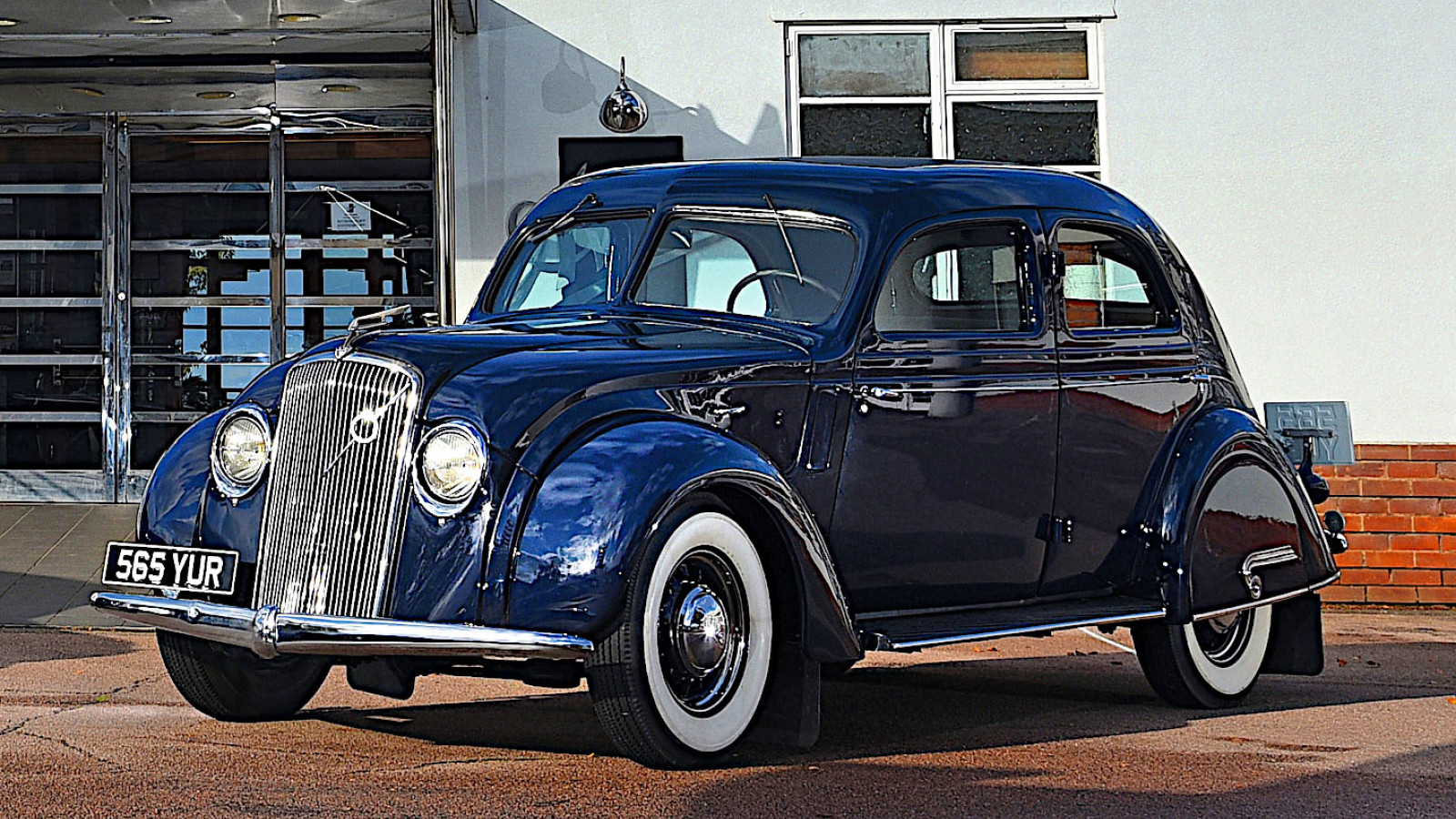
4. 1936 Volvo PV51 to PV57
The PV51 (pictured) was still an aerodynamic car by the standards of the mid 1930s, but Volvo took a step back from the PV36 Carioca by mounting the headlights separately rather than integrating them into the front wings.
The PV52 was really just the same car (with the now-familiar, 3670cc engine and three-speed gearbox) but with more equipment.
Following an update which included making the nose more prominent, the range widened into the PV53 and PV54, distinguishable from each other by their different spare-wheel arrangements, and the PV55 and PV56, which were simply more luxurious versions of the other two.
Nearly every car in this series left the Volvo factory with saloon bodywork, though the PV51 was optionally available as a rolling chassis and the PV57 was only ever built in this form.
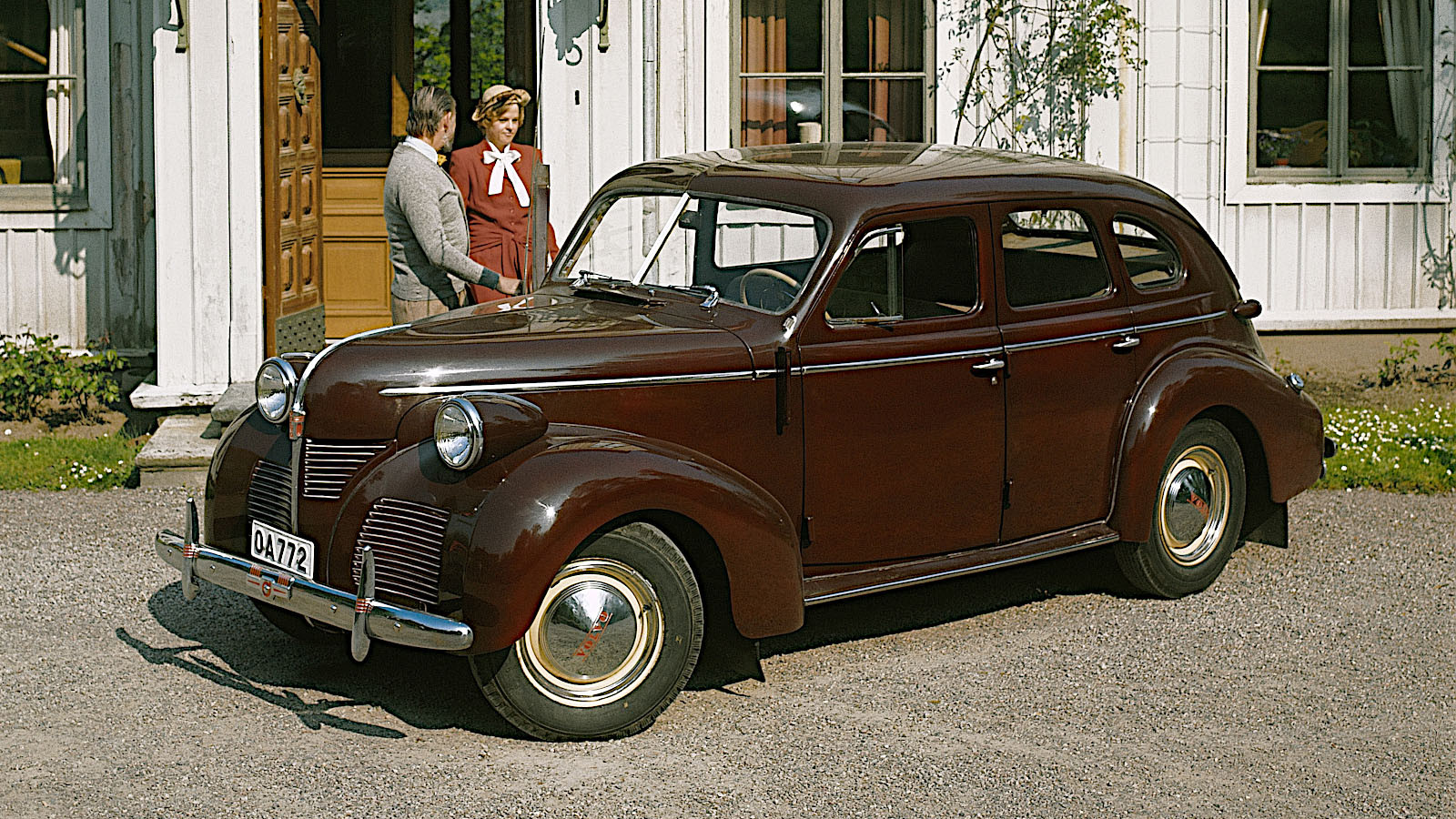
5. 1946 Volvo PV60
Although the Volvo PV60 was introduced in 1946, its design had been completed when the Second World War broke out, an event which naturally brought all car production to a halt.
The PV60 therefore looked old fashioned from the moment it was launched, resembling US models of the mid 1930s and perhaps also the much smaller Vauxhall 10-4 of the same period.
Nor did it represent much of a step forward mechanically from the PV51 and its successors, being powered by the same 3670cc straight-six.
If anything, the PV60 marked the end of an era, because for more than a decade and a half after it was discontinued in 1950 Volvo did not offer a six-cylinder engine in any car sold to private customers.
In total, 3006 PV60s were built, along with around 500 PV61 rolling chassis, which were completed mostly as vans or pick-up trucks, but in some cases as convertibles.
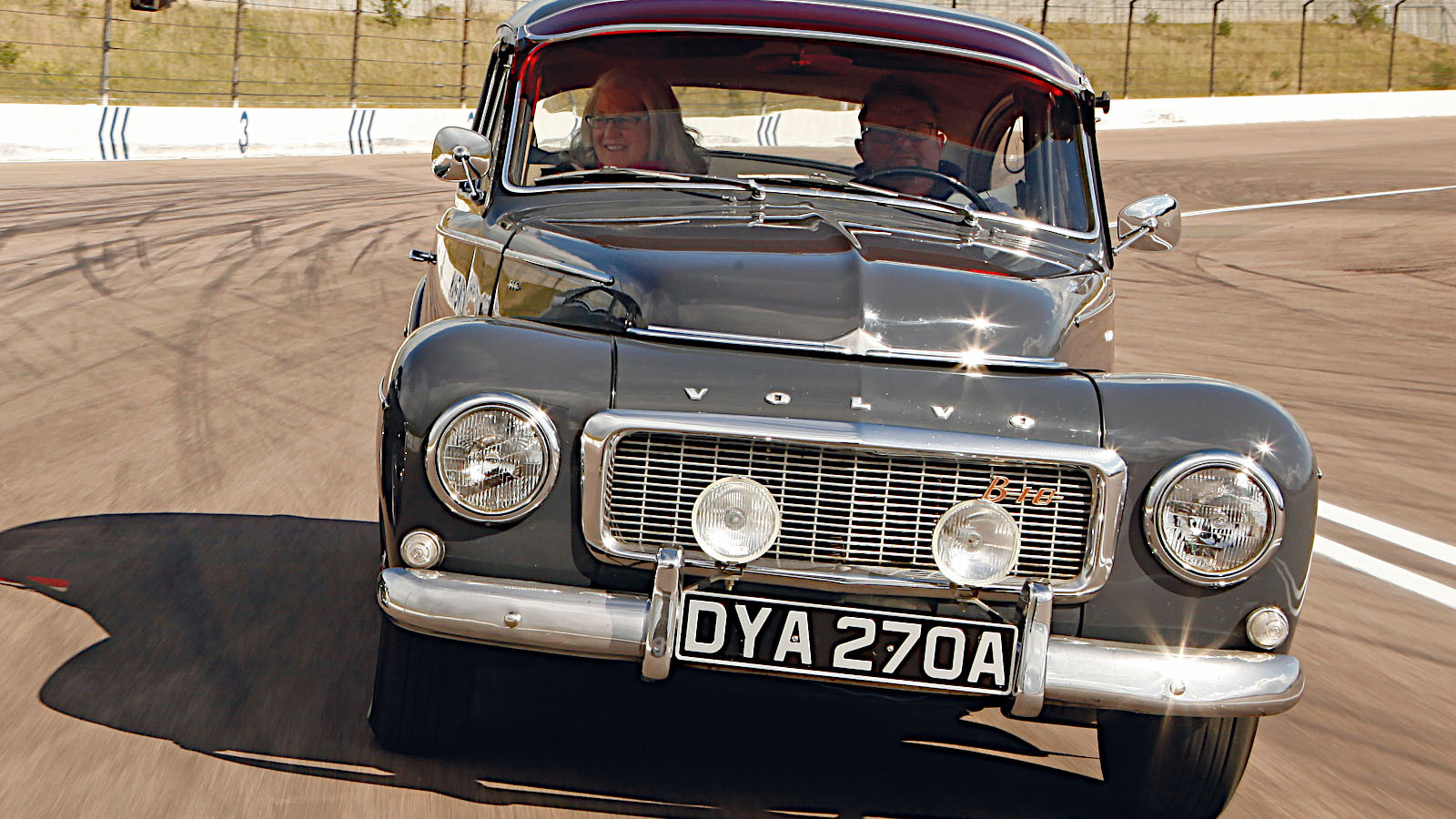
6. 1947 Volvo PV444 and PV544
The PV444 was Volvo’s first car with unibody construction, and its first new model since the ÖV4 and PV4 with a four-cylinder engine.
The PV544 was a 1958 update (most easily identified by the fact that it had a single-piece, curved windscreen rather than two panes of flat glass) and became very successful in motorsport, notably winning the 1963 RAC and 1965 Safari rallies.
By the year of the Safari victory, which was also the last year of PV544 production, the engine had been enlarged from the original 1414cc to 1778cc, and its power output exceeded 90bhp.
The Volvo PV445, mechanically and visually similar to the PV444 but structurally quite different, was a rolling chassis which formed the basis of the Duett, the first estate car made by Volvo itself and not by an independent coachbuilder.
7. 1956 Volvo Amazon
Naming rights issues meant that the Volvo sold in Sweden as the Amazon was known elsewhere by a variety of three-digit numbers.
The marque’s first model with a three-box saloon body (widely referred to as a ‘ponton’) was available from 1956 as the 121 or the sportier 122, both of which had four doors.
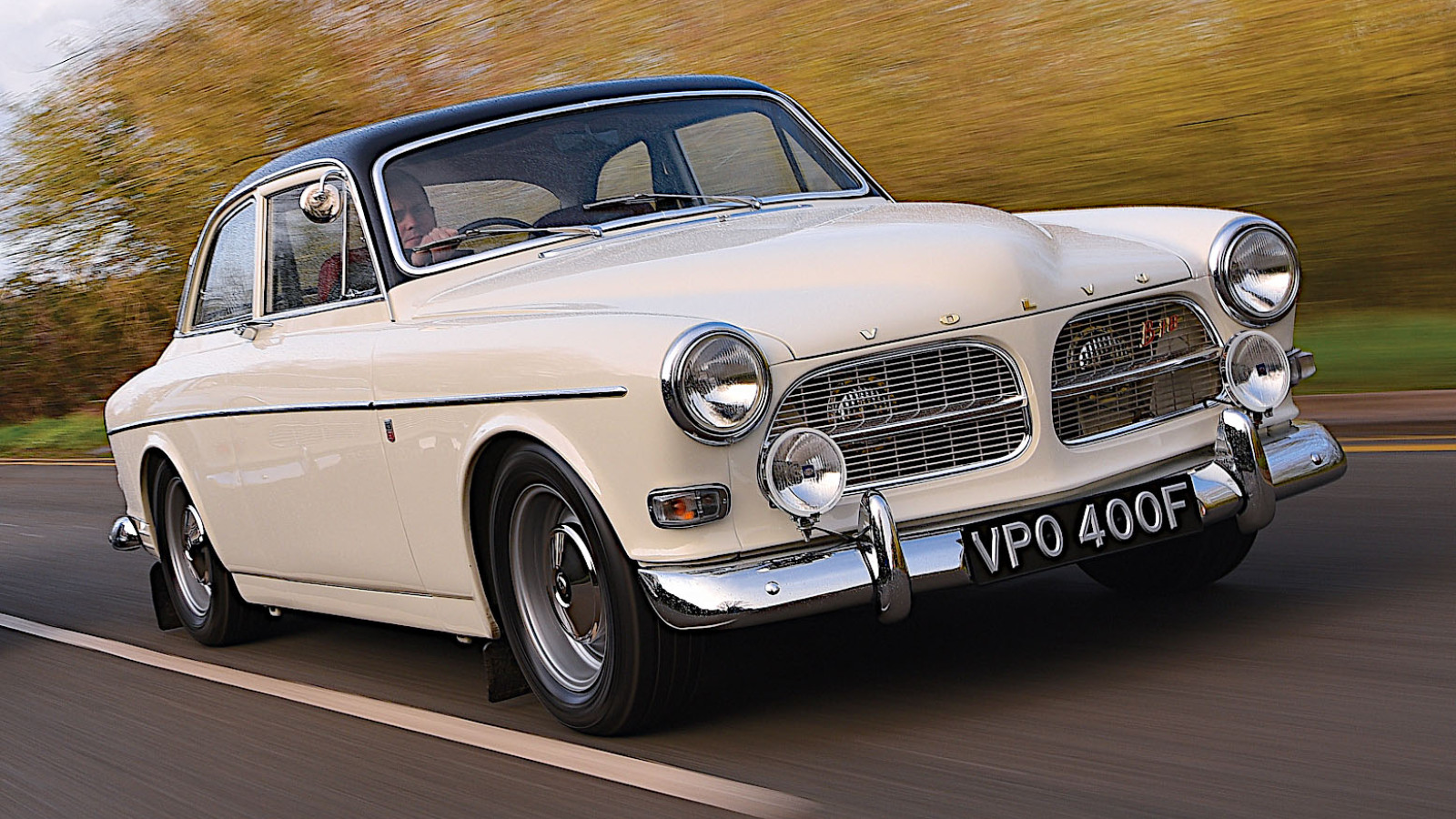
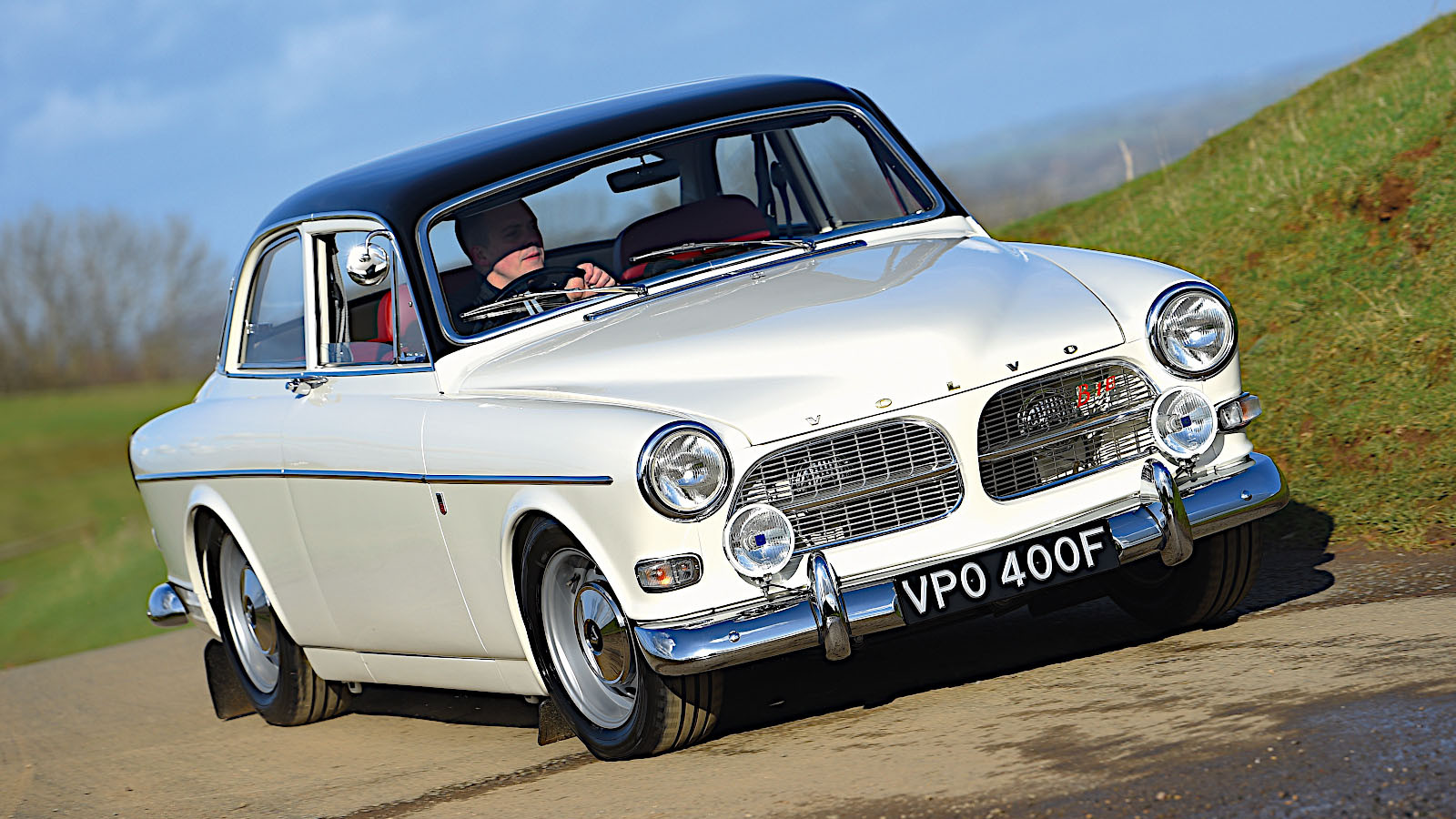
Most of the two-door saloons, which arrived in 1961, were called 131 or 132, though the 123GT of 1966 (pictured) also had two doors despite a name which suggested it should have four.
For the sake of completeness, we should add that the related 221 and 222 were the first Volvo estates derived directly from saloons, unlike the Duett mentioned earlier.
8. 1956 Volvo P1900
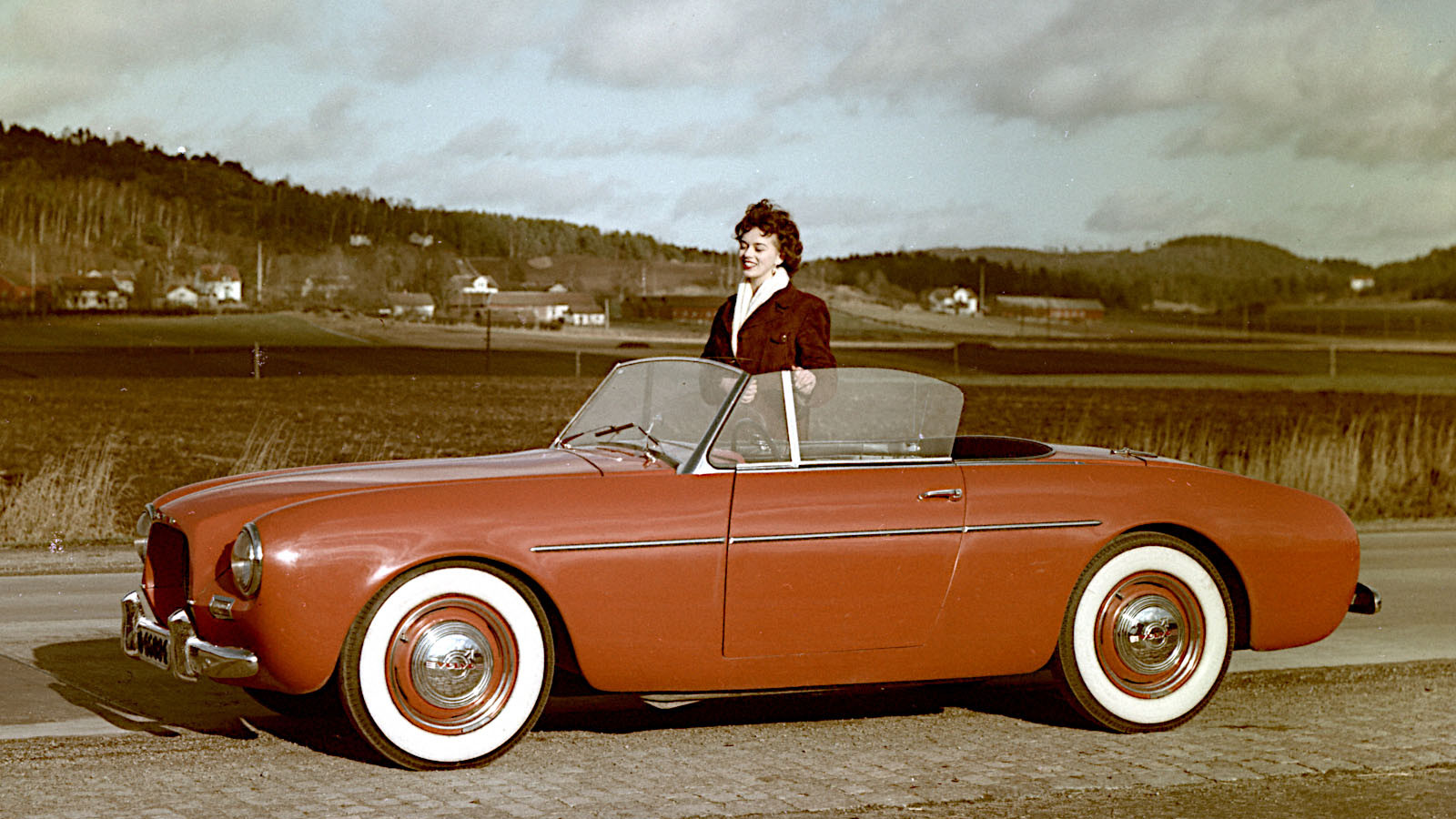
The P1900 was also known as the Volvo Sport – appropriately enough, because it was the company’s first sports car, as well as being its first convertible since the ÖV4.
The drivetrain, consisting of the PV444’s 1414cc engine (boosted by the fitment of twin SU carburettors) and a three-speed gearbox, was familiar enough, but the body certainly wasn’t.
Its outstanding feature was that it was made of glassfibre, a technology which had come to prominence only three years earlier with the introduction of the first-generation Chevrolet Corvette.
Unfortunately, quality issues meant that the P1900 had a very short production life, though it did pave the way for a later and far more successful sporting Volvo.
9. 1961 Volvo P1800
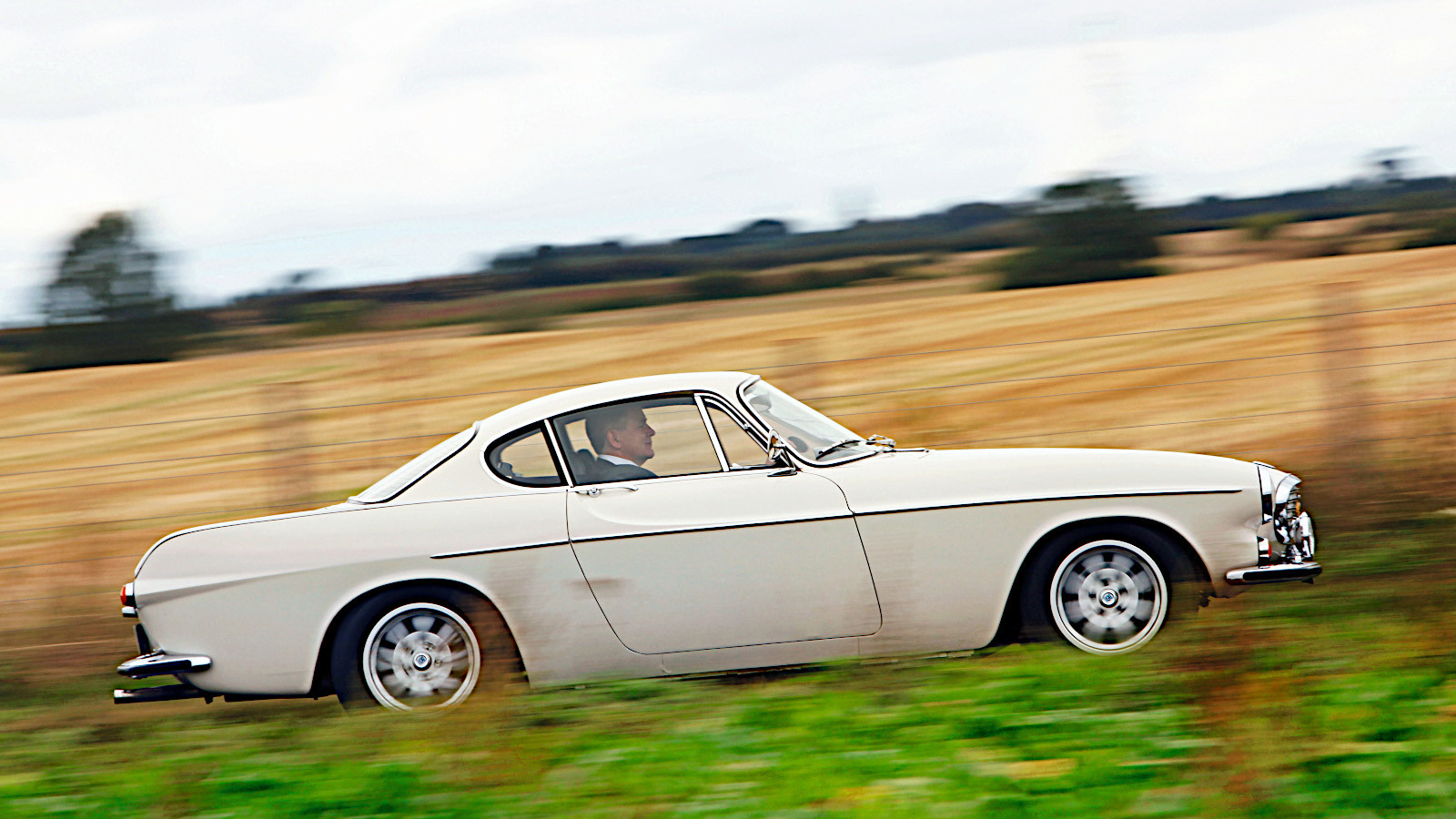
Later known simply as the 1800, this coupé was outstandingly more successful than the P1900, Volvo’s first attempt at a sports car.
It was based on a shortened version of the Amazon platform and powered by a new 1778cc, four-cylinder engine later enlarged, by means of increasing its stroke, to 1986cc, both versions also being used in the more powerful versions of the Amazon.
With a combination of technical ability, careful maintenance and a love of driving, US schoolteacher Irv Gordon covered more than 3.2 million miles between buying his P1800 in 1966 and his death in 2018, setting a formidable and perhaps now unbeatable distance record for a non-commercial vehicle running on the engine it had when it left the factory.
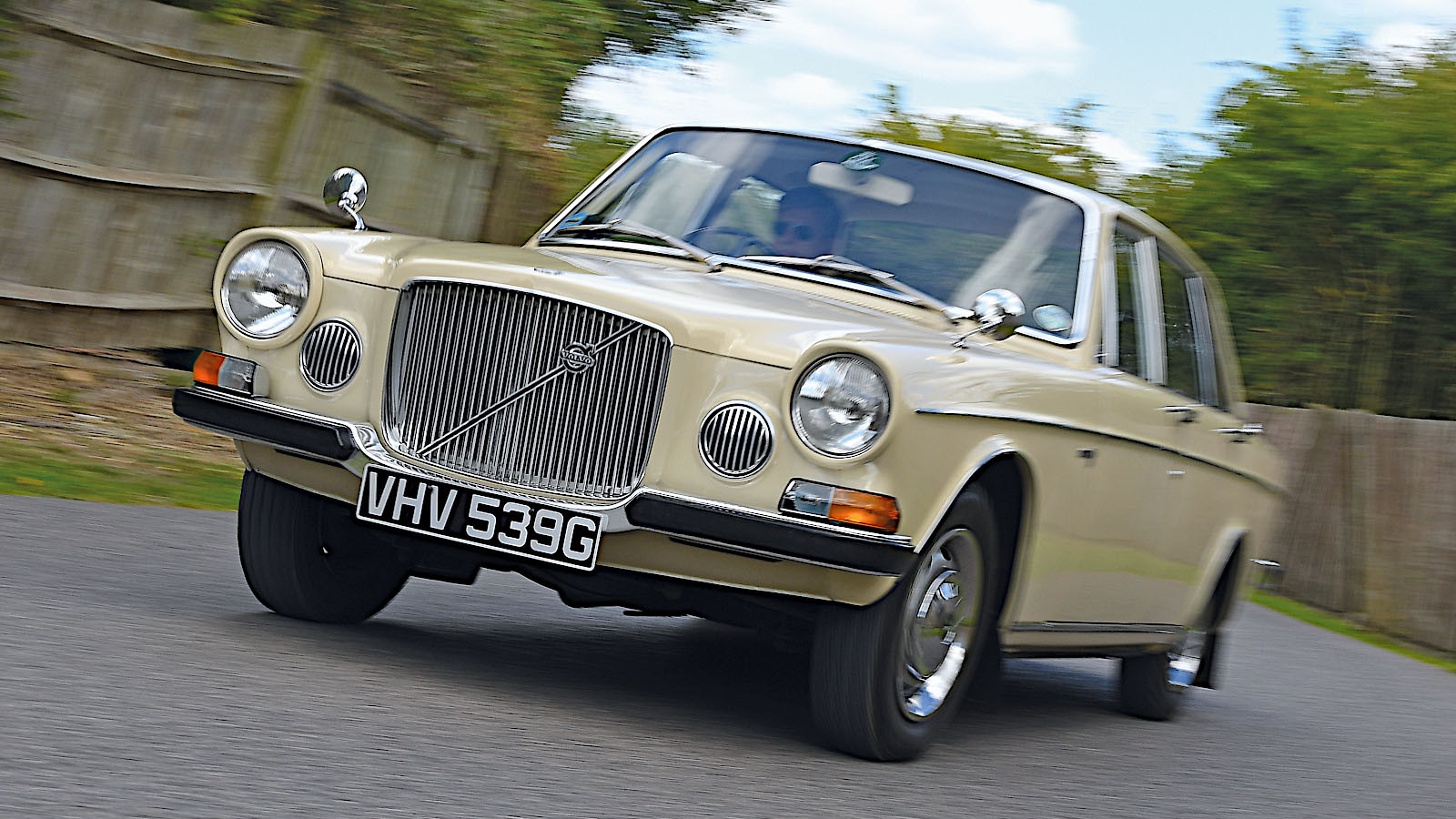
10. 1966 Volvo 140 series
Launched when Volvo’s Amazon and P1800 were still in production, the 140 series cars looked nothing like either of them, but introduced a new design language which the car maker would still be using nearly 30 years later.
The naming system was the most straightforward yet: the first model, introduced in August 1966, was called the 144, which indicated that it was a 140 series with a four-door saloon body.
Less than a year later, it was joined by the two-door 142, and by the end of 1967 the range had been completed by the 145 (a five-door estate).
Despite the wagon’s practicality, the saloons were far more popular.
When production ended in 1974, 1,205,111 examples of the 140 series had been built, of which 523,808 were 144s and 412,986 were 142s.
11. 1968 Volvo 164
When the 164 saloon was launched, Volvo had not built a six-cylinder passenger car since the demise of the PV60, or a ‘six’ of any kind since the 800 series taxi went out of production in 1958.
Although things are never quite as straightforward as this, the new 2978cc unit was in essence one and a half of the existing 1986cc four-cylinder units.
It made its debut in what amounted to a luxury version of the 140 series (the ‘6’ in its name indicating the number of cylinders), but because it was longer than the four-cylinder motors the car’s nose had to be extended.
Volvo also took the opportunity to restyle the front end, distancing the car from the 144 which it would otherwise have resembled too closely.
A total of 146,008 164s were built up to 1975, and in its last year most examples were exported to the United States of America.
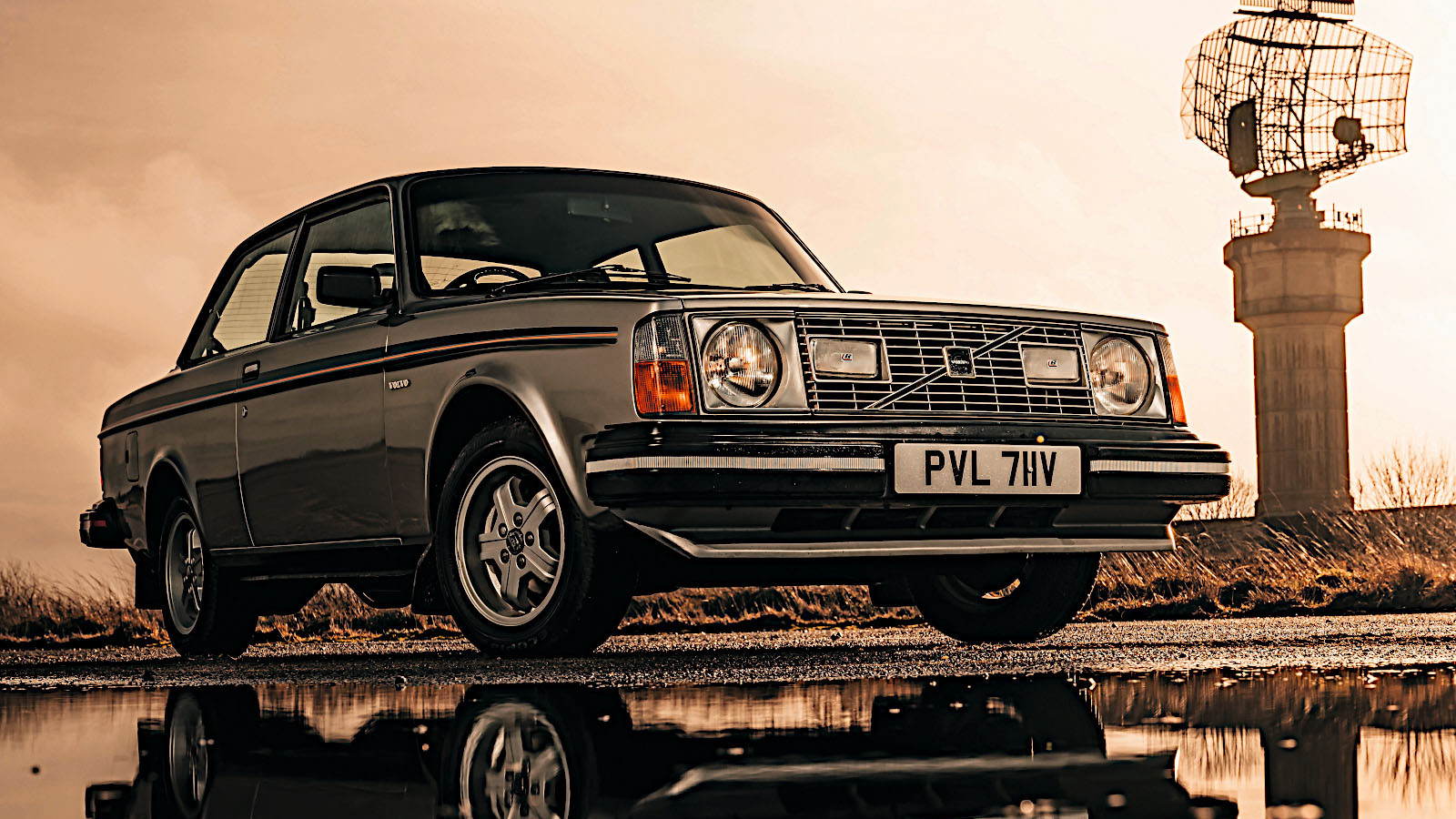
12. 1974 Volvo 240 and 260 series
The 140 series cars were thoroughly updated and renamed in 1974, and for several years their badging usually indicated how many cylinders (second digit) and doors (third digit) they had, though there was no indication of the fact that some versions had five-cylinder diesel engines.
The strategy was simplified in 1983, when the cars became known either as 240 or as 260.
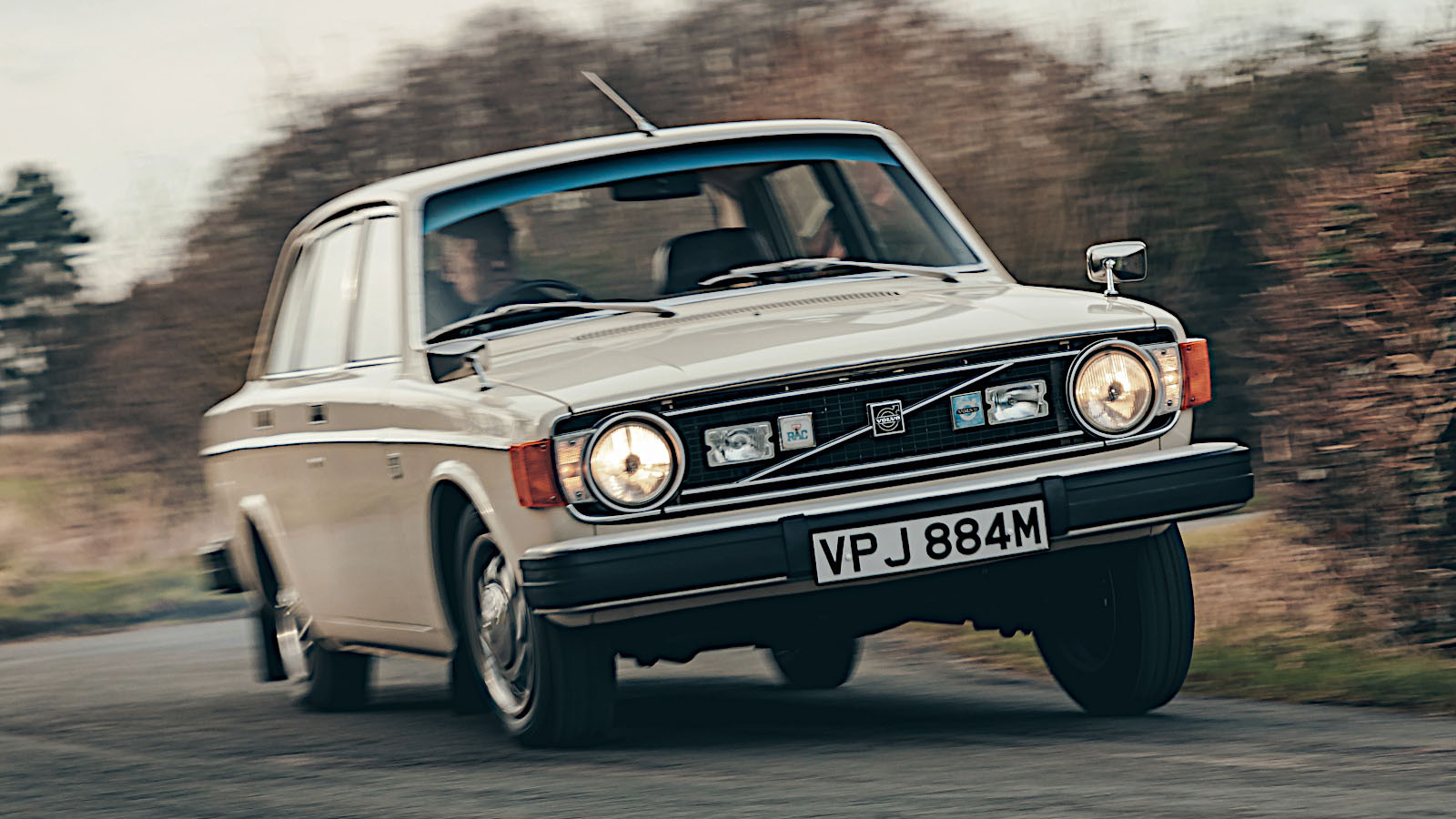
Among the saloons, the 244 was by far the most successful, with 1,483,399 produced up to 1993, compared to 242,621 examples of the two-door 242 (GT version pictured) which was discontinued in 1984.
A turbocharged two-door known as a 240 Turbo did, however, bring Volvo a great deal of publicity in 1985, when Gianfranco Brancatelli and Thomas Lindström used an example prepared by Eggenberger Motorsport to dominate the drivers’ category of the European Touring Car Championship.
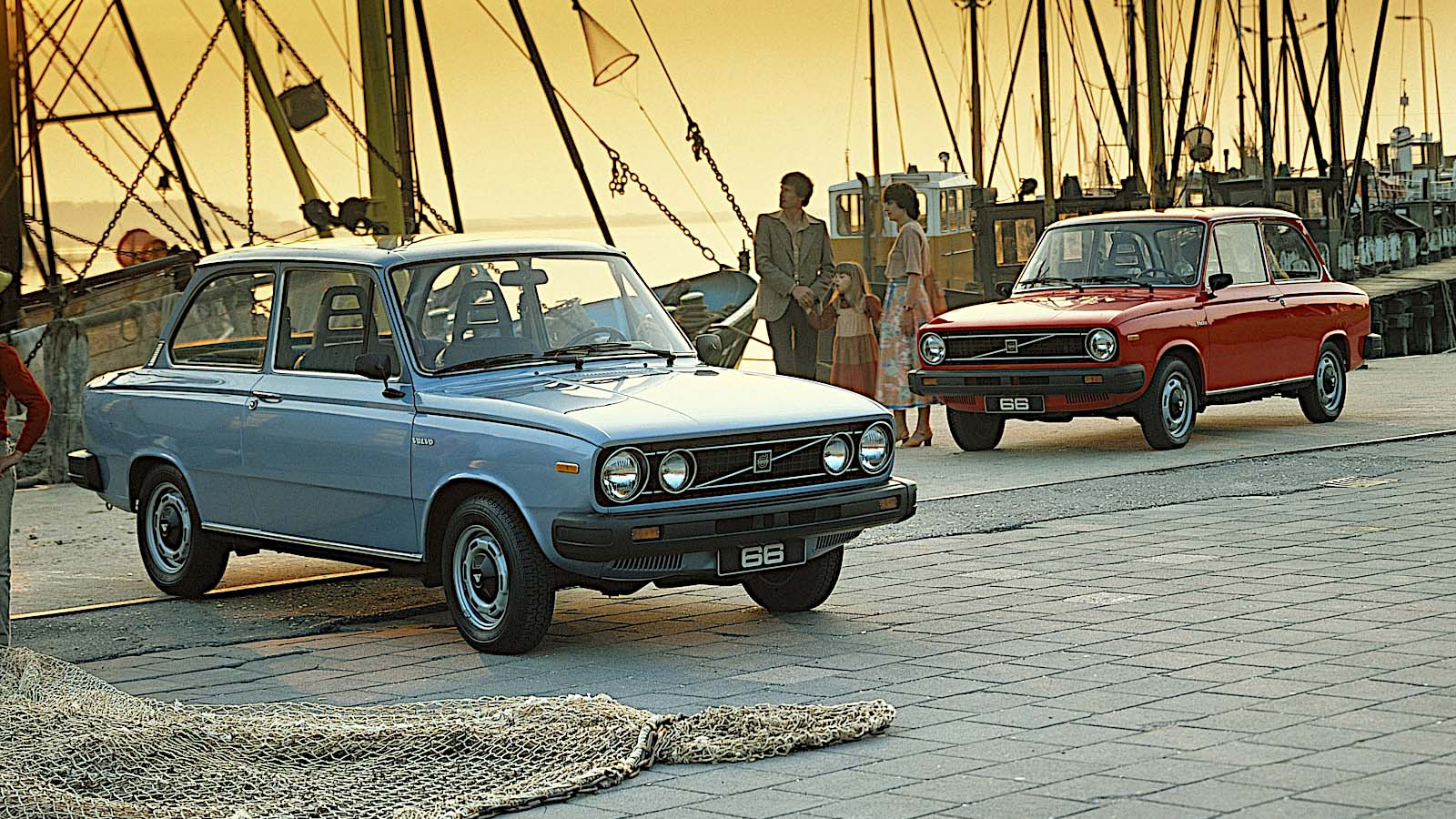
13. 1975 Volvo 66
Though not particularly well remembered nowadays, the 66 was an especially noteworthy Volvo model for three reasons.
It was, and remains, the shortest car the marque has ever produced (beating the ÖV4 by about 10in/254mm), it was the first Volvo manufactured in The Netherlands and, finally, it was not really a Volvo at all.
In fact, it was simply a reworked DAF 66 (Volvo having recently acquired the Dutch manufacturer’s car division) with a Renault engine and DAF’s speciality, a continuously variable transmission.
Volvo added some of its own touches, most noticeably larger front and rear bumpers, and abandoned the coupé body style, leaving the two-door saloon as the only non-estate in the line-up.
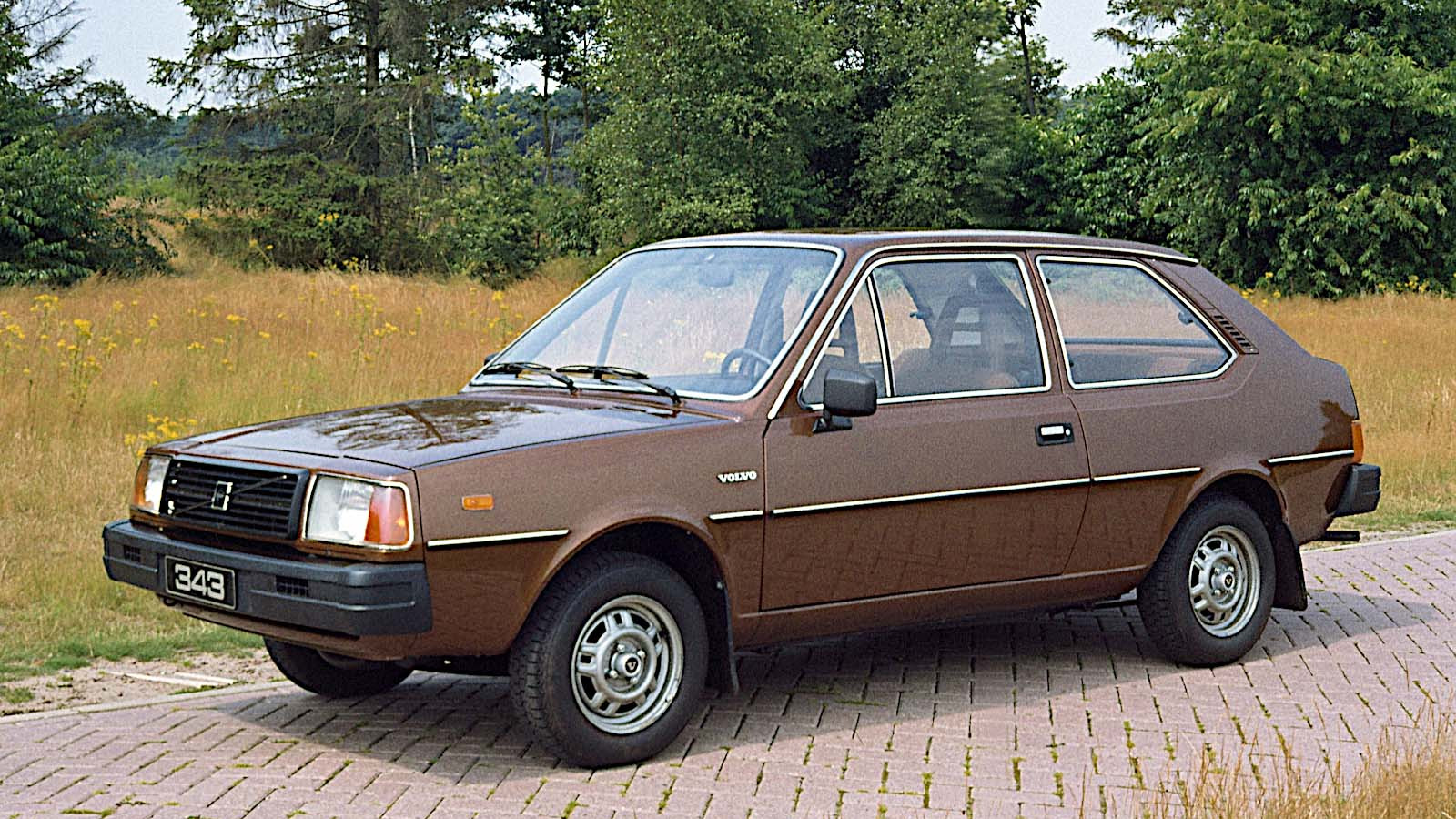
14. 1976 Volvo 343
The 343 three-door hatchback was the first all-new Volvo built in The Netherlands, though at first it still shared the 66’s Renault engine and DAF CVT.
Other powertrains, including a diesel, became available, and in 1979 Volvo introduced the 345, which was basically the same car with two extra doors.
They later became known collectively as the 340 series unless fitted with Volvo’s own 1986cc engine, in which case they were called 360.
A three-box saloon was also available, but the five-door hatch body proved to be the most popular choice, and was the only one still being used when the range was discontinued in 1991.
15. 1977 Volvo 262C
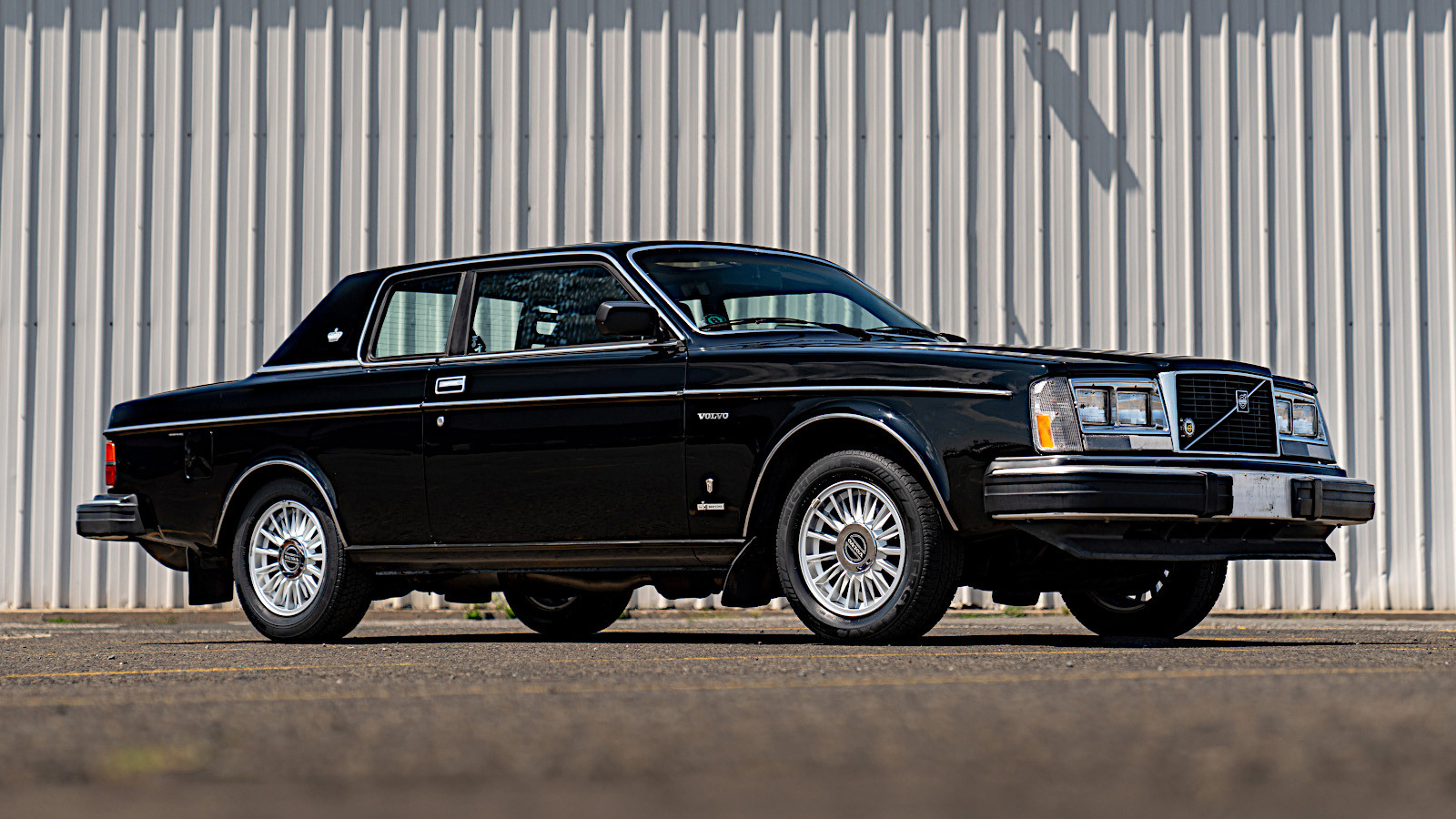
The Volvo 262C could have been mentioned in our previous section about the 240 and 260 series, but it’s so unusual we feel it merits consideration on its own.
Based on the saloons, it was a two-door coupé with a lower roofline, a more steeply angled windscreen and a very large C-pillar which added class while reducing visibility.
Designed by Volvo but built by Bertone in Italy, it was powered by the 2664cc, V6 PRV petrol engine (later enlarged to 2849cc) which Volvo co-developed with Peugeot and Renault.
Volvo Cars of North America asked a California-based coachbuilder to build a series of 262C convertibles, but the project was brought to a halt after only five of the projected 50 vehicles had been completed.
16. 1982 Volvo 740, 760 and 780
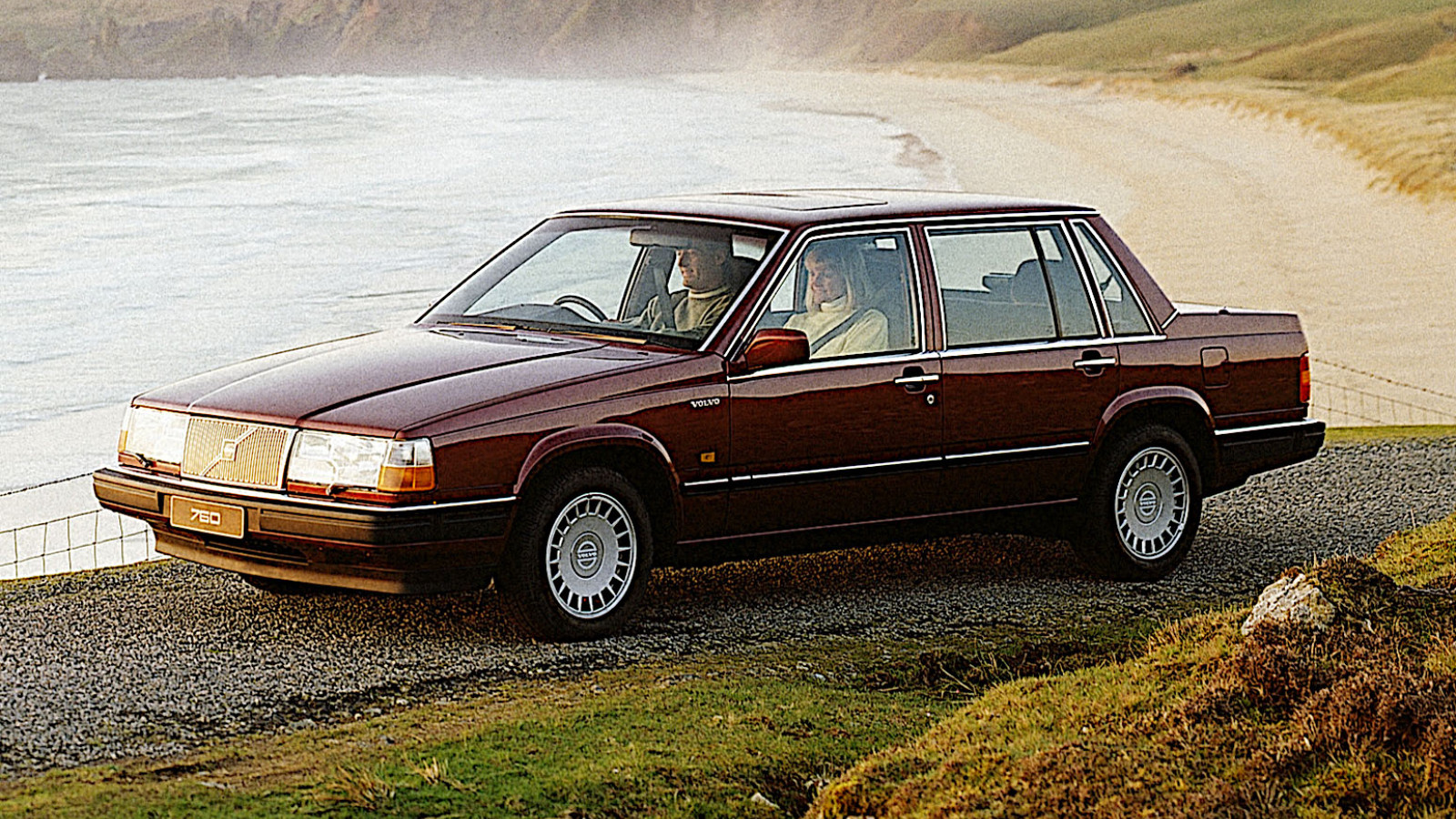
Volvo moved upmarket in 1982 with the almost alarmingly angular 760 (pictured), which was powered at first by the 2849cc, PRV V6 engine or a 2383cc, straight-six, turbocharged diesel, but later by a 2316cc, turbocharged ‘four’.
The diesel, the petrol turbo and a naturally aspirated, 1986cc, four-cylinder, petrol engine were used in the 740 introduced in 1984, which looked very similar to the 760 but was less luxurious and therefore cheaper.
Almost inevitably, the 740 was more popular, with 650,443 saloons built over eight years compared with just 183,864 760s with the same body style over a similar period.
Both were discontinued before the 244 came to the end of its remarkably long production life, but the 740 remained on sale for two years after the launch of the 940.
The 780 coupé, a successor to the 262C but in this case both designed and built by Bertone, was available with the full range of 700 series engines from 1985-’90.
17. 1986 Volvo 480
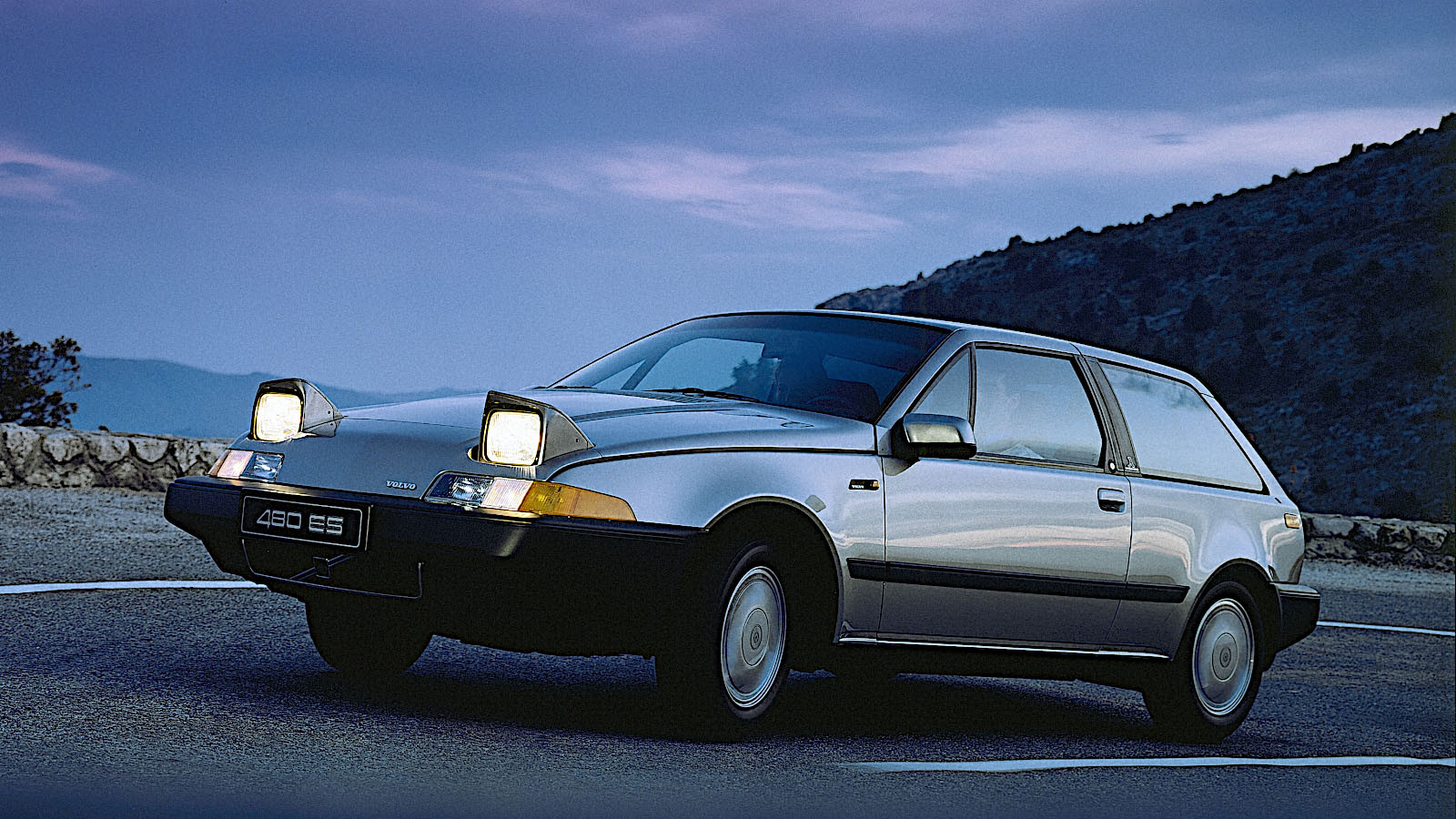
By now the bearer of a reputation for building sturdily purposeful rather than excitingly radical cars, Volvo created quite a stir with the 1985 reveal and 1986 introduction of the 480.
Looking nothing like any of the marque’s models before or since, the 480 was a three-door sports hatchback with the astonishing feature of pop-up headlights.
The innovations didn’t end there, because this was also Volvo’s first front-wheel-drive production car, with transversely mounted Renault engines of 1721cc (turbo or non-turbo) or 1998cc (non-turbo only).
In all, 76,375 480s were built in The Netherlands before production was brought to a halt in 1995.
18. 1988 Volvo 440 and 460
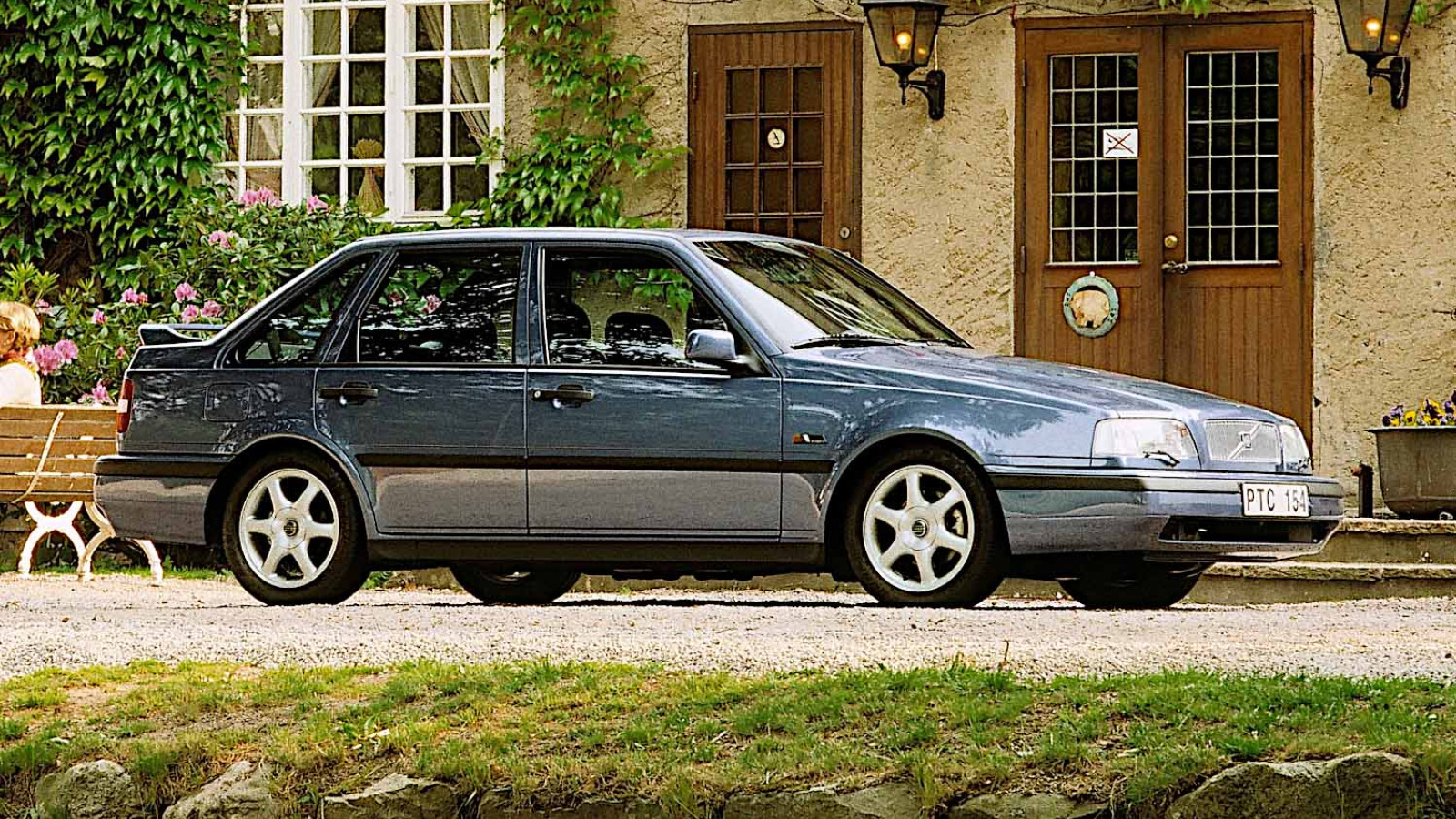
Volvo’s 440 five-door hatchback and the 460 four-door saloon which followed it in 1989 were both derived from the 480, though their styling was much more conventional.
The car manufacturer’s first mainstream front-wheel-drive models had a range of Renault engines similar to but wider than that of the 480, including a 1596cc petrol unit and an 1870cc turbocharged diesel.
Both were facelifted in 1994 to make them resemble the 850 (as demonstrated by the 440 pictured here), but the new look didn’t last long, since the cars were discontinued two years later.
The increasing popularity of hatchbacks in Europe had a major effect on the sales, and therefore the production figures, of these closely related vehicles.
Volvo built 460,822 440s but only 238,401 460s.
19. 1990 Volvo 940 and 960
Volvo’s new flagship models for the 1990s effectively replaced the 700 series cars, though as mentioned before, the 740 hung around for a couple of years as a relatively low-cost alternative.
The styling of the 700s was largely carried over, but with noticeably softer edges, and safety improvements included a three-point seatbelt and adjustable head restraint for the central rear passenger seat.
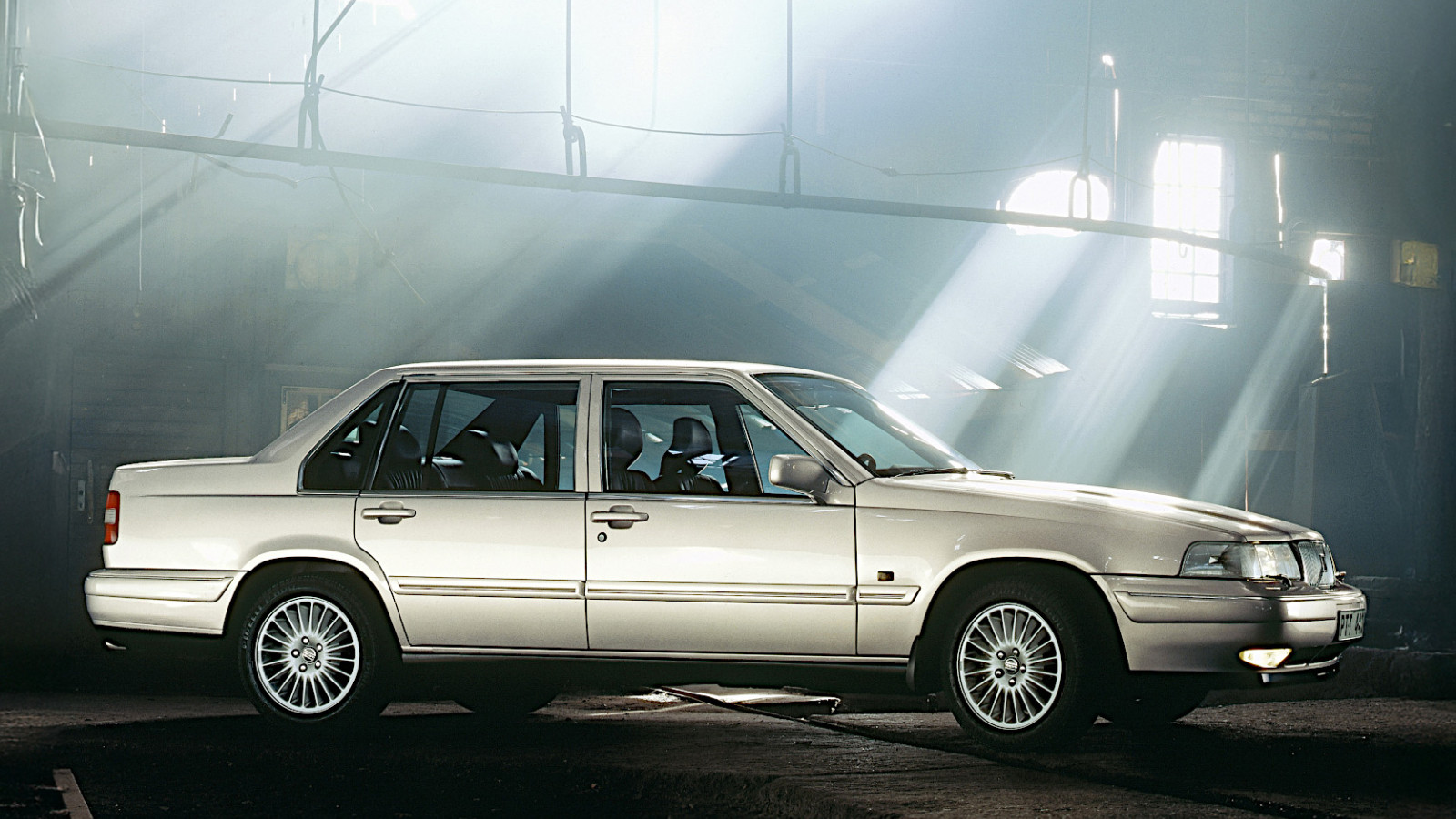
The engines available for the 940 were familiar, but the 960 (pictured) was powered by a 2922cc straight-six from the new Modular family.
In 1997, a year before production ended, the 960 saloon was renamed S90 to bring it in line with Volvo’s new naming policy, which will be discussed in more detail shortly.
20. 1991 Volvo 850
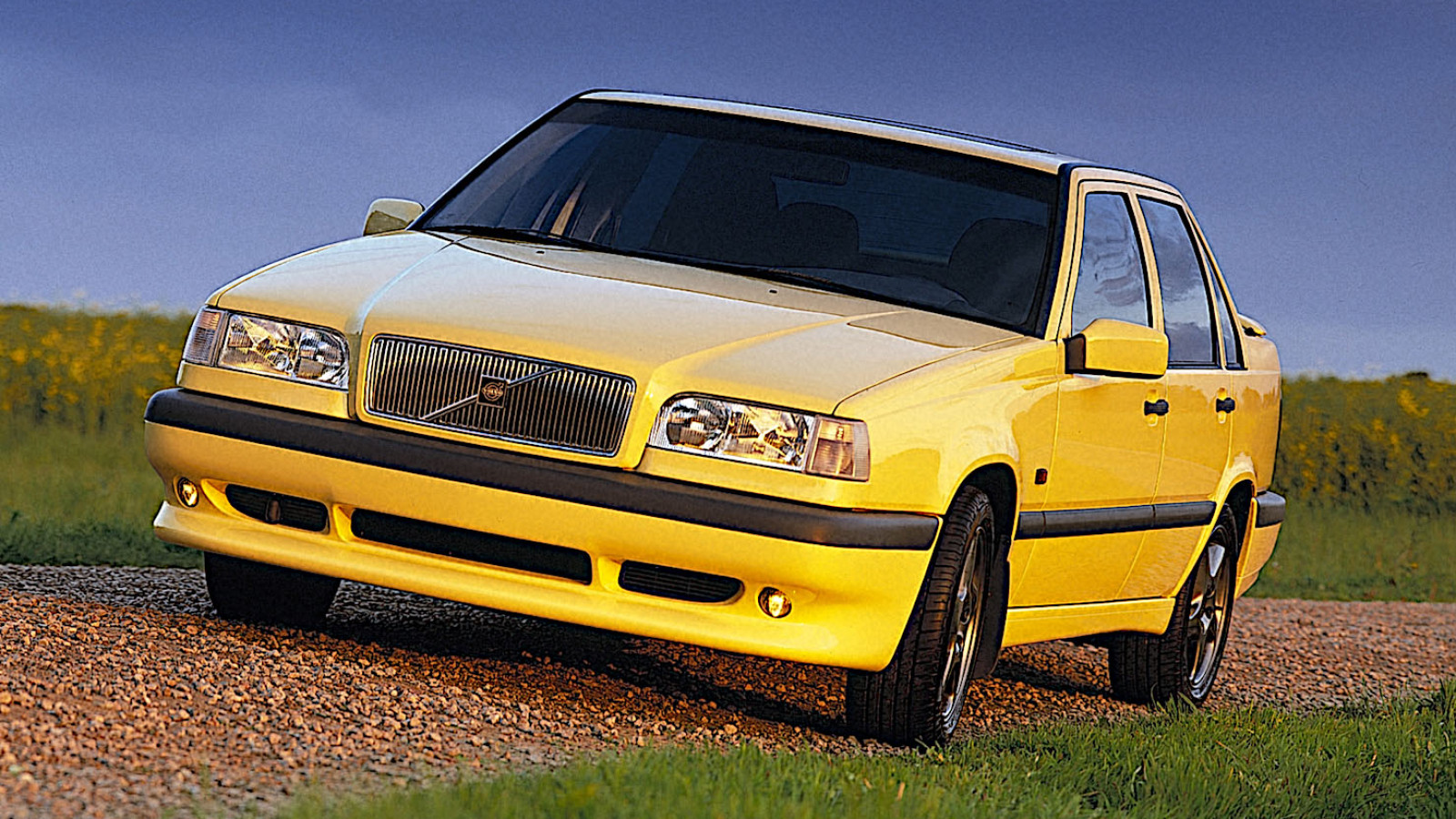
Available at first only as a saloon, the 850 had many new features including a transversely mounted, five-cylinder engine of various capacities (petrol or diesel, turbocharged or not), front- or four-wheel drive, self-adjusting front seatbelts, a side-impact-protection system and, from 1994, side-impact airbags.
A wagon wasn’t introduced until 1993, which partly explains why the saloon was built in greater numbers (390,835 versus 326,068), before both cars were replaced in 1997.
There were various high-performance roadgoing derivatives (T5 R pictured), and Volvo even developed racing versions of the estate and – later and more successfully – the saloon to compete in the British Touring Car Championship.
21. 1995 Volvo S40
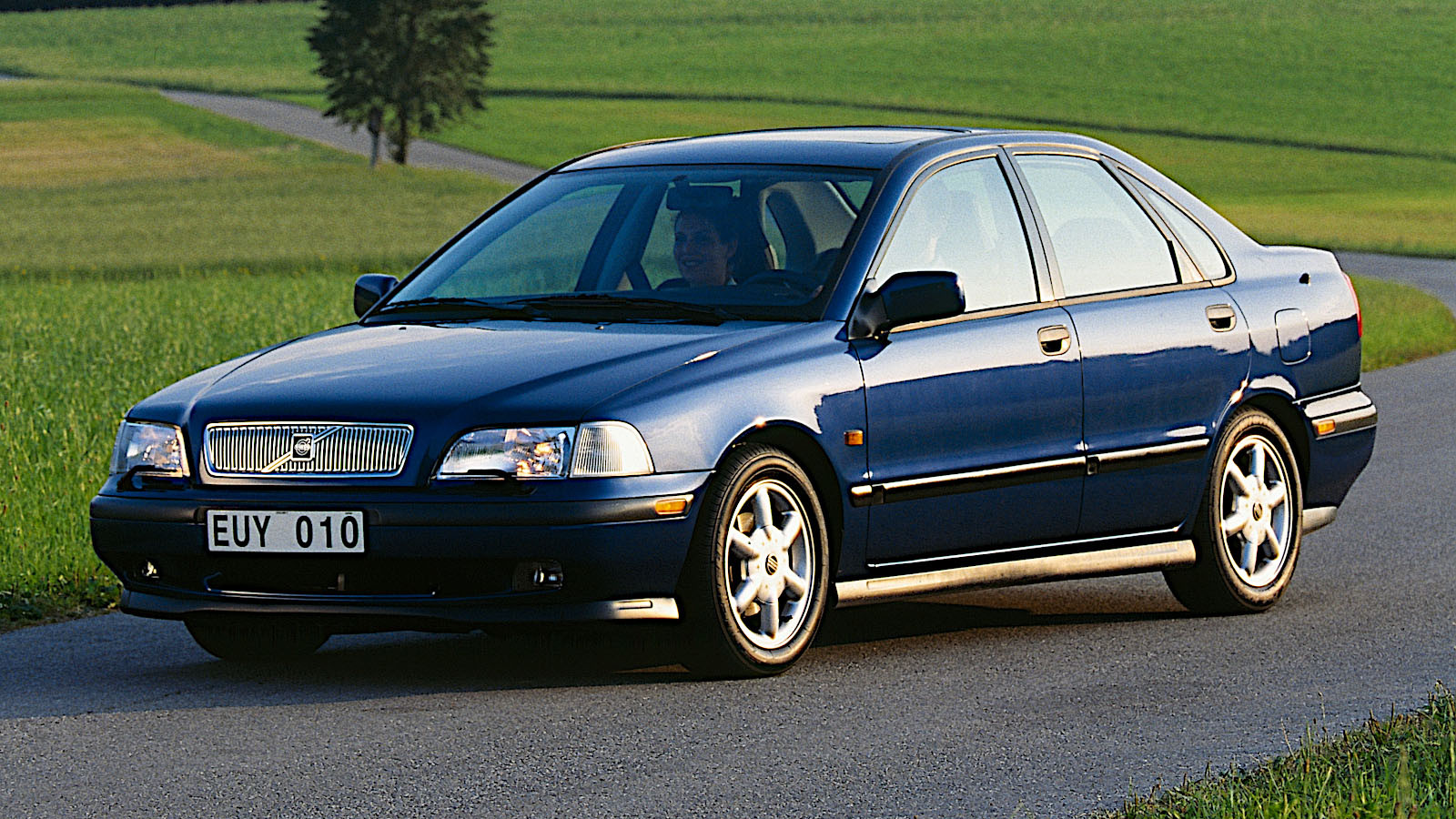
Volvo’s new naming policy, which we referred to before, was first applied to both a saloon and an estate in 1995.
The former, which is the one of more interest to us here, was originally going to be called S4, but Audi’s ownership of the rights to that name obliged Volvo to switch to S40.
In its early years, the S40 came with a choice of 1587cc and 1948cc petrol engines and an 1870cc, turbocharged diesel, though a 2-litre petrol turbo producing around 200bhp was later added to the range.
The car replaced the 850 as Volvo’s contender in the British Touring Car Championship in 1997, and a year later Rickard Rydell used it to claim the drivers’ title by winning five of the 26 rounds and achieving podium positions in another 12.
22. 1996 Volvo C70
The C70 was a non-estate Volvo in two senses.
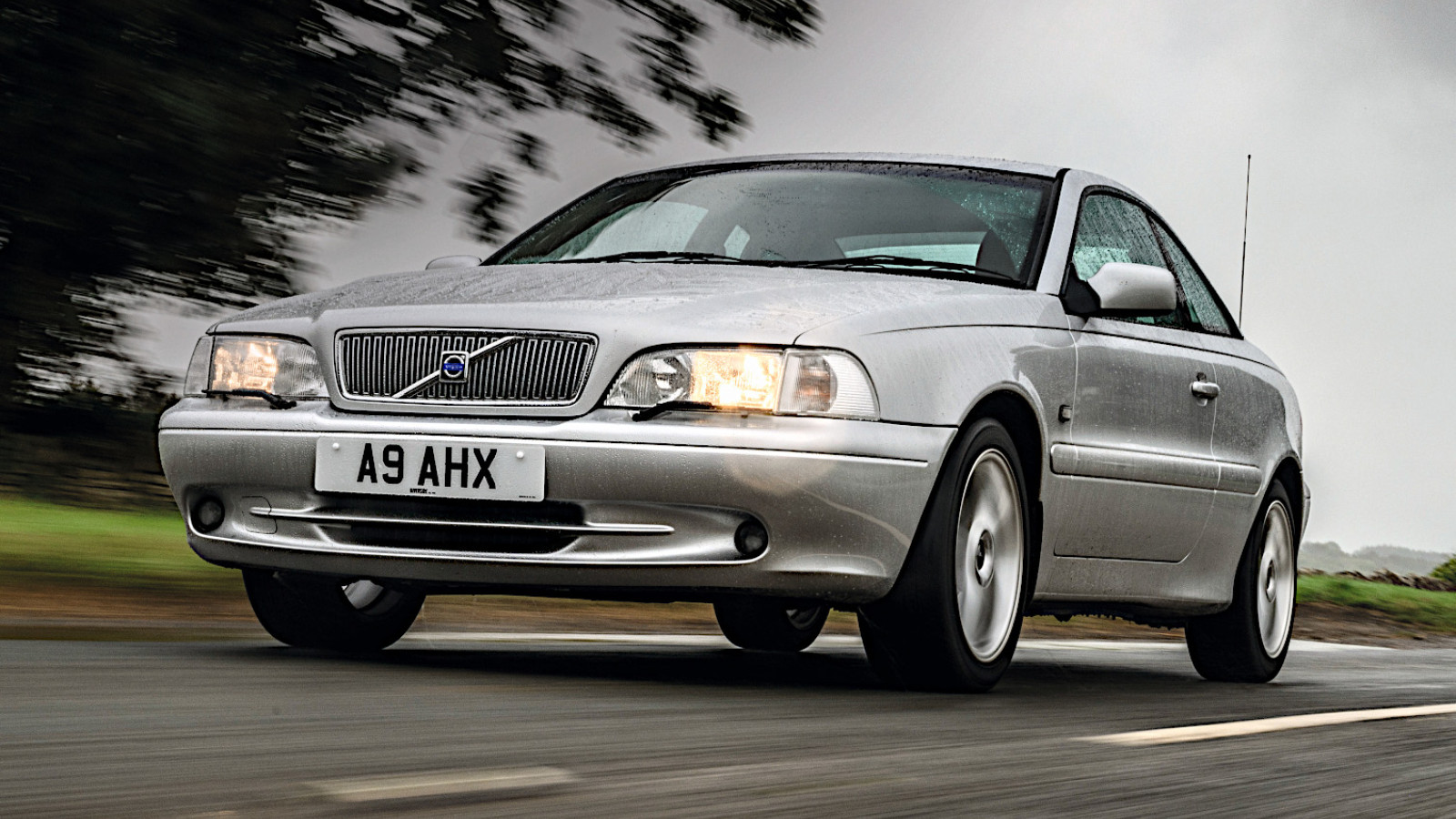
As launched in 1996, it was the marque’s first coupé since the discontinuation of the 780 six years earlier, powered by the now-familiar, five-cylinder engine with a capacity of either 1984cc or 2435cc.
In 1997, a convertible derivative (similar, at least in its basic form, to the ÖV4 launched 70 years before) was introduced.
Given the company’s long history of prioritising safety, there was some concern that a convertible with a fabric roof might not be quite suitable, but Volvo got round this by fitting a rollover-protection system, in which a rollbar was deployed if the car sensed that it was starting to turn head over heels.
The C70 name was used again in the 21st century for another convertible, though this one had a retractable hardtop.
23. 1996 Volvo S70
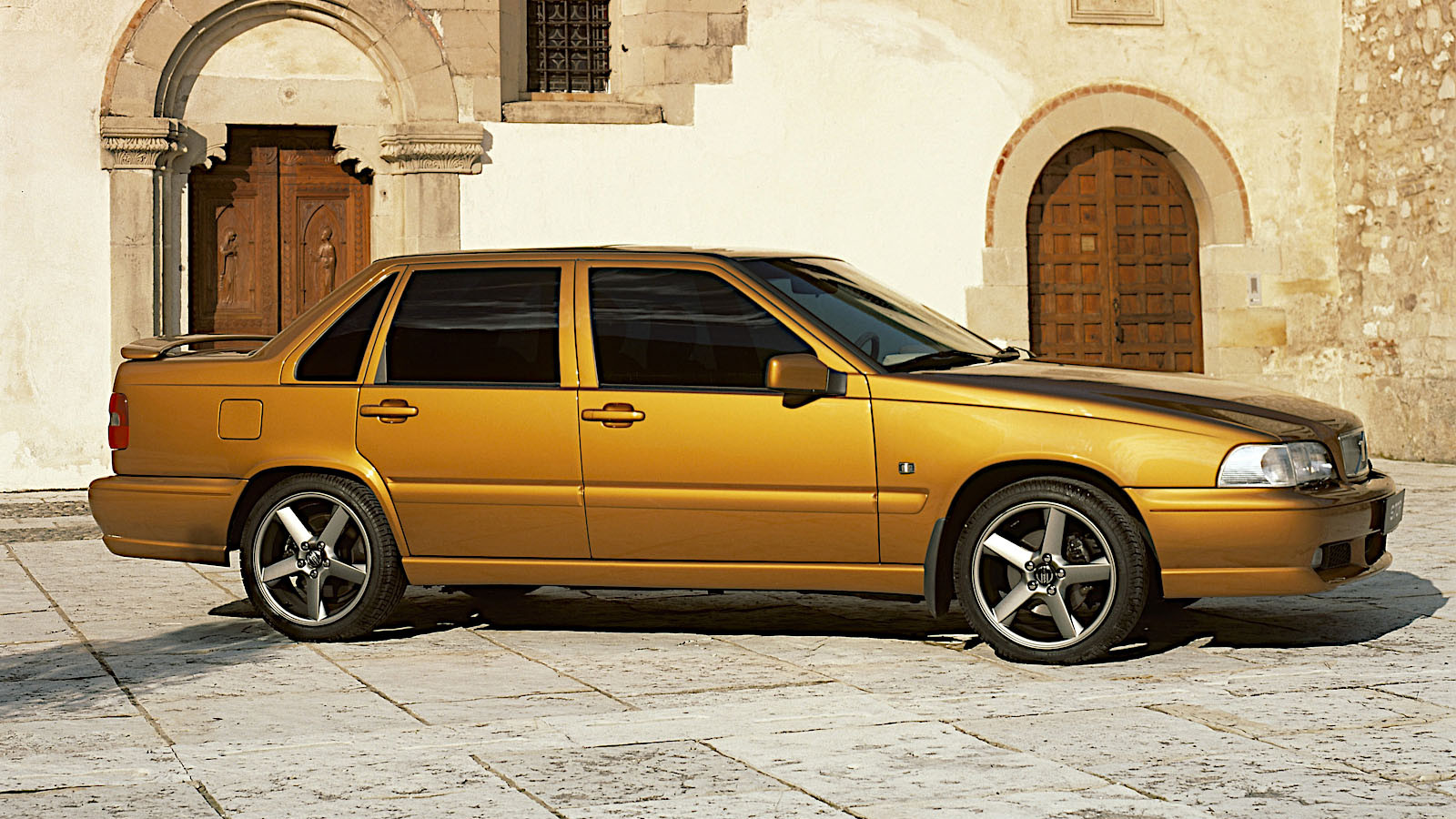
Produced relatively briefly, from late 1996 to 2000, the S70 was a renamed but also partially reworked 850, which dated back to 1991.
The most obvious change was to the styling, which was broadly the same as before but softer around the edges, as well as bearing a slight resemblance to the S40 at the front.
Like the 850, the S70 was only ever offered with transversely mounted, five-cylinder engines, and there were four-wheel-drive and (as pictured here) R-branded performance versions.
A total of 243,078 S70s were manufactured as opposed to 390,835 850s – a strong performance considering that the later model had a shorter production run and was known to be due for replacement.
24. 1998 Volvo S80
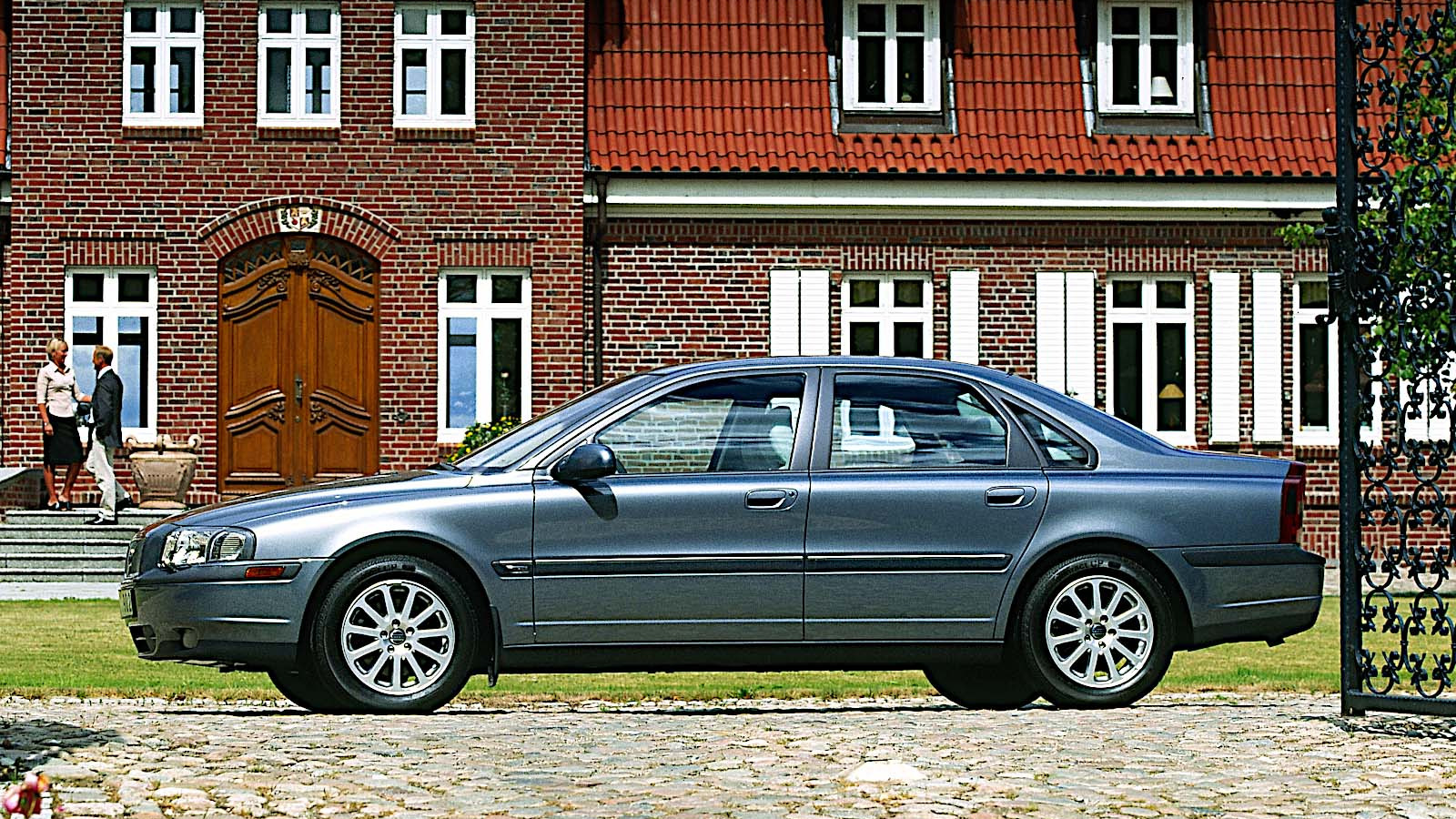
In a slightly curious (one might say backward) change of terminology, the S90, as the 900 series had become known in its final years, was replaced as Volvo’s flagship saloon by the S80.
Keen to distance itself from the boxy models of a previous era, Volvo adopted the design language which had already been used for the S40 and C70.
Several engines, with either five or six cylinders, were available, the most powerful – as fitted to the T6 – being a twin-turbo straight-six producing around 270bhp.
The S80 went into its second generation in 2006, when one of the engine options was a transversely mounted, 4.4-litre V8.
This model survived for a full decade before being replaced in 2016 by another one for which the S90 was revived after a gap of 18 years.
We hope you enjoyed reading. Please click the ‘Follow’ button for more super stories from Classic & Sports Car.