Celebrating 75 years since the start of Triumph’s TR dynasty
The first production Triumph TR sports car arrived in 1953, but the story of this long-lasting line of roadsters goes back to 1950.
Along the way, the TR range has explored a varied number of potential avenues, as well as proving its worth in many forms of motorsport around the world.
Different engines and body shapes evolved over the generations of TR, but the basic recipe always remained the same of a simple, rugged sports car that everyone could enjoy.
Here’s our look at the progression of the Triumph TR from early prototype to last of the line, with the list arranged in chronological order.
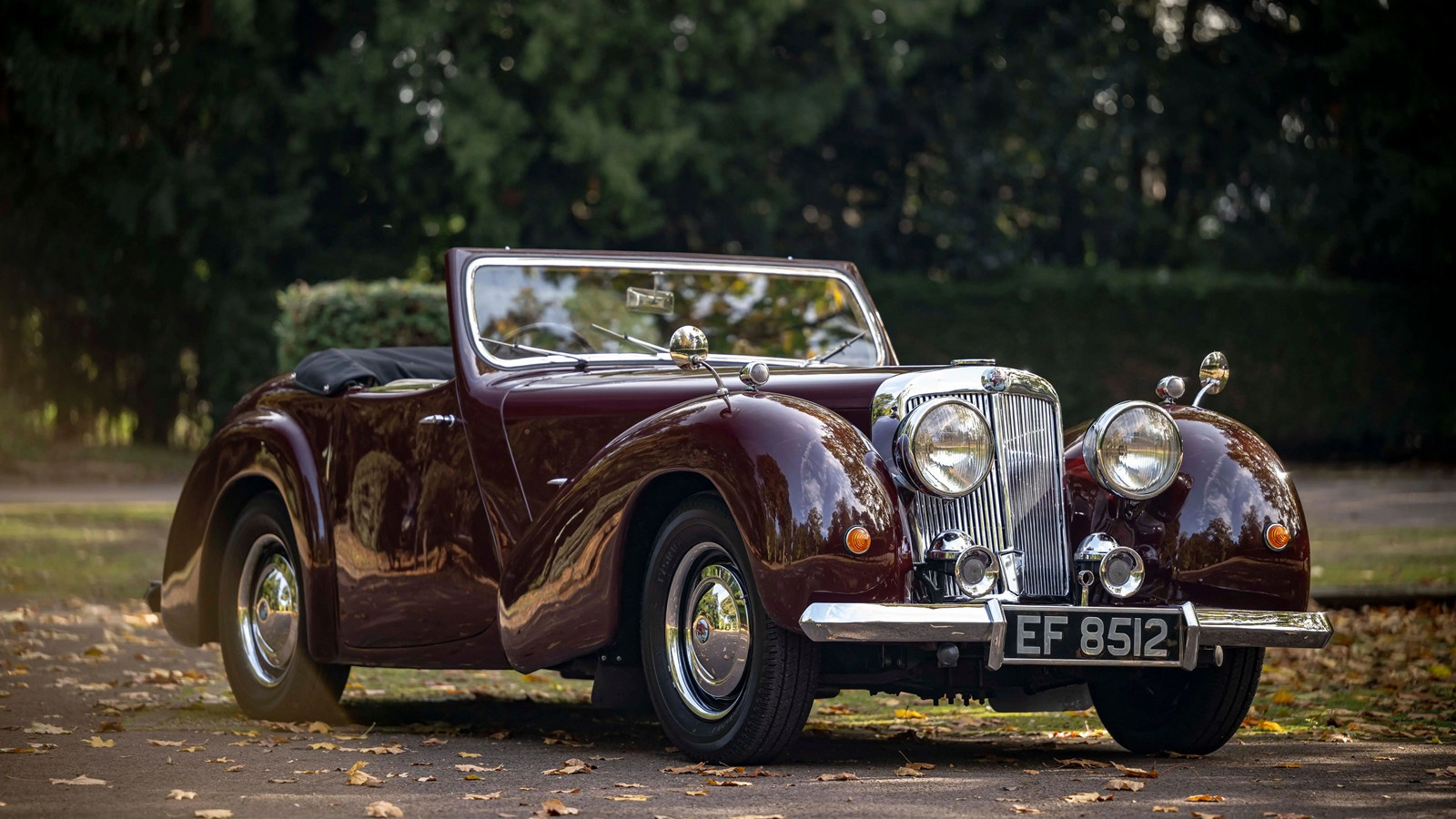
1946 Triumph Roadster
Although not called a TR, the Triumph Roadster was known internally by the company as the 18TR.
This referred to its 1776cc engine coupled to a four-speed gearbox and this early model from 1946 was followed by the 2000 Roadster, known within Triumph as the TRA.
The 2000 swapped the earlier car’s Triumph engine for a Standard Vanguard 2-liter to give greater performance. It also gained larger brakes and an all-synchromesh, three-speed gearbox.
Both of these early, post-war sporting cars from Triumph had a dickey seat to make them 2+2s, with rear passengers protected from the elements by their own lift-up screen.
Triumph built 2501 1800s and a further 2500 2000s.
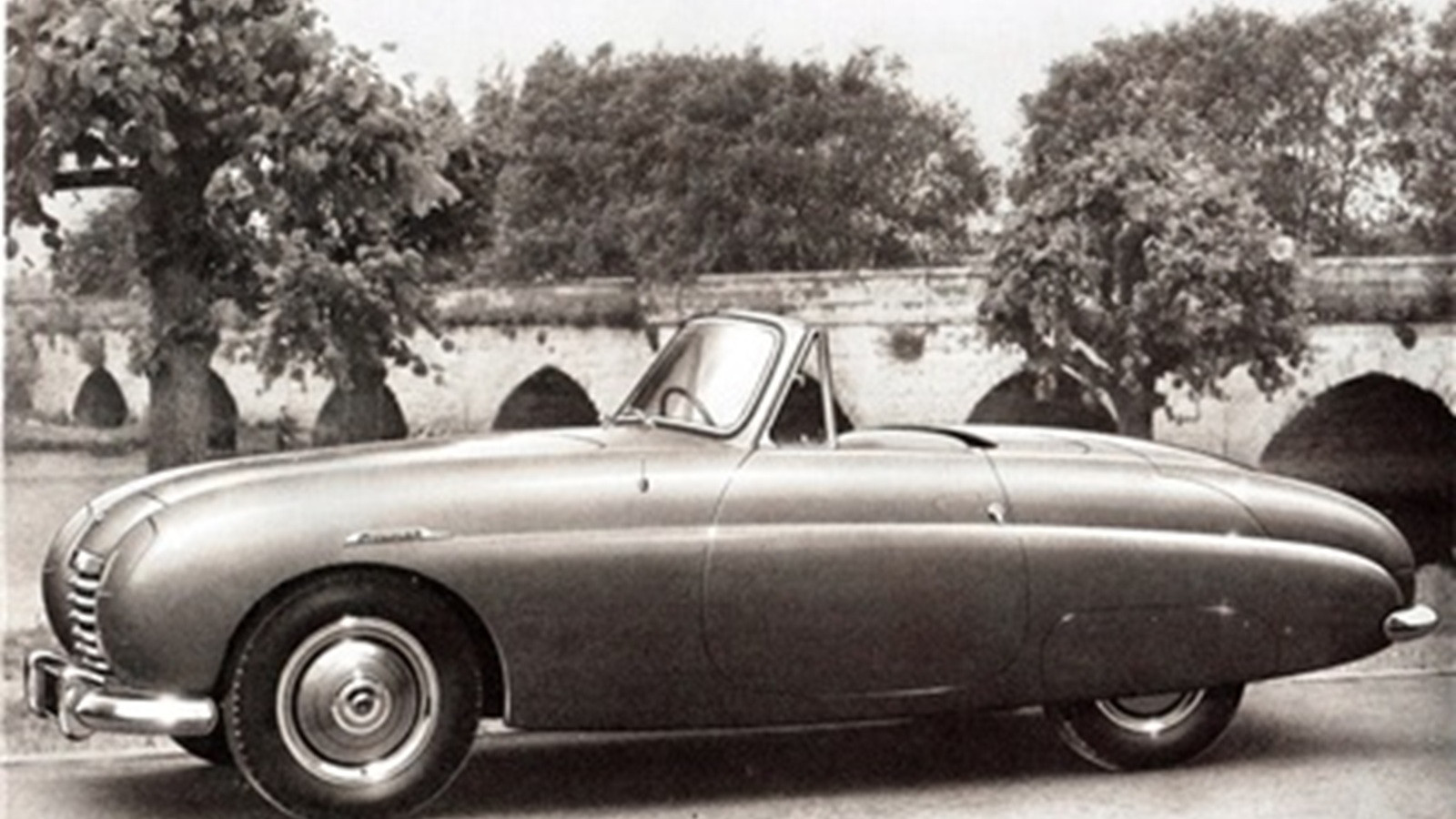
1950 Triumph TRX
The TRX marks the real starting point for the whole Triumph TR line.
Revealed in 1950, it was a radical departure from the company’s upright sedans and the 2000 Roadster that went out of production in 1949.
Full-width bodywork styled by Walter Belgrove offered a streamlined profile to give the TRX a clean look, helped by the electrically operated pop-up headlights.
There was also hydro-electric assistance for the seats, windows, roof and aerial, as well as for the gearbox’s overdrive.
Based around a Standard Vanguard chassis with a 2088cc, four-cylinder engine, the TRX’s body was made from aluminum.
Three were made to explore the idea of a new Triumph sports car, but cost was an issue because of all the gadgets.
1952 Triumph 20TS
Triumph boss Sir John Black was keenly aware of the success MG was enjoying with its sports cars and wanted to emulate this with one of his own.
To achieve this, he charged Walter Belgrove to come up with another sports car that was a much simpler machine than the TRX.
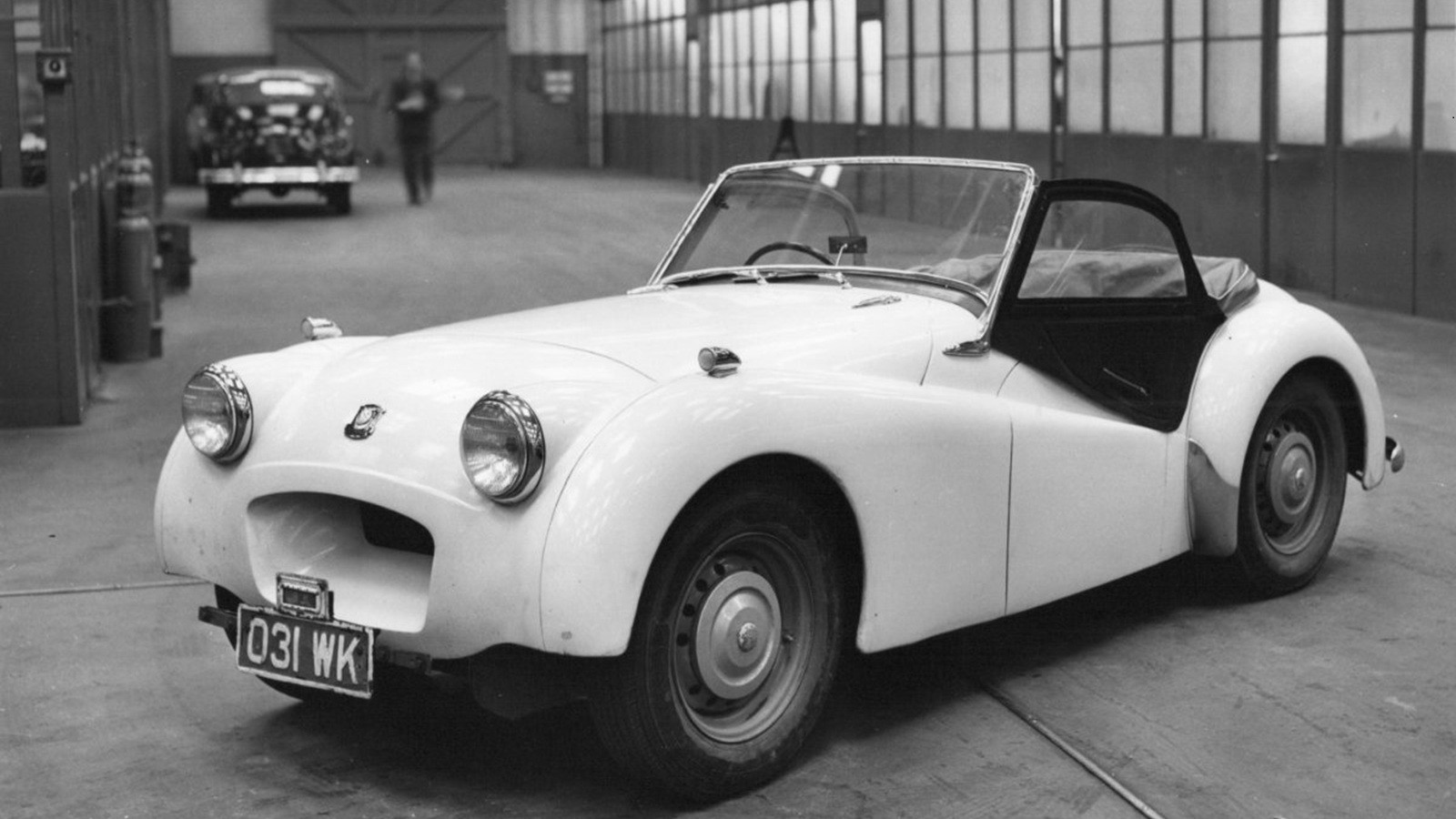
What Belgrove created was clearly the forerunner of the TR2 when viewed from the front.
However, the rear end was more rounded and considered too stubby by the press when the car was revealed at the 1952 London Motor Show.
The way the 20TS drove was also a subject of much discussion, because race-car driver Ken Richardson was unimpressed when he tried the car. As a result, Richardson was taken on to develop the final production version.
1953 Triumph TR2
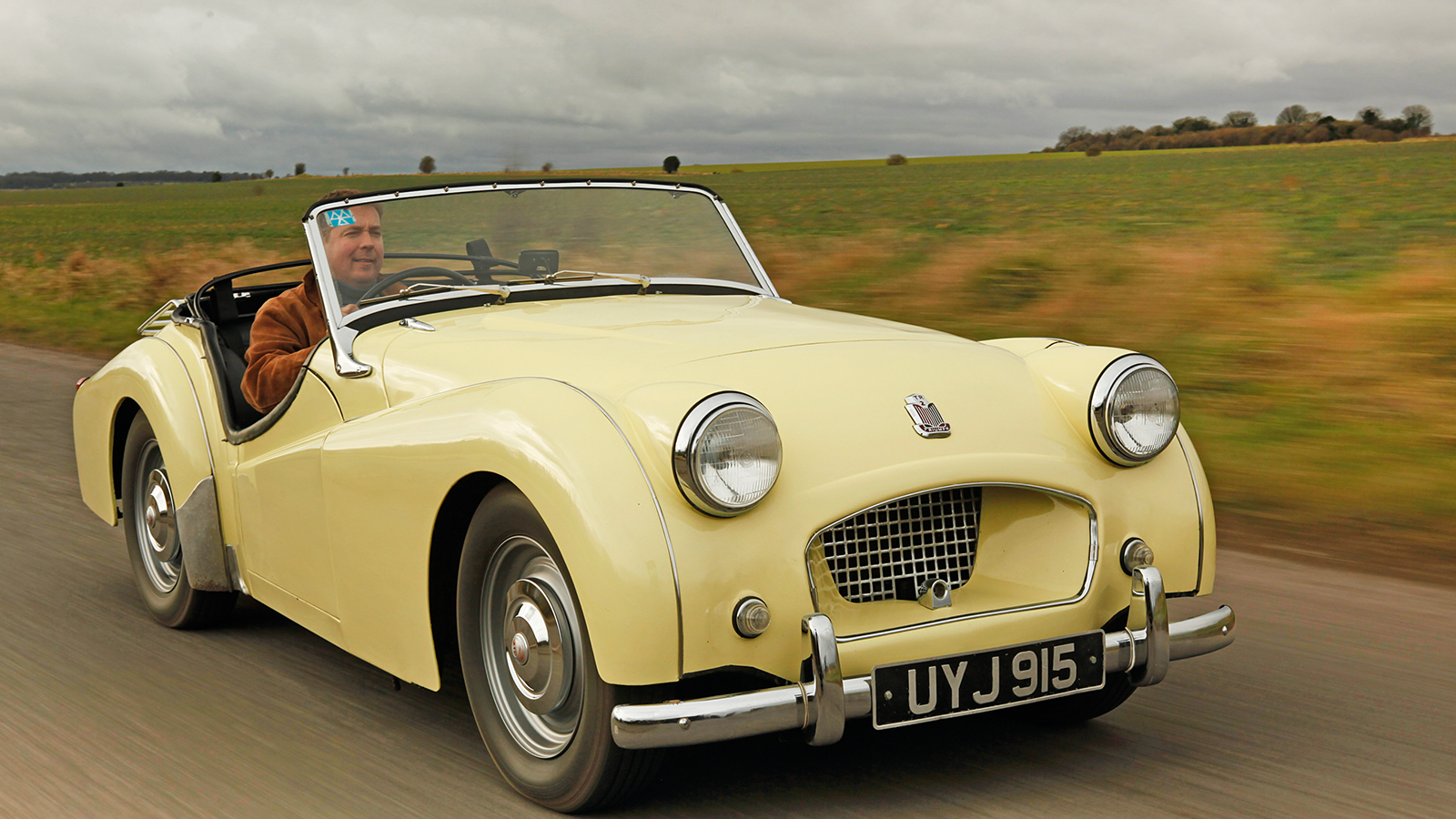
The link between the 20TS show car of 1952 and the 1953 production Triumph TR2 was clear in the look of the front end.
At the back, there was now a longer tail to offer greater trunk space and improve cabin room, which had been a major flaw of the 20TS.
Built on a chassis developed for this model, the TR2 used the 1991cc, four-cylinder engine from the Vanguard with twin carburetors.
That was enough to propel the TR2 to a shade more than 100mph and give it the sporting credentials it needed to compete with MG and Morgan, and the TR2 proved successful in rallying.
The front coil suspension and drum brakes were also lifted from the Vanguard to keep costs down.
It was initially hoped the Triumph TR2 might sell 500 cars per year, but that soon proved way too modest.
Shorter doors were fitted from late 1954 and by 1955 Triumph had sold a total of 8628 of this first production TR.
1954 Swallow Doretti
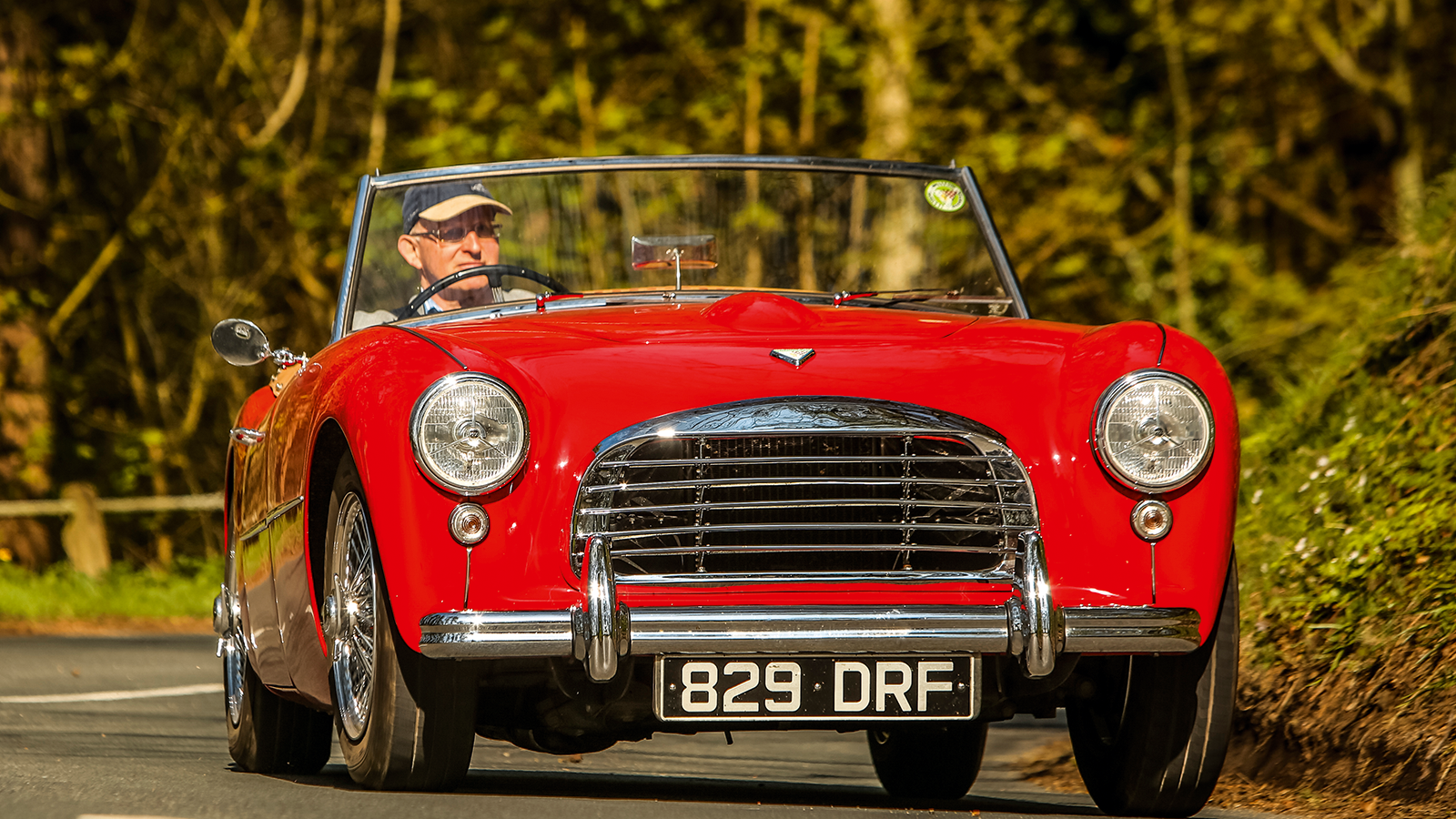
The Swallow name had been sold by Jaguar during the war to Tube Investments, which came up with its own take on the Triumph TR2 in 1954.
To showcase its own tubular frame, the Doretti’s pretty, two-seat, aluminum coachwork was supported by a network of steel tubes.
This made the body very strong and rigid, but it also added weight and complexity over the TR2 donor vehicle. As a result, the Doretti was not quite as fast as the TR2.
The Swallow did drive well, though, and its cabin was more luxuriously appointed.
However, it was not enough to tempt many buyers over from the Triumph and Swallow only built around 250 Dorettis by the time it went off sale in 1955.
1955 Triumph TR2 Coupe Francorchamps
Triumph only ever offered the TR2 as an open-top roadster, though it could have an optional hardtop added.
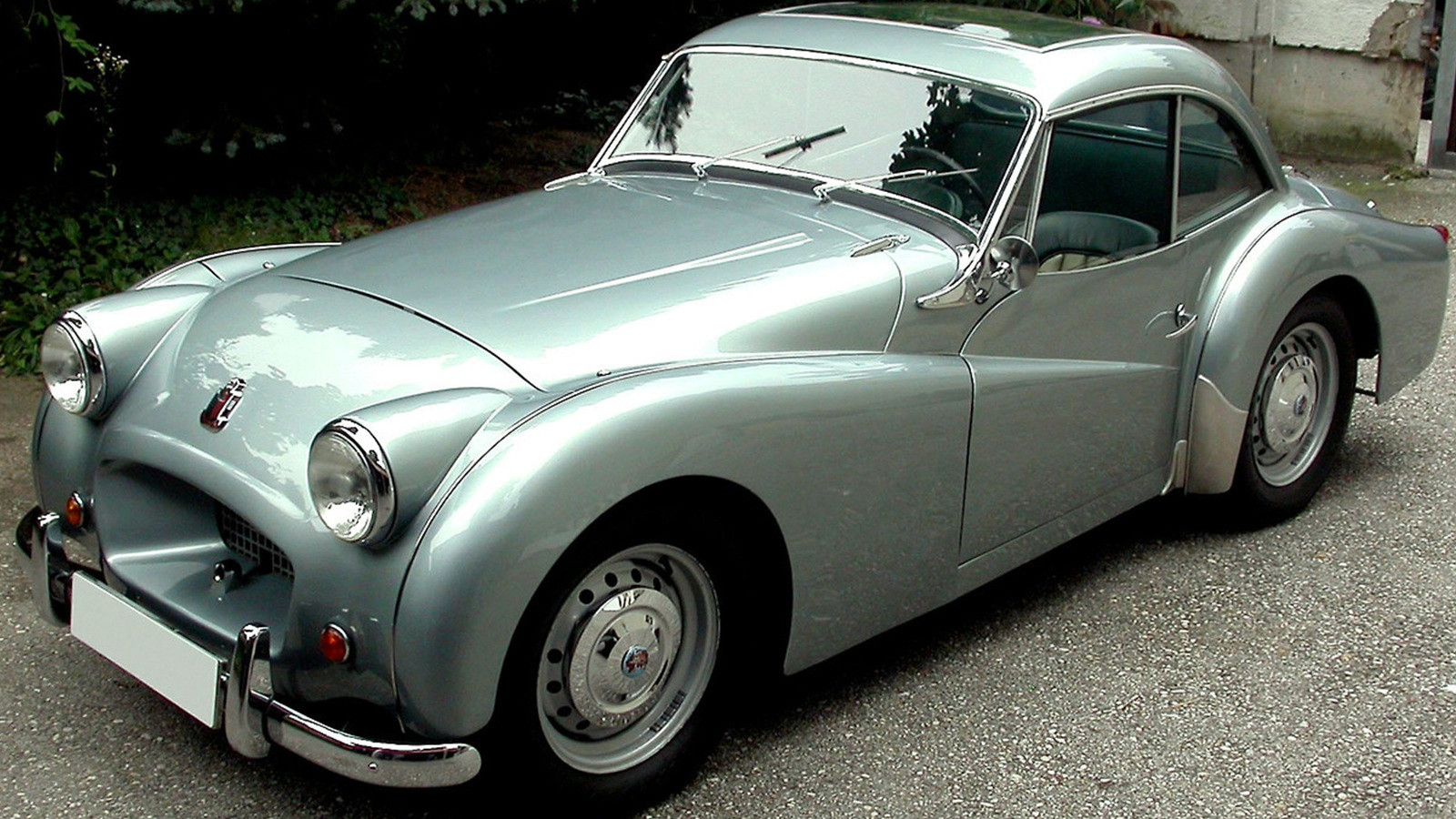
Not content with that, Belgian company Impéria decided to create its own coupe version of the TR2.
Called the Francorchamps after the famous race track in Belgium, the TR2 coupe came with unique doors that had wind-up windows in place of the fabric sidescreens of the standard TR2. There was also a Plexiglass sunroof to let in natural light to the now enclosed cabin.
The Francorchamps was built with the approval of Triumph, though the British firm did not follow suit with its own version of the steel-roofed Impéria design.
First seen at the Brussels motor show in 1955, there were high hopes for the Francorchamps, but only 22 were produced in total due to its higher cost than a TR2.
1955 Triumph TR3
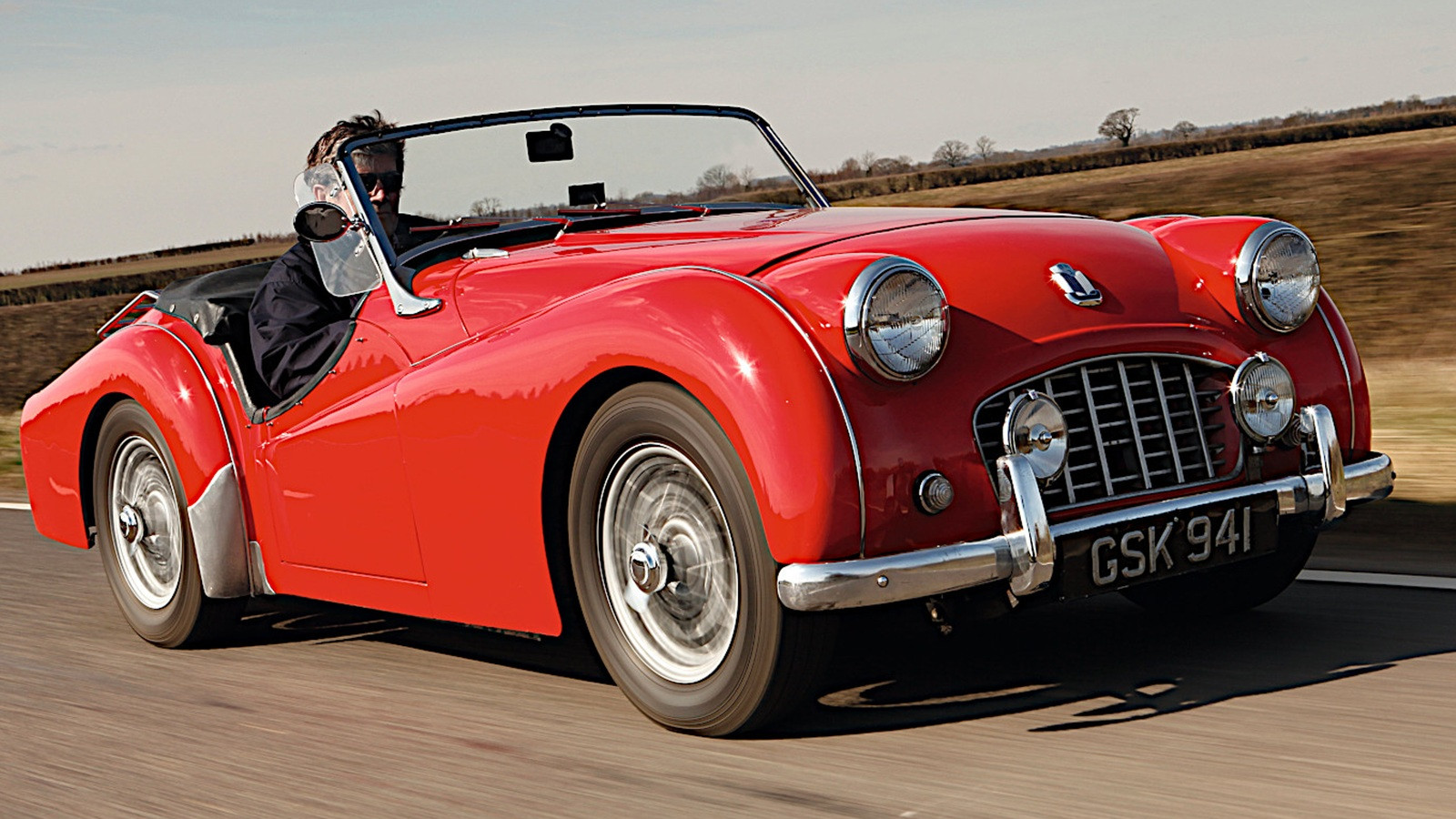
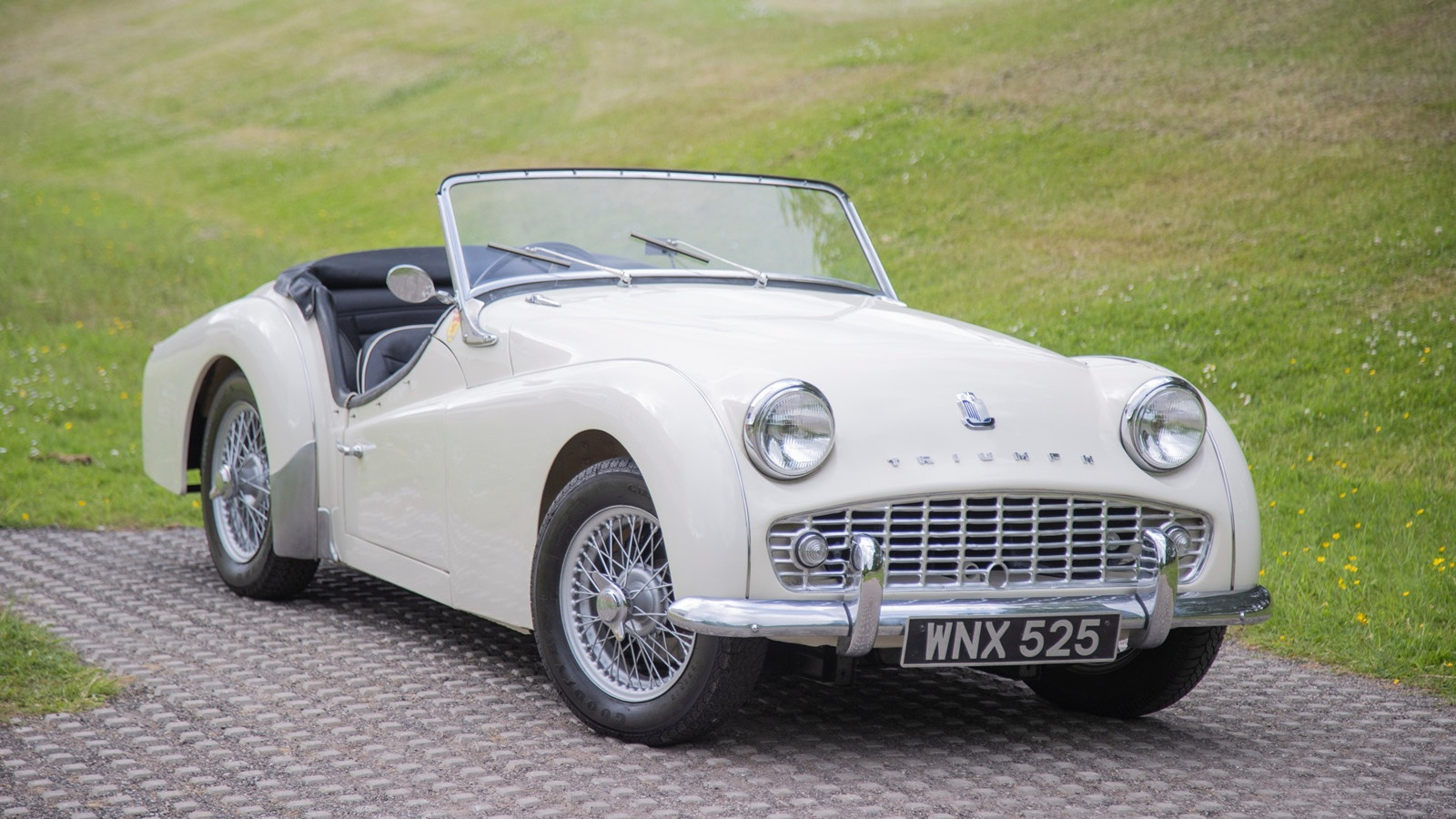
Triumph was into the swing of sports cars by the time the TR3 arrived in 1955. Essentially an updated and refined version of the TR2, the 3 came with an egg-crate front grille in place of the TR2’s recessed item.
Other distinguishing features of the Triumph TR3 were its scuttle-top ventilation flap and occasional rear seats, though these were cramped even for children.
There was also stainless-steel beading for the fender joints and chromed door hinges.
Of more relevance to most TR customers, the TR3 gained larger carburetors to increase power by 5HP to 97HP. There was also overdrive now as an option for the top three ratios in the four-speed manual gearbox.
In September 1956, the TR3 made history when it became the first production car to come with disc brakes as standard, beating Jaguar to this by a slender four months. When Triumph TR3 production ended, 13,377 had been built.
1957 Triumph TR3A
The TR3A was not officially known by this designation within Triumph, but it was apt because this model was a comprehensive update.
The 3A was immediately identified by its full-width front grille and more recessed headlights that gave it a more modern look.
There were also sidelights now mounted within the grille rather than separately, while external doorhandles as standard were a welcome addition.
A little more cabin width was found with the TR3A redesign and later cars also had a revised rear-seat layout.
Under the hood, the 1991cc engine was upgraded to a 2138cc in 1959 with 106HP.
A ‘TR3B’ was built in limited numbers in 1961 to meet US demand for the classic style of TR when the TR4 was announced. This run amounted to 1962 cars as part of the overall 58,236 TR3A production.
1957 Triumph TR3 Speciale
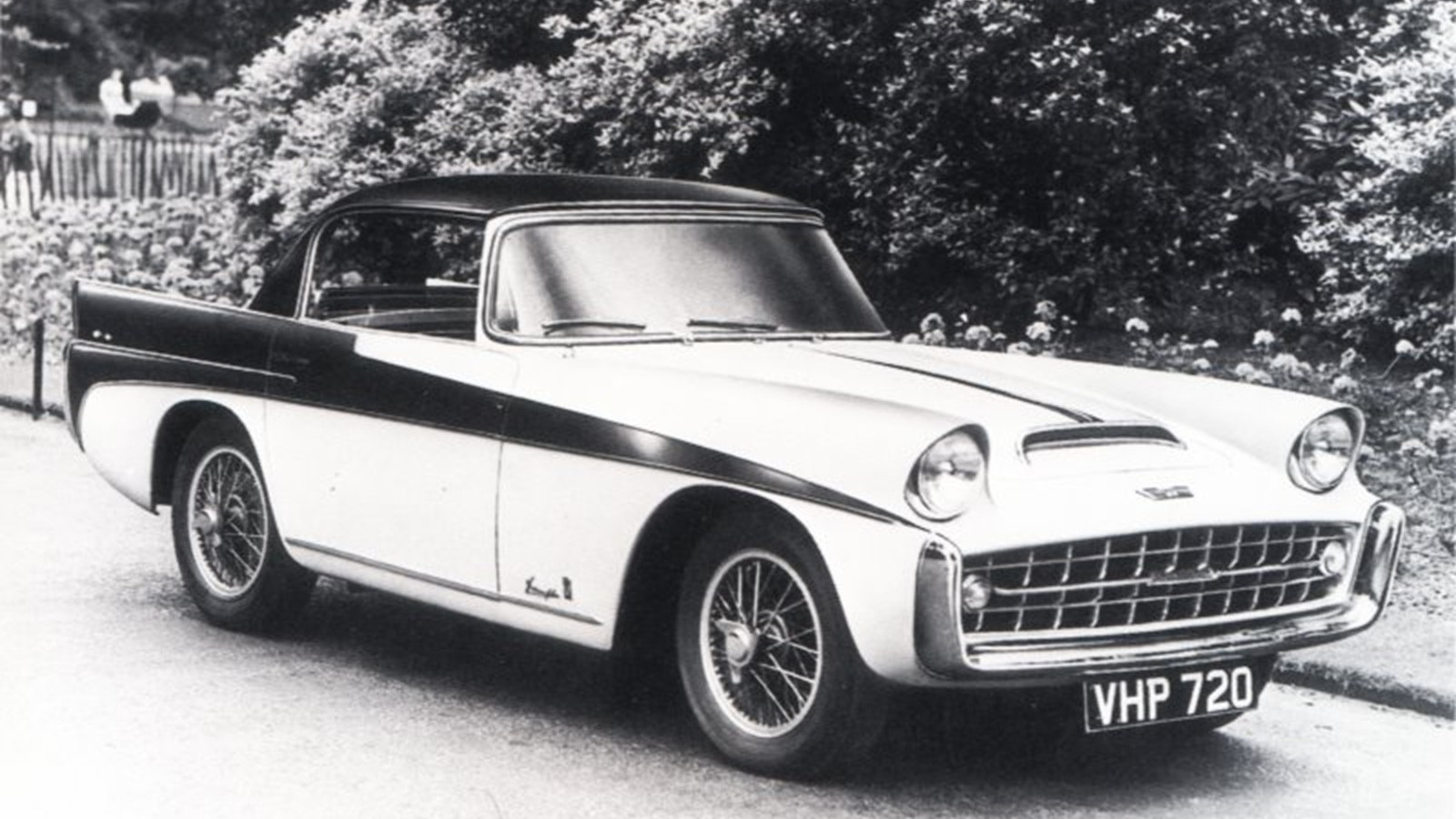
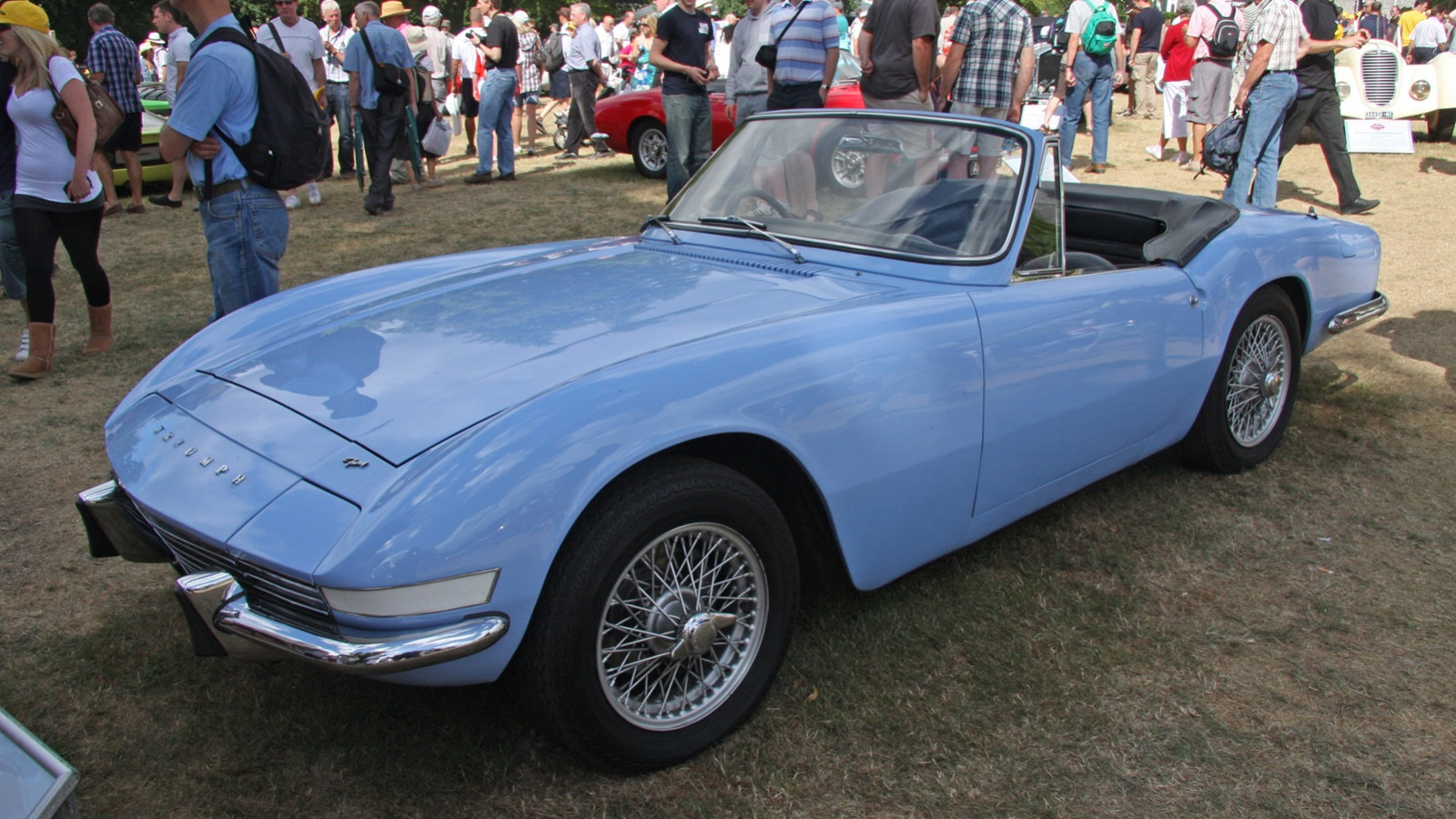
Giovanni Michelotti was to play an important role in the design of Triumph cars and the first fruit of this Anglo-Italian relationship was the TR3 Speciale.
Also known as the TR Dream Car, this one-off was styled by Michelotti and built by Vignale ahead of its debut at the 1957 Geneva show.
It made quite an impression on those who saw it and its longer-term influence would be seen in the TR4 and Herald sedan.
Power came from the TR3’s standard, 2-liter engine, while elements such as the body’s tailfins, front grille, headlight ‘eyebrows’ and even the painted side flash would all make it across to Triumph production models.
1957 Peerless GT
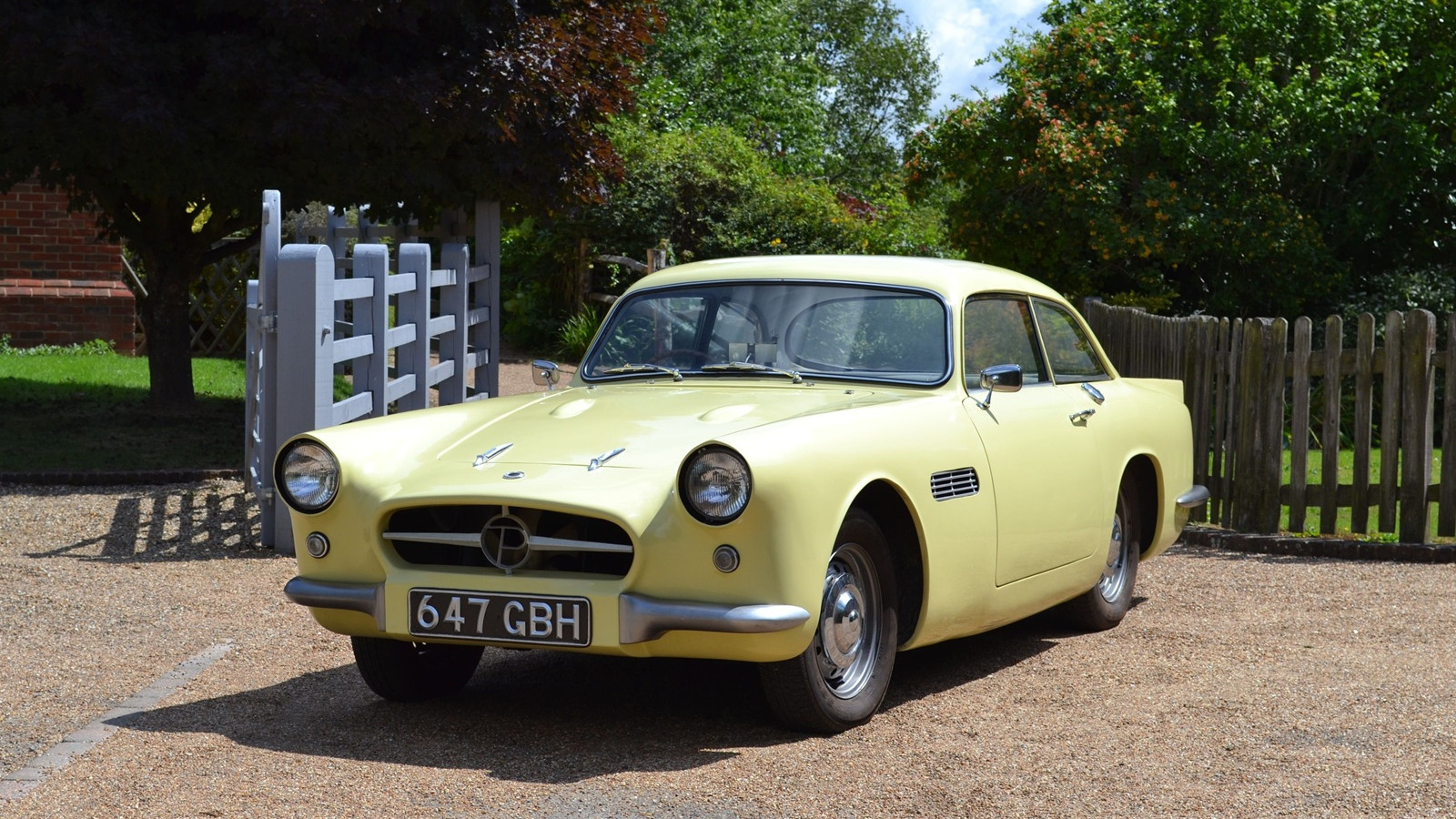
The combination of rugged Triumph TR3 running gear and a handsome coupe body made from fiberglass should have been a recipe for success with the Peerless GT.
Created by Bernie Rodger, the Peerless GT took its engine, gearbox and front suspension from the TR3 but added the company’s own de Dion rear end.
It made for a car capable of 105mph and a Peerless ran well to finish 16th overall in the 1958 Le Mans 24 Hours.
Those sorts of credentials were still not enough to draw in many customers and the GT went out of production in 1960, before being revived briefly as the Warwick GT that ran until 1962.
The Warwick was said to weigh 80LB (36KG) less, but build quality was still patchy and 325 cars of both types were made altogether.
1959 Triumph Italia
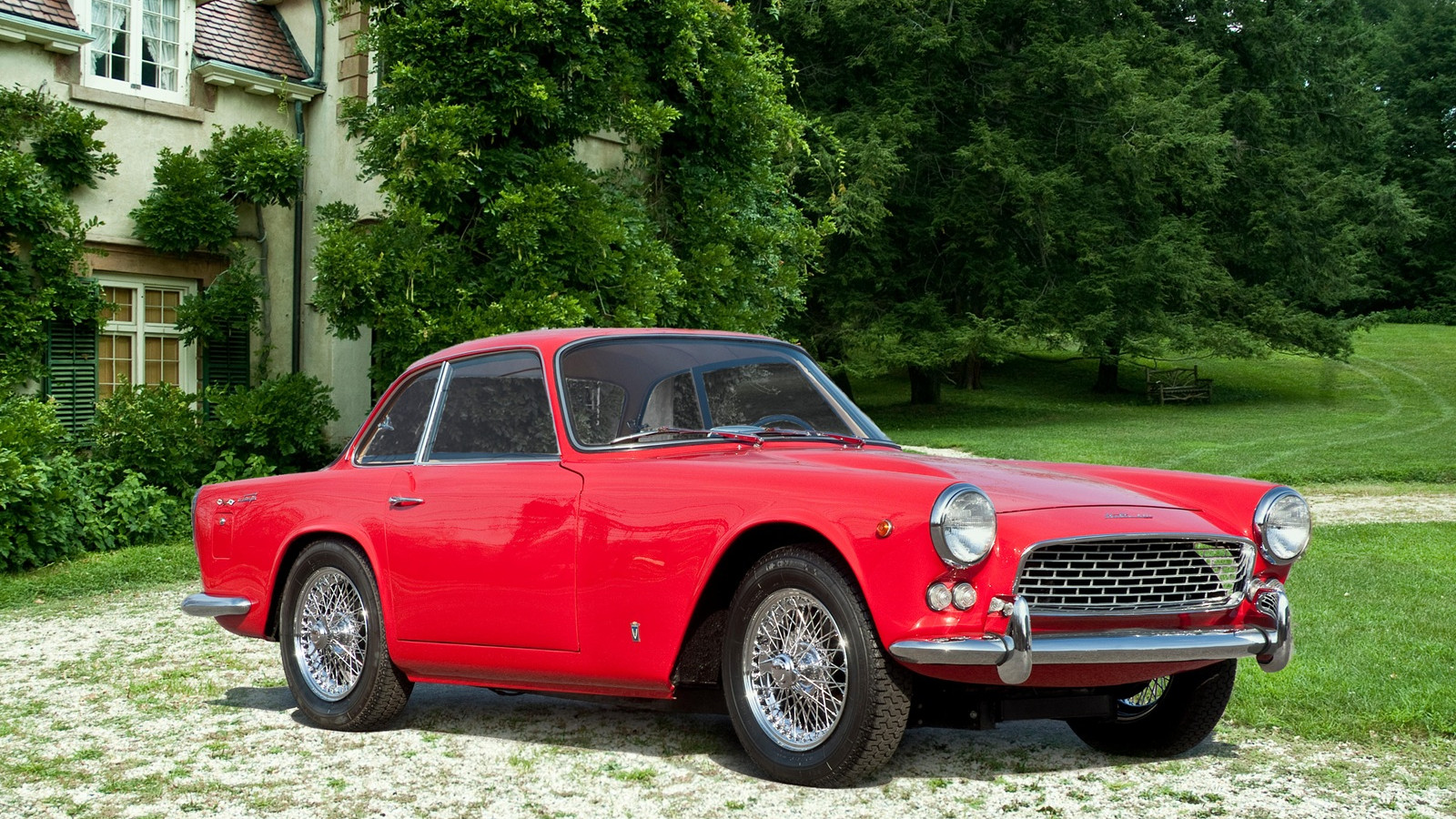
Following on from Michelloti’s TR3 Speciale, the Triumph Italia was a more restrained take on the same theme and, importantly, went into limited production.
Again, Vignale built what Michelotti had styled and the Italia was a very pretty coupe based on a TR3 chassis and using the 1991cc engine. This meant the Italia was good for 110mph thanks to its better aerodynamics than the car it was based on.
Triumph decided not to import the Italia to the UK, so this appealing coupe was predominantly a car for its home market in Italy.
In hindsight, that seems a mistake, even if the Italia would have been expensive in the UK, because only 329 were made.
1959 Triumph TRS
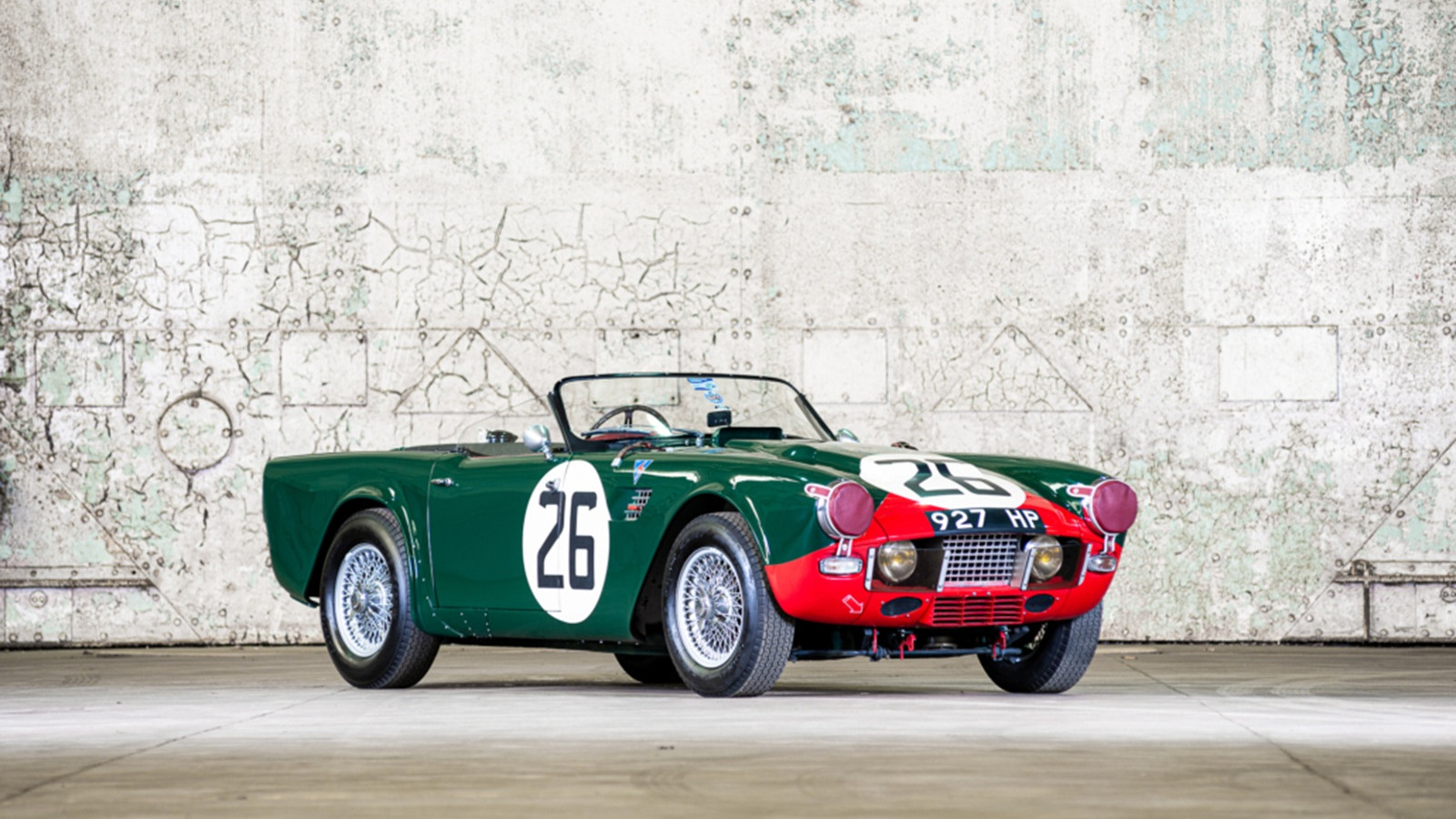
With success on the race track and rally stage already for the TR3 models, Triumph set its sights on the Le Mans 24 Hours event.
Work started in 1958 and the result was the TR3S with a new ‘Sabrina’ twin-cam engine producing 150HP.
In the 1959 Le Mans race, none of the Triumph cars finished, but the factory returned in 1960 with the TRS.
Based on the TR3S, the TRS had different bodywork that hinted at how the forthcoming Spitfire would look. The body was made from fiberglass to keep weight down.
Three cars were entered, with a fourth taken to the 1960 race as a back-up. All finished, ending in 15th, 18th and 19th places, but were unclassified because they had not completed the minimum required distance.
That disappointment was put right in 1961 when all three TRS cars entered again finished, this time classified in 9th, 11th and 15th positions.
Triumph was the only entrant that year to bring all of its cars across the finishing line, which won them the manufacturers’ team prize.
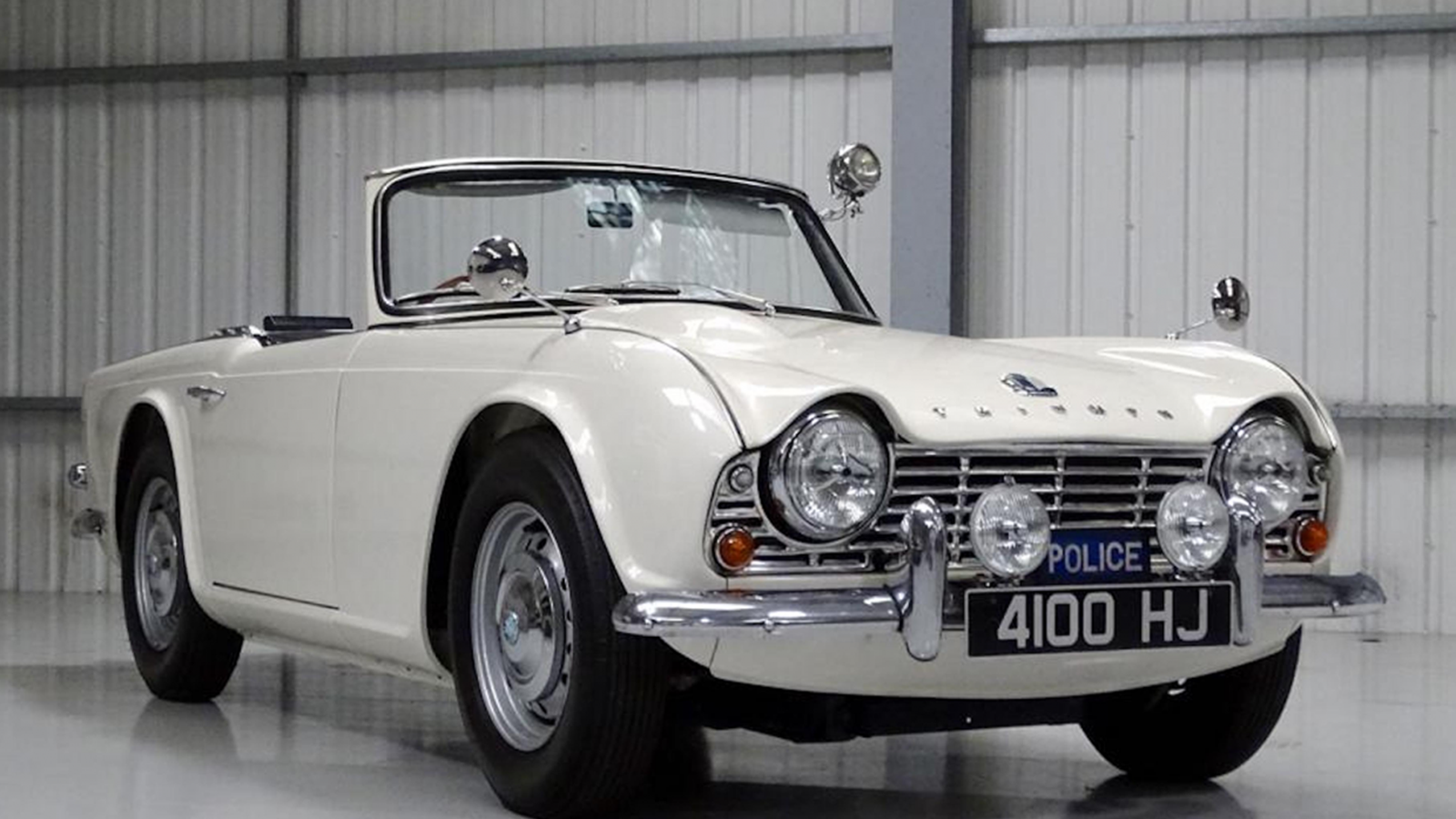
1961 Triumph TR4
With styling nods to the TRS Le Mans car and Michelotti’s TR3 Speciale, the Triumph TR4 arrived in 1961 just ahead of the launch of its arch rival, the MGB.
While the MG embraced unitary construction, the TR4 stuck with its separate chassis, which was a whole 12in longer than the TR3’s.
As well as its longer and wider dimensions, the TR4 had full-width styling, with no hint of its predecessor’s flowing-wing style.
There was also a power bulge in the hood to clear the carburetors, while an all-synchromesh gearbox and rack-and-pinion steering further improved the driving experience. With a 2138cc engine, the TR4 offered 0-60mph in 11.4 secs and 110mph flat out.
The spacious cabin of the TR4 was a step up from its predecessors and buyers could add a Surrey Top in place of the folding roof for added refinement. In all, Triumph made 40,253 TR4s.
1961 Harrington Dové GTR4
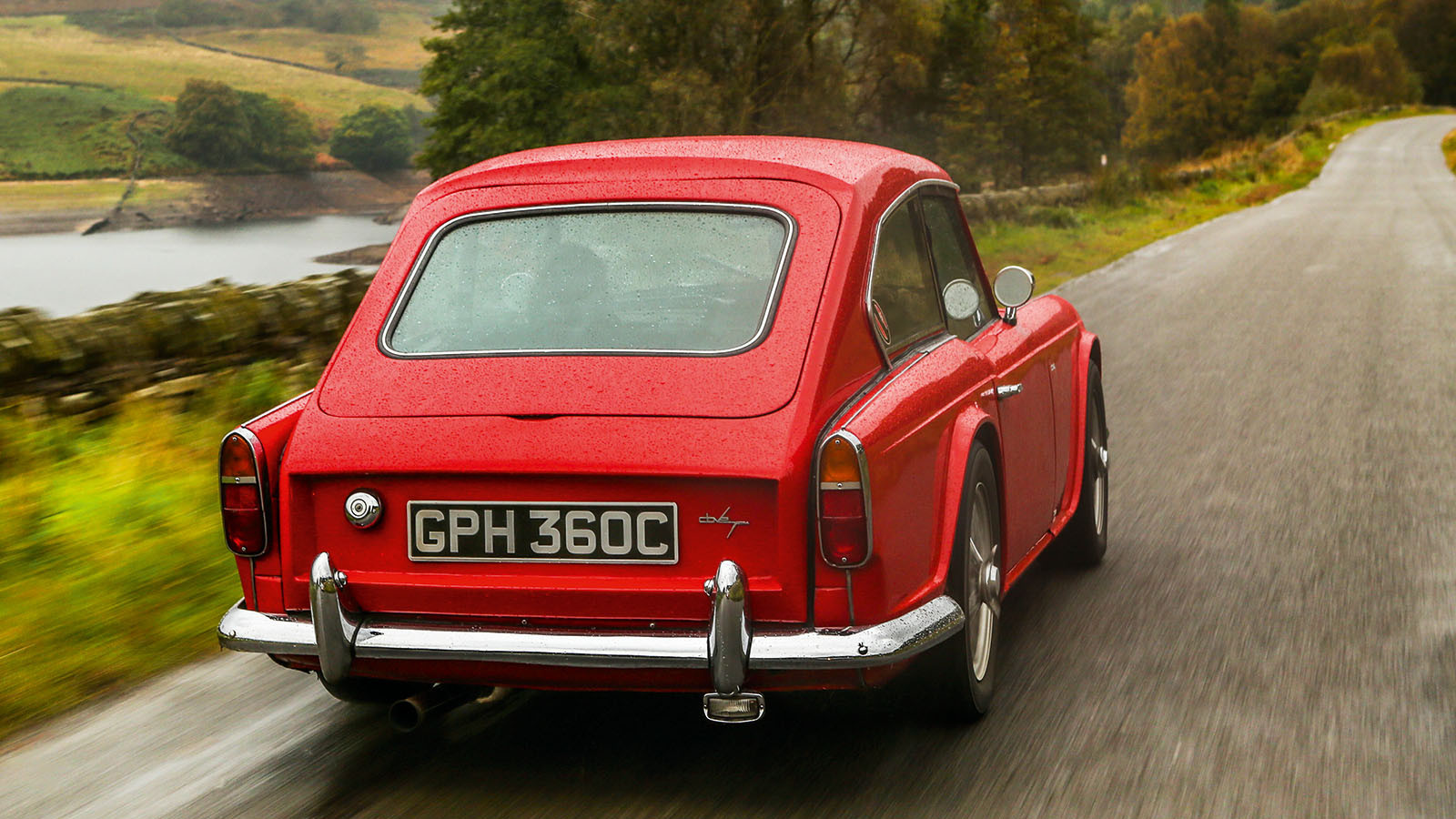
Triumph once more left it to others to come up with a coupe version of its sports car. This time it was Harrington that took the TR4 and turned it into the Dové GTR4.
Harrington styled the car on similar lines to its existing conversion of the Sunbeam Alpine, so the body was the same from the windshield forward, and kept the rear fenders.
However, the new enclosed roof extended higher and further back to offer rear seating and a trunk accessed through a hatchback panel.
A larger fuel tank helped counter worse economy caused by the extra 500LB (227KG) weight of the conversion.
This also impacted performance, but distributor LF Dove found around 50 willing buyers for the GTR4.
Production ceased when Rootes encouraged Harrington to drop the TR4-based model in preference for its Sunbeam conversion.
1964 Triumph TR4A
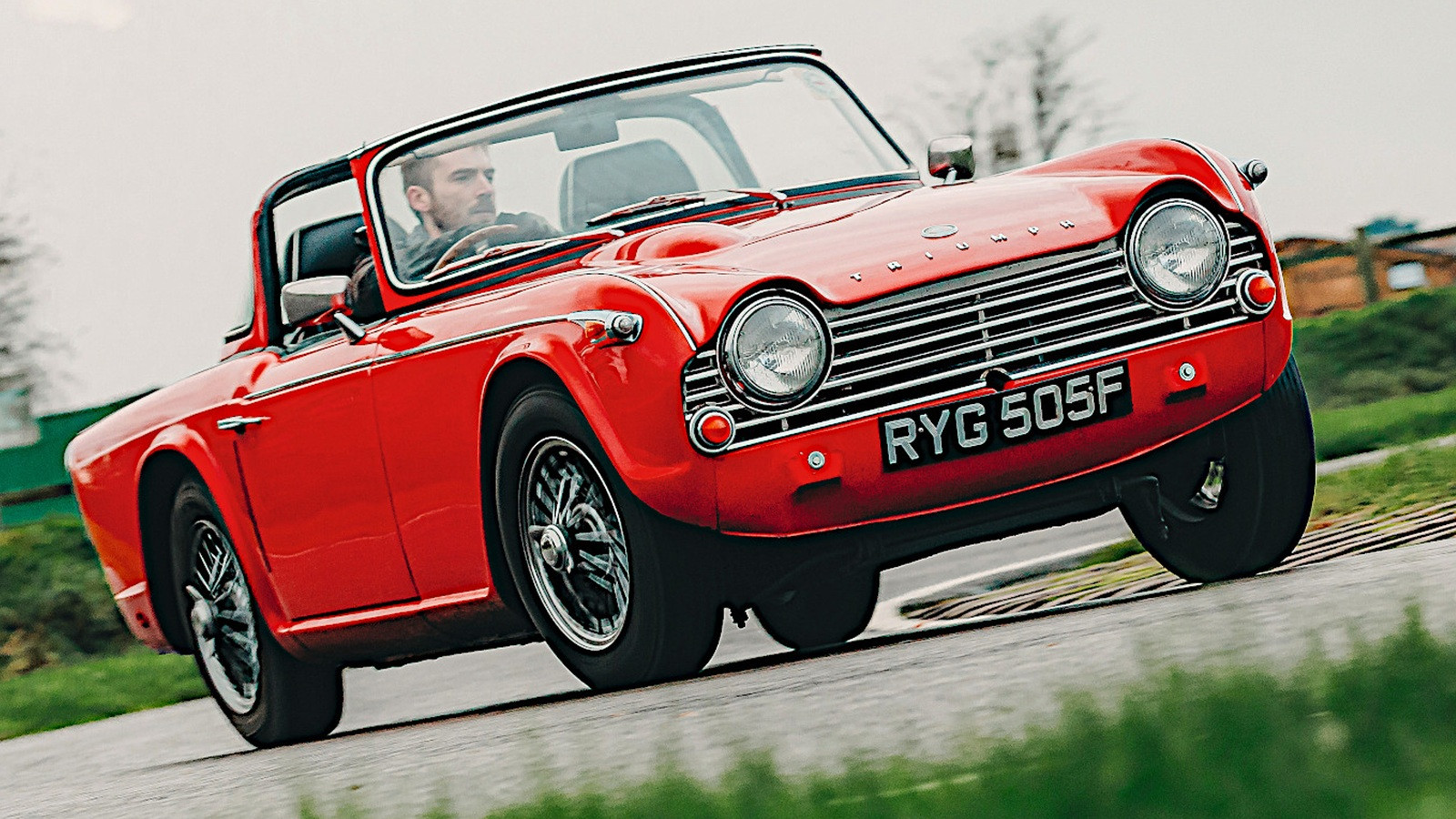
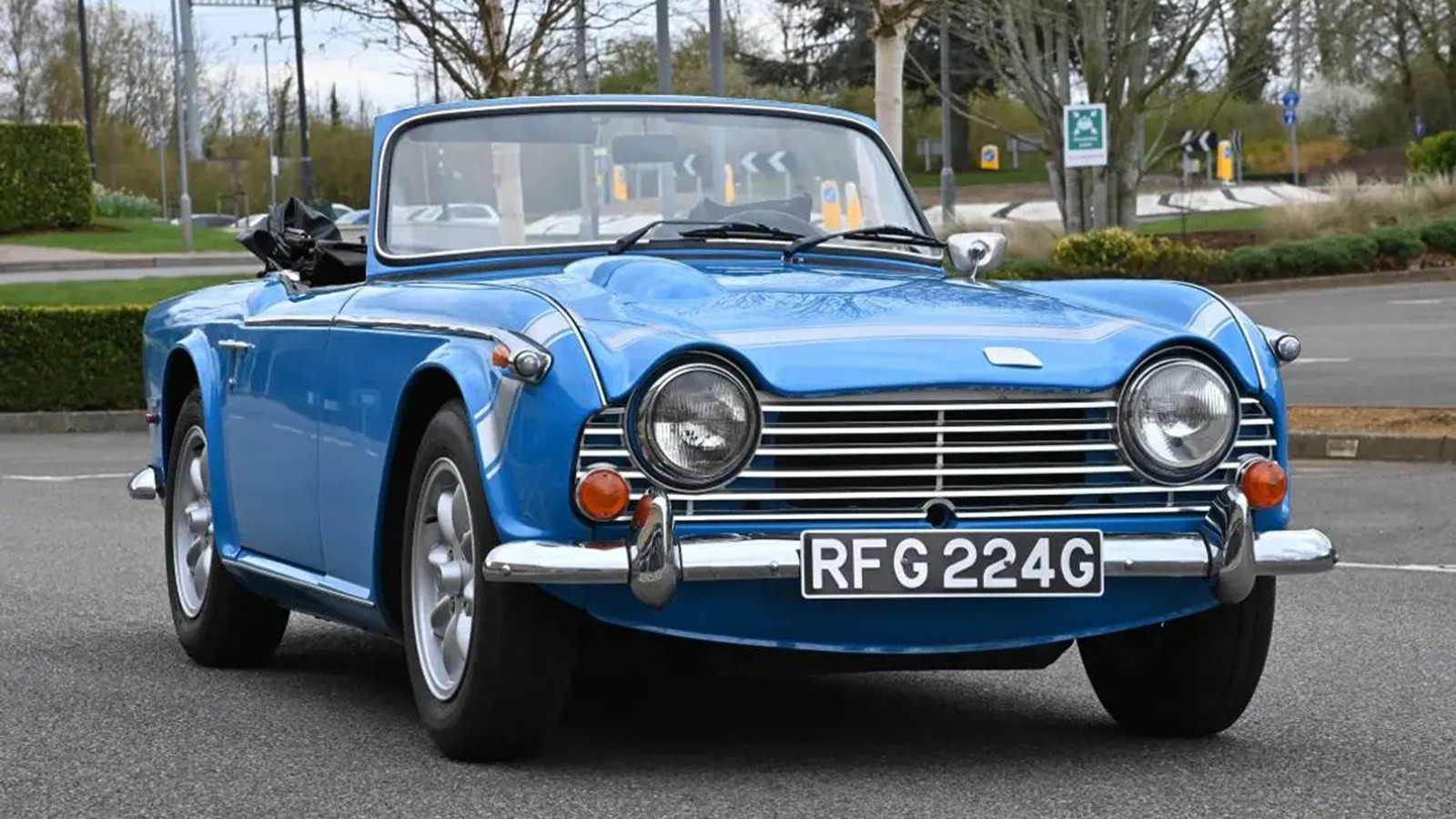
Obvious visual clues to the updated Triumph TR4A were its different front grille and sidelights that moved to the side of the front fenders rather than incorporated into the grille.
There was also a revised hood, repositioned handbrake and more padded seat squabs.
However, the big news was under the skin with the adoption of an independent rear-suspension design.
Most cars with this had a small ‘IRS’ badge to flag it up, though some TR4As sold in the US were supplied with the older live axle.
The new rear end was an adapted version of the Triumph 2000 sedan’s and greatly improved handling, which had become a constant criticism of the TR4.
However, the new suspension set-up added 50LB (23KG) to the TR4A’s weight, with a small penalty in performance and economy. That didn’t put off 28,465 customers, though, by the time the TR4A was replaced by the TR5.
1965 Triumph Fury
Triumph’s decision to keep with a separate chassis for the TR4 was largely down to cost considerations, but it was looking at unitary-build methods for its sports cars and the Fury is proof of this.
With a unitary base and styling that mixed elements of the TR4 and Spitfire, the Fury was styled by Giovanni Michelotti and came with pop-up headlights.
The finished car was sometimes referred to within Triumph as the ‘TR5 Fury’, but the only thing the production TR5 shared with the Fury was a six-cylinder engine.
The Fury used a 2-liter straight-six from the 2000 sedan, while the TR5 had a 2.5-liter unit.
There was also mention of the Fury being capable of using a V8 engine, which hinted towards what was to come for the Triumph Stag.
1967 Triumph TR5
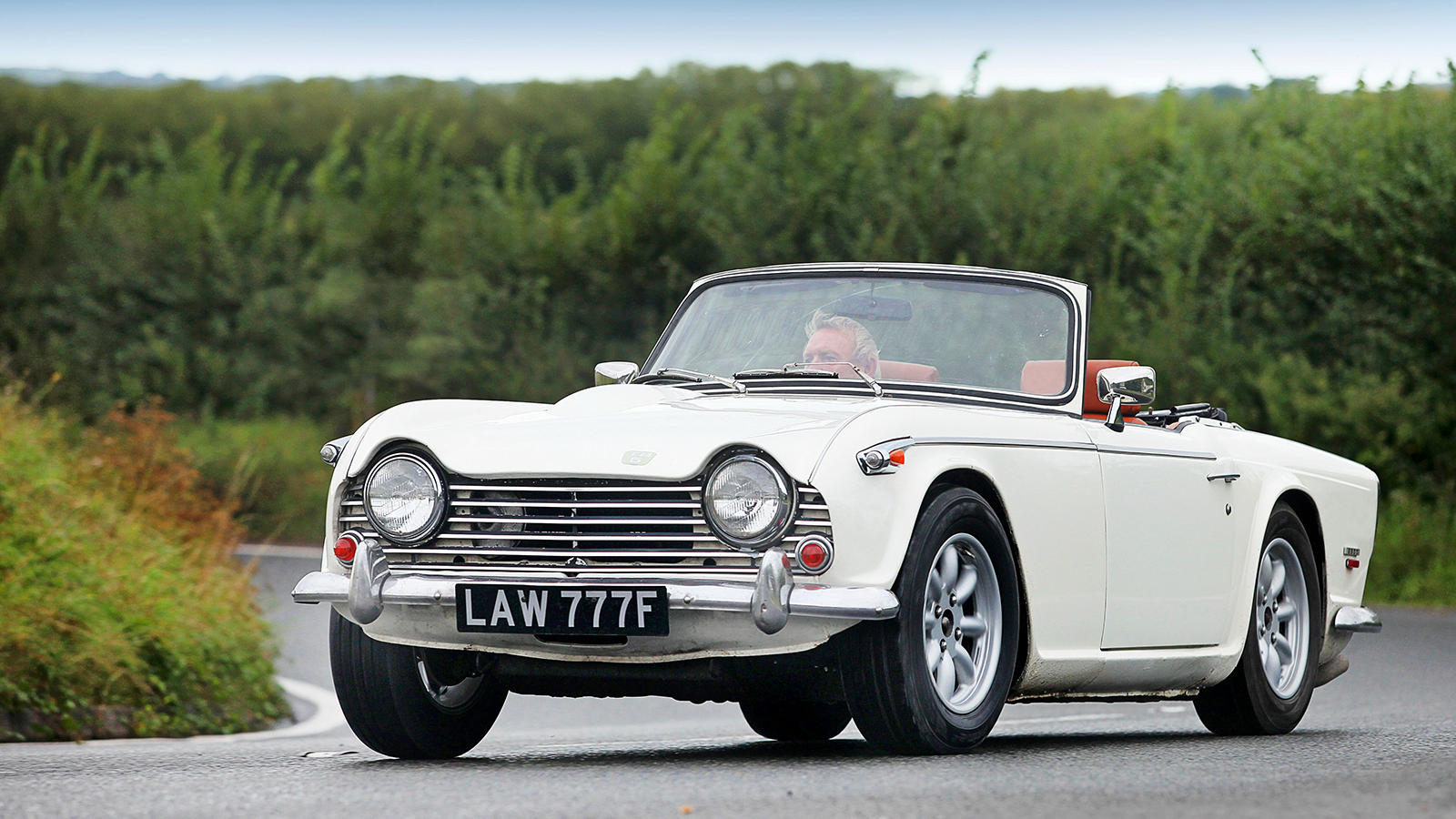
While the Triumph TR4A addressed press and customer grumbles about the handling of the TR4, the TR5 dealt with gripes about performance.
The old, four-cylinder engine was dropped in favor of a 2.5-liter version of the 2000 sedan’s straight-six motor.
With fuel injection, this new engine offered 150HP to give the TR5 a 120mph top speed, 10mph up on the TR4A, and 0-60mph in 8.8 secs to be around 2 secs quicker over this dash.
Adding to the TR5’s appeal, it also came with radial tires to be the first TR with this and RoStyle wheels were standard, with the option of wires.
Despite its uptick in performance, the TR5 saw only modest sales of 2947 cars during the time it was on sale.
1967 Triumph TR250
Not everyone got the full 150HP TR5, because US emissions meant the 2.5-liter straight-six engine ran on twin Stromberg carburetors, which strangled it down to 113HP.
These US-bound cars were badged as the TR250 and 8484 were made, versus 2947 TR5s, so the TR250 was a modest success for Triumph as it tried to stay on terms with MG, and emerging threats from the likes of Datsun and Ford.
One upside of more stringent US regulations was the TR250, and TR5, came with a dual master cylinder set-up for the brakes.
The TR250 also had go-faster stripes fitted to give it a sportier appearance, though 0-60mph in 10.8 secs fell short of its key rivals.
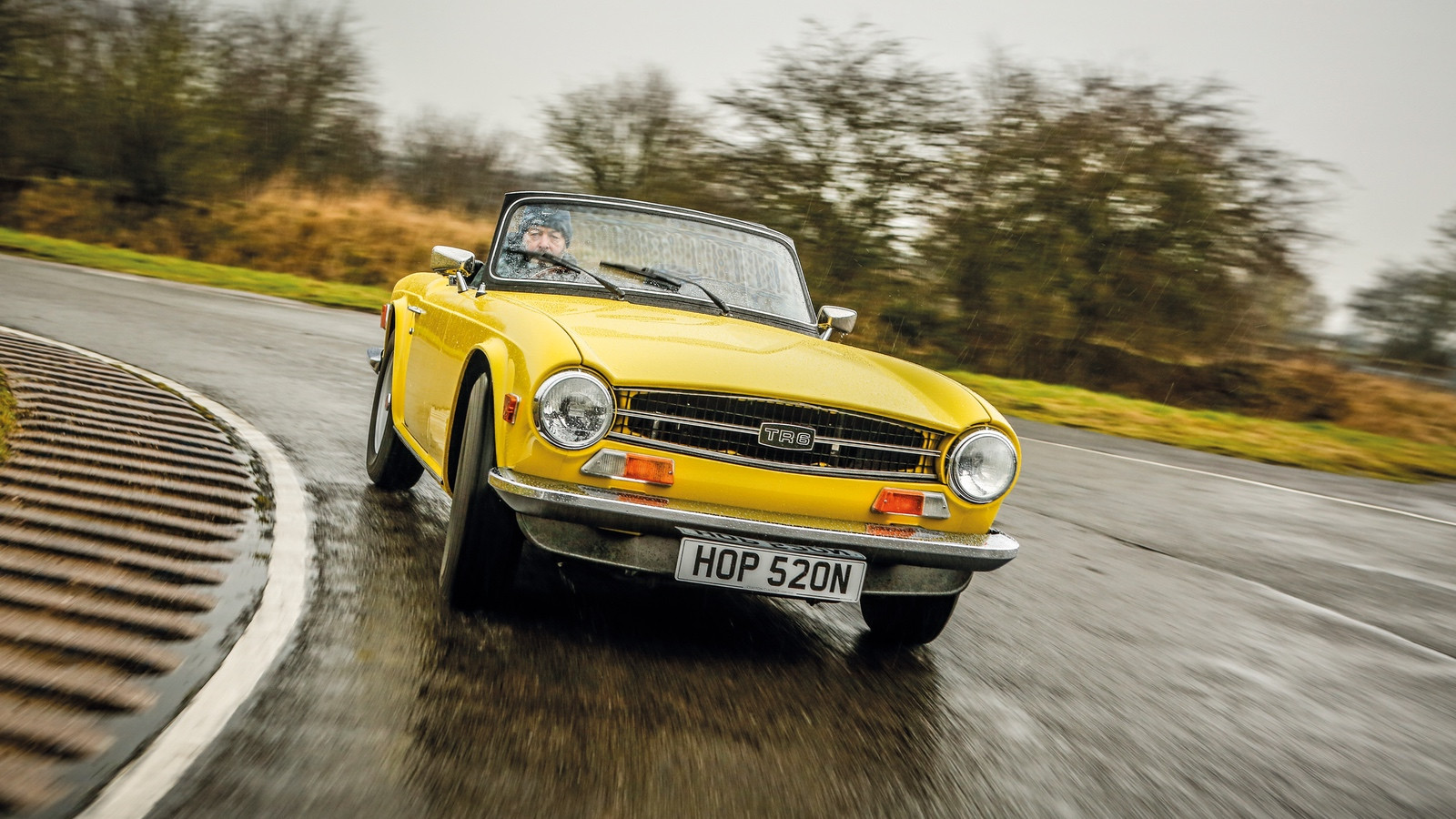
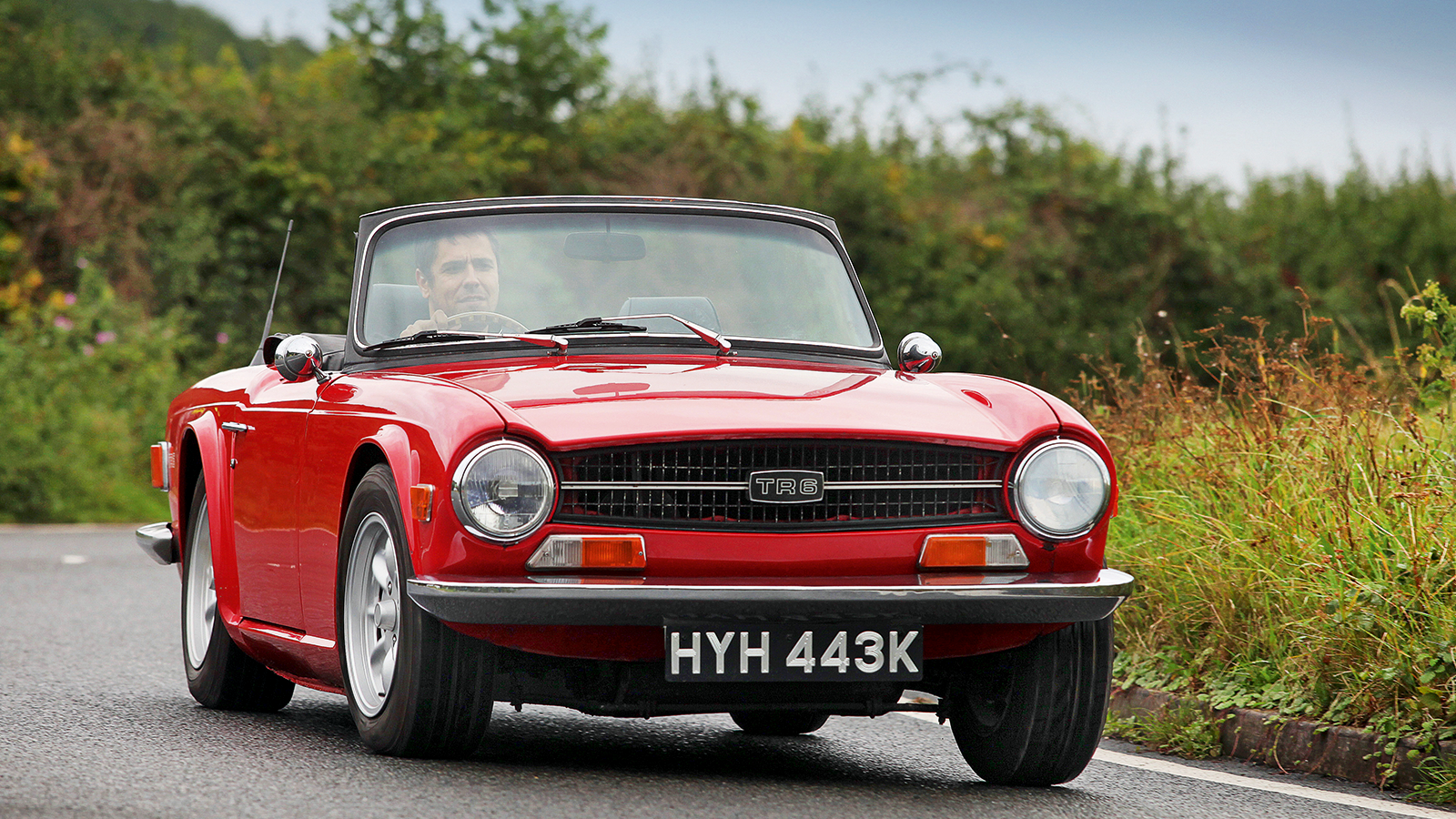
1969 Triumph TR6
Has there ever been a more successful makeover of an existing model than Triumph’s update of the TR5 into the TR6?
It’s hard to argue against when the TR6 went on to sell 94,619 cars versus the combined 11,500 or so of the TR5/TR250.
Karmann was entrusted to restyle the TR5 and it resulted in a handsome new TR that still retained the same doors and windshield that dated back to the TR4.
However, there was now a brawnier look that sat well with the six-cylinder power, though outputs remained the same at 150HP for most buyers and 113HP for US customers.
In 1972, the fuel-injected TR6 sold outside the US saw its power reduced to 125HP, with a small drop in performance.
Even so, the TR6 kept Triumph in the thick of the affordable sports-car market all the way to its replacement in 1976.
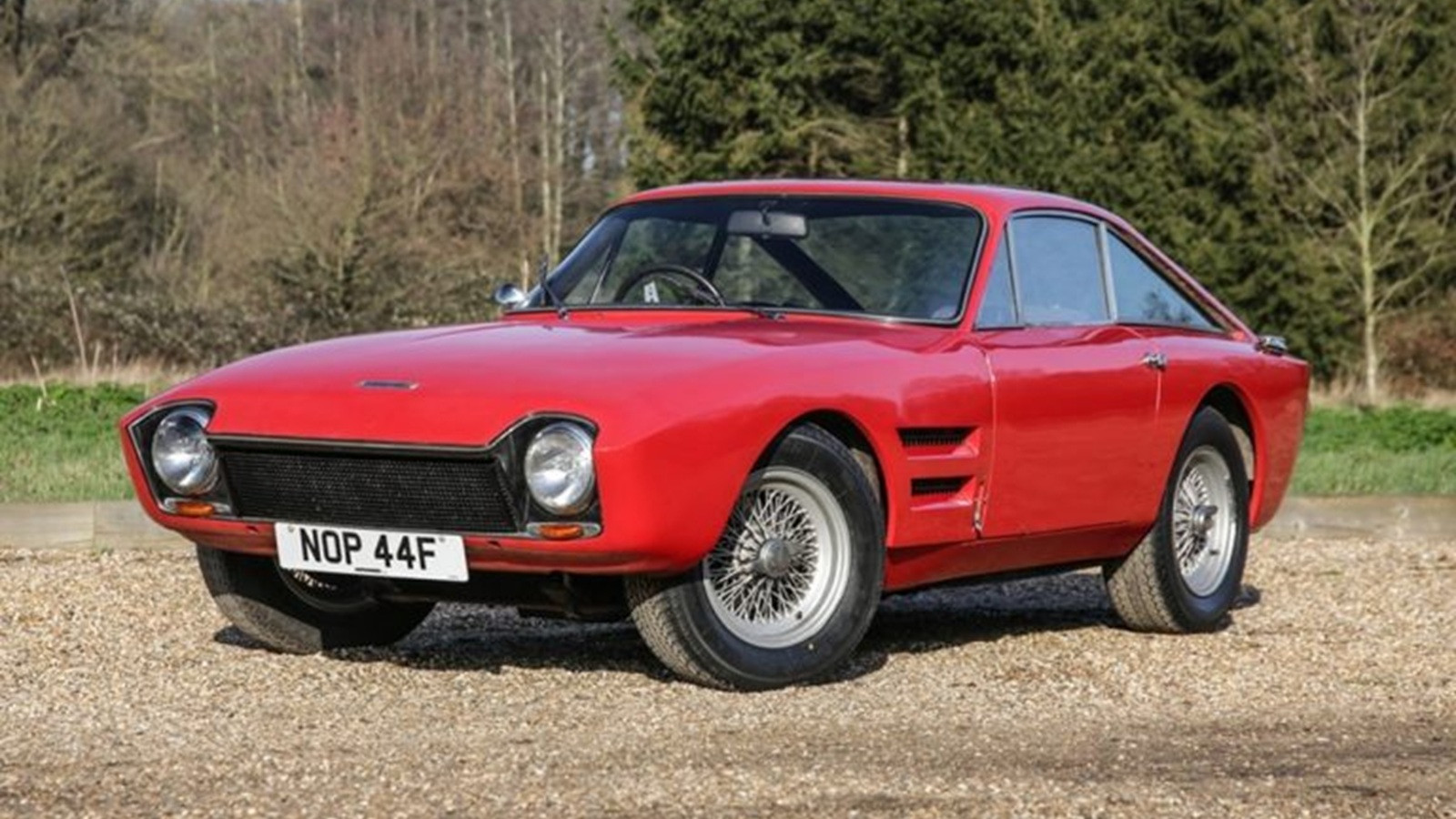
1971 Trident Tycoon
The Trident started out as a TVR project with styling by Trevor Fiore and should have been a big success if the Blackpool firm had not hit financial trouble.
It then passed to Bill Last and the cars used a lengthened Triumph TR6 chassis.
The earlier Clipper model used Ford V8 engines with up to 270HP for ferocious performance and the later Venturer used a Ford V6.
The Tycoon, however, stuck with a Triumph TR6 2.5-liter straight-six to match its chassis, which gave brisk performance.
The Tycoon was only built between 1971 and 1974, though Trident stuttered on until 1977 when money and sales dried up.
1972 Triumph Lynx
The line from the Triumph Lynx to the TR7 is obvious, even if the Lynx was developed much more as a rival to the Ford Capri and Reliant Scimitar.
It was also mooted as a replacement for the Stag and the Lynx went as far as trying out the Rover V8 engine to give a 125mph top speed.
That work was not in vain, because Triumph went on to create the TR7 V8 and TR8, but the idea of a grand-touring TR was dropped.
What was retained were Harris Mann’s sharp front-end lines for the TR7, but not the Lynx’s wheelbase that was 12in longer than the production TR7 coupe.
The Lynx had been very close to becoming a production model, but strained industrial relations at the Speke plant in Liverpool saw it close in early 1978 and with it any hope the Lynx would make it to showrooms.
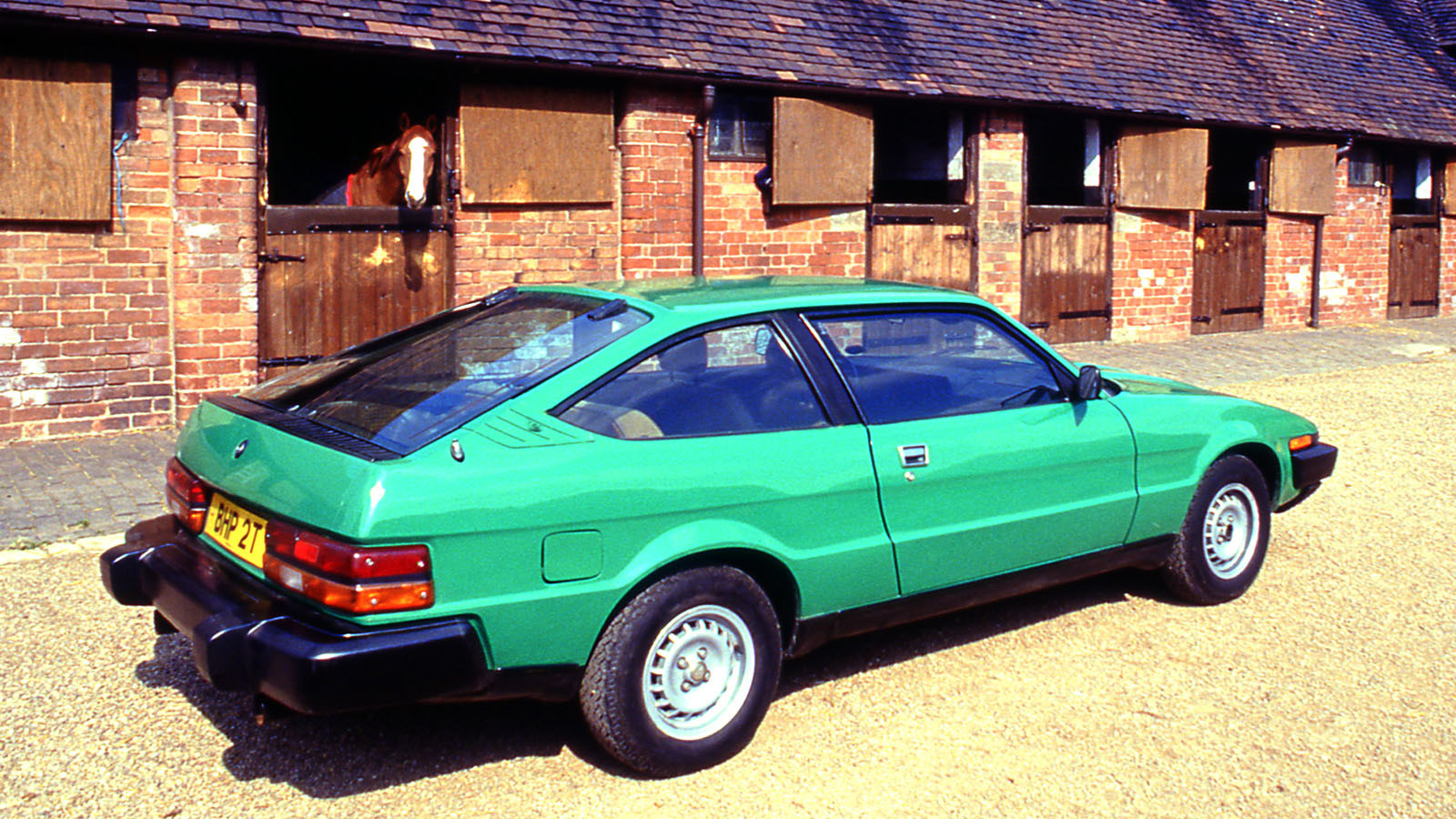
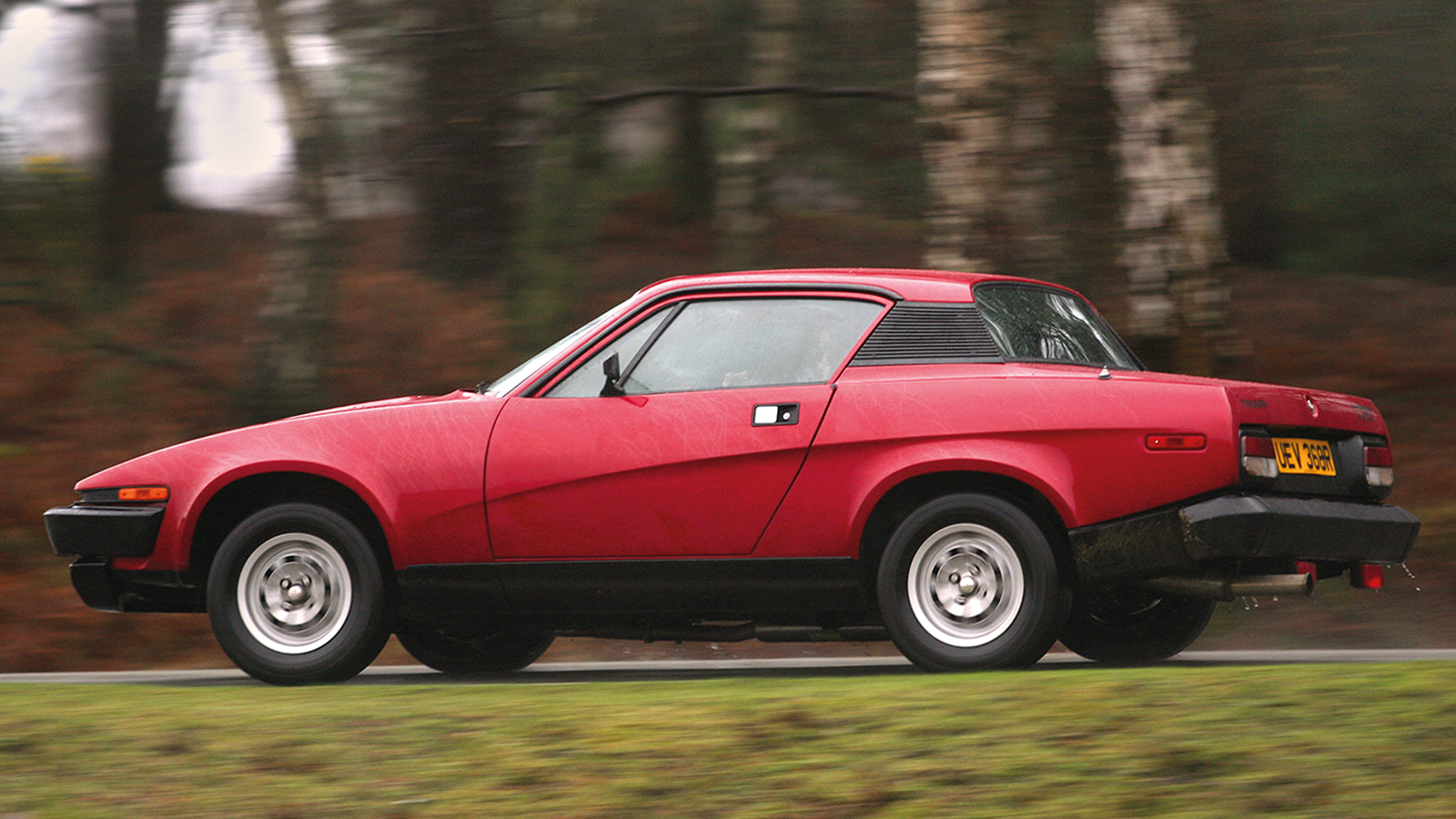
1975 Triumph TR7
The most controversial Triumph TR model turned out to be the best-seller, which makes the TR7 something of a bittersweet pill for marque purists.
Yes, it kept the Triumph name alive for sports-car buyers alongside the ageing Spitfire, but many did not like that it was a coupe when TR stood for Triumph Roadster.
That point took until 1979 to resolve, and in the meantime the TR7 showed you could build a sports car that was easy to live with and comfortable.
At last, there was unitary construction for a more rigid platform, while the four-cylinder engine was light and lively.
A five-speed manual gearbox or automatic transmission became an option from late 1976, but the promised 16-valve version with the engine from the Dolomite Sprint sadly never materialized.
Even so, Triumph shifted 112,375 TR7s in total, including coupe and convertible models.
1978 Triumph TR7 V8
While Triumph had dabbled with the idea of a Dolomite Sprint engine for the TR7, it committed fully to cramming the Rover V8 under the hood of its latest sports car.
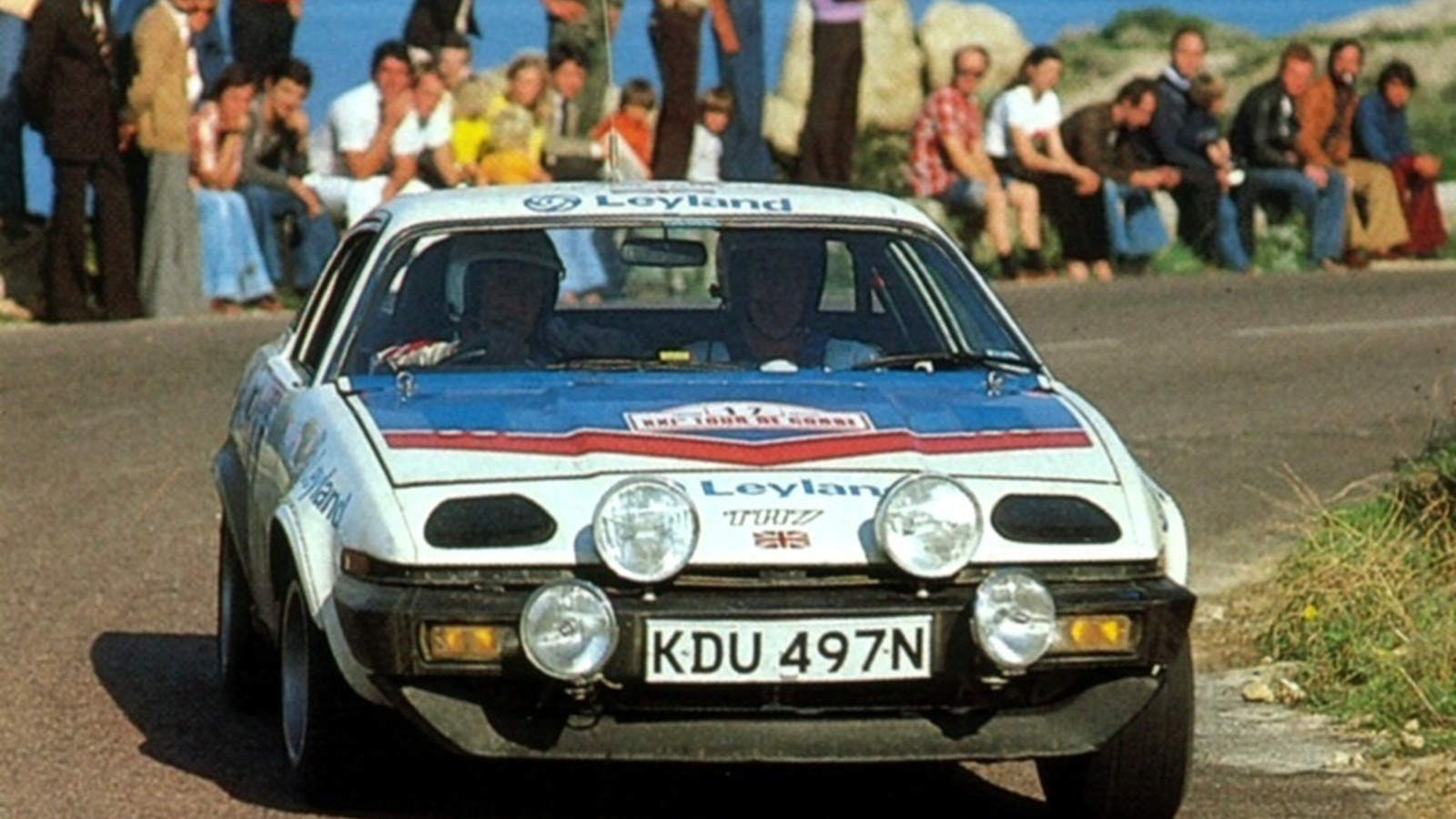
The TR7 V8 was a coupe-only offering and developed as a homologation model so British Leyland Motorsport could go rallying.
All came with a five-speed manual gearbox as standard and a 3.5-liter Rover V8 motor tuned to around 300HP. The last TR7 V8s made even more power thanks to four Weber carburetors feeding the engine.
Tony Pond was the most successful driver in the TR8 V8 and took it to several rally wins, including the Granite City Rally, Ypres, and Manx International in 1978, plus fourth overall in that year’s RAC Rally.
The TR8 V8 rally program finished at the end of 1980.
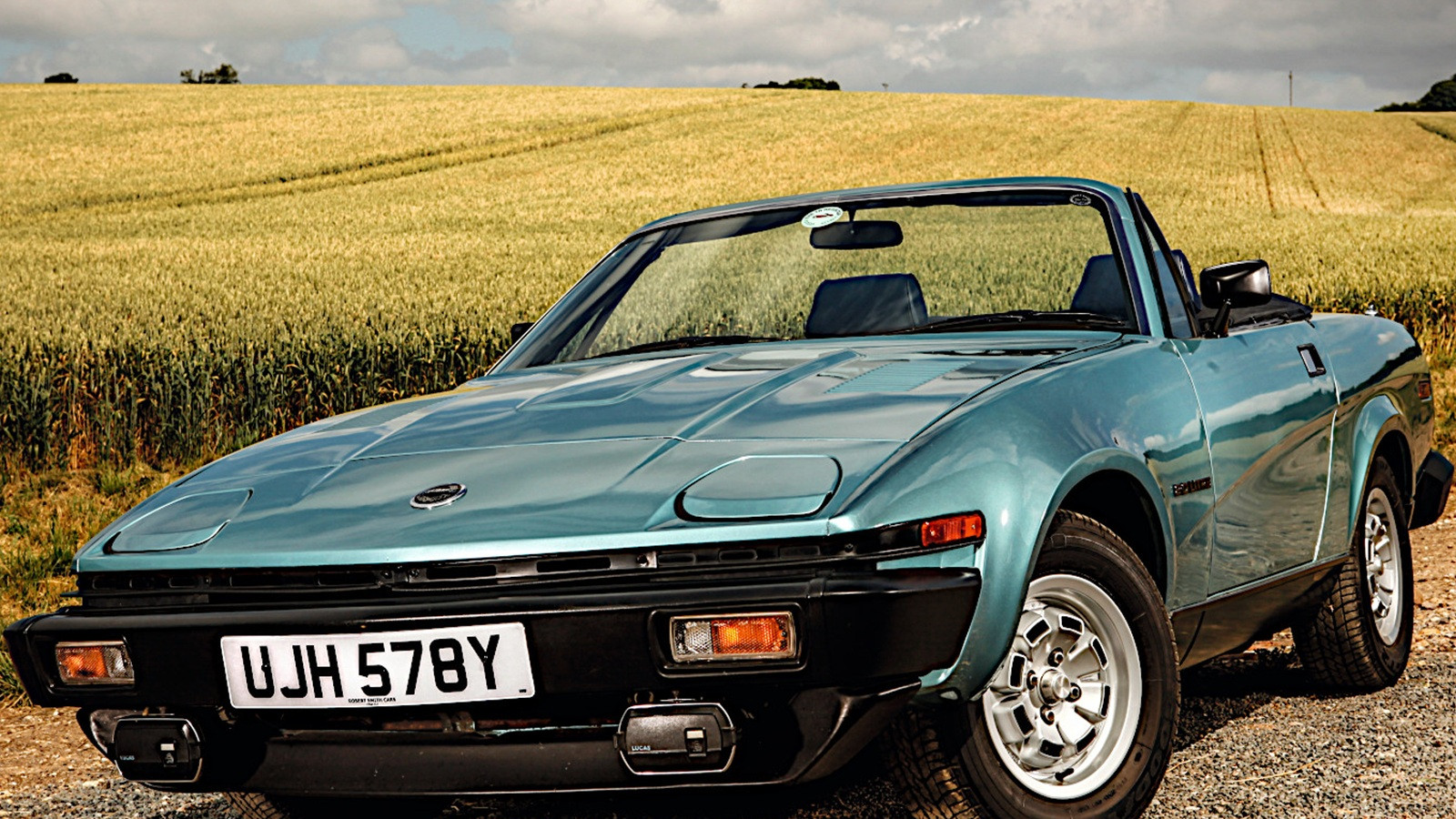
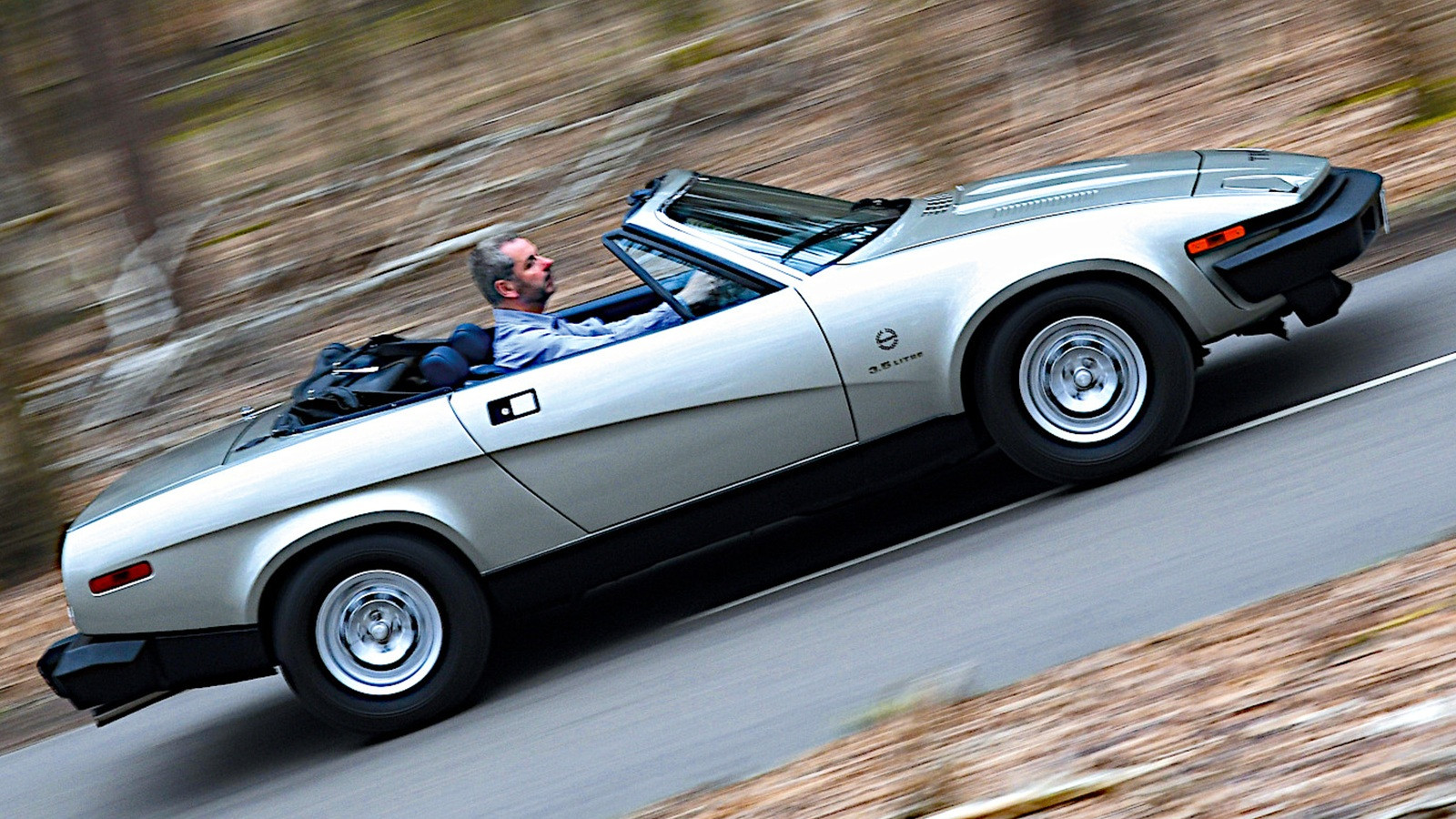
1979 Triumph TR7 convertible
British Leyland, which Triumph had been subsumed into in 1960 when it was bought by Leyland Motor Corporation, finally unveiled an open version of the TR7 in 1979.
The delay in this car’s launch was due to uncertainty about US legislation concerning convertibles.
When the TR7 convertible did arrive, it was given a warm reception in the press and showrooms.
Performance wasn’t much to write home about, with 0-60mph in 10.7 secs, but the handling, comfort and the styling were praised.
Many felt the convertible finally showed what Harris Mann had been trying to achieve with the TR7’s design.
Even so, the TR7 convertible arrived too late to avoid the rot setting in. By 1981, it was all over for the TR7 in all its forms and the TR line went with it.
1980 Triumph TR8
The TR7 had always been engineered to accept the Rover V8 engine, so it defied logic that it took BL to 1980 to launch the TR8.
Here was a car with everything traditional TR buyers were crying out for – a big, lusty engine in a roadster body, or you could have a coupe if you wanted.
The V8 meant 0-60mph in 8.4 secs and a 135mph top speed. In full race trim, Bob Tullius’ Group 44 TR8 developed c360HP from its 4-liter motor and was a potent contender in the USA.
When Triumph TR8 production ended in 1981, a modest 2722 had been built.
We hope you enjoyed this gallery. Please click the ‘Follow’ button above for more super stories from Classic & Sports Car.