
The end of an era
In June 2025, Honda announced it would withdraw the Civic Type R from sale in all European markets the following year.
Given the motor industry’s increasing emphasis on electric vehicles, this was perhaps to be expected, but it was also sad news for fans of one of the most famous Japanese hot hatches.
To console ourselves, we’re looking back through the history of the Honda Civic Type R, which is several years longer than some people might realize.
The predecessors
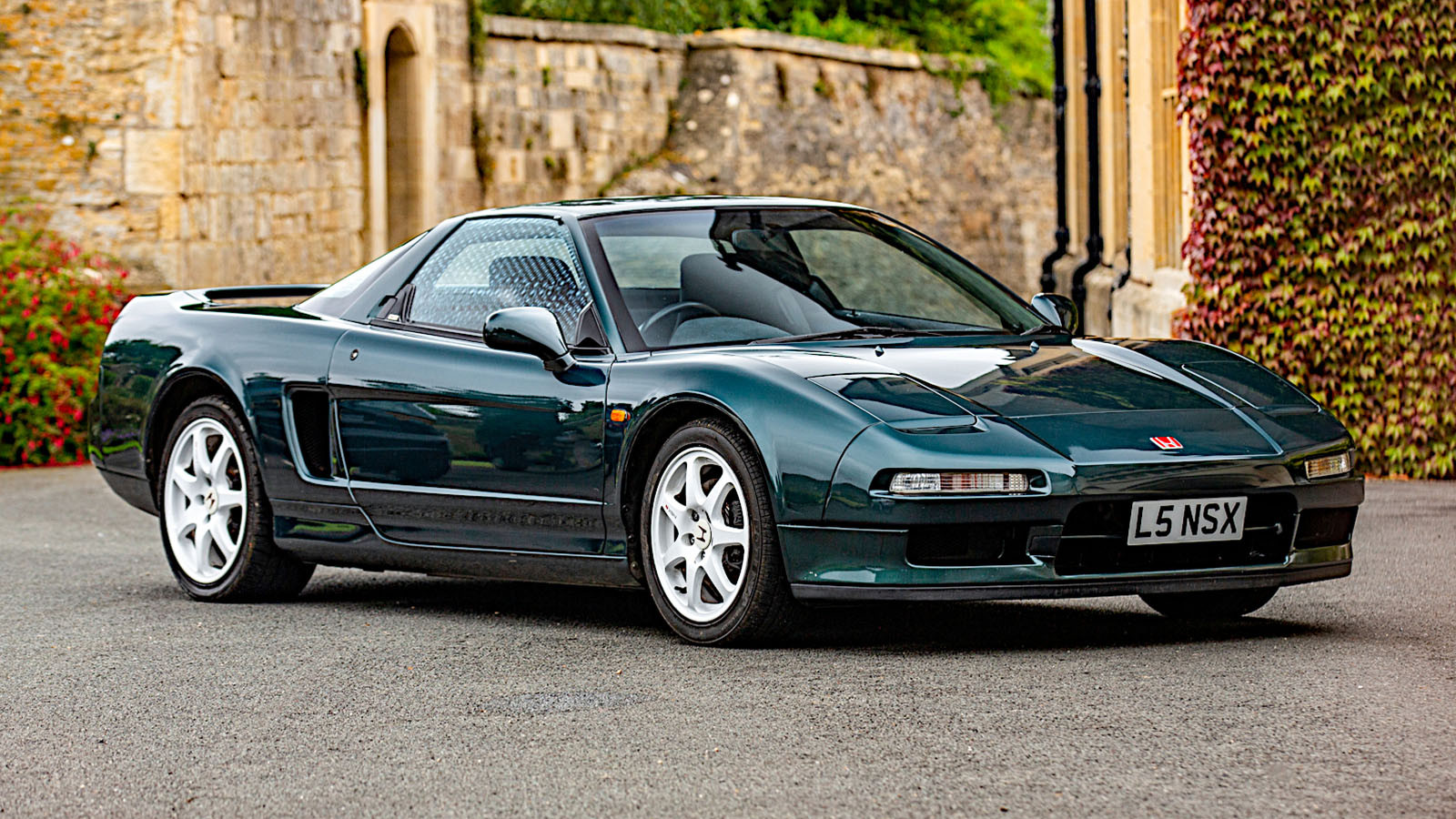
Honda first used the Type R name in 1992 for a special version of the NSX sports car, which had been launched in slightly more subdued form two years earlier.
Compared with the standard model, the Type R had stiffer suspension settings and weighed considerably less, thanks to the removal of the sound deadening, and the electric-window, air-conditioning and audio systems.
Production ended, after 500 examples had been sold, in 1995, the same year Honda introduced a Type R derivative of the Integra, which had a high-revving, 1.8-liter engine.
This was initially sold only in Japan, as the NSX Type R had been, but it became available in the US for the 1997 model year, badged as an Acura.
Honda Civic Type R first generation
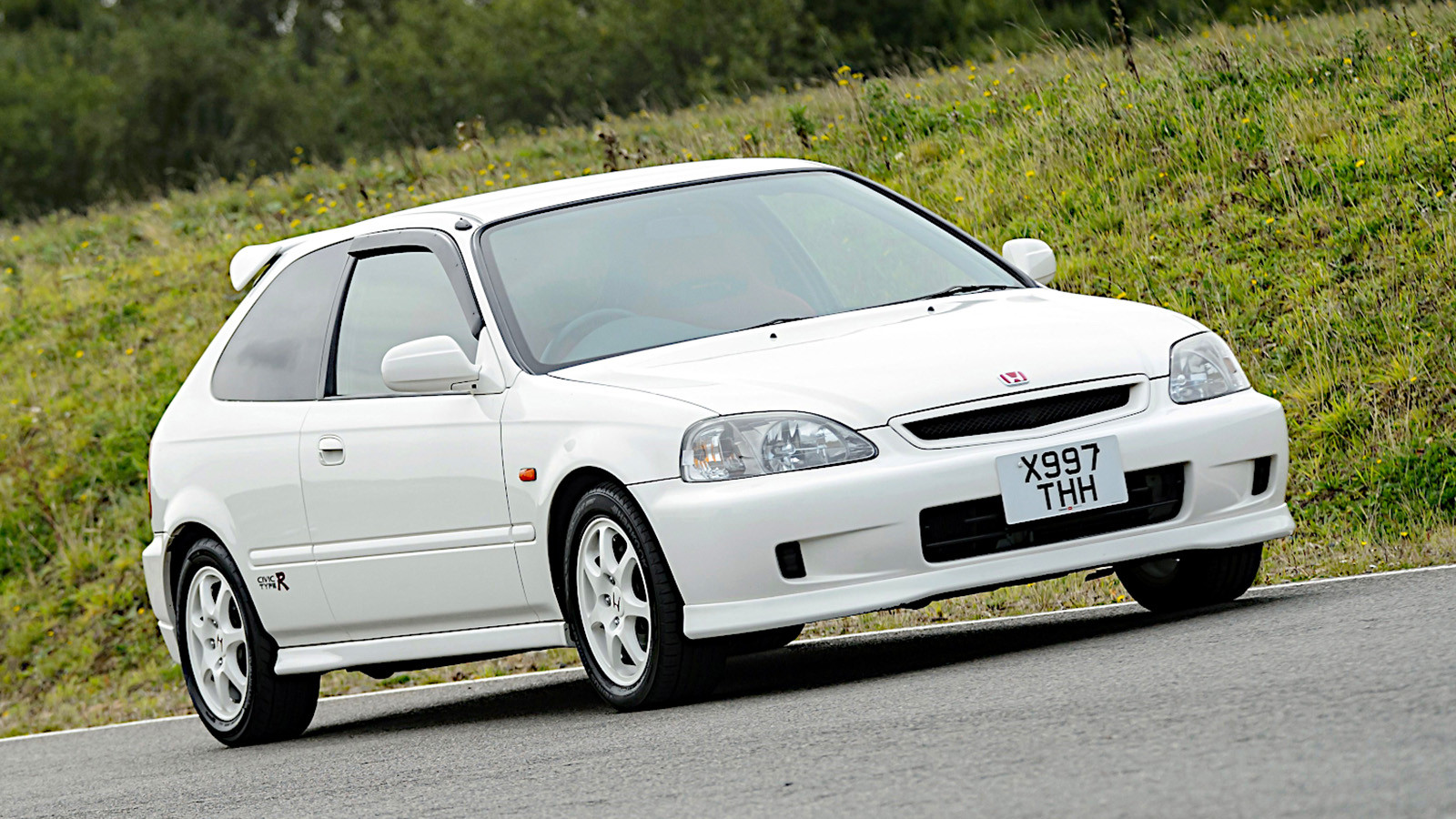
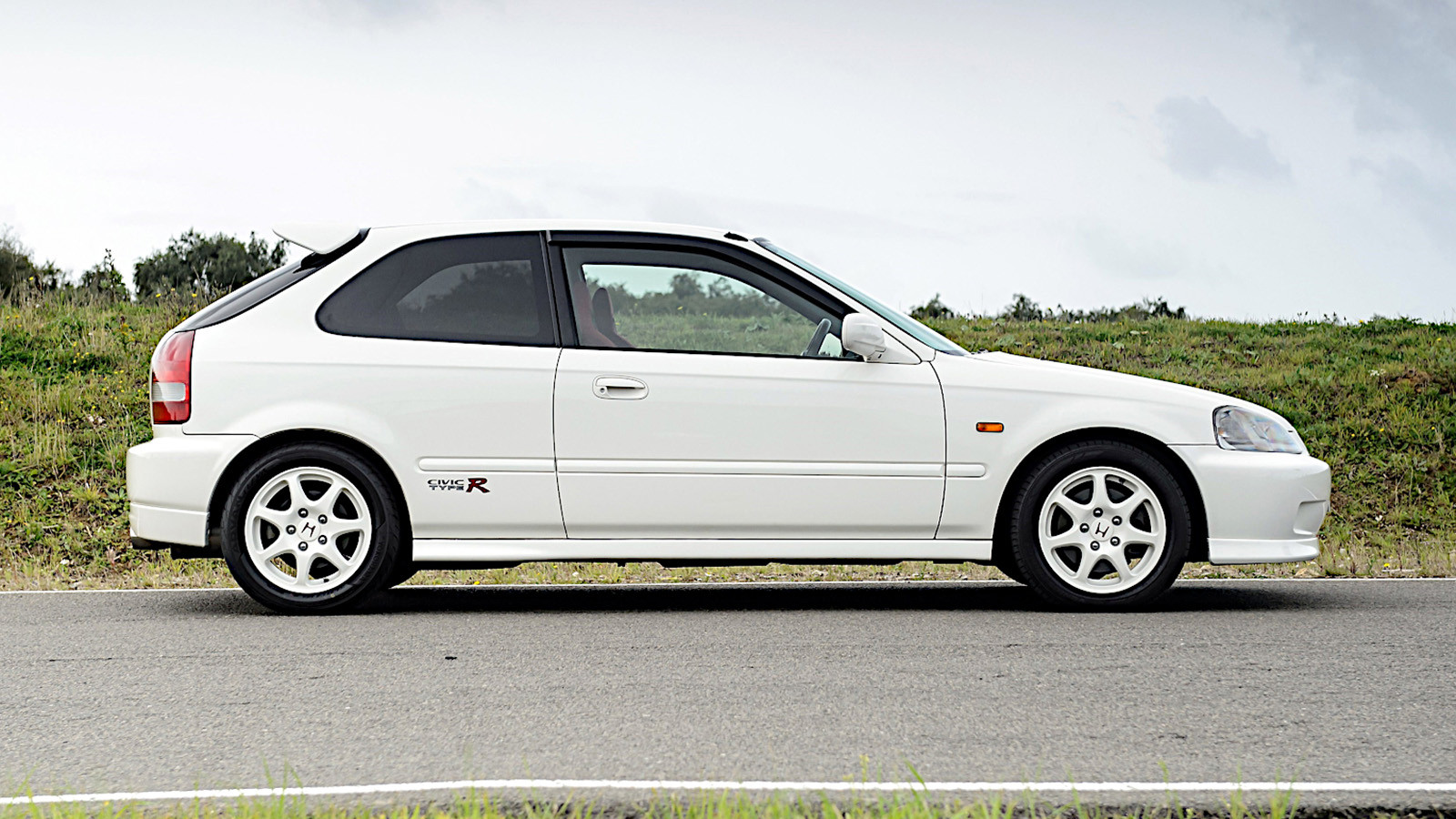
The sixth-generation Civic was the first to be given a Type R derivative in 1997, two years after the model as a whole had made its debut.
Civics of that era were available with sedan, hatchback, coupe and station-wagon body styles, but the Type R was offered only as a hatch (with a seam-welded bodyshell for extra strength) and could be bought only in Japan.
Its 1.6-liter engine, which produced a phenomenal 185HP at equally phenomenal revs, was unique in Civic Type R history for two reasons: it was the smallest of them all, and the only one from the Honda B family.
Other intriguing technical features included a close-ratio five-speed manual gearbox and a helical limited-slip differential.
First Honda Civic Type R derivatives
During the short production life of the first Civic Type R, Honda introduced two variants which broadened the model’s appeal considerably.
The Motor Sports edition of 1998 was very basic, with steel wheels, the standard Civic interior and, in the interests of reducing weight, the removal of the air-conditioning and audio systems.
In complete contrast, 1999’s Type Rx shifted the model upmarket.
Standard equipment for this version included powered retractable door mirrors, automatic climate control, keyless entry and a CD player.
Honda Civic Type R second generation (Europe)
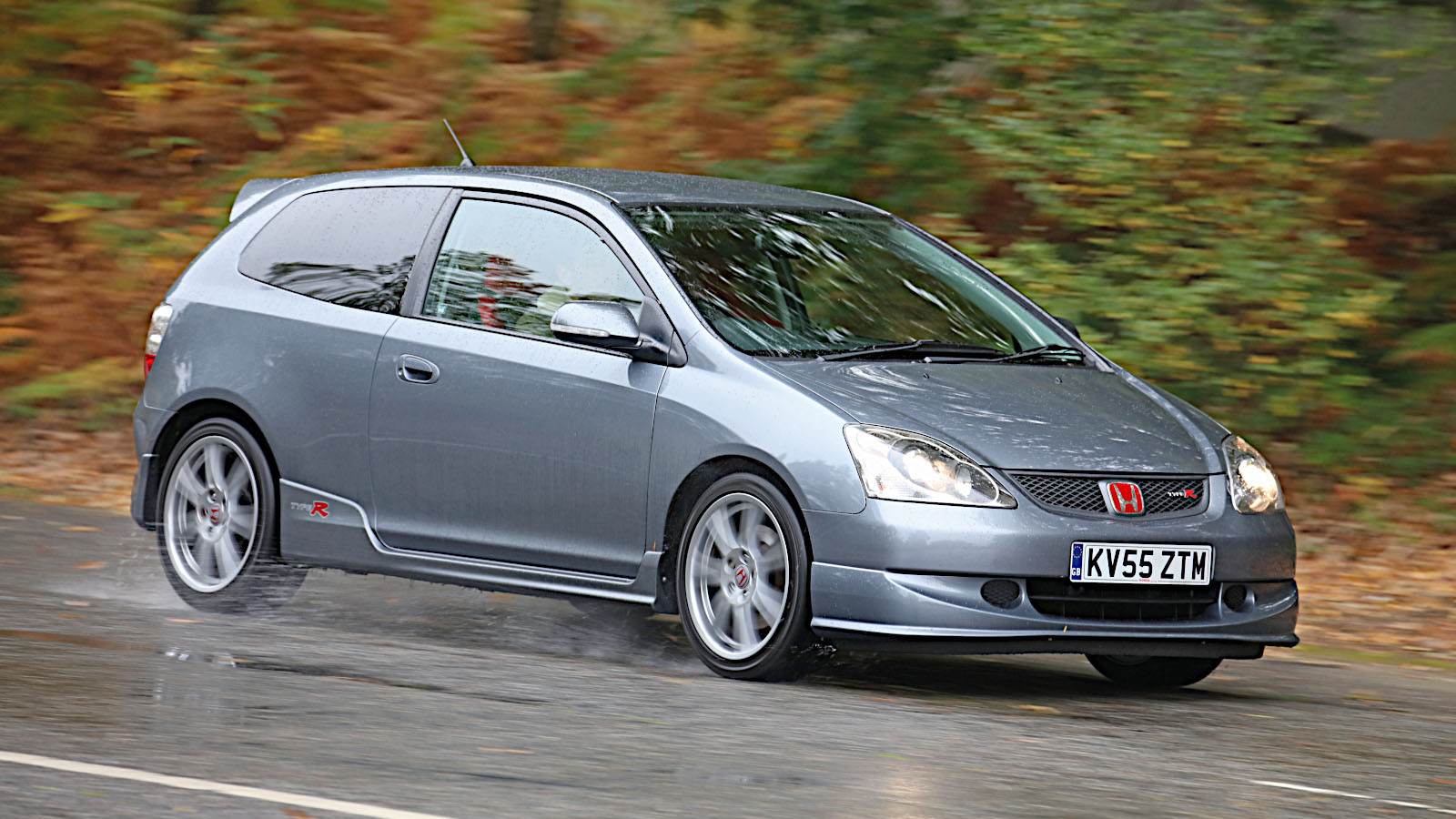
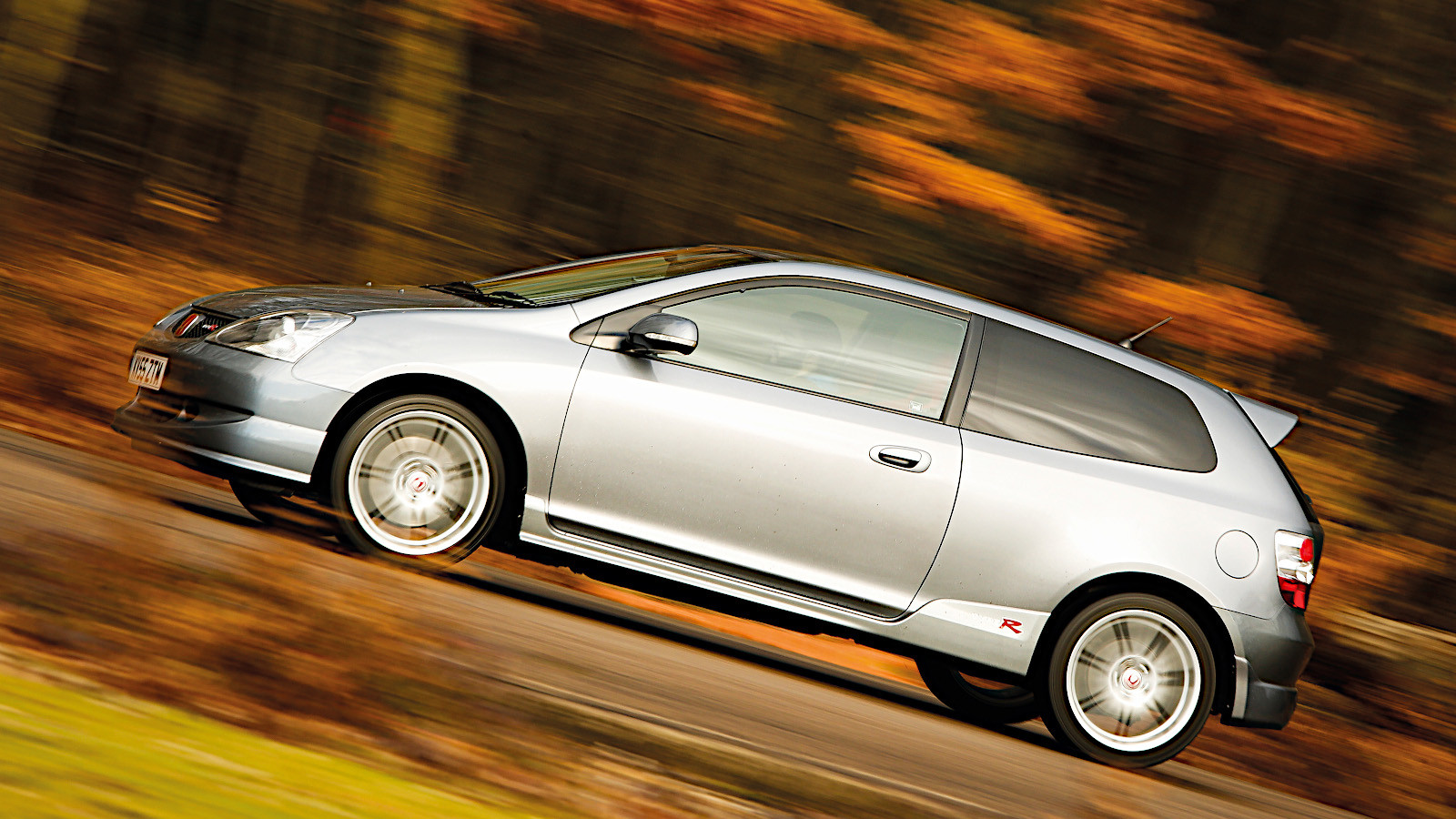
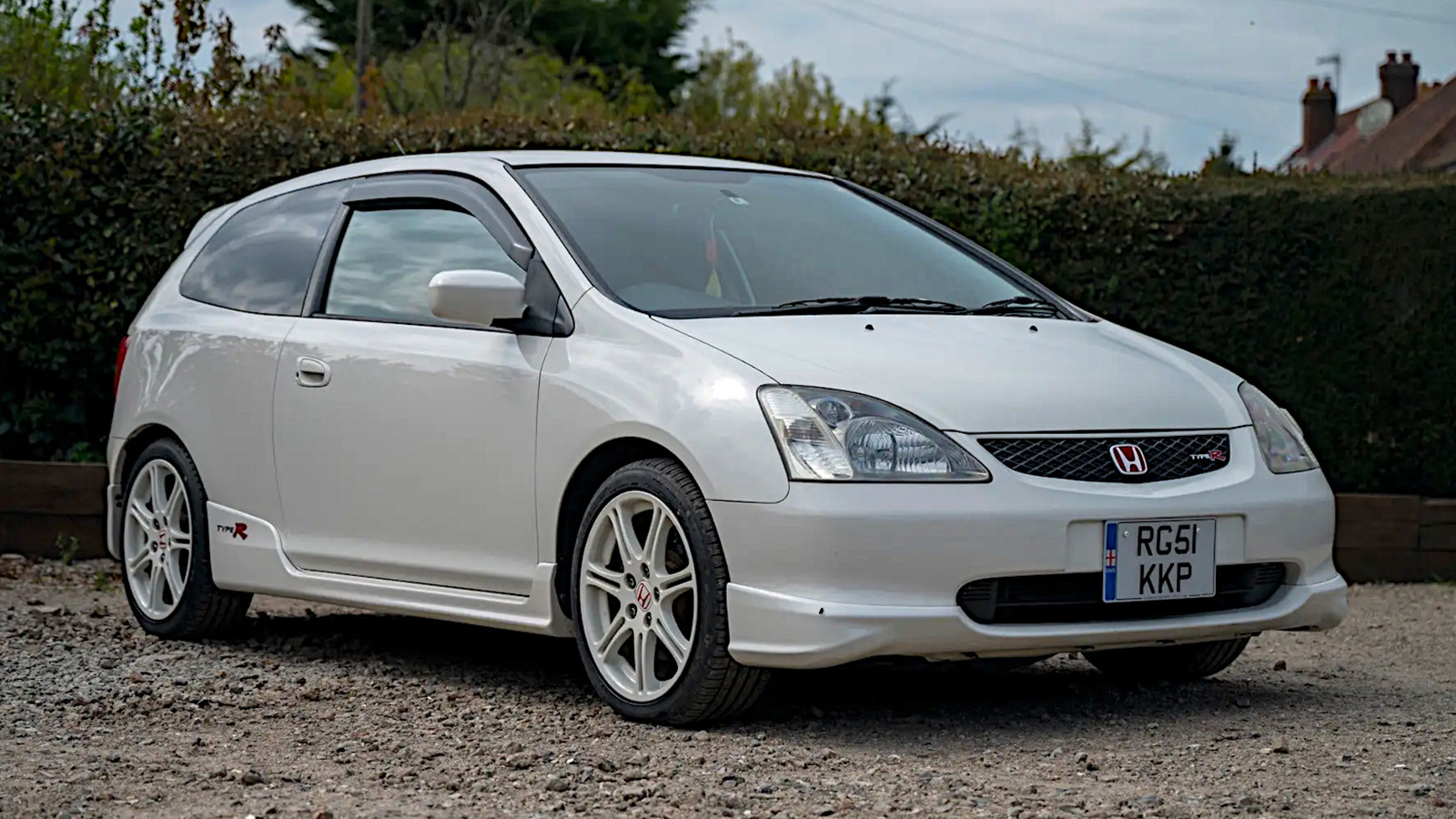
In a dramatic turn of events, the Honda Civic Type R introduced in 2001 was not only sold outside Japan, it was also built exclusively at the marque’s Swindon plant in the UK.
The previous model’s 1.6-liter engine was ditched in favor of an equally high-revving K family 2.0, variations of which would be used in all of this car’s successors.
Almost inevitably, there was an increase in power, the maximum figure now being 200HP.
Honda Civic Type R second generation (Japan)
The version of the second Civic Type R sold only in Honda’s home market was also built in Swindon.
Honda made no attempt to hide this, and even emphasized it by placing a Union Jack logo on the tailgate.
The cars exported to Japan were different from the European-spec ones, partly because their engines produced 215HP.
Other changes included lower gearing and a helical limited-slip differential.
Honda Civic Type R 30th Anniversary
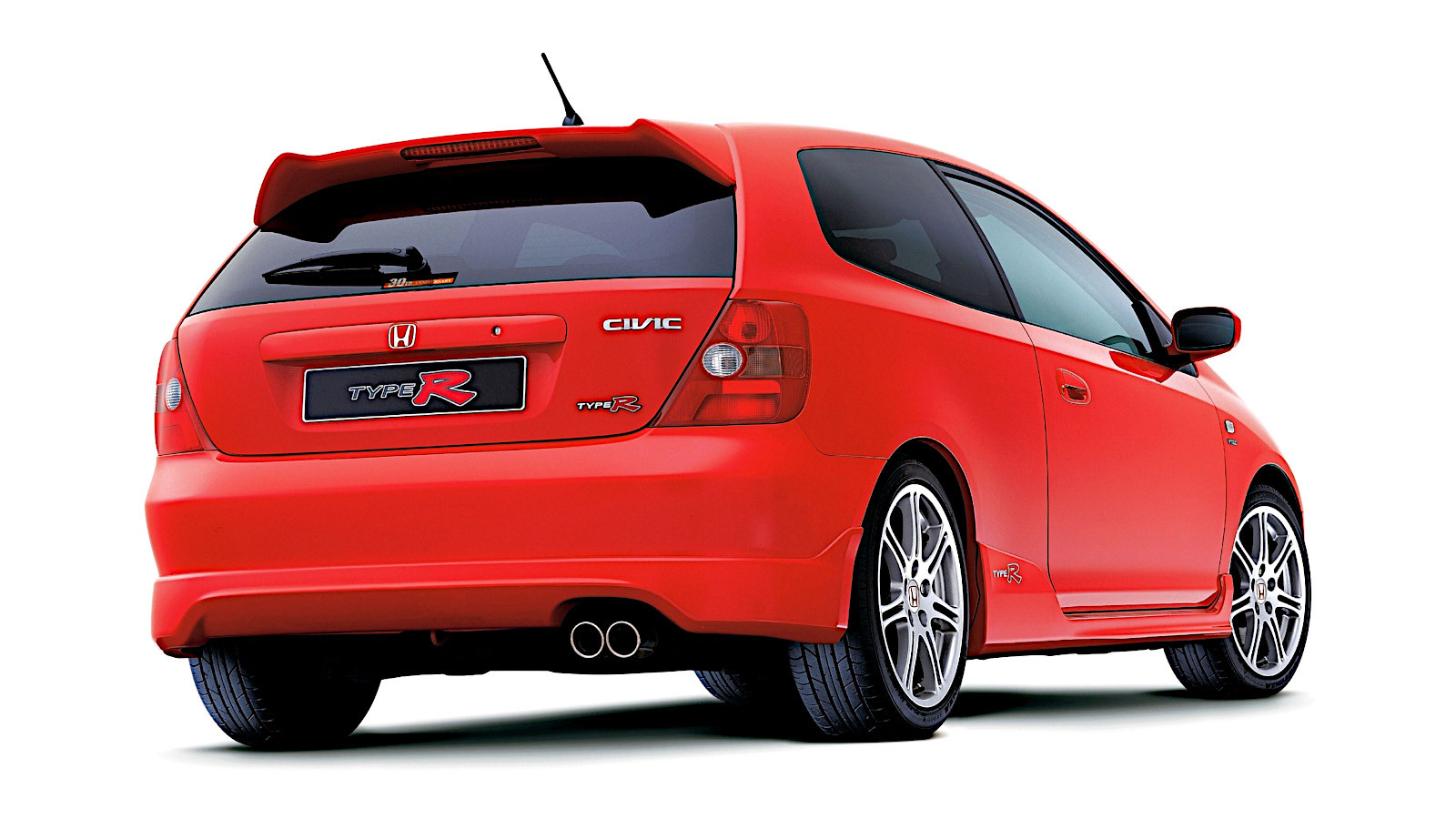
At the 2002 Paris motor show, Honda revealed a limited-edition Civic Type R called the 30th Anniversary.
The anniversary was not that of the Type R itself, which had been around for only five years, nor of the Type R name in general, which dated back only 10 years, but of the Civic range as a whole, whose first model had made its debut in 1972.
There were some minor mechanical tweaks, but on the whole this was a styling exercise, with such tempting features as Recaro seats and a Momo steering wheel.
In 2005, the last year of production for this generation of Civic, Honda produced a similar Type R called the Premier Edition.
Honda Civic Type R third generation (international)
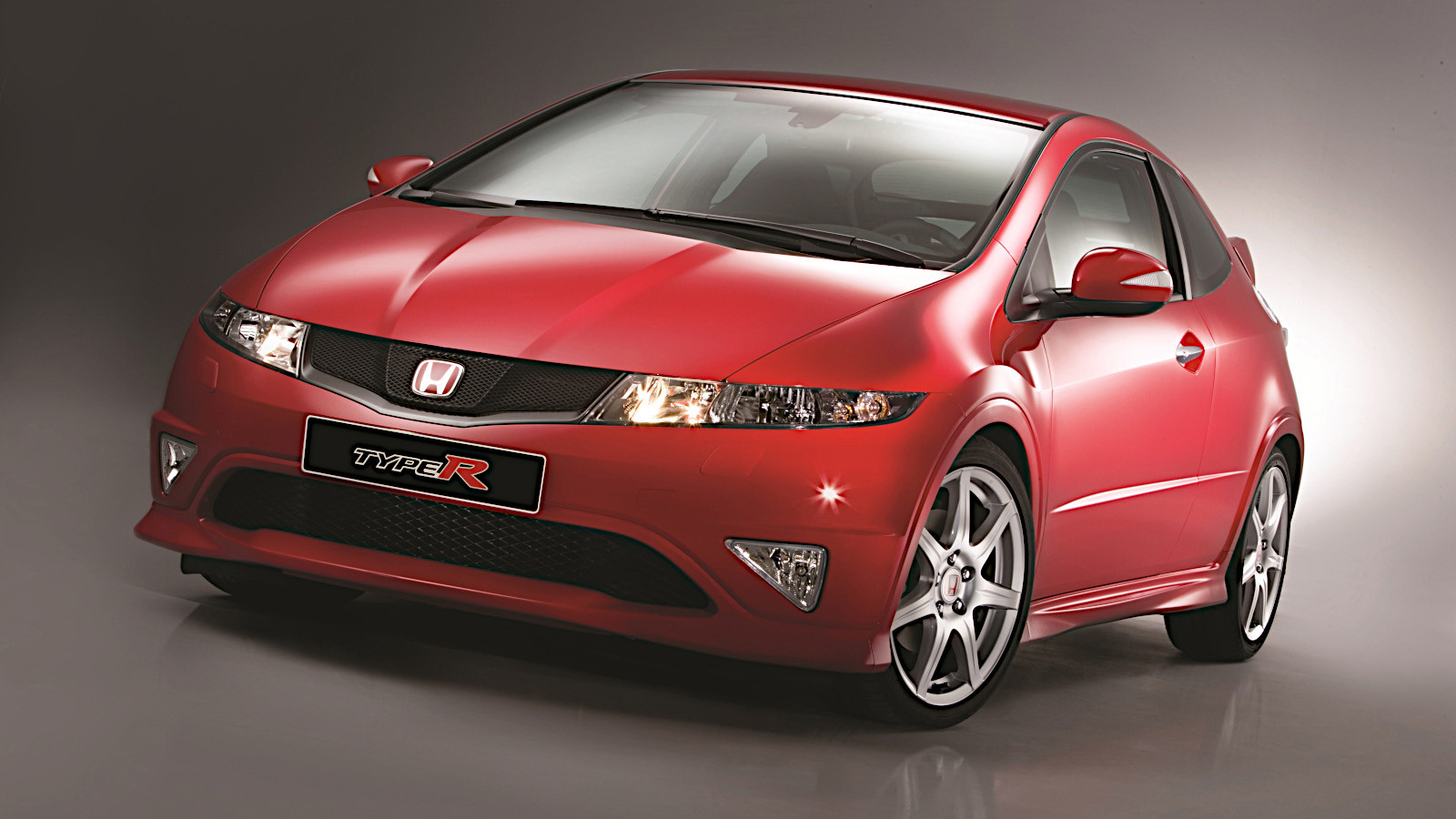
The distinction between Honda Civic Type Rs intended for the home market and those sold elsewhere widened considerably in the third generation.
Outside Japan, the car was a three-door hatch with the deliberately controversial styling Honda had introduced to the Civic in 2005 in an attempt to attract younger customers.
Launched two years later, the high-performance derivative had a very similar engine to its immediate predecessor, with a power output of 201HP.
This version was also sold in Japan from 2009, but found only 3510 buyers.
Honda Civic Type R third generation (Japan)
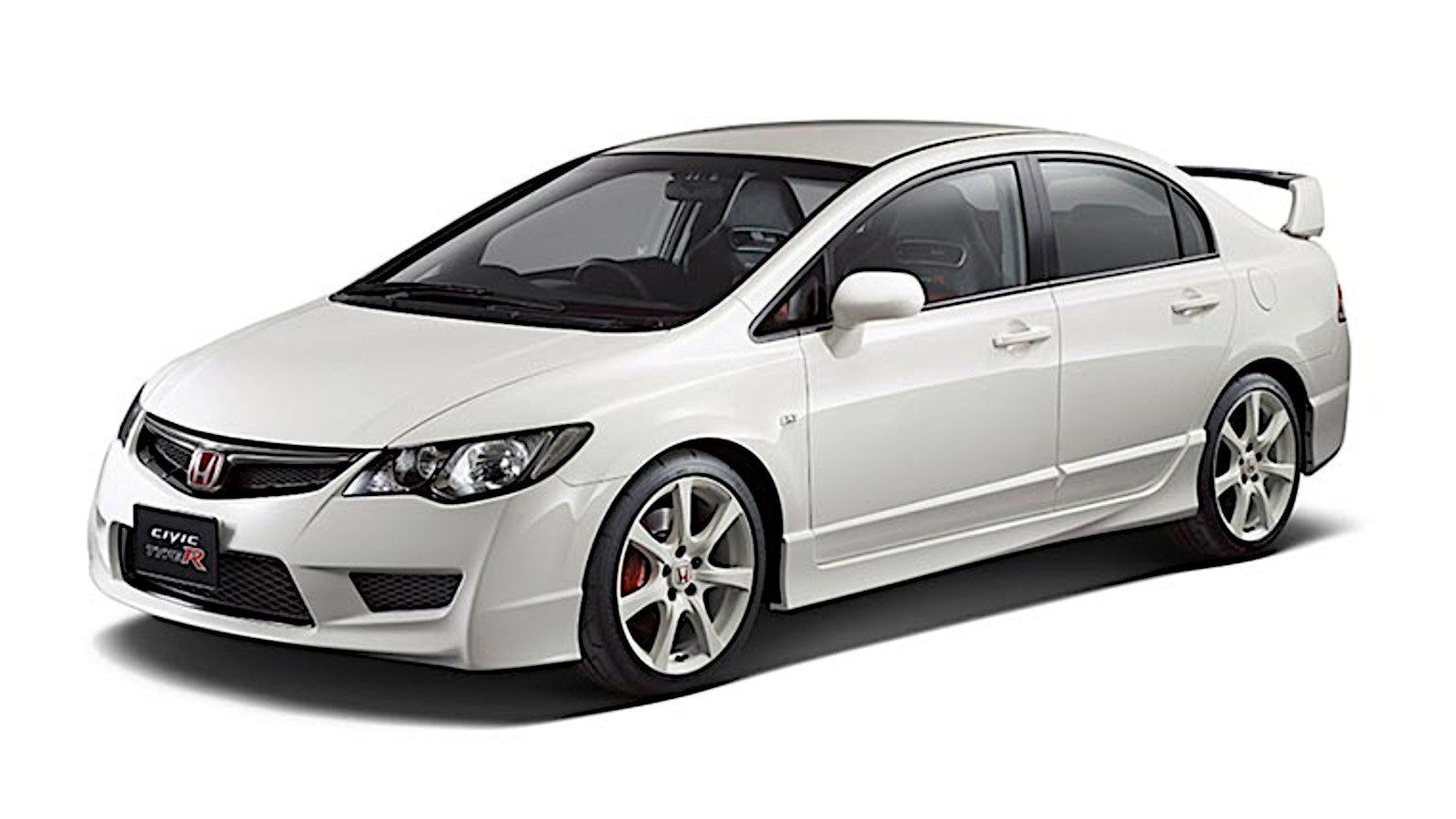
The Japanese-market Honda Civic Type R of this generation looked so different from the Swindon-built hatchback sold mostly in other countries that an uninformed onlooker who didn’t look at the badging might believe they were the work of separate manufacturers.
For its home-market customers, Honda used the four-door sedan body from the Civic range and – as with the previous generation – offered greater performance.
The engine in this case was capable of 224HP, and produced it at 8200rpm, 400rpm beyond the point where the unit fitted to the hatchback was at its best.
Honda Civic Type R Mugen
Several special versions of the third Honda Civic Type R were produced including the Championship White, which was more or less just the standard car with white paintwork and a limited-slip differential.
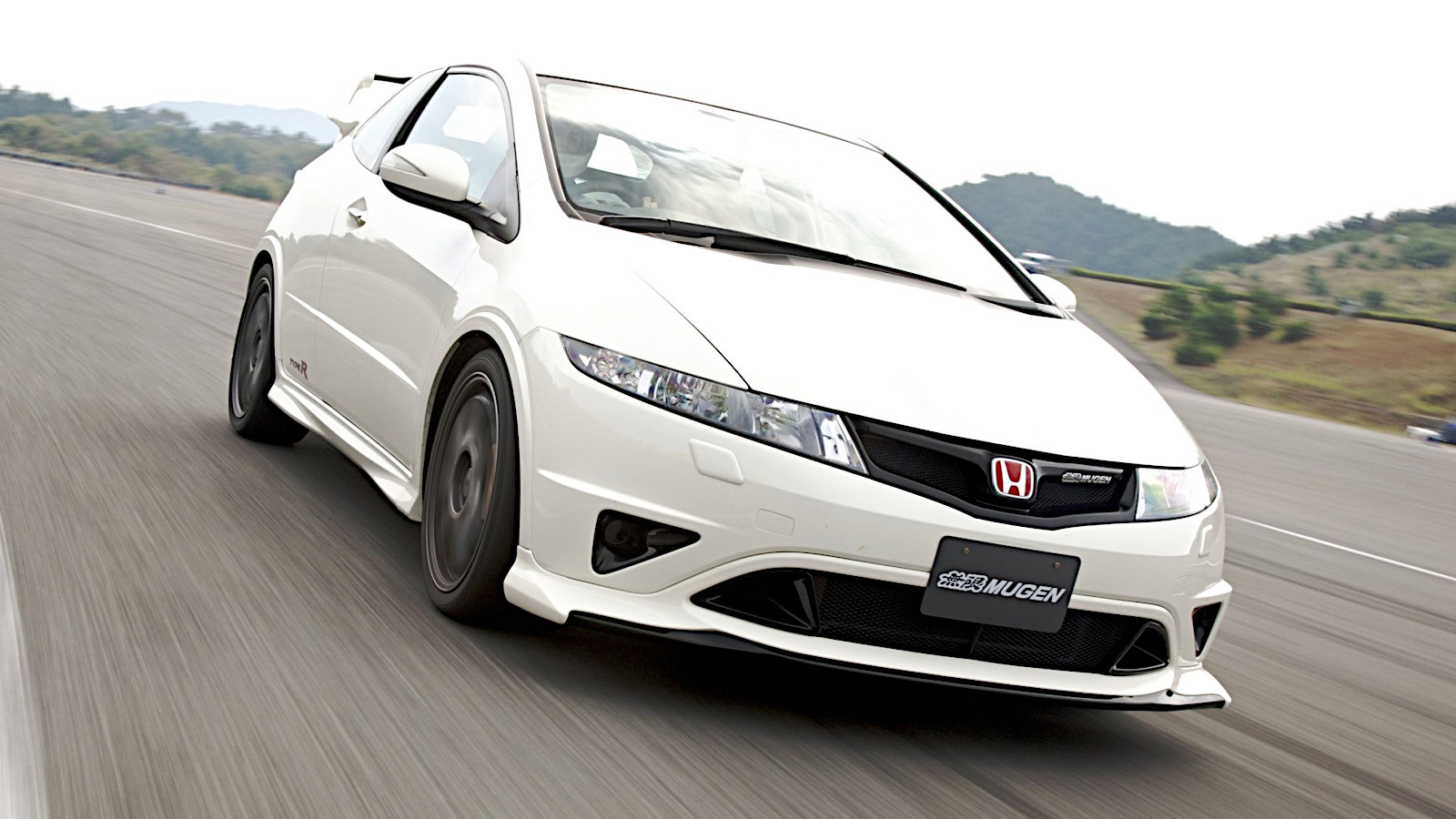
Far more exotic was the Type R Mugen, developed by the UK outpost of long-time Japanese Honda tuner Mugen Motorsport.
This was painted in the same color as the Championship White, and also had an LSD, but its key feature, if you didn’t include its then eye-watering price, was the 241HP produced by its engine.
The suspension was revised, too, and buyers (a maximum of 20) could specify an optional Track Pack, which included deleting the rear seats and adding a data-recording system.
Honda Civic Type R Mugen 200
The Championship White was directly replaced by the Mugen 200, which wasn’t quite the same thing as the Mugen mentioned previously.
As its name suggests, it was 10 times more common than the Mugen, with a production run of exactly 200.
It differed from the regular Type R mostly in its looks, though, once again, it was fitted with the limited-slip differential which wasn’t available in that car.
Honda Civic Type R Mugen 2.2
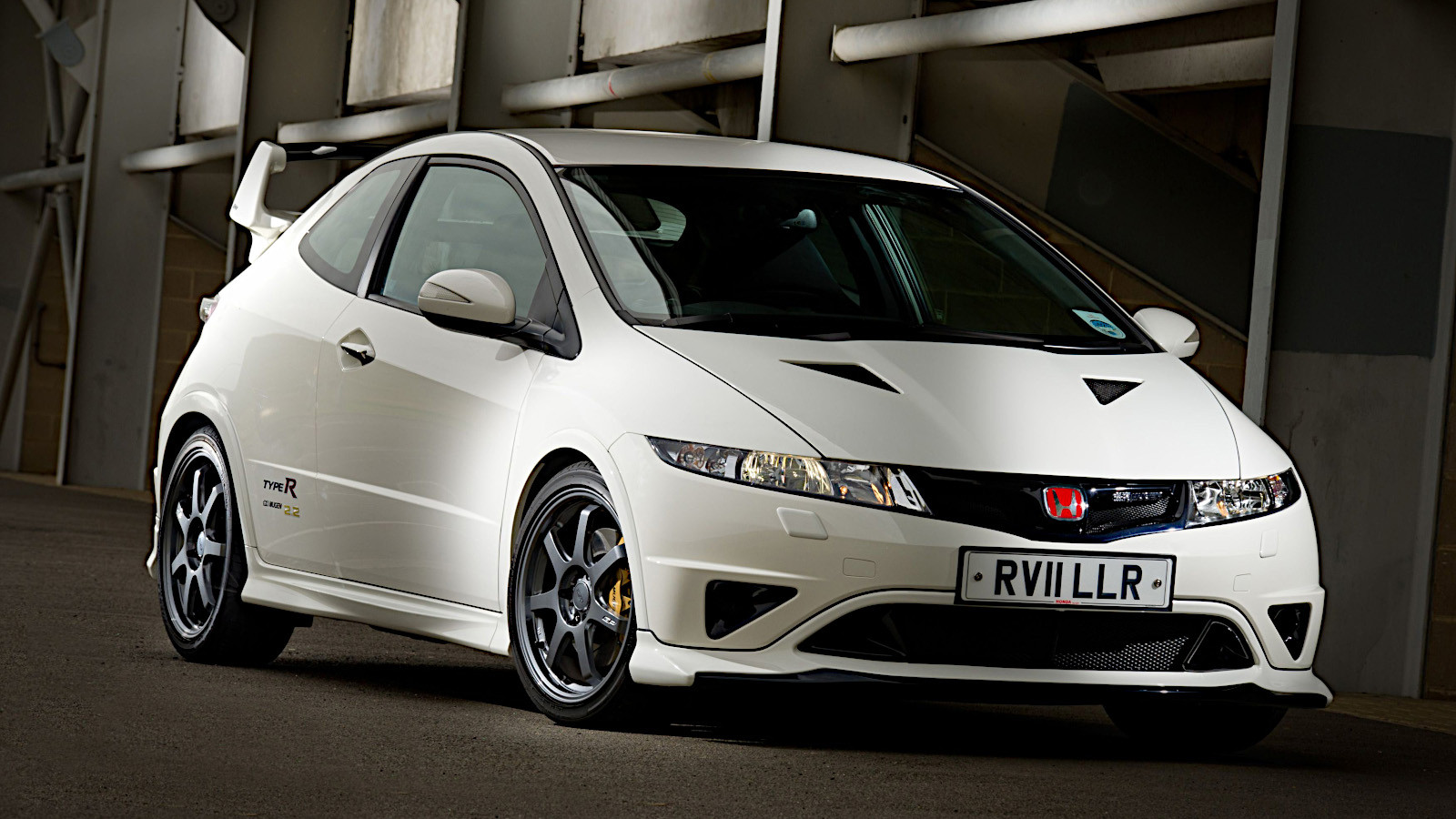
In 2011, a year after the arrival of the Type R Mugen, Honda UK announced an even faster version called the Mugen 2.2.
This was one of the last Type Rs with a naturally aspirated engine, whose capacity was raised to 2.2 liters.
While this was an increase of 10%, the maximum power and torque figures both improved by 30%, to 260HP and 177LB FT respectively.
Honda Civic Type R fourth generation
The ninth generation of the regular Civic made its debut in 2011, but it wasn’t until four years later that it entered production in Type R form.
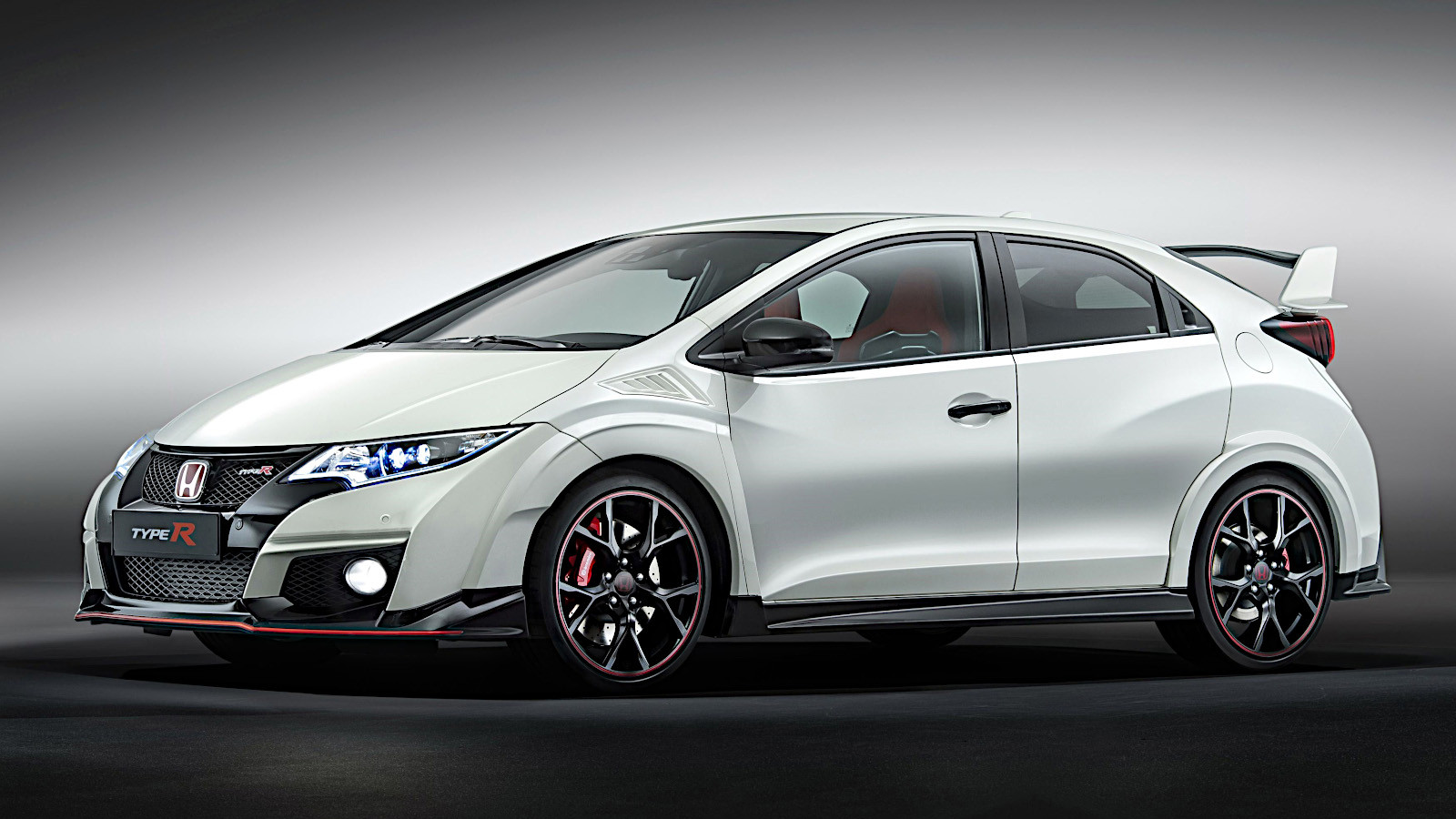
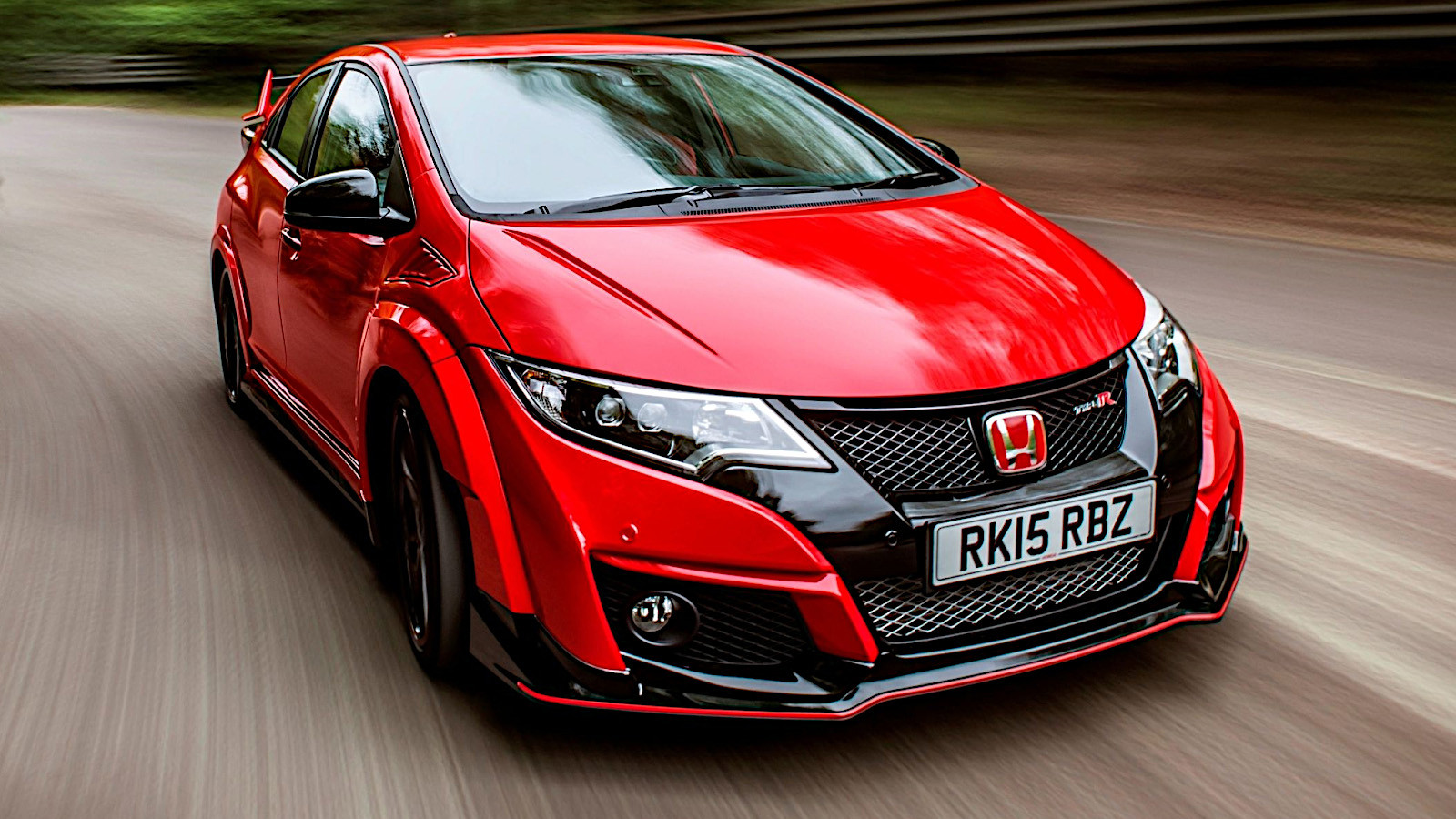
Replaced after only two years, it departed significantly from previous practice, partly because it was the first Honda Civic Type R with a five-door hatchback body.
It was also the first with a turbocharged K engine, once again measuring 2 liters but with an output of 310HP.
While there was some concern about the fact that it didn’t sound like the screaming motors of previous generations, it was not only the most powerful unit yet fitted to a Civic, but the most powerful used in any Honda Type R model up to that point, including the NSX.
Honda Civic Type R fourth generation technical details
To cope with the vastly greater performance than the standard Honda Civic of the time, this Type R had several features not considered necessary on the lower-powered models.
For example, structural reinforcements, and the use of special adhesives, led to a reported 18% increase in bodyshell stiffness.
Efficient braking was an obvious priority, so Honda fitted Brembo brake discs whose diameter of 13.8in made them larger than those used on any previous Civic Type R.
Adaptive damping was also used, and included a +R mode which made the car a bit too stiff for public roads but proved useful on race tracks.
Honda Civic Type R Black Edition
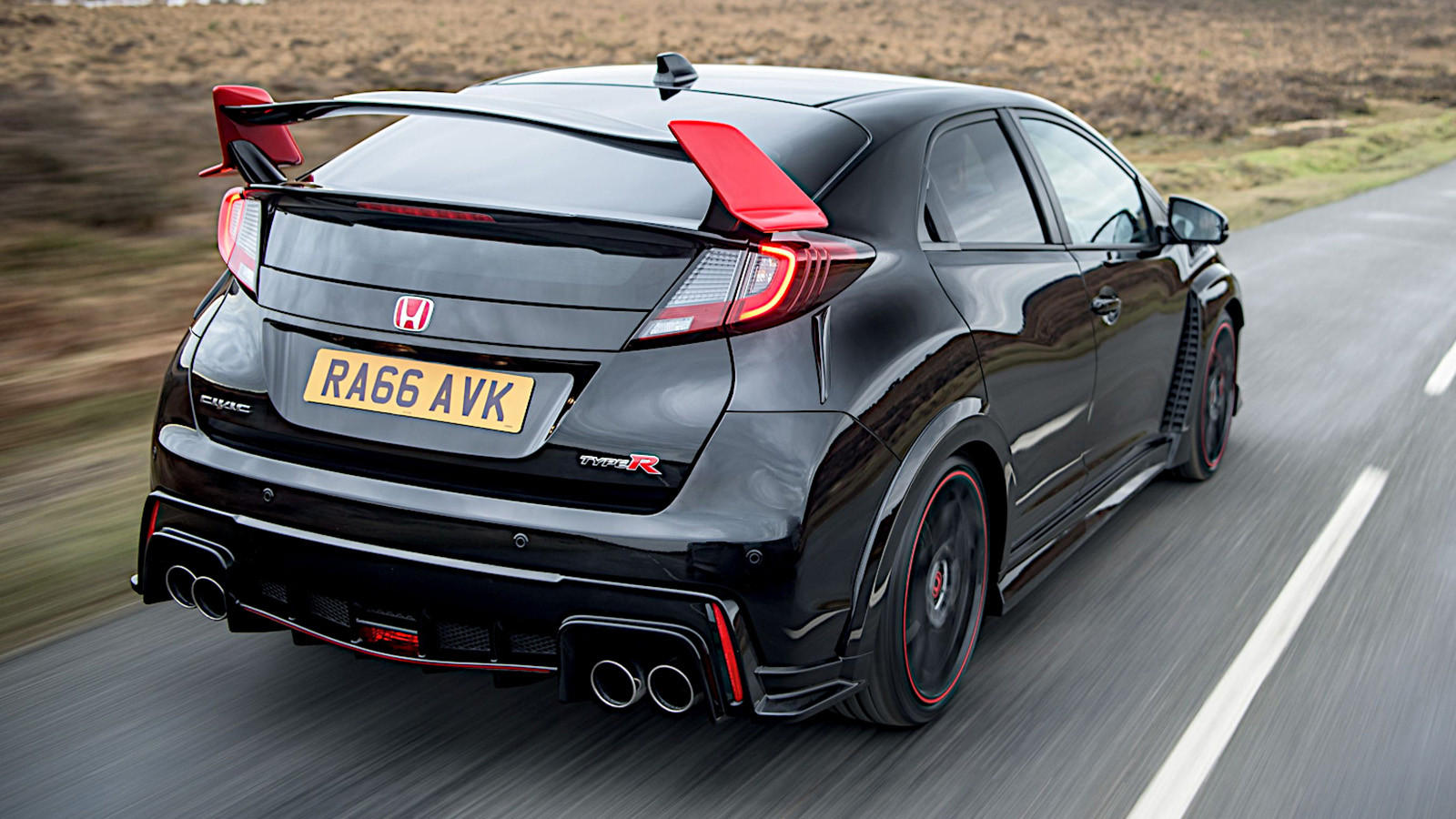
The last 100 of the approximately 7500 Honda Civic Type Rs in the model’s shortest generation were all Black Editions.
Mechanically identical to the others, they were, as the name suggests, predominantly black, though not to the same extent as the less powerful Black Edition versions of the regular Civic introduced in 2014.
In the case of the Type R, there was also quite a lot of red, notably on the brake calipers, the rear wing end plates and some parts of the interior.
Honda Civic Type R fifth generation
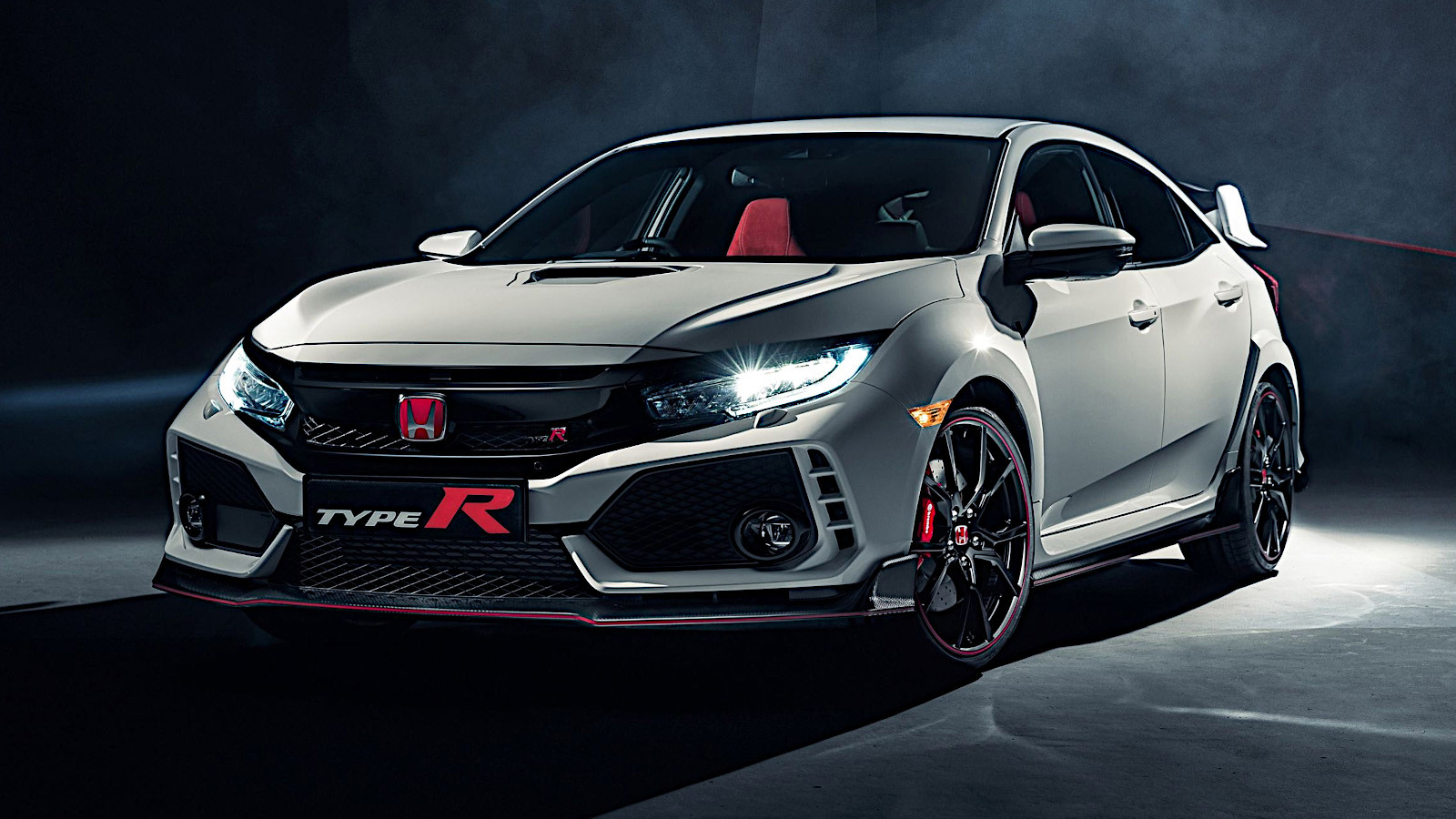
Introduced in 2017, the fifth Honda Civic Type R was the first to be sold in the USA and, less happily for the British motor industry, the last built in Swindon before the plant was shut down in 2021.
Like the fourth car in the series, it was a five-door hatchback, and in several markets (including North America) it was offered with the same 310HP engine.
For Europe and Japan, however, the output was increased slightly to 320HP.
Other changes included a lighter (by 16KG/35LB) and torsionally stiffer (by 38%) bodyshell, a longer wheelbase, a wider track and tires, multi-link rear suspension and revised aerodynamics.
Honda Civic Type R sixth generation
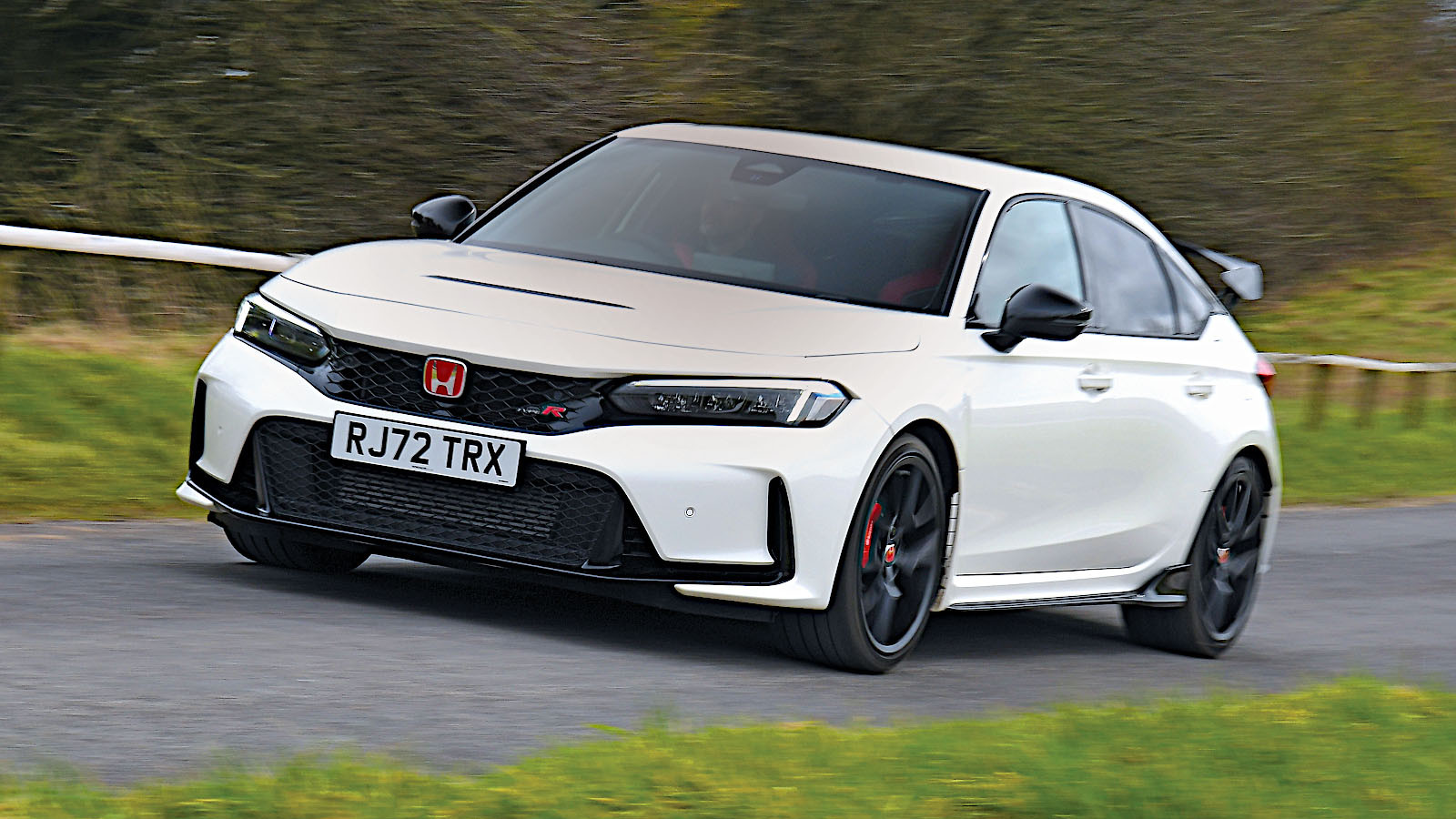
The 2022 Honda Civic Type R was the first of the present century to be built only in Japan.
Manufactured exclusively at the auto maker’s plant in Yorii, Saitama Prefecture, it used the same turbocharged engine as the two previous models.
Its power output varied according to where it was sold, the highest figure being 330HP.
Pre-defined driving modes were not new, but now they were joined by one called Individual, which allowed the driver to select their own settings for the dampers, throttle response, steering assistance, instrument display and engine sound.
The Suzuka record
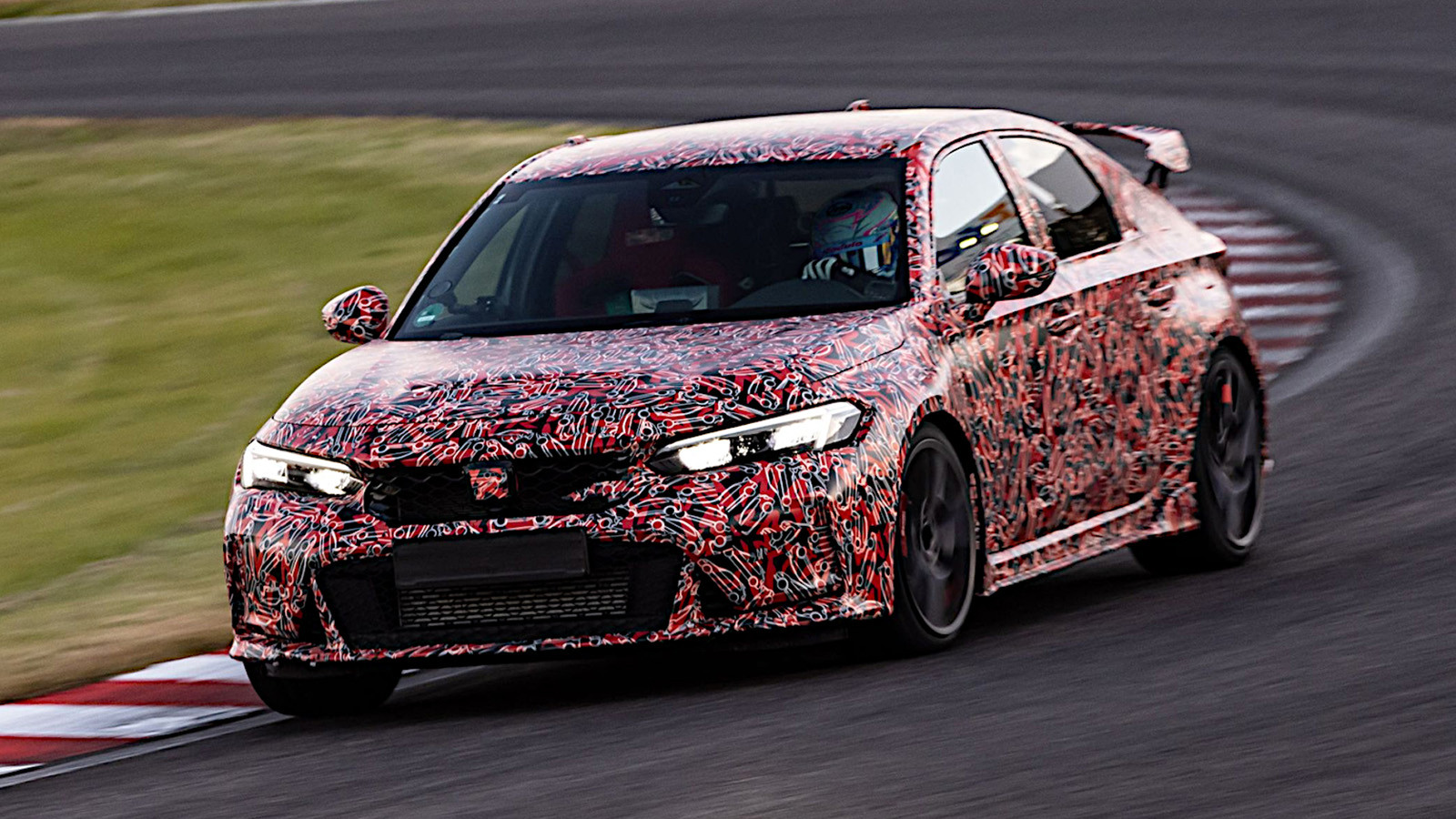
In April 2022, before the model became available to the public, a sixth-generation Honda Civic Type R set what was claimed to be a new record for front-wheel-drive cars at the Suzuka circuit in Japan.
Its lap time of 2 mins 23.120 secs (as timed by Honda) was 0.873 secs faster than the existing record, set just over two years earlier by another Civic Type R.
Honda has also claimed similar records for various Type Rs at Estoril in Portugal, the Hungaroring in Hungary, Magny-Cours in France, Mount Panorama in Australia, Silverstone in the UK and Spa-Francorchamps in Belgium.
Honda Civic Type R Ultimate Edition
Honda explained its decision to remove the Civic Type R from Europe by saying: ‘The industry is changing, and our model range is having to evolve with it in accordance with European legislation’.
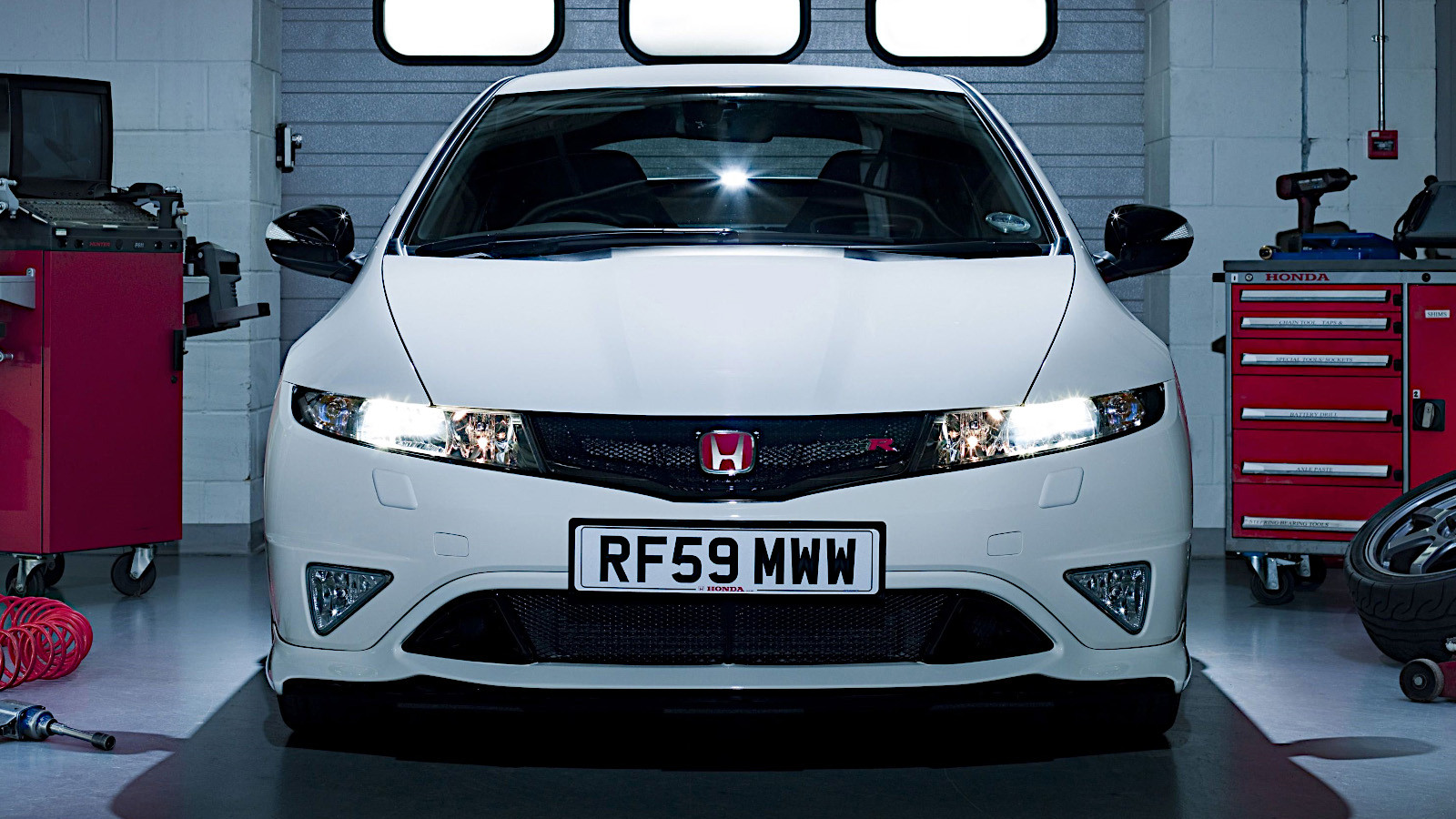
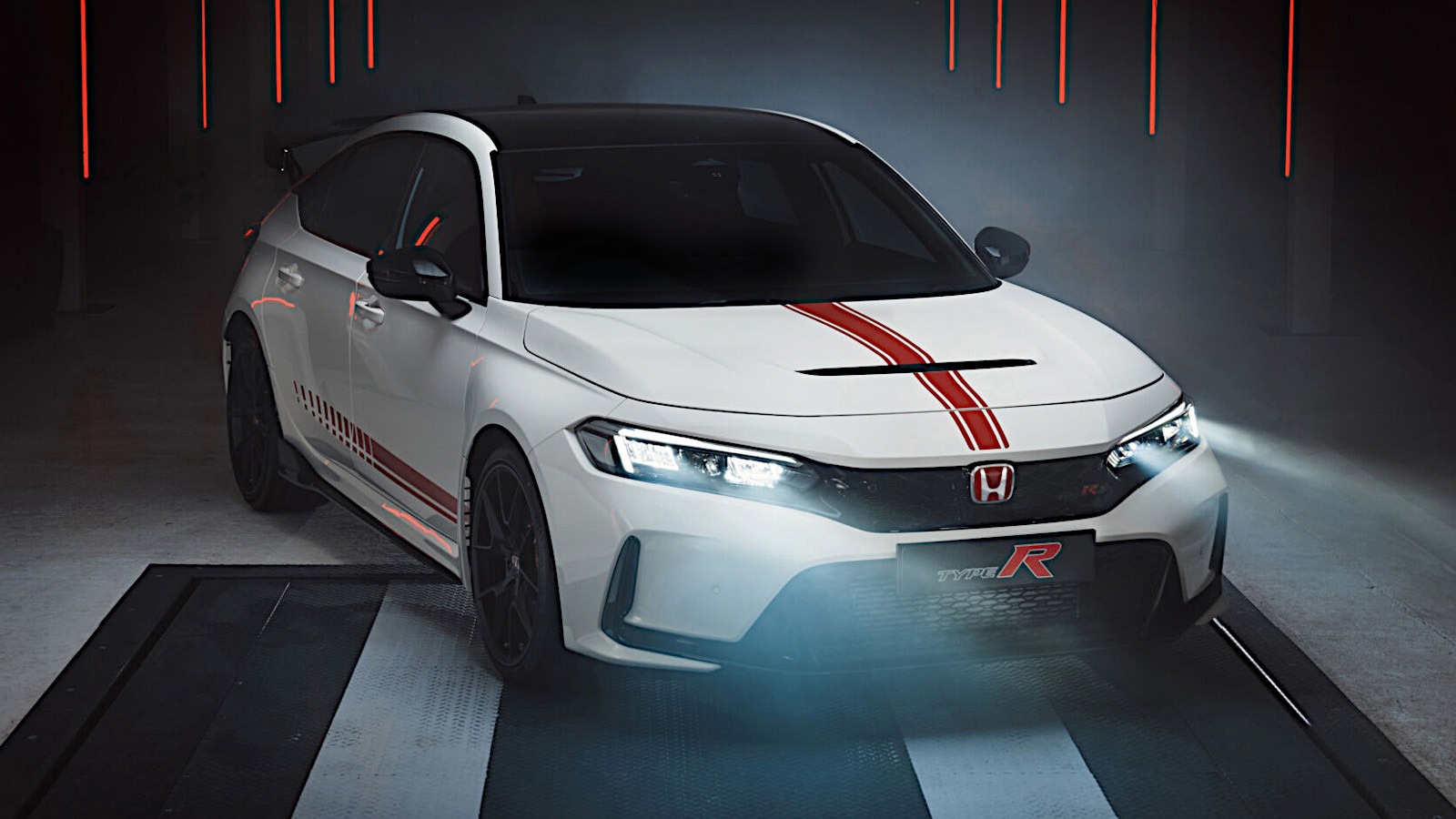
At the same time, it celebrated the car’s heritage by creating the Ultimate Edition, of which a maximum of 40 examples would be sold across the range.
All of them would be painted in Championship White and have red decals, echoing the color scheme of the Honda RA271 which, in 1964, became the first Japanese-built car to take part in the Formula One World Championship.
Honda Civic Type R in racing
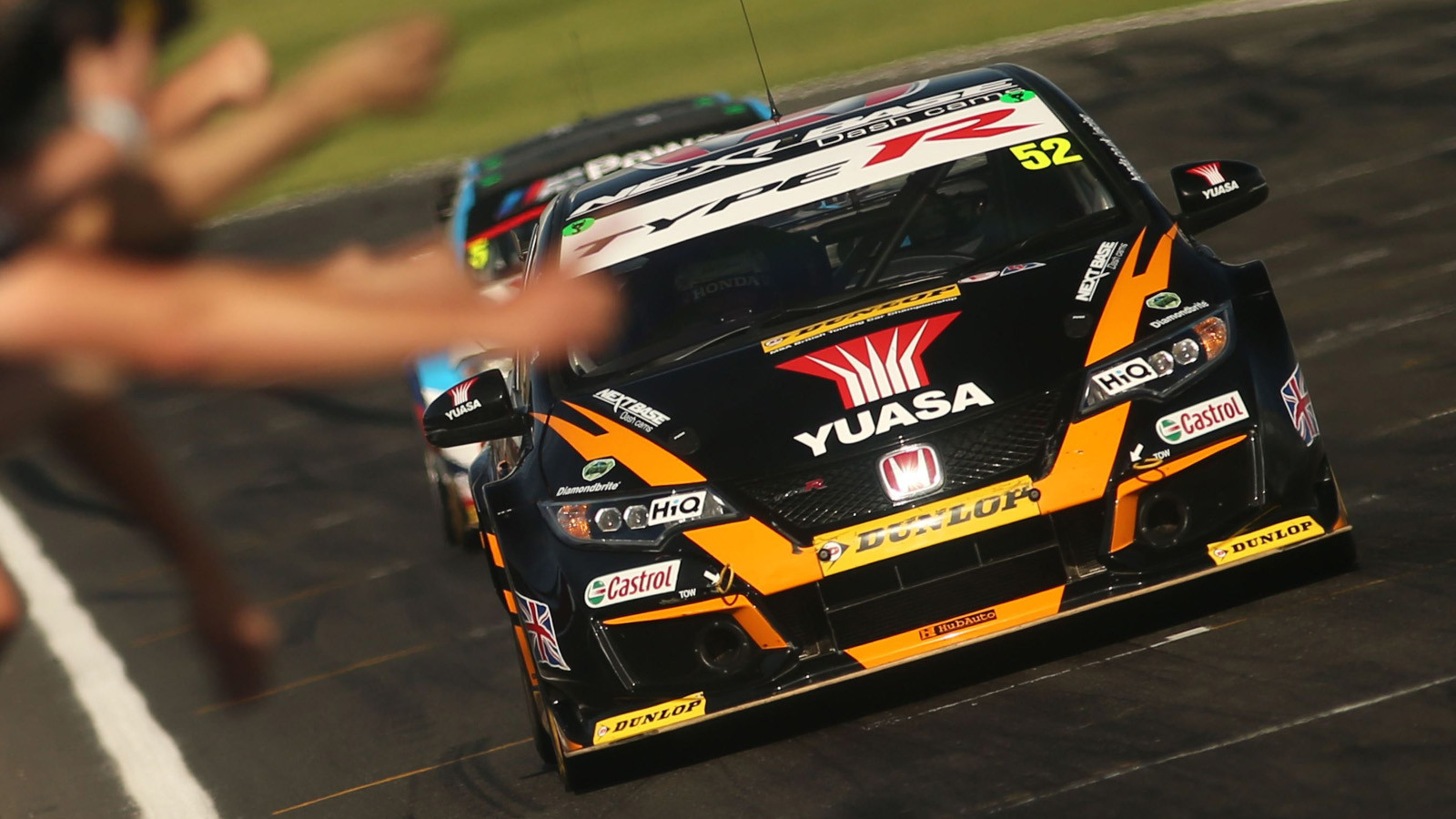
Race versions of various Honda Civics have performed superbly in the British Touring Car Championship, though not always with Type R branding.
Civics won the drivers’, manufacturers’, teams’ and independents’ championships five times each, the Jack Sears Trophy four times and the short-lived Production Class title twice.
Honda officially pulled out of the series in 2020, but some of the above titles were secured by independent teams after that year.
The Civic was also used in the World Touring Car Championship with more limited success, though it did allow Honda to win the manufacturers’ category in 2013.
Honda Civic Type R in rallying and rallycross
The Honda Civic Type R is better known within motorsport as a race car than as a rally car, but it has had some success on the stages at international level.
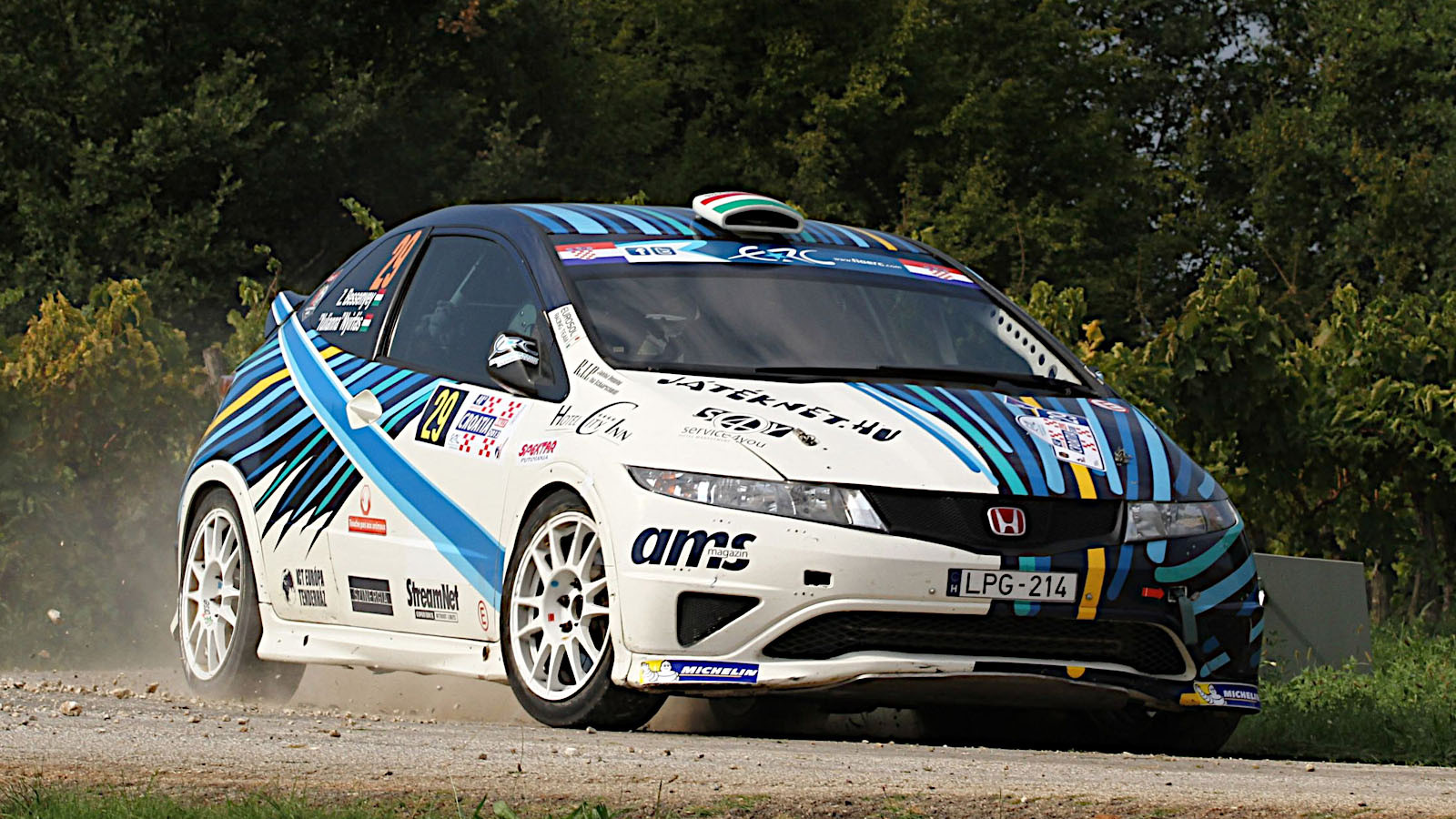
Zoltán Bessenyey and co-driver Yulianna Nyirfás, both Hungarian, are pictured here on their way to winning the two-wheel-drive category in the 2013 FIA European Rally Championship.
In rallycross (which is held on short circuits with both Tarmac and unsealed surfaces), Honda Civic Type R driver Tomáš Kotek won the European Championship’s Division 2, for lightly modified, 2-liter, non-turbo cars with two-wheel drive, in both 2007 and 2008.
Honda Civic Type R in hillclimbing
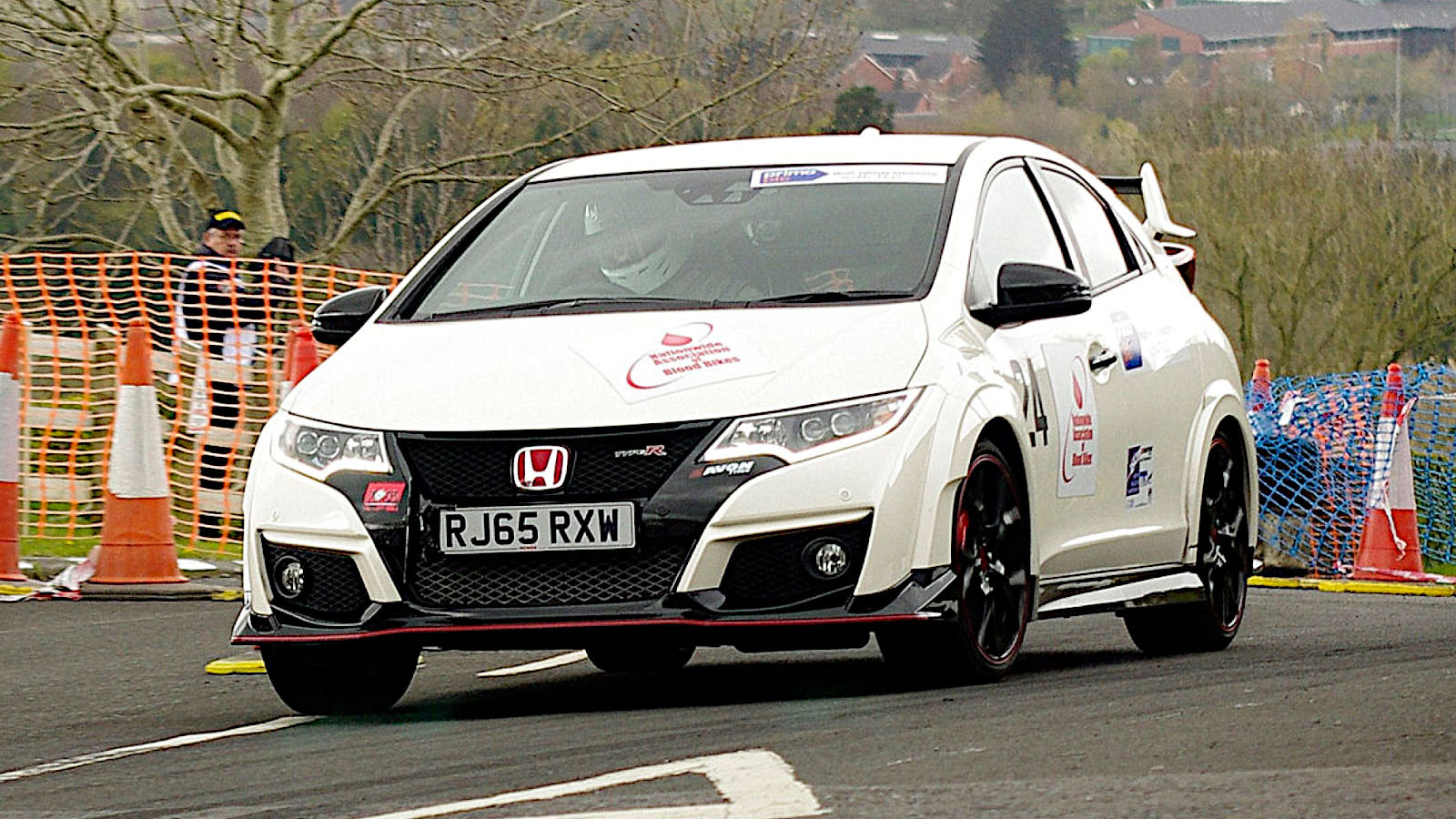
In April 2016, a completely unmodified, fourth-generation Honda Civic Type R took part in the Craigantlet hillclimb, held on closed public roads just outside Belfast in Northern Ireland.
By a curious set of circumstances, it not only won its class (beating the existing record by more than a second) but also qualified for the two British Hillclimb Championship rounds held on the same day, and achieved a points-scoring result in both of them.
In the history of the championship, which began in 1947, this was the first time a standard production car had ever scored any points.
As of 2025, the feat has been repeated only once (again at Craigantlet) by a Lexus RC F which, despite being much more powerful than the Civic, was considerably slower.
We hope you enjoyed this gallery. Please click the ‘Follow’ button above for more super stories from Classic & Sports Car.