

Plastic breaks from the norm
In 1949, Californian boat-builder Bill Tritt created the Glasspar G2, a sports car with the world’s first ‘production’ automotive body made from a new wonder material: glass-reinforced plastic – aka glassfibre, or GRP.
A one-off, glassfibre-bodied Stout Scarab prototype had predated Tritt’s G2 by three years, while Ford had studied soya-based coachwork materials during WW2.
But it was the Glasspar that kick-started the GRP car-body boom, and it quickly became the material of choice for countless low-volume car makers.
Some larger manufacturers were quick to catch on, with Kaiser and Chevrolet revealing glassfibre-bodied prototypes as early as 1952; their respective sporting Darrin and Corvette models were in production soon after.
Mass-market European marques followed suit.
Plastic bodyshells would form the backbone of the kit and Specials industry, and they spread into the mainstream with car makers large and small selling GRP-bodied models, from Reliant Robins through to the Renault Espace.
By the ’60s, even BMC, Panhard and BMW used it to ease localised production in emerging markets.
Glassfibre remains the favoured material for many specialist sports cars today, although it has fallen from favour among the mass-market manufacturers.
Here are 10 unexpected GRP cars, produced by makers better known for employing more traditional materials.
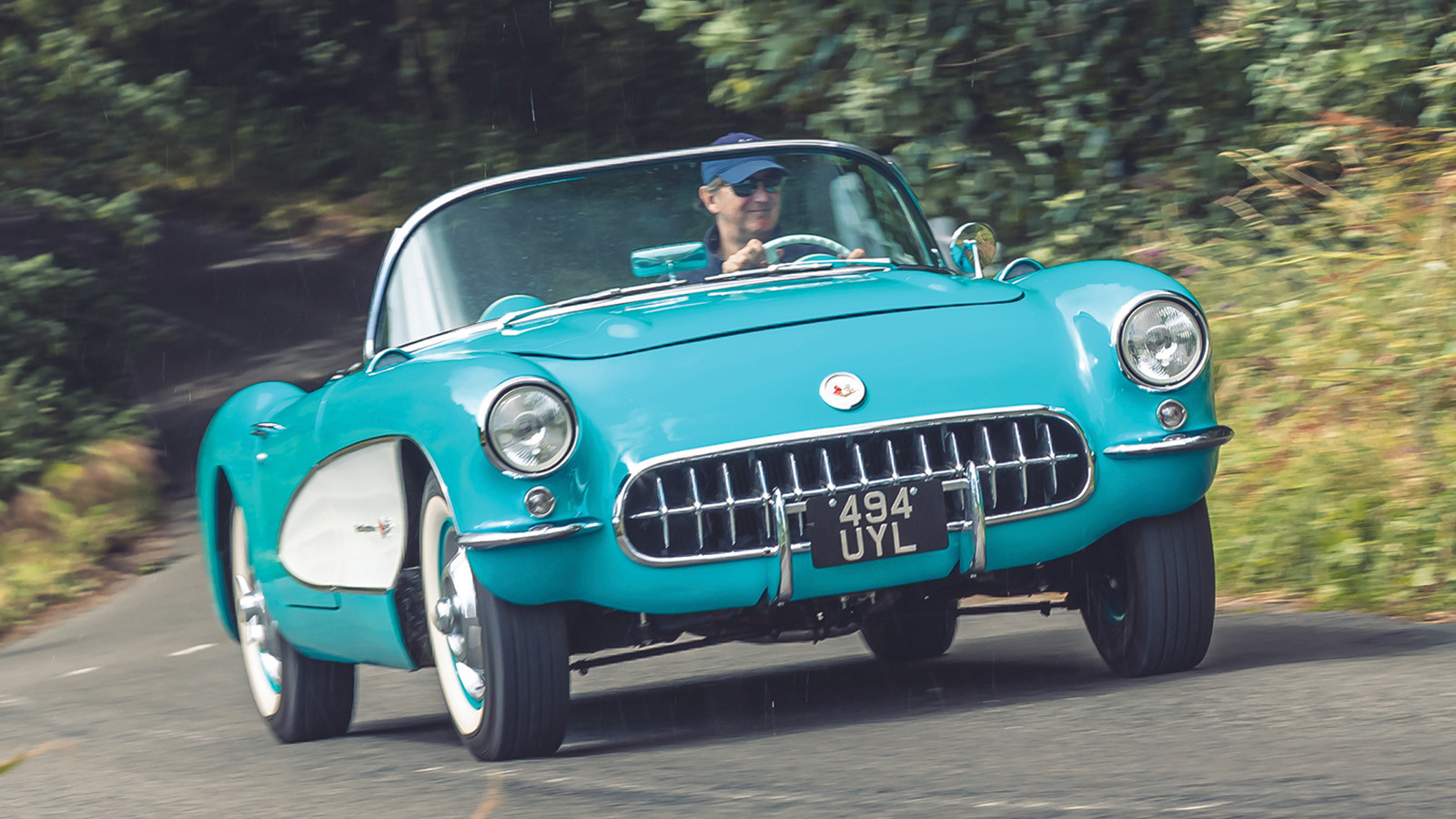
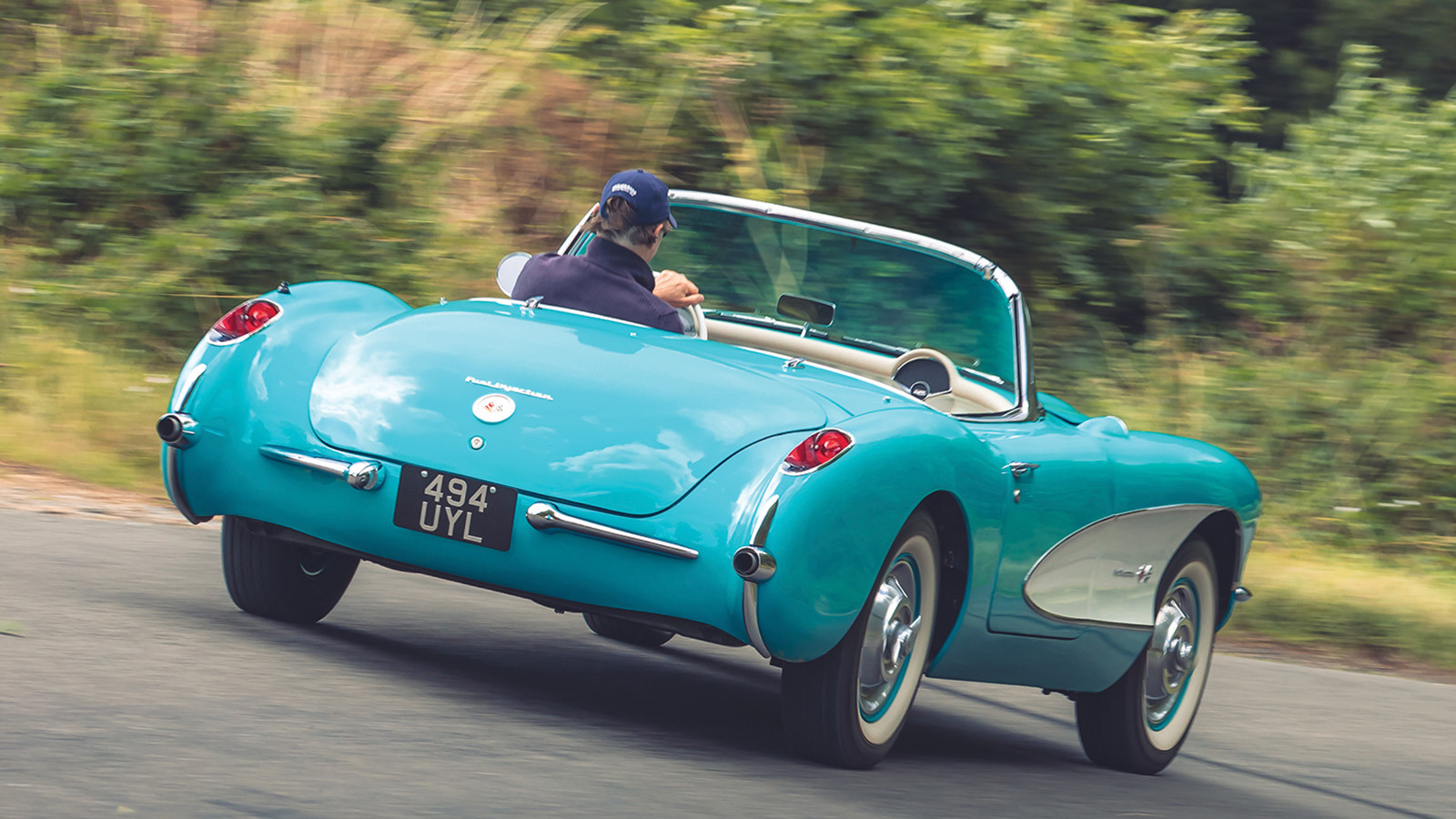
1. Chevrolet Corvette C1 (1953-’62)
It can’t claim to have pioneered the glassfibre body, but Chevrolet’s original Corvette was the first truly mass-produced GRP automobile – just.
Created as a show car for the January 1953 GM Motorama display, the Corvette EX-122 concept generated enough interest to convince General Motors to begin production just six months later.
Designer Harley Earl chose glassfibre because it was lightweight, rustproof and offered an economical way to produce the Corvette without the expense of large sheet-metal pressings.
Chevrolet Corvette C1 (cont.)
The sports car was made using conventional glassfibre construction methods until the third-generation C3 arrived in 1968, when a faster press-mould process was introduced.
This advance led to the development of the sheet moulding compound, or SMC, used for all 1973-2004 Corvette body panels.
Post-2004, Corvettes have continued to use SMC, but with a higher carbonfibre content for its strength and weight advantages.
Anorak fact Independent rival Kaiser unveiled its glassfibre-bodied Darrin KF-161 in September 1952, a few months before the Corvette. Henry J Kaiser disliked the Darrin’s distinctive design, but his wife Alyce thought it was beautiful so the production was approved. This was delayed until late 1953, though, which made the Corvette the first mass-produced GRP car by a whisker
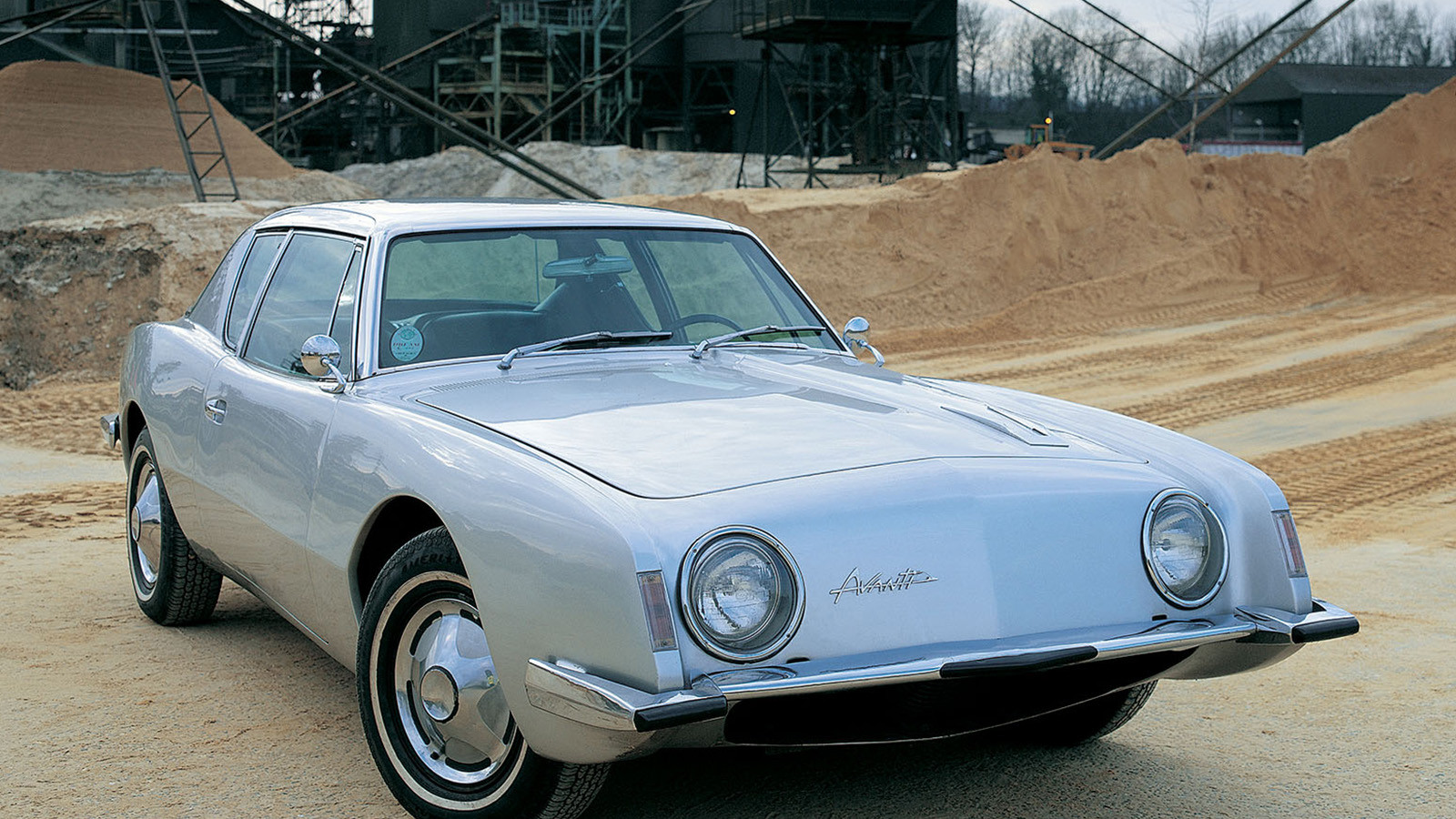
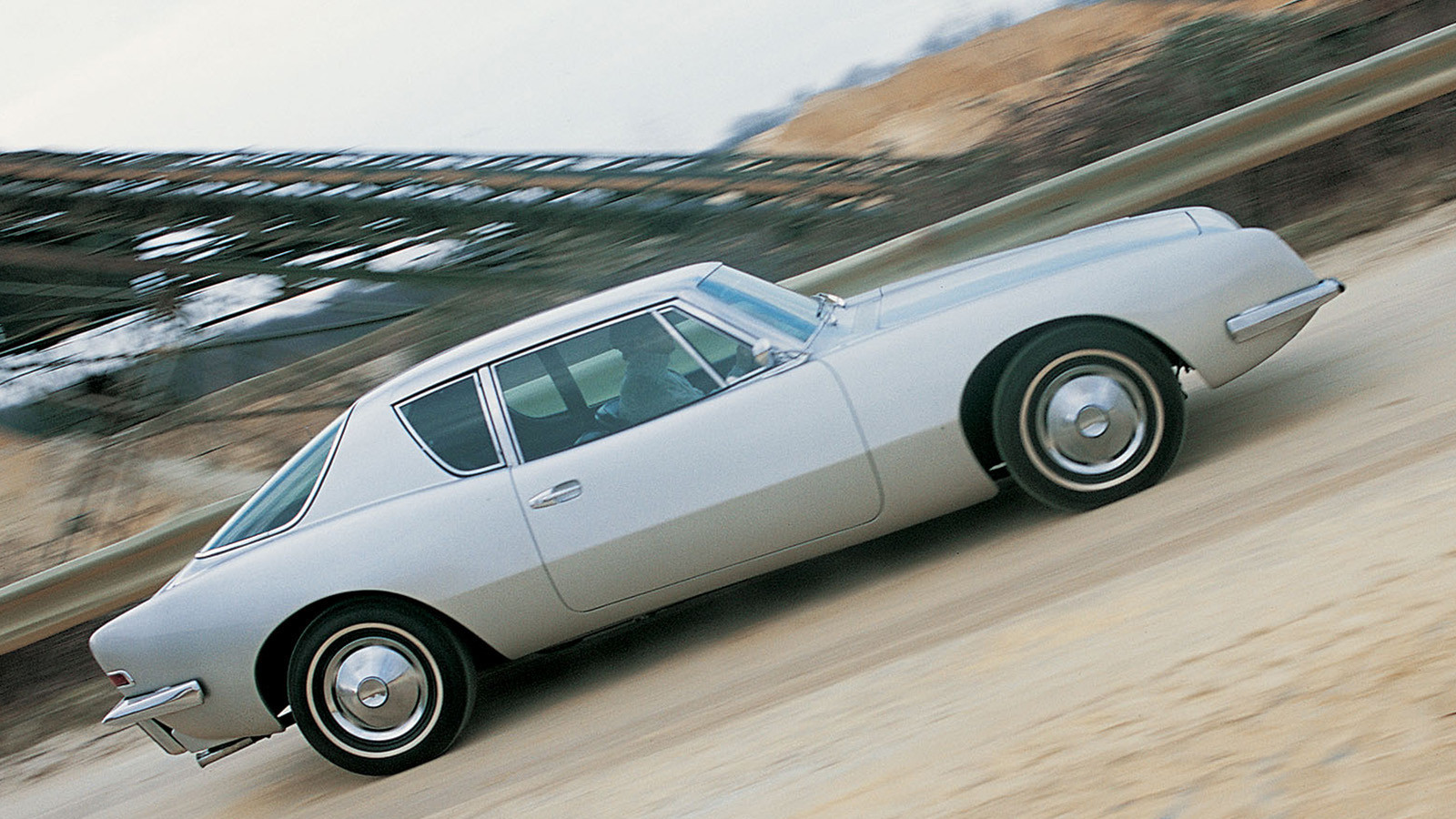
2. Studebaker Avanti (1962-’63)
By early 1961 Studebaker was struggling, and new president Sherwood Egbert was tasked with rejuvenating the marque.
Within weeks Egbert had scribbled the lines of an image-changing GT, and he contacted his designer friend Raymond Loewy to share his vision.
Loewy assembled a small team, and a 1:8-scale proposal for a modern, uncluttered coupe was approved within a month; inside a year the Avanti was revealed to acclaim at the 1962 New York Auto Show.
Studebaker Avanti (cont.)
Its striking futuristic glassfibre coachwork had the desired effect, and dealers were inundated with orders.
Body production was outsourced to a supplier that struggled to keep pace with demand, forcing Studebaker to pull manufacture in-house, but it was too little, too late, and many customers cancelled their orders.
Just before Christmas 1963, penniless Studebaker was forced to close its factory in South Bend, Indiana, after fewer than 4650 Avantis had been produced.
Anorak fact Two ex-Studebaker dealers restarted production in 1965. Construction of the rebranded Avanti II continued on-and-off until 2005
3. Ford RS 200 (1985-’86)
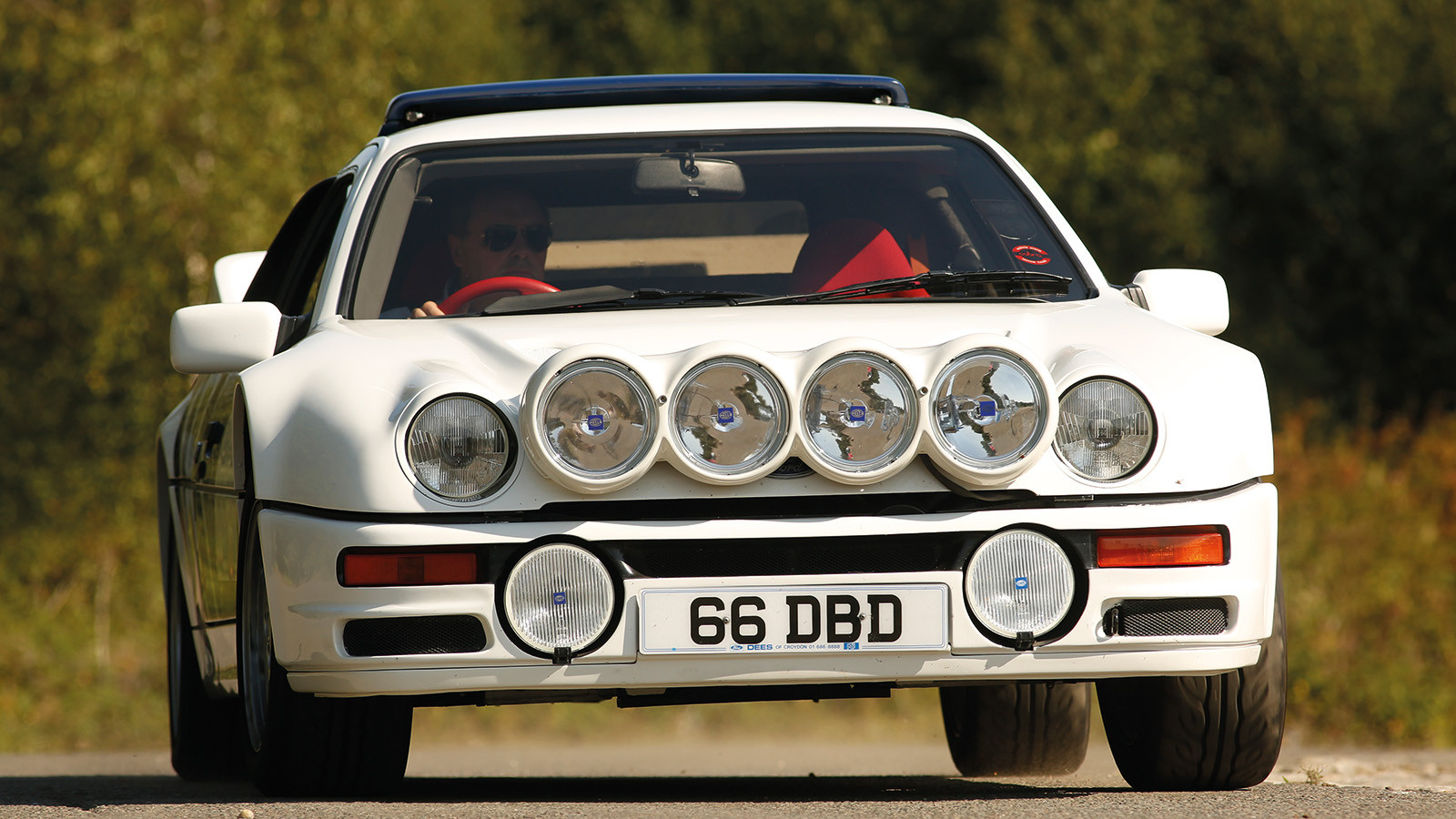
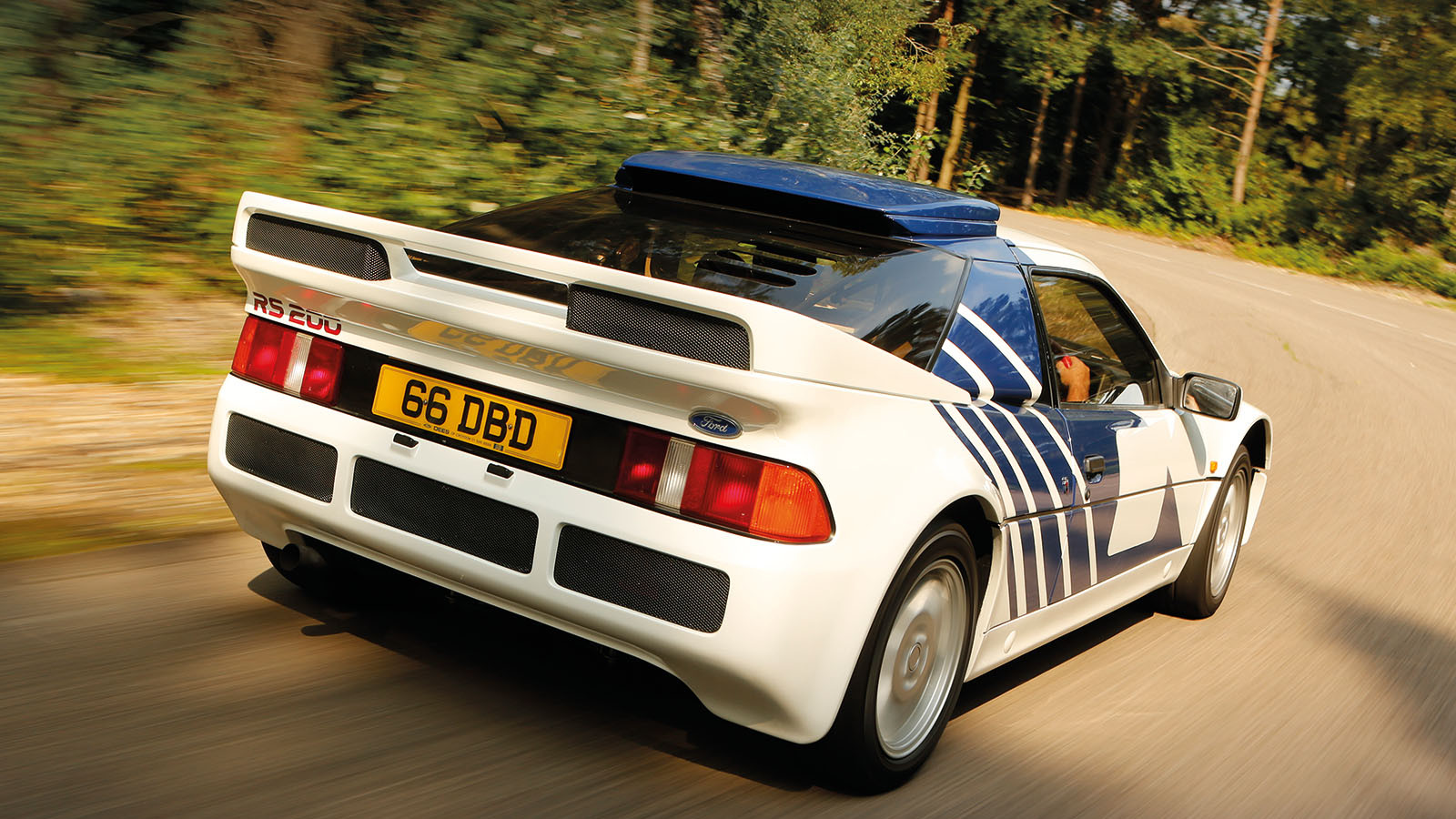
You have to feel for the unfortunate Ford RS 200, a glassfibre-bodied homologation special created to compete with Peugeot, Lancia and MG in Group B rallying, but killed off before it had a chance to prove itself.
In 1986, the Ford’s first – and only – rally season, an RS 200 was involved in a tragic accident that took three spectators’ lives on the Rally de Portugal.
It was one of the many incidents that signalled Group B as too fast and too dangerous, and the class was outlawed at the end of that year.
This left Ford with a problem: the RS 200’s competition career was over, causing some buyers to refuse delivery of their cars.
Ford RS 200 (cont.)
As a result, Ford never made the full quota of 200 Reliant-built roadgoing RS 200s required to comply with homologation rules: a reported 158 were made between October 1985 and January 1986.
Ford apparently stripped down 50 road-legal RS 200s already built, to resell them with extra equipment fitted, while others were dismantled for spares.
The RS 200’s glassfibre-reinforced coachwork was styled by Ghia and assembled around an aluminium, steel and carbonfibre honeycomb central tub, into which a Cosworth-developed, 1.8-litre, turbocharged, twin-cam, 16-valve, four-cylinder BDT motor was centrally mounted.
Anorak fact The bodywork for most of the RS 200’s mid-engined Ford GT40 and GT70 competition predecessors was also glassfibre, as was the pick-up flatbed of Ford’s Transit 2 Flareside, which, like the RS 200, was constructed at Reliant’s Tamworth factory
4. BMW M1 (1978-’81)
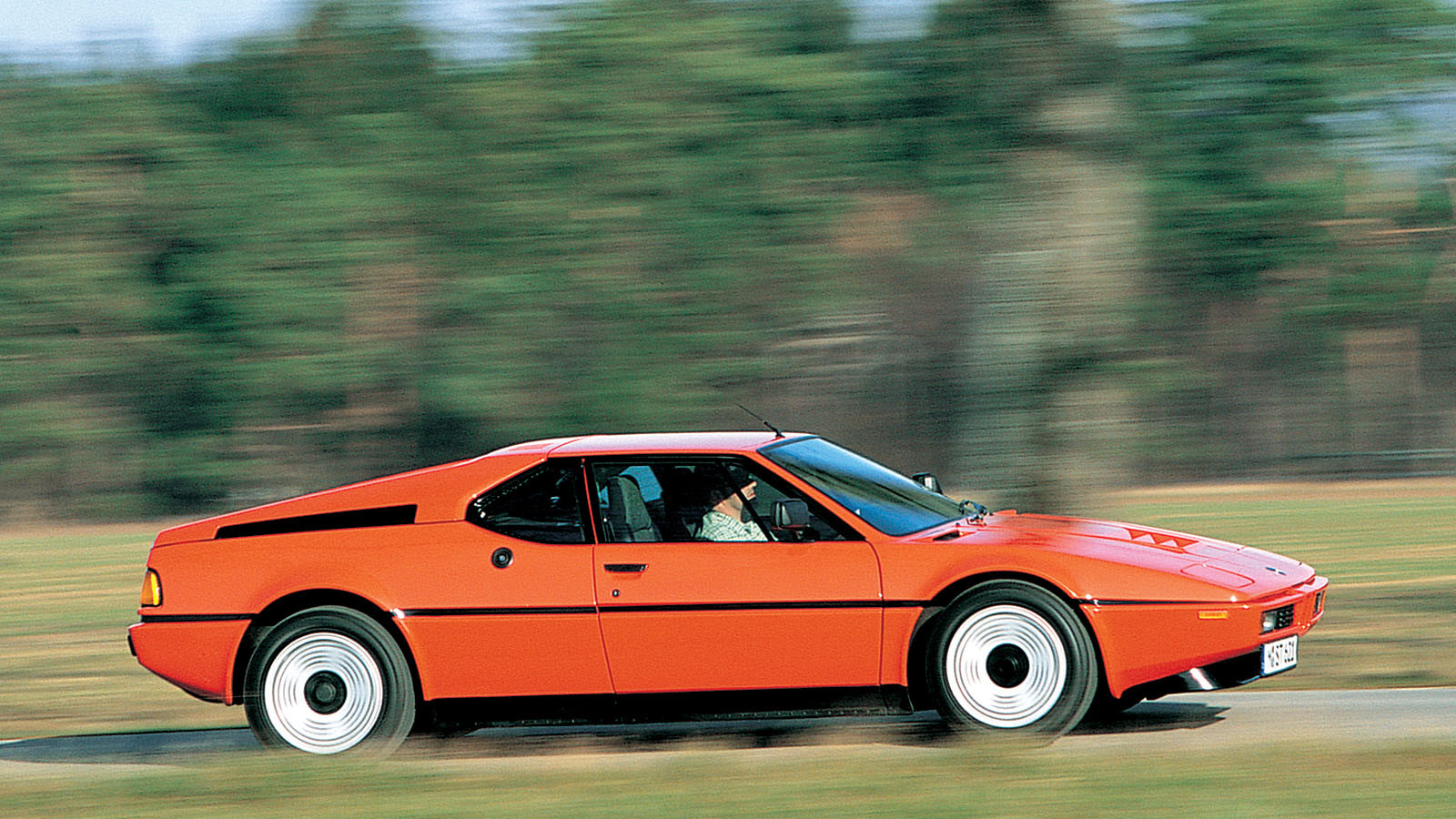
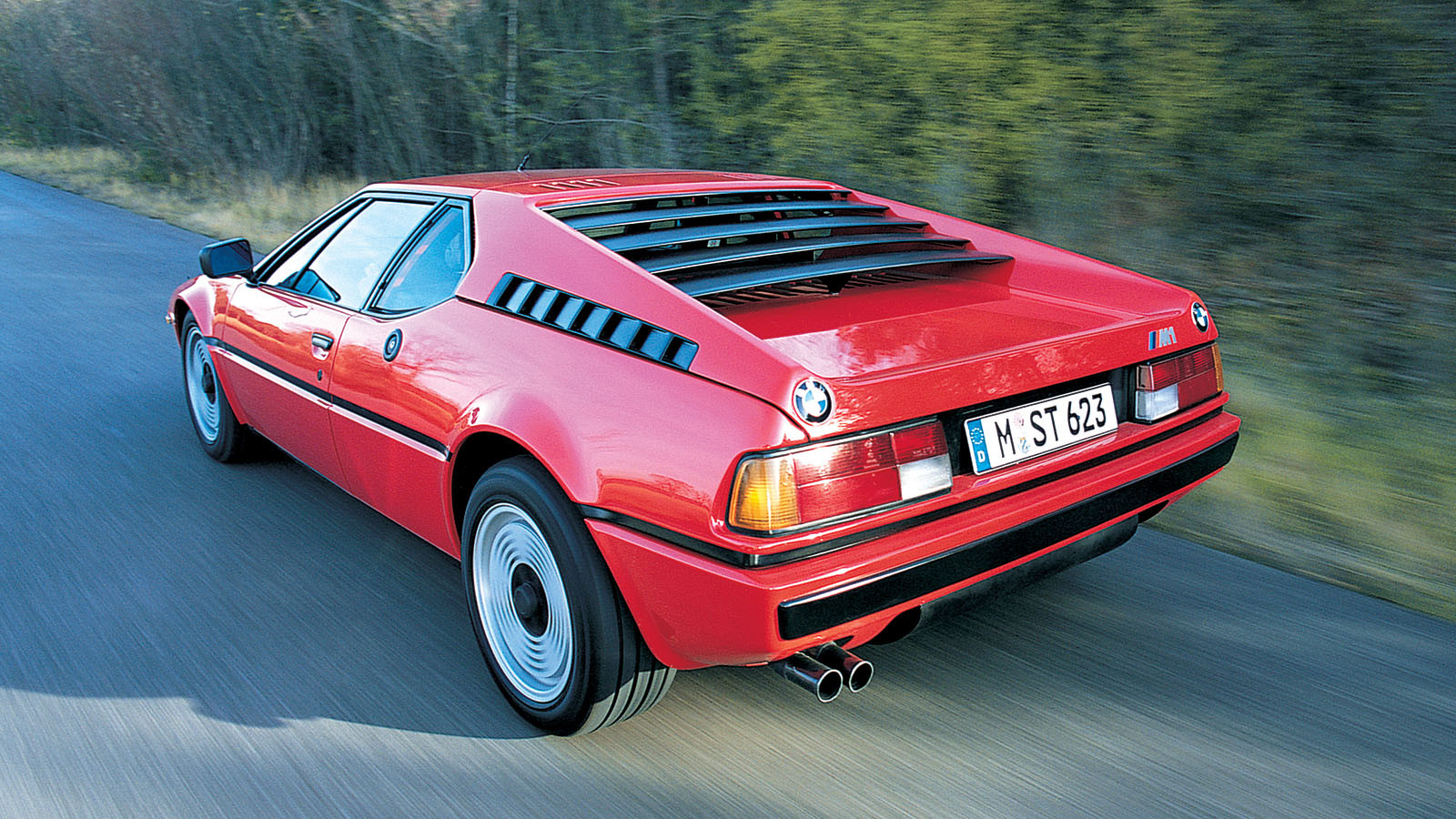
In its bid to break rival Porsche’s late-1970s dominance of Group 5 racing, BMW developed the M1: the marque’s first true GRP-bodied car, its first mid-engined supercar and the first machine born out of the new Motorsport division, creator of BMW’s subsequent athletic ‘M’ models.
Conceived primarily for competition use, the Italdesign-styled – and built – M1 used glassfibre panels riveted to a lightweight but rigid steel spaceframe that was at first co-developed with Lamborghini, until the Italian marque’s financial collapse led to BMW withdrawing from the relationship.
The M1 introduced BMW’s lauded M88 motor, a 24-valve, 3.5-litre ‘six’ with 274bhp.
BMW M1 (cont.)
With an efficient 1300kg package achieving a 161mph top speed, the BMW M1 promised much.
But unforeseen Group 5 regulation changes, compounded by delays with the Italian-developed tubular chassis, an overly complex production process and an ambitious £37,500 price-tag (when the contemporary 355bhp flat-12 Ferrari 512BB cost £35,000) meant just 399 M1 road cars were built, with c55 ‘Formula One sideshow’ Procars and endurance racers also made.
Anorak fact A decade after the M1, BMW’s second plastic car was launched. The Z1 used Xenoy thermoplastic for the removable side panels and odd retractable doors, with a GRP bonnet, boot and tonneau. BMW encouraged buyers to purchase an extra set of bodywork to change the colour of the car, with complete panel replacement taking a claimed 40 mins
5. Volvo P1900 (1956-’57)
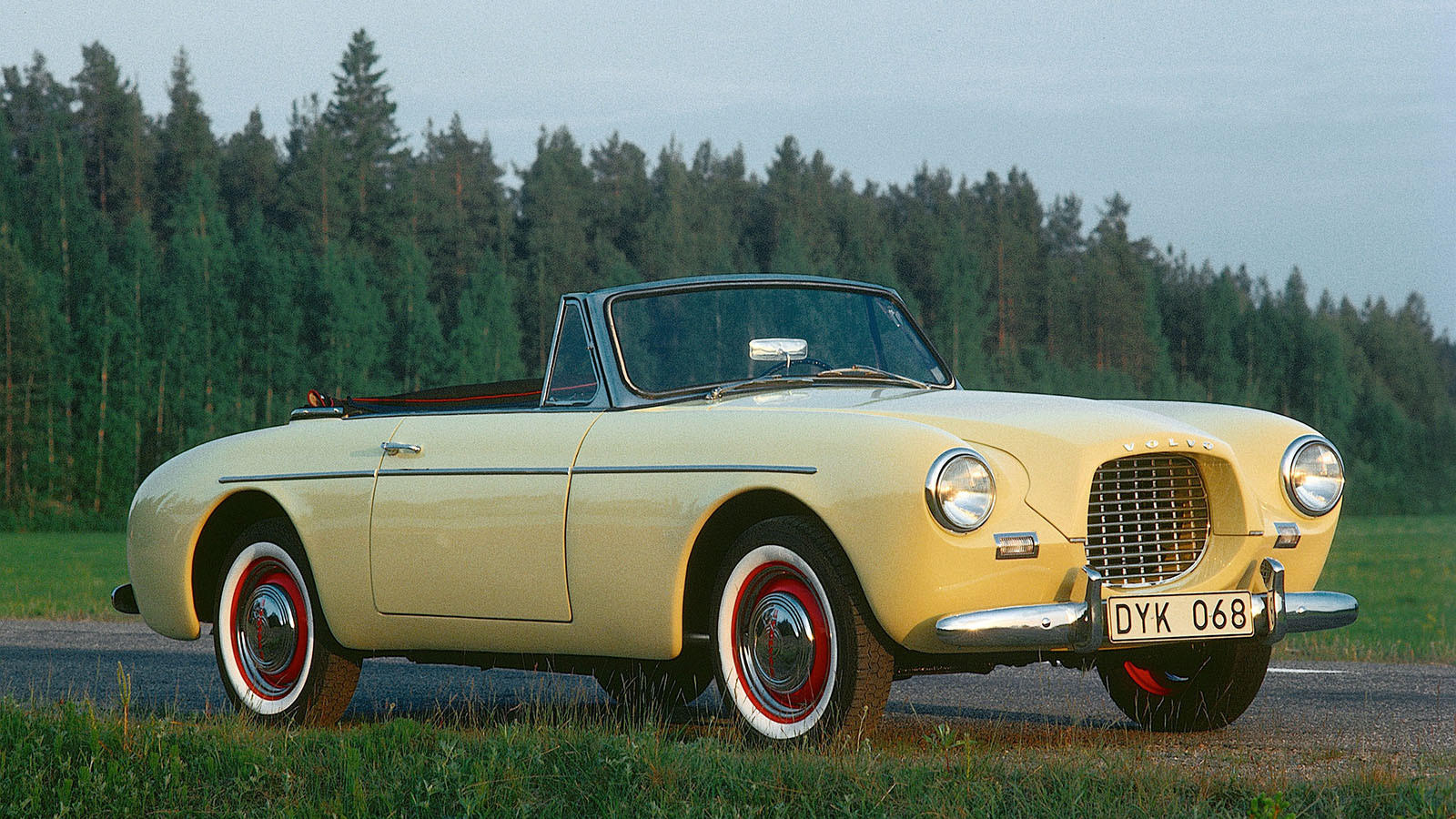
In the early 1950s, dependable but dull Volvo attempted to spice up its image – and hopefully steal a few sales from the likes of MG and Jaguar – by injecting some excitement into its key new North American export markets.
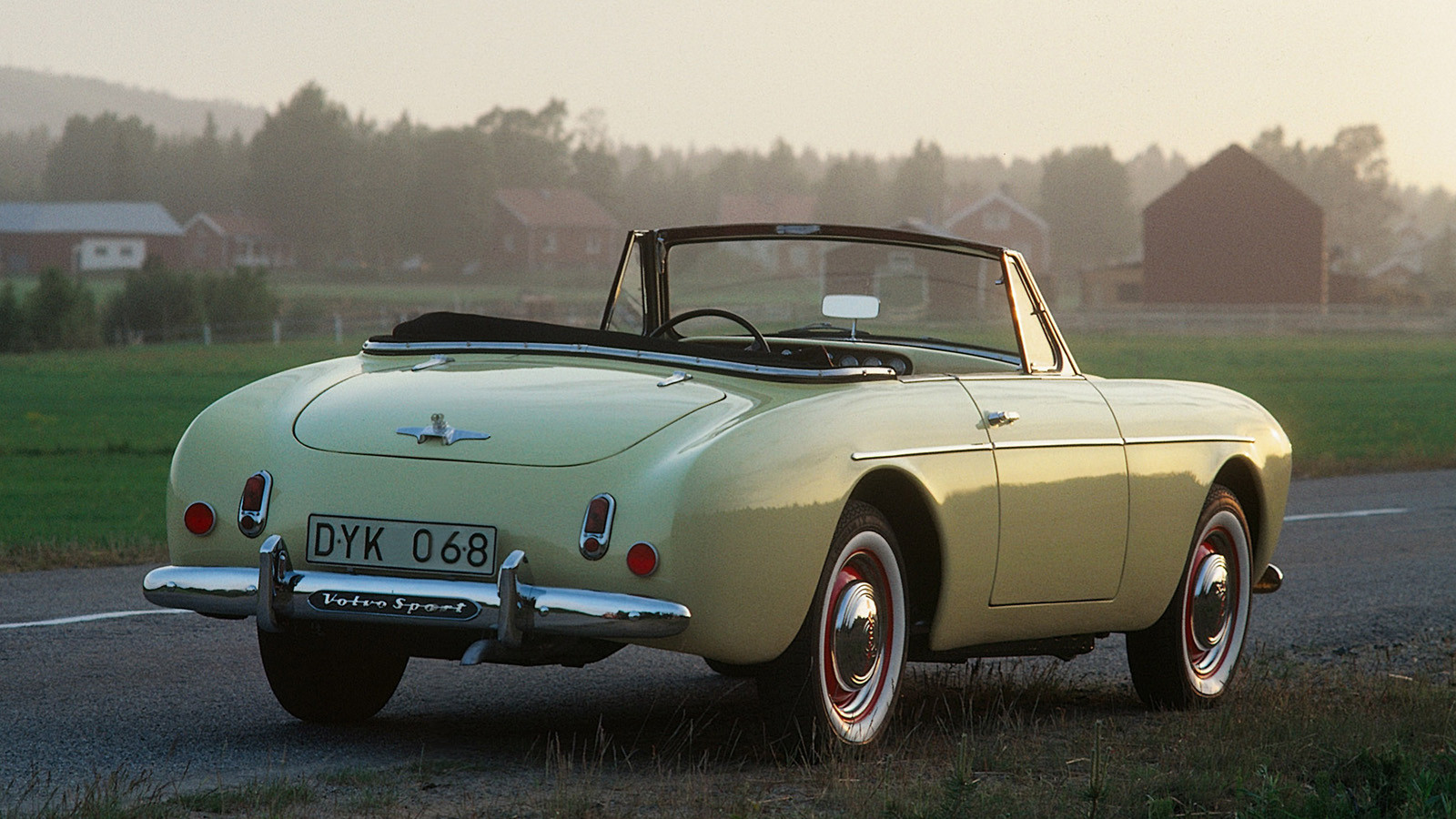
In 1954, the firm revealed an open sports car prototype fitted with a glassfibre-reinforced polyester body, created by Glasspar’s GRP pioneer Bill Tritt and fitted over a separate steel chassis.
The one-off P1900 stirred plenty of interest, prompting limited production from 1956.
Volvo P1900 (cont.)
A raft of glassfibre build-quality problems, and weak performance from its 1.4-litre B14B engine mated to a three-speed ’box, led to production being wound up by 1957, with just 67 Volvo PV444-based P1900s built – most of which were sold in chilly Sweden, rather than the USA.
Anorak fact Managing director Assar Gabrielsson was inspired to instigate the P1900 after a visit to Chevrolet’s factory in Flint, Michigan, where the GRP Corvette was about to enter production
6. Daimler SP250 ‘Dart’ (1959-’64)
Britain’s first car maker had long nurtured its reputation as one of the country’s most respected marques.
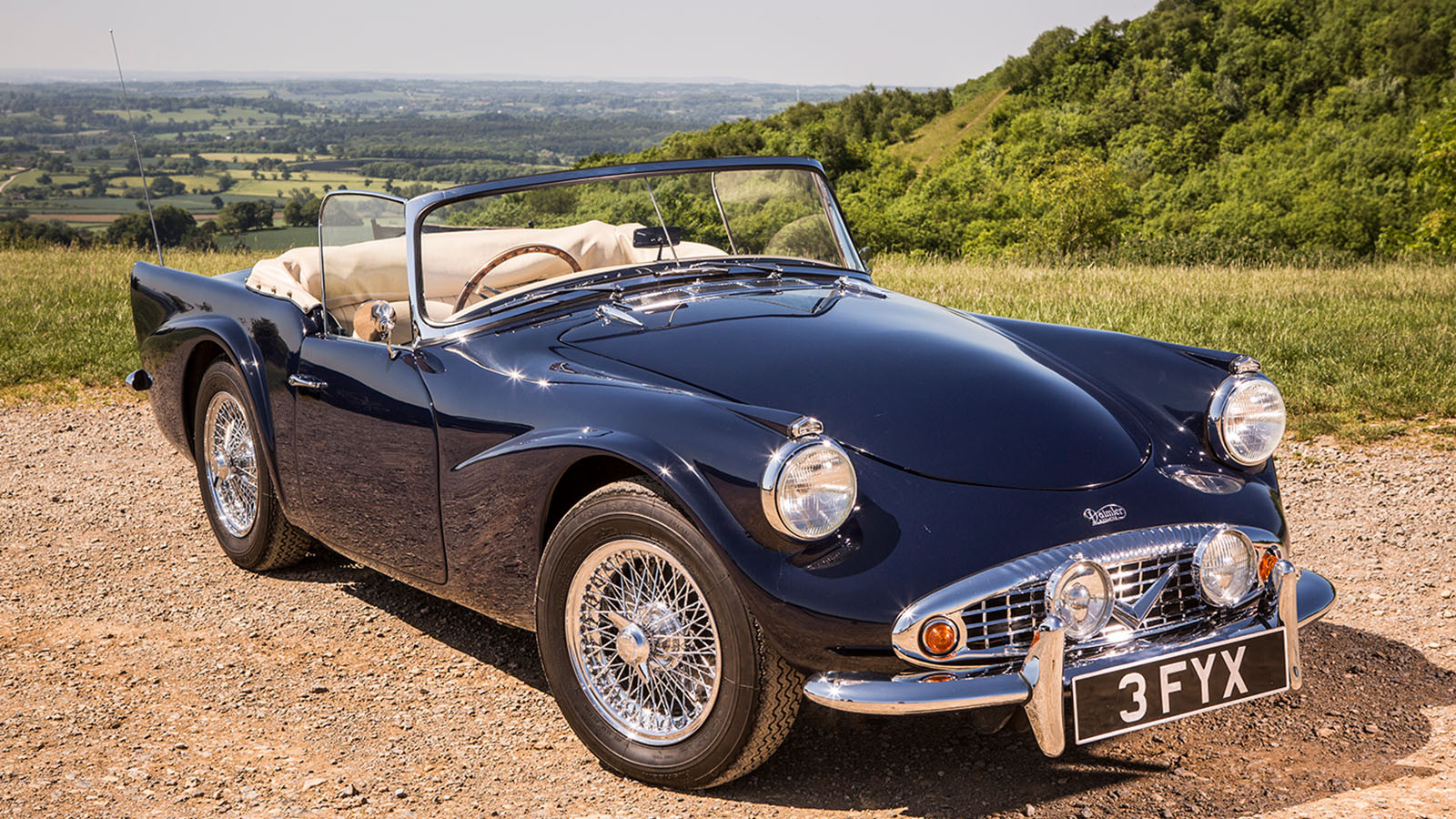
Needing to revive its fortunes and staid image, Daimler unveiled a daring, GRP-bodied sports car at the 1959 New York show.
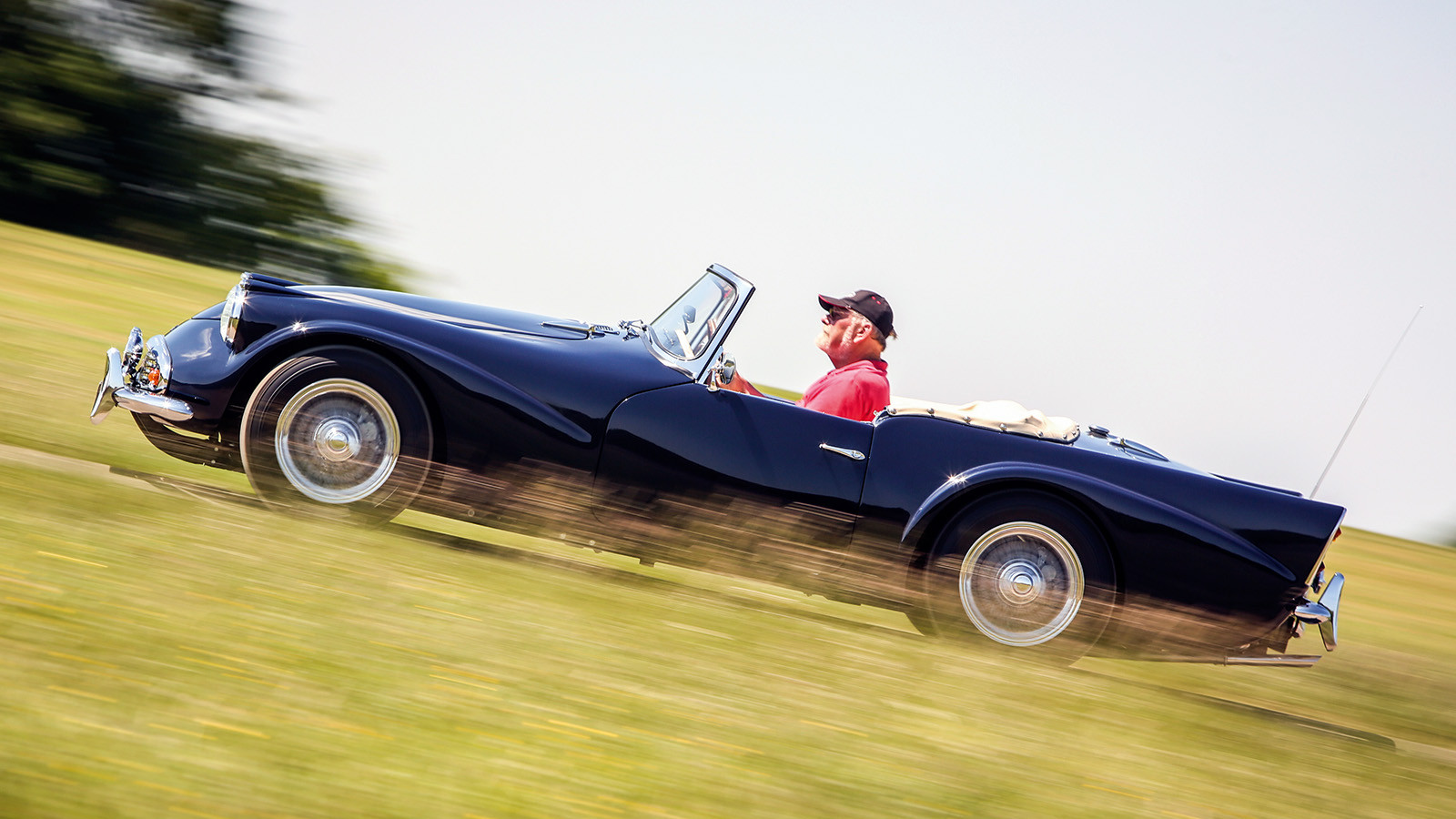
Initially named Dart, the new sportster featured four-wheel disc brakes and an Edward Turner-designed, 2.5-litre, 139bhp, compact V8, wrapped in distinctive glassfibre bodywork styled by Percy McNally and Jack Wichers.
Redesignated SP250 for production, the model was launched by Daimler prematurely, with numerous unresolved rough edges – serious chassis flex being the worst.
Daimler SP250 ‘Dart’ (cont.)
In 1960 Jaguar bought ailing Daimler and set about rectifying the SP250’s shortcomings, adding extra outriggers to improve rigidity for the 1961 B-Spec model.
The new E-type was set for its debut so Jaguar was reluctant to invest more in its now in-house rival, and only minor improvements were made from then until production ended in 1964, just 2645 examples later.
With its unresolved styling (Hooper and Ogle attempted to remedy it, the latter leading to the Reliant Scimitar GT) and costly production methods, the SP250 never met Daimler’s expectations.
Anorak fact The SP250’s ‘Dart’ tag was Daimler’s intended name for the model. Following the car’s debut, Chrysler’s Dodge division claimed rights to the Dart moniker and threatened legal action
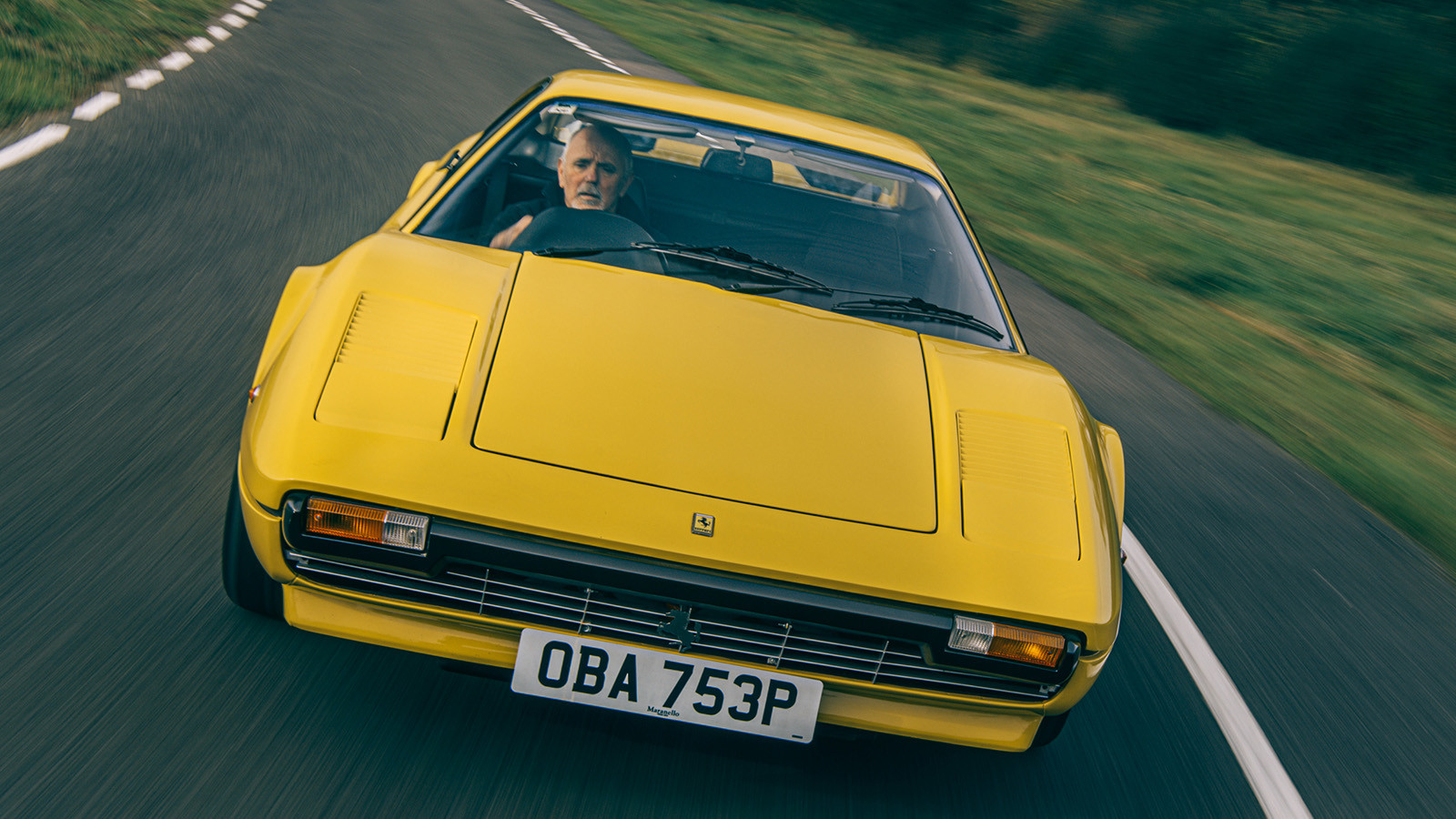
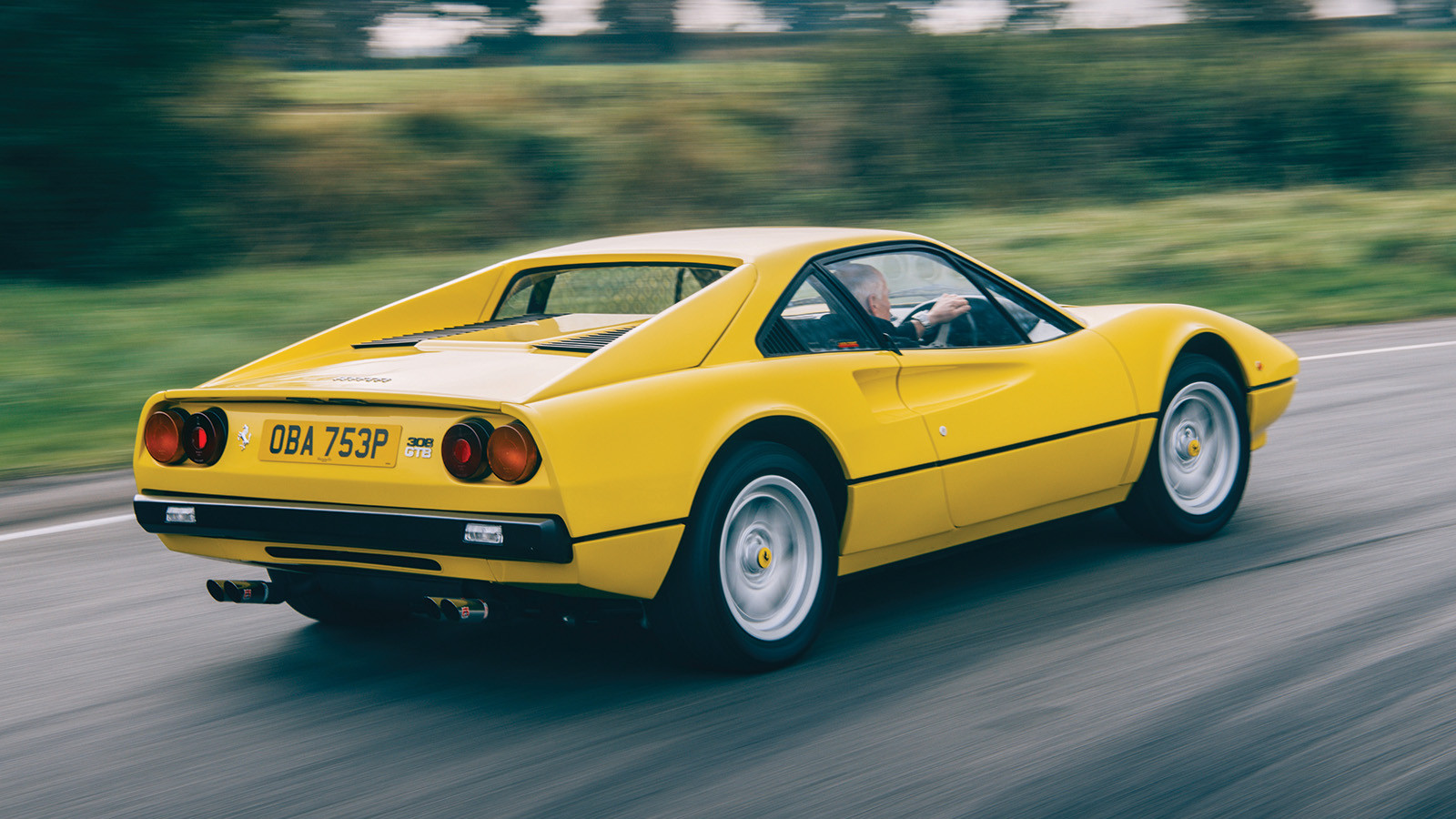
7. Ferrari 308GTB Vetroresina (1975-’77)
While not a traditionally ‘mainstream’ make, Ferrari is an automotive colossus against the myriad minnow GRP sports-car marques.
The Holy Grail for 308 admirers is the early GTB Vetroresina, included here for its Scaglietti-made glassfibre coachwork.
Just 808 GRP Berlinettas were built before Ferrari switched to regular steel in 1977.
The svelte plastic GTB was Ferrari’s response to the muted reaction the Bertone-designed Dino 308GT4 2+2 received at its 1973 introduction.
Ferrari 308GTB Vetroresina (cont.)
Ferrari customers rejected the angular GT4 and wanted to get their hands on the GTB, and glassfibre proved to be an expeditious way of getting the new mid-engined coupé delivered.
The Ferrari’s ripple-free GRP was made to a high standard, but, in contrast to steel and aluminium bodywork, it felt downmarket and deterred some customers, who complained of squeaks and creaks.
Plastic 308s offered key benefits, being immune to rust – unlike later, non-galvanised, pre-1983 models – and coming with a useful 150kg weight saving, while a dry-sump lubrication system contributed to around 10bhp more than the later steel-bodied GTBs.
Anorak fact The 308 Vetroresina remains Ferrari’s only official GRP-bodied production car, and Maranello took a dim view of – and decisive action against – subsequent glassfibre replicas. An exception is the Agostini Auto Junior, a half-scale, motorised 308GTS for children
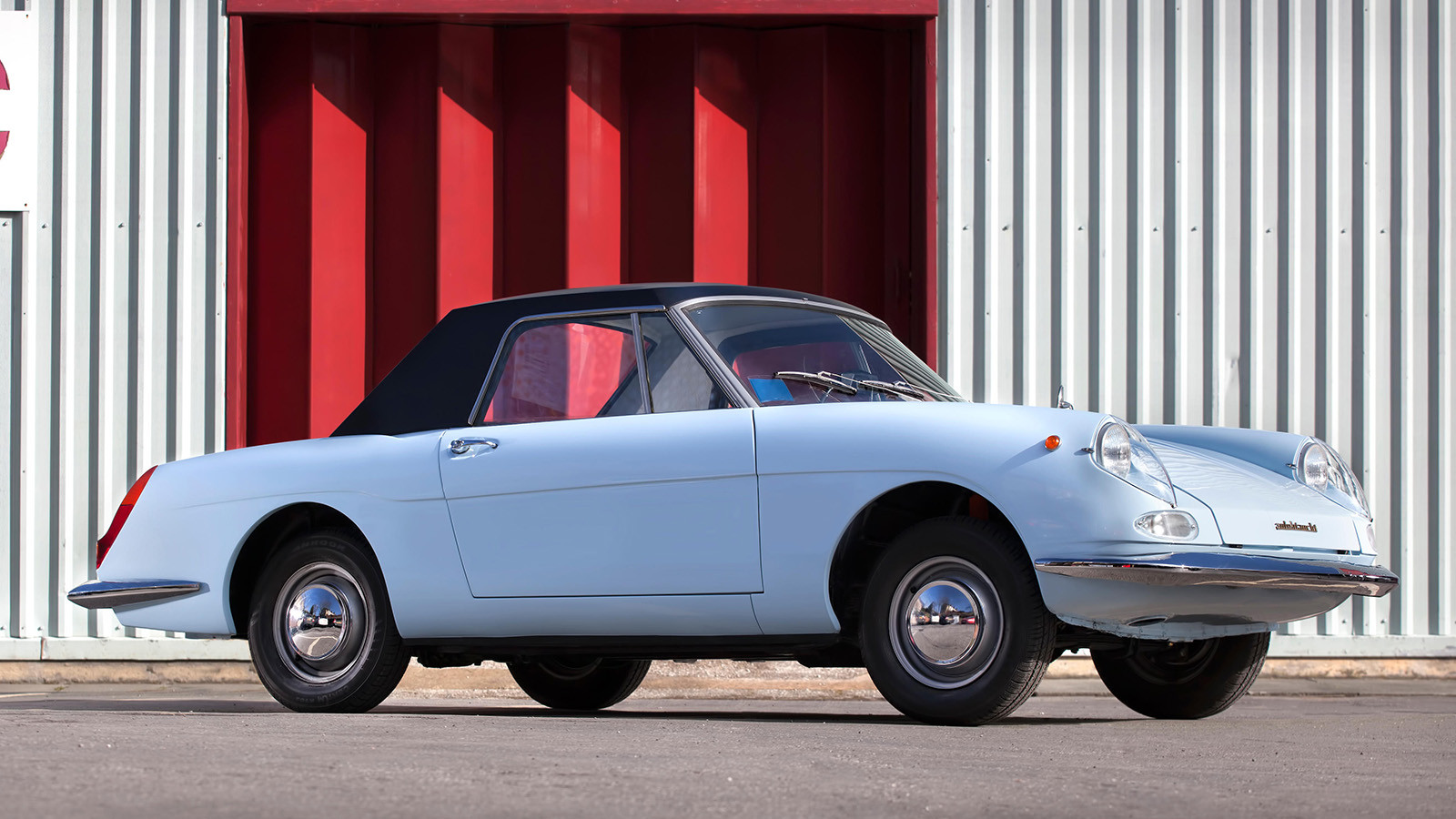
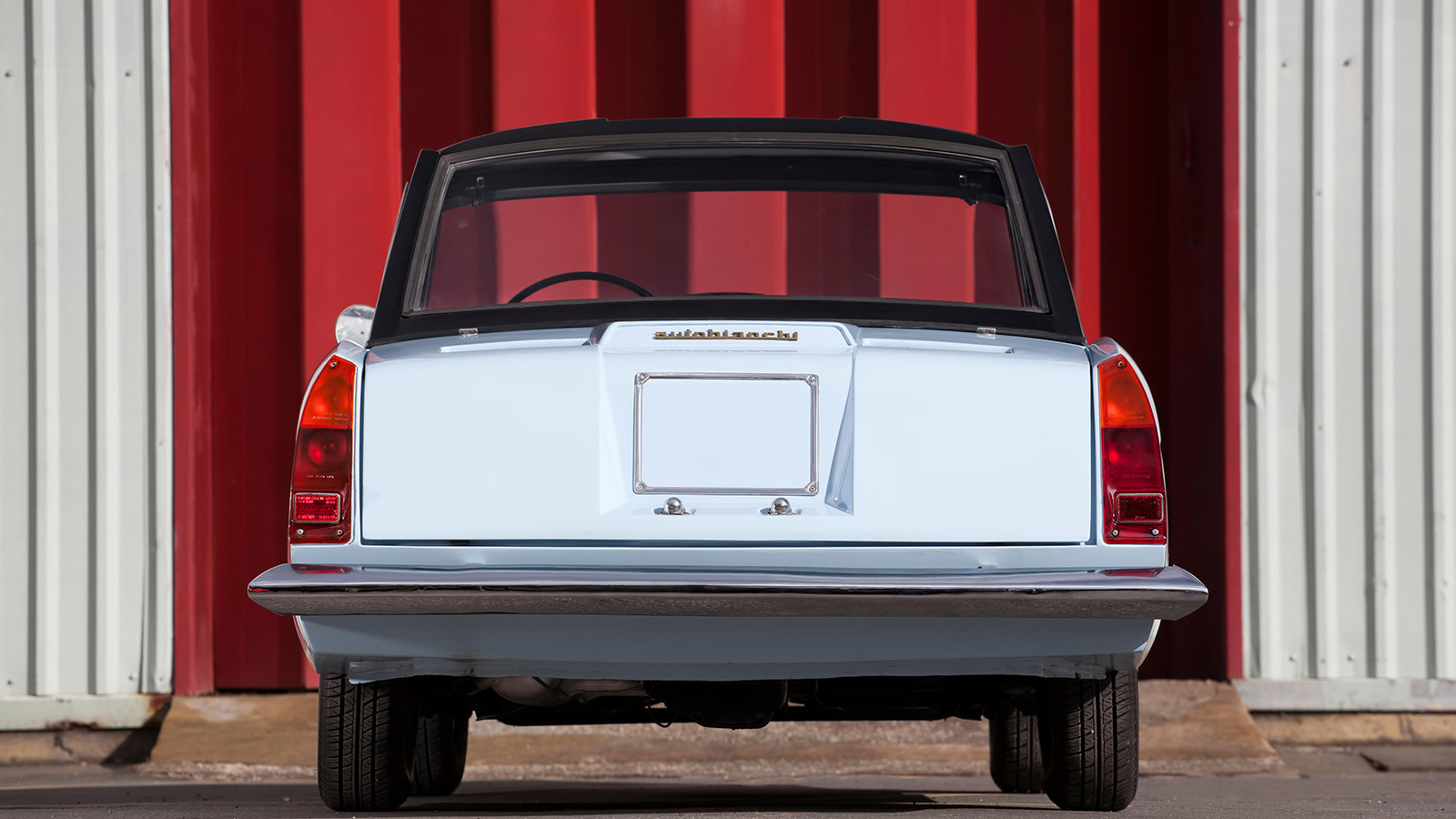
8. Autobianchi Stellina (1963-’65)
Autobianchi’s Stellina was a two-seater barchetta with glassfibre bodywork – a first for not only the Fiat Group, but also any Italian car.
Previewed at the 1963 Turin Salon, the model was launched in 1964, designed by Fabio Luigi Rapi with support from Tom Tjaarda.
The polyester resin and GRP shell was robust, but lost some lightness due to Italian scepticism about plastic’s durability.
Autobianchi Stellina (cont.)
The body was fixed to the welded sheet-metal frame from the Fiat 600D, along with its 767cc motor for a 71mph top speed; a second-series model with a 781cc engine hit 78mph.
The Stellina cost a hefty 980,000 Lire, and just 502 were built over a two-year run, its fate sealed by the debut of the prettier and cheaper Fiat 850 Spider in 1965.
Anorak fact Founded in 1955, Autobianchi became Fiat’s experimental arm to test new technologies, such as front-wheel drive for the ’64 Primula and GRP bodywork for the Stellina
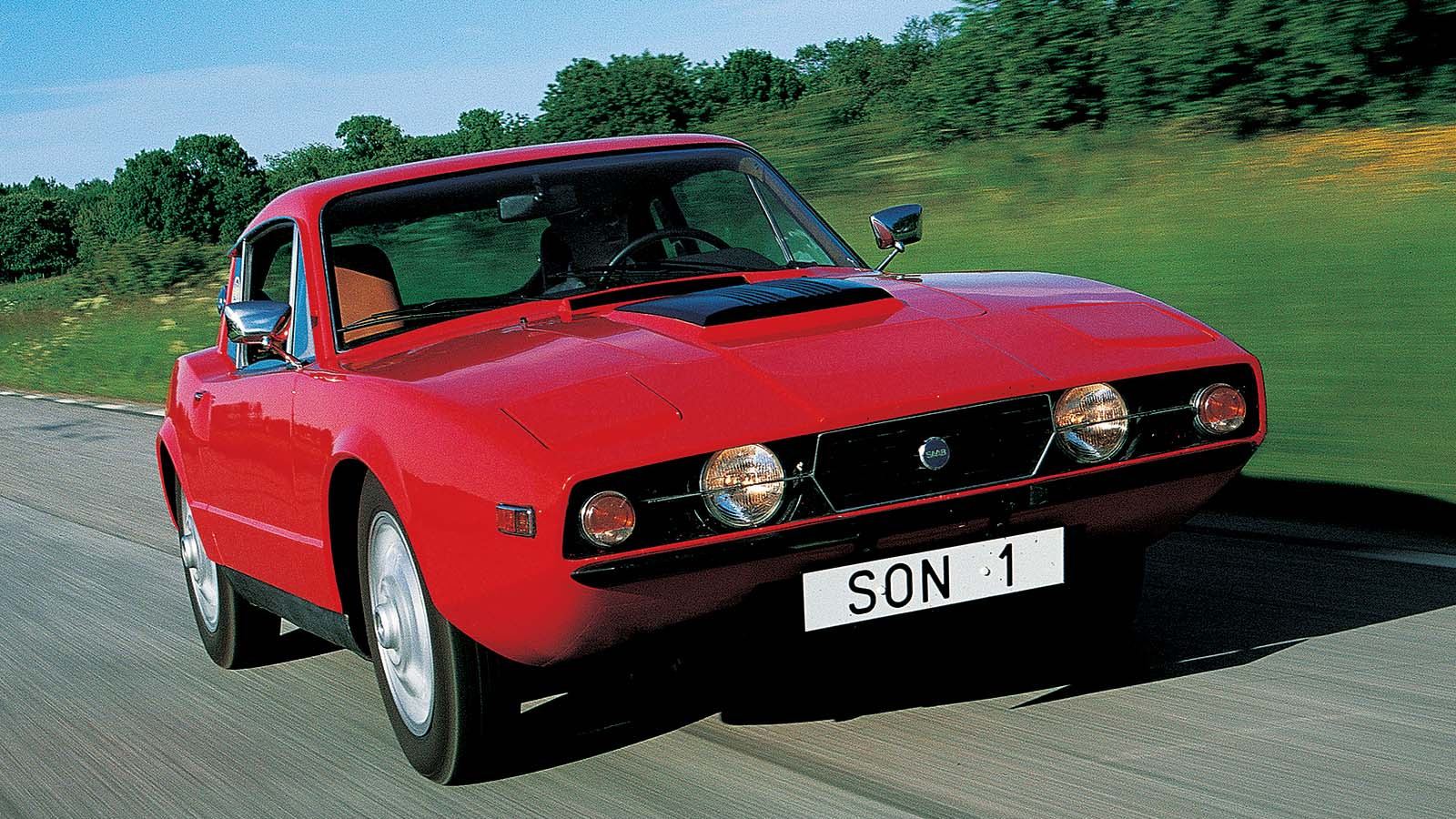
9. Saab 97 Sonett II/III (1966-’74)
In 1956, Saab combined advanced glassfibre and aviation alloys in the 94 Sonett, a roadster built to set speed records for its small, two-stroke engine.
A decade later the name returned for Saab’s first production GRP car, the two-seater 97 coupé.
The Sonett II was developed from the MFI13, a Saab 96-based prototype created by glassfibre specialist Malmö Flygindustri.
Saab 97 Sonett II/III (cont.)
Aimed at the US market, after 258 examples the Sonett II switched from 841cc two-stroke power to a Ford Taunus V4 to meet Federal emissions rules.
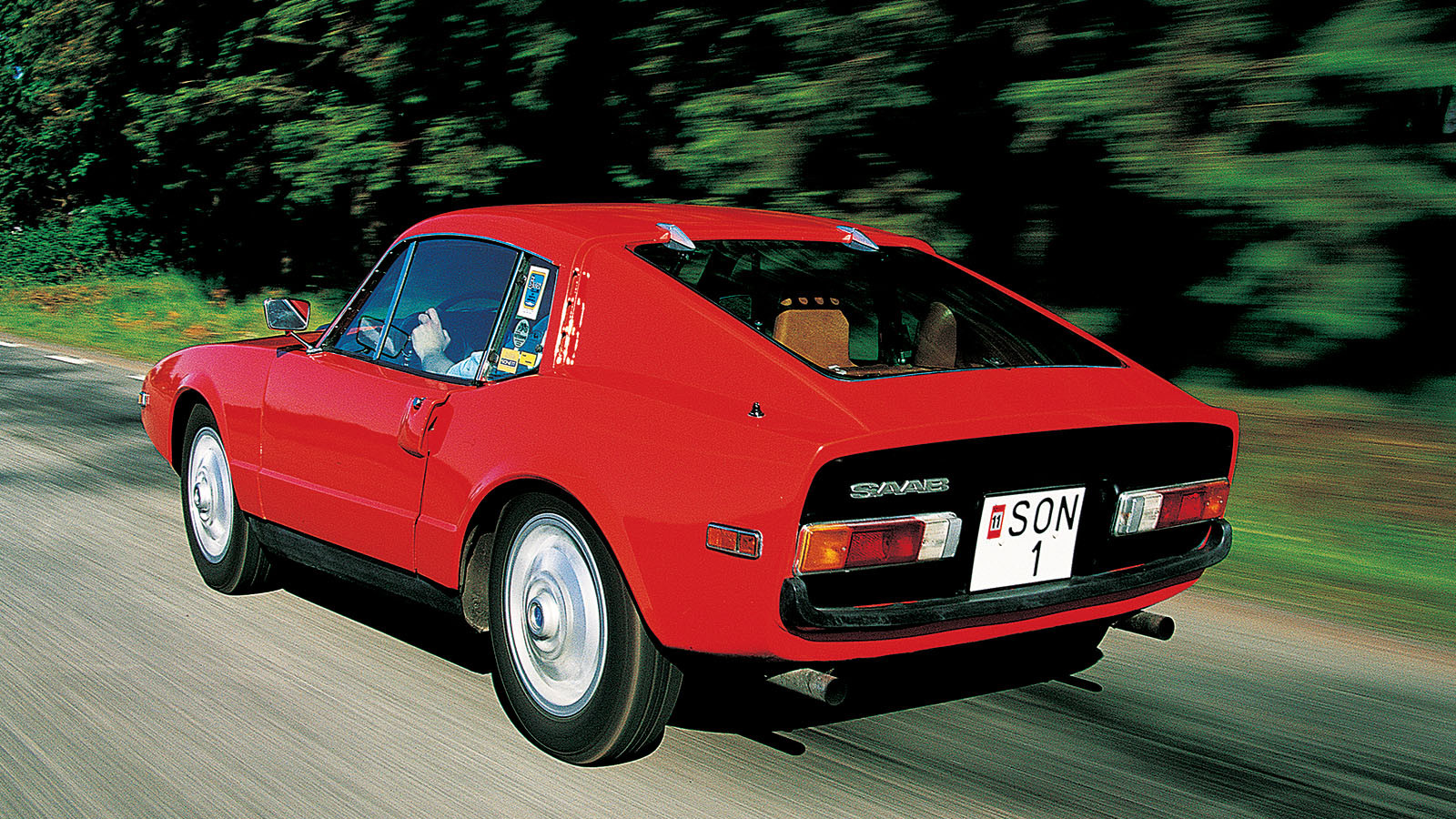
Having established a small following, the Sonett II was superseded in 1970 by the angular, Sergio Coggiola-designed Sonett III (above).
It was just as entertaining, but sales were modest; only 10,219 were built before it was dropped in 1974.
Anorak fact ‘Sonett’ is an abbreviation of så nätt den är, which translates as ‘it’s so neat’. Despite the Swedish name, it was only sold in its home market for the 1968 and ’72 model years
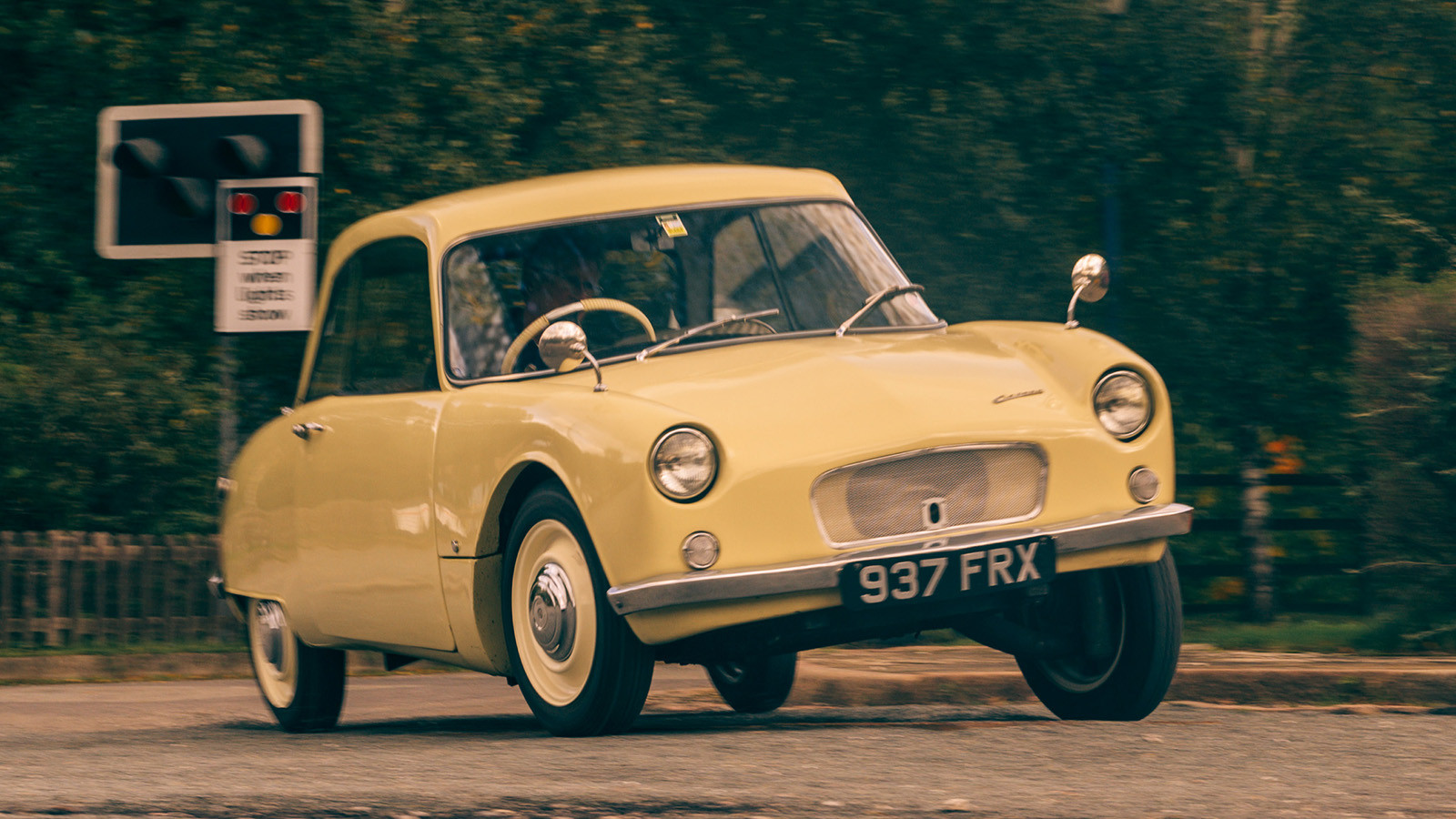
10. Citroën Bijou (1959-’64)
Encouraged by its success since UK production began in Slough in 1925, from 1954 Citroën GB began the local assembly of 2CVs, tailoring the model closer to British tastes with plusher trim and chrome bumpers.
The unconventional 2CV failed to find favour with conservative Brits, though, so, to use up the spare chassis and engines, the unique-to-Slough Bijou was launched at the 1959 Earls Court Motor Show to appeal more to local sensibilities.
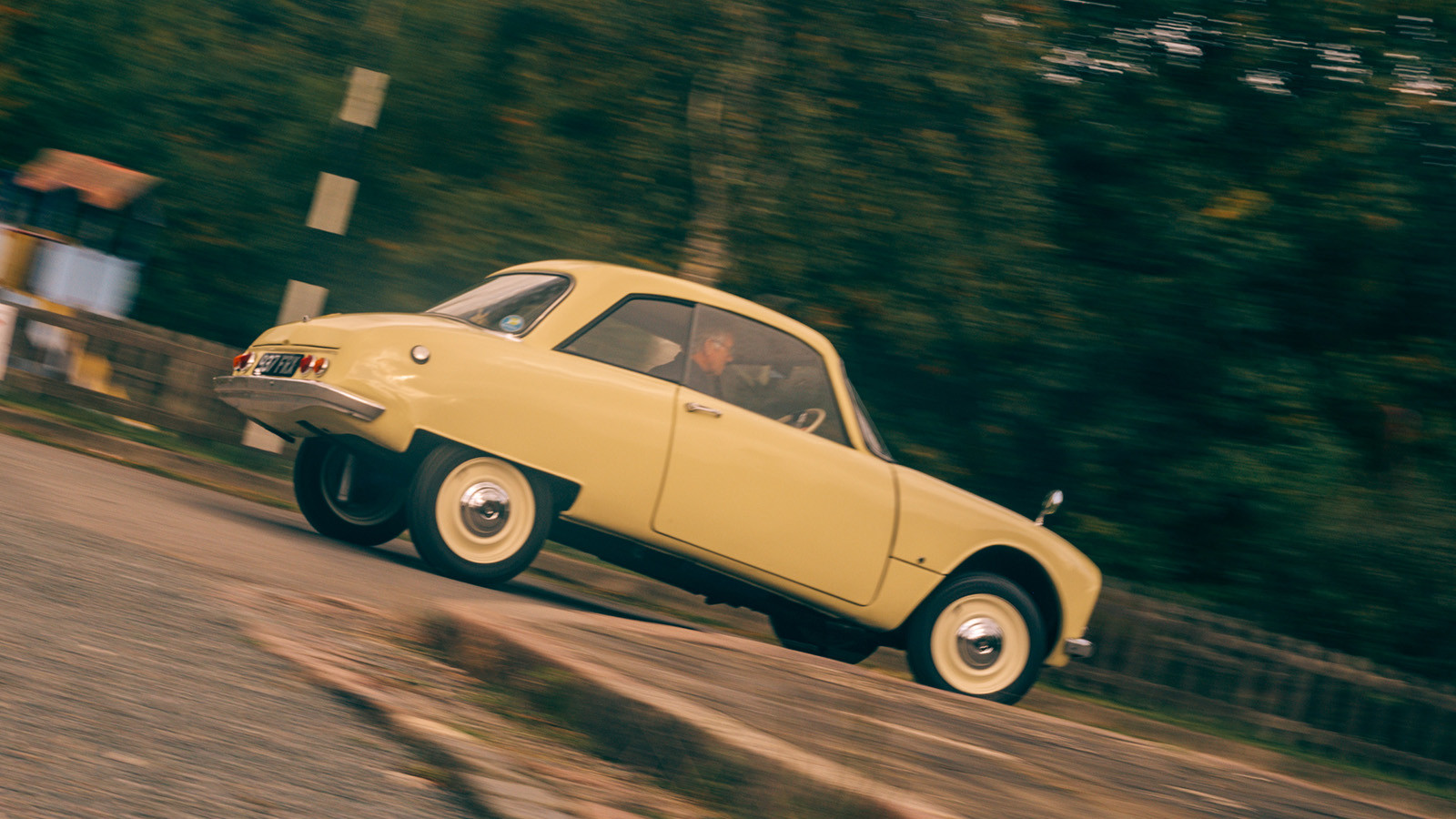
Penned by Peter Kirwan-Taylor, designer of the innovative glassfibre-monocoque Lotus Elite, the 425cc Bijou wore a modern moulded GRP bodyshell by Whitson & Co, styled with a family resemblance to the innovative DS and using some components taken from Citroën’s halo model, such as its single-spoke steering wheel and Smiths instrumentation.
Citroën Bijou (cont.)
The Bijou shared its Earls Court debut with the BMC Mini, Ford Anglia and Triumph Herald, and this strong British trio at a stroke killed off the costlier Citroën’s chances of success.
The Bijou enjoyed a superior ride quality over its three new rivals, but with lethargic performance, marred by its good-quality but weighty GRP bodywork – it was heavier than a steel 2CV! – just 211 Bijous were built.
Anorak fact Citroën’s French mothership was no stranger to glassfibre: the pioneering 1955 DS made use of plastics for its cooling fan and futuristic dashboard, and the model’s screw-on translucent roof panel was glassfibre, one of many DS world firsts. Citroën returned to plastics for its 1968 Méhari, plus lightweight panels for the 1980s BX and AX
We hope you enjoyed this gallery. Please click the ‘Follow’ button above for more super stories from Classic & Sports Car.