
Remote rarities
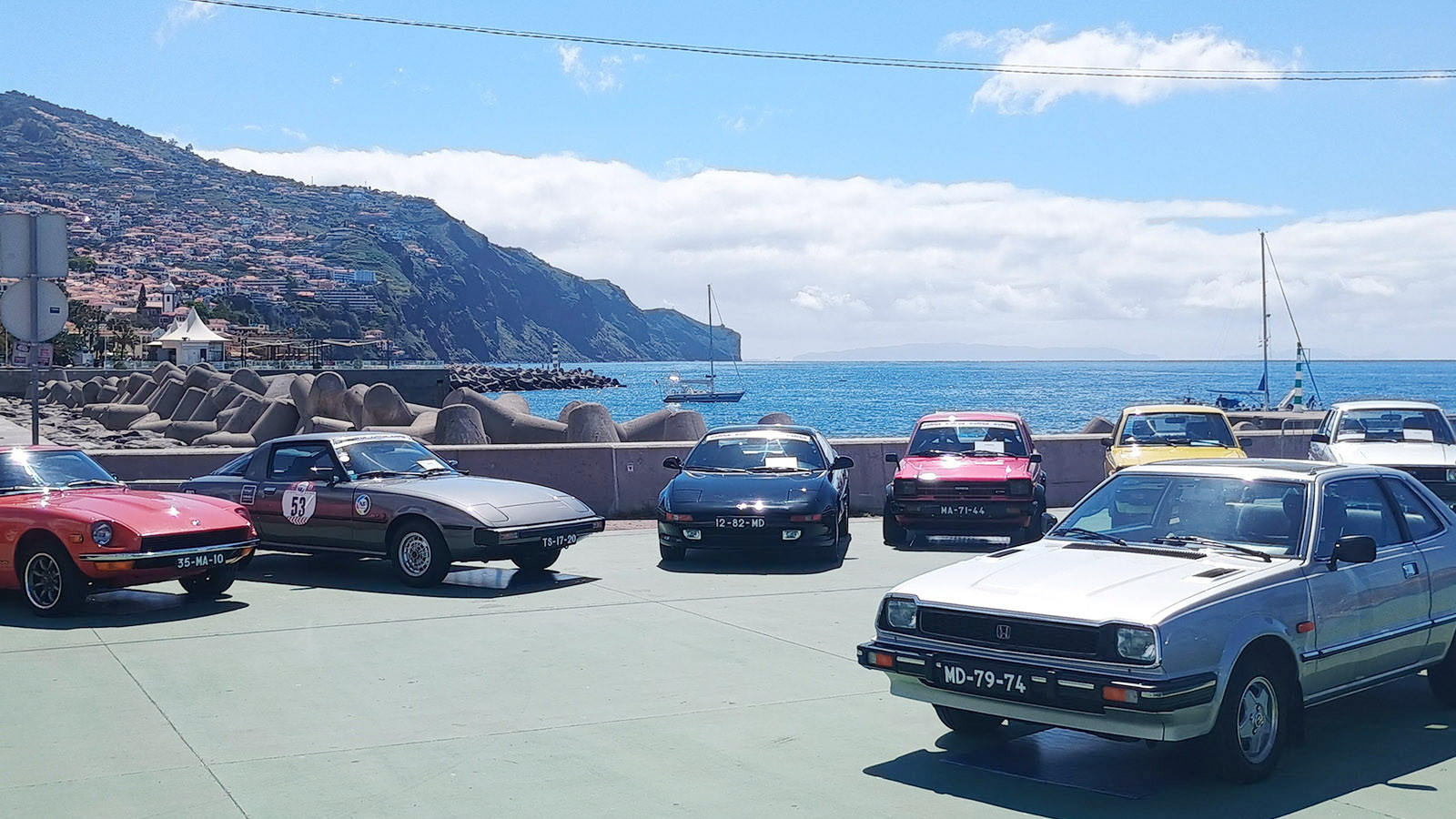
More than 500 classic cars took to Funchal’s beautiful seafront on the Portuguese island of Madeira from 22-24 May 2025, as part of the annual Madeira Classic Car Revival.
Isolated from the Portuguese mainland by about 600 miles of ocean, yet benefiting from a dry, warm climate, cars tend to have longer lives on the island, and it is noted for its high proportion of classics as a result.
The event showcases many once familiar, but now very rare vehicles, plus plenty of local oddities, too.
Here we’re sharing 20 of our favourites, in chronological order.
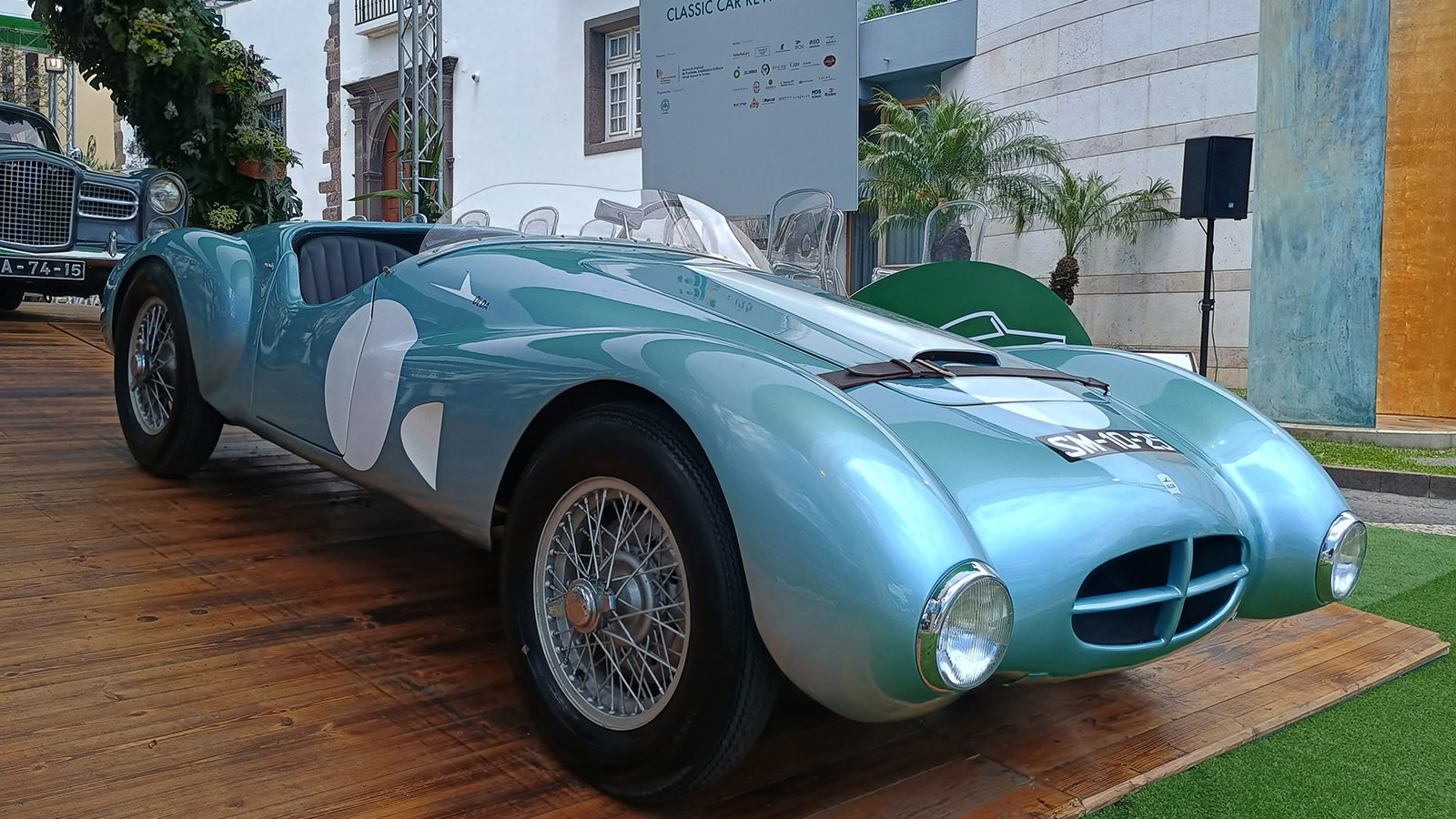
1. 1954 OLDA
Made in Coimbra by a Portuguese commercial-vehicle manufacturer for its owner Joaquim Correia de Oliveira to do motorsport, the OLDA is a one-off racer based on a Fiat chassis and powered by a Borgward engine.
Clothed in bespoke aluminium bodywork, this car is campaigned across Portugal and in Morocco, too.
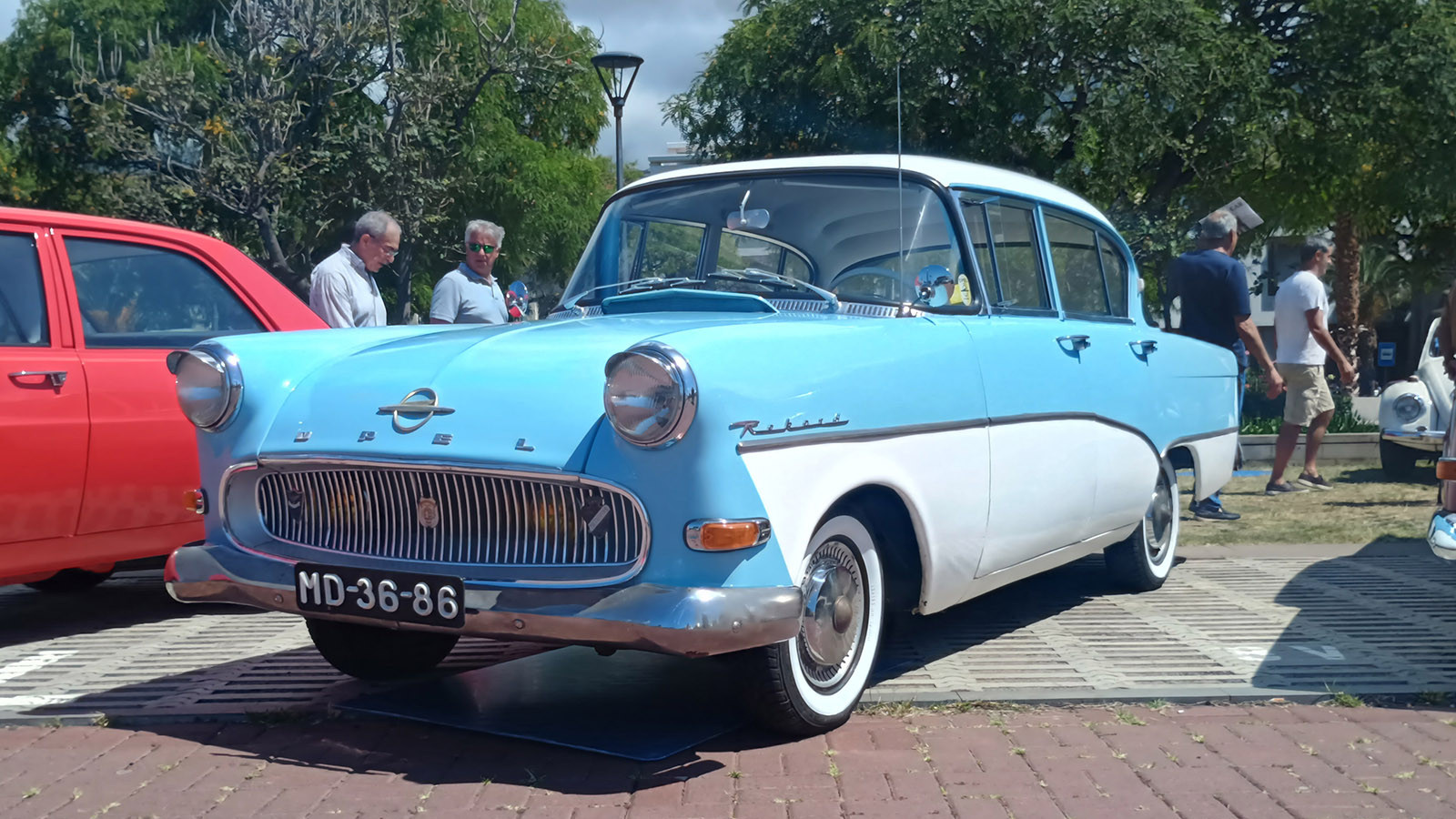
2. 1959 Opel Rekord P1
Rarely in German automotive history has a car’s styling been so clear in its American influence, the Opel Rekord P1 looking like a 1956 Chevrolet Bel Air built to European proportions.
It proved a hit, however, coming from a period when Americana was still fashionable in Europe, at times being the second-best-selling car in Germany.
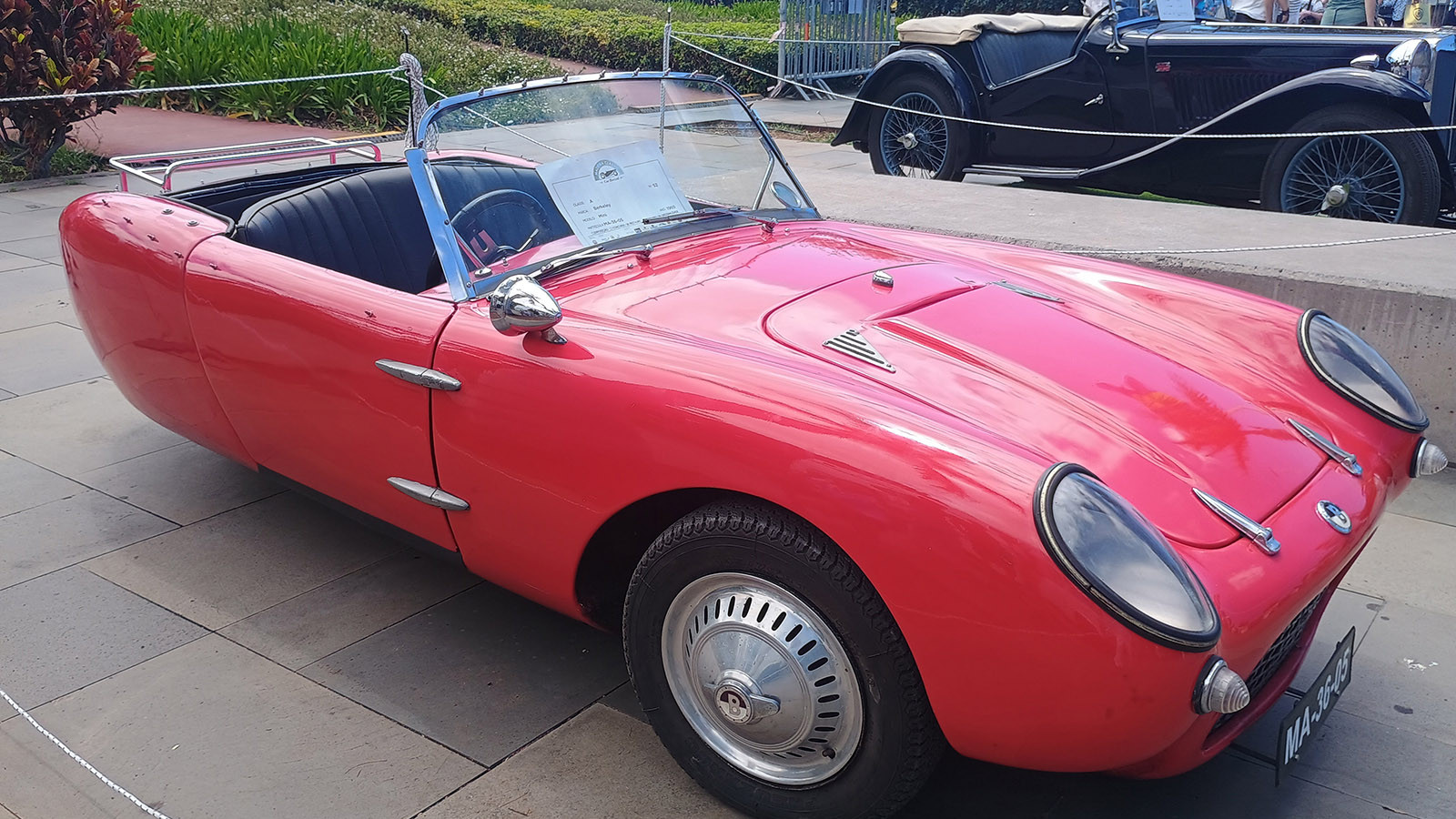
3. 1960 Berkeley T60
Caravan builder Berkeley’s foray into micro sports-car manufacturing was short-lived, yet quite successful, beating the Austin-Healey Sprite to the market by a couple of years.
Only the collapse of the caravan market brought Berkeley down, having built more than 4000 cars in just four years.
Most Berkeleys have four wheels, but the T60 made use of just three to benefit from Britain’s tax advantages for three-wheelers.
A 328cc, two-cylinder, Excelsior motorbike engine powers the car via its front wheels and, despite the relative lack of performance, contemporary reviews were positive.
4. 1961 Neckar Jagst 770
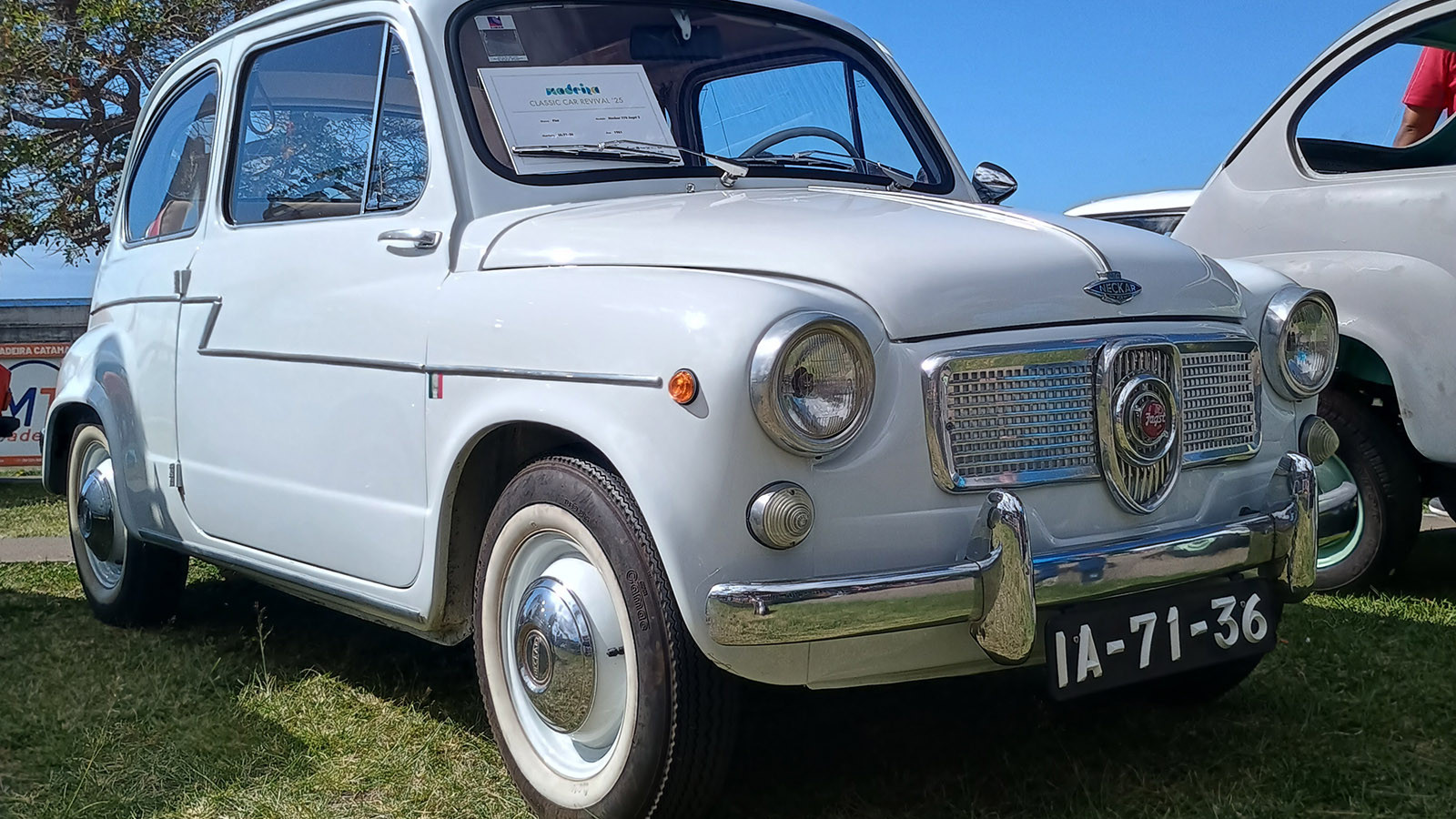
To celebrate the 70th anniversary of the Fiat 600, 16 examples gathered at the Madeira Classic Car Revival 2025, making them by far the most numerous single model.
However, a couple of these were actually Neckar Jagsts, licence-built Fiats made in Heilbronn, Germany.
These cars provided small, fuel-efficient transport, while many German manufacturers were primarily building larger vehicles and tiny microcars.
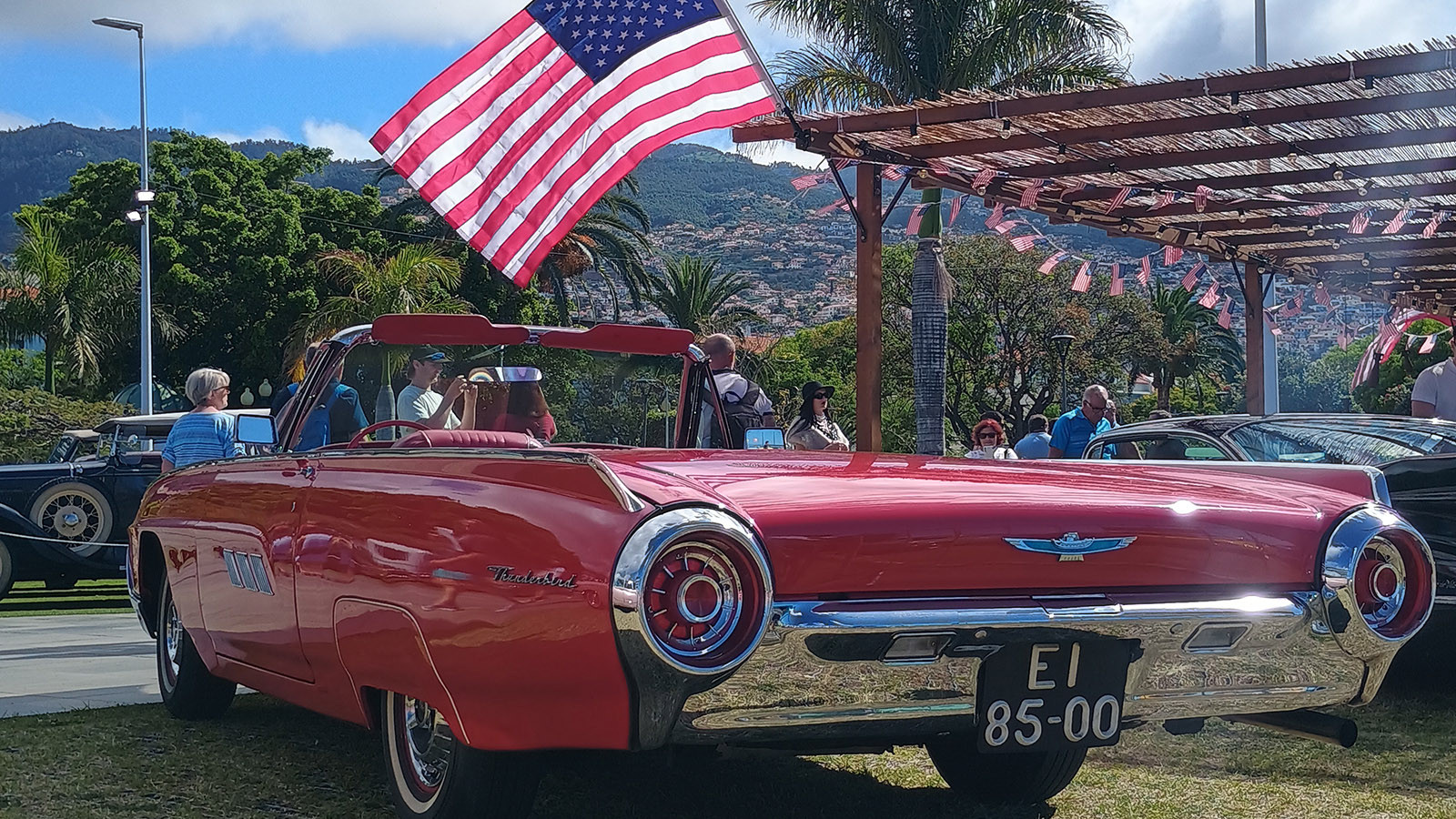
5. 1962 Ford Thunderbird
Fans of Ford’s ‘personal coupe’ are divided when it comes to stating which generation is the best, but most agree it is between the original and this, the bullet-shaped, third generation.
Its turbine-like rear lights are amongst the best ever fitted to a car, and perfectly echoed the ambition of then US President John F Kennedy ‘to go to the Moon in this decade’, which of course was achieved in 1969.
This Ford Thunderbird was one of just a handful of American cars at the Madeira event.
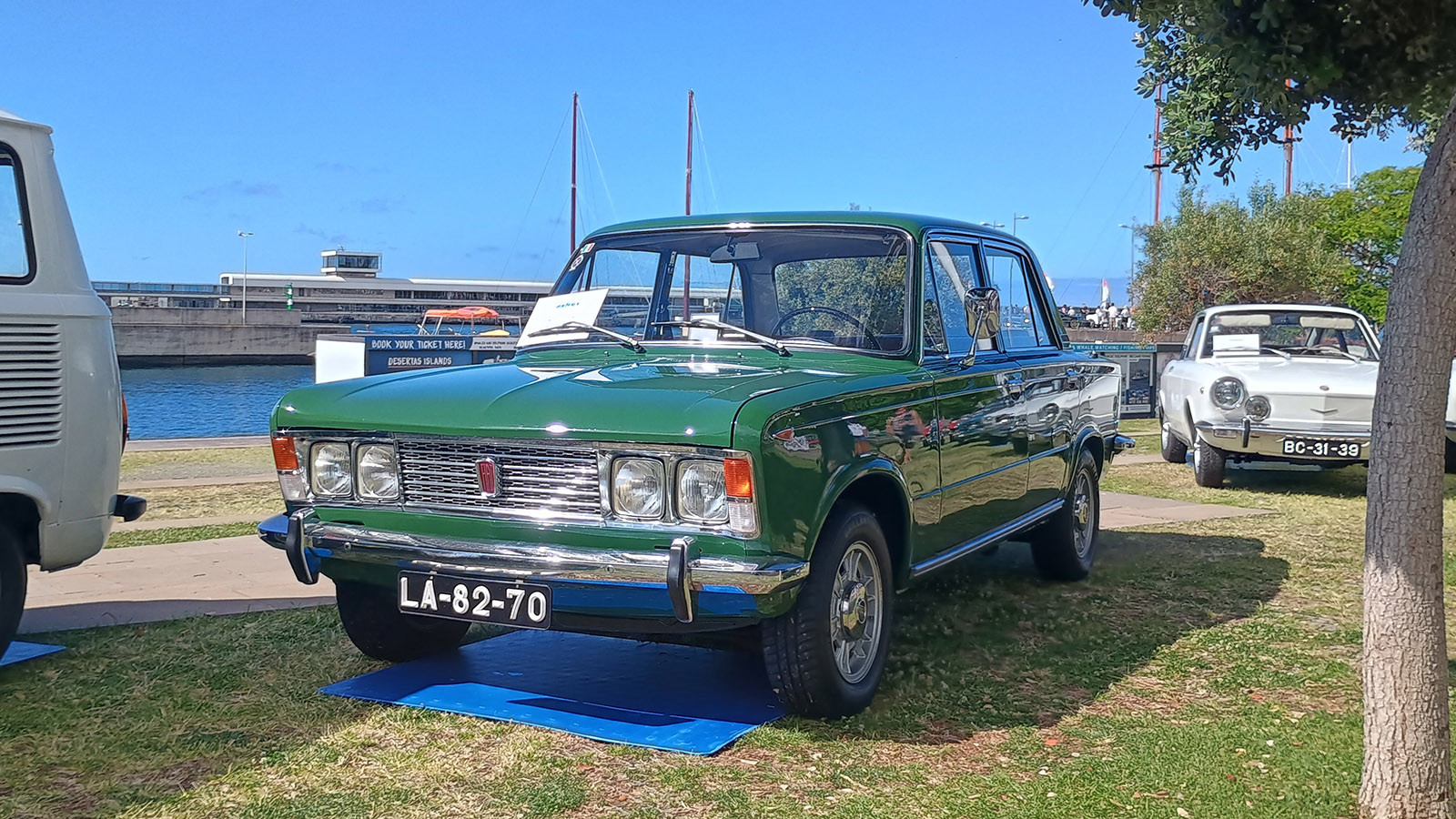
6. 1969 Fiat 125
Easily mistaken for a more humble Fiat 124, the 125 was a more sporting version of the best-selling, four-door Fiat saloon of the 1960s.
It was far more than just a trim level, however.
The Fiat 125 used a slightly longer wheelbase than the 124, with elongated rear bodywork to accommodate roomier back seats, while under the bonnet was an early, 1.6-litre version of the famous Lampredi twin-cam engine.
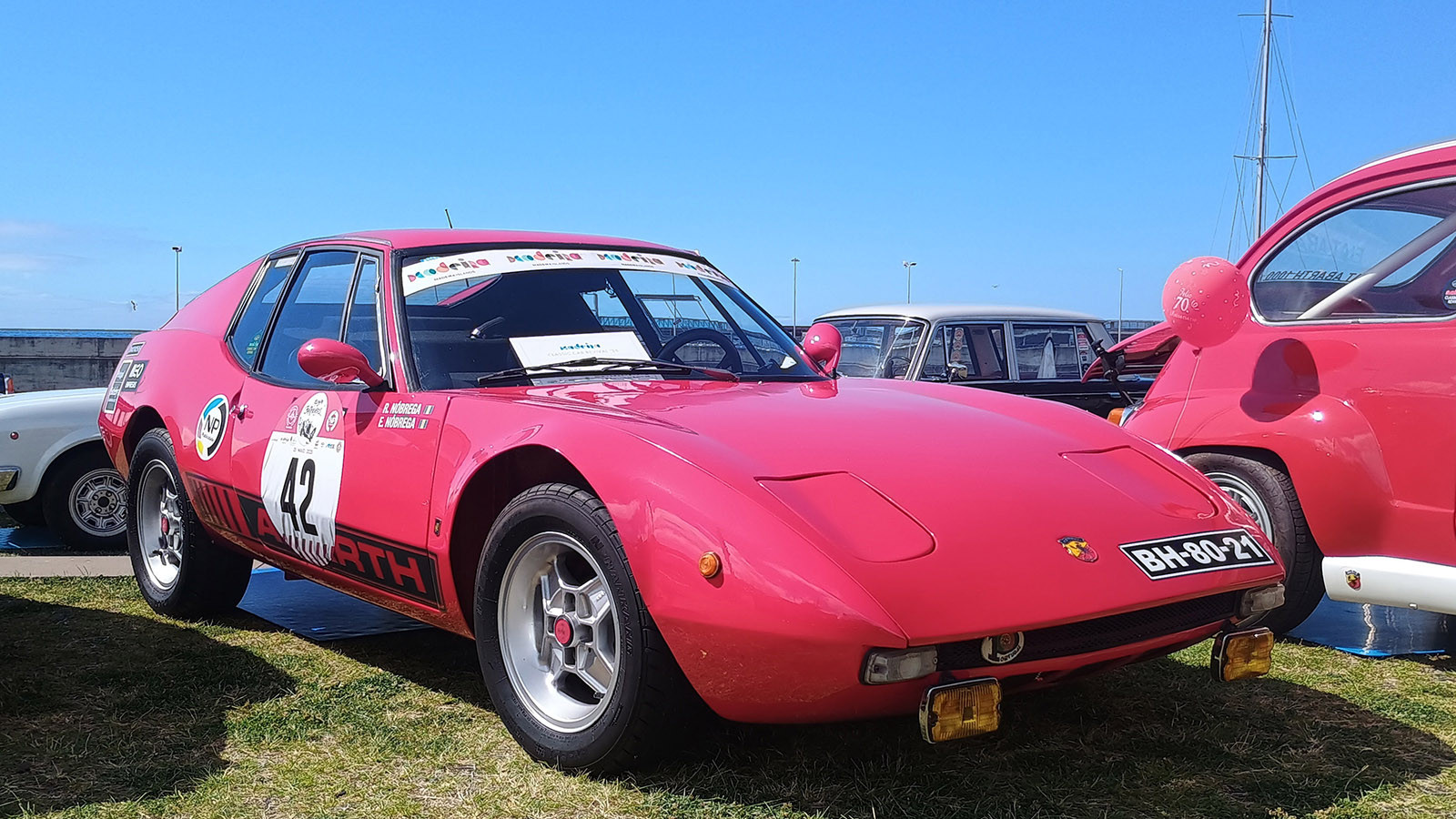
7. 1970 Abarth Scorpione 1.3 SS
It is rumoured that the Abarth Scorpione prompted Fiat to create the X1/9 – and it’s certainly true that the recipes for these two cars were similar.
Abarth took the running gear from the front-wheel-drive Autobianchi Primula and used it as a powered rear axle with a transverse mid engine, swapping the motor for a more powerful, 1.3-litre Fiat 124 unit which, in the process, was tuned to around 100bhp.
Though thoroughly claustrophobic to drive, the little Abarth outhandled contemporary Porsches and posted one of the fastest times of the day at the Rampa dos Barreiros hillclimb that followed the Madeira Classic Car Revival 2025.
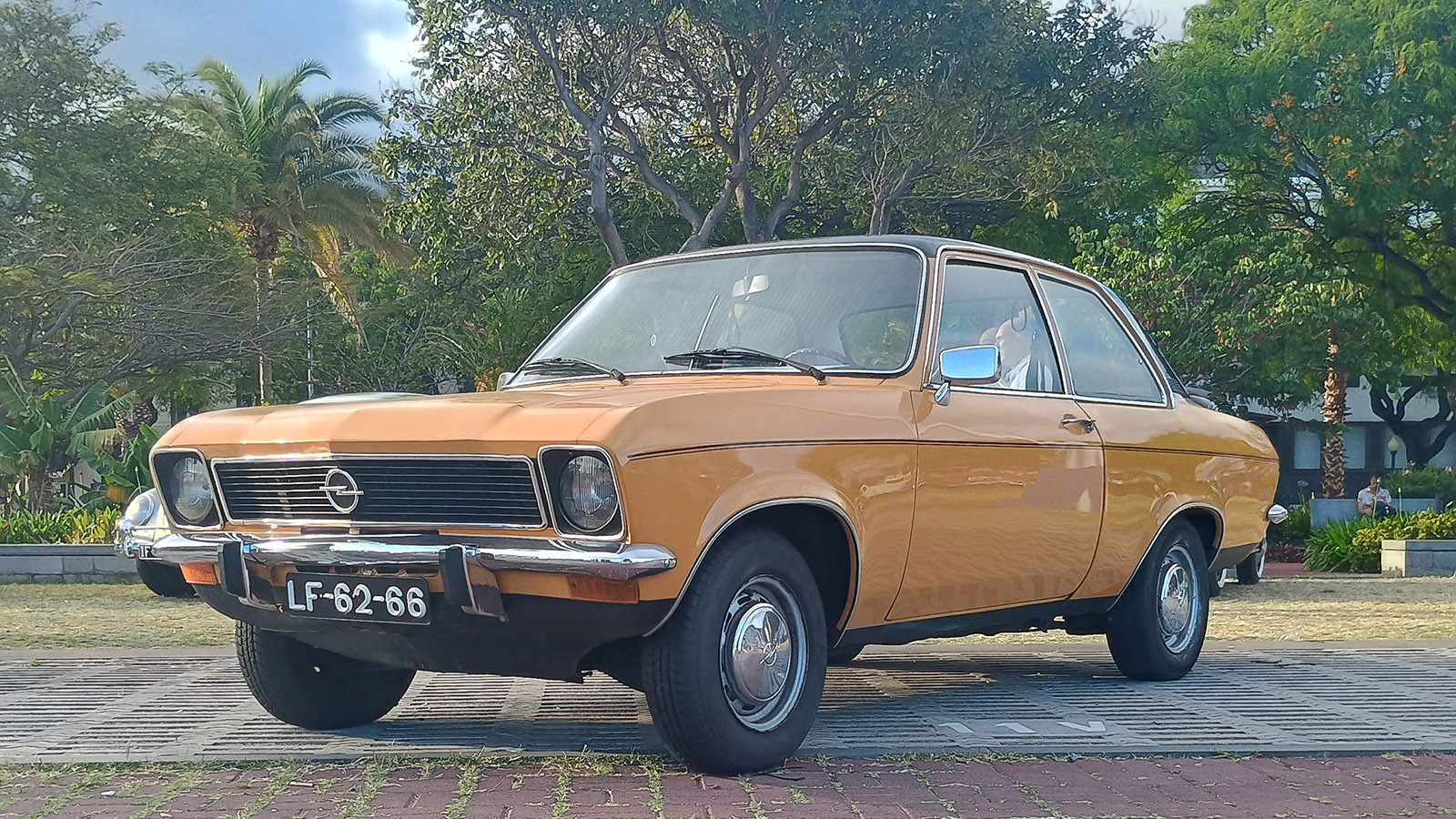
8. 1970 Opel Ascona 1.6 S
Opel’s new Ascona line, launched in 1970, was the last mid-sized saloon the marque didn’t share with British General Motors counterpart Vauxhall, and early examples like this 1.6 S are now rare anywhere in Europe.
Powered by the ubiquitous Opel CIH engine, it offered around 75bhp, qualifying it as at least a junior sporting saloon.
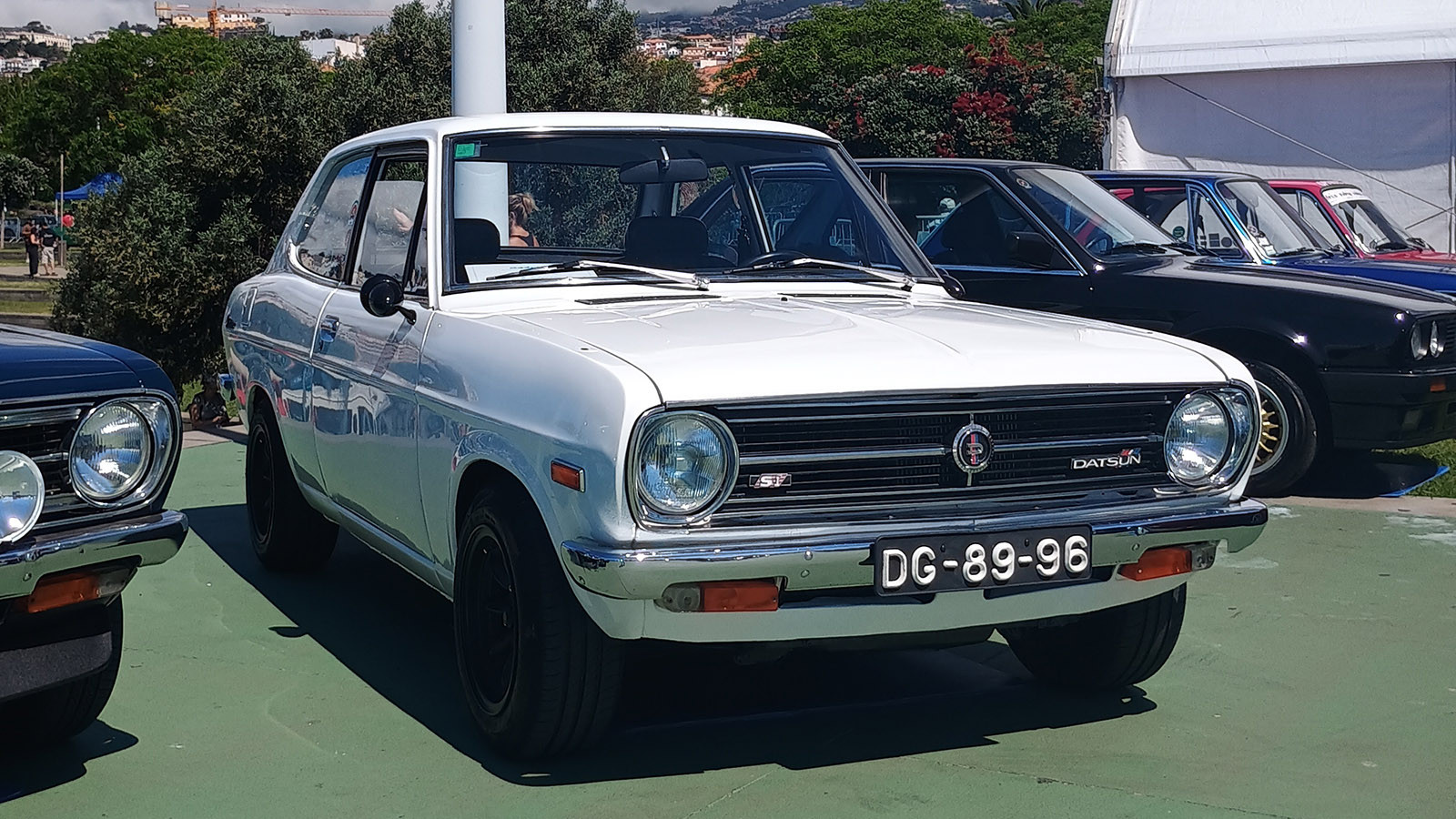
9. 1971 Datsun 1200
Datsun 1200s were assembled in Portugal from 1972, and five were on display at 2025’s Madeira Classic Car Revival.
The cars soon dominated the local rally scene, plus there was a popular, single-model race series that further cemented the model’s sporty reputation, especially two-door examples like this STR.
Featuring a C-pillar shape that gives the car the profile of a miniature ‘Hakosuka’ Skyline GT-R, few cars remain in stock condition, most having been turned into rally cars.
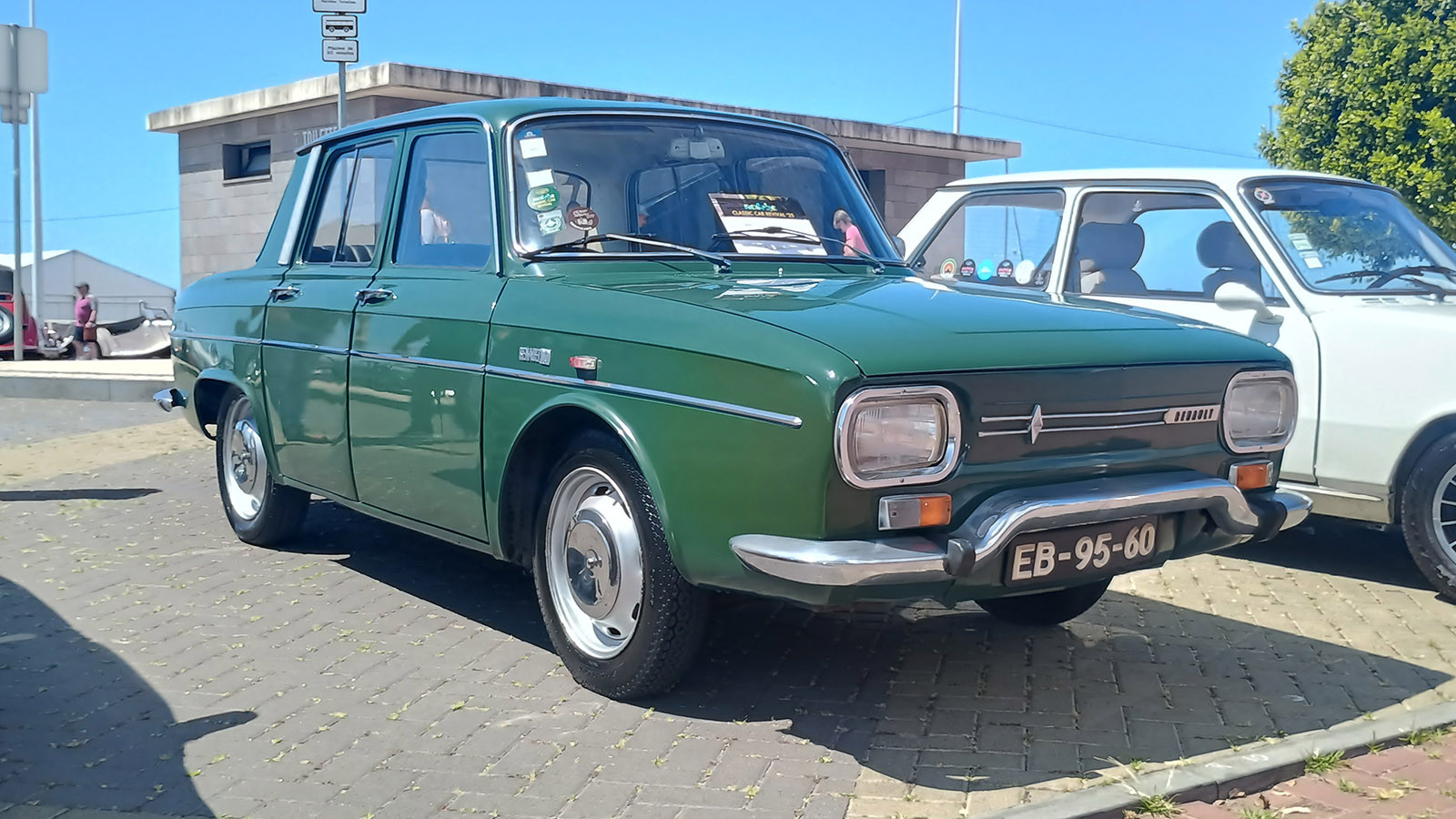
10. 1971 Renault R10
Renault was, historically, a perhaps surprisingly small player in Madeira, considering its often-dominant position in the rest of Europe.
In fact, Peugeot maintained a stranglehold on the market for French cars on this island for many years.
One to slip through the blockade, however, was this R10, Renault’s final model in a sequence of rear-engined family saloons dating back to the 4CV.
Its elongated nose provided a larger ‘frunk’ than the 8 it was based upon, offering buyers a (slightly) more luxurious package.
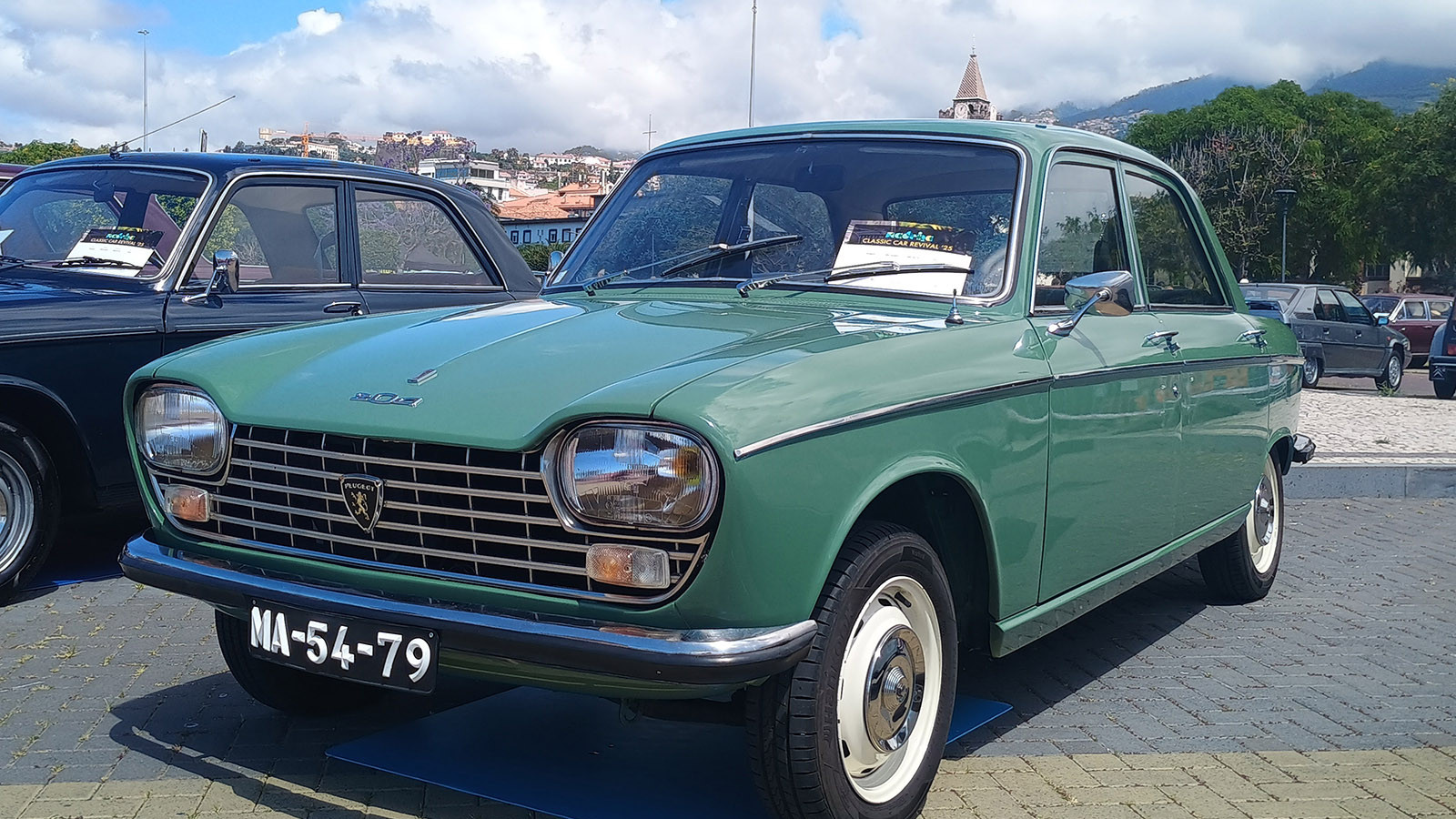
11. 1972 Peugeot 204
Usually the most conservative in its engineering of France’s big three, Peugeot joined the trend for transverse-mounted engines and front-wheel drive with the 204.
Though far from the first to build such a car, it proved to be one of the most successful, and the 204 and its slightly larger 304 successor often topped the French sales charts.
Unlike the austere Renault 4 and Citroën 2CV, the cars yielded good profits, too, allowing Peugeot to see out the 1970s as France’s only independent mass car manufacturer.
12. 1974 Fiat 124 Coupé
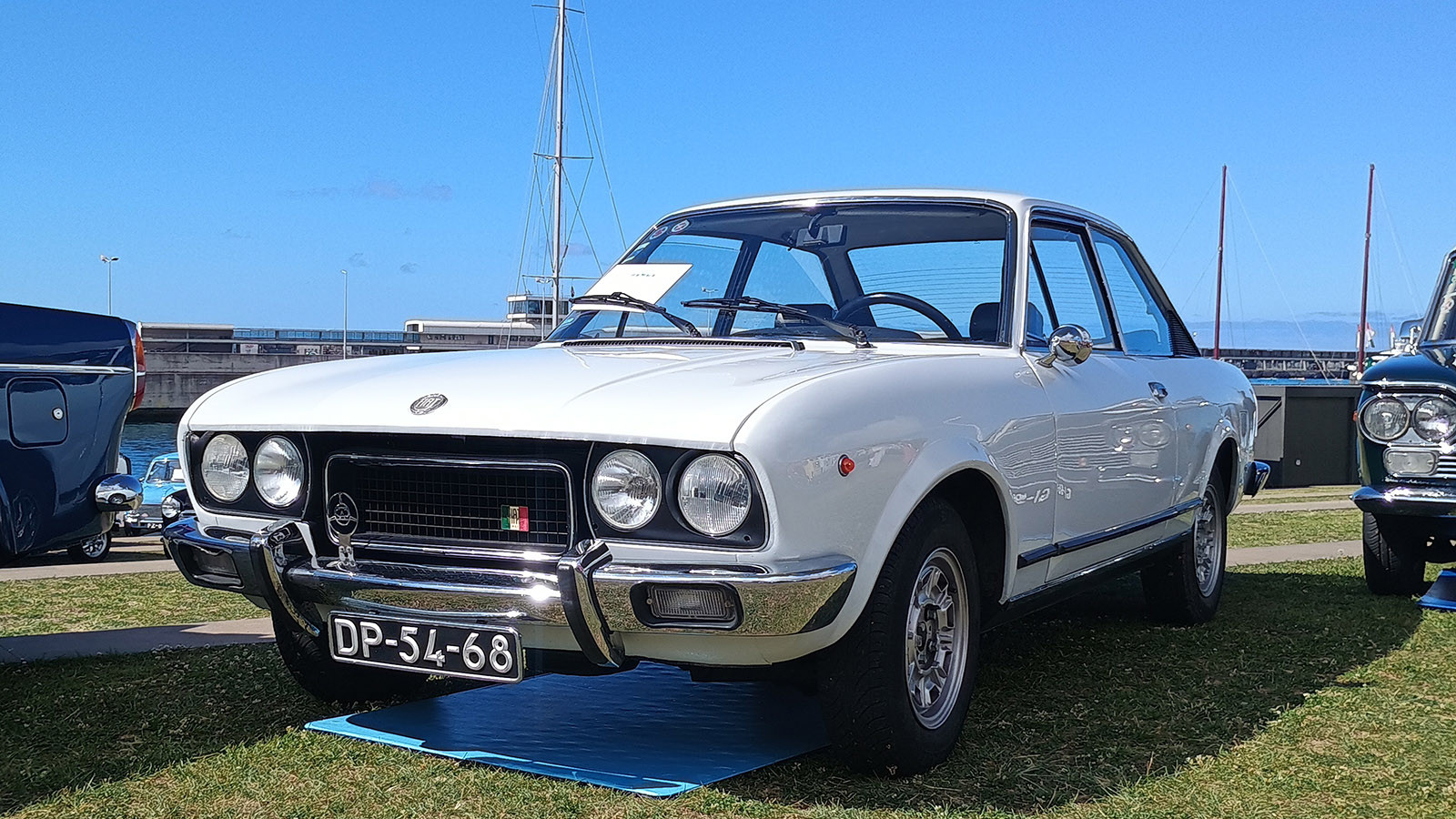
Rarely does a saloon spawn cabriolet and coupé models that all look completely different from one another, but Fiat’s 124 range did just that – and today, the rarest survivors are the coupés.
On Madeira we saw this 1974 model, from the third and final ‘CC’ series, which might be the most powerful, but which is also often regarded as the least pretty of an exceptionally beautiful model line.
13. 1976 Volkswagen Brasilia
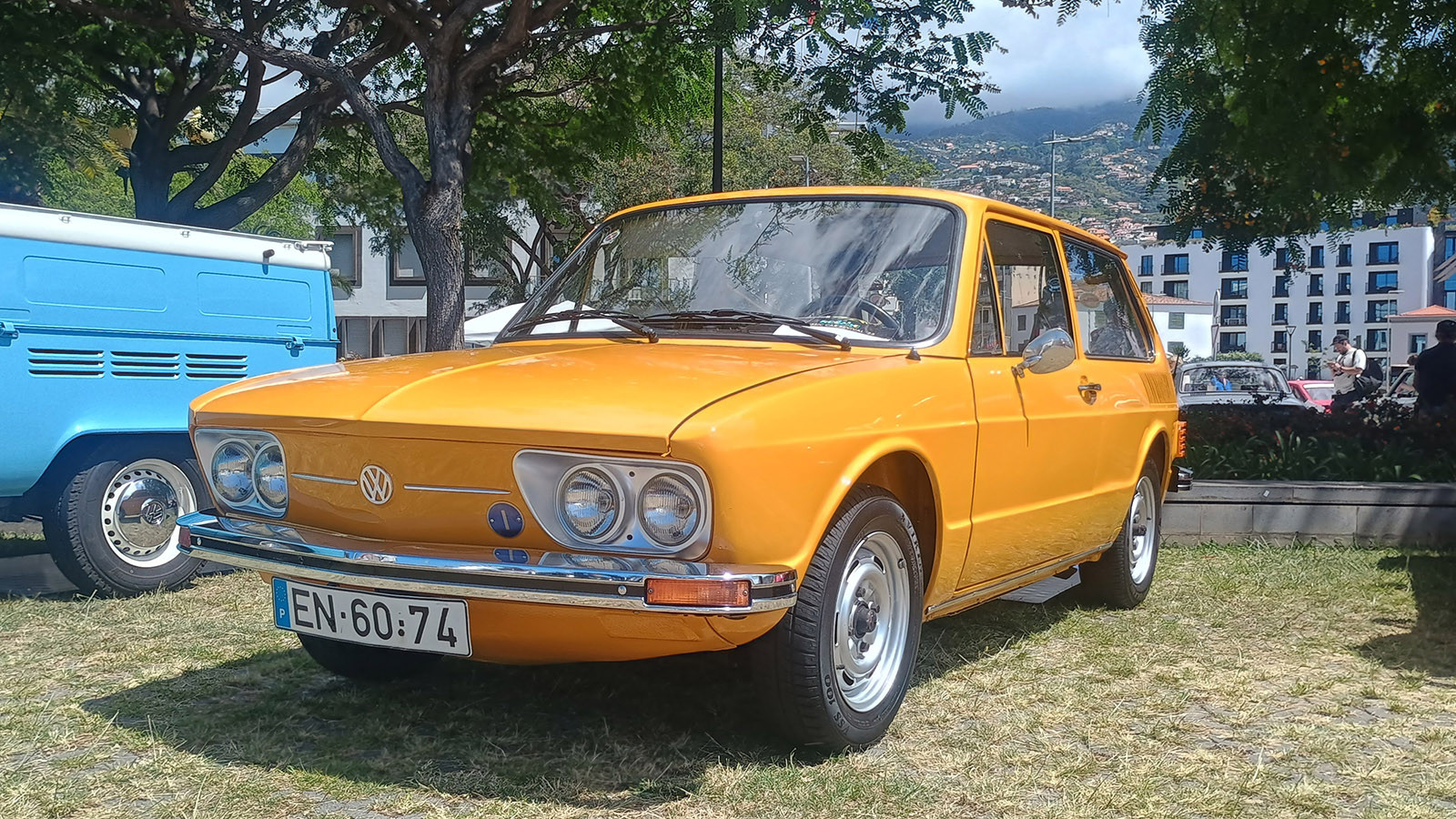
Unlike the rest of Europe, Portugal (and Spain) received Volkswagen do Brasil’s replacement model for the Beetle, the Brasilia.
Powered by an air-cooled, rear-mounted engine just like the old Beetle, it took a drastically different direction from Volkswagen’s European offerings, which by the mid 1970s were switching to water-cooled, front-wheel-drive layouts.
Styling clearly followed the VW 411/412, but shrunk to compete in the compact-car sector against rivals such as the Chevrolet Chevette.
14. 1980 Fiat 127
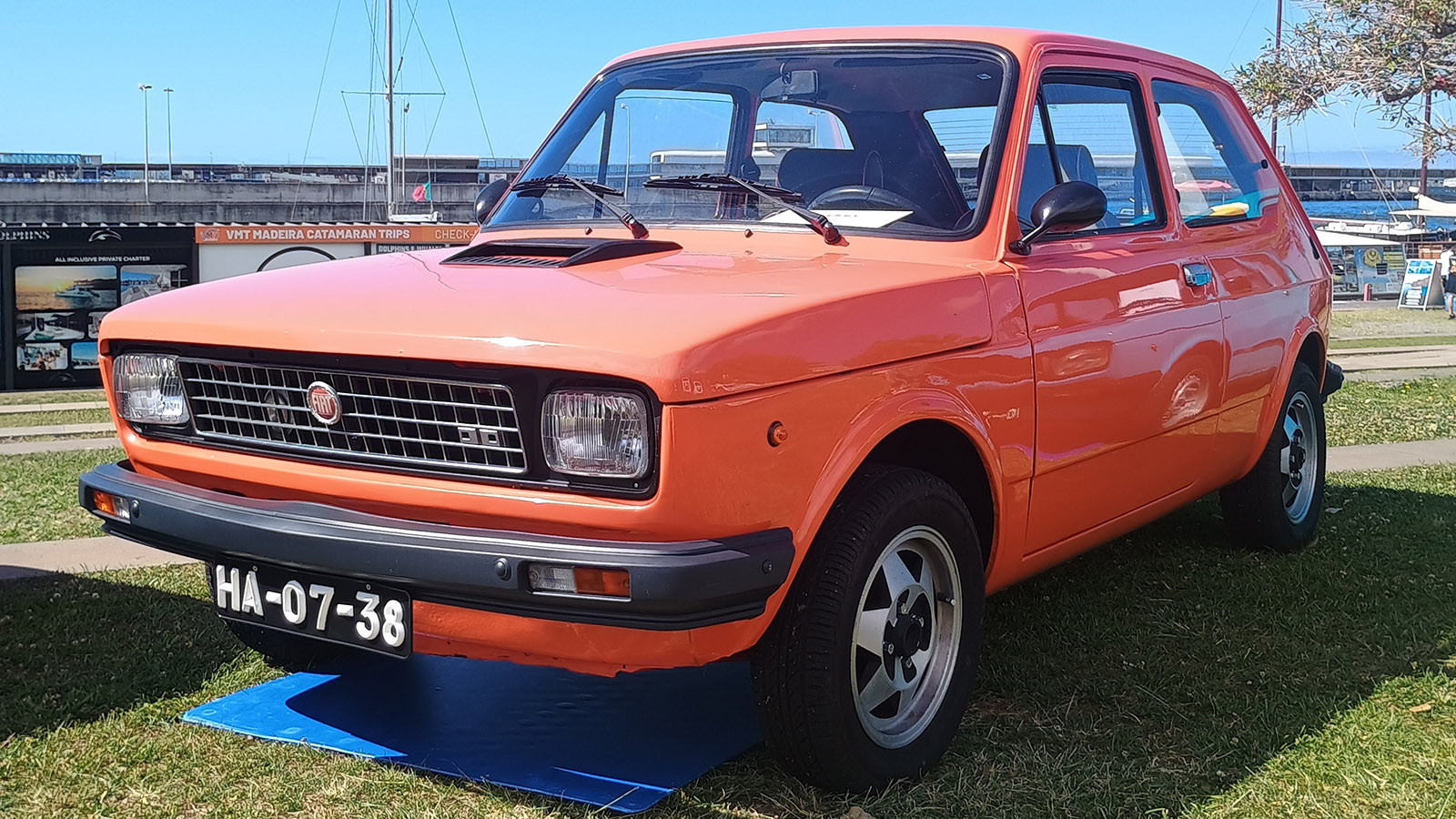
Immensely popular when new right across Europe, a voracious appetite for rust has made surviving Fiat 127s rare in all but the driest climates.
However, three were on display this month on Madeira, including this 900 C Super.
Fitted with the smallest engine in the 127 range but equipped with alloy wheels, a bonnet scoop and other sporty accessories, the 900 Super was among many budget sporting hatchbacks that proved popular in Portugal, thanks to the country’s heavy taxation on engine displacement.
15. 1980 Peugeot 504 Break
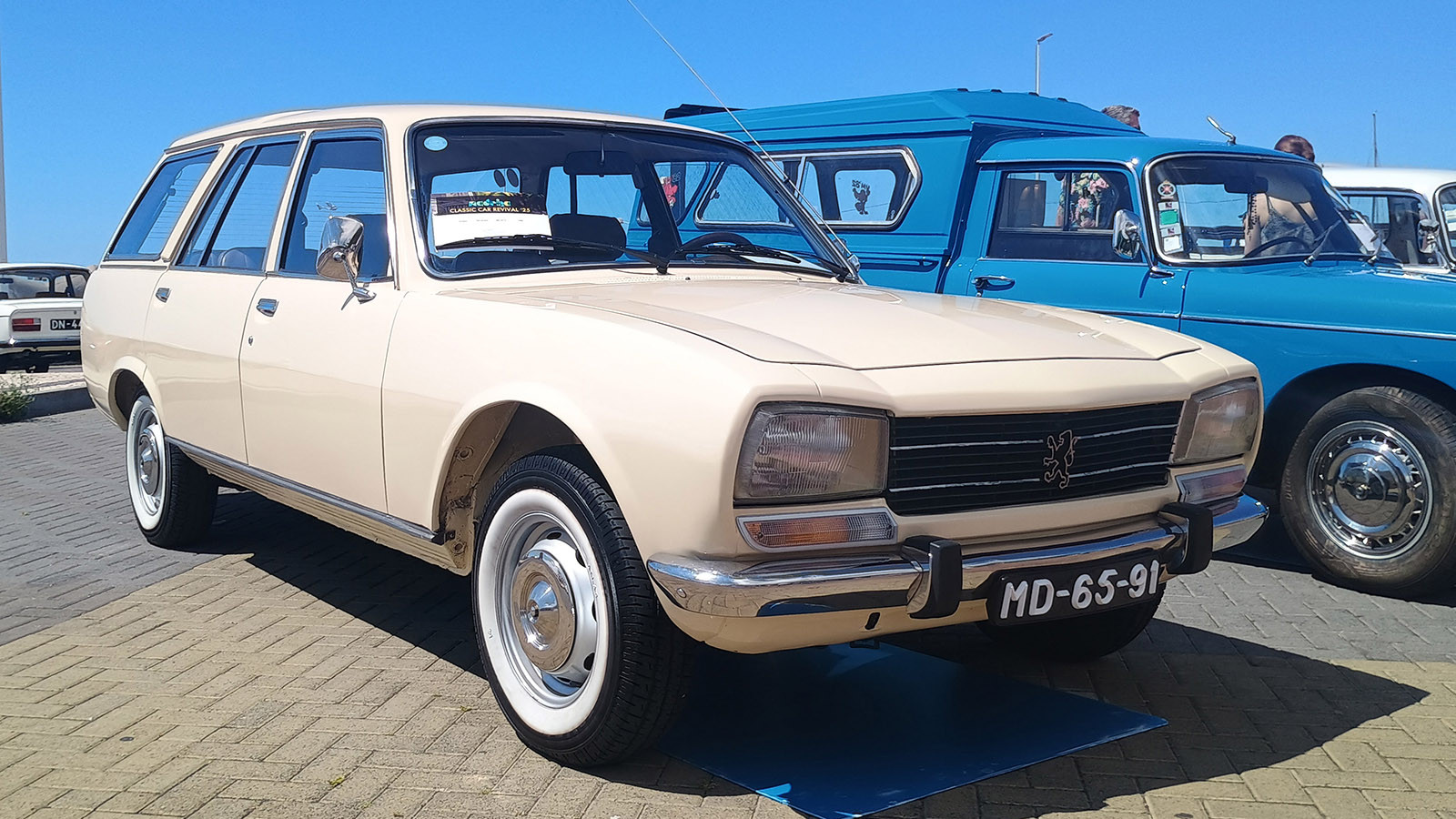
Peugeot was one of few car makers to offer a full model line-up in Madeira for many years, which, as we said earlier, made the marque popular on the island, this represented by around 20 classic Peugeots at 2025’s event.
Portugal’s early adoption of diesel further ingratiated it to Peugeot’s products, including this late 1980 504 Break, as Sochaux used to call its estate models.
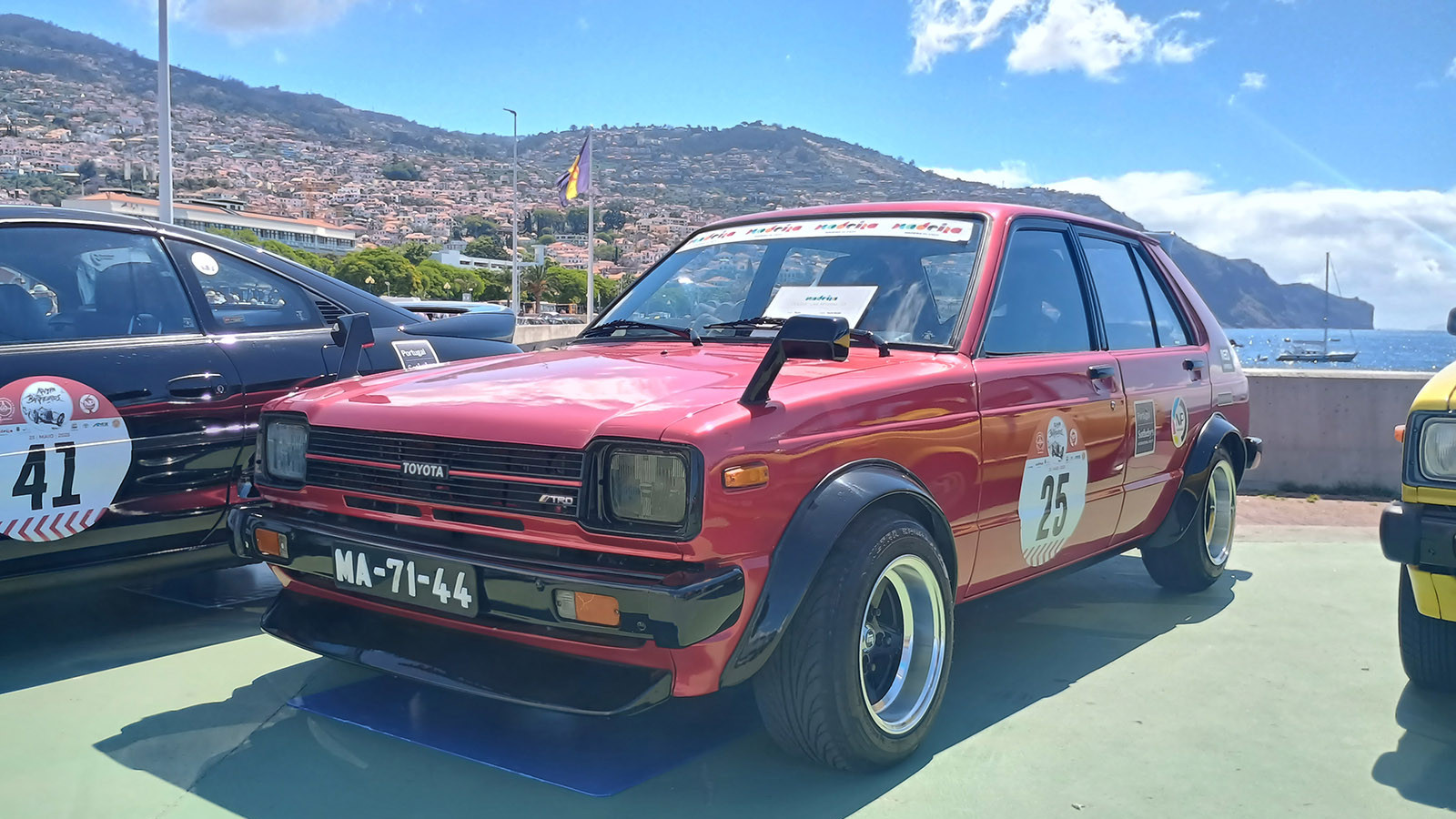
16. 1981 Toyota Starlet
Japanese manufacturers made inroads into the Portuguese market ahead of many other European countries, thanks to the lack of native marques, and Toyota established its first European factory in Ovar, near Porto, in 1971, building models like the Starlet.
With far more power than it ever left the factory with, Alberto Vasconcelos’ Starlet KP60 was one of the most entertaining cars at the Rampa dos Barreiros hillclimb, the rear-wheel-drive hatchback proving capable of lengthy powerslides.
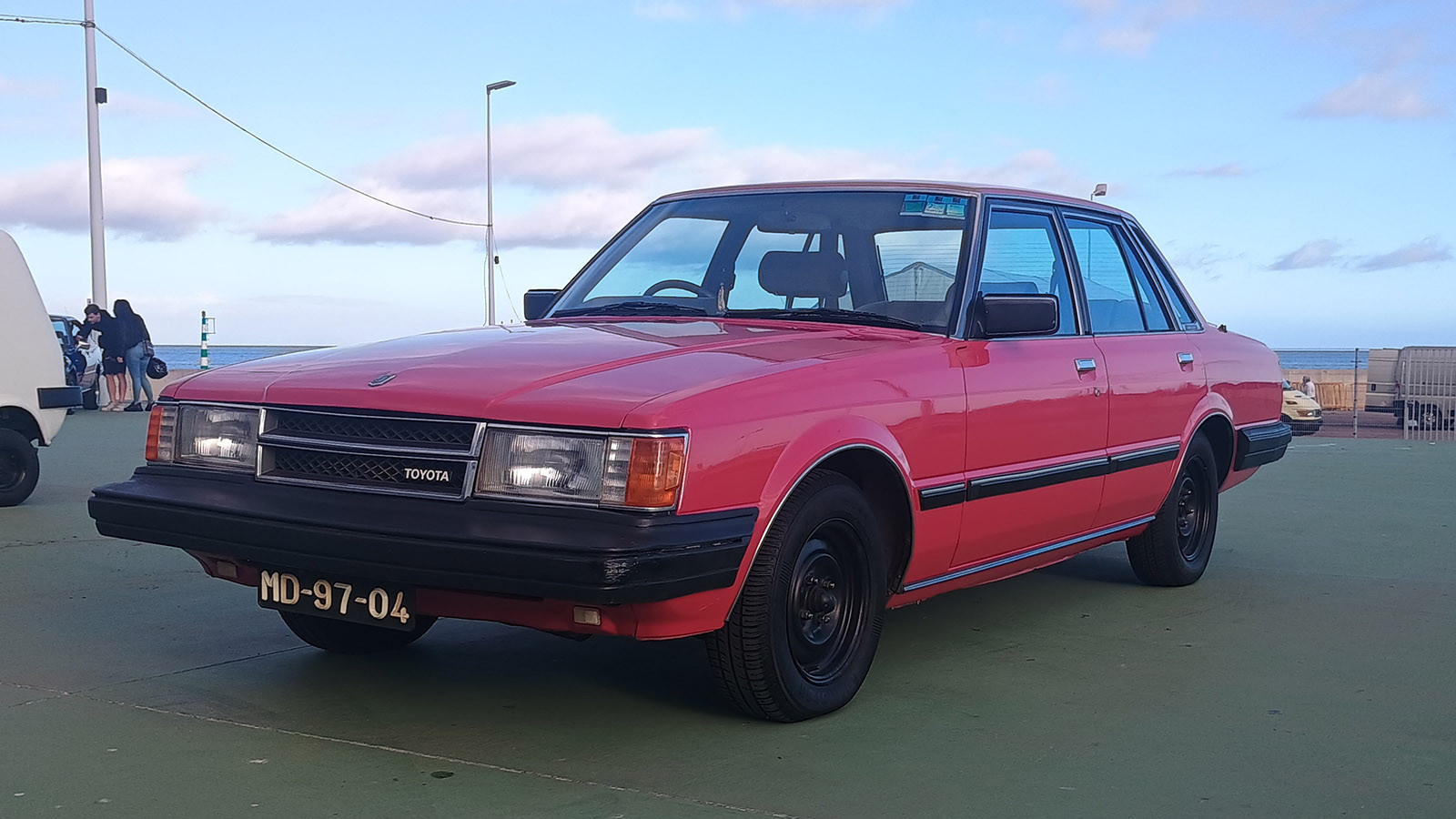
17. 1984 Toyota Cressida
Toyota stopped selling many of its large saloon offerings in Europe by the early 1980s.
But Toyota’s strong position in Portugal meant the fourth-generation Cressida saloon was offered there.
They remain rare, nonetheless, especially six-cylinder variants like this GLi-6.
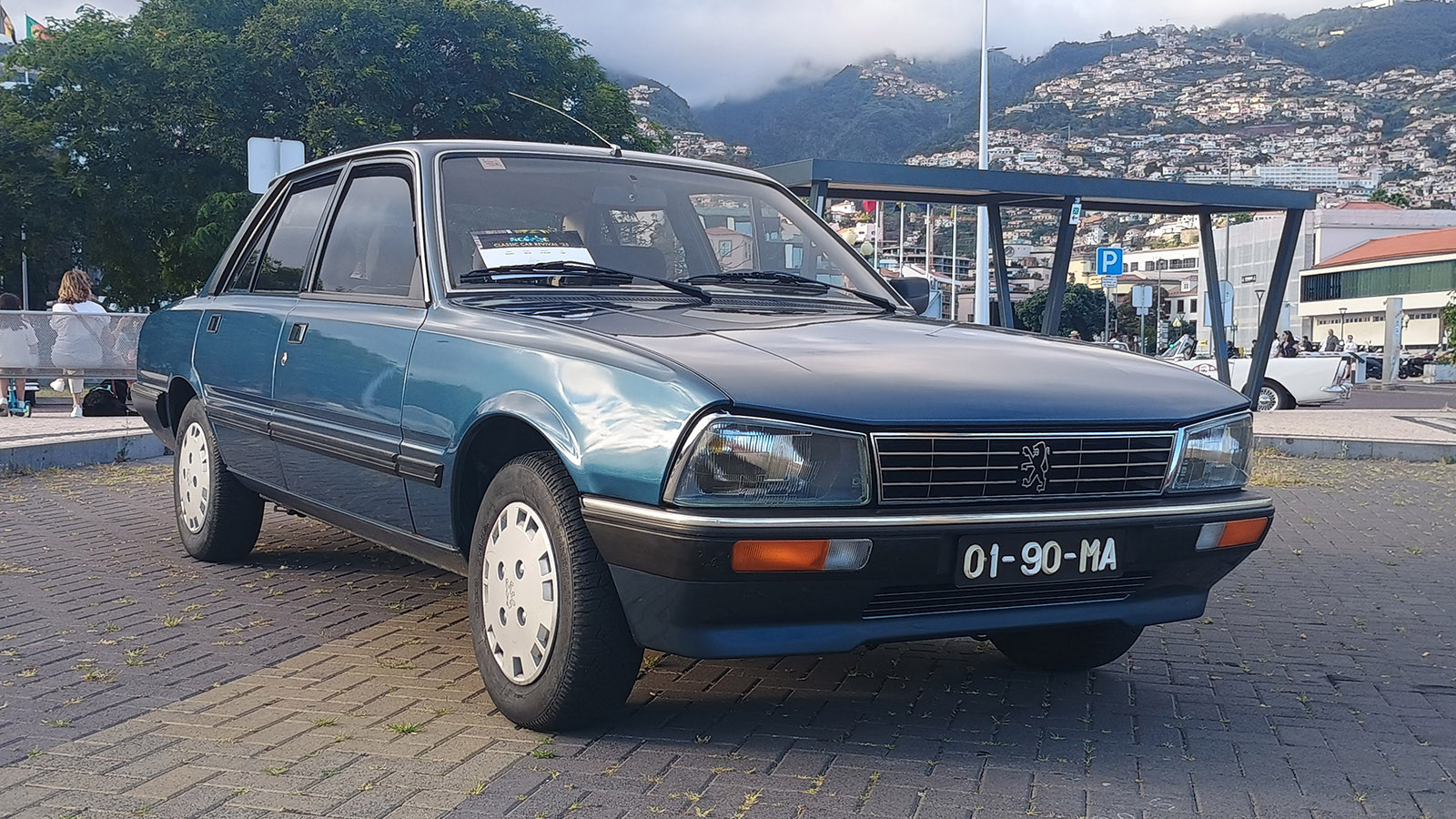
18. 1985 Peugeot 505
Parked near Peugeot’s first front-wheel-drive car, the 204, at the 2025 Madeira Classic Car Revival was its last rear-wheel-drive offering: the 505.
This SR saloon is a mid-range model, though it was as an estate that the car proved more influential, both as the successor to the great ‘king of Africa’ 504 in the developing world, and as a popular suburban family wagon.
It was also the last Peugeot sold in the USA, where it was available with a turbocharged engine not offered outside North America.
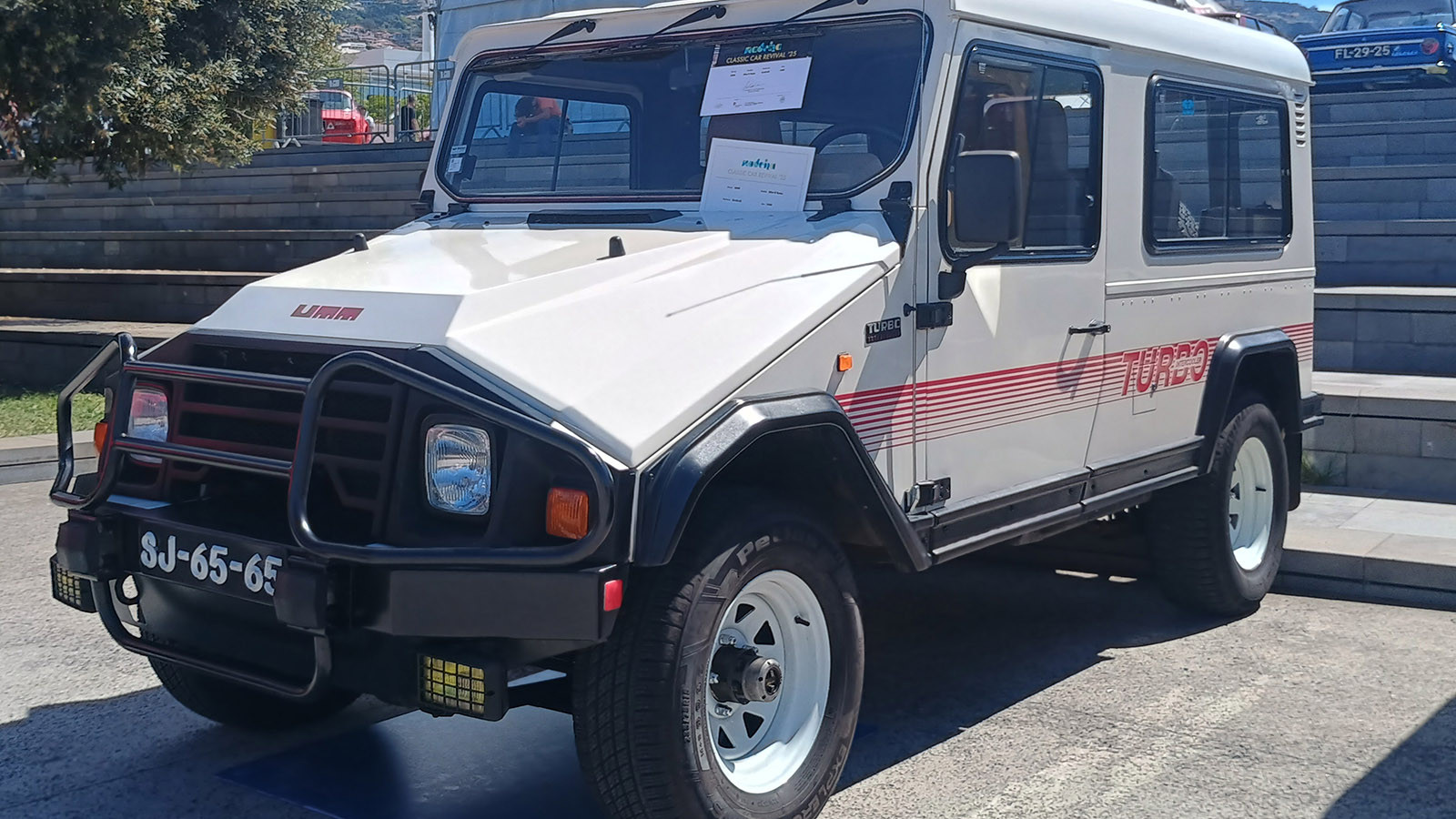
19. 1989 UMM Alter II Turbo
Although Portugal has a rich history of automobile manufacture, few cars have been built by Portuguese marques.
Lisbon-based União Metalo-Mecânica is one of the few exceptions.
Its rugged 4x4s were primarily produced for government and industrial purposes, but civilian versions were built, too, including this 1989 Alter II Turbo.
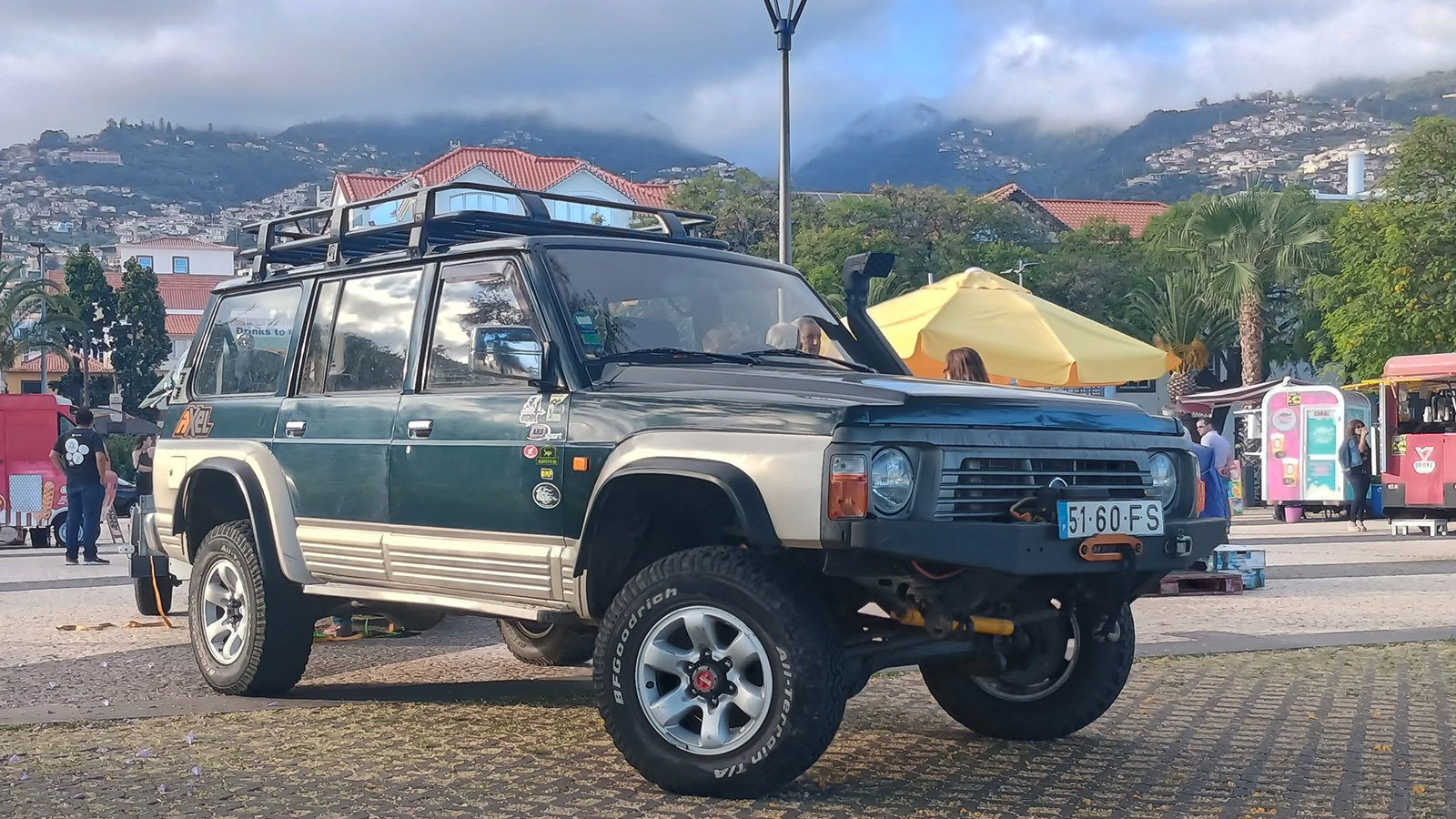
20. 1995 Nissan Patrol
Even some of the tow cars at the Madeira Classic Car Revival were classics in their own right.
Here, residents hold onto their vehicles for a long time, especially ones as capable as a Nissan Patrol.
Though used to tow a trailer full of classic ’bikes at the event, it’s clear this fourth-generation Patrol is also modified for tackling Madeira’s mountainous routes.
We hope you enjoyed this gallery. Please click the ‘Follow’ button above for more super stories from Classic & Sports Car.