When Porsche loses its head
Cabriolets have been a key component in Porsche’s range from the very start of the company.
While sportier Speedsters and open-top racing models attracted headlines and envious glances, the more practical Porsche cabriolets have offered an alluring mix of sports-car dynamics and fresh-air motoring.
From the earliest 356s through many 911s and various front-engined and mid-engined models, Porsche has a long association with drop-tops.
Here’s our look at its roadgoing cabriolets, listed in chronological order.
1. 1948 Porsche 356 Gmünd Roadster
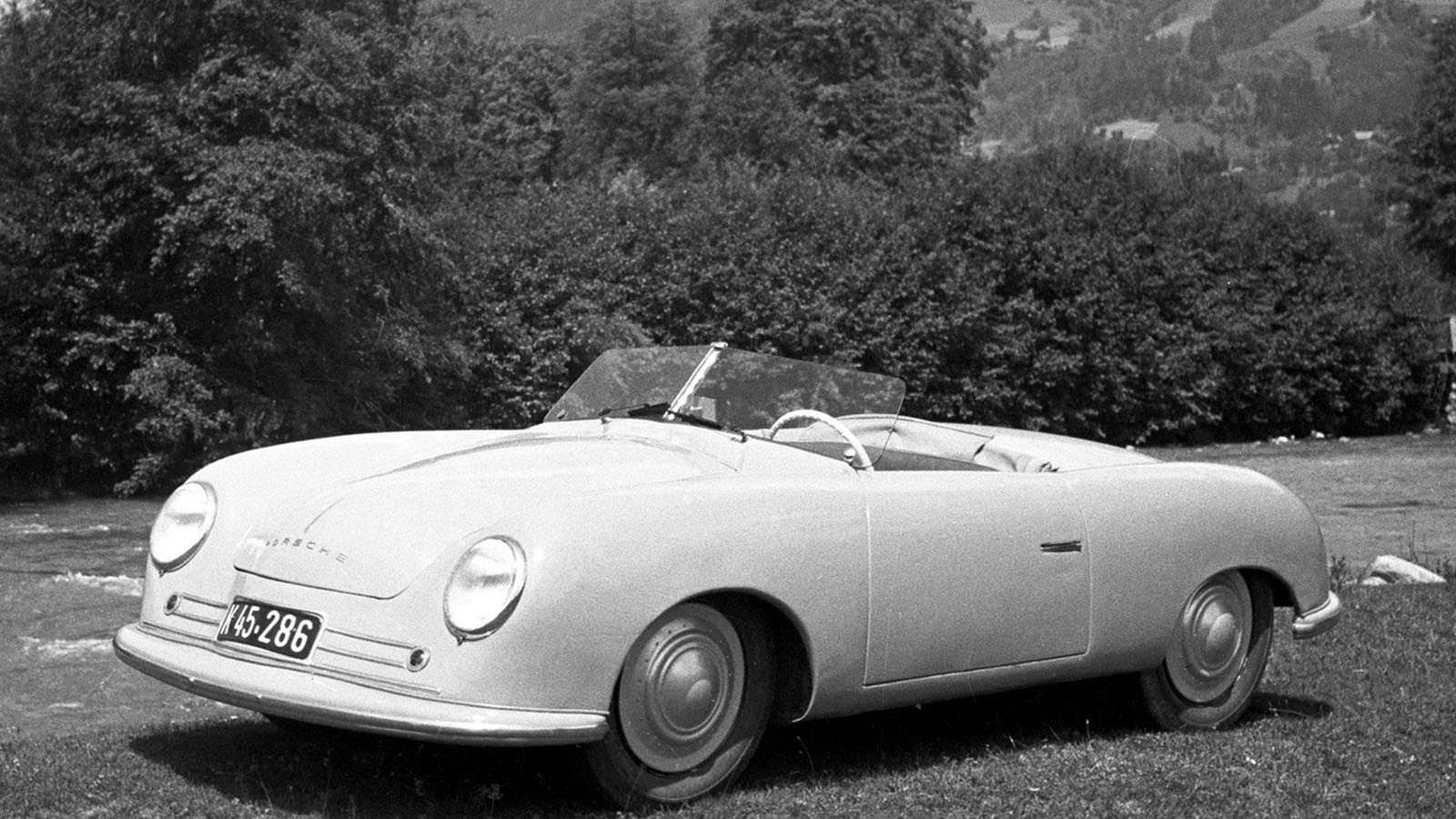
The very first car to carry the Porsche name as a car maker in its own right was the 1948 356 Gmünd Roadster.
This simple open-top might not have used the cabriolet name, but it was the beginning of the company’s love affair with soft-top models.
An aluminium body was built over a steel-tube frame, while power came from a Volkswagen Beetle-derived, 1131cc, flat-four engine to give a top speed of 83mph.
Now referred to as ‘No 1’, the 356 Gmünd Roadster was a one-off and the precursor to the 356 range.
The Gmünd name comes from the town in Austria where the car was built.
2. 1950 Porsche 356 Cabriolet
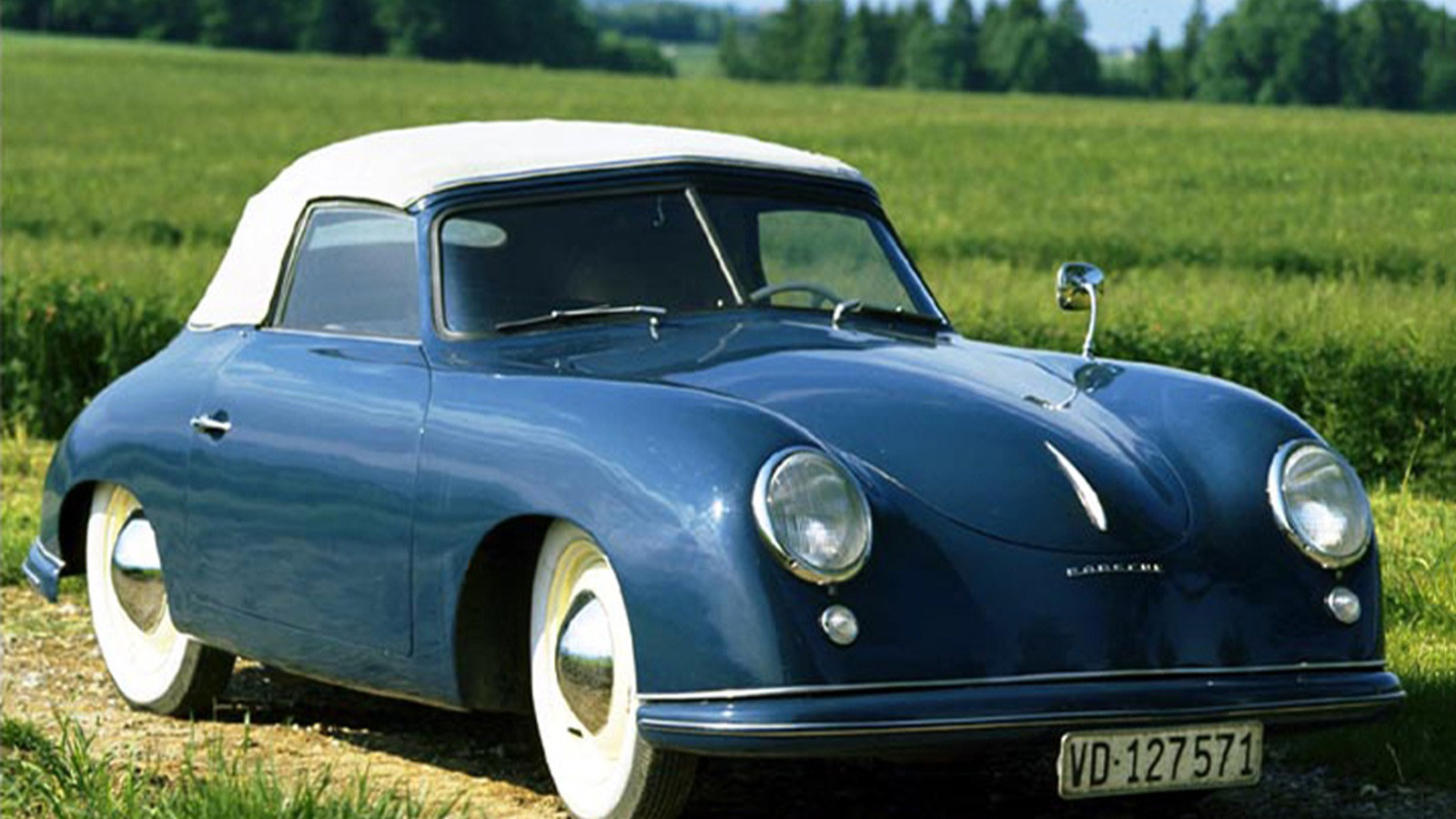
Coachbuilder Beutler had built a one-off 356 Cabriolet, but it turned down Porsche’s offer to turn this into a series of 250 cars.
Instead, the work went to Gläser in 1950, but only 247 were made of these early 356 Cabriolets before the work shifted to Reutter in 1953.
Porsche anticipated a cabriolet model would boost sales and it was proved right when US distributor Max Hoffman took a red cabriolet demonstrator to various race meetings and shows to drum up interest.
The only criticism of these early cars was the same as for the coupé – it needed more power, which would arrive with 1.3- and 1.5-litre engines.
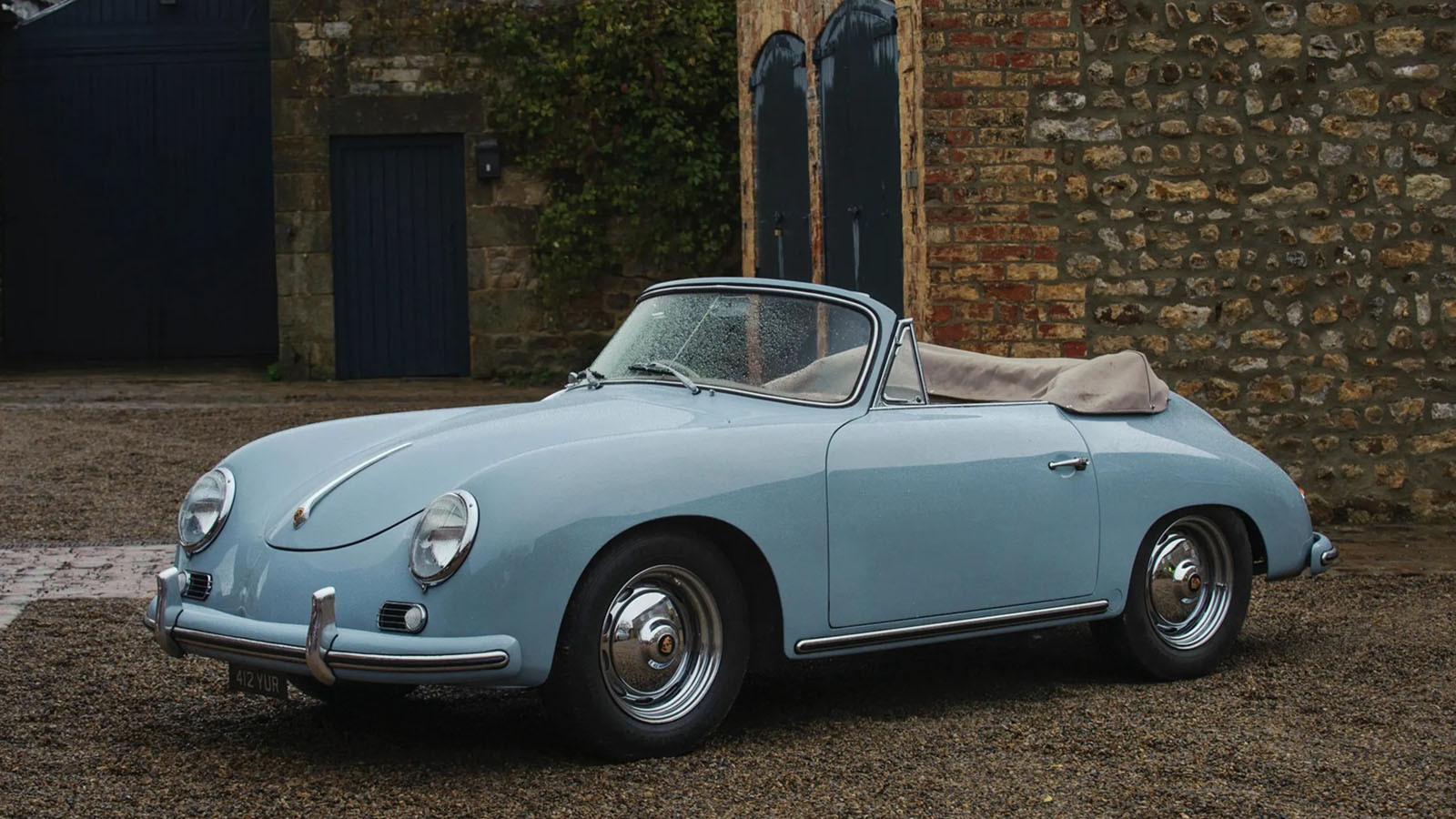
3. 1956 Porsche 356A Cabriolet
The America Roadster of 1952 and the subsequent 1954 Speedster offered bare bones open-top driving, but it wasn’t until 1956 that a new cabriolet was introduced.
As part of the comprehensive update of the range to become the 356A, the cabriolet gained the same improvements as its coupé sibling and was a more luxurious offering than the Speedster.
There was a choice of 1.3- and new 1.6-litre engines, with the smaller unit dropped from the range in 1957.
The drop-top was distinguished by quarterlight windows in the doors and the 356A Cabriolet ended its life with a total production run of 3367 cars.
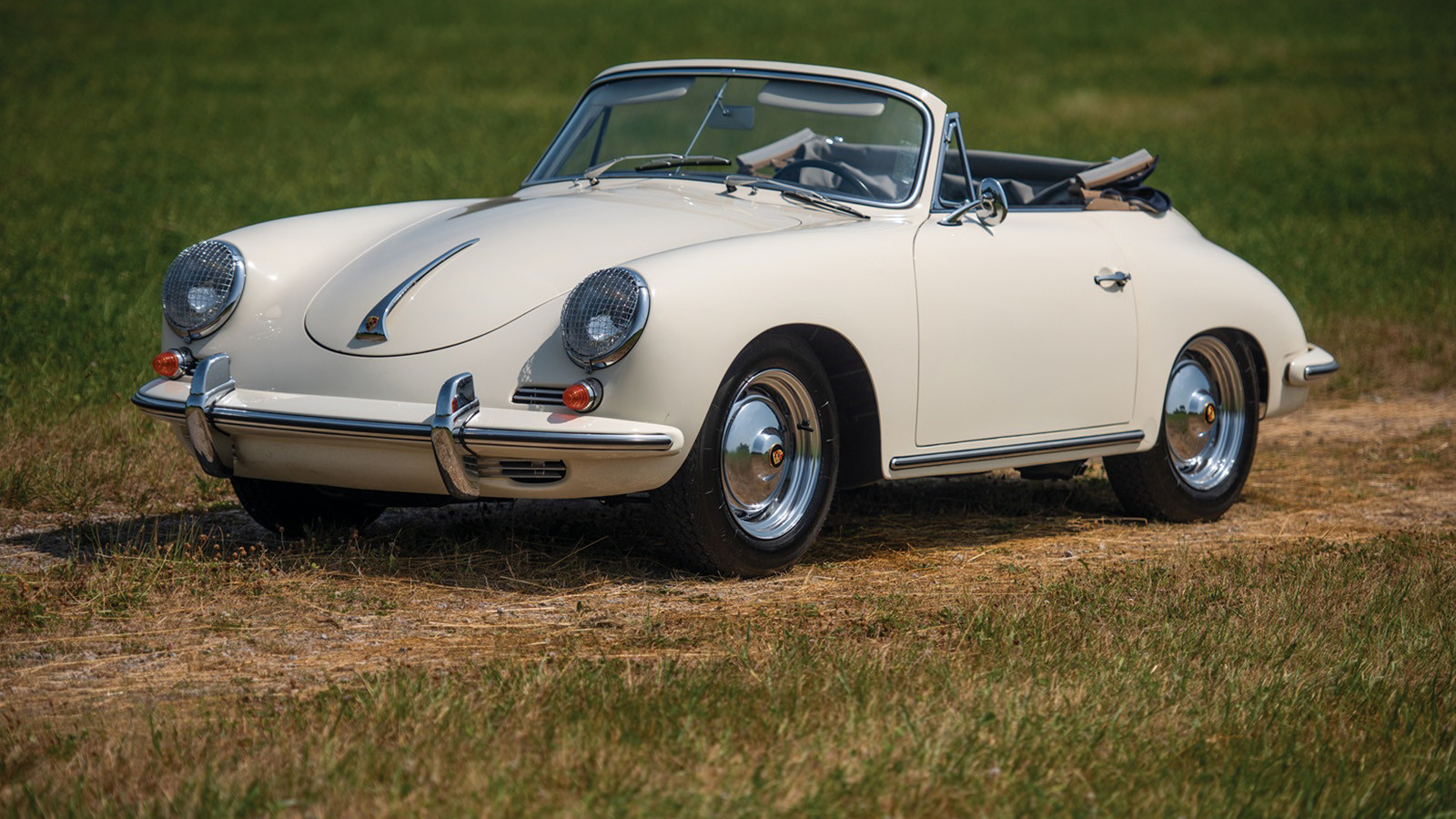
4. 1959 Porsche 356B Cabriolet
A further round of upgrades to Porsche’s 356 resulted in the new B version in 1959 – and the cabriolet enjoyed the same improvements.
This meant a choice of standard or Super 1.6-litre engines, as well as the rare, 2-litre 356B 2000 GS-GT Carrera 2 with 138bhp.
There were styling changes for the cabriolet in line with the B update, including repositioned bumpers and headlights, as well as different doorhandles.
Porsche also offered a roadster version of this cabriolet with a more simple hood, no rear seats and a pared-back dashboard to appeal to those who wanted the style of a Speedster.
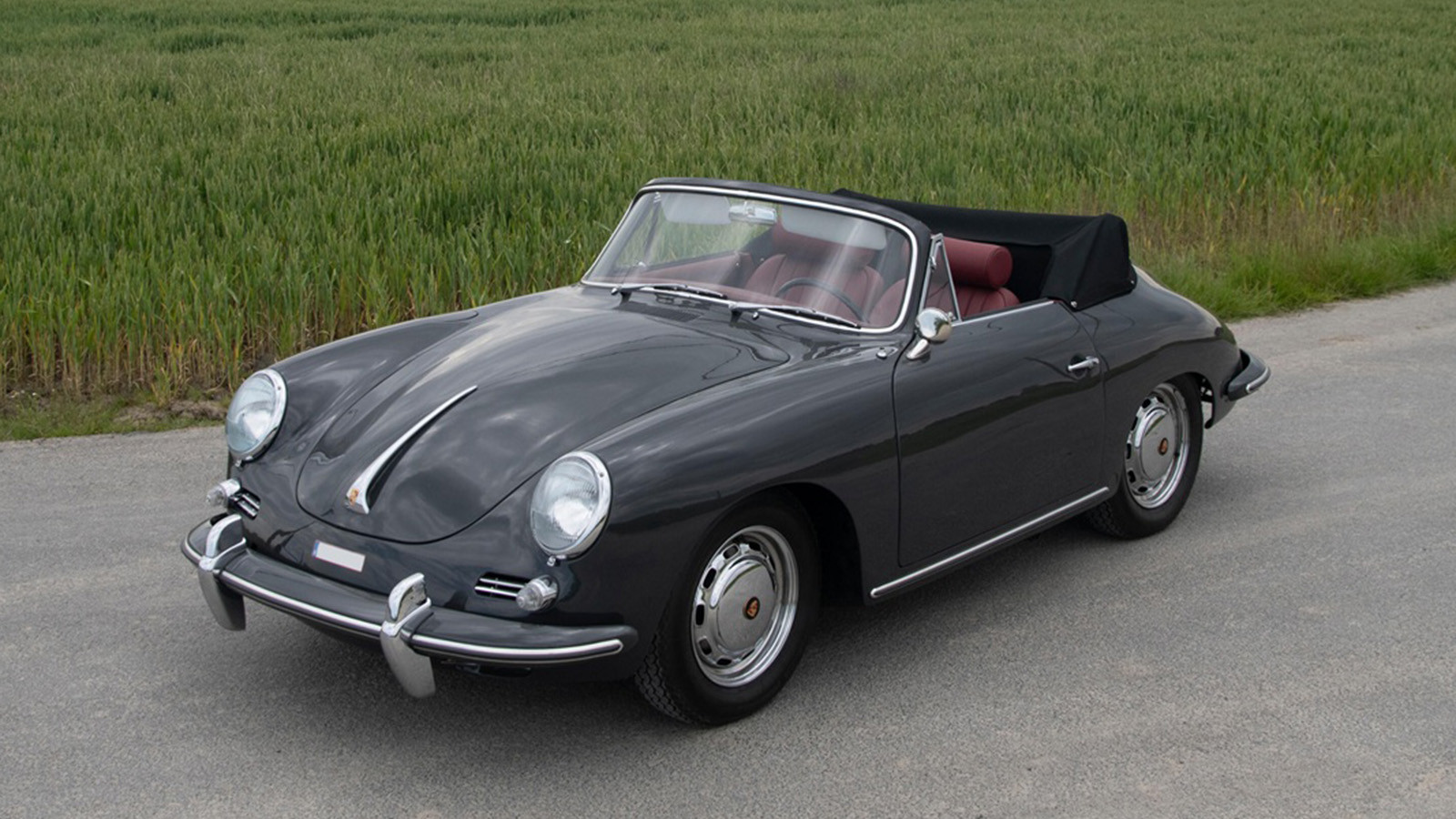
5. 1964 Porsche 356C Cabriolet
It took a keen eye to spot the differences made by Porsche to create its 356C Cabriolet, but the most obvious were the suspension changes and the hubcaps to accommodate all-round disc brakes.
Other upgrades were equally subtle, such as the new door mirrors and twin washer-jet nozzles.
More importantly, Porsche simplified the range with just the cabriolet now available as the only open-top model.
The 74bhp unit used in the previous-generation 356B 1600 Super became the base engine – the range’s most powerful model was the 128bhp 356C 2000 GS Carrera.
Production of the 356C officially ended in April 1965 to make way for the new Porsche 911, but 10 more cabriolets were completed in early 1966 for the royal Dutch police as motorway patrol cars.
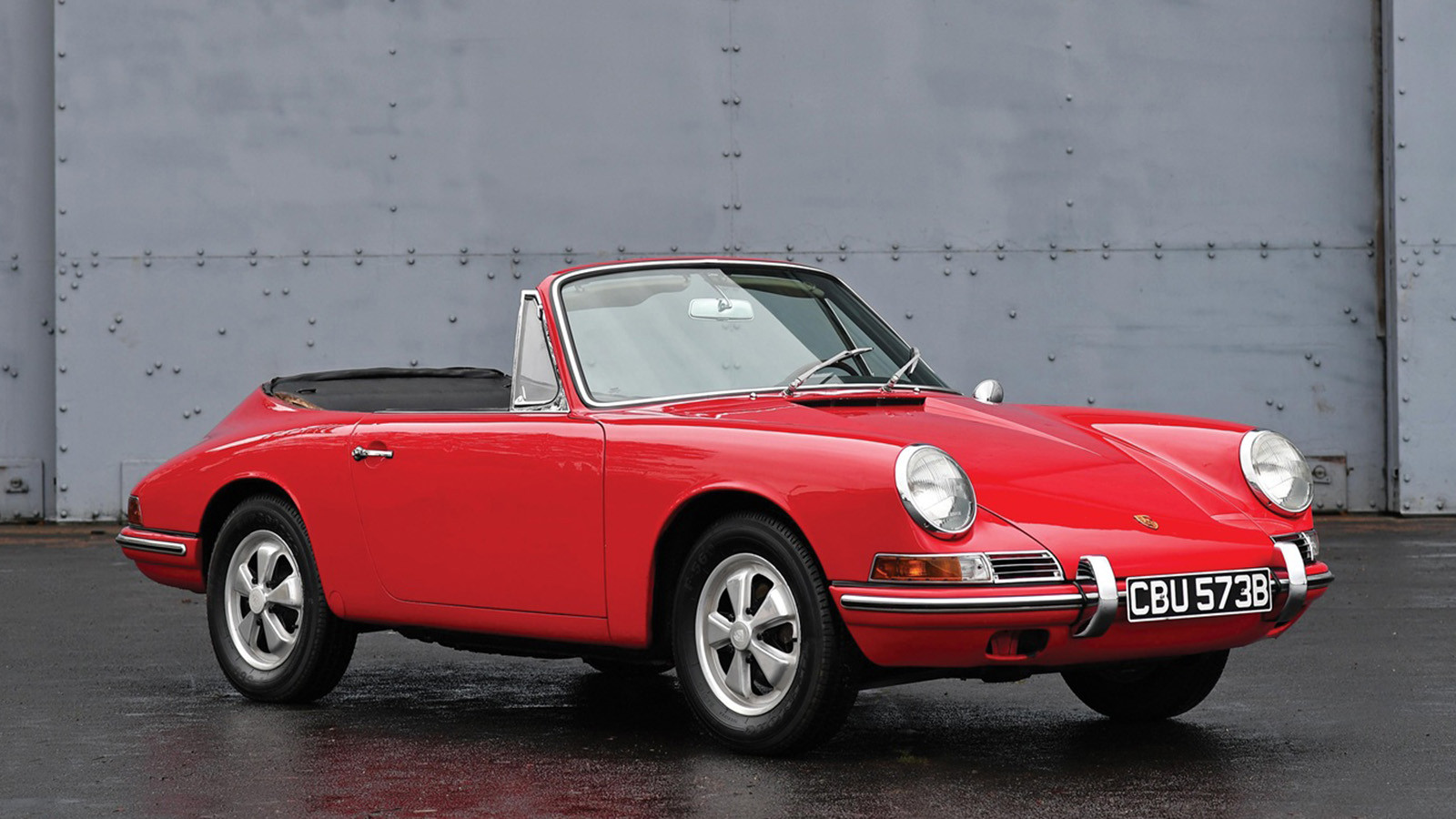
6. 1964 Porsche 901 Cabriolet
The Porsche 911 was originally called the 901 at the very beginning of its life and the company considered an open-top version with this prototype.
Aware of the demand for convertible cars in the USA, Porsche sought help from Karmann to remove the roof from a coupé and strengthen the body.
The car was up and running by September 1964 when the coupé made its public debut, but problems making the hood watertight meant this car remained a one-off.
Instead, Porsche opted for the targa in 1967, because it was much easier to create this model from a car designed primarily as a coupé.
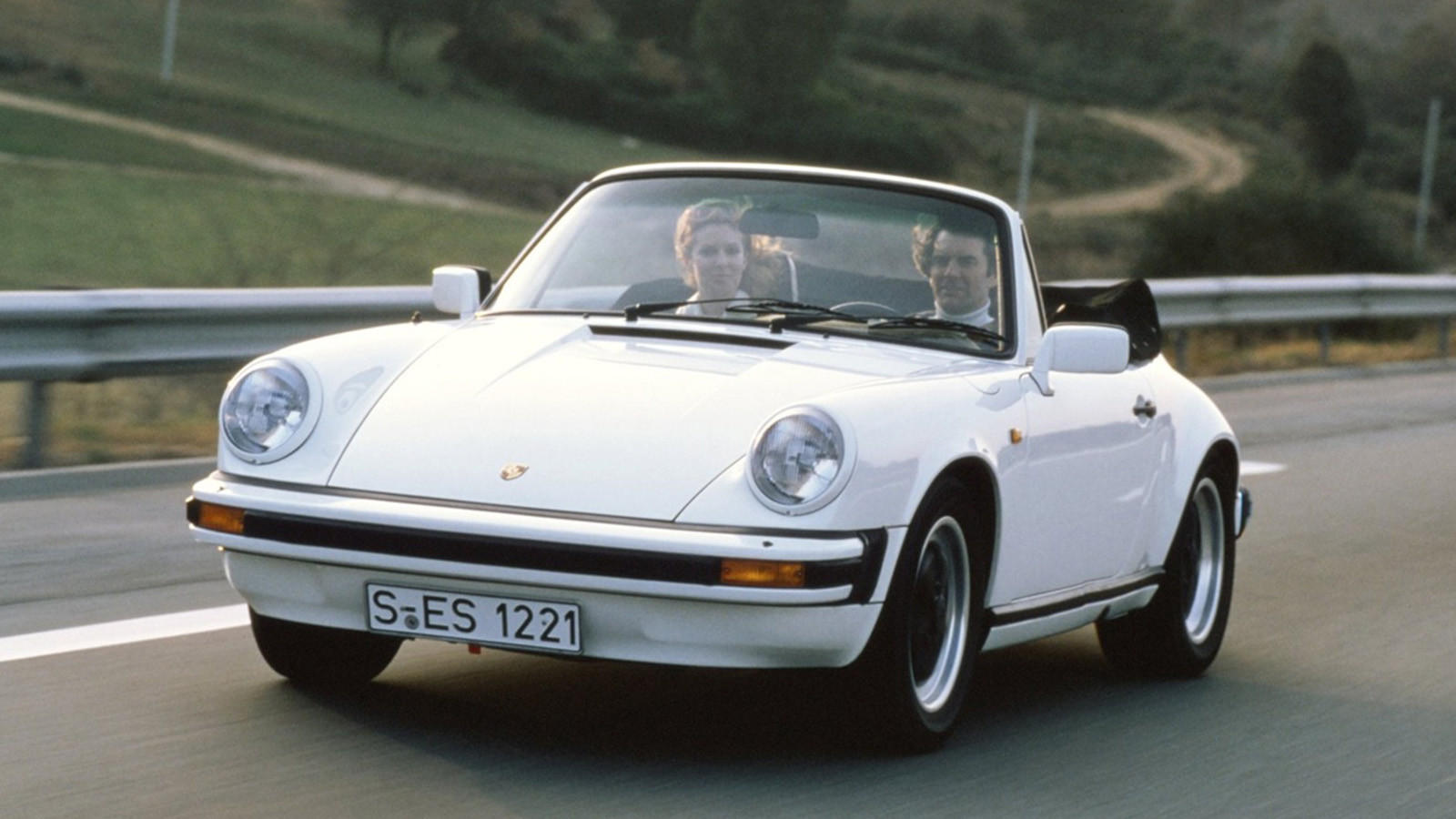
7. 1982 Porsche 911 SC 3.0 Cabriolet
After an extended break from building a cabriolet, Porsche brought a drop-top version of the 911 SC to the Frankfurt motor show in 1981 and got a rapturous reception.
Putting the Porsche 911 SC 3.0 Cabriolet into production was a no-brainer and it soon had a 12-month waiting list.
The drop-top used the same body as the targa model to make it easier for Porsche to build, though the substantial hood meant it weighed more than a coupé.
As a result, the Cabriolet was slightly slower from 0-60mph, taking 7 secs to the coupé’s 6.7 secs, but few cared.
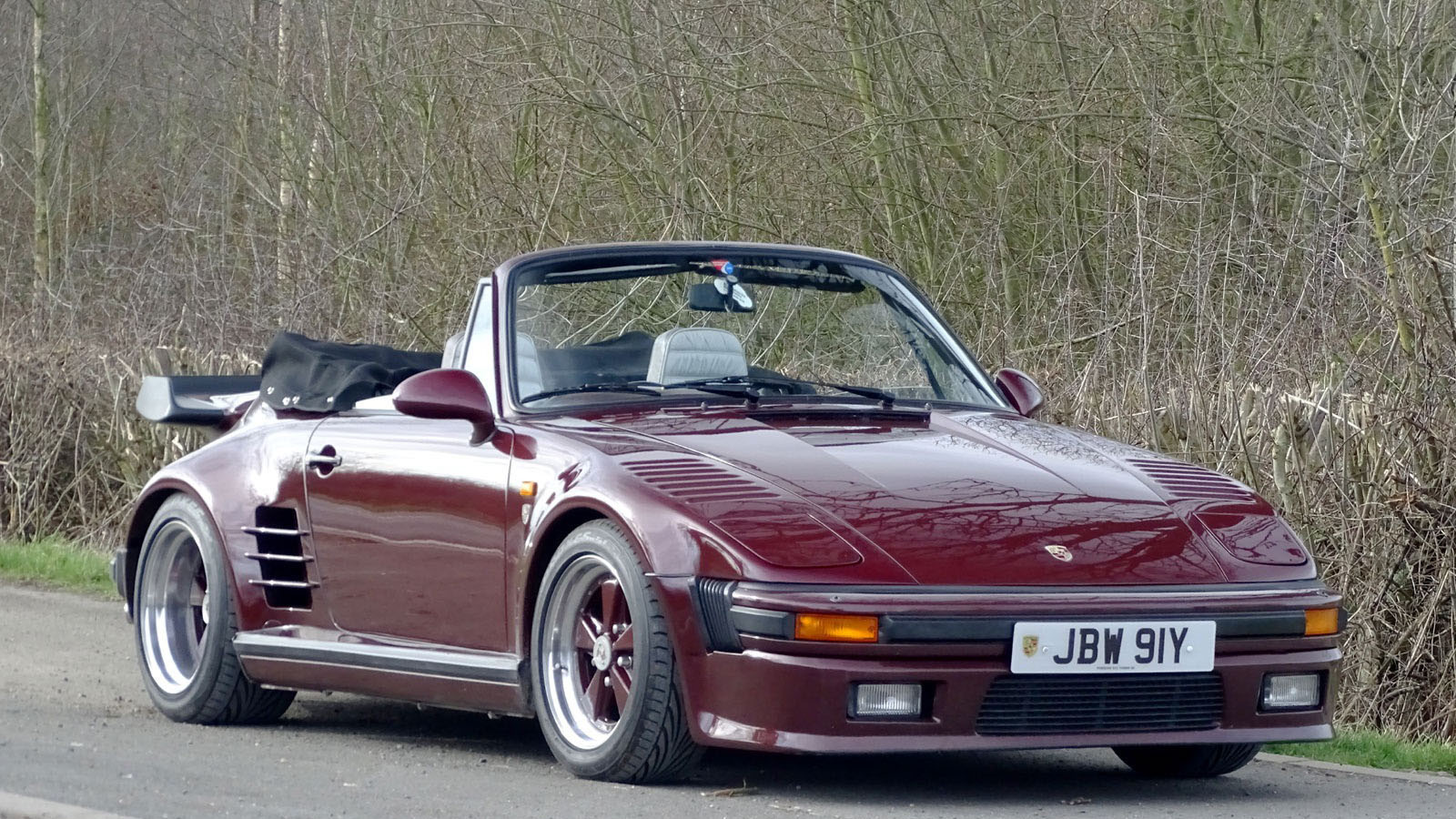
8. 1982 Porsche 930 turbo ‘Flachbau’
When Porsche customers asked for a road car with the looks of the 935 racing car, the company listened and eventually offered the Flachbau, German for Slantnose or Flatnose.
All were built under Porsche’s Sonderwunsch programme for special vehicles and most were completed with coupé bodies, making the cabriolet one of the rarest Porsche road cars.
This model was officially sold as the 991 turbo SE Cabriolet in the UK, but elsewhere it was called the 930 turbo Slantnose.
The improved aerodynamics of the front end meant its 3.3-litre, turbocharged engine delivered a top speed of 171mph.
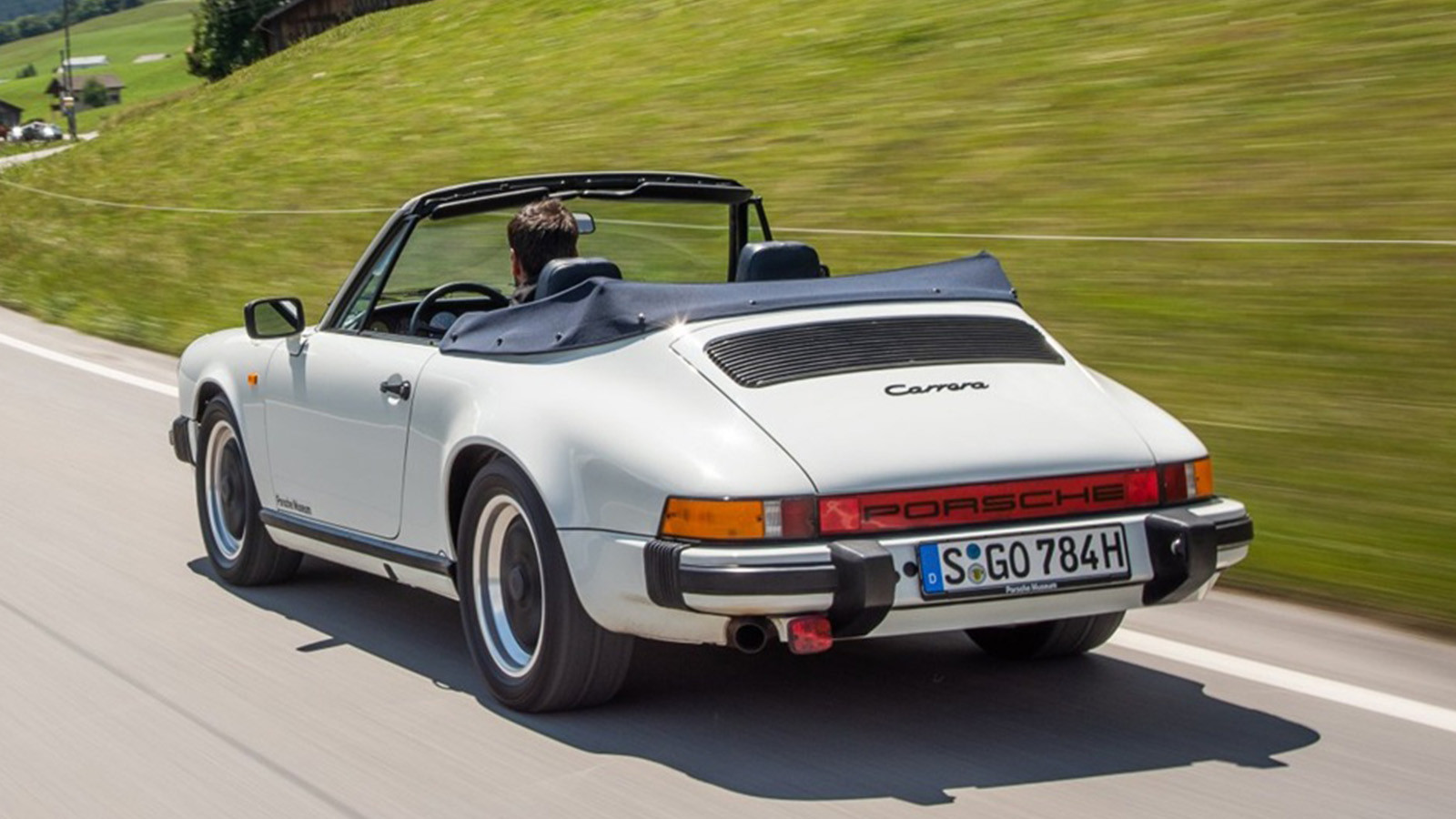
9. 1984 Porsche 911 Carrera 3.2 Cabriolet
The revival of the Carrera name heralded a much-updated version of the Porsche 911 in 1984 with a larger, more powerful, 3.2-litre engine.
Now with 228bhp compared to the SC’s 201bhp, the cabriolet offered 0-60mph in 6.1 secs and 152mph.
The improved performance combined with handsome looks meant the cabriolet soon began to outsell the targa, with a total of 22,283 and 19,502 sales respectively, by the time this model was replaced by the 964 in 1989.
There was also the rare Speedster open-top model with its cut-down windscreen and two-seat cabin; just 2104 made.
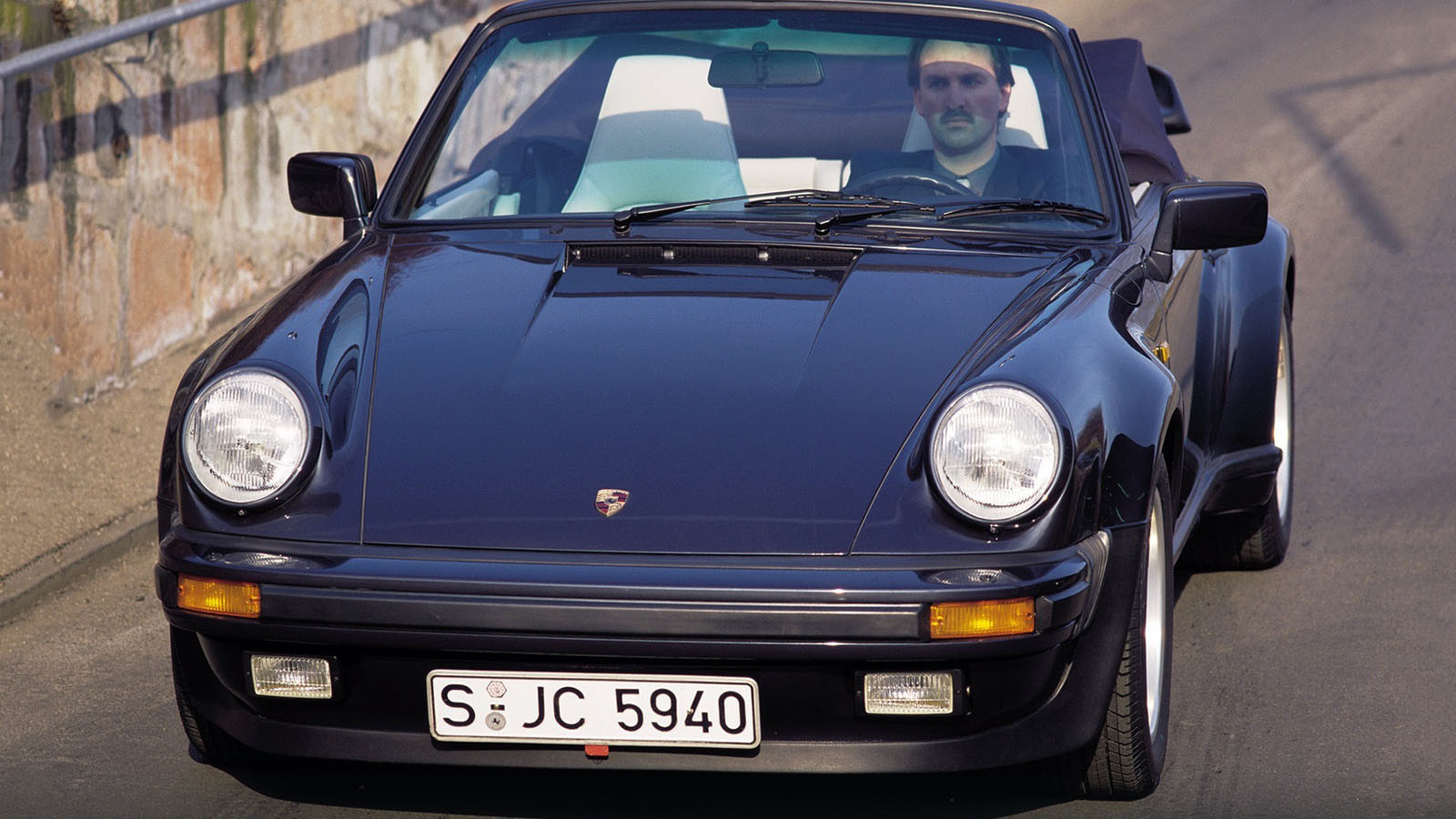
10. 1986 Porsche 911 turbo Cabriolet
More than a decade on from the launch of the original 911 turbo, Porsche finally offered this engine with a cabriolet body.
Although referred to within Porsche as the 930 to distinguish it from the standard 911, this turbocharged model was sold as the 911 turbo Cabriolet.
It used the same 3.3-litre, 296bhp, flat-six engine as the coupé version, with the same widened rear wings with trademark stone-chip protection.
There were also twin exhaust tailpipes to warn any following cars this was a turbo capable of 0-60mph in 5.4 secs and 160mph.
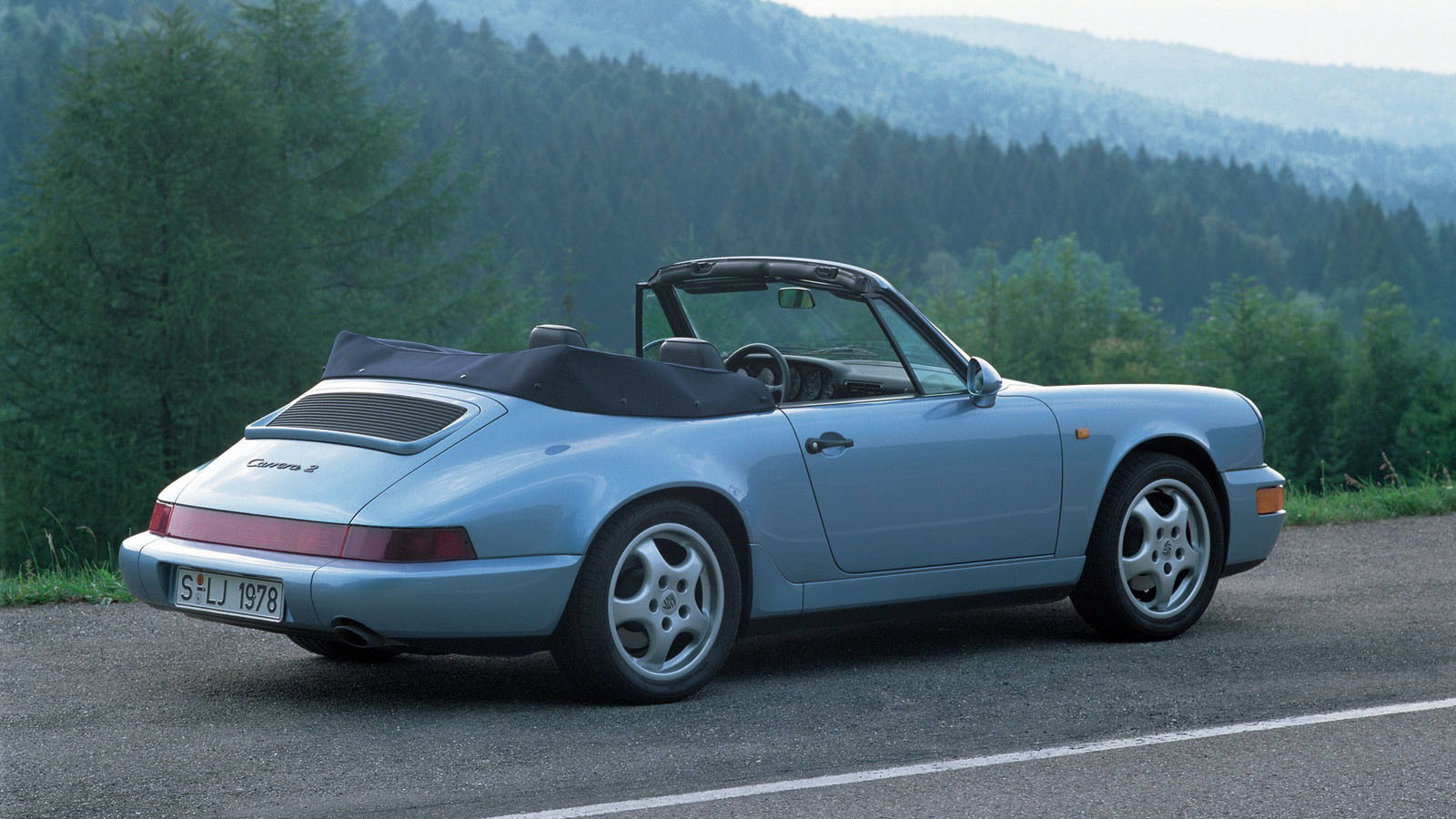
11. 1989 Porsche 911 (964) Cabriolet
The 964-generation Porsche 911 may have looked very similar to the G-series it replaced in 1989, but around 65% was all-new.
This included, for the first time, the option of four-wheel drive, which was offered alongside a rear-wheel-drive version in cabriolet and coupé bodies.
The Carrera 4 Cabriolet could muster 0-60mph in 5.7 secs and 162mph from its 247bhp, 3.6-litre engine, while the Carrera 2 shaved 0.1 secs from the 0-60mph dash.
If you wanted more performance, the 3.3-litre turbo Cabriolet arrived in 1992 with 316bhp, 0-60mph in 5.4 secs and 168mph.
Or you could have the turbo S which could do 0-60mph in 4.6 secs and 180mph.
Porsche also produced a limited run of 250 America Roadsters that had all the looks and mechanical parts of the 911 turbo, but with a Carrera 2 engine and drivetrain.
There was a Speedster with a removable windscreen, too, based on the Carrera 2.
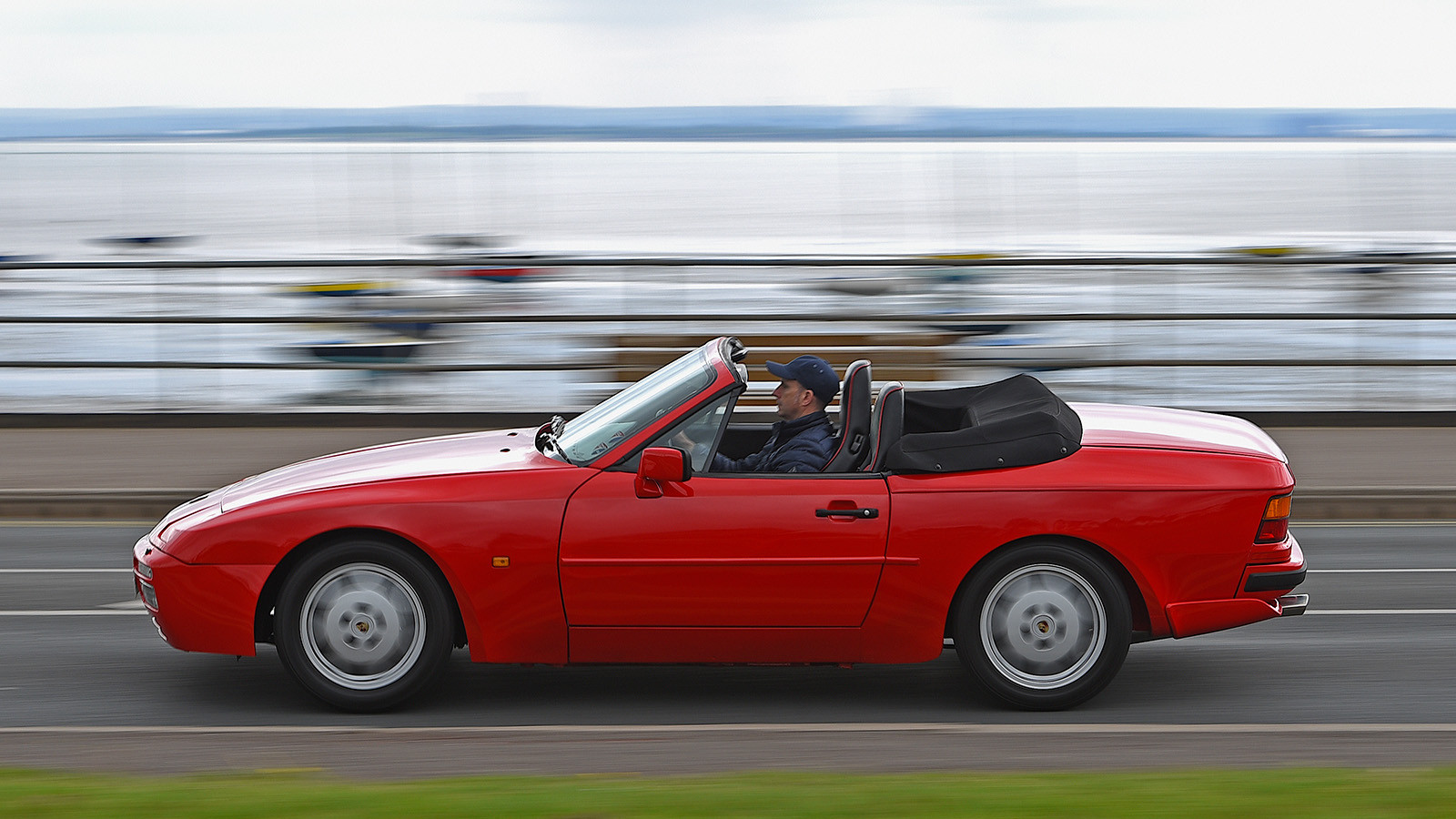
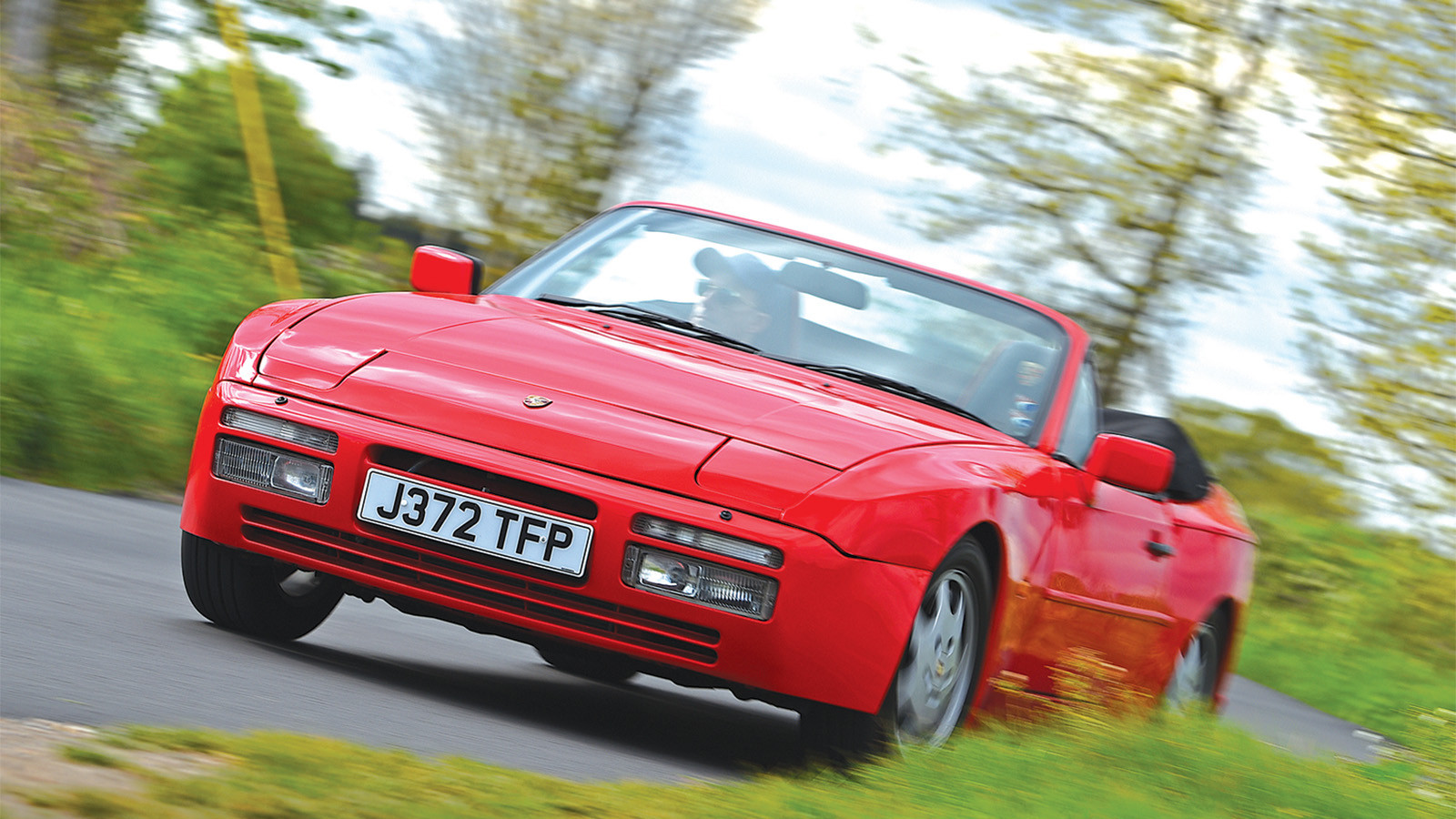
12. 1989 Porsche 944 Cabriolet
Porsche might have missed a trick not building a cabriolet version of the 924, but it wasn’t going to repeat that error with the 944.
As a result, the company launched the 944 S2 Cabriolet in 1989, though the car was built by the American Sunroof Company (ASC) at Weinsberg in Germany.
Coupé bodies were delivered to ASC to have the shell strengthened prior to the roof being cut off. The cars were then returned to Porsche for painting and finishing.
It was an effective job and the 944 leant itself to this style, while the 208bhp, 3-litre engine offered strong performance. A turbo version improved that further from 1991 with a 247bhp motor.
In all, 625 Porsche 944 turbo Cabriolets were made, plus a further 5656 of the S2 Cabriolet.
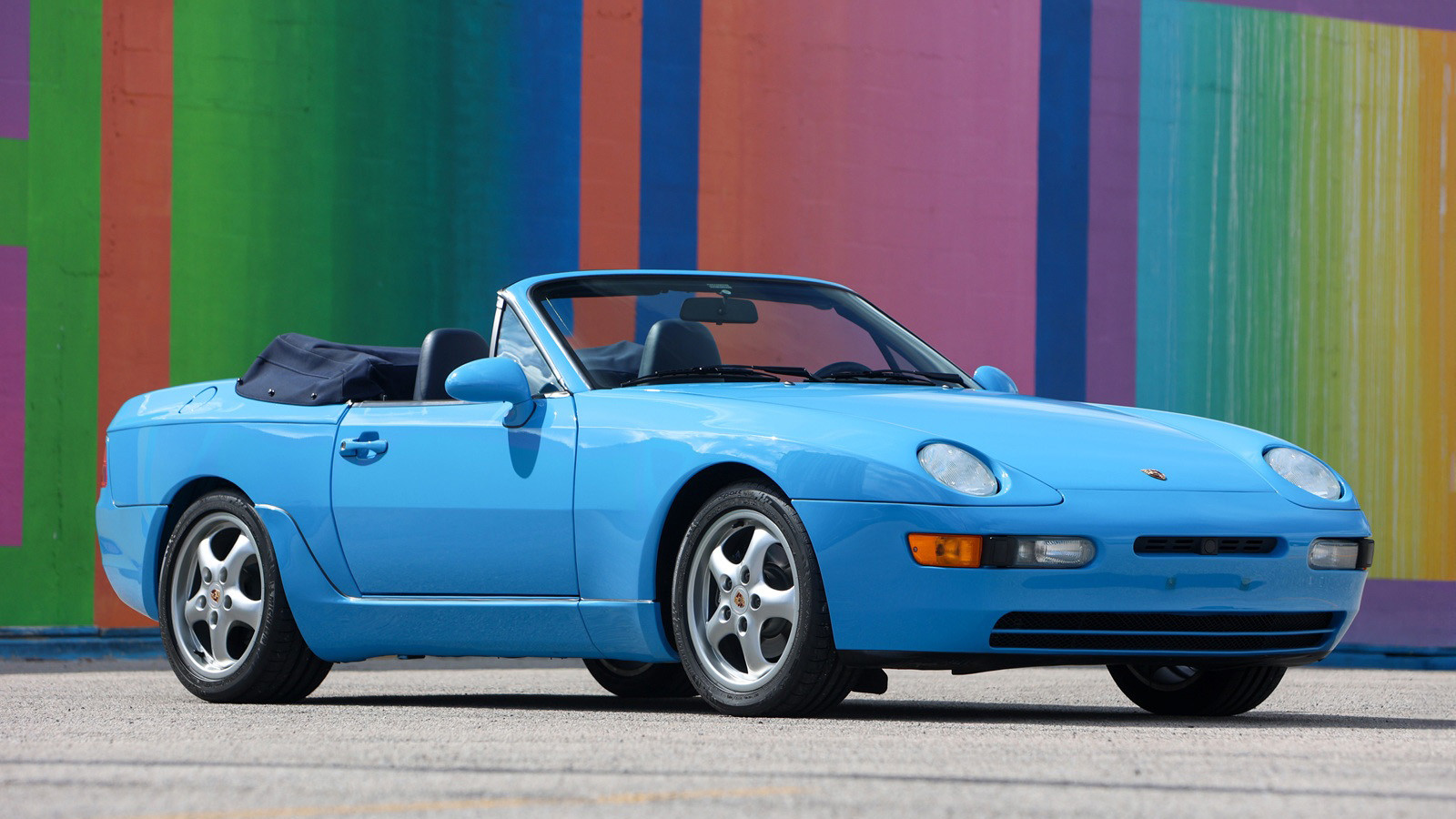
13. 1993 Porsche 968 Cabriolet
Like the 944 Cabriolet before it, the Porsche 968 Cabriolet was converted from coupé to drop-top by the American Sunroof Company at its German factory, before the bodies were sent back to Porsche for final assembly.
The additional strengthening and fabric roof meant the drop-top weighed 100kg (220lb) more than the 968 Coupé, yet its performance of 0-60mph in 6.3 secs and 156mph was the same.
Most 968 Cabriolets came with notional rear seats, but these were not supplied for US-bound cars, which had a storage box and parcel shelf in their place.
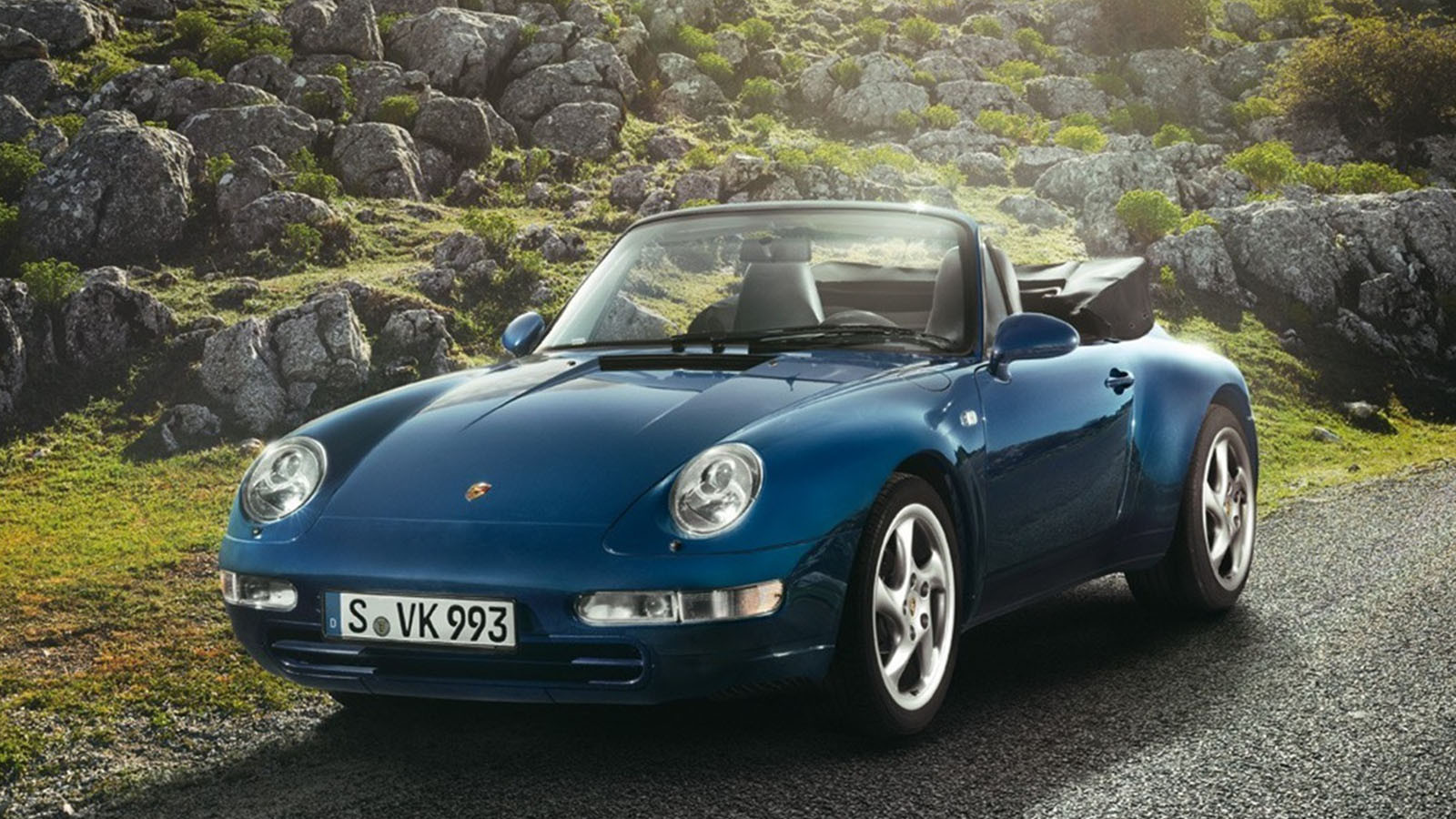
14. 1994 Porsche 911 (993) Carrera Cabriolet
Where Porsche had to send out its contemporary 968 for conversion to a cabriolet, the 993-generation 911 was designed from the outset as both a coupé and a drop-top.
For the cabriolet, Porsche gave additional stiffening to the windscreen pillars, while the soft-top employed was stronger and more thickly padded than any previous 911’s.
It was also the quickest electrically operated roof Porsche had yet made – it could lower or raise in 18 secs at the push of a button.
As with previous 911 cabriolets, there was a choice of standard or turbo models, as well as the X51 pack that provided uprated power for the non-turbo model.
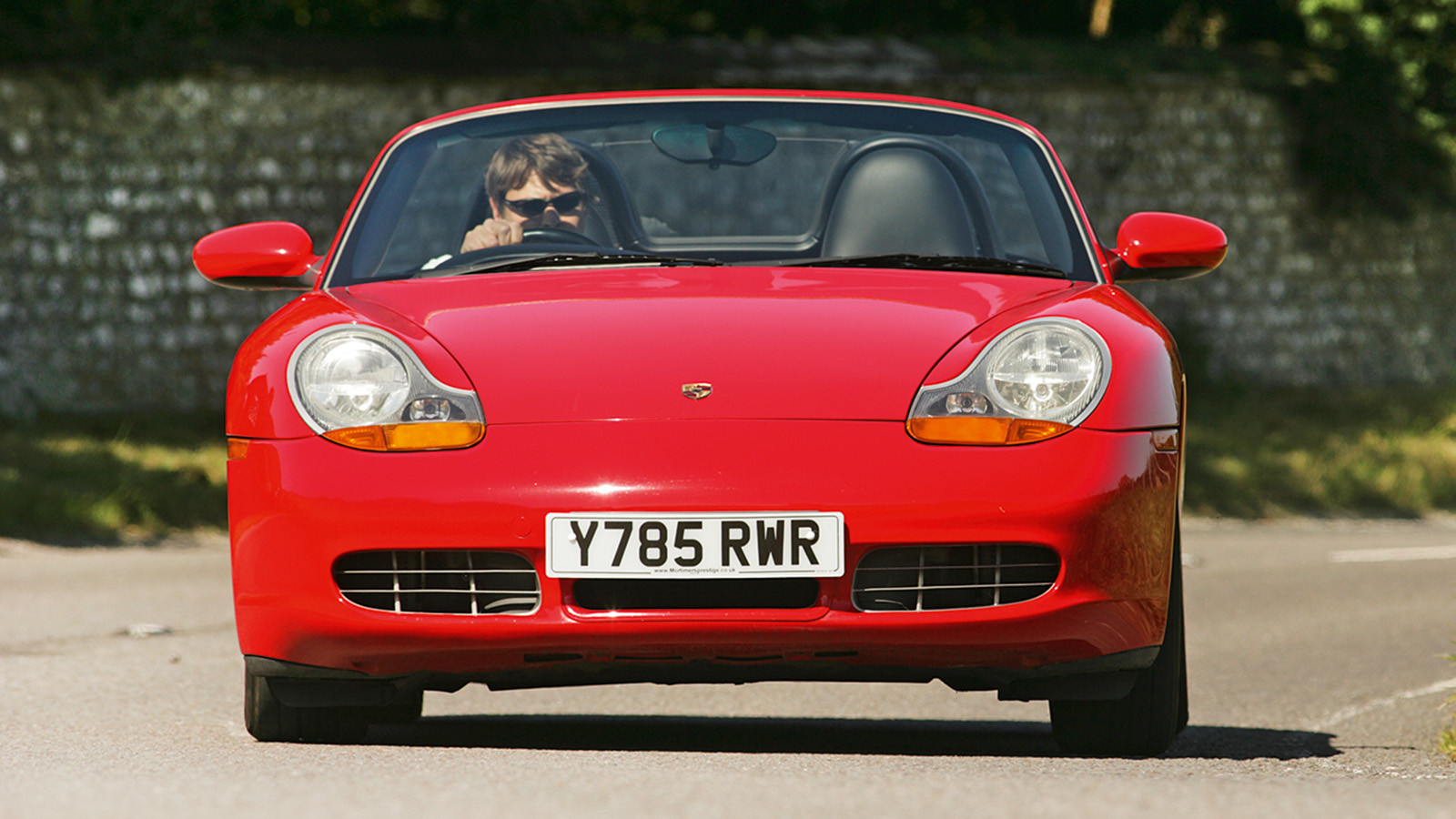
15. 1996 Porsche Boxster
Porsche’s financial stability rested on a much simpler, more affordable cabriolet model that harked back to the Gmünd Roadster and Speedster models – the Boxster.
Not called a cabriolet, the Boxster still shared a lot of its folding-roof technology with the soon-to-arrive 996-generation 911 cabriolet.
This provided a fast-working fabric roof that could be raised or stowed in around 10 secs, easily beating the time it took for the same movement in a 993.
Some manual input was needed to work the Boxster’s roof latch, while the original plastic screen was replaced by a heated glass window when the car was facelifted in 2002.
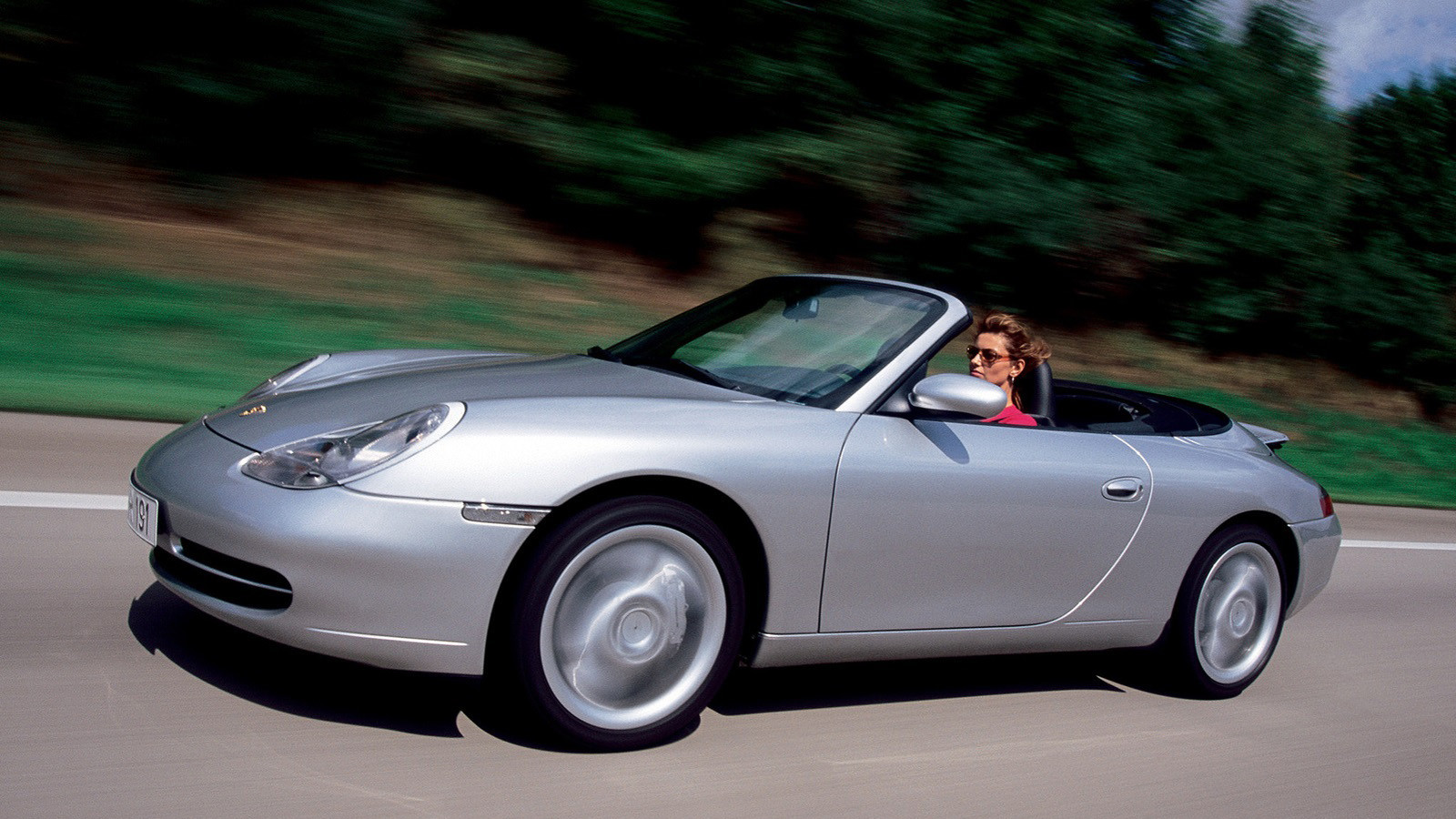
16. 1998 Porsche 911 (996) Carrera Cabriolet
A year on from upsetting 911 purists with the water-cooled 996, Porsche added the cabriolet model.
It shared the coupé’s more steeply raked windscreen, giving its front-seat occupants a less-blustery cabin environment at higher speeds.
Refinement was further assisted by the multi-layer hood design, which could go from fully closed to open in 20 secs.
The electrically operated roof in this cabriolet could also be worked while driving at speeds of up to 31mph.
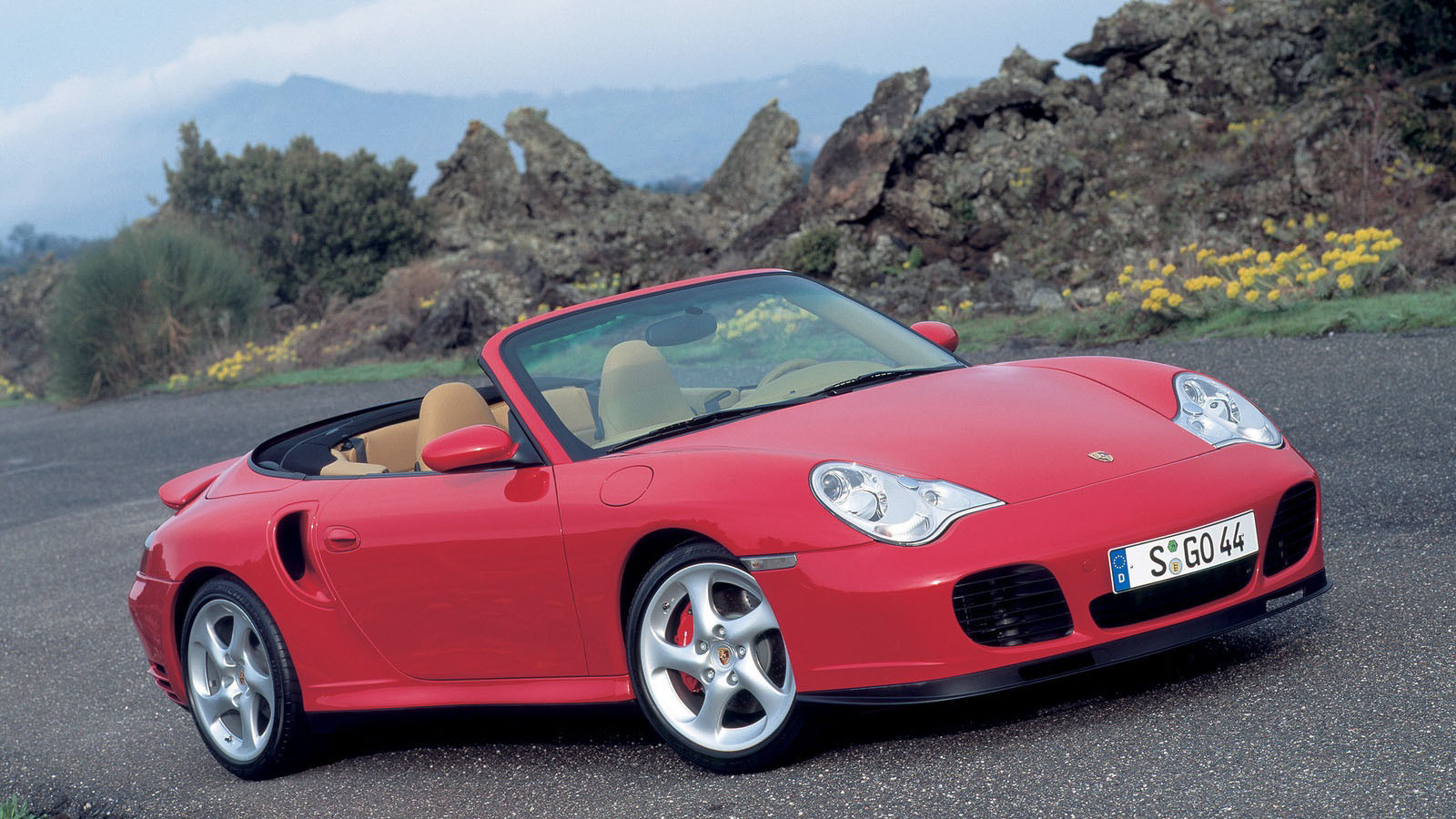
17. 2004 Porsche 911 turbo Cabriolet
The Porsche 911 Carrera Cabriolet was no slouch, but the turbo was now established as more of a stand-alone model within the marque’s line-up.
That was down to the turbo’s more muscular looks and its 414bhp, 3.6-litre, twin-turbocharged engine that gave it a top speed of 190mph.
Just as well, then, that Porsche had tested the cabriolet’s roof in its raised position at speeds of up to 210mph in a wind tunnel to be sure it remained in place.
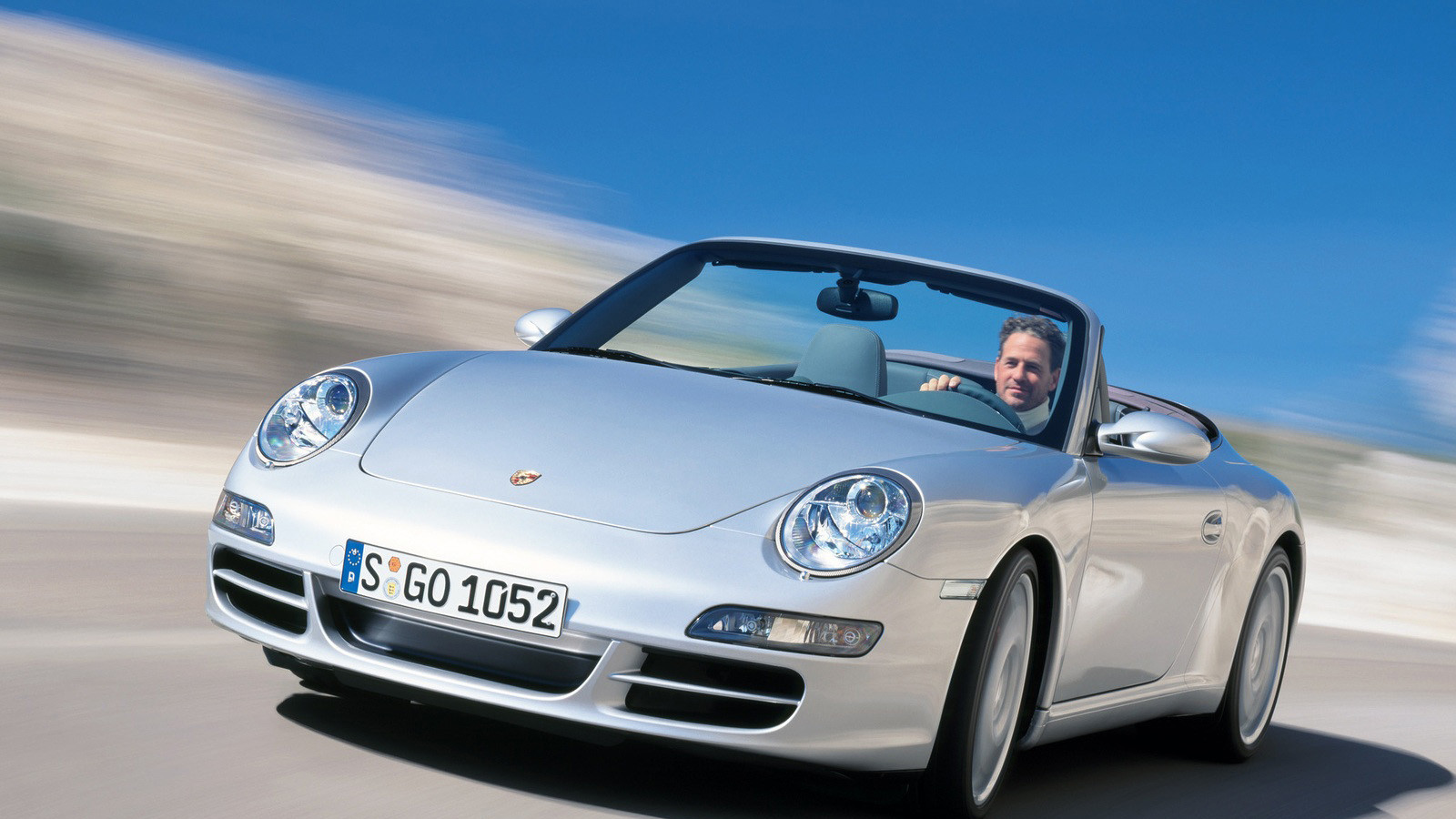
18. 2005 Porsche 911 (997) Carrera Cabriolet
With the arrival of the 997-generation Porsche 911 in 2004, the cabriolet was fully embedded across the range other than for the more extreme GT and RS models.
Starting with the Carrera in two- and four-wheel-drive forms, buyers of the sixth-generation 911 had plenty of choice – and that included a PDK twin-clutch automatic gearbox from 2009.
This was the first 911 where Porsche designed the car as a cabriolet first and a coupé second, with the idea that if the open-top was structurally solid the closed car would be even better.
For the cabriolet, the automatically deployed rear wing rises 20mm higher than the coupé’s to compensate for the open car’s slightly poorer aerodynamics.
There were several cabriolet models, encompassing Carrera, 4, S, 4S, turbo and GTS, as well as a two-seat Speedster.
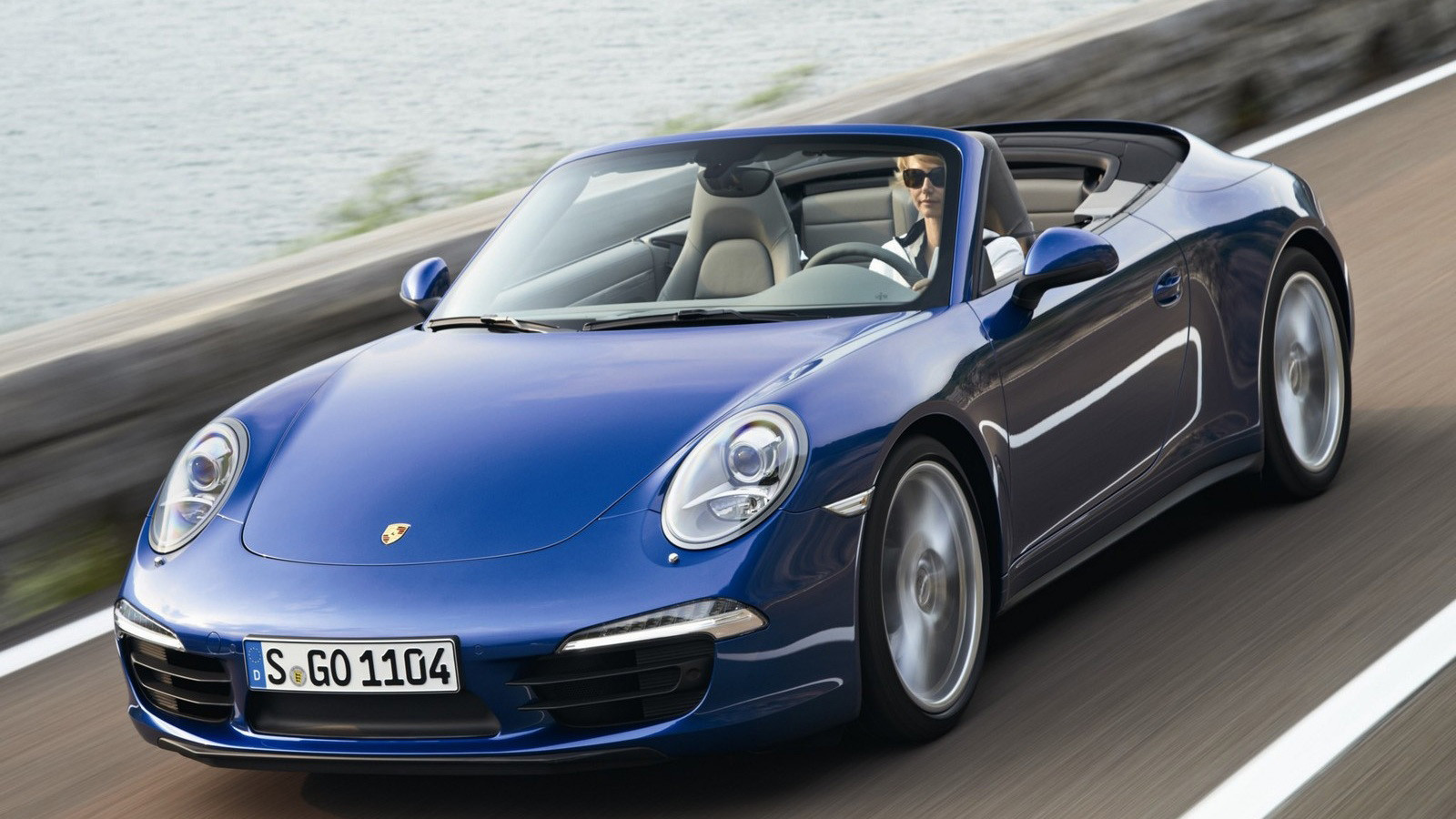
19. 2012 Porsche 911 (991) Carrera Cabriolet
Hot on the heels of the seventh-generation Porsche 911 being launched in 2011, the cabriolet arrived.
If it didn’t look drastically different to the model it replaced, the 991 version of the cabriolet came with a clever new hood design.
The fabric roof was styled to have the exactly the same profile as the coupé when it was raised, while lightweight magnesium meant the roof was lighter and more rigid than that in any previous generation of 911 drop-top.
There was also more bracing around the windscreen and B-pillars than ever before, yet this version of the 911 cabriolet was lighter than its predecessor on a like-for-like basis.
The 991 cabriolet also gained a new wind deflector that can be raised at the push of a button to reduce cabin turbulence.
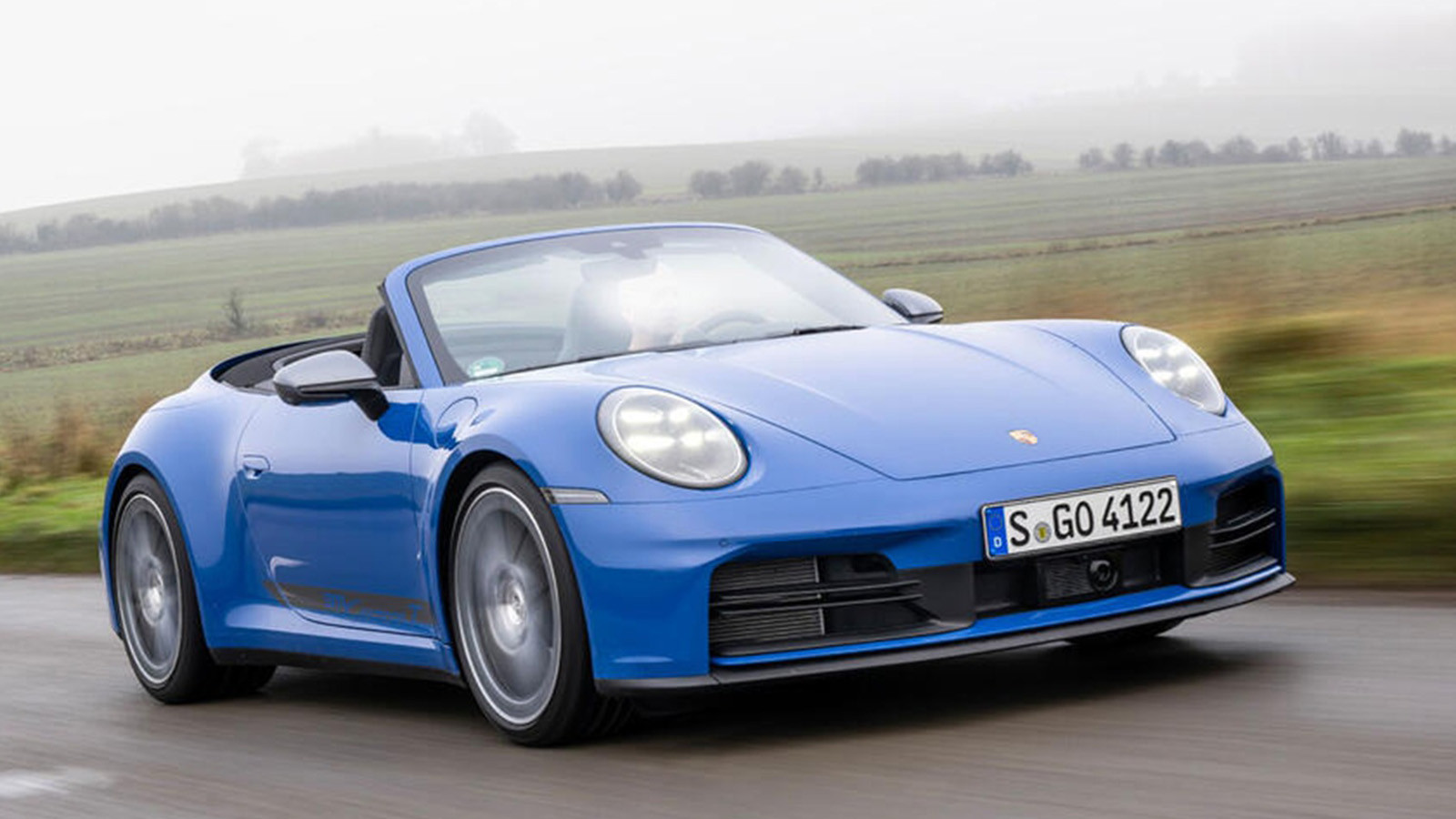
20. 2019 Porsche 911 (992) Cabriolet
Porsche could have been forgiven for sticking with the previous 911 cabriolet’s roof design, but that’s not its way.
For this latest iteration that arrived in 2019, the German car maker came up with a new hydraulic system to raise and lower the hood.
The result is that the 992 911’s roof goes up or down in 12 secs at speeds up to 31mph, and it stows into a smaller-than-before area to leave more rear-seat space.
There is also extensive use of magnesium, to make it light and prevent the roof from ballooning at speed.
We hope you enjoyed this gallery. Please click the ‘Follow’ button above for more super stories from Classic & Sports Car.