Back to the start
Today, manufacturing cars is a highly specialised business and one that takes no prisoners when it comes to non-automotive companies intruding in its space: just ask vacuum maker, Dyson, after it tried and failed to launch its own SUV a few years ago.
But at the dawn of the motor industry, everyone from coffee-grinder makers to producers of sheep-shearing equipment were entranced by the idea of building and selling their own vehicles.
For a few, as the 20th century progressed, there was a more logical path to assembling automobiles: some companies already built engines, while others had honed their reputation in the aeronautical world, bringing with them huge expertise in aerodynamics.
Either way, our alphabetical list of 24 of some of the most famous car marques – each illustrated with one of their better-known products – is sure to throw up some surprises about their origins.
1. Bentley
WO Bentley and one of his brothers, Horace Milner, had formed Bentley & Bentley in 1912, mainly as concessionaires for the French car marque DFP (Doriot, Flandrin et Parant).
However, during WW1, when sales of private cars ceased, WO turned his skills to the design and engineering of aircraft engines for the war effort.
WO’s first engine became known as the BR.1 (‘Bentley Rotary’), a nine-cylinder rotary unit producing 148bhp. Its major application was in the Sopwith Camel, but in larger, more powerful BR.2 form it went on to power the Sopwith Snipe as well.
After hostilities had ceased, WO’s attentions reverted to motor cars, with Bentley Motors founded in 1919, and its first car – the 3 Litre – being sold in 1921.
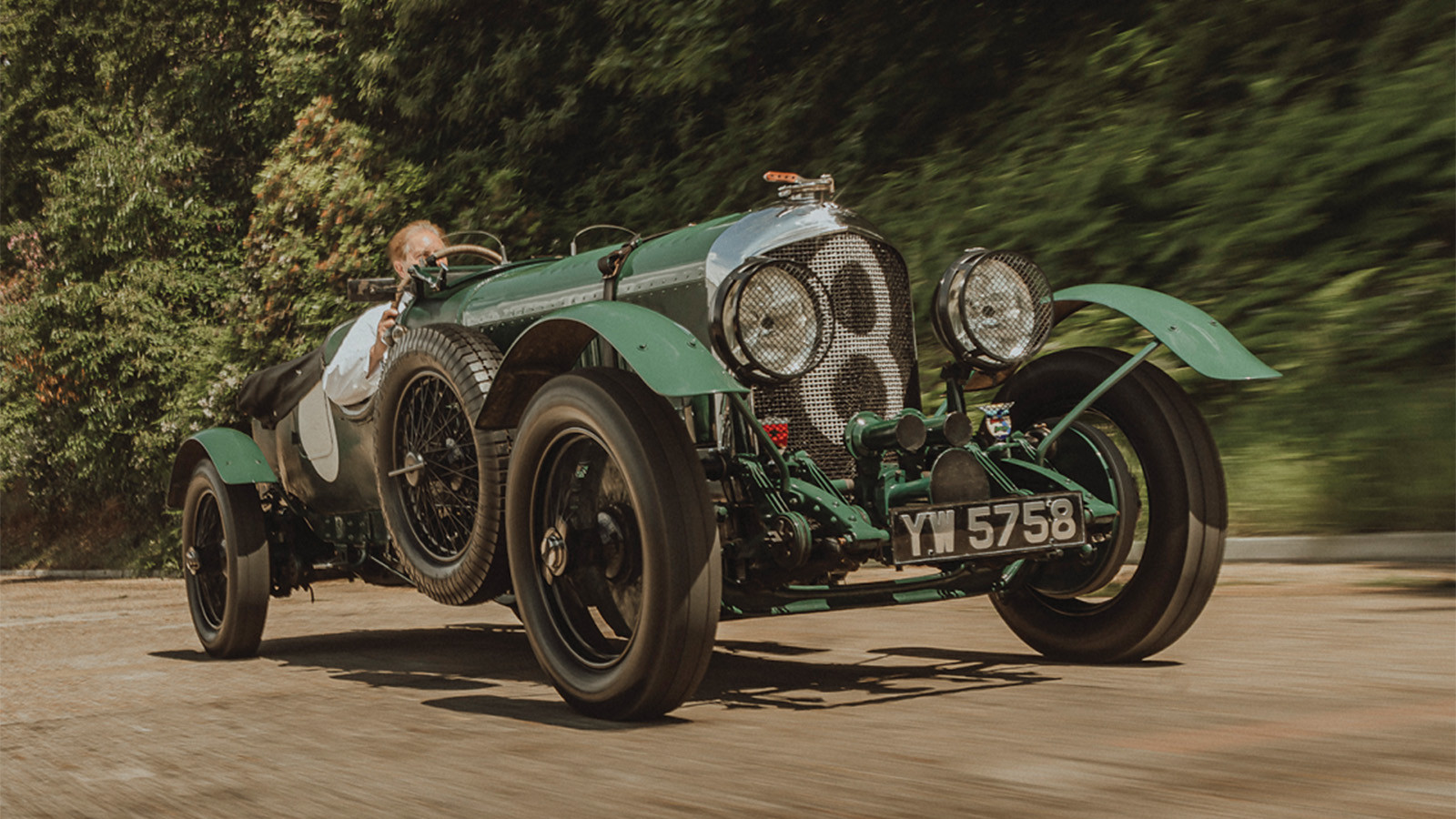
Pictured here is a later 1929 4½ Litre model which contributed to Bentley’s success at the Le Mans 24 Hours during that decade.
2. BMW
The company that was to become BMW was originally founded as aircraft manufacturer Bayerische Flugzeugwerke in 1916, its first product being the 111A plane.
While the company wasn’t renamed Bayerische Motoren Werke – or BMW – until 1922, its product portfolio largely comprised motorcycle engines and household goods in the post-WW1 era.
Only in 1928 did BMW produce its first motor car – an Austin Seven, built under licence – after acquiring the Fahrzeugfabrik Eisenach company.
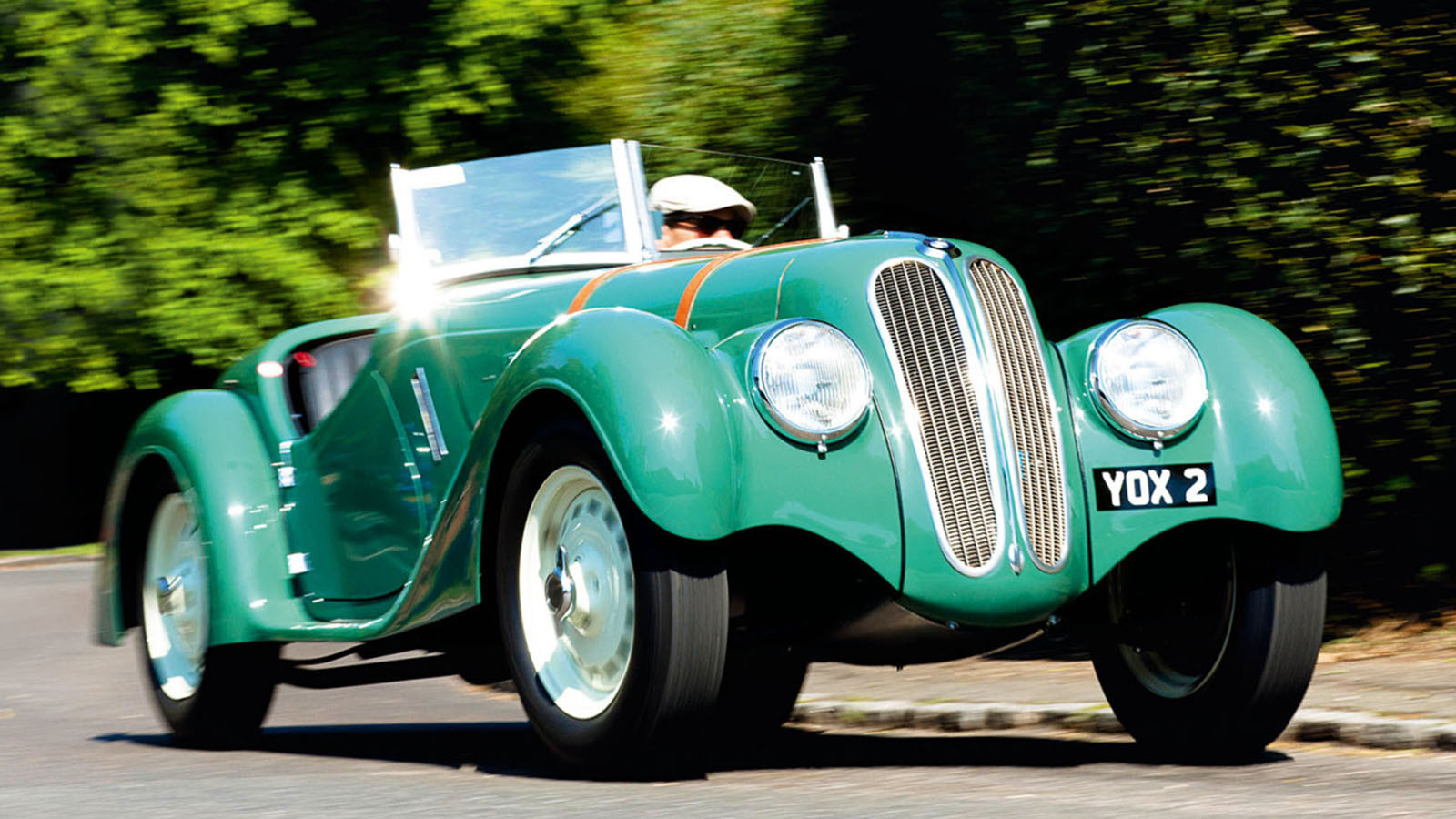
BMW’s big break in the sporting market came with the 328 model (pictured), which enjoyed much competition success from 1936-’40.
3. Bristol
Founded as the British & Colonial Aircraft Company in 1910 by Sir George White, the business was soon renamed the Bristol Aeroplane Company, designing and manufacturing airframes and engines for aircraft.
During the interwar years, the company’s Bulldog plane became the mainstay of the RAF’s fleet, and the Beaufighter and Blenheim names of some of its aircraft were later used for models of Bristol cars.
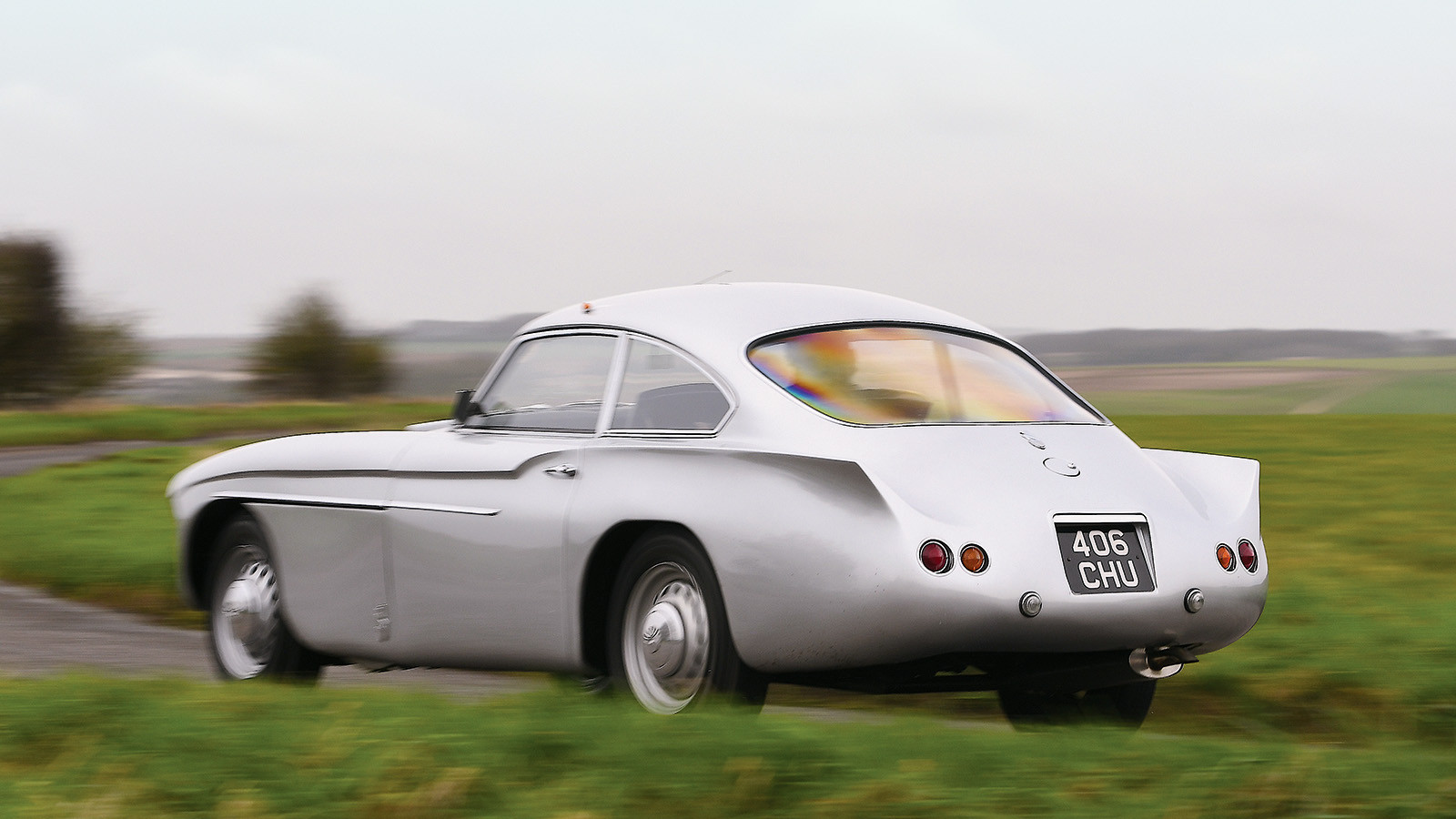
In 1945, BAC bought a controlling stake in AFN (Frazer Nash), which was manufacturing versions of BMW’s 328 under licence in Britain, and Bristol Cars was founded as a division of the main aircraft concern. It became an independent car manufacturer in 1960.
The 406 model, pictured, was launched in 1958, while Bristol Cars was still part of the aircraft maker.
4. Citroën
André Citroën’s love of engineering innovation started in 1900, after purchasing a patent for a unique set of gears with a fishbone structure, which he developed into a set of double-helical gears.
The following year, with a group of business partners, Citroën founded Citroën, Hinstin et Cie to manufacture V-shaped helical gears.
In later years, the company built armaments for the French war effort during WW1, but faced with a lack of product as hostilities drew to a close, it switched to car manufacturing in 1916, with its first model – the Citroën Type A – launched in March 1919.
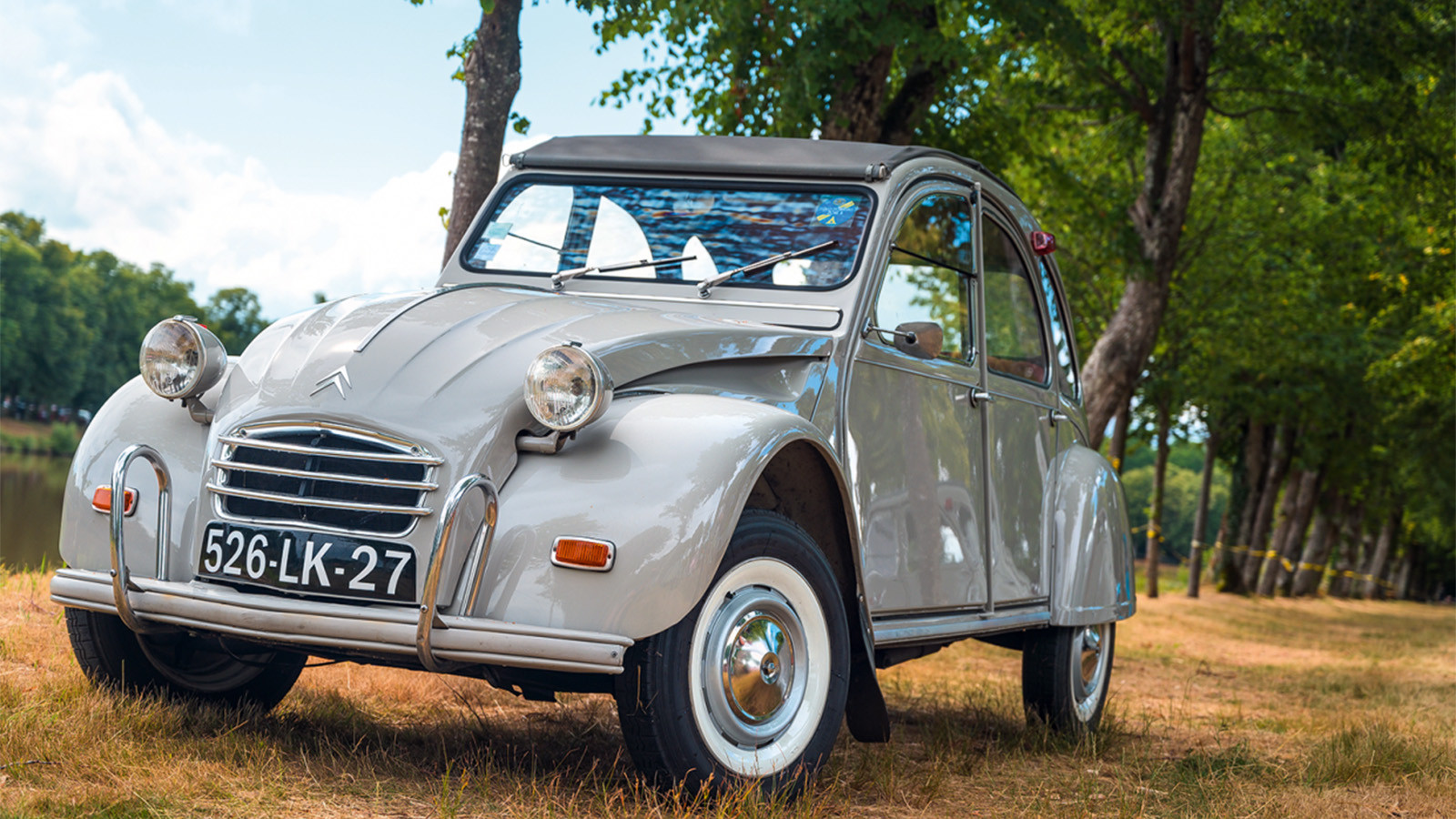
Among numerous standout Citroëns from the last century, the 2CV, pictured, is perhaps the best known and longest lived, being produced from 1948-’90.
5. Darracq
Pierre Alexandre Darracq initially trained as a draughtsman in south-western France before entering the sewing-machine business, where one of his designs won an award at the 1889 Paris Exhibition.
In 1891, Darracq founded the Gladiator Cycle Company, initially manufacturing bicycles, then later tricycles and quadricycles.
After selling the company for a sizeable profit in 1896 – and despite an inherent dislike of the newfangled motor car – Darracq could see its business potential and formed Automobiles Darracq France in Suresnes, Paris.
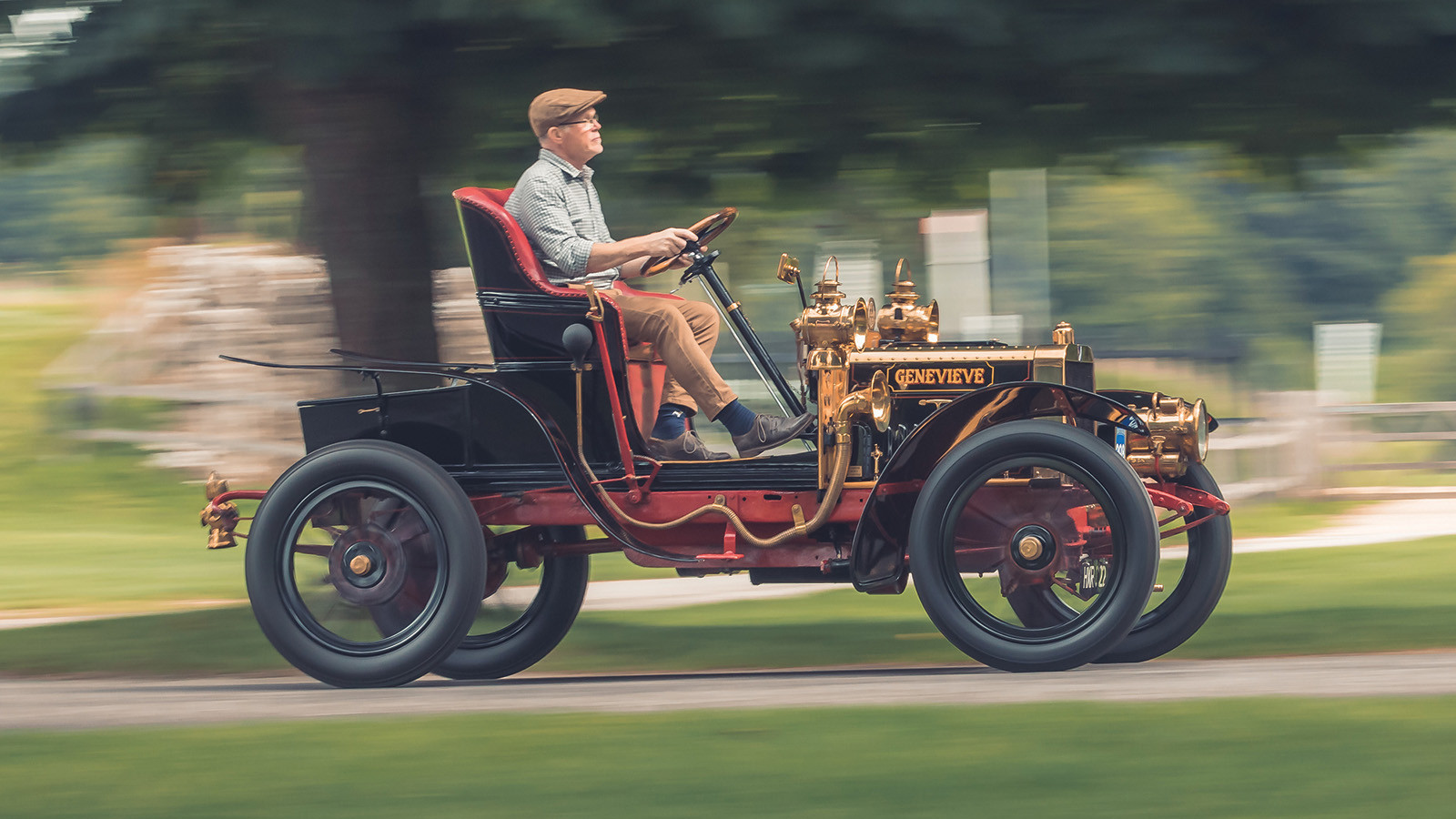
Darracq sold his business to a British company in 1902, and in various guises the Darracq marque continued until 1959, with perhaps one of its best-known exponents being the eponymous star of the 1953 film Genevieve (pictured).
6. De Dion-Bouton
Georges Bouton and his brother-in-law Charles Trépardoux were originally in business producing scientific toys, but by 1883 their fascination with steam power and its potential in non-locomotive applications set them on a different course.
Joined by Marquis Jules-Albert de Dion, they formed De Dion-Bouton and, after a brief flirtation with steamboats, they started to focus on steam-powered cars.
They also developed a tractor with a rear beam axle bearing its weight, and the driveshafts/chains operating alongside it – known as the de Dion axle.
In 1895, De Dion-Bouton produced its first combustion-engined car, and for a time the company was the largest car manufacturer in the world.
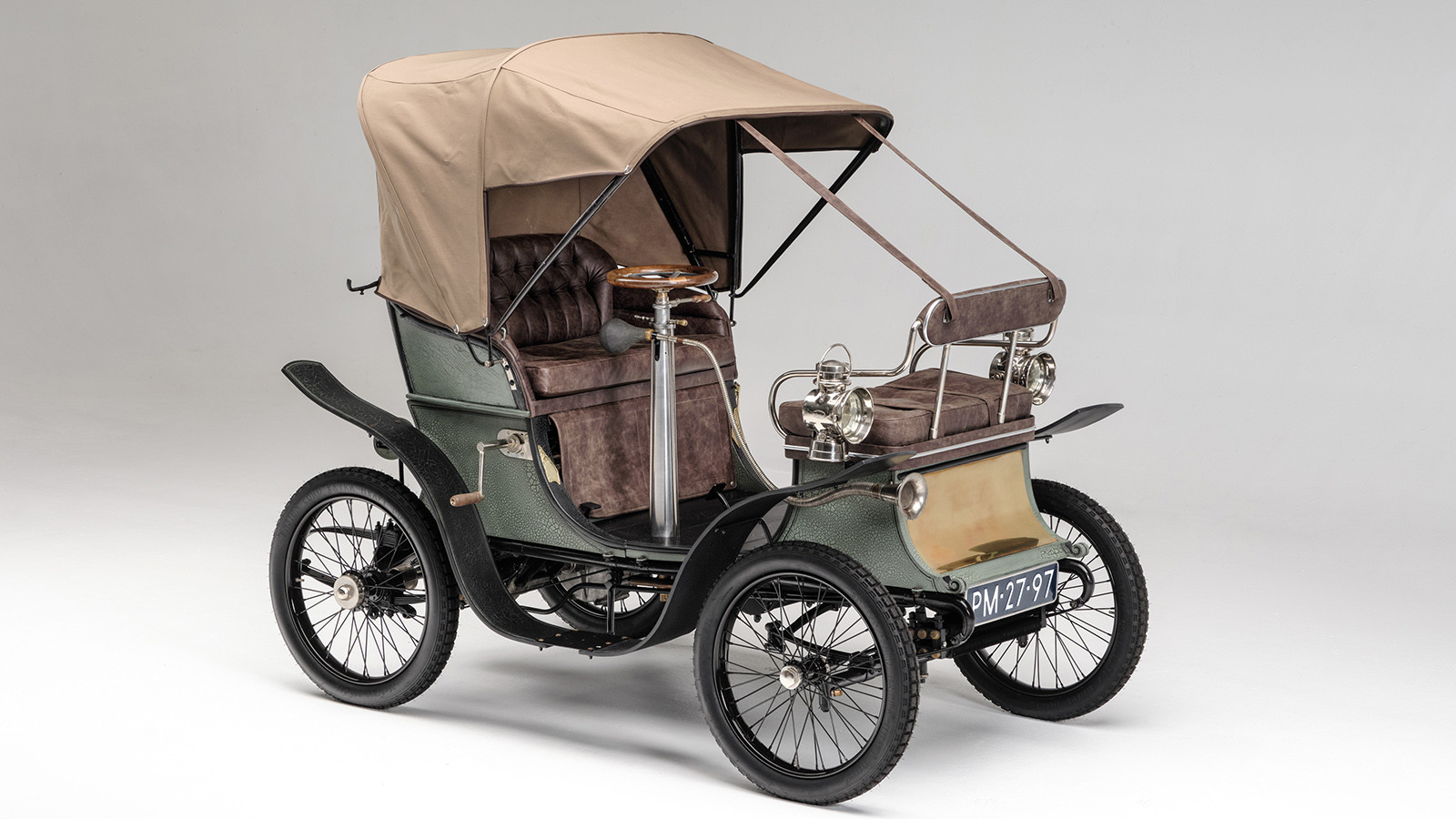
The Vis-à-Vis Voiturette pictured is from 1900, and powered by a 402cc, single-cylinder, petrol-fuelled engine.
7. Holden
British émigré James Alexander Holden first established his saddlery business in Adelaide, Australia, in 1886.
By 1898, the business had been taken over by Holden’s son, Edward, who went on to form a partnership with HA Frost, becoming Holden & Frost Ltd.
In this guise, the company provided coachwork and trimming to the automotive industry.
Purchased by General Motors in 1931, Holden produced its first wholly Australian-built car – the 48-215 – in 1948.
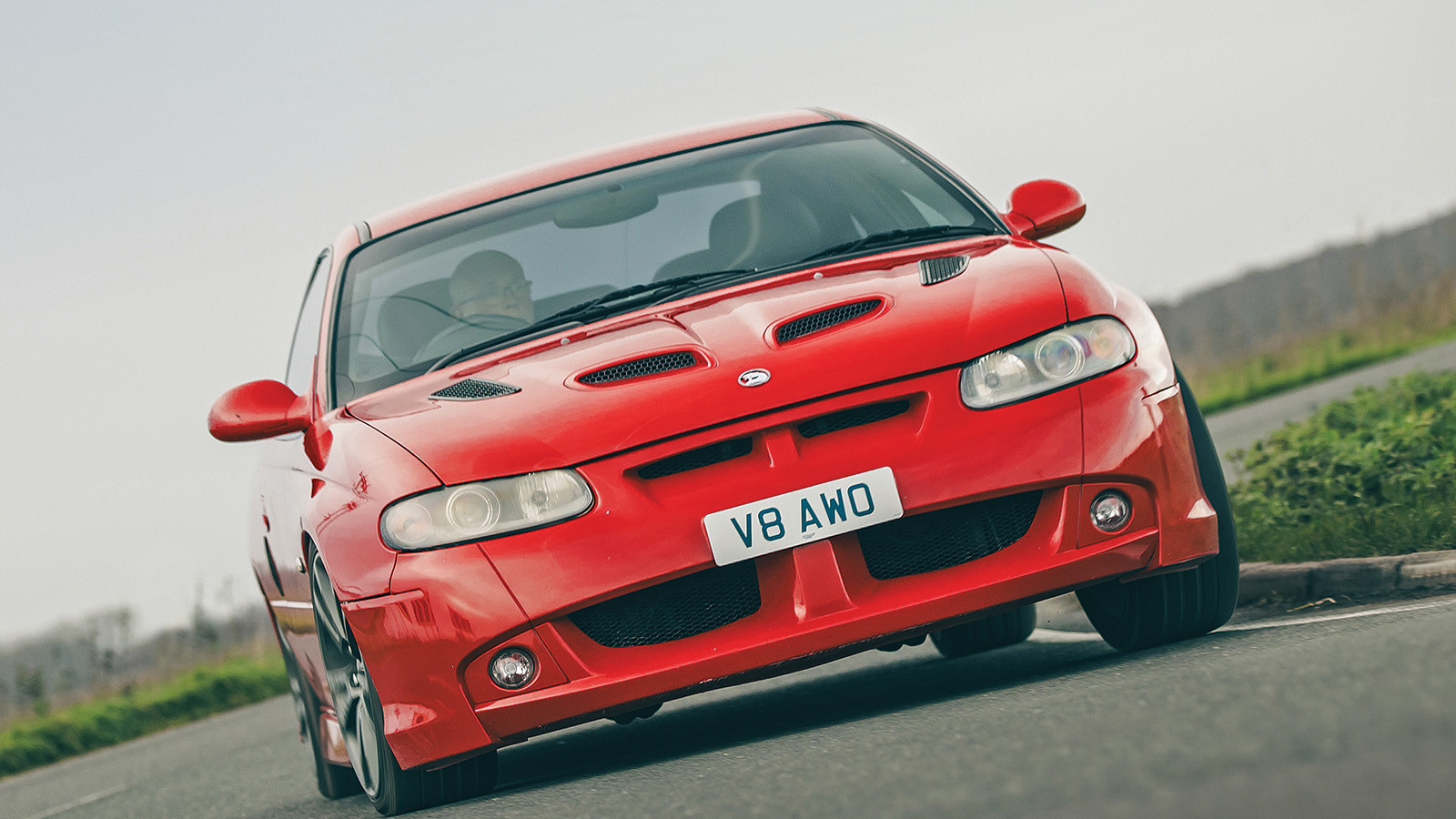
The Holden Monaro (pictured) was the start of Holden’s 21st-century swansong, the company’s Melbourne factory closing in 2017, with the marque finally defunct by the end of 2020.
8. Honda
Soichiro Honda formed Tōkai Seiki (Eastern Sea Precision Machine Company) in 1937, as a manufacturer of piston rings.
The company eventually won a contract as a supplier to Toyota, but after the war Honda sold his interest to the company and established the Honda Technical Research Institute, building and selling motorised bicycles.
By 1949, the Honda Motor Company had been founded, and by 1964 it was the largest motorcycle manufacturer in the world.
Only in 1963, though, did Honda start producing four-wheeled vehicles, with the T360 pick-up its first model, followed quickly by the S500 sports car.
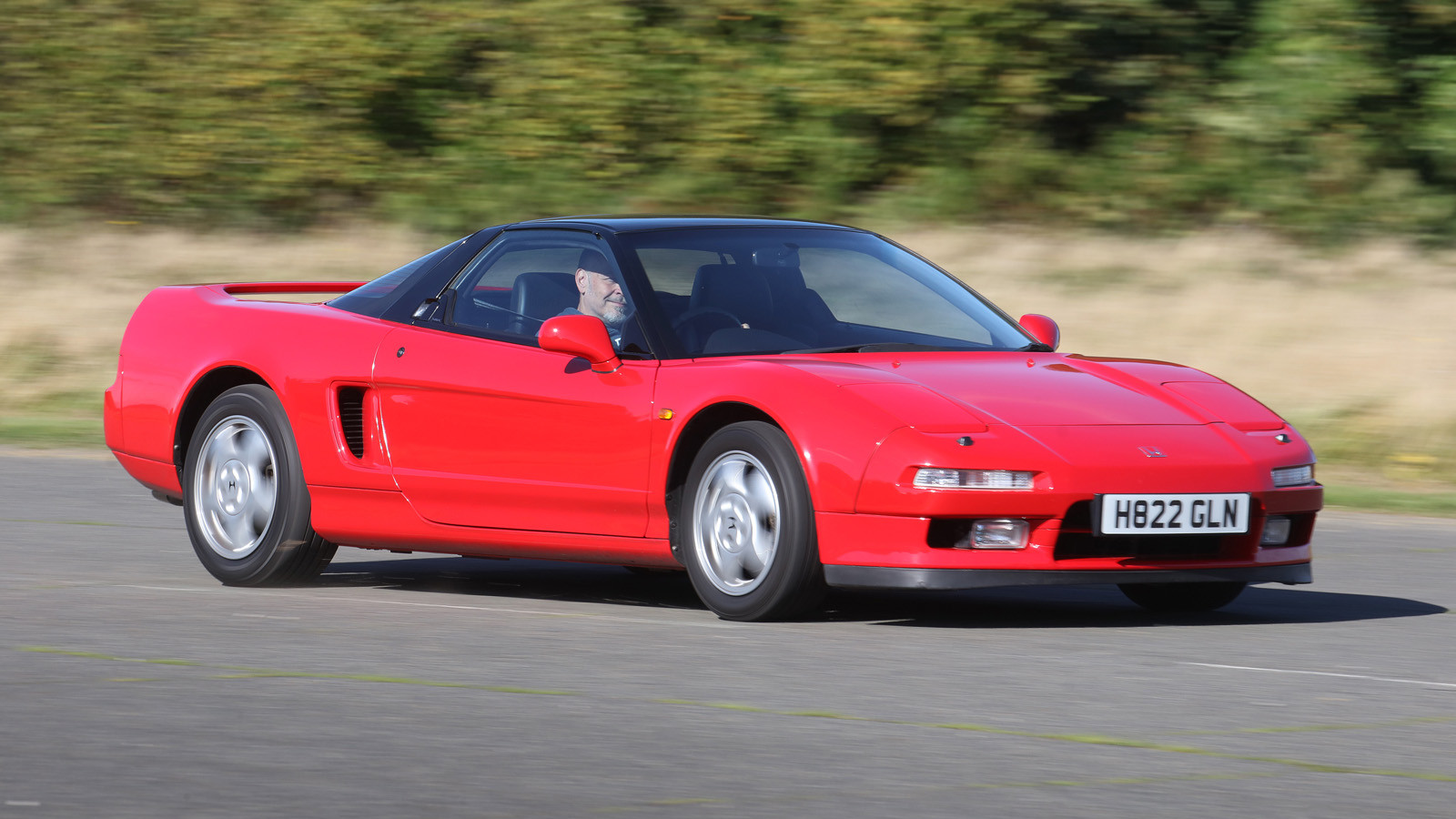
The 1991 NSX, pictured, was Honda’s first supercar, with an aluminium monocoque and a mid-mounted V6 engine with variable valve timing.
9. Hyundai
Hyundai Engineering and Construction was formed in 1947 in South Korea. It became Hyundai Construction three years later, and started to take on major overseas road-building projects from 1965.
While Hyundai continued to diversify into many different fields – including shipbuilding, computers and semiconductors – it wasn’t until 1967 that it formed Hyundai Motors.
The new division’s first model was the Cortina, released in conjunction with Ford. But the first Hyundai-developed car was the Giugiaro-designed Pony, launched in 1975.
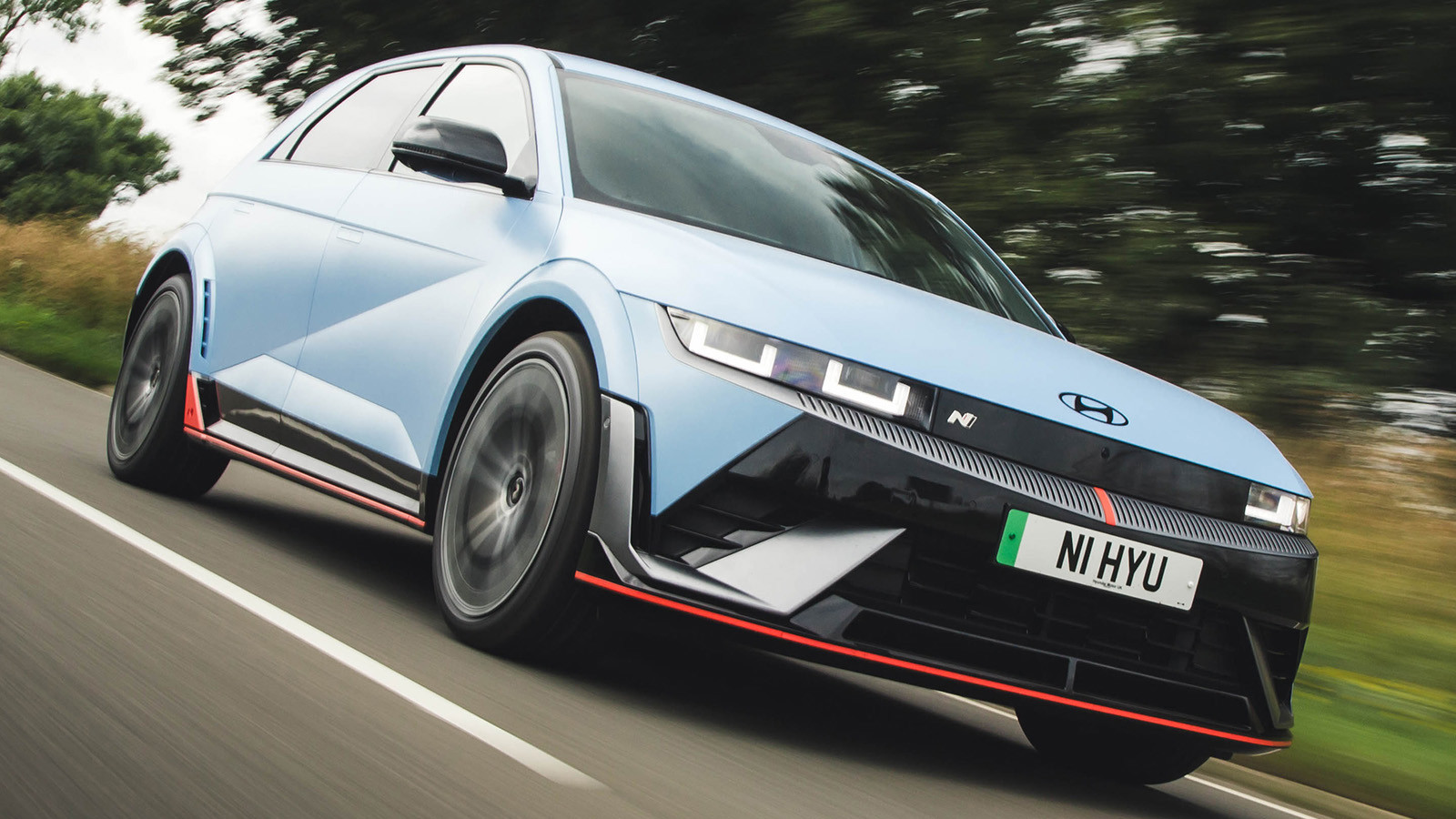
Pictured is the Hyundai Ioniq 5 N, a sporting EV.
10. Jaguar
Originally established as the Swallow Sidecar Company by William Lyons and William Walmsley in 1922, the business manufactured motorcycle sidecars, and later coachwork for passenger cars.
Known as SS Cars from 1934, the company started to build its own vehicles based around Standard Motors’ chassis, some of which bore the ‘Jaguar’ name.
By 1945, the SS name was changed to Jaguar Cars Limited, with Lyons as its chairman.
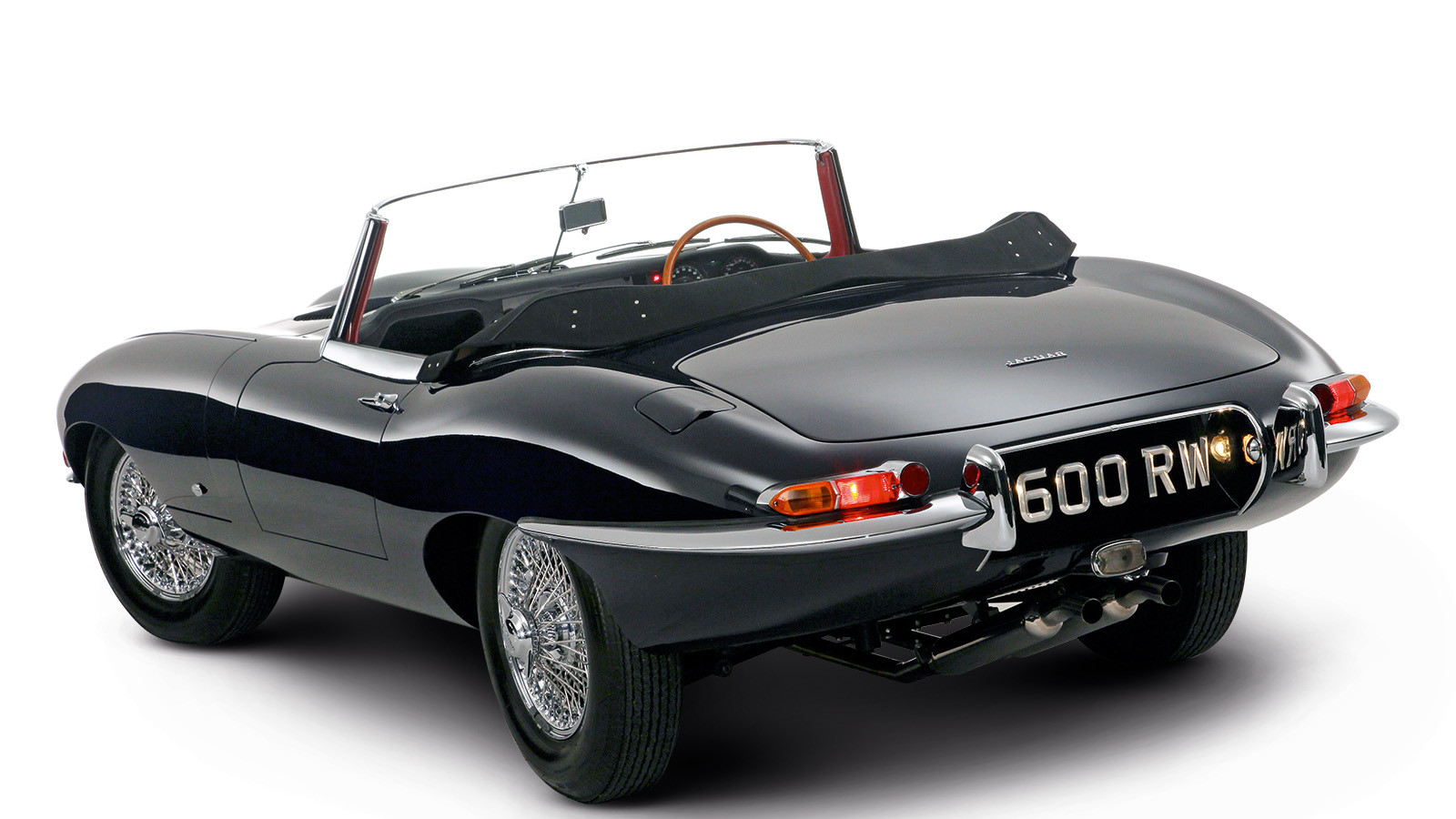
Jaguar’s 1948 XK120 was the first of a long line of standout models which eventually paved the way to perhaps the best known of all: the 1961 E-type (pictured).
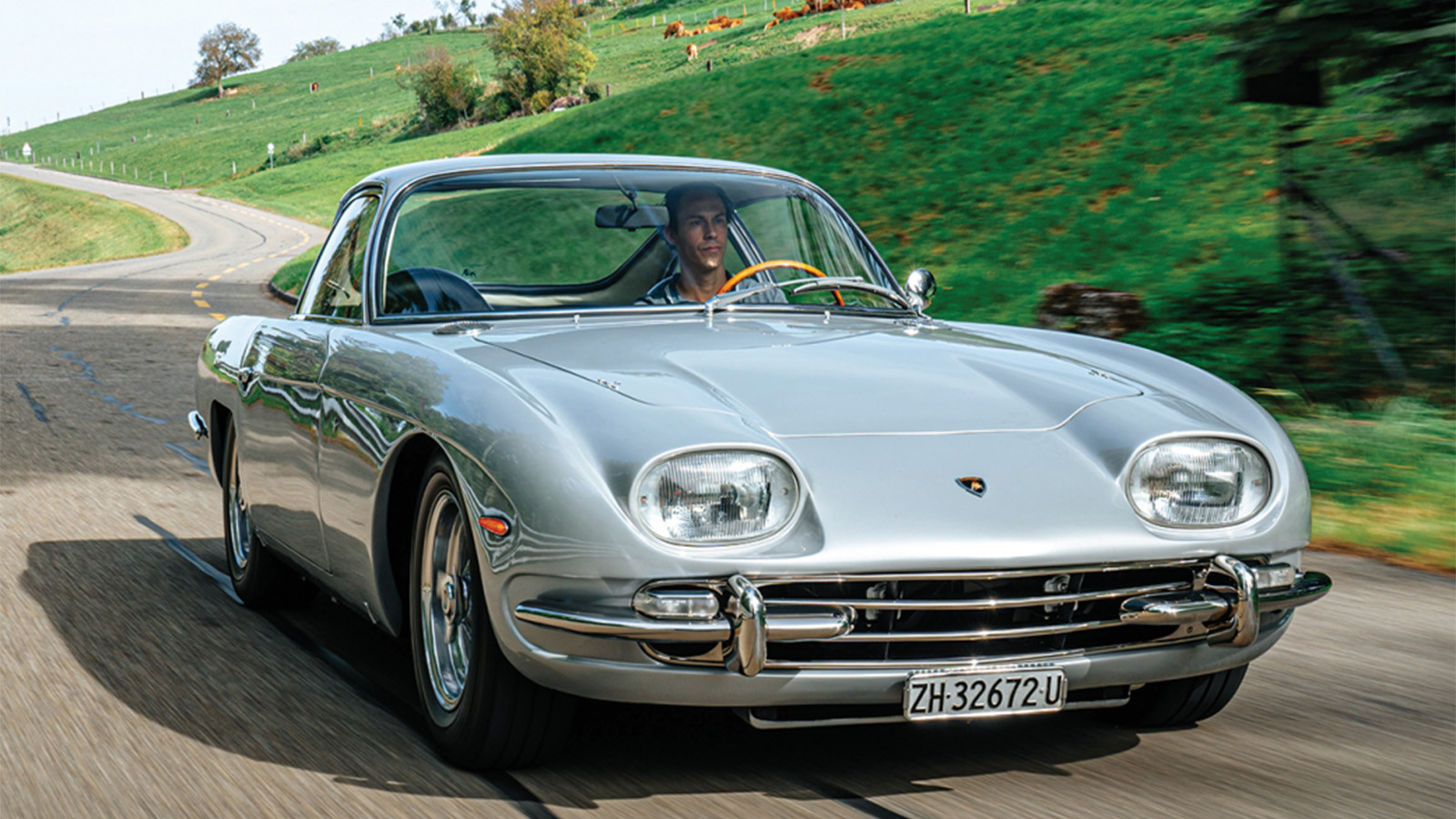
11. Lamborghini
Famously, Ferruccio Lamborghini started his business empire building tractors immediately after WW2.
The first Lamborghini tractors were basic contraptions assembled using discarded war materials. But the first model fully developed by Lamborghini – the L 33 – used patented technology that allowed its Morris engine to be started with petrol, but thereafter run on diesel.
Incentives for Italian farmers to buy domestic tractors helped Lamborghini Trattori thrive during the 1950s, but a fault with its founder’s personal Ferrari 250GT – which led to a fallout between Ferruccio and Enzo Ferrari – prompted Lamborghini to develop his own sports car.
By 1963, Automobili Lamborghini launched its first model, the 350GTV prototype, and then its production debut, the 350GT that broke cover at the ’64 Geneva show.
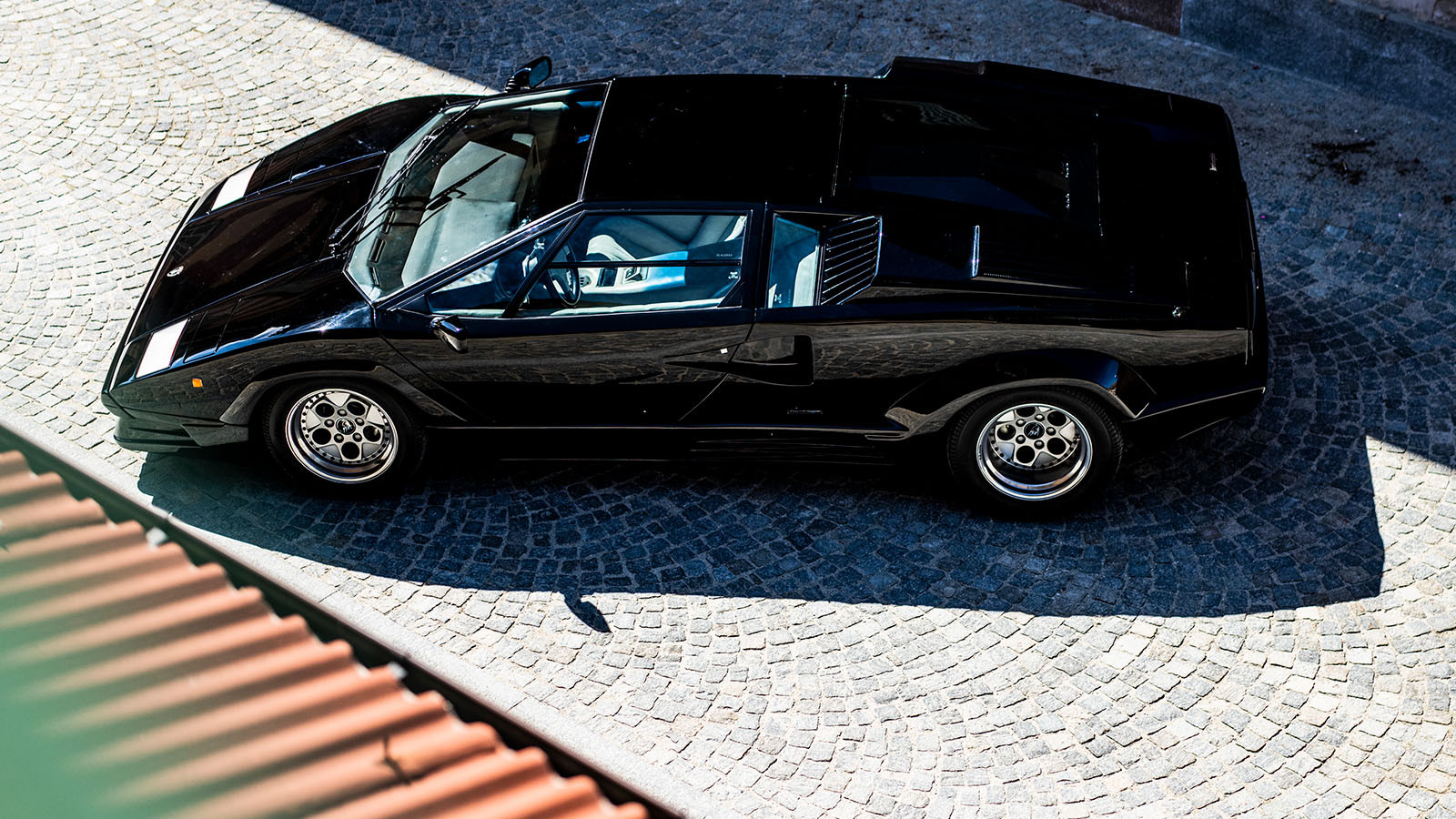
The Countach, pictured, was perhaps the ultimate 1970s poster car, but launched a year after Ferruccio sold the company in 1973.
12. Mazda
Originally founded in 1920 as the Toyo Cork Kogyo Co in Hiroshima, Japan, its cork-producing factory had to be saved from bankruptcy before the end of the decade.
After being renamed Toyo Kogyo Co in 1927, the company started to manufacture machine tools, before finally switching to vehicles in 1931.
Its first model was the Mazda-Go auto rickshaw, with the name ‘Mazda’ derived from Ahura Mazda, the god of harmony, intelligence and wisdom.
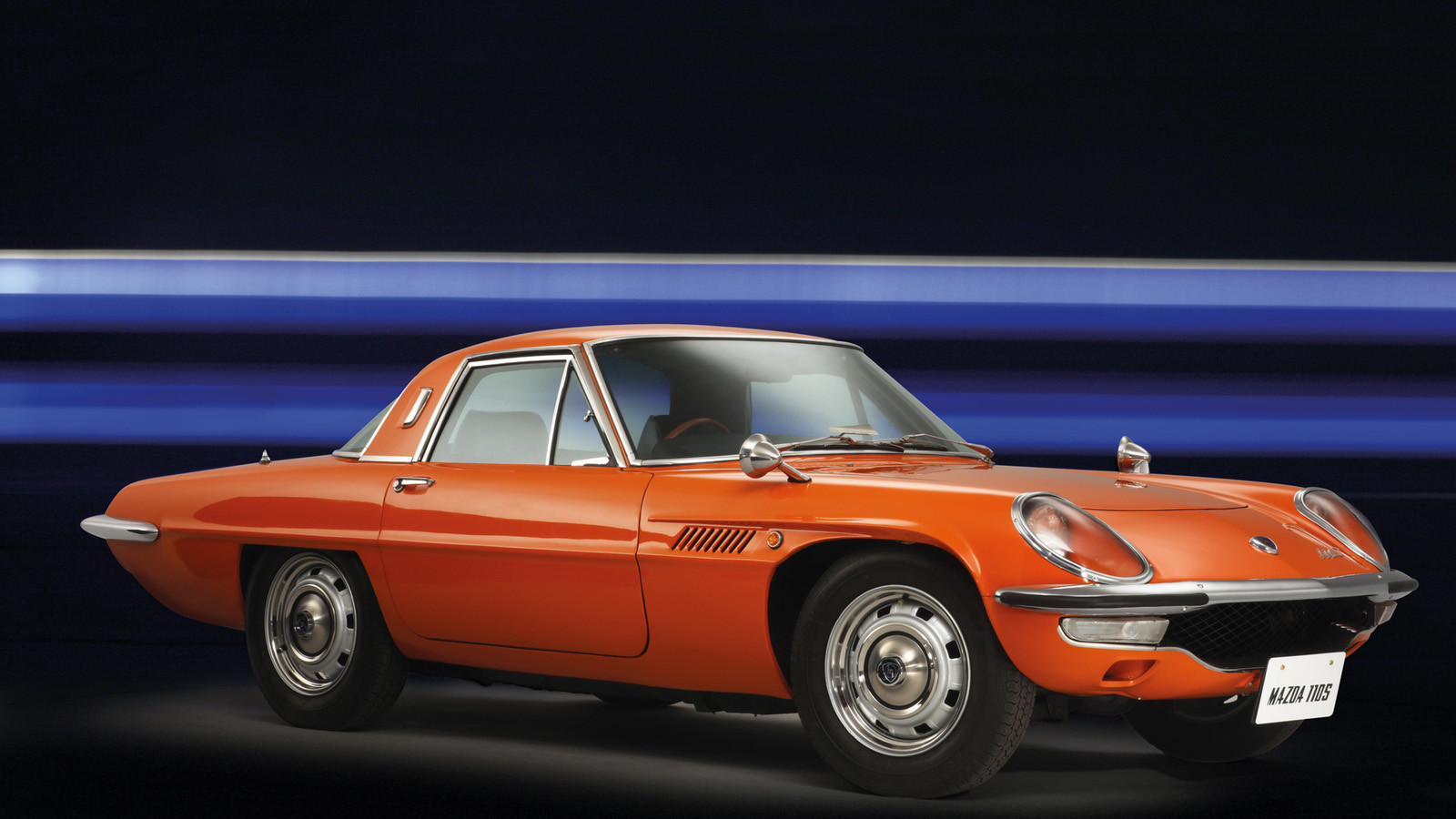
The 1967 Mazda Cosmo, pictured here, was the company’s first Wankel-engined model.
13. McLaren
McLaren needs little introduction here, but its place in this gallery is justified because, prior to the formation of McLaren Cars, for more than two decades the company name was solely associated with motorsport.
Founded by Kiwi racing driver Bruce McLaren in 1963, Bruce McLaren Motor Racing was initially set up to run him and his teammate, Timmy Mayer, in the 1964 Australasian Tasman Series, in custom-built Cooper Formula One cars.
From 1966, McLaren developed its own racing cars, and while Bruce McLaren’s life was brought to a tragic end while testing at Goodwood in 1970, the McLaren F1 team remains at the leading edge of the sport today.
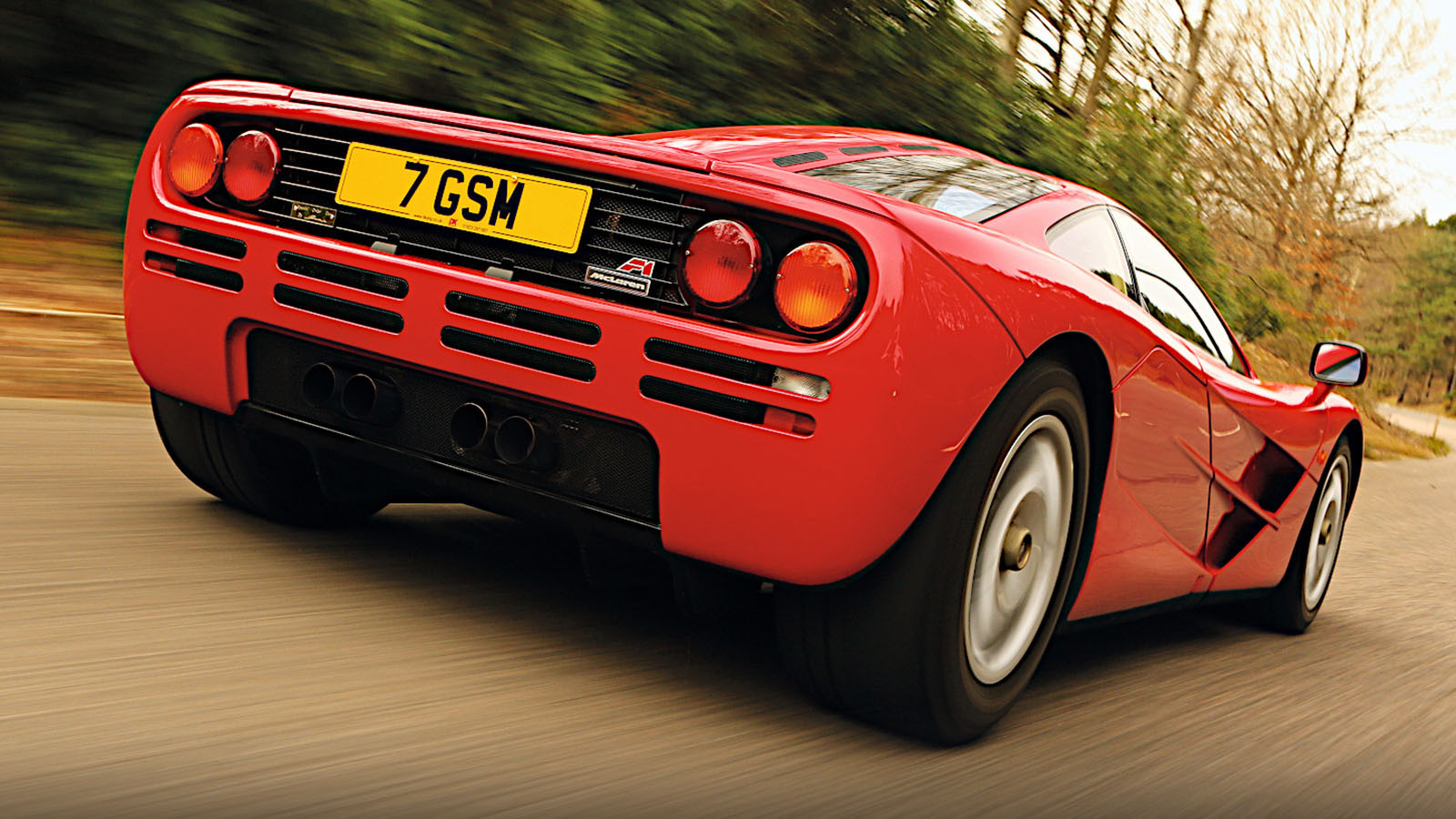
The 1992 McLaren F1 pictured here was the first type-approved roadgoing sports car produced by McLaren Cars, which was formed in 1985.
14. Mitsubishi
Mitsubishi was originally established as a shipping company by Iwasaki Yatarō in 1870, rapidly diversifying into coal mining, shipbuilding and iron-ore production – all of which to serve its core business.
The brand produced its first car – a Fiat Tipo 3-based model named the Type A – in 1917, though only 22 were built.
Today, Mitsubishi Group comprises 40 different companies, with Mitsubishi Motors part of the Renault-Nissan-Mitsubishi Alliance.
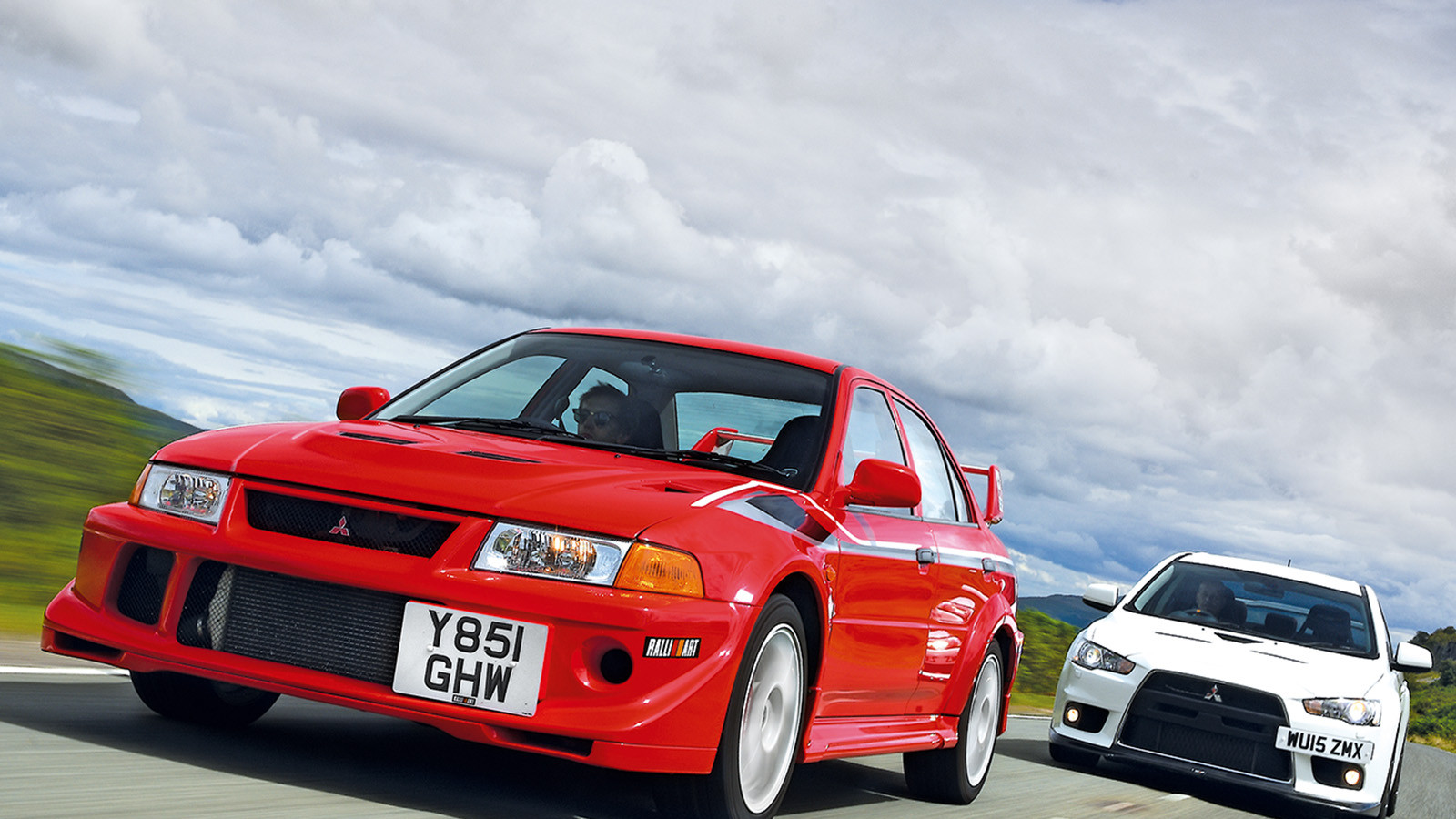
Mitsubishi’s Lancer Evolution (or Evo) VI pictured here was produced from 1999-2001.
15. Oldsmobile
While Ransom Eli Olds’ family company, steam-engine manufacturer PF Olds & Son, was separate to the car company that Ransom would later found, it did provide him with the inspiration and expertise required for it to be a success.
Ransom Olds established the Olds Motor Vehicle Company of Lansing, Michigan, in 1897.
Predating Henry Ford, Olds was the first person to use a progressive-moving assembly line in the car industry, allowing his company’s production to rise from 425 cars in 1901 to 2500 by the following year. General Motors purchased Olds’ firm in 1908.
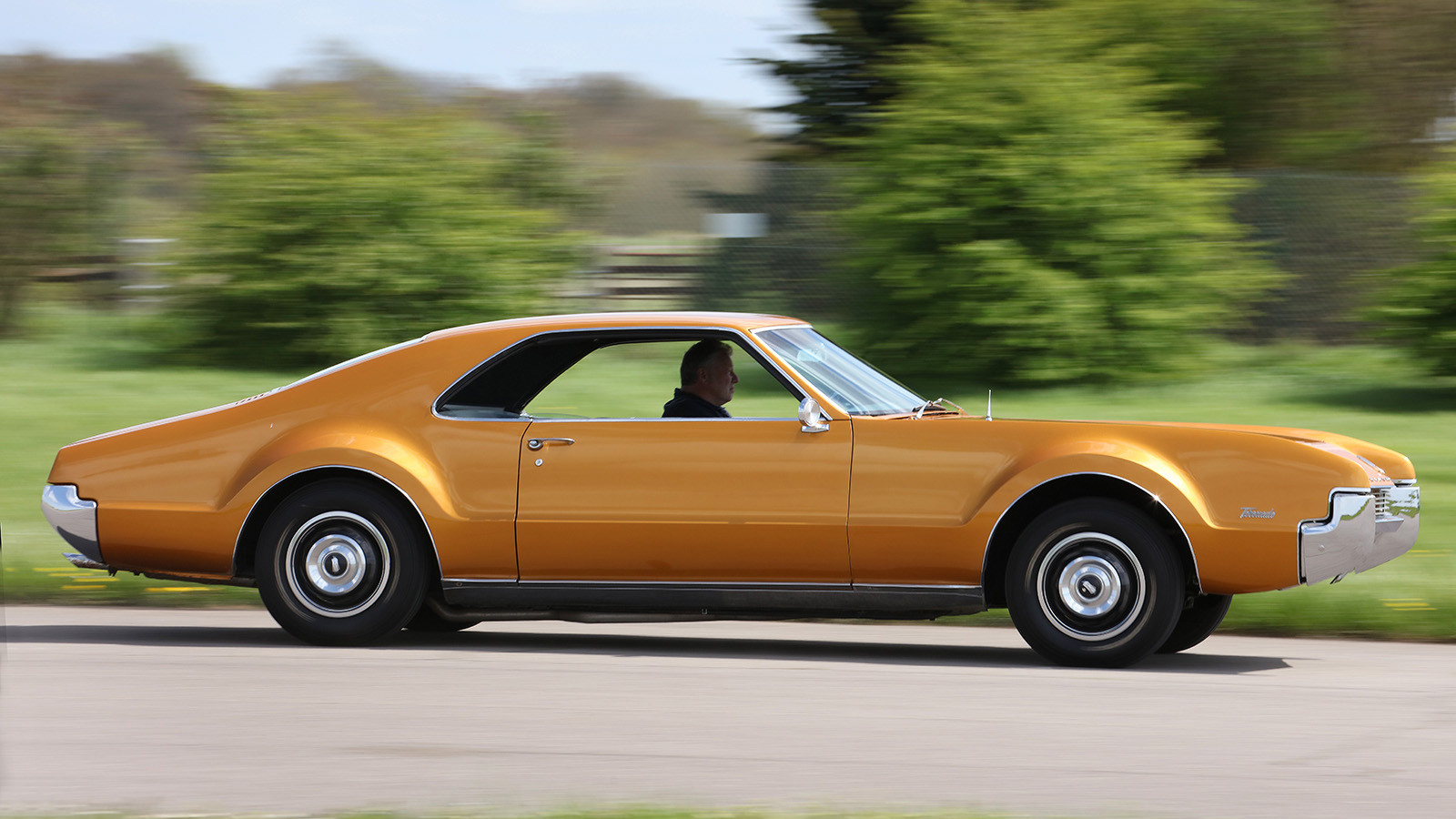
The 1966 Oldsmobile Toronado pictured was the first US-produced, front-wheel-drive production car since the Cord 810/812 series of the 1930s.
16. Opel
Founded in Rüsselsheim, Germany, by Adam Opel in 1862, Opel started out producing sewing machines, before adding high-wheel – or ‘penny-farthing’ – bicycles to his factory’s output four years later.
After Opel’s death in 1895, his sons partnered with would-be car designer Friedrich Lutzmann in 1898 resulting in the Opel company’s first automobile, the Patent Motor Car.
By 1928, Opel was Germany’s largest car exporter, enough to impress General Motors into taking an 80% share of the company the following year.
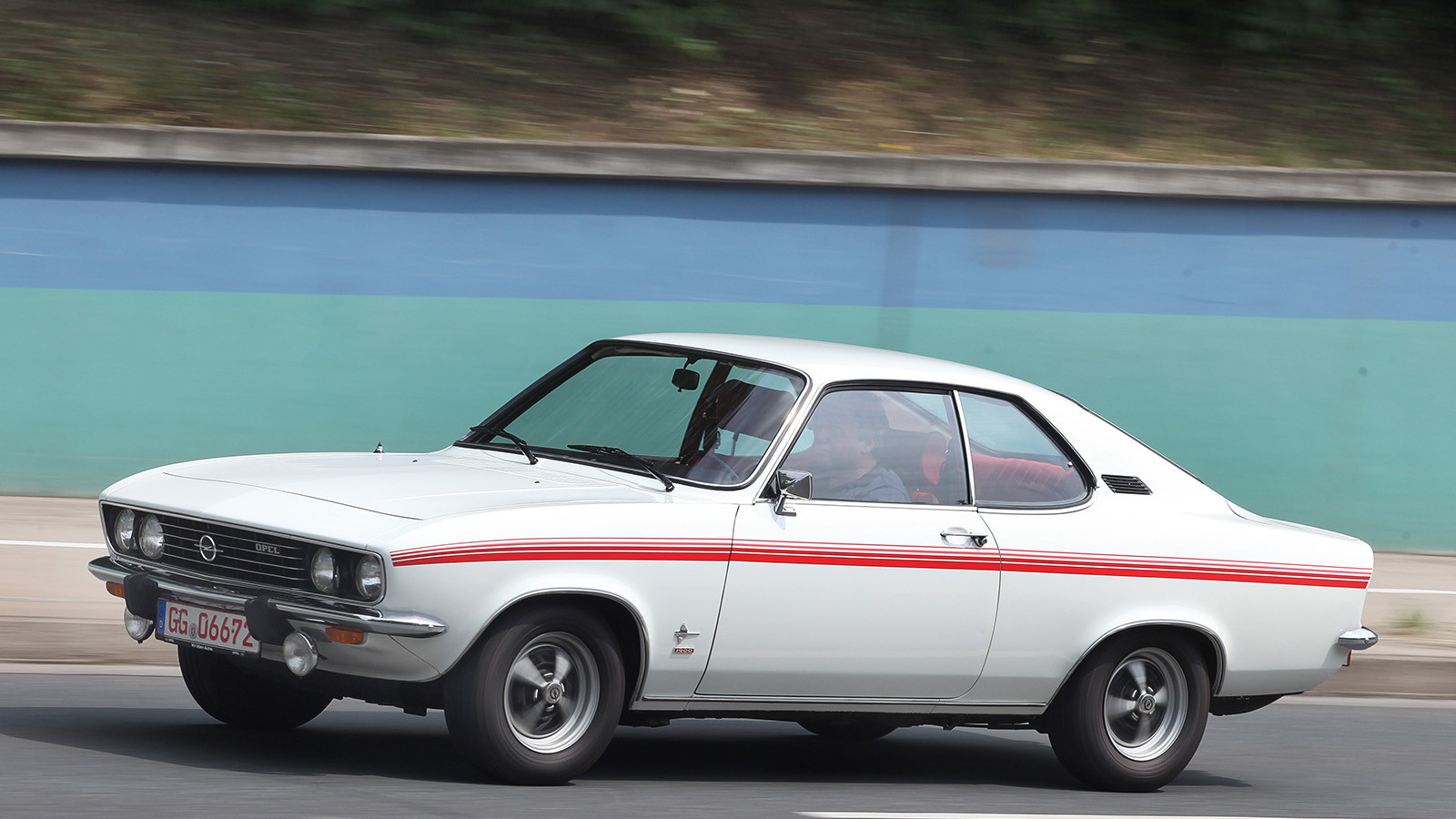
The Opel Manta A pictured here was produced from 1970-’75, and was one of the last Opel models not to be shared with its sibling marque Vauxhall in the UK.
17. Panhard
René Panhard met his soon-to-be business partner Émile Levassor while they were producing woodworking machines in Paris.
By 1889, the Panhard & Levassor car company had been founded, with its first vehicle produced the following year, powered by an adaptation of the Gottlieb Daimler internal-combustion engine.
The company prospered, thanks to its success in early automobile racing, and by the turn of the century was producing a wide range of luxury cars.
While both Levassor and Panhard had both died by 1908, the Panhard marque – through many different guises – survived well into the 21st century, although the last car to bear the Panhard name was produced in 1967.
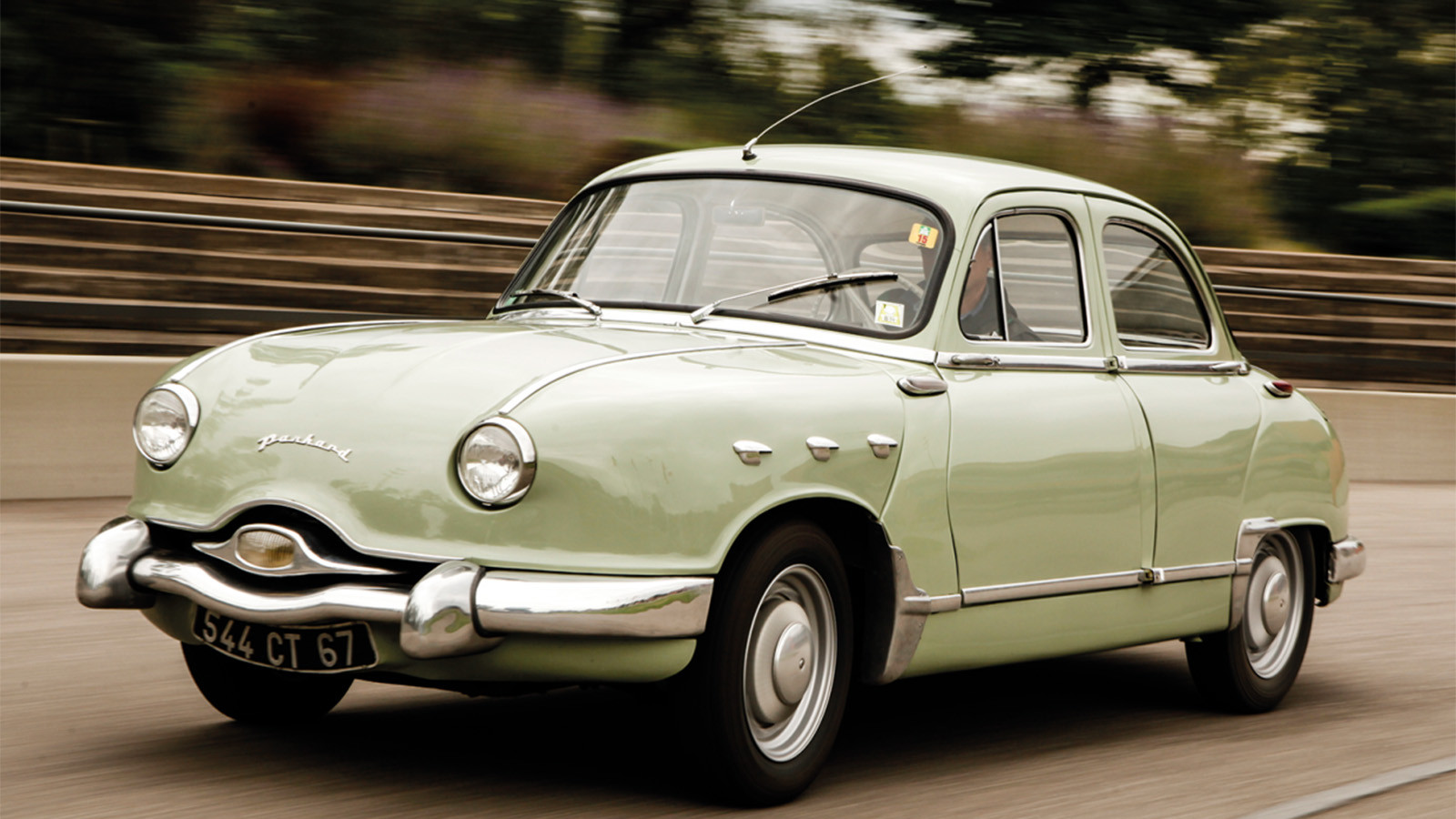
The Panhard Dyna Z pictured here was built from 1954-’59.
18. Peugeot
Of all the soon-to-be car companies here, Peugeot has the longest history, its origins going as far back as 1810 when the Peugeot family started manufacturing saws from a French steel foundry.
Through the 19th century, the business diversified to produce coffee and pepper grinders, hand tools, umbrella frames and, by 1880, bicycles.
The first Peugeot car, a steam-powered three-wheeler, was produced in 1889, but by the following year a more advanced model (using an internal-combustion engine made under a Daimler licence by our previous entry, Panhard) was introduced.
Peugeot cars continued to be relatively prolific throughout the 1890s, helped by publicity from winning the Paris-Rouen, thought to be the world’s first motor race.
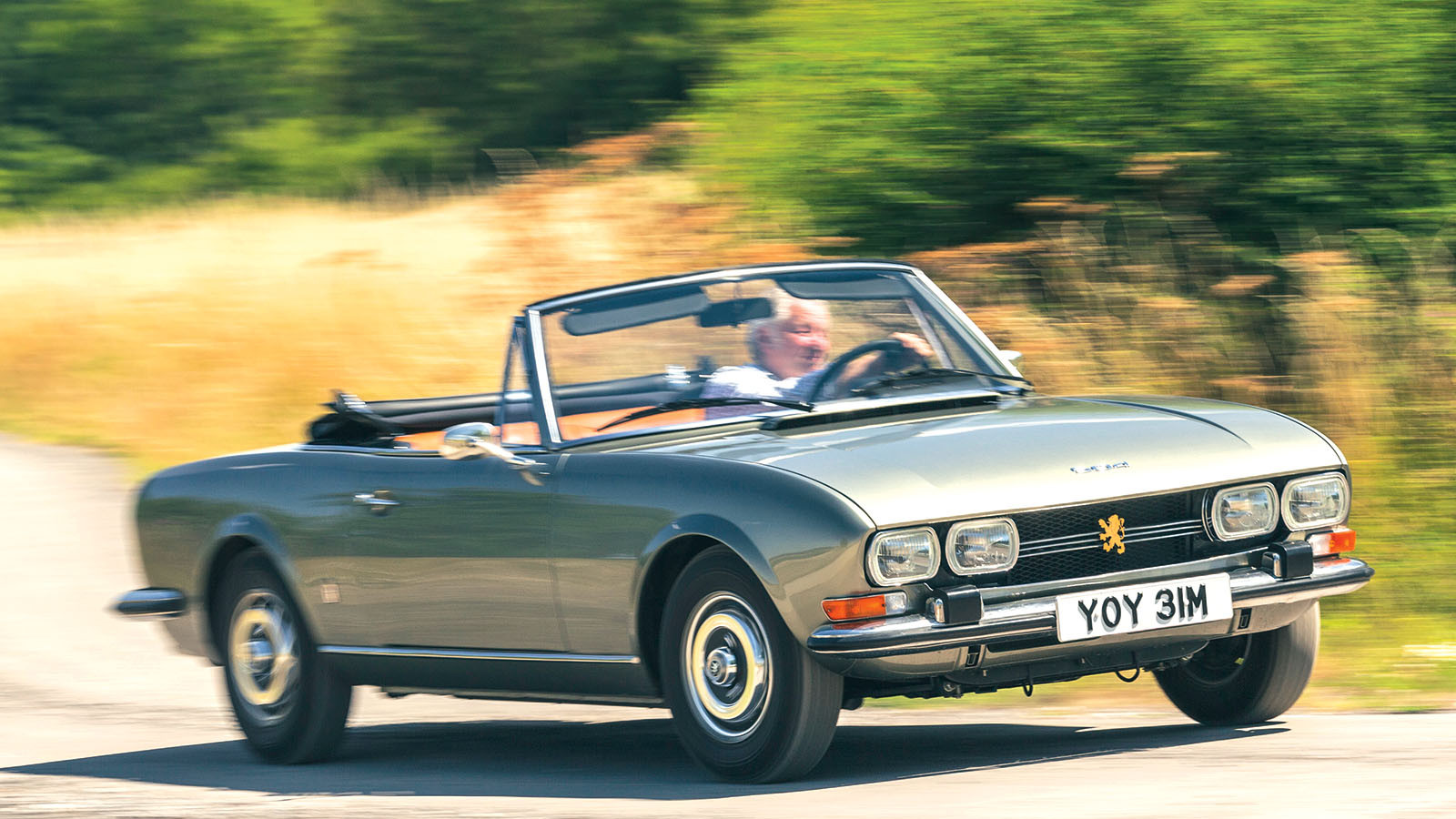
The 504 Cabriolet pictured here was designed by Pininfarina and first shown at the 1969 Geneva motor show.
19. Saab
In 1937, Swedish company AB Bofors took on the aero-engine division of Trollhättan manufacturer NOHAB, and soon after merged with aeroplane maker ASJA to design, develop and build its own aircraft.
The company became known as Svenka Aeroplan Aktiebolaget (The Swedish Aeroplane Corporation), or SAAB.
By 1945, the decision was made to build a small car, and Saab Automobile AB was formed to see the project through to fruition.
Saab Automobile’s first car was the 92, its distinctively aerodynamic lines heavily influenced by its parent company’s aeronautical background.
Powered by a water-cooled, twin-cylinder, two-stroke engine displacing just 764cc, the 92 could achieve a top speed of 65mph.
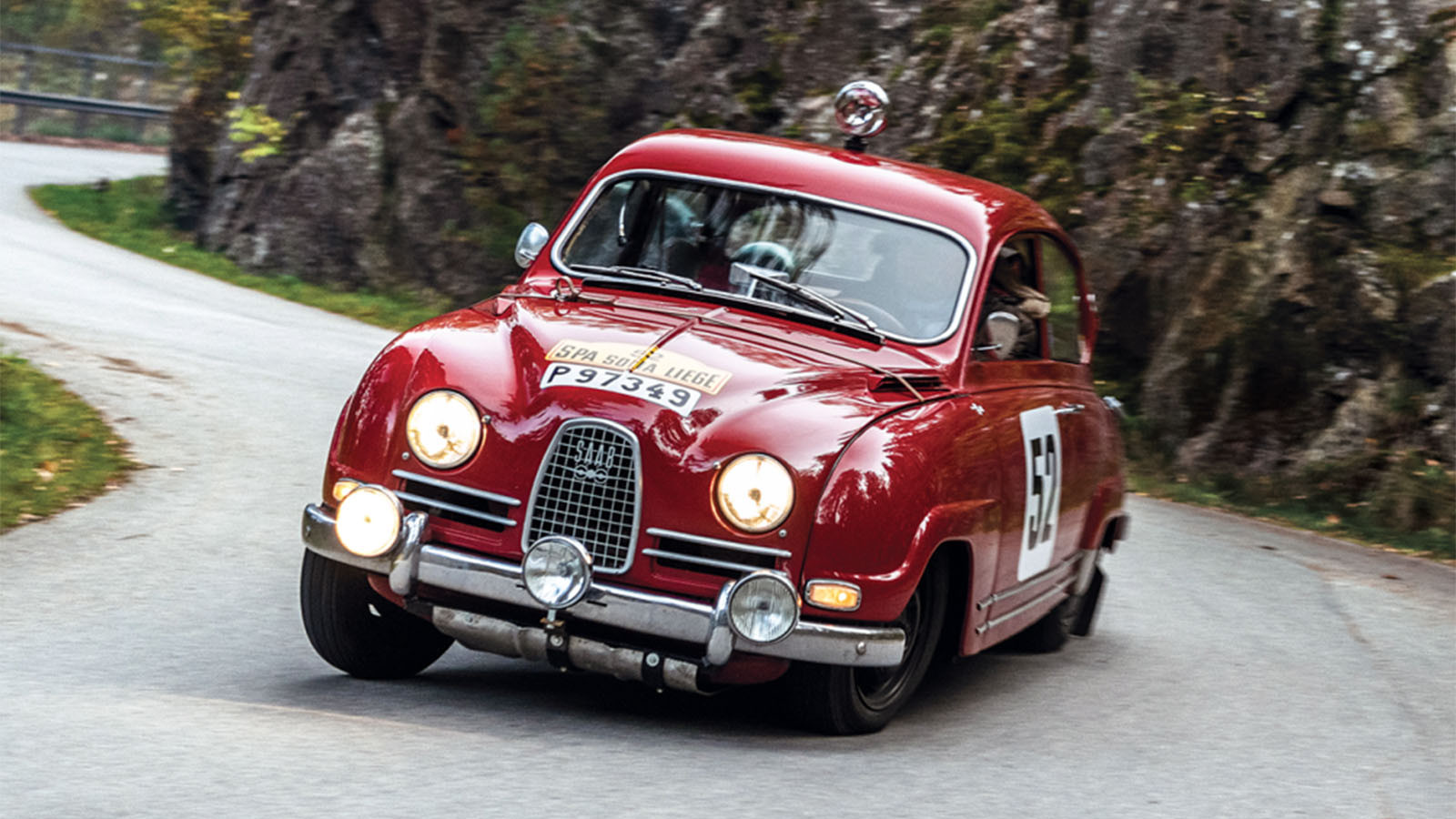
The later Saab 96 pictured here enjoyed immense success in rallying throughout the 1960s and ’70s.
20. Spyker
We’re probably more familiar today with the born-again Spyker marque, with its ballistic supercars from the late ’90s and early noughties.
But even before it had started to produce cars in its far earlier, 19th-century guise, the company was already well established as a carriage maker of the highest order.
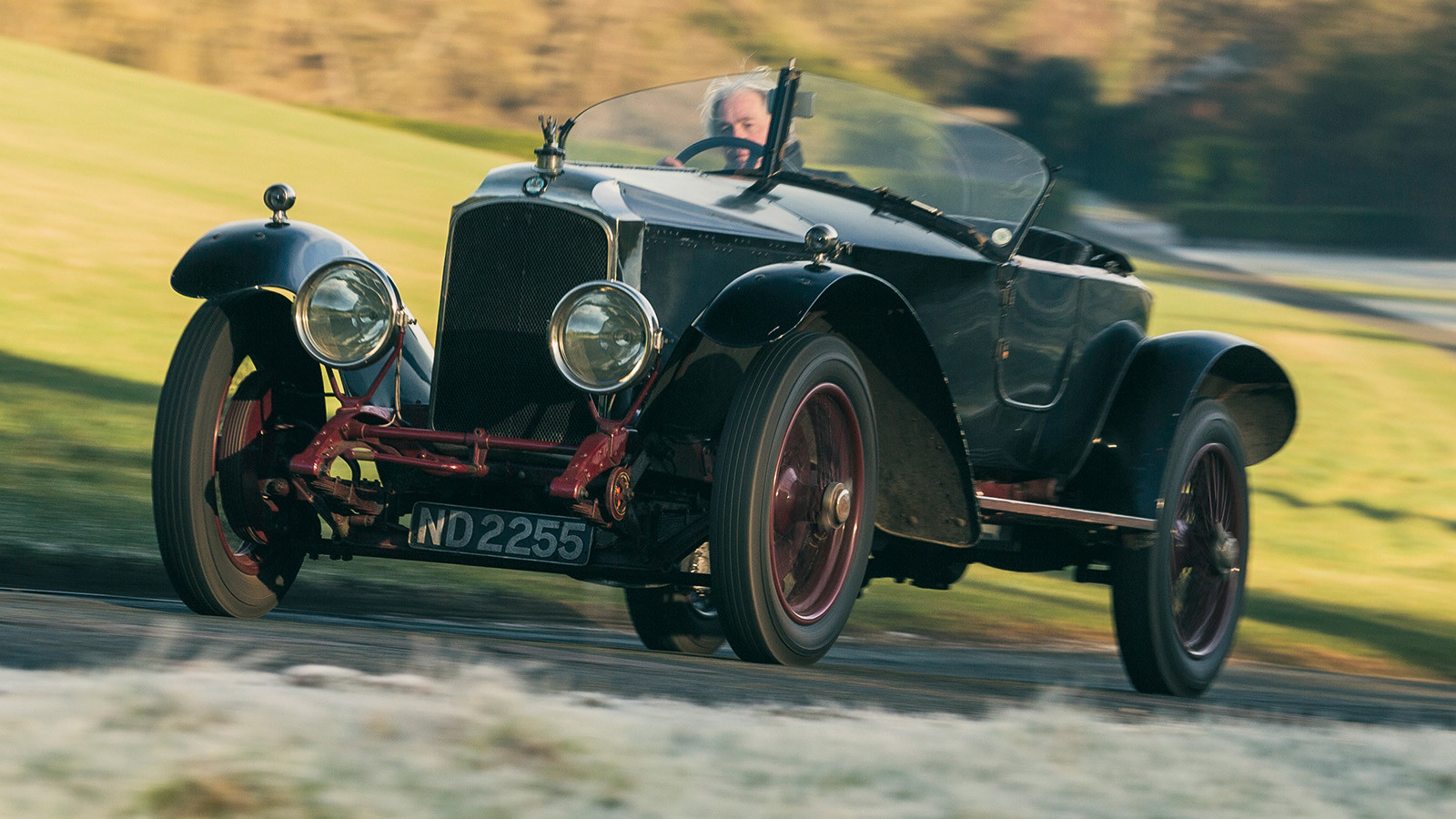
Brothers Jacobus and Hendrik-Jan Spijker had formed their company in 1880, and by 1898, had produced the ‘Golden Coach’, still used by the Dutch monarchy today.
By 1899, the brothers had switched to cars, and four years later had produced the Spyker 60hp, the first car with a front-engine, four-wheel-drive layout.
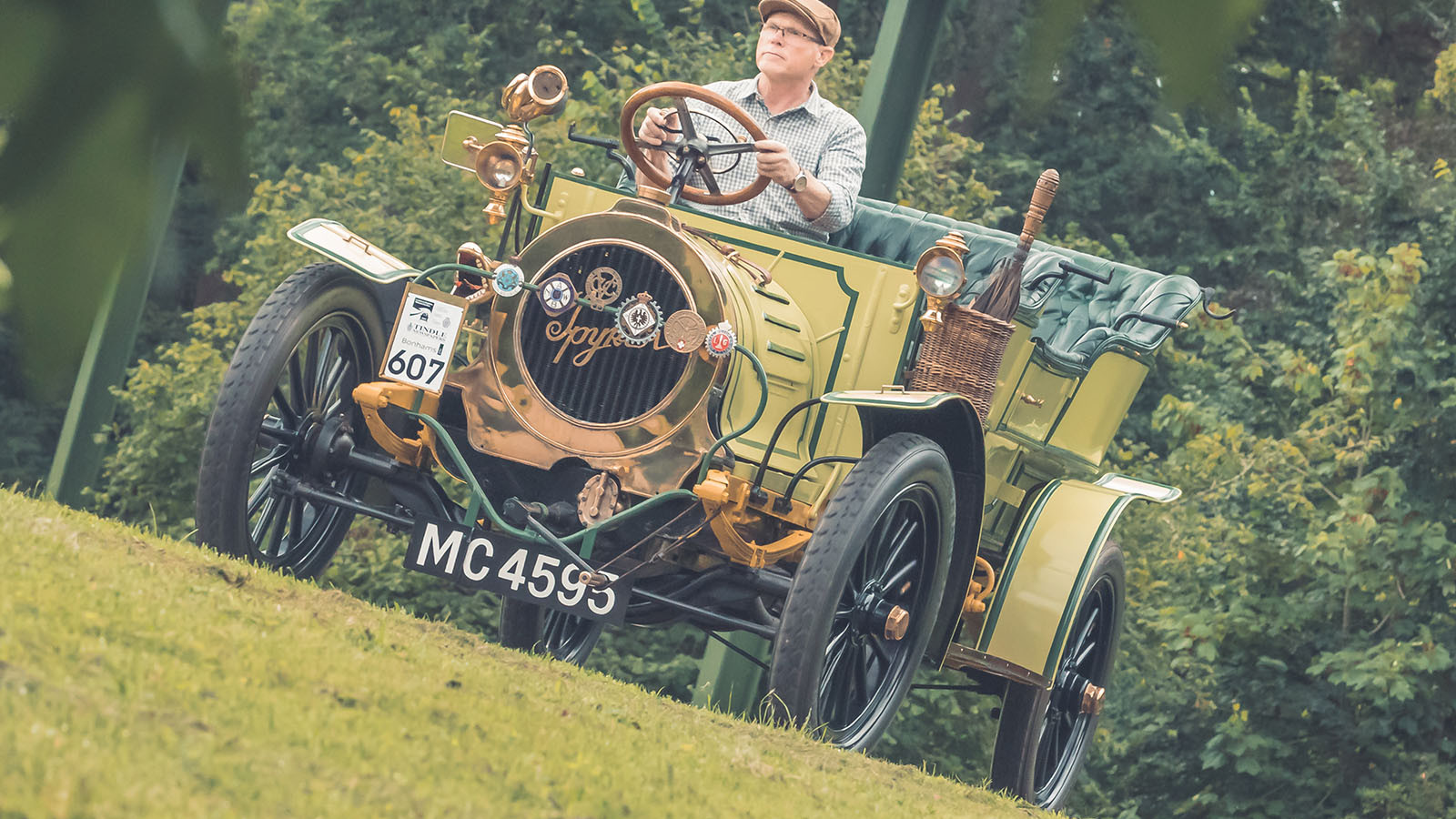
While the original company – which passed through various owners – foundered by 1926, the 1905 12/16 model pictured here attracted a new audience many years later when it co-starred in the 1953 film, Genevieve.
21. Suzuki
Michio Suzuki was a latecomer to the car industry, his business success built around a company he formed in 1909 to build weaving looms for Japan’s giant silk industry.
However, by the 1930s, Suzuki decided to diversify into car production, and by the end of the decade his company had developed several small prototype cars with sub-800cc engines producing around 13bhp.
WW2 put paid to any thoughts of production, though, and only after a post-war collapse of the silk market did Suzuki start producing firstly motorcycles and then its first car, the 1955 Suzulight.
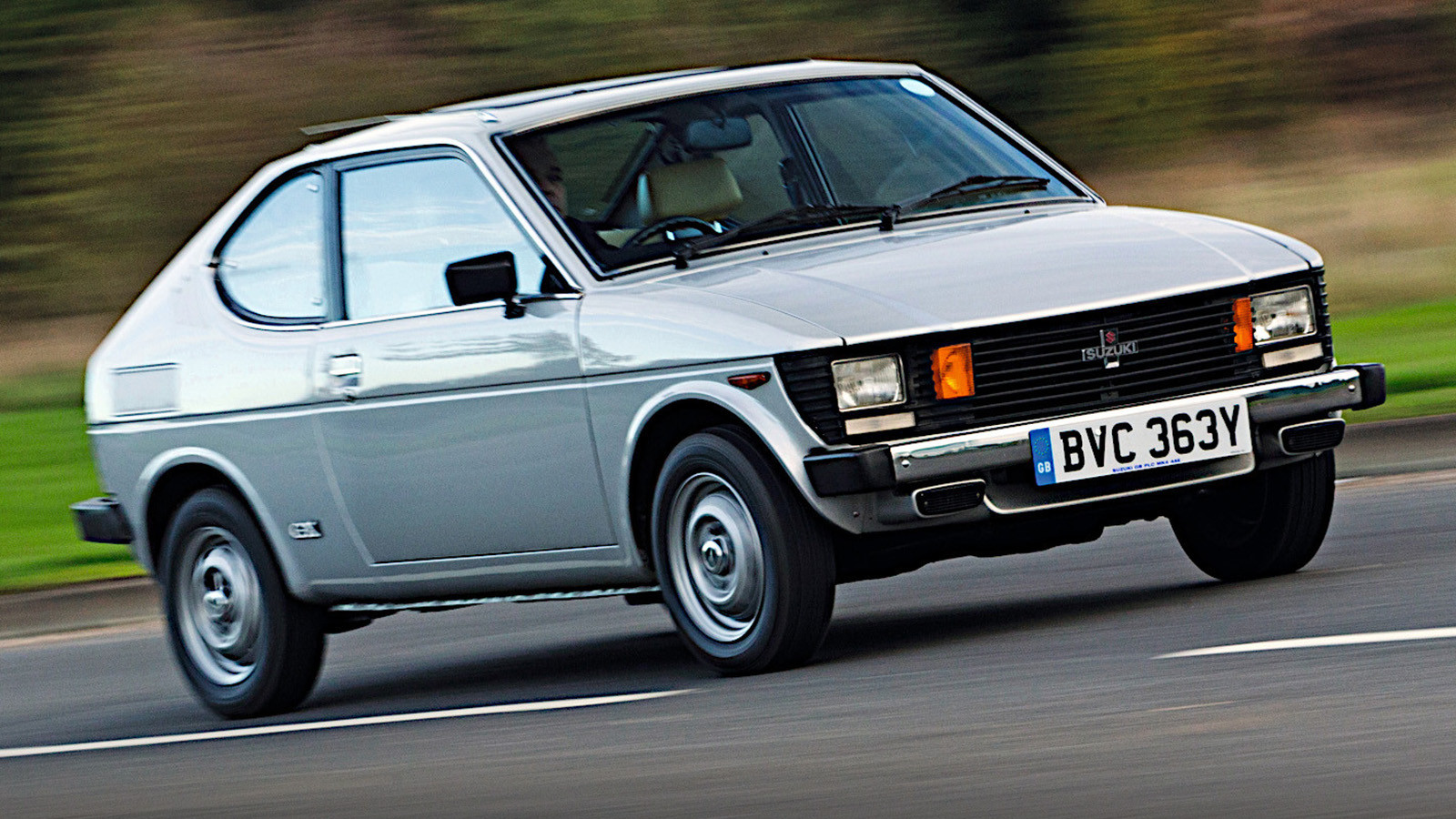
The Suzuki SC100 (aka ‘Whizzkid’) pictured here was a rear-engined coupé designed by Giorgetto Giugiaro and sold from 1977-’82.
22. Toyota
Toyota was yet another Japanese company with its roots in the weaving business. Sakichi Toyoda founded the Toyoda Automatic Loom Works in 1926, and his high-speed looms were an instant hit in the industry.
Sakichi’s son, Kiichiro, developed an automotive offshoot of his father’s company, building its first engine – the Type A – in 1934, followed by its first car – the Toyota AA – in 1936. Toyota as a separate car company was incorporated in 1937.
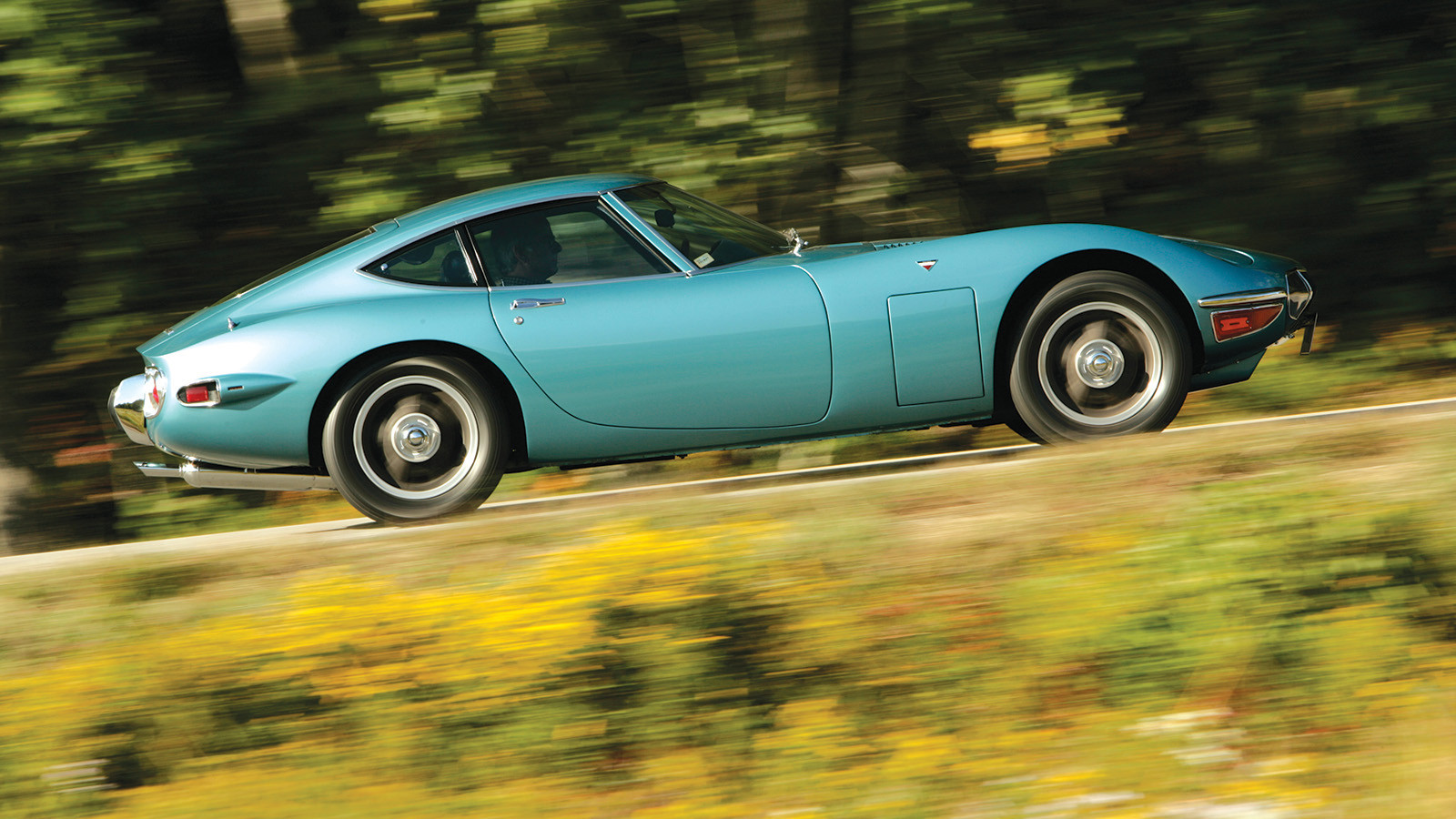
The Toyota 2000GT, pictured, was the company’s well-regarded first proper sports car, designed to take on European class rivals.
Built from 1967-’70, it was developed and manufactured in collaboration with Yamaha. Just 351 2000GTs were produced.
23. Vauxhall
Vauxhall was founded as a pump and marine engine manufacturer by Alexander Wilson in 1857, providing propulsion for the numerous pleasure craft on the River Thames near its south London base.
Later renamed Vauxhall Ironworks, the company produced its first car in 1903: the single-cylinder, tiller-steered 5hp Light Car.
By 1905 Vauxhall had outgrown its London factory and relocated to Luton, where it produced a succession of prestigious and sporting models, such as the C-10 ‘Prince Henry’, acknowledged as Europe’s first production sports car.
In 1925, Vauxhall was purchased outright by General Motors, before being sold to Groupe PSA 92 years later in 2017.
The OE-type 30-98 model pictured was one of the all-time great vintage sporting cars and the first to be catalogued with a 100mph top speed in Britain.
24. Wolseley
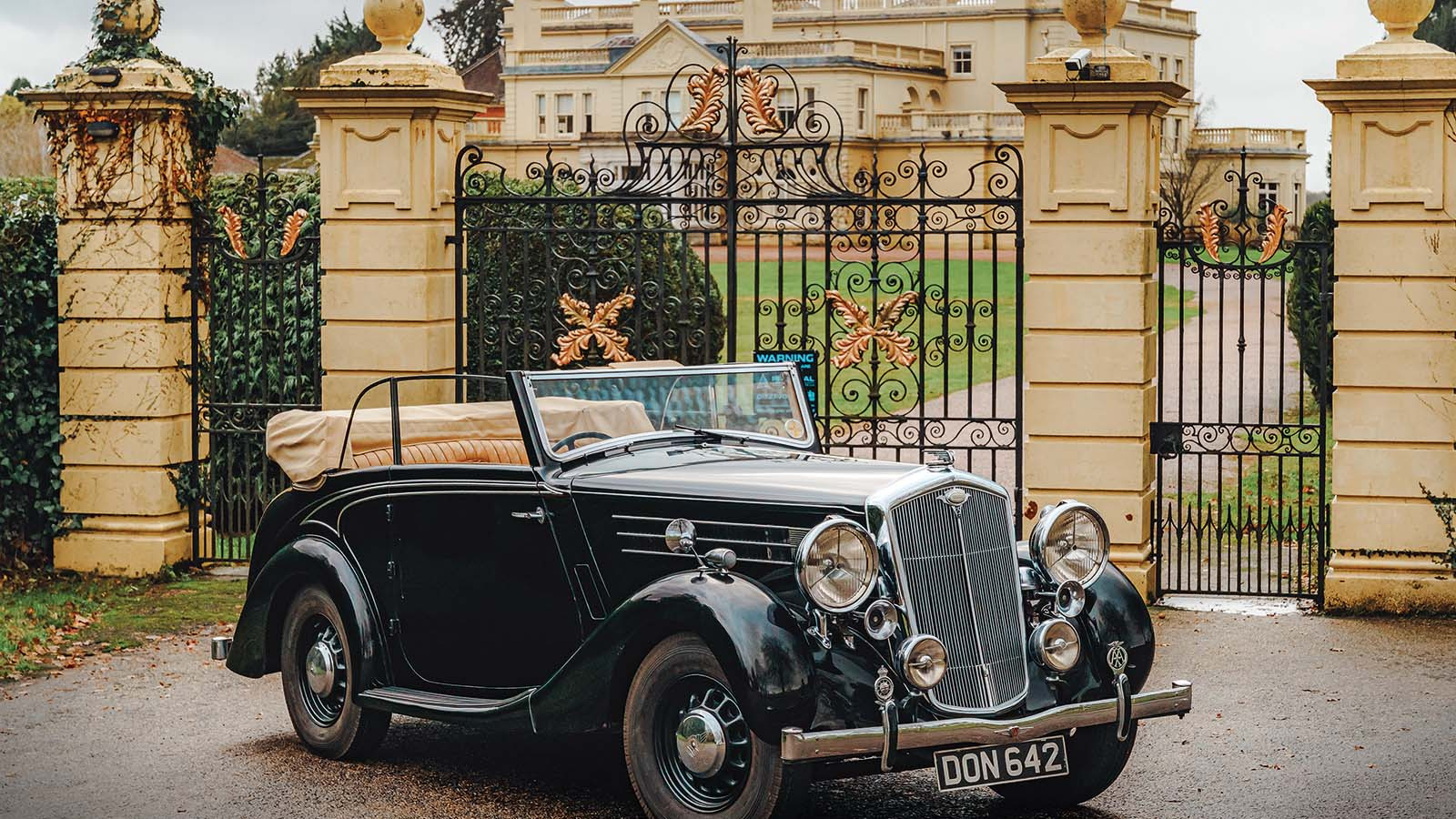
The Wolseley Sheep Shearing Machine Co was originally founded by Frederick Wolseley in Australia in 1887.
By 1889, the company had relocated to Britain, where its works manager, Herbert Austin, realised that the seasonal trade in sheep-shearing equipment could be supplemented by building motor cars.
Austin had produced two three-wheeled, prototype automobiles by 1899, and in 1900 entered his first Wolseley four-wheeled car – a 3.5hp Voiturette – in the round-Britain 1000-Mile Trial.
The car division of Wolseley that Austin had been responsible for was sold to Vickers in 1901 and existed as a marque right through to the 1970s.
Pictured is a Wolseley 25 Drophead Coupé that was gifted to Lord Nuffield, who bought the company in 1927, by his grateful employees.
We hope you enjoyed this gallery. Please click the ‘Follow’ button above for more super stories from Classic & Sports Car.