Fab at 40
Turning 40 can herald a mid-life crisis, but not for these cars that hit this milestone birthday in 2025.
Many were highly regarded when new and have easily grown into their classic status, while others have been on more of a rollercoaster journey to end up as interesting, and sometimes unusual, classic cars.
From mainstream saloons to Group B homologation specials, 1985 was a fascinating year for car launches, as you can see from the group assembled here, listed in alphabetical order.
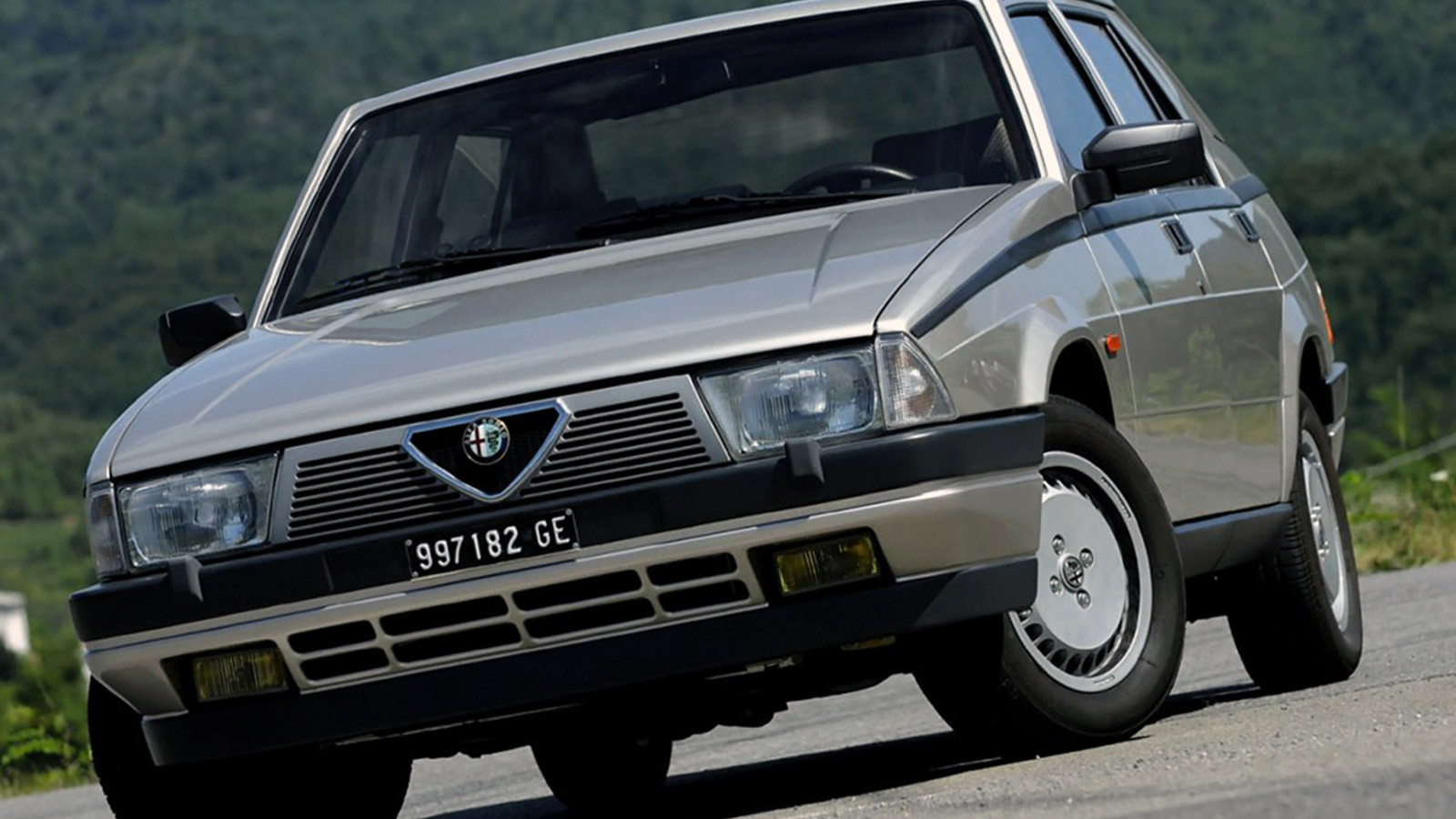
1. Alfa Romeo 75
Named in honour of Alfa Romeo’s 75th anniversary, this purposefully styled saloon had plenty of appeal for keen drivers as an alternative to the BMW 3 Series.
It retained a transaxle rear transmission to give the 75 an ideal 50:50 weight distribution that helped a great deal with its handling ability.
There was a new, 2-litre, Twin Spark, four-cylinder engine as part of the 75’s make-up, but the V6 engines were the most sought-after.
You could have a 2.5 V6 with 154bhp or, better still, a 185bhp 3-litre V6 that turned Alfa Romeo’s 75 into a proper sports saloon.
The 75’s interior was less composed due to the haphazard layout of controls, such as electric-window switches on the roof panel and an unusual, U-shaped handbrake.
However, faithful buyers were more than happy to overlook this and bought 375,257 Alfa Romeo 75s in total. It also went on to lend its floorpan to the equally striking SZ coupé.
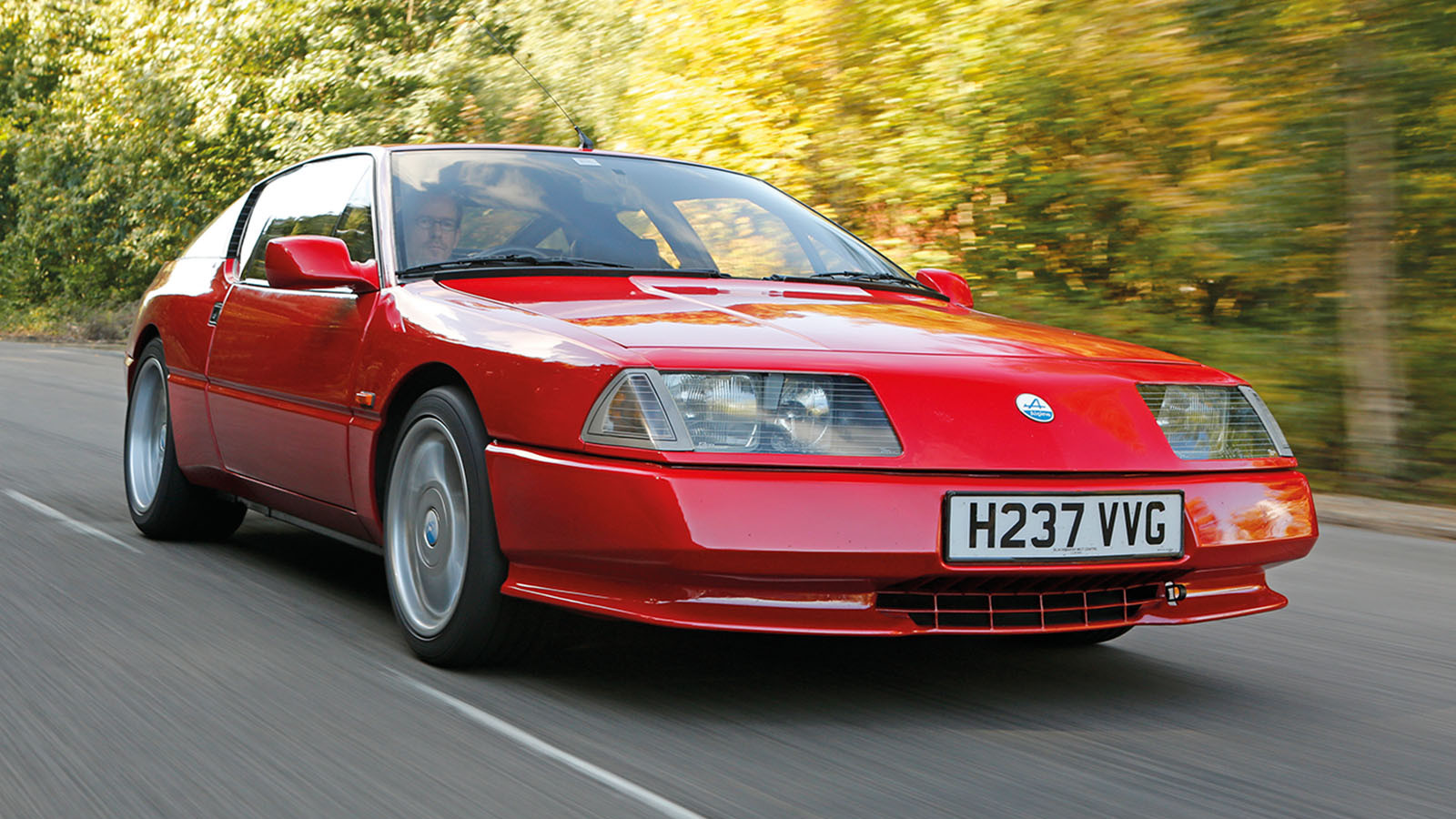
2. Alpine GTA V6 Turbo
The Alpine GTA V6 of 1984 was a fine-handling sports car that failed to get on terms with the Porsche 911 or generate many sales. Adding a turbocharger to create the GTA V6 Turbo of 1985 was a bold and canny move.
At a stroke, power for the 2.5-litre Turbo came in at 201bhp compared to the standard, non-turbo, 2.8 V6’s underwhelming 161bhp.
This allowed the Turbo to cover 0-60mph in 6.3 secs and touch 150mph flat out, which helped the Turbo sell 4011 cars – more than double that of the non-turbo version.
Although overshadowed by its German rival, the Alpine GTA V6 Turbo was highly regarded for its handling and driving ability.
It also offered surprising practicality with its decent back-seat space and boot area over the rear-mounted engine.
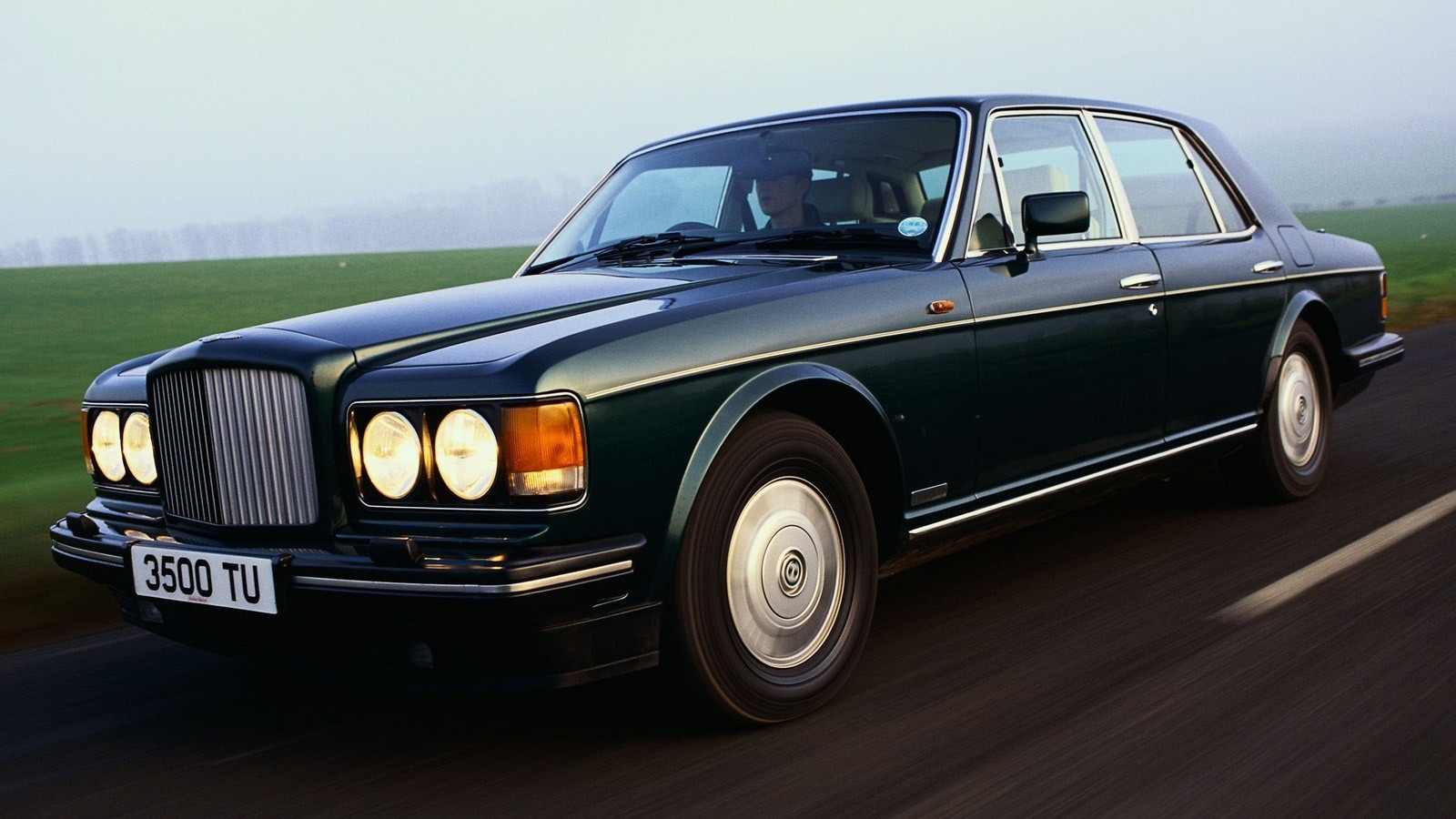
3. Bentley Turbo R
Bentley was determinedly emerging from the shadow of its Rolls-Royce parent by the mid-1980s and the Turbo R was the biggest step in that direction to date.
The looks were subtly different with a painted radiator cowl, but it’s what was under the bonnet that really mattered.
The turbocharged, 6.75-litre V8 could power this 2.4-ton, luxury saloon from 0-60mph in 6.6 secs, while top speed had to be curbed on early Turbo Rs at 135mph, because no tyres existed at the time to cope with its speed and weight.
Just as impressive as its pace was the Turbo R’s handling, which also made the Bentley stand out from its Rolls sibling.
Later Turbo R models went on to have even more power and Bentley built 5923 in its various guises.
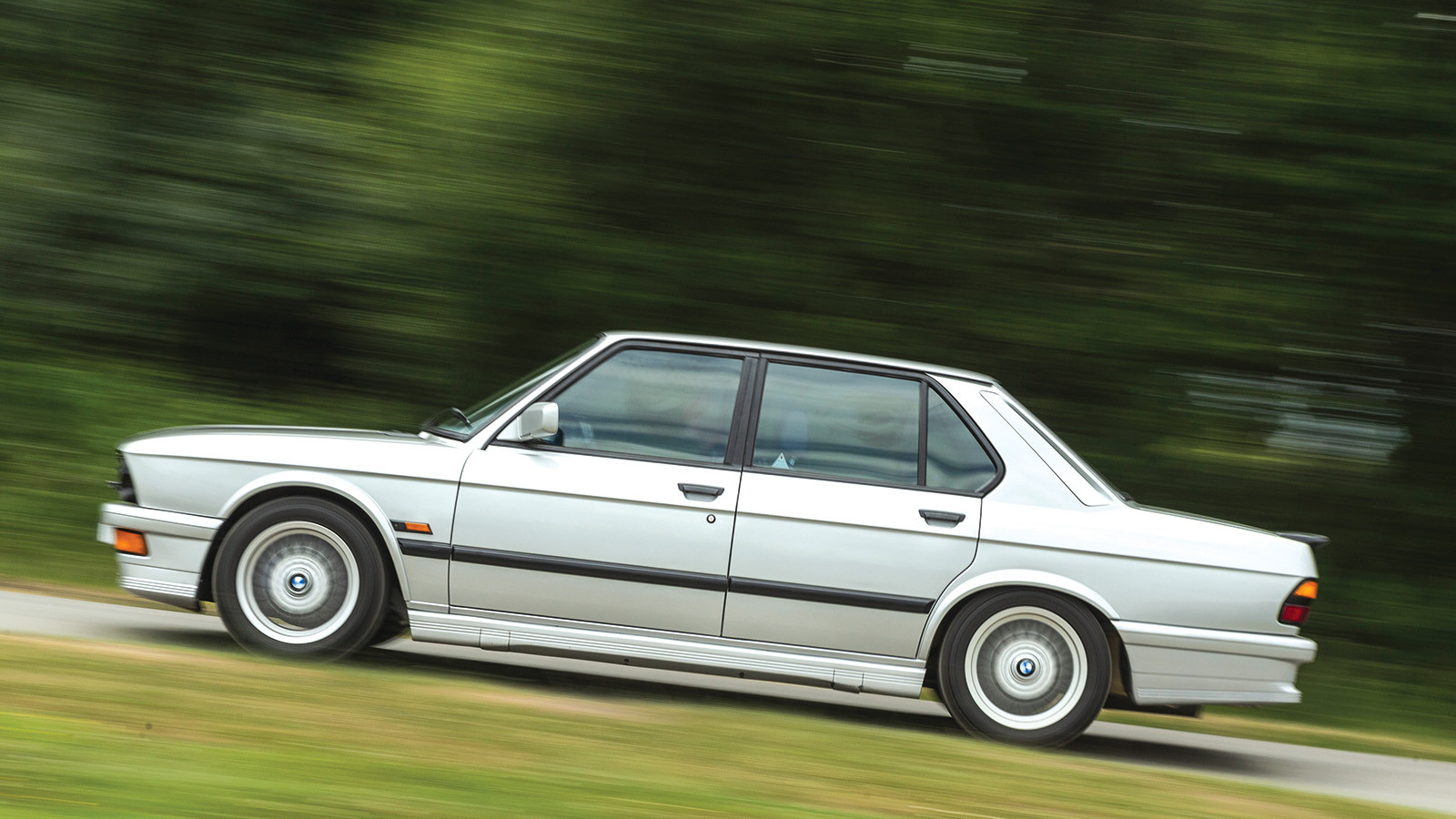
4. BMW M5
BMW first showed its new M5 to the world in late 1984, but sales only started in 1985.
Those lucky enough to get their hands on this brilliant Q-car enjoyed power from the same 282bhp, 3.5-litre straight-six that had powered the M1 supercar.
Built by BMW’s M Division, the E28-generation M5 was the first fully fledged model from this department – previous fast 5 Series had been badged as M535i rather than the stand-alone M5.
Other unique features of the M5 were its steering wheel and stubby gearlever.
However, it was the M5’s performance that truly shone. Here was a practical, four-door, five-seat saloon that could hit 156mph flat out on the autobahn and dispatch 0-60mph in 6.5 secs.
The biggest surprise, perhaps, is that BMW only sold 2145 of this first-generation M5.
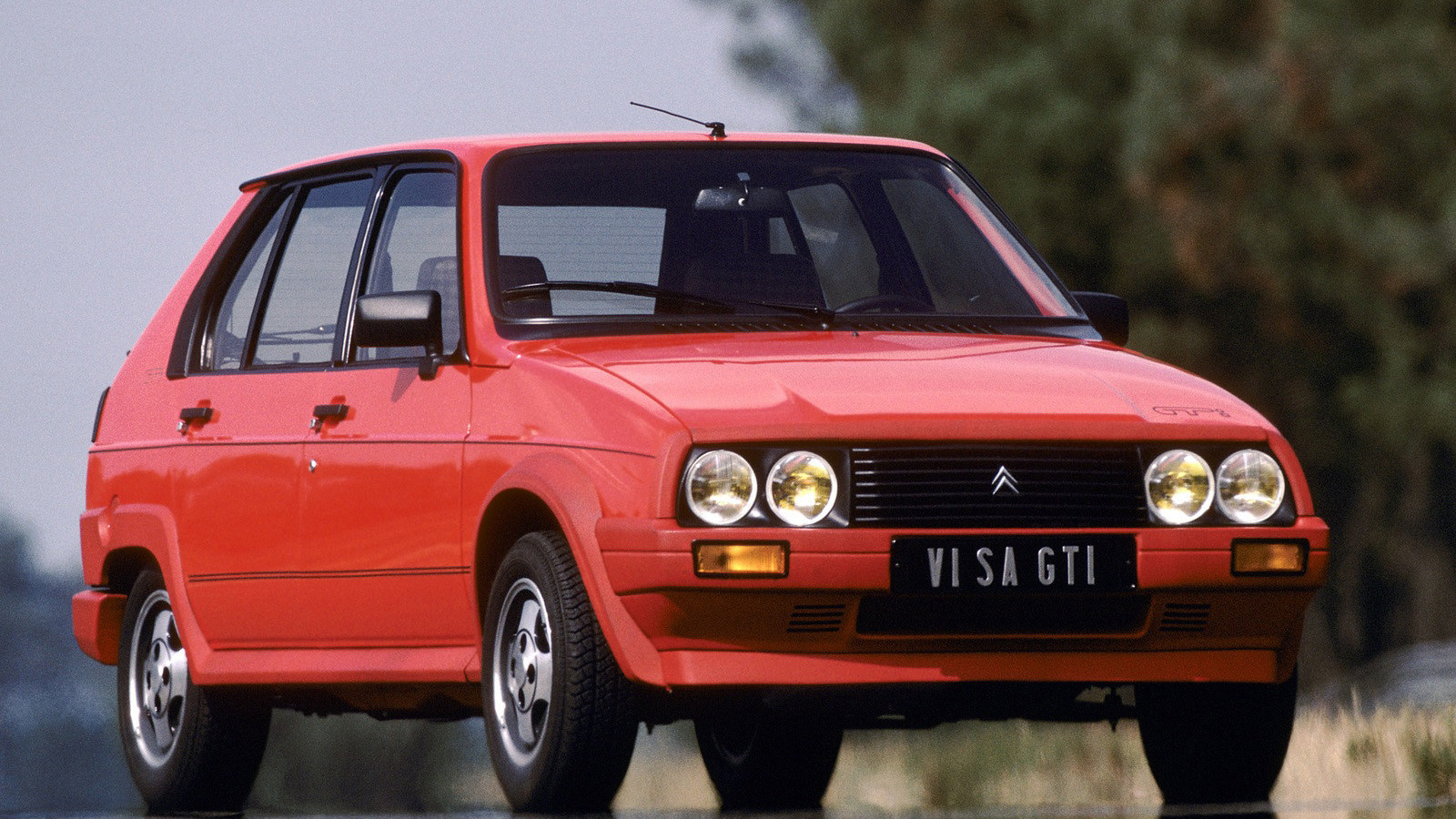
5. Citroën Visa GTi
Every car company wanted a hot hatch in its ranks in the mid-1990s and before Citroën offered its feisty AX GT, it came up with the Visa GTi.
From unpromising base material, suddenly Citroën had a brilliantly left-field and capable contender.
Power for the Visa GTi came from Citroën’s friends over at Peugeot, where the 205 GTI donated its 103bhp, 1.6-litre motor.
Its 0-60mph in 9.1 secs and 109mph might not sound like much, but the Visa only weighed 890kg (1962lb), so you could hustle it through bends while rarely troubling the brakes.
Power rose to 114bhp in 1988, but the Visa GTi was never anywhere near as popular as the Peugeot 205 GTI.
As a result, Citroën dropped the GTi in 1988 and pooled its efforts in to the even lighter, quicker AX GT.
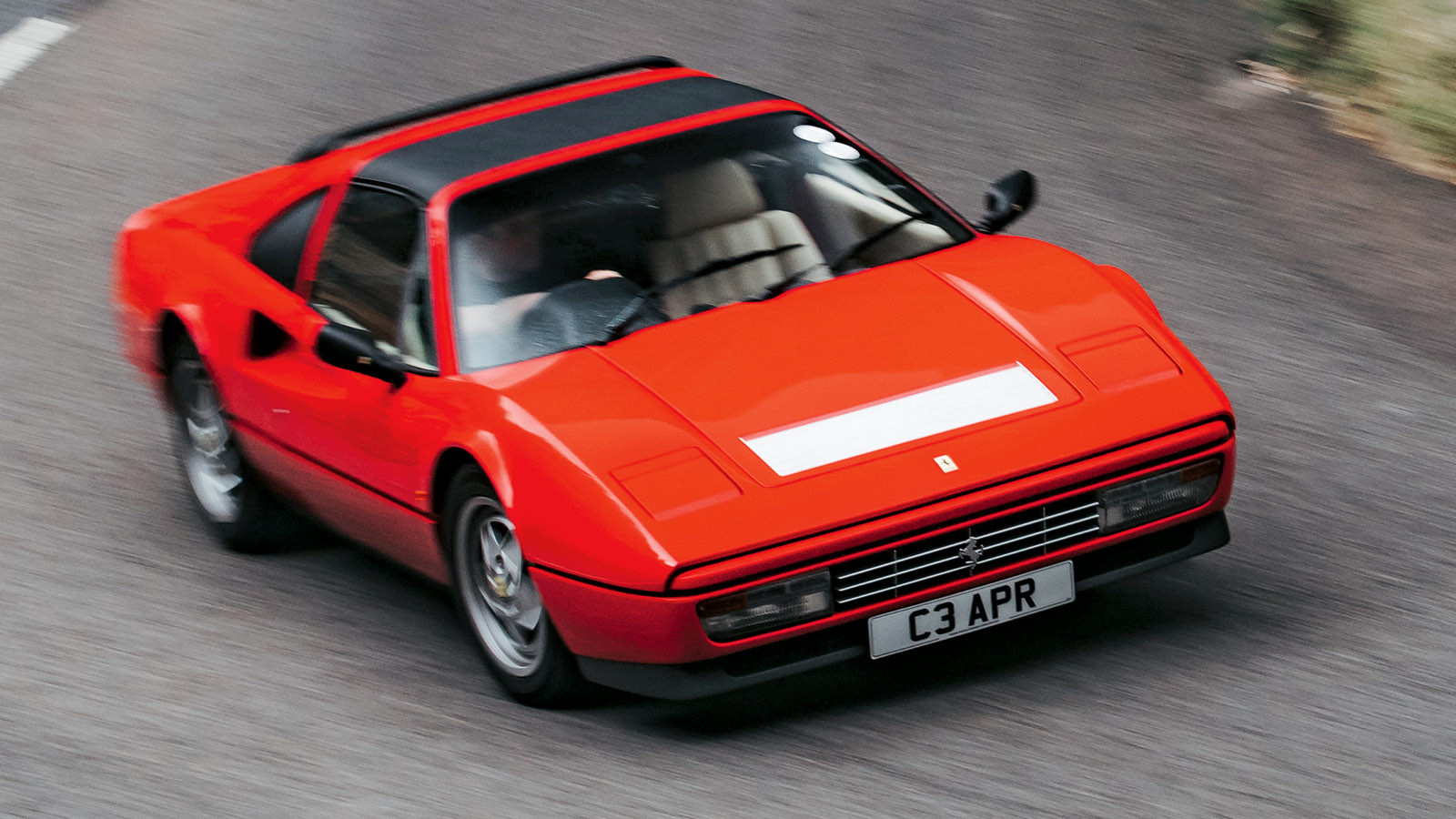
6. Ferrari 328GTB/GTS
Ferrari needed to update its gently ageing 308, but didn’t dare tamper with a steady seller.
The answer was the 328GTB and GTS of 1985, which were mildly revised in terms of their exterior looks.
The most obvious difference was the new front lower bumper that improved aerodynamics and gave the car a fresher appearance.
Not much changed in the cabin, but behind this the transversely mounted V8 grew by 259cc to 3185cc, or 3.2 litres, to give the car its new name.
Power was up to 267bhp, which finally meant Ferrari could honestly claim its entry-point model was capable of more than 160mph. The 328 was also good for 0-60mph in 6 secs.
Offered as the GTB coupé or the GTS open-top with a removable roof section, the convertible car outsold the fixed-roof model by more than four to one.
When the 328 was replaced by the very different 348 in 1989, Ferrari had sold 1344 GTBs and 6068 examples of the GTS.
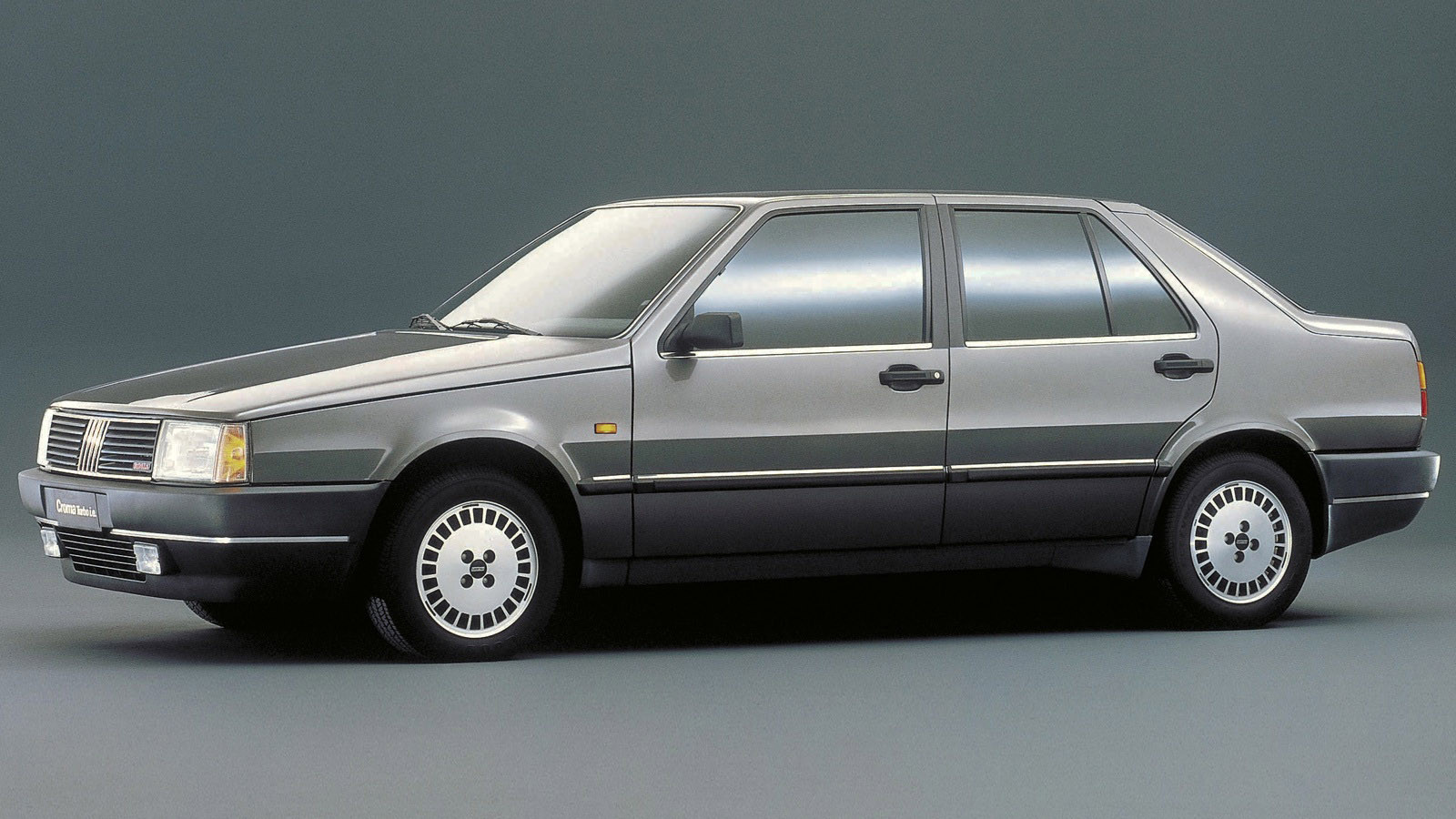
7. Fiat Croma
Fiat’s Croma saloon was the Italian firm’s offering based on a platform shared between itself, Alfa Romeo, Lancia and Saab.
Despite the lines hinting at a saloon, the Croma was a five-door hatch and a very practical car to take on the new Ford Granada and Renault 25.
There were various engine options depending on where the Croma was sold, with the most common being Fiat’s 1.6- and 2-litre four-cylinder petrol motors.
The 153bhp Turbo should have been rapid fun, however, rampant torque steer made it a handful in most circumstances.
That didn’t stop the Croma remaining in Fiat’s range all the way up to 1996, by which time it had produced more than 438,000.
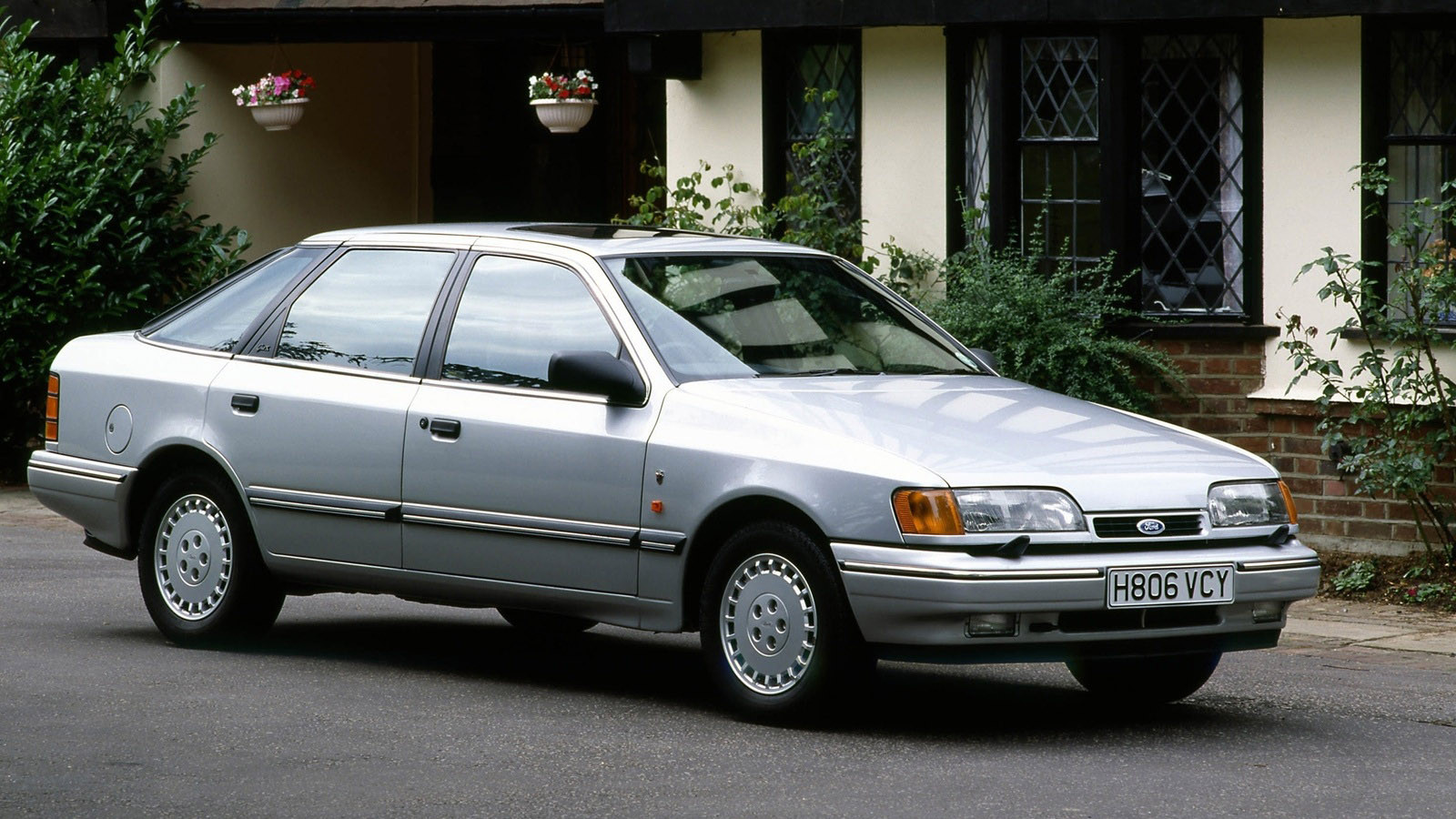
8. Ford Granada/Scorpio
Just as the Ford Sierra had brought the new ‘jelly-mould’ look to middle managers, it was now the turn of senior management to experience this with the third-generation Granada, or Scorpio as Ford called it outside the UK.
The aerodynamic, five-door hatch, later joined by a four-door saloon, was handsome, roomy and practical.
You could have it with standard rear-drive, but Ford also offered a four-wheel-drive version to tempt Audi customers, and this Granada was the world’s first volume car to come with ABS anti-lock brakes as standard.
Four-cylinder, 1.8- and 2-litre engines provided low entry prices, but the Granada was always at its best with a V6 under the bonnet.
That started out as a 2.8-litre engine but grew to 2.9 litres in 1987, while later Cosworth-tuned versions came with 24 valves and just shy of 200bhp.
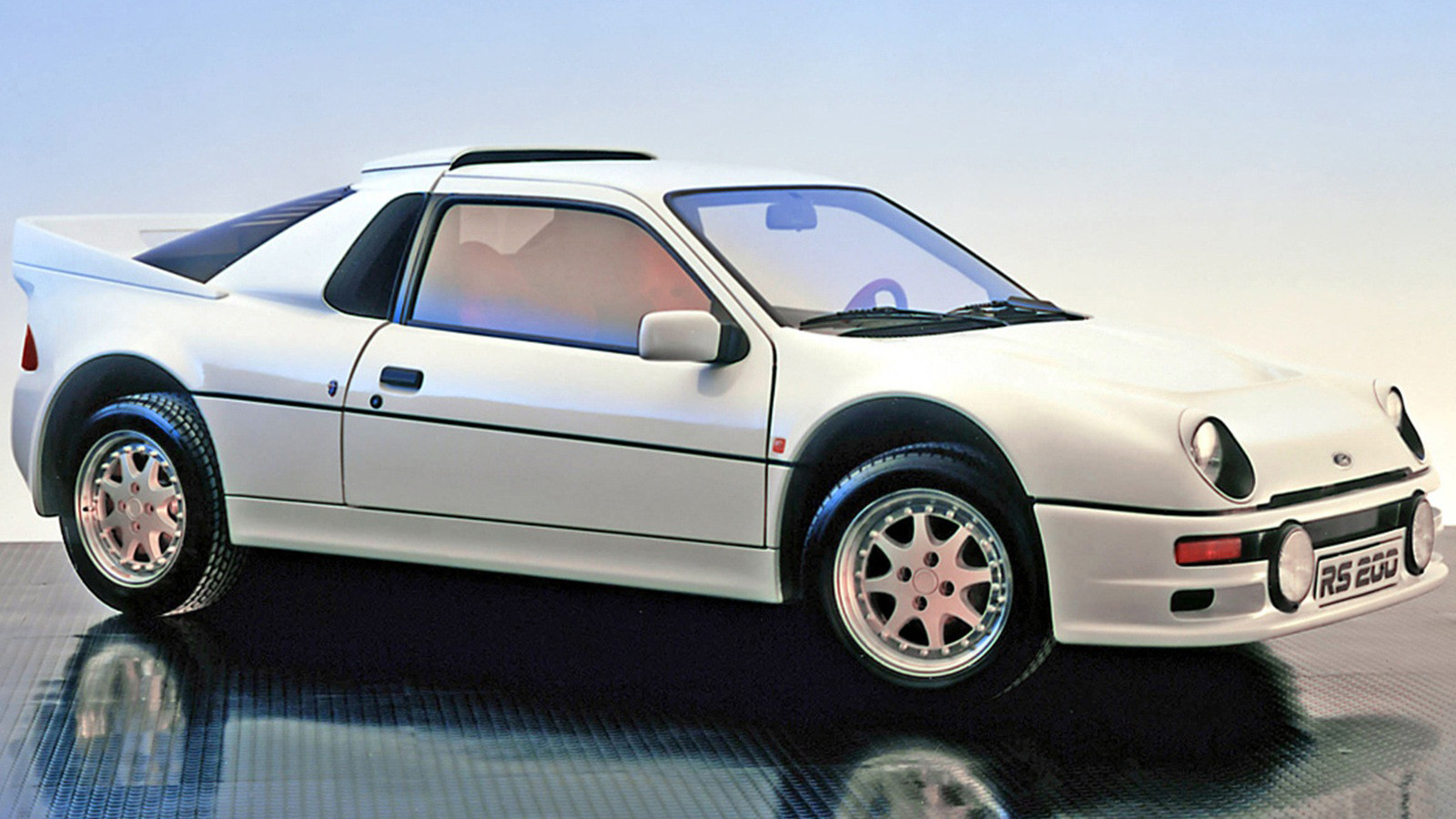
9. Ford RS 200
Ford was late to the Group B rally frenzy with its RS 200, having persisted with its rear-drive RS 1700T project for too long.
When the Ford RS 200 arrived in 1985, it was a bespoke machine with a mid-mounted, 1.8-litre, Cosworth BDT engine offering almost 250bhp in standard road tune. Rally versions went on to have as much as c450bhp and rallycross cars generated as much as c650bhp.
Unfortunately for Ford, Group B was banned in 1986, so the RS 200 only had a brief career in frontline rallying. It was quick and capable, though its best result was third in the 1986 Rally of Sweden.
The car’s name came from the 200 produced to meet homologation regulations. Out of this, 24 were converted to an Evolution specification to further homologate parts for competition use.
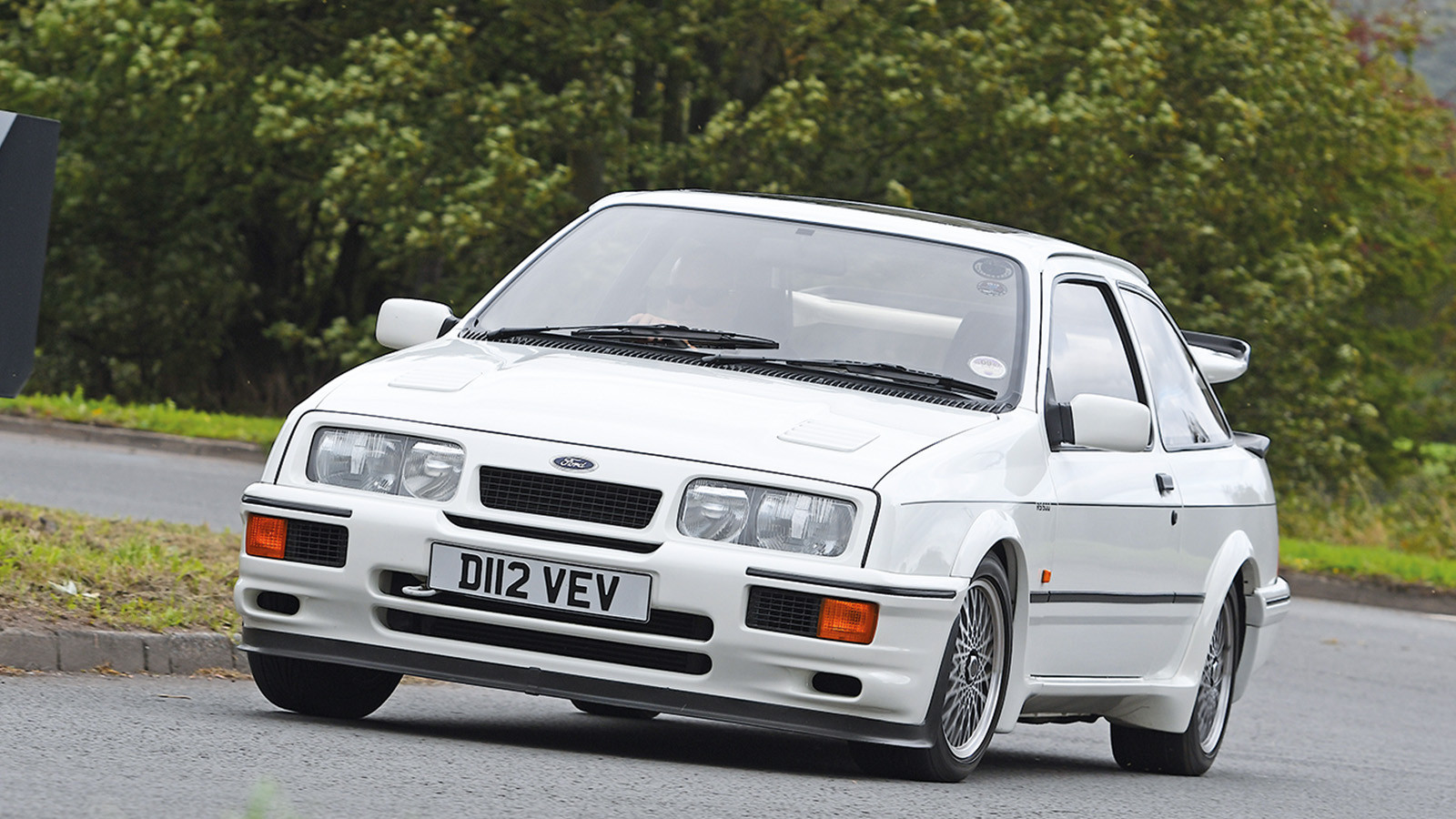
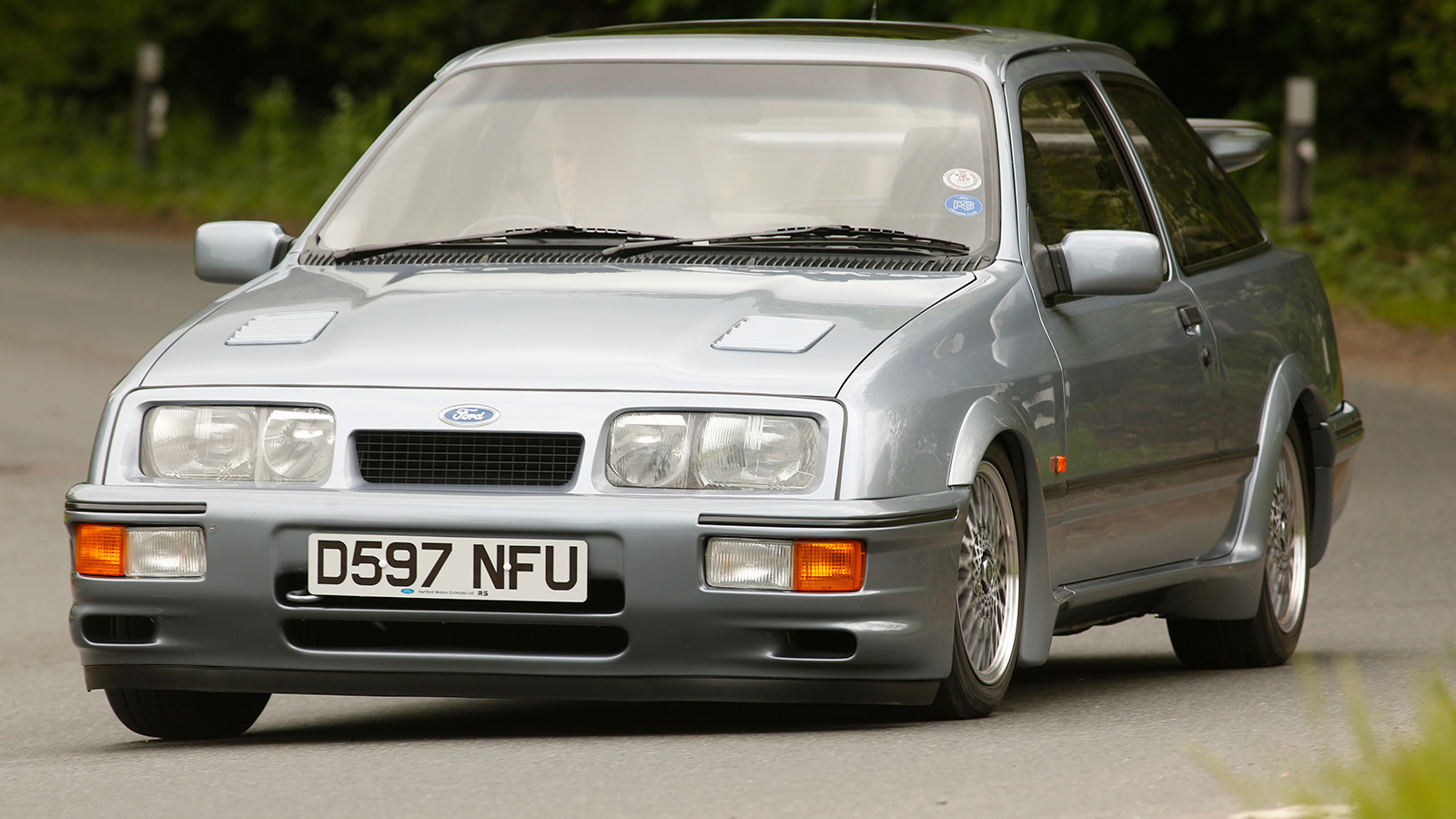
10. Ford Sierra RS Cosworth
Ford introduced its Sierra 4x4 in 1985 and it was a very able car, but the true sporting mantle for this model rested with the RS Cosworth that was unveiled at that year’s Geneva motor show.
The first RS Cosworths rolled off the line late in 1985 and it soon became a legend in its own lifetime.
Vivid performance from the 201bhp, 2-litre, turbocharged engine delivered 0-60mph in 6.2 secs and a 145mph top speed. It also handled superbly and looked the part with its huge rear spoiler and deep front bumper.
At a stroke, the Sierra Cosworth was the car to have and it also mopped up on track in Touring Car racing.
This led Ford to offer the limited run of RS 500 models in 1987, with 500 made to homologate engine upgrades and a larger rear wing.
Ford also built 5045 regular, three-door RS Cosworths, before it was replaced by the four-door Sapphire model in 1988.
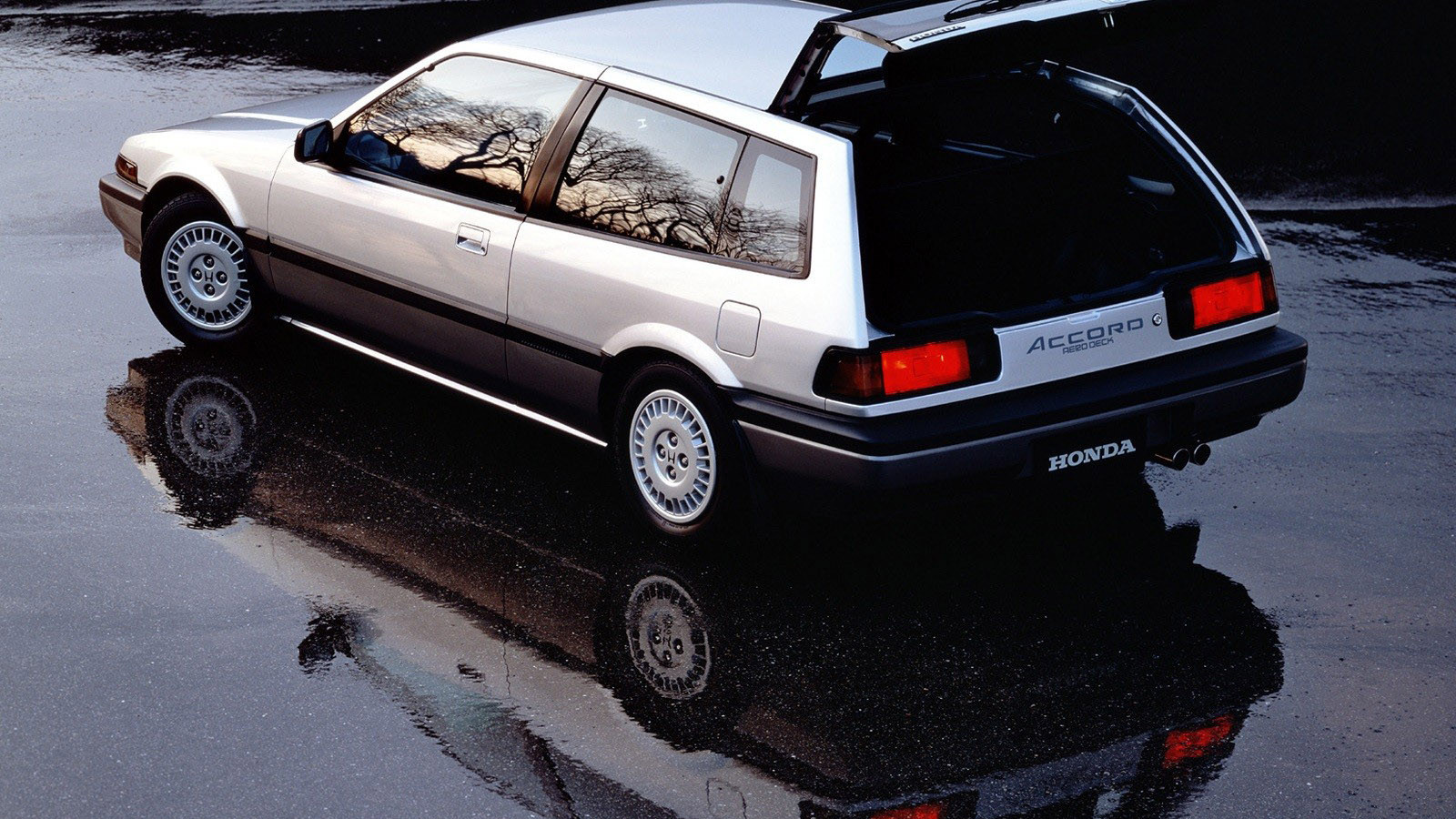
11. Honda Accord Aerodeck
Honda buyers could have dull but practical saloons and hatches, or the fiery Civic CRX in the mid-1980s.
Then along came the Aerodeck, based on the Accord, to offer a modern take on the sporting-estate theme started by the Reliant Scimitar almost 20 years earlier.
Not quite as practical as the Accord saloon or an Integra hatch, nor as overtly sporty to drive as the CRX, the Aerodeck was best viewed as a more rounded, able version of the Prelude coupé.
What you got was a four-seat interior with decent room for all, plus a good load area that was easily accessed thanks to the large rear hatch that hinged partway along the roof.
It certainly gave the Aerodeck a distinct appeal, even if it wasn’t that exciting to drive or quick.
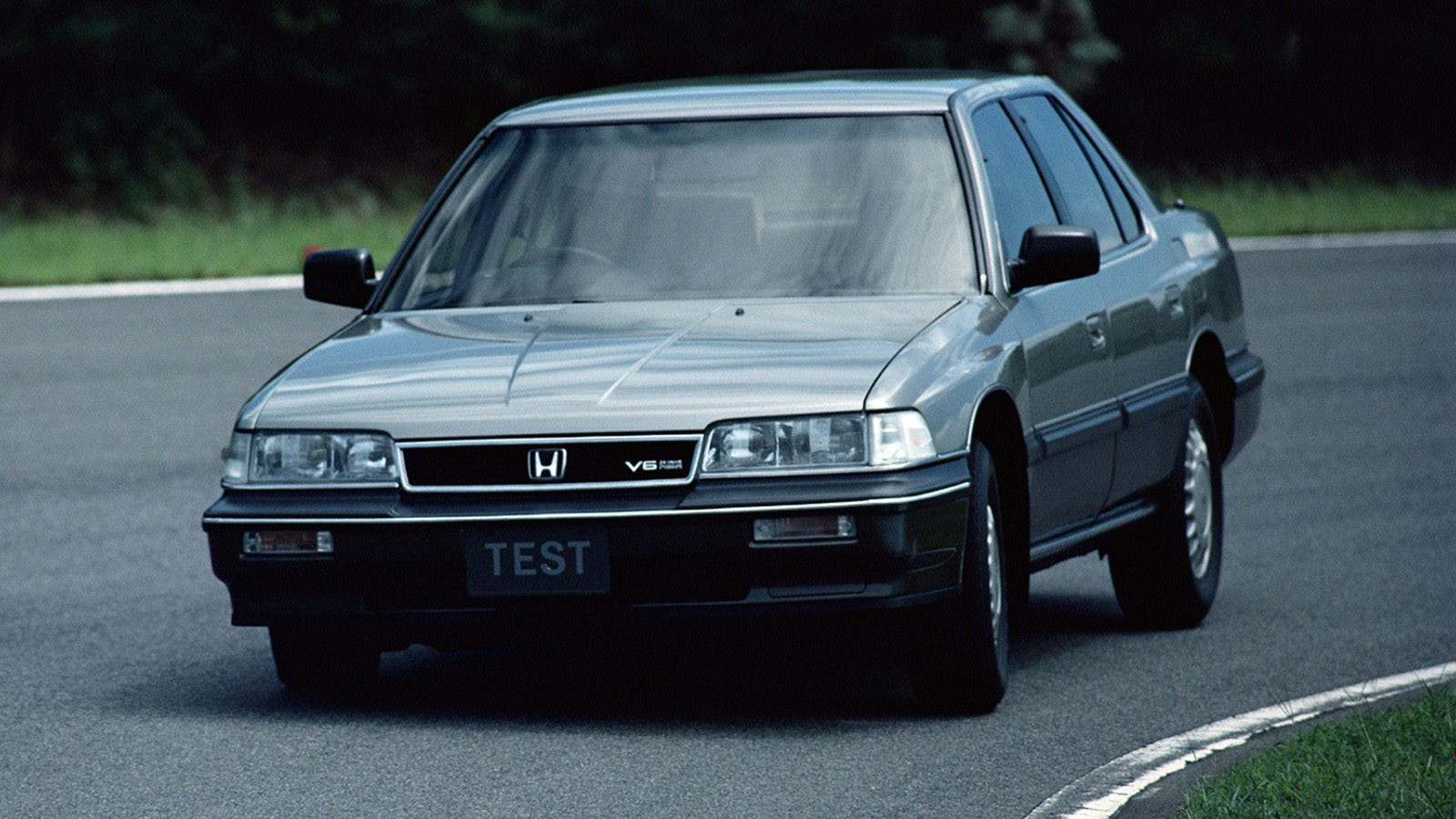
12. Honda Legend
The year 1985 was a good one for anyone looking for a new, executive-class car. As well as the Ford Granada/Scorpio and Fiat Croma, you could add the Honda Legend to your list.
While the looks of the Legend were perhaps too closely related to the Accord’s to stand out in the company car park, there was no doubting the appeal of the Honda’s specification.
You got a 2.5-litre V6 engine that was effortlessly smooth, an automatic transmission and a cabin decked out in leather as standard.
It was all put together with more care and attention than its rivals, and the Legend was very refined, though not nearly as engaging as the Ford to drive.
Not a sales success in Europe, the Honda Legend still notched up 538,611 sales, including the Coupé version that arrived in 1987, thanks to its popularity in the USA.
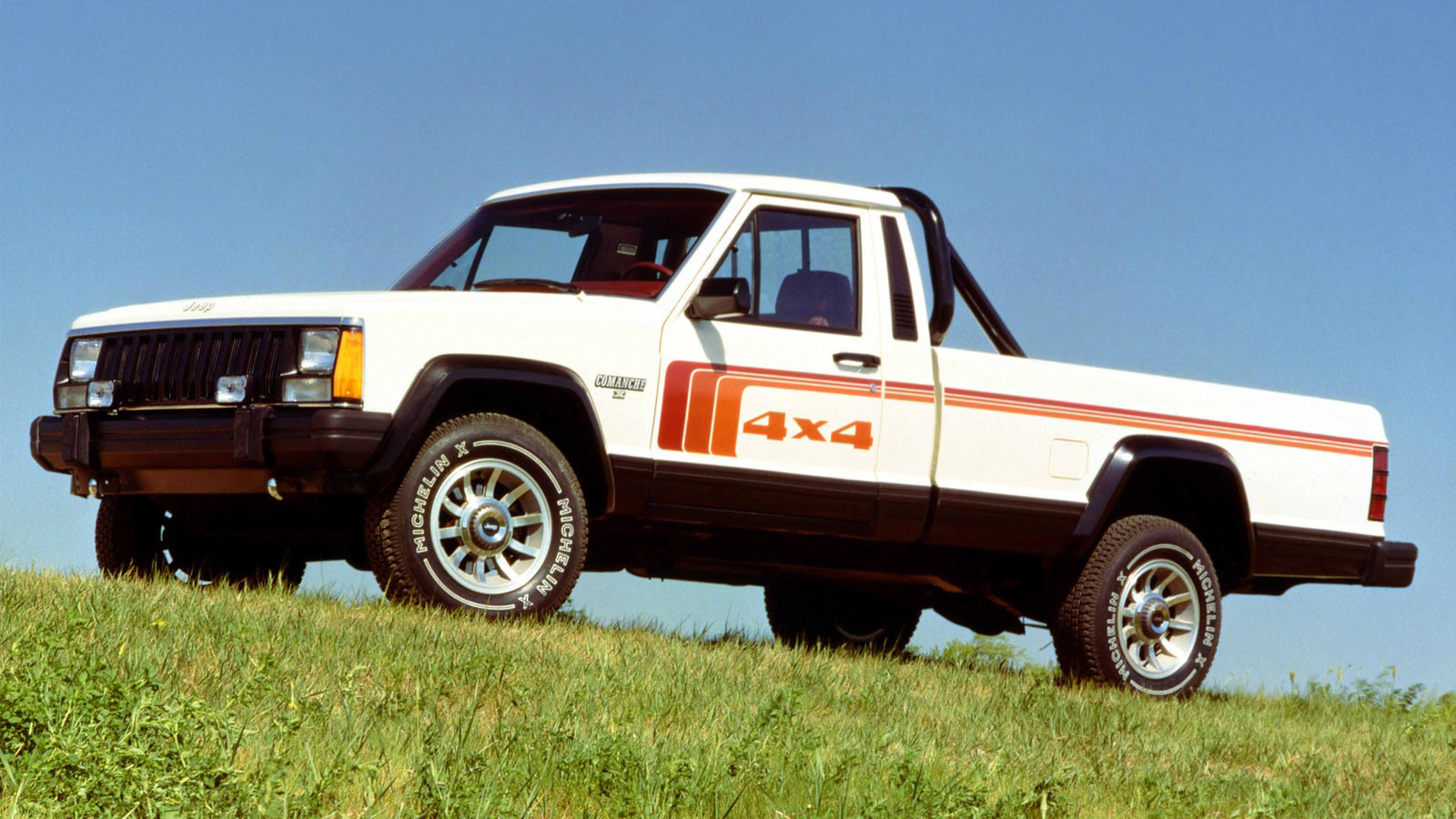
13. Jeep Comanche
The Jeep Cherokee had quickly proved a success following its launch in 1984, so it was an easy move for parent company AMC to launch a pick-up version. This was called the Comanche and arrived in 1985.
From the front, the Comanche was identical to the Cherokee, but the rear offered a long load bed in a choice of two lengths, with the shorter version going on sale in 1986.
Customers could also choose their Comanche in two- or four-wheel-drive forms, plus there was reinforced rear suspension to cope with load carrying.
Power came from the same 2.5-litre, four-cylinder engine as the Jeep Cherokee, and there was also a 2.8 V6 and 2.1-litre turbodiesel. Soon after its launch, the Comanche swapped the V6 for the Cherokee’s new, 4-litre straight-six.
AMC’s gamble on a pick-up version of the Cherokee paid off and the company sold 190,446 during its eight-year production run.
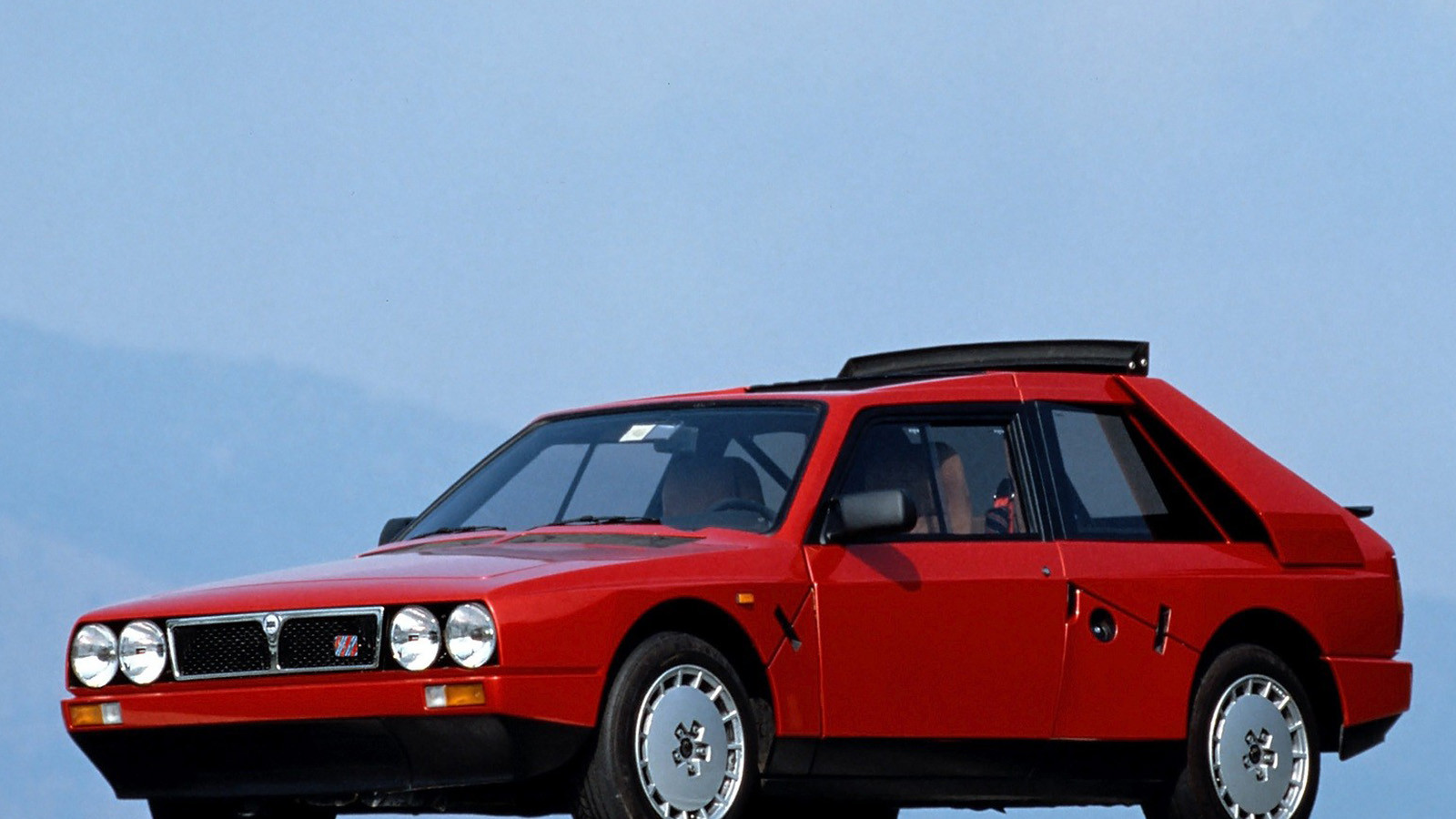
14. Lancia Delta S4
Unlike Ford that was caught on the hop without a top-flight rally car for some time, Lancia had enjoyed considerable success with its 037, winning the 1983 manufacturers’ World Championship.
The Lancia Delta S4 was the next step in this process, making full use of the Group B regulations.
A 1759cc engine with turbocharging and supercharging gave c325bhp in its standard state, yet it could be wound up to as much as c490bhp, depending on the rally’s terrain.
Four-wheel drive harnessed the power from the mid-mounted motor, while sophisticated suspension gave superb traction.
The S4 used carbonfibre bodywork to keep weight down, as well as huge wings front and back to help with aerodynamics.
Lancia’s efforts paid off with five outright World Rally Championship victories for the Delta S4 before the Group B category was scrapped.
The company was supposed to have produced 200 roadgoing versions to meet rallying rules. Known as the Delta S4 Stradale, the 1.8-litre, road-tuned car produced 247bhp and had a claimed 140mph top speed, but some sources suggest as few as 70 were built.
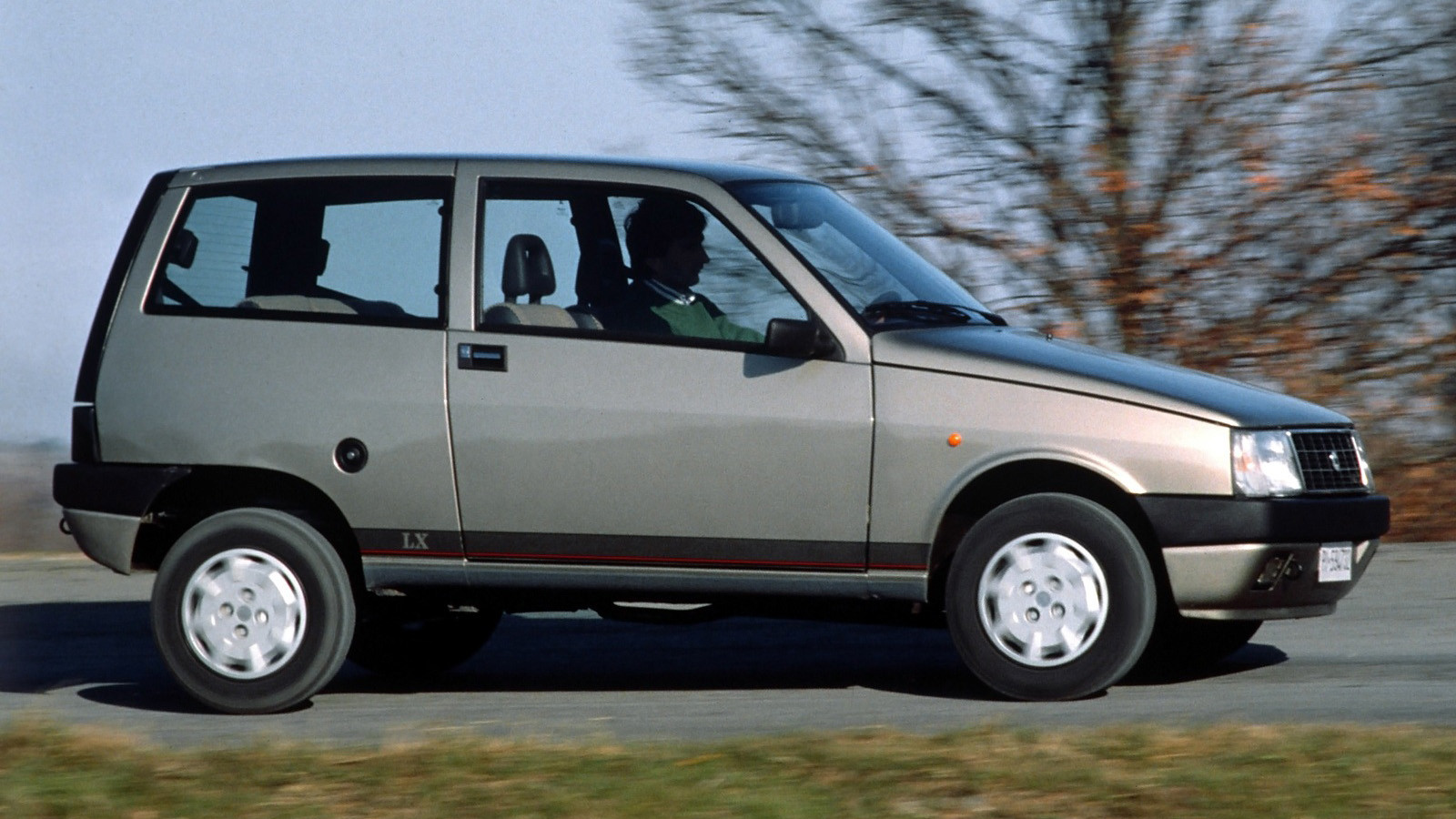
15. Lancia Y10
The Lancia Y10, also badged as an Autobianchi in many markets, was the Italian marque’s attempt to take on the Ford Fiesta, Renault 5 and Volkswagen Polo.
It certainly had pert looks, while the cut-off style of the rear made it instantly recognisable.
The Lancia Y10 was also unusual for its steeply sloping bonnet and bonded-in windscreen, which was in place of a more common rubber seal.
It all contributed to a low-drag shape to help fuel economy from the range of modest, four-cylinder, petrol engines.
An 84bhp Y10 Turbo arrived not long after the launch of the mainstream models, though it was not a serious threat to the dominance of the Peugeot 205 GTI or Volkswagen Golf GTI.
Lancia also introduced a four-wheel-drive version of the Y10 in 1986, using the Fiat Panda 4x4’s drivetrain.
A facelift arrived in 1989, but it was all over for the Y10 by 1992, when approximately 850,000 had been assembled.
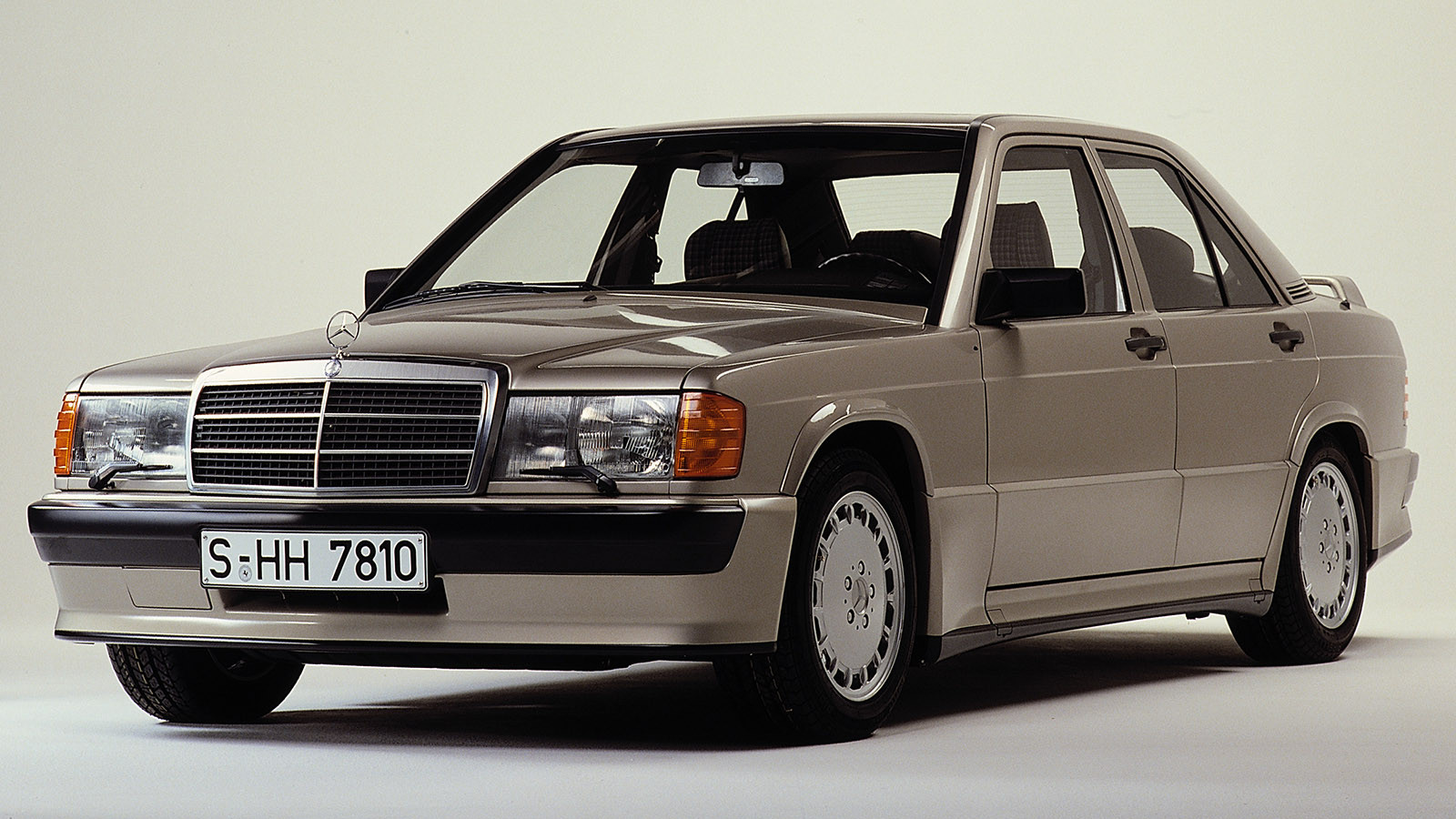
16. Mercedes-Benz 190E 2.3-16
A year before BMW made headlines with its first M3, Mercedes-Benz used the same formula to create its 190E 2.3-16.
Conceived to go Touring Car racing, a batch of road cars was needed for homologation purposes and this compact sports saloon was like nothing the German car maker had offered before.
The heart of the 190E 2.3-16 was its four-cylinder engine with a 16-valve head developed by Cosworth.
It produced 182bhp, which was enough for 0-60mph in 7.3 secs and 144mph, while a more powerful 2.5-litre version arrived in 1988.
Mercedes also offered Evolution and Evolution II models with more power and improved aerodynamics for further homologation.
While not quite as quick as the BMW M3, the 190E was brilliant to drive and Mercedes found 19,487 eager buyers for the 2.3 model, plus a further 5743 for the 2.5.
In addition, there were 502 of each generation of the Evolution models, so all in this performance 190E sold in greater numbers than its BMW rival.
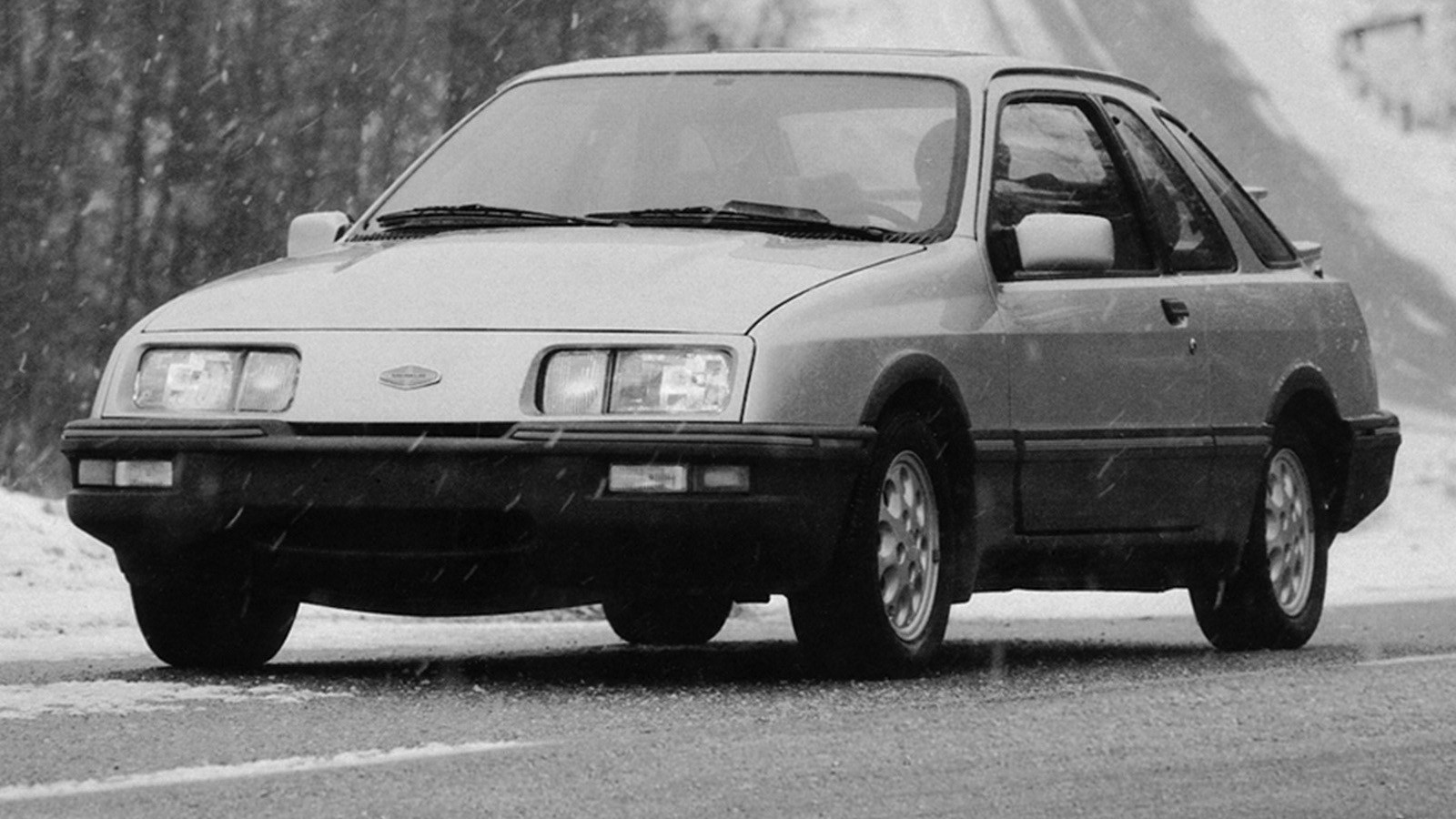
17. Merkur XR4Ti
While Europe had the Ford Sierra XR4i from 1983, US drivers had to wait until 1985 for the Merkur XR4Ti.
The two cars may have looked much the same at a glance, but there was a fundamental divide where engines were concerned.
The XR4i stuck with the same 2.8-litre V6 from the Ford Capri, but the XR4Ti opted for a turbocharged, 2.3-litre, four-cylinder motor – essentially a US version of the ubiquitous Pinto engine.
With a Garrett turbo fitted, it developed 174bhp for cars with the manual gearbox or 145bhp for automatic cars. The manual was good for 0-60mph in 7.8 secs, so about the same as the XR4i.
A lukewarm reception from the press and buyers doomed the XR4Ti to slow sales, and it totted up 42,464 across five years, whereas Ford had hoped for 25,000 per annum.
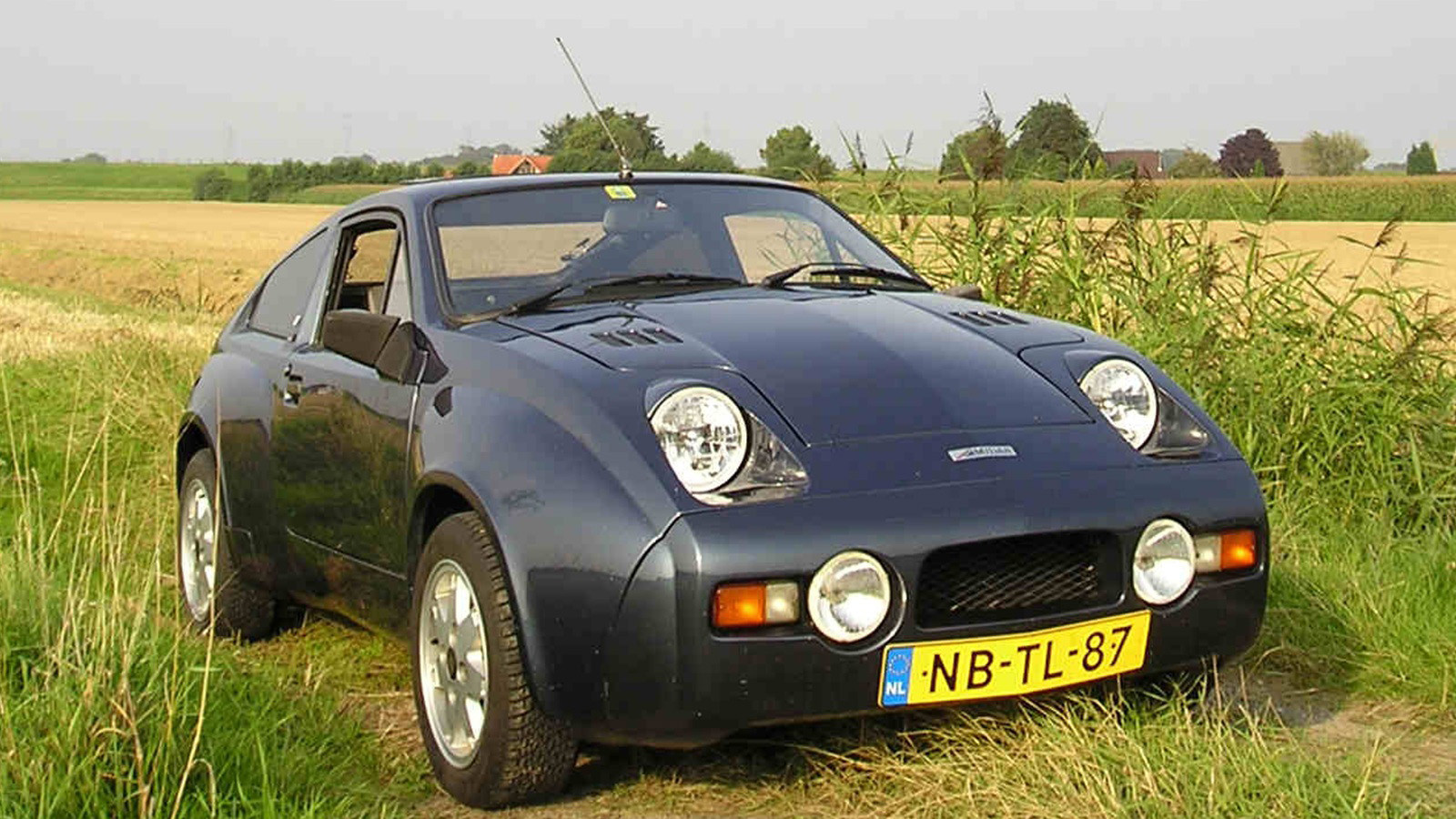
18. Midas Gold
If ever there was a case of what might have been, the Midas Gold is it.
The British car maker had already proved its engineering prowess with the Bronze model and its glassfibre monocoque construction.
The Gold was an altogether more refined car, with styling by Richard Oakes and aerodynamic input from Gordon Murray.
The Gold borrowed its mechanical parts from the Austin Metro, yet the modest, 1.3-litre engine offered 0-60mph in 10 secs, a top speed of more than 100mph, plus 40mpg.
A Convertible model arrived in 1988 and should have been a rival to the Mazda MX-5, but a factory fire in 1989 saw the company go out of business and the rights sold on.
Around 170 Midas Gold coupés were built up to 1989, either in basic kit form or as a ‘Superkit’ with all parts included to complete the car in a weekend.
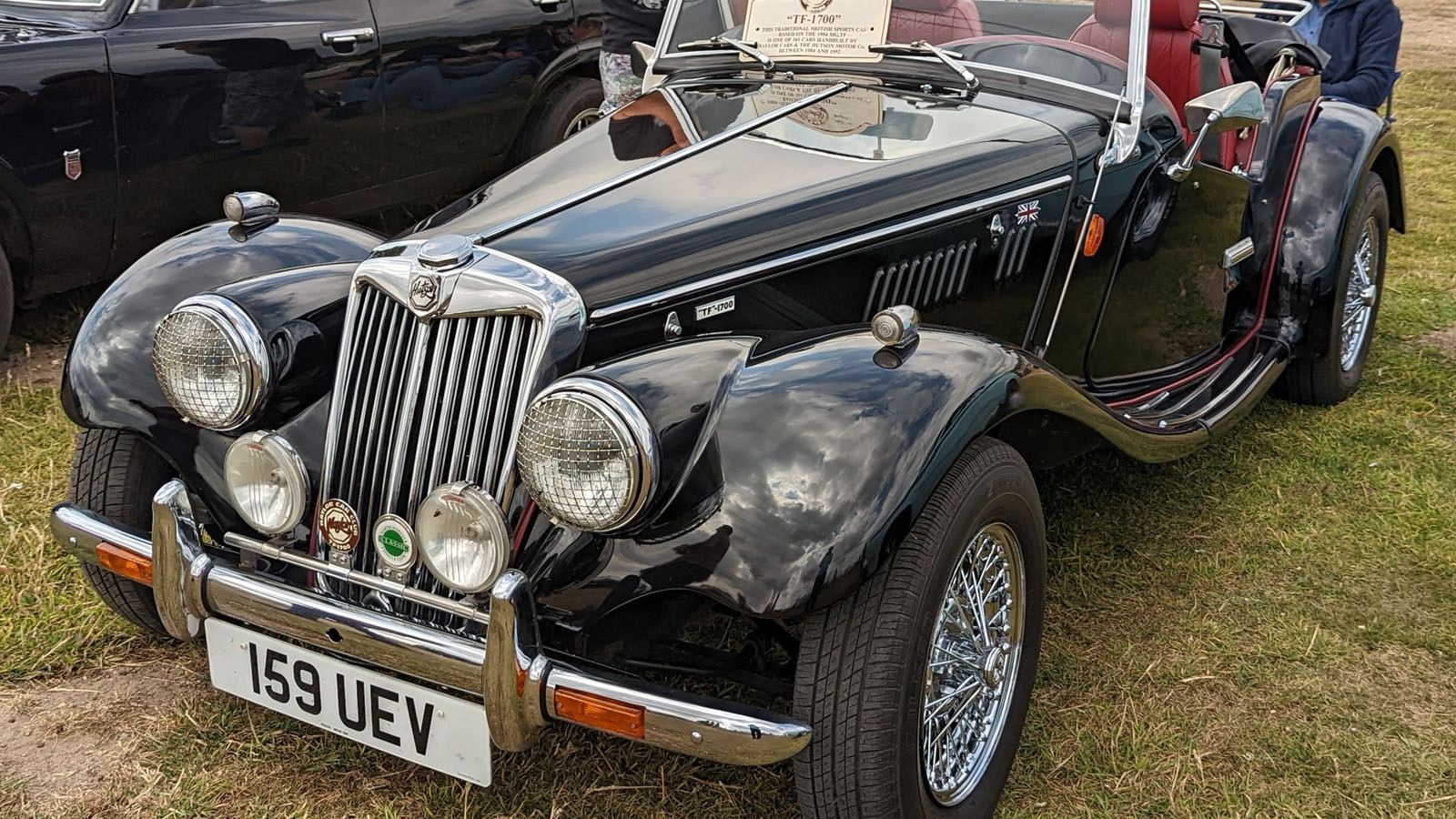
19. Naylor TF1700
Naylor Brothers was a successful MG restoration firm that gained official approval from the Austin Rover Group to produce a replica of the MG TF.
To all but expert eyes, the Naylor TF1700 looked just like an original, but underneath it used the 76bhp engine from a Morris Ital, plus a four-speed manual gearbox.
Its suspension was more sophisticated than the MG original and build quality was exceptionally good.
That quality meant the TF1700 was also expensive to produce – it ended up costing £1000 more than a new Toyota MR2 when the Naylor was launched in 1985.
Only around 100 buyers took up Naylor’s offering before the enterprise folded in 1986, though a few more were subsequently produced by the Hutson Motor Company.
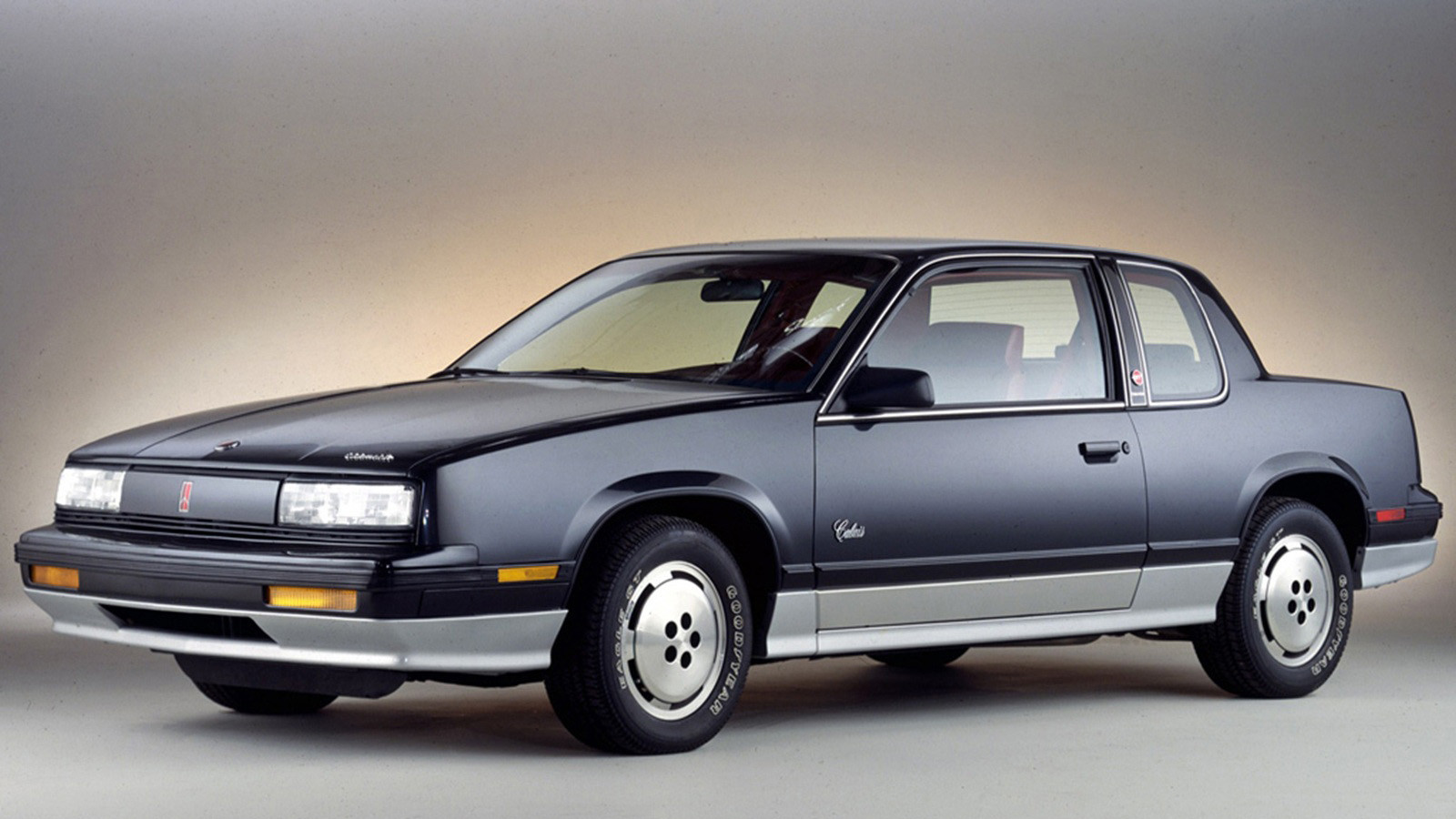
20. Oldsmobile Calais
The Calais name must have sounded suitable Gallic and exotic to American ears, because this is the name Oldsmobile used for its new compact saloon in 1985.
Sharing the same platform as other GM models, such as the Buick Skylark and Pontiac Grand Am, the Calais was offered as a four-door sedan or a two-door coupé.
Customers could pick from four-cylinder or V6 engines, and five-speed manual or four-speed automatic gearboxes.
There was also the option of the Calais GT with its sporty bodykit, four tailpipes and more heavily bolstered front seats, but there was no more power or performance for this version.
While not a high point for Oldsmobile, the Calais shifted 1,157,990 cars in its seven-year run, including two convertibles built as pace cars for the 1985 Indianapolis 500.
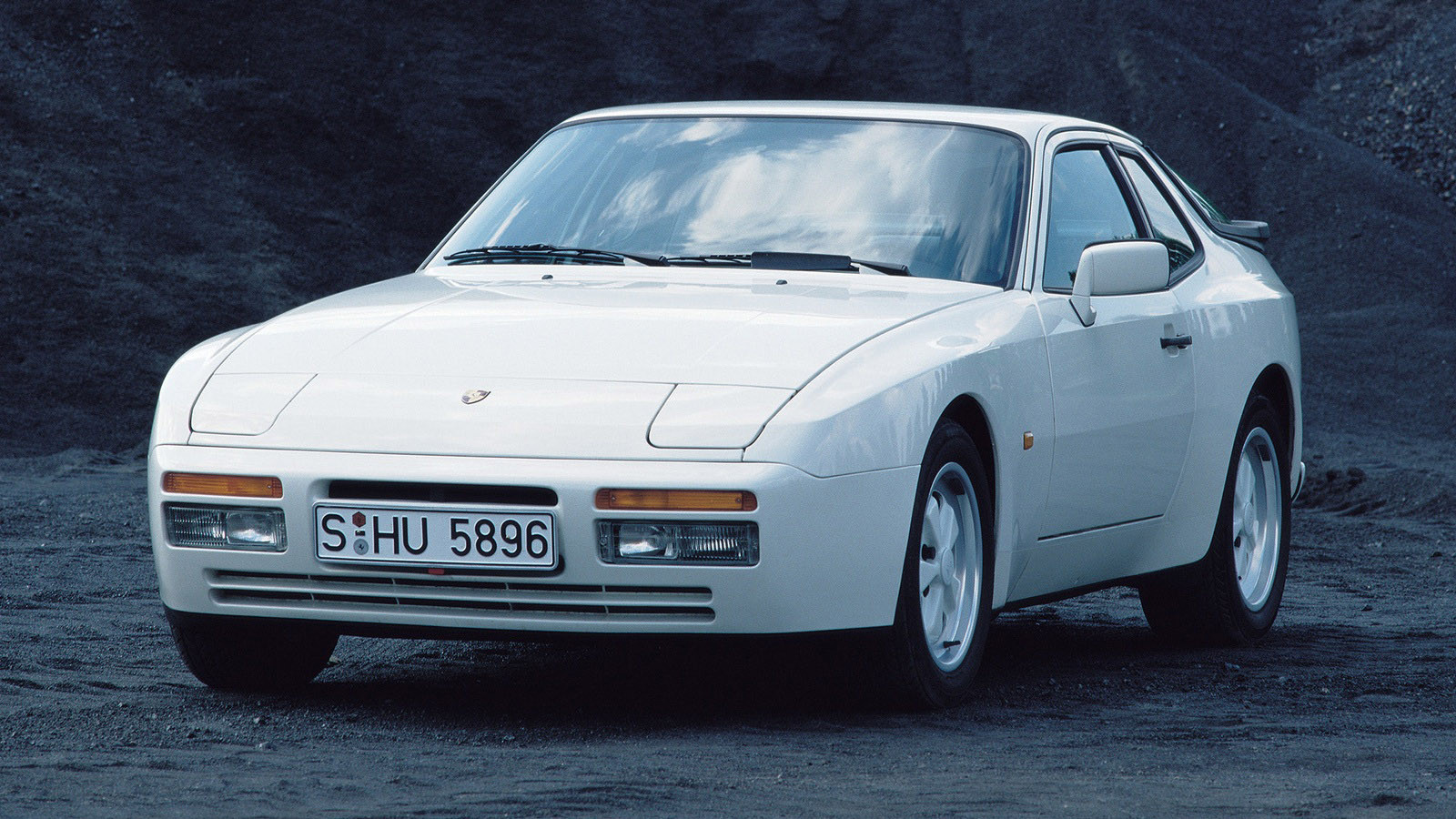
21. Porsche 944 turbo
The year 1985 was a busy one for Porsche, because it launched the 944 turbo and the 924S within this 12-month period.
While the 924S kept the entry-point affordable to the marque’s range with its naturally aspirated, 2.5-litre engine, it was the 944 turbo that grabbed the imaginations of road testers and buyers.
By adding a single KKK turbocharger to the 944’s 2.5-litre, four-cylinder engine, Porsche gave the car 217bhp.
At a stroke, the 944 was now good for 0-60mph in 5.6 secs and 157mph to outpace the standard 911. The later turbo S upped power further to 247bhp.
The Porsche 944 turbo also brought a new front-end look to the model, which was later adopted by the rest of the 944 line-up when the S2 version arrived in 1989.
When the final 944 turbo rolled off the line in 1991, Porsche had sold 25,245 compared to 16,282 of the 924S.
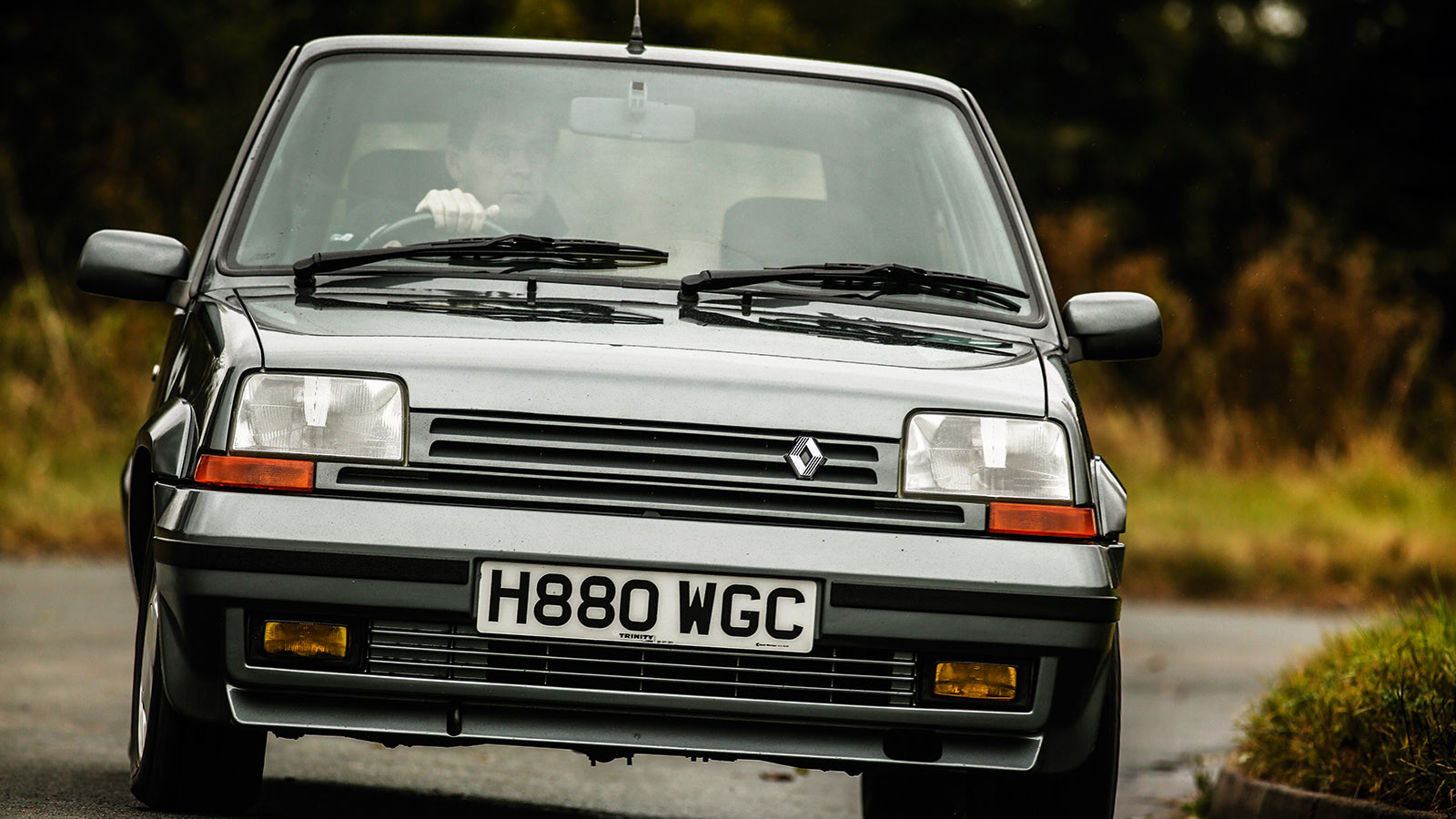
22. Renault 5 GT Turbo
The Renault 5 GT Turbo was not without its faults, but owners were more than willing to overlook a bit of hot-start trouble for the outrageous excitement provided by this rapid hot hatch.
Using the same engine as 5 Turbo but with a new Garrett T4 turbo, it had 114bhp to power the GT Turbo’s flyweight 820kg (1808lb).
The result was 0-60mph in only 7.1 secs and 120mph, plus it had masses of low-rev urge to keep the tyres constantly on the verge of losing traction.
Countering the explosive power was superb handling that made the 5 GT Turbo a truly credible alternative to the Peugeot 205 GTI.
Only the Renault’s flimsy build quality and labour-intensive servicing needs held it back from surviving in greater numbers.
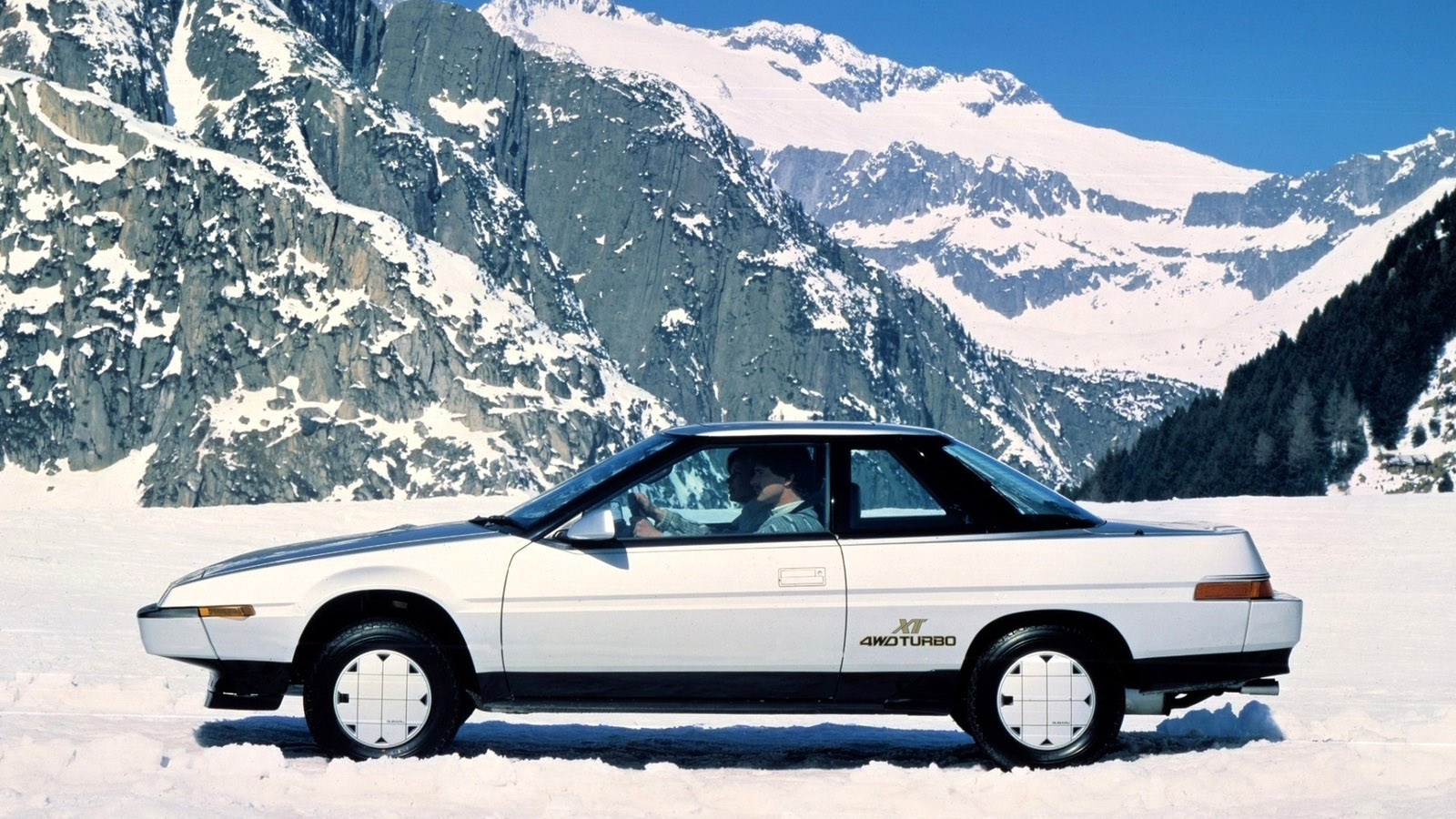
23. Subaru XT
Long before Subaru became synonymous with turbocharged, flat-four units, the XT coupé used this engine configuration along with four-wheel drive.
The mechanical package was the least unusual feature of the XT, also known as the Leone in some markets.
Its wedgy styling was something of a shock for Subaru’s conservative buyers, while the cabin was equally strange with its dogleg-spoked steering wheel and some lurid upholstery choices.
Despite the turbocharged 1.8-litre engine, the XT was not the best driving Subaru due to turbo lag, but it was brisk if you kept the engine revs up.
Subaru produced 98,911 XTs before it was replaced by the altogether more svelte SVX coupé in 1991.
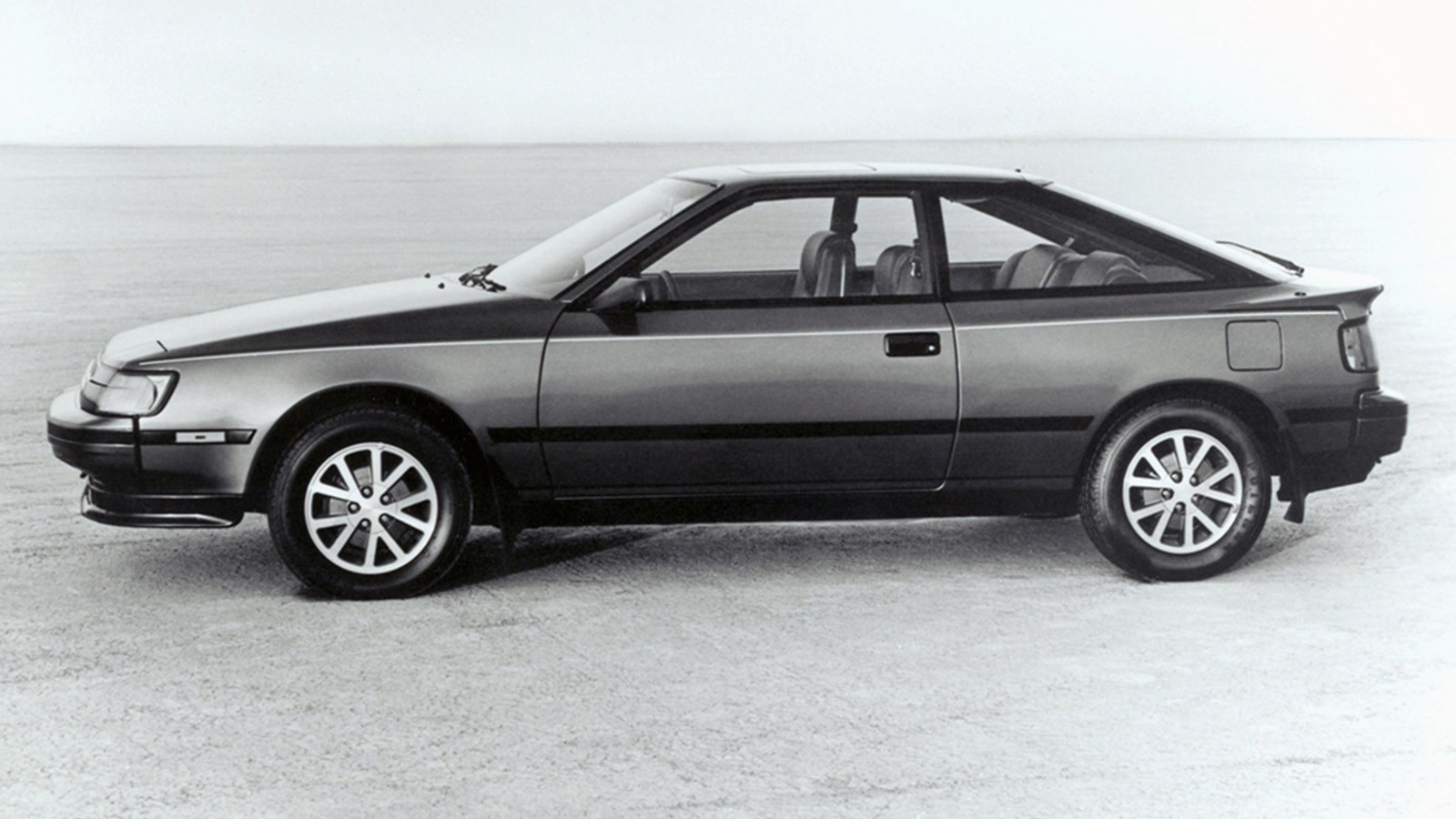
24. Toyota Celica GT
Out went the wedge style of the previous Toyota Celica and in came a pretty, sleek fastback shape for the Celica GT of 1985.
While the styling didn’t raise any eyebrows with its much cleaner look, the swap from rear- to front-wheel drive had some Celica drivers concerned.
They needn’t have worried, because the new car offered brilliant handling, a taut ride and excellent steering.
Power came from a rev-happy, 2-litre, four-cylinder engine mounted transversely. It offered 148bhp for a 130mph top speed and 0-60mph in 8.3 secs – enough to keep most hot hatches at bay.
Toyota went on to offer this fourth-generation Celica as a cabriolet and, in 1988, with four-wheel drive as the Celica GT-Four, which was the ultimate version of this popular coupé.
In all, 1.98 million Toyota Celica GTs were produced, plus 72,500 Cabriolets and 26,350 GT-Fours.
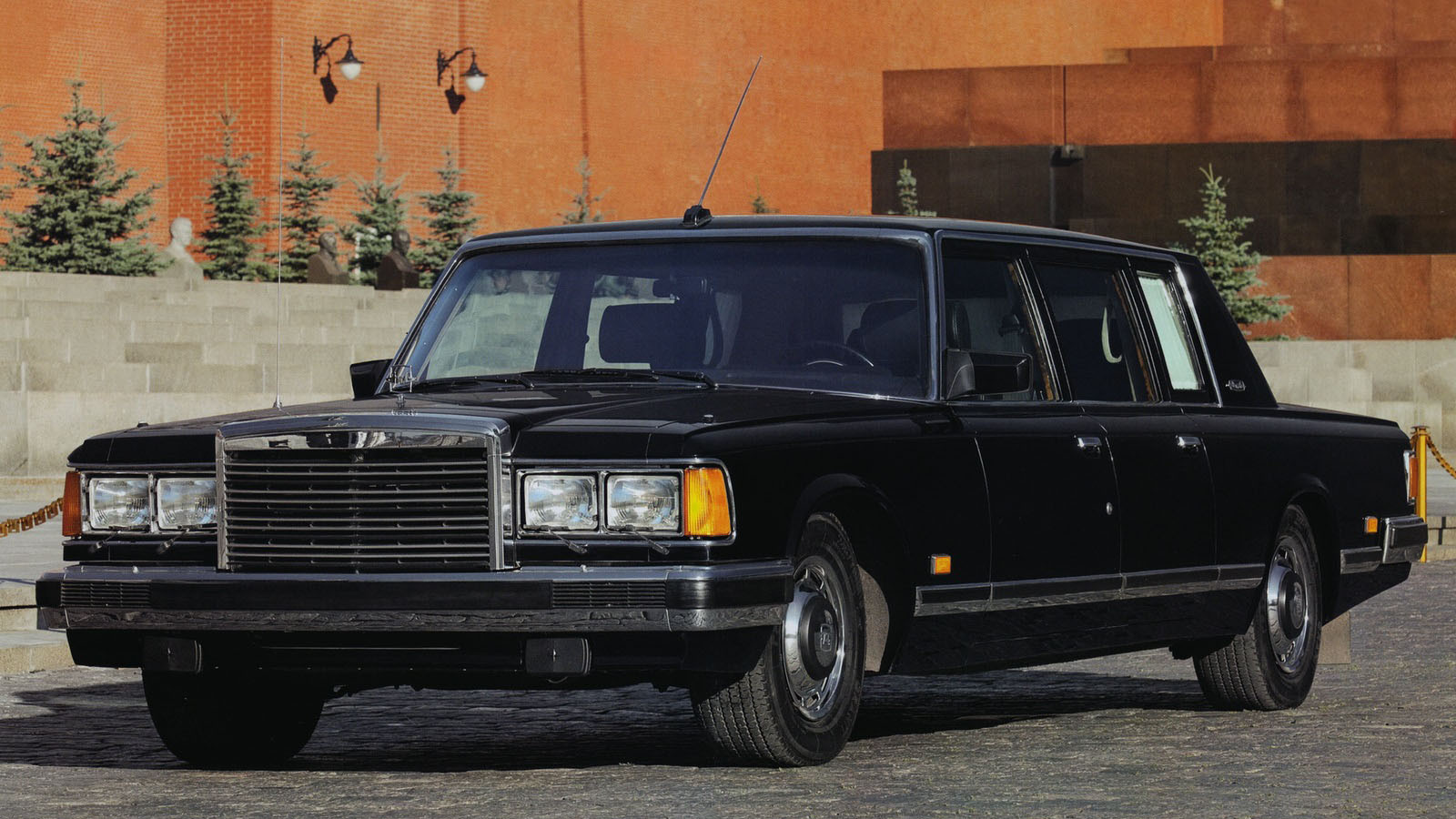
25. ZIL-41047
If you were more equal than anyone else in mid-1980s Russia, you may well have been swept around in a ZIL-41047 limousine.
In standard form, it stood at 5.75m (18.9ft) long, though this could be extended to as much as 6.3m (20.6ft) to provide more space for those in the back.
A 7.7-litre V8 with 315bhp did a decent job of powering the ZIL and it could reach a claimed top speed of 118mph.
All versions came with a three-speed automatic transmission to make driving this three-ton machine as simple as possible.
As well as limousines for government use, ZIL made the 41047 as a convertible, an ambulance and as a special-communication car. Some were also fitted with armour plating.
ZIL produced a total of 234 of all types of 41047 between 1985 and 2010.
We hope you enjoyed this gallery. Please click the ‘Follow’ button above for more super stories from Classic & Sports Car.