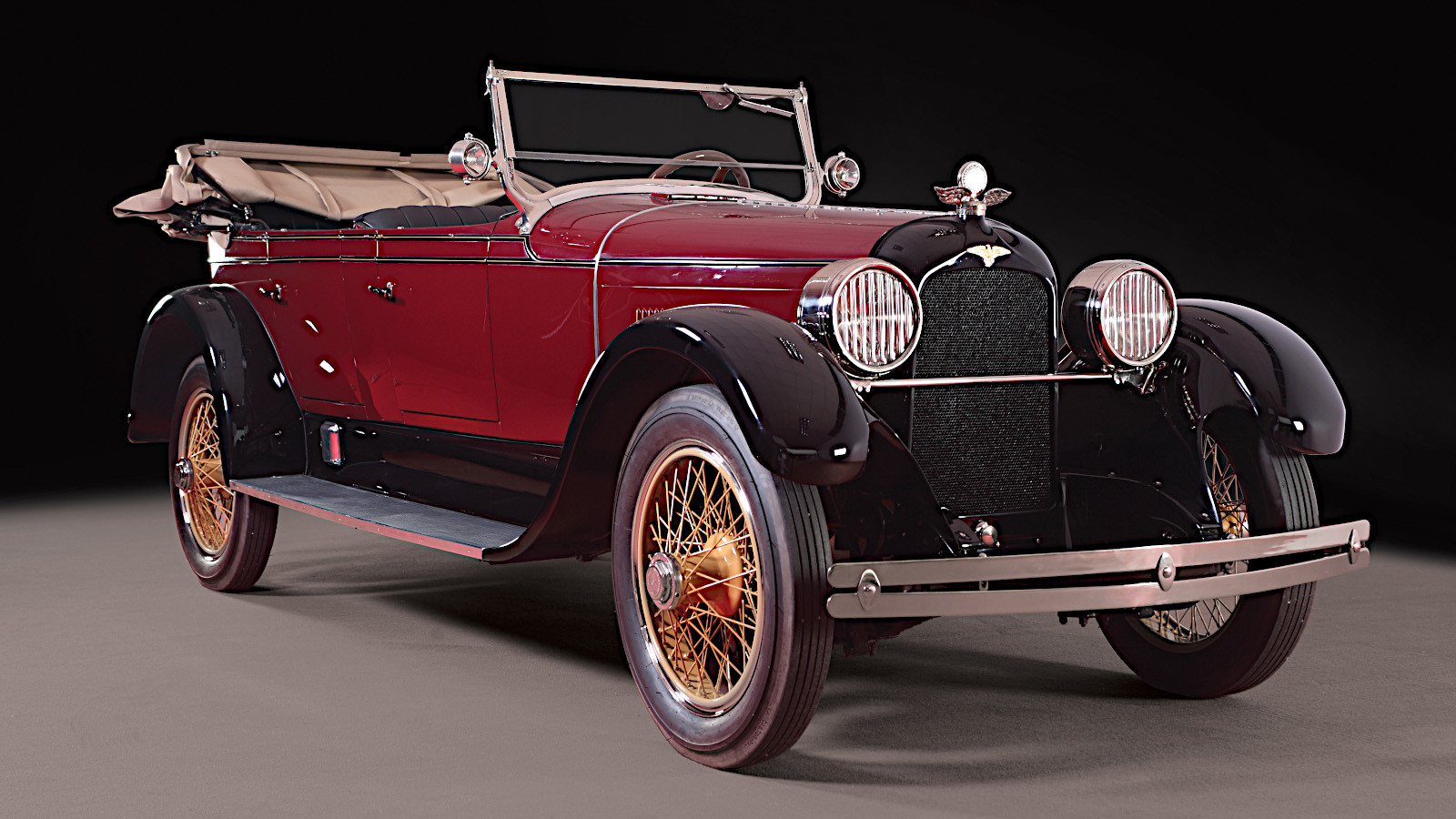
100 years on
The car buyers of a century ago were presented with a very different set of choices than we are now, in 2025.
The early popularity of electric cars had almost completely disappeared (not to return for many decades), marques we’re familiar with today hadn’t yet been created, and no one knew what an SUV was.
Nevertheless, the range of opportunities was still very wide, and there were cars to suit almost every taste, requirement and budget.
Here, listed alphabetically, are 25 of the cars you could buy in 1925, either because they had just become available or because they were still on sale a few years after their introduction.
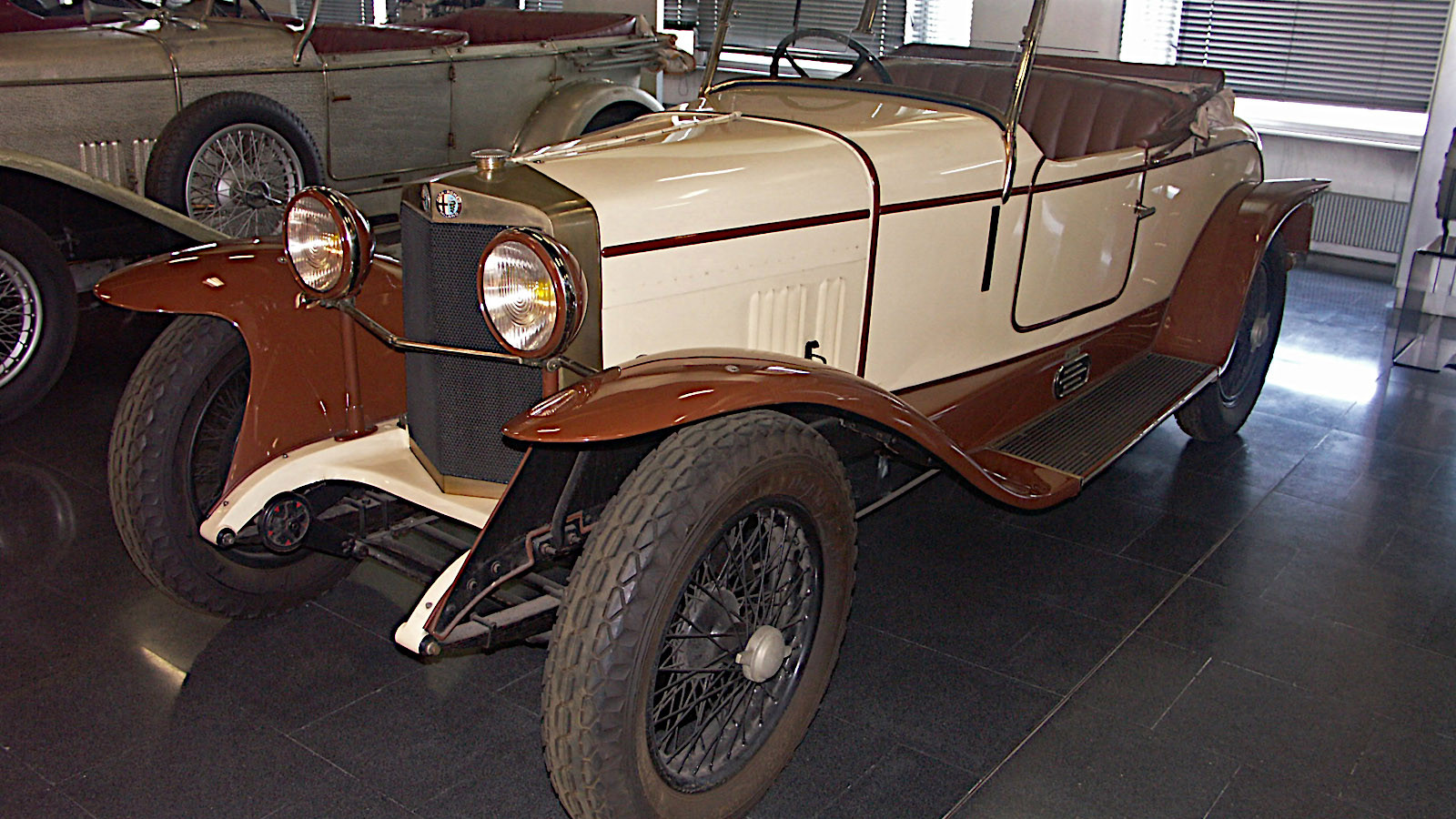
1. Alfa Romeo RM
By Alfa Romeo’s standards of the 1920s, the RM was a rather modest car.
It was powered by an in-line, four-cylinder engine, which started out at 1.9 litres and was a less formidable prospect than the larger straight-six used in the RL.
For 1925, the ‘four’ was enlarged to 2 litres – a temporary measure, as it turned out, since the RM was abandoned completely later that year.
2. Audi Type M
In contrast to Alfa Romeo, Audi’s policy with the Type M was very far from being modest.
This was Audi’s first six-cylinder model, with an engine capacity of 4.7 litres, and it was both large and expensive.
In a Germany only just recovering from a period of hyperinflation earlier in the 1920s, there was little chance it would succeed.
Sure enough, sales were very low, and it should come as no surprise that Audi survived beyond the end of the decade only because it was taken over, in 1928, by DKW, which had made an enormous amount of money by selling much smaller and cheaper cars.
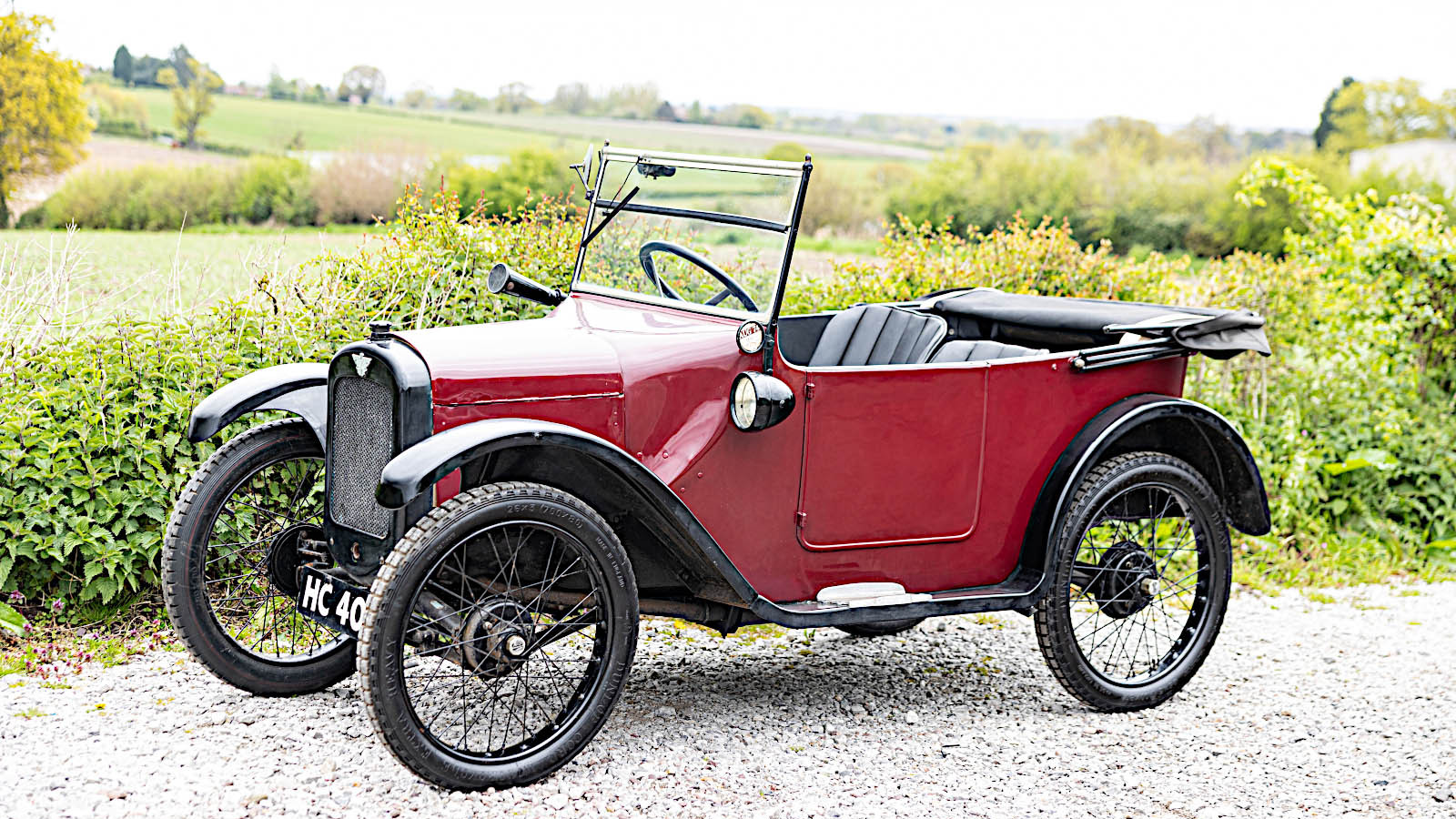
3. Austin Seven
The Austin Seven has been described as the UK’s equivalent of the monumentally successful Ford Model T.
Appealing strongly to middle-income British motorists, it started out in 1922 with a 696cc, sidevalve, four-cylinder engine, though by 1925 this had been taken out to 747cc.
Production continued all the way through to 1939, and despite the humble nature of the standard car there were also extremely successful racing and record-breaking versions.
The Seven’s legacy extended well beyond Austin, since it was also the basis of the first BMW, and of early cars built by Colin Chapman and Bruce McLaren.
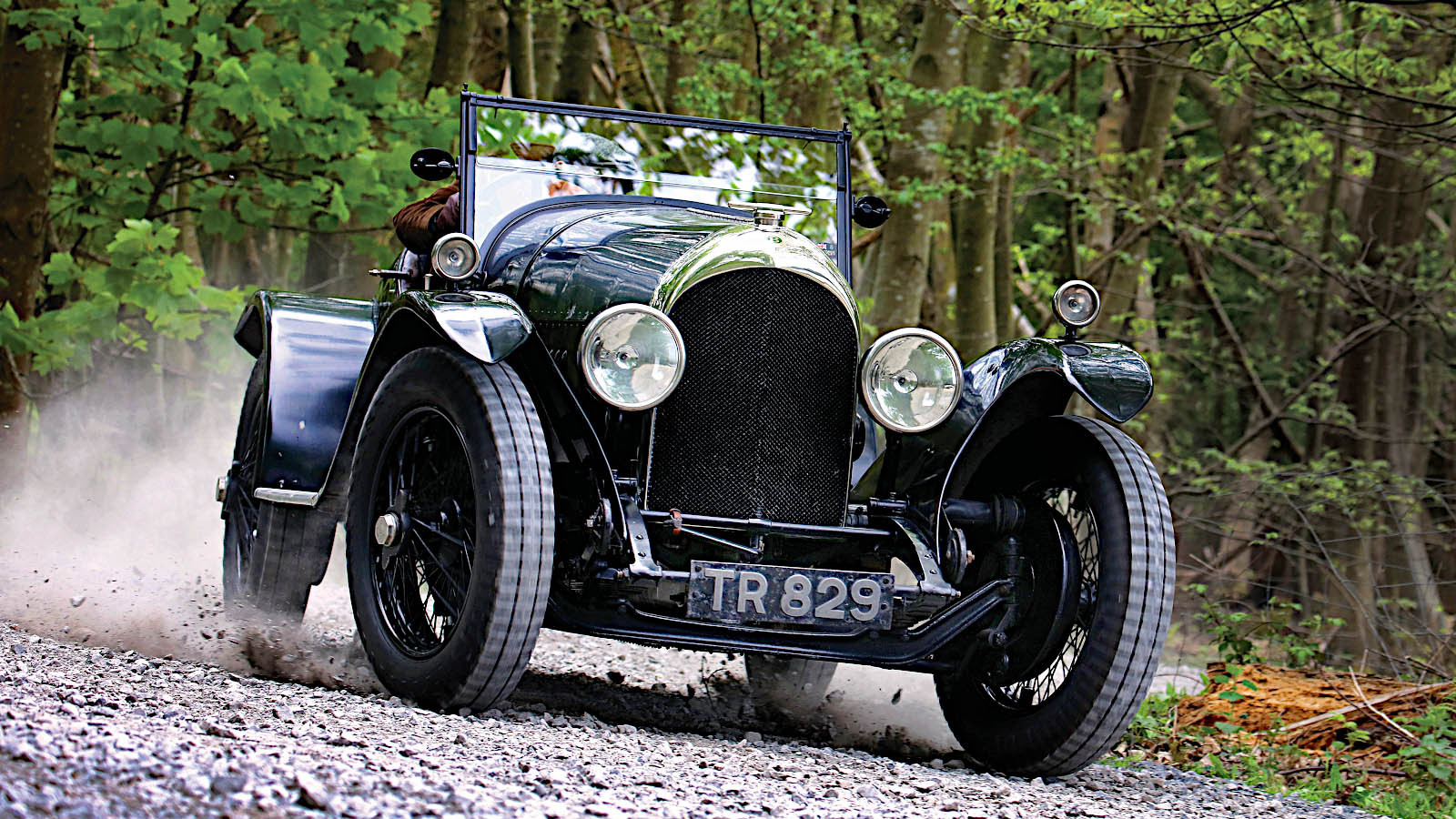
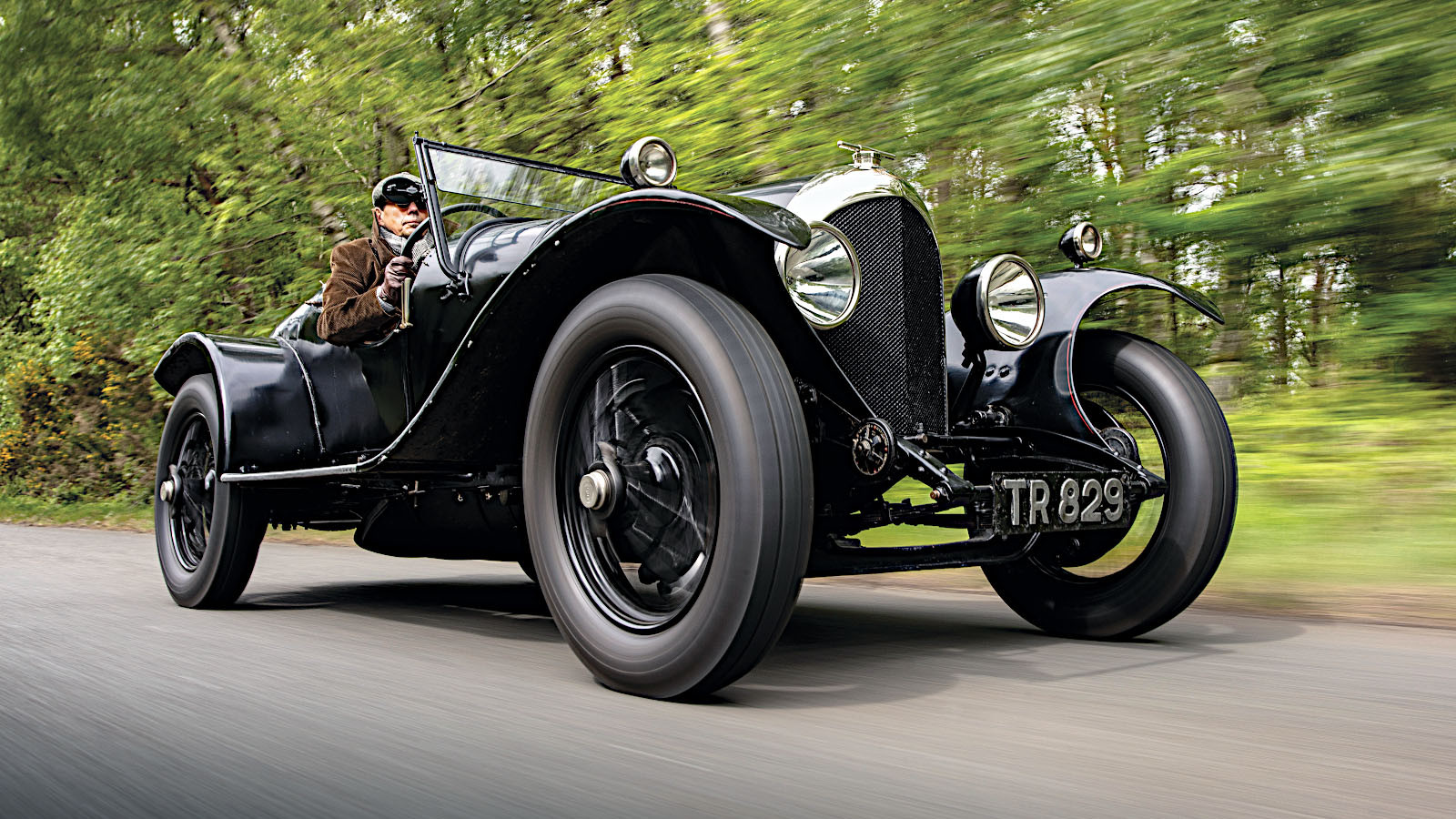
4. Bentley 3 Litre
The prosaically named 3 Litre was Bentley’s first production car, built for most of the 1920s.
By 1925 it had already won the 24 Hours of Le Mans, the first of five Bentley victories in the French classic up to 1930.
This gave the 3 Litre a reputation as a heavy but powerful sporting car, though buyers could specify limousine bodies if they were more interested in luxury than performance.
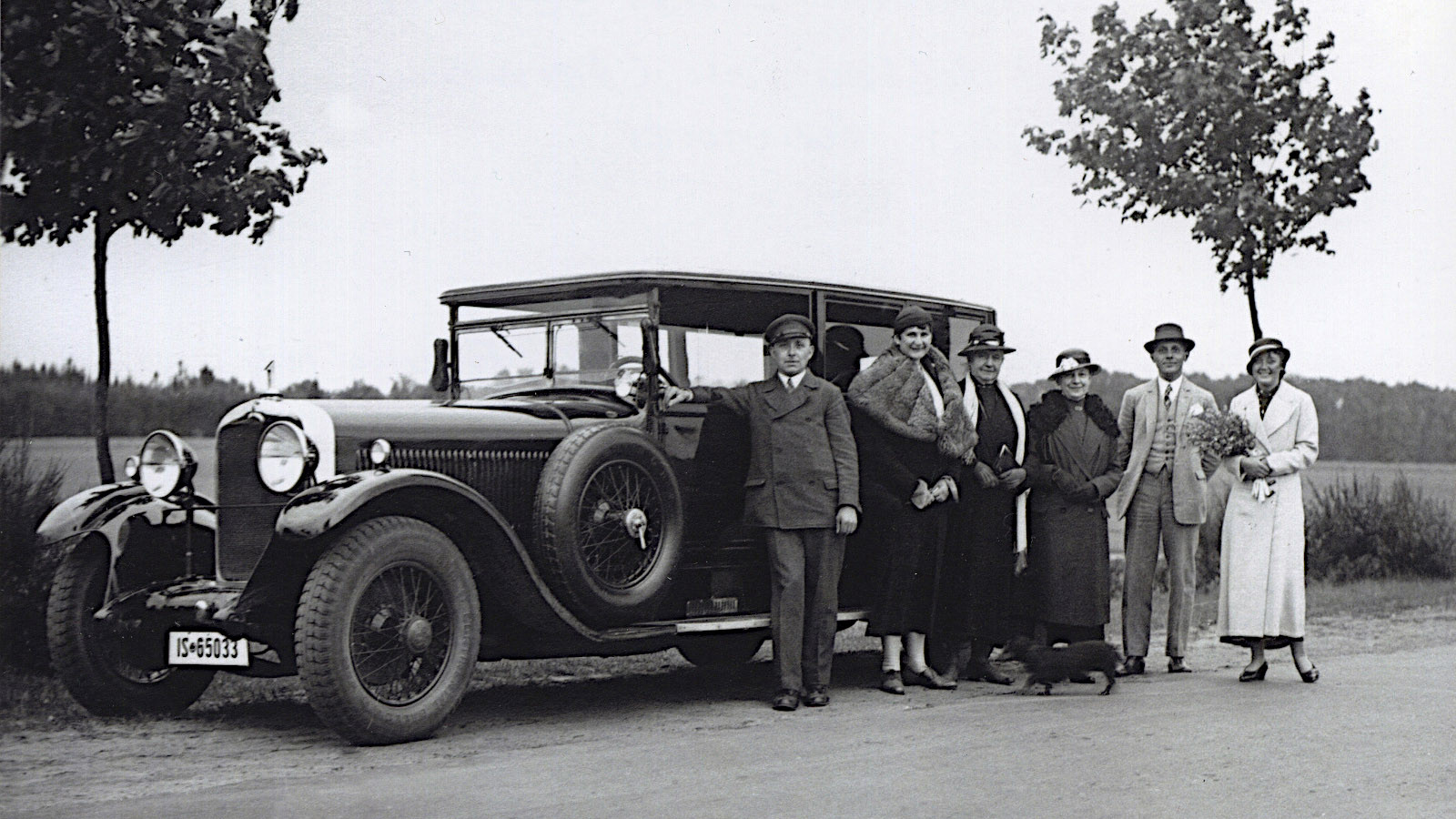
5. Benz 16/50hp
In 1925, former rivals Benz and Daimler had been officially co-operating for a year, and were just another year away from merging to form Mercedes-Benz.
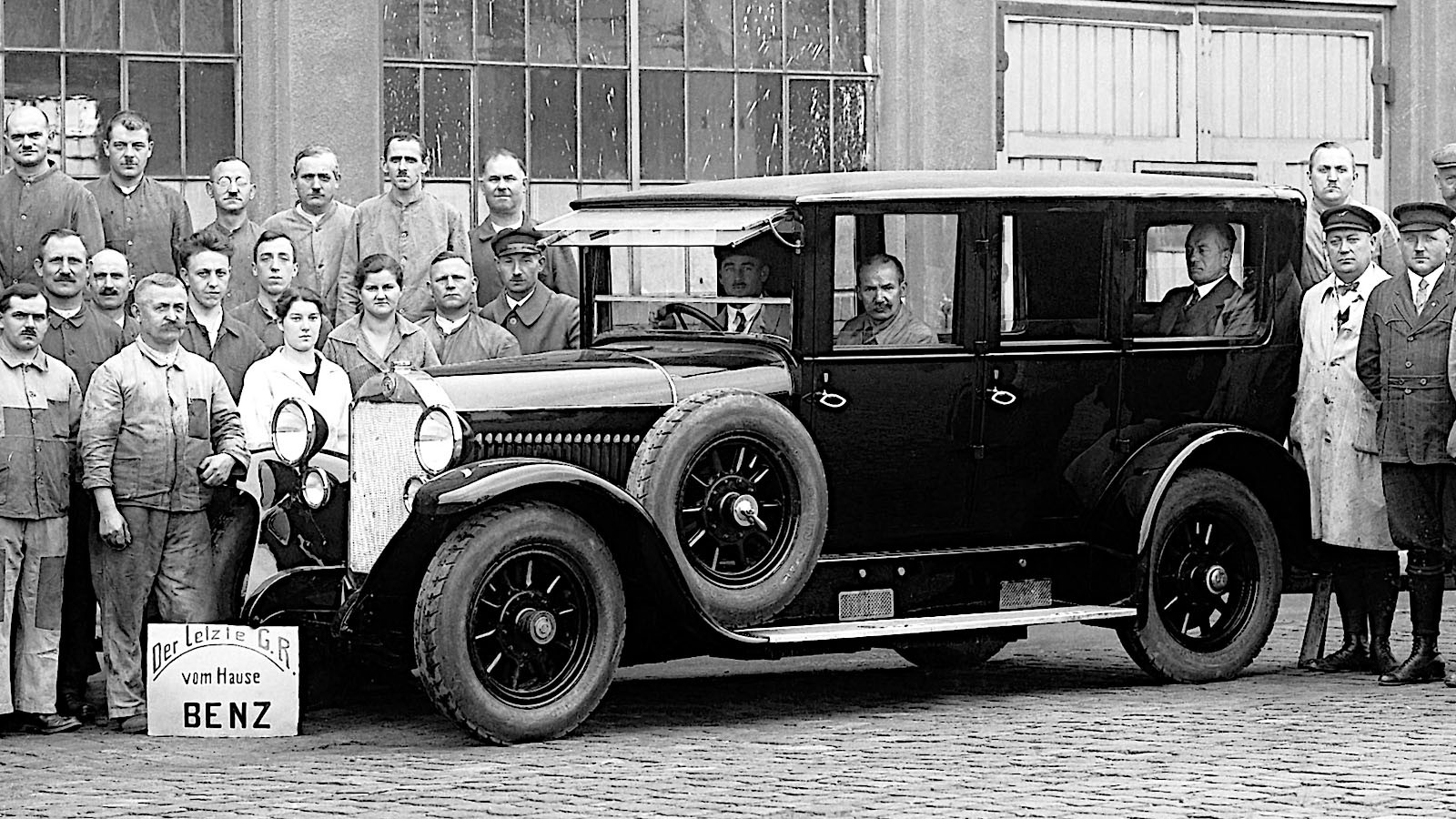
The 16/50hp was the grandest of the last few cars designed specifically as Benzes, and would become one of the first to bear the Mercedes-Benz name.
Dating back to 1921, it was powered by a 4.2-litre, six-cylinder engine, while a 2.6-litre ‘four’ was available in the otherwise similar 10/30hp.
The 16/50hp pictured here was the last Benz car to leave the factory in Mannheim, where truck engines and components are now manufactured.
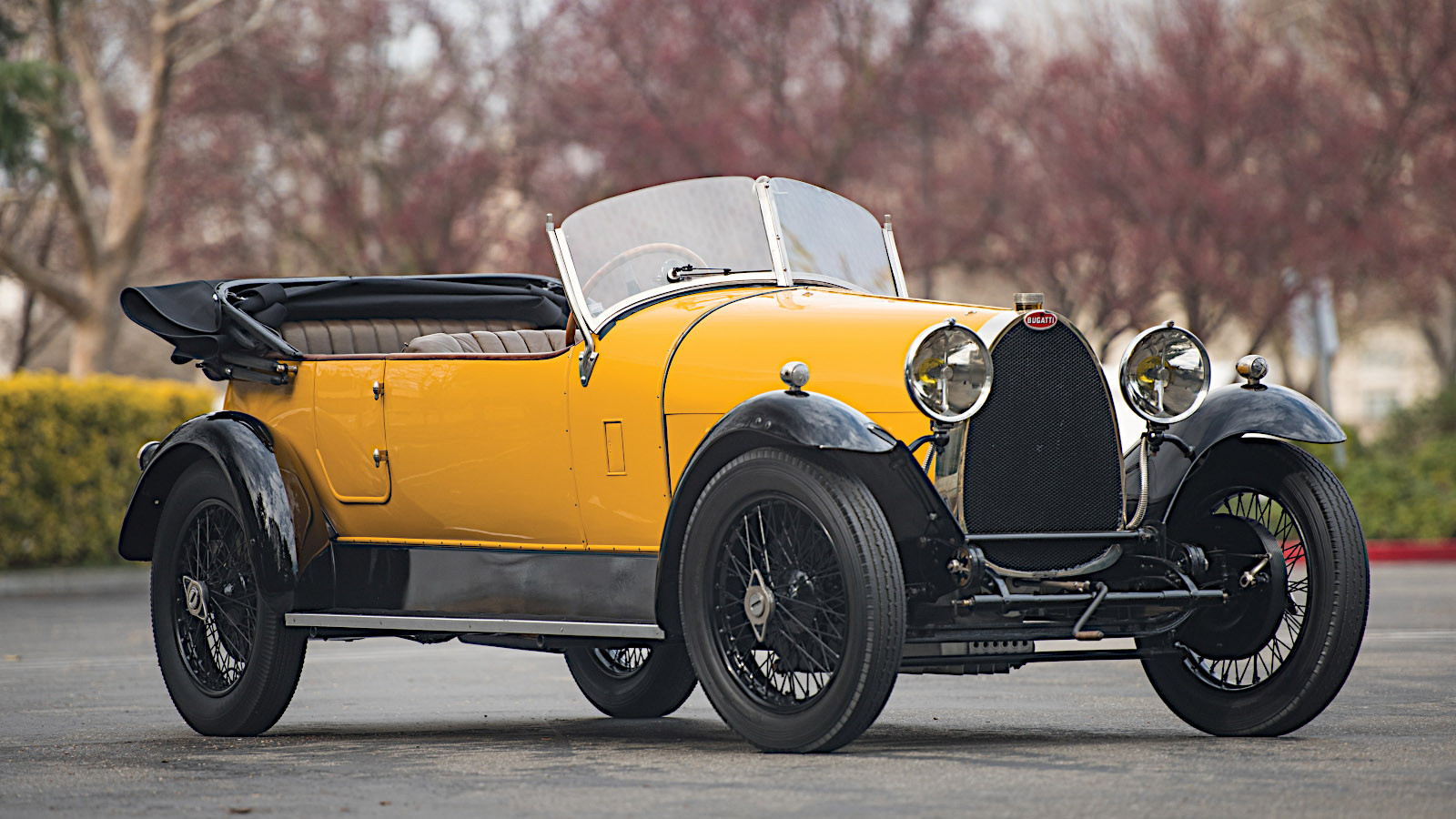
6. Bugatti Type 30
The Type 30 was the first Bugatti with an eight-cylinder engine, and the first with brakes on the front wheels.
The 2-litre, straight-eight was also used in the Type 29 and the more radical but less successful Type 32 ‘tank’ streamliner, which competed in the 1922 and 1923 French Grands Prix respectively.
In 1925 you could still buy a Type 30, since it remained in production until the following year.
It was succeeded by the Type 38, and later by the Types 40, 43, 44 and 49, all of which closely resembled the 30 to the untrained eye.
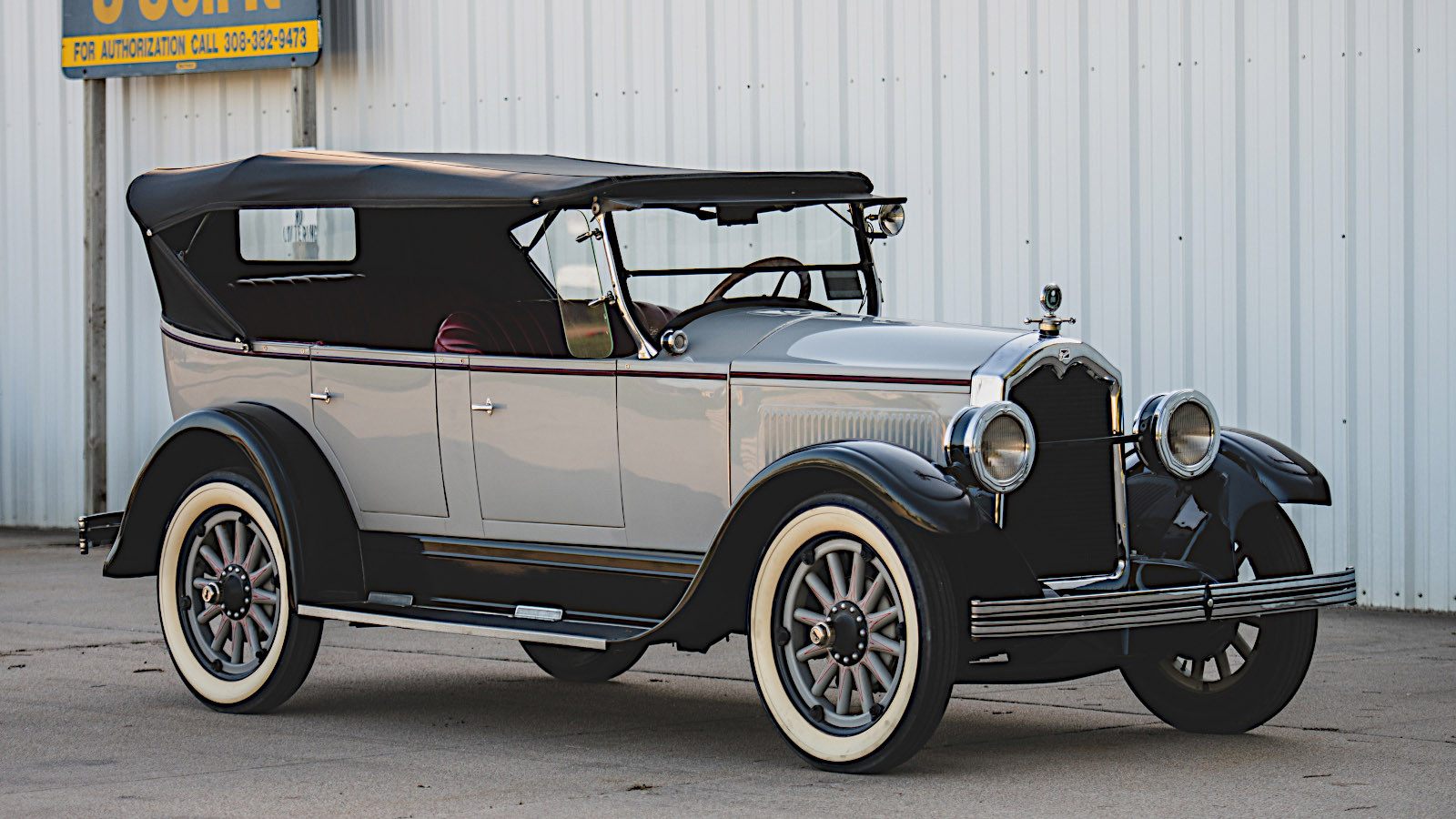
7. Buick Standard Six
The Standard Six was one of two Buicks introduced during the 1925 model year.
As the name implied, it had a straight-six engine, initially with a capacity of 3.1 litres.
However, for the 1926 model year (which began in the 1925 calendar year), one eighth of an inch was added to the bore, raising the capacity to 3.4 litres.
Produced until 1928, it was the exact contemporary of the Master Six, which had a longer wheelbase and a larger engine.
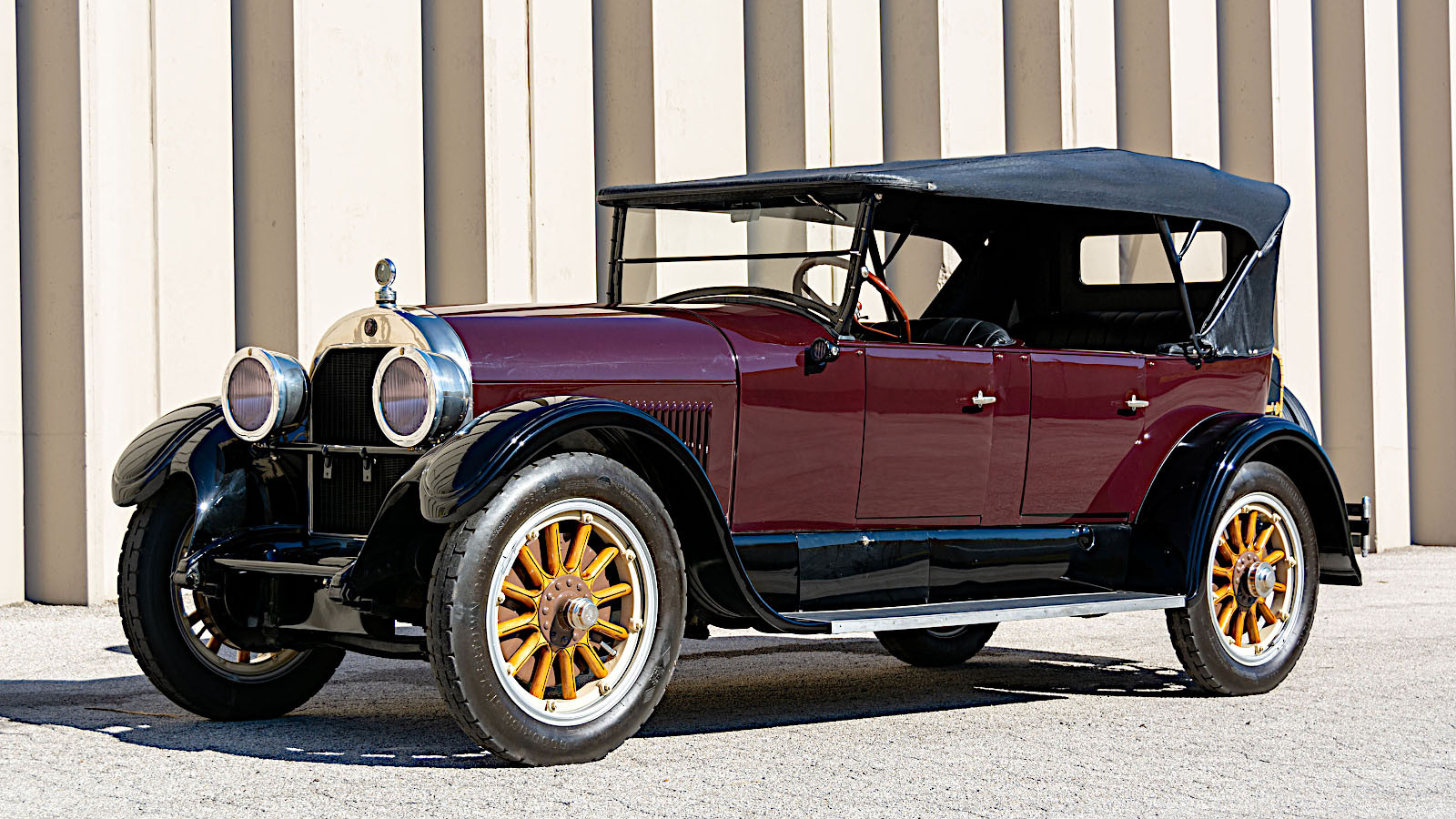
8. Cadillac Type V-63
Although other units with the same layout were built earlier, Cadillac is usually credited as the first manufacturer to put a car with a V8 engine in series production.
It did this in 1914, and 10 years later a 5.1-litre development of the same engine was used in the V-63.
The V-63 was still available in the first part of 1925, but during that year the name was changed to Series 314, reflecting the engine’s capacity in cubic inches.
The V8 was enlarged (and the car’s name changed accordingly) twice after that before the model was replaced by the Series 355 in 1931.
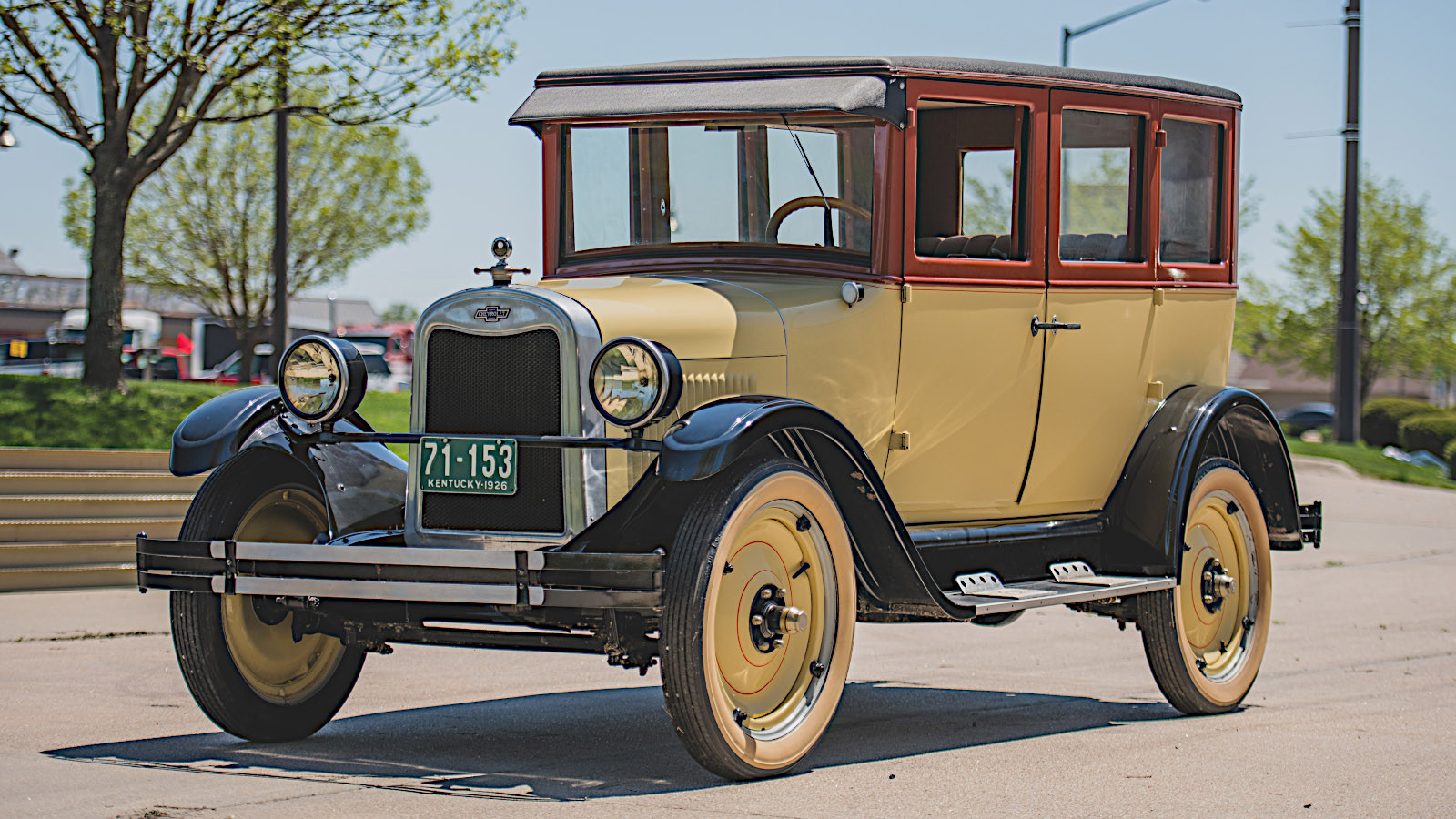
9. Chevrolet Superior
Manufactured from 1923 to 1926, the Superior was more expensive than the still wildly popular Ford Model T, but it was also far more modern and by most standards a success for Chevrolet.
There was no shortage of body styles, which included a sedan, a coupé, a roadster, a touring model and two commercial derivatives.
Changes were made annually, and when they happened the Superior was given a new series name.
During 1925, you could initially buy the ’25 model year Series K, and later the ’26 model year Series V.
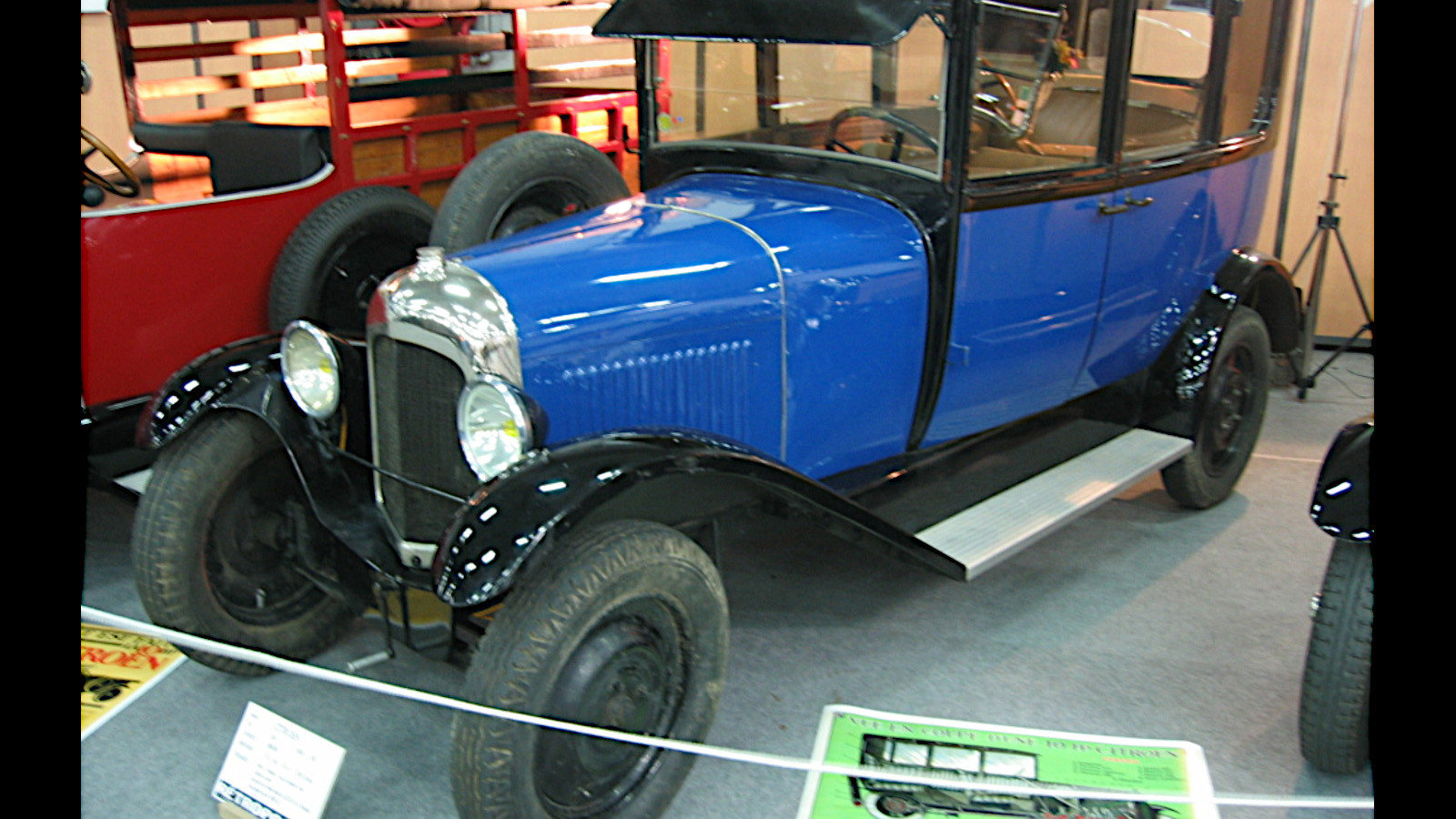
10. Citroën Type B10
In 1925, Citroën caused a major stir by turning the Eiffel Tower into an illuminated advertisement, as it remained until 1934.
In the same year, you could buy the company’s B10 model, which was mechanically identical to the earlier B2 (both used the same chassis and 1452cc engine) but had the startling innovation of a tout acier, or all-steel, body, rather than one based on a wooden frame.
Citroën promoted this as a major safety feature, but placing a rigid body on a chassis not designed to carry one proved to be a miscalculation.
That problem was solved during the development of the 1926 Citroën B12, which was more or less the same thing as the B10 except that it had a much stiffer chassis.
11. Duesenberg Straight-8
Known retrospectively as the Model A, the first car in Duesenberg’s short history was referred to in contemporary brochures as the Straight-8 after its 4.3-litre engine, whose layout would later become very popular but was extremely unusual in the 1920s.
Introduced in 1921, the Straight-8 was approaching the end of its life cycle in the year we’re discussing, but it was still a remarkable machine.
Highlights included hydraulic braking on all four wheels, a feature which Duesenberg boasted was ‘the most astonishingly successful accomplishment in automotive engineering since the inception of the industry’.
Backing that up with figures, Duesenberg claimed that a Straight-8 could be brought to a standstill from 30mph in 19.5ft (5.9m), compared with 83.3ft (25.4m) for a car with non-hydraulic brakes operating only on the rear wheels.
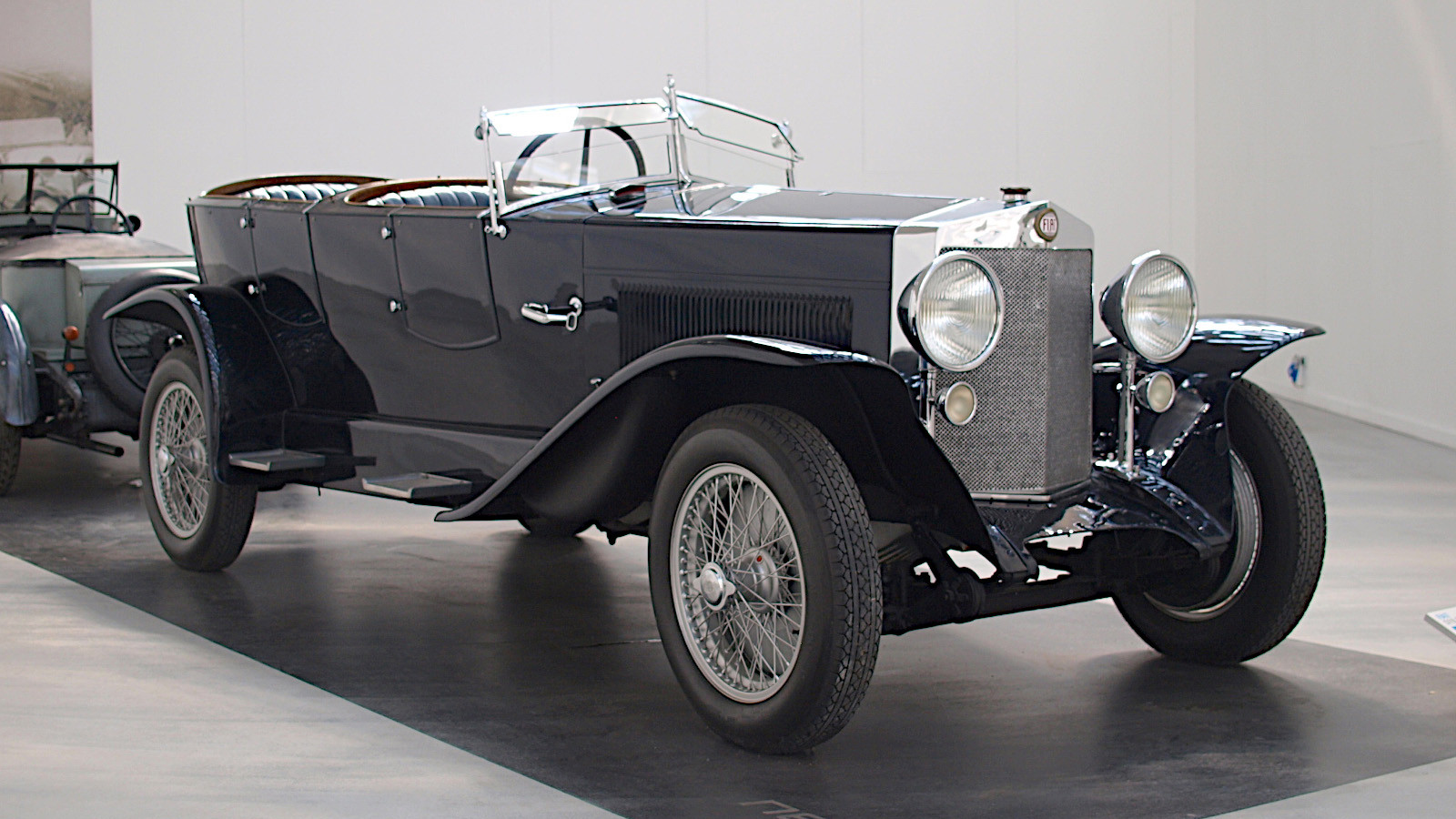
12. Fiat 519
Although it would later become better known for small, utilitarian cars, Fiat produced many powerful and luxurious models in the first three decades of its history.
The opportunities the Italian marque presented to potential customers in 1925 included the 519, which had a 4.8-litre, overhead-valve, straight-six engine.
Although the engine remained the same, there were several variants of the car itself, including a Torpedo Sport roadster and a very grand coupé de ville.
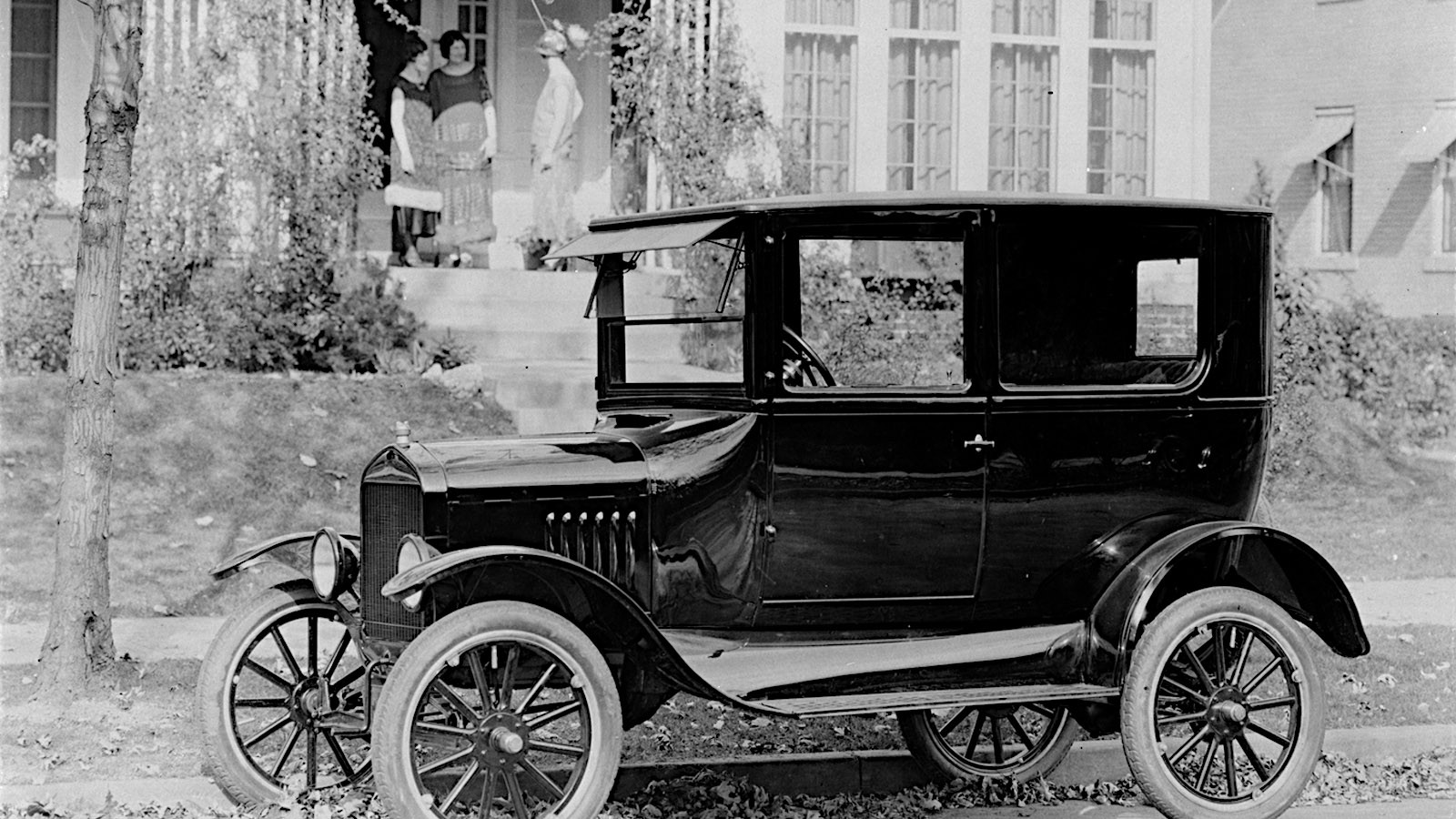
13. Ford Model T
The car which Henry Ford claimed to have said he would build “for the great multitude” was introduced in 1908, so it was very much old news by 1925.
Despite that, and the fact that it would last for only another two years before being replaced by the far more modern Ford Model A, it was still spectacularly popular, not least because of its very low price and an abundance of spare parts and accessories.
Quoted production figures vary considerably, but one set (from an internal Ford source) suggests that in 1925 it was more than 1.9 million, not far off the peak achieved two years earlier.
The T was already a thing of the past by the time of the Wall Street Crash, but its estimated total production of around 15 million remained a world record until it was beaten by the Volkswagen Beetle in 1972.
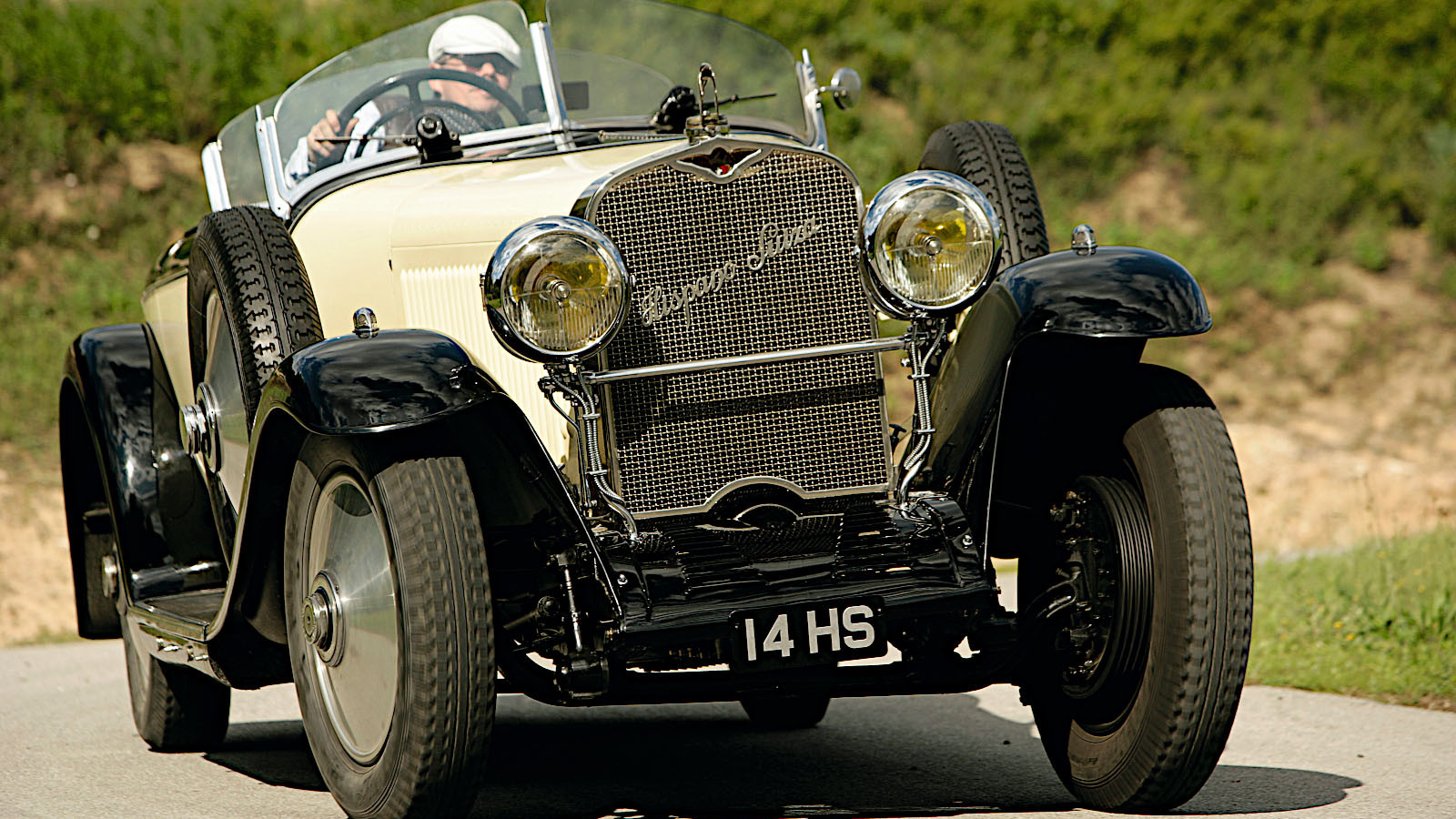
14. Hispano-Suiza H6
Throughout the 1920s, Hispano-Suiza was one of the most highly respected motoring marques in the world.
The H6 went into production before the decade began, and was still being built after it ended, so it was a familiar enough car at least by reputation, if rarely seen on the road.
Fast and luxurious, it was powered by a straight-six engine which measured either 6.6 or 8 litres, and had the astonishing innovation of servo-assisted brakes, which even Duesenberg couldn’t match at the time.
Depending on who was in charge of the coachwork, an H6 might be a grand saloon, a speedster or, in the case of the Saoutchik-bodied Dubonnet Xenia, a futuristic coupé with up-to-the-minute aerodynamic styling.
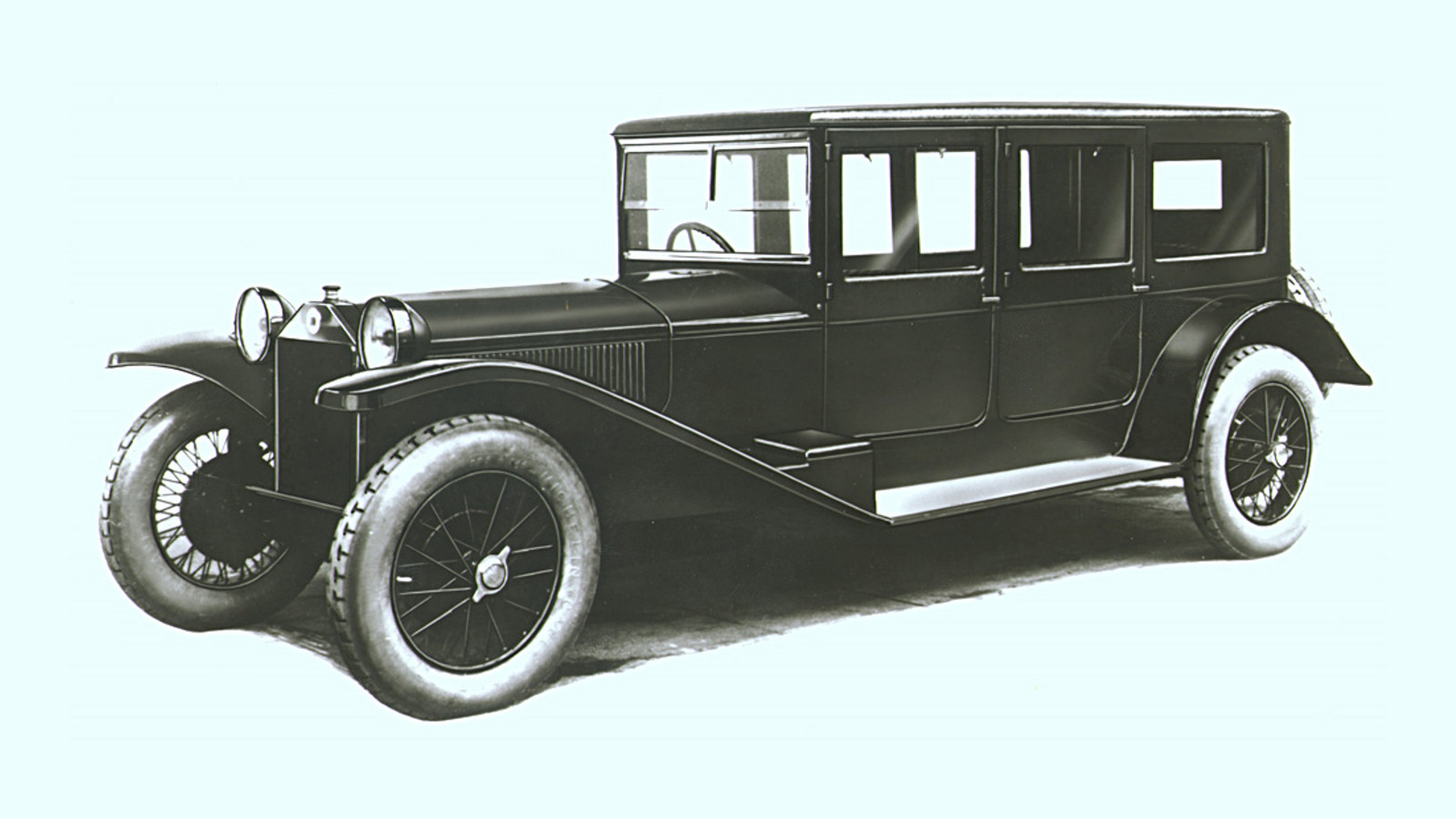
15. Lancia Lambda
The Lancia Lambda was an extraordinarily innovative car, featuring unitary body construction (which, however, did not include a stressed roof), independent front suspension and a narrow-angle V4 engine.
The V4 layout is rare in automotive history, but Lancia persevered with it all the way through to the 1970s.
The Lambda survived from 1922 to 1931 and was built in nine series during that time, with the capacity of the engine rising from the original 2119cc to 2370cc and eventually 2568cc, in each case because the bore was widened while the stroke remained the same.
Development was so rapid that some of the fourth and sixth series, and all of the fifth (pictured), were manufactured during 1925.
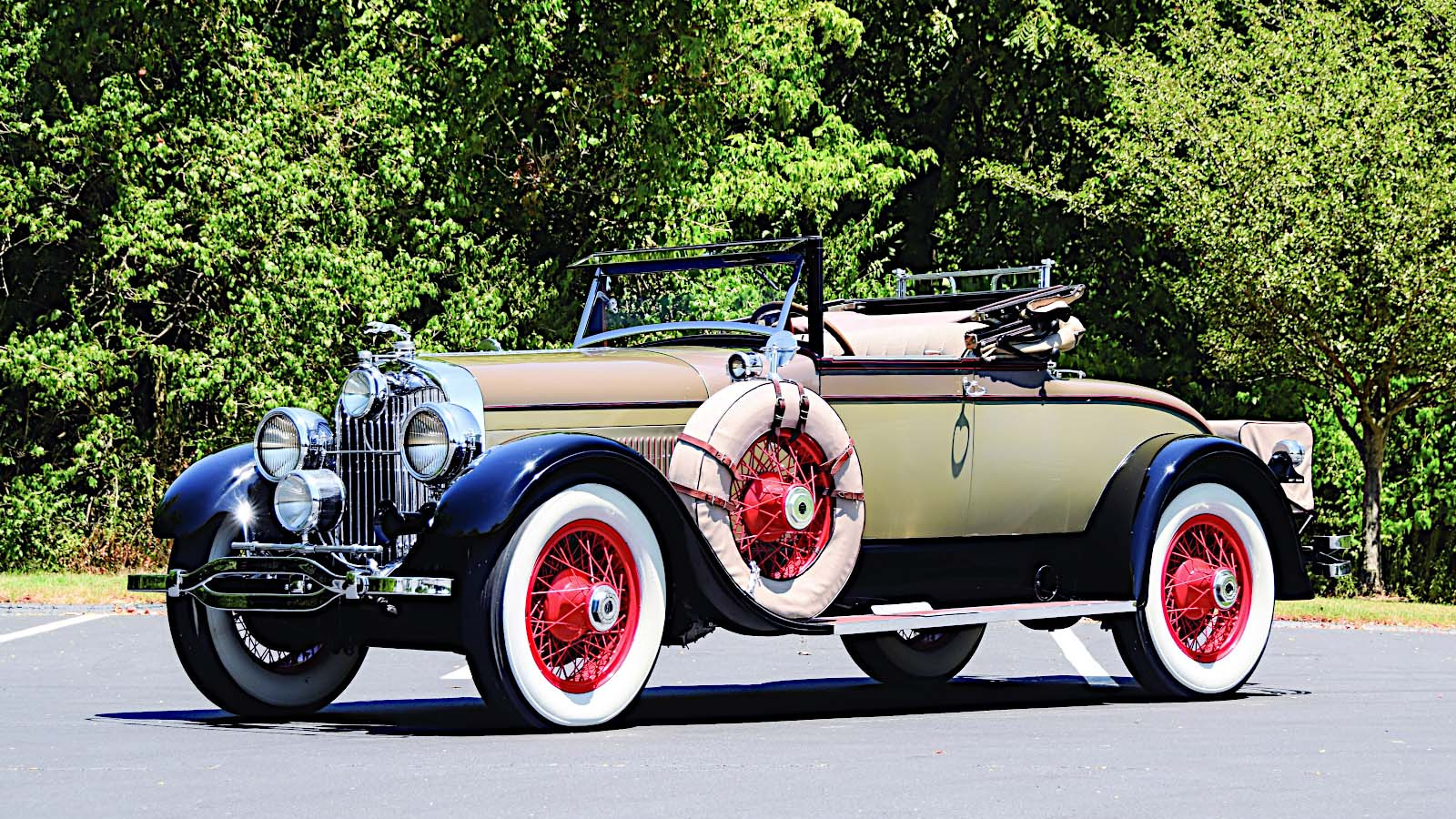
16. Lincoln L Series
Lincoln was founded to produce Liberty V12 aircraft engines during the First World War, and moved into producing cars once peace returned.
The L Series was its first automobile, and the only one manufactured before the company was acquired in 1922 by Ford, whose luxury brand it remains today.
Providing luxury was the aim right from the start, and the L Series could reasonably be spoken of in the same breath as contemporary Cadillacs, Packards and Rolls-Royces.
Always powered by a V8 engine (still measuring the original 5.9 litres in 1925, though it was later enlarged to 6.3 litres), the L Series survived until 1930, when it was superseded by the K.
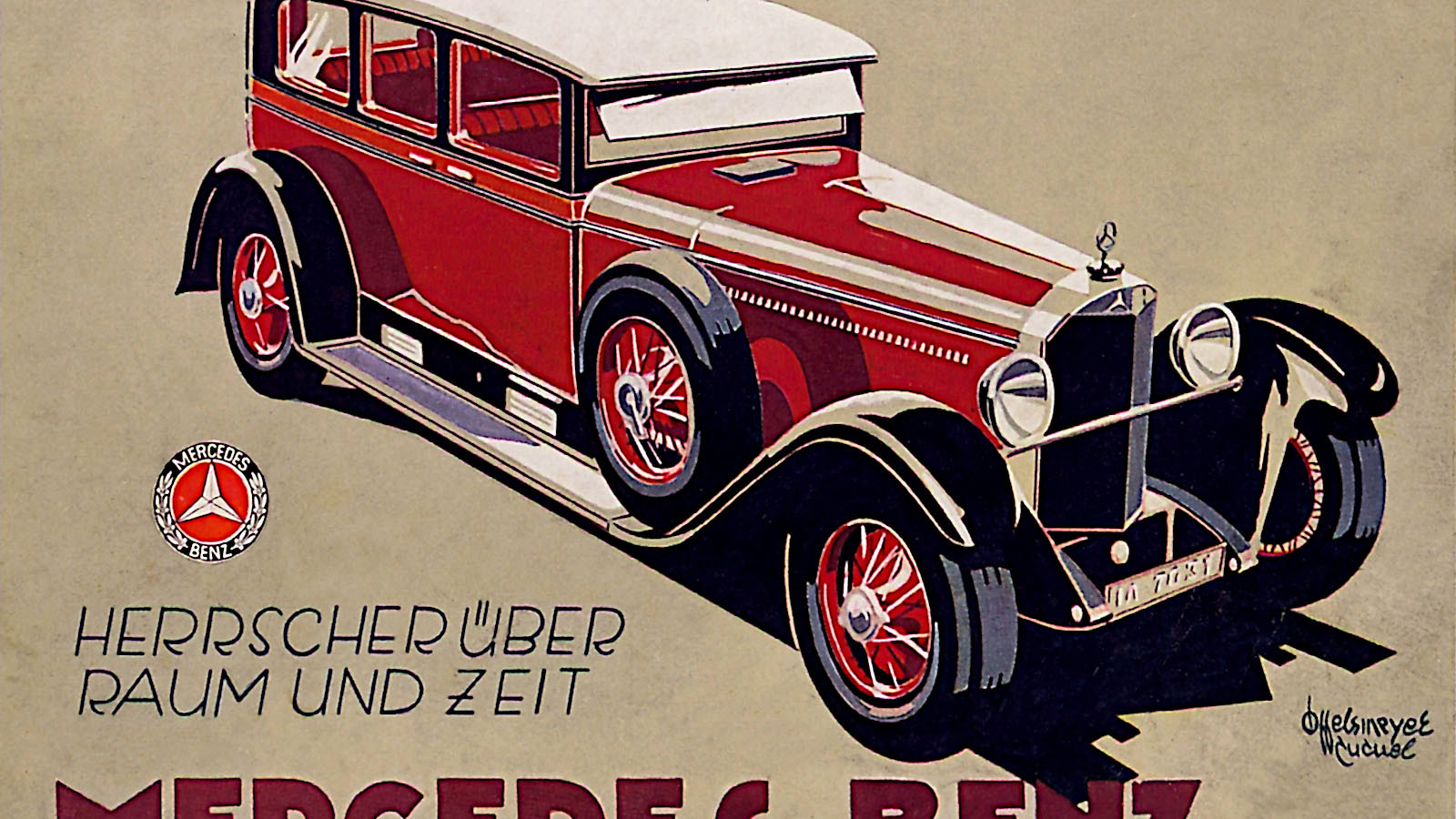
17. Mercedes 24/100/140hp
The 24/100/140hp was largely the work of Ferdinand Porsche, who had taken over from Paul Daimler as design chief in 1923.
Its name, which does not easily trip off the tongue, refers to the taxable horsepower, actual horsepower without supercharging and horsepower with supercharging of the 6.2-litre, straight-six engine.
A similar model with a 3.9-litre engine was called the 15/70/100hp.
Branded as a Mercedes-Benz from 1926 onwards, the 24/100/140hp still appeared in the 1931 price list for a heavily discounted sum, but production had come to an end in the previous year.
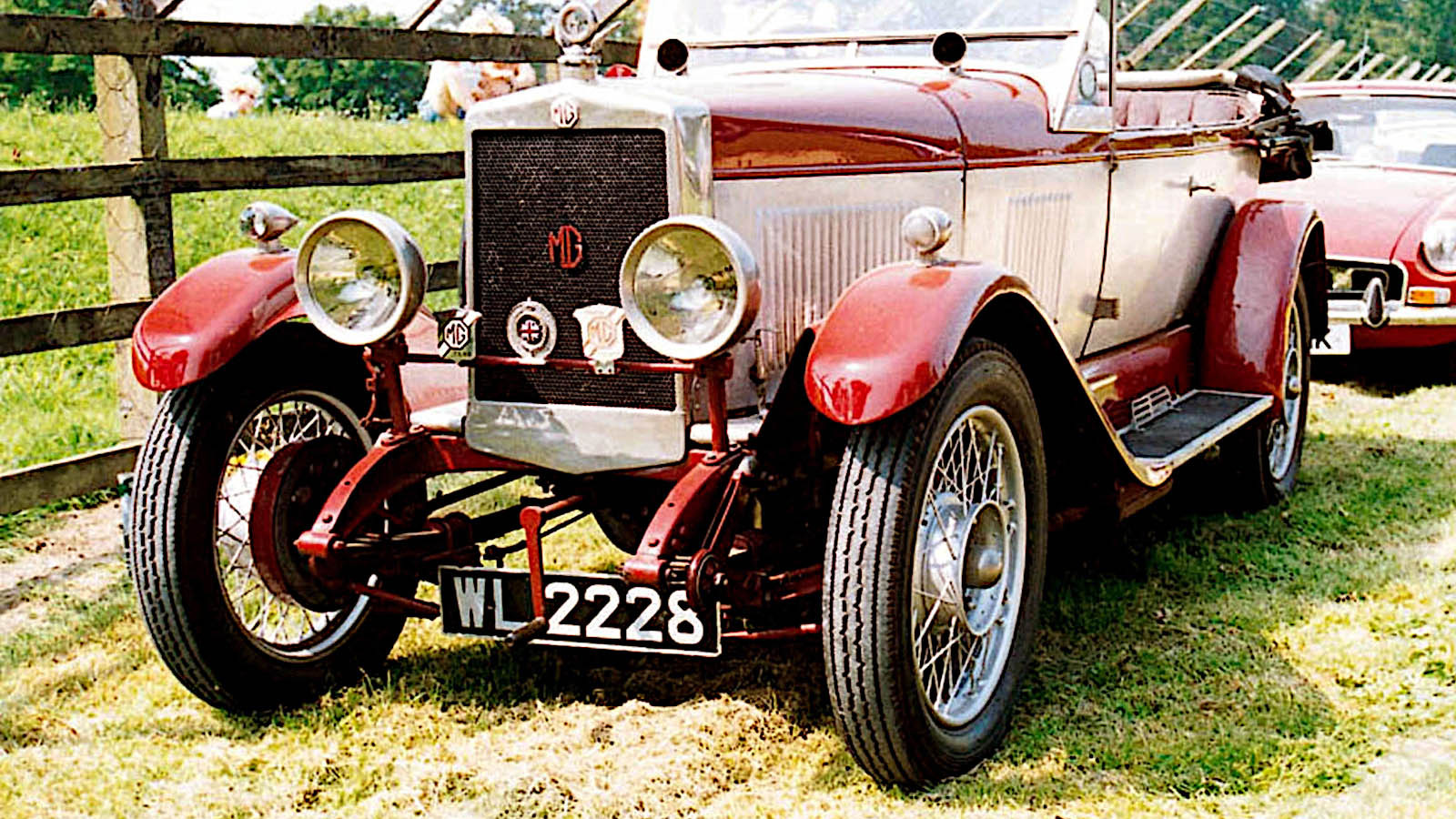
18. MG 14/28
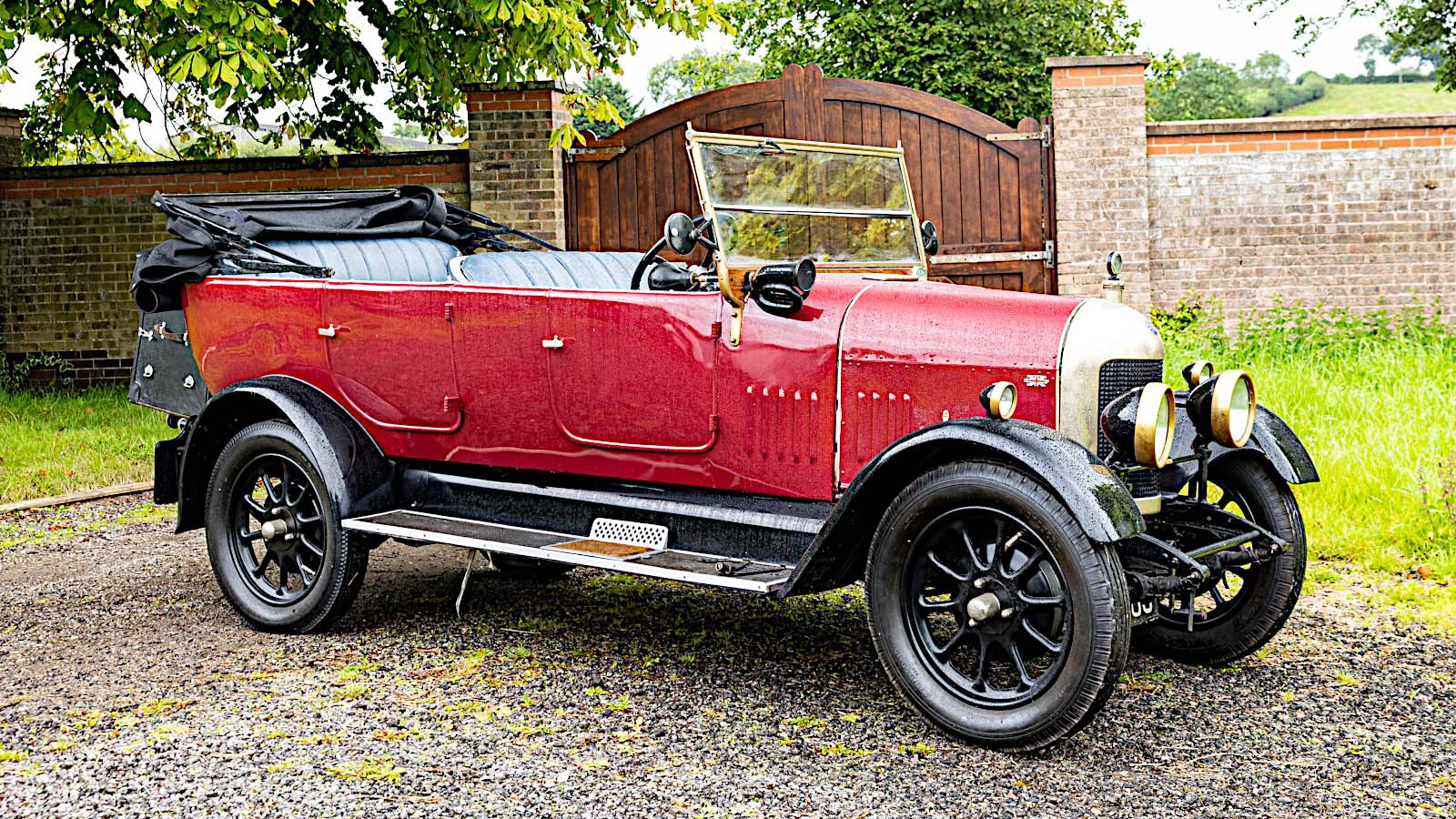
The first car to be marketed as an MG was in fact a slightly modified Morris Oxford with a different body.
Introduced in 1924, and known as the MG Super Sports, it still carried Morris badging, which shows how gradually the MG marque came into existence.
The car pictured here is a later version, since it does not have the ‘bullnose’ radiator initially shared with the Oxford.
19. Morris Oxford
Morris built cars with the model name Oxford for nearly 60 years.
1925 was the peak production year for the second version, which at the time had a 1.8-litre, four-cylinder engine and the then characteristic ‘bullnose’ front end.
It was also possible to order a variant called the Oxford Six, which had a 2.3-litre, straight-six engine, but almost nobody did.
The bullnose front was replaced by one with a more conventional radiator in 1926, and Oxfords of that year and several afterwards are referred to as ‘flatnose’.
20. Opel Laubfrosch
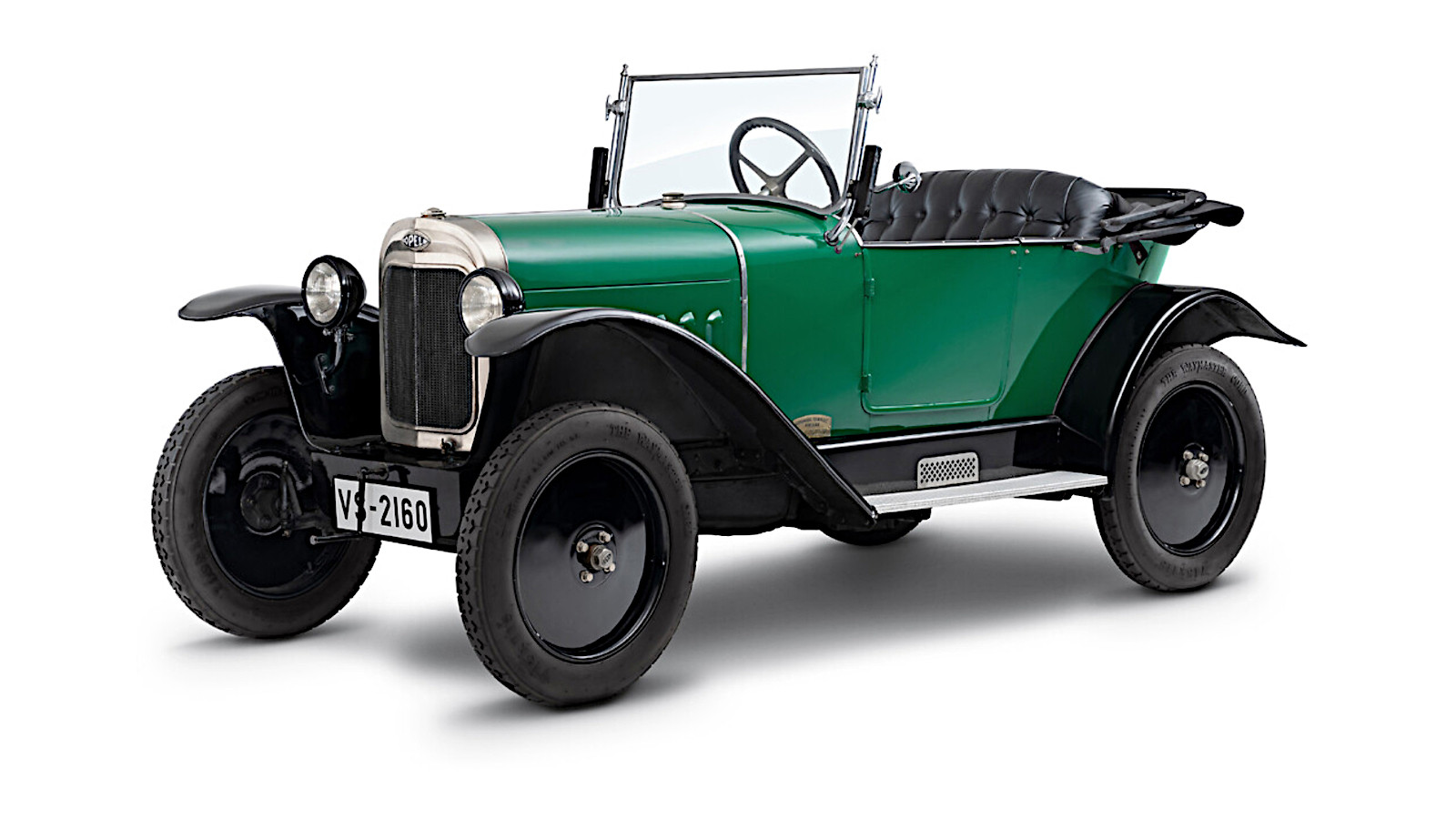
Officially known as the 4 PS, the Laubfrosch was the first Opel produced on a moving assembly line.
It was launched in 1924, and soon acquired its nickname (strictly speaking the German word for ‘leaf frog’, but usually translated into English as ‘tree frog’) because it was small and, at least in the early days, always painted green.
According to Stellantis, of which Opel is now part, production reached 125 units per day in 1925 – five times the amount originally planned – which led to an impressive reduction in the purchase price.
Although there were several important differences, a resemblance was noted between the Laubfrosch and the Citroën Type C introduced in 1922, giving rise to acerbic comments about the little Opel being ‘the same in green’.
21. Packard Single Six
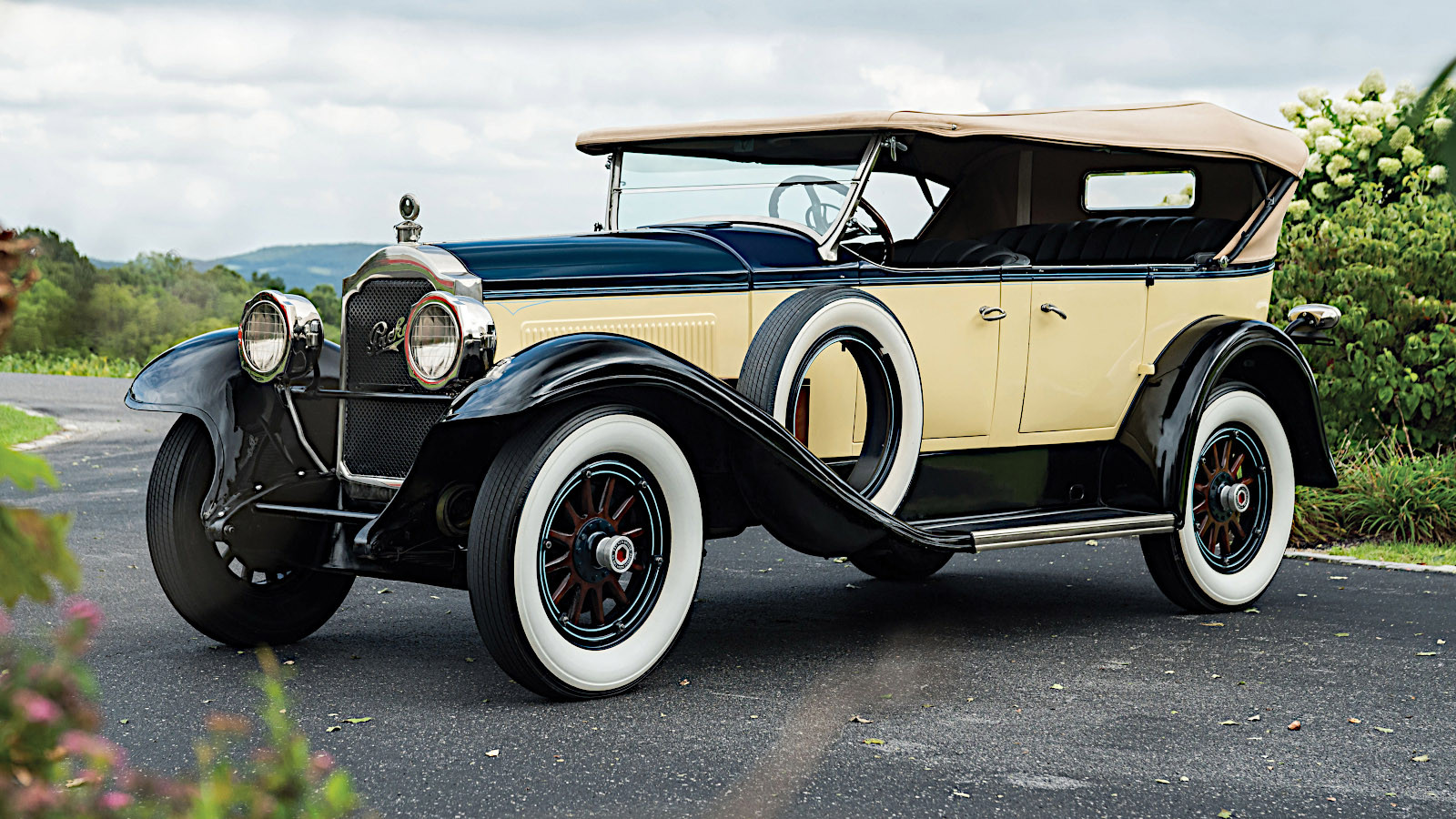
From its introduction until the 1925 model year, what later became simply the Six was known as the Single Six to emphasise that it had a straight-six engine, the name Double Six being used to indicate a V12.
Powered by a 4-litre, flathead motor, the Single Six was a ‘junior level’ model in Packard terms, positioned below first the Double Six and later the Double Eight.
Despite that, it was still regarded as a luxury car, though perhaps of limited interest to the exceptionally wealthy.
Production ended in 1928, and there would not be another six-cylinder Packard for nine years.
22. Peugeot Type 172 BC
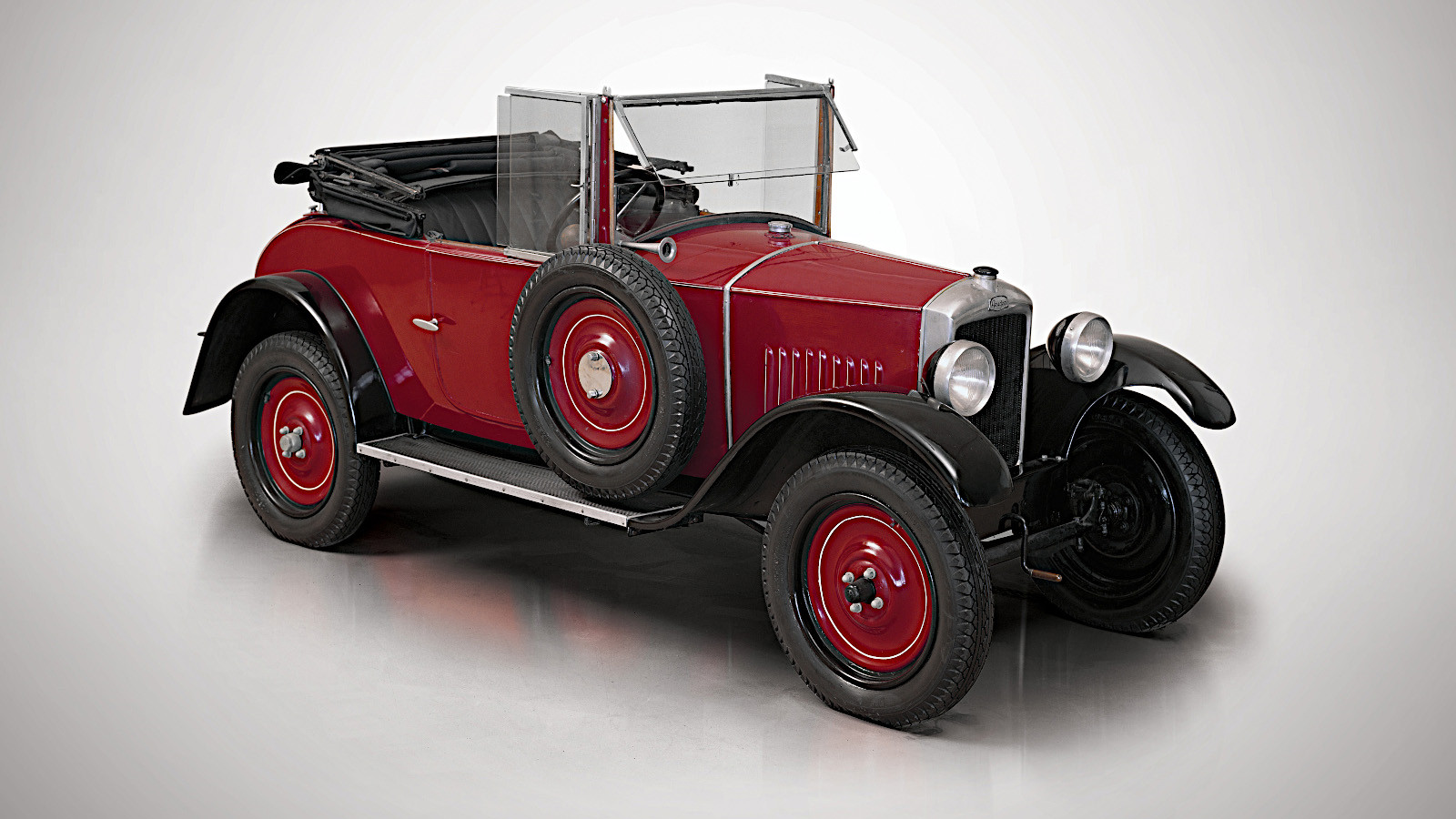
Confusingly, ‘Type 172’ can refer to several subtly different Peugeots built in the 1920s.
The first 172 was a 1922 update of the previous year’s Quadrilette, officially known as the Type 161.
The 172 BC, of which Peugeot has said that its entry-level model ‘left the cyclecar category to become an automobile’, was initially powered by the Quadrilette’s 667cc engine, but in 1925 this was replaced by a 720cc unit.
Styling changes led to the car being renamed Type 172 R in 1926, and two years after that a smaller but more powerful 695cc engine prompted yet another name change, this time to Type 172 M.
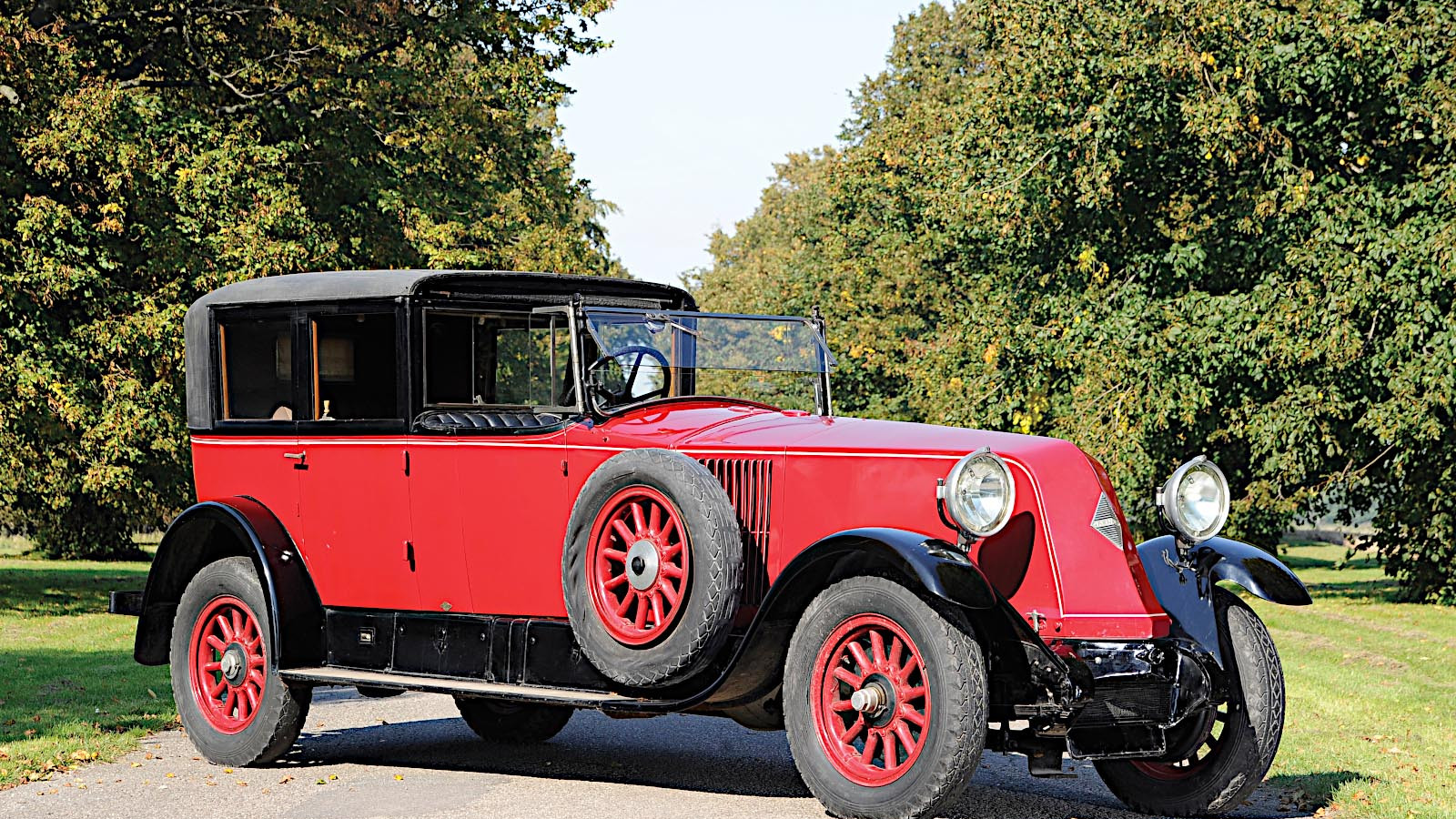
23. Renault 40CV
Given the tremendous pace of development in early automotive history, it’s remarkable that the Renault 40CV, like few other contemporary cars with the exception of the Ford Model T, was on sale for nearly 20 years.
One of the most luxurious French models of its time, it became particularly newsworthy in January 1925, almost a decade and a half after its first public appearance at the Paris show in December 1910.
Accompanied by his wife, whose name appears to have been lost to history, François Repusseau drove a 40CV to victory in that year’s Rallye Monte-Carlo – no doubt to the disappointment of Gotty Mertens, who finished second in her Lancia Lambda.
Now with a mighty 9.1-litre, straight-six engine, which had replaced the original 7.5-litre unit a few years earlier, the 40CV remained in production until 1928, when it was discontinued in favour of the almost equally grand Renault Reinastella.
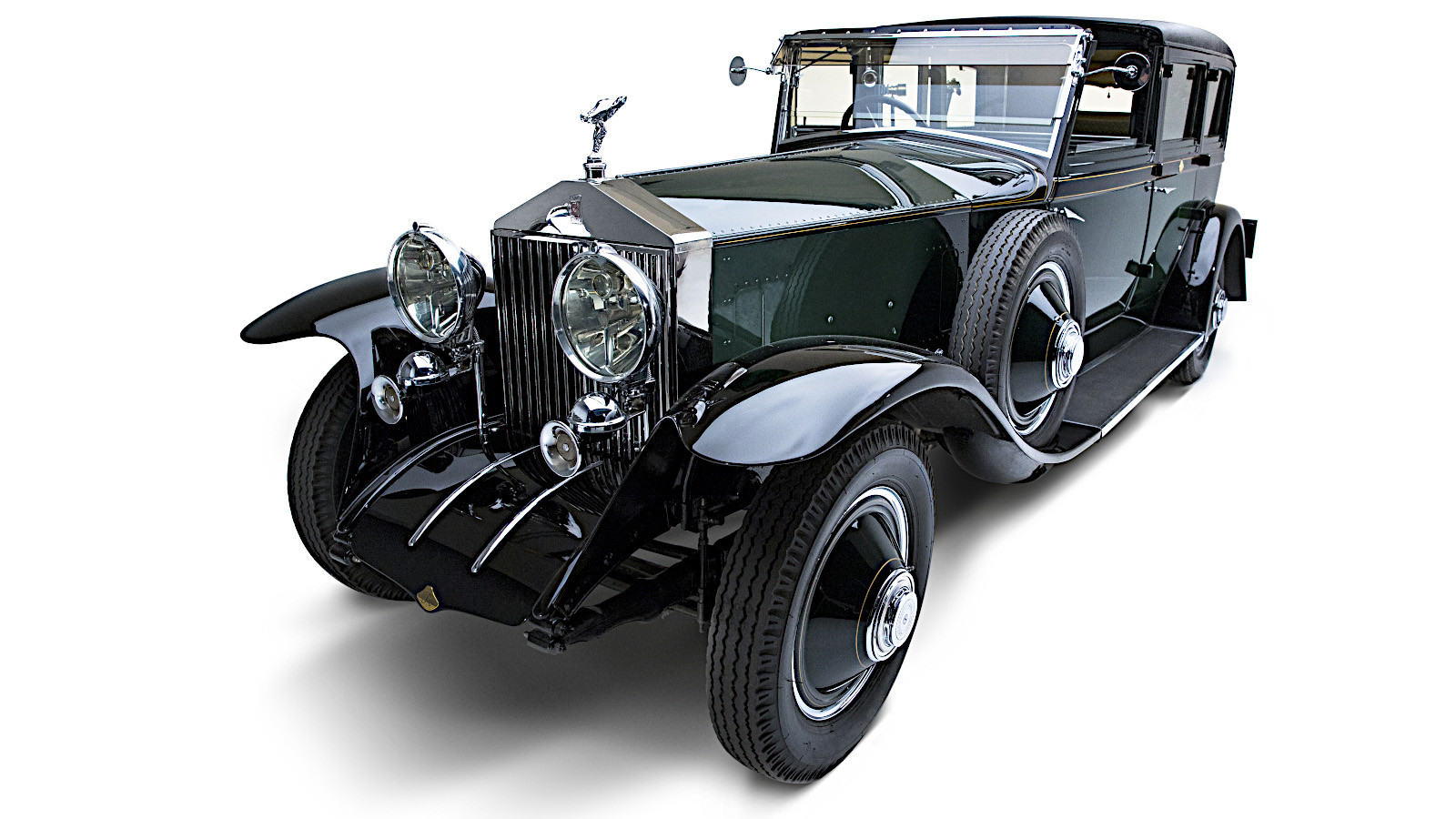
24. Rolls-Royce Phantom
Of all the names on this list, Rolls-Royce Phantom is the only one which has been used, though not continuously, for a full century.
The original model, known retrospectively as the Phantom I, was called New Phantom by Rolls-Royce, which replaced the Silver Ghost 40/50 in 1925.
There were similarities to the older car, but the Phantom had a larger (7.7-litre) and more modern (overhead rather than side valves) engine, though the straight-six layout was carried over.
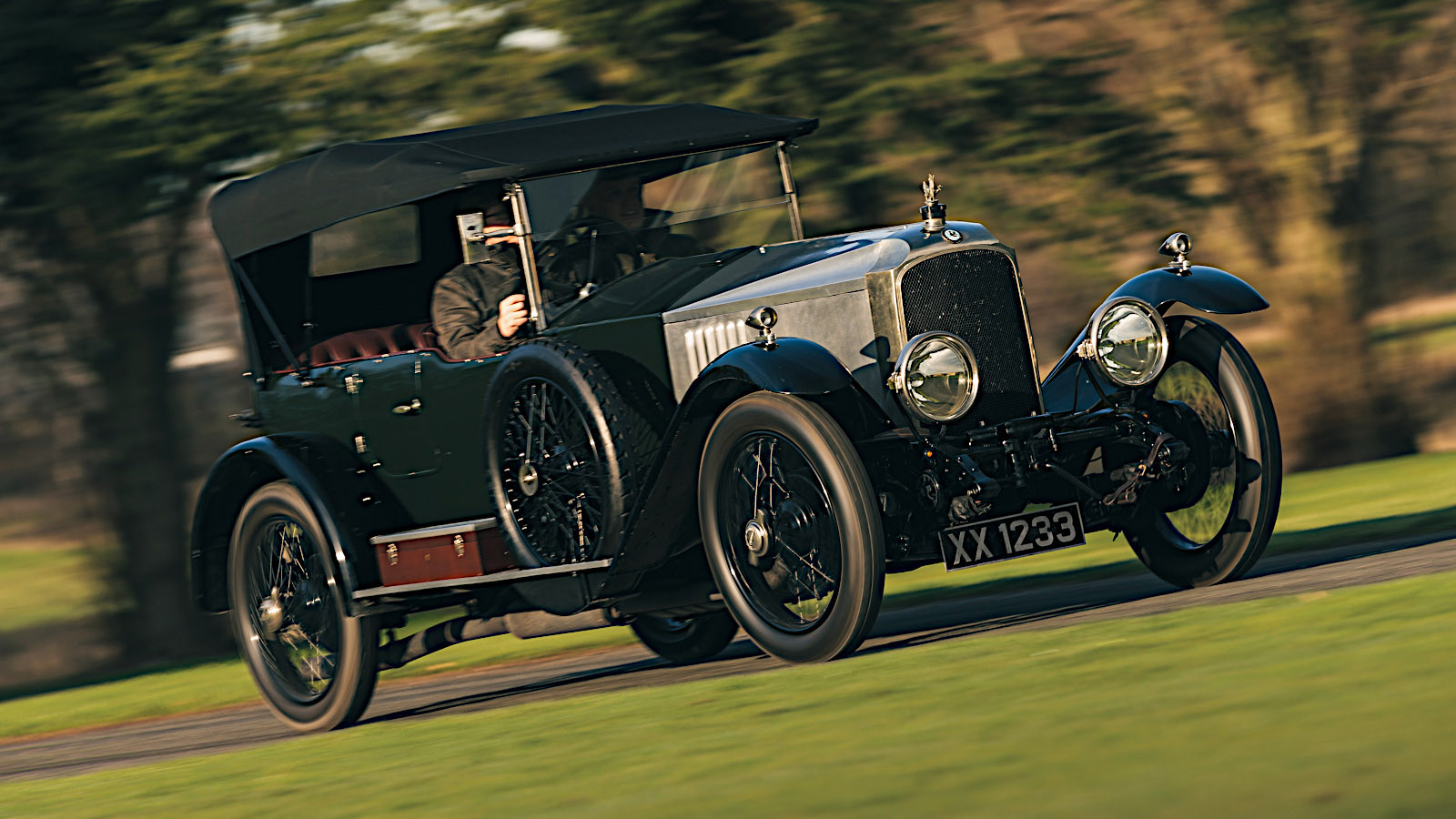
25. Vauxhall 30-98
The 30-98 dates back to 1913, when Percy Kidner gave Vauxhall a great deal of publicity by winning a hillclimb at Shelsley Walsh, but production did not properly start until after the First World War.
Designed by Laurence Pomeroy, it was a true sports car of its era, capable in certain circumstances of achieving 100mph.
By 1925, the original 4.5-litre engine had been replaced by a smaller but more powerful 4.2.
Production continued for a further two years, and there was no immediate successor, because Vauxhall had moved away from sporting cars and would not return to them for a long time.
We hope you enjoyed this gallery. Please click the ‘Follow’ button above for more super stories from Classic & Sports Car.