
Still going strong
Suzuki was established as a manufacturer of weaving looms in 1909, diversified into motorcycles in 1952 and introduced its first car in 1955.
In terms of its automotive history, the company has therefore reached its 70th birthday, which is all the excuse we need to take a close look at its achievements.
What follows is a list of four-wheeled Suzuki models up to 2000, in chronological order.
The marque remains relatively small – compared to the likes of Honda and Toyota, at least – but it is still an important part of the Japanese motor industry today.
1955 Suzulight
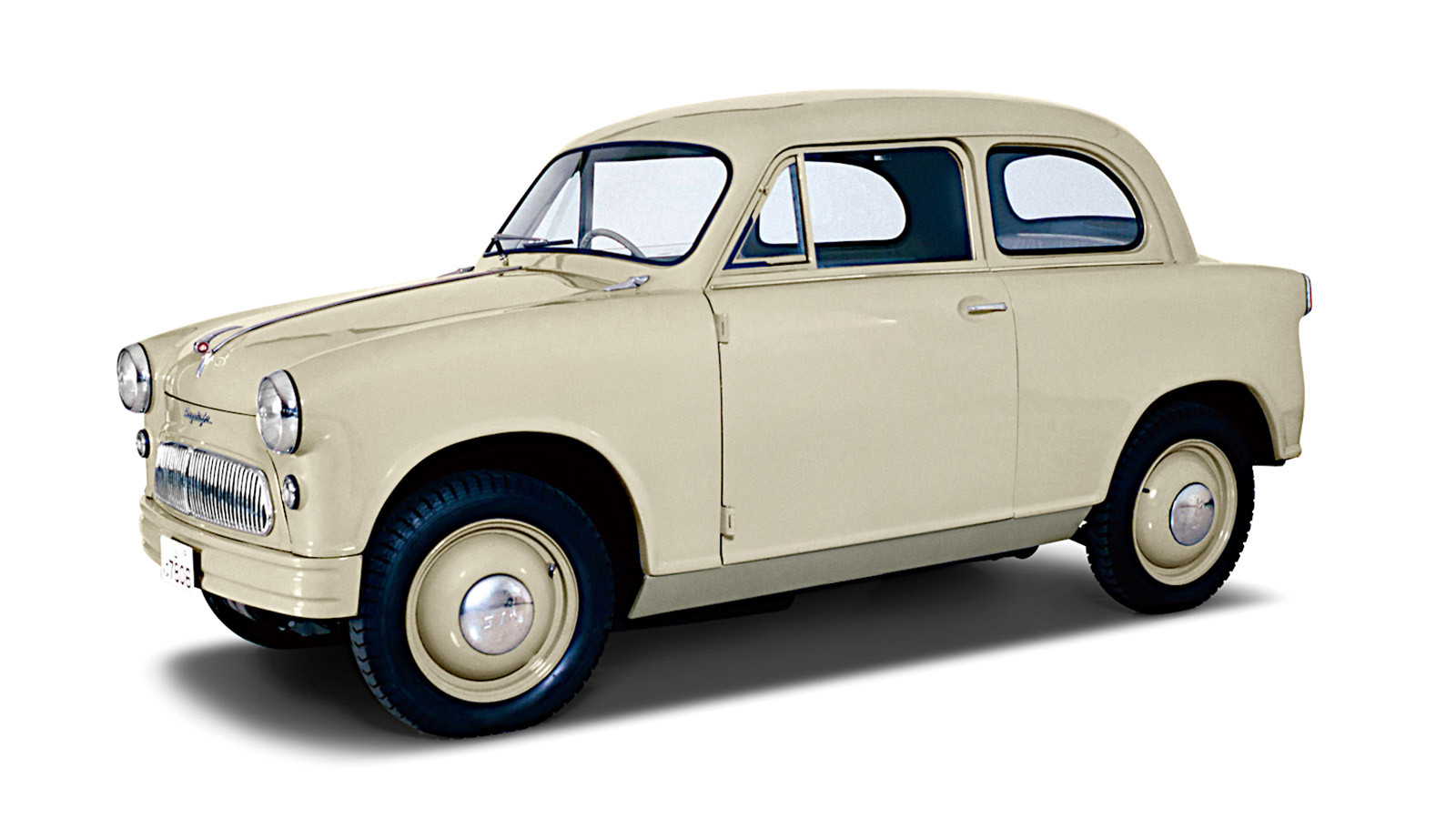
The first Suzuki car (though the company was still several years away from using its own name as a brand) was the Suzulight, a compact, front-wheel-drive vehicle with an air-cooled, 360cc, two-cylinder, two-stroke engine which met what were then the requirements of the Japanese kei class.
After a test programme which included driving a prototype across 300km (186 miles) of mountain roads, the Suzulight went into production in October 1955.
According to the Suzuki archives, founder Michio Suzuki personally delivered the first example to a doctor whose previous mode of transport had been a bicycle.
Suzulights were initially built at the rate of about three per month, but by early 1956 this had been multiplied by a factor of 10, and production continued until 1959.
1959 Suzulight TL
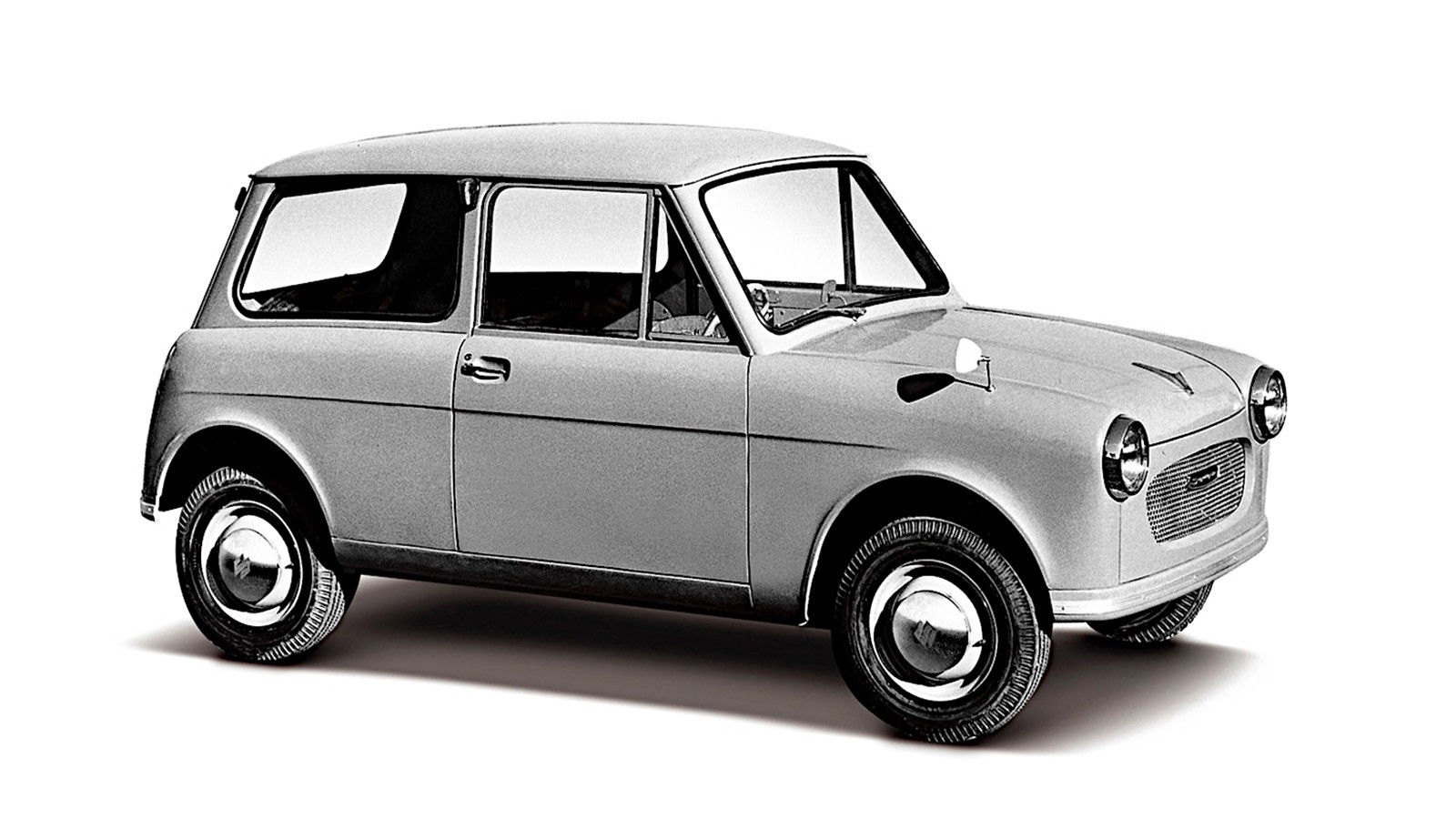
Though only four years younger than the original Suzulight, the TL looked startlingly more modern.
Like its exact contemporary, the Mini (which it slightly resembled), the TL was a two-box saloon – or van as it was referred to at the time – notable for its remarkable amount of interior space.
The 360cc engine was carried over from the earlier model, but its power output had been raised dramatically from 15bhp to 21bhp.
1961 Suzuki Carry
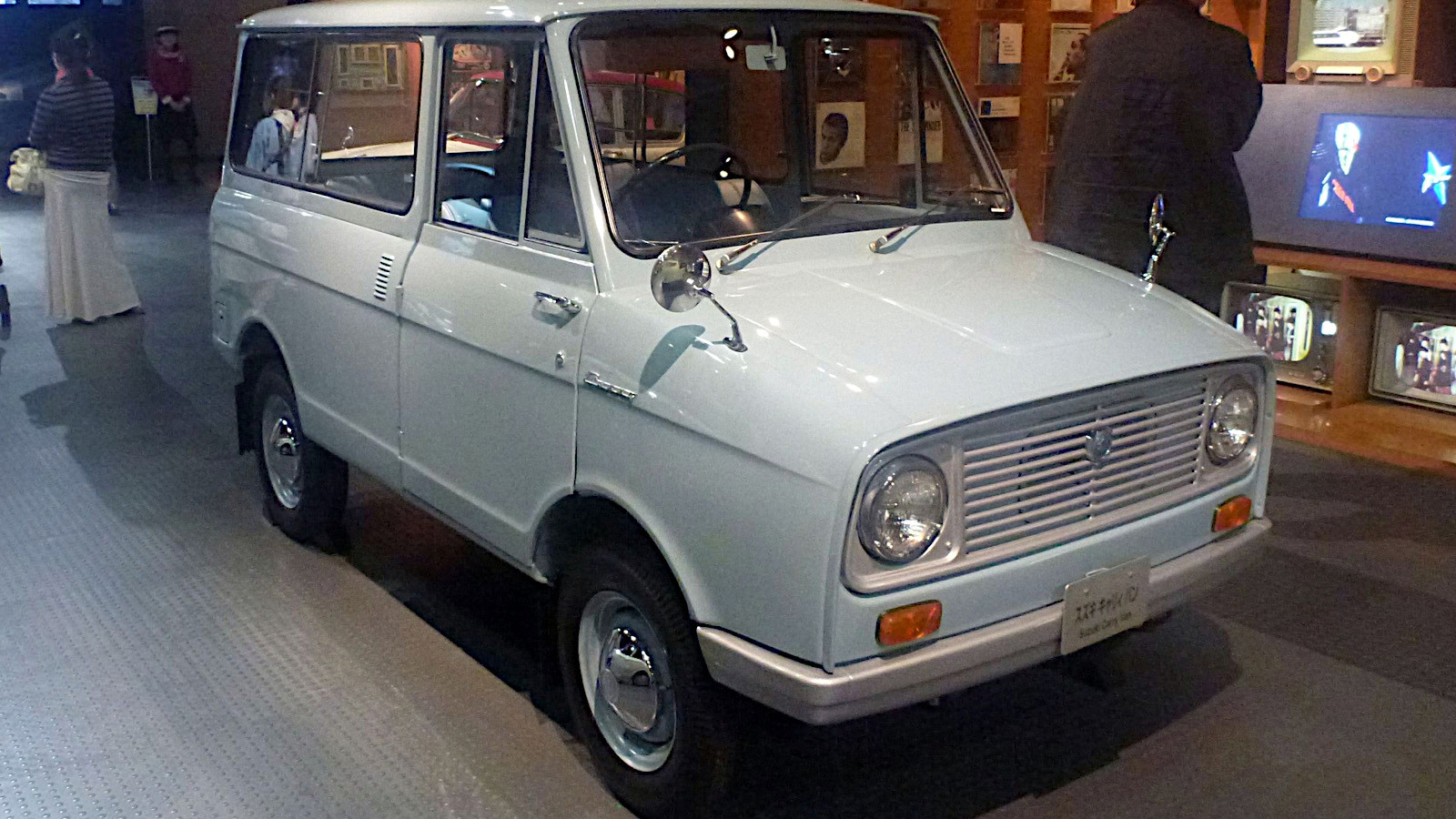
The Carry was available at first only as a pick-up truck, but later also as a van (pictured) which could be used either as a workhorse or as family transport.
Its engine, subsequently fitted to the Suzulight TL, was new, though it followed Suzuki’s usual air-cooled, 360cc, twin-cylinder, two-stroke pattern.
Early Suzuki Carrys were branded, like their car equivalents, as Suzulights rather than Suzukis, but that policy changed in the mid 1960s.
Carry has since become Suzuki’s longest-running nameplate, and is still being used more than 60 years after it first appeared.
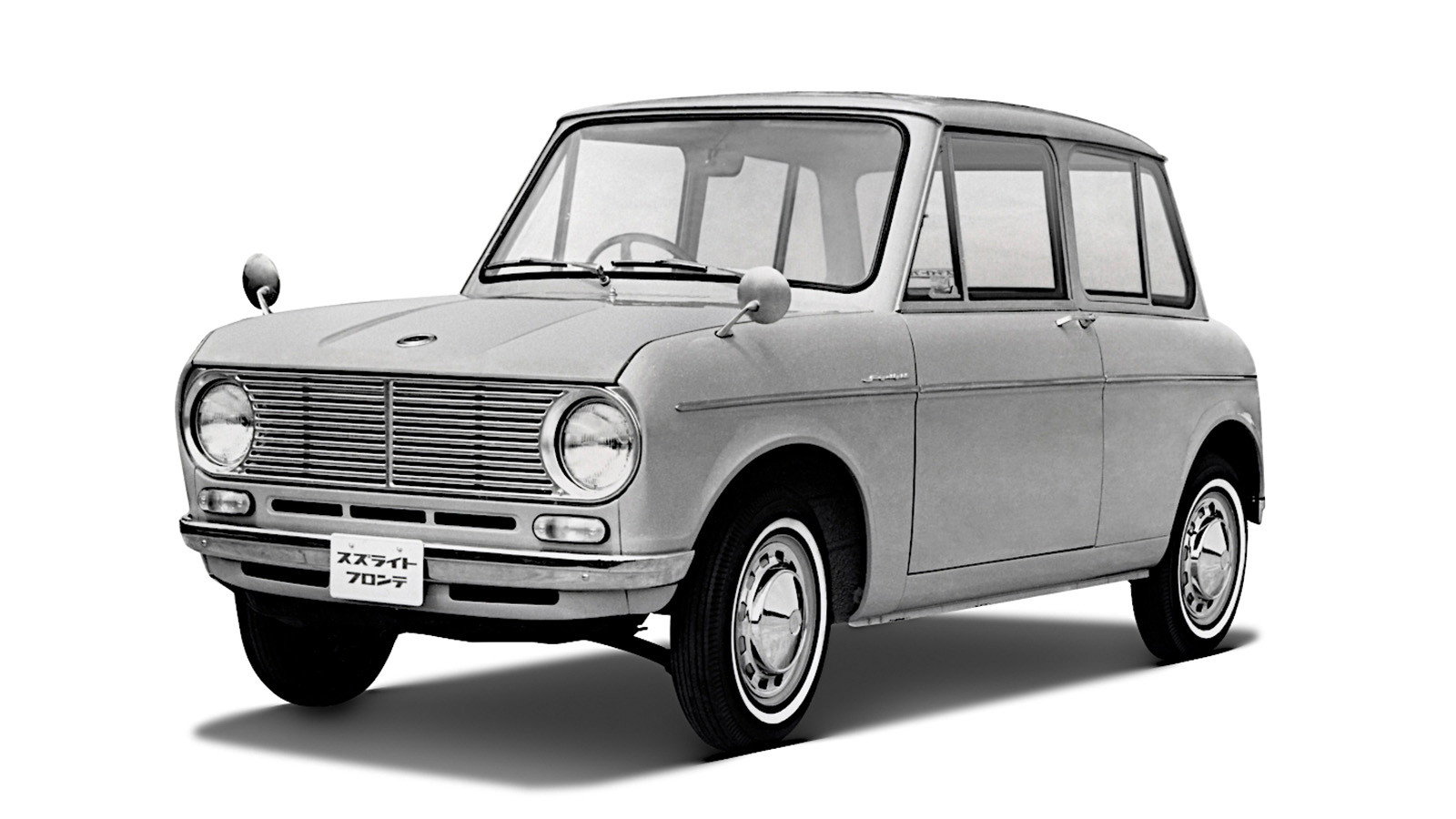
1962 Suzuki Fronte
The first Fronte was an upmarket, more comfortable version of the Suzulight TL, with a front end reminiscent of the original Carry.
It was marketed as a Suzulight, but the Suzuki name was used for the second-generation model of 1967, which also had an engine with three cylinders rather than the previously normal two.
During the Fronte’s long history, first air cooling and later a four-stroke engine cycle were introduced, and the motor was moved to the rear of the car before returning to its original location under the bonnet.
A seventh Fronte was produced very briefly in the late 1980s, only for Suzuki to abandon it almost immediately, but Frontes continued to be built outside Japan for years afterwards.
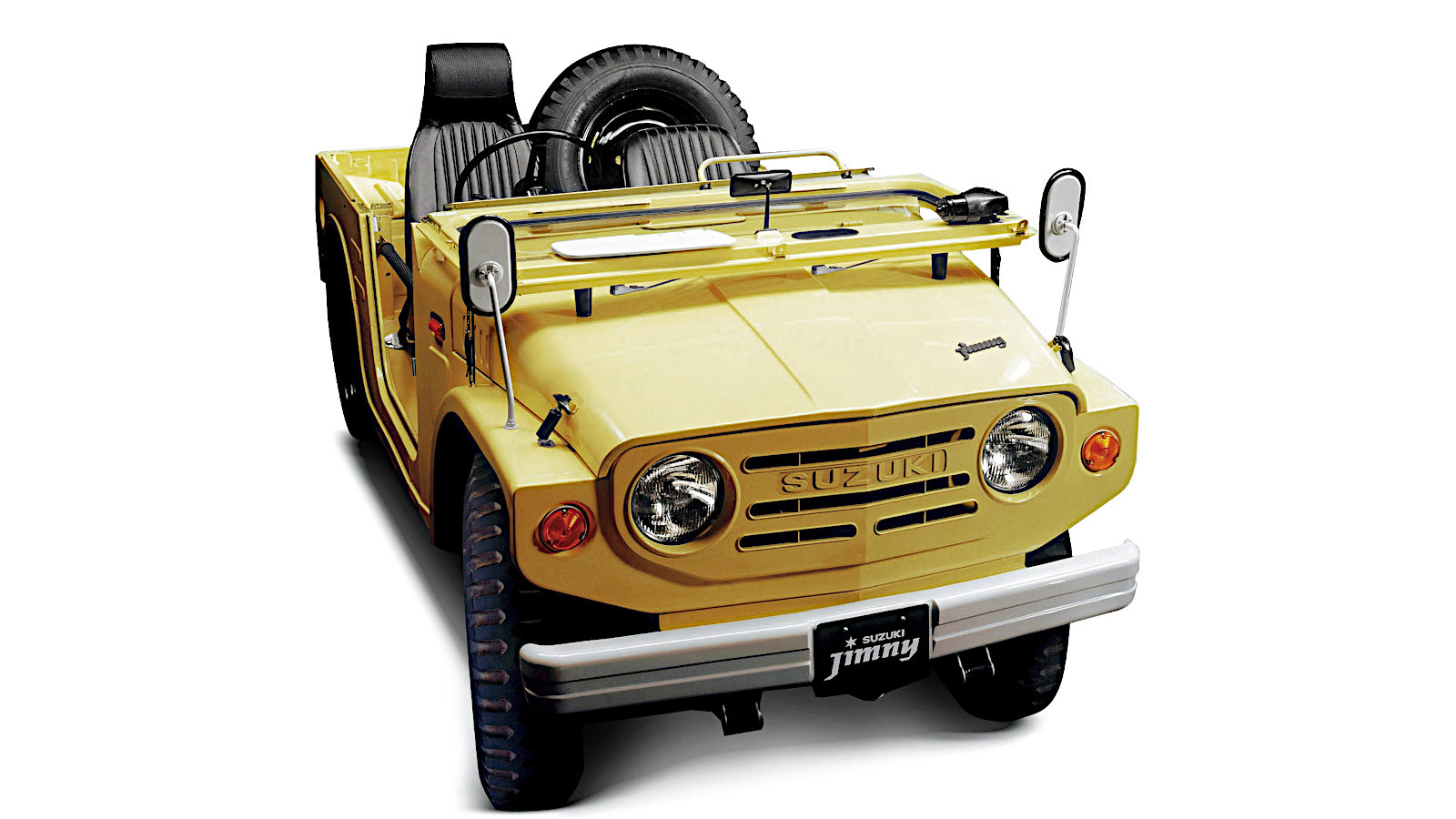
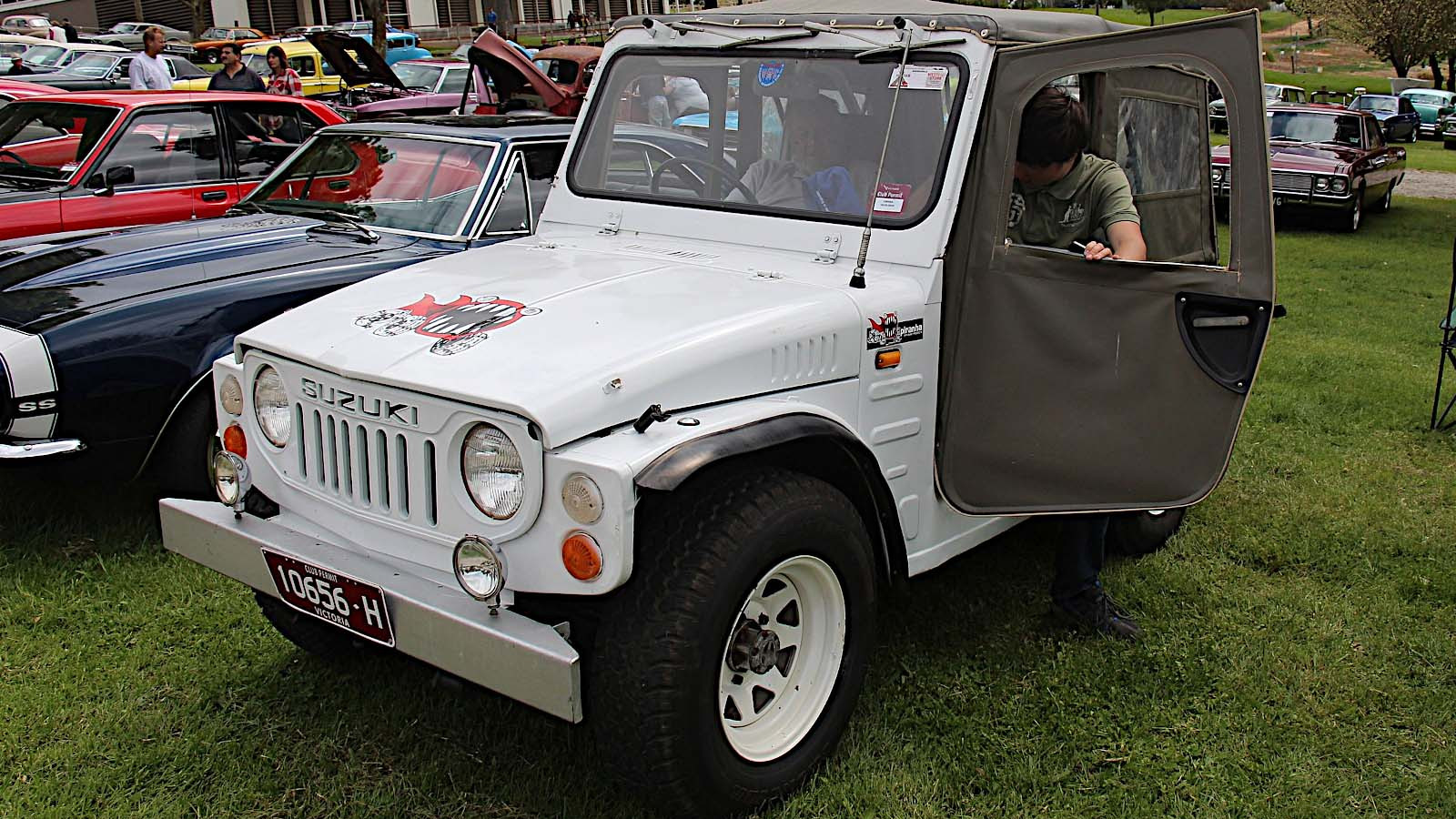
1970 Suzuki Jimny
Jimny production history began in 1970, though early models were usually referred to as LJs or SJs.
The little off-roader wasn’t originally Suzuki’s idea, but dated back still further to the Mitsubishi-powered HopeStar ON360 of the late 1960s.
Suzuki bought the design, modified it substantially – partly by hosing out the Mitsubishi parts and replacing them with its own – and put its version on sale as the LJ10 (pictured).
It took nearly half a century for the Jimny to reach its fourth generation, the third having remained on the market for 20 years after its launch in 1998.
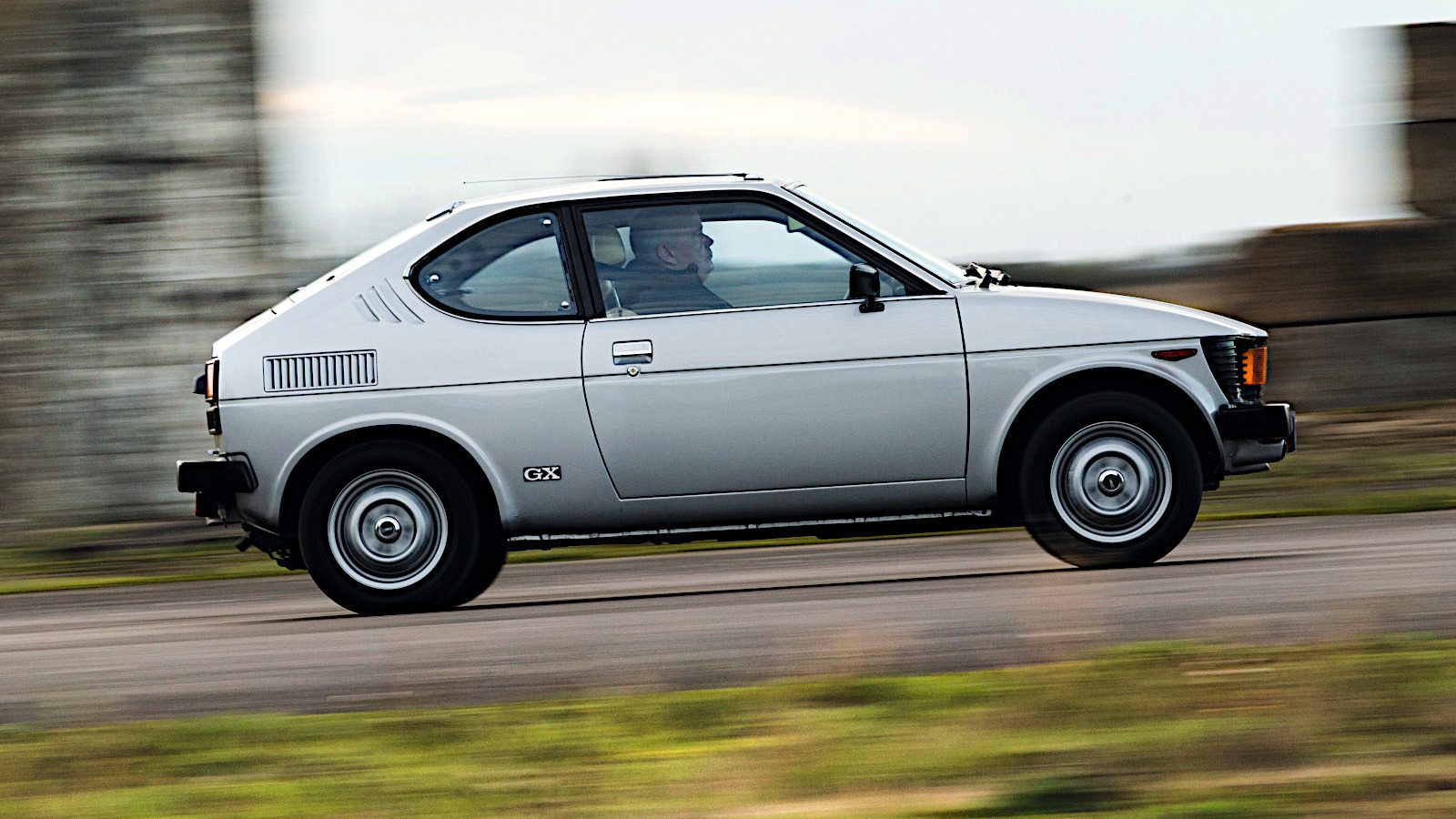
1977 Suzuki Cervo
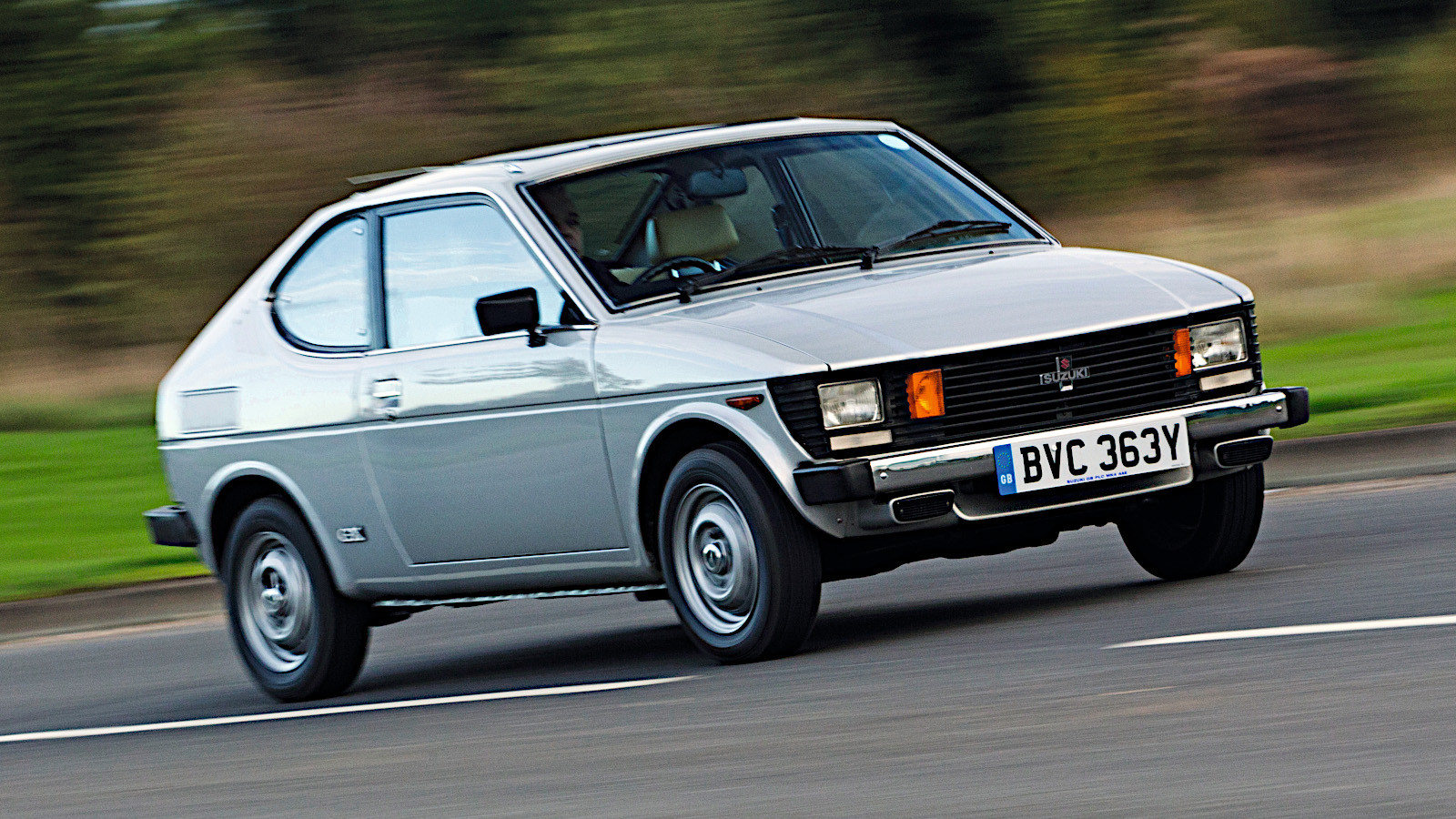
A coupé version of the Fronte was replaced by the very similar first-generation Cervo, both being rear-engined and based on designs by Giorgetto Giugiaro.
A reworked version (pictured) was sold in Europe as the SC100 and nicknamed ‘Whizzkid’ in the UK.
From 1982 onwards there were four more generations of Cervo, all of them differing markedly from the first in that their engines and driven wheels were at the front.
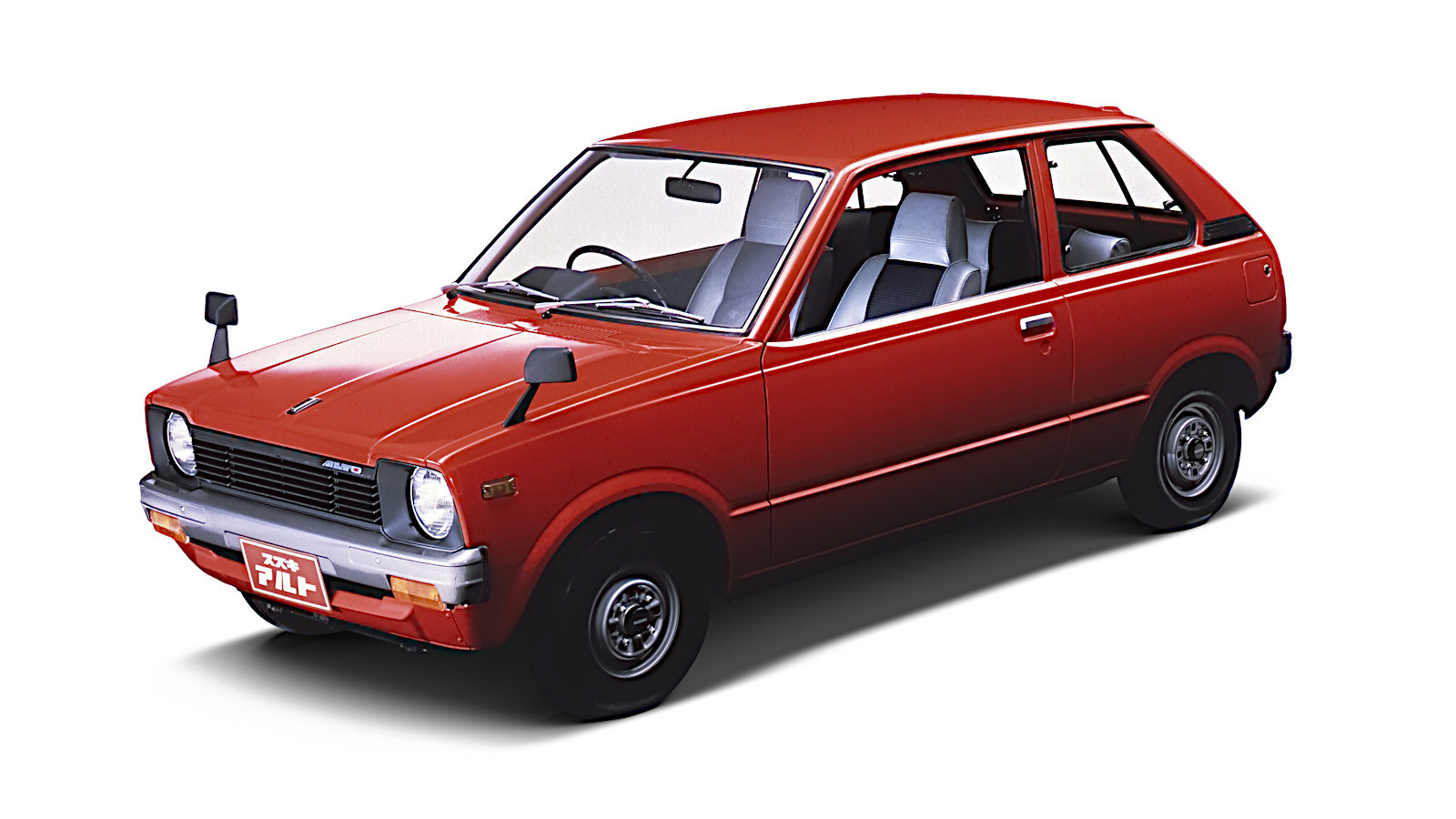
1979 Suzuki Alto
The Alto name was first used for some variants of the fifth-generation Fronte in Japan, and for all versions of that car sold in Europe from 1981.
Available with three-cylinder engines of around 550cc in Japan and an 800cc ‘three’ for export purposes, it was an instant success in its home market.
Suzuki reports that its target of 5000 sales per month was beaten ‘by over 300%’ in just four weeks.
As mentioned previously, the Fronte was a thing of the past by 1990 (in Japan if not elsewhere), but the Alto remains an important part of Suzuki’s line-up, having entered its ninth generation in late 2021.
1982 Suzuki Every
Midway through the lifetime of the seventh-generation Carry, Suzuki revised its naming policy for the vehicle.
Examples intended for regular passenger rather than commercial use became known as Every, as they still are today.
Early Everys were miniature versions of what would later be known as MPVs (multi-purpose vehicles, or people carriers), or perhaps SUVs if fitted with four-wheel drive.
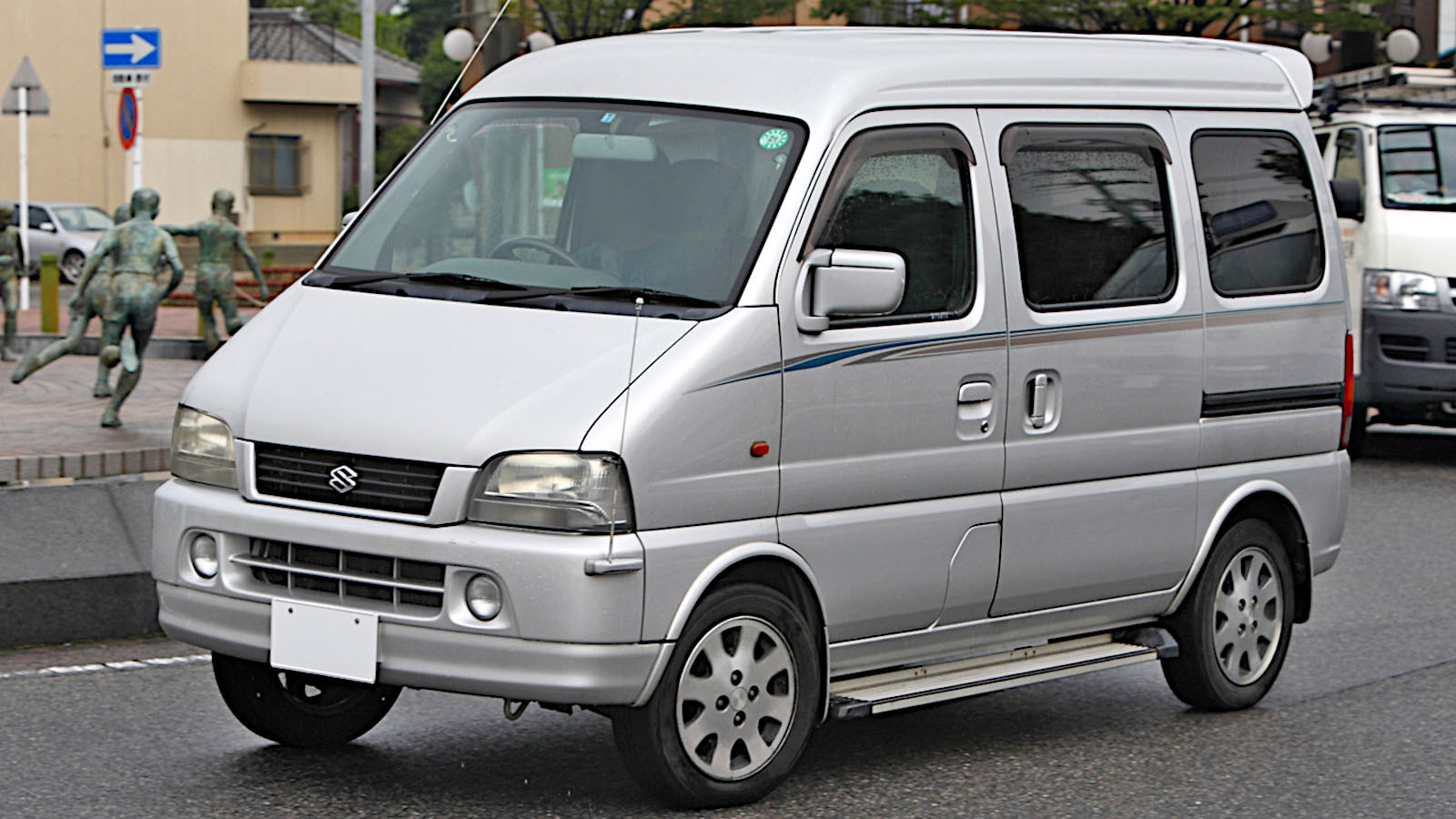
In 1999, Suzuki introduced the Every Plus (pictured), which could carry seven passengers despite being only 12ft (3.7m) long.
1983 Suzuki Mighty Boy
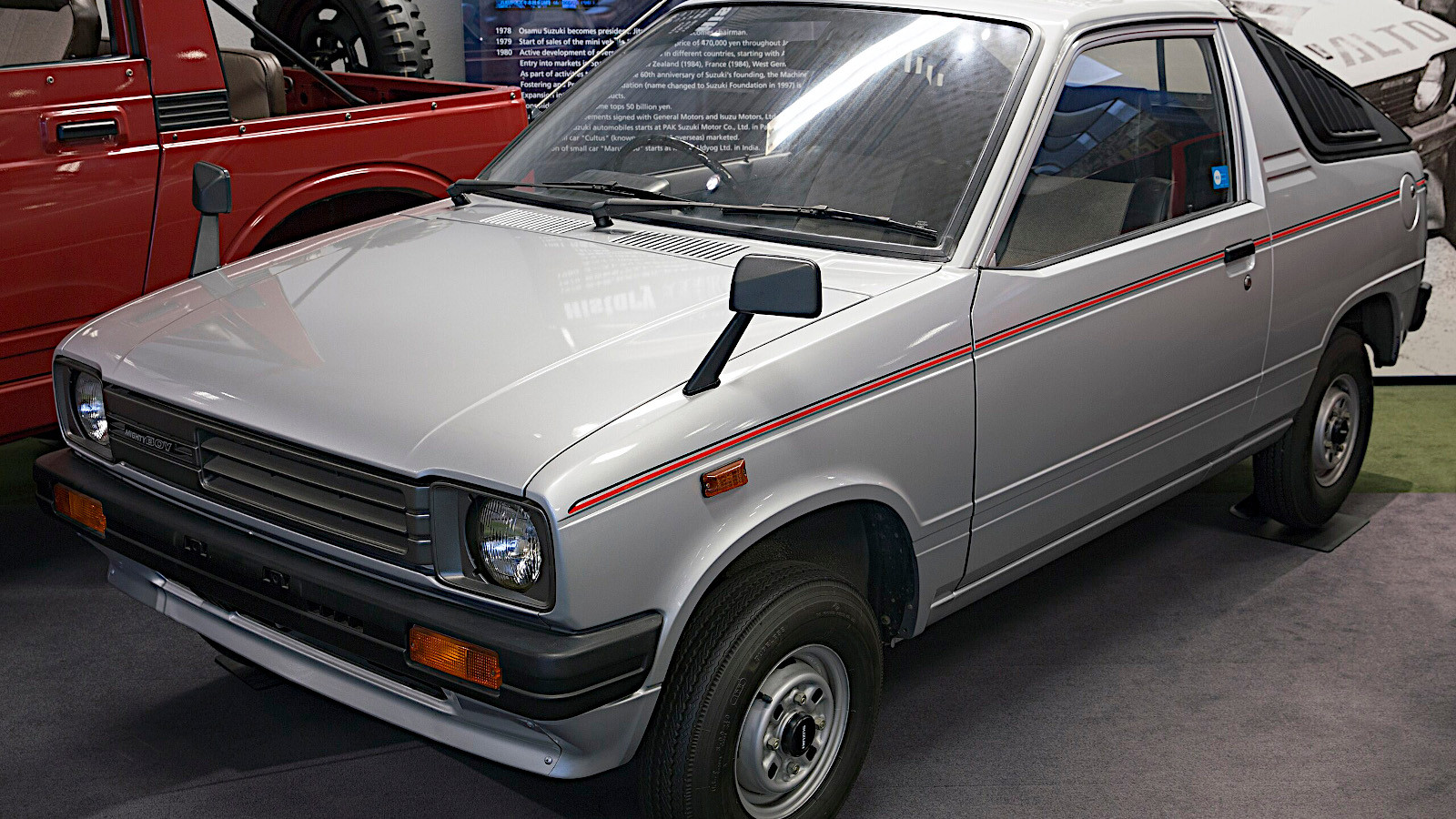
One of the many Japanese vehicles blessed with a name which causes mild confusion among westerners, the Mighty Boy was a derivative of the second-generation Cervo.
It shared that car’s front-mounted, 543cc, three-cylinder, four-stroke engine, close to being the largest permissible under the kei regulations of the time, but differed from it in that it was a pick-up truck rather than a hatchback.
Unlike many other kei pick-ups, its passenger compartment was behind the engine and gearbox, which limited the load volume considerably.
Production of both the Suzuki Mighty Boy and the car it was based on ended in 1988, and there was no pick-up version of any future Cervo.
1983 Suzuki Swift
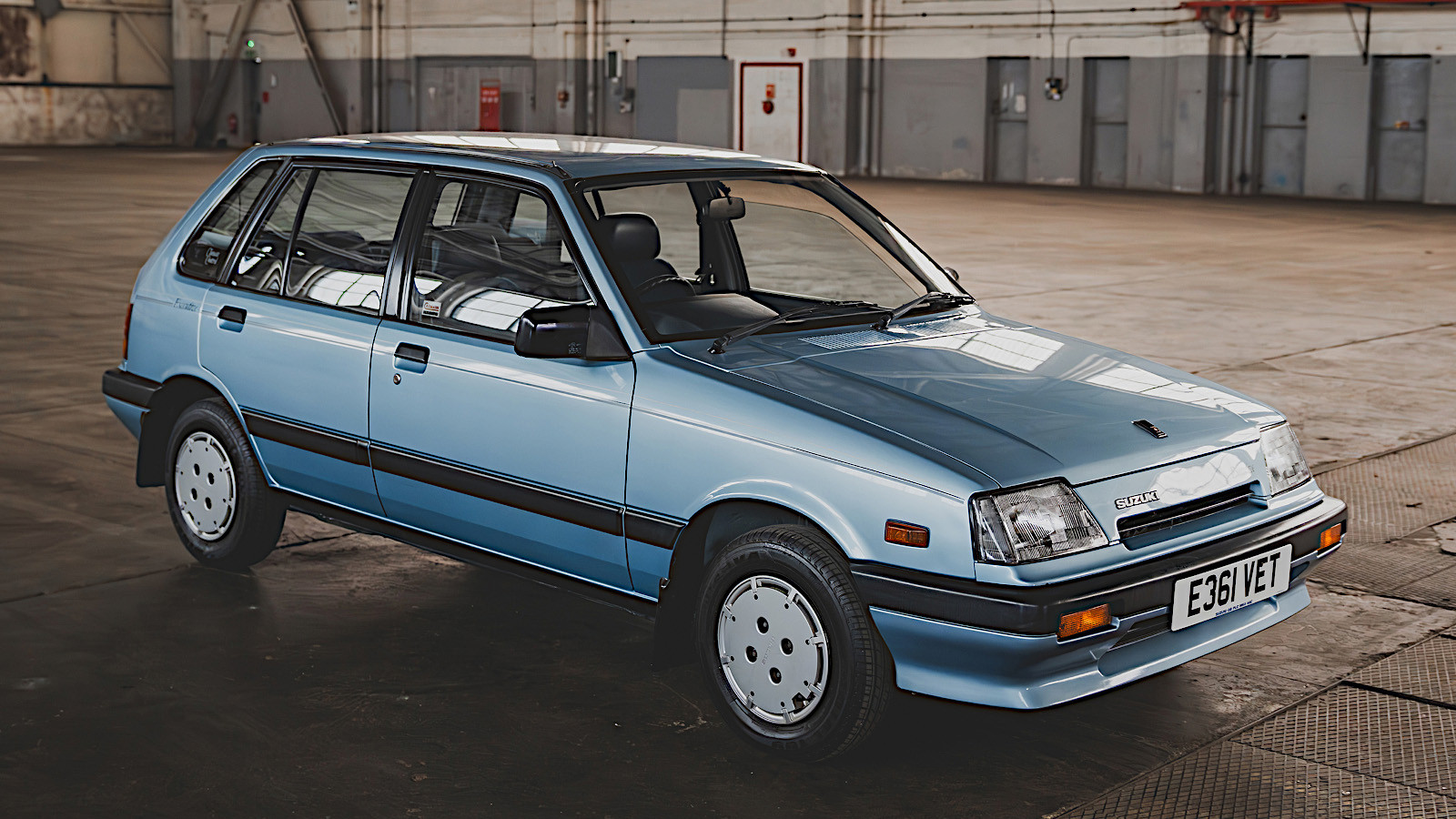
Swift was originally one of many names used internationally (others including Chevrolet Sprint, Geo Metro and Holden Barina) for the car known in Japan as the Cultus.
In its second generation, some four-wheel-drive Swifts built in Europe were marketed by Subaru with the model name Justy.
After the Cultus name had been dropped – a situation we’ll come back to when discussing the Ignis – a new car known everywhere as Swift was launched in 2004, establishing a series which entered its fourth generation in 2023.
1988 Suzuki Vitara
The first-generation Suzuki Vitara, sold in Japan as the Escudo and the USA as the Sidekick, offered a larger alternative to the Jimny for SUV enthusiasts.
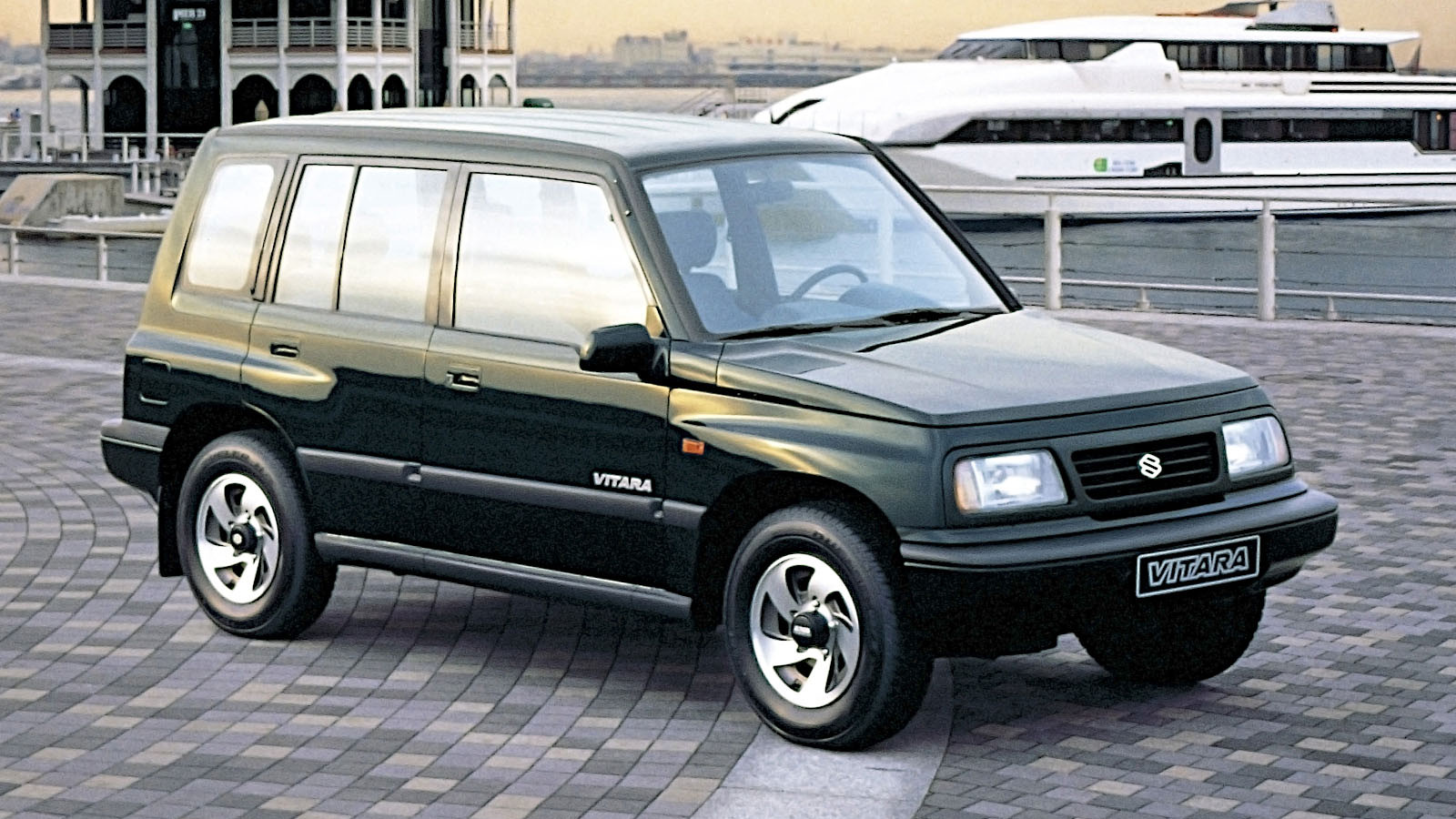
Originally offered as a three-door, and in some cases as a convertible, it was enlarged to five-door form (pictured) in 1990.
In the early days of a joint venture between Suzuki and General Motors, several Vitara-adjacent vehicles were built in Canada, one of which – the Sunrunner – was among the very few models marketed by the short-lived Asüna brand.
The rapidly increasing popularity of SUVs, particularly those whose primary purpose does not involve off-roading, has allowed Suzuki to continue producing new generations of Vitara.
A version introduced in 2025 has the distinction of being the company’s first fully electric car.
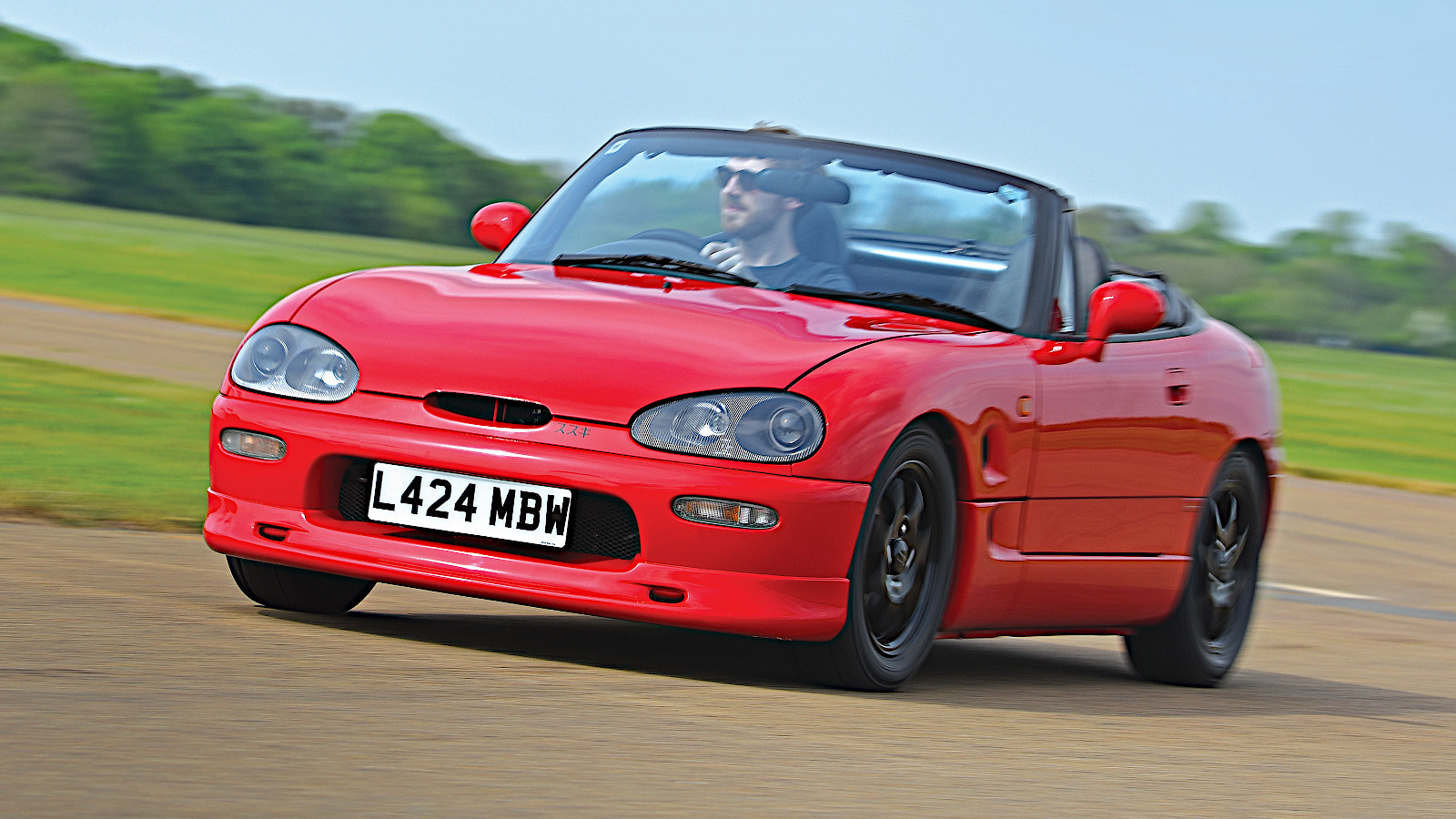
1991 Suzuki Cappuccino
As students of the subject are well aware, 1991 was a very significant year in the history of Japanese kei sports cars.
Suzuki’s Cappuccino went on sale just a few months after the conceptually very similar Honda Beat, both cars being powered by engines of just under 660cc.
The most significant difference between the two units was that the Honda’s relied on an ability to rev, while the Suzuki’s had a turbocharger and was therefore able to pull reasonably strongly from as little as 3000rpm.
The cars were direct rivals until the Beat was discontinued in 1996, while the Cappuccino remained in production for two years longer.
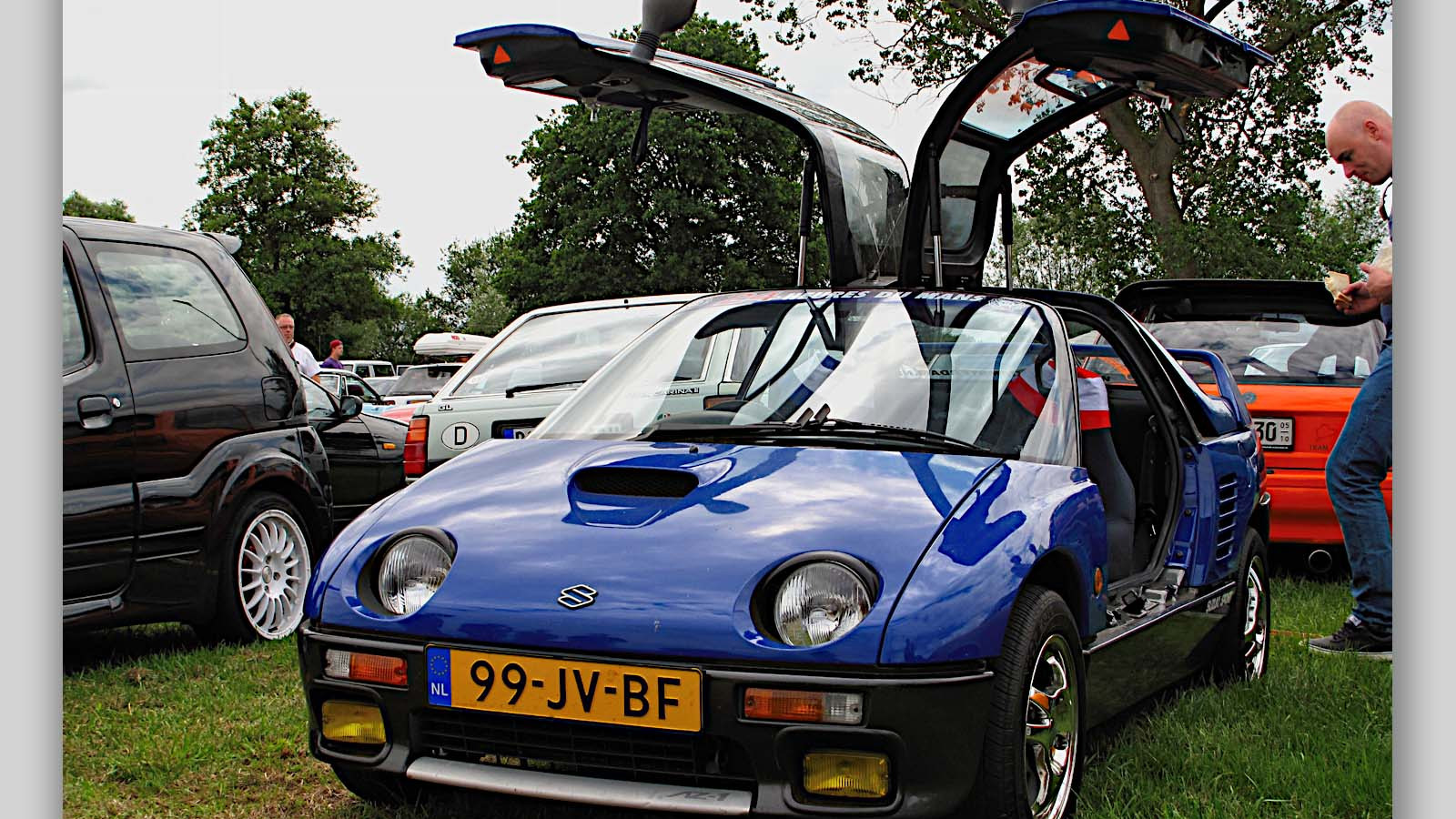
1993 Suzuki Cara
Before committing fully to the front-engined Cappuccino, Suzuki had gone some way towards developing a mid-engined kei sports car before selling that project to Mazda.
Mazda took it to production (while retaining the 657cc turbo engine which also powered the Cappuccino) and launched the gullwing-doored car as the Autozam AZ-1, Autozam being a Mazda sub-brand which operated for most of the 1990s.
Completing the circle, Suzuki then returned to the project, selling a slightly altered version of the AZ-1 as the Cara.
Potential customers don’t seem to have been convinced, since hardly any AZ-1s and even fewer Caras were built, and both models were discontinued before the Cappuccino, despite having been introduced after it.
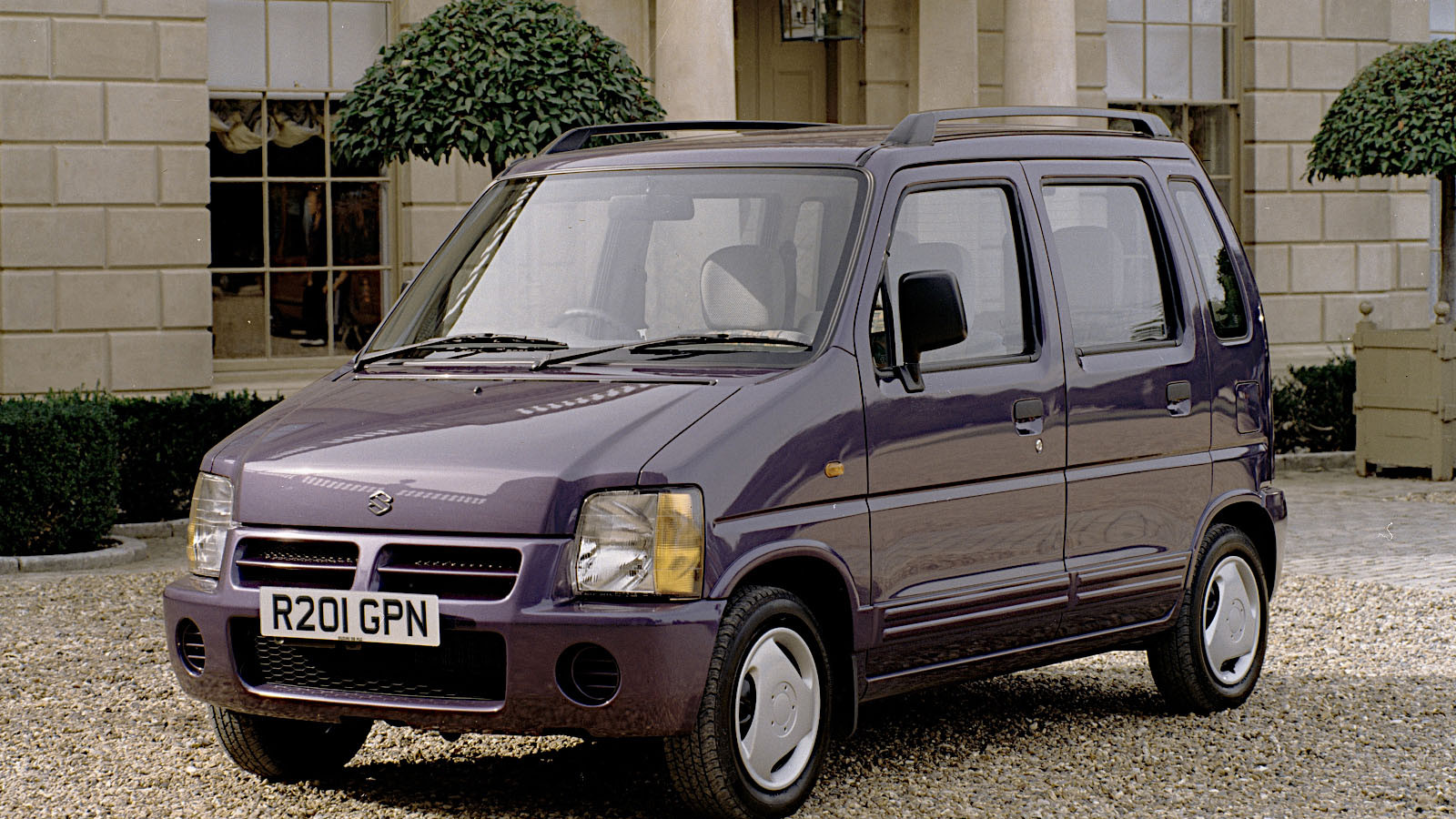
1993 Suzuki Wagon R
One strange feature of kei cars is that, despite severe limits on their length and width, they are allowed to be 2m (c6½ft) high.
The original Suzuki Wagon R didn’t approach that, but it was still remarkably tall, and therefore had a tremendous amount of interior space.
The Wagon R+ was a larger, non-kei vehicle with higher-capacity engines than the 657cc unit fitted to the Wagon R.
In the titles of both models, the R stands both for ‘revolution’ and for ‘relaxation’, according to Suzuki.
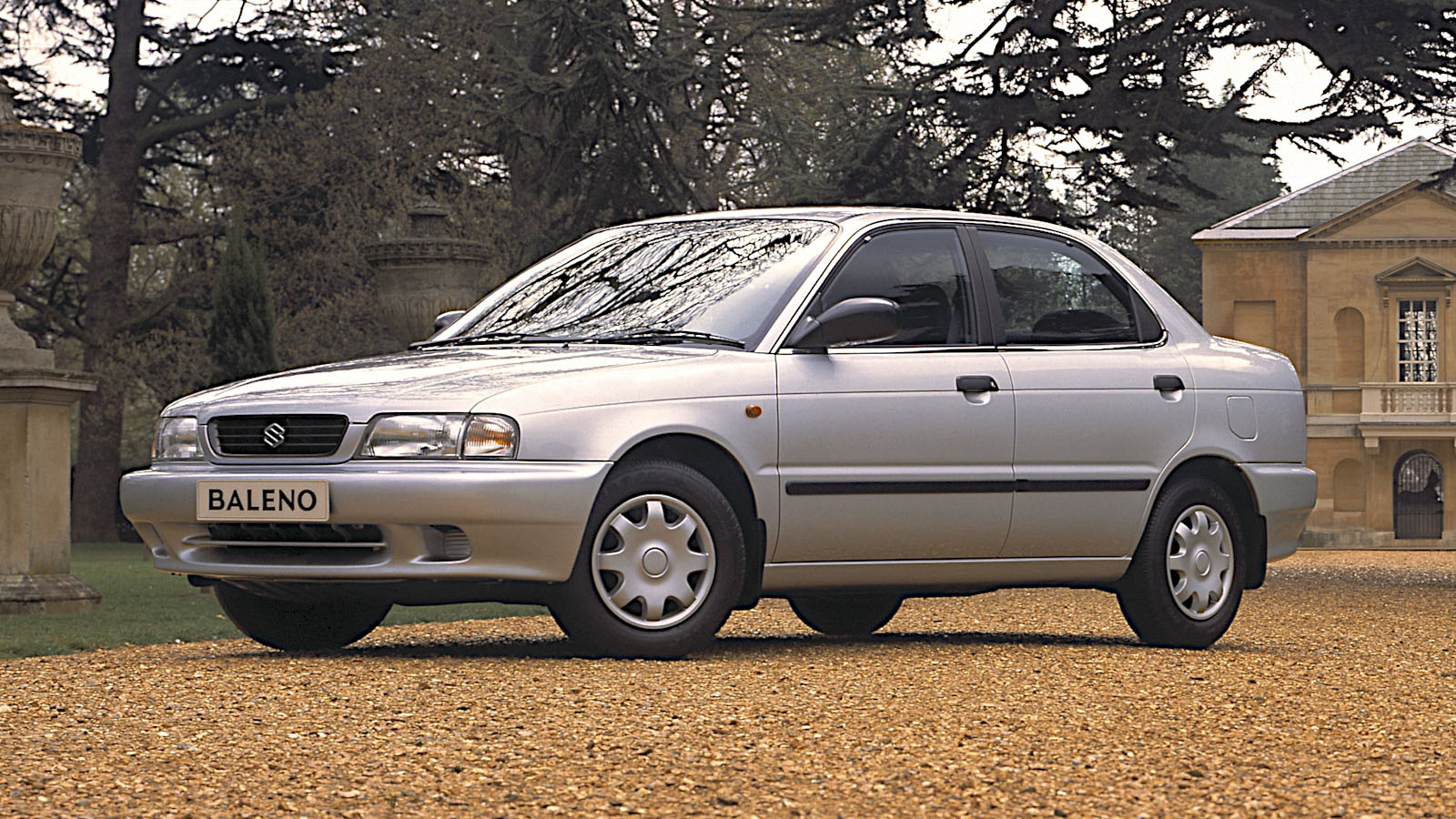
1995 Suzuki Baleno
In its original form, the Baleno was a small saloon (pictured), hatchback or estate powered by any one of several possible four-cylinder petrol or diesel engines.
Production ended in 2002 in Japan, though it continued after that in other countries, and the car was not replaced by a single specific model.
The Baleno name, which means ‘lightning’ in Italian, was not used in Japan, where the car was known as the Cultus Crescent, or in other markets where it was called the Esteem.
The nameplate has been resurrected in the 21st century.
1995 Suzuki X-90
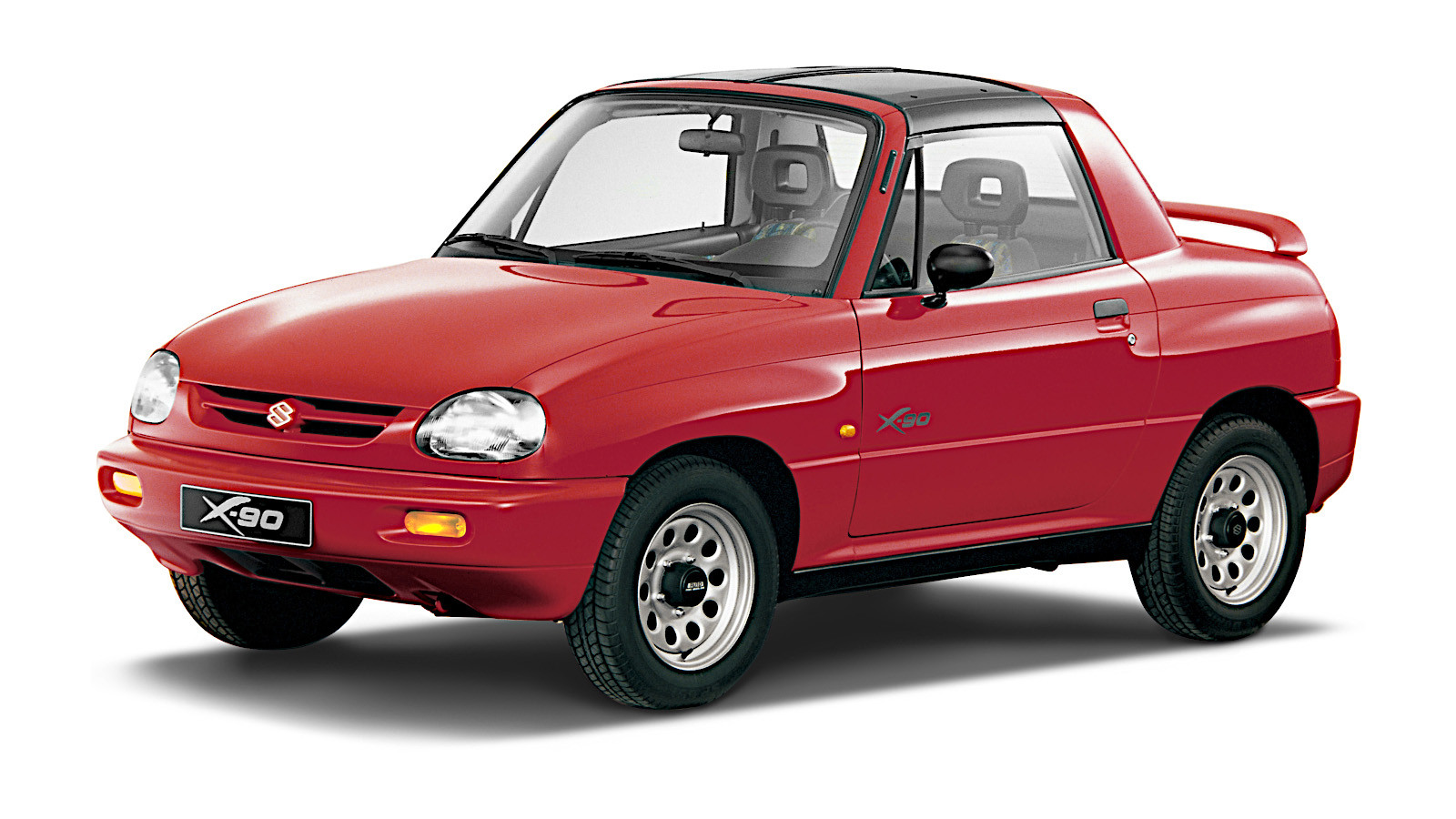
Even against stiff opposition from the Cara, the X-90 has a claim to being the strangest production Suzuki of the 1990s.
It was based on the straightforward and capable Vitara, but had an almost cartoonishly rounded body, a removable roof panel and room for just two occupants.
The motoring public did an admirable job of concealing its delight about all this, and a vehicle which went on sale in the middle of the decade was long gone by the end of it.
1998 Suzuki Grand Vitara
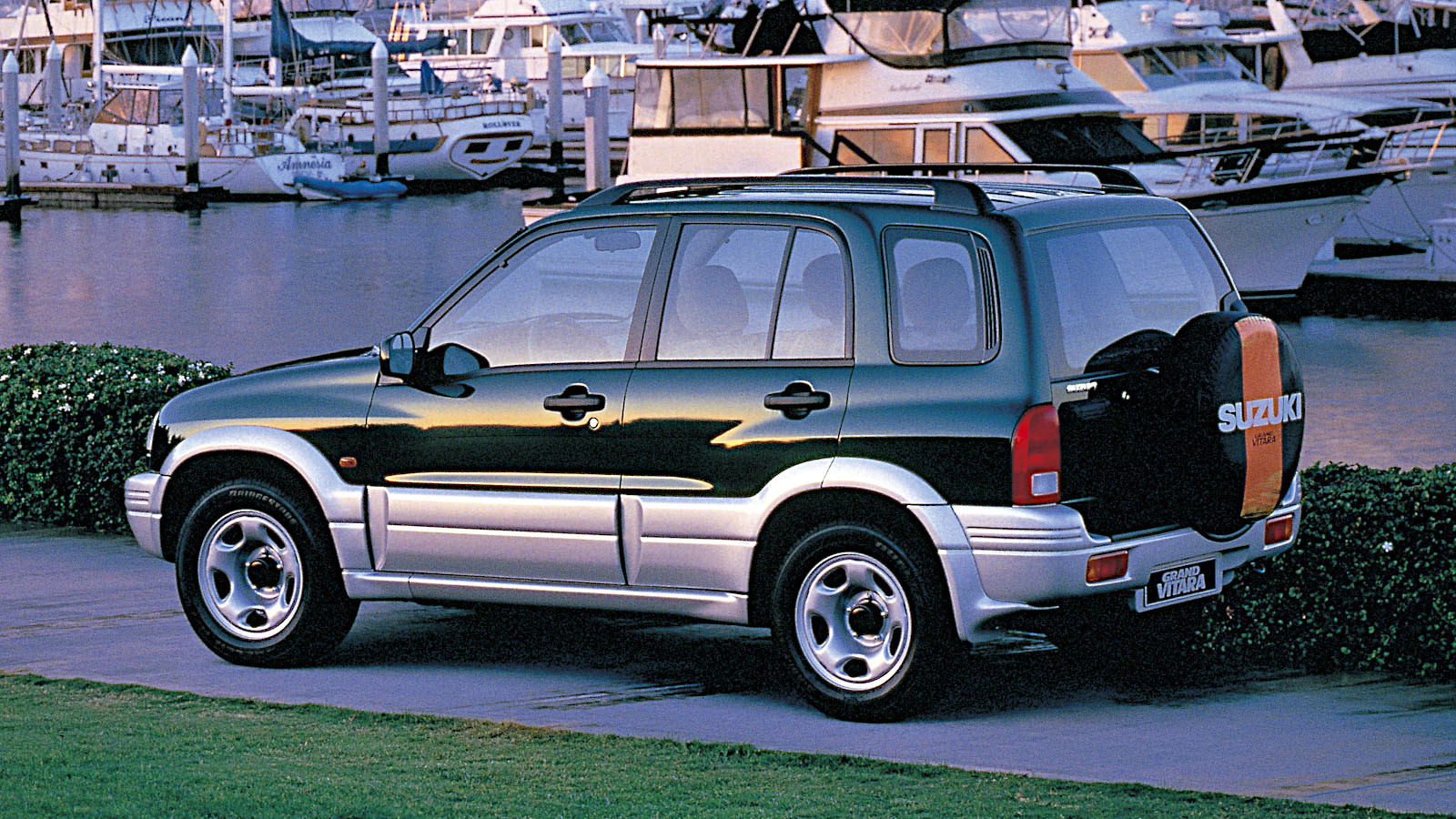
A casual observer might suspect that the Grand Vitara is simply a larger version of the Vitara, but the situation is more complicated than that.
What originally happened is that when the second-generation Vitara was introduced in 1998, Suzuki called it Grand Vitara, a name which was carried over to the third generation in 2005.
The Grand part of the name was dropped for the fourth model in the series, but it returned in 2022 for an SUV designed by Suzuki but manufactured by Toyota, which marketed it as the Urban Cruiser.
1998 Suzuki XL7
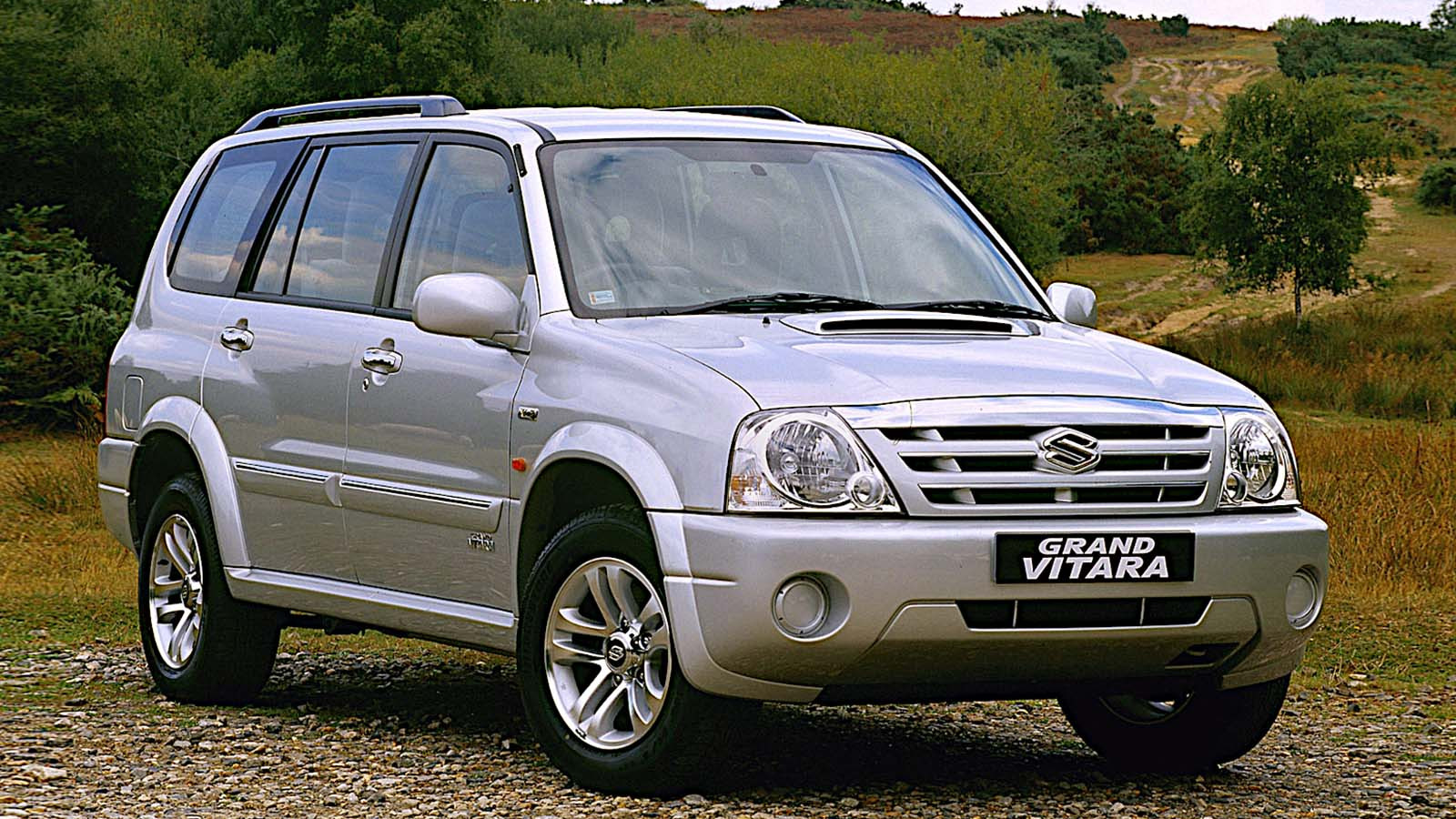
The XL7 name first appeared on an extended-wheelbase version of the newly introduced Suzuki Grand Vitara.
This model was followed in 2006 by one built in Canada and based on the General Motors Theta platform also used for the Chevrolet Equinox, among others.
The most recent XL7 is a seven-seat crossover based on the second-generation Ertiga.
2000 Suzuki Ignis
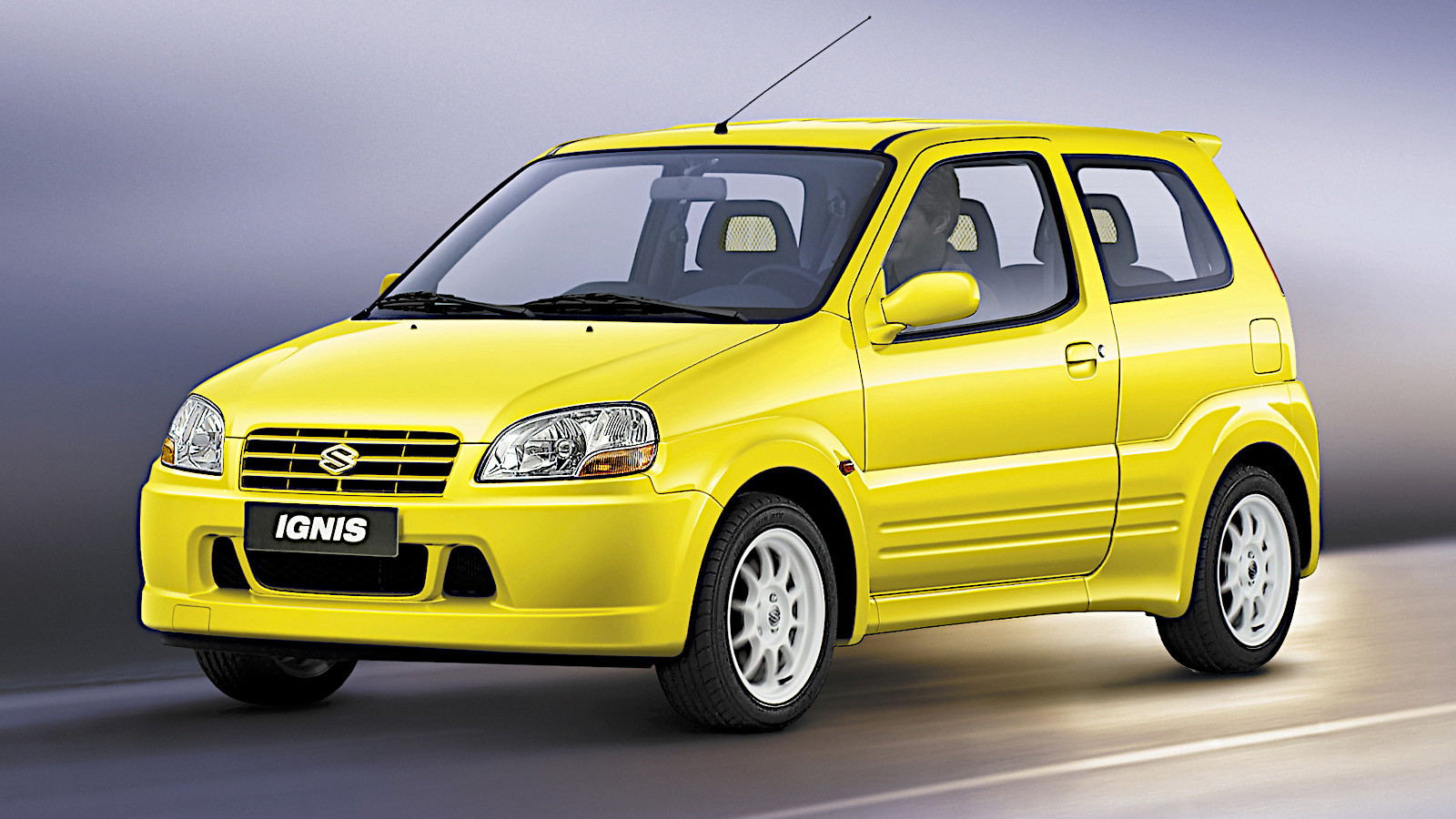
In a more than usually complicated naming strategy, the little hatchback known elsewhere as the Ignis was called Swift in Japan following the retirement of the Cultus nameplate.
Slightly smaller than the global Swift which arrived in 2004, the first Ignis was discontinued in 2008, the most interesting version to enthusiastic drivers having been the Sport (pictured).
After a gap of eight years, Suzuki introduced a new Ignis – a mini crossover rather than a hatchback – which appears to have been significantly more popular in Europe and India than it was in its home market.
Suzuki outside Japan
The LJ50 version of the Jimny (pictured) became the first Suzuki four-wheeler built outside Japan in 1975, when assembly began in Pakistan, and this led to the establishment of the Pak Suzuki facility in the early 1980s.
PT Suzuki Indomobil started vehicle production in 1978, but parts had been manufactured in Indonesia since 1974.
Suzuki’s international activity expanded greatly after this, with cars being either assembled or built from scratch in India, New Zealand, Spain and Canada in the 1980s, and in South Korea, Hungary, Egypt and Vietnam in the 1990s.
We hope you enjoyed this gallery. Please click the ‘Follow’ button above for more super stories from Classic & Sports Car.