
The Mazdas that missed out
Mazda is a company with a long tradition of putting engineering ahead of fads, which has led to some fascinating cars that didn’t make the cut for production.
Some came very close, while others remained little more than technological test beds.
A few were more flights of fancy, yet they also influenced eventual production models.
Many of these cars have also helped to keep the marque’s rotary-engine ambitions alive, as you can see in everything from sports cars to a beach buggy.
Enjoy our look at Mazdas that were never made, presented in chronological order.
1. 1967 Mazda RX-85
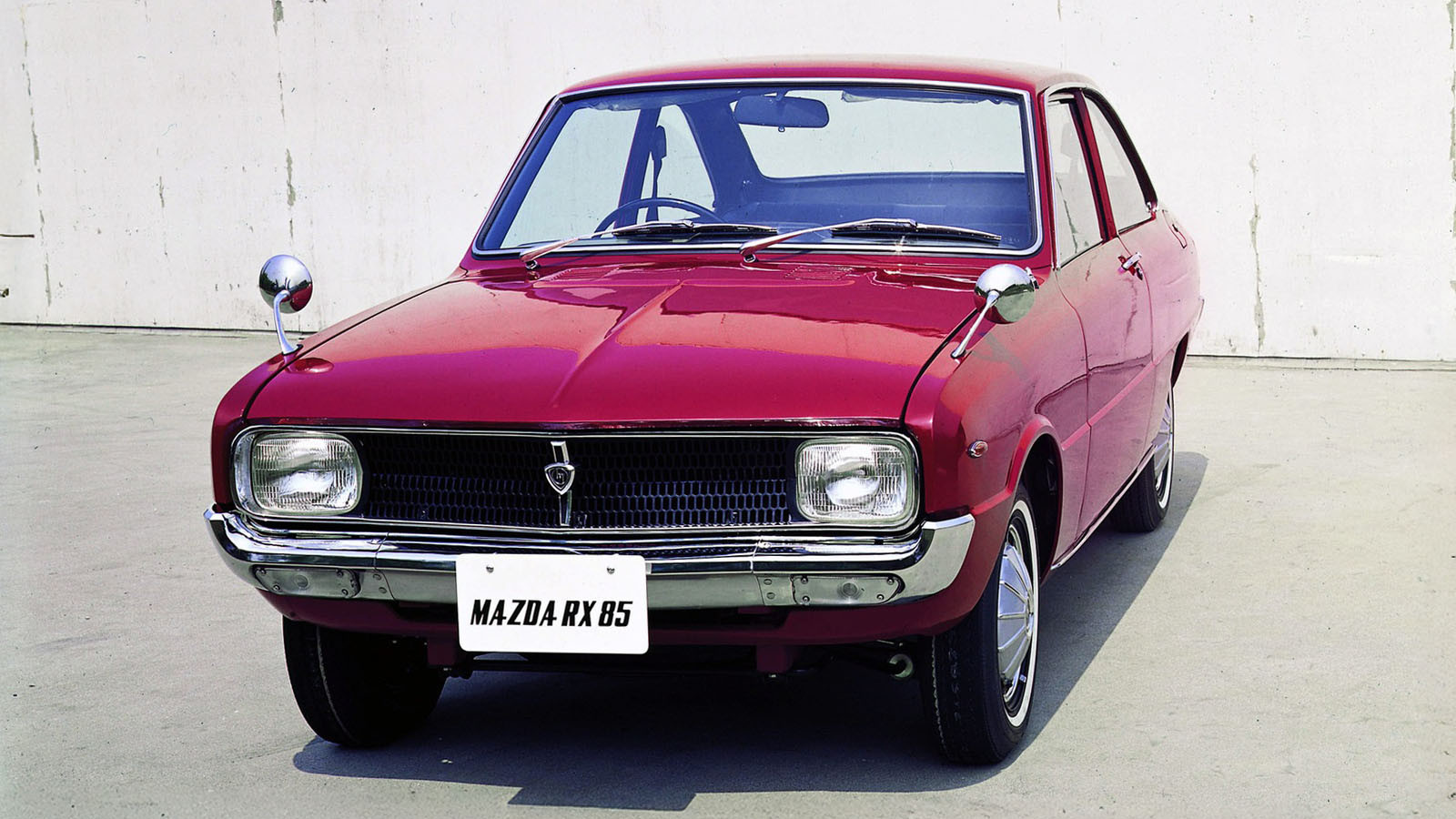
The Mazda RX-85 was an unremarkable car at first glance when it was first shown to the public in 1967.
A three-box saloon in the same style as a Ford Escort, the RX-85 hid a twin-rotor Wankel engine under its nondescript bonnet.
With around 100bhp, it was a potent small car and the 982cc engine would rev to a giddy 7000rpm.
While the RX-85 remained a one-off, it did help Mazda create the R100, a rotary-powered coupé addition to its bland Familia range.
This new R100 was developed in just 12 months and was the only rotary-engined car in the model line.
2. 1967 Mazda RX-87
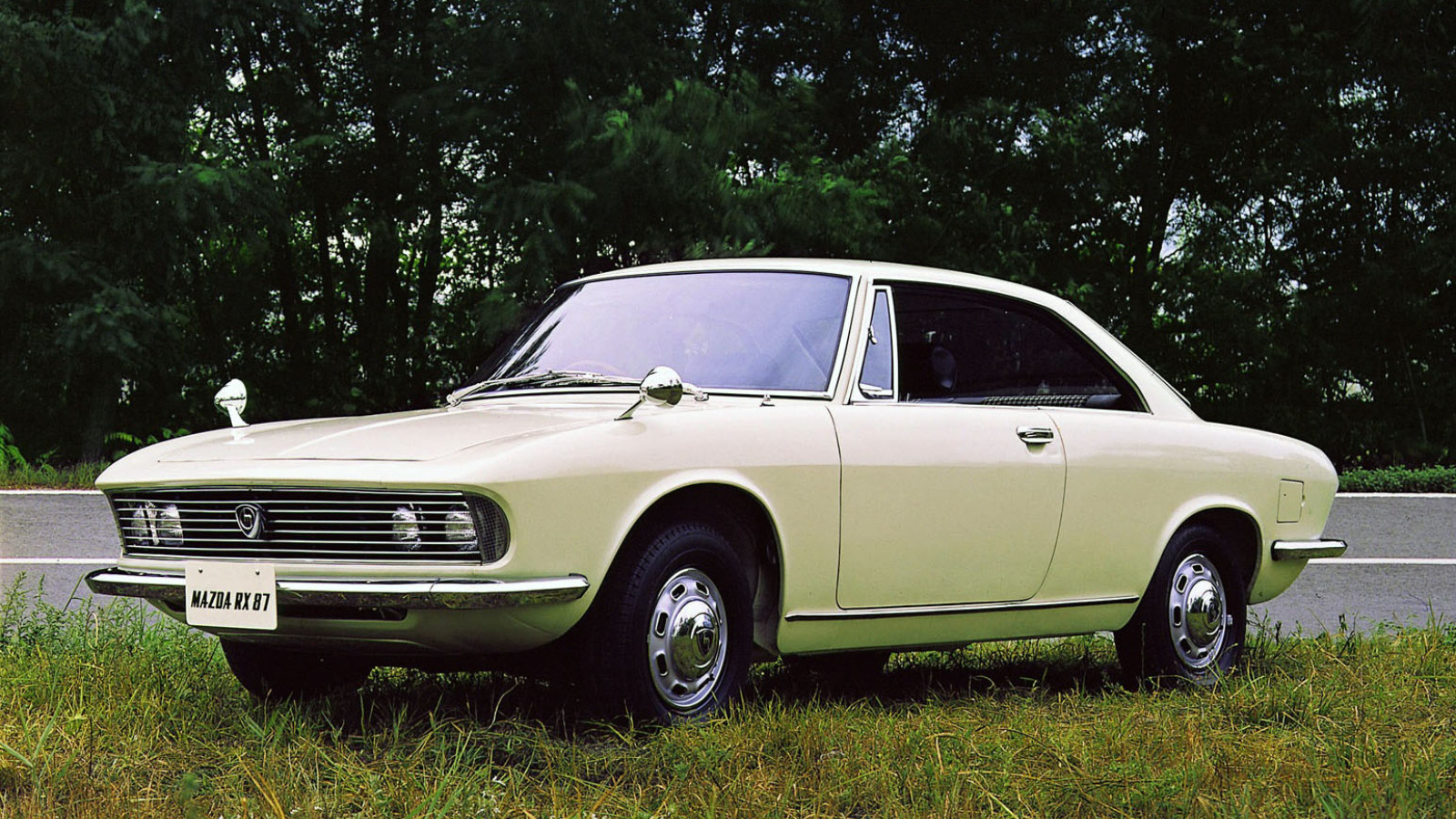
Unveiled at the Tokyo motor show in 1967, the RX-87 was a one-off with a clear purpose to test the waters for a Mazda coupé.
Its lines were styled by Bertone, because Mazda was aware any coupé would have to appeal beyond its domestic market to be financially worthwhile.
The RX-87 backed up its looks with a twin-rotor engine that had a claimed output of about 130bhp, which was sent to the rear wheels.
The clean front-end styling with four headlights behind horizontal bars further added flair.
Two years after this concept car was shown, Mazda launched its R130 Luce Coupé, which looked nearly identical to the RX-87.
3. 1970 Mazda RX-500
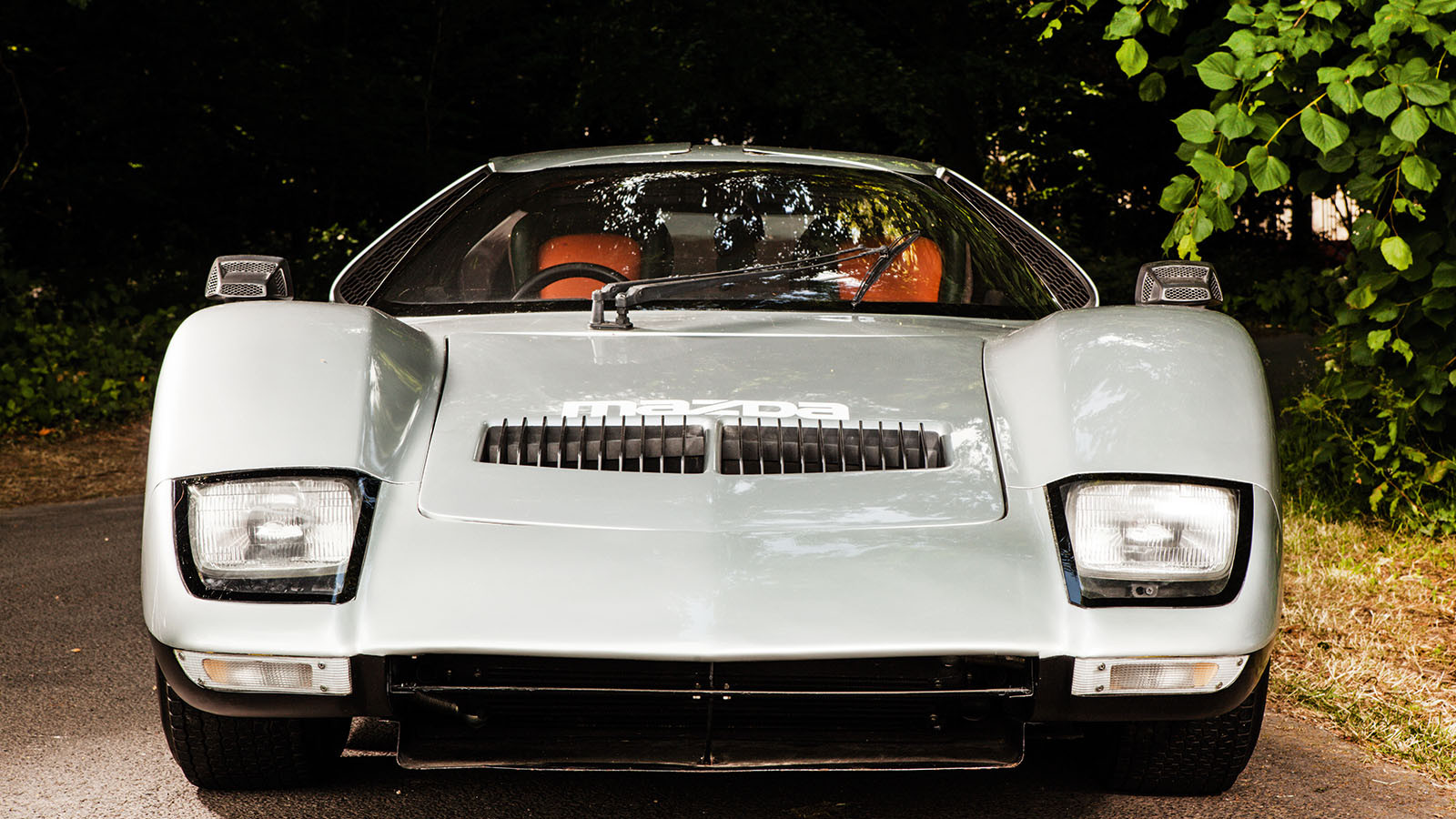
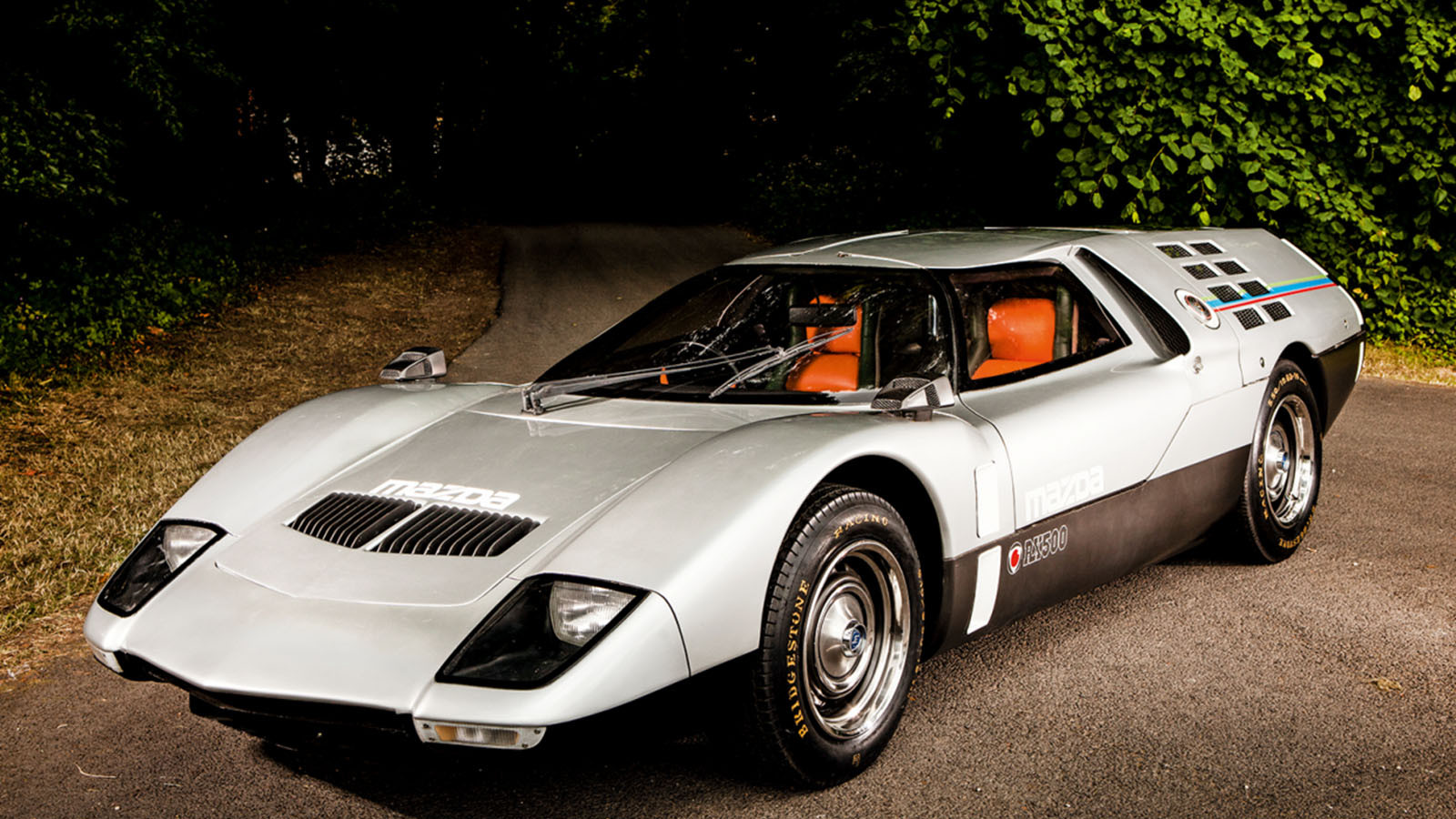
Mazda claimed the RX-500 was created to try out new safety technologies, yet this low-slung sports car packed plenty of performance.
Twin 982cc rotary engines delivered 247bhp to propel the RX-500 to 150mph, which was proven at Mazda’s test track.
The mid-engined RX-500 was displayed at the 1970 Tokyo motor show.
Its major safety feature was that its rear lights changed colour depending on whether the car was accelerating, cruising or braking.
However, visitors to the show were more impressed by the butterfly doors and the use of plastic in the car’s construction to keep its weight to just 982kg (2165lb).
4. 1973 Mazda CVS
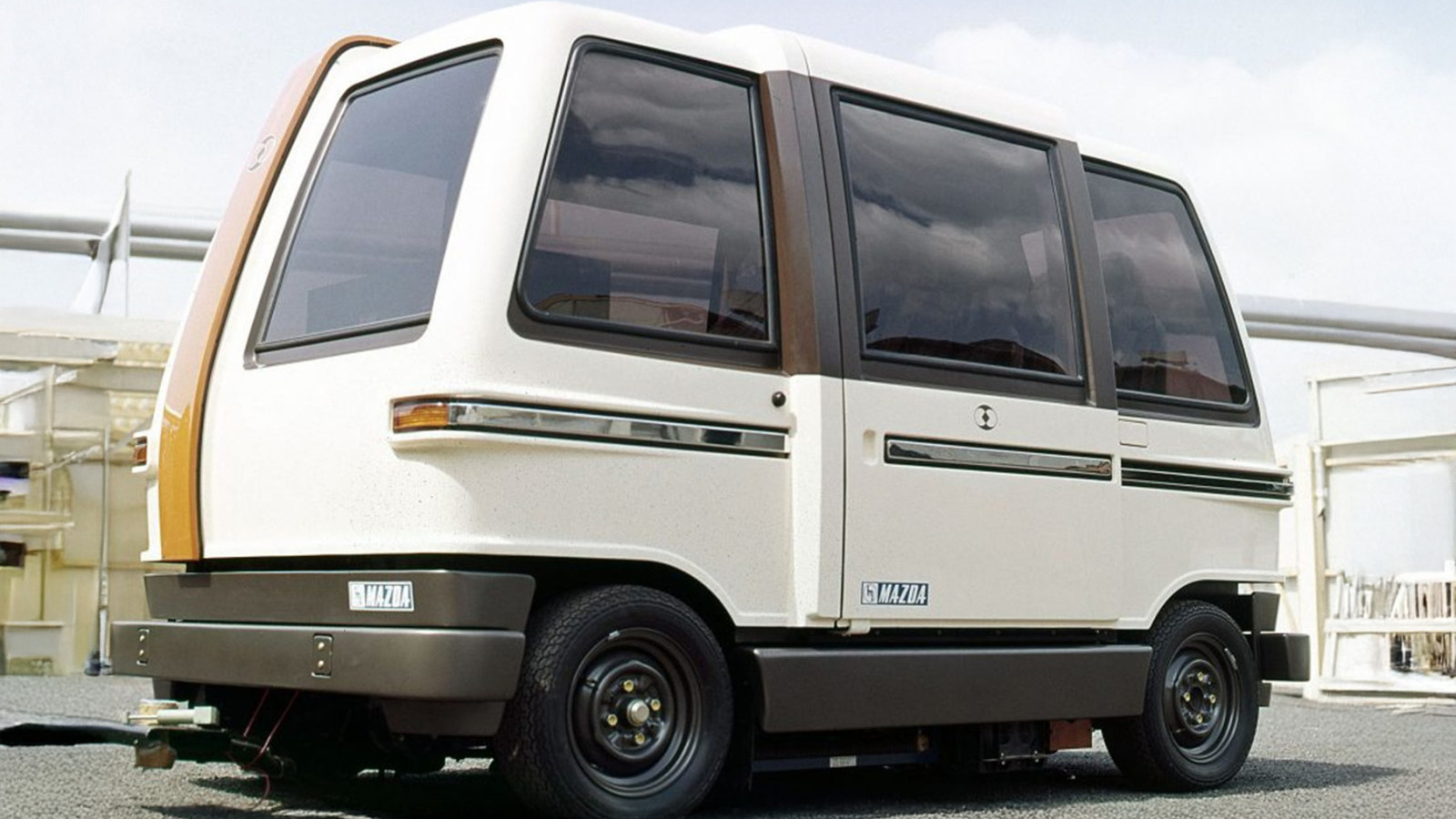
Autonomous vehicles are nothing new and Mazda’s CVS proves the point, because this box on wheels was built with driverless transport in mind.
CVS stood for Computer-controlled Vehicle System.
It used Mazda’s most advanced technology of the time to guide it along a purpose-built rail track without human intervention.
With no driver to worry about, the CVS had a central door to access its cabin, which came with large leather armchairs to maximise comfort for its occupants.
Another unusual feature of the Mazda CVS, at least back in 1973, was an in-car telephone, which added to the opulent feeling of this unusual mode of transport.
5. 1981 Mazda MX-81 Aria
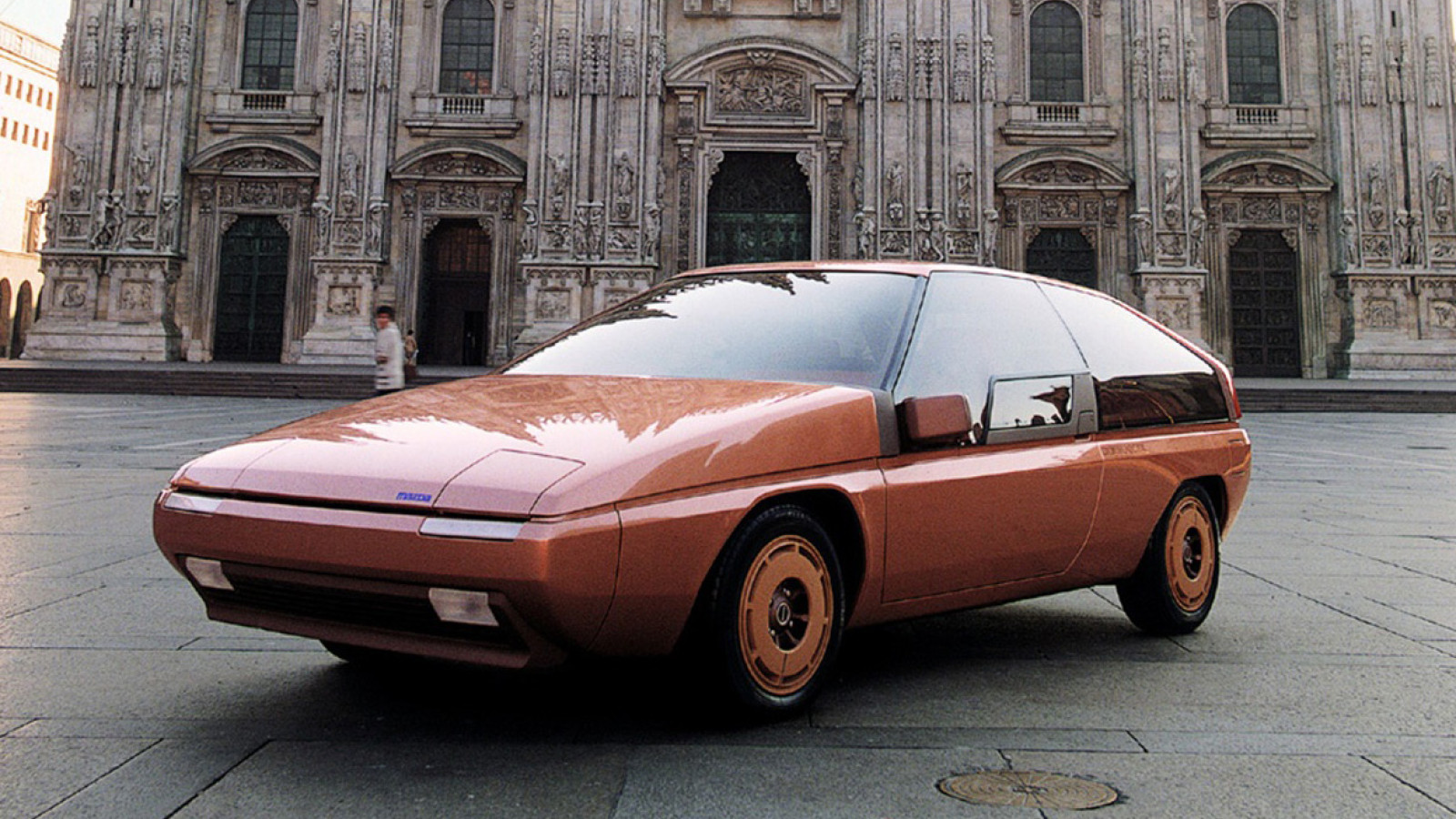
The first car to wear Mazda’s MX badge was the MX-81 Aria that was displayed at the 1981 Tokyo motor show.
This was another collaboration between Mazda and Bertone, and the MX-81 tested reactions to a more practical coupé than the RX-7.
Based on the contemporary Mazda 323 platform, the MX-81 had a large glass area, pop-up headlights and high-set rear lights.
These features would be seen in following production cars, but the MX-81’s recessed steering wheel and the television screen in place of a dashboard remained fantasies.
Mazda restored the MX-81 in 2021 to coincide with the launch of its MX-30 electric car.
6. 1983 Mazda 323 Electro
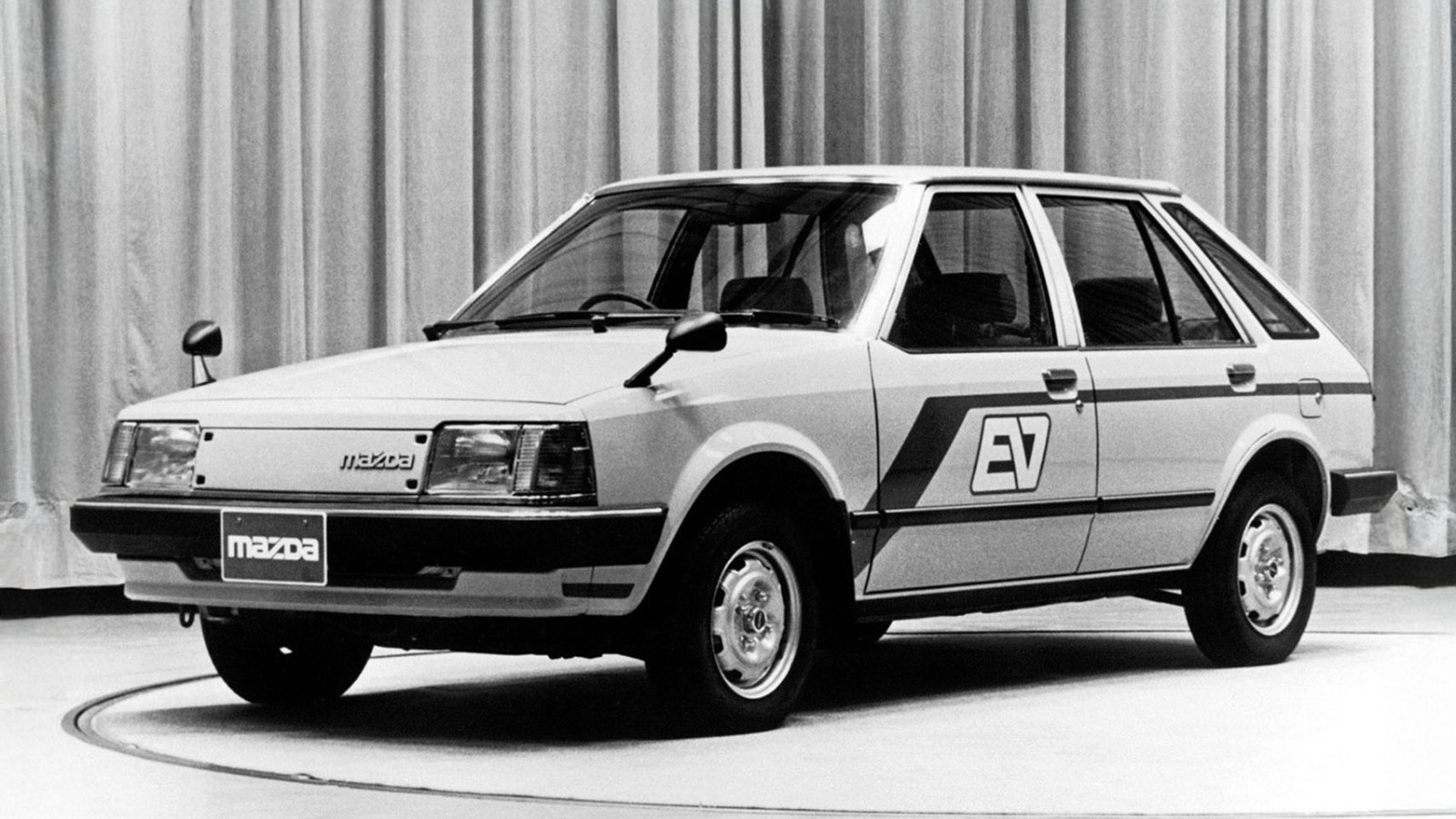
Many car companies were experimenting with electric power in the early 1980s and Mazda used its 323 hatchback for its early foray into this power source.
Only ever intended as a test bed, the 323 Electro looked little different from a standard car except for its blanked-off grille between the headlights.
A single electric motor powered the front wheels, while much of the boot was taken up with the batteries.
The weight of the 323 Electro meant it had a limited range, though Mazda did not publish official figures for this or for its performance.
7. 1983 Mazda MX-02
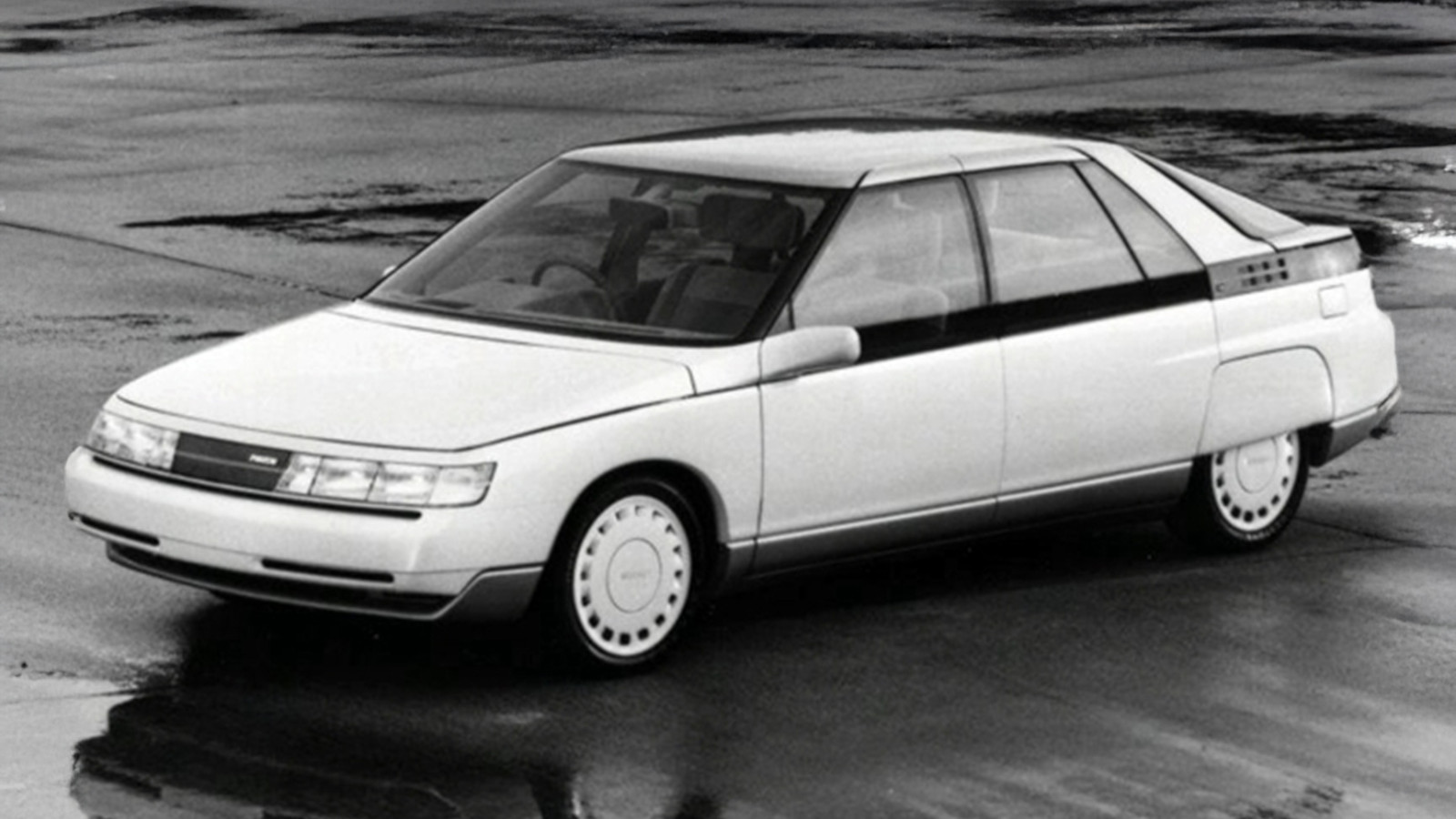
The Mazda MX-02 turned out to be a vehicle that predicted many of the in-car technologies we take for granted today.
Among its many advanced ideas for 1983 were keyless entry and a head-up display for the driver.
It was also mechanically advanced, because the MX-02 had rear-wheel steering to help with low-speed manoeuvring and high-speed stability.
The aerodynamic styling used flush-fitting glass and lights, as well as partially fared-in rear wheels, to maximise efficiency from its 1.3-litre petrol engine that was claimed to be capable of achieving an average 60.1mpg fuel economy.
8. 1985 Mazda MX-03
Mazda’s MX-03 was such a mix of radical ideas that it can be hard to know where to begin.
It was powered by a tri-rotor 1962cc engine that gave around 315bhp and a 180mph top speed, helped by a drag coefficient of just 0.25Cd.
Mazda claimed the MX-03 could deal with 0-60mph in 4.7 secs, and it was said that it handled superbly thanks to four-wheel drive and sophisticated four-wheel steering.
The two-door coupé design contained a four-seater cabin, with an aircraft-style yoke in place of a steering wheel.
The Mazda MX-03’s driver was also treated to digital gauges and a head-up display.
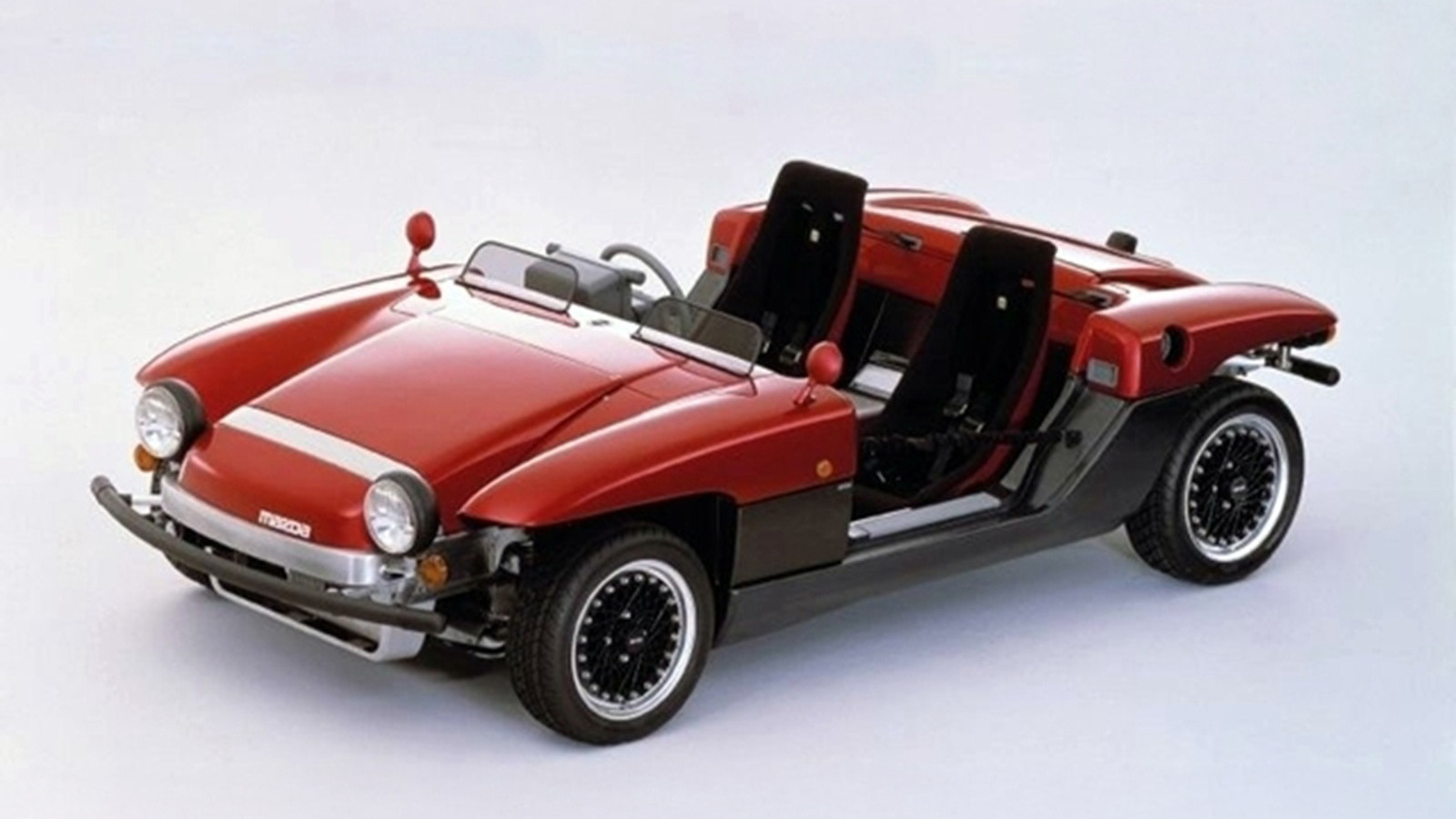
9. 1987 Mazda MX-04
Two years before Mazda launched its seminal MX-5, it revealed the playful MX-04 at the 1987 Tokyo motor show.
The idea was to provide two sets of glassfibre bodywork that could be swapped on a single chassis.
One body offered a sleek coupé with a glass roof, while the other was a pared-back beach buggy with an open top (pictured).
These differing styles sat on a lightweight chassis with a front-mounted rotary engine and rear-wheel drive.
The coupé version of the MX-04 had styling hints of the MX-3 that would follow in 1991.
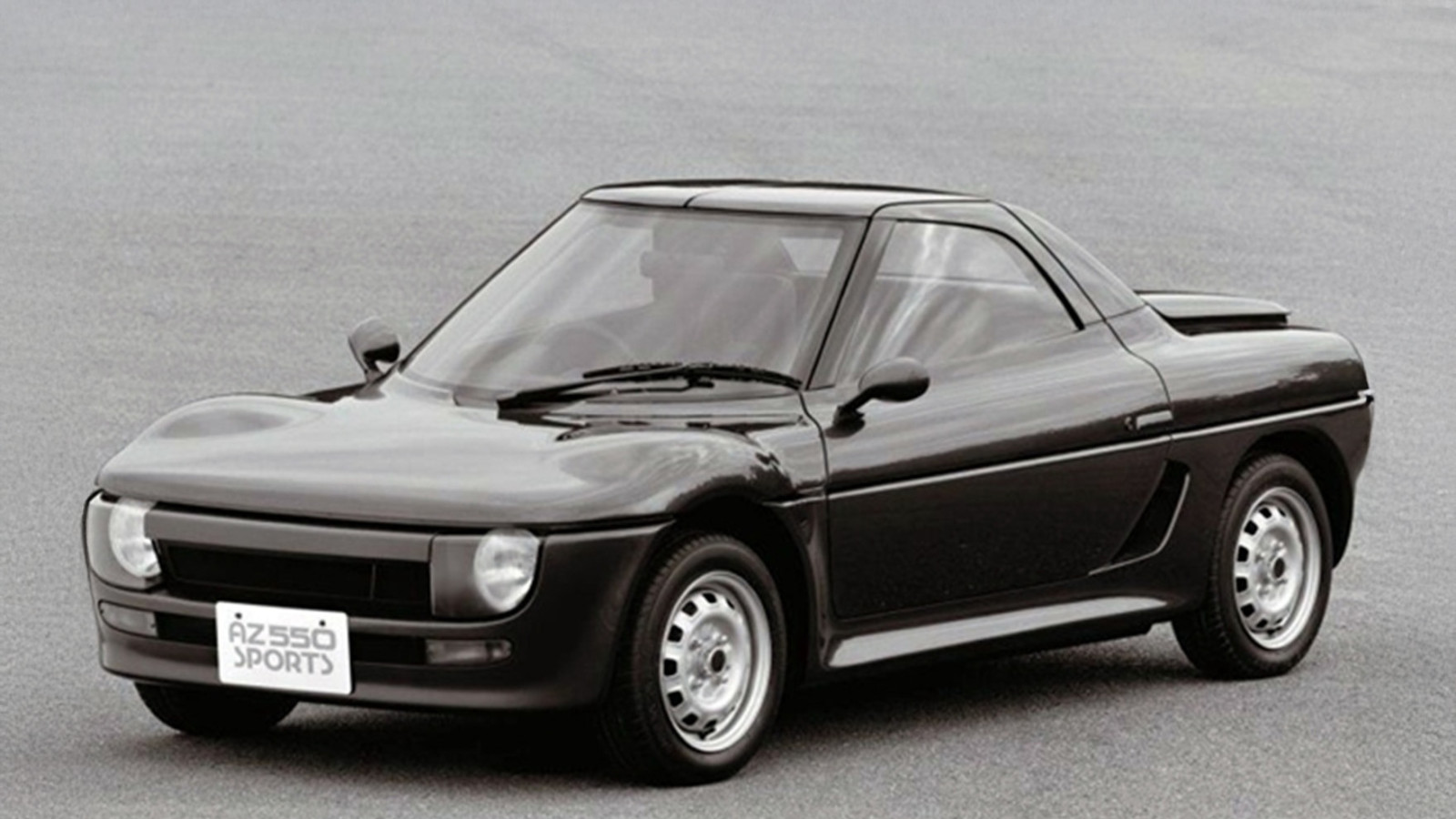
10. 1989 Mazda AZ550 Sports Type B
Mazda came up with its Autozam sub-division to offer a kei car for the domestic Japanese market.
Suzuki provided the engines and Mazda showed three cars at the 1989 Tokyo motor show, including the Sports Type B that looked like a miniature pick-up.
The rear deck simply covered the mid-mounted, 657cc, three-cylinder engine, while the front styling was also unique to this version.
Both the Sports Type B and its Type C sibling, which looked like a scaled-down Group C racing car, didn’t progress any further.
However, the Type A became the AZ-550, and around 4900 examples were sold between 1992 and 1994.
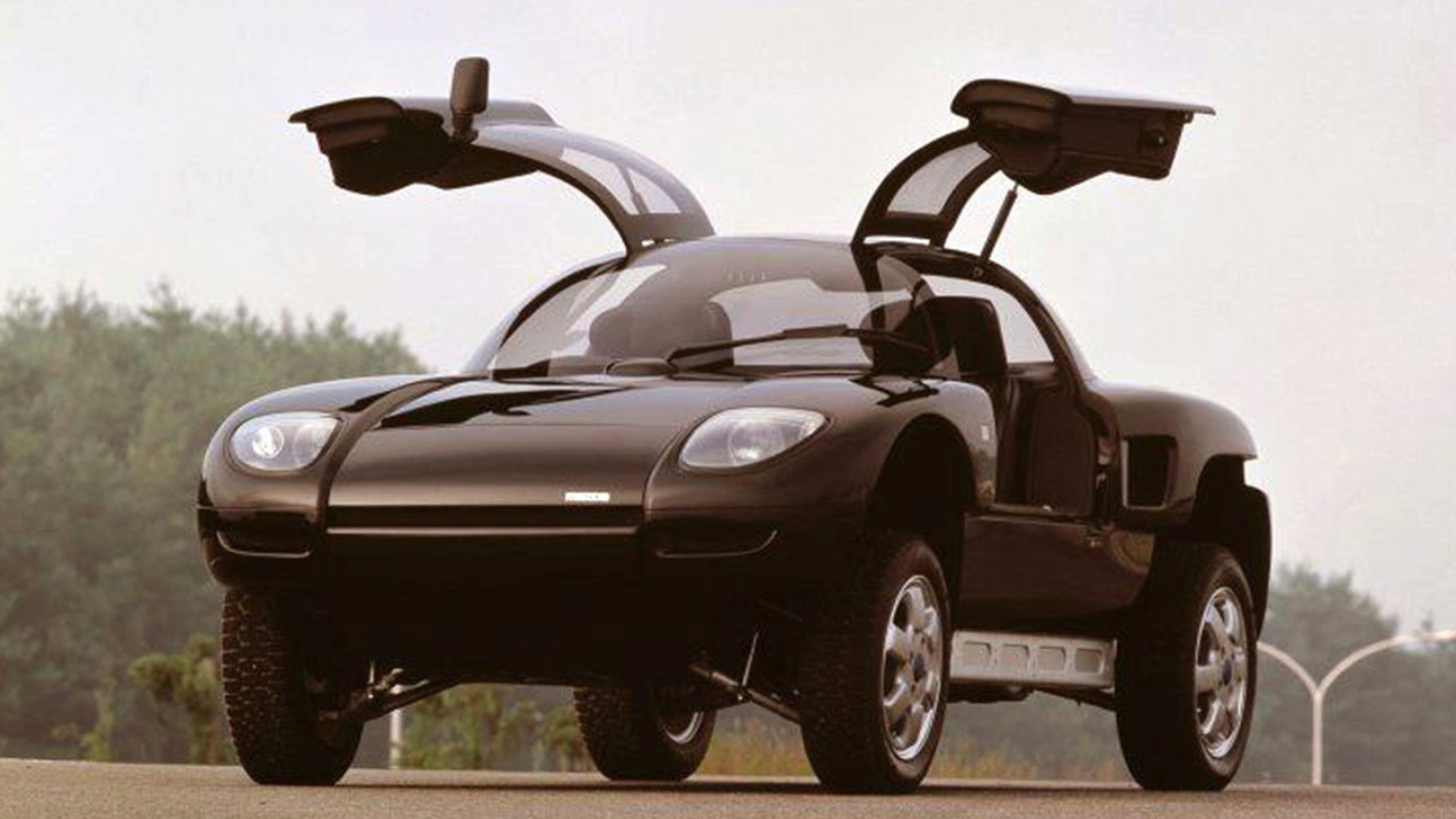
11. 1989 Mazda TD-R
Looking like it was all set for the Paris-Dakar rally, the TD-R was an intriguing study in what a Mazda off-roader might look like.
The height-adjustable suspension gave the TD-R superb ground clearance, while four-wheel drive promised excellent traction.
Its mid-mounted, 1.6-litre, turbocharged engine produced about 140bhp, which was more than enough for a vehicle that weighed a mere 800kg (1764lb).
Completing the TD-R’s unusual approach to off-roading, it had gullwing doors and exposed side chassis rails that impressed visitors at the 1989 Tokyo motor show, where it was displayed.
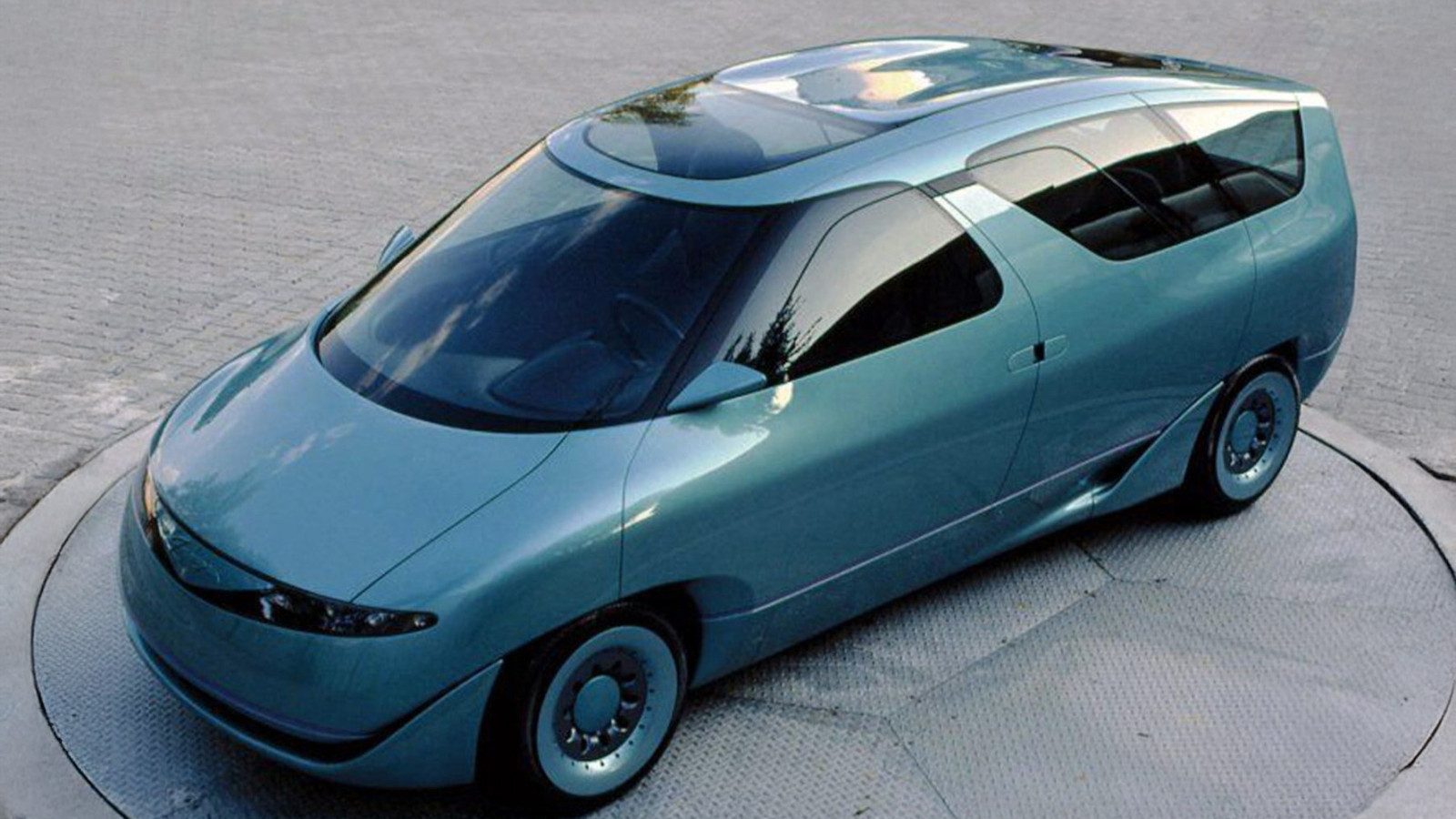
12. 1991 Mazda Gissya
Unlike most of Mazda’s design ideas, the 1991 Gissya emanated from its European styling studio.
The Gissya picked up on the MPV segment that was gaining ground at the time and applied Mazda’s typically left-field thought to the packaging.
As a result, the Mazda Gissya placed the driver and front passenger well forward in the cabin, while those in the second row had a raised position to give excellent all-round vision.
The rear passengers also sat over the twin-rotor engine that powered the Gissya.
The smooth shape aimed to give the best aerodynamics and economy, helped by flush doorhandles and glass.
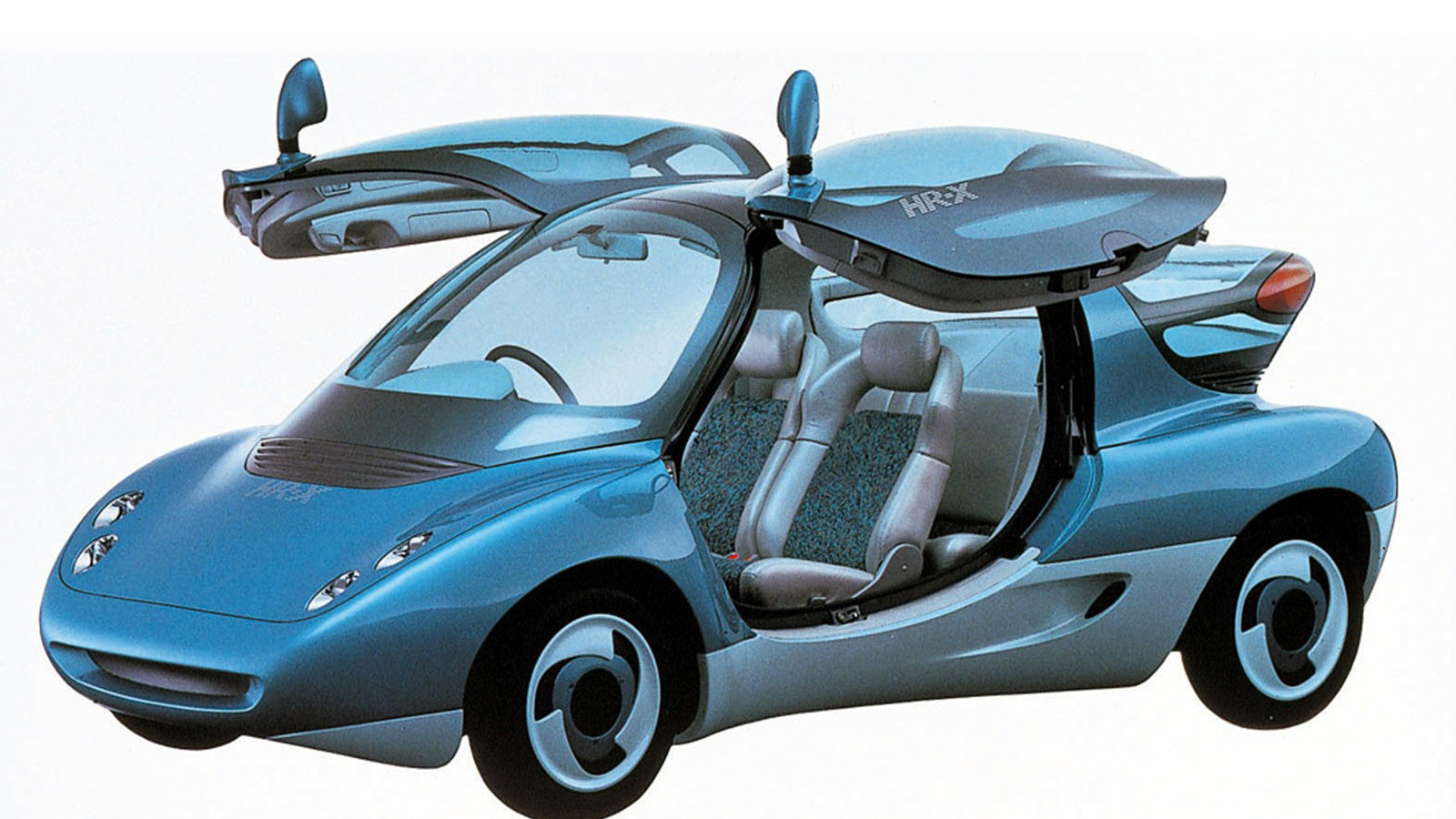
13. 1991 Mazda HR-X
The ‘H’ in the name of Mazda’s HR-X gives a clue to the hydrogen fuel this car was experimenting with in the place of petrol.
Displayed at the 1991 Tokyo motor show, the HR-X still used a c100bhp rotary engine to burn the hydrogen, 3.3kg (about 7lb) of which was stored in a tank.
That amount of hydrogen offered a driving range of up to 120 miles in the HR-X, plus it had a top speed of 81mph.
A four-speed automatic gearbox was used with an early regenerative-braking system, to recover energy while braking.
This power was stored in a battery and could be harvested to give stronger acceleration.
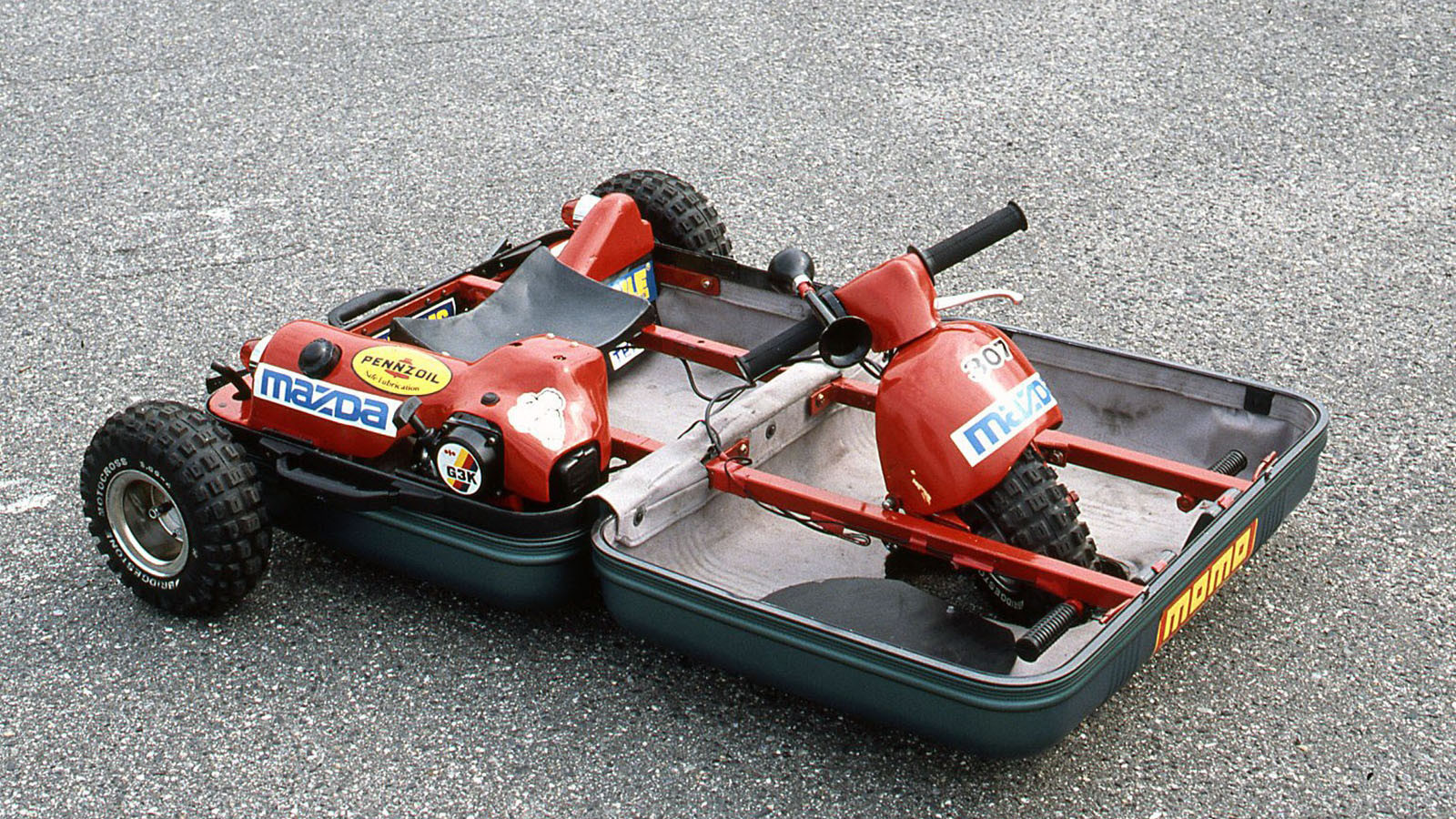
14. 1991 Mazda Suitcase Car
Looking more like something you would see in a spy film, Mazda’s Suitcase Car was still more than just mere whimsy.
When the marque challenged its many departments to come up with new ideas for mobility, the people from the manual transmission team won.
Its engineers were then tasked with bringing their idea to life, which they duly did by marrying a standard suitcase with a mini motorbike.
Using a 34cc, two-stroke engine, the 32kg (71lb) Suitcase Car could be carried and then unfolded when needed, and it could travel at up to 18.5mph with its sole occupant onboard.
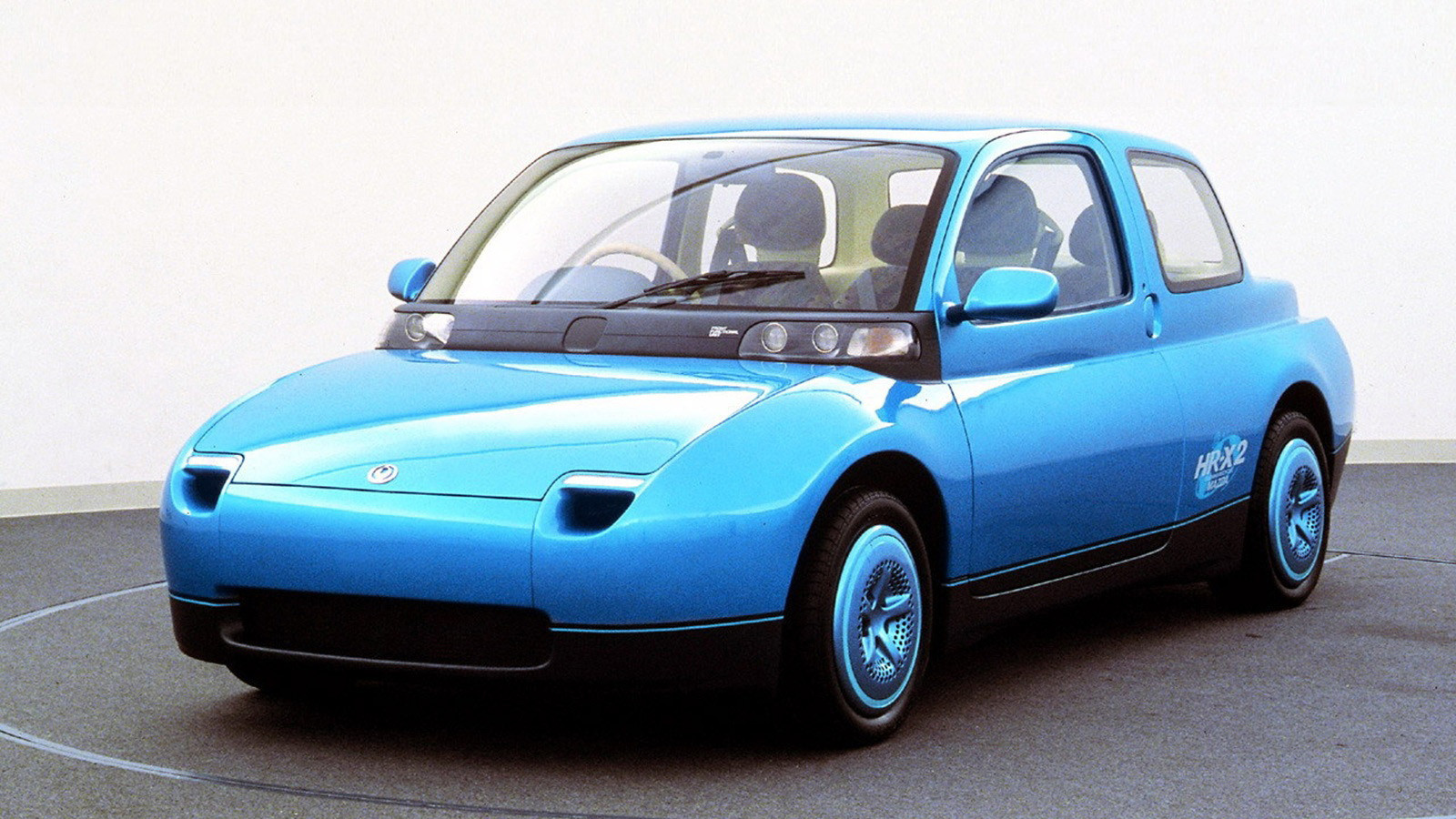
15. 1993 Mazda HR-X2
The second of Mazda’s cars to explore the possibilities of hydrogen as a fuel was the HR-X2.
Despite its unusual looks, the HR-X2 was a much more practical proposition than the earlier HR-X and this second design offered seating for four.
Its hydrogen rotary engine was a development of the early version.
The Mazda HR-X2’s wind-cheating shape was formed from recyclable materials to underline this car’s early focus on environmental credentials.
However, those who saw the HR-X2 were less impressed with the choice of fabrics used in the cabin, which made it look like an explosion in a paint factory.
16. 1993 Mazda London Taxi
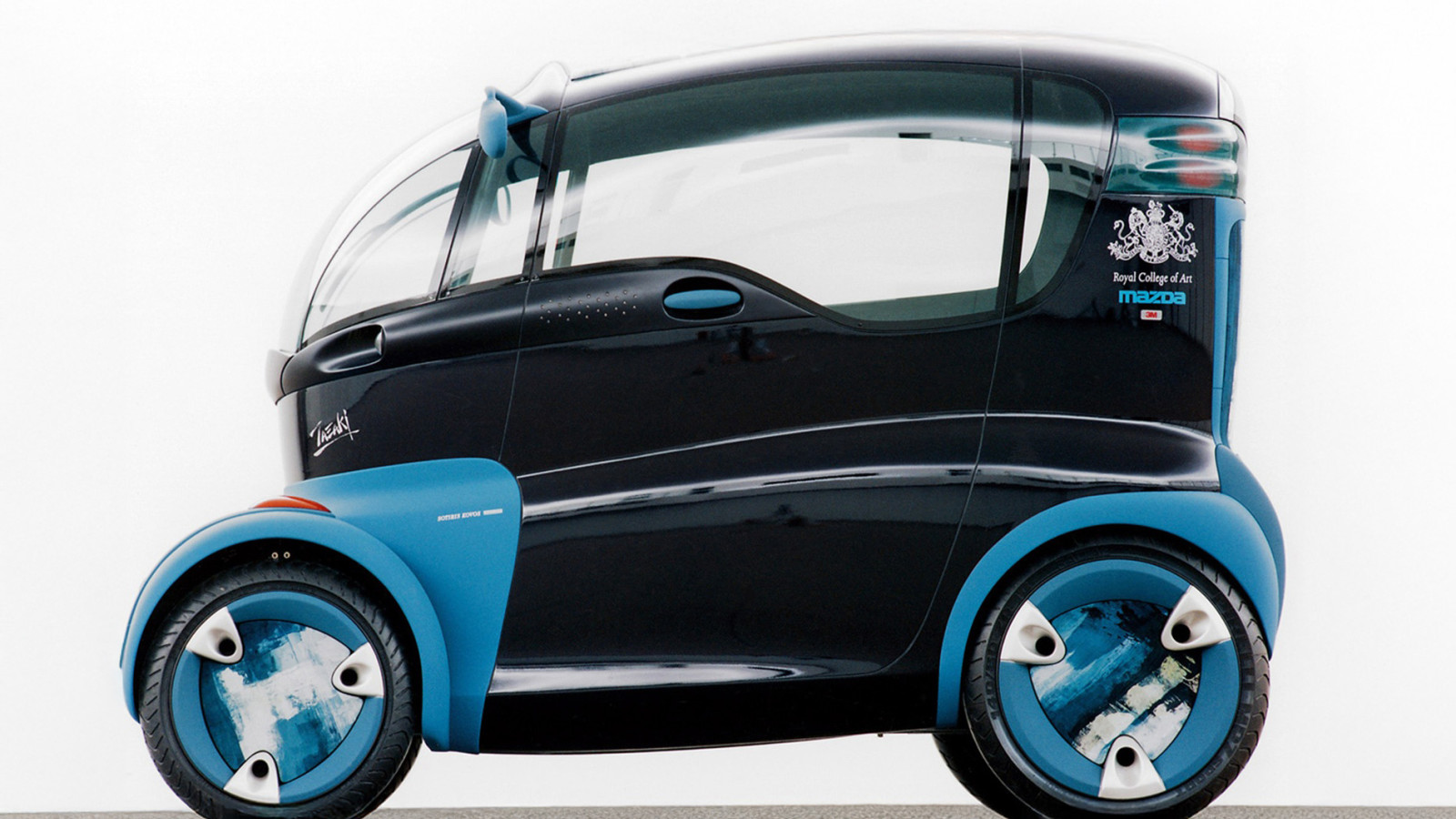
There have been many attempts to rethink the London Black Cab and Mazda’s came in 1993 with its appropriately named London Taxi.
Rather than aim for a retro look, however, Mazda’s designers went for a complete redesign.
Working with the Royal College of Art in the British capital, the result was a narrow, aerodynamic, compact car.
Its wheels were pushed right into the corners to give the best possible cabin space within the smallest on-road footprint.
The big drawback, though, was that this design only allowed for the driver and a single passenger.
17. 1995 Mazda CU-X
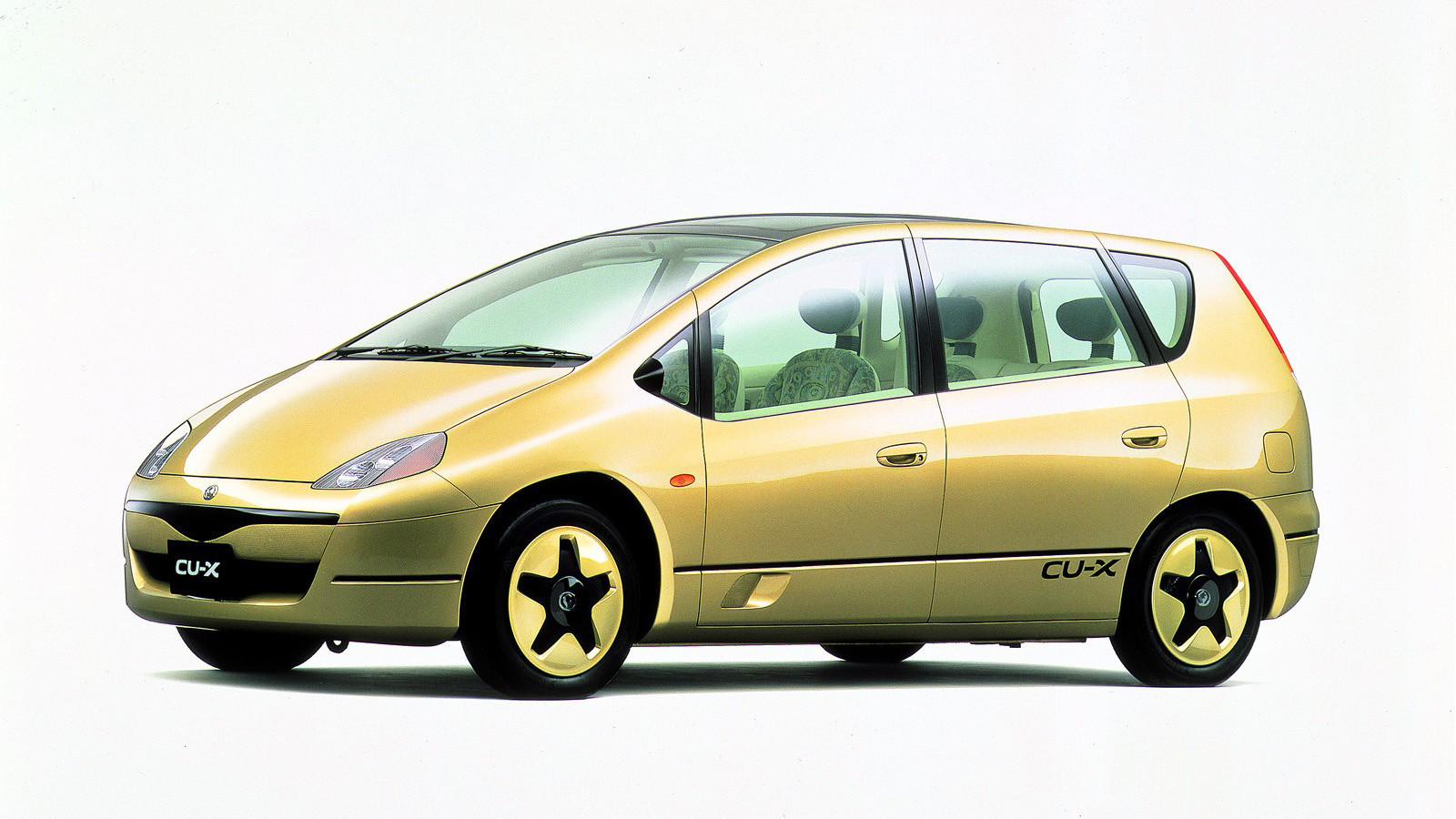
Four years before Mazda launched its mid-size Premacy MPV, the Japanese car maker showed off the CU-X.
This was a pleasingly sleek and stylish take on the burgeoning MPV theme, with large doors at the front and back to give excellent access to the roomy cabin.
The rear seats were set well back from the front pair to give masses of leg room, while the high roofline allowed for a big boot.
Up front, the driver was presented with a digital dashboard in a minimalist pod, while a column-mounted gearlever freed up space for legs.
Power for the Mazda CU-X came from a modest 1.5-litre petrol engine.
18. 1995 Mazda RX-01
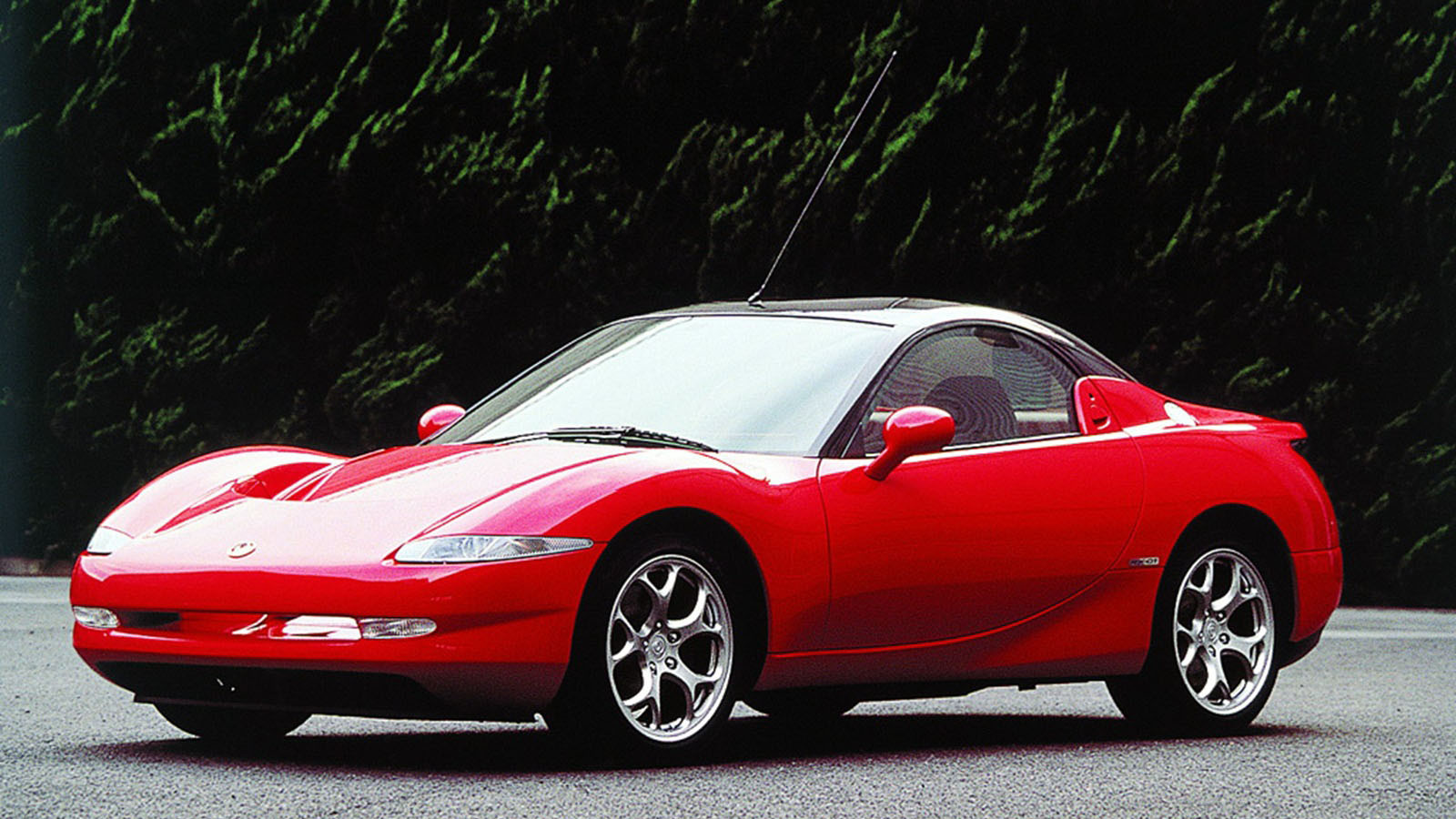
With the RX-7 now a Porsche rival, Mazda wanted a more affordable coupé in its range and the RX-01 was the outcome.
A handsome, two-door, four-seat car, its styling hinted at the RX-8 that would follow some eight years down the line.
While the Mazda RX-01 was very different from the RX-8, the two shared a 1308cc rotary engine.
In the RX-01, this motor meant 0-60mph in 5.7 secs and a top speed of 140mph.
The biggest issue the RX-01 faced was the success of the MX-5, because Ford, Mazda’s parent company at the time, felt there wasn’t a need for a sporty coupé while the roadster was selling so well.
19. 1995 Mazda SU-V
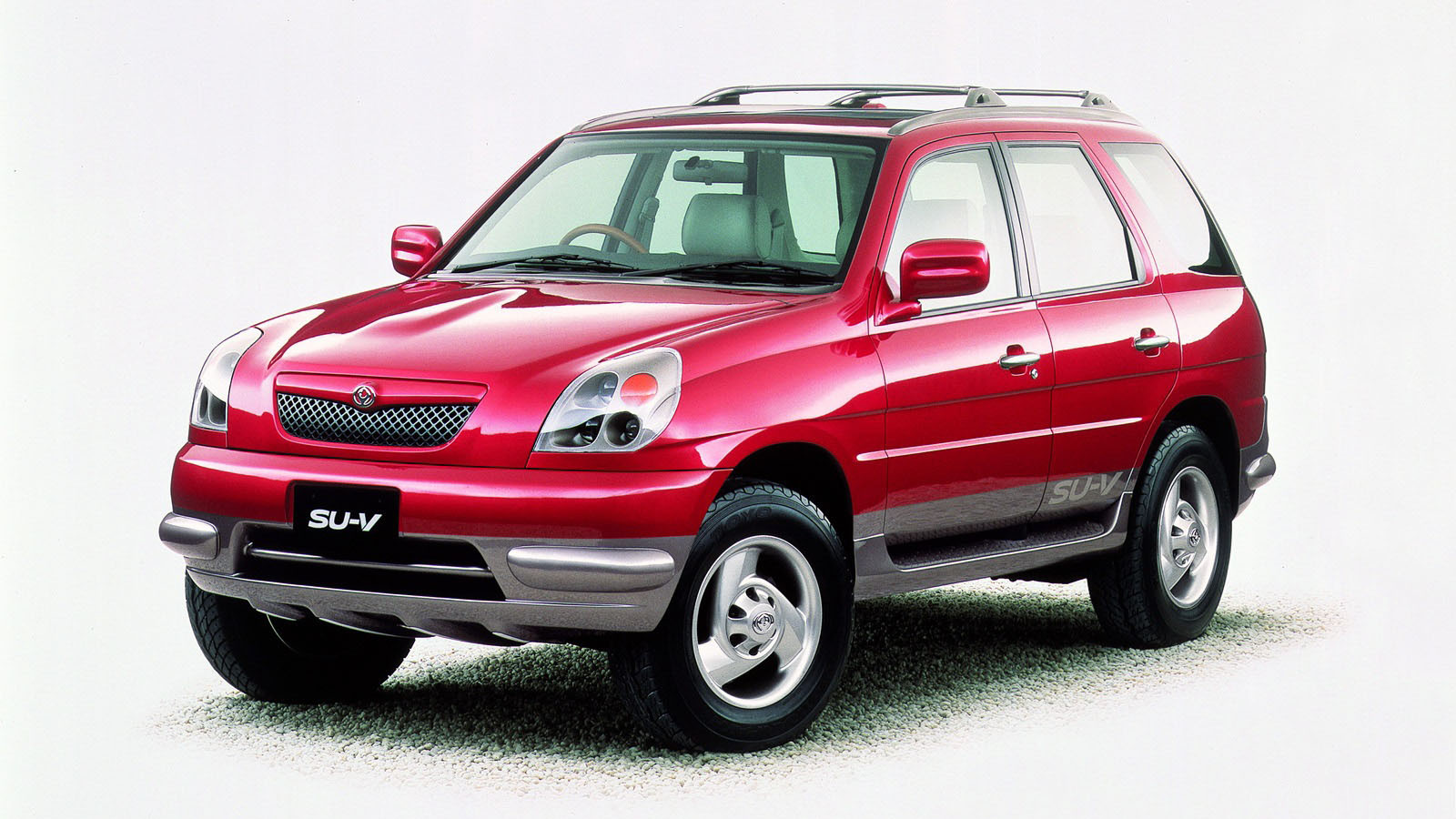
Noting the popularity of the Toyota RAV4, Mazda dabbled with the idea of mid-size off-roader when it unveiled the SU-V in 1995.
It had a bold look and came with part-time four-wheel drive to make it more capable in rough conditions than most cars in this class.
Its modestly powered, 2.5-litre, four-cylinder engine did at least have a decent 145lb ft of torque, to help with off-road driving and towing.
Nothing came of the SU-V and Mazda didn’t launch a car in this sector until the Tribute of 2000, which was based on a Ford Escape, or Maverick as it was known in Europe.
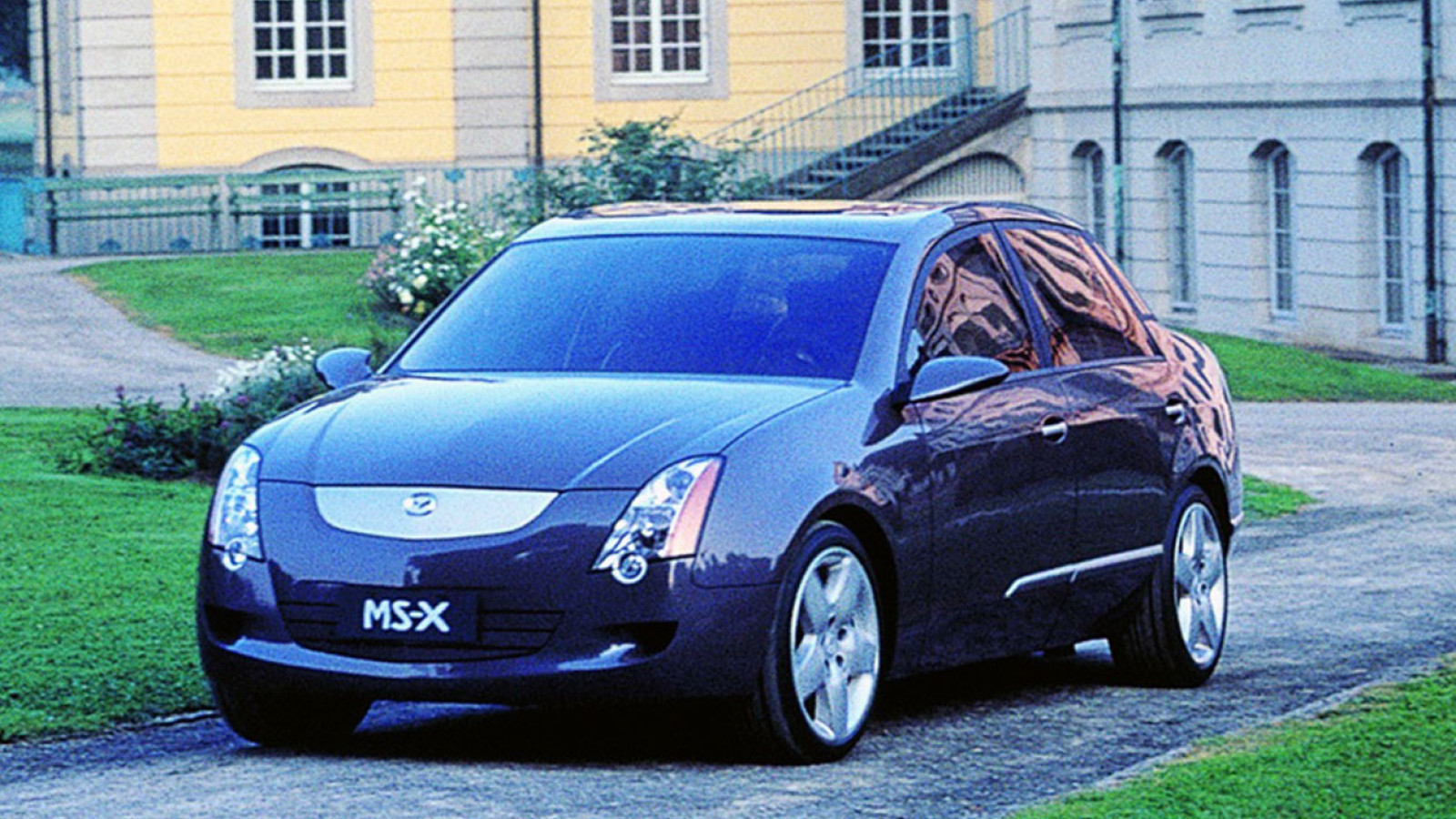
20. 1997 Mazda MS-X
Mazda’s Xedos 6 and 9 models had not been huge success stories in the executive segment, so the company took a different approach with its MS-X concept car.
Billed as a ‘Multipurpose Sedan’, it mixed traditional luxury saloon comfort with MPV space and flexibility.
The MS-X was only 4.65m (15.3ft) long, but clever design gave it a spacious cabin and a large boot.
A 2-litre engine was smaller than might have been expected in this class, but the MS-X made up for this thanks to its high-tech features.
Automatic locks worked via a smart card kept in the driver’s pocket, while the Interactive Digital Communication system was a precursor to today’s advanced driver aids.
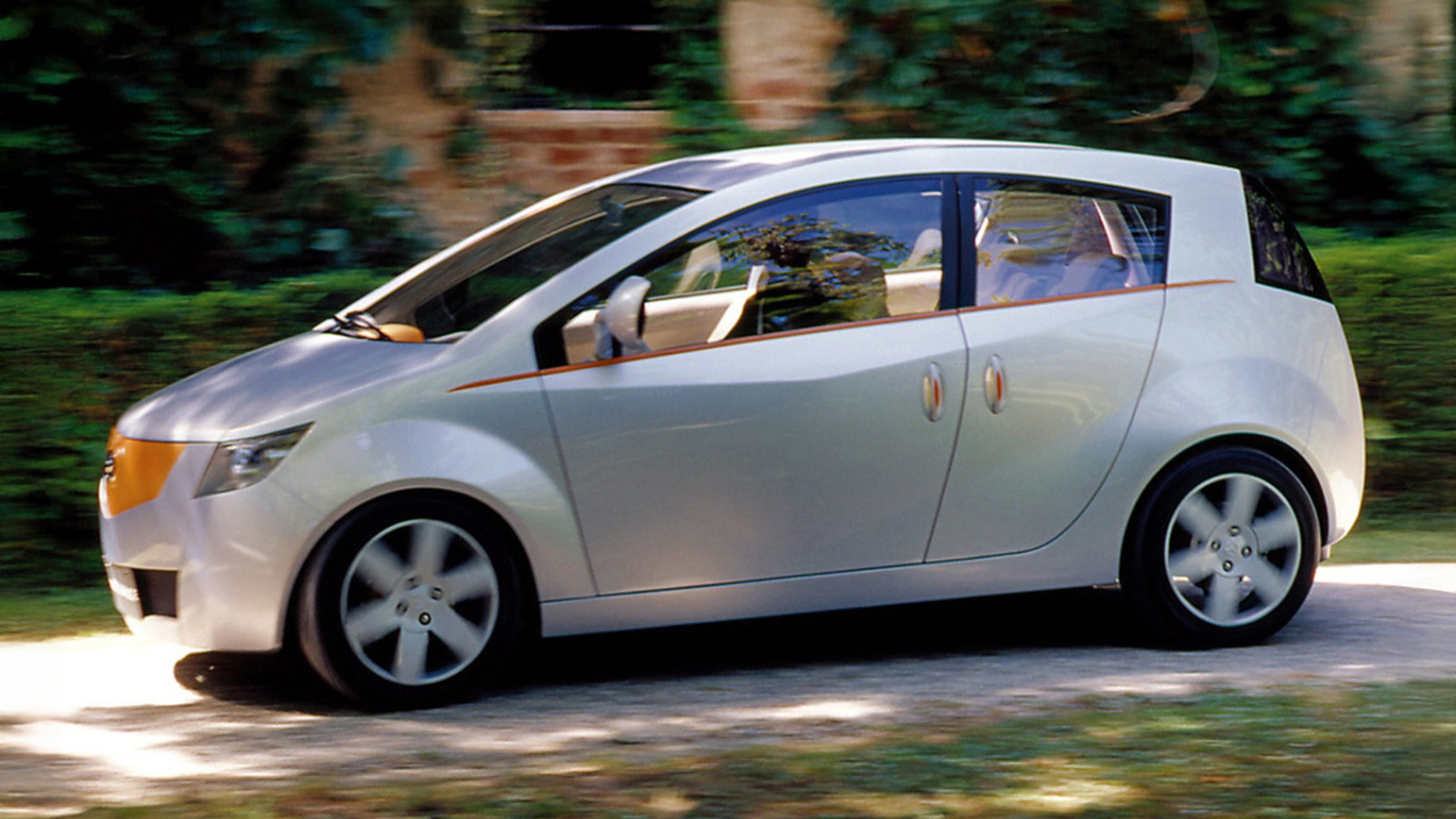
21. 1999 Mazda Neospace
There is one element of the Mazda Neospace’s design that clearly made it into production: the clap-hand doors.
This feature was seen on the 2003 RX-8, but it was first demonstrated on the Neospace in 1999.
Mazda touted this car somewhat bluntly as a ‘Functional Compact Car’, and it was just that.
The wheel-at-each-corner style liberated maximum cabin space to fit four adults, while also providing a good-sized boot.
Getting into the rear seats was aided by the small back doors and no central B-pillar.
In addition, the split tailgate’s lower section dropped down to help when loading heavier items.
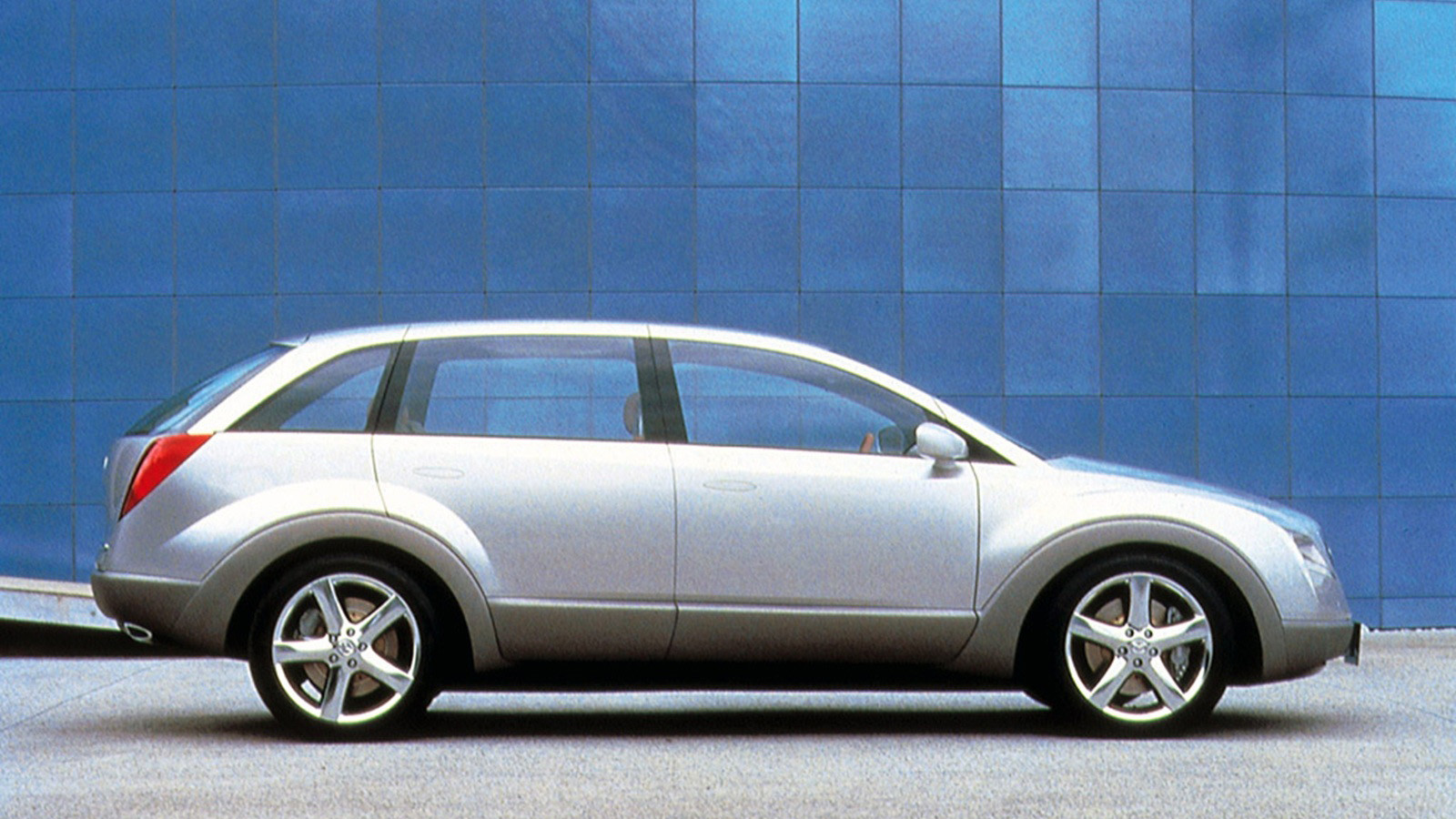
22. 1999 Mazda Nextourer
Mazda was desperate for a rival to the Land Rover Freelander and Toyota RAV4, and the Nextourer showed its thinking.
With the raised body of a 4x4 and scuff-resistant cladding around the wheelarches, the Nextourer was similar in approach to the Volvo V70 XC.
A 3-litre V6 engine was used in the car shown at the 1999 Frankfurt motor show, along with a CVT (continuously variable transmission).
The inside was pared back for a simple style, while a cantilevered panel gave access to the boot even in tight parking spaces.
Some of the Nextourer’s looks could be seen in the 2006 Mazda CX-7 production car.
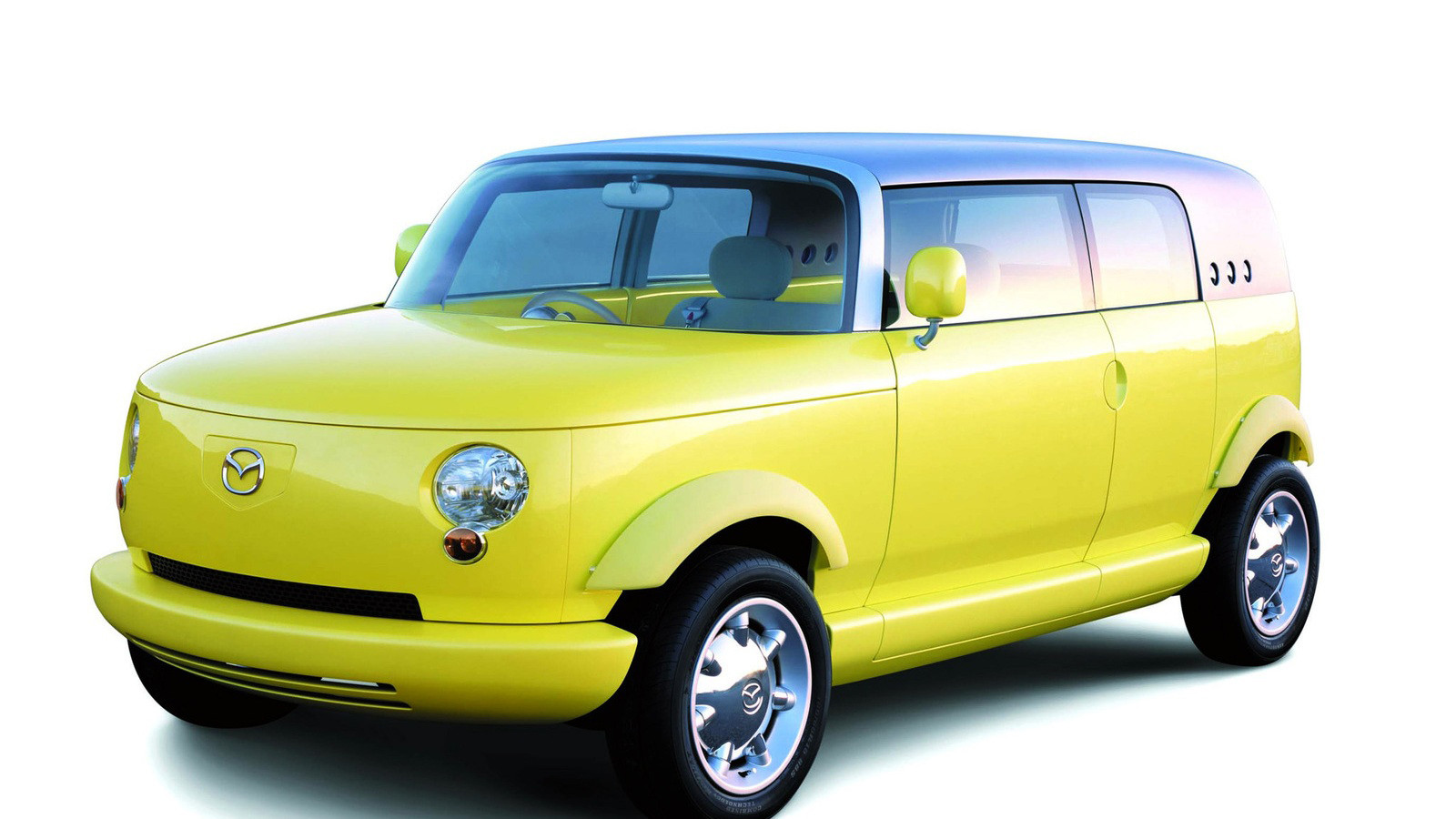
23. 2001 Mazda Secret Hideout
The curious name of this Mazda was matched by its unusual approach to design and cabin layout.
The boxy shape and small wheels were deliberate to offer as much space inside the car as possible.
This space could then be put to good use turning the Secret Hideout into a mobile bedroom.
All of the seats folded flat to make a mattress, while the lack of a centre pillar, thanks to rear-hinged back doors, allowed superb access to the cabin.
The more mundane chore of driving was taken care of by a 1.3-litre engine and an automatic transmission worked by pushbuttons.
We hope you enjoyed reading. Please click the ‘Follow’ button for more super stories from Classic & Sports Car.