Coupes with luxury appeal
Many coupes prioritize sporting intent first and foremost, but there are some cars with this body shape that place luxury and comfort above all else.
The luxury coupe has been a statement of success across the decades and here we’ve gathered 25 classic cars of this breed, from elegant Brits to an unusual Swede and plenty in between.
So, sit back and relax in the splendor that only a classic luxury coupe can offer – our selection is laid out in alphabetical order.
1. Alfa Romeo 2600 Sprint
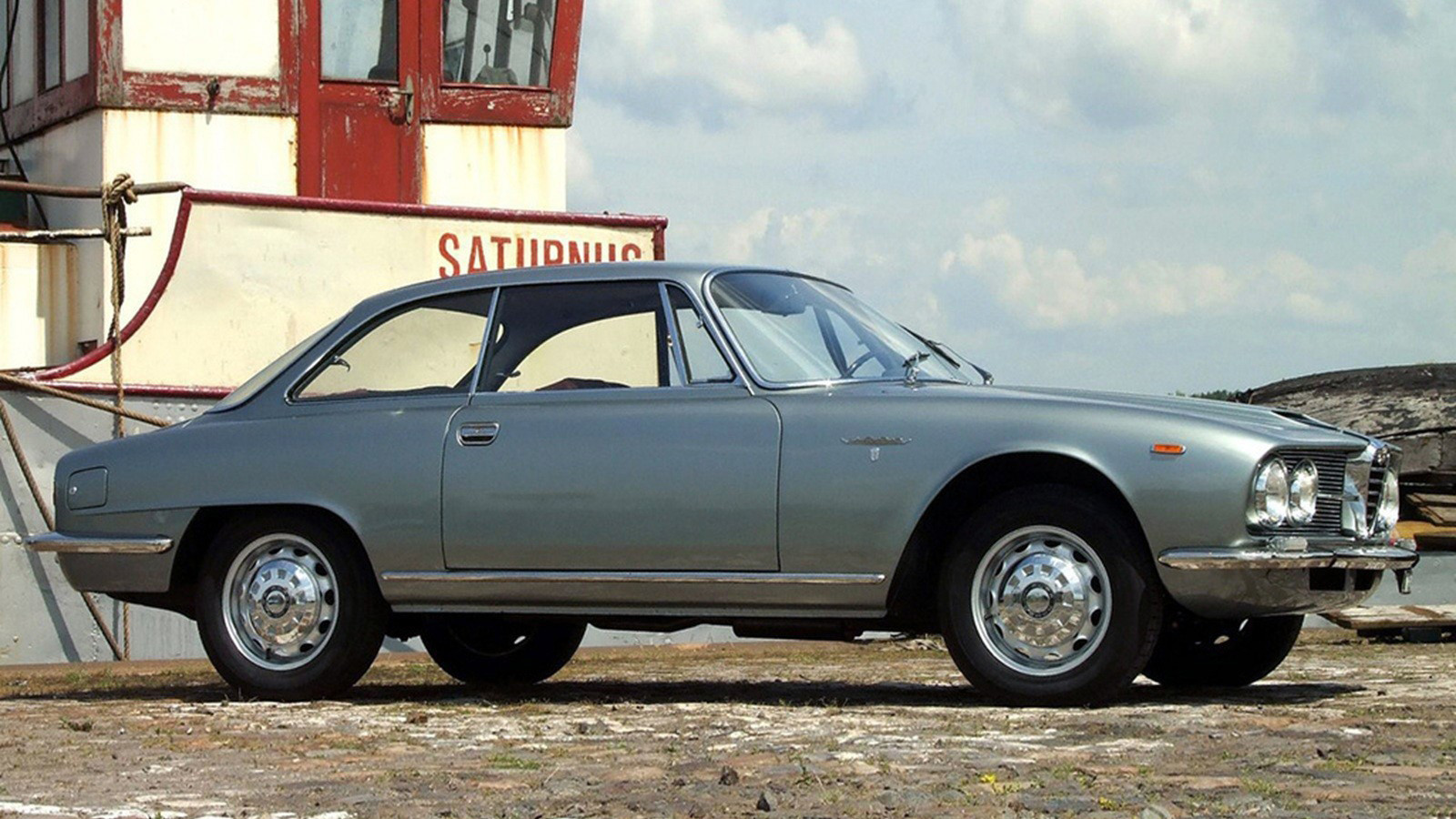
What the Alfa Romeo 2600 Sprint missed by way of nimbleness compared to its smaller siblings, it more than made up with its comfort and long-legged ability.
Capable of 120mph thanks to its twin-cam straight-six with 145HP, it was ahead of most of its competition with all-round disc brakes and a five-speed manual gearbox.
The Giorgetto Giugiaro styling gave the 2600 Sprint an elegance that attracted discerning owners, and Alfa built a total of 6999 of this model between 1962 and 1966.
Refinement and pace also made the Alfa Romeo 2600 Sprint appealing to the Italian police, who used a number of these cars to patrol the autostrade.
2. Alvis TF21
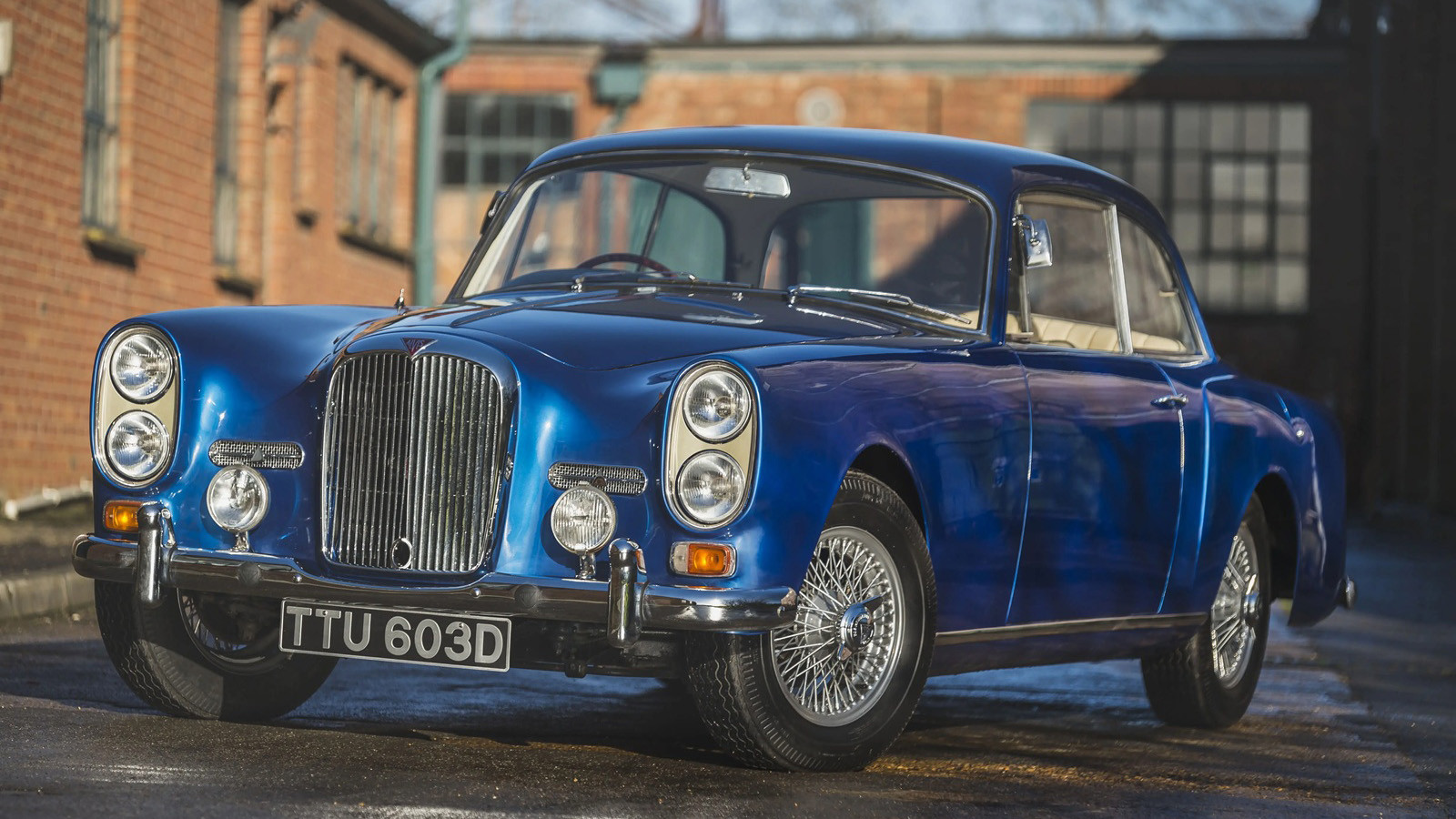
The sleek Alvis TD21 was the epitome of restrained British style. The company refined this theme through the TE21 and on to the ultimate incarnation of its coupe with the TF21.
The TE and TF are distinguishable by their twin stacked headlights, while the TF incorporated all of the detail improvements added during the TE21’s life.
This meant TF21 customers could add power steering and an automatic gearbox, while also benefitting from uprated suspension and a 152HP, triple-carburetor, 3-liter straight-six engine.
Just 106 Alvis TF21s, in both coupe and cabriolet body styles, were produced.
3. Bentley R-type Continental
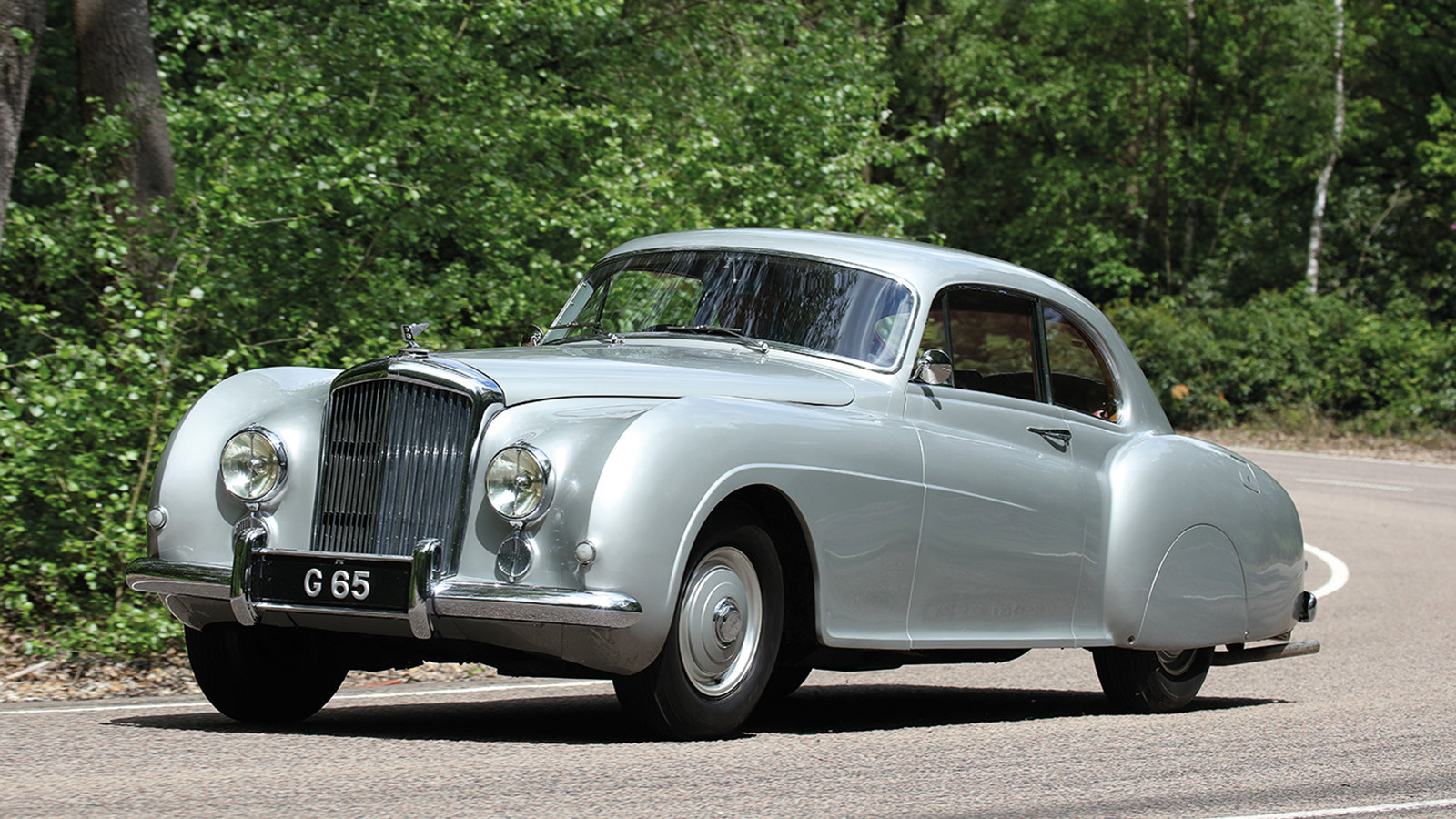
While the Bentley R-type Continental’s interior could appear almost austere, this coupe with HJ Mulliner bodywork offered a different take on luxury.
It was the luxury of effortless high-speed cruising with barely a whisper of wind noise that marked out the Continental thanks to its fastback styling.
Power came from a 4.6-liter straight-six, later uprated to a 4.9-liter version, and these engines could sweep the Continental to 120mph to make it the fastest four-seat car in the world at its launch in 1952.
Aluminum bodywork kept the weight down and the Continental also handled superbly for a car of its dimensions. However, its huge cost meant only 208 had been built when production ended in 1955.
4. Bitter SC
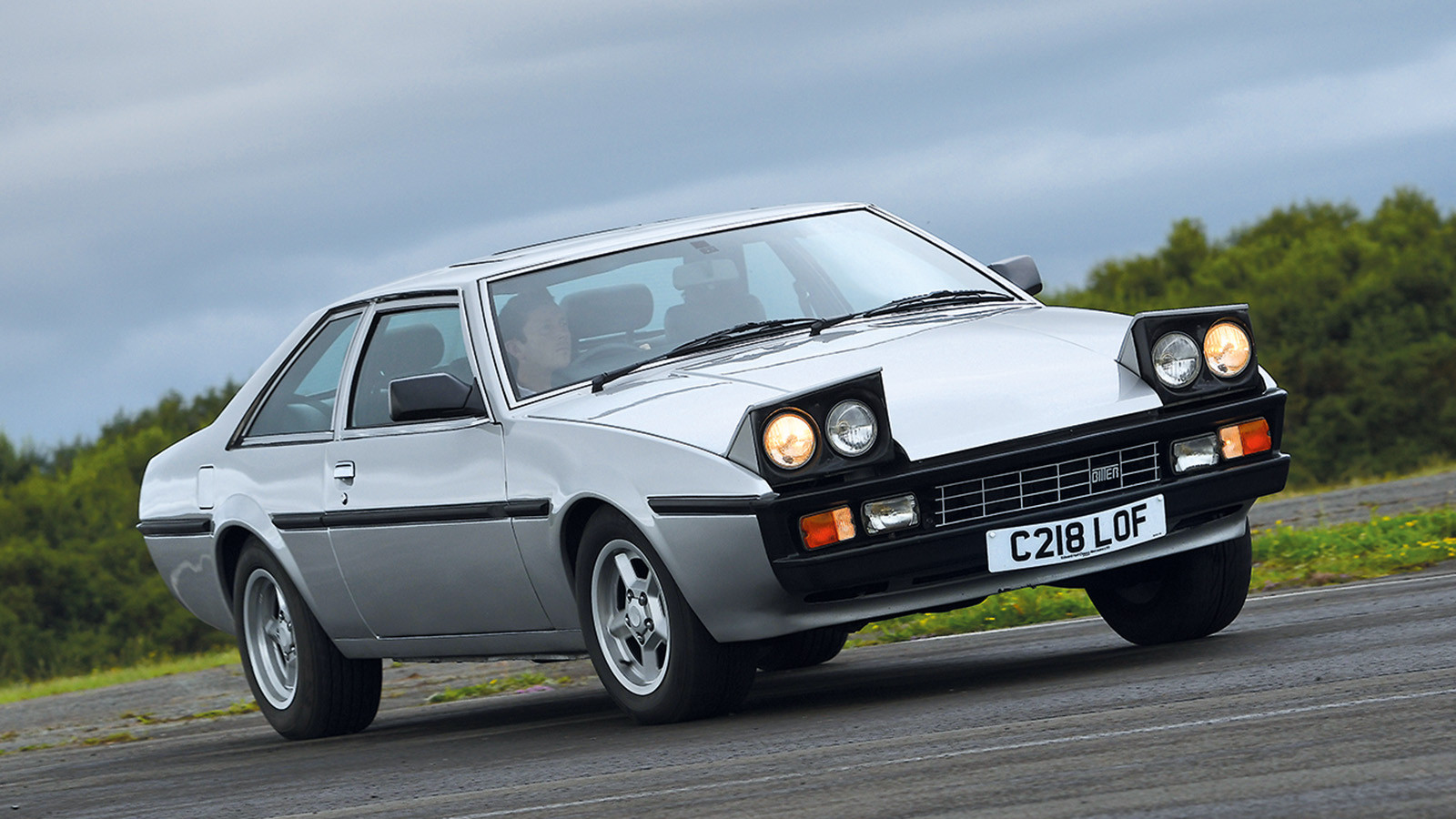
Erich Bitter set about building his take on the luxury coupe with help from coachbuilder Bauer in Germany.
Using the Opel Senator as a base, the Bitter SC coupe came with a well-proportioned and square-jawed two-door body that gave no hint of its mechanical base.
The 3- or 3.5-liter straight-six engines gave strong performance that was ideal for the autobahn, while the cabin boasted all the comfort and opulence you could ask for.
Unfortunately, the bespoke nature of the SC and its high price nearly bankrupted Erich Bitter.
Only 450, including five cabriolets and a handful of sedans, were made between 1979 and 1986 before it came to an end.
5. BMW 8 Series (E31)
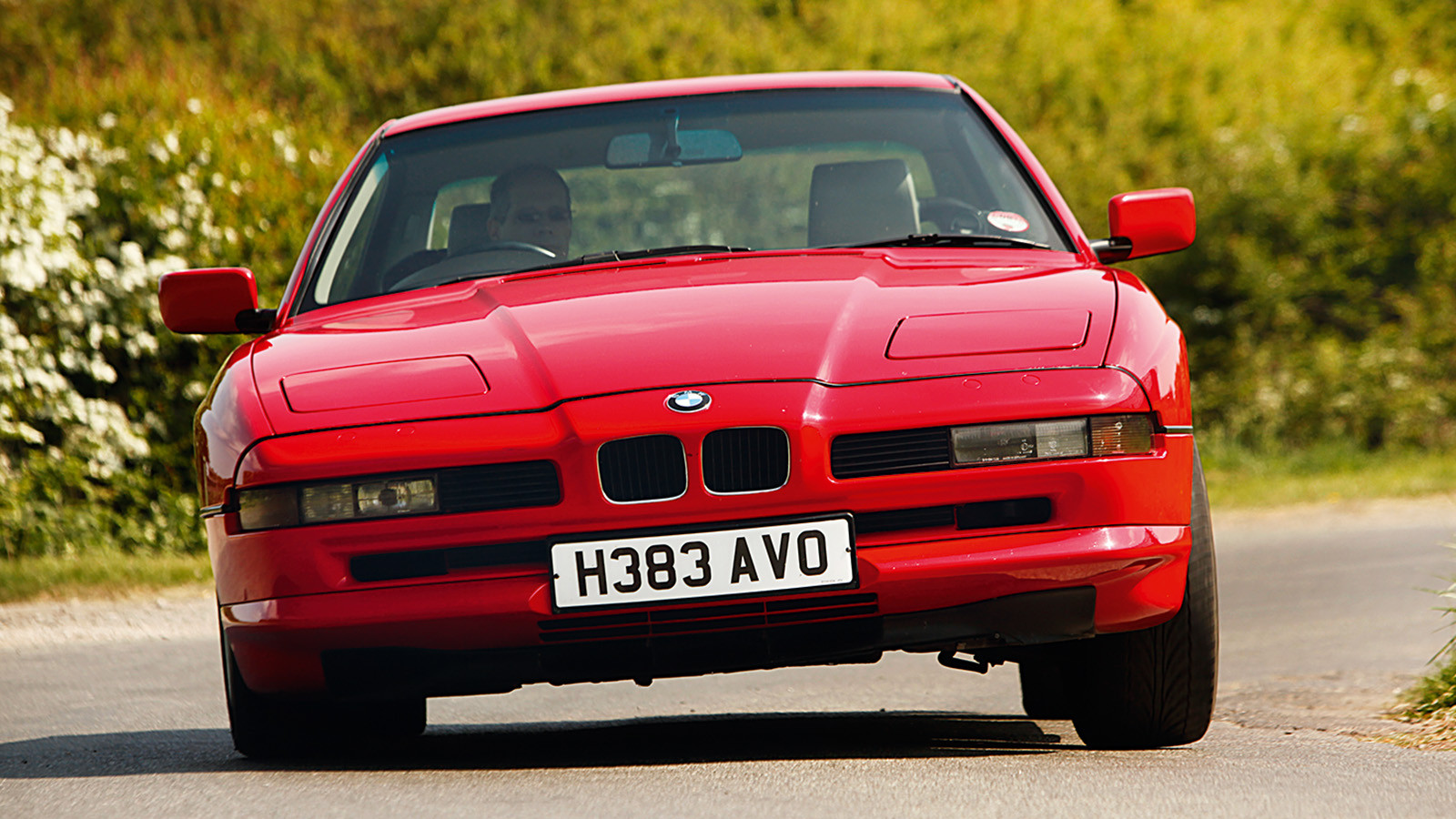
BMW’s earlier E9 3.0 CSi and E24 6 Series coupes came with serious sporting intent, but the 1989 E31 8 Series was a shift towards the luxury end of the market.
Intended to take on Mercedes-Benz, BMW’s 8 Series was launched with a 299HP, 5-liter V12, which later grew to 5.4 liters.
There was also the 5.6-liter, 381HP 850CSi with a six-speed manual gearbox as an effortlessly rapid executive express.
BMW later added a V8 engine in the 840i, which shared the same roomy and airy cabin, helped by the pillarless side-window design of this BMW.
6. Bristol 411
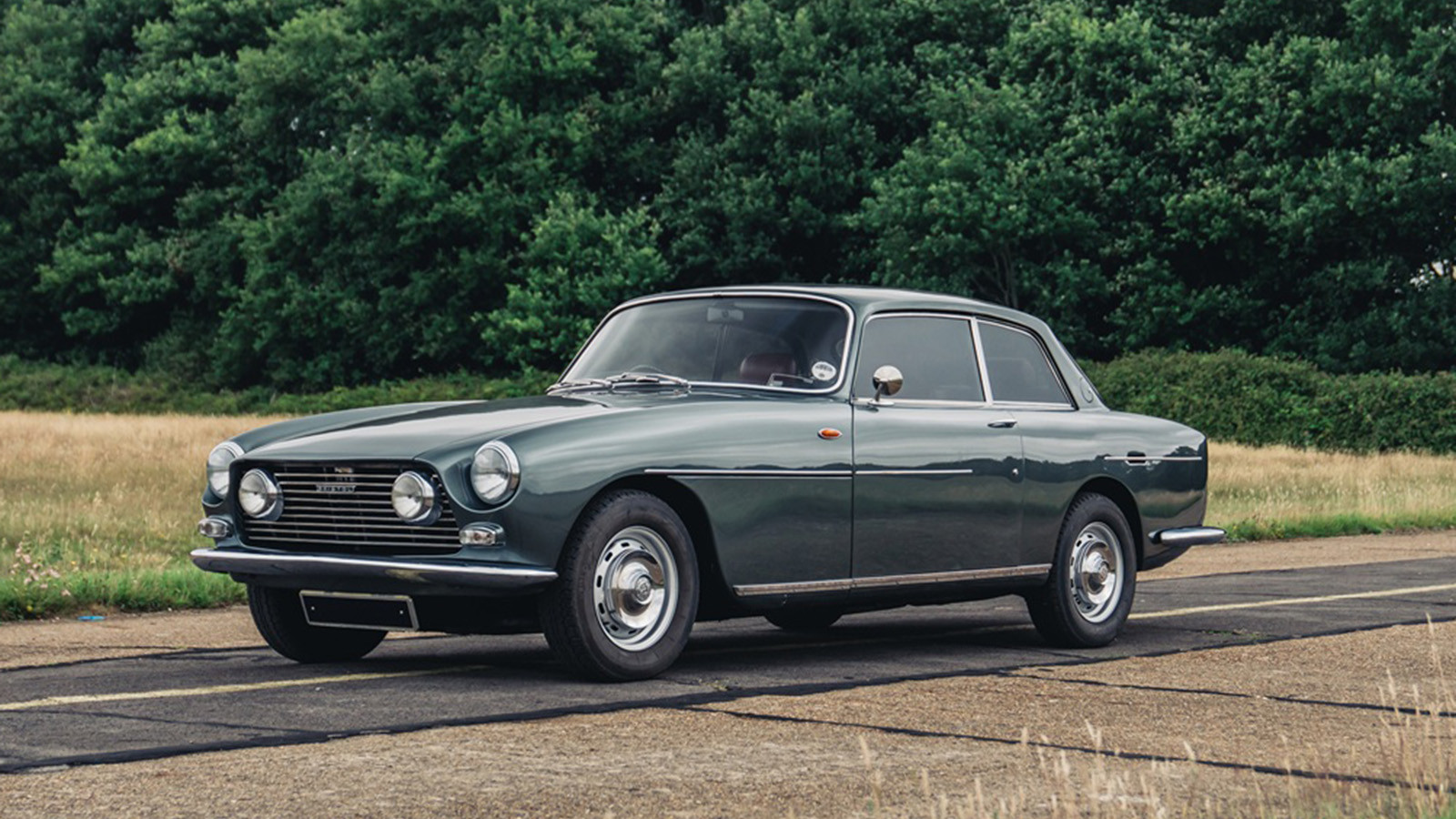
Bristol gently evolved its understated styling of previous models to come up with the timeless lines of the 411.
The traditional wood and leather trimmings of the cabin were added to with through-flow ventilation in 1973 for an even more refined ambience.
Power for the 411 started with a 6.3-liter, Chrysler-sourced V8 engine, which was swapped for a 6.6-liter version in 1974 to give a 140mph top end and 0-60mph in 7 secs, even with the stock, three-speed automatic gearbox.
By Bristol’s standards, the 411 was a strong seller with 600 built from 1970 to 1976, and even the fuel crisis did little to dent its allure to the auto maker’s loyal customers.
7. Cadillac Eldorado
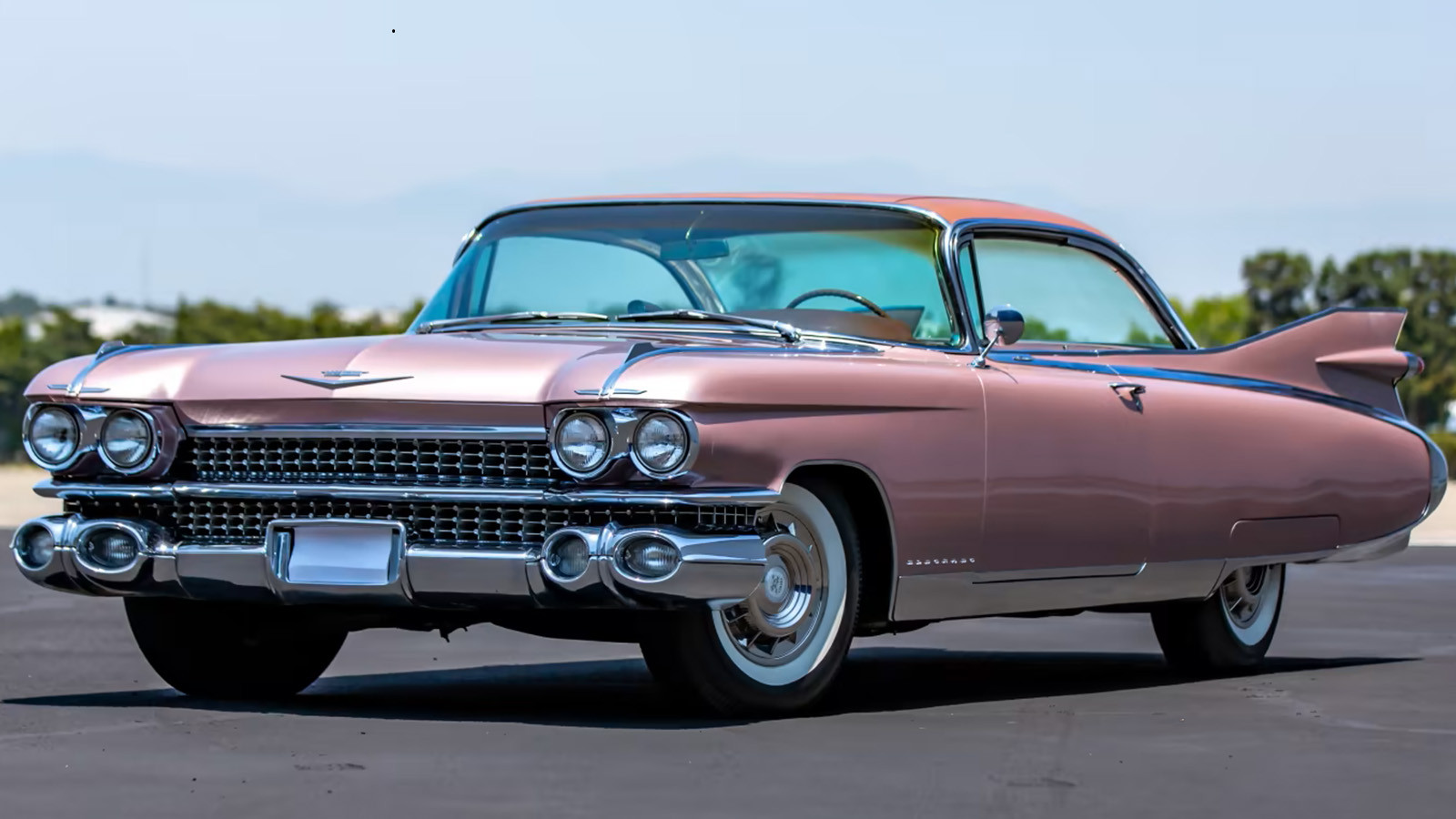
The Cadillac Eldorado of 1959 was notable for its huge rear tailfins, torpedo-style lights and acres of chrome, yet it was also a superb luxury coupe.
Second only in price to Cadillac’s limousine model, the Eldorado had every conceivable luxury accoutrement and gadget, either as standard or as an option.
All came with air conditioning, power steering, electric windows, powered seats and air suspension, to put them way ahead of any of their European competitors.
A 349HP, 6.4-liter V8 engine shifted the Eldorado with more gusto than its looks might have suggested, but it was the ease with which it cruised the highways of the USA that marked out this fourth-generation Eldorado coupe.
8. Citroën SM
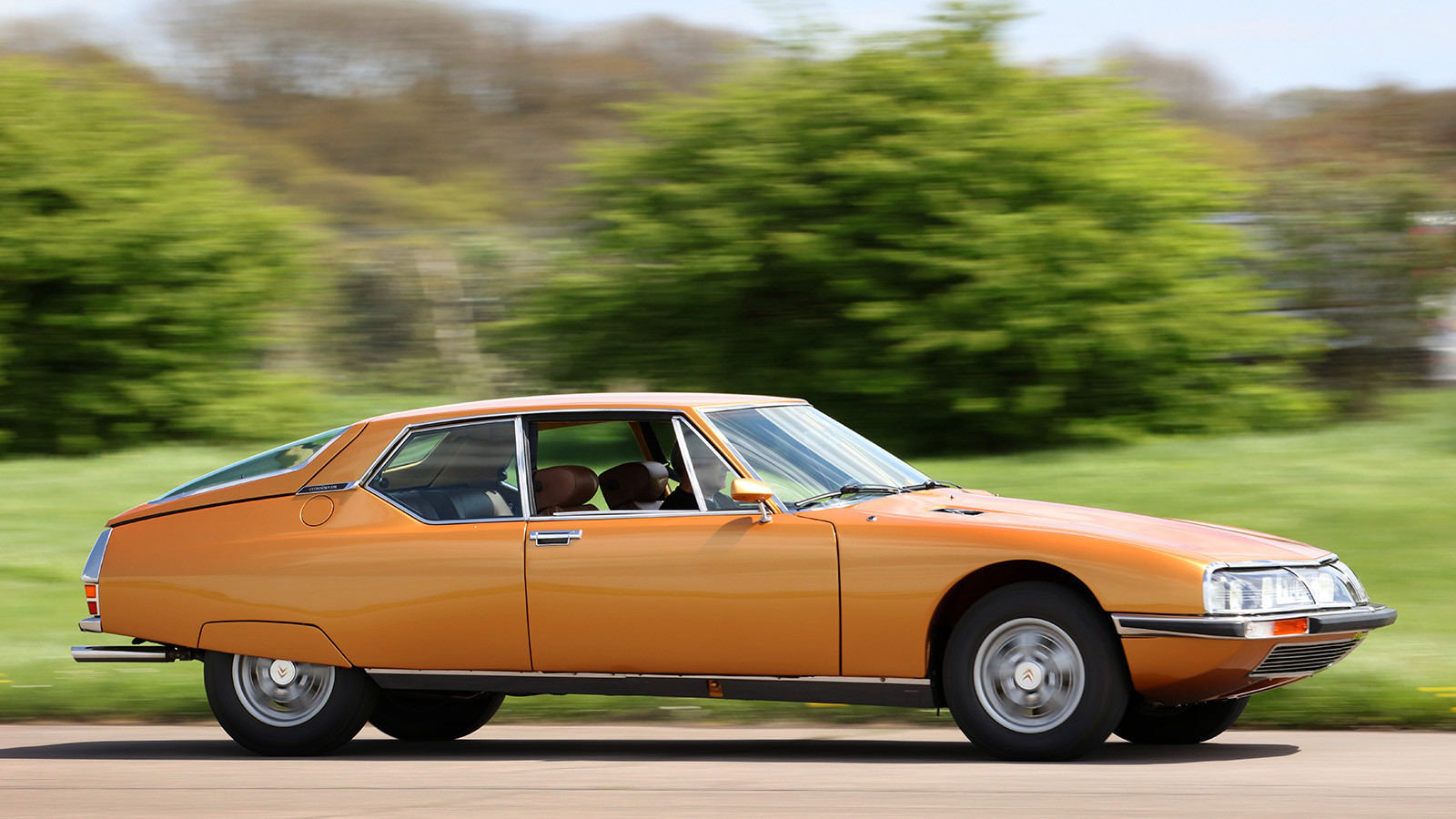
Trust Citroën to come up with a distinctive take on the luxury-coupe segment with its dazzling SM.
Power came courtesy of Maserati’s four-cam V6 that gave the SM 135mph performance, plus it handled well thanks to Citroën’s hydropneumatic suspension.
The SM’s complexity put off some buyers, but it was a luxury coupe to rival the very best and it could cover long distances with ease.
It also came with a charmingly, daringly French notion of interior design that offered seating for four and a generous trunk underneath the large glass hatch.
The SM may have divided opinions, but Citroën still sold 12,920 of its left-field coupe from 1970 to 1975.
9. Facel Vega HK500
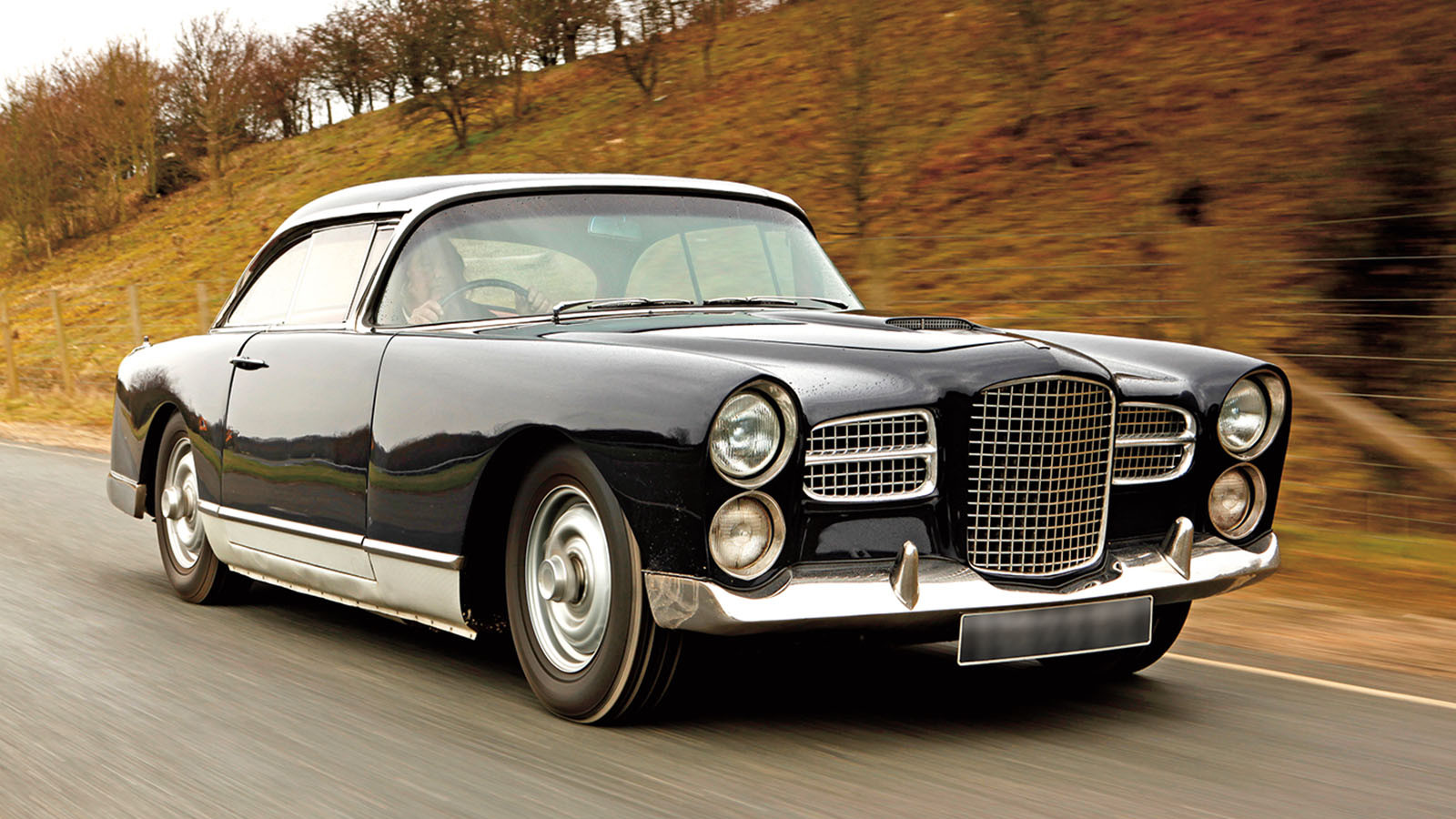
Following Facel Vega’s FVS coupe, the HK500 was a true flagship model for the French marque, and for its home country.
The looks of the HK500 were a mix of demure restraint and chromed extravagance, yet it worked and marked out the Facel Vega as one of the most desirable cars on offer at its launch in 1959.
To further add to its appeal, the HK500 used a 360HP 6.3-liter V8 engine from Chrysler, giving the car muscular performance that was not quite matched by the handling or drum brakes on early examples.
Few owners were bothered about that, because the HK500 oozed glamor and Facel Vega sold a commendable 500 of this model by the time it was dropped in 1961.
10. Ford Granada Coupe
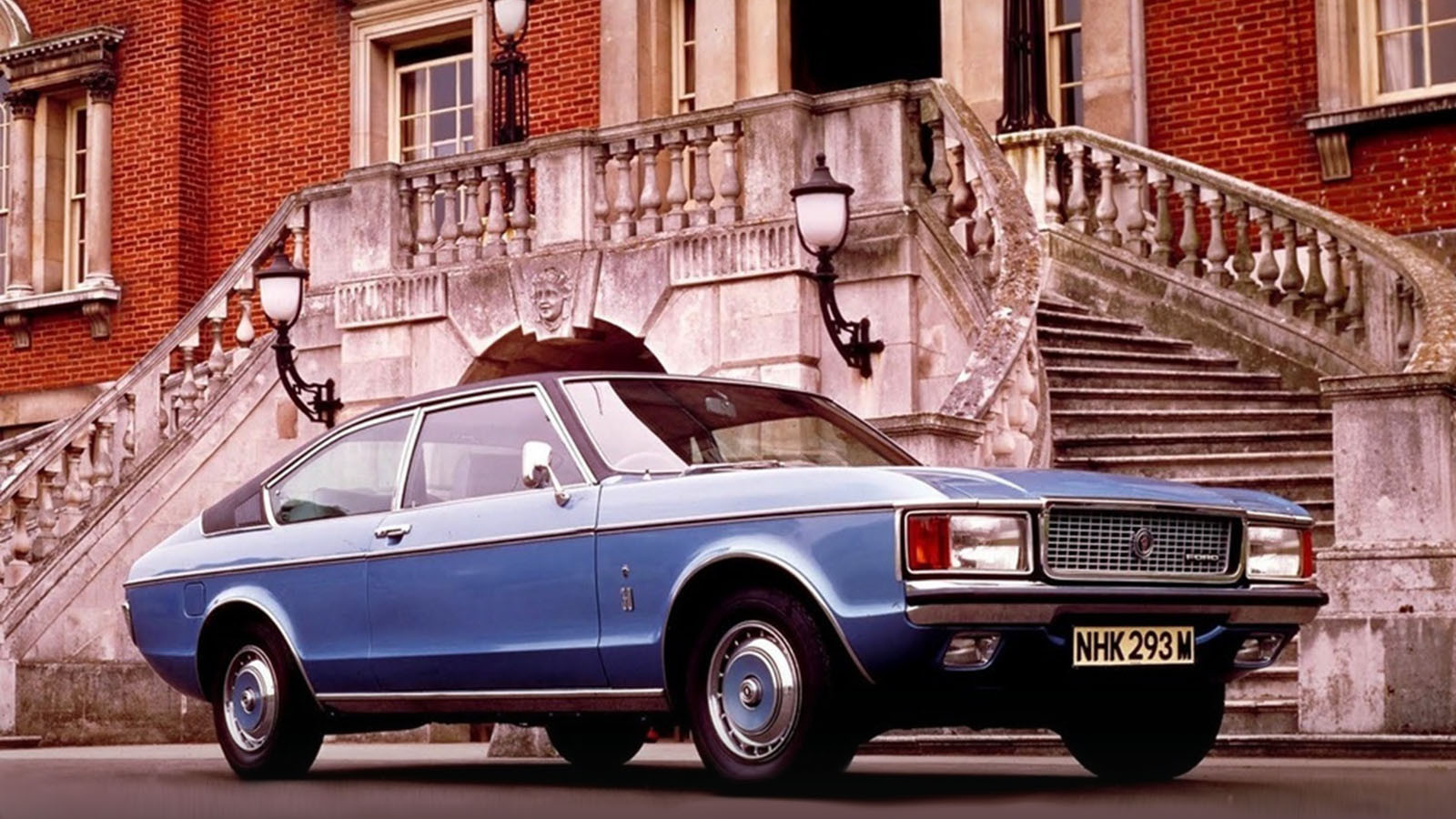
Rather than offer a simple two-door sedan version of its popular Granada executive four-door, Ford came up with the Ghia Coupe.
Intended as an everyman slice of luxury, Ford’s Granada Coupe was sold with a four-cylinder, 2-liter engine in European markets, but the UK only received the 3.0 V6 version in Ghia trim.
The fastback style of the Granada Coupe didn’t stop it from providing four seats and a large trunk, and the Ghia models came with wood trim and velour upholstery.
For those looking for something more upmarket than a Ford Capri, the Granada Coupe was just the ticket.
11. Ford Landau
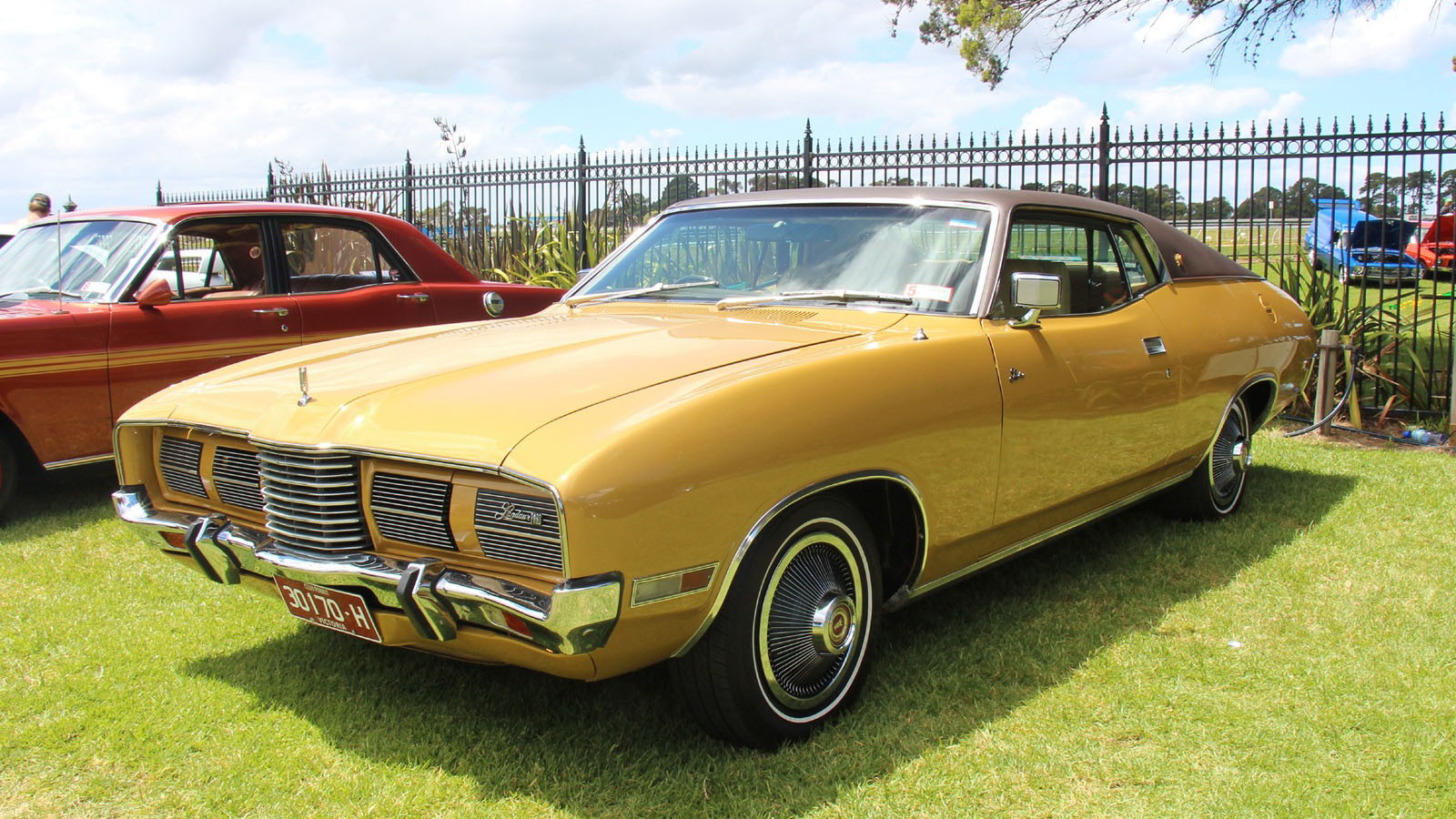
Ford Australia decided it wanted its own luxury coupe to tempt buyers and came up with the 1973 Landau.
Using the Falcon sedan as a starting point, the Landau came with a low-roofed, fastback body.
There was no shortage of luxury equipment inside the Landau thanks to electric windows, bucket seats, air conditioning and the option of leather upholstery.
A three-speed automatic gearbox was also standard and was attached to a 5.8-liter V8 engine, though performance was more leisurely than lively due to the Landau’s weight.
Only 1385 examples of the Landau had been made when production halted in 1976 – and Ford quietly dropped plans to introduce a facelifted replacement.
12. Honda Legend
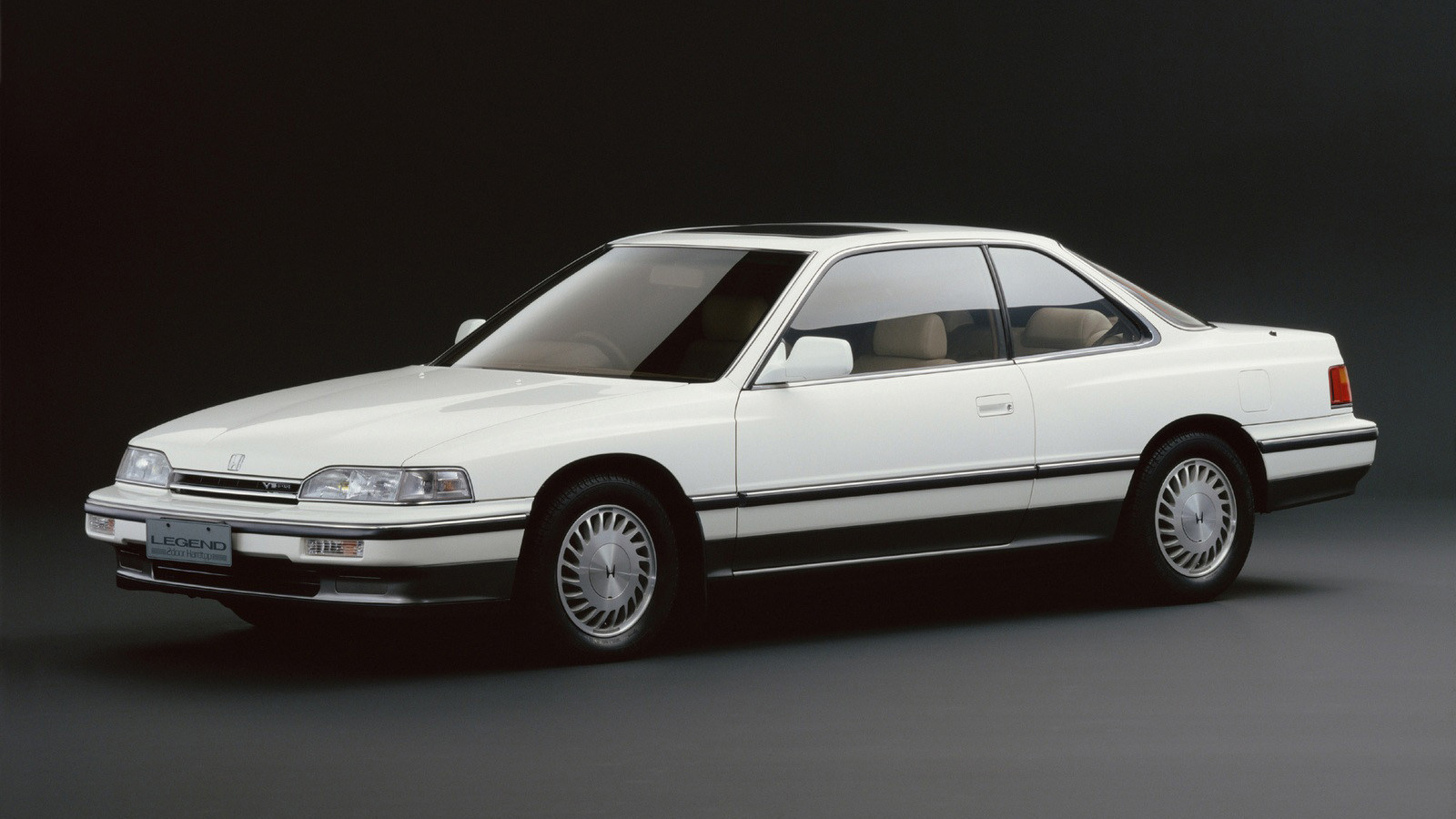
Honda was keen to move upmarket and expand into the executive sector, which is why it partnered with Rover to create the British auto maker’s 800 and its own Legend models.
The Legend Coupe was 2in (c51mm) shorter than its sedan counterpart and only ever available with a 2.7-liter V6 engine that gave a top speed of 137mph and 0-60mph in 8.2 secs.
Those were respectable numbers and Honda’s Legend built on that with a specification that had everything but the kitchen sink included.
It was held back by a high price and underwhelming ride and handling, but the Legend Coupe showed Honda was serious about luxury cars and later Legends were a match for rivals from BMW and Mercedes-Benz.
13. Jaguar XJ-S
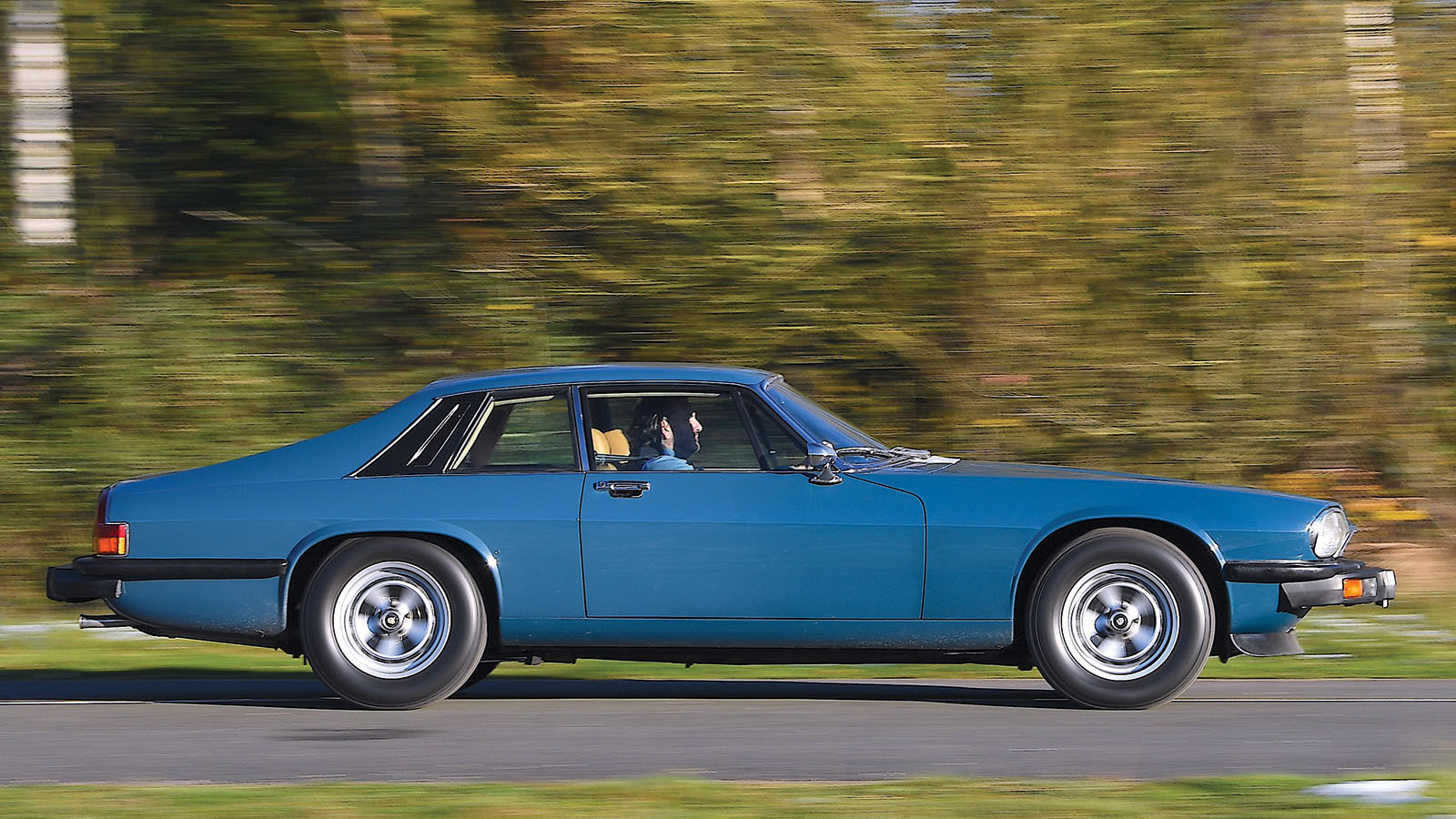
Jaguar launched not one but two luxury coupes in 1975, with the XJ-S joined by the XJ6C.
Where the XJ6C was very much a two-door version of the XJ sedan, the XJ-S was a grand tourer with jet-set buyers in mind.
All of the expected Jaguar comforts were present in an interior that was fine for two, but cramped for four.
The XJ-S used the wonderful 5.3-liter V12 from Jaguar to begin with that delivered stress-free performance all the way to 150mph.
Later, the XJ-S gained a more efficient and powerful V12, plus there were 3.6- and 4-liter straight-sixes.
Despite some initial wariness of the XJ-S among customers, this luxury coupe went on to be the marque’s longest-lasting production model and sold more than 115,000, including coupes and convertibles.
14. Jensen Interceptor
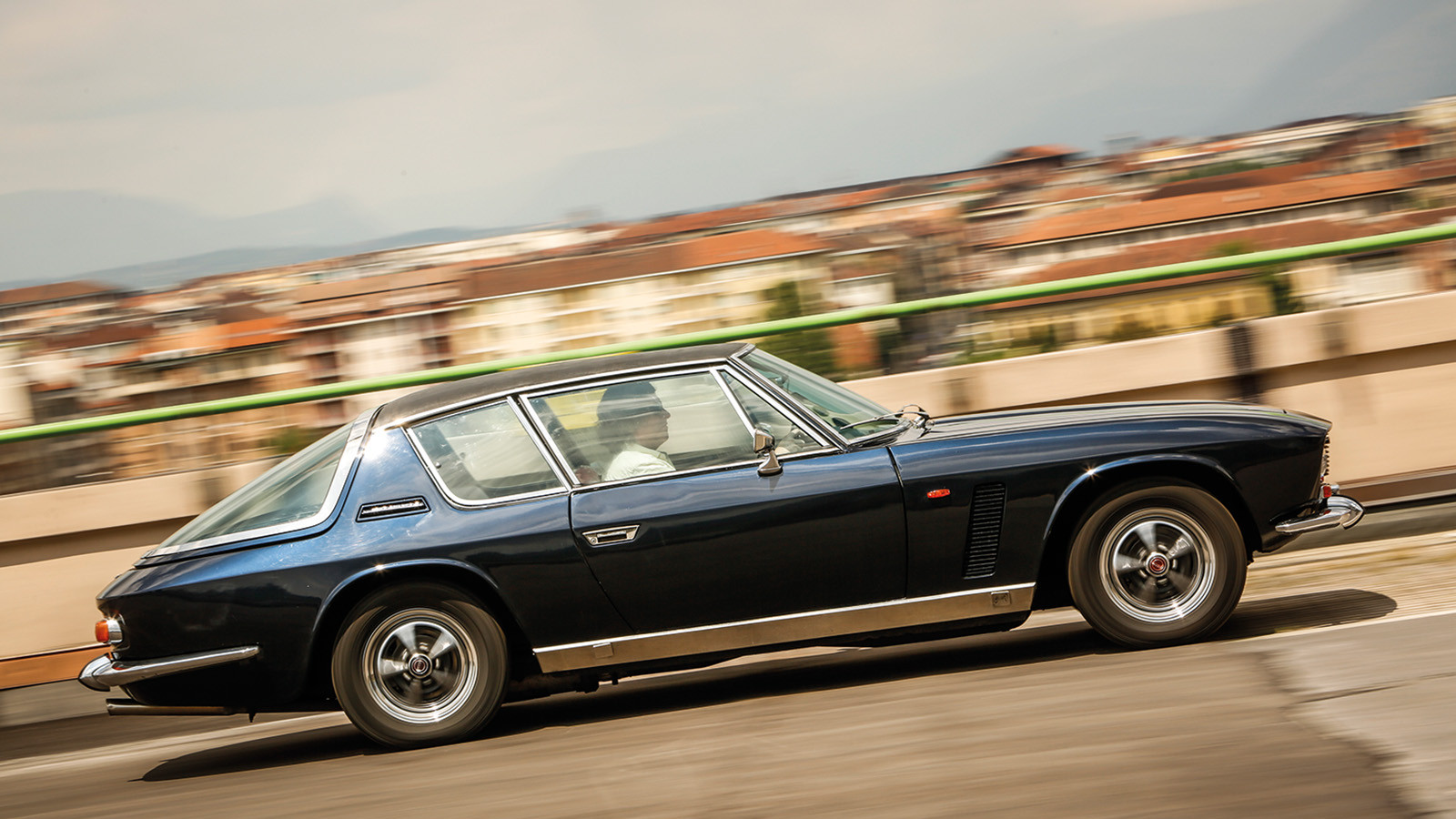
The 1966 Interceptor propelled Jensen into the limelight when its new luxury coupe was unveiled at the 1966 Earls Court Motor Show in London.
At a stroke, it became one of the most sought-after cars of the period.
Sleekly modern on the outside, yet reassuringly traditional and cosseting inside, the Jensen Interceptor had a broad appeal – and effortless performance, thanks to its Chrysler-sourced V8s.
Jensen went on to develop the FF model with four-wheel drive and anti-lock brakes, although only 320 FFs were made compared to 5472 Interceptor coupes.
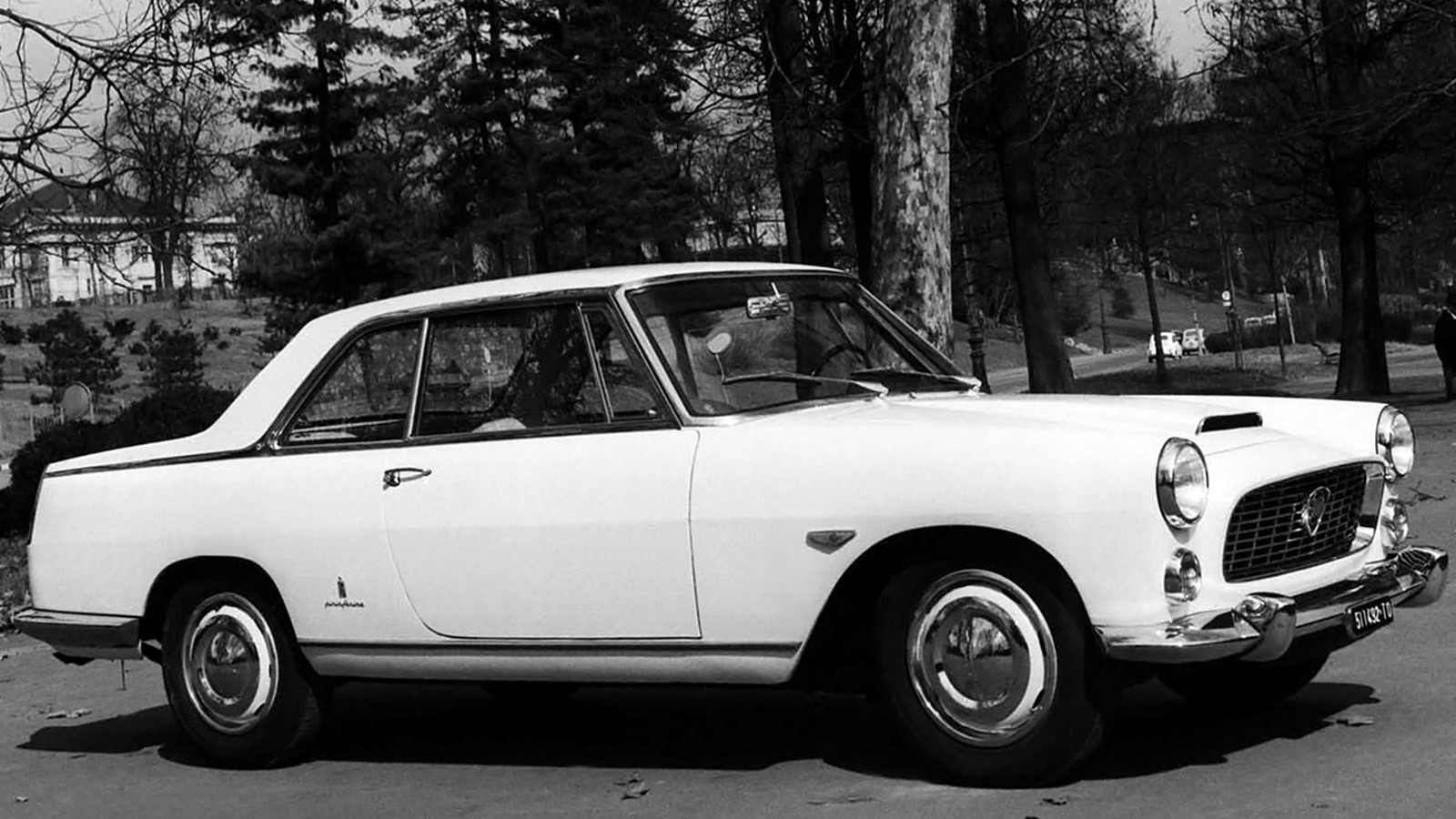
15. Lancia Flaminia Coupe
Lancia offered a number of coupe bodies with its Flaminia model, but the Pininfarina-styled, four-seat coupe placed luxury above sporting ambition.
The understated, two-door shape of the Flaminia Coupe made it the choice of those wanting to slip along unnoticed rather than courting too much attention.
And it certainly could slip by, thanks to a 2.5-liter V6, replaced in 1963 with a 2.8 V6.
As well as Lancia’s typically thorough engineering, the Flaminia Coupe also enjoyed an elegant interior that spoke sotto voce of good taste.
Built between 1959 and 1967, Lancia sold 5282 Flaminia Coupes.
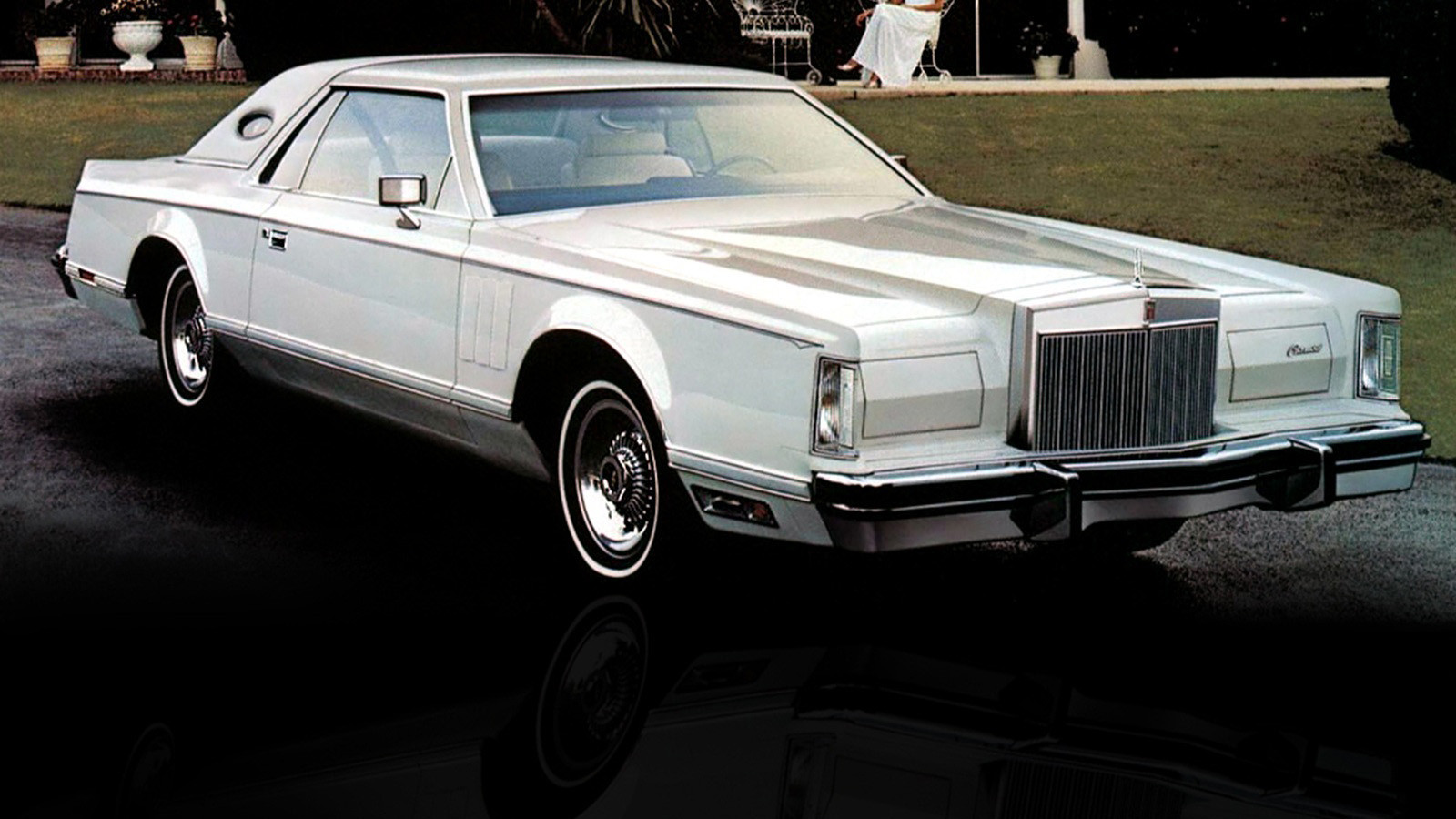
16. Lincoln Continental MkV
Although called the Continental MkV, this was Lincoln’s fourth generation of its luxury coupe.
Launched for the 1977 model year, the MkV went all out to offer what parent company Ford reckoned was the ultimate in lavish indulgence.
The size of the MkV dwarfed most other cars and it retained the trademark spare-wheel cover molded into the trunklid.
There were also flip-front covers for the headlights, plus the option of a tiny opera window in the C-pillar.
Inside, the Lincoln Continental MkV had every imaginable gadget and device, from cruise control to multi-adjustable powered seats.
However, the outputs of the 6.6- and 7.5-liter V8 engines were restricted, thanks to emissions controls. But that didn’t stop Lincoln from shifting 228,262 MkVs across its three-year life.
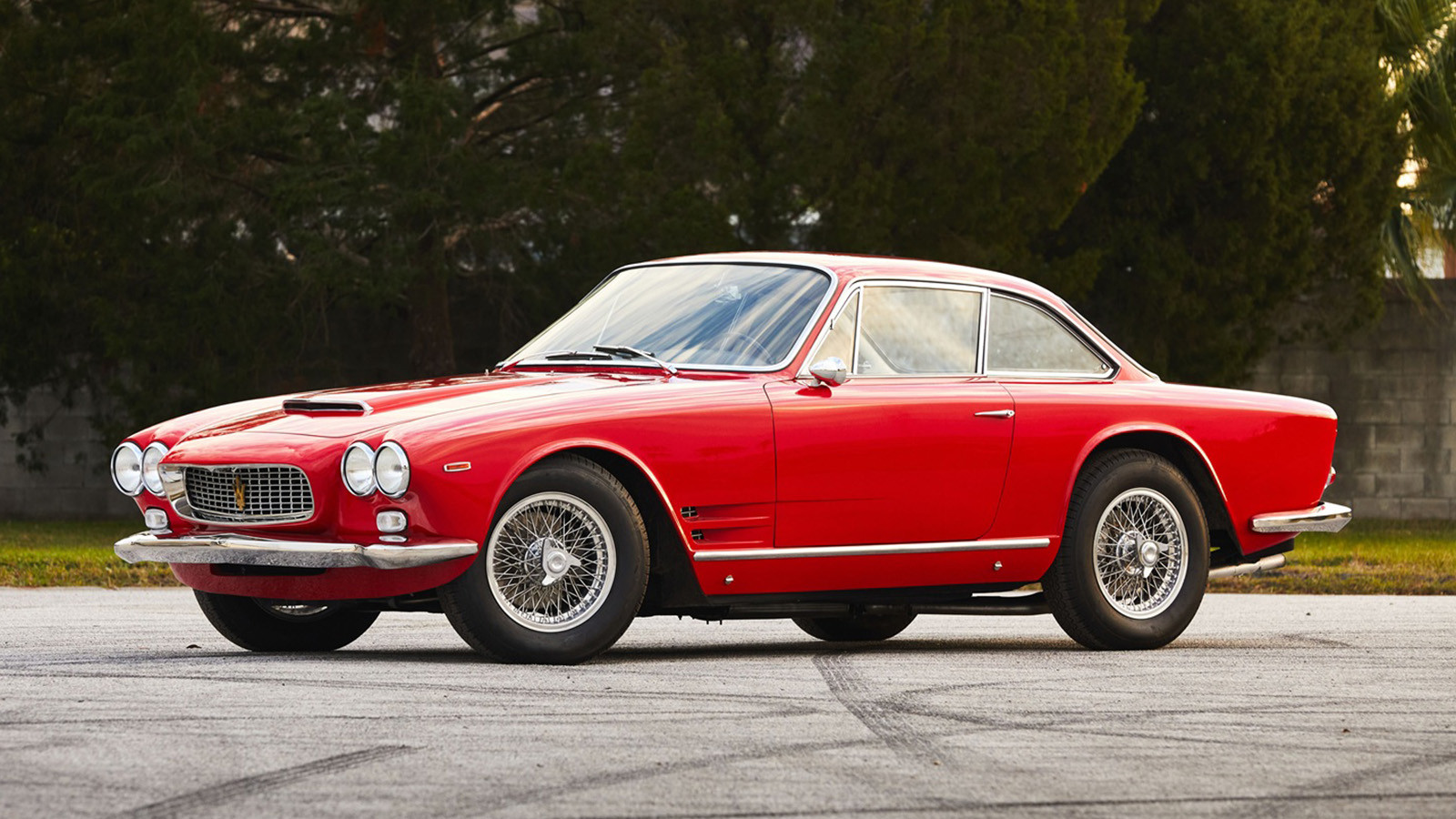
17. Maserati Sebring
Maserati knew most of its sales for the Sebring would come from the USA, so it made a determined effort to make the car suitably appealing.
The result was the Sebring could be ordered with options such as an automatic gearbox and air conditioning to meet buyer expectations.
Even though the Sebring stuck with a straight-six engine in the face of opposition from Ferrari’s V12 models, it was no slouch.
The Maserati Sebring was also aided by its sophisticated looks, which helped sell 593 of all versions between 1962 and 1969.
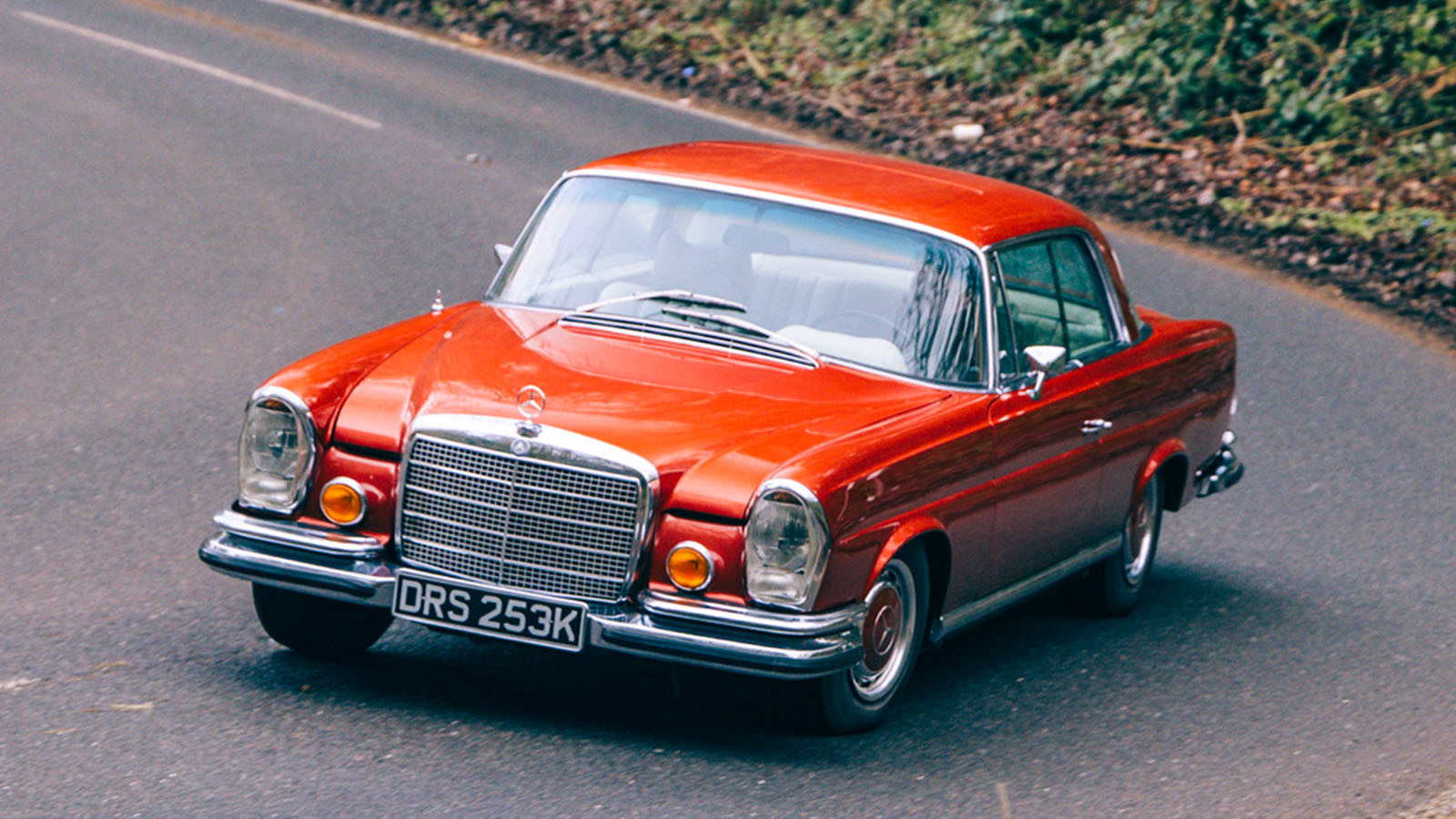
18. Mercedes-Benz 280SE 3.5 Coupe
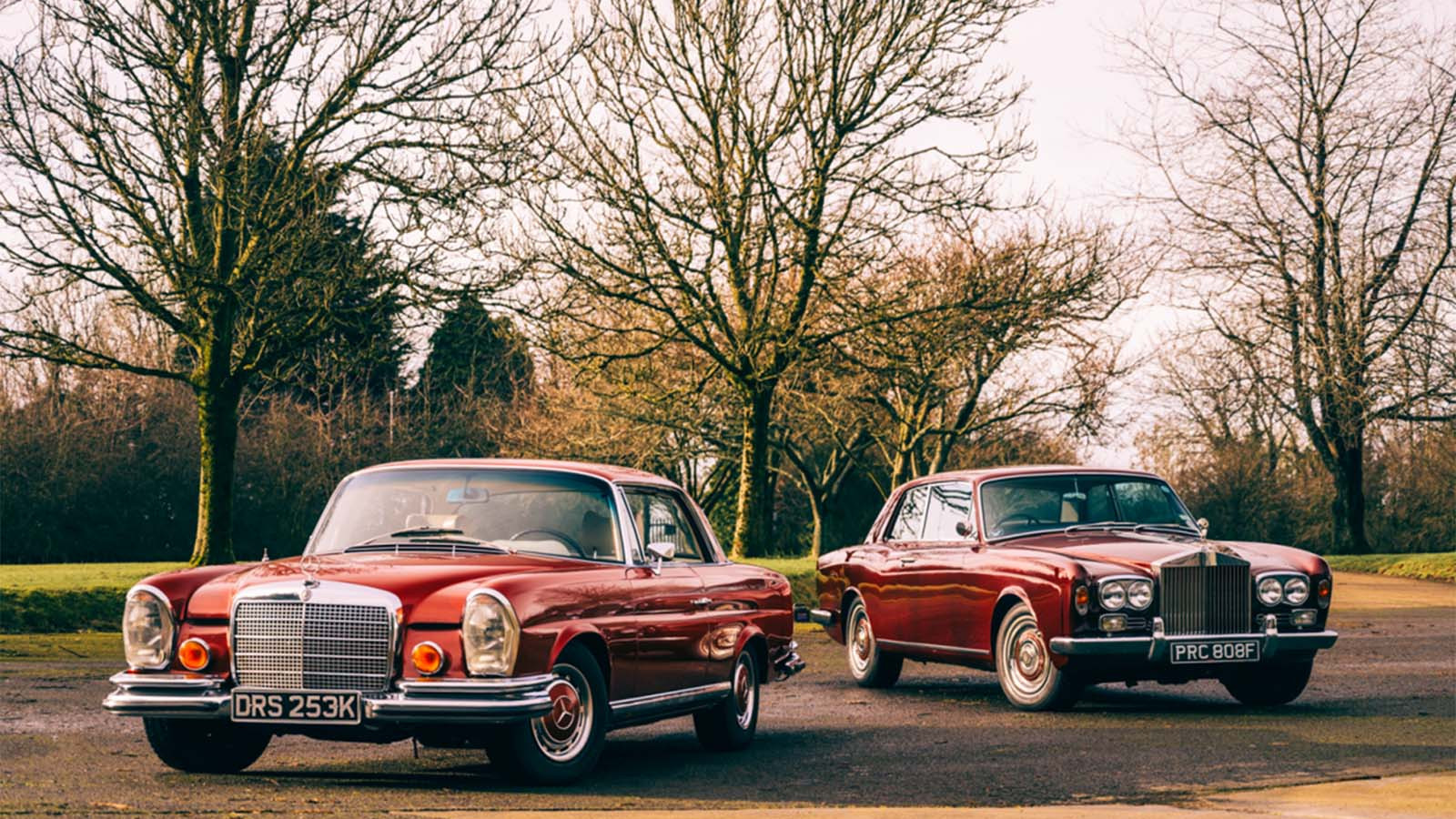
Mercedes’ good-looking coupe had been around since 1961 with a variety of six-cylinder engines, but it was when the company added its silken 3.5-liter V8 that this car achieved real luxury status.
At a stroke, Mercedes created one of the most desirable coupes on the market. Its convertible sibling was even rarer and the two body styles accounted for just 4502 cars in total.
The pillarless coupe radiated sophistication and its plush cabin underlined that impression.
When new, the Mercedes-Benz 280SE 3.5 cost 25% more than its 2.8-liter, six-cylinder sibling, but if you could afford that, you were likely unfazed by this car’s rampant thirst for fuel from the 200HP V8.
19. Mercedes-Benz SEC
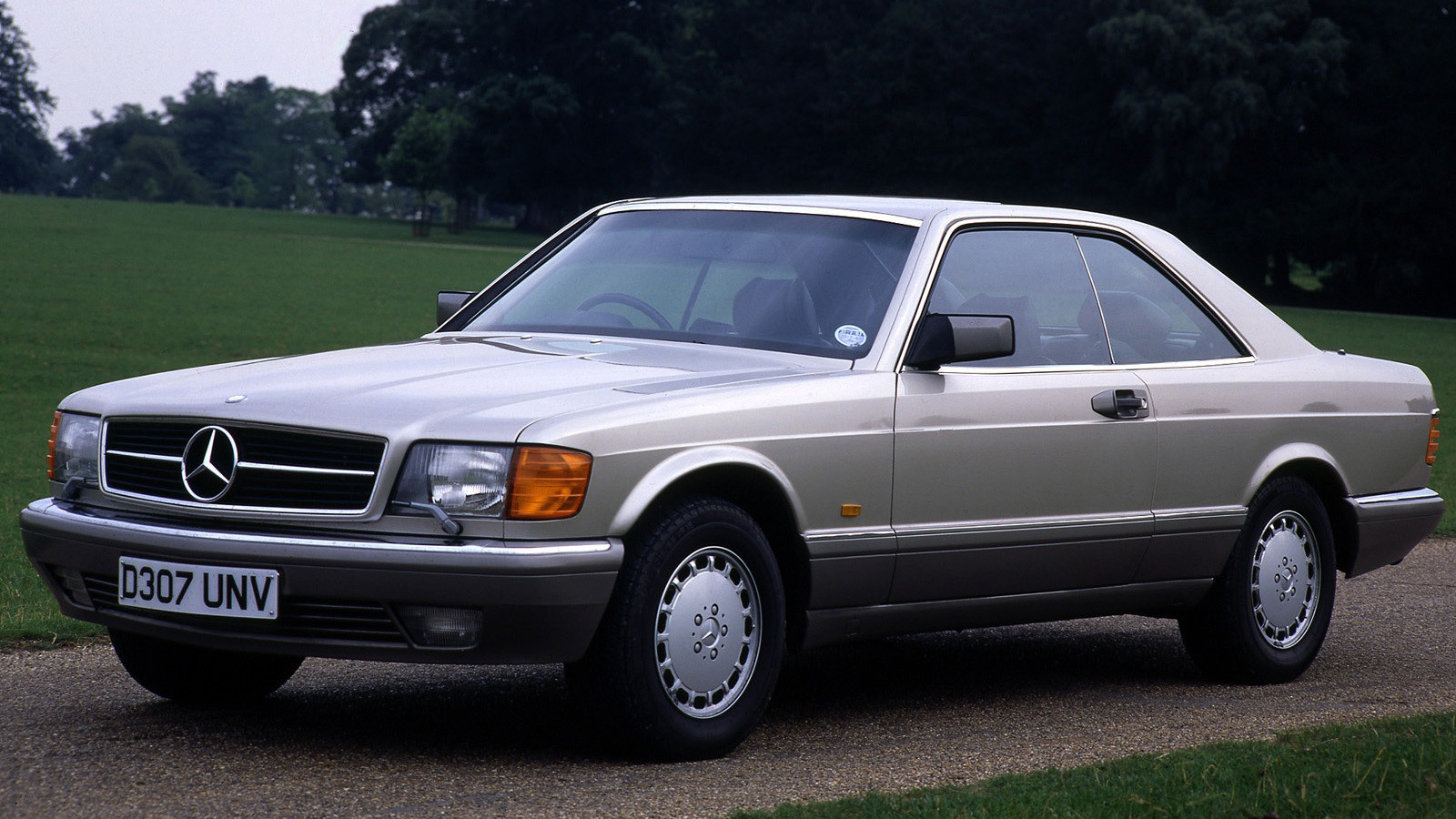
The clean-lined Mercedes-Benz SEC arrived in 1981 with a choice of 380 and 500 models, both using V8s.
They were superb luxury coupes, but when Mercedes added the 560SEC in 1985, this model was elevated into a class of its own.
The 5.6-liter V8 mixed performance and refinement in a manner nothing else could touch, and the chassis was more than up to the job.
To justify its huge cost, Mercedes’ 560SEC came with plenty of kit – and vault-like build quality was included for free.
Little wonder the SEC soon became the go-to luxury coupe for discerning drivers including Ayrton Senna, Keke Rosberg and Nigel Mansell.
20. Opel Monza
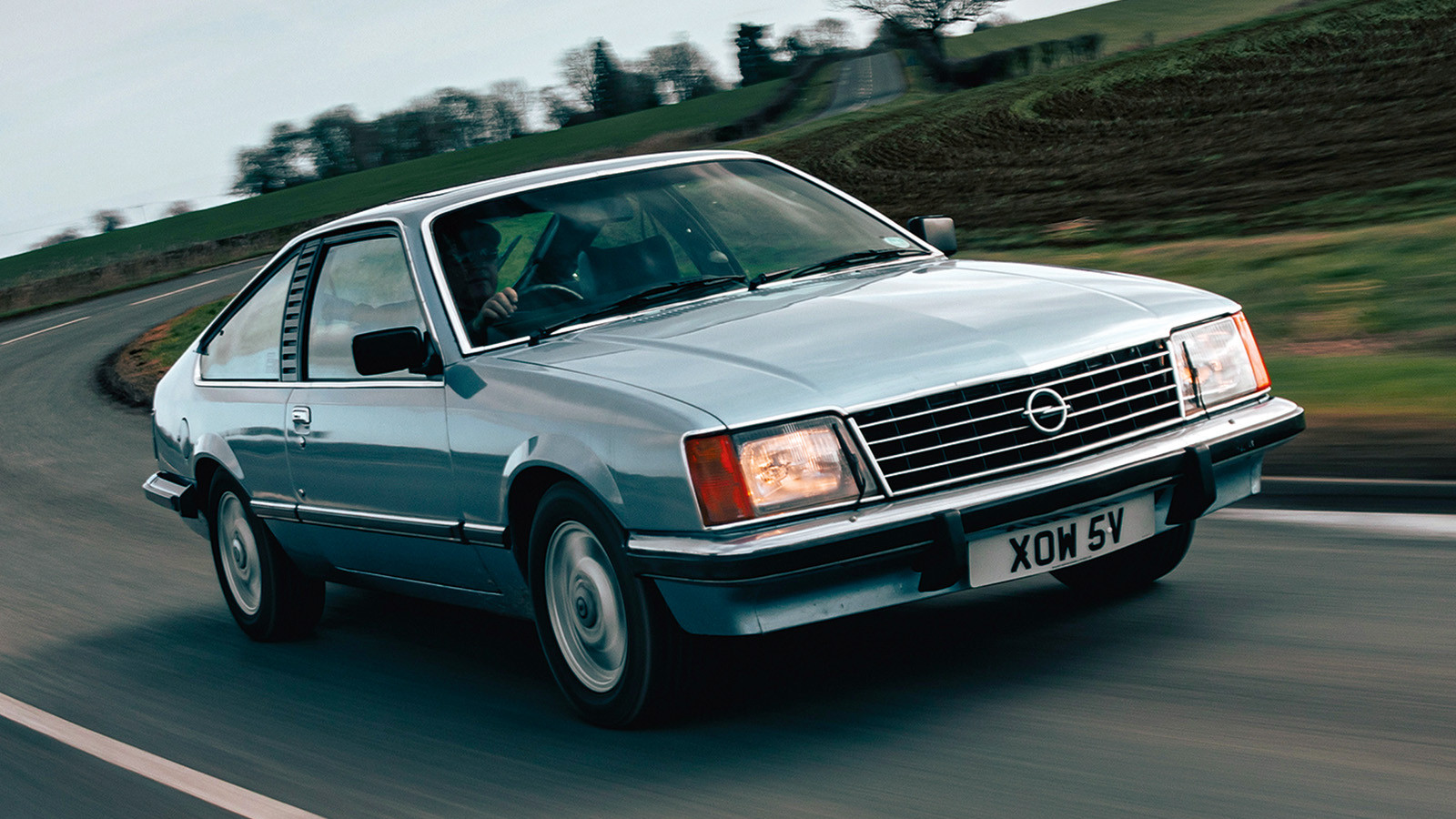
Opel, and its UK sibling Vauxhall, flew the flag for affordably priced, luxury coupes from 1978.
Badged as the Opel Monza in Europe, and as the Vauxhall Royale in the UK, this model was a striking fastback with decent performance thanks to its 2.5-liter straight-six. Larger 2.8- and 3-liter engines followed.
As time wore on, the Opel Monza substituted the Vauxhall Royale and it’s a car that got better with age, thanks to more power and presence.
The cabin was always comfortable and spacious, and the GSE model came with goodies such as Recaro seats, a rear spoiler, a limited-slip differential and a digital instrument display.
21. Peugeot 504 Coupe
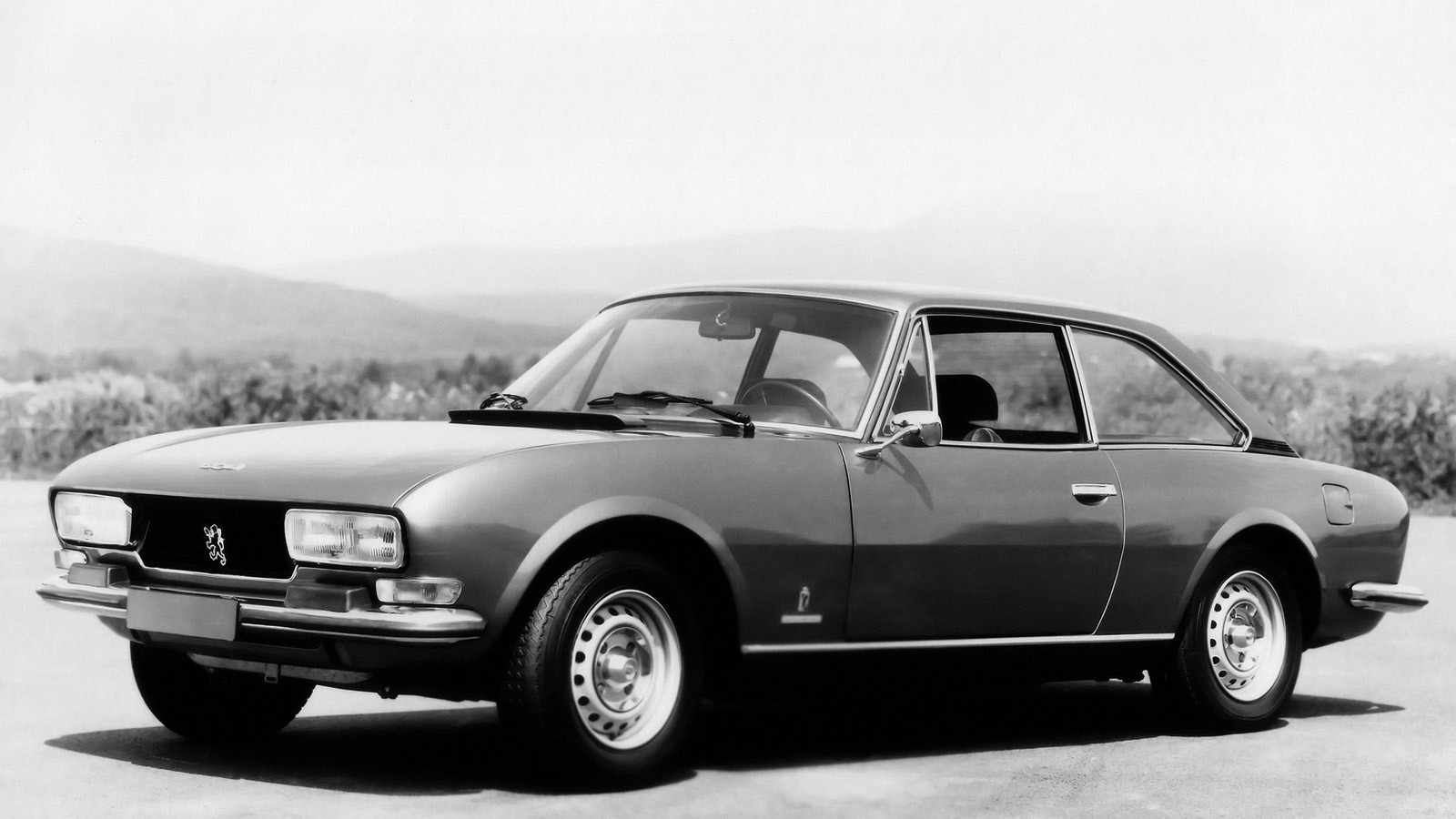
Peugeot’s 504 sedan and station wagon were undoubtedly capable automobiles, but it wasn’t until the Pininfarina-designed Coupe was added in 1969 that this range gained some pizzazz.
The clean, crisp lines gave nothing away about the 504’s mechanical base, while achieving a look that worked wherever you drove it.
The early examples made do with the Peugeot 504’s four-cylinder engines, but the new 2.7-liter V6 came on stream in 1974 to give the chic 504 Coupe the power and smoothness it richly deserved.
22. Porsche 928
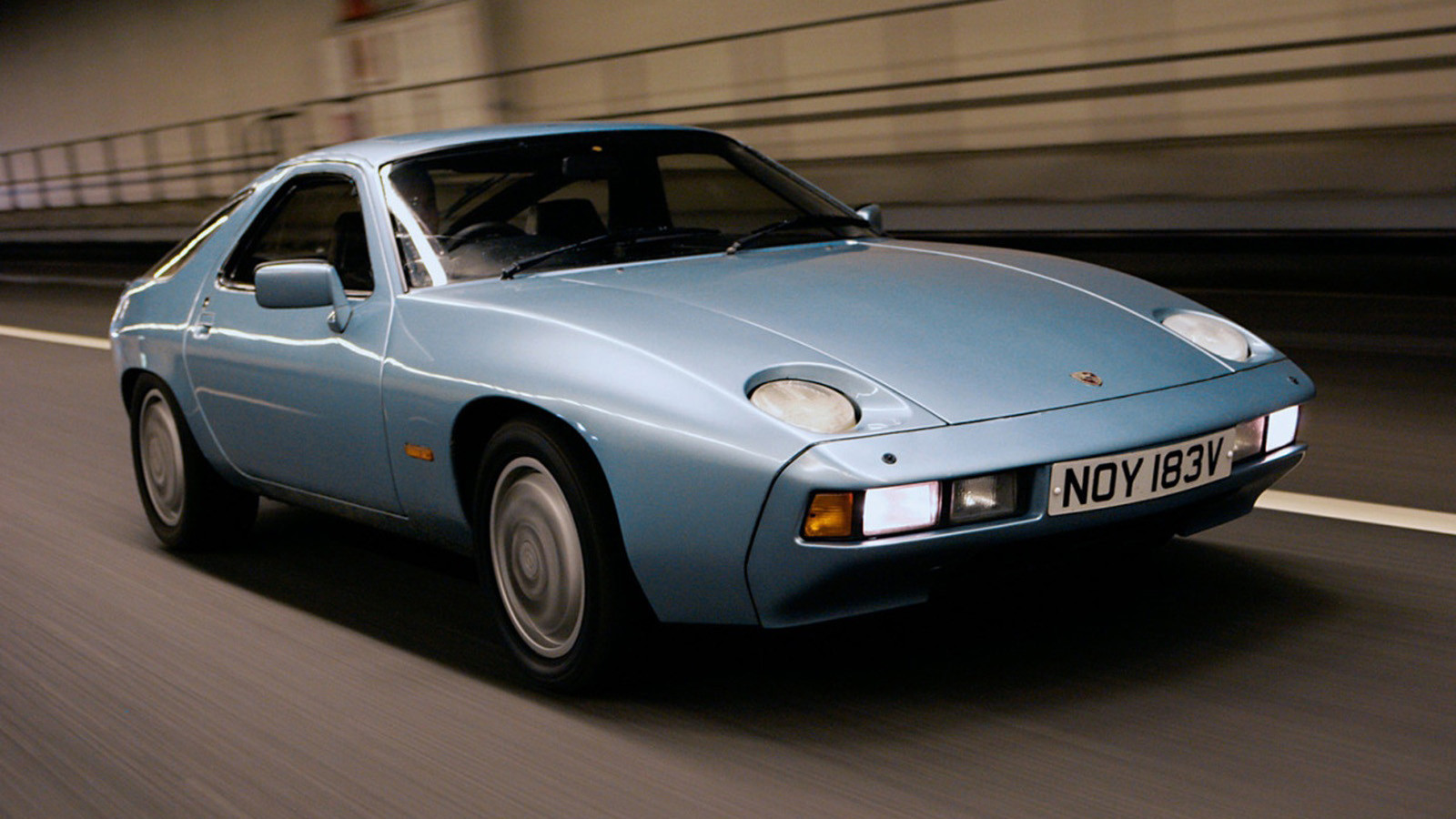
Originally intended as a replacement for the Porsche 911, the 928 found its métier as a luxury coupe capable of shrinking large distances, thanks to its pace and comfort.
It wasn’t Porsche’s first front-engined car, but it was its first V8 road car and the 240HP 4.5 made light work of any situation from launch in 1977.
As time passed, the 928 became a fixture in Porsche’s range all the way through to 1995.
Power and engine size increased over the years, ending with the 5.4-liter 350HP GTS.
All Porsche 928s came with a cabin that majored on quality, comfort and ergonomics, and the amount of standard equipment steadily improved over the years.
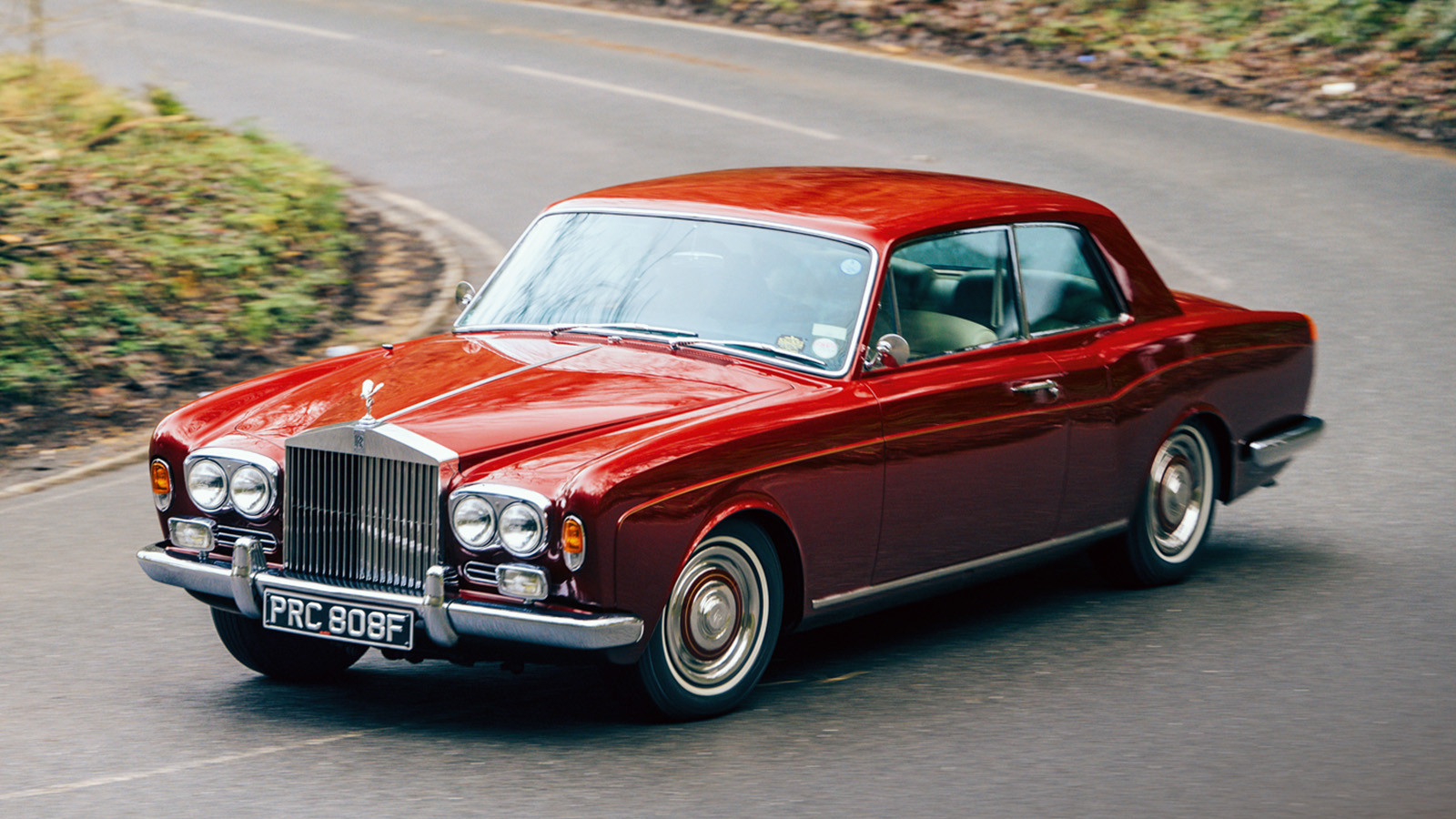
23. Rolls-Royce Corniche
A two-door Rolls-Royce Silver Shadow had been available since 1965, but it became known as the Corniche in 1971.
Although the Corniche shared the same mechanical specification as the Shadow sedan, the coupe was even more opulent inside, to justify its higher price.
Changes mirrored those of the Silver Shadow, or buyers could opt for the even-more-expensive Camargue coupe from 1975.
The Camargue ran until 1985, outlasting the Corniche coupe that remained until 1981. However, the Corniche convertible stayed in the Rolls-Royce catalog right up until 1995.
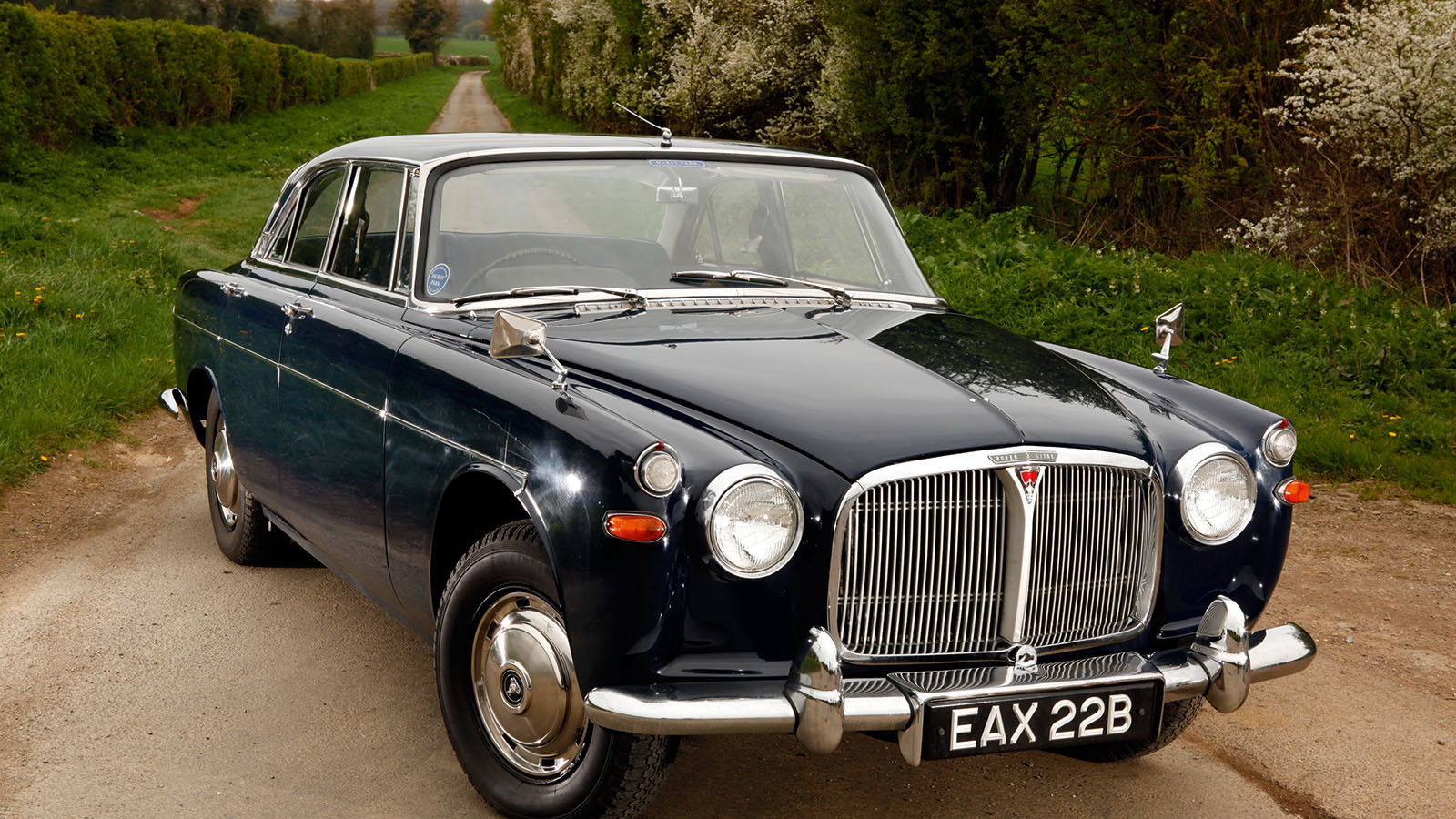
24. Rover P5 3 Litre Coupe
The modern fashion for four-door luxury coupes was pre-empted by Rover way back in 1962 with its P5 3 Litre Coupe (to use the British spelling).
By lowering the roofline and using a more swept-back rear window, Rover turned its dignified sedan into something a lot more raffish.
There was a small price to pay in rear headroom, but it was worth it for the Coupe’s curb appeal.
When Rover introduced the P5B with its new 3.5-liter V8 engine, the Coupe model continued and now had the oomph to match its looks.
Always rarer than the sedan, the P5 Coupe found 7983 buyers and the P5B model shifted 9099 of its coupe version.
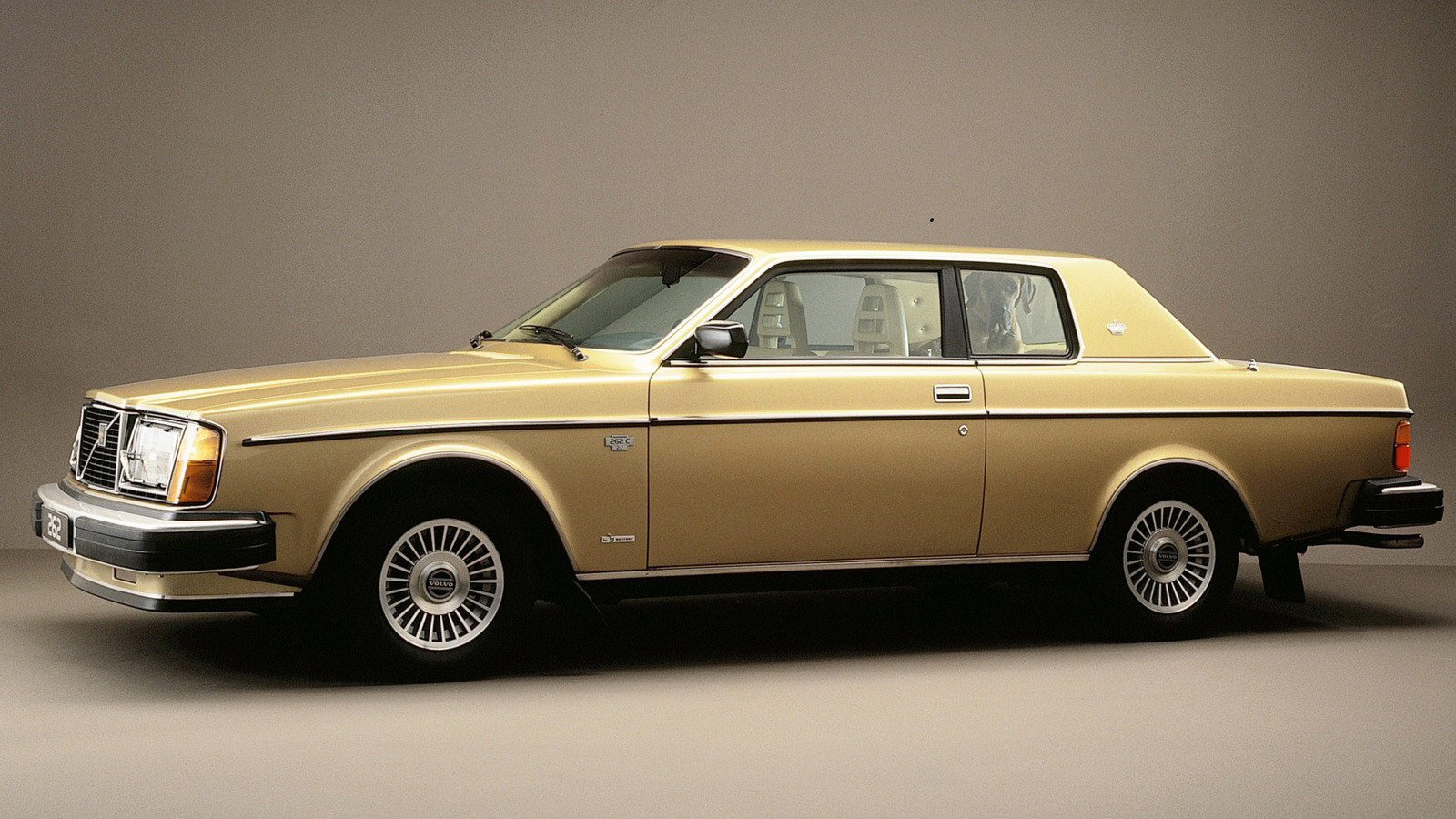
25. Volvo 262C
Marrying Volvo’s set-square styling of the 1970s with a coupe took some effort and the resulting design of the roof was not a complete success.
It was distinctive, however, and the 262C was primarily aimed at US buyers where this style was more acceptable.
The interior was completed by Bertone in Italy. It featured sumptuous leather upholstery and a two-seat rear bench.
As part of the triumvirate with Peugeot and Renault, Volvo used the partnership’s V6 engine in the 262C, to offer 120mph and 0-60mph in 10 secs.
Available from 1977 to 1981, the Volvo 262C was not a big seller and the Swedish auto maker produced just 5622 examples in that time.
We hope you enjoyed reading. Please click the ‘Follow’ button for more super stories from Classic & Sports Car.