
Lima’s legacy
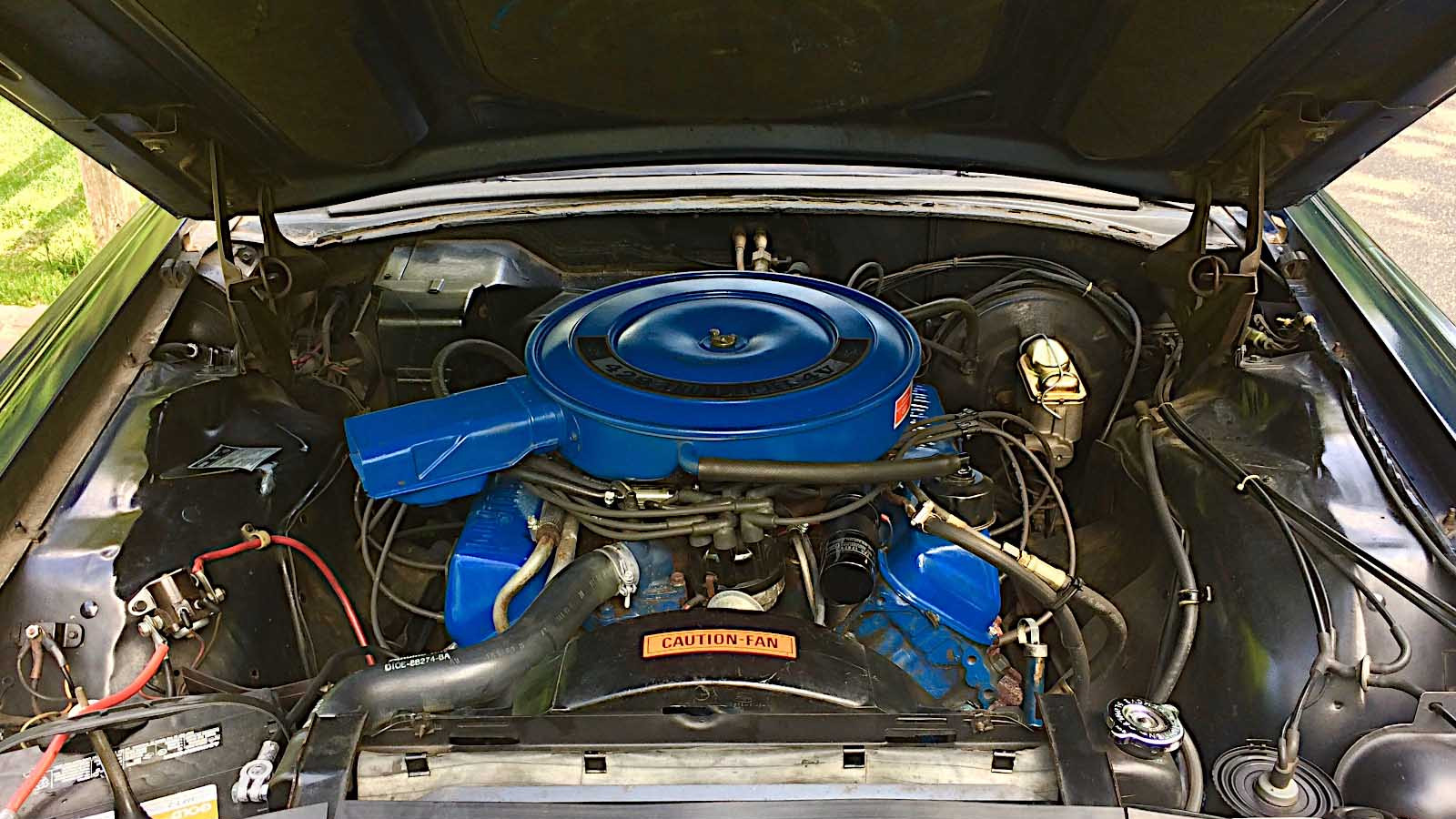
In the late 1960s, Ford Motor Company developed a big-block V8 engine which replaced the MEL (Mercury-Edsel-Lincoln) and joined the FE (Ford-Edsel), both of them by that time a decade old.
The new unit, which outlasted its predecessors by many years, was officially called the 385, but because a squadron of three-digit numbers lies ahead of us we’re going to avoid possible confusion by using its nickname of Lima, which refers to the engine plant in Ohio where it was manufactured.
For the avoidance of doubt, this engine had nothing whatsoever to do with another Lima, which was a US-market derivative of the much smaller European four-cylinder motor, generally referred to as the Pinto.
The engine we’re talking about here was fitted to a remarkable variety of Ford, Lincoln and Mercury vehicles, which we’re listing in chronological order of the first model year in which the Lima appeared.
Technical details
The official 385 name is said to be based on the engine’s 3.85in stroke, though this was not used in all versions.
In fact, for most applications the cylinder bore remained constant at 4.36in, while the stroke could be either 3.59in or 3.85in.
In round figures, those measurements resulted in capacities of 429cu in and 460cu in, or approximately (actually slightly more than) 7 and 7.5 liters as they were referred to after the US auto industry had accepted metric figures.
Until fuel injection was introduced, all Lima engines had carburetors with either two or four chokes, barrels or venturis, which for our purposes amount to more or less the same thing.
Choosing from several possibilities, we will use the terms ‘two-barrel’ or ‘four-barrel’ to describe the carburetors, because they were the ones most likely to be used in period.
1. Ford Thunderbird (1968)
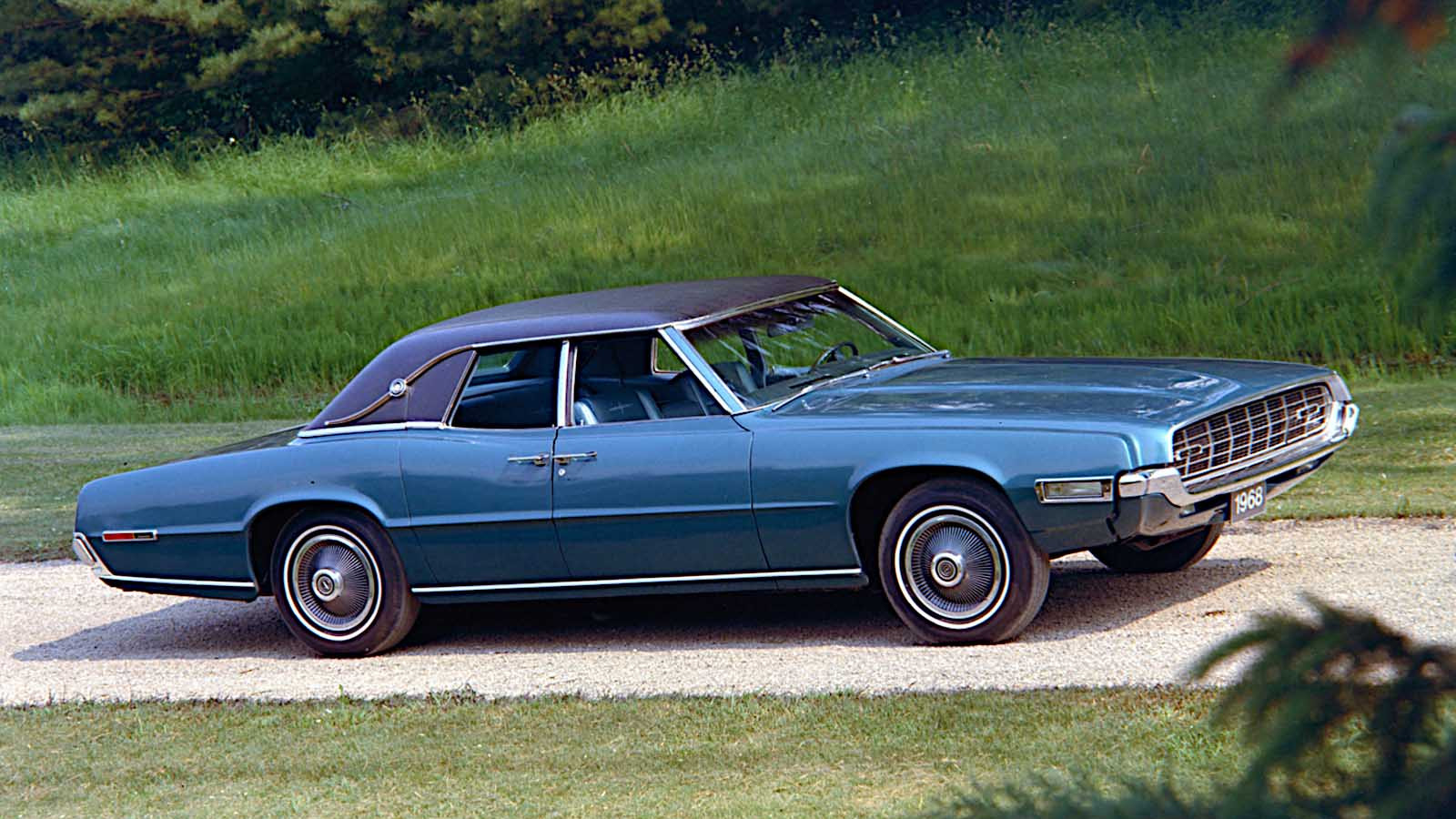
The fifth-generation T-bird was introduced in 1967 with standard 390cu in or optional 428cu in versions of the FE big-block V8 engine.
A year later, the 428 was replaced by the four-barrel 429 Lima (known in this context as the ThunderJet) which had a quoted power output of 360 gross horsepower, though by today’s measuring system the figure would be considerably lower.
That motor became the only one available for the Thunderbird for the remainder of the fifth generation, and was still the standard unit in the early years of the sixth, with the 460 now available as an option.
The 460 became standard in 1974 and remained so until 1976, the last year of Lima-powered Thunderbirds.
1968 Ford Thunderbird pictured
2. Lincoln Continental Mk series (1968)
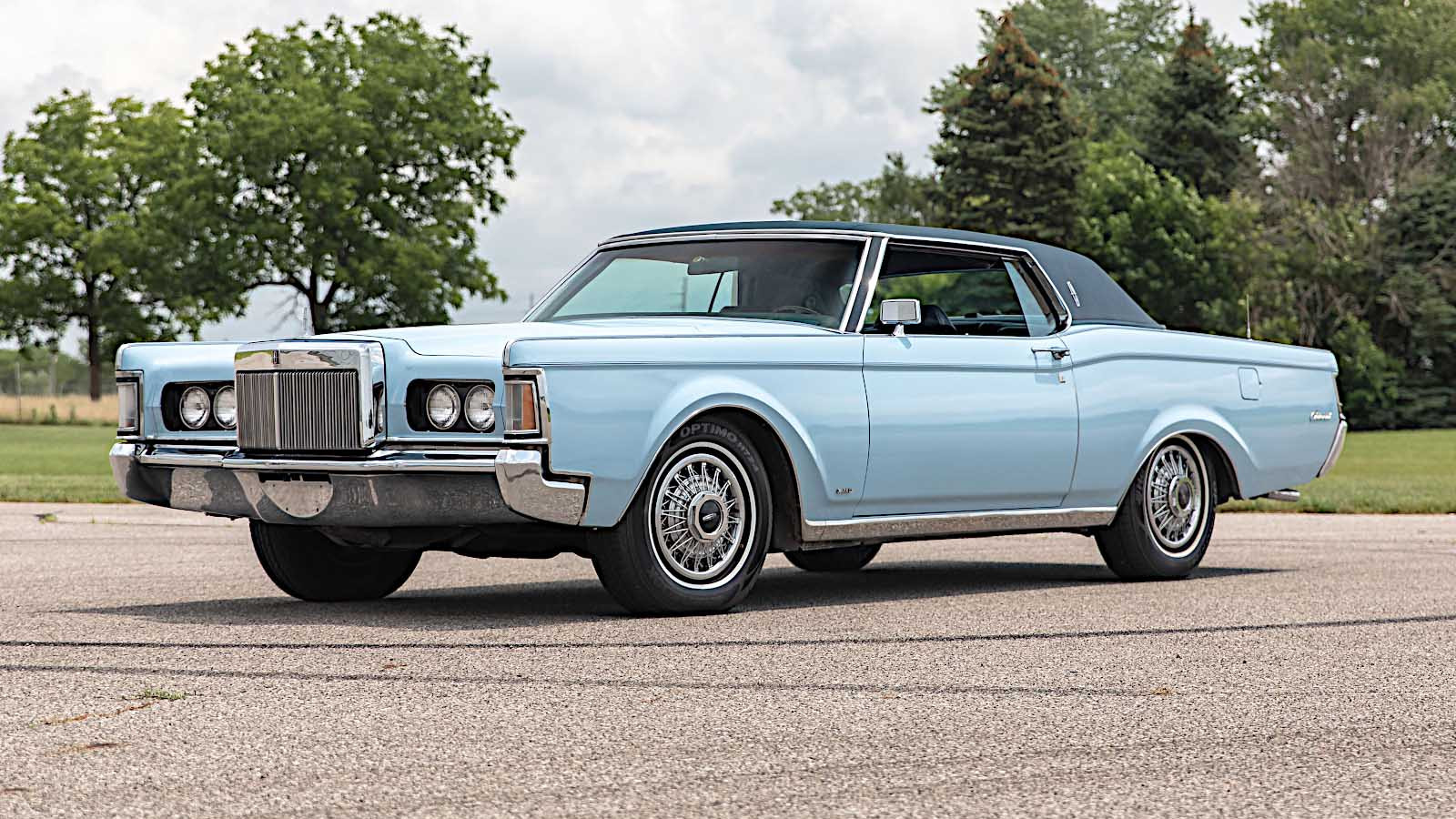
The Continental MkIII (marketed separately from the regular Continental) was introduced, very unconventionally, in April 1968, and the first examples to be built are referred to as either late 1968 or early 1969 model-year cars.
The Lima 460 was the only engine available at that time, and remained so for the lifetimes of both the MkIII and MkIV.
A smaller 400cu in V8 from a different family was the standard engine for the MkV launched in 1977, but the 460 remained available as an option (in all US states except California) for two more years before being dropped from the range in 1979.
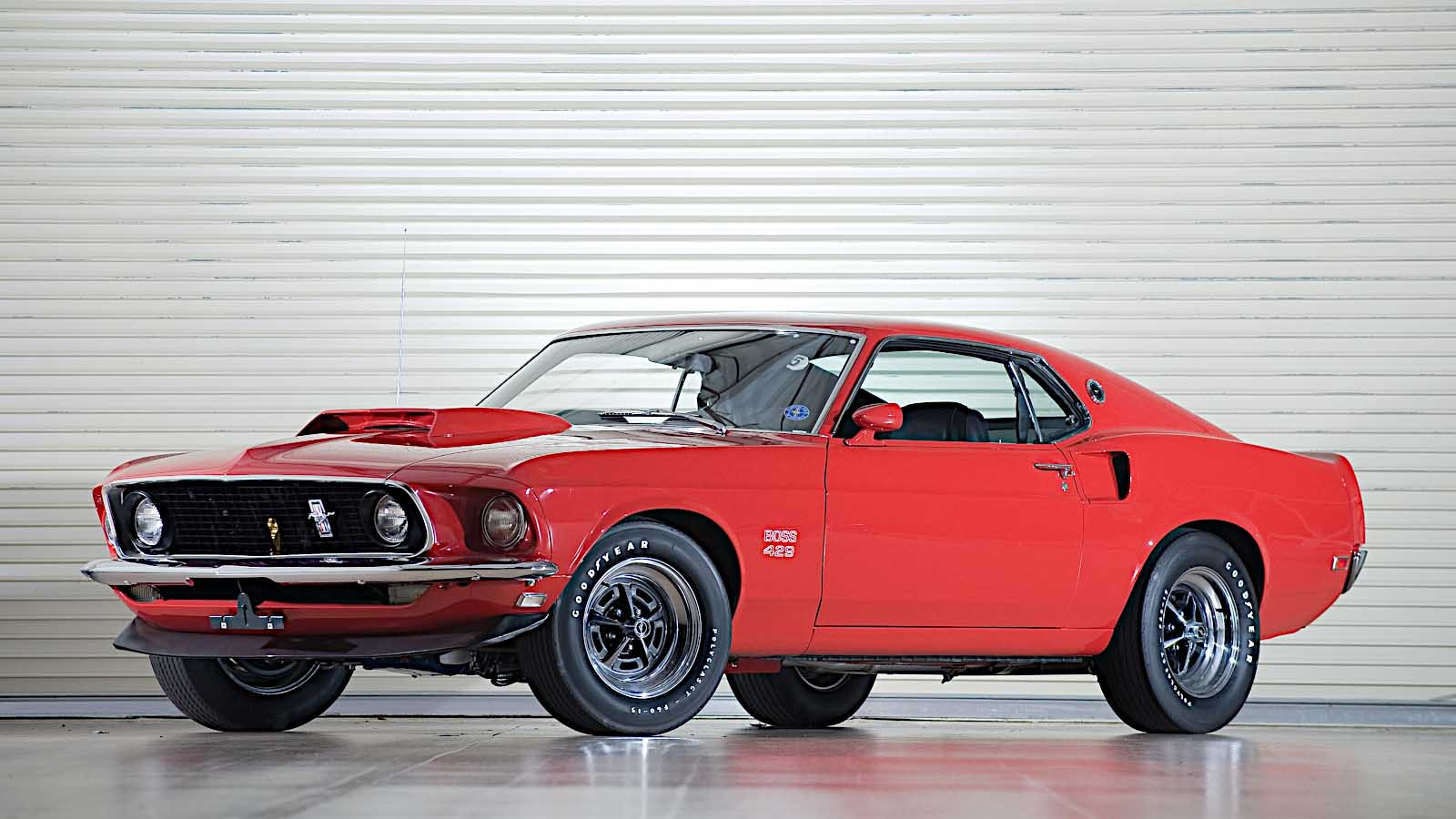
3. Ford Boss 429 Mustang (1969)
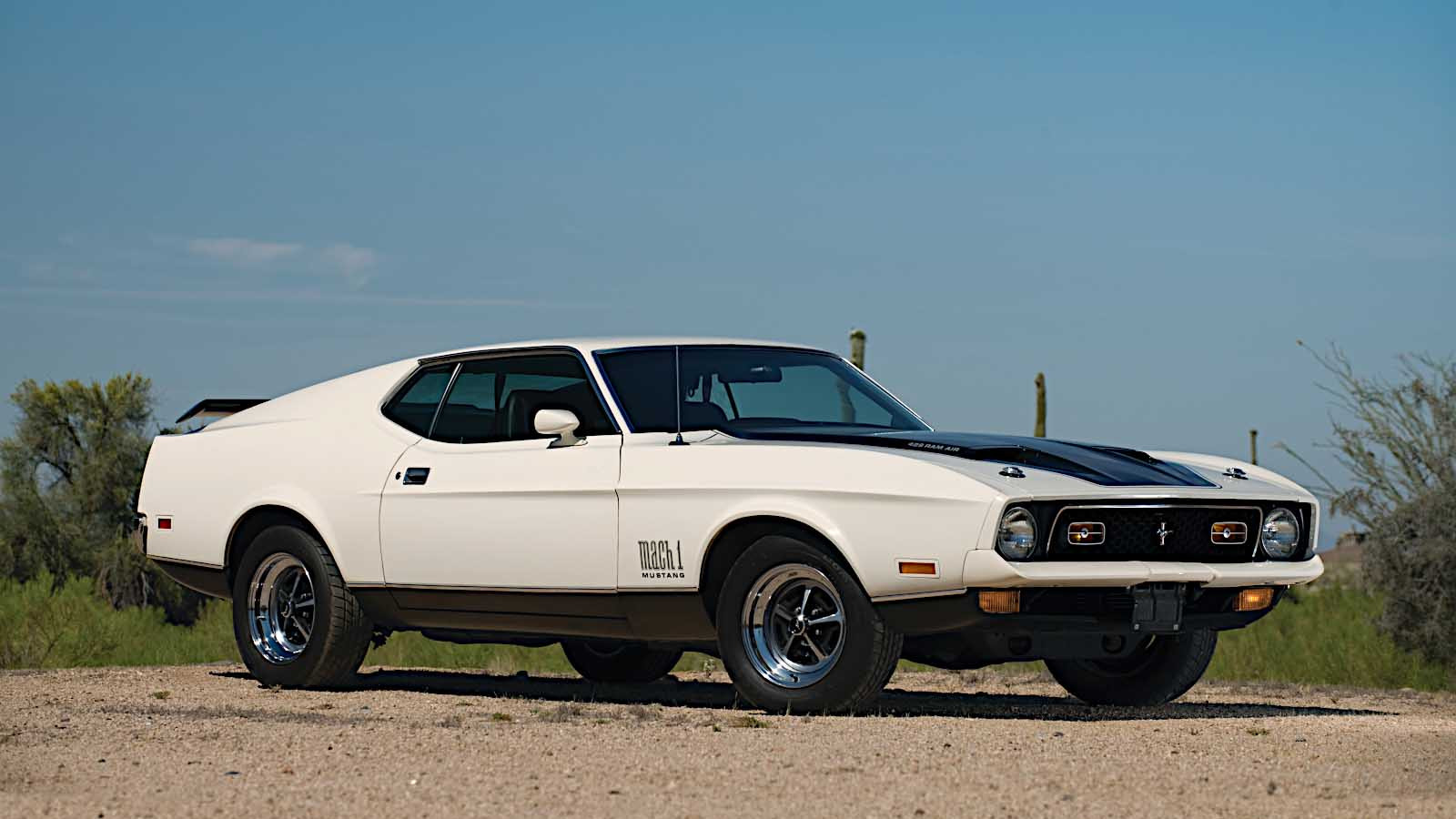
The Boss 429 stands alone from all later Lima-powered Ford Mustangs because it was a limited-production homologation special with a version of the engine designed to be used in NASCAR racing.
Known as the CobraJet HO (for High Output), the engine was officially rated at 375 horsepower, a not particularly unusual output for a Lima.
However, there has been speculation that it actually produced significantly more, but that quoting the true figure might have given rise to accusations of irresponsibility.
According to the NASCAR rules of the time, a certain number of engines had to be made available in a car sold to the general public to meet the homologation requirements, but it was only the engine and not the car that was being homologated.
Wildly unusual though this seems today, the Boss Lima proved to be very successful in NASCAR events, but it was never used in a Mustang in that context.
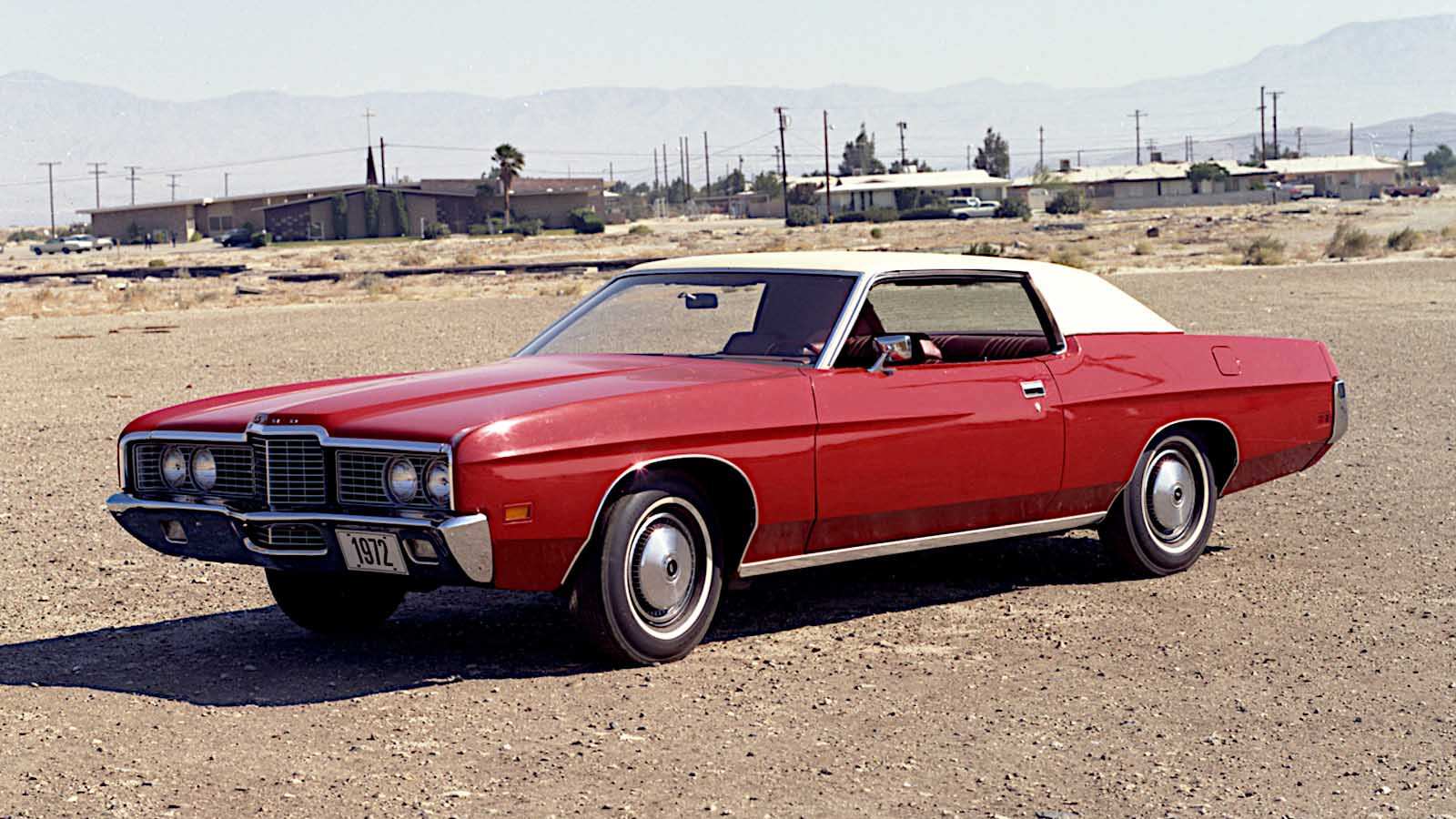
4. Ford Galaxie (1969)
The Ford Galaxie was powered by, among others, Lima engines (or ThunderJets as they were still known) throughout its final generation, which ran from the 1969 to 1974 model years.
Up to 1971, it was available as a 429 both in four-barrel form with a quoted output of 360 gross horsepower, as in the Thunderbird, or with a two-barrel carburetor and producing 320 horsepower.
The two-barrel engine was dropped in 1972, and the 460 was added near the end of production.
The 460 was also used for the Cruiser and Interceptor police packages, and in Ford’s brochures for those vehicles its power figure was not quoted.
1972 Ford Galaxie 500 two-door hardtop pictured
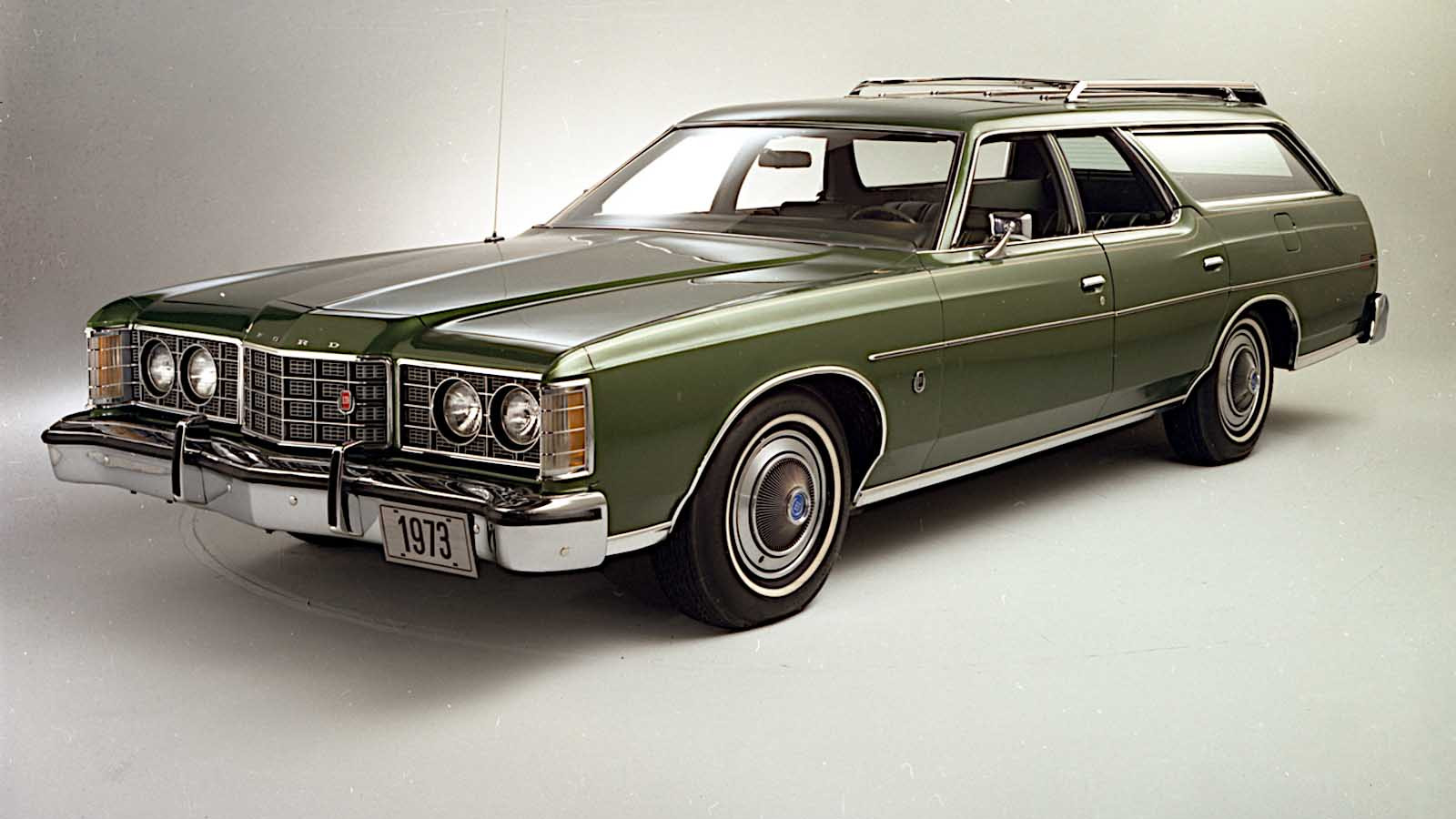
5. Ford LTD (1969)
The first-generation Ford LTD was discontinued in the 1968 model year, a little too early for it to receive the Lima V8, and in its third and fourth generations it was downsized, making such a large engine inappropriate.
Our focus here is therefore on the second generation, which was available right from the start with the 429 motor using either two-barrel or four-barrel carburetors.
If you think this sounds similar to the Galaxie, another model in the full-size Ford line, you’re right, and indeed as far as engines are concerned their stories are almost identical, with the two-barrel 429 being discontinued and the 460 added during the production run.
The most significant difference was that the second LTD lasted until 1978, four years after the contemporary Galaxie was replaced.
In that final year, the 460 was still available as the most powerful alternative to the standard 302cu in, or 4.9-liter, Windsor V8, other than in California or high-altitude areas.
1973 Ford LTD station wagon pictured
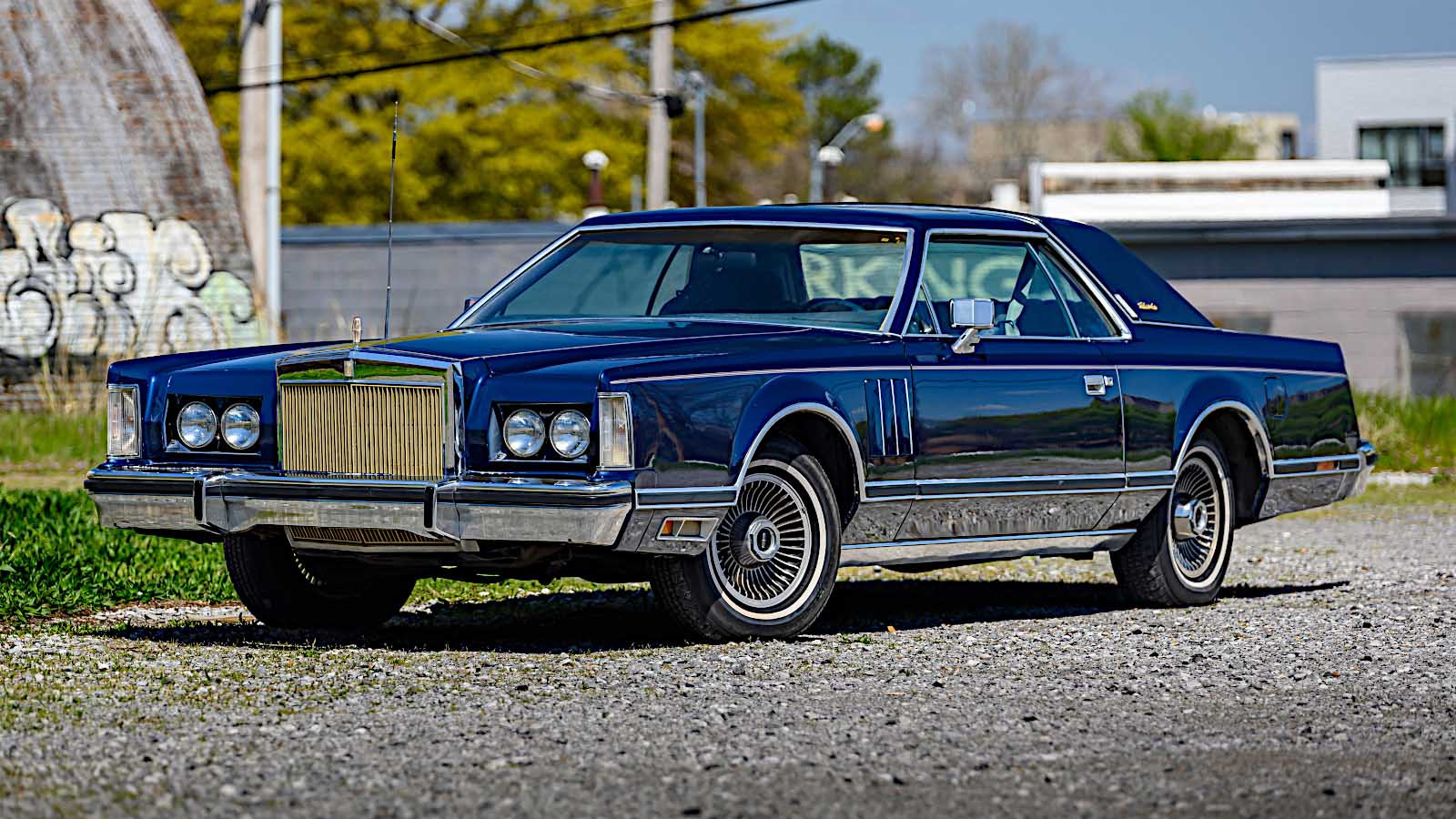
6. Lincoln Continental (1969)
In 1969, the final year of the Continental’s fourth generation, the 462cu in (7.6-liter) MEL V8 was replaced by the 460 Lima, the 429 perhaps being considered not quite sufficient for the Ford Motor Company’s most luxurious car of its era.
Rated at 365 gross horsepower, the 460 was the only engine available for most of the fifth generation.
In 1977 it was joined by a 400cu in (6.6-liter) V8 from another big-block family, and in the following year this became the standard engine for the Continental, with the 460 Lima remaining in the brochures for only that year before being discontinued in 1979.
As with several other large American cars of the period, the Continental was downsized for the sixth generation introduced in 1980, and from then on the Lima was no longer part of its history.
1979 Lincoln Continental pictured
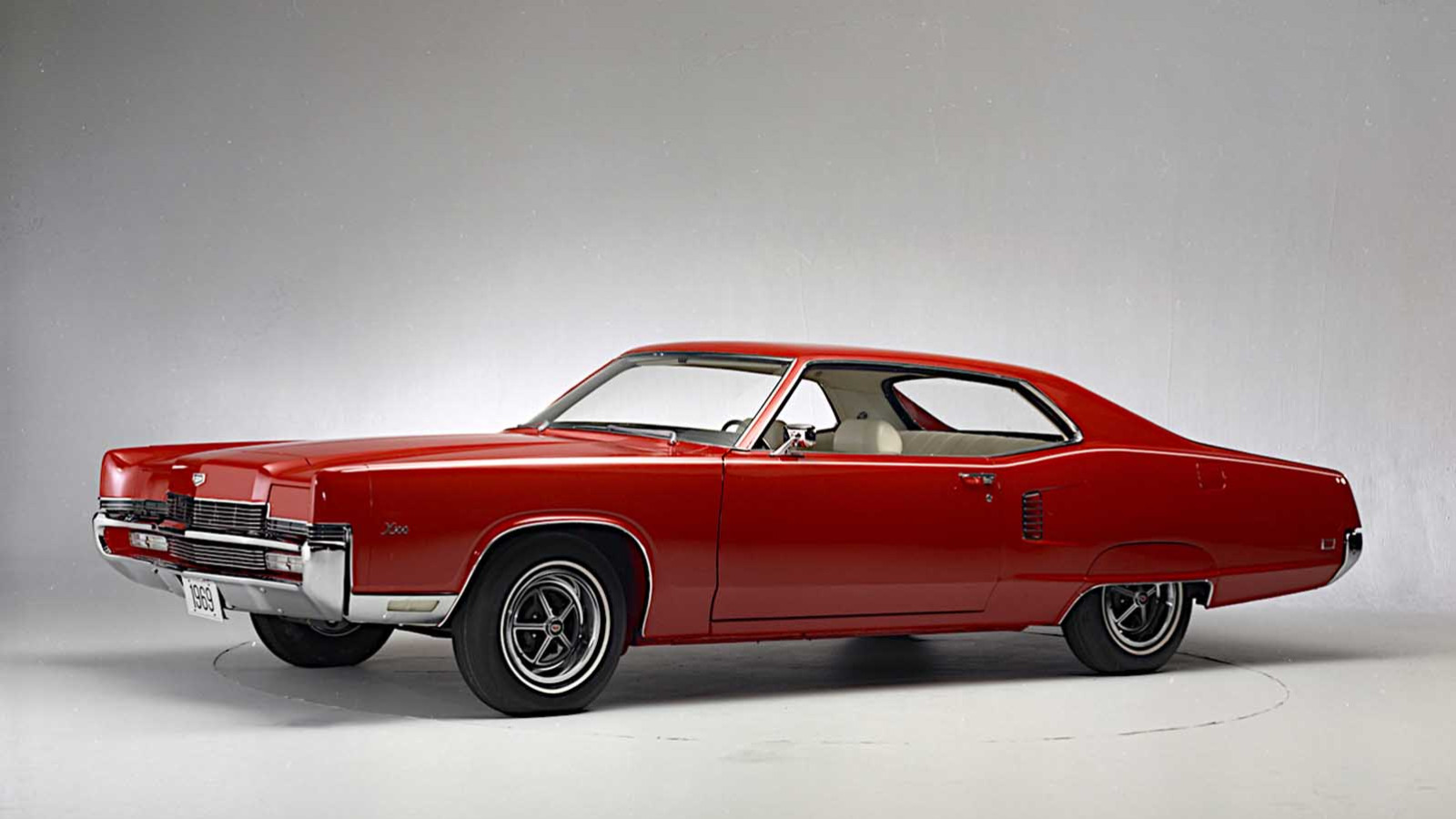
7. Mercury Marauder (1969)
Mercury used the Marauder name across a span of nearly 40 years, though only for three very short-lived generations.
The standard engine in the second of these was the 390cu in (6.4-liter) FE V8, but the two-barrel and four-barrel 429 Limas were optional in both years of the car’s existence.
That, at least, was the general situation, but in the specific case of the Marauder X-100, the four-barrel version was not merely standard – it was the only engine you could have.
This made sense because the X-100 was positioned above all other Mercury Marauders, with some items of equipment (for example leather-plus-vinyl upholstery, an electric clock and a heavy-duty battery) available as standard rather than being optional, and others (such as six-way adjustable front seats) optional rather than not being available at all.
1969 Marauder X-100 two-door hardtop pictured
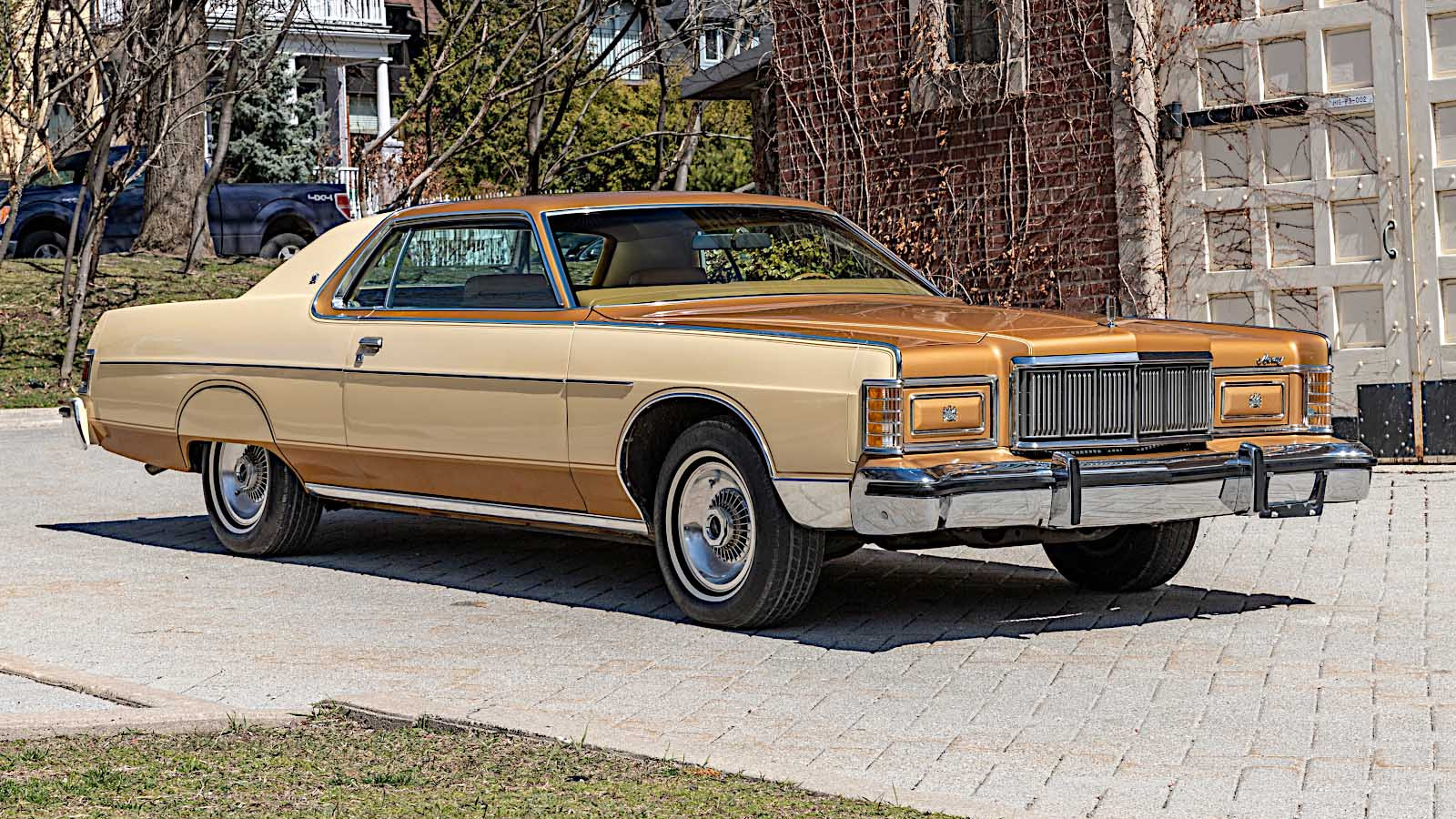
8. Mercury Marquis (1969)
In its original form, as produced in 1967 and 1968, the Marquis was a two-door hardtop powered by the FE V8 engine.
The second-generation model had a much greater variety of body styles, and was always available with a Lima of some sort, starting with the two- and four-barrel 429s.
In a gradual transition over several years, the two-barrel version was dropped and the 460 was added, later becoming the only engine in the range and later still an optional alternative to the smaller 335 series (though still standard on the Grand Marquis, which was not a model in its own right during this generation).
The Marquis and the Grand Marquis were marketed separately from 1979, and from then on neither of them was ever powered by the Lima V8.
Mercury Marquis Brougham two-door hardtop pictured
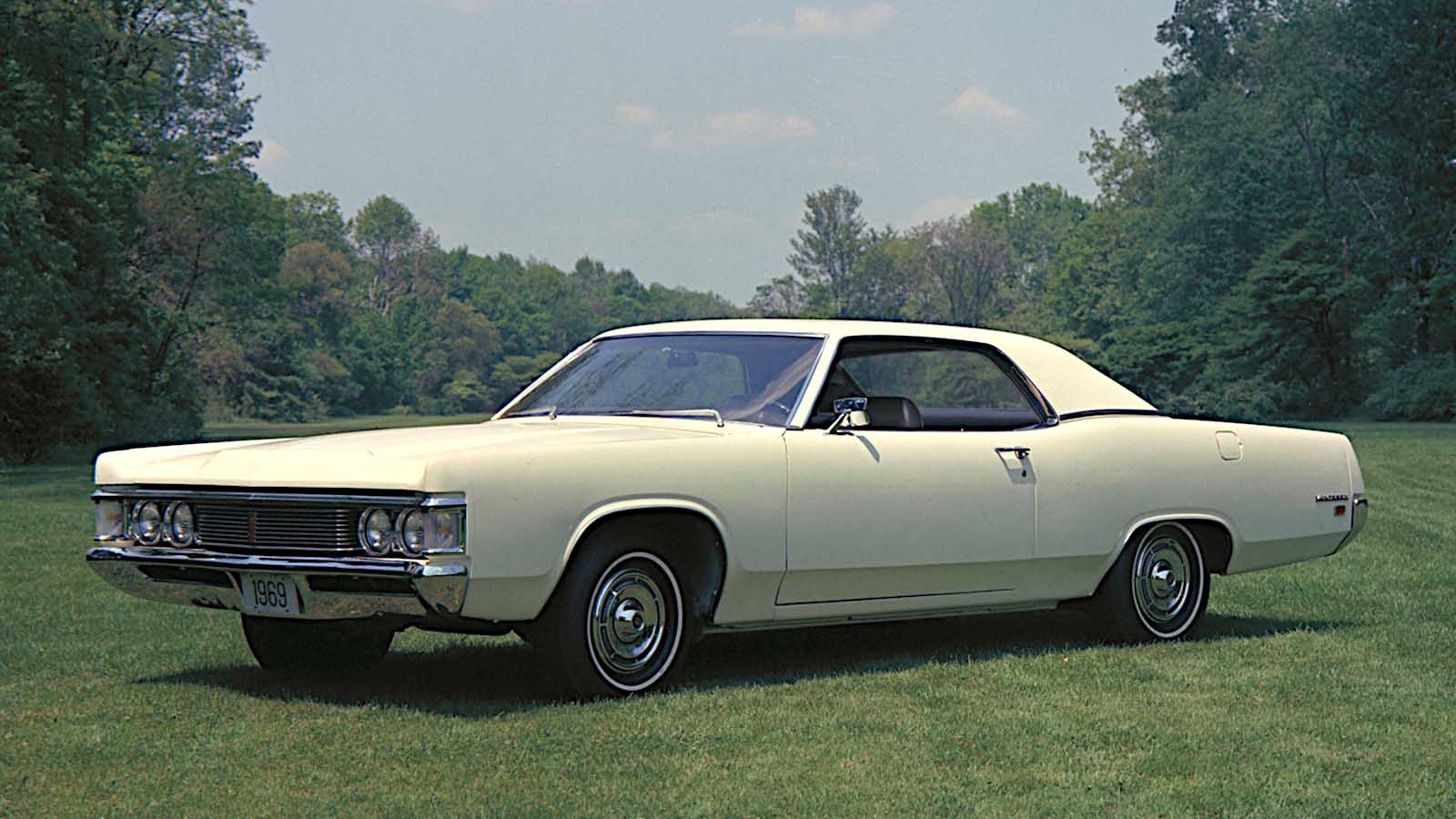
9. Mercury Monterey (1969)
Mercury started using Monterey as a model name back in 1952 (when it was powered by a 4.2-liter version of the Ford flathead V8 whose design dated back to the early 1930s), but it wasn’t until the final generation that the Lima engine became part of the line-up.
Only ever available as an extra-cost, high-power option, it could be specified in two-barrel and four-barrel 429 forms from 1969 to 1971, and only as a four-barrel in 1972.
The 460 joined the 429 the following year, and became the only Lima on the list in 1974, shortly before the Monterey (like the related Ford Galaxie) was discontinued after more than two decades.
1969 Monterey hardtop pictured
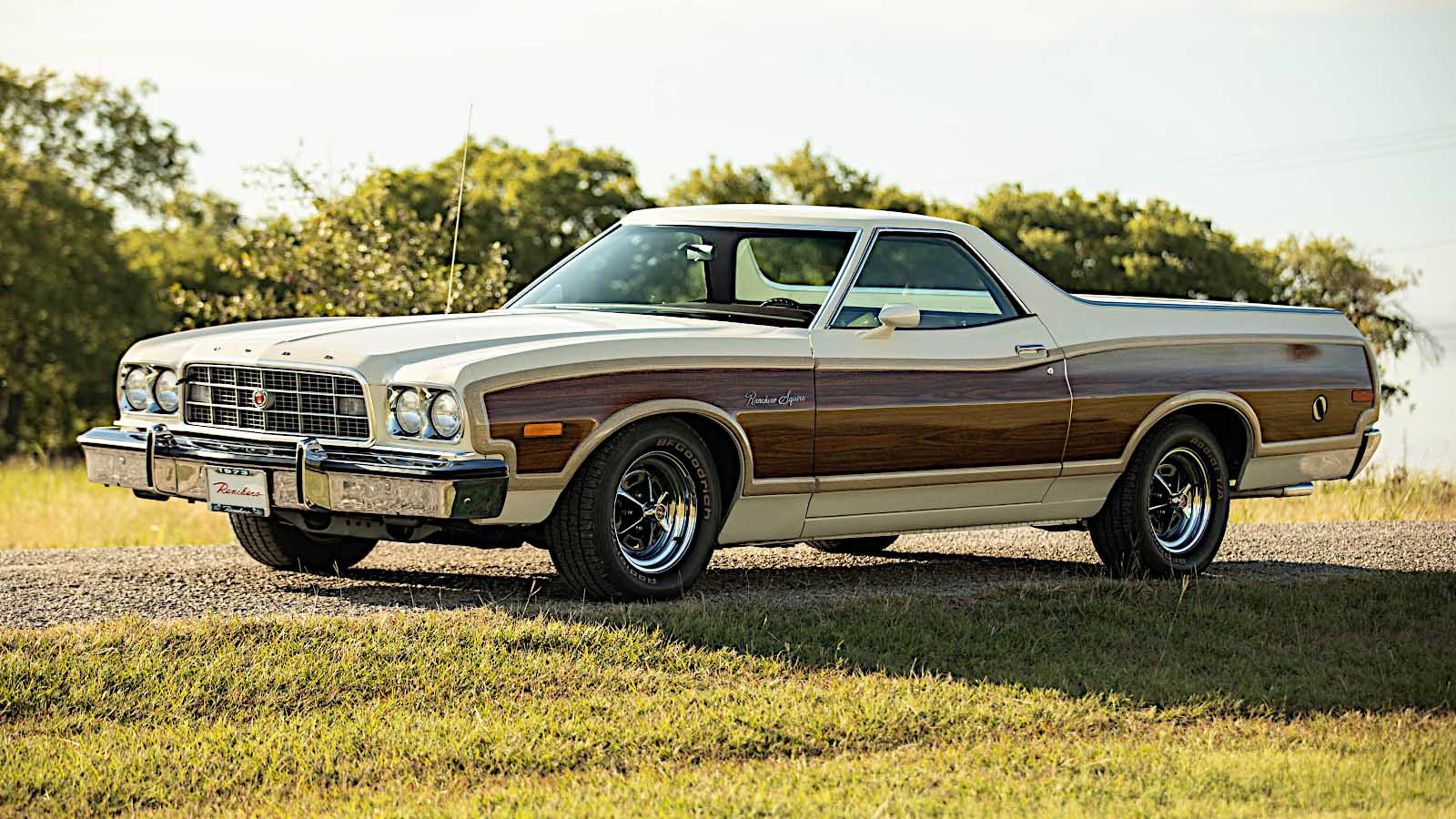
10. Ford Ranchero (1970)
Produced across seven generations, the Ranchero, like the rival Chevrolet El Camino, was a car-based pick-up – a type of vehicle which would have been described in Australia as a ute and in South Africa as a bakkie.
The 429 four-barrel Lima arrived in 1970 as a Thunder Jet producing 360 horsepower and a Cobra producing 370 (with compression ratios of 10.5:1 and 11.3:1 respectively), both outputs being well over double that of the 155 horsepower straight-six at the bottom of the range.
The Thunder Jet lasted for only one year, but the Cobra continued into 1971, when it was known as the Cobra Jet.
For the next two years, the 429 remained the most powerful engine in the new Ranchero range before being replaced by the 460, which occupied that position from 1974 to 1976.
11. Ford Torino (1970)
The aerodynamically styled Torino Talledega produced very briefly in early 1969 was often powered by the Boss 429 engine introduced the previous year in the Mustang, but only for the purposes of racing in NASCAR events.
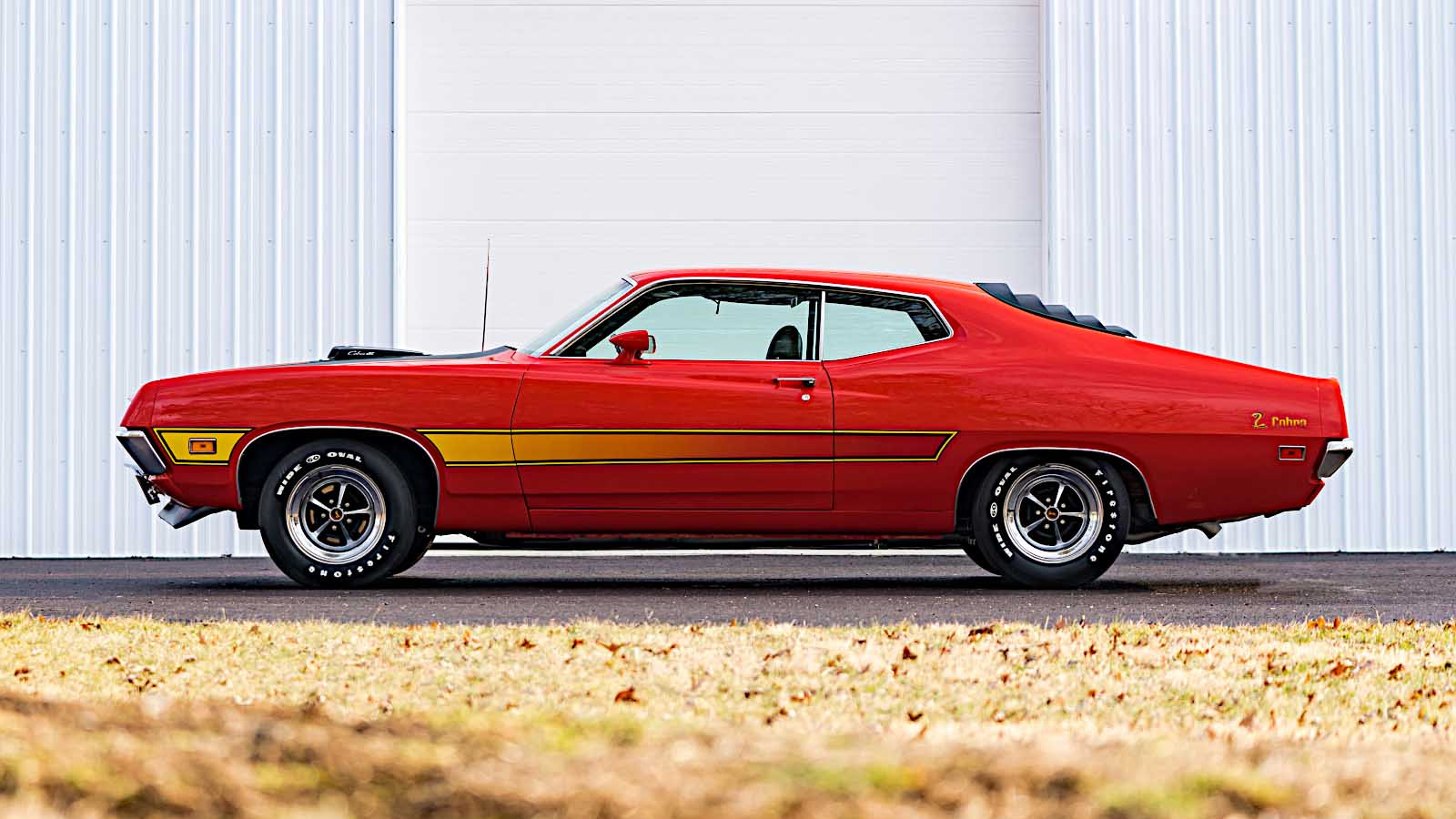
As a road car available to customers, the regular Ford Torino became available with the four-barrel 429 (with a choice of 360 or 370 horsepower outputs, as with the Ranchero) in 1970.
In 1972, the first model year of the third and final generation, the same engine was once again the most powerful option.
A year after that, the 429 was replaced by the 460, which remained part of the range until Ford discontinued the Torino entirely at the end of the 1976 model year.
1971 Ford Torino Cobra pictured
12. Mercury Cyclone (1970)
In a very similar situation to that of the Ford Torino, a 1969 derivative of the Mercury Cyclone called Spoiler II was fitted with the Boss 429 engine in NASCAR race cars, but not in road-legal ones.
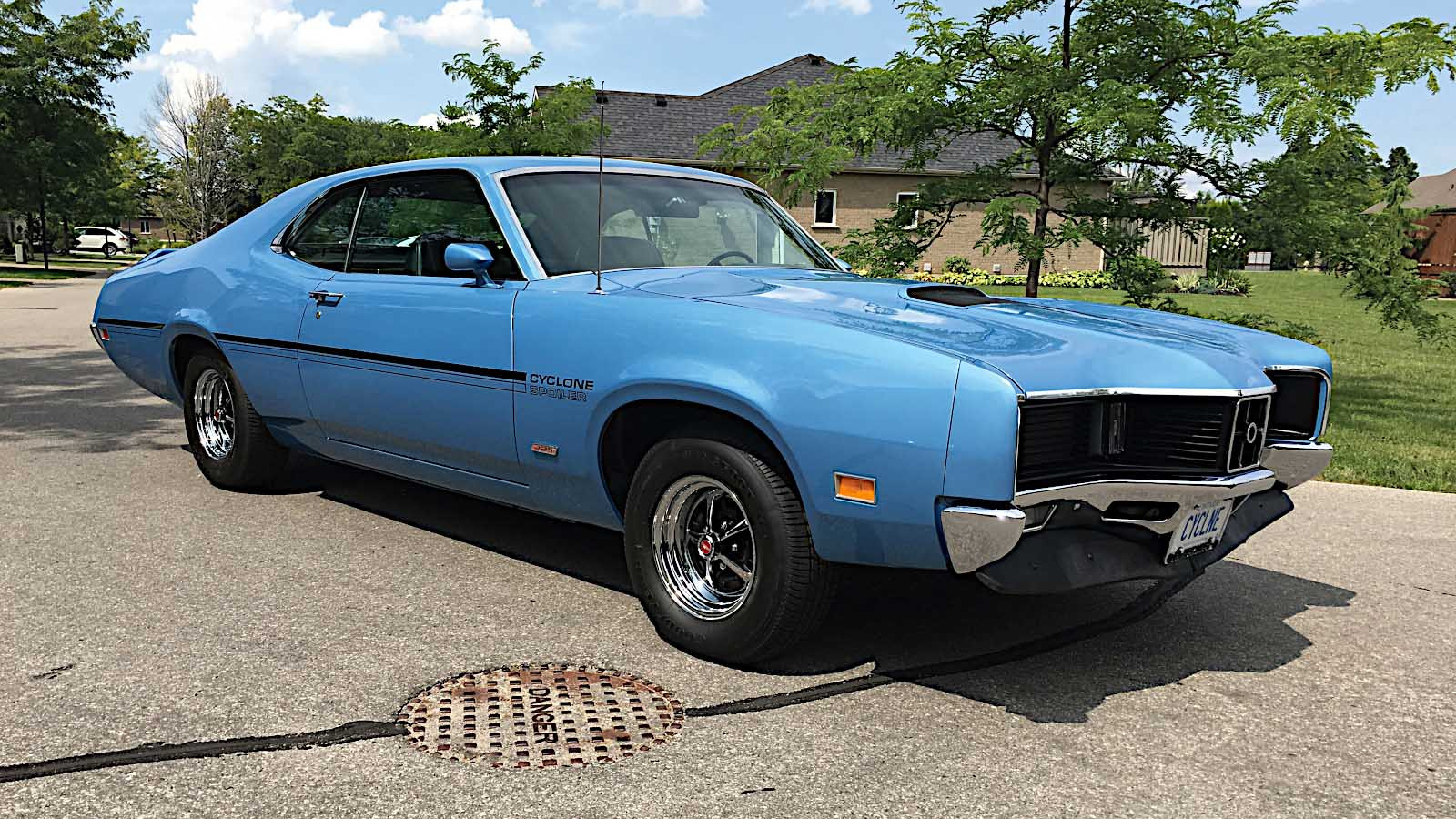
In 1970, the regular Cyclone was fitted with the four-barrel 429 which was optional on the GT but not available for the Spoiler (as opposed to the Spoiler II, whose very short production run was already over).
The high-compression Cobra Jet was standard on the Spoiler and optional for everything else, while the Super Cobra Jet (with the same compression ratio but mechanical rather than hydraulic lifters) was optional on all versions.
The Boss 429 was listed in the 1970 brochure, but does not appear to have been fitted to any Mercury Cyclones of that year.
Only the Cobra Jet engine survived in the range until 1971, when it was an optional alternative to a smaller V8.
1970 Mercury Cyclone Spoiler pictured
13. Mercury Montego (1970)
Although claims of an earlier debut have been made, the Lima first appeared in Montego brochures as a 360-horsepower, 429, four-barrel option in 1970, more highly tuned versions being restricted within that model year’s Mercury range to the Cyclone.
The same engine was the most powerful option when the Montego went into its second generation in 1972, and remained so until it was replaced by the 460 in 1974.
The Montego-Lima connection did not survive for much longer, because the nameplate fell into disuse after 1976, and would not reappear until the 2005 model year, by which time the Lima had become very much a thing of the past.
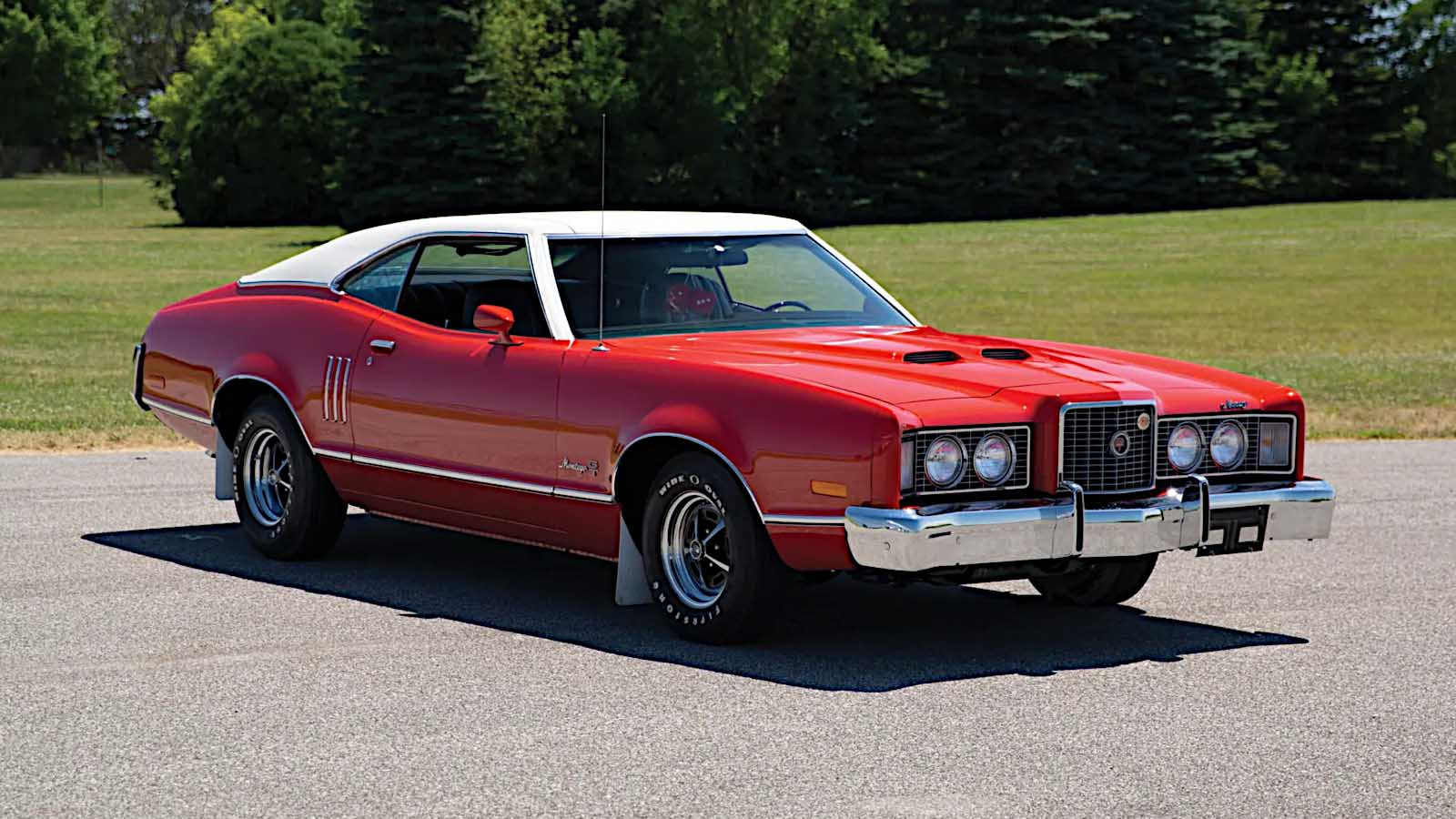
1973 Monterey Montego GT pictured
14. Ford Falcon (1970½)
The mid-sized Ford Falcon plays a minor but not insignificant role in the history of the Lima engine.
Falcons were produced from the 1960 to 1970 model years, and although there was usually a V8 somewhere in the range they were not big-blocks, and certainly not Limas.
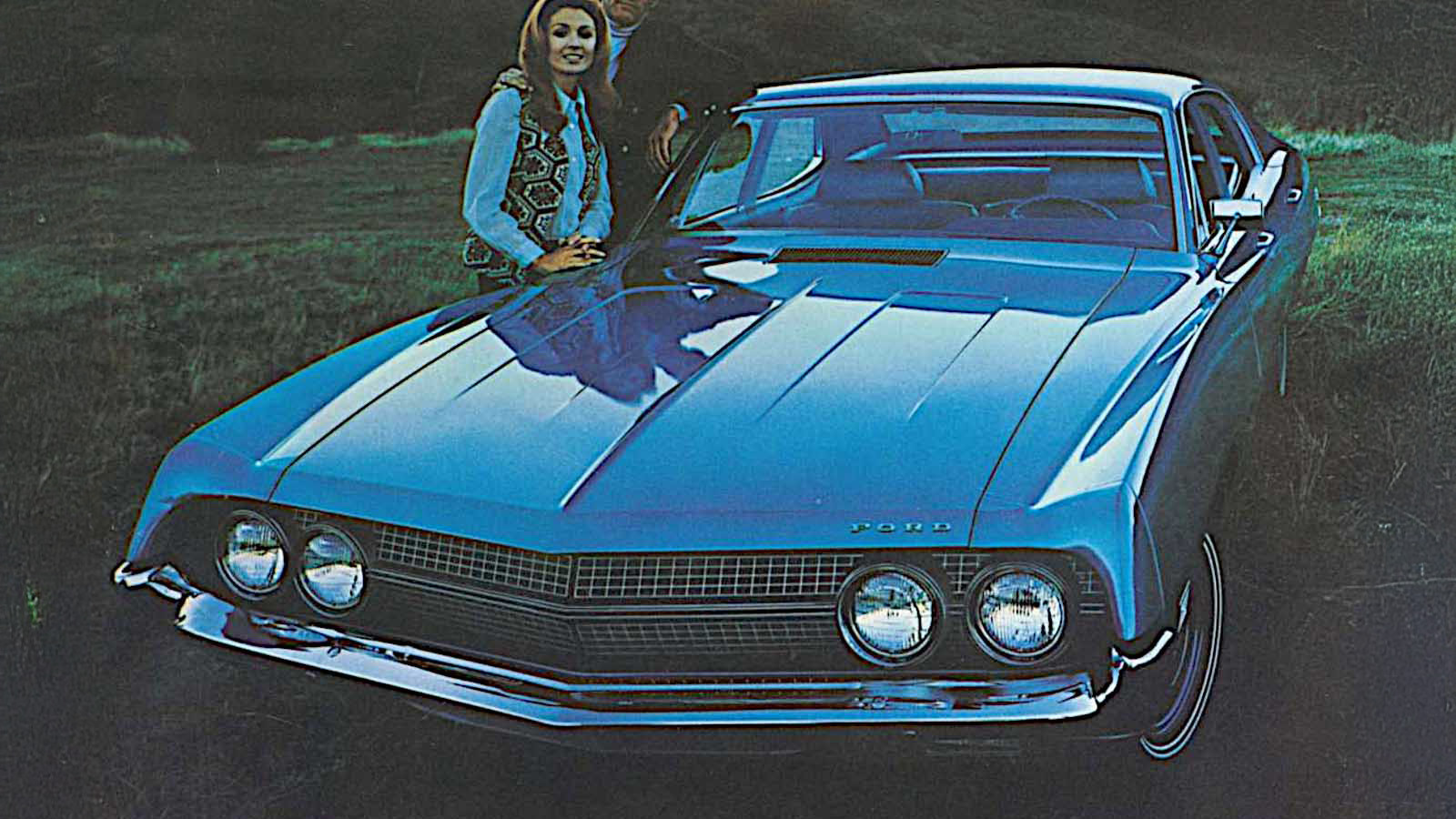
This situation changed dramatically, as did the styling, in the abbreviated 1970½ model year, when the 429 was available (along with a 250cu in straight-six and various Windsor small-blocks) in three forms: the regular four-barrel version, with a quoted 360 horsepower, and the Cobra and the Cobra Jet Ram-Air, both rated at 370 horsepower.
Opportunities to buy any of these cars were strictly limited, because the Falcon nameplate was retired for the 1971 model year.
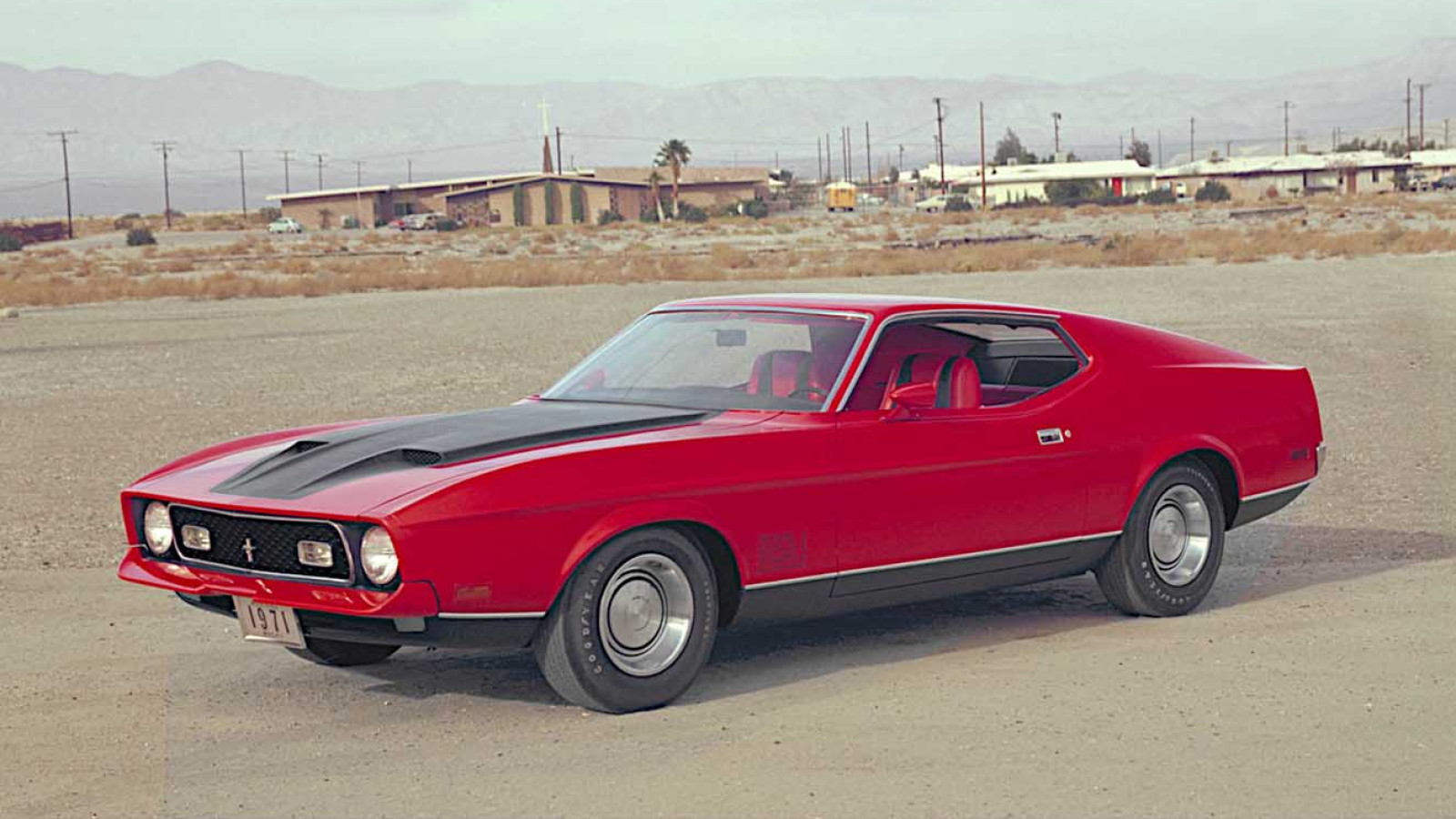
15. Ford Mustang (1971)
By 1971, the Mustang was considerably larger than it had been on its introduction seven years before, though it was still technically in its first generation.
Big-block V8s seemed to have become necessary for the highest-performing variants, so it was inevitable that the regular Lima (as opposed to the Boss 429, which as we know was created only for NASCAR homologation reasons) would be introduced at some point.
This happened in 1971, when the 370 horsepower, 11.3:1 compression ratio four-barrel Cobra Jet became an option for all versions except the Boss 351.
The association between Ford’s longest-running nameplate and one of its most successful engines lasted only for that single year.
As exhaust emissions were increasingly being treated as a cause for concern, the 429 was dropped from the Ford Mustang range in 1972, and never returned.
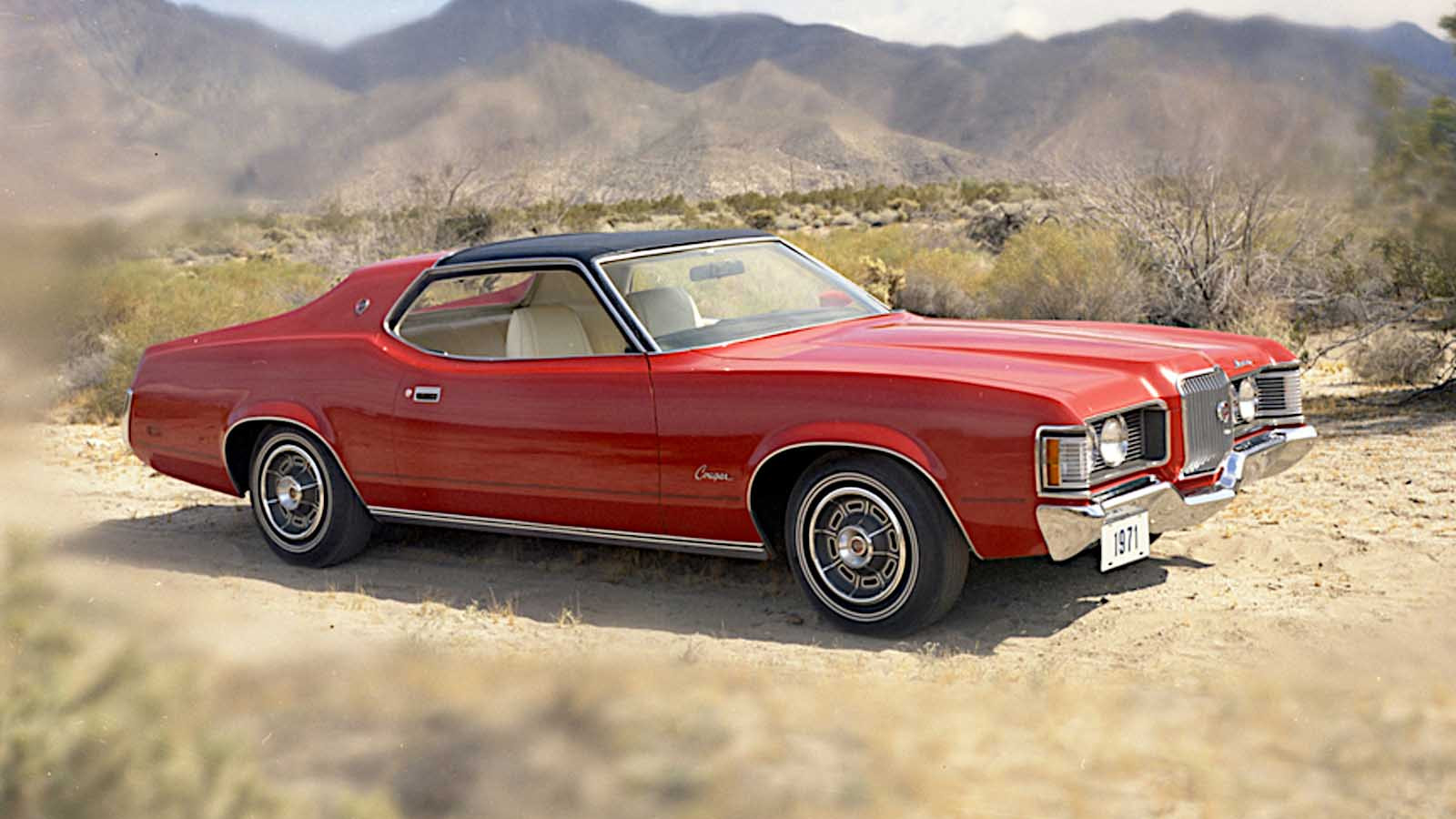
16. Mercury Cougar (1971)
In the early years of a career which lasted from the 1960s until the early 21st century, the Cougar was Mercury’s counterpart to the Ford Mustang.
It’s a reasonable guess that the Lima would play a similar part in the stories of both models, and that is indeed what happened.
The 429 Cobra Jet joined the range in 1971 as an option for all three versions of the second generation: the regular Cougar, the GT and the XR-7.
The same company policy which had led to the removal of the Lima from the Mustang range also applied to Mercury, so if you find a Cougar with a 429 engine (and know that the latter has not been retrofitted to the former) it can only have been built during the 1971 model year.
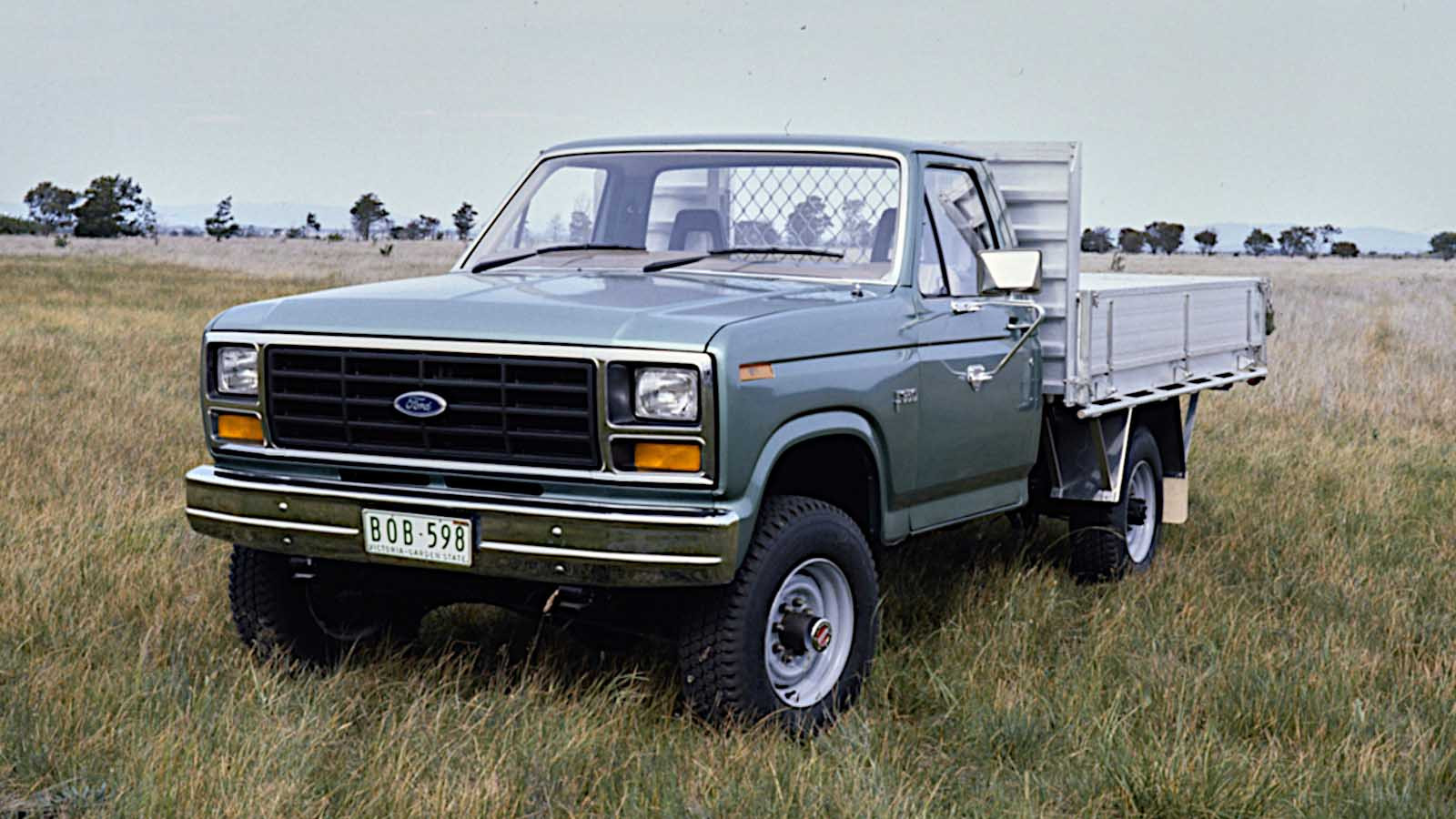
17. Ford F-series (1974)
F-series trucks intended for use by private customers, as opposed to the much larger ones bought by companies, hold the record for having used the Lima V8 engine for a longer period than any other Ford Motor Company vehicle, though not continuously.
In 1974, the second year of the sixth generation, the 460 became optional in all the rear-wheel-drive pick-ups (but none of the 4x4s), and broadly speaking this remained the case until 1979, except for the fact that it was quickly deleted in the case of the F-100.
There was then a gap until 1983, when the 460 reappeared as an option on all versions from the F-250 HD upwards, regardless of transmission.
This situation continued until the 460 was replaced by the 5.4-liter Triton V8 in 1997, the only major change in that period being the introduction of electronic fuel injection in 1988.
1984 Ford F-350 pictured
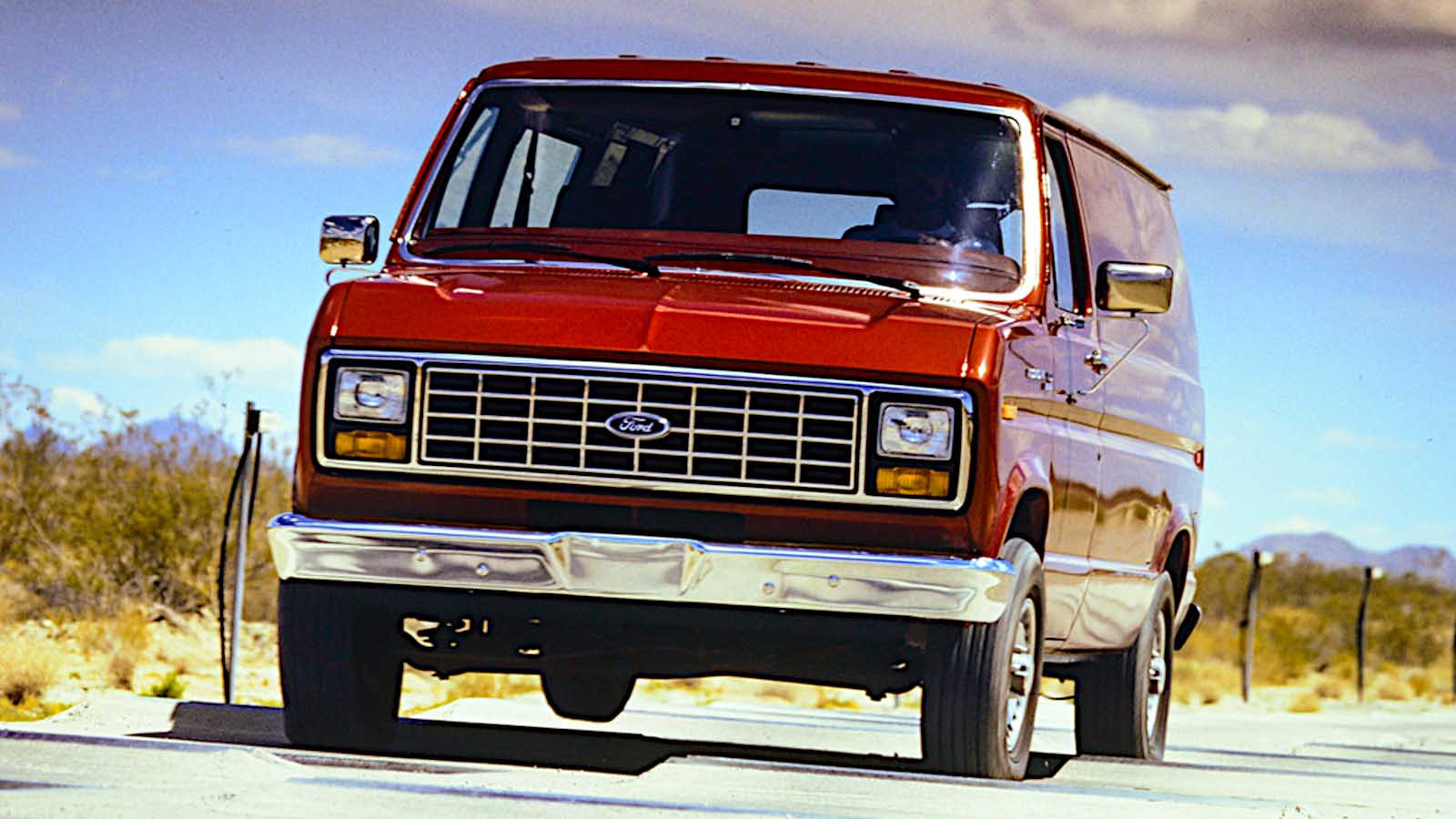
18. Ford E-series (1975)
Known in some applications as the Econoline or Club Wagon, the Ford E-series was available for many years as both a private and a commercial vehicle, with anything from two to eight seats.
The 460, latterly referred to as the 7.5 (its approximate capacity in liters), became an option for the E-250 and E-350 in 1975, and only for the E-350 from 1980 onwards.
As with the F-series, carburetors were replaced by electronic fuel injection in 1988, and the engine remained available until 1996, when the 5.4-liter Triton V8 took over.
While the Lima V8 powered the F-series over a period of 22 years including gaps, it was used in the E-series for 21 years with no gaps, easily a record for any vehicle it was fitted to.
1985 Econoline pictured
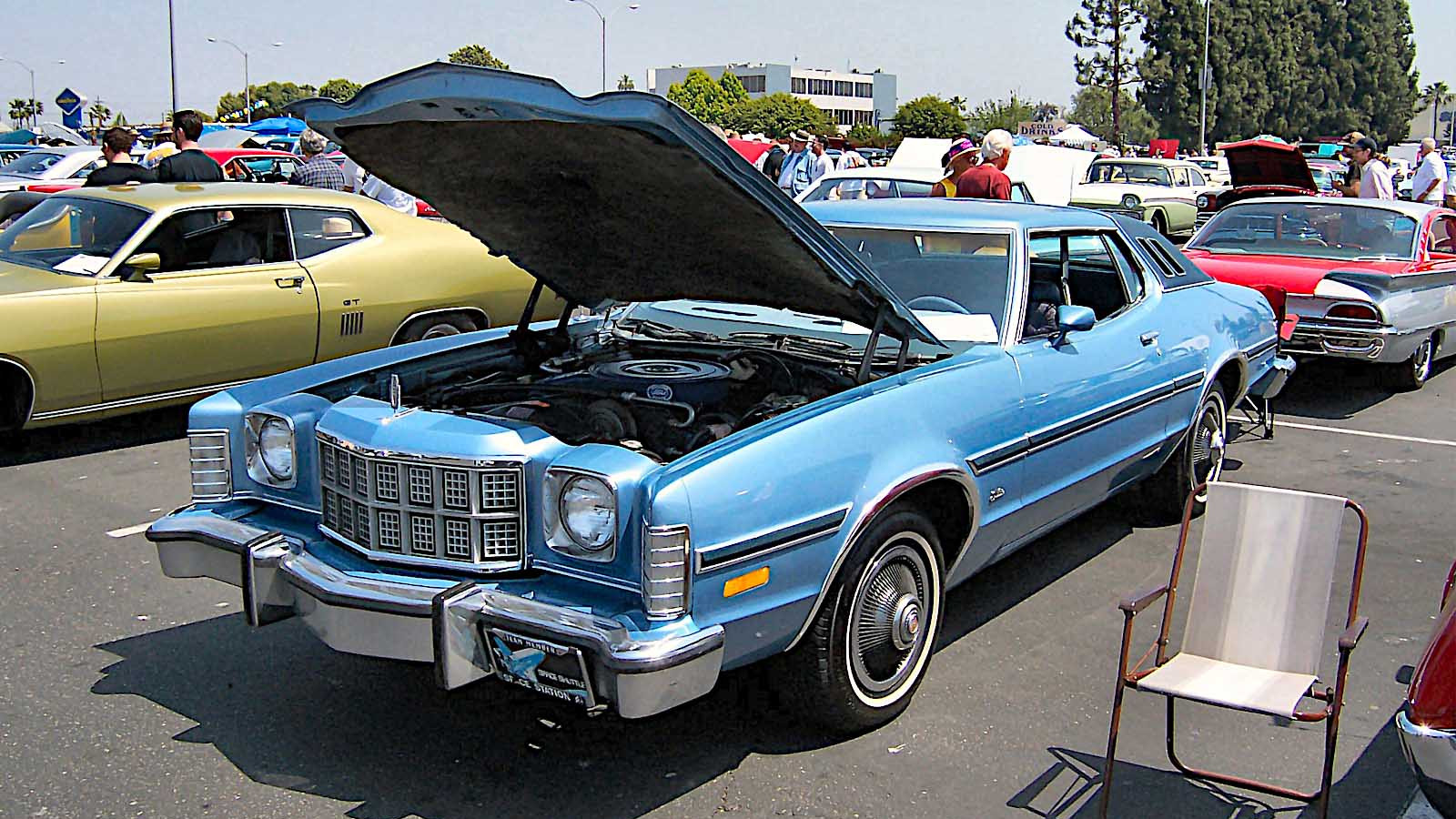
19. Ford Elite (1975)
Referred to in Ford publicity as being inspired by the Thunderbird, the Ford Elite was the last passenger car to receive the Lima V8.
Accepting this claim requires a certain amount of tolerance, because the model was introduced in 1974 as the Gran Torino Elite, and began to be marketed as a separate model only in the following year.
The ‘magnificent 460’, as Ford called it, was introduced in the Gran Torino Elite in 1974 as the most powerful optional engine, and remained so during the renamed Elite’s short existence in 1975 and 1976.
By now the Lima was almost obsolete as an engine for regular cars, though as we have seen it would remain available in more specialized vehicles for a further two decades.
The 370
We have a bonus slide!
Although it has no relevance to passenger or recreational vehicles, one final version of the Lima V8 engine has to be mentioned in order to complete the story.
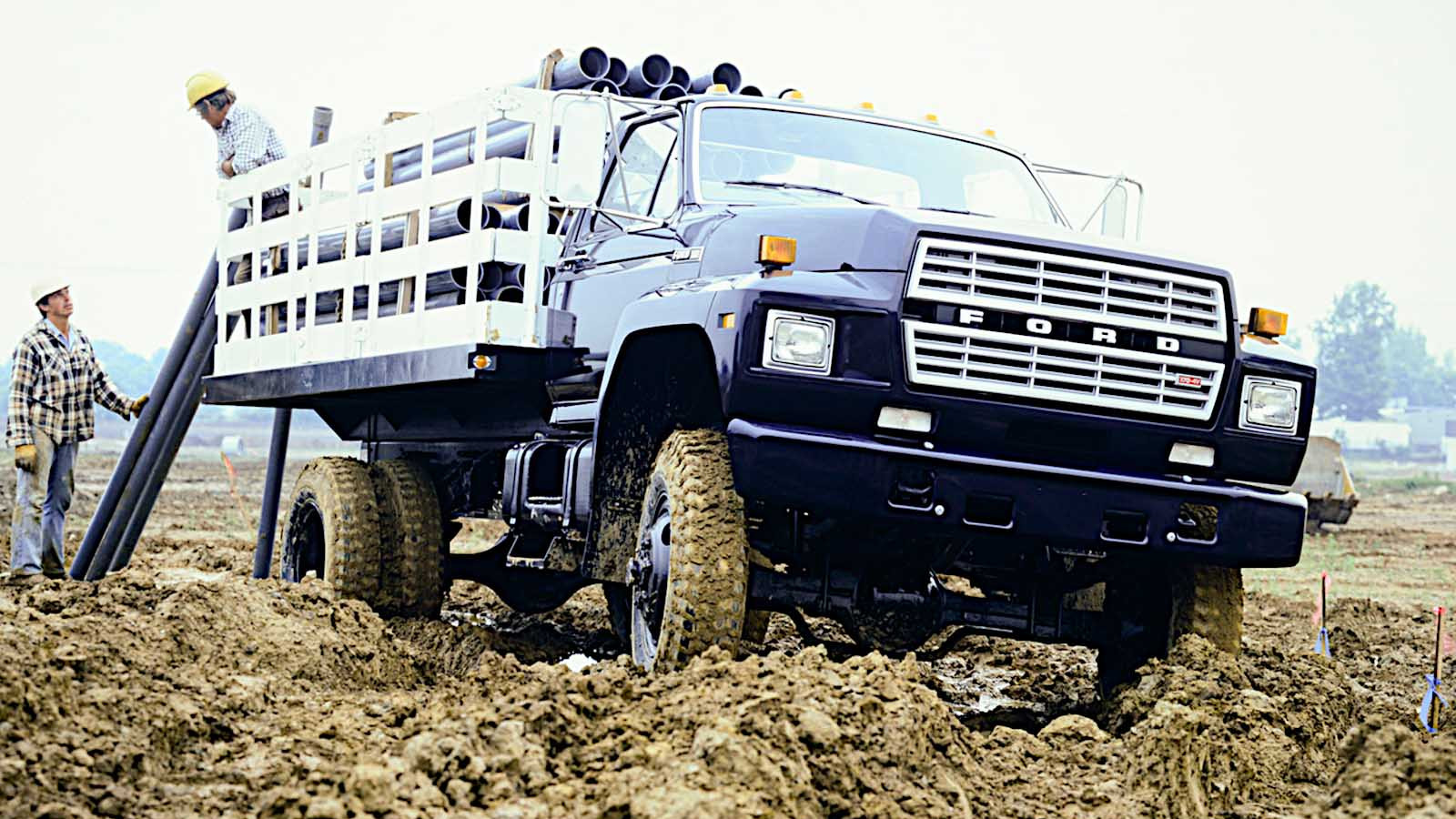
Introduced in the second half of the 1970s, and remaining in production until the early 1990s, this variant had the same 3.59in stroke as the 429 and a reduced bore of 4.05in, giving a capacity of 370cu in, or just under 6.1 liters.
This might have been the smallest Lima V8 by nearly a liter but, paradoxically, it was used in the largest vehicles, including the medium-duty F-series truck, the B-series bus chassis and the cab-over-engine C-series, which often did service as a fire truck.
1984 F-700 pictured
We hope you enjoyed reading. Please click the ‘Follow’ button for more super stories from Classic & Sports Car.