Letters game
Few series names have had the enduring appeal of Aston Martin’s ‘DB’ moniker.
After tractor manufacturer David Brown bought the company, along with Lagonda, in 1947, the industrialist’s initials prefixed successive Aston models until he left in 1972.
And Brown’s tenure with Aston was a golden era, with significant race successes during the 1950s, followed by the unmistakable allure of its association with the James Bond film franchise in the ’60s.
After Brown sold Aston Martin, the DB identifier was unceremoniously dropped, only to be revived in the 1990s – hence why there’s a 21-year gap in our 25-car list, which covers all DB models, plus key variants, in age order.
Why no DB8? It could have been misinterpreted on the rear panel of a V12-engined car!
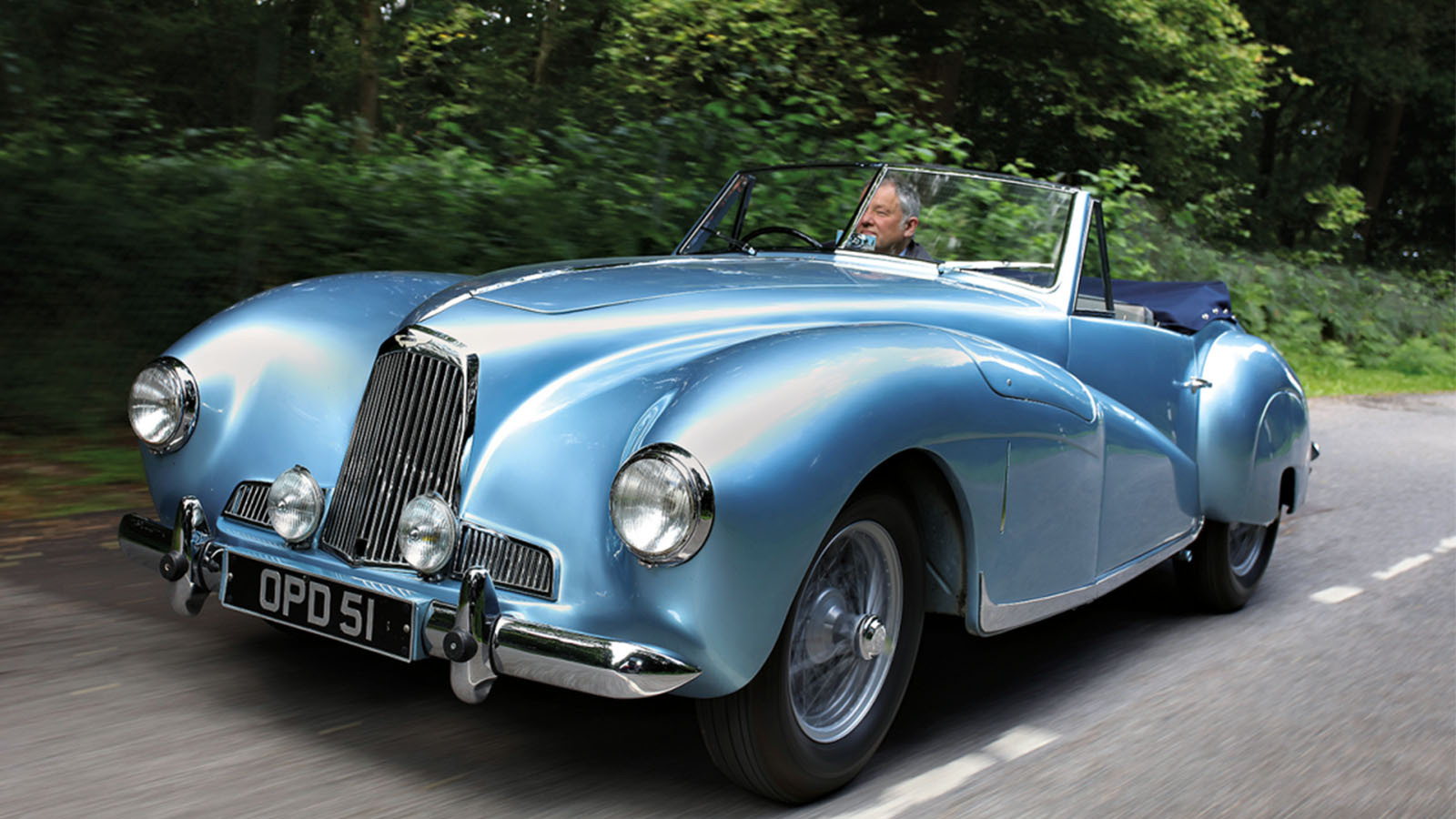
1948 Aston Martin DB1
Pedants will note that the DB1 moniker was only applied to this car retrospectively, given that true DB production only commenced with the DB2.
Officially, the ‘DB1’ was actually a Two Litre Sports model, but it was the first Aston Martin produced after David Brown bought the company in 1947.
Designed by Lagonda’s Frank Feeley, its lavish styling incorporated stowage, Bristol-style, for a spare wheel and battery in its wing-bays.
The Two Litre Sports, which retailed at more than £3000 plus tax, was the one and only David Brown Aston to be powered by a four-cylinder engine.
Only 15 examples were produced.
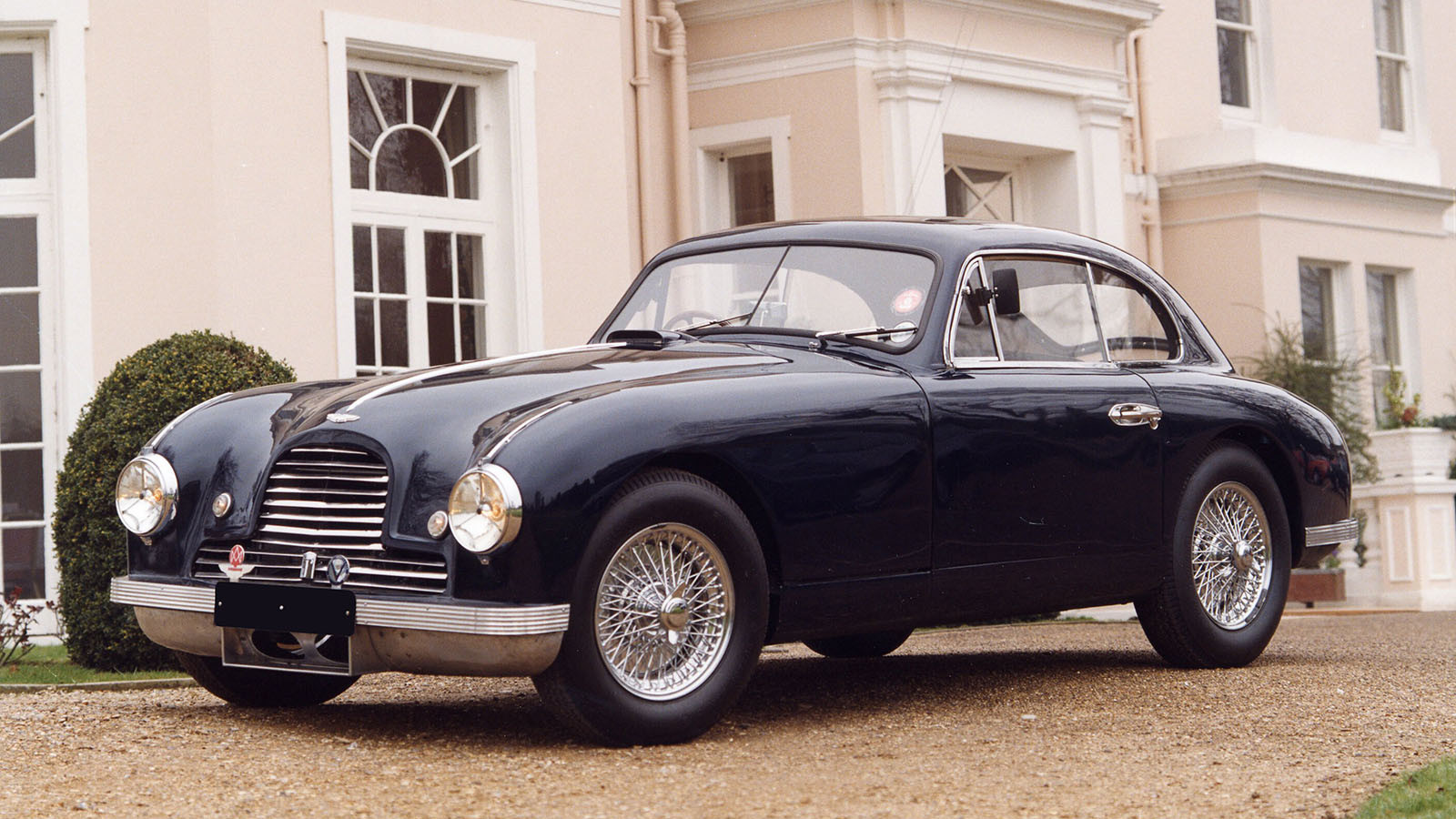
1950 Aston Martin DB2
Unveiled at the New York show in 1950, the Aston Martin DB2 was based on a shortened version of the Two Litre Sports’ tube-frame chassis.
Another Frank Feeley design, in road guise it was offered as a two-seater coupé and later as a convertible.
But the DB2 also enjoyed plenty of factory-backed race success, both in Europe and the USA.
Powered by a 2.6-litre Lagonda straight-six engine, the DB2 could hit 116mph and accelerate from 0-60mph in 11.2 secs.
A total of 411 DB2s were built.
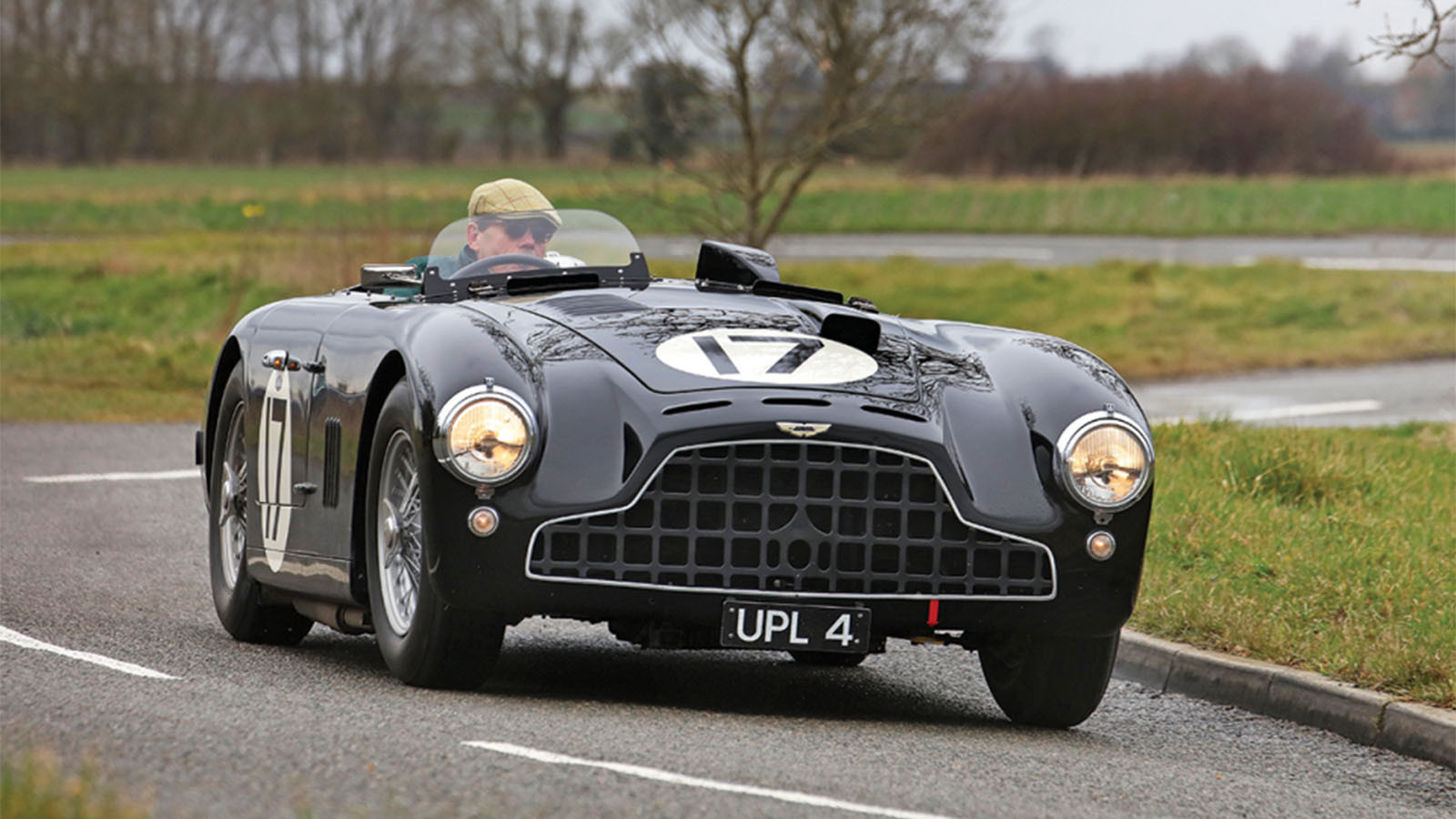
1952 Aston Martin DB3
Keen to bolster Aston Martin’s competition credibility, David Brown enlisted the mastermind behind Auto Union’s GP success, Prof Eberan von Eberhorst, to develop a racing car for the marque.
Using some shared components with the DB2 – including its engine – the DB3 made its competition debut at the Dunrod TT in 1951, but failed to finish.
With a larger, 2.9-litre engine for the following year, the car was more of a match for its Jaguar C-type rivals, and had qualified successes at Silverstone, Goodwood and even the Mille Miglia – although the works cars were forced out of Le Mans.
In all, 10 Aston Martin DB3s were built between 1951-’53.
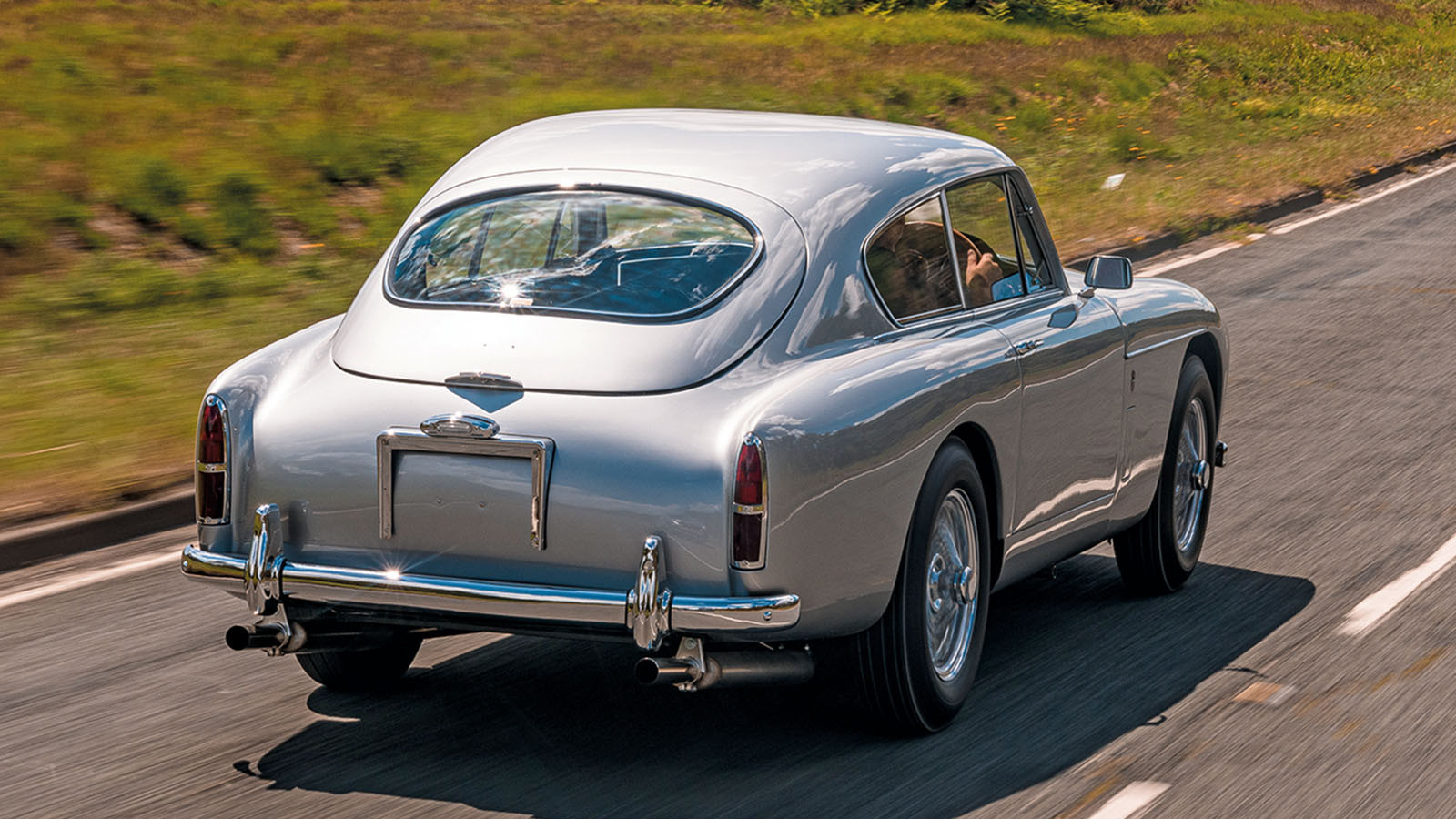
1953 Aston Martin DB2/4
Available as a 2+2 saloon with a rear hatch, a drophead coupé and two-seat, fixed-head coupé, the Aston Martin DB2/4 was largely based around the DB2 that preceded it.
Initially powered by the WO Bentley-designed Lagonda 2.6-litre straight-six, a larger-capacity, 2.9-litre unit was fitted from 1929.
With this bigger engine, the 2/4 could achieve a top speed of 118mph and accelerate from 0-60mph in 10.5 secs.
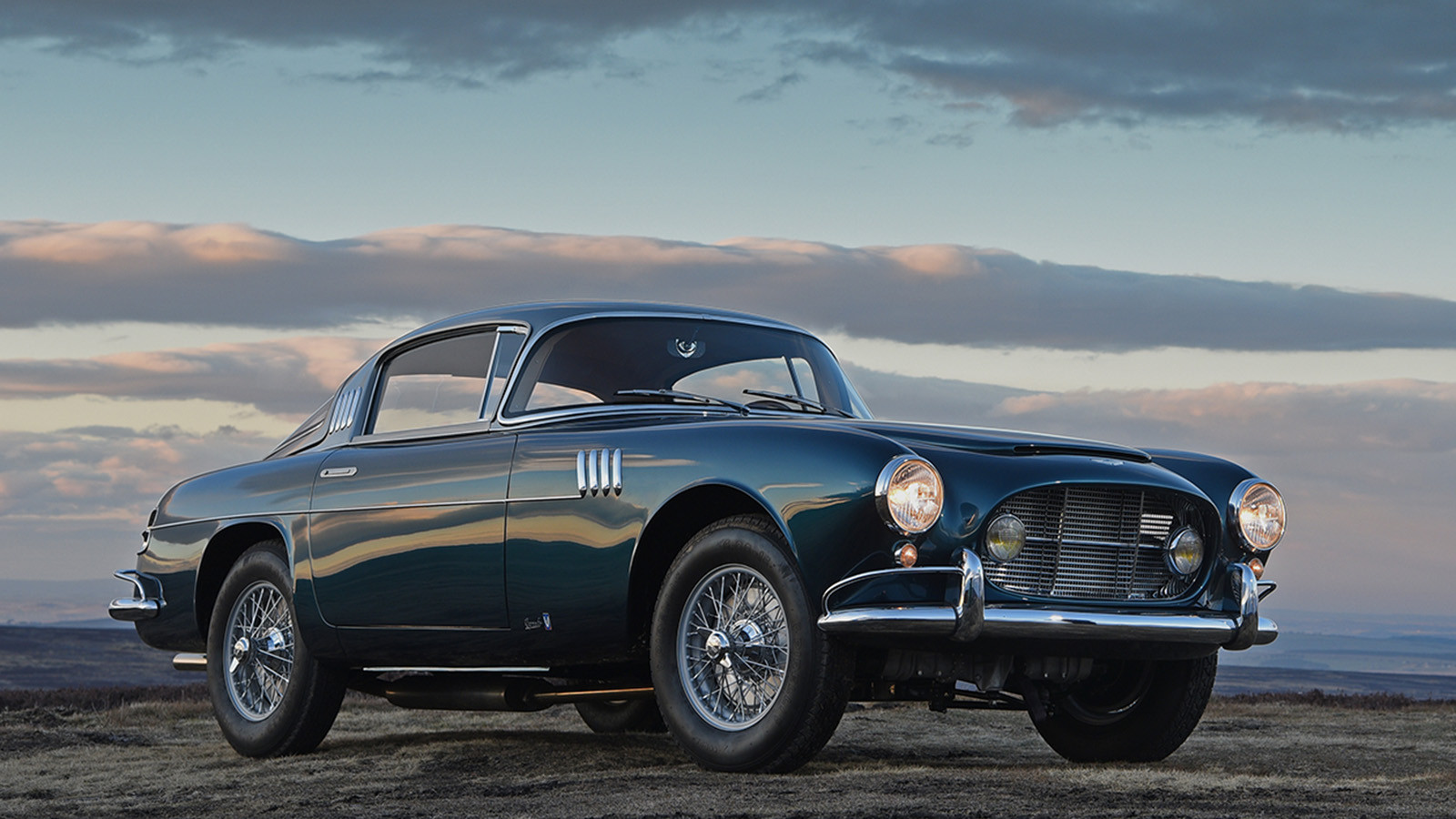
1954 Aston Martin DB2/4 Vignale
Aston Martin works in Feltham supplied 12 left-hand-drive DB2/4 rolling chassis to European coachbuilders, two of which were delivered to Vignale.
The 25-year-old King Baudouin of Belgium, enthused by Aston’s recent success on the race track, ordered one of the cars to be built with a custom aluminium body, which took six months to complete. (A duplicate car was also built for a French customer.)
Designed by Vignale’s Giovanni Michelotti, the king’s DB2/4, pictured, was powered by a 3-litre straight-six.
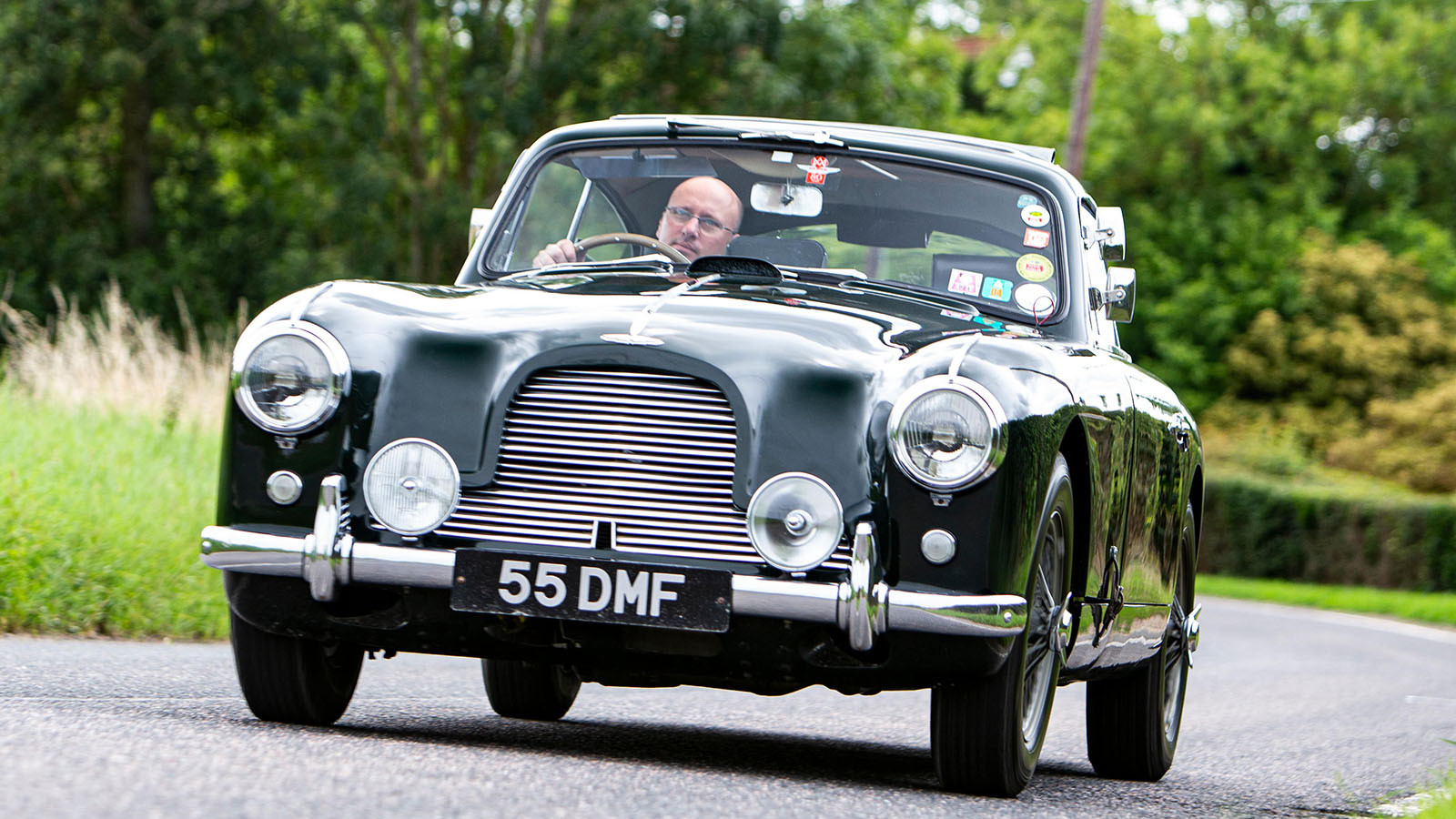
1957 Aston Martin DB MkIII
An evolution of the DB2/4 which preceded it, the DB MkIII was produced between 1957 and ’59.
While much of the DB2/4’s hardware was carried over, the MkIII inherited a DB3-esque front grille, a restyled rear section, and introduced options such as overdrive for the four-speed gearbox, as well as an automatic transmission.
Its predecessor’s worm-and-sector steering and live rear axle remained, though after 100 MkIIIs had been produced, Girling disc brakes were standardised.
Aston Martin’s Lagonda ‘six’ saw service once more, but this time revised by Tadek Marek and capable of propelling the car to 60mph in 9.3 secs and on to a top speed of 120mph.
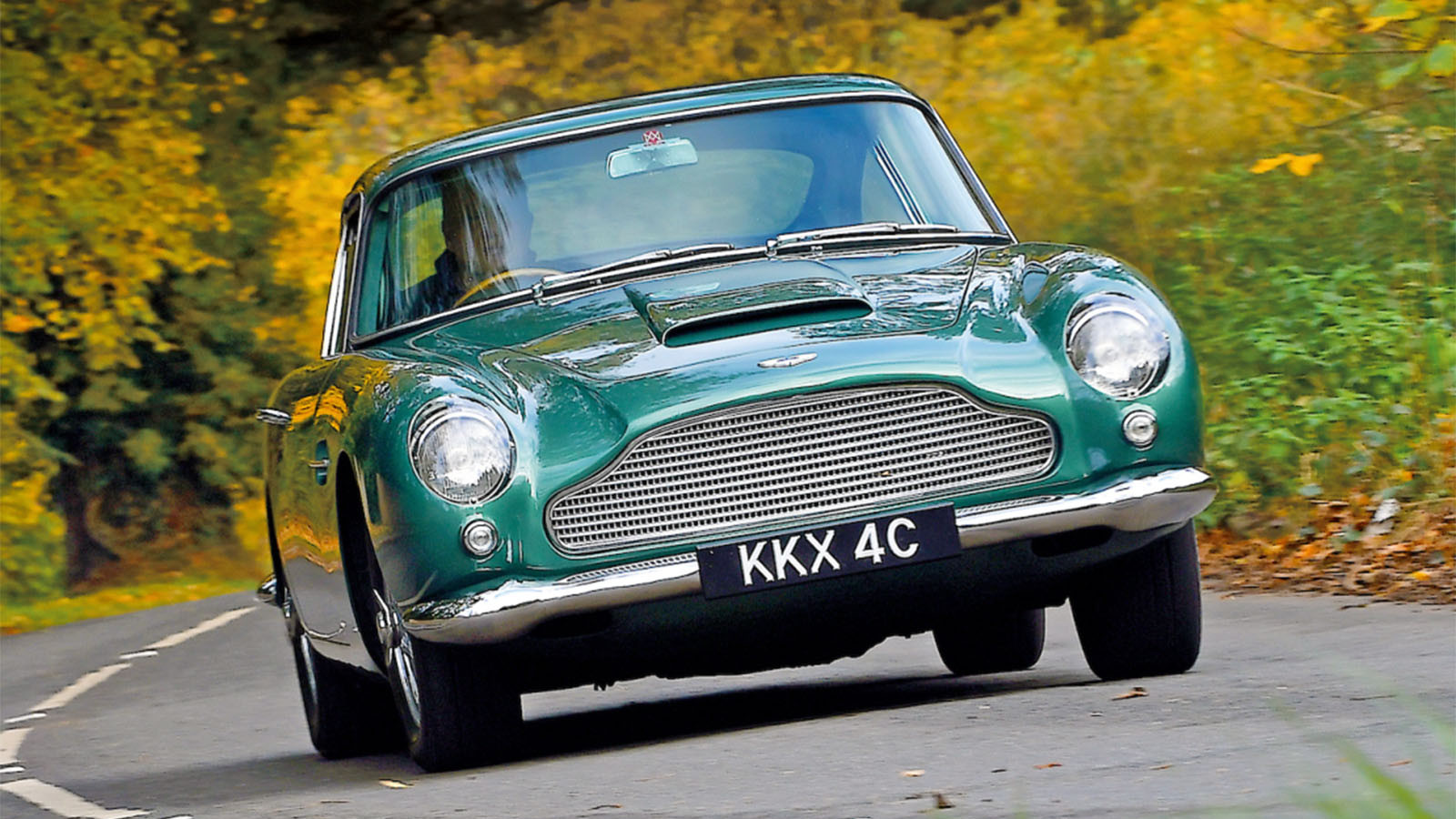
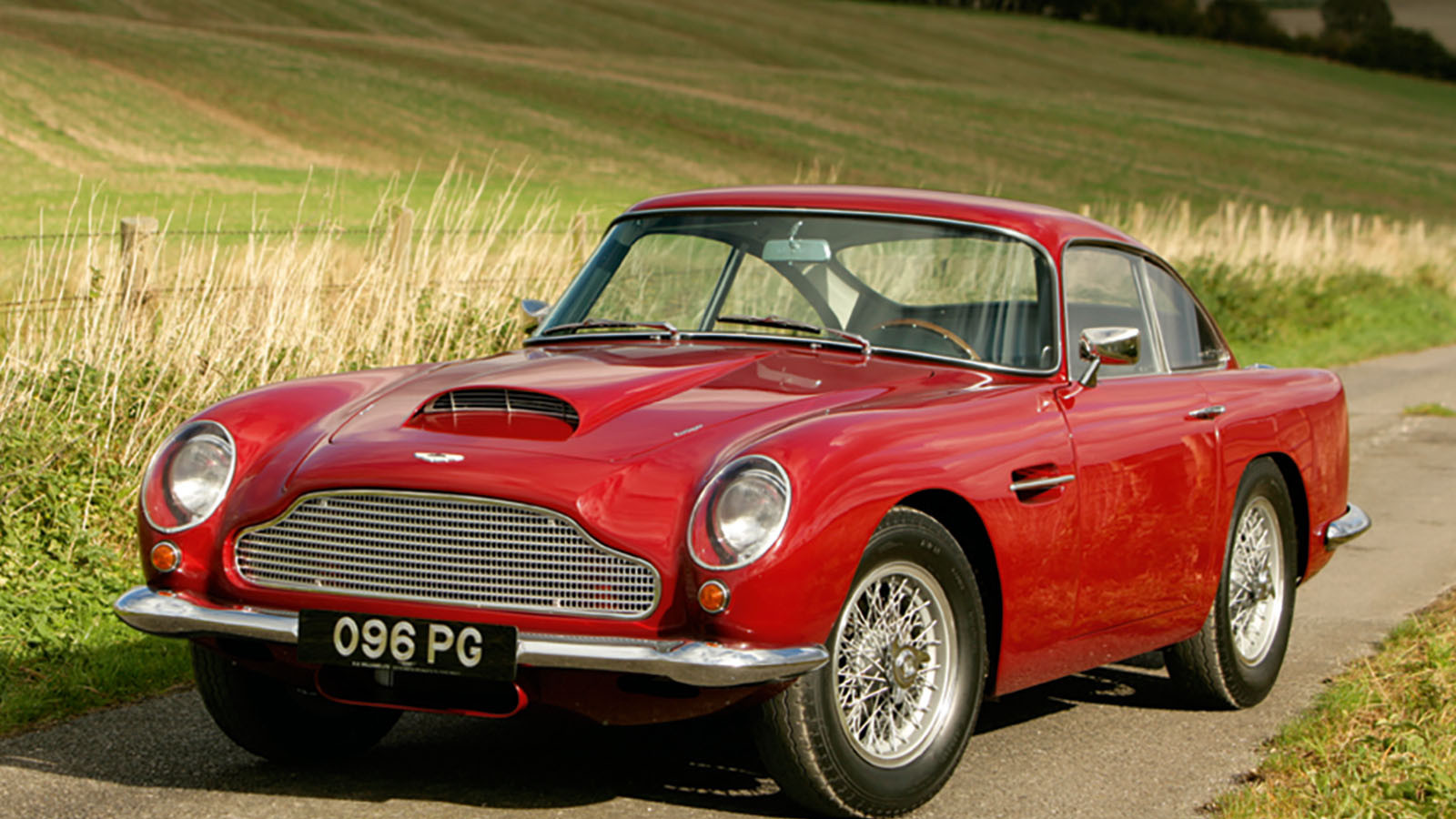
1958 Aston Martin DB4
The DB4 was a breakthrough car for Aston Martin and caused a stir when it was launched at the 1958 British Motor Show.
Ditching its predecessor’s tubular chassis, the DB4 used lightweight Superleggera (tube-frame) construction by Carrozzeria Touring in Milan.
Also new was Tadek Merak’s all-aluminium, 3670cc, dohc, straight-six engine, producing a healthy 240bhp – enough for the DB4 to achieve a top speed of 139mph and a 0-60mph time of 9.3 secs.
Equipped with servo-assisted disc brakes all round, independent front suspension and a live rear axle with Watts link to minimise camber change, the DB4 was the first Aston to be made at the company’s new Newport Pagnell facility.
1959 Aston Martin DB4GT
A lighter-weight, shorter-wheelbase version of the DB4, the DB4GT was often specified with only two seats because of its reduced cabin length.
The DB4’s engine was offered in two engine capacities – 3.6 and 3.7 litres – both of which used two plugs per cylinder and three twin-choke Weber carburettors, increasing power to a maximum of 302bhp.
By far the fastest DB model to date, the 4GT could clip 153mph and accelerate from 0-60mph in 6.1 secs.
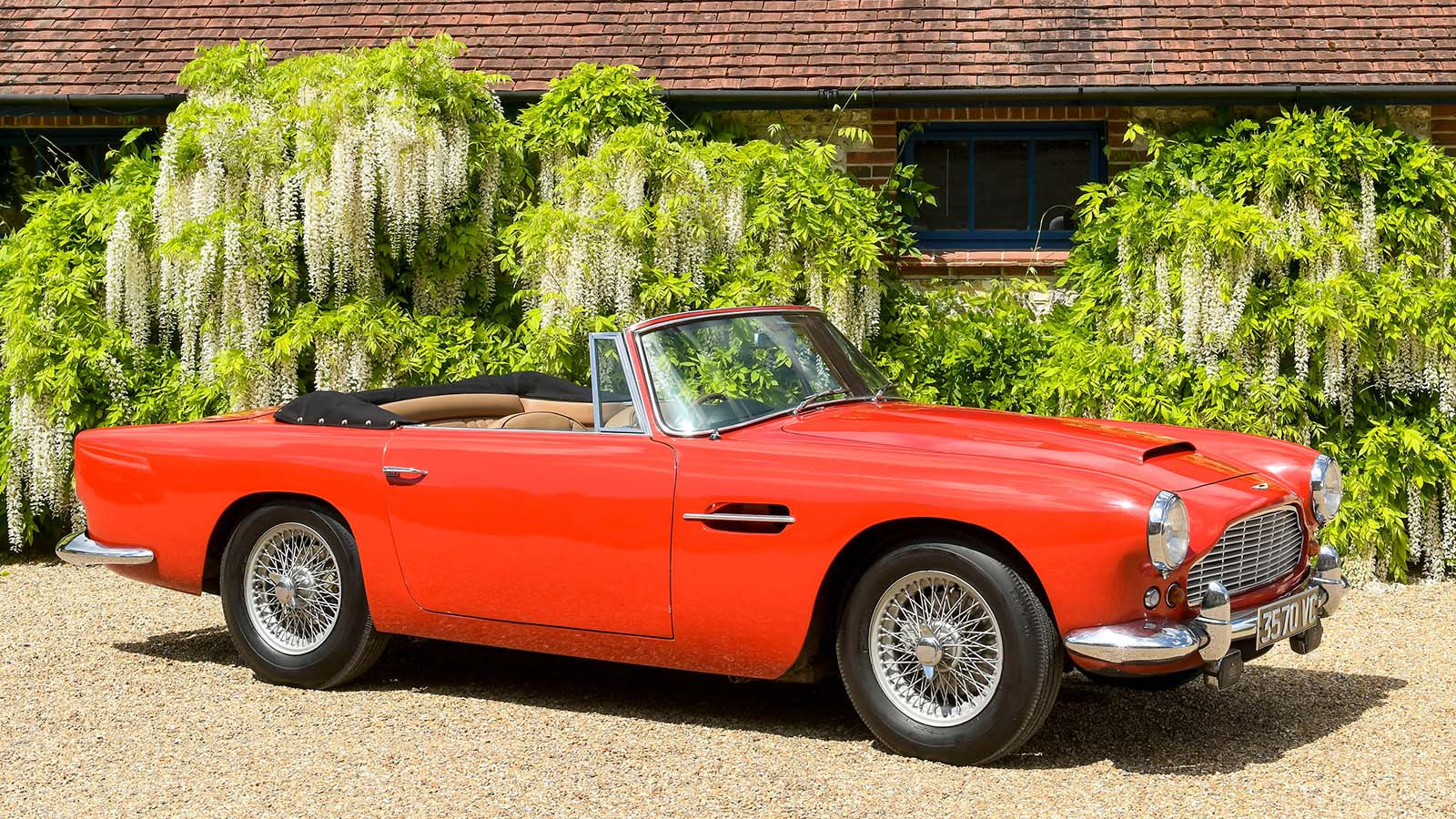
1961 Aston Martin DB4 convertible
Now very rare, with only 70 cars built out of a total DB4 production of 1110, the DB4 convertible was based around Touring’s design of the coupé, but styled in-house at Newport Pagnell.
Top speed for the standard car was 136mph, but around half of the convertibles produced used the more powerful Vantage engine.
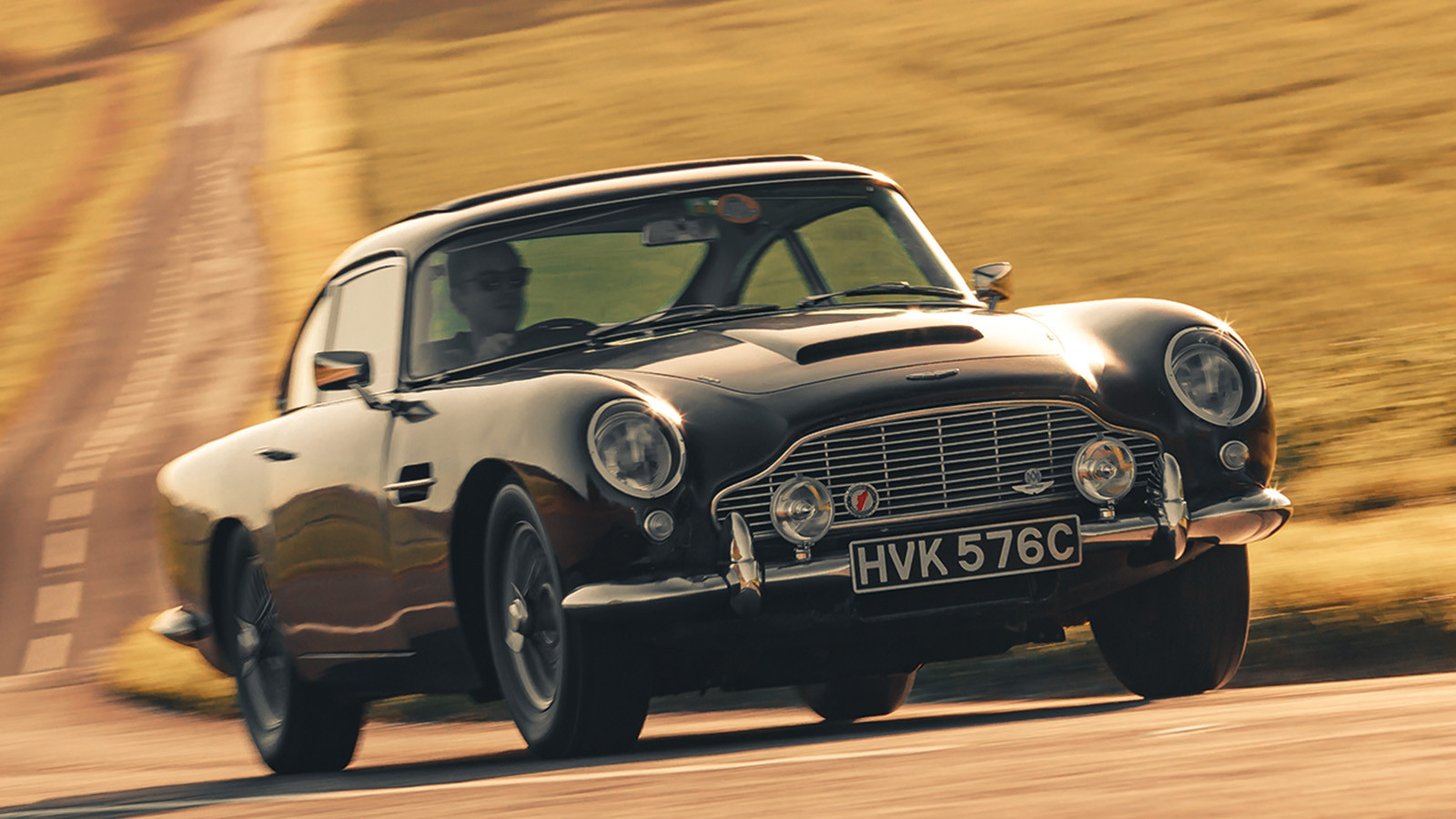
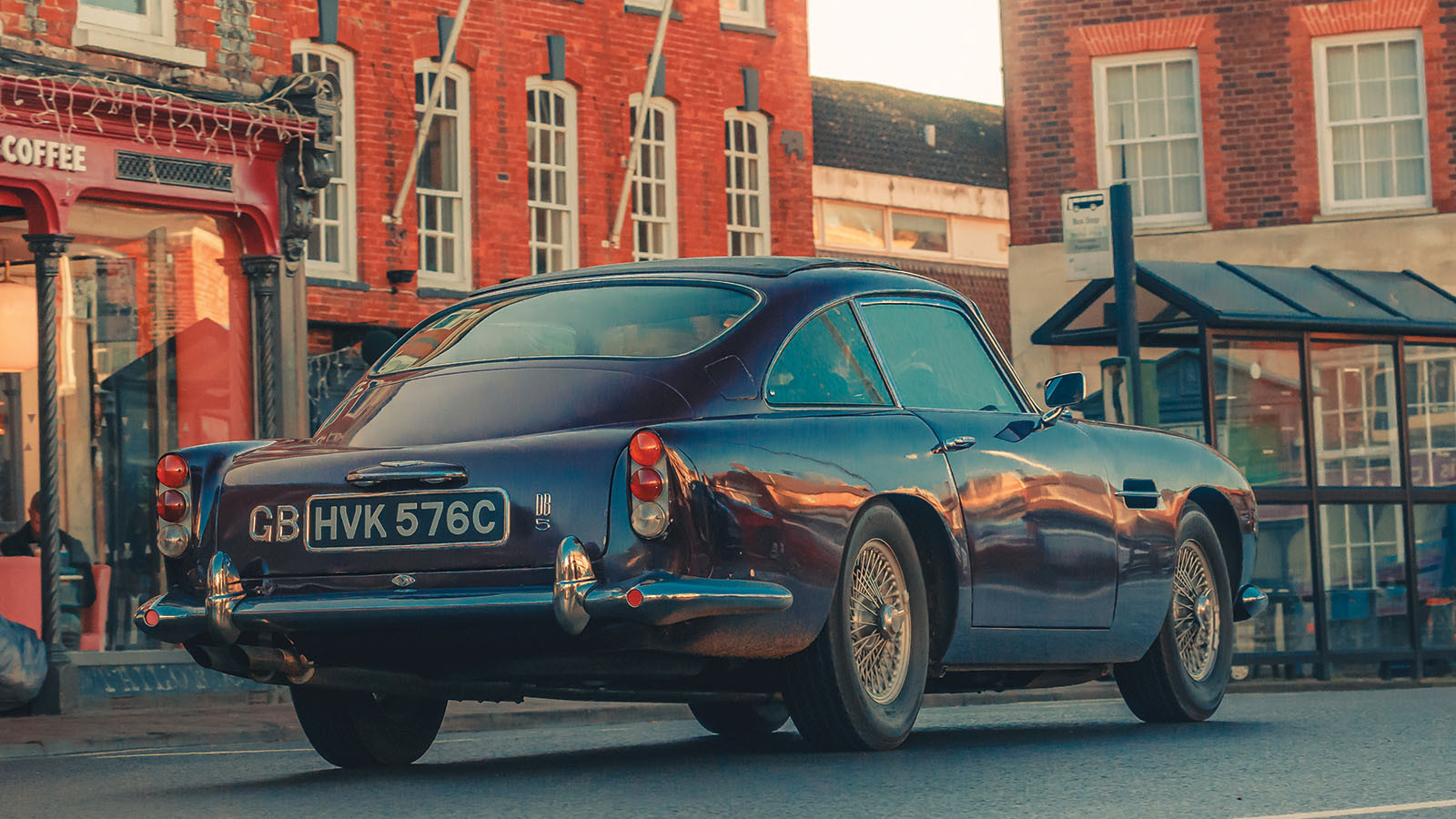
1963 Aston Martin DB5
Understood to be David Brown’s favourite DB model, the DB5 incorporated all the progress made over five iterations of the DB4 and was unveiled at the 1963 Earls Court Motor Show.
Justifying its £429 price hike over the DB4, the DB5 came with Sundym glass, improved, dual-circuit disc brakes and electric windows.
Optional Normalair air conditioning cost roughly the same as a new Mini at the time.
Still built around Touring’s Superleggera framework, Tadek Merak’s Lagonda-based ‘six’ now displaced 4.1 litres and produced 282bhp.
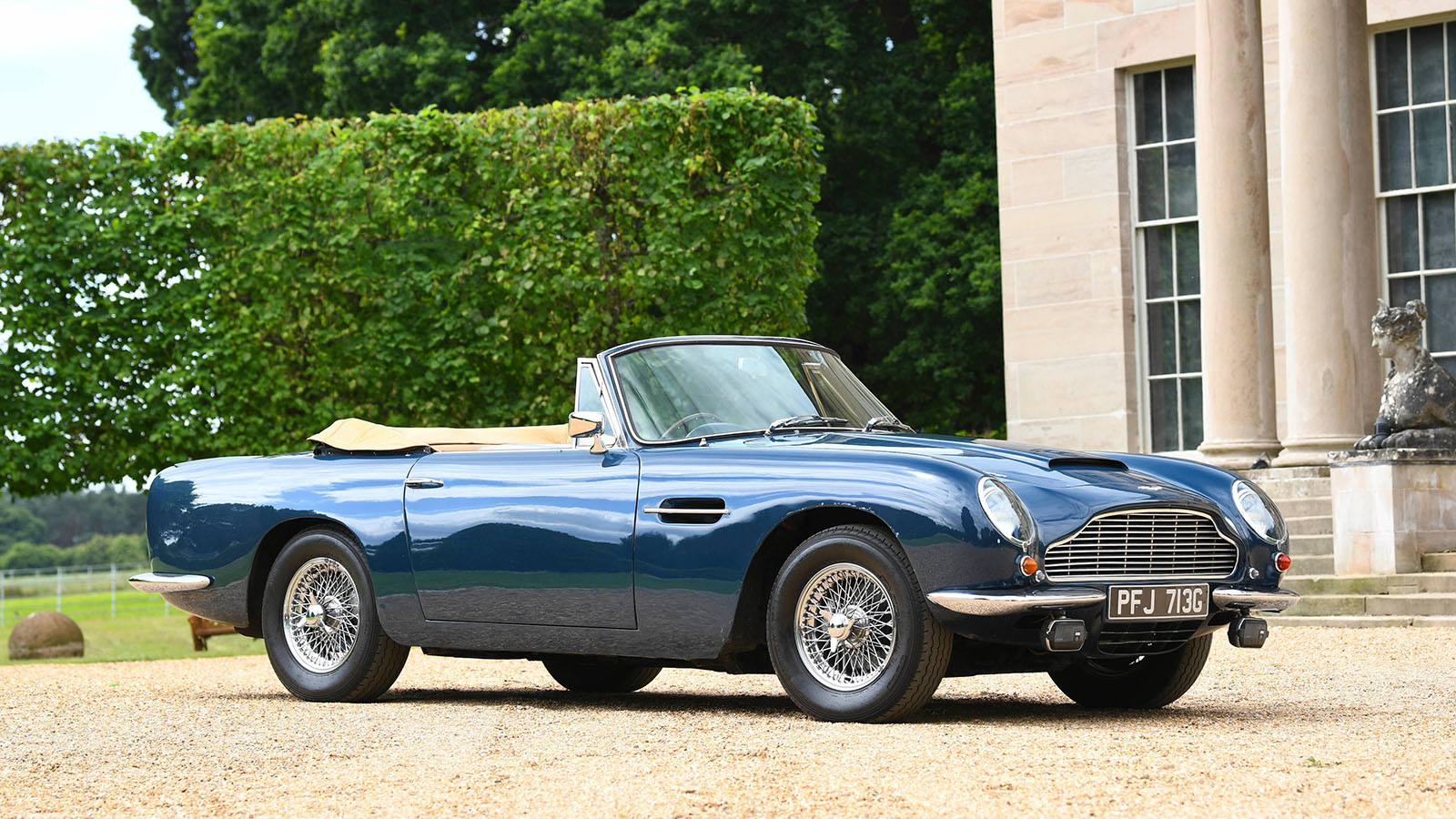
1963 Aston Martin DB5 convertible
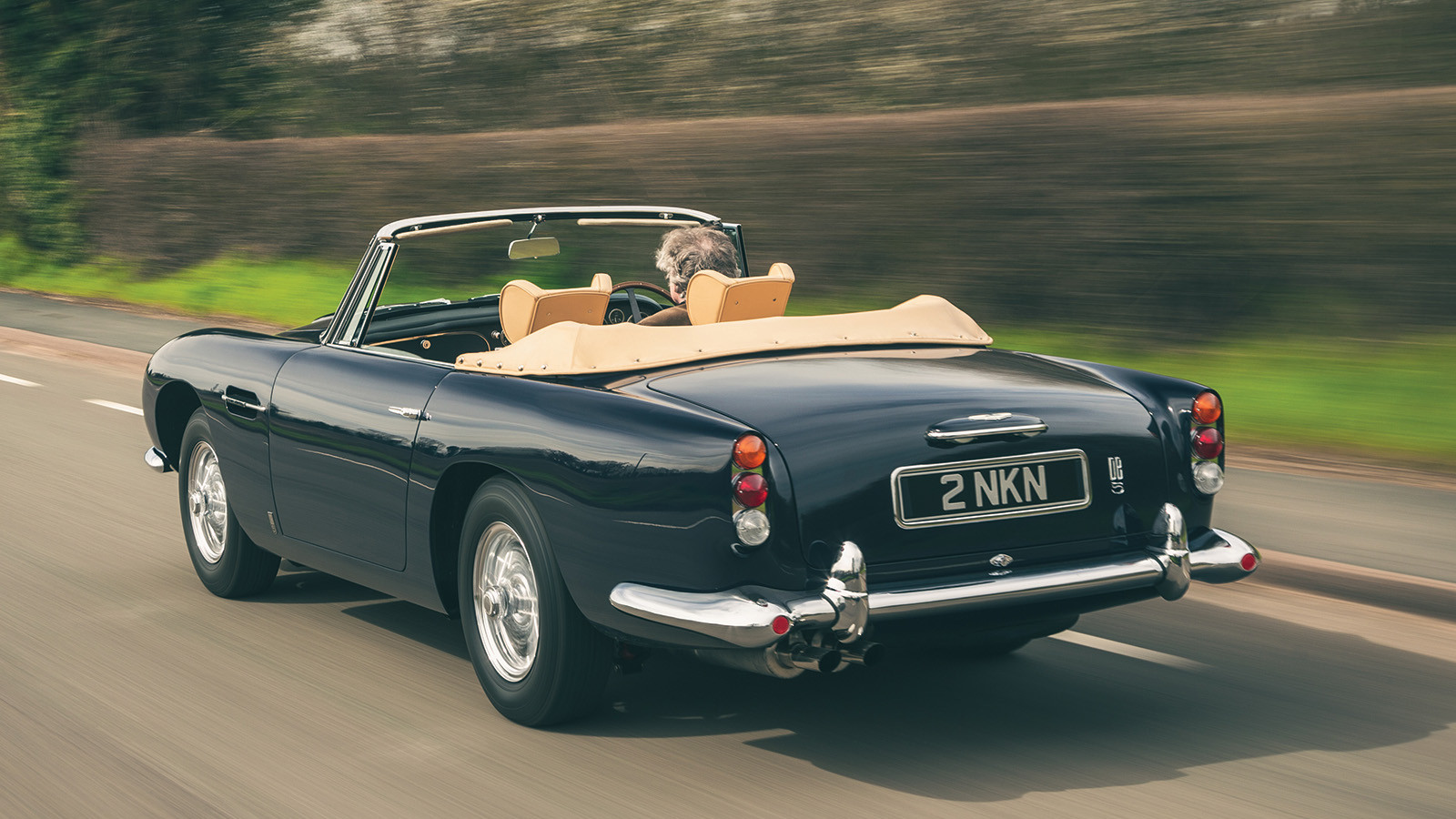
Offered by Aston Martin from 1963, the DB5 convertible was made until 1965.
It was the first Aston model to use the model name Volante, which was applied to the final 37 DB5s produced, all of which were open-topped.
These cars were also equipped with split front and rear bumpers and Triumph TR4 tail-lights, both of which would be seen on the new DB6.
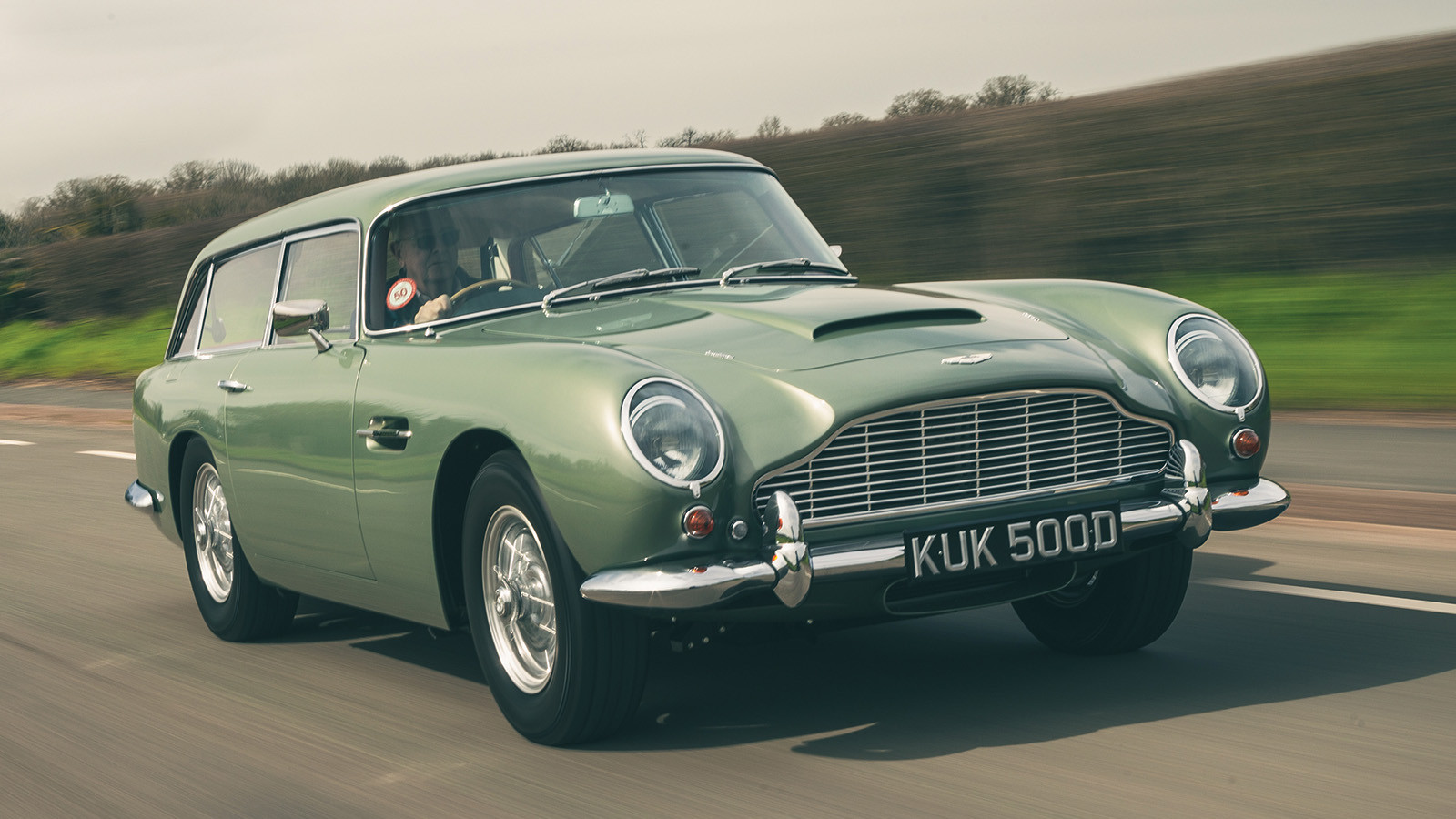
1965 Aston Martin DB5 shooting brake
Only one factory-built DB5 shooting brake was built and that was for David Brown, an enthusiastic hunter and dog owner.
A further 11 (or possibly 12) shooting-brake DB5s were made by independent coachbuilder Radford, four of which were left-hand drive.
The conversion work involved rebuilding the DB5 from the windscreen back, with the roof extended and a single-piece rear hatch fitted.
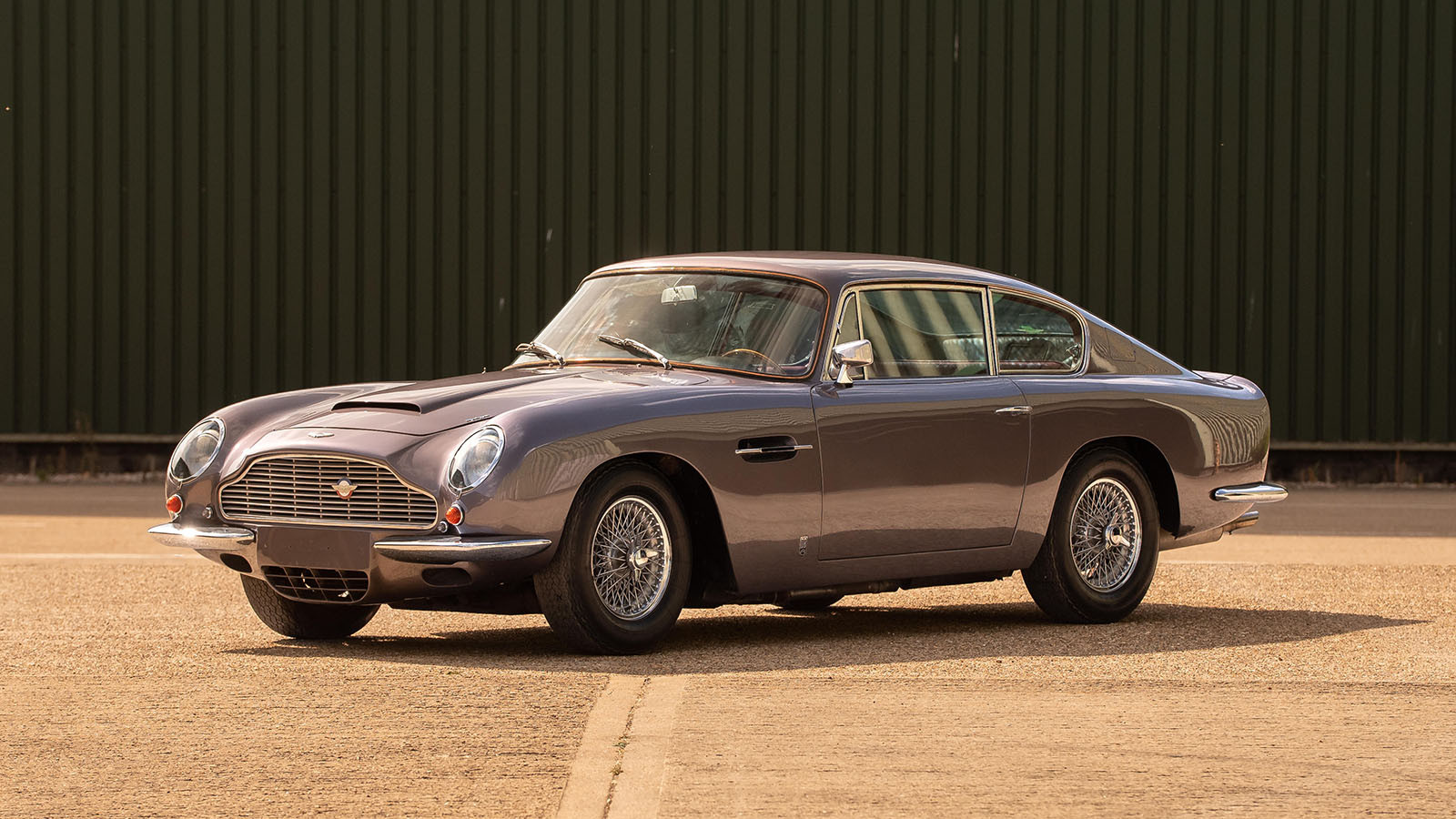
1965 Aston Martin DB6 Vantage
Launched at the 1965 London Motor Show, the DB6 was longer and more capacious inside than its predecessor, but also more aerodynamically efficient thanks to Aston Martin’s wind-tunnel testing.
As a result, the DB6 was the first of Aston’s road cars to feature a Kamm-style tail design, which had previously only been used on its sports-prototype racing cars.
The DB6 continued to use Touring of Milan’s patented Superleggera body construction – albeit in a revised form.
Specified as a Vantage model, output of the standard DB6’s 4-litre ‘six’ increased from 282 to 325bhp, with a genuine 152mph top speed capability.
1966 Aston Martin DB6 Volante
A year after the DB6 coupé came the Volante, introduced at the 1966 London Motor Show.
The DB6 Volante replaced the ‘short-chassis’ DB5 Volante.
In total, 140 Volantes were produced, with 29 specified as the higher-powered Vantage versions.
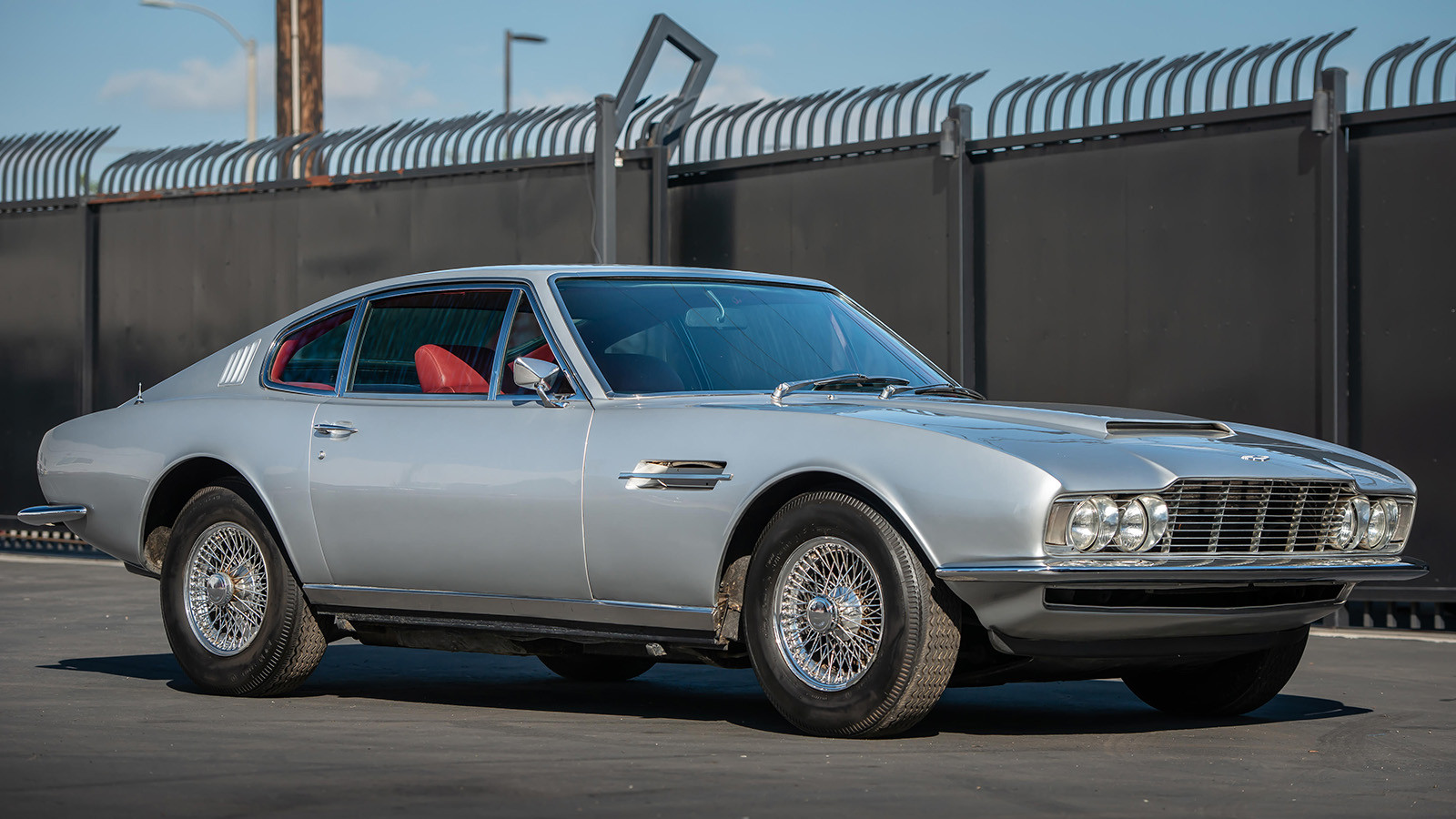
1967 Aston Martin DBS
Touring had originally been commissioned to design a replacement for the DB6, but when it went out of business, Aston Martin hurriedly employed William Towns to do the work.
The enduring, wide-bodied shape that Towns created led to a more salubrious cabin capable of seating four adults.
Handling was improved, thanks to fitment of de Dion rear suspension in place of the DB6’s live axle.
However, that car’s 4-litre, straight-six engines – in both standard and Vantage guise – were carried over.
The DBS took a star turn as James Bond’s ride in the 1969 film On Her Majesty’s Secret Service.
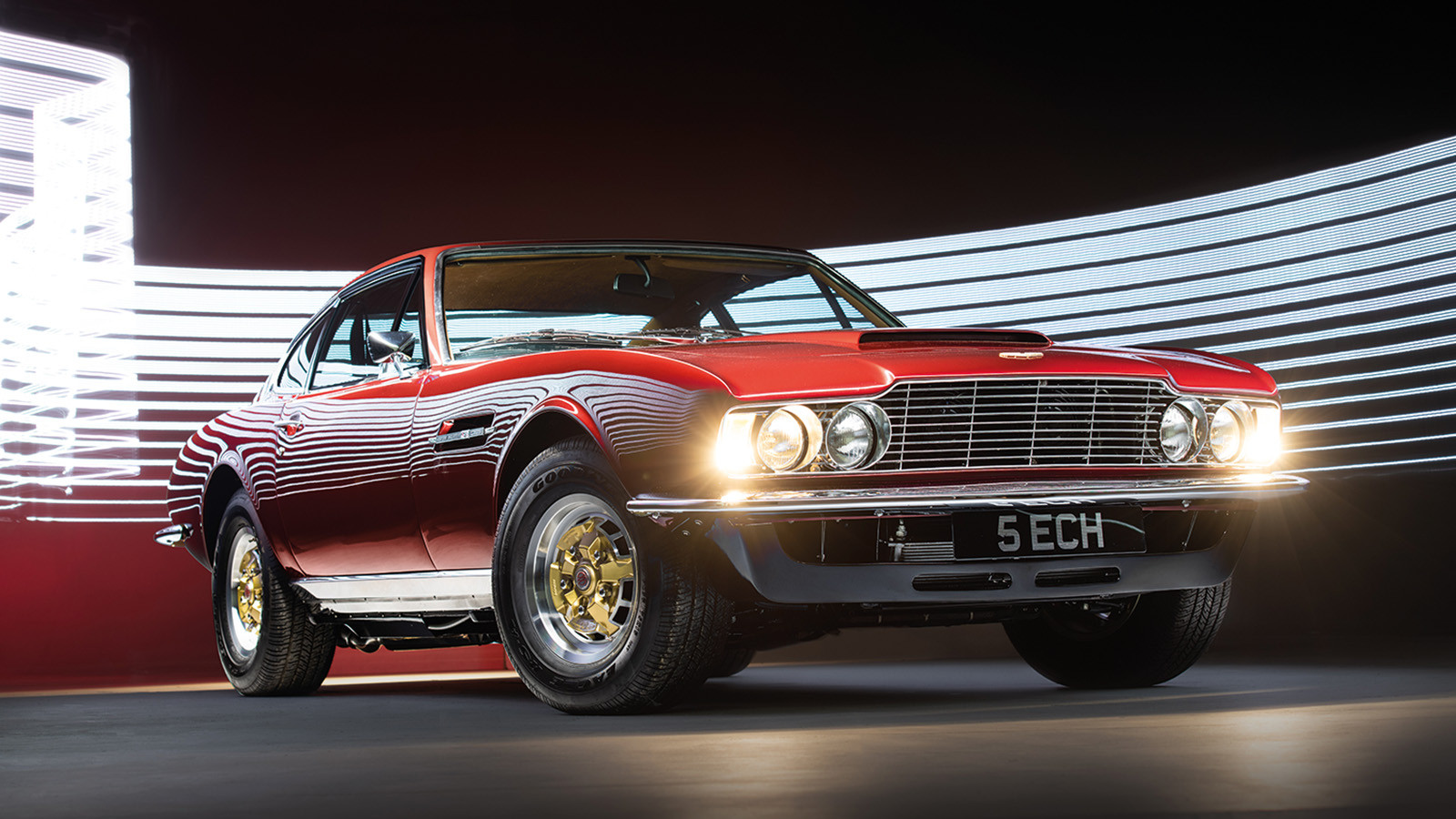
1969 Aston Martin DBS V8
Sold alongside the six-cylinder DBS model, the DBS V8’s new 5340cc engine, with its four overhead cams and Bosch mechanical fuel injection, was, in various forms, to power Aston Martins for the following 20 years.
Instantly identifiable by its 15in GKN light-alloy wheels, which replaced the DBS’s spoked items, the DBS V8 was capable of hitting 160mph, making it the fastest four-seater production car in the world at the time.
No surprise, then, that the V8’s brake discs were ventilated – a first on any production Aston Martin.
DBS V8 production, along with that of the DBS, ceased in 1972.
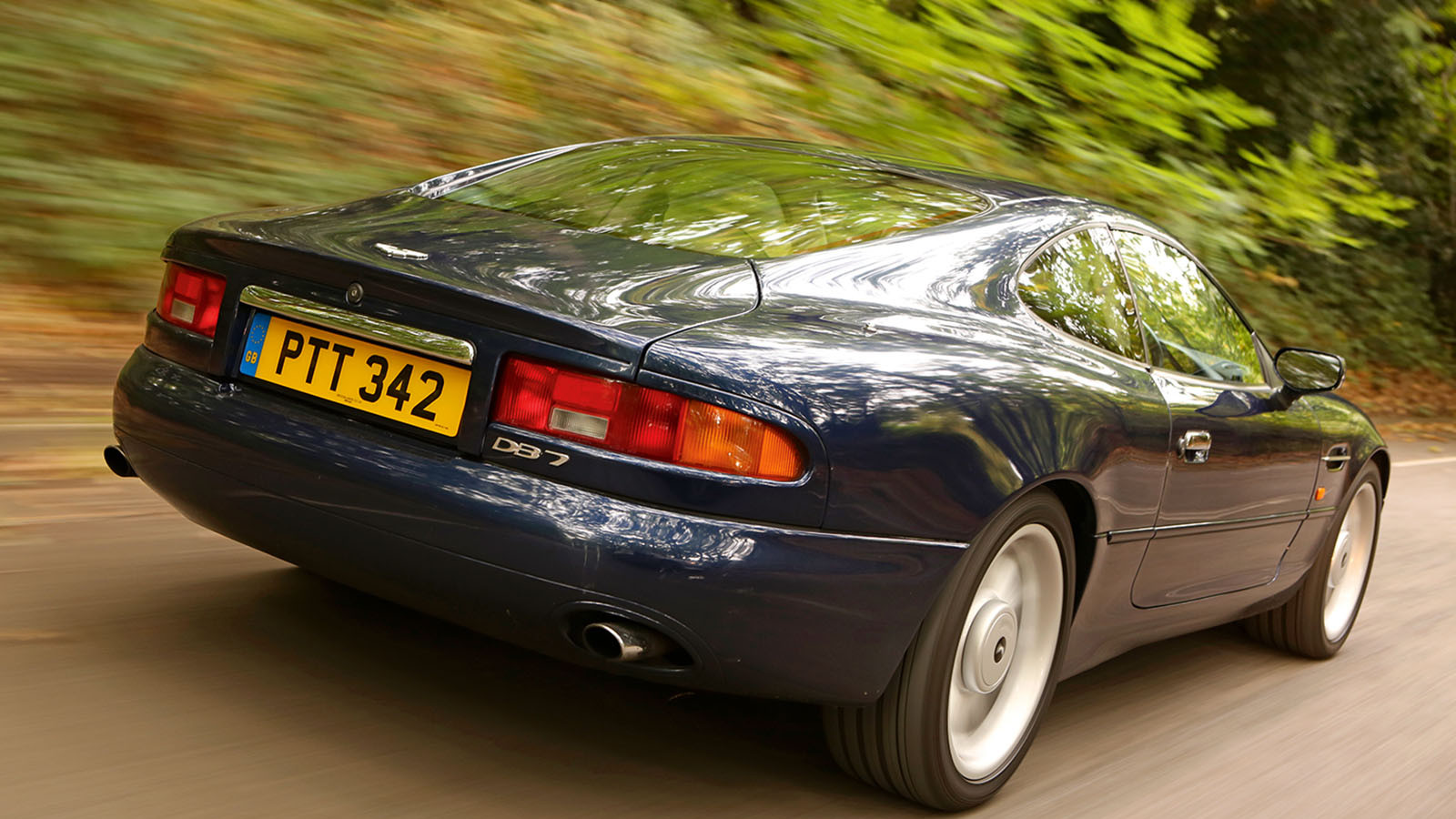
1993 Aston Martin DB7
Bolstered by fresh product investment from Ford after its adoption into the Premier Automotive Group, Aston Martin finally revived the ‘DB’ nomenclature after a 21-year absence from its line-up.
The new DB7 was the perfect standard-bearer, too.
Its XJS underpinnings (now that Aston and Jaguar were sibling brands) were thoroughly re-engineered by Tom Walkinshaw’s TWR, while Keith Helfet and Ian Callum looked after the car’s styling.
Mechanically, Jaguar’s AJ6 ‘six’ was employed, but with the addition of an Eaton supercharger, the DB7 was given the performance it deserved: 0-60mph in 5.8 secs and a top speed of 160mph.
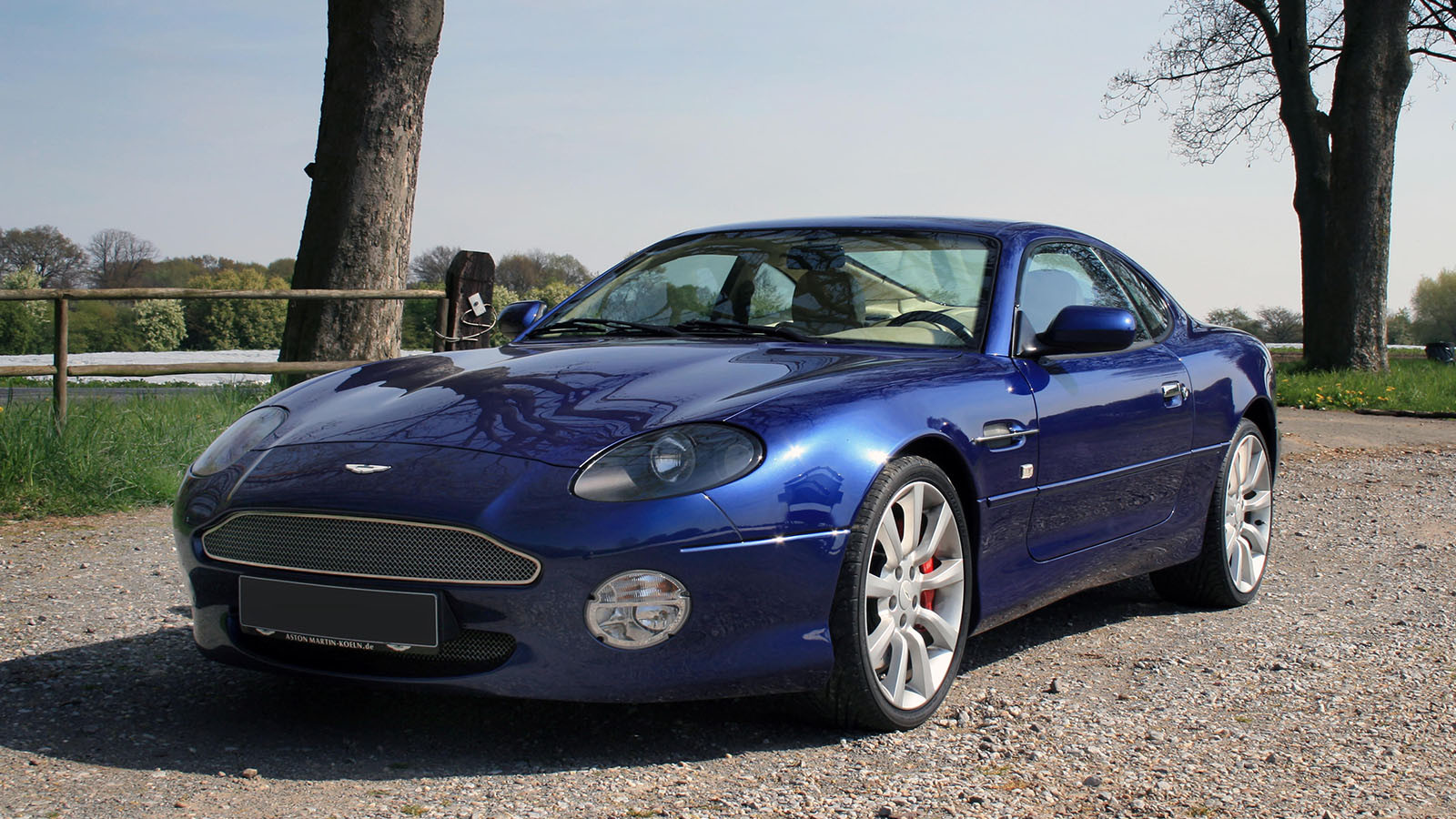
1999 Aston Martin DB7 V12 Vantage
Since Jaguar’s XK8 had arrived in 1996, Aston had struggled to justify the pricier DB7’s smaller (but blown) engine.
Its solution was the DB7 V12 Vantage, which replaced the six-cylinder coupé and Volante convertible in March 1999.
Cosworth designed the new model’s mighty, 6-litre, V12 engine, which essentially comprised two conjoined 3-litre Ford Duratec V6s. Autocar opined: ‘Only Lamborghini makes a V12 sound better.’
This motor was mated to a six-speed Tremec manual gearbox, and along with the Vantage’s uprated suspension and stiffer shell, transformed the DB7’s fortunes.
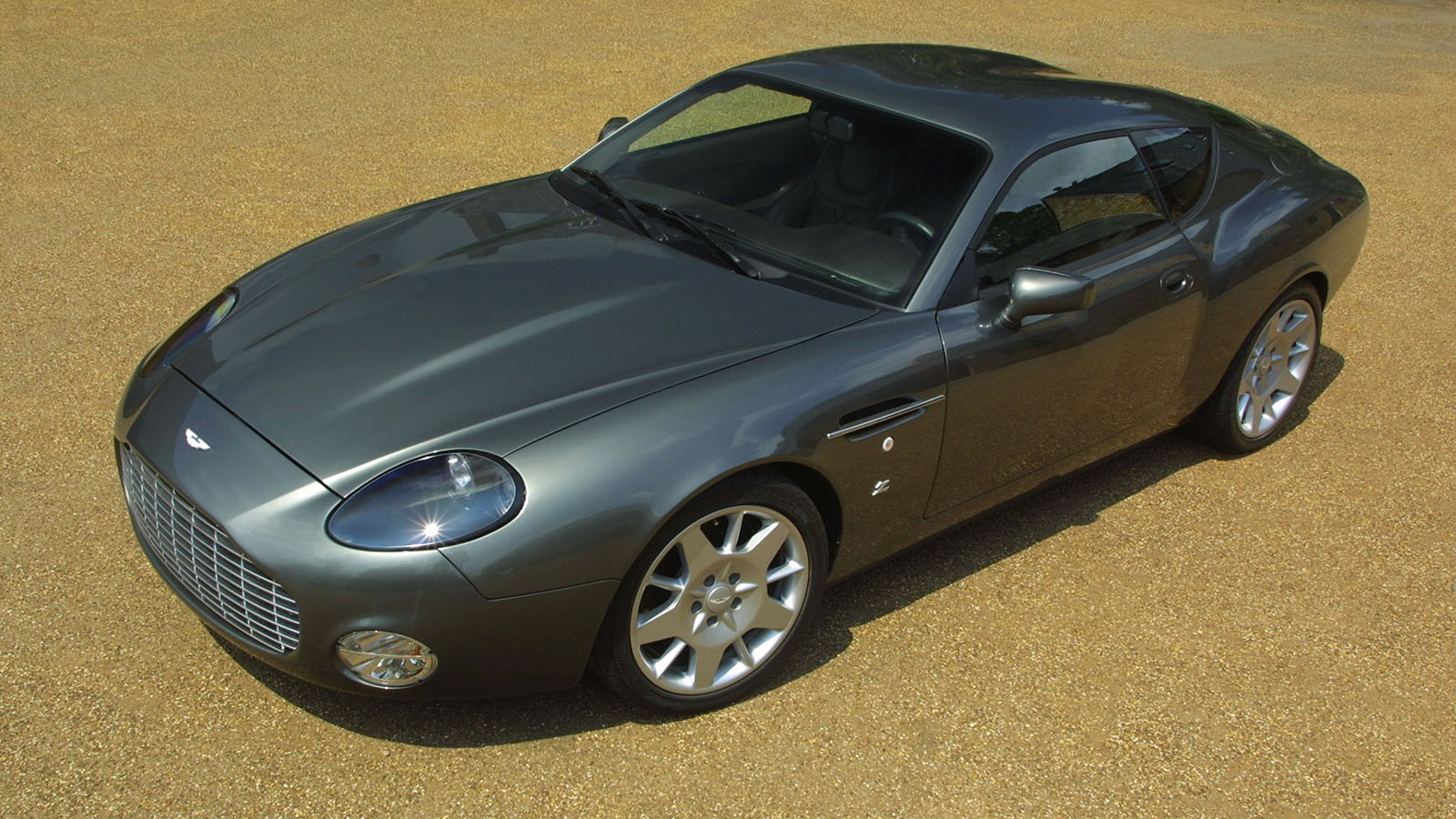
2003 Aston Martin DB7 Zagato
Rekindling its relationship with Zagato after many years, Aston Martin worked with the Italian coachbuilder to produce a limited run of 99 special-bodied DB7s.
With its ‘double-bubble’ roof, enlarged front grille and bespoke rear end, combined with Zagato-designed, five-spoke alloy wheels, the visual contrast with the regular DB7 was marked.
Powered by a 434bhp V12 engine lifted from the DB7 GT, mated to a six-speed manual gearbox, the DB7 Zagato could achieve a top speed of 190mph and hit 60mph from rest in 4.9 secs.
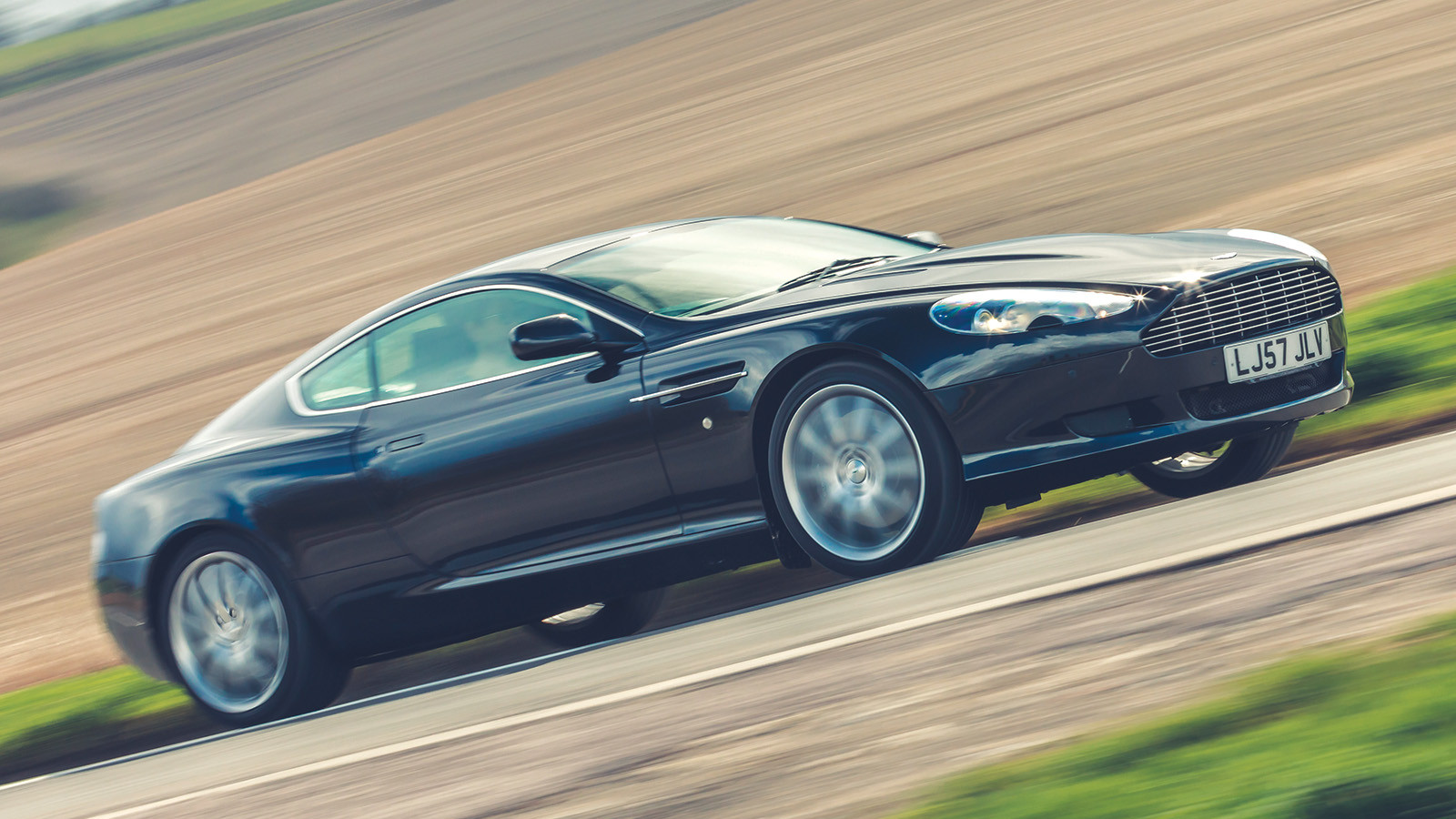
2004 Aston Martin DB9
Aston’s CEO, Ulrich Bez, commented that the new DB9 was… ‘Without doubt the most important Aston Martin model ever’.
Built around Aston’s clever new VH platform, with its extruded-aluminium tub, the car was not only twice as stiff and 25% lighter than its predecessor, but it also took 200 hours to build, versus the DB7’s 350-400 hours.
The first model to be produced at Aston’s new Gaydon facility, the DB9 was powered by a revised version of the Vanquish’s 5935cc V12 engine, producing 449bhp, and mated to either a six-speed automatic or manual gearbox.
2007 Aston Martin DBS
After 35 years, the DBS returned to the Aston Martin fold, this time replacing the fearsome Vanquish model.
While clearly based on the existing DB9, designer Marek Reichman distinguished it visually from the lesser model with a deep-sculptured chin spoiler, broader sills and a radical rear diffuser. Many carbonfibre body panels were also used to reduce weight.
Prodigious performance came from the 510bhp, 5.9-litre, V12 engine, helping the DBS achieve 0-60mph in just 4.2 secs.
2014 Aston Martin DB10
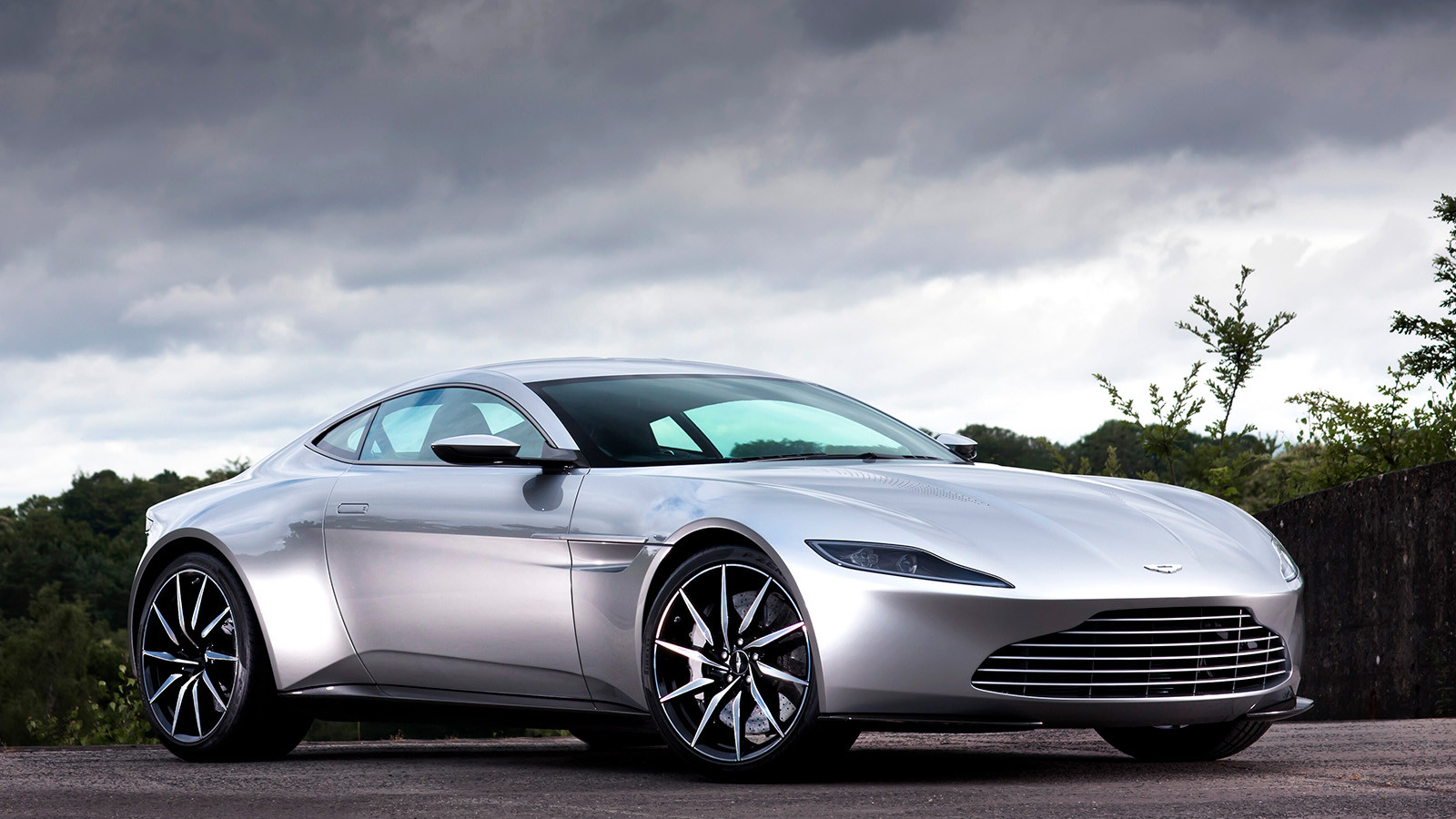
And here’s an Aston Martin DB you could never buy…
Developed to appear in the James Bond film Spectre, the DB10 received its official debut at Pinewood Studios’ 007 Stage in December 2014, 50 years after Aston Martin had first supplied its first car – a DB5 for Goldfinger – to the franchise.
Based around the then forthcoming V8 Vantage S, the DB10 was both longer and wider, although Aston Martin hinted that some of its design cues may be seen in future production cars.
This was a fully working model, though, and 10 were handbuilt by Aston Martin’s engineering department for Eon Productions, each powered by a 430bhp V8 engine.
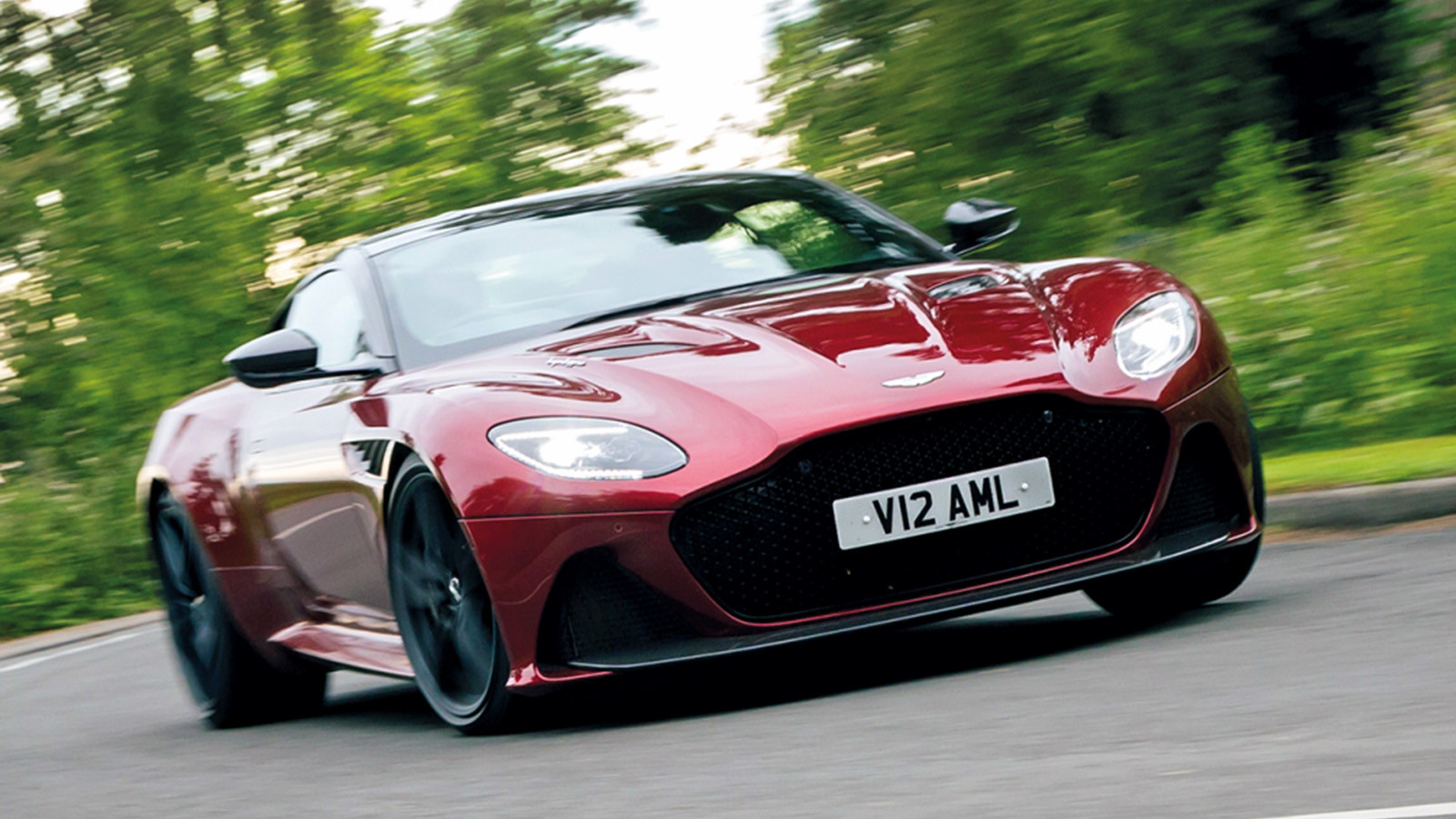
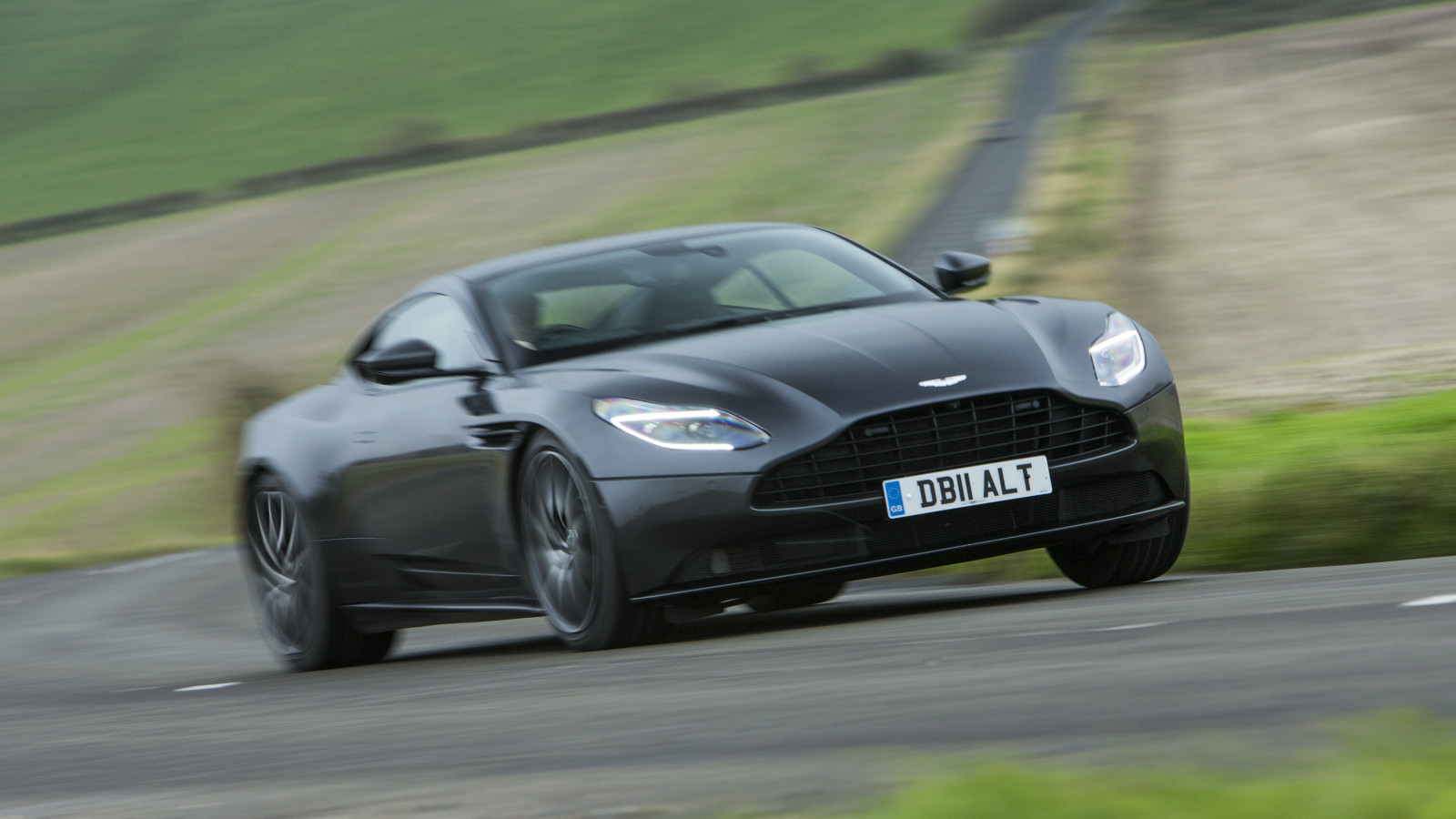
2016 Aston Martin DB11
Replacing the DB9, the DB11 was launched at the Geneva motor show in 2016.
Designed once again by Marek Reichman’s in-house team, the DB11’s shared its basic platform with the DBS Superleggera and the yet-to-be-launched new V8 Vantage, with extensive use of aluminium and composites in its construction.
Two engines were available from launch: a 4-litre Mercedes-AMG V8 and Aston Martin’s own 5.2-litre V12.
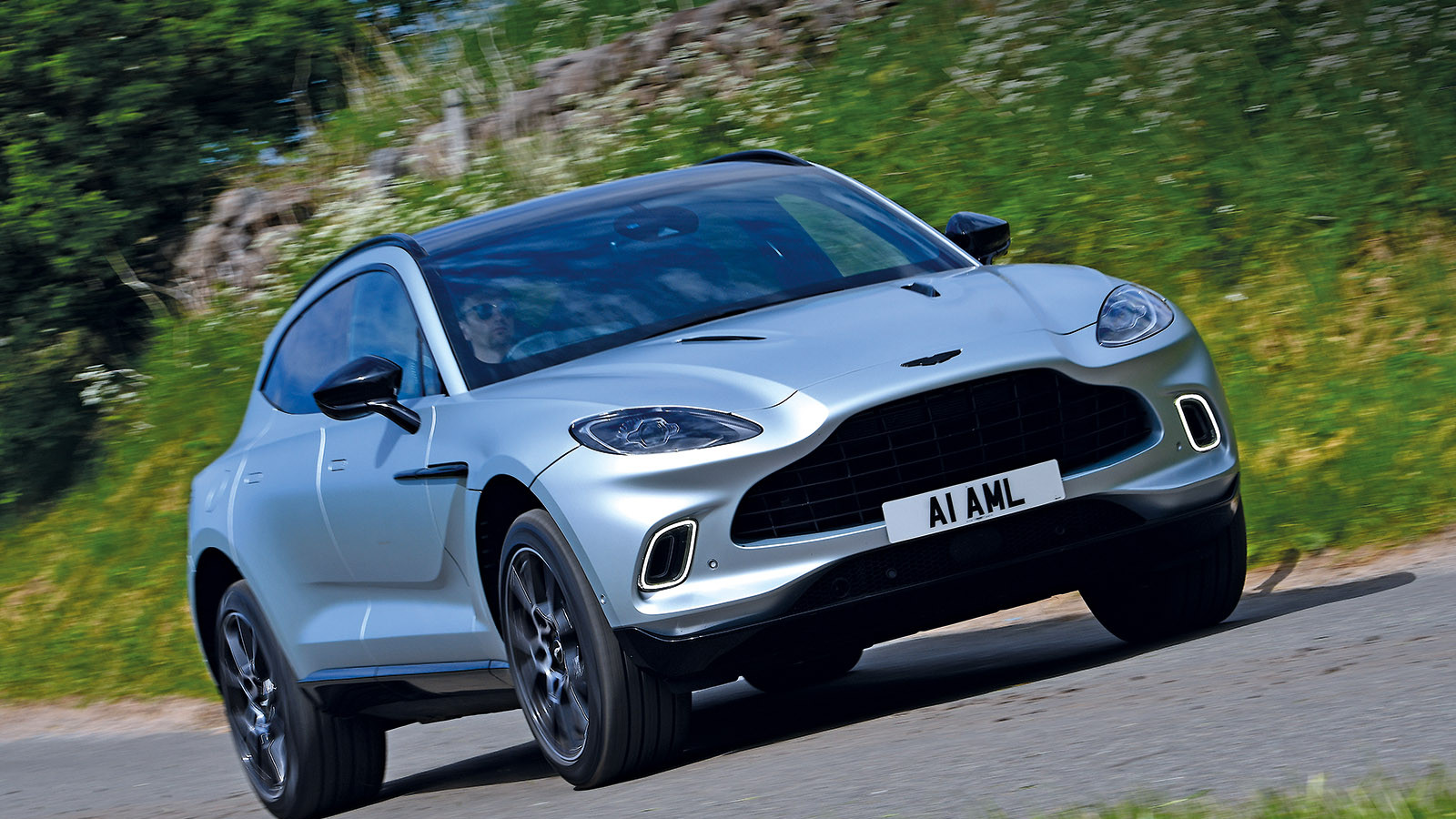
2020 Aston Martin DBX/707/S
Even Aston Martin couldn’t ignore the global trend for high-performance SUVs, with rivals Bentley, Lamborghini and now Ferrari all seeing the commercial benefits of attracting a previously untapped market.
Built on its own platform, the five-door, five-seat DBX’s bonded-aluminium panels help reduce weight, though at 2245kg (4949lb) in base form, it’s no flyweight.
And while it measures nearly 17ft (more than 5m) long and 6ft (1.8m) wide, Marek Reichman’s clever styling and its relatively low 5½ft (1.7m) roofline created the illusion of a more compact shape.
There’s power aplenty, with 543bhp delivering a 181mph top speed and 0-60mph acceleration of 4.5 secs.
But with the introduction of the DBX707 and DBX S in 2022 and 2025 respectively, power is now up to a maximum 717bhp, raising top speed to 193mph and cutting 0-60mph times to as little as 3.1 secs.
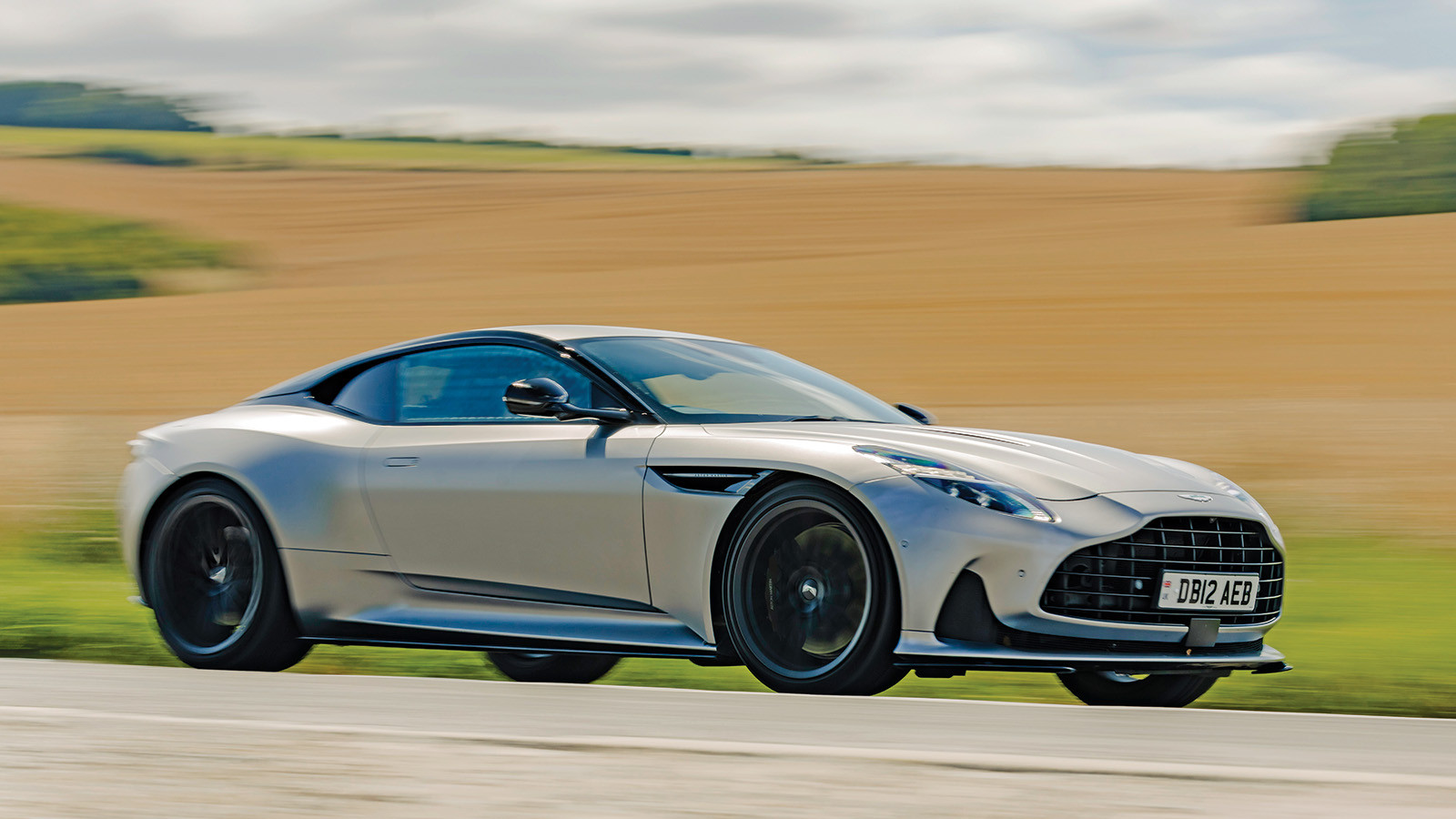
2023 Aston Martin DB12
The first significant new Aston Martin model to be launched during Lawrence Stroll’s ownership, the DB12’s bonded-aluminium monocoque and underpinnings still derived from the outgoing DB11.
However, its predecessor’s V12 was no more, with Aston’s focus this time entirely on the Mercedes-AMG 4-litre, twin-turbocharged V8, now developed to produce 671bhp and 590lb ft of torque from just 2750rpm.
Helping it deploy such thrust through the rear wheels was a new torque-vectoring system for the electronic differential – a first for a DB-badged Aston Martin.
We hope you enjoyed this gallery. Please click the ‘Follow’ button above for more super stories from Classic & Sports Car.