Why you’d want a Toyota Supra A80
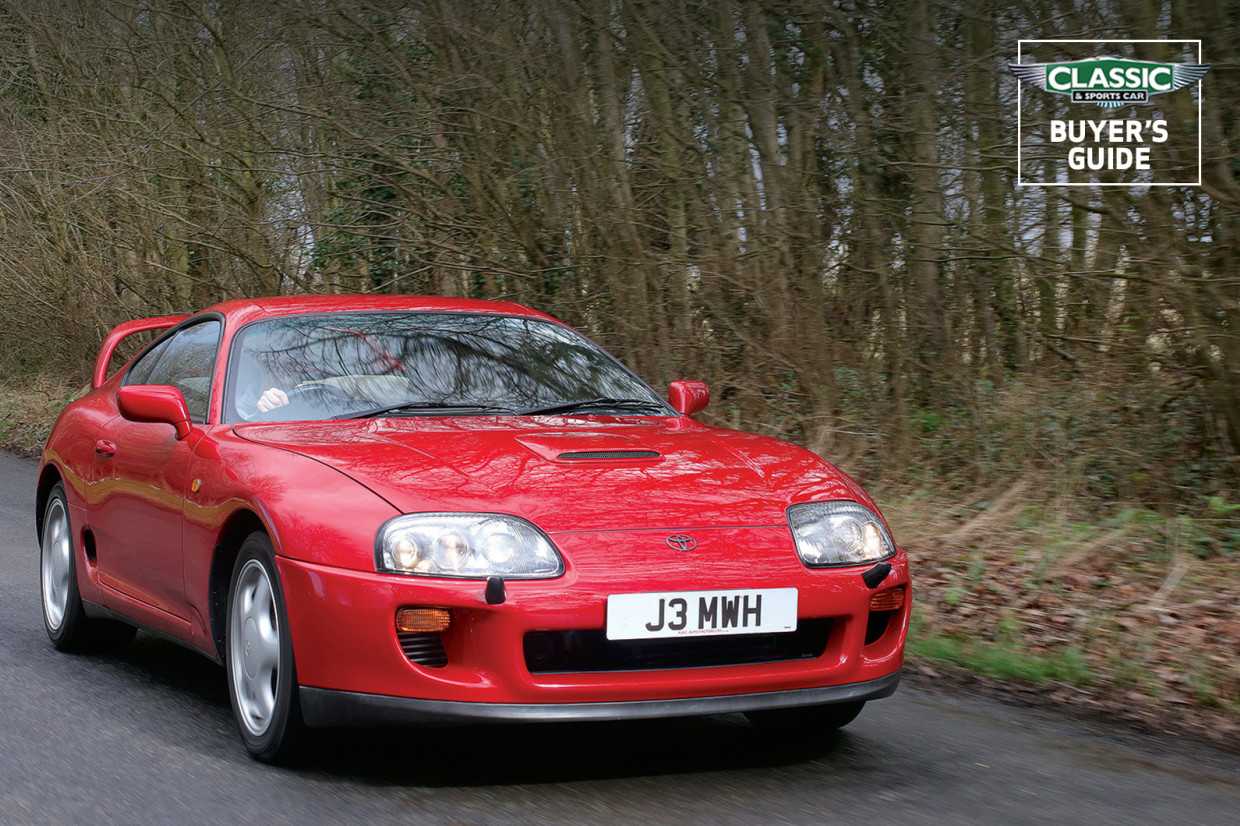
With the Nissan 300ZX, Mitsubishi 3000GT and Mazdaʼs RX-7 joining the Japanese supercoupé market, Toyota knew it had to do something special.
It took its time to conceive ʻthe fastest point-to-point road car yetʼ, in the view of Autocarʼs testers.
It wasnʼt just the power, it was the stiffness of the shell and superb suspension engineering that left rivals trailing in the Supraʼs wake over mixed cross-country roads.
The Mk4 raised the bar so high it was bound to be exclusive, with just 250 a year for the UK compared to 3000 Mk3s.
Sequential twin turbos forced 326bhp out of the 3-litre ʻsixʼ, enough for c180mph with the 156mph restrictor removed.
Disappointments were a lack of power below 3000rpm, numb steering and poor ergonomics.
The rear seat and boot were small and, despite standard-setting handling and pace, Autocar found it bland.
Few buyers agreed, and they remain dream cars for many who grew up in the 1990s and 2000s.
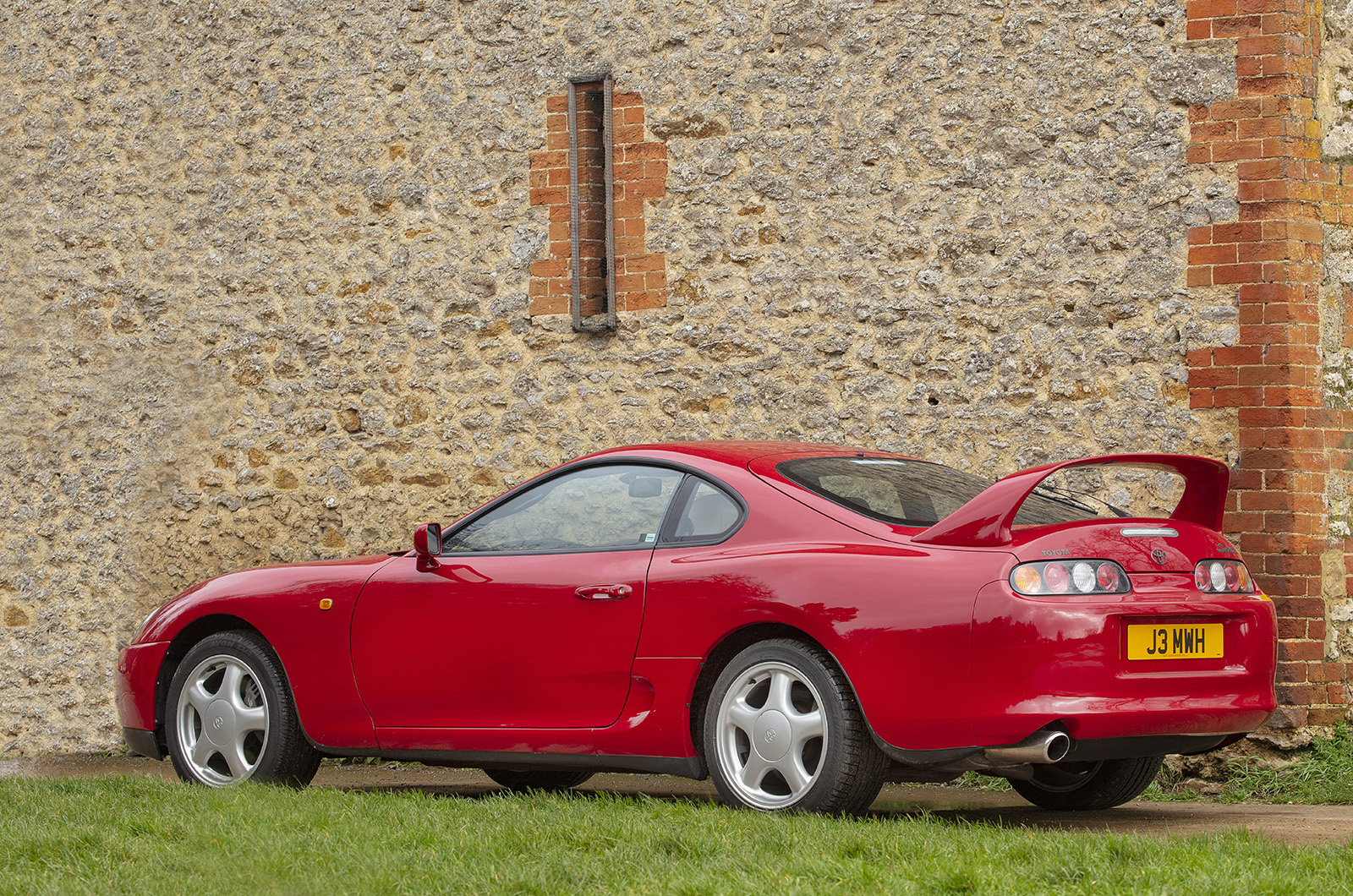
All UK cars were twin-turbos, with six-speed manual or four-speed automatic transmissions, and standard leather trim, air-con, cruise and traction control.
Today, most in Britain are Japanese Domestic Market imports. JDM cars had smaller turbos and injectors, and less cam lift, so were not quite as powerful, at 276bhp.
Japan and the USA also got non-turbos, with 225bhp, 213lb ft, no traction control, optional ABS, cloth seats and, in some cases, a five-speed manual ʼbox.
JDM cars had plastic (not glass) headlight covers, with no washers; different tail-lights; no bonnet scoop; a lower axle ratio; an optional LSD on autos; and, pre-ʼ96, smaller brakes.
Few remain unmodified because these are incredibly tunable cars, up to 1500bhp.
Most Supras were built in 1993 and ʼ94, with production tailing off thereafter and ending for world markets in 1998 – continuing in Japan to 2002, with the home market taking 70% of total production, 55% of them non-turbos.
Just 673 were sold to the UK, in red, dark blue, silver, white or black, with beige or black leather.
JDM specs and colours were more varied, including an Aerotop targa-style roof option on autos.
Non-turbo cars were SZ (five-speed or auto) and SZ-R (later, some six-speed); turbos were RZ (basic, but many options), RZ-S (later; final cars with VVTi) or GZ (top spec, leather).
Images: James Mann
Toyota Supra A80: what to look for
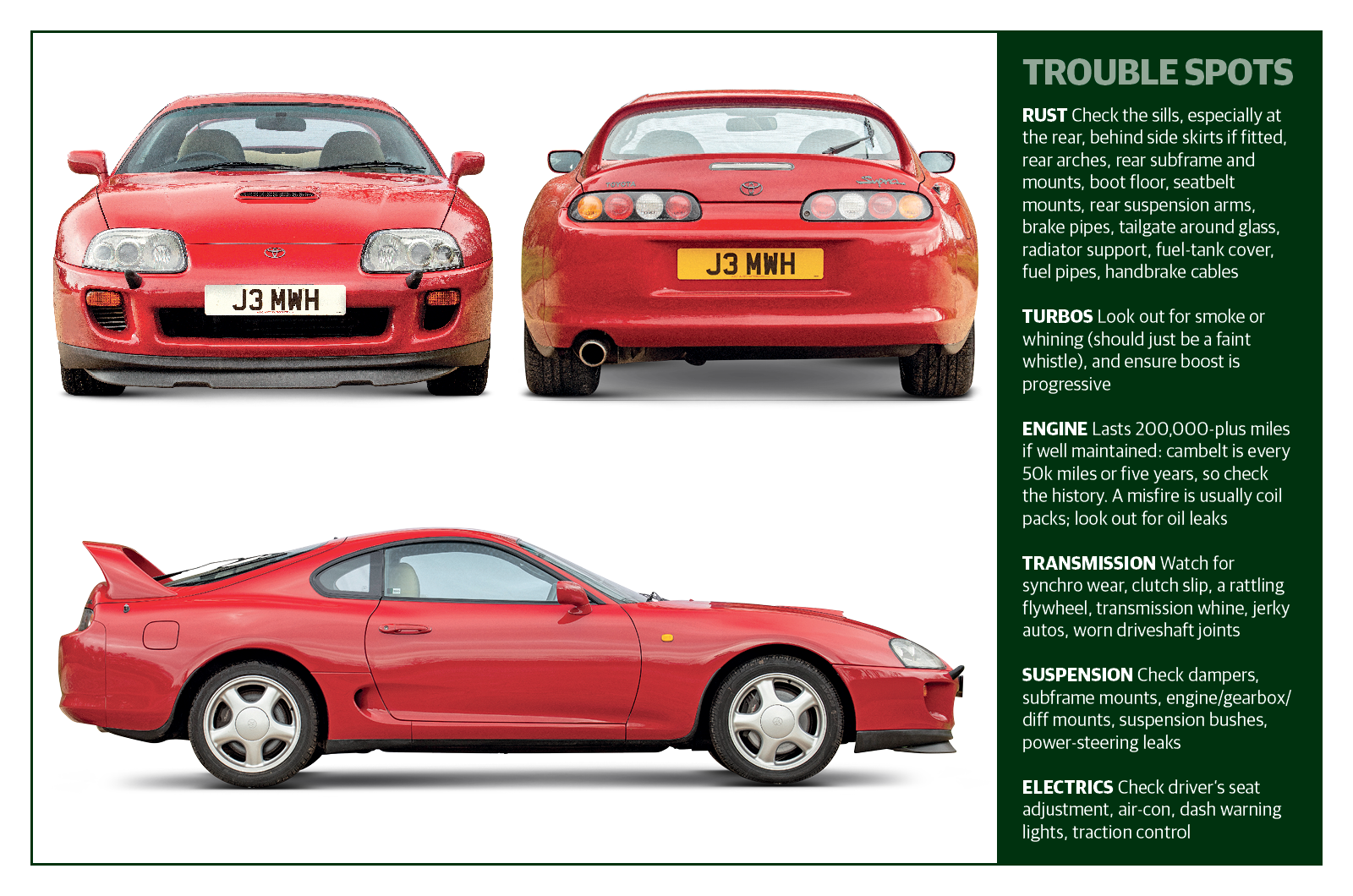
Trouble spots
Please see above for what to check before you look at any Toyota Supra A80 cars for sale.
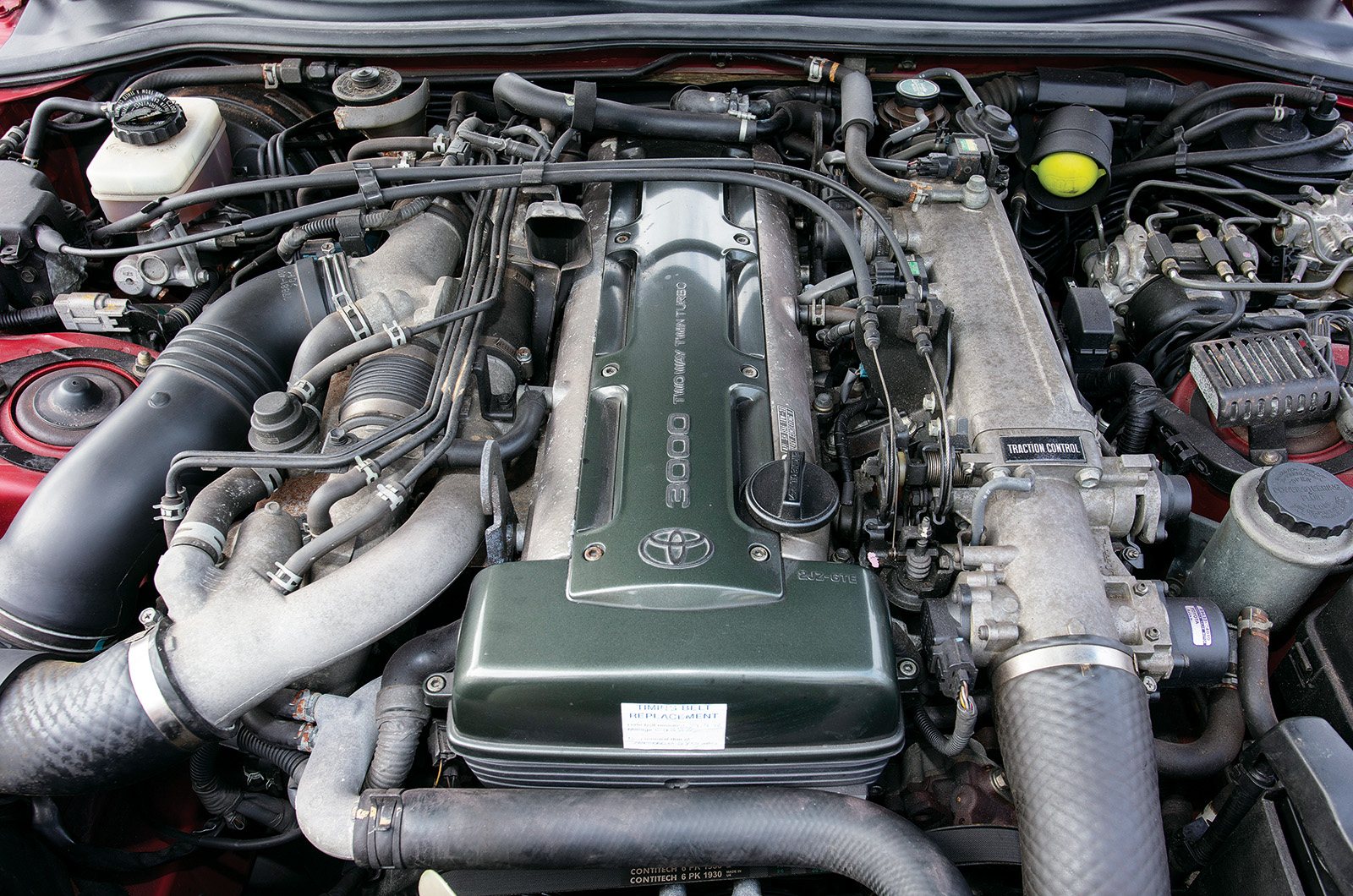
Engine
The 2JZ engine is immensely strong and can manage huge mileages if well maintained and not over-tuned.
The cambelt should be replaced every 50k miles or five years; the bill for this plus a water pump and any other related issues found can top £1000.
A comprehensive service history is desirable.
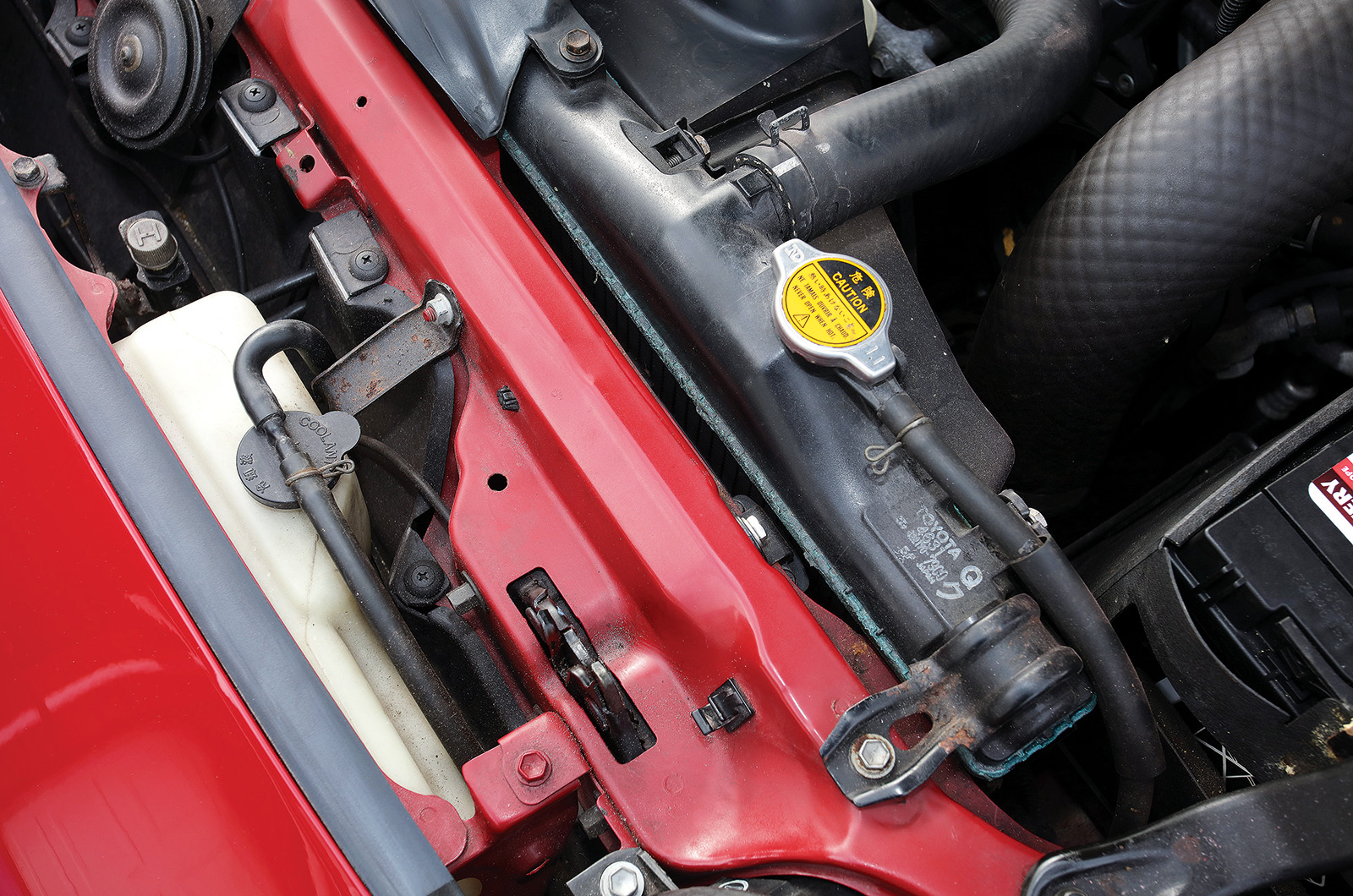
Radiator
Ensure the radiator and expansion tank are free from corrosion or leaks.
Check the coolant for emulsion (head-gasket failure) and hot spots (difficult to bleed).
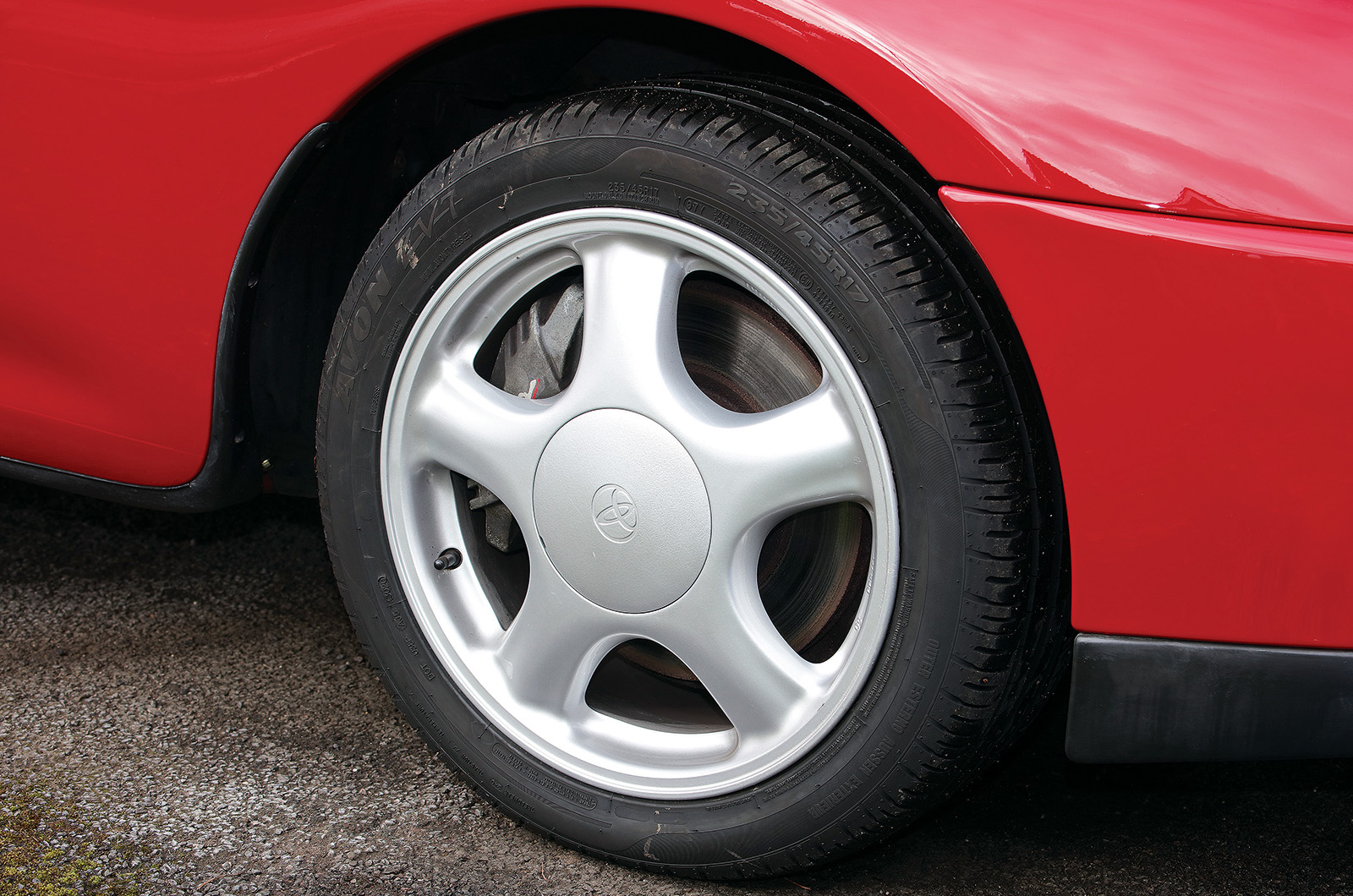
Wheels and tyres
Inspect a Toyota Supra’s wheels and tyres for damage and uneven wear, brakes for sticking, dampers for bouncing, suspension for failing bushes and steering for leaks/play.
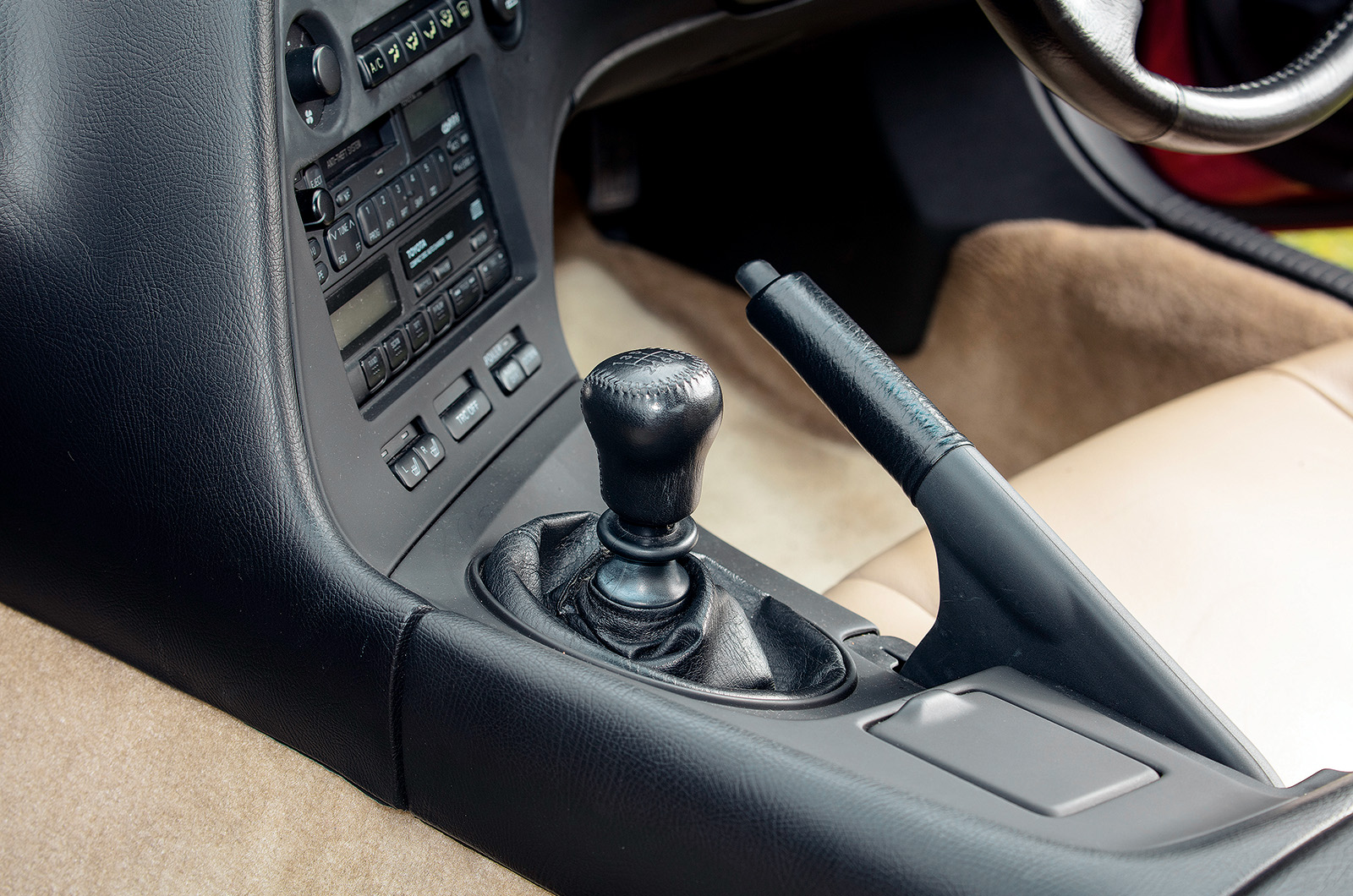
Transmissions
Gearboxes are robust, but do get abused and need fluid changes every 15,000 miles.
Check for smooth changes, jumping out of gear, flywheel rattles and clutch slip.
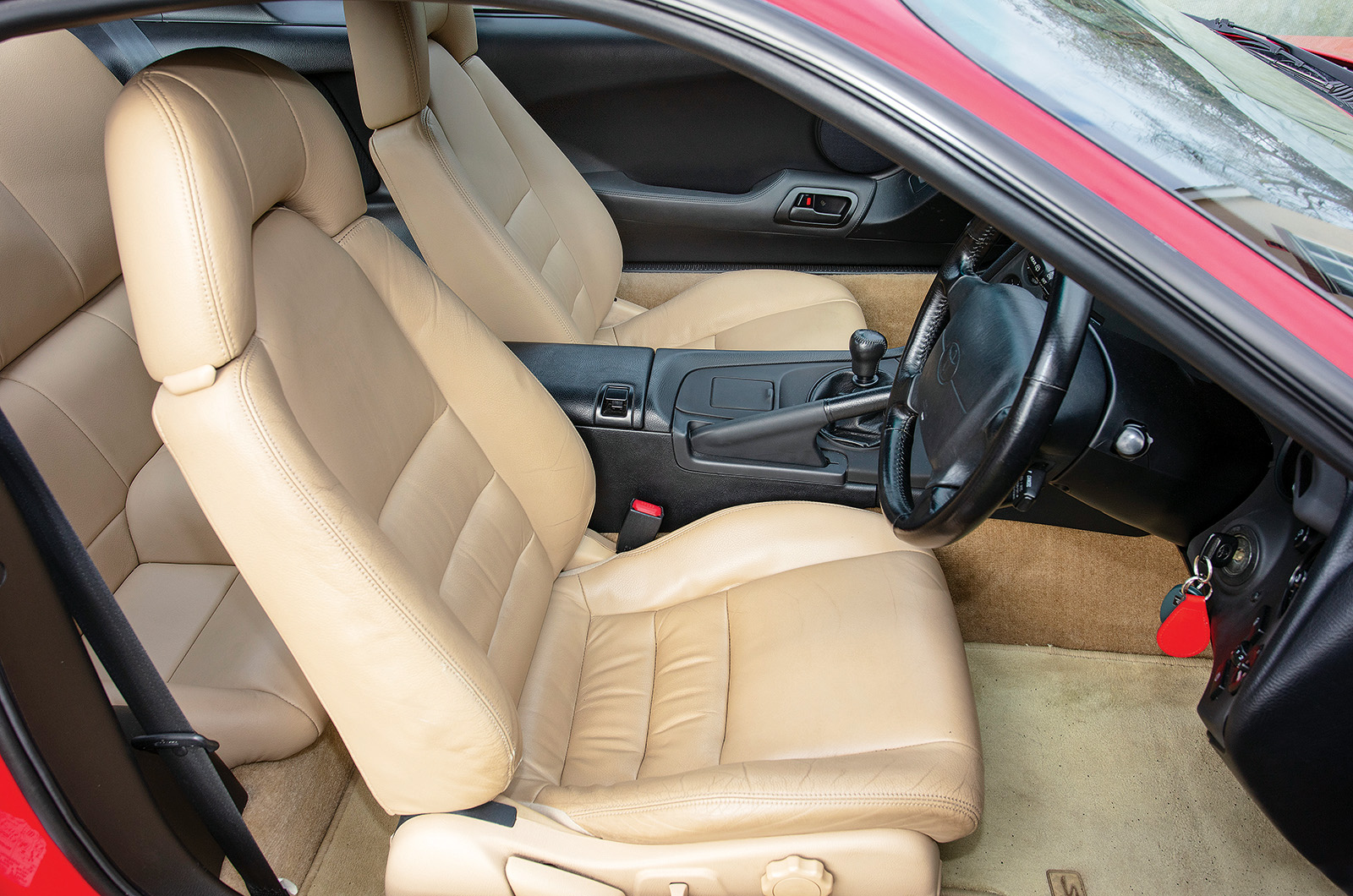
Interior
Leather seats on UK-spec Toyota Supras are easily repaired; check the electric adjustment works and watch for dash cracks.
JDM cars have a wider range of trim options.
Toyota Supra A80: before you buy
Check for the Toyota Supra’s engine smoke on start-up, when the car is running and on overrun.
Black smoke is a definite blown turbo, and a non-functioning number-one turbo will mean no boost below 4000rpm.
With a non-functioning number-two turbo, boost will drop at 4000rpm then slowly climb back up.
Non-function isnʼt necessarily turbo failure: it can be due to failed actuators.
UK cars came with exhaust-gas recirculation, generally considered bad for the engine, and most will already have been removed.
If youʼre looking at a modified car, make sure it has been done by someone who knows what they are doing.
For example, putting a huge de-catted exhaust on an otherwise unmodified Japanese-market twin-turbo can cause boost to surge to 25psi-plus and blow the engine.
Cat deletes on UK-spec cars are less damaging but are likely to fail the MoT, so check whatʼs there – and what isnʼt.
Look thoroughly for accident damage and interrogate the service history.
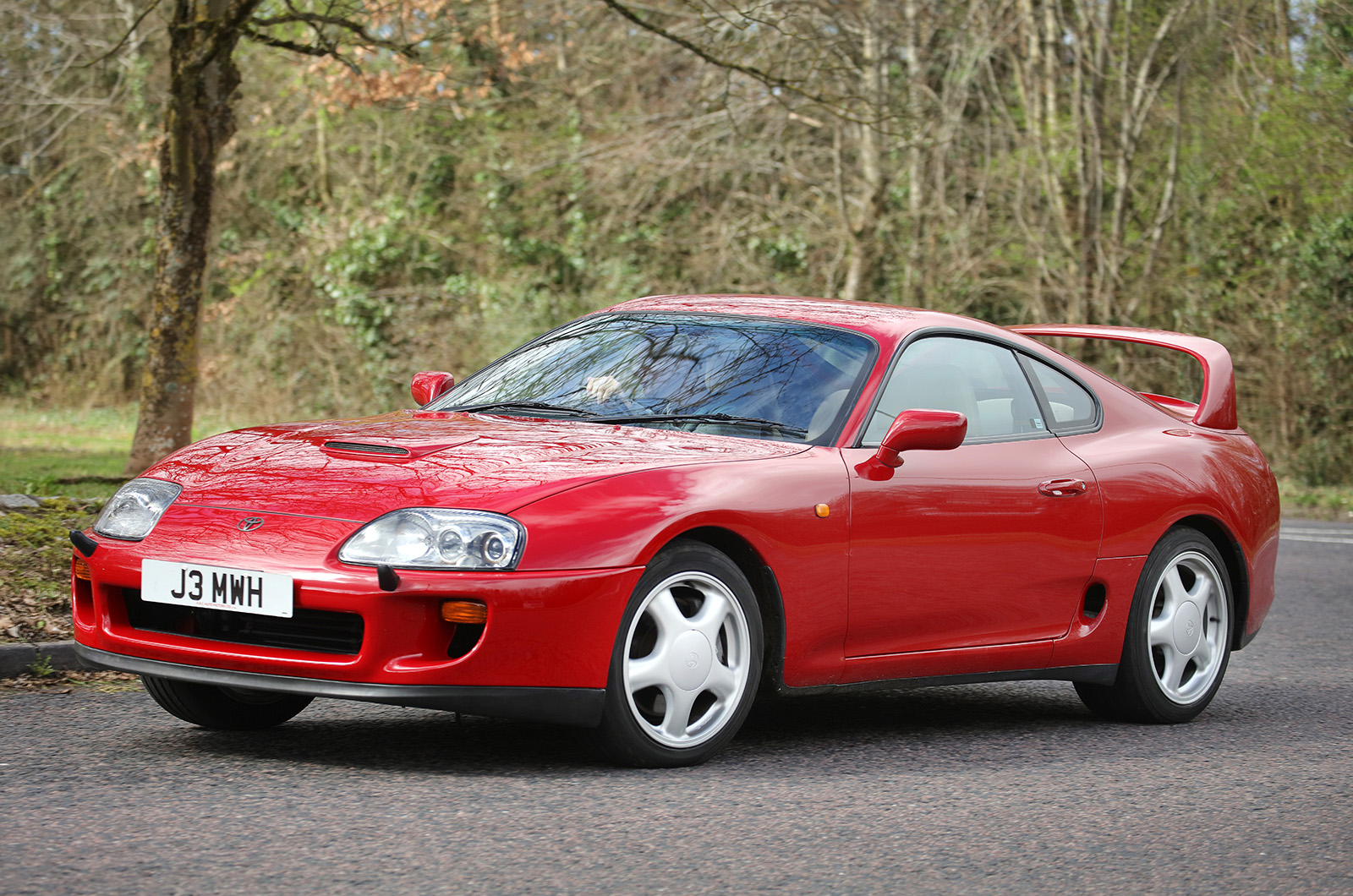
The brakes should cope with multiple high-speed stops without sweat, helped by four-pot front, two-pot rear calipers; the bigger brake set-up (with 17in wheels) can be retrofitted to pre-ʼ95 JDM cars, which were two-pot front, single-pot rear.
Stiffer, lowered suspension can ruin ride quality and stress the bodyshell.
With smaller, ceramic turbos, the JDM cars have more torque than UK models, making up on the road for their lower ultimate power; injectors, cams and ECUs were also different.
Their 120mph limiters are easily deactivated.
Toyota Supra A80 price guide
Restoration/average/show
- JDM base model: £8000/18,000/30,000*
- JDM turbo: £16,000/24,000/48,000*
- UK auto: £15,000/25,000/45,000*
- UK manual: £20,000/30,000/60,000*
*Prices correct at date of original publication
Prices are very spec-dependent; left-hand drive can be much higher, especially special editions
Toyota Supra A80 history
1992 Dec: pre-production models start leaving the line, with full production beginning in April 1993
1993 May: Supra launched; twin-turbo UK spec with 326bhp, 325lb ft, 156mph, 0-60mph in 5.1 secs
1995 May: Japanese-market twin-turbos get export-spec big brakes
1996 May: Series 2 facelift, Getrag second-gear synchromesh improved; UK sales end
1997 Sept: Japanese market gets VVTi engine, updated REAS dampers, optional tiptronic steering-wheel buttons and lock-up top on automatics
1998 Oct: export production ends
2002 July: Japanese-market build ends; commemorative watch with final edition
The owner’s view
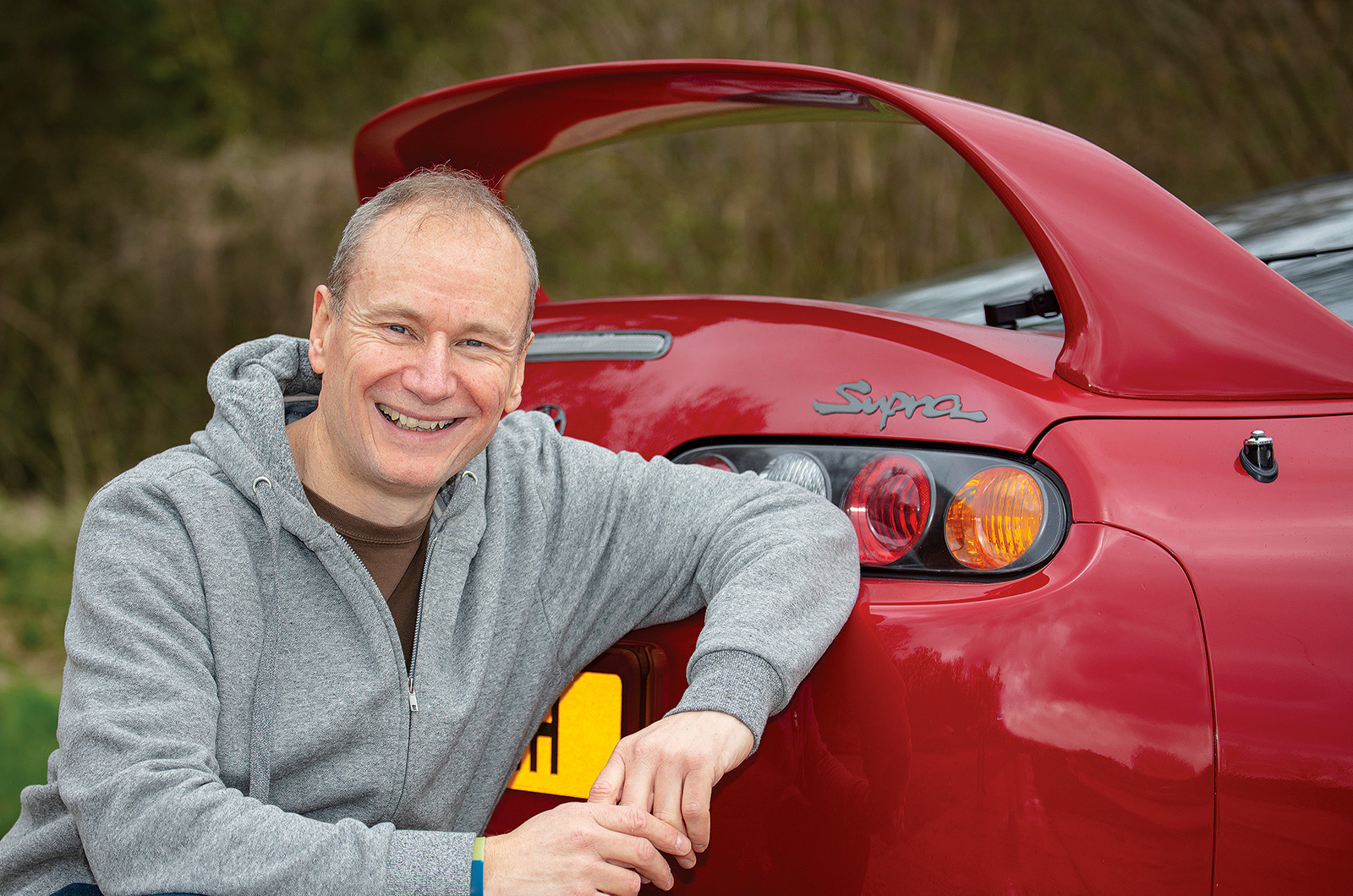
“I’ve always loved the shape of the Mk4,” says Tony Woolford. “A friend had one, and my father started my Japanese passion with his Honda CR -X, which I still own.
“I bought this car in 2012 because it’s the ultimate: a UK-spec manual.
“I had owned a blue automatic model since 2008, which I still have, as well as a white auto that I bought locally, after finding it at the side of the road with fire damage. The head gasket had gone, and unburnt fuel went into the cat and ignited.
“The auto is a better drive, to be honest: the manual is clunky – it gets better when it’s driven hard.
“The Fast & Furious films have created a massive following for them, which I love – people go crazy for them – but I don’t like the fact that everyone wants to race you!
“This one is pretty much standard, but my blue one has 380bhp and a straight-through exhaust, so it’s pretty quick.”
Also consider
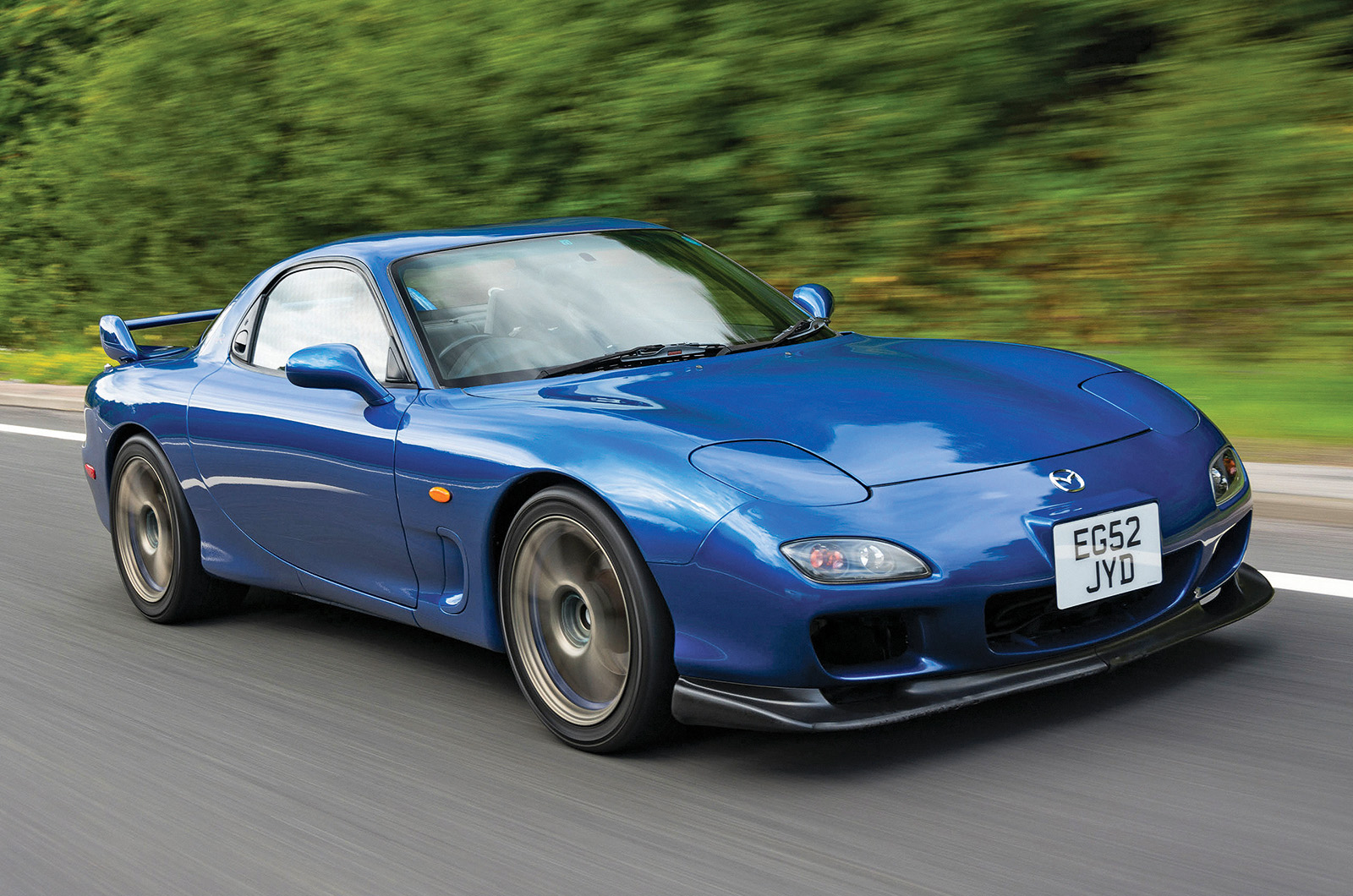
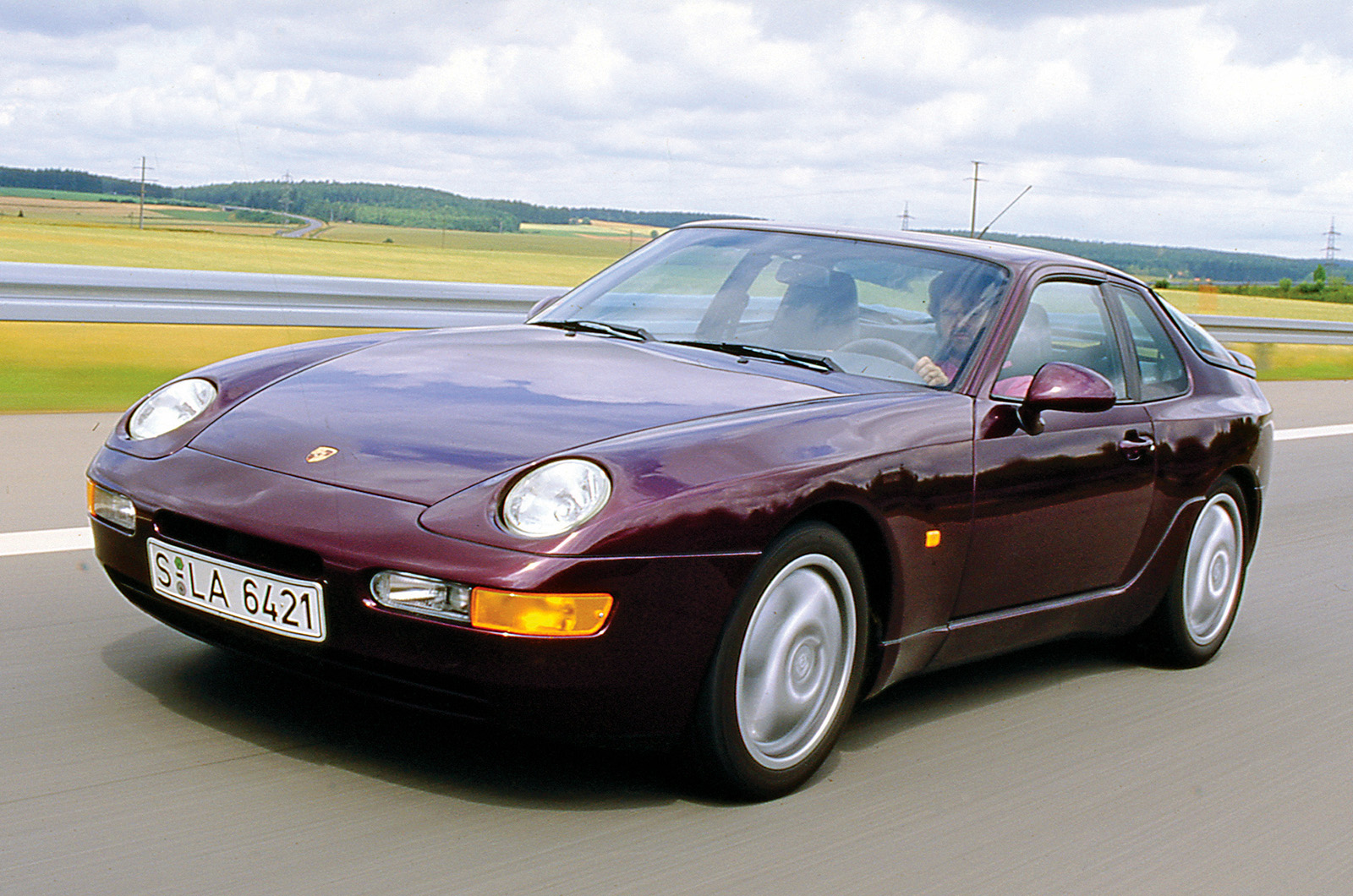
The Mazda RX-7 FD (left) and Porsche 968 are alternative buys
MAZDA RX-7 FD
Sequential twin-turbo, with the second cutting in at 4000rpm like the Supra.
Huge fun to drive with a revvy 236-276bhp rotary set low behind the front wheels, but proper maintenance is key.
Sold 1991-2002 • No. built 68,589 • Price now £20-35,000*
PORSCHE 968
The ultimate derivative of the 924/944 is a rare beast now, especially in the UK where few were sold new and rust has claimed plenty.
The Club Sport is best, and highly sought after now.
Sold 1992-’95 • No. built 11,602 • Price now £10-45,000*
*Prices correct at date of original publication
Toyota Supra A80: the Classic & Sports Car verdict
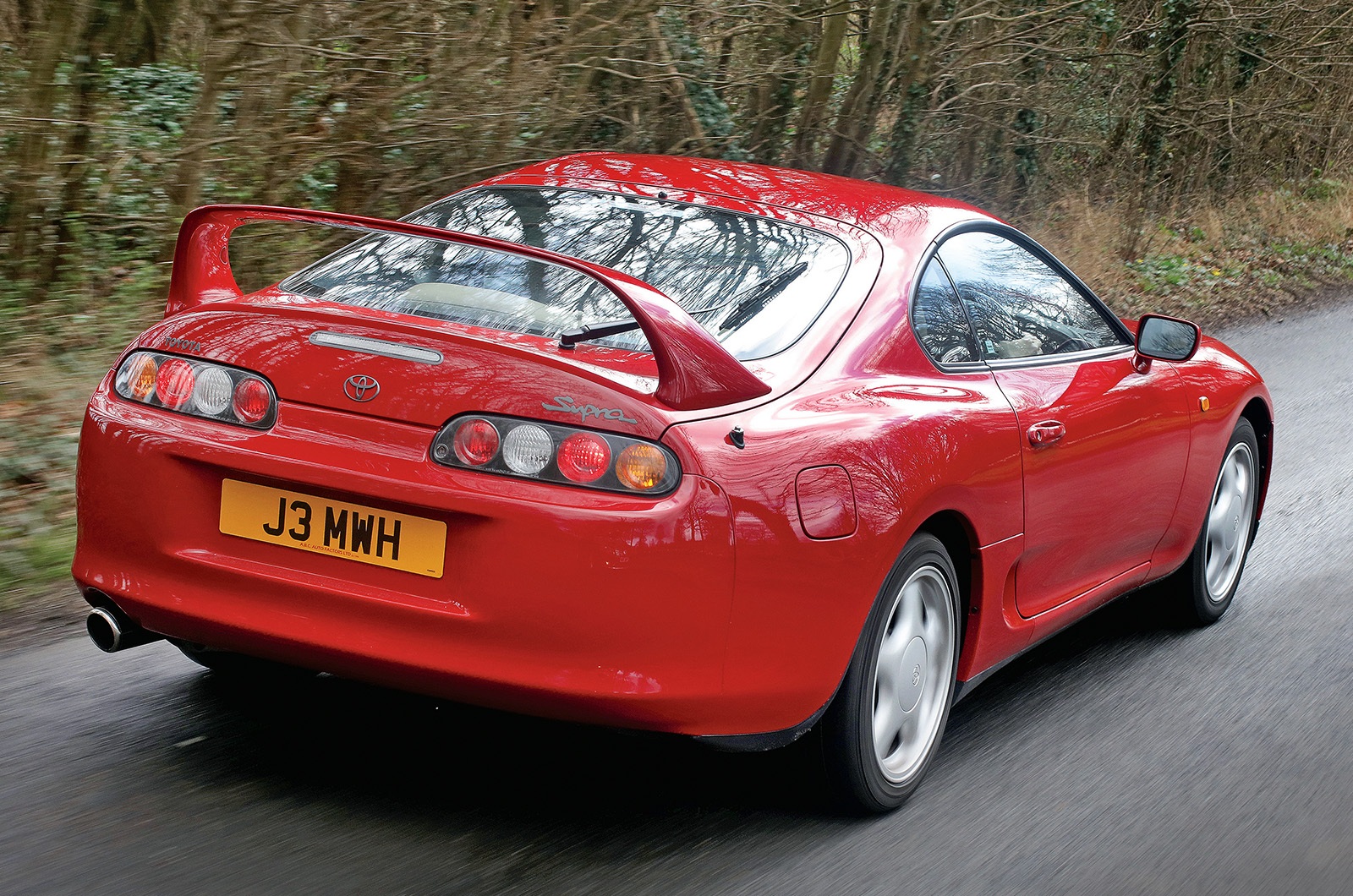
The Mk4 Toyota Supra is always going to be in huge demand and there are few to choose from, especially if you prefer original, unmodified specification.
Prices are strong, but are likely to continue rising rapidly, so if you want one and can afford one, don’t waste too much time.
Inspect any purchase thoroughly and get as much history as you possibly can: many have had very hard lives.
FOR
- Iconic supercoupé with global appeal and huge street cred
- Values mean there will always be parts and support available
AGAINST
- Most have been modified, often badly, and many crashed
- An incomplete history may hide horrors that will come back to bite you
Toyota Supra A80 specifications
- Sold/number built 1993-’02/45,230
- Construction steel monocoque with aluminium bonnet, wishbones and part of front subframe
- Engine iron-block, alloy-head, dohc 24-valve 2997cc straight-six, with sequential twin turbos and fuel injection
- Max power 326bhp @ 5600rpm
- Max torque 325lb ft @ 4800rpm
- Transmission Getrag six-speed manual or four-speed auto, RWD via Torsen limited-slip differential, traction control
- Suspension double wishbones, coil springs, telescopic dampers, anti-roll bar f/r
- Steering power-assisted rack and pinion, 2.8 turns lock to lock
- Brakes 12½in (320mm) ventilated discs, with servo and ABS
- Length 14ft 9¾in (4514mm)
- Width 5ft 9¼in (1810mm)
- Height 4ft 2¼in (1275mm)
- Wheelbase 8ft 4½in (2550mm)
- Weight 3408lb (1549kg)
- 0-60mph 5.1 secs
- Top speed 156-180mph
- Mpg 10-30
- Price new £38,989 (1994)
READ MORE
All Classic & Sports Car buyer’s guides
Street fighters: Mitsubishi 3000GT vs Toyota Supra vs Nissan 300ZX
Toyota Celica GT vs Mazda MX-6 vs Rover 220 turbo: ’90s hits
Mazda FC RX-7 Cabriolet vs Porsche 944 S2 Cabriolet: blue-sky thinking