Competition carryalls
Even if you have only a moderate level of interest in motorsport, you’ll be aware that vehicles with many kinds of body style regularly take part.
Saloons, hatchbacks, sports cars (with or without roofs) and single-seaters are all very common.
Estates, or station wagons, are seen in competition far less often, and so, when they do, they tend to attract a great deal of attention for that very reason.
In case you don’t believe us, here are 19 examples of estate cars which have competed in motorsport, in some instances achieving great success.
Many of them have been based in the UK, where the idea seems to be more than usually popular, but enough were created elsewhere to show that this is a truly international phenomenon.
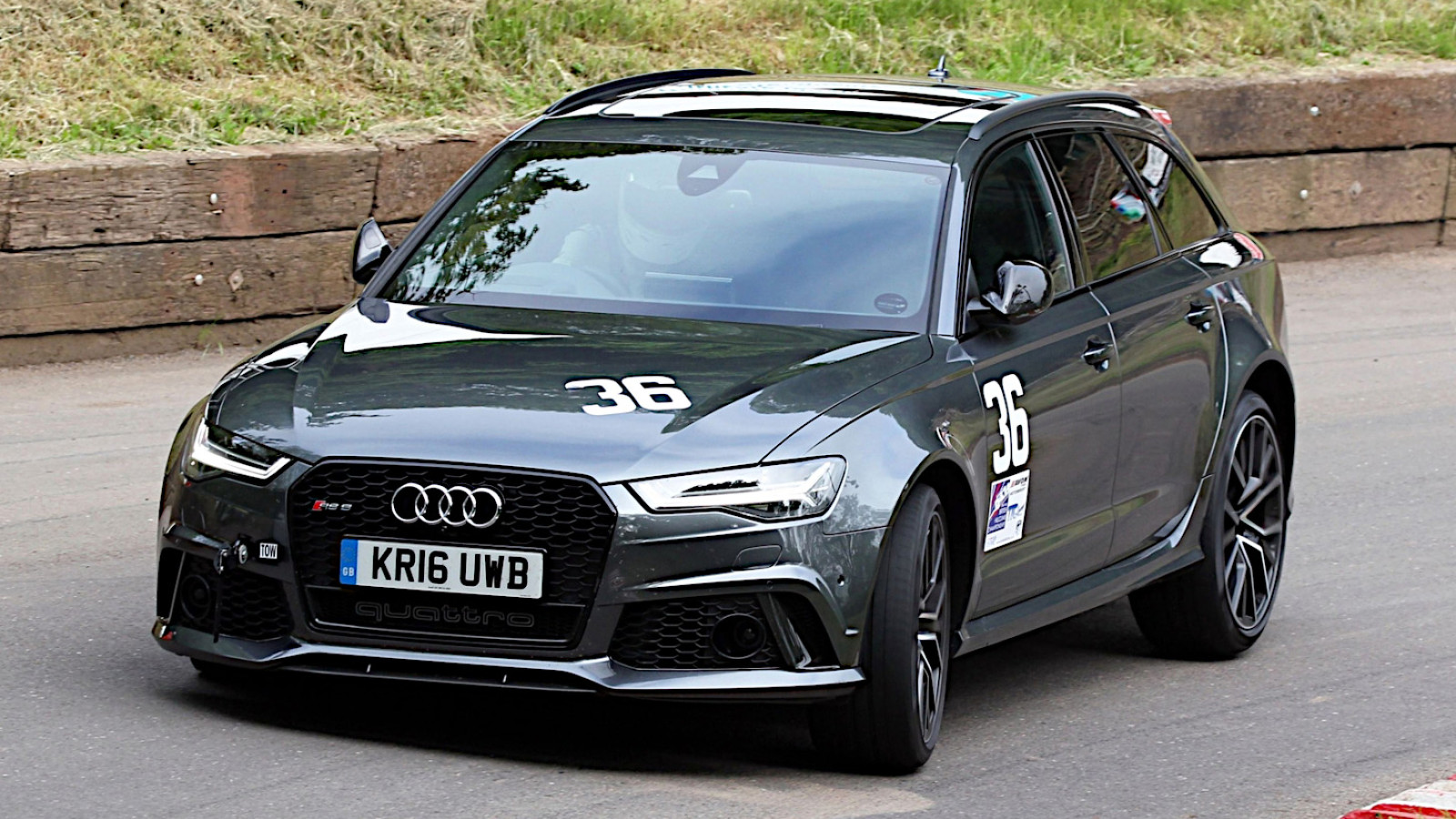
1. Audi RS6 Avant
The Multi-Car Hillclimb Challenge, which will be referred to three times in this list, was an unusual contest in which two British journalists competed in 28 events over three seasons, in standard cars supplied from manufacturer press fleets.
The Audi RS6 Avant was one of the most notable, since after the practice sessions of an event held at Shelsley Walsh in Worcestershire in August 2016, it was actually leading the class for Road-Going Series Production Cars over 2000cc.
Other drivers responded robustly, and the Audi finished in third place behind a Mitsubishi Evo and a Porsche 911 turbo of the 997 generation, both of which were substantially lighter and fitted with much stickier tyres.
For several years, the RS6 Avant’s best competition time of 32.41 secs was claimed (though not by either the team or Audi) to be the unofficial estate-car record at Shelsley Walsh, but it was beaten in 2017 by another car which we will discuss later.
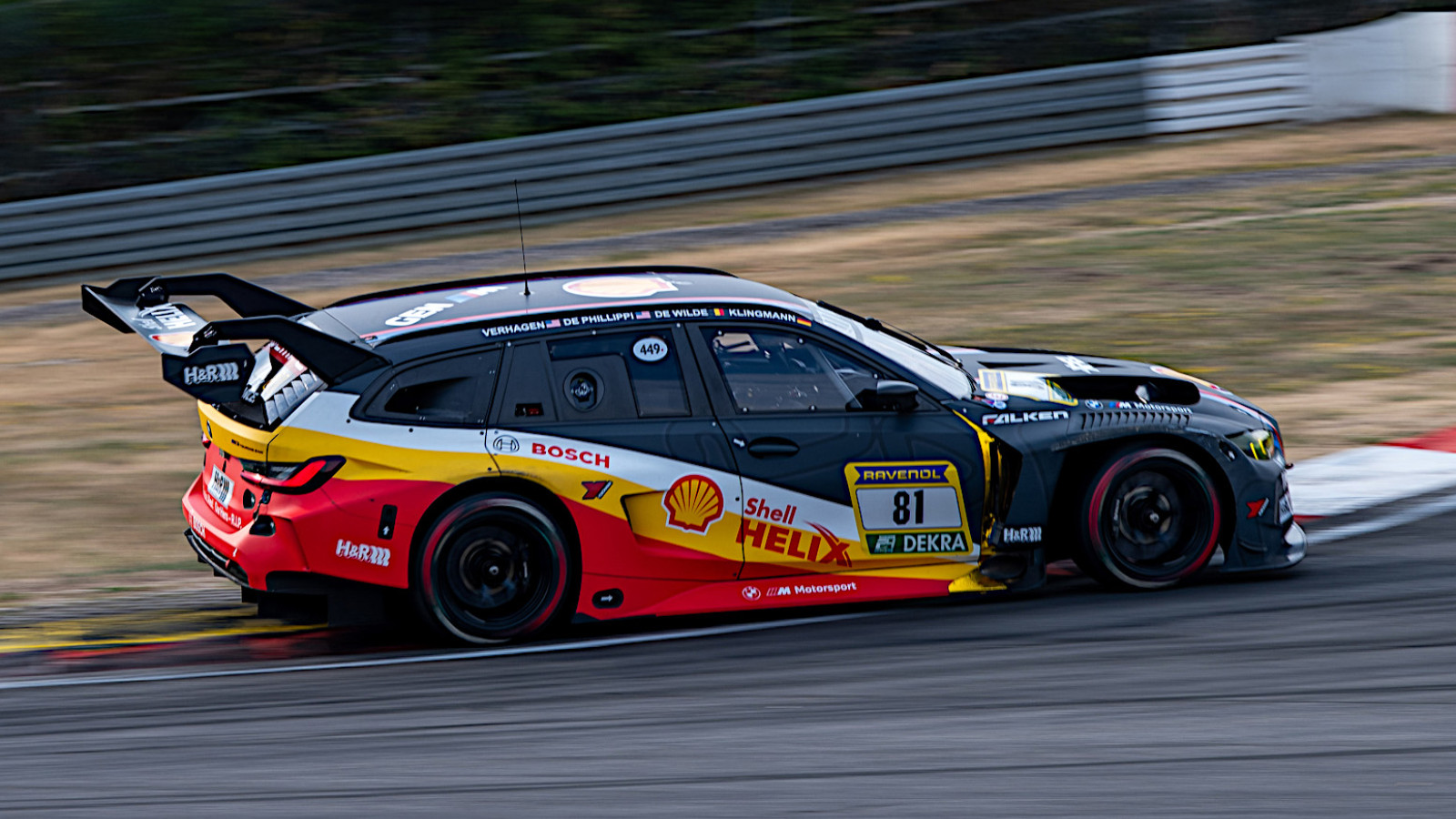
2. BMW M3 Touring
BMW’s announcement in 2025 that it would enter an M3 Touring in the following year’s Nürburgring 24-hour race was nothing more than an April Fool prank, intended simply to amuse.
The idea was received with such enthusiasm, however, that BMW decided to turn the joke into reality and build a competition-prepared station-wagon version of the M4 GT3 Evo.
Run by Schubert Motorsport, the Touring finished within 5 mins of, and on the same lap as, the winning Mercedes-AMG GT3 Evo, and was initially classified fifth.
This became fourth when the Lamborghini Huracán which had finished second on the road was disqualified several weeks after the event had finished.
As both a marketing exercise and a demonstration of technical ability, the project was a success, though it was overshadowed by the fact that multiple Formula One world drivers’ champion Max Verstappen competed in the same race, inevitably attracting most of the public attention.
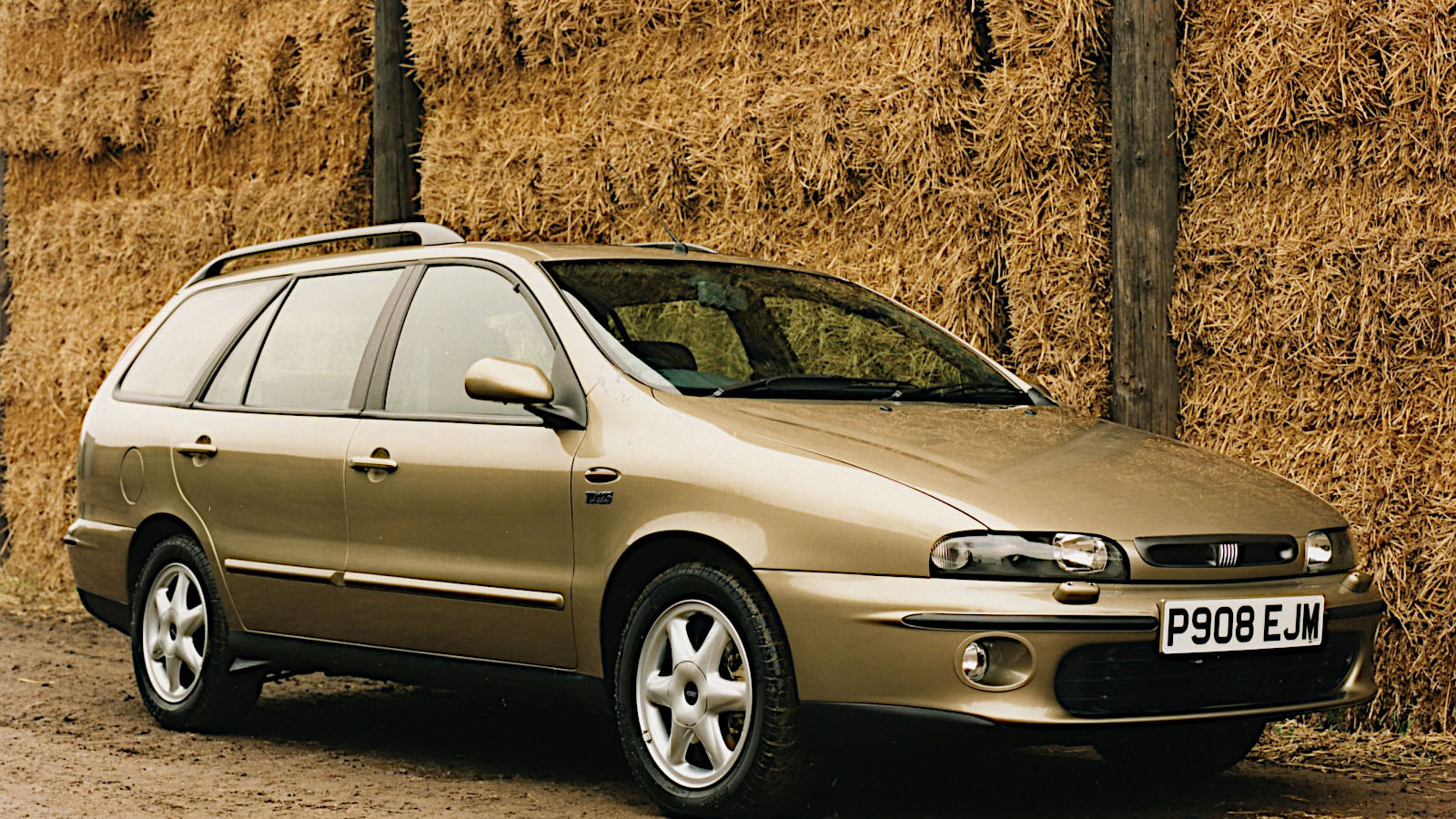
3. Fiat Marea Weekend
The Marea saloon and Marea Weekend estate were built on the same platform as the Fiat Bravo and Brava hatchbacks (with three and five doors respectively), launched in the mid 1990s.
Of the four, the Marea Weekend arguably seemed like the least-obvious basis for a racing car, but it appears that Fiat’s Brazilian division thought otherwise.
With an uprated version of the 2-litre, five-cylinder engine, now producing around 240bhp, the Weekend performed very well in endurance racing, including the Mil Milhas (1000 Miles) competition held annually at the Interlagos circuit.
In 2003, it finished 12th overall in that event, and was also placed fourth in its category, which was about as good a result as could be expected given that all three of its higher-placed, in-class rivals were 996-generation Porsche 911 GT3s.
Standard model pictured
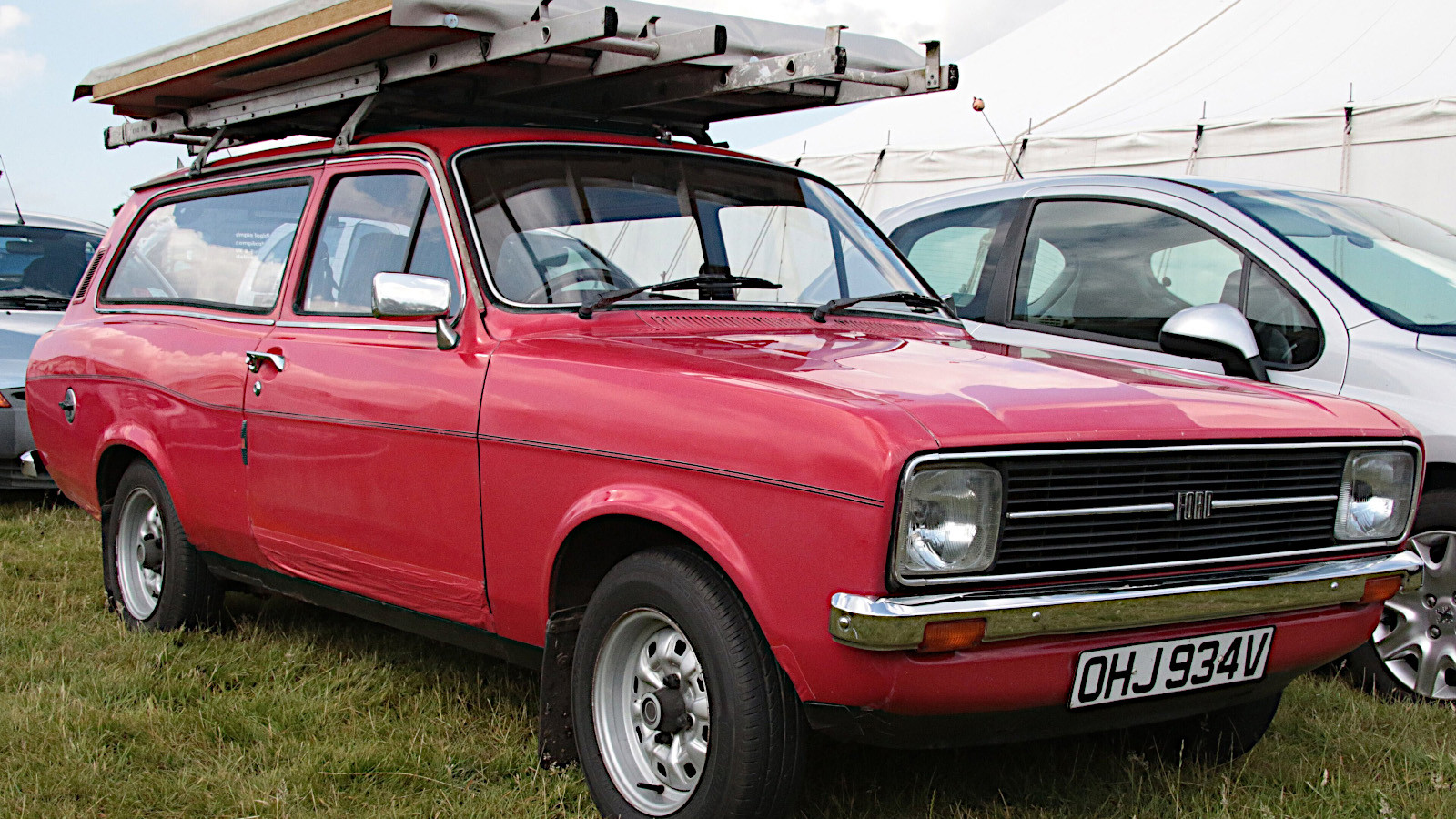
4. Ford Escort
For a town with a population of around 14,000, located to the west of Glasgow on the north bank of the River Clyde, Helensburgh has a surprisingly prominent position in motorsport history, and not just because triple F1 drivers’ champion Jackie Stewart and his wife Helen first met there.
This history includes a very popular Mk2 Ford Escort estate with modified RS 2000 running gear, which was built by a local garage and competed in Scottish circuit racing in 1984.
The Escort was a crowd favourite throughout its single season, but its day of days was at Ingliston, just outside Edinburgh, when it spun on the wet track at the exit of the final corner on the first lap, causing everyone behind to scatter in avoidance.
Restarting 16th and last, driver Olly Ross recovered to finish fifth (accompanied by loud cheers from the spectators), explaining later that the windscreen wipers had stopped working and he had to pass every car he caught as soon as possible to avoid being blinded by their spray.
Standard model pictured
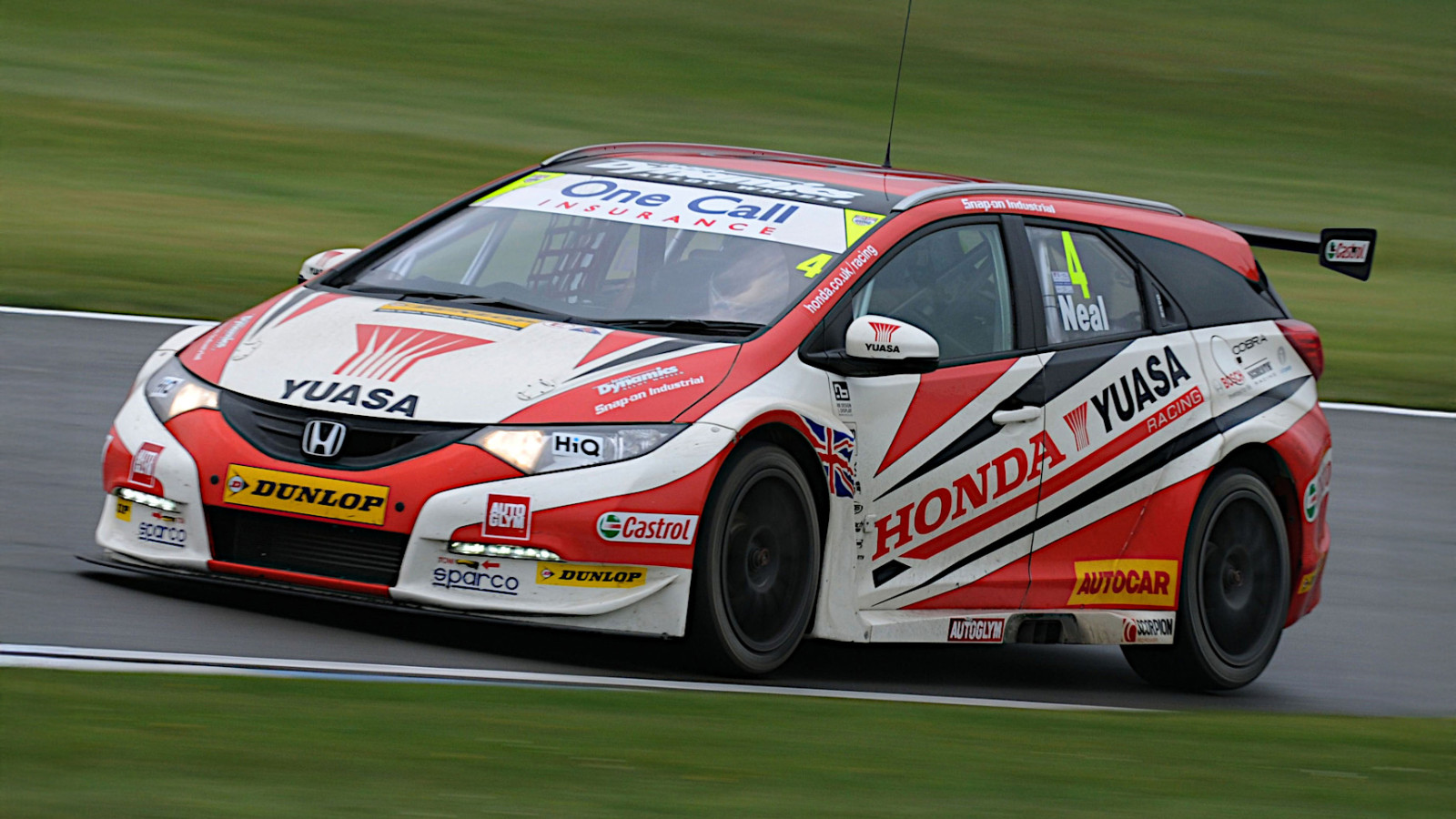
5. Honda Civic Tourer
During its phenomenal run of success in the British Touring Car Championship, Honda decided to switch from a hatchback to an estate body style for the 2014 season, largely to promote the Tourer which had just gone on sale in the UK.
There were suggestions, as there often are in cases like this, that the estate would be aerodynamically superior to the hatchback, but they were not supported by the results.
From 2010 to 2016, Honda secured the BTCC drivers’ and manufacturers’ titles five times, the teams’ championship four times and the independents’ championship twice with hatchback versions of the Civic.
The Tourer was certainly competitive in 2014, winning a few races and scoring many podium positions, but it claimed no titles at all, and was abandoned at the end of the season.
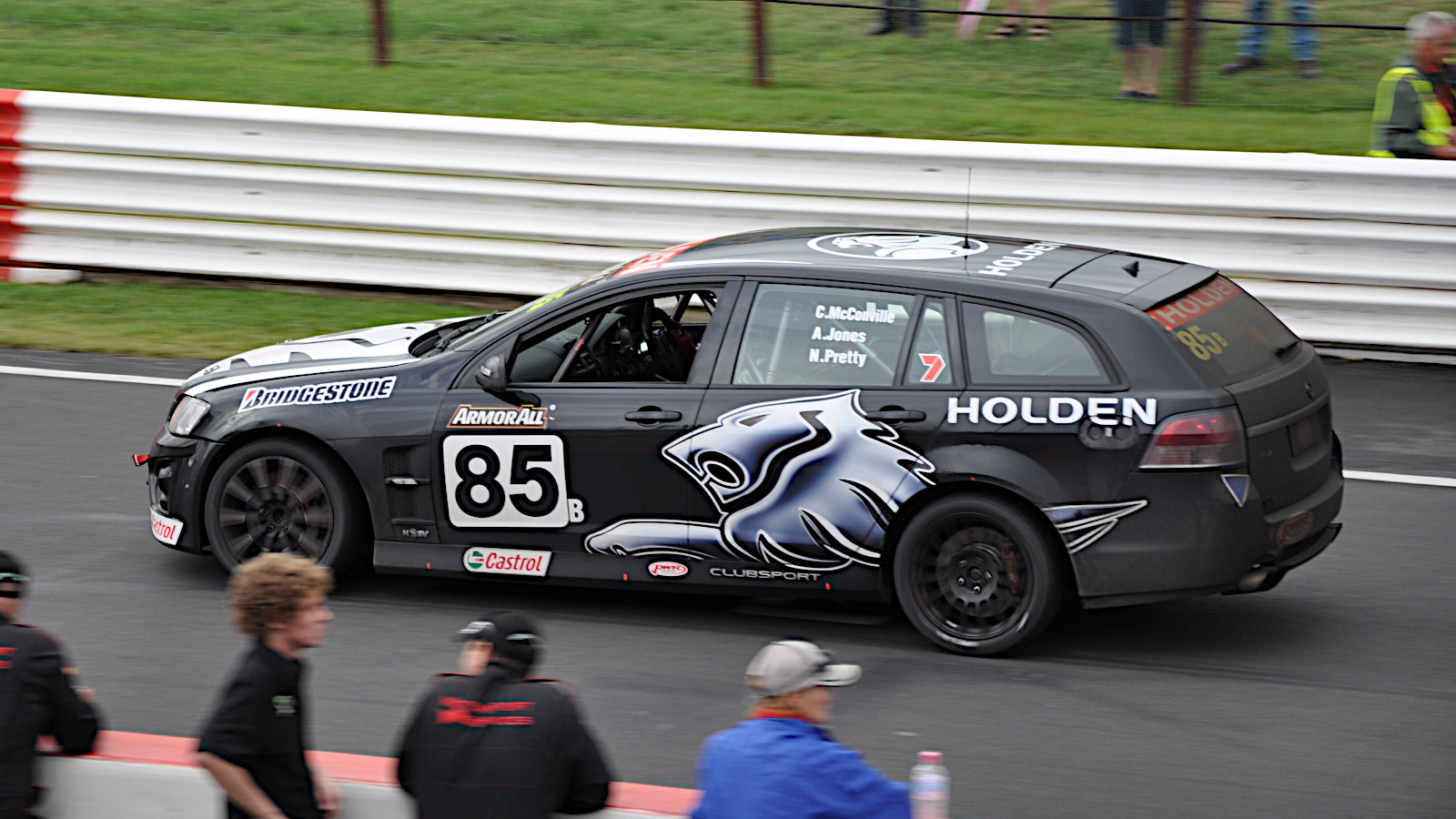
6. HSV Clubsport Tourer
In an attempt to reverse declining sales of its estates in Australia, Holden made the Sportswagon version of its VE-generation Commodore far more attractive and sporty-looking than its immediate predecessor.
The marque’s performance division, Holden Special Vehicles (HSV), created its own derivative known as the Clubsport Tourer, which was powered by a 6.2-litre, LS3 V8 engine.
Ramming home the ‘wagons are cool’ message even further, HSV prepared a Clubsport Tourer for competition, and ran it in some editions of the Bathurst 12 Hours held at Mount Panorama in New South Wales, home of the more famous 1000km race.
The 2010 event was notable for heavy rain and the unusual circumstance of a tree falling down and blocking Conrod Straight, but also for the fact that the HSV Clubsport Tourer finished third overall, behind only a twin-turbo BMW 335i and a Mitsubishi Evo X.
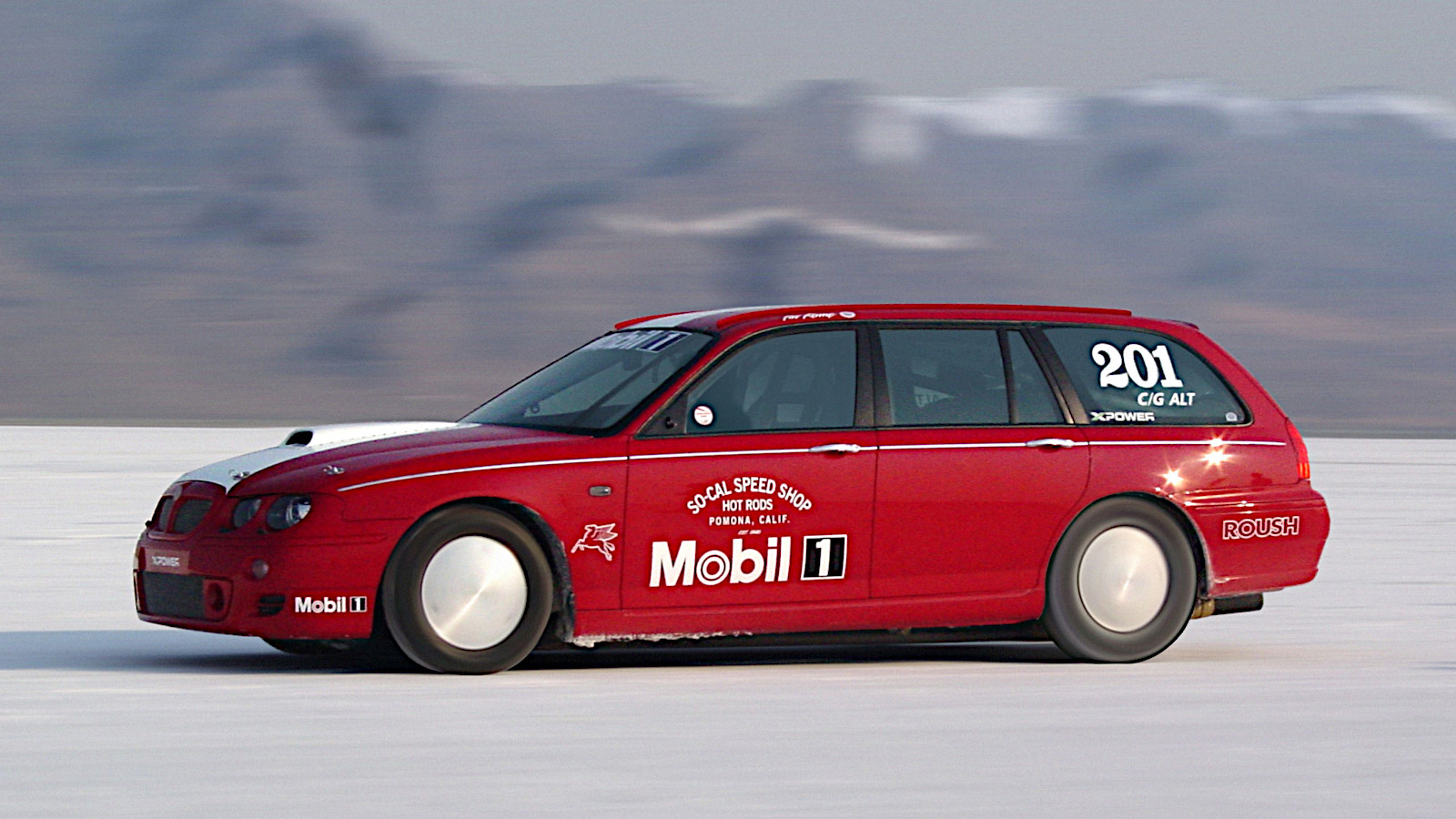
7. MG ZT-T
In 2003, MG used record-breaking to promote itself, as it had done several times many decades earlier.
This time its car of choice was the ZT-T, the high-performance version of the Rover 75 estate.
MG Rover’s then design director, Peter Stevens, was heavily involved in the project, while So-Cal Speed Shop built and ran the car, and Roush Performance developed its 6-litre V8, which produced more than 750bhp.
On the Bonneville Salt Flats in the US state of Utah, the car exceeded 250mph.
However, the publicity arising from this was not nearly enough to save the deeply troubled MG Rover car company, which went into administration in 2005.
8. Mini
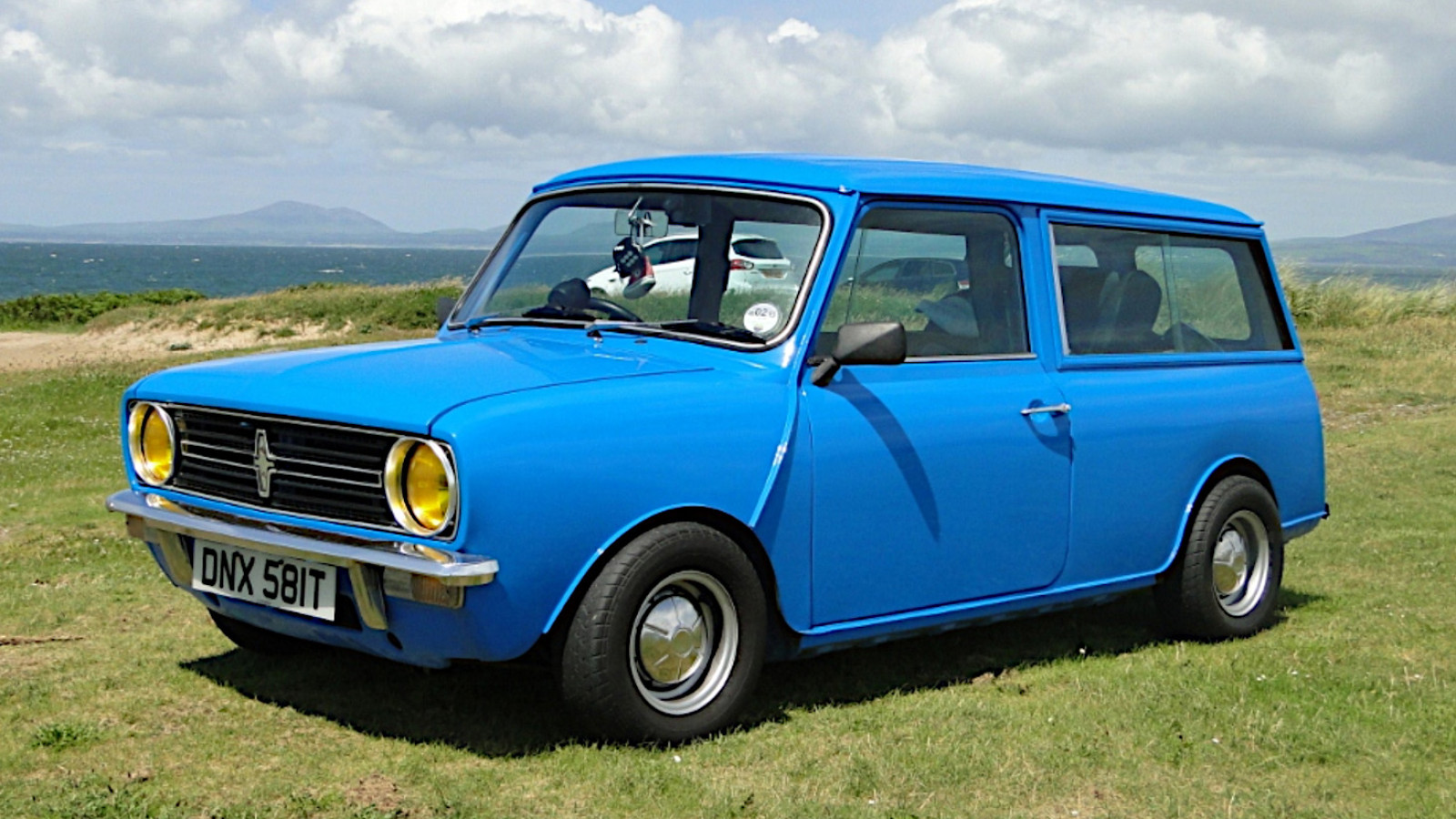
Several Mini estates have been used in various forms of motorsport, but perhaps none is more famous than the Clubman replica built for the 1975 UK motor-racing season by David and Ginger Marshall (the latter also being the driver), and their business partner Ian Fraser.
Based on a spaceframe chassis, the car was enormously successful, partly because the team was determined to make it as light as possible – Ginger has joked that at one point his colleagues threatened to drill holes in him because they couldn’t find any more metal to remove.
The Mini started with a 970cc BMC A-series engine, but for 1977 the team switched to a more powerful Hillman Imp unit which had to be adapted to fit on the Mini gearbox.
This arrangement proved to be too fragile, so for 1978 (the car’s final season), the team built its own cylinder block.
With the reliability problem now solved, the Mini won nine races and finished either second or third in another four of the 14 it took part in.
Standard model pictured
9. Reliant Kitten
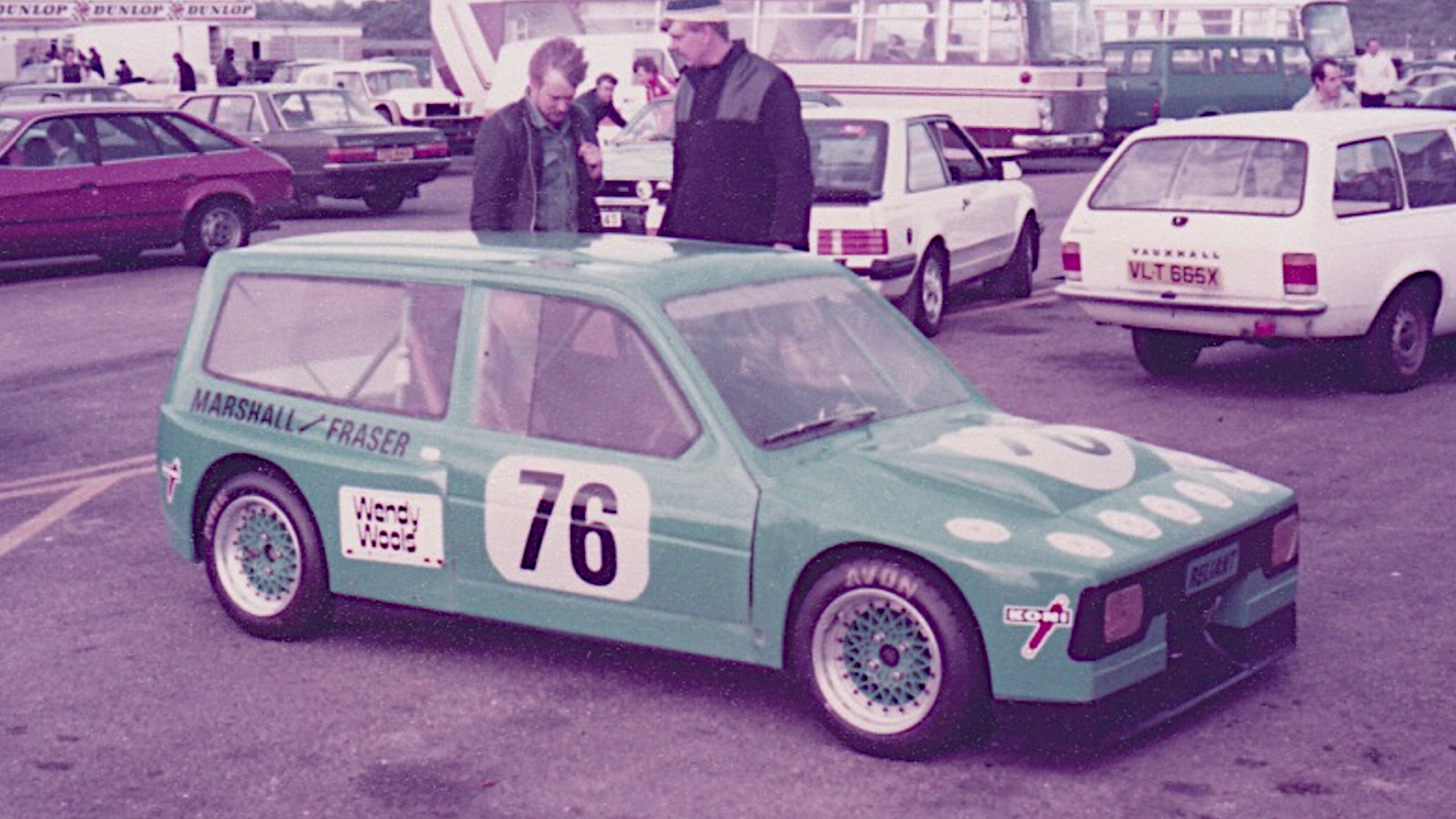
The Marshall & Fraser Mini was followed by a Reliant Kitten estate which had the same dimensions, along with the aerodynamic advantage of a more steeply raked windscreen.
It first raced (and won) in 1982, four years after the last appearance of the Mini, and was still winning and setting new lap records as late as 1990.
Compared with the situation regarding Mini estates, the chances of more than one Kitten estate being used in motorsport seem vanishingly small, but in fact this has happened.
The Marshall & Fraser team built a spare shell for the Kitten, and long after they had moved on to other projects they sold it to Scottish hillclimber Richard Matossian, who fitted it to another car.
10. Seat Leon ST Cupra 280
Seat supplied two Leon Cupras for individual rounds of the British-based Multi-Car Hillclimb Challenge, one of them a hatchback and the other an estate.
The estate, or ST as Seat called it, competed at Wiscombe Park in Devon, where it was up against formidable opposition in the shape of a Ford Escort and two Porsche 911 turbos, one of which was, as often happens in hillclimbs, shared by two drivers.
If the results had been determined by how much luggage the cars could carry, the ST would have been a clear winner, but against the clock it was hampered by being by far the least-powerful contender.
Wet conditions levelled the playing field to some extent, and while the Seat Leon ST Cupra 280 finished in the expected fifth place out of five, the time it set on its best run was within a second of one of the Porsches, which the team felt was a more than satisfactory performance.
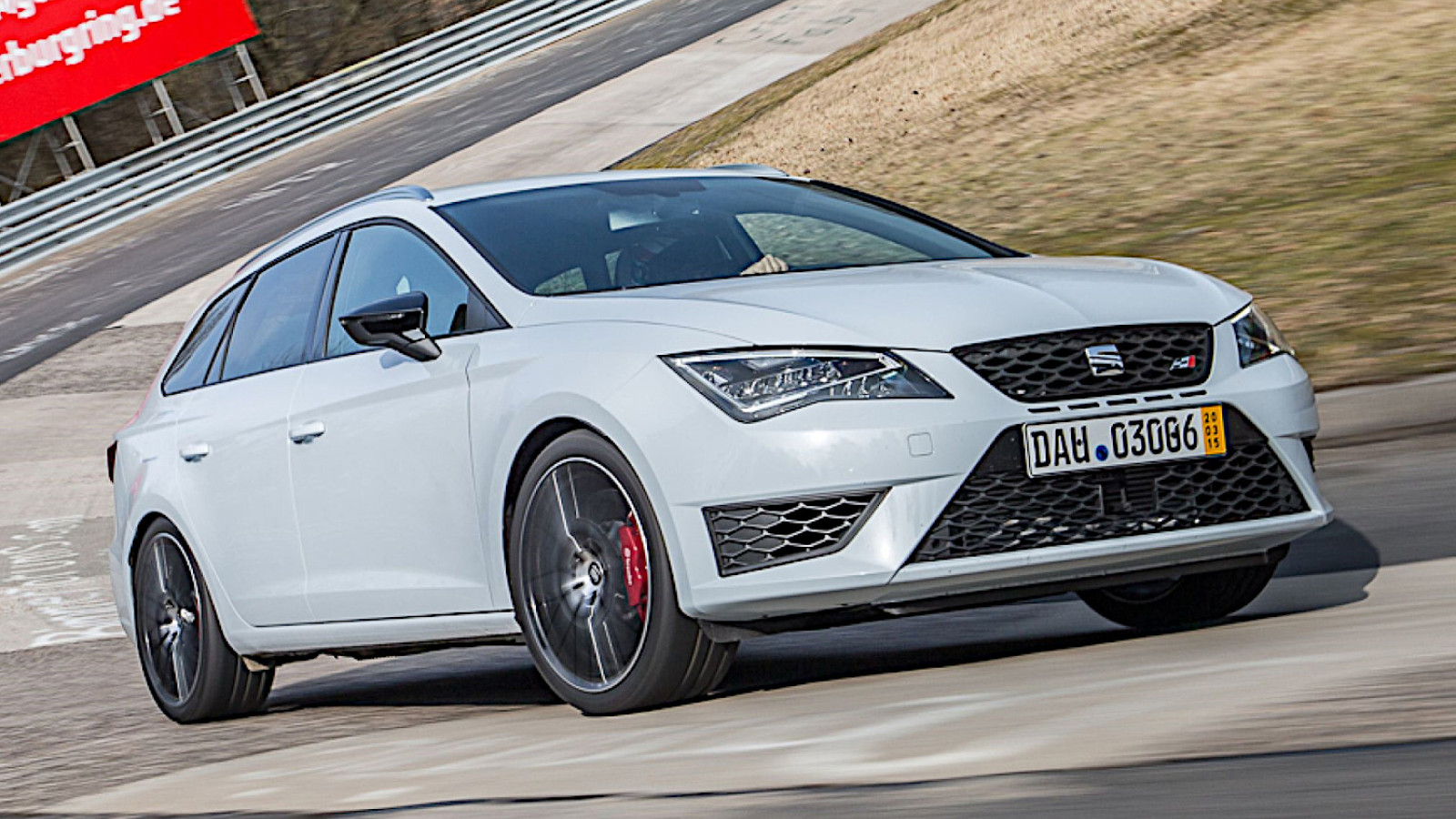
Previously, and in a motorsport-adjacent though non-competitive context, another ST Cupra 280 (pictured) completed a lap of the Nürburgring Nordschleife in 7 mins 58.12 secs, which was claimed to be the first sub-8-min time achieved at the circuit in an estate car.
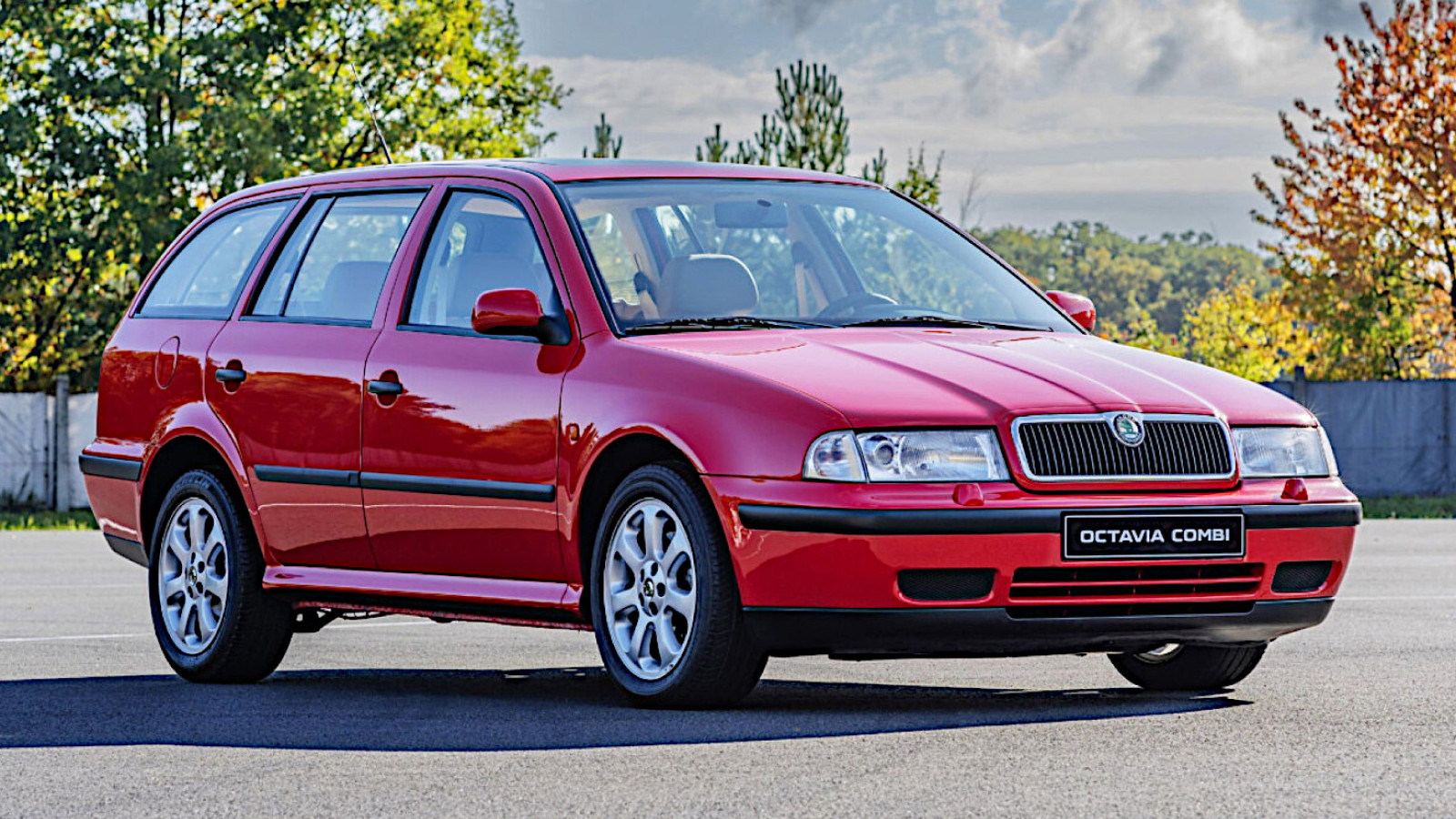
11. Škoda Octavia
One of the standout cars competing in the 1999 Italian Hillclimb Championship was a very special Škoda Octavia estate.
It was essentially a Super Touring car, with a lot of technology carried over from the Audi A4 which competed in that category at around the same time.
Its 2-litre, naturally aspirated engine was said to produce just over 300bhp, while its total weight is believed to have been 870kg (1918lb).
It was driven by the great Fabio Danti, who would be killed the following year at the age of 32 while competing in a different car.
Video footage from the 1999 season shows that this Octavia was an excellent competition car, brilliantly driven.
Standard model pictured
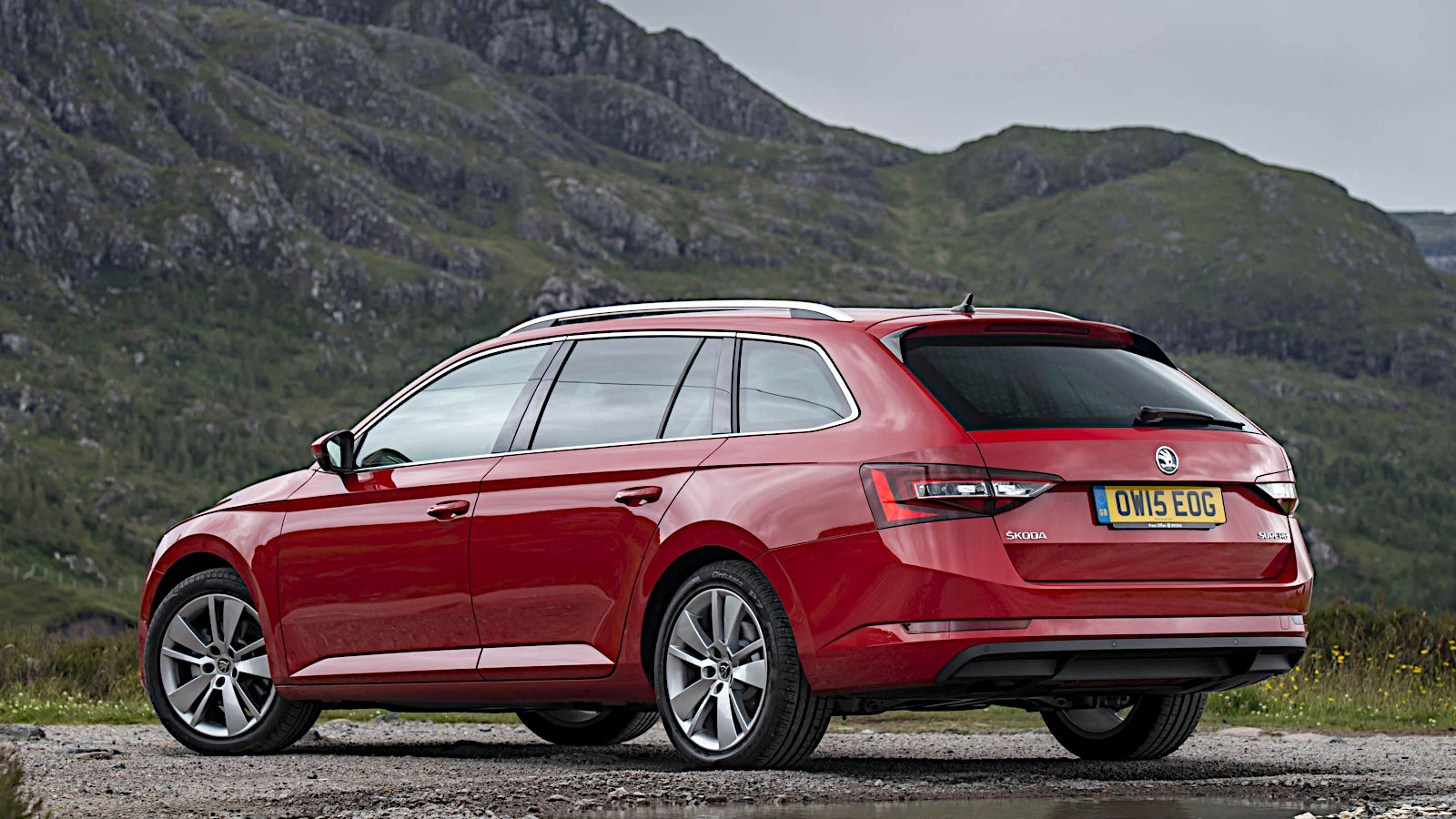
12. Škoda Superb vRS
The third and final estate used in the UK’s Multi-Car Hillclimb Challenge was a 2-litre, turbocharged Škoda Superb vRS wagon which took part in a round of the British Hillclimb Championship at Loton Park, in Shropshire, in September 2016.
Pre-event expectations were low, and one of the drivers described the car’s handling along Cedar Straight (which is rather bumpy and, despite its name, includes three corners) as being ‘like a school of porpoises’.
Nevertheless, the big Škoda performed splendidly, finishing fifth in a class of 11 and beating all but one of the four Porsches it was competing against.
This result was attributed largely to the car’s four-wheel drive and twin-clutch DSG transmission, which did a fine job of counteracting the power and weight disadvantages and the comfort-oriented suspension.
Standard model pictured
13. Subaru GL Family Huckster
The Subaru known elsewhere as the Leone was sold in the US simply as the DL or GL (the difference being simply a matter of how much equipment was supplied as standard) and with several body styles, including a five-door station wagon.
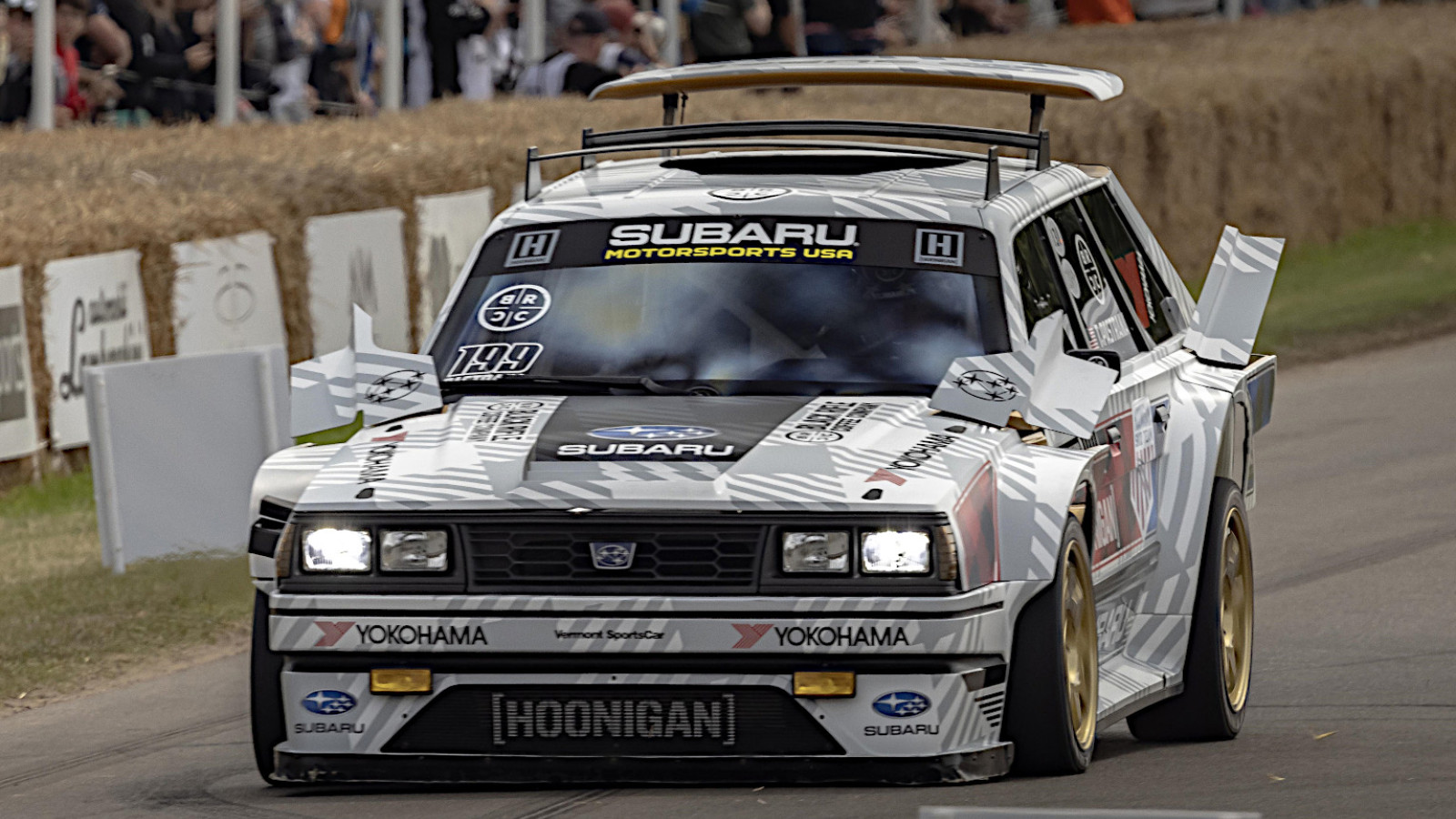
In 2022, Subaru Motorsport USA created an extravagant one-off variant of the 1983 GL five-door called the Family Huckster.
This remarkable machine had a tubular spaceframe chassis, carbonfibre bodywork, four-wheel drive, an 850bhp engine, a suspension system similar to that used in World Rally Championship cars, and various active aerodynamic devices which created extra downforce and drag as soon as the brakes were applied.
Travis Pastrana, who described the Family Huckster as “by far my favourite vehicle I’ve ever driven”, got behind the wheel of it during the 2022 Goodwood Festival of Speed Hillclimb Shootout, and finished fifth overall.
14. Subaru Impreza Wagon
Steven Darley is renowned within hillclimbing for his ability both to develop extremely fast Subarus (including the one in which Damien Bradley finished third in the Time Attack 1 division at Pikes Peak in 2025) and to drive them astonishingly quickly.
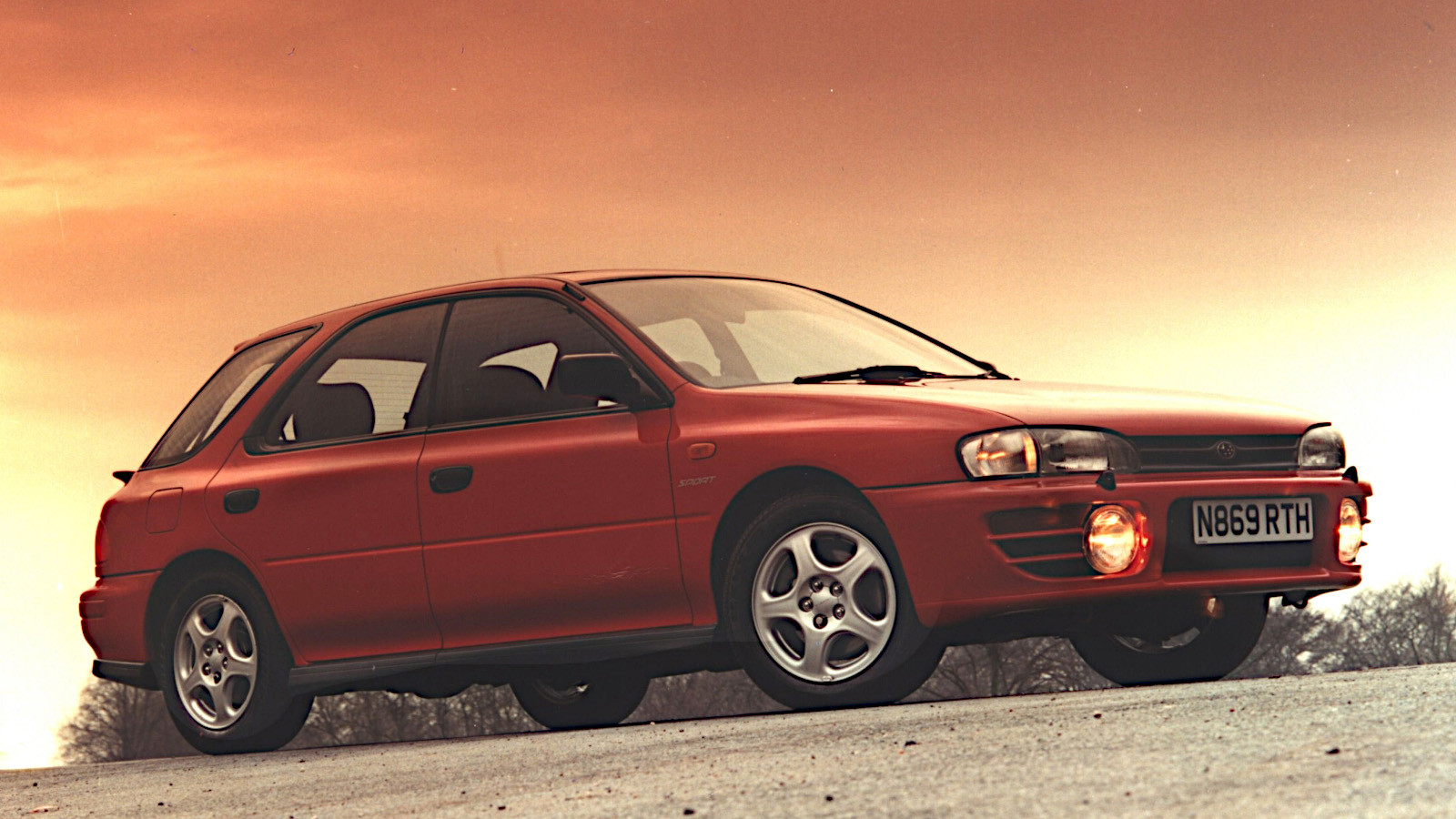
One of the highlights of his career was his performance at Shelsley Walsh in 2017, when he broke the 30-sec barrier in a road-legal, though very highly modified, first-generation Subaru Impreza Wagon.
This feat was not achieved even by purpose-built single-seaters before 1971, and is, as of 2026, still by far the best performance of any estate car at Shelsley.
Another Impreza Wagon competed in the early rounds of the 1998 Japanese Touring Car Championship, but it struggled to keep up with the rival Toyotas and was withdrawn from the series.
Standard model pictured
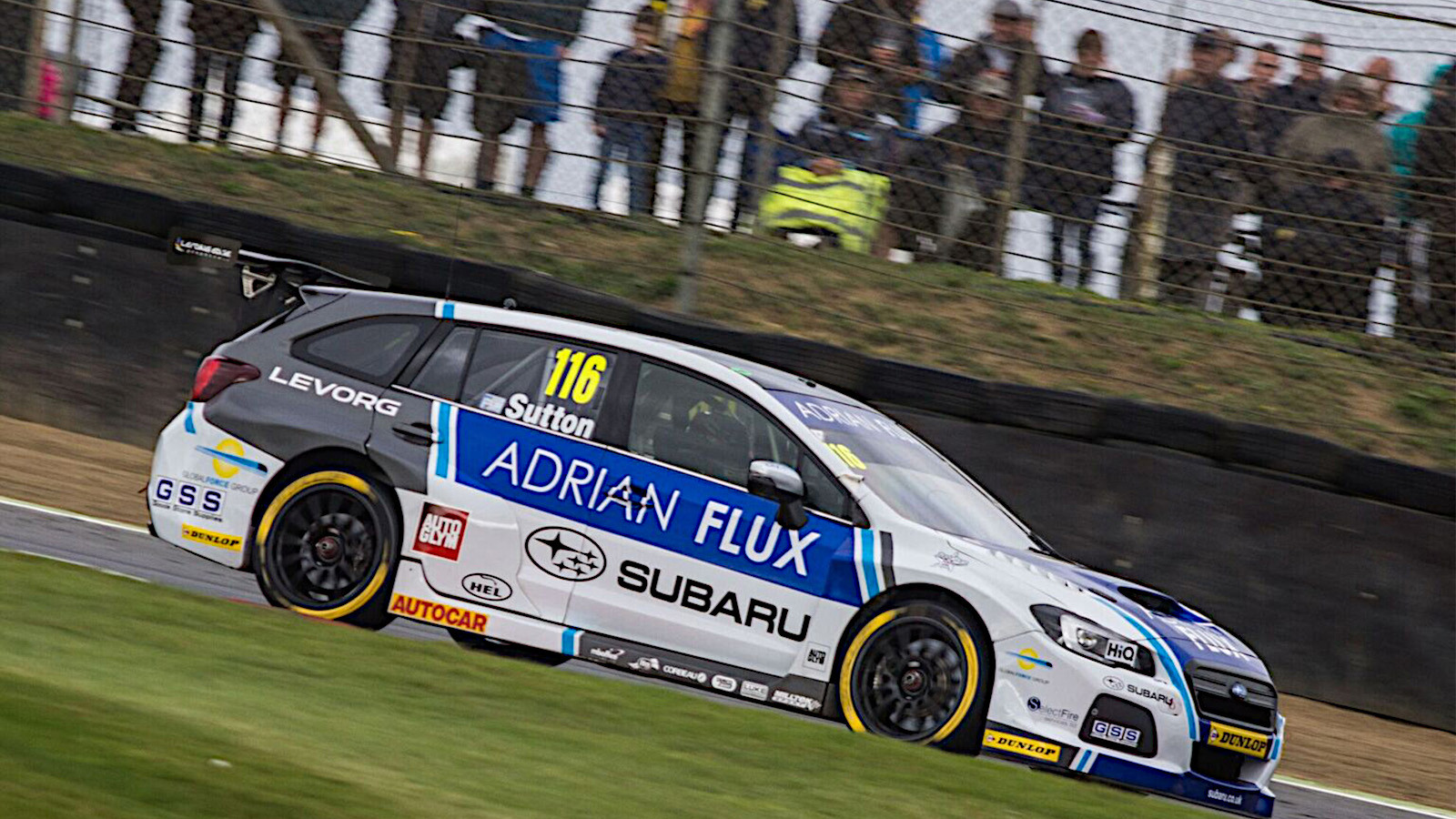
15. Subaru Levorg
Although it is related to the Subaru Impreza, the Levorg is unusual in that it has only ever been manufactured as an estate car.
Rear-wheel-drive Levorgs competed for several years in the British Touring Car Championship (the standard, four-wheel-drive system not being permitted) and achieved their finest result in 2017.
After a dismal start to the season at Brands Hatch, Subaru racer Ash Sutton quickly became a leading contender, and spent several months battling against BMW’s Colin Turkington.
Sutton came out on top, scoring 372 points to Turkington’s 351, and in doing so became the first driver ever to win the championship in an estate car.
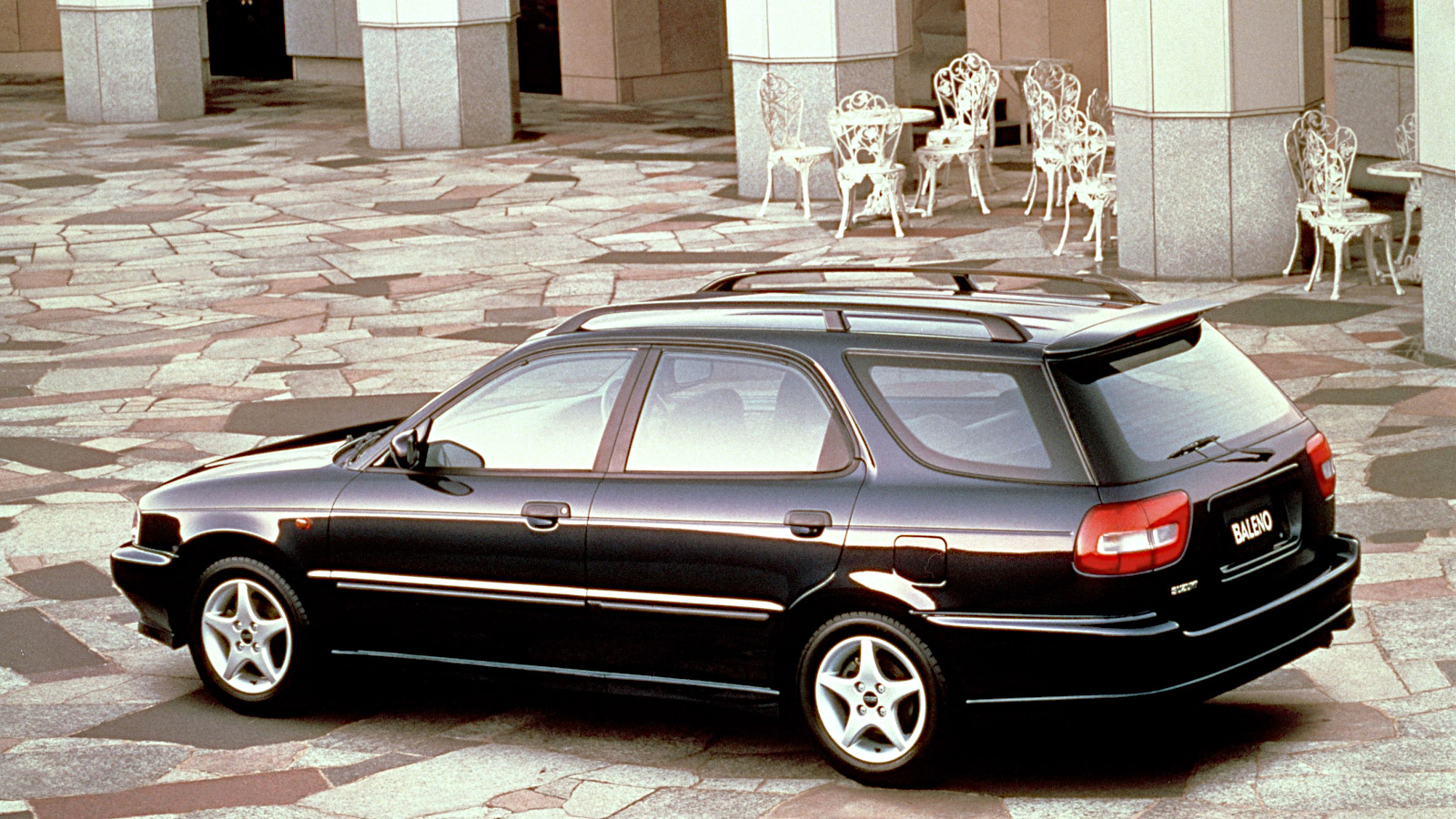
16. Suzuki Baleno Wagon
Nobuhiro ‘Monster’ Tajima is an expert builder and driver of Suzuki competition cars, probably best known outside Japan for winning the Pikes Peak hillclimb seven times (first in 1995, then every year from 2006 to 2011).
His appearance here is not due to any of those cars, none of which were estates, but to the station-wagon version of the Suzuki known in Japan as the Cultus Crescent and elsewhere as the Baleno.
Having won the 2-litre division of the Asia-Pacific Rally Championship in 1995 with a Swift, he switched to the Suzuki Baleno Wagon and achieved the same result for the next three years.
According to the website of his company, Monster Sport, the Baleno ran in Group A specification in 1996, but in ’97 and ’98 a change in the Asia-Pacific regulations allowed Tajima to run it as a more highly modified Kit Car.
Standard model pictured
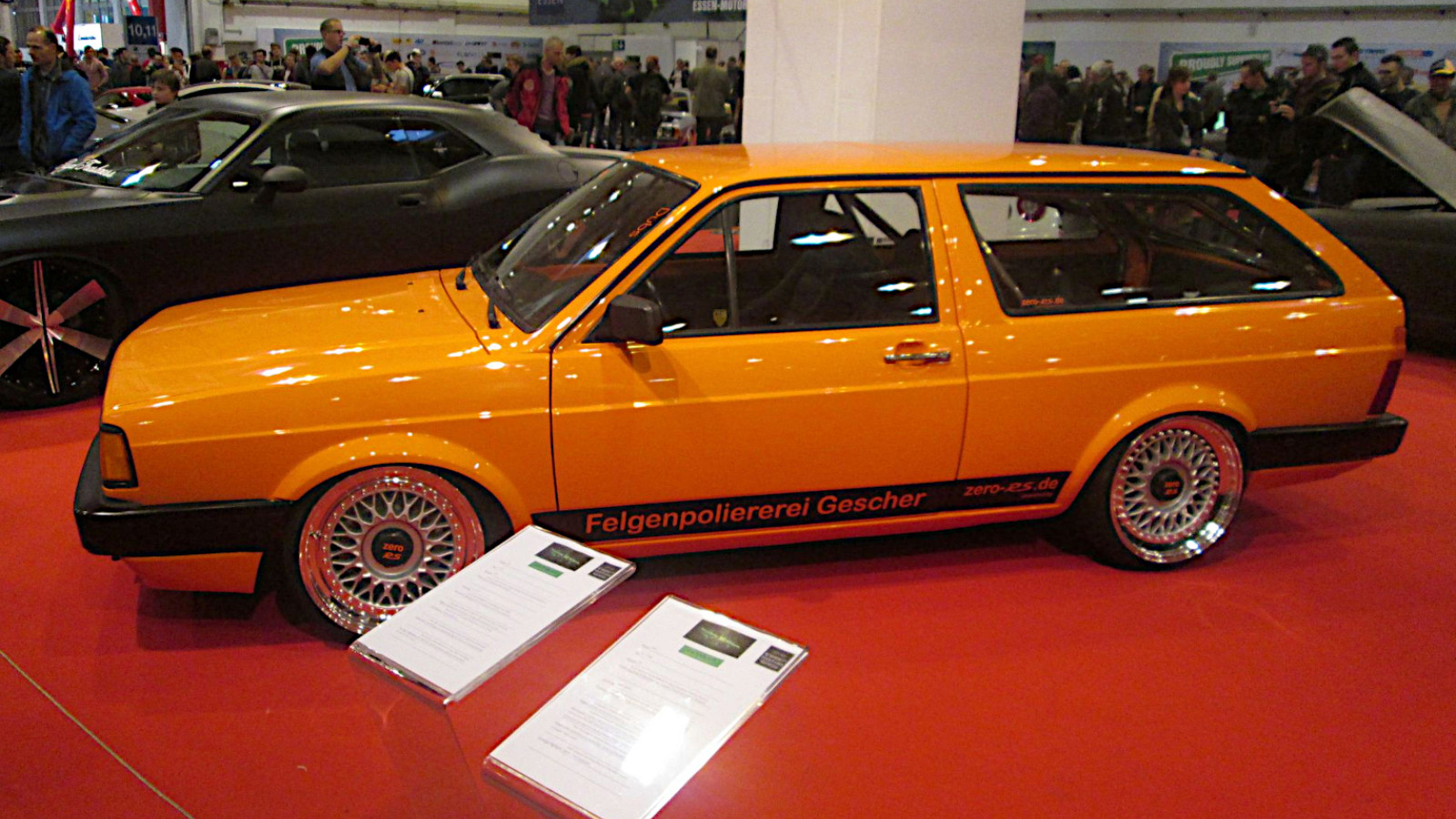
17. Volkswagen Fox Wagon
This model was a station-wagon derivative of the Brazilian-built Volkswagen Gol (not Golf) sold in its home market as the Parati, but the example we’re looking at here competed in the US, where it was known as the Fox Wagon.
As initially converted by New York-based Sakis Hadjiminas and his team, the Fox Wagon was powered by a turbocharged V6 (but not VR6) engine producing around 400bhp, and had a four-wheel-drive system.
Despite being produced on a very limited budget, the car performed spectacularly in SCCA (Sports Car Club of America) rallies in the late 1990s.
It was subsequently taken over by one of the team members, Jose Vicente, who converted it to a naturally aspirated, front-wheel-drive car in the interests of simplicity and reliability.
Customised standard model pictured
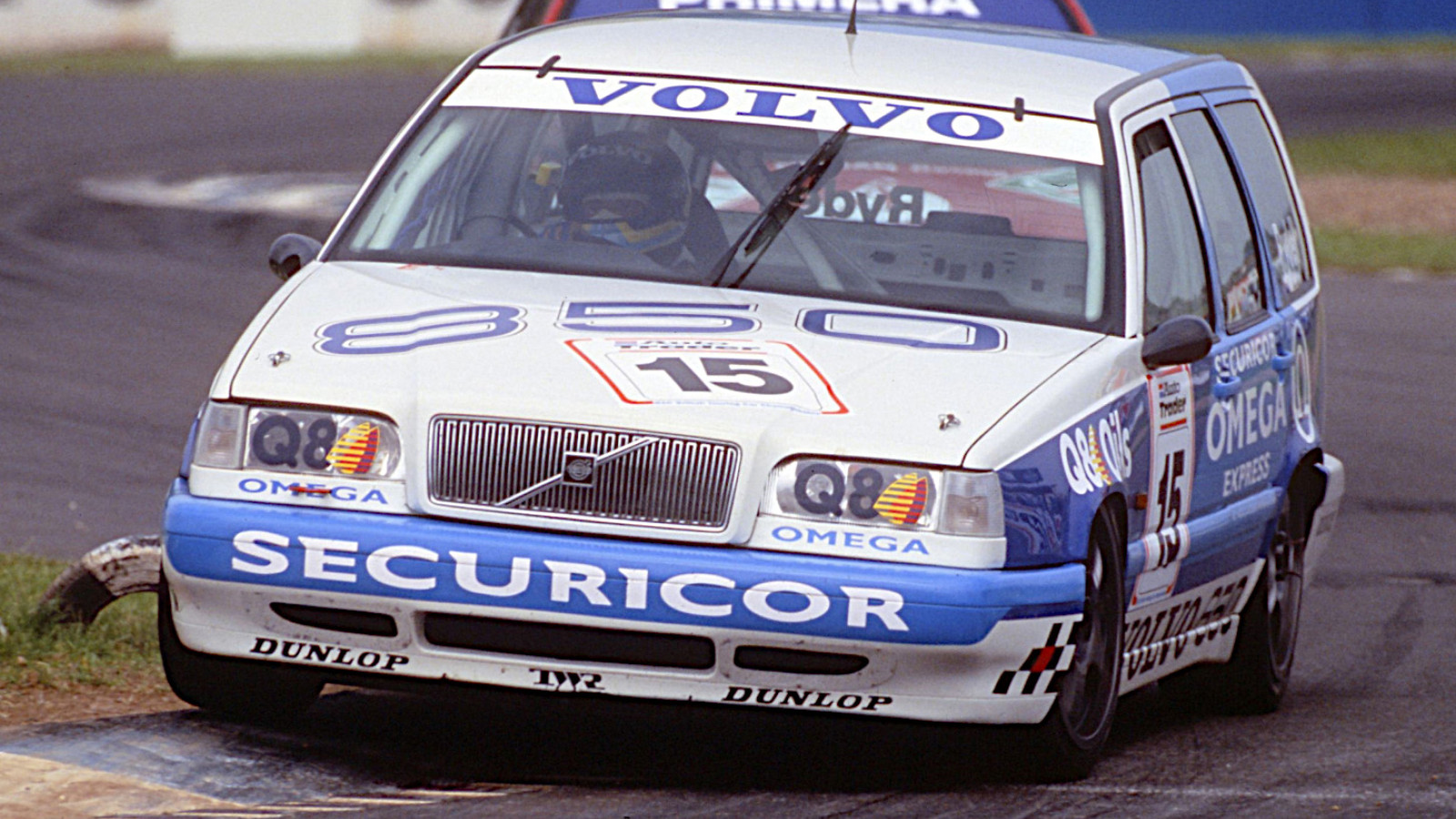
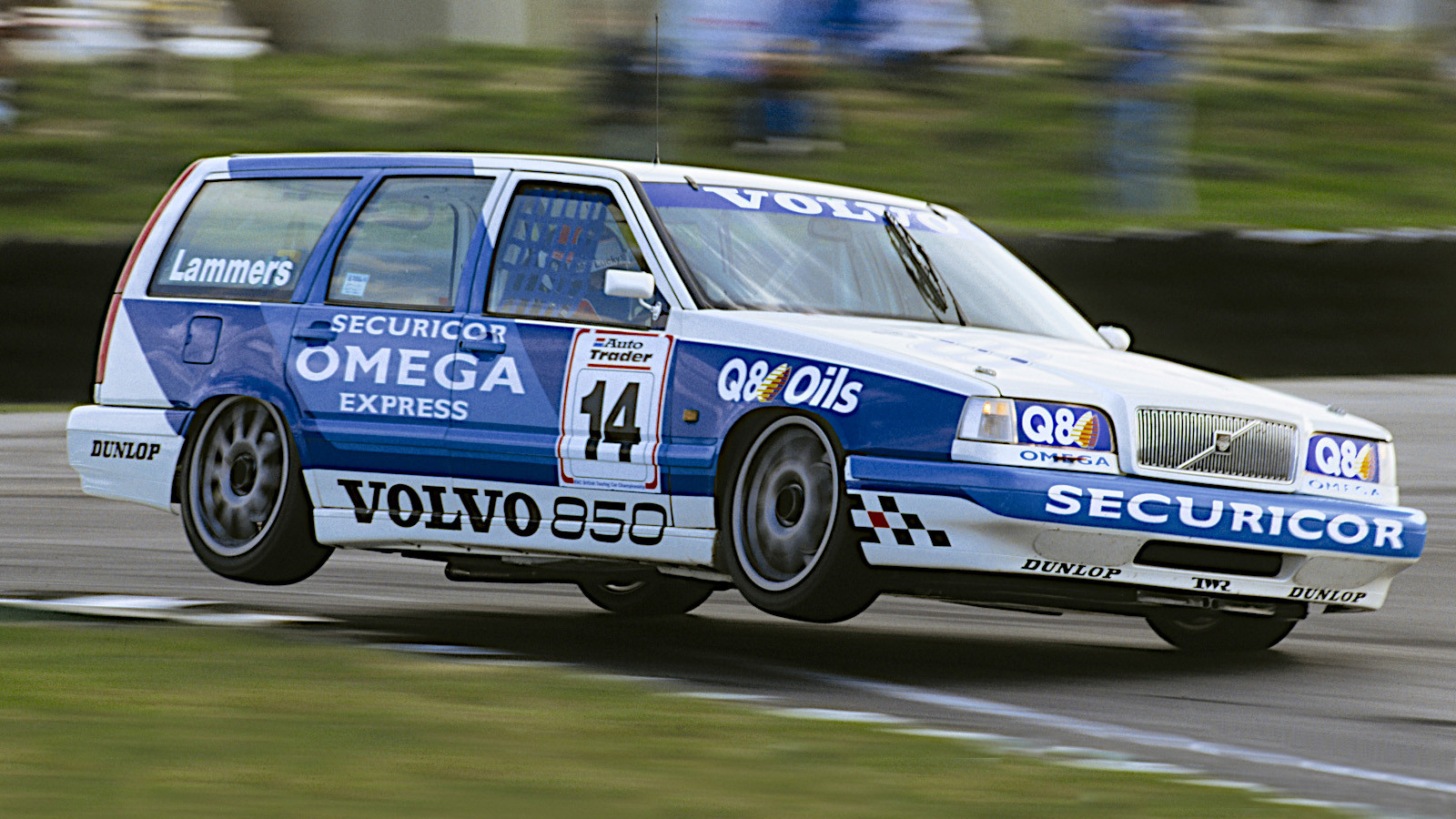
18. Volvo 850 Estate
In the sediment at the bottom of the internet you will find claims that estate cars were banned from the British Touring Car Championship after Volvo’s 850 dominated the 1994 season.
This is completely untrue, for two reasons.
First, estates have never been banned from the BTCC – as previously mentioned, both Honda and Subaru used them long after Volvo did.
Second, unlike the much more successful saloon Volvo brought out in 1995, the estate did not win a single race, never finished higher than fifth and was usually placed outside the top 10.
Disappointing though this may seem at first, as a fact-finding mission for a car manufacturer which had never previously competed in the BTCC (and would win the drivers’ title with the S40 in 1998), the season was actually quite promising.
Perhaps more importantly, it gave Volvo an enormous amount of publicity, and more than 30 years later the 850 Estate is still arguably one of the best-known cars ever to compete in this championship.
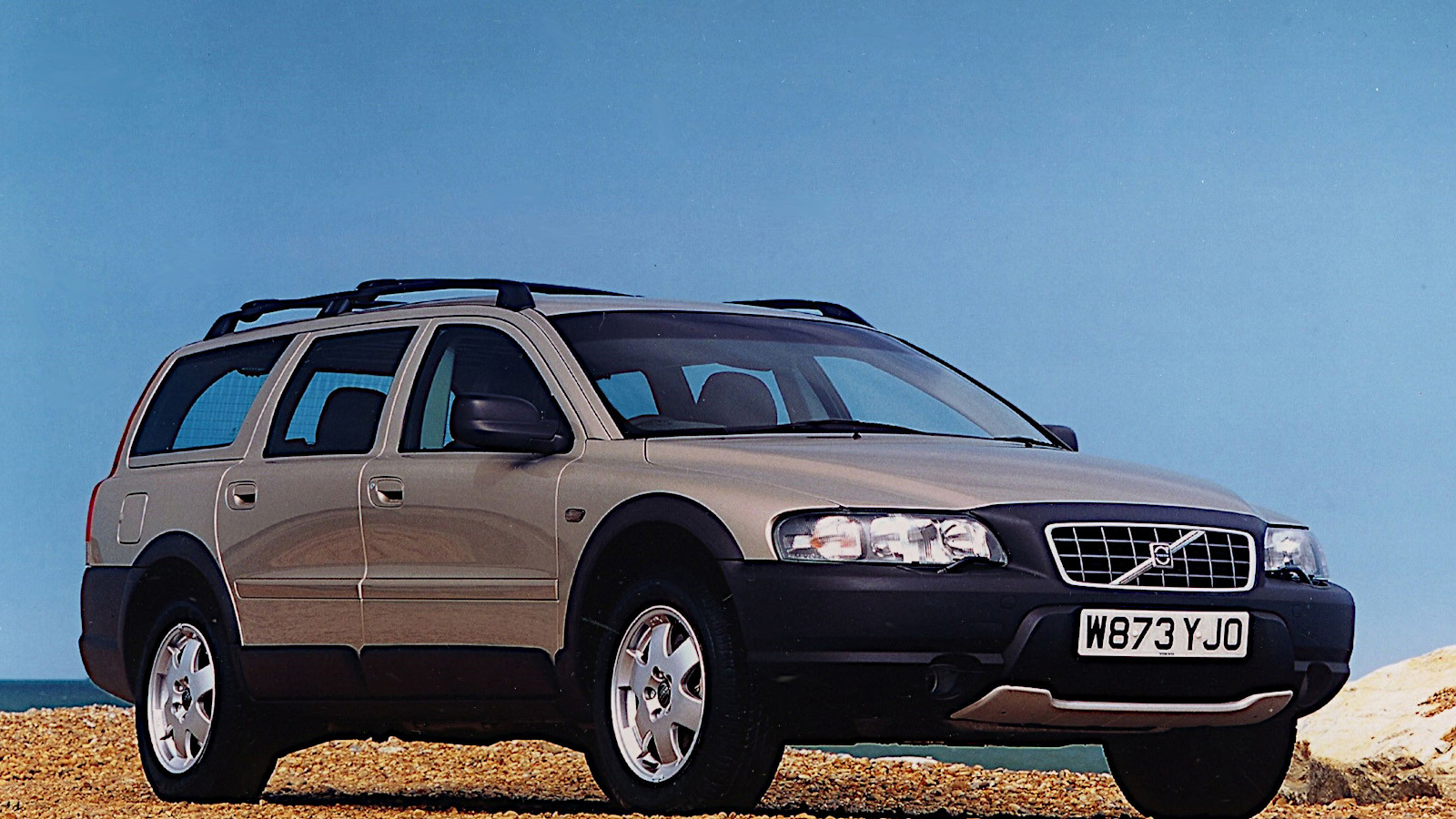
19. Volvo V70 Cross Country
The Cross Country was a variant of the Volvo V70 Estate with extra body protection and greater ride height, making it more suitable than the standard model for light off-roading.
The Inventor Racing Team, based on the west coast of Sweden, transformed a Cross Country into a Dakar Rally contender with an uprated version of the standard, 2.5-litre, five-cylinder, turbocharged, diesel engine.
Unfortunately, the car, crewed by Ivan Reedtz-Thott and Niels Pedersen, retired with transmission failure on the third stage of the 2003 Dakar.
Inventor Racing returned in 2004 and completed more stages before voluntarily withdrawing, because the entire team was suffering from sleep deprivation after having to deal with numerous mechanical issues.
Standard model pictured