Maserati Mistral Spyder: the Trident’s overlooked gem

| 24 Jul 2026
Classic & Sports Car – Maserati Mistral Spyder: the Trident’s overlooked gem

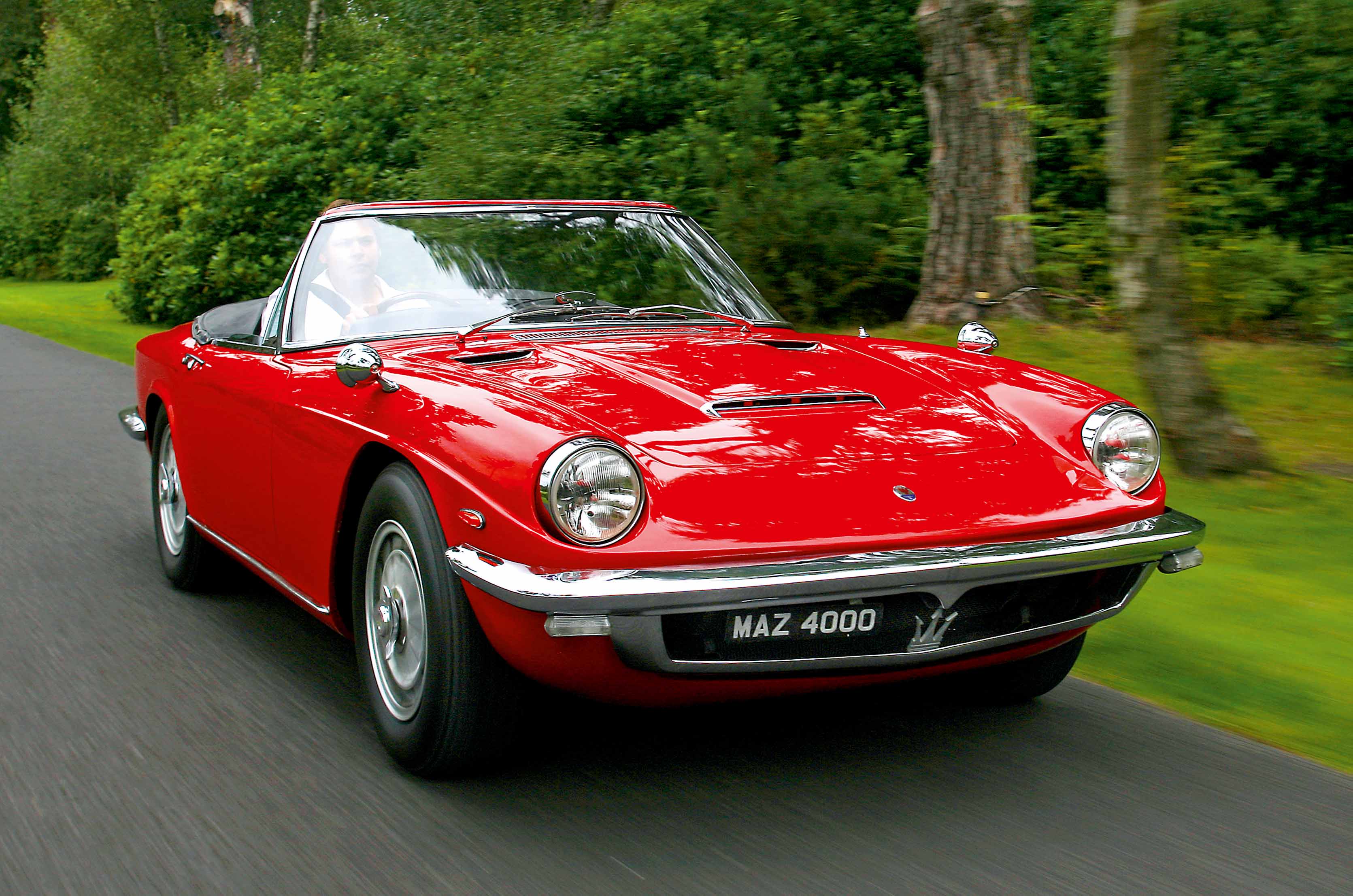
In the pantheon of super-exotic 1960s machinery, the Maserati Mistral Spyder was, for a long time, unfairly overlooked.

At the 1966 Earls Court Motor Show, Aston Martin’s then-dated GT was £700 cheaper than the Mistral, whose order form demanded £5784 including Purchase Tax.

No wonder the Daily Express Review called it ‘Millionaire motoring by Maserati’.
Classic & Sports Car – Maserati Mistral Spyder: the Trident’s overlooked gem

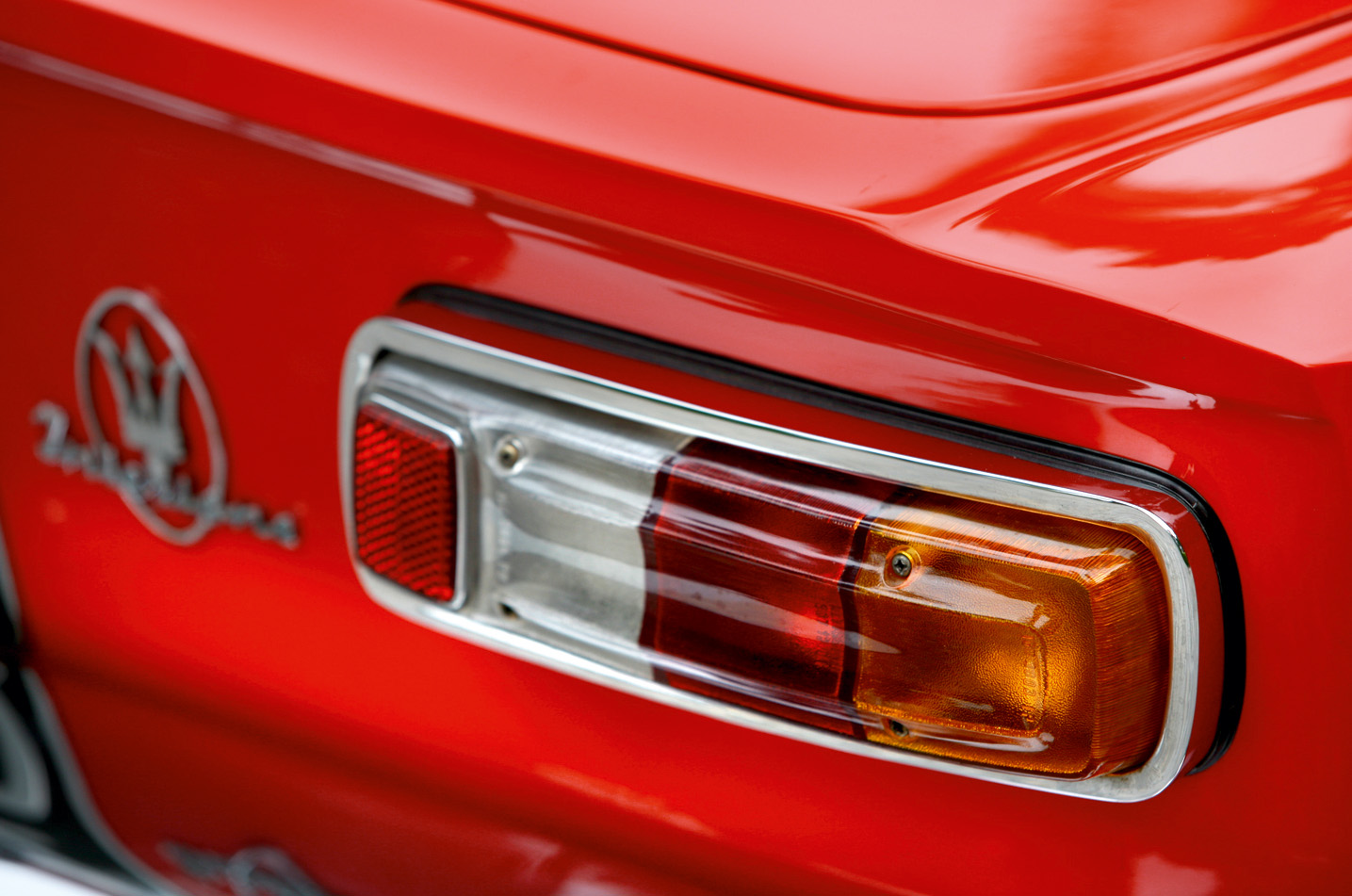
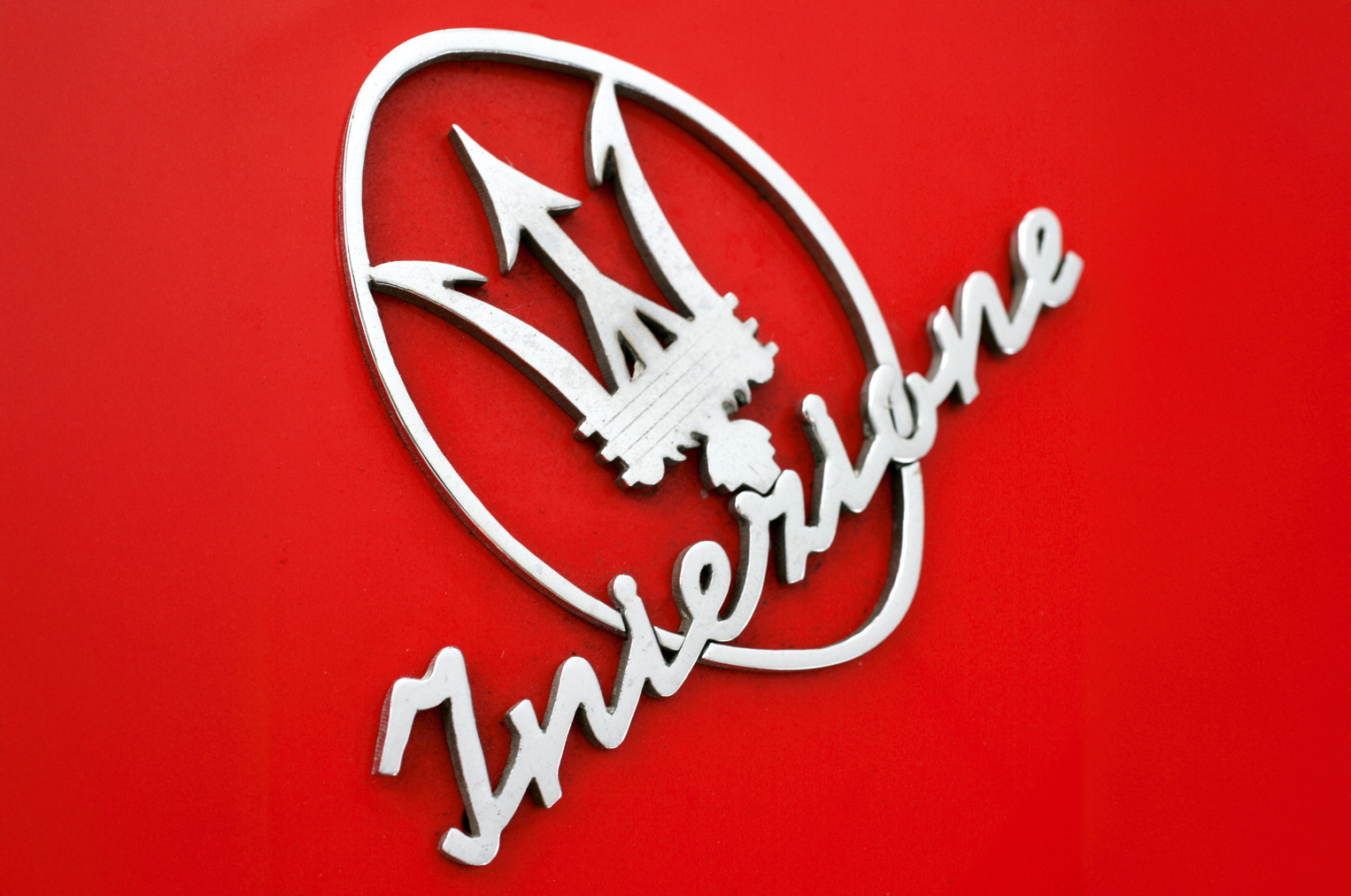
The Maserati Mistral Spyder 4000’s ‘Iniezione’ badge references the straight-six engine’s Lucas injection

It may not have a dozen cylinders, but few can argue with the provenance of an engine descended from one of the most successful – and beautiful – Grand Prix cars of all time.

And in the metal it looks almost impossibly glamorous, a sensation that’s only enhanced by the fact that it’s a Maserati.

There’s little doubt that the marque’s prestige has been diluted over the past quarter-century by a stream of decidedly questionable models.

In the 1960s, however, the lesser-known of the Modenese marques carried a unique cachet among its exclusive rivals: more exotic than an Aston Martin, yet without the brashness of a Lamborghini or the ‘look at me’ air of a Ferrari.
Classic & Sports Car – Maserati Mistral Spyder: the Trident’s overlooked gem

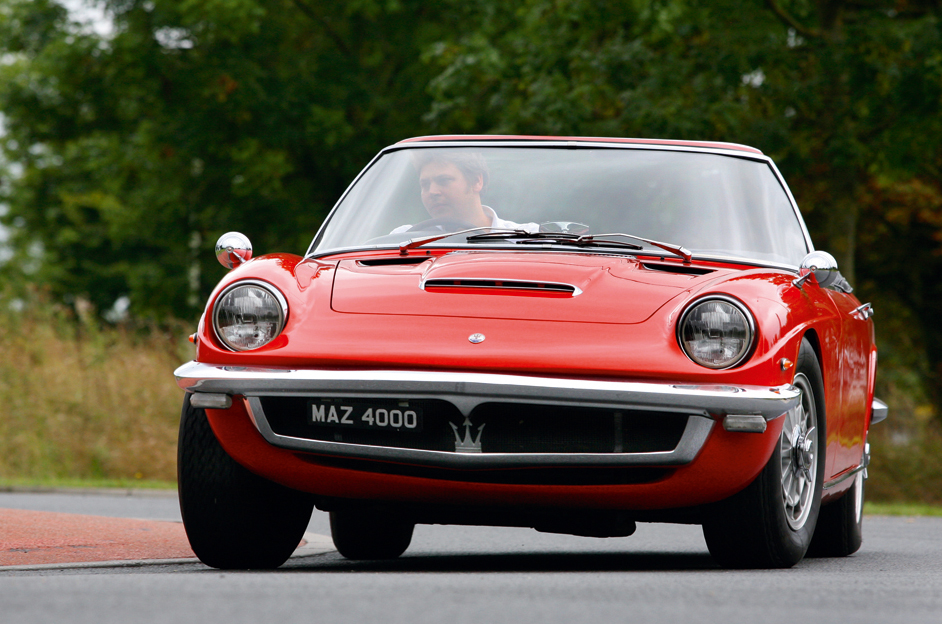
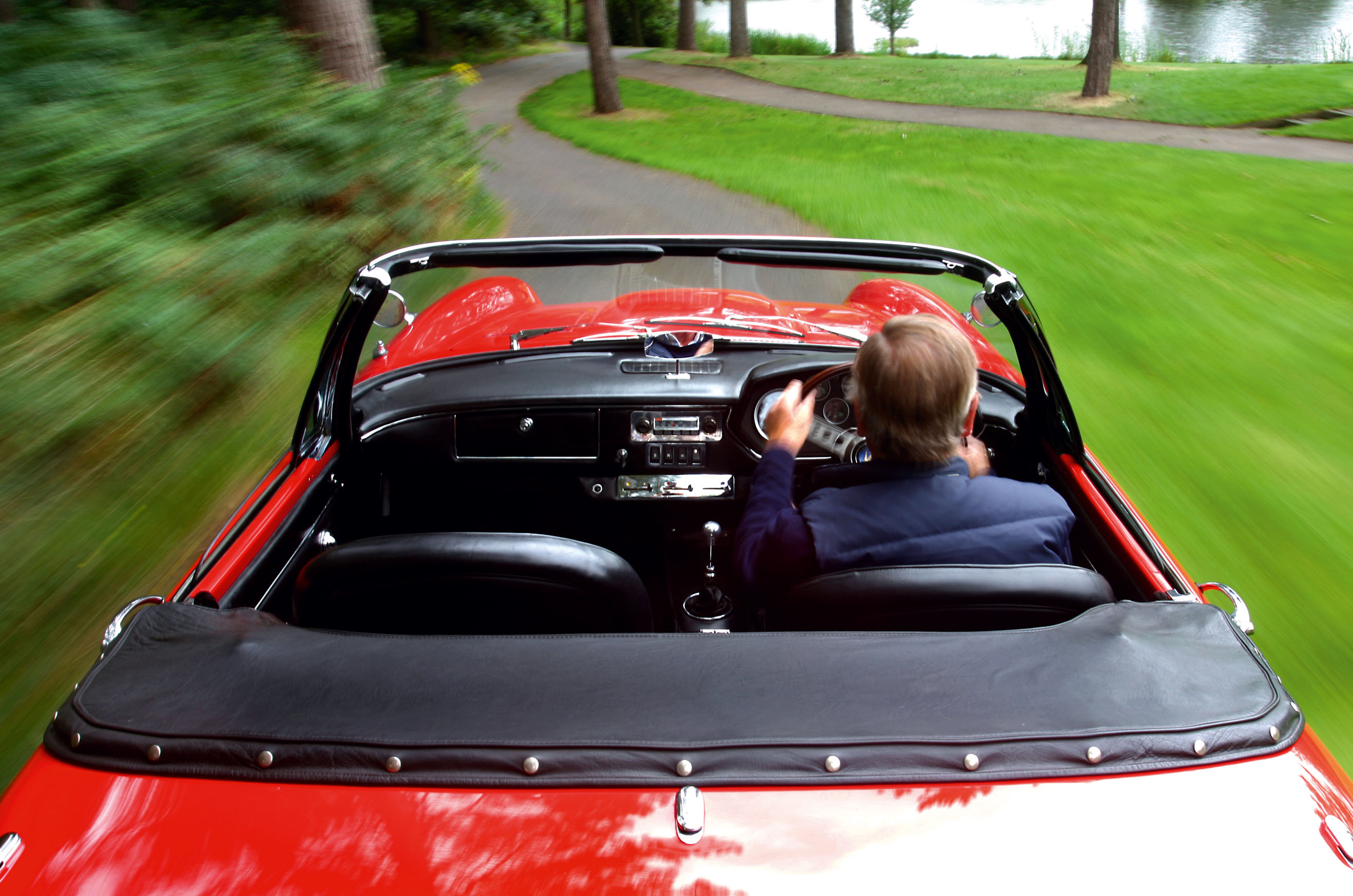
The Maserati Mistral Spyder makes a fine tourer, with a big boot and spacious rear shelf
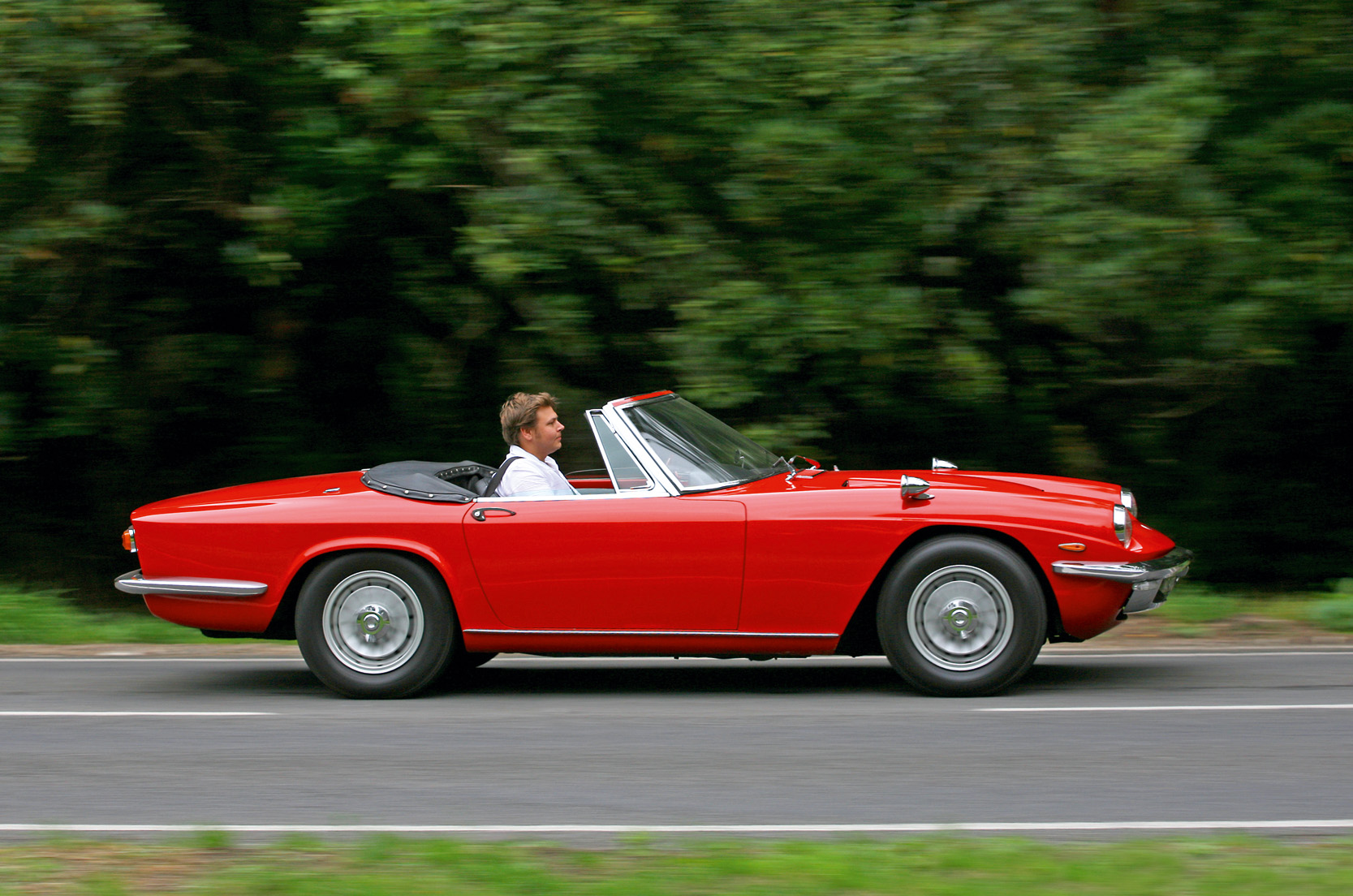
The prototype of Maserati’s new GT appeared at Turin in November 1963, then just called the Due Posti (two-seater), with the Spyder coming at Geneva the following spring.

By that stage it had a proper name, Mistral – not Mistrale, as the British motoring press of the time universally misspelled it – suggested by French importer Colonel Simon.

It’s the title given to the cool, dry wind that blows down the Rhône valley towards the Mediterranean: perhaps Simon hoped he would reap the benefits of a stream of new Maseratis flowing into southern France.

And for those who think the Tipo 109 is just a clone of the AC 428, think again.

At a glance the two Pietro Frua designs appear similar, but the longer you spend looking at the Mistral, the further it distances itself from the British hybrid.

Classic & Sports Car – Maserati Mistral Spyder: the Trident’s overlooked gem

‘The Maserati draws great swathes of Berkshire beneath its grille. There’s no sudden burst, just a seamless, muscular shove’

It’s perhaps a touch fussier, but also slimmer, better proportioned and beautifully detailed: the distance between Thames Ditton and Modena can be measured in more than just miles.

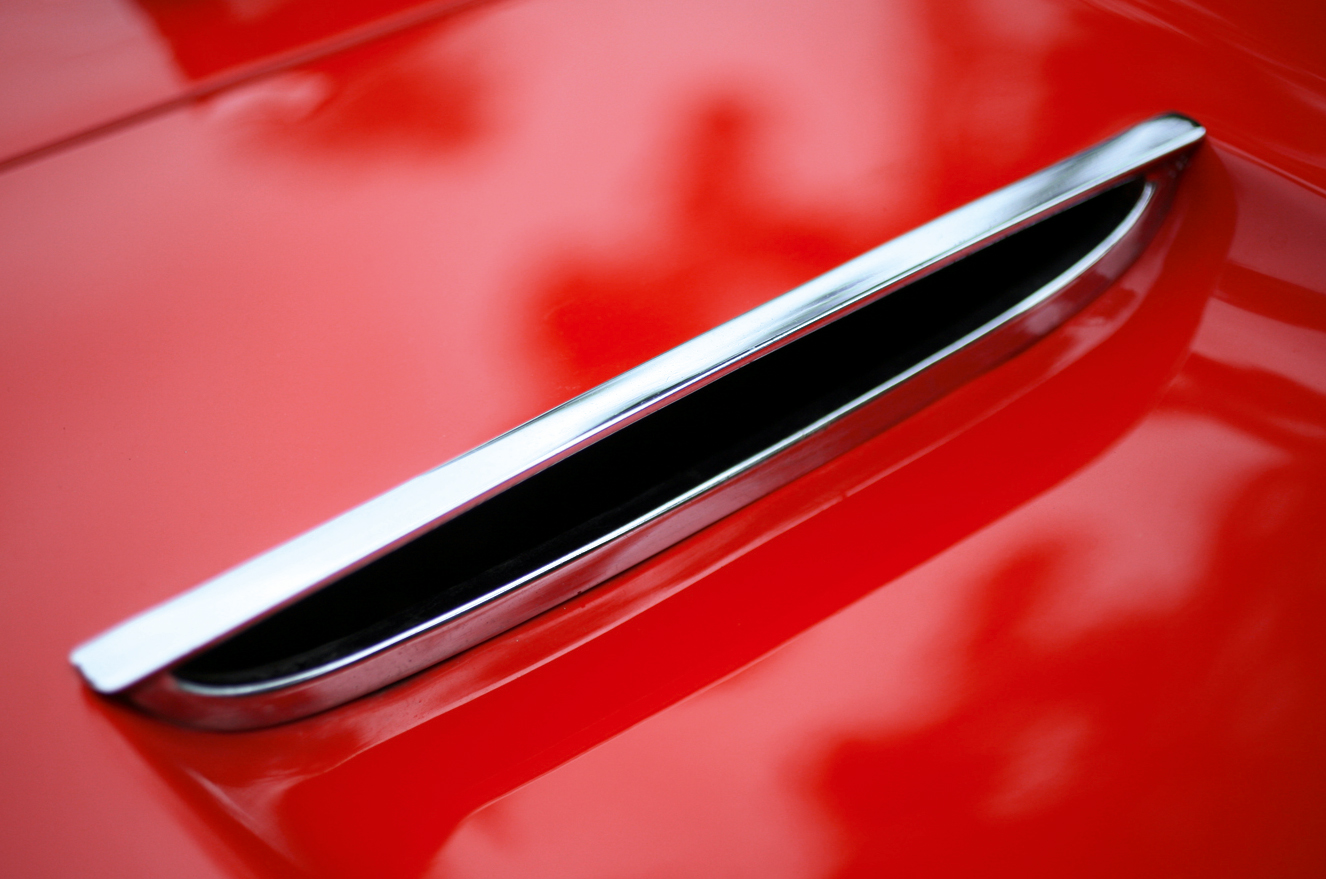
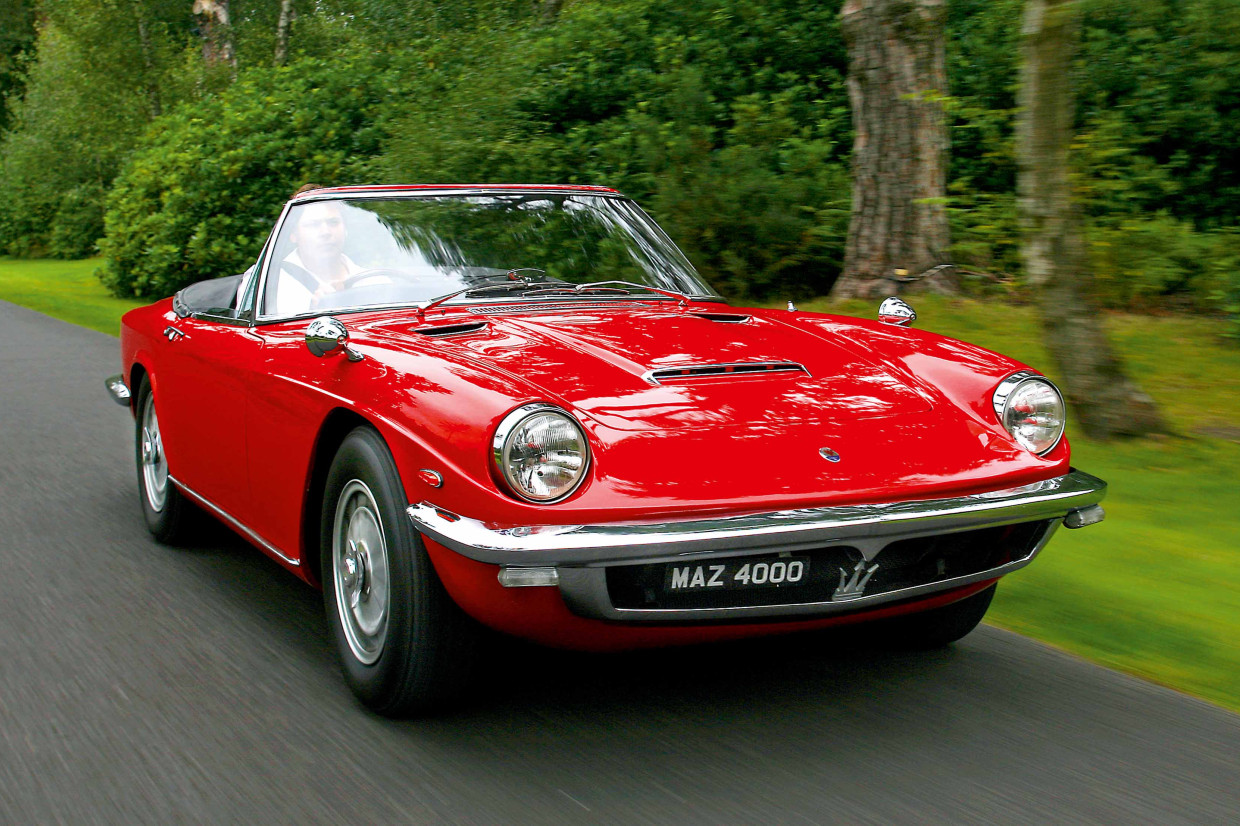
There are exquisite flourishes everywhere: the crisp, uninterrupted line that runs from beneath the headlights to the top of the Kamm-style tail; the chrome-lipped air intakes; the teardrop side repeaters; and the intricate rain guttering that tops the quarterlights.

Everywhere you look there’s the delicate touch of the carrozzeria, the expensive feel of a money-no-object brief, not to mention sublime fit and finish – not a statement you could level at later Maserati offerings.

And it was expensive. A fact not lost on director Robert Parish when casting a four-wheeled lead for his 1967 Peter Sellers/Britt Ekland movie The Bobo.

“They say one needs two things to own a Maserati: money and patience,” explains the caddish Carlos Matabosch (Rossano Brazzi) to beautiful Olimpia Segura (Ekland).

Classic & Sports Car – Maserati Mistral Spyder: the Trident’s overlooked gem

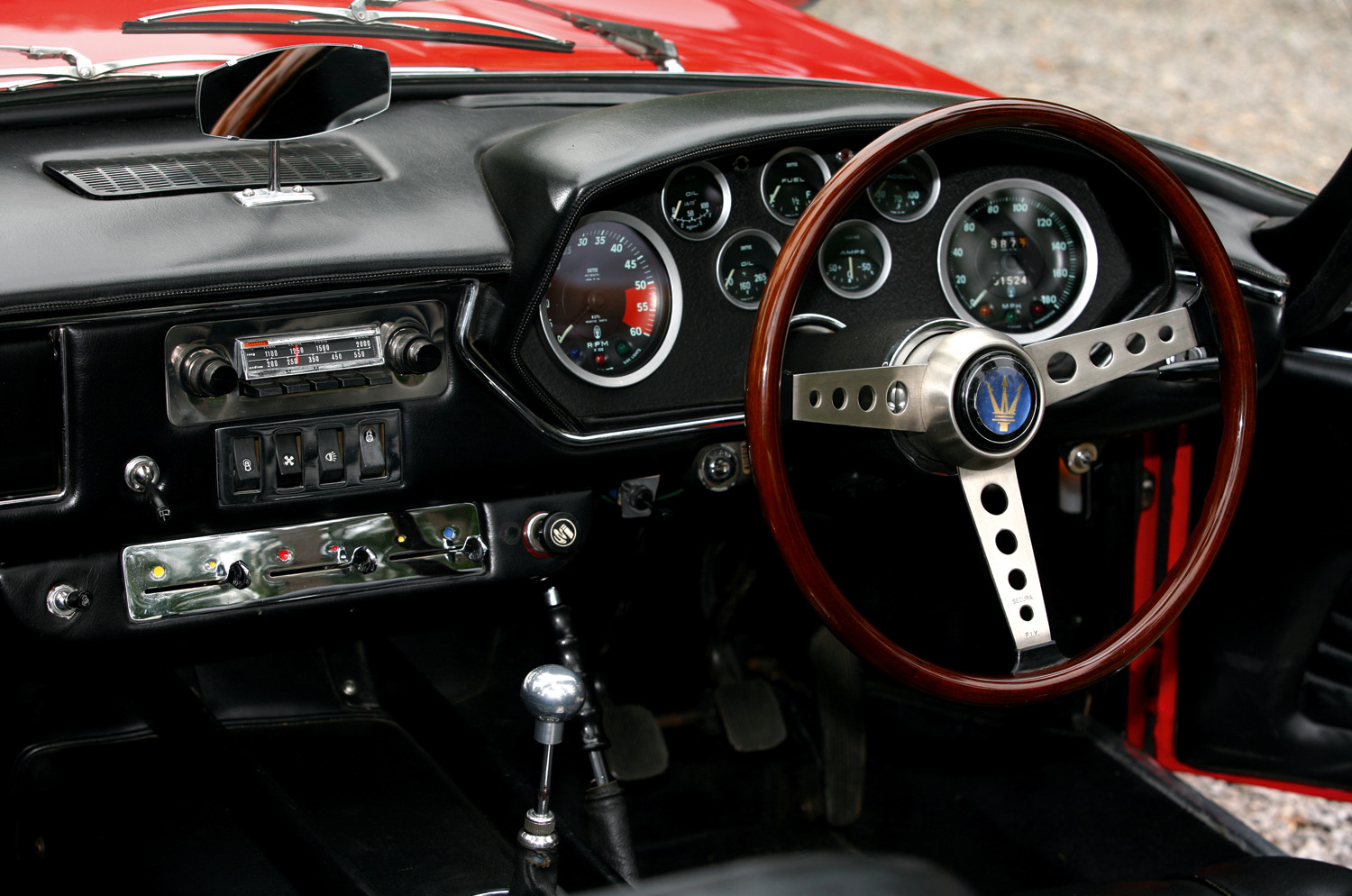
The Maserati Mistral Spyder’s dashboard is restrained and elegant

Segura’s love for a Mistral Spyder spotted in a Barcelona car dealership leads her into all manner of deception to get her hands on it without the reputed nine-month wait and 800,000-peseta price-tag most customers expected to endure.

But lose the silver-screen soft focus and there is a sharp purpose to the Mistral’s engineering that goes far beyond the exotic engine spec.

The Maggiora-built body is lean and, thanks to the adoption of aluminium for the opening panels, relatively light.

It sits low on the chassis, itself an exercise in lightening by engineer Giulio Alfieri, with a 4in-shorter wheelbase than the Maserati 3500 and a simpler box-section frame in place of the earlier model’s tubular affair.

Together they add up to a 70kg weight saving over the Mistral’s Sebring sibling.

Classic & Sports Car – Maserati Mistral Spyder: the Trident’s overlooked gem

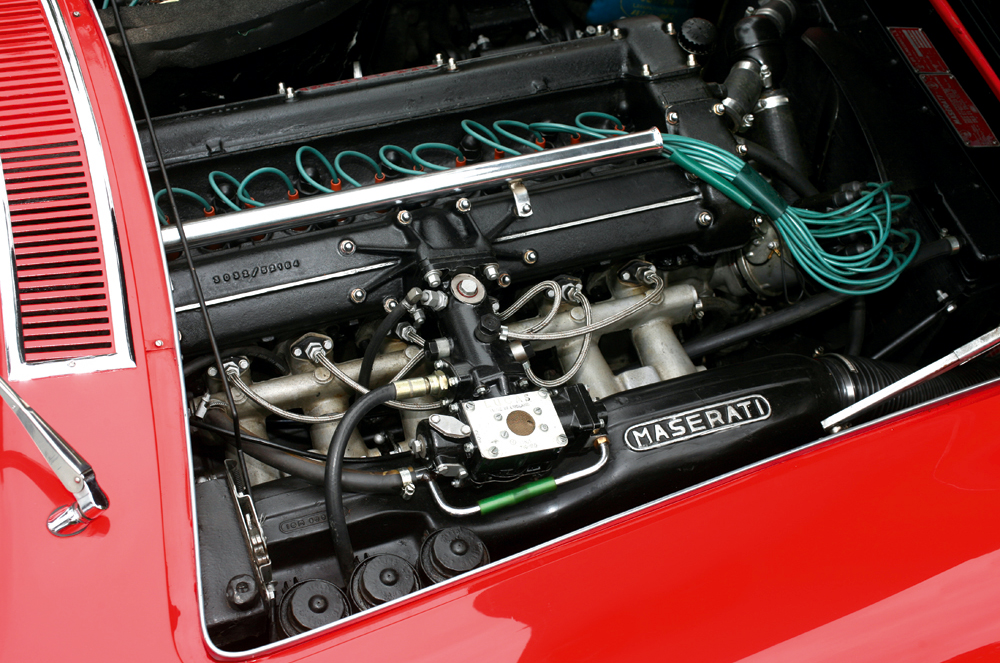
The Maserati Mistral Spyder’s evocative ‘six’ traces its roots back to the 250F Grand Prix racing car

The real gem, however, was shared by both cars.

Lift the bonnet and you’re greeted by a scene straight out of the Goodwood Revival paddock.

A dozen spark plugs nestle between crackle-black cam covers, with a spaghetti of leads twirling forwards to the terrifying complexity of the twin-points Marelli distributor.

Gone are the dry sump and gear-driven cams of the racing engines – this straight-six is a direct descendant of the unit found in the ill-fated 350S of 1956, itself a development of the 250F powerplant – but the hemispherical combustion chambers remain and capacity has been significantly increased.

From launch, the Mistral was available in 235bhp 3485cc form, but most sport the bored-out 245bhp 3693cc version.

From 1966, some – including David Newling Ward’s fabulous Spyder – had the final 4014cc motor, boasting a very healthy 255bhp and a generous 283lb ft of torque.

Classic & Sports Car – Maserati Mistral Spyder: the Trident’s overlooked gem

The Maserati Mistral Spyder grips well in corners, with little roll

But the biggest change over its 250F ancestor is the plenum chamber for the Lucas fuel injection – as used by Triumph for its 2.5 PI and TR5/6.

Productionised for the 3500GTi of 1961, fuel injection was pioneered for road use by Maserati, which had experimented with it in racing cars as far back as 1956.

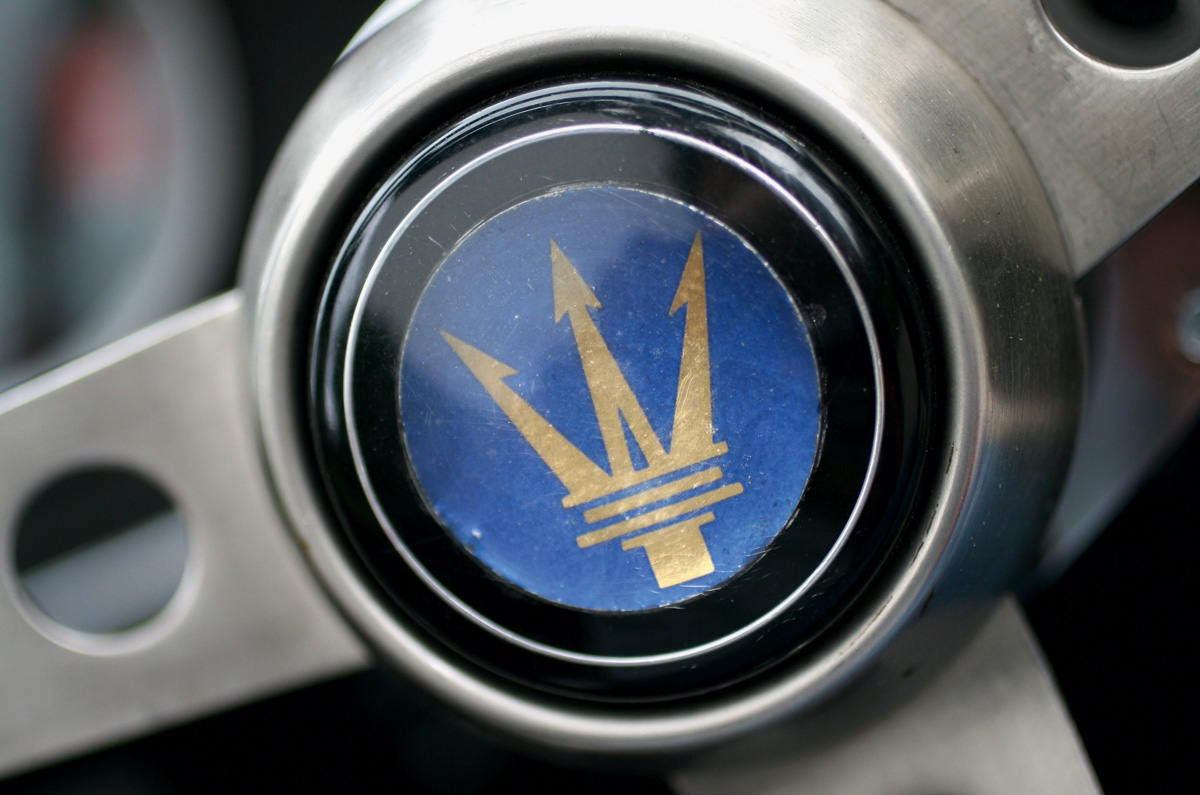
From behind the compact, wood-rimmed Secura wheel, the only hint to the technology in front of you is the Lucas ammeter that, rather incongruously, joins a full set of British-made instruments – the others by Smiths – all perfectly arranged in the logical instrument pod.

Above them, the hand-clap wipers are parked at the base of a slim-framed, steeply raked ’screen that drops to the sweeping expanse of bonnet.

The view out is good thanks to leather bucket seats that feel a touch too high, yet offer more support than you expect of a ’60s GT.

Classic & Sports Car – Maserati Mistral Spyder: the Trident’s overlooked gem

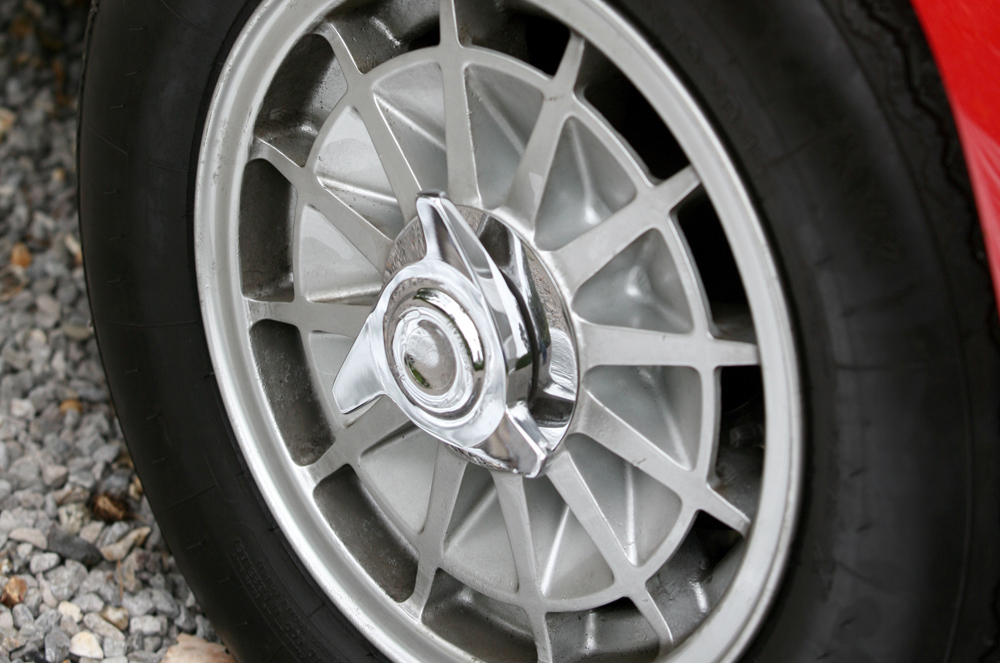
The last Maserati Mistral Spyders came with these Ruote Borrani wheels, as used on the Ghibli

The finish, however, is just as you’d hope: understated, elegant and flawlessly executed.

Soft black leather lines every inch of the cabin, with discreet chrome highlights: no wonder Britt was so keen to chop in her Triumph Spitfire for the fantasy Maserati.

To find out whether the film’s sound effects are genuine – surprisingly, on this occasion it seems they were – slide the tiny ignition key into the barrel set on the far right-hand side of the dashboard and give a brief twist to the right. 

Immediately the benefits of a properly set up Lucas fuel-injection system begin to reveal themselves.

At tickover, and rolling along at tiny throttle openings, the Mistral is docile in a way you don’t expect of a race-derived engine – particularly one of such complexity.

For those who think that’s down to the motor itself, bear in mind that those who ditch the notoriously tricky Lucas feed in favour of a trio of Webers will find it a rather more lumpy beast.

Classic & Sports Car – Maserati Mistral Spyder: the Trident’s overlooked gem

The Maserati Mistral Spyder’s intricate, fluted, rear-light lens

Oddly, at least for a thoroughbred engine, the redline is low – it starts at 5000rpm – yet you rarely need to stretch it that far.

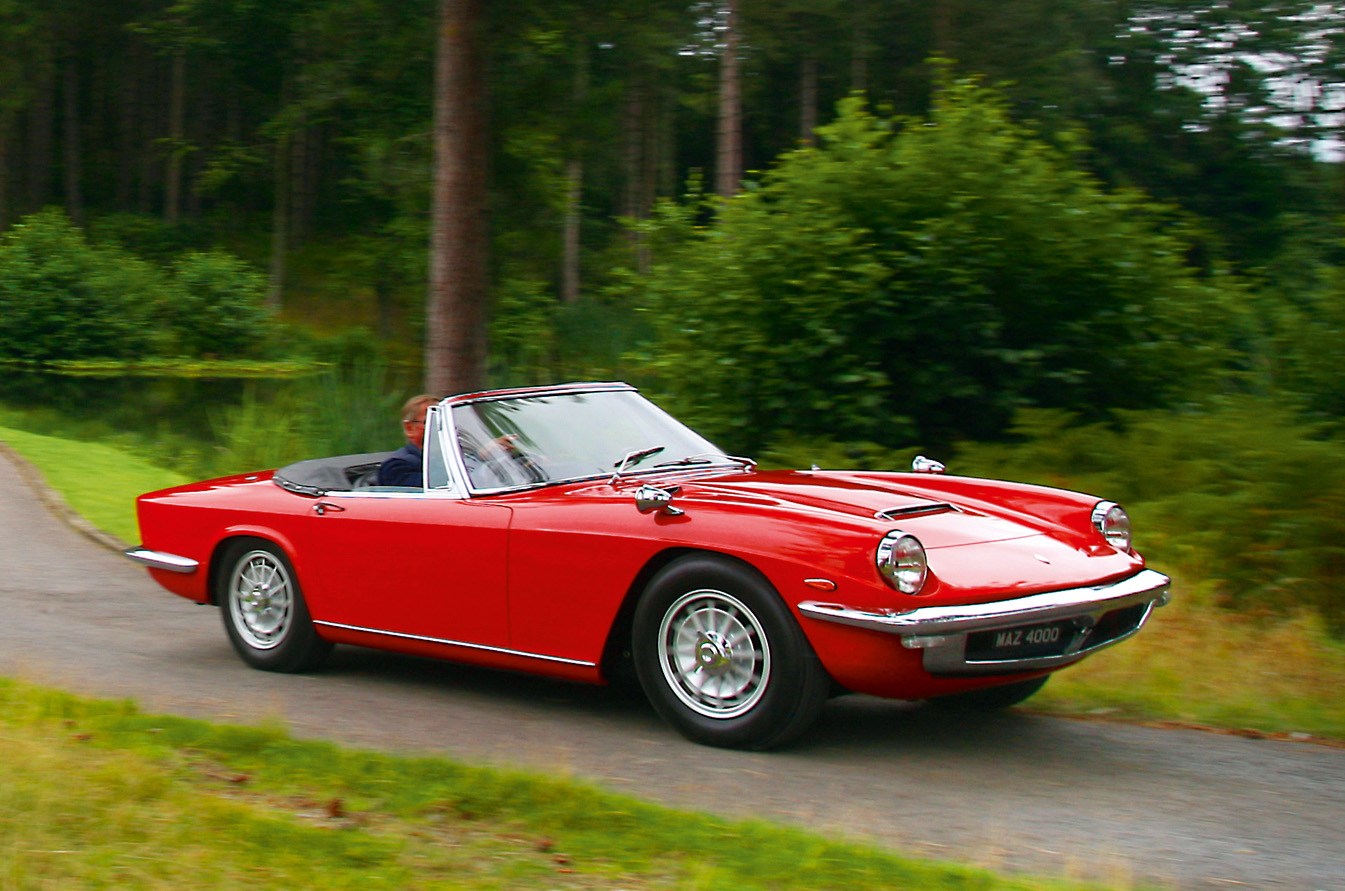
Cruising through quintessentially English countryside, occasionally flashing through villages, the Maserati is content to be swept along on a surging current of torque.

It’s a feature of every Mistral, but the large swept volume of the 4-litre incarnation results in effortless urge from just above tickover that makes it perfectly tractable at 1200-1500rpm when required for the numerous 30mph speed limits.

But there is a wild side always ready to be unleashed as you pass the familiar black-and-white sign, drop a ratio – always a joy with the light clutch and slick, short-throw ZF five-speeder – and bury the heavy organ-pedal throttle.

A raw edge comes into the blaring note from those subtle twin exhausts, and the Maserati starts to draw great swathes of Berkshire beneath its trident-crested grille.

There’s no sudden burst, no coming on cam, just a seamless, muscular shove.

Classic & Sports Car – Maserati Mistral Spyder: the Trident’s overlooked gem

The Maserati Mistral Spyder’s ride improves with load in the suspension

An upchange at 4000rpm – plenty to get your knuckles whitening on the wheel – brings more of the same.

Owner David says it feels just as strong at 120mph, making the reputed 150mph-plus top end appear within reach.

But perhaps the greatest Mistral revelation is that it’s not just a great engine in search of a better home.

The whole very much lives up to its most expensive part.

The planned 350S-style de Dion rear end was ditched during development, but the conventional live axle – located by trailing arms – works well.

There’s a certain amount of bump-thump at posing speeds, but it disappears as soon as there is some proper compression in the suspension and the Maserati flows incredibly fluidly with the road.

Classic & Sports Car – Maserati Mistral Spyder: the Trident’s overlooked gem

The Maserati Mistral Spyder’s chrome-lipped air intake

The sense of setting the all-alloy ‘six’ far back in the engine bay and moving ancillaries such as the battery into the boot is also immediately obvious: as soon as you get up to walking pace the steering is light and fluent, and the chassis balance is magnificent.

This is no verge-magnet understeerer like so many heavy GTs: push past the high limits of the 215/70 VR15 Michelin XWX radials and it tends towards gentle, easily corrected oversteer.

All the while, there is a delicious blend of cam-chain thrash, distributor chatter, exhaust bark and the distinctive thrum of the mechanical fuel injection.

From without there’s still enough 250F genes for a double-take as the Mistral approaches: you expect to see 1957 World Champ Juan Manuel Fangio sawing expertly at the wheel of a cigar-shaped scarlet racer.

Instead it’s an elegant Spyder – still scarlet, but in nothing so undignified as a four-wheel drift.

Classic & Sports Car – Maserati Mistral Spyder: the Trident’s overlooked gem

The Maserati Mistral Spyder’s wood-rimmed Secura steering wheel

In 1968 this was the ideal machine for an ageing Riviera industrialist, three divorces down and still partying hard at the poolside, where a past meeting with Fangio is regularly dropped into conversations about the exotic roadster. 

Although it looks at home outside a Monégasque pad, it’s also the perfect tool for a blast back over the Alps – the Mont Blanc Tunnel is too dark and dank – to check on the Milanese industrial empire.

For these buyers, the Ghibli and its ilk that followed lessened the marque’s appeal.

The Mistral was the last of the old guard, the racer turned glamourpuss, before the onset of the ’70s and the swing from track to road, and excess to profit.

Images: James Mann

This was first in our November 2008 magazine; all information was correct at the date of original publication


Factfile

Classic & Sports Car – Maserati Mistral Spyder: the Trident’s overlooked gem

Maserati Mistral 4000

  • Sold/number built 1963-’70/120 (all Spyders, plus 828 coupés)
  • Construction steel box-section chassis, steel body with aluminium panels
  • Engine all-alloy, dohc 4014cc straight-six, Marelli twin-plug ignition and Lucas injection
  • Max power 255bhp @ 5200rpm
  • Max torque 283lb ft @ 4000rpm
  • Transmission ZF five-speed manual, RWD via Salisbury differential (optional three-speed automatic and limited-slip differential)
  • Suspension: front independent, by double wishbones, coil springs, anti-roll bar rear live axle, semi-elliptic leaf springs, radius arms; telescopic dampers f/r
  • Steering Burman recirculating ball
  • Brakes Dunlop discs, with servo
  • Length 14ft 6in (4420mm)
  • Width 5ft 4½in (1636mm)
  • Height 4ft 2in (1270mm)
  • Wheelbase 8ft 2in (2489mm)
  • Weight 2866lb (1300kg)
  • 0-60mph 6.8 secs
  • Top speed 160mph
  • Mpg 17-20
  • Price new £7150 (1969)

Enjoy more of the world’s best classic car content every month when you subscribe to C&SC – get our latest deals here


READ MORE

Open for business: Maserati A6GCS by Frua

Maserati 300S: in Fangio’s footsteps

Maserati Khamsin: Marcello Gandini’s forgotten jewel