Buyer’s guide: Citroën Traction Avant

| 20 Jul 2026
Classic & Sports Car – Buyer’s guide: Citroën Traction Avant

Why you’d want a Citroën Traction Avant

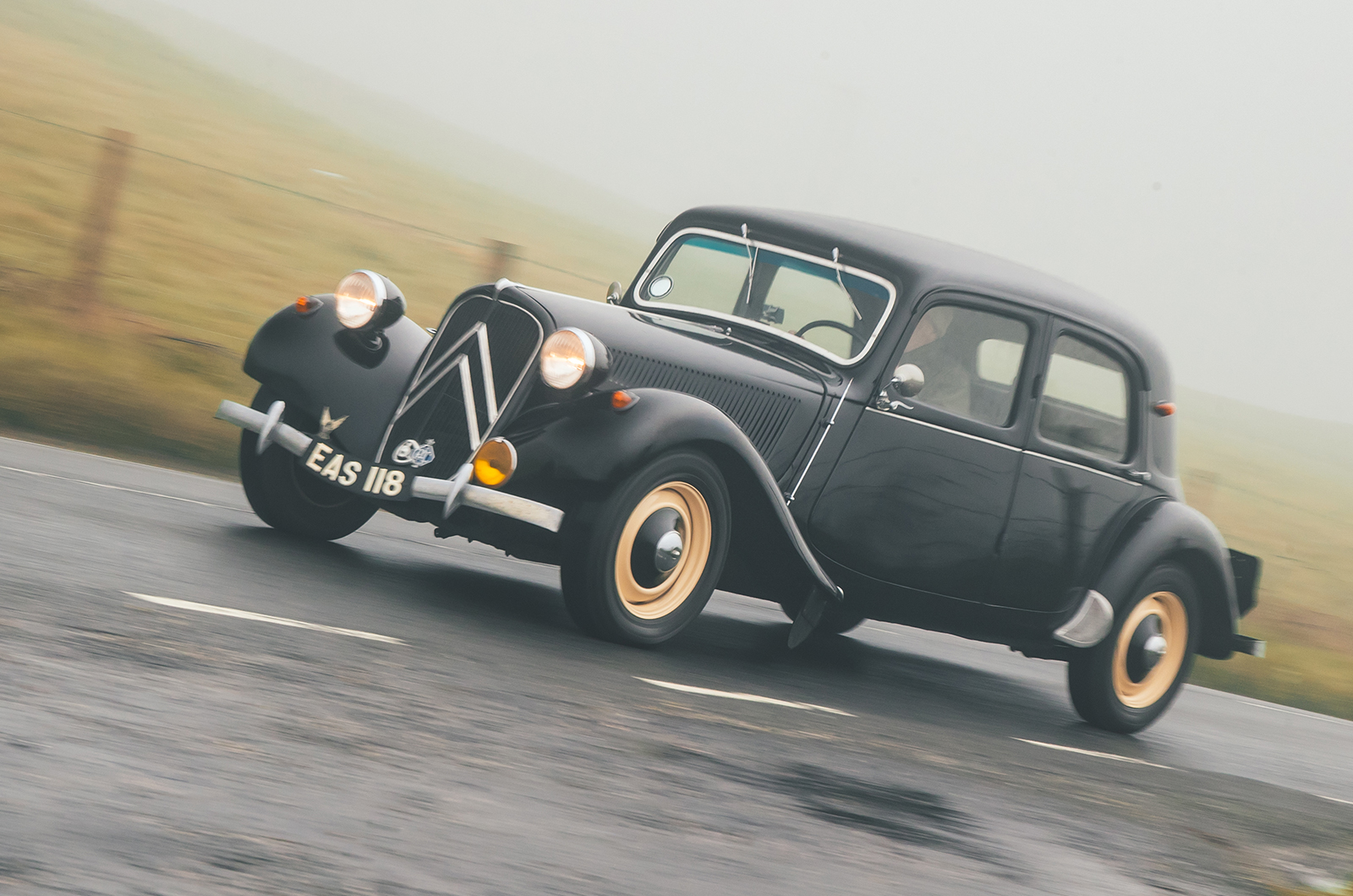
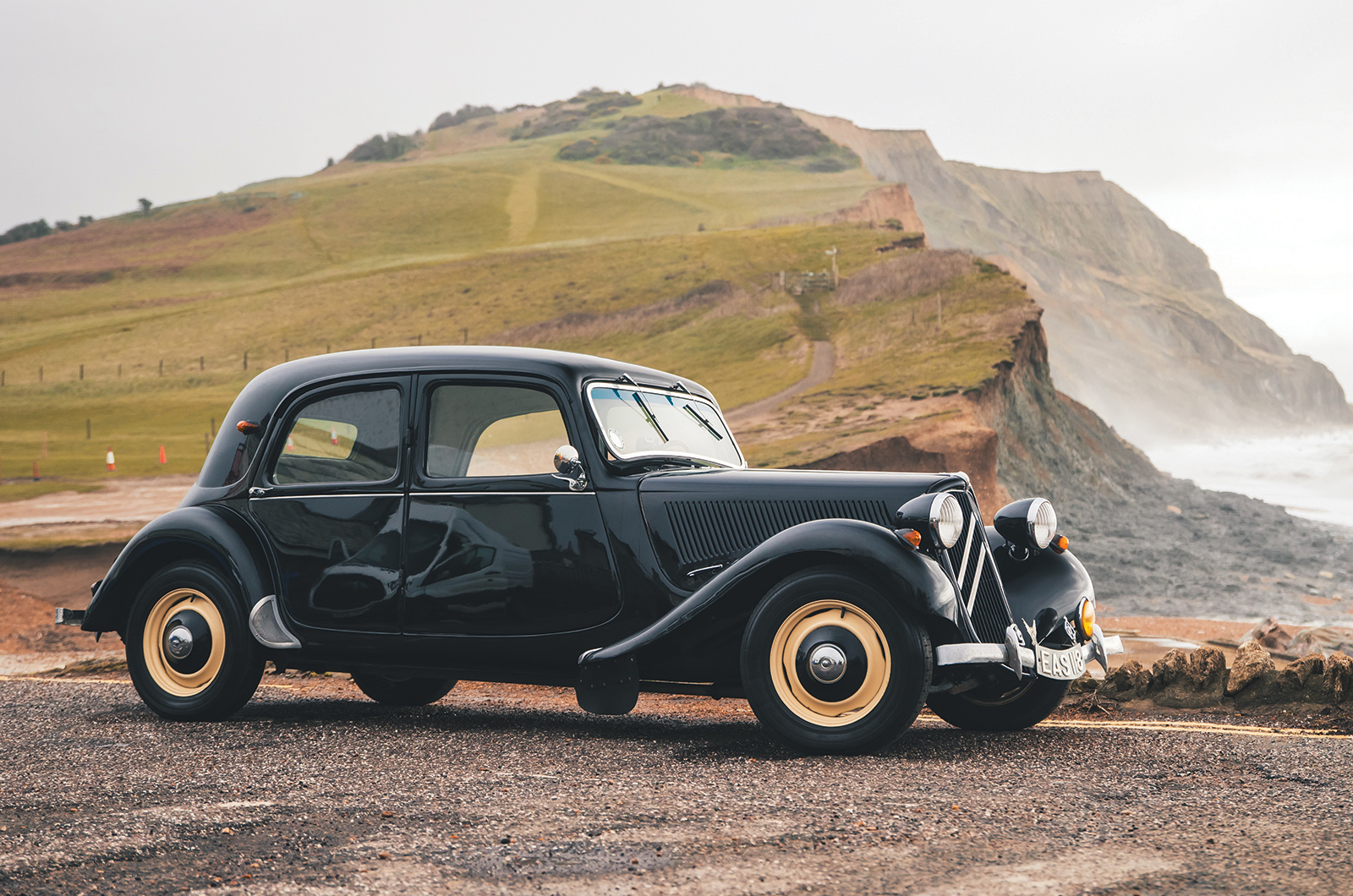
Precedents can be found for its innovations, but the blend of advancements in car design and production in the Citroën Traction Avant have led to it being tipped as among the most revolutionary mass-produced cars of the 20th century.

Front-wheel drive, monocoque construction, wishbone/torsion-bar suspension, damped engine mounts, a flat floor, hydraulic brakes, rack-and-pinion steering, a wet-liner, overhead-valve engine and an early type of CV joint were all combined in one, attainable family car.

Then there was the hatchback Commerciale, the early use of steering-column stalks on Slough-built cars – the list went on.

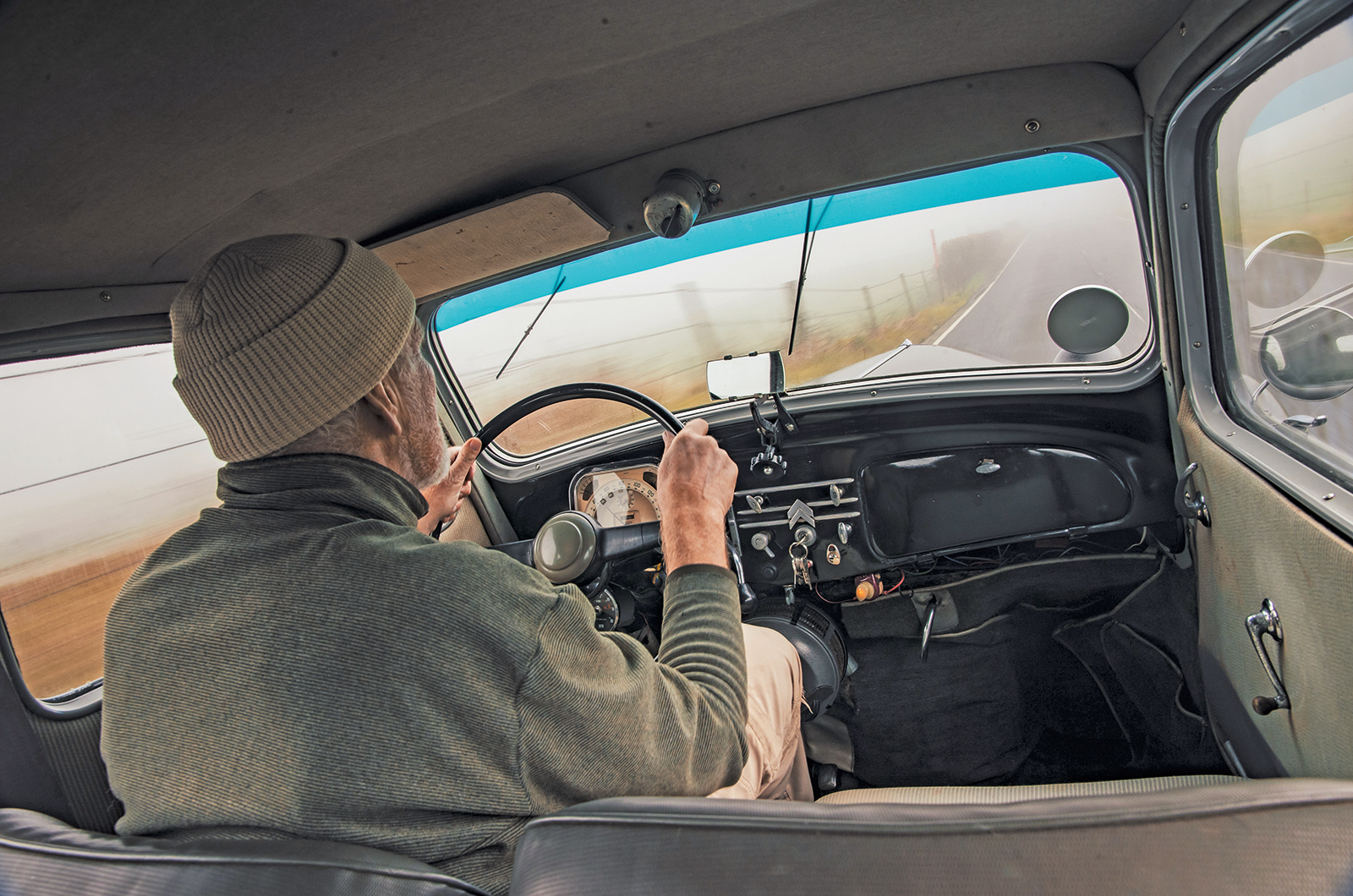
With the gearbox mounted ahead of the engine, the Citroën was front-mid-engined and, with a wheel at each corner, the handling was excellent.

It was no surprise that the car launched in 1934 was in production right up to 1957, by which time most rivals were still far from catching up. 
Classic & Sports Car – Buyer’s guide: Citroën Traction Avant

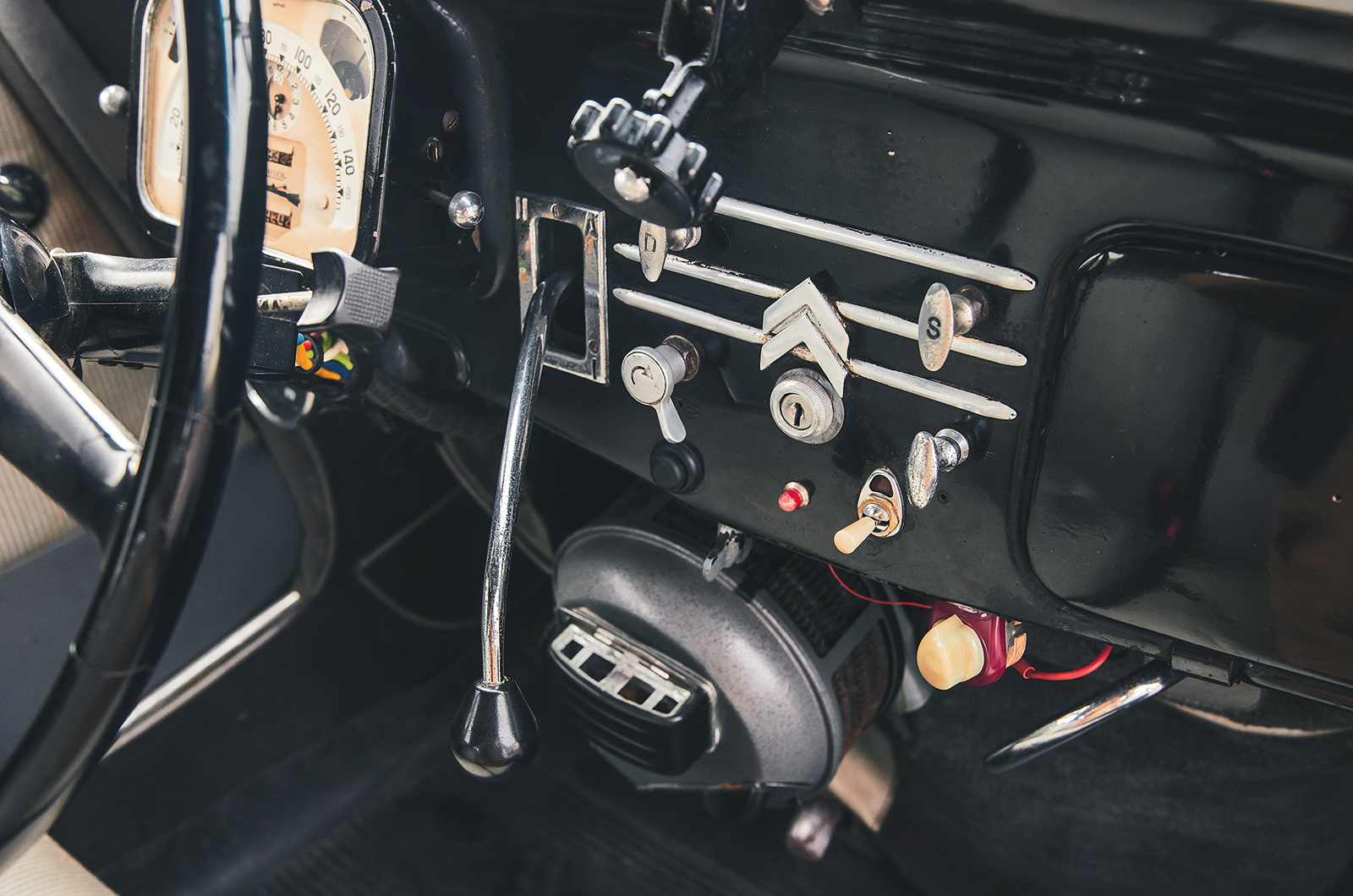
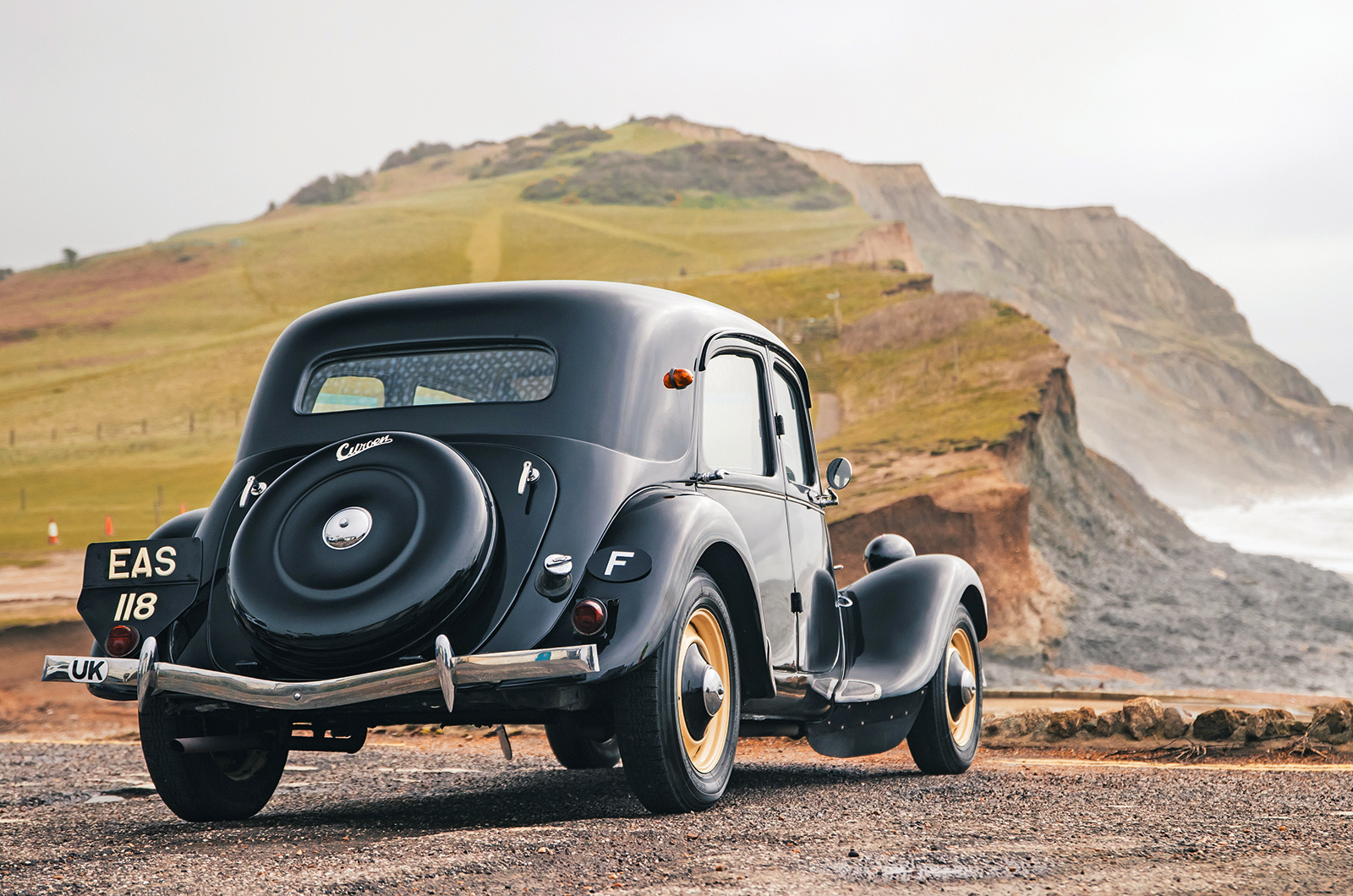
Some 20,000 Citroën Traction Avants were made in England from 1934, built from panelwork shipped from France with a high level of local content, such as leather and wood trim, plus all instruments and switchgear locally sourced, 12V electrics, a chrome grille and optional sliding sunroof.
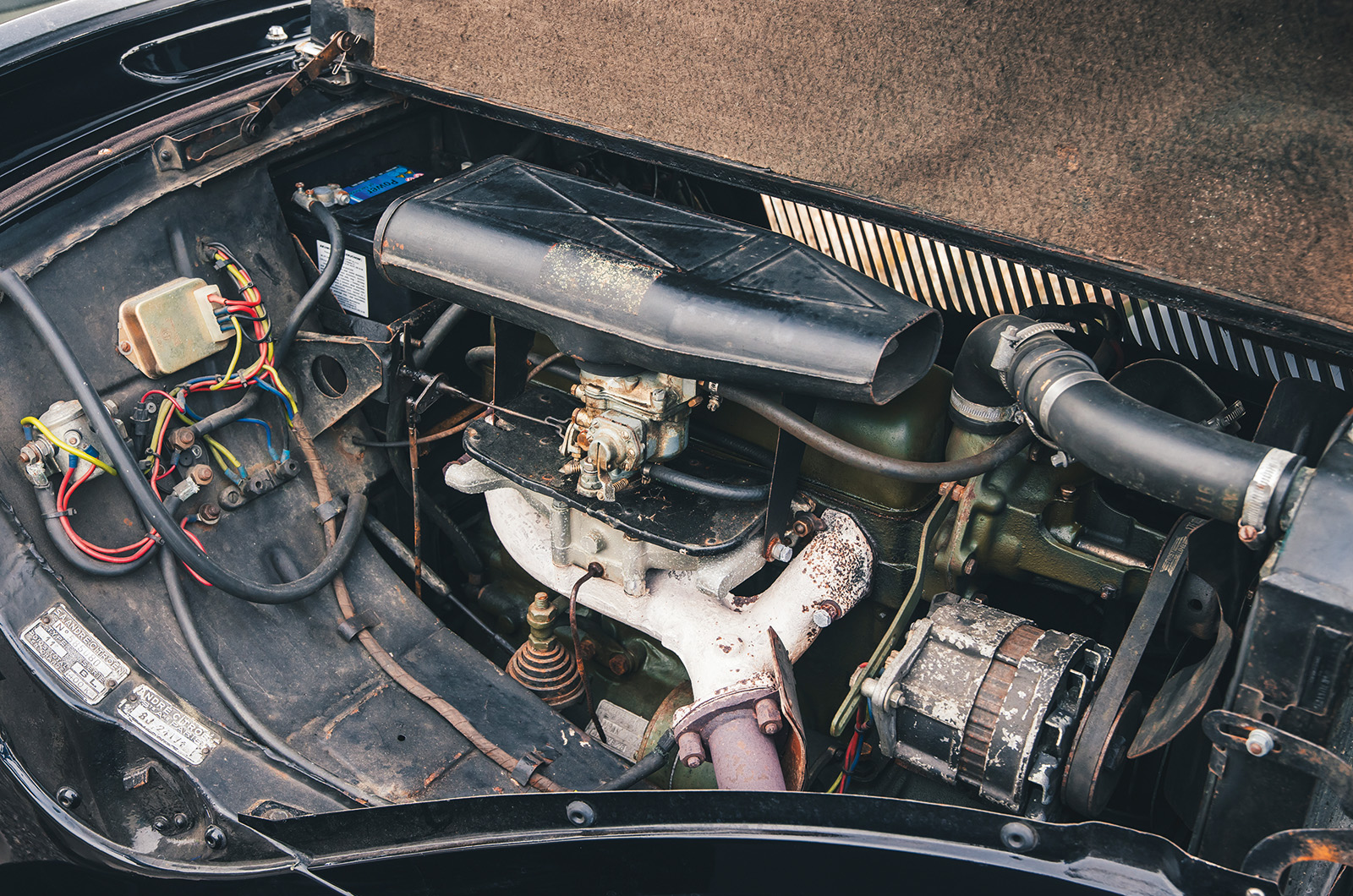
The monocoque structure extended from the front bulkhead, with box-section arms on either side of the engine, reaching forward to hold the suspension and transmission mounts.

Innovative and sturdy, the construction did suffer some unexpected stress fractures: most weak areas were addressed early in production, but cracks can still be found, exacerbated by weakness from corrosion.

Rot and past bodges are the biggest challenges today.

It is also important to understand that pre-war cars need frequent maintenance: around 26 points require greasing every 1000 miles and the oil should be changed at the same interval, or annually if mileage is lower.

If maintenance is not done, wear will be rapid and white-metal engine bearings make a full rebuild costly.

Most cars are the Légère (light) saloons, but Tractions can be found in many styles including the spacious long-wheelbase Normale, huge Familiale, Commerciale, and stylish Roadster and Coupé.

Most engines were 1911cc ‘fours’; next most popular was the 2867cc ‘six’, and early on there were smaller four-cylinder units – though many of those have been updated.

Images: Jack Harrison


Citroën Traction Avant: what to look for

Classic & Sports Car – Buyer’s guide: Citroën Traction Avant

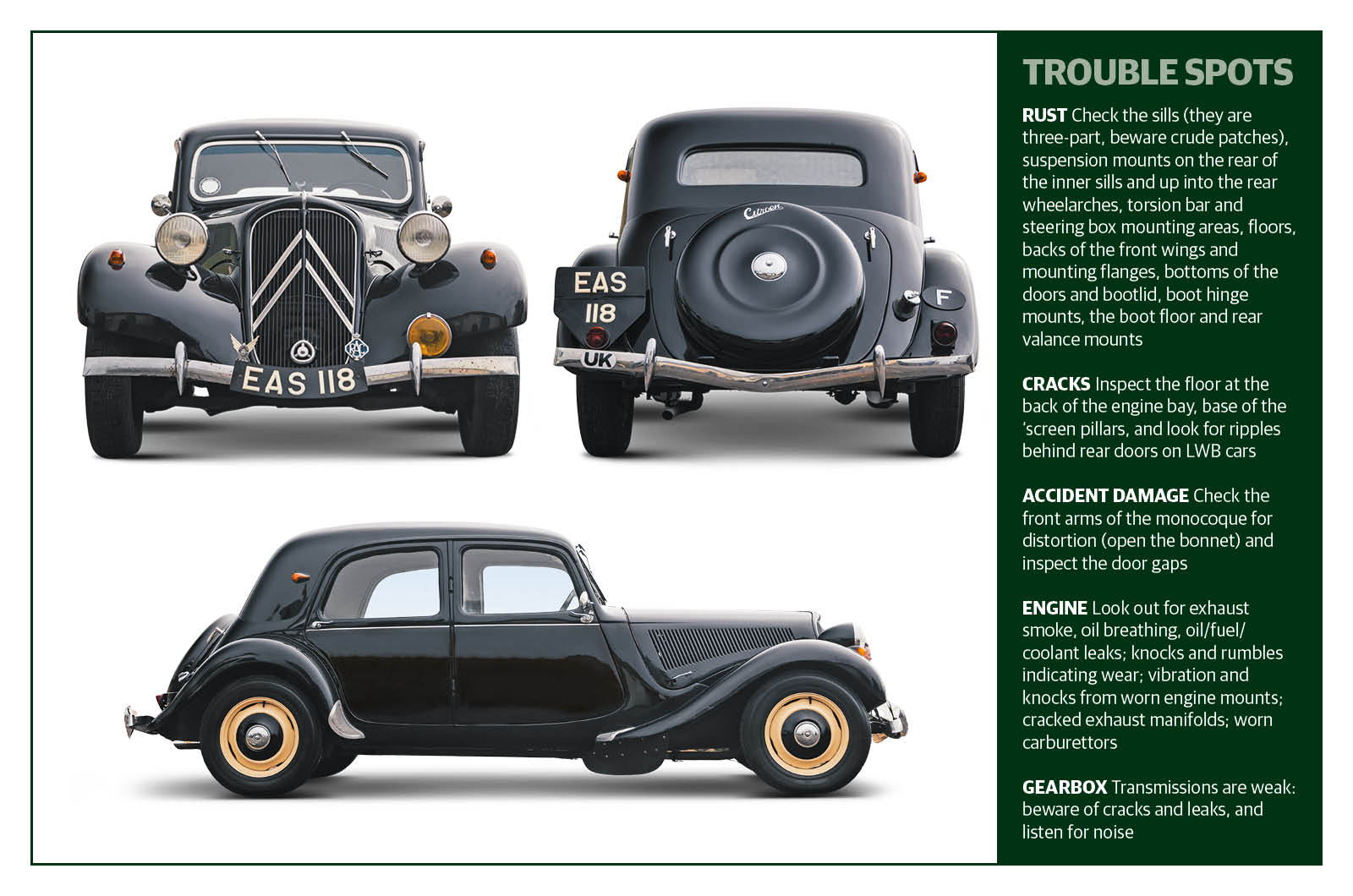
Trouble spots

Please see above for what to look for when you inspect any Citroën Traction Avant classic cars for sale.

Classic & Sports Car – Buyer’s guide: Citroën Traction Avant

Engine

Robust and durable, the wet-liner Citroën Traction Avant engine inspired the Triumph TR’s unit.

Early 1302 and 1529cc engines are rarely seen, but 1628cc 7C (UK 11hp) motors were made until 1941.

Power output of the plentiful 1911cc unit went up steadily through production, and the rarer 2.9-litre six-cylinder was an impressively potent machine.

Classic & Sports Car – Buyer’s guide: Citroën Traction Avant

Water pump

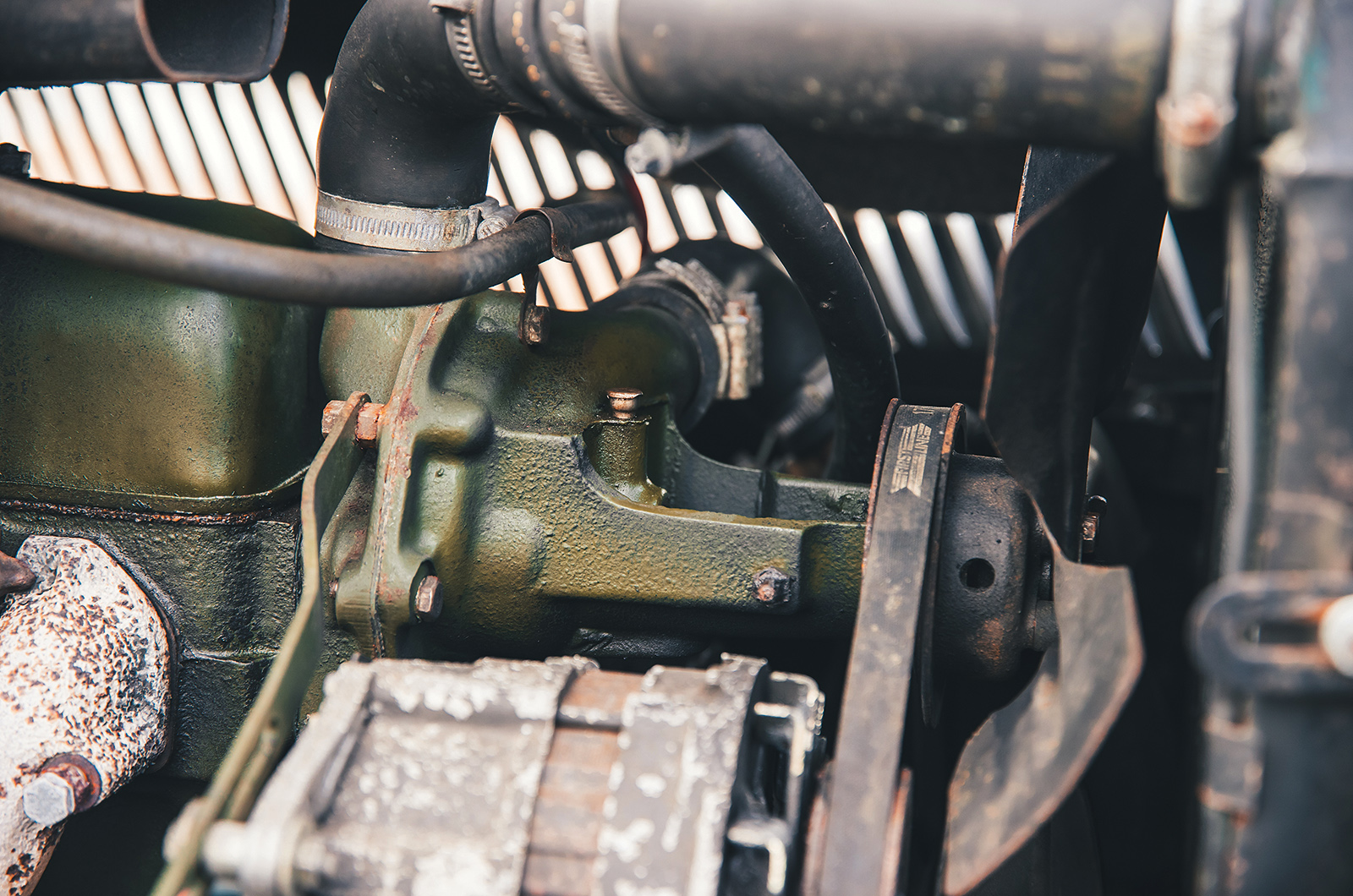
Check the water pump of any Citroën Traction Avant for leaks, which will run down into the bellhousing and can damage the clutch components.

It can be rebuilt or exchanged.


Classic & Sports Car – Buyer’s guide: Citroën Traction Avant

Gearbox

The gearbox on four-cylinder cars is a weak point and should be handled with care: bump- or tow-starting can explode it.

The 15/Six has a much stronger unit

Classic & Sports Car – Buyer’s guide: Citroën Traction Avant

Interior

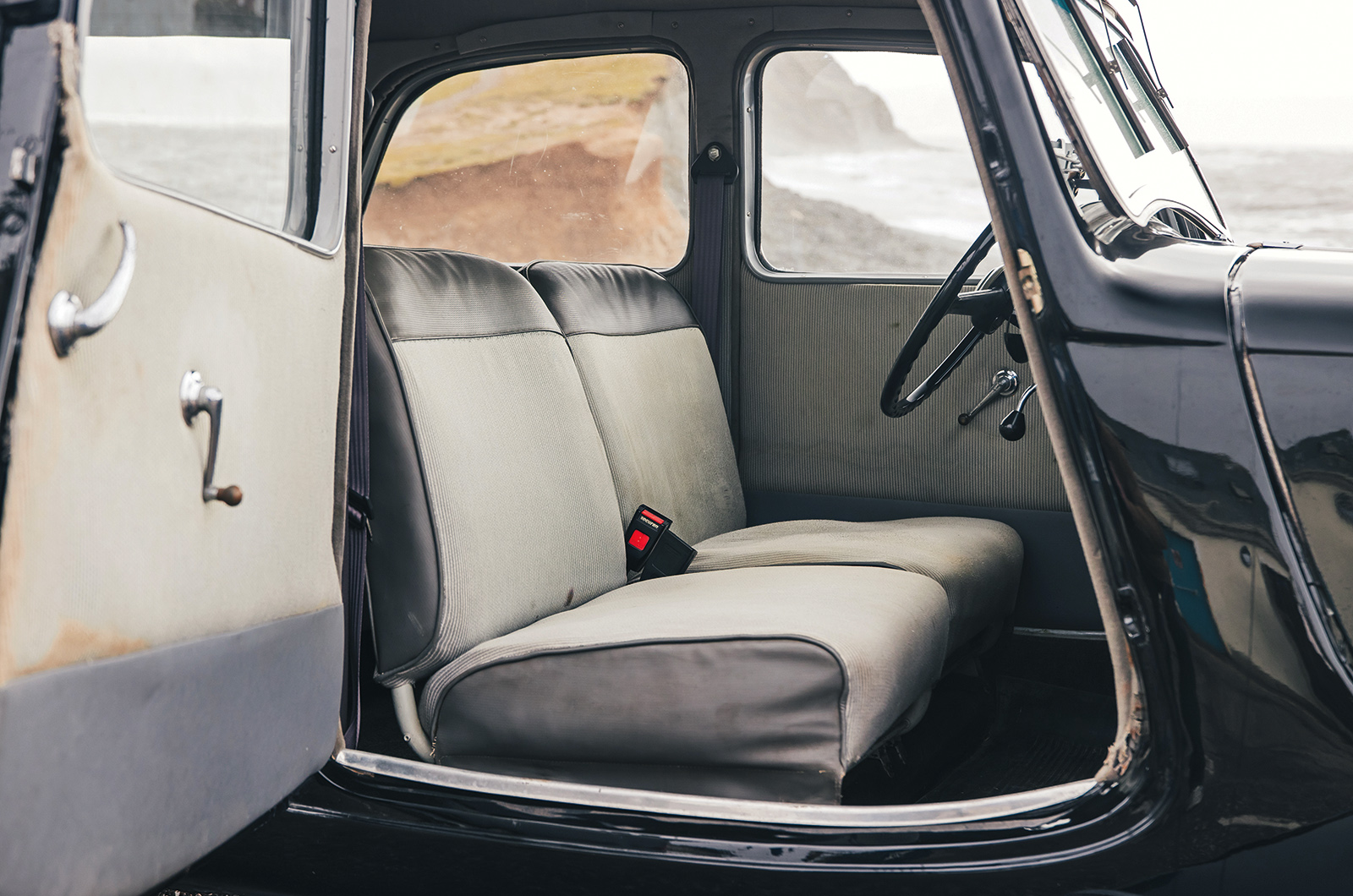
Original trim materials for Citroën Traction Avants can be sourced from France for the French-built cars.

British wood and leather is also pretty straightforward (if costly) to reinstate.

Classic & Sports Car – Buyer’s guide: Citroën Traction Avant

Suspension

The rear suspension mountings, sited at the back of the inner sills, are prone to rusting and should be completely dismantled to repair the area properly.


Citroën Traction Avant: before you buy

Classic & Sports Car – Buyer’s guide: Citroën Traction Avant

Among the worthwhile upgrades to Citroën Traction Avants are the more powerful ID engine and its four-speed gearbox.

Later shell-bearing conrods and a diaphragm spring clutch are useful improvements, too.

British cars were 12V, French 6V: fitting 12V electrics to French-built cars is sensible for driving at night.

All were originally on dynamos but are often uprated with alternators.

Check the engine for excessive exhaust smoke, oil breathing and leaks – also fuel and coolant leaks.

A worn Solex carburettor can be exchanged for a rebuilt one or replaced with a new Weber.

Overheating leads to head-gasket failure: beware block cracking caused by over-tightened head bolts.

A rattly timing chain is okay if it’s not excessive; listen for knocks and rumbles, indicating engine wear.

Six-cylinder cars can warp the cylinder head. Failing engine mounts cause vibration and knocks.

Classic & Sports Car – Buyer’s guide: Citroën Traction Avant

Inspect the gearbox and axle for major oil leaks, rattles, rumbles and knocks indicating significant wear.

The gearchange is never fast, but the synchromesh should be functional. Fix clutch judder before it wrecks the gearbox.

Driveshafts click on lock if worn; some update to modern CV joints.

Silentbloc bushes on the suspension are costly to replace, so check for wear/perishing and uneven tyre wear.

Brakes should feel adequate; if not, it is likely seized cylinders and poor adjustment.

The Traction Owners’ Club is a great resource for information, good-value parts and rental of the special tools required for certain tasks.


Citroën Traction Avant price guide

Restoration/average/show

  • Légère*: £2500/8000/20,000
  • Familiale, Commerciale: £5000/15,000/30,000
  • 15/Six: £10,000/20,000/40,000
  • Cabriolet, fhc**: £n/a/70,000/100,000


*Normale 10-20% less, pre-war 25-40% more

**Replica cabrio/fhc 20-30% of genuine; 15/Six cabrio double 4-cyl

Prices correct at date of original publication


Citroën Traction Avant history

1934 7A: 1302cc Berline; 7B: 1529cc; two-door Roadster and Coupé added (pre-WW2 only); 7C: 1628cc, improved construction to reduce cracking; 11A/B: 1911cc, Légère and long-wheelbase 5/6- or 7/8-seat Normale; telescopic dampers, opening bootlid

1936 Rack-and-pinion steering

1938 15/Six: 2867cc ‘six’; 8/9-seater Familiale; 7C power increase

1939 Commerciale split-tailgate hatchback added; 11A/B up to 56bhp @ 4250rpm

1947 Production resumes post-war

1950 Higher compression, 59bhp

1952 Styling update with larger boot

1953 Commerciale returns: one-piece hatch

1954 15H: self-levelling rear suspension

1955 11D: 60bhp @ 4000rpm, 78mph

1957 Production ends


The owner’s view

Classic & Sports Car – Buyer’s guide: Citroën Traction Avant

“I bought this Légère when my wife was away, in 2019,” laughs Simon Lloyd.

“She loves it, though. I used to walk past John Gillard’s workshop in London and loved to see the Tractions there.

“It’s a 1952 Paris-built car that came to the UK in 1990 with Dutch numberplates on. It’s now showing 69,000km and the interior trim is all original, with an aftermarket – but period – heater fitted.

“It’s had the engine, gearbox and water pump rebuilt, and a partial respray.

“We take it to France regularly and did the 80th anniversary of D-Day commemoration displaying a French Resistance flag.

“It keeps up with modern traffic and is just wonderful to drive – the handling is superb and so is the ride comfort.

“You do have to be slow and deliberate with the gearchange – it helps to double-declutch.

“Mark Harding at Devon Tractions looks after the car, and he did a really good job on the mechanicals.”


Also consider

Classic & Sports Car – Buyer’s guide: Citroën Traction Avant

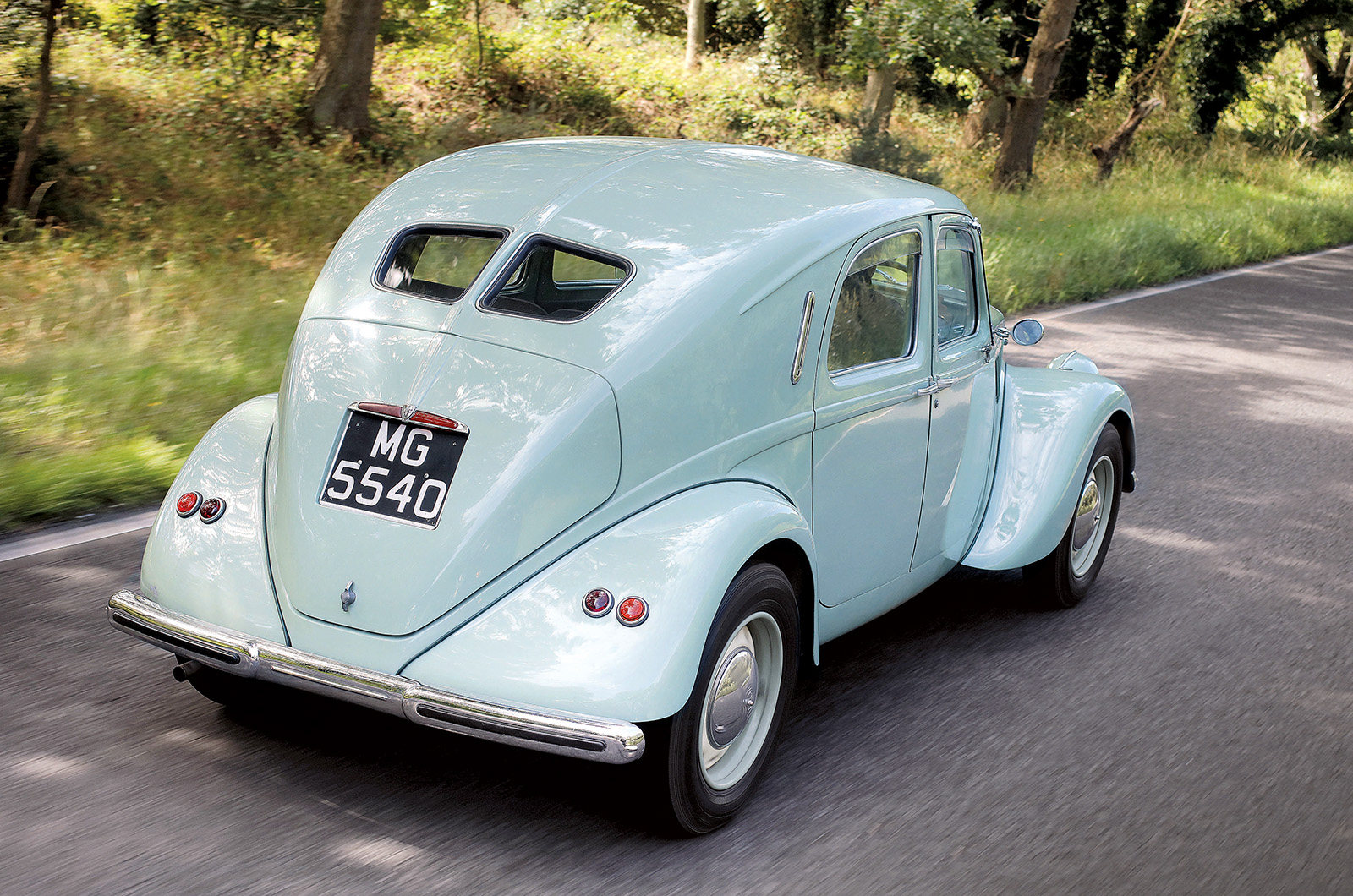
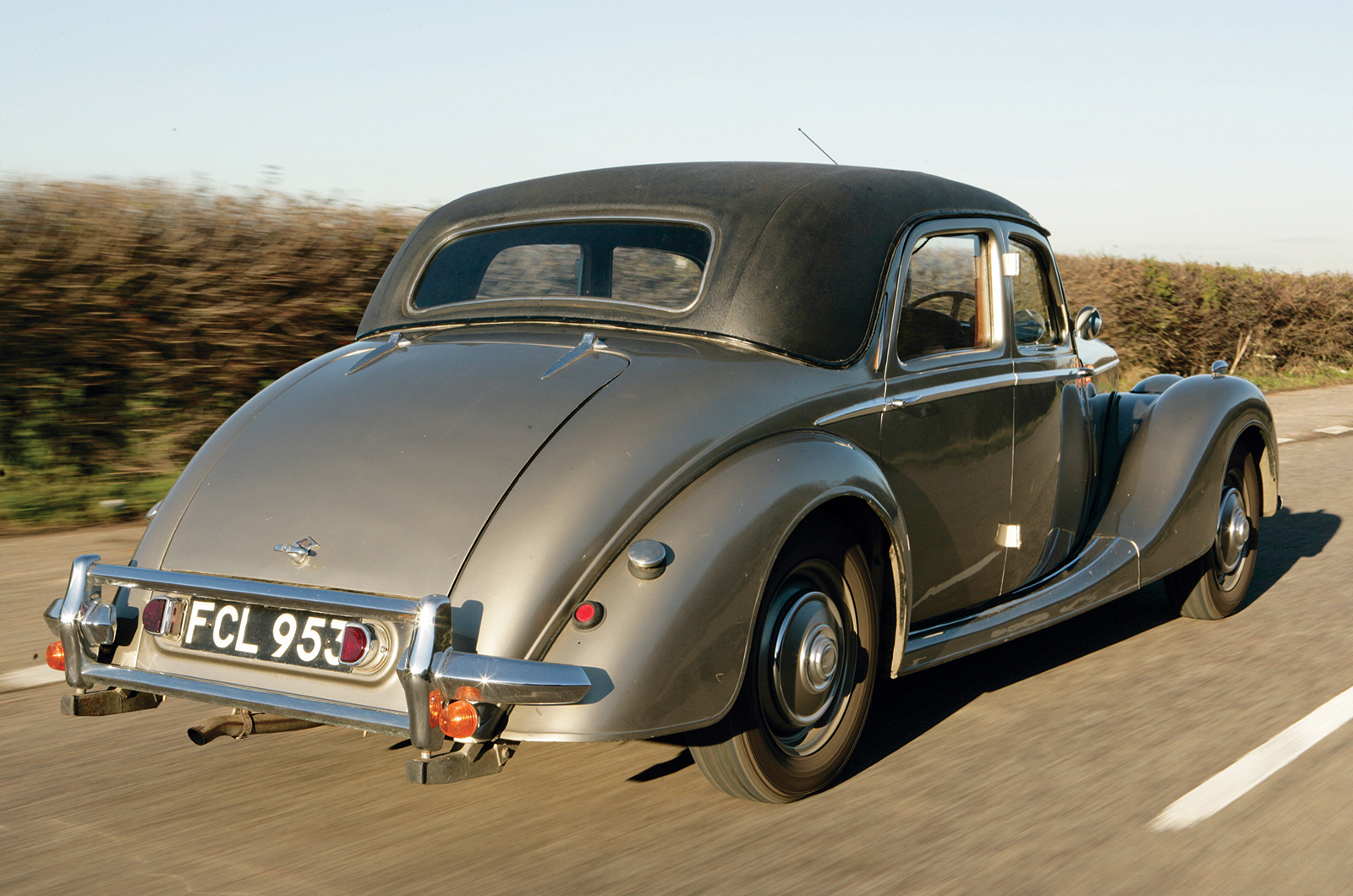
The Lancia Aprilia (left) and Riley RM are alternative buys

LANCIA APRILIA

With monocoque build, all-independent suspension, an overhead-cam V4 engine and hydraulic brakes, the Lancia Aprilia was a high-quality machine. Rust claimed many and parts are scarce.

Sold 1937-’49 • No. built 27,642 • Price now £5-40,000*


RILEY RM

A delight to own and drive, especially in 2.5-litre form, but very costly to restore, with complicated woodwork as well as rusting metal to contend with. Also great value now.

Sold 1945-’55 • No. built 23,917 • Price now £1250-20,000*


*Prices correct at date of original publication


Citroën Traction Avant: the Classic & Sports Car verdict

Classic & Sports Car – Buyer’s guide: Citroën Traction Avant

Citroën Traction Avant prices have come down in recent years and they are now great value for money – and still thrive on regular use.

A full restoration is costly unless you do all the work yourself, so buy the best-restored bodyshell you can find, with upgrades already done if you want them.

Pre-1937 cars are best left to ardent enthusiasts; two-doors are rare and sought-after, so check originality because some are converted saloons.


FOR 

  • Practical usability and comfort wrapped in an evocative pre-war style
  • As it finds a new audience, prices are sure to rise
  • Parts availability is outstanding


AGAINST

  • A dodgy Traction will cost more to restore than it will be worth
  • The quality of reproduction parts is variable

Citroën Traction Avant specifications

  • Sold/number built 1934-’57/759,111
  • Construction steel monocoque
  • Engine all-iron, ohv 1302/1529/1628/1911cc ‘four’ or 2867cc ‘six’, single Solex carburettor (twin-choke on 15/Six)
  • Max power 42bhp @ 3200rpm to 76bhp @ 3800rpm
  • Max torque 88.2lb ft @ 2000rpm to 138lb ft @ 2000rpm
  • Transmission three-speed manual, FWD
  • Suspension: front lower transverse arms, upper wishbones, torsion bars, telescopic dampers (friction pre-’35) rear beam axle, transverse torsion bars, trailing arms, lever-arm dampers from ’35 (telescopic from ’38)
  • Steering rack and pinion (bevel gear pre-’36)
  • Brakes drums
  • Length 14ft-16ft 3in (4267-4953mm)
  • Width 5ft 3½-10½in (1613-1791mm)
  • Height 4ft 11¼in-5ft 1in (1505-1549mm)
  • Wheelbase 9ft 6½in-10ft 9in (2908-3277mm)
  • Weight 2296-2968lb (1044-1349kg)
  • 0-60mph 37.7-18.6 secs
  • Top speed 63-83mph
  • Mpg 18-32
  • Price new £620 9s 6d (15/Six, 1946)

READ MORE

All Classic & Sports Car buyer’s guides

Citroën Traction Avant: Renard et Bec’s rare reinvention

Why this is no ordinary Citroën Traction Avant

Buyer’s guide: Austin A30/A35