“The car had always been owned by Alfisti in Sweden and had been part-restored. It had been slightly uprated for historic events, but came with a stash of original parts.
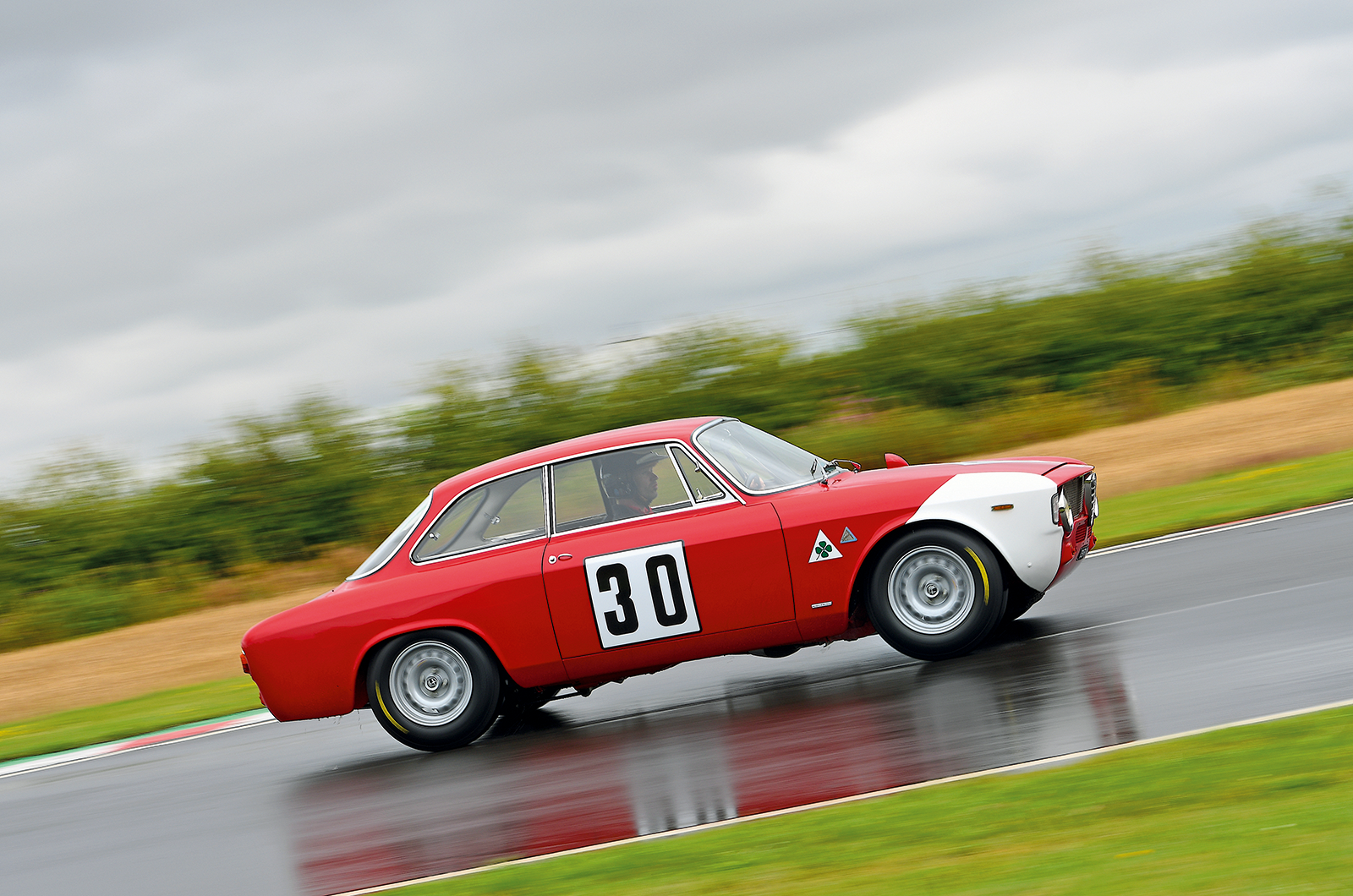
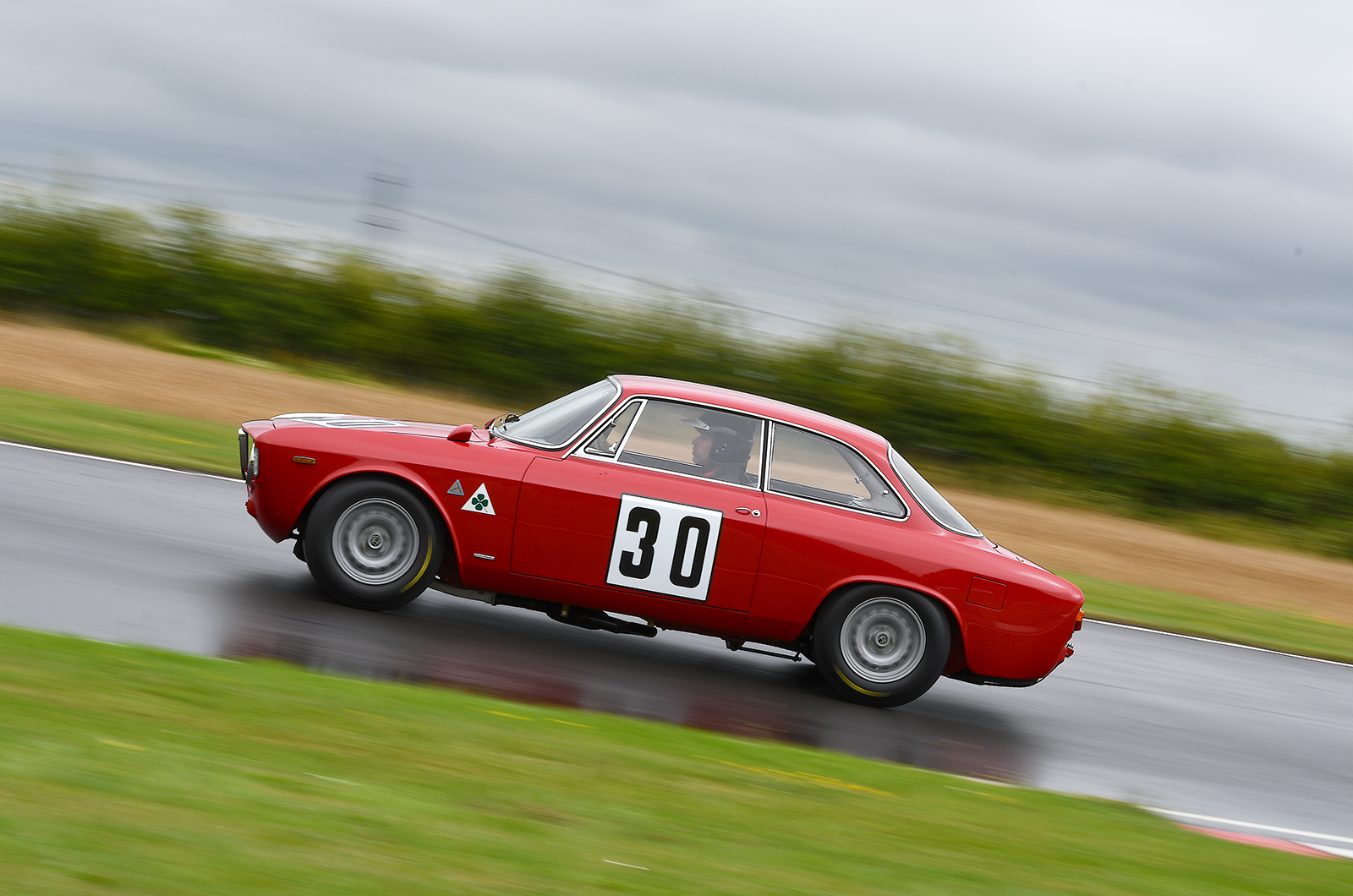
“The car was absolutely genuine, and even still had the riveted aluminium floors. After studying the pictures of Rindt racing, it became clear that he had a special set-up with a nose-down stance and lots of camber. He liked it very pointy, but had the car control to deal with it.”
The rewarding rebuild started in 2011 and was finished in 2016.
“We knew we had something special,” continues Max. “Every time we found an interesting detail, we’d phone Dad in Devon and get him over to look at it.
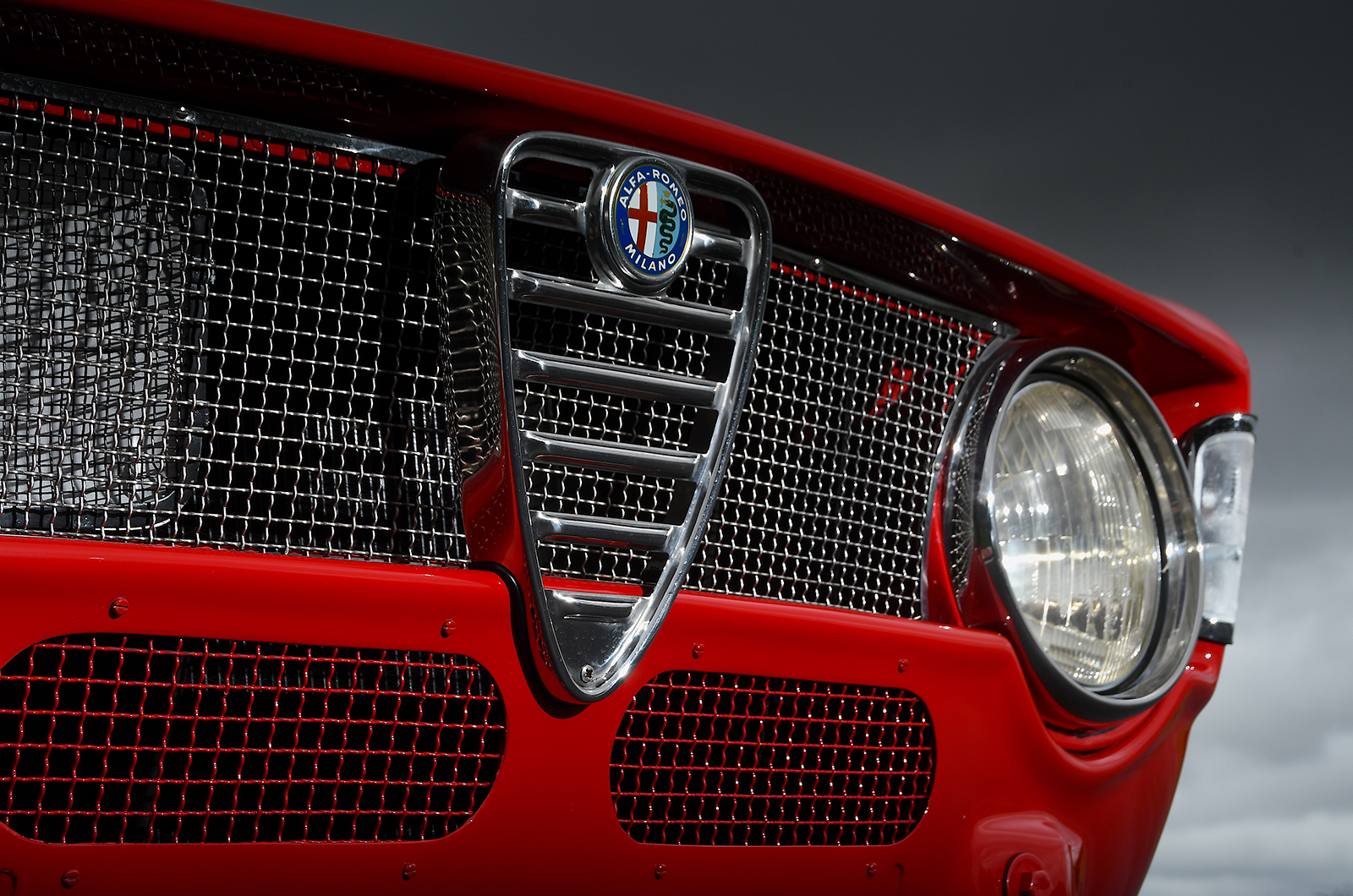
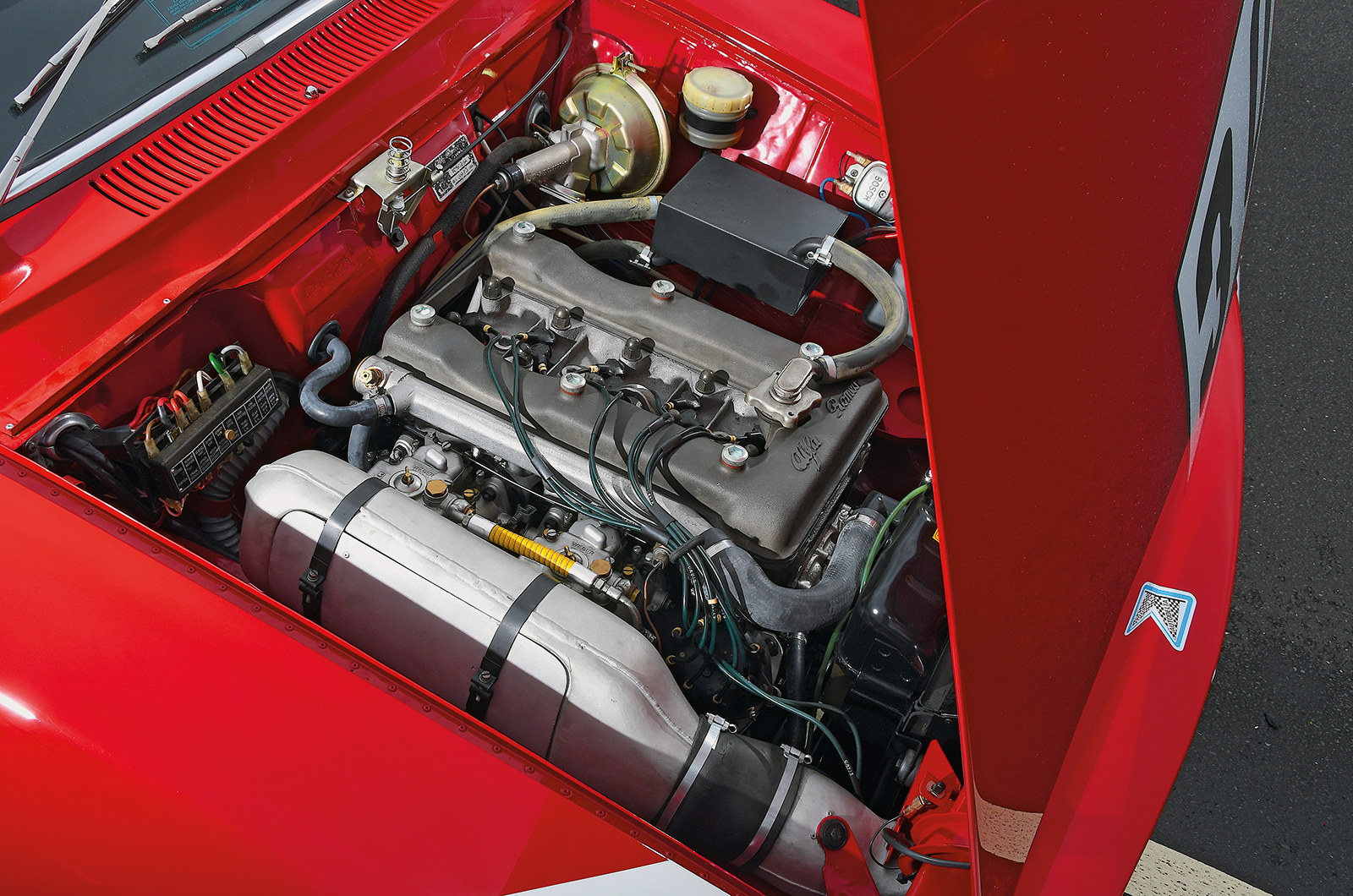
“These cars are only original once and the process was a joy. The range of genuine parts was remarkable, including special gearbox brackets, aluminium window-winding mechanisms, forged aluminium rear axle-locating bars, sliding-block rear, and all the Elektron castings to get the weight down.
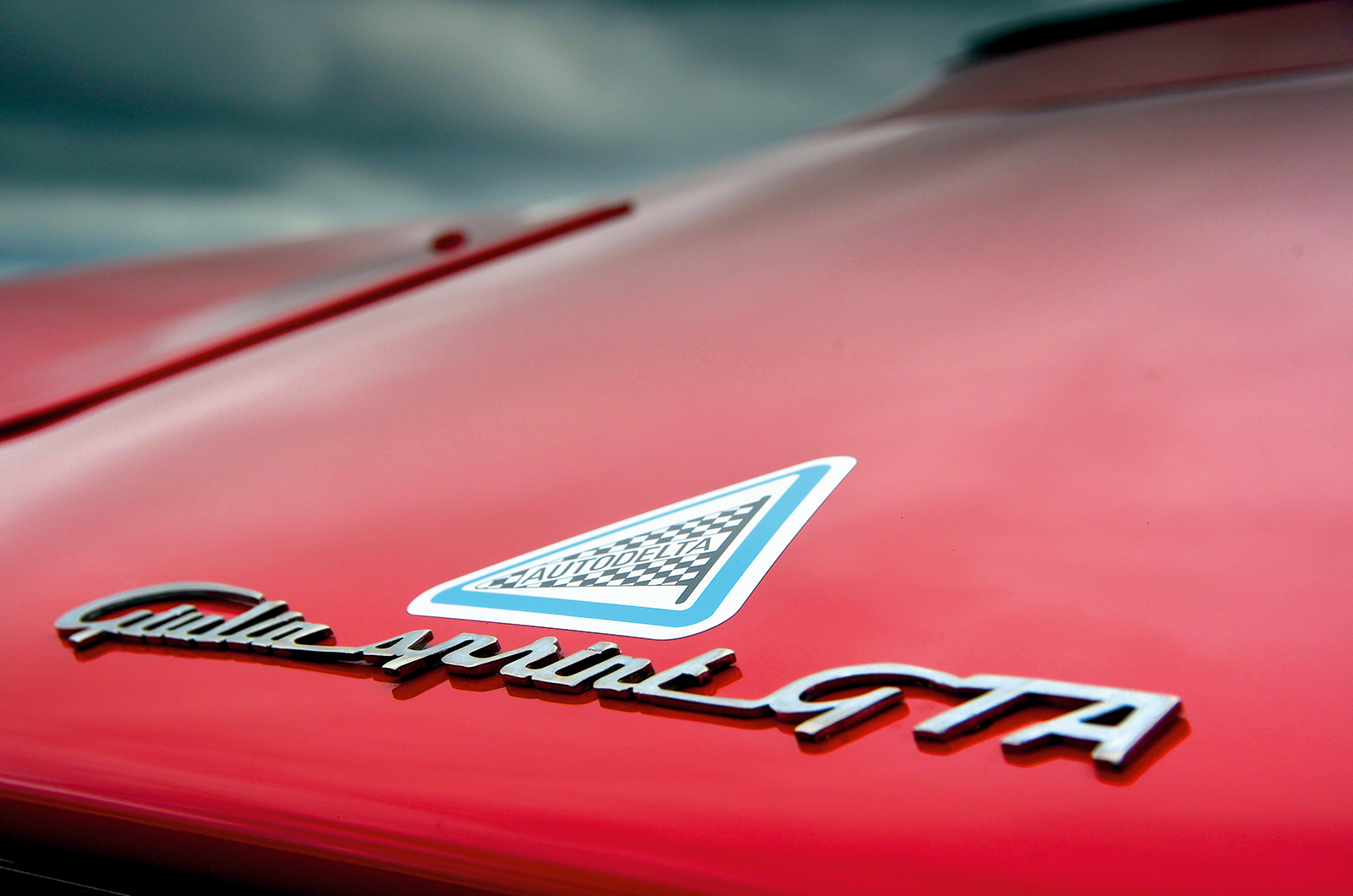
“The development process never stopped, and Autodelta’s attention to detail was impressive. The year 1966 was so important to Alfa, which had invested a fortune in the team to win the championship.”
“That success allowed Chiti to move on with the Tipo 33 programme,” he continues, “so we thought it was key to preserve the car’s specification from that winning season.”
Once the body was stripped of paint and filler, old scars were discovered including a creased driver’s door from de Adamich’s eventful drive in Budapest.
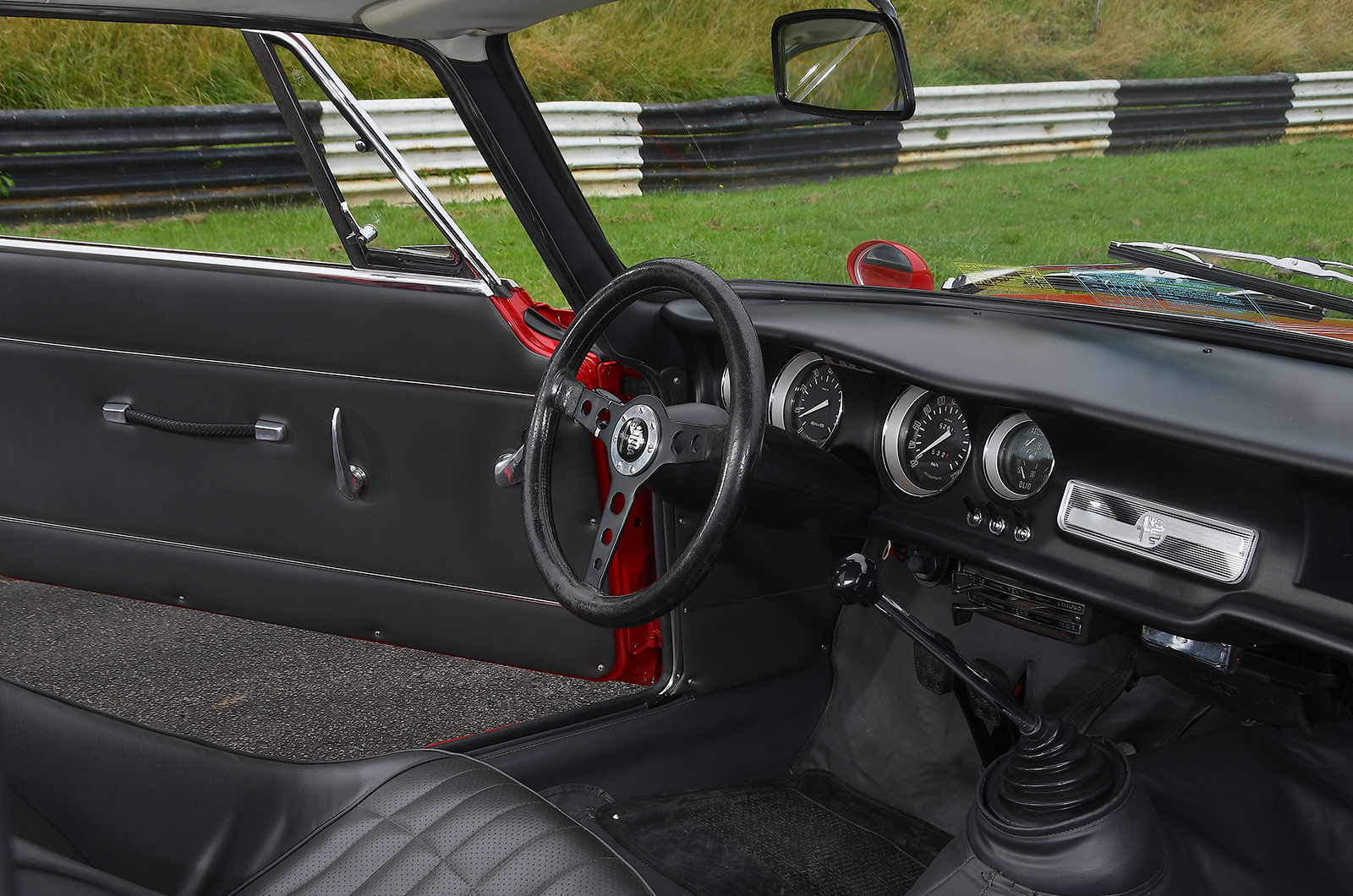
“It’s all part of 613102’s history, so we didn’t want to wipe it away. When you take the door card off, you can still see the damage.
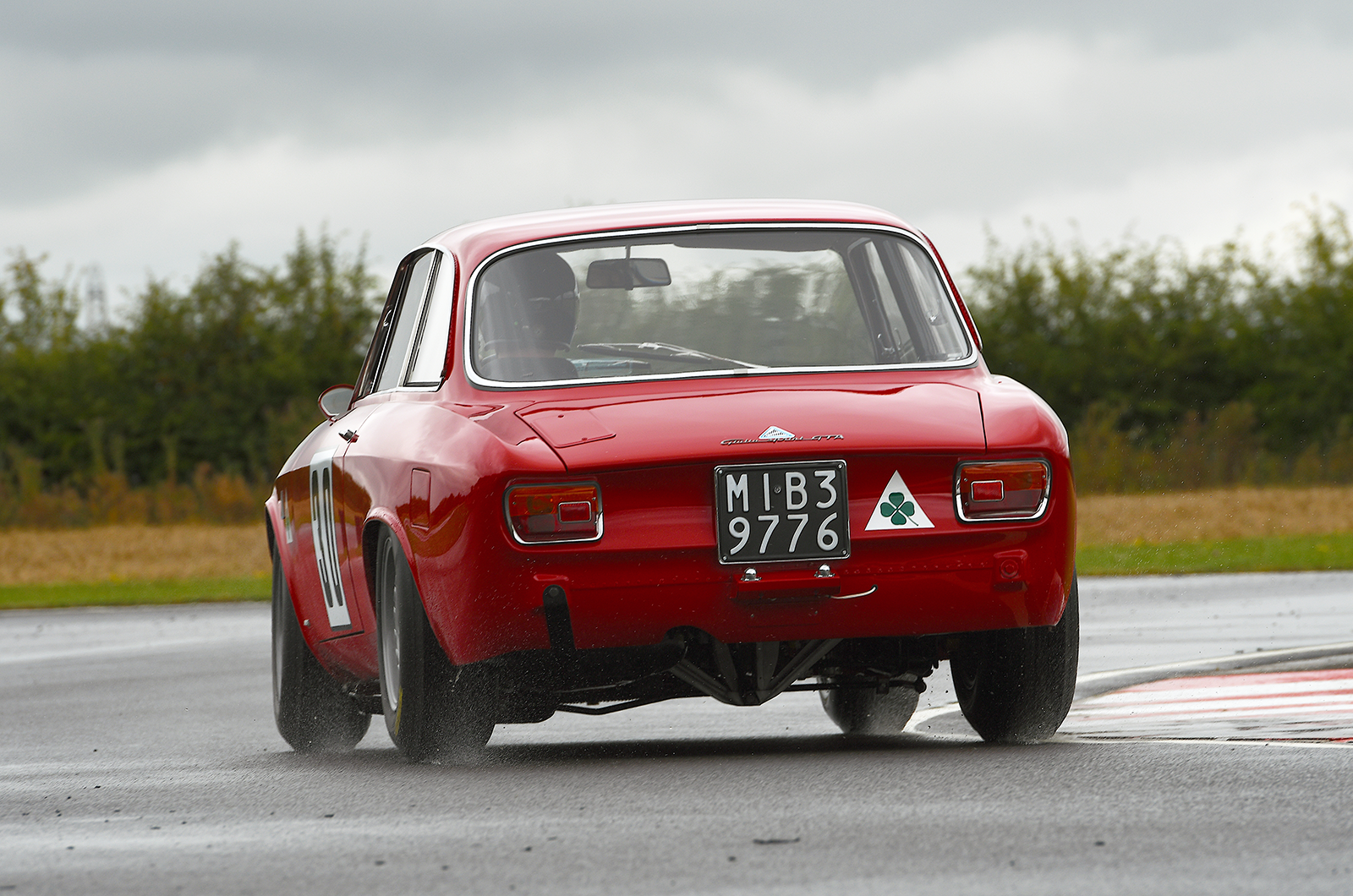
“The rear arches were rippled, too, which was always a problem with the weight of the 90-litre tank. On the jig, we also discovered that the shell wasn’t straight, as a result of a shunt with an Abarth in Sweden.
“We could have easily replaced the metal, but ended up taking months repairing and beating out the panels to get it right.”
During his research prior to the restoration of 613102, Max unearthed an Autodelta prova document signed by Chiti that lists the detailed specification relating to the 1966 season and Rindt’s three drives.
The construction of the early GTAs has remained a mystery, as Max explains: “It’s always been thought that complete cars were taken off the production line, but now we believe they were built up around a centre section at Autodelta.”
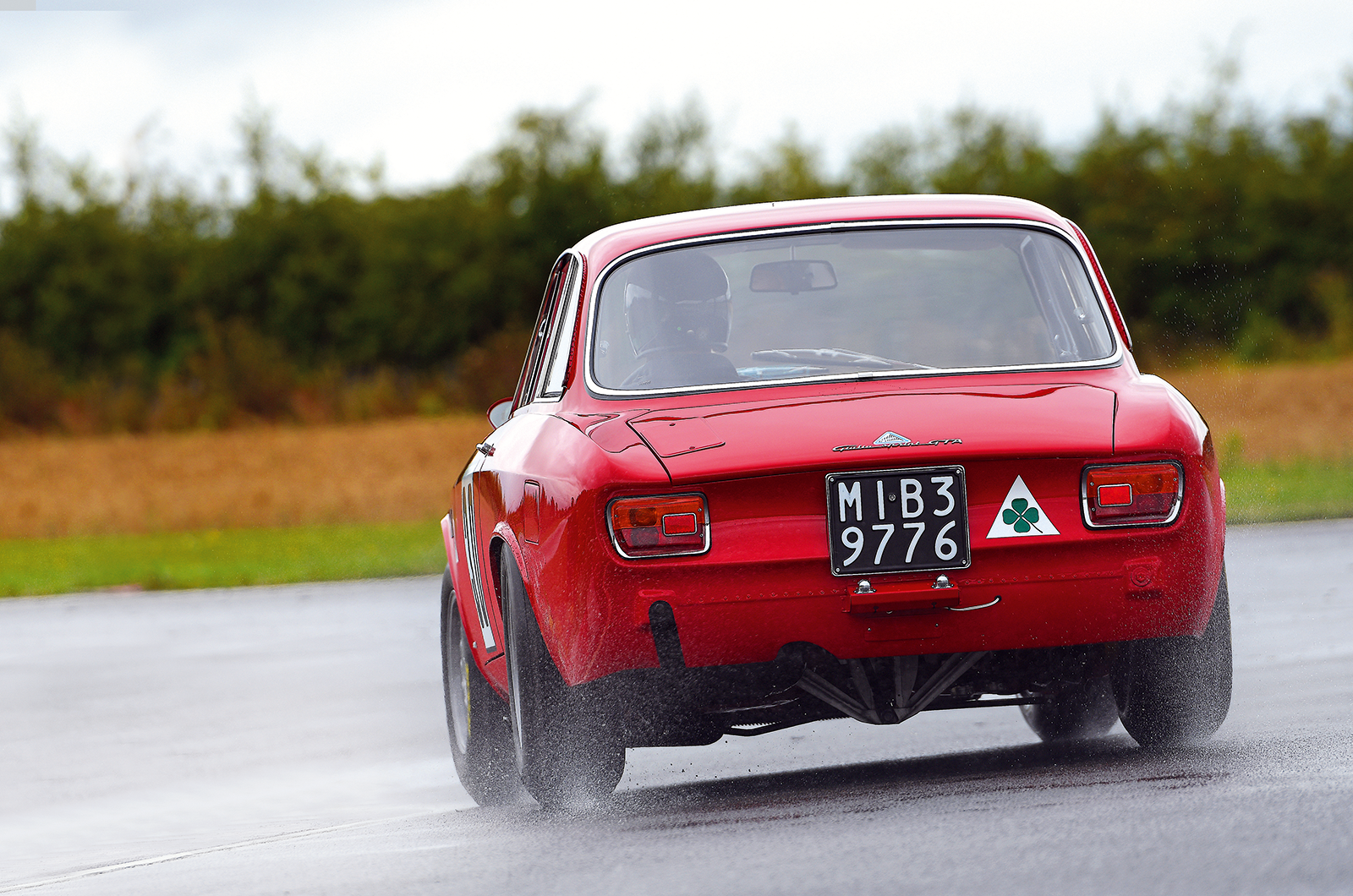
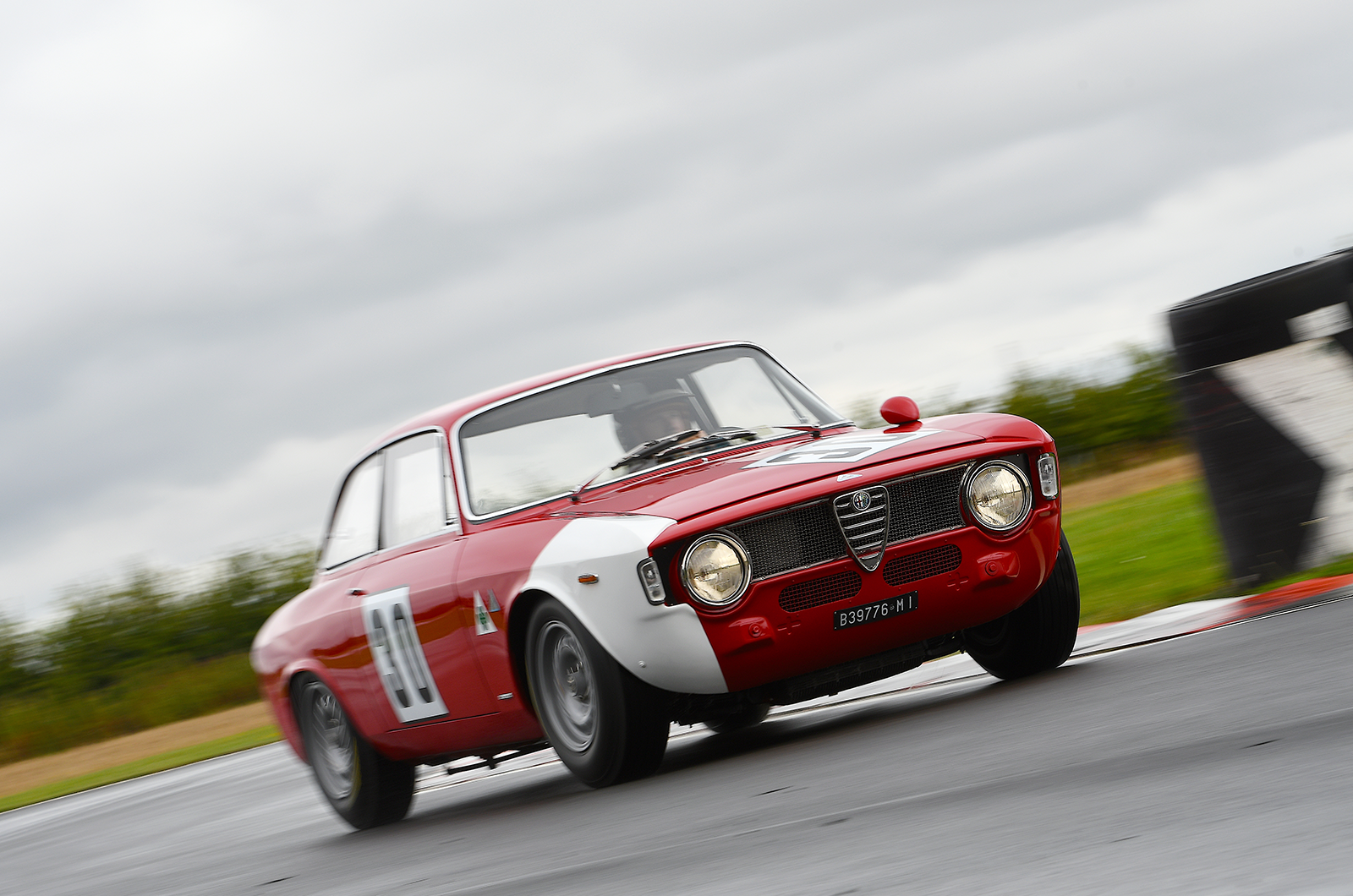
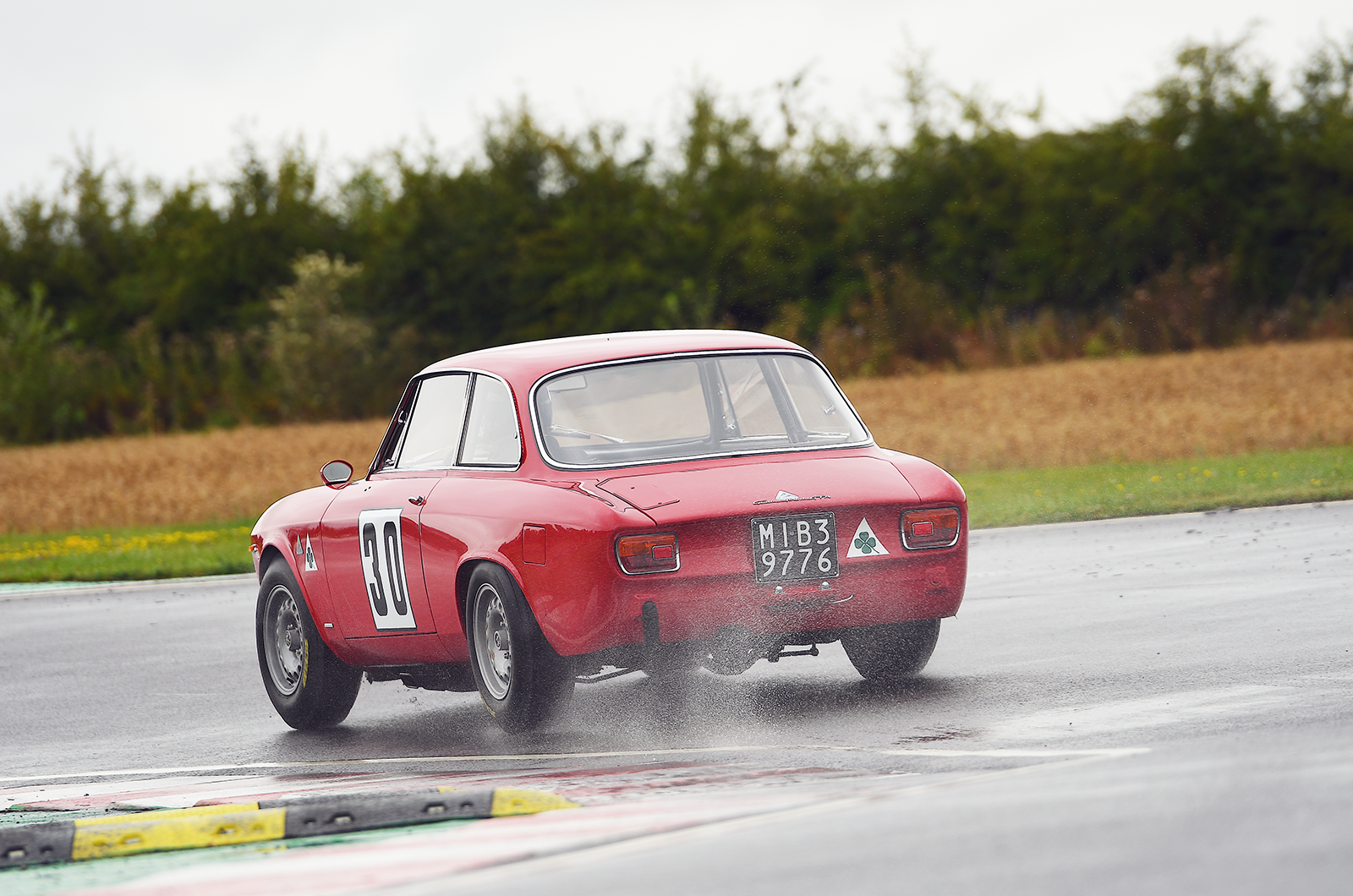
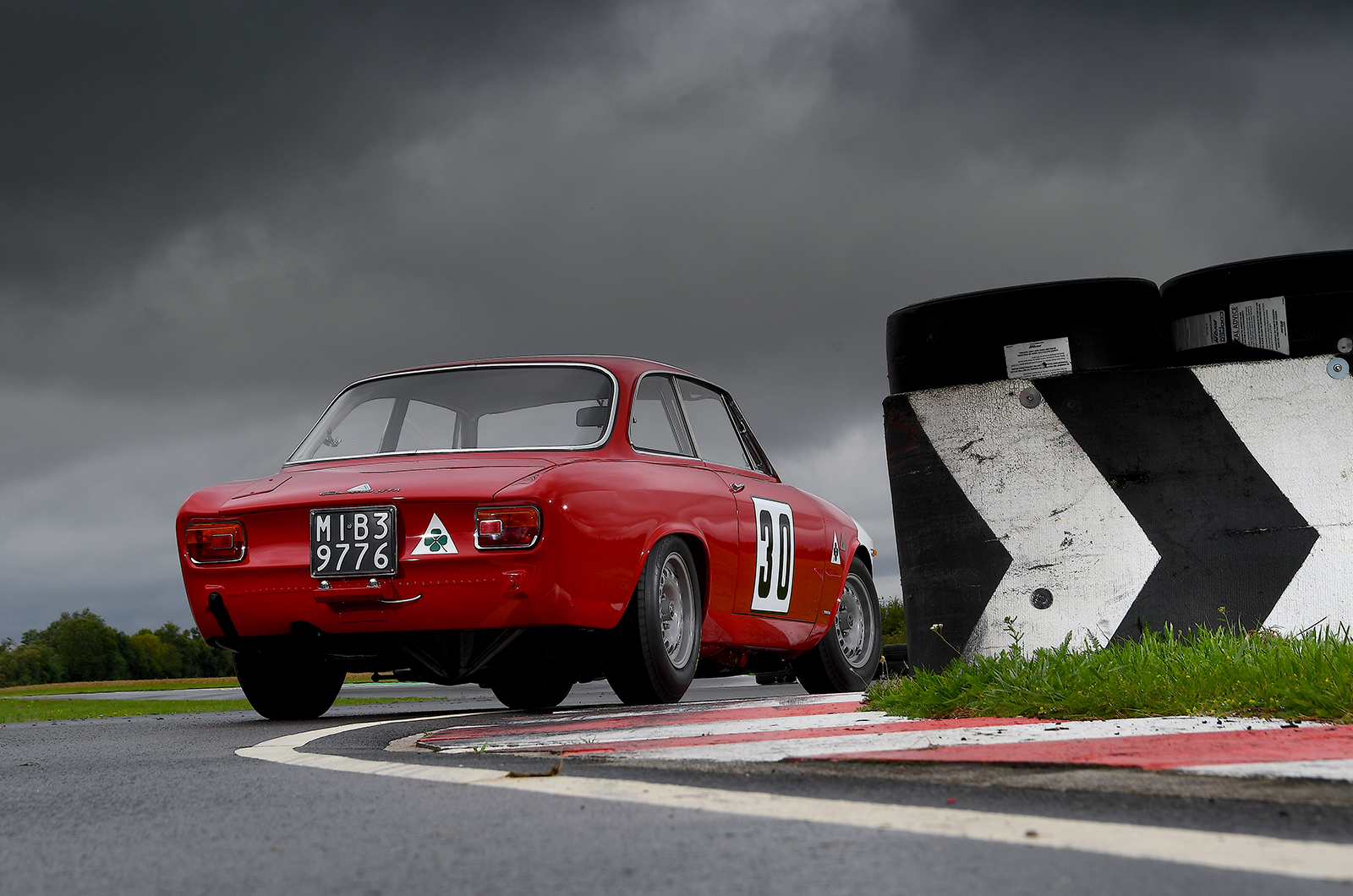
When it came to the colour, Alfaholics didn’t want a concours gloss Rosso 501 respray: “The racing cars used little paint, so we developed a special gun to get a slightly dull, speckled finish.
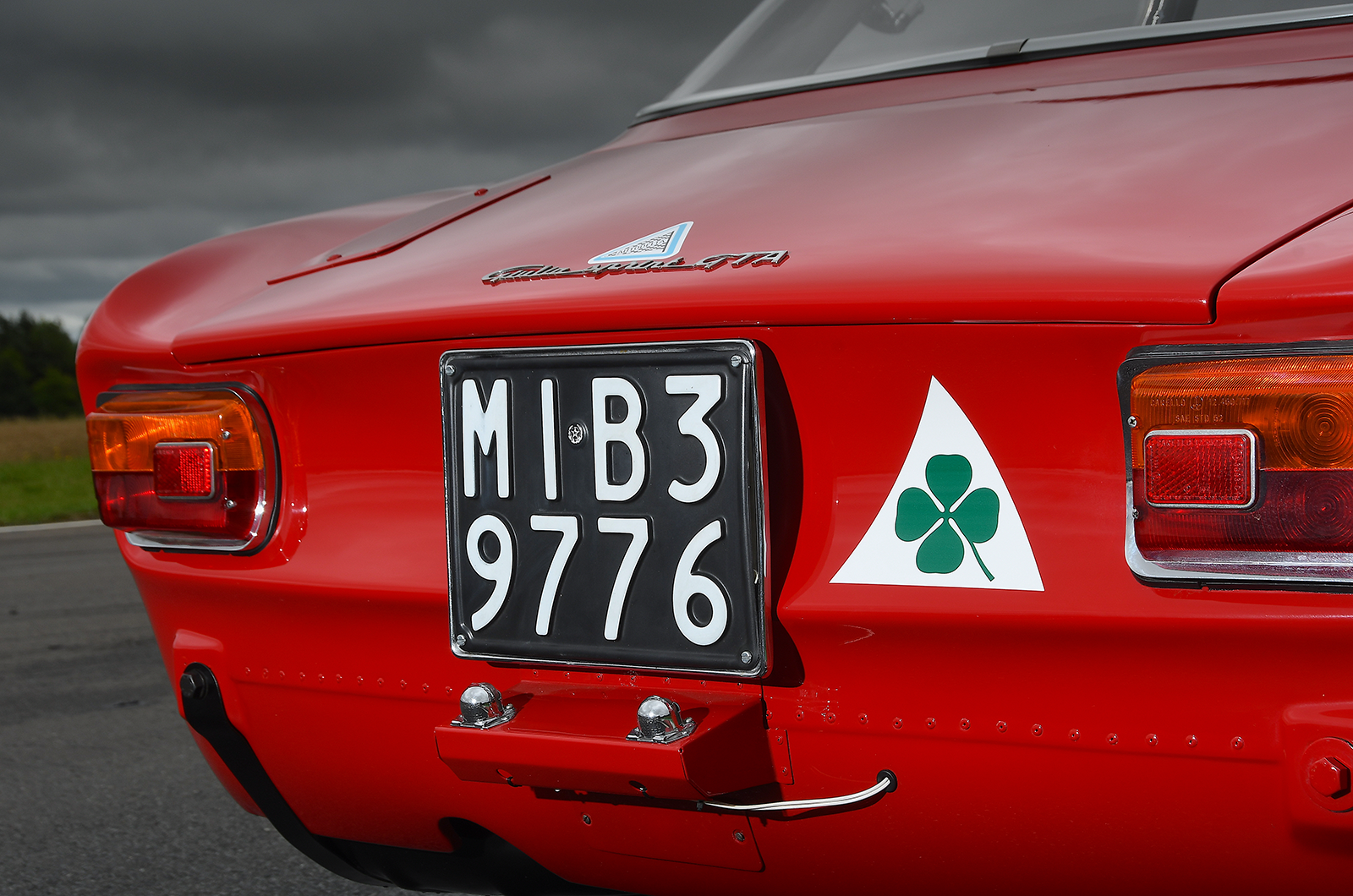
“I also ordered some period numberplates from Italy, and left them outside for two years to age.”
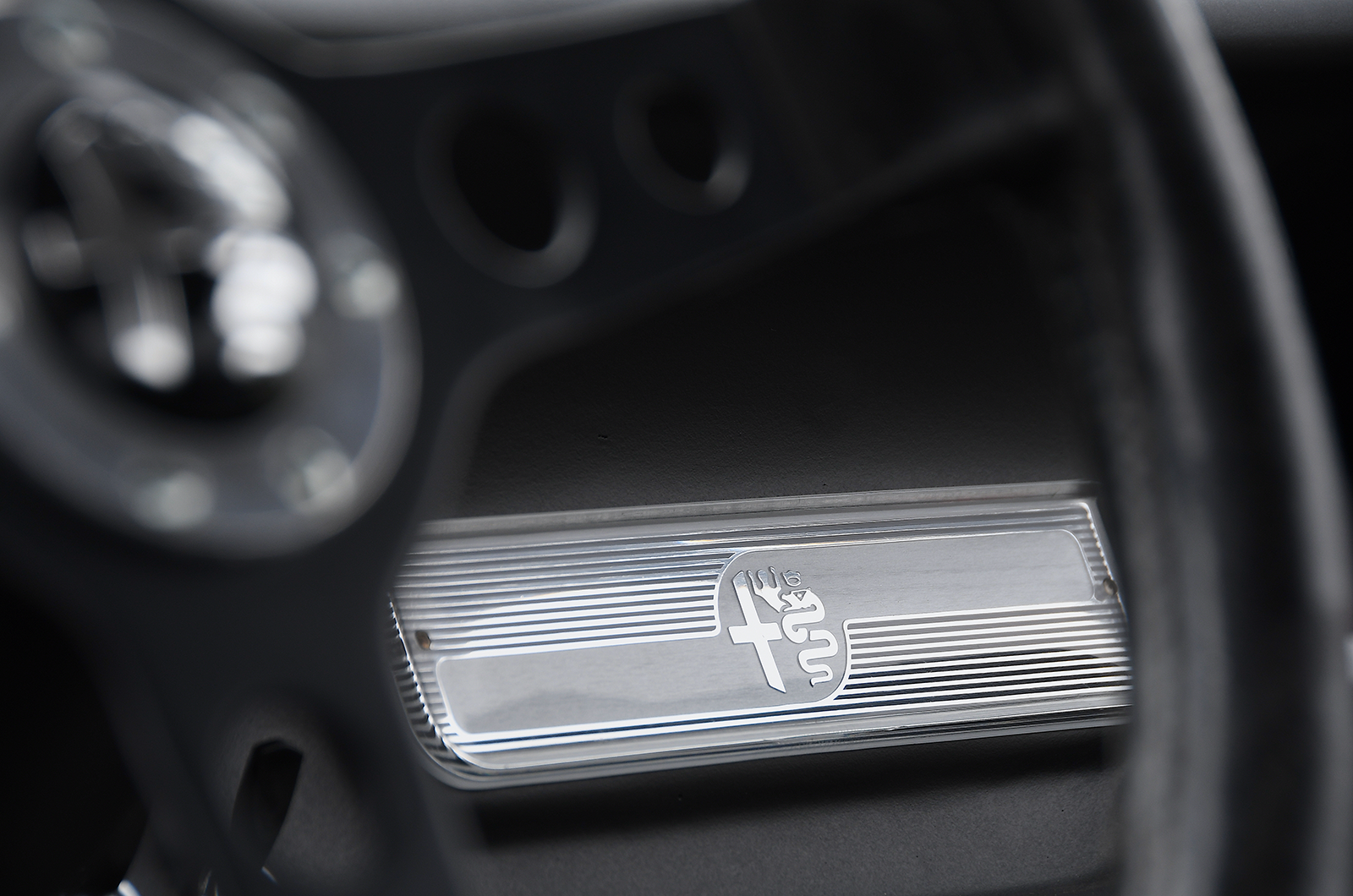
The interior of AR613102 is wonderfully original, right down to the distinctive rear seat that has a deeper base to match the FIA’s headroom measurements.
“We’ve only ever seen one other,” enthuses Max, who has done 10 GTA rebuilds to date.
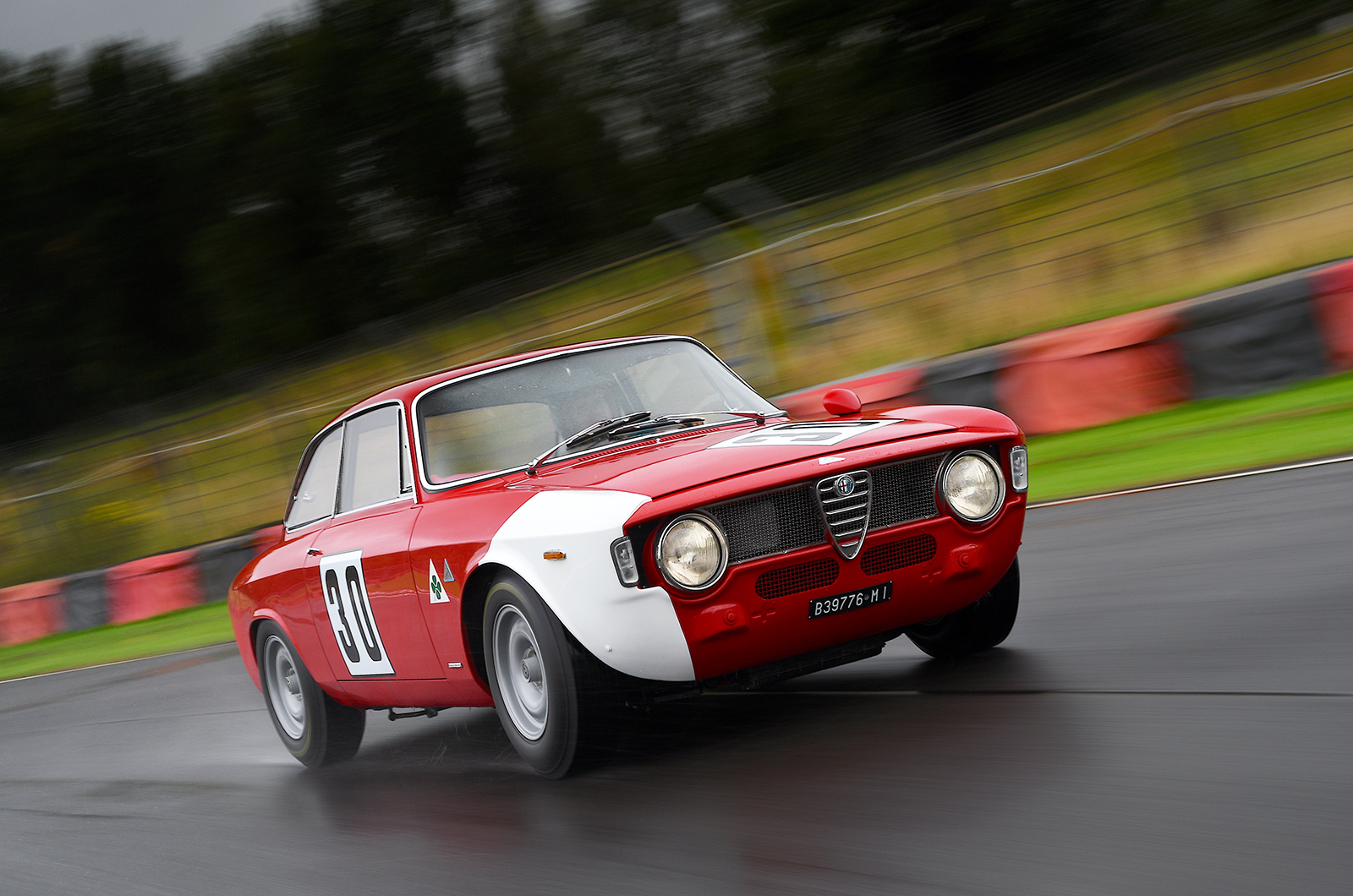
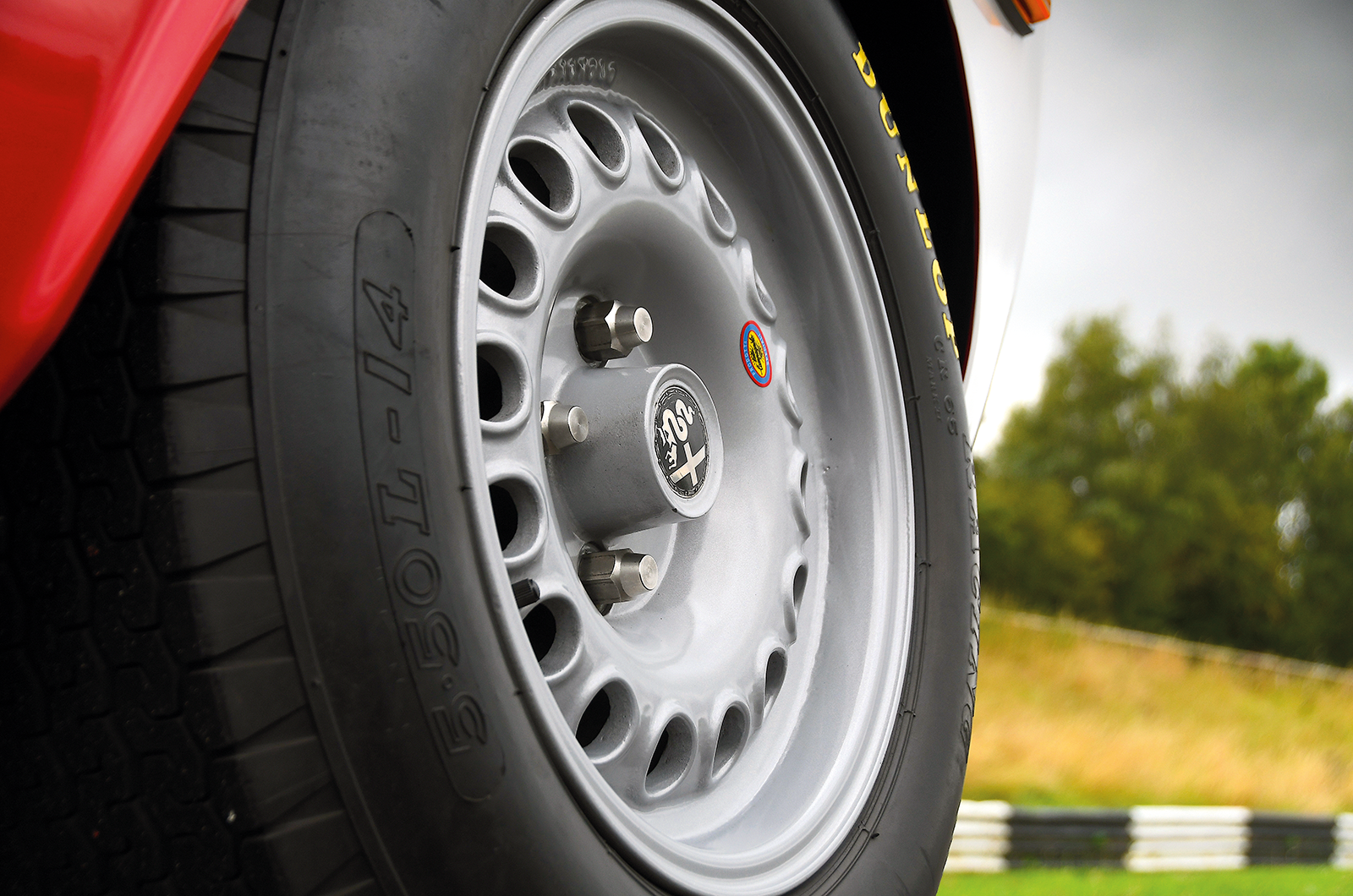
The final touch was a set of 550Mx14in Dunlops for the grey-painted Campagnolo wheels, which fill the arches more and give the ’66 GTA a purposeful stance.
Max has driven a range of GTAs, but none are quite like 613102.
“The car feels so alive and is much more enjoyable,” says Max, who started driving the racer to work during lockdown because the roads were so empty.
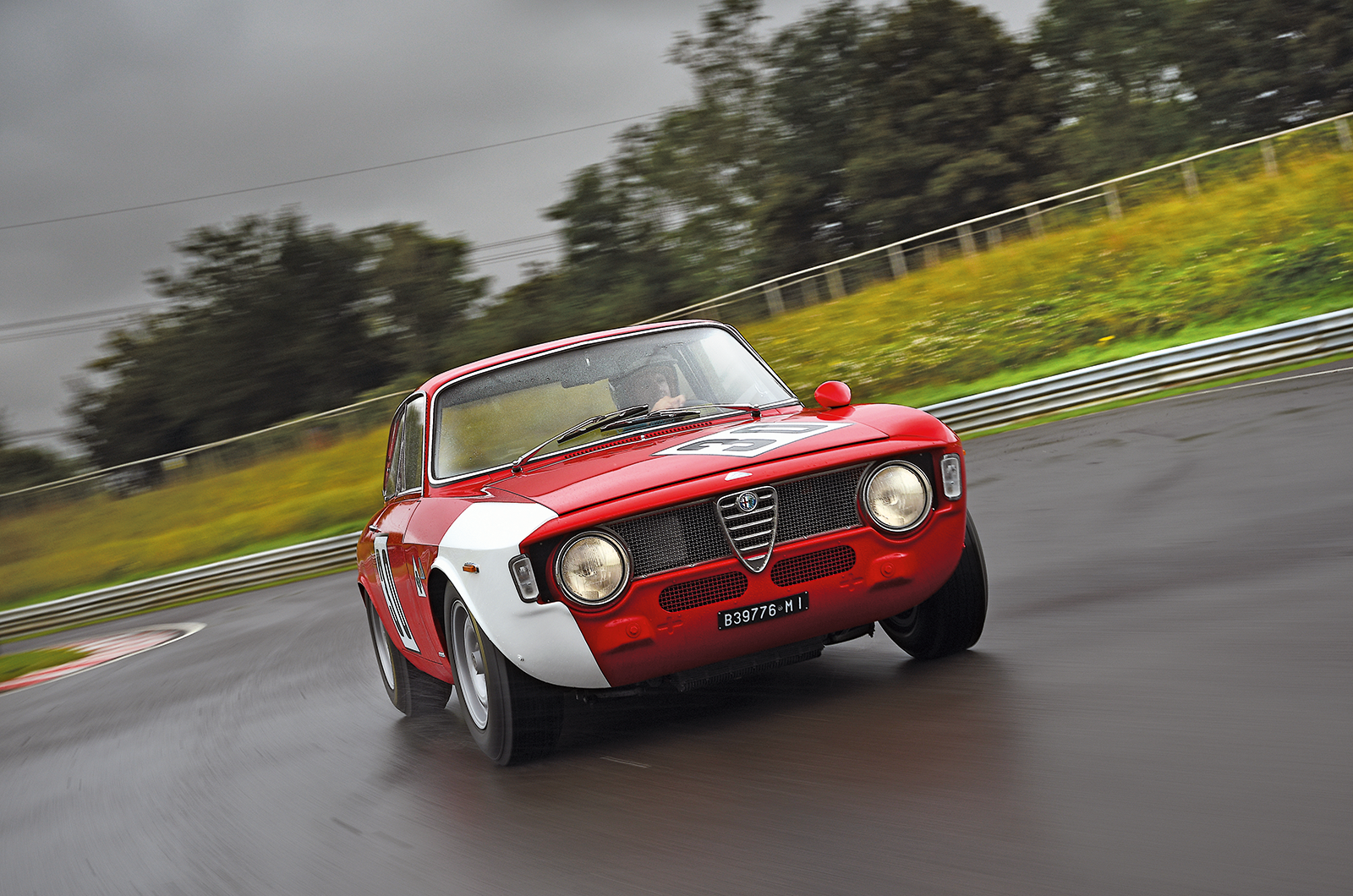
“We’ve fitted a silencer because the noise was so antisocial. I’ve driven it quite hard and the turn-in is razor-sharp.
“It’s really physical, but the handling is stunning. On the road it’s quick, and far better than we expected. The biggest surprise is the seat. The support is poor and you really have to hang on to the wheel. How they raced for hours at the ’Ring or Spa is a wonder.”
More recently, Alfa Romeo approached Alfaholics to borrow 613102 for the launch of the Giulia Quadrifolglio GTAm.
Displayed together, the two couldn’t be more different: the 2.9-litre, 530bhp, 160mph GTAm looks huge and brutal beside Giorgetto Giugiaro’s compact ’60s beauty.
The modern has set a new marker around the ’Ring, but the original earned its spurs in battle, and for pedigree there’s no comparison.
I’d take Jochen Rindt’s historic racing car every single time.
Images: John Bradshaw
Thanks to Alfaholics and Castle Combe Circuit
We hope you enjoyed reading. Please click the ‘Follow’ button for more super stories from Classic & Sports Car.
Mick Walsh
Mick Walsh is Classic & Sports Car’s International Editor