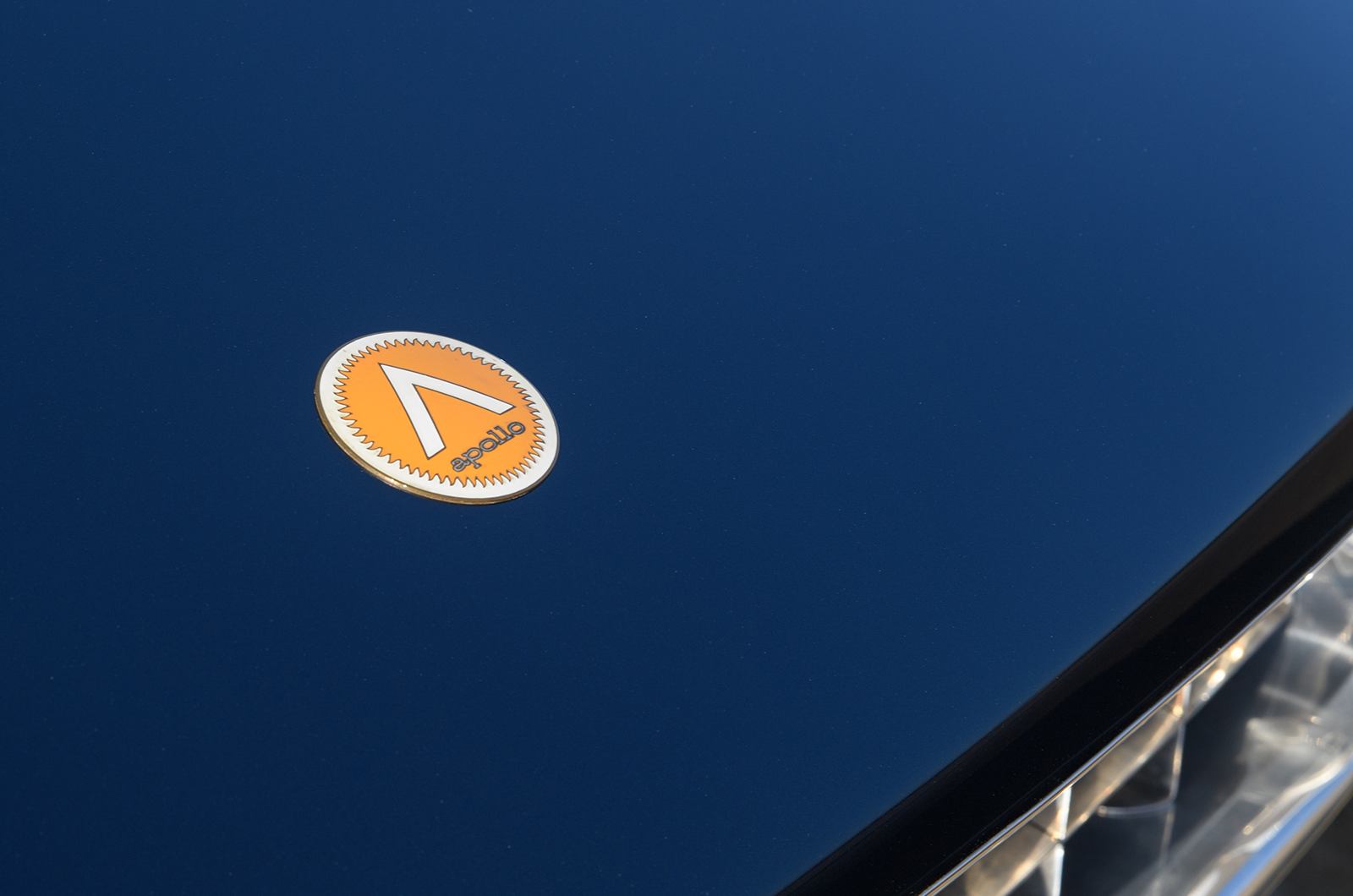
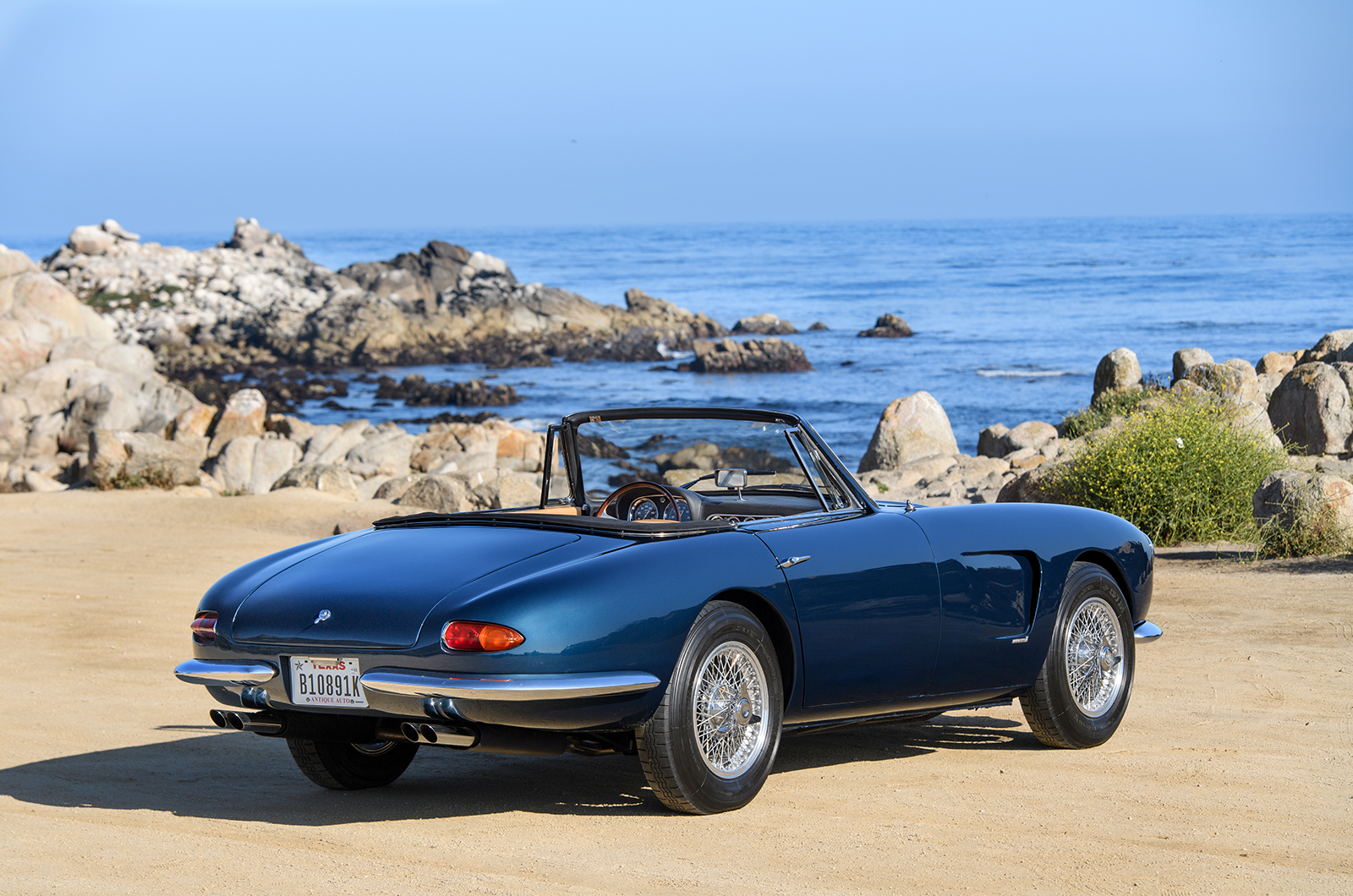
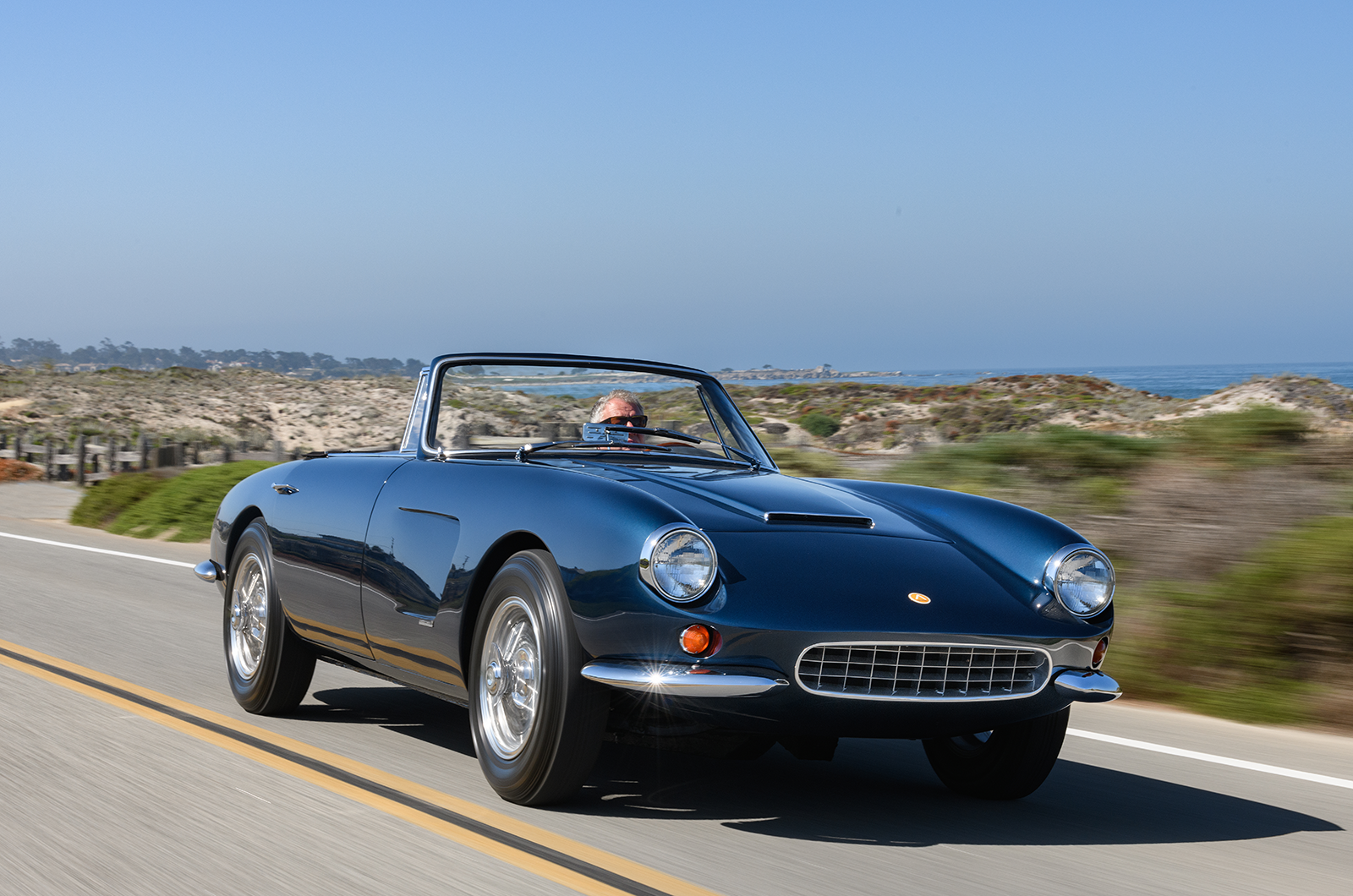
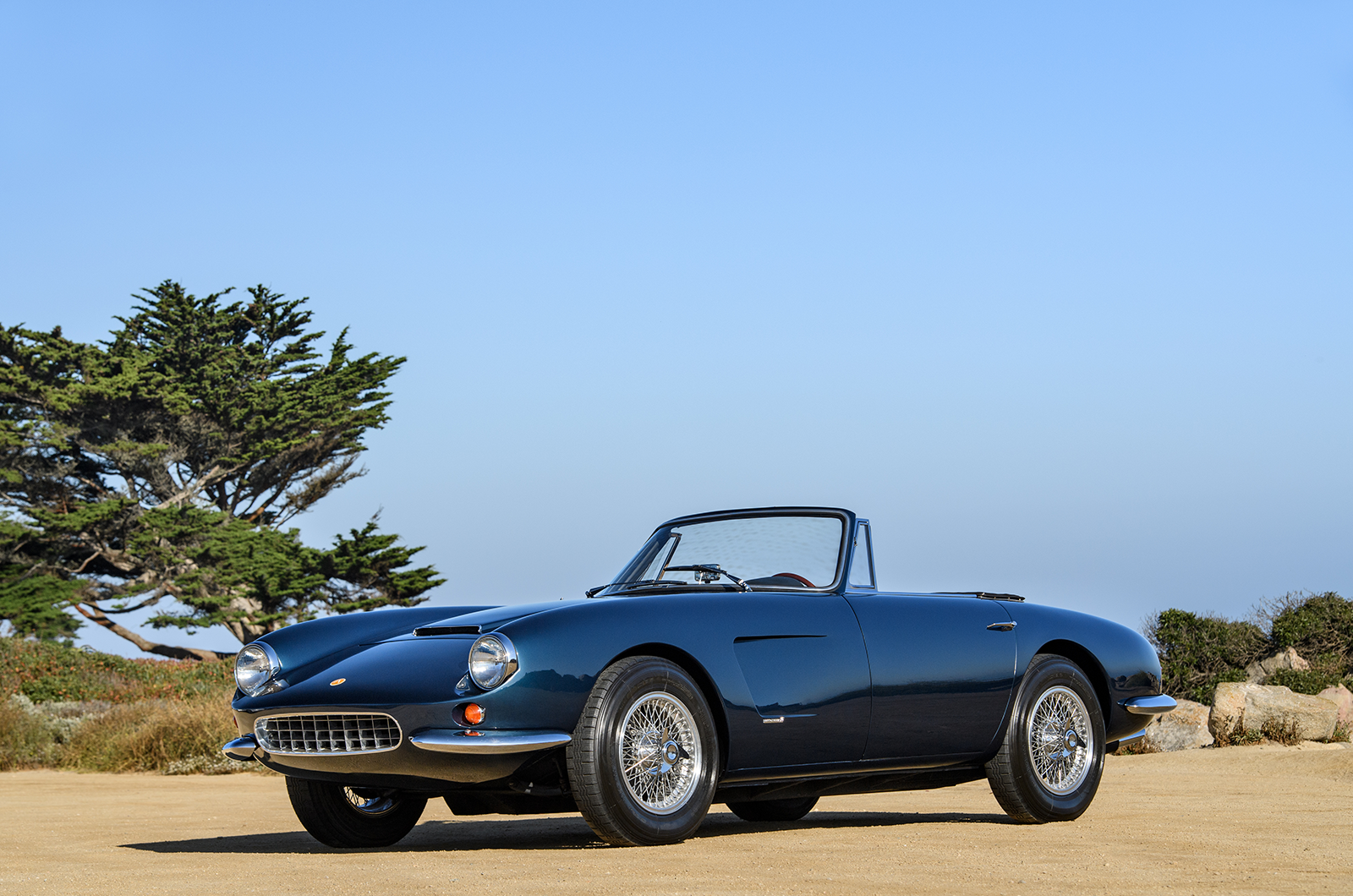
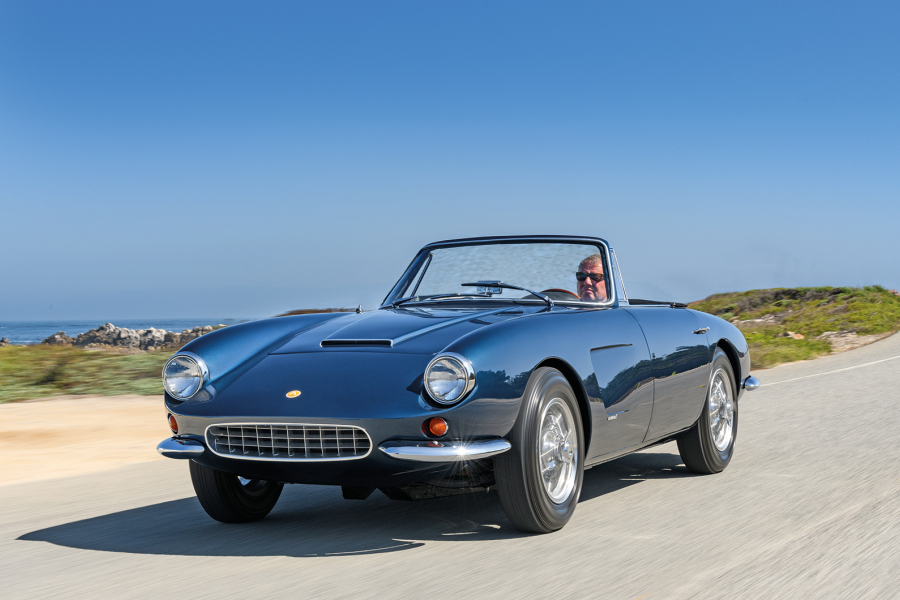
Most people only know the Apollo from its appearance in The Love Bug as the ‘Thorndyke Special’ – at least those who didn’t assume it was a Ferrari or a George Barris prop.
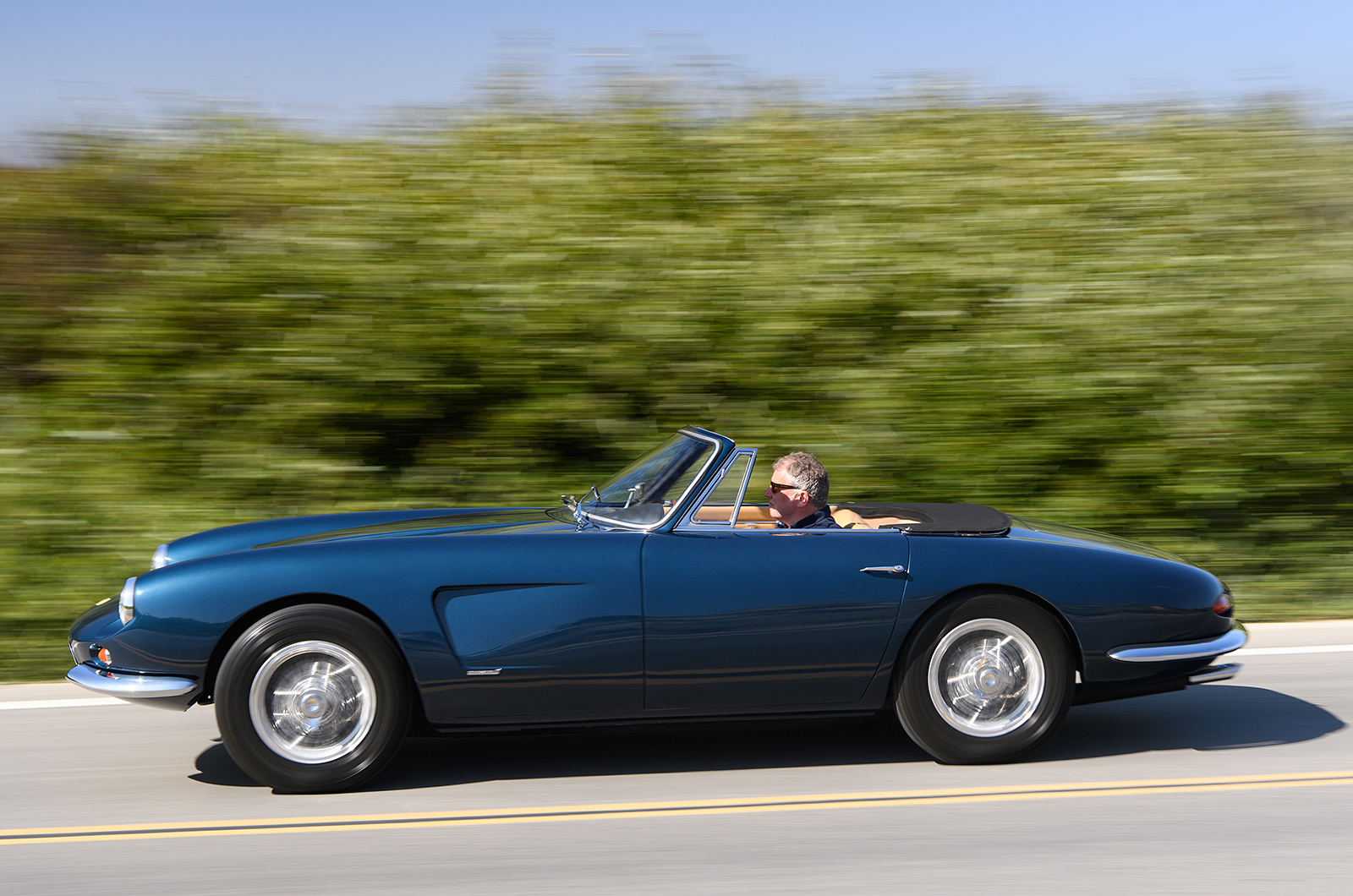
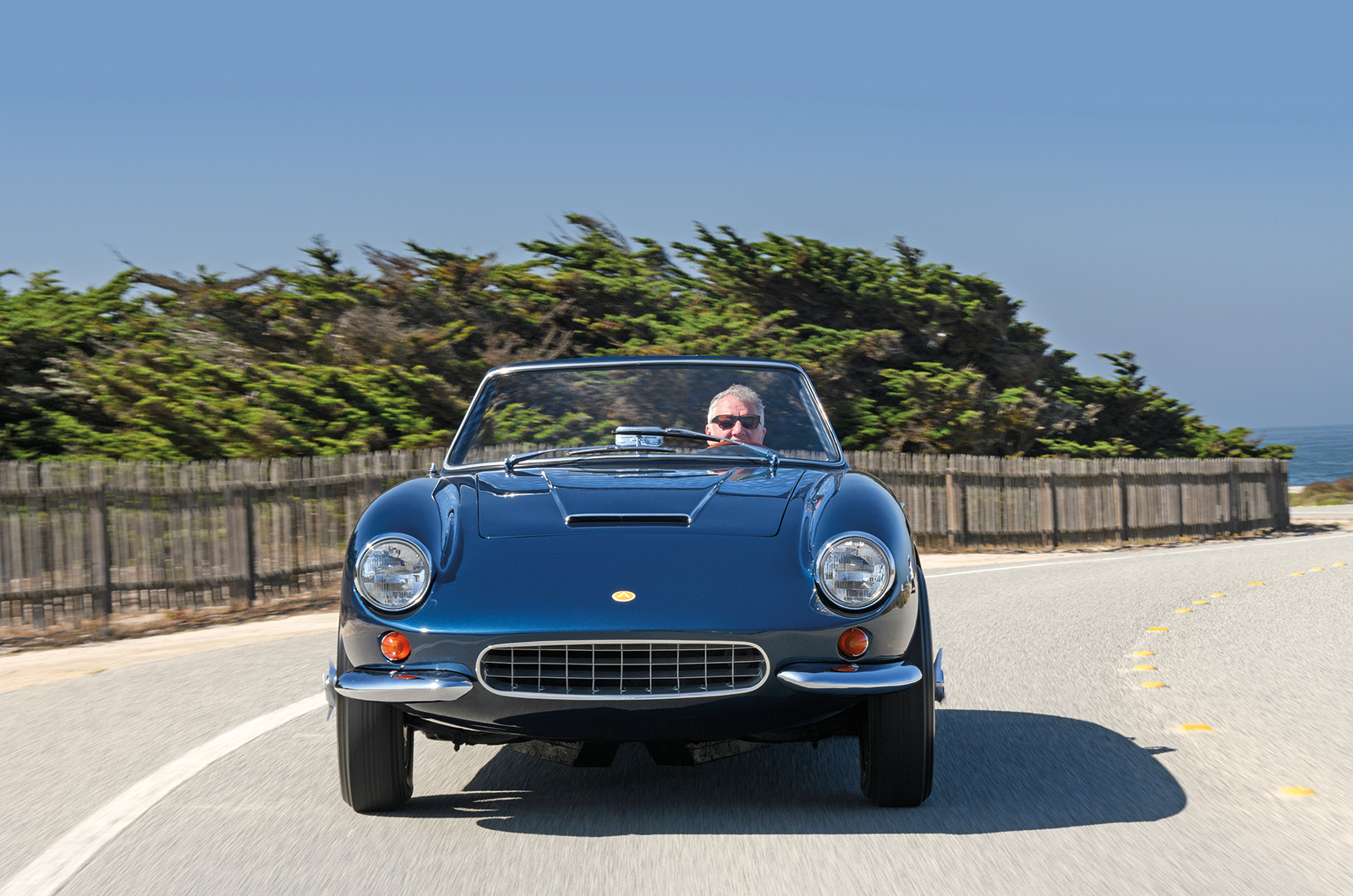
But it is a much less ephemeral car than that fleeting image suggests, competently engineered by a man who had a good eye for what made buyers’ toes curl when they went shopping for an exotic.
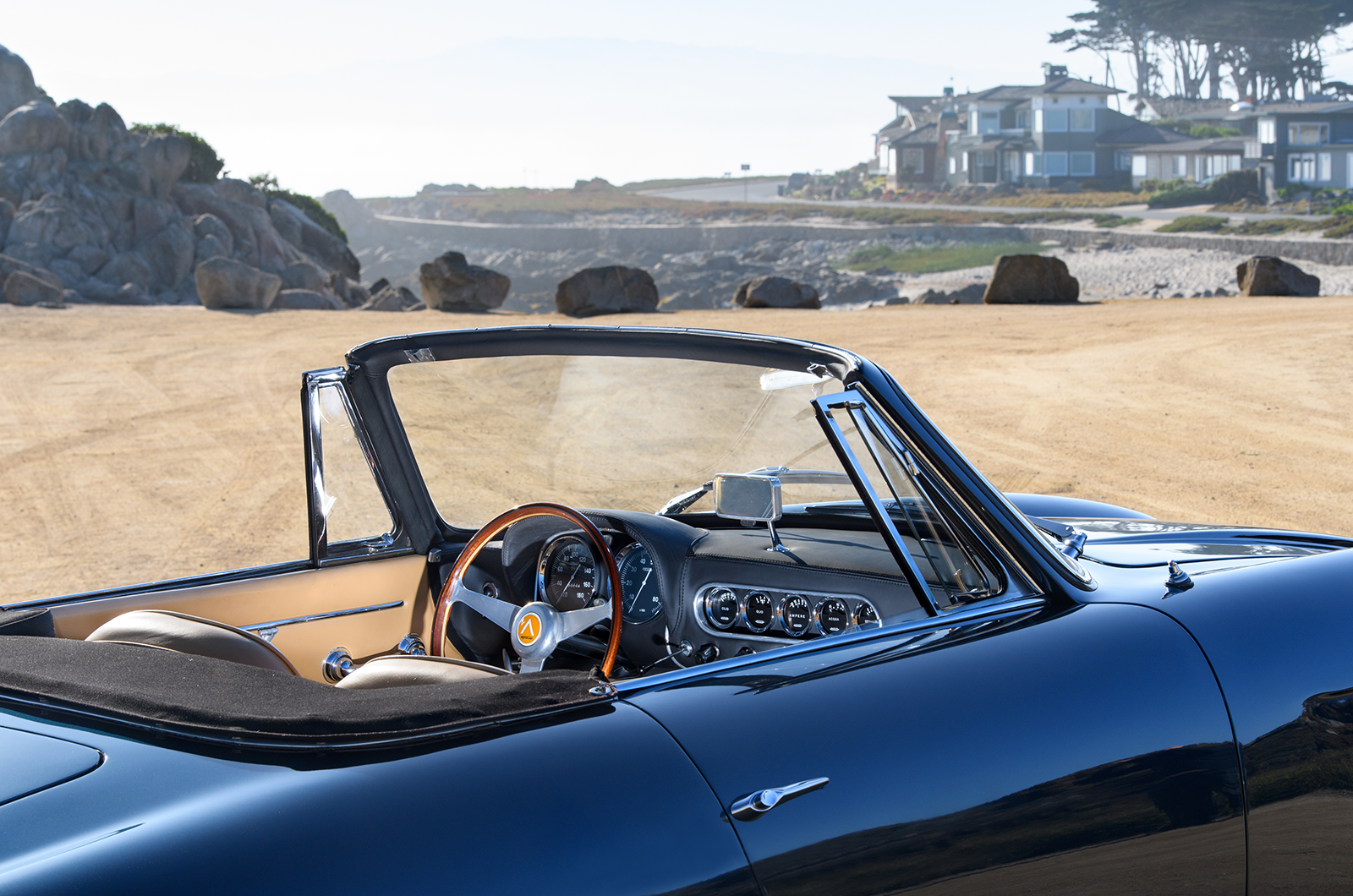
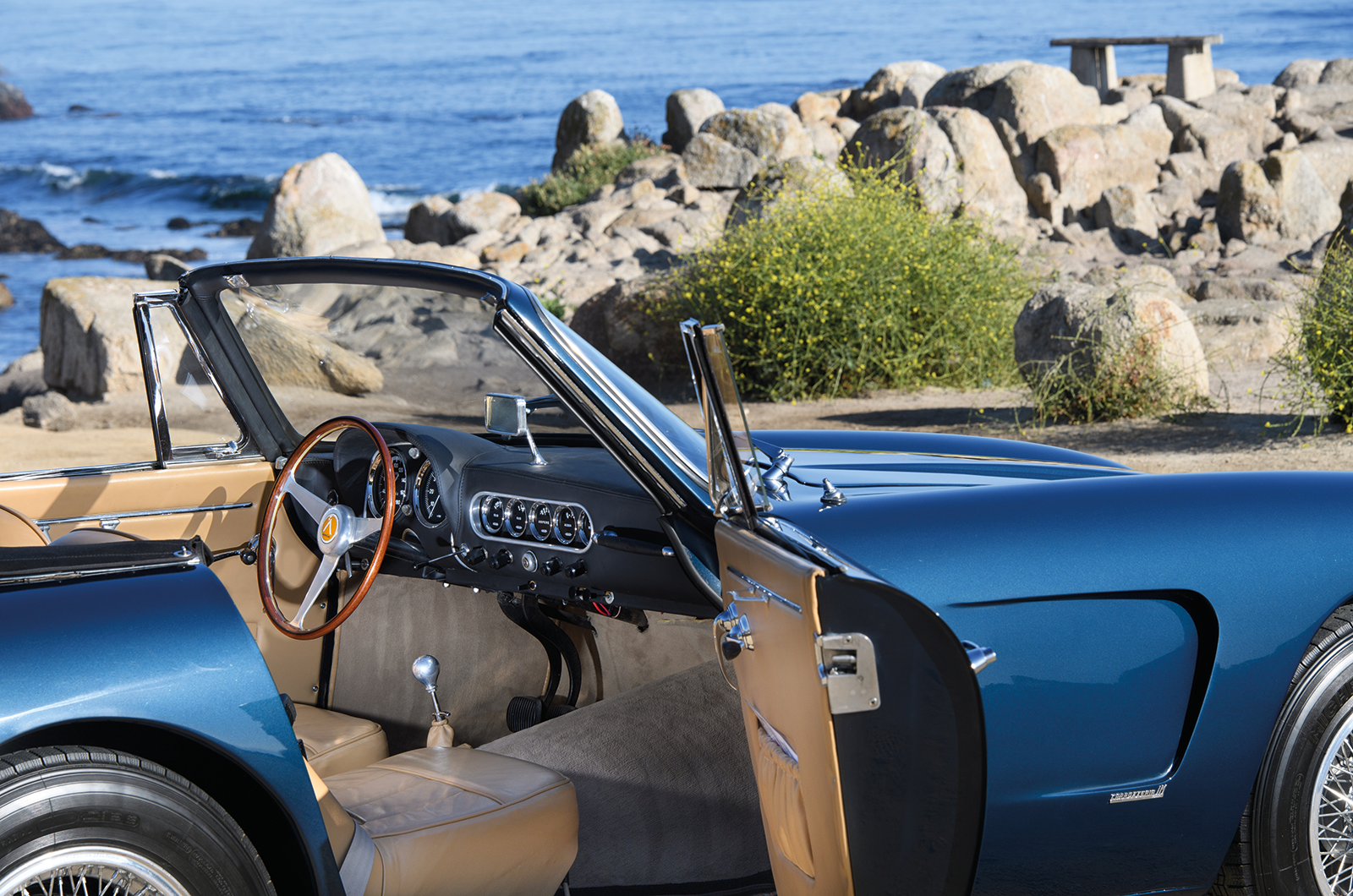
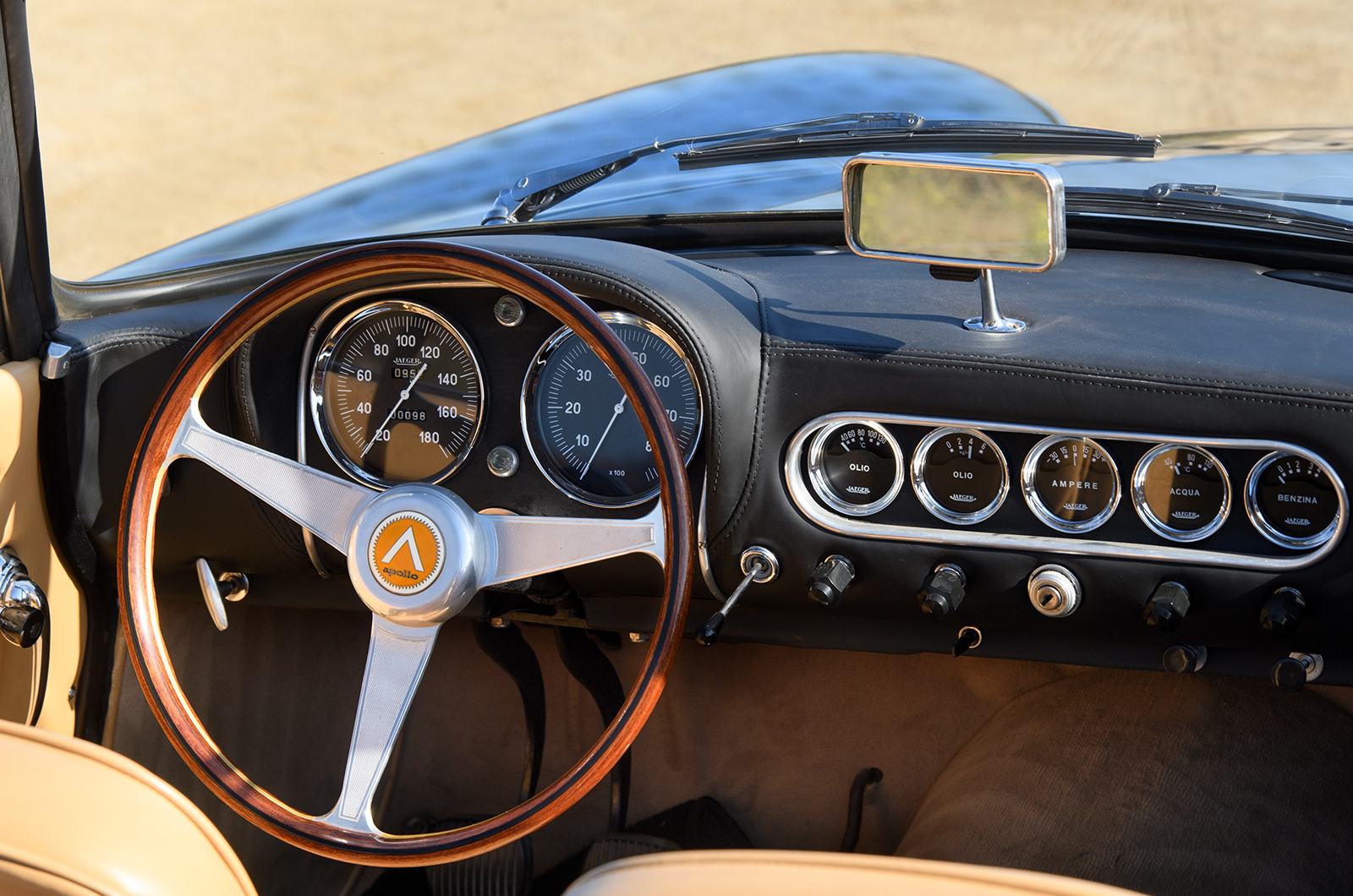
“It was my idea to keep the lettering on the gauges in Italian, and I always thought a sports car should have a grabhandle,” reflects Brown.
“It gives a subtle message that this is a fast car.”
Images: Tim Scott/Fluid Images/Robb Northrup
Thanks to Worldwide Auctioneers
This was originally in our November 2019 magazine; all information was correct at the date of original publication
Milt Brown’s Apollo mission
“I got my first car, a ’35 Chevy, when I was 14. The owner of a local shop got an early Jaguar XK120 and it looked like a spaceship.
“I fell in love with sports cars and decided to build my own when I was 17. I sold that and went to Europe.
“I landed in London and the first place I went was Lotus. I was stunned: they had just a small admin building, a showroom, and were making cars in a lean-to.
“My parents had built a carport and workshop that was bigger than the factory!”
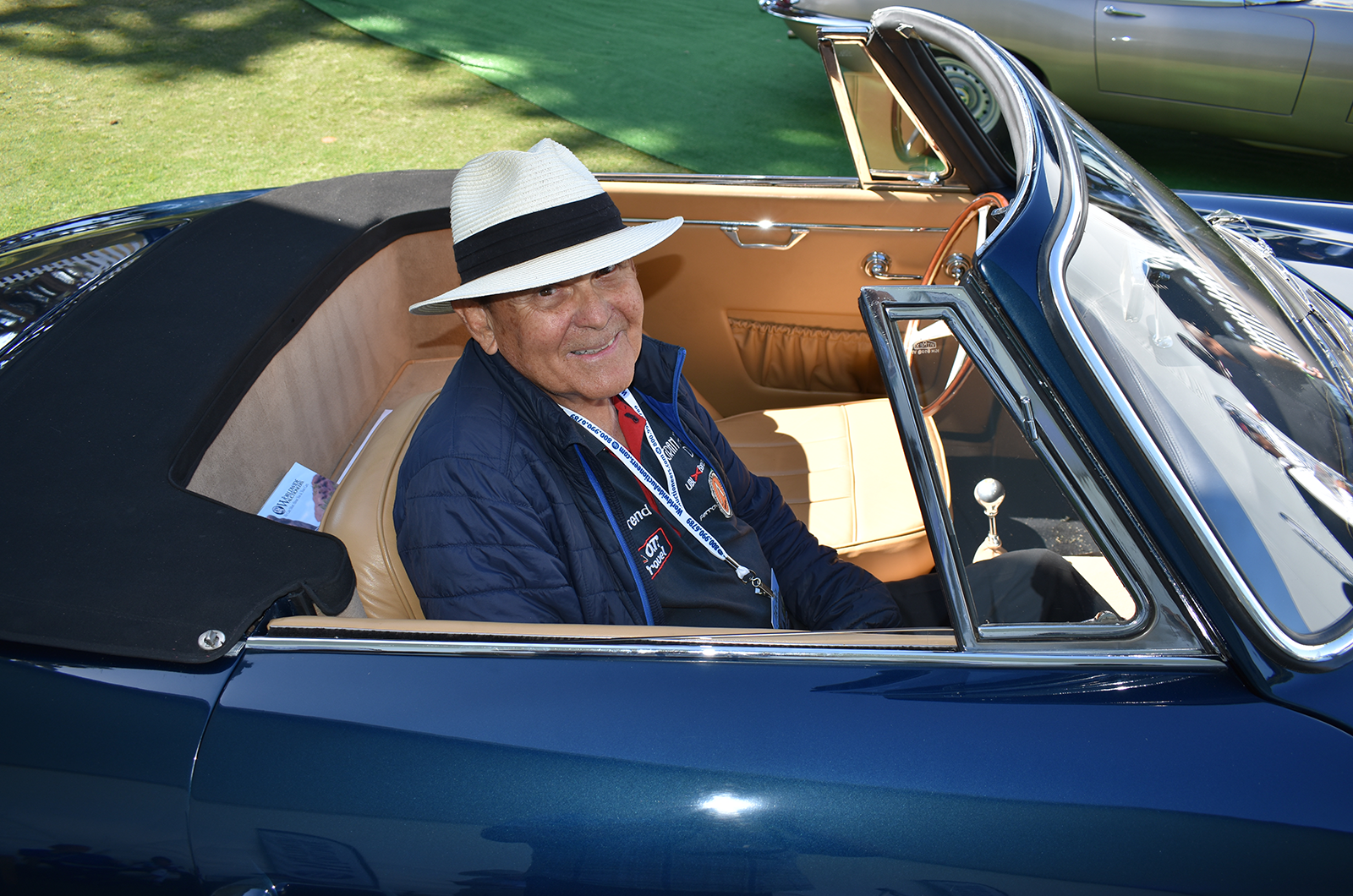
Milt Brown decided to build his own sports car when still a teenager
“Then I went to Italy, saw a Formula Junior race and thought, ‘That’s going to go big in the US.’
“I went home and built America’s first Formula Junior, then decided I wanted to build a GT – especially after seeing the new all-aluminium Buick engine.
“I met Frank Reisner at Turn One of the Monaco GP in 1960. He told me he built custom bodies in Italy.
“I already had a $50k quote from Pininfarina for a prototype – when you could buy a house for $10k in America – but Frank had low overheads.”
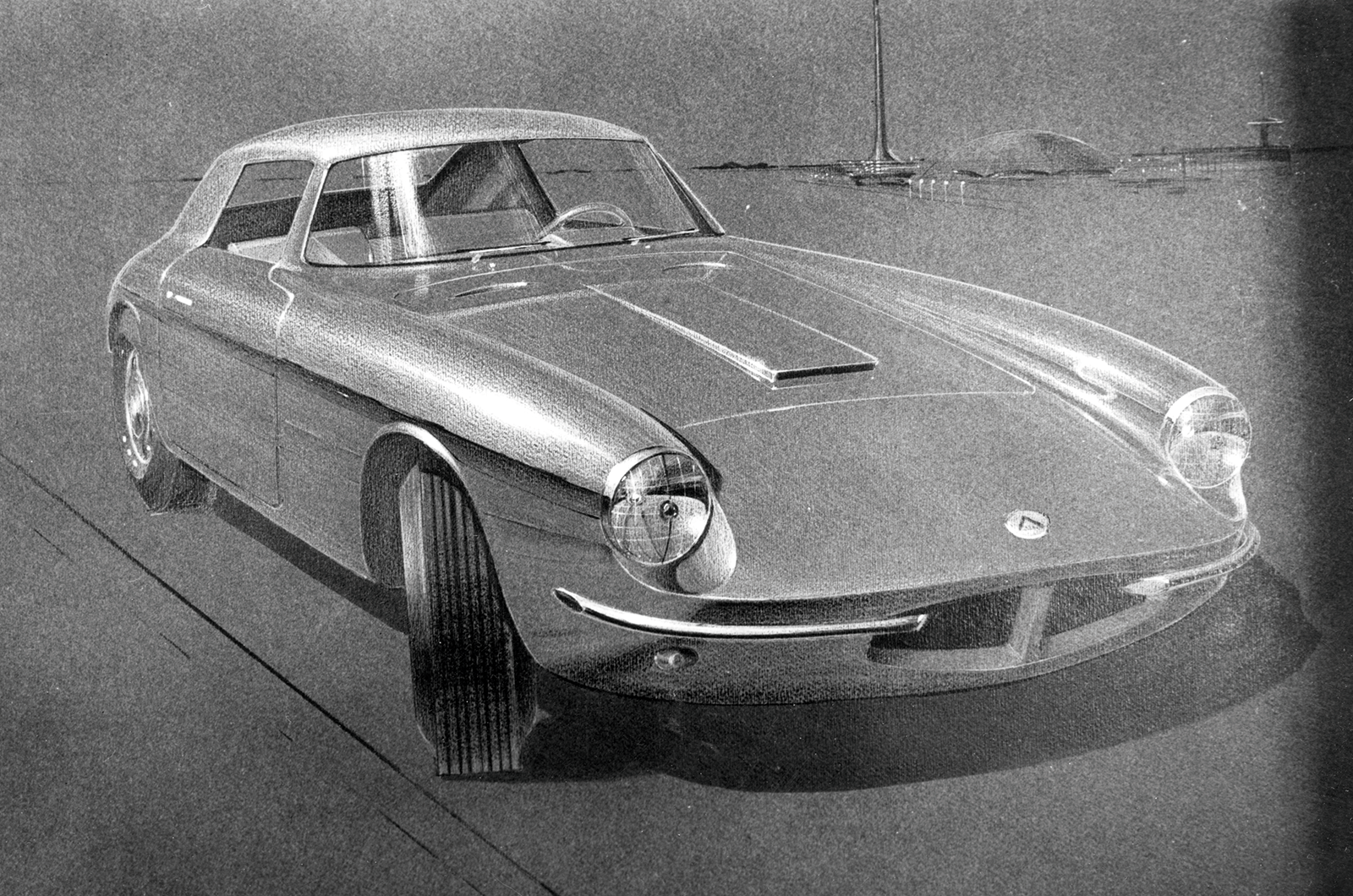
Ron Plescia’s rendering was used to attract investors
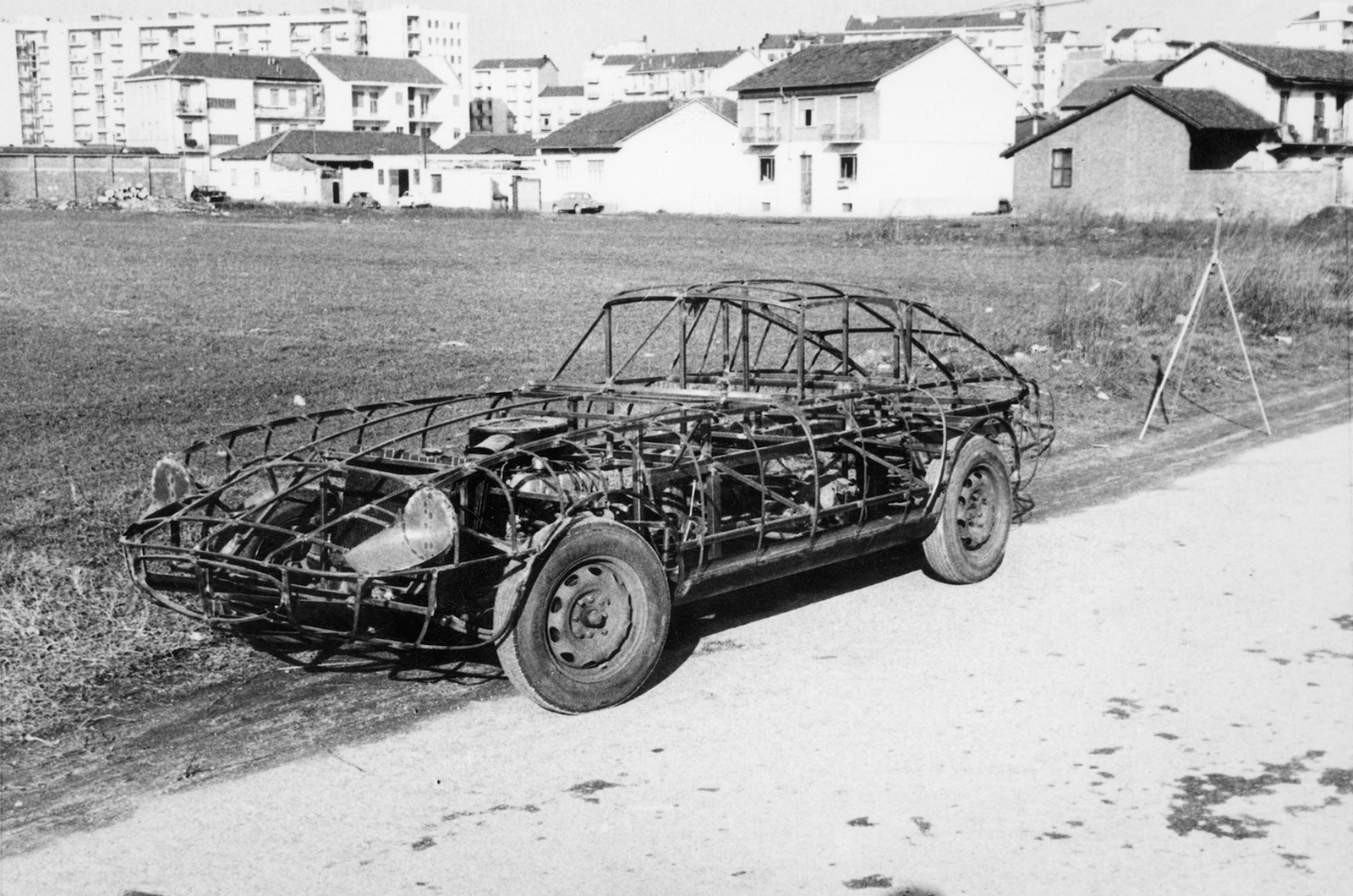
“So my wife and I took off to Turin. I started designing a frame for the Apollo on the boat home.
“My high-school buddy Ron Plescia, who designed a body for my Crosley special, had just graduated from LA Art School.
“We had been sketching cars for years, and because we’d been thinking about it so long it just came together.
“Another high-school friend, Newton Davis, wanted to start a business and had the money.
“We got a Buick engine and Ron did a quarter-scale model. Working on it together it took about two weeks.
“I put a seat from a Lotus I’d bought on the chassis and drove it around to test it, then sent the chassis and the model to Italy, and five or six months later we had a car.”
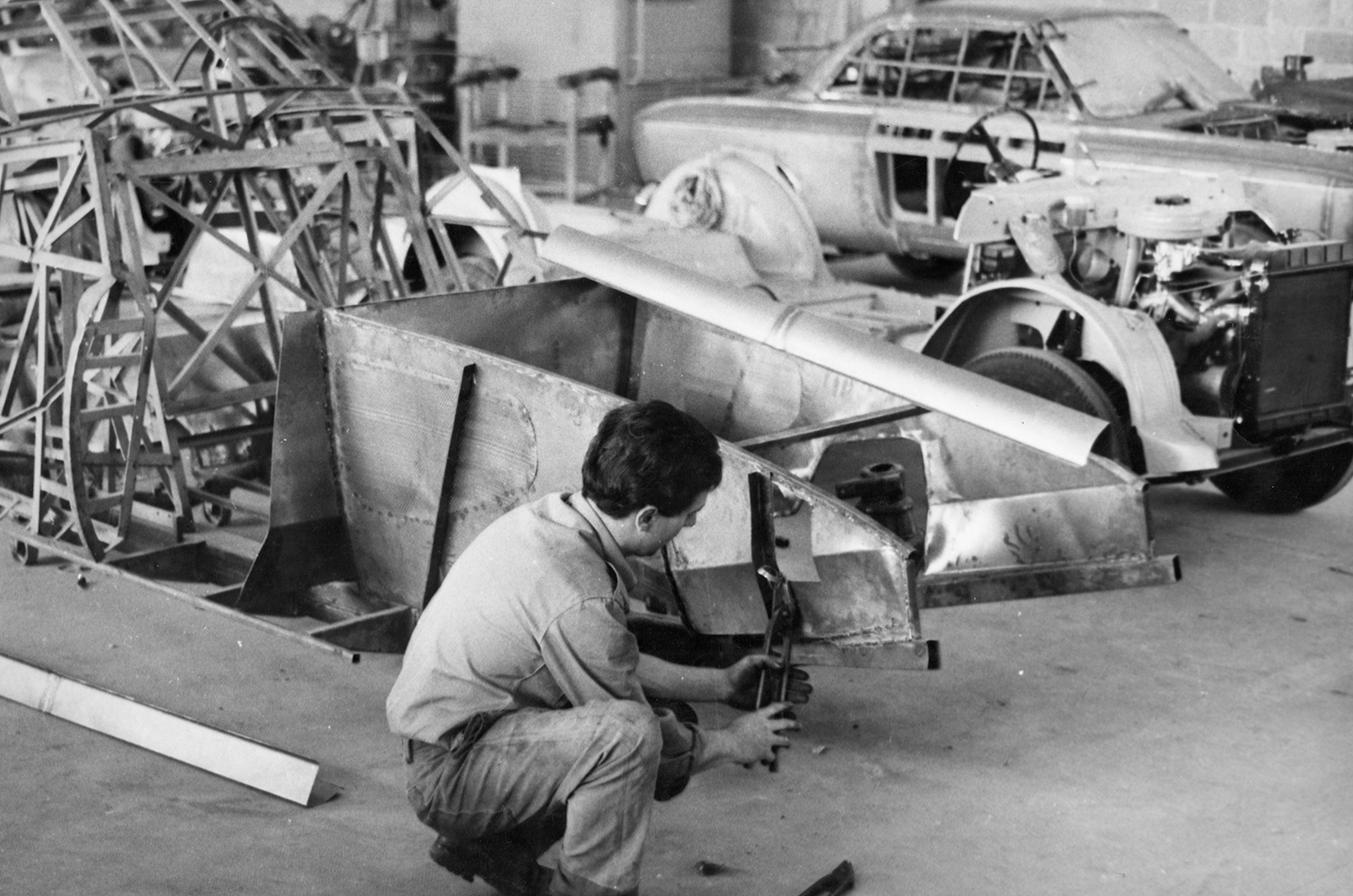
Shells were made using the ’cala’, a jig that fits inside the body for welding the hand-formed panels
“Scaglione refined it, but the basic shape was Ron’s.
“While I was working in England the E-type came out and I loved the shape: I wanted Italian styling with E-type proportions.
“The Apollo hit the spot in the market. It was more than a Jag, but cheaper than a Ferrari.
“I sold the first after the LA show to a student at Berkeley. We had sold three or four when George Finley pitched up; he had been on the Lincoln-Mercury training programme and said: ‘I want to be your sales manager.’
“He really saved the day: in a year he set up seven dealers.
“We sold a car to Pat Boone and after that it took off.”
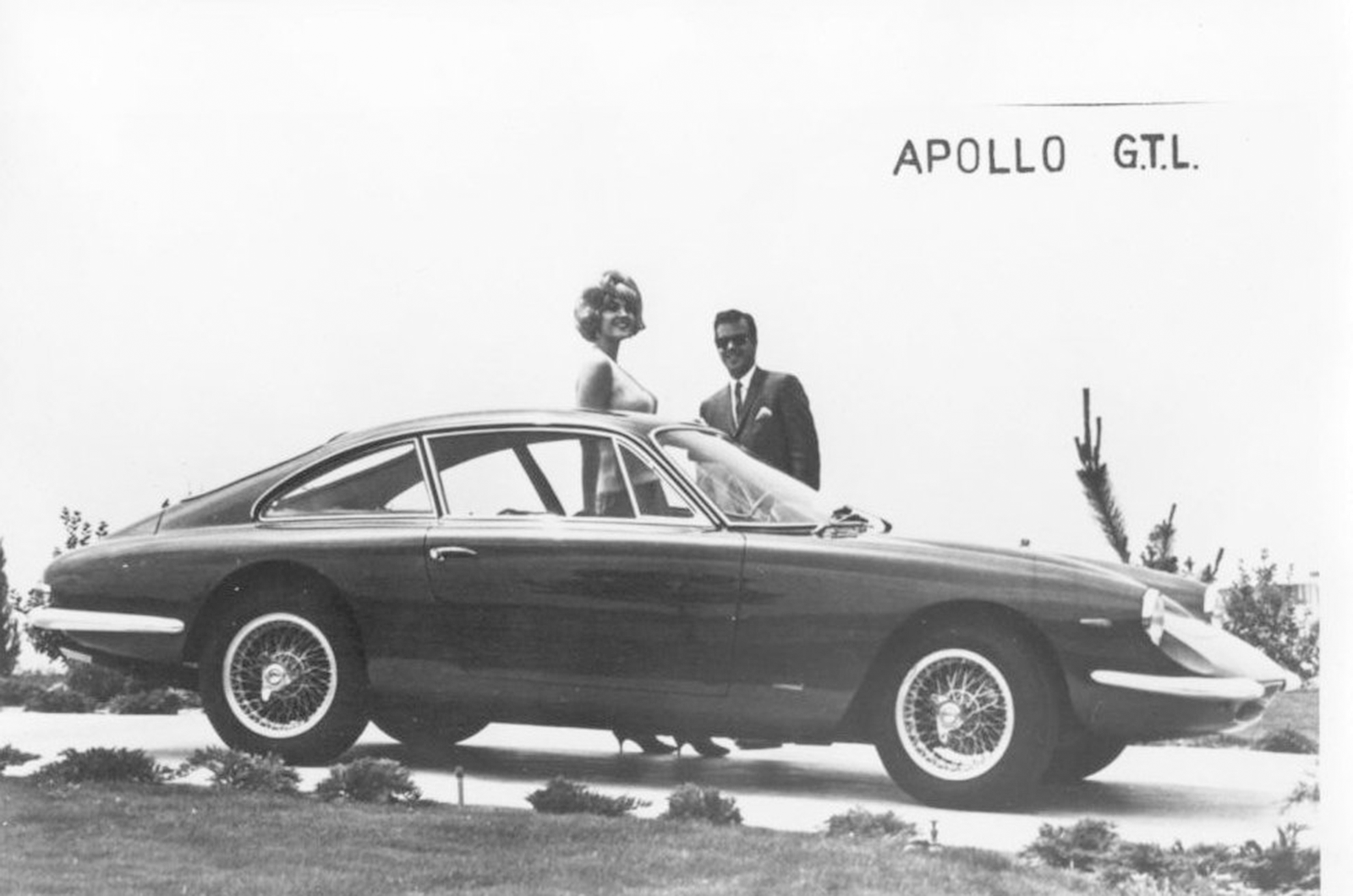
The Apollo was launched to an enthusiastic reception, but there were tricky times ahead for the company
“He traded in his Ferrari because it was hard to drive: people forget that they had a race-car chassis and no power brakes or steering. Our car was a daily driver and we even offered an automatic transmission.
“What ruined us was doubling production without doubling our capital.
“After the Apollo GT, I began building custom homes. I was depressed for a decade because we had a car people wanted.
“I never made the same mistakes again: I always had businesses that were properly funded.”
Factfile
Apollo 3500 GT
- Sold/number built 1963-’65/88 (79 coupes, nine Spiders)
- Construction square-section steel tubular frame, steel body
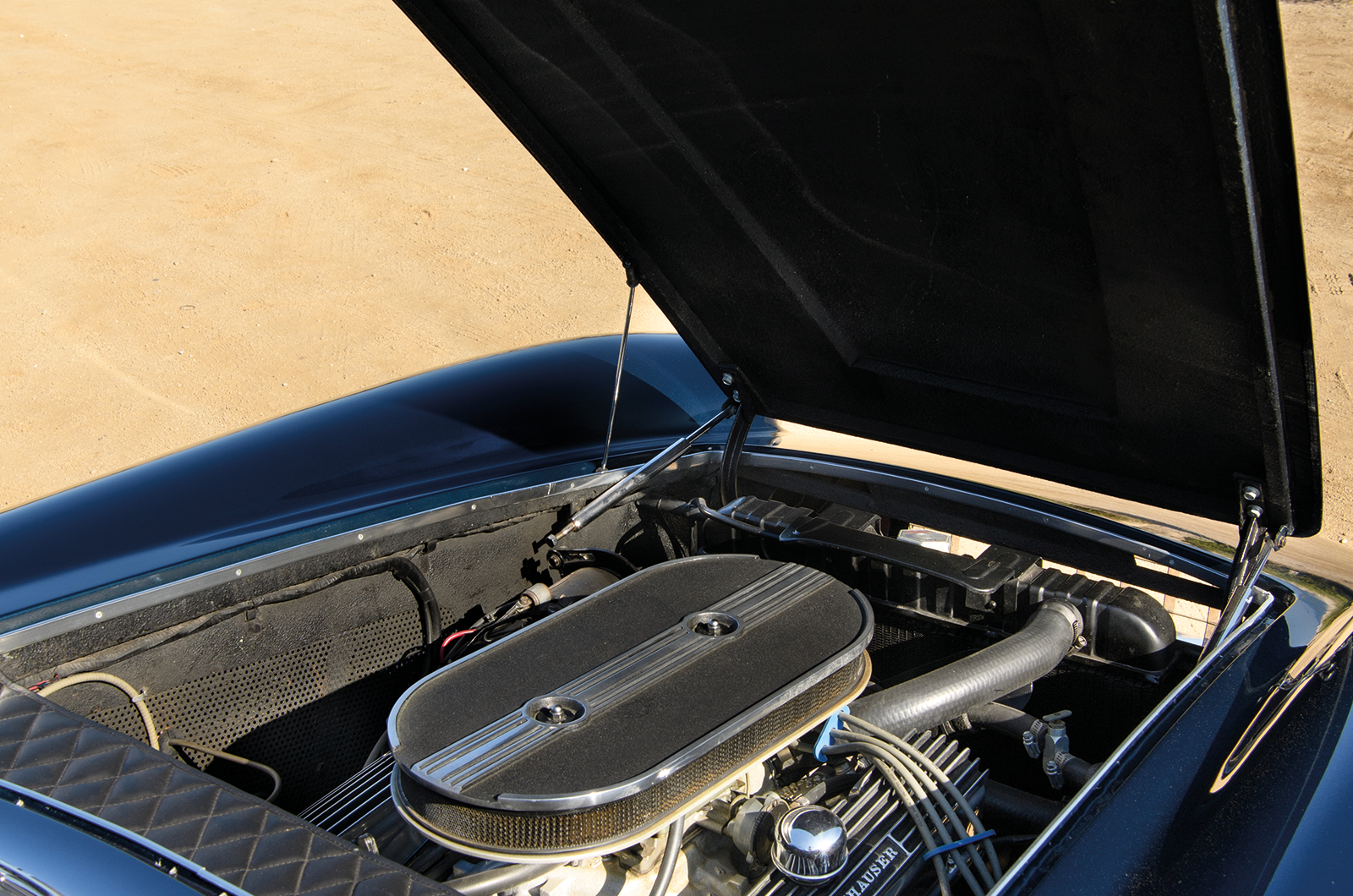
- Engine all-alloy, ohv 3524cc V8, Holley four-barrel carburettor
- Max power 200bhp @ 5000rpm
- Max torque 240Ib ft @ 3200rpm
- Transmission four-speed manual, RWD
- Suspension at front independent by wishbones rear live axle, four links; coil springs, telescopic dampers f/r
- Steering recirculating ball
- Brakes drums
- Length 14ft 8¼in (4478mm)
- Width 5ft 5in (1651mm)
- Height 4ft 1in (1245mm)
- Wheelbase 8ft 2in (2489mm)
- Weight 2485lb (1127kg)
- 0-60mph 8.4 secs
- Top speed 130mph
- Mpg 17-22
- Price new $7105
We hope you enjoyed reading. Please click the ‘Follow’ button for more super stories from Classic & Sports Car.
Martin Buckley
Senior Contributor, Classic & Sports Car