Waarom we de Rover SD1 moeten vieren

| 5 Feb 2026

It is sometimes too easy to overlook the sense of amazement when British Leyland (BL) unveiled the all-new Rover 3500 on 30 June 1976. The SD1 not only bore no resemblance to its P6B predecessor, but it also symbolised hope for the future of BL at a time when its blue logo seemed to be inextricably associated with news footage of industrial disputes and desperate advertising.

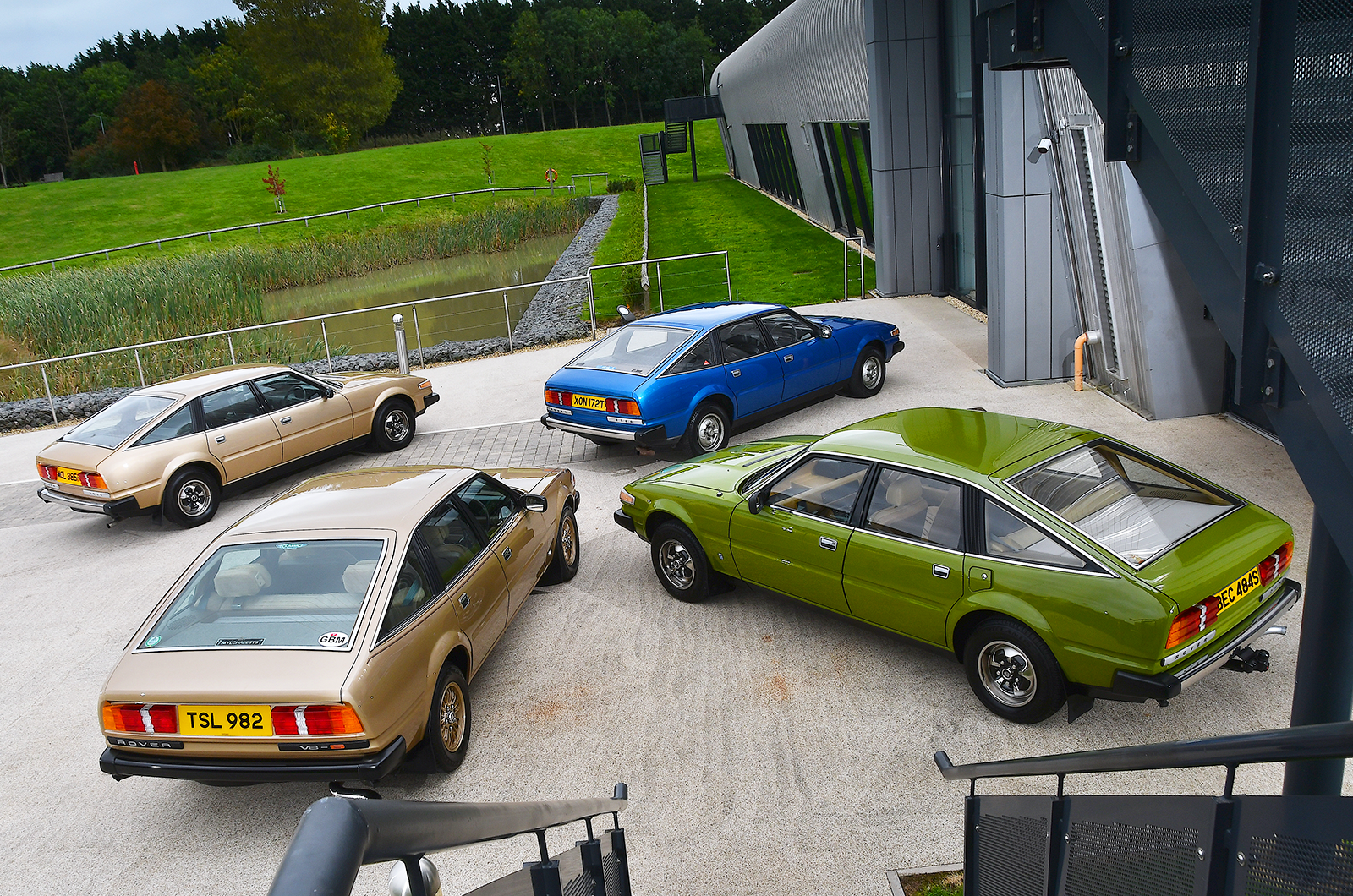
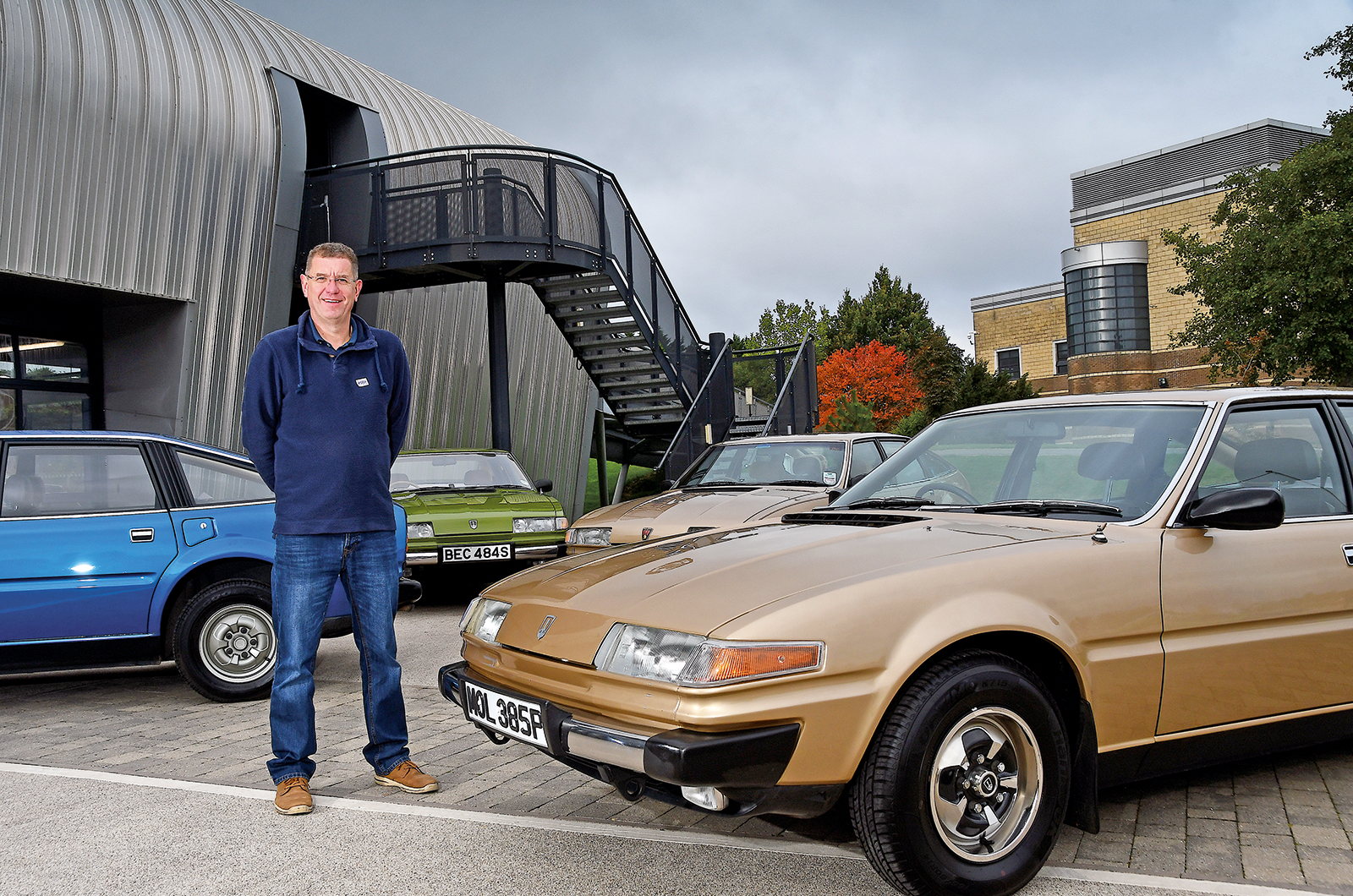
So this gathering of the Series 1 line-up at the British Motor Museum provides the perfect opportunity to pay homage to this charismatic and often misunderstood car.
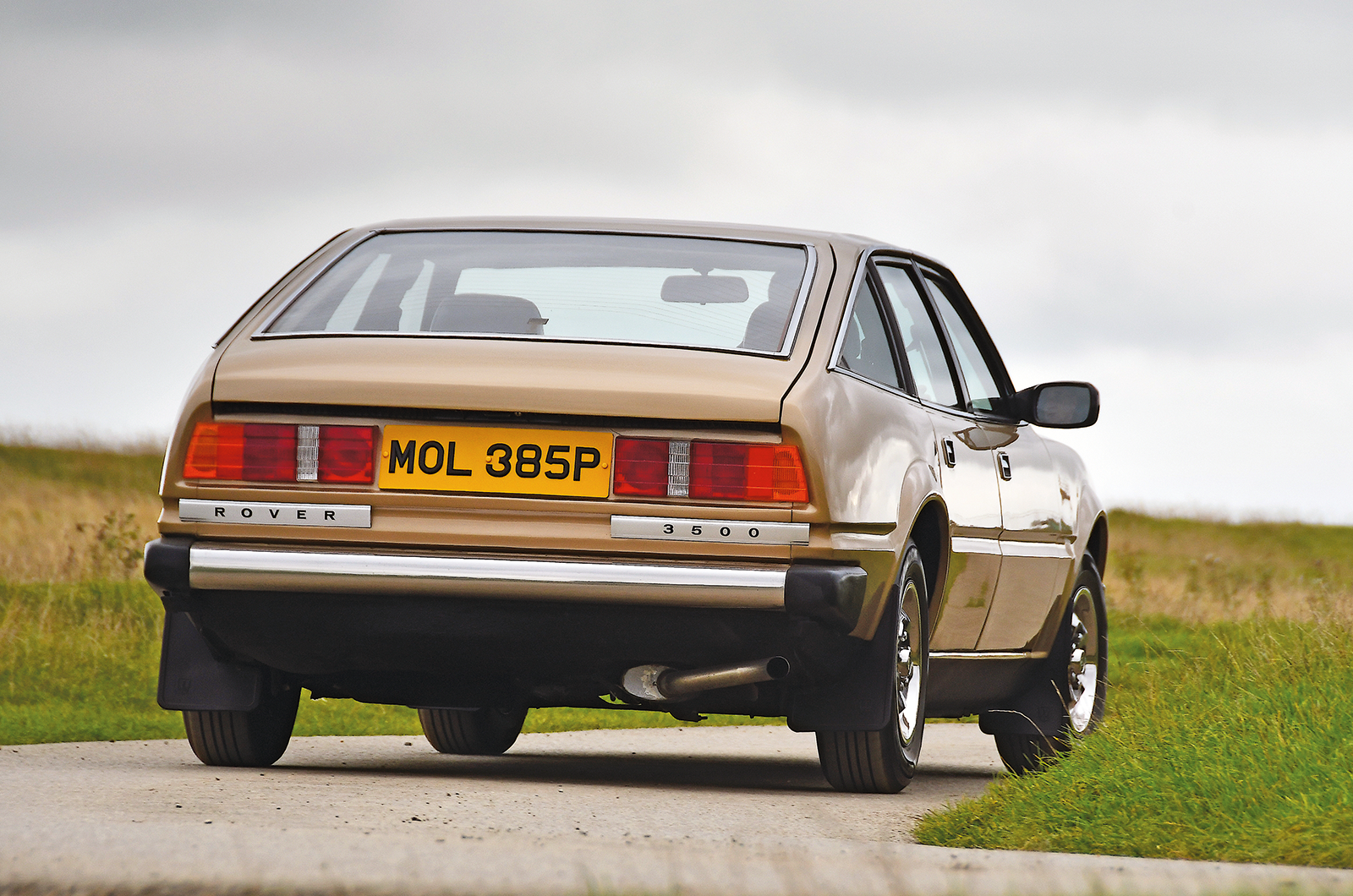
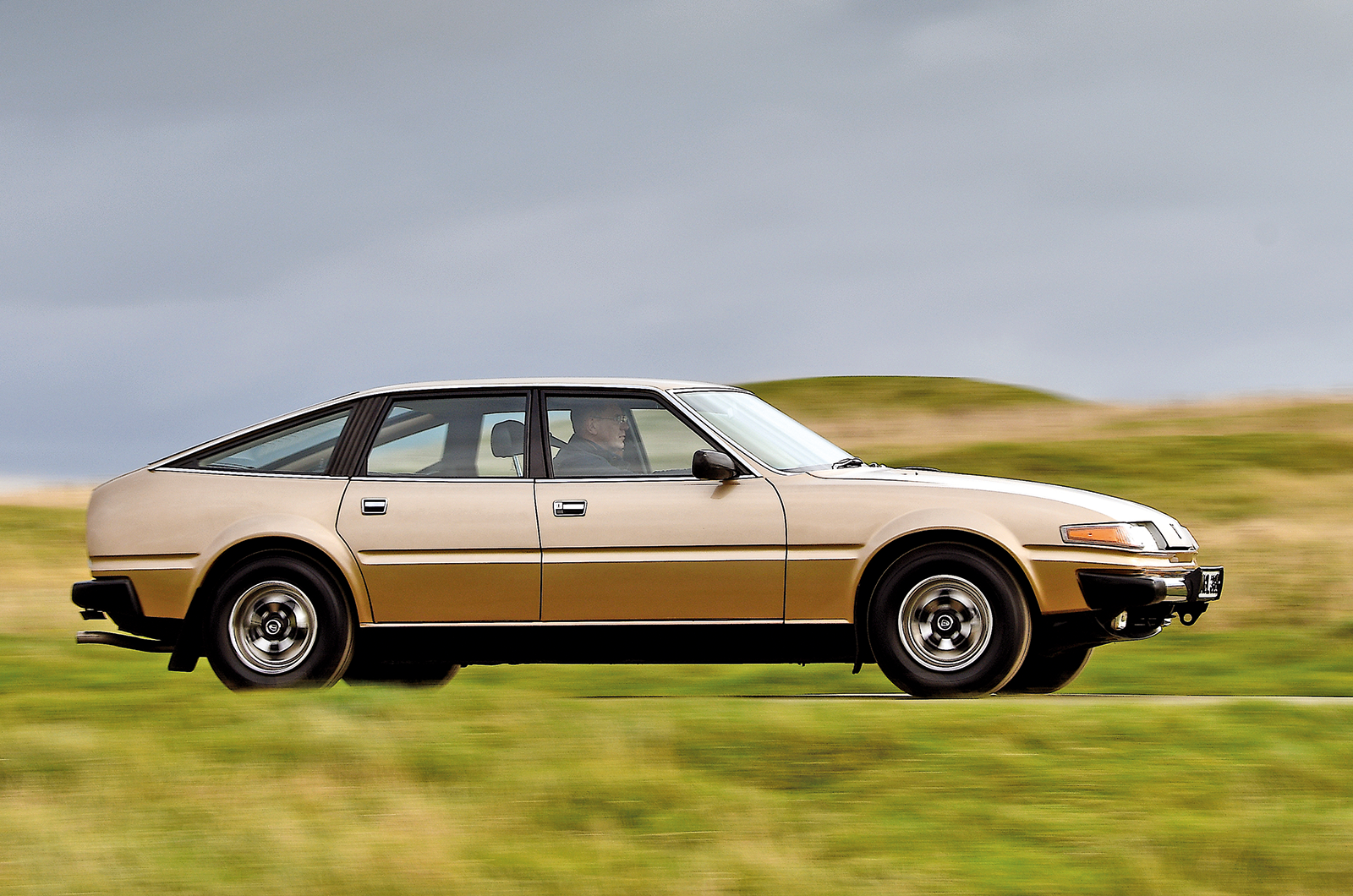
BL commenced work on the SD1 in 1971 as the replacement for the P6 and the Triumph 2000/2500 range. The intention of Rover’s head of design, David Bache, was to evoke the form of a supercar with five doors, and the result undeniably enjoys Ferrari 365GTB/4 Daytona overtones.

Given the restricted budget, technical director Spen King decided to use as many standard components as possible. He cut costs further by employing a beam axle and drum brakes at the rear instead of the de Dion set-up and discs of the P6.
However, this didn’t affect Bache’s vision: “The word ‘elegant’ describes the styling philosophy behind the new Rover.” The press launch for the SD1 was staged at Château Impney, located in central England, and it went on to become European Car of the Year for 1977, defeating the Audi 100 C2. In addition, the 3500 was awarded the a major safety trophy. 
Autocar magazine noted: ‘The Rover has its flaws – but we believe that these can and should be easily rectifiable as running changes.’ Alas, this appeared to be Leyland’s signal to embark on its familiar pattern of self-sabotage.
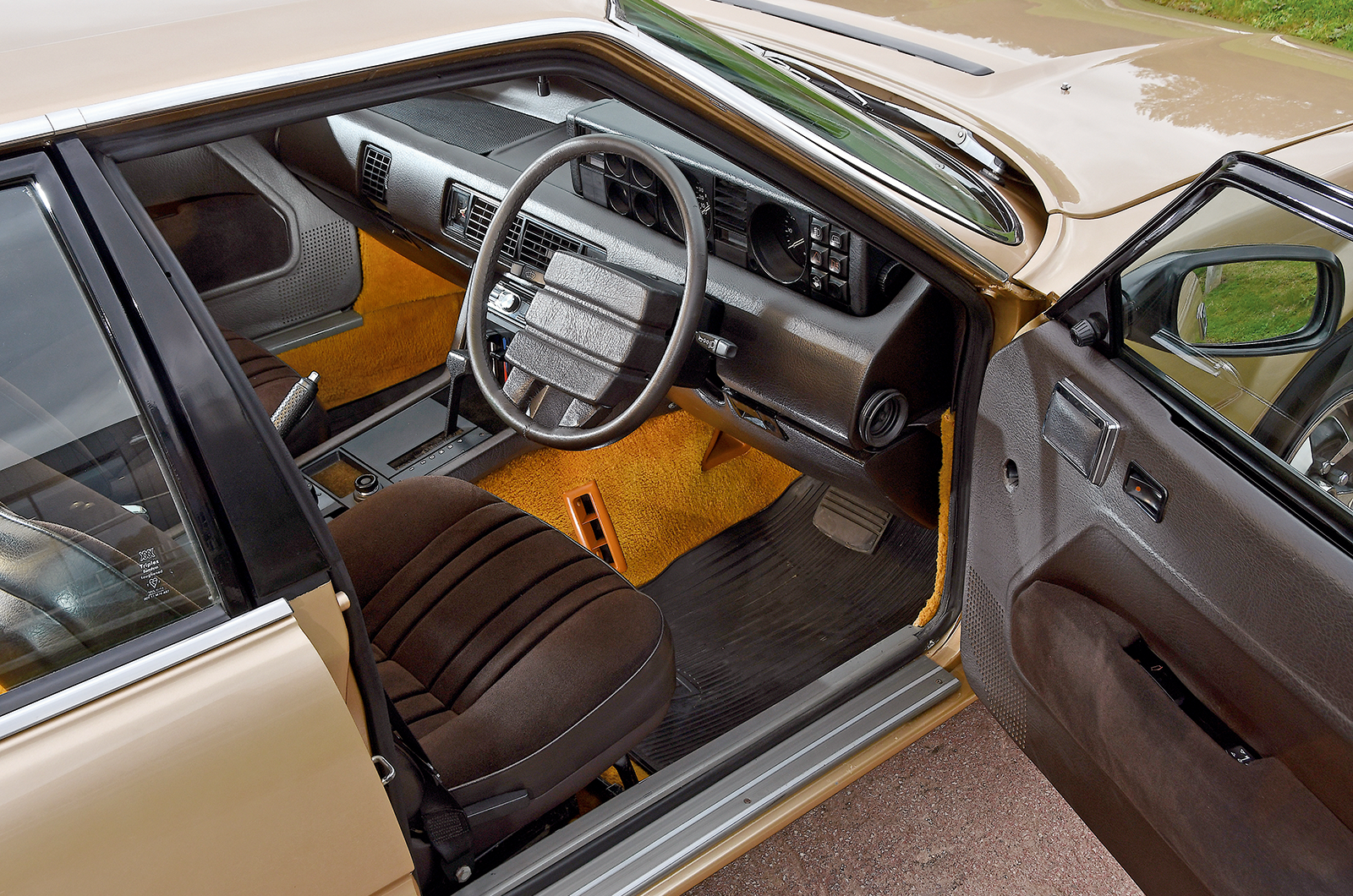
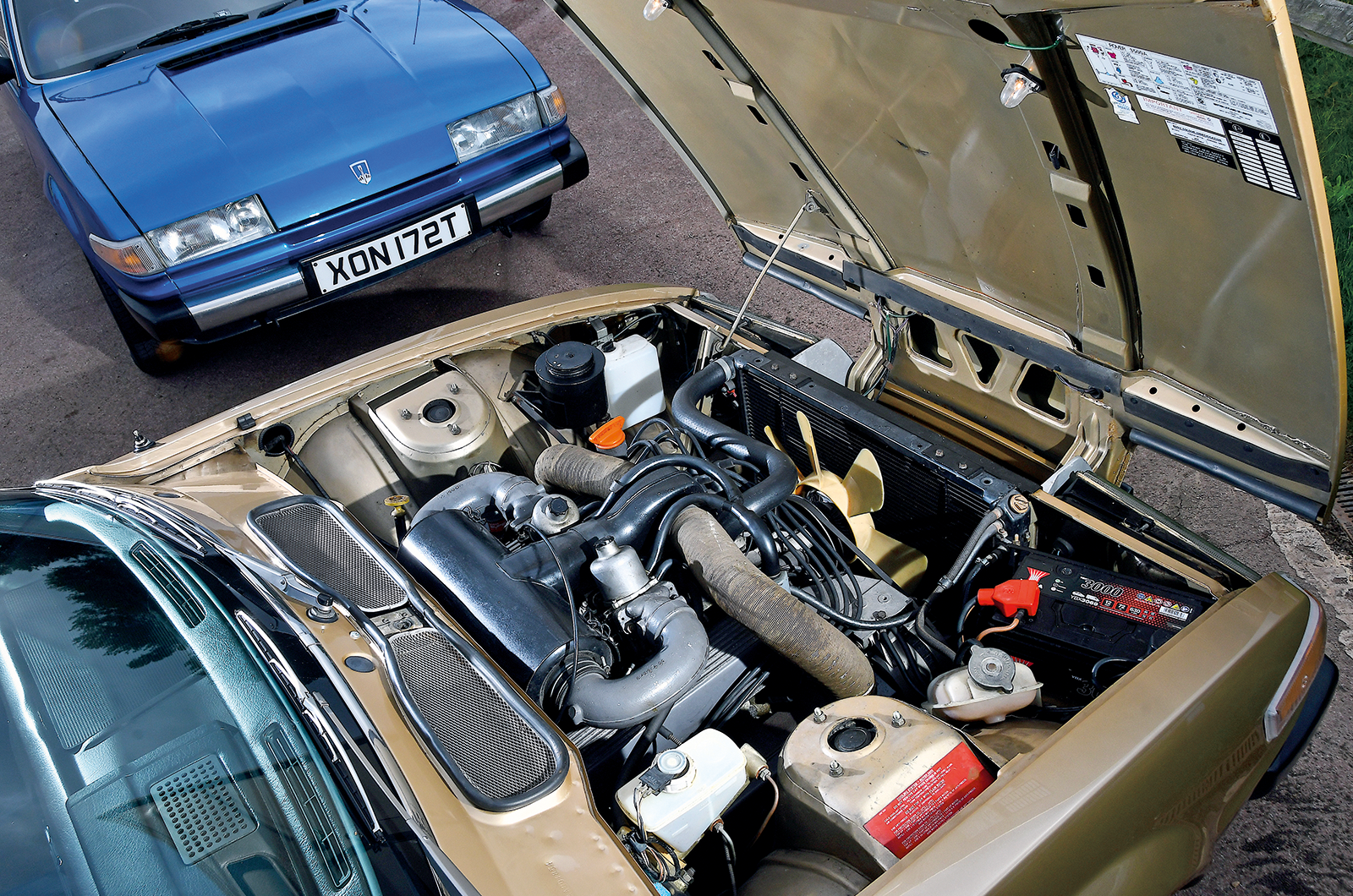
Within a few years, strikes, poor stock control resulting in eight-month waiting lists and complaints about a lack of build quality blighted the SD1’s image. Autocar’s own managing director ranted that the finish was poor by any standards, and ‘downright disgusting for an expensive car’.

Today, however, Jonathan Harley’s mint 3500 is a reminder of what a remarkable machine it was by the standards of the day: a lavishly appointed five-door fastback capable of more than 190 km/h.  Furthermore, it was very much a car in the Rover tradition: the P4, the P5 and especially the P6 were never content to follow the herd.

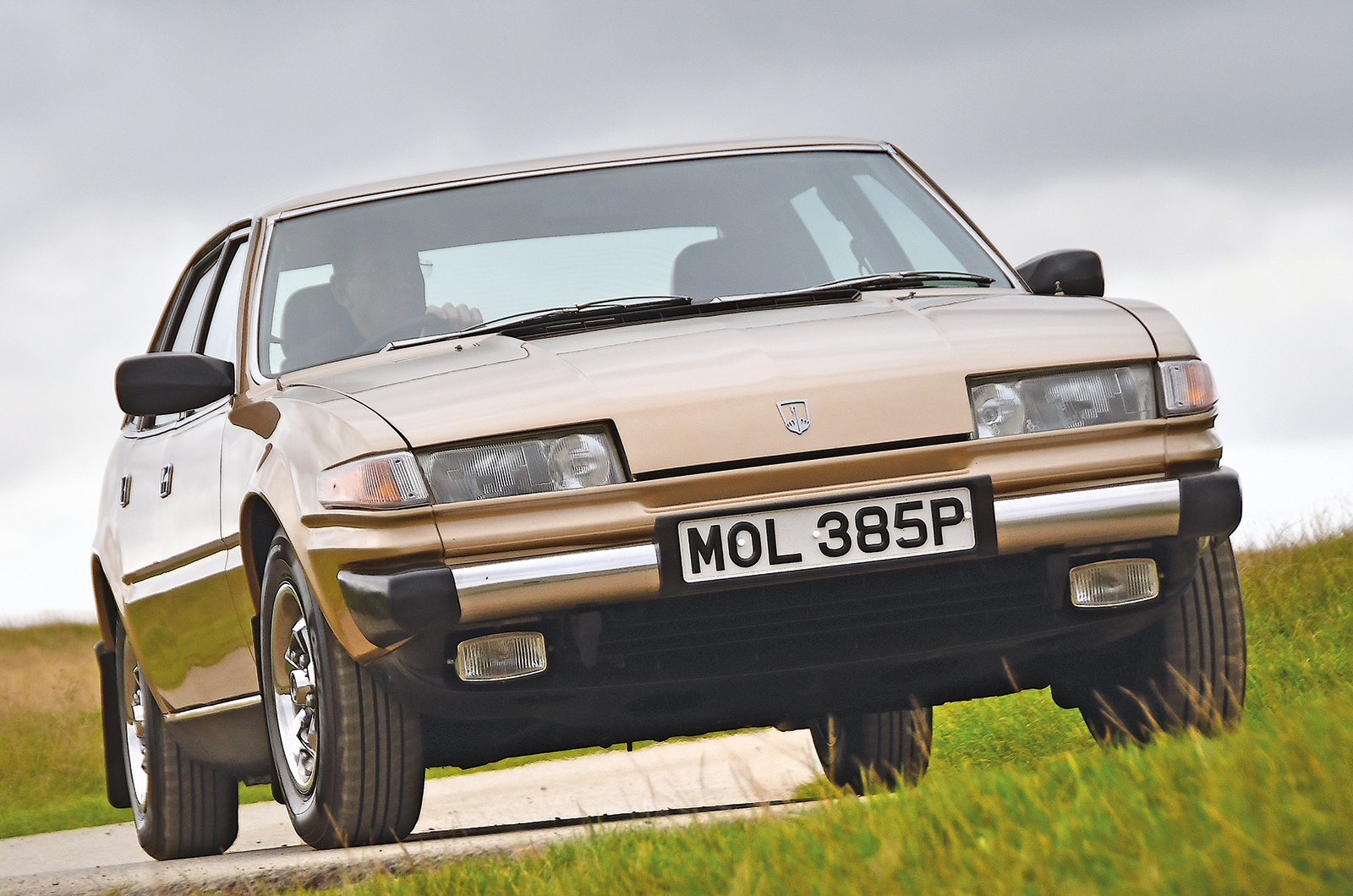
Harley’s 1976 example is one of the earliest production models, and was used initially by none other than Derek Whittaker, then the managing director of Leyland Cars. Its current keeper’s reason for buying an SD1 is simple: “My dad used to be a traffic sergeant in London's Metropolitan Police, and he arrived home in a Rover one day. I was just 10, and was blown away by it.”

Harley became the fifth owner of the 3500 in 2011, and over the past decade the car has been treated to a set of new wings and a respray of the lower half of the body. “On the road it’s a lazy car, and yet the engine just keeps on pulling,” says Harley. “I find that the V8 is really well suited to the automatic transmission, and my SD1 can outrun many modern vehicles.”

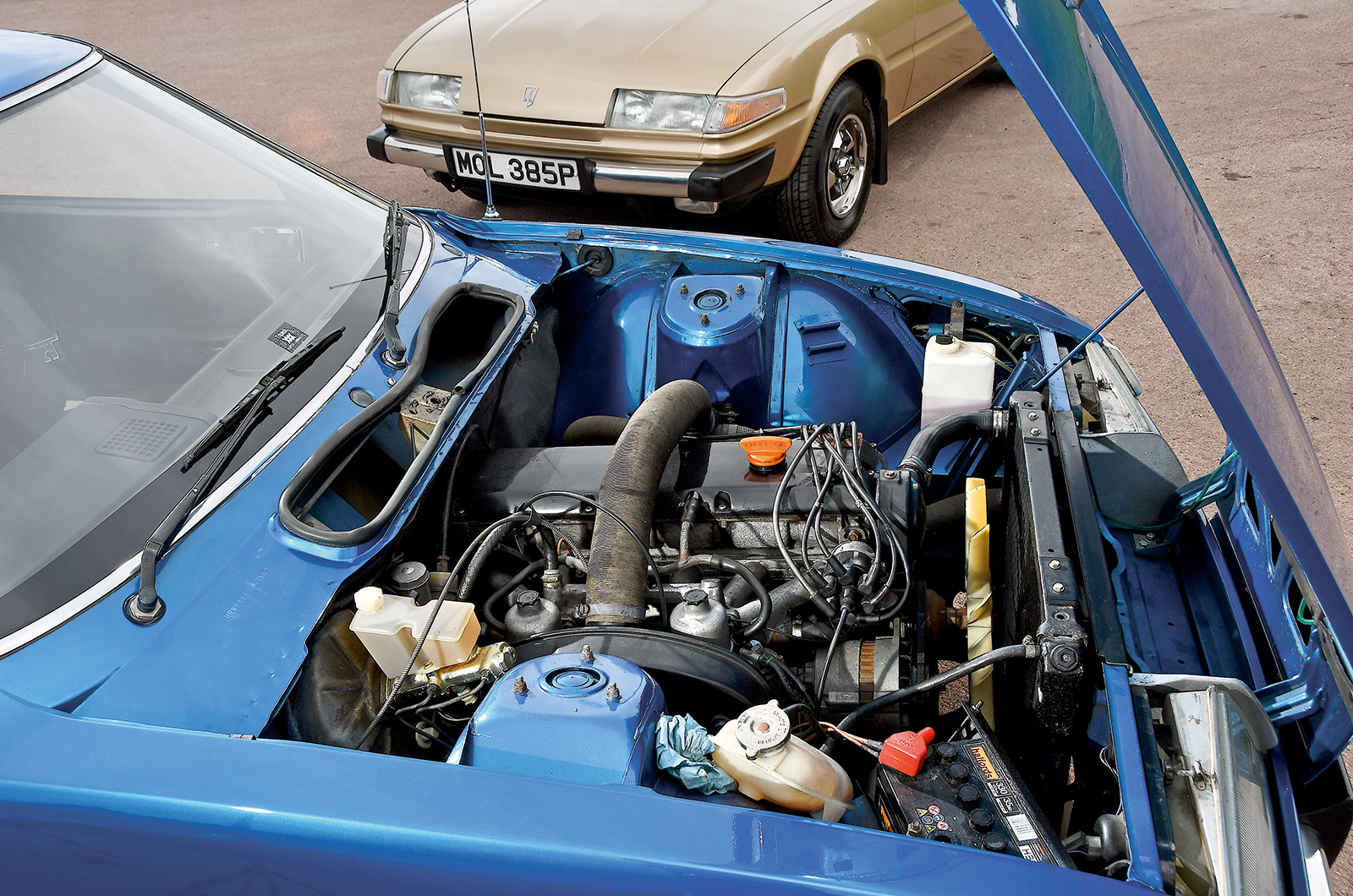
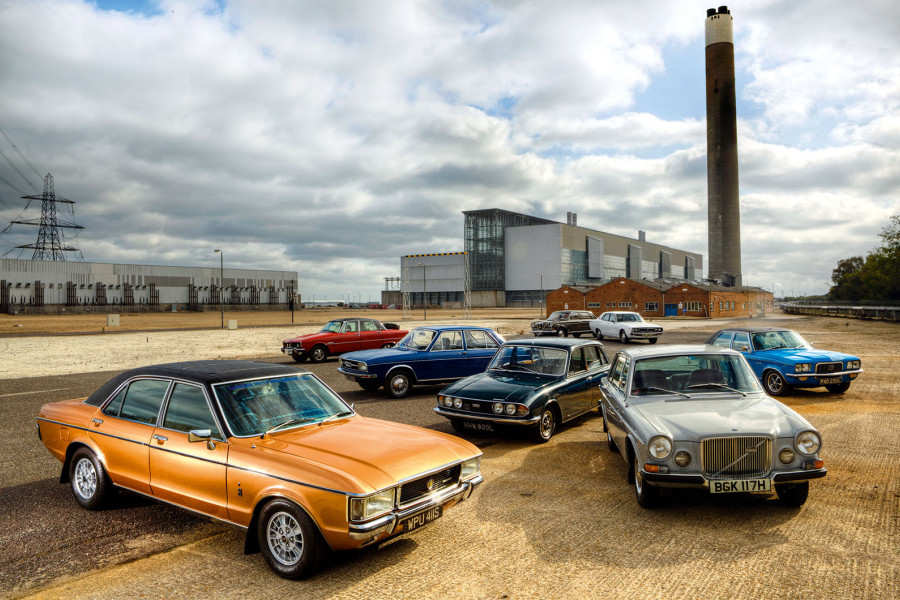
Glance at the superbly preserved lines of MOL 385P and it’s easy to see how futuristic it must have appeared compared to rivals such as the Ford Granada Ghia Mk1 or the Opel Commodore. For its proud owner, the SD1 lives up to both the brochure and the dreams of his childhood – claims that very few vehicles can fulfil.

The new 3500 did not entirely replace the old Rovers and Triumphs, because the P6 2200 and the 2000/2500 continued to be available. BL had planned to launch a complete SD1 range in October 1975, but production issues meant that it delayed the introduction of the less expensive versions until autumn 1977.

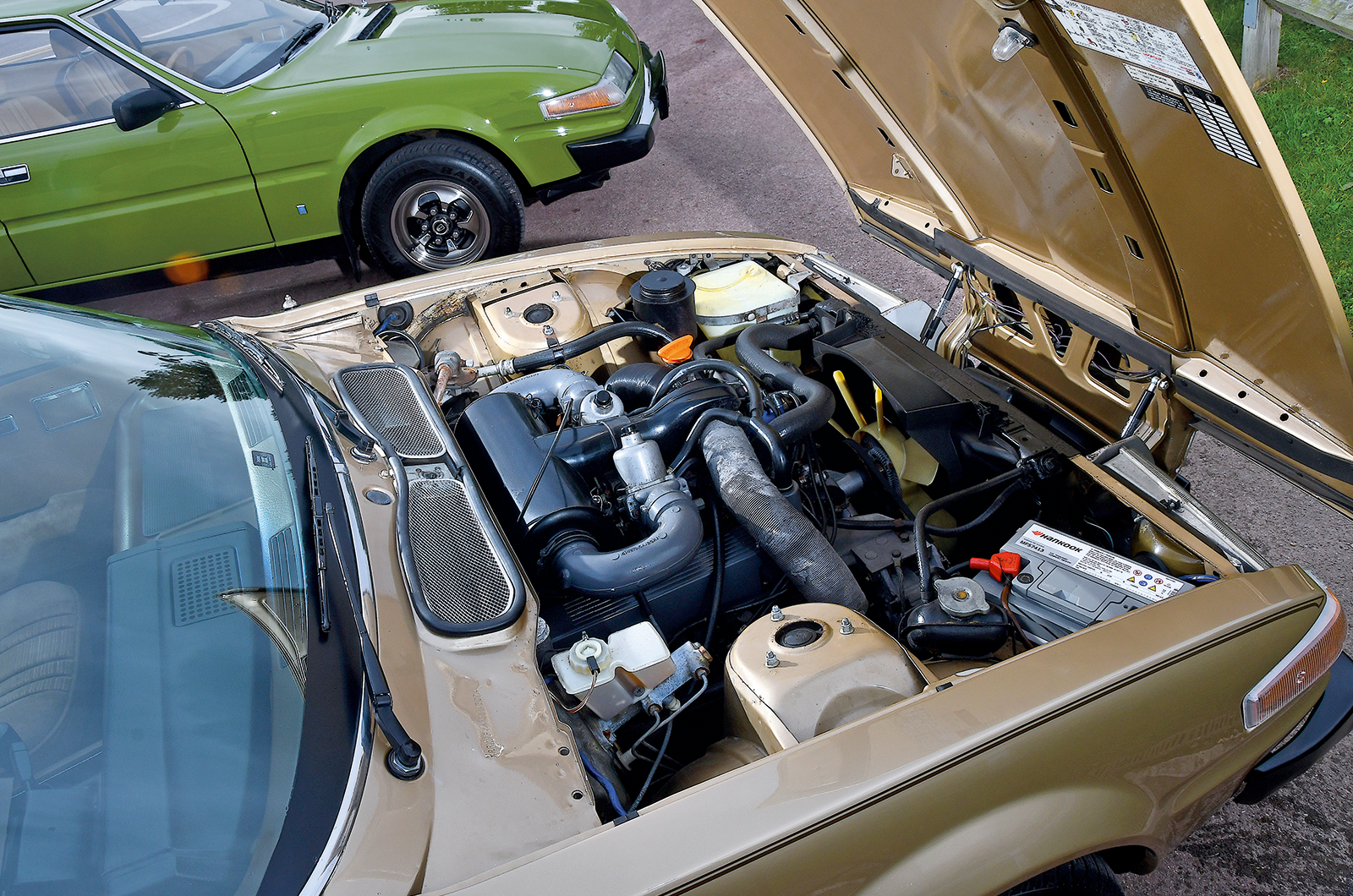
Power for the 2300 and 2600 came from overhead-cam engines loosely based on the Triumph straight-six, but with such extensive changes as to represent a ‘clean-sheet’ design from Canley.

BL commissioned a sales film to introduce the six-cylinder Rovers. At one point in the drama, an SD1 comes to the aid of the owner of a broken-down Volvo; not a terribly subtle reference to one of its main competitors.

The 2300 targeted the sort of junior executive who might otherwise have been allotted a Ford Granada 2.3L, a Vauxhall VX or the in-house rival of the Austin Princess 2200 HLS. According to BL, at least, the Rover 2300s were prestige motor cars that imposed ‘no more tax liability on their users than an ordinary 2-litre company car’.

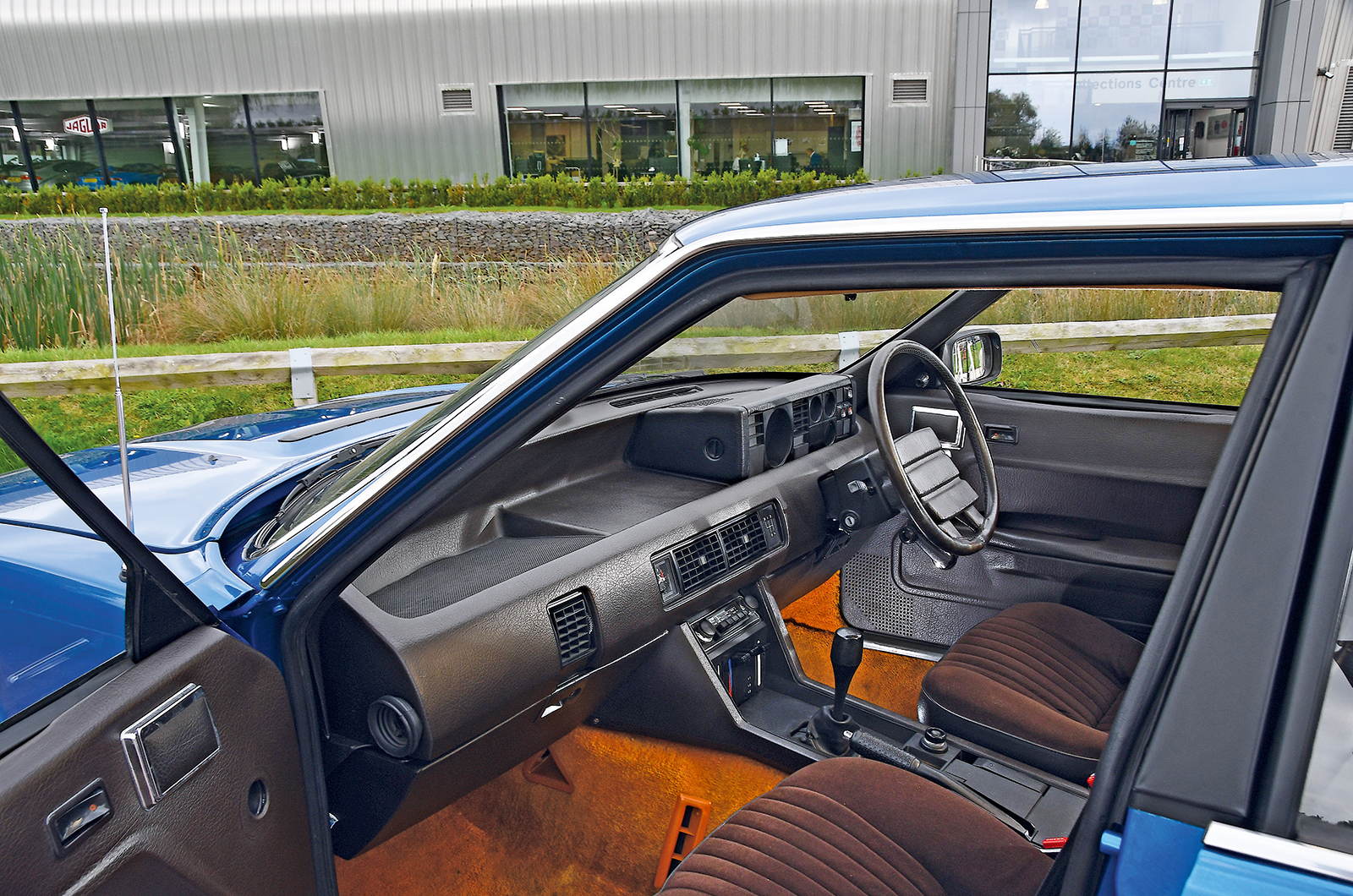
Naturally, sacrifices had to be made, so there was not the self-levelling suspension of the more expensive versions. Nor could 2300 drivers expect the newly developed five-speed LT77 manual transmission, a standard cassette player, electric windows or central locking, but this would hopefully inspire them to climb the corporate ladder.

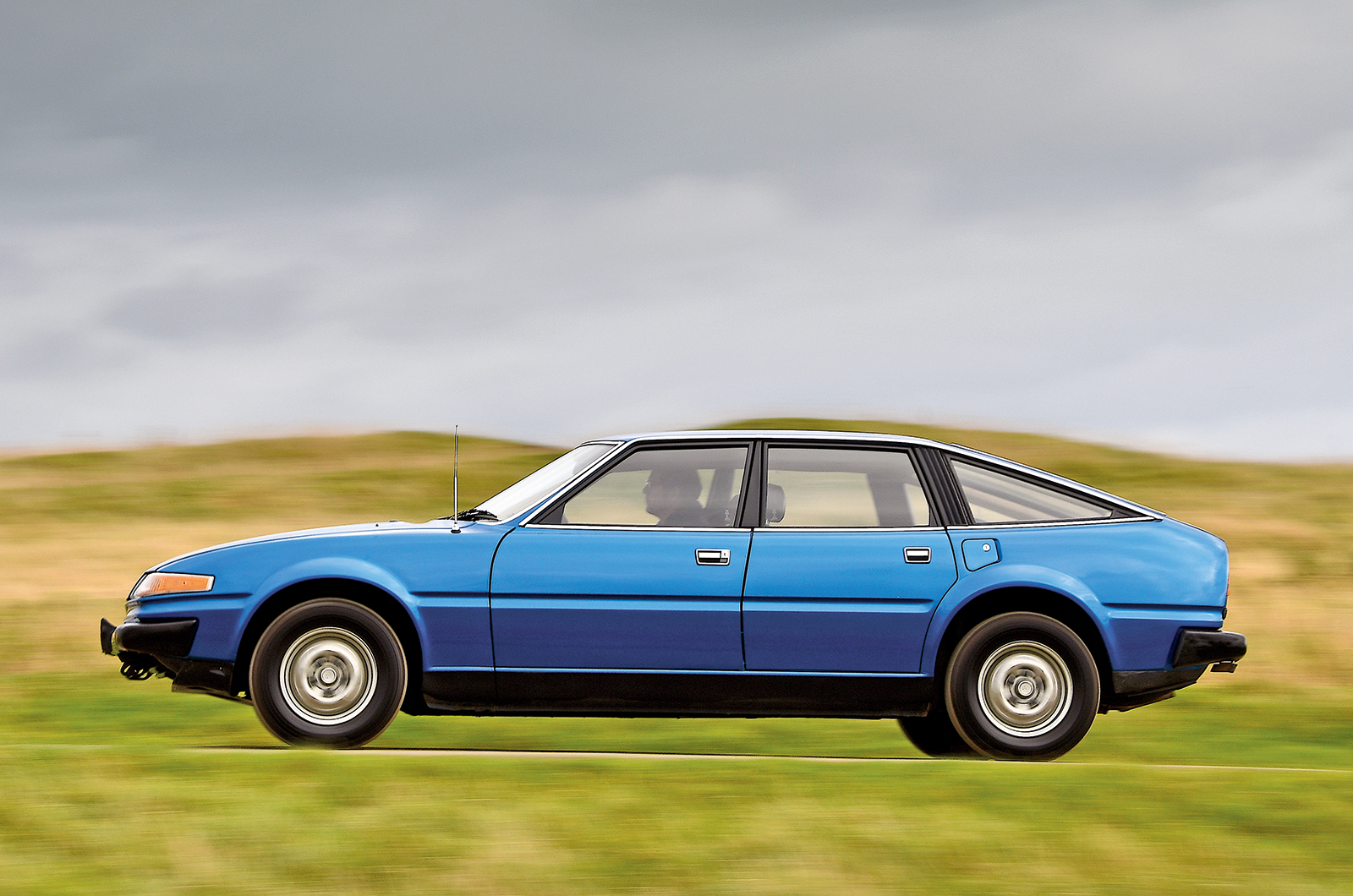
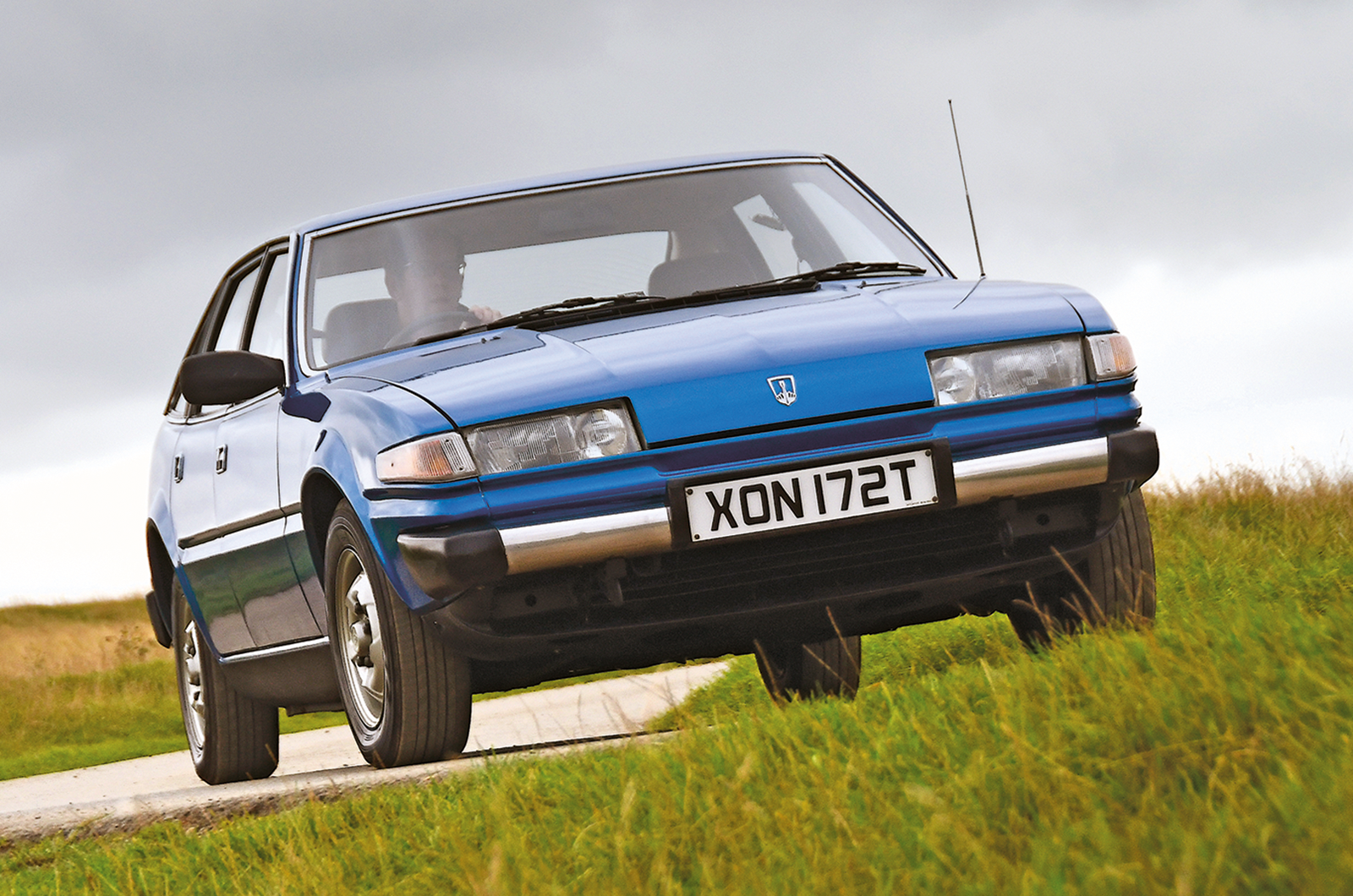
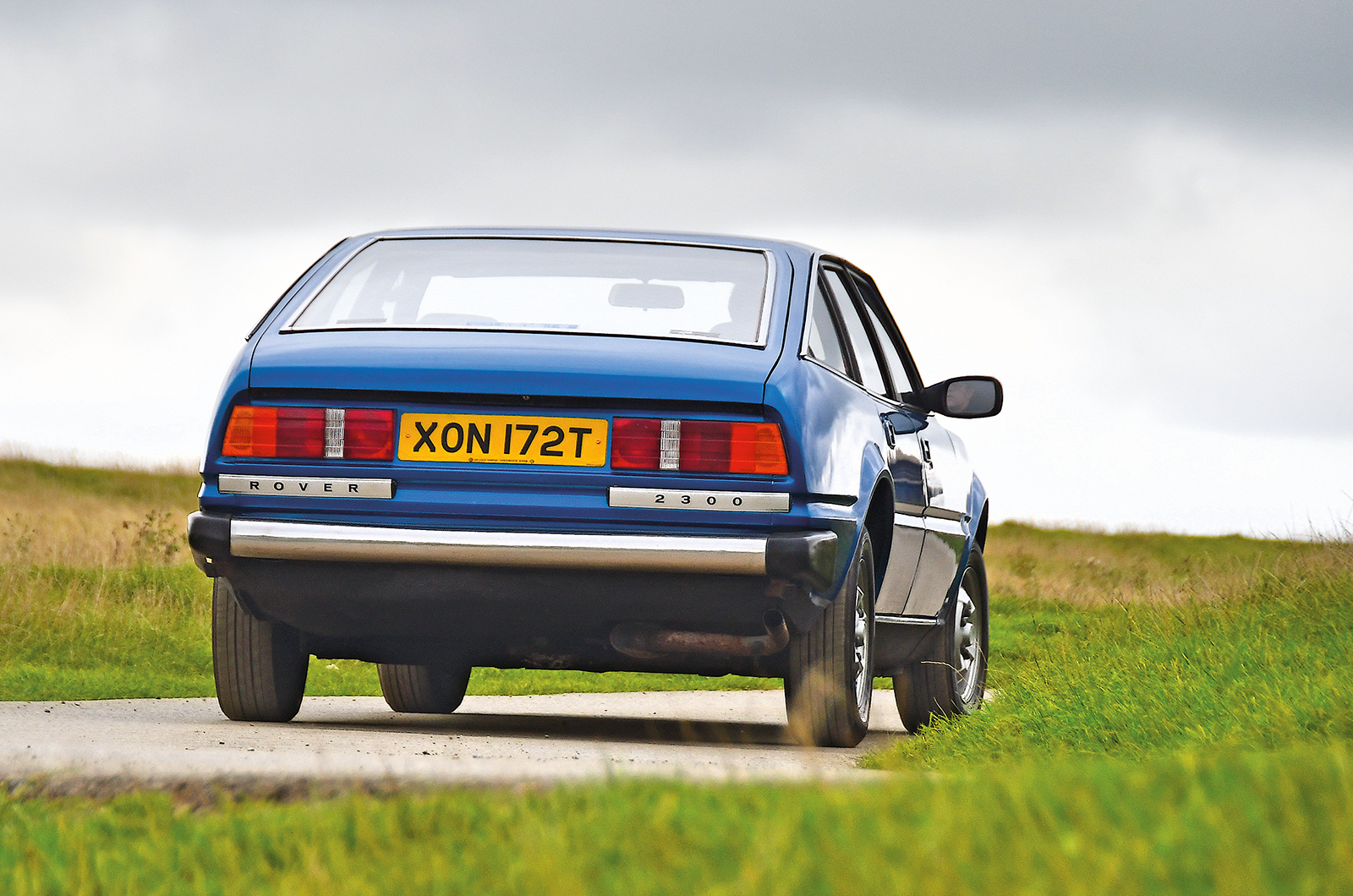
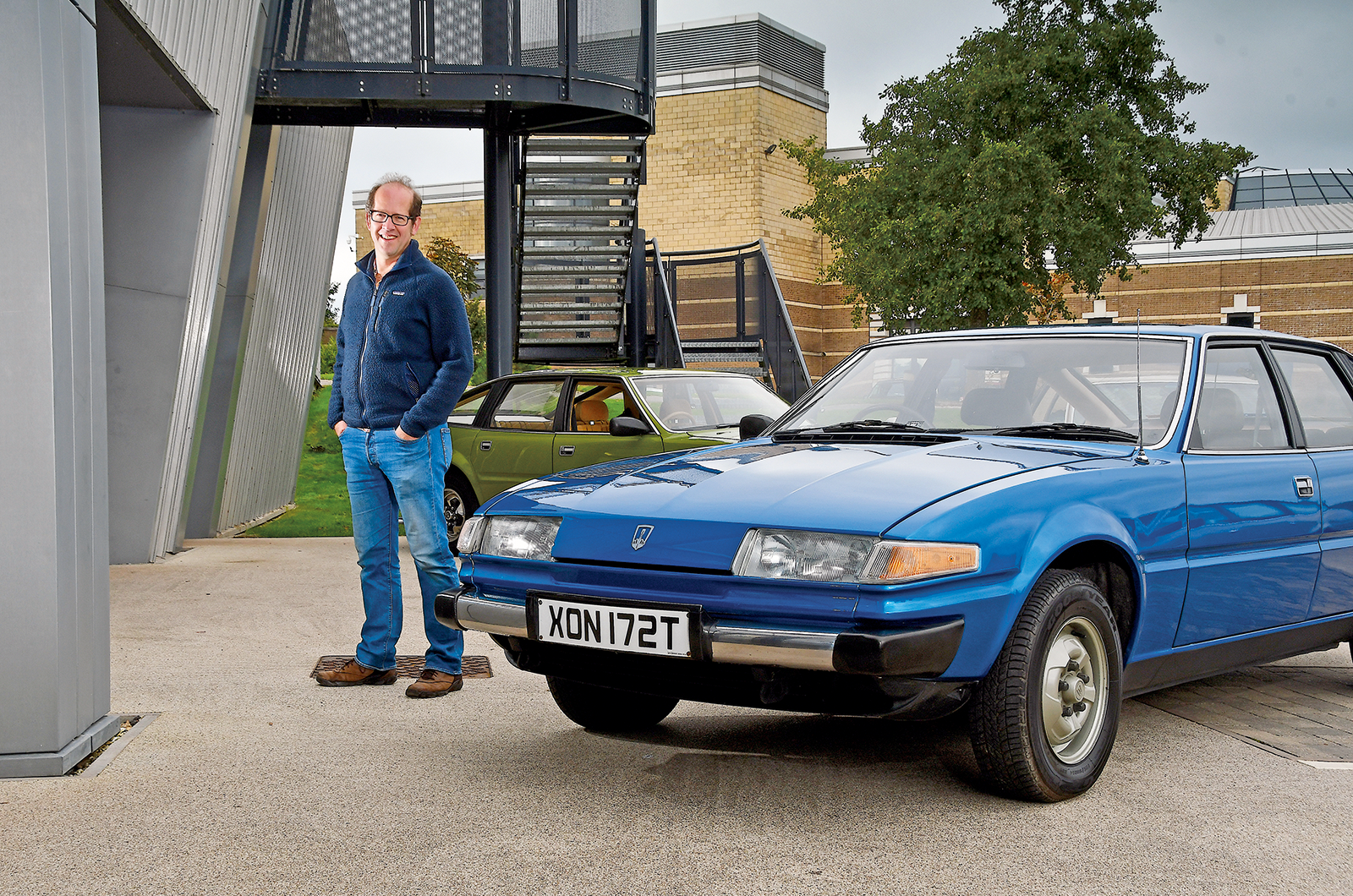
Entry-level executive models often appear faintly poignant, with acres of blanks in place of the more comprehensive switchgear to be found in the costlier versions. However, Chris Powell’s 1979 2300 looks magnificent in its optional Caribbean Blue paint finish, even if the wheeltrims and the lack of a passenger door mirror denote its low status. From behind the wheel there’s also the omission of a tachometer and oil-pressure gauge.

Powell is only the second owner of the car. “The original owner drove it for about five years,” he explains, “and the Rover was then garaged for more than 25 years. “I came by it in 2012, and it needed only a small amount of recommissioning. Fortunately, the bodywork was not rusted, although it did require some cosmetic attention, especially around the wheelarches.”

It’s enjoyable to drive, too, reckons Powell: “There’s plenty of power, the engine is smooth and flexible, and the gear ratios are well chosen.” Lower speeds can be a challenge – “it is quite formidable to park, because it’s not equipped with the (optional) power-assisted steering” – yet Powell regards his SD1 as being eminently suitable for its intended market.

Perhaps its major problem was one of presentation, and BL did make sure that later bottom-of-the-range offerings didn’t look as spartan as the Series 1 2300. The most telling detail is the absence of halogen headlights and warning lamps for the leading edges of the doors; evidently, safety after dark only applied to the 2600 and upwards.

Still, hard work might finally earn you the 2.6-litre version, as described by Car magazine as one of a trio of vehicles representing the very best available, alongside the Lancia Gamma Berlina and Peugeot 604 Ti. The Rover was cheaper than the BMW 520i, capable of 188 km/h and fitted with such luxuries as ‘superior cut-pile carpet’, a map light and illuminated heater controls to set it apart from lowly 2300s.

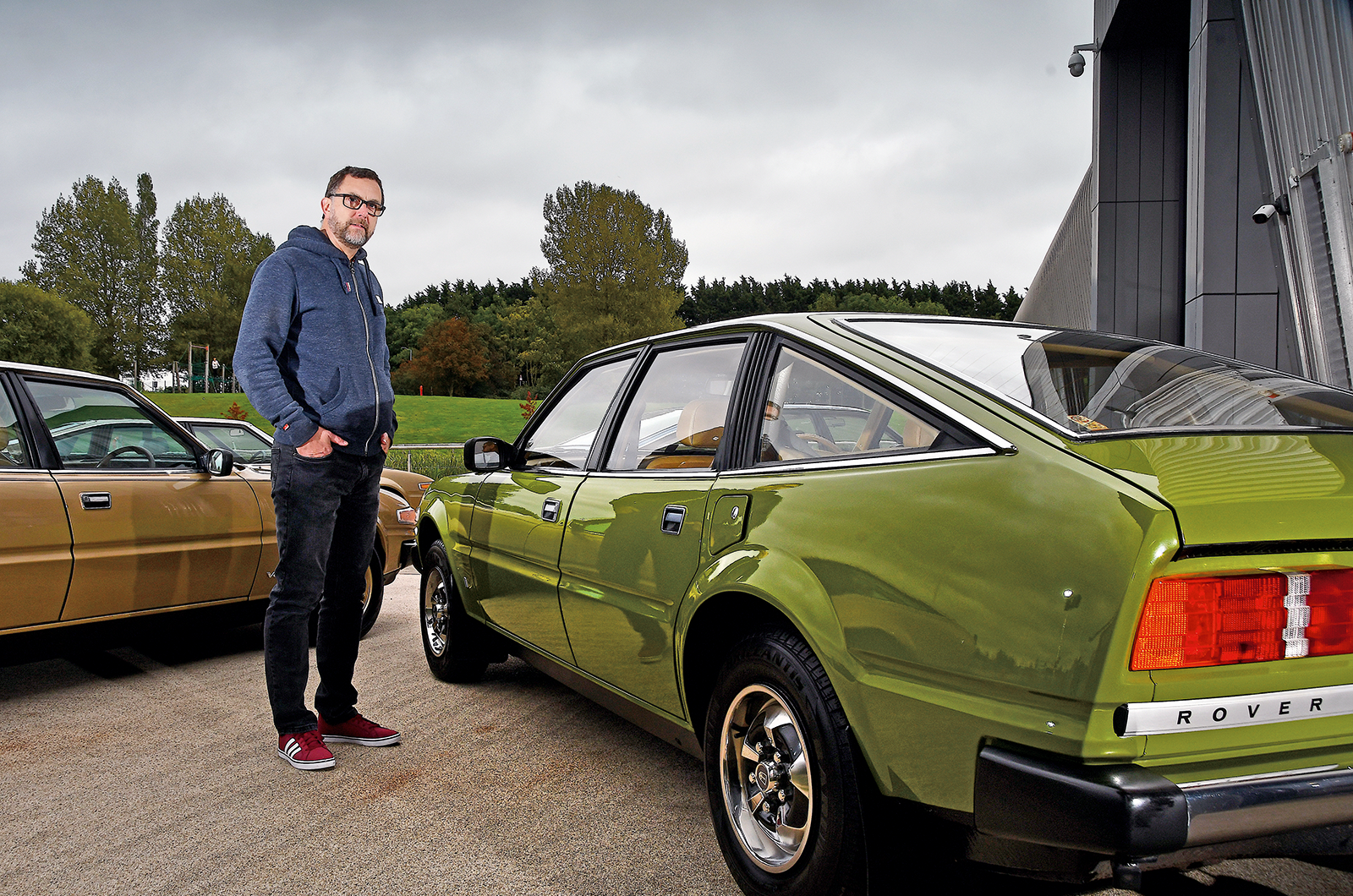
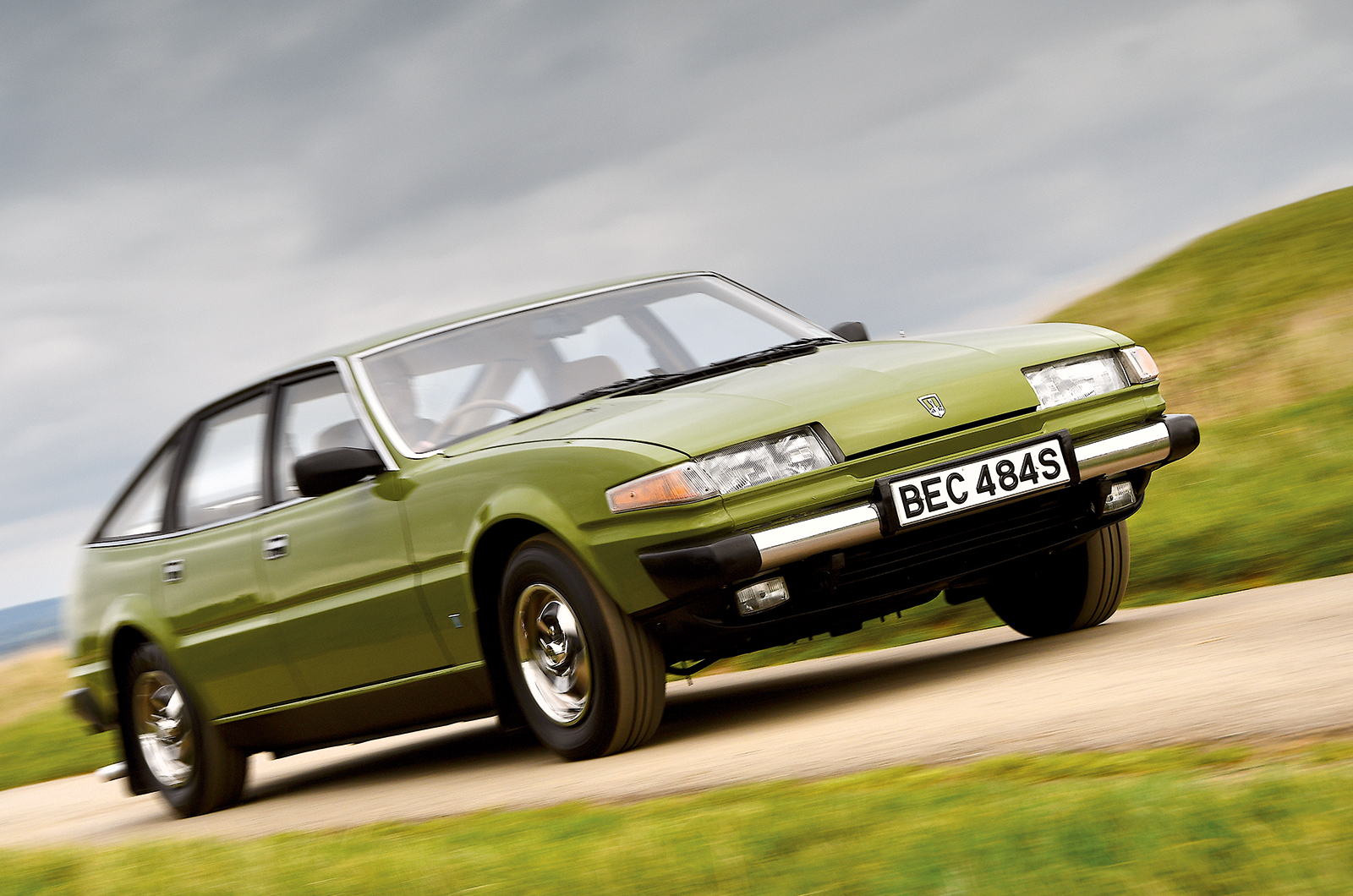
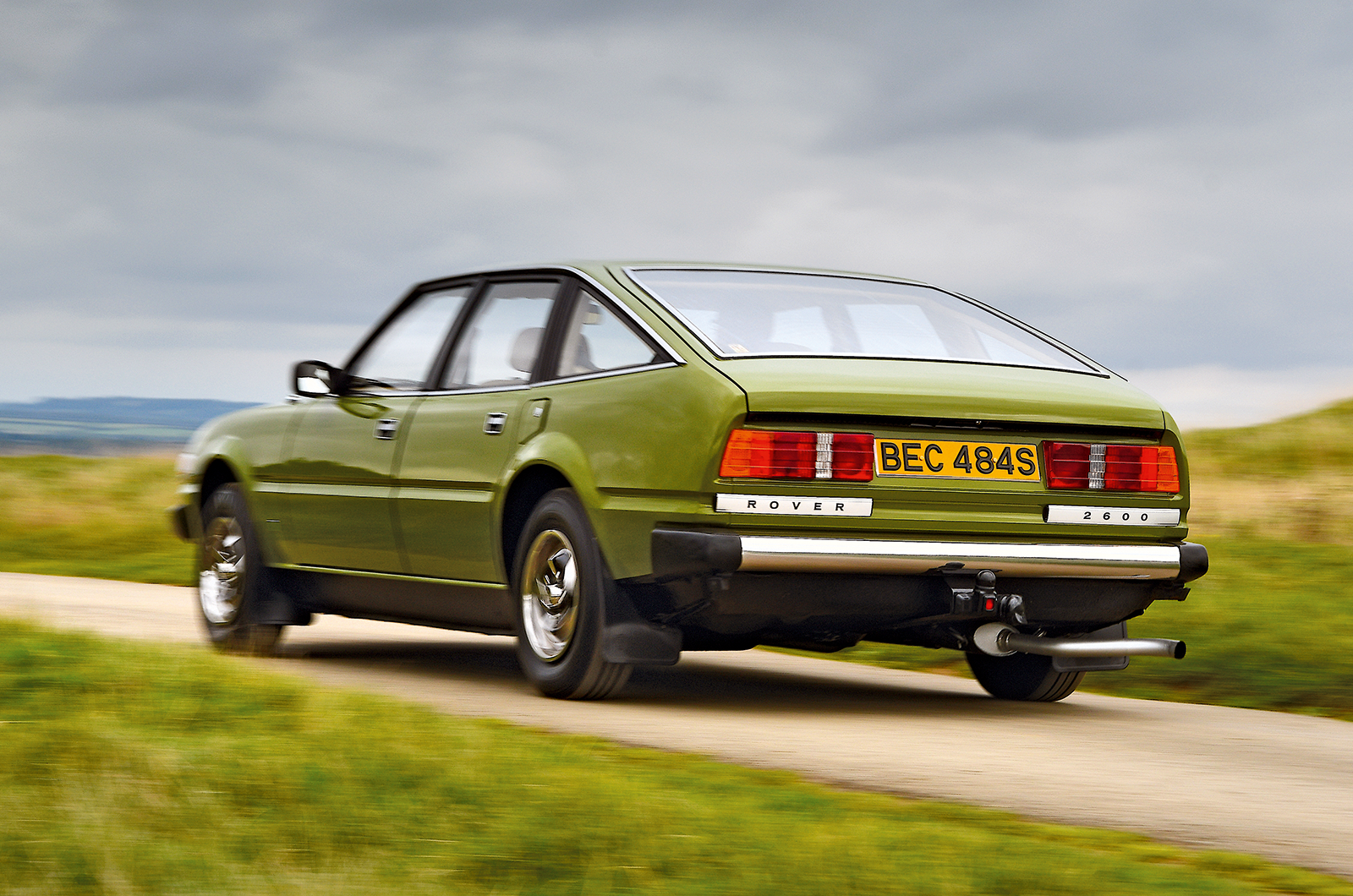
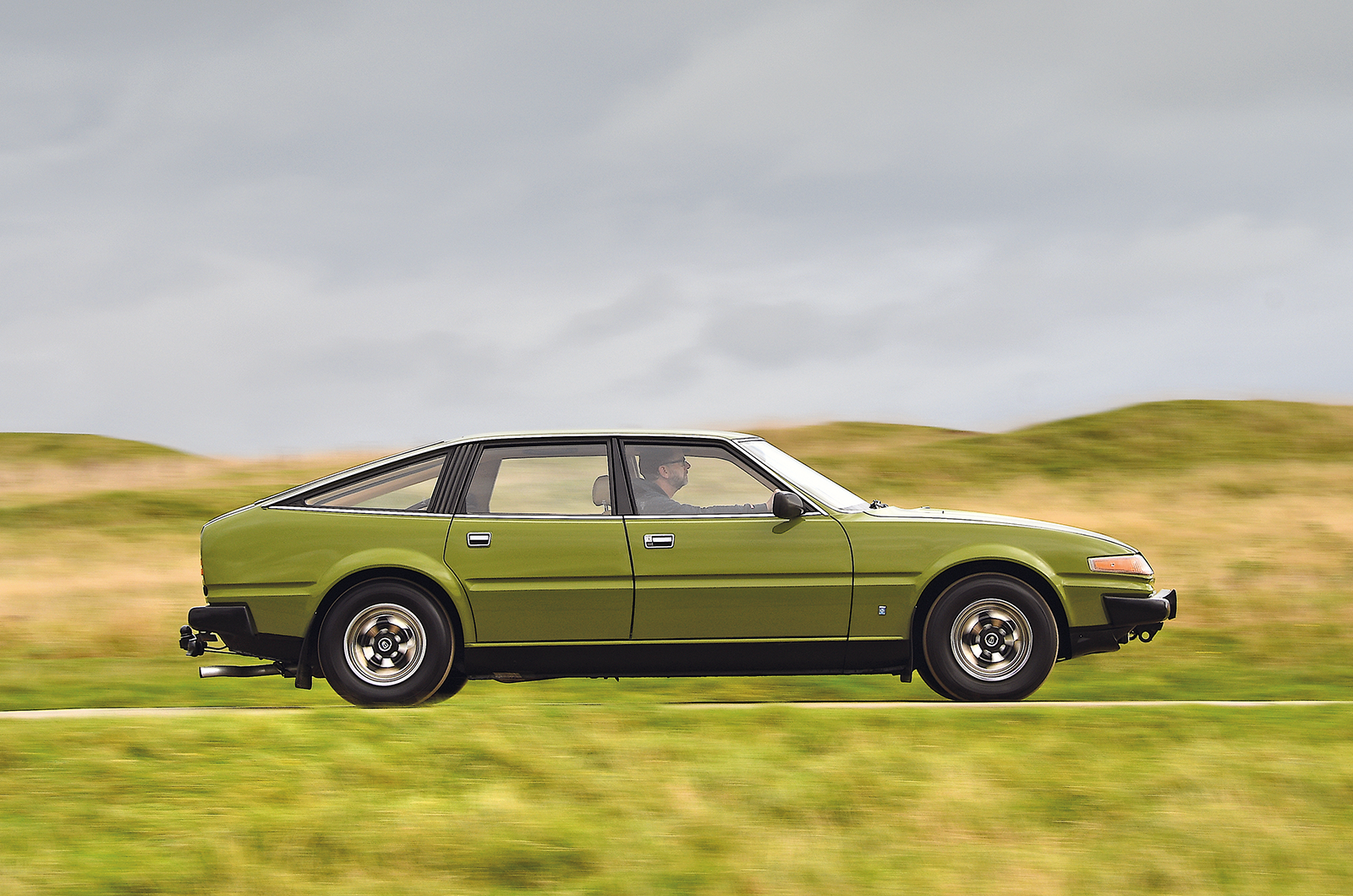
Jon Harper’s 2600 dates from 1978 and is thought to be the only surviving example finished in Avocado green. This wonderfully evocative hue was one of his reasons for buying the SD1. 

Chris Powell owns the blue 2300 (left); Jon Harper’s 2600 may be the only surviving example in Avocado

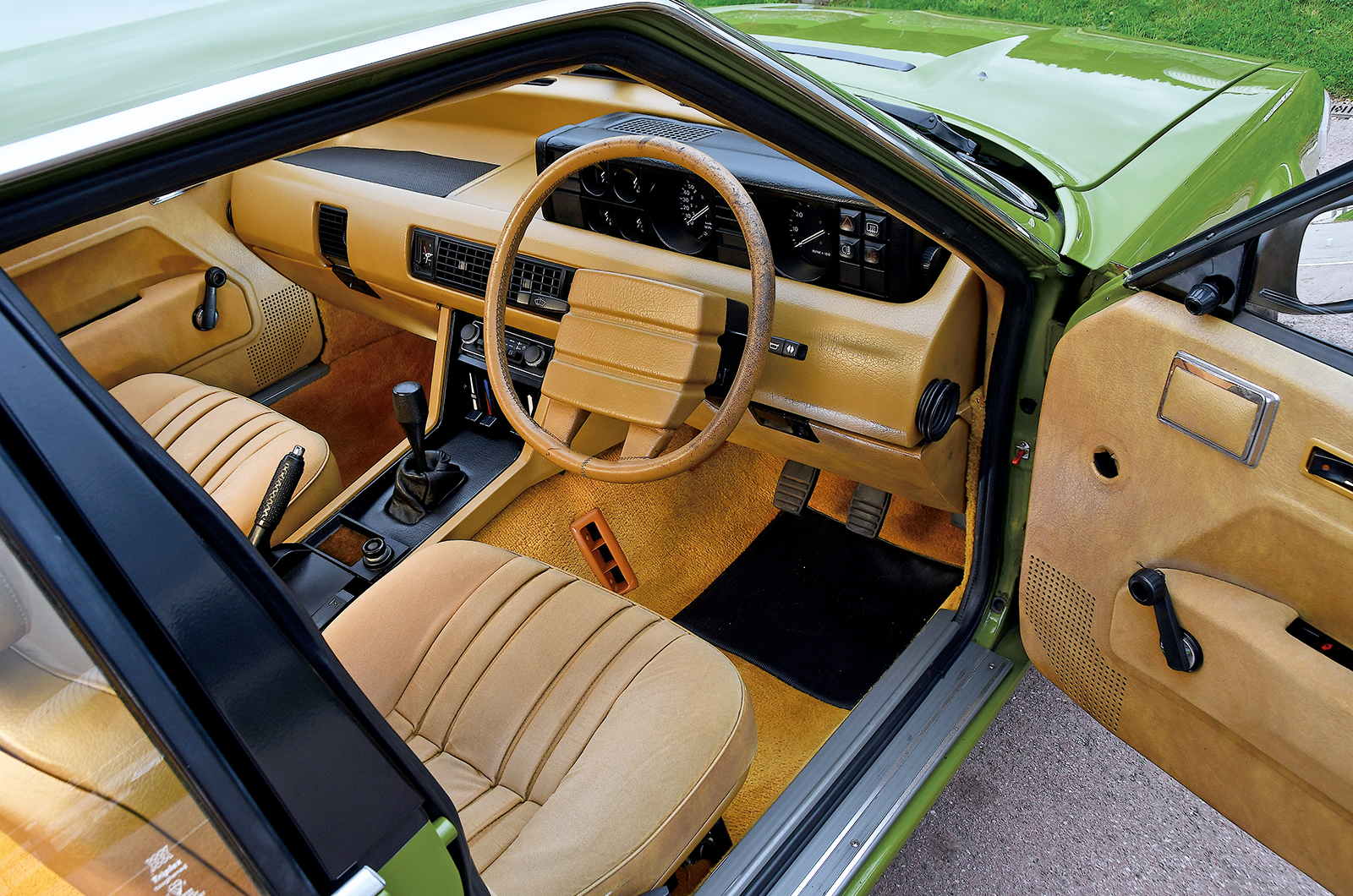
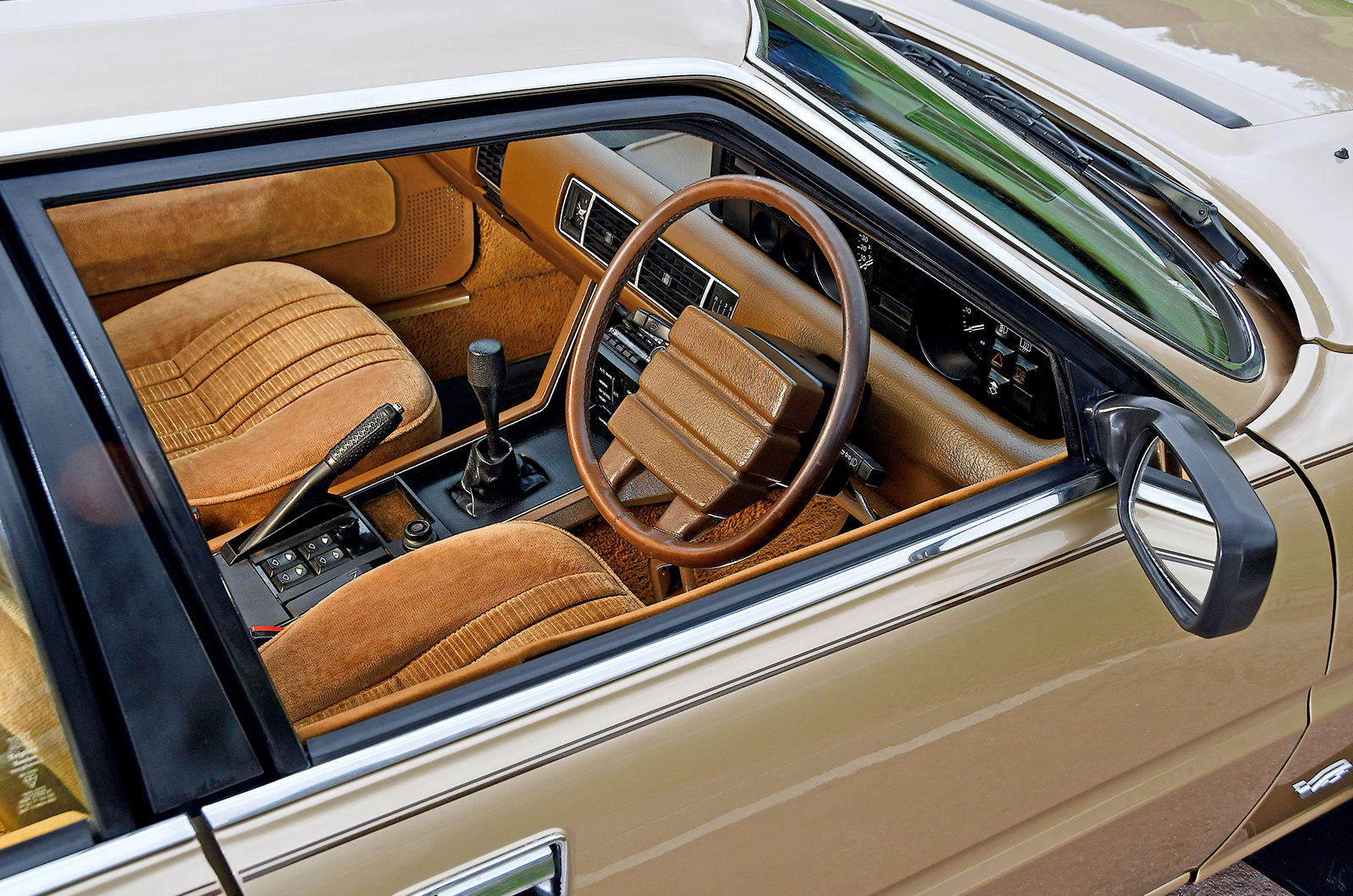
The 2600’s cabin closely resembles that of the 3500, and anyone trading in their Triumph 2500S would probably have been mesmerised by its sheer modernity. Gone were the wood veneers and slight air of a well-to-do yacht club in favour of a deliberately Minimalist approach. Prior to the SD1’s launch, BL’s management even warned its sales staff: ‘Do not mention the steering wheel at all unless the subject is broached to you.’ Harper came by his distinctive Rover 14 years ago, but has been a fan of the SD1 since they were new.

The sole extra on his 2600 is the power steering, and it has never been welded or painted during its lifetime, which seems faintly miraculous given the model’s reputation. “In the late 1970s, many enthusiasts preferred the combination of the 2597cc unit and the manual gearbox to the 3500, because they found the 2600 to be more of a sports saloon,” explains Harper.

“I just like the fact that it’s different, and I like to champion its underdog status.”

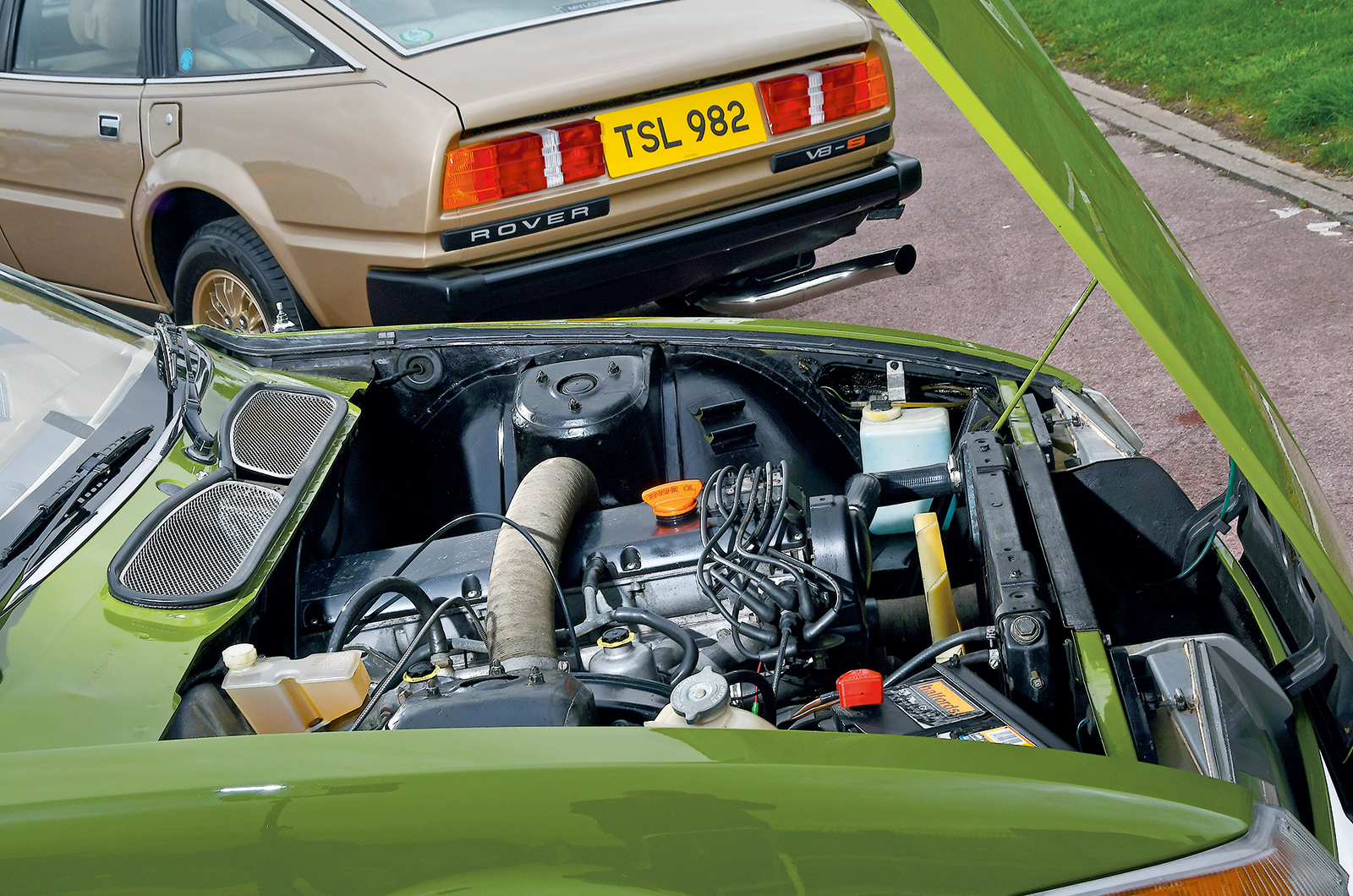
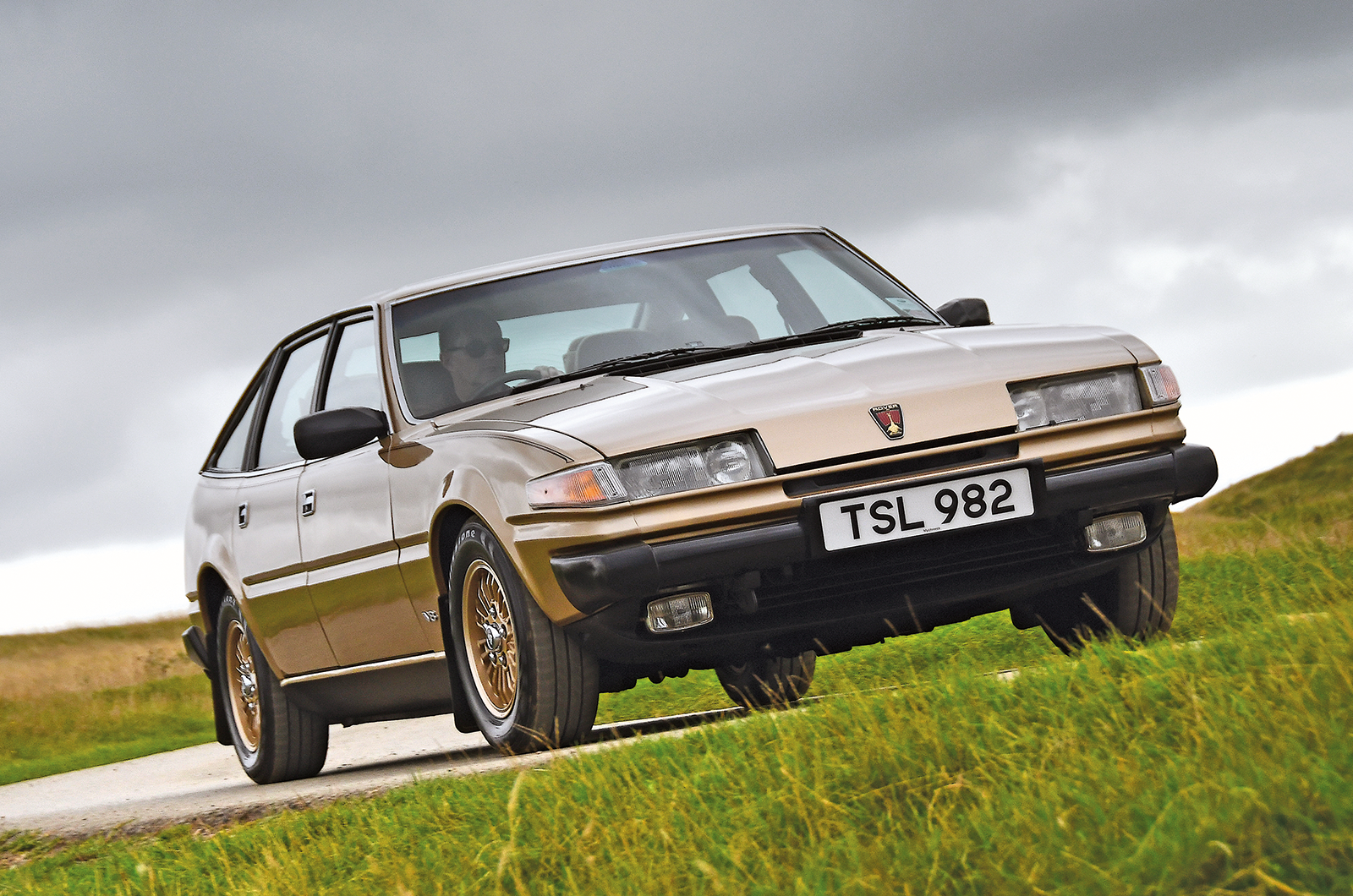
The final member of our quartet is one that BL thought perfect for the ambitious lawyer or successful company director. On 2 July 1979, Rover introduced the V8-S, which it claimed illustrated: ‘The difference between the best and the rest.’ In essence, the new flagship was a testbed for the marque’s return to the American market, especially its SU-Butec air-conditioning system. Furthermore, in the UK it would hopefully lure the wealthy motorists away from their velour-lined Vauxhall Royales.

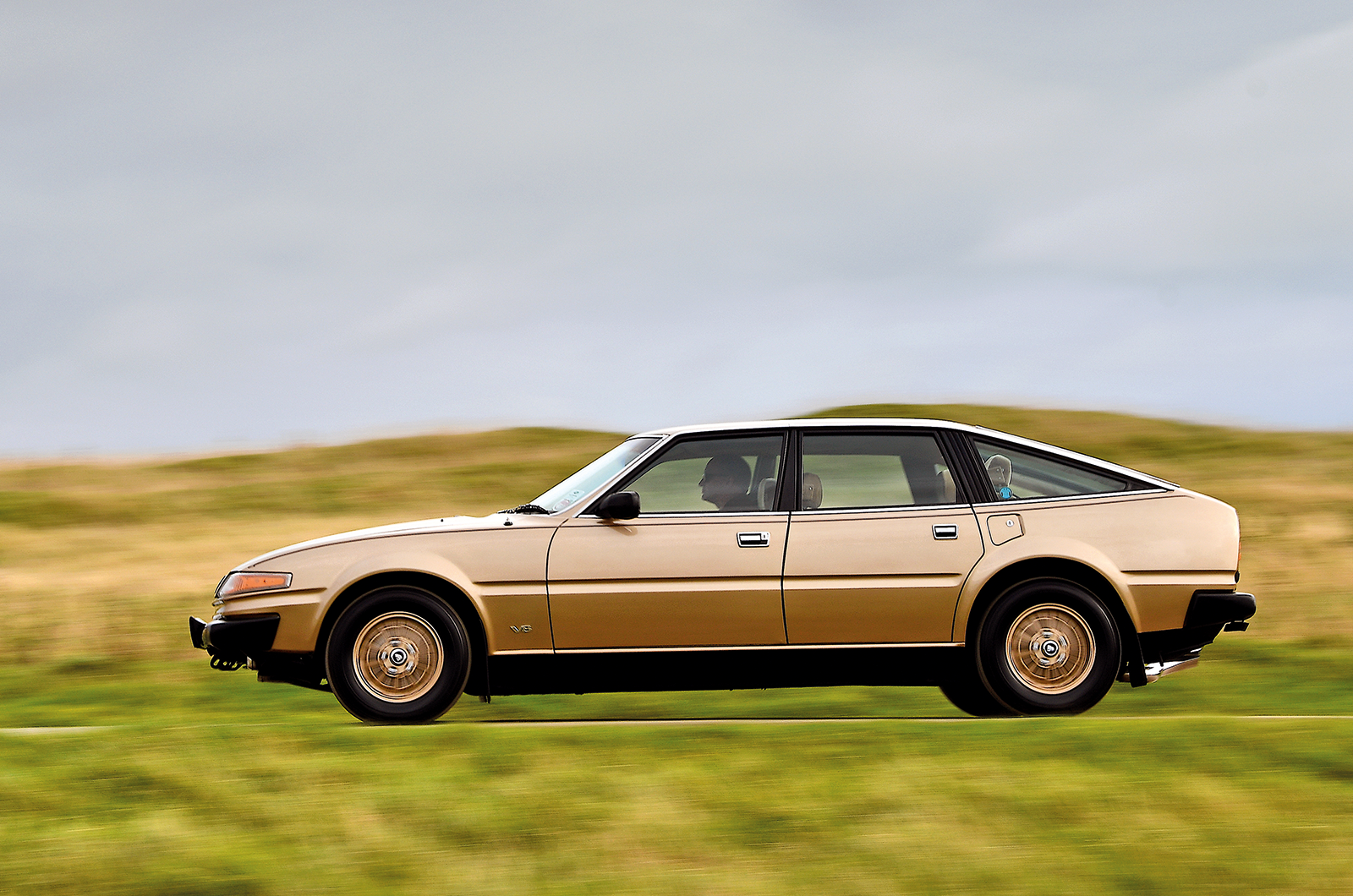
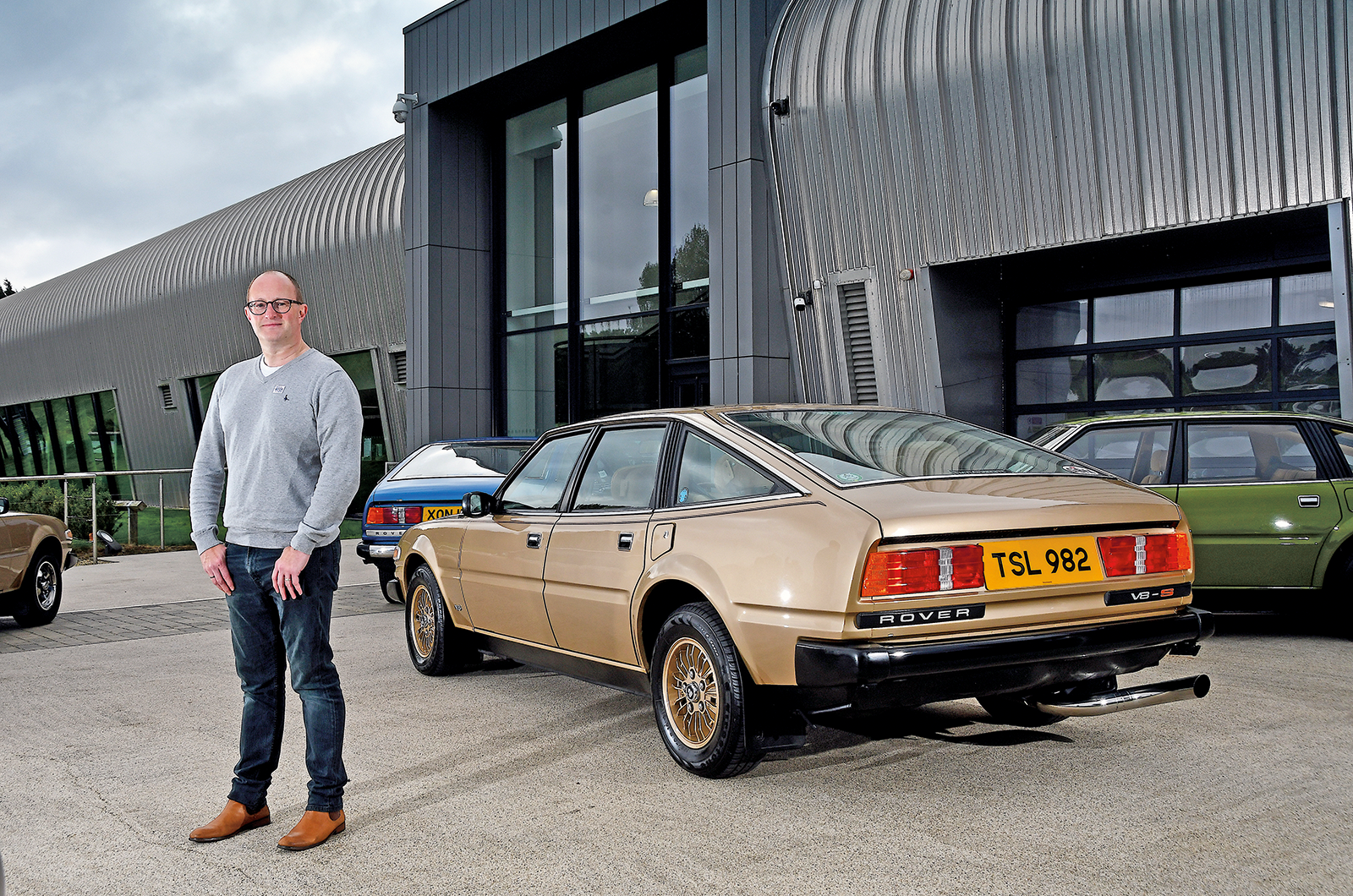
Our test car, owned by Tim Spencer, is finished in Midas Gold, with the other colour choices being Platinum Silver, Persian Aqua Blue or Triton Green. This car is also unusual in featuring the five-speed manual gearbox, with many customers opting for the Borg-Warner automatic. Regardless of the transmission, however, the sales brochures proclaimed: ‘We set out to create an exclusive member of the Rover stable that would offer you the perfect marriage of unique style and motoring luxury.’

In other words, the owner could boast of the deep-pile carpets, the headlamp washers and wipers, the sliding roof and, unlike the cheaper Rovers, an enamelled Viking badge. The alloy wheels alerted motorists to the presence of an exclusive SD1, one that looked down on any Opel Senator.

The interior is a special delight, leaving the occupants feeling as though they have been encased in luxury. If the raison d’être of the Volvo 264 GLE was dignity, then the V8-S seemed to revel in conspicuous consumption.

‘Rover has achieved the standard of finish which the excellence of the basic design deserves,’ concluded Motor magazine. The five-door layout was not always a sales advantage in a very conservative market sector, but BL only ever intended the V8-S to be a limited-production vehicle.

Just 1040 examples left the factory before it was succeeded by the 3500 Vanden Plas in September 1980, with this example having been built in the very first week of manufacture.

The Rover SD1 Club believes Spencer’s car to be the oldest V8-S in the UK. It originally served as a demonstrator for Mylchreests Motors in Douglas on the Isle of Man. When Spencer acquired it in August 1997, the Rover resided in Loughborough in a somewhat dilapidated state, and his first tasks were to tidy the bodywork and find missing trim items.

Today, the gold SD1 looks resplendent and every inch a conveyance that screams ‘the difference between the best and the rest’.

Spencer regards the SD1 as more suited to cruising than sporting motoring, even as a V8-S, and finds the manual ’box ideal for motorway travel. Even if this exclusive model is now overshadowed in the public memory by the Vitesse, its importance in further raising the marque’s profile cannot be overstated.

Leyland facelifted the range in 1982, and production of the Series 2 ceased in 1986.

This quartet not only resembles the forecourt of a prosperous dealership at the end of the ’70s, but also demonstrates why the new Rover held such promise. For too many years the SD1 family was viewed almost solely within the context of the British Leyland story, but a new generation of enthusiasts respects them on their own terms.

Today the SD1 is now regarded as ambitious, sometimes flawed, but never dull. While certain cars have absence, this Rover has presence and, in many respects, it was indeed ‘Tomorrow’s Car Today’.


Factfiles

Rover 3500

  • Number built 1976-1986/107,916
  • Construction steel monocoque
  • Engine all-alloy, ohv 3528 cm3 V8, twin SU carburettors
  • Max power 155bhp @ 5250rpm
  • Max torque 198lb ft @ 2500rpm
  • Transmission three-speed automatic, rear-wheel-drive
  • Suspension: front independent, by MacPherson struts, anti-roll bar rear live axle, coil springs, semi-trailing arms, self-actuating ride-levelling units
  • Steering rack and pinion
  • Brakes discs front, drums rear, with servo
  • Length 4698 mm
  • Width 1768 mm
  • Height 1354 mm
  • Wheelbase 2814 mm
  • Weight 1363kg
  • Fuel Economy 12.0 L/100 km
  • 0-100 km/h 9 seconds
  • Top speed 198 km/h


Rover 2300 (Where different to 3500)

  • Sold/no built 1977-1986/42,996
  • Engine iron-block, alloy-head, ohc 2350 cm3 straight-six cylinders, twin SU carburettors
  • Max power 123bhp @ 5000rpm
  • Max torque 134lb ft @ 4000rpm
  • Transmission four-speed manual
  • Suspension: rear live axle, variable-rate coil springs, telescopic dampers
  • Weight 1315 kg
  • 0-100 km/h 11.5 seconds
  • Top speed 183 km/h
  • Fuel Economy 11.1 L/100 km
     

Rover 2600 (Where different to 3500)

  • Sold/no built 1977-1986/108,572
  • Engine iron-block, alloy-head, ohc 2597 cm3 straight-six cylinders, twin SU SU carburettors
  • Transmission five-speed manual
  • Max power 136bhp @ 5000rpm
  • Max torque 152lb ft @ 3750rpm
  • Weight 1351 kg
  • 0-100 km/h 10.7 seconds
  • Top speed 190 km/h
  • Fuel Economy 10.9 L/100 km
     

Rover V8-S (Where different to 3500)

  • Sold/number built 1979/1040
  • Transmission five-speed manual
  • Height 1382 mm
  • Weight 1436 kg
  • 0-100 km/h 9.7 seconds

If you enjoyed this story, please click the Follow button above to see more like it from Classic & Sports Car