AC 428: a GT with the heart of a Cobra

| 29 Jul 2026
Classic & Sports Car – AC 428: a GT with the heart of a Cobra

This is one of the rarest ACs.

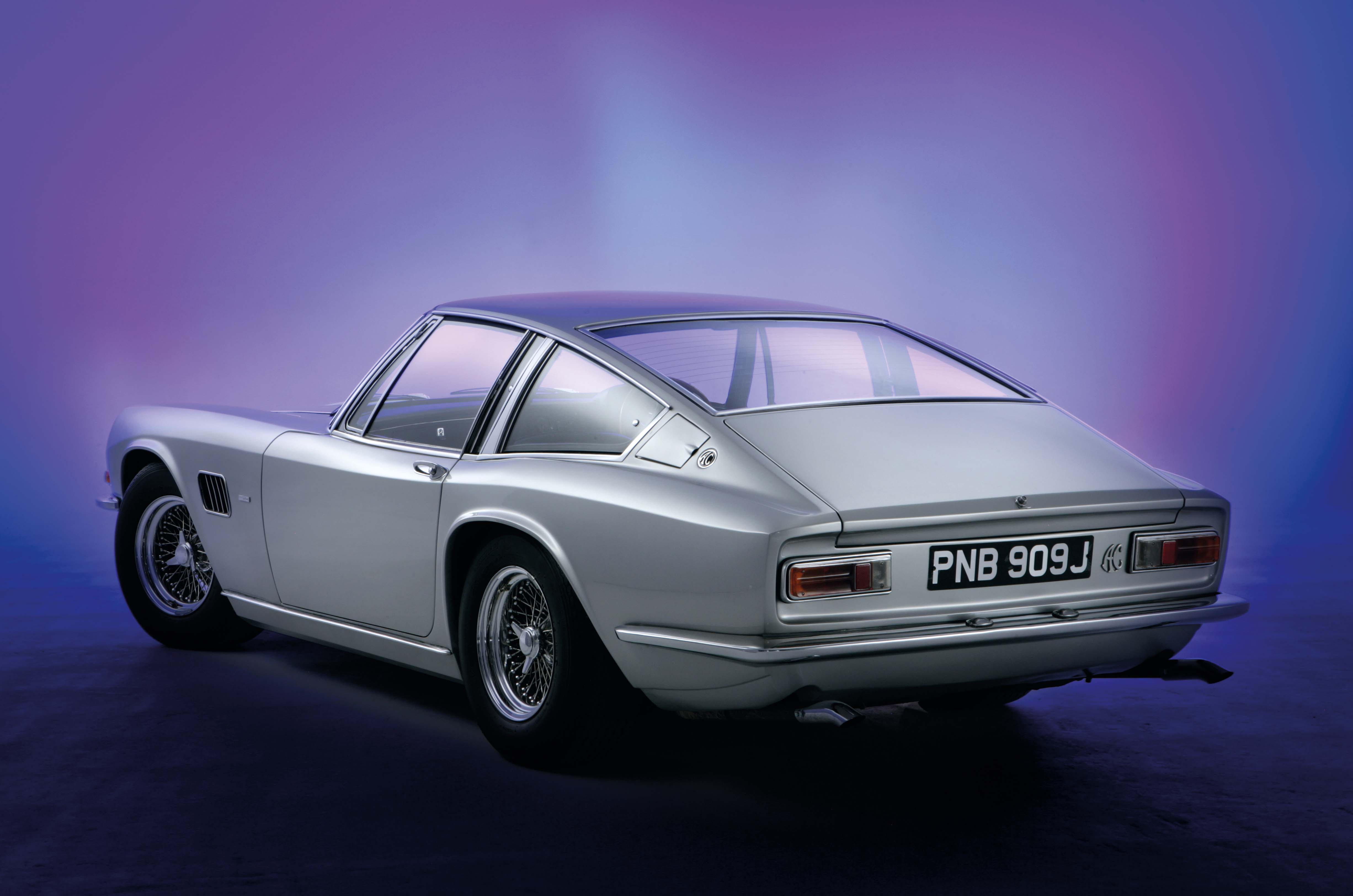
Against about 1000 Cobras, just 80 428s were built – 51 coupés and 29 convertibles – before this fast and beautiful but never fully realised Euro-American GT succumbed to the legislative and economic forces of the early ’70s.

Not even a short-lived starring role in The Avengers, with Linda Thorson behind the wheel, could raise the 428’s profile in a world where expensive European cars with large American engines were becoming somewhat routine.
Classic & Sports Car – AC 428: a GT with the heart of a Cobra

In an inspired move, AC stretched its Cobra chassis, dropped in a 7-litre V8 and clothed it with a sublime Frua body

There was no other way forward, of course, when Derek Hurlock and his team at the tiny Thames Ditton factory began to conceive a successor to the MkIII Cobra.

Although its brutal urge and muscular demeanour still had the power to enthral youths everywhere, sales were dropping off.

There was a clear need to move forward with a more refined car that had a broader, more international appeal.

With backing from Ford dropping away (as it changed its racing allegiance to the GT40), Hurlock saw the need to appeal to a new kind of customer, one to whom the privations of the raw and draughty Cobra were not acceptable.
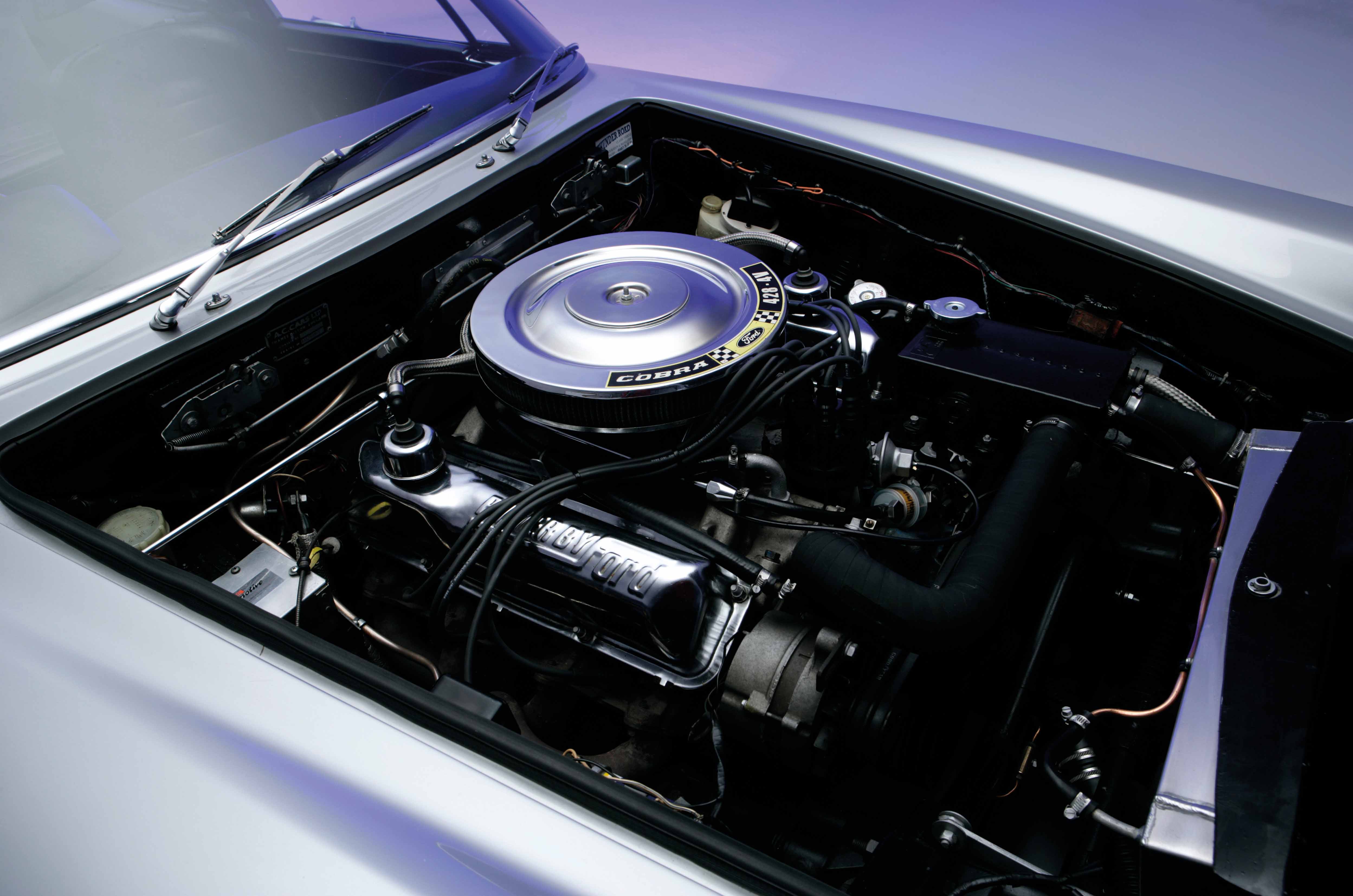
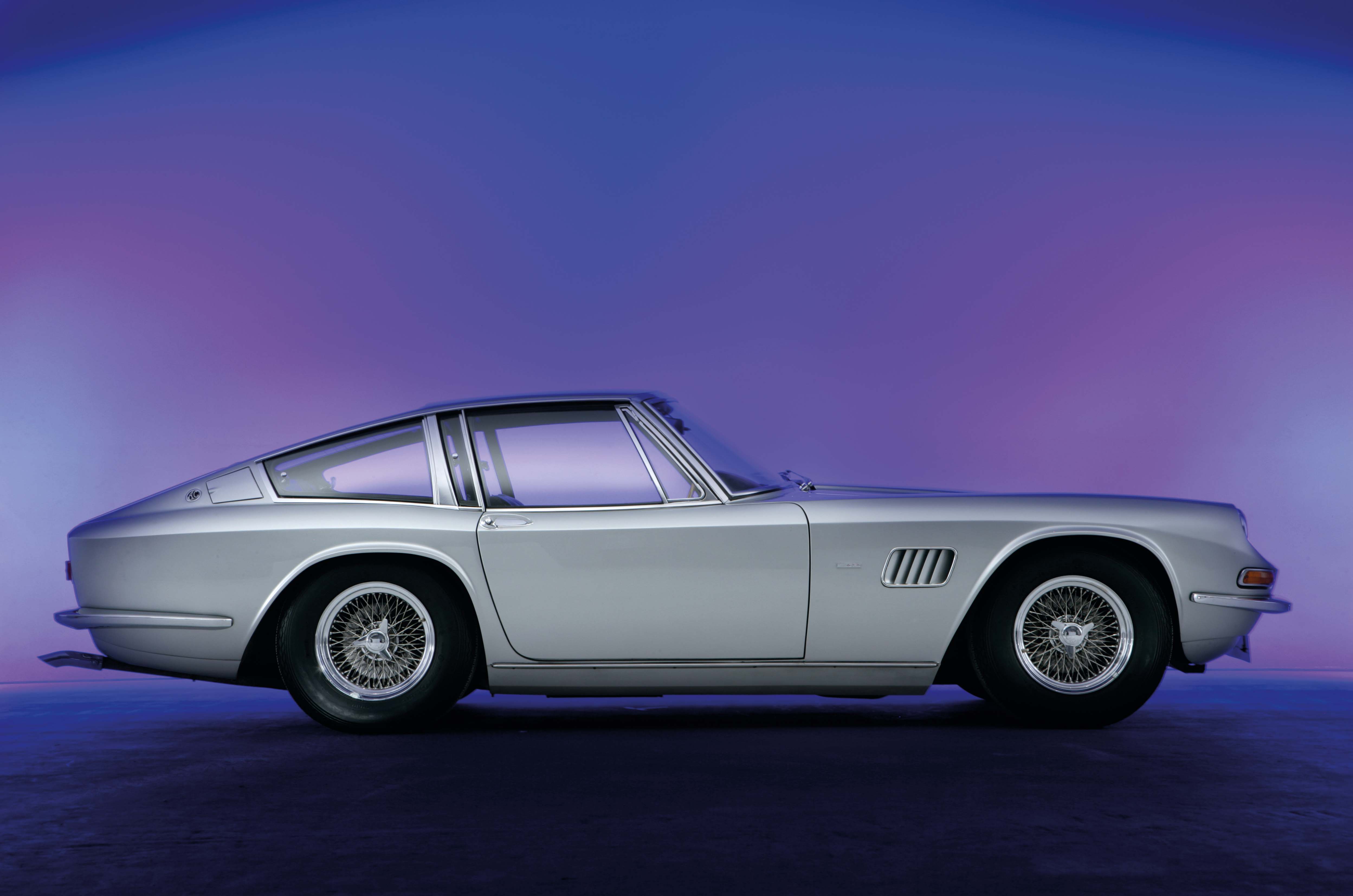
Specifying a revised version of the coil-sprung MkIII Cobra’s parallel-tube chassis with a 6in-longer wheelbase was relatively straightforward – as was the decision to use a 7-litre Ford V8 engine.

In the prototype it was a 427 unit from the Cobra, but that was deemed too aggressive so the production cars would get the 428cu in Galaxie engine, with quiet hydraulic tappets and, usually, a Ford C6 automatic gearbox in beefed-up ‘police’ specification.

The manual TopLoader ’box was available, but the clutch was heavy and most buyers took the view that the automatic was the better bet.

With so much torque – some 462lb ft at 2800rpm – changing gears yourself seemed a superfluous activity.

Classic & Sports Car – AC 428: a GT with the heart of a Cobra

The AC 428’s 7-litre Ford Galaxie motor sits well back in the chassis, giving good handling balance

So much for the underpinnings: the key to acceptance in the glamorous world of Euro GT cars was a sleek and contemporary style.

This was to be the first Continental-bodied AC production model.

At the Turin show in 1965, after meeting with the likes of Bertone and Ghia, Hurlock was introduced to Pietro Frua through Swiss AC distributor Hubert Patthey.

Prolific and talented, Frua quickly produced some drawings. Hurlock approved them and sent out a chassis to Turin in May 1965.

During the summer of that year, Frua fashioned a convertible on a wooden buck.

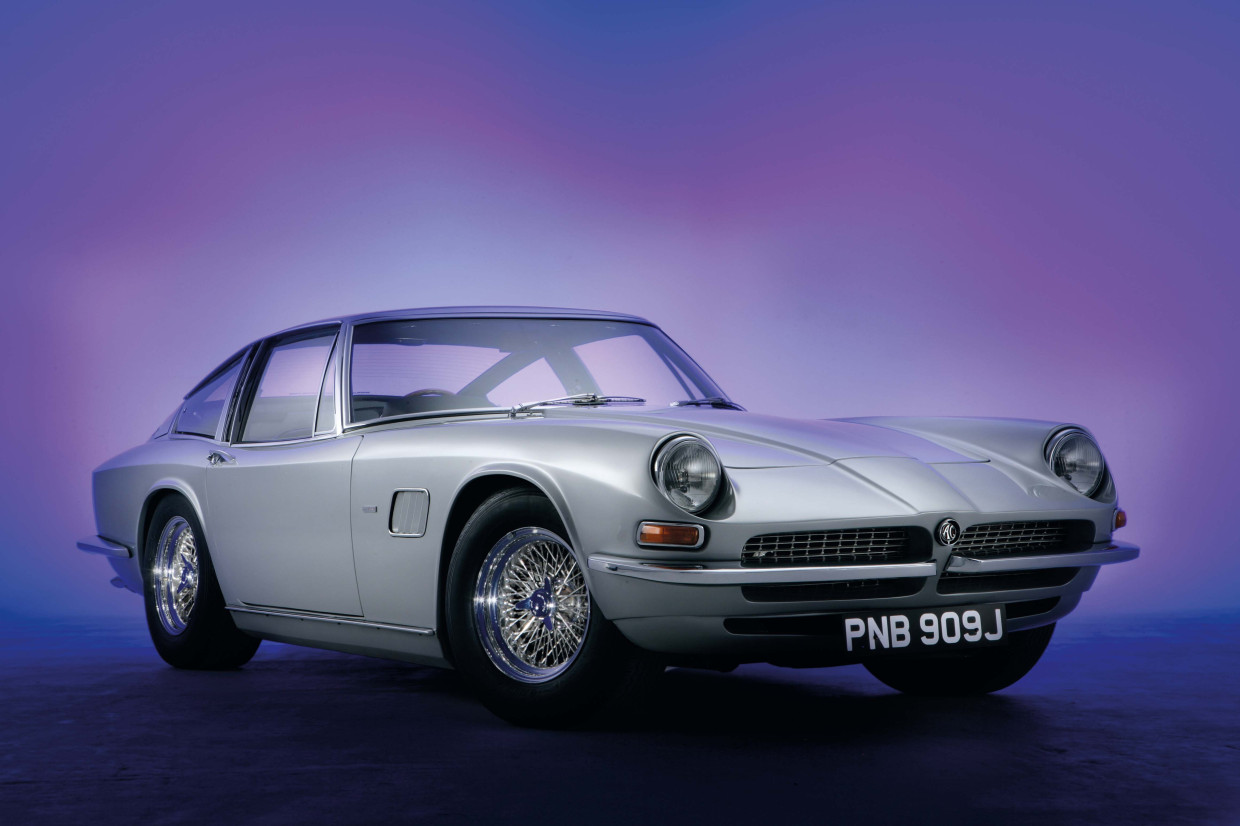
It was so close in shape to his Maserati Mistral of the time that you’d have to do a double-take to tell the two cars apart – yet they only shared doorhandles and door-glass frames.

The convertible made its debut at the Earls Court Motor Show in October 1965, still under the title AC 427, while the fastback coupé appeared the following year on the Frua stand at the Geneva Salon.

Although the first car, the one used in The Avengers, is thought to have had an alloy body, or at least some aluminium panels, this is unsubstantiated.

LPH 800D did differ in having a steel cover for the easy-to-use hood, though.

Classic & Sports Car – AC 428: a GT with the heart of a Cobra

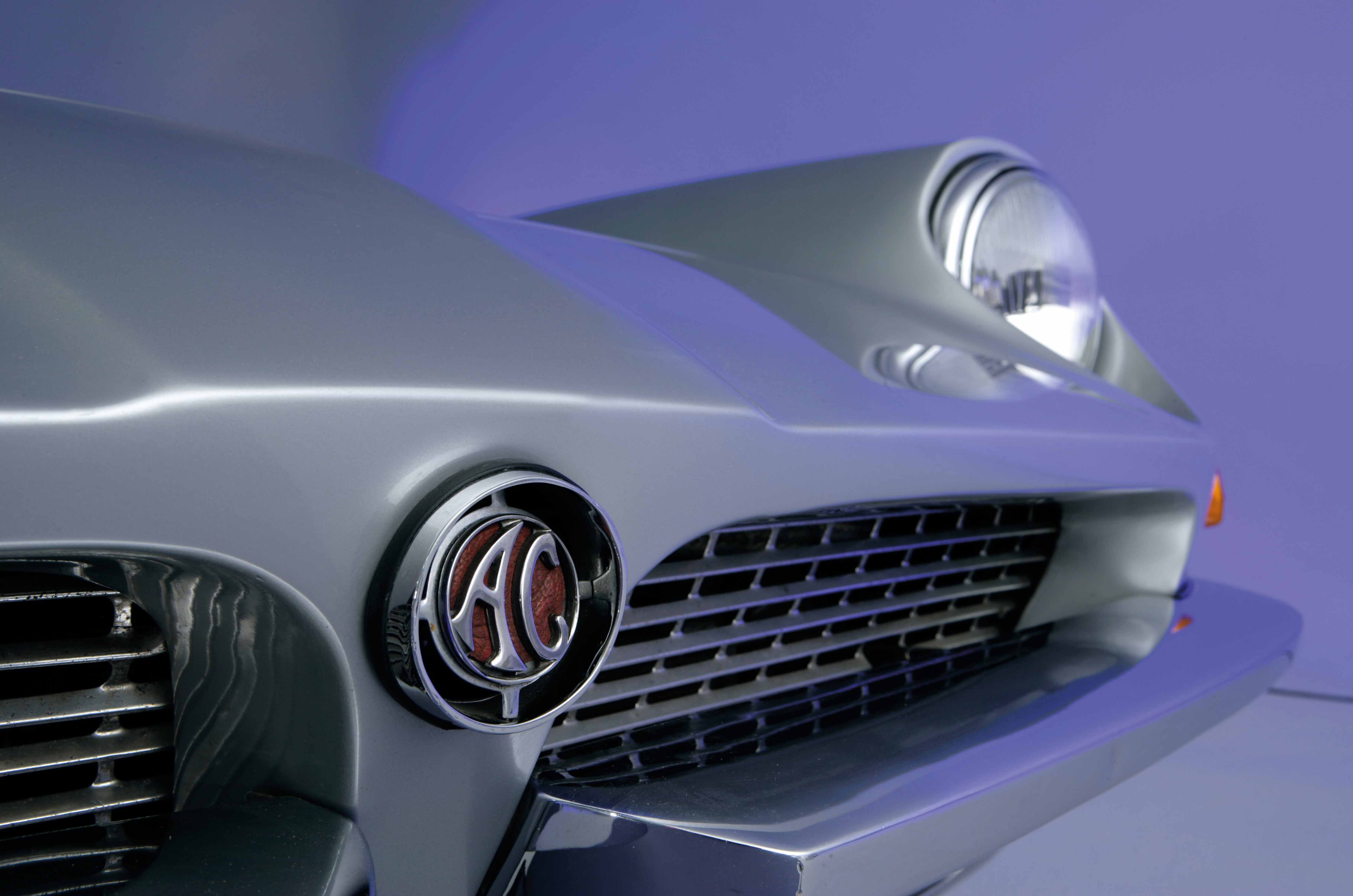
The AC 428 looks similar to the Maserati Mistral, but they only share doorhandles and door-glass frames

Frua was commissioned to build the first 50 examples, sourcing the bodies from his subcontractor Maggiora.

The Frua connection was both the answer to AC’s immediate predicament and the beginning of a new set of problems.

These hinged around the logistical nightmare of having to ship the chassis on slave wheels to Italy, then bring the partly completed cars back – six at a time on an open transporter – to Thames Ditton for trimming, wiring, painting and engine installation.

Steel strikes in Italy in 1969 and ’70 didn’t exactly further the cause of the 428 either, and supply of the rot-prone, double-skinned bodies was always sporadic.

Thames Ditton never managed to build more than two complete cars per week.

Talking to Giles Chapman in Classic & Sports Car in April 1987, Hurlock recalled Frua as: ‘A very nice man indeed… a very talented designer – he wasn’t so good at getting cars into production, particularly for us, because we had limited amounts of money but still had to rely on him.’

One contemporary report hinted that AC might do a deal with Coventry Panels to build the bodies, but Hurlock never found a British firm to make the shells.

Classic & Sports Car – AC 428: a GT with the heart of a Cobra

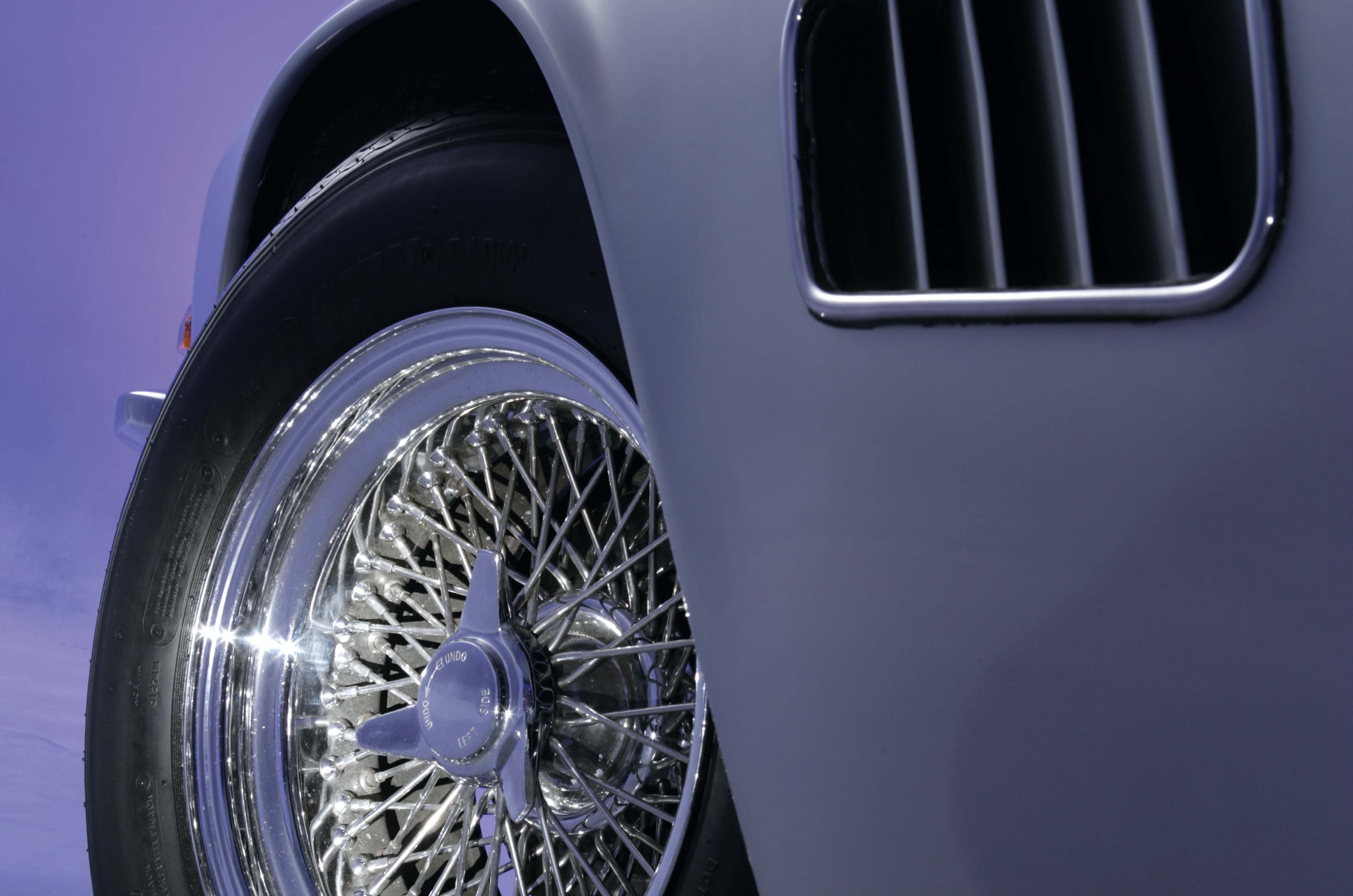
The AC 428 had centre-lock wire wheels from new; despite large side vents, the AC was noted for overheating

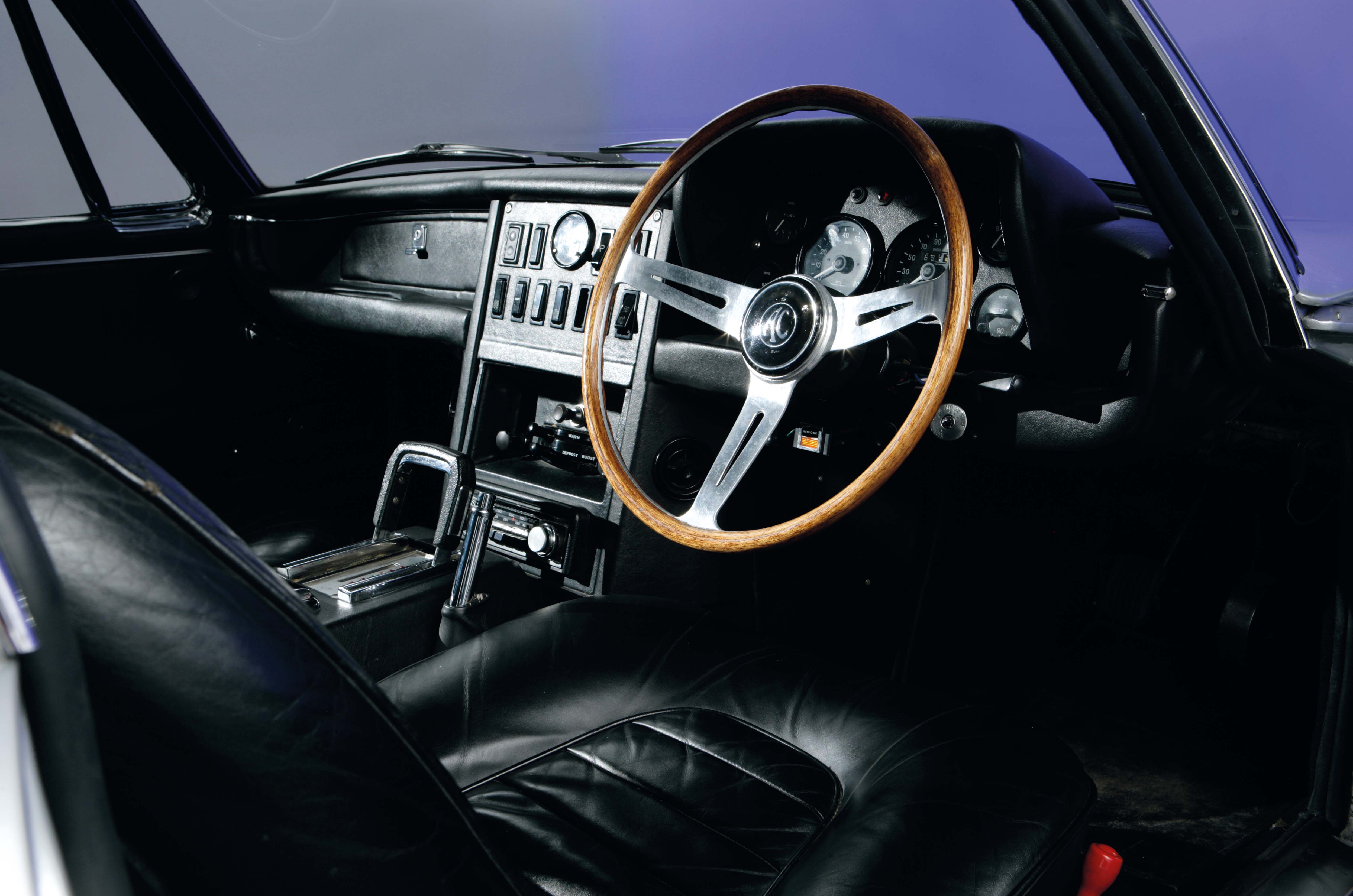
Low, well-inboard sills gave easy access to the 428’s neatly finished but perhaps not luxurious cabin.

Buyers in the £5600 class expected Jensen-style pampering, although you did get electric windows, excellent leather seats and, on the automatic, the dramatic hooped gear selector inherited from the blue-collar Galaxie.

Early-’70s cars had a redesigned ‘Federal’ dashboard with a squared-off instrument binnacle and rather cheap-looking rocker switches.

The 428 was a generous two-seater (with a padded rear bench in the fastback) and had a deep, square boot.

AC tried to address the serious heat-soak problems from the V8 with extra vents, but never really sussed it.

With so much engine crammed into such a tight bay, overheating was another endemic 428 problem that, in the end, was left to subsequent owners to sort out.

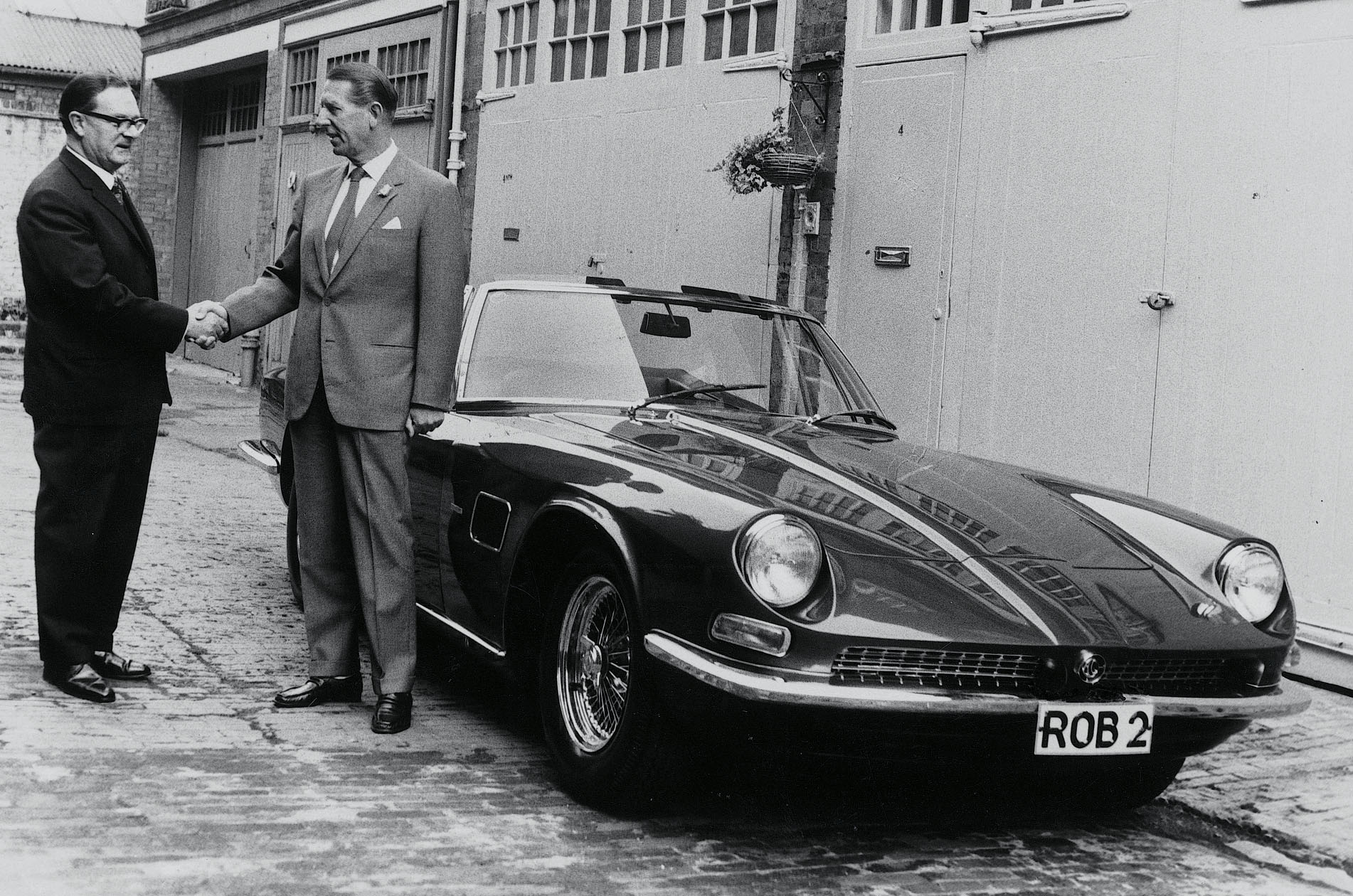
Rob Walker replaced his Facel II with an AC 428: he told me it would readily overheat, winter or summer. Incidentally, Keith Moon is believed to have owned fastback and drophead 428s.

An oil cooler was added when it was discovered that long periods of cruising at 120mph or more could cause the oil pressure to sag worryingly.

Ground clearance – or the lack of it – was another shortcoming with which AC struggled throughout the life of the car, juggling spring and damper settings in an attempt to cure it.

Classic & Sports Car – AC 428: a GT with the heart of a Cobra

Rob Walker (on right) takes delivery of his AC 428 convertible

The 428 actually rode quite well, but tended towards bouncy under-damping.

Keith Judd, sales manager of AC, told Mike McCarthy in C&SC in November 1986: ‘Because the car was heavier than the Cobra – particularly the fastback – we had to rework the suspension.

‘Ideally we needed wider coils to the springs, but there simply wasn’t room so we had to uprate the existing system. We spent a lot of time up at Armstrong’s working on it.’

Yet, for all its foibles, the 428 made a fabulous touring car that wowed the press with its acceleration when, in 1968 and ’69, they captured one to test.

Autocar recorded 0-60mph in 6.2 secs, and John Bolster in Autosport set a blistering 5.4 secs (in an auto) and 145mph, a limit set by pumping up the hydraulic lifters.

Driven with restraint, the AC 428 was a gentle car – eight pistons the size of wastepaper baskets producing nothing louder than a muffled thrum, their modest exertions smoothed by the torque converter and silky efficiency of the auto ’box.

Left to its own devices, the 428 would outrun all its opposition to more than 100mph and beat most of them over the standing quarter-mile while never appearing to exert itself, devouring straights on a lazy woofle of nonchalant torque.

Classic & Sports Car – AC 428: a GT with the heart of a Cobra

The AC 428’s trademark hoop gear selector in the functional, rather than opulent, cabin

The kickdown was hair-raising, with 50-70mph taking just 3.3 secs in second gear, the middle ratio in the superbly refined automatic gearbox that would take you to well past the ton.

Not that there was much benefit in using the kickdown or manually holding on to gears, such was the AC 428’s absurdly effortless demeanour.

‘Normally, only part throttle is required to out-accelerate anything in sight as the car surges away into the middle distance with the silken surge of seemingly infinite torque,’ enthused Motor, which compared the acceleration to that of a ‘Titan moonshot’ and reported that the press car stormed its 1-in-3 test hill so vigorously that it almost left the ground as it crested the top.

All remarked on the car’s relative thriftiness. 

Because it was high-geared and required so few revs to get along quickly, the AC 428 could manage 17mpg – maybe even 20 – driven half-moderately.

With the engine mounted well back, giving a slight rearward weight bias (53%), these cars, shod with fat 205x15 Dunlop radials on centre-lock wire wheels, could really put their power down.

They cornered flat and neutral on their double wishbones, steered heavy but true with unassisted rack-and-pinion steering – which tended to kick back strongly – and pulled up square and strong on generous, dual-servo-assisted disc brakes all round.

Classic & Sports Car – AC 428: a GT with the heart of a Cobra

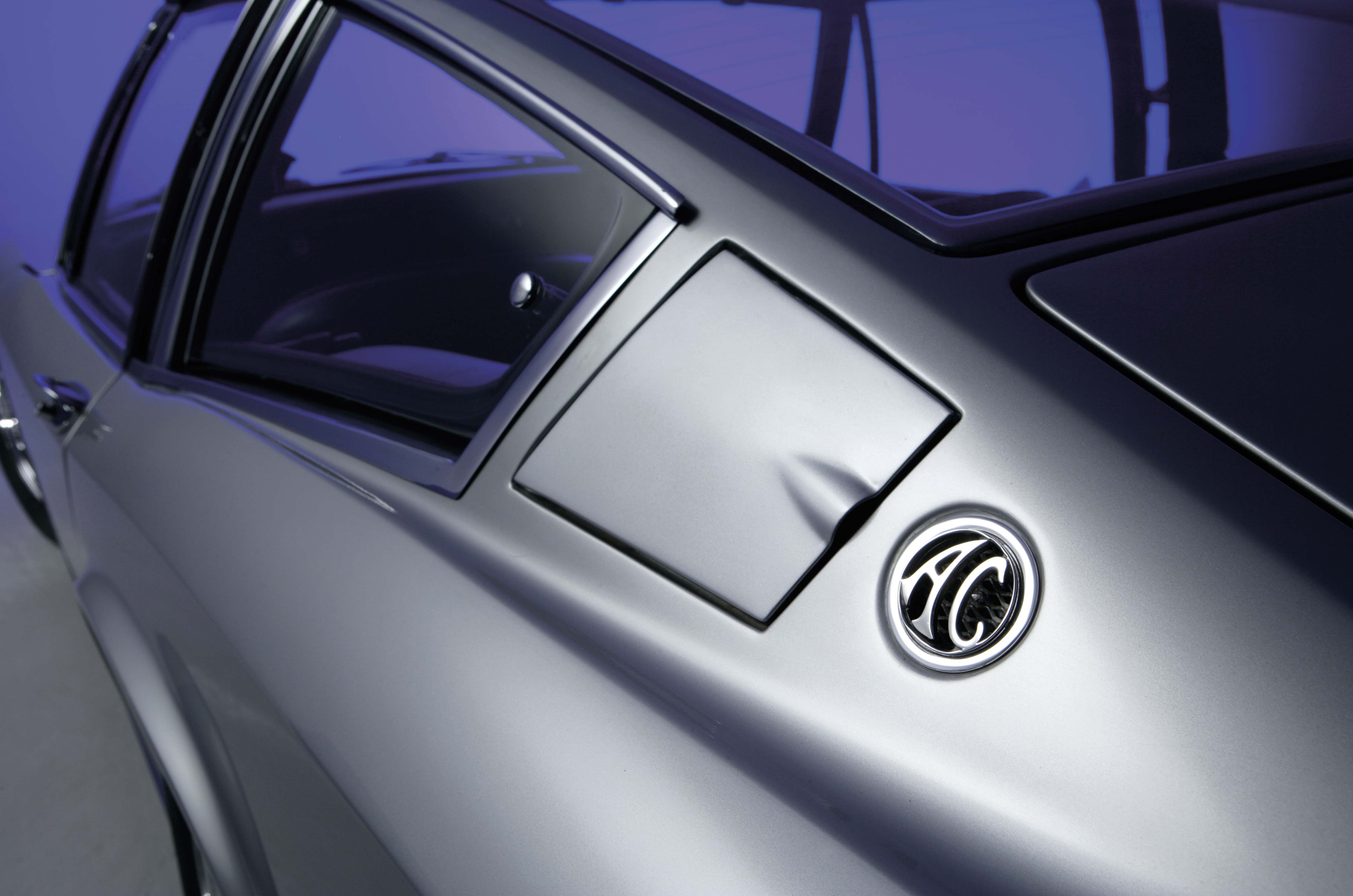
The AC 428 has twin fuel-filler flaps for its 18-gallon tank

A late arrival to the glamorous world of grand tourers, the AC 428 never really got the chance to establish itself.

On the small site at Thames Ditton, Mr Hurlock and his overstretched team found it nigh-on impossible to reconcile a busy trade in invalid carriages for the Ministry of Health with the development of a suave, 7-litre GT.

A convertible with retractable lights and a new four-seater coupé called the 429 were attempts to update the idea, but it was too late.

The Fuel Crisis, and crash-testing requirements with which a tiny firm such as AC could not afford to get involved, dealt the unlucky 428 the final blows. Production ended in 1973.

It was premature but hardly unexpected. Even if Frua had been able to reach critical mass in terms of bodyshell output, it appears unlikely that the AC 428 would have been a quick seller.

It was, if nothing else, oddly pitched: neither hardcore enough for Cobra owners to buy into, nor plush enough to really appeal to the Jensen crowd.

It was also, because of the convoluted production process, far too expensive for a US-engined exotic – at a grand more than even an Aston Martin DB6 or a Jensen Interceptor in ’68.

The machinations of its patchy evolution feed the perception that such hybrid cars were really just pricey, factory-sanctioned hot rods.

Thus the AC 428’s greatest strength – cheap, reliable and effortlessly refined American-sourced power – was at the same time its greatest psychological weakness in the eyes of most of the people who could afford one.

But if, like me, you are relatively immune to the charms of earlier ACs of the romantic era, the 428 has a powerful draw.

It has almost everything going for it: an uneasy international marriage of the svelte and brutal, a wild union of raw urge and elegantly tailored urbanity that makes it one of the most intriguing cars of the Euro-American idiom.

Images: Peter Spinney/Tony Baker

Thanks to: Hurst Park Automobiles

This was first in our March 2008 magazine; all information was correct at the date of original publication


Factfile

Classic & Sports Car – AC 428: a GT with the heart of a Cobra

AC 428 

  • Sold/number built 1967-’73/80 (51 coupés, 29 convertibles)
  • Construction tubular steel chassis, steel body
  • Engine all-iron, ohv 7014cc (428cu in) 90° Ford V8, with single four-barrel Holley carburettor; 10.5:1 compression ratio
  • Max power 345bhp @ 4600rpm
  • Max torque 462lb ft @ 2800rpm
  • Transmission four-speed TopLoader manual or three-speed Ford C6 automatic, RWD via Salisbury Powr-Lok differential
  • Suspension independent, by double wishbones, coil springs, Armstrong telescopic dampers; rear trailing arms
  • Steering rack and pinion
  • Brakes Girling discs, with twin servos
  • Length 14ft 8¼in (4477mm)
  • Width 5ft 8½in (1740mm)
  • Height 4ft 1½in (1257mm)
  • Wheelbase 7ft 11¾in (2432mm)
  • Weight 3214lb (1458kg)
  • 0-60mph 5.4 secs
  • Top speed 145mph
  • Mpg 14-20
  • Price new £5573 (’68)

Enjoy more of the world’s best classic car content every month when you subscribe to C&SC – get our latest deals here


READ MORE

Last of the first: driving the AC 289 Sports

Transatlantic hybrids: Bristol 407, Jensen C-V8 and Gordon-Keeble GK1

AC Greyhound and AC Aceca: forgotten children