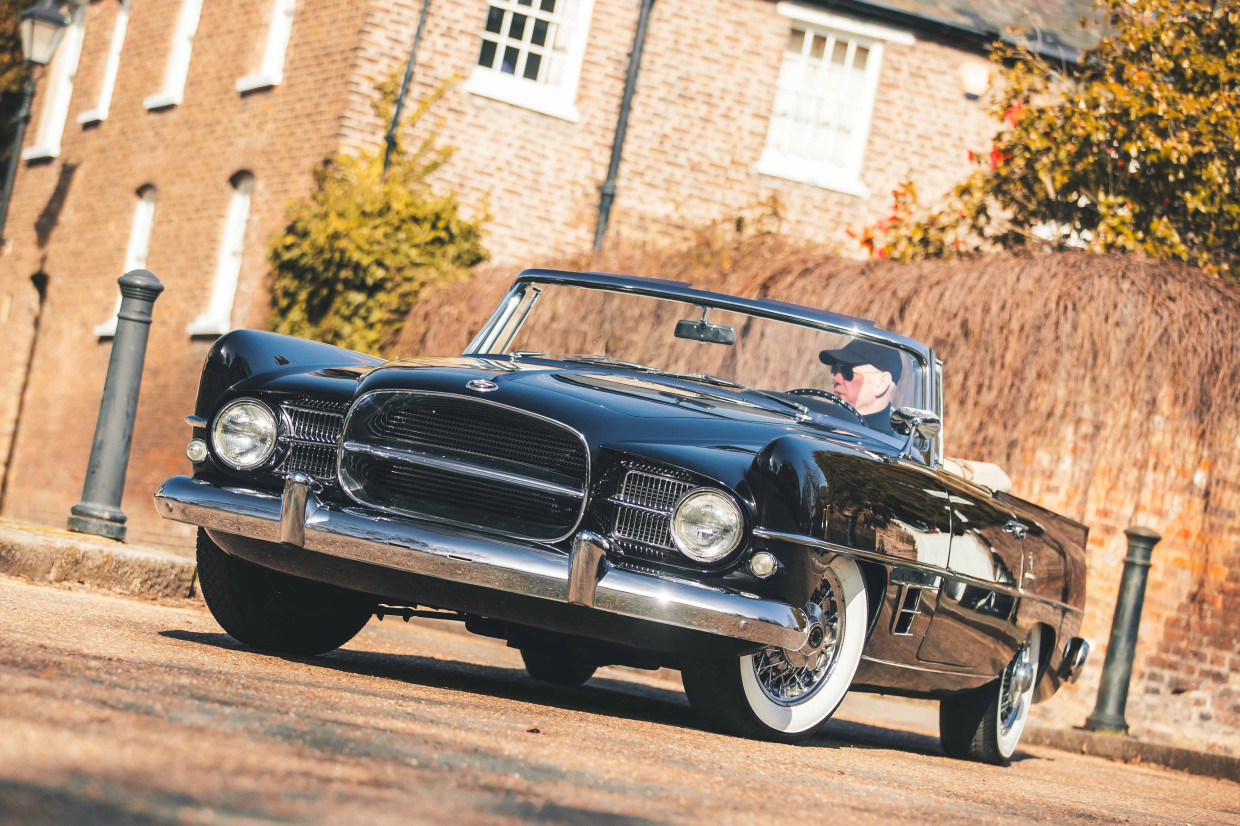
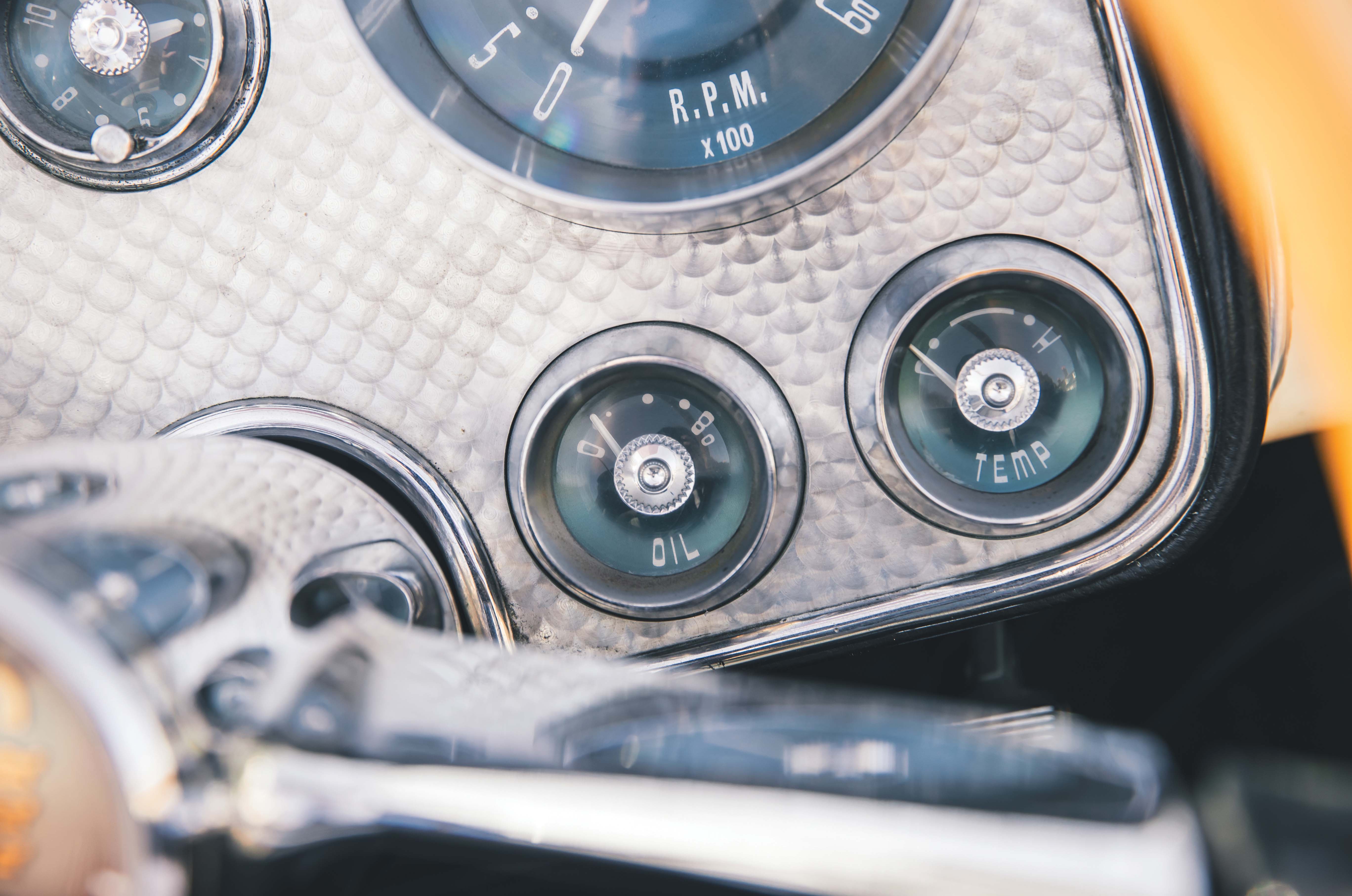
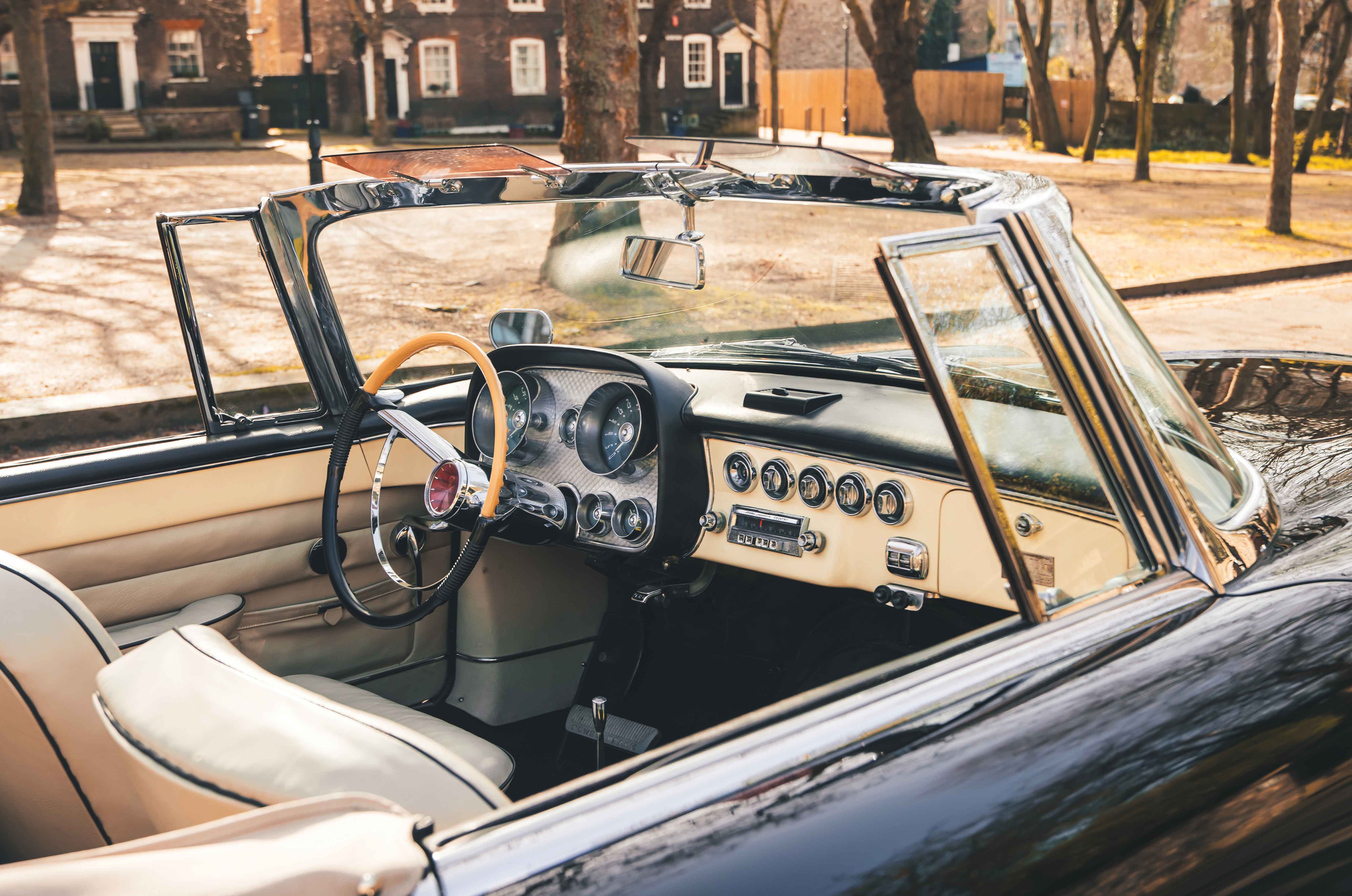
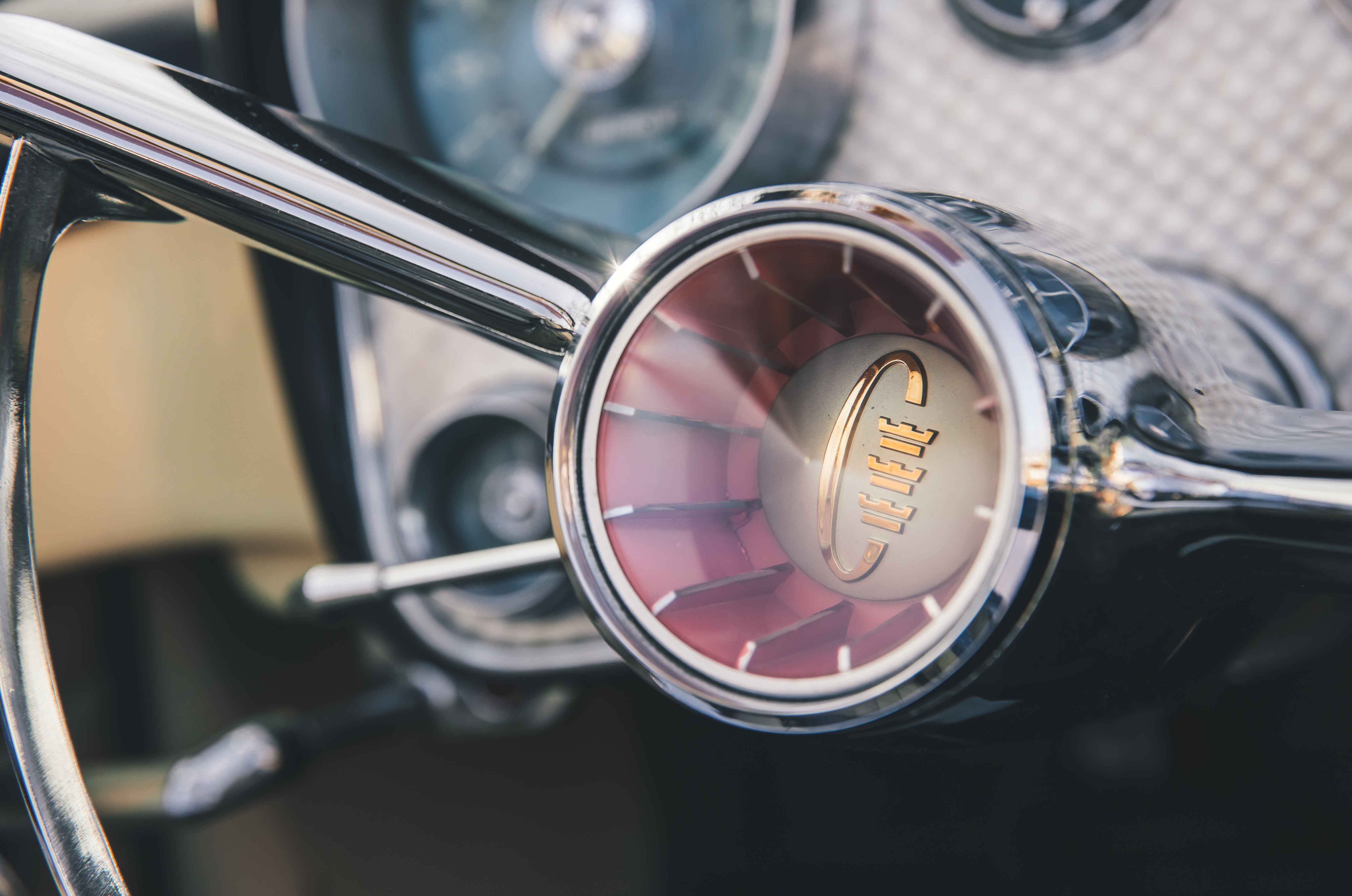
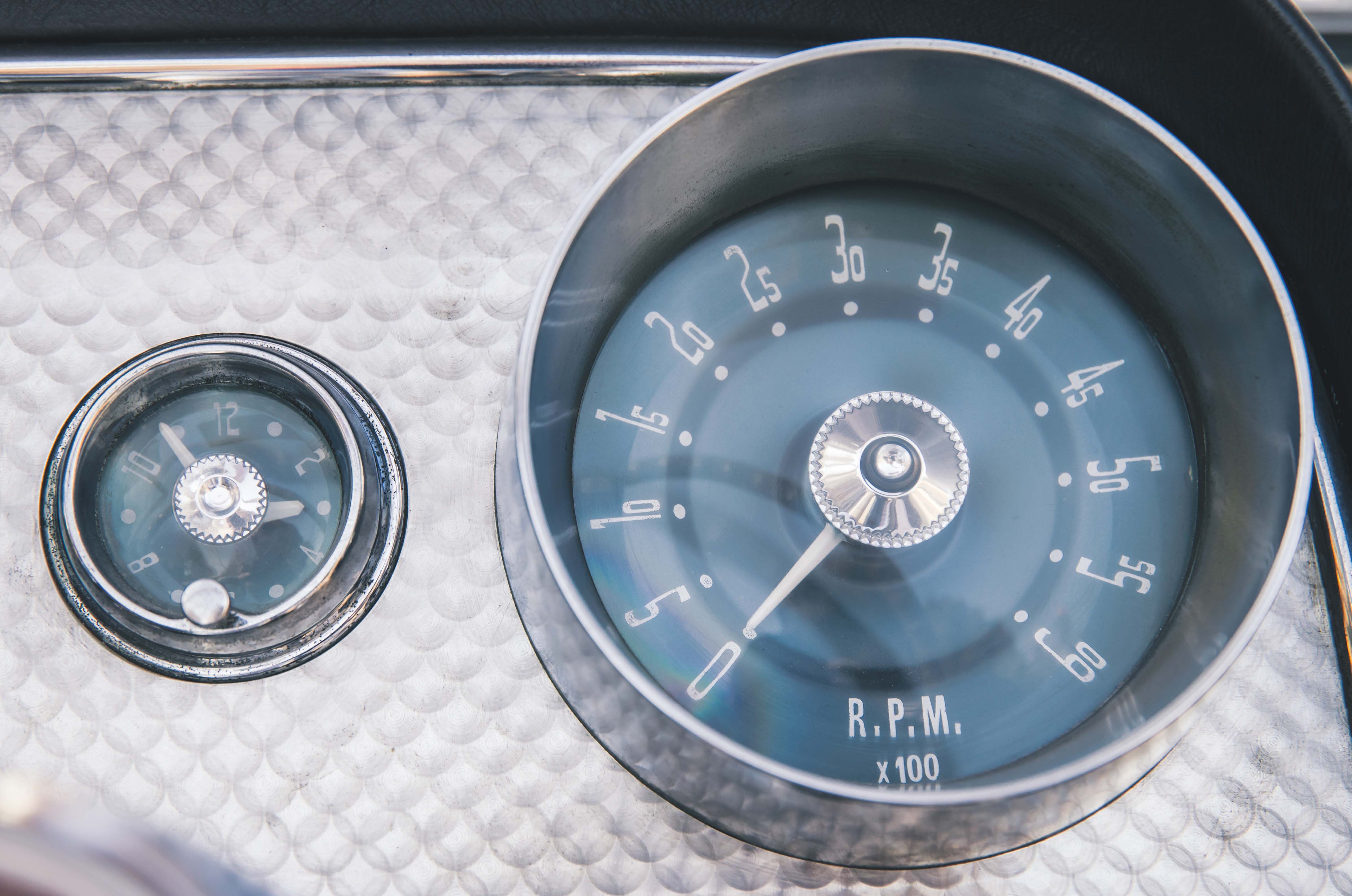
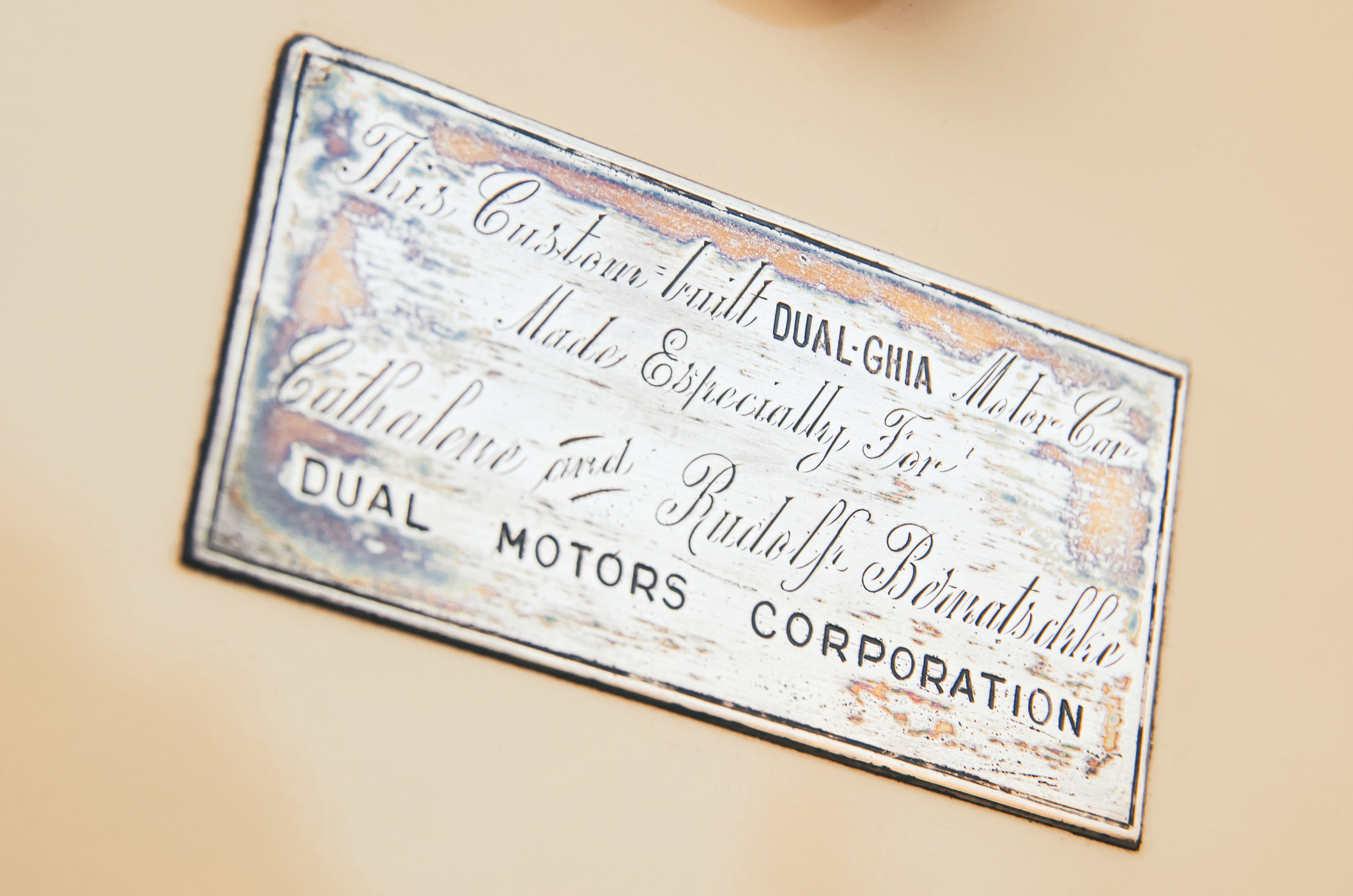
Other nice touches inside the car are the bespoke rev counter made to match the speedometer (Chrysler didn’t produce one) and a small plaque mounted on the glovebox door announcing the identity of the first owner.
Various magazine reviews criticised the window-winding mechanisms, so Casaroll, in his pursuit of perfection, had the cars recalled and fitted with electric motors.
From behind the steering wheel (another regular Dodge component) it certainly feels perky enough, but there is little in the way of aural drama.
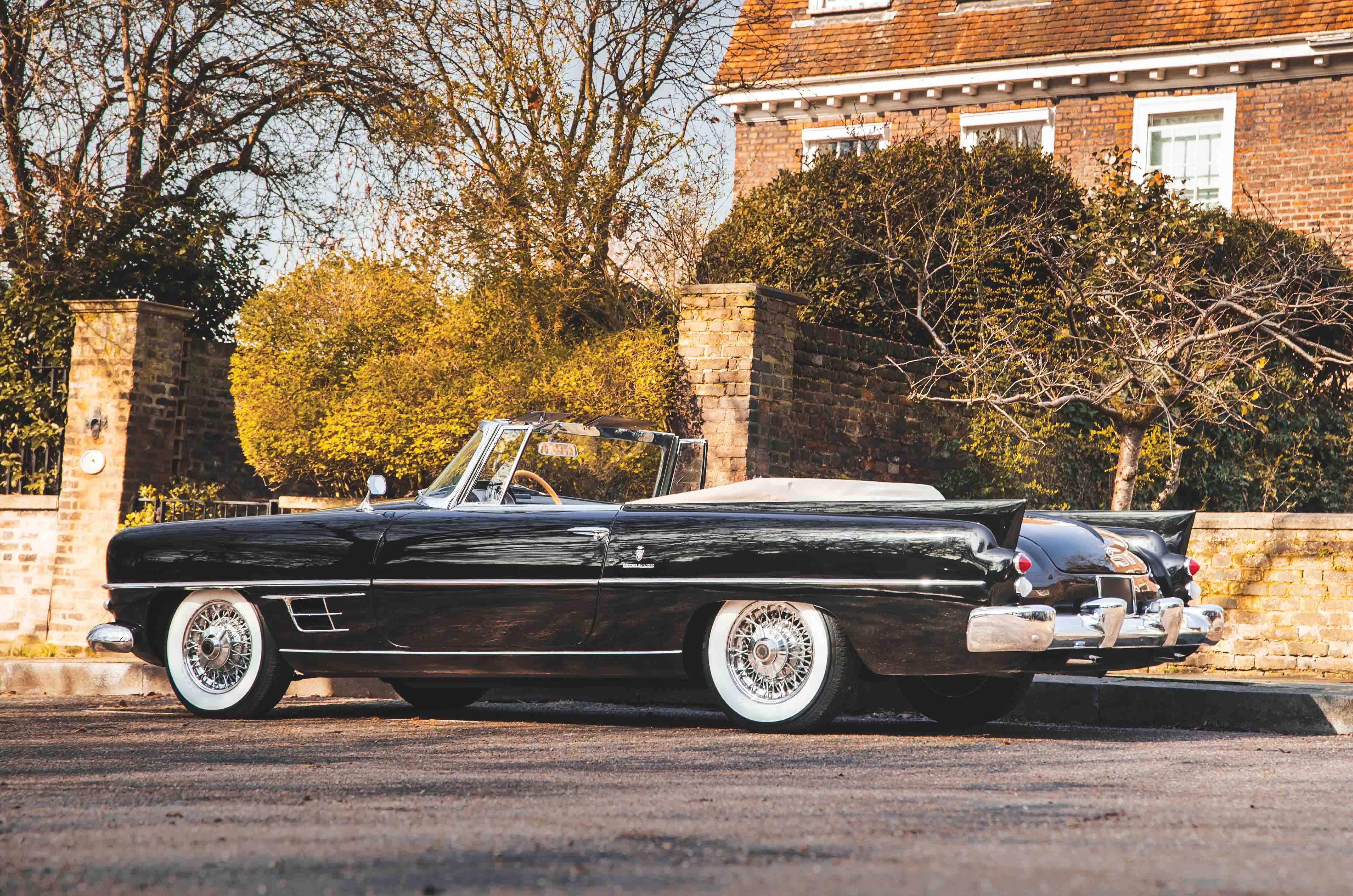
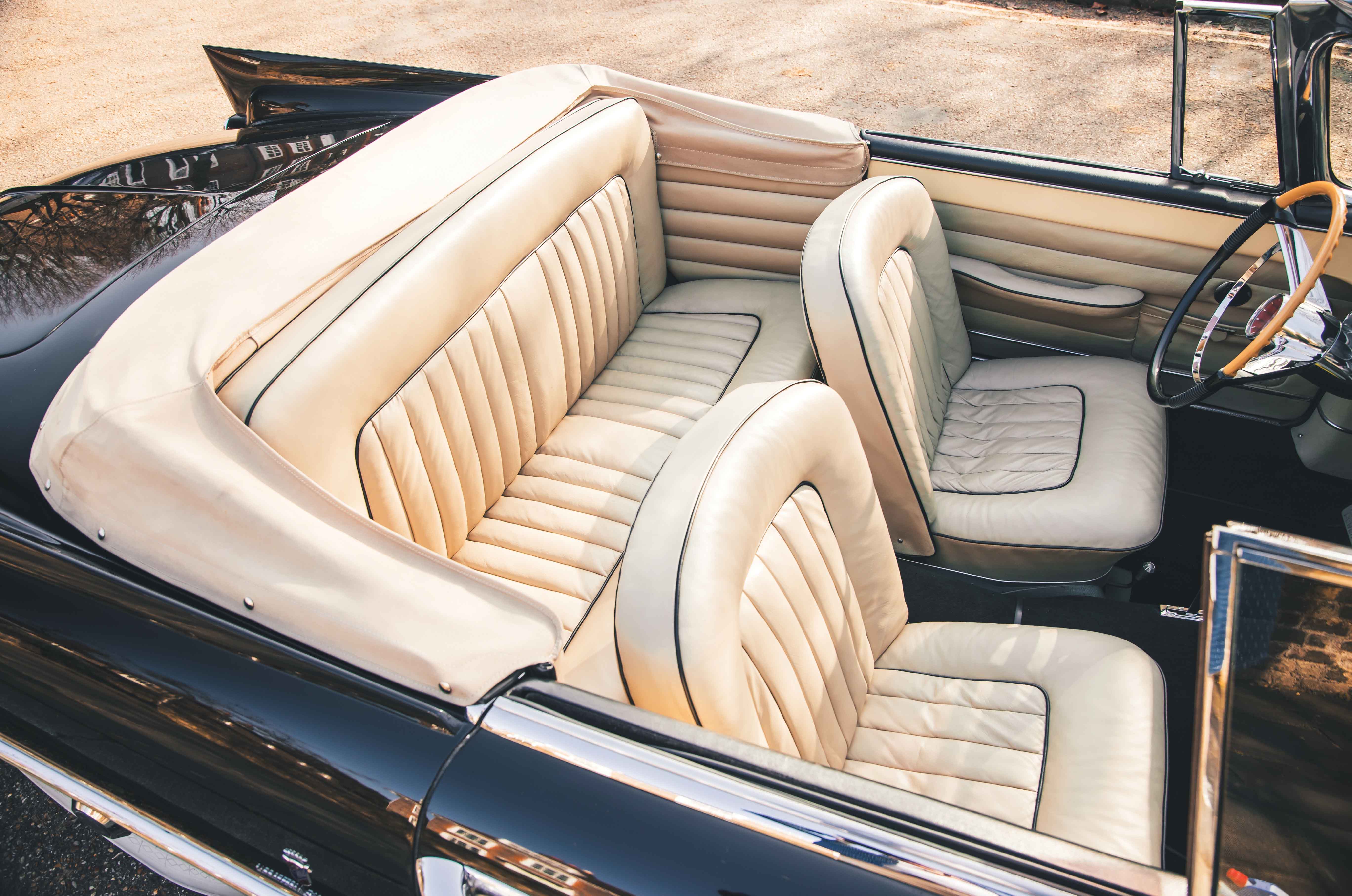
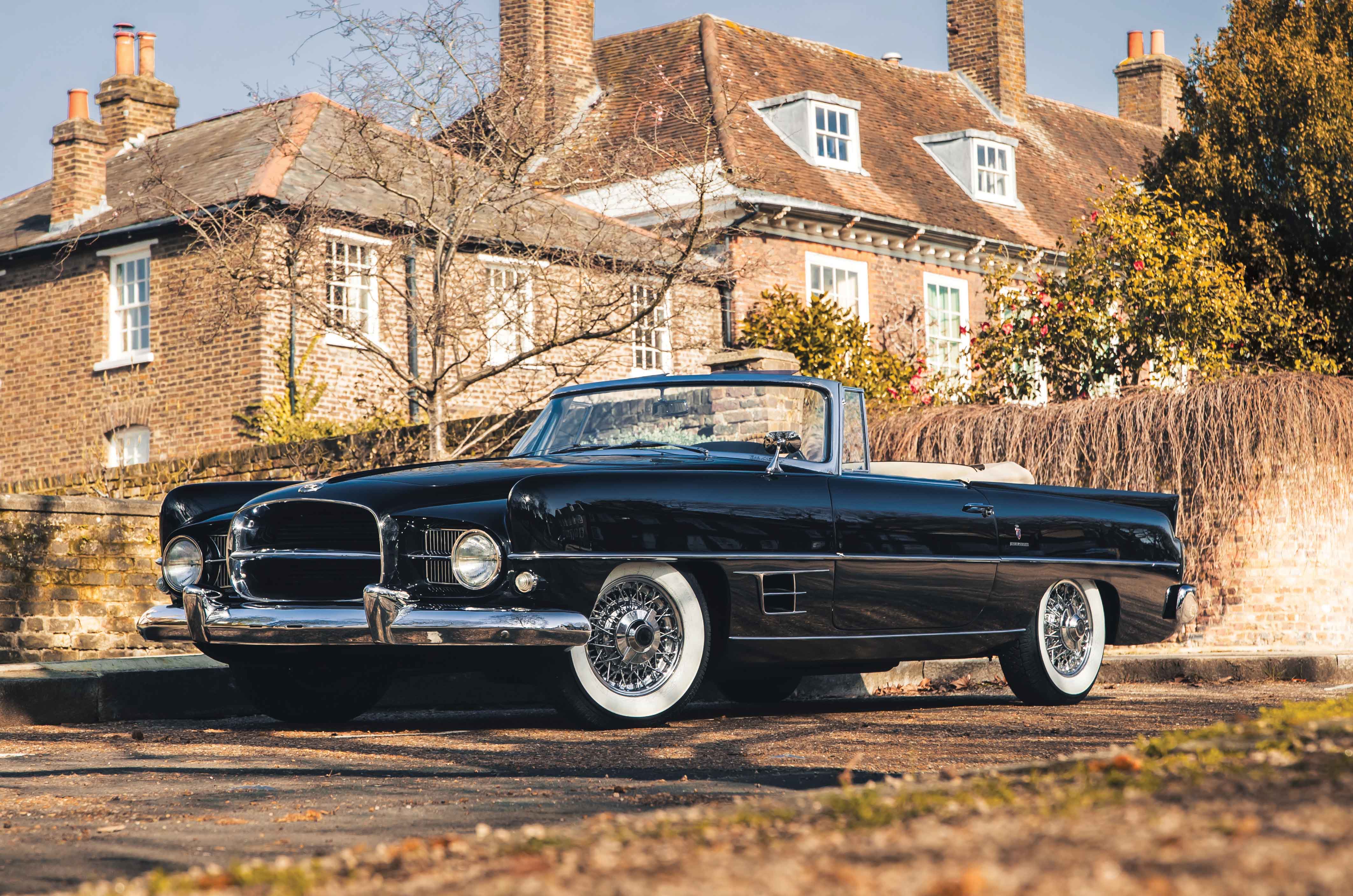
The Dual-Ghia is a large car, but the rear bench is quite cramped
The V8 purrs away up front with no fuss and gears change smoothly, although when shifting into forward ratios or engaging reverse when stationary, the ’box can be a little clunky.
The power-assisted steering is, as you would suspect, super-light, but unlike a lot of American cars of this era it isn’t totally devoid of feel.
Lock, on the other hand, isn’t great and not aided by the low line of the wheelarch tops.
Braking is much better than expected: the substantial, 12in drum brakes feel surprisingly modern and pull the car up straight and relatively swiftly with minimal effort.
The Dual-Ghia’s original owner was immortalised in the glovebox plaque
Although it is hardly the point, I’d wager the Dual-Ghia handles better than most US cars of the period, too.
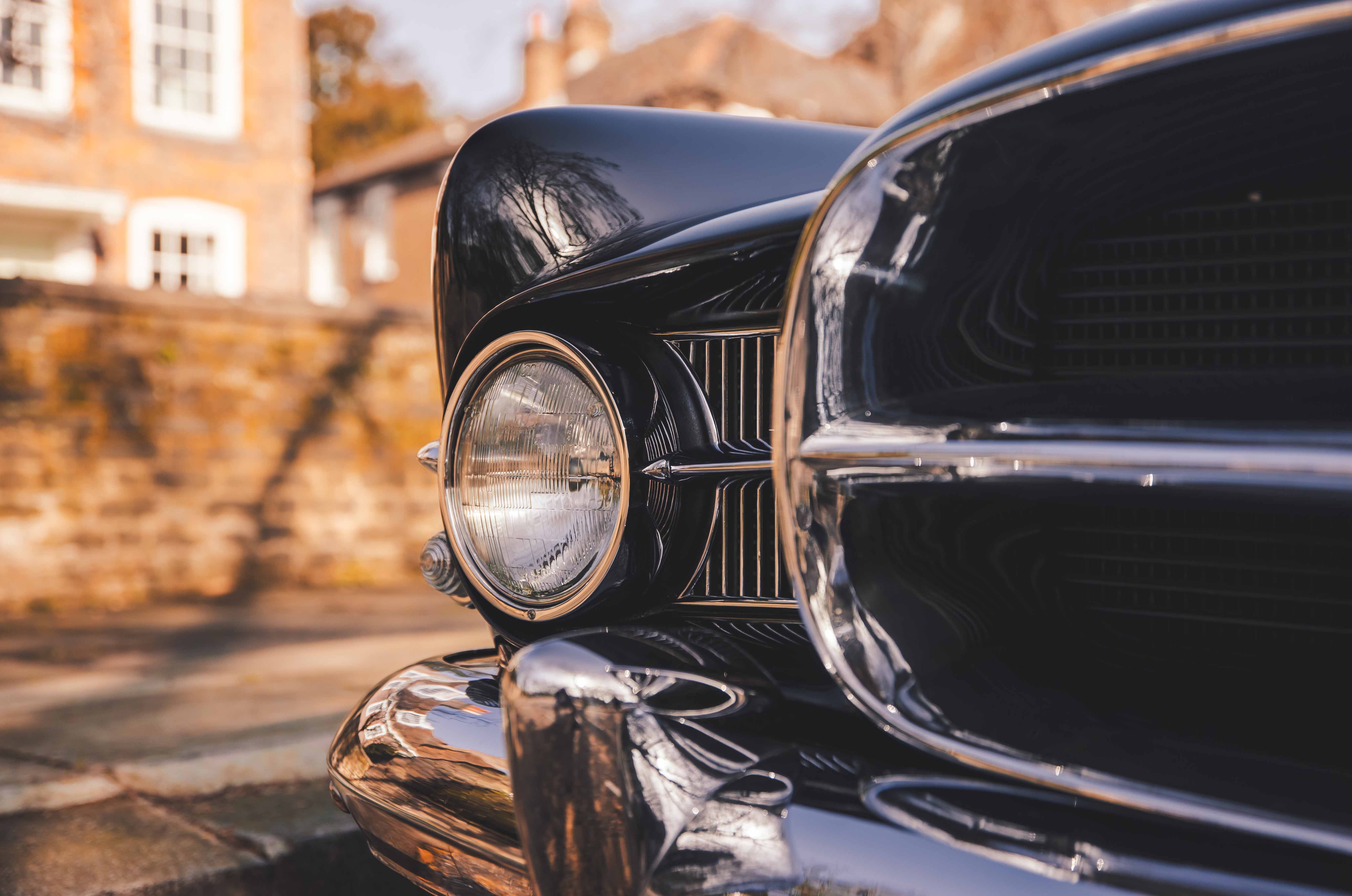
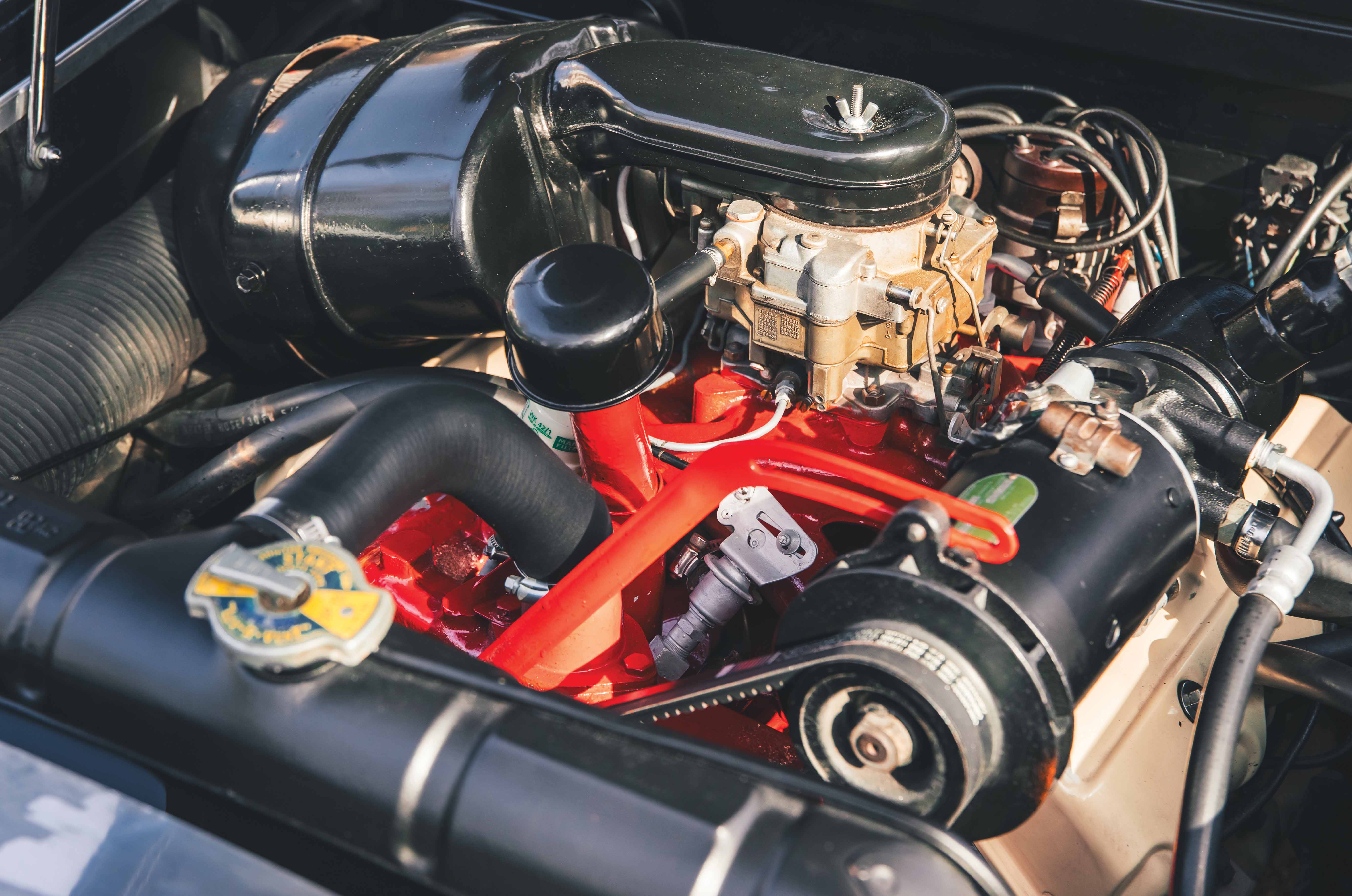
This is not least because the engine is 6in further back than it would be in a Dodge’s engine bay, the first third of which here is taken up by shrouding to direct air into the radiator.
With such good weight distribution, our man at Motor Trend was moved to write that it ‘makes you want to drive, drive, drive’.
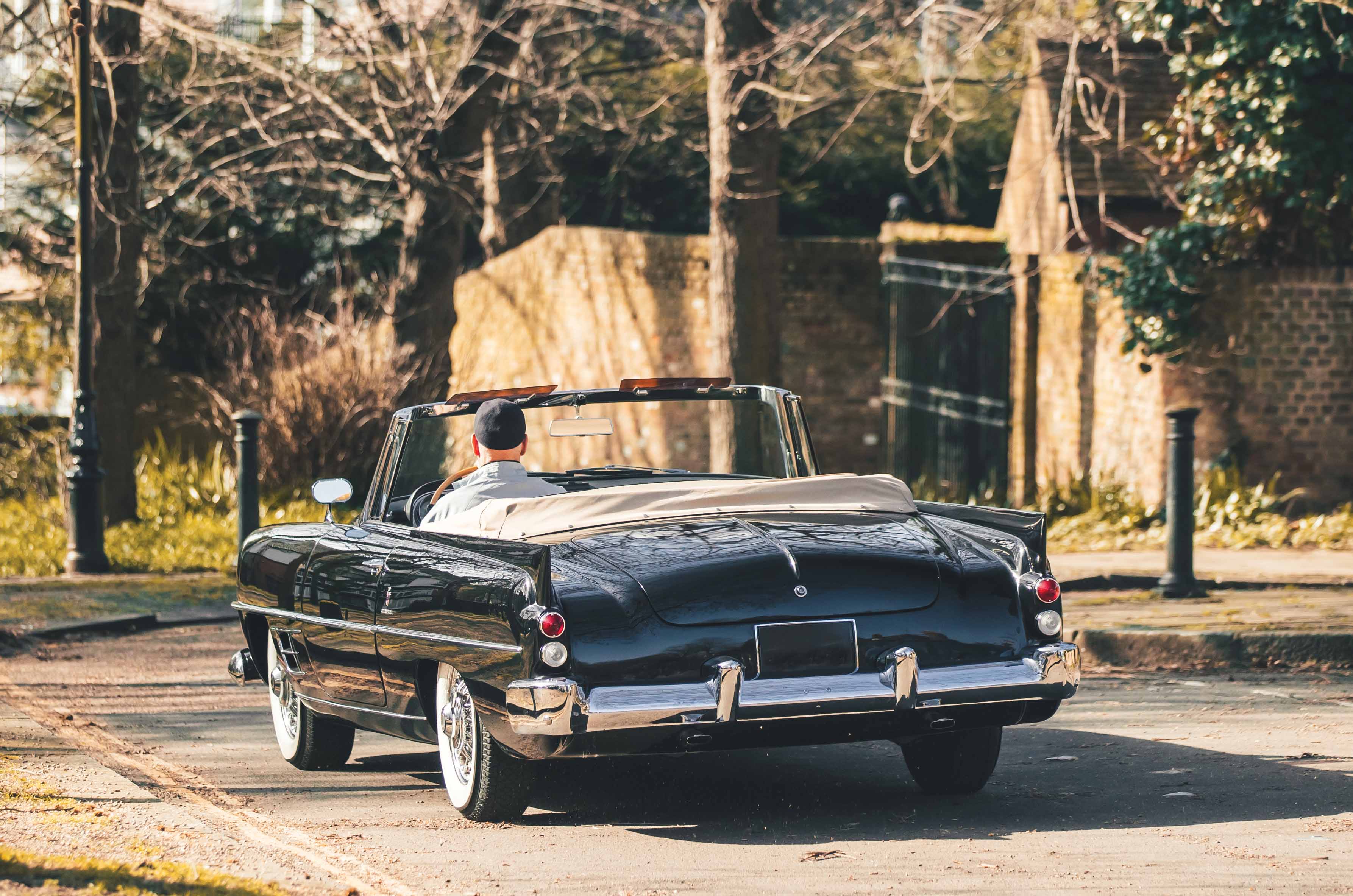
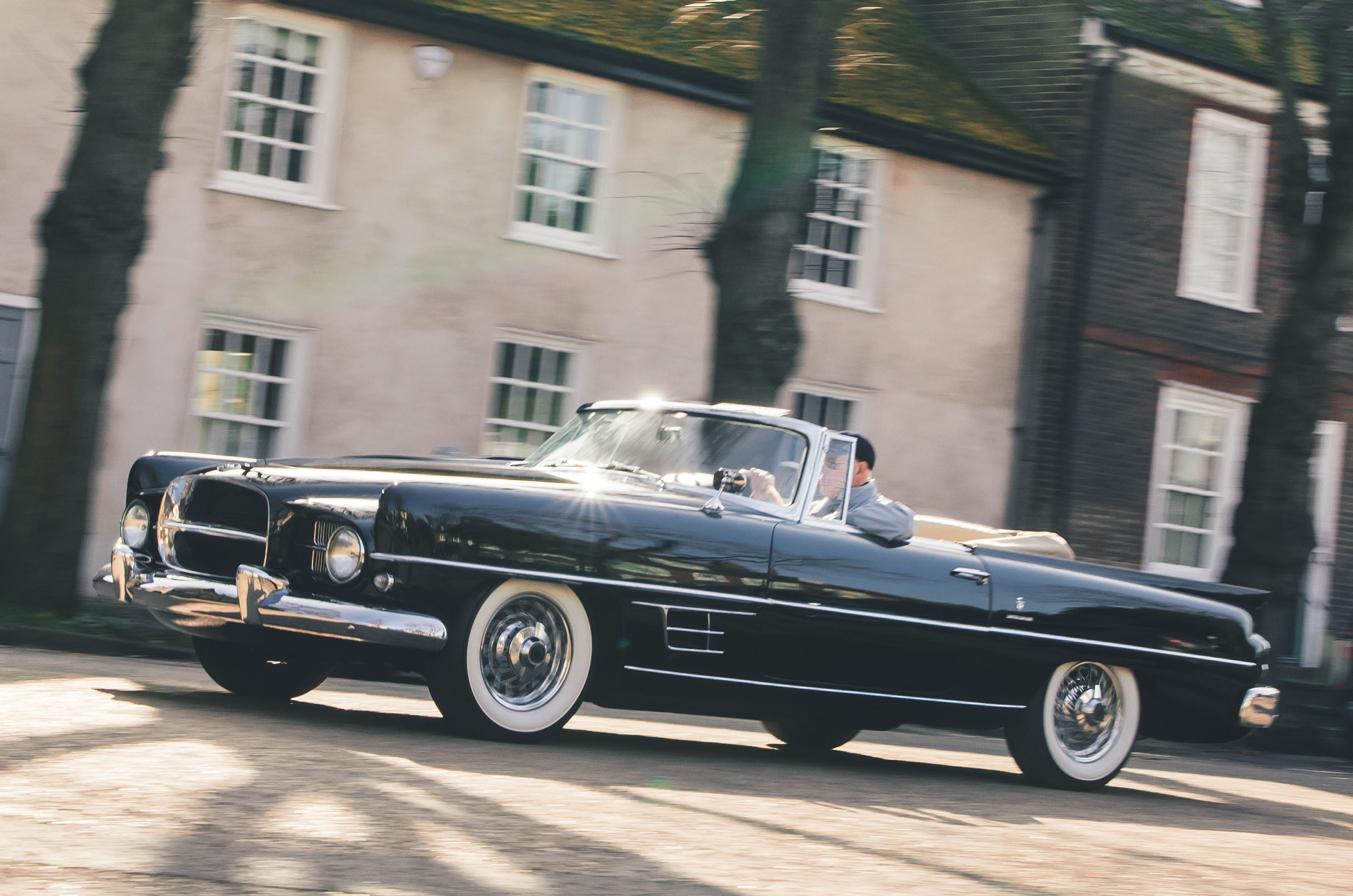
Within minutes of cruising around outer London, Casaroll’s goal is achieved: nobody can take their eyes off the convertible (its light manual top, by the way, can easily be erected by one person), and the idea of performing in Vegas isn’t out of the question.
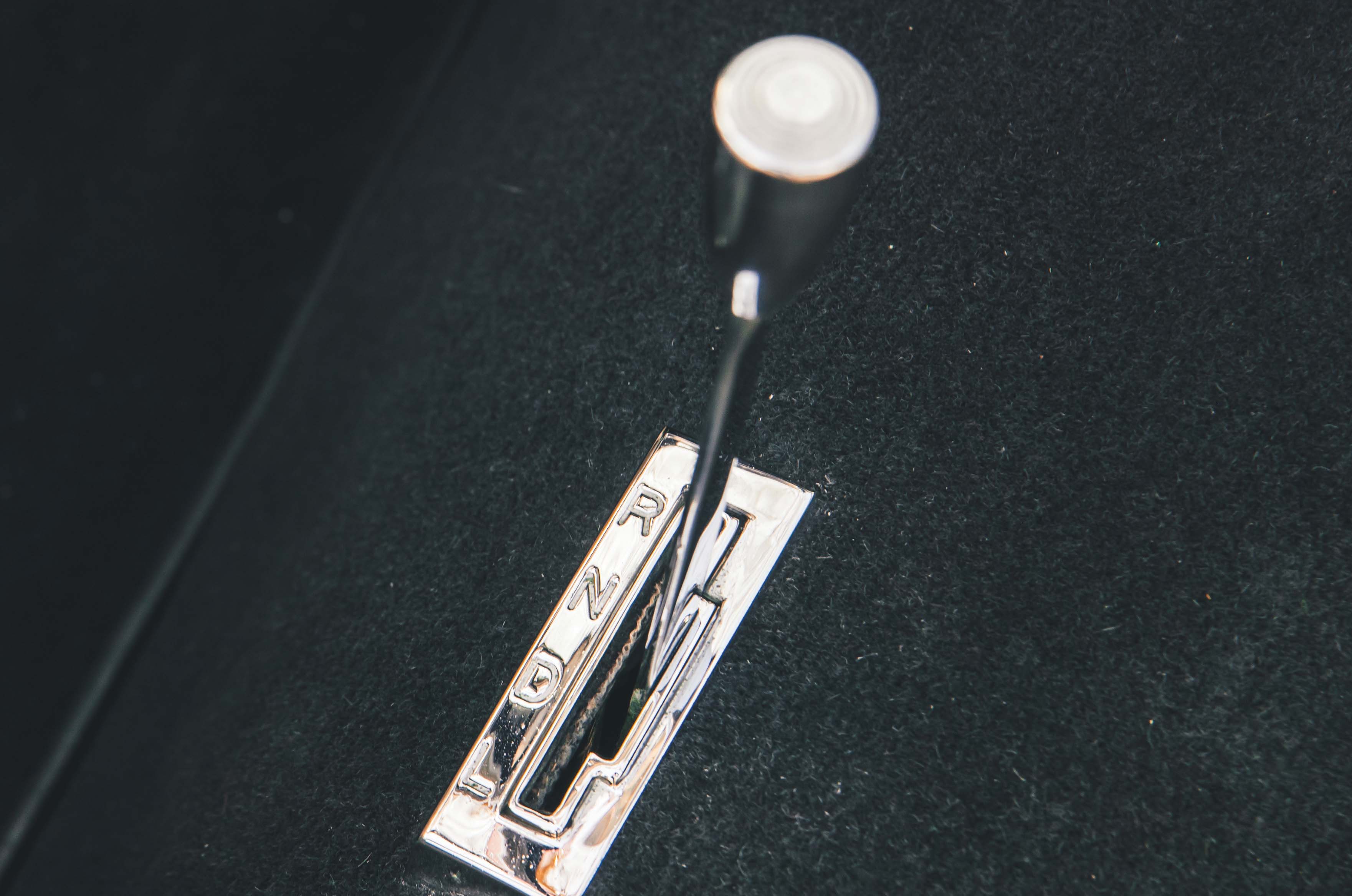
The Dual-Ghia’s two-speed PowerFlite automatic has an elegant lever, but no Park position
By the middle of 1958, the initial stock of parts from Chrysler had been exhausted.
But with a bad sales year for Detroit in general and a pending redesign of the Mopar chassis, coupled with union issues in his shipping business and failing health, Casaroll lost his appetite for making automobiles for the rich and famous.
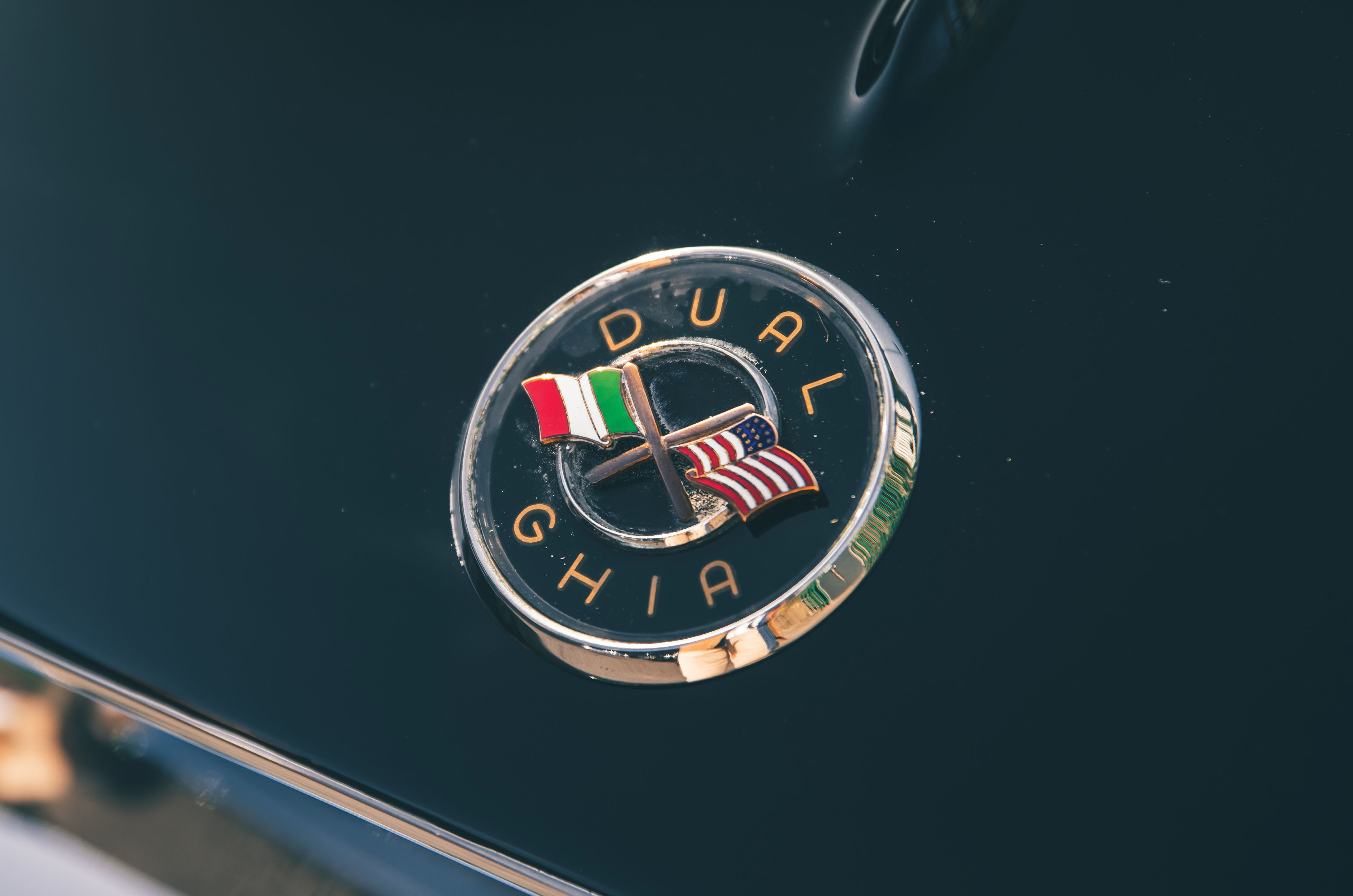
Farago would go on to develop the L6.4 with Ghia, and although the prototype made its 1960 debut in Paris with a Dual-Ghia badge, ‘Dual’ was dropped from the title before it entered limited production after Casaroll sold the rights to his Italian partner.
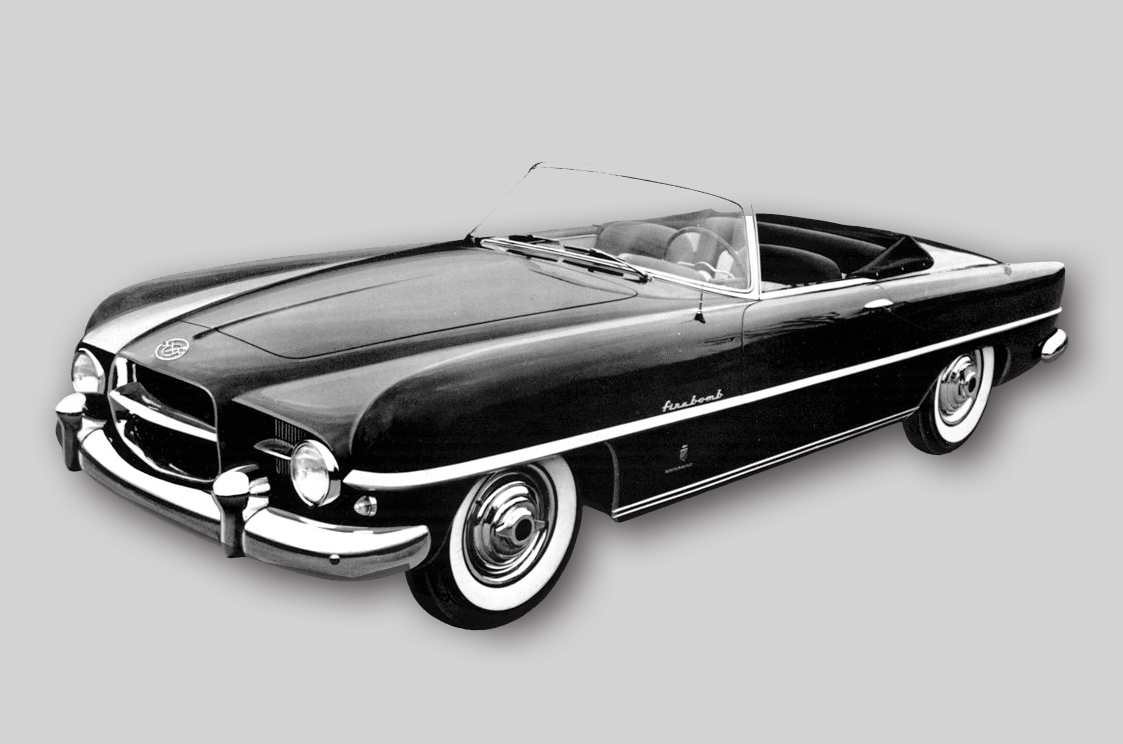
For a brief moment, though, the Dual-Ghia was a showbiz phenomenon.
Were reality TV shows made back in 1956, the car would no doubt have featured heavily, with viewers inevitably asking: “What is that car?”
Images: Jack Harrison
Thanks to: DD Classics
Factfile
Dual-Ghia
- Sold/number built 1955-’58/117 (est)
- Construction steel unitary
- Engine all-iron, ohv 315cu in (5162cc) V8, four-barrel carburettor
- Max power 230bhp @ 4400rpm
- Max torque 316lb ft @ 2400rpm
- Transmission two-speed automatic, RWD
- Suspension: front independent, by unequal-length wishbones, coil springs, anti-roll bar rear live axle, semi-elliptic leaf springs; telescopic dampers f/r
- Steering power-assisted recirculating ball
- Brakes drums, with servo
- Length 16ft 10in (5169mm)
- Width 6ft 1½in (1875mm)
- Height 4ft 3in (1320mm)
- Wheelbase 9ft 6in (2920mm)
- Weight 3600lb (1633kg)
- 0-60mph 8.2 secs
- Top speed 124mph
- Mpg 15
- Price new $7646
- Price now $3-400,000*
*Price correct at date of original publication
Enjoy more of the world’s best classic car content every month when you subscribe to C&SC – get our latest deals here
READ MORE
Cadillac Eldorado Brougham: all-American halo
23 remarkable classic cars by Ghia
Rolls-Royce Silver Shadow II vs Cadillac Seville vs Jaguar XJ12 LWB: game of thrones
Julian Balme
Julian Balme is a regular contributor to Classic & Sports Car and the owner (and driver) of many wonderful classics