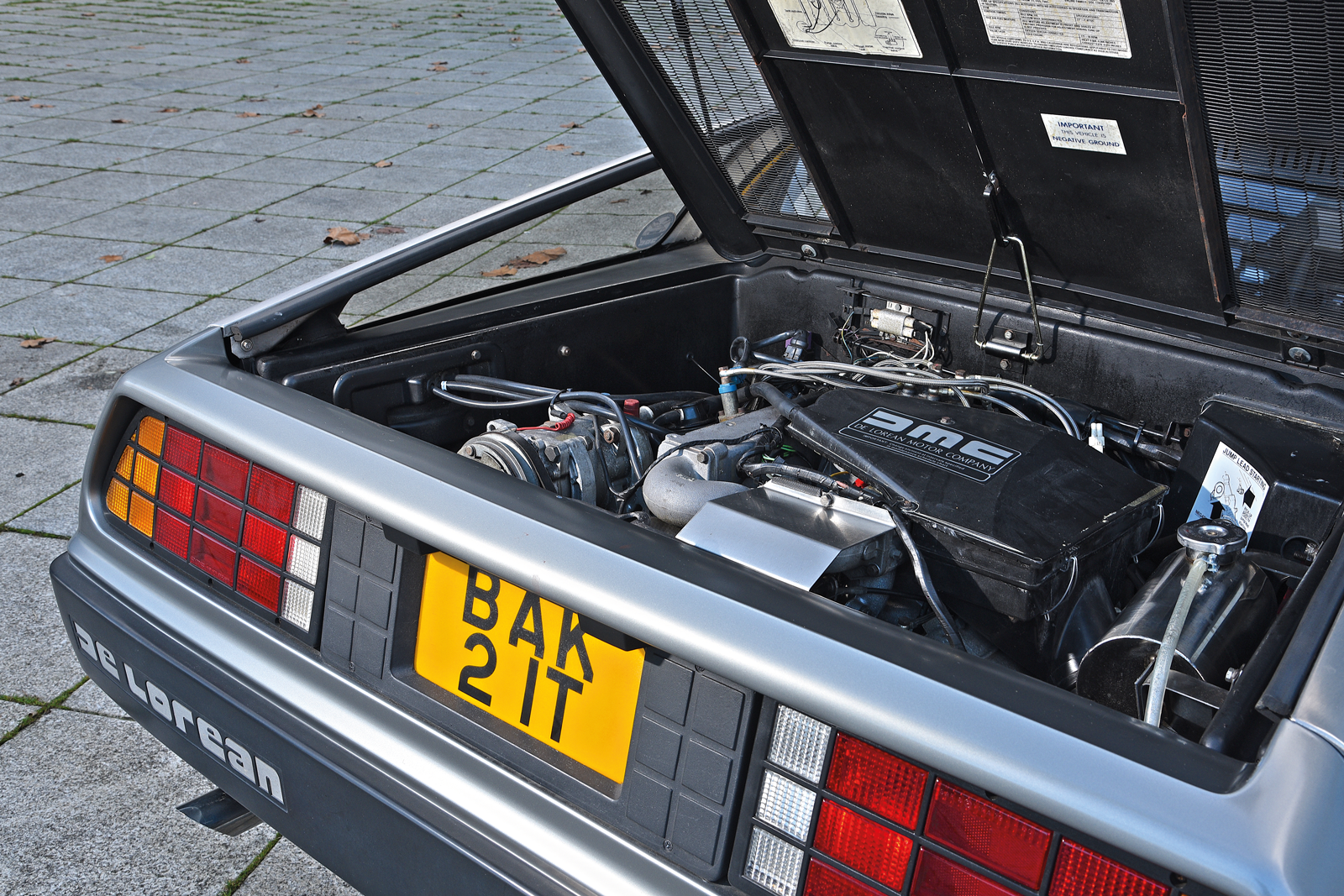
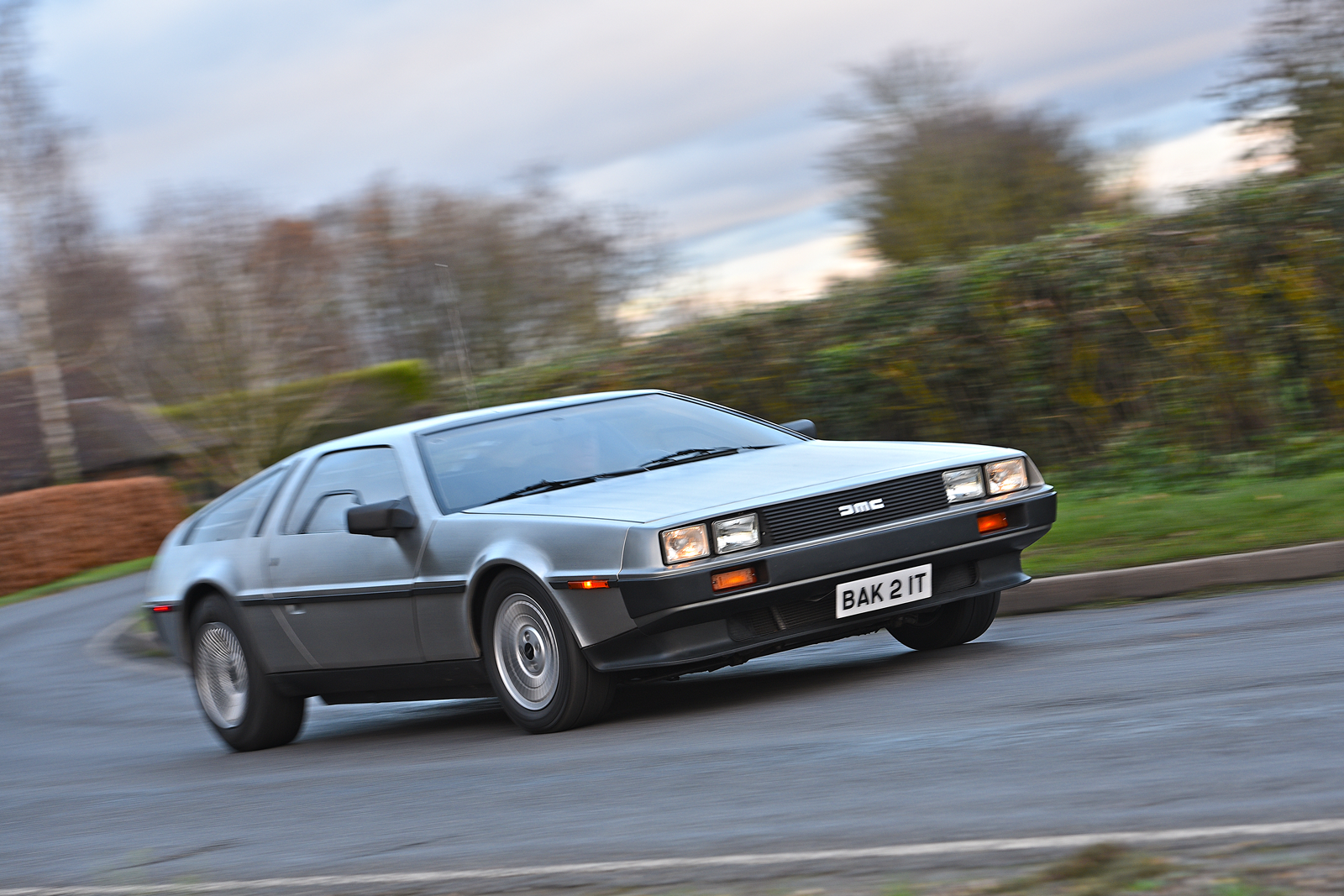
The Peugeot-Renault-Volvo joint-venture V6 isn’t particularly powerful or characterful, in truth better suited to sedans than sports cars, and it was one of the main contributing factors to dynamic performance that hamstrung the automobile throughout its short life – particularly in America, where smog restrictions sapped power to just 130bhp.
Plant your right foot Stateside and you’ll be lucky to crack 60mph in 10 secs; keep it buried and, despite ambitious factory claims, you might touch 110mph, providing you can find a long enough downward slope.
The suspension doesn’t help, either, being a bit too soft to keep the back end and its not inconsiderable weight in check.
Designer Giugiaro softened the car’s sharp edges from prototype to production
It’s not terrible by any stretch, but because the promise was so great the disappointment was that much more palpable.
Confidence being a fragile thing, the early torrent of orders soon slowed to a trickle.
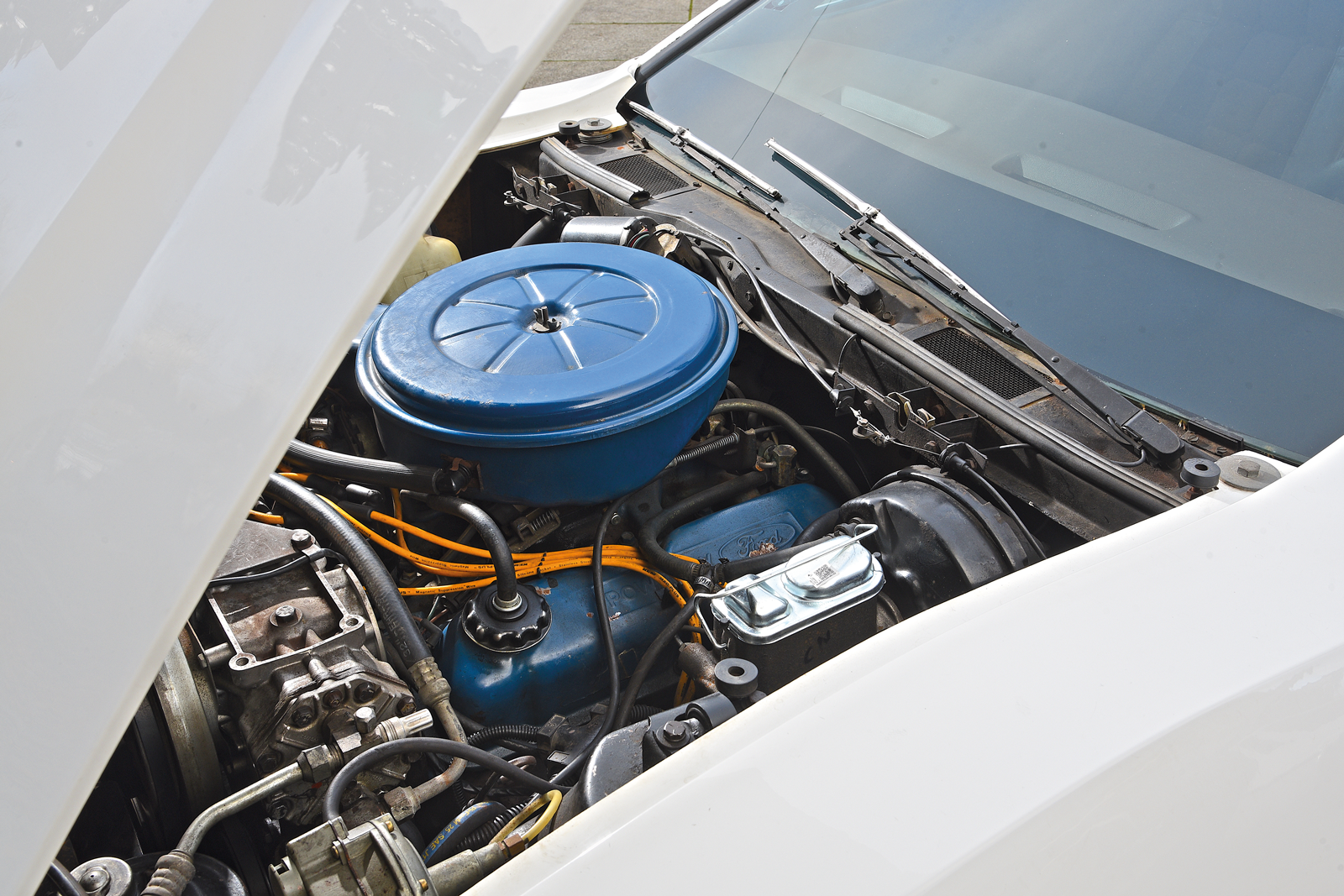
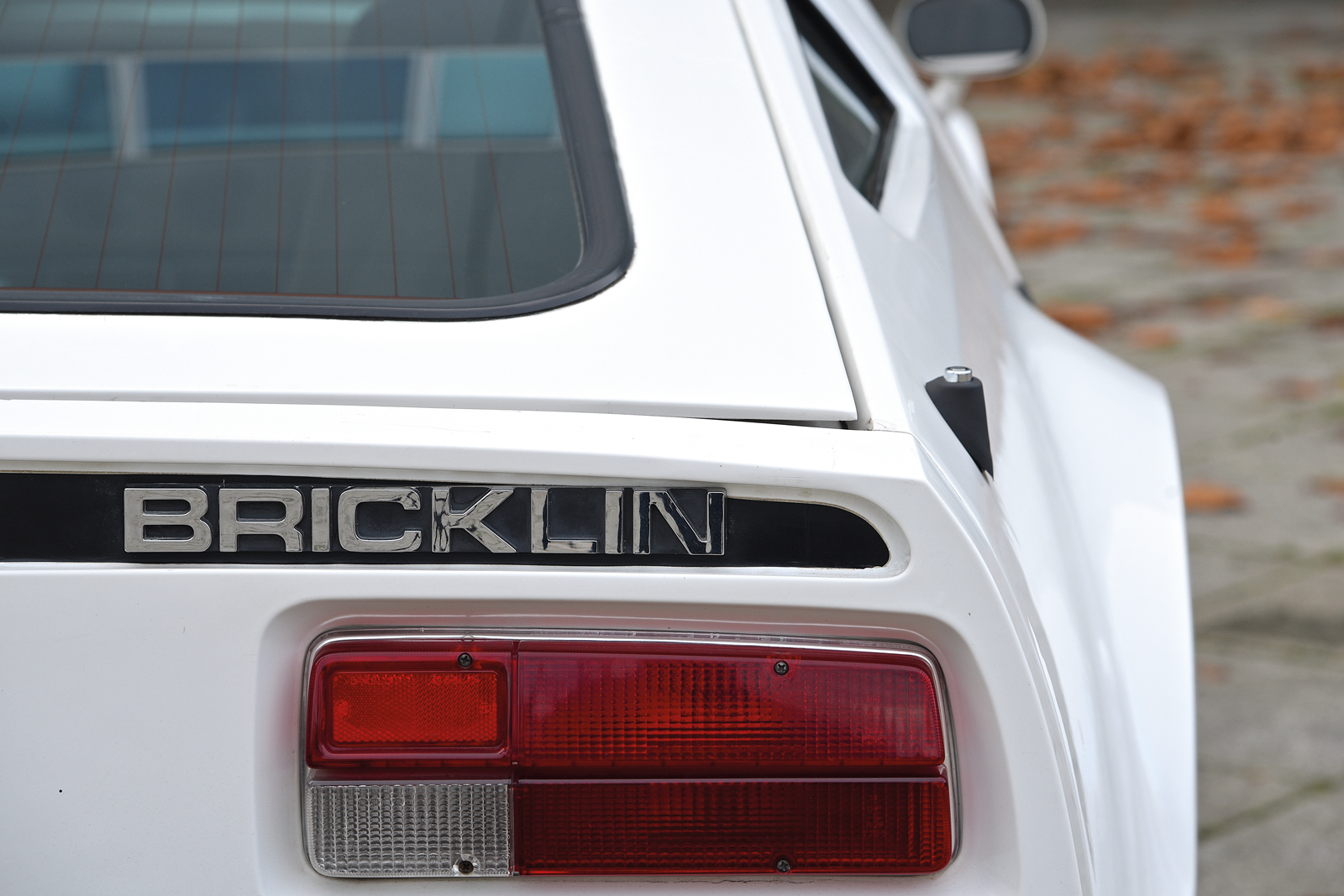
In contrast, the powerplant in our test Bricklin has better pedigree, finding a home in everything from the Galaxie to the Mustang.
Compared to the gruff V6, the Windsor V8’s throaty bark is a welcome distraction, though it too suffered from the effects of stringent US pollution regulations and was limited to just 175bhp.
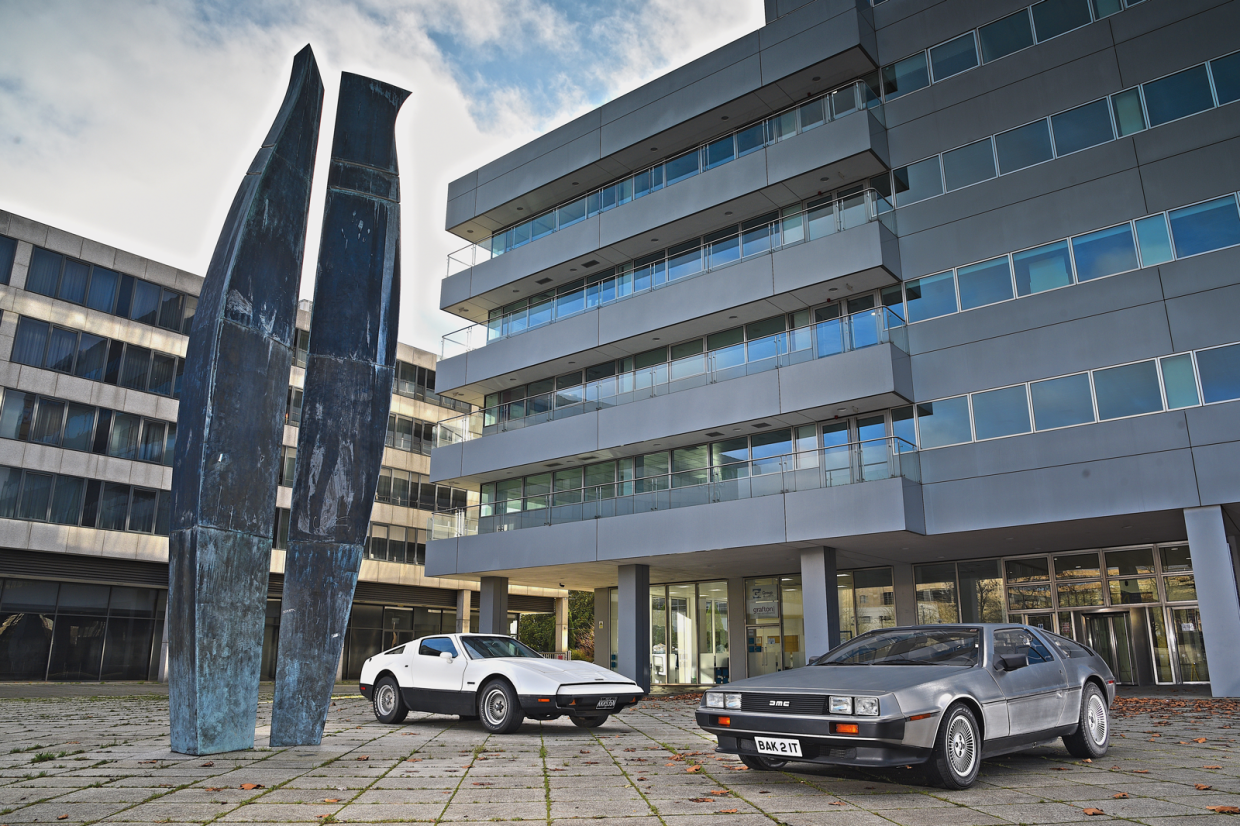
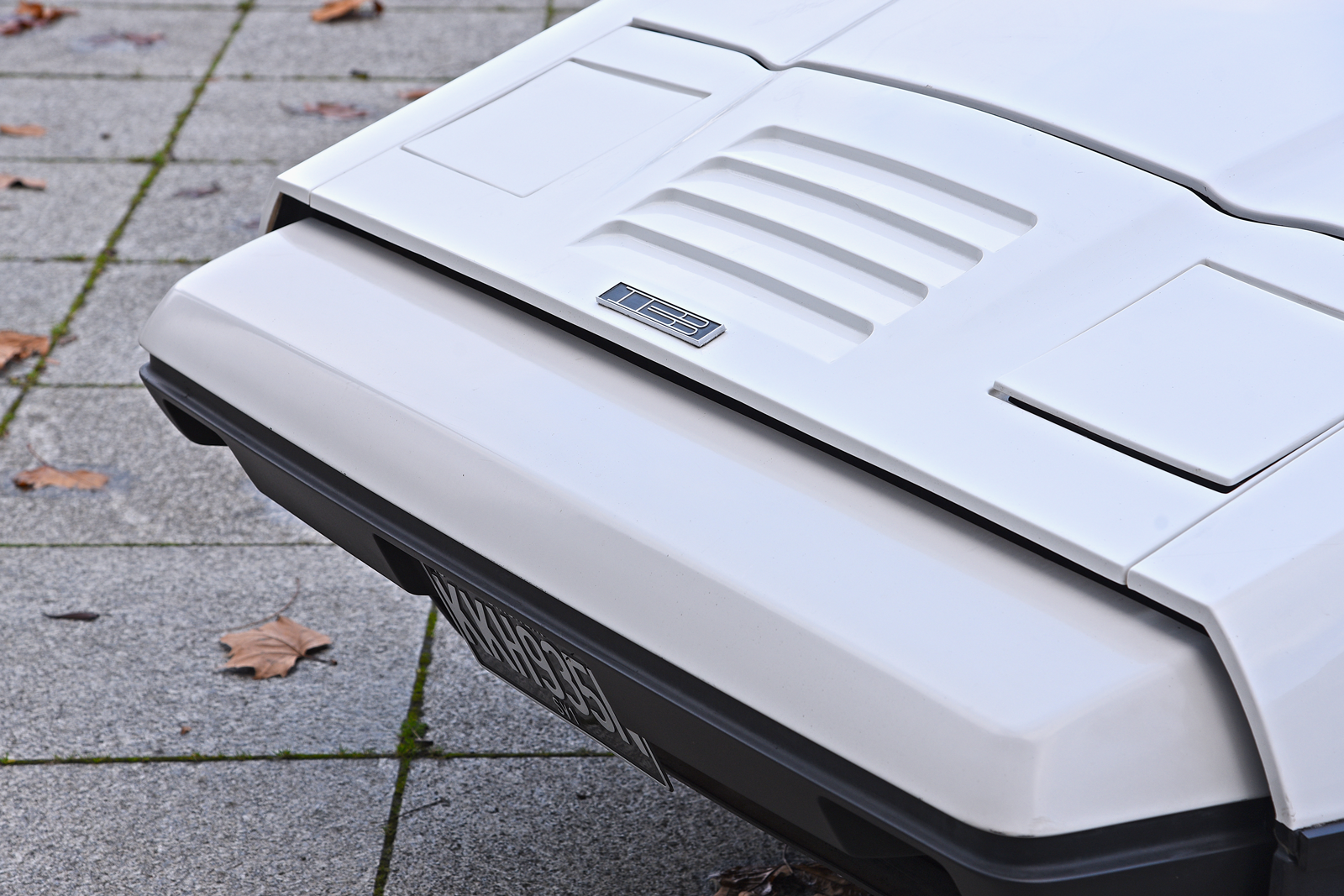
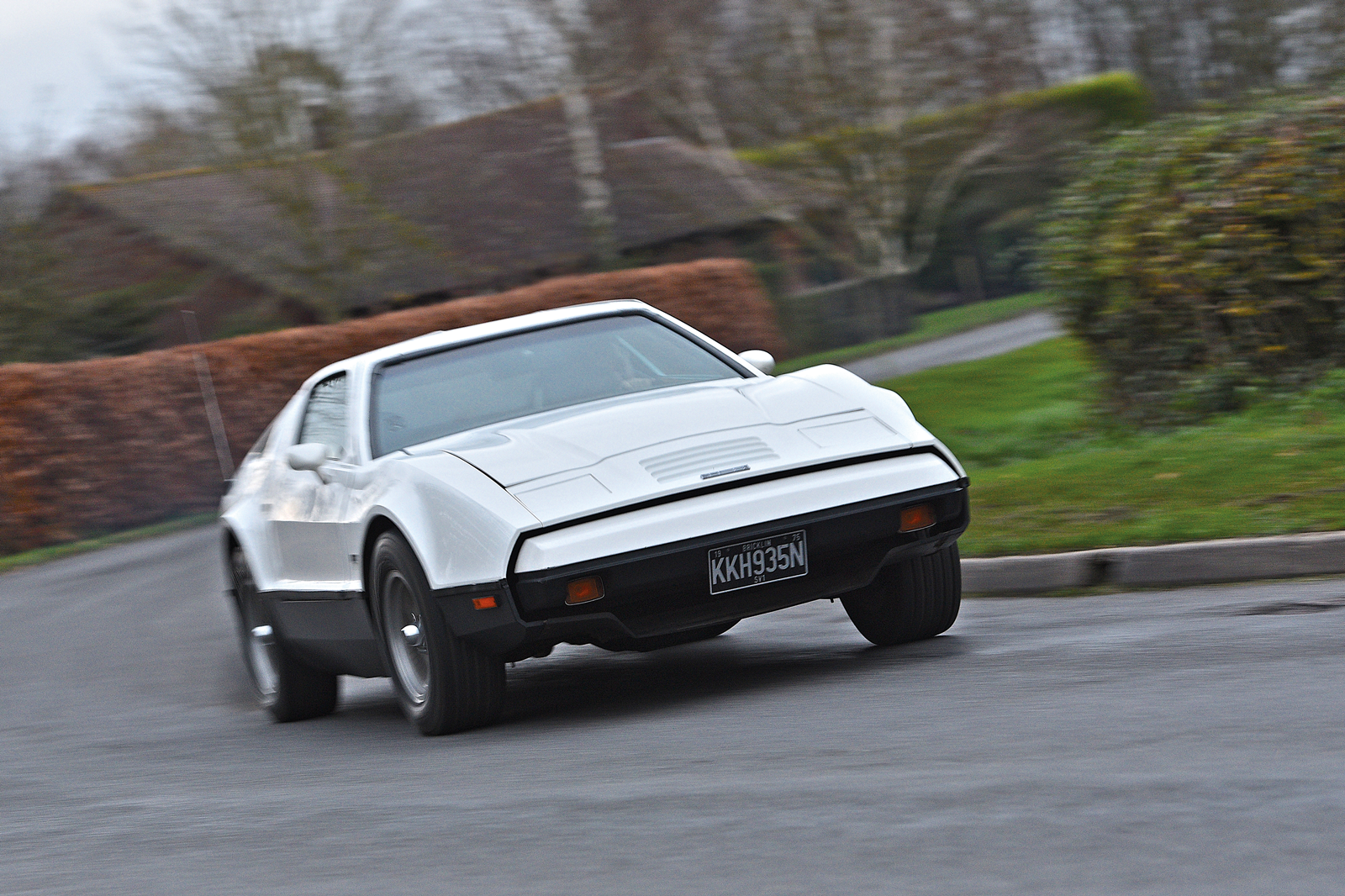
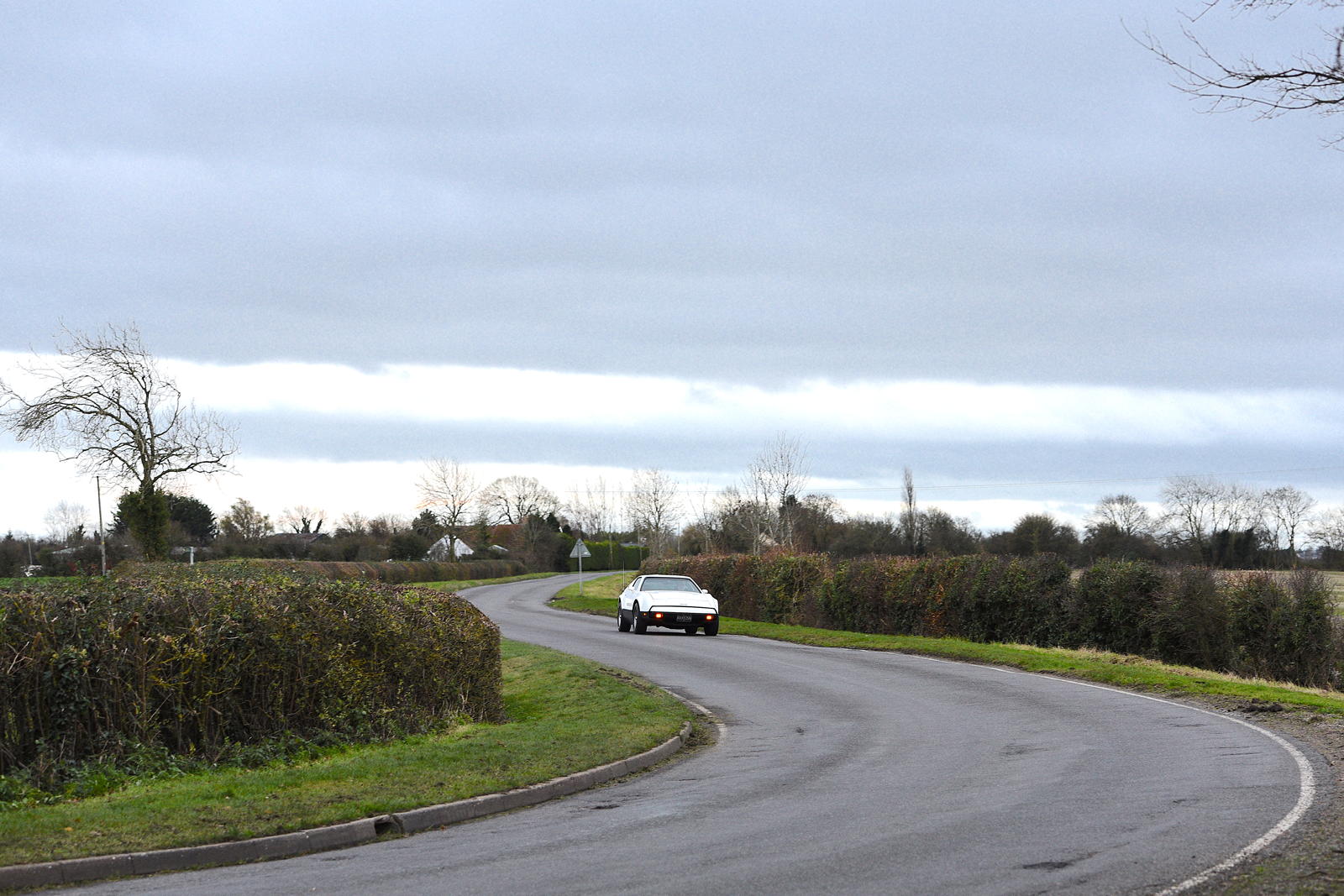
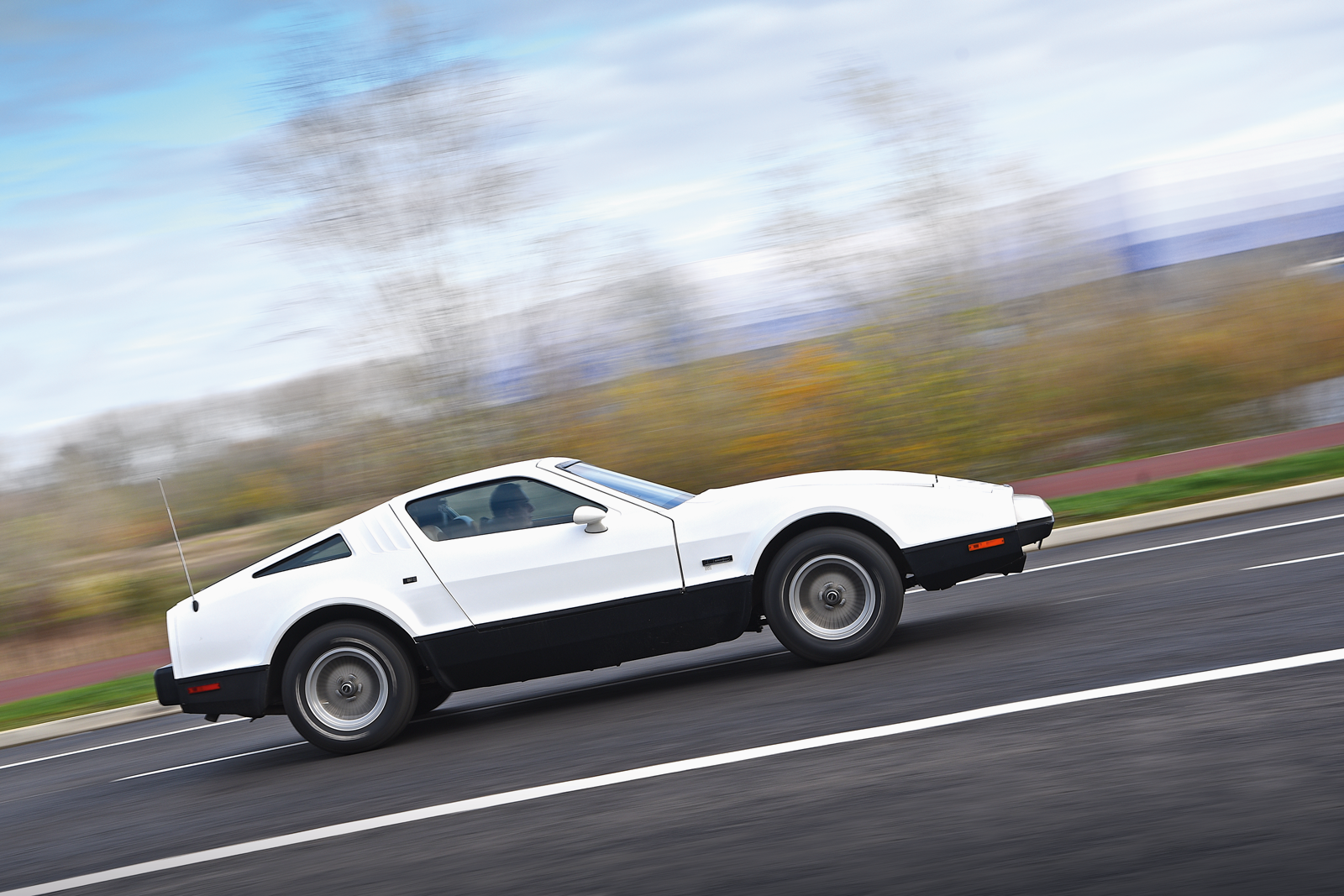
There’s more than a hint of Corvette to the profile of the SV-1, with its long, humped nose sweeping down
With 284lb ft of torque on tap you can light up the rear wheels for fun, but, despite the tire-smoking antics, a curbweight of 1615kg (3560lb) dulls outright performance.
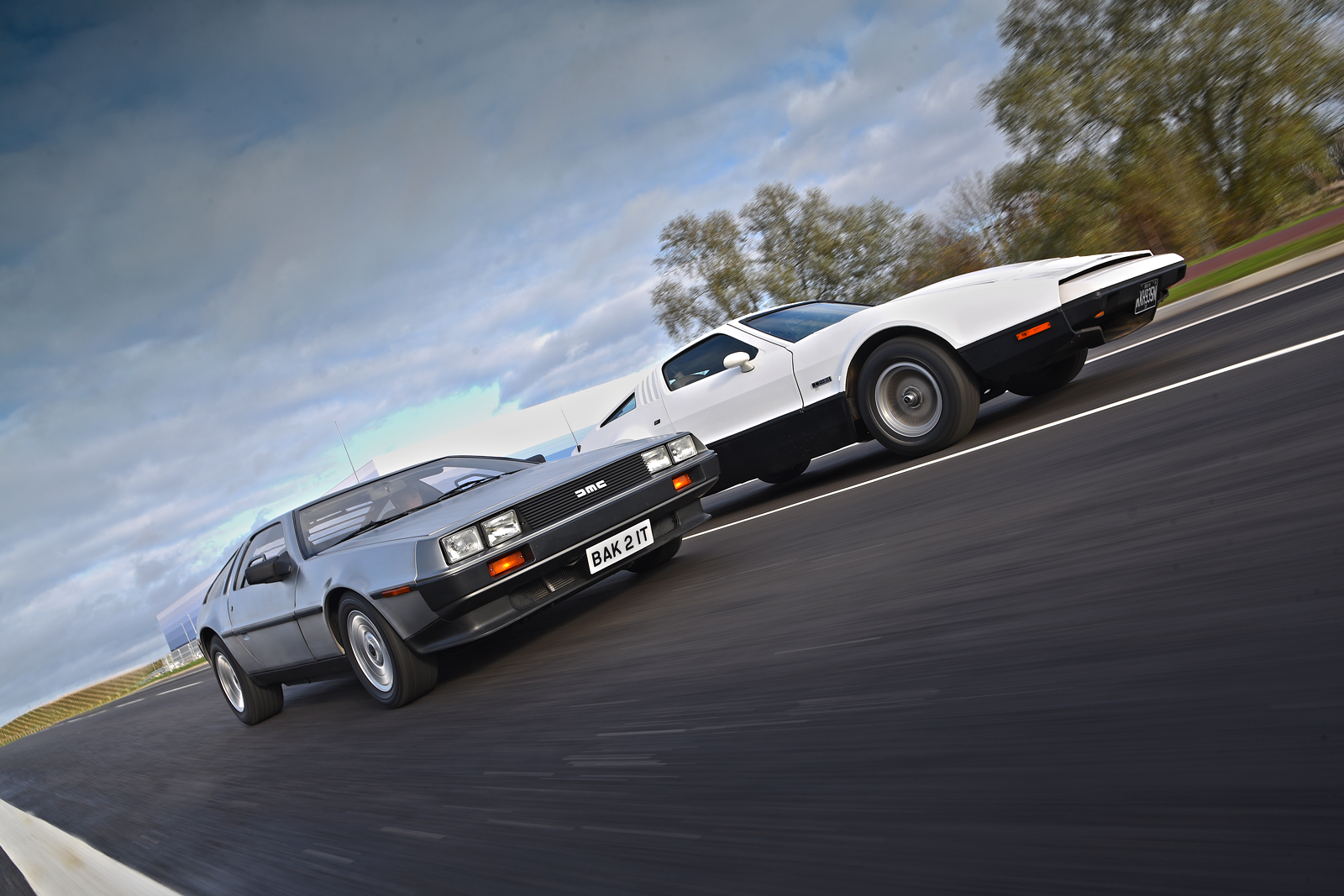
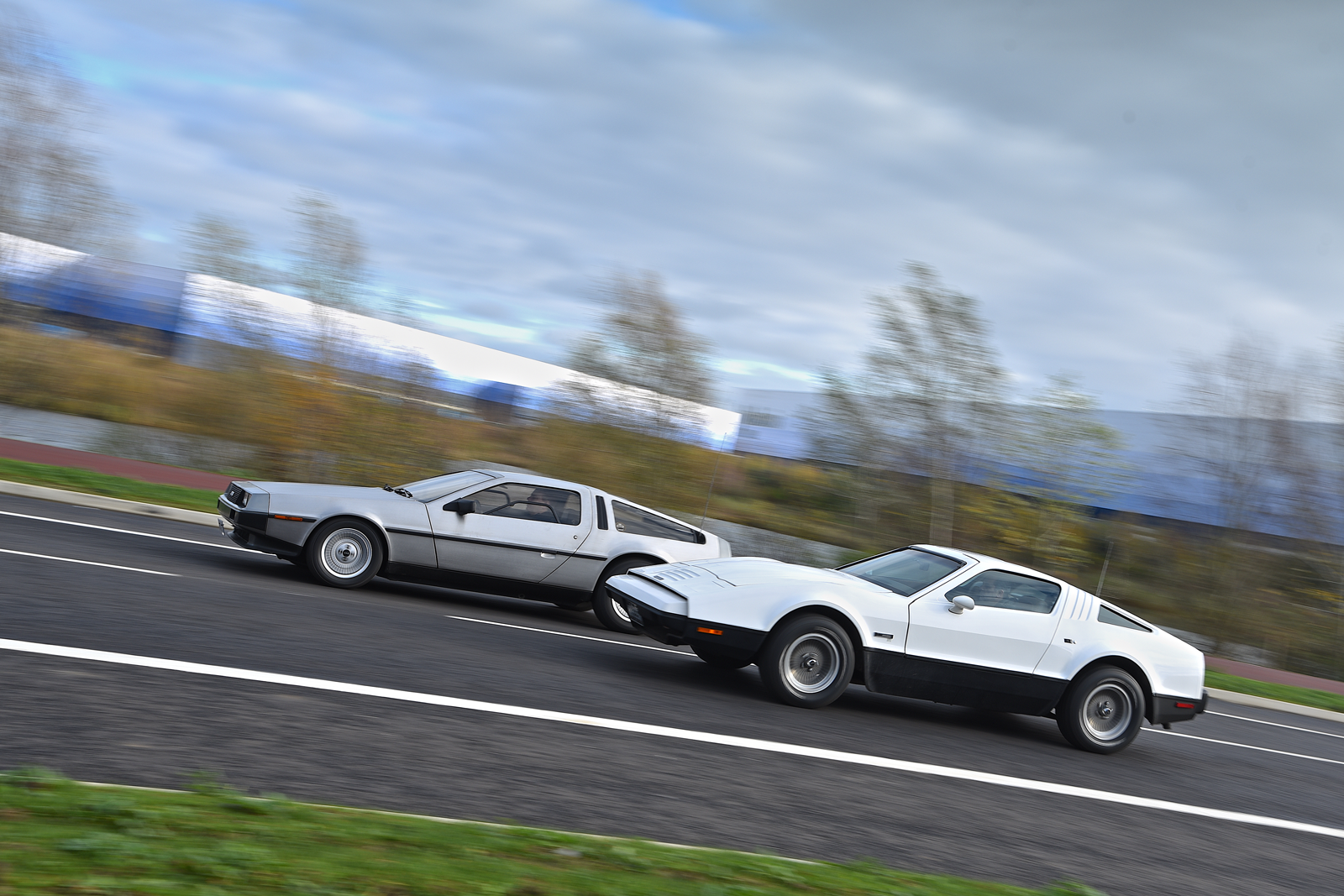
The SV-1’s top speed is a shade behind the De Lorean’s, while it manages to hit 60mph just over 2 secs quicker.
The De Lorean undoubtedly had the better start in life, and there was a time when the project genuinely looked as if it might take off.
Demand was strong initially, but it wasn’t long before a struggling economy, poor performance and reliability, and an impatient debtor, knocked the wind from De Lorean’s sails.
Although an impressive 8583 cars left the Dunmurry factory by the time it closed its doors in 1982, supply very quickly outstripped demand.
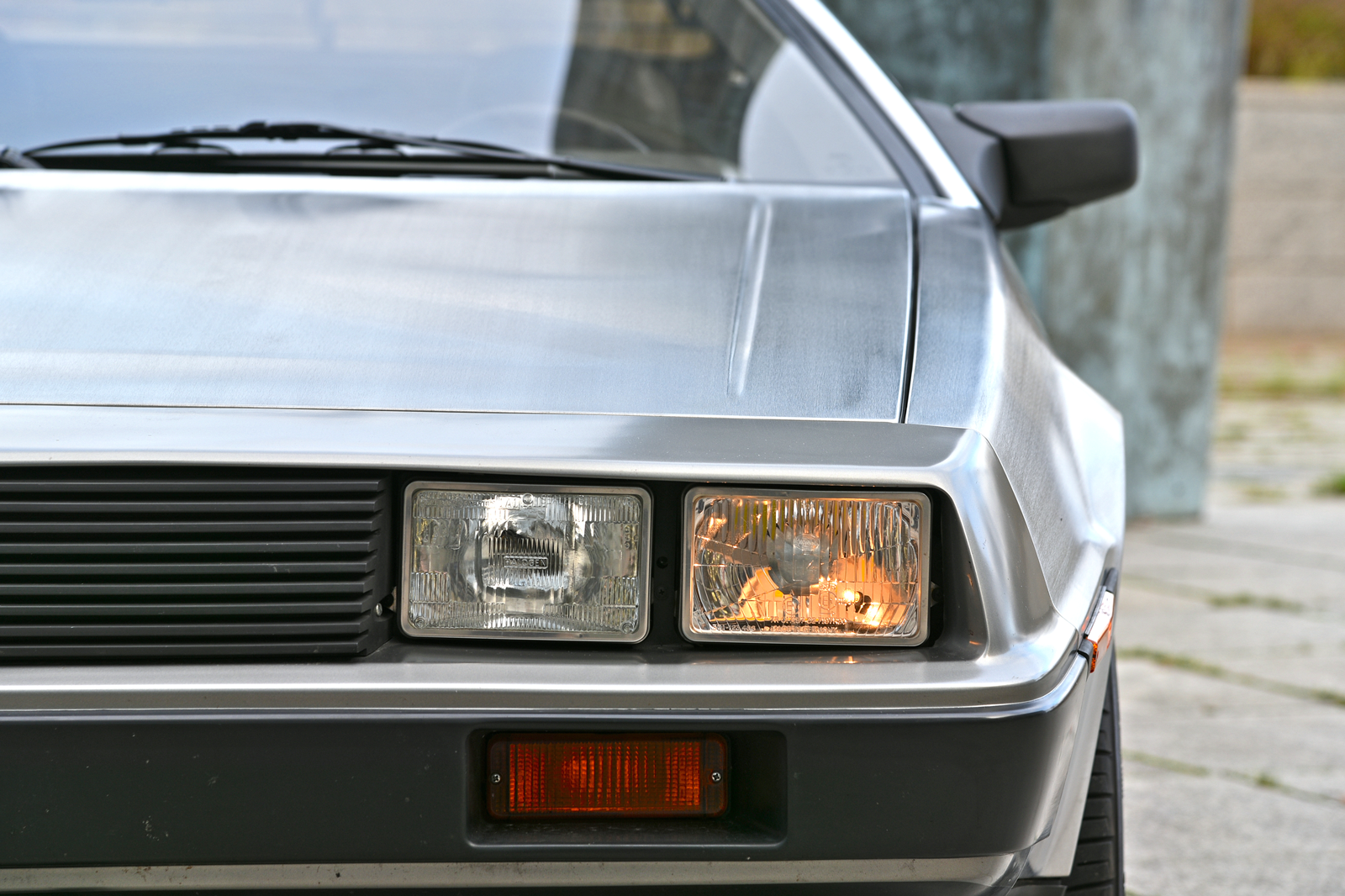
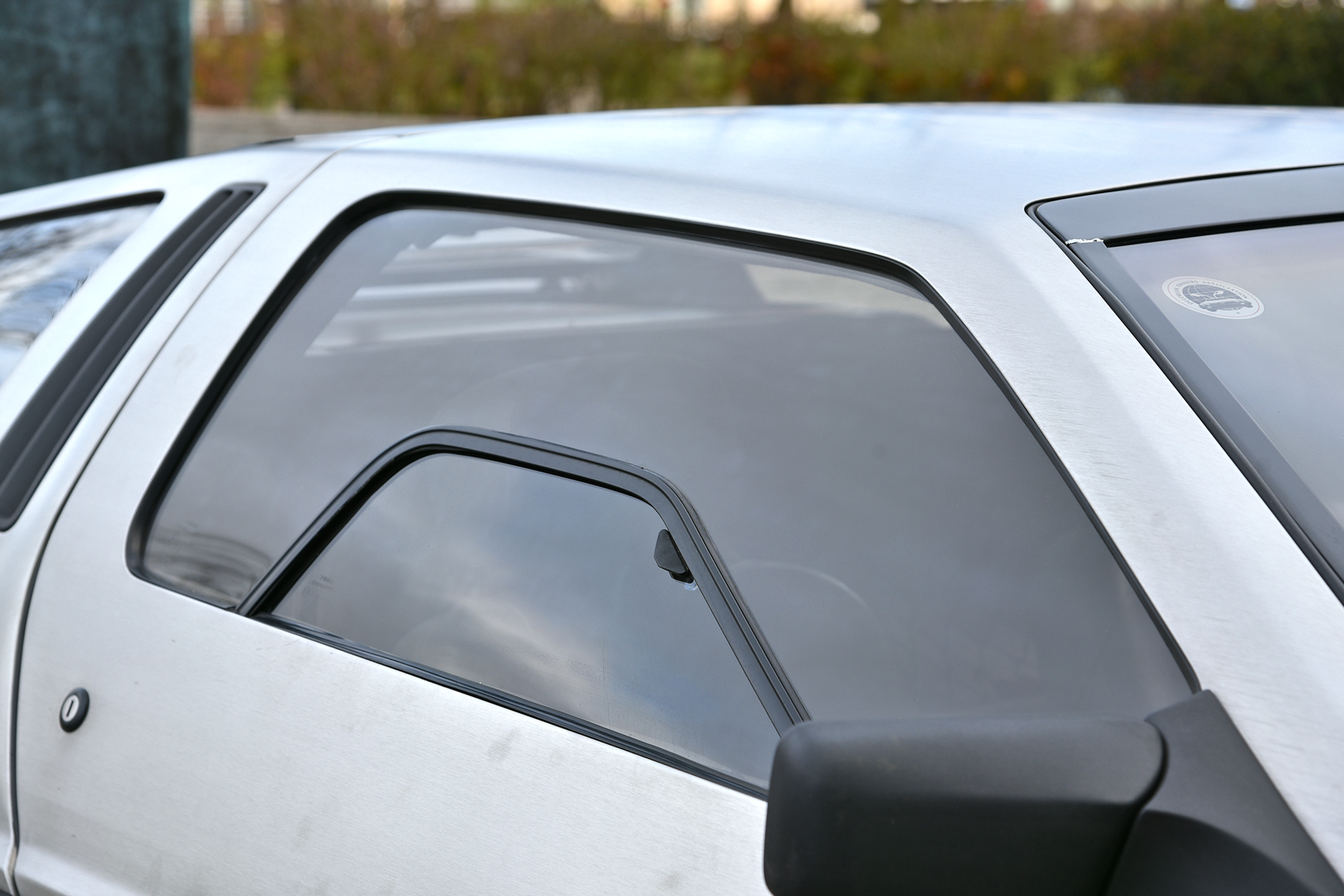
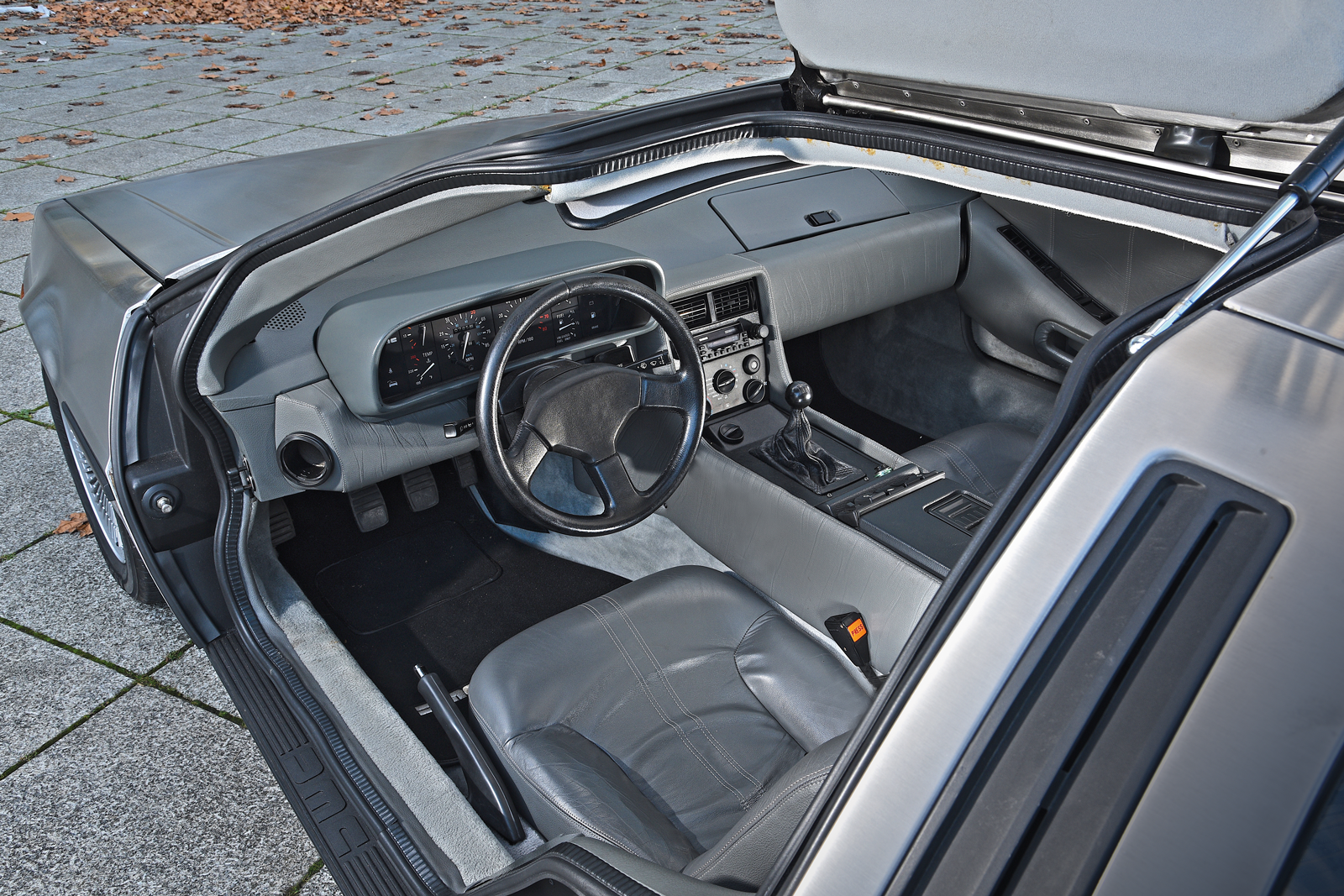
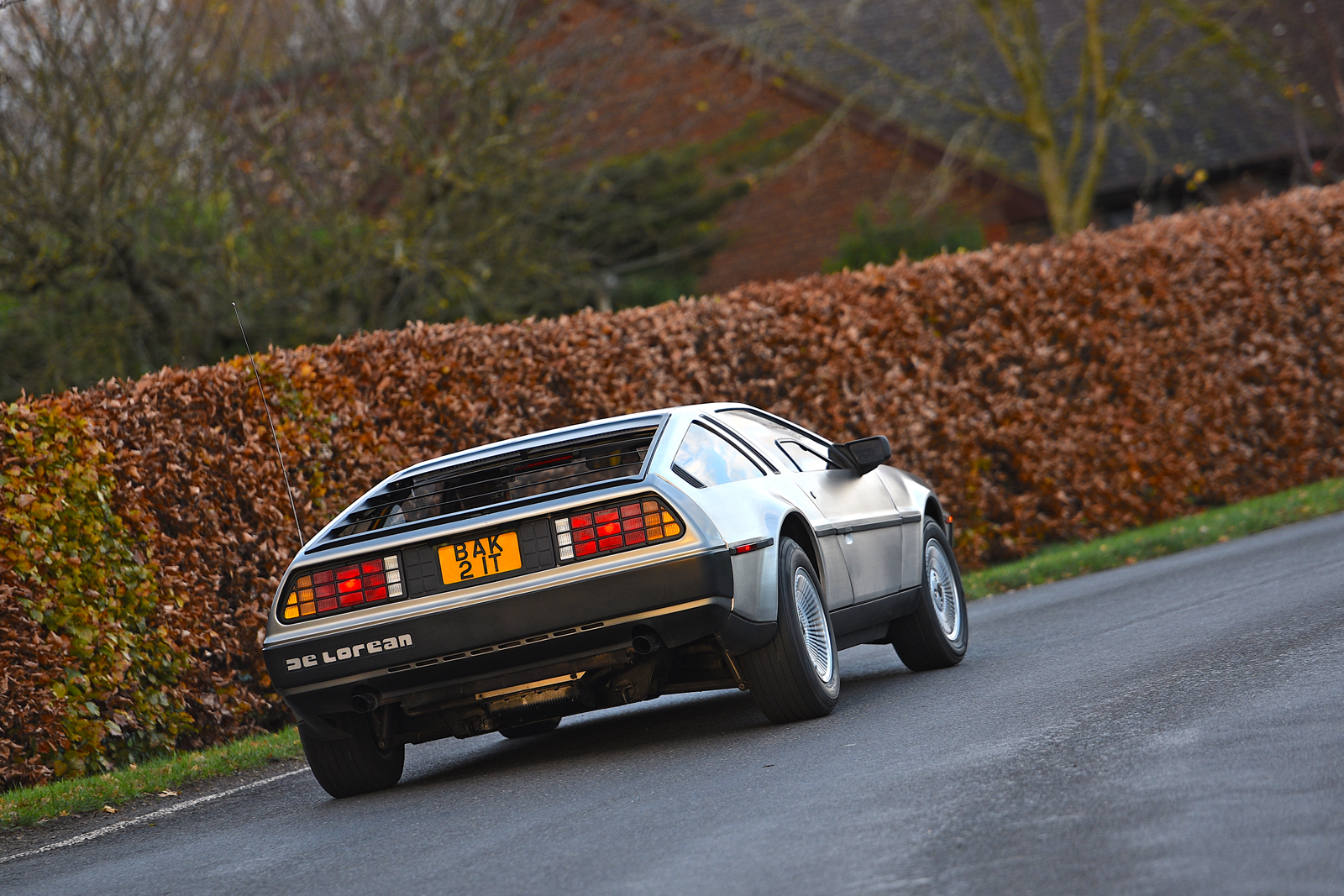
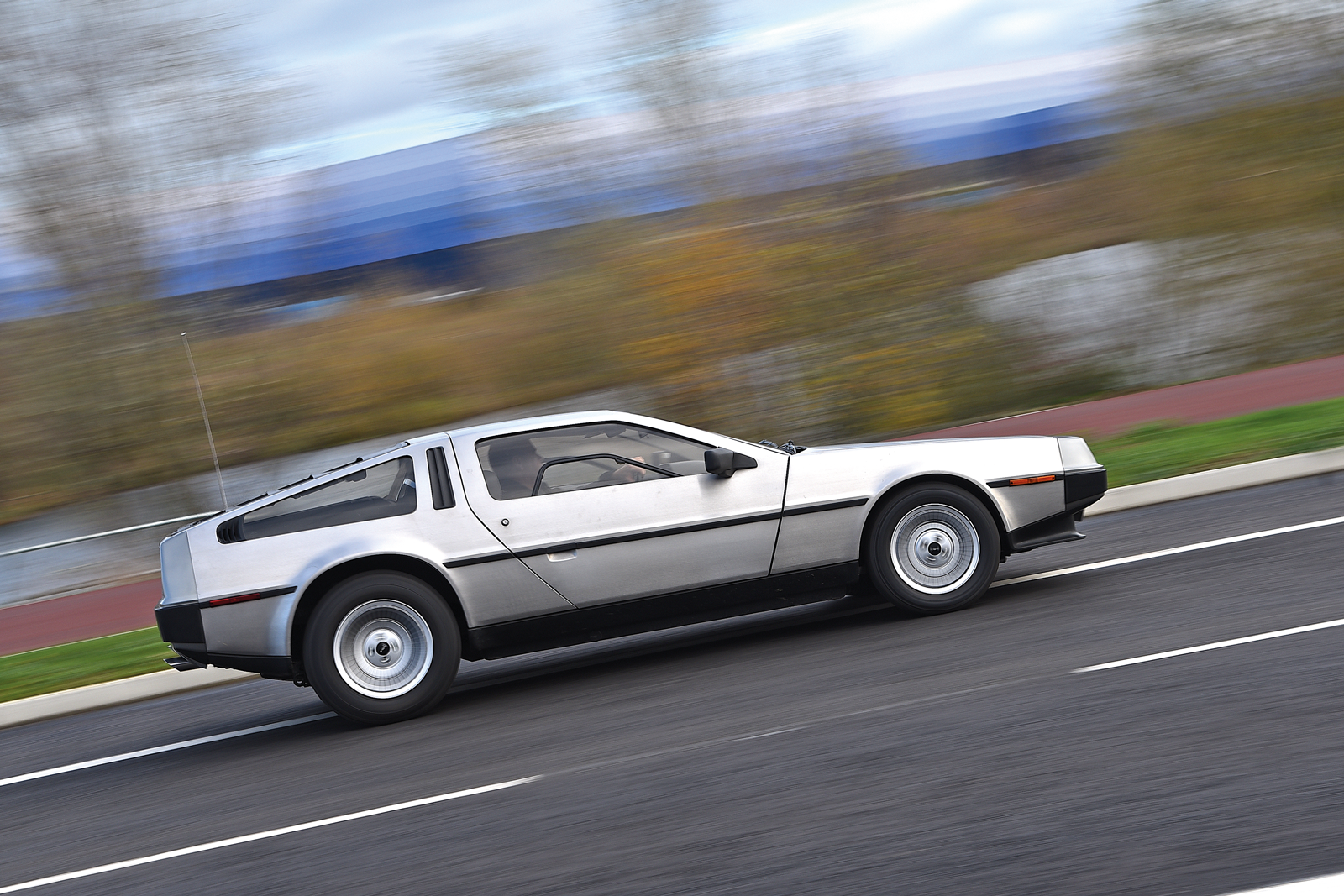
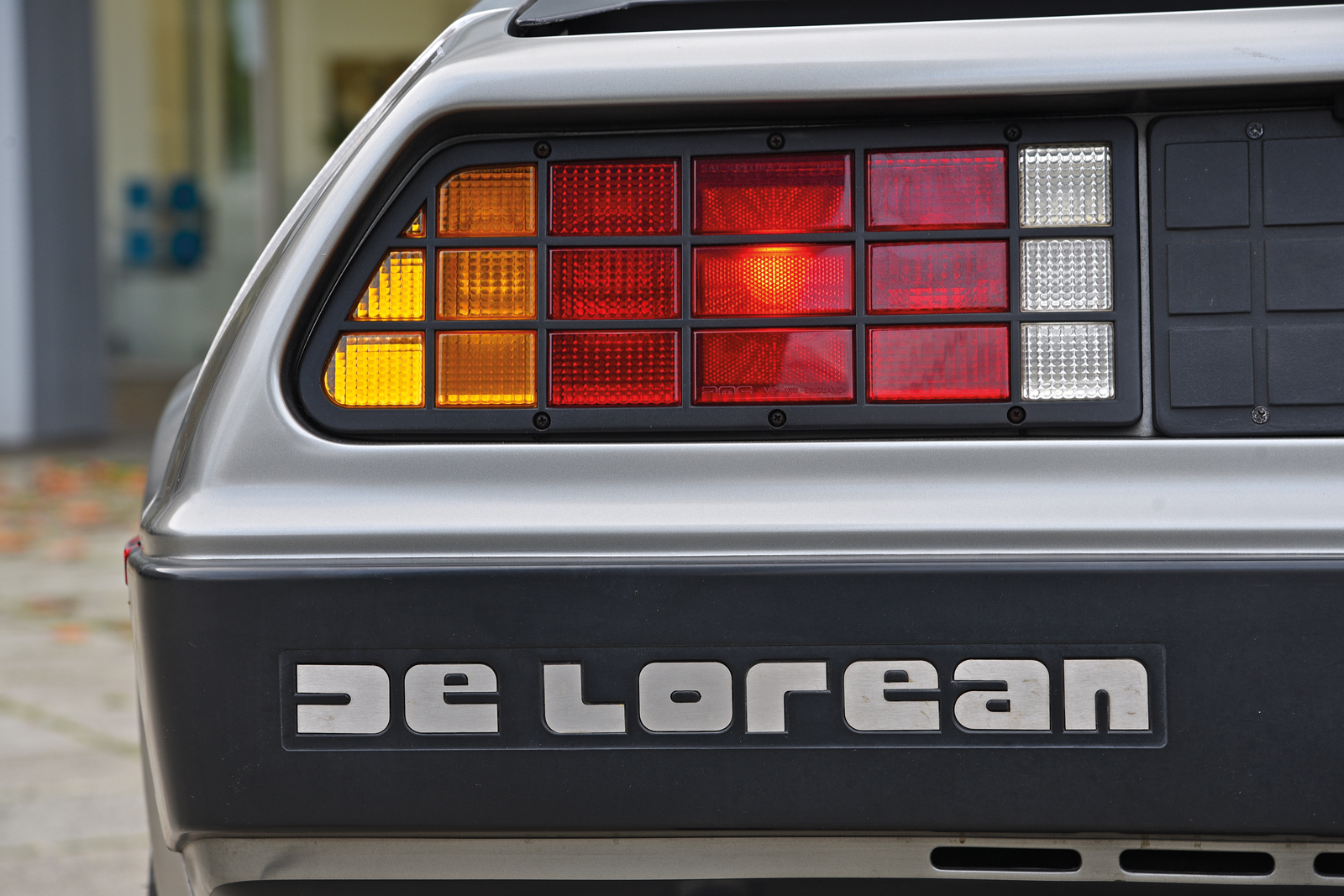
The De Lorean’s famous, wide, squat shape
The Bricklin SV-1 started brightly, too, but fell foul of similar problems.
As it happened, and maybe this was not a surprise to some, out-of-work lumberjacks and miners weren’t model employees for a cutting-edge sports-car maker.
Therefore, the quality of the finished product suffered, alongside rising costs that would lead to the final price of a completed Bricklin SV-1 doubling in just two years.
The wheels well and truly fell off this enterprise when the government of New Brunswick pulled the plug, and when the final automobile rolled off the production line in 1976, fewer than 3000 had been built.
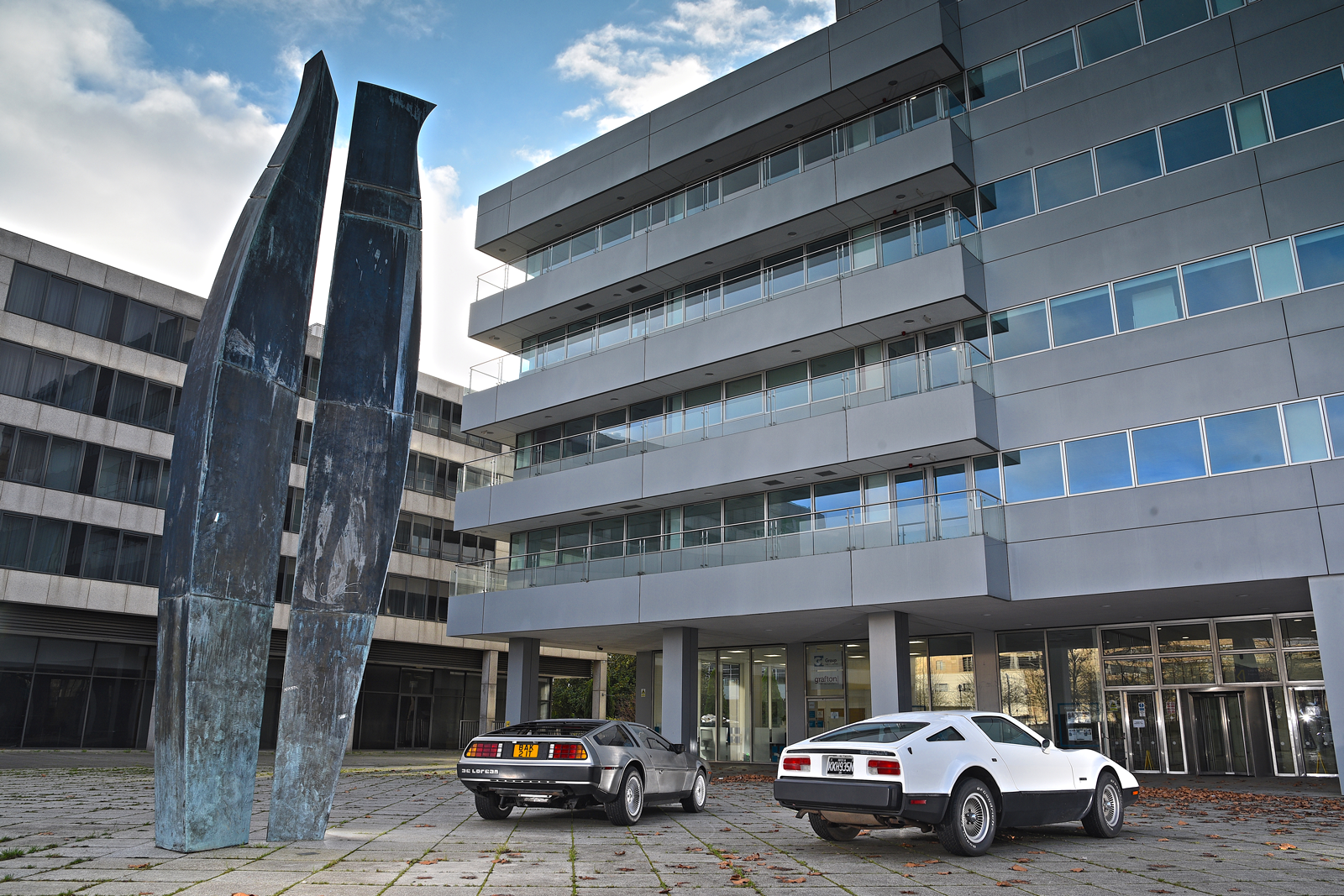
Both cars had plenty of potential
The saddest part of both these stories, aside from the dashed hopes of steady work and a brighter future for the people of Dunmurry and New Brunswick, was the promise that both cars held.
Though they’ve been whipping boys almost since their inceptions, neither is half as bad as their reputations would have you believe.
With continued investment and further fettling, they could both so easily have been successes.
De Lorean and Bricklin were names for the future, both now sadly confined to the past.
Images: Will Williams
Thanks to Keith Riddington of Classic Mobilia; The DeLorean Owners’ Club UK
Factfiles
Bricklin SV-1
- Sold/number built 1974-’76/2897
- Construction steel perimeter-frame chassis and rollcage with fiberglass and acrylic panels
- Engine all-iron, ohv 351cu in (5745cc) V8, with two-barrel Motorcraft carburetor
- Max power 175bhp @ 3800rpm
- Max torque 284lb ft @ 2200rpm
- Transmission Ford three-speed auto, RWD
- Suspension: front independent, by wishbones, coil springs and anti-roll bar rear live axle, trailing links, semi-elliptic leaf springs; telescopic dampers f/r
- Steering power-assisted recirculating ball
- Brakes 11in (279mm) ventilated front discs, 10in (254mm) rear drums, with servo
- Length 14ft 10½in (4536mm)
- Width 5ft 7½in (1717mm)
- Height 4ft ¼in (1224mm)
- Wheelbase 8ft (2438mm)
- Weight 3560lb (1615kg)
- 0-60mph 8.3 secs
- Top speed 118mph
- Mpg 12-15
- Price new $9780 (1975)
De Lorean DMC-12
- Sold/number built 1981-’82/8583
- Construction steel backbone chassis, fiberglass bodyshell clad with stainless-steel panels
- Engine all-alloy, sohc-per-bank 2849cc V6, with Bosch K-Jetronic fuel injection
- Max power 156bhp @ 5750rpm
- Max torque 162lb ft @ 2750rpm
- Transmission five-speed manual or three-speed auto, RWD
- Suspension: front double wishbones, anti-roll bar rear double radius arms and transverse links; coil springs, telescopic dampers f/r
- Steering rack and pinion
- Brakes 10in (254mm) front, 10½in (268mm) rear discs
- Length 14ft (4267mm)
- Width 6ft 6¼in (1989mm)
- Height 3ft 9in (1141mm)
- Wheelbase 7ft 11in (2408mm)
- Weight 2843lb (1290kg)
- 0-60mph 10.2 secs
- Top speed 135mph
- Mpg 19
- Price new $26,175 (1981)
We hope you enjoyed reading. Please click the ‘Follow’ button for more super stories from Classic & Sports Car.
Greg MacLeman
Greg MacLeman is a contributor to and former Features Editor of Classic & Sports Car, and drives a restored and uprated 1974 Triumph 2500TC