Opel CD: the concept car that refused to die

| 21 Sep 2026
Classic & Sports Car – Opel CD: the concept car that refused to die

One-off show cars are funny things when you really think about it.

They are basically corporate PR stunts, created to raise brand profiles and start a conversation around an idea. Some are frivolous, and just a few are real game-changers.

All lead glamorous but brief existences akin to the one-hit-wonder pop star or today’s famous-for-no-particular-reason ‘celebrities’: a rapid rise to fame followed by decades under dust sheets.

Classic & Sports Car – Opel CD: the concept car that refused to die

From Opel CD to Bitter CD – and a new German car maker was born

But while you might spot the occasional ’70s novelty crooner shuffling around Lidl, the more memorable concepts of yesteryear have enjoyed a kinder fate than their human counterparts.

From a life of silent obscurity, they can suddenly find themselves thrust into the limelight once again, photographed and fawned over beside an Italian lake or sitting on a Californian lawn.

In a publicity-driven world constantly looking for seductive hits from the past to connect to the allegedly sexy cars it would like to sell us in the future, such forgotten show vehicles can ascend from irrelevance to the status of corporate crown jewels.

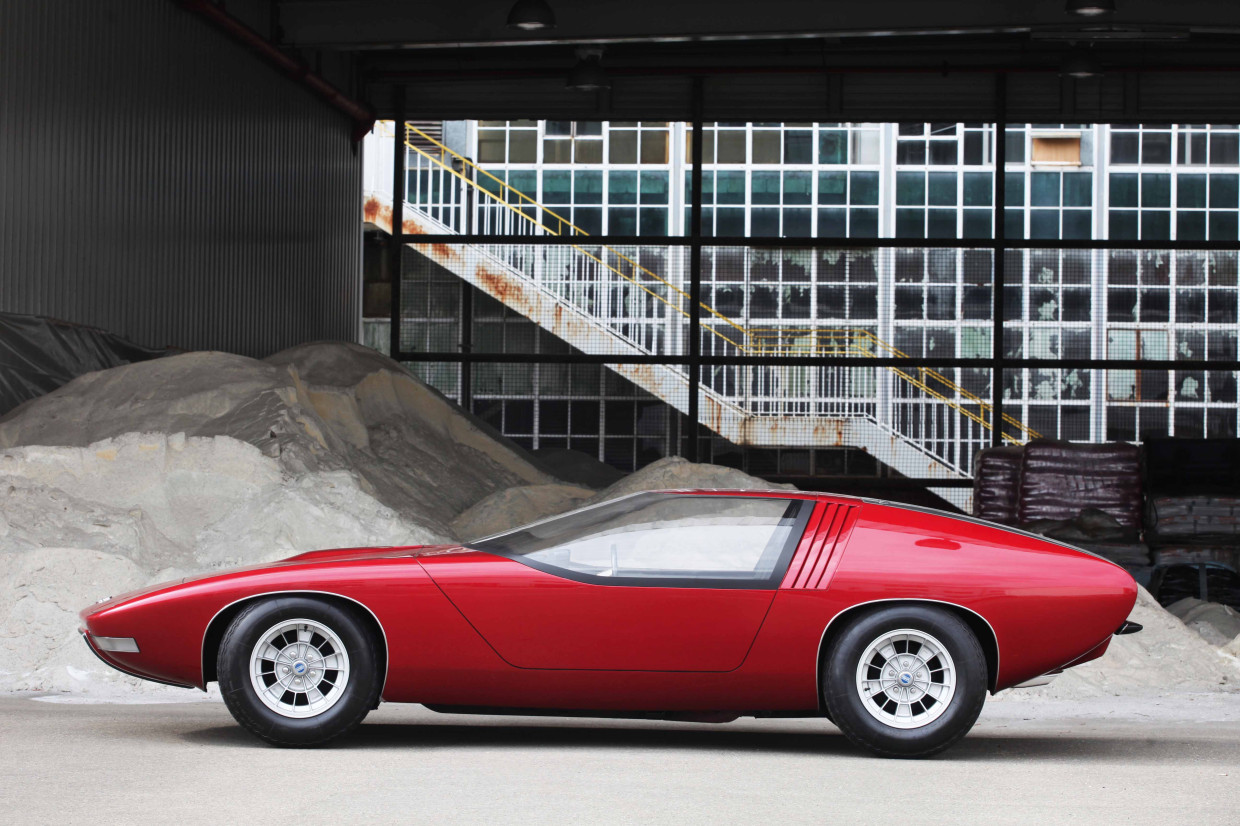
Take Opel’s dramatic 1969 offering, the CD. One of the stars of that year’s Frankfurt motor show – amid much conjecture over the likelihood of a production version – this wedge-shaped two-seater disappeared for 35 years, only to be disinterred from storage in 2006 by Jens Cooper of the Opel Museum.

Sadly, it had sustained a certain amount of damage to its famous door.

“The canopy was broken and we had to build a special tool to make a new one,” says the enthusiastic curator and lifelong Opel fanatic. “It took five attempts before we produced one that fitted.”

Classic & Sports Car – Opel CD: the concept car that refused to die

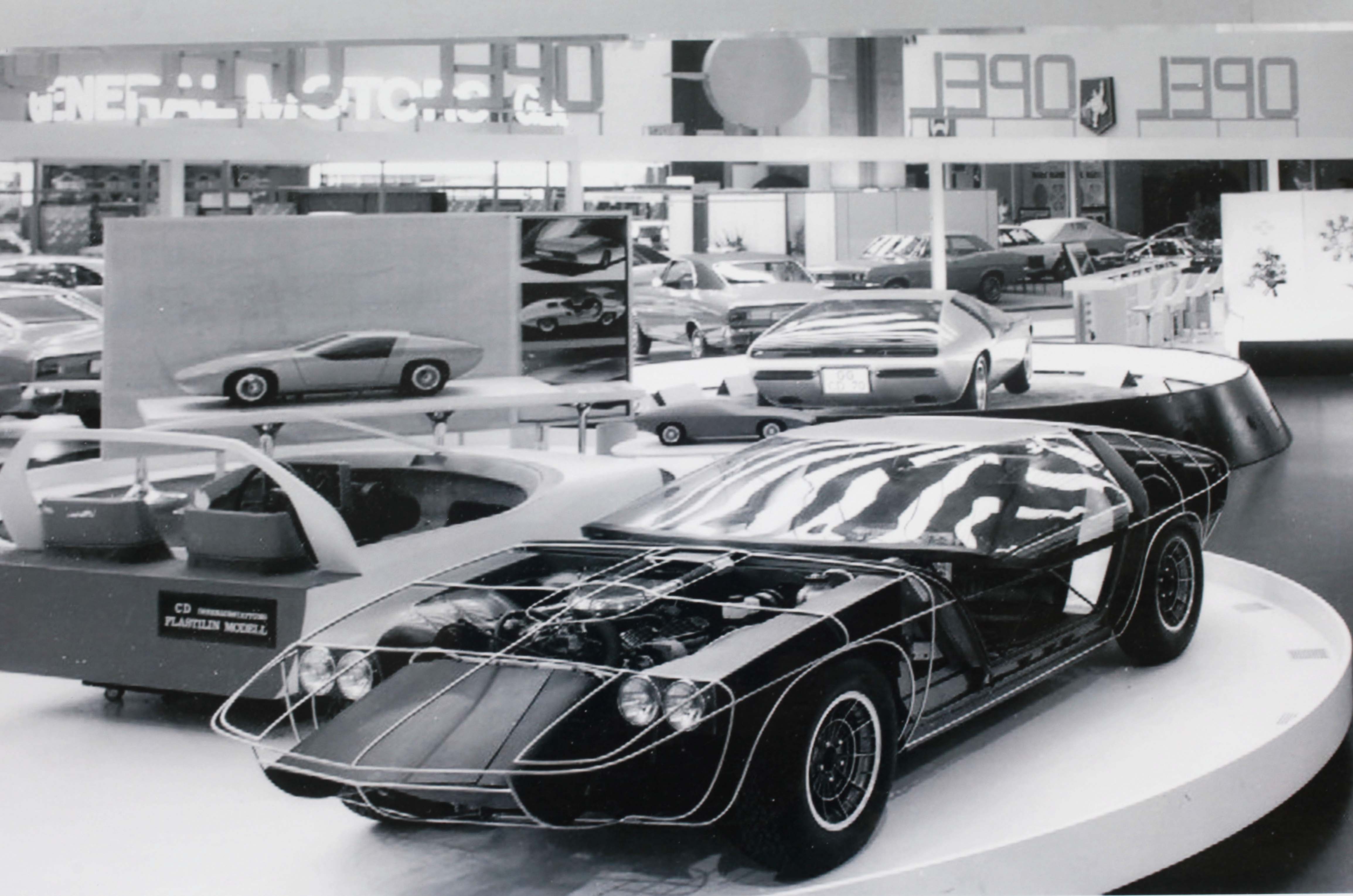
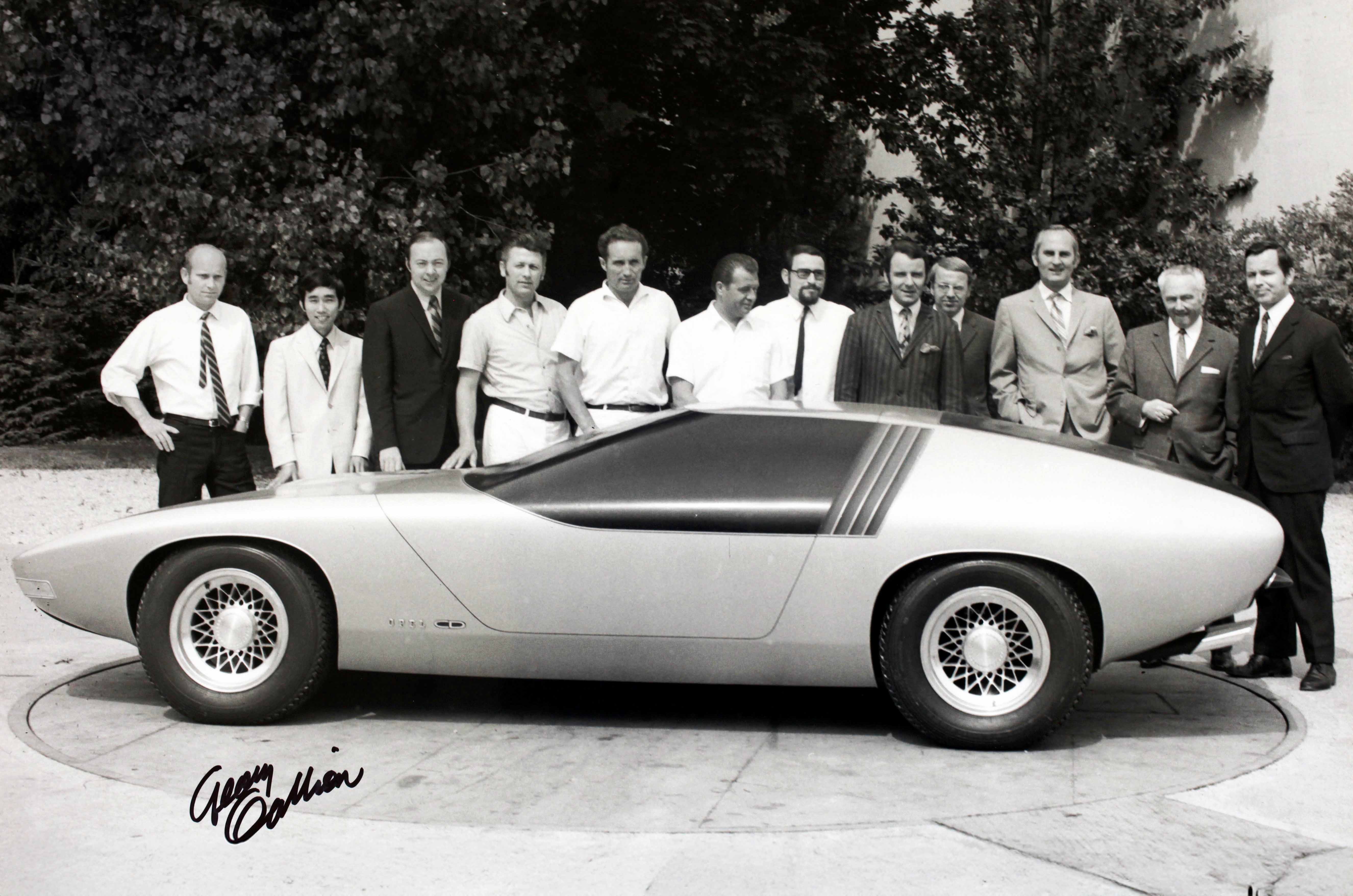
Opel’s stand at the 1969 Frankfurt motor show, with the Opel CD show car and the full-sized skeleton model

During the second half of the 1960s, Opel of Rüsselsheim had determinedly realigned itself in the hierarchy of European manufacturers.

By September 1969 – when this amazing CD, or Coupé Diplomat, was wowing visitors to Frankfurt – Adam Opel AG was no longer regarded simply as General Motors’ dullest division.

An outpost regurgitating stale Americana for the consumption of West Germany’s least-discerning motorists had reinvented itself as a go-ahead operation producing vehicles with a slick international flavour that could satisfy any palate.

Opel’s 1960s success was based around styling. It was the first European firm to design and build its own ‘concept’ cars, beginning with the prototype for the GT in 1965.

Since 1964 it had been running a proper full-sized, Detroit-type styling centre within the confines of its vast production facility at Rüsselsheim, near Frankfurt.

It was the biggest and most modern outside Italy. This was a time, don’t forget, when many of the major car makers went to Turin for styling expertise. 

Classic & Sports Car – Opel CD: the concept car that refused to die

The Opel CD’s faux mid-engined louvres were key design features

Building N10 was modelled on the GM Design Center at Warren, Michigan, and it would gain a reputation as a schooling ground for some of the industry’s most high-powered future talent.

Just as Opel’s boardroom was mainly American (or Stateside-trained, such as the young, Swiss-born sales director Bob Lutz), so styling was also deemed too important to be left entirely to the locals in the early years.

From 1967-’70, it was confidently led by Charles ‘Chuck’ Jordan, the former Cadillac chief designer.

Jordan was a self-confessed Europhile who dressed in razor-sharp double-breasted suits and drove a Ferrari 250GT Lusso to work every day, and he was committed to evolving a true Opel ‘look’ that blended skilfully the best of US and European sensibilities.

This state-of-the-art styling studio, only rarely seen by outsiders even today, afforded 42-year-old Jordan the rare luxury of making all of his mistakes privately as he cajoled and guided his elite group of artists and clay modellers.

Classic & Sports Car – Opel CD: the concept car that refused to die

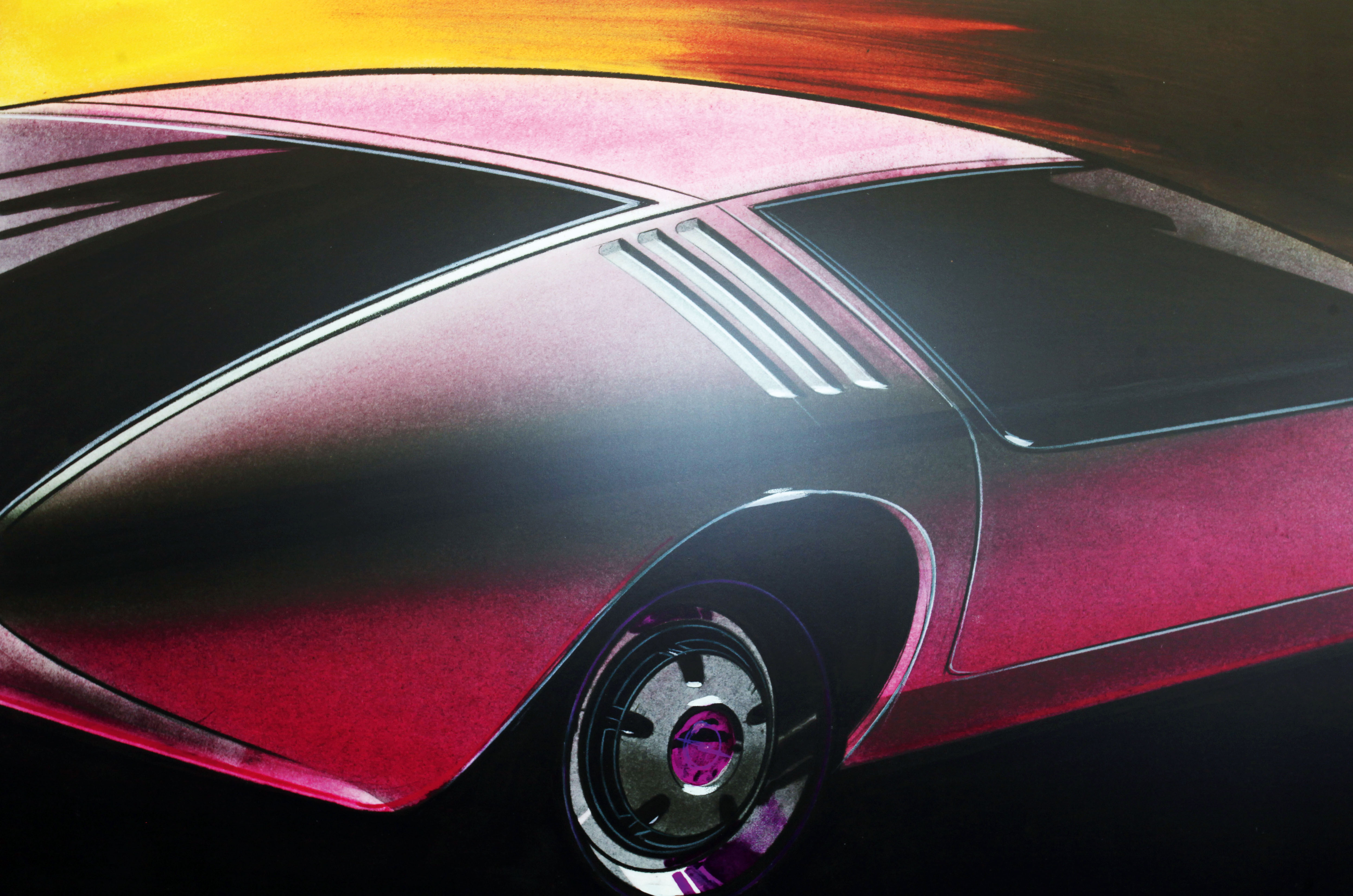
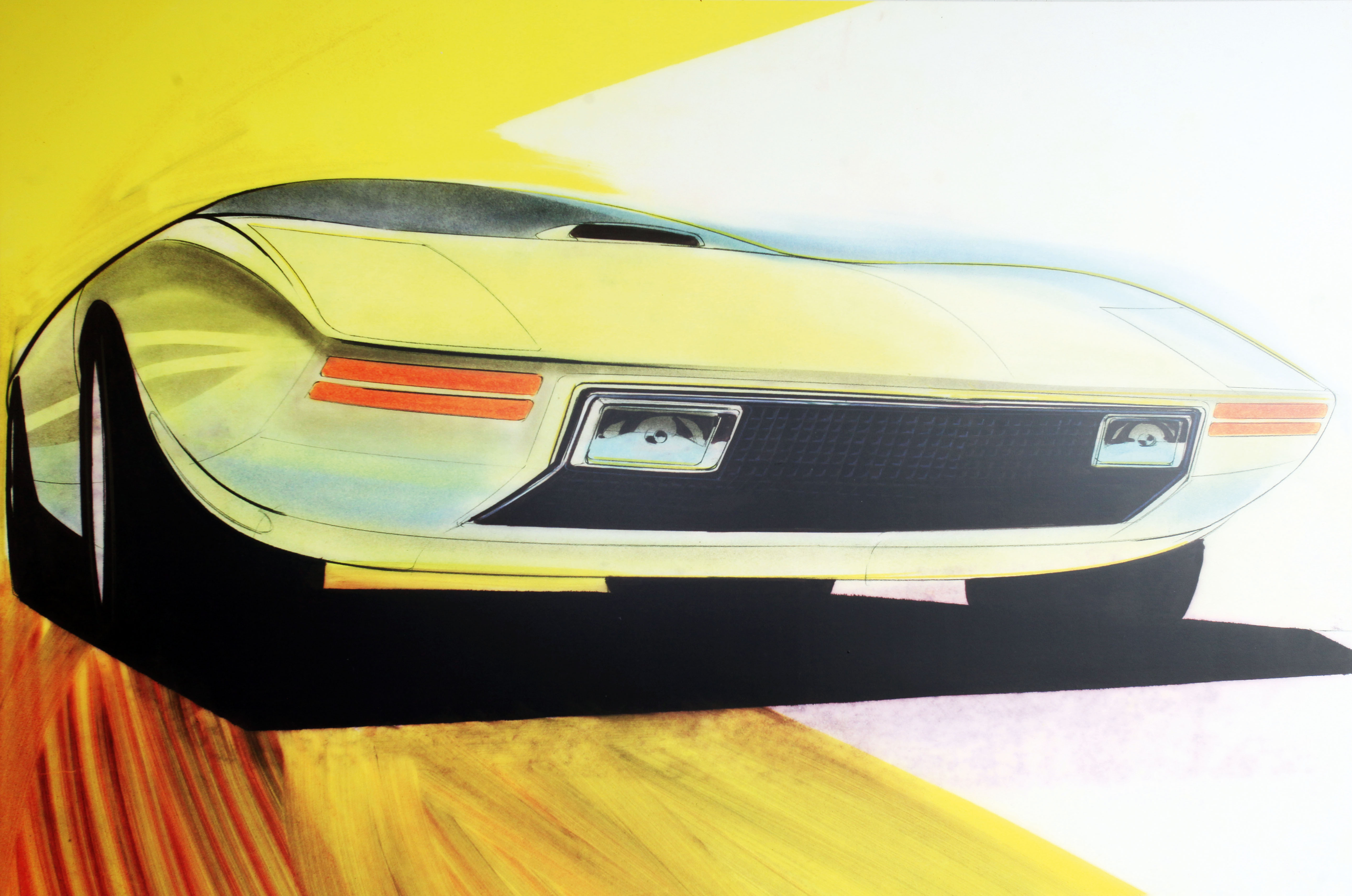
A stylish sketch for the Opel CD, or Coupé Diplomat

His latest recruit in the summer of 1969 was George Gallion, 32, seconded from GM in Detroit to style the first Manta and the main hands-on influence behind the CD.

As far as the outside world was concerned, the Coupé Diplomat was Jordan’s baby, and when he left Opel to return to GM in Detroit in 1970, he was presented with a large-scale miniature of the car.

“It was only when we saw the model,” recalls Jens, “that we understood how the pop-up headlights worked on the real car.”

The fact that Opel had put its nifty Kadett-based GT into production was an indication that the CD might have a viable future. It would definitely have given the Diplomat a welcome image boost.

With the wheelbase shortened by some 25cm, the CD would have been based on the latest ‘B’ version using the 5.4-litre Chevrolet V8 and de Dion rear suspension.

In theory, it would have been a fast, fine-handling, near-140mph machine. In fact, the rationale behind the CD, which in its original guise was only ever a glassfibre mock-up, was to build a headline-grabber to take the wind out of the Mercedes-Benz C111’s sails.

Classic & Sports Car – Opel CD: the concept car that refused to die

Charles ‘Chuck’ Jordan (third from right) and his team with the Opel CD

Jordan had heard about the Wankel-engined prototype’s scheduled appearance at Frankfurt early in 1969 and was unwilling to allow Mercedes to have all the glory at what was, basically, Opel’s local event.

His team had only about six months to create the CD as a promotional counter-measure.

The late ’60s spawned a bumper crop of wedge-shaped dream cars, most of which were the talk of the Turin Salon.

If the Italian show was all about styling, the main West German gathering was focused on engineering and interesting new road cars, such as the Porsche 914 and the Audi 100 Coupé S.

That said, Opel made sure the CD would have its moment of glory, and it easily matched the impact of the C111. Even Rudolf Uhlenhaut was spotted taking a close interest in how the door canopy functioned.

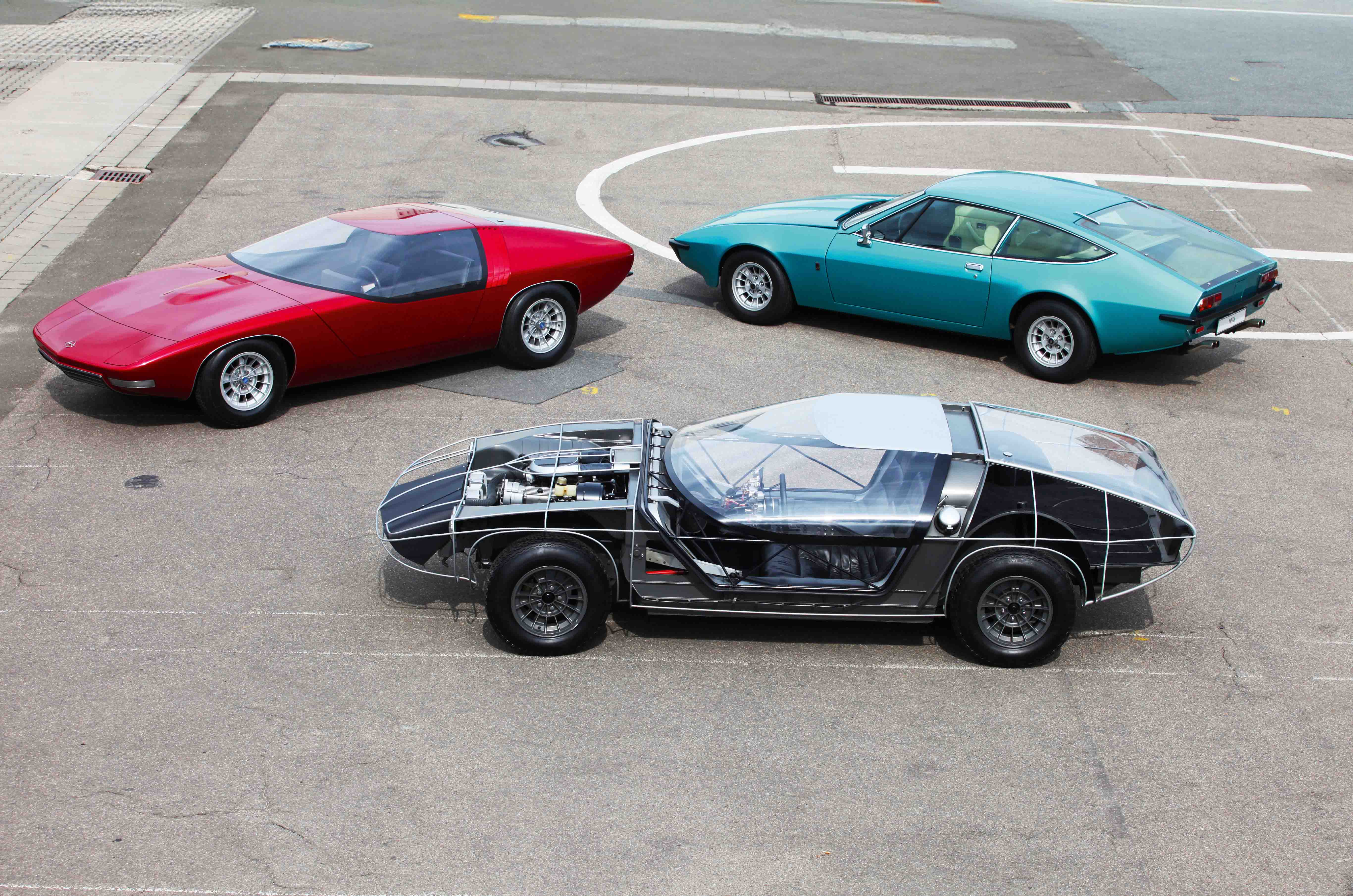
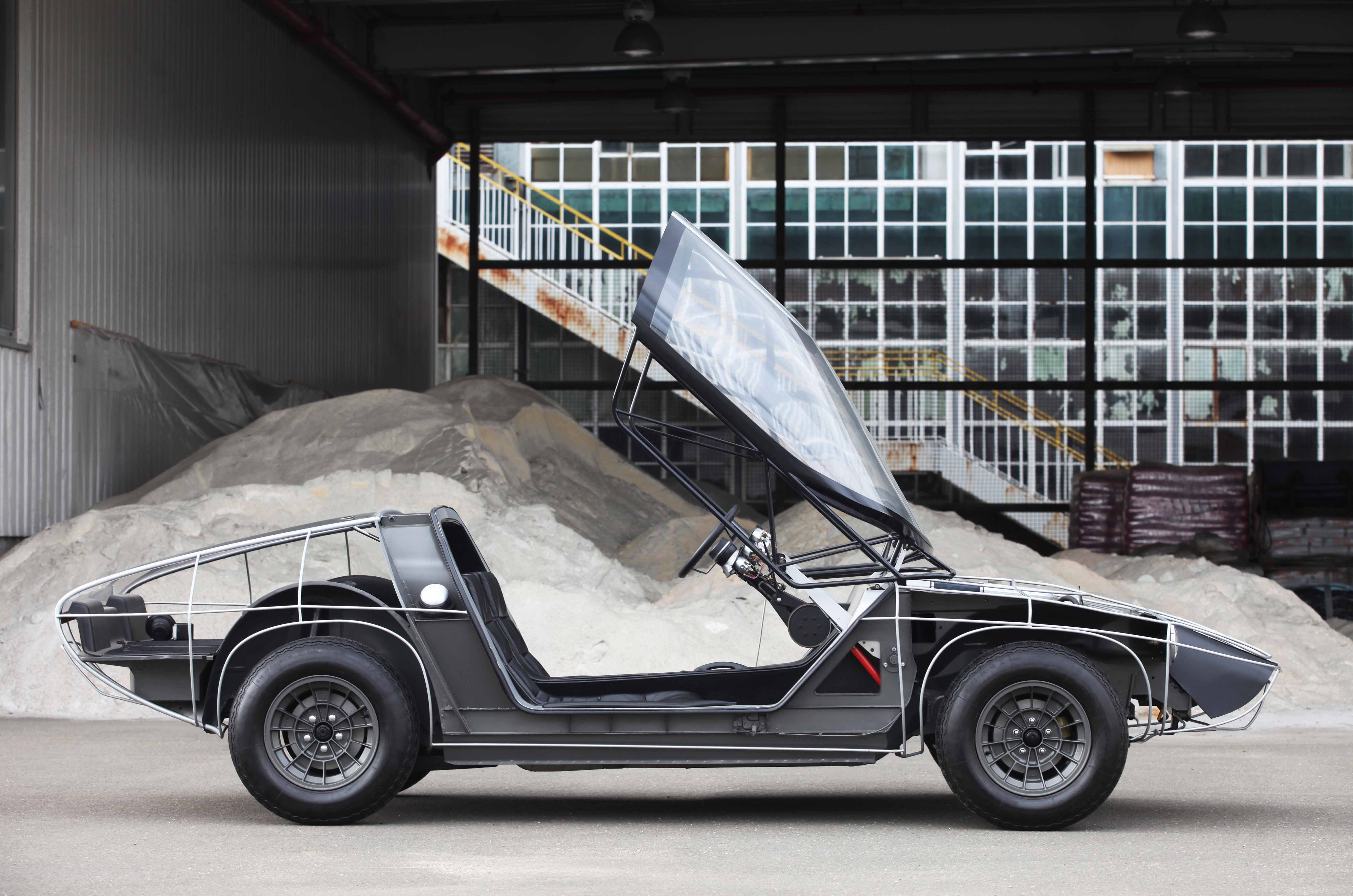
Alongside the silver coupé (the colour was changed to the trendier Candy Apple Red in the early ’70s towards the end of its show career) was a matching full-sized skeleton showing the tubular frame and how the various internal systems operated.

Classic & Sports Car – Opel CD: the concept car that refused to die

The Opel CD’s original canopy was damaged, and it took five attempts with the Opel Museum’s special tool to make a replacement

On the Opel stand in September 1969, visitors were kept fascinated by live clay modelling and sketching from Opel design staff.

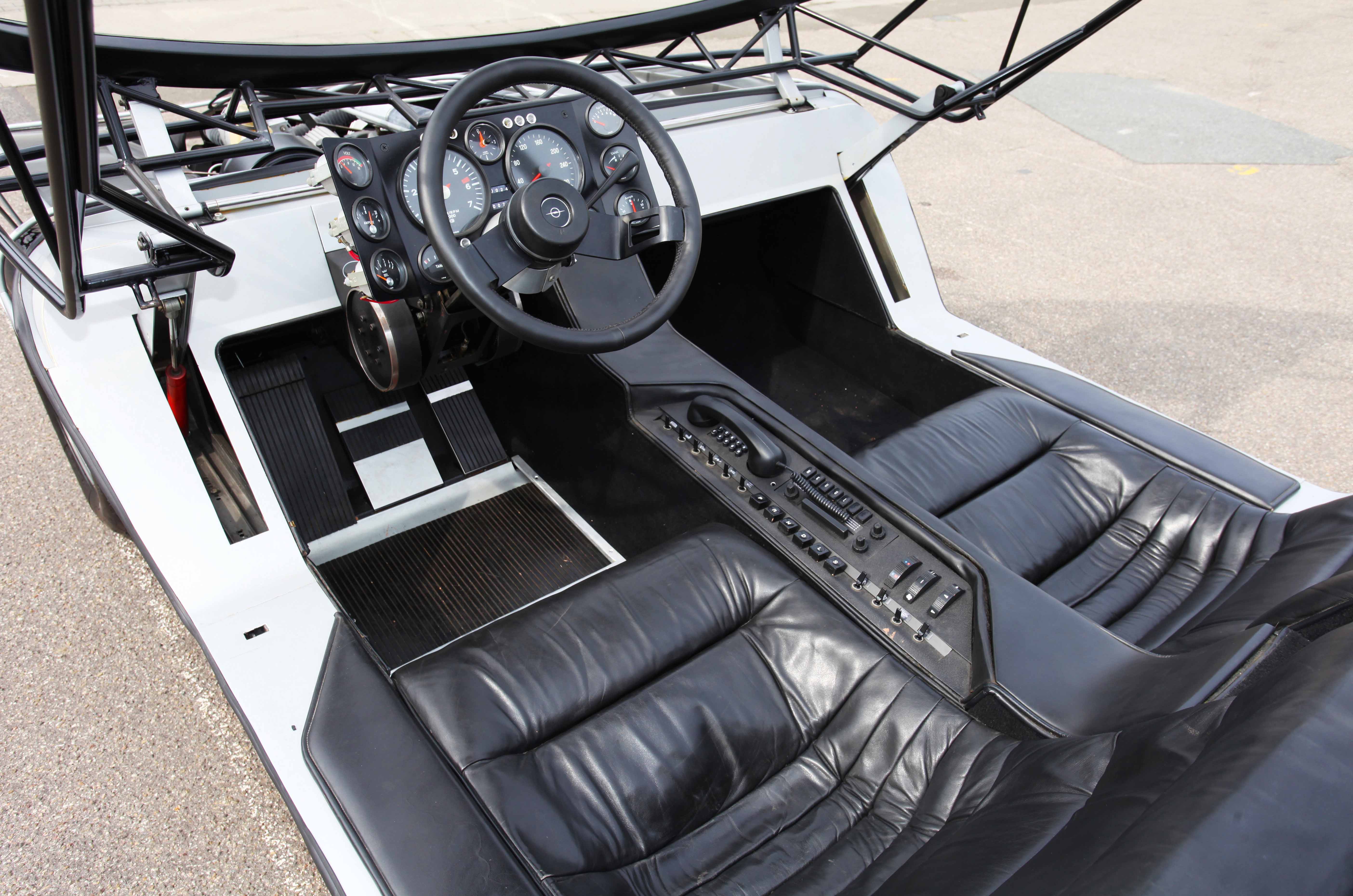
The CD was a hit with the crowds not only for its dramatic one-piece canopy door, but also for its lavish and carefully planned interior in which the pedals, steering wheel and instrument binnacle moved in relation to the fixed driver’s seat.

You would have selected gears via buttons or made a call on the futuristic-looking phone, all of which was entirely plausible technology in 1969. The fact that it came with a skinny space-saver spare wheel was also very new.

The CD was much in demand as a modelling prop for German celebrities, but Opel declined all requests to build running replicas for customers, and the two cars vanished into storage some time around 1971-’72.

Nobody took much notice of them for the following 25 years, and in some ways it was perhaps surprising that they survived at all given that they were just giant models rather than ‘real’ cars.

Classic & Sports Car – Opel CD: the concept car that refused to die

The Opel CD’s space-age cockpit on show in the bodyless concept

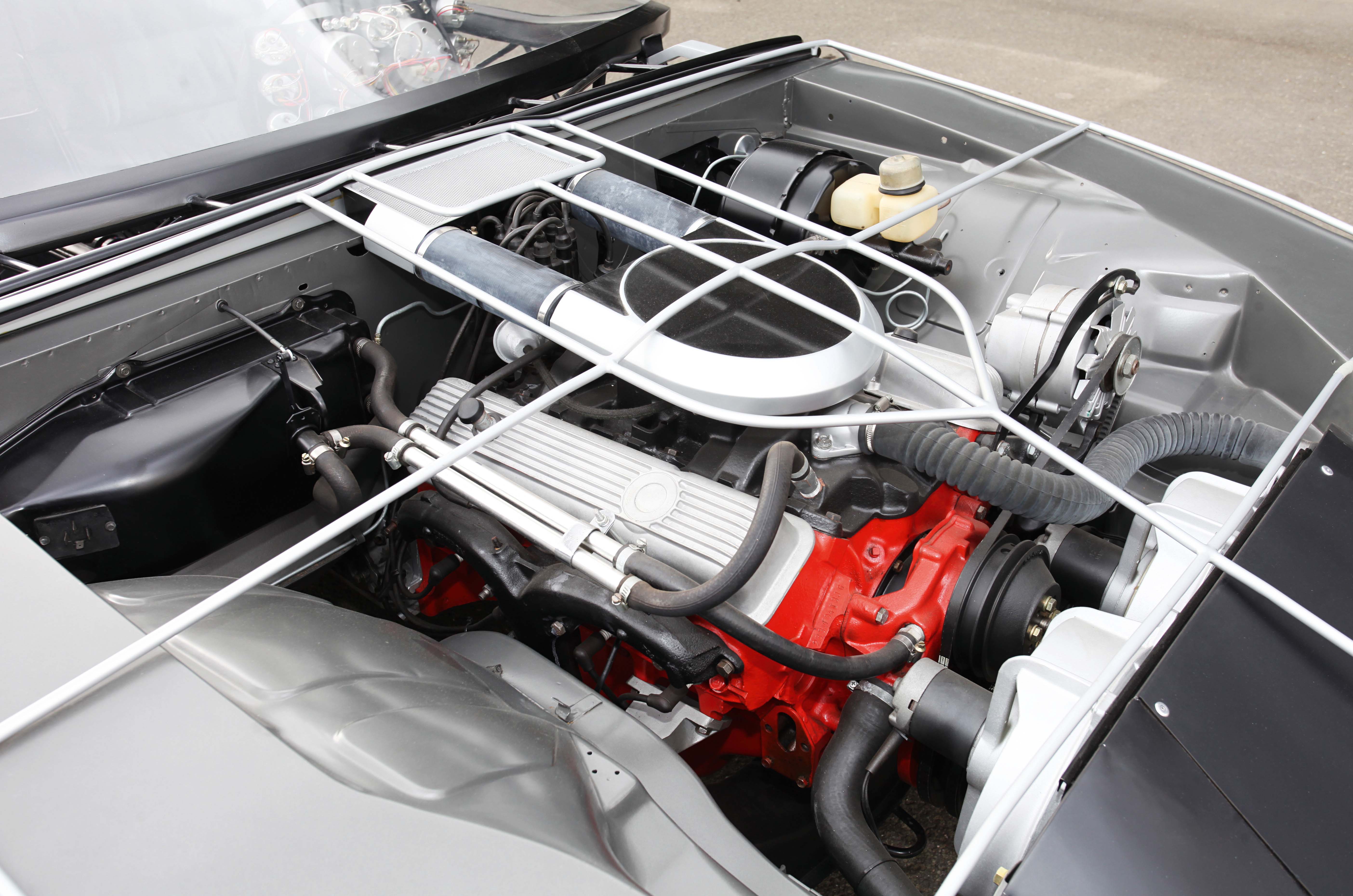
It is rumoured that the skeleton Coupé Diplomat was a runner at the time, but now, like its fully clothed sibling, it has to be pushed everywhere it goes.

That Opel did entertain plans of producing a roadgoing version is confirmed by the fact that Bob Lutz commissioned Frua to build a pair of running prototypes on the Diplomat chassis in 1971.

Enthusiasm for the idea rapidly cooled when it became obvious that Pietro Frua could not make a production-ready car in the timescale required.

The revised CD itself – with its conventional doors and bumpers, plus chopped tail – looked as arrogantly aggressive as a Maserati Ghibli.

Lutz was very much behind the idea of a production model, but it may have lost further momentum when it was pointed out to Opel that a glassfibre-bodied V8 GT might make embarrassing in-house competition for the Corvette.

In the end it was left to racing driver Erich Bitter – no doubt buoyed by much help and encouragement from Opel – to develop the CD concept into a practical road car that he marketed, in highly modified form, under his own name between 1973 and 1979 to the tune of 395 examples.

Classic & Sports Car – Opel CD: the concept car that refused to die

The skeleton Opel CD’s V8 ran in period

Had the Fuel Crisis not hit just as the car was launched, Bitter might even have sold more of them, but it appears doubtful. The public taste for thirsty, American-engined Euro-GTs was already on the wane.

The Bitter CD used as many off-the-shelf Diplomat parts as possible – even down to mundane items such as the switchgear and instruments – in a steel body built and trimmed by Baur.

Yet the addition of rear seats seemed to rationalise all the aggression out of what little was left of the shape.

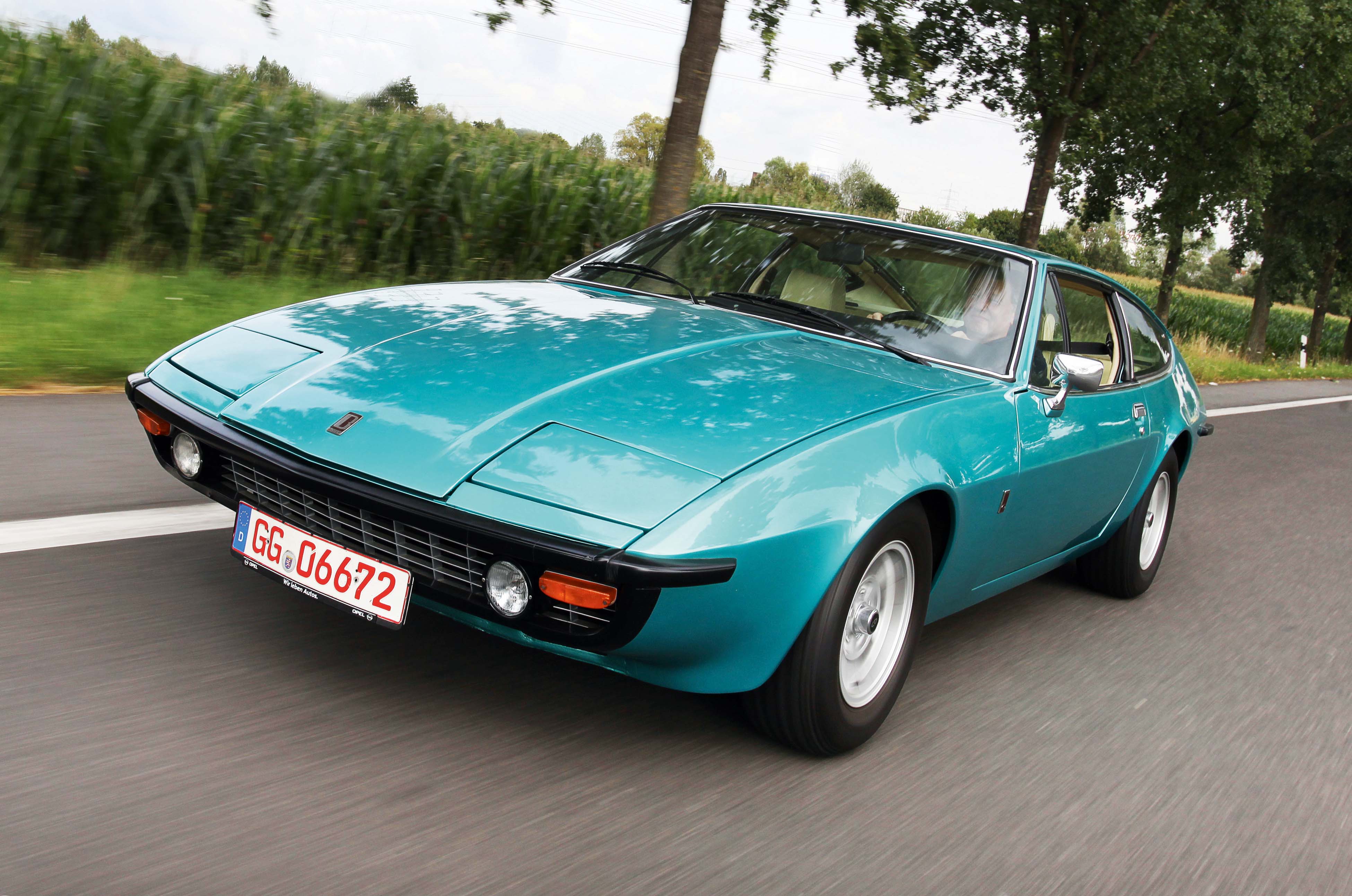
And although the Bitter was still pretty and exotic-looking, it was a lot less exciting in appearance than Opel’s original.

The production car is a clean, almost bland shape, with the inevitable Fiat 124 Sport Coupé tail-lights.

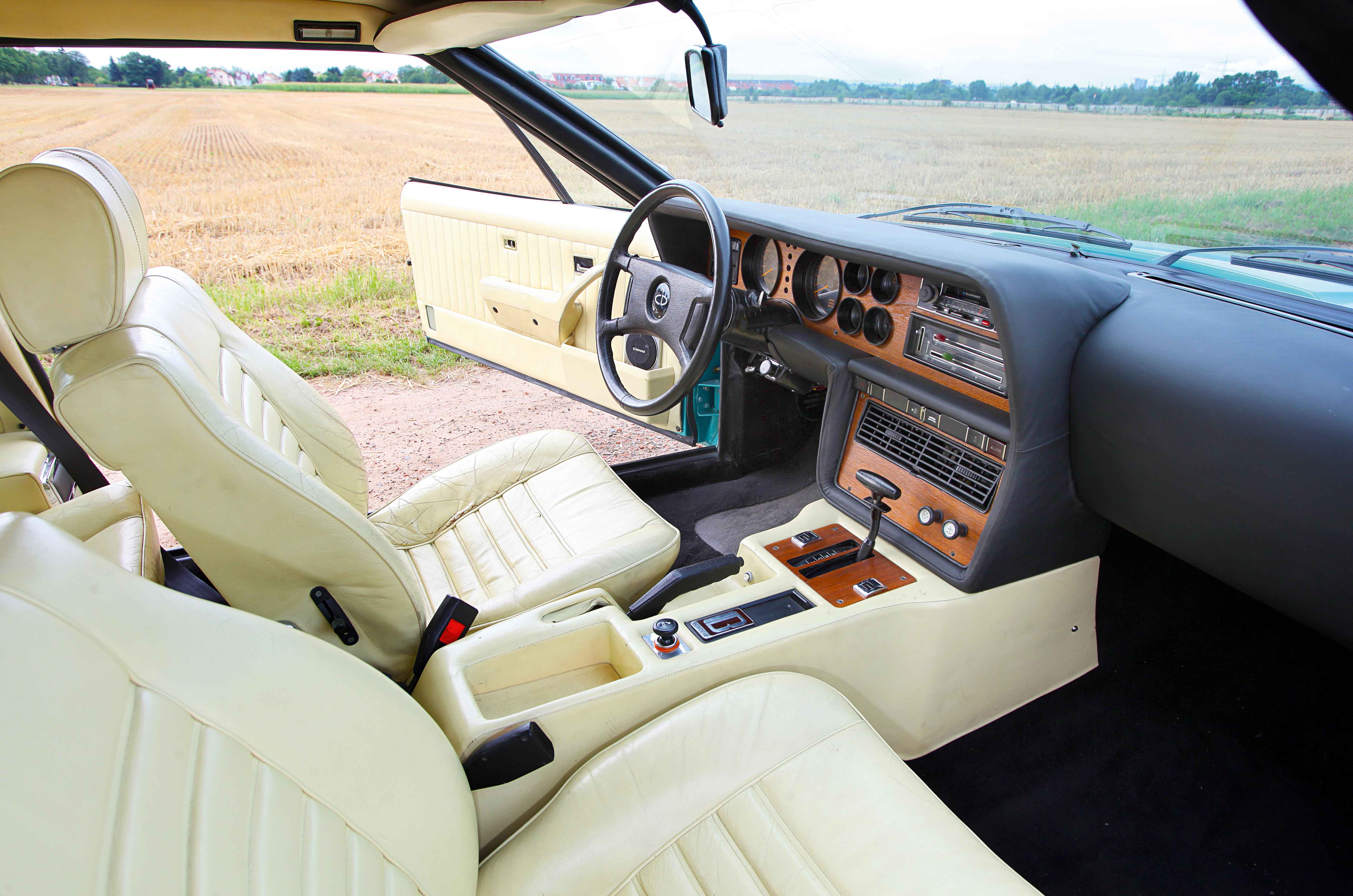
Inside, plush cream hide lifts an otherwise slightly unsatisfying interior that is somehow not quite that of an expensive GT, with too many pedestrian Opel bits. It’s not the quality but the choice of materials that lowers the tone in a car that is otherwise impressive.

Classic & Sports Car – Opel CD: the concept car that refused to die

The Bitter CD has hints of Maserati Indy, rather than the Ghibli-like lines of the CD concept

The low window sills give an airy feel, and it’s nice to find that the air conditioning works.

Even as an automatic the Bitter has just enough power to leave faint black lines on the Tarmac, and full-throttle upchanges are mainly betrayed by a flick of the rev counter, with the intermediate ratio geared to give 90mph or so and the urge levelling off somewhere slightly north of 110mph.

It’s not slow, yet the Bitter lacks the raw big-block thrust of a Jensen or even one of the later V8 Bristols.

On the other hand, it feels tidier and more of a piece than either of its British rivals, riding with supple effortlessness on its de Dion rear suspension and feeling pleasingly neutral in corners.

The Bitter provides a fine insight into how the ‘real’ CD would have behaved if there had been the corporate will to get it into production.

It was clearly capable of giving the BMW CSs and Mercedes-Benz SLCs of this world something to think about, had it ever been built in sufficient numbers.

Classic & Sports Car – Opel CD: the concept car that refused to die

The Bitter CD’s 2+2 cabin is filled with off-the-shelf Opel parts

Today, amid the hordes of boxy saloons that tell the story of Opel’s mainly utilitarian past, the CD is a vehicle that really grabs your attention as you wander through the firm’s huge historic collection.

Somewhere along the line it has lost its original wheels (which were probably Italian one-offs), but the alloys it is currently sporting look entirely appropriate. The squat proportions and the slender gap between the edge of the front wheel and the top of the bonnet suggest a then-fashionable mid-engined configuration.

Plus, you cannot help thinking that the CD was at least a partial inspiration for that other well-known German showstopper, the BMW Turbo.

You would, of course, require a tight-fitting beige nylon zip-up jumpsuit to feel comfortable behind the wheel of this flight of fancy, which, if it did run, would not make you many friends at the car-park ticket machine.

The massive canopy flips forward by means of a complex arrangement of strong, over-centre hinges, and you slide across the high, deep sills into broad, all-enveloping seats.

Classic & Sports Car – Opel CD: the concept car that refused to die

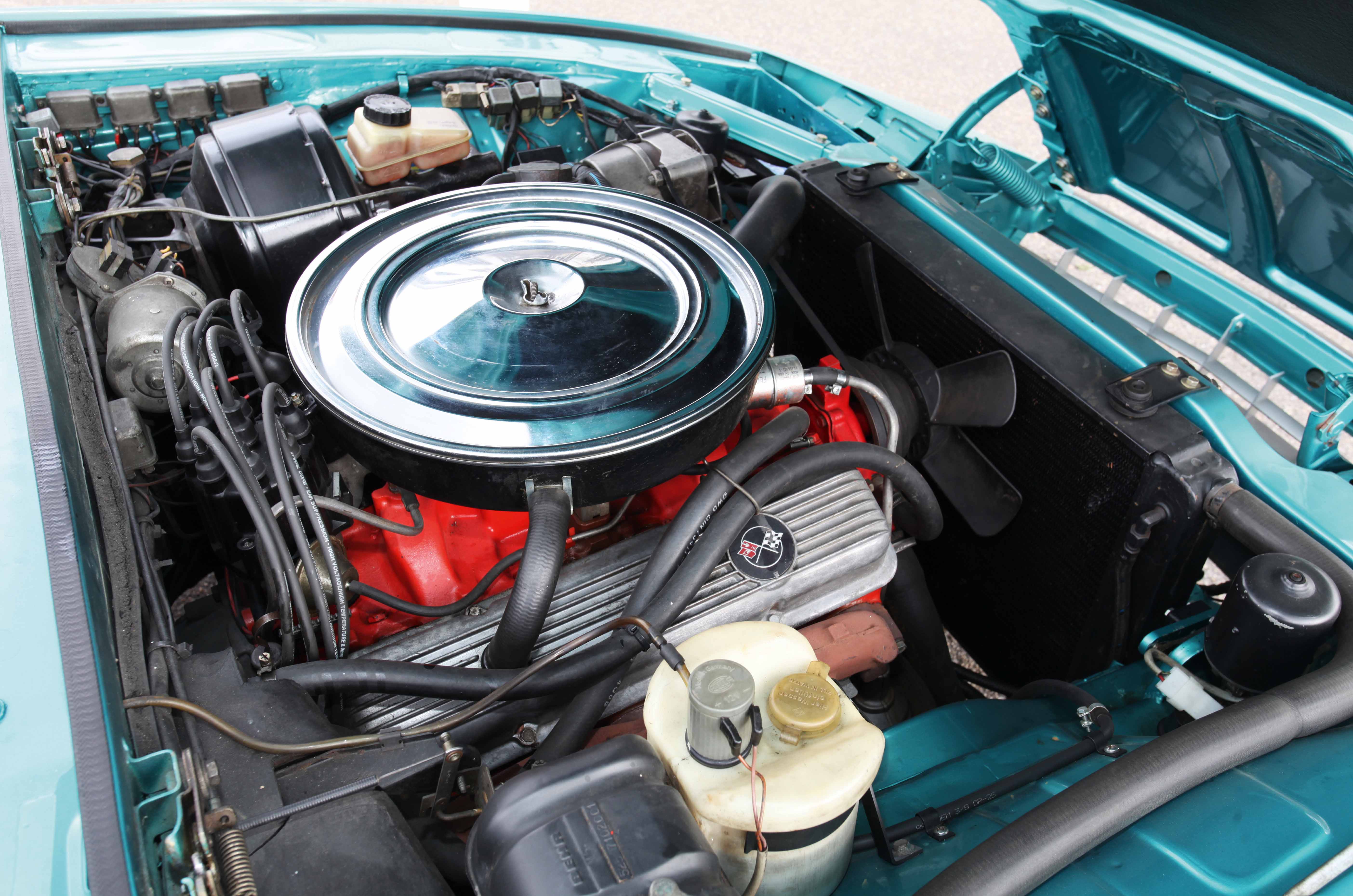
The Bitter CD’s V8 sits well back in the chassis

As the slim mocked-up instrument panel (I counted 11 separate dials) and simple corporate wheel glide into place, you begin to wonder about the capacity of the air conditioning to cool the enormous glasshouse had the car been a runner.

There were also undoubtedly safety issues around the glass and the conspicuous lack of an A-pillar, which gave the car such a spectacular side profile.

The sweeping centre console – housing the phone, radio and all the assorted non-functioning functions – is beautifully done and all very UFO

Cue the theme tune, giant spools of computer tape and Wanda Ventham in the passenger seat to complete the fantasy.

If the Opels of the 1950s and early ’60s had been sneered at as cars bought by marginal motorists for their utility or brittle mid-Atlantic glamour, those of the late ’60s were genuinely aspirational.

They went as well as they looked and were as good as anything in their class.

The CD concept was a vehicle that nobody had dared to dream boring old Opel would have come up with just a few years before, and its appearance was dramatic confirmation of this new status and an important moment in outsiders’ perceptions of the company.

Images: James Mann

This was first in our May 2015 magazine; all information was correct at the date of original publication


Enjoy more of the world’s best classic car content every month when you subscribe to C&SC – get our latest deals here


READ MORE

24 concepts that nearly made production

Off the Rekord: forgotten Opels

10 top Lamborghini concept cars