Is the 250GTE a forgotten Ferrari?

| 22 Jul 2026
Classic & Sports Car – Ferrari 250GTE: Enzo’s road-going winner

Despite Ferrari’s immense competition success during the 1950s and ’60s, the Scuderia by no means had a limitless budget at that time.

Legendary designer Mauro Forghieri later commented that the company’s commitment to evolution rather than revolution was as much a result of financial considerations as engineering principles.

Phil Hill, meanwhile, once said that he couldn’t remember how much he was paid during his Formula One World Championship-winning season of 1961 – and that, even if he could, he would probably have been too embarrassed to say.

In those days, you drove for Ferrari for the glory rather than the money.

Classic & Sports Car – Ferrari 250GTE: Enzo’s road-going winner
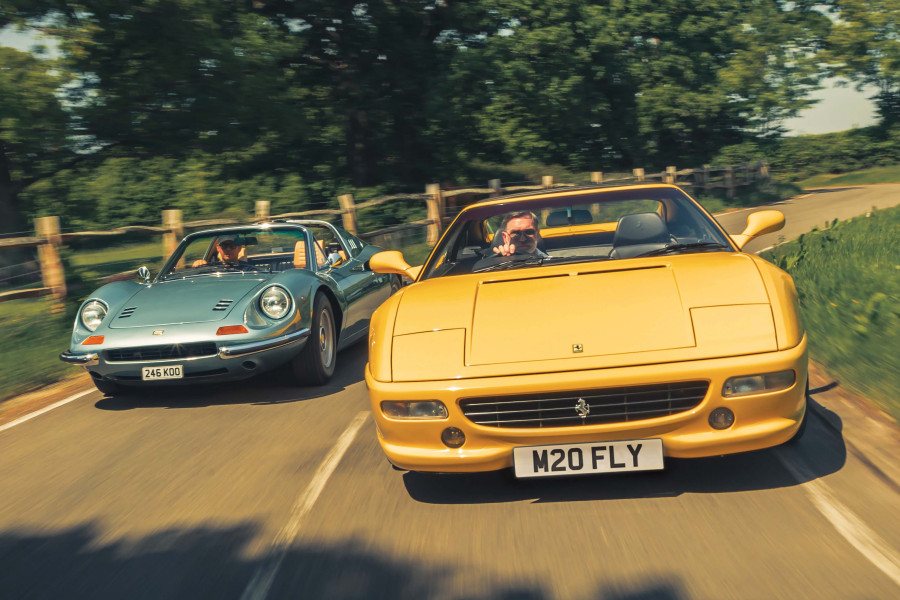
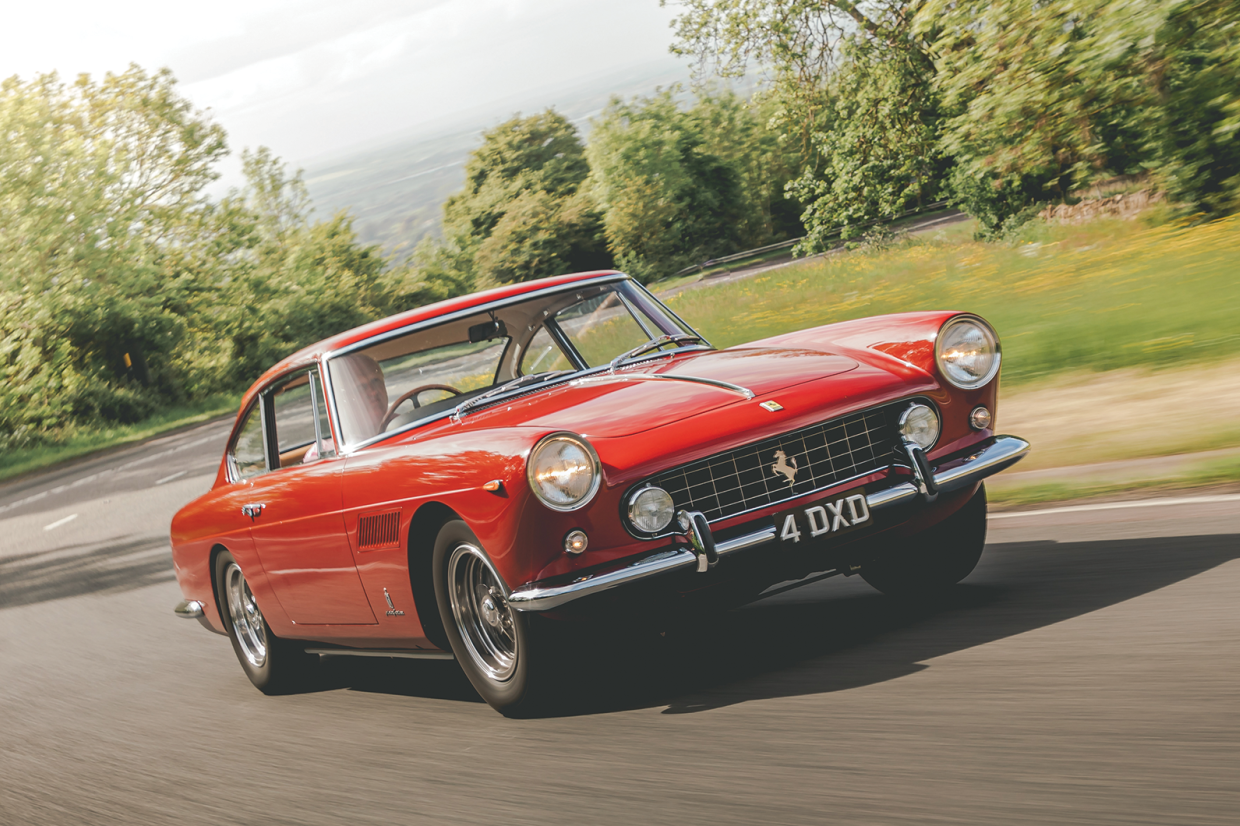
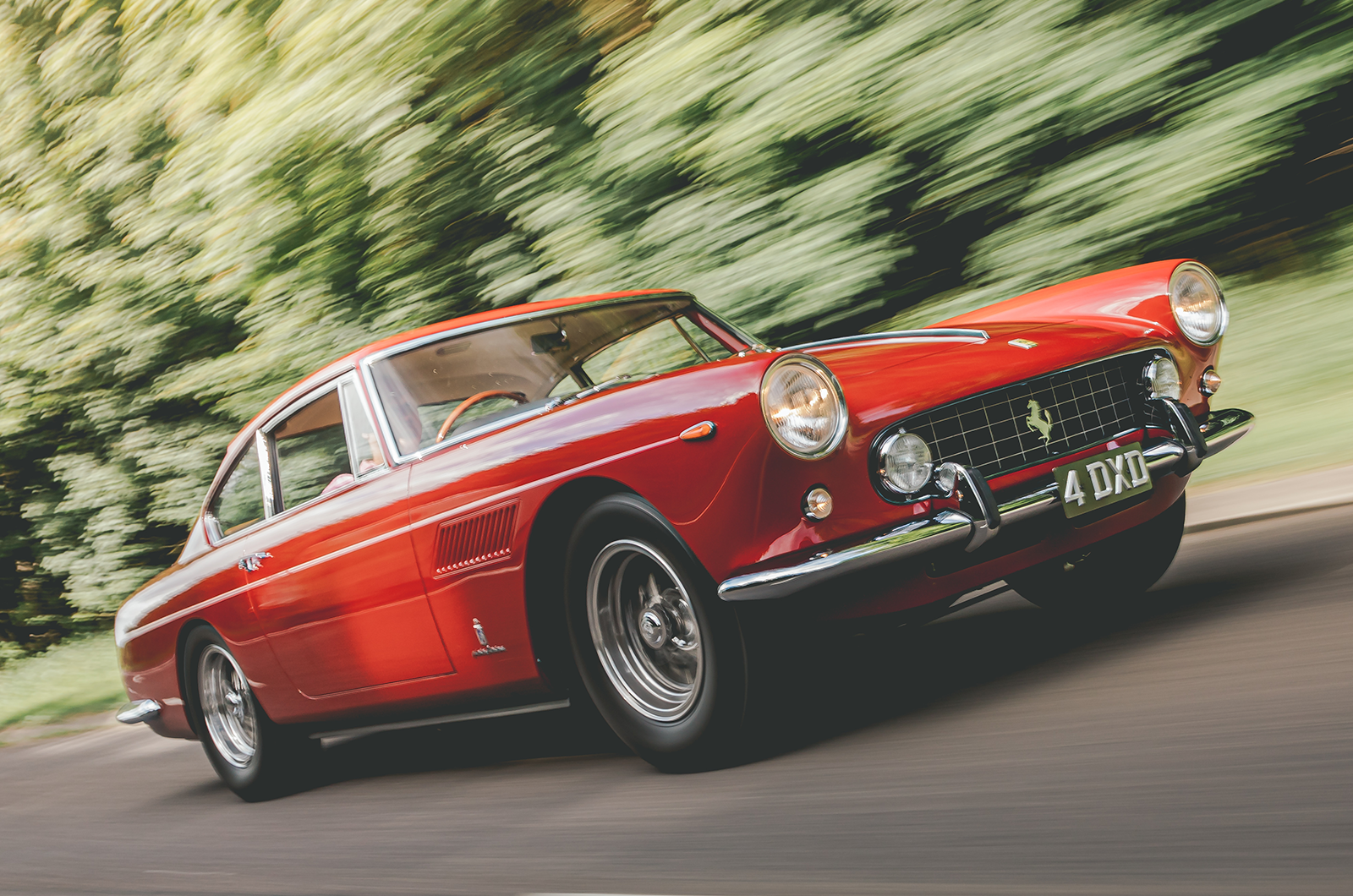
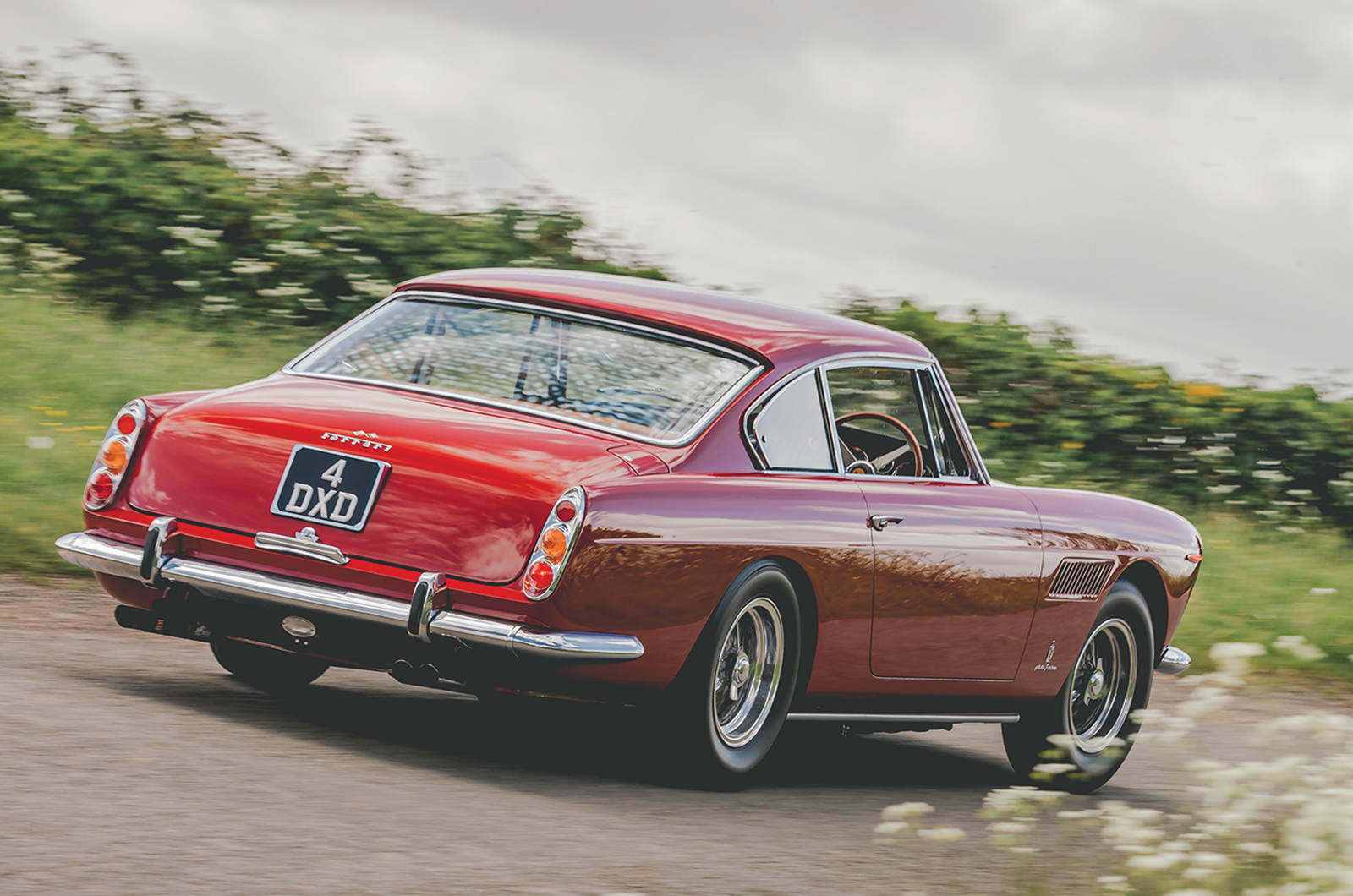
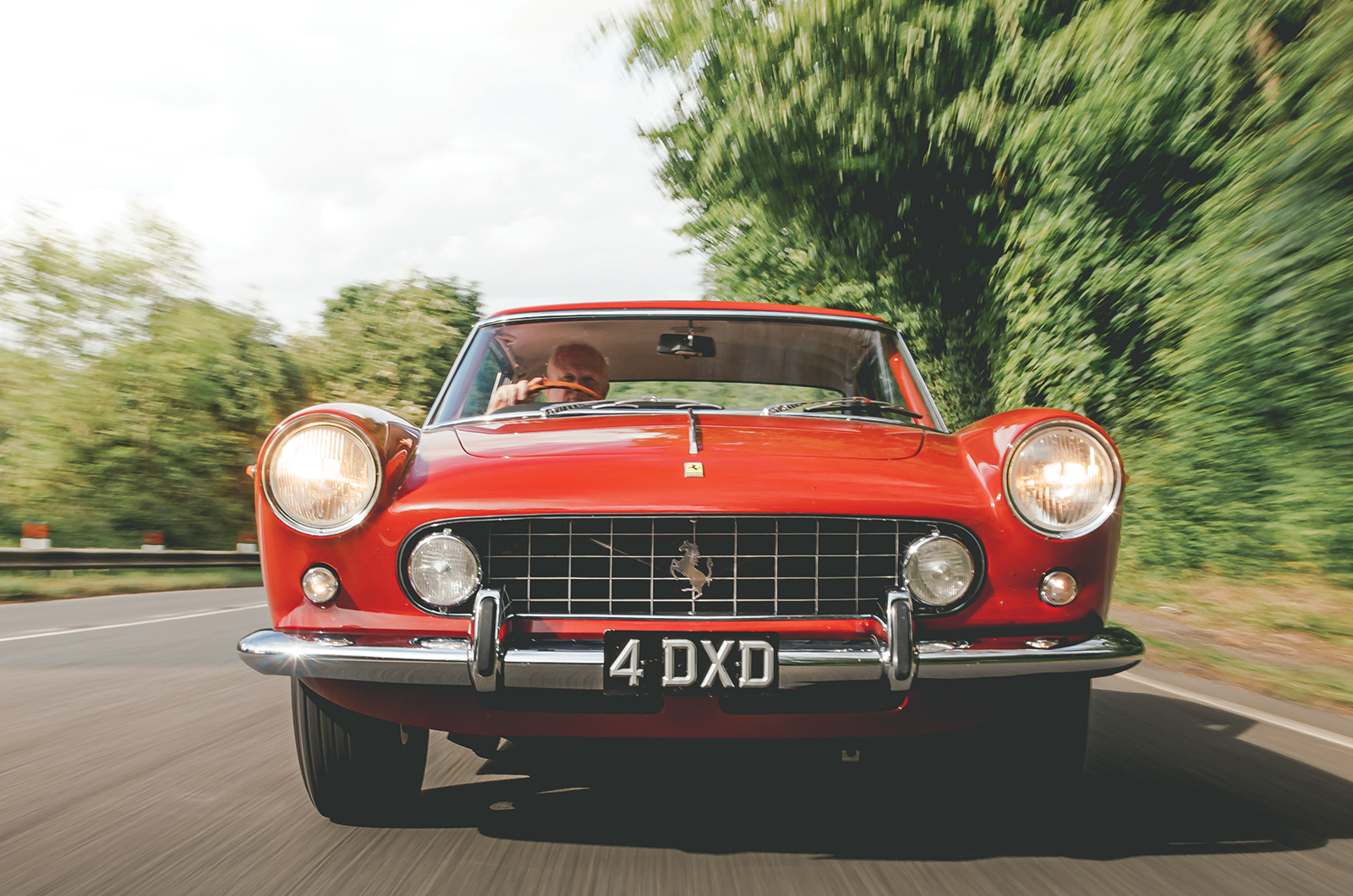
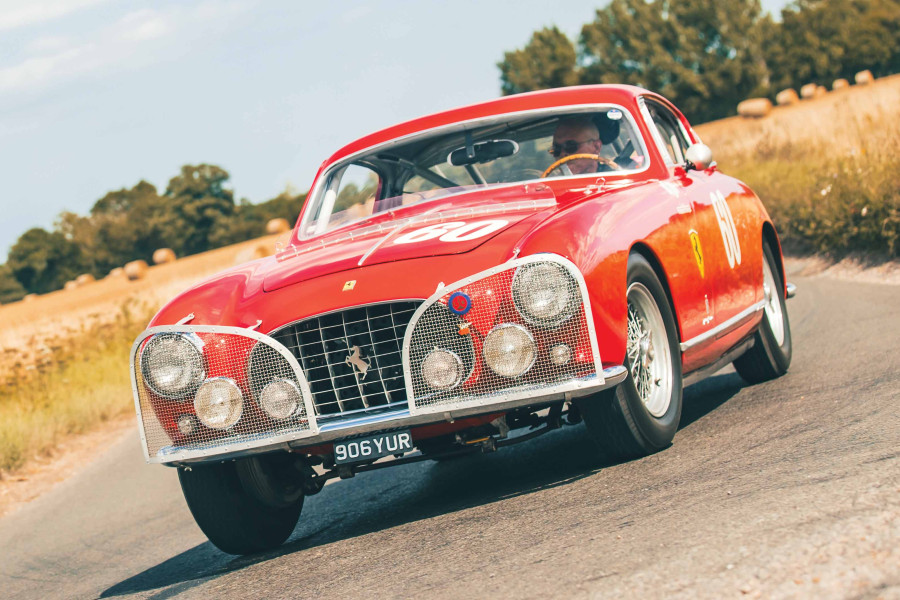
The Ferrari 250GTE is happiest on fast, flowing roads

Before the arrival of commercial sponsorship in top-level international motorsport, teams had to find other ways to fund their activities. 

BRM, for example, was backed by the industrial might of Rubery Owen.

For Ferrari, it was primarily the sale of road cars that enabled it to go racing, and during the early 1960s the 250GTE contributed most to that effort.

Between 1960 and 1963, 949 GTEs were built, plus five prototypes – a total representing almost 70% of Ferrari road cars at the time.

It wasn’t the company’s first attempt at a 2+2 – the Touring-bodied 166 coupe that Ferrari displayed at the 1948 Turin motor show had tiny rear seats – but previous efforts had been built in extremely limited numbers.

Classic & Sports Car – Ferrari 250GTE: Enzo’s road-going winner
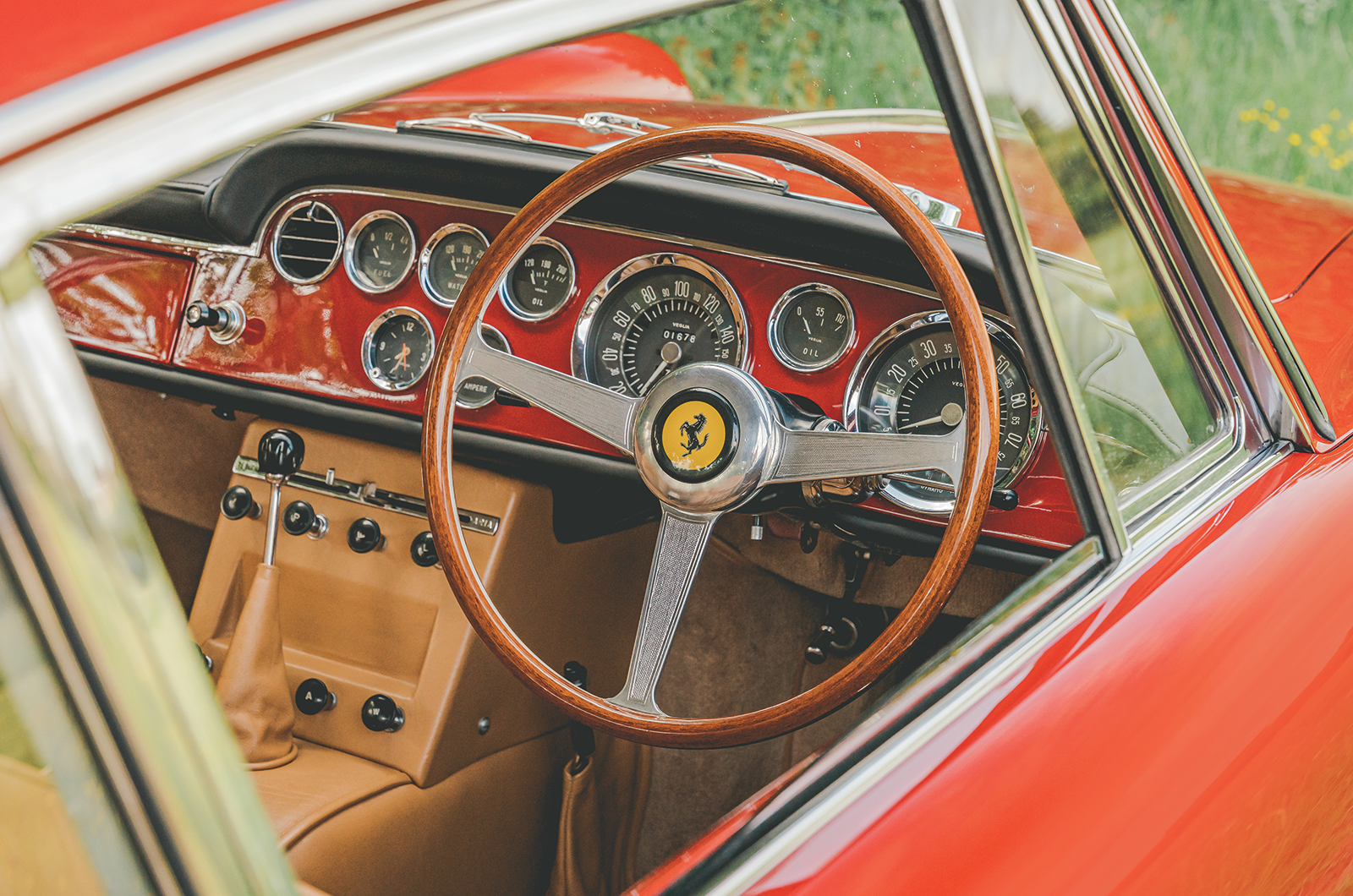
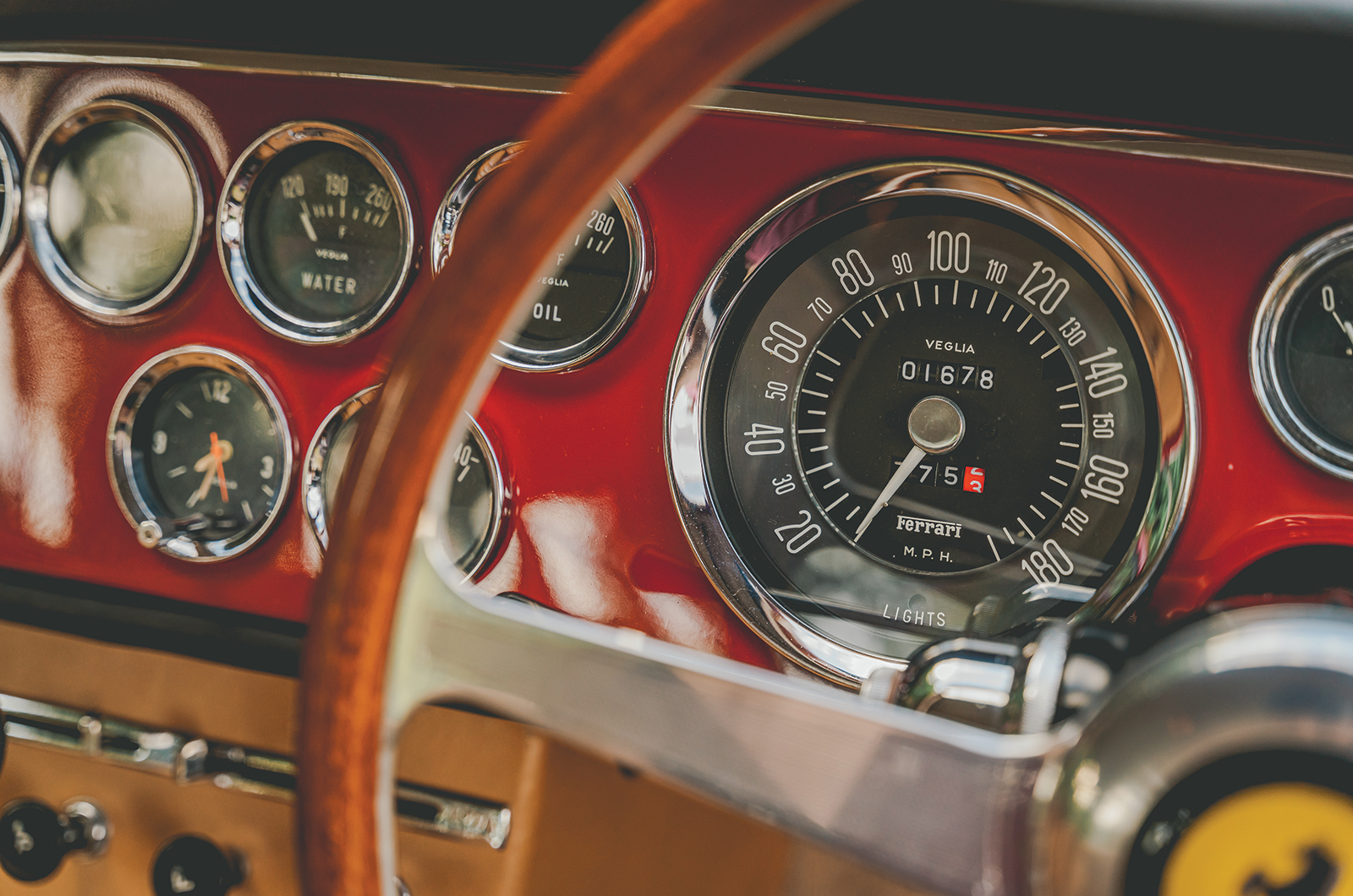
The addition of an ammeter for the 1961 Series 2 250GTE led to a revised dashboard layout

The GTE was the first such Ferrari to go into proper series production, at a time when the concept was still relatively new to the marque.

It also spawned a line of front-engined V12 2+2s that would last until the GTC4Lusso; the Roma continues the theme, but with a twin-turbo V8.

Clothed in clean, elegant bodywork that was designed by Pinin Farina – which became the single-word Pininfarina in 1961 – the GTE evolved through three Series, although there was a certain amount of mixing and matching throughout production.

Enzo himself used GTEs as his regular transport, and they were sold to everyone from European royalty to race-car drivers – Mexican brothers Pedro and Ricardo Rodríguez had one each – and even suspension guru Alex Moulton.

Classic & Sports Car – Ferrari 250GTE: Enzo’s road-going winner
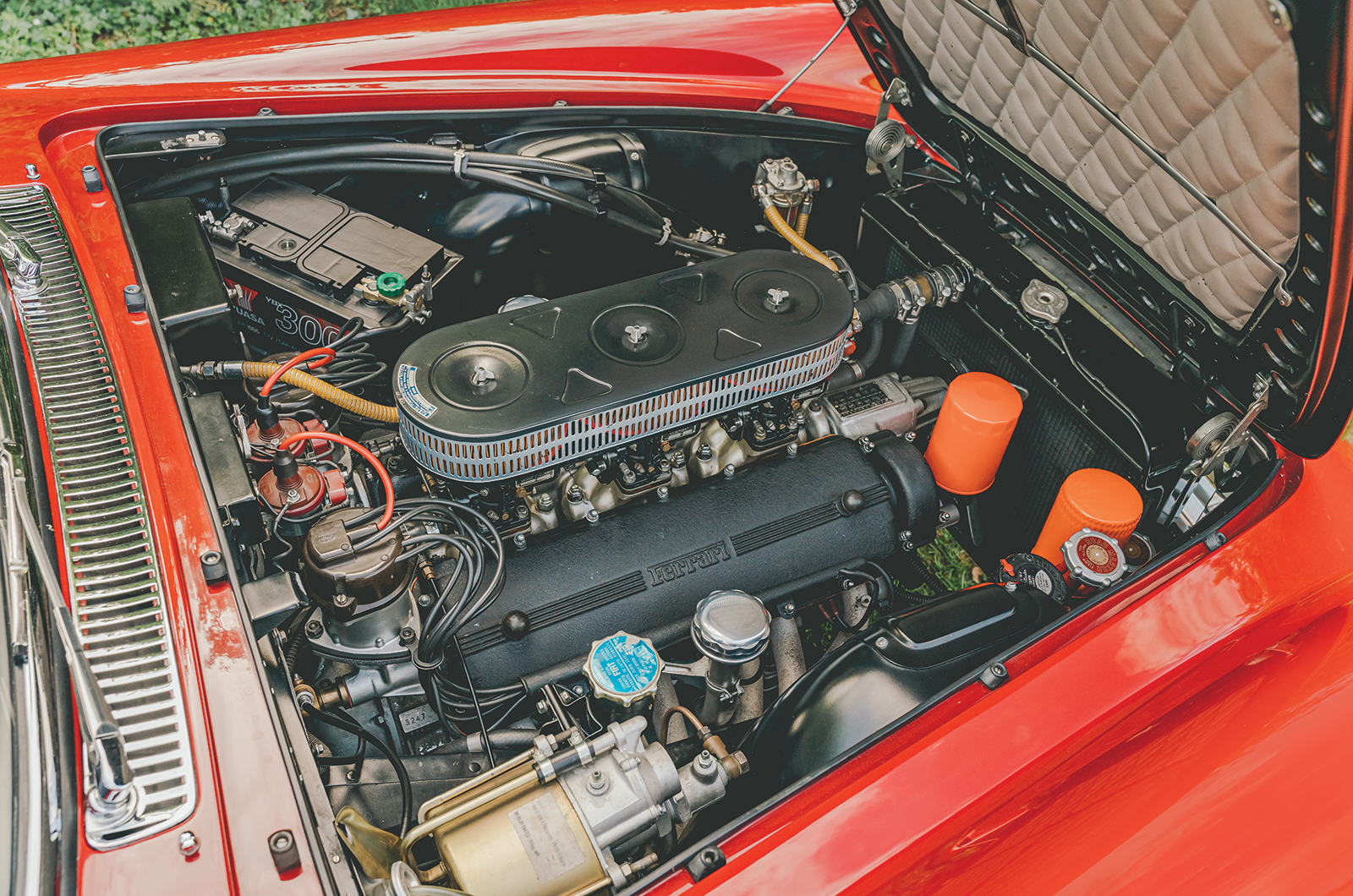
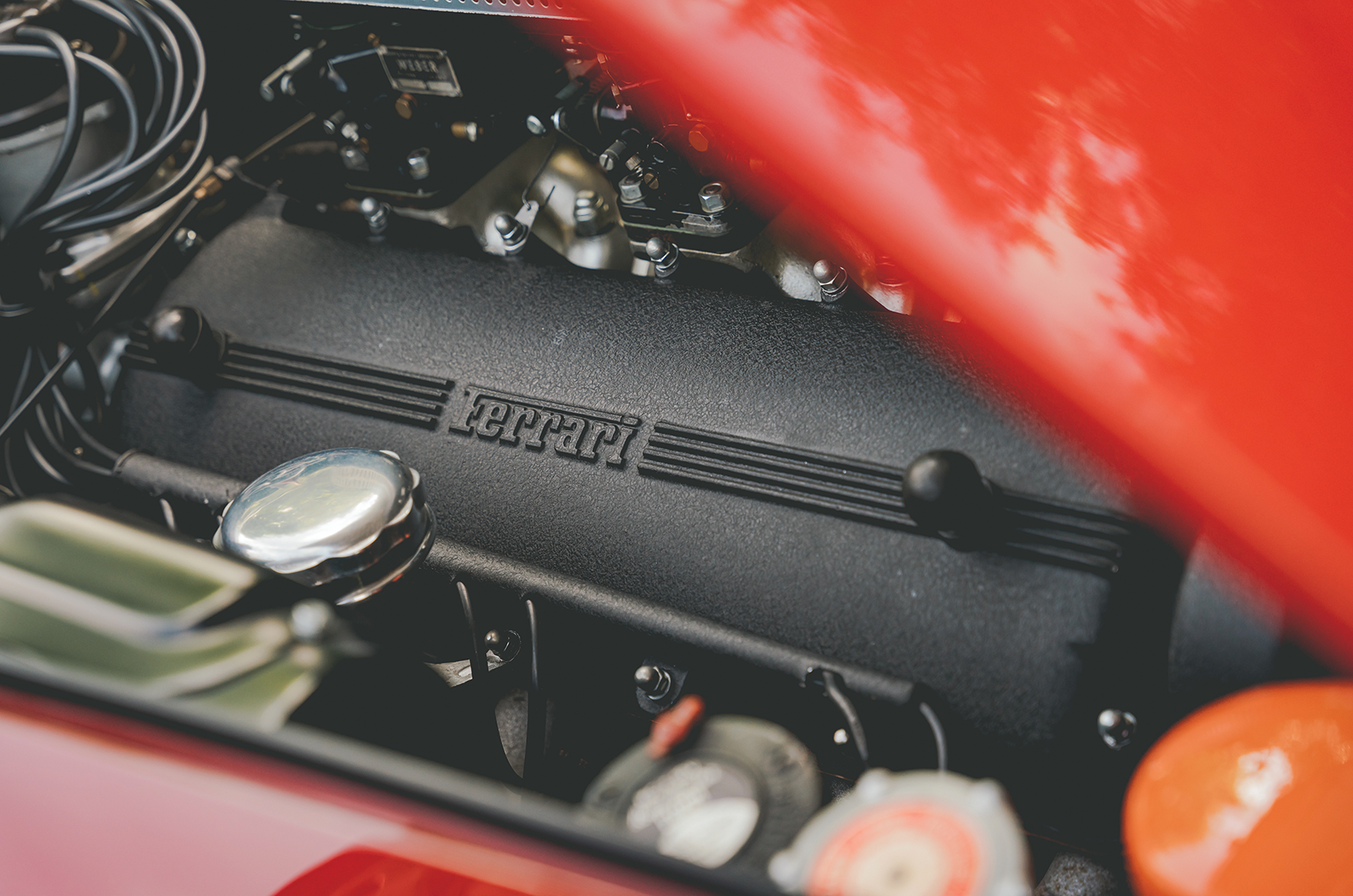
Triple Weber carburetors sit atop the Ferrari 250GTE’s 3-liter V12

Road & Track magazine was moved to describe the 250GTE as ‘a not only grand, but glorious touring car’, but as the years went by and values plummeted, many of them were used as the basis for replicas of other, more ‘exotic’ Ferraris.

It’s thought that this could have happened to as much as 20% of total production, but fortunately GTEs have attracted a dedicated following in recent years and there’s no longer so much danger of one suffering such a fate.

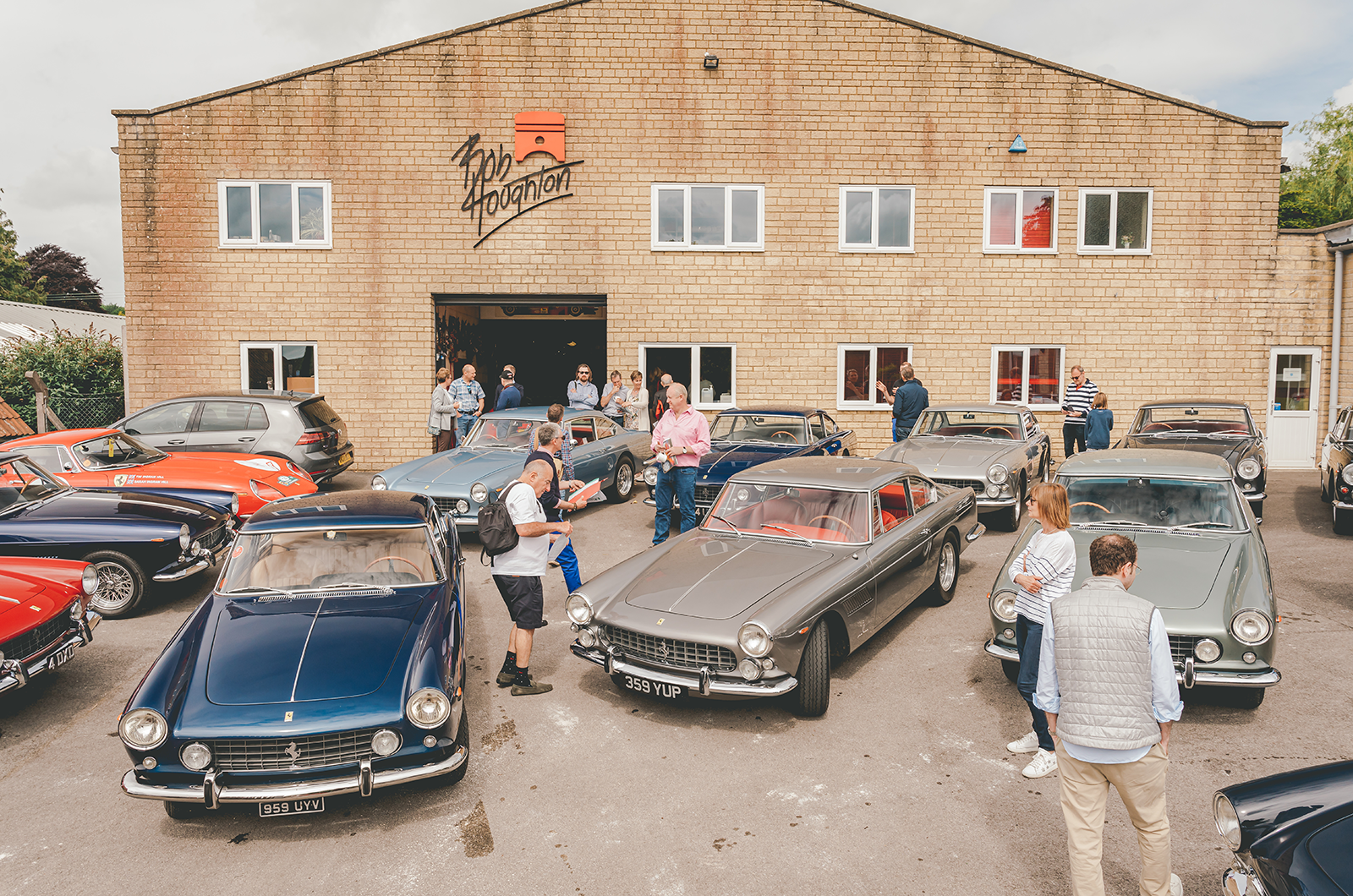
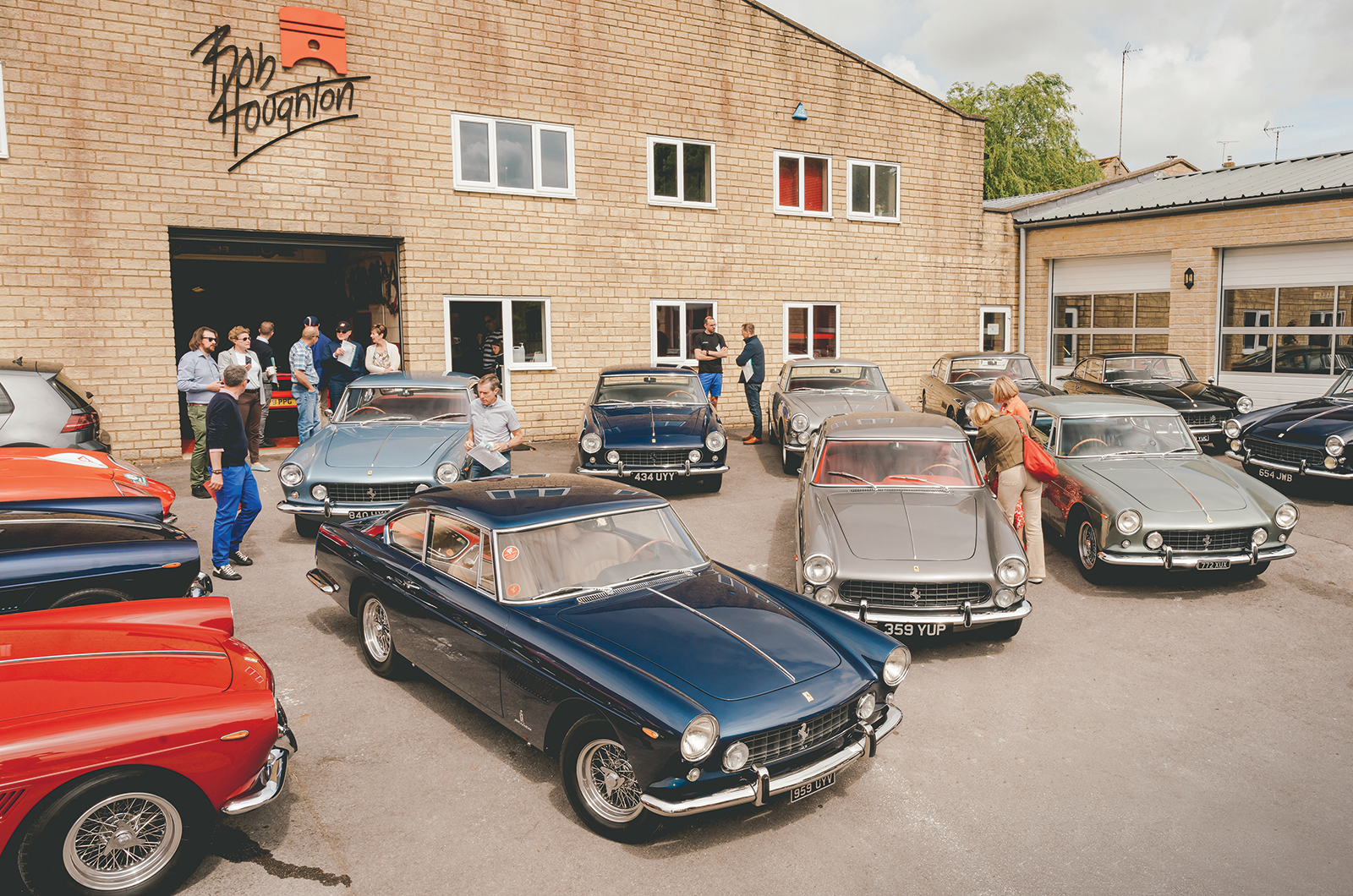
It certainly wouldn’t happen to any of the cars that have gathered at the Cotswolds premises of marque guru Bob Houghton, ahead of a two-day tour through the beautiful surrounding countryside.

Classic & Sports Car – Ferrari 250GTE: Enzo’s road-going winner
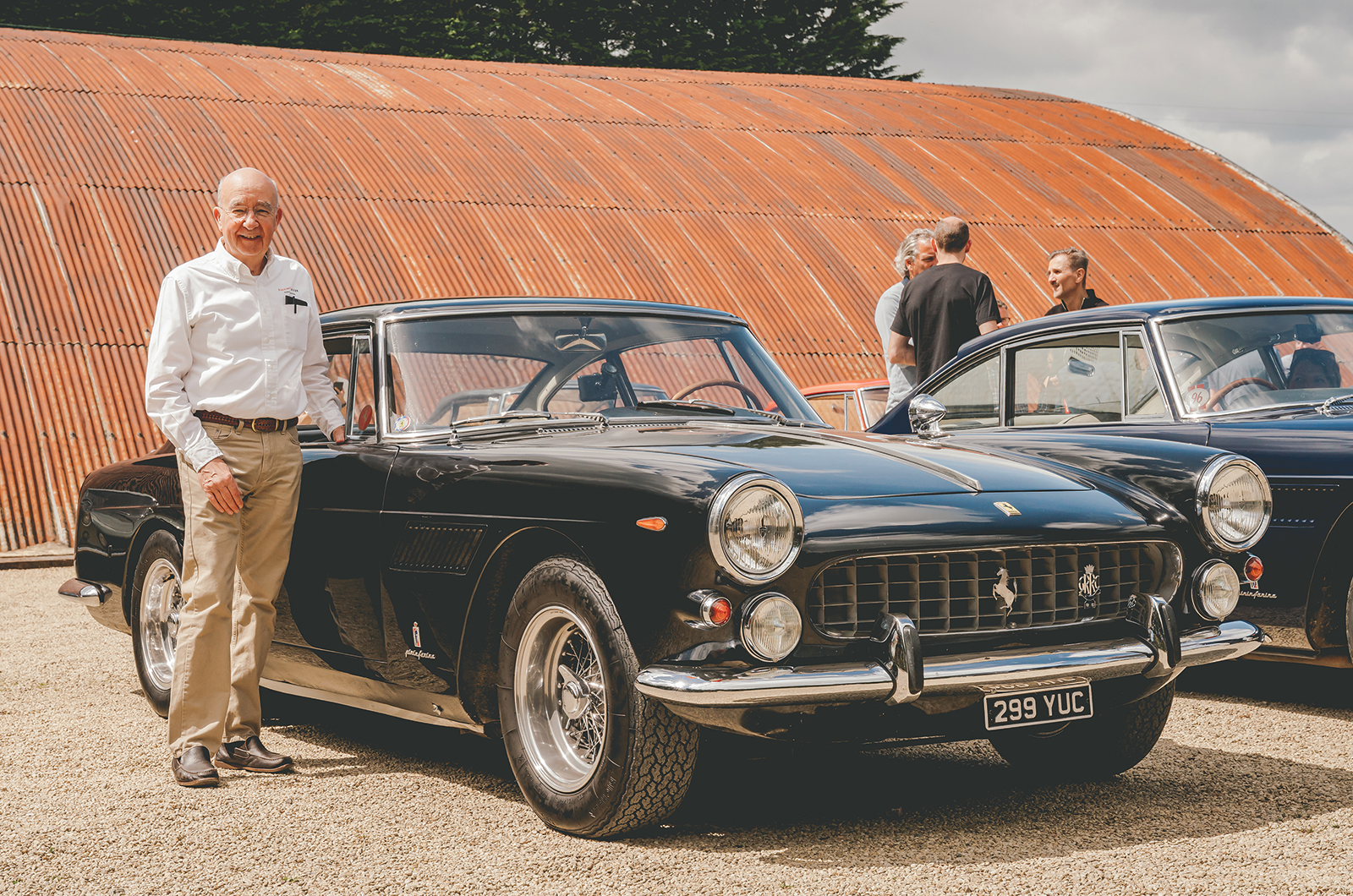
The tour started at Ferrari guru Bob Houghton’s premises in the Cotswolds, in the UK

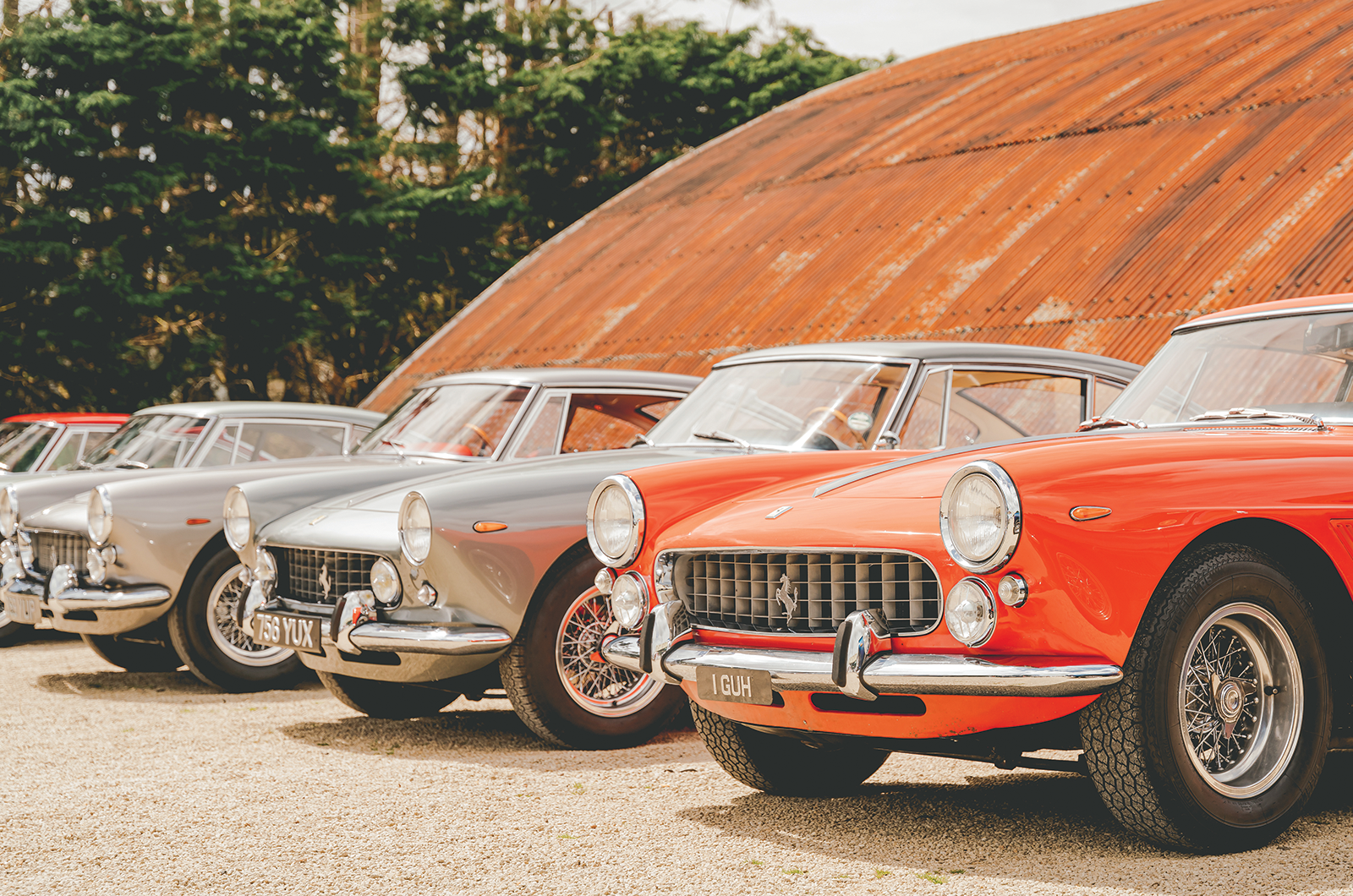
The 15-strong group covers the full range of GTEs – eight Series 1s, two Series 2s and three Series 3s – plus two of the outwardly similar 4-liter 330 Americas.

There’s even a previous Classic & Sports Car feature car here.

In the September 1983 issue, 3 DPX – a right-hand-drive Series 1 – was compared to an Aston Martin DB4, with the late, lamented Mike McCarthy concluding that the Ferrari was the more practical and docile of the two, while the DB4 was more at home at the Goodwood circuit on which the test was carried out.

It was also noted that they could then each be bought for the price of a new Ford Sierra…

Classic & Sports Car – Ferrari 250GTE: Enzo’s road-going winner

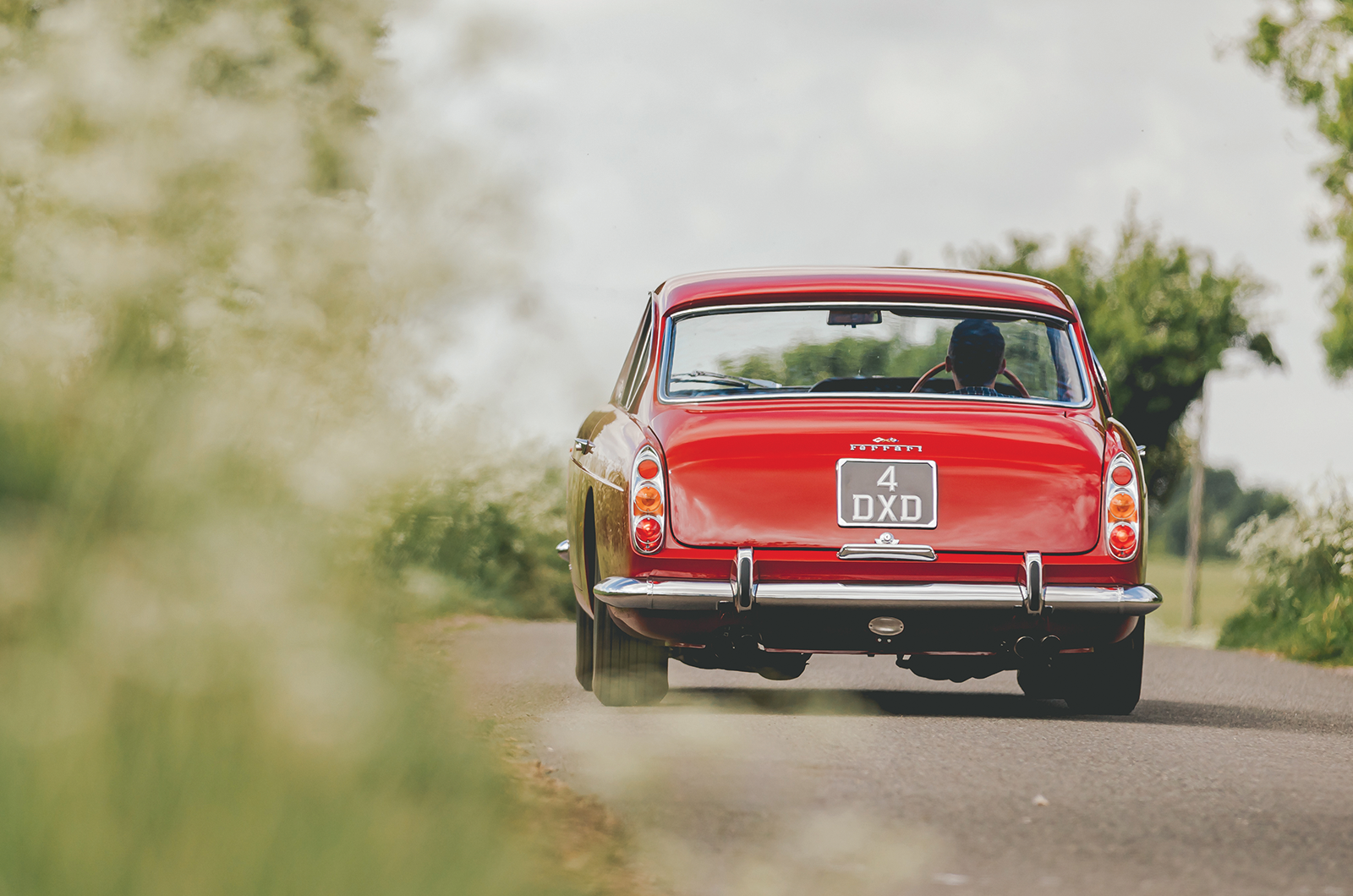
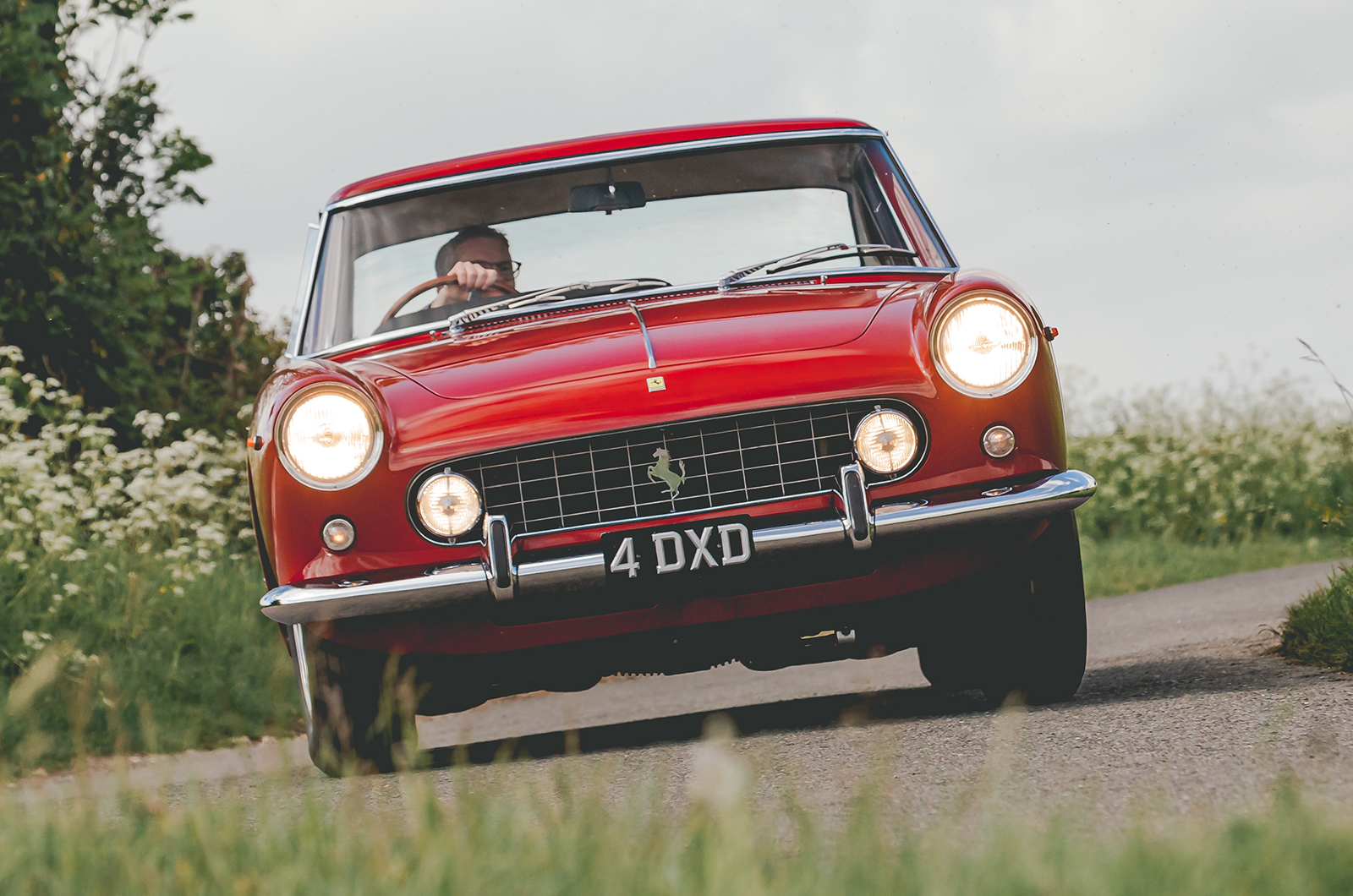
The Ferrari 250GTE was regularly used by Enzo Ferrari as his choice of transportation

Today’s gathering has been organized by Suzie Pilkington, who grew up surrounded by Ferraris. Her father, Stephen, has owned well over 100 of them.

Some of those were bought in order to be sold on, but many more of them were keepers.

Probably the most well-known was the Ferrari 250GTO (3527 GT) in which Lucien Bianchi and Claude Dubois were on course to win the 1962 Tour de France, until Bianchi hit a milk truck en route to the final stage at Reims.

Pilkington was the keeper of that car for 21 years, and had previously had a 250LM for nine years despite it hardly being a practical choice of road car.

Classic & Sports Car – Ferrari 250GTE: Enzo’s road-going winner

Red was the exception rather than the rule on the day

Not that he’s the type to be deterred by such things.

After the birth of Suzie’s older brother Richard in 1971, Stephen bought a 250GT SWB and was delighted to discover that the carry-cot fitted on the parcel shelf.

As for Suzie, she recalls earning some pre-university pocket money in 1991 by helping to scrape the old paint off his 250GT SWB California Spider.

Stephen’s long history of Ferrari ownership started in 1970 with an eight-year-old GTE, chassis number 3883 GT.

It had a smoky engine and the floors were merrily rusting away, but it nonetheless kick-started an appreciation for the model that has lasted to this day, and which has been passed on to Suzie and Richard.

Classic & Sports Car – Ferrari 250GTE: Enzo’s road-going winner

Partly thanks to a front-to-rear weight distribution of 55:45, the Ferrari 250GTE is not a car that you can flick easily through tight curves

Officially known as the 250 Gran Turismo Coupe Pinin Farina 2+2, the GTE made its public debut not at a motor show, but as the course car at the 1960 Le Mans 24 Hours.

It made use of a development of the Tipo 508 chassis that had first been seen on the 1954 250 Europa GT and which also formed the basis of 250GTs from the Boano- and Ellena-built coupes to the Tour de France Berlinettas.

Although the wheelbase remained the same at 2600mm (102⅓in), the engine was moved forward by 200mm (7⅘in) and the front bulkhead by 300mm (11⅘in), creating enough room for the back seats to be located ahead of the rear axle.

Classic & Sports Car – Ferrari 250GTE: Enzo’s road-going winner

Some 250GTEs were fitted with Ferrari’s 128F engine, but most used the 2953cc Tipo 128E unit

A pair of extra longitudinal tubes was added to compensate for the loss of the central cruciform section used on other Tipo 508 chassis, but which had to be removed in order to create room for the overdrive unit.

In this form, the frame was given the designation 508E.

The suspension was independent at the front via wishbones, and at the rear there was a live axle, parallel trailing arms and leaf springs.

Tubular dampers were used all round and there was servo assistance for the Dunlop disc brakes, while the gearbox was a four-speed, all-synchromesh unit with the aforementioned overdrive on top.

Classic & Sports Car – Ferrari 250GTE: Enzo’s road-going winner

The Ferrari’s beautifully appointed interior features instruments by Veglia Borletti

Motor Sport correspondent Denis Jenkinson once wondered whether the Ferrari legend would have established itself quite so strongly had its early engines been anything other than V12s, and without doubt the GTE’s powerplant is its heart and soul.

This legendary unit can trace its roots back to the 1.5-liter V12 that Gioacchino Colombo designed for Enzo Ferrari in the summer of 1945.

For the new 2+2, it was in 2953cc Tipo 128E specification – the E suffix for both chassis and engine being the reason why the car became known as the GTE (or sometimes GT/E).

Topped by a trio of Weber carburetors, it produced 235bhp at 7000rpm. The bare numbers, however, don’t do it justice.

Classic & Sports Car – Ferrari 250GTE: Enzo’s road-going winner

The range of sounds from the Ferrari’s V12 engine leave a lasting impression

The Pilkington family accounts for five of the Ferrari GTEs on the tour, and Suzie has generously entrusted us with a deep-red Series 2.

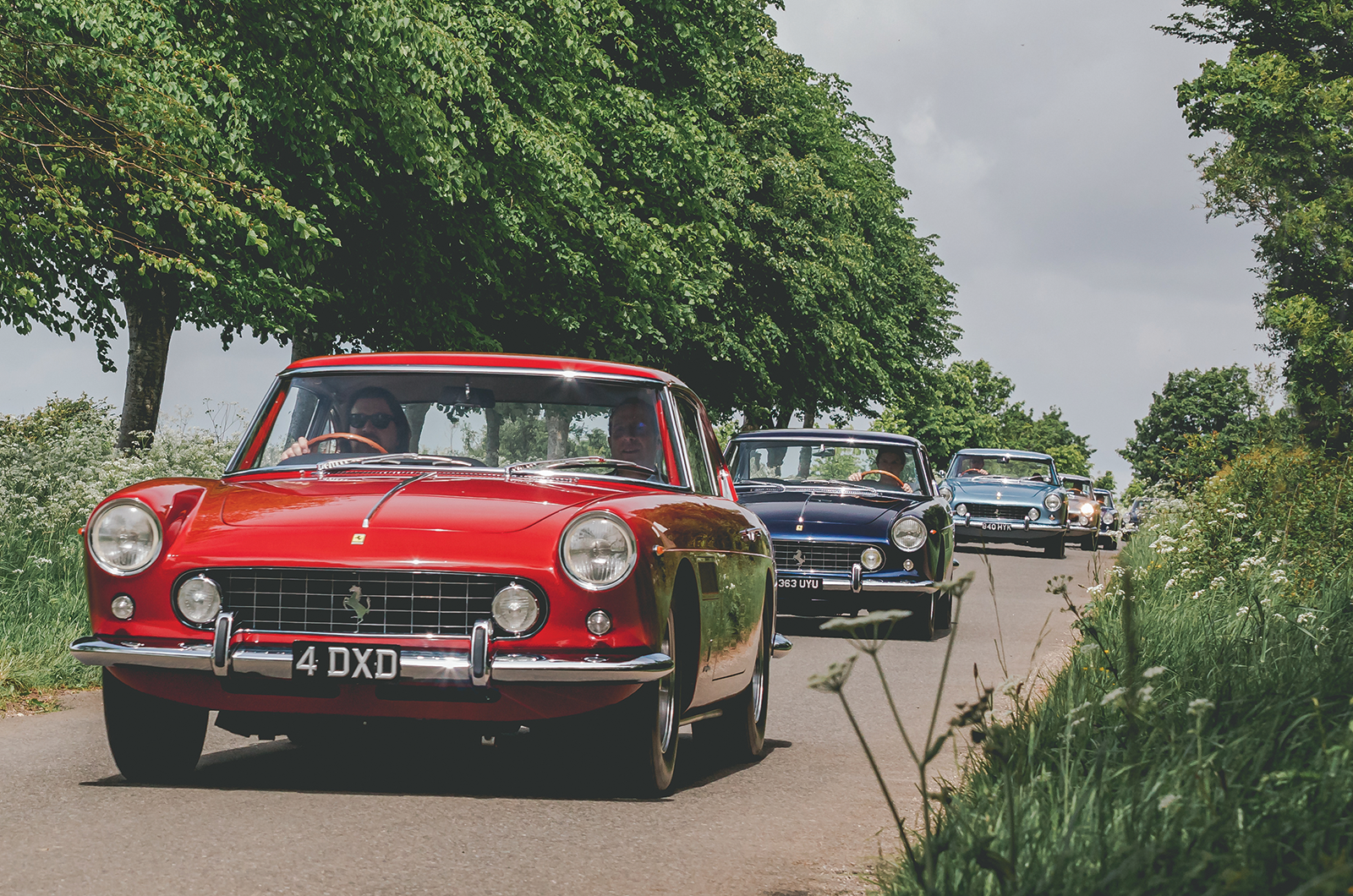
It has recently been restored, and is now in superlative condition, and following a lunch stop at The Classic Motor Hub in Gloucestershire, nestled in the south-west of England, we head out on to the nearby country lanes.

Move the ignition key clockwise through two ‘clicks’, then push it in and the Colombo V12 fires into life.

The feeling is of sitting quite low in the car and the GTE comes into its own on fast, open, flowing roads; with a front-to-rear weight distribution of 55:45, compared to the 250GT Pinin Farina Coupe’s 49:51, it’s not a car that you can flick easily through a succession of tight corners.

Classic & Sports Car – Ferrari 250GTE: Enzo’s road-going winner

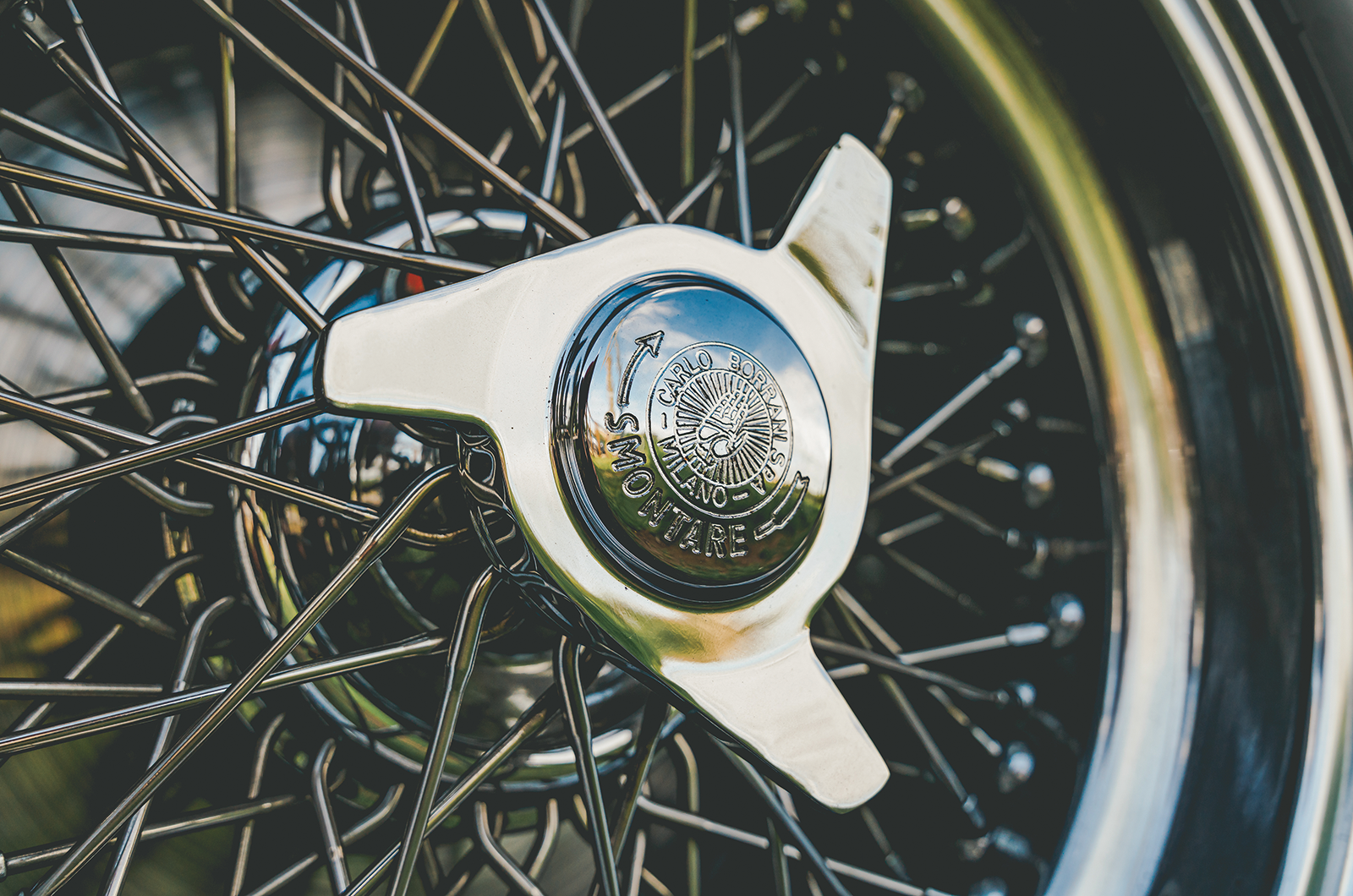
The Ferrari 250GTE used Borrani wire wheels throughout its production

It covers ground quickly and without fuss, however, with the servo-assisted brakes inspiring confidence and none of the controls feeling excessively heavy.

But the lasting impression comes from the engine.

Not only does it give the GTE a turn of straight-line speed that still feels strong today, it does so to the accompaniment of a magnificent soundtrack.

It’s the range that you notice – deep and cultured at low revs, it hardens considerably as it spins faster, to the point where it begins to sound more like its race-bred Berlinetta siblings than a grown-up 2+2 gran turismo, and all of the owners we speak to confirm that it’s a noise you simply never grow tired of.

Classic & Sports Car – Ferrari 250GTE: Enzo’s road-going winner

Subtle crackle-black cam covers adorn the Ferrari’s 128E engine

Our route takes us north to the archetypal Cotswolds village of Broadway, which is packed when we arrive late on a spring afternoon.

As understated as a single Ferrari 250GTE might be, a procession of them is bound to turn heads on a busy high street, and it’s possible to make out the exact moment at which the driver of a modern Porsche 911 realizes he’s been comprehensively upstaged.

The tour is set to continue tomorrow, but our role in it ends here.

There’s little doubt that these owners see their cars – rising values or not – as machines to be driven and enjoyed, rather than cosseted away as an investment; Brian Bolger, for example, produces a photograph of his 330 America with two mountain bikes strapped to the roof.

There’s also a genuine camaraderie between them – a sense, perhaps, that they are custodians of a model that other enthusiasts have only recently started to appreciate, and which had been overlooked and underrated for far too long.

Images: Max Edleston

This was first in our August 2022 magazine; all information was correct at the date of original publication

Classic & Sports Car – Ferrari 250GTE: Enzo’s road-going winner

‘The V12’s note hardens as it spins faster, to the point where it begins to sound more like its Berlinetta siblings than a grown-up 2+2 gran turismo’


Squaring up to the British competition

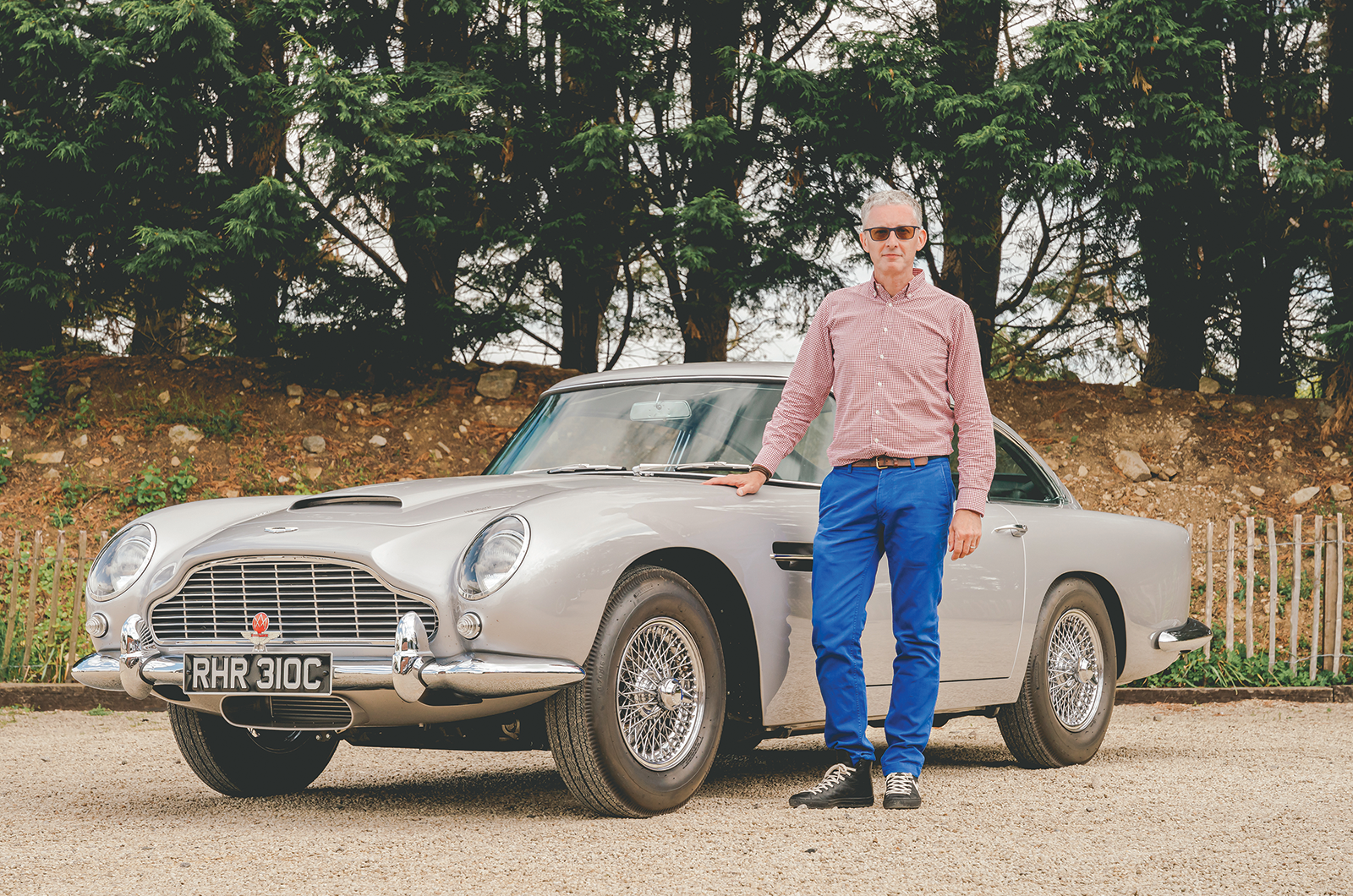
Jason Downes is in the very fortunate position of being able to directly compare two of the finest grand tourers of the 1960s – the 250GTE and the Aston Martin DB5.

His Series 2 GTE is currently being restored, and was acquired after his Ferrari ownership had started with a 308GTB and then an ex-David Beckham 360.

After admitting that he hadn’t previously known anything about GTEs, he fell in love after driving one.

“They’re very different,” he says of the 250GTE and DB5.

“I think the V12 makes the Ferrari much more of a GT car. It’s great at those long journeys, but it’s a little softer around the corners.

“It’s certainly a refined car and almost low-key, whereas the British machine is more of a sports car.”

Classic & Sports Car – Ferrari 250GTE: Enzo’s road-going winner

The Aston Martin DB5 feels much lighter and sportier than the softer Ferrari 250GTE

“I would say that the Aston Martin is quicker and feels a lot lighter, but it’s much louder in terms of things such as wind noise,” he adds.

“When you put it next to the GTE, the Aston Martin looks smaller, a little bit more compact.

“The Ferrari’s got a lot more trunk space, to be fair, and the rear seats are much larger as well. Overall, it’s a slightly bigger car but it doesn’t actually feel like that. They both feel really similar from inside.

“Value-wise, GTEs went up pretty well over the past five years but they’ve leveled off, whereas the Aston has continued to climb.

“It used to be that you could buy an unrestored DB5 for approximately the same price as a restored GTE. I think there’s still a substantial premium on the DB5, and that it’s probably widened slightly.”


Ferrari’s test car now treasured

Classic & Sports Car – Ferrari 250GTE: Enzo’s road-going winner

David Wheeler’s Ferrari 250GTE traveled with him to the UK following a move from the United States

What model expert David Wheeler doesn’t know about Ferrari 250GTEs probably isn’t worth knowing.

When he published a book on this model it rapidly sold out, and his personal Series 1 GTE – chassis 2713 GT – had a fascinating early life with the Italian automobile manufacturer.

“It was used as a bit of a hack car,” he says as he starts his explanation.

“There’s a photograph of it in the Nürburgring paddock, and Enzo apparently drove it to the Italian Grand Prix one year. We can’t prove that, but it’s a nice story!” It most certainly is.

This example also became, in effect, a prototype for the Series 3’s styling.

Classic & Sports Car – Ferrari 250GTE: Enzo’s road-going winner

The two-day tour gave the classic Ferrari 250GTE owners the opportunity to enjoy their machines – and great company

“Mike Parkes joined Ferrari in January 1963, and when it was given to him as his company car it had been modified to look like a Series 3,” Wheeler continues.

“Originally beige, it was then painted Nocciola, which is a much nicer golden-brown color.”

Wheeler has owned a number of V12 2+2 Ferraris but, tellingly, his 250GTE was the only one that followed him across the Atlantic when he moved from the USA.

“It’s beautiful – the elegant lines are Pininfarina at its ’60s best. That’s what does it for me. And even though it’s a big old 2+2, it’s still pretty light and maneuverable, and I just love driving it.”


We hope you enjoyed reading. Please click the ‘Follow’ button for more super stories from Classic & Sports Car.