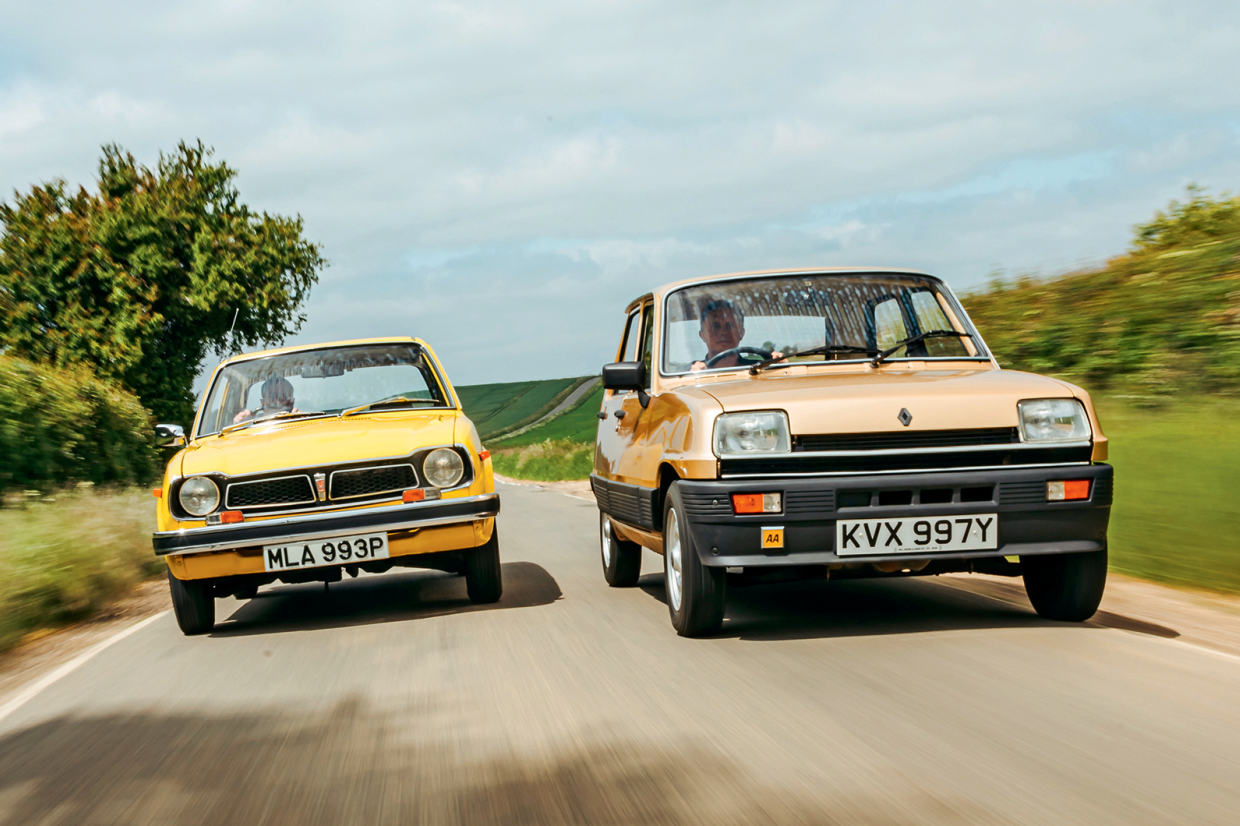
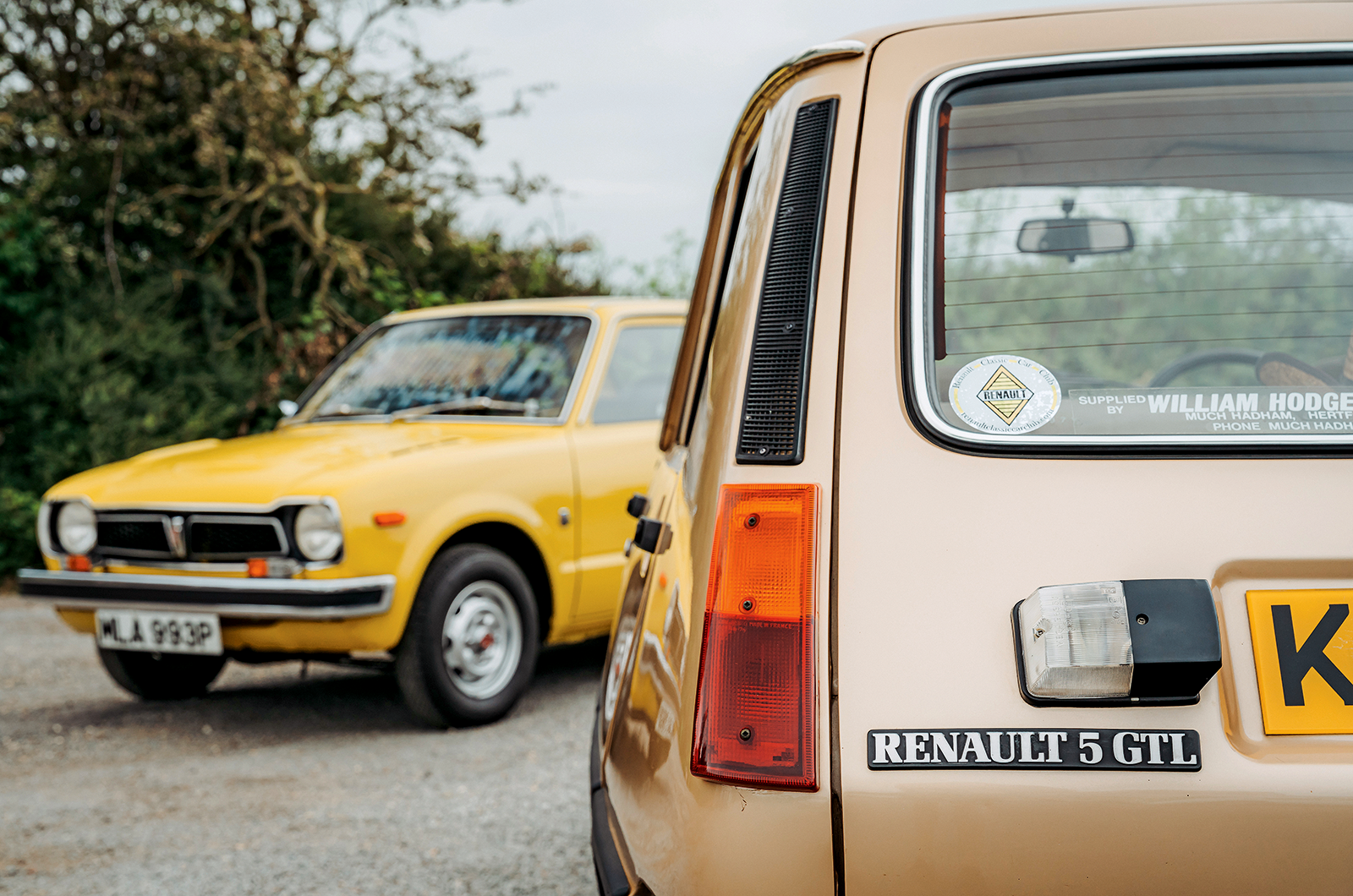
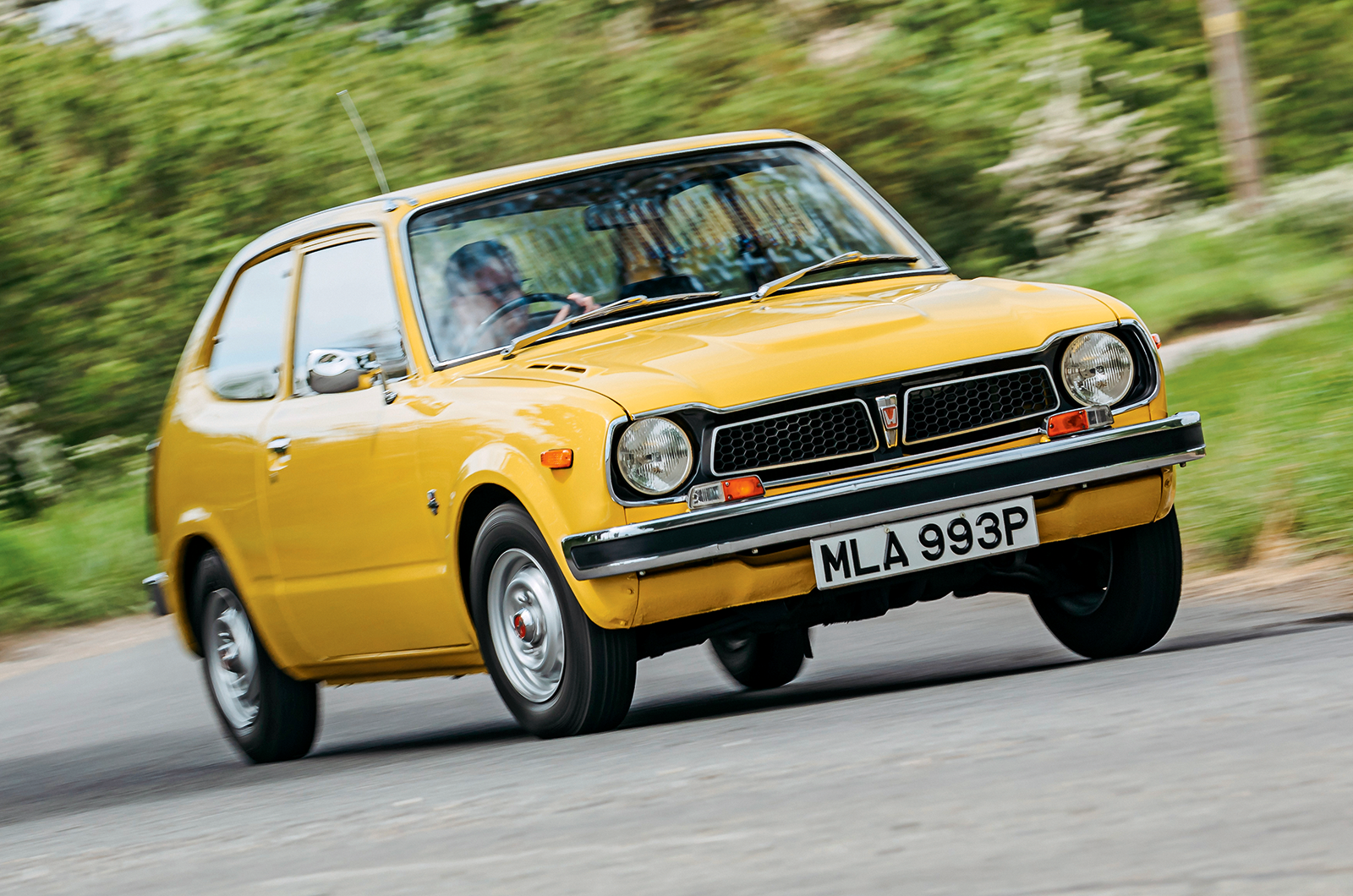
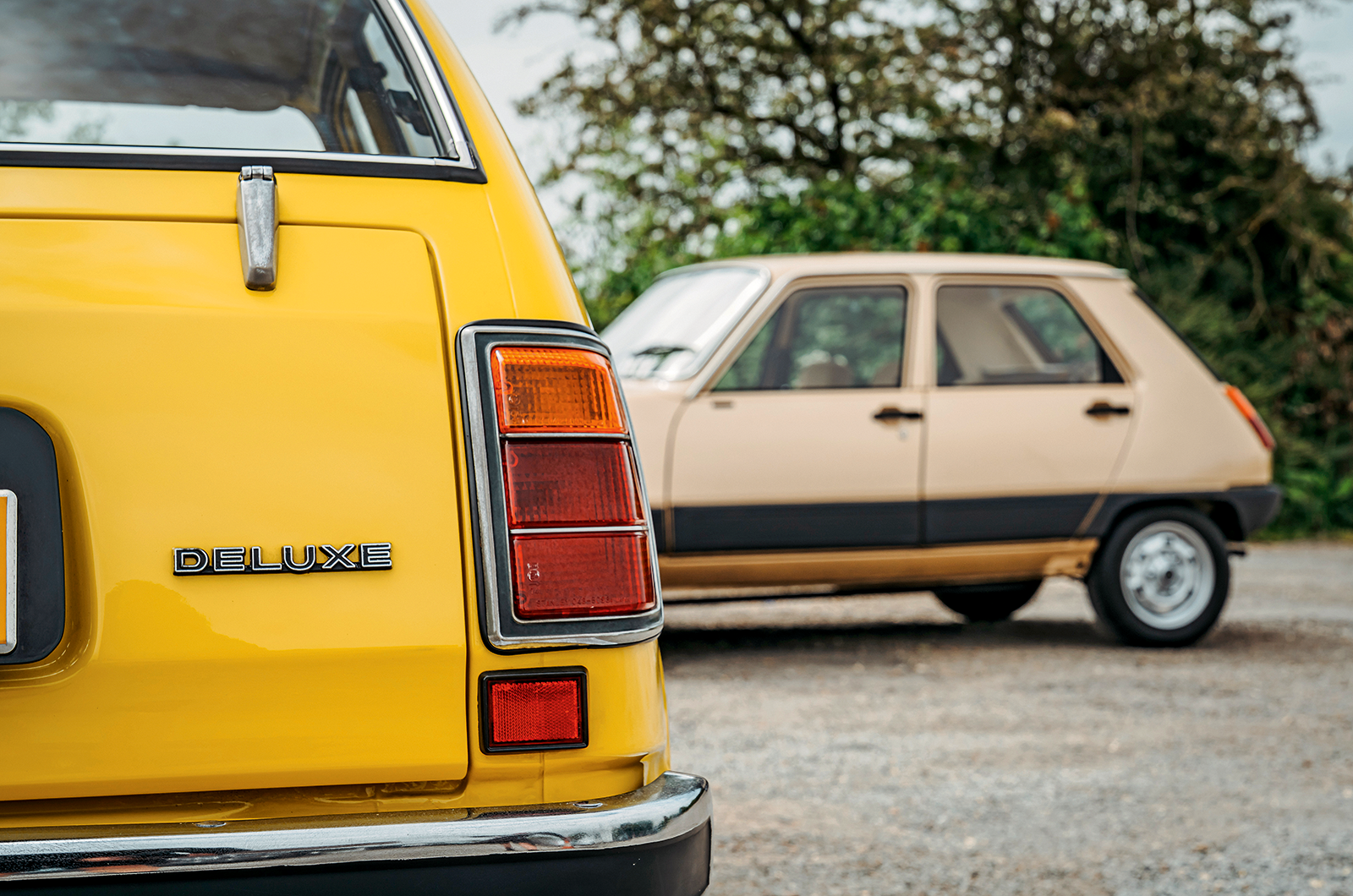
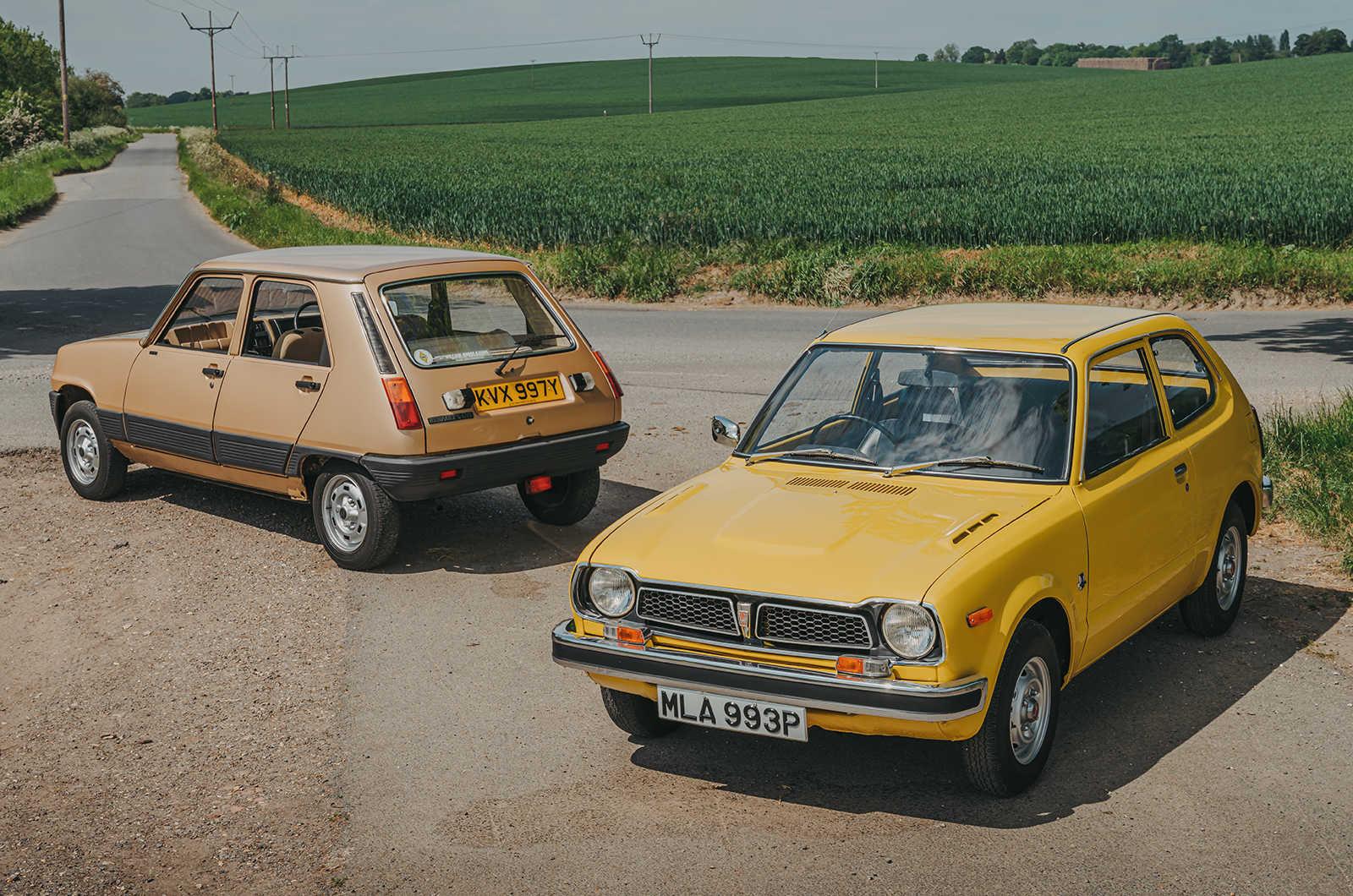
MLA 993P has been a popular member of the Honda heritage fleet for the past 25 years.
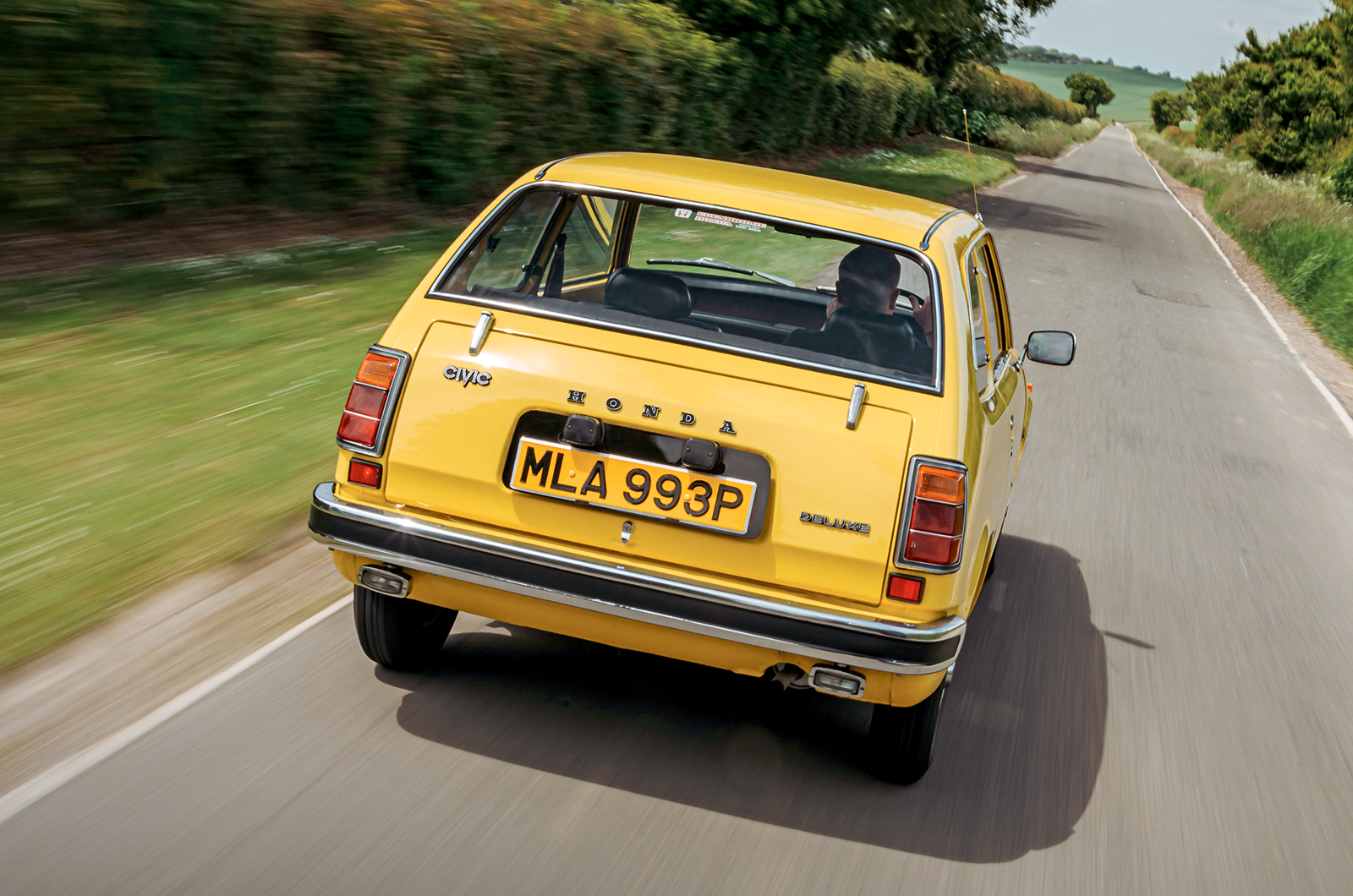
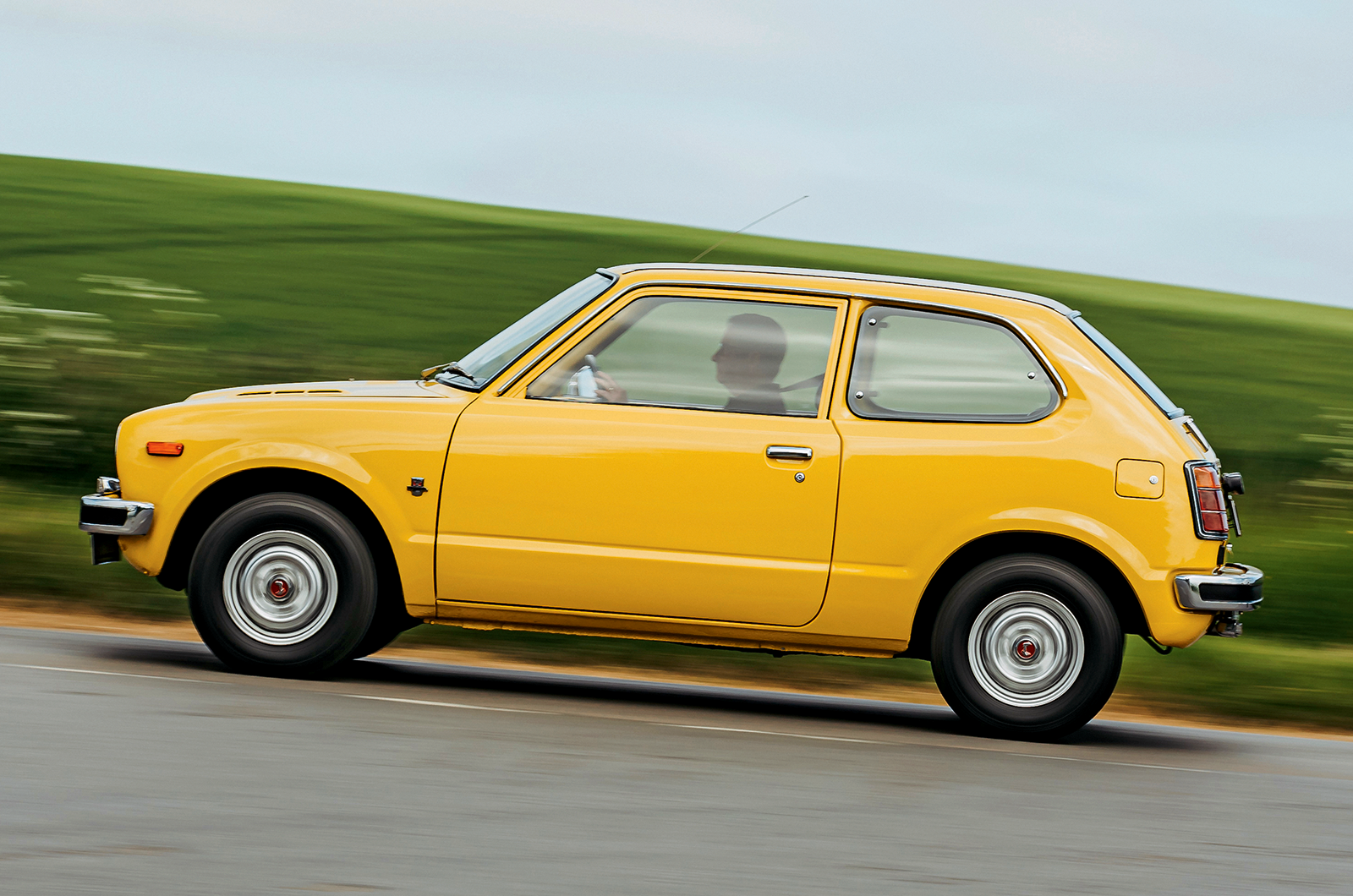
“It’s surprisingly nimble in typical Honda fashion,” says Jason Ryder, the master technician charged with the Civic’s welfare today.
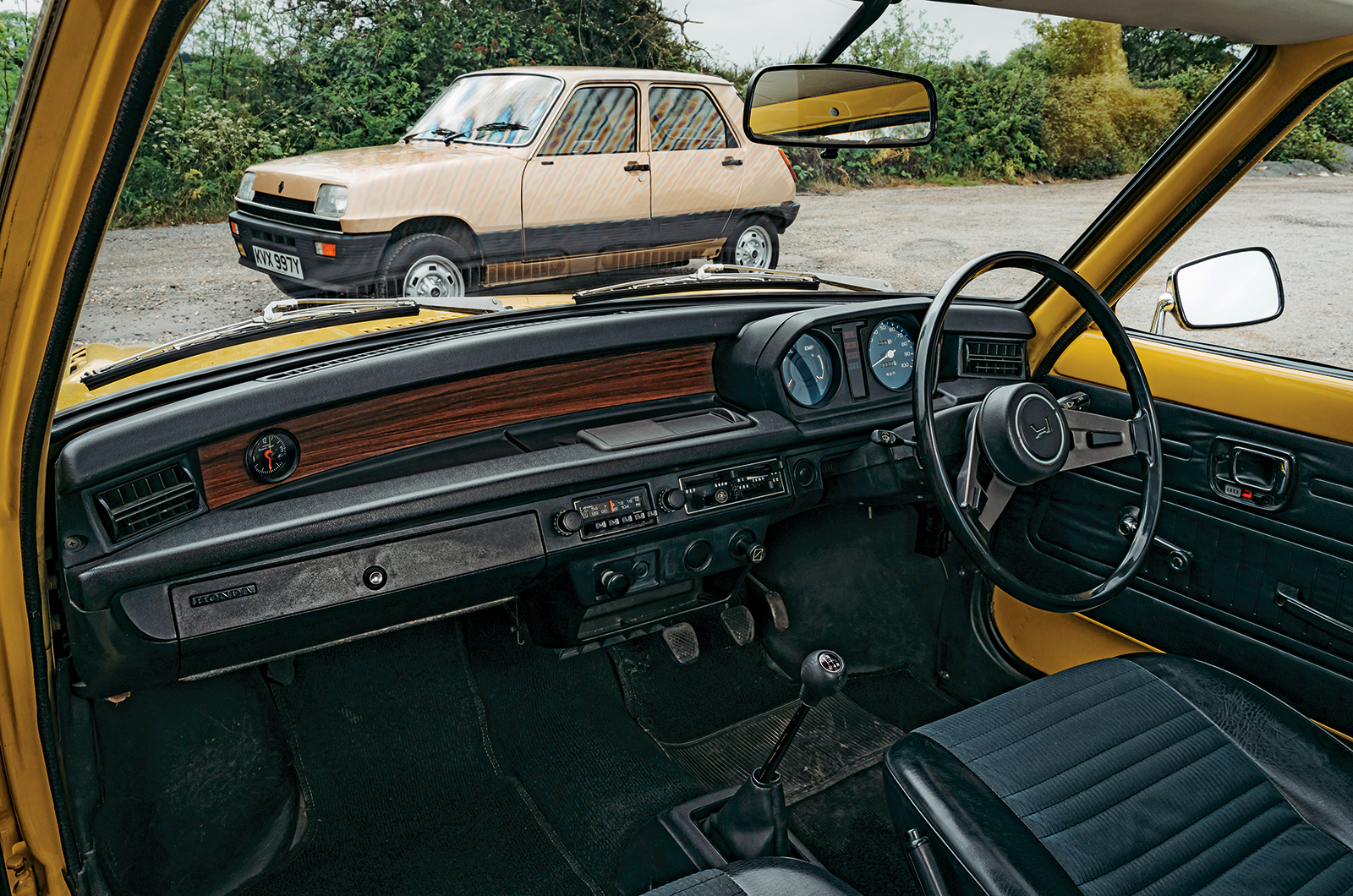
Wood inserts jump out in the Honda Civic’s predominantly black cabin
“The steering has no power assistance and feels heavy but responsive,” he continues.
“As for the ride quality, this is a 1975 car – so it’s bouncy but still comfortable.
“There’s only a four-speed transmission with very short ratios, which you do have to work, and the Civic does feel as if it needs a fifth gear.
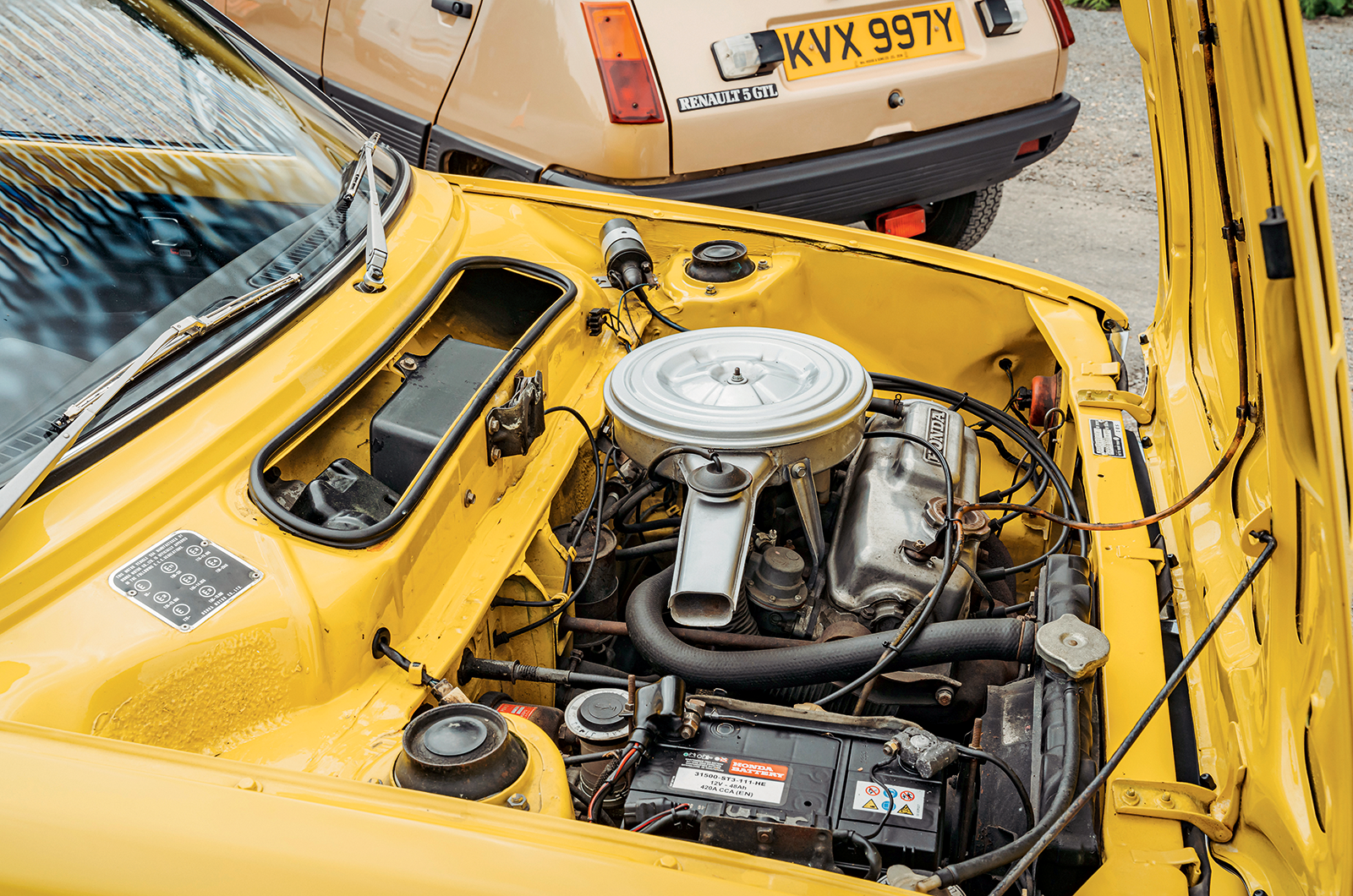
“But the four-pot motor still revs the way a Honda engine should.”
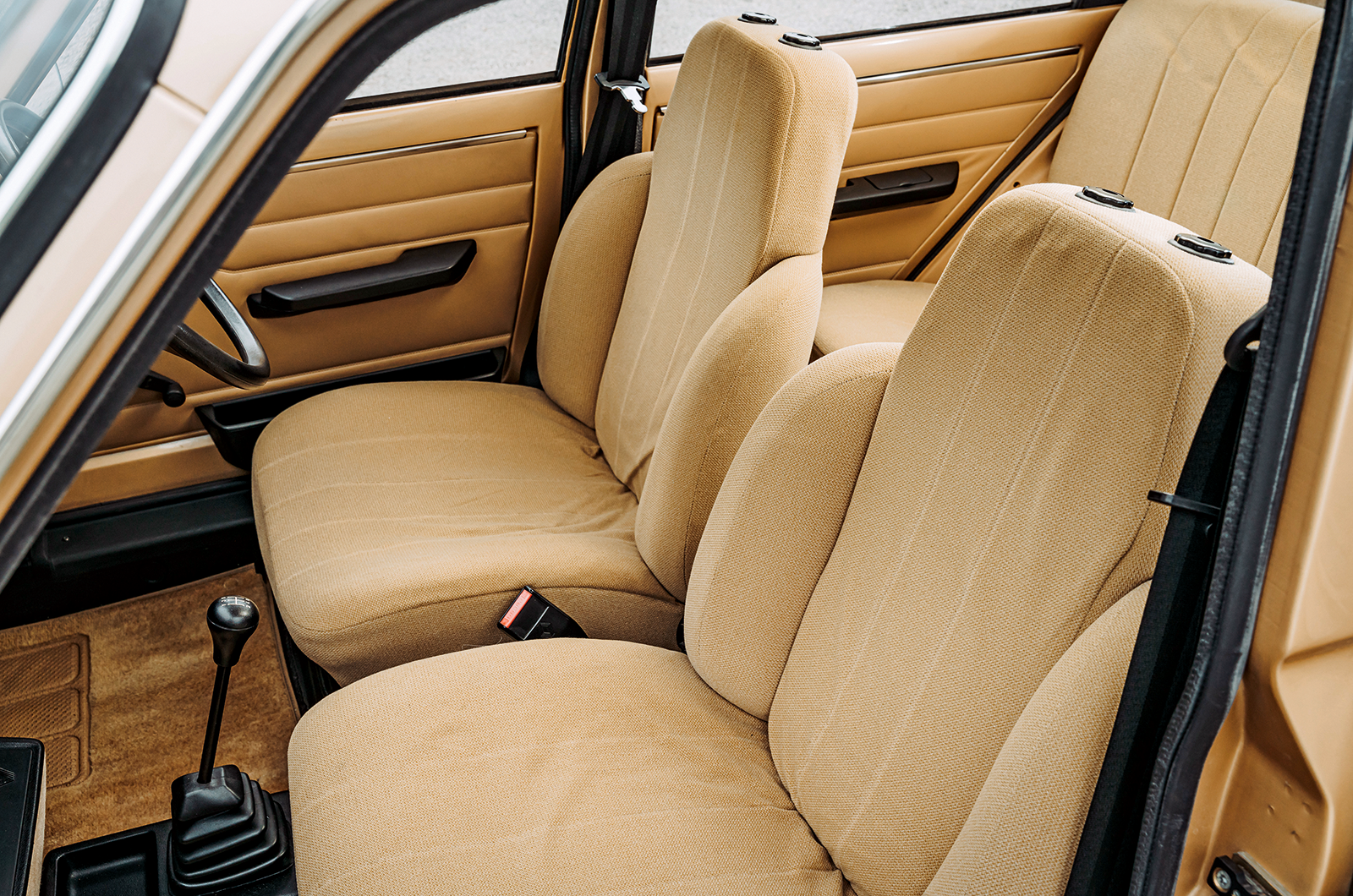
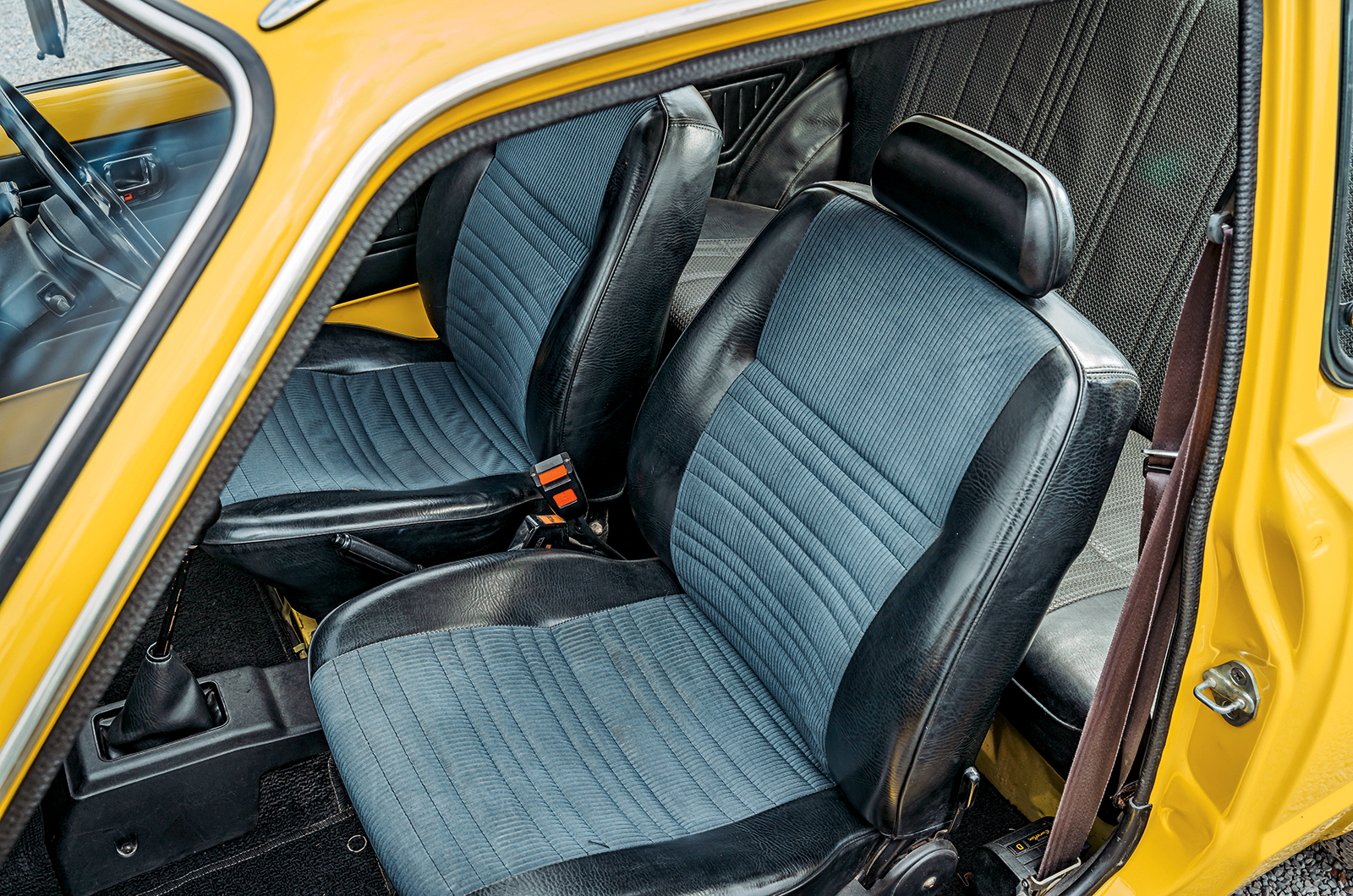
A mix of cloth and PVC, the Honda’s seats provide a sense of luxury
This car, MLA, has travelled fewer than 75,000 miles in the past 50 years.
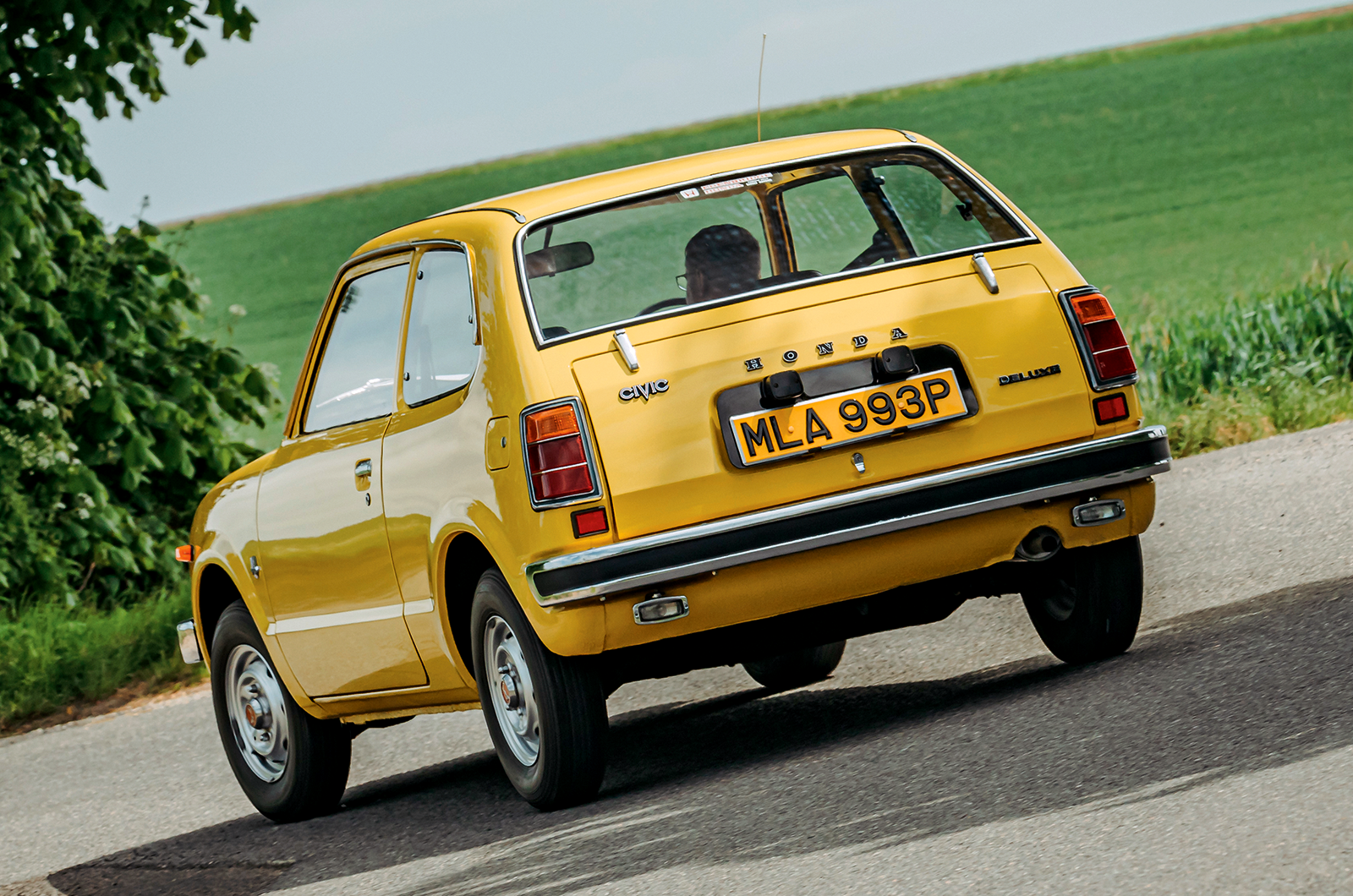
Today, its appearance truly deserves the epithet ‘timewarp’, because this Honda Civic feels as if it has just strayed from its manufacturer’s dealership in approximately 1975.
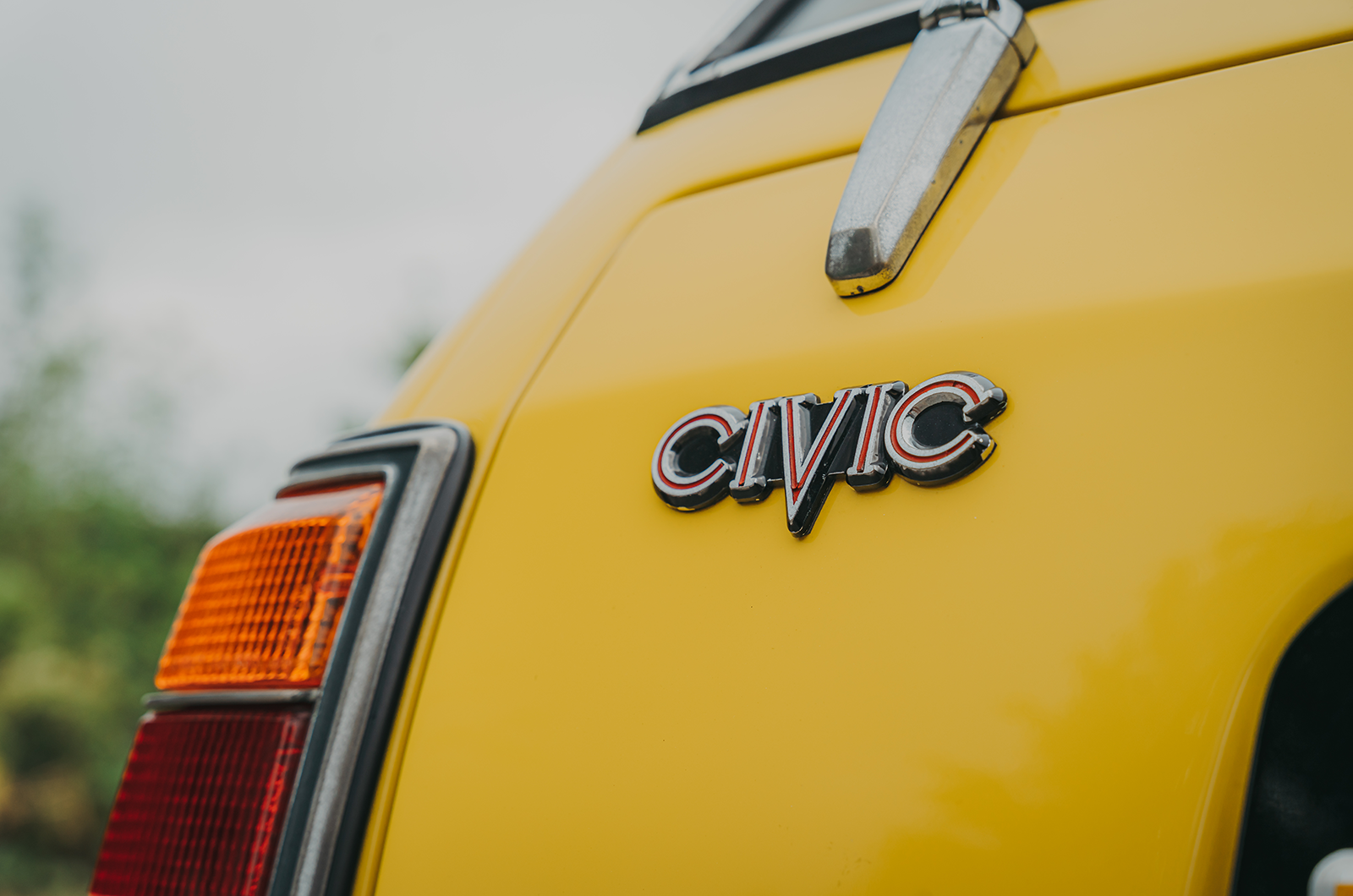
The Series 1 version is now so rare that during our photoshoot some passers-by were confused by its identity, while the interior has a fascination all of its own: seats trimmed in grey cloth and black PVC create a businesslike air.
For additional distinction, a strip of the finest Fablon plastic wood available to 1970s Japan decorates the fascia.
The diminutive, classic Honda turns heads today
The socially ambitious owner could also specify the steering wheel in ‘simulated walnut’ and even a ‘roof console incorporating spotlight’.
This particular Civic is a two-door, and it is often forgotten that in the early years of the genre several superminis lacked a hatch – Fiat continued to offer a booted version of the 127 until the end of production in 1983.
For Honda dealers, a hatchless Civic was ideal for tempting conservative-minded Mini Clubman custodians.
After all, purchasing a new Japanese car was a radical enough step, without contemplating one of those newfangled hatchbacks as well.
‘Honda ambitiously claimed the Civic was a five-seater, but it feels more like an urban 2+2, while the Renault has the air of compact but genuine family transport’
The Honda Civic gained an upgrade in 1979, and today the model is on its 11th generation after sales exceeded 27 million in 2021.
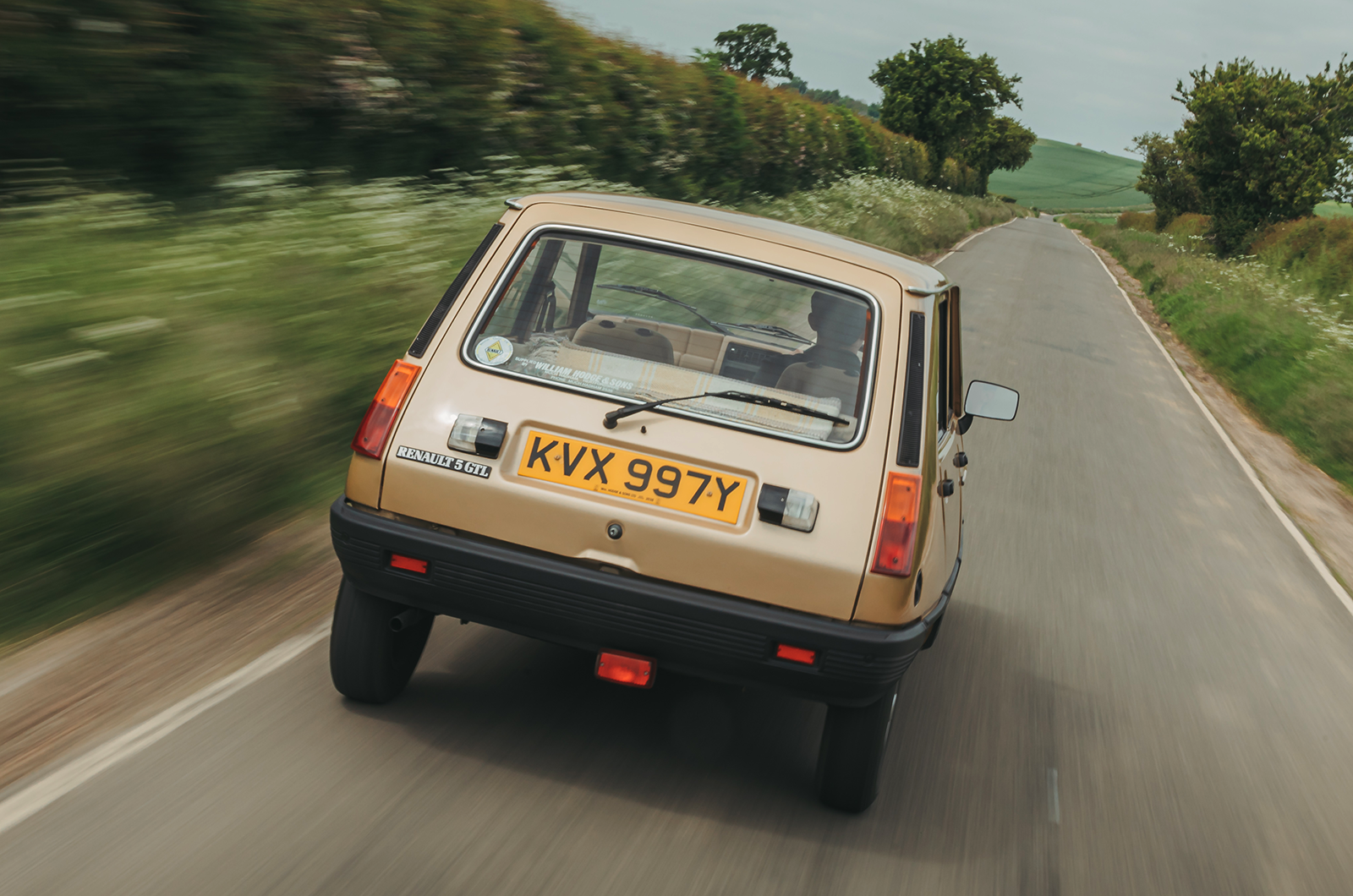
In contrast, the final R5 Series 2 departed the Boulogne-Billancourt production line in 1996, although Iran Khodro continued to make the Series 1 until 2000.
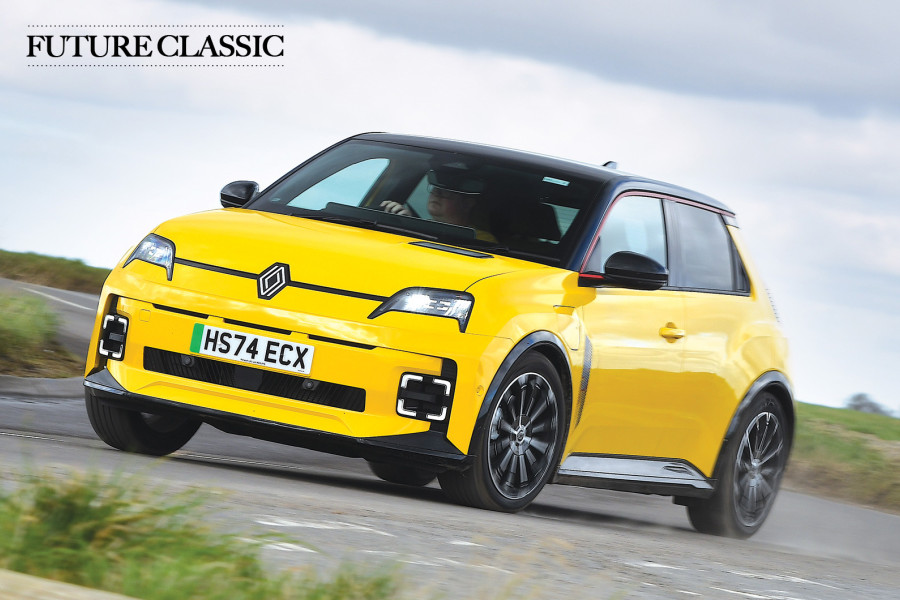
But that was not the end. On 14 January 2021, Renault took the covers off a concept version of its latest electric hatchback – and the new-for-the-21st-century Renault 5 was revealed at the Geneva motor show on 26 February 2024.
The new R5 has been an undoubted sales success and has won countless industry awards – it has more than lived up to the reputation of its much-loved namesake.
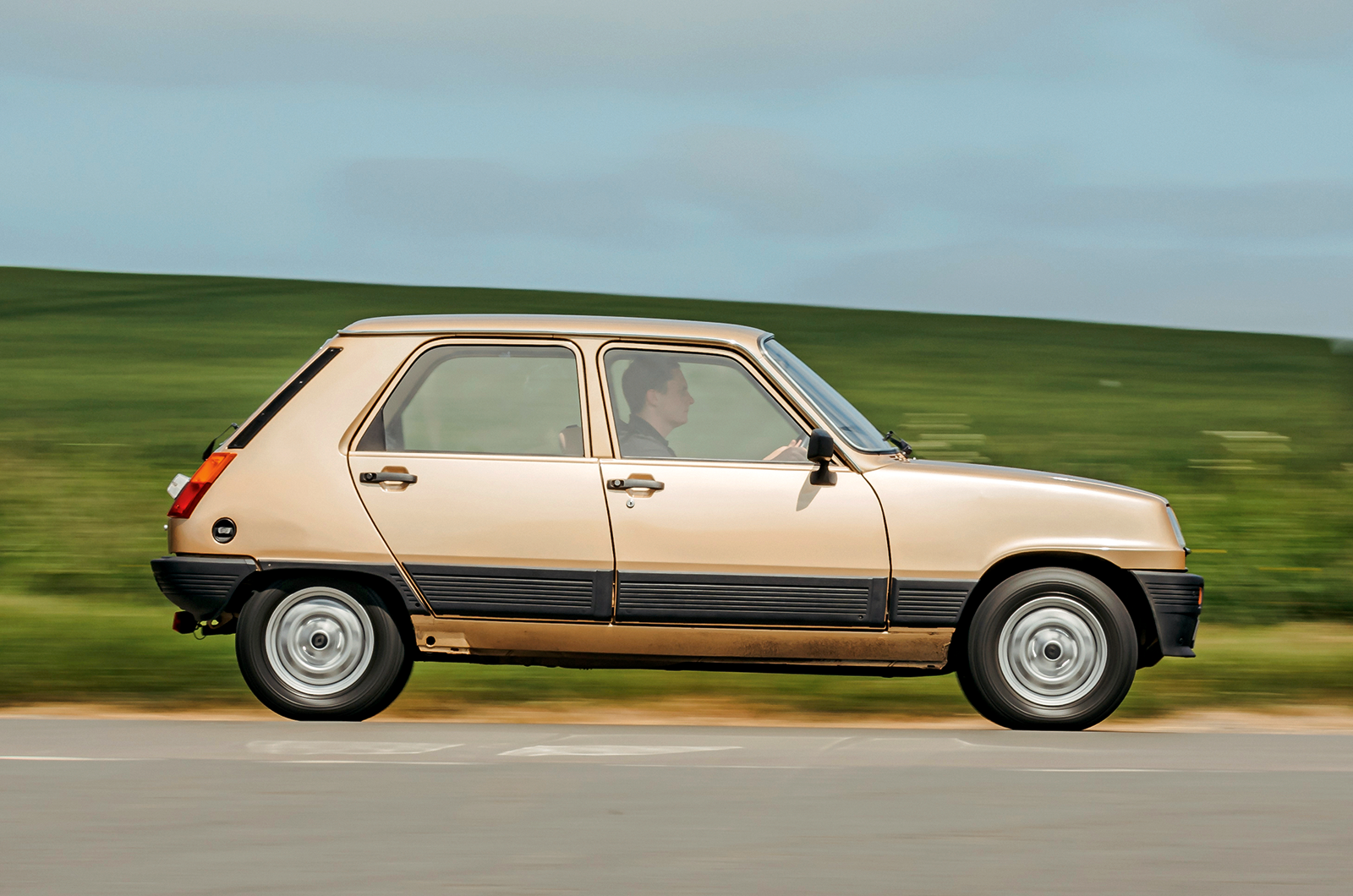
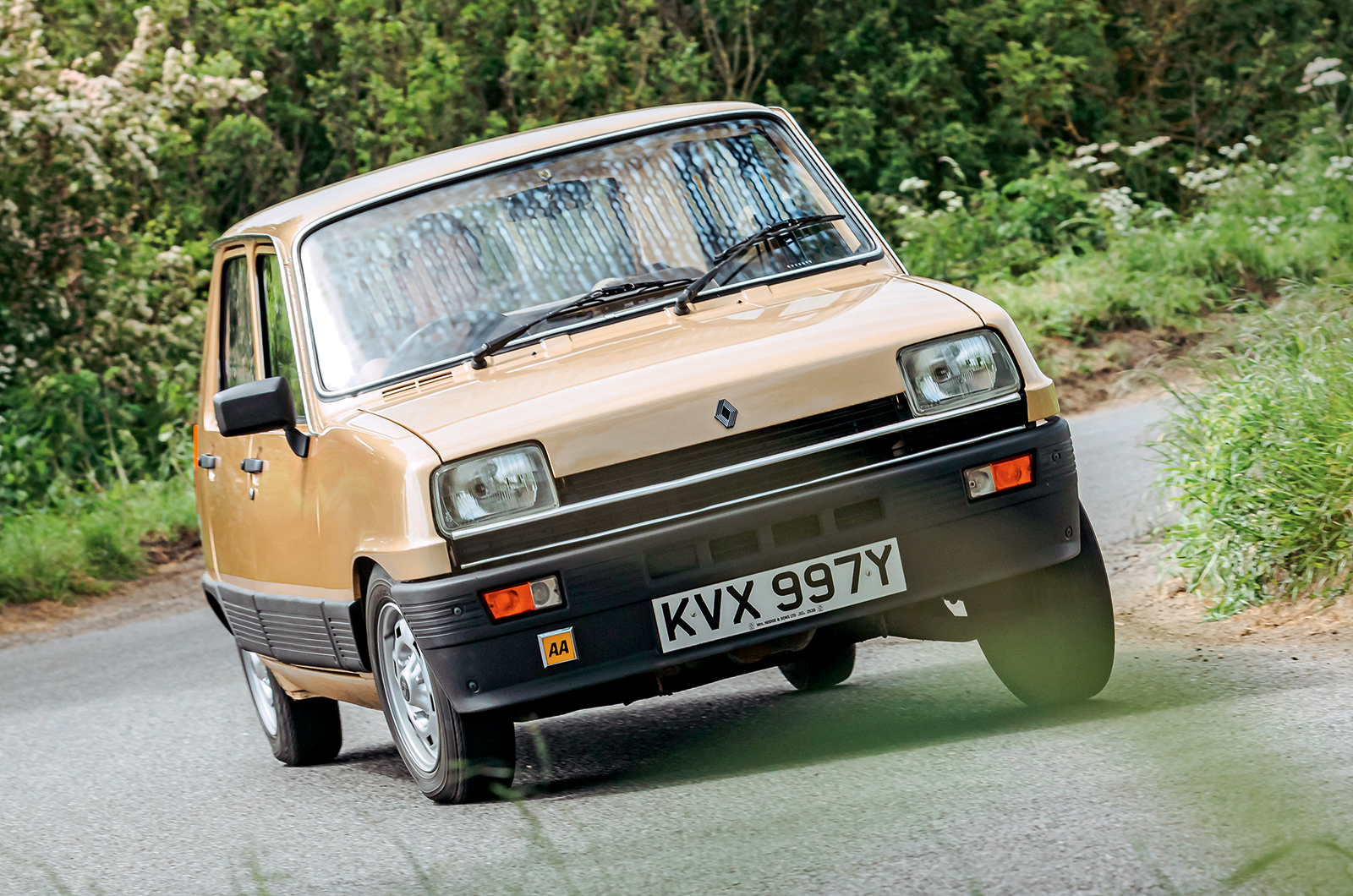
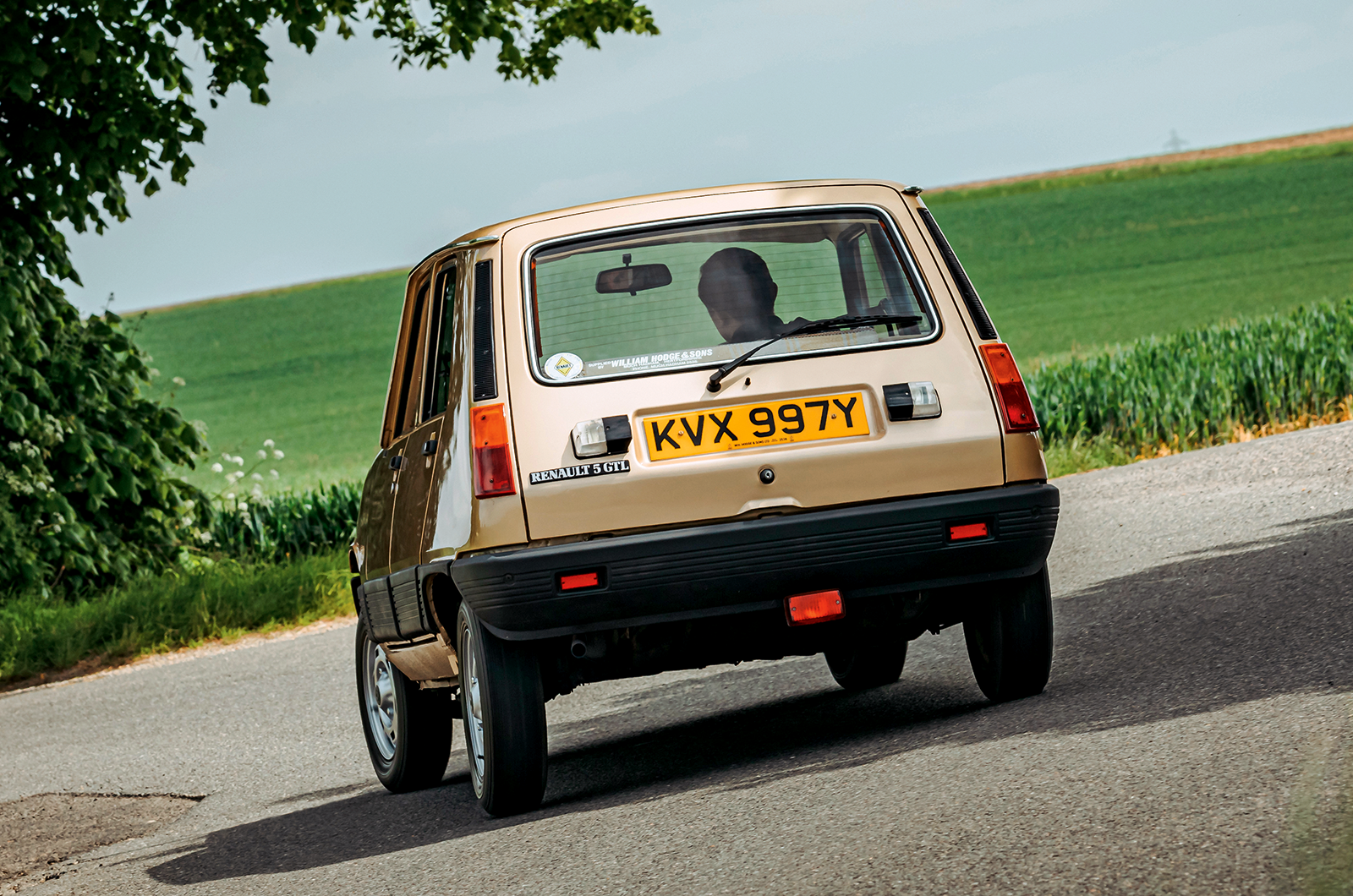
Owner Nigel Harratt praises the Renault 5’s handling, but its attitude in corners is of its time
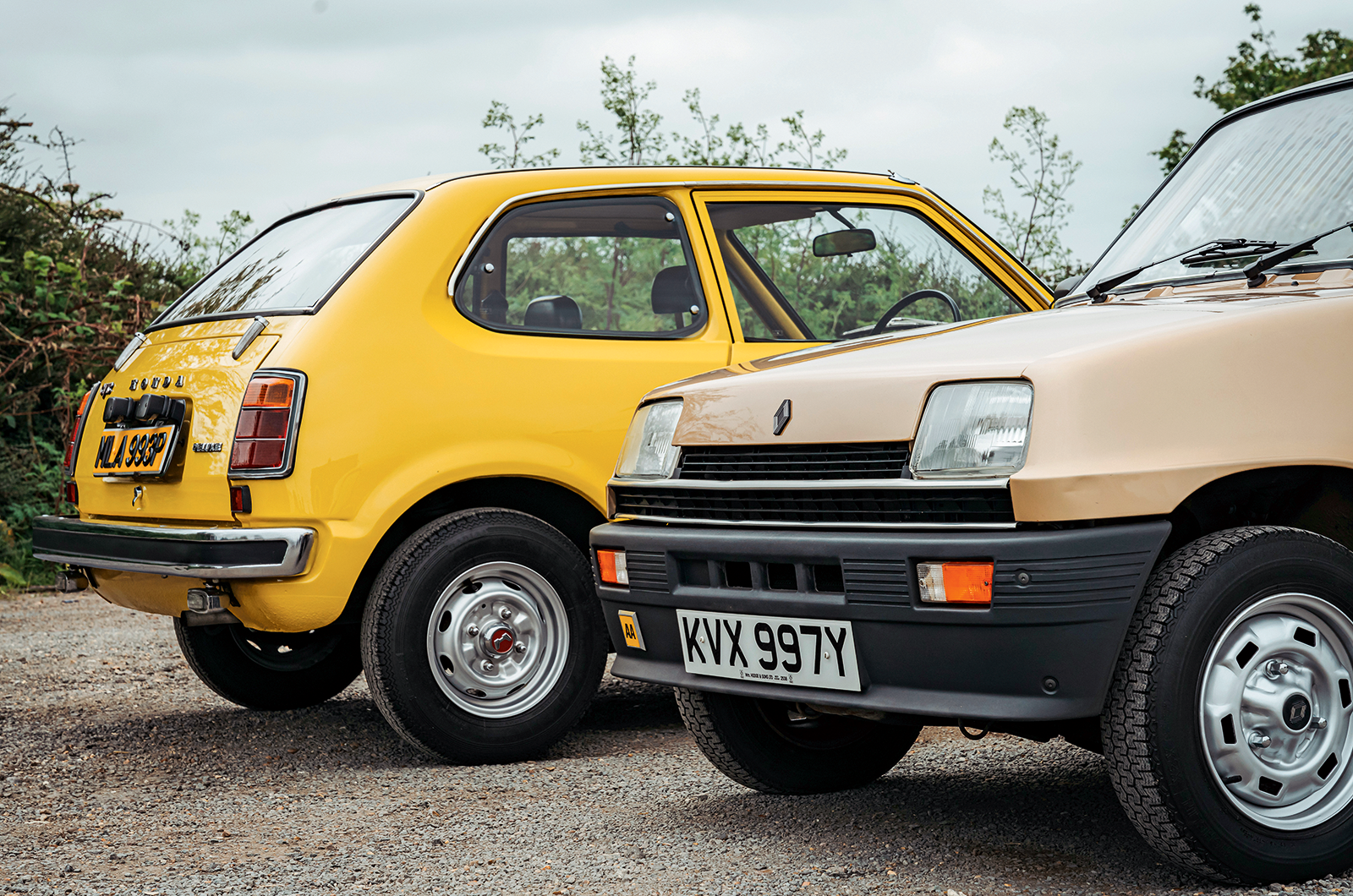
The original Civic now looks not so much small but Lilliputian, compared with a new MINI.
Honda ambitiously claimed the Civic was a five-seater, but it feels more like an urban 2+2, while the Renault has the air of compact but genuine family transport.
Above all, the R5 and Civic were not only crucial to their respective makers, but also part of a significant social change in British motoring.
When the first examples arrived here, buying a foreign car would likely have provoked mass curtain-twitching among the neighbours and mutterings in Fine Fare supermarkets about patriotism.
In 1975, a union leader told the press: ‘Anyone buying a foreign car shows a complete lack of faith in the British worker.’
But such attitudes faded as progressively more drivers chose their cars because they matched their needs, not by nation of origin.
‘Our’ Honda Civic is a two-door hatch
Some new-car buyers spent their hard-earned money on the Renault 5 and the Honda Civic because of these models’ considerable merits, while there were others who bought them as a reaction to British Leyland’s neglect of Mini development during the 1970s.
Whatever customers’ motives, Honda and Renault’s retail outlets seized the opportunity to fill the vacuum with the Civic, sold as ‘the utmost satisfaction in day-to-day driving’, and the R5, claimed to be ‘one car to answer all your driving problems’.
Thanks to: The Silver Ball Cafe; Nigel Harratt; Honda UK Heritage
Images: Max Edleston
Factfiles
Renault 5 GTL
- Sold/number built 1972-’85/5,471,709 (all)
- Construction steel unitary
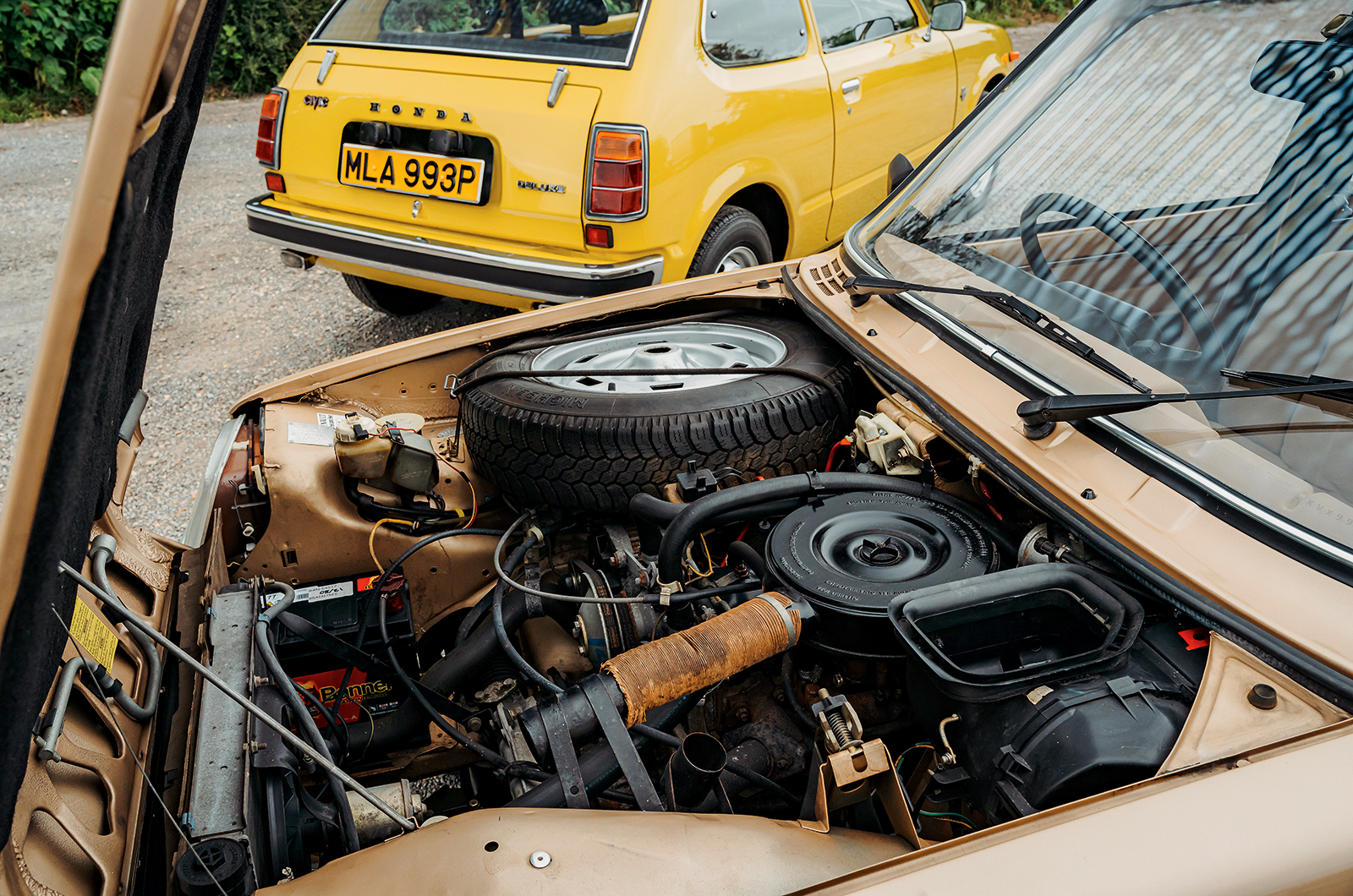
- Engine iron-block, alloy-head, ohv 1108cc ‘four’, single Solex carburettor
- Max power 45bhp @ 4400rpm
- Max torque 63lb ft @ 2000rpm
- Transmission four-speed manual, FWD
- Suspension independent, at front by double wishbones, torsion bars, anti-roll bar rear beam axle, trailing arms, torsion bars
- Steering rack and pinion
- Brakes discs front, drums rear, with servo
- Length 11ft 5½in (3493mm)
- Width 5ft (1524mm)
- Height 4ft 7½in (1410mm)
- Wheelbase 7ft 10½in (2400mm)
- Weight 1731Ib (785kg)
- Mpg 38
- 0-60mph 17 secs
- Top speed 83mph
- Price new £2724 (1978)
- Price now £3-8000*
Honda Civic 1200
- Sold/number built 1972-’79/n/a
- Construction steel unitary
- Engine iron-block, alloy-head, sohc 1169cc ‘four’, single Keihin carburettor
- Max power 50bhp @ 5500rpm
- Max torque 58lb ft @ 3500rpm
- Transmission four-speed manual, FWD
- Suspension independent, by MacPherson struts, anti-roll bar f/r
- Steering rack and pinion
- Brakes discs front, drums rear, with servo
- Length 11ft 8in (3556mm)
- Width 4ft 11in (1499mm)
- Height 4ft 5in (1346mm)
- Wheelbase 7ft 3in (2210mm)
- Weight 1454Ib (660kg)
- Mpg 37.6
- 0-60mph 14 secs
- Top speed 88.4mph
- Price new £1199 (1975)
- Price now £6-10,000*
*Prices correct at date of original publication
We hope you enjoyed reading. Please click the ‘Follow’ button for more super stories from Classic & Sports Car.
Andrew Roberts
Andrew is a long-time contributor to Classic & Sports Car