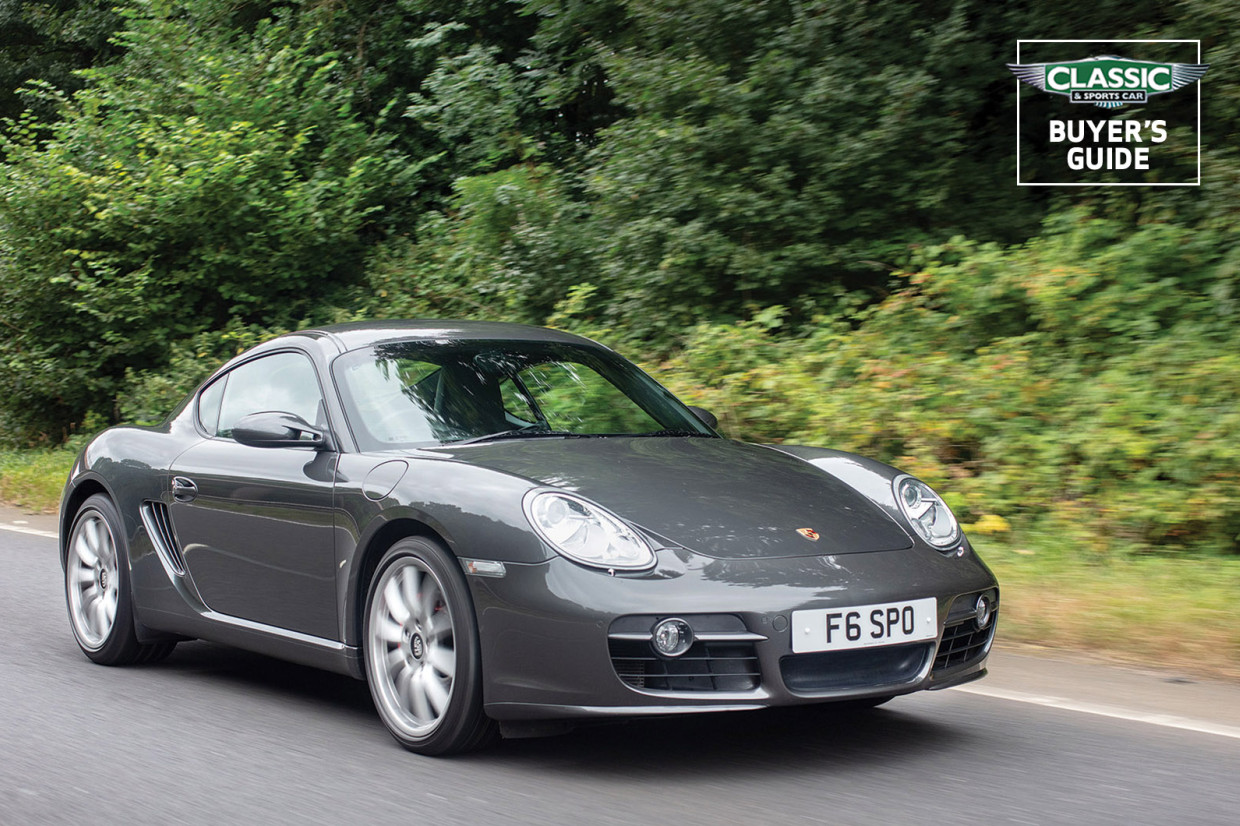
Why you’d want a Porsche Cayman (987)
Resolutely unconventional, Porsche stuck to the rear-mounted engine for its fastest sports cars, despite experts claiming it was fundamentally unsound for good handling, and consistently outsold the opposition.
When Porsche did launch a mid-engined model in 1969, the 914 was lower-powered than the 911 as was the Cayman, when it arrived 36 years later.
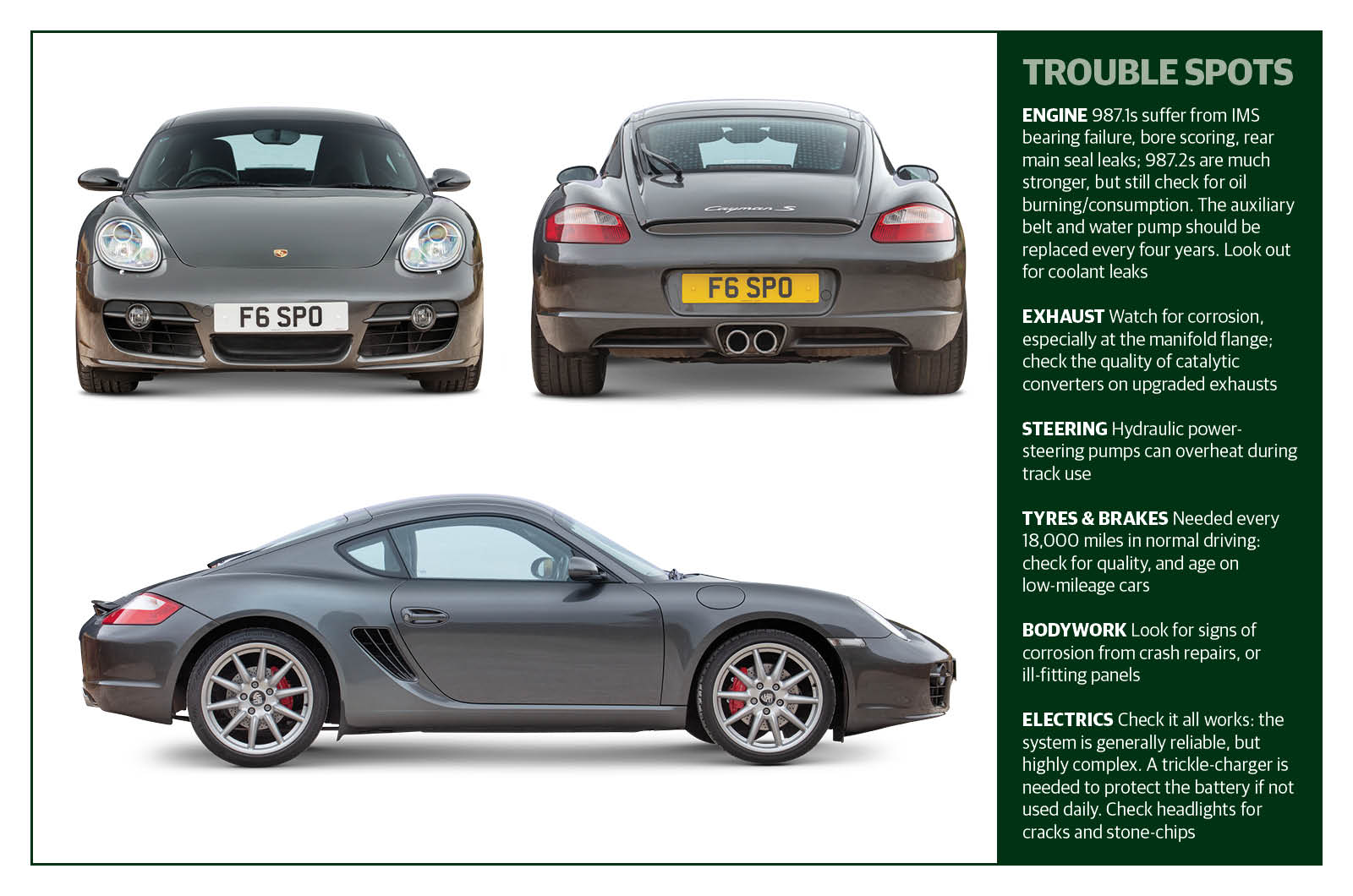
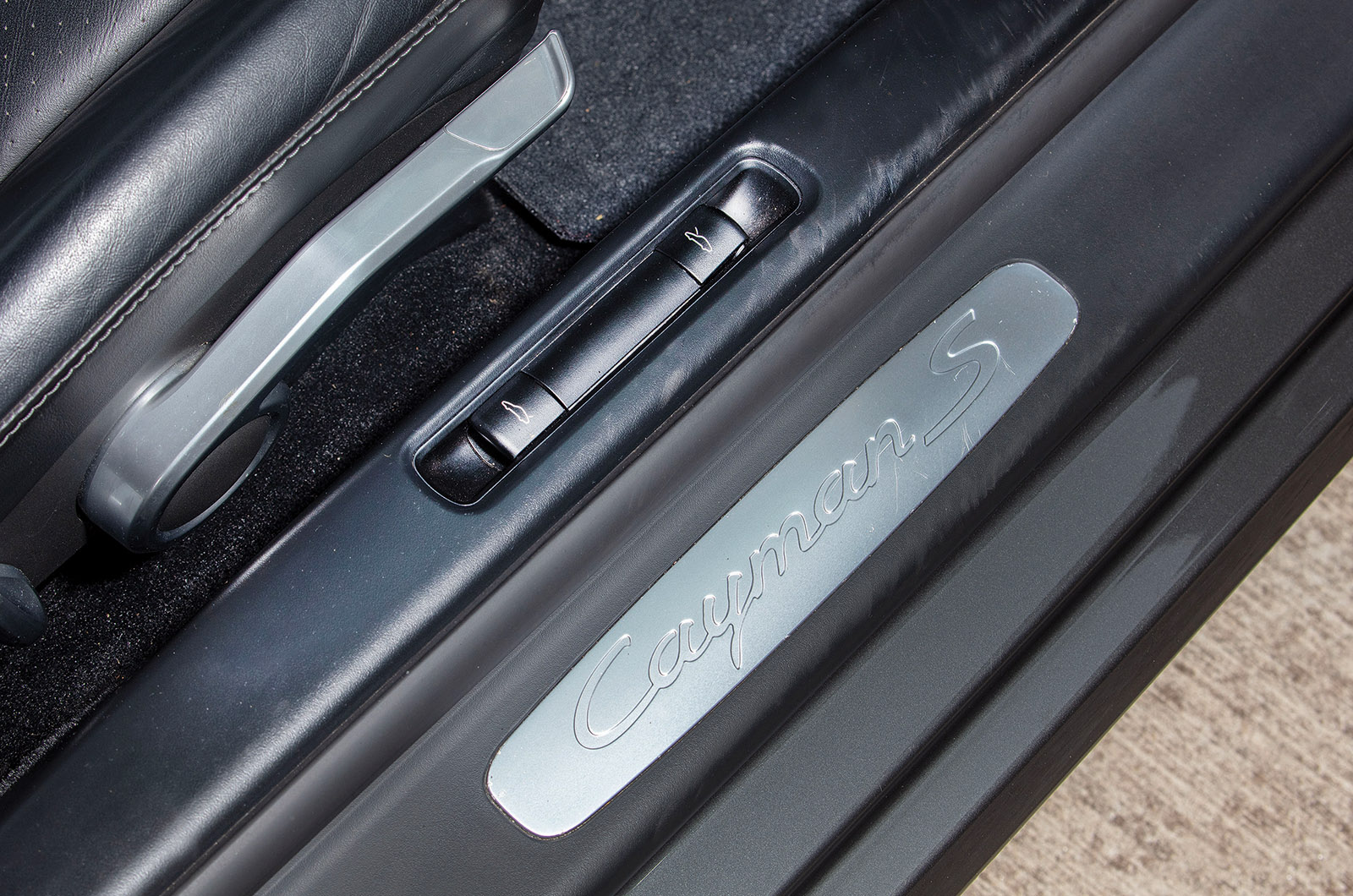
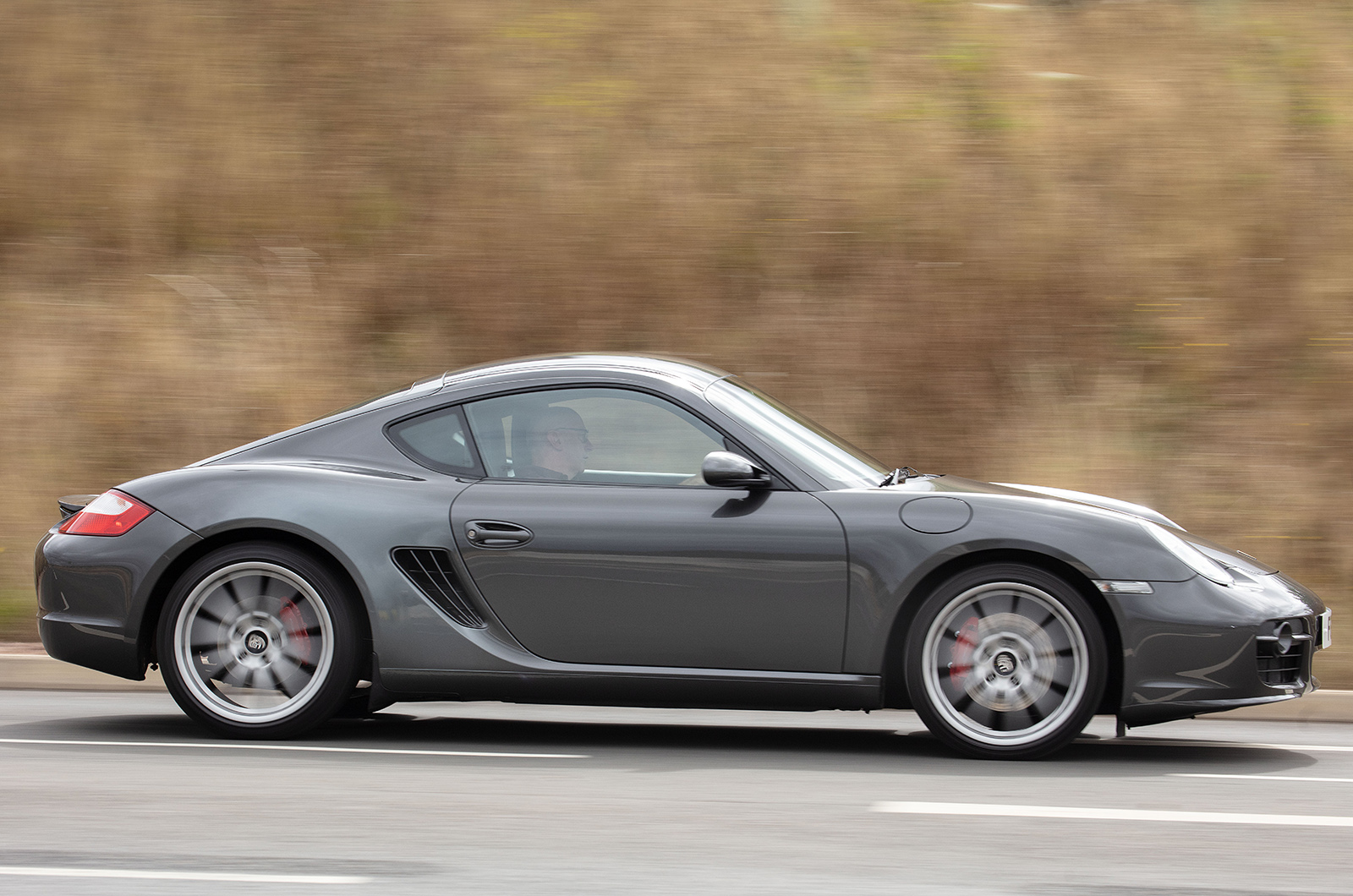
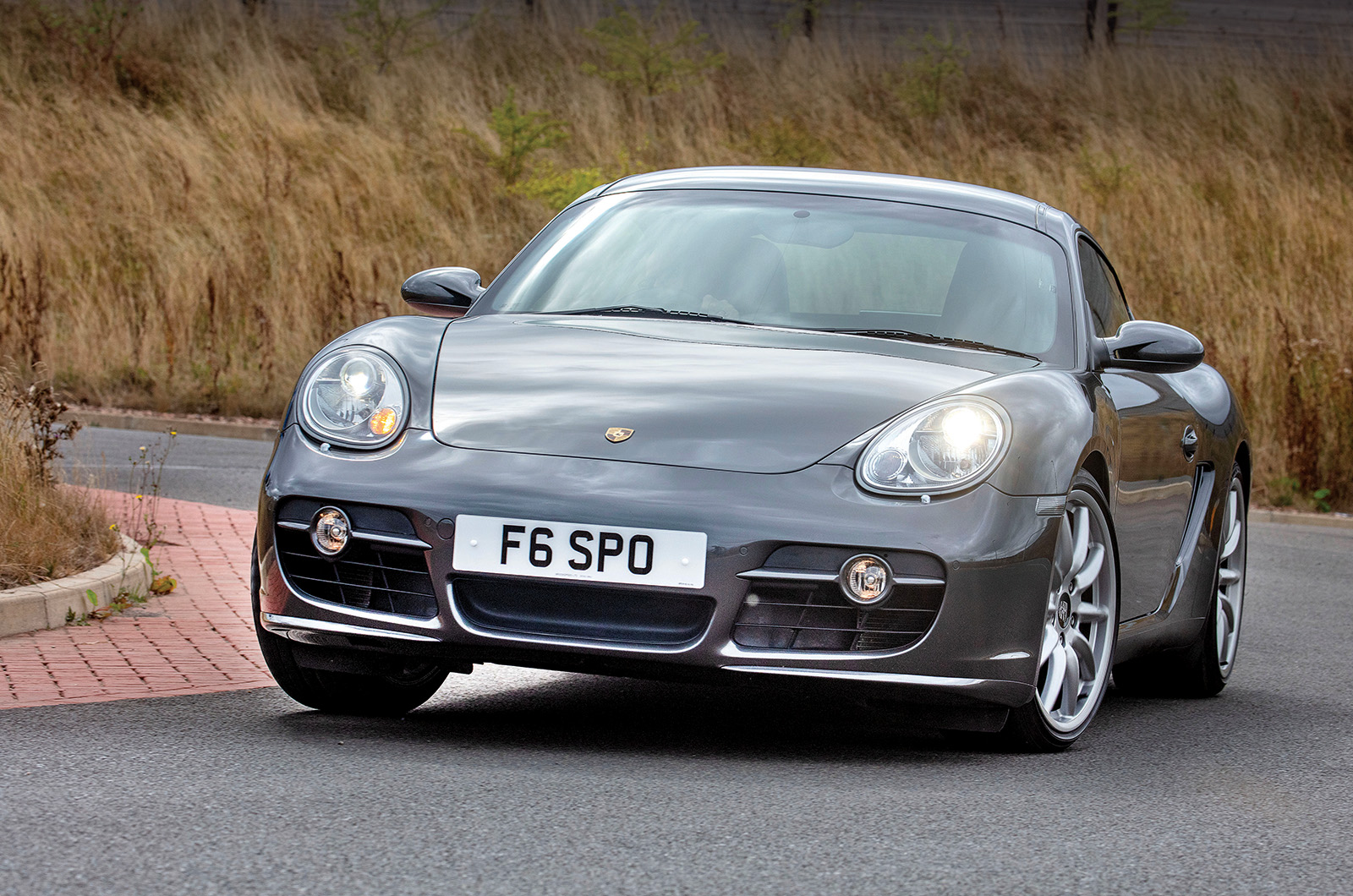
Introduced a year after the facelifted 987 Boxster, initially only in Cayman S form with near-911 power, it was soon joined by an entry-level model with an upgraded Boxster 2.7 engine.
The range positioning gave the Cayman a feeling of being more exotic than the Boxster, while keeping the 911 at the pinnacle.
Owners could claim that their perfectly balanced Cayman was better than a 911 while secretly hankering for the ultimate Porsche, and often making that buying choice later.
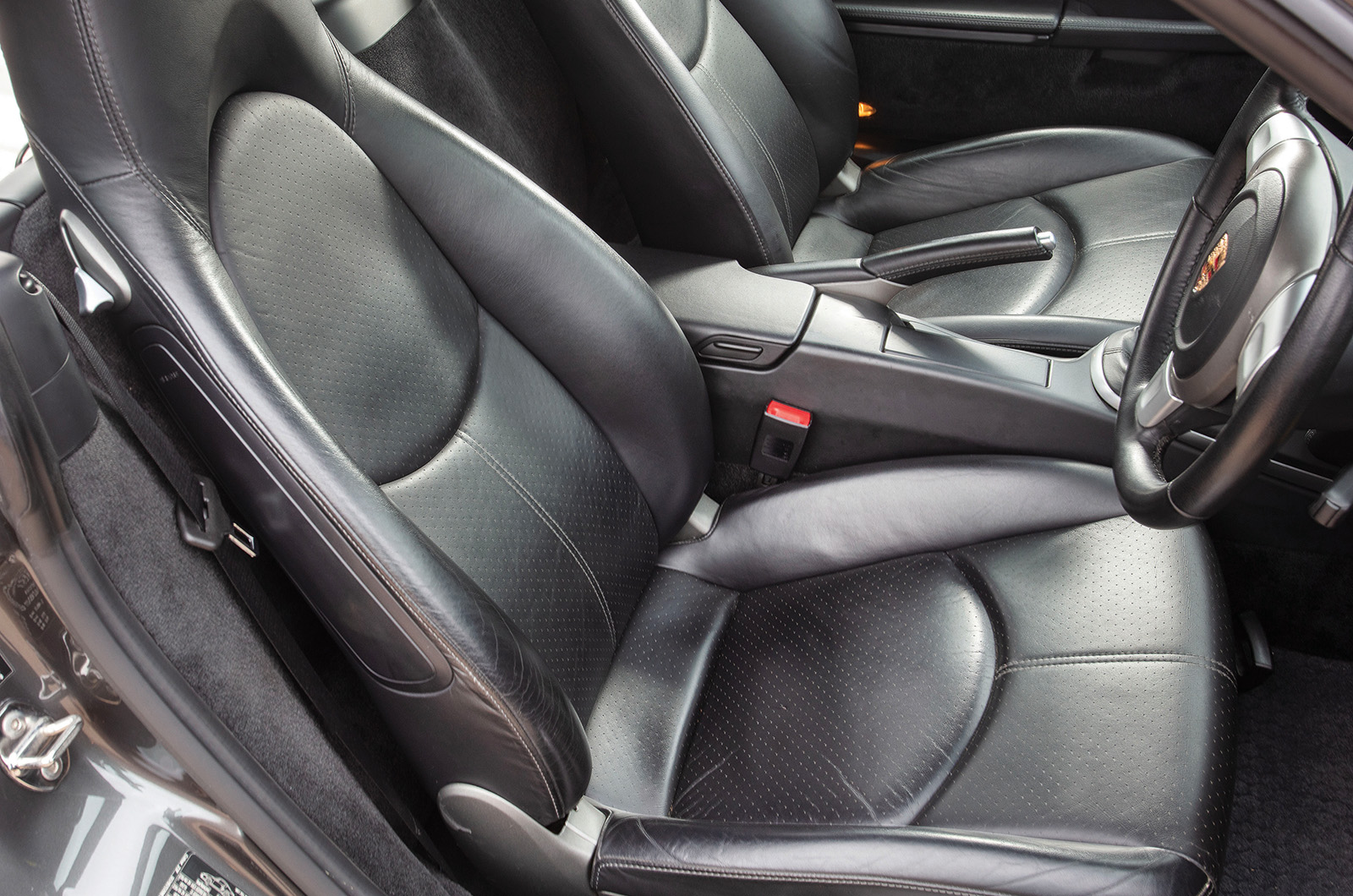
It was the user-friendliness and all-day practicality that really stood out, combined with epic handling.
Autocar opined: ‘High-speed stability is superb and noticeably better than the 911’s. On the road, the Cayman’s powertrain borders on perfection. It offers speed, response, flexibility and character.’
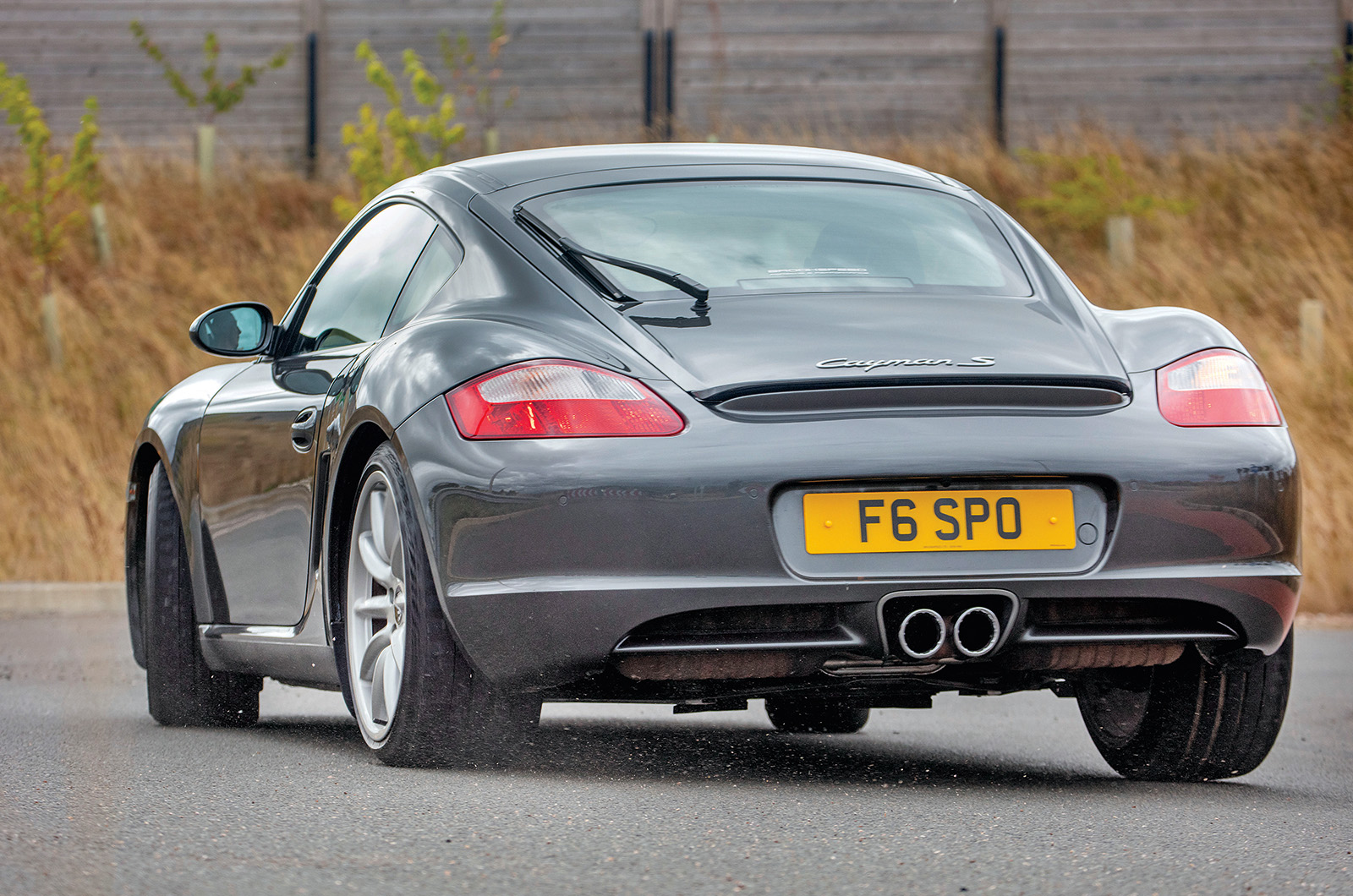
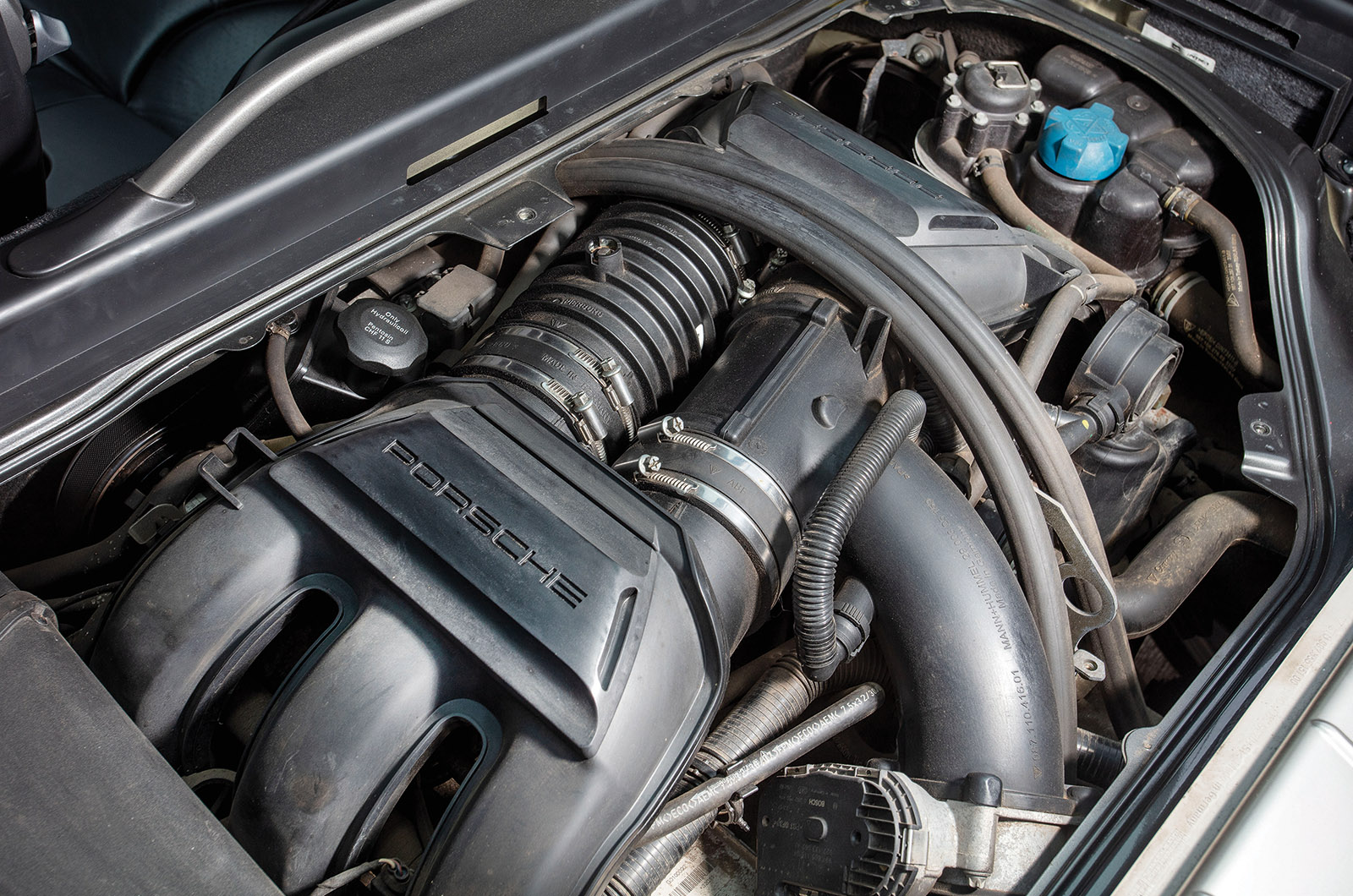
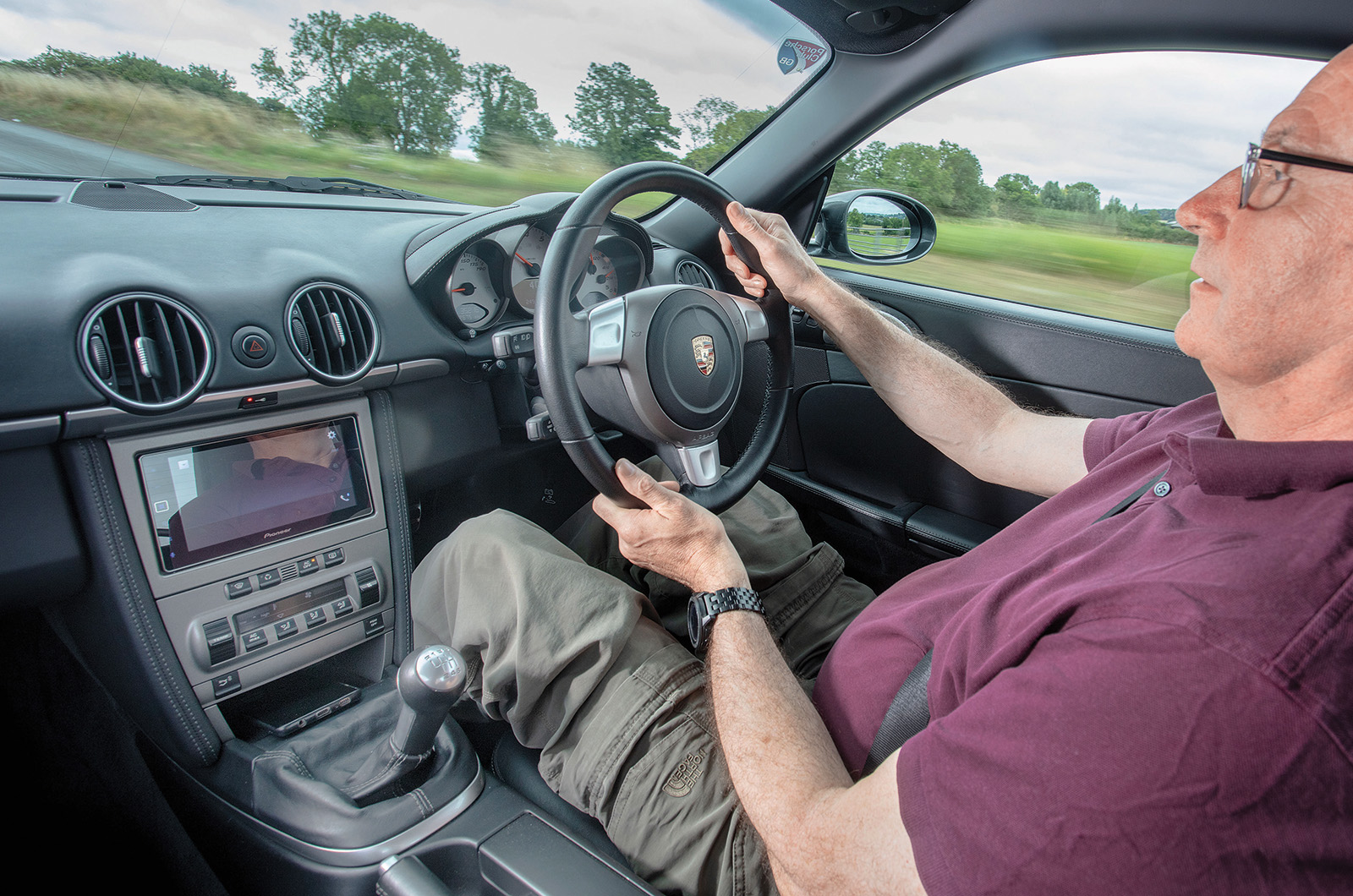
A six-speed manual gearbox was standard on the S (five-speed on the 2.7); the five-speed Tiptronic auto was regarded as disappointing by testers who knew Porsche was developing a seven-speed dual-clutch auto, which would arrive in the 2009 facelifted Cayman 987.2 along with new engines, redesigned with direct injection and without an intermediate shaft (IMS).