Studebaker Avanti: back to the future

| 6 Jan 2026
Classic & Sports Car – Studebaker Avanti: back to the future

Many classic cars are pretty, elegant and balanced.

Perhaps therein, given the slight feeling of disquiet it instils in the observer, lies the curious appeal of the Studebaker Avanti.

Its design is well over 60 years old, but most people would find it impossible to date, because the Avanti – the Italian word to mean ‘go forward’ – looks nothing like any other motor car from the year 1962.

Without being self-consciously futuristic, it could just as easily be a vehicle with its origins in the 1970s or the ’80s.

Neither would the uninitiated find it easy to guess the Studebaker Avanti’s country of origin.

Classic & Sports Car – Studebaker Avanti: back to the future

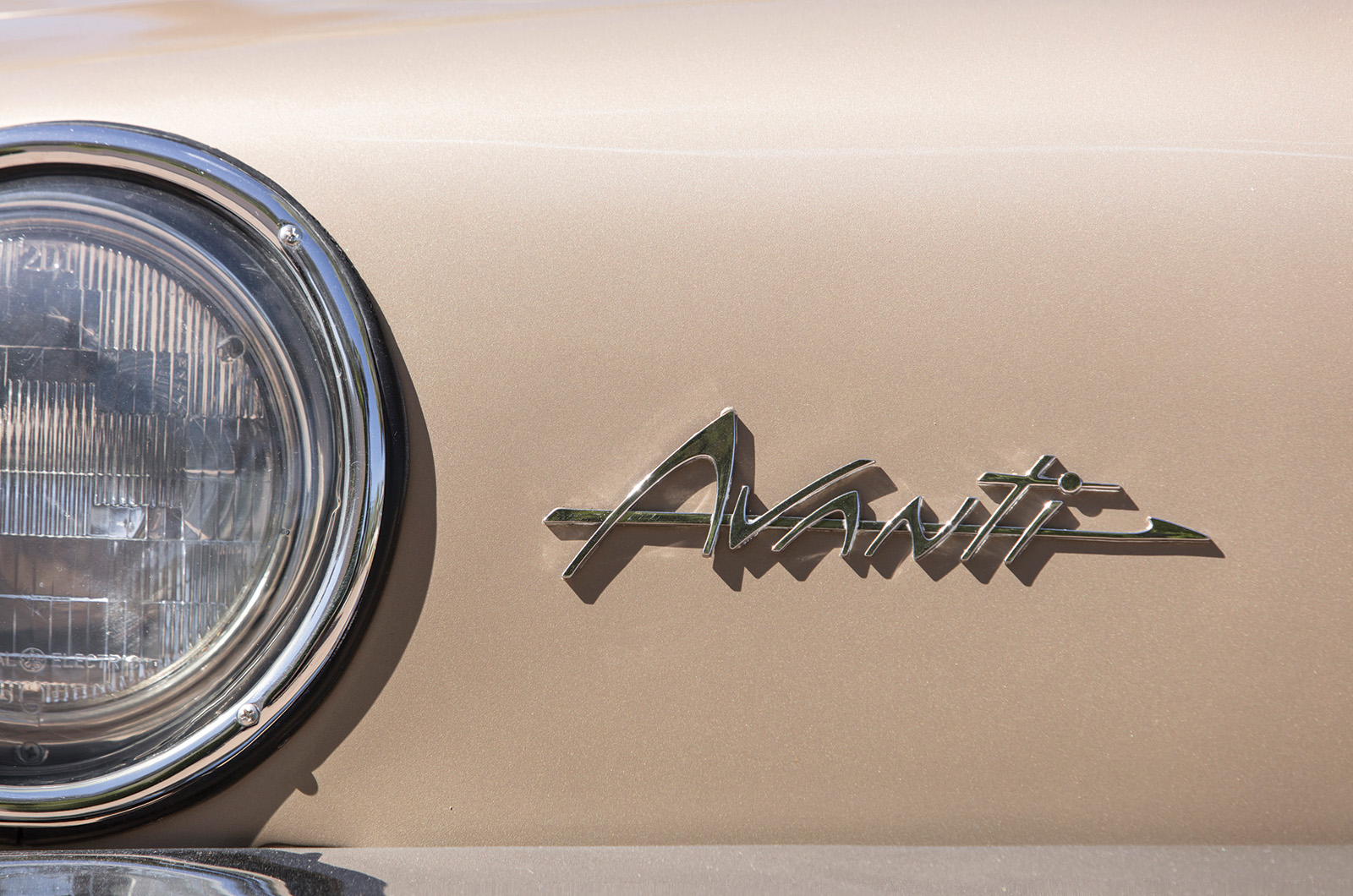
The badge’s dynamic script is a match for the Studebaker Avanti’s futuristic lines

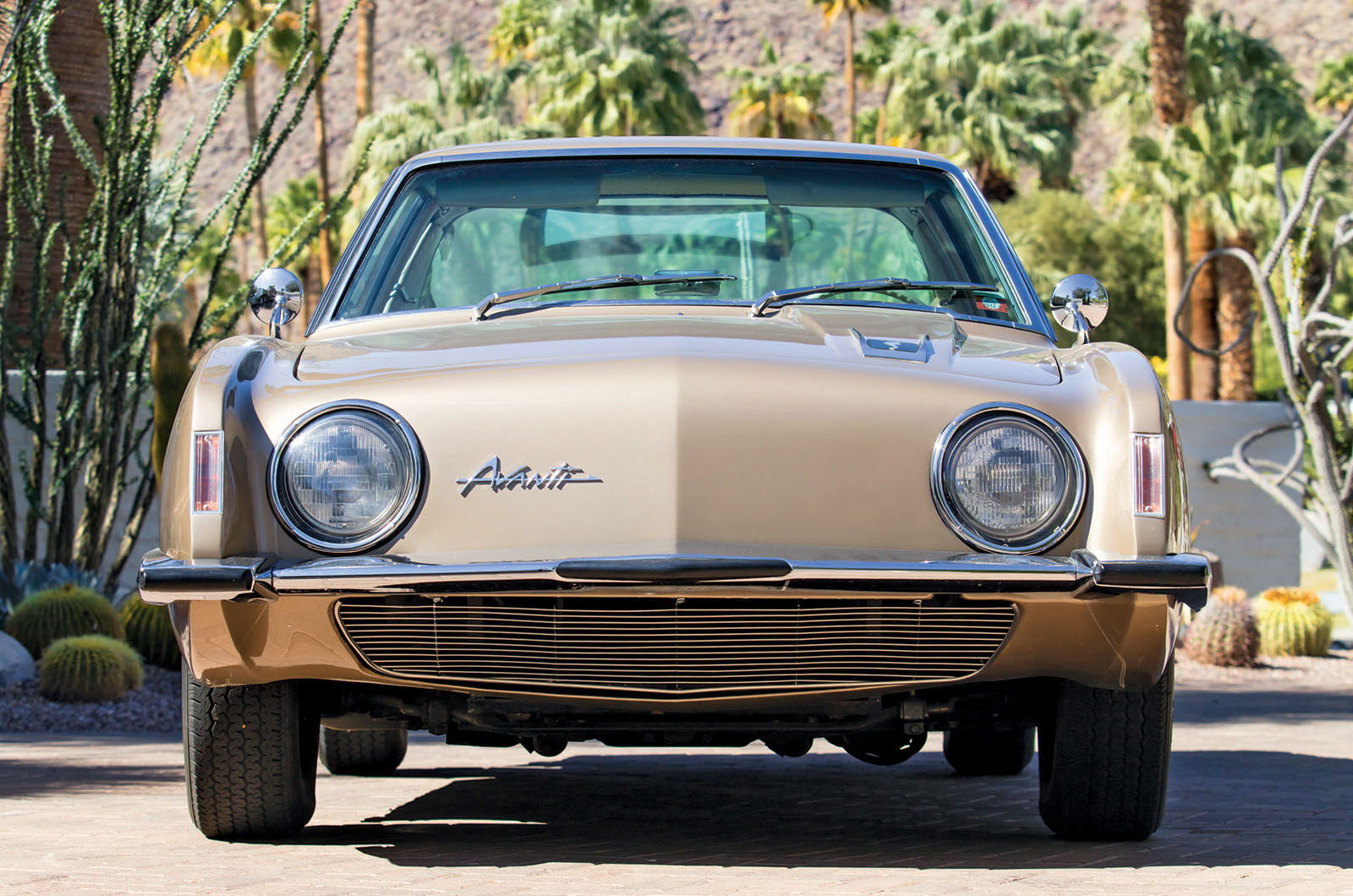
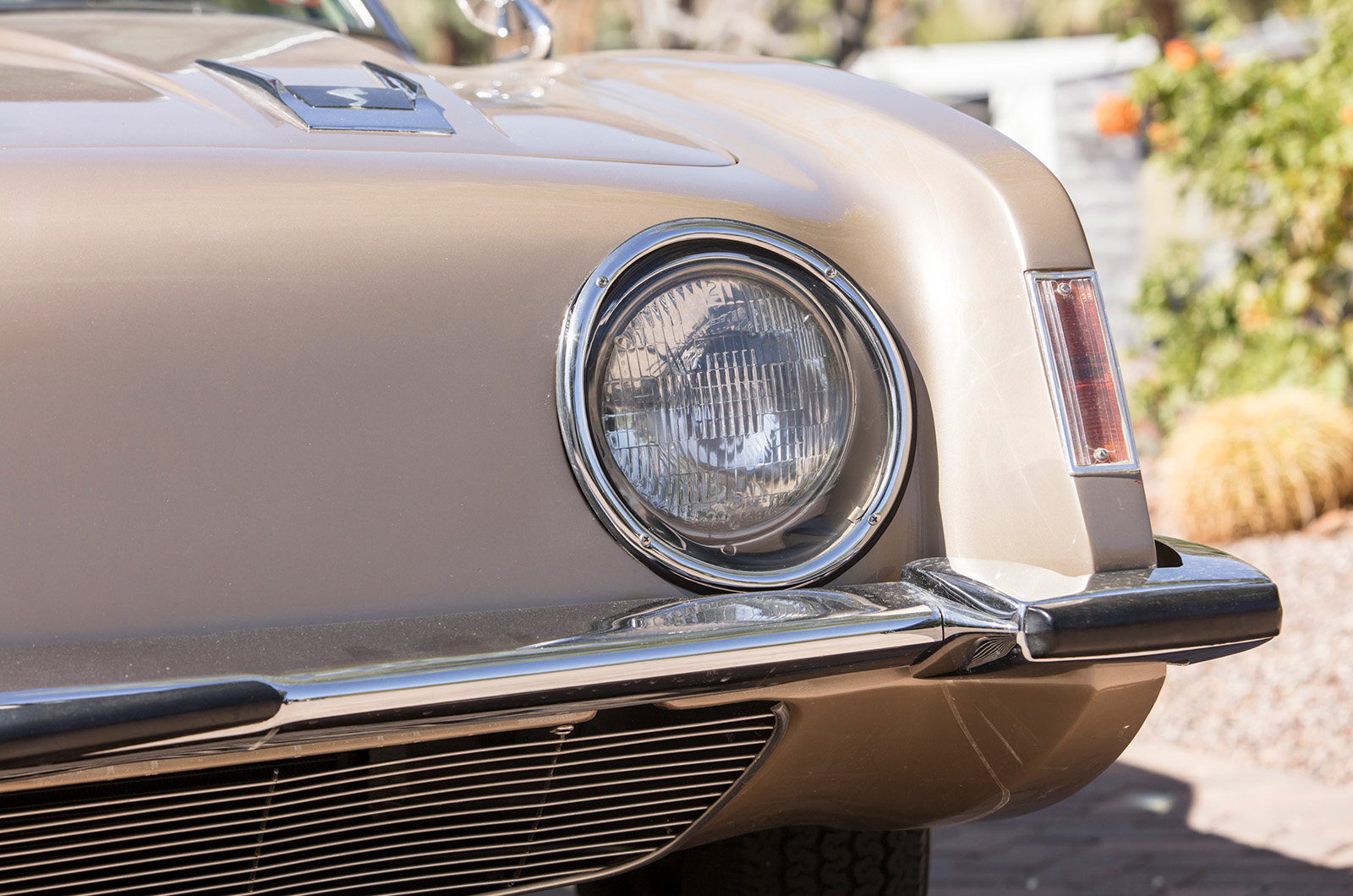
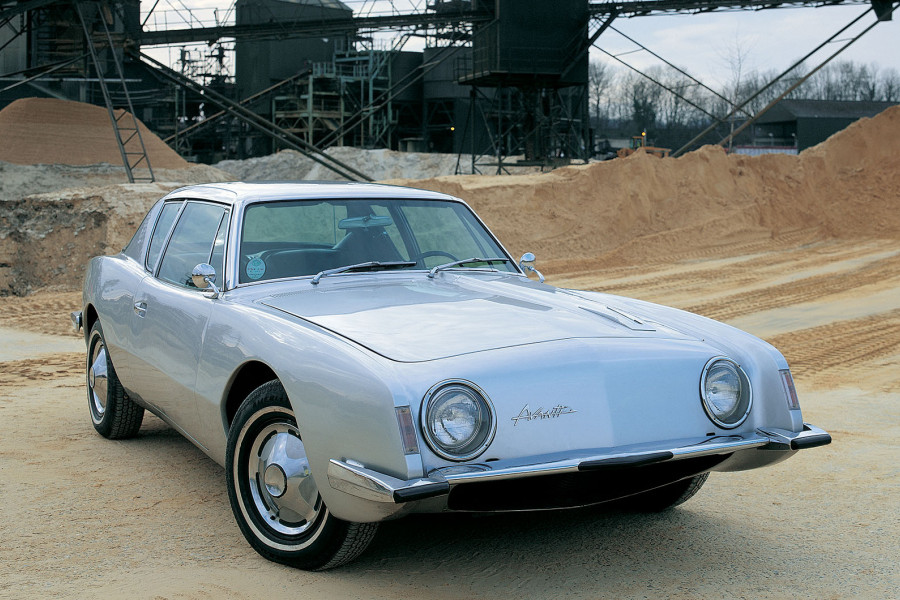
Sparingly decorated (and by no means huge), this late-flowering offspring of South Bend, Indiana, looks about as American as a croissant: a sleek, shovel-nosed, four-seater coupe with sad eyes, skinny, rubber-tipped bumpers and a wedge-like profile that had not been attempted before in American design – or anywhere else.

Like so many of the most memorable automobiles, the Studebaker Avanti was the vision of one man.

That was Raymond Loewy, the cravat-wearing Frenchman who had invented the notion of industrial design and put his streamlined stamp on everything from the classic Coca-Cola bottle to NASA’s Skylab and the interior furnishings of Air Force One.

Classic & Sports Car – Studebaker Avanti: back to the future
The Avanti failed to revive the ailing Studebaker, but it’s perfect for Modernist Palm Springs

It is unlikely that any American born since the end of the Second World War has not seen, touched, utilized or ridden in something designed by Loewy.

Yet it is the Studebaker Avanti – in truth a commercial failure, with just 4643 manufactured between 1963 and 1964 – with which he is most strongly associated.

Born in 1893 and a veteran of WW1, Loewy lived in a château near Paris, but spent his winters in California’s Palm Springs and had his design headquarters in New York City.

In a prolific 60-year career, he only turned down two assignments (to design a coffin and a more deadly hand grenade) and considered the egg to be the perfect form.

Classic & Sports Car – Studebaker Avanti: back to the future

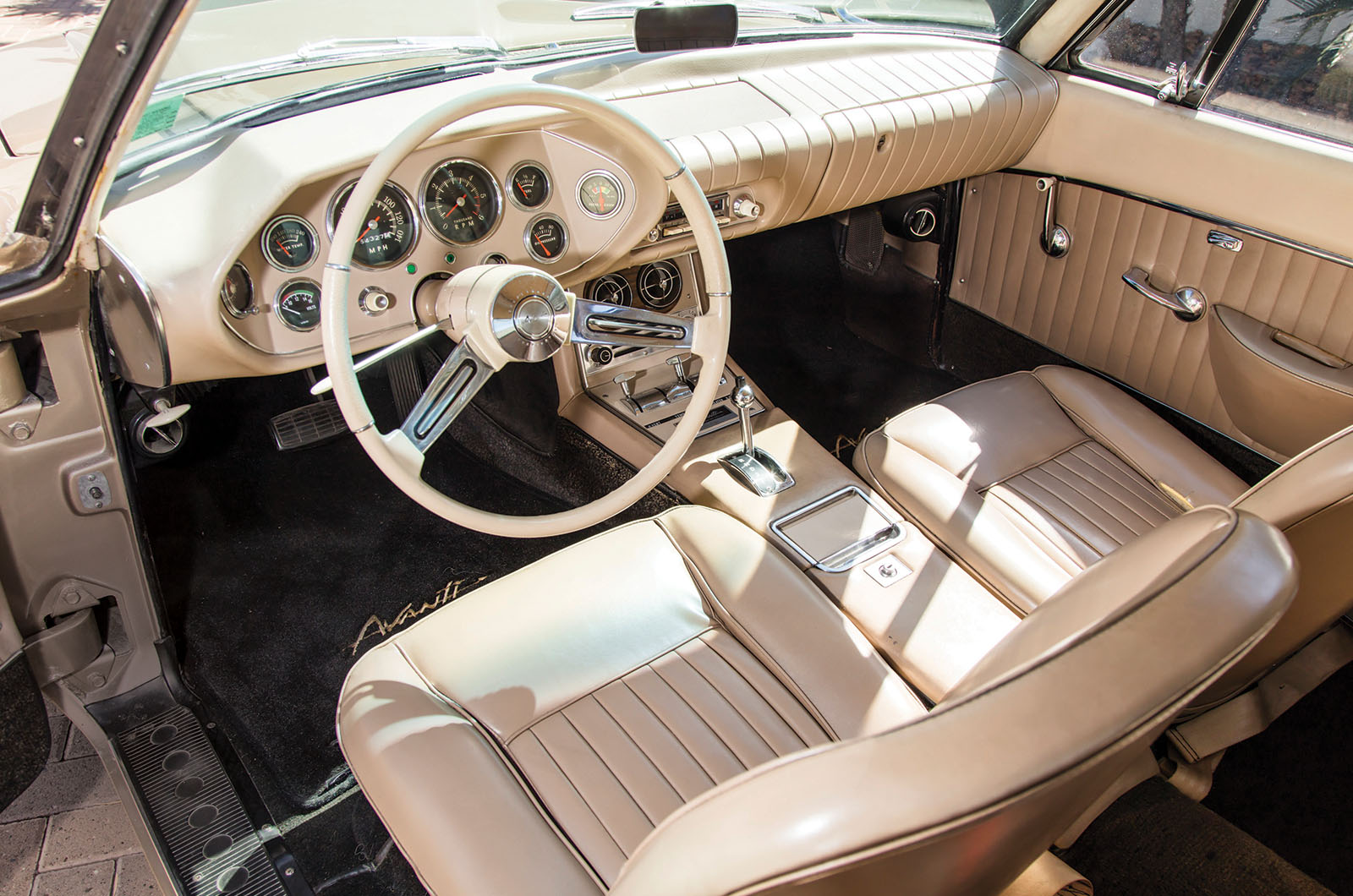
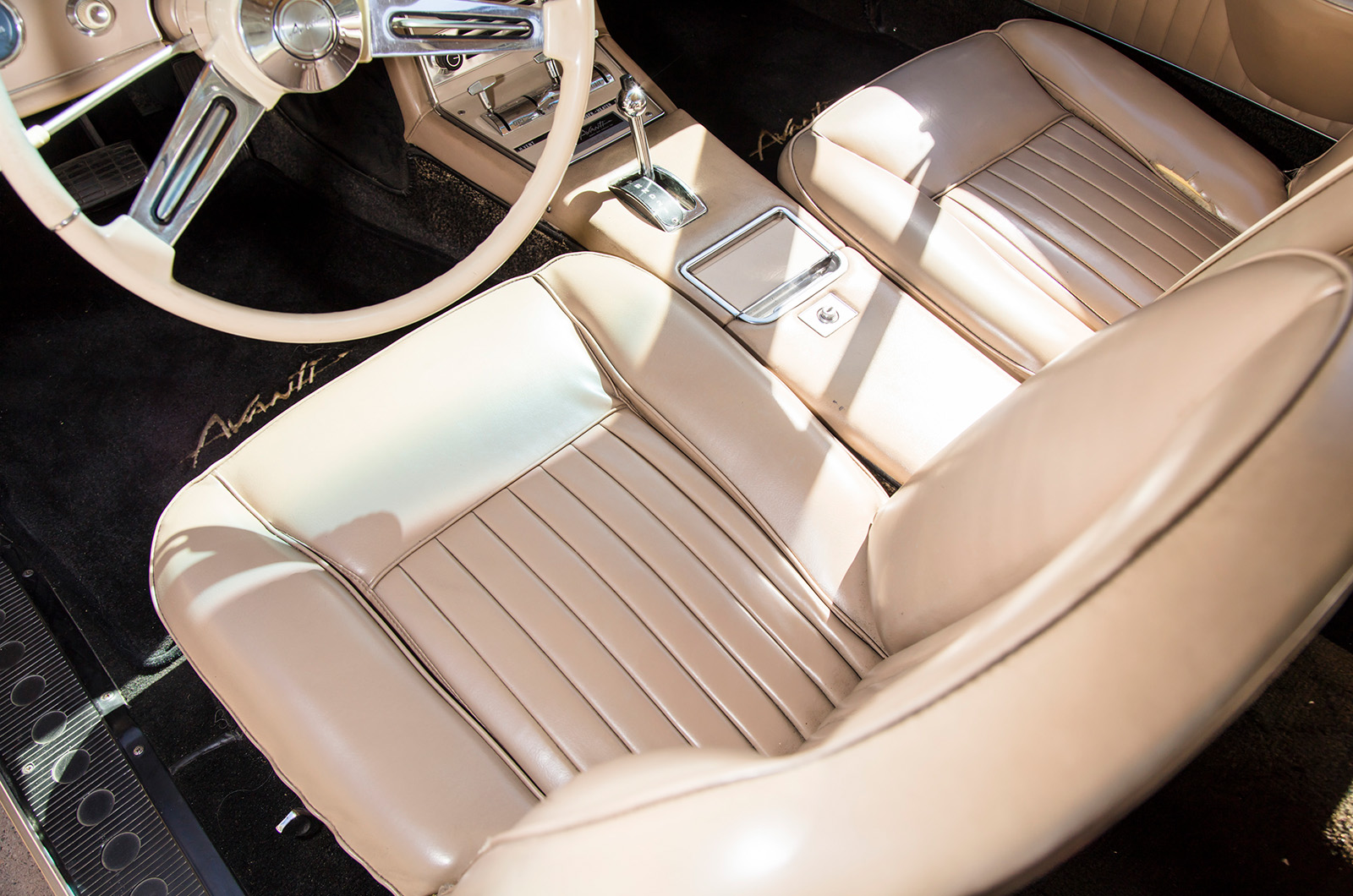
The Studebaker Avanti’s groundbreaking styling extends to the interior

“If it was square,” he said, “life for the chicken would be unbearable.”

He was naturally drawn to the idea of refining the visual language of moving objects: fabulous Art Deco railway engines, his Greyhound Scenicruiser bus and, of course, as you can see before you, motor cars.

Raymond Loewy & Associates headed body styling at Studebaker from 1938 until 1956.

With the help of recent hire Virgil Exner, it gave this otherwise somewhat homely auto brand a visual edge over the Ford/Chrysler/General Motors competition, particularly with its revolutionary 1947 and 1953 designs.

When the Studebaker contract expired, Loewy at least felt free to indulge himself in ideas for sports car designs on the basis of the latest and greatest British, German and Italian chassis.

Classic & Sports Car – Studebaker Avanti: back to the future
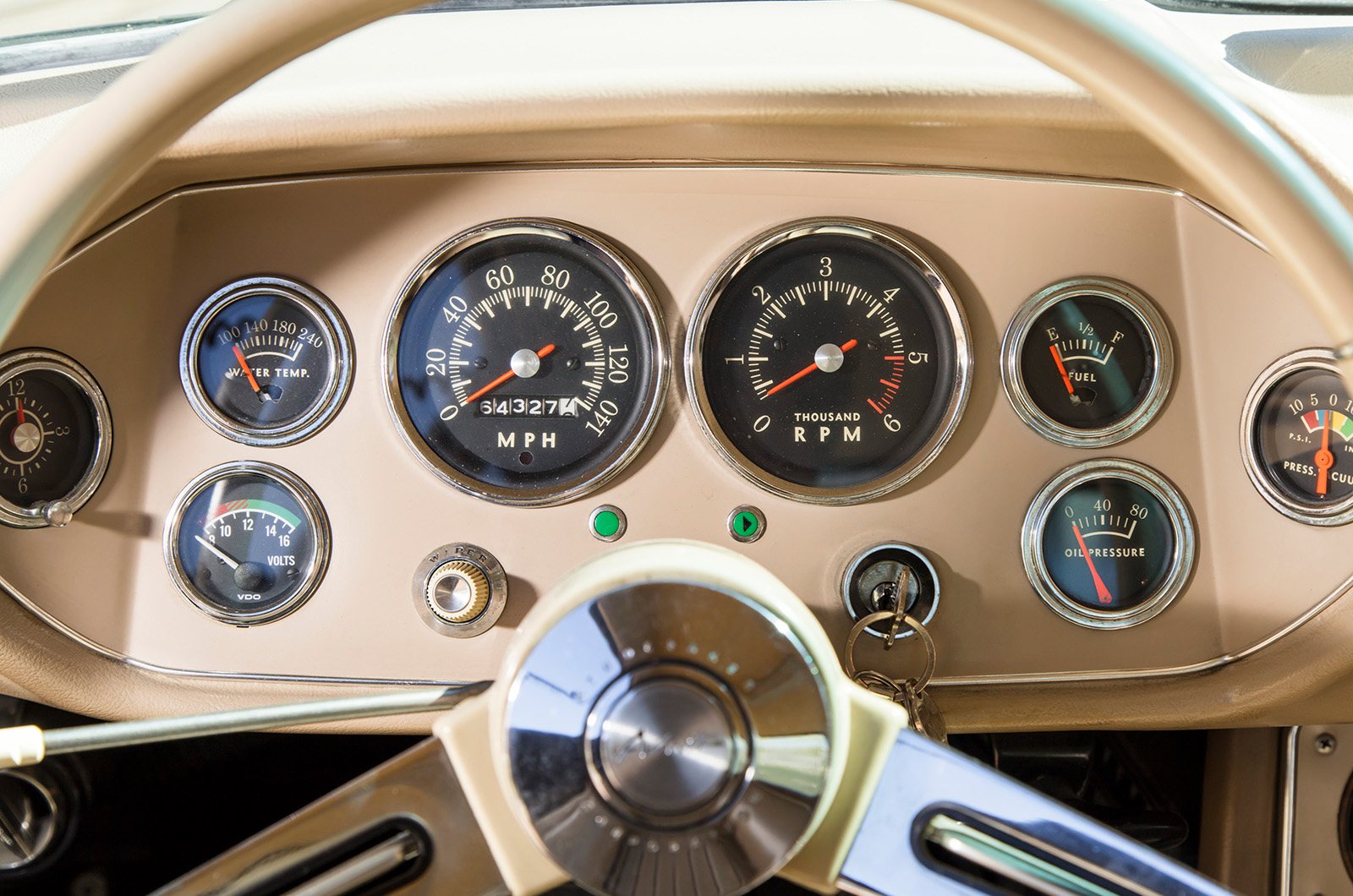
The Studebaker’s simple dashboard is well executed

Using the Jaguar XK150, BMW 507 and Lancia Flaminia as his templates, Loewy worked towards the Avanti shape as he pondered on the themes of airflow, interior padding, good all-round vision and roll-over safety.

The Lancia-based Loraymo appeared at the 1960 Paris Salon. All of these somewhat lurid designs incorporated roof-mounted roll bars integral with the styling. 

So the ground was well prepared when new management at Studebaker approached the already nearly 70-year-old designer, in March 1961, to reboot its flagging image with a halo model that could present a worthwhile challenge to Ford’s Thunderbird.

Classic & Sports Car – Studebaker Avanti: back to the future
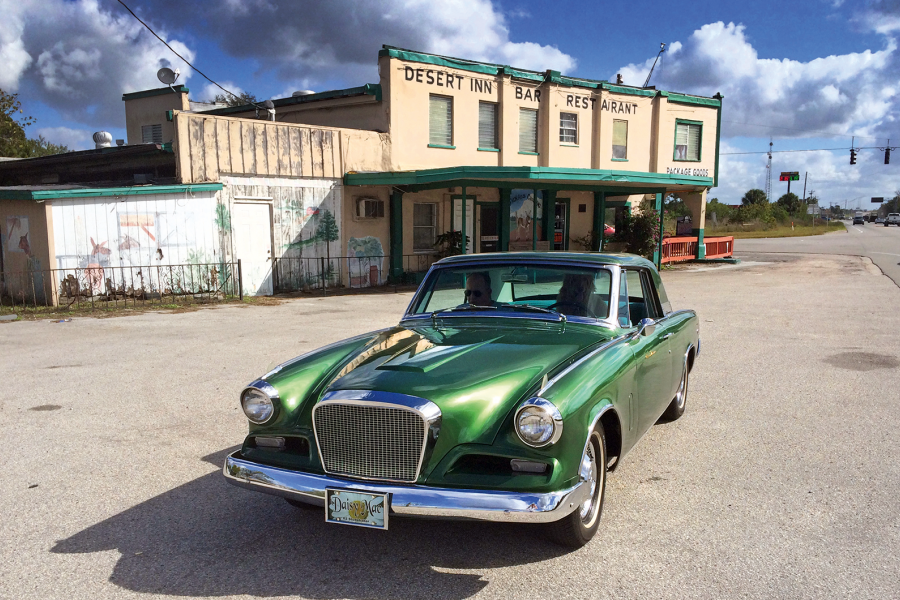
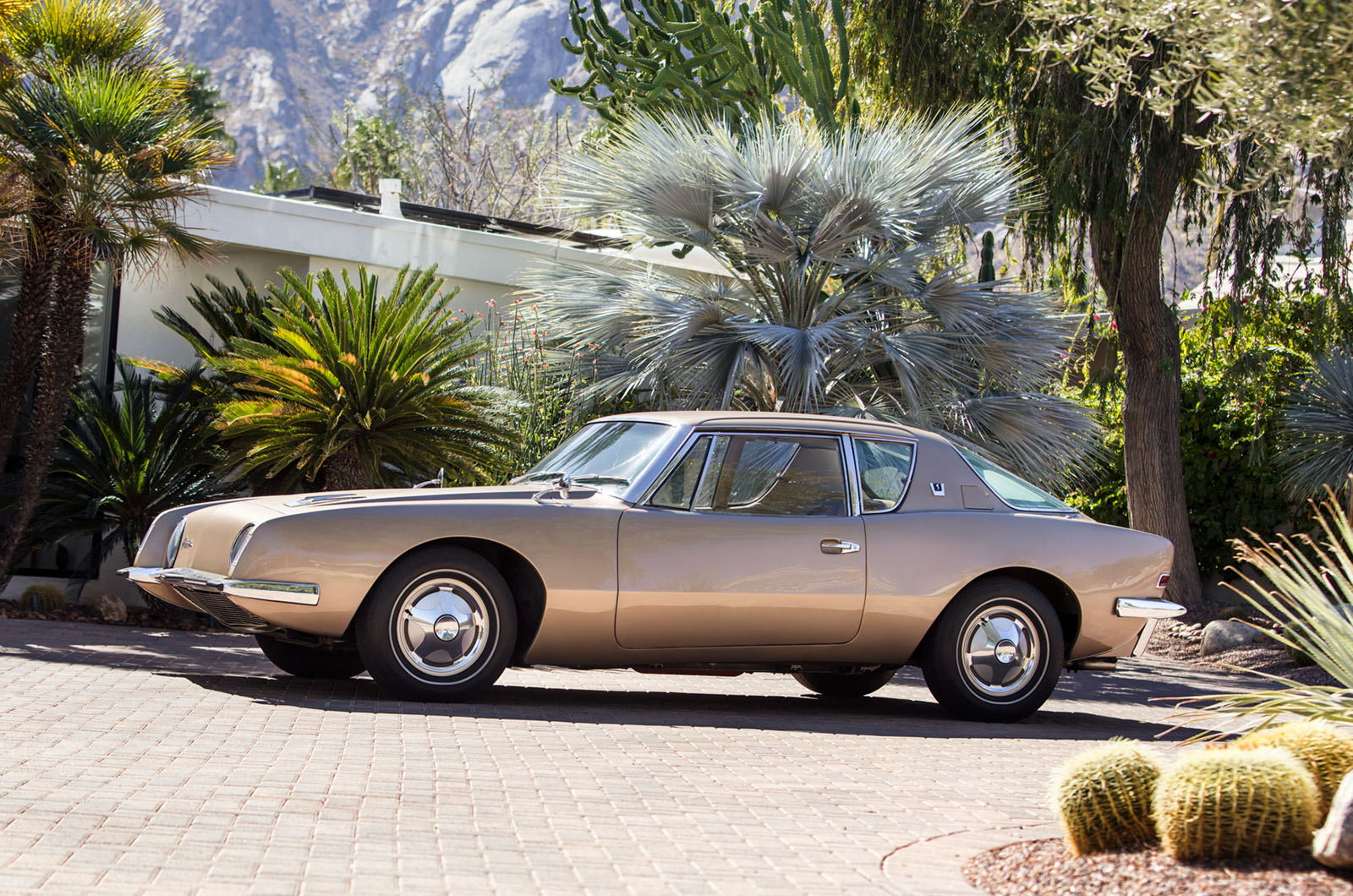
Even today, the Studebaker Avanti is a hard design to date

Loewy assembled his best designers at a secret desert location near his Palm Springs home.

Here, in what he called a ‘design monastery’, they worked virtually day and night with no outside influences, not even a clock, using visuals already prepared by Loewy as a starting point.

The boss made it clear that he wanted a car with a wedge-like profile, a Coke-bottle beltline and, in the name of aerodynamics, absolutely no straight lines.

As with contemporary race-car theory, there was to be no front grille, just an air intake below the bumper, and the interior would feature airplane-style cockpit controls and bucket seats.

Classic & Sports Car – Studebaker Avanti: back to the future

The Studebaker Avanti’s skinny front bucket seats were unusual for an American car in the 1960s

There was also a big safety focus: the Studebaker Avanti would be the first American automobile to be fitted with both front and rear seatbelts.

An eighth-scale model was worked up in eight days by Tom Kellogg, John Ebstein and clay modeler Bob Andrews, along with a full-size side elevation showing the positioning of the seats and other details.

Studebaker boss Sherwood Egbert flew out to Palm Springs and picked the final design within the hour.

Then, at the end of April 1961, a full-size clay was presented to the Studebaker board of directors and approved.

Loewy and his team had created the Avanti in just 40 days.

Classic & Sports Car – Studebaker Avanti: back to the future

‘The Studebaker Avanti is visually compelling: gawky from some perspectives, gorgeous from others. Its presence is impossible to ignore’

Reasonably, it was to be based on established Studebaker technology: a suitably tweaked version of the 109in-wheelbase Studebaker Lark chassis.

Changes included a stiffer front anti-roll bar, radius rods on the live rear axle and Dunlop/Bendix disc brakes at the front – another first on an American car.

Police-spec coil springs on the front and heavy-duty station-wagon leaf springs on the back promised sportier handling, despite a nose-heavy 59% front, 41% rear weight distribution.

To save time and money on tooling (and because the toolmakers considered the curved body lines to be difficult to replicate in steel), the shell was to be fashioned in fiberglass, with the panels supplied by Molded Fiber Glass Companies of Ohio, which also built Corvette bodywork for General Motors.

Classic & Sports Car – Studebaker Avanti: back to the future

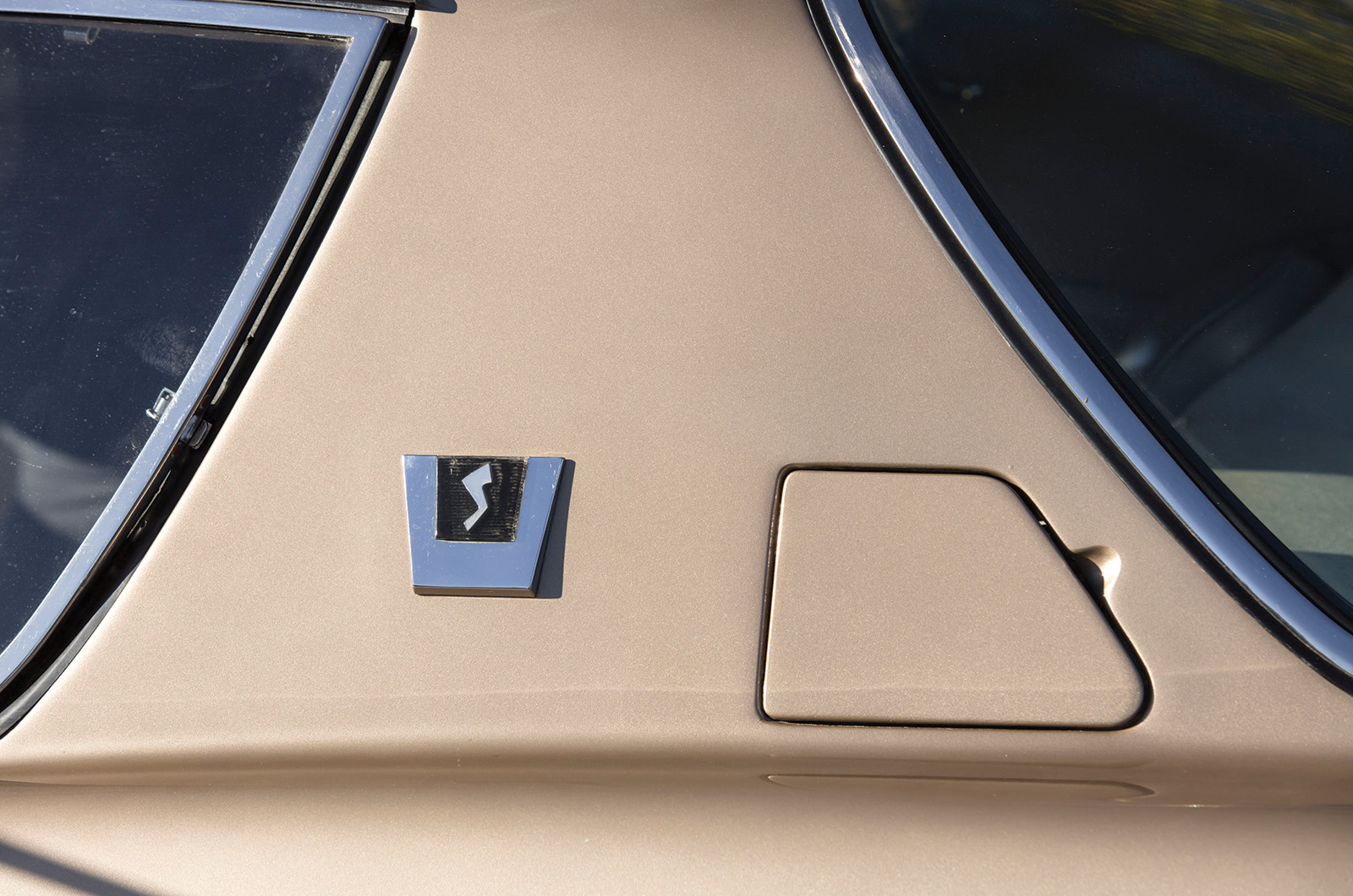
The Studebaker Avanti’s angular filler cap and logo

More than any other factor, this decision would prove to be the car’s undoing.

Troubles in getting the 100-plus separate panels to fit caused production delays and frustrated potential buyers, many of whom withdrew their deposits.

Even so, plans to make 400 Avantis a month, building up to annual sales of 50,000, looked cautiously realistic amid the rave reviews to which the car was launched in April 1962.

It was heralded as more than a Thunderbird rival, and most agreed (with certain reservations) that the Studebaker Avanti was a credible attempt to build a true American grand tourer in the European idiom.

Classic & Sports Car – Studebaker Avanti: back to the future

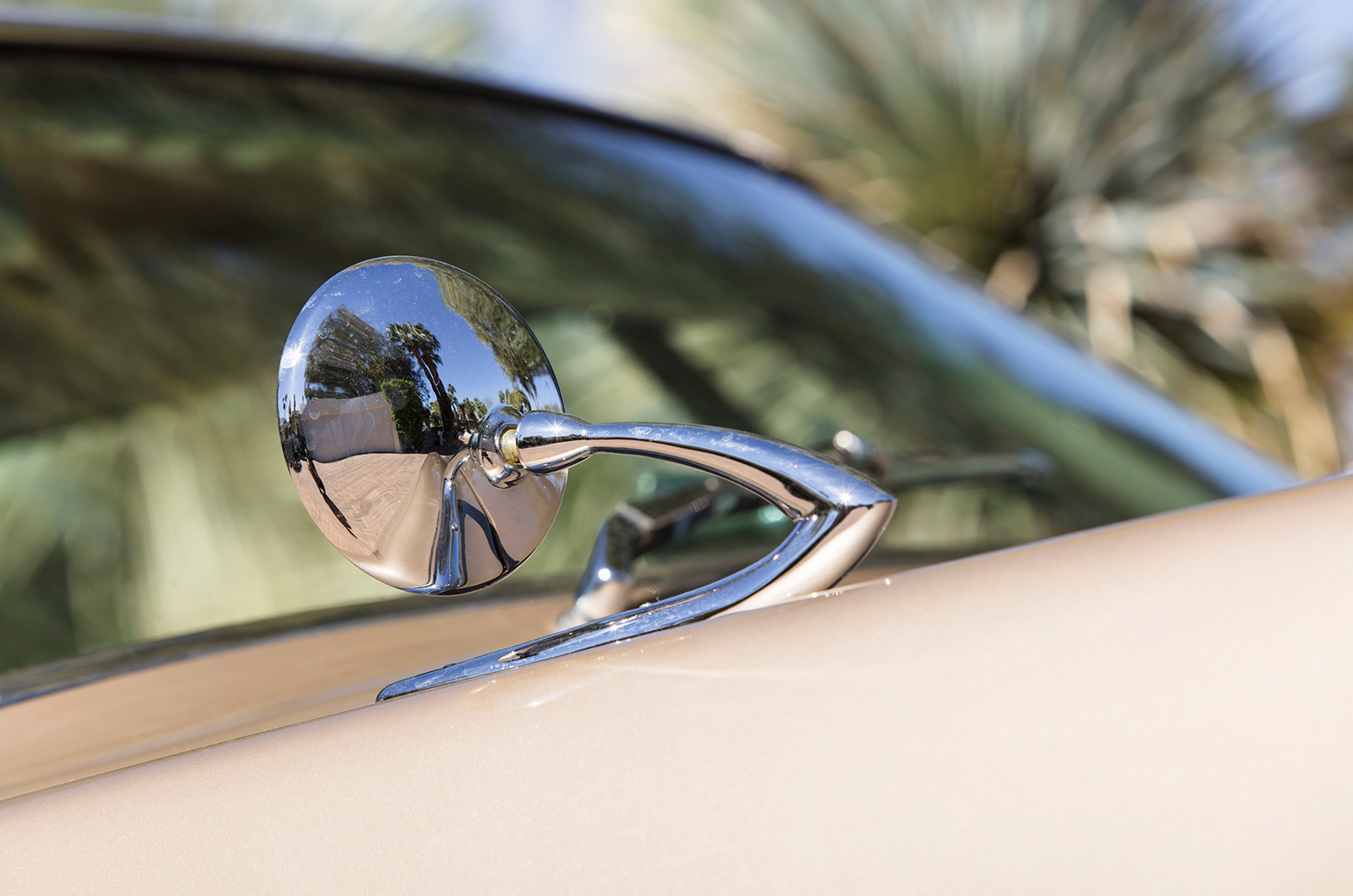
The Studebaker’s elegant side mirrors

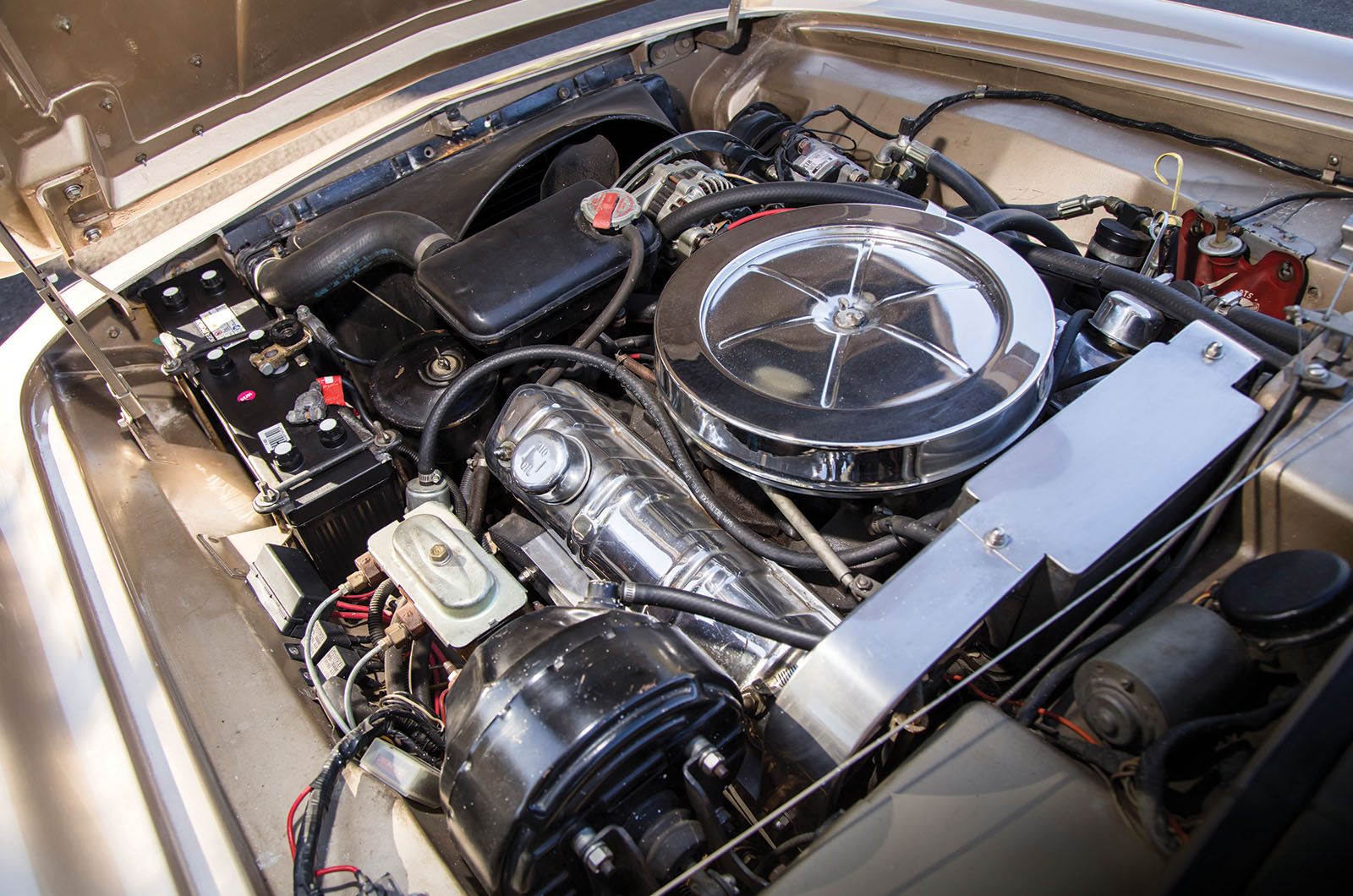
The Avanti was offered with three levels of Studebaker’s largest V8: the normally aspirated 4.7-liter/289cu in 240bhp R1, the 300bhp Paxton supercharged R2 and the 335bhp R3, bored out to 304cu in (5 liters) with more boost, forged pistons and large-port heads.

Only nine R3s were built, with one 170mph example breaking 29 records at Bonneville in ’63, thus claiming to be the world’s fastest production automobile.

Gary Gand of Palm Springs bought his Avanti R1 in 2016 from a friend, as he recalls: “He knew Raymond Loewy had lived up the street and said, ‘This car should be in Palm Springs.’

“There were very few here then. He had offered it to all the car guys in town and nobody wanted it. In the end I said to my wife, ‘What do you think of the Avanti?’ And she said, ‘I think it’s cool… I’ll buy you it for Christmas.’”

Classic & Sports Car – Studebaker Avanti: back to the future

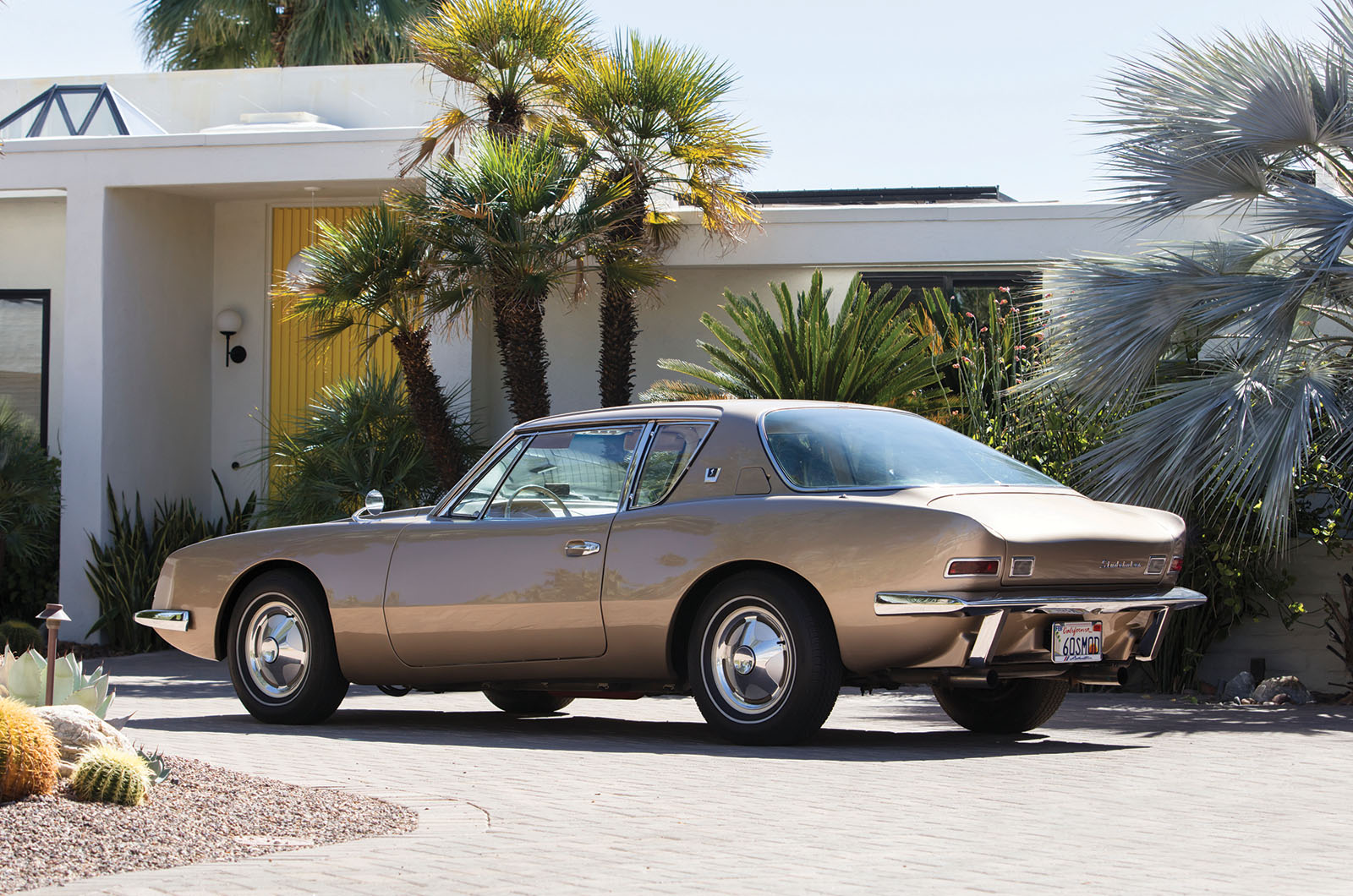
The Studebaker Avanti is at home, literally and figuratively, on the driveway of the Gands’ Palm Springs house

“We bought it,” he continues, “but I immediately got letters from people saying, ‘Hey, I was going to buy that!’

“It arrived on a car carrier and all these neighbors came out of the woodwork saying ‘What is it?’ and ‘What’s that?’.

“Quite a few went out and bought them: now we have four gold Avantis living on the street.”

Gary’s example is a 1963 R1 with the round headlights and a fairly early chassis number.

“It’s not supercharged,” he says. “You could have air conditioning or supercharging, not both. When you turn on the air conditioning in this thing, it turns into a Fiat!”

Gary, a musician, movie producer and sound technician, has a hunch about the wider influences of the Avanti.

Classic & Sports Car – Studebaker Avanti: back to the future

The V8 breathes naturally here, but blown Avantis set speed records

He says: “Yes, they couldn’t get the parts fast enough and the company went bankrupt, but then in 1965 Ford came out with the Mustang.

“I have a theory that Ford borrowed the general proportions of the Avanti for the Mustang: the Avanti got Americans ready for that style of car.”

Gary and Joan Gand, as well as playing in the Gand Band (Gary on guitar, Joan on the Hammond organ) are very much involved in the Modernism scene in Palm Springs.

We first encountered this gold Studebaker Avanti parked on the driveway of their house to promote the area’s Modernism Week 2025.

The Gands’ current dwelling is of 10 years later vintage than the car, but the two nevertheless complement each other well.

“We bought the house as a project,” says Gary, “but we ended up remodeling it for ourselves and selling our other Palm Springs home.”

Classic & Sports Car – Studebaker Avanti: back to the future

This early Studebaker Avanti has round headlights; later cars have square ones

The open-plan interior features the sort of late-’60s/early-’70s furniture of which Raymond Loewy would doubtless have approved; there is also a room devoted to Gary’s mind-boggling collection of vintage electric guitars.

“Before,” says Gary, “we lived a block away in an old Hollywood party house with a sunken bar.

“We could throw parties for 200 people because the whole thing opened up, like the house in the Peter Sellers movie The Party.”

Built in 1968, the Elrod House was named after the esteemed interior designer who had commissioned it, and it even featured as Willard Whyte’s house in the 1971 James Bond movie Diamonds Are Forever.

Classic & Sports Car – Studebaker Avanti: back to the future

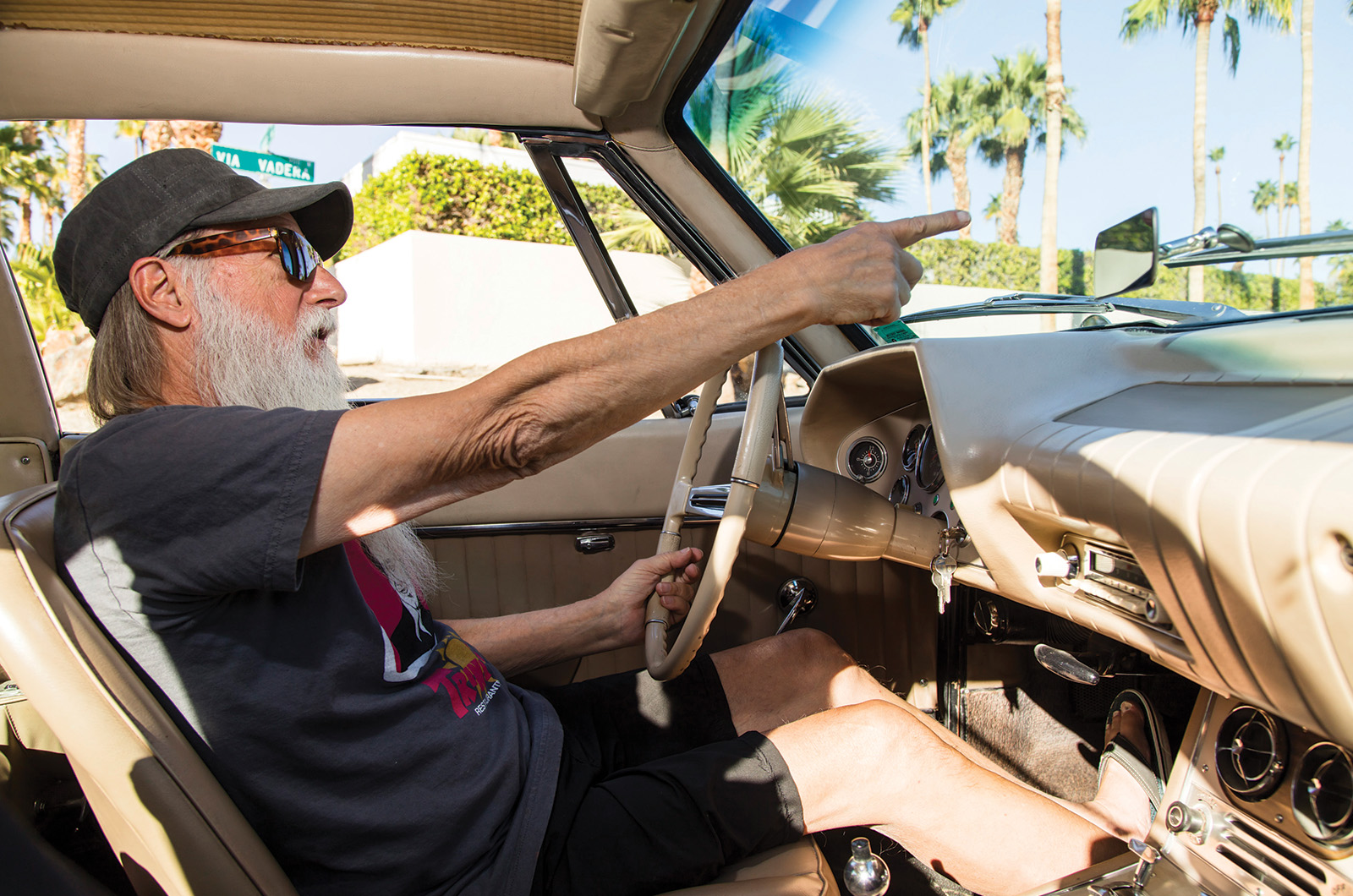
Gary (pictured) and Joan Gand decided this Studebaker Avanti belonged in Palm Springs

The Studebaker Avanti is not a demanding car to maintain. “A guy called Chuck Sherman looks after Larks and Avantis locally,” Gary says.

“I couldn’t find anyone in town to paint it because it’s fiberglass, but we found a guy in San Diego who works on lowriders and customs.”

The Avanti’s long, heavy doors incorporate Mercedes-style jam-resistant safety locks, probably a hangover from the firm’s sales and distribution tie-in with the Germans in the 1950s and early ’60s.

The floor comes up to meet the bottoms of the doors, hinting at the presence of a separate chassis rather than unitary construction.

Classic & Sports Car – Studebaker Avanti: back to the future

The Studebaker Avanti’s sheer presence makes up for any performance deficit

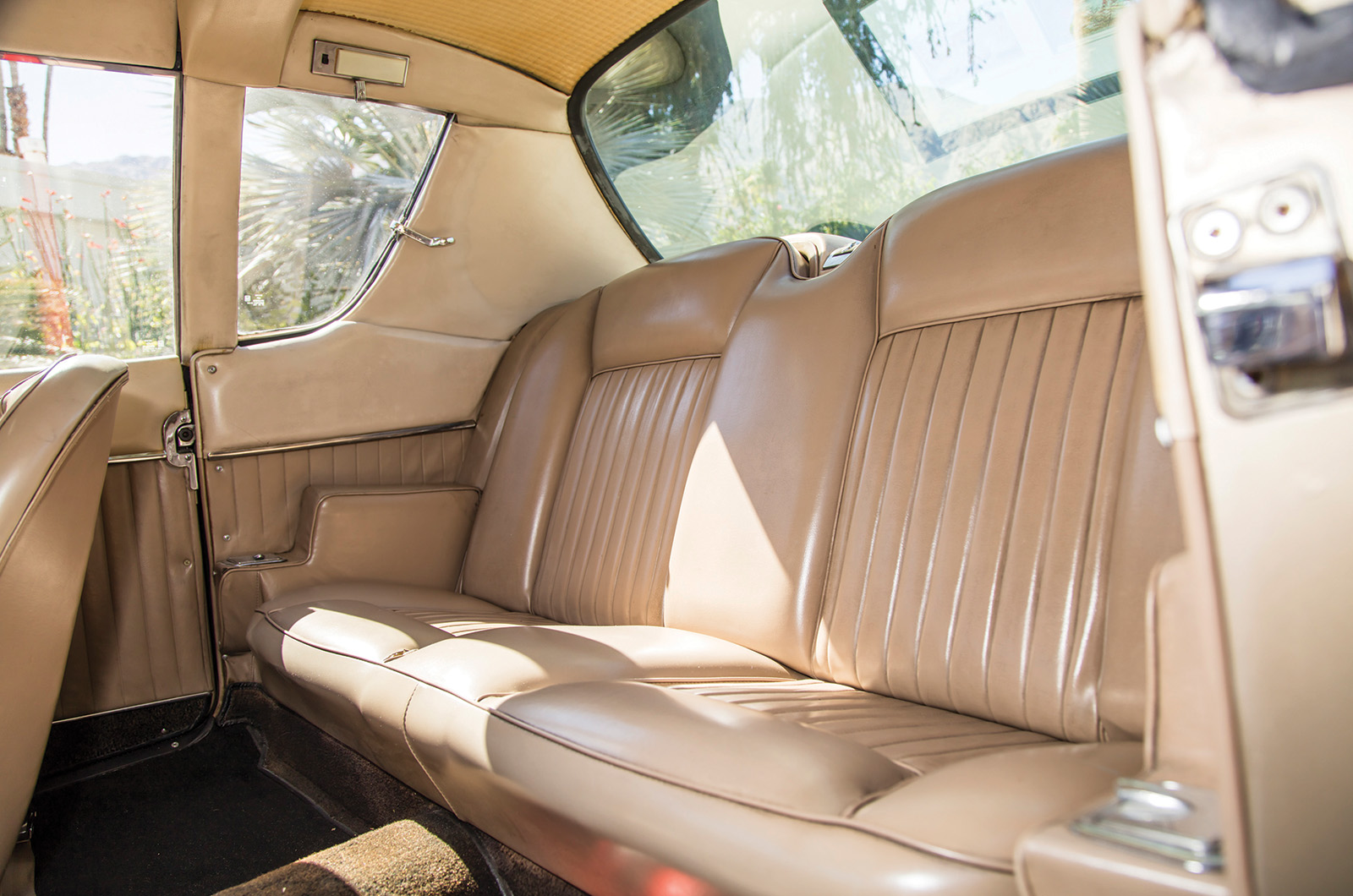
The skinny bucket seats are unlike anything you would find in any other American car of its era, but they allow generous legroom for rear-seat passengers.

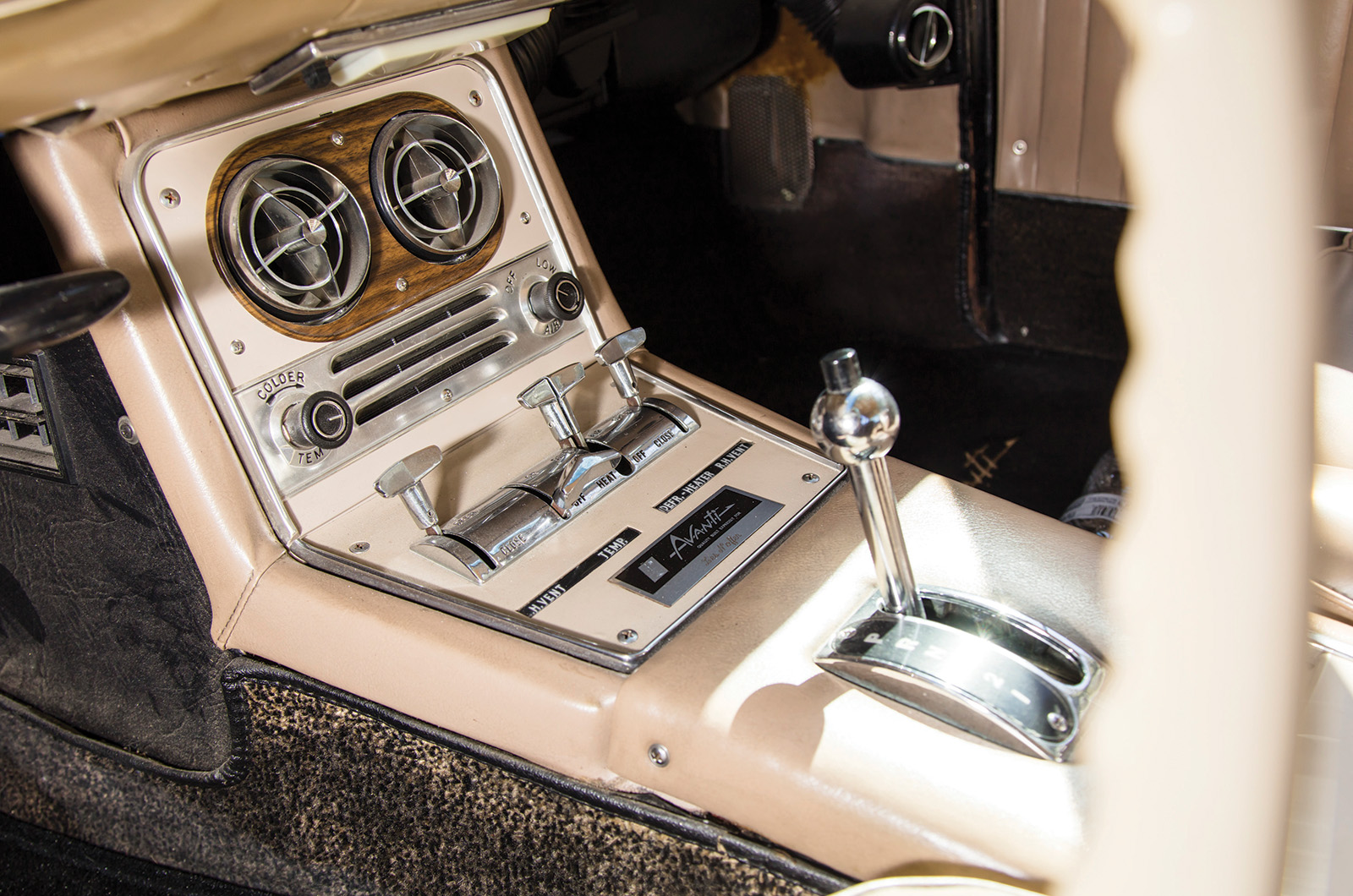
The clear, unpretentious six-dial instrument display and floor-mounted gearlever are also un-American, even if the stylish, airplane-inspired levers for heating and ventilation – and the roof-mounted switchgear – are of dubious ergonomic value.

There is good vision all round, a sensible driving position and lots of groovy details: a flap in the rear shelf allows access to the trunk, and there is a make-up set in the glovebox.

The long, asymmetrical lump in the hood flows down from the driver’s line of sight.

Classic & Sports Car – Studebaker Avanti: back to the future

The Studebaker Avanti has airplane-style levers and a chunky, floor-mounted auto shifter

Even without the blower, the Studebaker Avanti is quite rapid enough, and it is well suited to its combination of automatic transmission and power steering, which is light but masks kickback well and, at 3½ turns from lock to lock, not unreasonably geared.

Top speed and acceleration figures depended on the choice of axle ratio, but 120mph and 0-60mph in 8.5 secs could be depended on even in auto form.

With a throaty burble from twin exhausts, the V8 urges the 3000lb Avanti briskly off the mark – with twin lines of wheelspin if required – and gets it up to high cruising speeds with a minimum of fuss.

The car is directionally stable and stops in a straight line.

Classic & Sports Car – Studebaker Avanti: back to the future

The Studebaker Avanti boasts lots of rear legroom

Its firmer springs – and the anti-roll bar – play their part in giving the safely understeering Avanti respectable handling, but its ability to generate significant cornering power is limited by that unfavorable weight distribution.

That the Avanti drives only fairly well – and certainly not as well as it looks – doesn’t really matter.

Neither does it matter that the Avanti is not a conventionally beautiful car. In the end, it is something more interesting than that.

It is a visually compelling car: gawky from some perspectives, gorgeous from others (particularly the rear), with an off-center disconnect about its shape.

Classic & Sports Car – Studebaker Avanti: back to the future

Throaty V8 urge makes the Studebaker Avanti brisk rather than quick

Those equal front and rear overhangs and that voluminous rear window endow the dare-to-be-different Studebaker Avanti with a presence and a power that are both impossible to ignore.

Its oh-so-clean surfaces, those faired-in lighting units and the curved side glass were all uncommon features to see on an automobile on either side of the Atlantic in the early 1960s. 

Indeed, this is the perfect classic car not only for Palm Springs itself – where, after all, it was conceived – but also for owners Gary and Joan.

“There is probably a dozen of them in town,” Gary tells us. “We even have an Avanti brunch at the house.”

Images: Pawel Litwinski


Factfile

Classic & Sports Car – Studebaker Avanti: back to the future

Studebaker Avanti R1

  • Sold/number built 1963-’64/4643 (all)
  • Construction steel chassis, fiberglass body
  • Engine all-iron, ohv 4737cc V8, four-barrel Carter carburetor (optional supercharger for R2/R3)
  • Max power 240bhp @ 4500rpm
  • Max torque 330lb ft @ 3500rpm
  • Transmission three-speed automatic, RWD
  • Suspension: front independent, by wishbones, coil springs, anti-roll bar rear live axle, radius rods, semi-elliptic springs; telescopic dampers f/r
  • Steering cam and lever
  • Brakes discs front, drums rear
  • Length 16ft (4877mm)
  • Width 5ft 10½in (1791mm)
  • Height 4ft 6in (1372mm)
  • Wheelbase 9ft 1in (2769mm)
  • Weight 3000lb (1361kg)
  • 0-60mph 8.5 secs
  • Top speed 120mph
  • Mpg 11-17
  • Price new $5408

We hope you enjoyed reading. Please click the ‘Follow’ button for more super stories from Classic & Sports Car.