Fiat Dino Coupé and Spider: Maranello meets Turin

| 15 Jan 2026
Classic & Sports Car – Fiat Dino Coupé and Spider: Maranello meets Turin
This feature was first in our April 2016 issue; all information was correct at the date of original publication


Breaking news: in addition to the new 124 Spider’s 2015 Los Angeles Auto Show debut, and despite initiating the great Ferrari sell-off, Fiat-Chrysler Automobiles has announced a deal to build and use the legendary manufacturer’s new V6. 

This quad-camshaft jewel is now destined for Spider and Coupé variants bearing the Fiat badge.

The combined production effort will ensure that the necessary homologation numbers are constructed quickly enough to allow the V6 to go racing.

Quick, check the date: is it 1 April?

Classic & Sports Car – Fiat Dino Coupé and Spider: Maranello meets Turin
The Fiat Dino’s V6 engine was conceived for Formula Two

Of course, it could never happen now.

Yet in 1967 three quite different cars, all called Dino – a Ferrari and two Fiats – were launched with the same F2-derived 1987cc V6.

True, Abarth had long been producing fire-breathing Fiats of various four-pot flavours and was still – just – an independent entity, but this was different.

Having a little of the Scuderia’s magic dust sprinkled down from above must have been manna from petroleum heaven if you were a Fiat aficionado.

Quite what it was like from a Ferrari perspective, well, we can only surmise. The benefit of hindsight obviously allows an educated guess. 

Classic & Sports Car – Fiat Dino Coupé and Spider: Maranello meets Turin
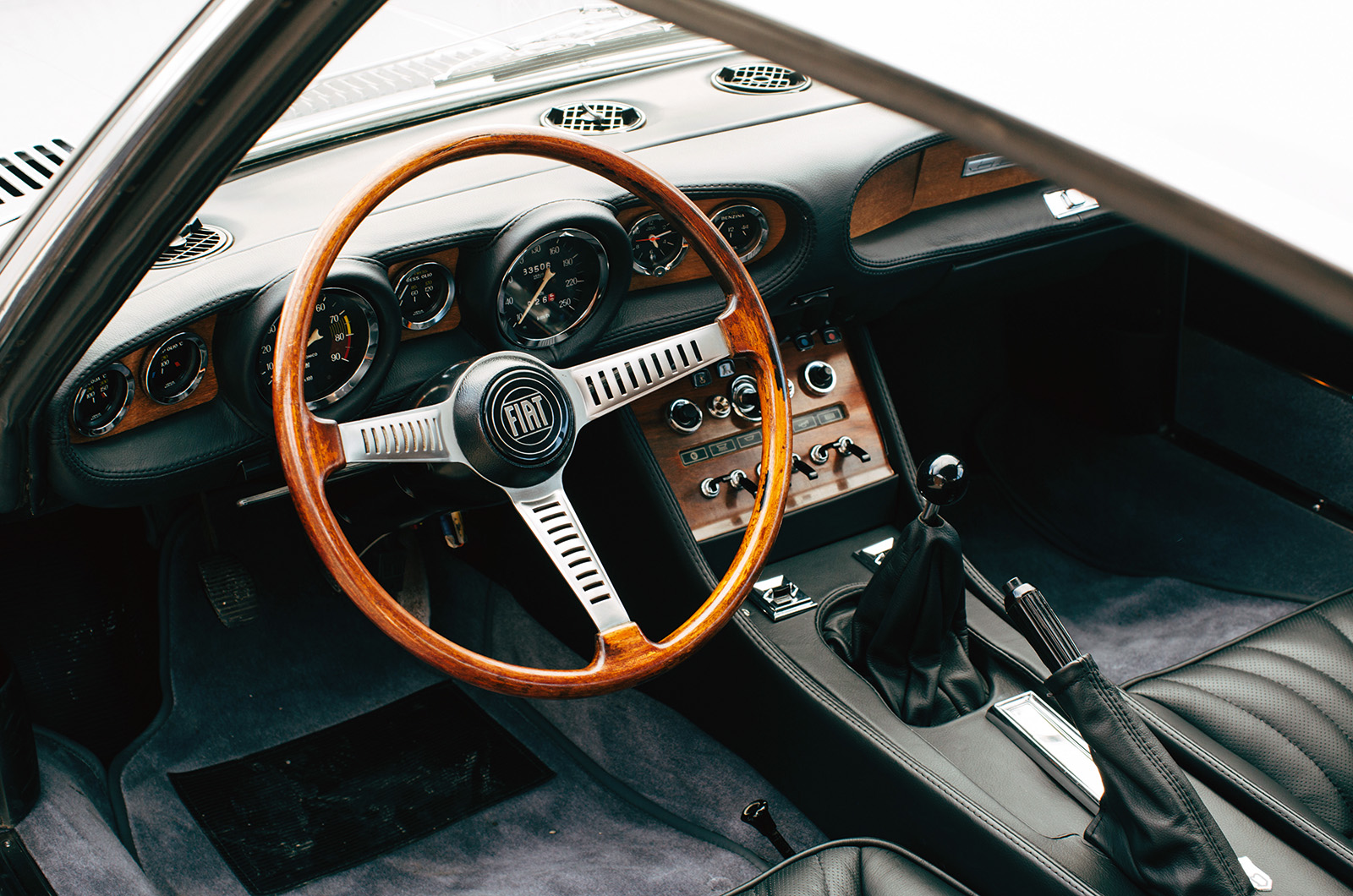
The Fiat Dino Coupé 2000’s well-stocked dashboard is more luxurious than that of the open car

Maranello’s Dino appeared to be an almost clandestine effort, lacking the appropriate number of cylinders even to bear the Ferrari name.

Never mind that its Pininfarina styling positively dripped with sensuality or that the driving experience offered handling accessibility and raw performance to send even the hardest-nosed tifosi into raptures. 

Indeed, it wouldn’t be accepted into the Ferrari road-car fold until well into its dotage – although it is a rare example that wears only Dino badges today.

So what of the Fiat variants? Well, for a number of decades they had an even harder time, and the toxic combination of low values combined with being ‘a Fiat with Ferrari running costs’ meant that the attrition rate was damnably high.

During those lean years, to all but a few hardened cognoscenti the cars may have been easy to dismiss.

Classic & Sports Car – Fiat Dino Coupé and Spider: Maranello meets Turin
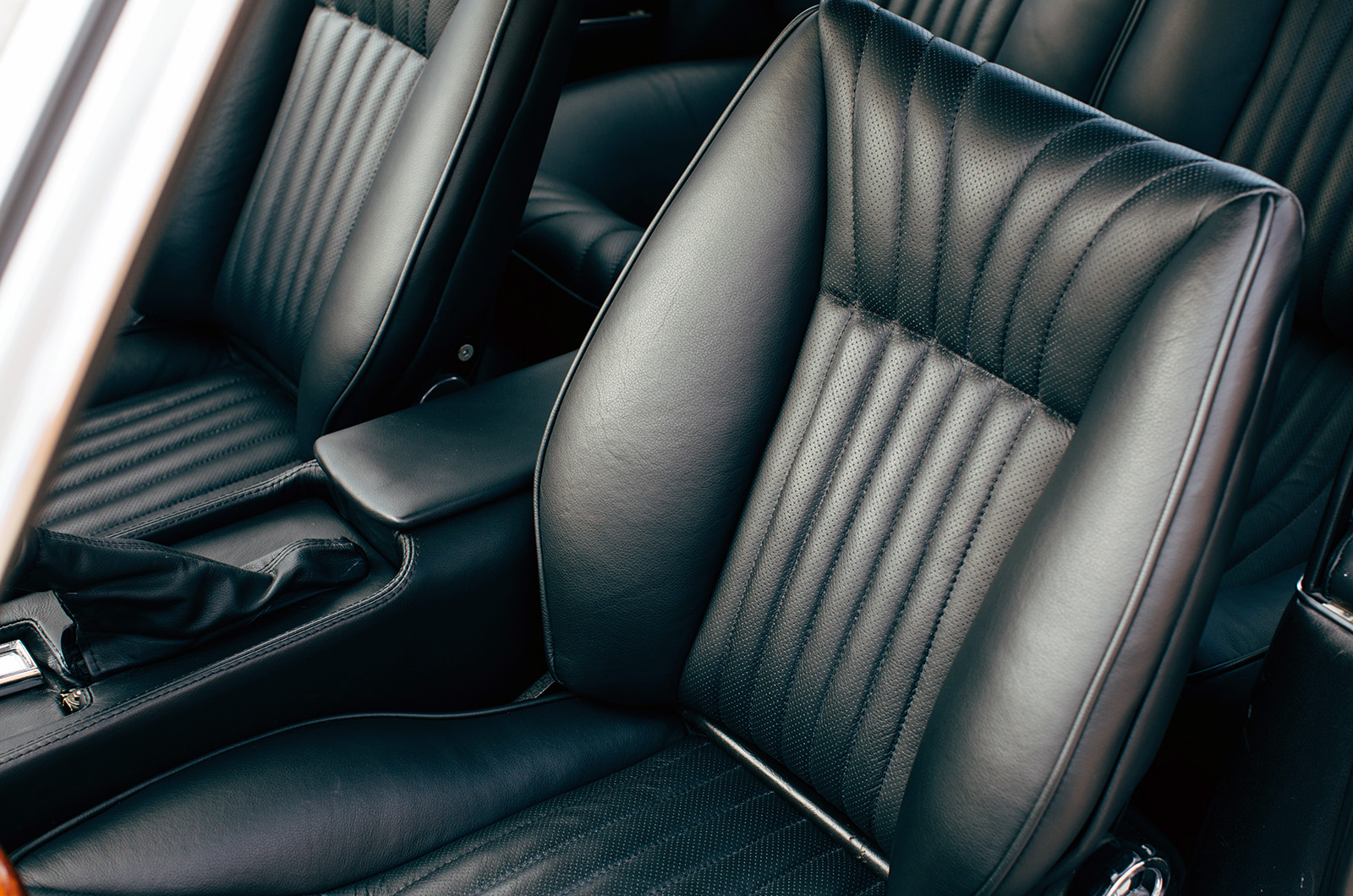
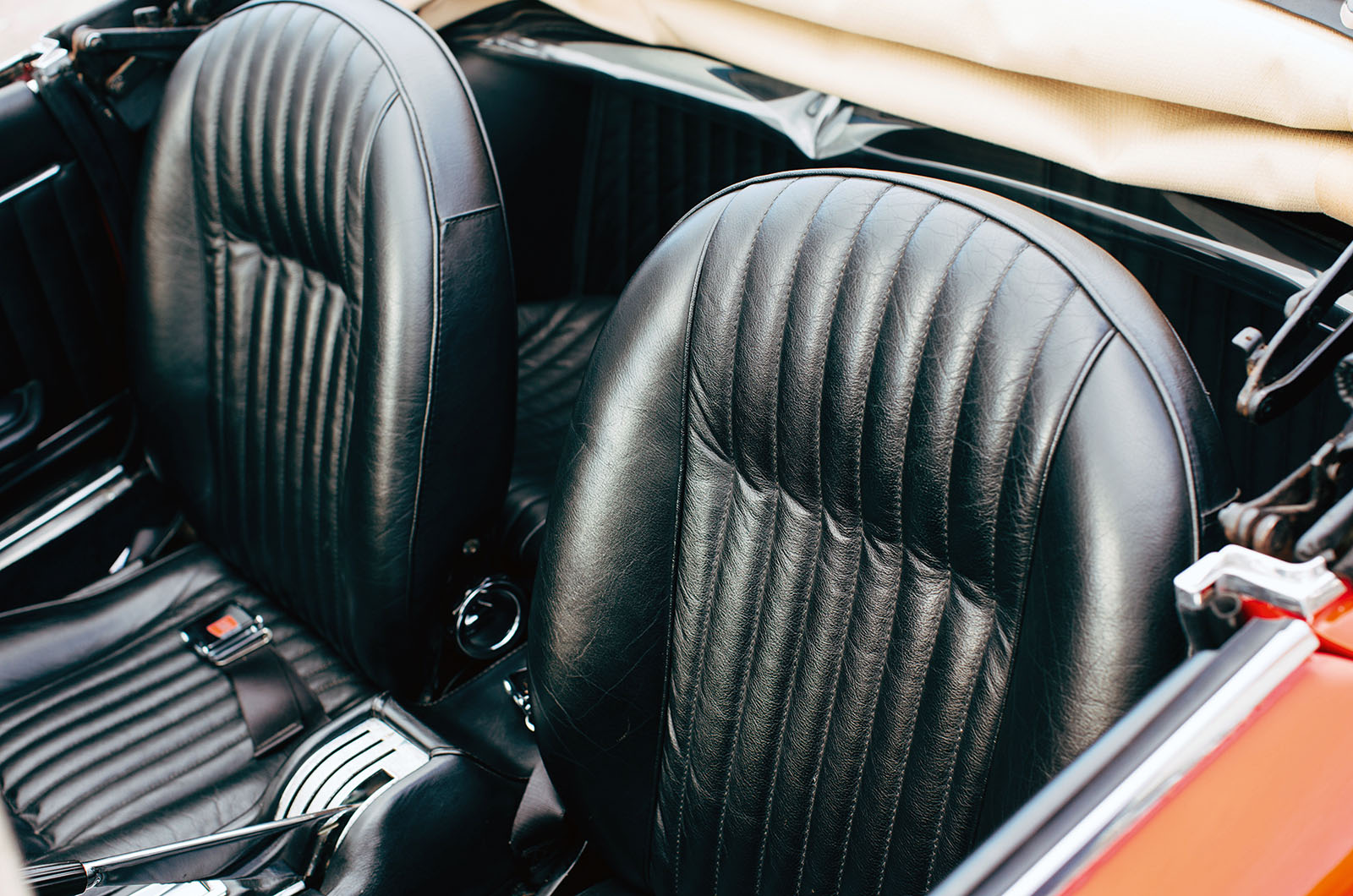
The Fiat Dino Coupé 2000’s supremely comfortable bucket seats

The ascent of the Cavallino-badged Dino to iconic status, however, means that these little-known, left-hand-drive beauties are now emerging to be judged on their own merits.

Back in the 1960s, Ferrari’s raison d’être was racing, with a few road cars thrown in to help fund the former.

Pre-Dino, total production for many of its models remained in three figures, with even its best-selling 330GT taking four years to – only just – pass the 1000 mark.

Desperate to homologate its 1.6-litre Formula Two engine for 1966, but aware that it didn’t have the capacity to hit the necessary 500 units, the Scuderia enlisted the help of Fiat.

Classic & Sports Car – Fiat Dino Coupé and Spider: Maranello meets Turin

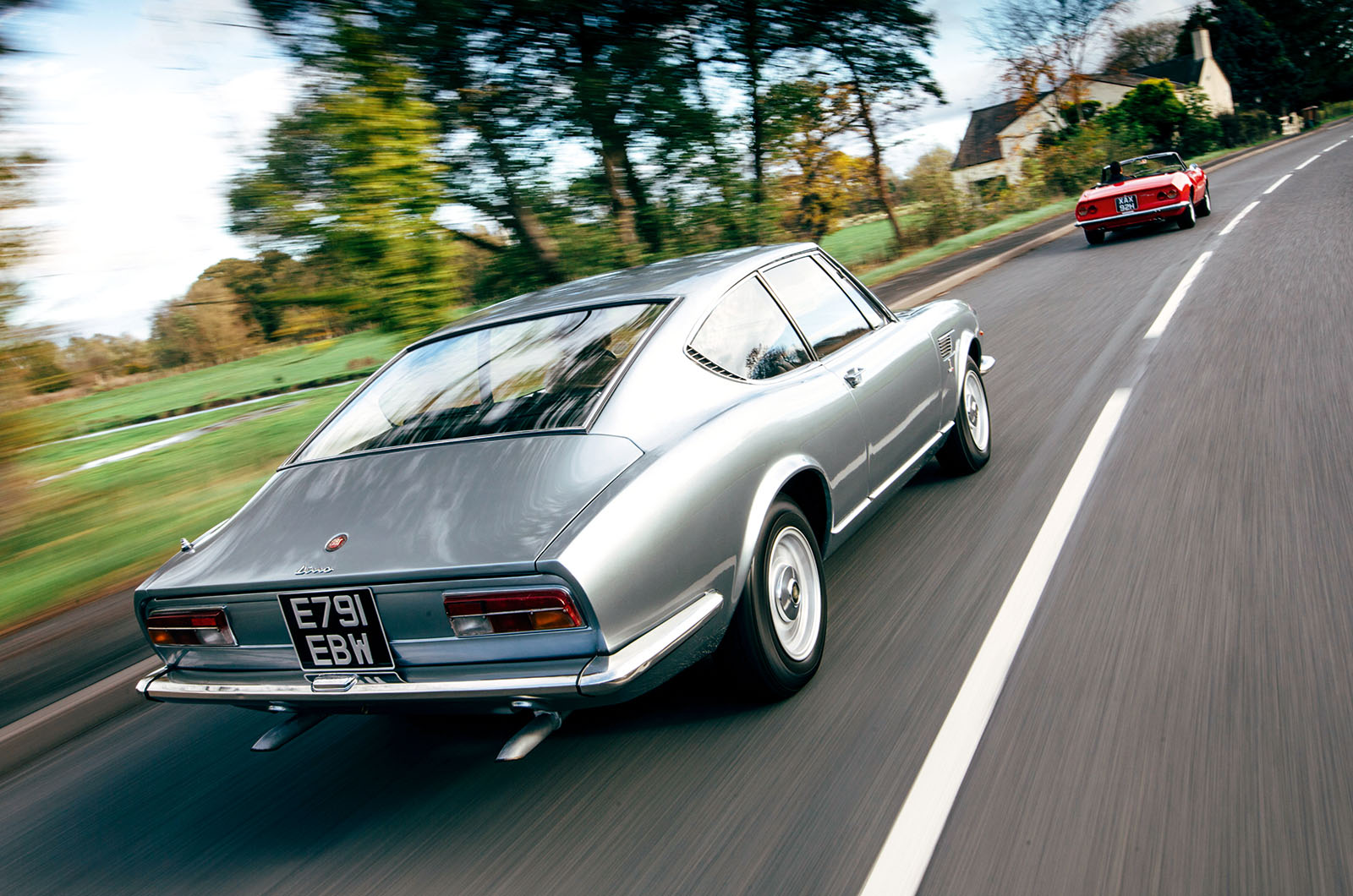
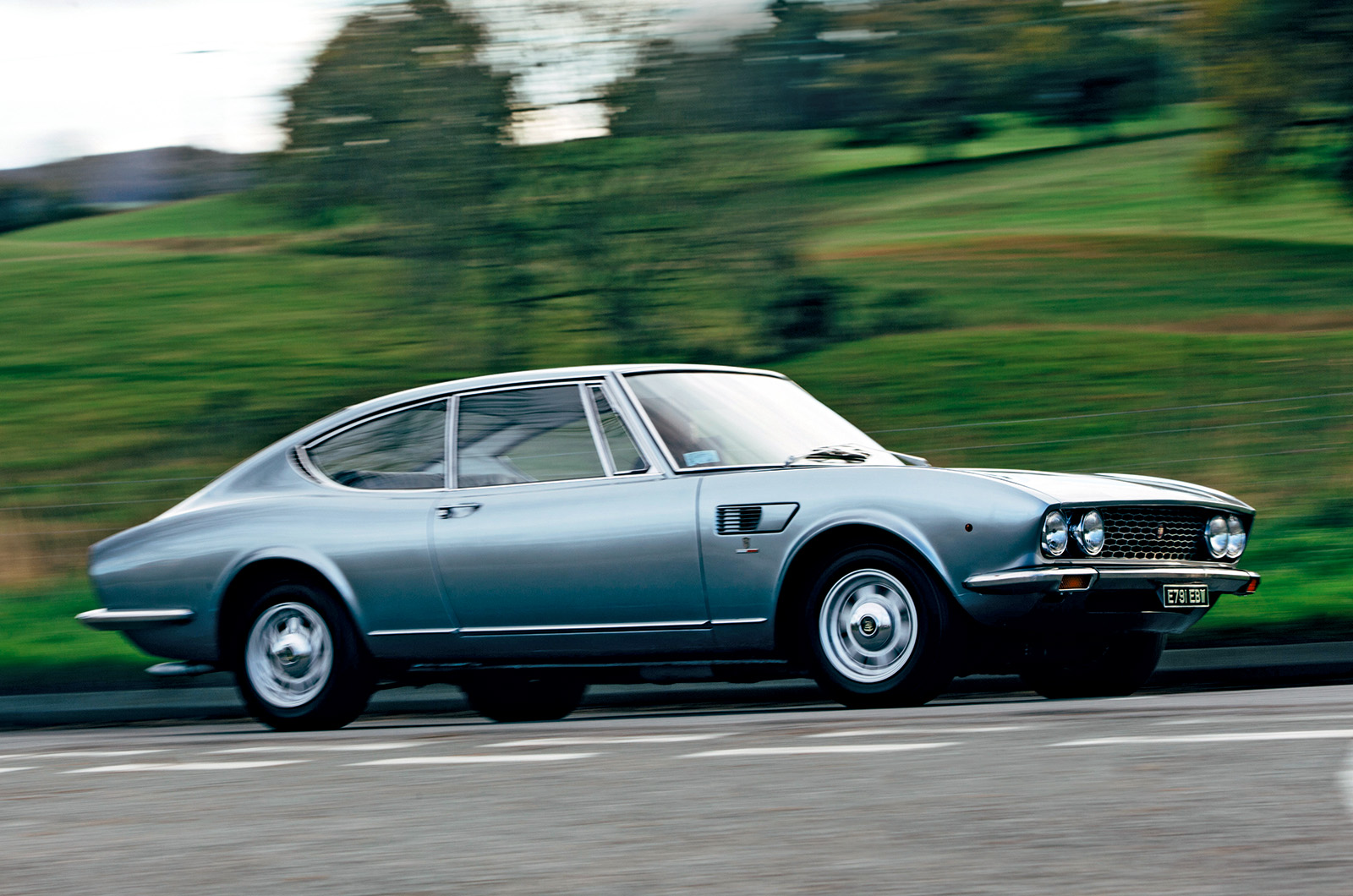
The Fiat Dino Coupé is quieter than Spider, but its twin exhausts still provide a sweet V6 soundtrack

The latter would build the engine – a Franco Rocchi adaptation of Vittorio Jano’s 1957 Type 196 unit – for use in the new Dino 206GT, while also producing a model of its own that would utilise the same powerplant.

This marriage of convenience suited both parties, with the Turin giant able to replace its somewhat aged prestige model, the Fiat 2300S.

To do so, in addition to the planned Spider, a full four-seater fixed-head entered the company’s strategy.

Pininfarina, however, would be at full tilt supplying bodies for the open car – alongside Alfa Romeos and Peugeots, to name just two – so rival Bertone sealed the deal for Coupé construction.

In both cases, the Dino name would be retained as a memorial to Enzo Ferrari’s son Alfredo, who had worked on the original engine with Jano but tragically passed away in 1956 at the age of just 24.

Classic & Sports Car – Fiat Dino Coupé and Spider: Maranello meets Turin

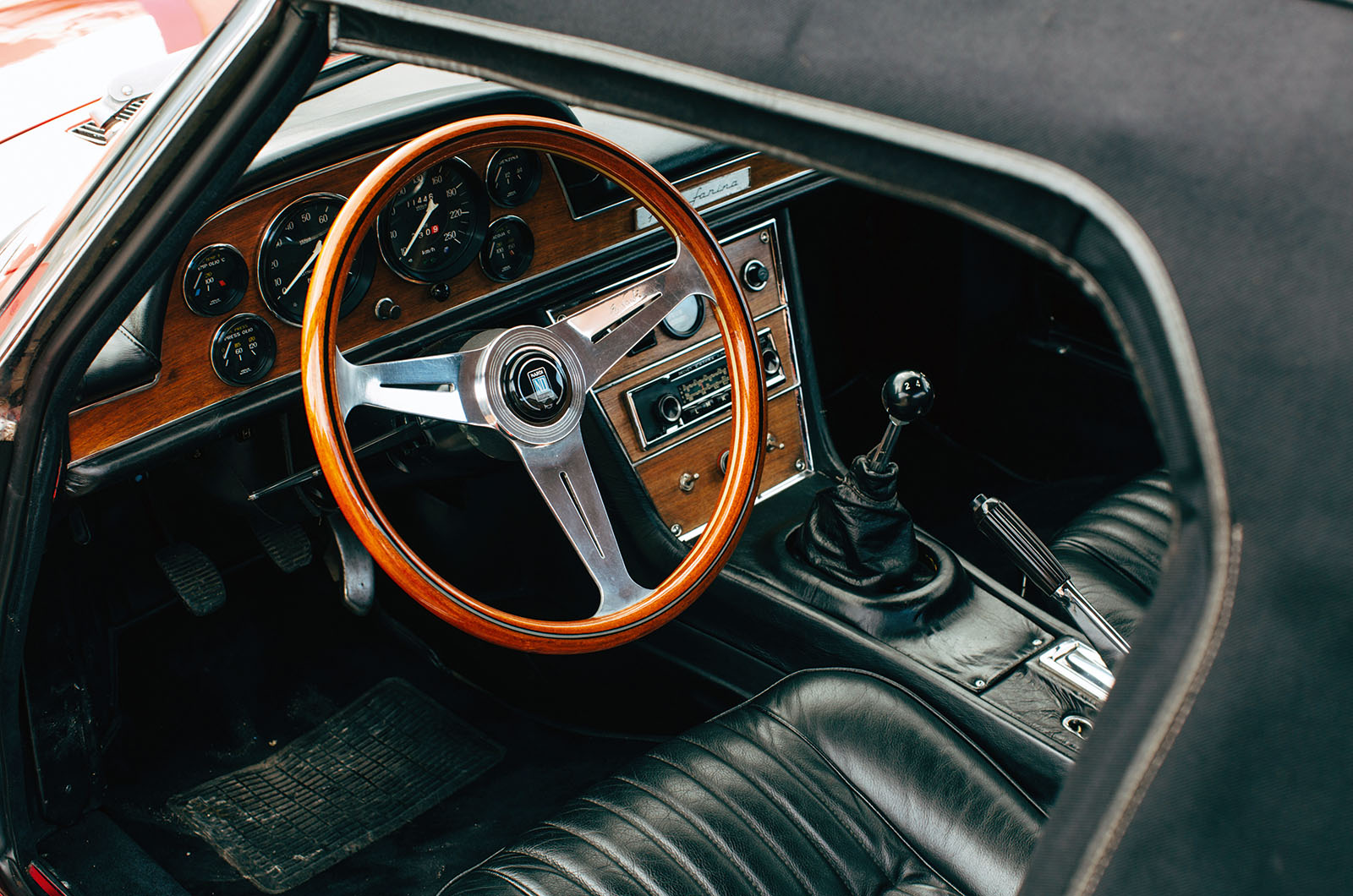
This Fiat Dino Spider 2000 has a gorgeous, wood-rimmed Nardi steering wheel

Making its debut at the 1966 Turin Salon, the Spider featured stunningly elegant Farina styling, but the undoubted star of the show was its 2-litre, all-alloy 65° V6. 

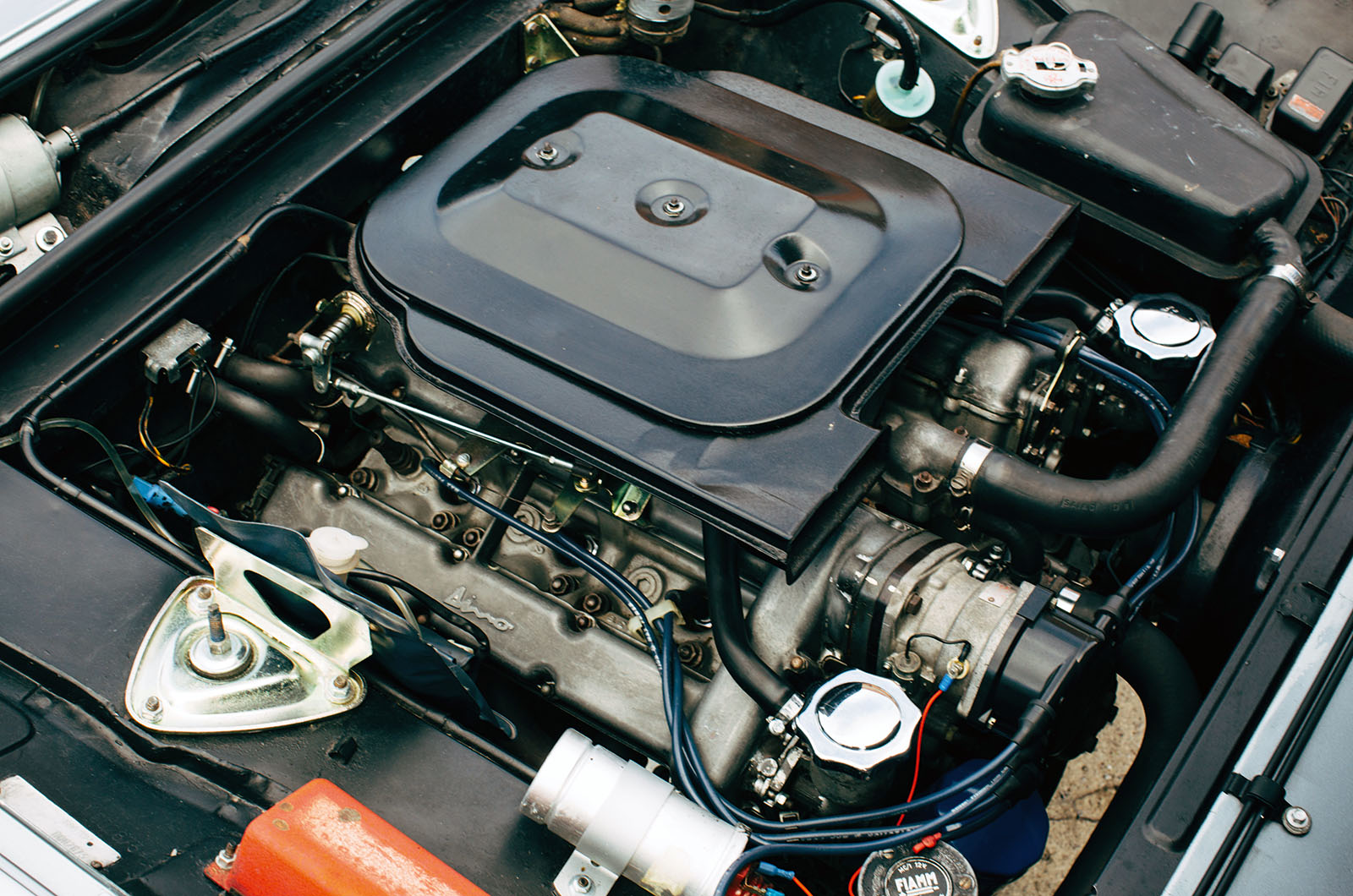
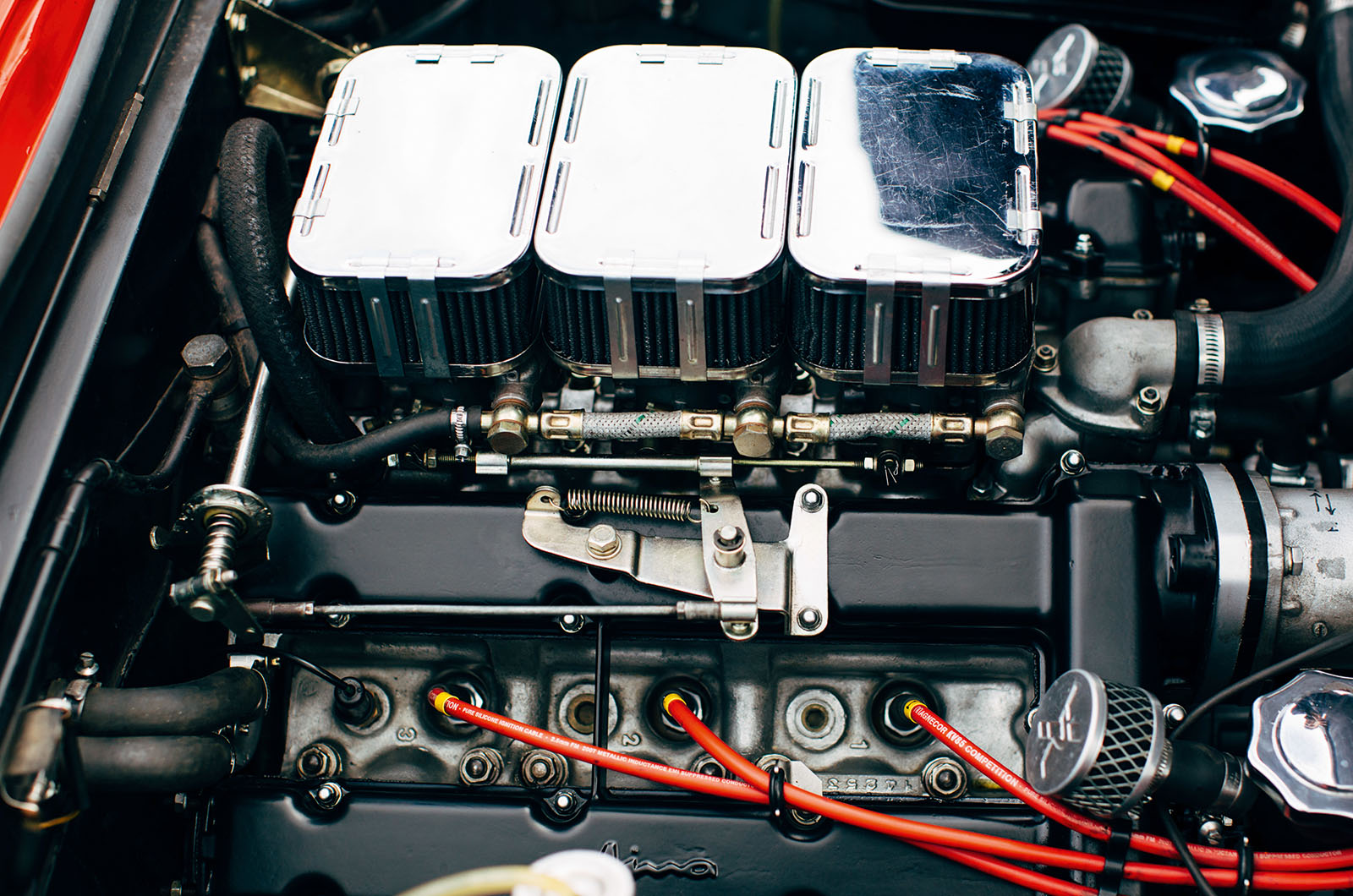
With twin overhead camshafts per bank, a compression ratio of 9:1 and triple Weber carburettors, it was good for 160bhp at a lofty 7200rpm.

A five-speed gearbox came as standard, and the front suspension was independent by coil springs, wishbones and an anti-roll bar.

Surprisingly for such a pedigree, the rear had a relatively unsophisticated live axle, with semi-elliptic leaf springs, radius arms and twin dampers per side.

Not that the latter mattered, because the car was greeted with great enthusiasm: Autosport called it both a ‘driver’s car par excellence’ and a ‘high-spirited animal.

Classic & Sports Car – Fiat Dino Coupé and Spider: Maranello meets Turin

The Dino V6 was designed by Ferrari, but all were built by Fiat

The magazine did cite the rear suspension as being somewhat ‘unusual’ (although found no fault with it), but singled out the engine for praise, describing it as ‘smooth beyond belief’ and with a song ‘too sweet for words.

Unveiled at the 1967 Geneva Salon, the Coupé was the antithesis of its lithe, open-topped Spider sibling.

The lines – penned by Giorgetto Giugiaro – provided a sober contrast and prompted Car magazine, rather unfairly, to deem the new model ‘not particularly exciting to look at’.

What was appreciated was the interior space – thanks to a 10in longer wheelbase – and the higher level of finish.

Underneath, the mechanicals were identical, save a switch to double rear leaf springs.

Classic & Sports Car – Fiat Dino Coupé and Spider: Maranello meets Turin

The Spider’s seats look good, but aren’t as comfortable as Coupé’s

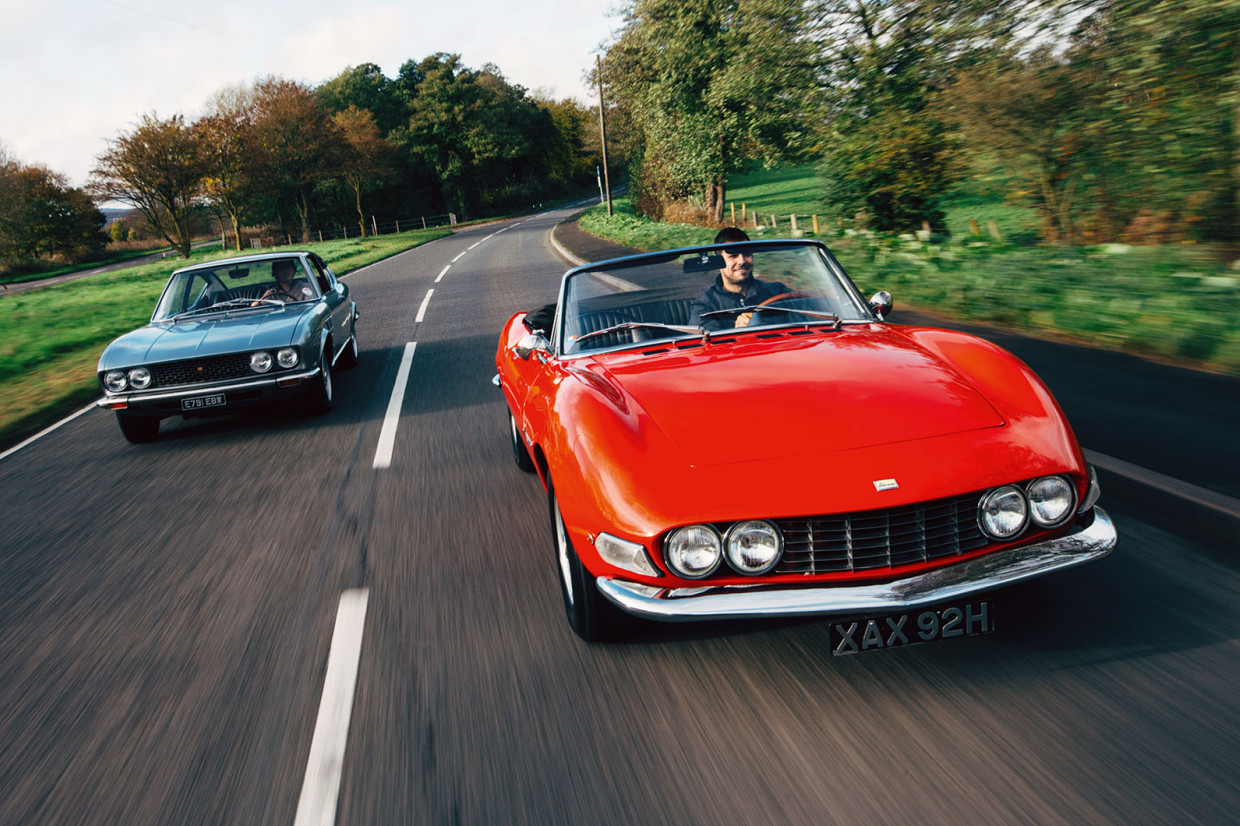
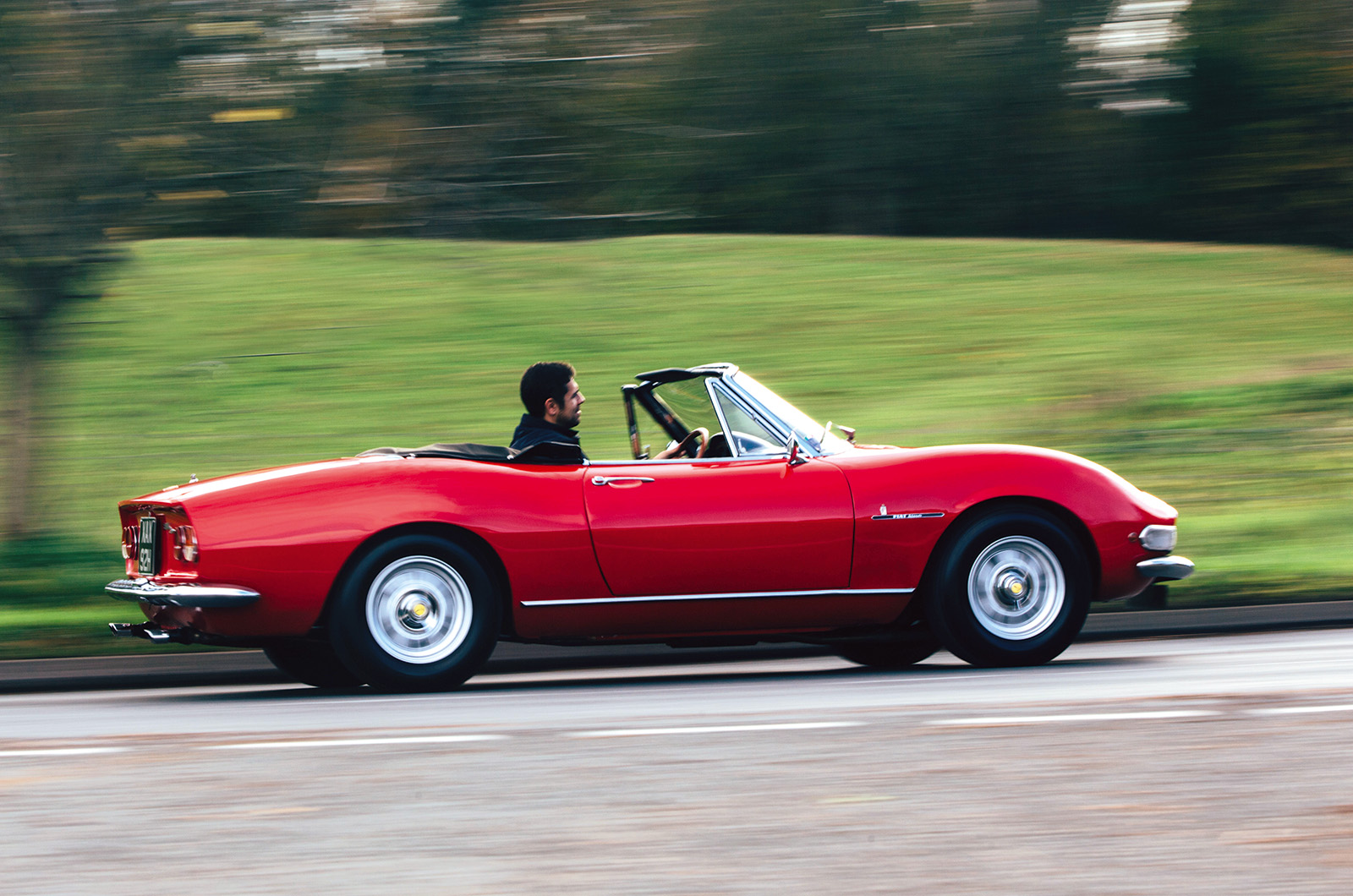
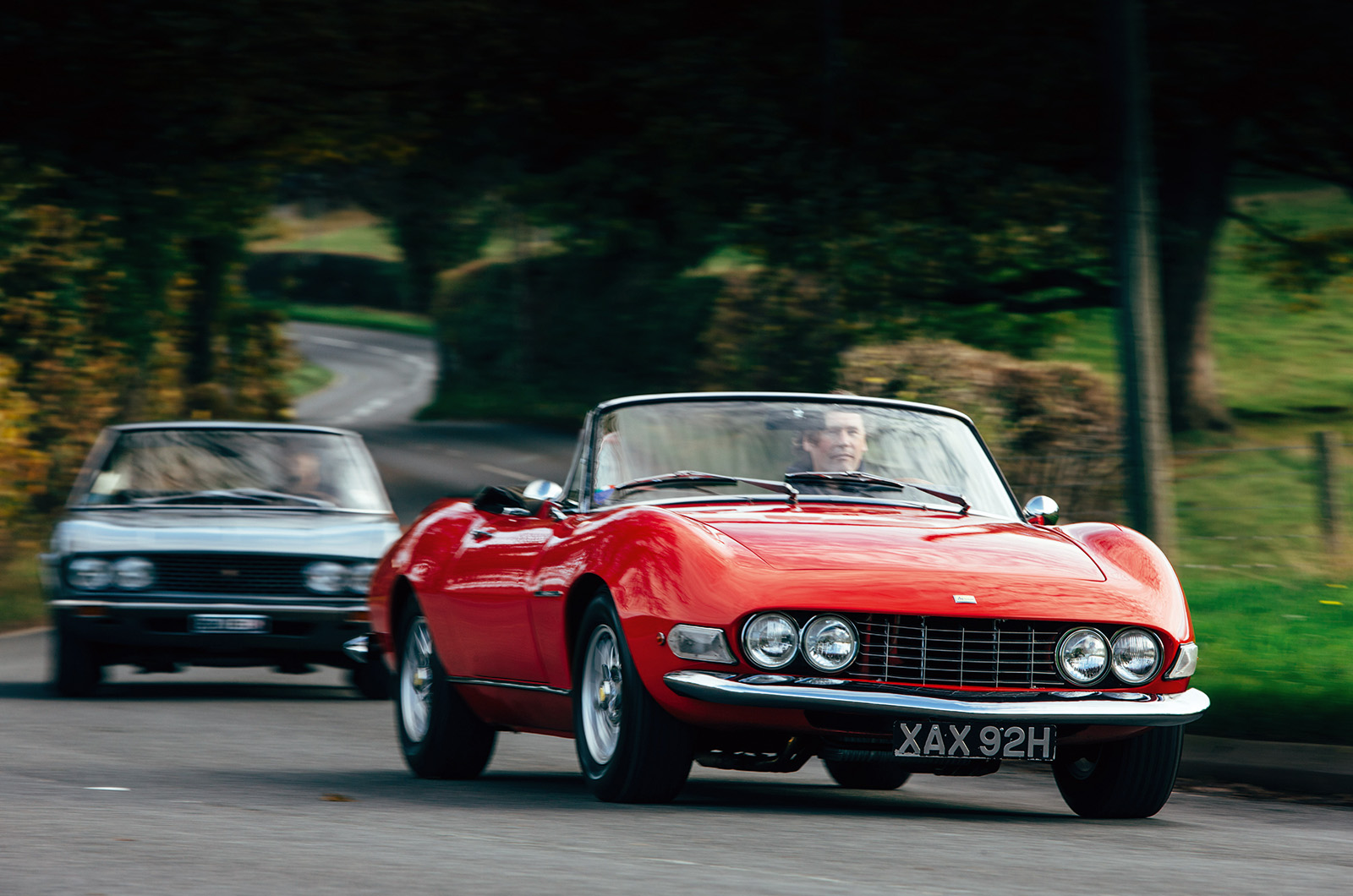
Up close, the Coupé does indeed suffer in comparison, but that’s only because the Spider is so alluring – further enhanced here by ‘our’ example’s colour.

“It really does photograph itself,” enthuses snapper Malcolm.

To my eyes at least, it works beautifully from every angle: the rear end is clean and uncluttered, while the sweeping front wheelarches mimic those of its 206 cousin, lending it a graceful femininity.

Yet offsetting this is the masculinity of that brooding nose – it’s a design with real depth and undoubted presence.

Classic & Sports Car – Fiat Dino Coupé and Spider: Maranello meets Turin

‘The Scuderia’s magic dust must have been manna from petroleum heaven for Fiat aficionados’

If you prefer your classic aesthetics to be of a less extrovert bent, those of the Coupé work equally well.

In darker hues it has an almost sinister presence – fuelled, no doubt, by recollections of its memorable Mafia role in The Italian Job – but this car’s lighter colour accentuates the uncluttered lines. It is both handsome and stylish, if understated.

Step inside, though, and it’s the Coupé that impresses the most.

The bucket seats offer first-class support and are the perfect foil for long-distance Continental cruising. The Jaeger instrumentation has a look of quality, and all of the controls are conveniently placed.

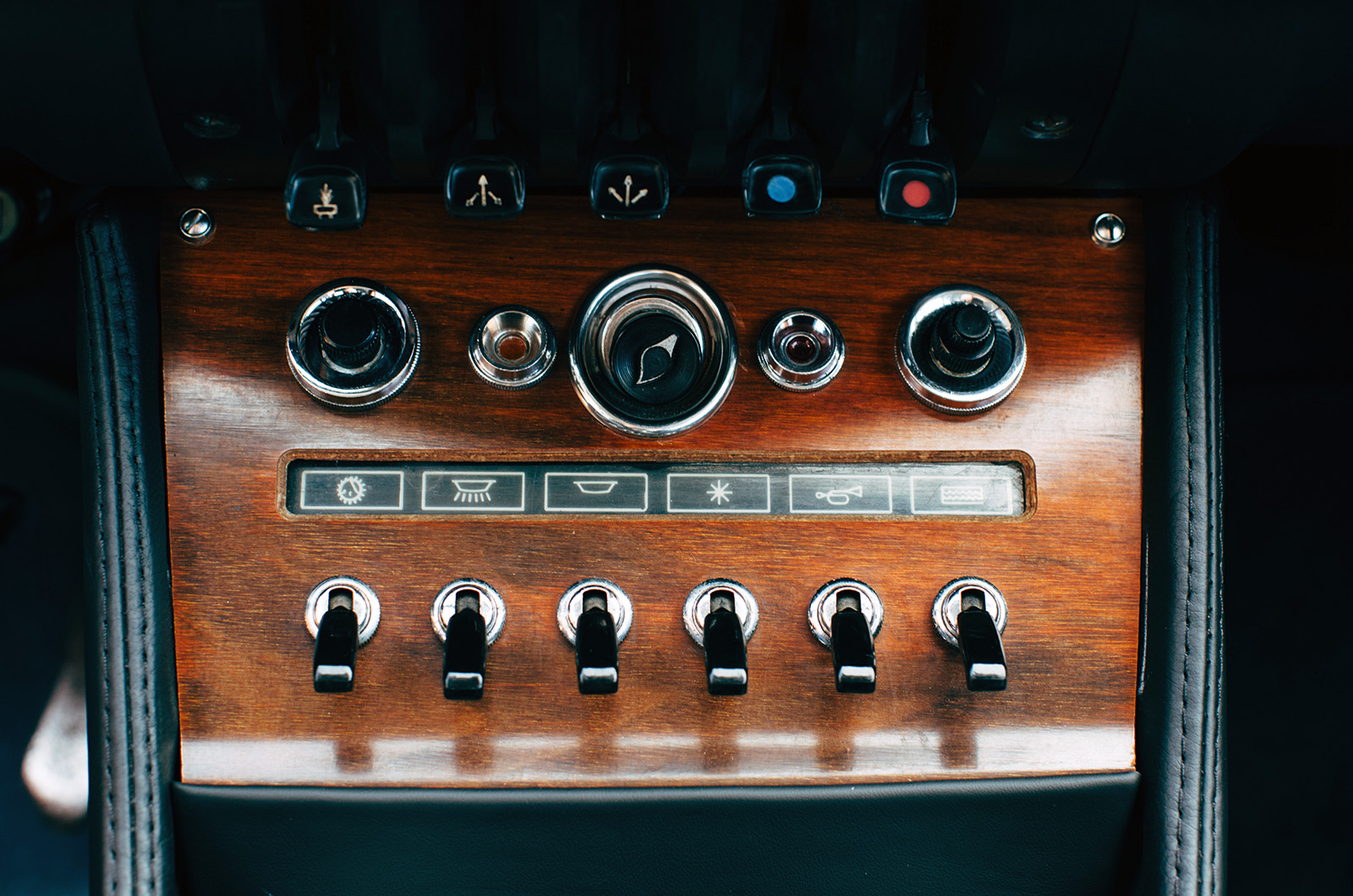
There’s a state-of-the-art (for its day) ventilation system, featuring speed-sensitive regulation of fresh-air volume.

Classic & Sports Car – Fiat Dino Coupé and Spider: Maranello meets Turin

The Fiat Dino Coupé’s lovely, tactile switchgear

This uses a combination of vents and rear pillar-located extractor ducts – the latter closing on deceleration to stop the ingress of exhaust gases.

Accentuating the luxury is the fact that vendor Cheshire Classic Cars has recently fitted a full leather interior to this example, replacing the original vinyl. It’s a fine space in which to spend time.

Over in the Spider there’s a less sophisticated (but more effective) method of ventilation: dropping the top.

There’s also a stunning Nardi steering wheel – on its own enough to lift any cabin, whether Ferrari, Maserati or Fiat – but the seats are nowhere near as good as those of the Coupé, and the wood veneer lends a feeling of the car being a tier down the food chain.

It’s a little uninspiring considering the exterior clothing.

Classic & Sports Car – Fiat Dino Coupé and Spider: Maranello meets Turin

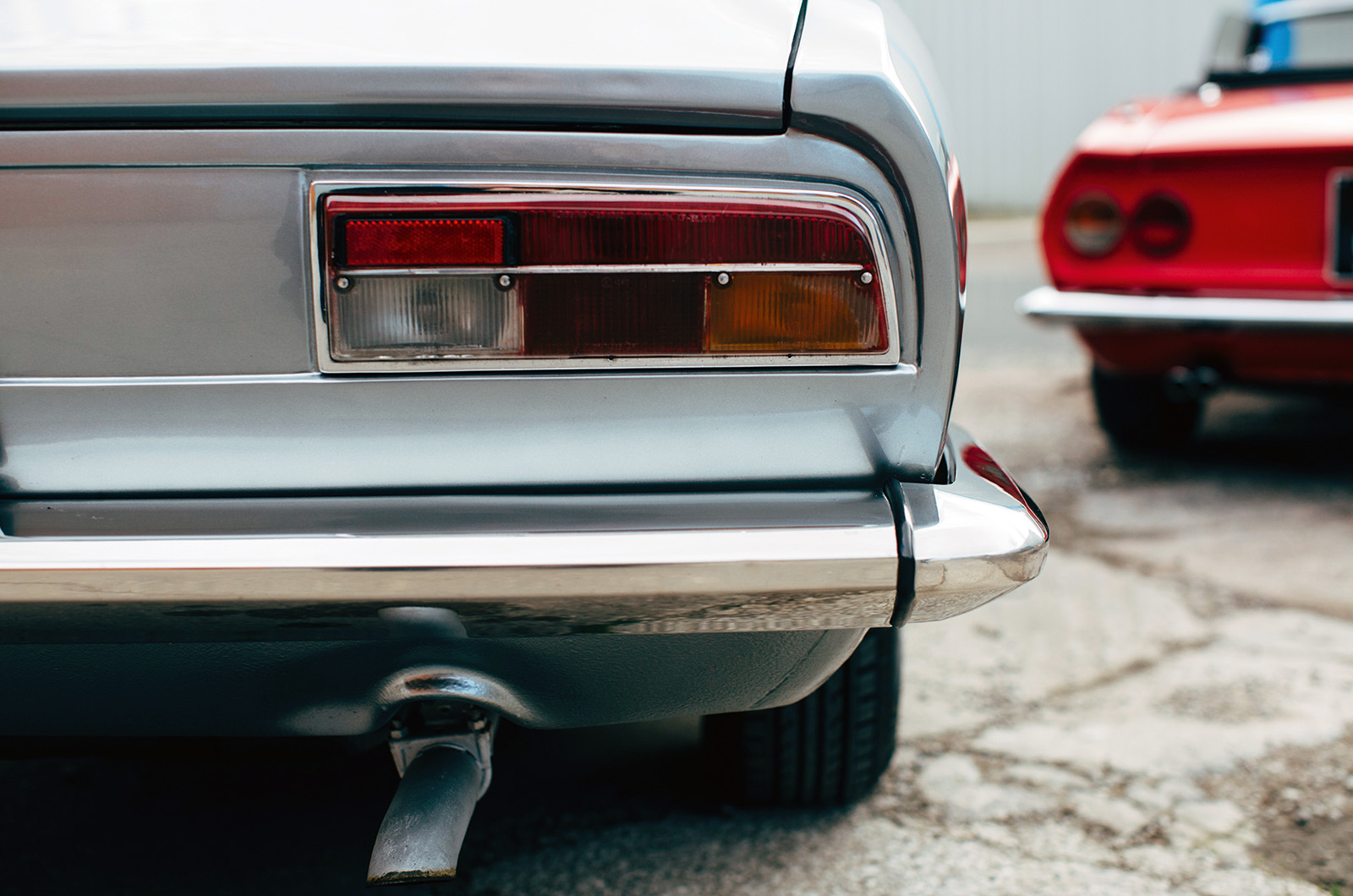
The Fiat Dino Coupé’s oblong rear lights

What isn’t uninspiring, though, is the view over those curvaceous wings: like the Dino 206 it’s a visual triumph, to be savoured each time you sit behind the wheel.

Sparking up the V6 is all drama, and more so here because this Spider has a custom exhaust that dispenses with four of the original, over-silenced system’s six boxes.

The result is a note much closer to that of its Ferrari cousin.

The triple Weber carburettors make their collective displeasure known at low revs, fluffing, huffing and puffing in protest, but get above 4000rpm and power is delivered in a continuous and wondrously smooth hit.

The low-speed mechanical chunterings are replaced by a soul-inspiring howl that continues to harden as the needle spins towards 7500rpm.

Classic & Sports Car – Fiat Dino Coupé and Spider: Maranello meets Turin

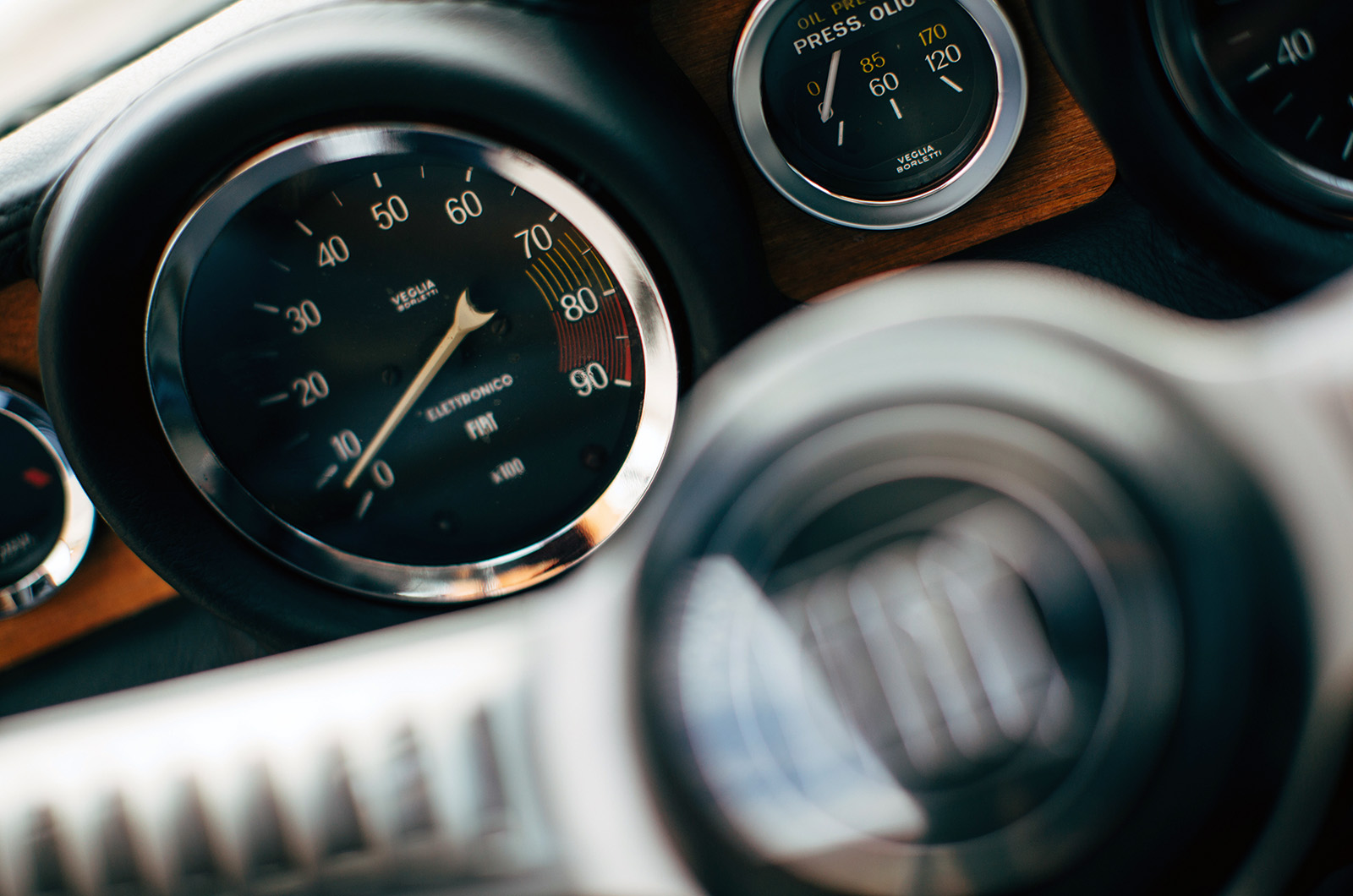
The Fiat Dino Coupé’s rev counter hints at the wonderfully free-spinning nature of Ferrari’s V6

The gearbox – a 2300S casing with custom internals – offers shifts that are precise and always slightly notchy, but engaging reverse isn’t something that can be done in a hurry.

With an extra 130kg, the Coupé feels a touch more ponderous under hard acceleration, and its steering is heavier.

It will still dispatch the 0-60mph dash in 8.5 secs – just 0.4 secs slower than the Spider – and, despite the closed roof, there’s plenty of aural pleasure to be enjoyed from the engine.

It’s just that the experience is all cosseted, luxury GT rather than nimble, hair-in-the-air sports car.

Classic & Sports Car – Fiat Dino Coupé and Spider: Maranello meets Turin

‘The view over the curvaceous wings is a visual triumph, to be savoured each time you sit in it’

Spirited driving is still easily conducted, however. The Coupé feels well planted on the road and, unlike the Spider, doesn’t involve repeated muscular contractions to maintain your driving position.

Surprisingly, given its limitations, the rear axle set-up doesn’t affect either model too much: the combination of twin dampers per side and a limited-slip differential combine to give them relatively neutral handling characteristics.

Only an excessively heavy foot or rash braking on the way into corners will highlight any shortcomings.

Despite its short wheelbase, the Spider tracks very well, with little in terms of body roll and only a hint of rooflessness-induced scuttle shake.

It feels light and nimble yet more on edge, while the weightier Coupé offers perhaps a slightly higher feeling of security.

Classic & Sports Car – Fiat Dino Coupé and Spider: Maranello meets Turin

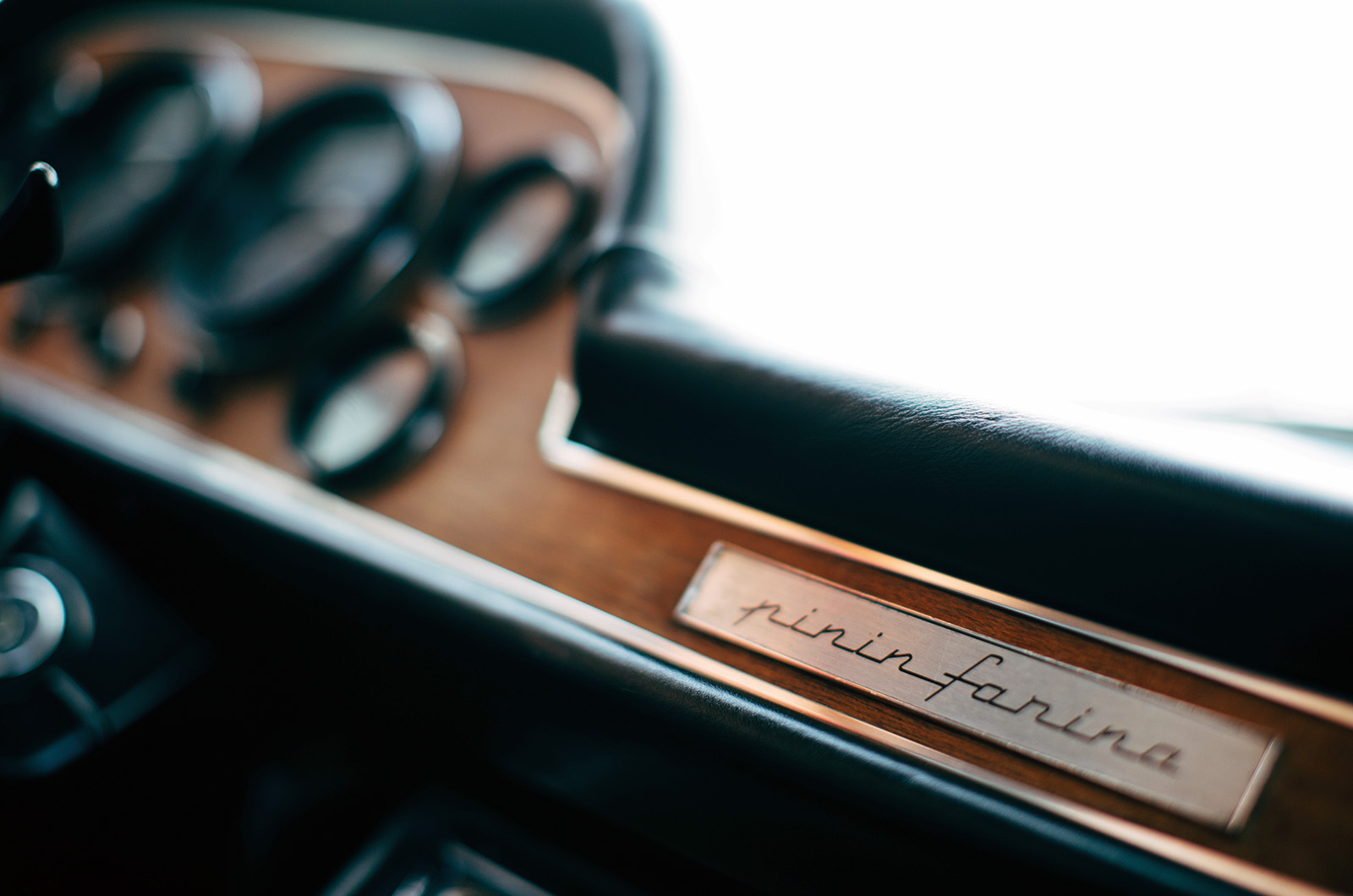
Pininfarina script proudly adorns the Fiat Dino Spider’s fascia

Later variants (released from November 1969) would receive the independent rear end from the Fiat 130 sedan, as well as a new, iron-block 2419cc version of the V6.

The superior suspension was compromised a little by the extra weight of the engine, so they actually seem a mite less well balanced than their predecessors.

The new power unit, however, rectified many of the problems suffered by the early (and somewhat under-developed) 2-litre engines – including plug-fouling and overheating – as well as providing an additional 20bhp and a 25% improvement in peak torque.

These versions also gained the Fiat 130’s five-speed ZF gearbox.

Classic & Sports Car – Fiat Dino Coupé and Spider: Maranello meets Turin

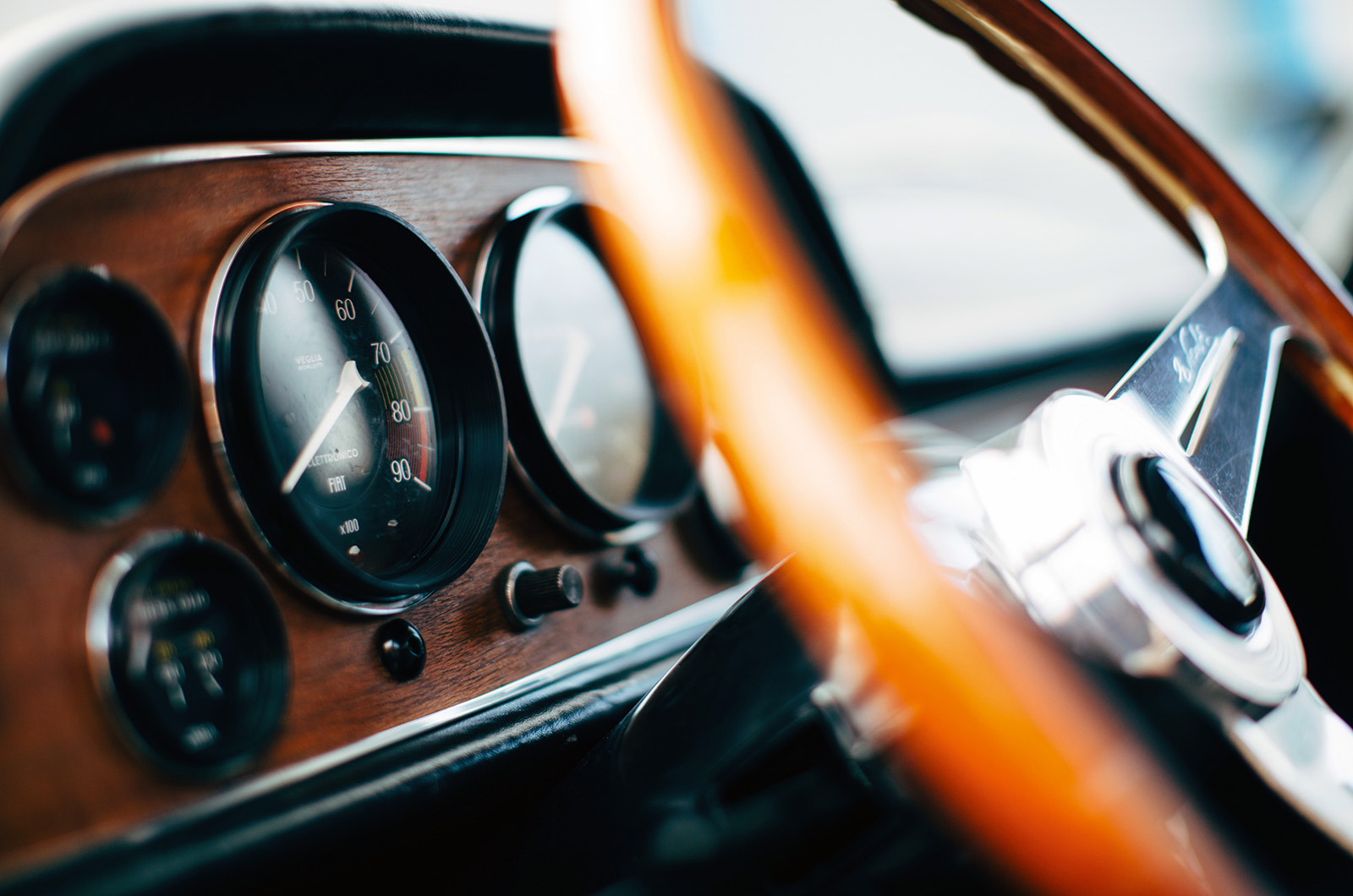
The Fiat Dino Spider’s comprehensive dashboard has Jaeger dials, but the wood veneers feel low-rent

Whether you prefer the 2- or 2.4-litre Dinos is down to personal taste, but one thing is for sure: both are exceedingly rare in the UK.

Like many cars with an exotic heart, they were raided to provide engines for their more celebrated relative.

But what of the question of Spider or Coupé? For top-down summer blasts, a shape you will never tire of looking at and, dare I say it, sheer posing value, it has to be the former.

CCC proprietor Iain Tyrrell owned one as a thrusting 20-year-old and assures me he’s never had a car that garnered so much attention.

For long-distance cruising accompanied by a glorious soundtrack, go for the cheaper Coupé.

Classic & Sports Car – Fiat Dino Coupé and Spider: Maranello meets Turin

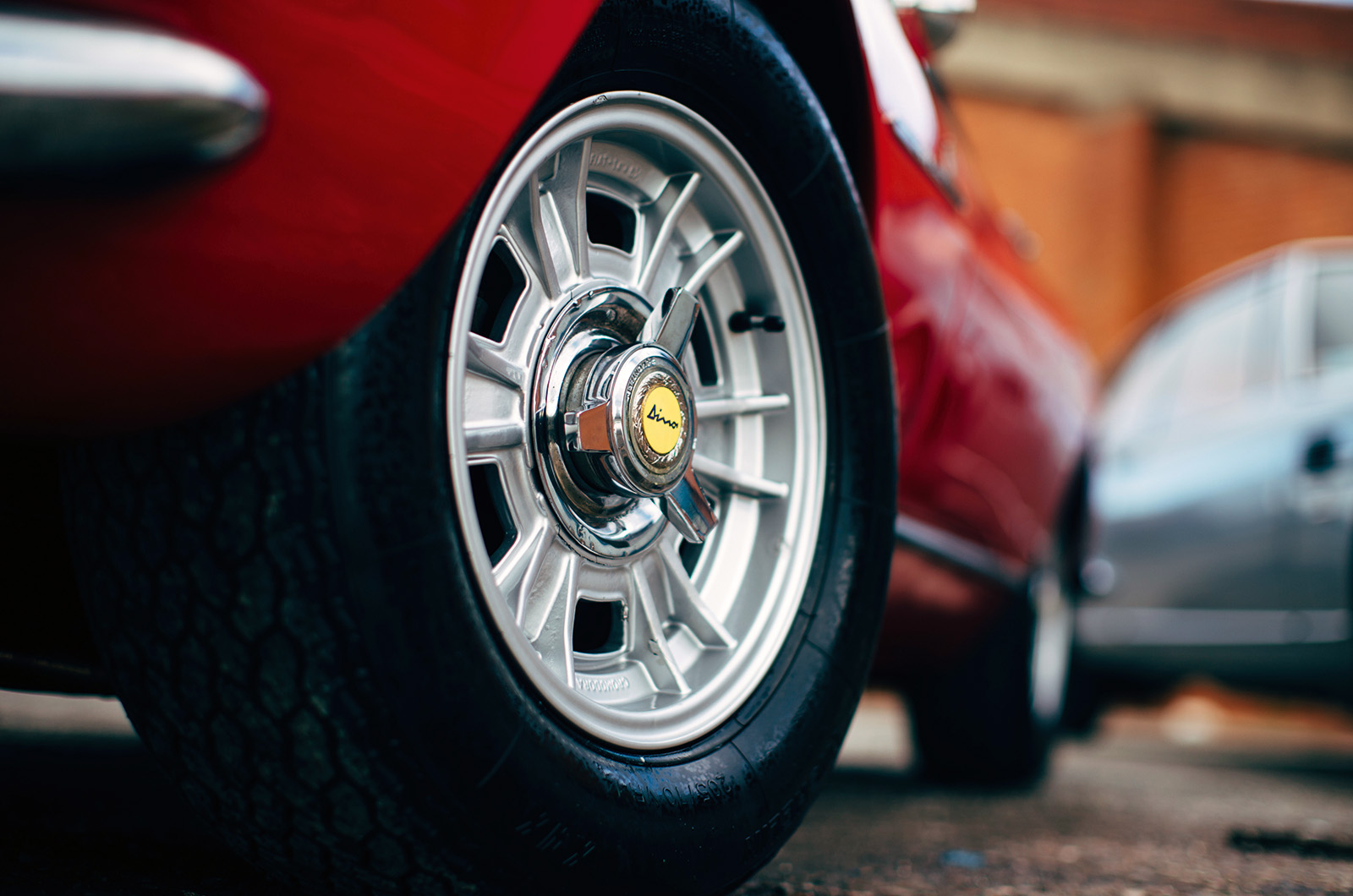
The Fiat Dino Spider has beautiful Campagnolo alloy wheels with chromed spinners

Fiat sold 1163 2-litre Spiders and 3670 Coupés, plus another 424 open and 2398 closed 2.4-litre cars.

In contrast, from 1967-’69 Ferrari sold just 152 Dino 206s, so the Fiats served their purpose, allowing swift homologation of the F2 engine.

Interestingly, the later Ferrari Dinos would go on to become the firm’s best-seller, with sales in the thousands.

But that happened only as a result of a remarkable collaboration – the like of which we’re unlikely to see again.

Images: Malcolm Griffiths

Thanks to: Iain Tyrrell and Damon Milnes, Cheshire Classic Cars

This was first in our April 2016 magazine; all information was correct at the date of original publication


Factfiles

Classic & Sports Car – Fiat Dino Coupé and Spider: Maranello meets Turin

Fiat Dino Spider 2000

  • Sold/number built 1967-’69/4833 (all)
  • Construction steel monocoque
  • Engine all-alloy, dohc-per-bank 1987cc V6, three twin-choke Weber 40DCN 14 carburettors
  • Max power 160bhp @ 7200rpm
  • Max torque 127lb ft @ 6000rpm
  • Transmission five-speed manual, RWD
  • Suspension: front independent, by wishbones, coil springs, anti-roll bar rear live axle, radius arms, semi-elliptic leaf springs; telescopic dampers f/r (twin per side at rear)
  • Steering Gemmer worm and roller
  • Brakes discs, with servo
  • Length 13ft 6in (4109mm)
  • Width 5ft 7in (1710mm)
  • Height 4ft 2in (1270mm)
  • Wheelbase 7ft 6in (2280mm)
  • Weight 2535lb (1150kg)
  • Mpg 17-20
  • 0-60mph 8.1 secs
  • Top speed 130mph
  • Price new n/a (special order in UK)


Fiat Dino Coupé 2000
(Where different from Spider)

  • Suspension: rear double leaf springs
  • Length 14ft 9in (4507mm)
  • Height 4ft 3in (1287mm)
  • Wheelbase 8ft 4in (2550mm)
  • Weight 2822lb (1280kg)
  • 0-60mph 8.5 secs
  • Top speed 124mph

Enjoy more of the world’s best classic car content every month when you subscribe to C&SC – get our latest deals here


READ MORE

Dino 206GT: the forgotten baby Ferrari

Going for it: Fiat Dino 2000 Coupé and 2300S Coupé

Buyer’s guide: Fiat 130 Coupé