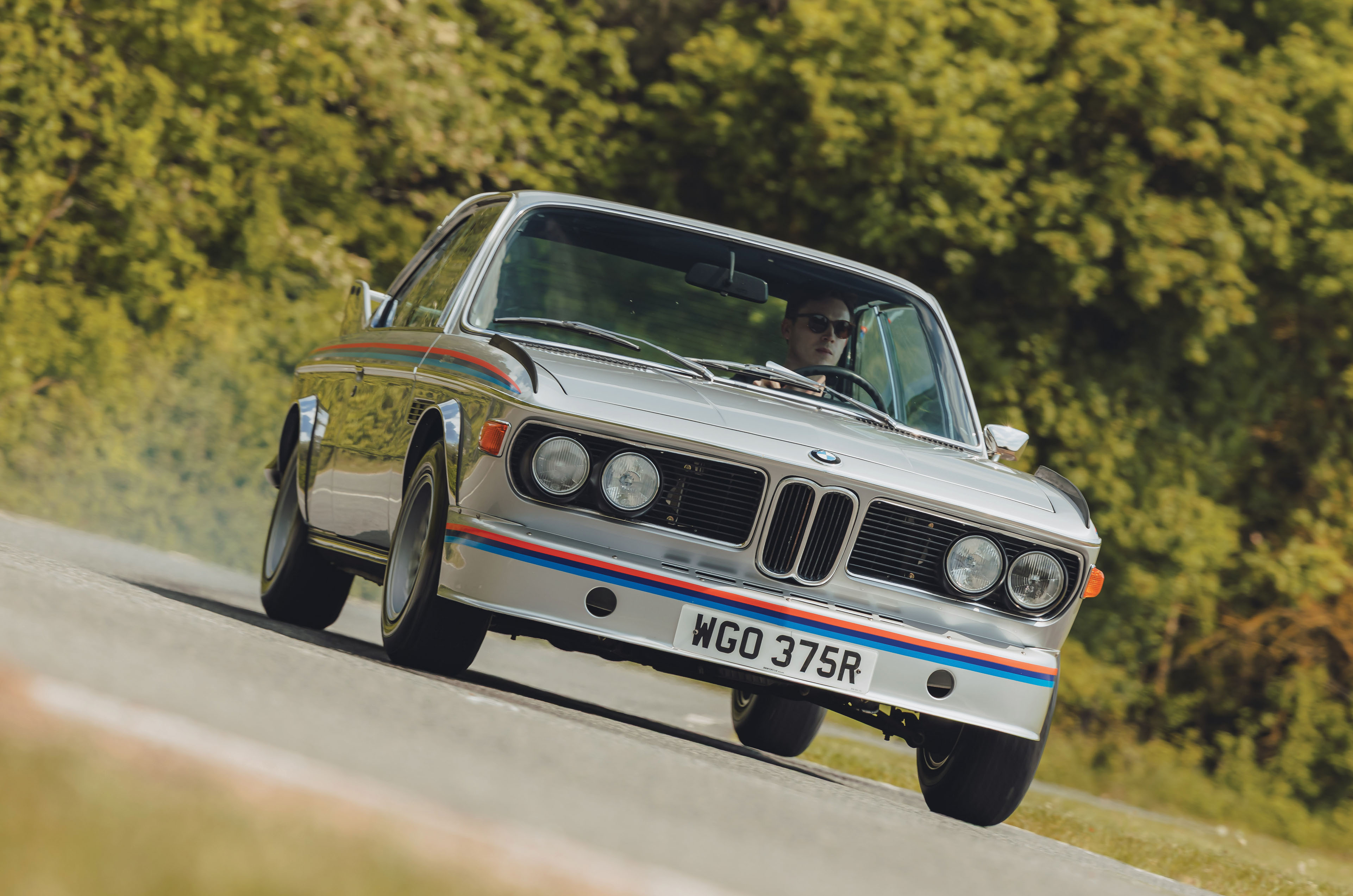
It was in this guise that BMW’s UK concessionaire ended up selling more CSLs than the rest of Europe combined, despite initial misgivings about the focused model’s appeal.
But it was thanks to the CSL’s third iteration – nicknamed the ‘Batmobile’ – that BMW’s motorsport aspirations were realised.
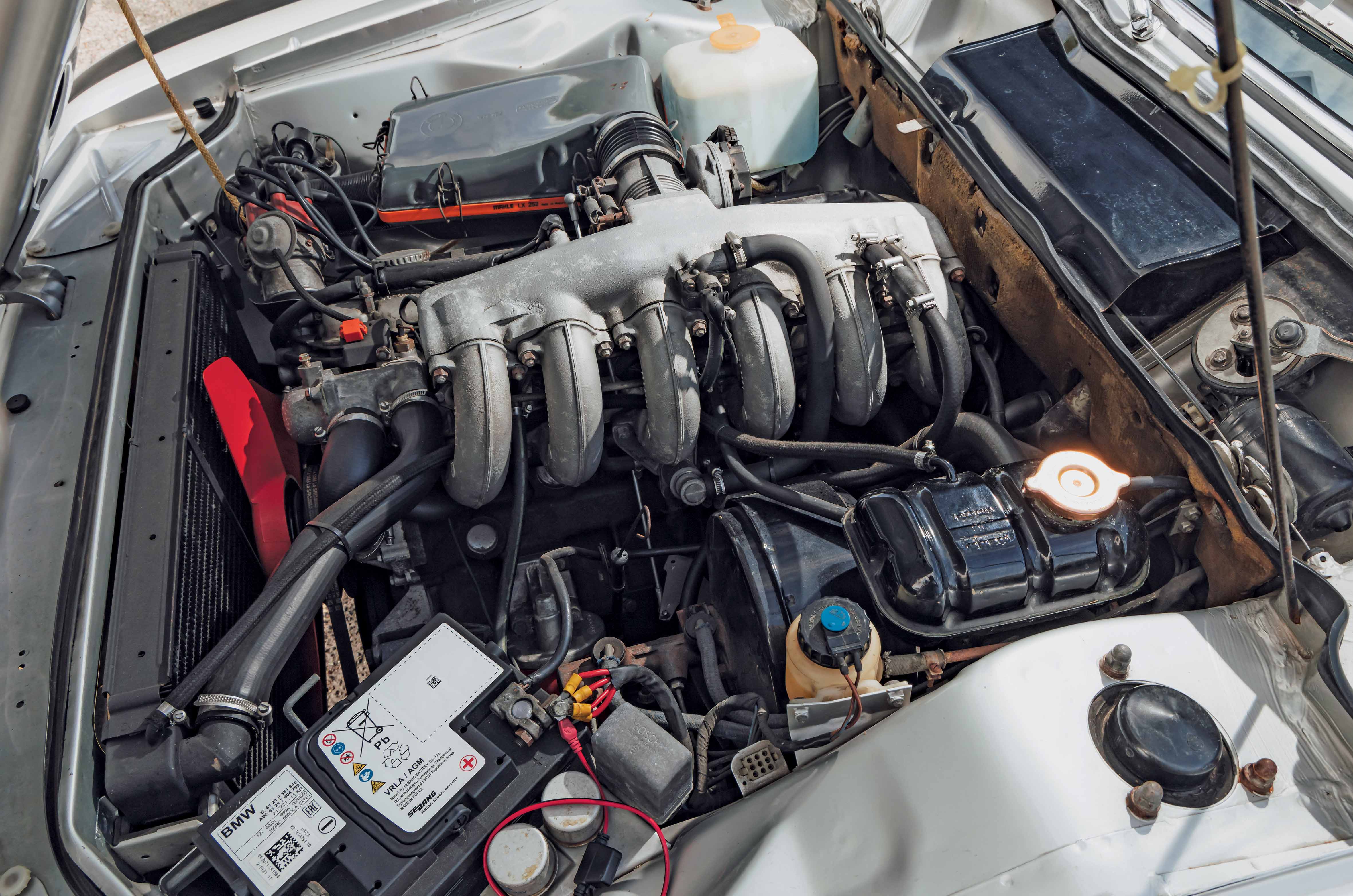
The BMW 3.0 CSL’s M30 ‘six’ is taken out to 3153cc and 206bhp
Once again, the M30 ‘six’ received a displacement lift, this time with a longer, 84mm stroke (the previous rise had been from a 0.25mm increase in bore), for a capacity of 3153cc.
This came with moderate boosts to power and torque, now 206bhp and 215lb ft respectively.
While the additional capacity would allow scope for further tuning in the future, it was the Neerpasch/Braungart-developed bodykit that garnered the CSL not only a memorable moniker, but also a real-world performance advantage.
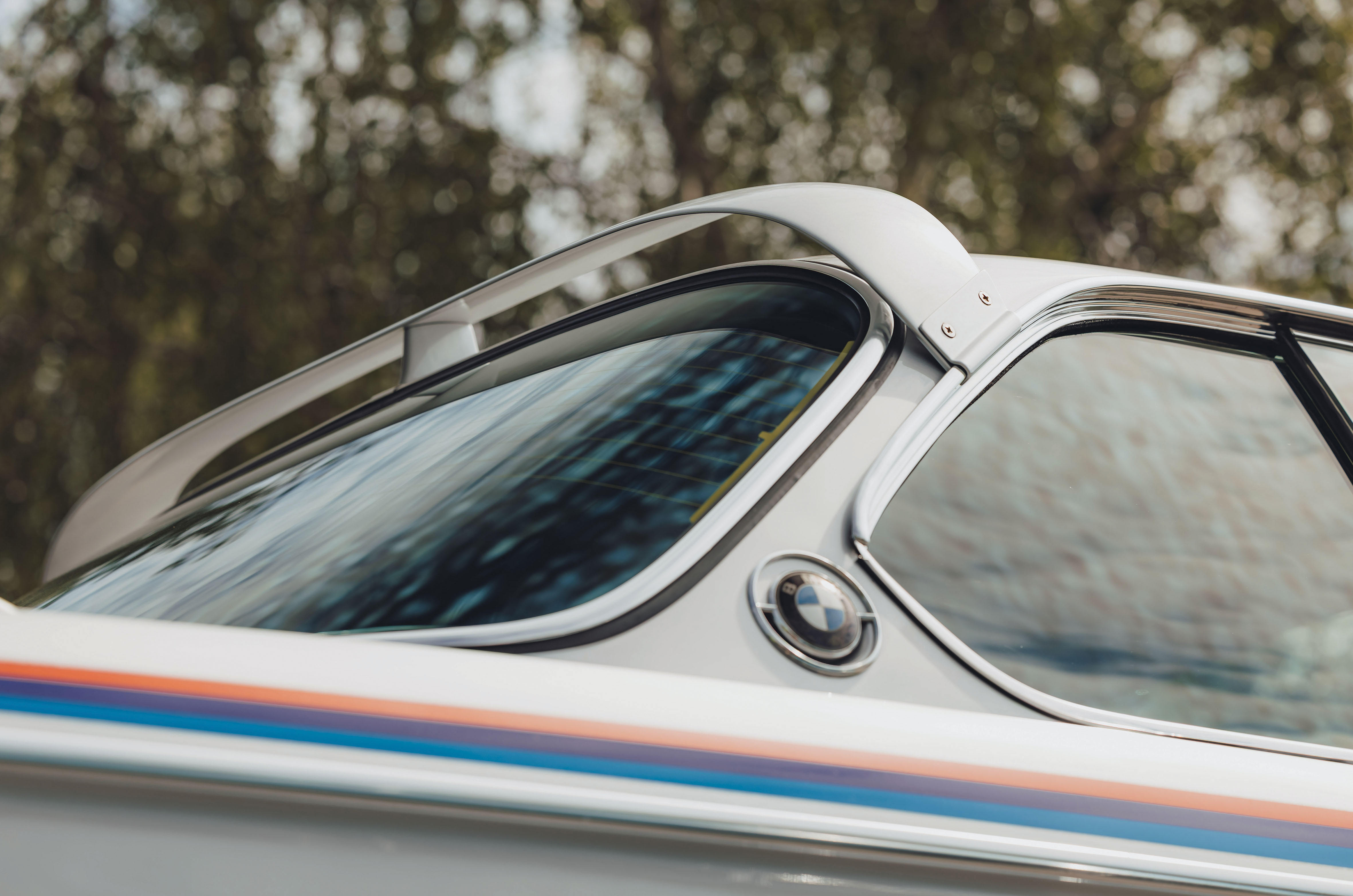
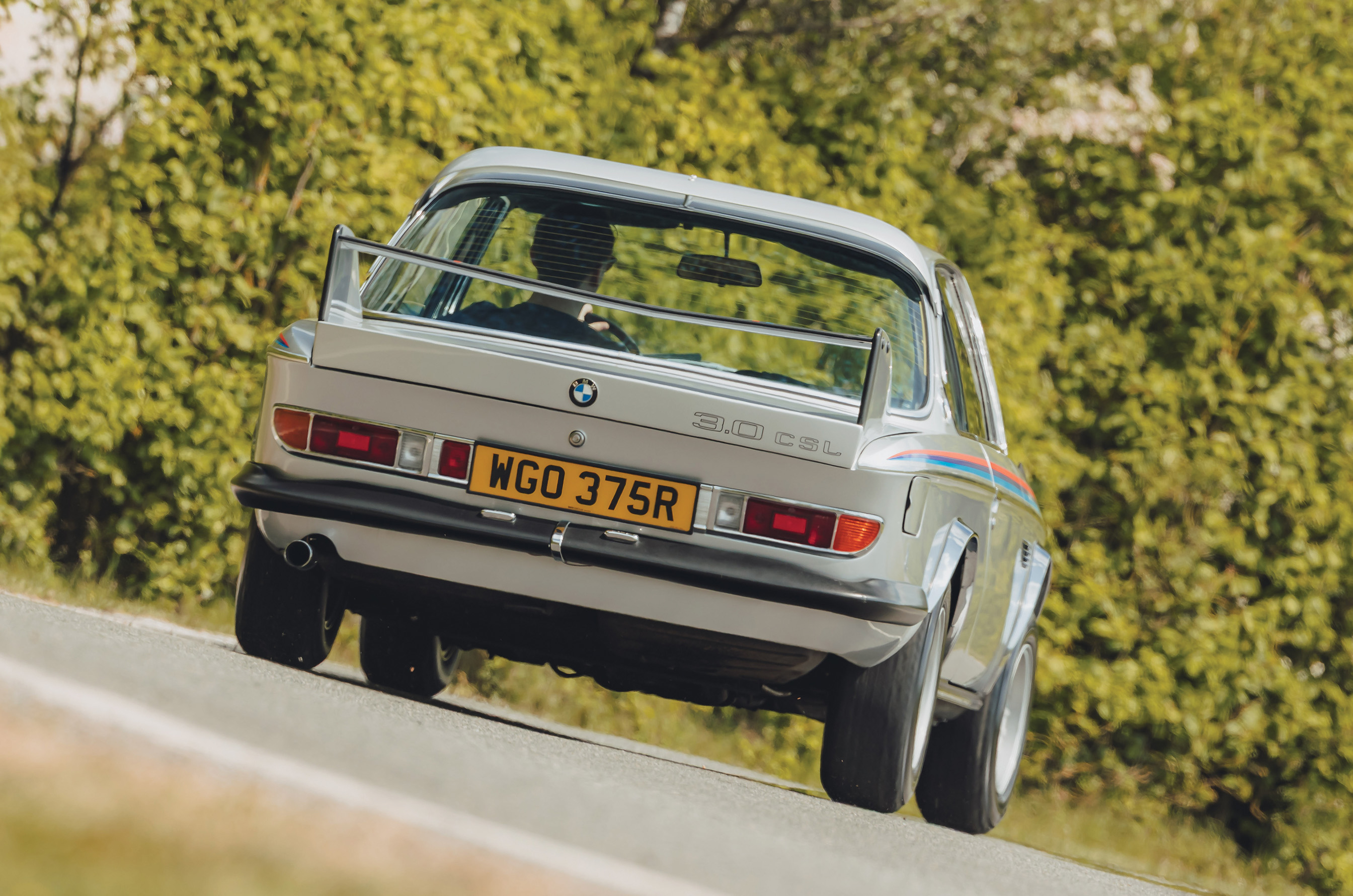
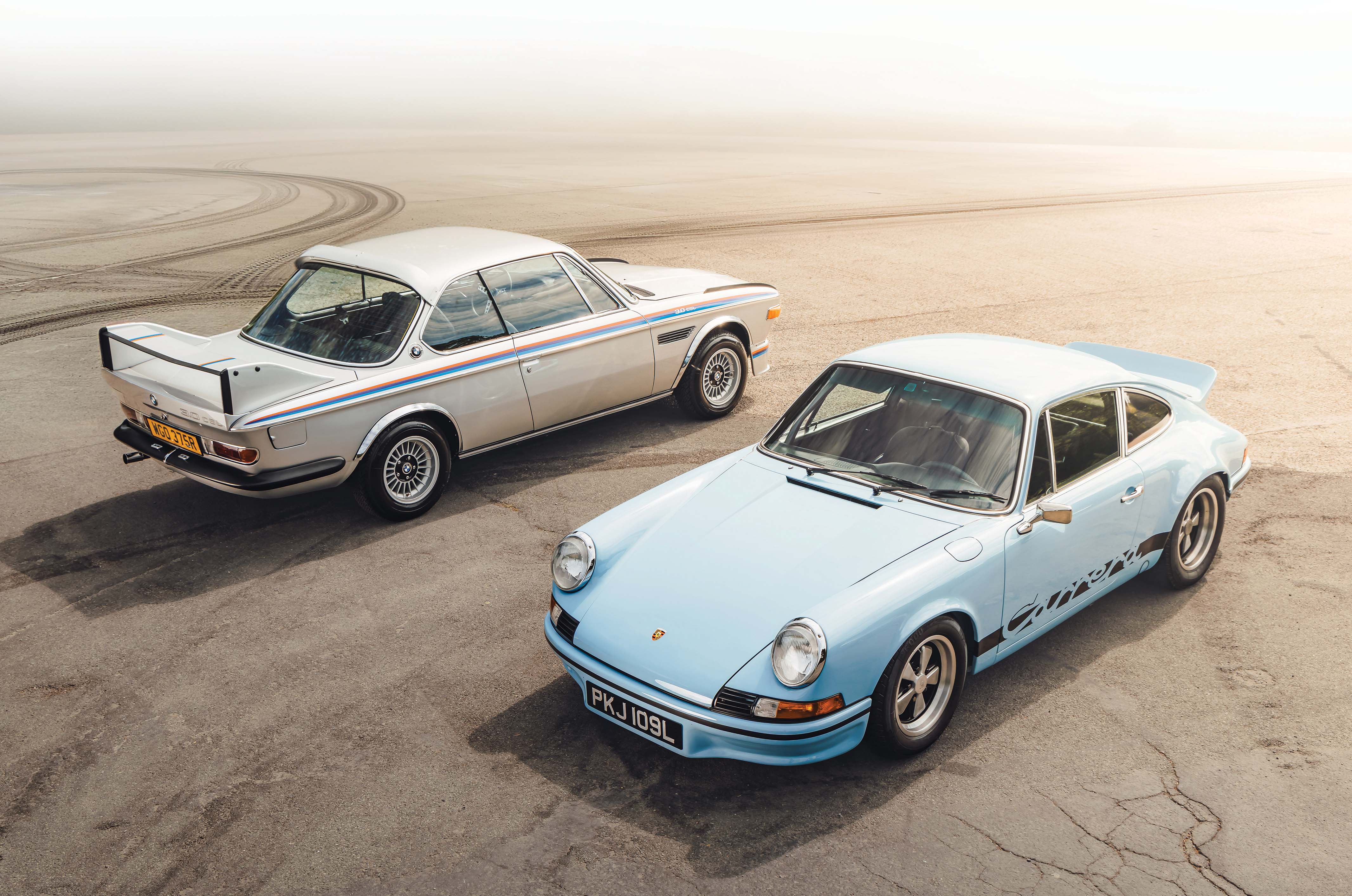
The roof spoiler was just one part of the BMW 3.0 CSL’s Batmobile makeover
Above the handsome Kamm tail was now mounted a prominent rear wing running the width of the bootlid and supported by neat winglets on either side; completing the rear-body treatment was a spoiler bracing the rearmost roof section, secured to slender C-pillars.
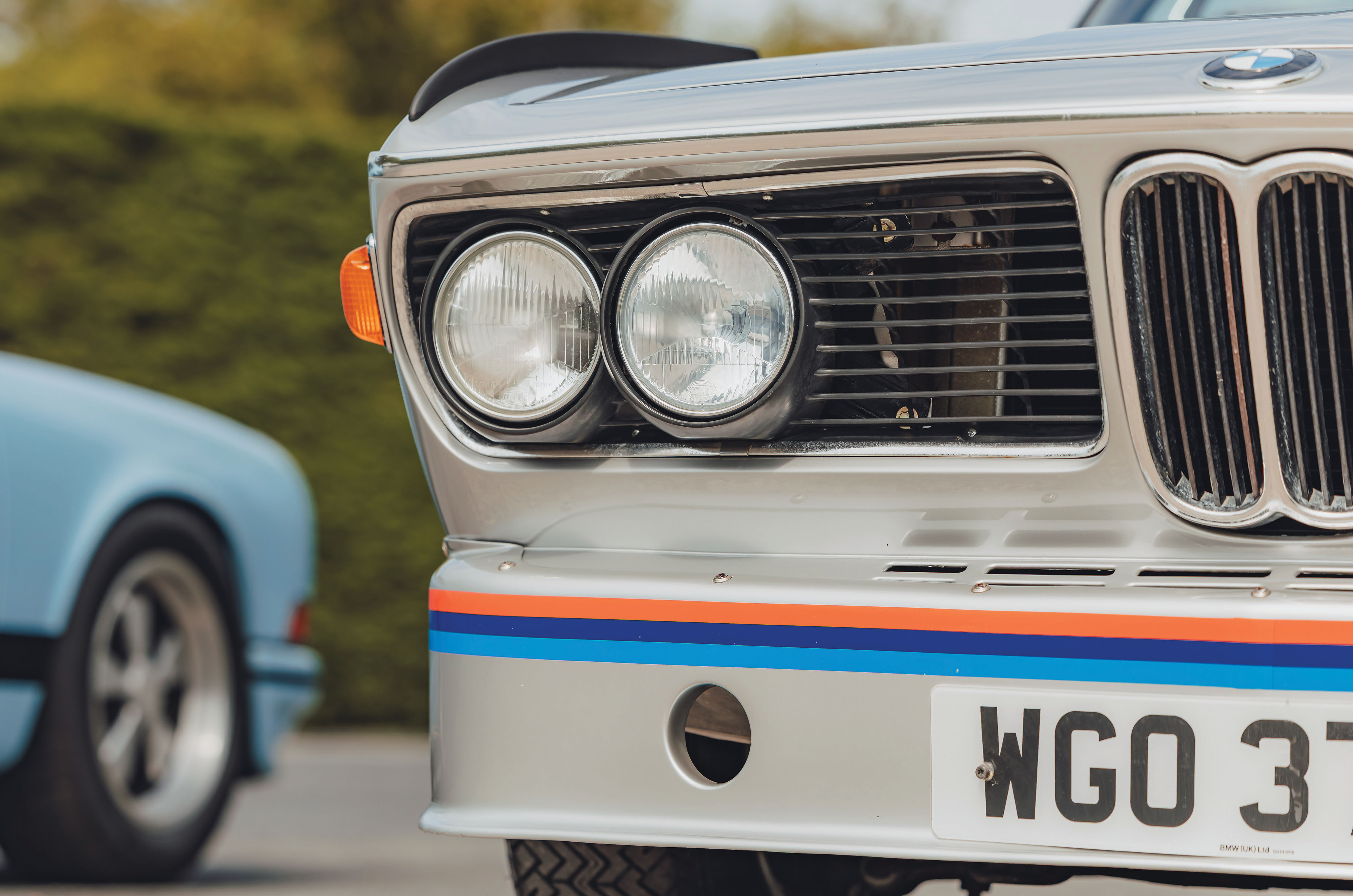
At the front, a deep, body-coloured spoiler was grafted on below the grille, in place of the bumper, and a black, aero-enhancing rubber strip now sitting atop each wing.
On the track, these freshly homologated tweaks gave the CSL the edge it needed. At the Nürburgring Six Hours in July 1973, the Batmobile was 10 secs a lap quicker, and works aces Chris Amon and Hans Stuck led a 1-2-3 victory for BMW.
The CSL then gave the marque the ETCC Group 2 drivers’ title in ’73 and every year from 1975-’79, while in the Group 5 special-production class it claimed three wins in the 1976 World Championship for Makes.
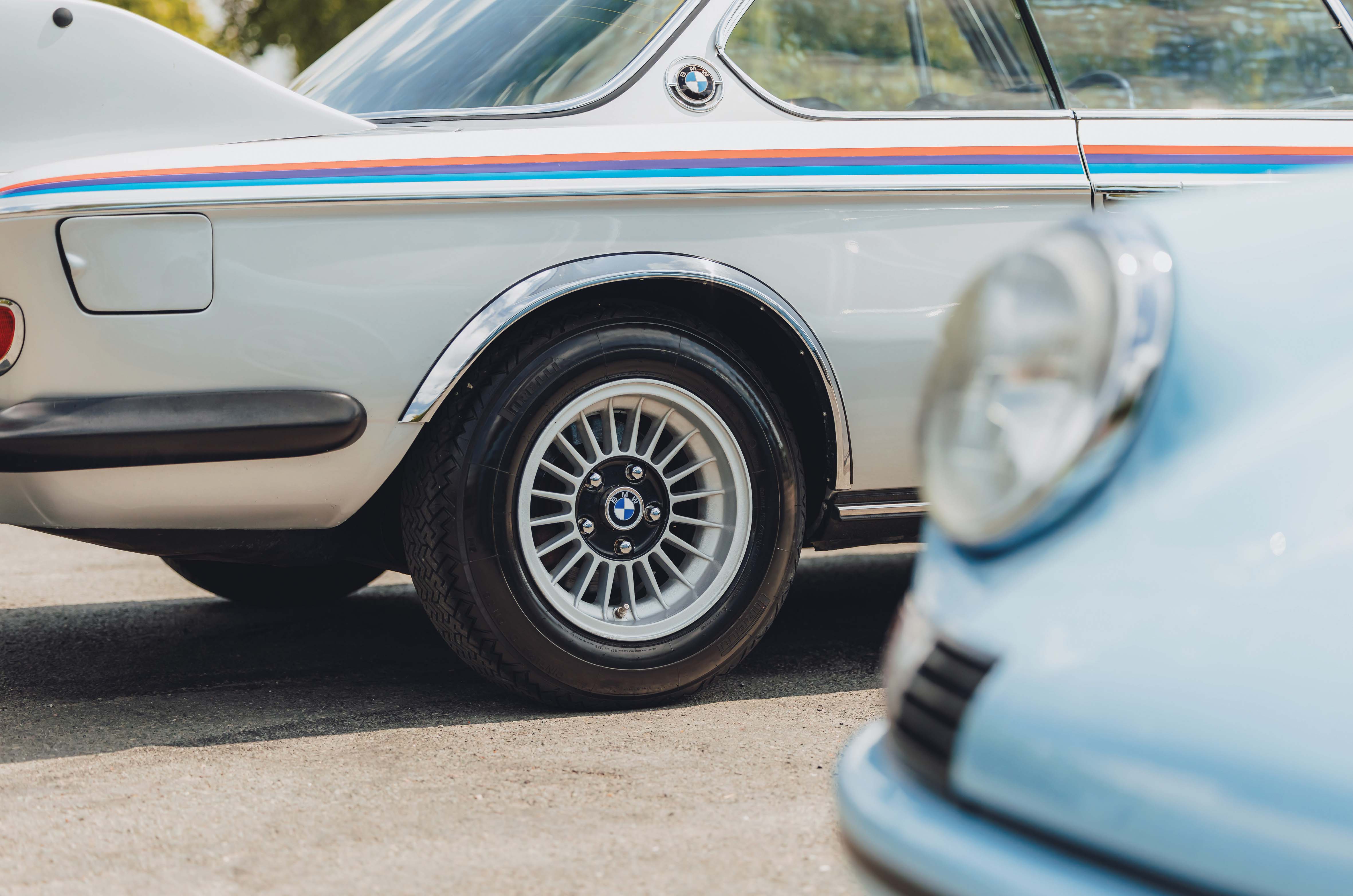
The BMW 3.0 CSL’s Alpina alloy wheels
For road cars, however, the Batmobile bodykit was never type-approved and therefore had to be fitted, post-production, by the supplying dealer – but the larger-capacity engine remained.
‘Our’ car, from BMW UK’s heritage collection, is one of just 167 Batmobiles out of a total CSL production of 1265 cars.
There’s no denying the benefits bestowed by the aero addenda (although I’d wager they’d only be felt on track), but for me it does detract from the regular CSL’s beautifully clean, elegant profile.
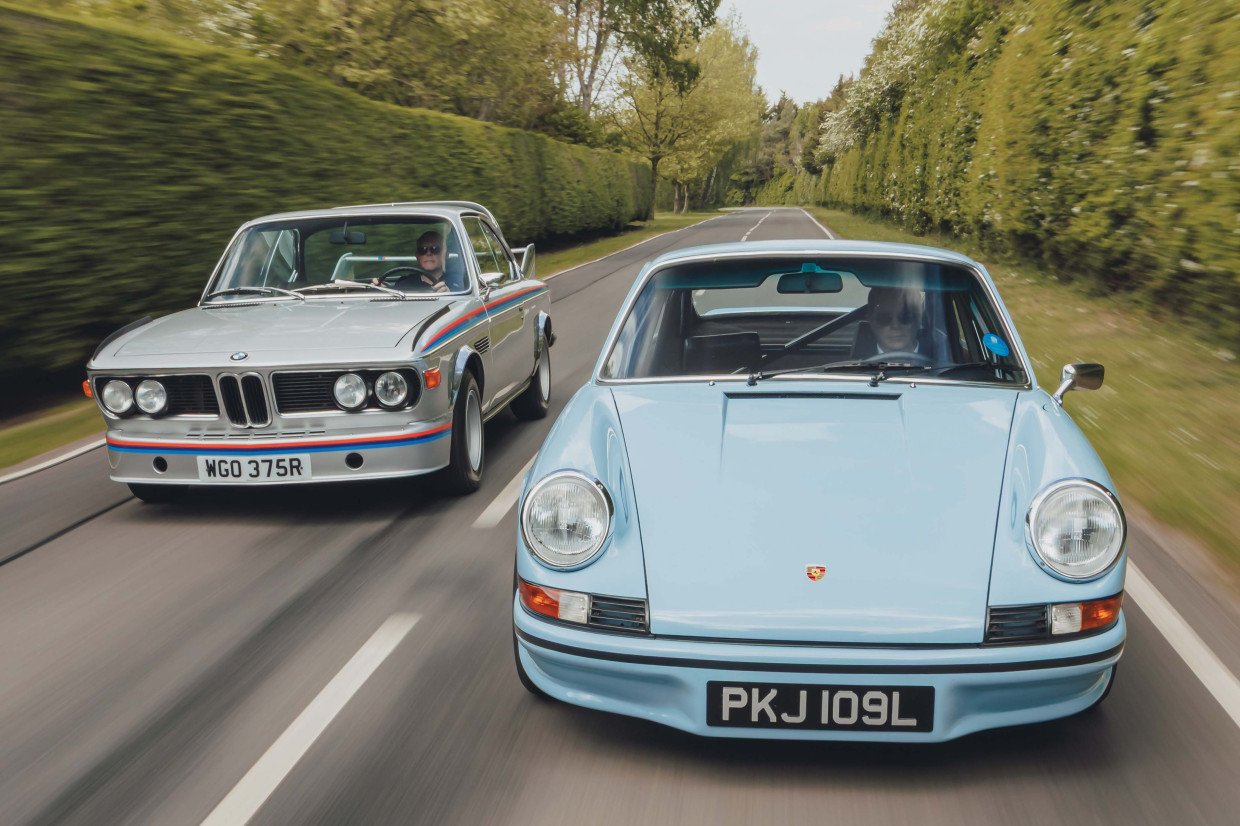
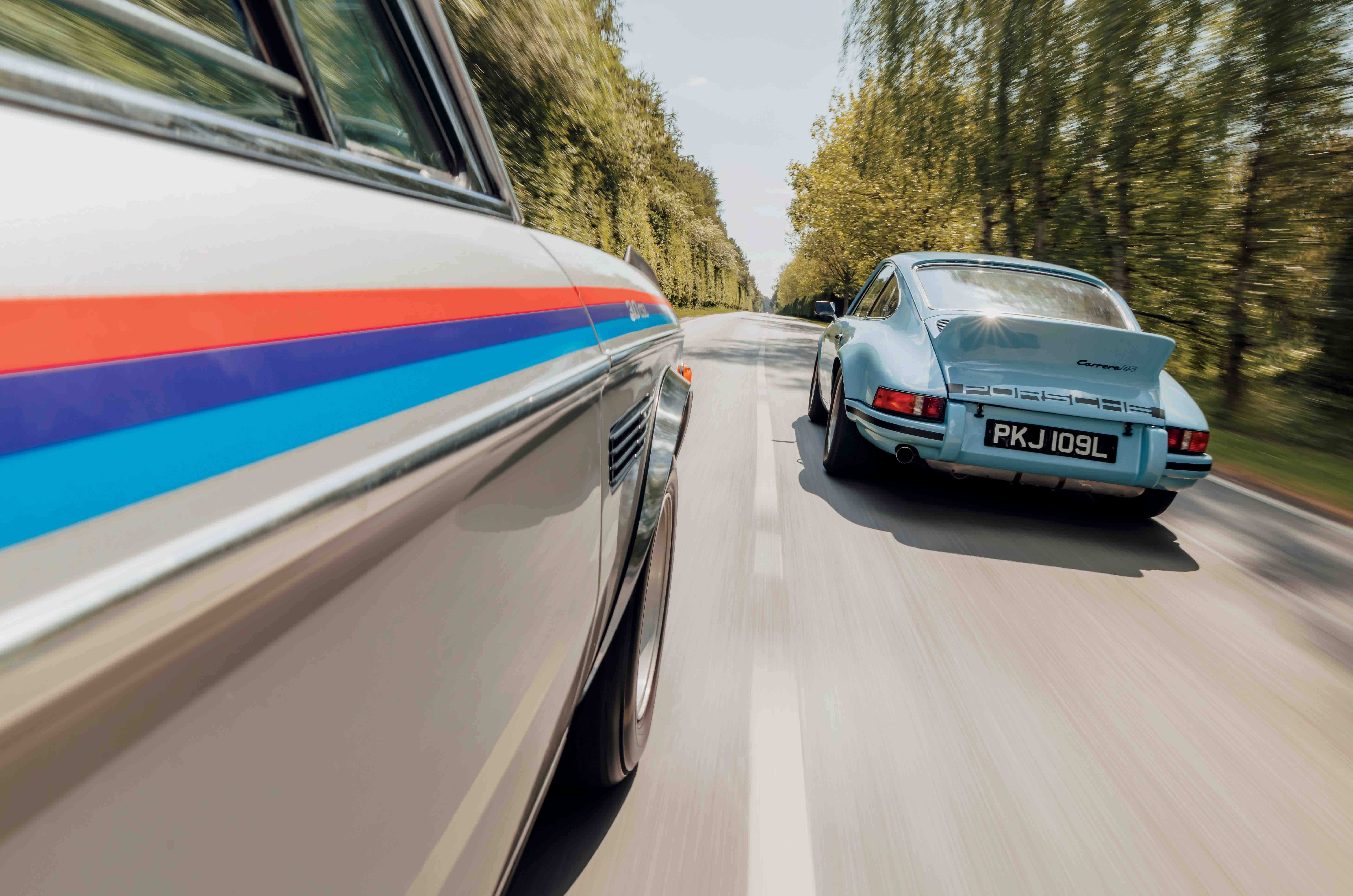
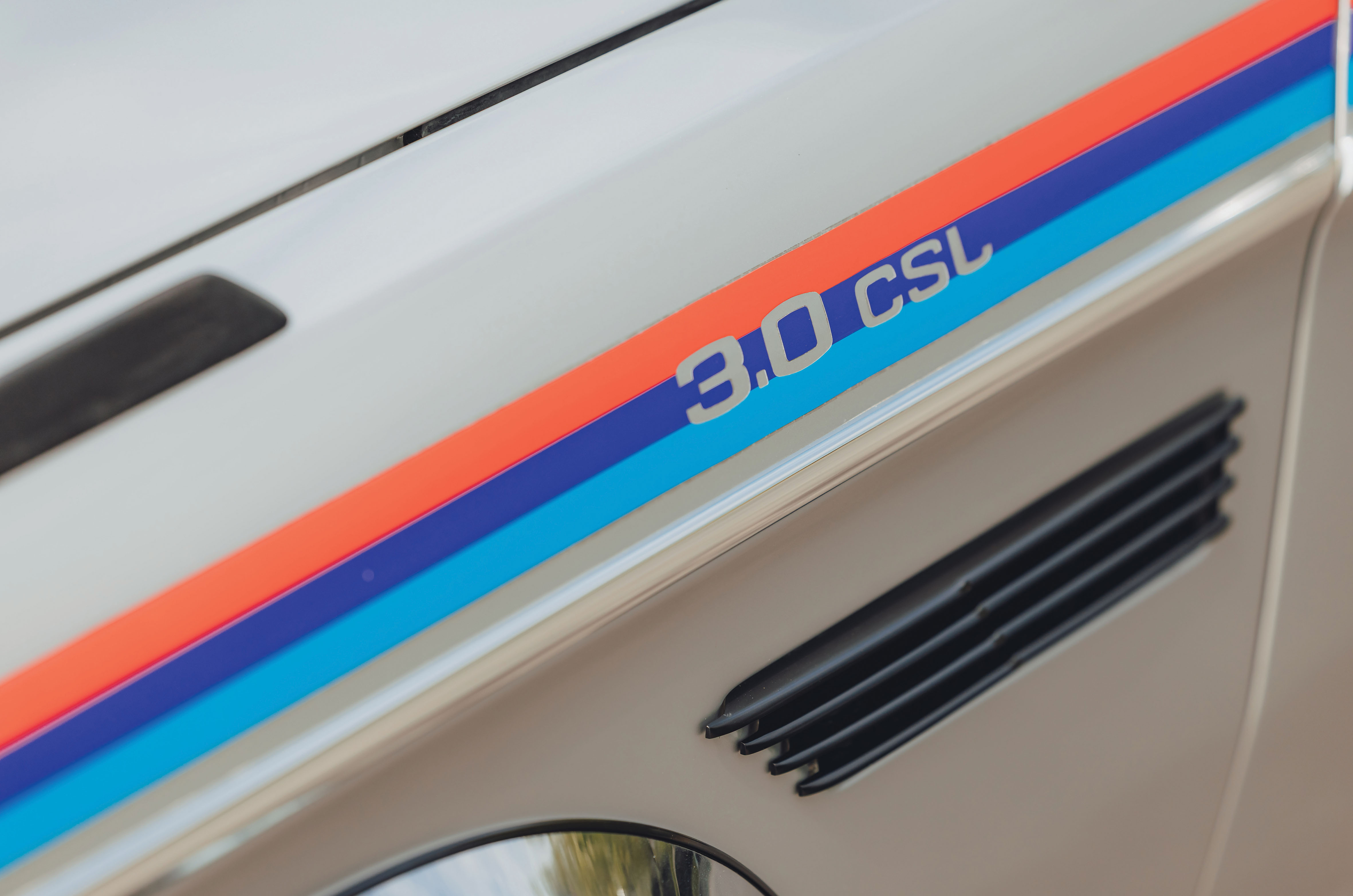
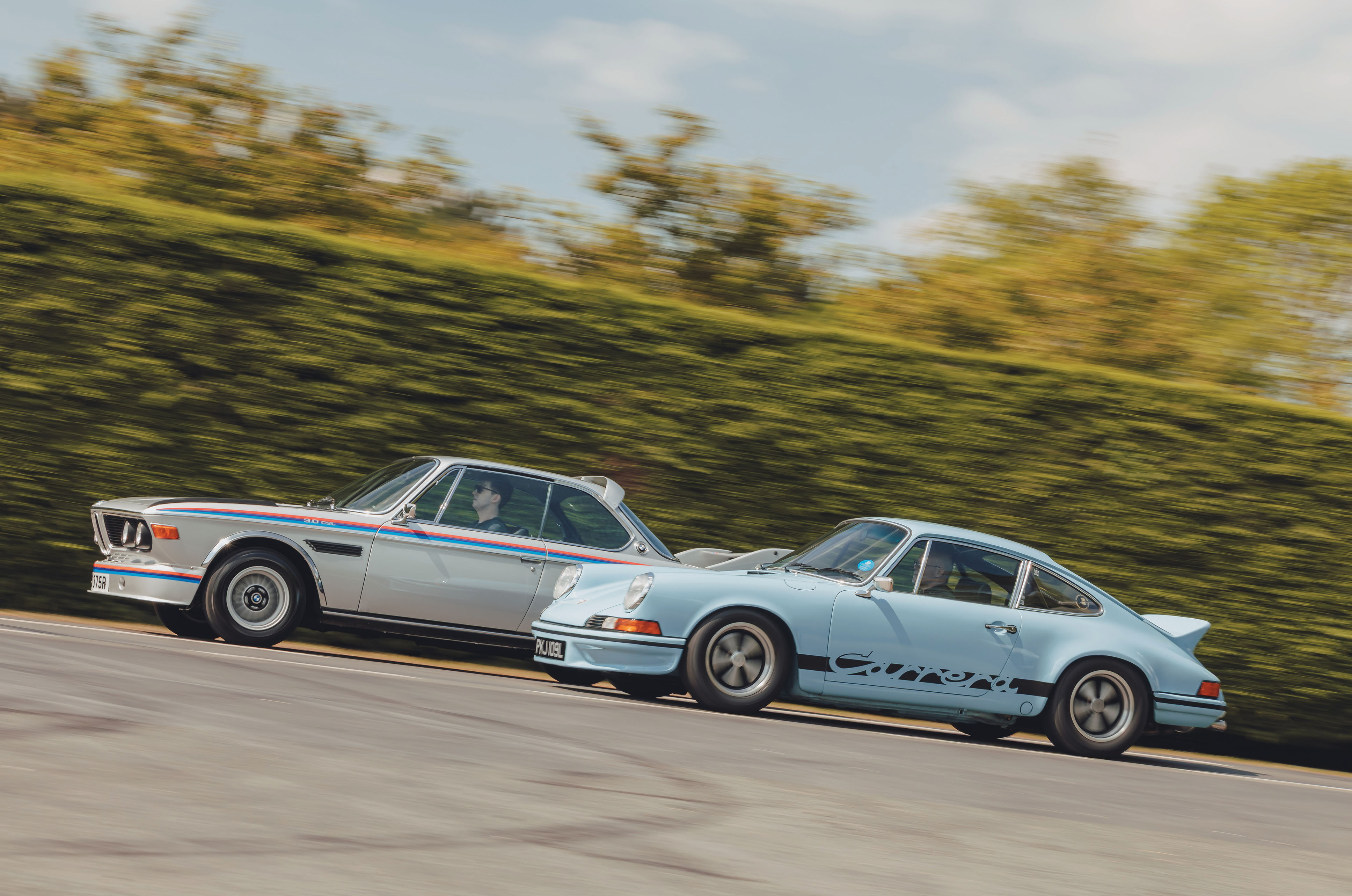
Nonetheless, along with its tricolour graphics stretching down its upper flanks and riding on those gorgeous 14in Alpina alloys, the bodykit does gift the car an arresting presence that humbles even the handsome Porsche alongside.
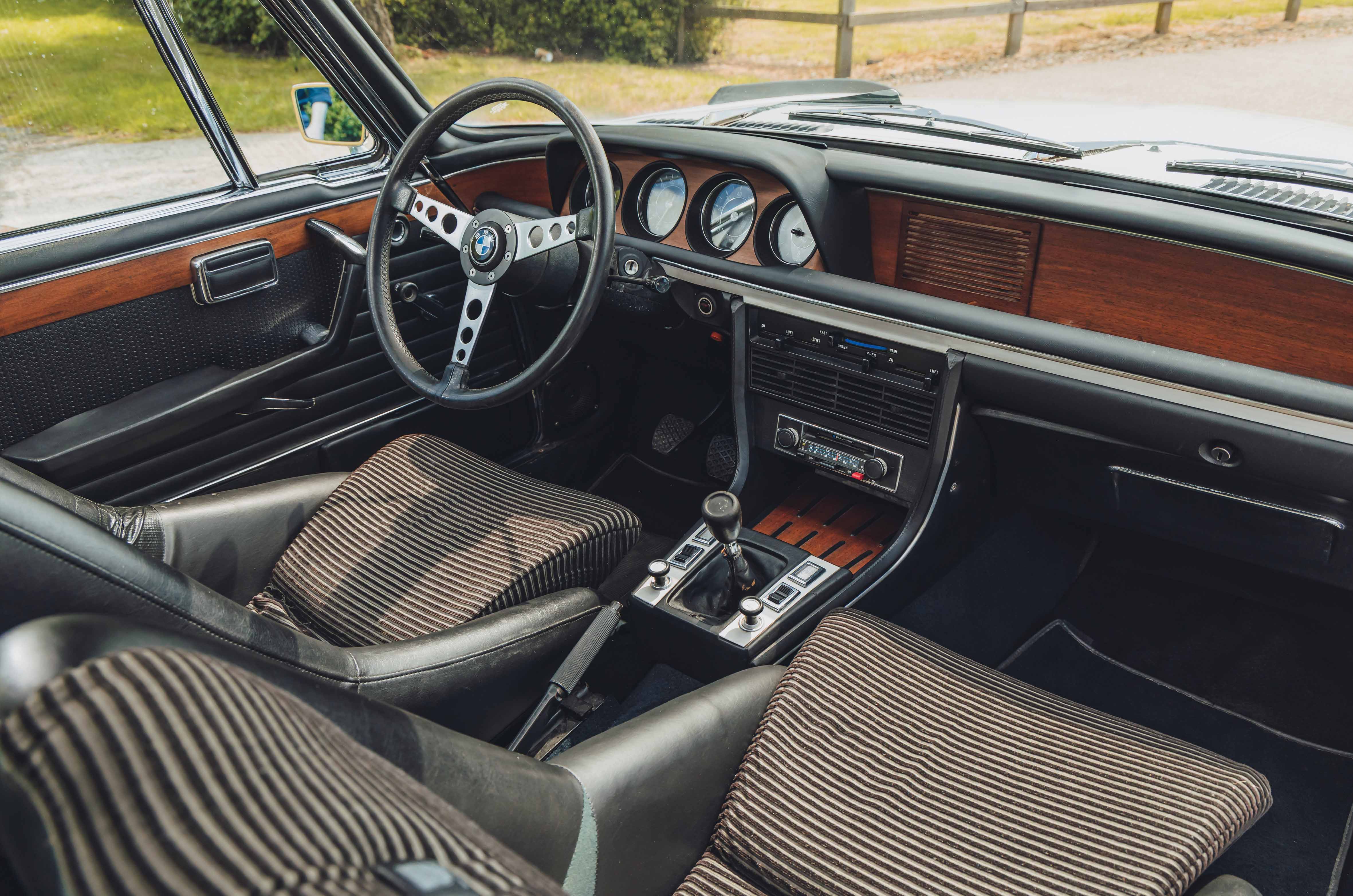
The BMW 3.0 CSL Batmobile’s cabin is perfect for touring, with Scheel sports seats and clear dials
Inside, the 3.0 CSL is every bit the well-appointed grand tourer with which Boddy had been so smitten 53 years ago as he zig-zagged across Europe.
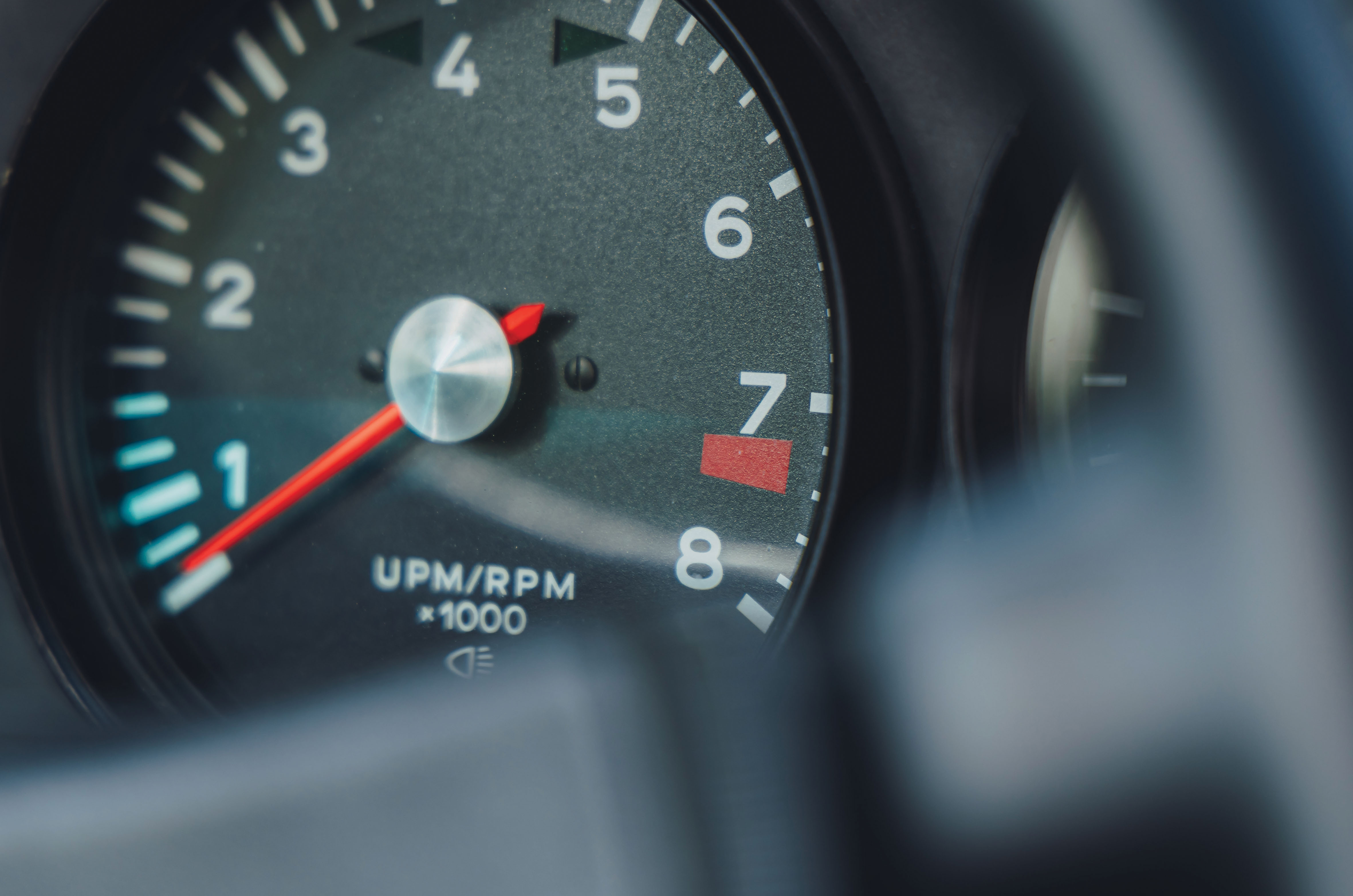
There are the same deeply bucketed Scheel seats; that finely crafted slab of timber running across the dash inset with, once again, a quartet of VDO instruments; the businesslike three-spoke sports steering wheel; and the sense of spaciousness imbued by that generous glasshouse.
And the BMW really does feel like a far larger, more luxurious machine as soon as you’re on the move.
Where the 911 felt taut, hunkered-down and keen to infuse you with every ounce of its mechanical spirit, the CSL is relatively serene in comparison.
The BMW 3.0 CSL Batmobile is refined and predictable at speed, with a benignly controllable rear end
Select first in the fairly long-throw four-speed ’box and you’re struck by how flexible and linear the M30 is in this higher state of tune: working the long-travel throttle, the ‘six’ spins easily to 5000rpm as it digs into a deep well of torque, accompanied by a guttural, aerated timbre that’s vocal enough to remind you that this BMW is race-derived, but plenty refined enough for touring.
The steering is light and full of feel at anything above manoeuvring speeds, and sufficiently high-geared to make threading together a series of bends a pleasure rather than a chore.
The caveat here, though, is that in the same twisties the 911 would leave it for dead: the CSL in road trim is almost cosseting to ride in, soaking up surface irregularities with aplomb, but displaying plenty of roll during cornering and a surprising level of front-end vertical movement.
Grip from the Pirelli Cinturatos is good; if provoked the rear lets go progressively, but it returns without drama. Would you expect anything else from a 1970s BMW?
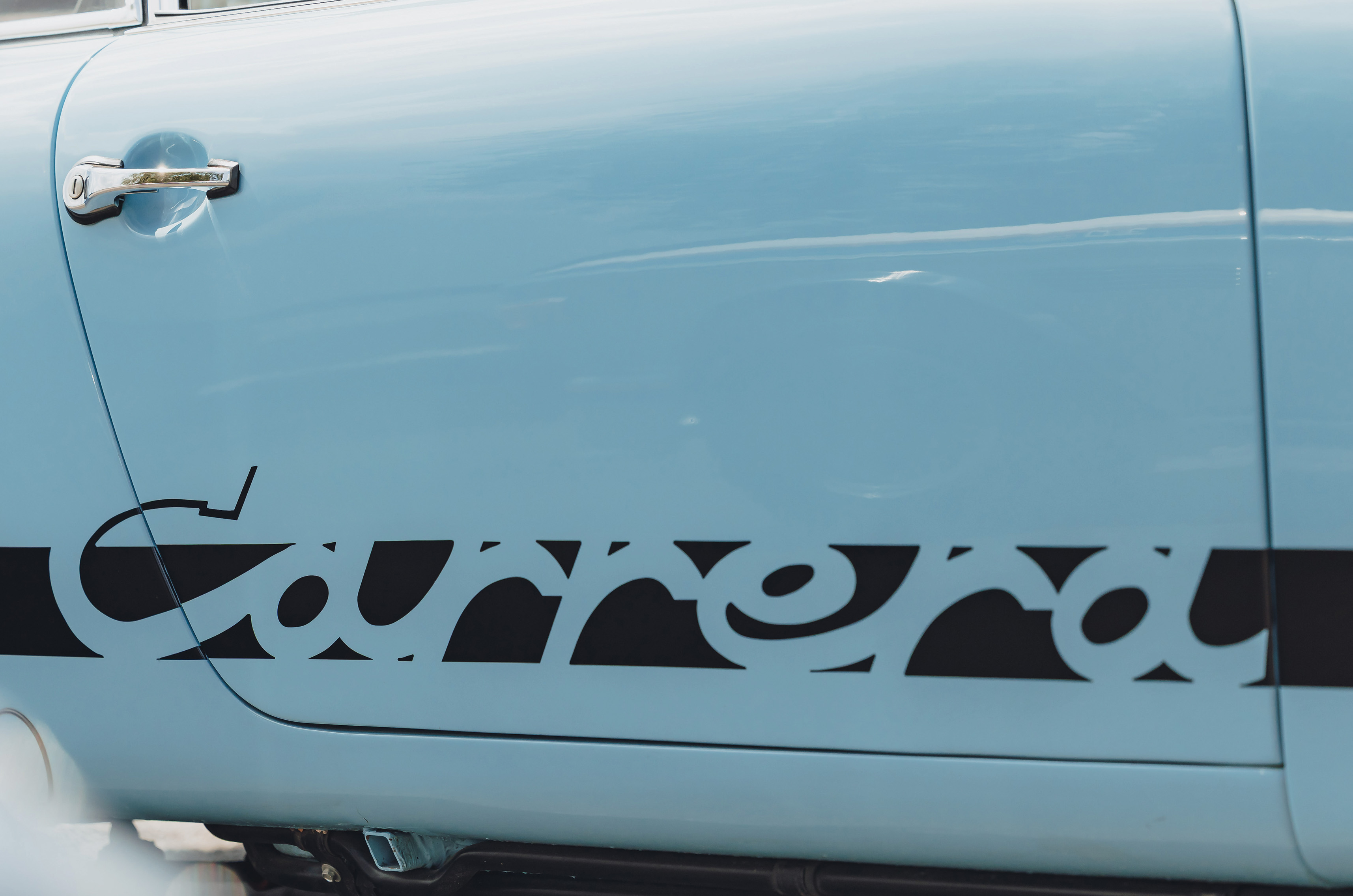
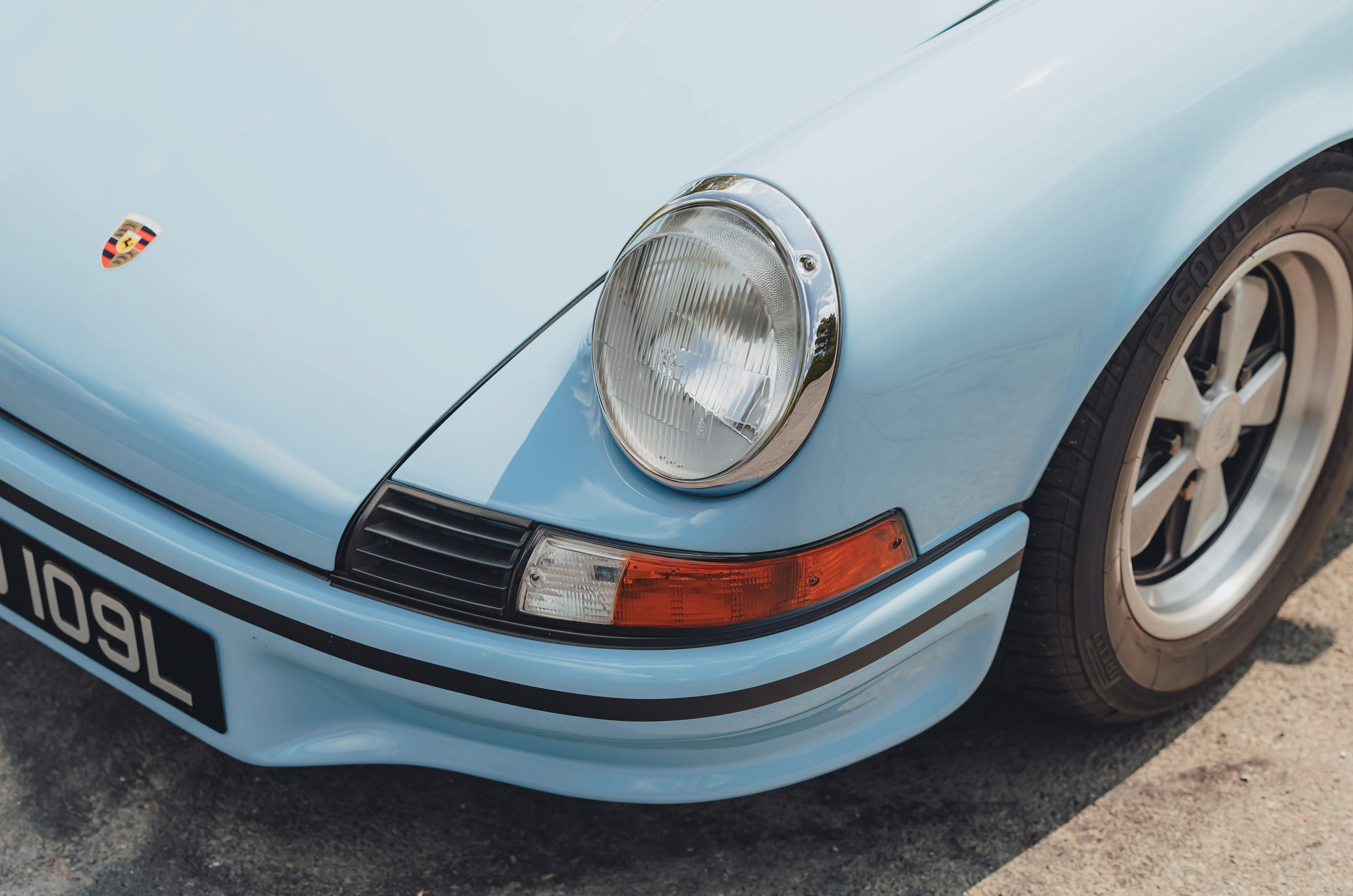
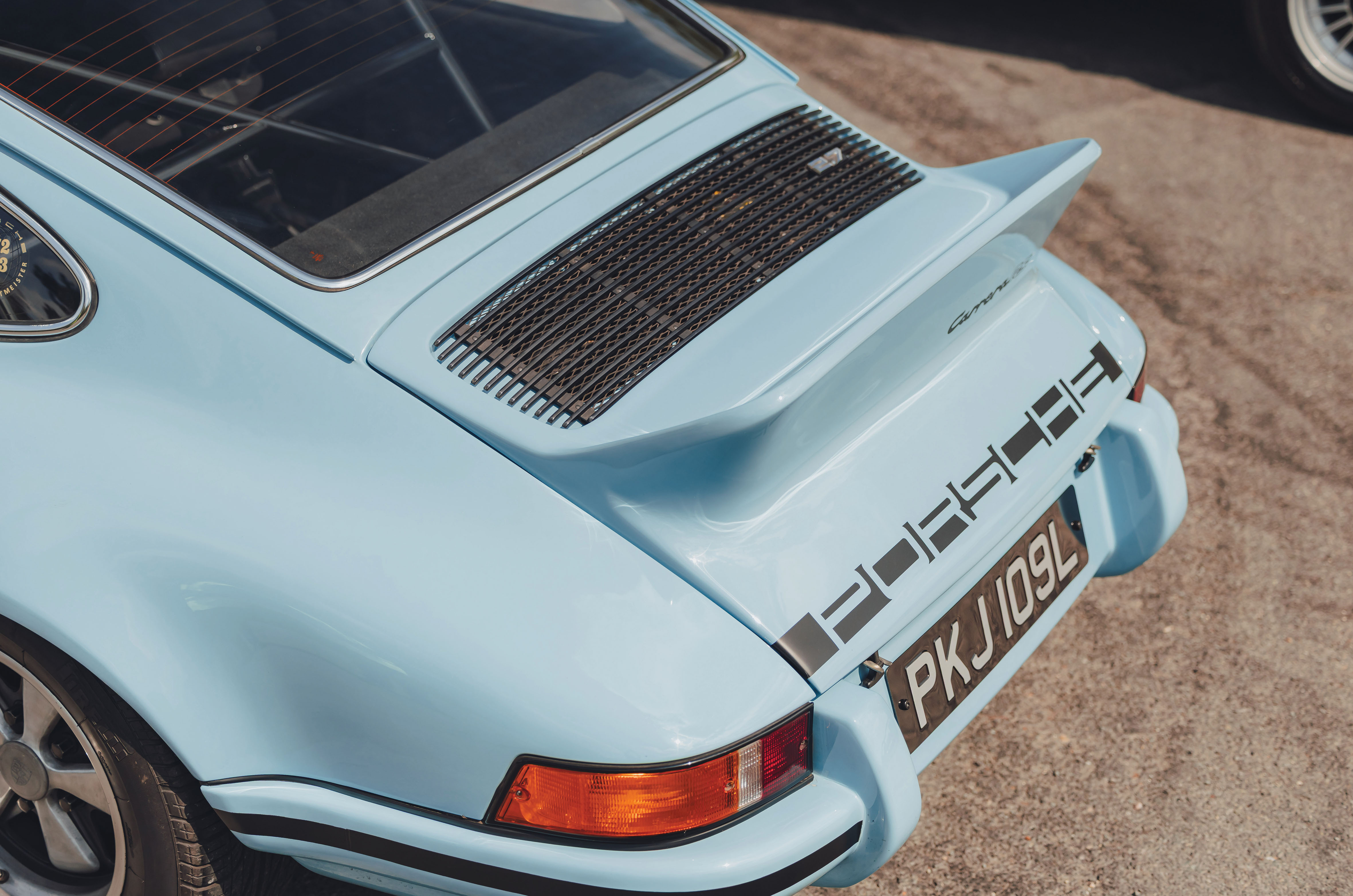
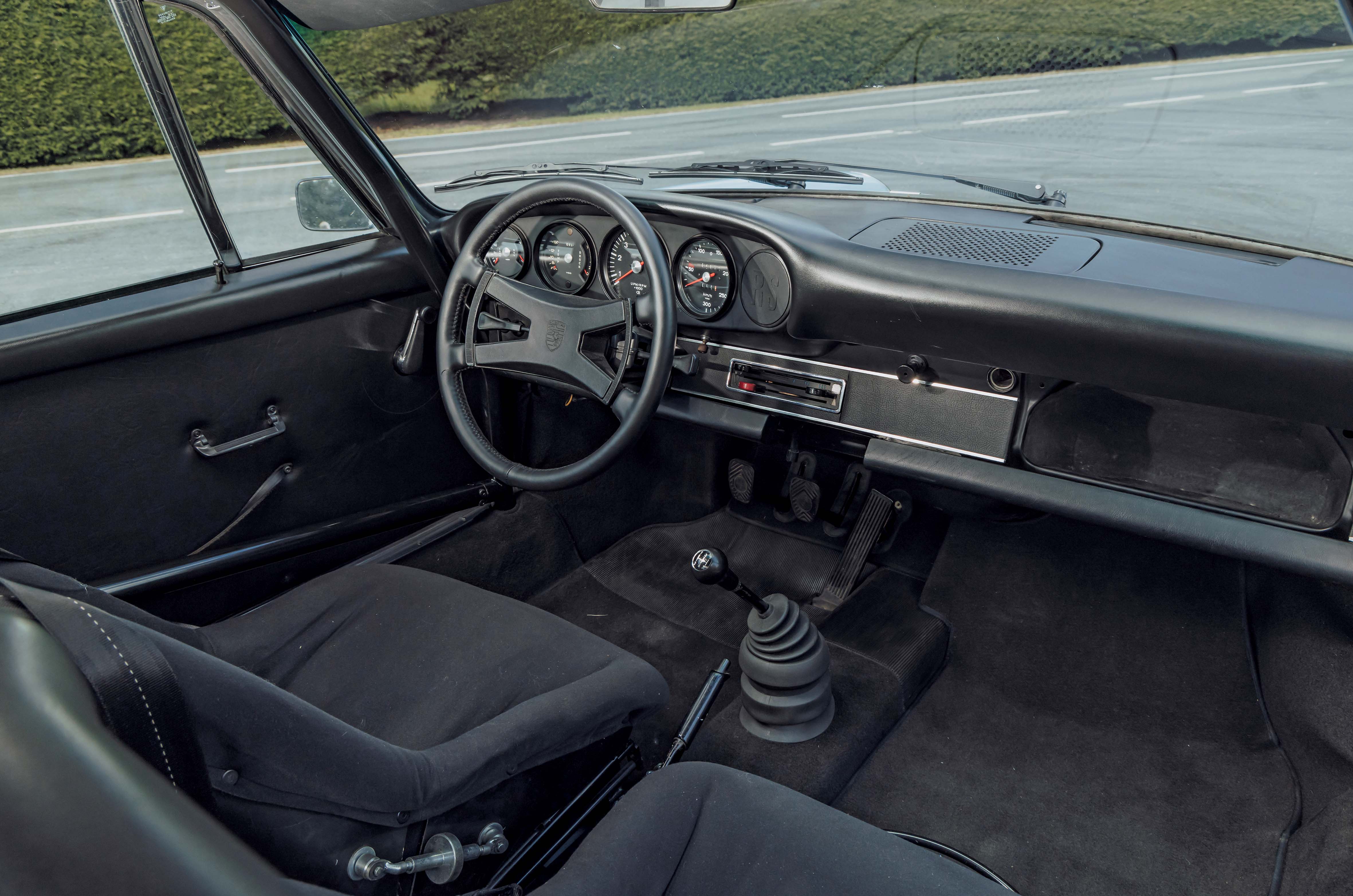
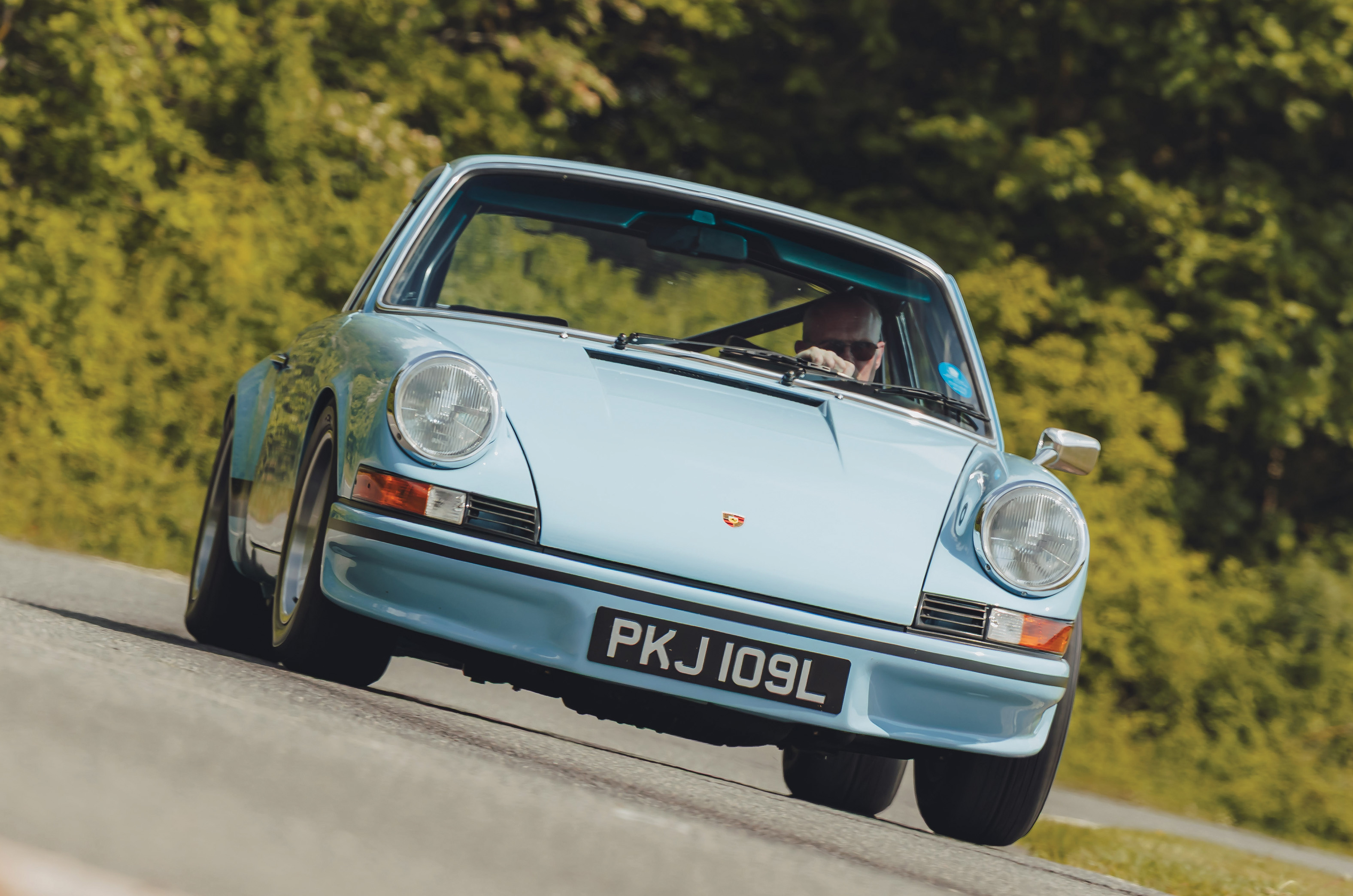
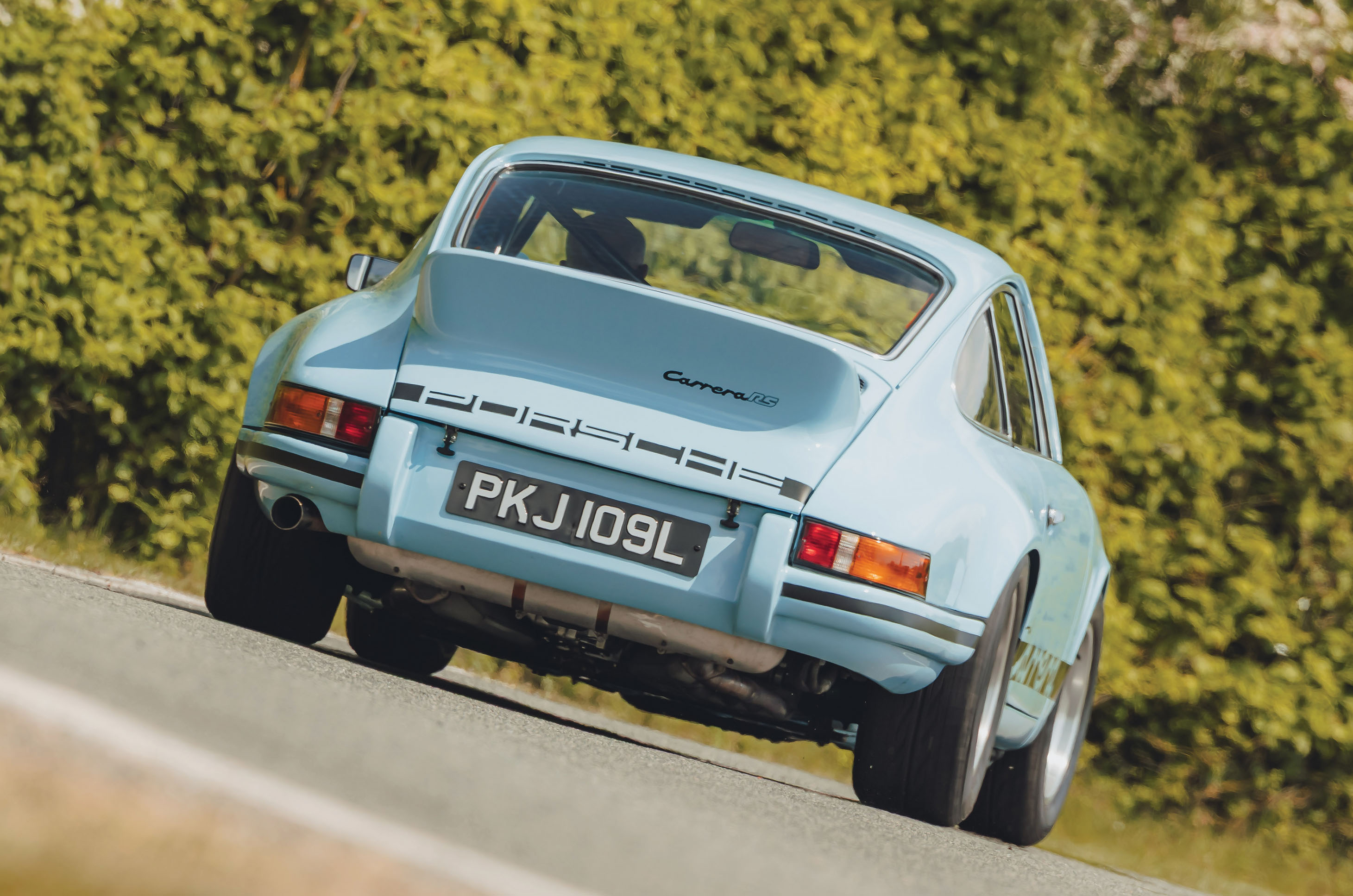
The BMW 3.0 CSL Batmobile is perhaps the more attention-seeking, even in silver, but on the road it’s the Porsche 911 Carrera RS 2.7 that feels more like a stripped-out racer
To try to choose the better car here is a fool’s errand.
Both their respective racing versions commanded respect on track in an era when winning on a Sunday brought footfall to dealer showrooms on a Monday, as evidenced by the sales of both the RS and CSL.
But there is no disputing that the Porsche is far closer to its competition sibling in set-up, meaning I’d relish it in small doses on the right road and, I expect, wonder at its absolute performance on a track day.
As an all-rounder, though, the BMW takes the obvious lead. With its fine cabin ambience, lusty, sonorous ‘six’ and ability to course along a favourite road 90% as quickly as the 911, I’d soon be following in Boddy’s tyre tracks down to Monte Carlo.
Images: Max Edleston
Thanks to: Cars International Heritage; BMW UK; Porsche Club Great Britain
Factfiles
BMW 3.0 CSL ‘Batmobile’
- Sold/number built 1971-’75/1265 (all CSLs)
- Construction steel monocoque, aluminium doors and bonnet, glassfibre rear bumper
- Engine iron-block, alloy-head, sohc 3153cc straight-six, electronic fuel injection
- Max power 206bhp @ 5600rpm
- Max torque 215lb ft @ 4200rpm
- Transmission four-speed manual, RWD via limited-slip differential
- Suspension independent, at front by MacPherson struts rear semi-trailing arms, coil springs, telescopic dampers; anti-roll bar f/r
- Steering worm and roller
- Brakes discs, with servo
- Length 15ft 2in (4630mm)
- Width 5ft 9in (1739mm)
- Height 4ft 6in (1372mm)
- Wheelbase 8ft 7in (2625mm)
- Weight 2800lb (1270kg)
- 0-60mph 7.5 secs
- Top speed 137mph
- Mpg 16
- Price new £9000 (1973)
- Price now £190-300,000*
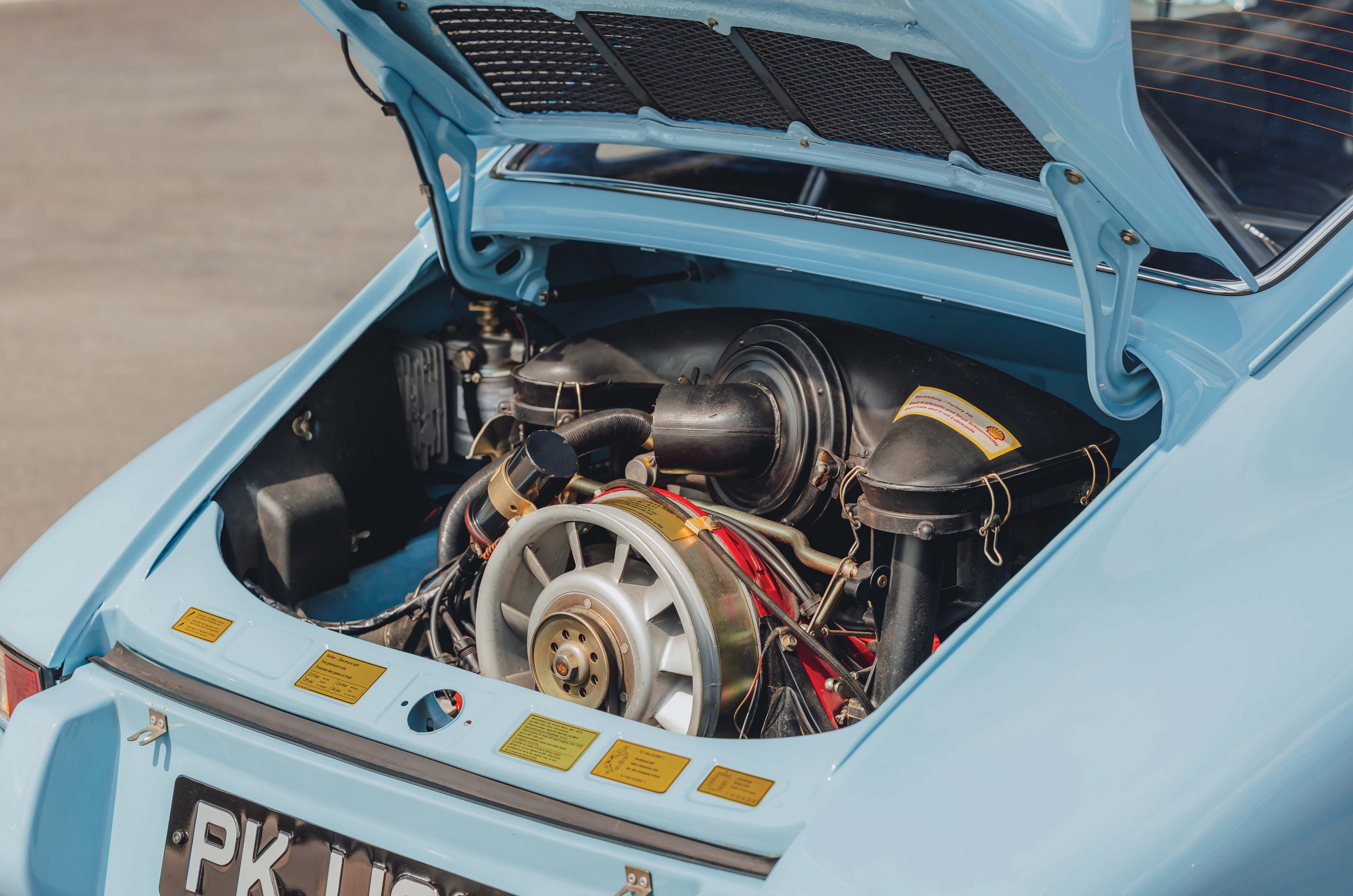
Porsche 911 Carrera RS 2.7
- Sold/number built 1972-‘73/200 (M471 Lightweights, plus 1380 M472 Tourings)
- Construction steel monocoque, glassfibre engine lid
- Engine all-alloy, sohc-per-bank 2687cc flat-six, Bosch fuel injection
- Max power 210bhp @ 6300rpm
- Max torque 188lb ft @ 5100rpm
- Transmission five-speed manual, RWD
- Suspension independent, at front by struts, lower wishbones rear semi-trailing arms; torsion bars, telescopic dampers, anti-roll bar f/r
- Steering rack and pinion
- Brakes ventilated front, solid rear discs
- Length 13ft 8in (4165mm)
- Width 5ft 3½in (1613mm)
- Height 4ft 4in (1320mm)
- Wheelbase 7ft 5in (2260mm)
- Weight 2398lb (1088kg)
- 0-60mph 5.5 secs
- Top speed 149mph
- Mpg 16.7
- Price new £7232
- Price now £600,000-1.1m (Lightweight)*
*Prices correct at date of original publication
Enjoy more of the world’s best classic car content every month when you subscribe to C&SC – get our latest deals here
READ MORE
Putting Munich on the map: BMW 2002 and 3.0 CSL
Porsche 911 Carrera RS 2.7 vs 930 turbo vs 959: extreme sports
BMW 530 MLE: the first ‘M’ car
Simon Hucknall
Simon Hucknall is a senior contributor to Classic & Sports Car