Renault 5 vs Honda Civic: little stars

| 1 Dec 2025
Classic & Sports Car – Renault 5 vs Honda Civic: little stars
The 1970s: a time of appalling fashion, The Protectors on television, decimal coinage and an ever-increasing number of overseas-built machinery on the UK’s roads.

In 1969, 90% of Britain’s new cars were domestically made, but by 1975 imports amounted to approximately a third of the market.

That year Lord Stokes, then chairman of British Leyland, might well have said that anyone who buys a foreign car needs their head examining, but thousands of drivers ignored him.

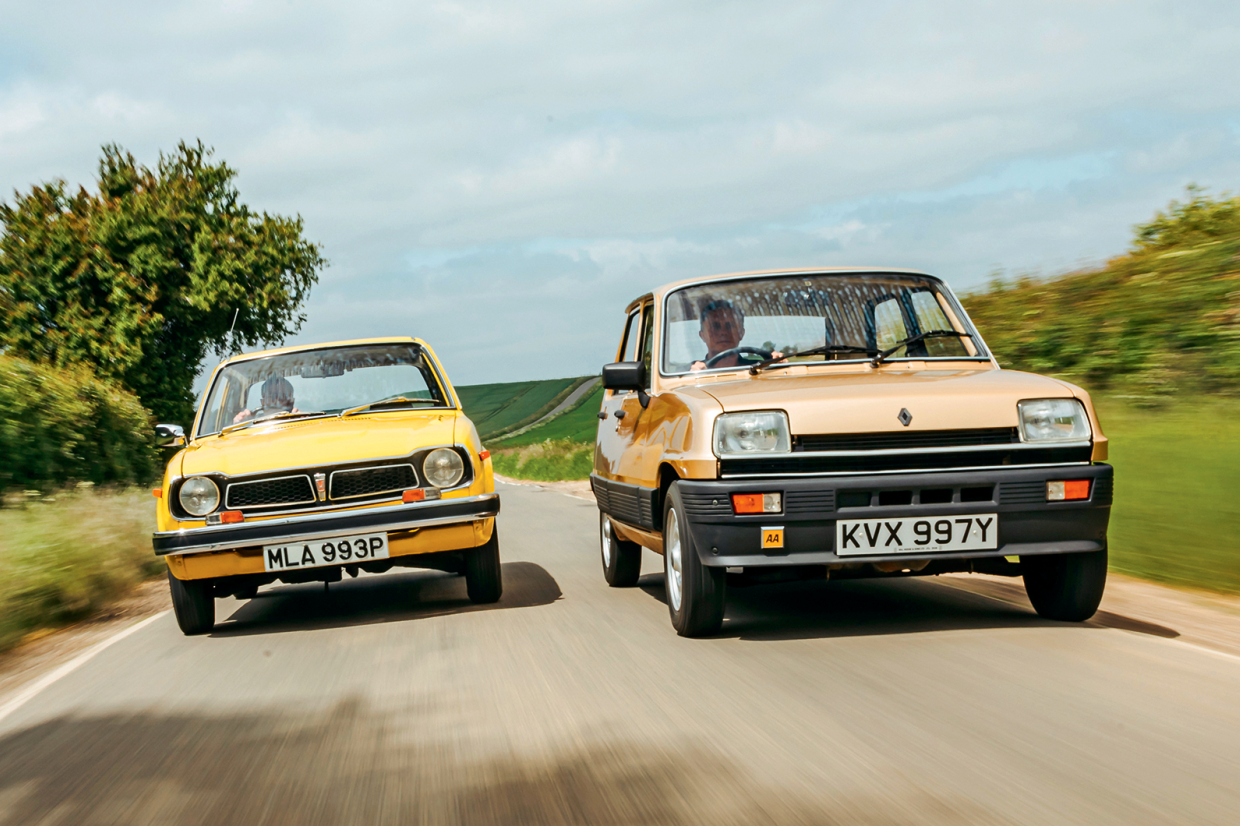
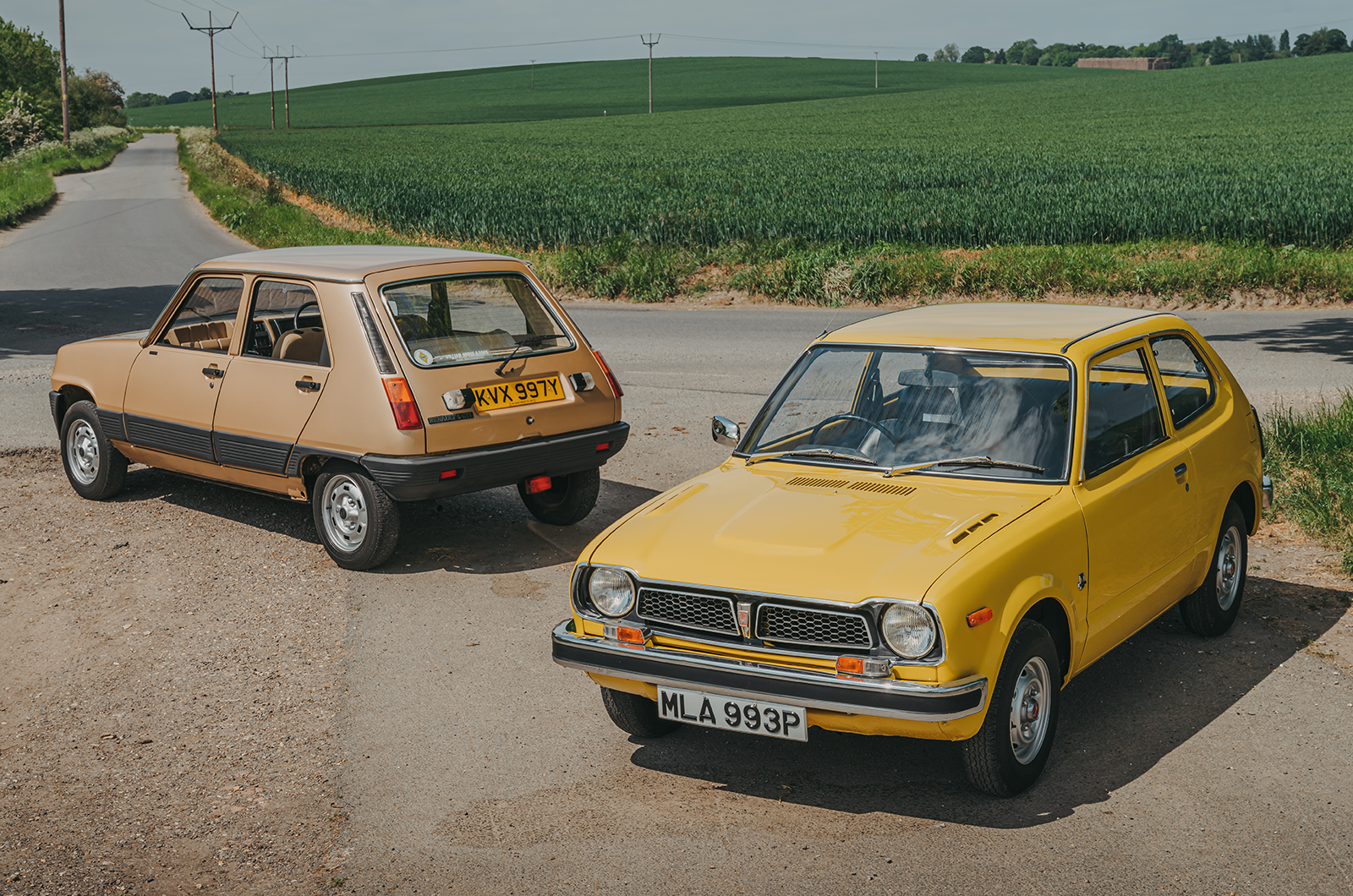
And here we have two prime examples of the vehicles that tempted British motorists to defect from the homeland: the Renault 5 and the Honda Civic.

Classic & Sports Car – Renault 5 vs Honda Civic: little stars
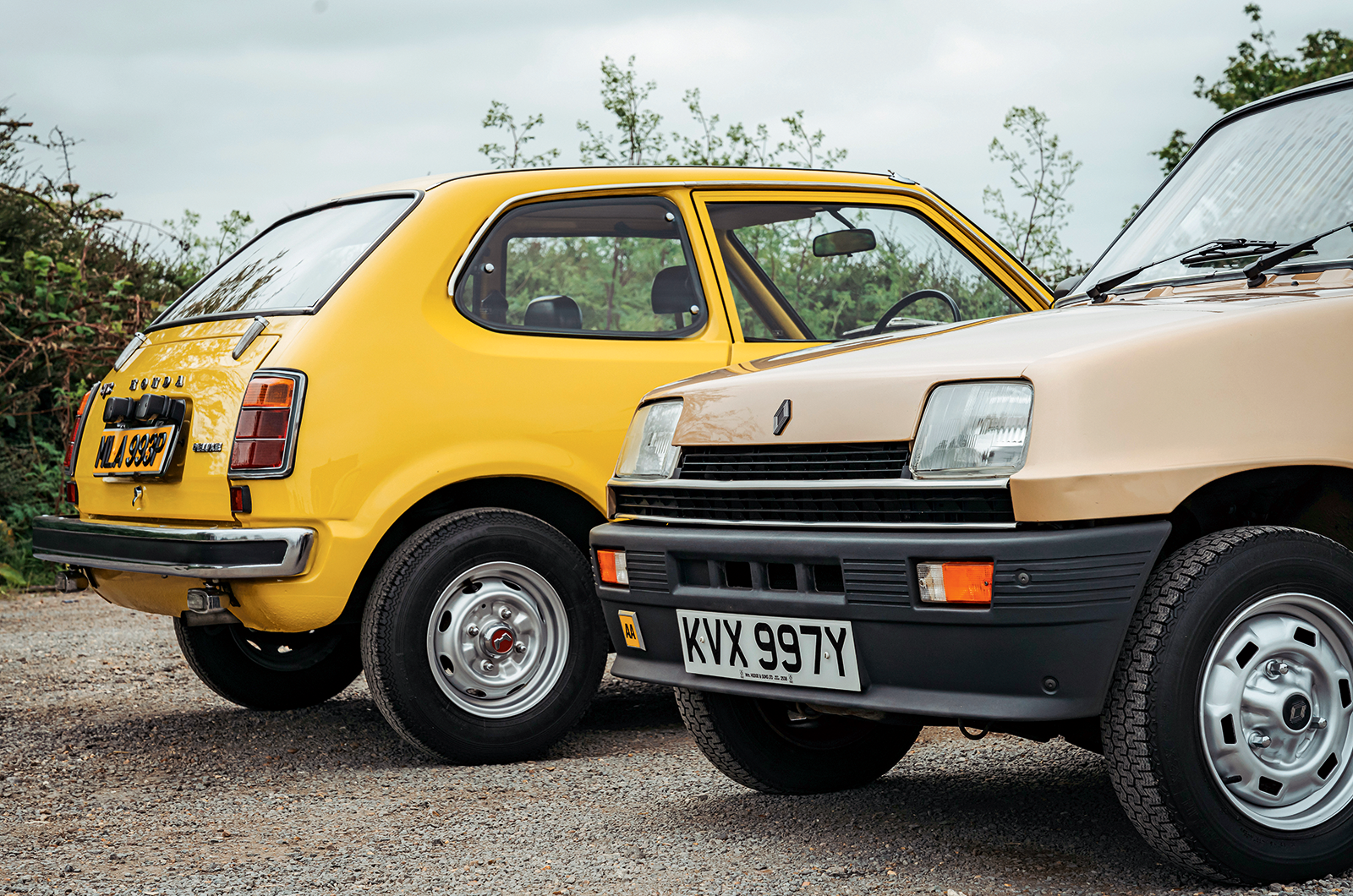
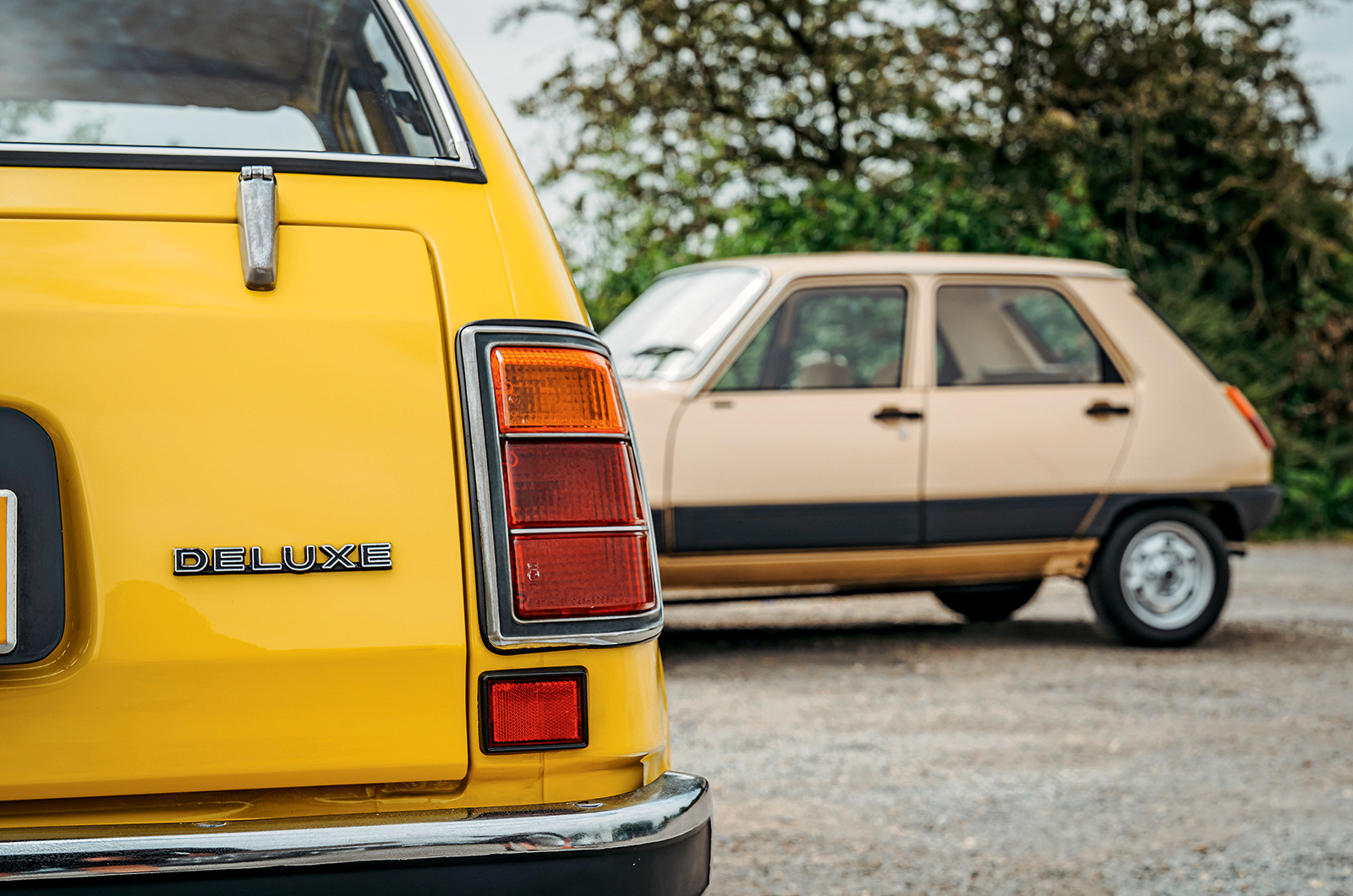
The Renault 5 (right) and Honda Civic tempted British motorists away from homegrown competition

By November 1971, Renault was the UK’s largest automobile importer.

During the 1950s, motorists in Great Britain mainly associated the diamond badge with small rear-engined cars, while the Estafette van became the marque’s first front-wheel-drive model in ’59.

The R4 followed two years later, then the R16 in 1965, the R6 in ’68 and then the R12 arrived in 1969.

The Renault 5’s narrative began in 1967, when Bernard Hanon, the manufacturer’s head of planning, commenced the development of a voiture à vivre – a car for all seasons, for vacations and for work, for weekdays and for weekends, for town and for country.

Classic & Sports Car – Renault 5 vs Honda Civic: little stars
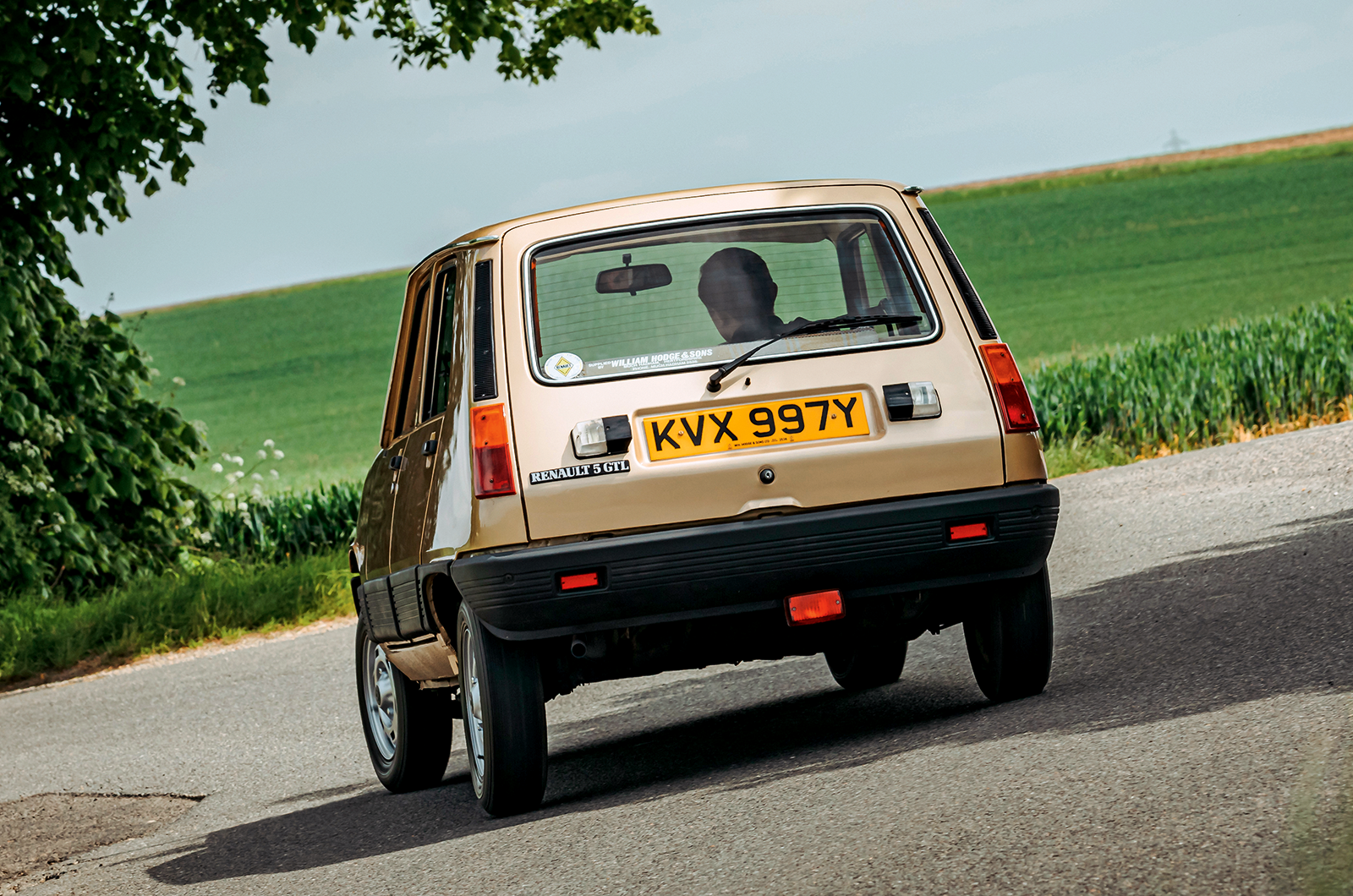
Renault’s five-door hatchback provided a spacious alternative to BL’s Mini

In addition, Project 122 had to be as at home on the autoroute as it was in the suburbs, and a Renault for younger drivers not interested in a voiture du papa.

In 1968 a company stylist named Michel Boué devised, in his spare time, an R4-based hatchback that so impressed the firm’s bigwigs they decided to commission it.

Renault’s CEO, Pierre Dreyfus, and many dealers were concerned their customers would not accept the marque’s first three-door car.

But their fears were baseless, because by May 1972 there was a three-month waiting list.

The R5 became La Régie’s best-selling model from 1974 to ’83, but sadly Boué died from cancer in 1972 and didn’t witness the success of his idea.

As with other front-drive Renaults, the 5 had a longitudinally mounted engine, which often prompts debates about whether it was the first true ‘supermini’ hatchback.

Classic & Sports Car – Renault 5 vs Honda Civic: little stars
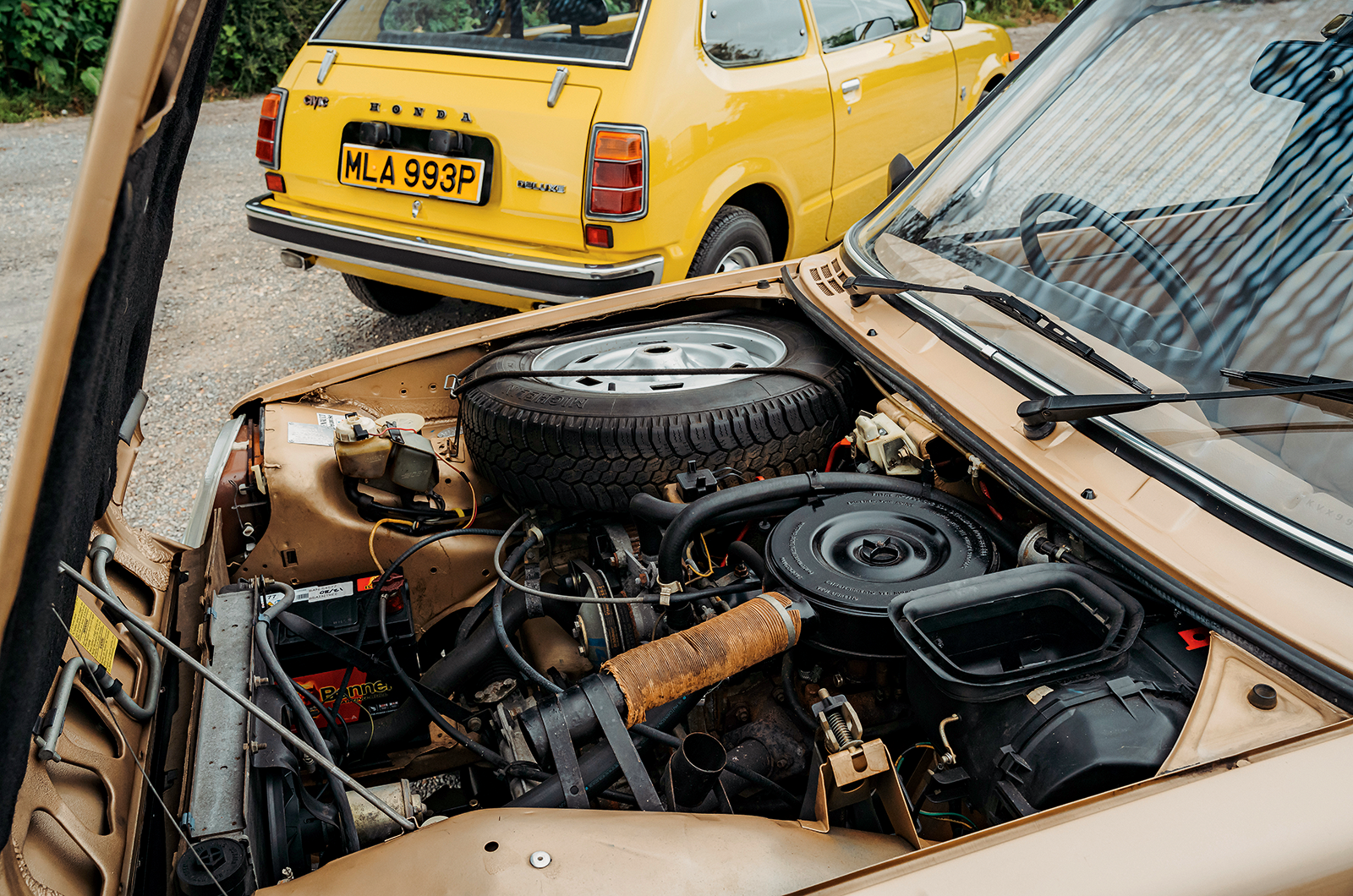
The Renault 5’s 1.1-litre ‘four’ gives 45bhp

Classic & Sports Car – Renault 5 vs Honda Civic: little stars
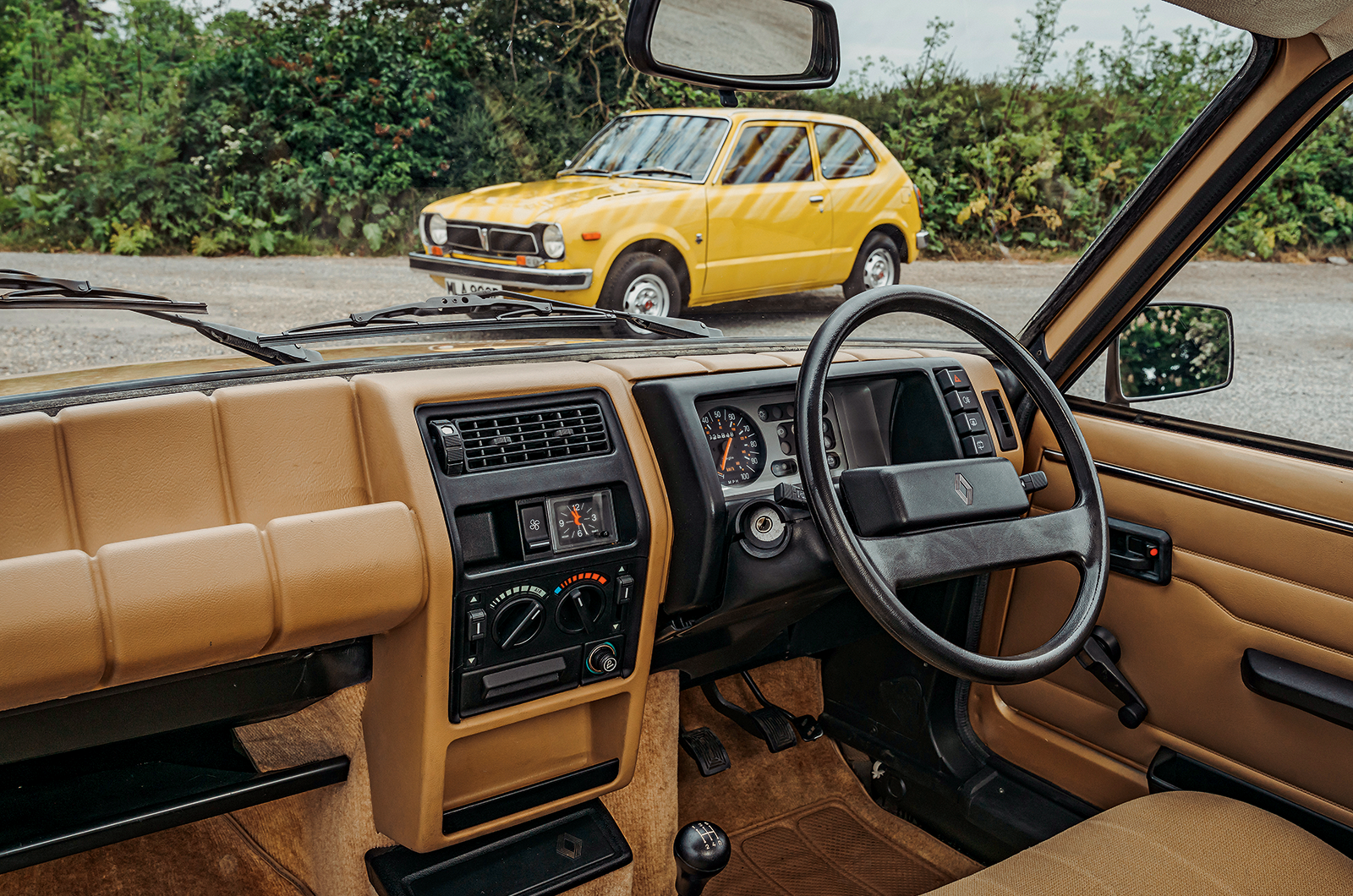
When it was new, the Renault 5’s cabin had a fresh and contemporary feel

Some will argue Fiat did not at first sell the 127 with a full three doors in 1971, while others will point towards the 1964 Autobianchi Primula or to the 1967 Simca 1100, both of which had hatchbacks.

Suffice to say that when the Renault 5 made its debut on January 28, 1972, this was a car at the forefront of this new movement and the recent R8 and Dauphine compacts already seemed to belong to another epoch.

British imports of the R5 began in late 1972, with Renault GB promising: ‘It’s what you’ve been asking for… A car of its time – just as the Mini and the Beetle were in their good times.’

Classic & Sports Car – Renault 5 vs Honda Civic: little stars
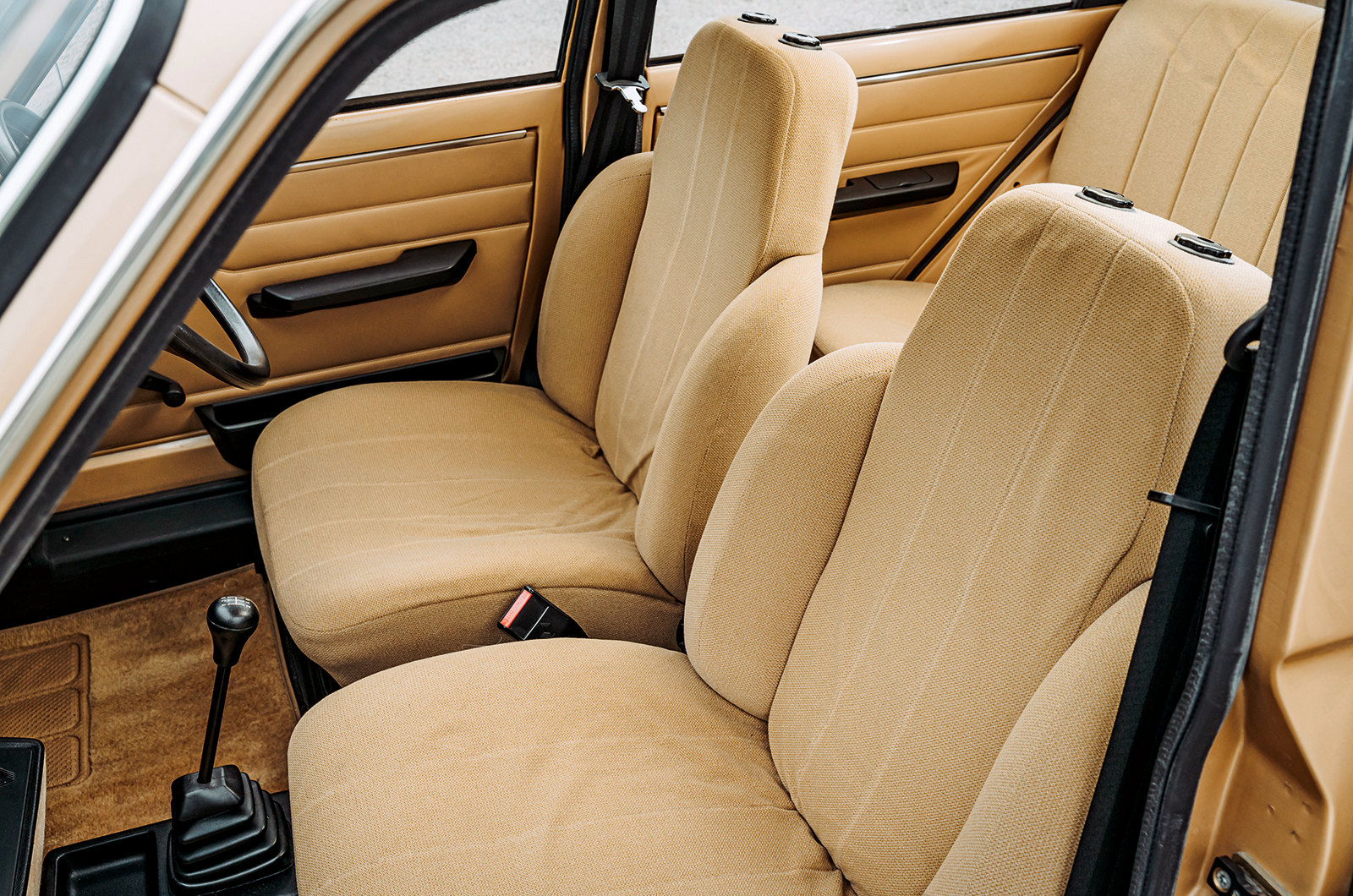
Long-distance journeys were not a chore for Renault 5 drivers, thanks to its comfortable front seats

Some potential sales would inevitably come from Renault 4 and Renault 6 drivers, while disaffected Mini and Hillman Imp customers could enjoy ‘two cars in one’ by visiting their local dealer.

That Renault was an overseas car manufacturer with low repair costs was another strong selling point for would-be buyers.

Autocar magazine considered the R5 to be: ‘A youthful sort of car, bright with new ideas, and pleasing on the eye.’

Elsewhere, The Observer bluntly declared it ‘the biggest challenge the Mini has ever faced’, while CAR magazine suggested ‘it wins by a fat margin’ over the 127 and the Datsun Cherry 100A.

Classic & Sports Car – Renault 5 vs Honda Civic: little stars
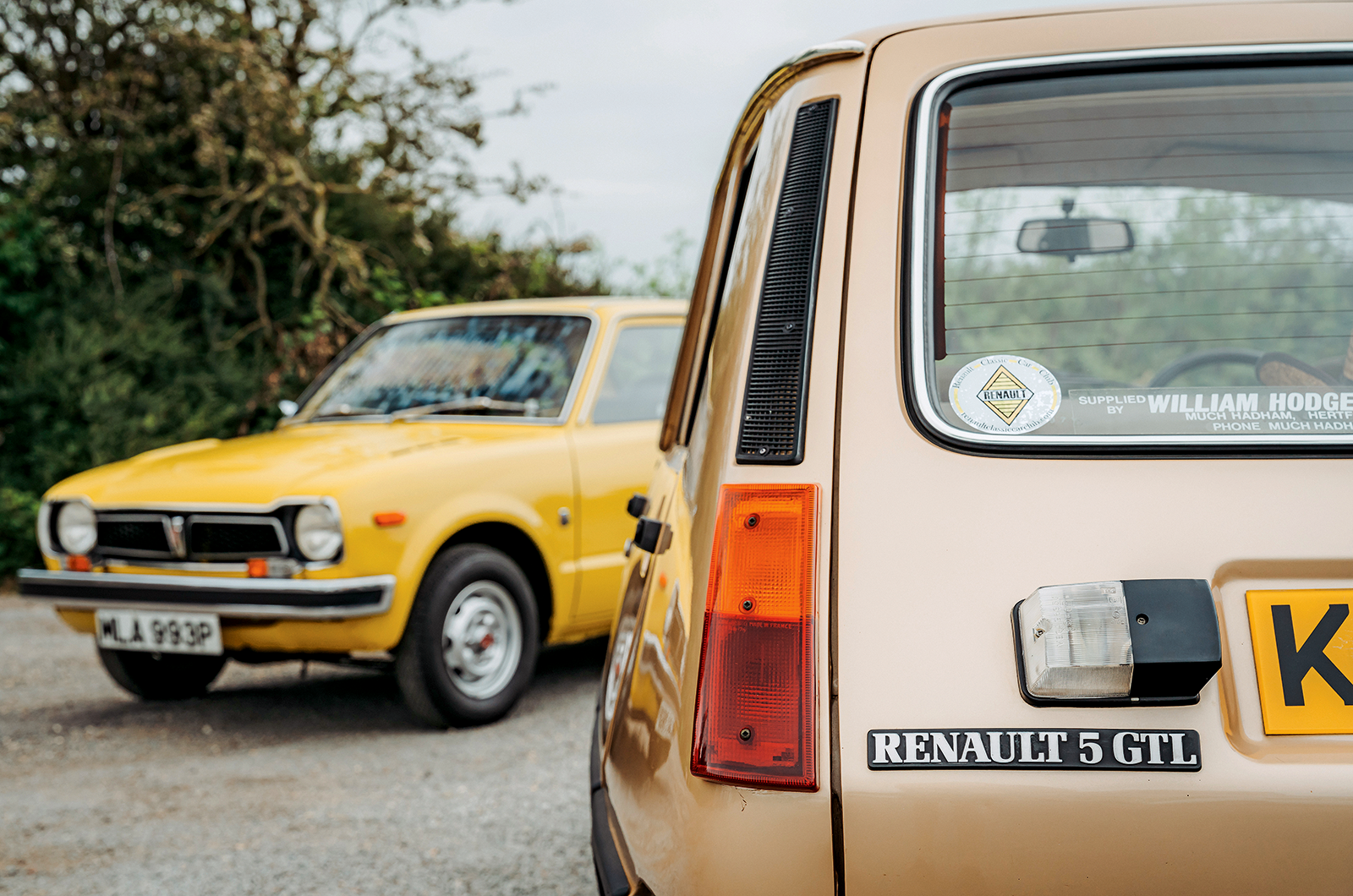
‘The 5 [closest] and Civic were not only crucial to their makers, but also part of a significant social change in British motoring’

The 5 GTL was launched in 1976, combining the 1.3-liter engine of the more opulent TS, modified gear ratios for enhanced fuel economy and distinctive ‘all-round’ bumpers. It became the most popular version.

Three years later, the R5 received a facelift with a new dashboard and, at last, a five-door option.

As early as the late 1960s, Renault had considered making a version with four side doors, so some observers wondered why such bodywork wasn’t available earlier.

As the story goes, when Peugeot bosses heard of Renault’s Project 122 they were decidedly unhappy, because work on the 104 was under way.

While the R5 was ultimately launched in three-door form only, Sochaux’s new compact, which also made its entrance in 1972 (as a four-door), was not available with a hatchback for another year.

In 1981, the R5 was offered with a 1.1-liter engine (as fitted to our 1983 test car) and by then Renault was planning the launch of the Series 2 in 1984.

Classic & Sports Car – Renault 5 vs Honda Civic: little stars
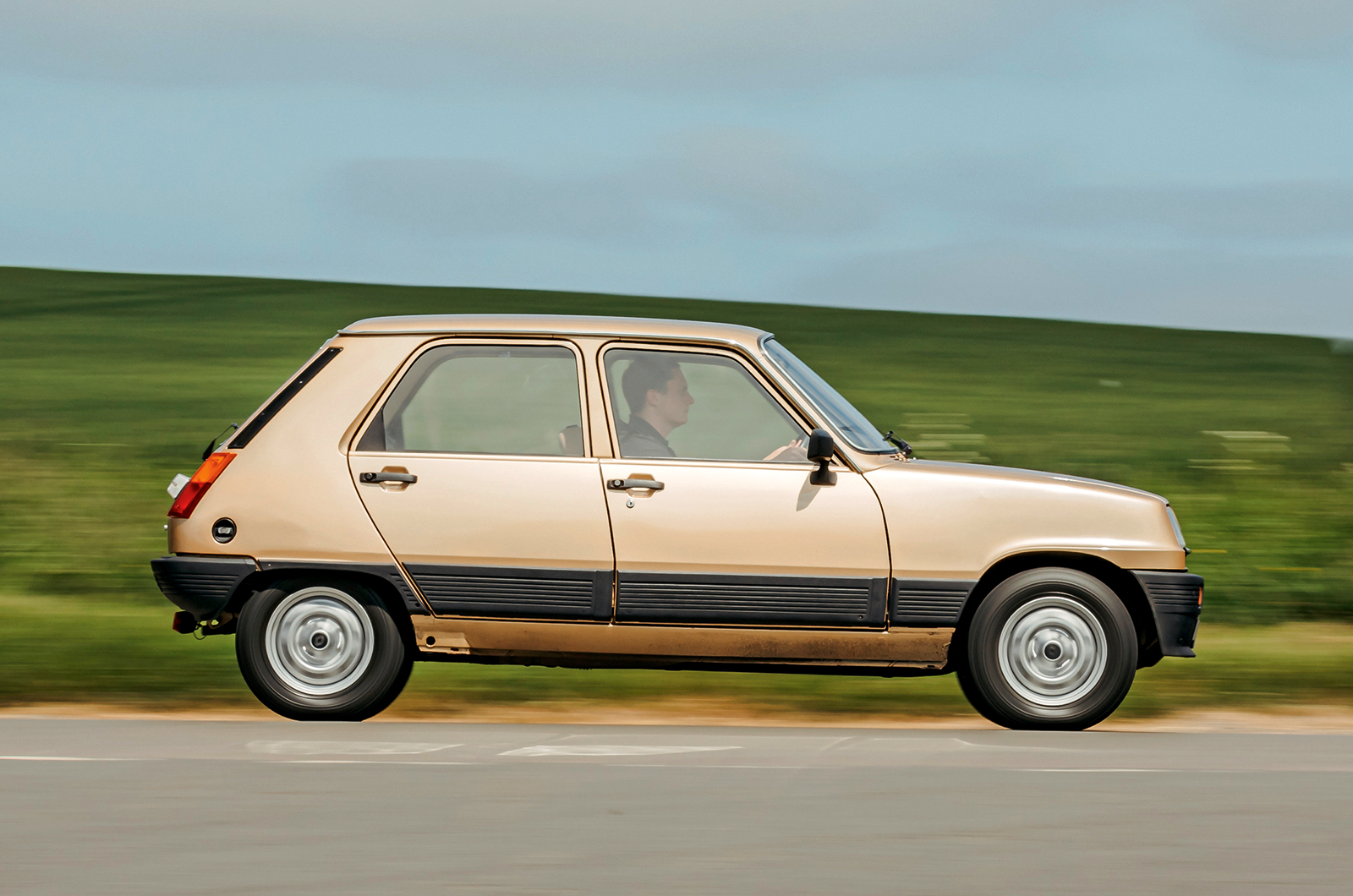
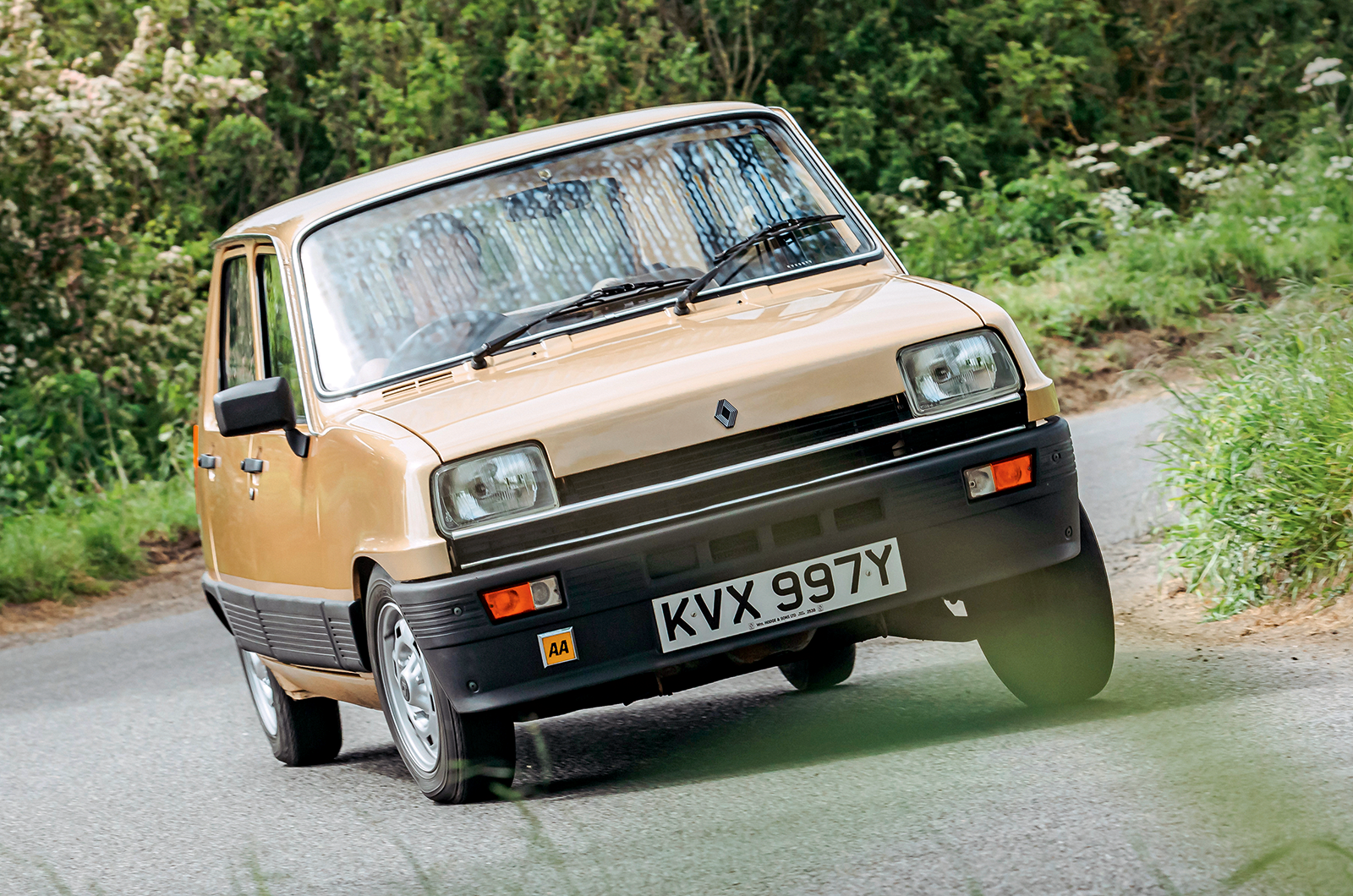
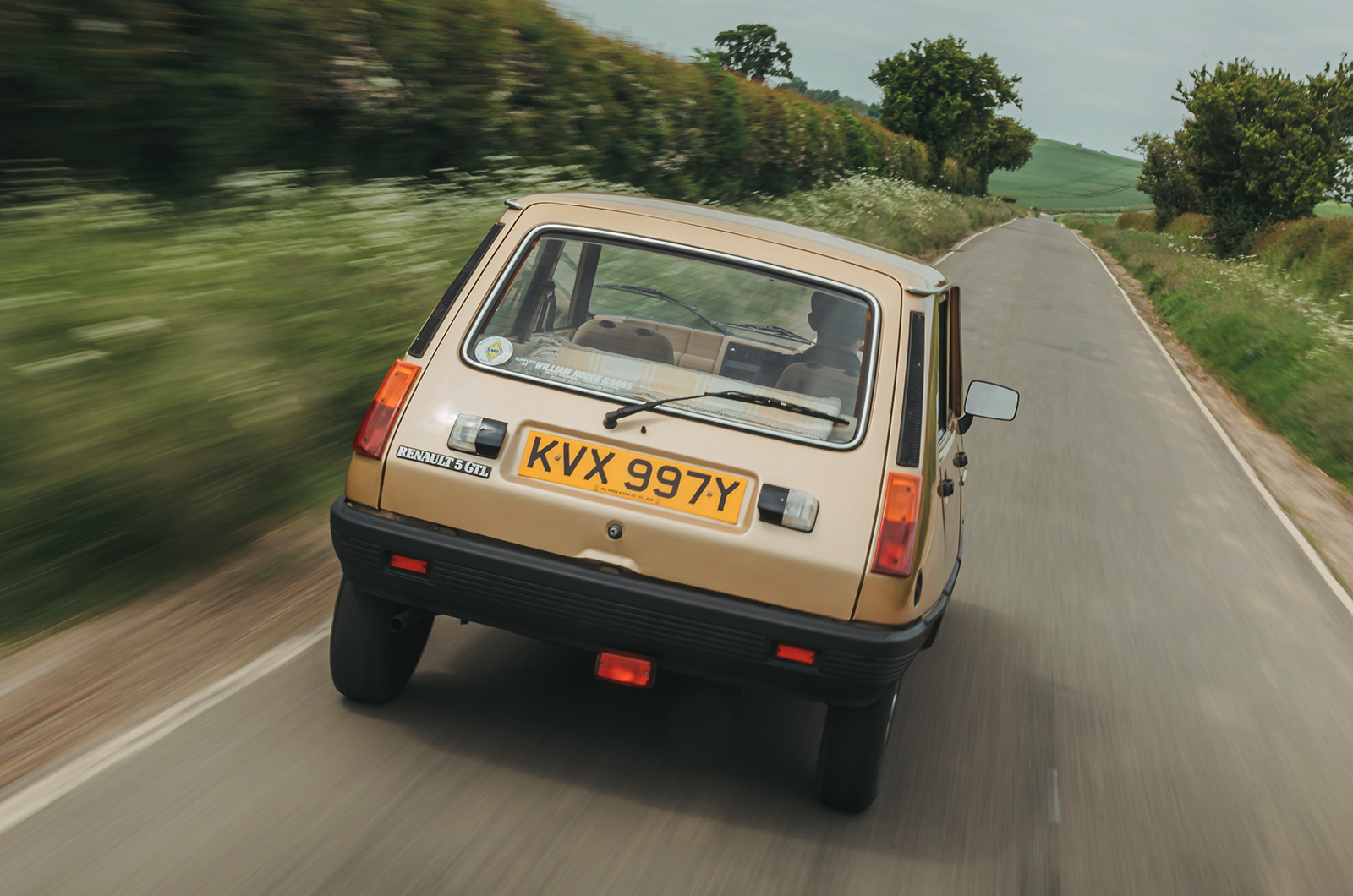
Renault’s styling remained fresh while rivals’ looks faded, and it still attracts attention today – especially when cornering on its doorhandles

French production of the Series 1 ended in 1985, at which point the Renault 5 still didn’t look dated compared with its Fiat Uno and Peugeot 205 rivals – testament to Boué’s styling.

Having five doors was a key sales feature when the Austin Metro and Ford Fiesta then came only in three-door guise, while the GTL looked smart without being overly ostentatious.

Here today, a metallic-gold Renault 5 Series 1 is guaranteed to draw attention from fellow patrons of our transport cafe location, plus the occasional startled-looking passing driver.

Its shimmering paint finish is undoubtedly eye-catching, but that once-familiar profile is the main attraction.

Classic & Sports Car – Renault 5 vs Honda Civic: little stars

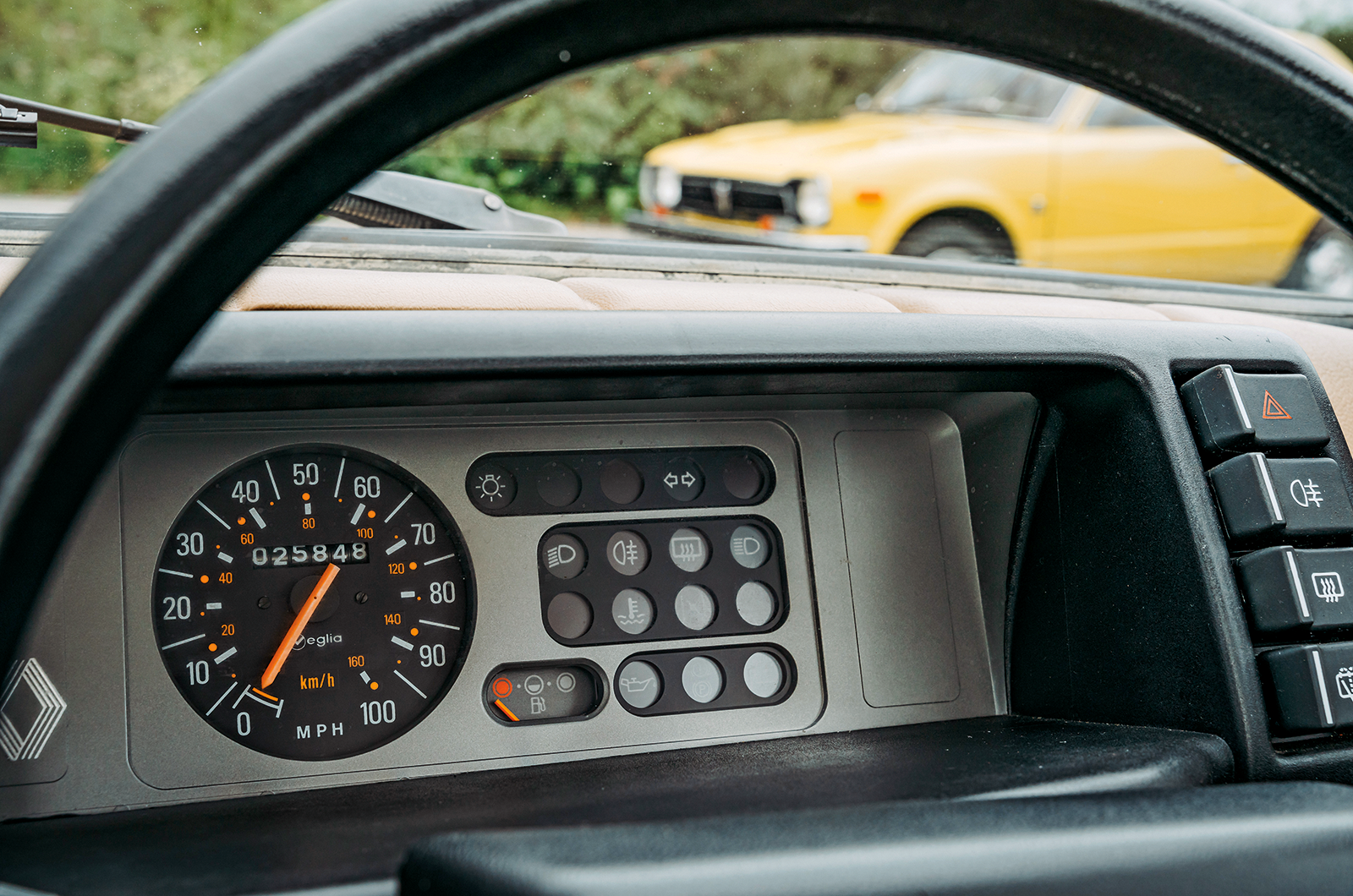
The warning-light display in the Renault’s dashboard

At one time the little Renault 5 was common British road furniture.

As for the interior, few discerning motorists in 1983 could have resisted décor that resembled a show home, complete with armchair-like front seats.

Nigel Harratt’s family firm Hodges Garage sold KVX 997Y new to a schoolteacher in Bishop’s Stortford.

Hodges repurchased it in 2000 and, amazingly, this GTL has still covered just 25,000 miles from new.

It often takes pride of place in the company showroom, although Nigel delights in taking it on the road.

“We find the R5 very nostalgic,” he says. “It’s what I used to work with at Renault in my early 20s. It puts a smile on our faces, and it’s lovely to see people’s reactions.

“Everyone always knows someone who owned an R5, so it’s nice to hear their stories, too.”

Classic & Sports Car – Renault 5 vs Honda Civic: little stars

The GTL was the biggest seller in the Renault 5 Series 1 range

He has nothing but praise for its handling, brakes and steering: “It is more than able to cope with the rigors of modern traffic.”

When CAR tested an early 5 TL in 1973, it found the concept of the car ‘absolutely right in just about all respects’, while it felt a certain Japanese rival was too noisy and really needed radial-ply tires ‘to sharpen up its handling’.

However, Motor Sport warned the British motor industry: ‘It is sensible to look the opposition straight in the face, and the excellent Honda Civic is an example of what the Japanese motor industry can confront us with.’

Honda had commenced plans for ‘a world-class car that is light, quick and compact’ in 1970.

Classic & Sports Car – Renault 5 vs Honda Civic: little stars

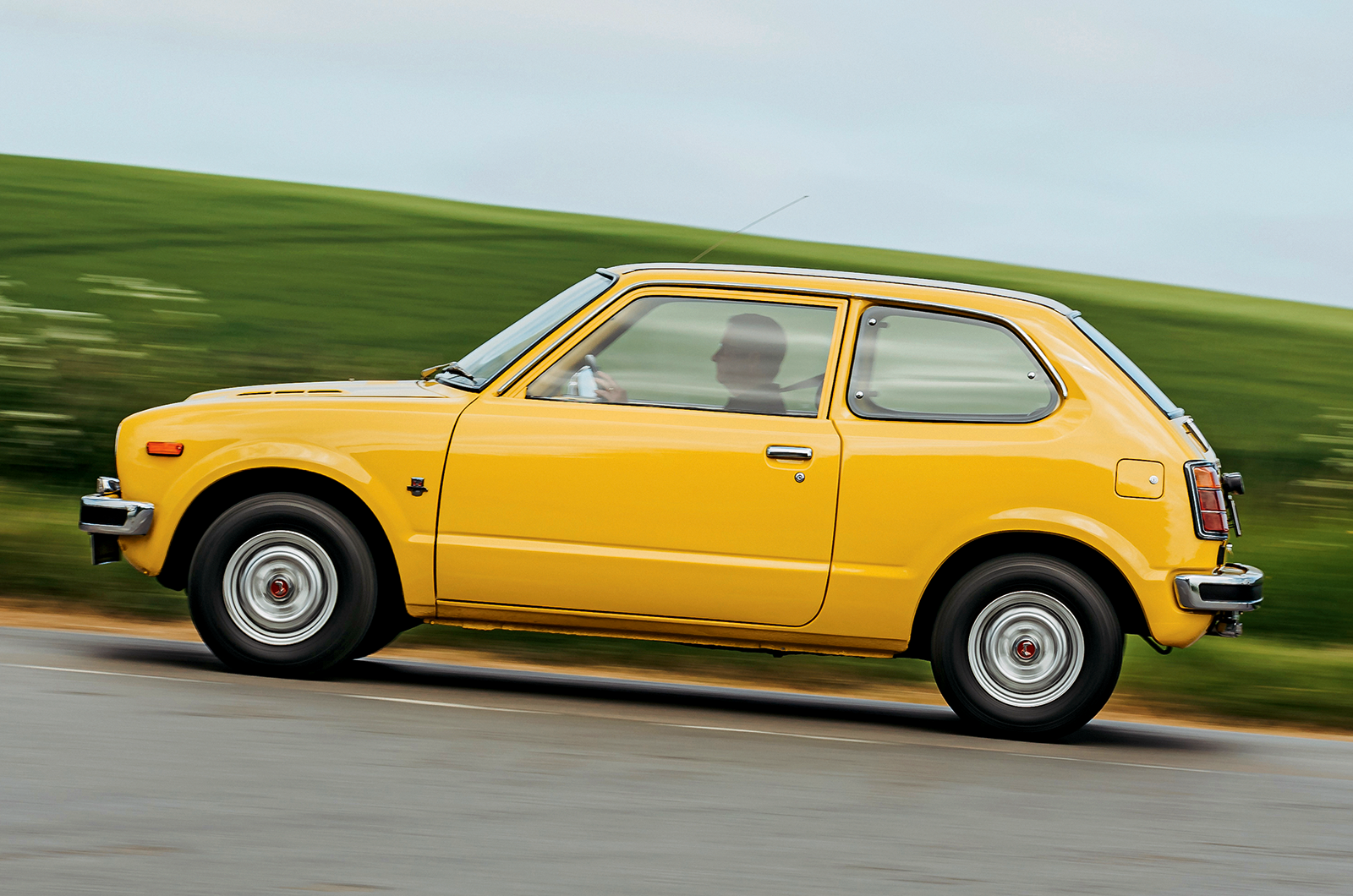
Honda’s heritage fleet Civic is nimble and responsive

The new model would act as heir to the N360/N600 range, and hopefully succeed in global markets.

The 1969 1300 sedan, Honda’s previous attempt at an ‘international car’, had proved so unpopular that it eventually resulted in the resignation of company founder Soichiro Honda.

Understandably, then, the pressure on the Civic was immense.

Honda’s engineers decided the new model would employ a transversely mounted, belt-driven, overhead-camshaft 1169cc engine and all-independent suspension.

The Civic’s compact dimensions allowed it to negotiate Japan’s narrow urban streets and meant that it would not occupy too much space in a motorcycle dealership, many of which also dealt in Honda cars.

Classic & Sports Car – Renault 5 vs Honda Civic: little stars

The Civic, now in its 11th generation, was a milestone model for Honda in the UK

Sales of the two-door version of the Honda Civic began in July 1972, followed by the three-door in September of the same year.

The management at Honda was initially worried that the Civic’s ‘two-box’ styling would not find favor with its domestic customers.

Such fears were proved groundless when the Civic landed Japan’s Car of the Year Award in 1972, in 1973 and in 1974.

In the crucial American export market, where Honda brilliantly promoted the Civic as ‘The Hatchback of Notre Dame’, Motor Trend suggested it was as significant a product as a 1941 Lincoln Continental or Jim Clark’s Lotus Formula One car.

Classic & Sports Car – Renault 5 vs Honda Civic: little stars

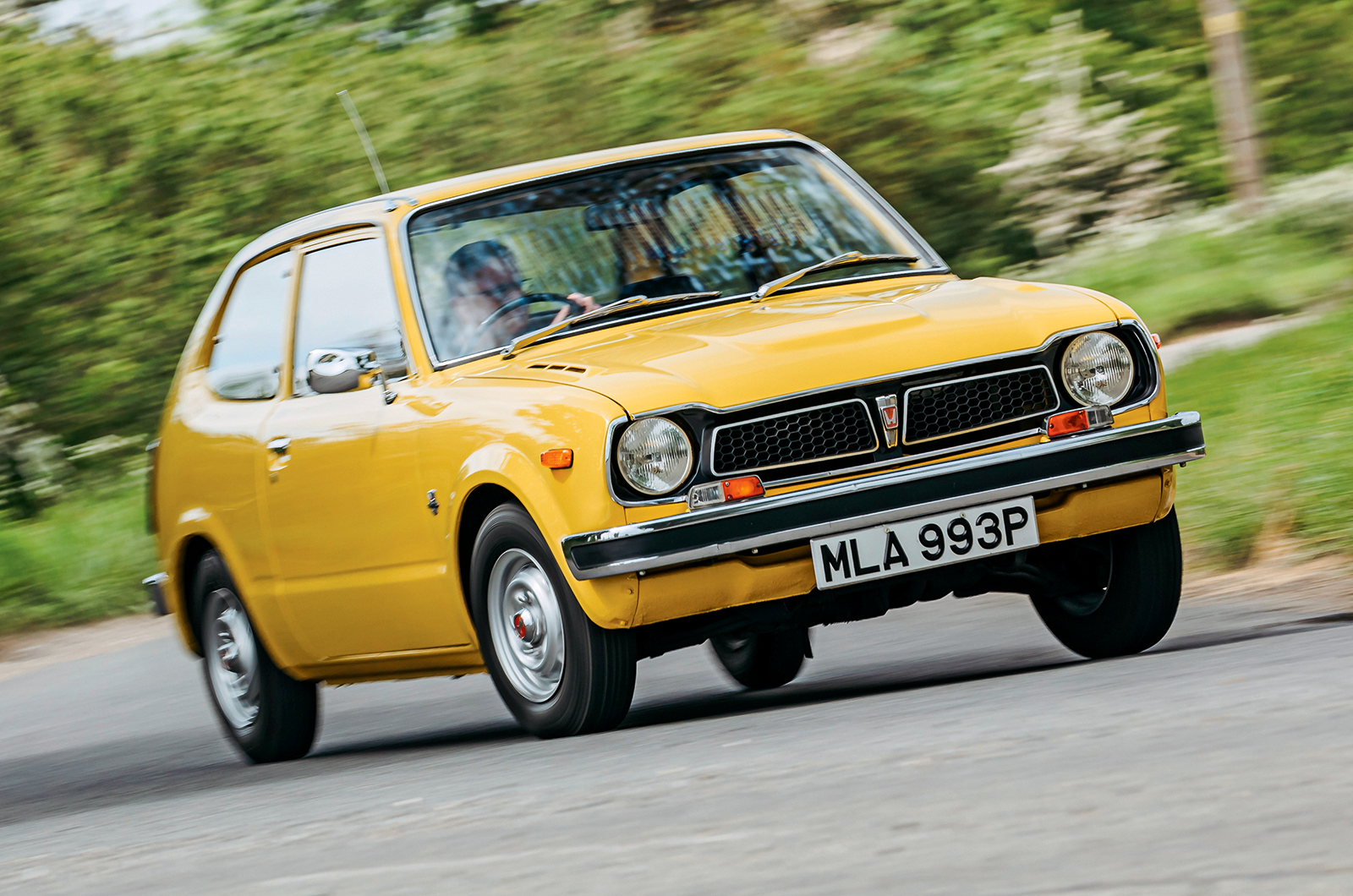
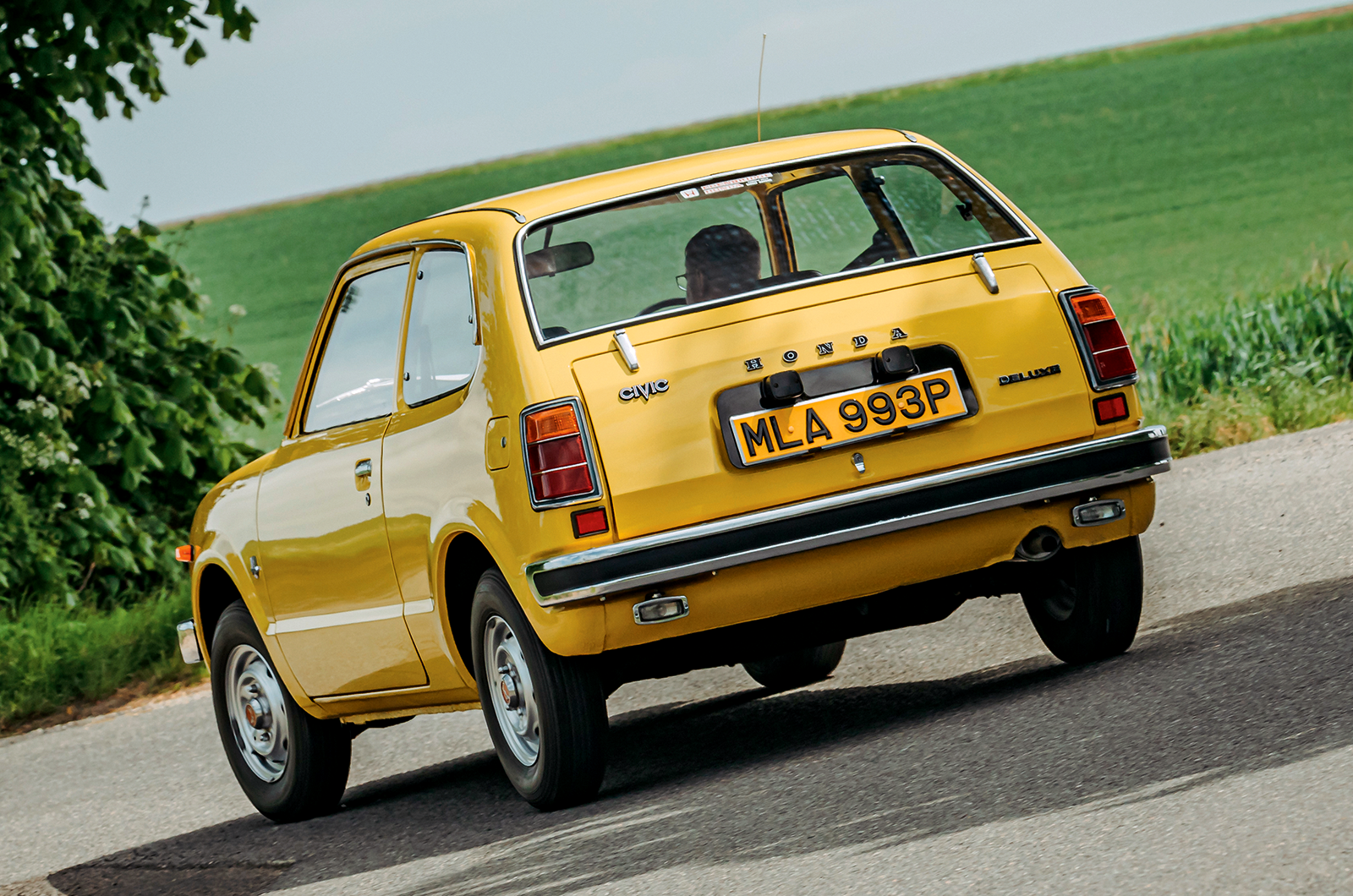
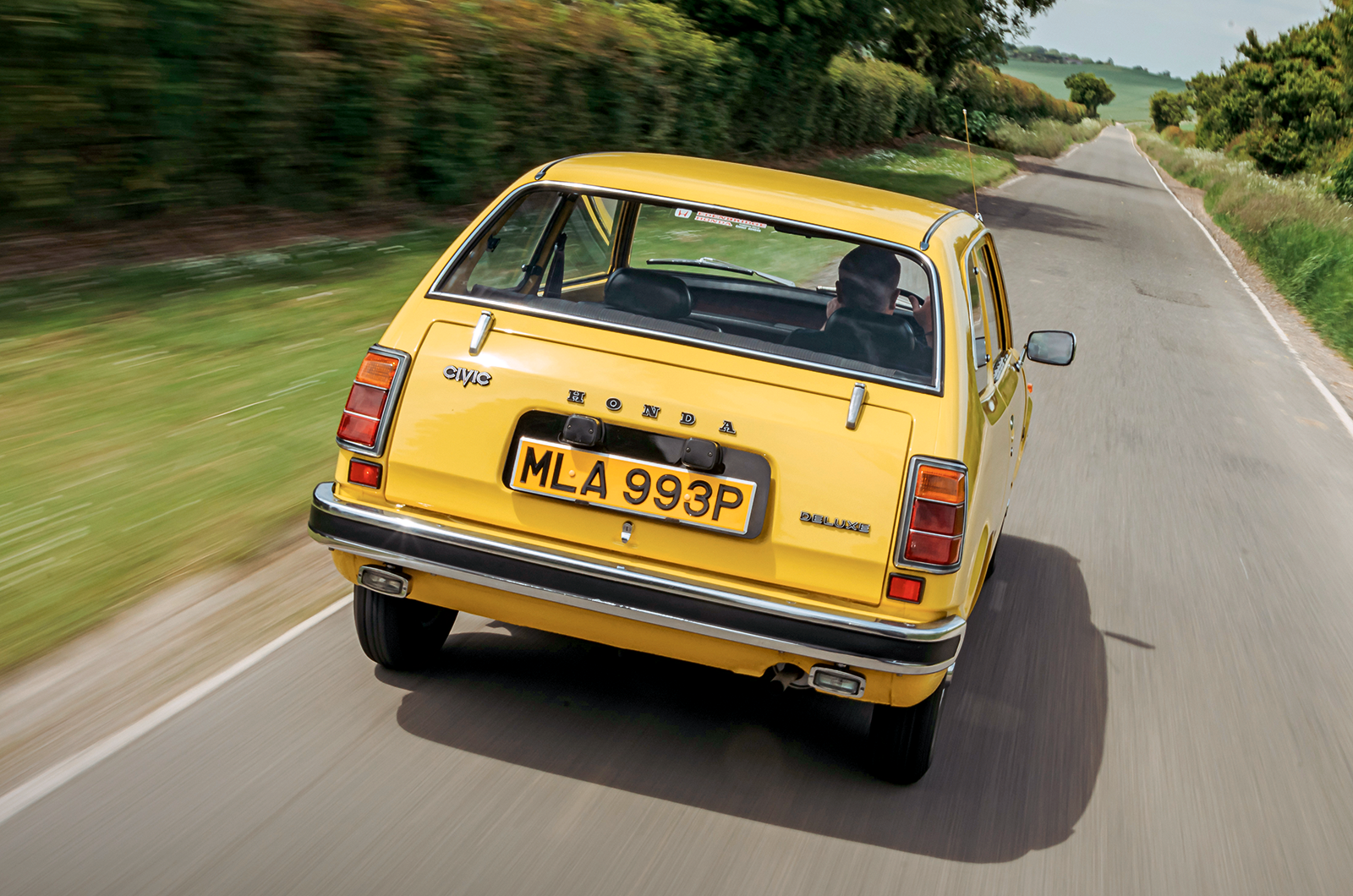
MLA 993P is believed to be the oldest-surviving Honda Civic in the UK

When British imports began in 1973, the concessionaire Honda UK was 11 years old.

Car sales began in 1966, with the S800 starring at that year’s London Motor Show, but despite the Japanese manufacturer marketing the N360/N600 and the Z600 hatch, many drivers still associated the firm with motorcycles.

In contrast, the Civic appeared to mark a new chapter for Honda as a car with mass appeal.

As Autocar put it: ‘The Civic appears to owe nothing to previous Honda designs.’

In October 1973, the entry-level Civic two-door cost £1029, while the flagship three-door De Luxe with a semi-auto ‘Hondamatic’ gearbox was £1239.

At that time, a Mini 1000 retailed for £837; Honda admitted the Civic wasn’t cheap, ‘But nothing this good ever is.’

Classic & Sports Car – Renault 5 vs Honda Civic: little stars

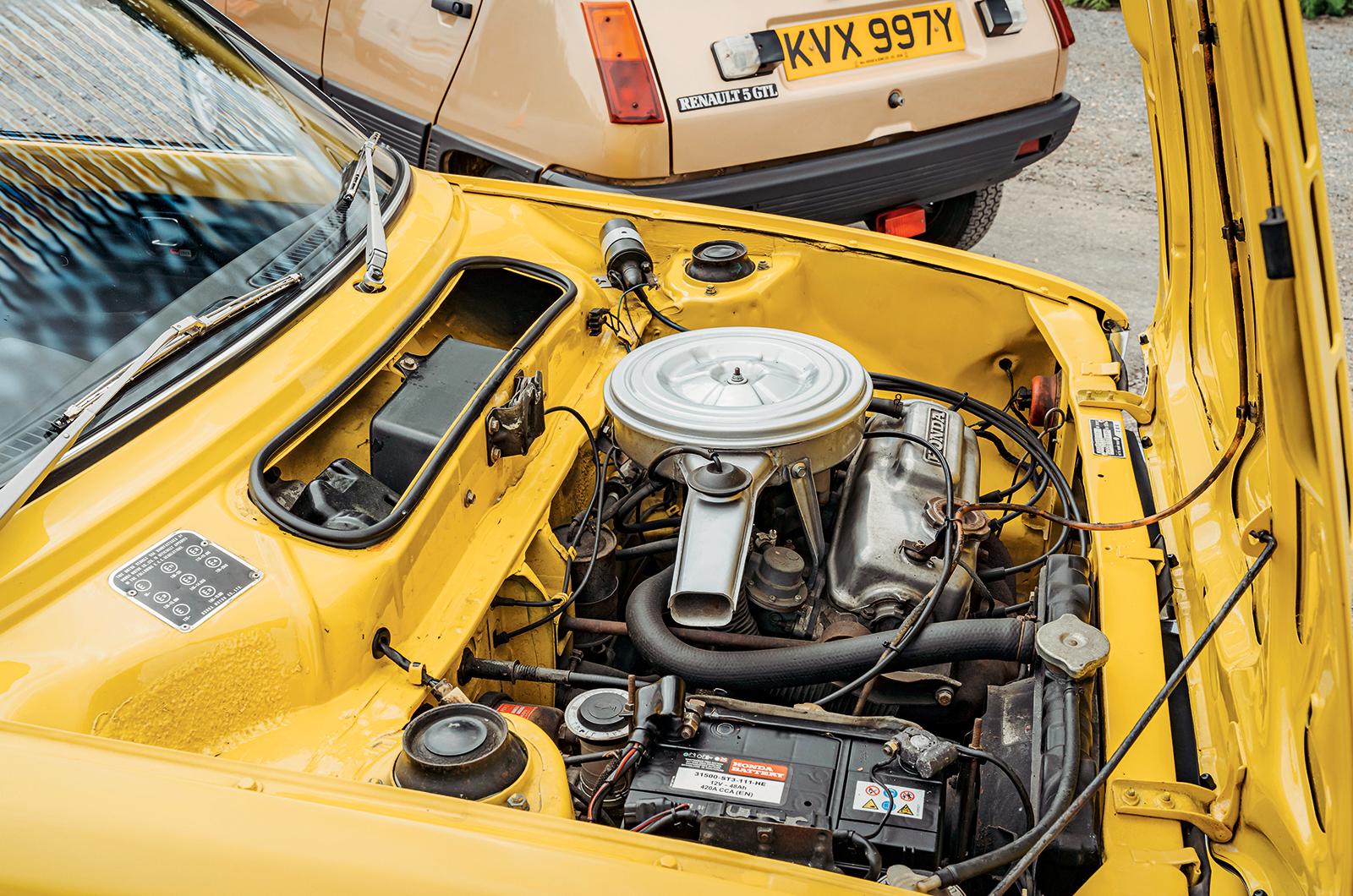
The Honda Civic’s 1.2-litre engine makes 50bhp

By 1975, the publicity material featured a 1200 with a striking yellow finish, while dealers could tell prospective customers how it was designed to run on low-octane two-star fuel and extol the virtues of ‘luxurious strut-type independent four-wheel suspension’.

That very same yellow-colored Honda Civic is now believed to be the oldest-surviving example remaining in the UK.

MLA 993P has been a popular member of the Honda heritage fleet for the past 25 years.

“It’s surprisingly nimble in typical Honda fashion,” says Jason Ryder, the master technician charged with the Civic’s welfare today.

Classic & Sports Car – Renault 5 vs Honda Civic: little stars

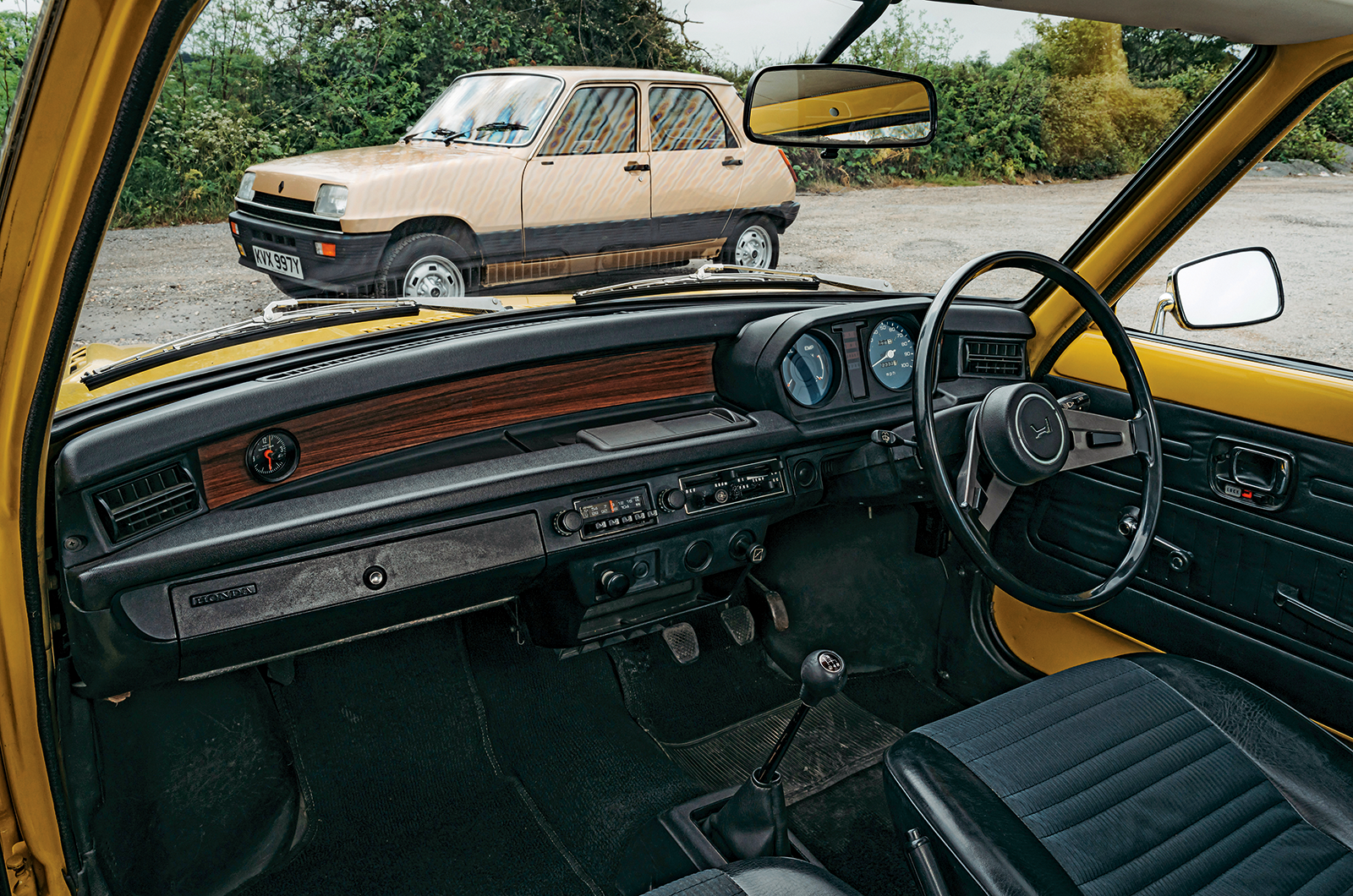
Wood inserts jump out in the Honda Civic’s predominantly black cabin

“The steering has no power assistance and feels heavy but responsive,” he continues.

“As for the ride quality, this is a 1975 car – so it’s bouncy but still comfortable.

“There’s only a four-speed transmission with very short ratios, which you do have to work, and the Civic does feel as if it needs a fifth gear.

“But the four-pot motor still revs the way a Honda engine should.”

Classic & Sports Car – Renault 5 vs Honda Civic: little stars

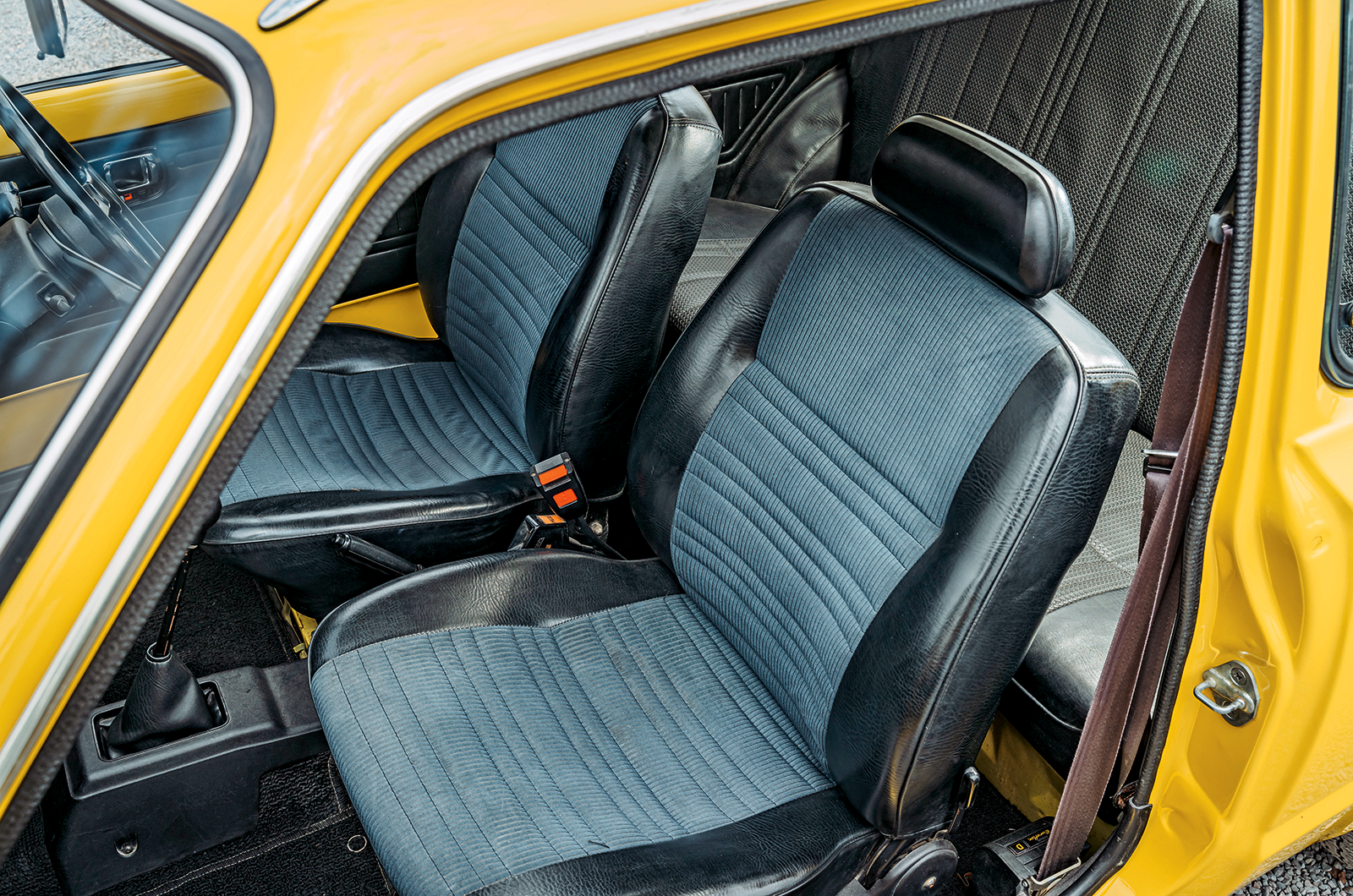
A mix of cloth and PVC, the Honda’s seats provide a sense of luxury

This car, MLA, has traveled fewer than 75,000 miles in the past 50 years.

Today, its appearance truly deserves the epithet ‘timewarp’, because this Honda Civic feels as if it has just strayed from its manufacturer’s dealership in approximately 1975.

The Series 1 version is now so rare that during our photoshoot some passers-by were confused by its identity, while the interior has a fascination all of its own: seats trimmed in gray cloth and black PVC create a businesslike air.

For additional distinction, a strip of the finest Fablon plastic wood available to 1970s Japan decorates the fascia.

Classic & Sports Car – Renault 5 vs Honda Civic: little stars

The diminutive, classic Honda turns heads today

The socially ambitious owner could also specify the steering wheel in ‘simulated walnut’ and even a ‘roof console incorporating spotlight’.

This particular Civic is a two-door, and it is often forgotten that in the early years of the genre several superminis lacked a hatch – Fiat continued to offer a version of the 127 with a trunk until the end of production in 1983.

For Honda dealers, a hatchless Civic was ideal for tempting conservative-minded Mini Clubman custodians.

After all, purchasing a new Japanese car was a radical enough step, without contemplating one of those newfangled hatchbacks as well.

Classic & Sports Car – Renault 5 vs Honda Civic: little stars

‘Honda ambitiously claimed the Civic was a five-seater, but it feels more like an urban 2+2, while the Renault has the air of compact but genuine family transport’

The Honda Civic gained an upgrade in 1979, and today the model is on its 11th generation after sales exceeded 27 million in 2021.

In contrast, the final R5 Series 2 departed the Boulogne-Billancourt production line in 1996, although Iran Khodro continued to make the Series 1 until 2000.

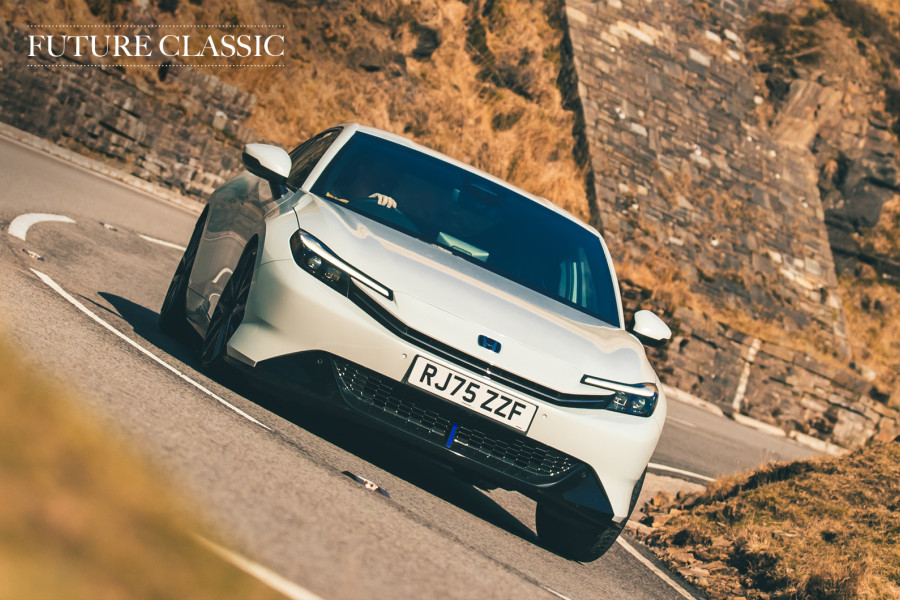
But that was not the end. On January 14, 2021, Renault took the covers off a concept version of its latest electric hatchback – and the new-for-the-21st-century Renault 5 was revealed at the Geneva motor show on February 26, 2024.

The new R5 has been an undoubted sales success and has won countless industry awards – it has more than lived up to the reputation of its much-loved namesake.

Classic & Sports Car – Renault 5 vs Honda Civic: little stars

Owner Nigel Harratt praises the Renault 5’s handling, but its attitude in corners is of its time

The original Civic now looks not so much small but Lilliputian, compared with a new MINI.

Honda ambitiously claimed the Civic was a five-seater, but it feels more like an urban 2+2, while the Renault has the air of compact but genuine family transport.

Above all, the R5 and Civic were not only crucial to their respective makers, but also part of a significant social change in British motoring.

When the first examples arrived in the UK, buying a foreign car would likely have provoked mass curtain-twitching among the neighbors and mutterings in Fine Fare supermarkets about patriotism.

In 1975, a union leader told the press: ‘Anyone buying a foreign car shows a complete lack of faith in the British worker.’

But such attitudes faded as progressively more drivers chose their cars because they matched their needs, not by nation of origin.

Classic & Sports Car – Renault 5 vs Honda Civic: little stars

‘Our’ Honda Civic is a two-door hatch

Some new-car buyers spent their hard-earned money on the Renault 5 and the Honda Civic because of these models’ considerable merits, while there were others who bought them as a reaction to British Leyland’s neglect of Mini development during the 1970s.

Whatever customers’ motives, Honda and Renault’s retail outlets seized the opportunity to fill the vacuum with the Civic, sold as ‘the utmost satisfaction in day-to-day driving’, and the R5, claimed to be ‘one car to answer all your driving problems’.

Thanks to: The Silver Ball Cafe; Nigel Harratt; Honda UK Heritage

Images: Max Edleston


Factfiles

Classic & Sports Car – Renault 5 vs Honda Civic: little stars

Renault 5 GTL

  • Sold/number built 1972-’85/5,471,709 (all)
  • Construction steel unitary
  • Engine iron-block, alloy-head, ohv 1108cc ‘four’, single Solex carburetor
  • Max power 45bhp @ 4400rpm
  • Max torque 63lb ft @ 2000rpm
  • Transmission four-speed manual, FWD
  • Suspension independent, at front by double wishbones, torsion bars, anti-roll bar rear beam axle, trailing arms, torsion bars
  • Steering rack and pinion
  • Brakes discs front, drums rear, with servo
  • Length 11ft 5½in (3493mm)
  • Width 5ft (1524mm)
  • Height 4ft 7½in (1410mm)
  • Wheelbase 7ft 10½in (2400mm)
  • Weight 1731Ib (785kg)
  • Mpg 38
  • 0-60mph 17 secs
  • Top speed 83mph
  • Price new £2724 (1978)


Honda Civic 1200

  • Sold/number built 1972-’79/n/a
  • Construction steel unitary
  • Engine iron-block, alloy-head, sohc 1169cc ‘four’, single Keihin carburetor
  • Max power 50bhp @ 5500rpm
  • Max torque 58lb ft @ 3500rpm
  • Transmission four-speed manual, FWD
  • Suspension independent, by MacPherson struts, anti-roll bar f/r
  • Steering rack and pinion
  • Brakes discs front, drums rear, with servo
  • Length 11ft 8in (3556mm)
  • Width 4ft 11in (1499mm)
  • Height 4ft 5in (1346mm)
  • Wheelbase 7ft 3in (2210mm)
  • Weight 1454Ib (660kg)
  • Mpg 37.6
  • 0-60mph 14 secs
  • Top speed 88.4mph
  • Price new £1199 (1975)

We hope you enjoyed reading. Please click the ‘Follow’ button for more super stories from Classic & Sports Car.