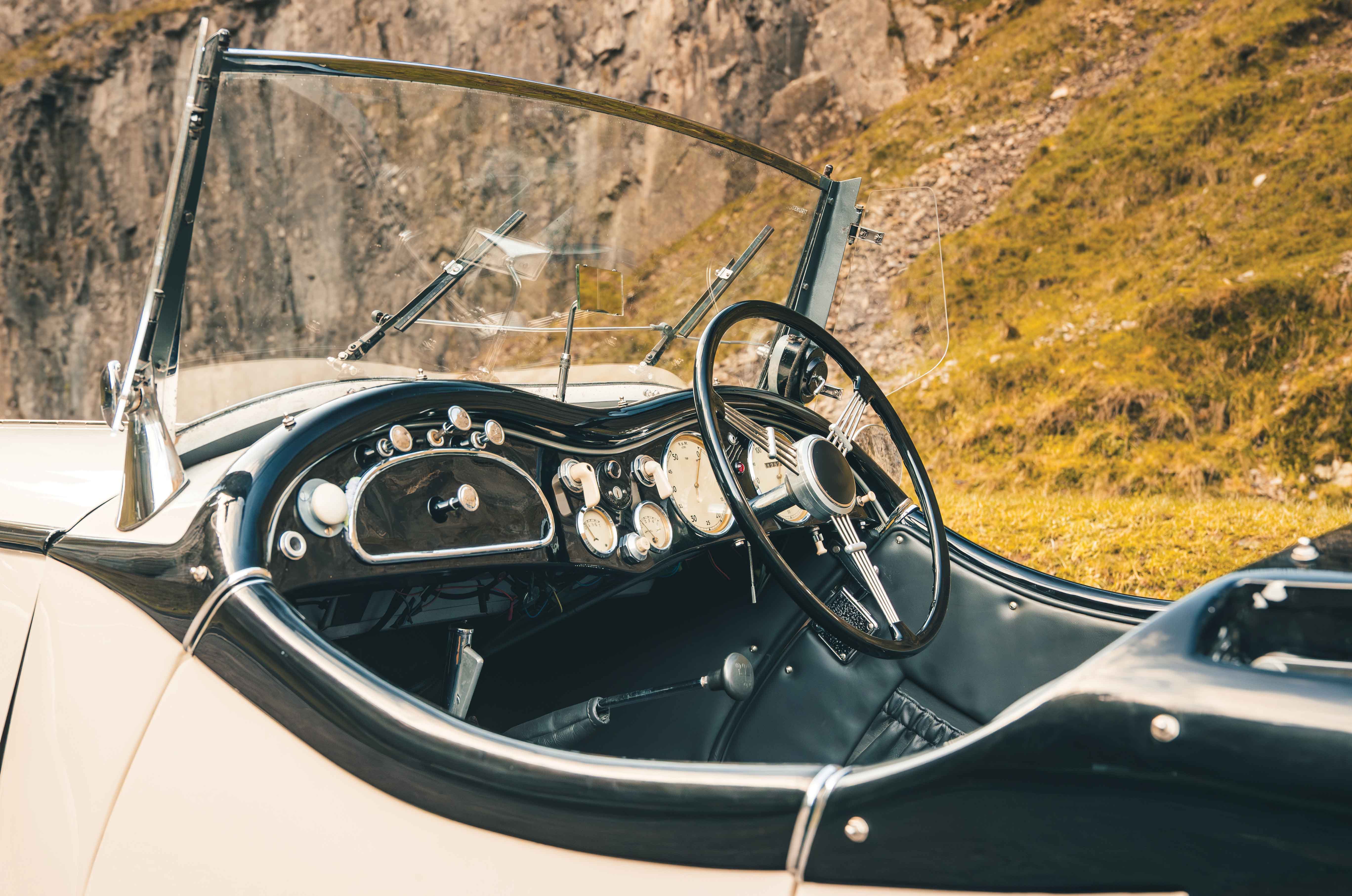
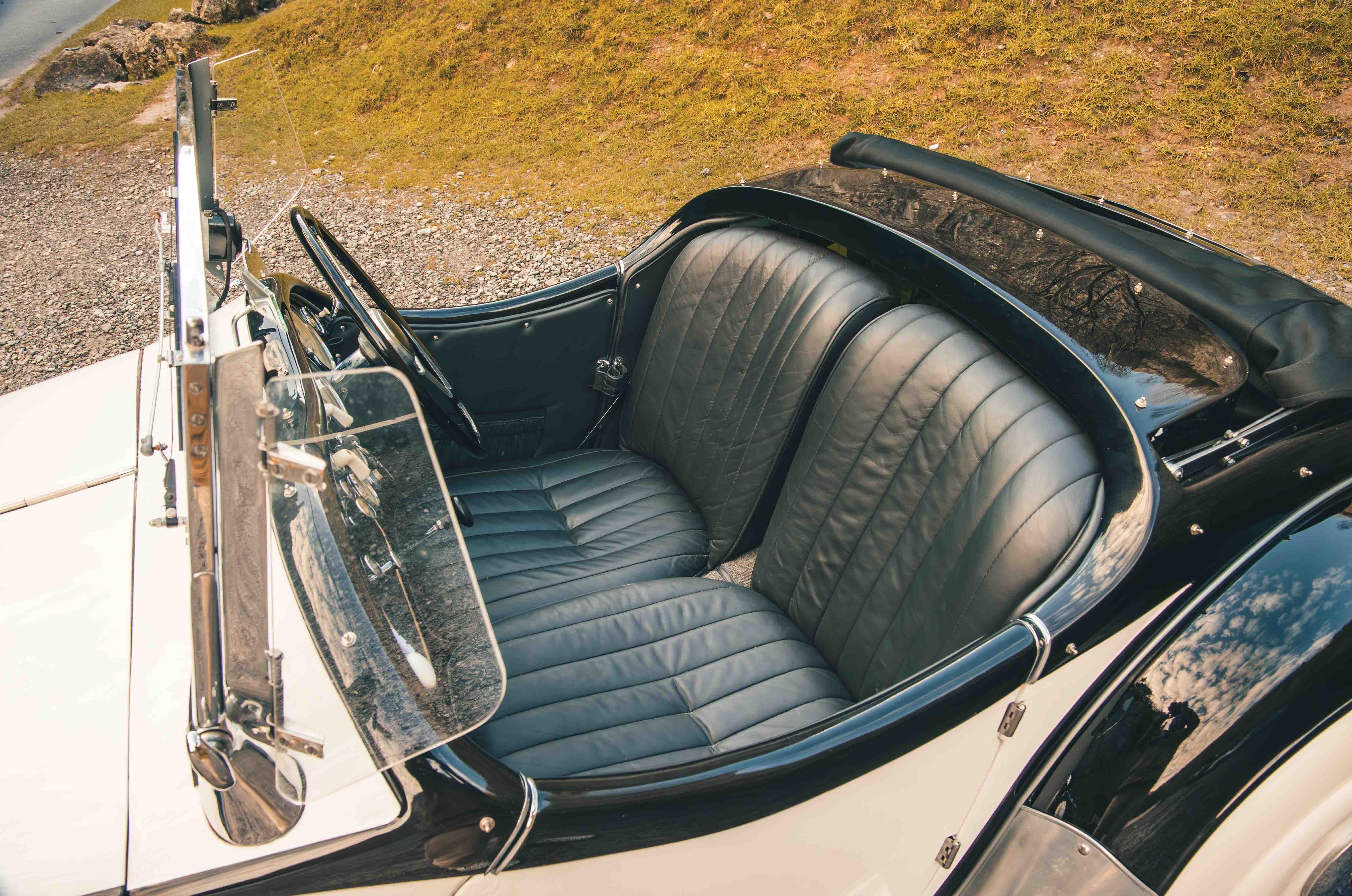
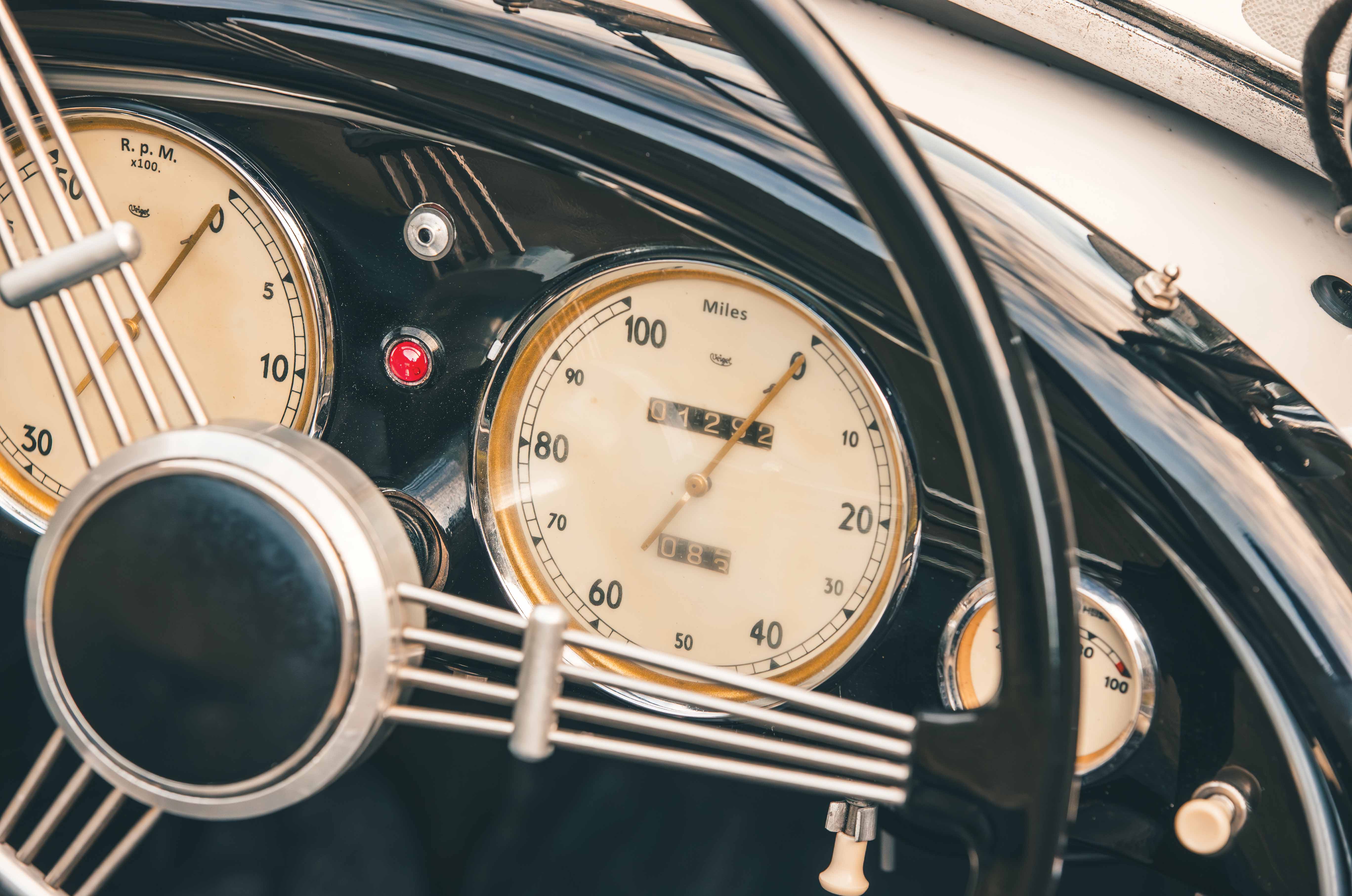
The dashboard layout is surprisingly modern, too, with 5000rpm and 100mph Veigel tachometer and speedometer placed directly ahead, and lesser dials for fuel level, oil pressure and water temperature displaced to the sides.
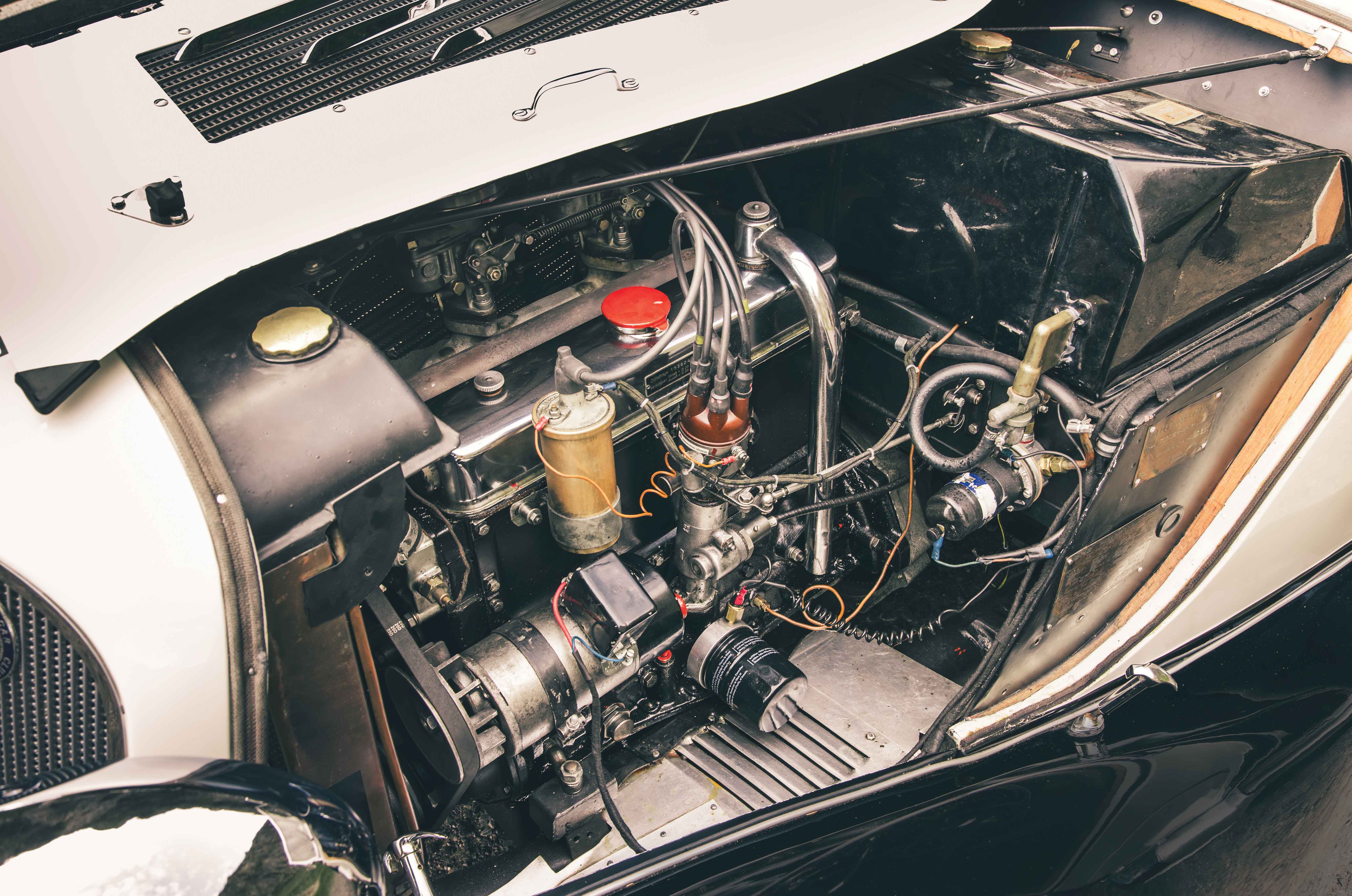
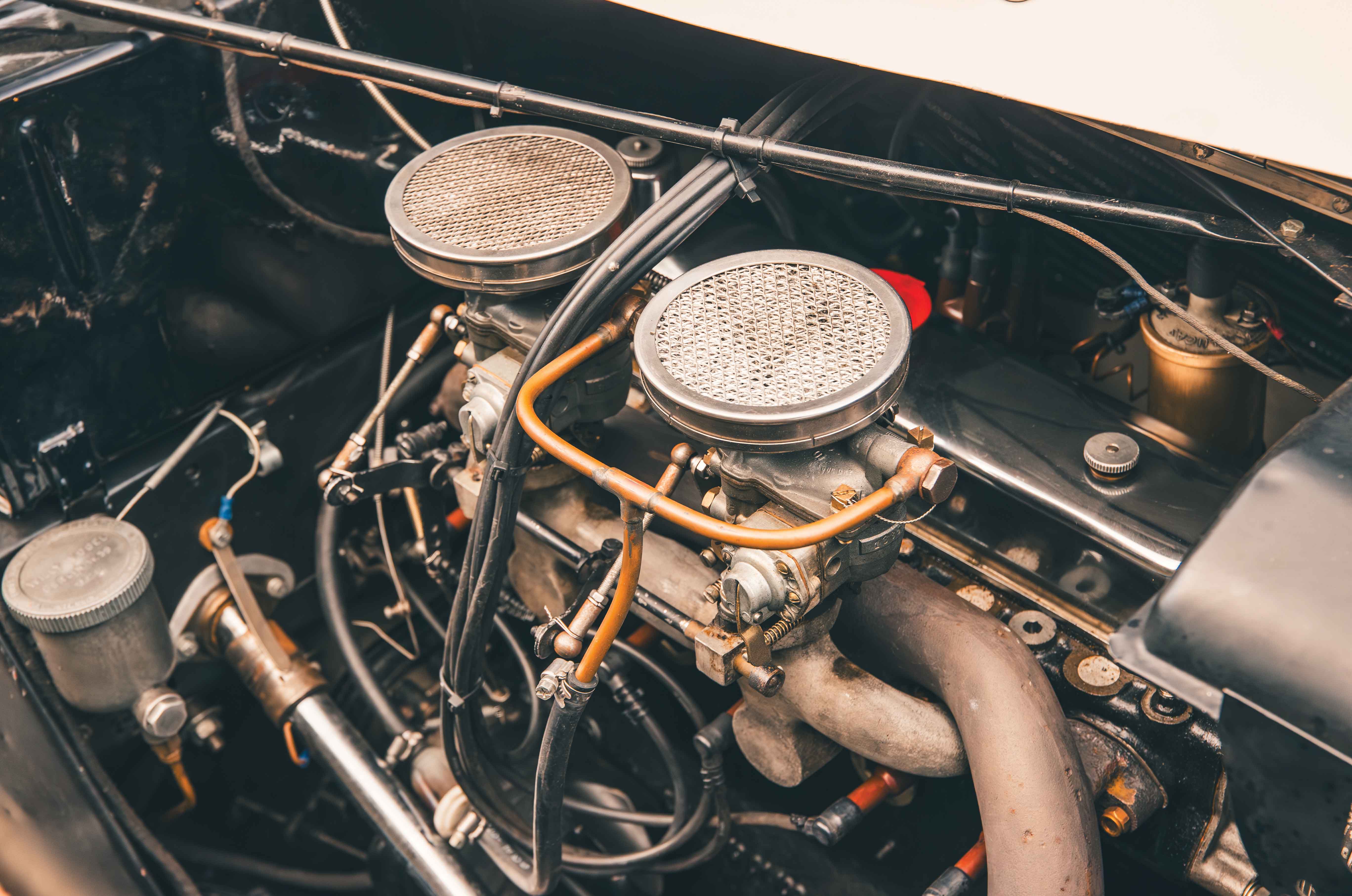
This Frazer Nash-BMW 319’s engine runs on two rather than three Solex carburettors
There’s no procedure, no theatre in firing it up; you just turn the key, hit a button and the straight-six – which, lest we forget, would go on to serve in Bristols and ACs post-war – spins instantly into life.
Its voice is a little deeper than expected, but it is no less sonorous for that.
It is one of those cars – and this is rare for pre-war machinery – that doesn’t require you to learn how it likes to be driven and to bend your driving style to accommodate.
How you want to drive is how it wants to be driven.
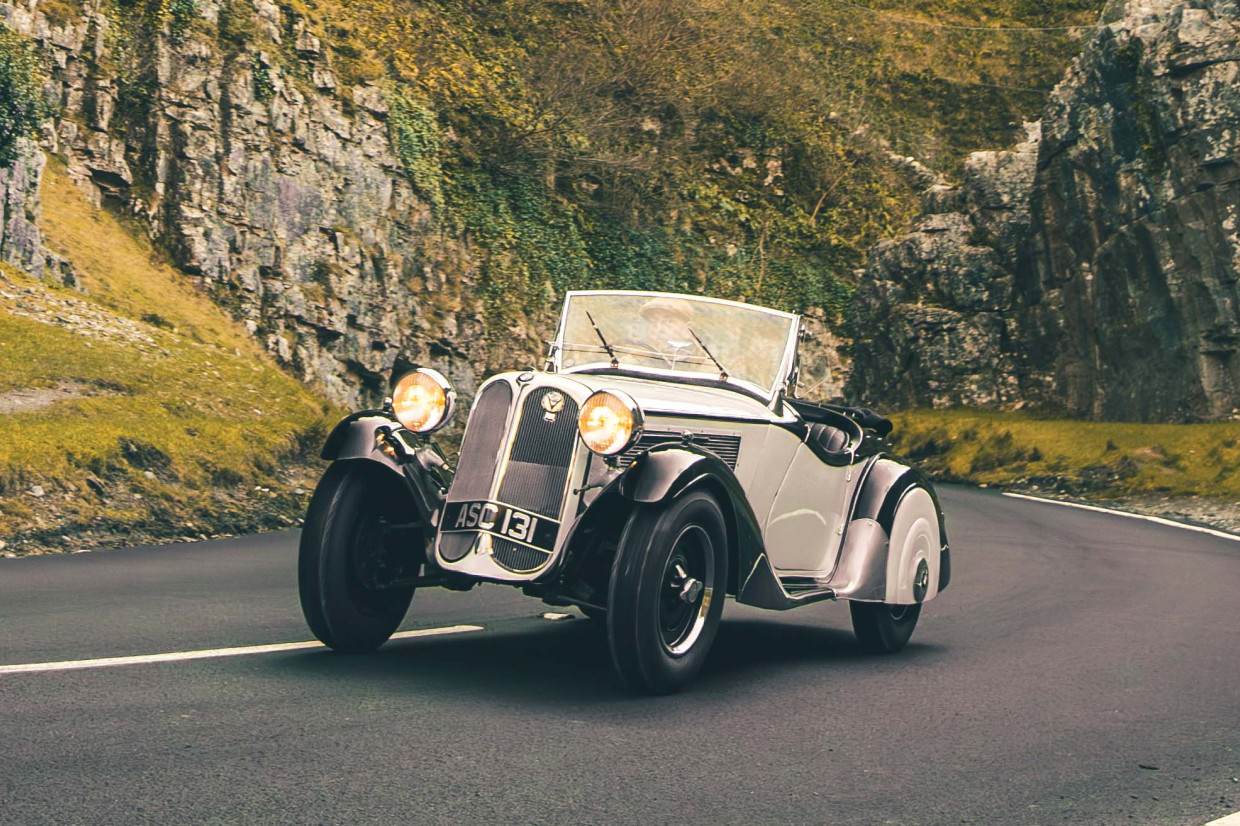
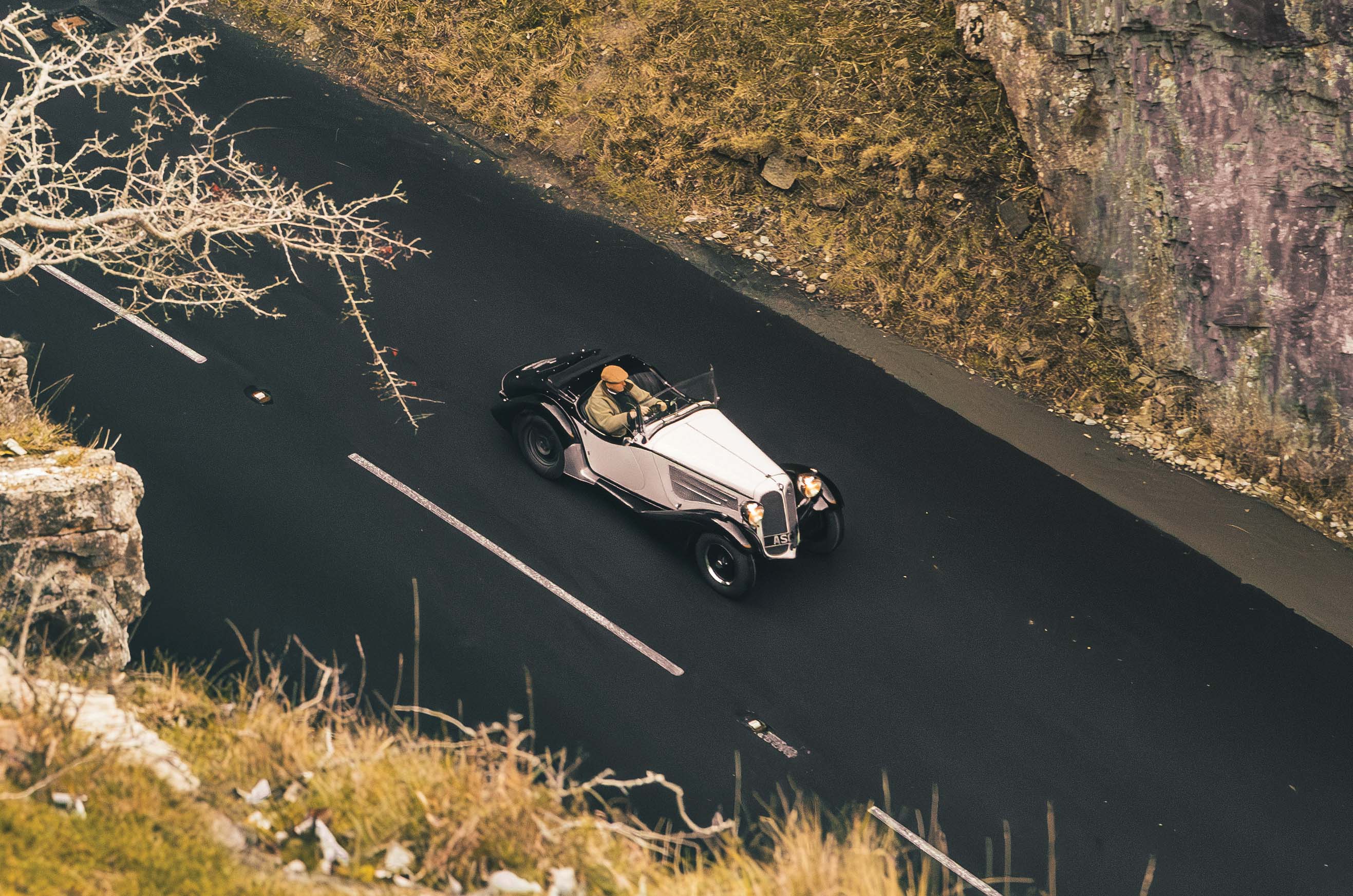
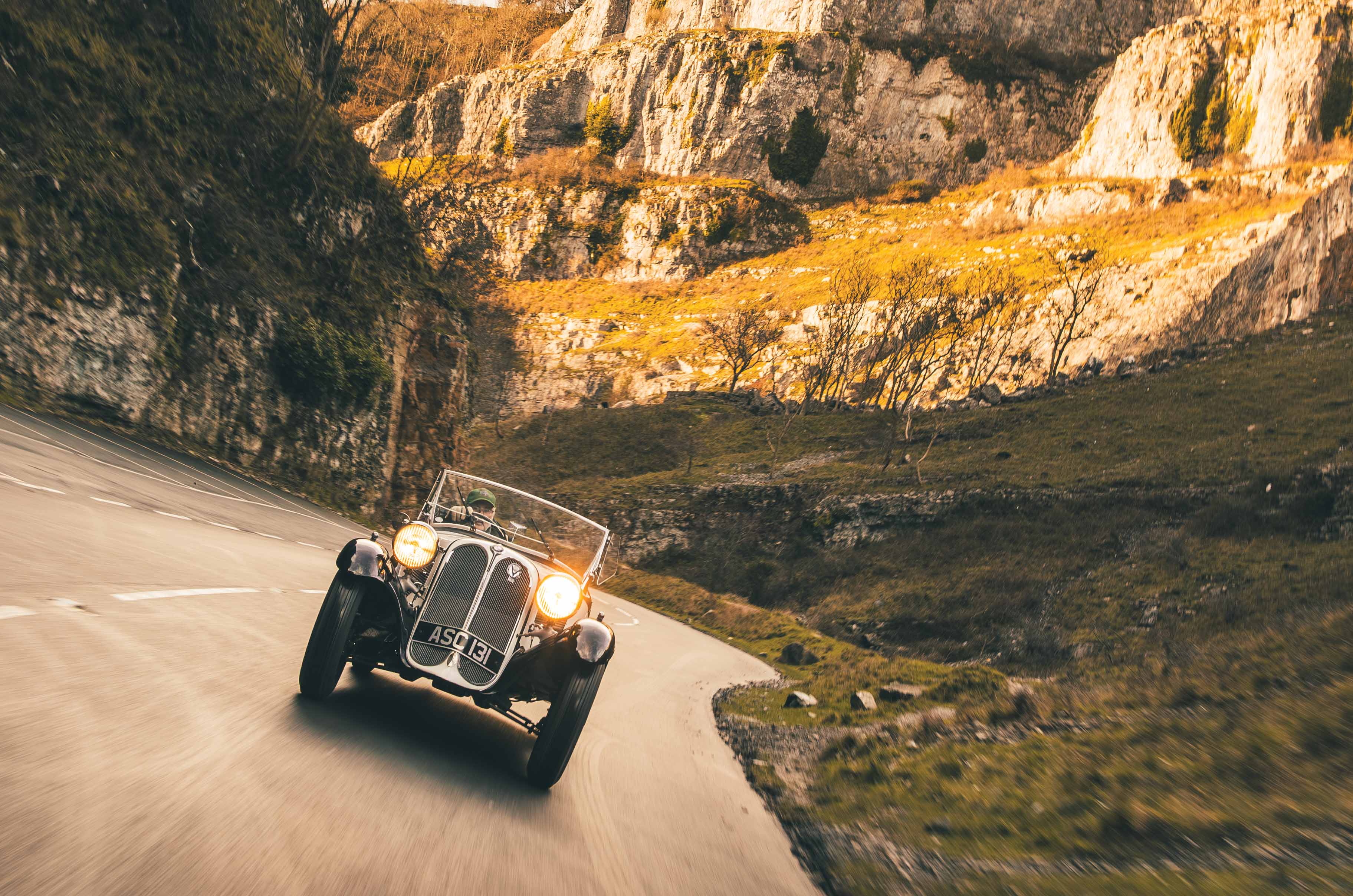
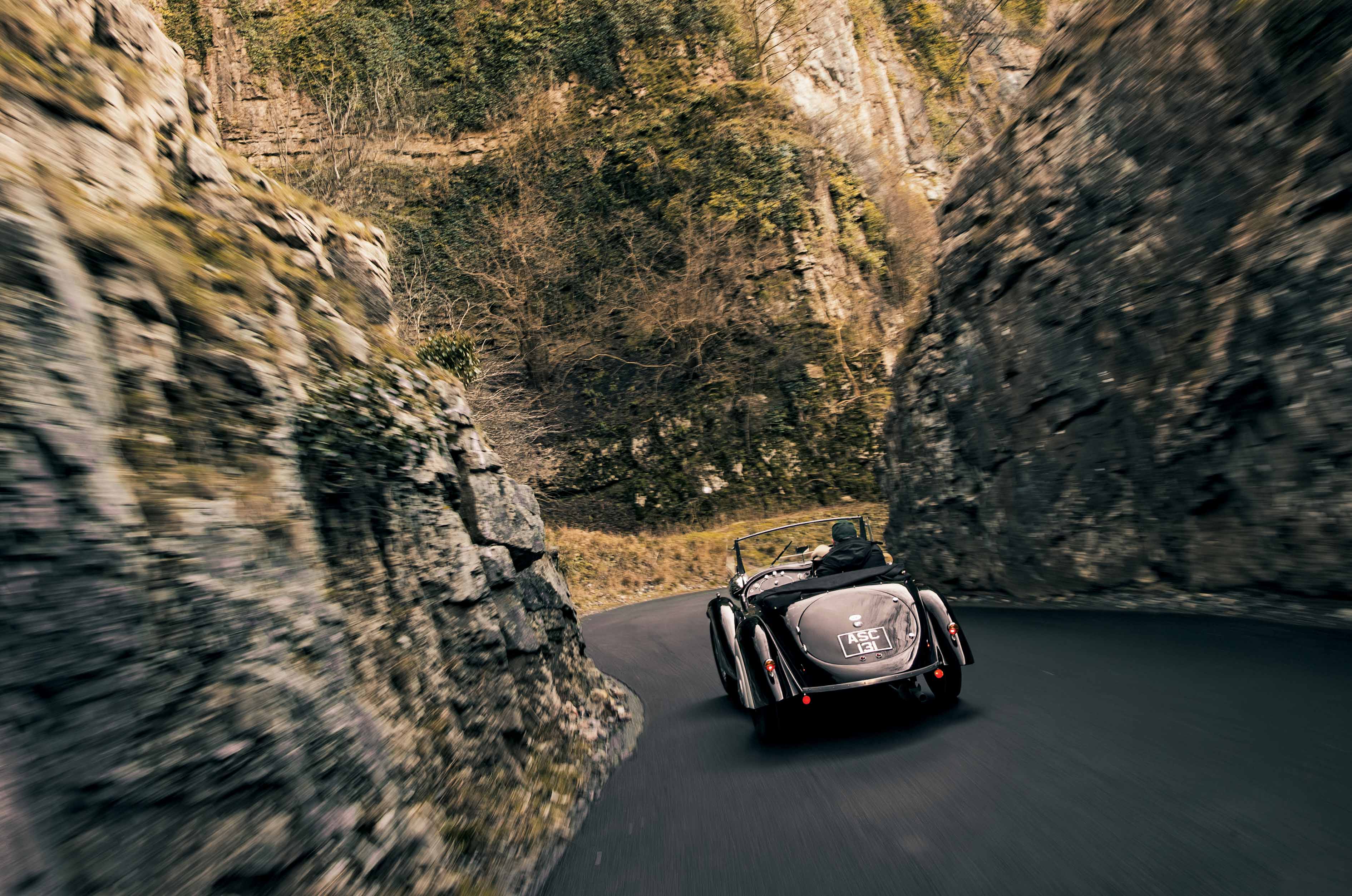
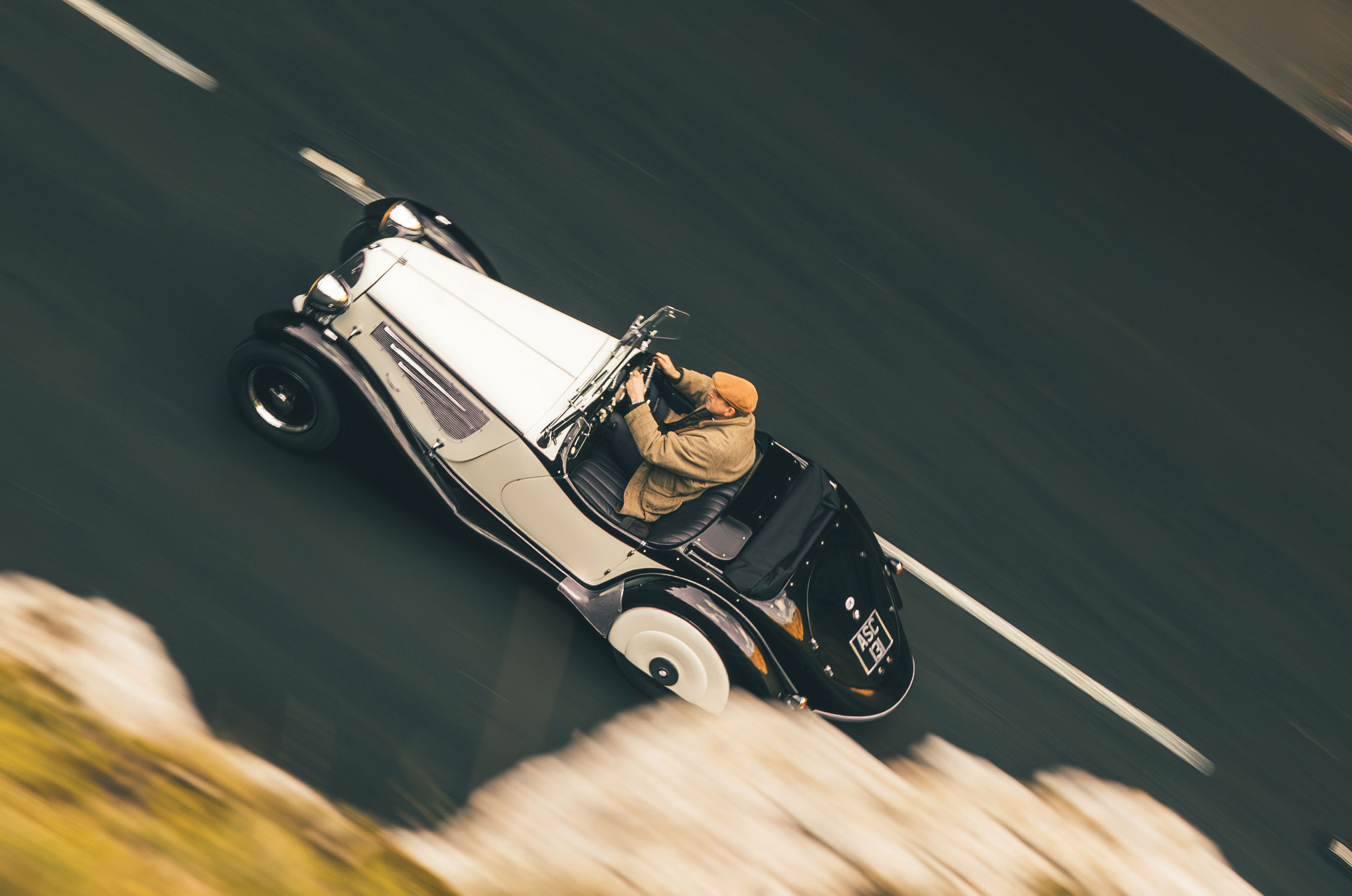
The Frazer Nash-BMW 319 explores Cheddar Gorge
There’s really very little process: within a mile you’ve worked out the gear ratios and long-throw shift quality, and clocked that the brakes are far better than their initial feel suggests – they are superb for a quartet of elderly drums.
And then it’s up to you. I drive the outbound leg quite slowly, just immersing myself in the experience and terrific ride quality.
And while the engine is a delight, with far more low-down torque than you would credit for a unit with so little capacity and so many cylinders, it is the steering that is most enchanting.
The Frazer Nash-BMW 319’s smart Veigel instruments
This I remembered from the 328: all by themselves, the precision and feel make these cars seem 20 years ahead of their time.
A very late Derby Bentley, one built in 1938 or ’39 with Marles steering, has a similarly well-oiled sense, just with none of the attendant accuracy of the 319.
On the way back I drive it as I hope Aldy would want it to have been driven.
Jeremy was right about the revs – you just wait until the motor starts to sing – and I’m impressed by how rapidly so few horsepower can bowl the 319 up the road.
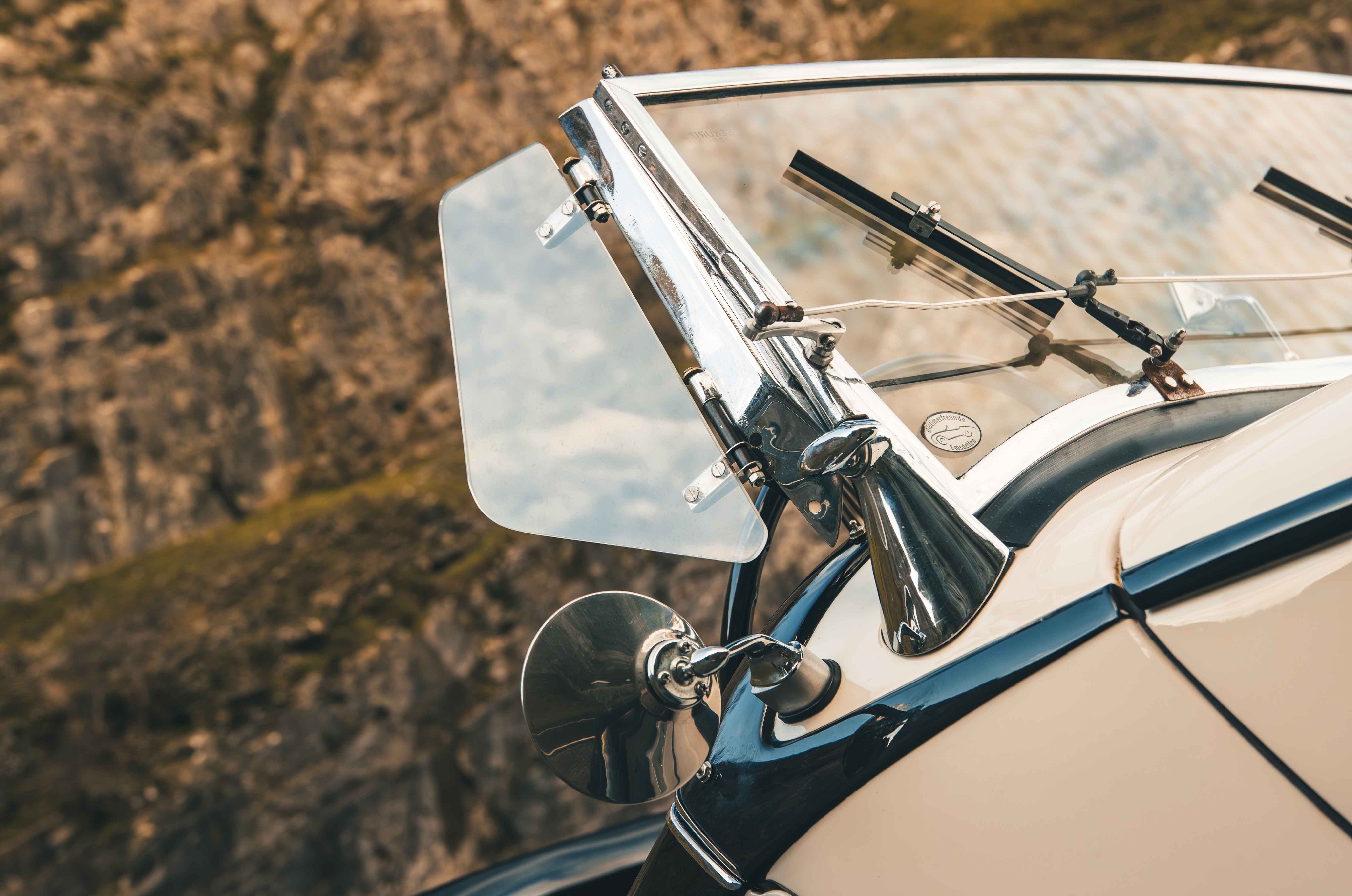
The Frazer Nash-BMW 319’s deflectors add welcome extra cabin protection from the wind
But really, and this is the big surprise, the engine is actually cast in a mere supporting role here, where it is used to show off the chassis to best effect.
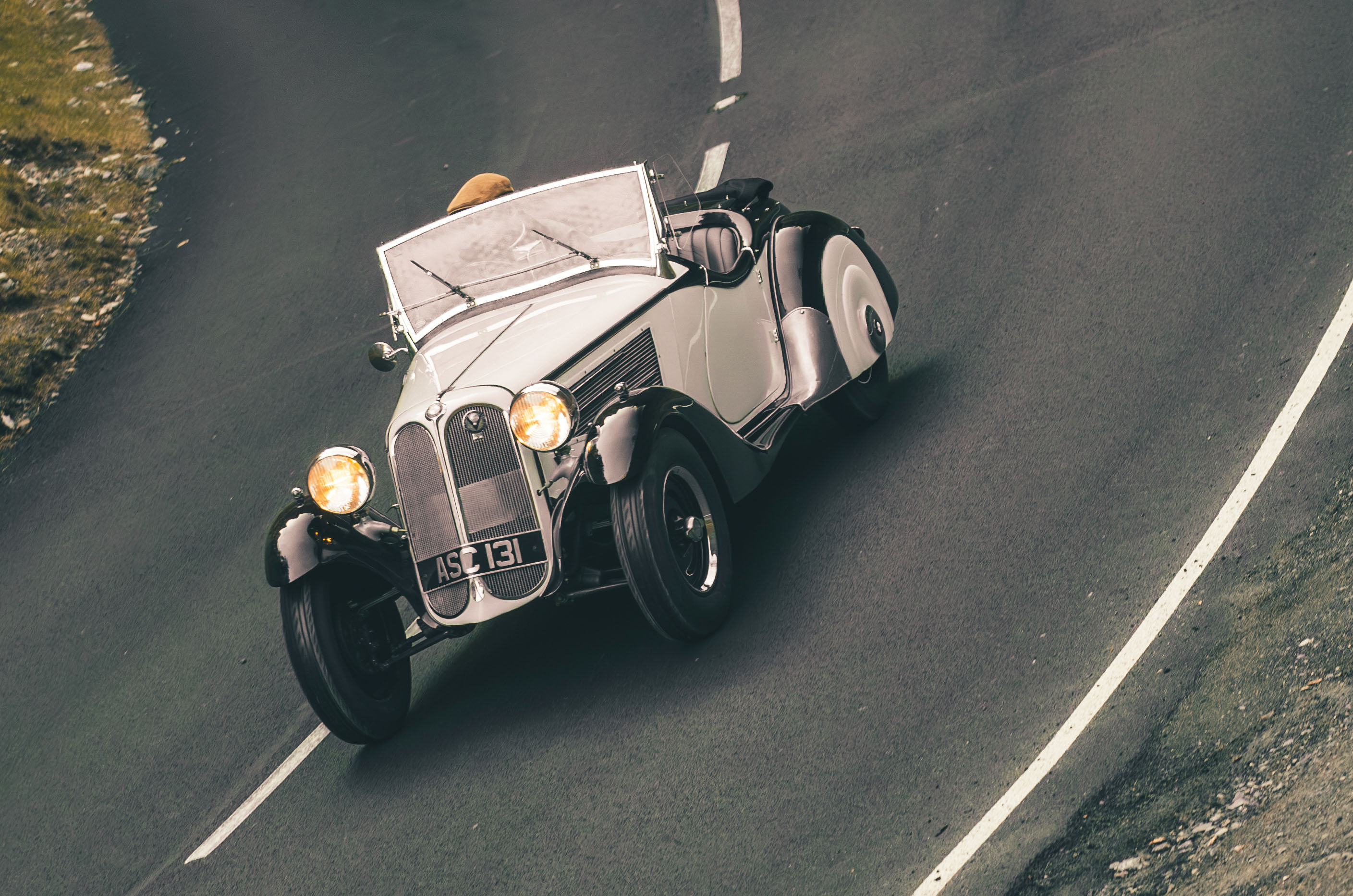
It handles superbly, with a fine nose for an apex and a ready desire to allow the throttle to neutralise its line.
True, many British sports cars of the era could probably match its agility – such as MGs, Aston Martins and no doubt others from Frazer Nash – but to provide it within such comfortable surroundings is what makes this car so special: all of the gain, none of the strain.
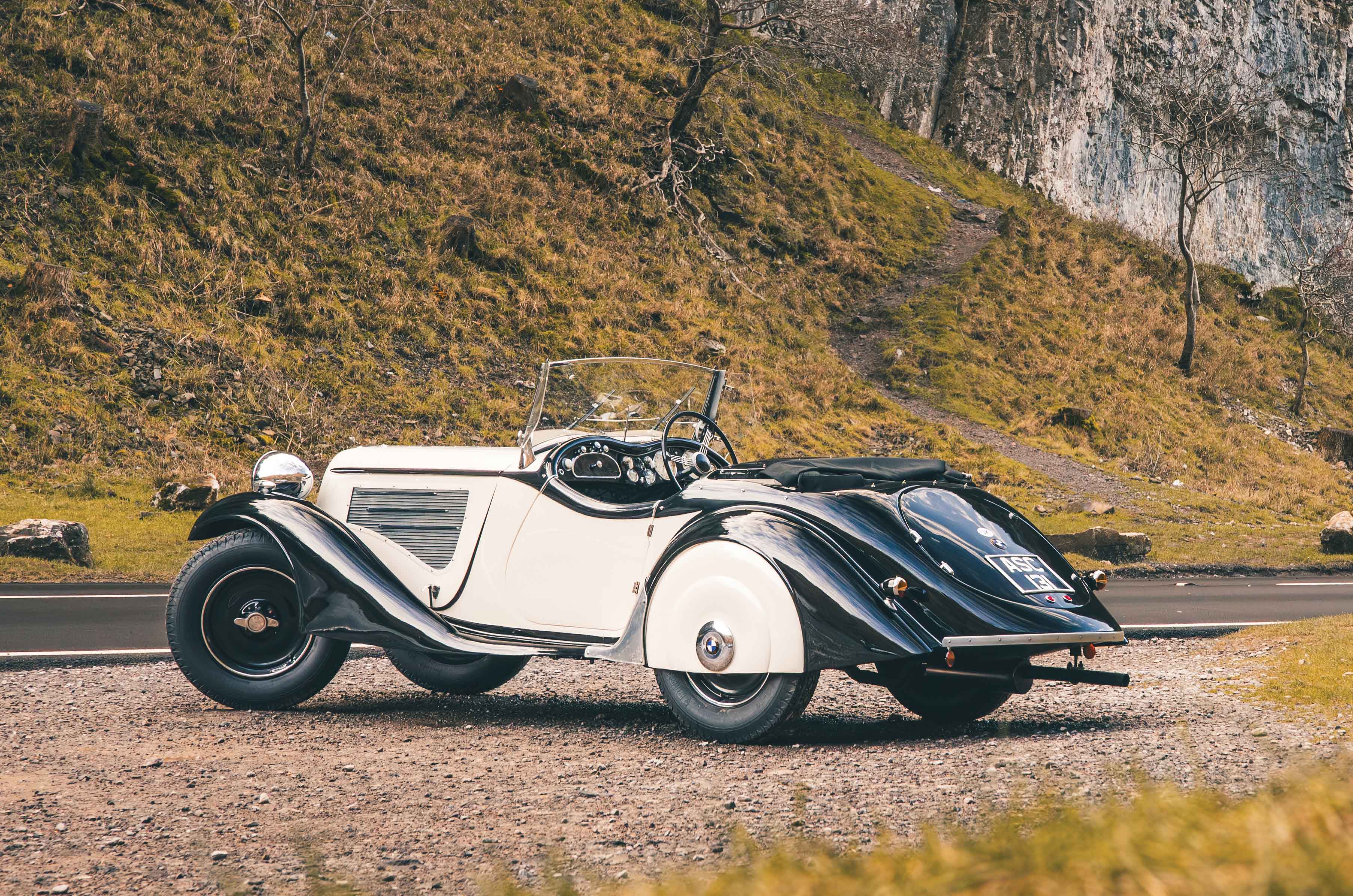
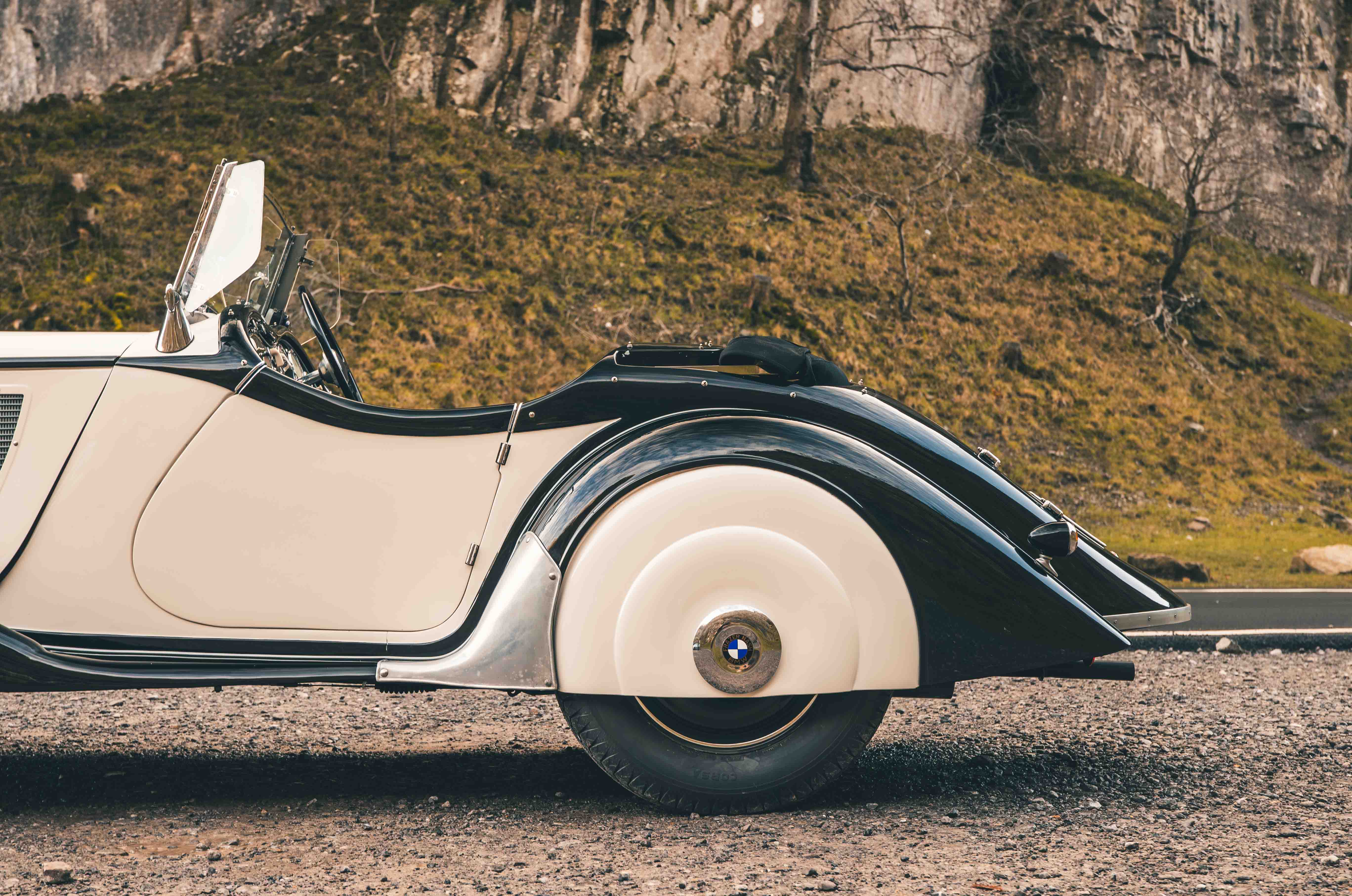
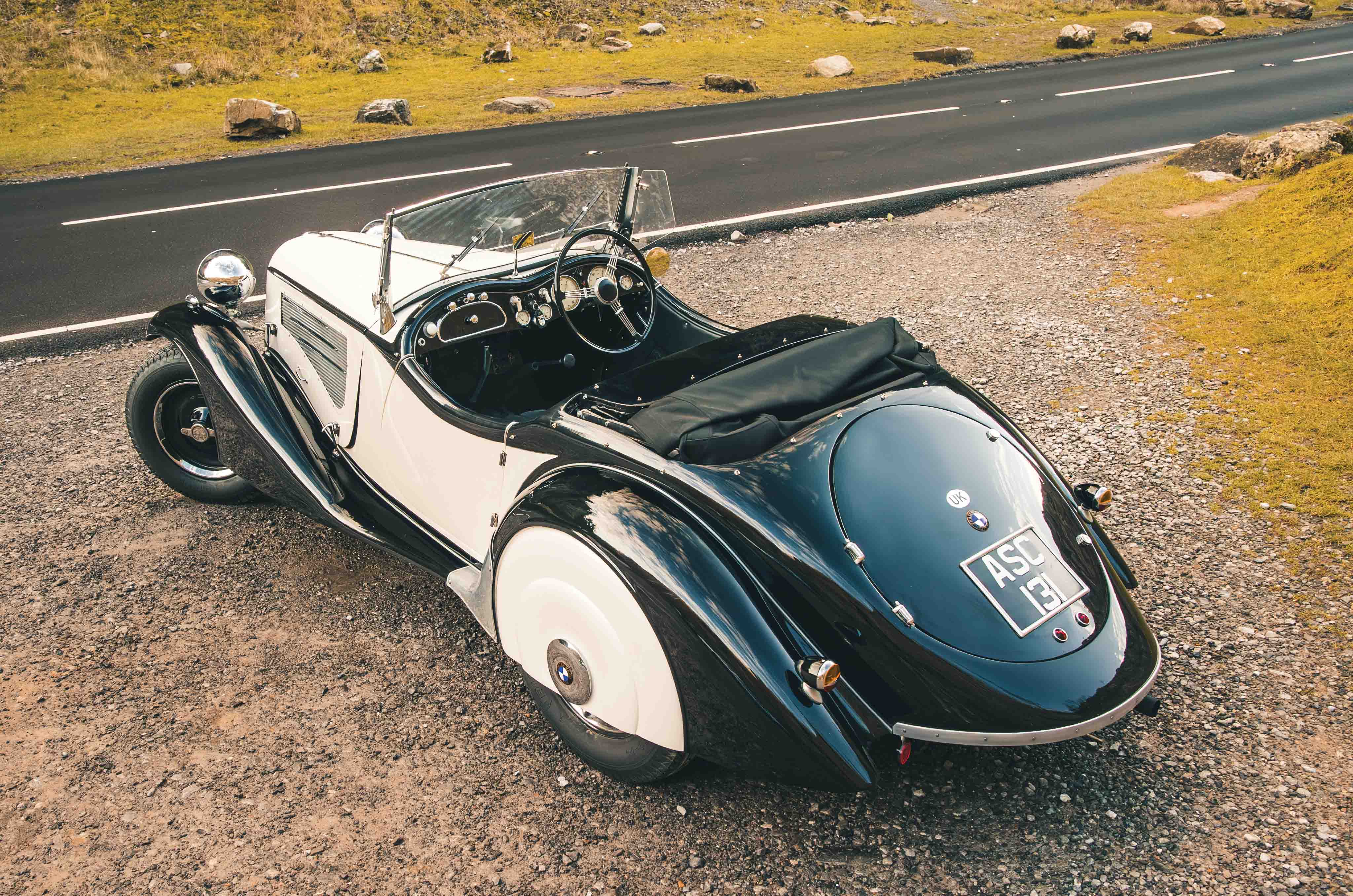
There’s no groundbreaking engineering here, but the Frazer Nash-BMW 319 is more than the sum of its parts
And that’s the iniquity of it all: the 328 is the most famous pre-war BMW of all – you might say the only truly famous pre-war BMW – yet no one ever stops to ask how it got that way.
Well, you’re looking at it and, after driving it, this is a lesson I’ll not forget.
Images: Jack Harrison
Enjoy more of the world’s best classic car content every month when you subscribe to C&SC – get our latest deals here
READ MORE
Raising the saloon bar: Frazer Nash-BMW 326
BMW 328 vs SS Jaguar 100: great expectations
BMW 328: welcome to the modern world