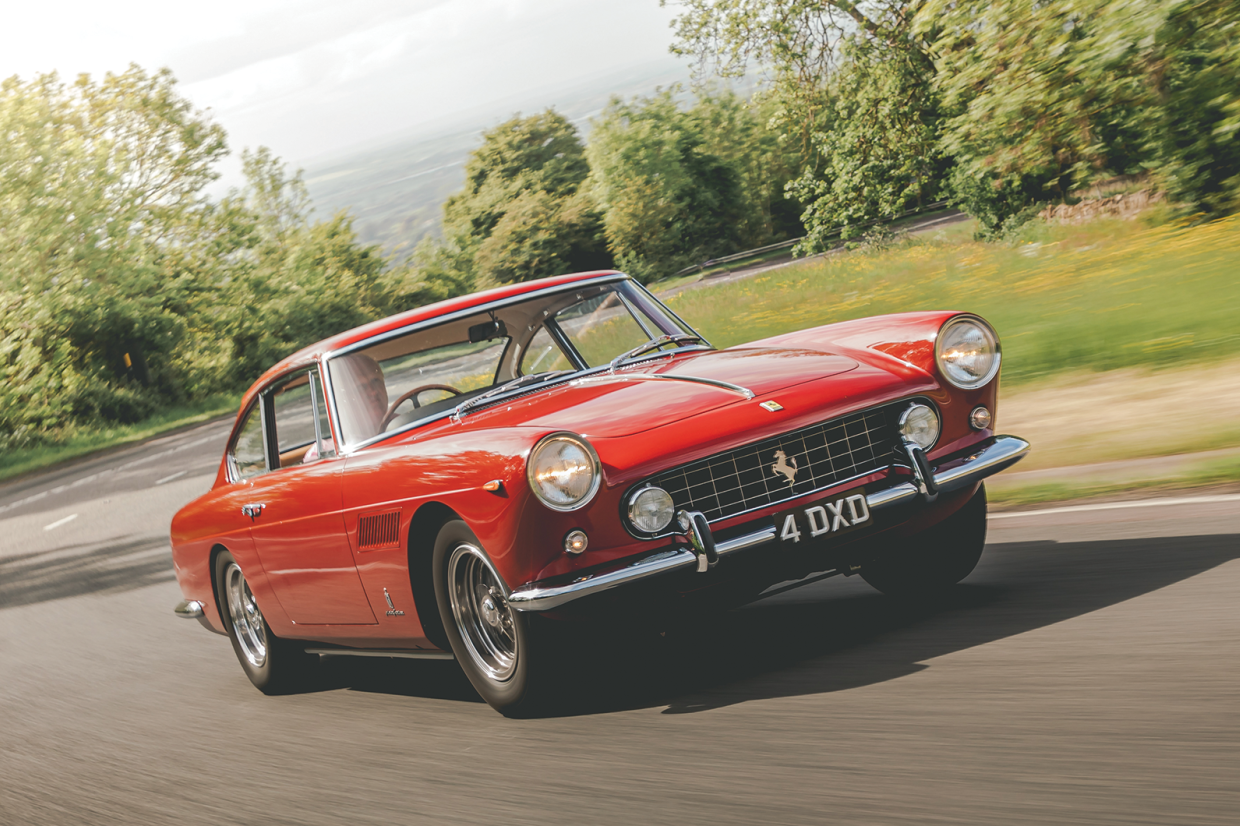
Despite Ferrari’s immense competition success during the 1950s and ’60s, the Scuderia by no means had a limitless budget at that time.
Legendary designer Mauro Forghieri later commented that the company’s commitment to evolution rather than revolution was as much a result of financial considerations as engineering principles.
Phil Hill, meanwhile, once said that he couldn’t remember how much he was paid during his Formula One World Championship-winning season of 1961 – and that, even if he could, he would probably have been too embarrassed to say.
In those days, you drove for Ferrari for the glory rather than the money.
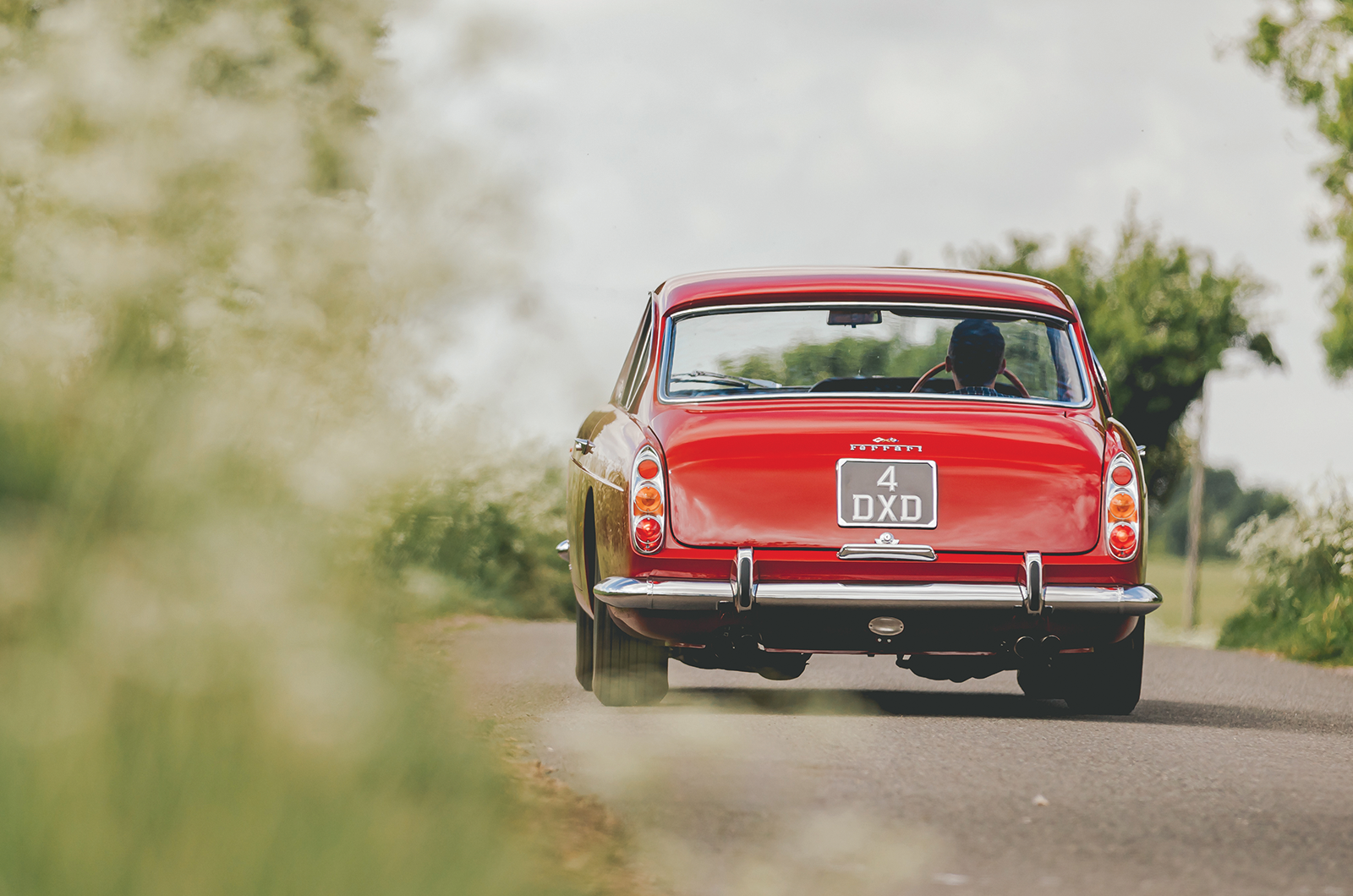
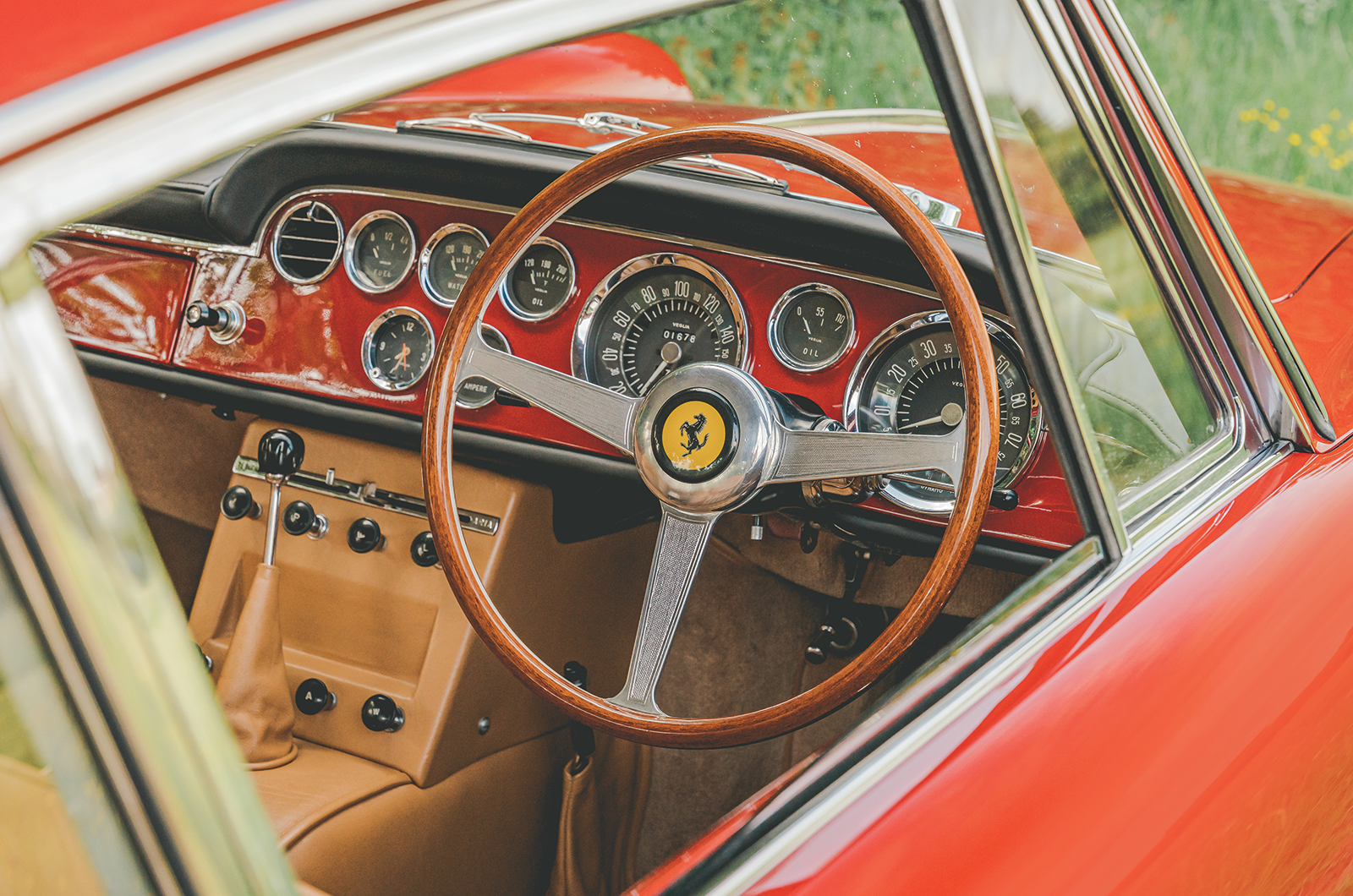
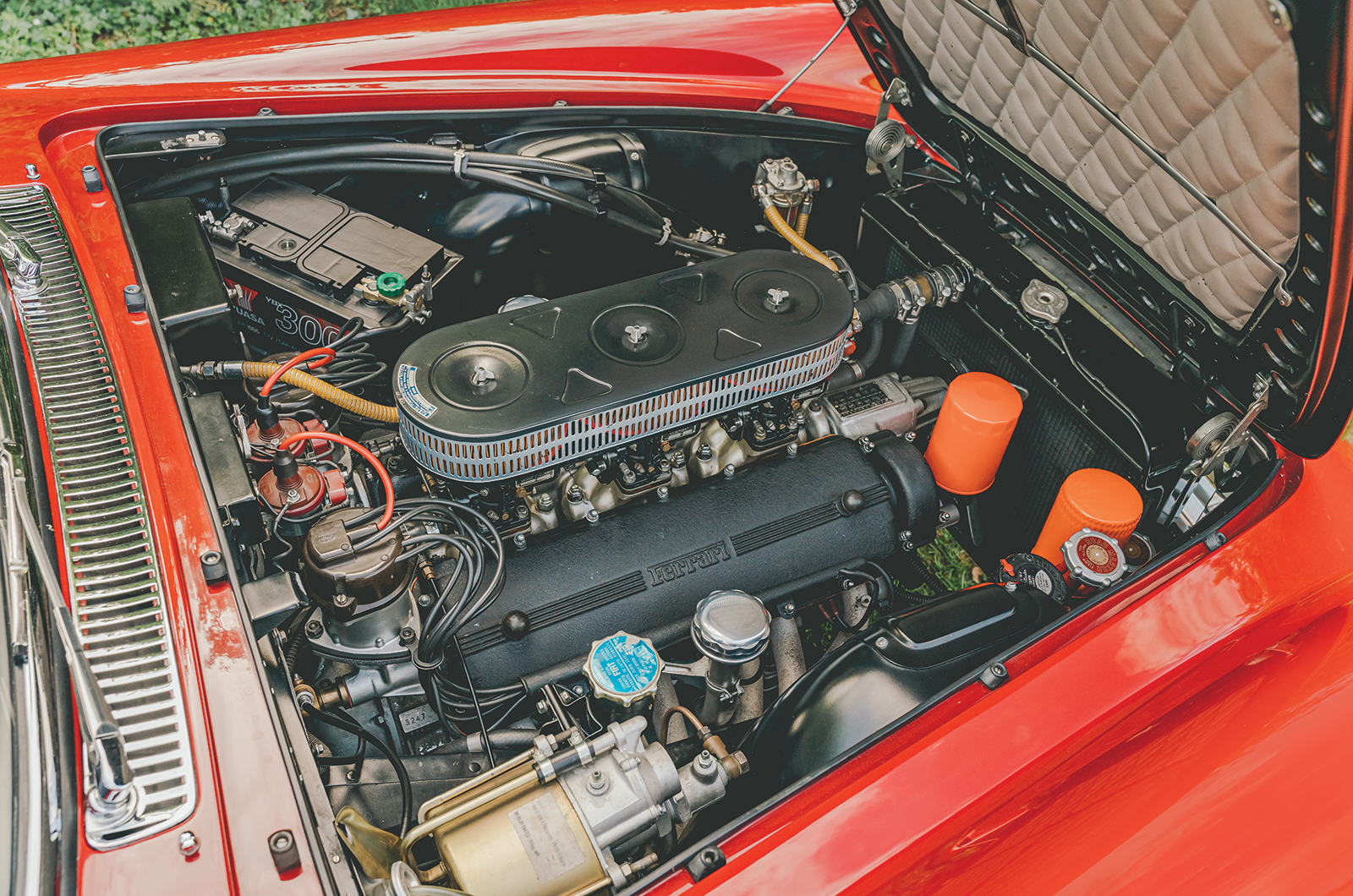
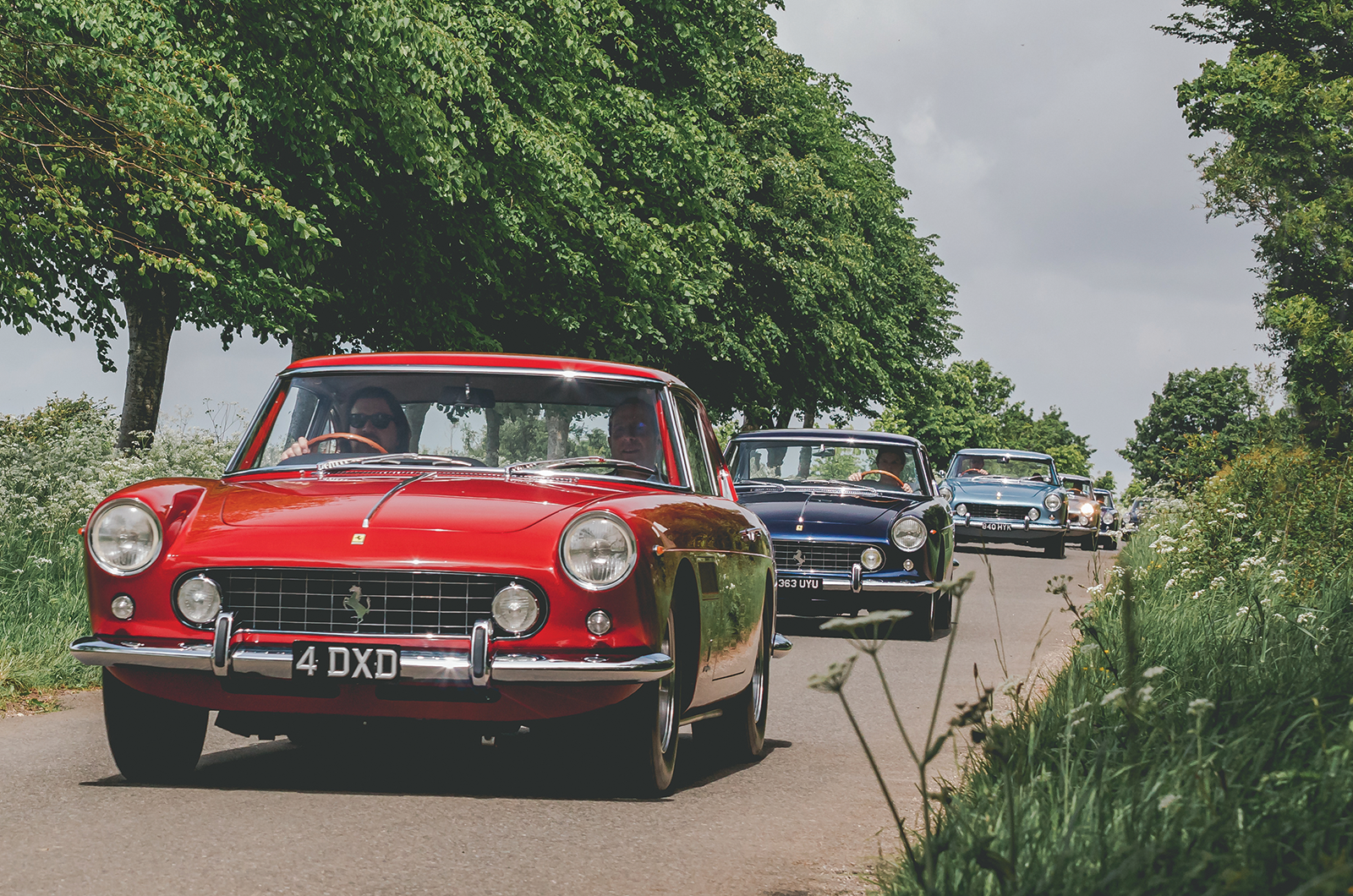
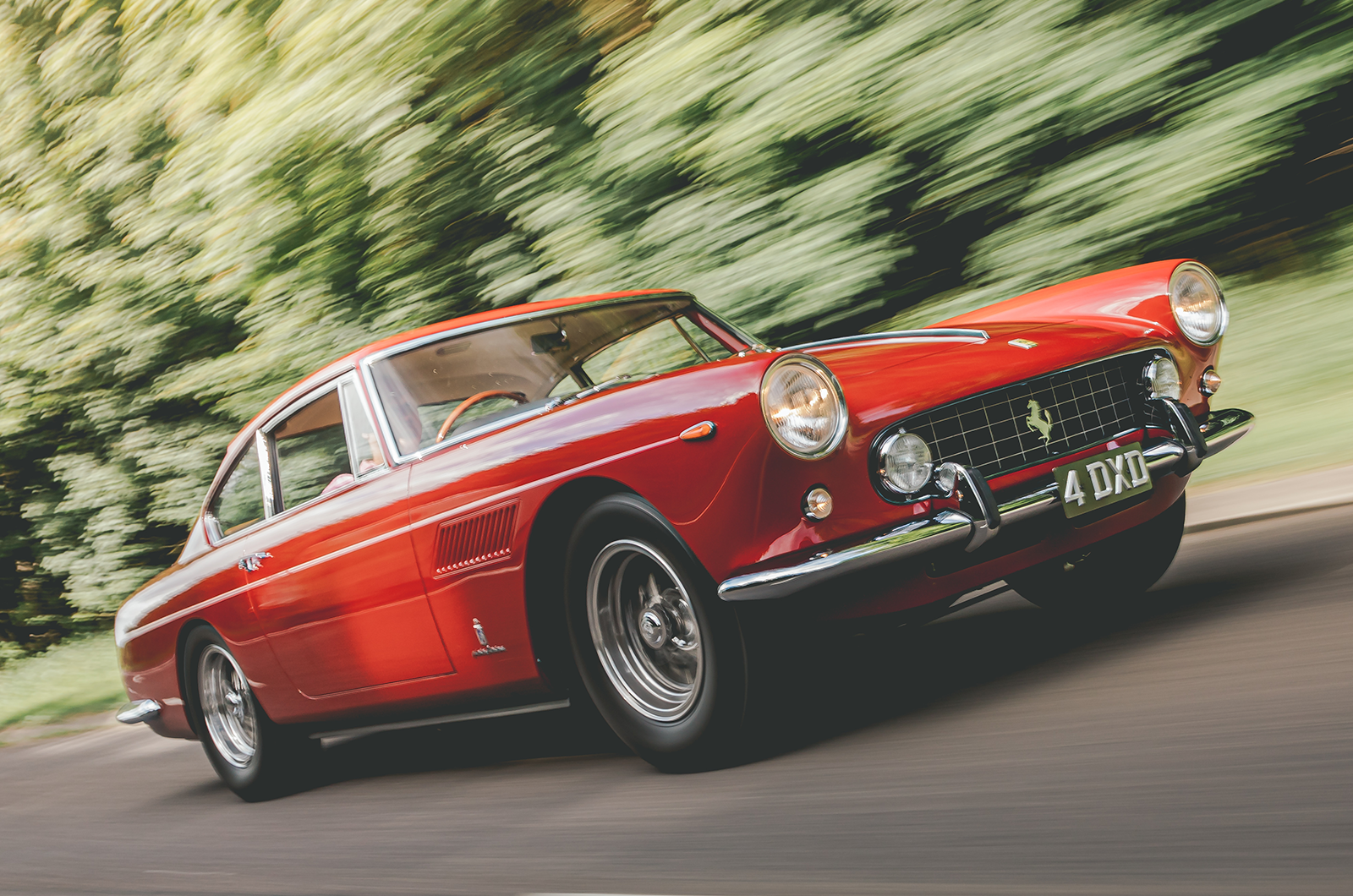
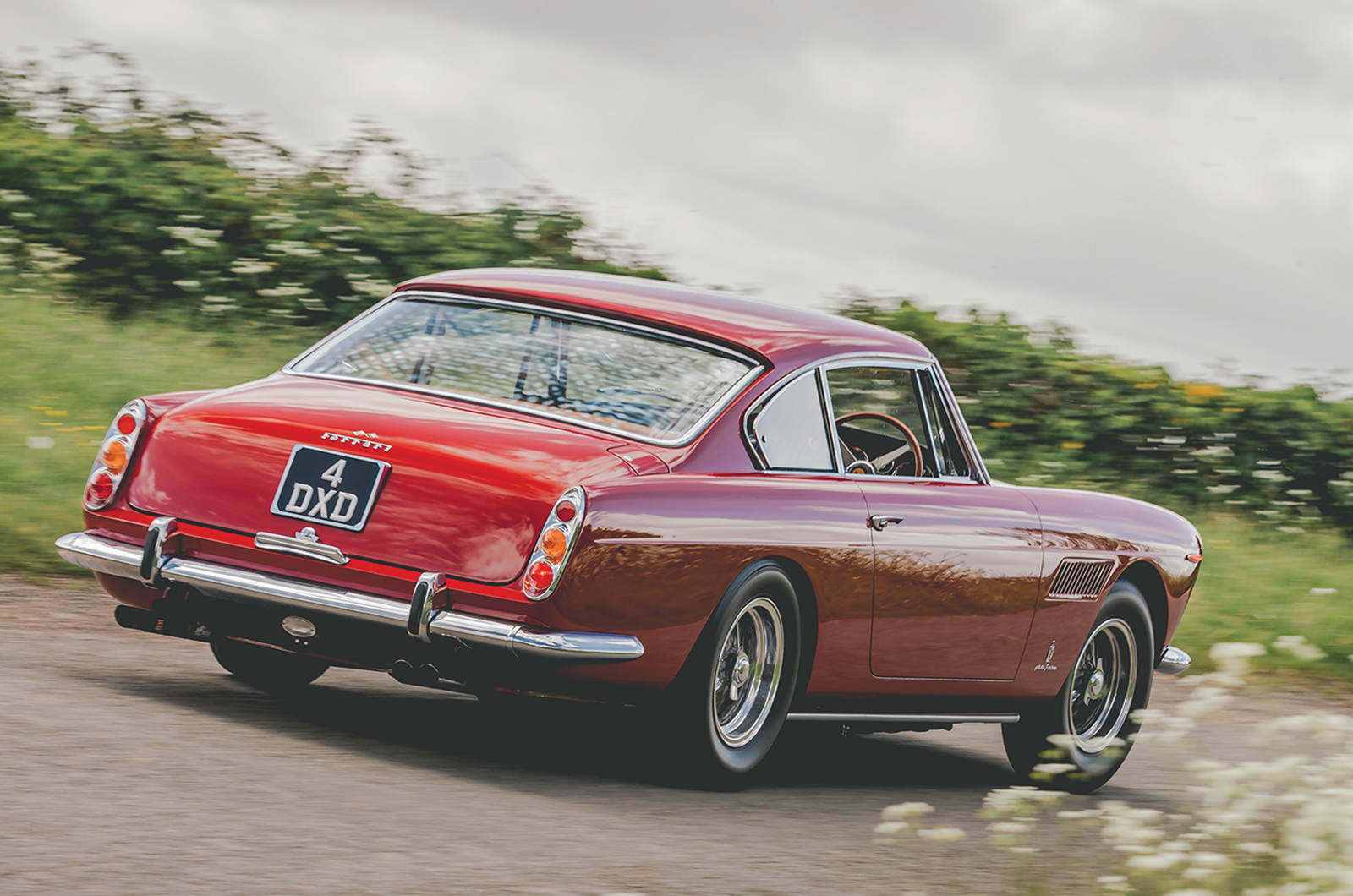
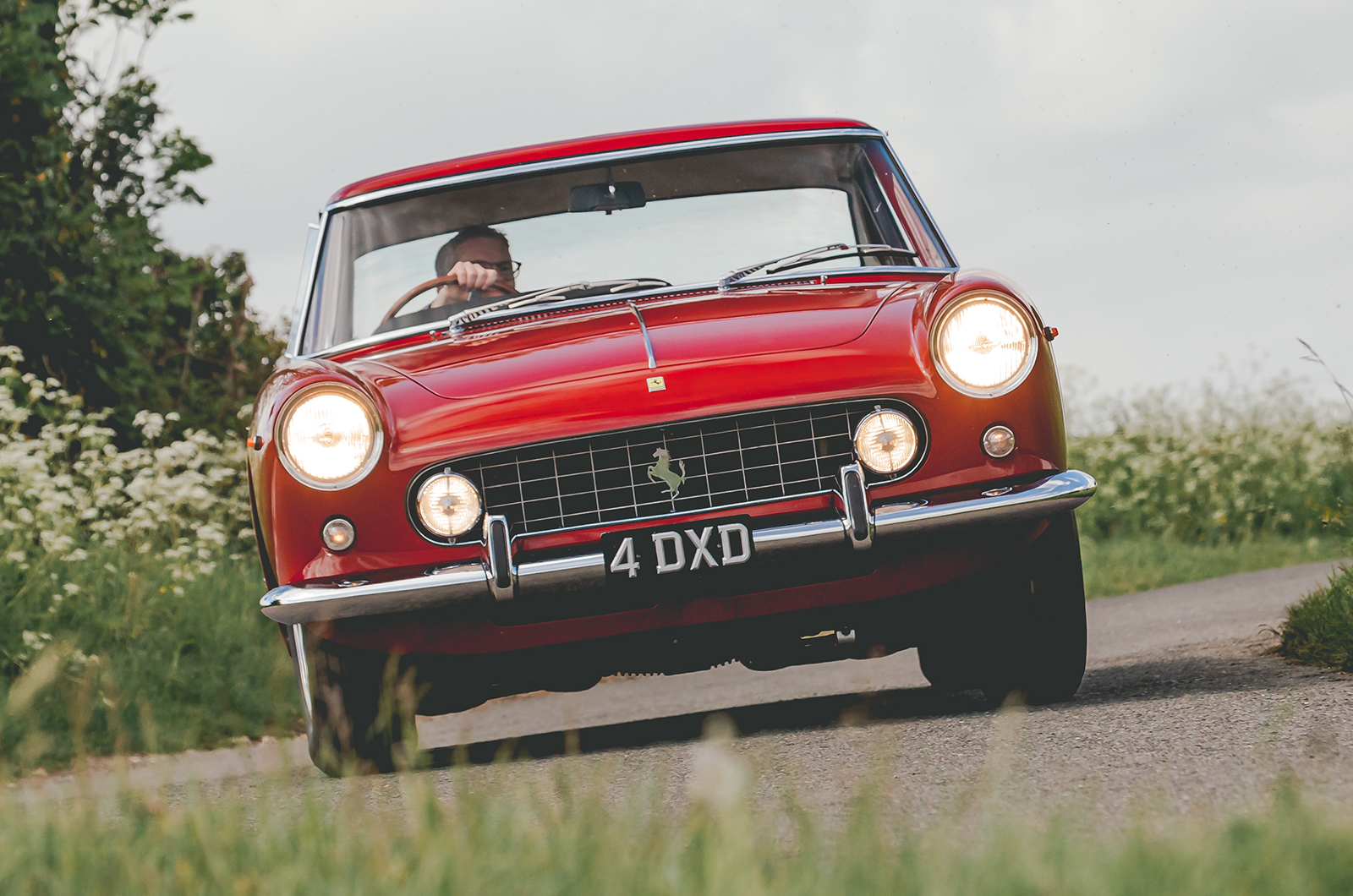
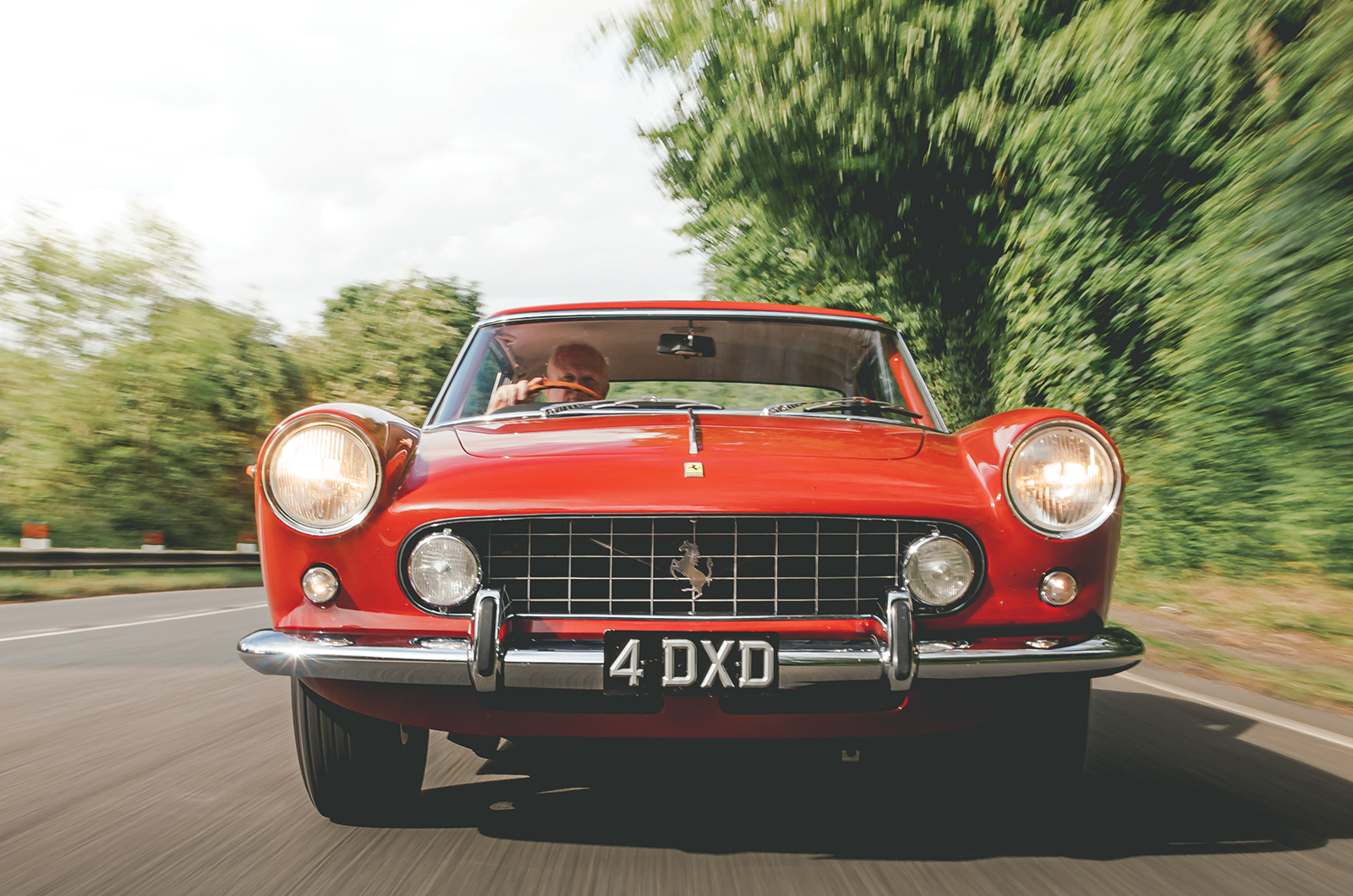
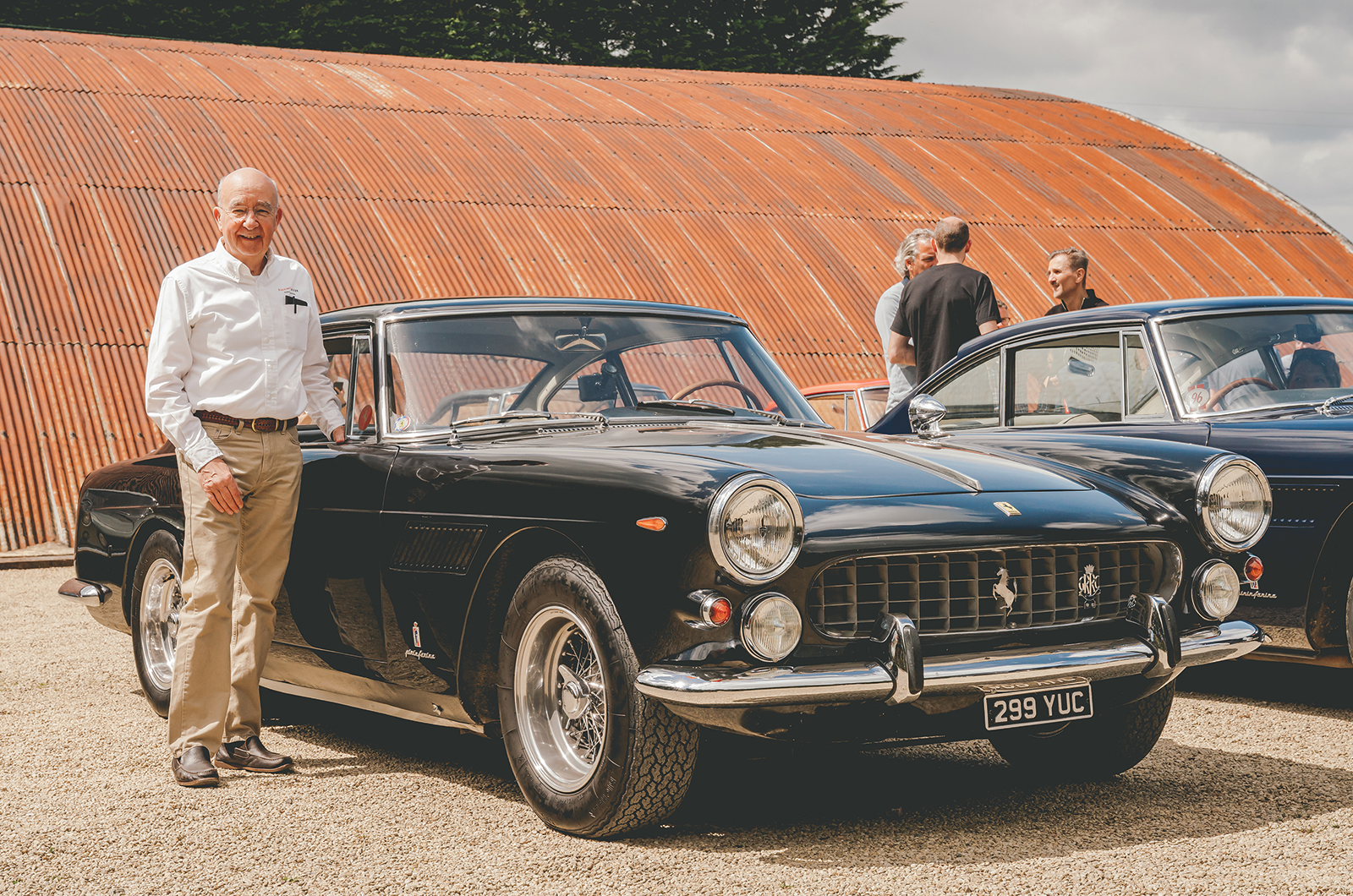
The Ferrari 250GTE is happiest on fast, flowing roads
Before the arrival of commercial sponsorship in top-level international motorsport, teams had to find other ways to fund their activities.
BRM, for example, was backed by the industrial might of Rubery Owen.
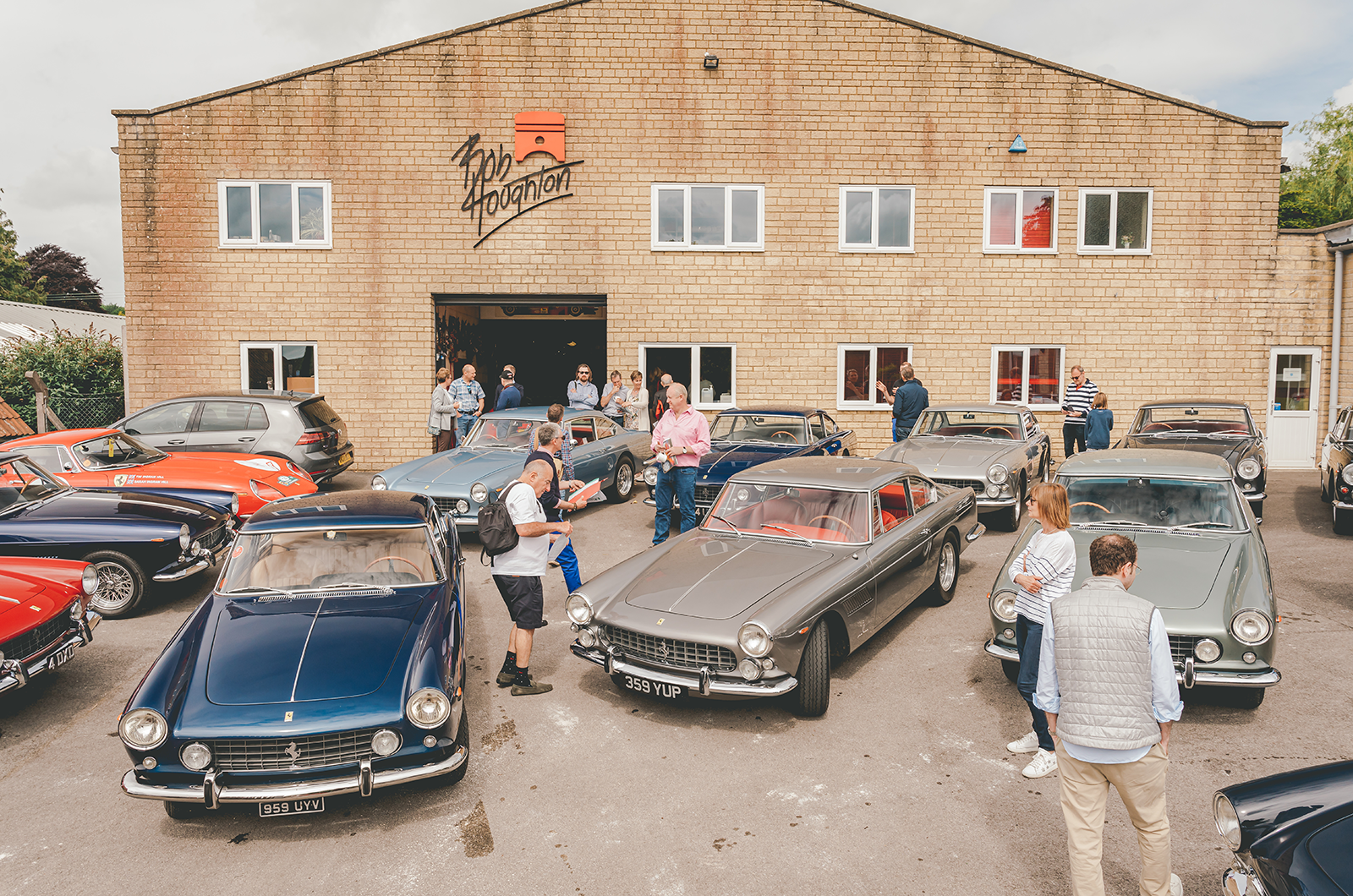
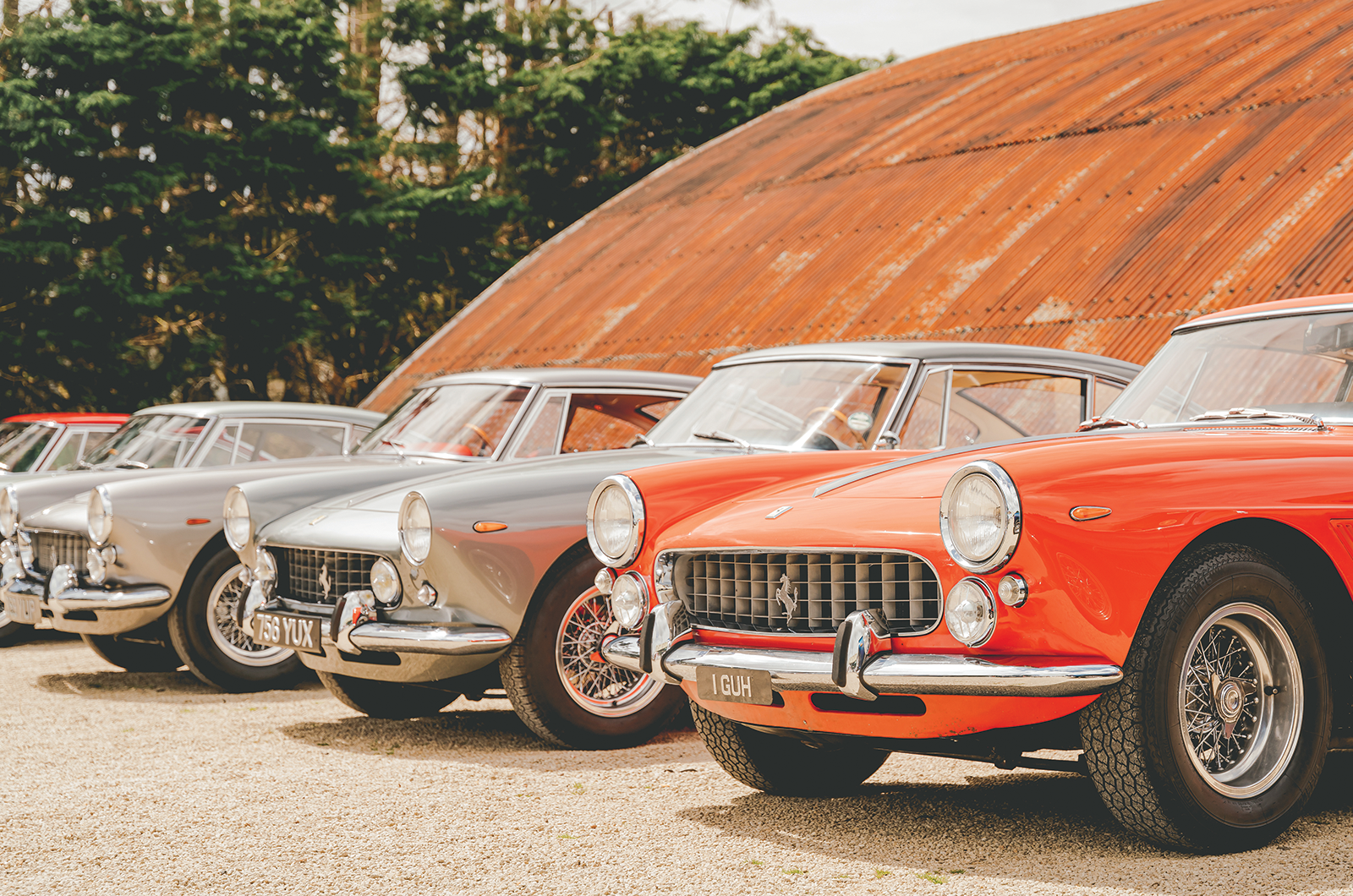
For Ferrari, it was primarily the sale of road cars that enabled it to go racing, and during the early 1960s the 250GTE contributed most to that effort.
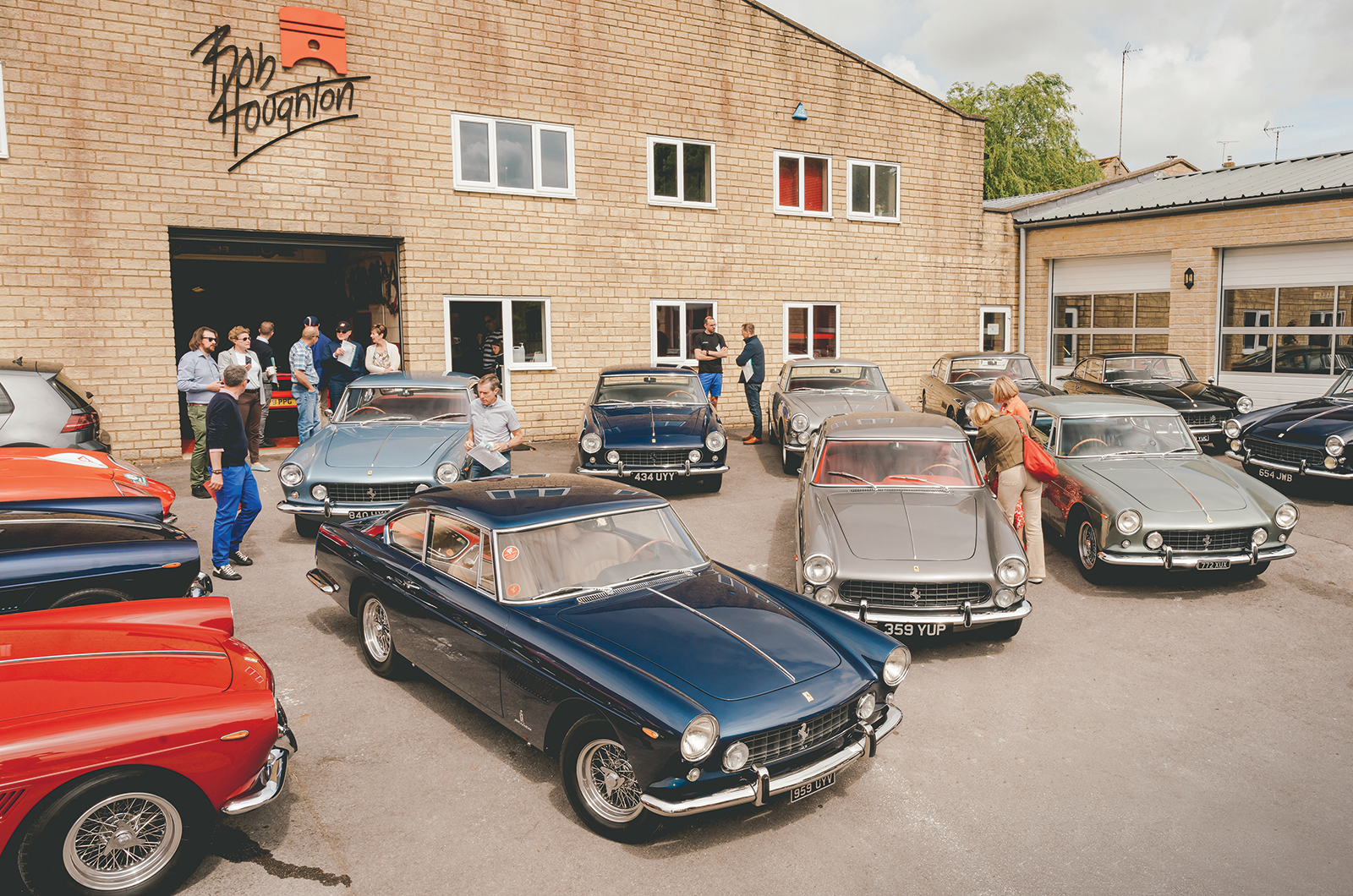
Between 1960 and 1963, 949 GTEs were built, plus five prototypes – a total representing almost 70% of Ferrari road cars at the time.