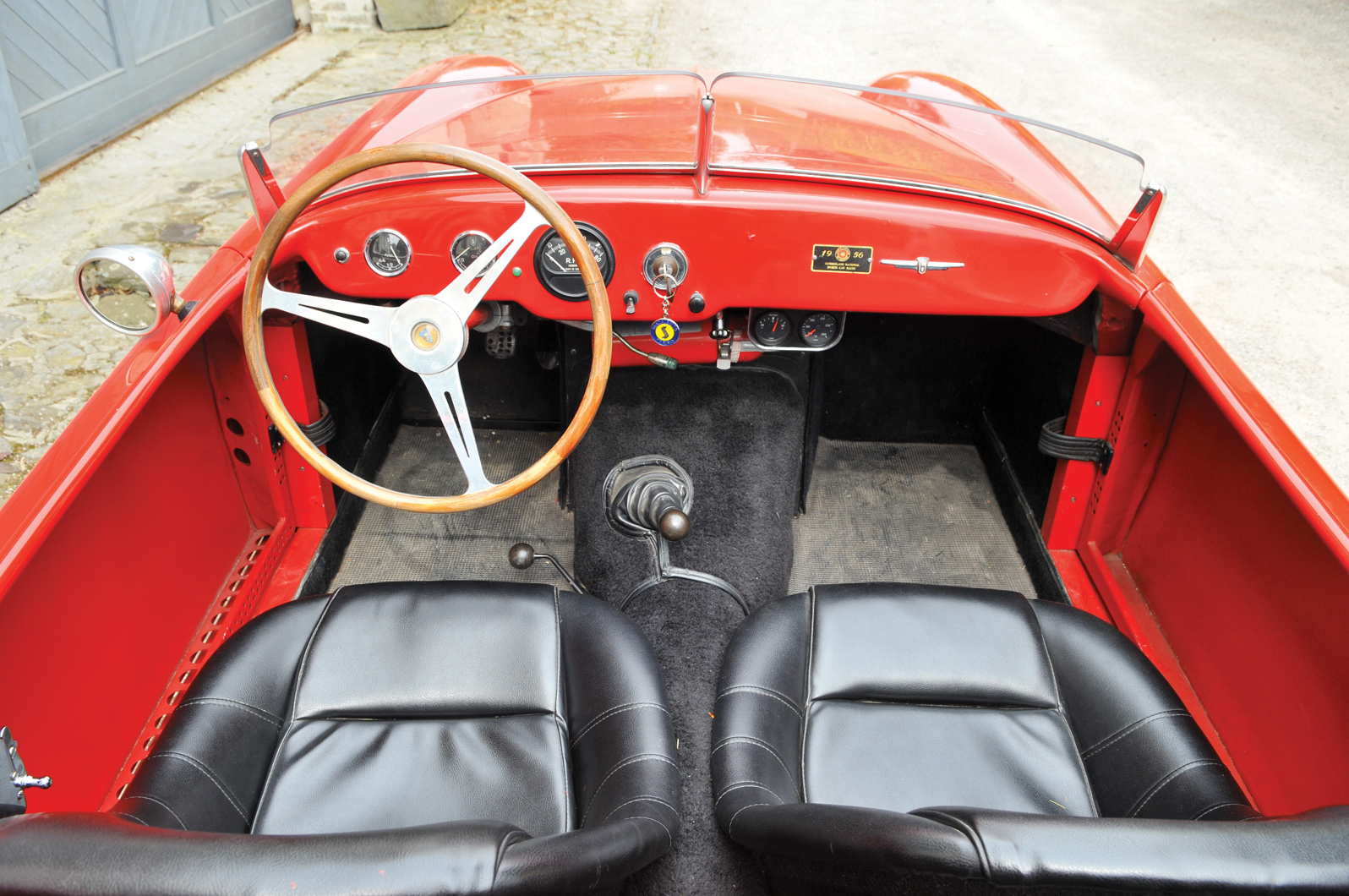
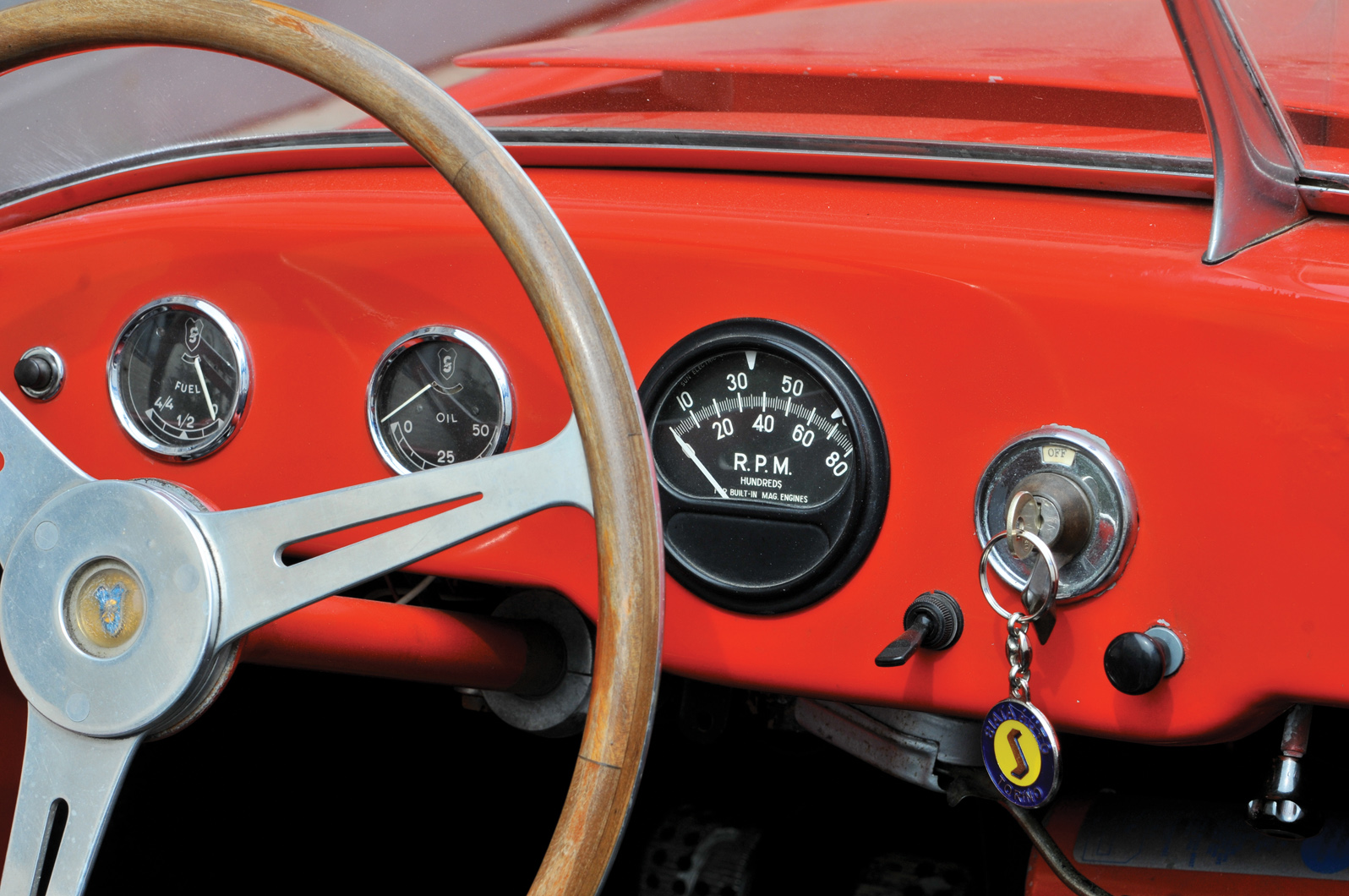
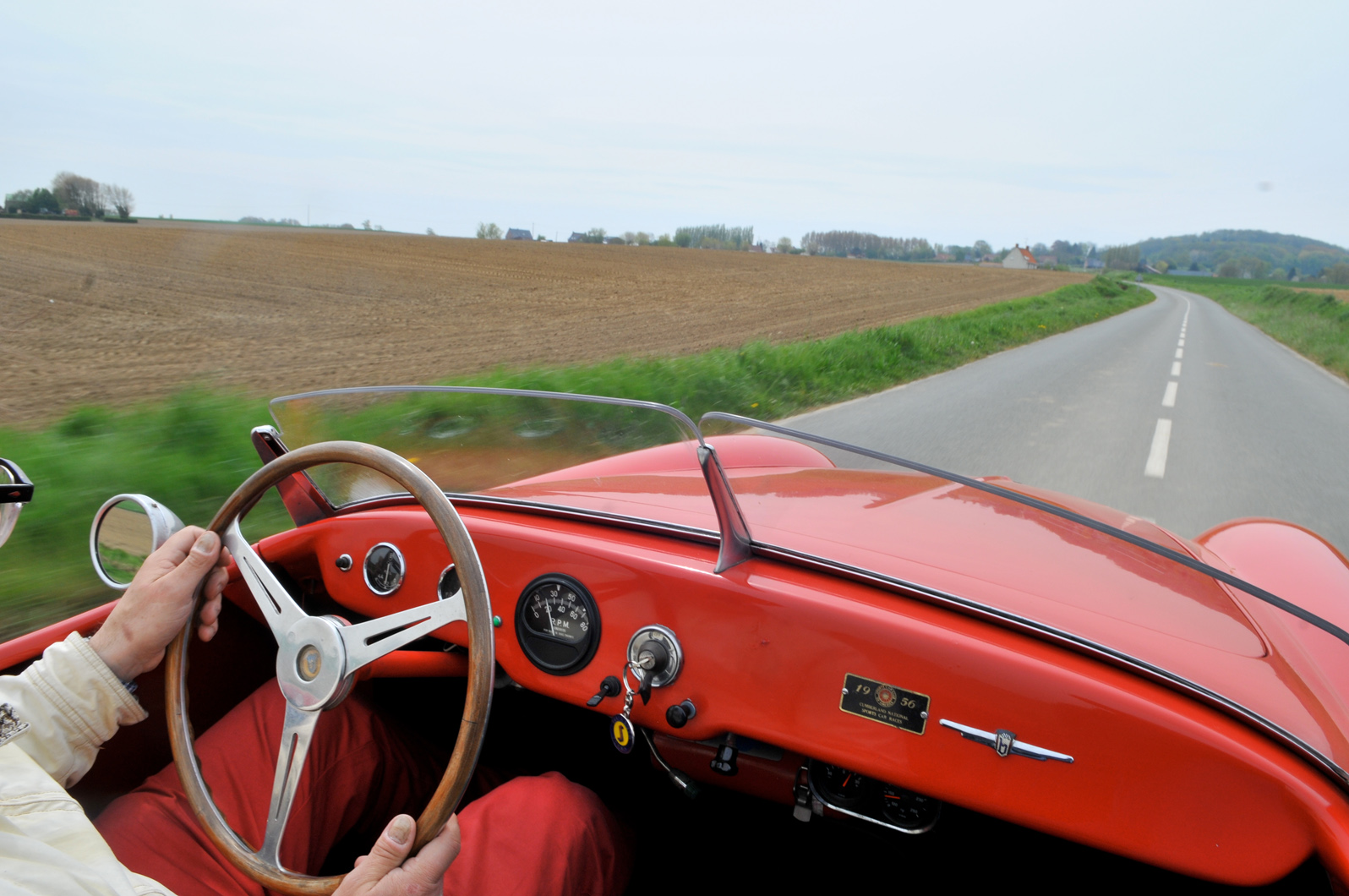
The painted sheet-metal dash features three instruments, for fuel, oil pressure and revs, the tachometer being typical of Siatas with a Crosley engine.
Unlike the usual circular item with needle mounted in the centre, it looks more like a pressure gauge, with the needle pivoting from the base of the dial. A later ammeter and a speedometer have been neatly added beneath the dashboard.
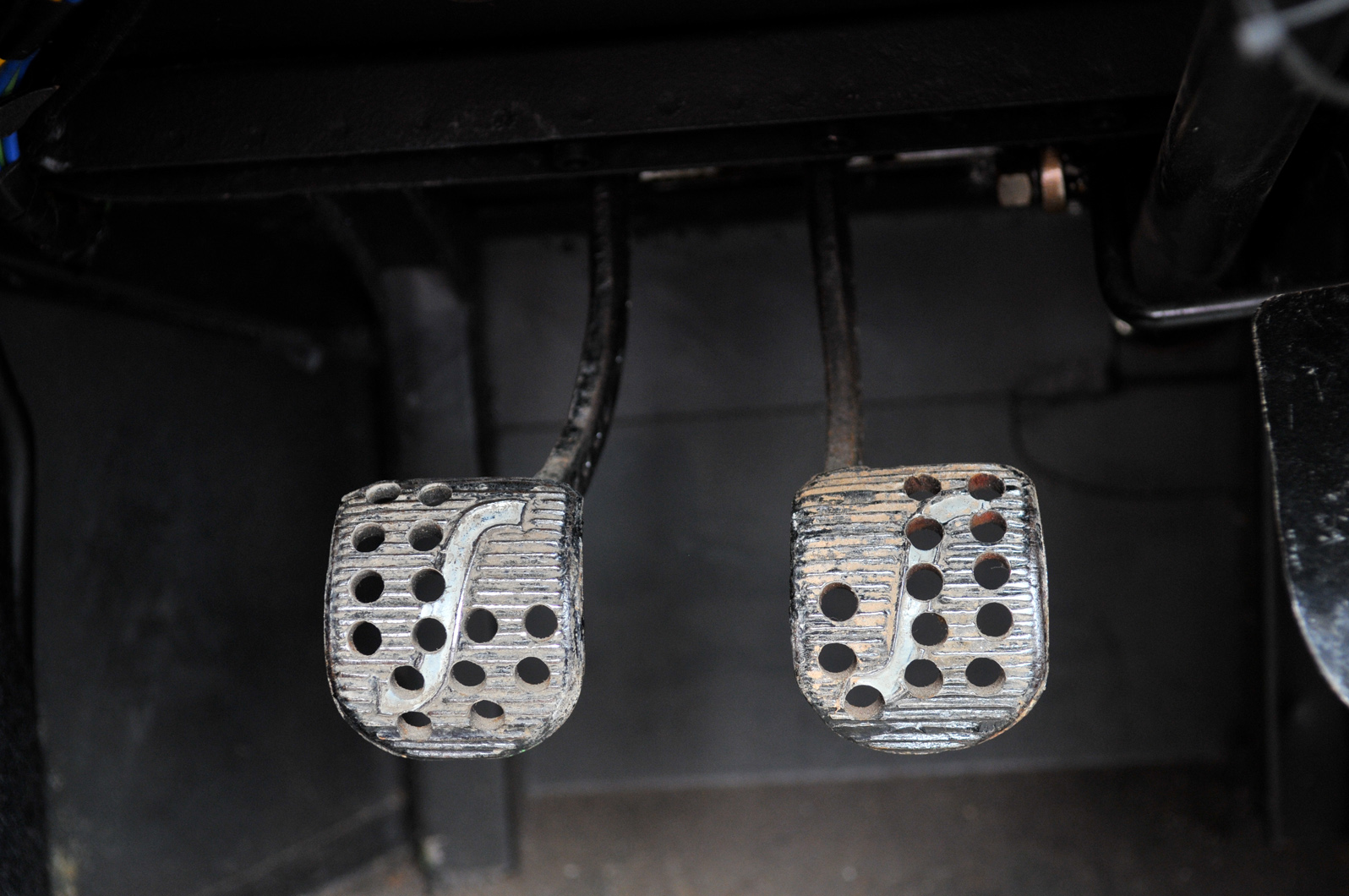
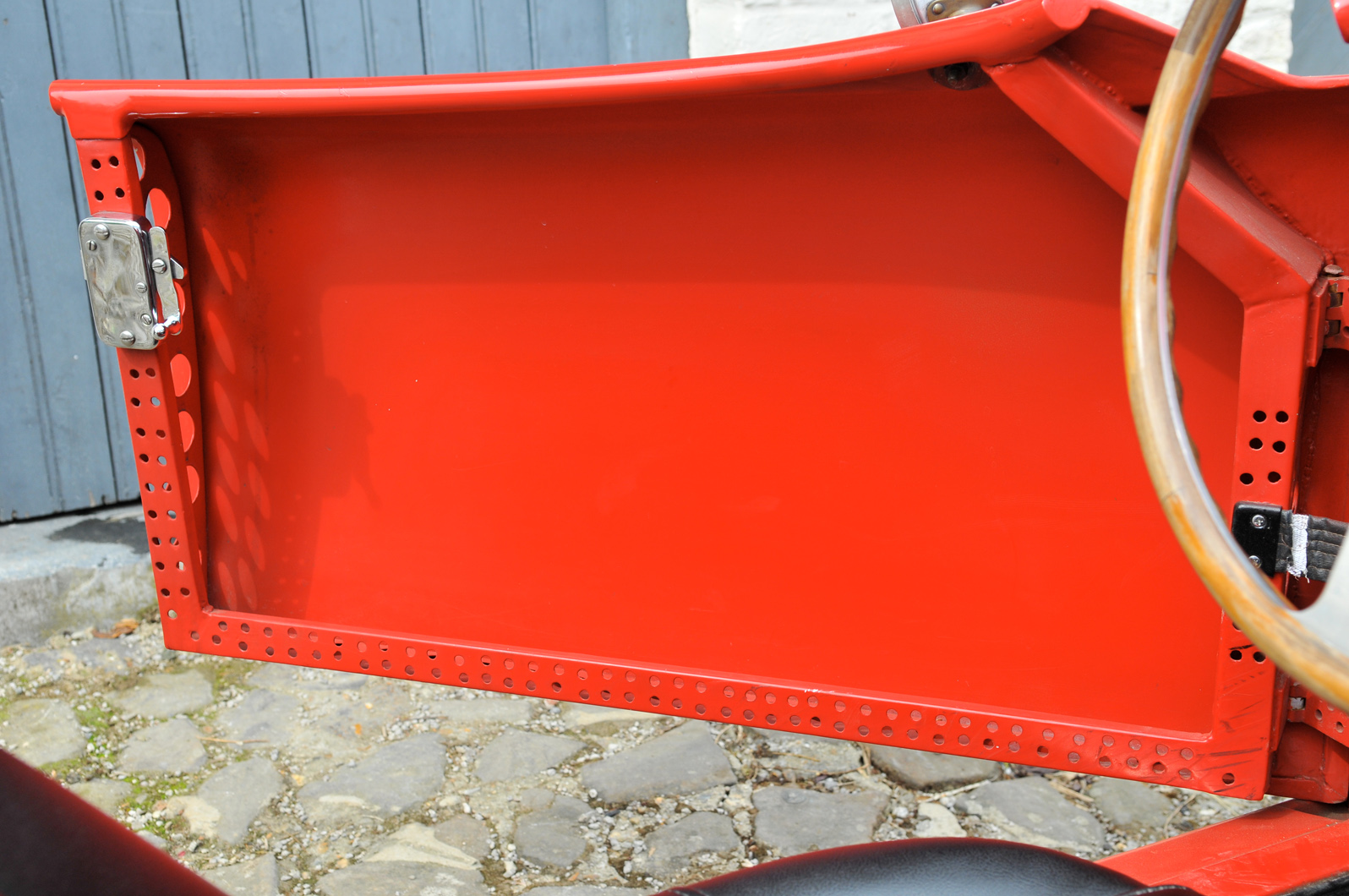
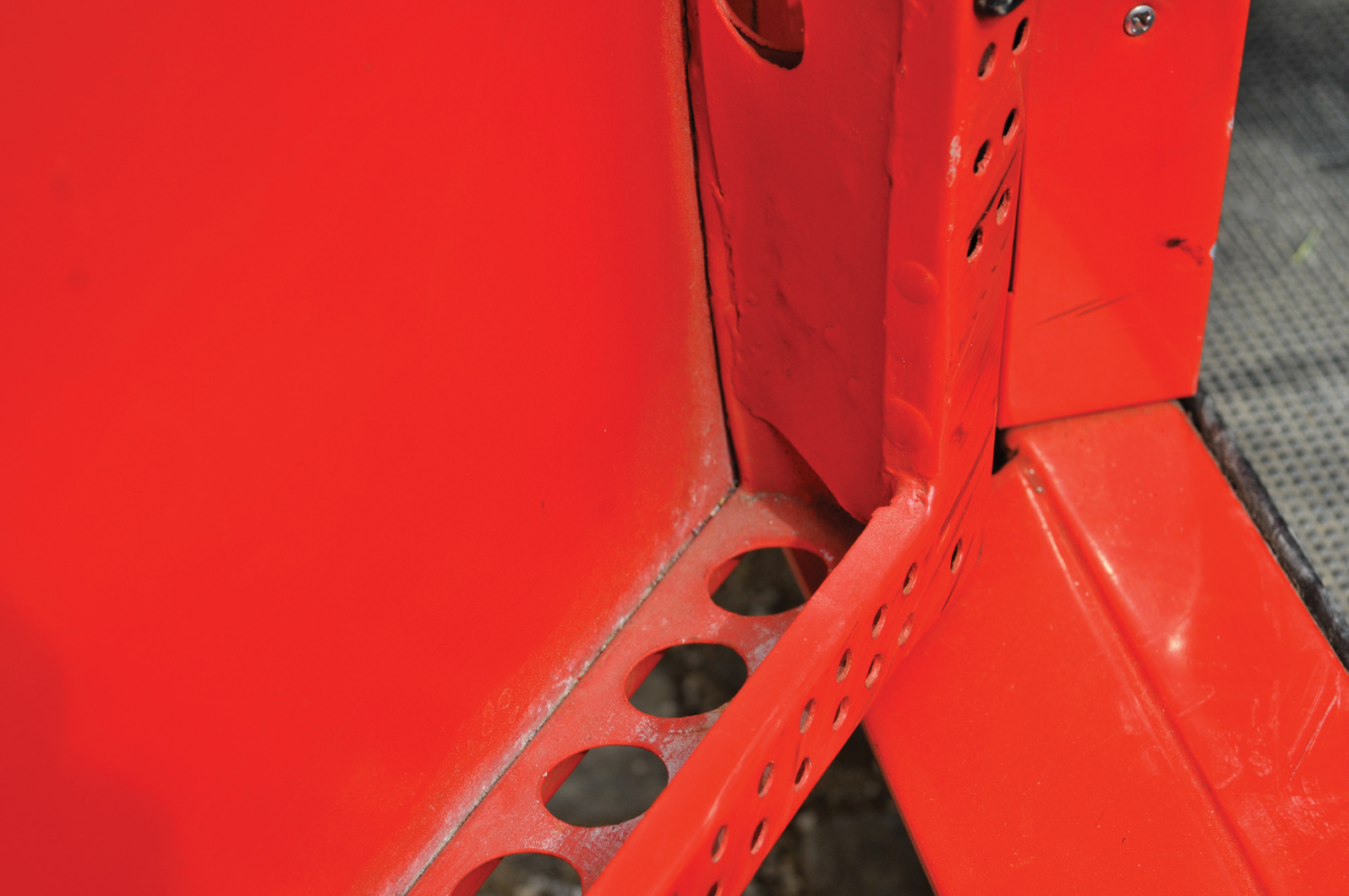
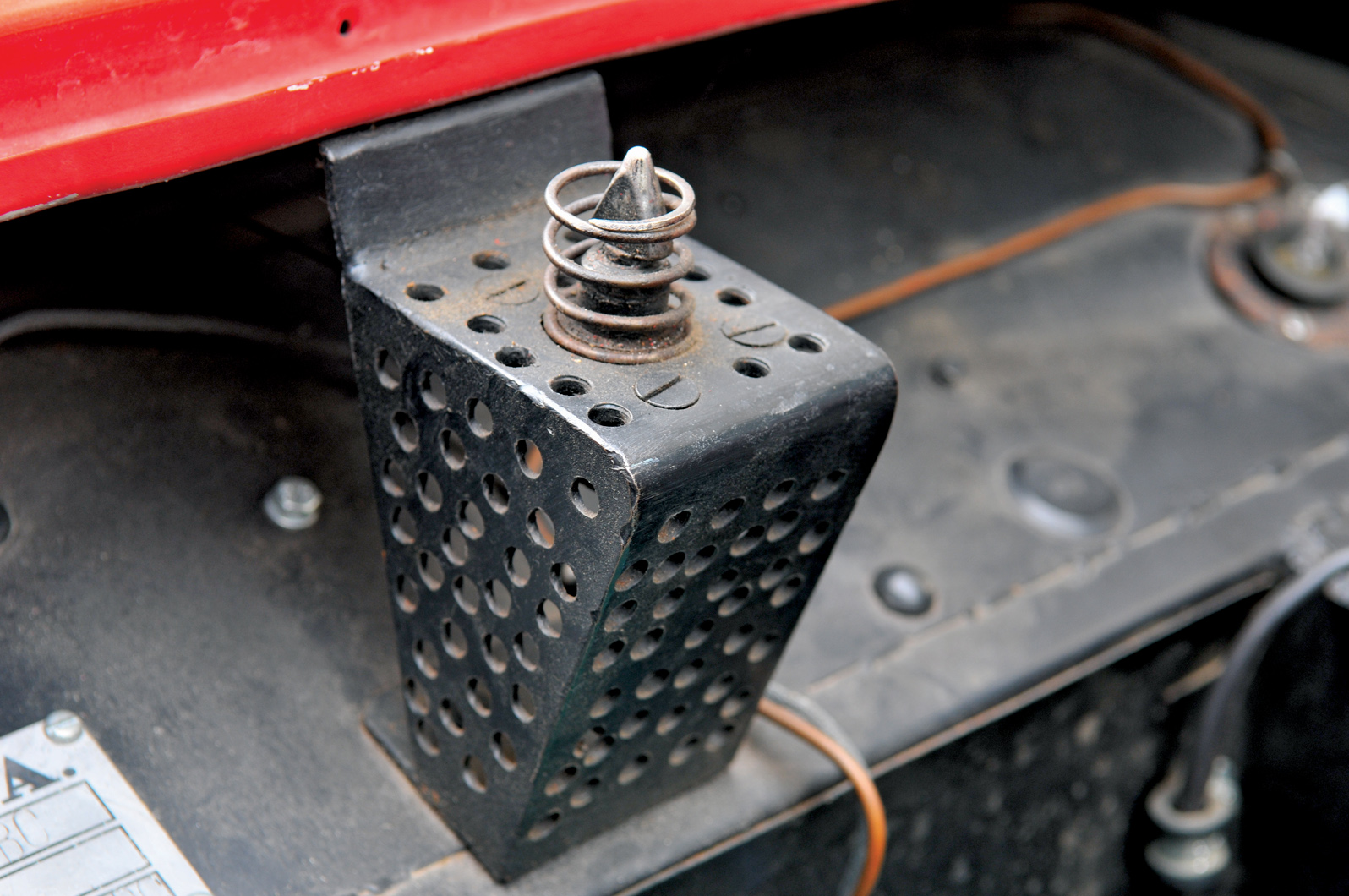
It is amusing to see how previous owners have employed any means to save even more weight: the reinforcements in the driver’s door are drilled with multiple holes, as are the slim pedals.
The same is to be found in the engine bay, where the bonnet-mounting bracket is perforated like Swiss cheese. This kind of preparation is typical of what was practised in the States in period.
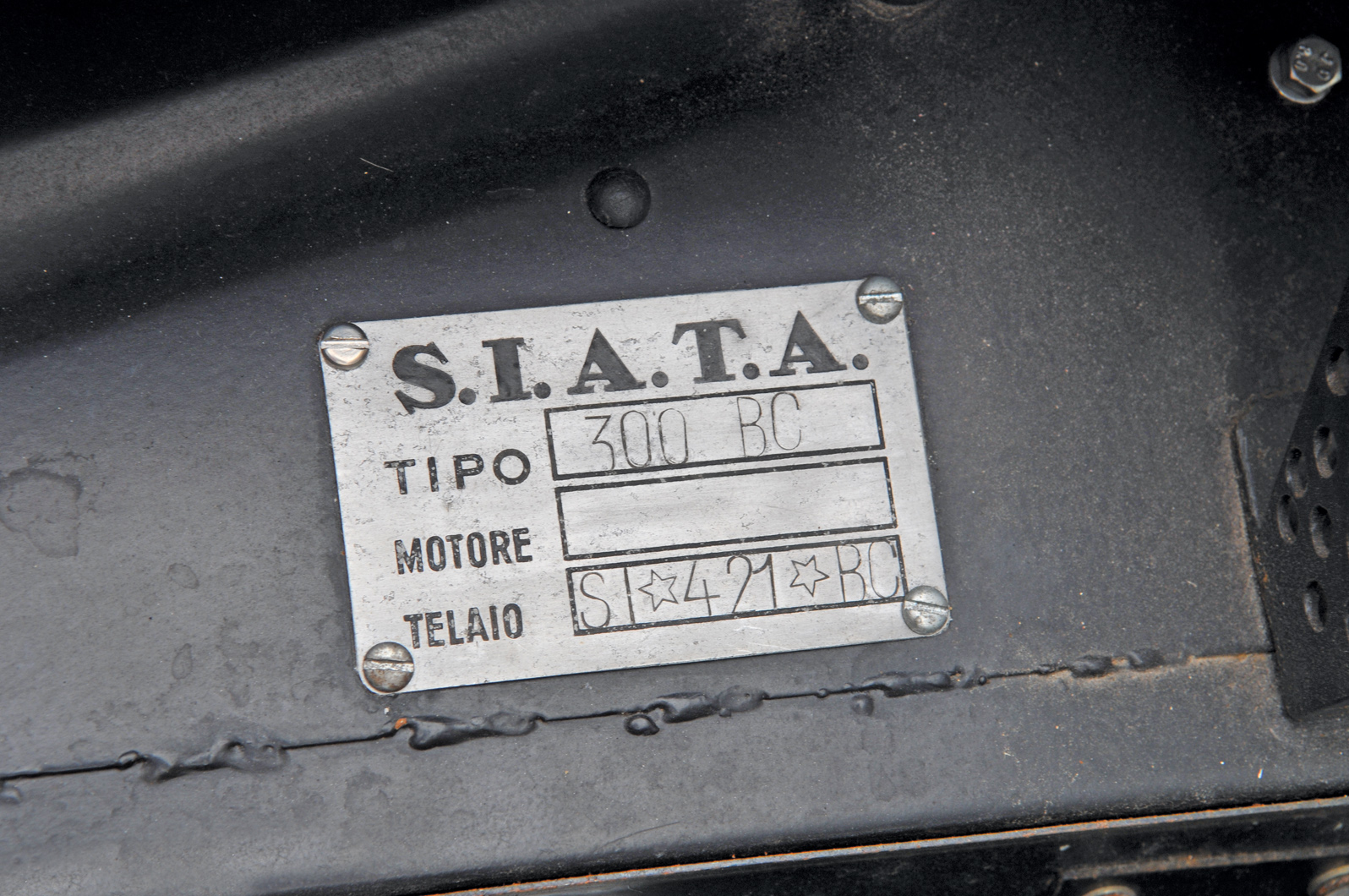
The Siata 300 BC weighs little more than 400kg
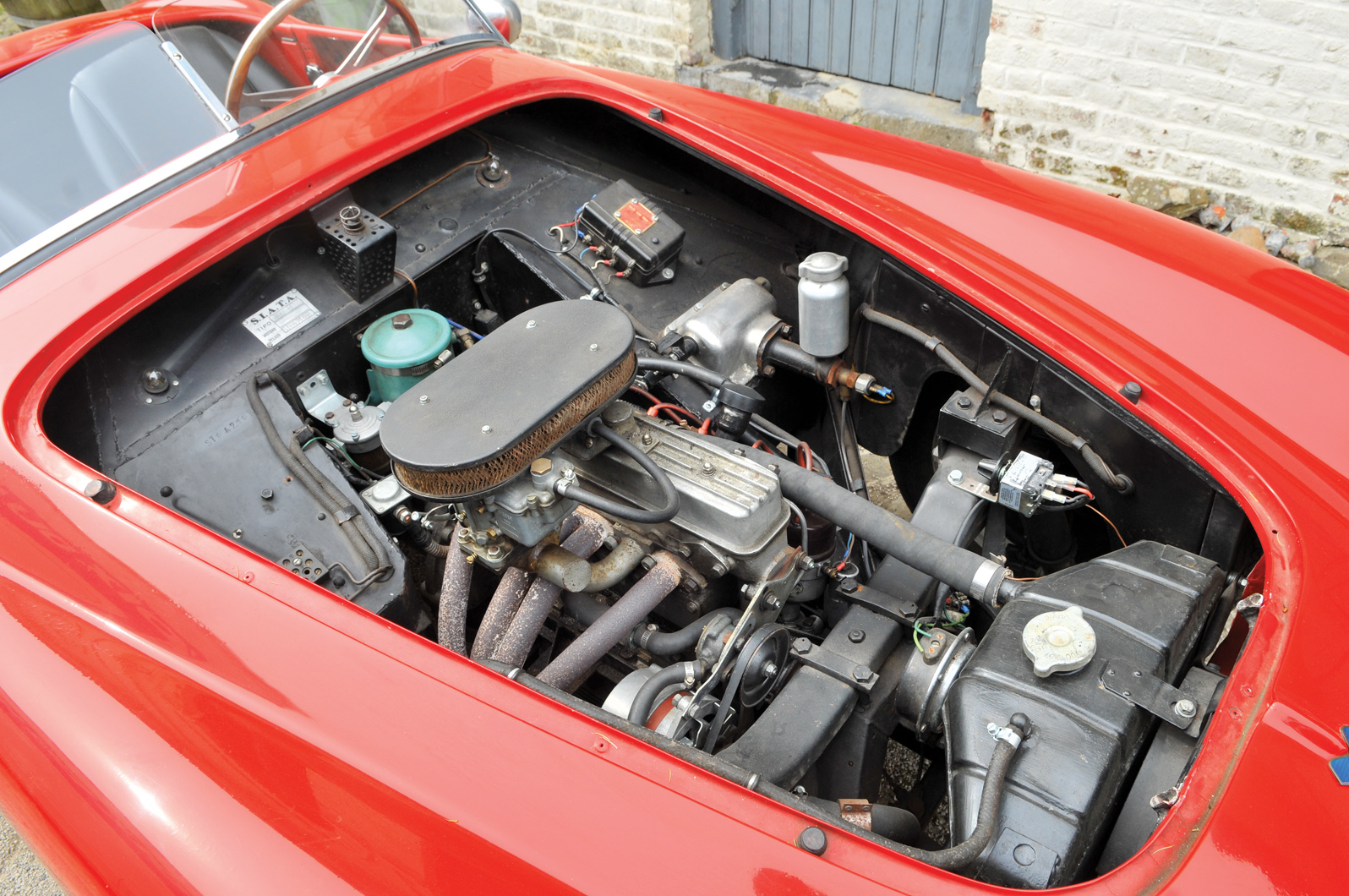
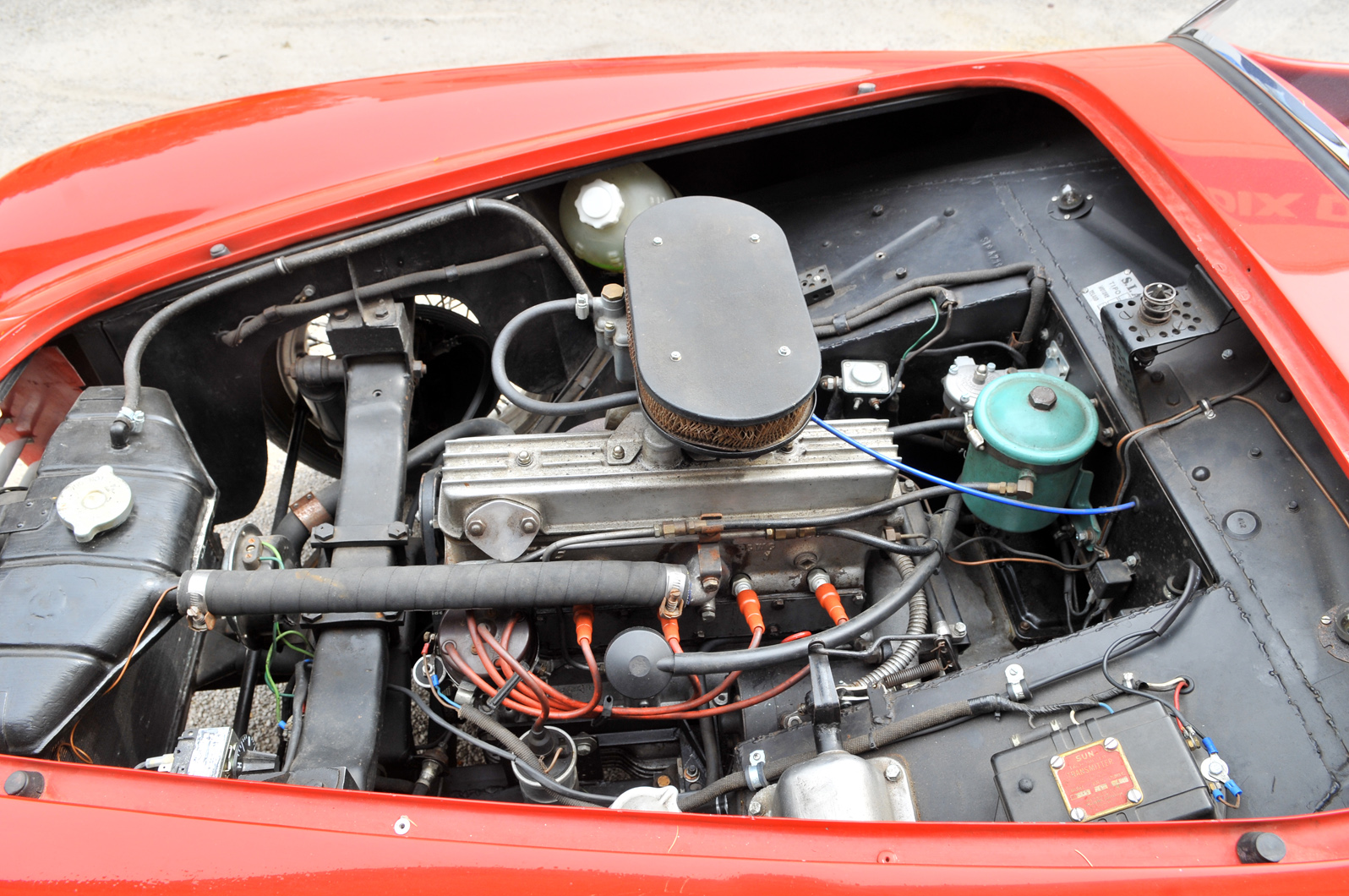
The tiny Crosley four-pot is sited very far back, between the bulkhead and the front crossmember to which the suspension is mounted, which explains the relatively long bonnet.
Lean into the engine bay and you can see the casing at the front for the vertical shaft that drives the overhead camshaft, while the manifold for the single twin-choke Weber carburettor is mounted above the tubular exhaust header.
The bucket seats are welcoming and, contrary to expectations, the space inside is generous.
You can stretch out your legs without feeling pinned against the large, three-spoke wooden wheel.
This Siata 300 BC’s past owners took a DiY approach to shedding weight for competition
For such a small car, the driving position is much more comfortable than you might imagine.
With the ignition on, the starter is a button to the left of the steering wheel.
The engine awakens with a bass exhaust note that suggests a displacement greater than 750cc, and the bodywork acts as a resonance chamber, as with so many barchettas of this type.
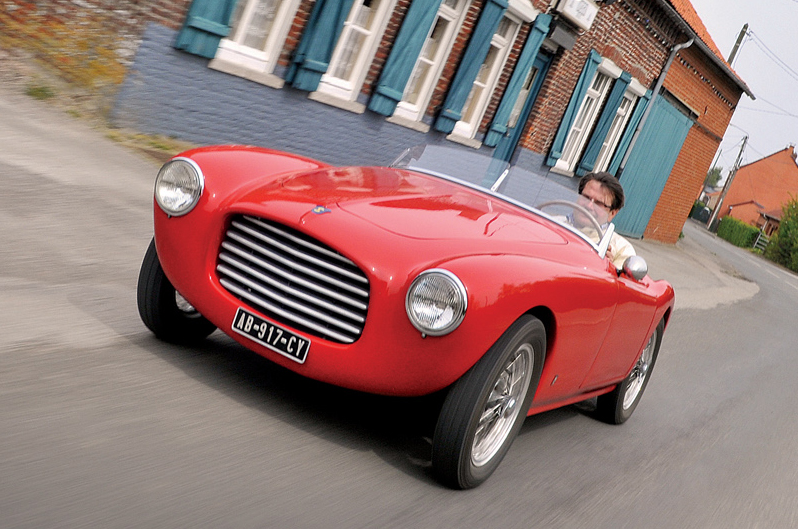
The clutch is gentle, and first gear engages easily thanks to precise and direct control. Out on the road, the Siata feels lively, light, agile and well balanced, with accurate steering and effective brakes.
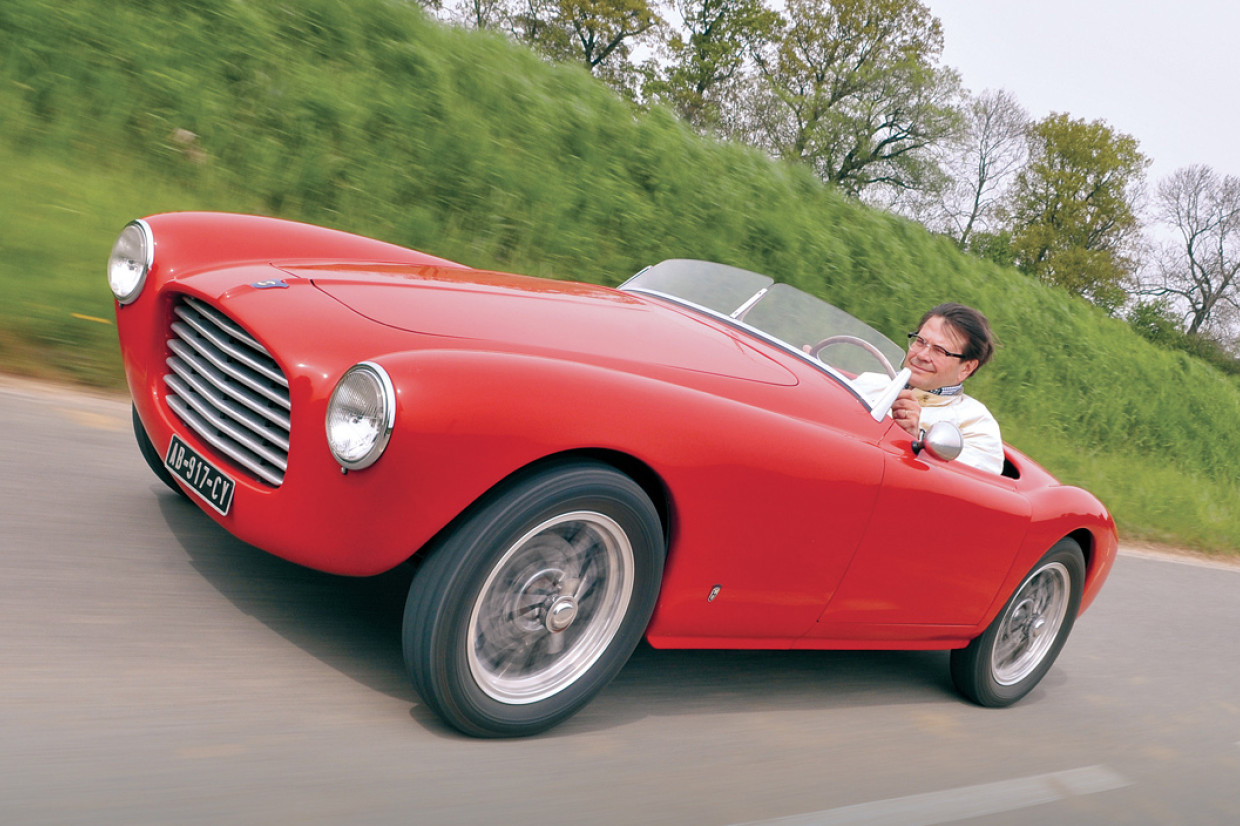
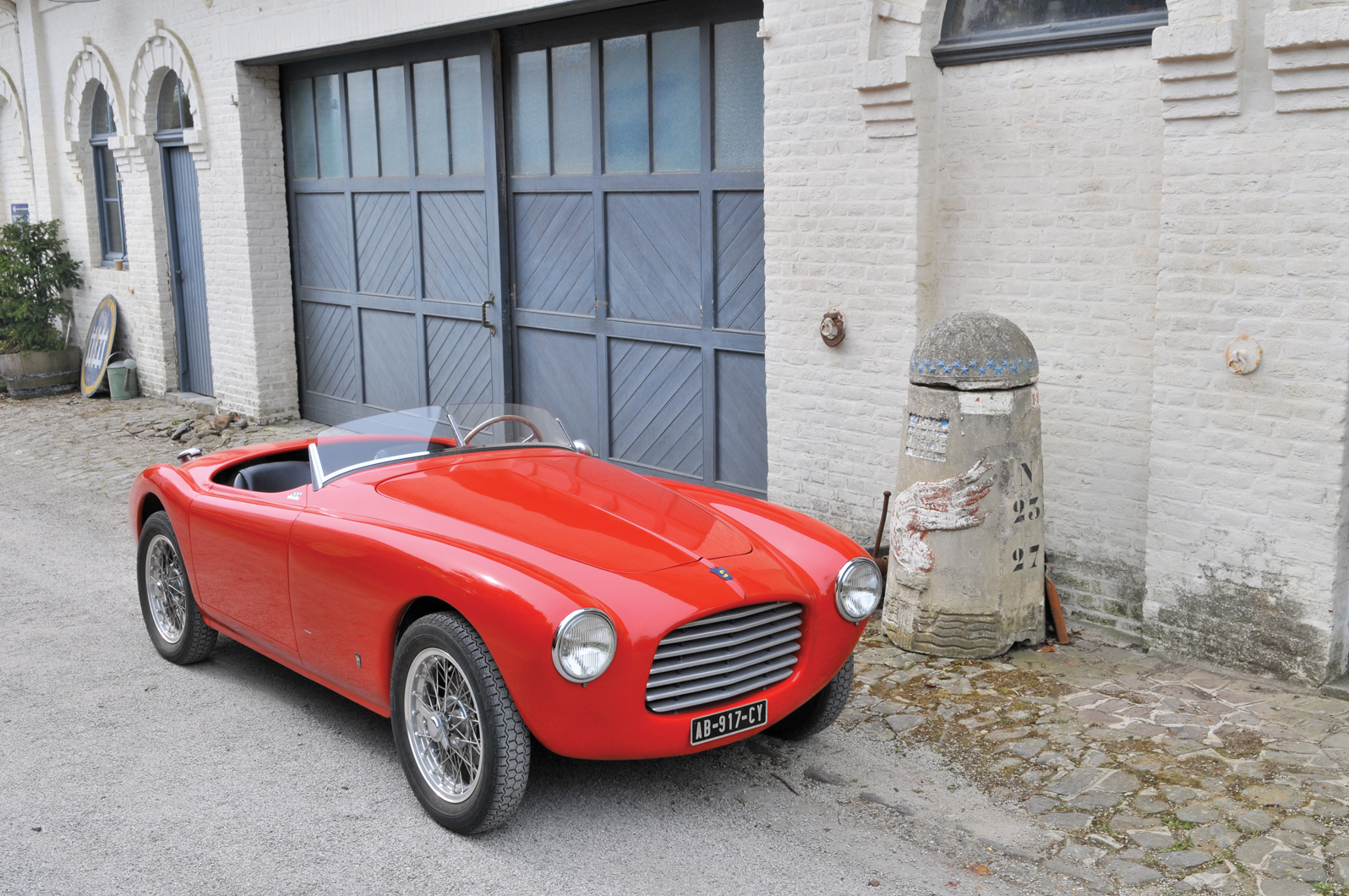
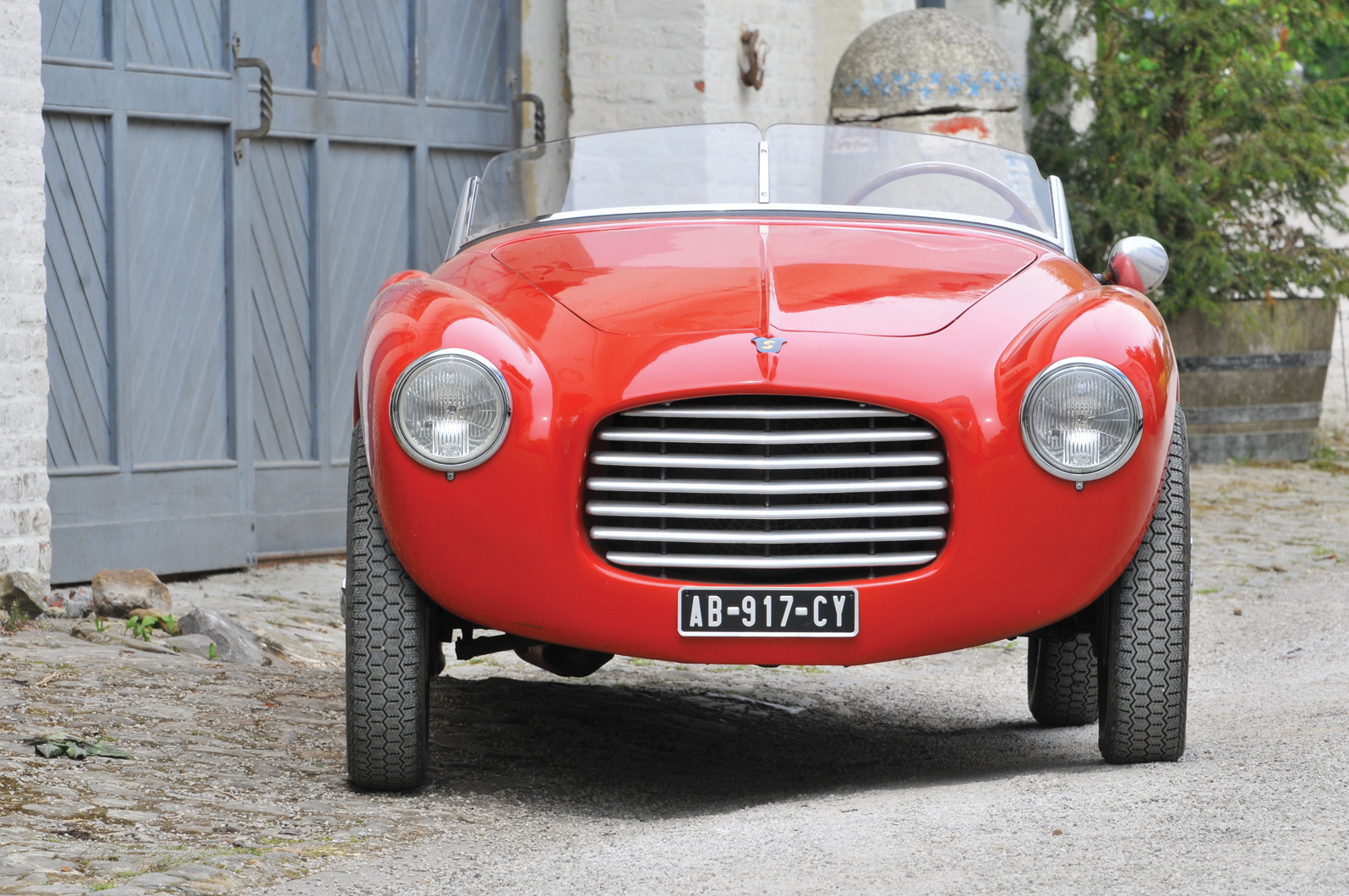
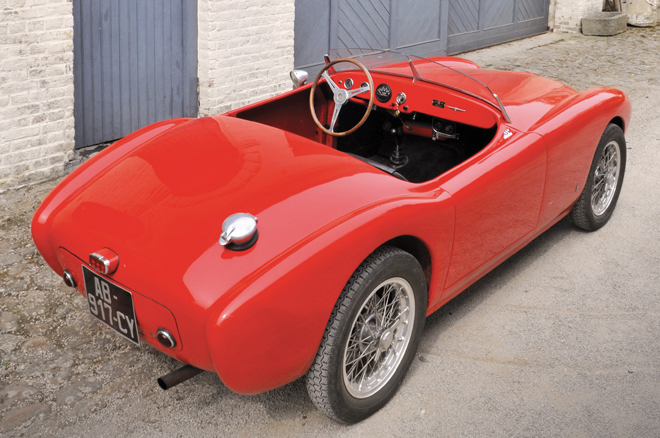
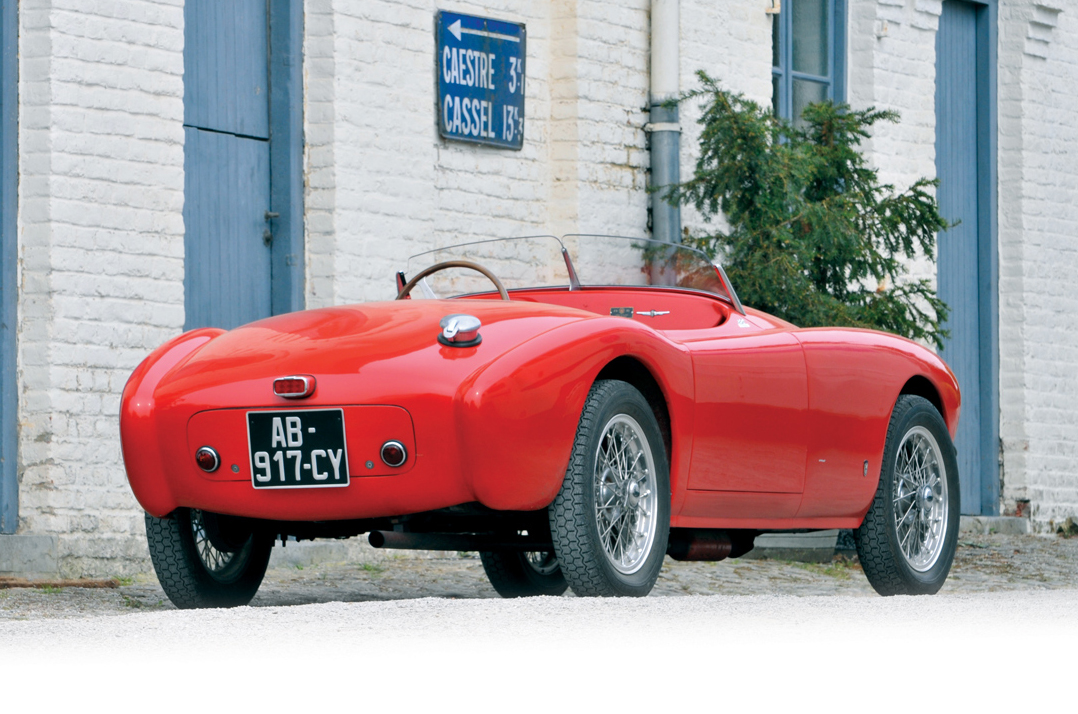
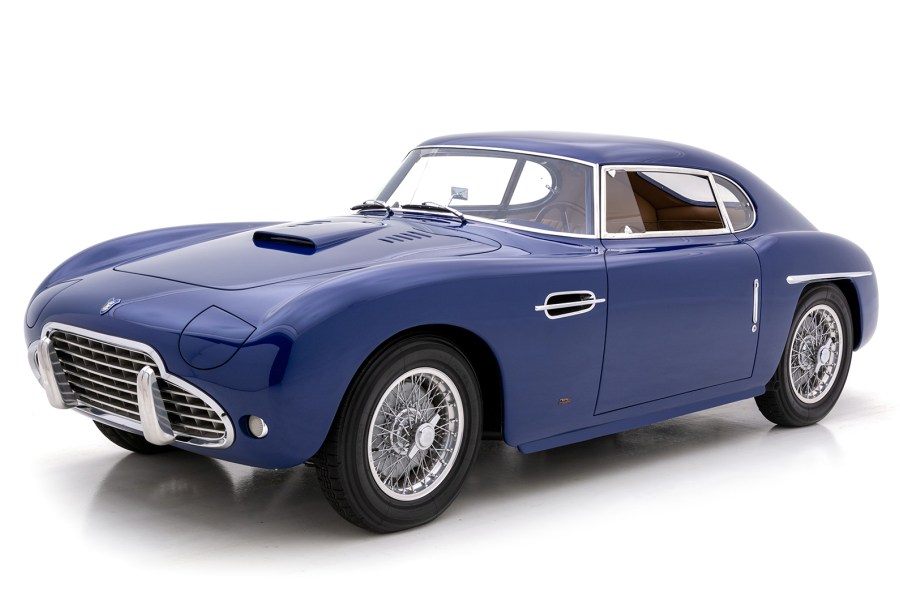
The Siata 300 BC’s unfussy but elegant styling incorporates the low windscreen, central bonnet spine and plain but effective radiator grille
There is no filter between you, the road and the elements, and with the wind whistling in your ears it makes for an intense experience.
In the absence of power, the key word is lightness: tipping the scales at little more than 400kg, the 300 BC doesn’t have much inertia to overcome and feels perfectly nimble in a succession of tight bends, accompanied by a joyful growl from the engine.
Clear vision allows the car to be placed perfectly at every apex, and exiting each corner, you realise you could have taken it twice as quickly.
The Siata 300 BC’s throaty exhaust and willing performance suggest something far more potent is under the bonnet
In addition to its charm, the Siata’s pedigree opens the doors of the great international events – such as the 1000 Miglia retrospective.
In recent years, a 300 BC identical to this one, also equipped with the Crosley engine, has become famous in the annals of the legendary Italian road race thanks to Silvia Oberti, the only woman to have driven solo from start to finish in the enduro.
She has now participated 10 times and earned the nicknamed pilotessa from the Italians, as she uses the Miglia to raise funds for cancer-screening research.
For those who prefer calmer classic pursuits, the 300 BC would also be a star at concours around the world.
While race circuits and perfectly manicured lawns are worlds apart, the Siata would shine just the same.
Images: Serge Cordey
Thanks to: Christophe Pund, La Galerie des Damiers
Crosley ‘four’: from the navy to the car industry
Crosley’s four-cylinder engine wasn’t created with competition in mind
The Crosley ‘four’ was born in Oakland, California, at Taylor Engines, named after founder Lloyd Taylor.
His initial aim was to find a way to increase compression, one of the secrets of boosting power, while eliminating the risk of detonation.
He developed an overhead-camshaft unit, driven by a vertical shaft and bevel gear, made of stamped and welded steel rather than cast iron, which helped eliminate the hot spots that cause violent detonation.
Subsequently gaining the nickname ‘The Mighty Tin’, this motor soon attracted the attention of Powel Crosley, who acquired the licence to build it.
The US Navy became interested in the light unit for various auxiliary applications, mainly powering generators.
After the war, Crosley developed the engine for more varied use, particularly in automobiles, returning to a cast-iron block for convenience, but maintaining the unit’s excellent power-to-weight ratio and its ability to sustain high revs.
Its versatility led to the engine being adopted for many civil and military applications, including after the sale of the Crosley assets to General Tire in 1952.
In the automotive arena, it powered Nardi and Siata models, and a twin-cam version was developed by Bandini in around 1955.
It is not the only engine from industrial beginnings that ended up under competition bonnets: the famed Coventry Climax FW ohc ‘four’ started life as a fire pump.
Enjoy more of the world’s best classic car content every month when you subscribe to C&SC – get our latest deals here
READ MORE
Osca MT4: Maserati in miniature
Bandini collection: racing in the blood
De Tomaso Vallelunga: mid-engined marvel