Saab 900s: safe as houses

| 26 Jan 2026
Classic & Sports Car – Saab 900s: safe as houses
When the subject of Swedish-built cars comes up, Volvo tends to spring to mind first, perhaps because the marque is still in existence as a manufacturer.

In contrast, the Saab legacy, beginning in 1945, was born out of aircraft manufacture (civil and military), as well as a talent for turbocharging that emerged from its acquisition of truck-maker Scania.

Trucks and turbos are one thing; car and aircraft manufacture under the same corporate umbrella is a combination of disciplines that can be a mixed blessing, usually of more use as a promotional tool than a true influence on automobile design.

Classic & Sports Car – Saab 900s: safe as houses
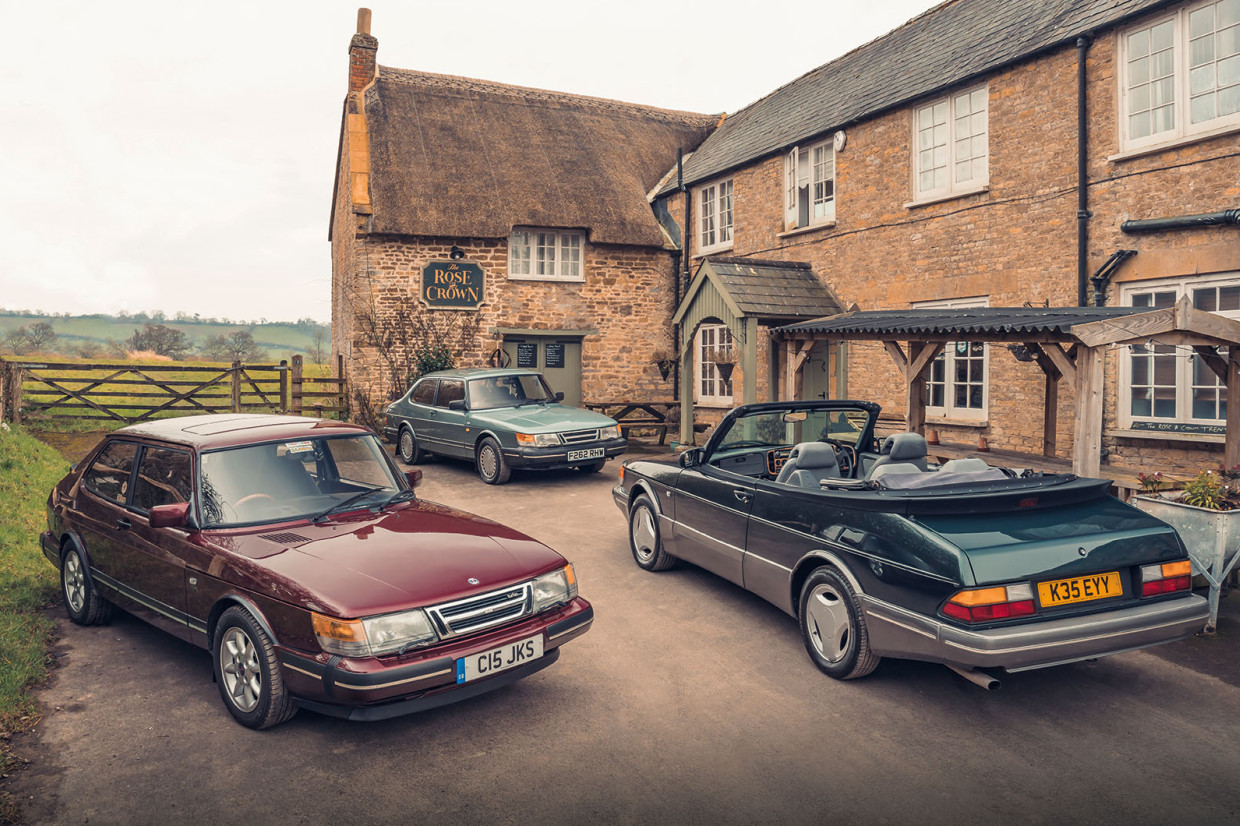
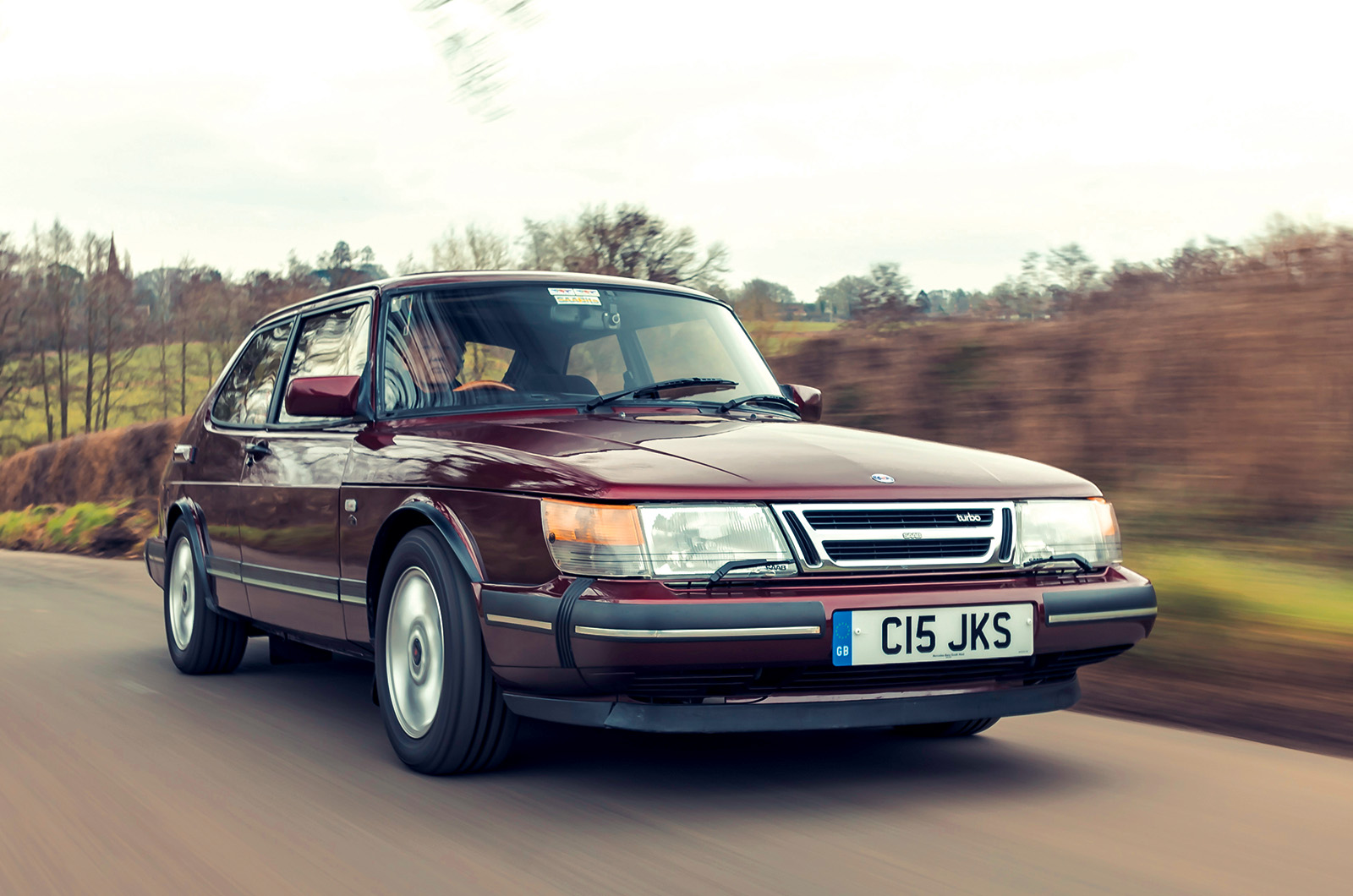
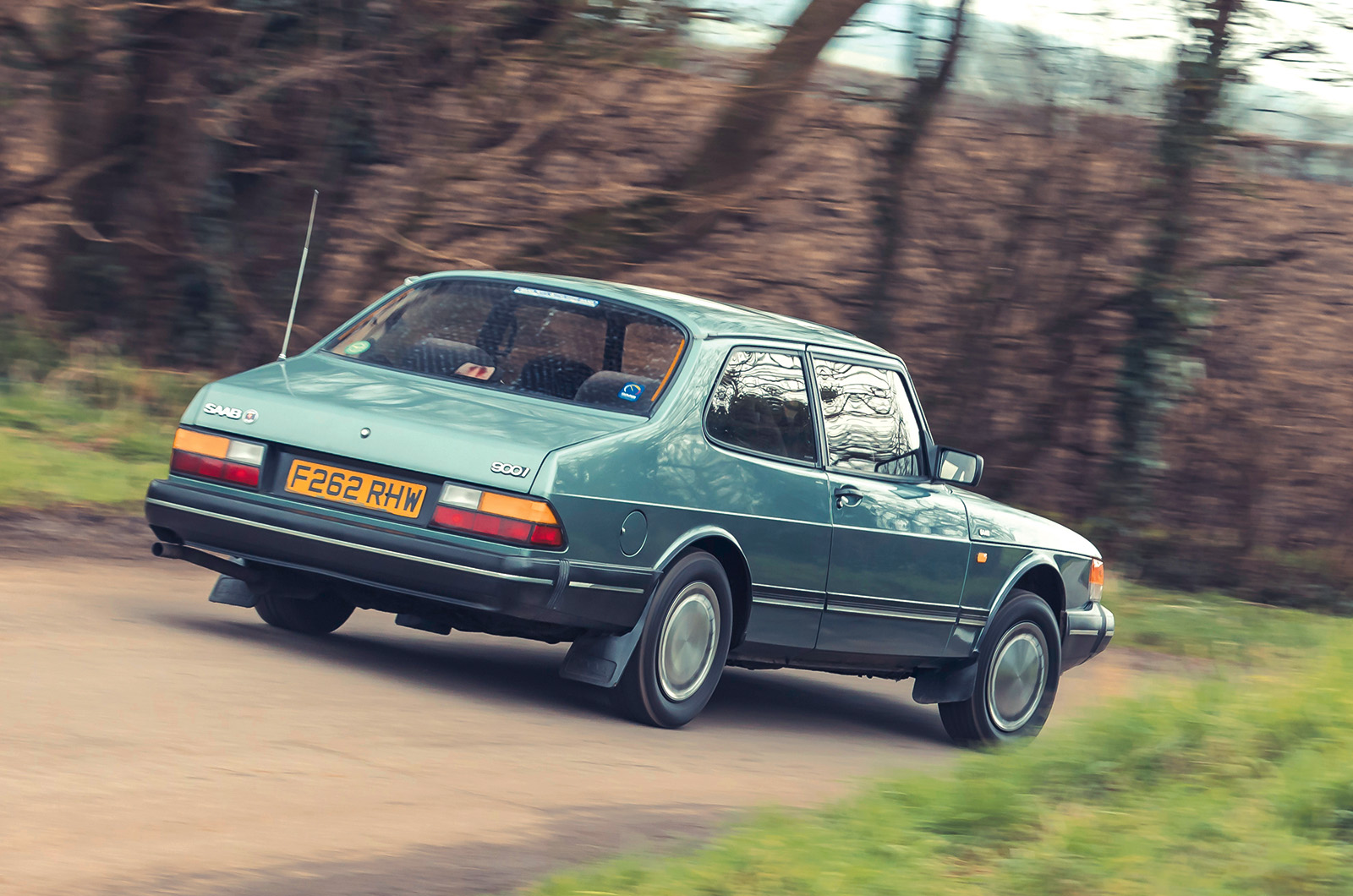
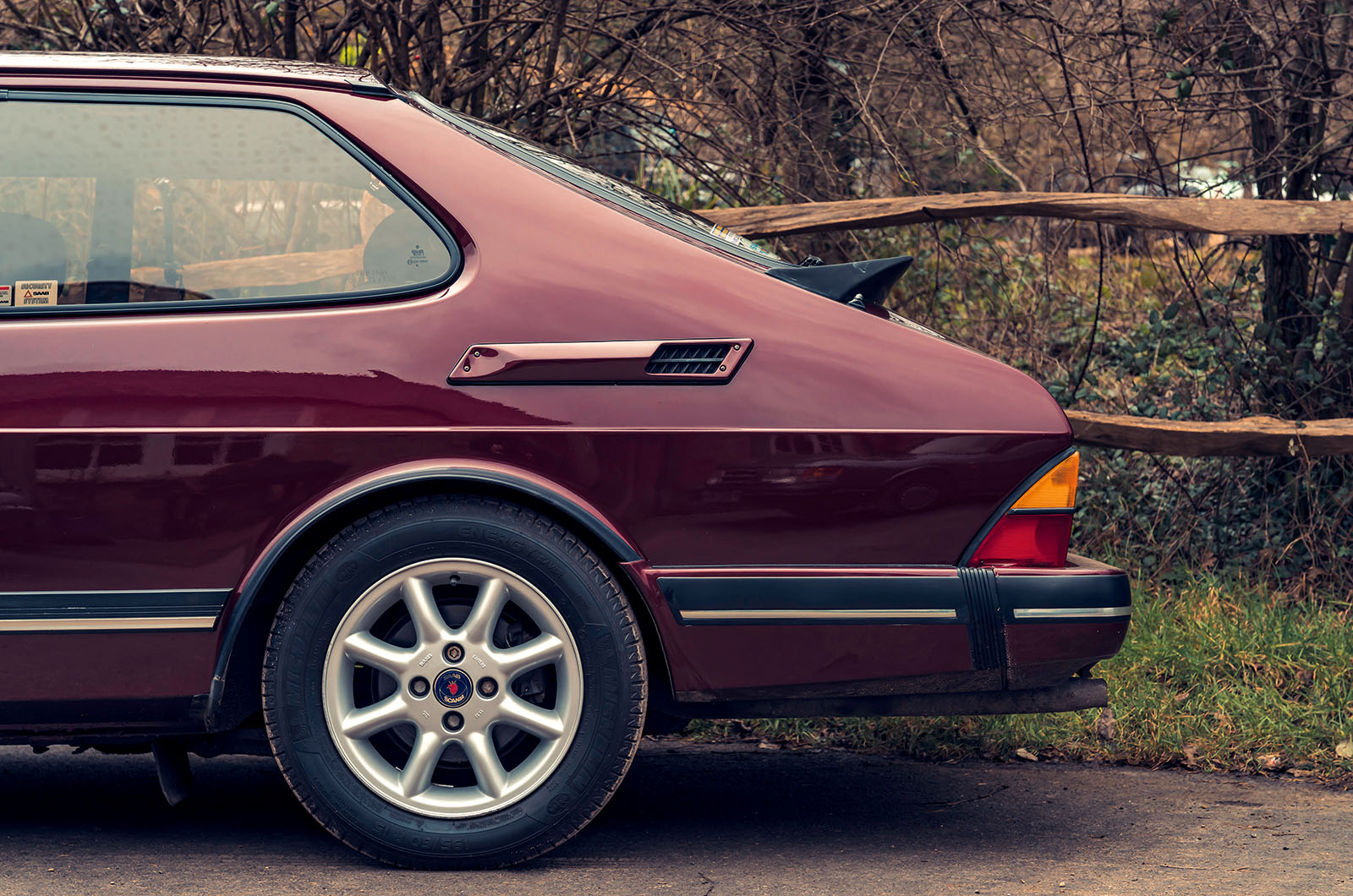
This 1989 Saab 900i is a rare two-door

Saab was not shy of reminding us of its aircraft-building origins, but it appeared to make an honest virtue of the alliance that truly benefited the design of its cars.

That began with the egg-shaped 92 and peaked in the 900, an extraordinarily successful reboot of the 99 that ran from 1978-’93, with 908,810 units built.

If the contemporary Volvo concept really amounted to a rationalised and super-safe version of a generic, mid-century American car (three-box shape, front-mounted engine, rear-wheel drive via a live axle), the Saab was a truly Swedish product.

They were as Scandinavian in character as a unisex sauna or eating raw fish for breakfast; designed to work best in the harsh conditions of a large, sparsely populated country where reliability was paramount.

Classic & Sports Car – Saab 900s: safe as houses
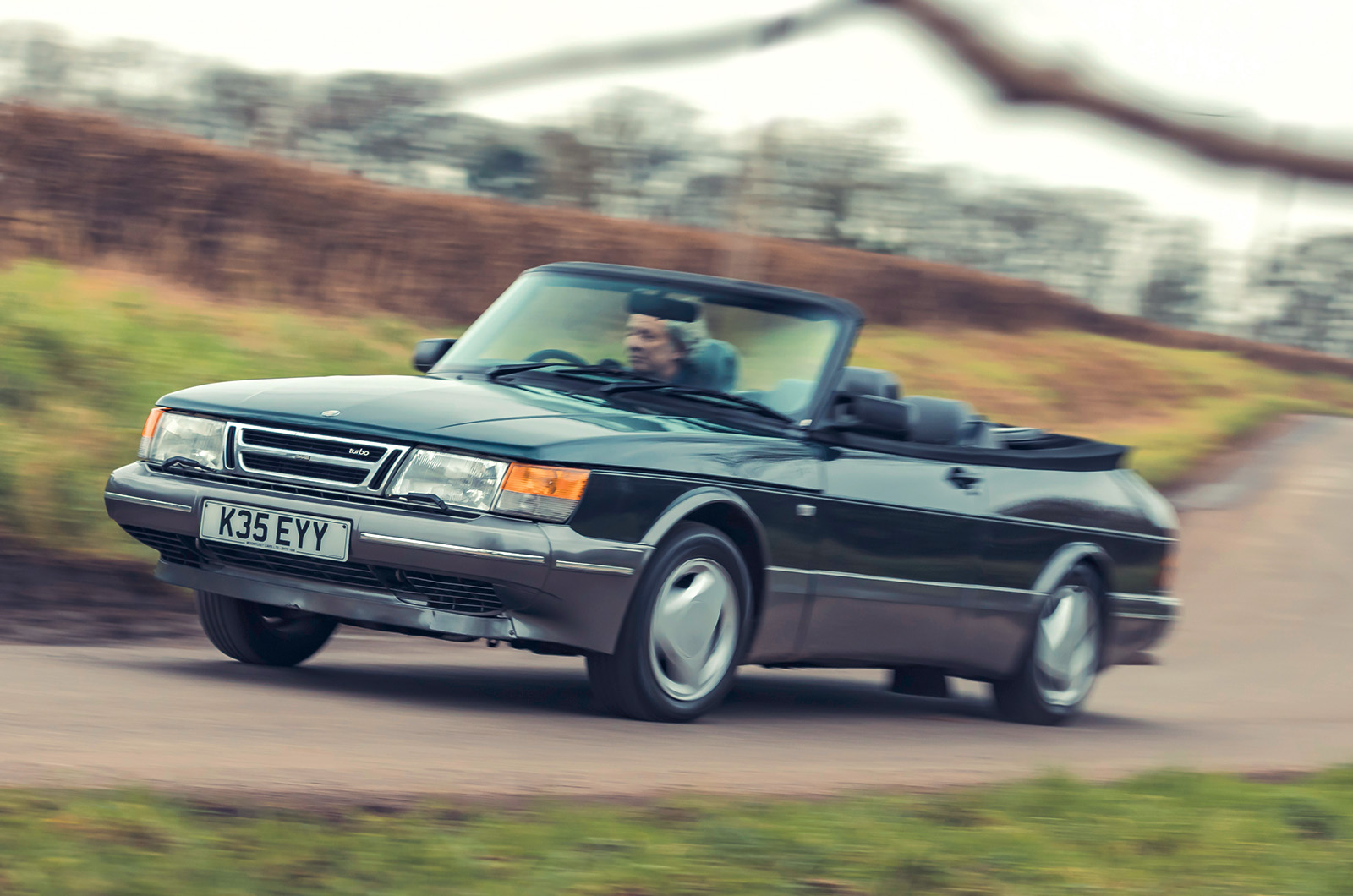
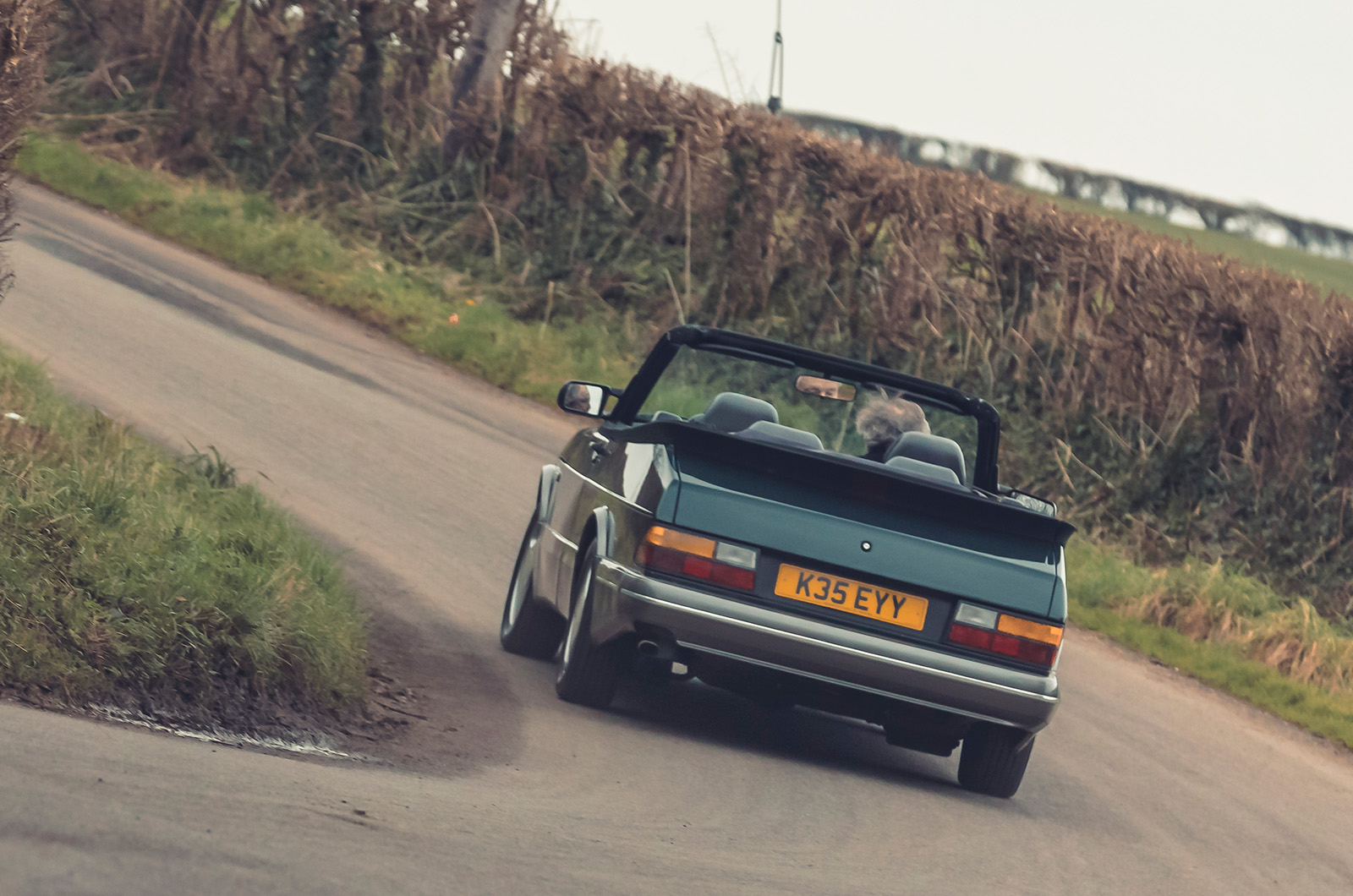
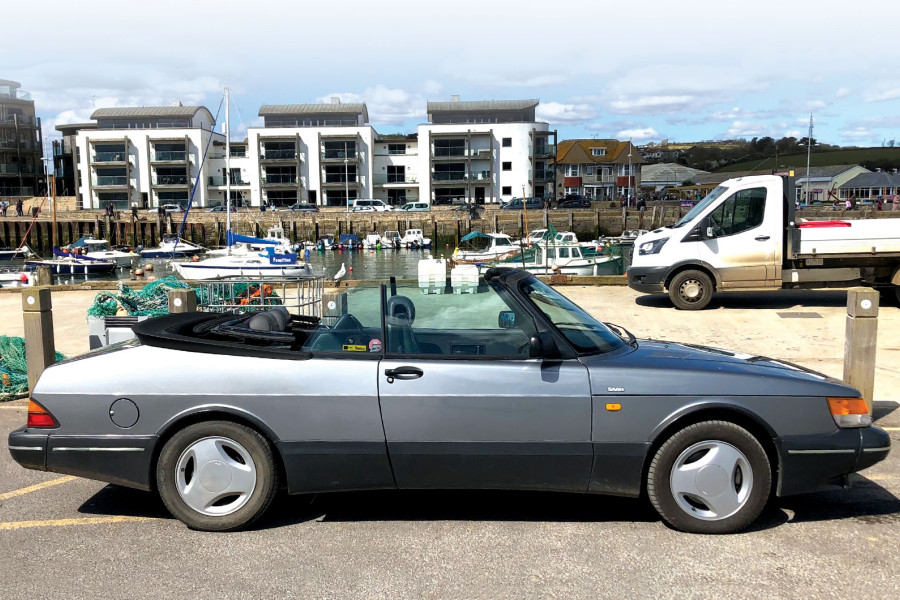
The Saab 900 turbo Cabriolet has strengthened windscreen pillars instead of a roll bar

For Saab, front-wheel drive, with around 60% of the weight over the driven wheels, was non-negotiable for stability and traction on snow.

Likewise high-quality, crash resistant – or, more accurately, progressively deformable – bodywork in thicker-than-average steel.

Up to 1988, the handbrake of the 900 even worked on the front wheels to maintain stability should it be needed in snowy conditions.

Some regarded it as an unsophisticated alternative to a limited-slip differential.

Volvos were famed for their safety qualities, but gently lampooned for them as well – even The Two Ronnies got a joke out of the daytime running lights of the tank-like 240.

Classic & Sports Car – Saab 900s: safe as houses
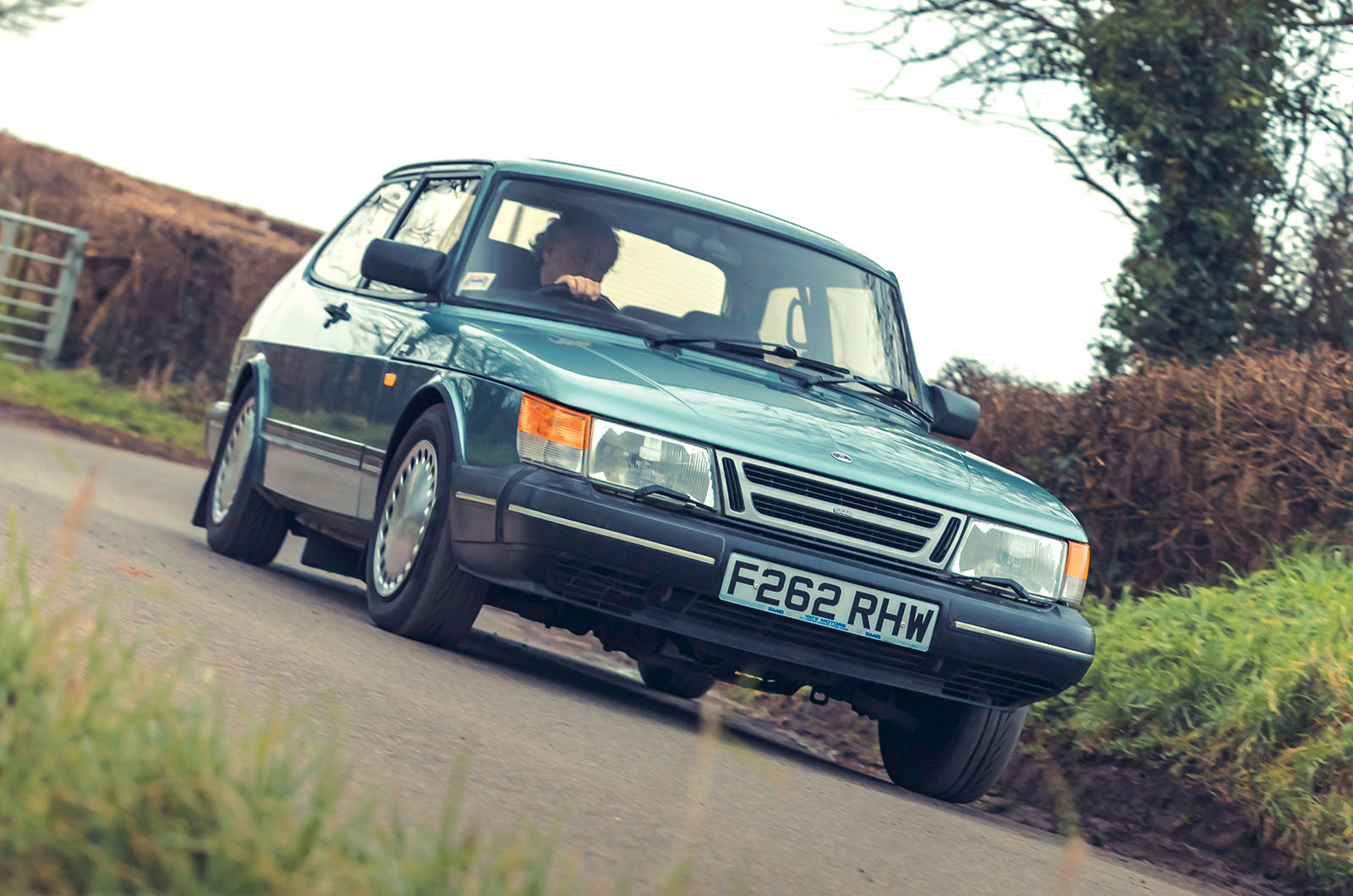
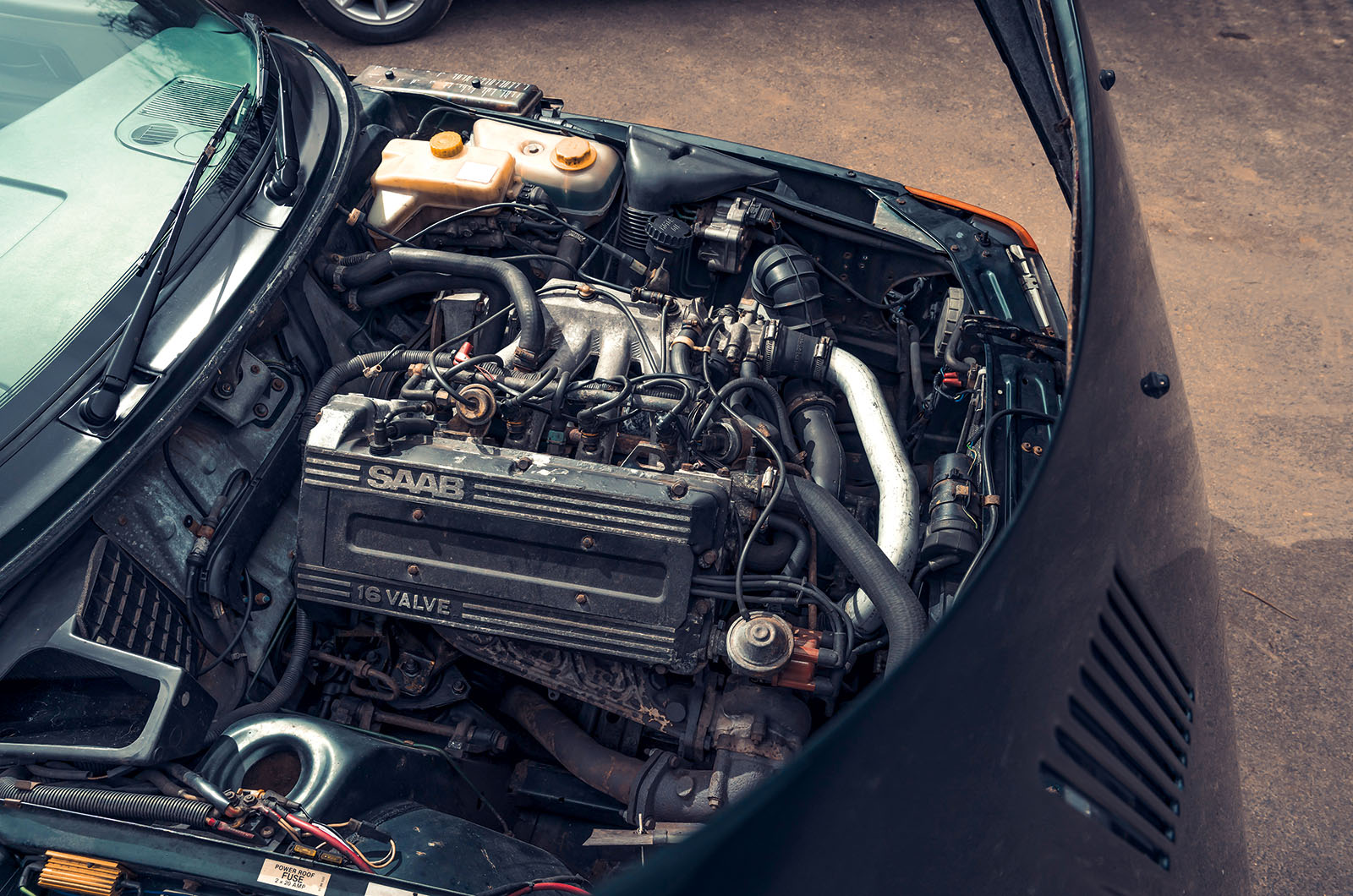
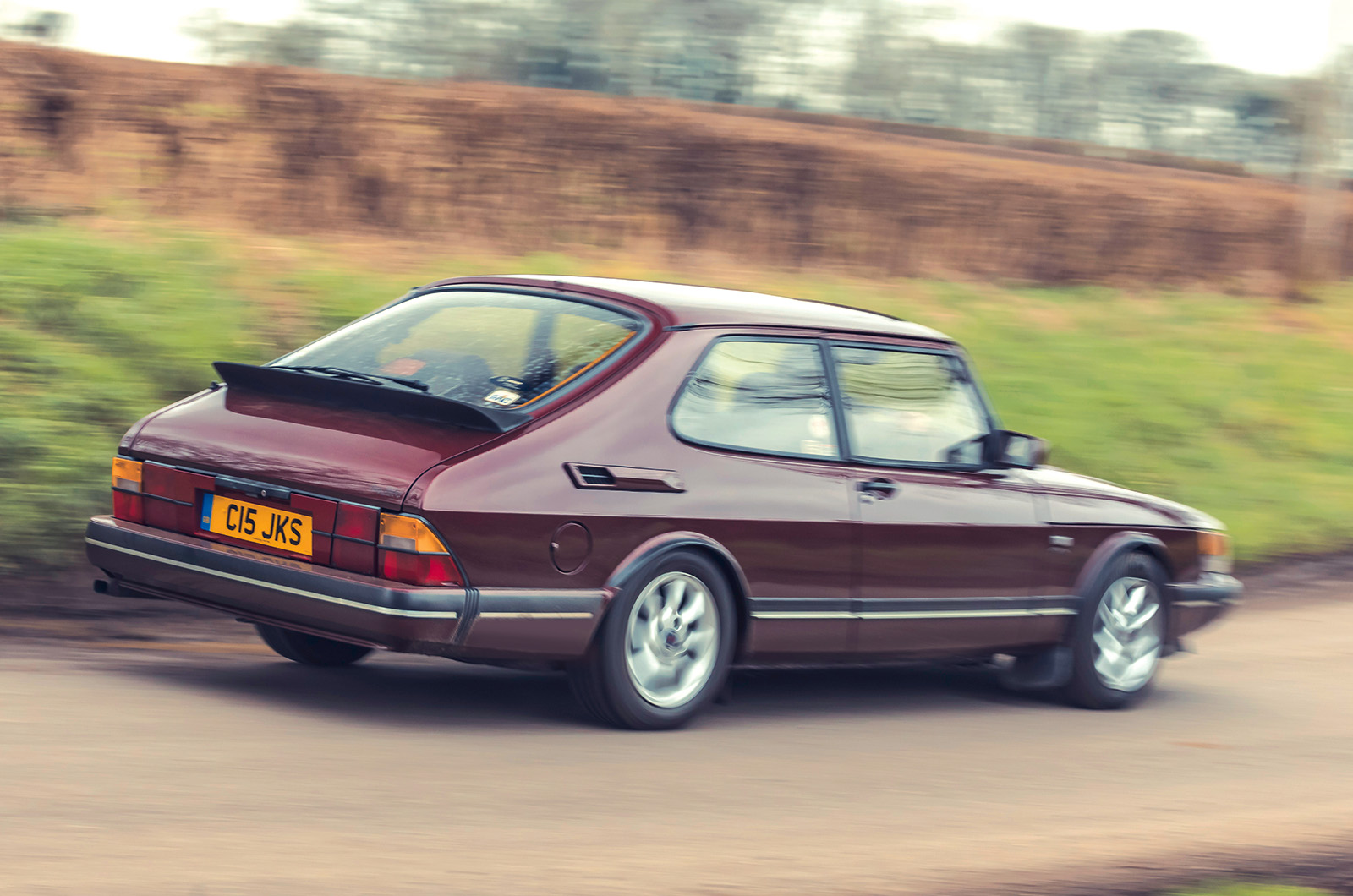
The Saab 900 T16 remains an effective B-road performer

The 900 had those for a while, too, but Saab managed to make safety almost sexy rather than nannying.

To this, Saab added aerodynamic know-how (at 0.37, the 99’s drag coefficient matched that of the Citroën DS) and a highly individualistic visual identity – more industrial design than ‘styling’ – which, like it or not, could never be mistaken for anything else.

There was, and is, no substitute for a Saab.

The Saab 900, like the 99 from which it was derived, was designed from first principles to be as safe as possible in a crash.

That put the car in a strong position in a US market increasingly preoccupied with road-accident safety.

Classic & Sports Car – Saab 900s: safe as houses
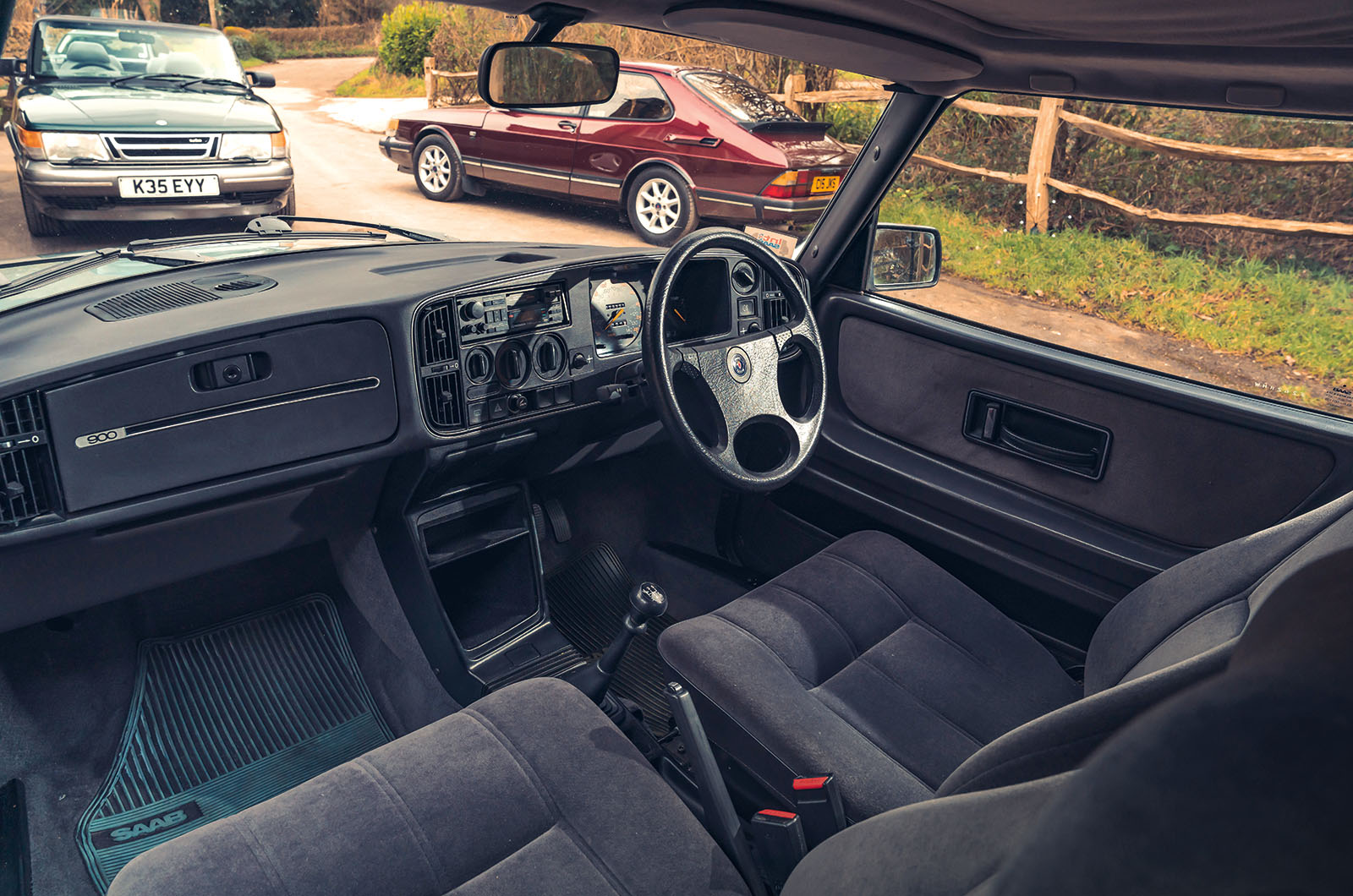
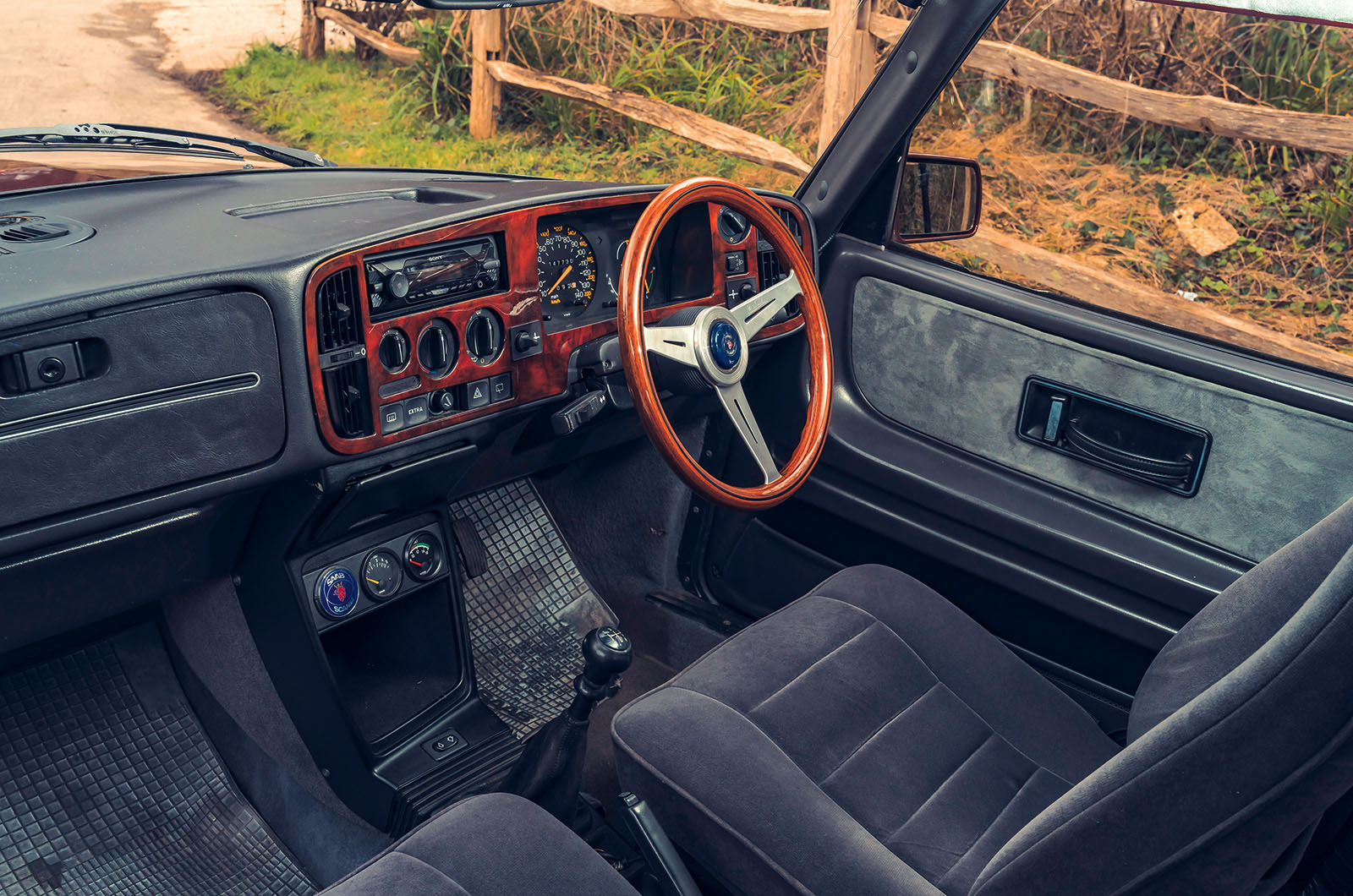
The Saab 900i’s sturdy cabin is filled with hard-wearing plastics

With its deformable alloy beams in the bumpers, crash ‘cans’ in the inner wings and extra-strong floor with crossmembers, only a Mercedes-Benz (or a Volvo) was as good a place to be if the unthinkable happened.

Saab also pioneered detail safety features such as headlight wash/wipers.

The manufacturer understood that a driver’s well-being was linked to safety by keeping them comfortable in orthopaedically designed, heated seats, and well-ventilated via an air-filtering system that rivalled those in commercial aircraft.

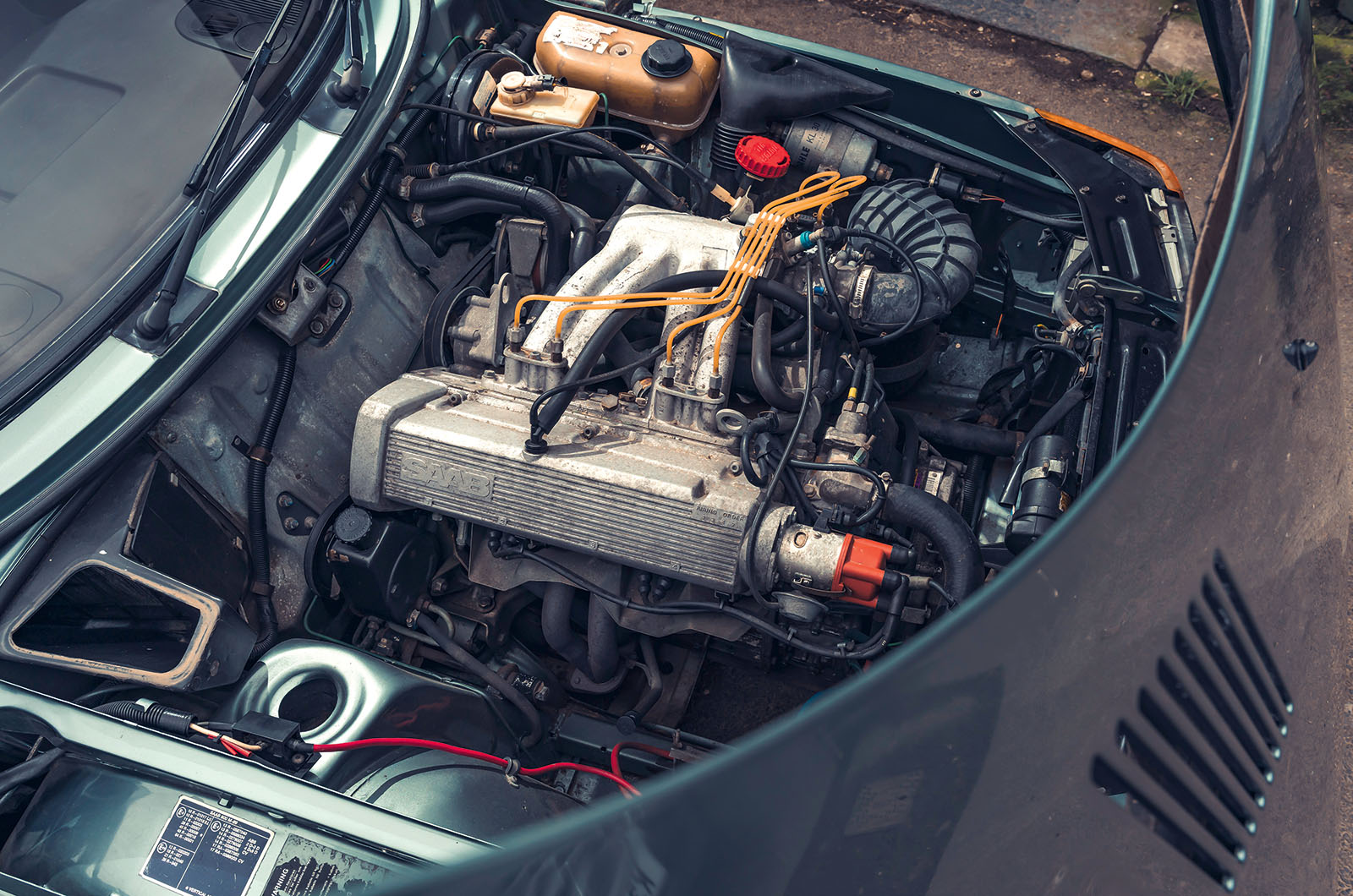
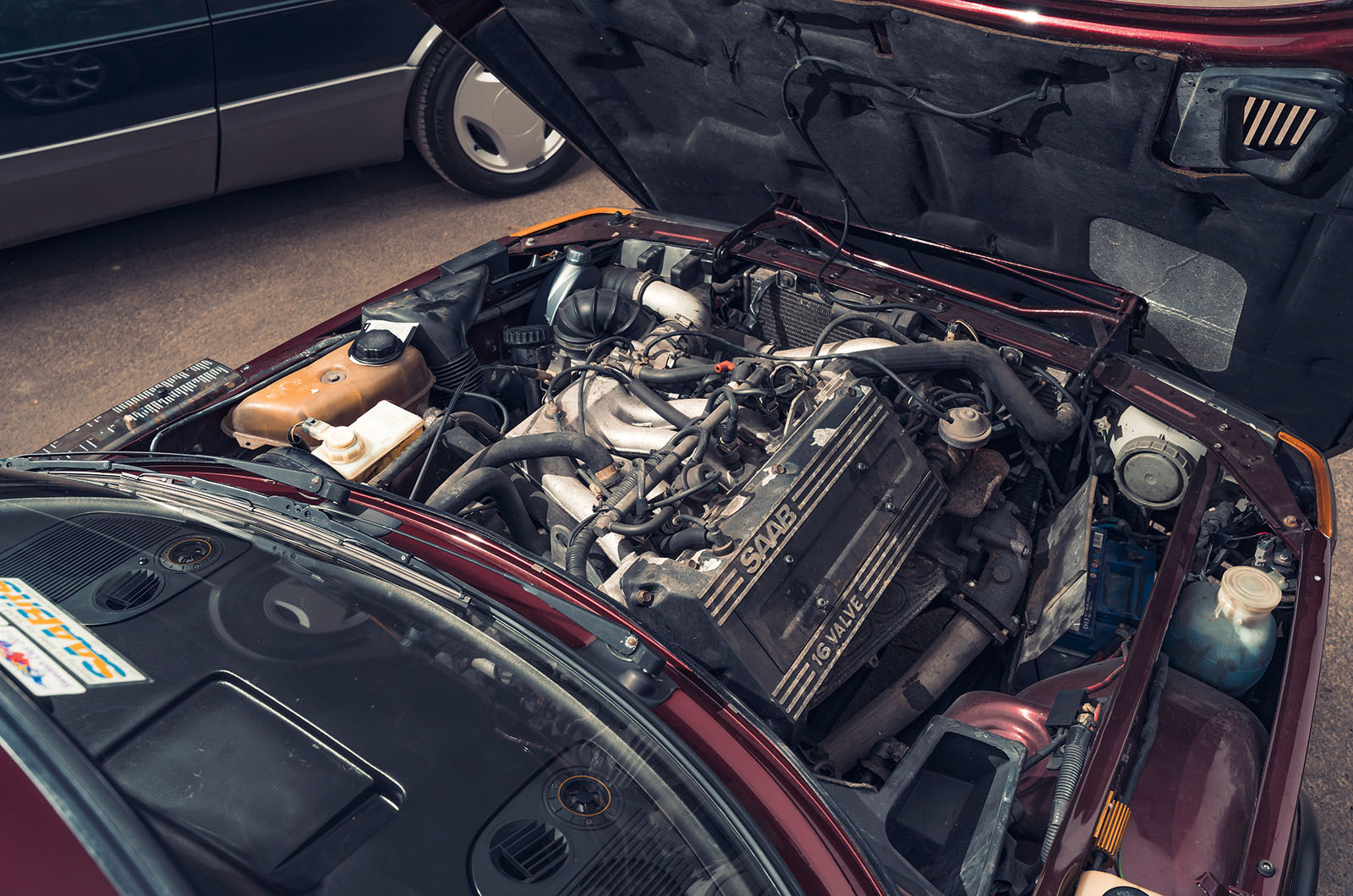
Saab never really designed its own engines. The early two-stroke units were DKW-derived, the 96 had a Ford V4, and the longitudinally mounted slant-four in the 99 and the 900 was designed by Ricardo Engineering for the Triumph Dolomite and built under licence – with many, many improvements – by the Swedes until as recently as 2009.

As in the Dolomite, it was canted over by 45°, but with the clutch at the front (it’s amazingly easy to change) and the alternator next to the bulkhead.

Classic & Sports Car – Saab 900s: safe as houses
The Saab 900i has a 1985cc non-turbo ‘four’

In the Saab, the engine was designed to drop down in a frontal impact, and it transferred power to the gearbox via a triplex chain.

Roll-over protection was as good as anything available and the doors, with their pioneering impact beams, were designed to stay shut in a 30mph front-end shunt, but also to open as normal afterwards.

The 900, with its distinctive clamshell bonnet and high-vision, wraparound front windscreen – inspired by fighter-aircraft canopy design – was one of the first cars that was designed to pass the 30° frontal offset crash test and various other standards that would not become law in Europe until the 1990s: you could drop it from 8ft (2.4m) on to its roof without buckling its heavy-gauge windscreen pillars.

Classic & Sports Car – Saab 900s: safe as houses

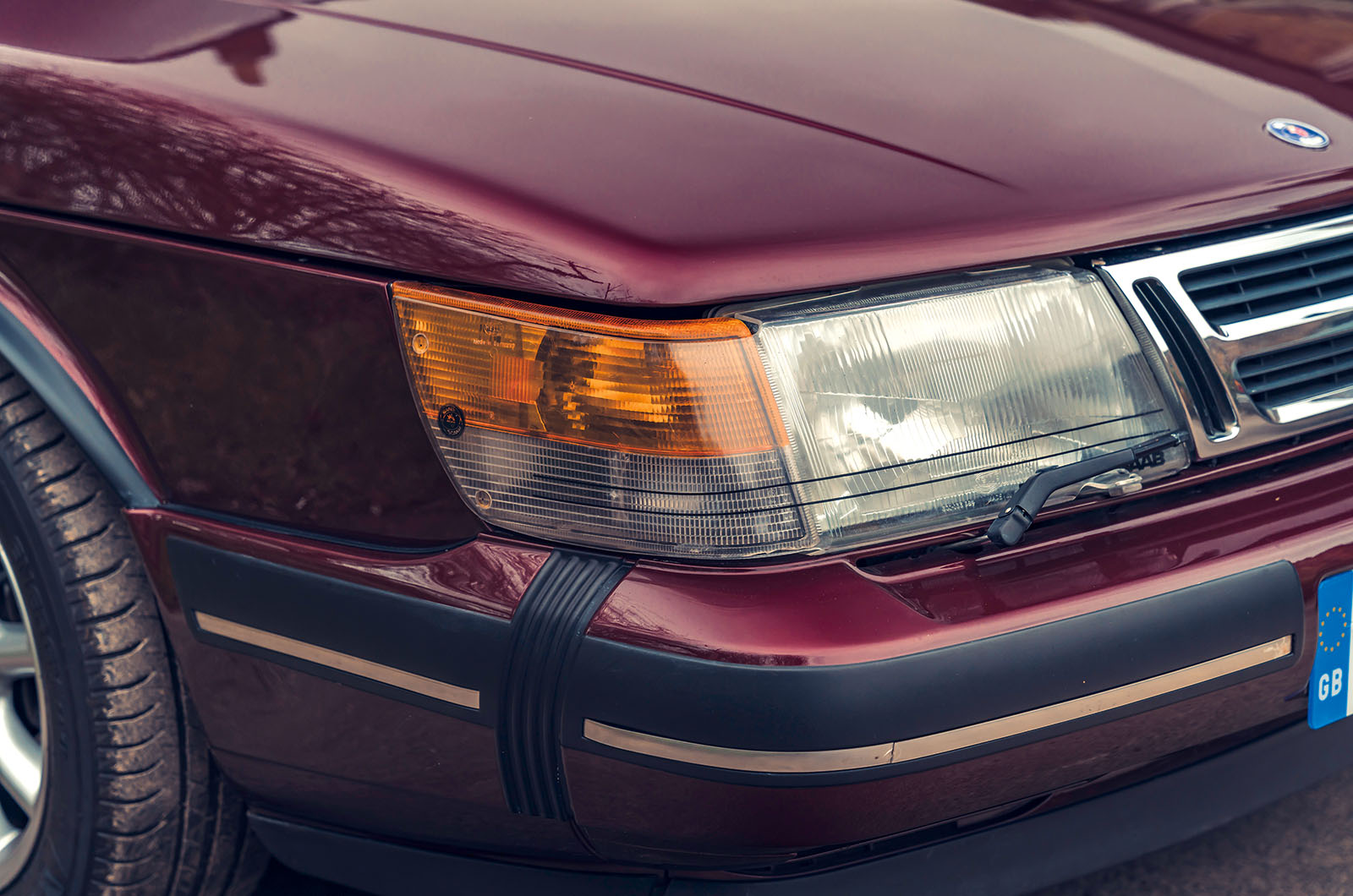
The Saab 900i’s shape is as distinctive as ever

Launched at the Frankfurt show in 1978 (as a 1979 model), first-year 900 sales amounted to 63,400 alongside the 99 (which would stay in production until 1984, and a little longer as the Saab 90) and the faithful V4 96, which was a direct descendent of the original two-stroke cars and would finally be killed off in 1980.

At the height of its popularity in 1984, the 900, produced in four different plants across Scandinavia, sold to the tune of 88,188 units, succeeding in its task of taking the name upmarket into mid-range BMW and Mercedes territory.

Crucially, the car’s image as the solid, sensible choice was supplemented by the mystique of turbocharging that had been nurtured so effectively with the 99. 

Classic & Sports Car – Saab 900s: safe as houses

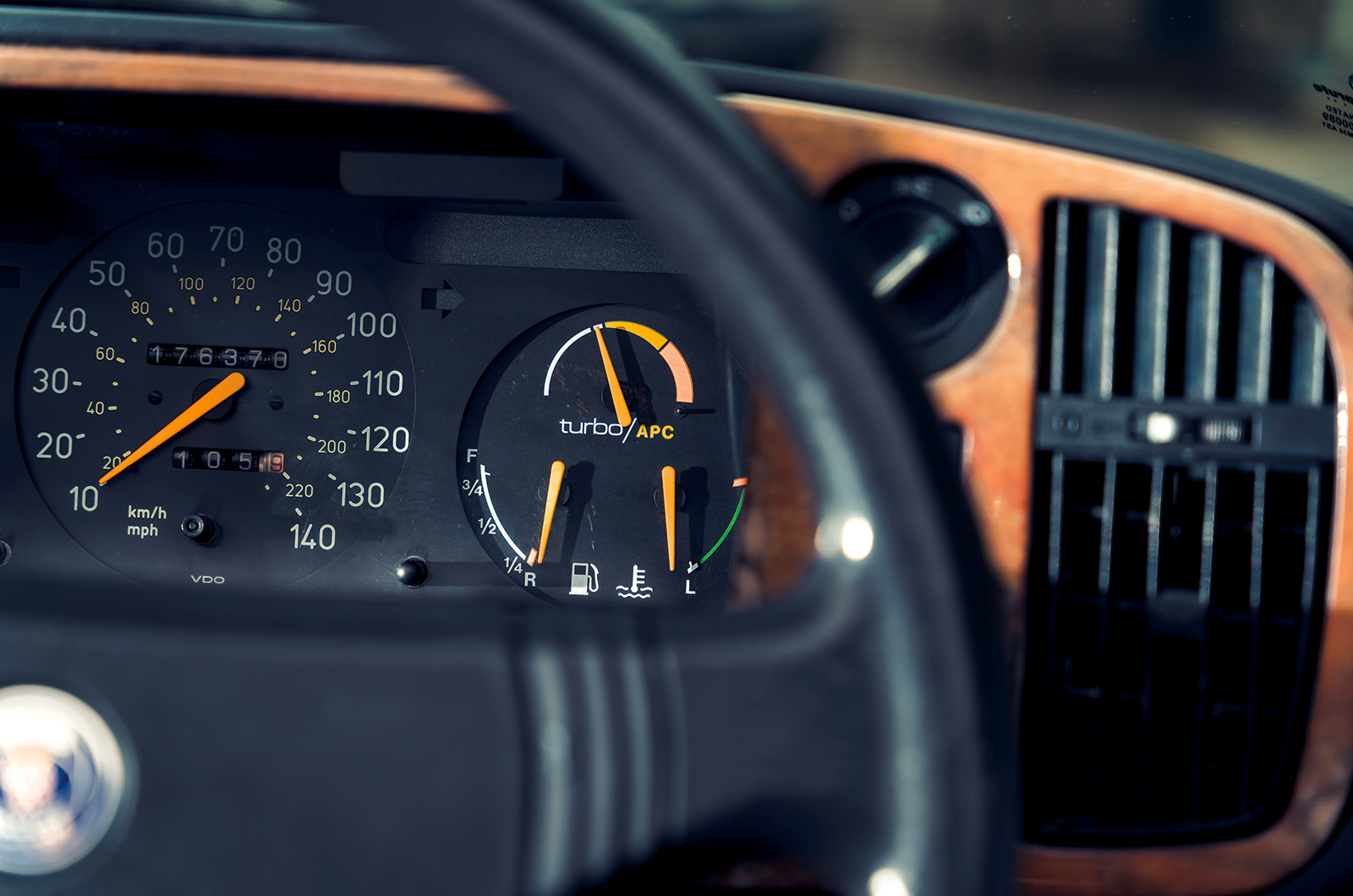
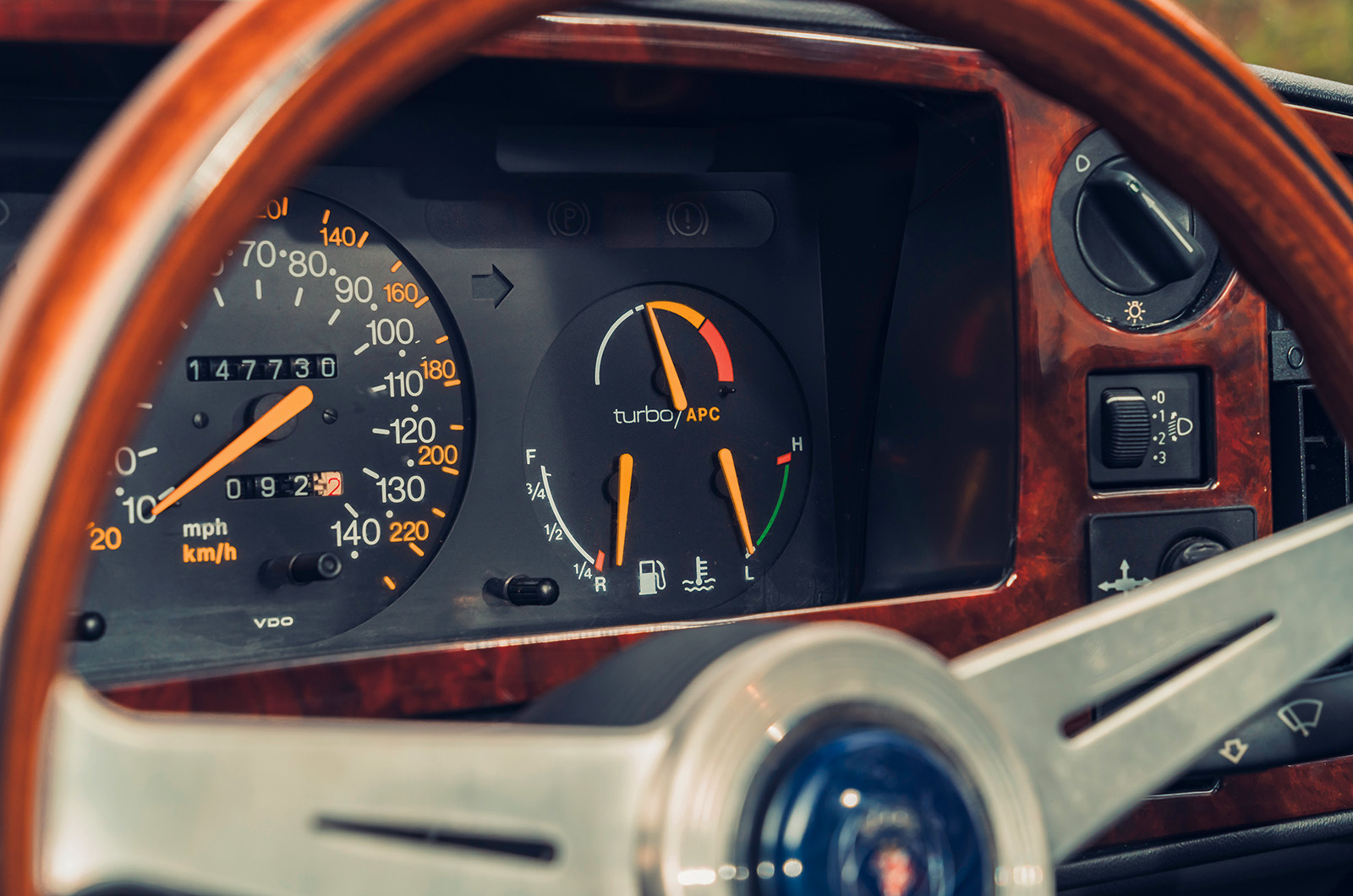
The Saab 900 turbo Cabriolet’s Automatic Performance Control dial

The 145bhp 900 turbo, with 23% more power and 45% more torque than the naturally aspirated model, showed that a safe car could also be exciting.

It brought turbocharging technology into the mainstream by boosting usable mid-range torque and smoothness (to a level that suggested six cylinders rather than four), instead of chasing rarely used top-end power, and all while maintaining efficiency and giving relatively clean exhaust emissions.

Wastegate technology helped to retain the longevity that more highly stressed German turbo-boosted cars struggled with.

Later, an Automatic Performance Control (APC) system was introduced as a way of retarding boost to avoid harmful knock under certain conditions.

Classic & Sports Car – Saab 900s: safe as houses

This cabriolet’s light-pressure turbo gives smooth punch

The injected, normally aspirated 118bhp GLE and EMS were next down the pecking order, with the single- and twin-carb GL and GLS as the entry-level 900s.

There were no two- or four-door booted saloons in the range at first (they arrived in 1981, along with a five-speed ’box), only three- and five-door Combis, the latter with its distinctive opera window in the C-pillar.

As the 1980s unfolded, the 900 inspired myriad reworkings and interpretations.

To talk of 175bhp, 16-valve engines, Aero bodywork, luxury-focused ‘electric kits’ and even a long-wheelbase four-door called the 900CD (Saab’s ‘company limousine’ answer to the Citroën CX Prestige) is merely to skim the surface of the efforts to massage every last possibility out of this evergreen design.

Classic & Sports Car – Saab 900s: safe as houses

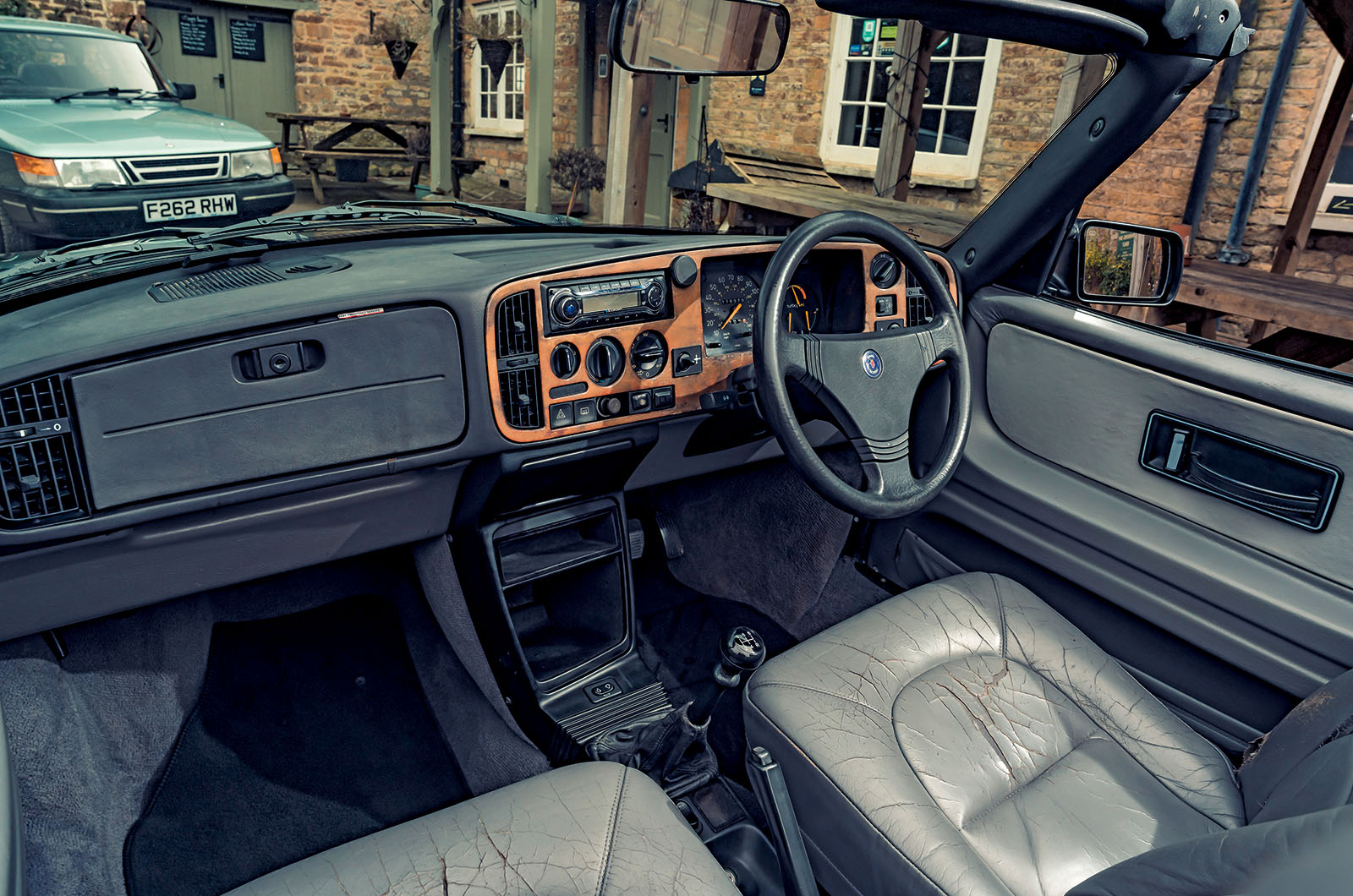
The Saab 900 turbo Cabriolet has light veneer and leather trim

The 900, flat-nosed at first, slant-nosed after 1987, would come with more than 12 styles of trimmed-steel and alloy wheels in its 14-year lifespan, along with various grille treatments.

The ultimate £25,000, 185bhp Carlsson-spec 900s – a lowered three-door in black, white or red, with leather trim and Nardi steering wheel – had come a long way from the humble £1500, 87bhp Saab 99 family car of the late ’60s.

Saab didn’t hide the fact that the 900 was an adapted and updated 99, a compromise dictated by a lack of funds and development time.

Starting with the shell of the 99 Combi Coupé hatchback, the nose was extended by 8in (203mm) and the wheelbase by 2in (51mm), helping to further enhance frontal-impact performance, and make room for power steering and a new, collapsible column.

Classic & Sports Car – Saab 900s: safe as houses

High sides mean the Saab 900 turbo Cabriolet retains a secure sense of enclosure when the hood is stowed away neatly

Longer by 14in (356mm) and 2in (51mm) wider – and unusual in retaining 15in (381mm) wheels – the 900 was accepted by most people as a new car.

The coil springs of the negative-offset wishbone front suspension were pivot-mounted to help keep them straight.

At the rear, a dead axle located on trailing arms and a Panhard rod kept the floor low and flat enough for sleeping on with the rear seats folded.

As with almost anything from the 1970s, the 900 is no longer a large car to modern eyes.

The shape looks more distinctive than ever, particularly the now rarely spotted two-door, seen here as a low-mileage, unblown 900i.

Classic & Sports Car – Saab 900s: safe as houses

The Saab 900 T16 has a neat spoiler

In all versions, the doors extend under the sills to keep your trousers clean.

They shut with a clunk of quality that permeates the whole car, although there is nothing particularly special about the hard-wearing plastics and velours used in the cabins of the T16 and 900i.

The views out are slightly beetle-browed in the closed cars, but the leather-clad Cabriolet – yuppie car of choice, second only to a BMW 3 Series in the ’80s – is distinguished by a power-operated hood that stows neatly and takes up remarkably little boot space.

The 1983 900 Cabriolet was reputed to be the first production convertible to have a glass rear window.

Classic & Sports Car – Saab 900s: safe as houses

The Saab 900 T16’s turbo gauge reports on the blower’s progress

Rather than adopting a Triumph Stag-like roll-over bar, Saab designer Björn Envall opted for extra-strong windscreen pillars re-angled at 45°.

The supposedly aircraft-inspired dashboard looks well thought-out rather than exciting, and you instinctively know where everything is – other than the ignition key, of course, which nestles next to the handbrake and cannot be removed unless you select reverse: an eccentric but logical safety and security feature.

The light-pressure turbo in this Cabriolet – which, with its high sides, feels a bit like driving a well-trimmed skip with the hood lowered – is a good compromise between the smooth conservatism of the brisk 900i and the potential for torquesteering aggression that lurks within the T16.

Classic & Sports Car – Saab 900s: safe as houses

The 175bhp Saab 900 T16 focused on mid-range torque rather than top-end thrills

The latter is still a formidable tool on a fast minor road, where a quickly changing range of cambers, surfaces and coefficient of grip might slow down less surefooted cars.

All are five-speeds but, while you can find your way around the gate, changes are never truly satisfying.

Reverse is easy to find, and a generous lock makes manoeuvring a cinch, despite blindspots formed by the fat C-pillars.

The diagonally split, dual-circuit brakes can be used with impunity, and you can feel just enough understeer building up through the responsive power steering to make driving quickly a second-nature thing.

Classic & Sports Car – Saab 900s: safe as houses

Saab pioneered the headlight wash/wipe system

In the blown Saab 900s, it takes a while to learn to take even tight, slow corners in third gear rather than second for a smooth, turbo-boosted exit, with a guttural throb from the large-bore tailpipe and whining hum from under the bonnet.

Pushed harder, the front wheels of the T16 paw at the road, but none of these 900s are easily knocked off line.

Saab closed its doors as a car manufacturer in 2011. The marque was a victim of the faltering fortunes of parent company General Motors, which had increased its 50% stake (from 1989) to 100% by the turn of the century.

Many would argue the firm had not built a ‘real’ Saab since the early ’90s: the 9000 was a shared Fiat/Lancia/Alfa Romeo platform, and subsequent 900/9-3 and 9-5 models used reskinned GM architecture.

Classic & Sports Car – Saab 900s: safe as houses

Saab’s 900 T16 gets velour trim

The truth is, I feel bad now.

Having been rude about Saabs in Classic & Sports Car in the past, I sort of knew that my encounter with this trio of 900s – as well as their owners – would be chastening.

First, the cars impress: let’s just say that while I’m not a convert, I can easily understand the appeal of them.

Second, far from being a smug alliance of chin-stroking architects or left-wing university lecturers (as so many American buyers appeared to be), Saab owners are a down-to-earth bunch who are as realistic about the shortcomings of the beasts they worship as they are the many plus points.

Classic & Sports Car – Saab 900s: safe as houses

The T16’s front wheels scrabble for traction when pushed

Moreover, these classic Saabs – T16, light-pressure-turbo Cabriolet and ‘cooking’ 900i – were not preened-over show specimens, but regular transport.

In fact, it would be difficult to think of a classic car built in the 1970s, ’80s or early ’90s that would be better suited to everyday use than these honest, interesting, thoughtfully designed, superbly safe and very much above-averagely rust-resistant Swedes.

Images: Max Edleston

Thanks to: Saab Owners’ Club GB; The Rose & Crown, Trent; TR Autos; Alex Rankin, Jonathan Stamp and Stuart Gamble


Factfiles

Classic & Sports Car – Saab 900s: safe as houses

Saab 900i

  • Sold/number built 1978-’93/908,810 (all)
  • Construction steel monocoque
  • Engine iron-block, alloy-head, sohc 1985cc ‘four’, electronic fuel injection
  • Max power 118bhp @ 5500rpm
  • Max torque 123lb ft @ 3700rpm
  • Transmission four/five-speed manual or optional three-speed automatic, FWD
  • Suspension: front independent, by double wishbones, anti-roll bar rear dead axle, leading and trailing arms, Panhard rod; coil springs, telescopic dampers
  • Steering power-assisted rack and pinion
  • Brakes discs, with servo
  • Length 15ft 6½in (4737mm)
  • Width 5ft 6½in (1689mm)
  • Height 4ft 8¼in (1429mm)
  • Wheelbase 8ft 3½in (2525mm)
  • Weight 2650lb (1204kg)
  • 0-60mph 12.7 secs
  • Top speed 104mph
  • Mpg 24.4
  • Price new £12,495 (1988) 


Saab 900 turbo Cabriolet
(where different from 900i)

  • Engine 16 valves, turbocharger, intercooler
  • Max power 145bhp @ 5000rpm
  • Max torque 177lb ft @ 3000rpm
  • Height 4ft 8in (1422mm)
  • Weight 2833lb (1285kg)
  • 0-60mph c9 secs
  • Top speed 120mph
  • Mpg 23.4
  • Price new £21,150 (1992) 


Saab 900 T16
(where different from 900i)

  • Engine 16 valves, turbocharger, intercooler
  • Max power 175bhp @ 5300rpm
  • Max torque 201lb ft @ 3000rpm
  • 0-60mph 8.5 secs
  • Top speed 124mph
  • Mpg 21.1
  • Price new £17,995 (1989)

We hope you enjoyed reading. Please click the ‘Follow’ button for more super stories from Classic & Sports Car.