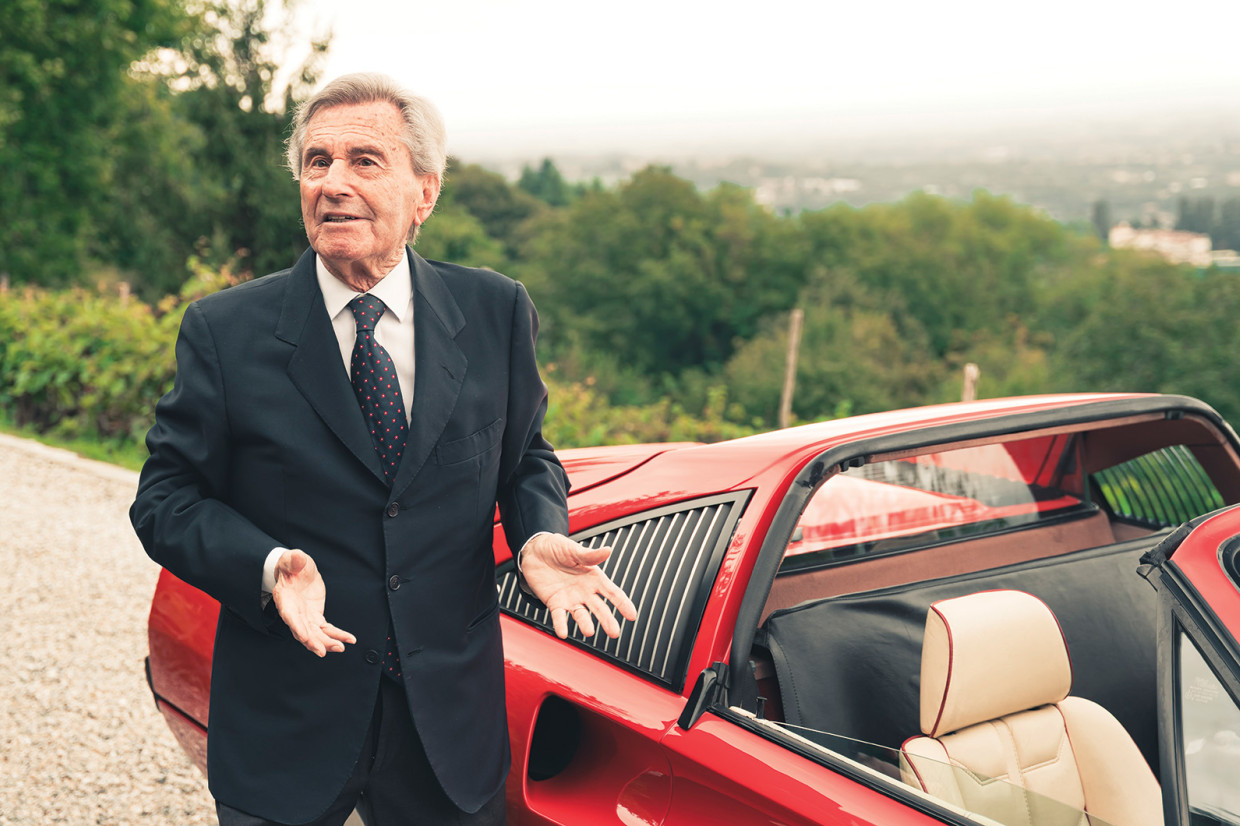
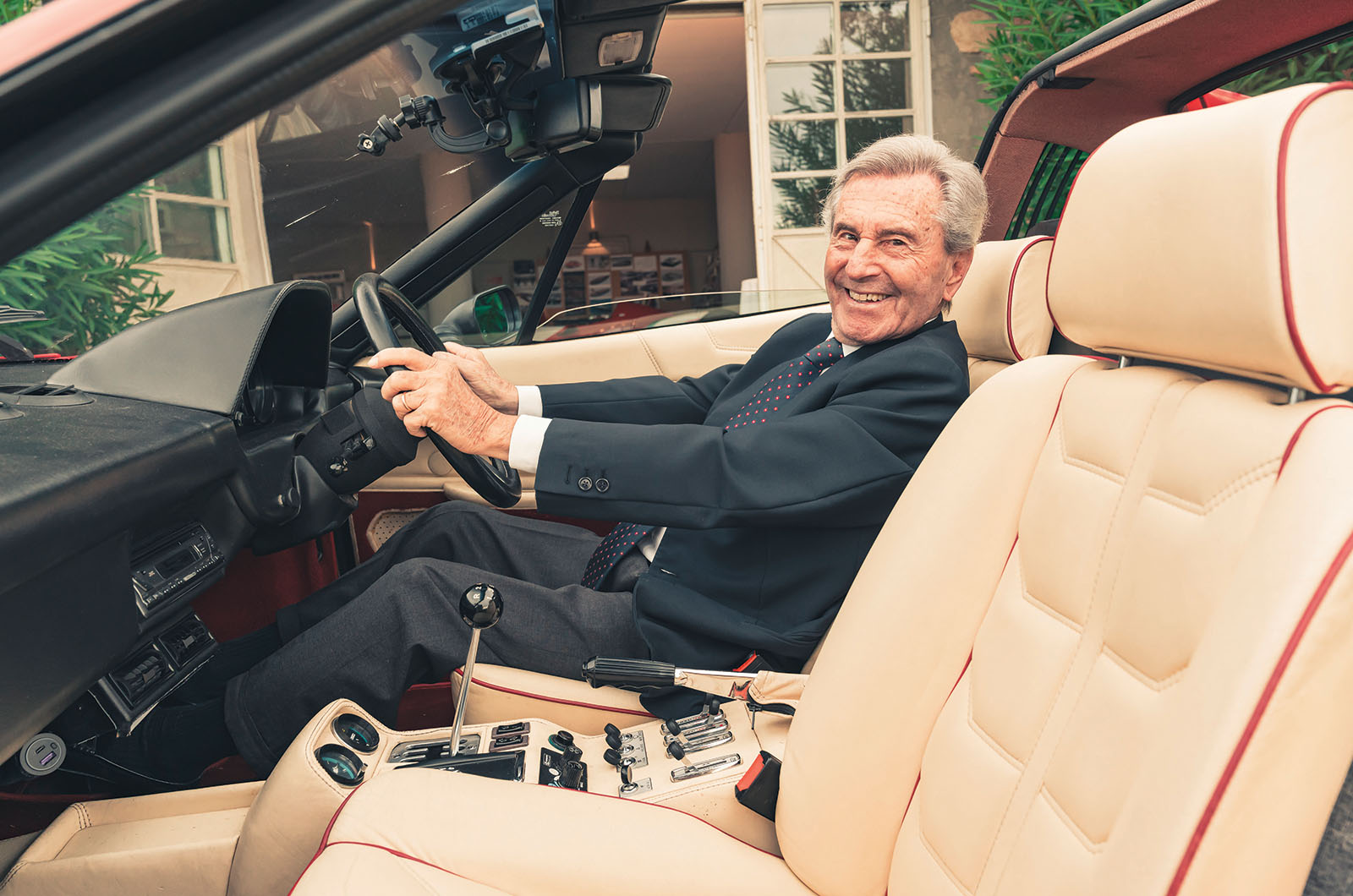
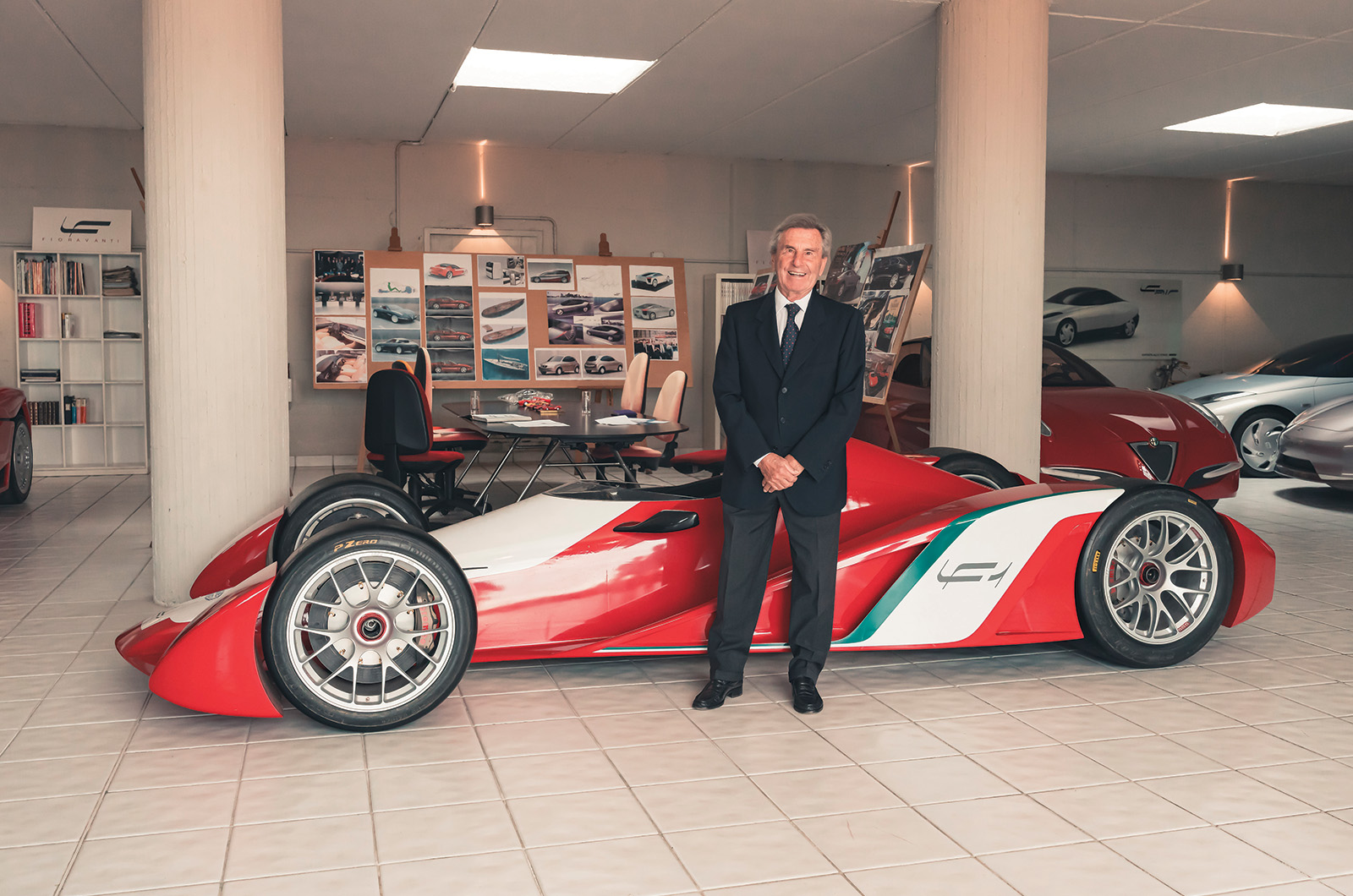
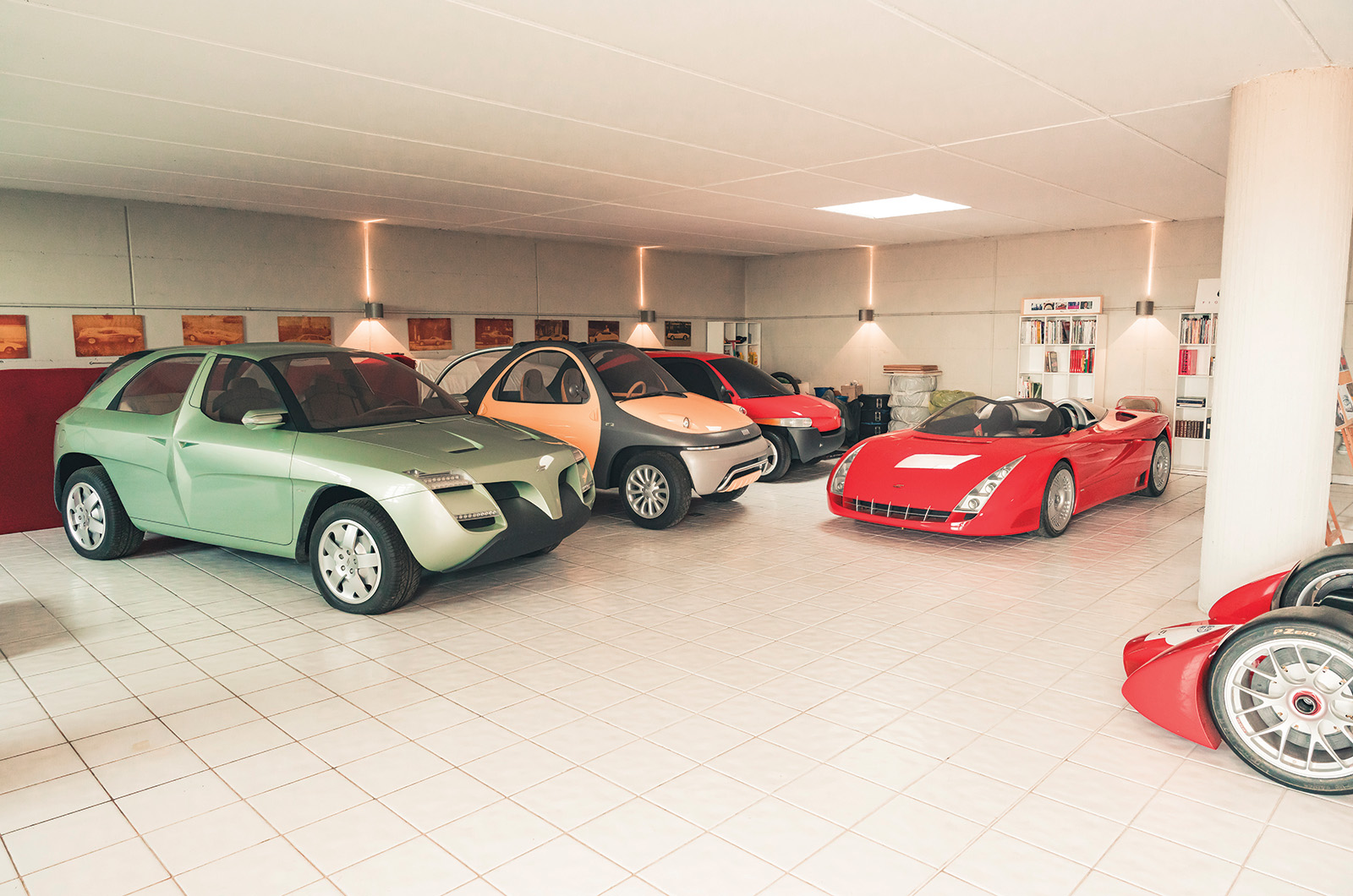
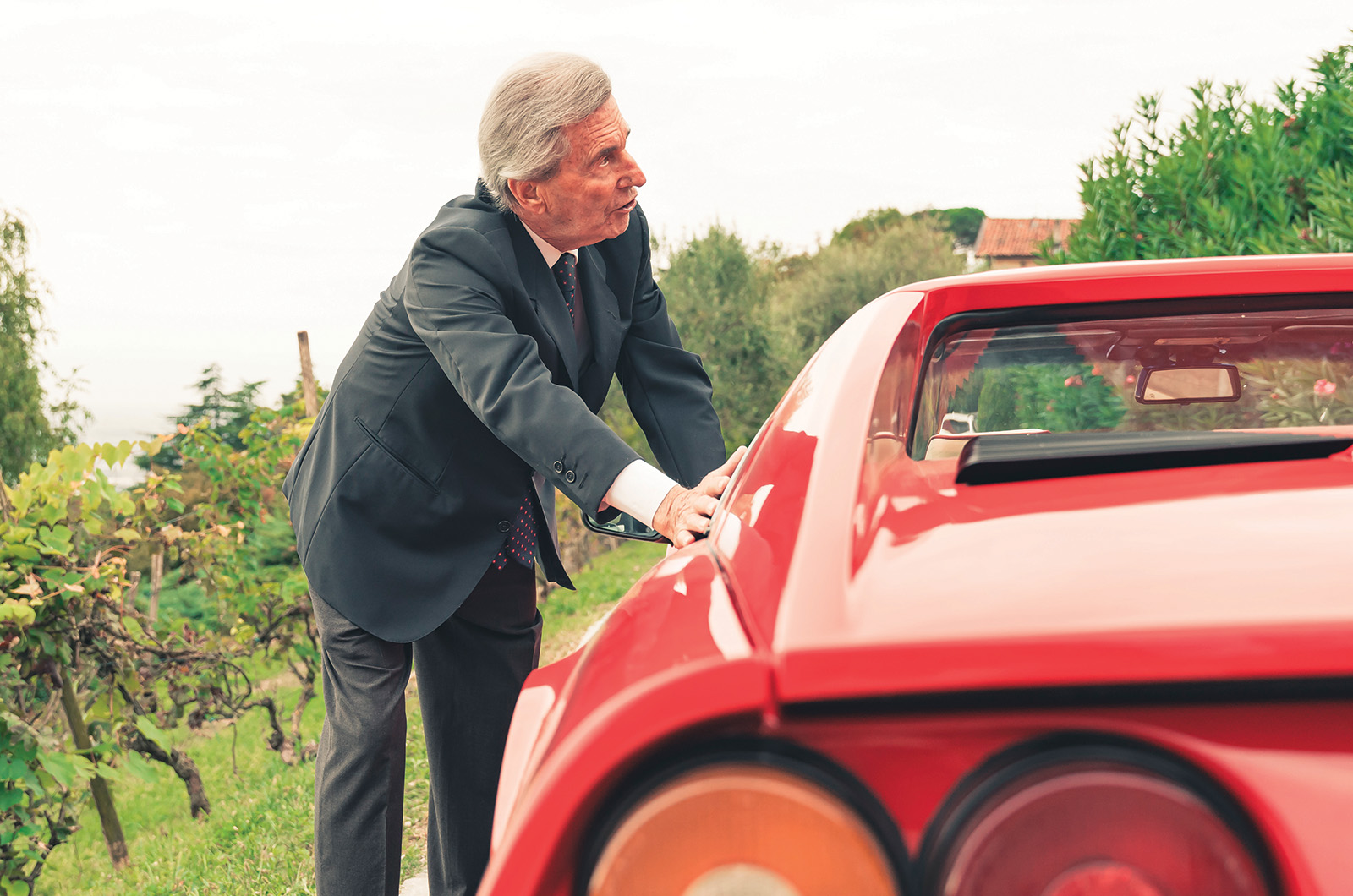
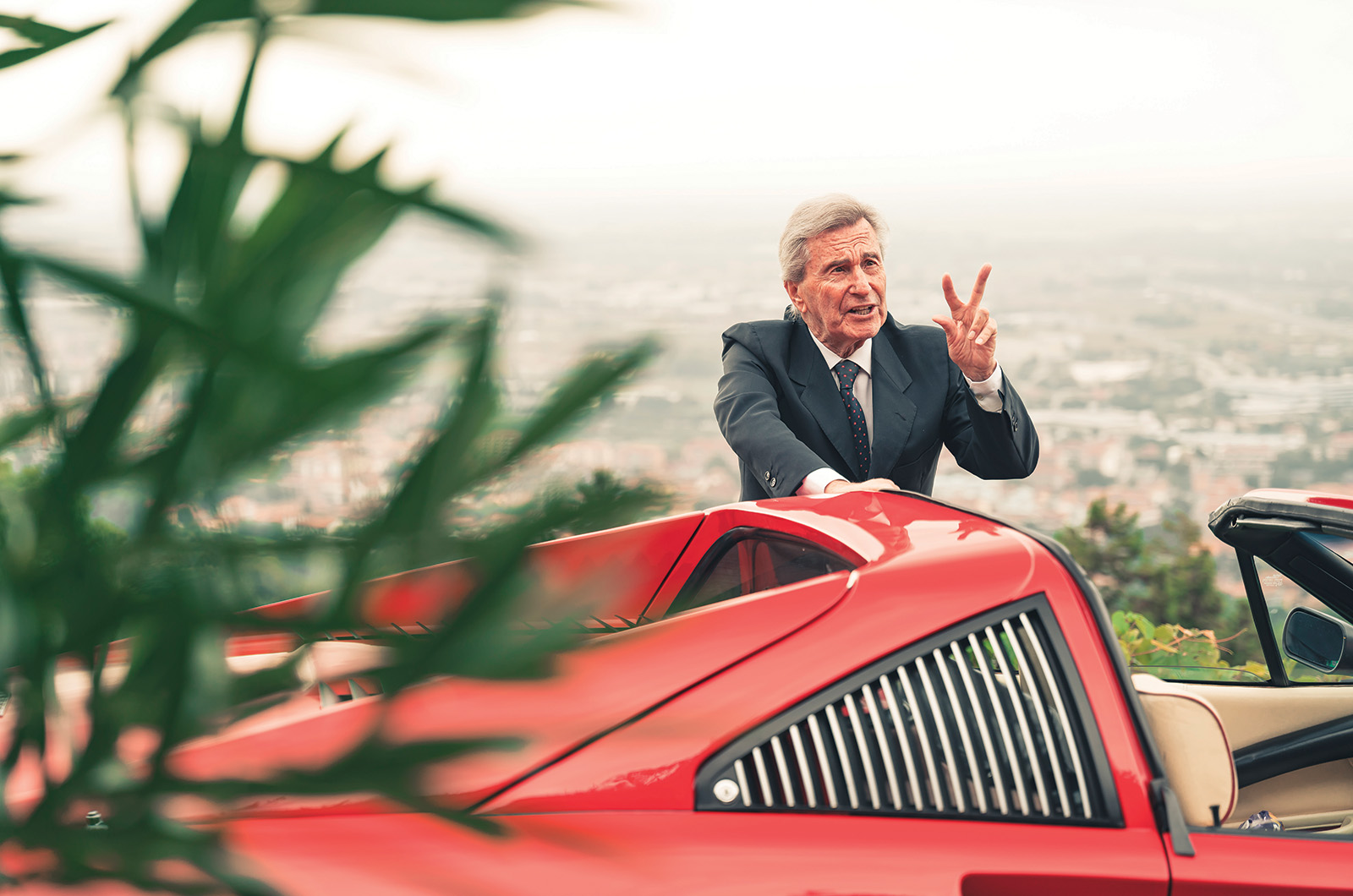
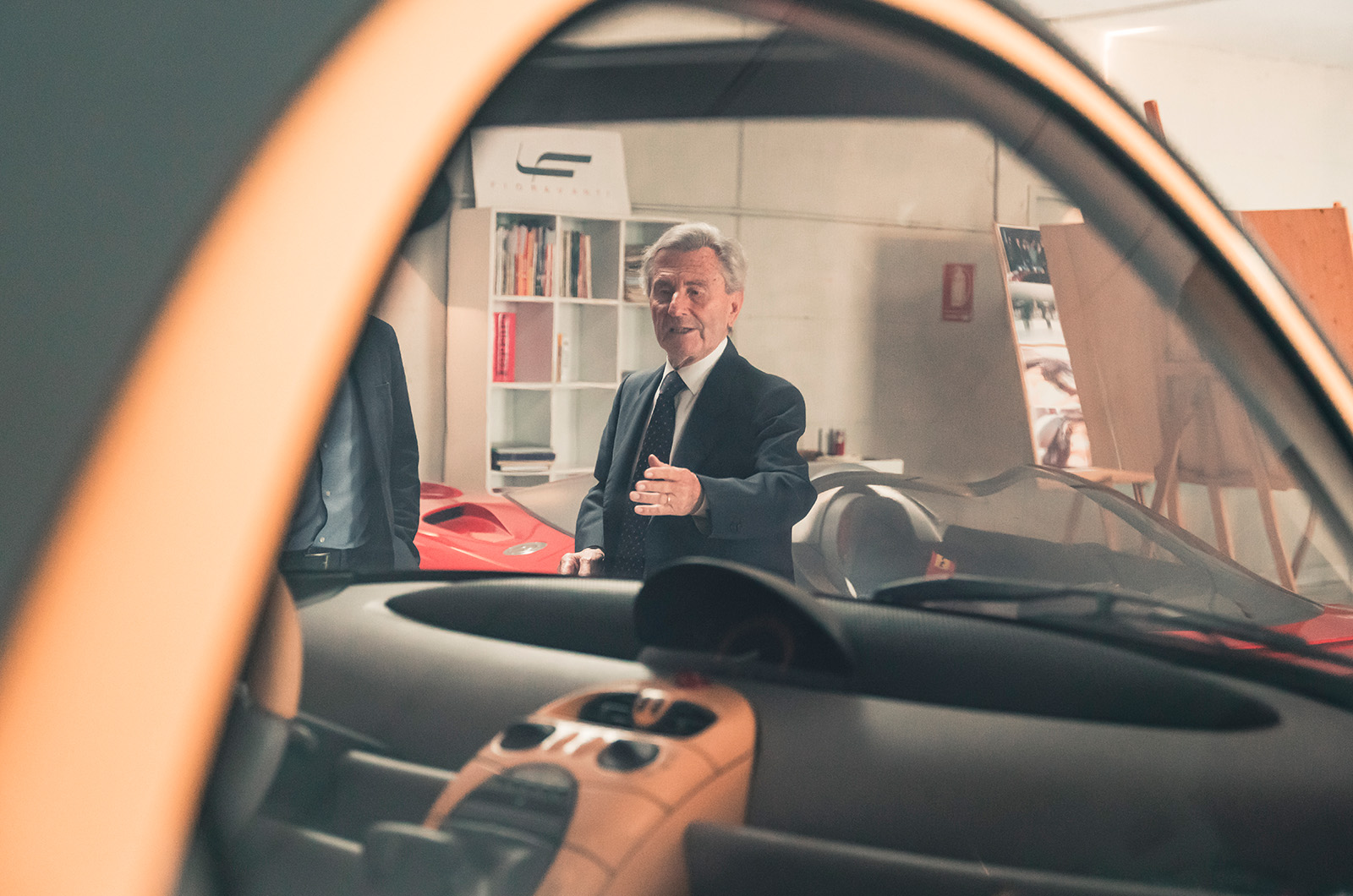
And this is something about which Leonardo is still clearly passionate.
I ask him whether he prefers designing front- or mid-engined cars: “It is the same thing; [the aim is for] both with many years’ life in production.
“The important thing is the Cavallino emblem [Ferrari’s iconic Prancing Horse]. It is so small – do you know why? Because the design of the cars was so well-known around the world.”
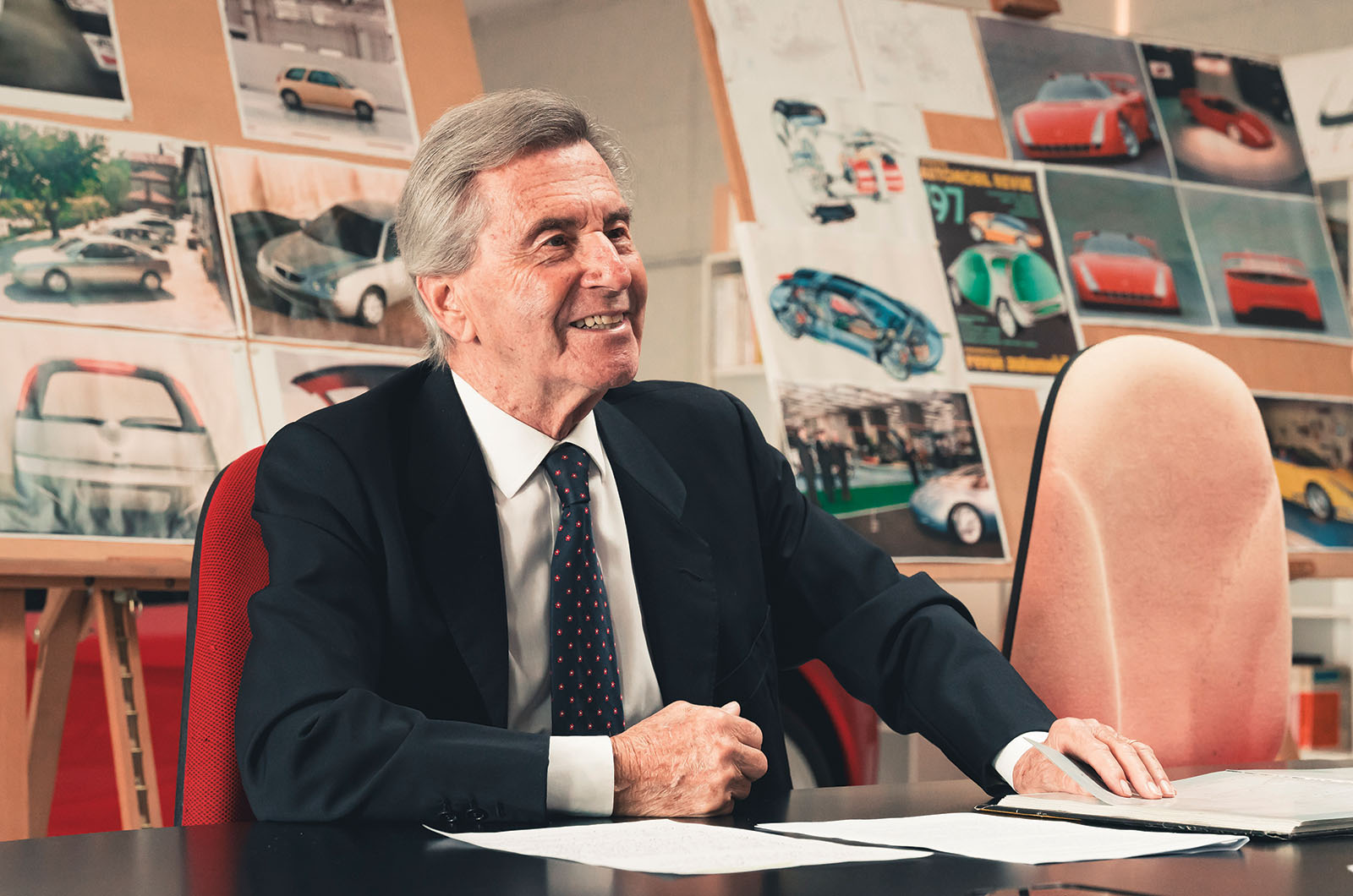
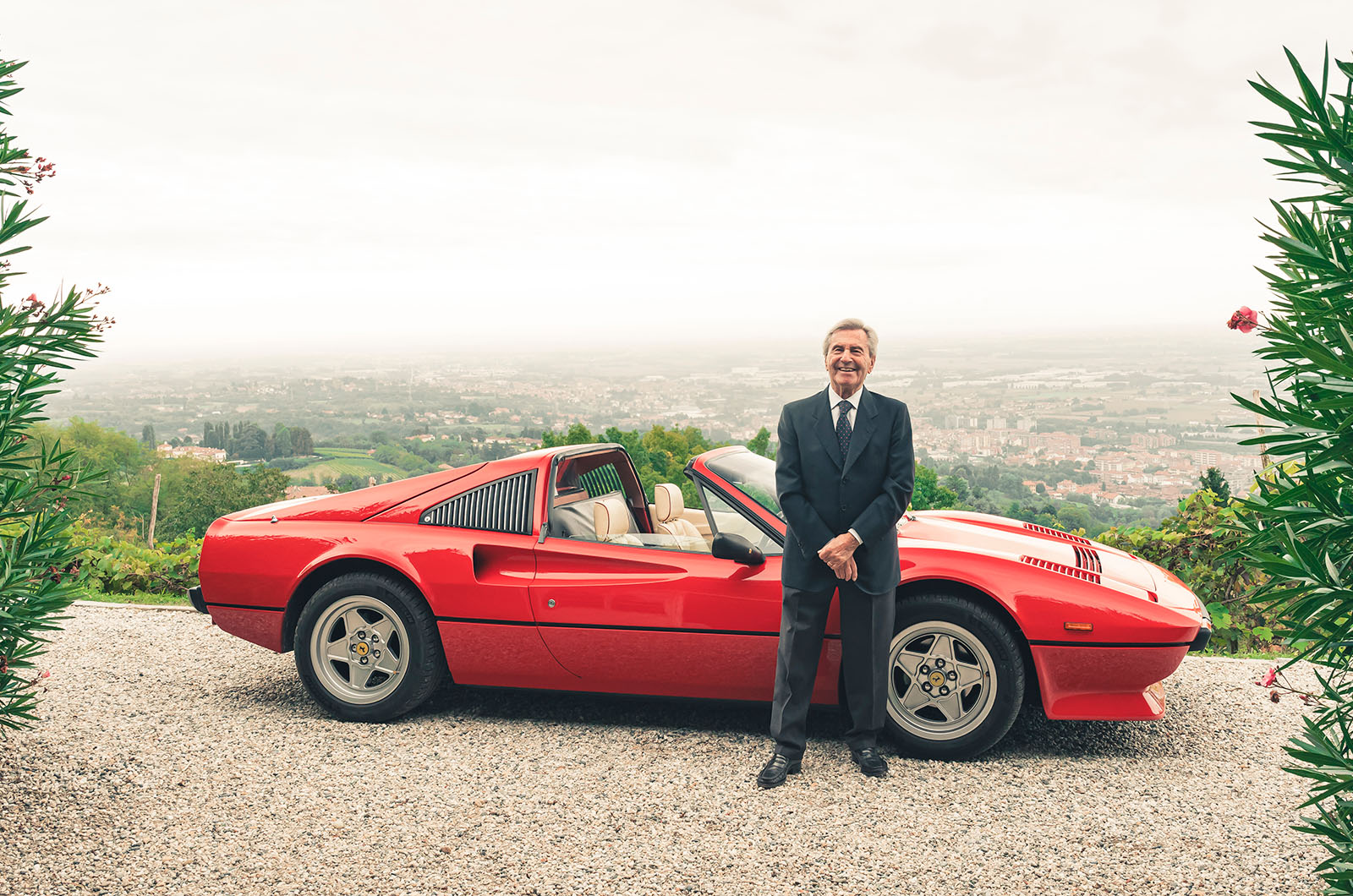
Leonardo Fioravanti became deputy general manager at Ferrari in 1988
But Leonardo is far less complimentary about Ferrari’s current production designs: “Today, it’s not so good because they are too complicated; [applying] the aerodynamics of a sports-racing car to a touring car is a stupid thing.”
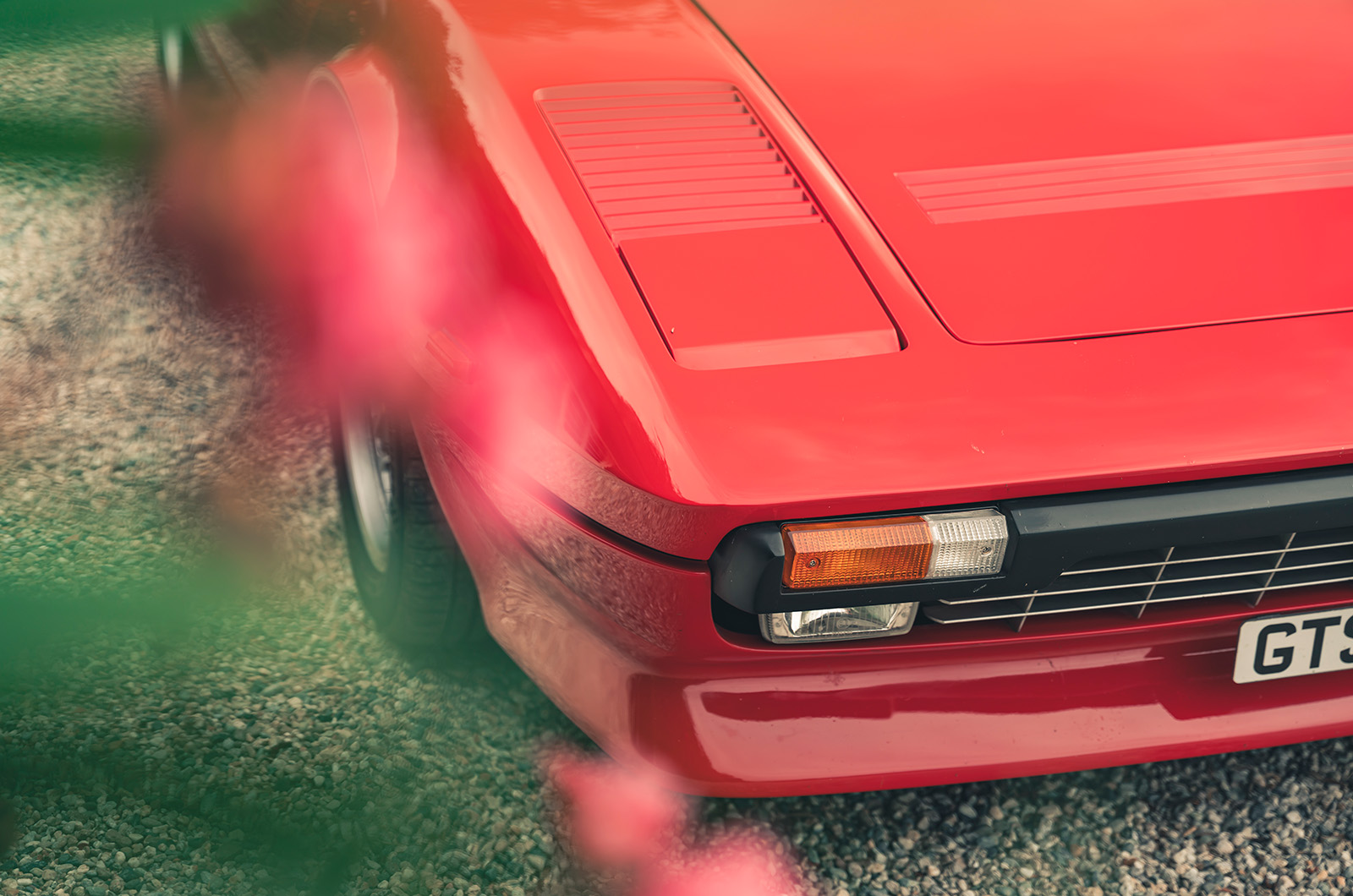
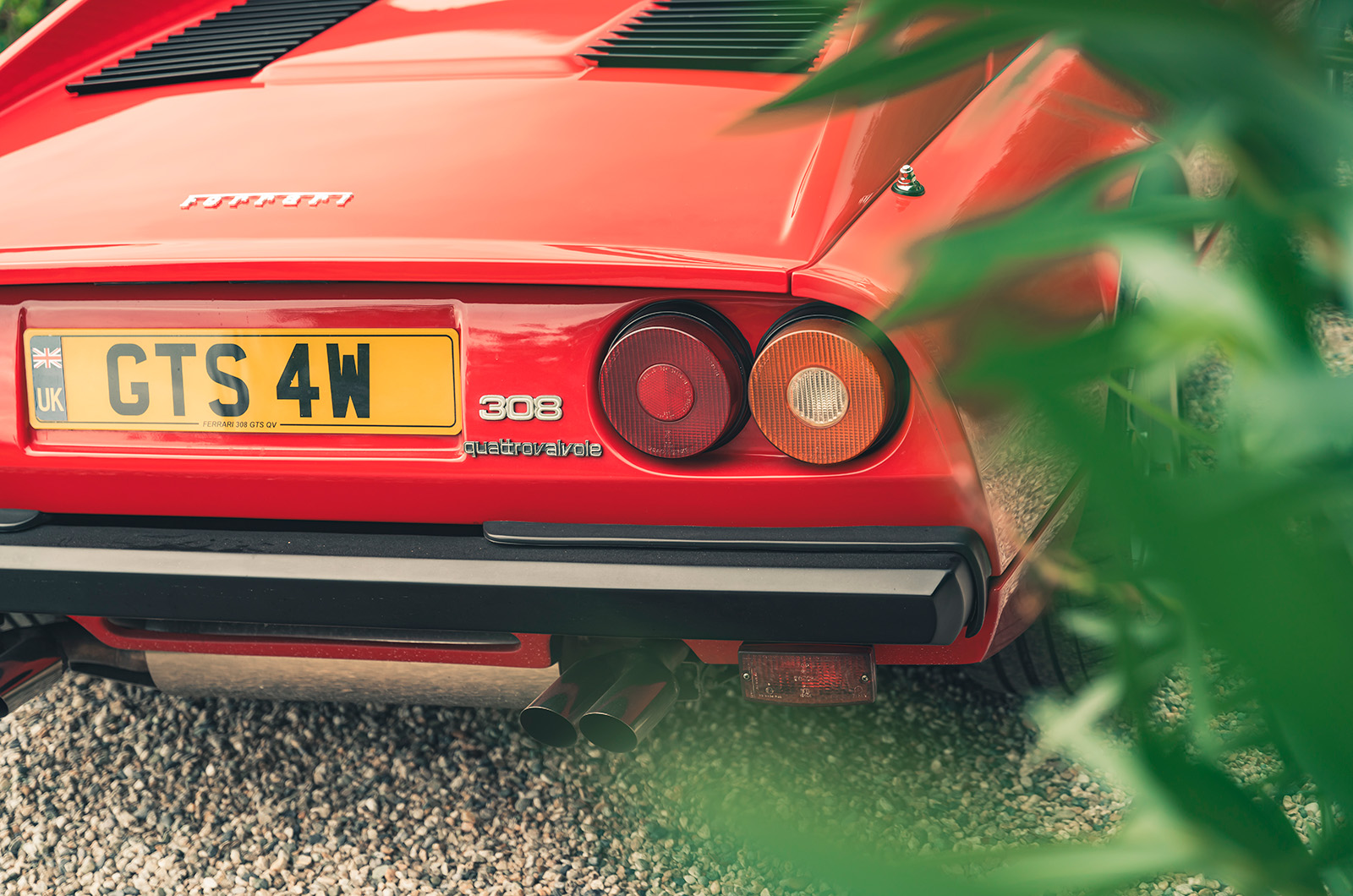
It’s a good point well made, and as Leonardo happily poses for some more snaps with the 308’s elated owner, I wonder what his take on a modern-day 308 would be? He and Gordon Murray should start talking…
Images: Max Edleston
Leonardo Fioravanti’s greatest hits
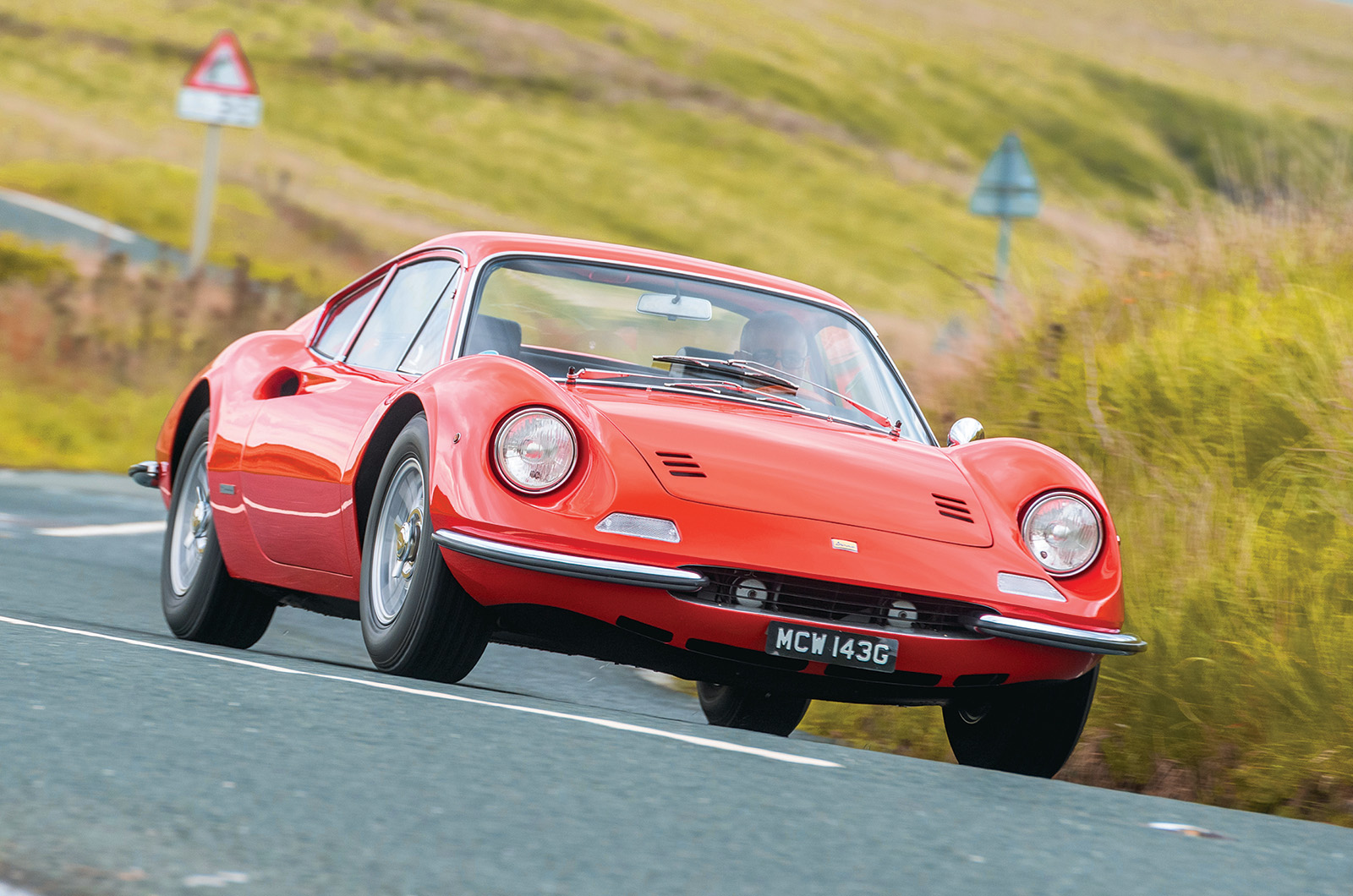
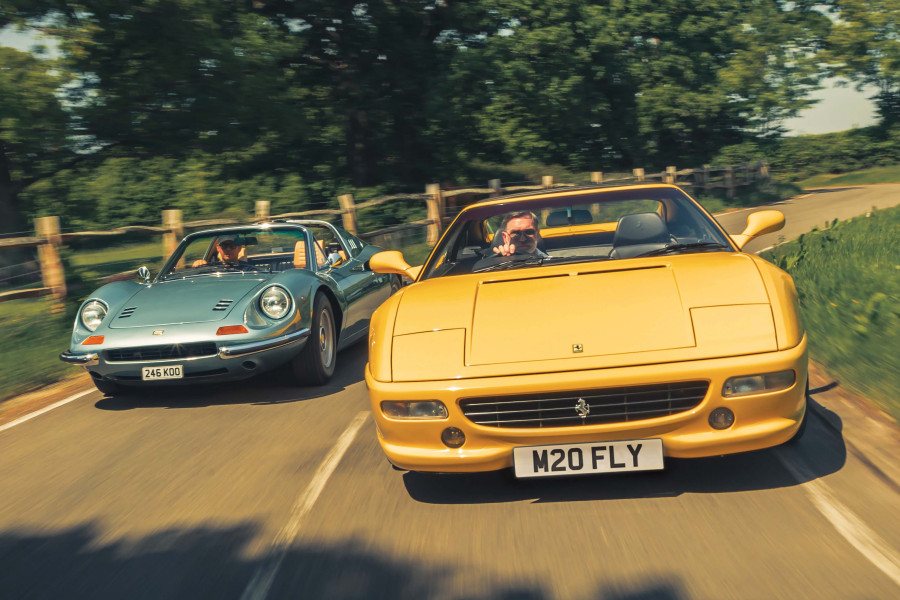
1967 Dino 206/246GT
After initial designs by Aldo Brovarone, Leonardo penned the production 206GT – the beginning of Ferrari’s production mid-engined lineage (although because they had just six cylinders, all cars were badged Dino, not Ferrari).
The aluminium-bodied, 2-litre 206 was soon replaced by the 2.4-litre, steel-bodied 246.
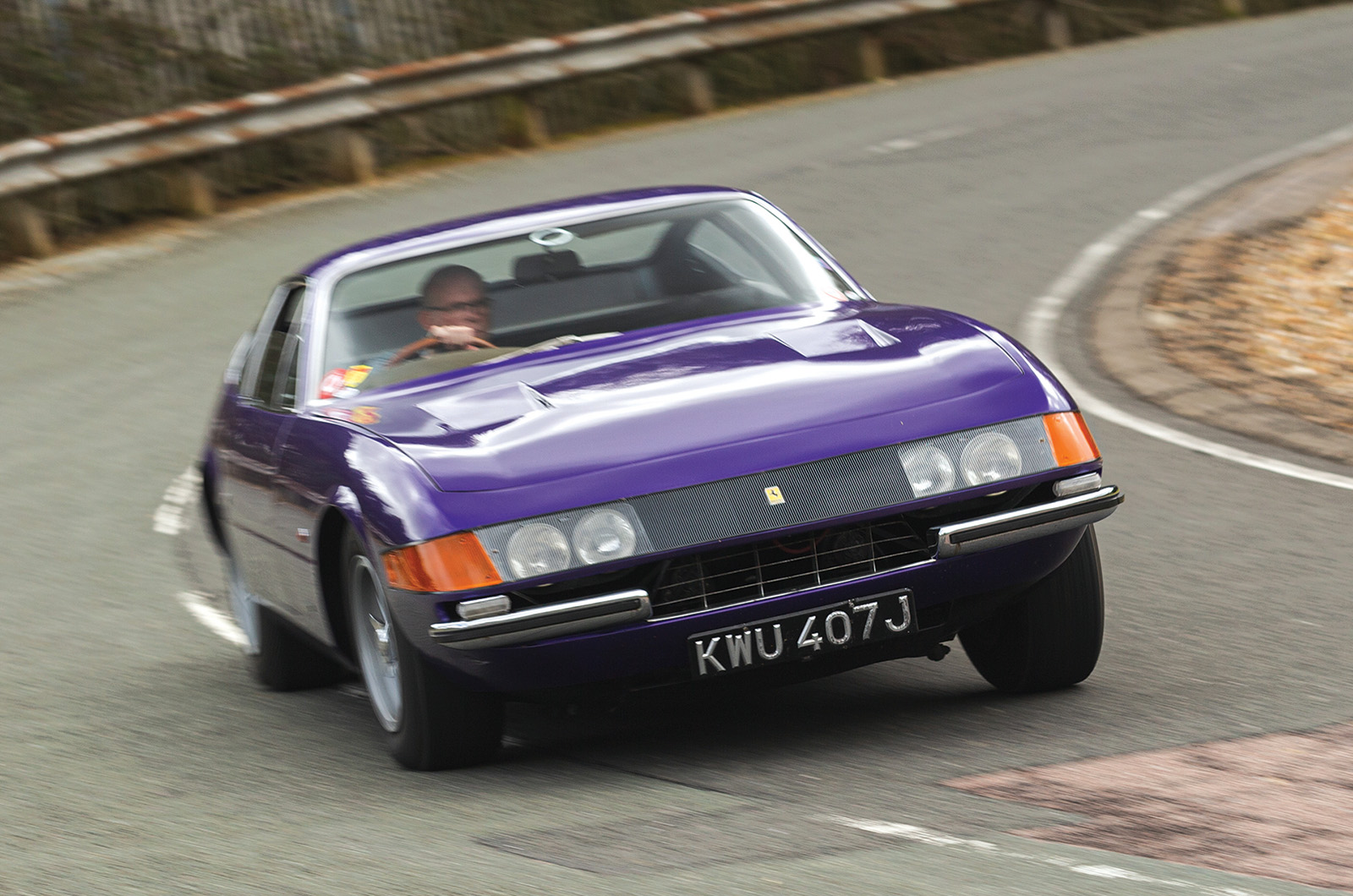
1968 Ferrari 365GTB/4 Daytona
Replacing the 275, the Daytona shared equal billing with Lamborghini’s Miura as the fastest production car of the 1960s, with a claimed maximum speed of 174mph.
Its classic front-engined proportions were to be the last for a Ferrari two-seater until the 1996 550M.
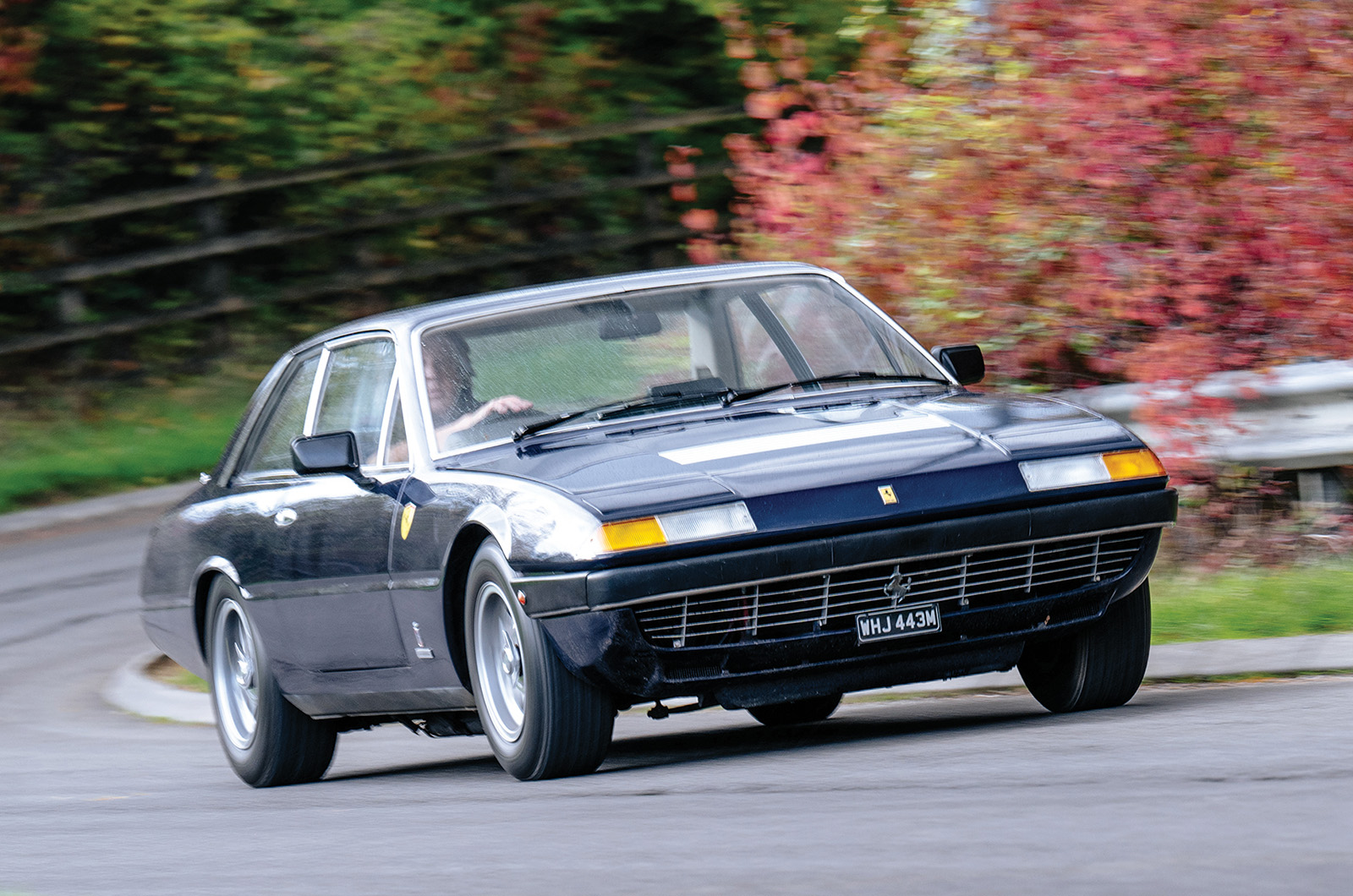
1972 Ferrari 365GT4 2+2/400GT/400i/412GT
This four-seater V12 grand tourer’s elegant, three-box lines endured for 17 years and four iterations after it replaced the fastback 365GTC/4.
Like the Daytona, Leonardo gave the car a distinctive swage line dividing its upper and lower body sections.
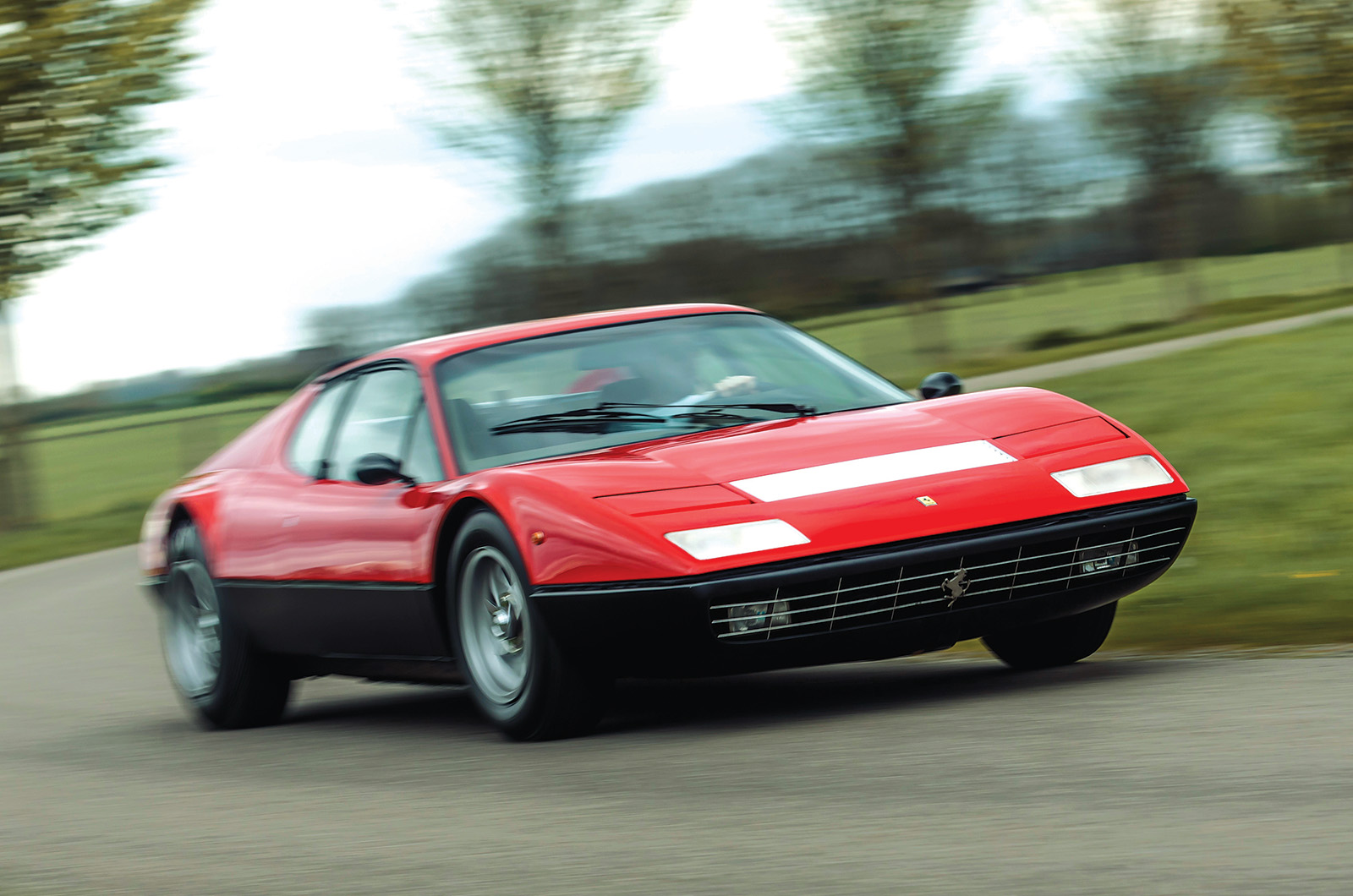
1973 Ferrari 365GT4 BB/512BB/512BBi
Enzo Ferrari’s indifference to mid-engined cars ended with the Daytona’s replacement, the Berlinetta Boxer.
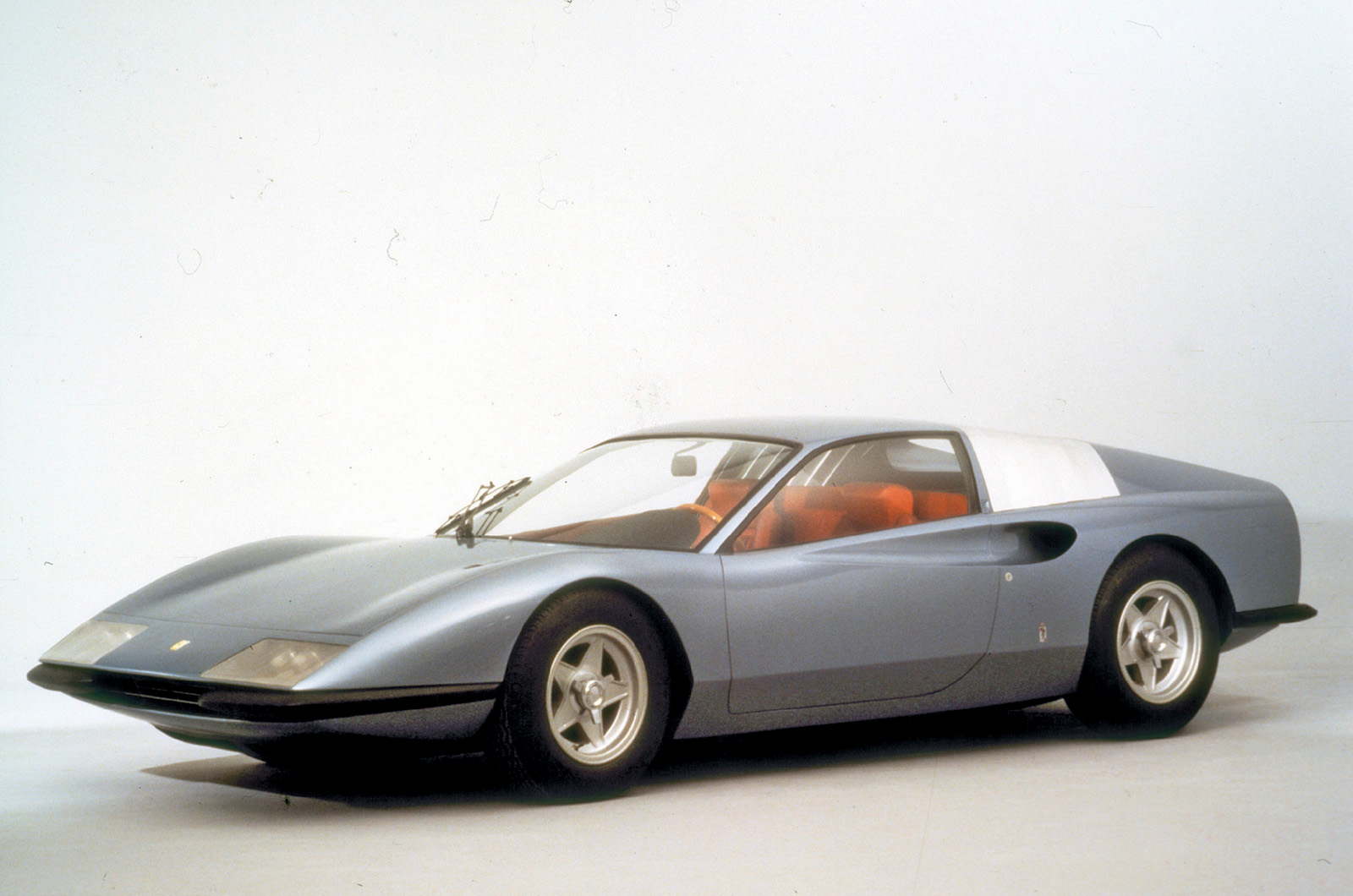
Powered initially by a 4.4-litre flat-12, with its lines influenced heavily by Leonardo’s earlier P6 concept car, the lower body was painted black to disguise its visual mass in profile.
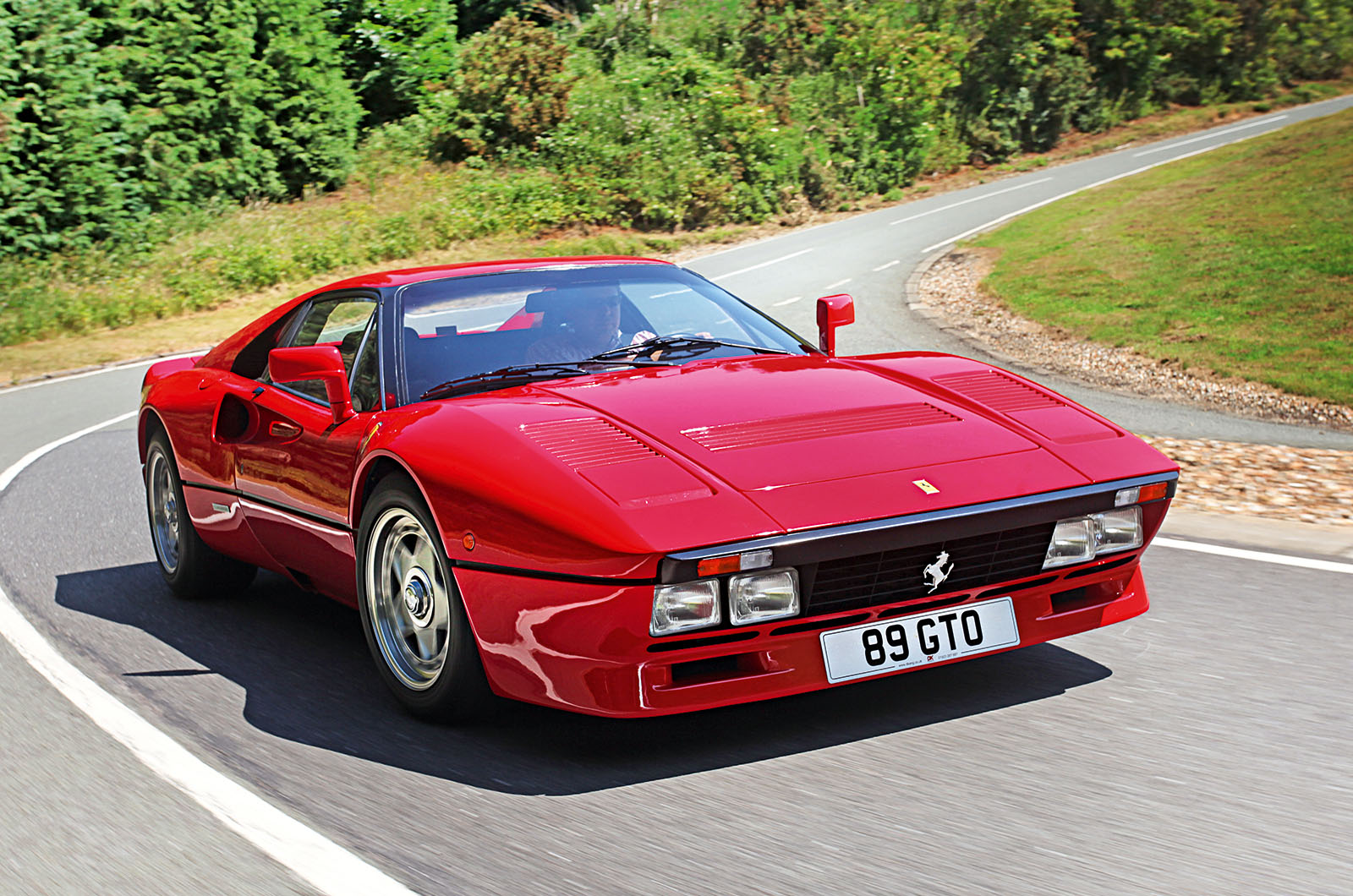
1984 Ferrari 288GTO
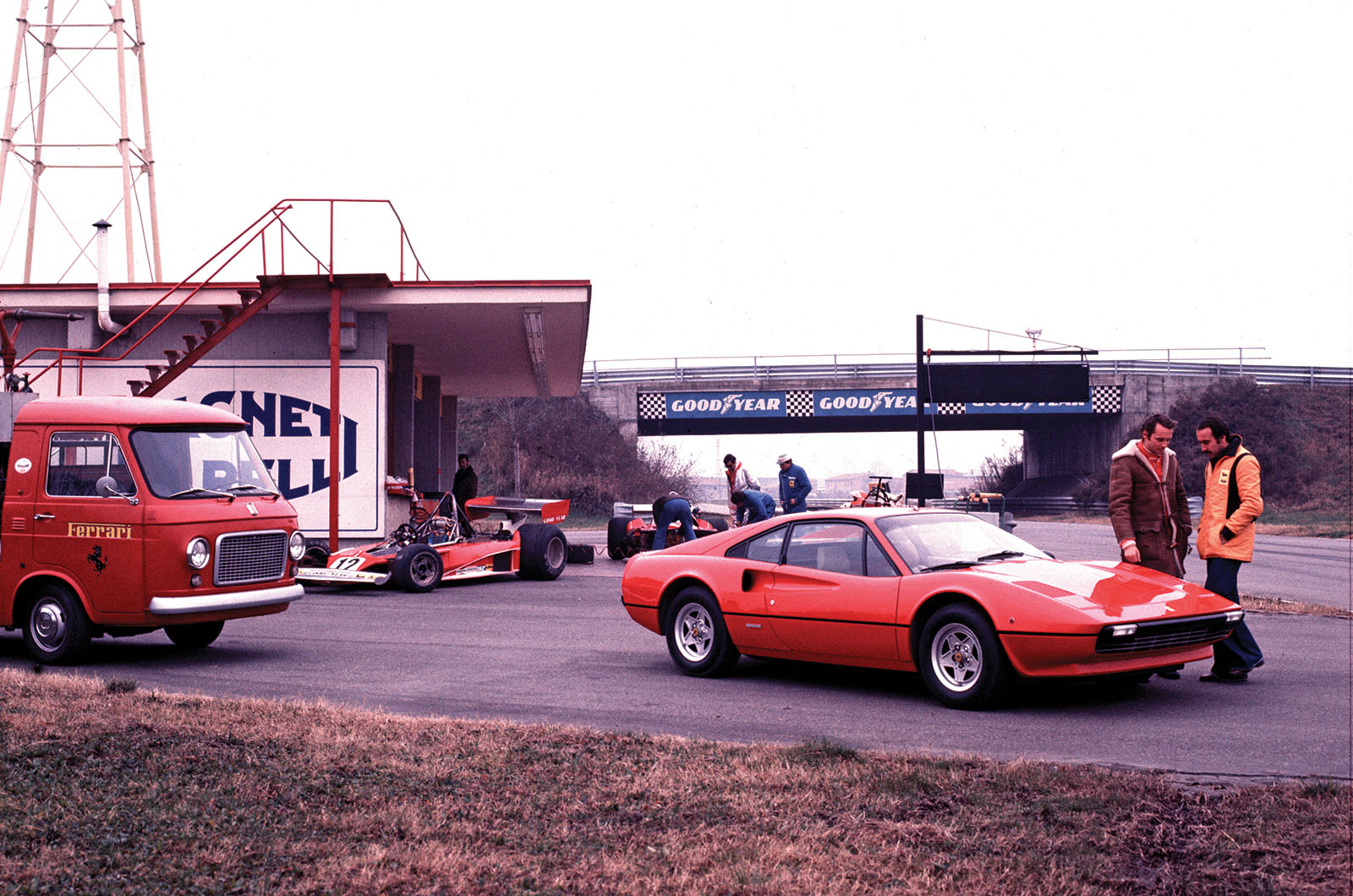
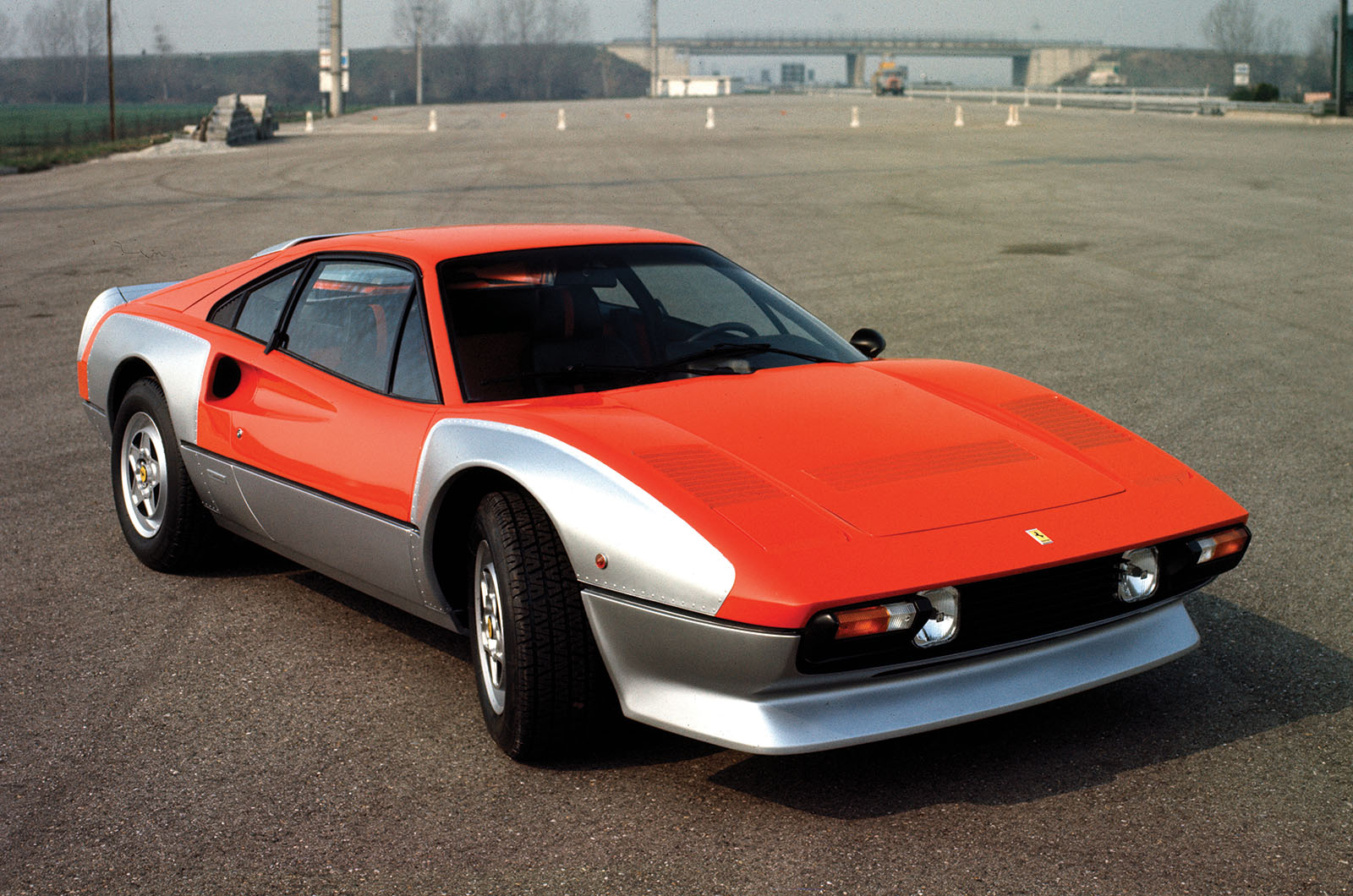
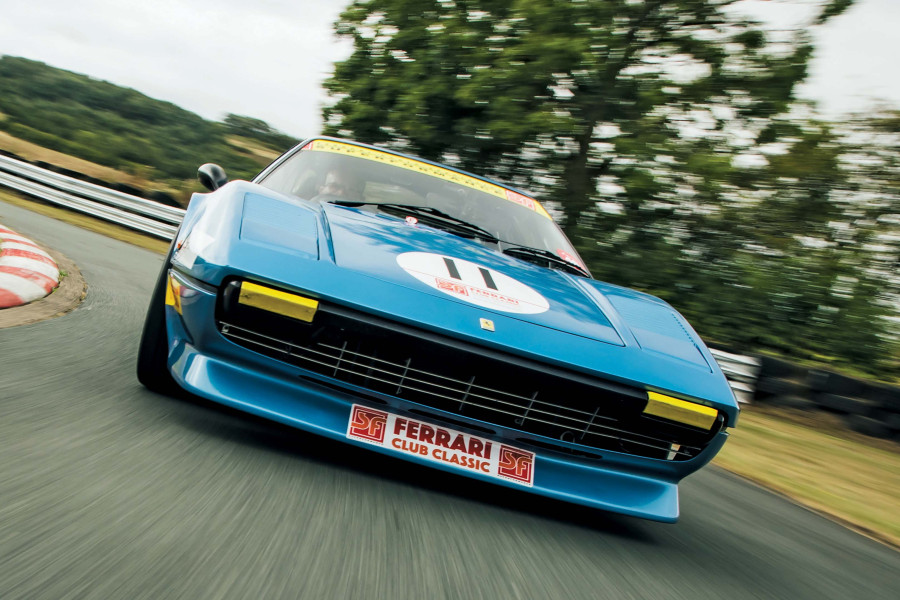
The 308’s evil sibling, the GTO was a homologation special that, despite its similar profile, had virtually nothing in common with the cooking V8 model.
Rip-roaring performance came from a twin-turbo 2.9-litre engine producing 395bhp, while composite materials resulted in a kerbweight of just 1195kg.
Leonardo Fioravanti’s CV
- 1963 Graduates at Politecnico di Milano as an engineer of aerodynamics
- 1964 Joins Pininfarina as a stylist
- 1972 Becomes manager of Pininfarina Studi e Ricerche
- 1985 Appointed managing director of Pininfarina Studi e Ricerche SpA
- 1988 Becomes deputy general manager at Ferrari
- 1989 Appointed director of design at Fiat’s Centro Stile
- 1991 Launches Fioravanti SrL car-design studio
- 2012 Becomes a design consultant to BAIC Group
Enjoy more of the world’s best classic car content every month when you subscribe to C&SC – get our latest deals here
READ MORE
Ferrari 308GTS at 50: on top of the world
Ferrari 365GT4 BB vs 512BB vs 512BBi: boxing clever
Ferrari Daytona Berlinetta, Spider and Competizione: kings of the road
Simon Hucknall
Simon Hucknall is a senior contributor to Classic & Sports Car