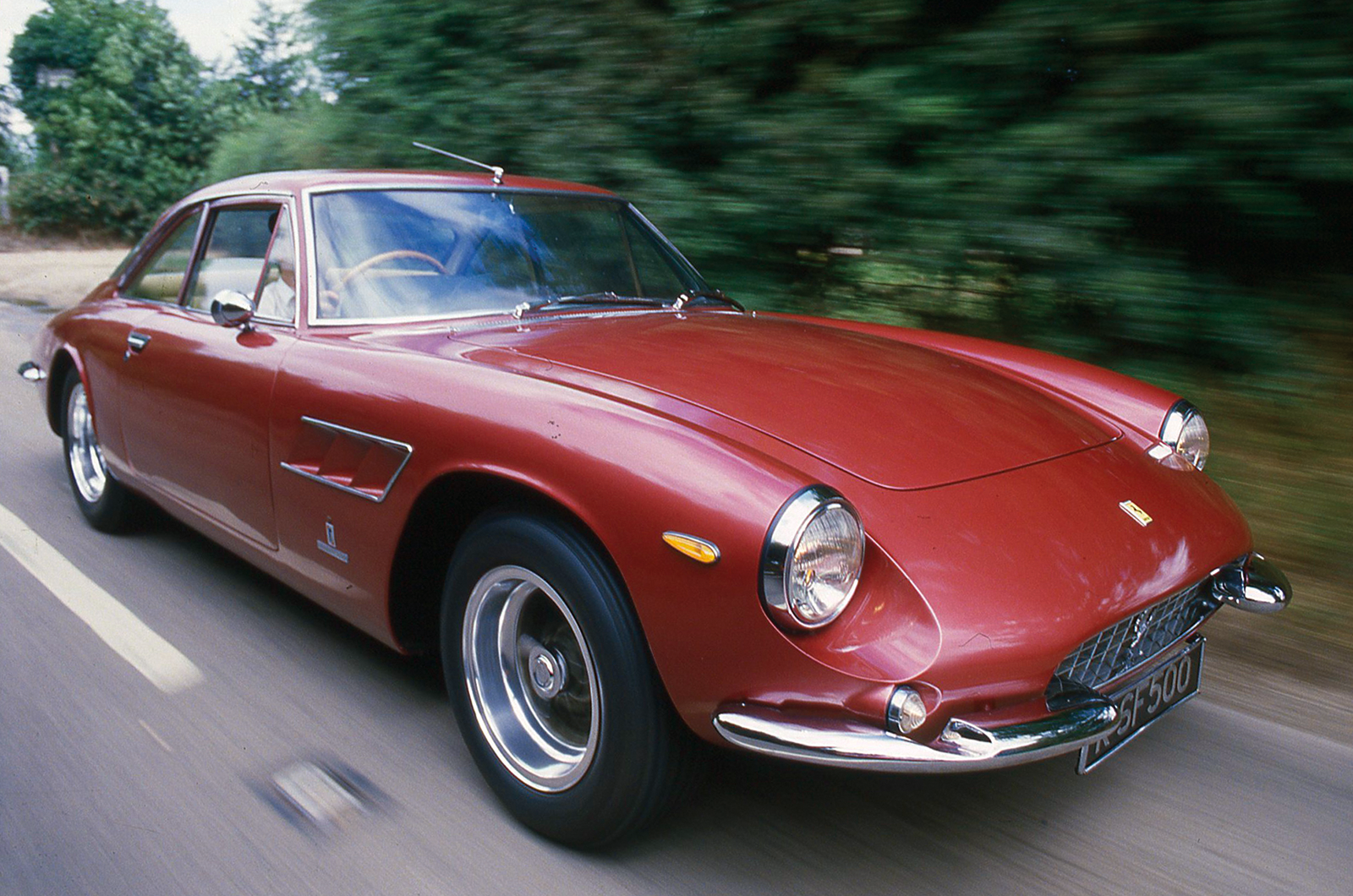
This Ferrari’s second custodian was Jack Pearce of JAP Engineering, who had a rear wiper fitted, changed the colour slightly (to Bianco Polo), added a set of his famous racing alloy wheels and re-registered the Ferrari JAP 1.
The classic Ferrari 500 Superfast is a prince among Maranello’s road cars
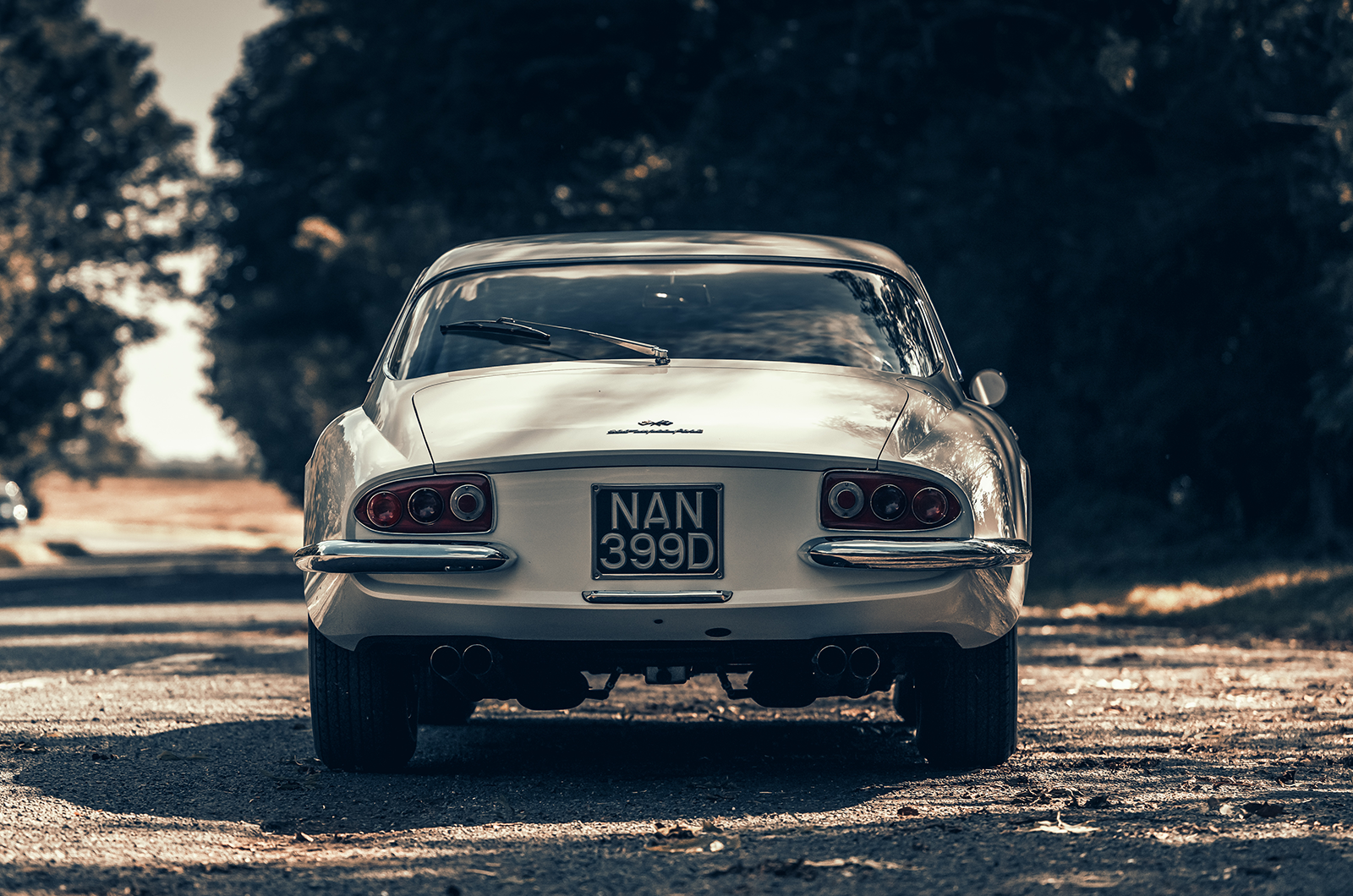
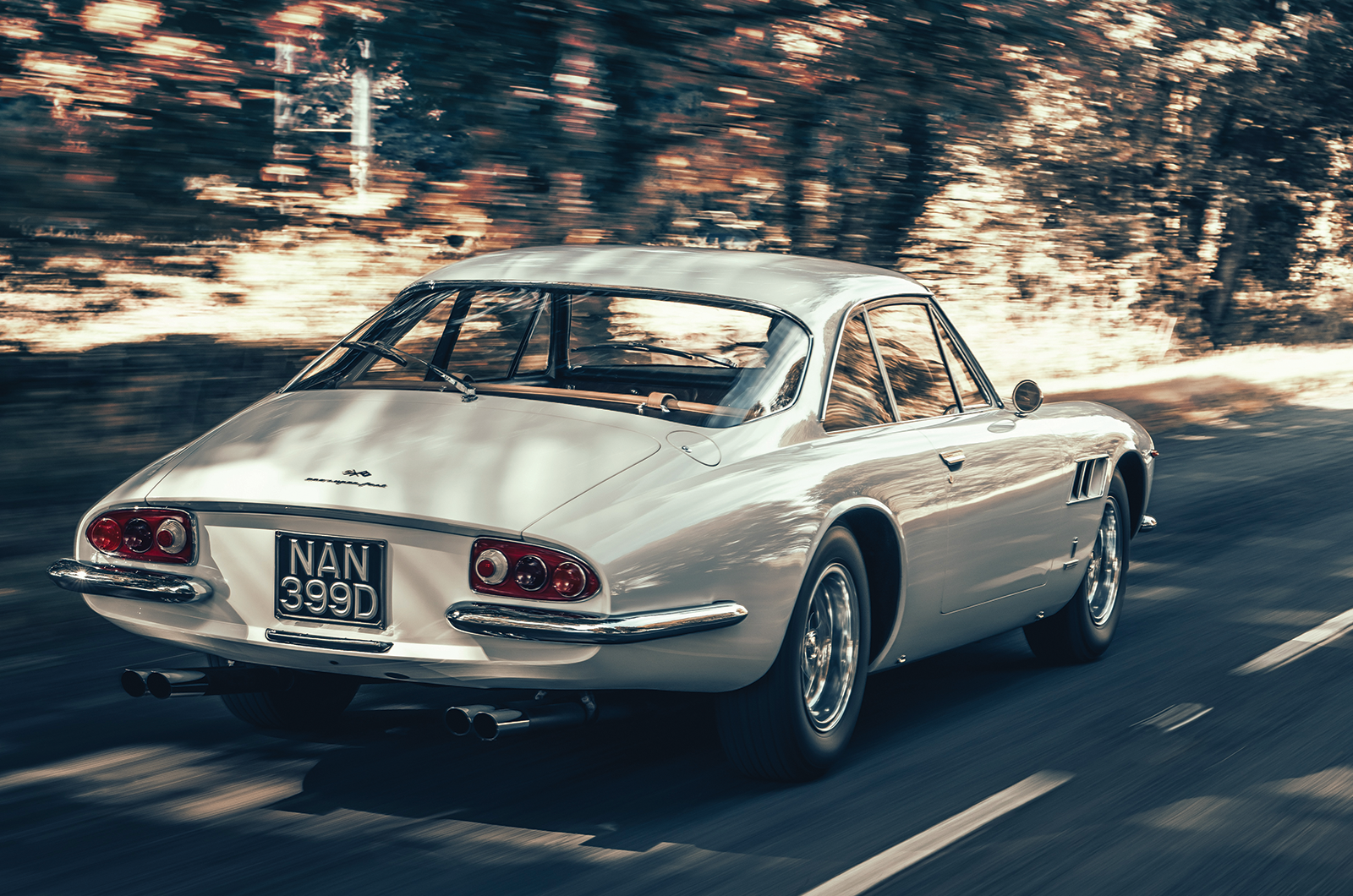
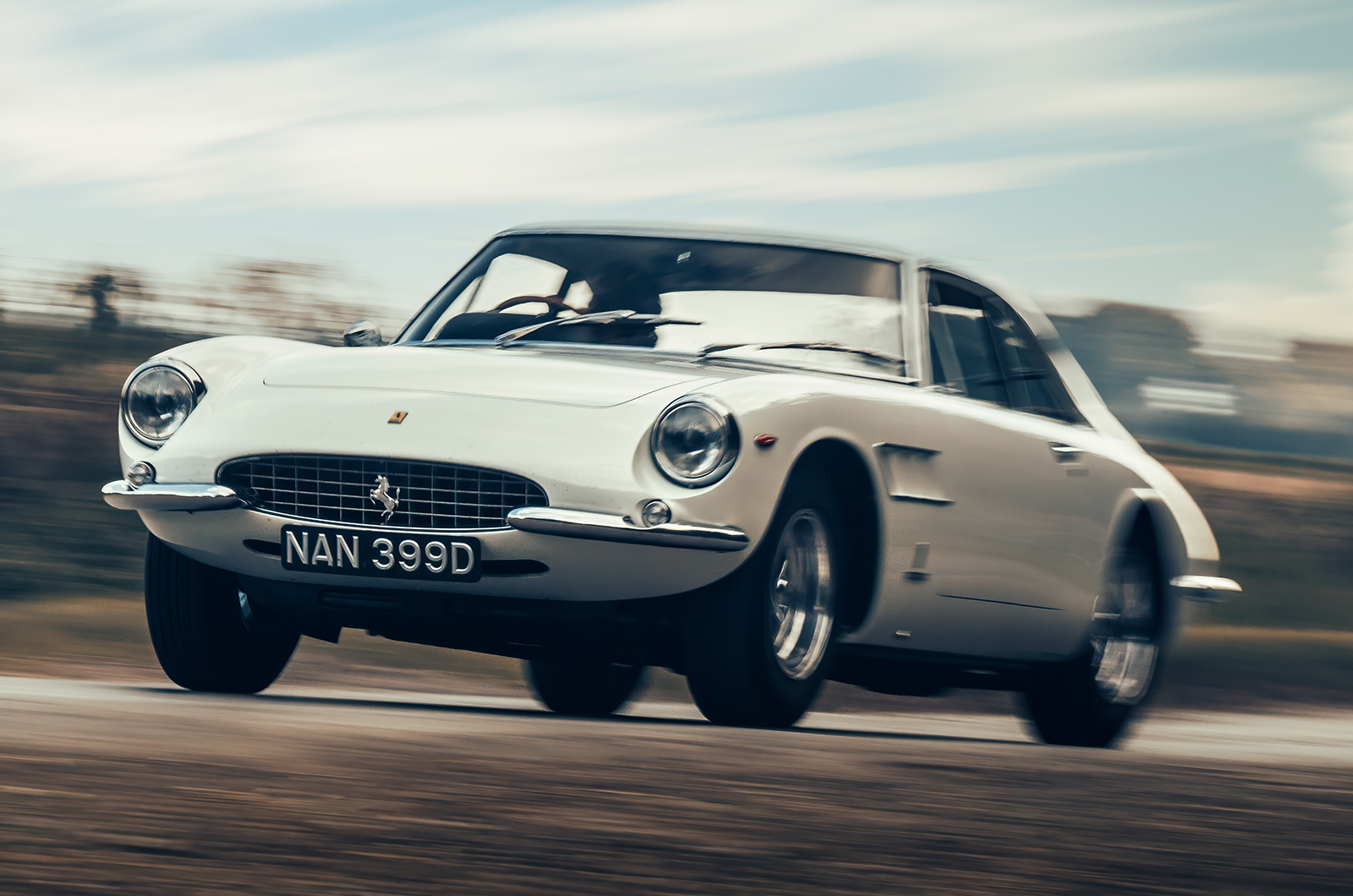
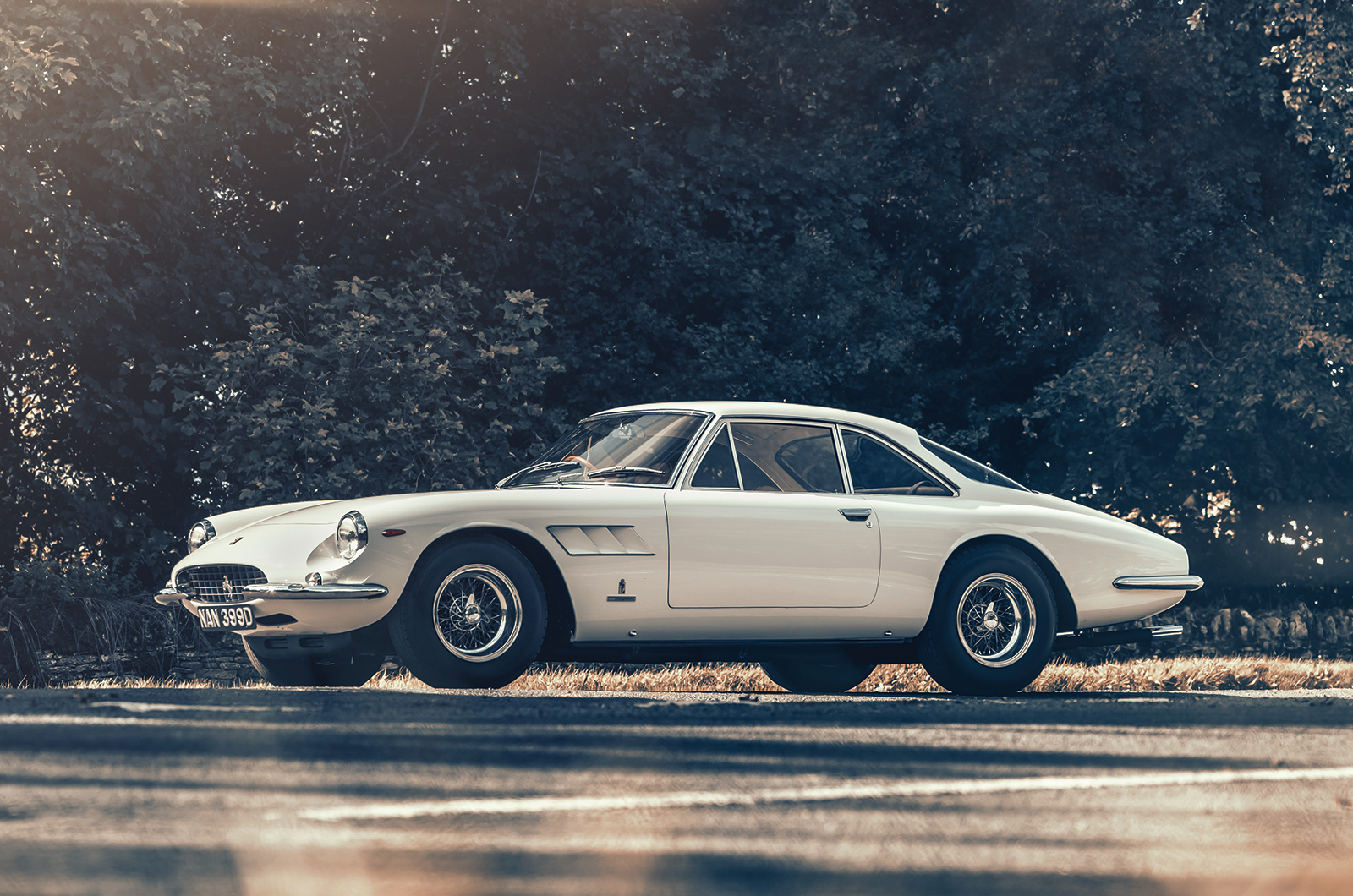
Pearce only kept the Superfast for a year; the third owner was pioneer Ferrari collector Jack Crowther, who kept the 500 – by then registered NAN 399D – in his collection until 1985, taking the mileage up to 64,000.
Via Coys and Christie’s Monaco sales, the car went through three further changes of ownership, notably Hans Thulin in 1988 who the previous year had bought the ex-Briggs Cunningham Bugatti Type 41 Royale.
His tenure was short-lived and, after a reclusive foreign collector captured chassis 8897SF in 1991, it fell off the radar for 25 years, forgotten by almost everyone bar specialist broker Simon Kidston, who had been involved in selling the car to Thulin in the ’80s.
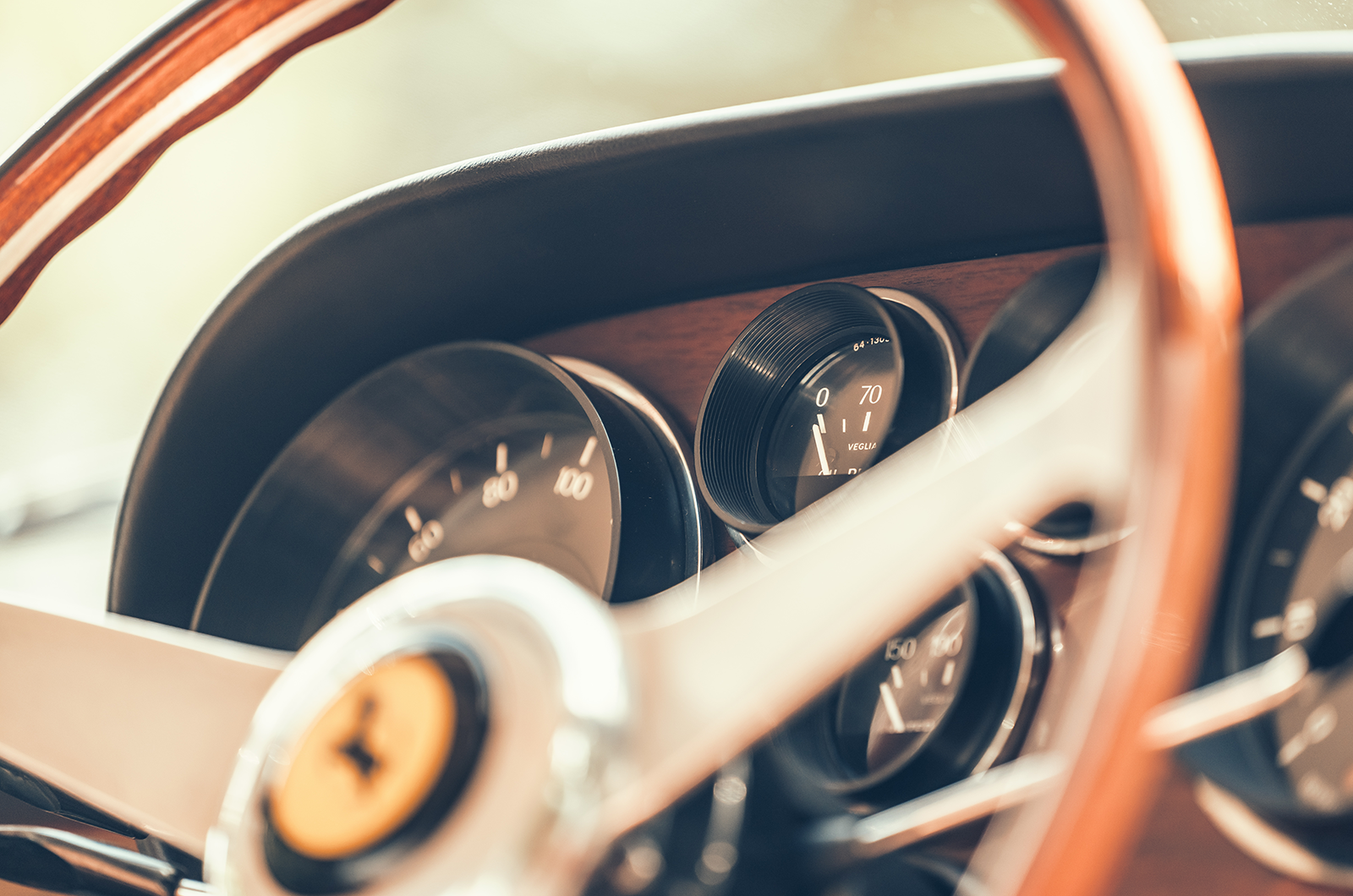
The fully stocked instrument binnacle found its way into other Ferrari models
In 2017, Simon acquired the Ferrari 500 Superfast, had it recommissioned by GTO Engineering and has since sold it twice, latterly on behalf of a deceased estate to its current keeper.
We caught up with NAN 399D (Simon managed to get the old number reassigned) at Bob Houghton’s Gloucestershire-based Ferrari emporium, where everything from 250GTOs downwards are tended to.
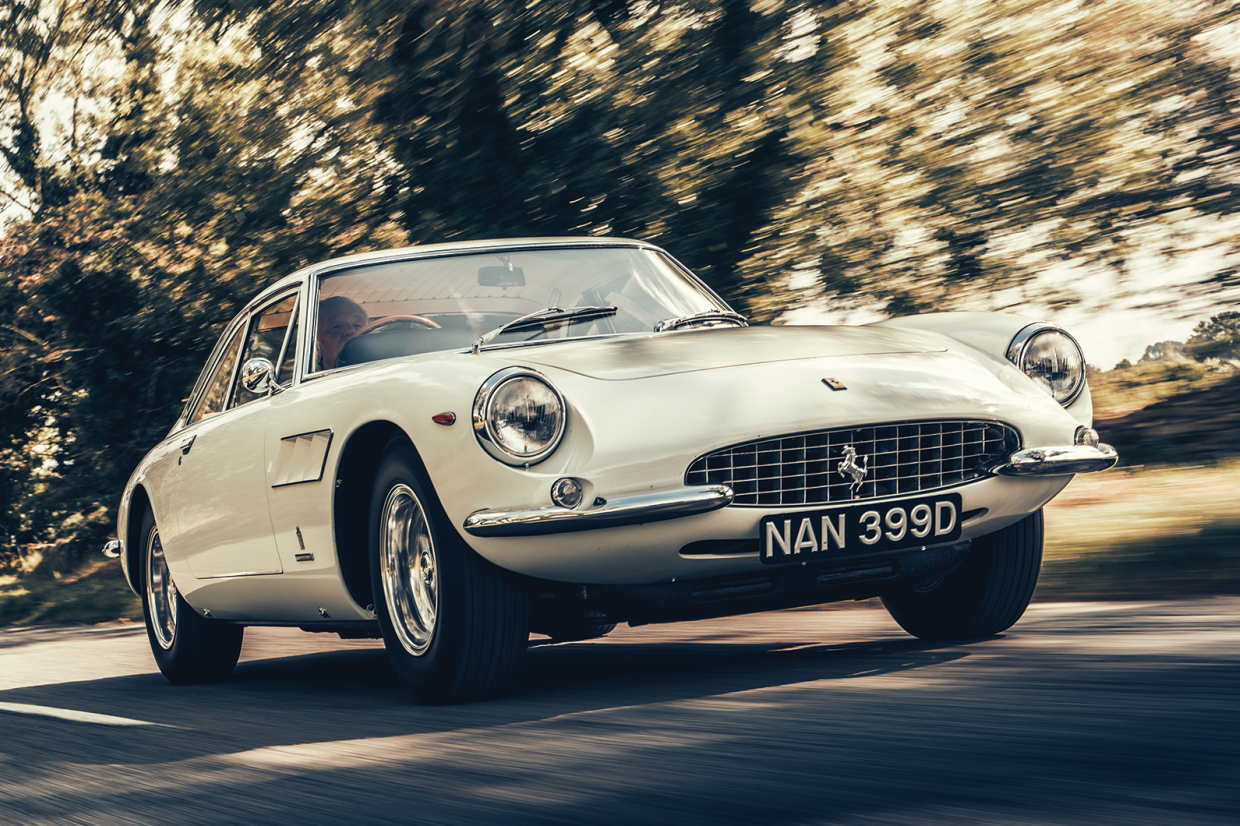
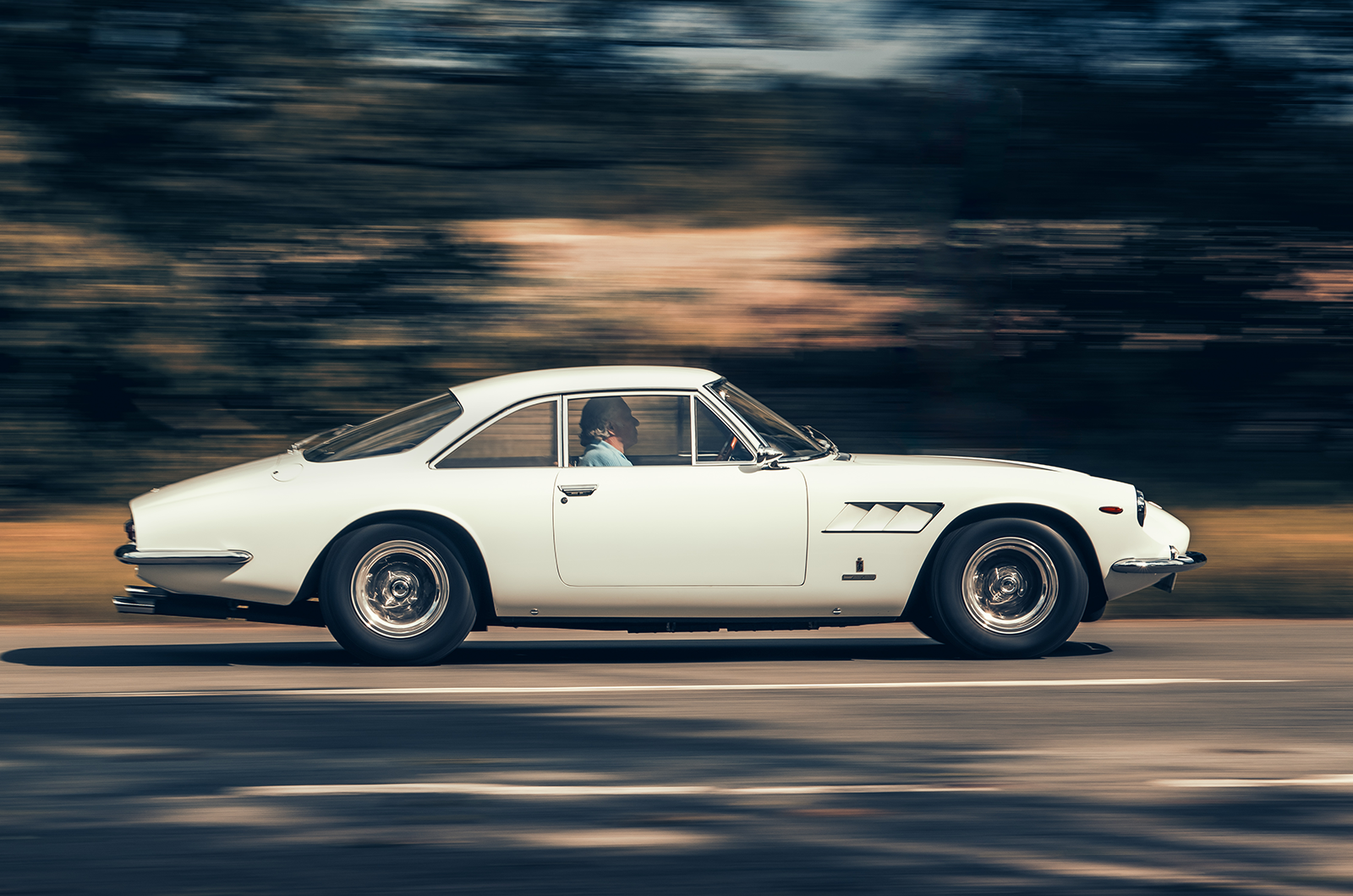
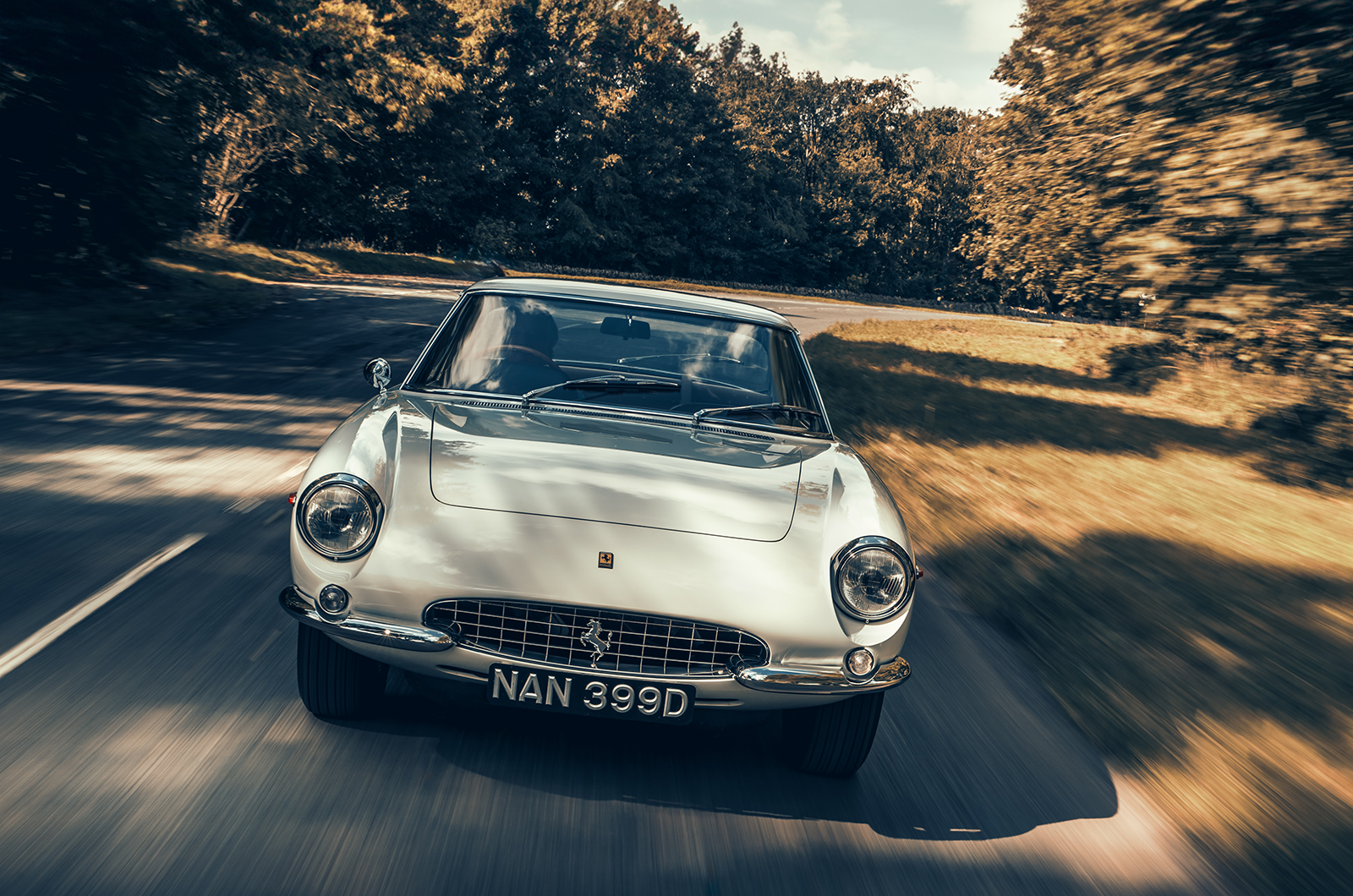
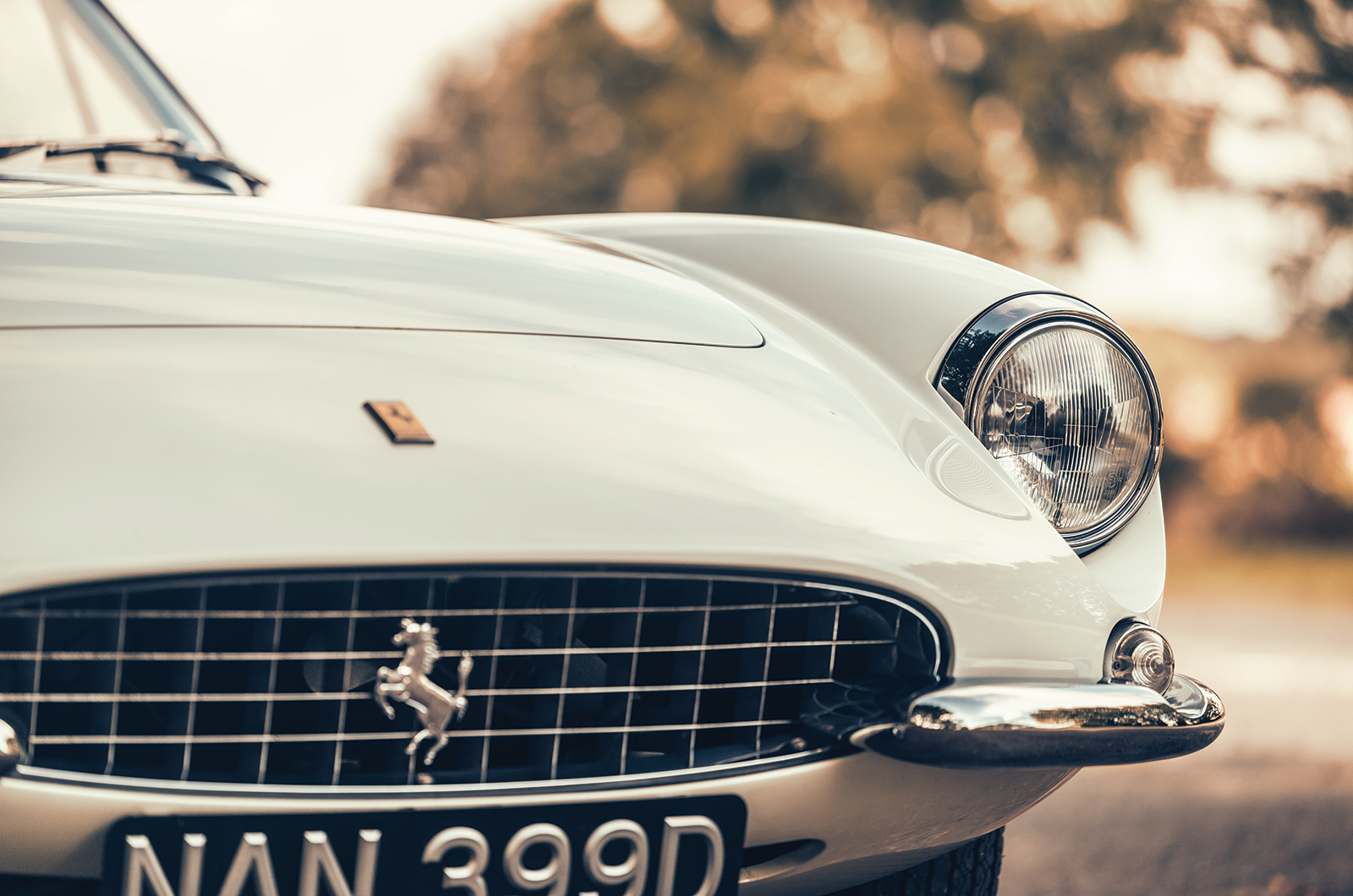
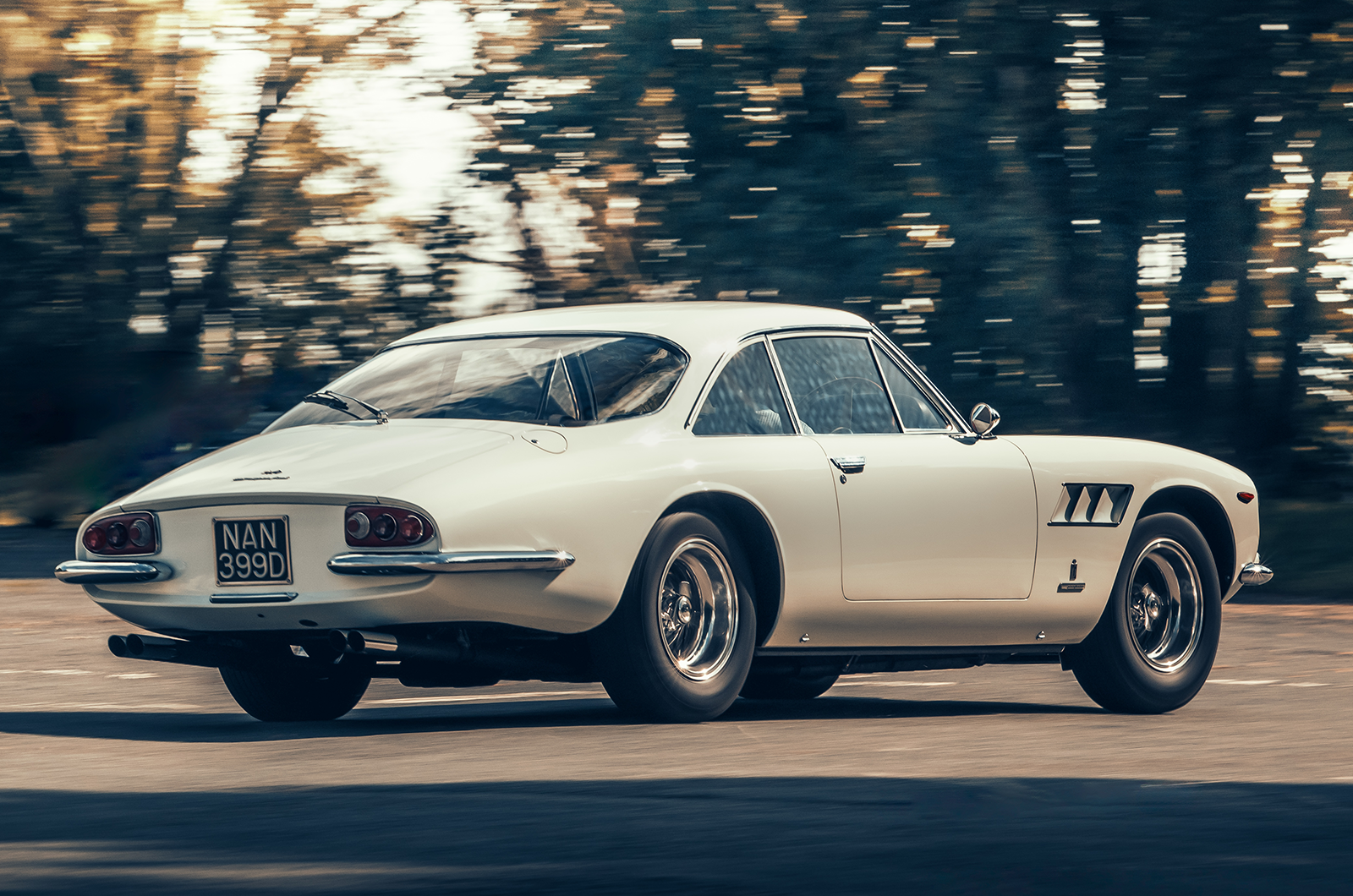
Sitting on deeply inset Borrani wires, shod with full-sidewall doughnut tyres, the Superfast looks longer and wider than it really is.
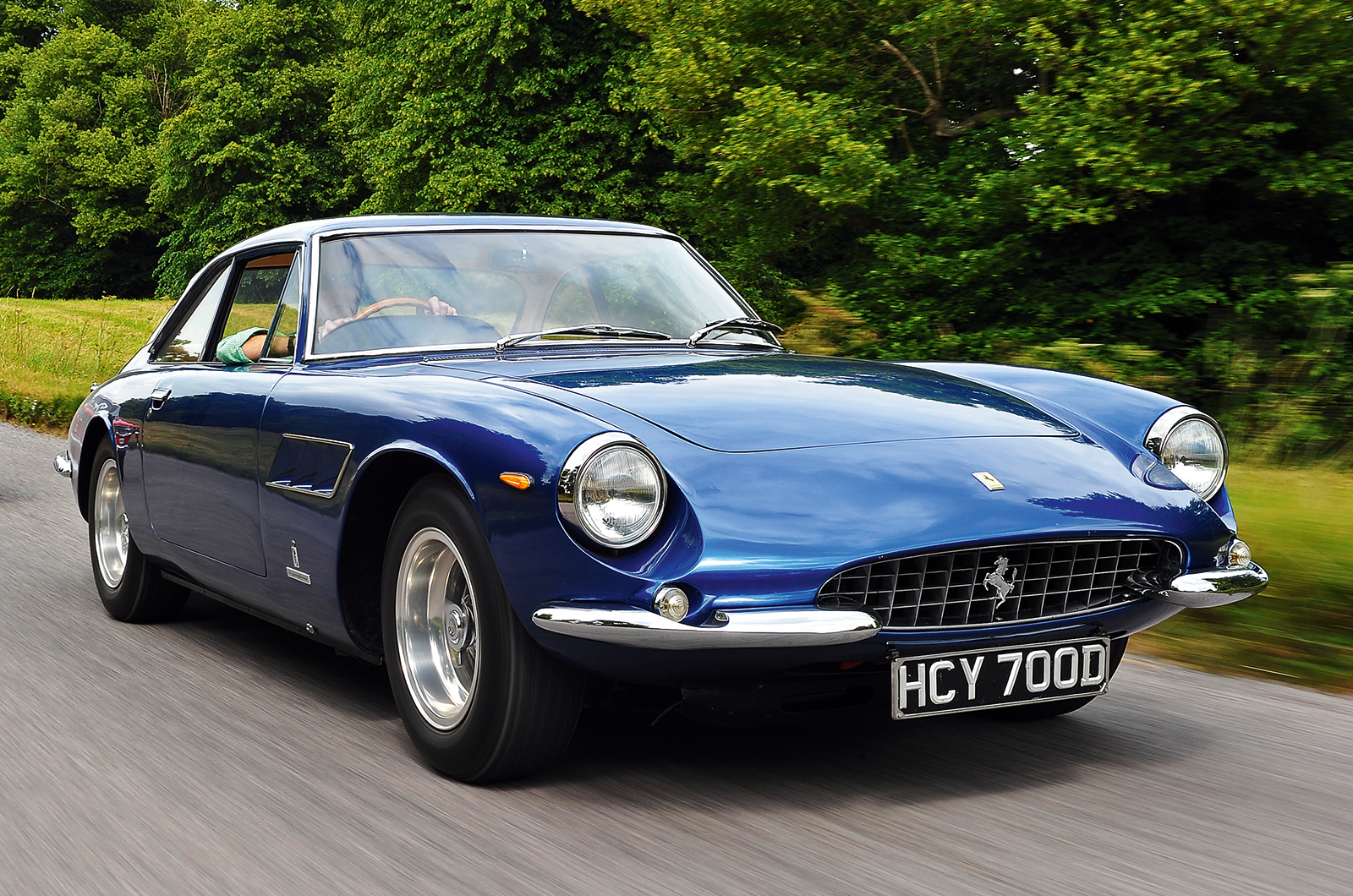
It might not be as pretty as a Lusso, but as an expression of dignified, elegant aggression I can’t think of anything better.
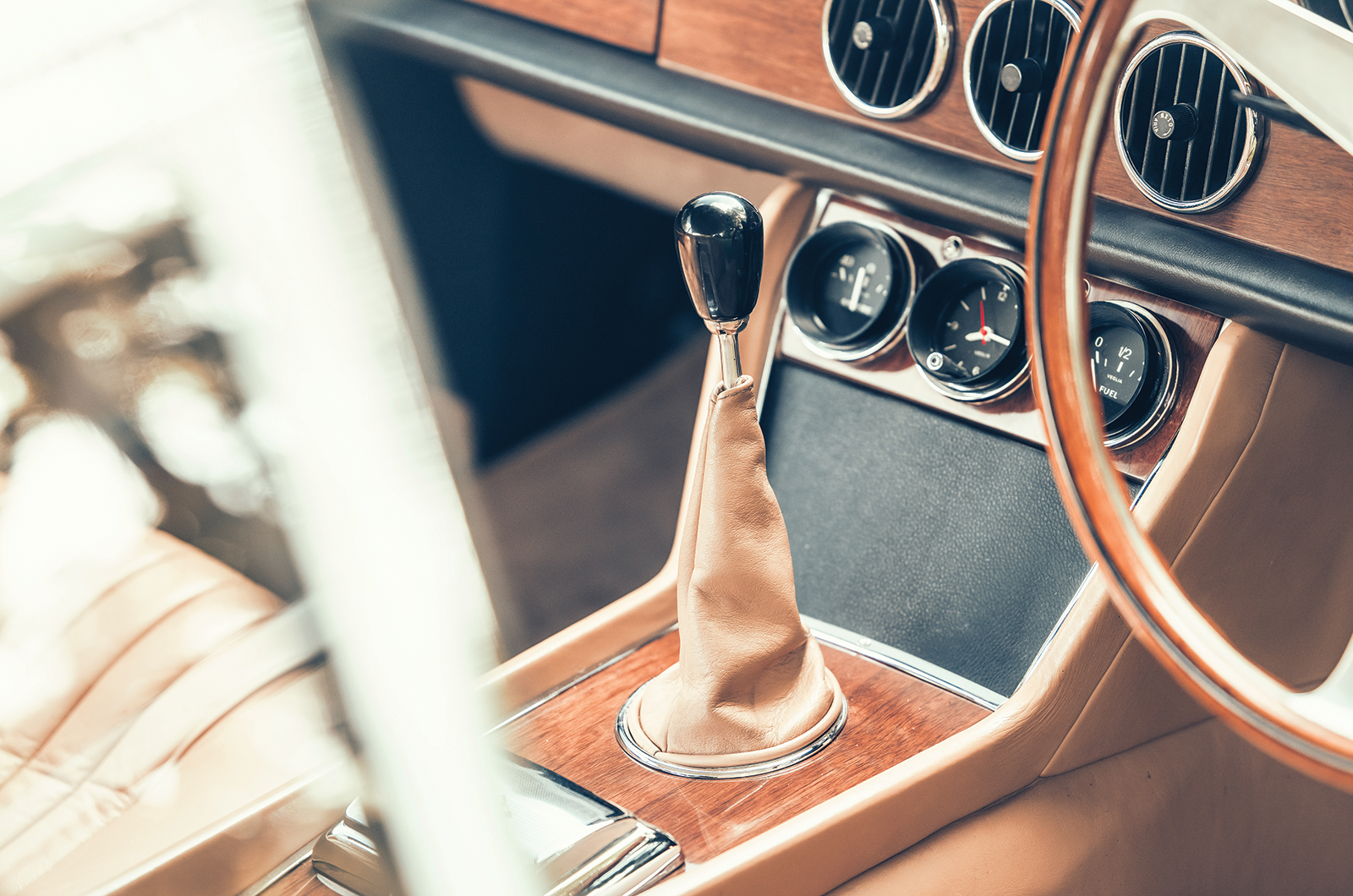
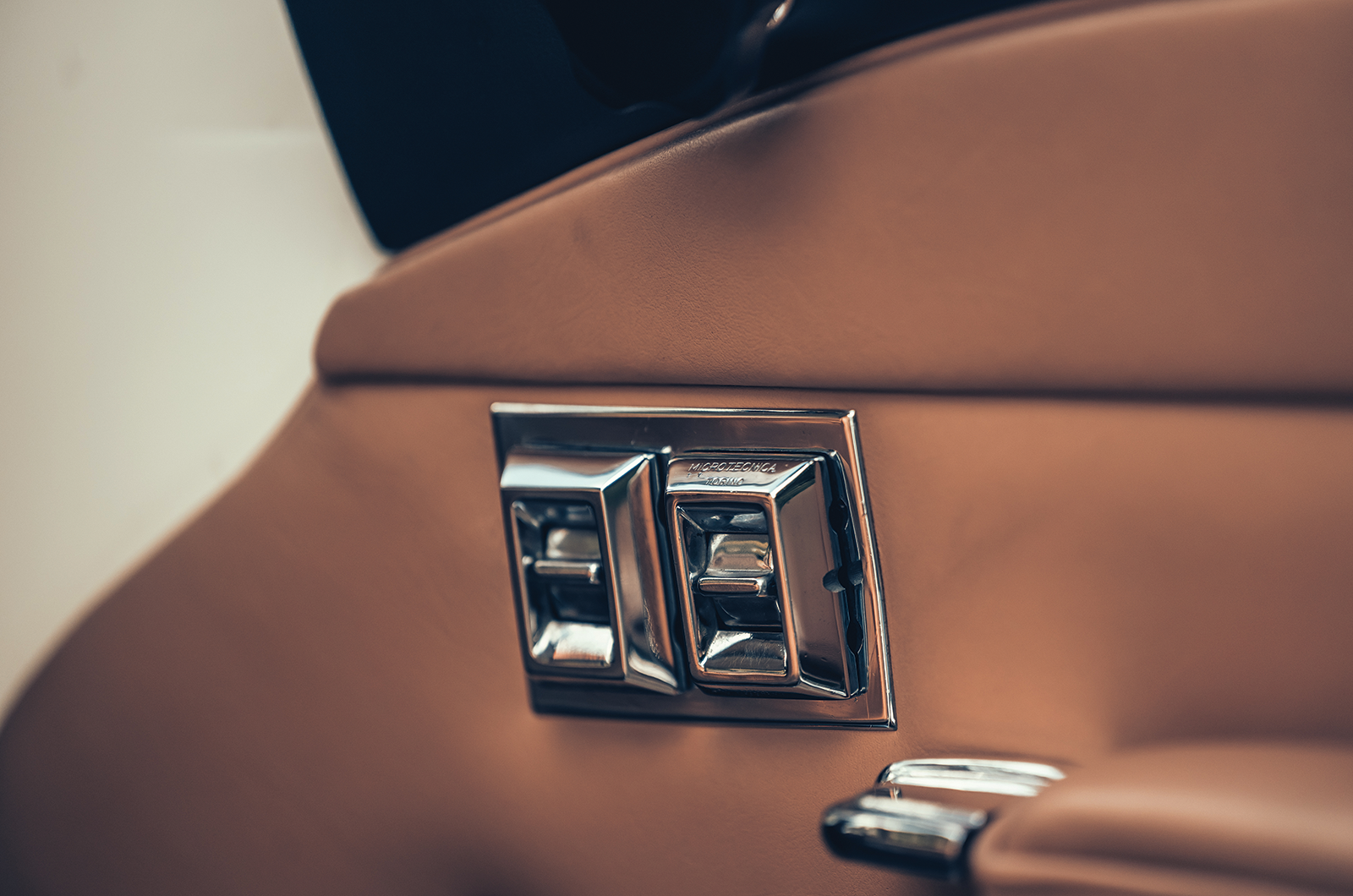
Inside, there is every convenience – except an automatic gearbox
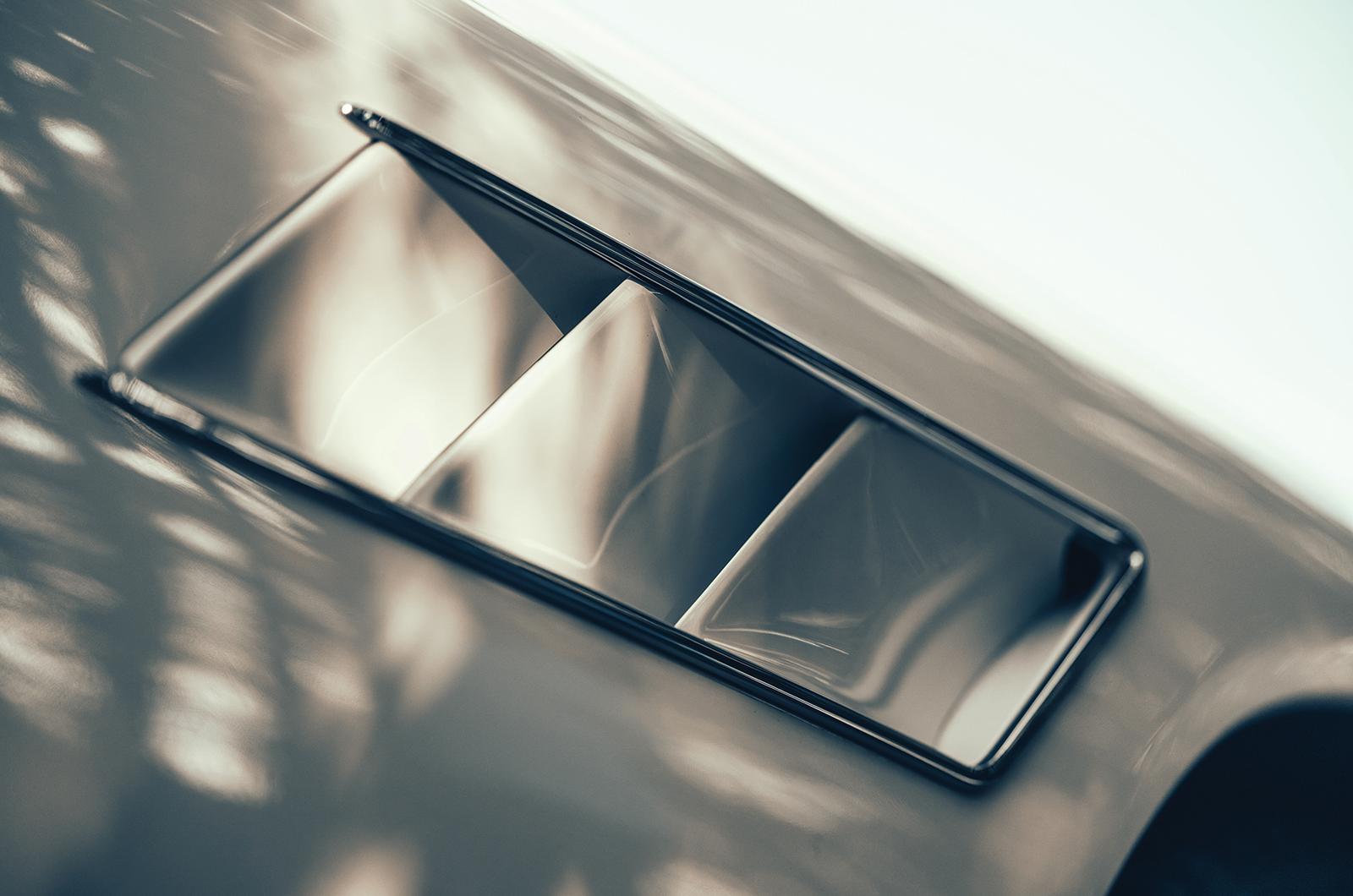
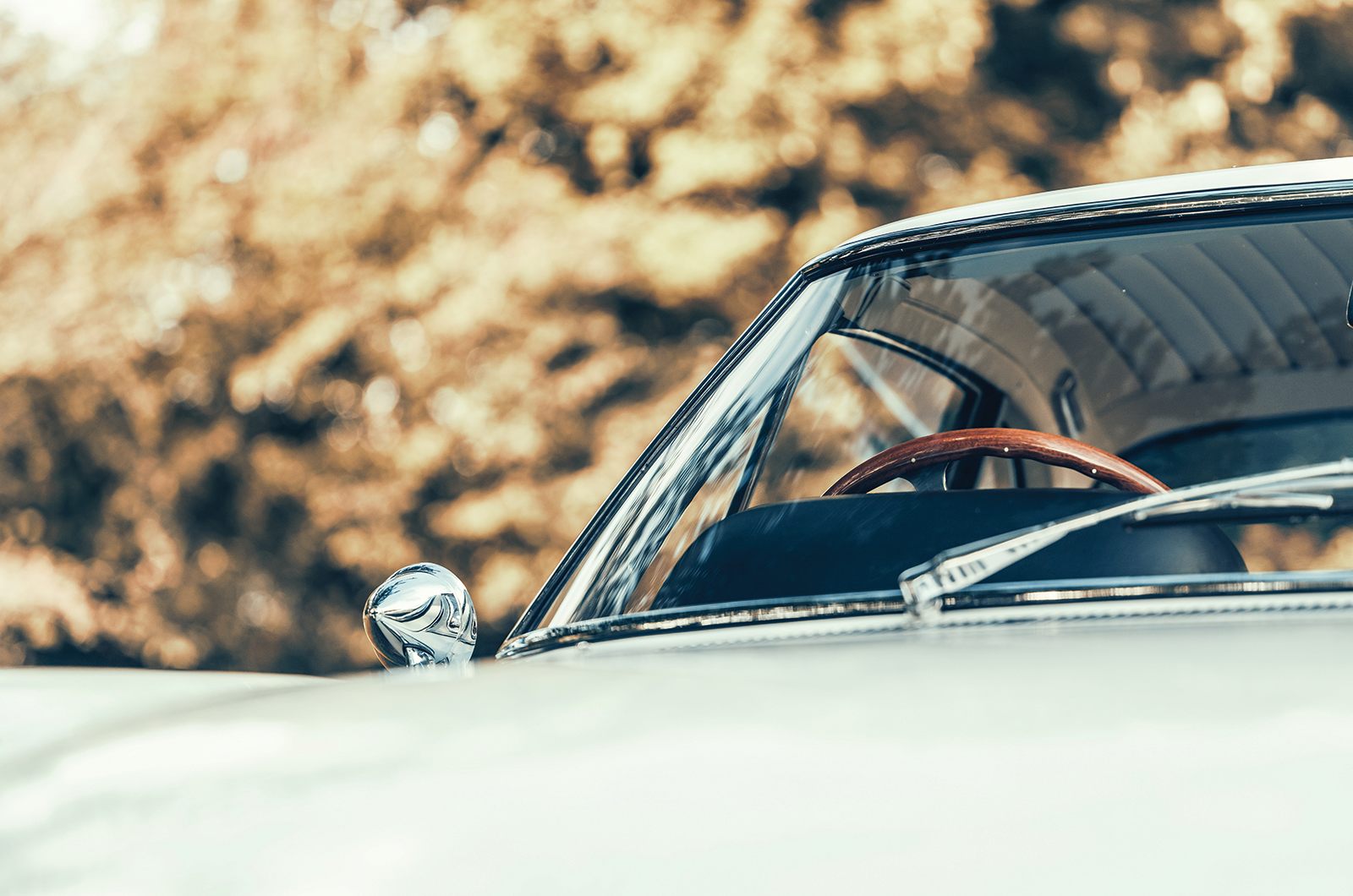
It looks quite a simple shape, but it is what the eye does not immediately acknowledge – such as the long, unbroken crown line of the front wings – that makes this car such an object of beauty.
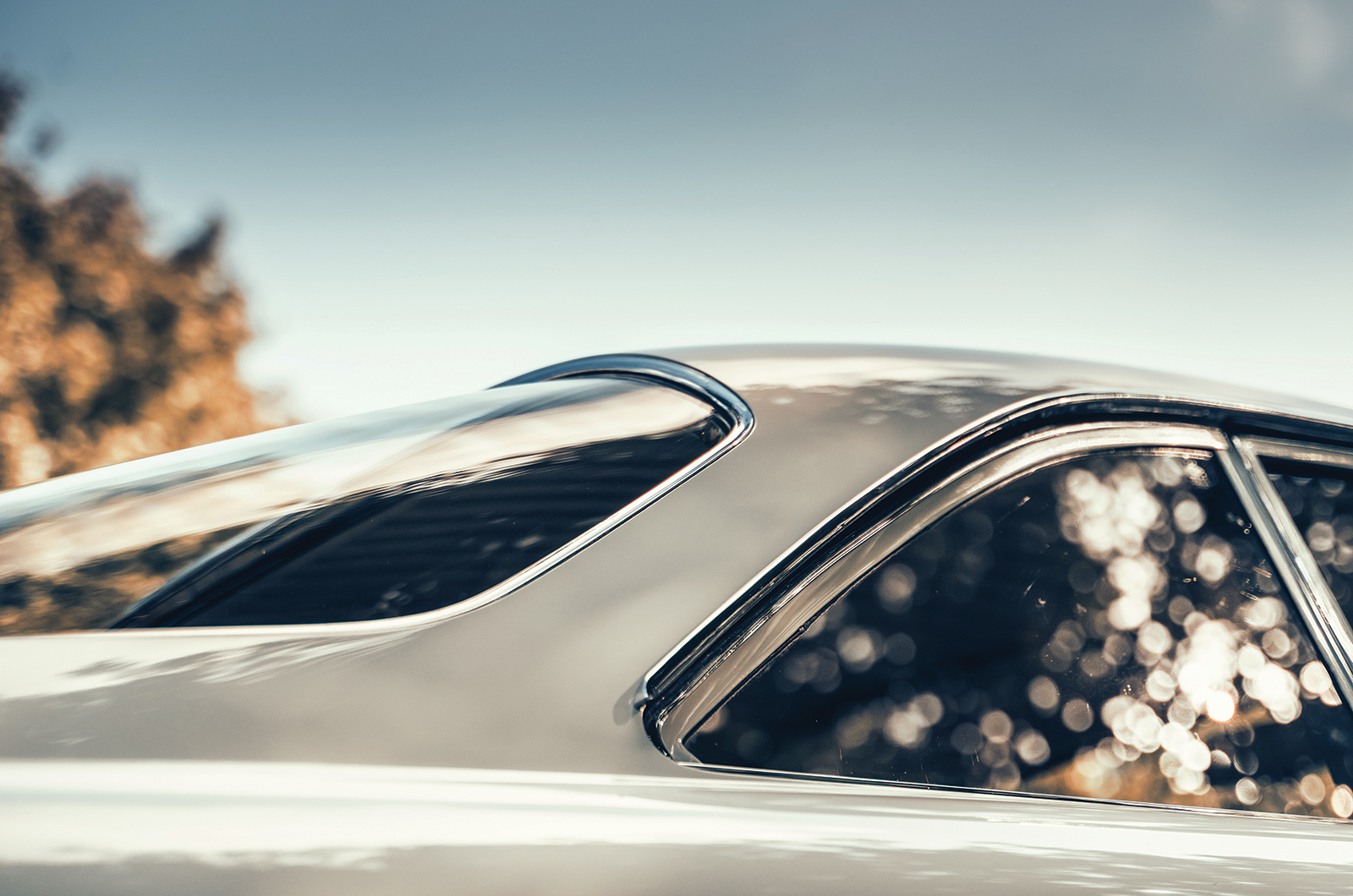
It’s not perfect – I have never quite got on with the interplay between the back side windows and rear ’screen – but the way each panel flows into the next with such beautifully tight panel gaps is mesmerising.
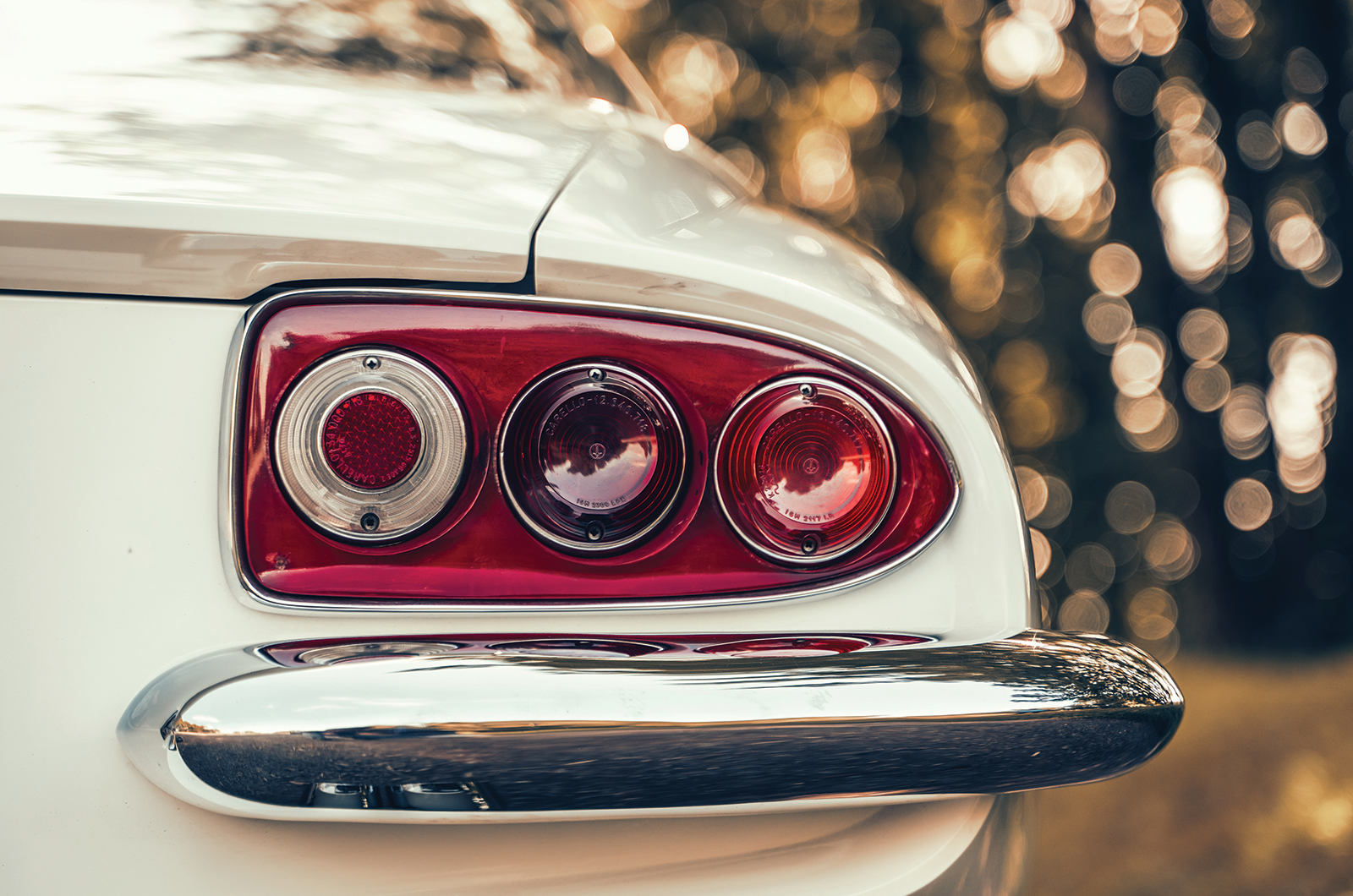
The combination of white with a pale tan interior could have made it look washed-out, yet something about the light touch of the brightwork and the intriguing texture of those bespoke rear lights saves the day when you see it in the metal.
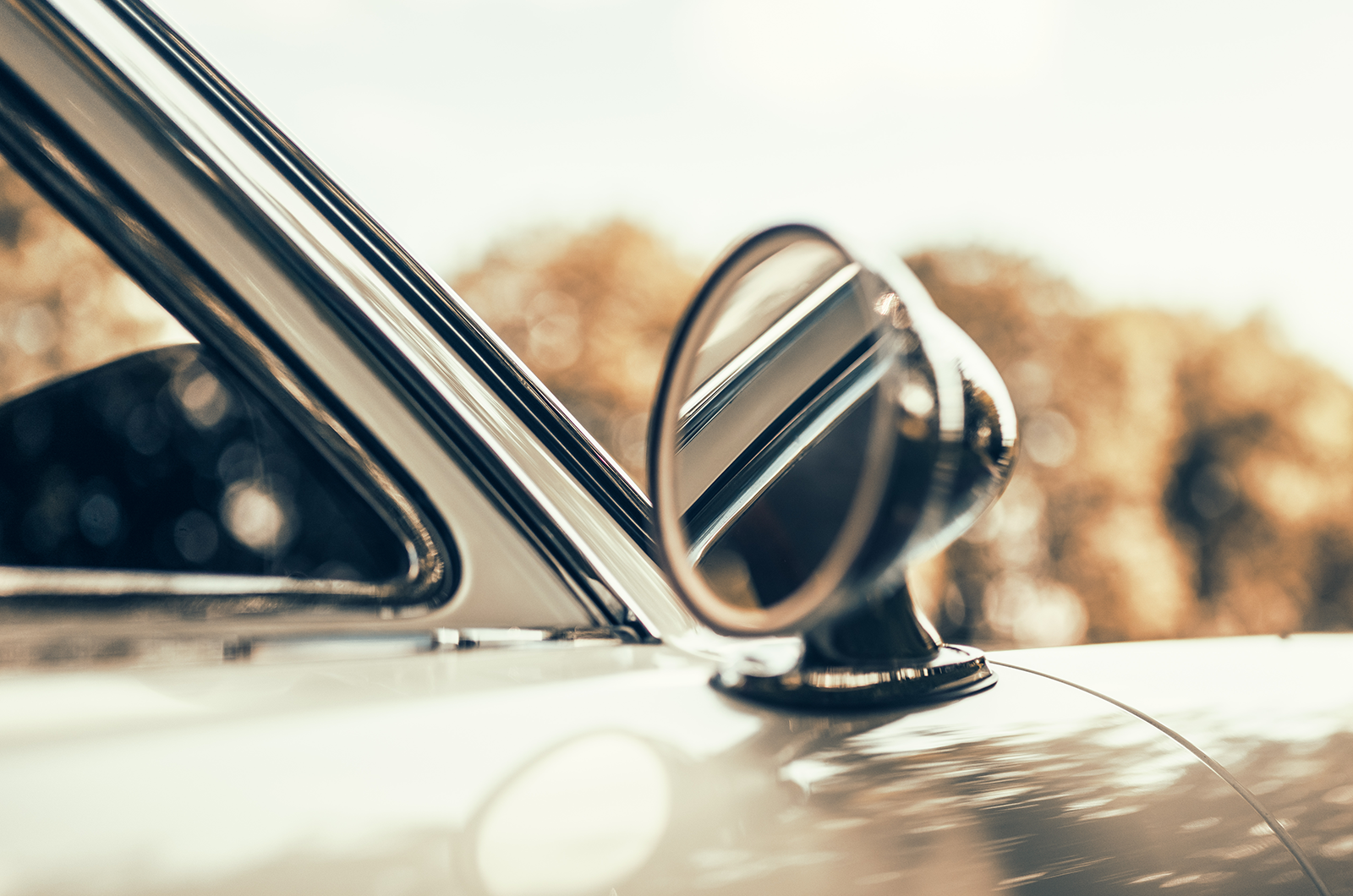
Slender pillars add to the Ferrari’s sense of lightness
The doors and bootlid click shut with a hefty precision probably not achieved on any other Ferrari.
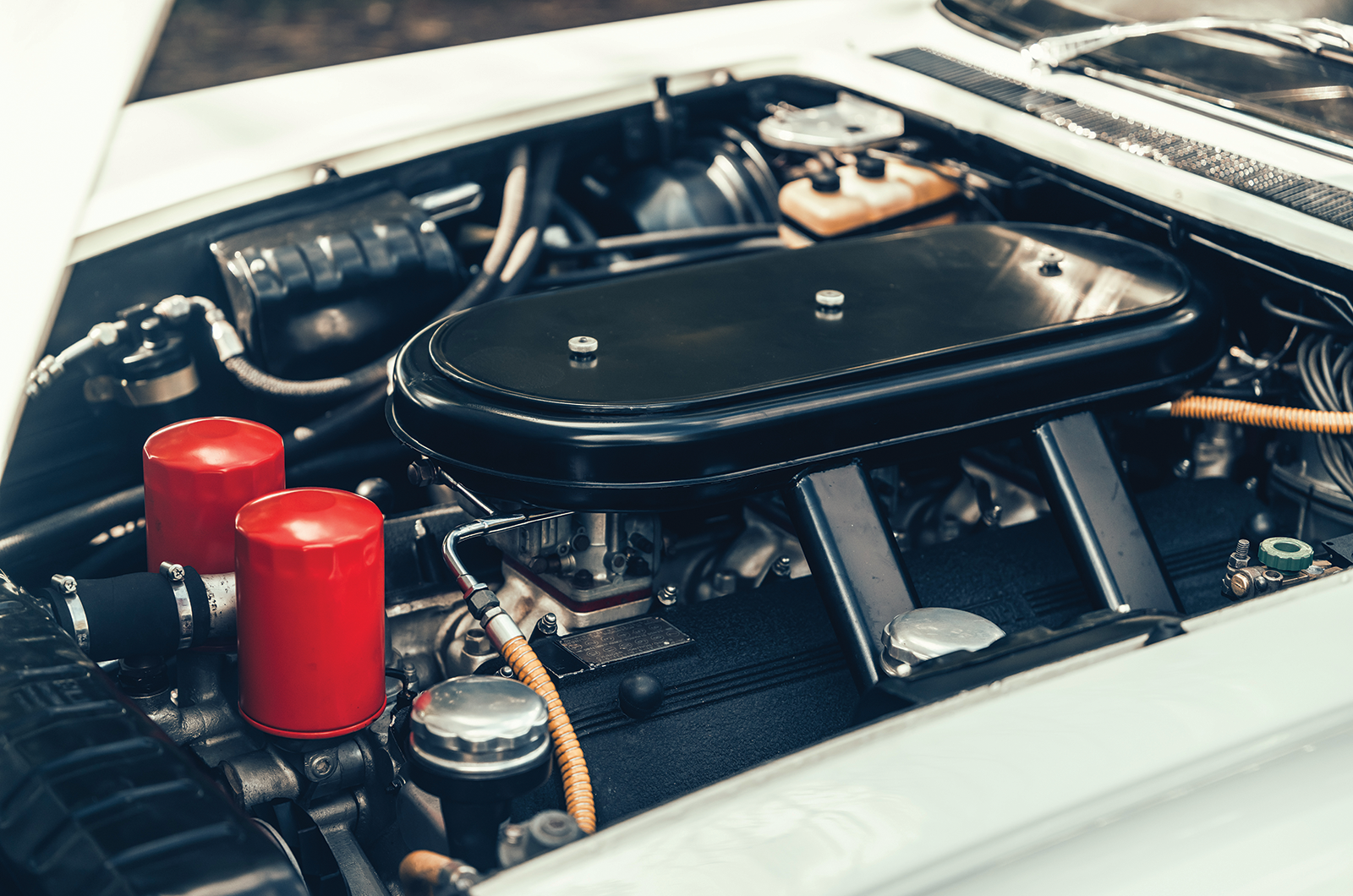
Likewise the bonnet, which hinges forward to show the crackle-finish V12 with its twin oil filters and distributors, and handsome machined-alloy filler caps.
It sits fairly well back and low down to make room for three Weber 40 DCZ/6 carburettors hidden under a giant airbox. The huge radiator appears to speak of the ruggedness expected from an endurance-racing engine.
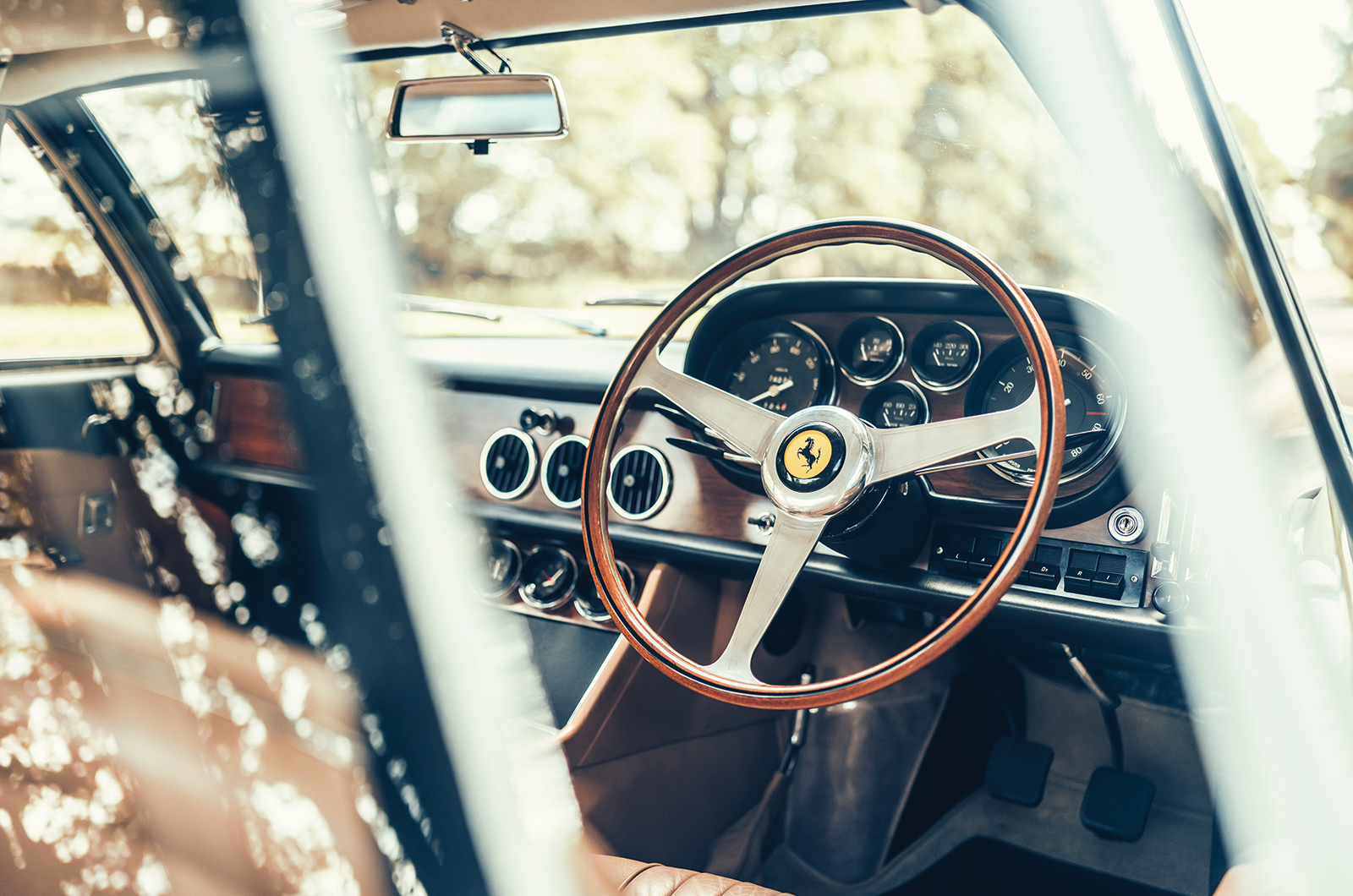
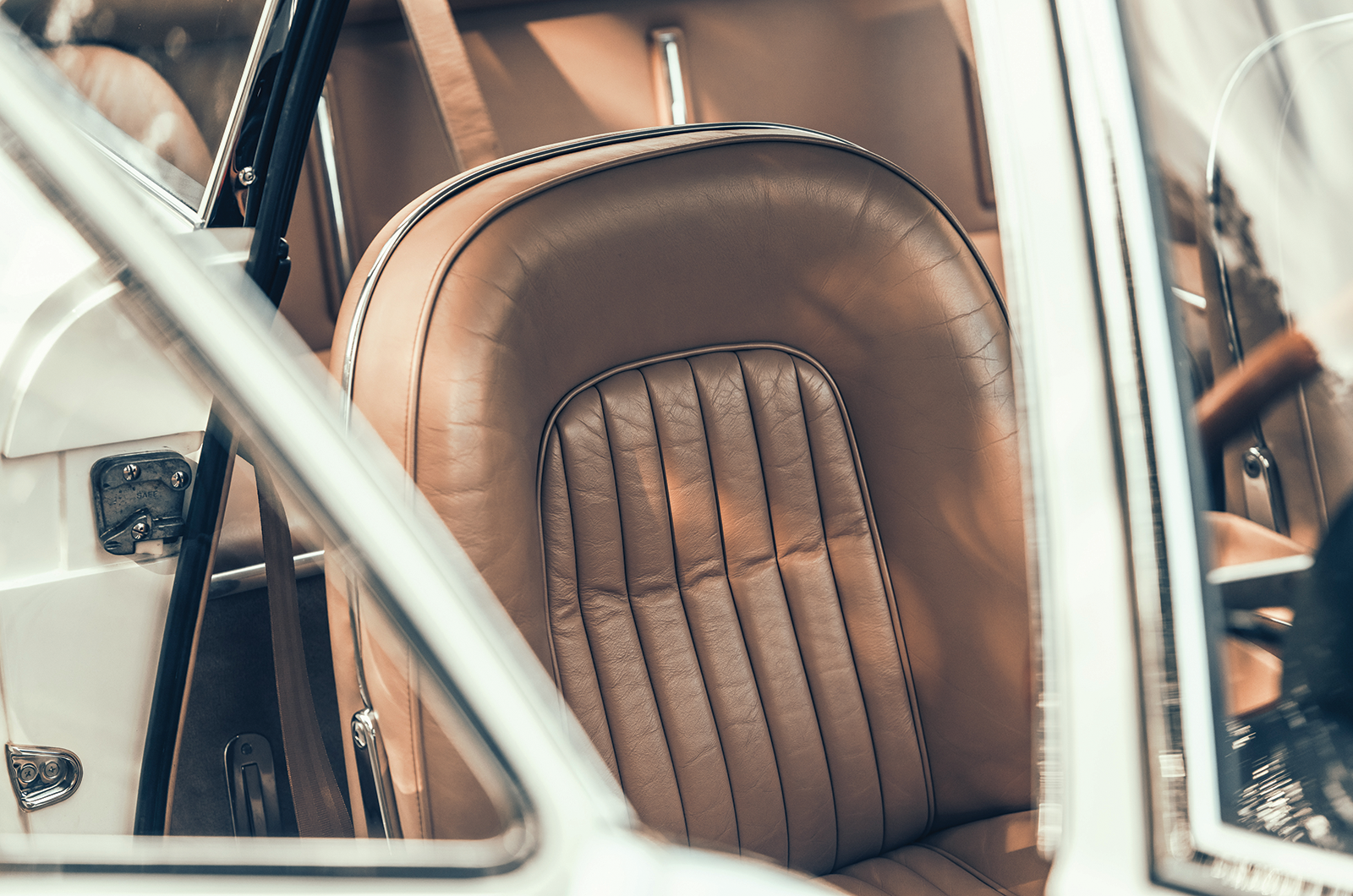
In some ways, the interior looks much like that of less rarefied Ferraris, but the fit and finish stand up to the closest scrutiny with a paucity of the exposed screwheads and untidy hidden corners that you find in most Italian exotica.
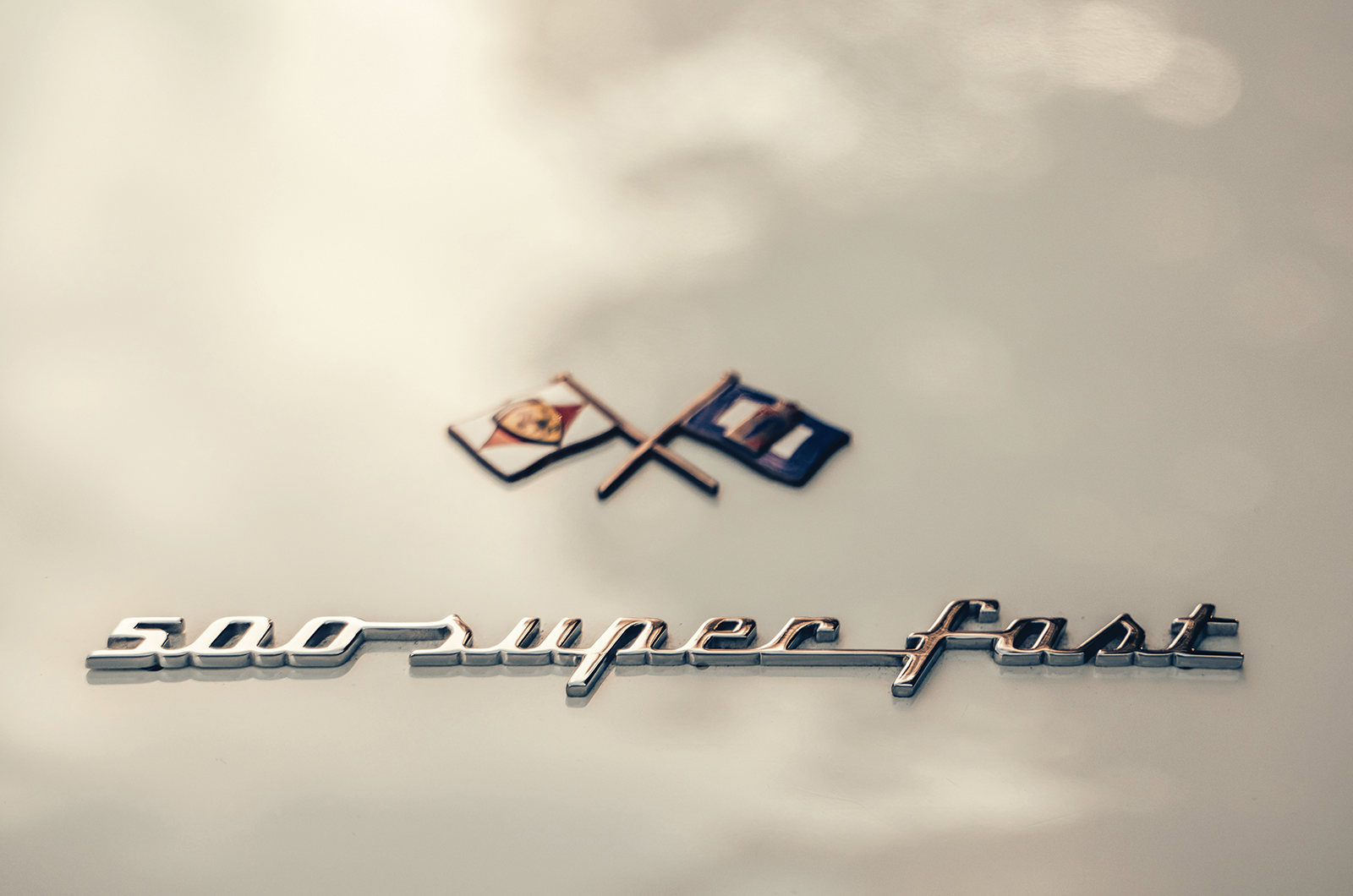
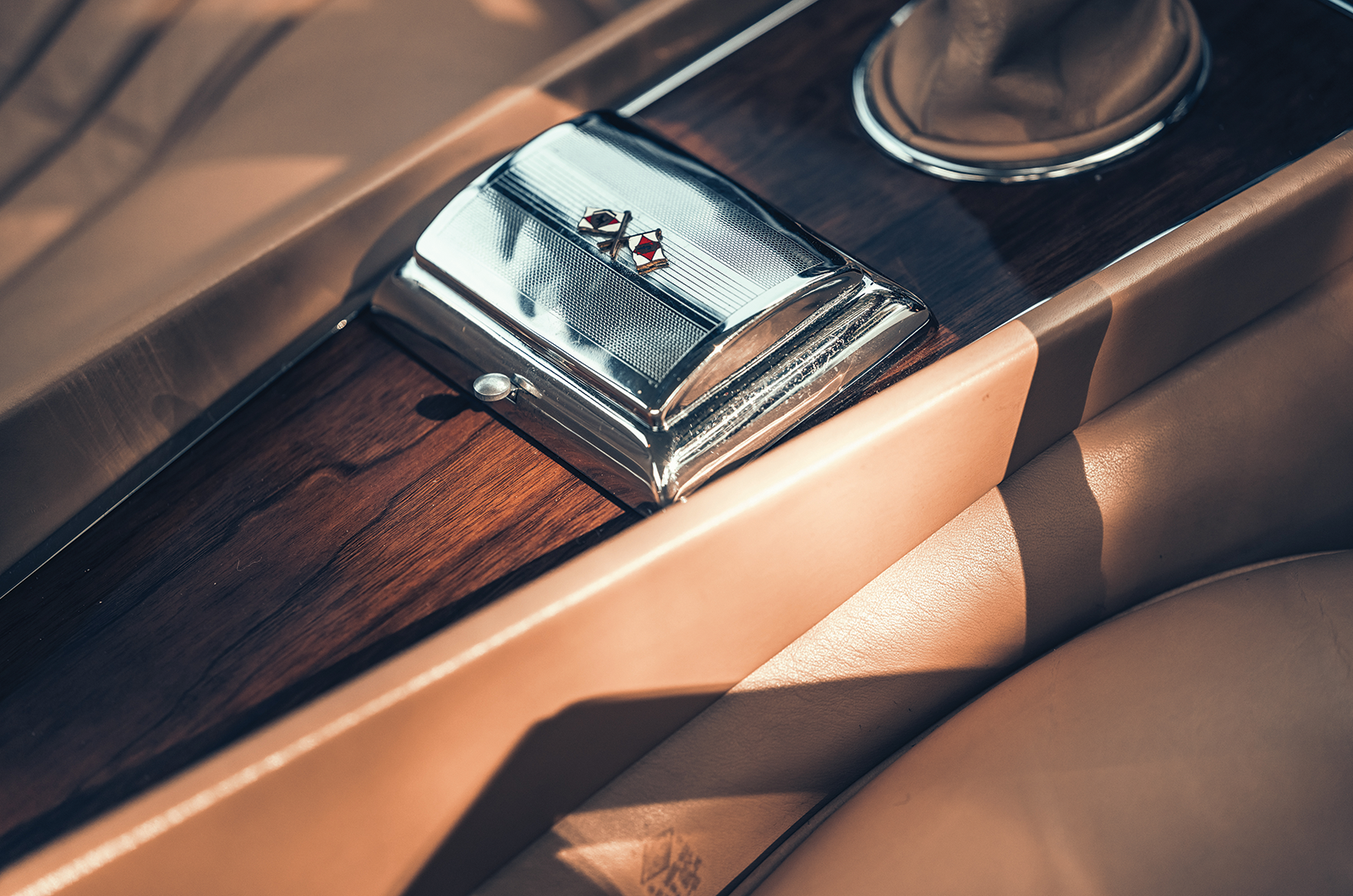
‘The ashtray, with the crossed flags of Ferrari and Pininfarina on its lid, is beautiful enough to make you want to take up smoking’
Even the ashtray, with the crossed flags of Ferrari and Pininfarina on its lid, is beautiful enough to make you want to take up smoking.
The handsome instrument binnacle and fluted headlining filtered down to less exalted Ferraris, and even some Lancias, but apparently not all Superfasts had the hidden lever under the dashboard to unlock the passenger door.
For me, at least, there are no driving-position problems – other than the fact that I feel as if I’m peering over the giant three-spoke Nardi wheel – so it’s time to turn the key to get ignition lights, then push it in to engage the starter.
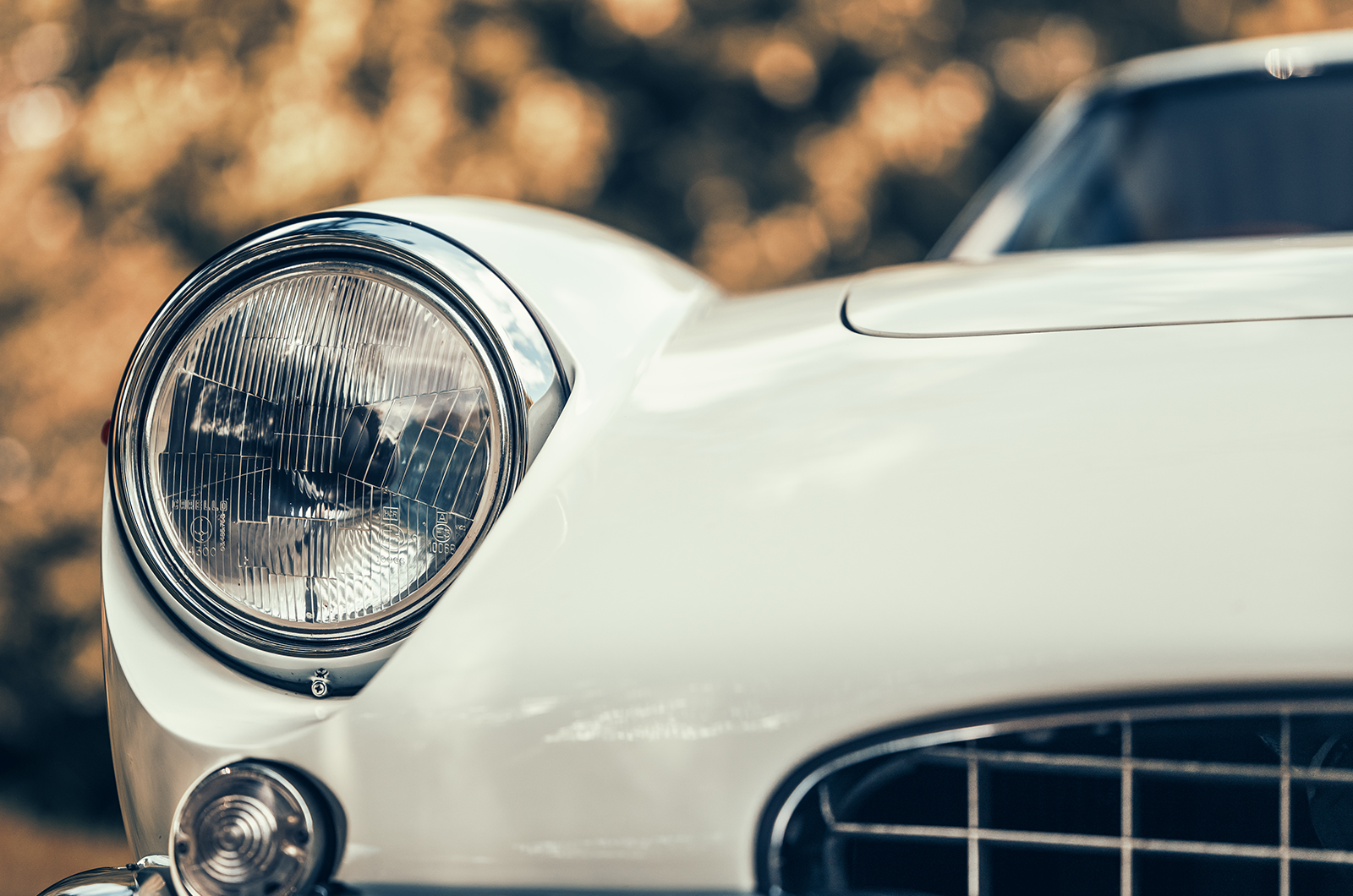
The Ferrari 500 Superfast’s rounded nose has echoes of contemporary ‘lesser’ Ferraris such as the 330GTC
With a dozen pistons and a light flywheel, the drone of the starter motor fades seamlessly into the smooth firing pulses, and you are ticking over almost before you’ve released the key.
The Superfast is simple to drive and the good vision makes placing it in traffic easy, although its woeful turning circle and conspicuous width mean this is not a handy shopping car.
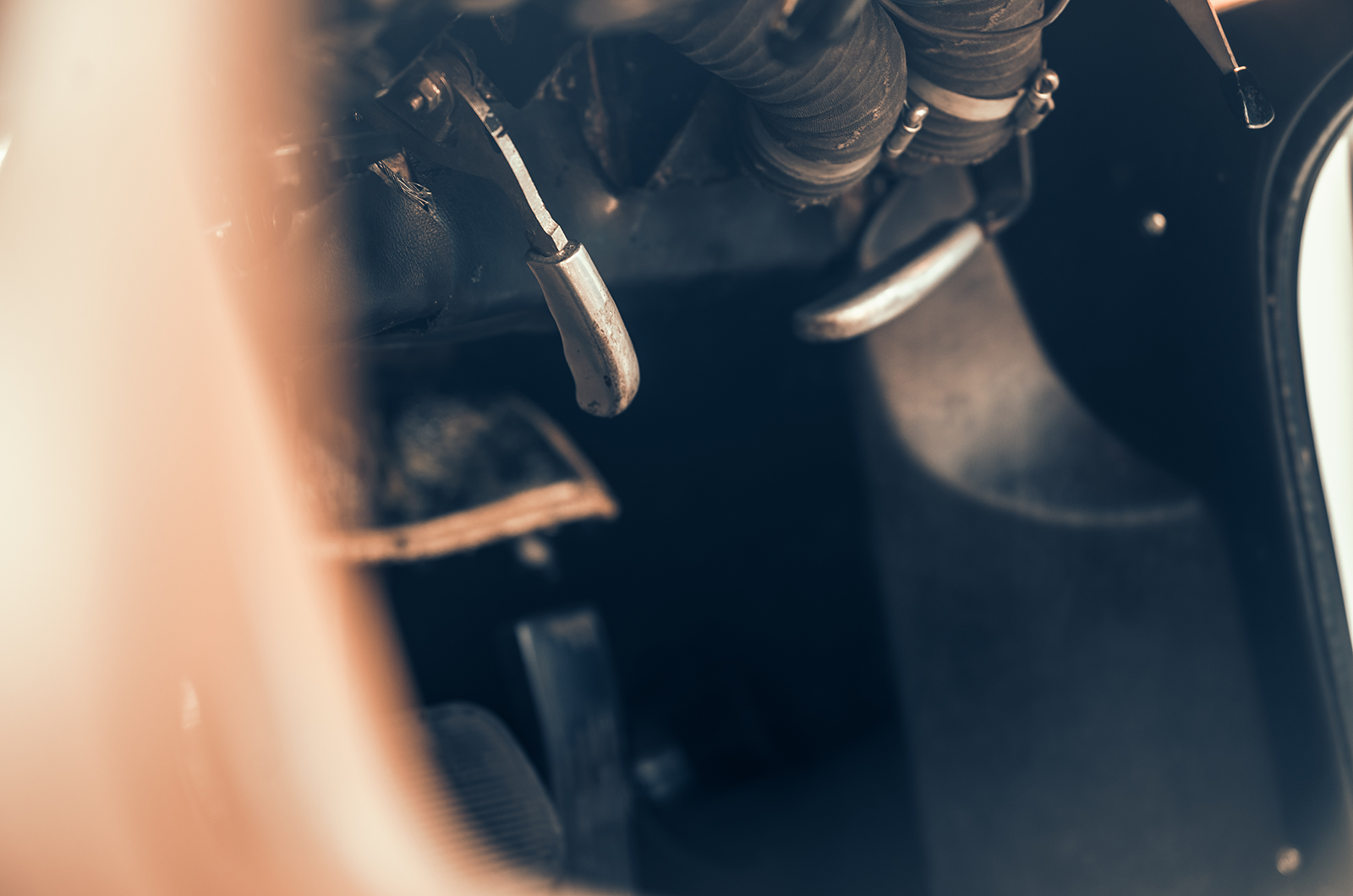
Yet the clutch is only moderately heavy and redeems itself by being smooth and easily modulated.
Brakes that feel slightly ordinary at low speeds pull up the big Ferrari straight and in very short order when you lean on them hard.
Naturale (beige) leather complements the Ferrari’s rare Avorio (ivory) paint
But if it seduces you with its luxury and cannot disguise the relative heft of its meaty controls, then rarely does the Superfast betray the primitive nature of its solid rear axle: the ride is flat and well insulated, and like almost everything about the car gets better with speed.
The same would usually apply to the steering, requiring quite coarse, sweeping movements when manoeuvring, but feeling relatively accurate above a brisk trot.
For once, I’m glad of the recent addition of electric power steering when the usual manoeuvres for photography are required, but become rather less keen on it when negotiating the long, fast, sweeping, full-visibility bends where it robs the 500 of the sort of feel that should have perfectly complemented its magnificent stability.
A hidden lever under the dashboard unlocks the Ferrari’s passenger door
You would never tire of the engine noise, which is just as well because the posh, quilted sound-deadening on the inside of the bonnet does little to subdue the V12.
Even before you open the throttles (having warmed everything up), the engine has endeared itself to you with its supple flexibility and the sweet alacrity of its throttle response, beautifully matched to a gearbox that, once warm, feels precise and meaty without being heavy, with a glorious third gear that will whisk you from 20mph to deep into three figures, even when using a self-imposed 5000rpm limit.
There is an epic quality to the acceleration that draws in the horizon with the sort of sustained turbine thrust that must have given the original 37 Superfast owners a serious superiority complex.
The Ferrari 500 Superfast’s indicators take a bite from the chrome bumpers
It sounds expensively fussy at low speeds – as it should do, with so much going on.
Sizzling cam chains, clicking tappets and buckets of super unleaded petrol swilling down the hungry throats of the Webers chime in with the beat of 12 pistons to orchestrate themselves into a sound that cannot fail to leave you moved.
This is the third Ferrari 500 Superfast I’ve been fortunate to drive, and the only one not mentioned in the famous (to me, at least) AA Drive magazine feature ‘The Superfast set’, published in the spring of 1967 and detailing the then-current owners of the eight known right-hand-drive examples.
The flat ride and peerless stability make the Ferrari 500 Superfast feel confident in long, sweeping bends
Worldwide, 34 of the 37 Ferrari 500 Superfasts are accounted for, including two that were destroyed in accidents.
I can’t imagine any of them are in better order than this one.
Having sampled so many other classic cars in the three decades since I drove my first, I was prepared to be underwhelmed.
It might be me or it might be the car, but it’s nice to know some things do get better with age.
Images: Olgun Kordal
Thanks to: Bob Houghton Ltd; Kidston SA
The other right-hand-drive Ferrari 500 Superfasts
This right-hand-drive Ferrari 500 Superfast is Blu Chiaro with natural hide inside
6345SF Red with black leather, sold new after display at Earls Court in 1964 to R Wilkins, and then to Northamptonshire farmer William Tompkins, replacing a Mercedes 300SL Gullwing. Destroyed in an accident on the A1 in early 1967.
6351SF First owned by retired Sudan cotton-planter John Hood, who lived on Jersey. A Series 1 overdrive car, in silver-grey with black hide.
6659SF Delivered new to Eric Millar in September 1965, in silver-grey with red leather. Five-speed ’box, air conditioning and special-order folding rear seats.
6661SF The first of two 500s owned by stockbroker Jack Durlacher, delivered in Blu Chiaro with natural hide (above). A five-speed (although officially an S1), 6661SF was returned to Maranello Concessionaires on the advice of John Coombs due to problems with the brakes, paint and a mystery engine noise
Ferrari 500 Superfast 6673SF was rejected by its first owner
6673SF This car (above) was built for property tycoon Harry Hyams, who famously developed Centre Point on Tottenham Court Road, in London. Like Durlacher, he was not very happy with his Superfast so rejected the car – then painted light blue with fawn leather – and put in an order for a 365 California Spider. Thus, the first true owner of 6673SF was Eric Hurst of the Brook Street Bureau.
6679SF Painted bronze and sold new in 1965 to actor Peter Sellers, who was then living full-time in The Dorchester hotel. He still owned 6679SF in 1967, which was a long-term relationship by Sellers’ standards of automotive promiscuity – he often sold cars after a single day.
8459SF The second Durlacher car, in light blue with tan interior and air conditioning.
Factfile
Ferrari 500 Superfast
- Sold/number built 1964-’66/37
- Construction tubular steel frame, steel body
- Engine all-alloy, sohc-per-bank 4962cc V12, three Weber 40 DCZ/6 carburettors
- Max power 400bhp @ 6500rpm
- Max torque 304Ib ft @ 4000rpm
- Transmission four-speed with overdrive or five-speed manual, RWD
- Suspension: front independent, by wishbones, coil springs, anti-roll bar rear live axle, semi-elliptic leaf springs; telescopic dampers f/r
- Steering worm and roller
- Brakes discs, with twin servos
- Length 16ft 6in (5029mm)
- Width 5ft 10in (1778mm)
- Height 4ft 3in (1295mm)
- Wheelbase 8ft 8¼in (2650mm)
- Weight 3076Ib (1395kg)
- Mpg n/a
- 0-60mph n/a
- Top speed 173mph
- Price new £11,637
We hope you enjoyed reading. Please click the ‘Follow’ button for more super stories from Classic & Sports Car.
Martin Buckley
Senior Contributor, Classic & Sports Car