Opel Manta A: built to beat Ford

| 2 Jun 2026
Classic & Sports Car – Opel Manta A: Blue Oval beater
The blue-collar coupe came of age in the first months of the 1970s.

Inspired by the phenomenon of the Mustang and spurred on by the success of the Ford Capri (the car that showed the same idea could be a success in Europe), the years 1970 and ’71 featured a rash of new two-door, four-seater, four-cylinder coupes from the household names of the automotive world.

Renault, General Motors and all the Japanese marques saw a buck or three to be made on a product that could be retailed for more money – because it was perceived as ‘exclusive’ – but that was not necessarily any more expensive to build.

Classic & Sports Car – Opel Manta A: Blue Oval beater
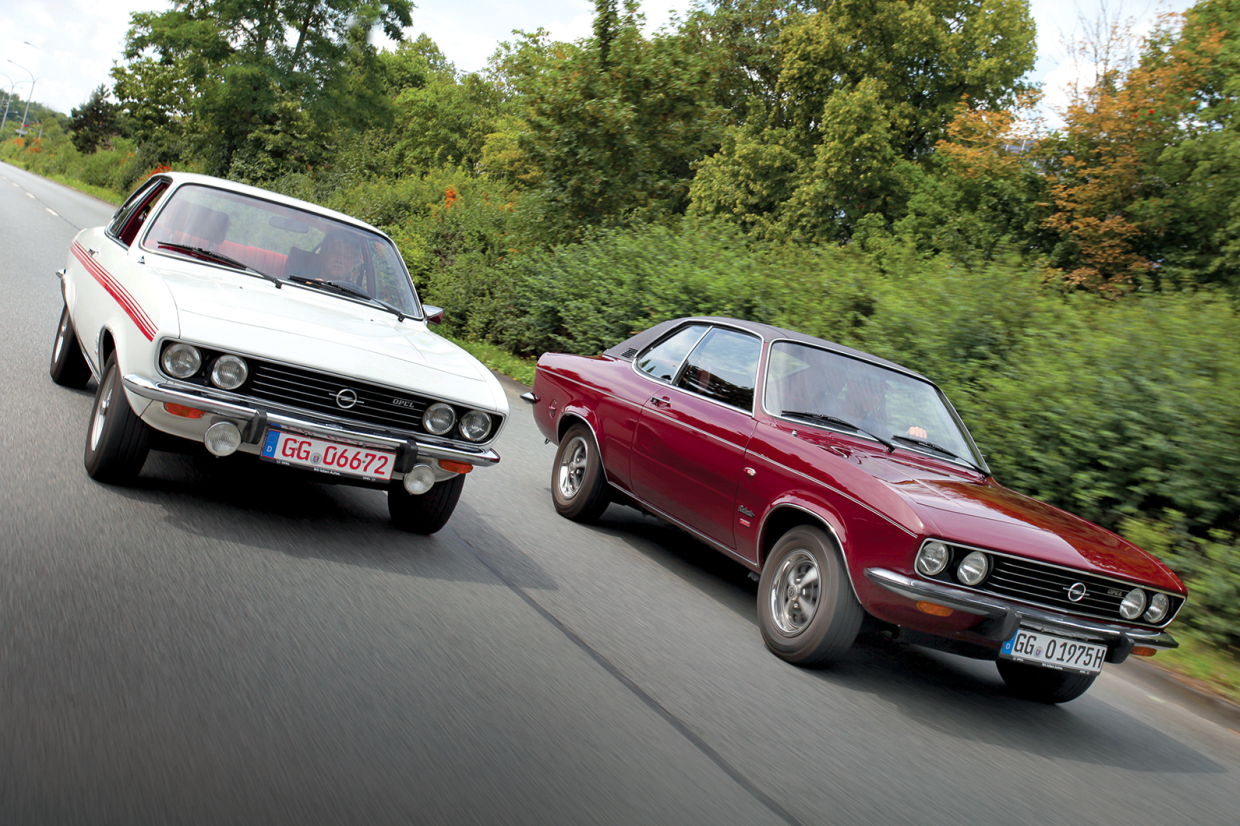
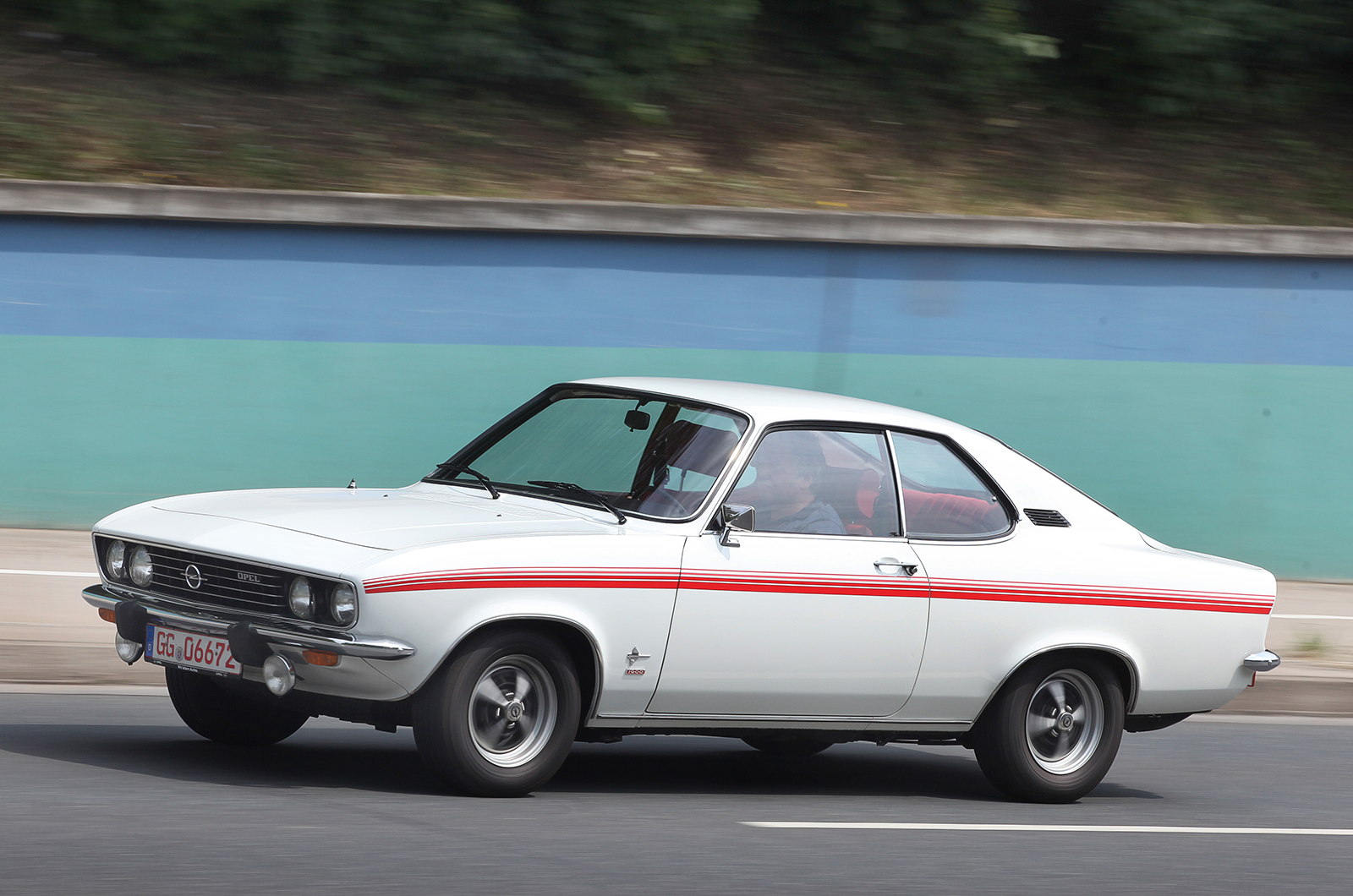
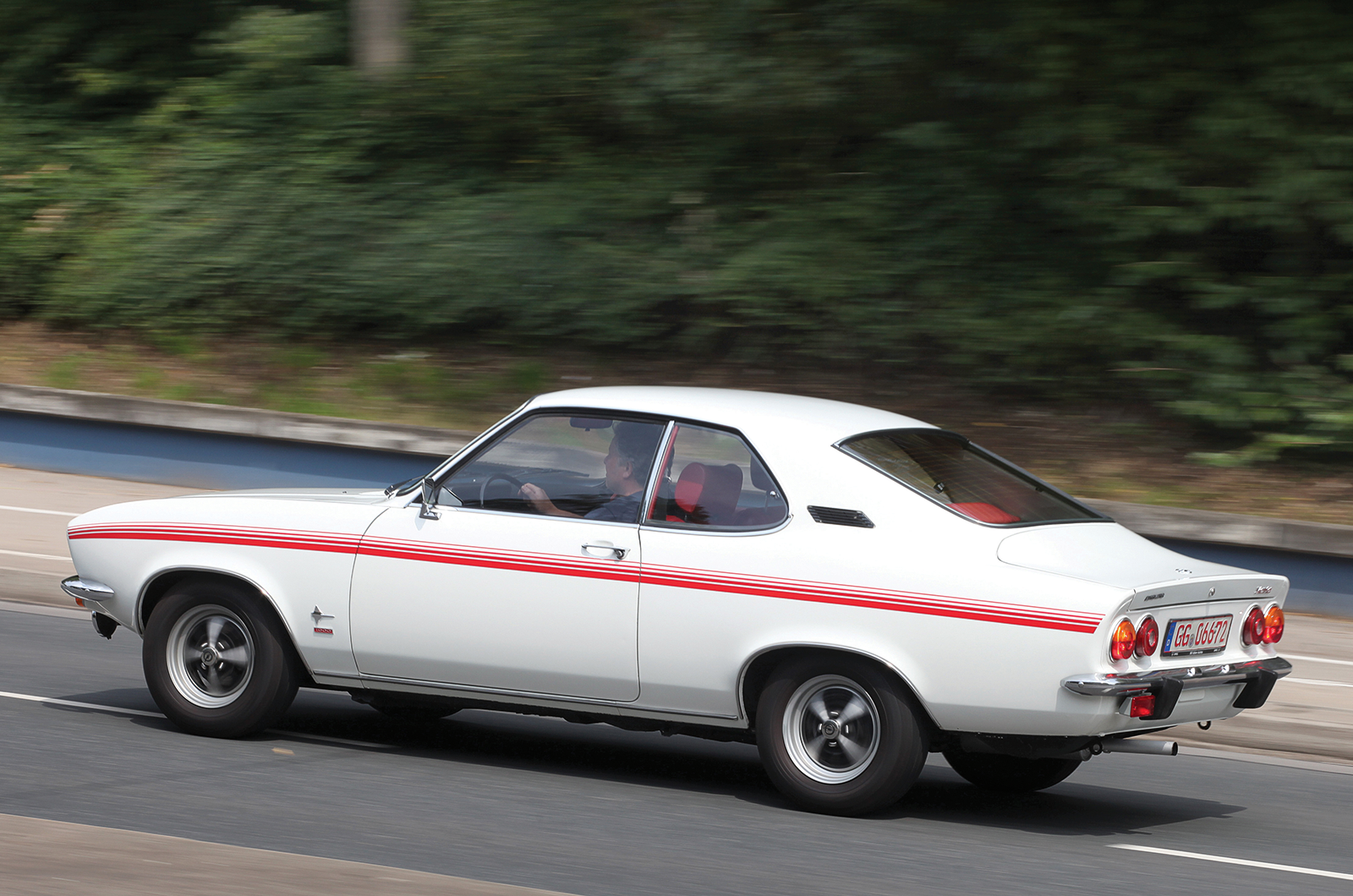
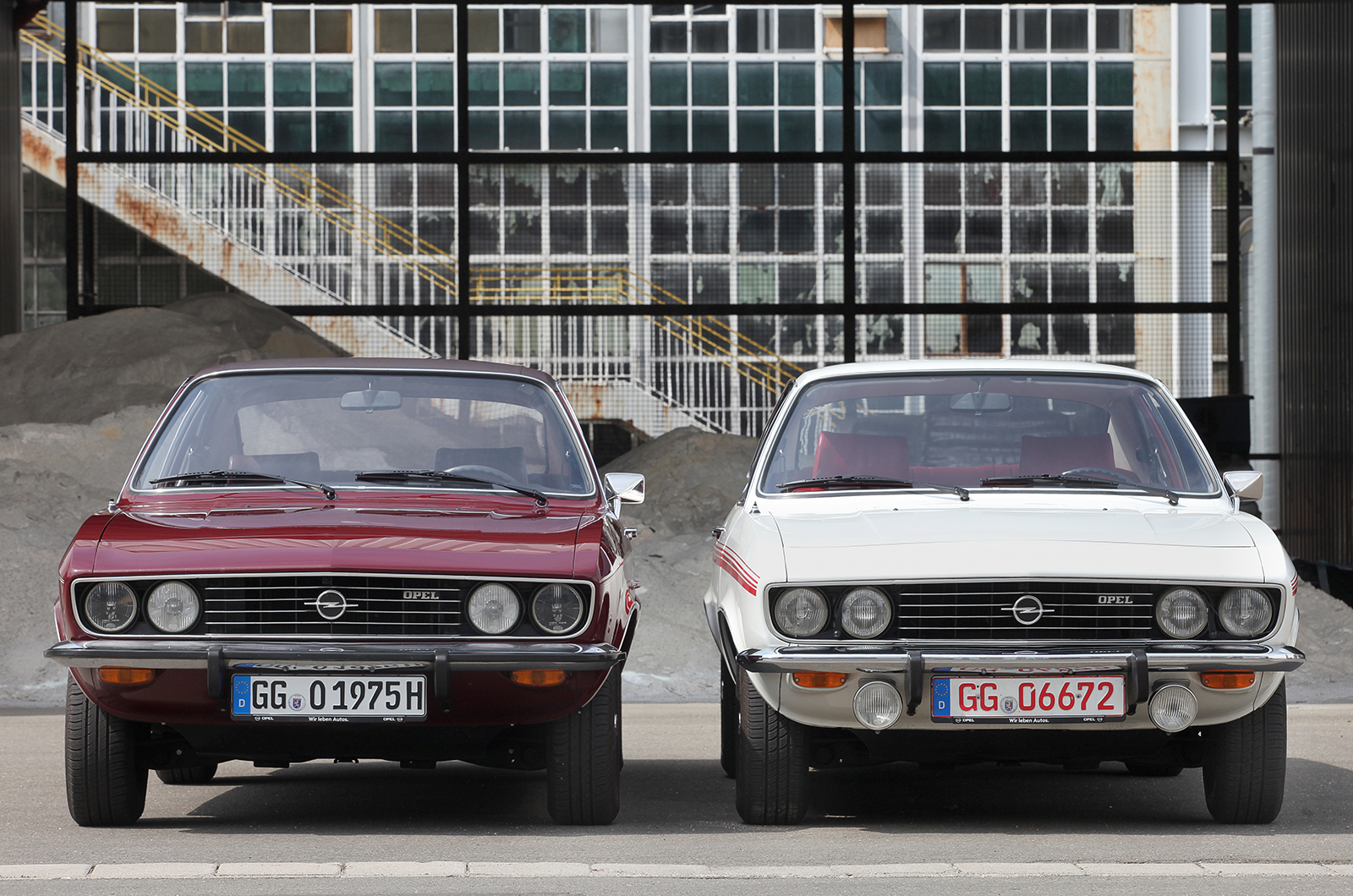
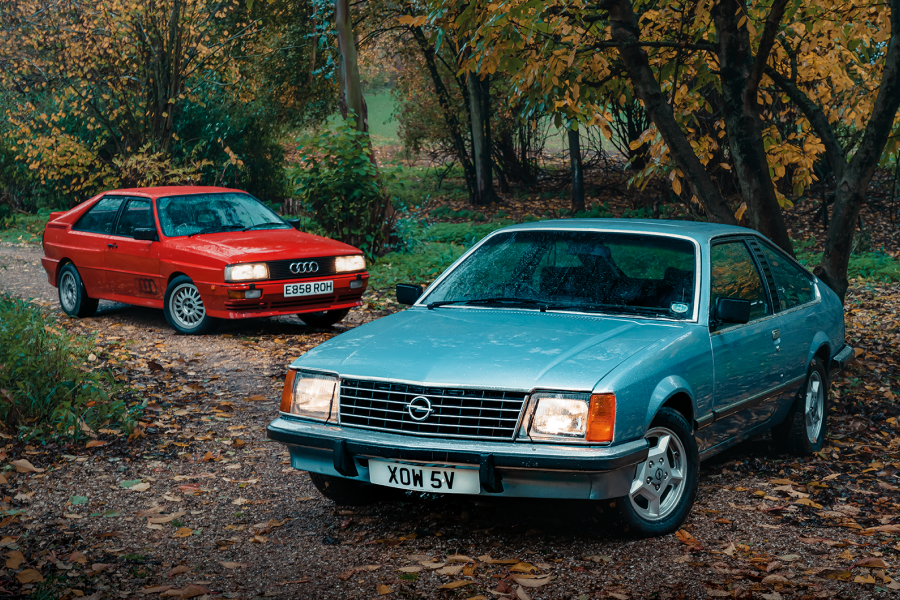
Opel rode the wave of affordable two-door cars with its fastback-styled Manta A, here in Swinger (left) and Berlinetta specs

These bread-and-butter sedan-based coupes were the work of accountants and market researchers as much as engineers.

They were designed to be built in large numbers and a wide variety of trim levels, with engine sizes and price-sticker combinations to appeal to buyers who were willing to sacrifice doors – and a certain amount of rear cabin space – in return for a swish fastback profile.

With the weight of hefty advertising budgets behind them, it was just a matter of creating an image: most ’70s coupe ad campaigns played on buyers’ Walter Mitty daydreams and featured dorky characters who, once behind the wheel, would become suave and masterful and no longer have sand kicked in their faces.

Classic & Sports Car – Opel Manta A: Blue Oval beater
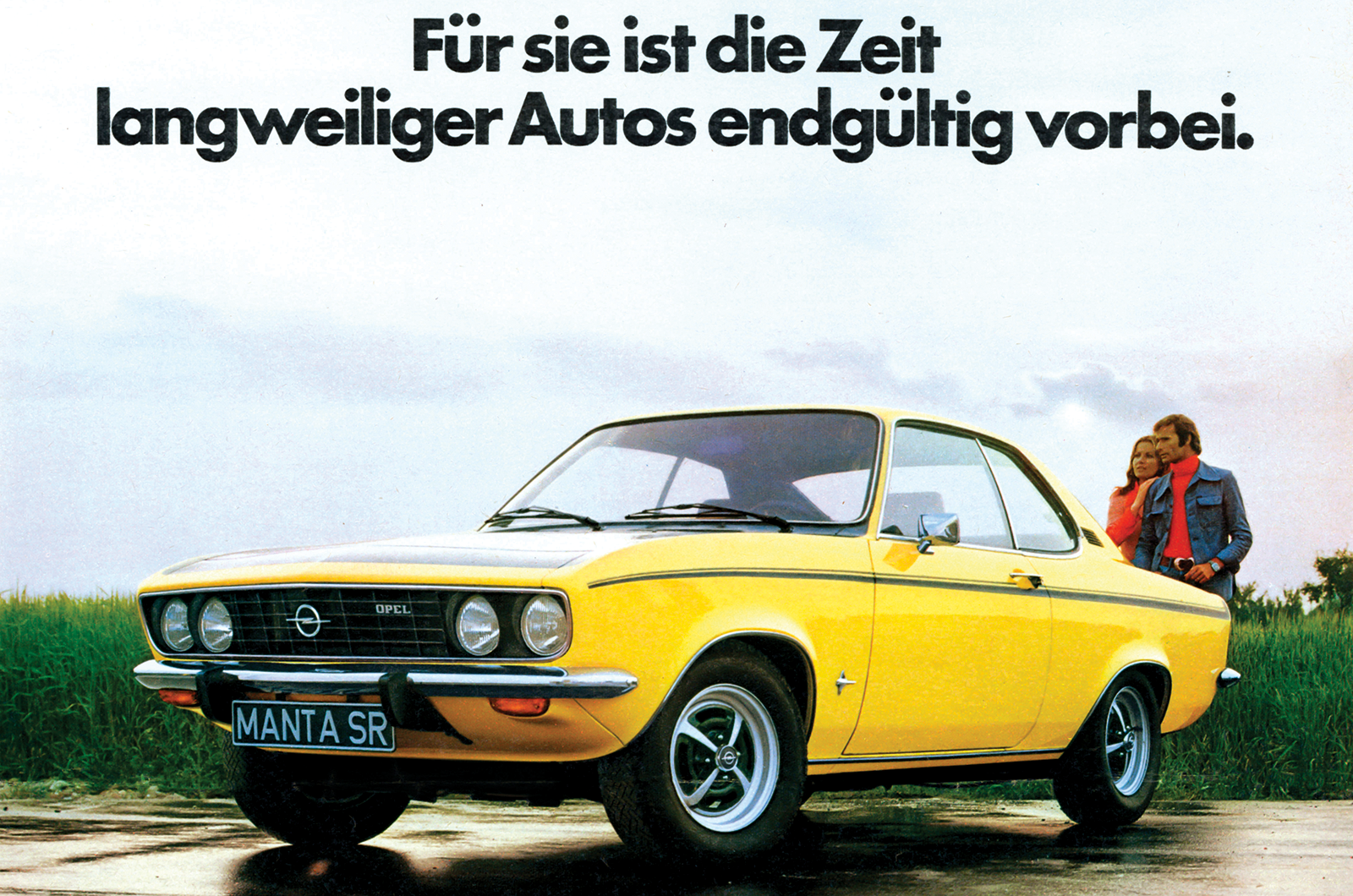
Plenty of trim levels were available; the SR Rallye added sporty extras such as a black hood

Some coupes had rather more credibility than others. If the Morris Marina Coupe, for instance, was quite obviously just a two-door version of the sedan, then the Opel Manta, introduced at the Paris Salon in September 1970, hid its origins more convincingly.

It was a stand-alone model at first, although most observers guessed that the Manta shared its underpinnings with the still-unseen Ascona, a new rear-drive mid-range sedan launched two weeks later to fill the gap between the Kadett and the Rekord.

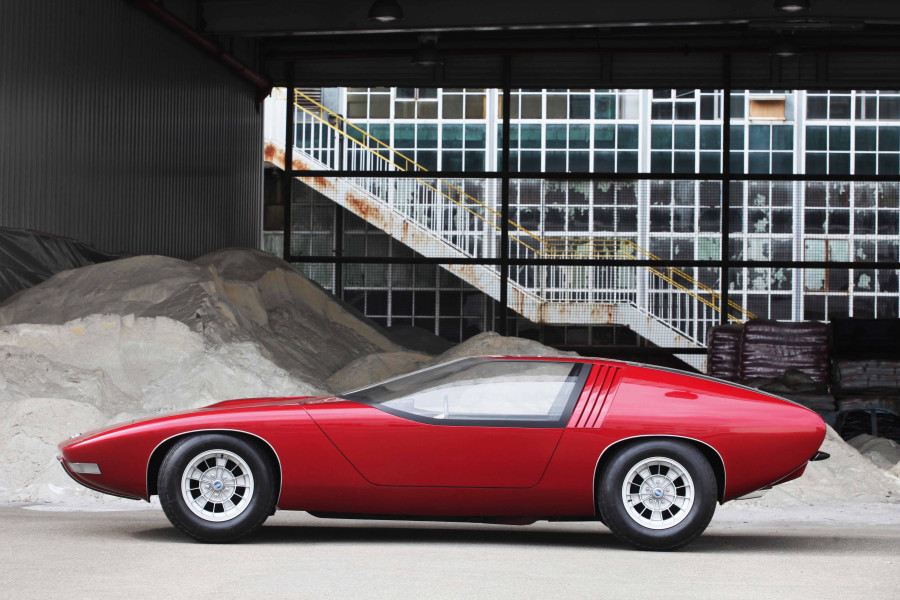
Opel was keen to point out that the Manta was a development of the Opel GT concept. That little two-seater, sold through Buick dealerships, helped to give the Opel name some useful profile in North America.

Classic & Sports Car – Opel Manta A: Blue Oval beater
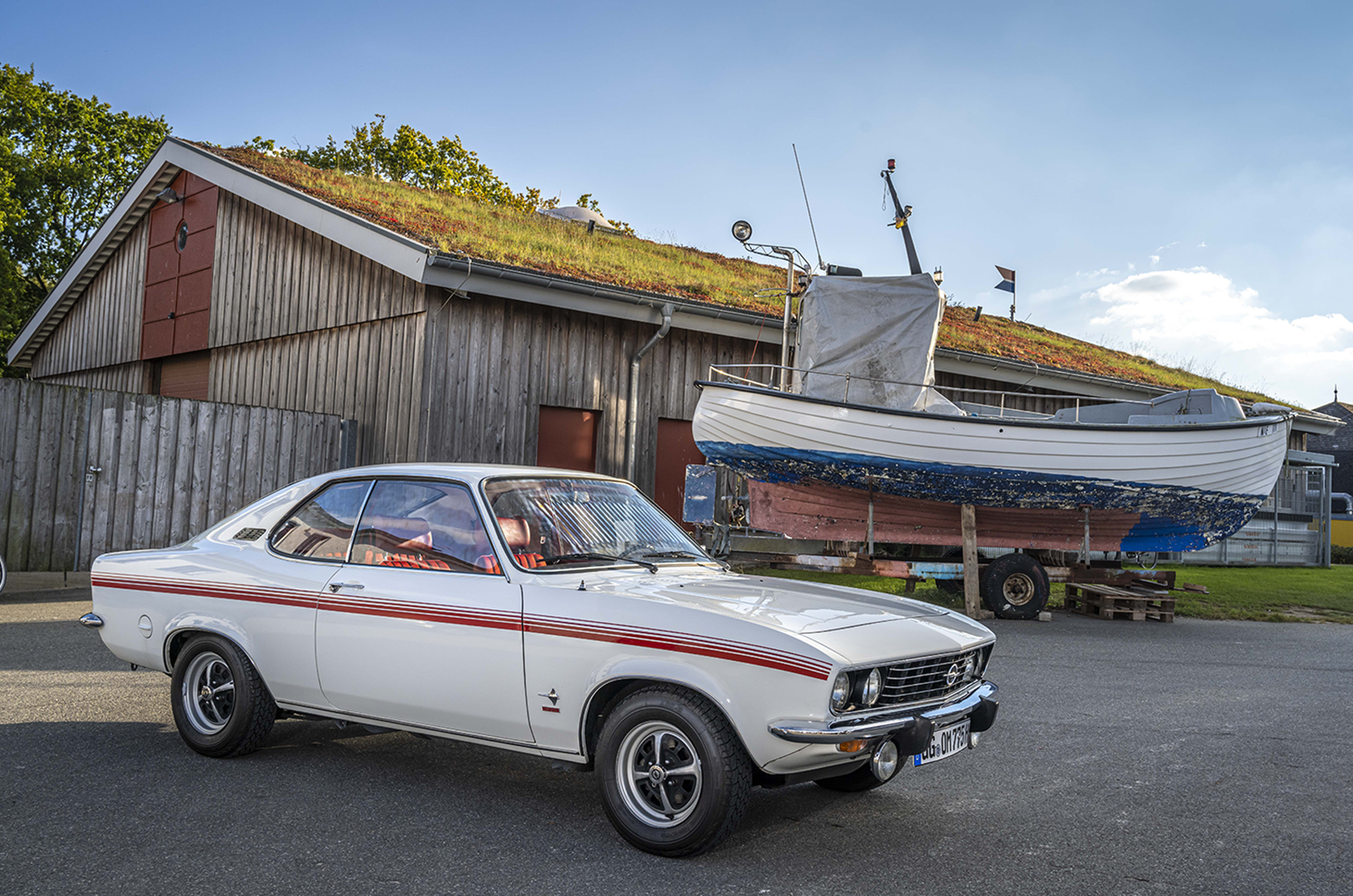
Britain missed out on German-market specials, but the UK did get this limited-edition Swinger, named when the verb had more innocent connotations

The more practical Manta would maintain that momentum in the United States, where it was marketed for the first two seasons as the 1900 Sports Coupe and then as the 1973 Manta Luxus.

It suffered the ignominy of 5mph park-bench bumpers – and progressively reduced power – but sold in relatively healthy numbers as a second car, at a time when small European economy models were gaining popularity.

The Opel Manta was styled by 32-year-old American George Gallion, under the guidance of Chuck Jordan before his return to the USA.

Gallion had moved to Opel from Detroit in 1969 to become deputy design director.

Classic & Sports Car – Opel Manta A: Blue Oval beater
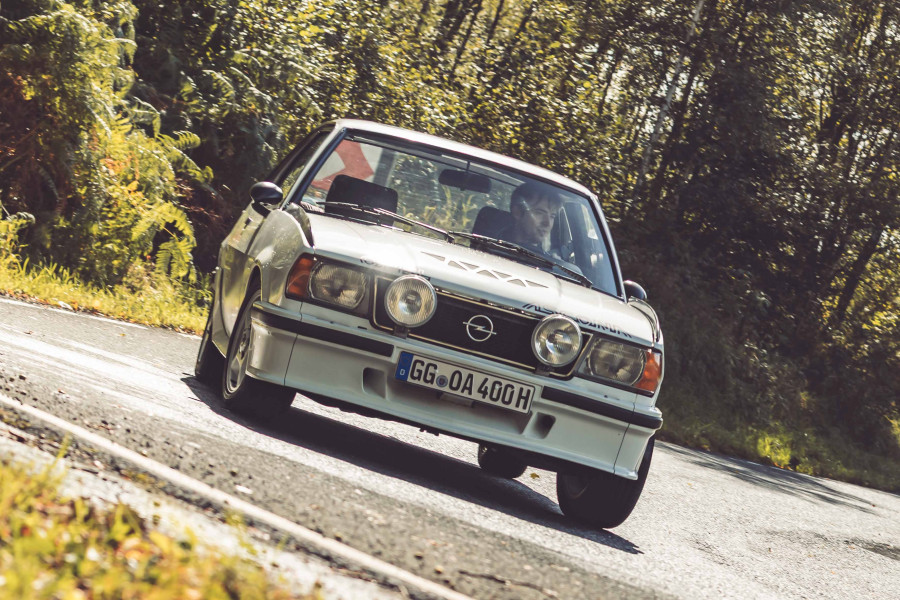
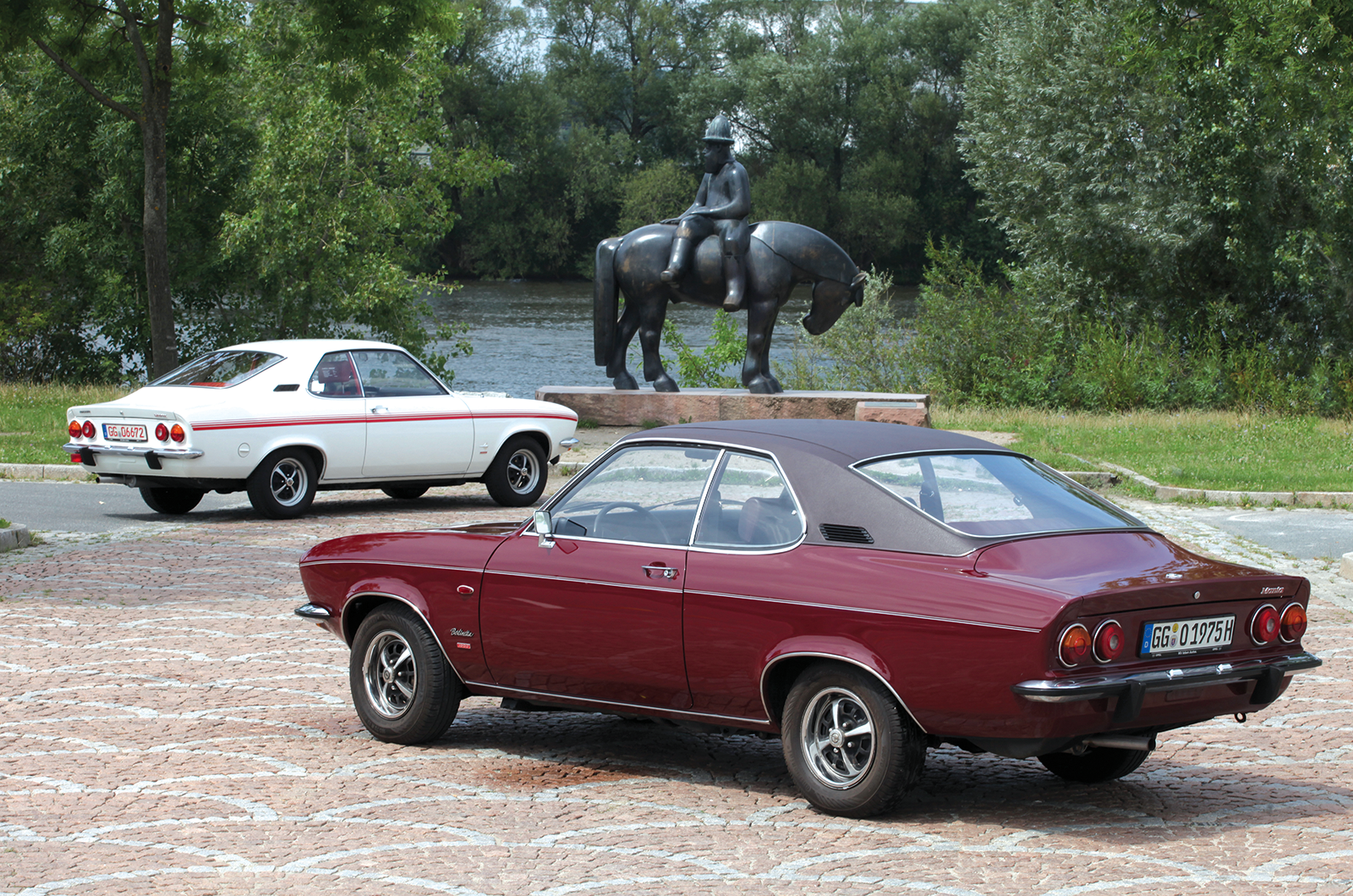
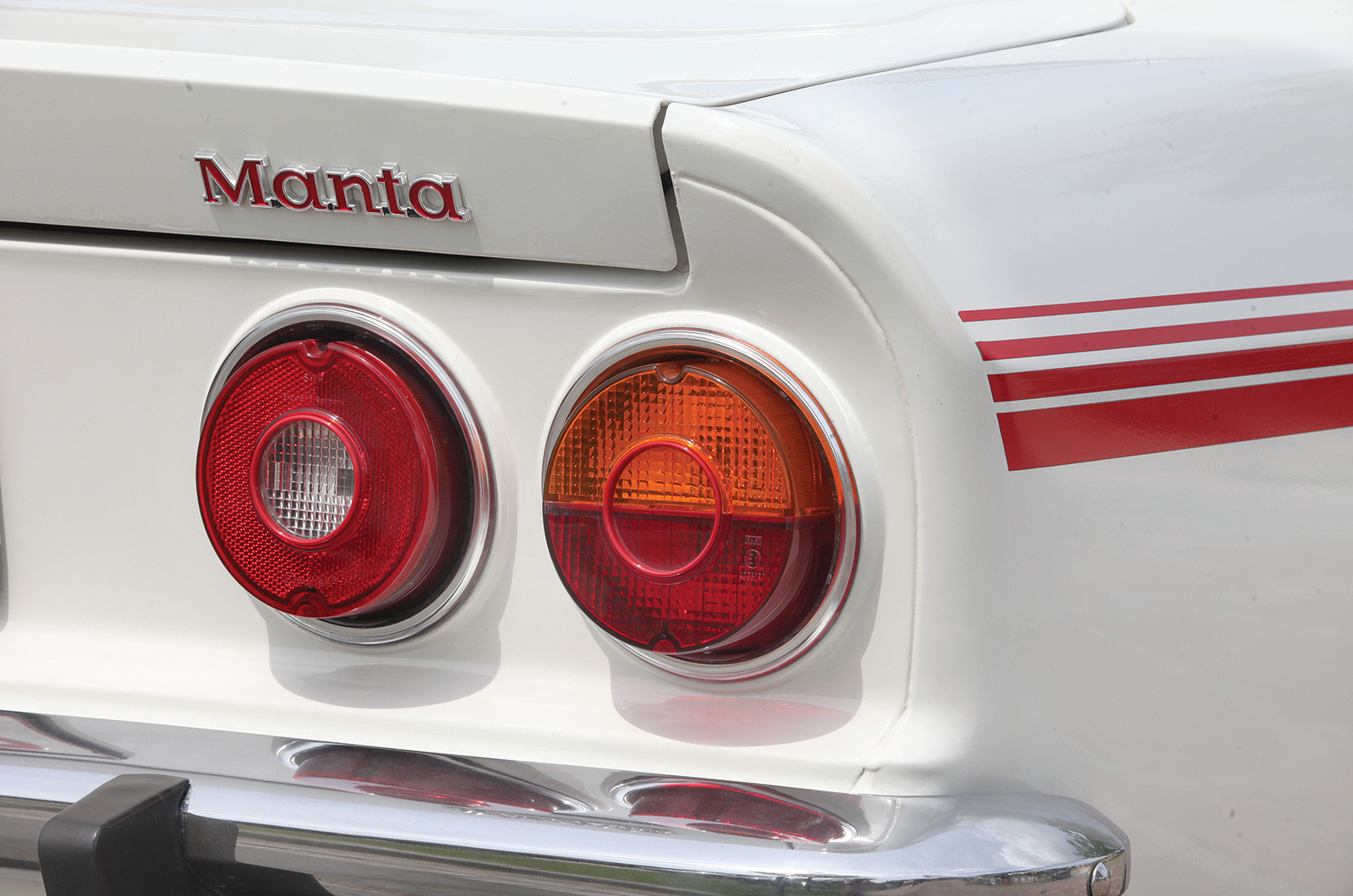
Distinctive circular tail-lights are reminiscent of a Fiat Dino coupe

He was given just six weeks in the summer of 1969 to style the car, which was known as Project 1450.

Despite official protestations to the contrary at the launch of this Opel coupe, Gallion’s brief from Jordan was clearly to come up with a car to take on and, its maker hoped, beat the Ford Capri.

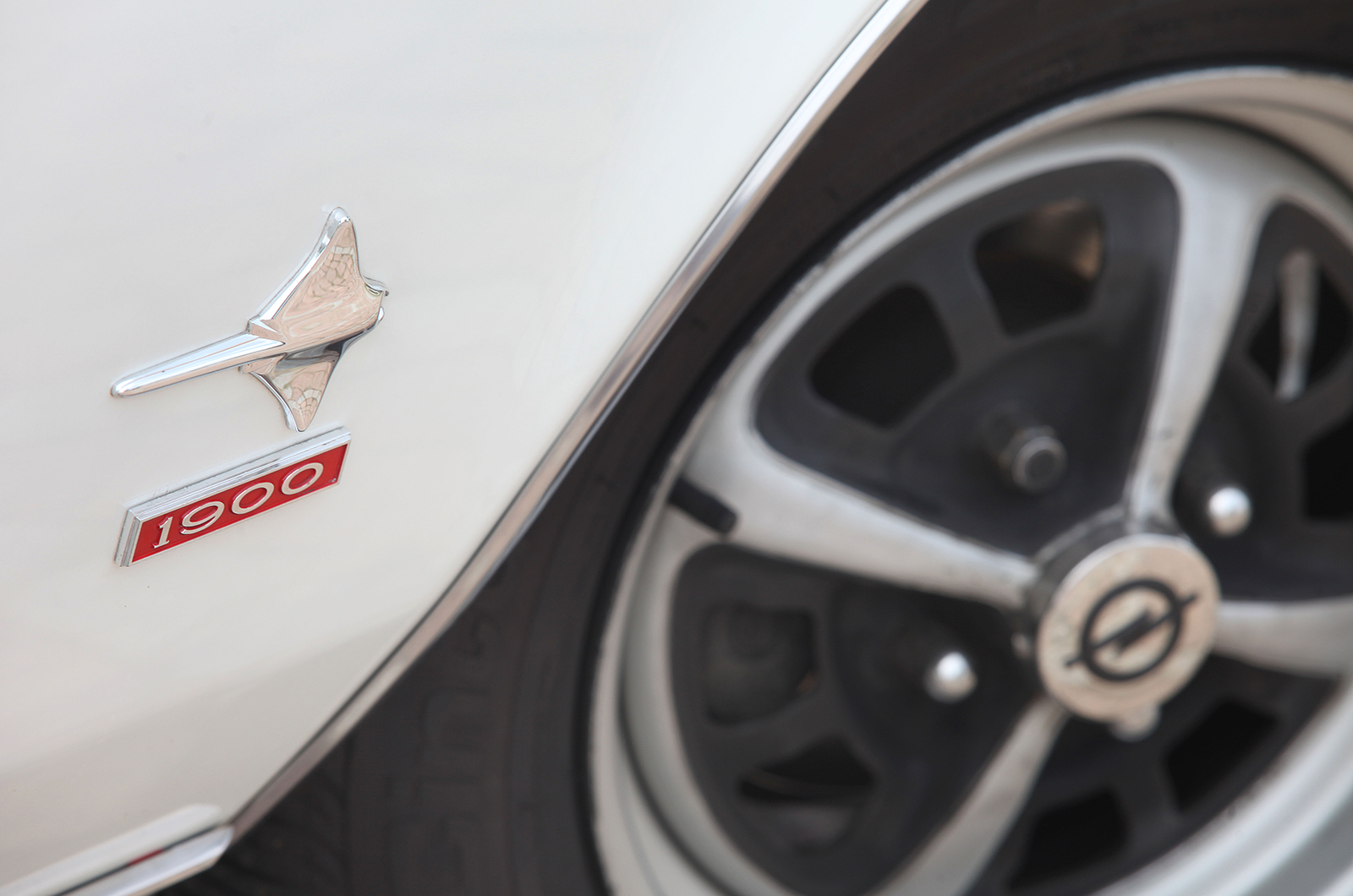
Like the Chevrolet Stingray and Ford Mustang, it was given the moniker ‘Manta’ in order to chime in with the prevailing fashion for naming sporty cars after the feistier elements of the animal and under-sea kingdoms: Gallion even visited Jacques Cousteau in Paris to get inspiration for the badge design.

Classic & Sports Car – Opel Manta A: Blue Oval beater
Opel followed the likes of Chevrolet and Ford in naming its sporty model after feisty creatures

Loosely inspired by the Manta Ray concept car and C3 Corvette, the new Opel had no body pressings in common with any other model and sat on a wheelbase that was slightly longer than the Kadett’s but a full 5in (127mm) shorter than that of the Ford Capri.

From a company that had been reluctant to shake off American styling influences, the Manta, with its sleekly resolved fastback and hint of rear spoiler in its chopped-off tail, was deemed the best-looking Opel anyone could remember, and vastly more accomplished than Vauxhall’s stodgy 1971-’73 Viva-based Firenza.

The sales figures told the story: 52,200 first-generation Mantas were sold in 1970-’71, and Opel shifted almost half a million all told, compared with a derisory 18,000 Firenzas.

Classic & Sports Car – Opel Manta A: Blue Oval beater

‘Despite official protestations to the contrary at its launch, the brief was clearly to come up with a Capri-beater’

Luton’s failure to get to grips with the coupe zeitgeist meant that all subsequent Vauxhall-badged Cavalier Coupes would be based on the even more successful 1975-’88 Manta ‘B’.

All commentators agreed the 1970 Manta was a good-looking car. Even the no-cost-option matt-black hood treatment couldn’t spoil the clean lines and confident stance on its chunky – for the time – 185-section radials.

When most German cars had rectangular headlights, the quad circular lamps of the Manta gave it the aggressive visage of a Fiat Dino coupe. It also had a lot of lighting power by early 1970s standards if you opted for the halogen set-up.

Classic & Sports Car – Opel Manta A: Blue Oval beater

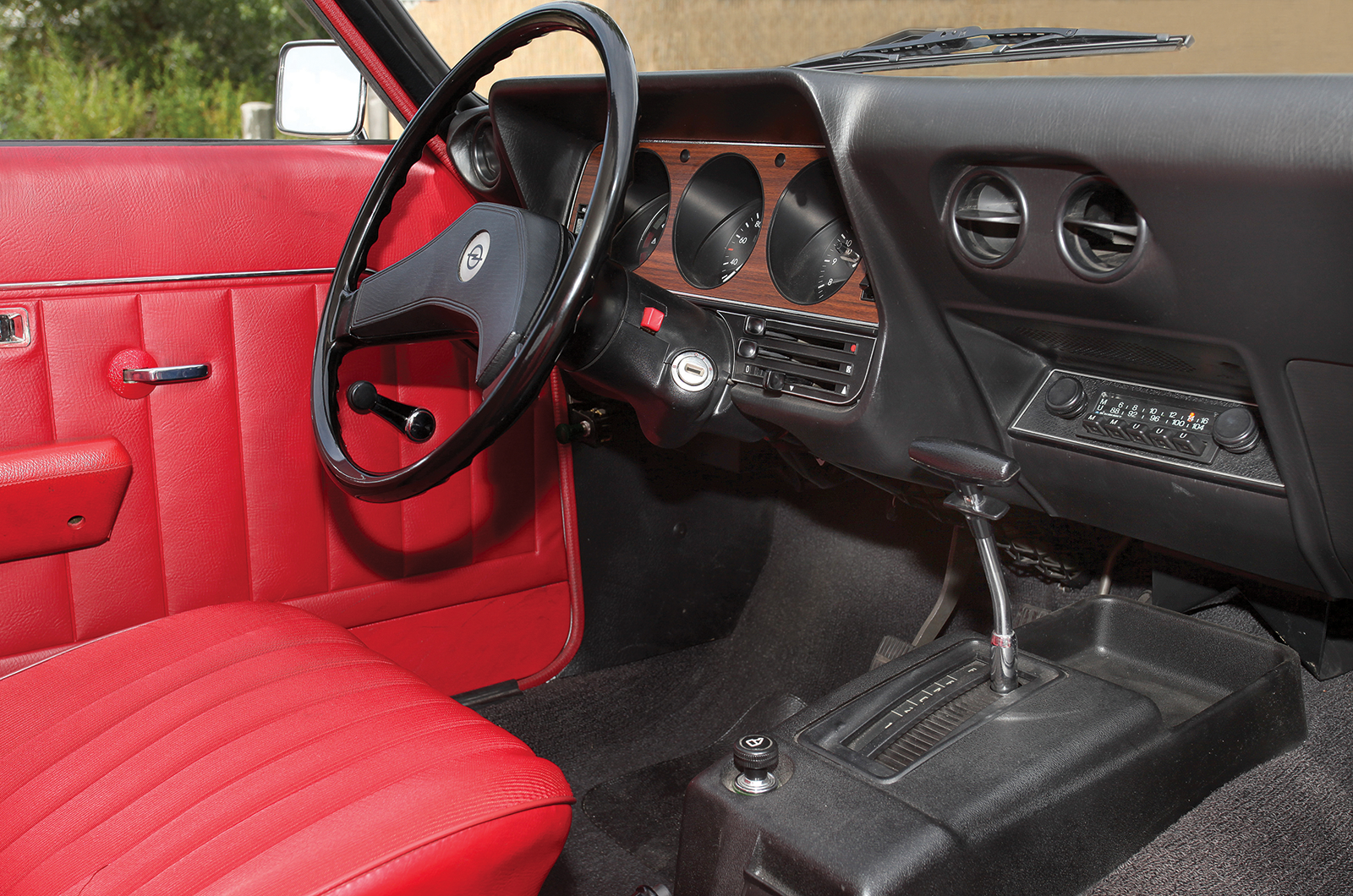
This Opel Manta Swinger’s brash red trim is paired with a simple, larger steering wheel; gearbox here is a three-speed auto

The blind quarter panels didn’t do much for rear vision, but the Manta had more glass area than the Capri and prioritized a long, deep trunk (with a high loading sill) over rear-seat space.

In Britain, adverts for the £1474 newcomer claimed five-seat capability – ‘Why should bachelors have all the fun?’ ran the copy – but most buyers understood that, like a Capri, a Rapier or maybe even a 2002, this was the sort of car young families with small children traded up to from an MGB GT, rather than it being an alternative to a proper sedan.

Though still wedded to the simplicity of rear-wheel drive and a live axle, the Opel engineers were given scope for creativity. The axle was located by trailing arms and a long Panhard rod, with vertically mounted progressive-rate dampers.

Classic & Sports Car – Opel Manta A: Blue Oval beater

Both cars ride on 13in wheels that struggle to fit the esthetic

Additional lateral and longitudinal loads were accommodated by a torque tube that ran half the length of the propshaft.

With steering by rack and pinion, split-circuit disc/drum brakes and anti-dive geometry built into its well-insulated double-wishbone front suspension, the Manta was thoughtfully conventional rather than cynically crude.

It was widely noted at its launch that the Manta was an inch longer and two inches taller than the best-selling Ford, but had almost exactly the same 4ft 4½in (1333.5mm) track.

However, while the Ford came with the option of a husky 3-liter V6, the Manta was, at least officially, four-cylinder-only throughout its five-year production run.

Classic & Sports Car – Opel Manta A: Blue Oval beater

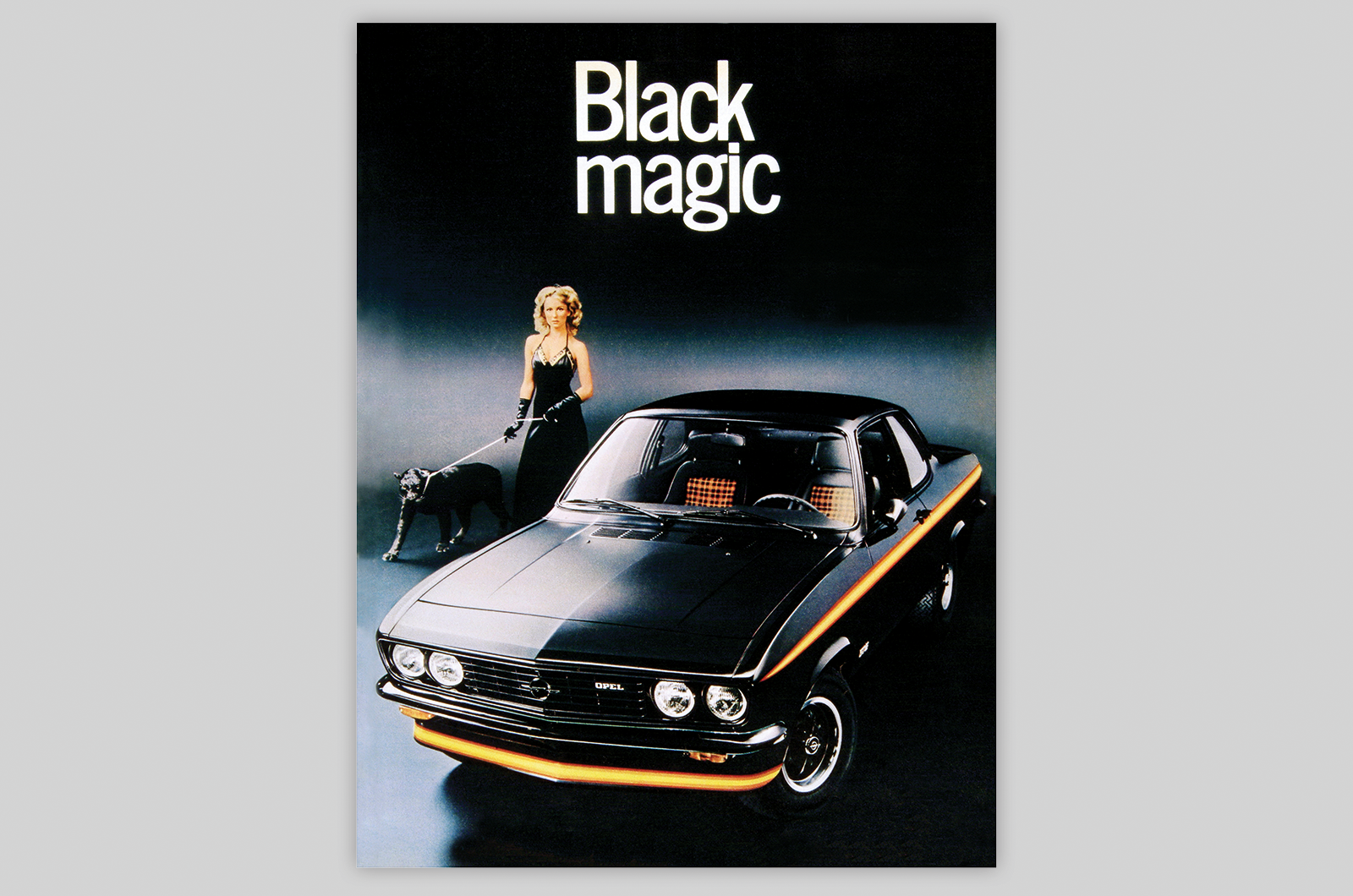
The Black Magic specification was one of the Manta variants reserved for the German market

The Commodore-engined TE2800 specials built in Belgium by Transeurop Engineering offered Porsche 911-style urge, but weren’t sanctioned by Rüsselsheim.

Opel had a preference for turbocharging when it came to building a really quick Manta, but the story of the blown versions built by Broadspeed on behalf of Dealer Team Opel in the UK is one for another day. Only 28 of these 125mph Mantas were built, all of them black and all with right-hand drive.

Off the showroom floor, 1970 Manta buyers could choose from standard, L or DL trim levels, or the SR Rallye package with extra dash instrumentation and stiffer suspension.

Classic & Sports Car – Opel Manta A: Blue Oval beater

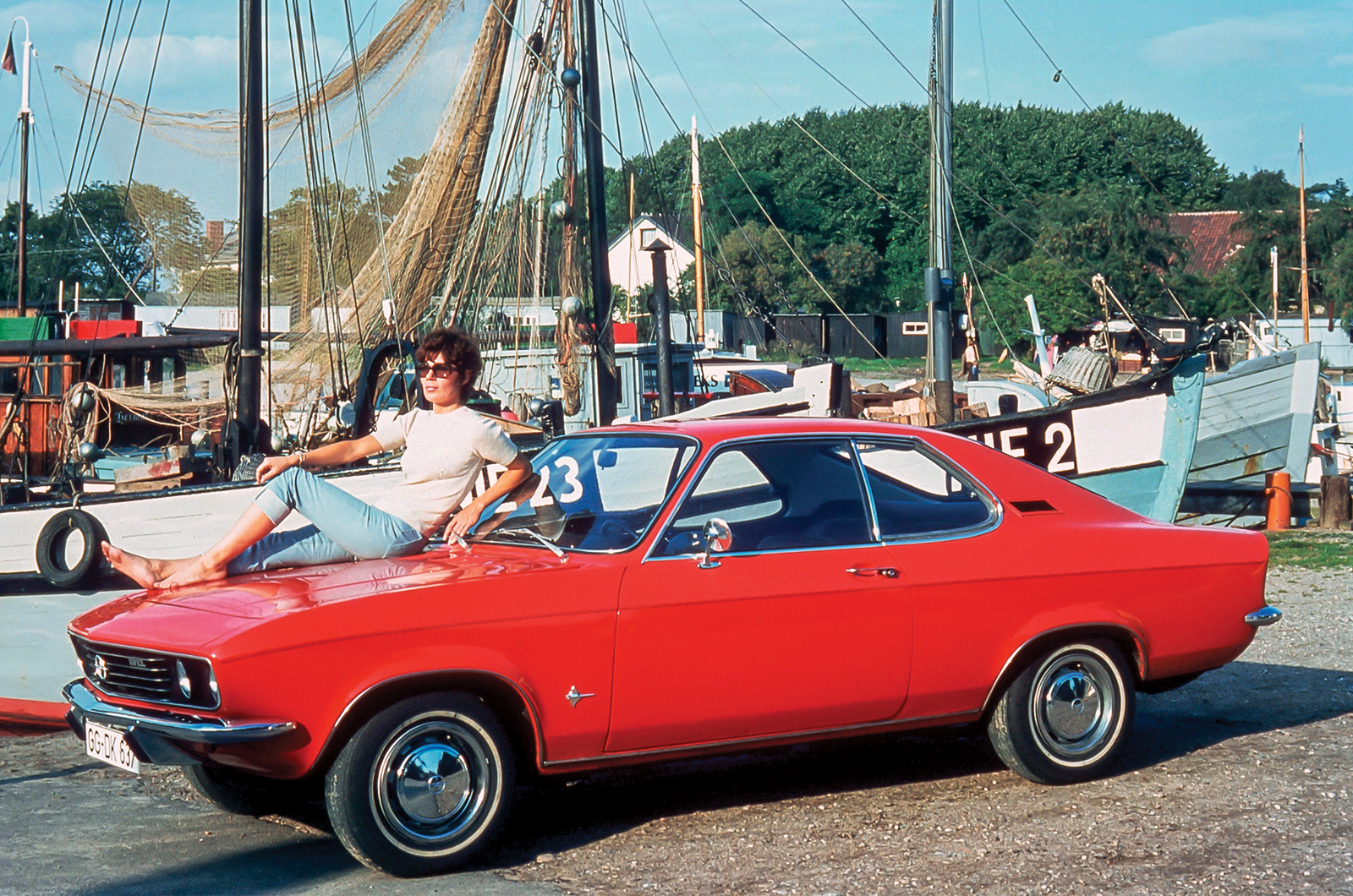
Early Mantas boast a cleaner, more elegant shape

All were powered by the familiar cam-in-head unit, giving 68bhp in 1.6-liter, single-carburetor/single-choke form, or 90bhp as the twin-choke 1897cc 1.9 S.

The latter was good for a 105mph top speed and could complete the 0-60mph sprint in 12.5 secs as a four-speed, using the same ratios as the Rekord Sprint.

There was a three-speed GM Strasbourg automatic option with either of the twin-choke S engines.

The 1974 GT/E was a much more substantial development, however, with 109bhp extracted from its fuel-injected engine courtesy of the Bosch L-Jetronic plumbing that had become standard on American-bound Mantas.

Classic & Sports Car – Opel Manta A: Blue Oval beater

The Manta is nimble and sportingly firm, as befits its billing

In Britain we got the GT/E but were spared the single-choke 1.6, the 1972 1.2-liter model with its thrilling 60bhp, and various German-market special editions: Manta Plus, Holiday, Black Magic (based on the GT/E) and Summer Bazar.

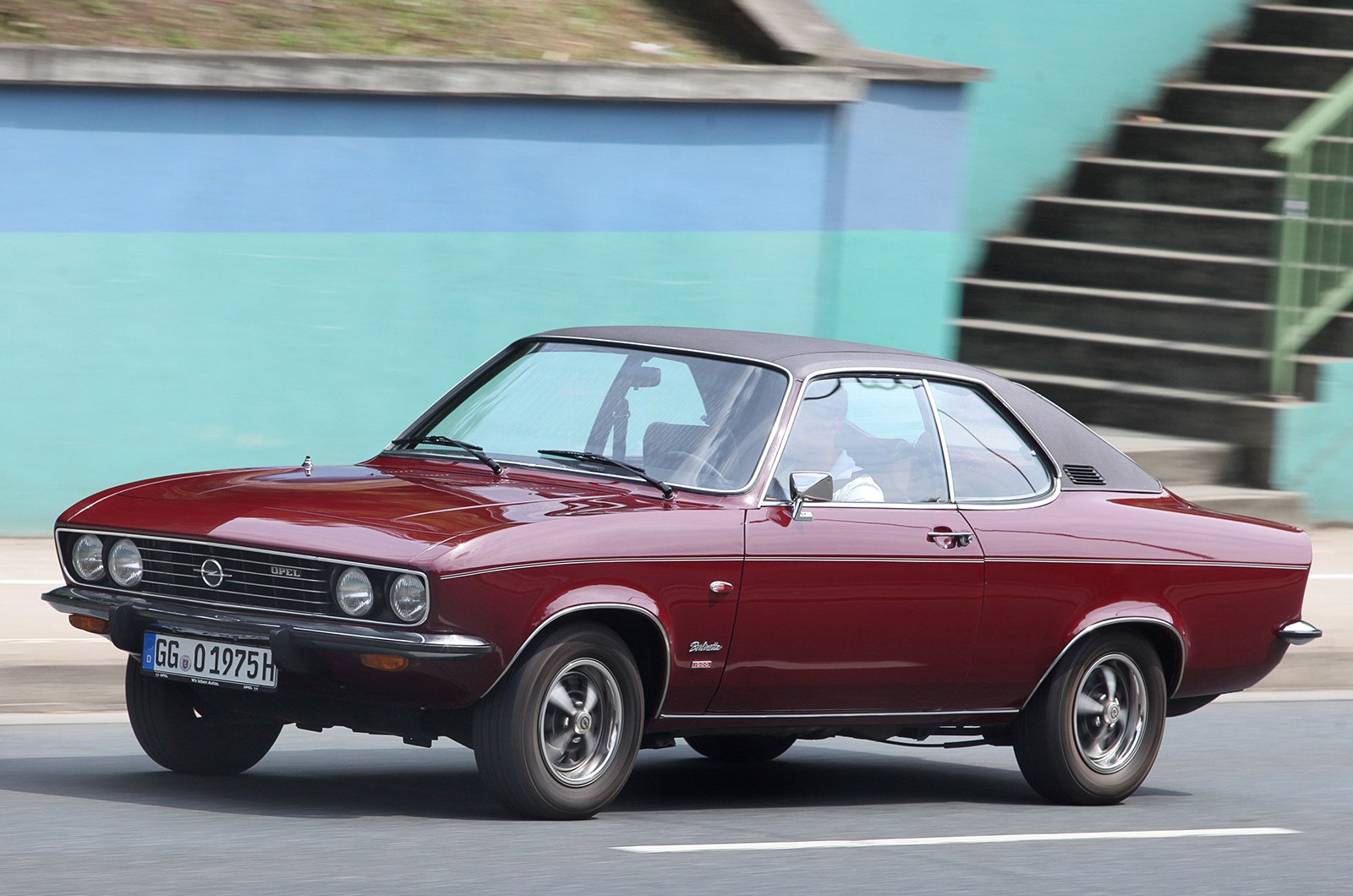
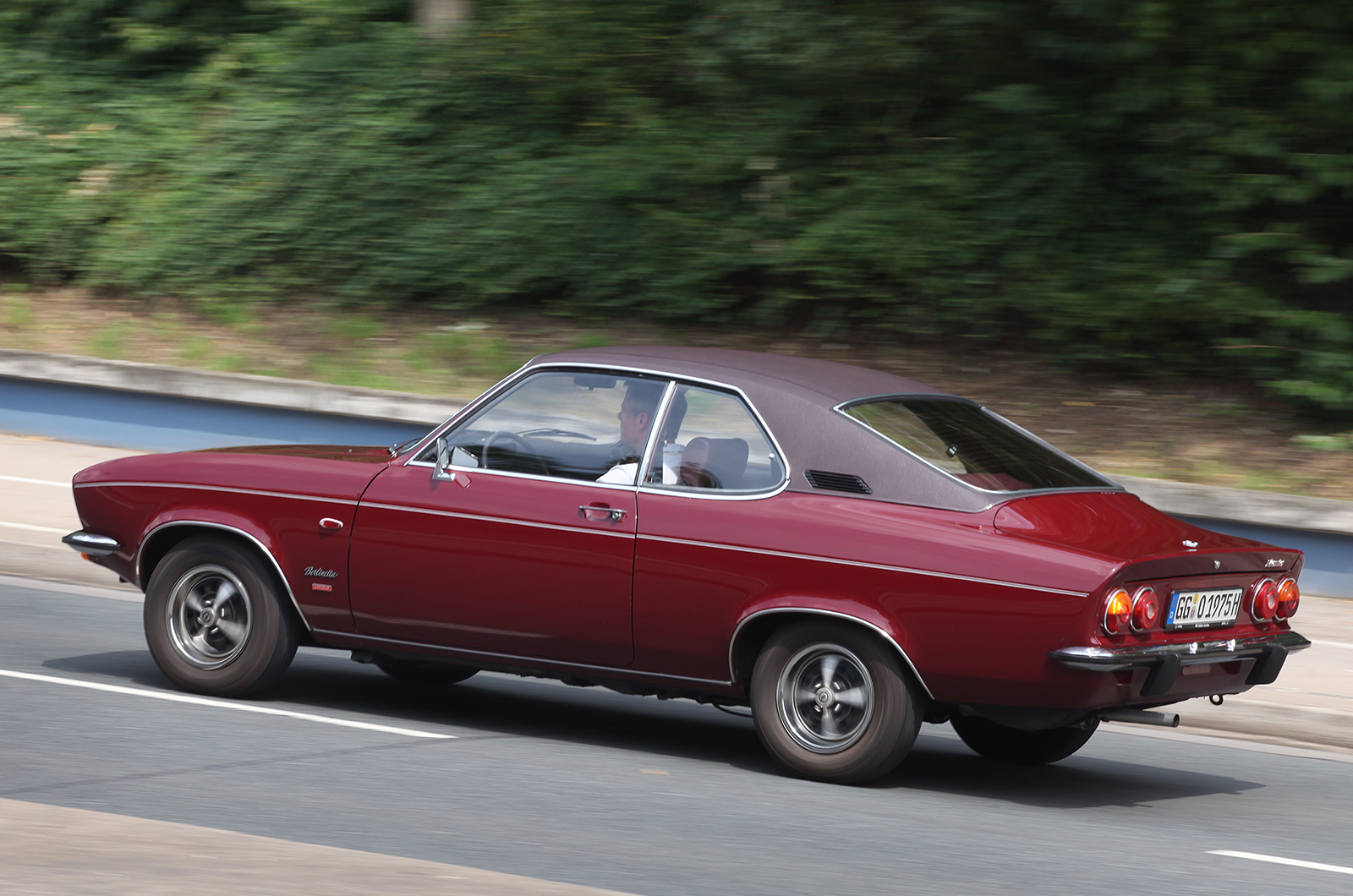
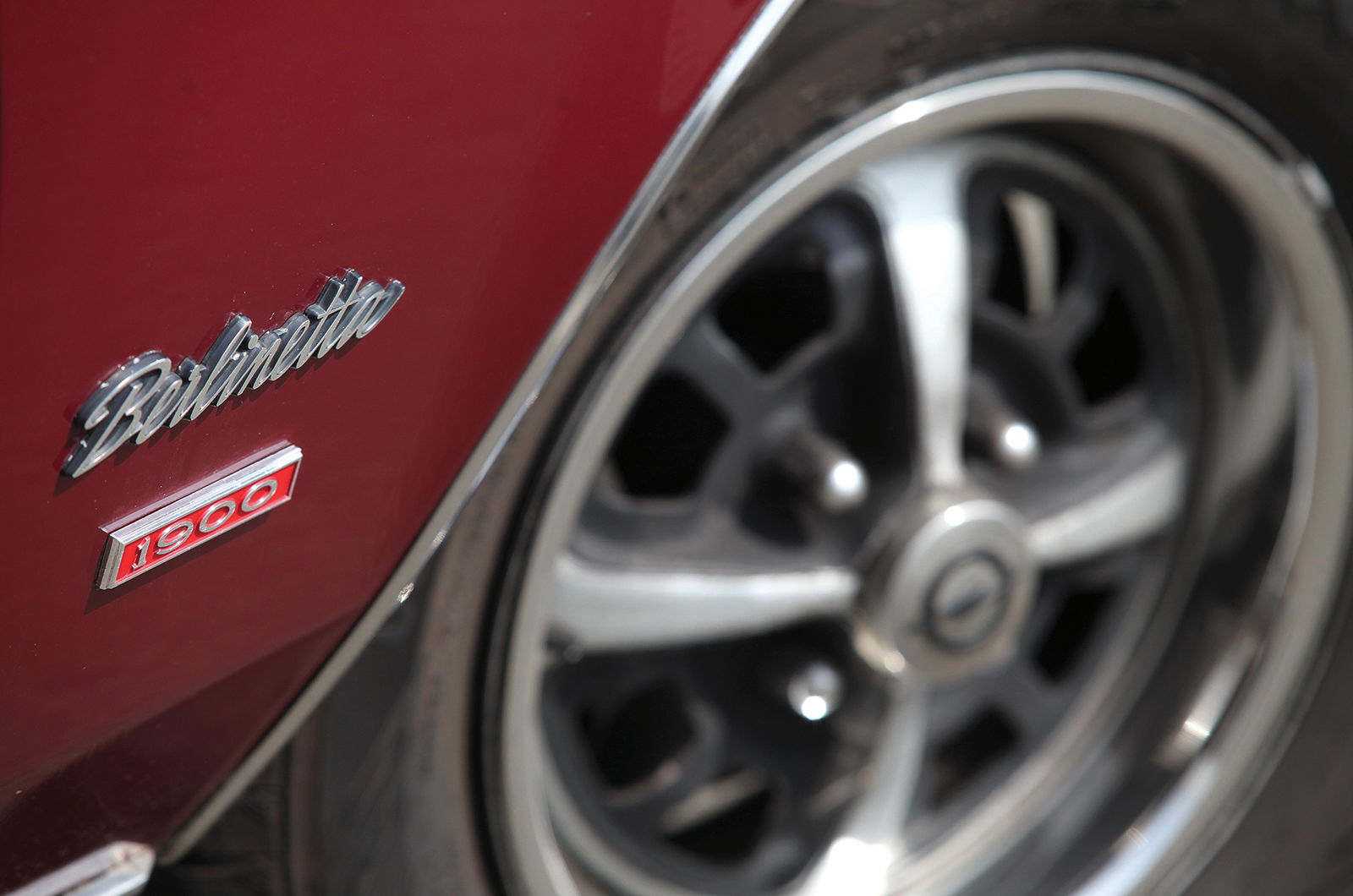
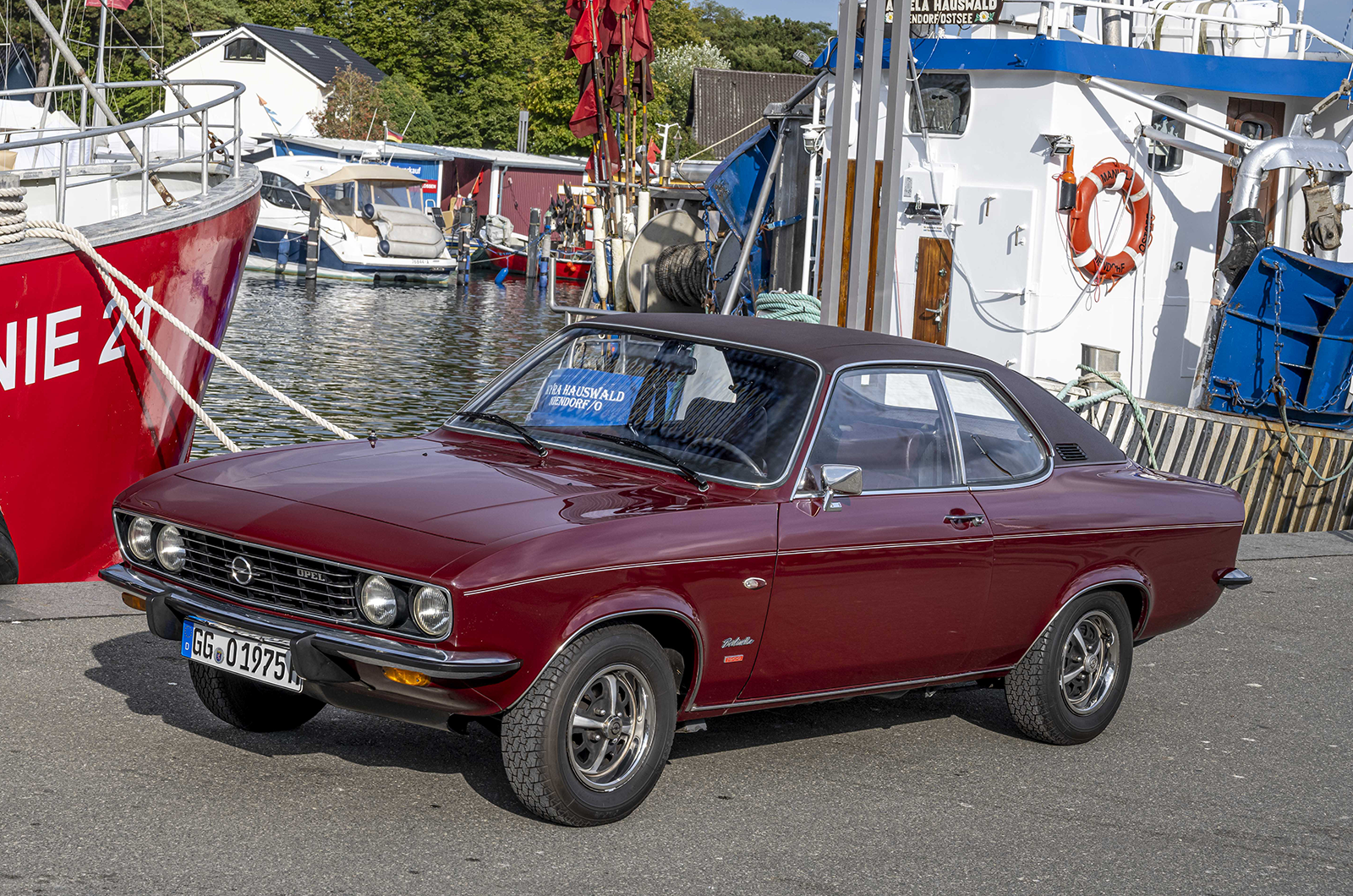
We did get the luxury Manta Berlinetta, complete with sports wheel, heated rear windshield and vinyl roof, such as the burgundy example pictured above.

The accompanying white car with red stripes is a limited-edition Swinger, named in the days when the verb had more innocent connotations that had nothing to do with pampas grass and consenting adults. Both cars are courtesy of Opel’s historic fleet.

Classic & Sports Car – Opel Manta A: Blue Oval beater

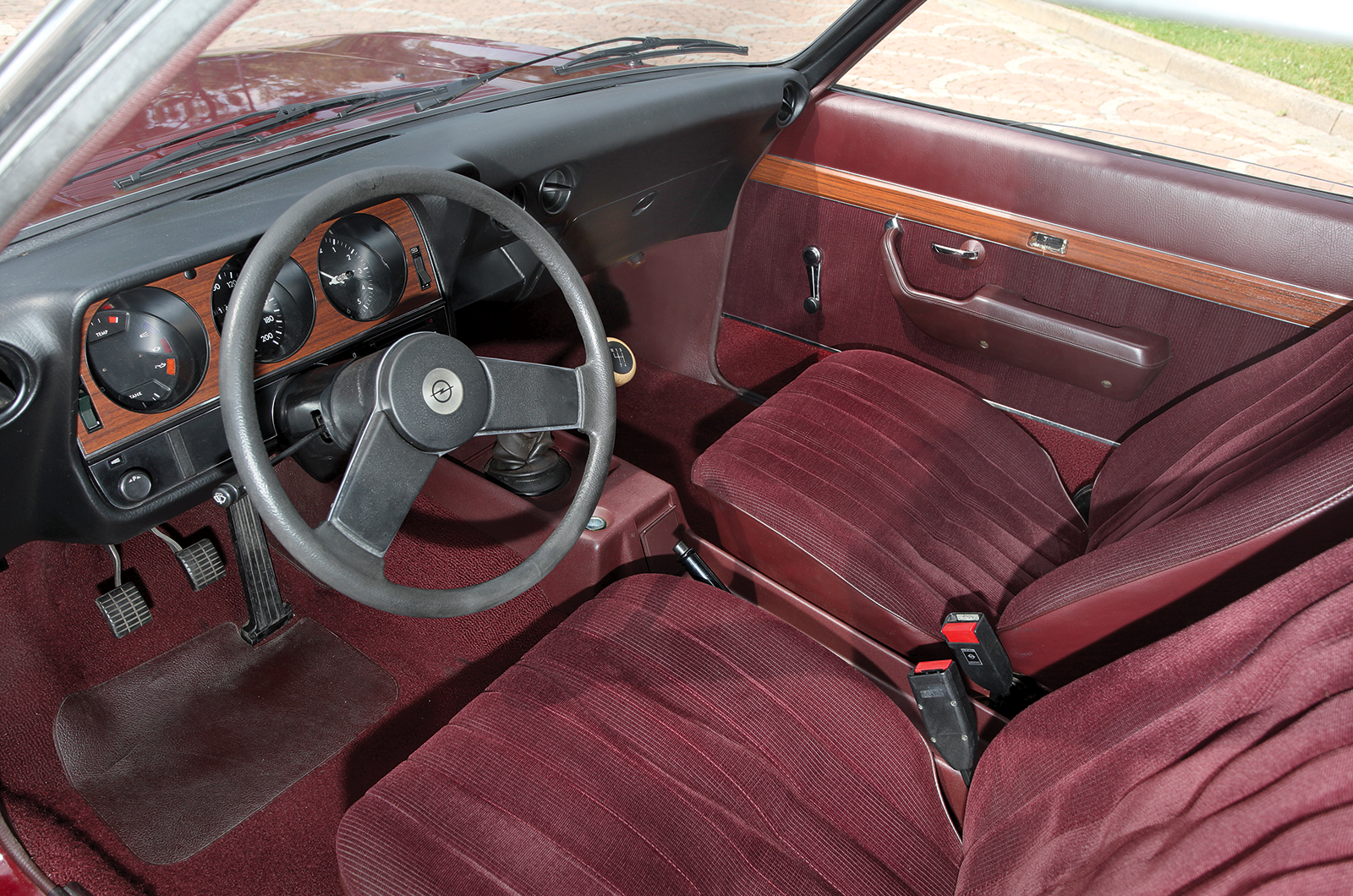
This Berlinetta-spec Opel Manta is marginally more opulent inside than the Swinger variant

To the 21st-century eye, the Opel Manta is still a pretty car, if a little narrow, while appearing a touch over-bodied in relation to its dinky 13in wheels.

It is less fussily detailed than its Ford nemesis, but doesn’t have quite the same macho swagger as the Capri.

Circular tail-lights make the Manta unmistakable from the rear, and the skinny B-pillar with frameless door windows gives a visual lightness to the roof.

The Berlinetta and Swinger are both 1900 models. 

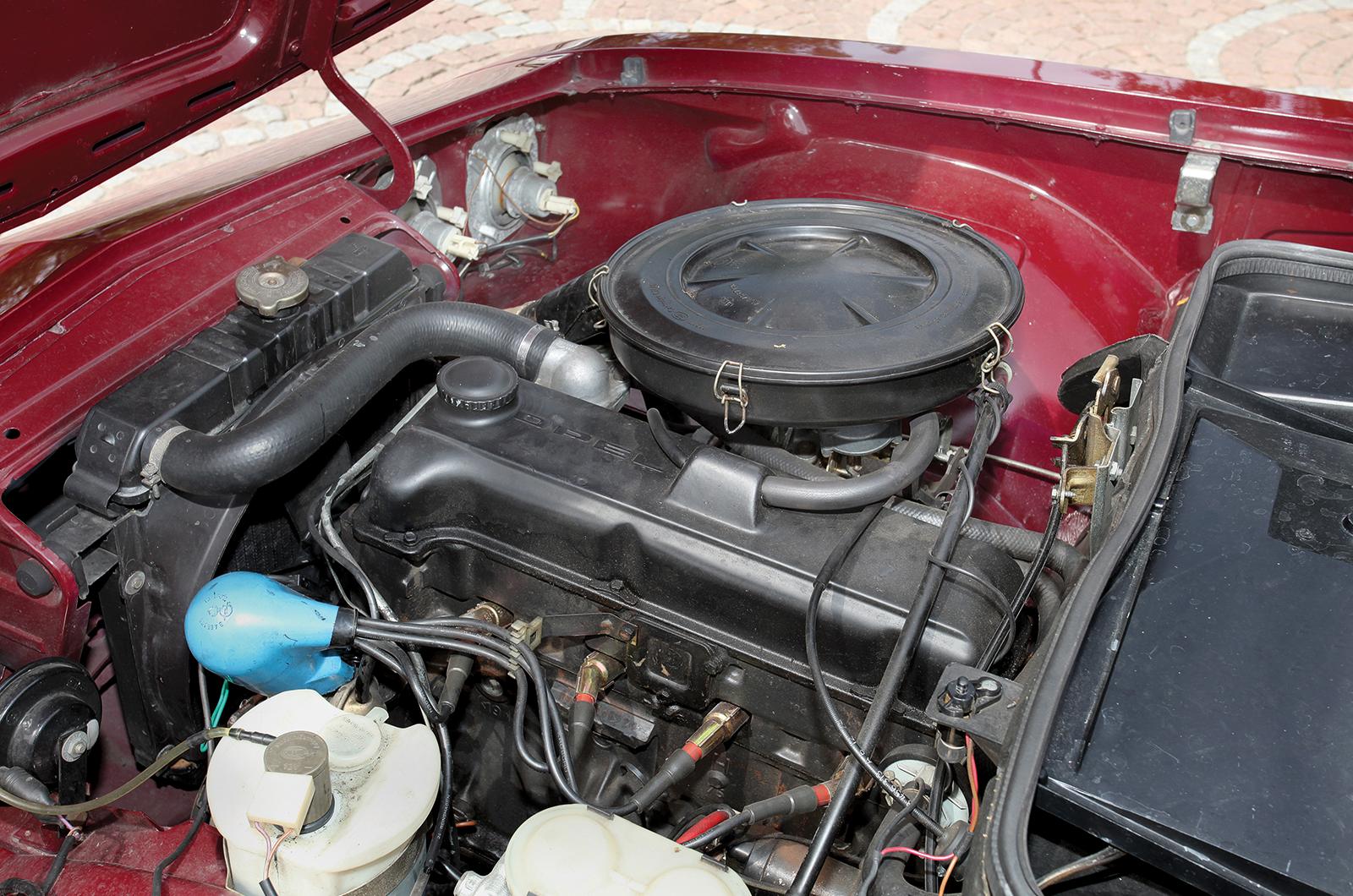
Lift their front-hinged hoods and you will find Opel’s ubiquitous, oversquare cam-in-head engine, a non-crossflow design that originated in Detroit in the early 1960s.

Classic & Sports Car – Opel Manta A: Blue Oval beater

Both these Mantas use the 1900cc cam-in-head engine

Rugged and adaptable would be the kindest things to say about it; pretty it is not. And, being an all-iron unit, it’s not particularly light, either.

Inside and out, these Opel Manta twins share details such as styled steel wheels and ersatz wood trim around a basic set of instruments – bereft, in both instances, of a rev counter.

The Swinger has a three-speed automatic gearbox, with bright red cloth trim and headrests on skinny seats that are rather more comfortable than they appear.

Its door cards are more primitive than the Berlinetta’s, which have plush, velvety facings and wooden inserts.

Classic & Sports Car – Opel Manta A: Blue Oval beater

The Opel Manta’s benign chassis presents no unwelcome surprises to the unwary

You make do with Opel’s all-purpose, rather hard and shiny steering wheel on the two-pedal Swinger, whereas the Berlinetta is fitted with a chunky ‘sports’ version.

The switchgear – including the heater controls – is centered rationally around the instrument cluster, while the substantial C-pillars that flow into the disappearing tail don’t, you might be surprised to read, hinder the driver’s 360-degree vision all that much.

Low gearing and engines that get thrashy when extended mean that an Opel Manta would not possibly be your first choice for a dash across Europe – or even for a sprint up your local autobahn.

Classic & Sports Car – Opel Manta A: Blue Oval beater

UK-bound Opel Mantas tended to be in higher specifications

But judged as competitively priced, thoroughly competent transportation of 50 years ago, they are still willing, lively and stable cars that pull up straight and short, ride with appropriate firmness – without feeling harsh – and have less wind and road noise than you might expect.

The Berlinetta has a progressive clutch and a light, reasonably precise gearchange so you can deploy its ample torque to make smooth, sprightly progress; third will take you to something over 80mph if you are willing to endure the harsh tone of the engine when the second choke comes in.

Thanks to its willingness to kickdown, the automatic Swinger doesn’t feel at that much of a disadvantage on the road but, with fewer ratios to choose from, it leaves you less able to exploit the nifty chassis.

Classic & Sports Car – Opel Manta A: Blue Oval beater

The Opel Manta A helped democratize the swoopy coupe concept

Both Mantas understeer just enough to maintain your confidence, with firm damping to help hold your line through steering that is more responsive than its 4.1 turns lock-to-lock would suggest.

They are agile and inherently safe, and offer no tricks to catch out the unwary.

Opel’s rallying prowess is steeped in the Ascona and Manta ‘B’, but you still sense the link to those cars in the Manta ‘A’, which proved that there was plenty of life left in traditionally contrived underpinnings.

In a ’70s world where it was by then well understood that a sedan could be made to handle as well as – perhaps even better than – a sports car, then a sedan-based coupe such as the original Manta couldn’t be a bad thing.

And if rare, luxurious and expensively engineered coupes were the birthright of names such as Lancia, Alfa and BMW, then Opel saw no reason why it shouldn’t have a piece of the action by selling the same dream at a price your parents could afford.

Images: James Mann

Thanks to: Opel Museum


Factfile

Classic & Sports Car – Opel Manta A: Blue Oval beater

Opel Manta A

  • Sold/number built 1970-’75/498,553
  • Construction steel monocoque
  • Engine all-iron, cam-in-head 1897cc ‘four’, single Solex carburetor
  • Max power 90bhp @ 5100rpm
  • Max torque 108Ib ft @ 2800rpm
  • Transmission four-speed manual or three-speed automatic, RWD
  • Suspension: front independent, by upper wishbones, lower transverse links, anti-roll bar rear live axle, trailing arms, torque tube, Panhard rod; coil springs, telescopic dampers f/r
  • Steering rack and pinion
  • Brakes discs front, drums rear, with servo
  • Length 14ft 1in (4293mm)
  • Width 5ft 4in (1626mm)
  • Height 4ft 5½in (1359mm)
  • Wheelbase 7ft 11¾in (2432mm)
  • Weight 2111Ib (958kg)
  • 0-60mph 12.2 secs
  • Top speed 105mph
  • Mpg 25
  • Price new £1474

We hope you enjoyed reading. Please click the ‘Follow’ button for more super stories from Classic & Sports Car.