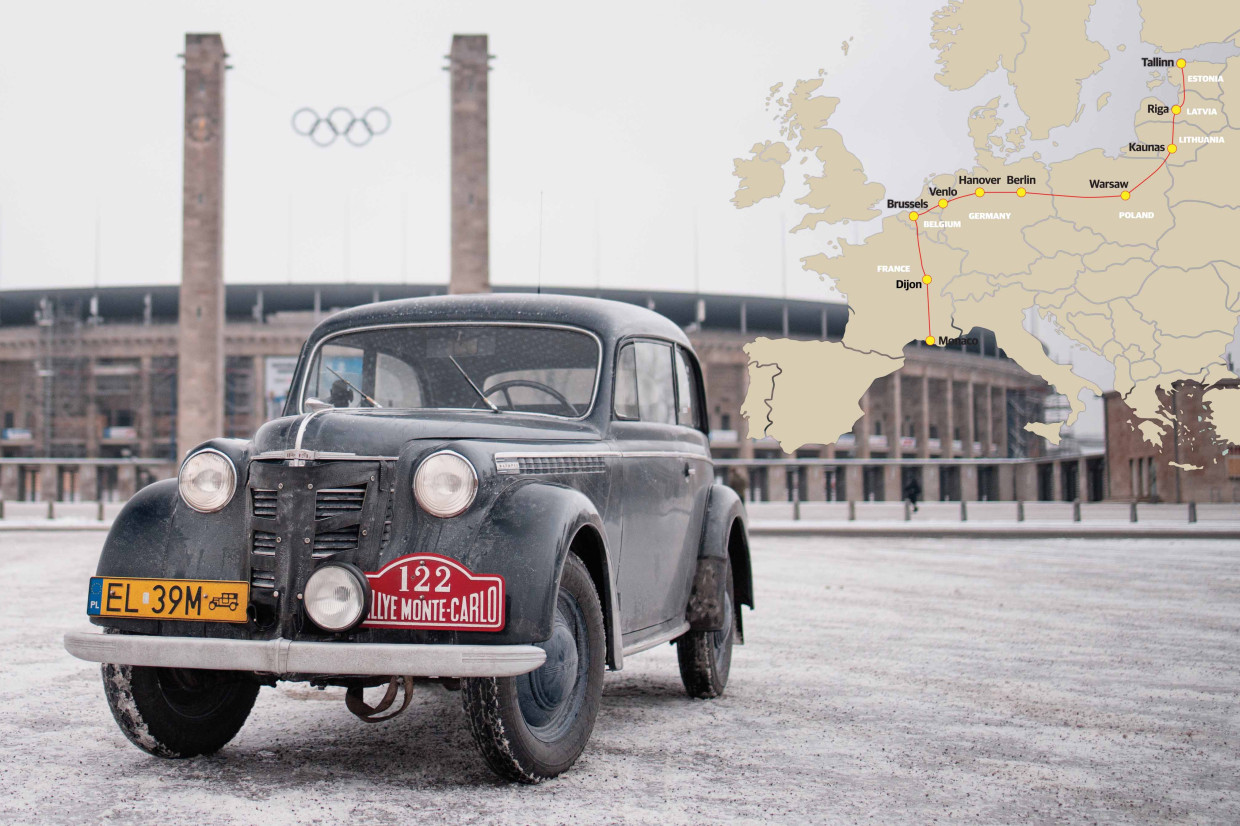
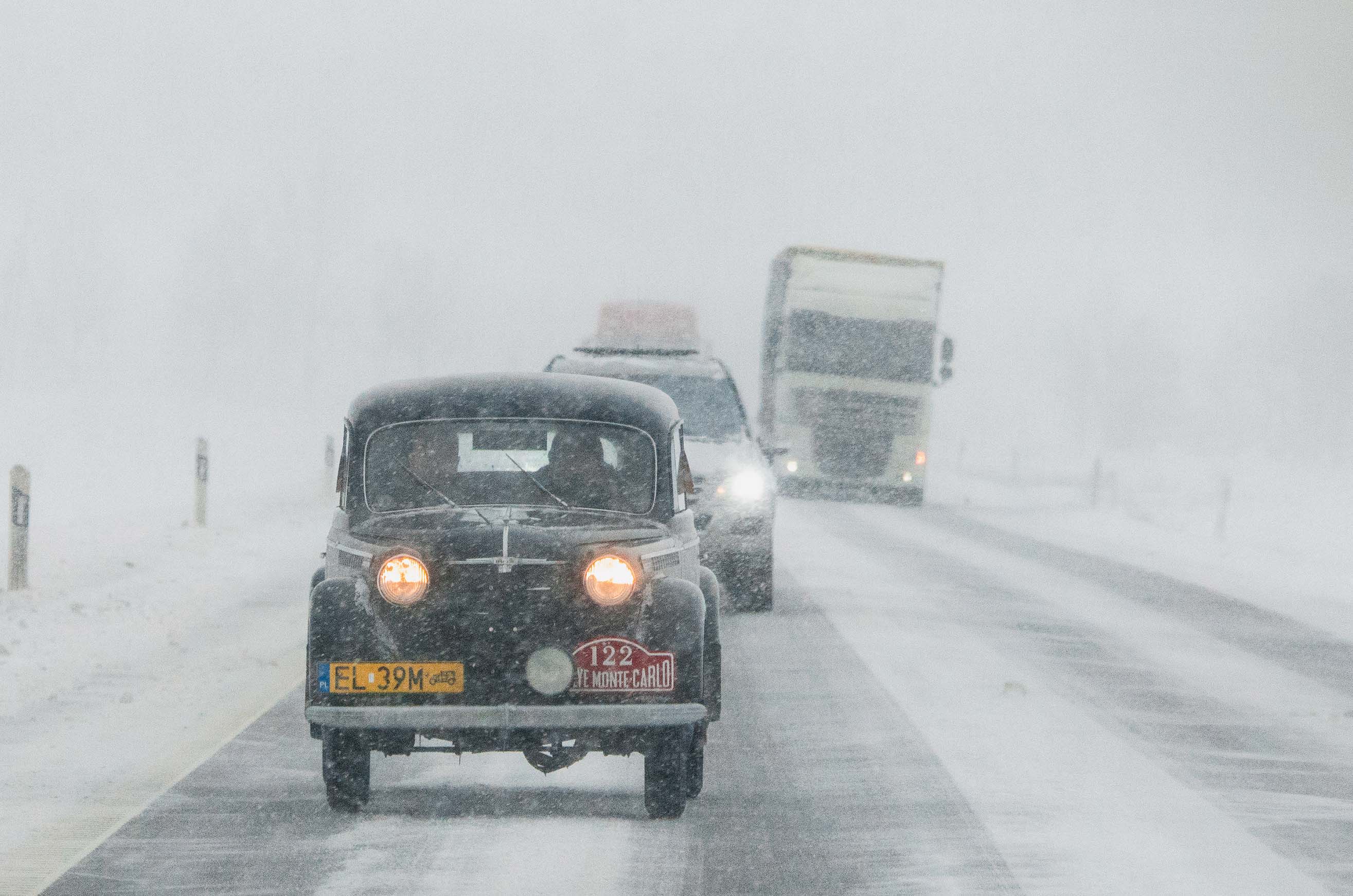
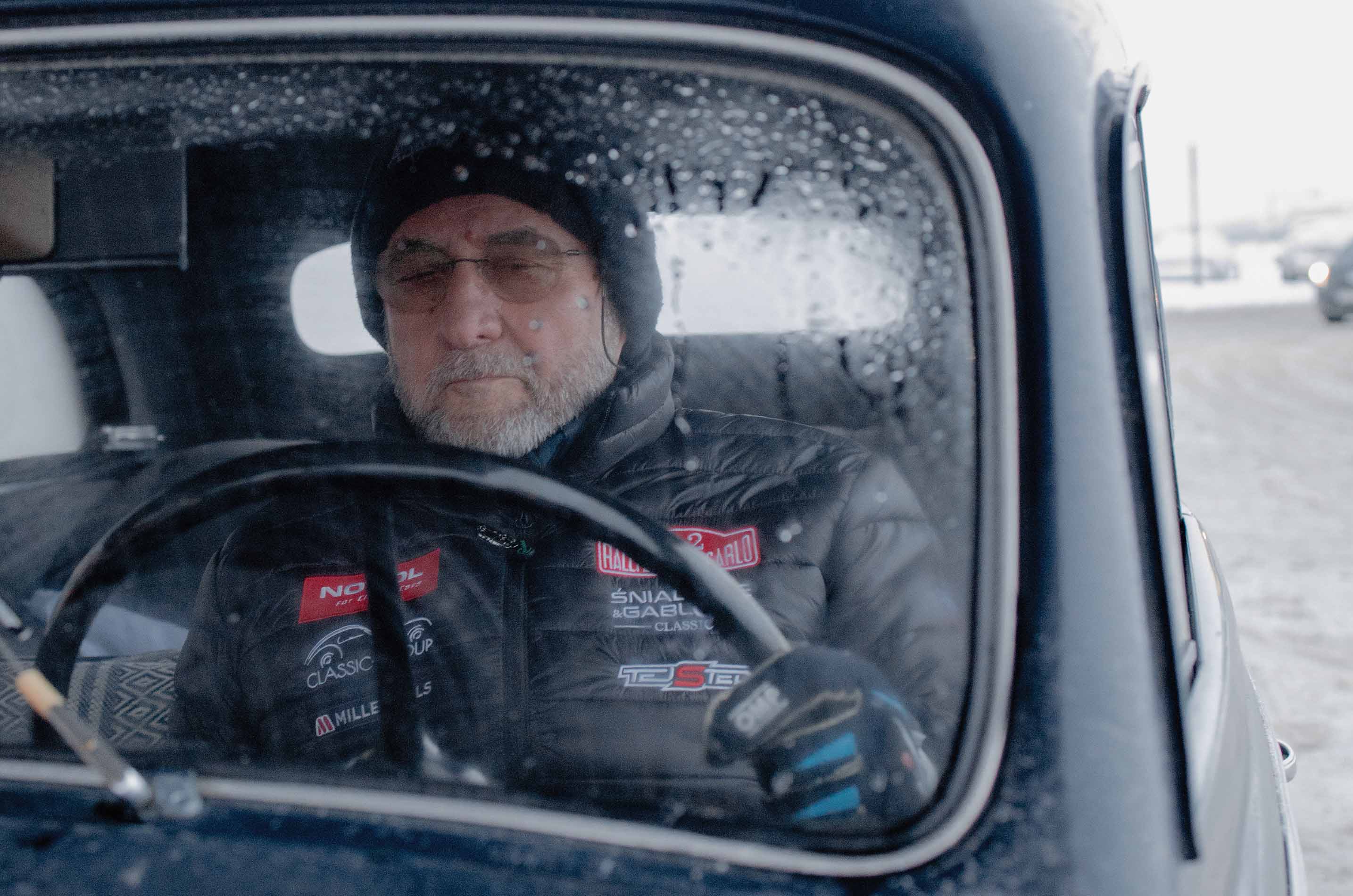
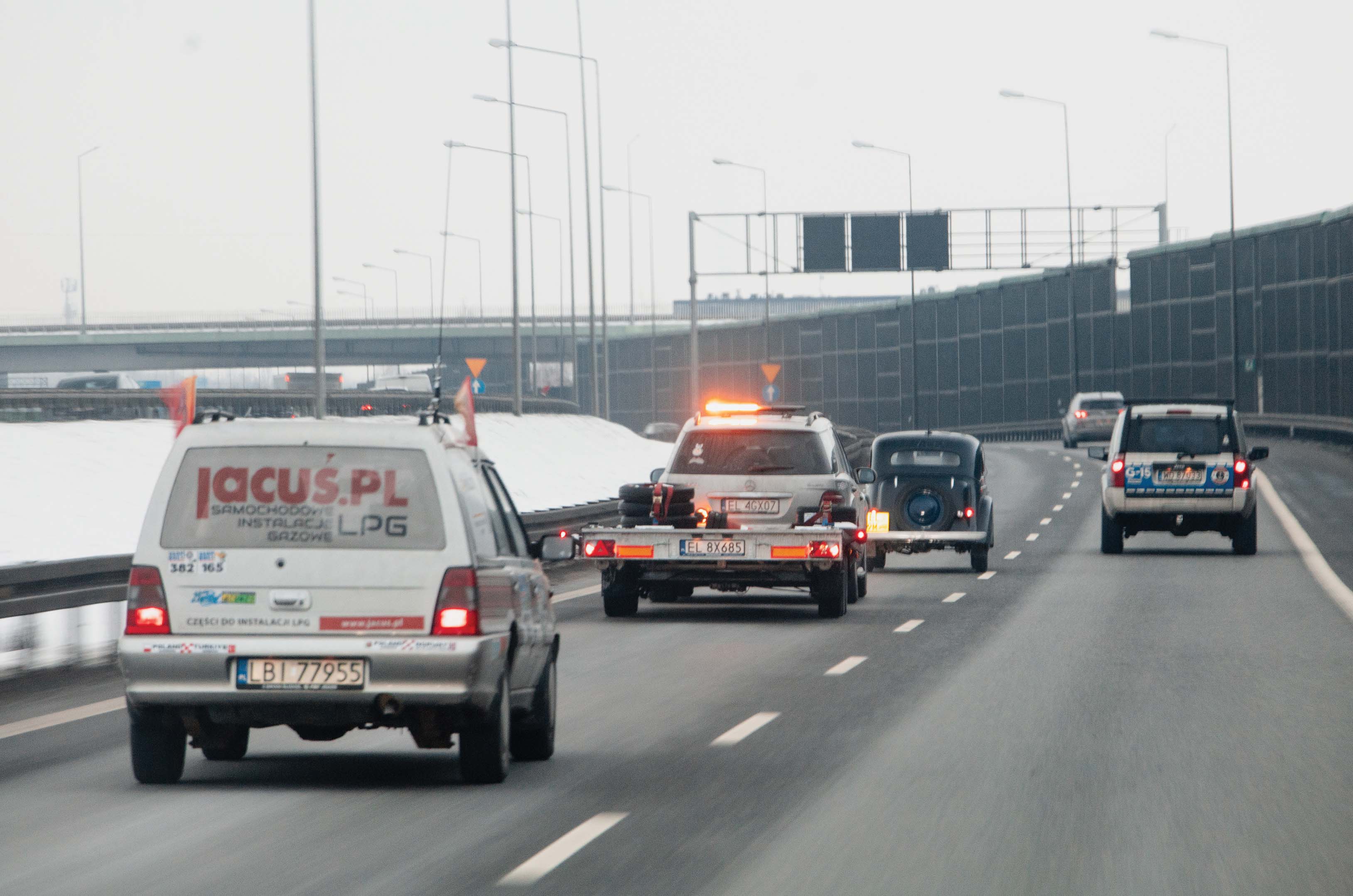
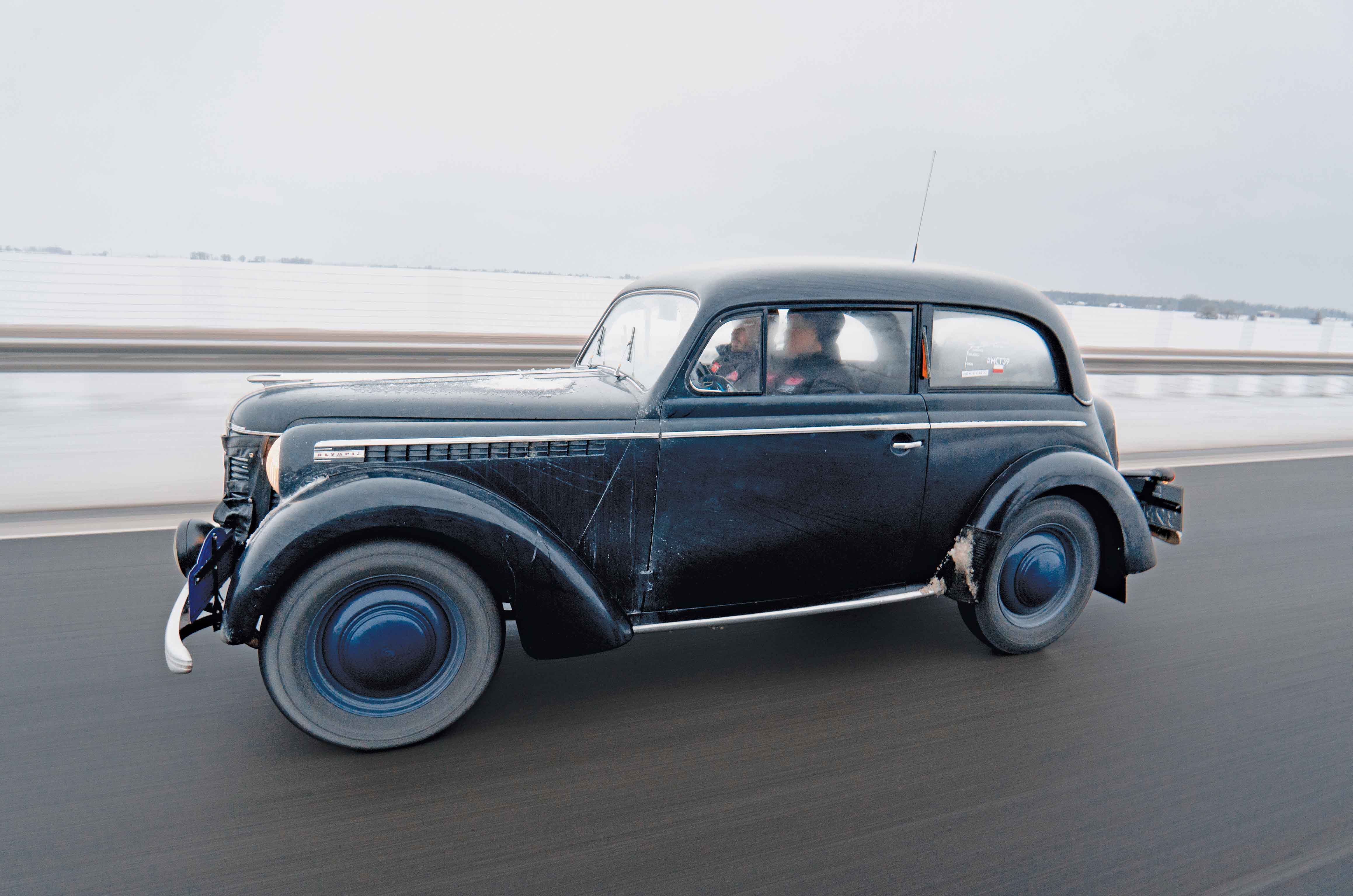
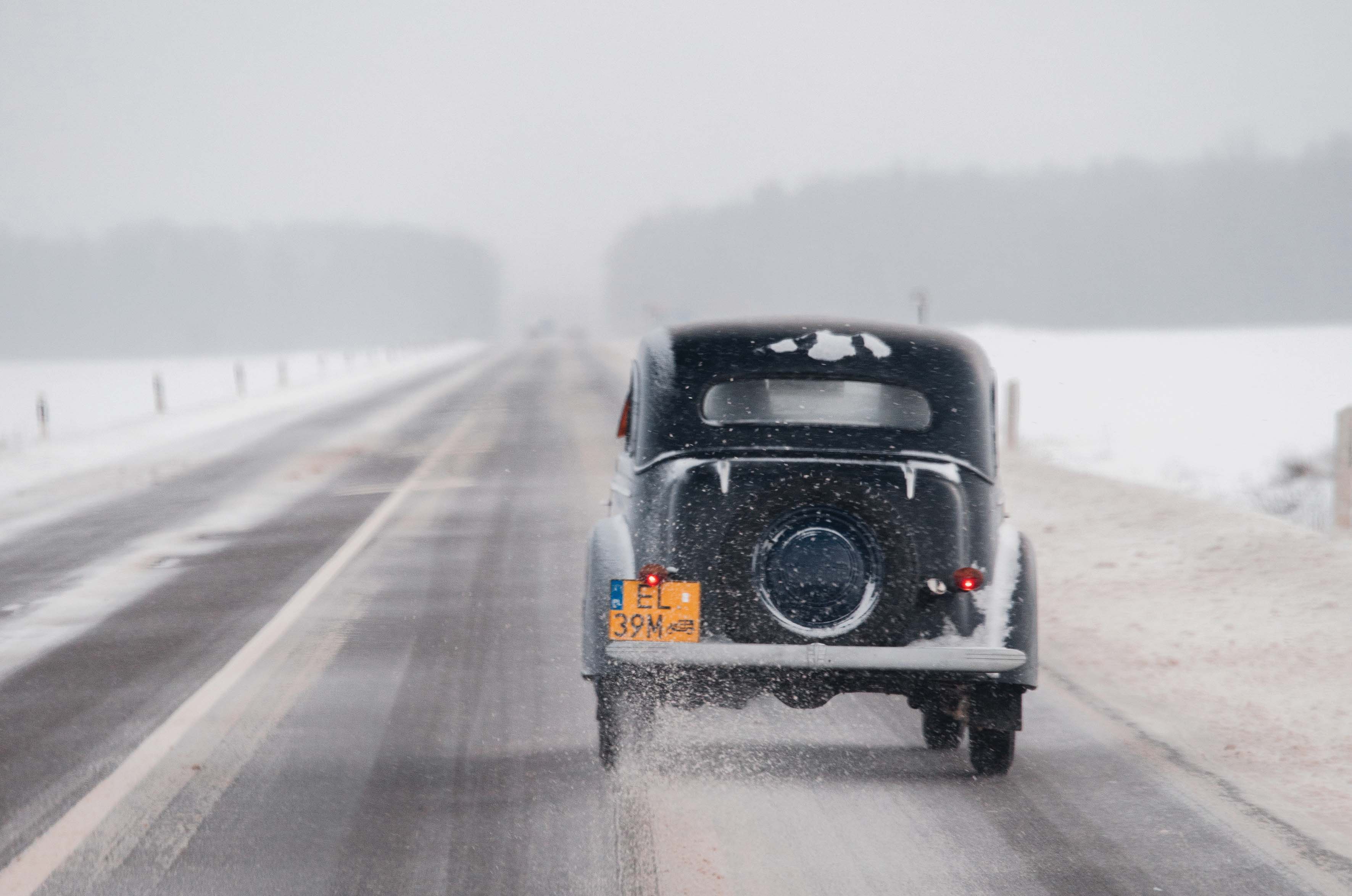
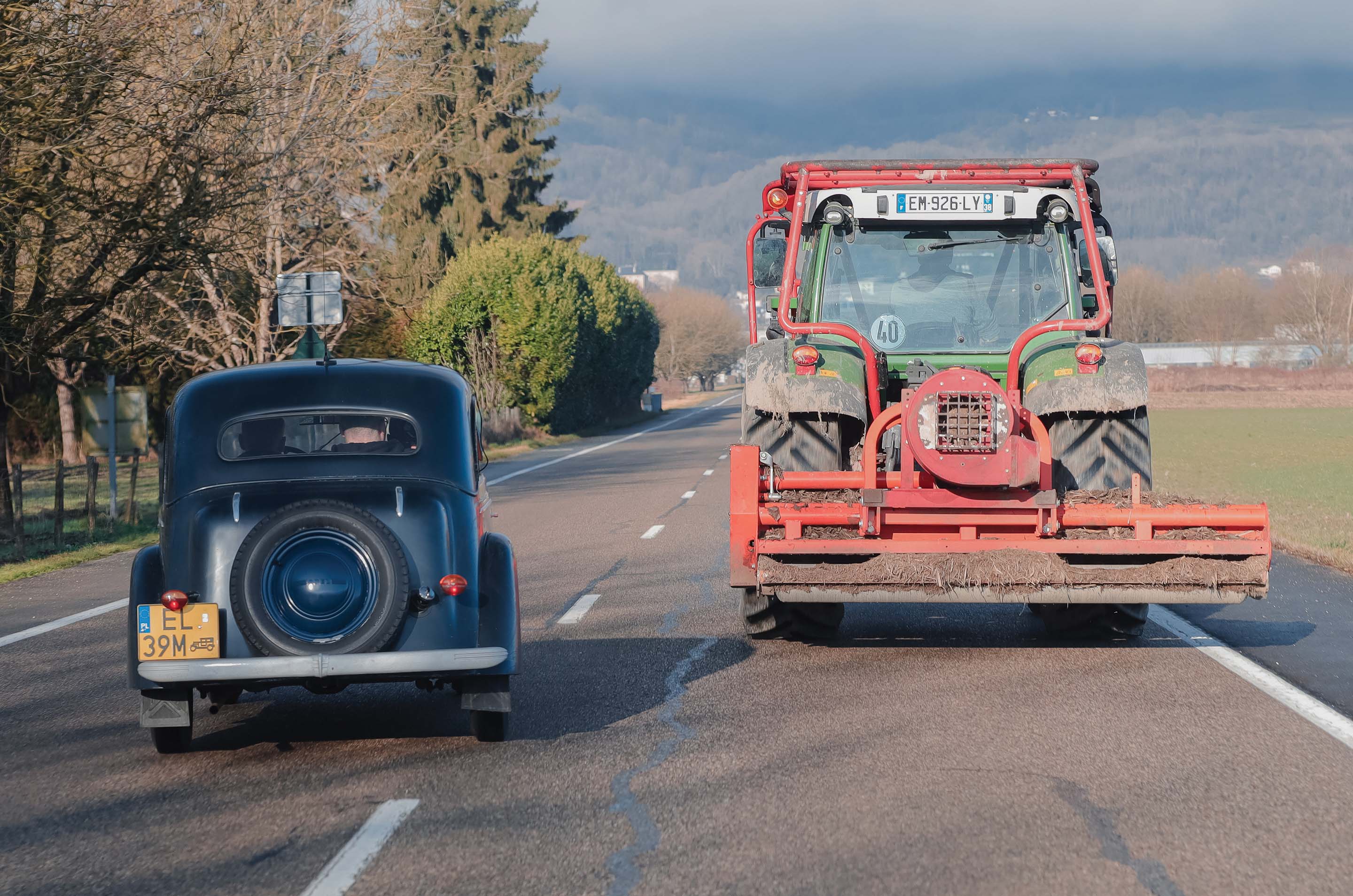
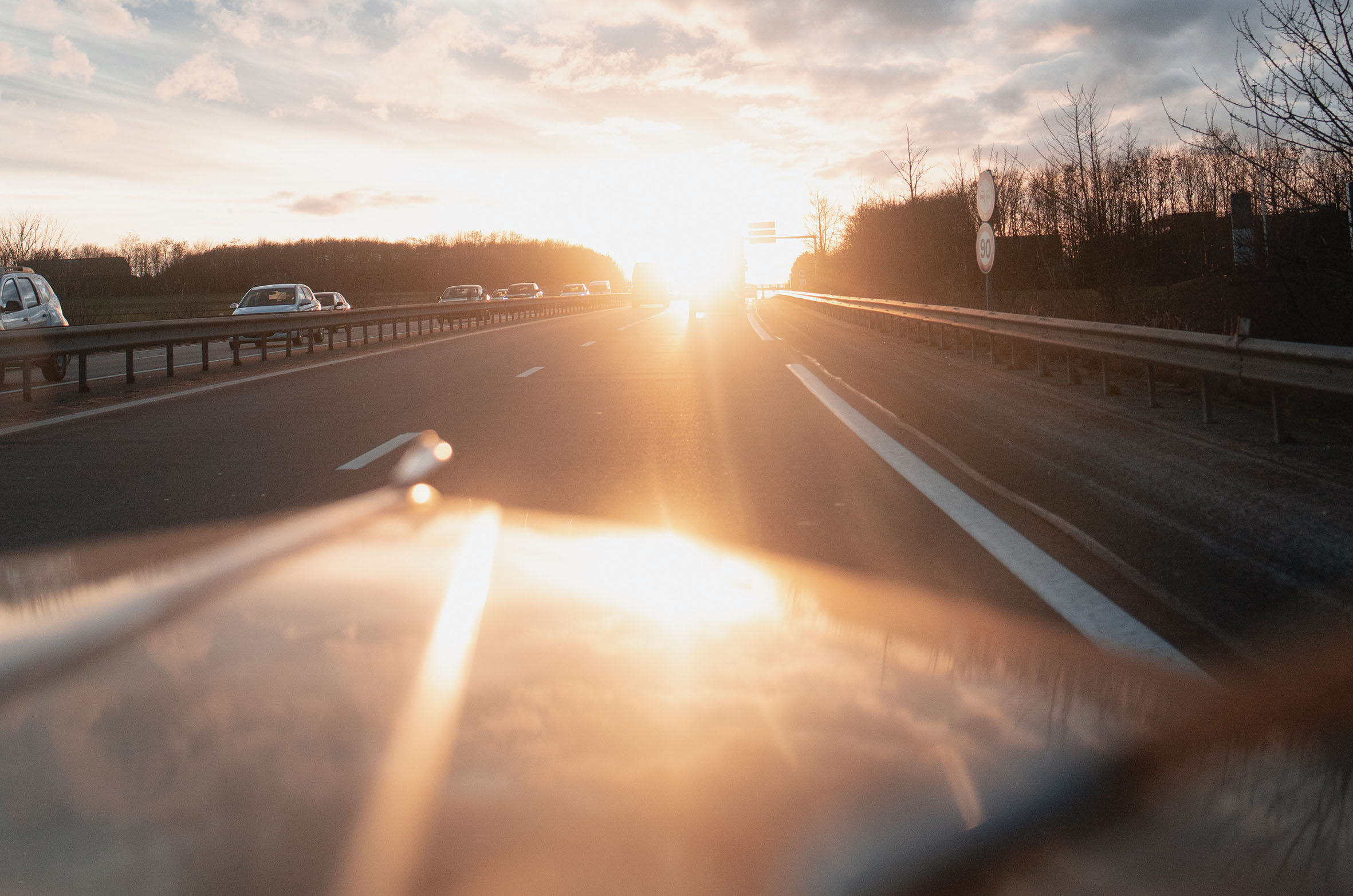
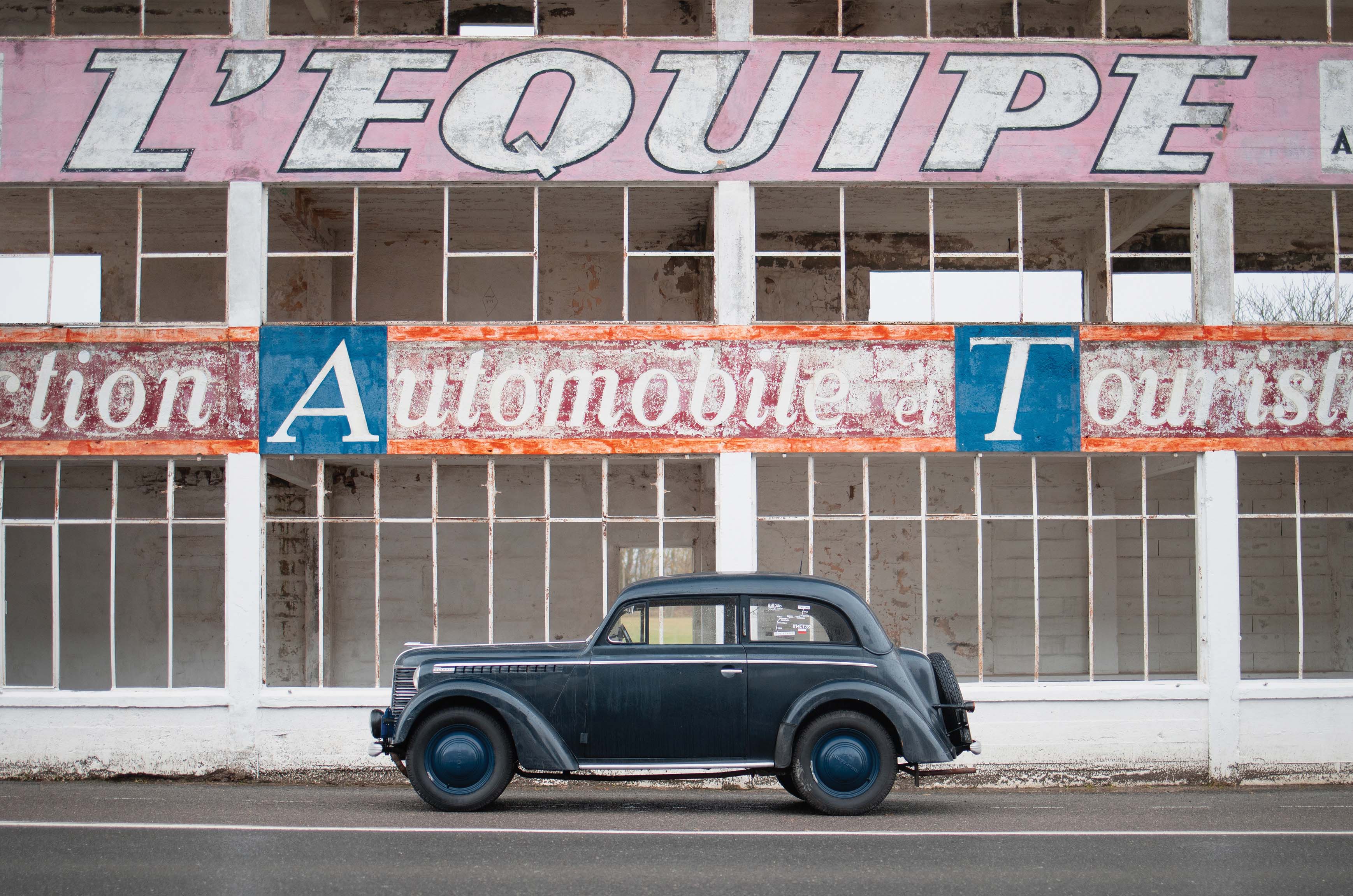
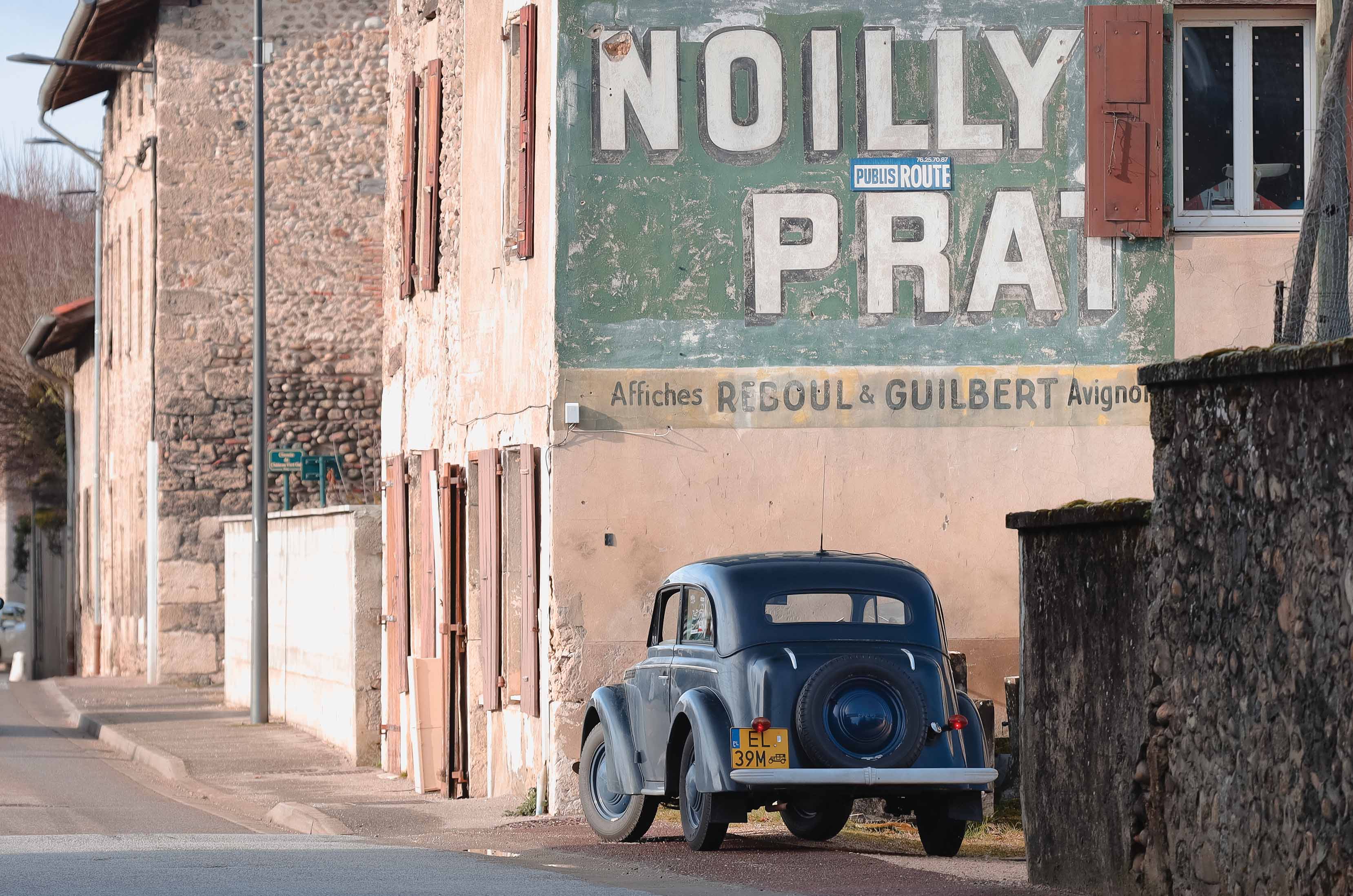
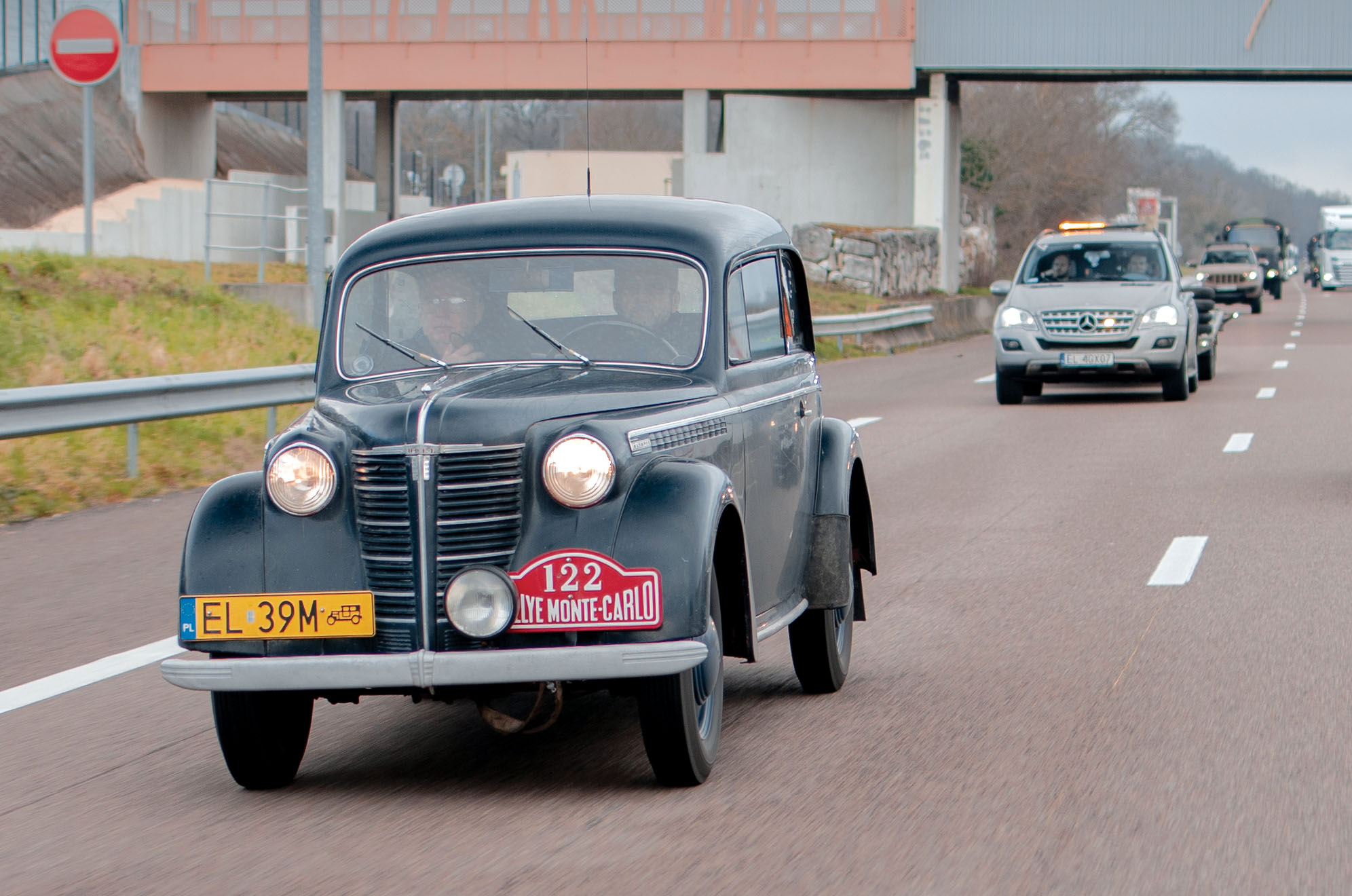
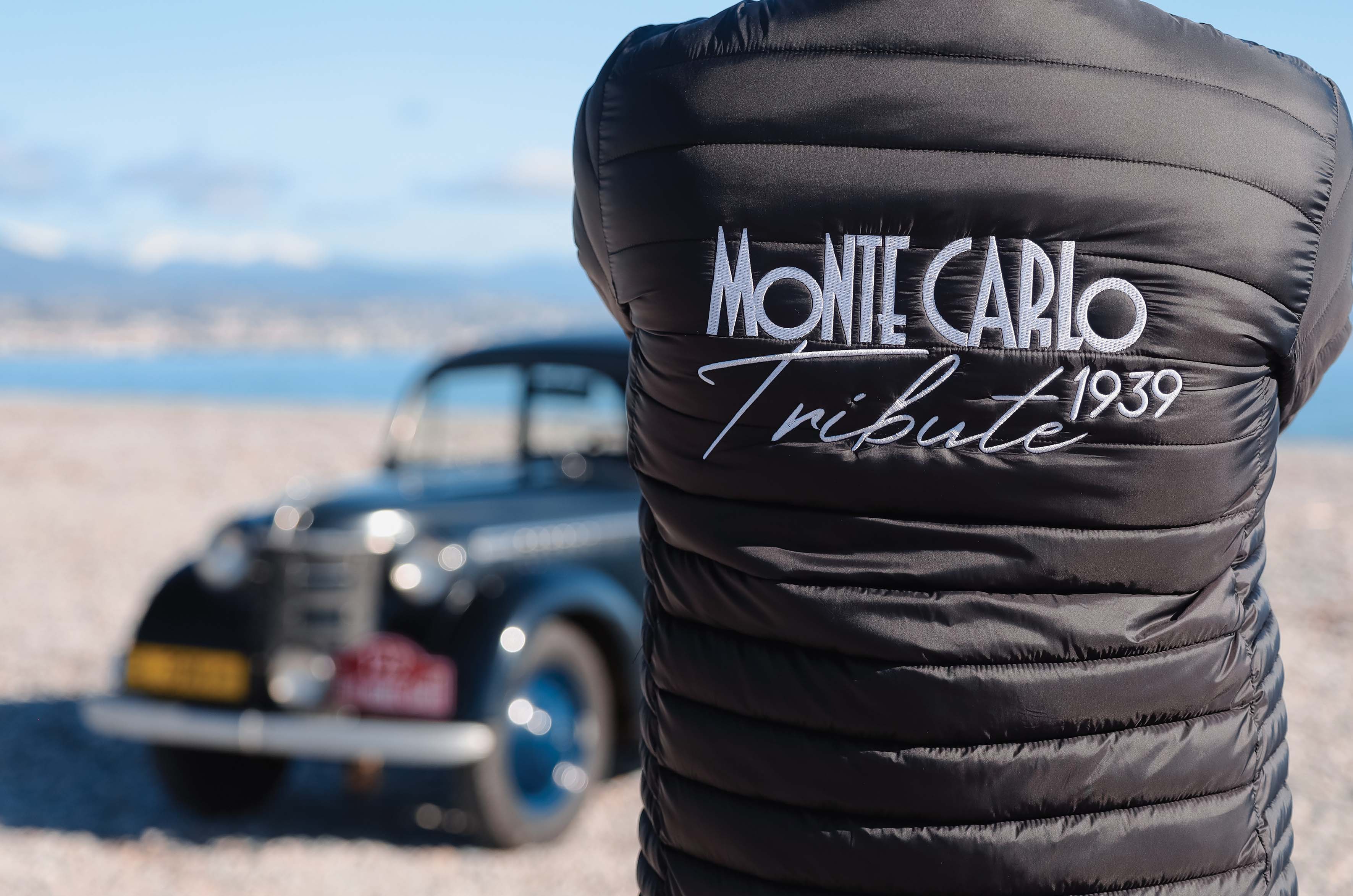
The final stage took them from Nice to Monte Carlo: “In the Alps it was like summer, but near Nice we got very heavy rain. I discovered that if you do 80kph, you don’t need the wipers!”
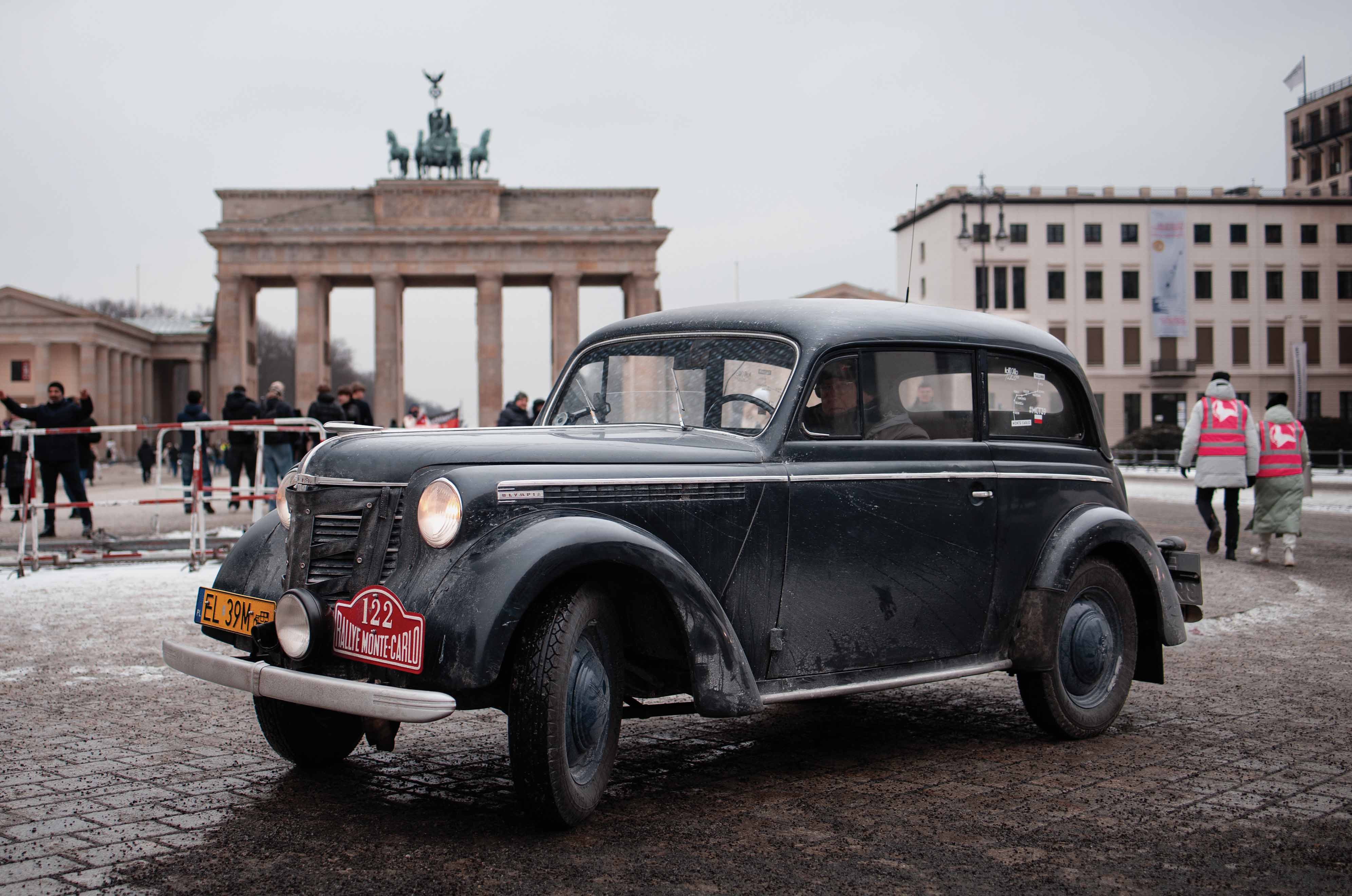
The Polish Opel team was not officially part of the Rallye Monte-Carlo Historique, but they did follow the historic route and made all the checkpoints in the cities en route to meet, greet and spread the word.
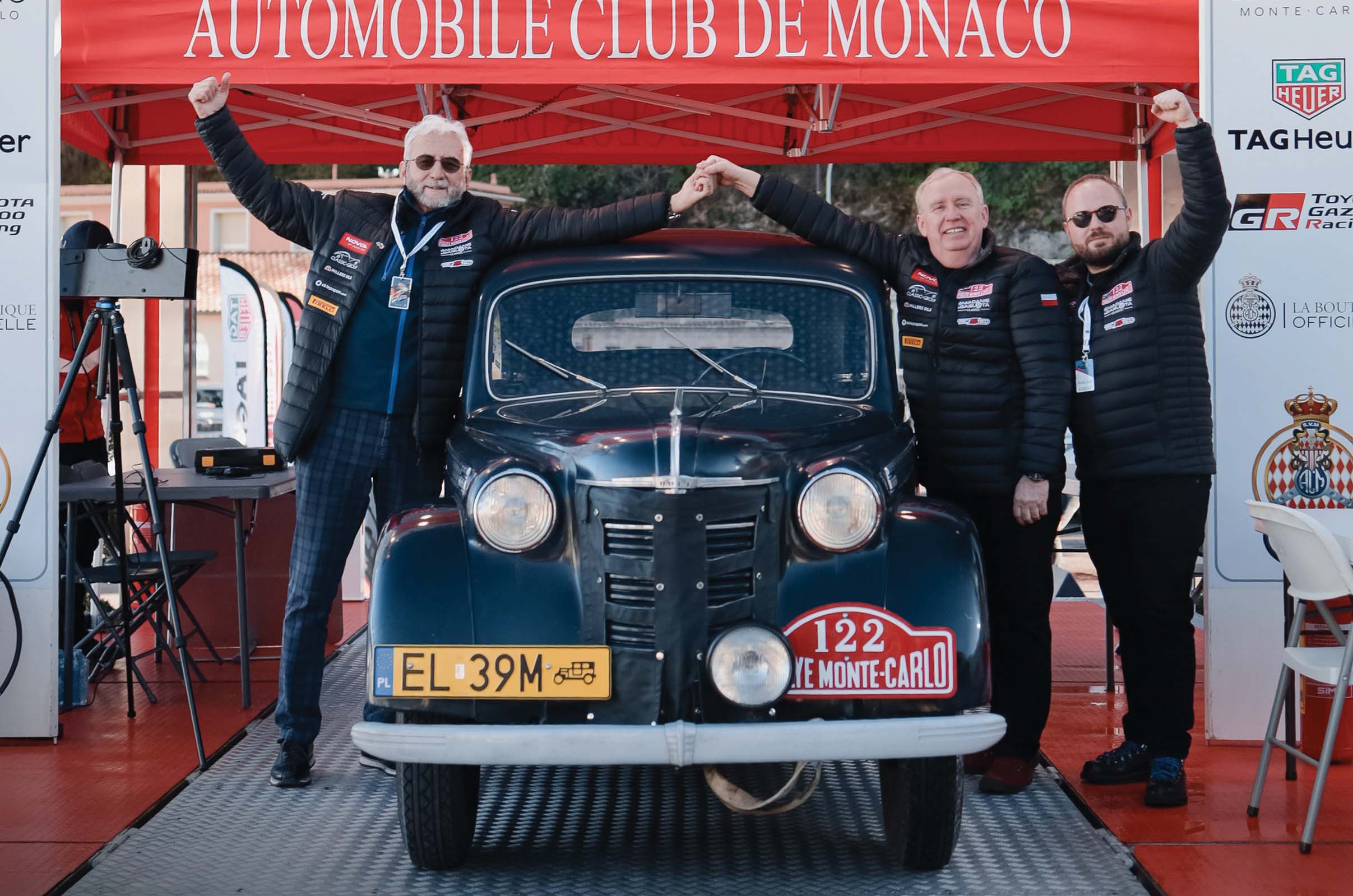
Sławomir says: “It was great because we didn’t just go over the ramp at the end.
“The organisers were really helpful and even built a TV studio around our car to do all the interviews. They made us really welcome and really appreciated our efforts.”
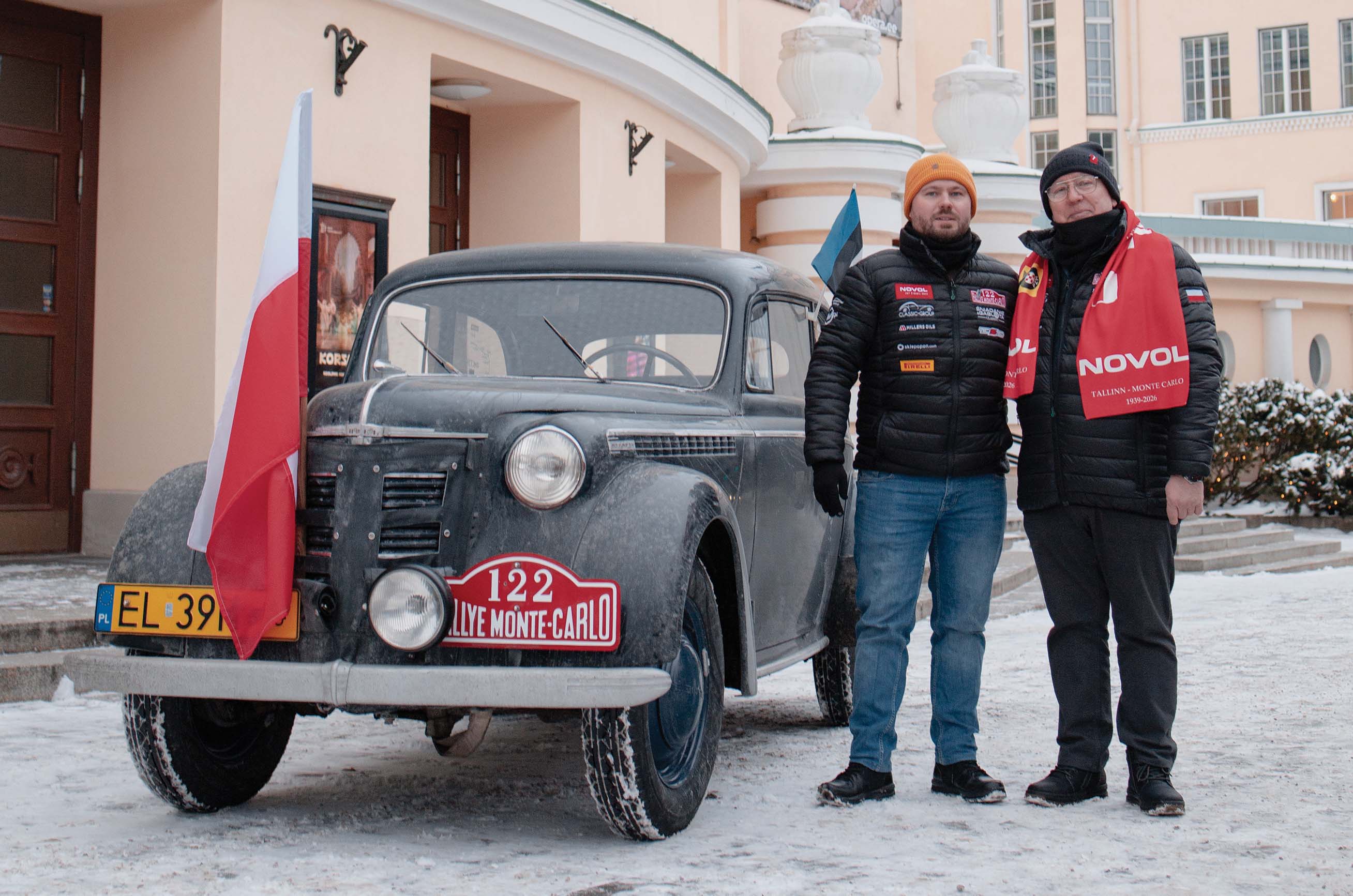
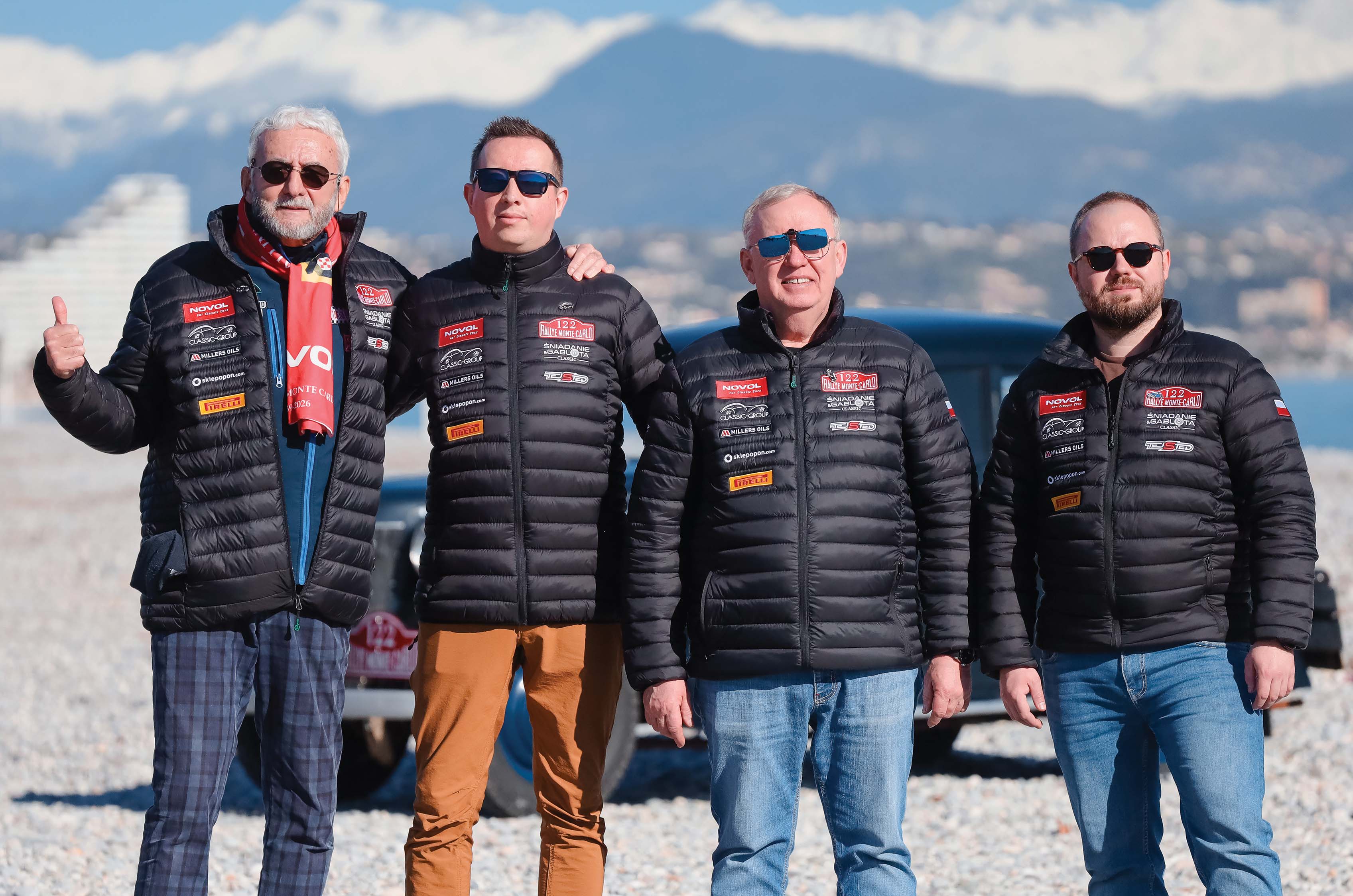
Marian (left) and the two Sławomirs at the finish in Monte Carlo, where the organisers welcomed the team with open arms
Polish teams do compete in events such as this, but Sławomir feels that they don’t promote the idea enough: “When we posted that we were doing this event, a lot of people from the classic community told us it was impossible.”
Having proved the naysayers wrong – and hopefully educated a few people about the contributions of Opel, Marek and Poland to pre-war motorsport – Sławomir now has even more ambitious plans for the Olympia, his dad and the rest of the Monte-Carlo team.
The engine is already being rebuilt in preparation. “I don’t want to reveal too much yet, but it will involve Africa,” hints Sławomir.
“We want to join the long-distance club.”
Images: Śniadanie & Gablota Classic
Follow @tejsted.pl on Instagram to keep up to date with Sławomir’s adventures
The Opel Olympia’s ascendance
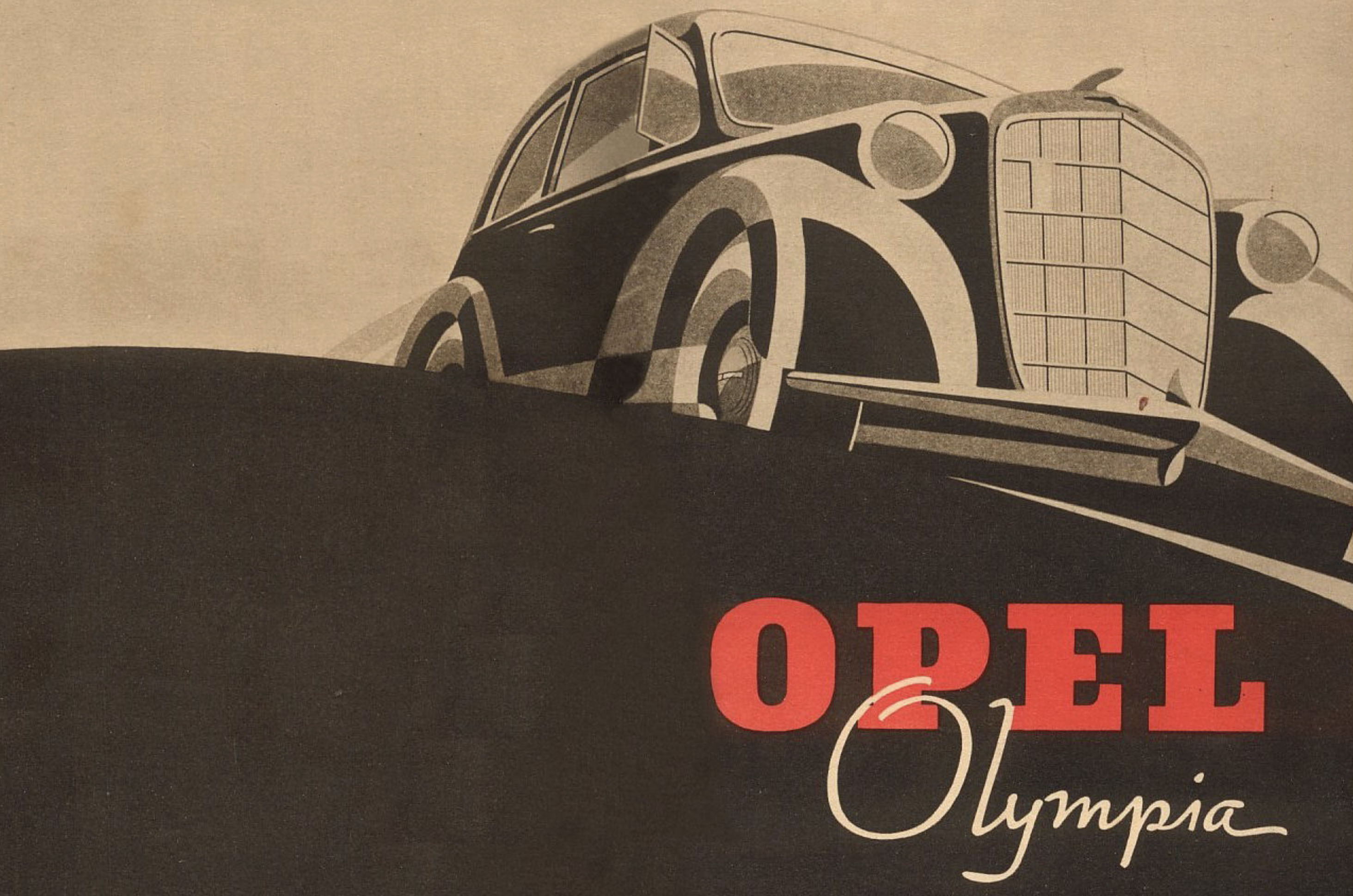
The Opel Olympia was named after the 1936 Summer Olympics, held in Berlin
With GM ownership dating back to 1928, Opel engineering and styling at Rüsselsheim evolved along American lines during the ’30s, adapted to German tastes.
The cars were built, like their Detroit cousins, with value for money and ease of ownership in mind (adverts boasted the rounded styling was ‘easy to keep clean’).
Solid and sensibly engineered, Opels did more to put ordinary Germans on the road than the first Volkswagens ever did.
Opel used modern overhead-valve engines, hydraulic brakes, independent front suspension (marketed as ‘Syncron’) and ‘easy-change’ gears.
The range stretched from the baby Kadett (later built in Russia as the first Moskvitch) to the Super Six and Admiral.
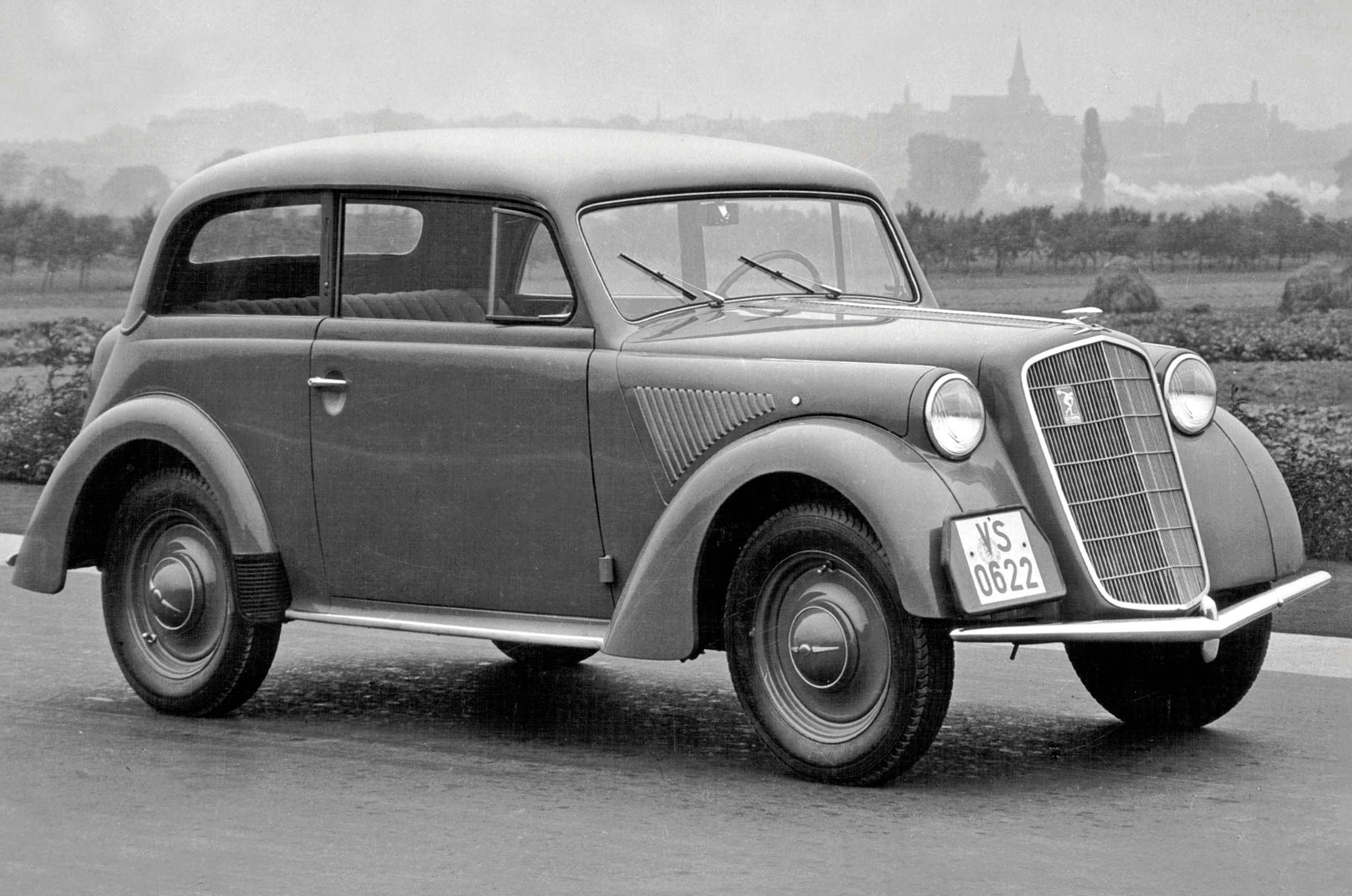
The Opel Olympia was a pioneering car in pre-war Germany
The Olympia, launched in 1935 (above) and named for the forthcoming Berlin Olympic Games, was the mid-sized offering.
It was Germany’s first unibody car, and the first unitary saloon of its size and price anywhere.
Weighing 400lb less than the Mk1, the Mk2 OL38 of 1937-’40 got an American-style facelift and 50% more power from its 1.5-litre engine, hitting 70mph on 37bhp.
Buyers could choose two- or four-door, four- or six-light saloons, or a two-door cabriolet with a roll-back roof.
These Olympias were built by GM in Poland and sold across Europe, including Britain, where London dealer Pride & Clarke asked £159 for them – a price likely subsidised by the Third Reich.
The model reappeared post-war, but Britain didn’t get it (or any other Opels), although it sold strongly in Germany.
Tadek Marek’s Monte-Carlo roots
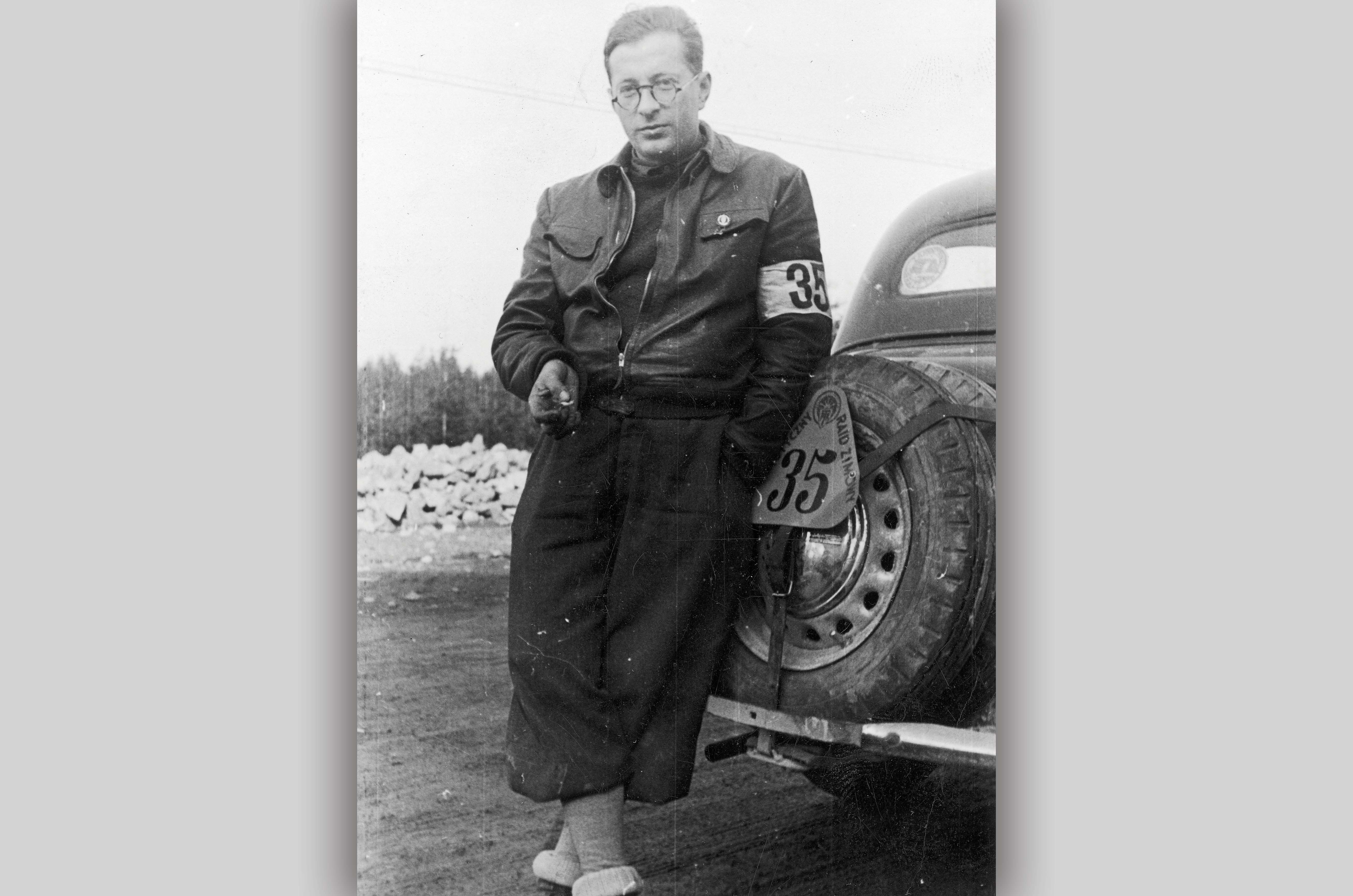
Tadek Marek with his Opel Olympia rally car © Polish National Digital Archives
The Kraków-born Tadeusz Marek was almost as good a racing driver as he was an engineer.
He rebuilt an ex-army Model T Ford when he was 14, and motorcycles were an early obsession – he even designed some rugged ones for the Polish army and raced various makes until a huge accident – and eight months in hospital – made racing cars look like the healthier option.
During the 1930s he competed in every Polish race, rally and speed trial possible, acquiring an impressive array of awards.
Marek won the 1937 Polish GP and 1939 Polish Rally, and entered the Monte three times.
In 1937, starting from Palermo in a Polish Fiat 508, he drove without brakes for 180 miles but was scuppered by snow in the Dolomites.
In ’36 he started from Athens in a Lancia Aprilia: its suspension failed, but the resourceful Pole effected a temporary repair and reached the finish.
After gaining his diploma in engineering from the Charlottenburg technical institute in Berlin, Marek worked for General Motors’ Polish outpost.
He also trained at Fiat’s local HQ and later worked for the firm in Turin. However, by ’39 he was at GM’s Polish plant, which explains the choice of the Olympia for rallying (above).
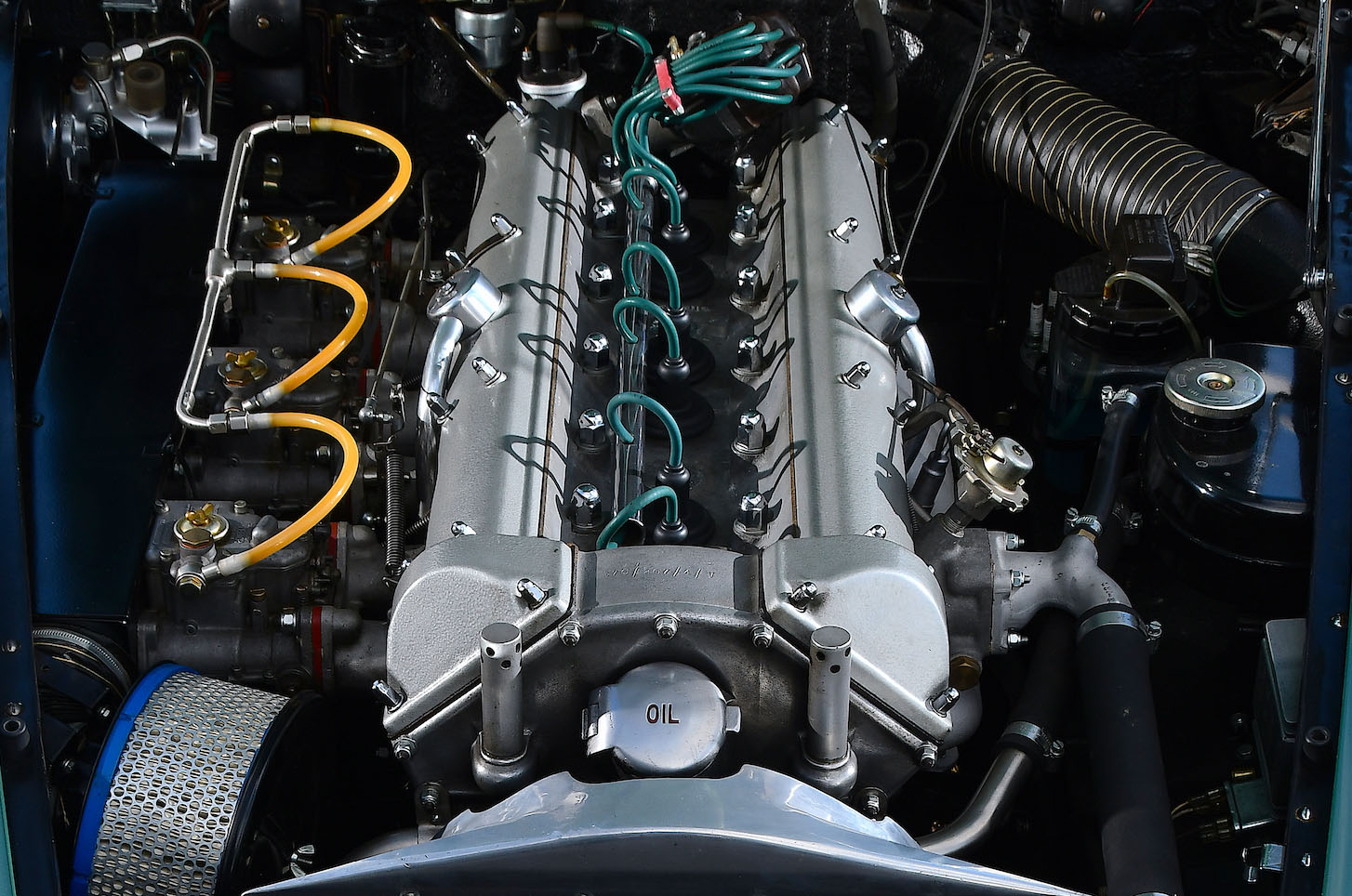
The Tadek Marek-designed straight-six in the Aston Martin DB4
Fog around Warsaw could have ended his rally in the Opel, but familiarity with local roads saved the day and he finished fifth in class with no penalties.
He competed in a Chevrolet Master Sedan as well, another locally assembled GM product.
Wartime adventures included internment by the Germans and a daring escape via Casablanca to Britain, arriving in 1941 as part of the Allied forces.
He settled in Finchley (and met a local girl, Peggy, whom he married) and helped to create an amphibious version of the Centurion tank.
In ’49 he took a post with Austin at Longbridge, where he designed the 2.6-litre C-series and a cancelled V8 based around a pair of A40 engines.
He moved to Aston Martin in ’53 when it was still at Feltham and worked on the 3-litre DB MkIII/Lagonda unit, and created the 3.7-litre DB4 ‘six’ and its derivatives, as well as the V8, before retiring to Italy in 1968.
Enjoy more of the world’s best classic car content every month when you subscribe to C&SC – get our latest deals here
READ MORE
Driving Tadek Marek’s unique Aston Martin DB4
Classic shrine: Opel Museum
Aston Martin vs Jaguar vs Triumph vs AC vs Austin-Healey vs Bristol: Britain’s best straight-sixes
Martin Buckley
Senior Contributor, Classic & Sports Car