Opel Ascona 400: humble hero

| 10 Apr 2026
Classic & Sports Car – Opel Ascona 400: one for the road

For all the rarity, fanfare and pub bragging rights, homologation specials often do not make hugely good road cars.

Some are thinly veiled competition machines that are hideously uncomfortable and unrefined – here’s looking at you, Citroën BX 4TC, Ford RS 200 and MG Metro 6R4.

At the other extreme, some cynically homologate parts on otherwise unchanged vehicles that prove to be thoroughly underwhelming.

The Peugeot 206 GT’s longer bumpers and the Alfa Romeo 155 Silverstone, with its spoiler in the boot, are particular offenders.

Classic & Sports Car – Opel Ascona 400: one for the road

Driving a rare, roadgoing Opel Ascona 400, the homologation special for a rallying giant

Happily, the Opel Ascona 400 dodges both traps. This is a homologation special that is both markedly different from its showroom stablemates and a thrilling sporting saloon in the real world.

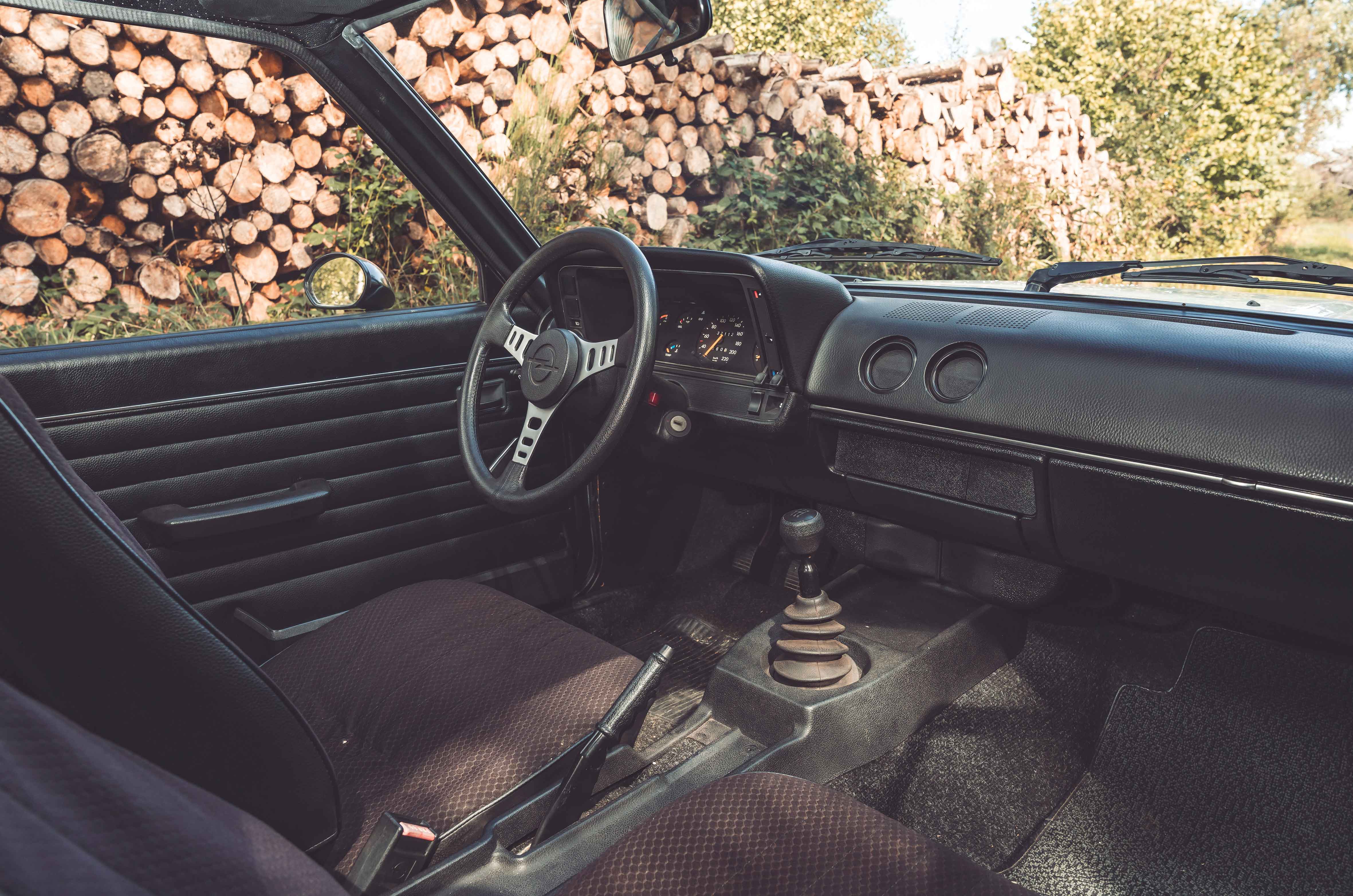
Step into this superb example, belonging to Opel Classic in Rüsselsheim am Main, and initially you’re struck by just how sparse it is.

Remarkably few buttons or switches adorn the clean, black dash, while slots for both the radio and clock are blanked off.

It isn’t a motorsport-specification interior that has been stripped out, however: other than the seats and door cards, this is standard, base-spec Ascona.

Classic & Sports Car – Opel Ascona 400: one for the road

The Opel Ascona 400’s histrionic body movement takes a bit of getting used to

While you’re getting familiar with the 400 over those first few miles, the impression is of a standard grocery-getter, too – for better and for worse.

Opel’s niche in the early ’80s reflected its American ownership by General Motors: its conservatively engineered cars prioritised reliability and ease of use over sophistication or delicacy of control.

When the engine fires up, it settles to a tappety idle that shakes the loose gearlever like a diesel tractor.

With rubber bushings, soft suspension and well-fitted carpets, this still feels very much a road car.

Classic & Sports Car – Opel Ascona 400: one for the road

The Opel Ascona 400’s clean, simple dashboard has blanked-off cutouts for the radio and clock

At low speeds it seems underdamped, the wheels bouncing around over imperfect surfaces in a way that brings to mind a flimsy French saloon.

Driven around on half throttle it feels perfectly ordinary, with light pedals and an engine that starts to get a bit harsh at high revs but is not overly intrusive.

Once you gain a bit more confidence, however, you start to notice just how responsive that slightly agricultural engine is to the throttle.

Tread deeper into the long-travel pedal and it answers with a hollow roar of air surging through the maw of the Bosch L-Jetronic’s single inlet.

Classic & Sports Car – Opel Ascona 400: one for the road

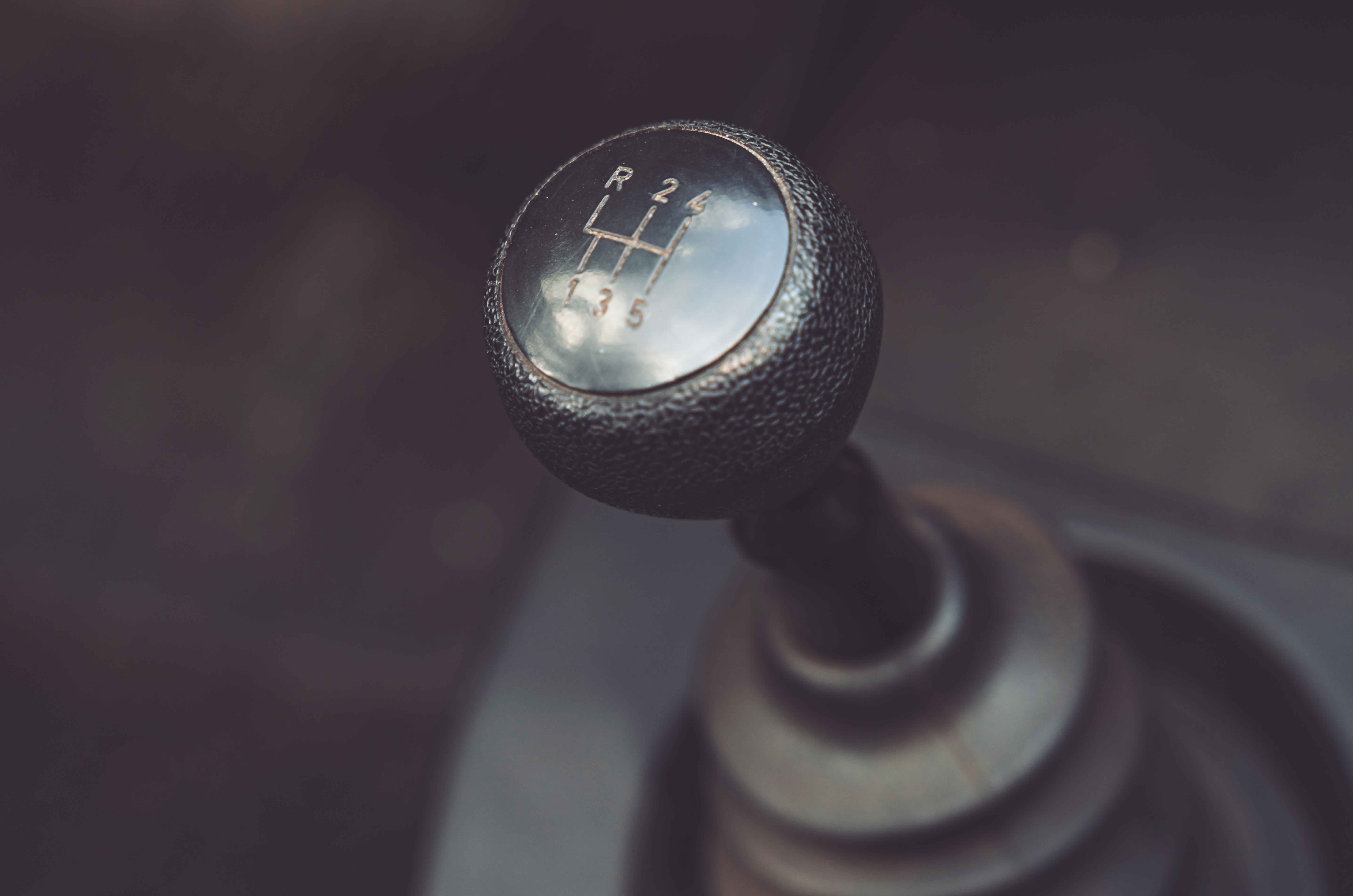
There’s a dog-leg first on the Opel Ascona 400’s fairly long-throw gearlever

With it comes brilliant response, with meaningful torque throughout the rev range throwing the car back on its springs.

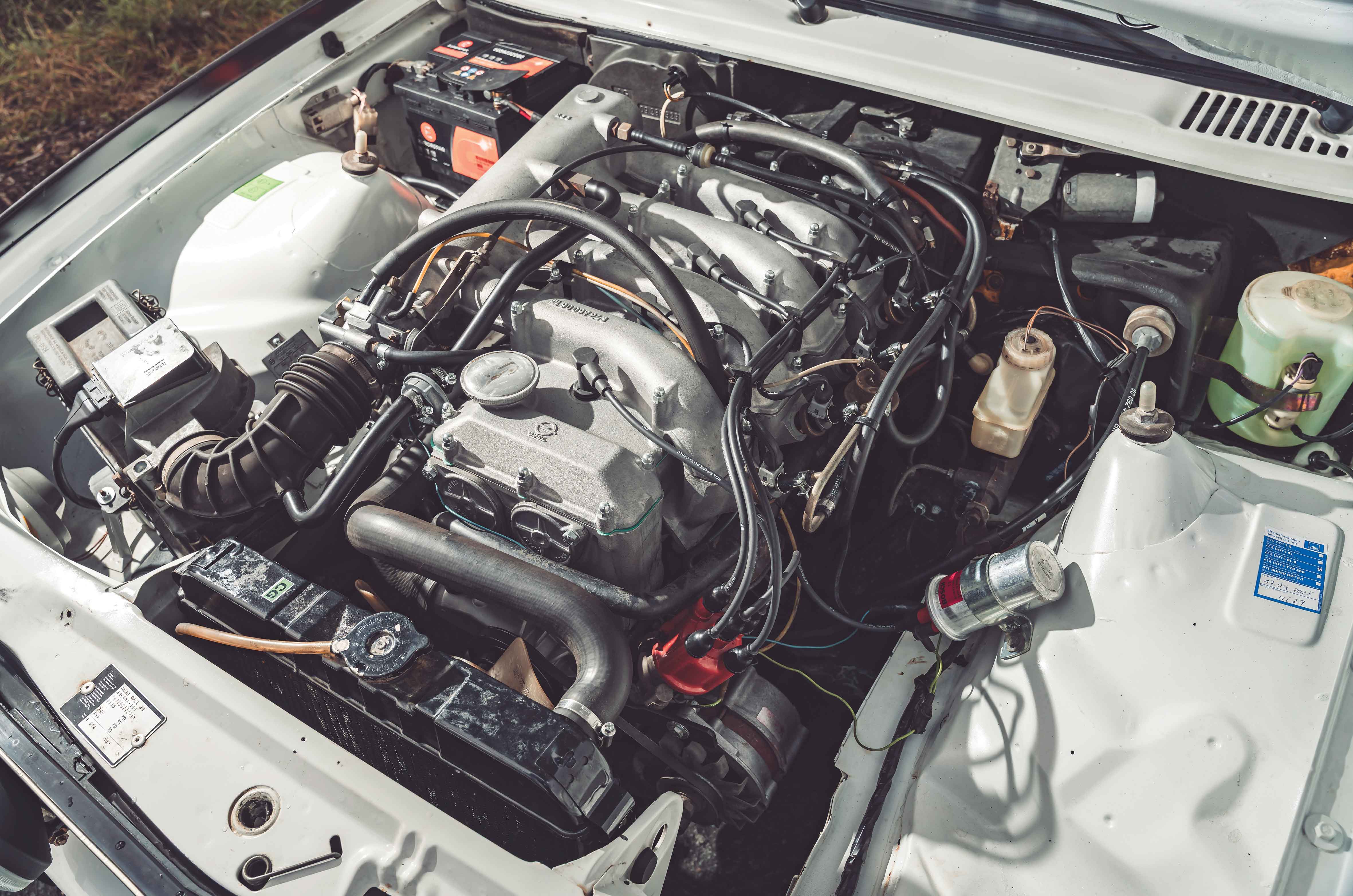
It’s a thumper of an engine, with 2.4 litres spread across just four cylinders and topped by a Cosworth-built, 16-valve, twin-cam head – and no balancer shafts.

The GM-Cosworth relationship stretched back to the early 1970s, starting across the Atlantic.

With the General jealous of Ford’s success with the DFV and BDA, Chevrolet contracted Cosworth of Northampton to develop its single-overhead-cam ‘four’ into a Formula Two unit, eventually re-engineering it into a high-performance roadgoing engine.

Classic & Sports Car – Opel Ascona 400: one for the road

The Opel Ascona 400 has feelsome steering, which aids agility while its gutsy motor provides immediate torque for a fun, engaging drive

It would power the short-lived Vega Cosworth – the first post-war American car with twin cams and four valves per cylinder.

That relationship continued when Cosworth came to the rescue of Vauxhall, amid a homologation scandal involving the first Chevette HSs being delivered without the 16-valve heads with which they competed.

The Northampton firm plugged the gap, hurriedly making 400 heads by early 1978.

The Opel ‘KAA’ unit was born from another attempt at building an F2 engine, this time in Rüsselsheim.

Classic & Sports Car – Opel Ascona 400: one for the road

Long inlet tracts are cast as part of the Opel engine’s cam cover

Showing an alarming lack of co-operation between the many arms of GM, Opel was developing its own F2 motor almost exactly concurrently with Cosworth working on the Chevrolet unit.

By itself, Opel did the job of converting its CIH (cam-in-head) engine, essentially an overhead-valve design, into a 16-valve twin-cam.

By the time it was unveiled in late ’75, however, it was intended for Group 4 rallying, but it initially proved unreliable, consistently throwing rods and blowing up.

Classic & Sports Car – Opel Ascona 400: one for the road

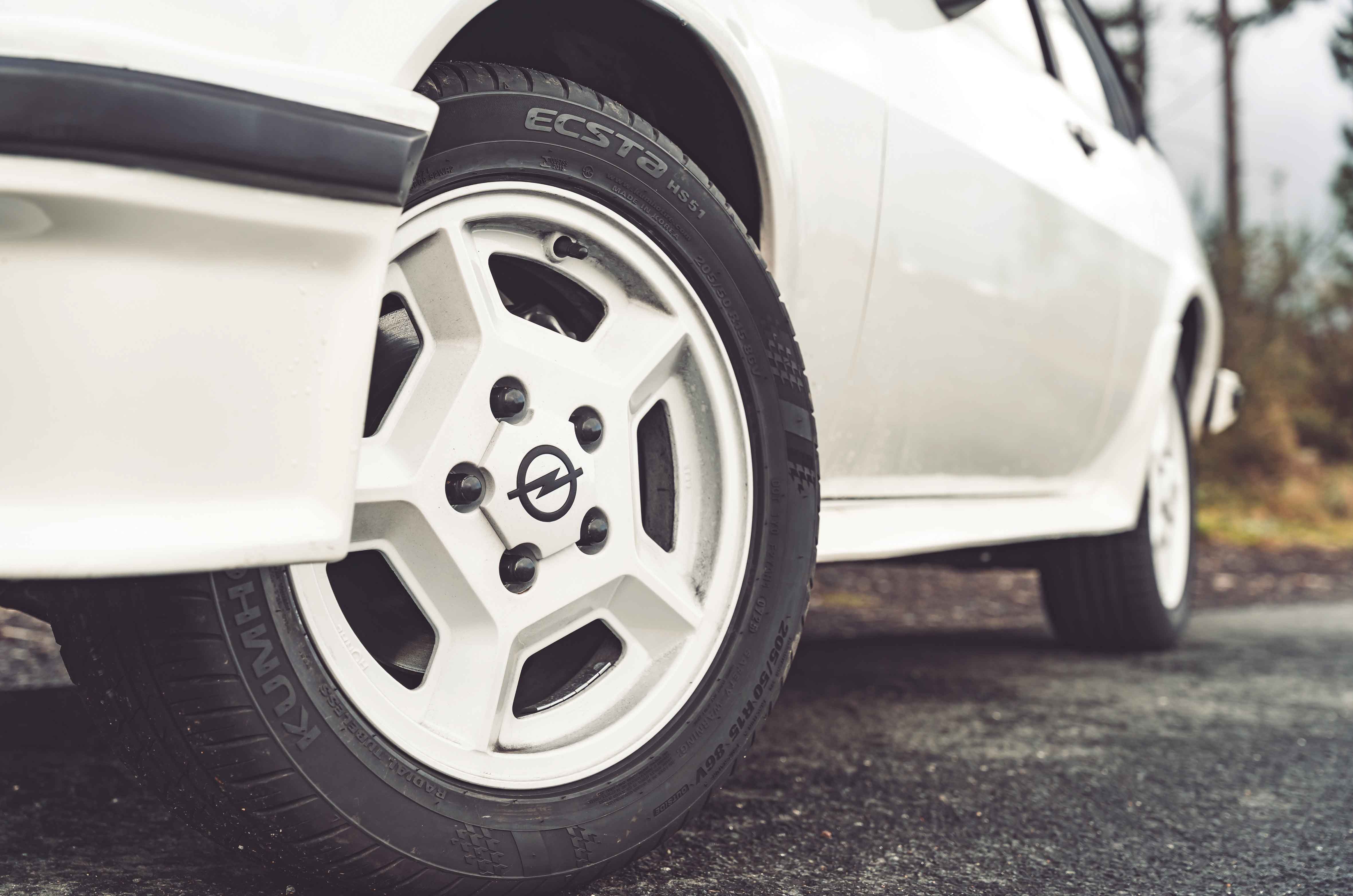
The Opel Ascona 400’s 15in Ronal alloys imitate the rally car’s wheels, but are shallower in offset

Cosworth was drafted in to sort the engine in 1978, fitting forged rods, new pistons and a reworked cylinder head.

Cosworth also added its own counterbalanced crankshaft in its development powerplants, but production units instead made use of the more reliable crankshaft of the 2.3-litre diesel variant of the CIH.

The firm worked directly only on the Weber-fed rally motor, but it also advised on the Bosch fuel-injected street unit, too, and Opel was impressed enough that Cosworth got the job to build cylinder heads for the entire series of engines.

Stretching across the Ascona 400 and its successor, the Manta 400, that amounted to somewhere between 1000 and 1200 examples.

Classic & Sports Car – Opel Ascona 400: one for the road

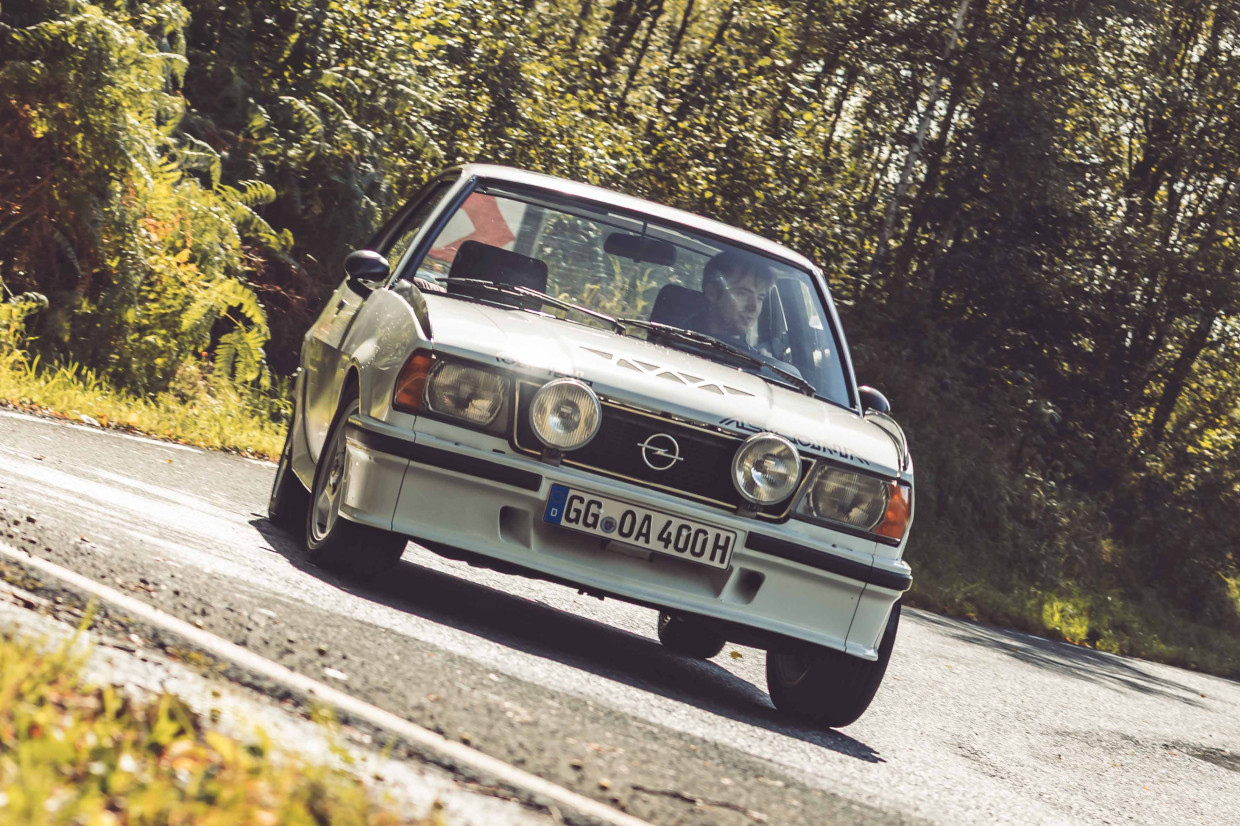
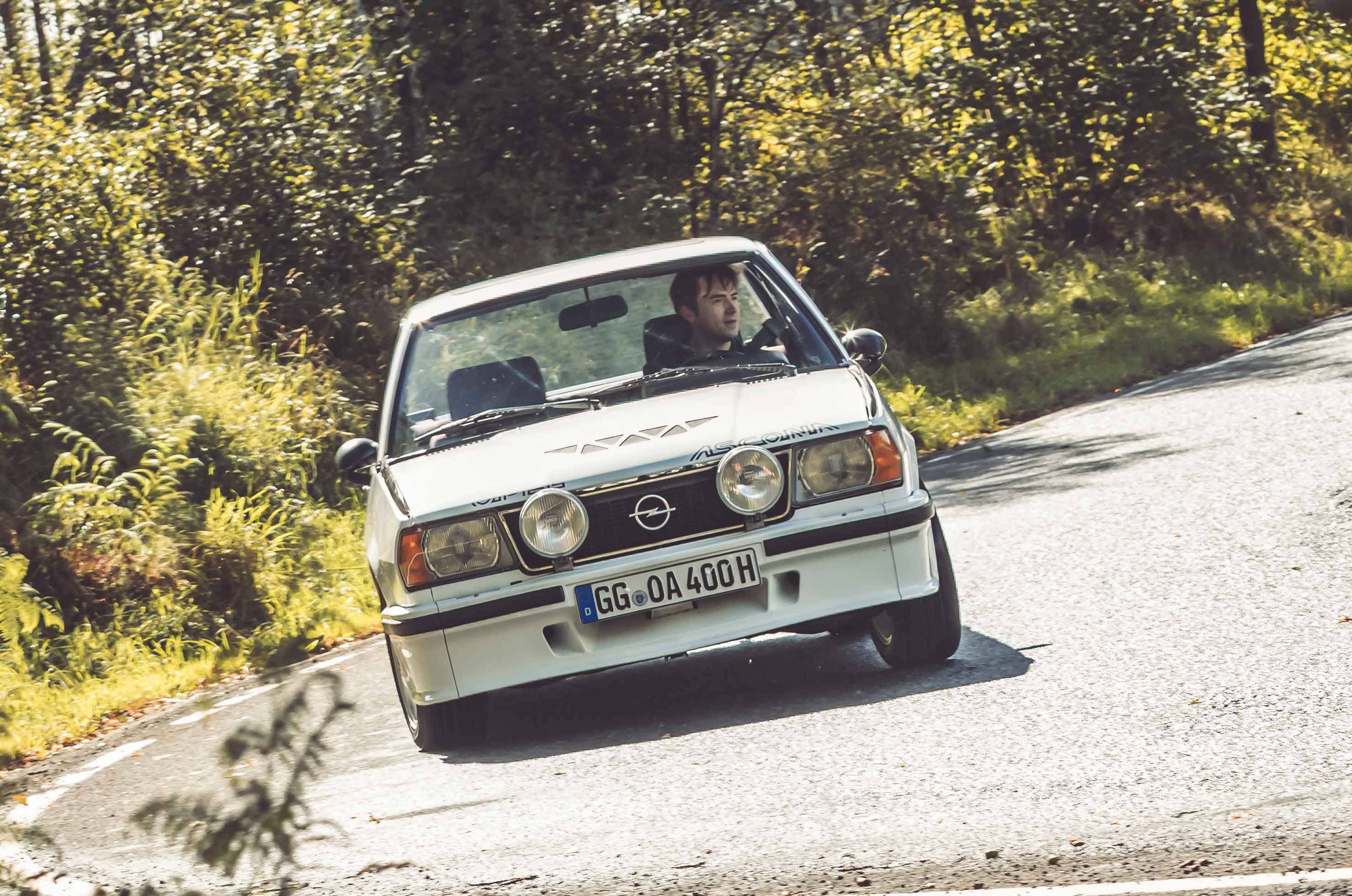
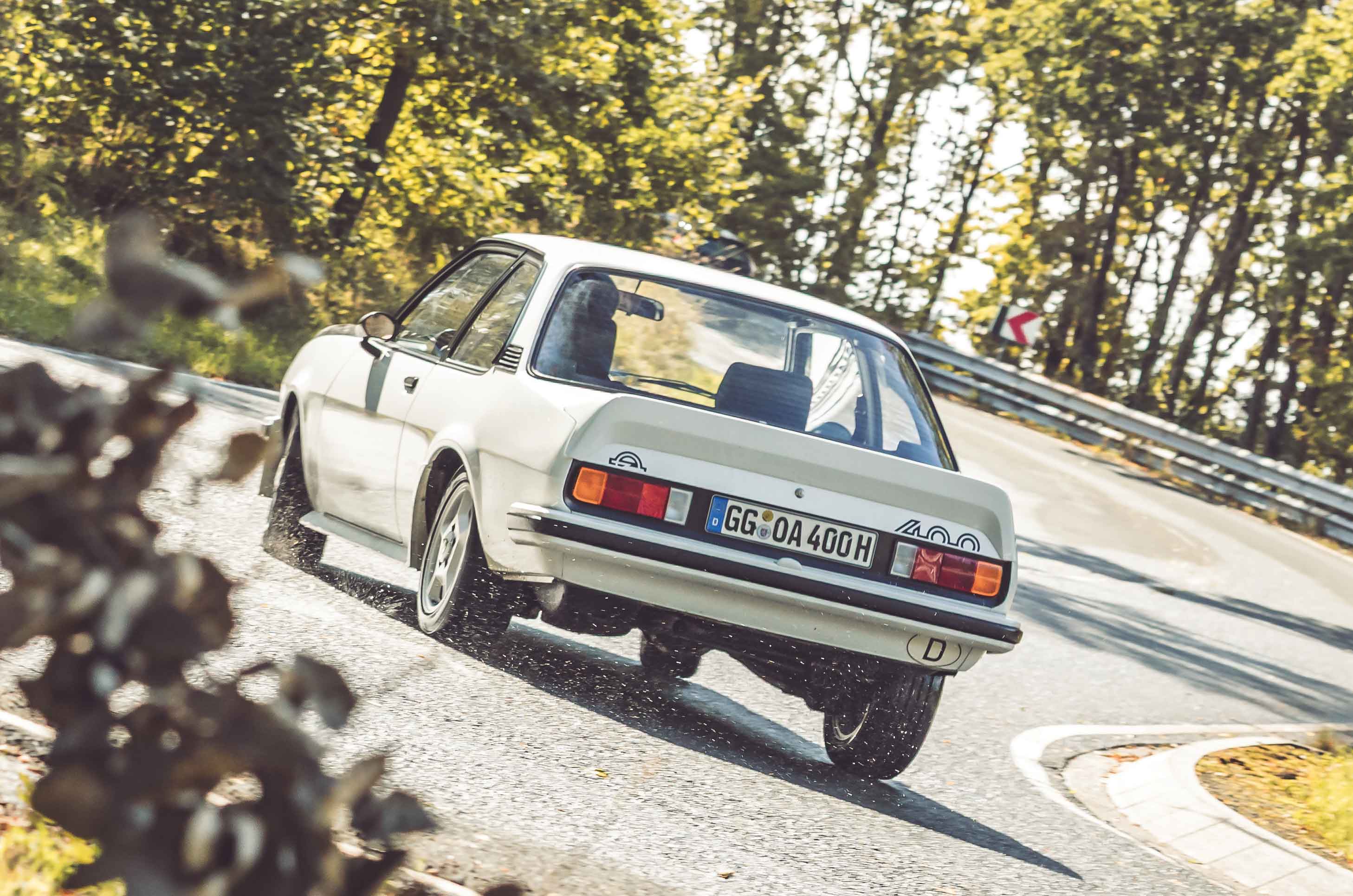
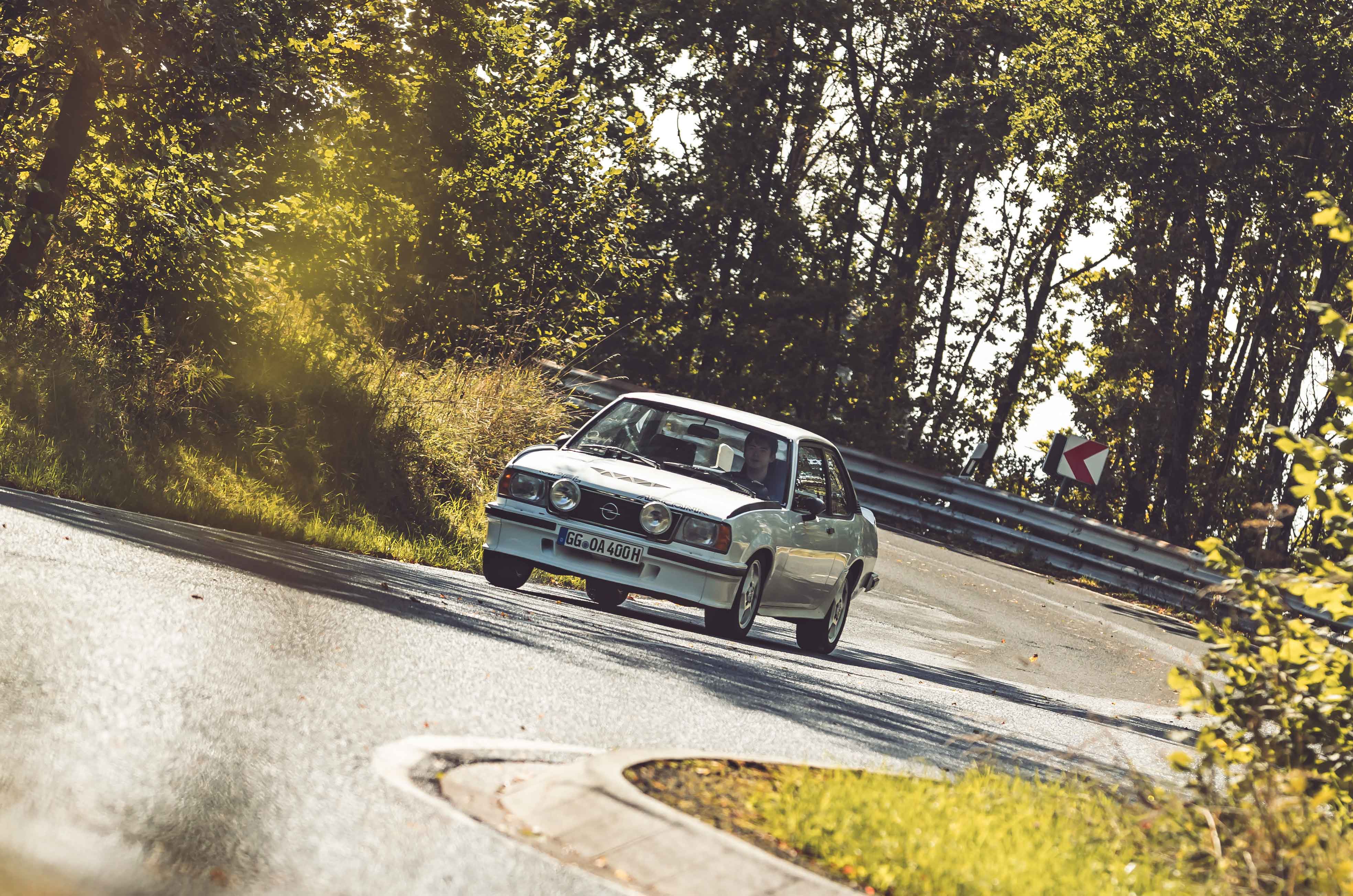
The Opel Ascona 400 in its natural habitat

In works rally tune the KAA reached 275bhp by the end of its development, while the road-legal version made 142bhp and 155lb ft.

Thanks to that healthy torque, and good traction aided by a limited-slip diff, the Ascona 400 takes off from the line extremely well.

The official 0-60mph figure of 7.2 secs is still reasonable today, but when tested by Autocar in 1981 it did the benchmark sprint in just 6.5 secs, and the Opel recorded 30-60mph times faster than any other mass-produced saloon of the time, matching a Ferrari 308GTB.

When gearchanges are necessary – mostly when the engine starts to feel breathless after 5500rpm – you find a dog-leg pattern gearlever that’s satisfying in a mechanical, long-throw sort of way: never vague, but not especially quick, either.

Classic & Sports Car – Opel Ascona 400: one for the road

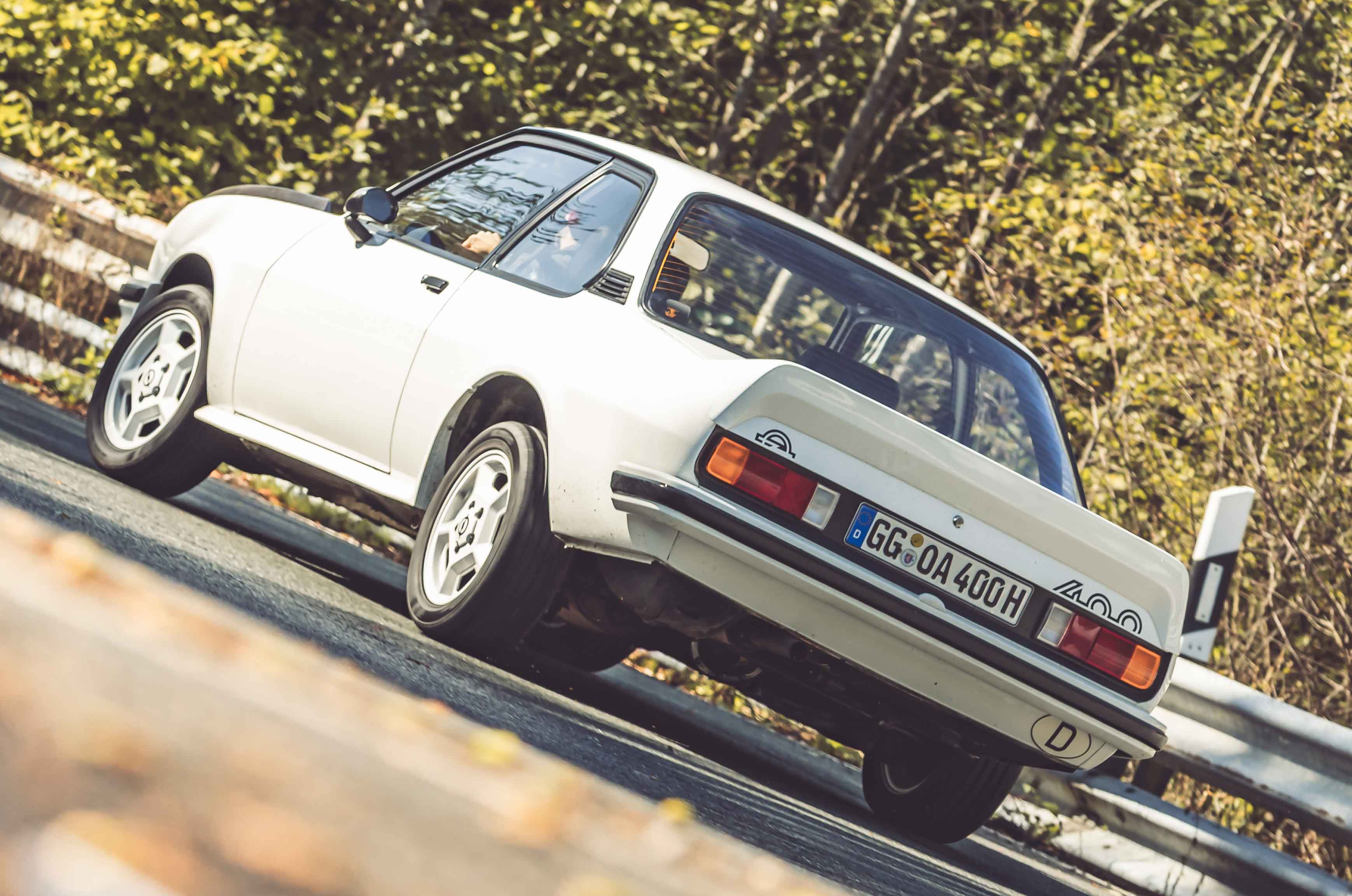
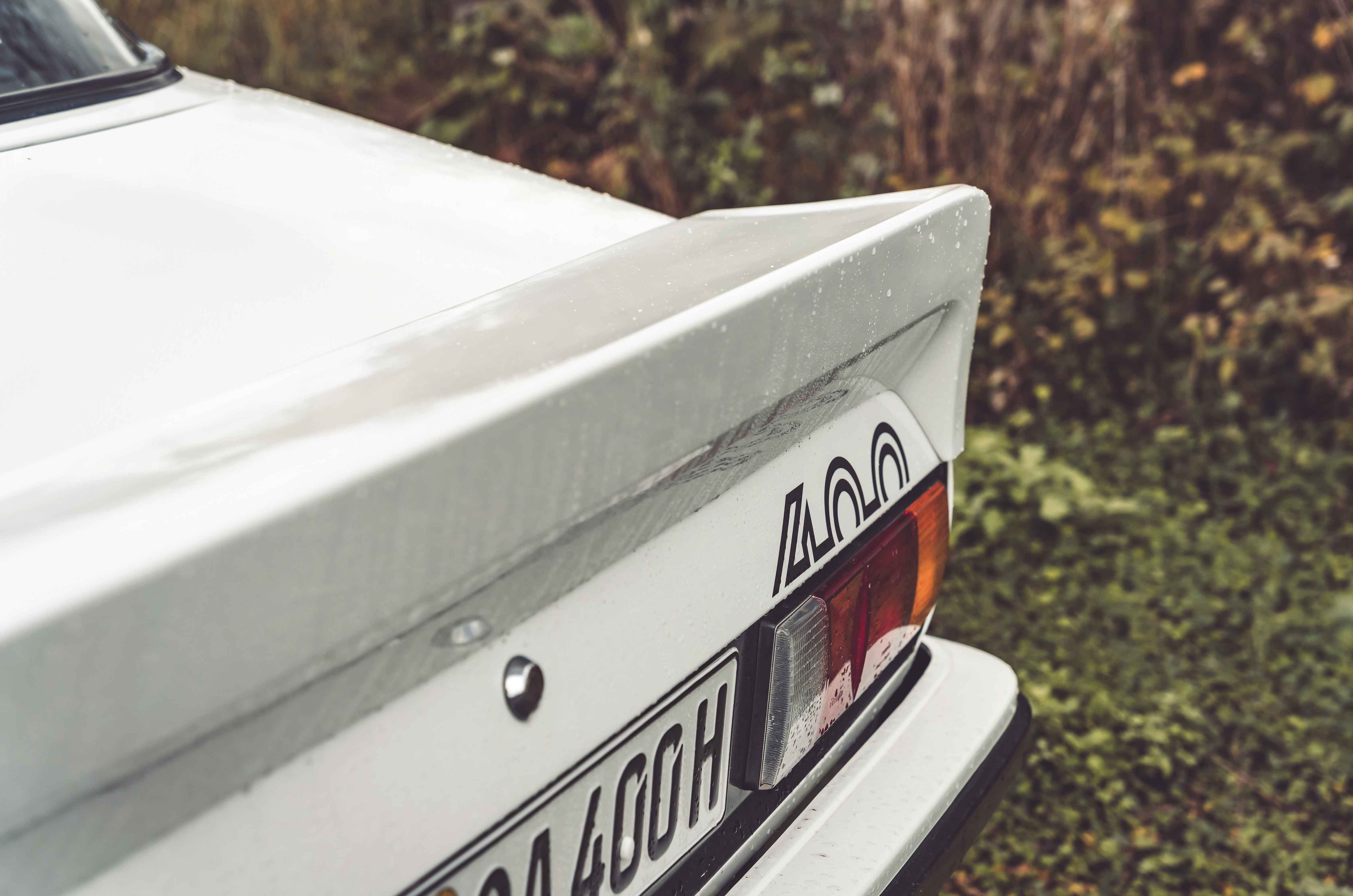
The Opel Ascona 400’s discreet spoiler

The steering is similar: not scalpel-precise, but of a good weight and sufficiently communicative to have fun. 

A relatively quick rack at 2.7 turns from lock to lock and a tight turning circle provide an agile feel, while all the controls are light and easy to use, in typical American fashion, and the driving position is perfectly comfortable.

With relatively soft springing coupled with what contemporary testers labelled ‘ultra-low-profile’ tyres (a 50-profile tyre would only just qualify today), the Ascona handles in a pleasingly rallyish way.

It dives on the brakes and rolls quite readily, but has high levels of grip.

Classic & Sports Car – Opel Ascona 400: one for the road

‘It is a thumper of an engine, with 2.4 litres spread across just four cylinders and topped by a Cosworth 16-valve head’

It doesn’t make for a particularly graceful experience: it’s easy to miss the apex on your first attempt at a corner as the Opel will take a while to lean on its springs then suddenly bite the Tarmac, but it heightens the sense of speed.

Threading the car through consecutive bends like a slalom skier convinces even quite ordinary drivers they are chucking it around like Walter Röhrl on the stages.

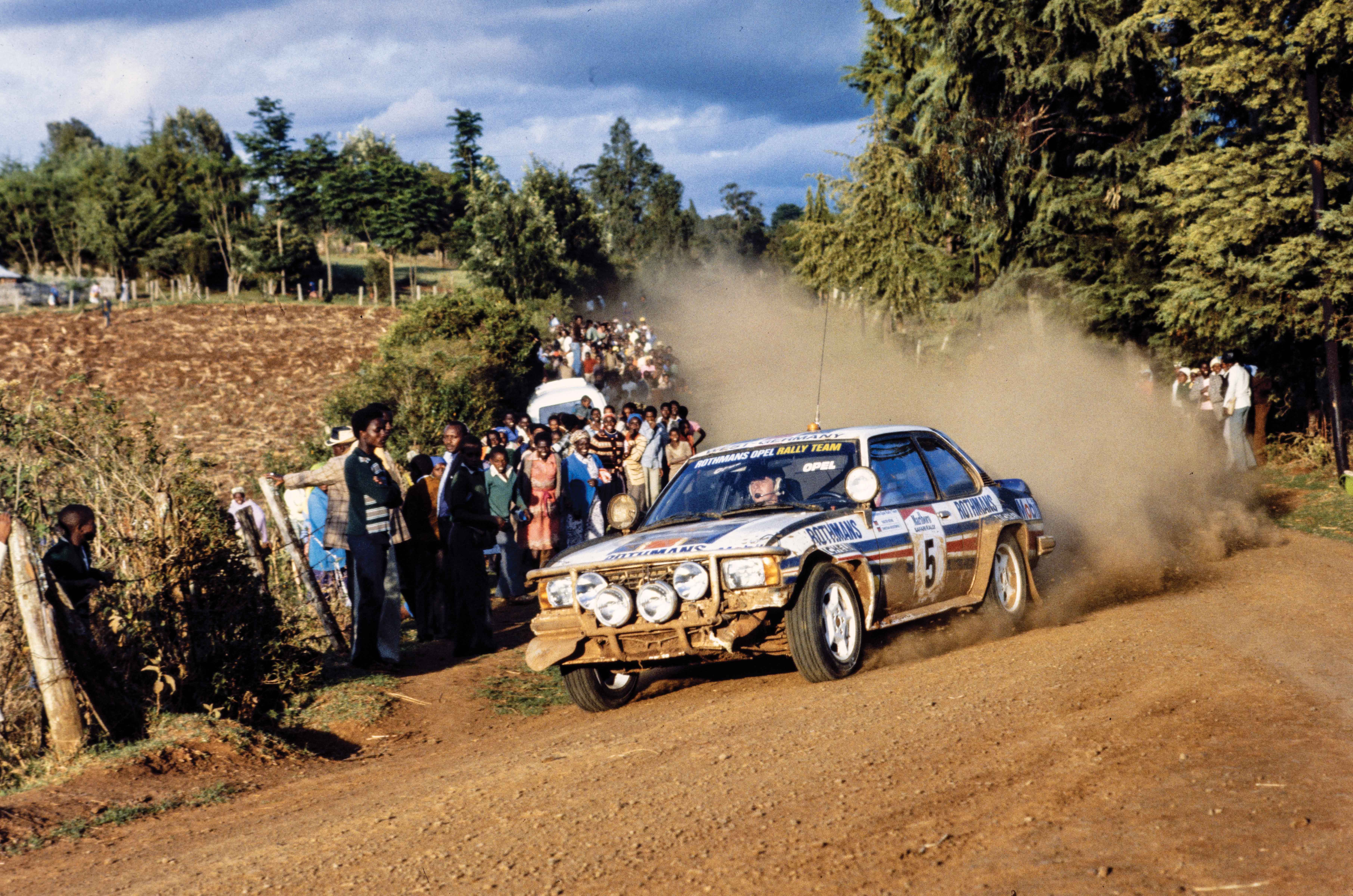
The German rallying ace was the making of the Opel Ascona 400 competitively, winning the ’82 World Rally Championship in his sole year in the car.

It was the last time anybody took the drivers’ title in a rear-wheel-drive car, aided by a snowless Rallye Monte-Carlo that Röhrl won at the start of the year.

Classic & Sports Car – Opel Ascona 400: one for the road

The Opel Ascona 400 shone most brightly in Walter Röhrl’s hands in 1982, here en route to second place on the Safari Rally © Getty

The German only topped one further event, the Rallye Côte d’Ivoire, which confirmed his title thanks to consistent podiums throughout the season.

The relationship between Röhrl and Opel was fractious, however: the non-smoker created friction with main sponsor Rothmans through his refusal to take part in promotional activity, while team manager Tony Fall was disgruntled by Röhrl’s tactless remarks about his Audi quattro rivals.

With Röhrl already signed to drive for Lancia in 1983, skipping official team receptions and being very public about his dislike of the RAC, he was sacked the day before the British event.

Classic & Sports Car – Opel Ascona 400: one for the road

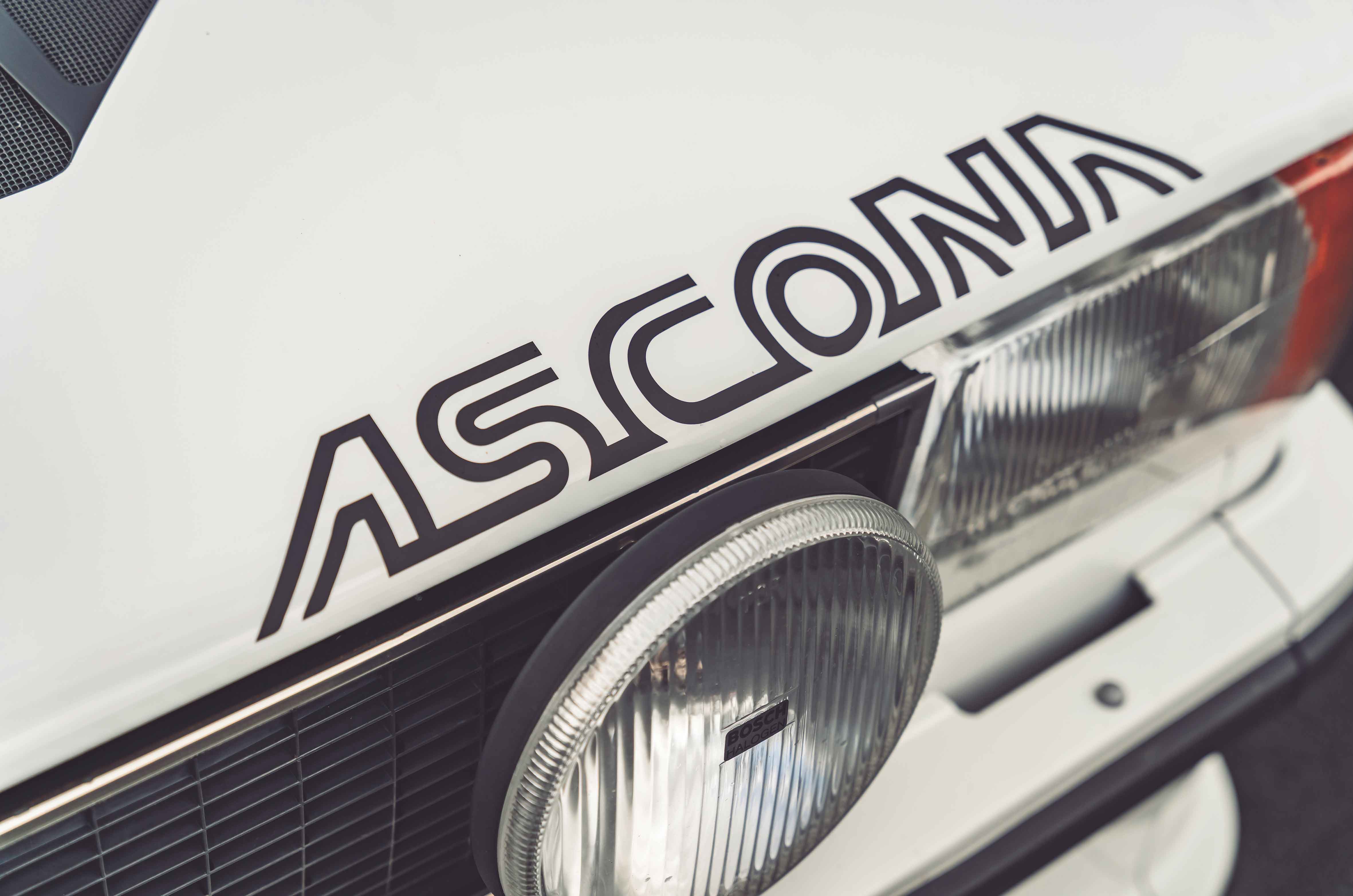
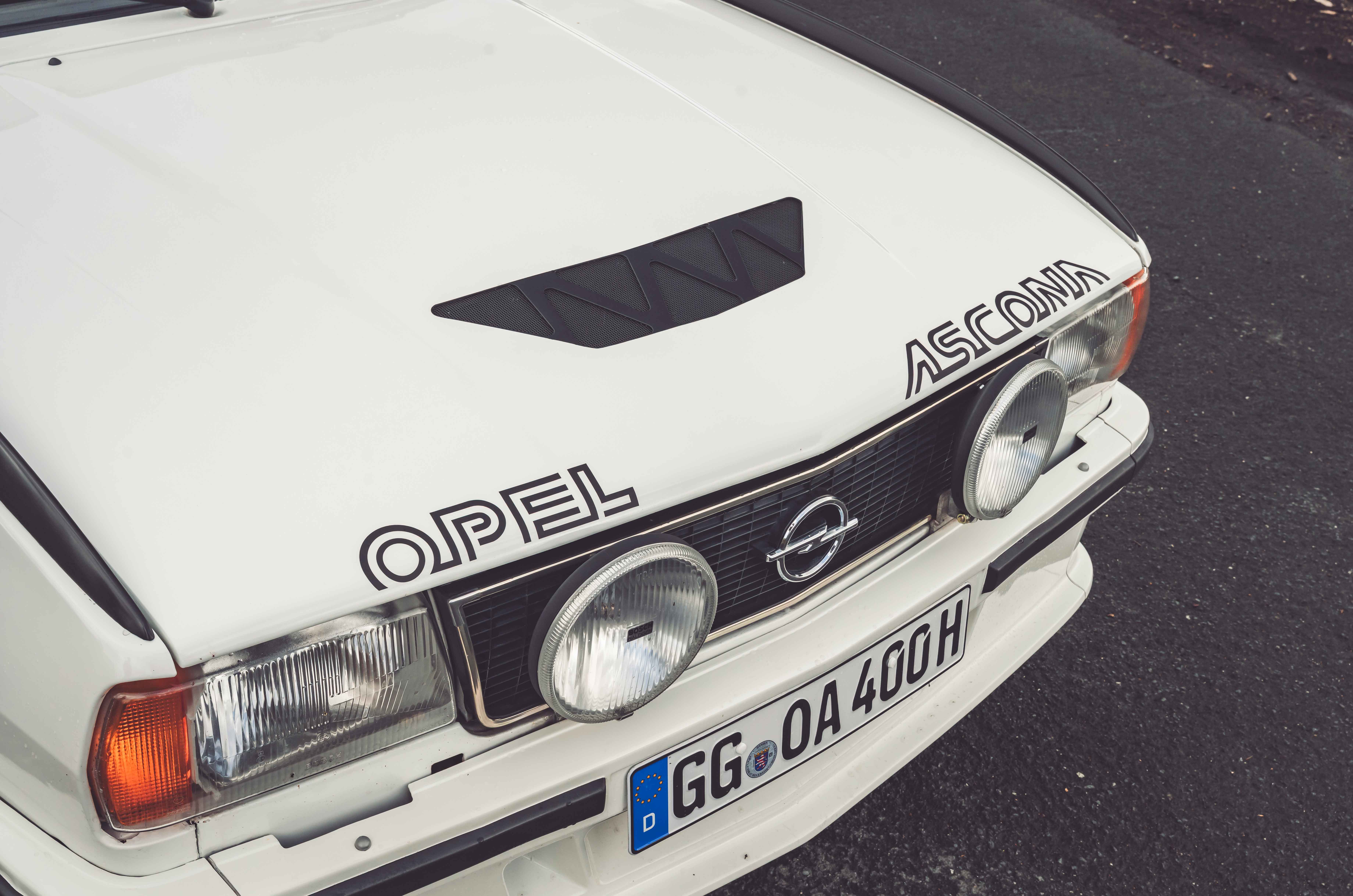
This is about as subtle as an Opel Ascona 400 gets; some were decorated with even more striking stickers

Fellow Opel driver Henri Toivonen could only manage third and the other works cars retired, with Hannu Mikkola and Michèle Mouton taking a 1-2 and the constructors’ title for Audi. 

Autocar labelled Röhrl an ‘arrogant Prima Donna’ afterwards, although his stand against the tobacco industry, at least, reflects better in hindsight.

As further testament to Röhrl’s ability, while 1982 was a noted upturn from ’81, when Opel finished fourth, subsequent years with the Ascona and Manta 400 were increasingly underwhelming, and the team was well off the pace by 1984.

However, the Ascona enjoyed a brilliant career with Jimmy McRae in the British Open Rally Championship, winning titles in 1981 and ’82, while Tony Fassina took the 1982 European Rally Championship in the Opel, with McRae runner-up.

Classic & Sports Car – Opel Ascona 400: one for the road

‘Threading the Opel Ascona 400 through consecutive bends like a slalom skier convinces even quite ordinary drivers they are chucking it around like Walter Röhrl on the stages’

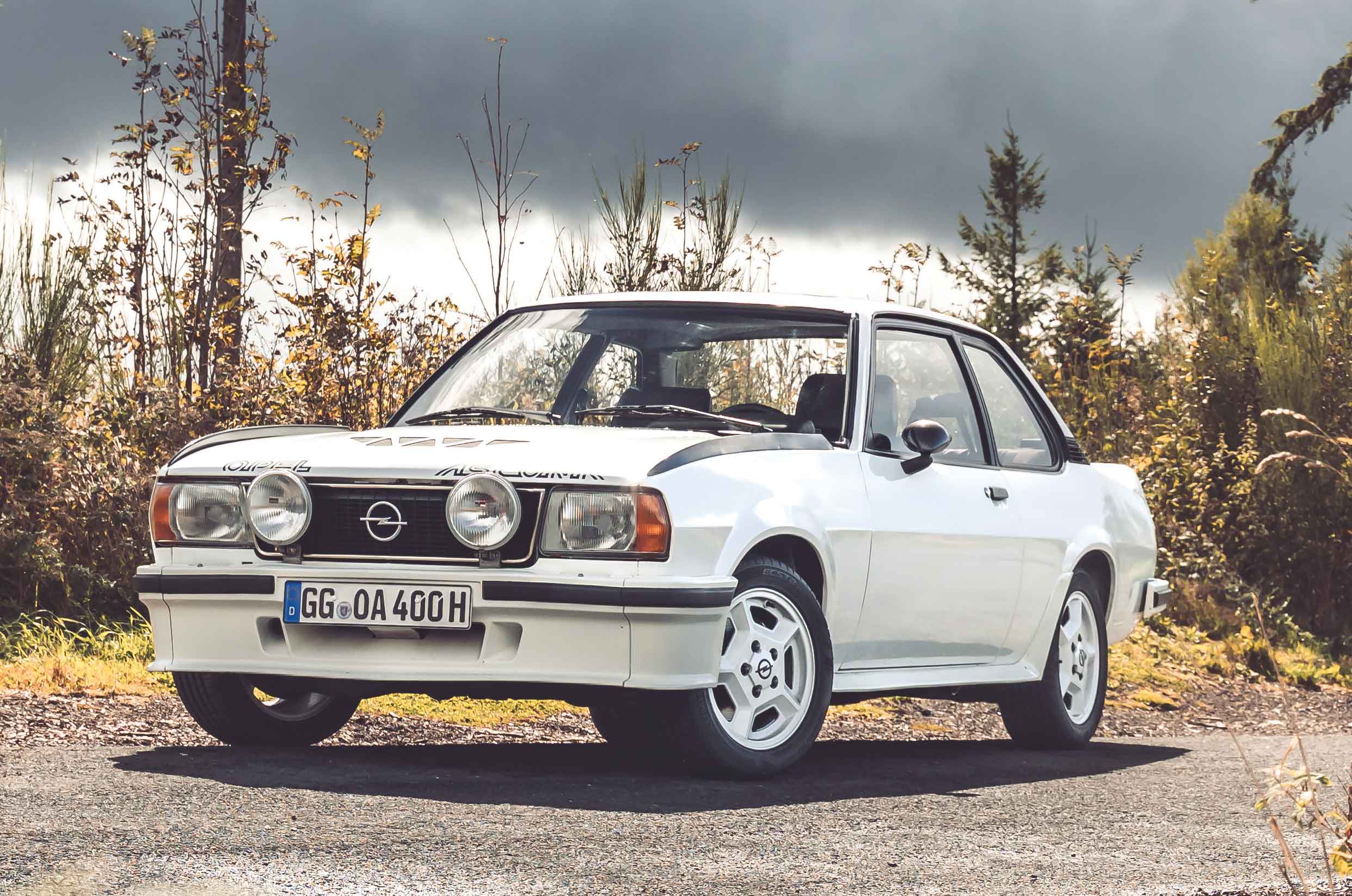
The homologation cars certainly don’t shy away from this rallying history in their appearance.

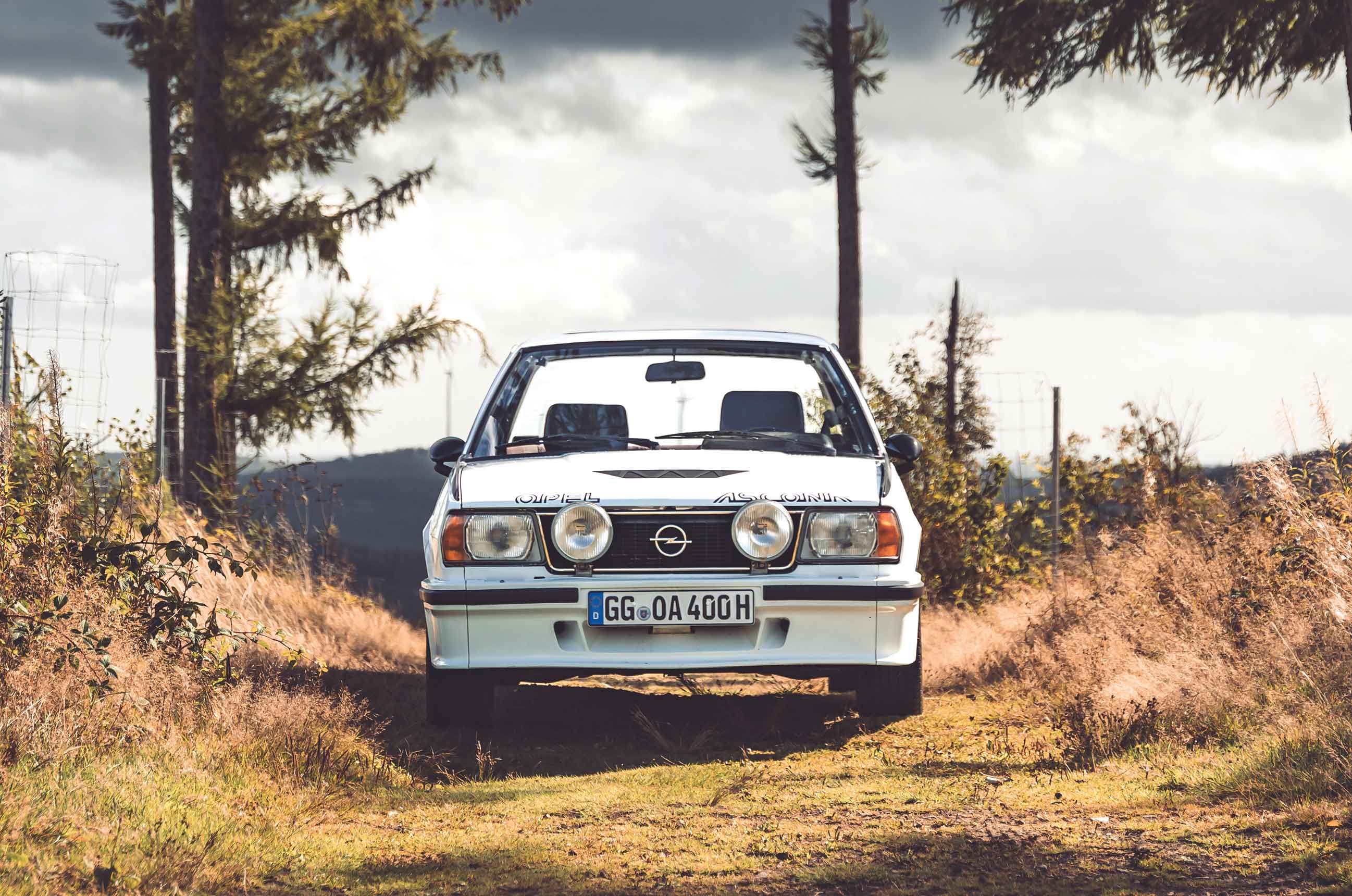
This example is on the subtler side of Ascona 400s – many others were supplied with sticker packs that emblazoned the company’s yellow, grey and dark grey racing colours on the bodywork in various eye-catching designs.

The glassfibre bonnet, with its distinctive hatched vent, is lifted from the rally car, as is the front airdam, complete with brake-cooling funnels.

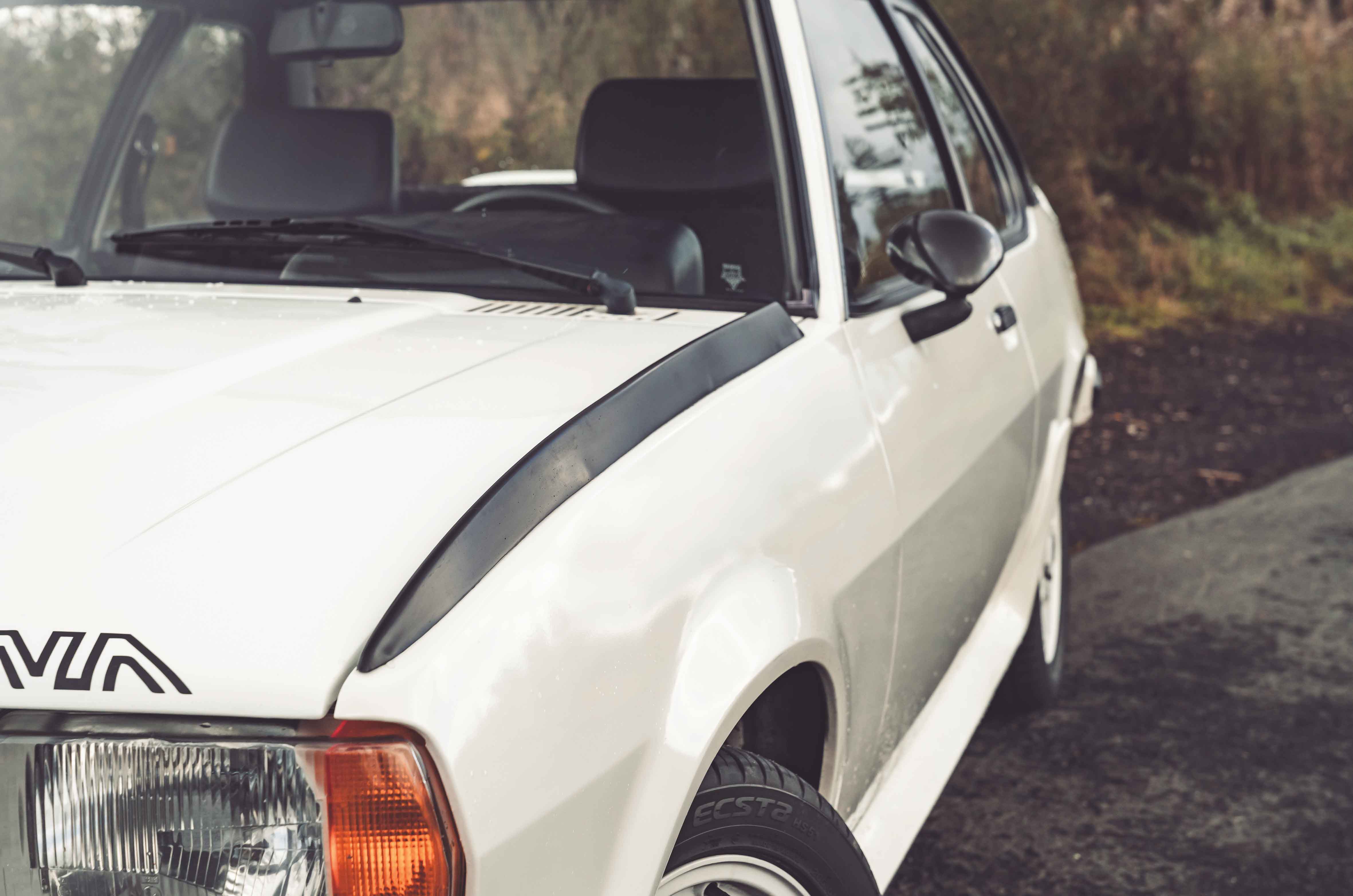
The ducktail spoiler is actually subtly different from the rally item, though similar in profile, but the distinctive, BMW CSL-like polyurethane wing-top blades are once again straight from the competition car – and make for a fantastic aid when placing the front corners of the Opel.

Classic & Sports Car – Opel Ascona 400: one for the road

The Ascona 400’s front-wing blades are an ideal guide for placing the car

The only disappointing aspect is that the Ascona 400 didn’t spawn a car built in greater numbers.

It could have lost the stickers, aero addenda and stark interior to make for a range-topping twin-cam Ascona model.

The few cars that came to the UK in right-hand drive were sold at a heady £9526, at a time when the Talbot Sunbeam Lotus, another homologation special that struggled to sell, cost £7948 and Ford would sell you a Capri 2.8i for £8275 – and that came with a V6 and a radio.

Such high pricing, no doubt enforced by the low-volume specialist engine, and the resulting slow sales led many authorities on the subject to doubt that Opel built the eponymous 400 examples of either the Ascona or the closely related Manta.

Classic & Sports Car – Opel Ascona 400: one for the road

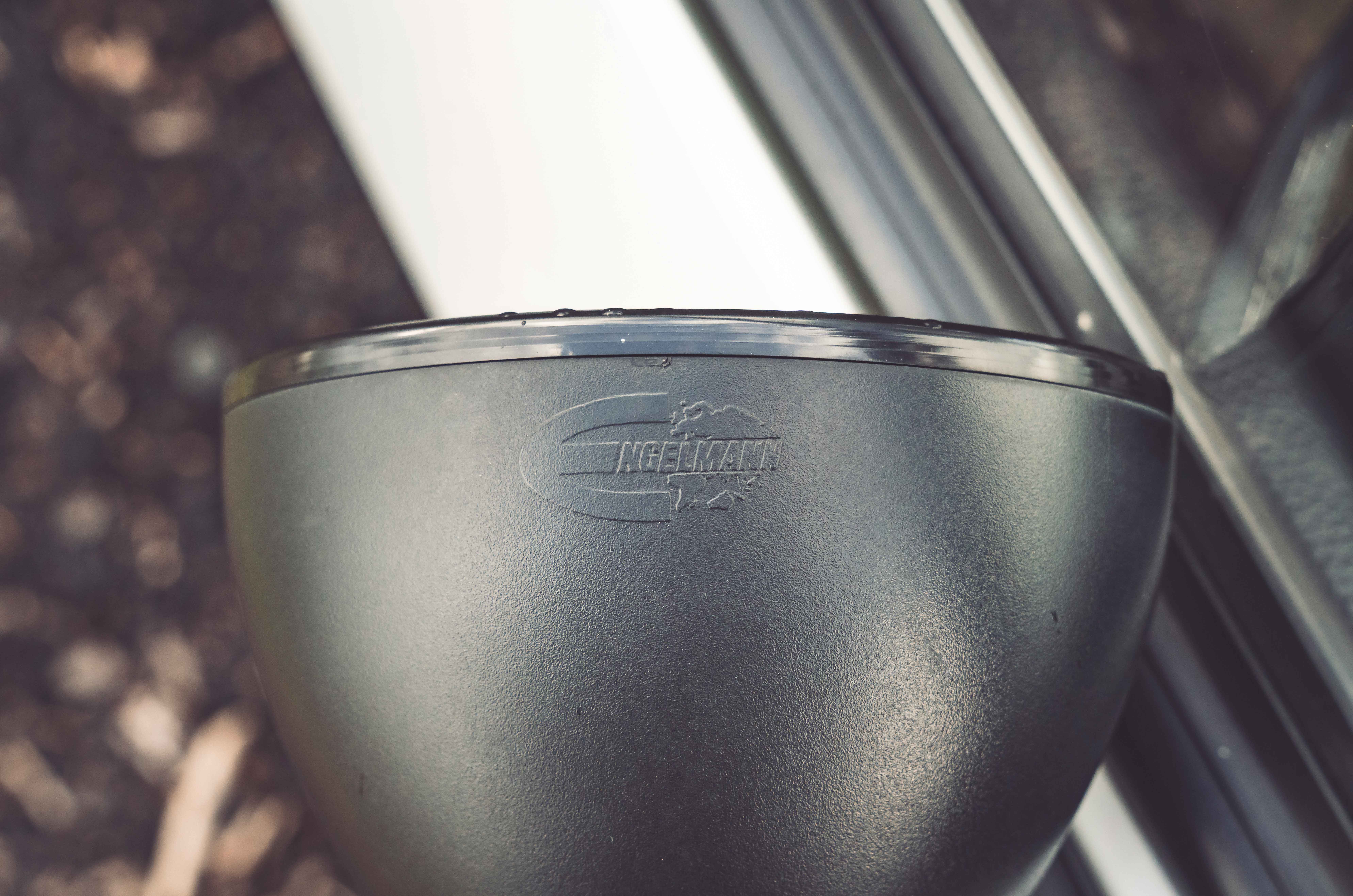
The Engelmann aero mirrors are unique to the Ascona 400 and Manta 400

Nonetheless, the Ascona 400 finds a perfect sweet spot for a homologation special: it’s different from – and notably better than – the model on which it’s based, but it doesn’t forget that it’s a road car.

It matches much of the appearance, some of the driving experience and a little bit of the sound of the car that won Röhrl his second world title, but its polish and comfort keep it a usable everyday car rather than the rough-running, noisy fire-spitter it first resembles.

Forget the rally exploits for a minute and it’s simply a fun, compact saloon with an honest and humble character.

What’s less humble, sadly, is the price-tag: so sought-after are these rare cars that when you find an Opel Ascona 400 with its original engine, you’ll be heading into six figures for a good one.

Images: Max Edleston

Thanks to: Nationales Automuseum; Car Design Event Classic


Factfile

Classic & Sports Car – Opel Ascona 400: one for the road

Opel Ascona 400

  • Sold/number built 1979-’81/400
  • Construction steel monocoque
  • Engine iron-block, alloy-head, dohc, 16-valve 2410cc ‘four’, Bosch L-Jetronic fuel injection
  • Max power 142bhp @ 5500rpm
  • Max torque 155lb ft @ 3800rpm
  • Transmission five-speed manual, RWD
  • Suspension: front independent, by double wishbones rear live axle, trailing arms, Panhard rod; coil springs, Bilstein telescopic dampers, anti-roll bar f/r
  • Steering rack and pinion
  • Brakes vented front, solid rear discs, with servo
  • Length 14ft 3in (4333mm)
  • Width 5ft 6in (1670mm)
  • Height 4ft 5in (1350mm)
  • Wheelbase 8ft 3in (2518mm)
  • Weight 2270lb (1030kg)
  • 0-60mph 7.2 secs
  • Top speed 124mph
  • Mpg 27
  • Price new £9526 (1981)
  • Price now £60-150,000*

*Price correct at date of original publication


Enjoy more of the world’s best classic car content every month when you subscribe to C&SC – get our latest deals here


READ MORE

Ford Escort vs Hillman Avenger vs Vauxhall Firenza: hot-hatch beaters

Opel Manta A: Blue Oval beater

Citroën Visa Trophée: from humble beginnings