Mini Cooper ‘S’: Hopkirk’s works survivor

| 4 May 2026
Classic & Sports Car – Mini Cooper ‘S’: small soldier
The bolted-in rollcage shivers as you drive.

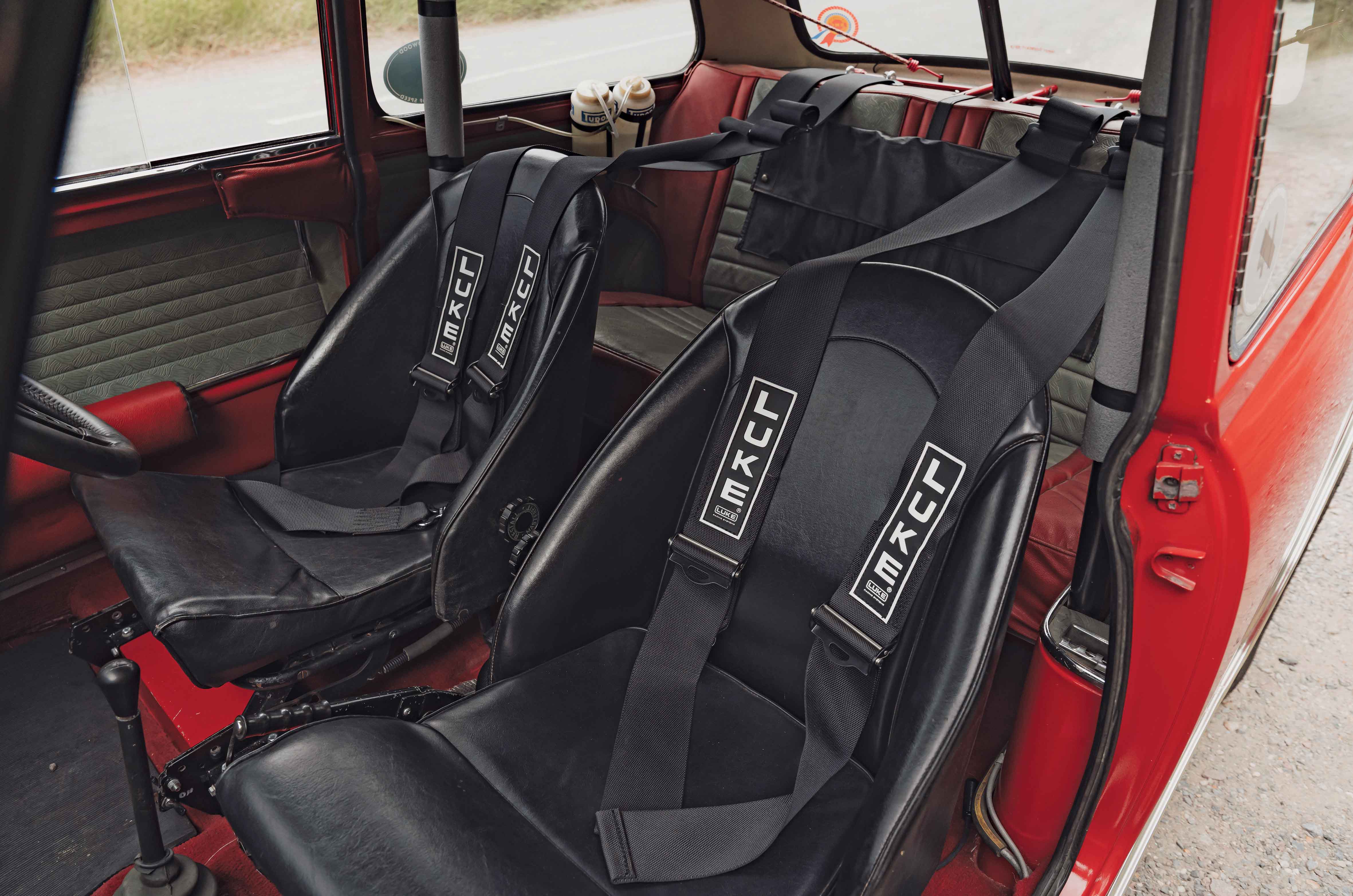
It is the same cage that, along with the vinyl bucket seat’s determined side bolsters, made entering this Morris Mini Cooper ‘S’ feel like squeezing between a rock and a hard place.

It’s just one element of this classic rally car’s frenetic and enjoyably uncouth driving experience.

Friendly waves, wide smiles and flashing headlights are another.

As is the scale disparity between what was deemed sufficient in 1959 to transport a family and today’s interpretation of the same requirement.

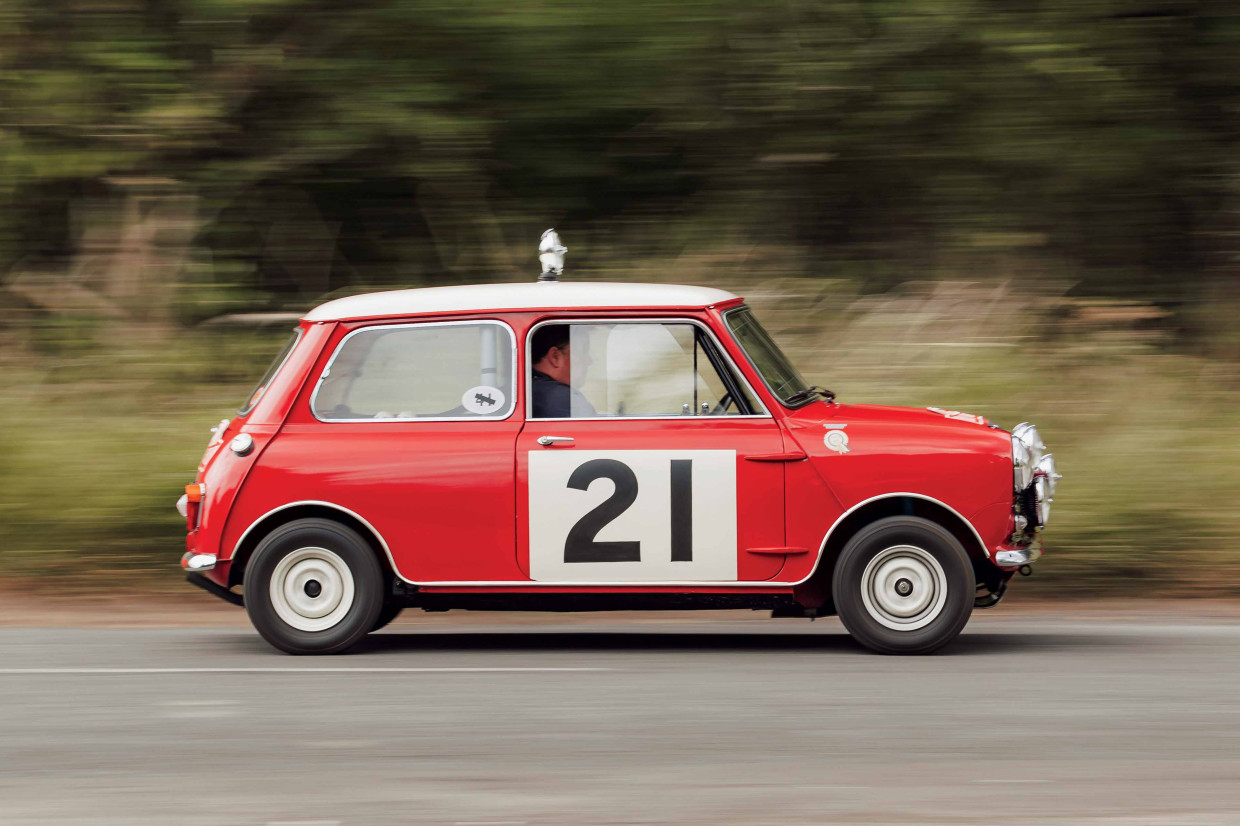
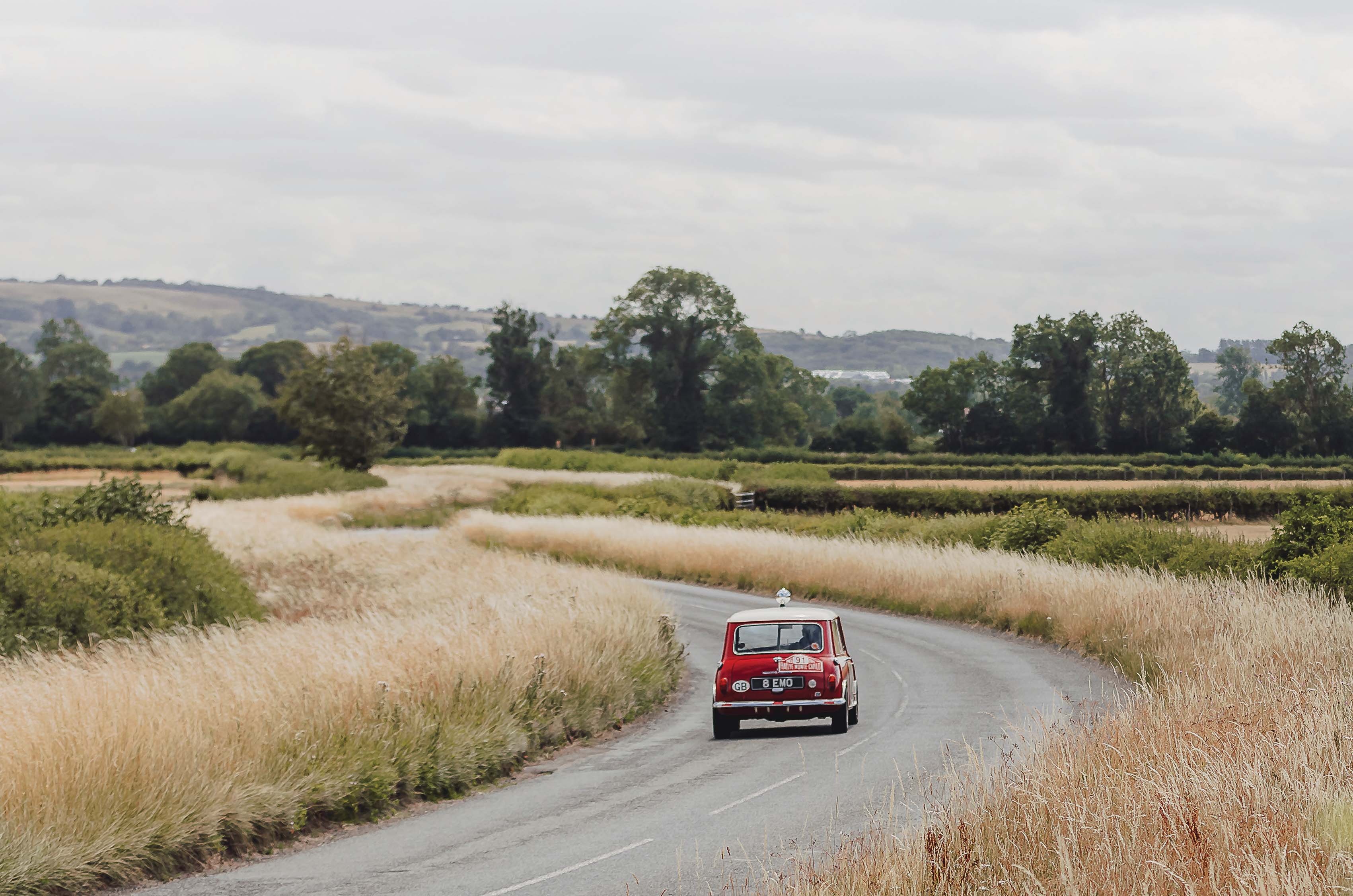
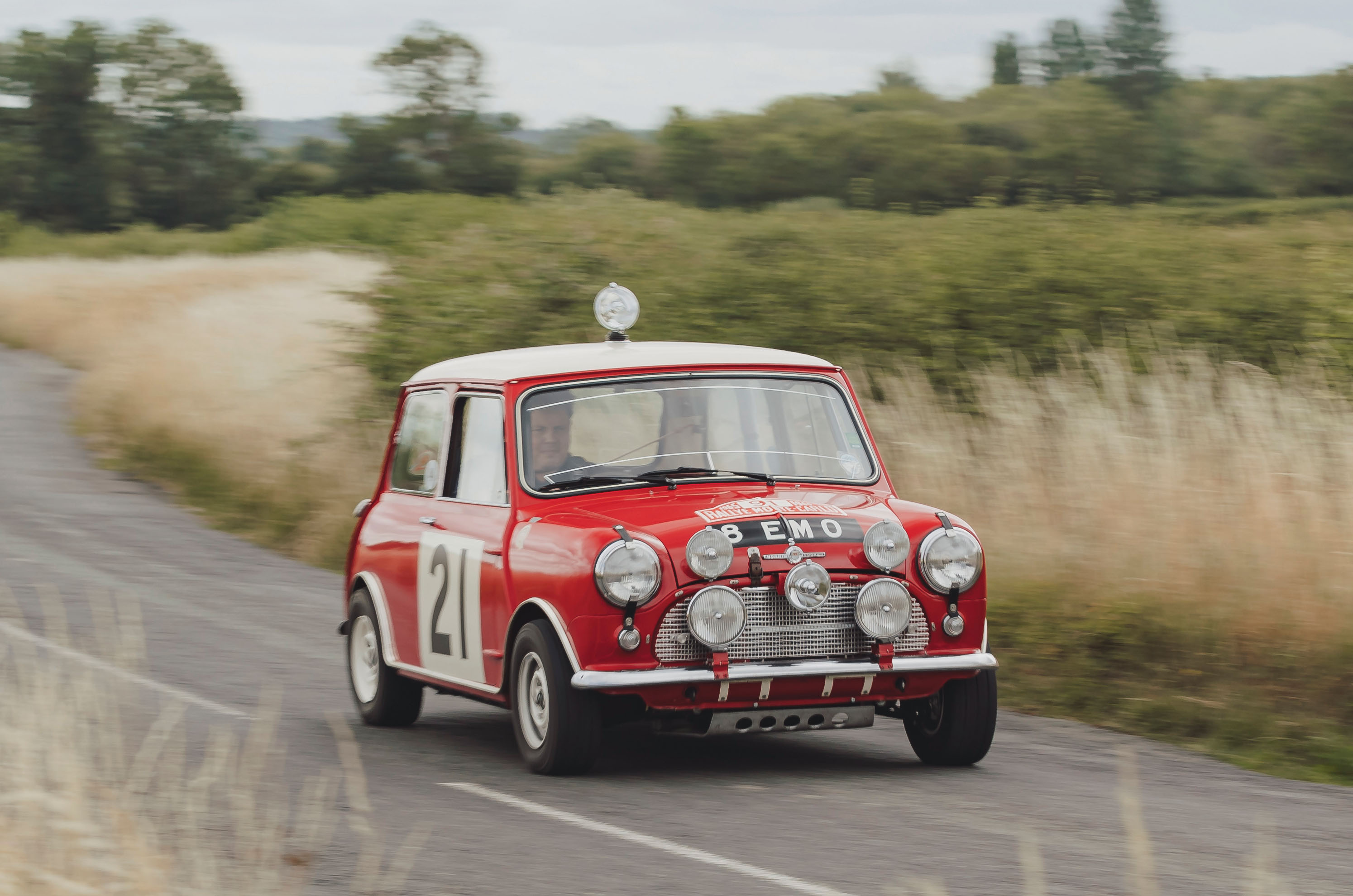
Its famous red-and-white British Motor Corporation Competitions Department colours not only help make this Lilliputian tearaway stand out from all those grey giants, but also give you a better chance of being seen and not squashed. Hopefully.

Classic & Sports Car – Mini Cooper ‘S’: small soldier
Driving a Mini Cooper ‘S’ that has had 970, 1071 and 1275cc engines from the factory

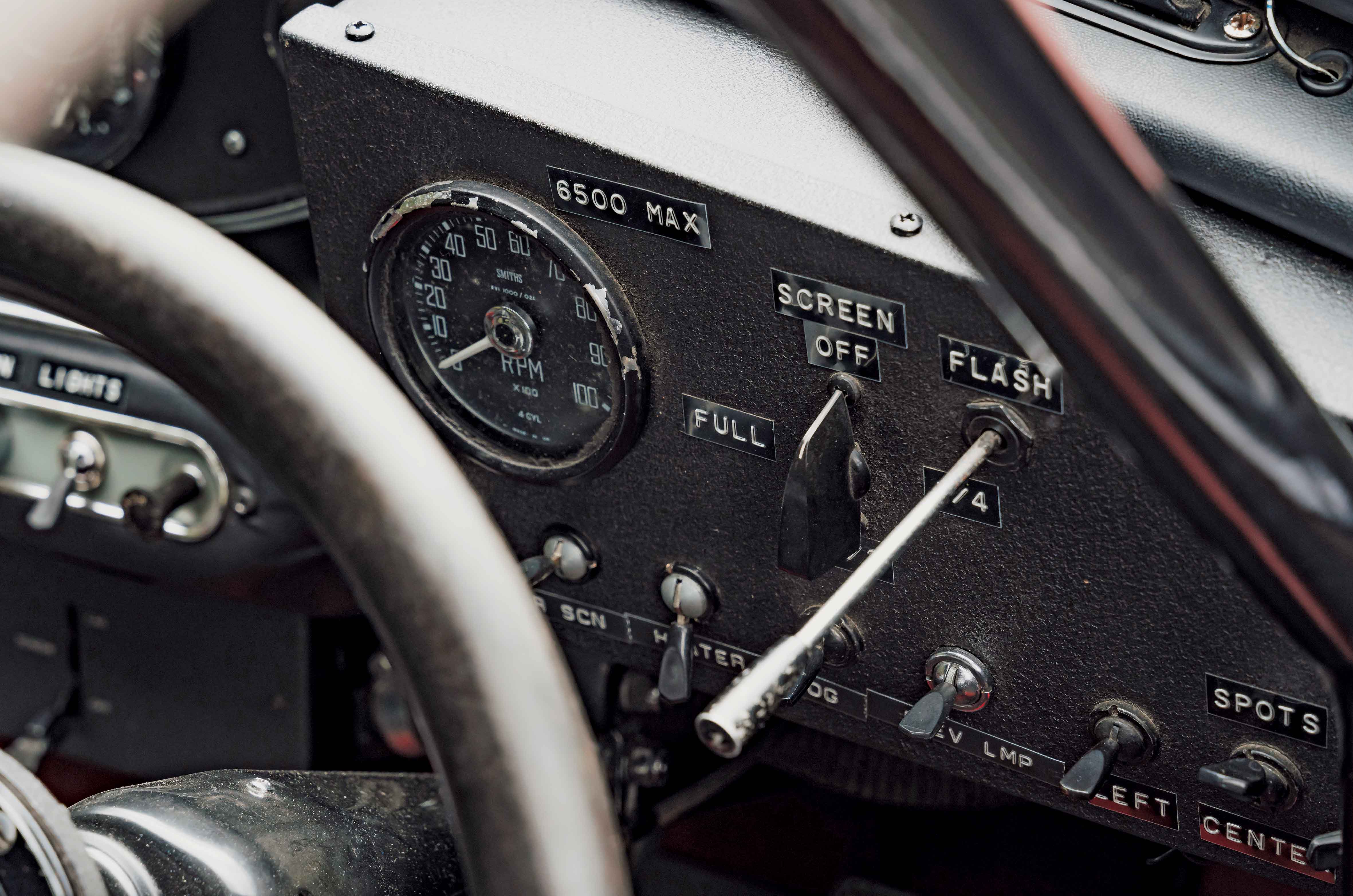
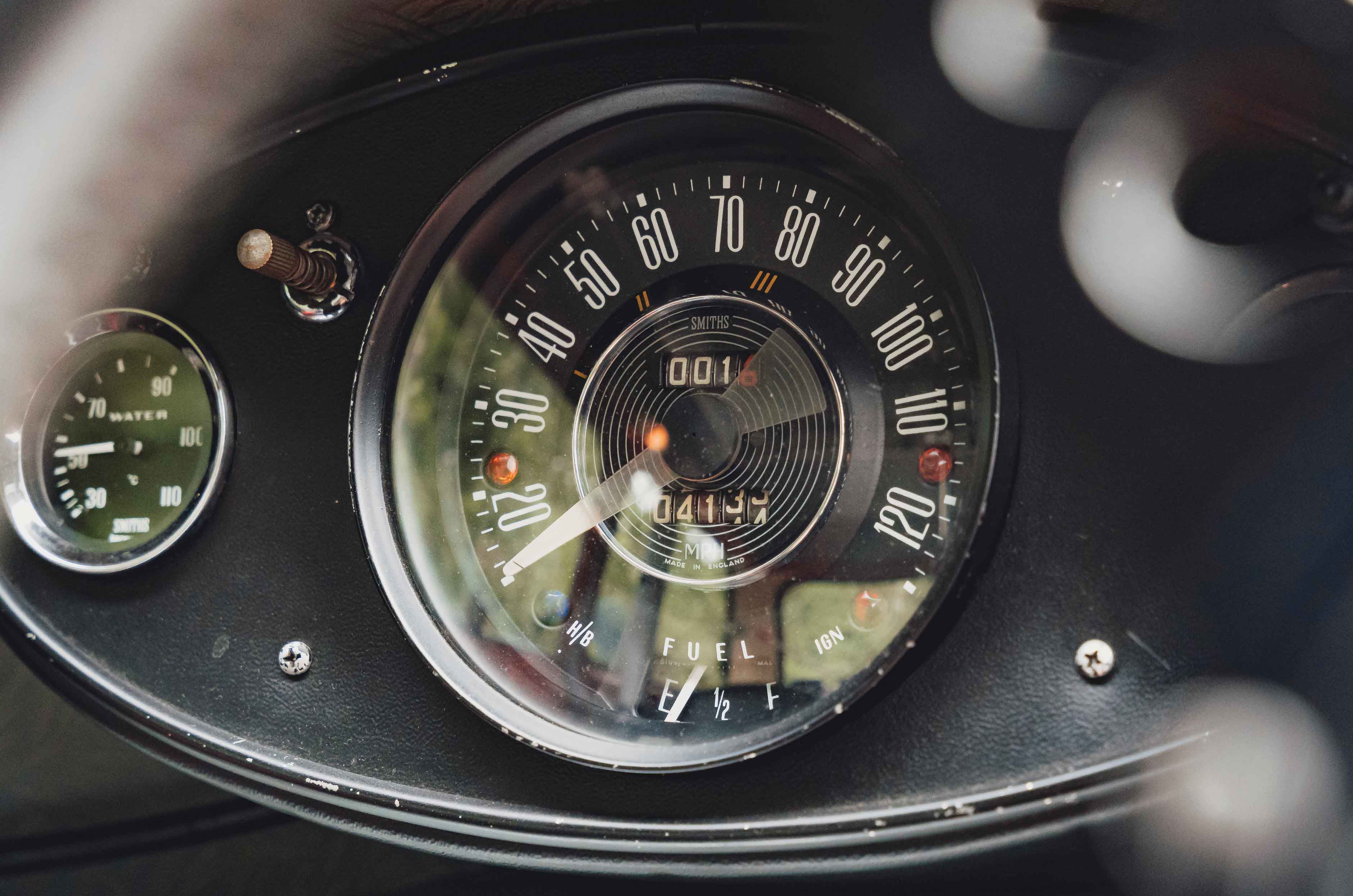
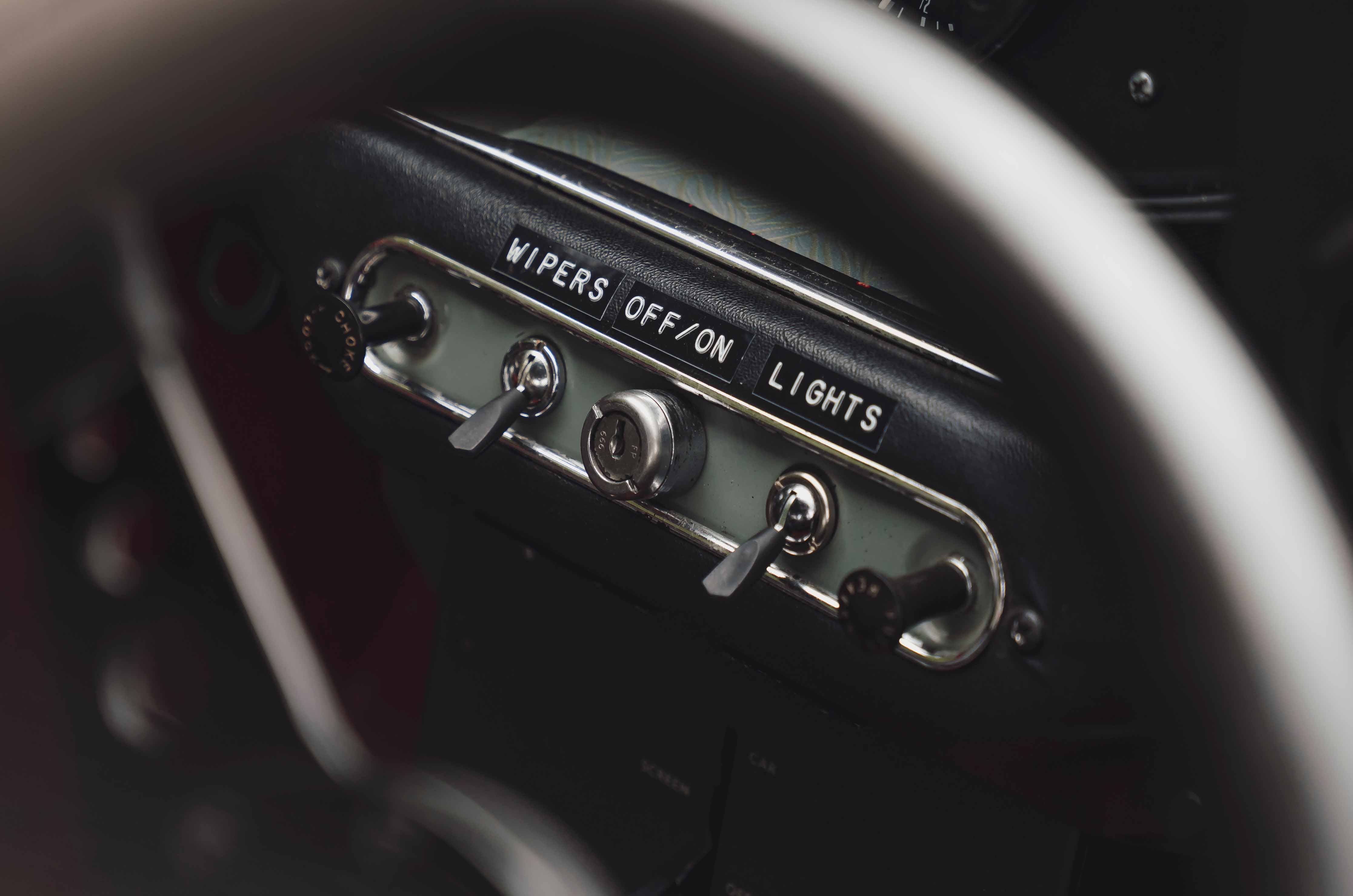
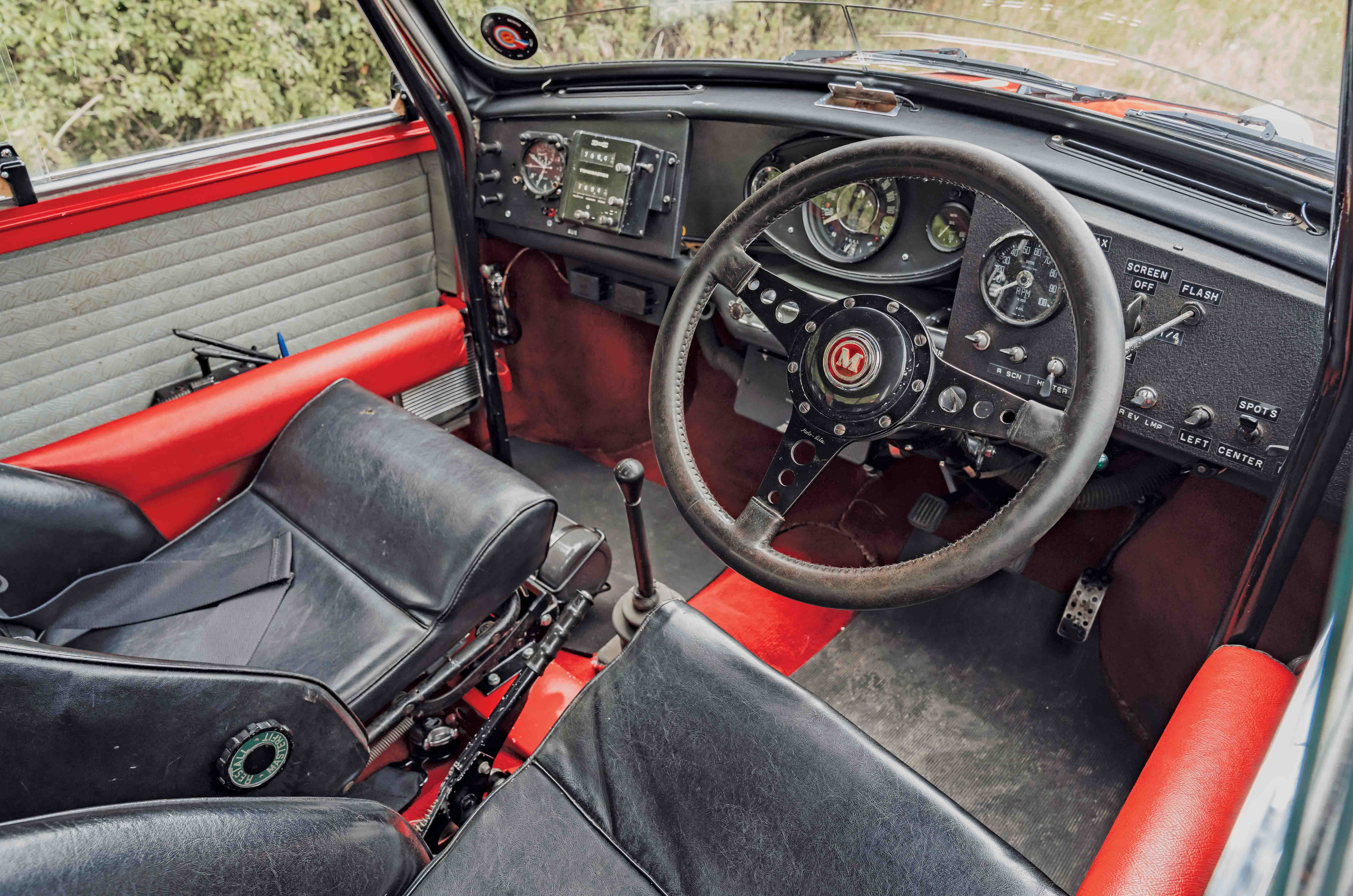
Inside chassis K/A2S4/384848 – this is a very early Mini Cooper ‘S’ built for the 1963 RAC Rally – and immersed in the A-series’ gruff vocals and gear whine is a black, crackle-finished Competitions Department dashboard peppered with Smiths instruments and toggle switches.

The latter are marked with Dymo-tape labels, one of which displays the 6500rpm rev limit next to the 10,000rpm tacho.

There are still the cracked and faded remains of the Mini’s road trim, but they have been largely replaced by the necessities of rallying.

The clutch is more or less immediate, engaging after the first inch of travel.

Classic & Sports Car – Mini Cooper ‘S’: small soldier
The Mini Cooper ‘S’ holds you tight with deep bucket seats

As for the servo-assisted brakes, these are only used when encountering junctions, traffic jams or difficult motorists, because roads seldom tax this car’s cornering ability. Soon, though, comes a reminder of my lack of Mini fitness.

It has been a few years since I drove one, and already there are the first sharp twinges of ‘Issigonis shin’ – a cramp-like condition caused by having to apply slight throttle in dawdling traffic.

It comes from Sir Alec’s love of masochistic driving positions, which he erroneously thought ensured driver alertness.

This is made worse in the Cooper ‘S’ by the hyperactive throttle response from its pair of chunky SU H4 carburettors.

Classic & Sports Car – Mini Cooper ‘S’: small soldier
‘Steer, guide and smile as the Mini skates through a sequence of esses on this titillating, cambered road’

Catch a big pothole, your right foot wobbles and the Mini makes a lead-straining start for the horizon, as per an untrained puppy.

Although, in fairness, this Hydrolastic car rides far better than the earlier dry suspension’s ‘boing ’n’ bounce’ experience, yet it has none of the road-spec Hydrolastic system’s wallowy float and dive foibles, courtesy of its additional dampers. 

This competition set-up for the Mini Cooper ‘S’ really does provide a good ride as well as sharp handling.

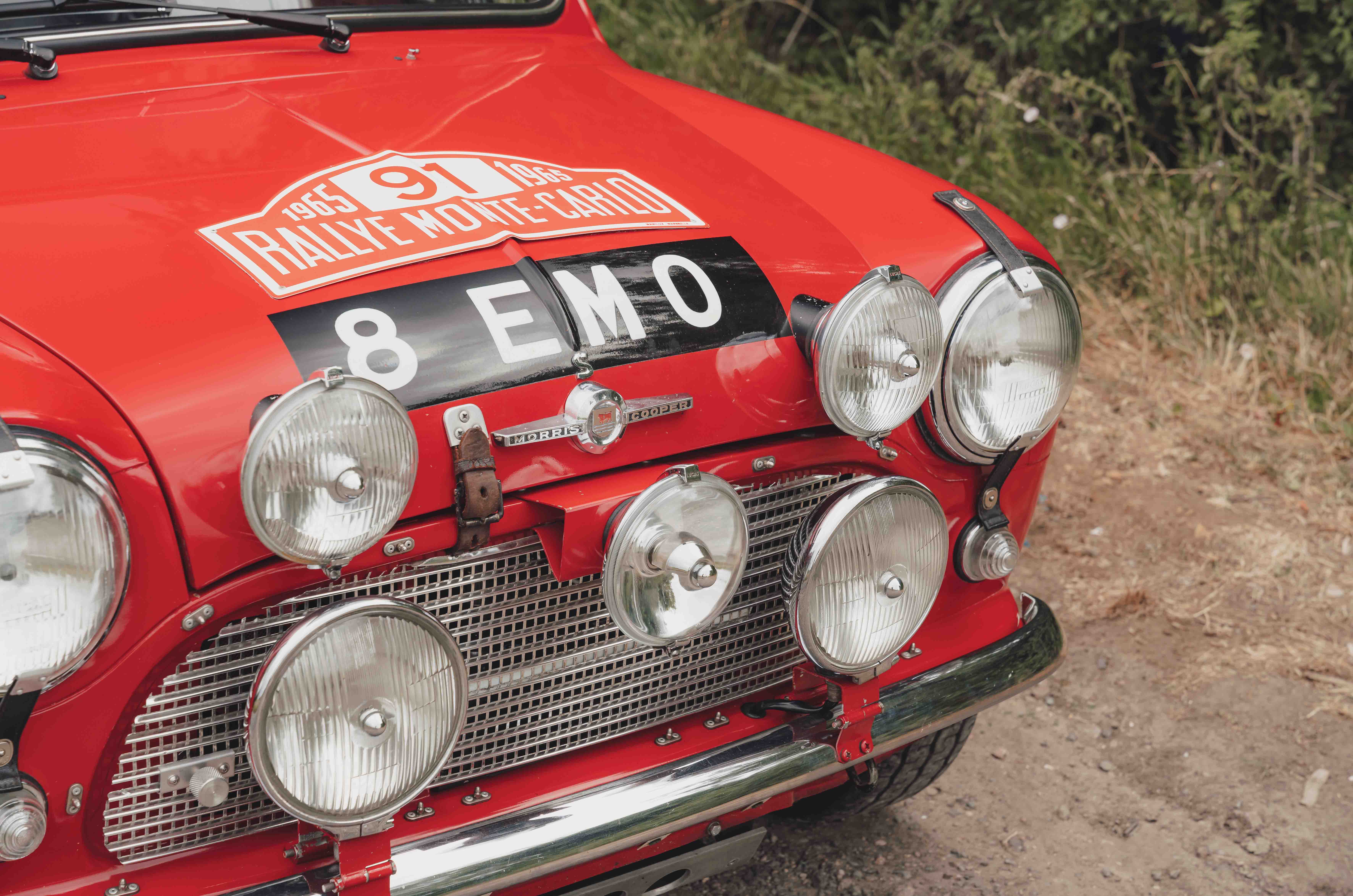
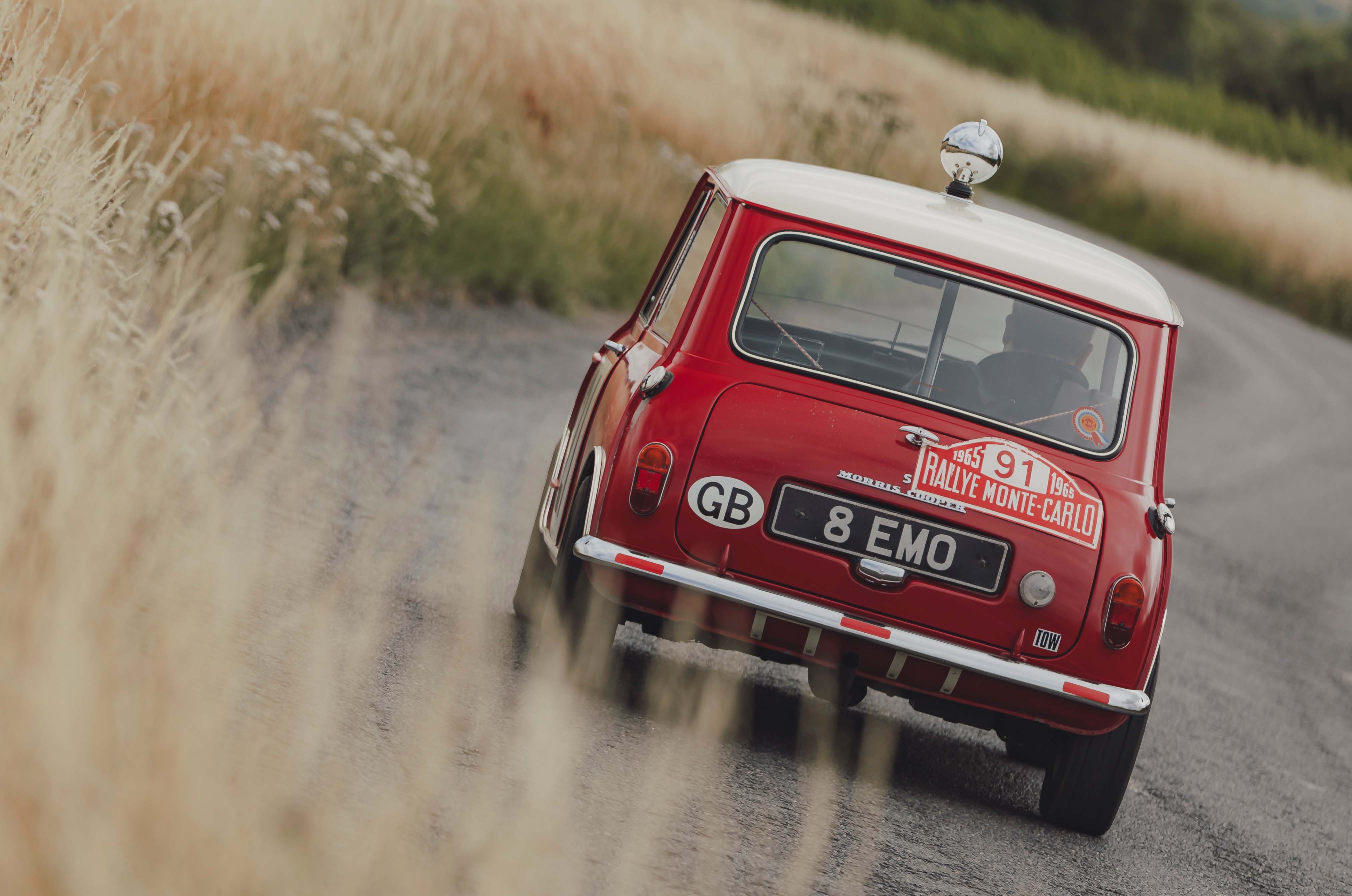
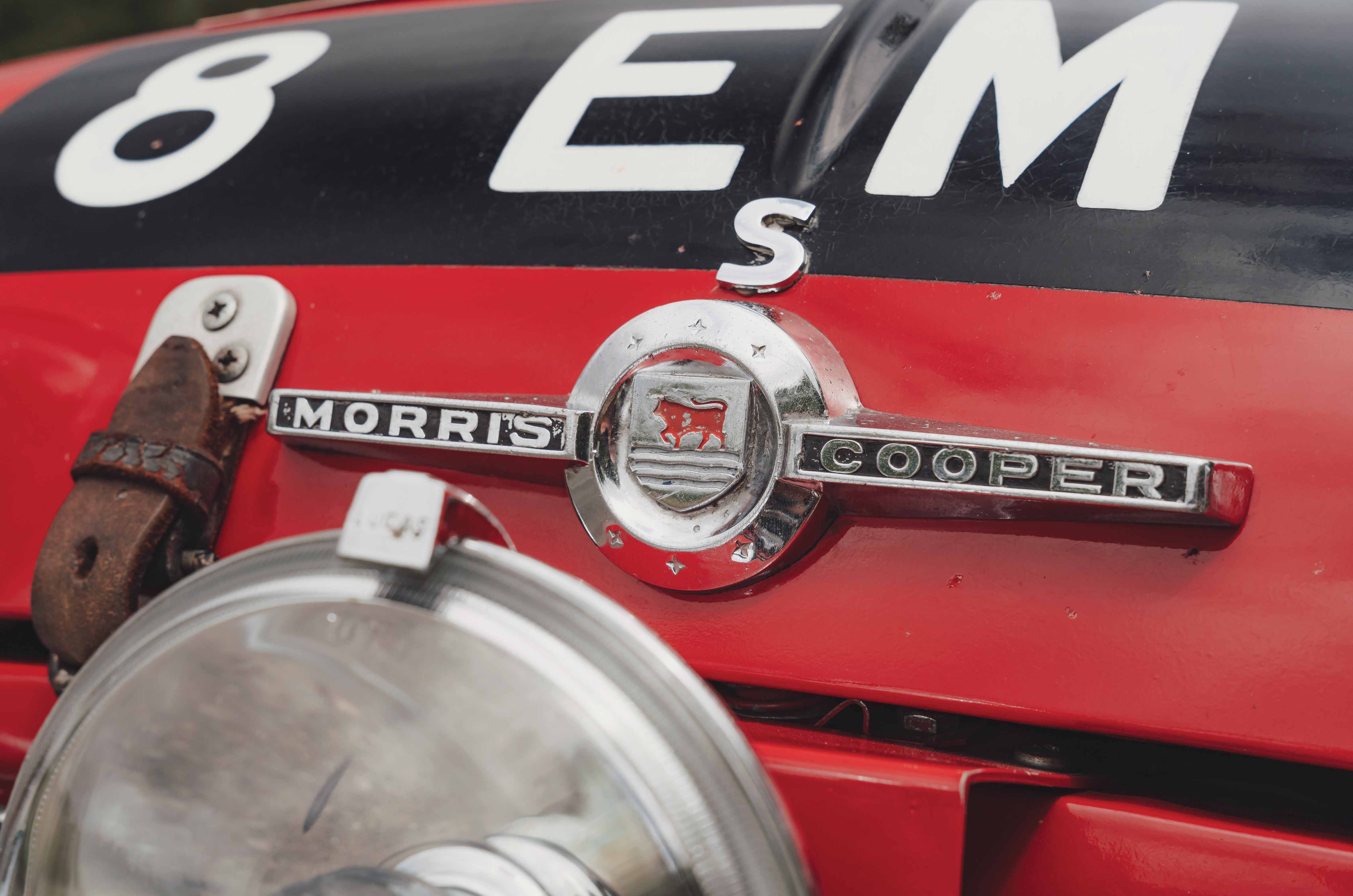
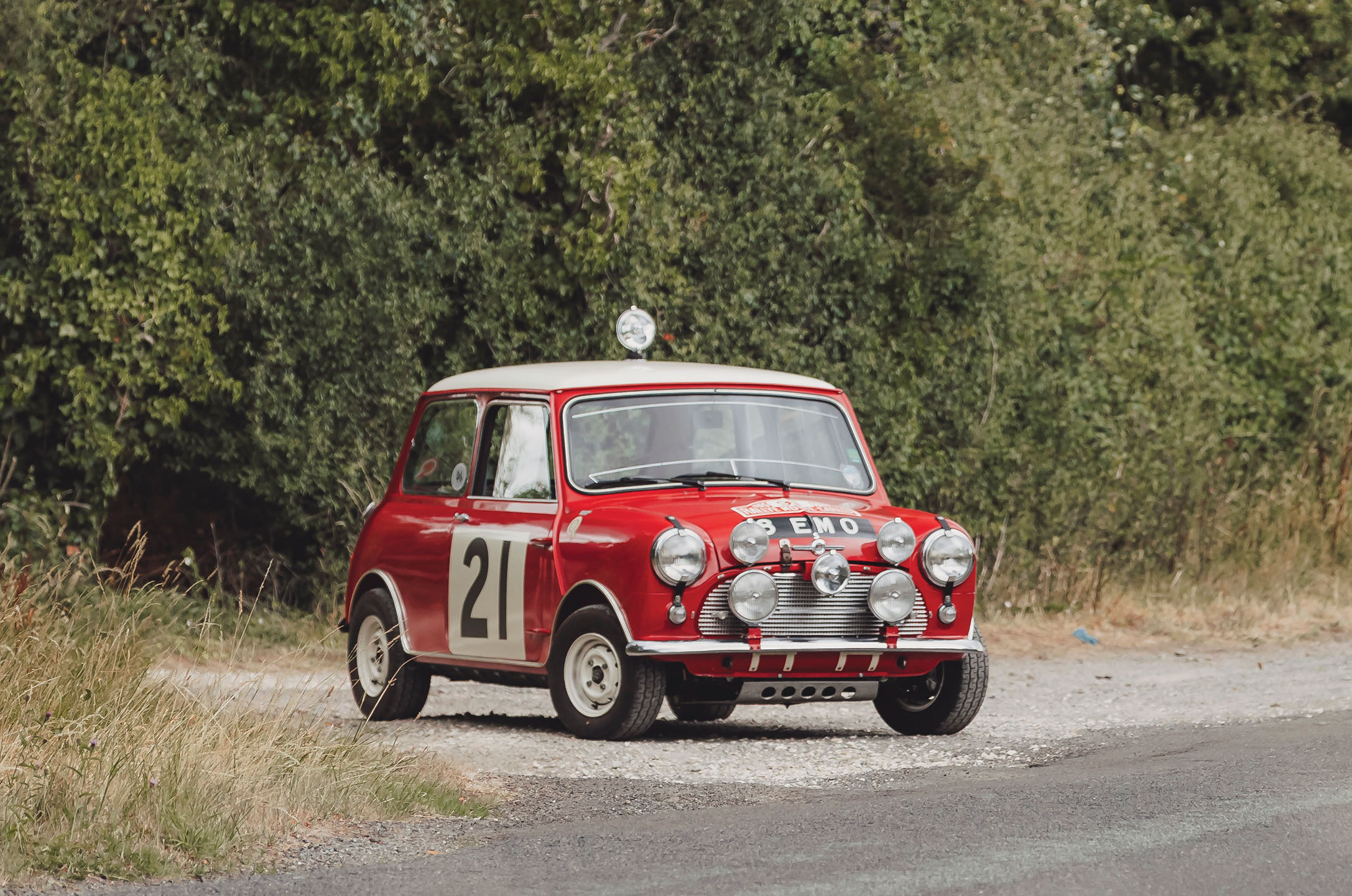
K/A2S4/384848, registered 8 EMO, was first powered by the short-lived 1071cc engine when it was built for the 1963 RAC Rally.

Classic & Sports Car – Mini Cooper ‘S’: small soldier
Dymo labels on the Mini’s crackle-finished dashboard

The Mini Cooper had been conceived by John Cooper, who fitted one of his Formula Junior-spec 997cc A-series engines into a Mini in 1961, overcoming much recalcitrance from Issigonis (who was both the Mini’s chief designer and head of Morris Engines).

The problem was that, by 1961, the long-stroke 997cc unit was nearing the end of its developmental tether.

In order to keep both Cooper’s Formula Juniors and competition Minis in with a chance of silverware, he wanted to move up into the 1100cc class.

Alas, attempts to increase the capacity of the 997cc unit had proved to be unsuccessful.

Classic & Sports Car – Mini Cooper ‘S’: small soldier
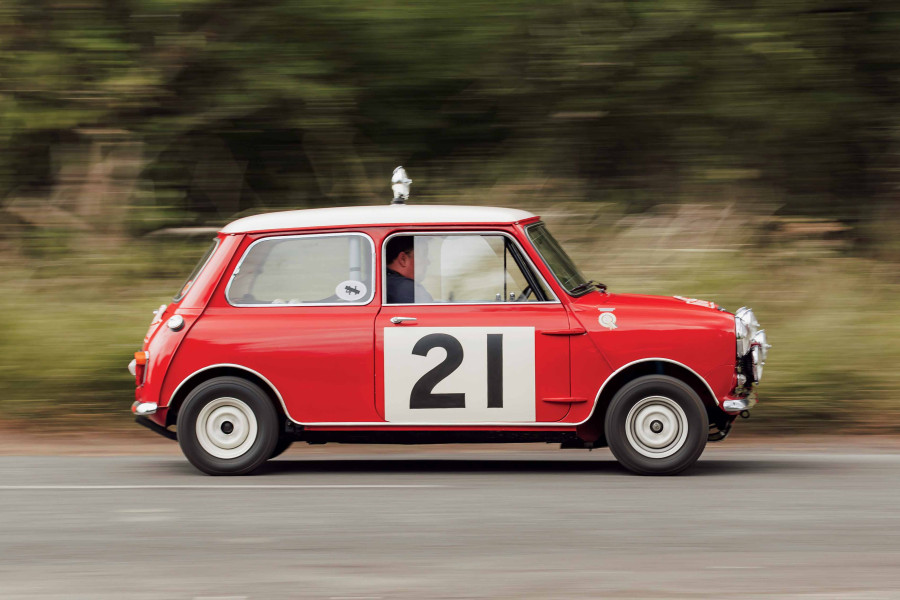
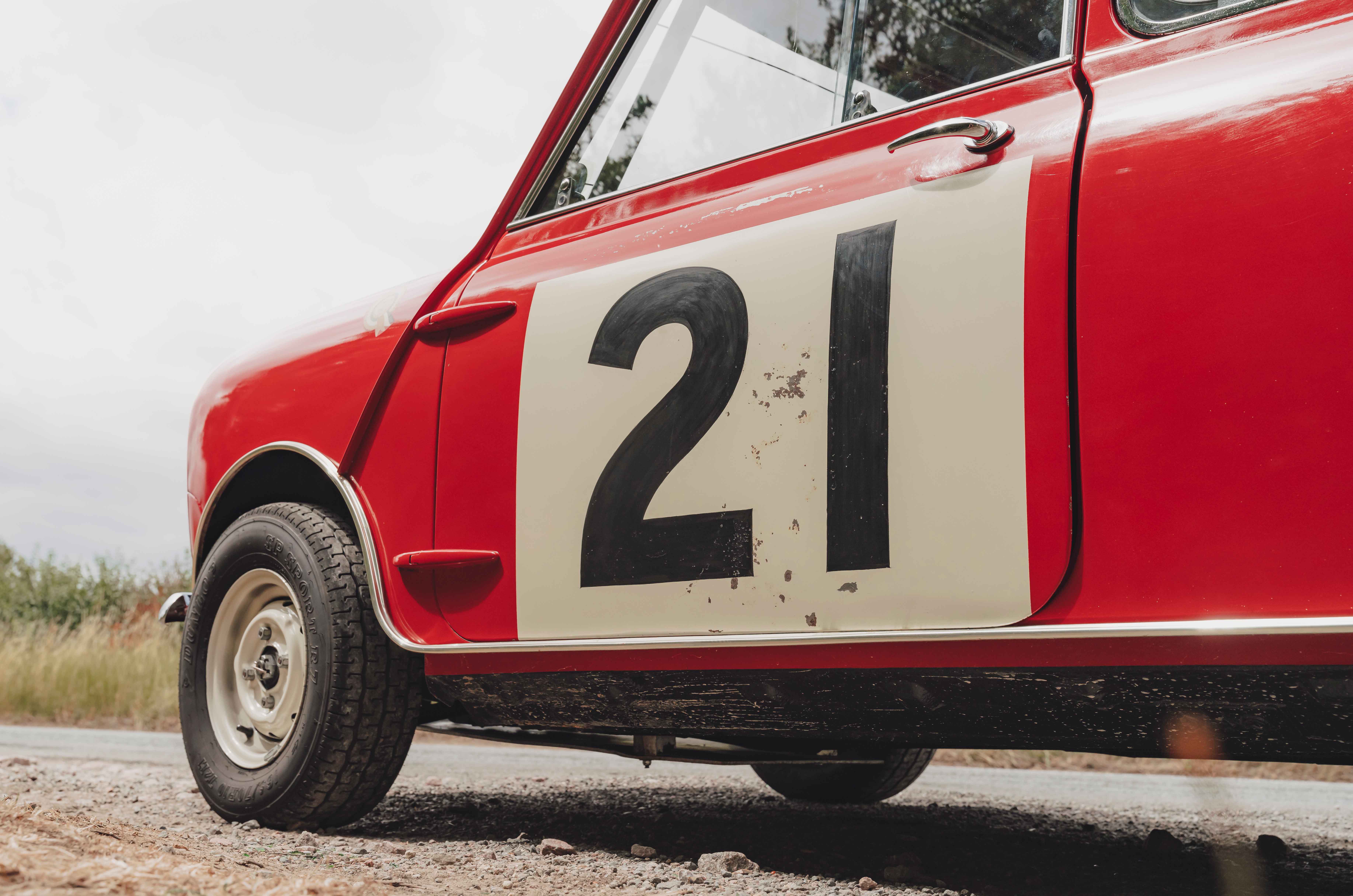
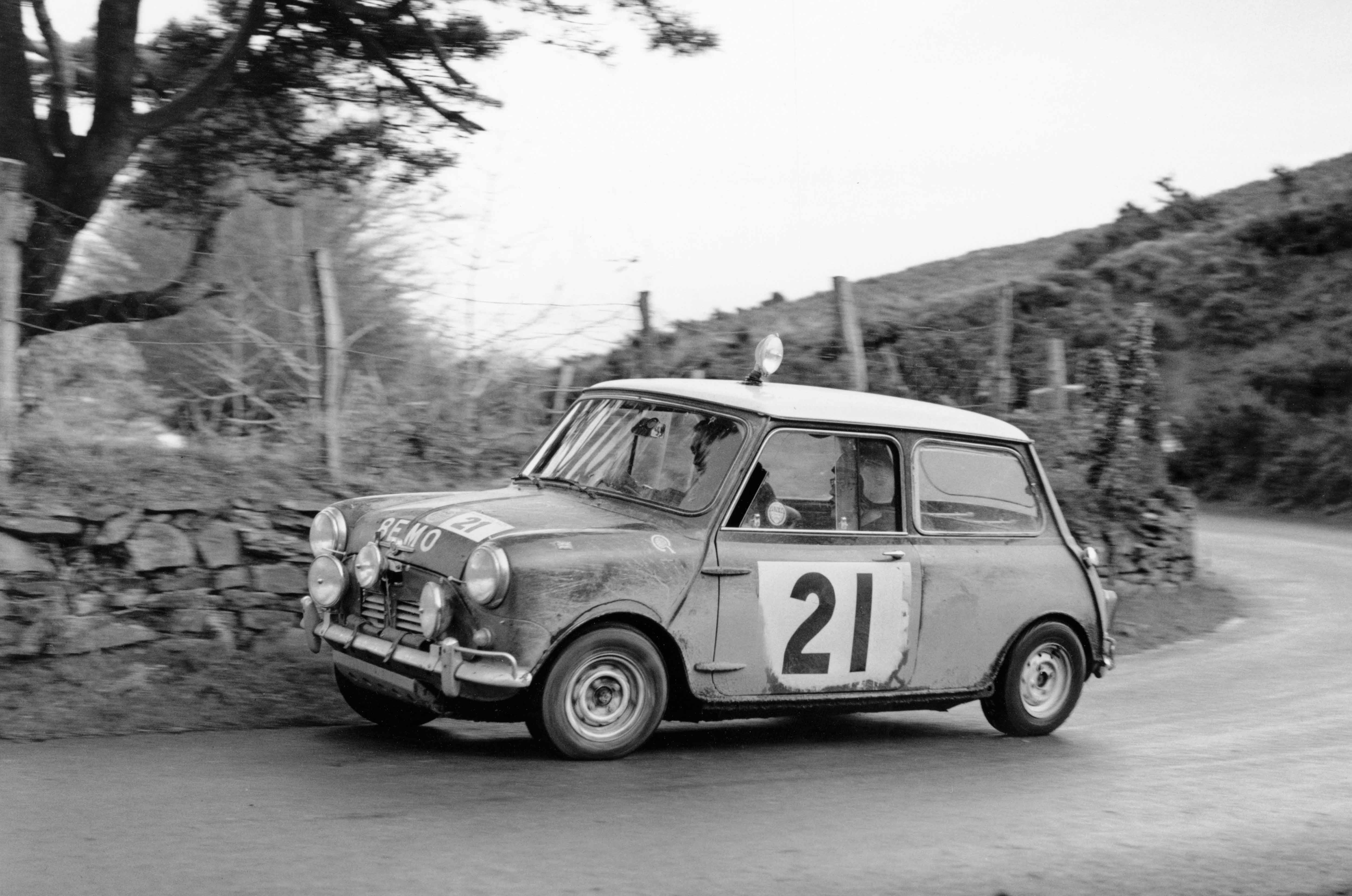
This Mini Cooper ‘S’ ran as number 21 on the 1963 RAC Rally

Its long, 81.28mm stroke was not happy maintaining high revs, and boring out the liners to 64.58mm (2.5in) left too little metal between the cylinders.

So Morris Engines had to come up with a different breed of A-series.

The short-stroke (68.2mm/2.7in) design was built around a nitrided crankshaft, 2in-diameter (51mm) big-end journals and siamesed bores, and it was crowned with a big-valve cylinder head.

This work transformed the A-series engine into a freer-revving motor that realised 15bhp more than the lesser Cooper, plus it propelled the new model to a 95mph top speed.

The 1071cc Cooper ‘S’ was announced in March 1963, but volume production didn’t start until the end of April, which allowed a sceptical BMC to evaluate demand.

Classic & Sports Car – Mini Cooper ‘S’: small soldier
BMC’s sporting and cultural icon still has the ability to dazzle

It needn’t have worried.

As we now know, the hot Mini went down a storm because of its capabilities and its performance – traits that demanded better, servo-assisted 7½in (191mm) in front disc brakes.

Aside from badging on the grille and on the bootlid, the main visual differences were the fitment of 3.5J ventilated steel wheels and a 120mph speedometer.

The ‘S’ shared colour and trim options with its older Cooper sibling, but it also had a long list of optional extras, which included 4.5J wheels, an extra, right-hand-side fuel tank, a sump guard, a close-ratio gearbox and a choice of final-drive ratios.

Classic & Sports Car – Mini Cooper ‘S’: small soldier

This Mini Cooper ‘S’ stands out with Competitions Department upgrades

8 EMO’s competition CV is rather short – or at least it is in the conventional sense.

The Competitions Department’s relatively new chief, Stuart Turner, had entered two examples of the Mini Cooper ‘S’, one Cooper and a brace of Austin-Healey 3000s into the 1963 RAC Rally.

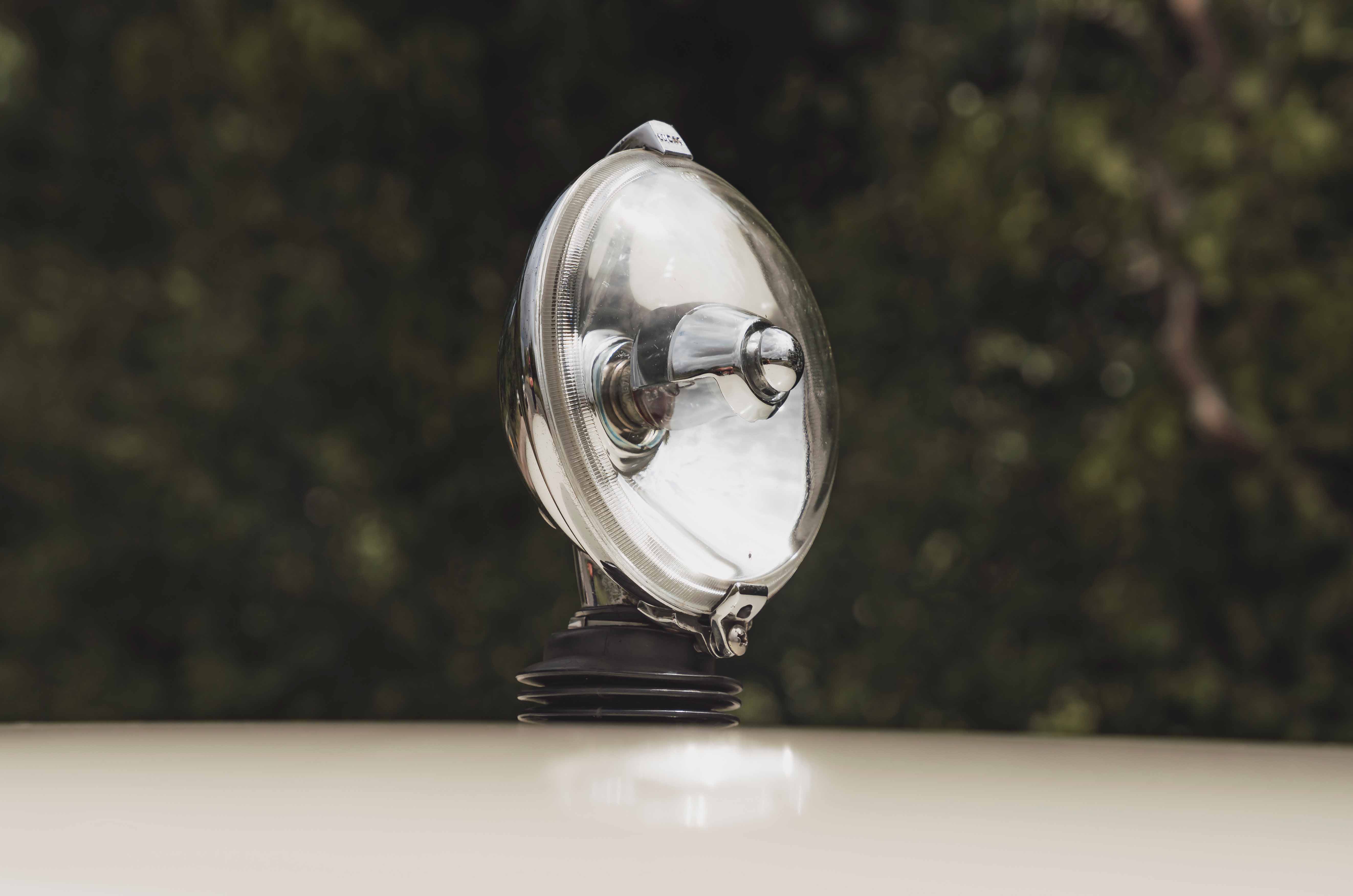
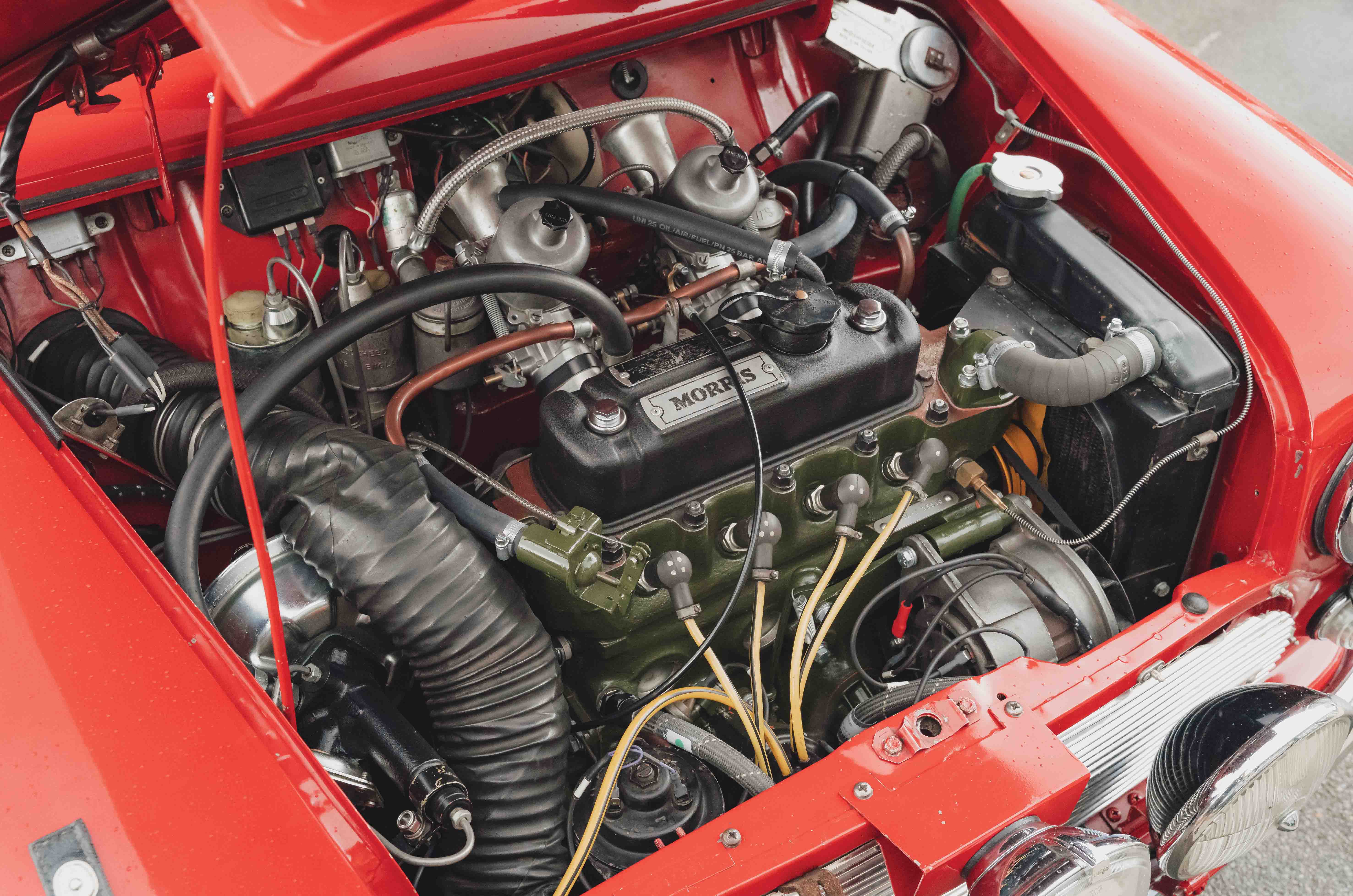
As number 21, 8 EMO ran twin 1½in SU H4 carburettors, an AEA731 camshaft, an 11:1 compression ratio, a 4.1:1 final drive and long-range lights running single-filament quartz-iodine bulbs.

The car was driven by Paddy Hopkirk, with Henry Liddon navigating.

The rally’s route started in Blackpool and doodled its way all over the British mainland.

Classic & Sports Car – Mini Cooper ‘S’: small soldier

The Mini Cooper ‘S’ is fitted with a 120mph speedometer

Consisting of comparatively easy road sections punctuated by stages on Forestry Commission tracks, it also included a test at Oulton Park and a hillclimb on the Porlock toll road in Somerset. The final stage was held at Wareham, Dorset.

The evening start in Blackpool resulted in a noise-test failure for some cars, including 8 EMO, along with a downpour, a miserable outlook for the Lake District and a police speed trap.

The ‘S’ was one of 40 Minis starting the RAC – more than twice as many as the second most popular model, the Ford Cortina.

On Grizedale, Cumbria, the first of the 43 regularity special stages (three were cancelled due to the weather), 8 EMO was sixth behind fifth-placed Åke Andersson’s Saab 96 and Harry Källström’s Volkswagen 1500S in fourth.

Classic & Sports Car – Mini Cooper ‘S’: small soldier

The stripped-out Mini Cooper ‘S’ has straightforward instruments and toggle switches

Ahead of them were Timo Mäkinen and Mike Wood in one of the Competitions Department’s Big Healeys, and the Saab 96 of Erik Carlsson and Gunnar Palm tied for second place. In the lead was the works Volvo PV544 of Tom Trana and Sven Lindström.

Towards the end of the event, Motor Sport noted that Porlock’s toll road would ‘make a very fine speed course if this ever comes about’, before remarking that ‘Paddy Hopkirk really had his Morris Cooper “S” going, holding it close in round the corners’.

Due to the weather and also Hopkirk’s masterful drive, not much ink was expended on 8 EMO’s RAC campaign.

Classic & Sports Car – Mini Cooper ‘S’: small soldier

‘The swift, informative steering and the chassis’ reactions are perfectly in tune with one another’

The rally was won by Trana’s Volvo, followed by Källström’s Volkswagen, Carlsson’s Saab, with Hopkirk/Liddon in fourth place overall.

The Mini Cooper ‘S’ was the highest-placed BMC finisher, with all its Competitions Department siblings having completed the horrid, wet and muddy 2200-mile event.

They contributed towards a total of 20 BMC competition cars that were among the RAC’s 88 finishers.

In the 1964 season, 8 EMO was used as a reconnaissance and practice vehicle for events such as the Tulip and Alpine rallies, and as a testbed for new and improved competition Hydrolastic suspension components.

Classic & Sports Car – Mini Cooper ‘S’: small soldier

The Mini is roomy once you’re in, but the driving position is awkward

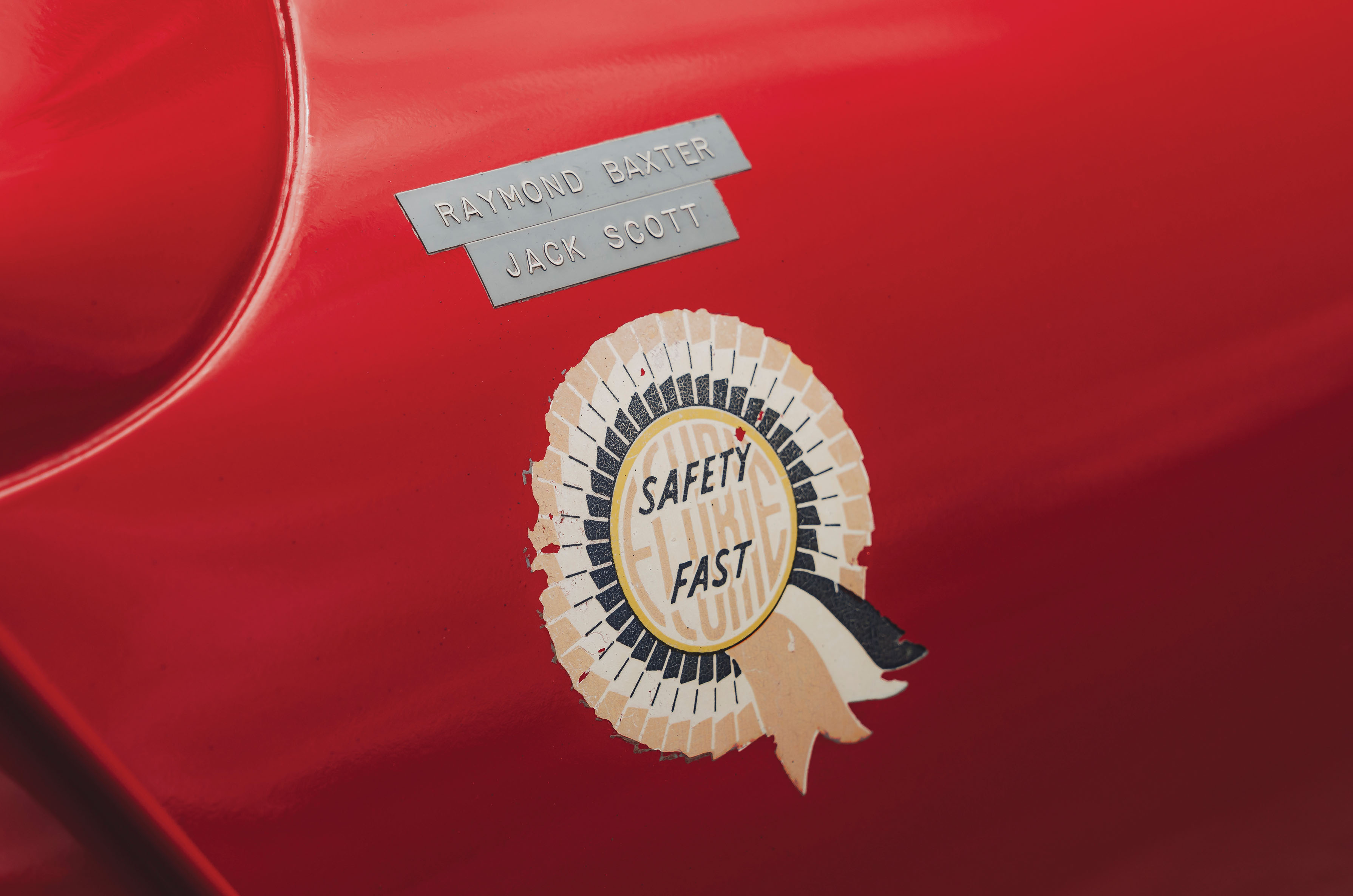
The Mini Cooper ‘S’ was then rebuilt to 970cc specification with the new suspension for an assault on the 1-litre class at the 1965 Rallye Monte-Carlo, with the crew of Raymond Baxter and Jack Scott.

Sadly, though, as the car drove from Poland to the Minsk start, the fresh short-stroke A-series threw a rod, and it was a case of ‘that’s all folks’.

Returned to the Competitions Department’s Abingdon base, 8 EMO was fitted with a new 1275cc ‘S’ engine for the 10th International Police Rally in Huddersfield.

The Mini won not only the rally outright, but also the Inter-Nation, Marque Team and four other class prizes, being the only car to finish without a penalty.

Classic & Sports Car – Mini Cooper ‘S’: small soldier

The all-important ‘S’ graces the Mini Cooper’s badge

It then took part in the BMC Team Car Performance Evaluation Day at Silverstone before returning to its reconnaissance role.

It was sold off to Burnley BMC dealer, Oswald Tillotson, in July 1966.

Privateer Geoff Halliwell drove 8 EMO on a number of rallies and hillclimbs, before the Mini went to two further custodians.

It was eventually rediscovered in a dilapidated state, painted green, in 1983. It was later restored by owner and works Mini expert Robert Young, returning it to 1965 1275cc ‘S’ specification.

In July 2024 it underwent another rebuild – one that thankfully kept Henry Liddon’s cigarette burn on the passenger seat.

Classic & Sports Car – Mini Cooper ‘S’: small soldier

Raymond Baxter and Jack Scott were all set for the 1965 Rallye Monte-Carlo before the 970cc engine blew

Today, 8 EMO is believed to be the only works Mini Cooper ‘S’ to have been fitted by BMC with all three ‘S’-specification engines across its life.

Eventually, after navigating some stop-start traffic, other road users melt away and the road opens to curvy topography. Now it’s time to enjoy this Mini’s sharp throttle.

The view through the heated windscreen is soon melding and morphing rapidly. 

The Competitions Department was famous for its ability to transform cars from unremarkable to sensational, but with the Cooper ‘S’, the team was really pushing at an open door.

The Mini’s appetite for bends is positively gleeful.

Classic & Sports Car – Mini Cooper ‘S’: small soldier

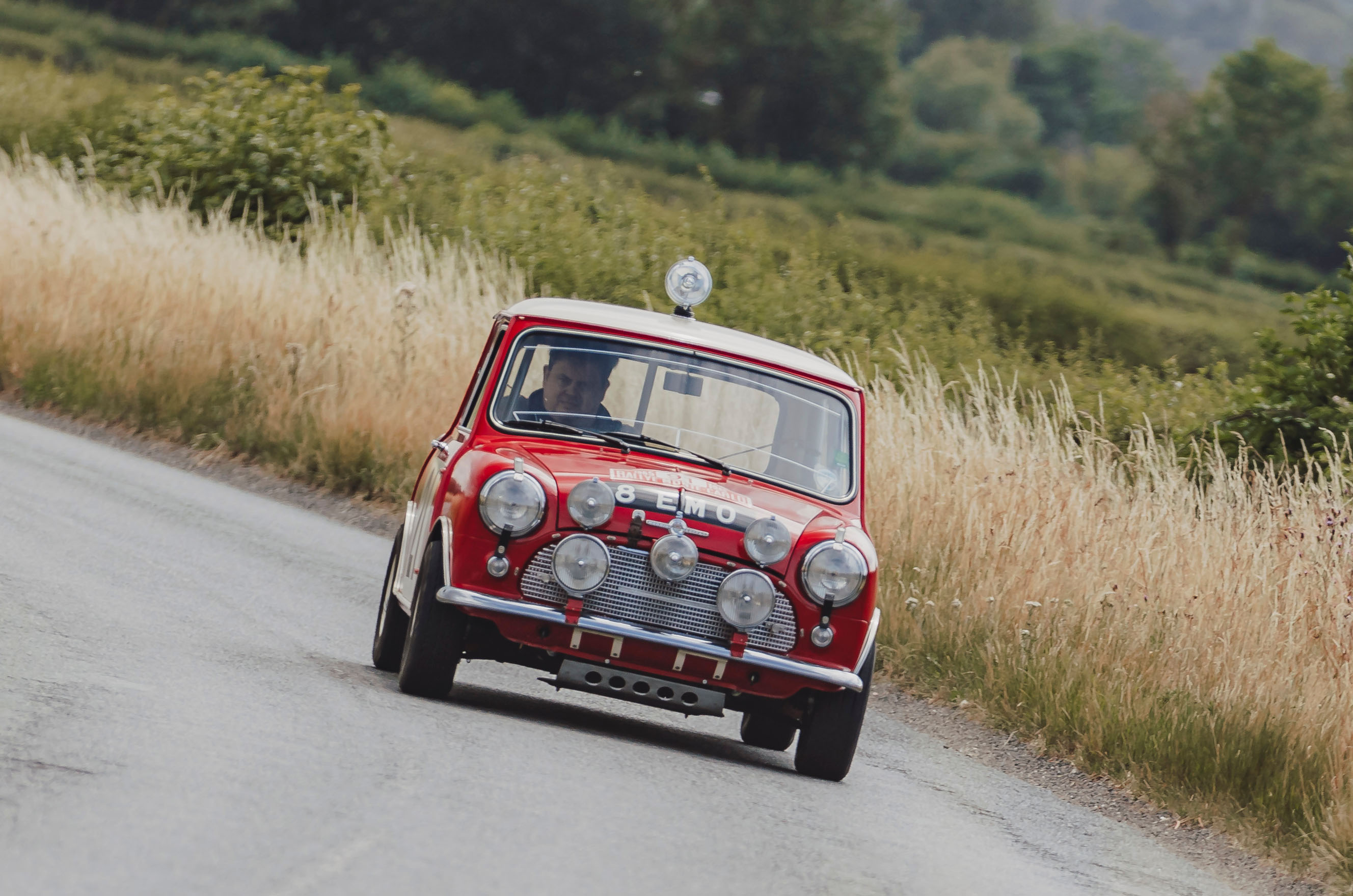
The Mini Cooper ‘S’ has tenacious grip and lightning-quick steering

Turn this classic car’s leather-wrapped, Moto-Lita steering wheel just slightly and drivers used to the numbness of a modern machine might well get a shock.

The swift, informative steering and the chassis’ reactions are perfectly in tune with one another.

In this Mini there is a complete absence of apathy and inertia – there is no pause, roll and settle in this chain of command.

More confidence means more speed, and here lies the key to the Mini legend.

The self-centring and weighting of 8 EMO’s steering, though, suggests that the Abingdon works wizards have tinkered somewhat with its castor.

Classic & Sports Car – Mini Cooper ‘S’: small soldier

Originally running a 1071cc engine for the 1963 RAC, 8 EMO now has a 1275cc unit, as fitted in 1965, with twin SU H4 carburettors

The main dials are largely superfluous, because anyone with an ounce of mechanical sympathy will change up before 6500rpm.

As for the 120mph speedometer, it is ignored because your eyeballs are far too busy inhaling the view that is pouring through the windscreen.

Playtime is paused to take note of the gearing: 4500rpm at an indicated 60mph in top.

At 3000rpm, the 1275cc starts to sound as if it means business, and by 5000rpm it is really getting worked up. It is a touch thrashy, but it never sounds unpleasant or savage.

Power and torque delivery are both wonderfully linear, and sufficient to surprise the driver in a tailgating modern who clearly subscribes to the thinking that ‘all old cars are slow cars’.

Classic & Sports Car – Mini Cooper ‘S’: small soldier

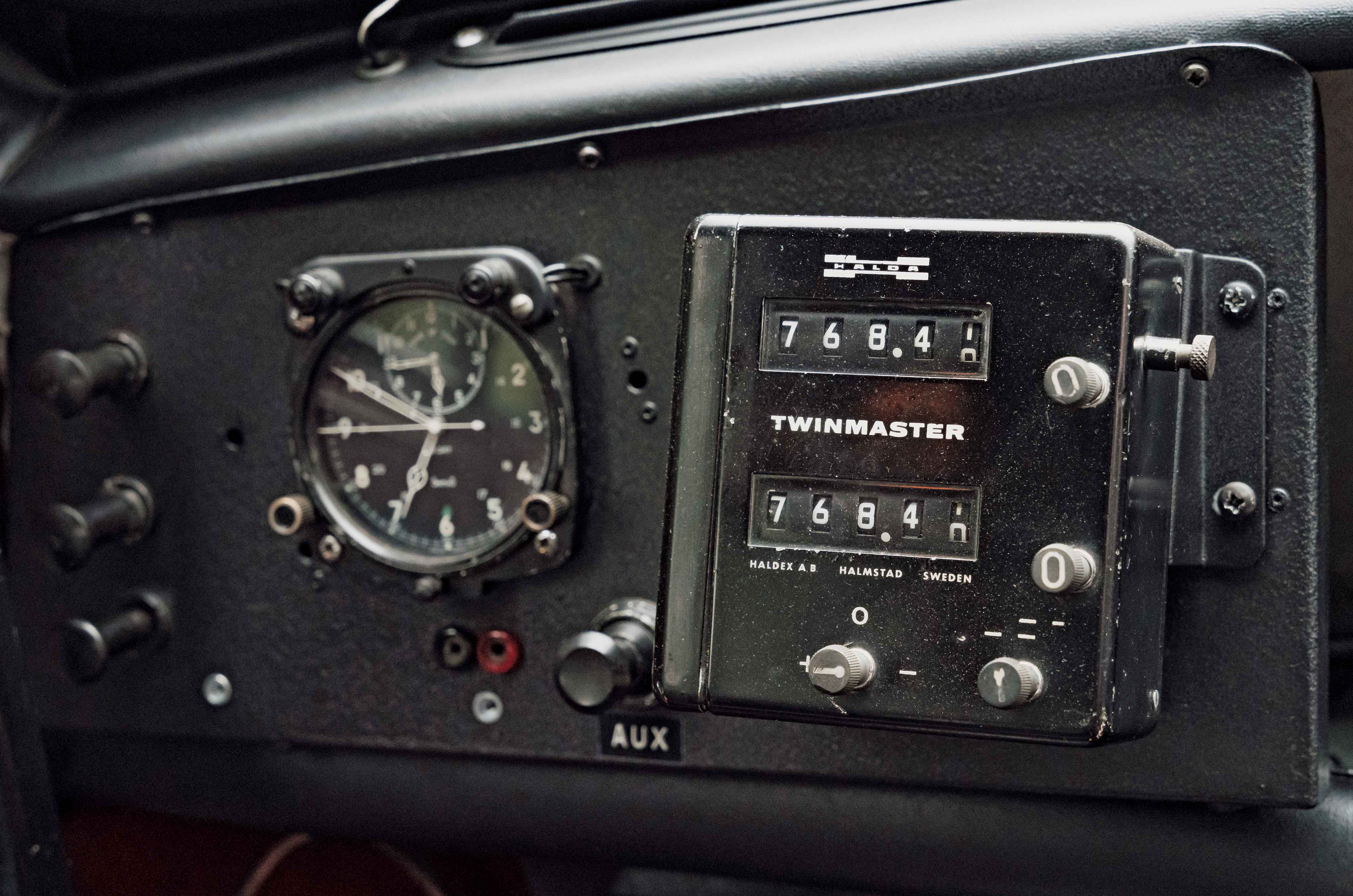
The Mini’s period-correct Halda Twinmaster tripmeter

Should you get carried away, there is a fly-off handbrake.

It’s just one of a few touches the technicians bestowed on this Mini Cooper ‘S’ to help it thrive in motorsport.

There is also a heater-pipe wrapping for the gearstick to damp noise and vibration from the straight-cut gears, and a steering-column lowering bracket to make the driving position feel less On the Buses (a British TV sitcom of the late 1960s and ’70s).

Gears are easily selected, with a slight rubbery texture – only first needs a precautionary detour to second before slotting home.

Is this the best 1960s Mini gearchange I’ve used? Definitely.

Classic & Sports Car – Mini Cooper ‘S’: small soldier

Paddy Hopkirk steers and slithers 8 EMO on its way to fourth place overall in the 1963 RAC Rally, for which this Cooper ‘S’ was built © Getty

The aforementioned bucket seat and four-point harness really do help plug you into this charismatic little classic car, enabling you to make the most of its handling and performance – although, once buckled in, only someone with extraordinarily long arms would be able to reach the ignition key.

Duly noted. Oh, and inevitably it comes with a BMC standard-issue electrical glitch – in 8 EMO’s case, confused front indicators.

The open sidescreens and cavernous nature of the Mini’s interior had made everything appear roomy and refreshing at first, but the environment has changed after the vigorous exercise.

Classic & Sports Car – Mini Cooper ‘S’: small soldier

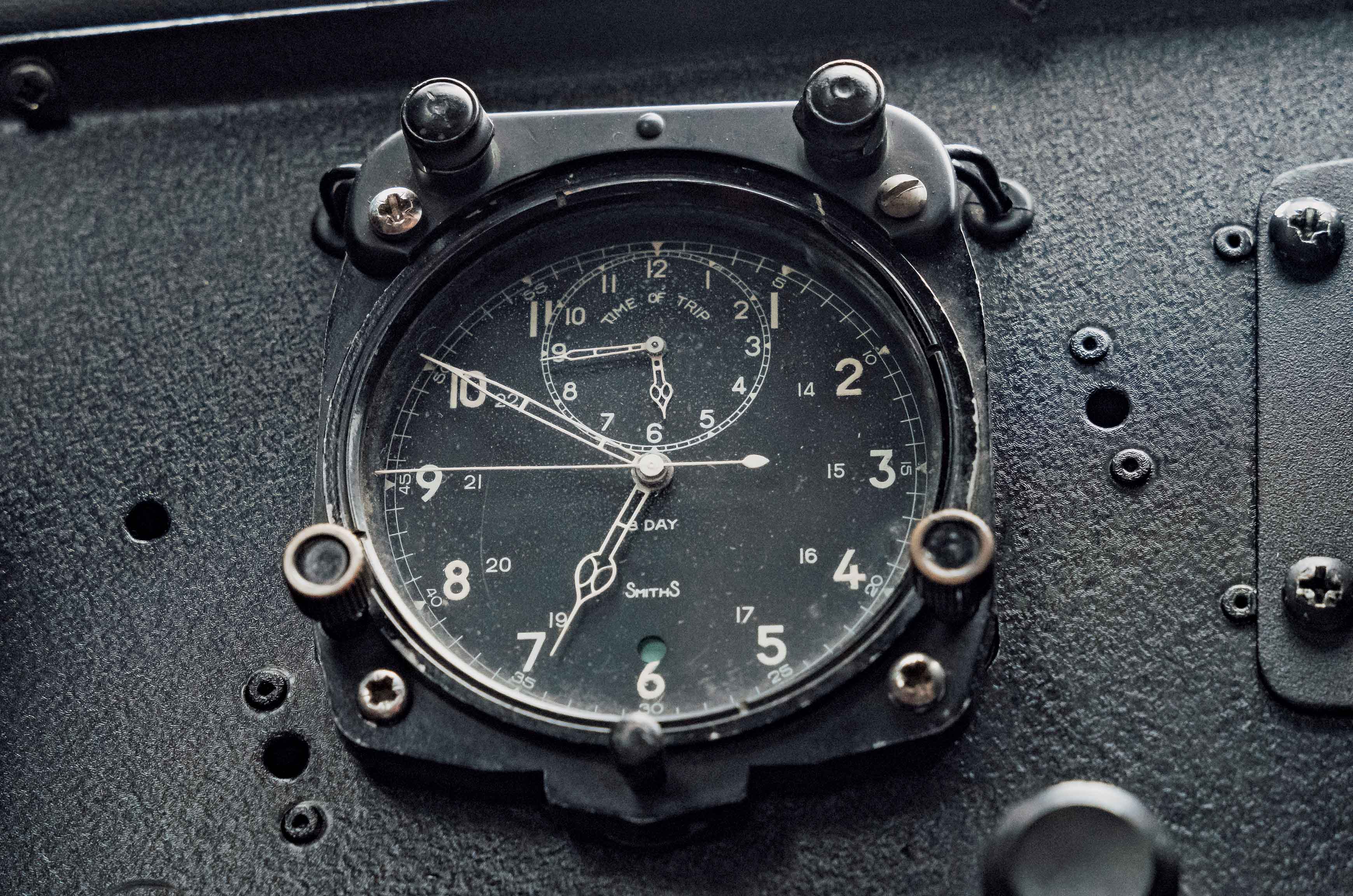
Smith’s timer in this works Mini Cooper ‘S’

Gone is the ventilated breeziness, bullied out by boorish heat soak, which has gatecrashed the cabin and made the party atmosphere almost too balmy.

I take a quick glance at the temperatures: all is well, and there is time for one last blast.

Squeeze the throttle and off the Mini Cooper flies, pumping through the gearbox’s four ratios to a speed that feels right for what lies ahead.

Steer, guide and smile as the Cooper ‘S’ skates through a sequence of esses on this titillating, cambered road.

At the apex of each there is a notional sense that the inside front wheel is almost pawing at the air.

Classic & Sports Car – Mini Cooper ‘S’: small soldier

Even at rest, the Mini Cooper ‘S’ is imbued with purposeful intent

Of course this shouldn’t come as a surprise, because this innate ability to build and hog momentum is why this little, now classic car became such a giant on rally stages, on screens large and small, and on race tracks the world over.

A smile becomes a wicked grin because of the weight, tactility and connection of the controls.

It is petrol-fuelled therapy that makes any troubles or concerns fall away, tumbling into the grass and hedgerows beside us.

Yes, it has been a while since I’ve spent much time with one of Issigonis’ marvels, but I think this drive with 8 EMO has been the most fun I’ve had with a Mini.

It’s a hoot.

Images: Max Edleston

Thanks to: Broad Arrow


We hope you enjoyed reading. Please click the ‘Follow’ button for more super stories from Classic & Sports Car.