Plymouth Belvedere ‘Max Wedge’: street fighter

| 5 May 2026
Classic & Sports Car – Plymouth Belvedere ‘Max Wedge’: street fighter
By the late 1950s, the National Hot Rod Association, founded in 1951, had already made the once edgy and transgressive activity of drag racing not only respectable in North America, but also hugely and crowd-pleasingly popular.

Popular enough that General Motors, Ford and Chrysler began to see the publicity benefits of getting involved on a semi-official basis.

In 1962 the sport went mainstream with the dawn of the Super Stocks, those pre-muscle-car factory drag racers that were, theoretically at least, ‘strip-ready’ showroom models.

Classic & Sports Car – Plymouth Belvedere ‘Max Wedge’: street fighter
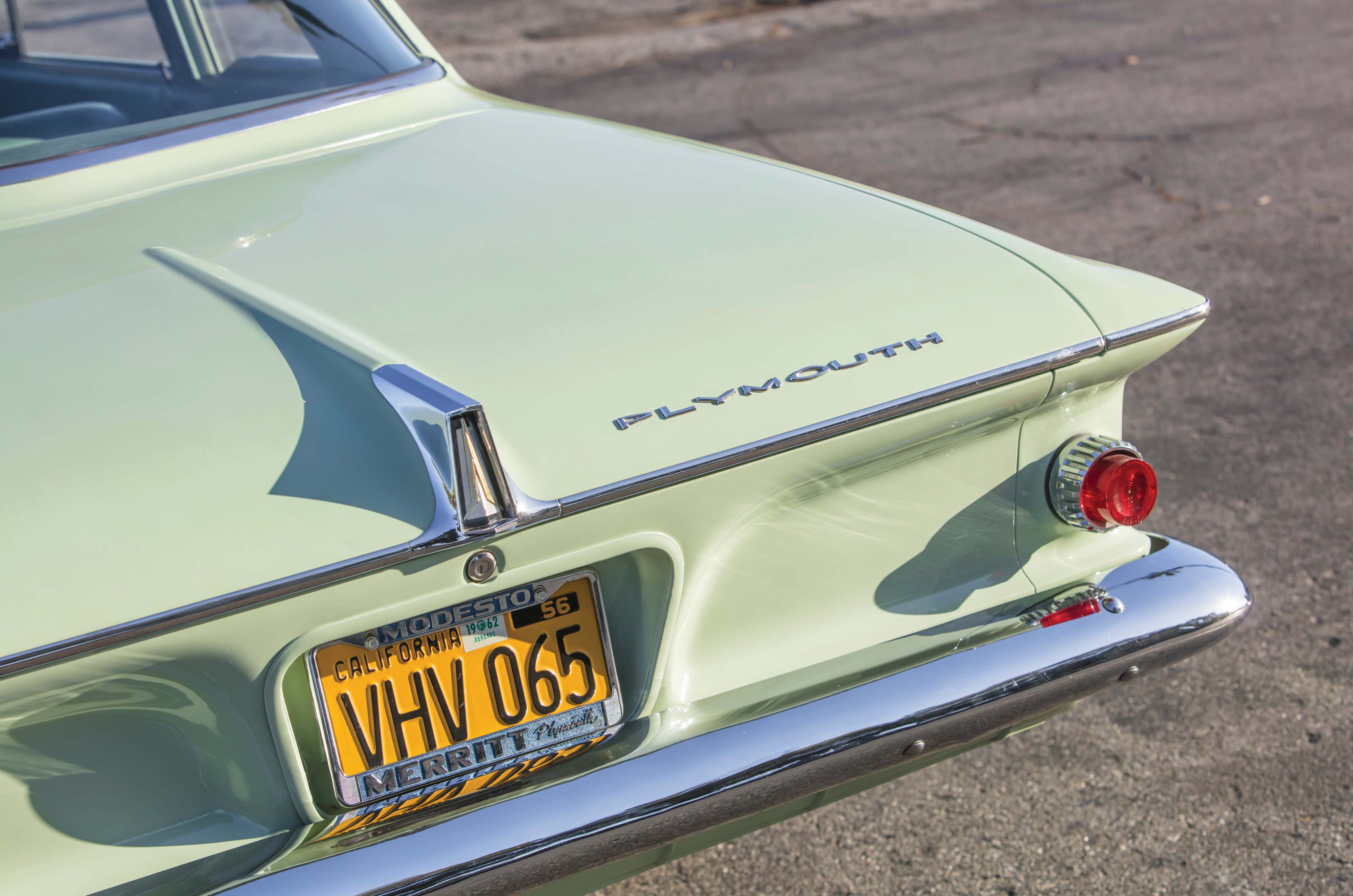
The Plymouth Belvedere Super Stock ‘Max Wedge’ has a neat central fin on its bootlid

Too thirsty, too noisy and too uncivilised to be daily drivers, many were run at NHRA Super Stock meetings as promotional tools, luridly signwritten for dealerships in some cases, others by private individuals.

Although these cars were not heavily promoted, in theory a Super Stock was available to anybody with the money and the inclination to go drag racing.

A Super Stock was a little more focused and a little more specialist than the much more commonly found and widely advertised muscle car (by common consent a genre invented, later, by Pontiac with the 1964 GTO).

It was bigger, too, if you stick to the definition of a muscle car being based on a mid-size platform.

Classic & Sports Car – Plymouth Belvedere ‘Max Wedge’: street fighter
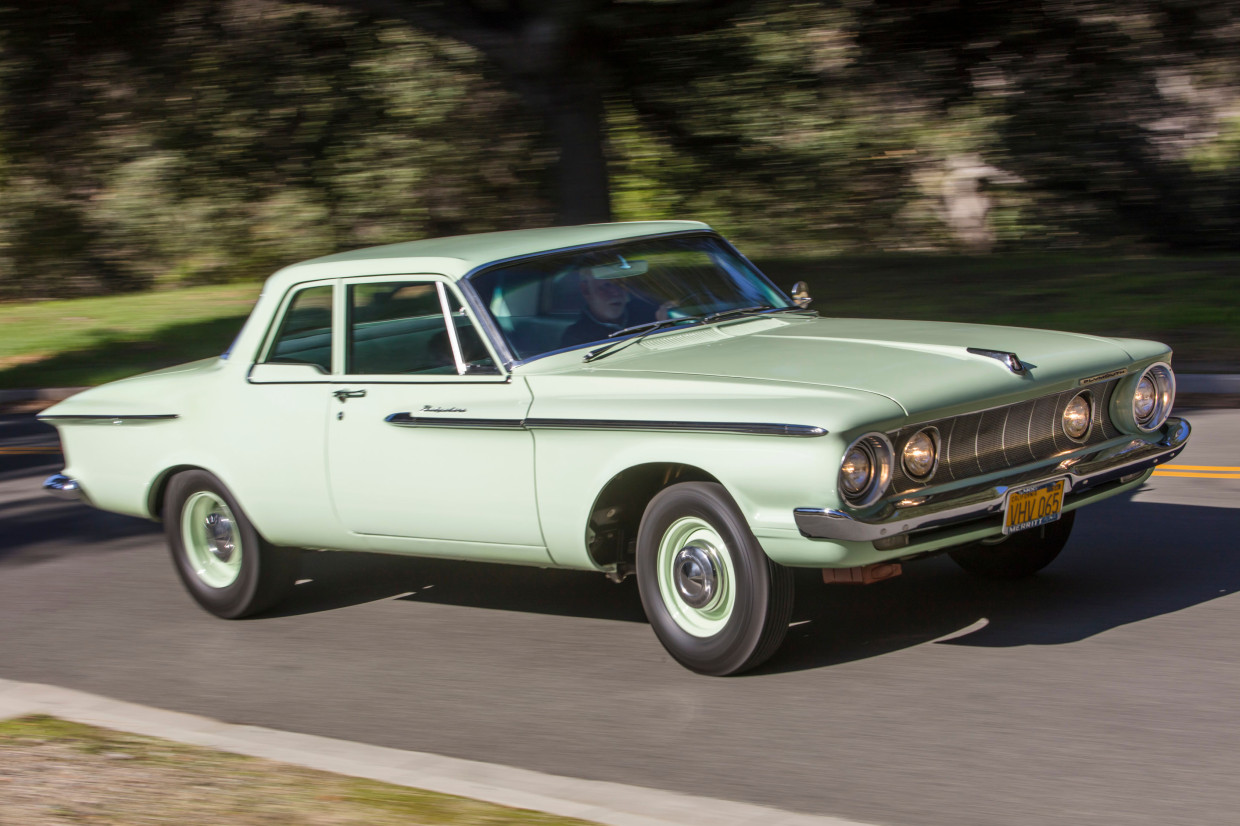
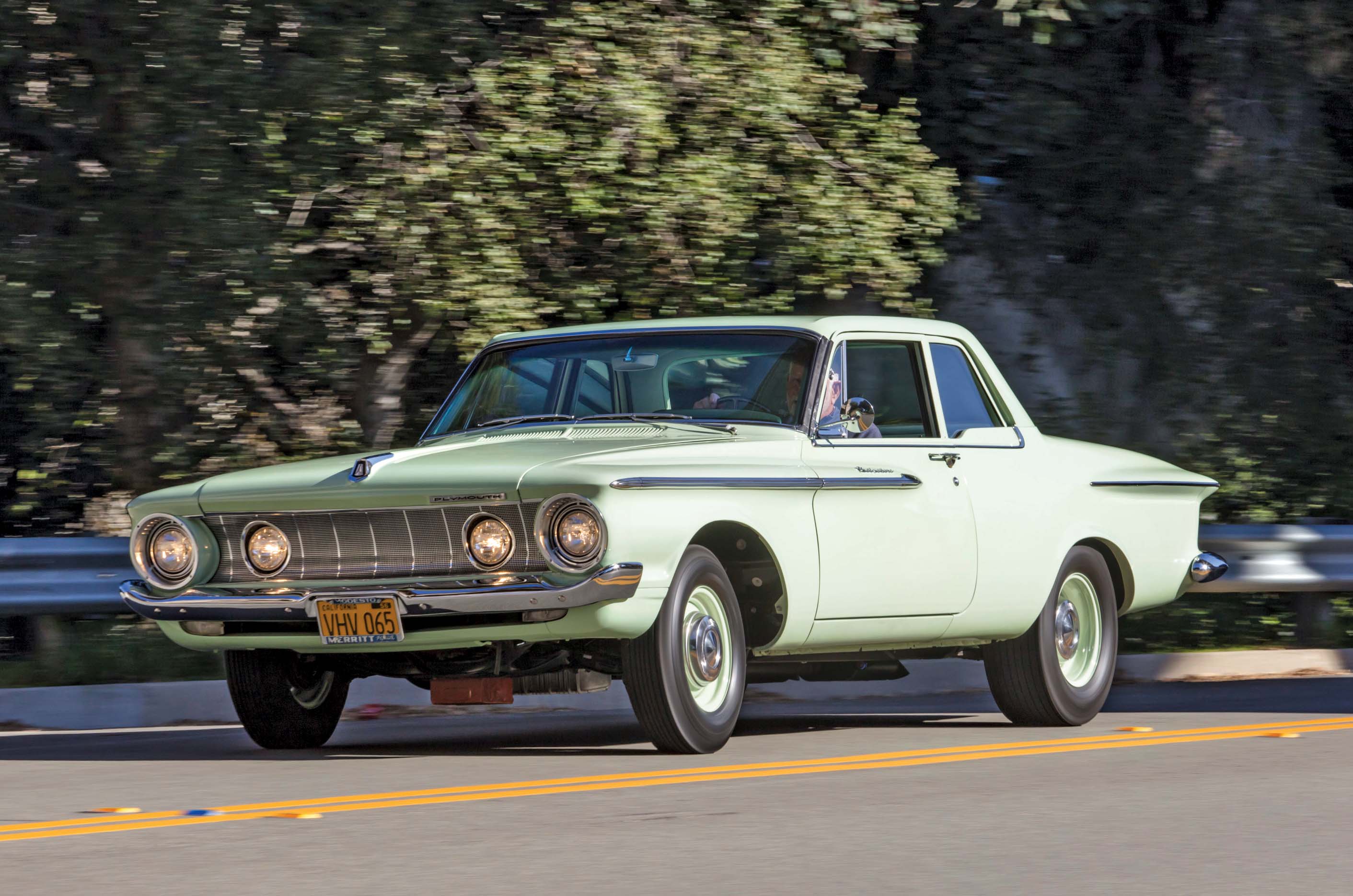
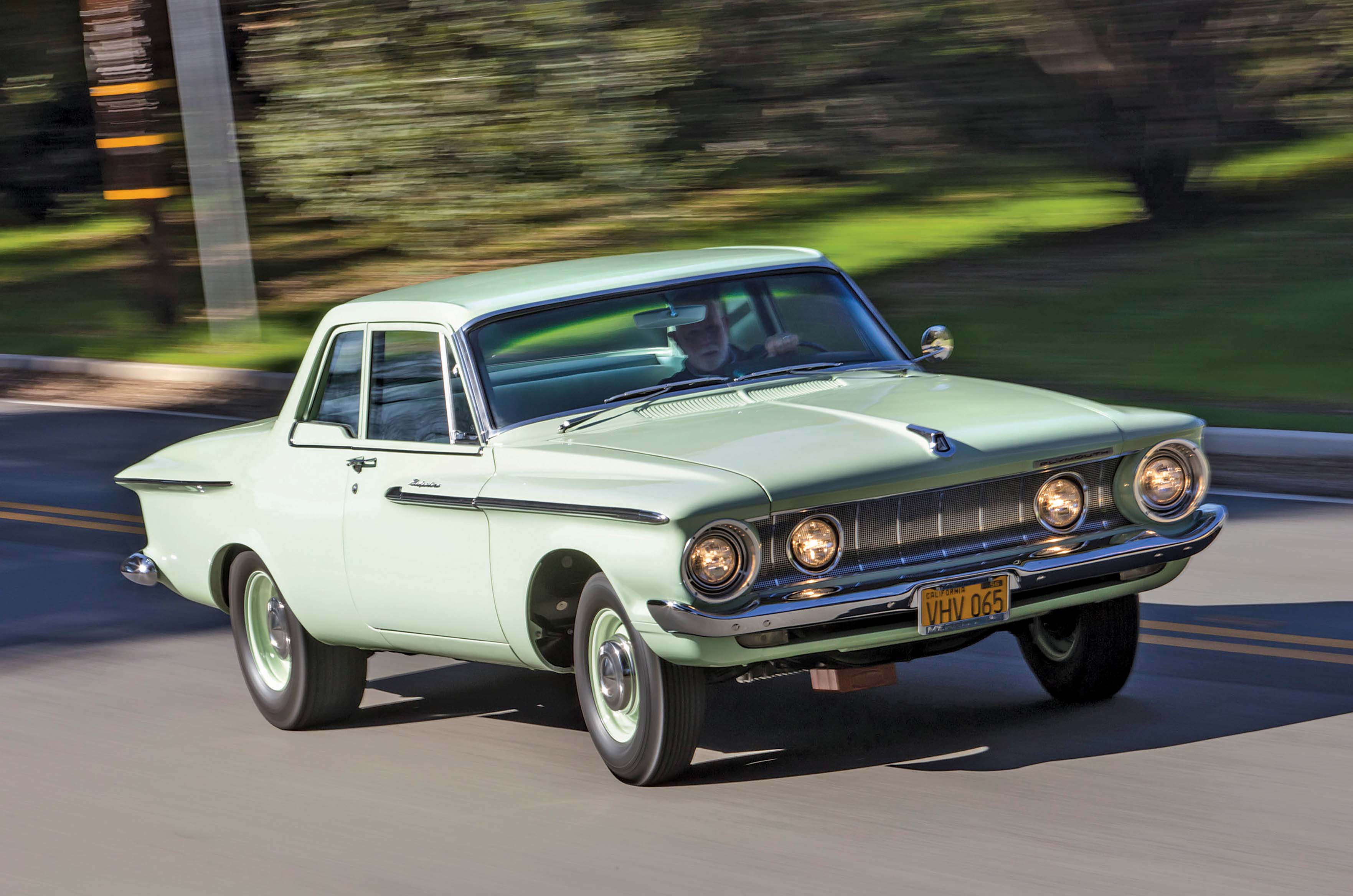
The Plymouth Belvedere Max Wedge is a dragster disguised as a grocery-getter

These thunderously uncompromising, stripped-out big-block sedans were built strictly in the pursuit – and the spirit – of drag-racing glory.

As a quarter-mile dash for production models, the Super Stock formula was based on the power-to-weight ratio.

Manufacturers only had to produce 100 copies of each to qualify, which in turn meant minimum disruption on the production lines.

Chevrolet, Ford and Pontiac all fielded strong, 400bhp-plus contenders, decked out with lots of carburettors, sky-high compression ratios and heavy-duty everything.

Classic & Sports Car – Plymouth Belvedere ‘Max Wedge’: street fighter
‘It lunges forward with renewed aggression as you’re thrown back into the bench seat. Handling? Brakes? Who cares!’

Manual gears and steering were a must, plus ‘billy basic’ trim levels, and the cars were generally denuded of items considered extraneous, such as a heater, radio or sound deadening.

Ford even built glassfibre-panelled NHRA Galaxies.

But whereas the Impala, Galaxie and Catalina were all full-sized models, Dodge and Plymouth had a natural advantage in that they were already mass-producing a lighter, intermediate-size line. 

At 17ft 5in long and 6ft 3½in wide, its latest ‘B-body’ saloons were huge by European standards, but a good 500lb lighter than the local full-size competition.

Classic & Sports Car – Plymouth Belvedere ‘Max Wedge’: street fighter
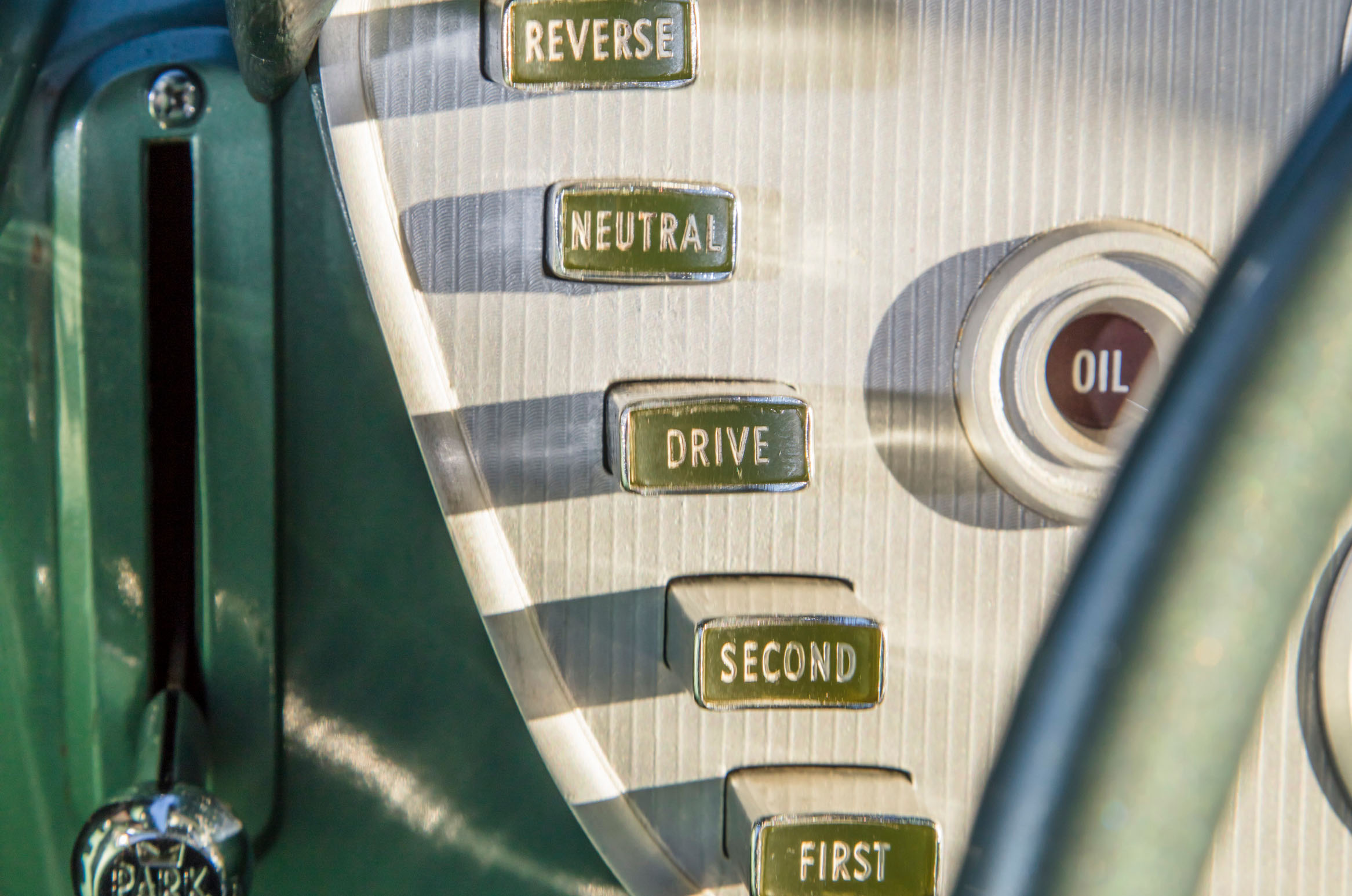
This Plymouth’s three-speed automatic gearbox is controlled by buttons on the dashboard

Sensing a shift towards smaller cars in the early ’60s, Chrysler conceived the Dodge/Plymouth B-body as an economy model – or, as the brochure put it, a car for ‘the low-priced field’.

What the catalogue doesn’t talk about is the 413 Super Stock option.

For $3300, certain Plymouth/Dodge dealers would sell you a B-body car with a 413cu in (6.8-litre) engine in ‘Max Wedge’ drag-racing tune. 

The cars were tacitly street legal, but generally sold on the understanding they would be used in the increasingly popular NHRA Super Stock class.

Classic & Sports Car – Plymouth Belvedere ‘Max Wedge’: street fighter
The Plymouth Belvedere Max Wedge can be relatively benign when it’s driven sedately

Mopar was hungry for the positive publicity the cars would garner, and eager to reap the benefits of the glory that would be reflected on lesser Dodge and Plymouth models; equally, it was wary of exposing itself to warranty claims.

So while it didn’t really expect customers to drive these cars on the street on a regular basis, a warning was officially issued to the effect that if, on the other hand, you dragged your new Max Wedge, the warranty was void.

The handbook also pointed out that full throttle should not be used on the road for more than 15 secs, and that the idle would be rough and the fuel consumption heavy.

Owners were even issued with a book giving all the engine part numbers, just in case you blew yours up.

Classic & Sports Car – Plymouth Belvedere ‘Max Wedge’: street fighter
‘The 413 Super Stock engine was more than just big. Beefed-up internals included a forged crank and pistons, plus bigger valves’

Just 214 Dodges and 298 Plymouths were Max Wedge-equipped.

Most ended up fitted in the two-door sedan body because it was the lightest and strongest, although theoretically the Max Wedge (never an official brand name, but referencing the shape of the combustion chambers) was Sales Code-available in everything bar the station wagon.

It was a Max Wedge Plymouth Savoy – Tom Grove’s ‘Melrose Missile’ – that shattered NHRA Super Stock records in ’62 by becoming the first production-engined car to break the 12 secs barrier for the quarter-mile: 11.93 secs at 118.57mph.

It was only the arrival of the second-generation Hemi V8 in 1964 that broke the dominance of the Max Wedge Plymouths and Dodges.

Classic & Sports Car – Plymouth Belvedere ‘Max Wedge’: street fighter
The Plymouth Belvedere Max Wedge’s looks belie its raucous performance

For Dodge the Max Wedge option, which was exclusive to the B-platform cars, was called the 413 Ramcharger.

It was the same unit, as you might expect, built in small quantities on Chrysler’s marine engine production line.

The 413 Super Stock motor was more than just big. Beefed-up internals included a forged and shot-peened crankshaft, double valve springs, magnafluxed connecting rods, forged aluminium pistons, hardened journals, and bigger intake and exhaust valves.

The stainless-steel head gaskets were more heat-resistant and the exhaust valves were ¼in larger – so ‘eyebrows’ had to be machined in the bores to accommodate them. It had a more aggressive, 300°-duration cam and twin distributor points.

Classic & Sports Car – Plymouth Belvedere ‘Max Wedge’: street fighter

The Plymouth Belvedere Max Wedge is a ready-to-race sedan created for drag racing’s Super Stock era

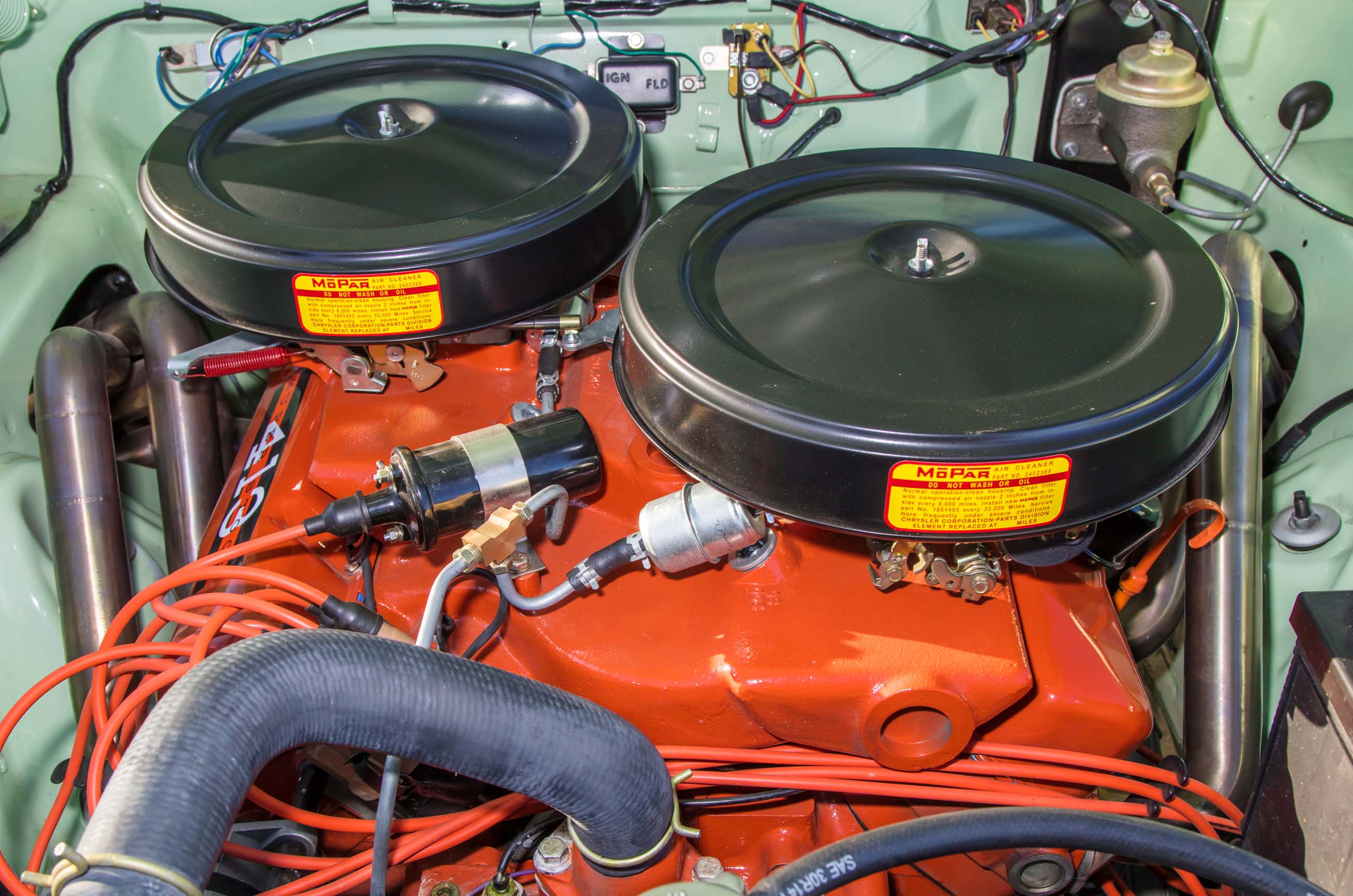
The distinctive, raised ‘cross-ram’ inlet ports and staggered twin Carter 600CFM four-barrel carburettors fed opposing cylinder banks.

Conceived by Chrysler’s Tom Hoover, the 15in ‘short-ram’ induction pipes gave greater airflow.

With the potential to run up to 6500rpm, these induction tracts were found to boost top-end power at the expense of a smooth idle in road use.

As a precaution against belt-throwing at high revs, the pulley on the alternator featured a deeper groove.

Low-restriction, high-capacity air cleaners were fitted, plus a high-output fuel pump.

Classic & Sports Car – Plymouth Belvedere ‘Max Wedge’: street fighter

This classic Plymouth packs a serious punch

Running an 11:1 compression ratio (or 13.5:1, which required 102-octane fuel), 410-420bhp was quoted at 5000rpm, although these were thought to be conservative numbers.

As the adverts pointed out – ‘New Thunder on The Strip!’ – this was in the realm of one horsepower per cubic inch or, if you like, one horsepower for every 8½lb of automobile.

The 413 block was shared with a truck application in high-nickel-content cast iron.

Classic & Sports Car – Plymouth Belvedere ‘Max Wedge’: street fighter

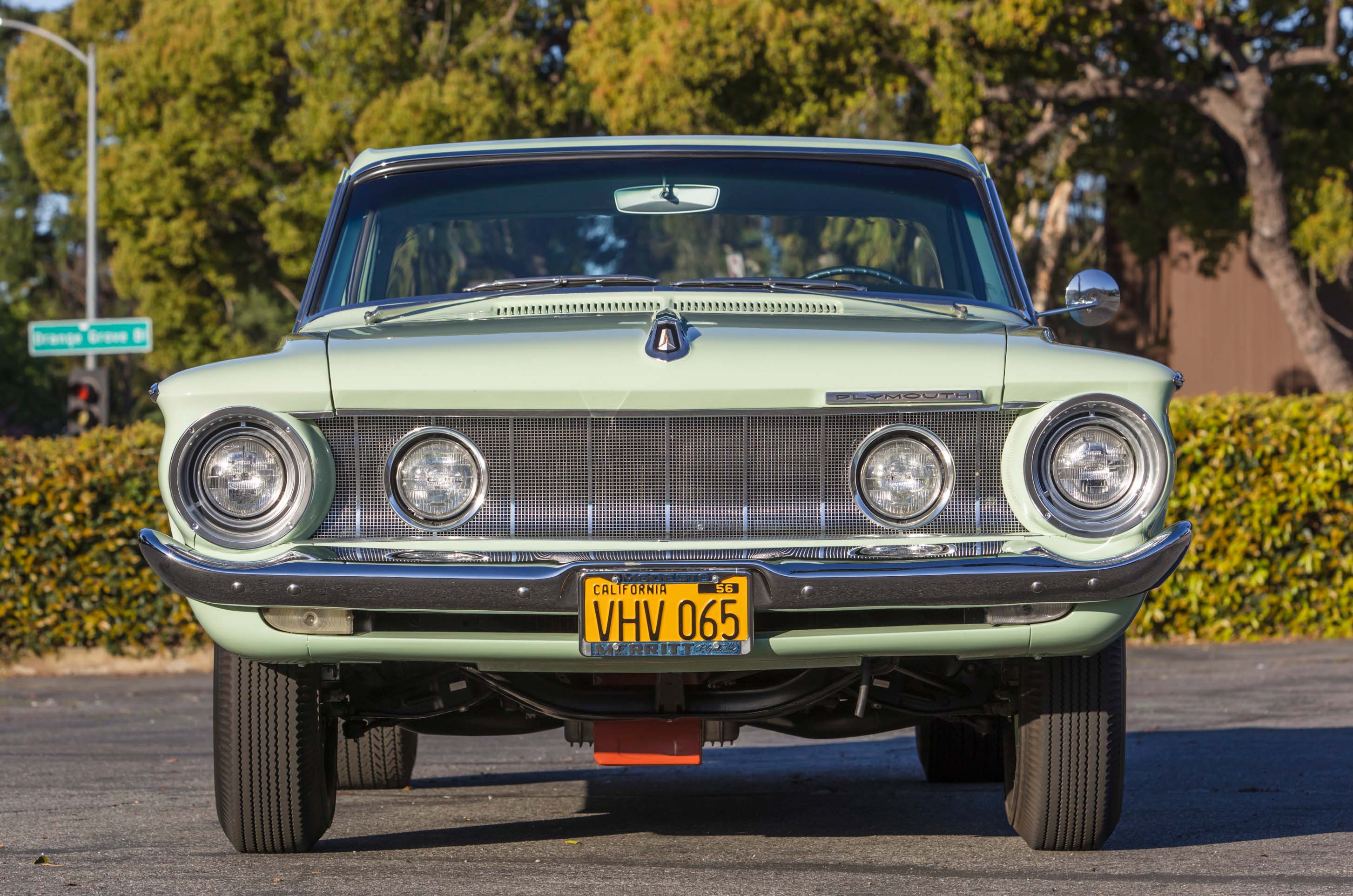
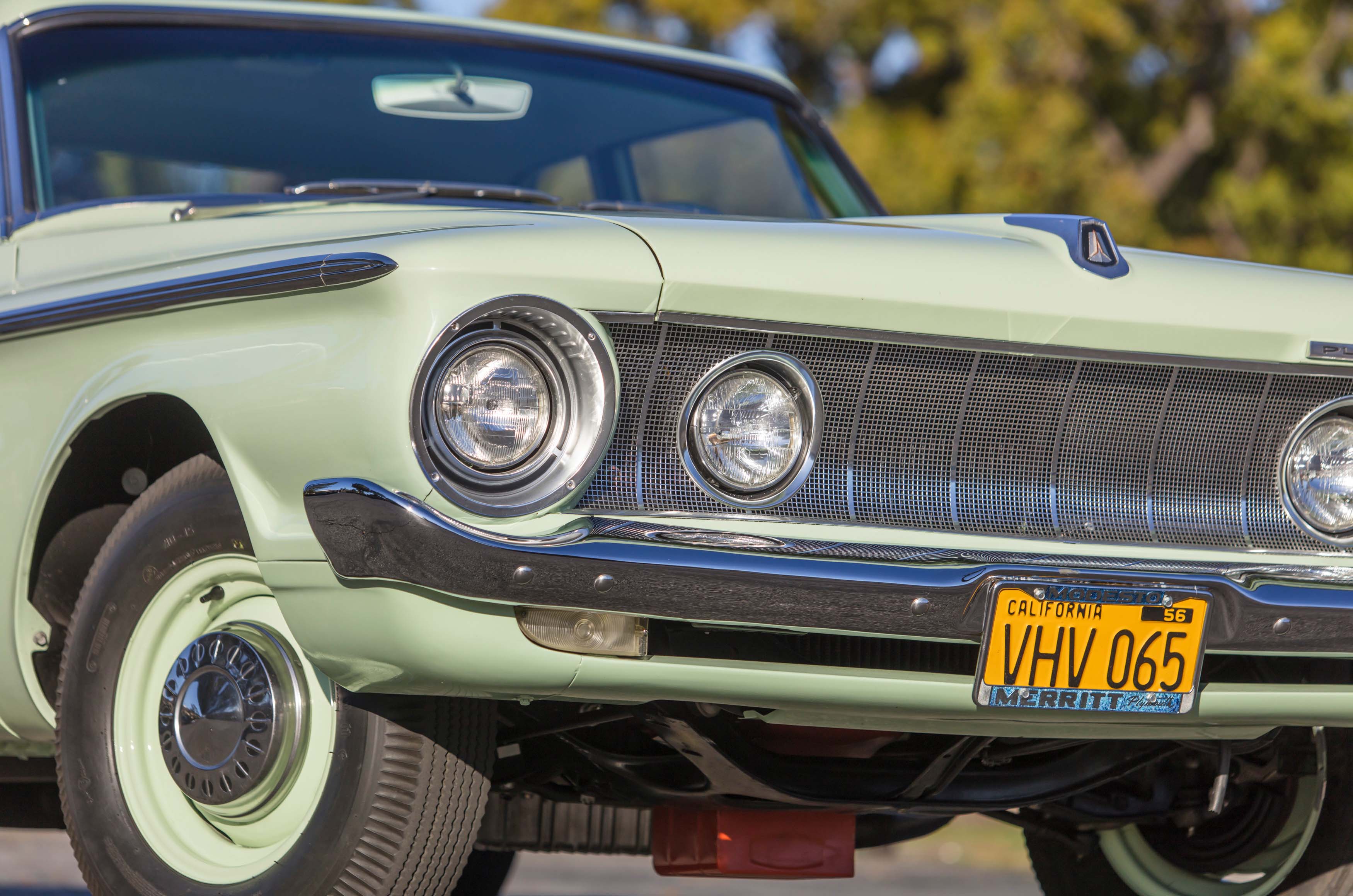
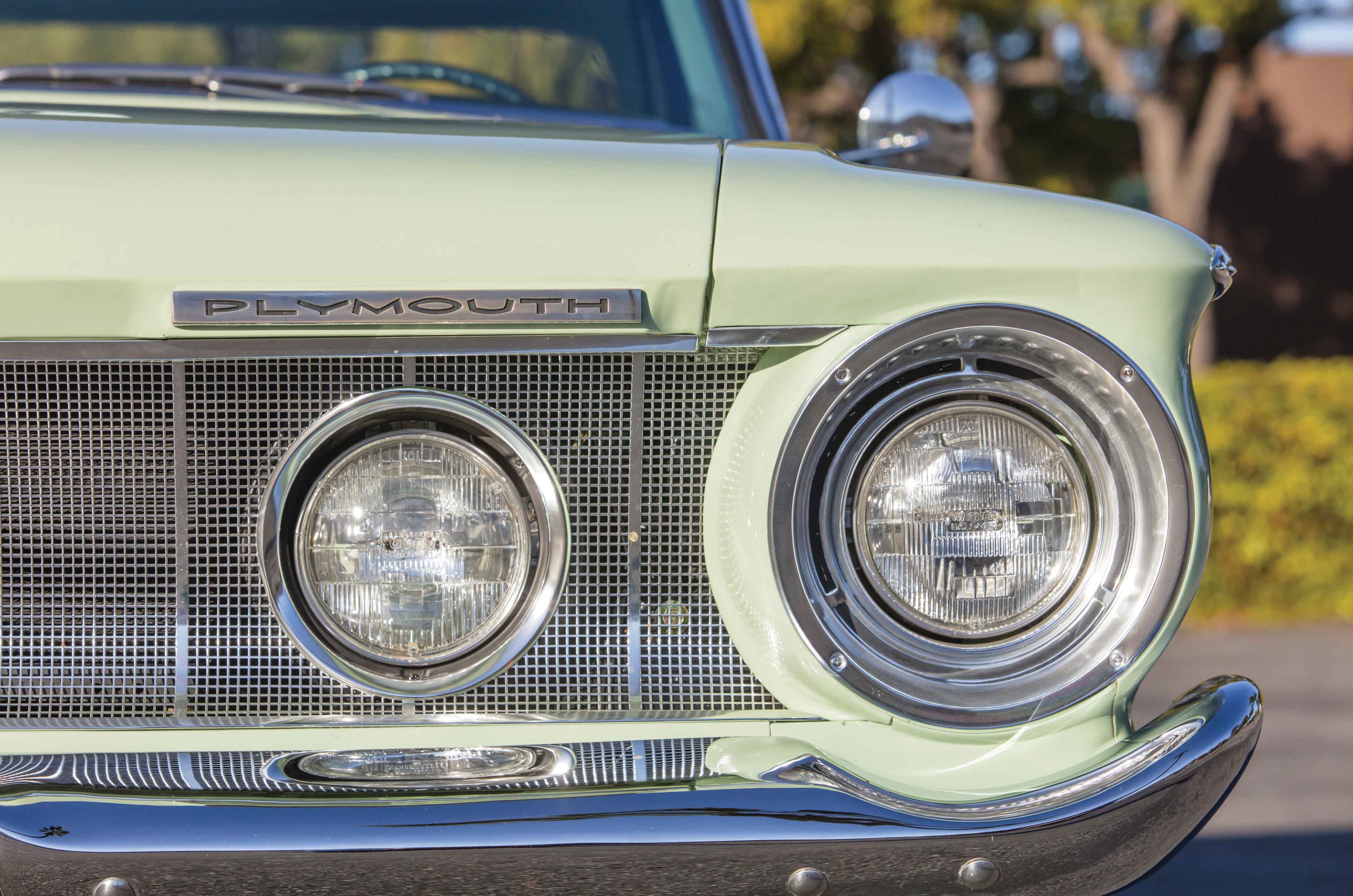
The Plymouth Belvedere Max Wedge’s fine-mesh grille

There was a baffled sump, with a front-to-rear swinging oil pick-up to cope with acceleration and deceleration.

Four-bolt removable cut-outs in the 3in exhaust downpipes boosted power when required.

The 413cu in (6771cc) Super Stocks used heavy-duty torsion-bar suspension at the front and leaf springs at the rear, where the axle’s limited-slip differential – marketed as ‘Sure Grip’ – could be ordered with seven different final-drive ratios, from 2.93:1 to 4.89:1.

The standard Savoy/Belvedere/Fury came as a two-door hardtop and pillared sedan, a four-door sedan (with or without centre post) and a six- or nine-seater family-friendly station wagon.

Classic & Sports Car – Plymouth Belvedere ‘Max Wedge’: street fighter

The Plymouth Belvedere Max Wedge’s thunderous acceleration is relentless

To get the convertible body you had to opt for the Fury package.

However, the 3.7-litre ‘economy’ straight-six or three varieties of V8 were available throughout the range, from the 230bhp V800 to the 300bhp Golden Commando.

All were running alternators at a time when they were largely unknown on British cars.

These units were teamed with Chrysler’s Torqueflite automatic transmission – this was the first year to feature the ‘Park’ position – as an alternative to a three-speed manual.

Classic & Sports Car – Plymouth Belvedere ‘Max Wedge’: street fighter

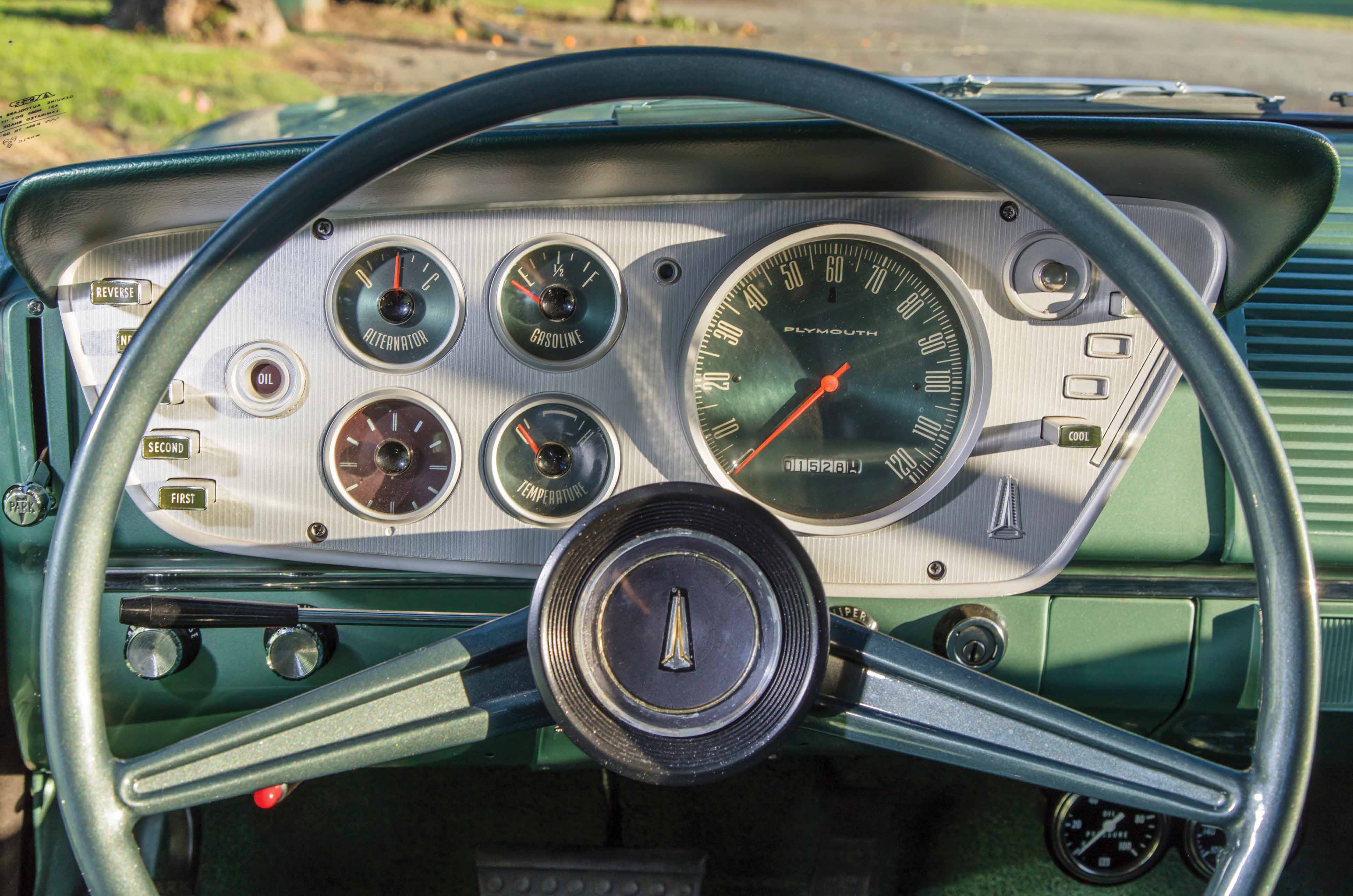
The Plymouth Belvedere Max Wedge’s cabin goes without a tachometer or heater controls

Belvederes were available in 13 exterior colours and a choice of four interior shades.

You had to pay extra for power steering, but self-adjusting brakes (drums all round) were standard.

The origins of the Max Wedge cylinder-head technology stem from the ‘RB’ – for ‘raised block’ – engines of the late 1950s.

Chrysler needed a response to the new Ford and GM big-block V8s for its full-size cars, something lighter and less complex than the first-gen Hemi Firepower engines in order to be suitable for mounting further forward in the next-generation cars.

Classic & Sports Car – Plymouth Belvedere ‘Max Wedge’: street fighter

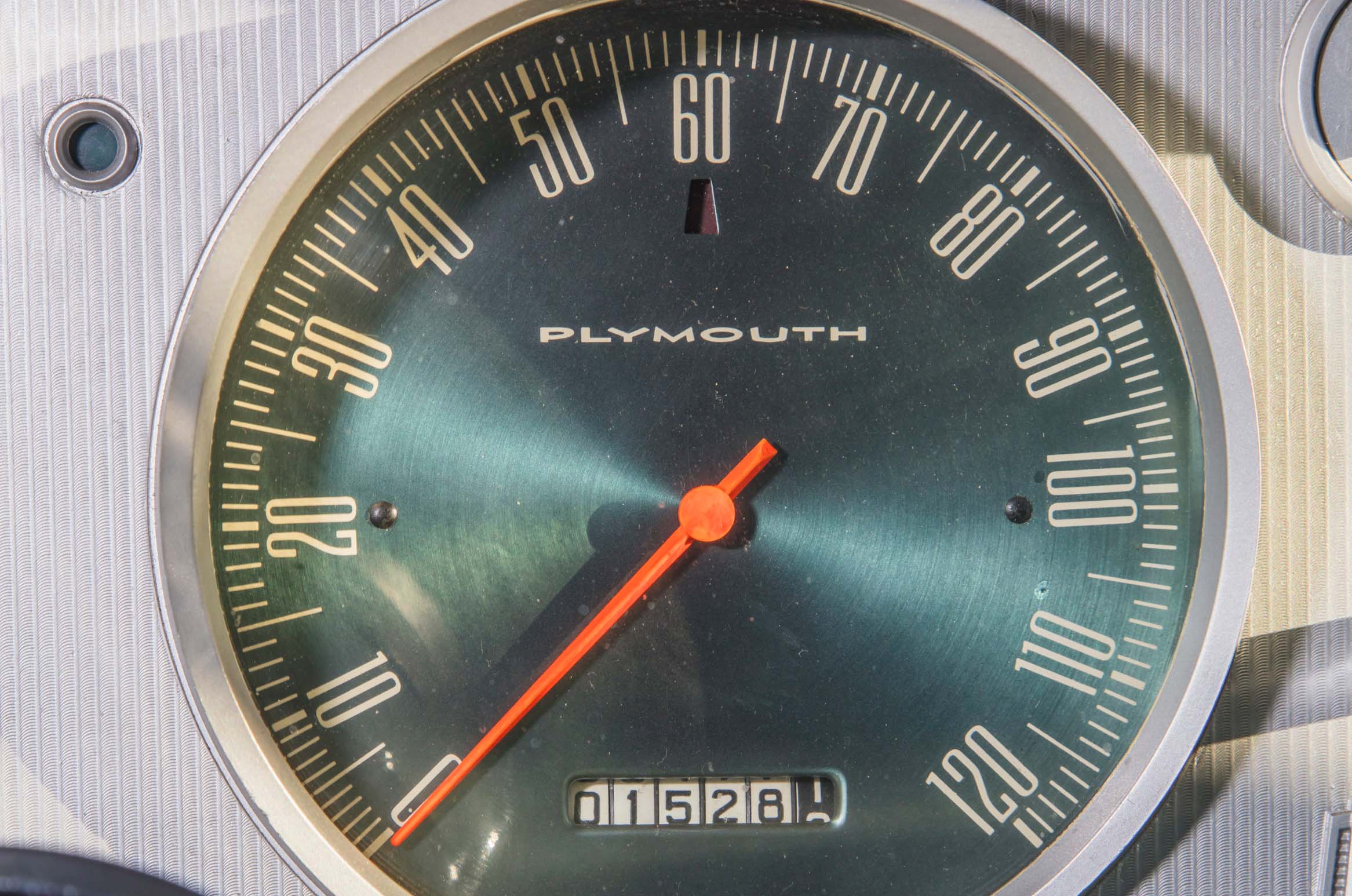
The Plymouth Belvedere Max Wedge’s top speed is 120mph

It needed to be larger-capacity to get the power, and easier (and cheaper) to produce, while in-line valves and the wedge-shaped ‘squish’ area meant less machining than with the Hemi engines.

Reduced width also meant these new big-block Mopar V8s, first seen in full-size Chrysler and Imperial models for 1959, would also physically fit in the new generation of Dodge and Plymouth intermediates.

In various less-exotic states of tune, the RB 413 would be used in Chrysler cars until 1965 and trucks through to 1979.

Classic & Sports Car – Plymouth Belvedere ‘Max Wedge’: street fighter

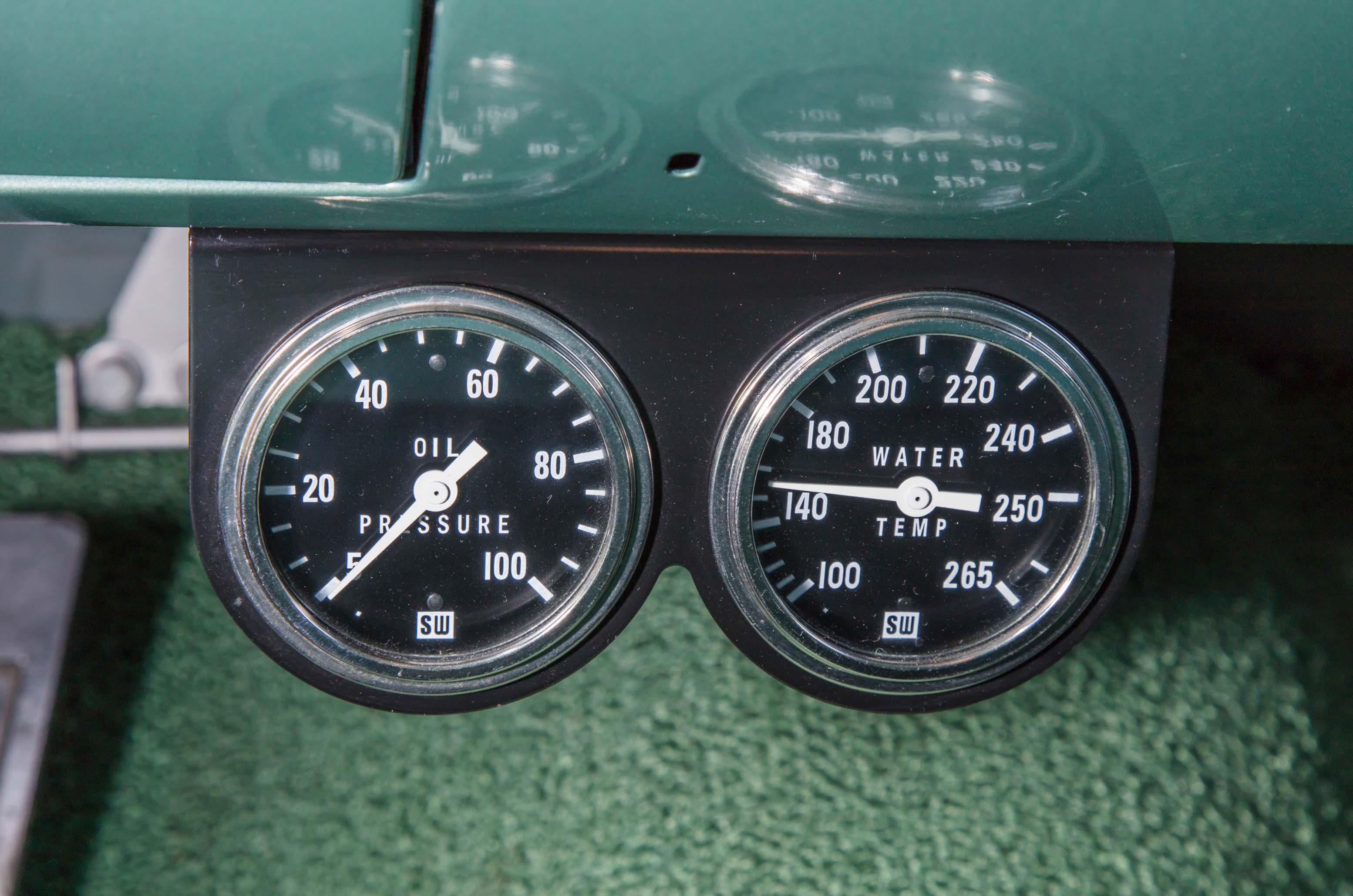
The Plymouth Belvedere Max Wedge has gauges for oil pressure and water temperature

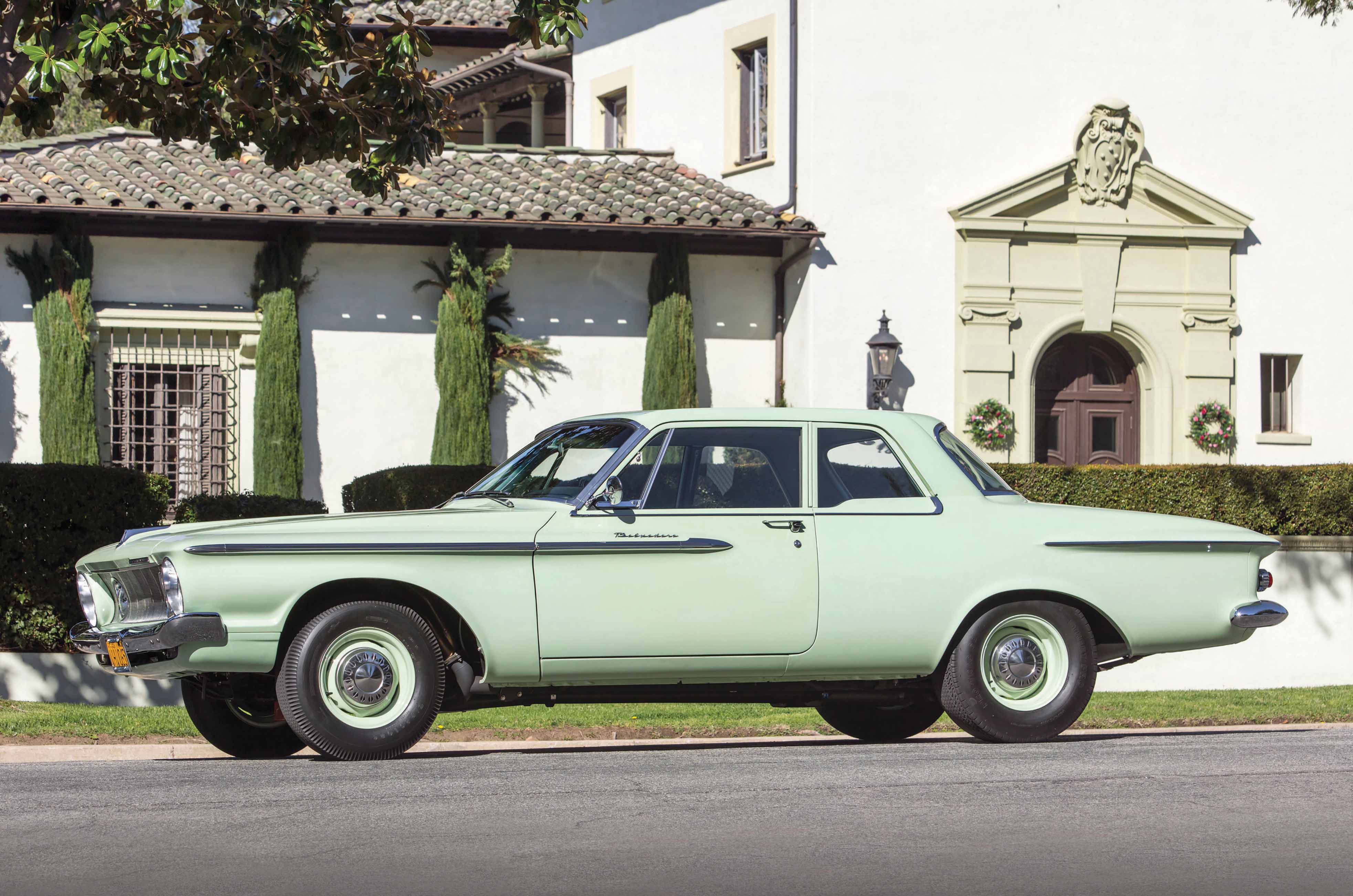
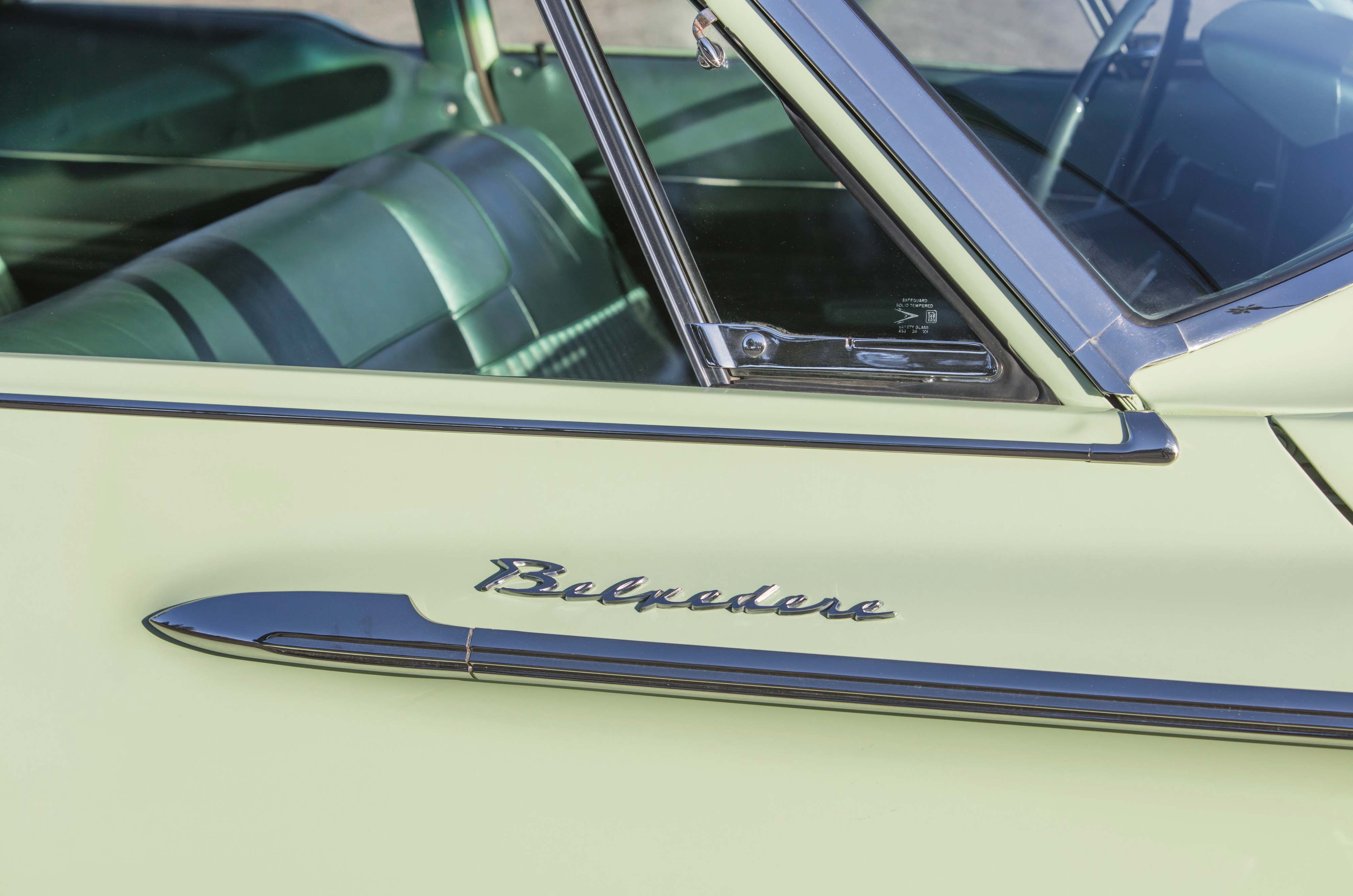
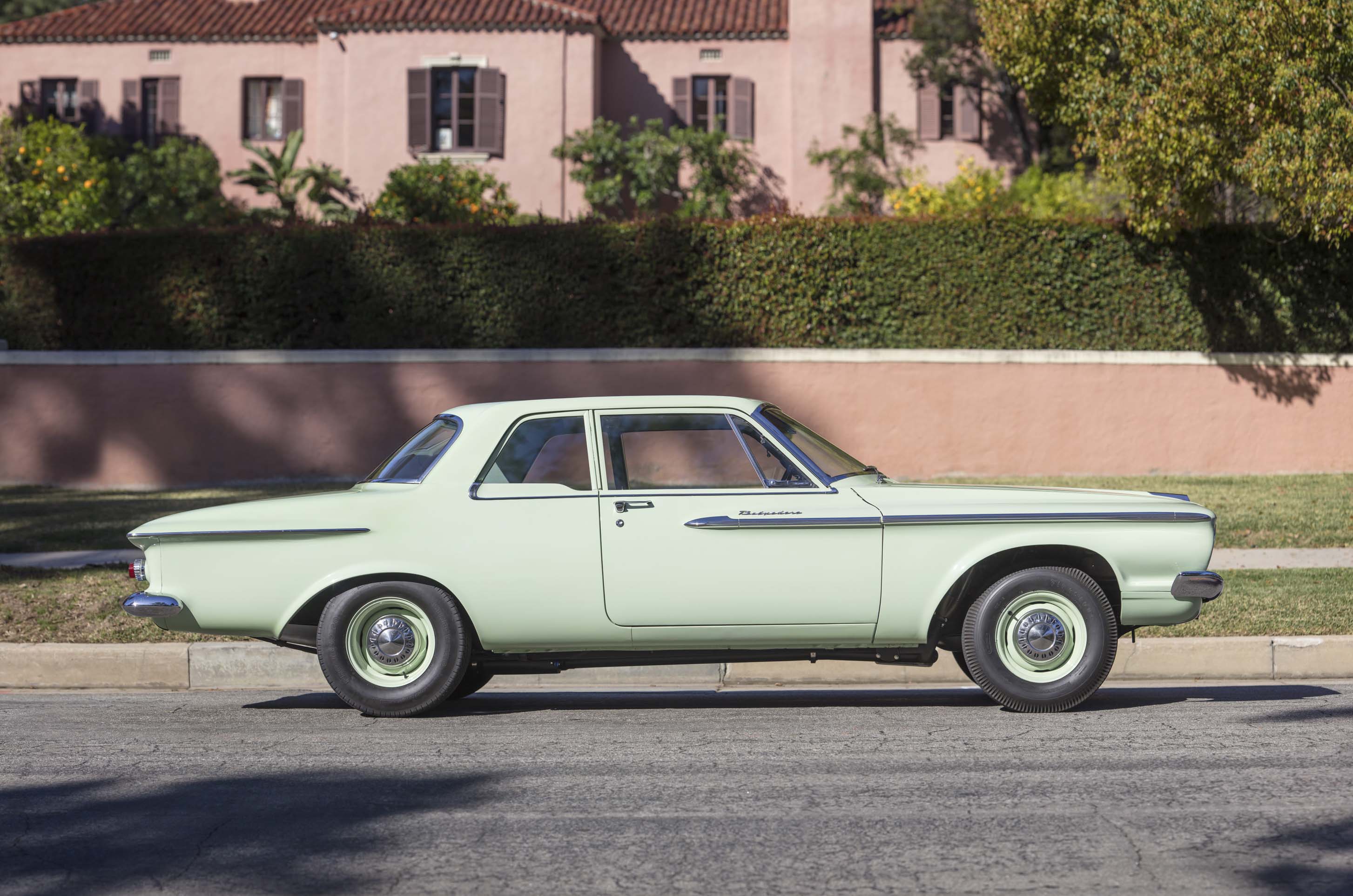
Monty Bernstein’s no-frills 1962 Plymouth Belvedere Max Wedge could have been, at first sight, a straight-six ‘stripper’ on its plain, dog-dish hubcaps.

But there was something about its stance, and the fact the bonnet was proudly lifted when we spotted it at an informal Palm Springs classic car show last year, that marked it out as something special.

For the ’62 model-year, the Savoy/Belvedere/Fury line-up was restyled by Elwood Engel to look cleaner and leaner on a shorter, 116in wheelbase; Plymouth called it ‘Forward Flair Design’.

Classic & Sports Car – Plymouth Belvedere ‘Max Wedge’: street fighter

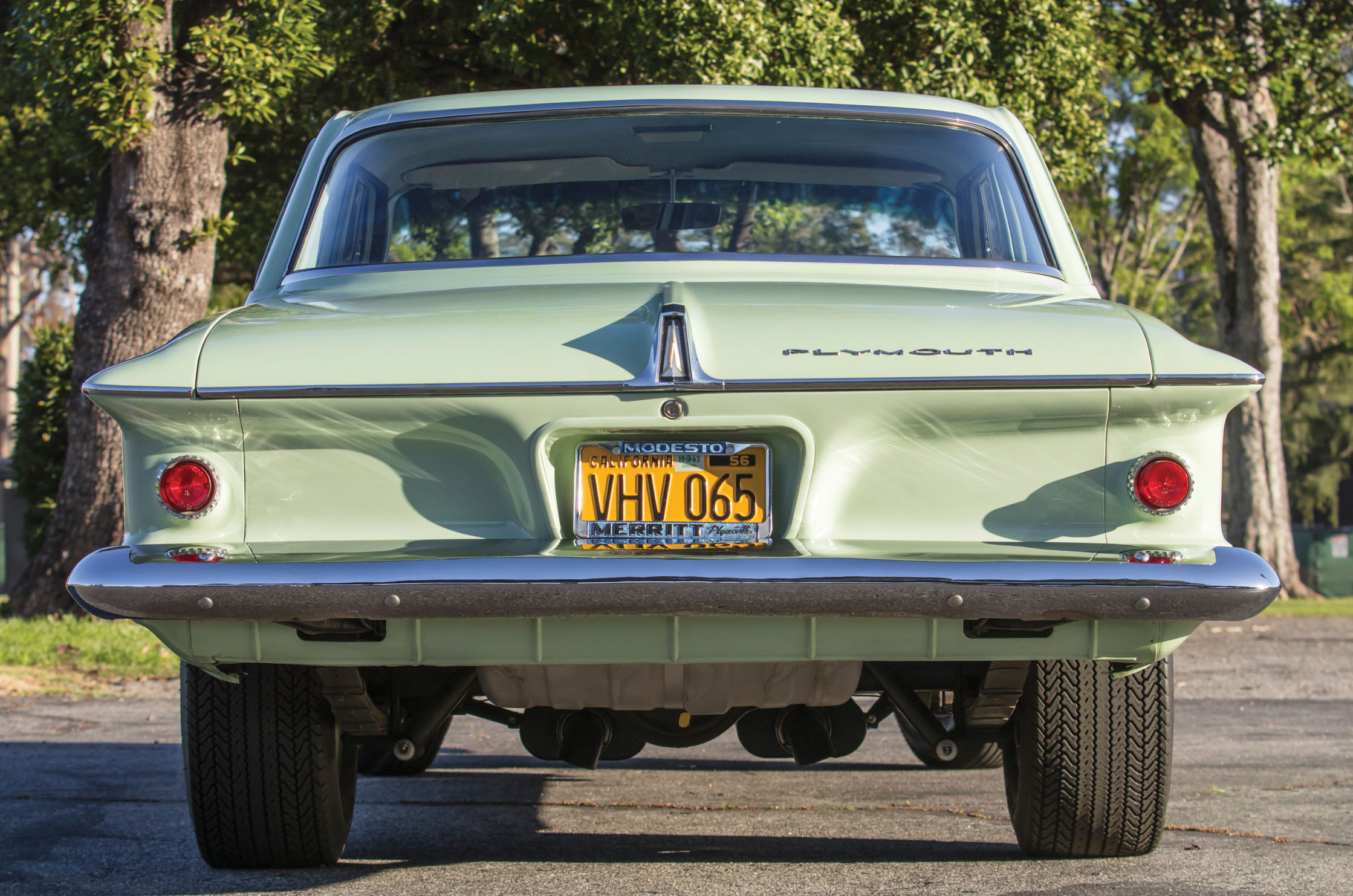
The Plymouth Belvedere Max Wedge’s shapely, contoured rear end with leaf-sprung suspension; the limited-slip differential was offered with the option of seven different ratios

It is not a pretty car, but certainly an improvement on the ‘plucked-chicken’ look of Virgil Exner’s 1960 and ’61 efforts. For me, the ’63s were the best-looking of this intermediate series.

That was the year the Max Wedge option was upgraded to 426cu in and 425bhp, and the following year it got a four-speed Borg-Warner manual option.

It was still a full unibody six-seater with a giant boot, and in Belvedere form it sat between the entry-level Savoy and the Fury flagship.

Classic & Sports Car – Plymouth Belvedere ‘Max Wedge’: street fighter

Plymouth and Dodge’s 6.8-litre 413 Super Stock motor dominated drag strips until the second-generation Hemi V8 arrived in 1964

The body is incidental to the engine, which dominates the car.

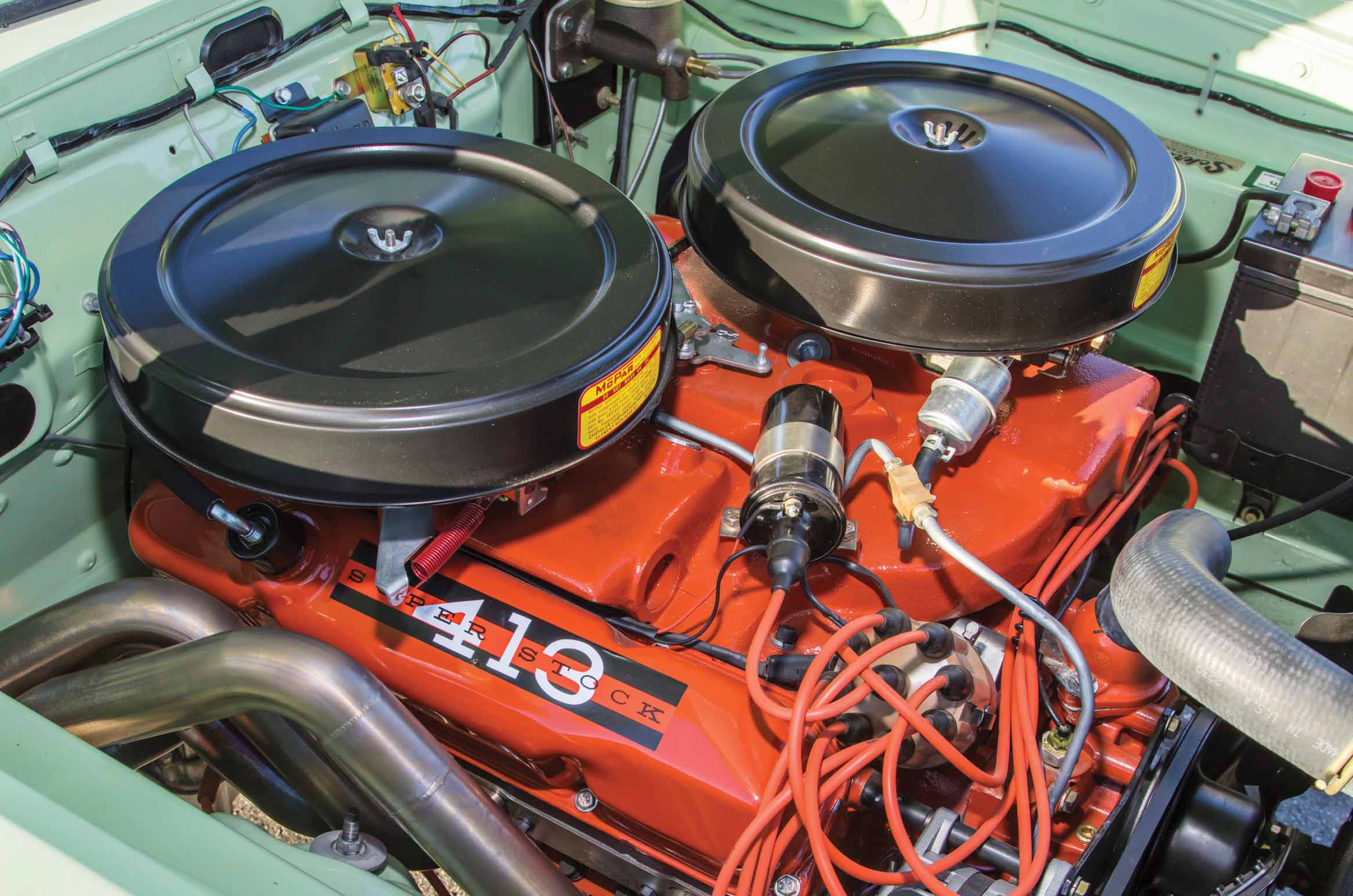
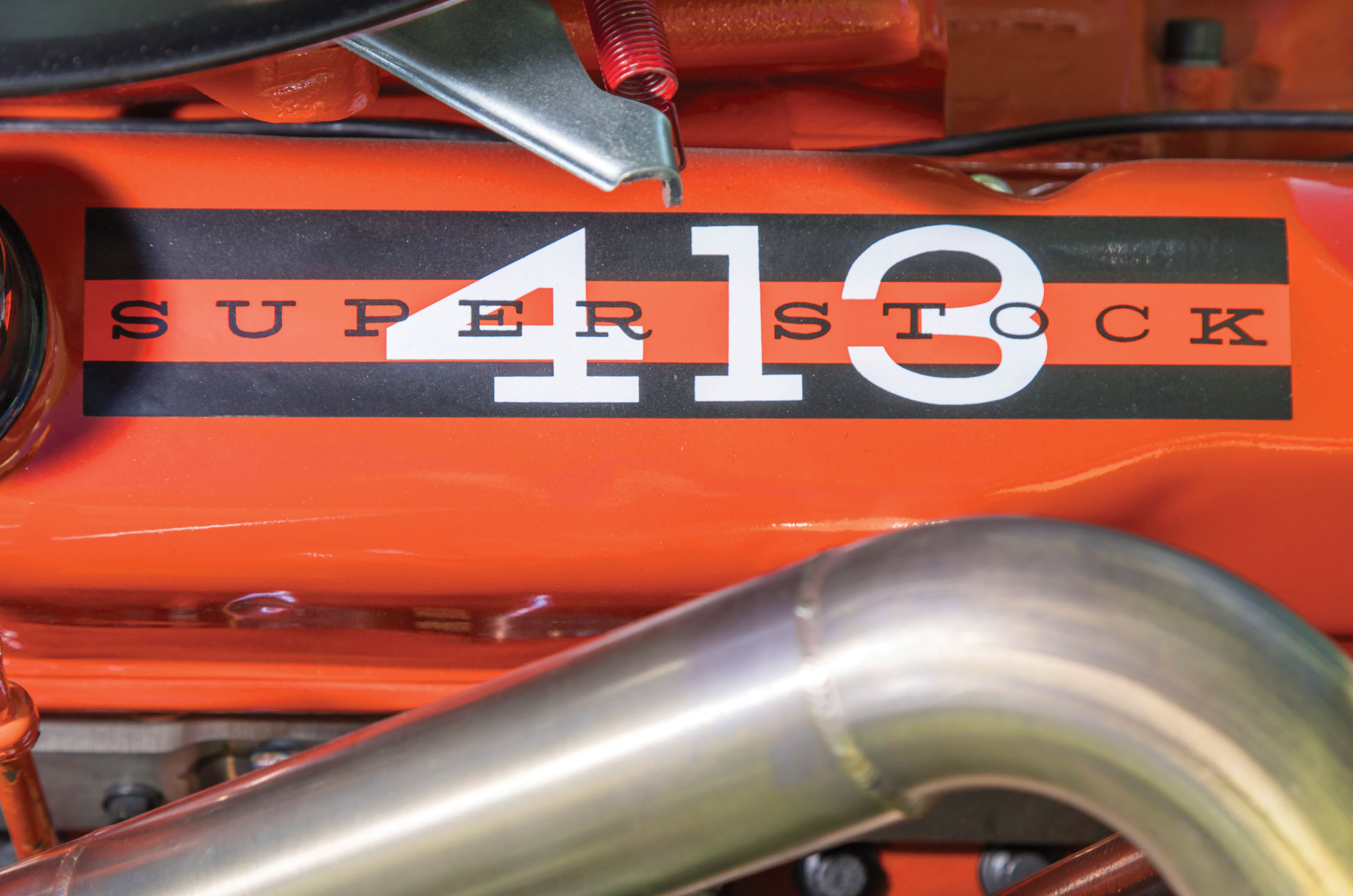
The giant 413 Super Stock lump, with its distinctive cross-ram intakes, is painted classic bright orange – ‘When the orange monster strikes, records topple!’ screamed the adverts – and straddled by dual air cleaners, with those distinctive high-rise headers in gleaming stainless steel.

 It needs the huge battery to cope with the formidable compression ratio, presumably.

Classic & Sports Car – Plymouth Belvedere ‘Max Wedge’: street fighter

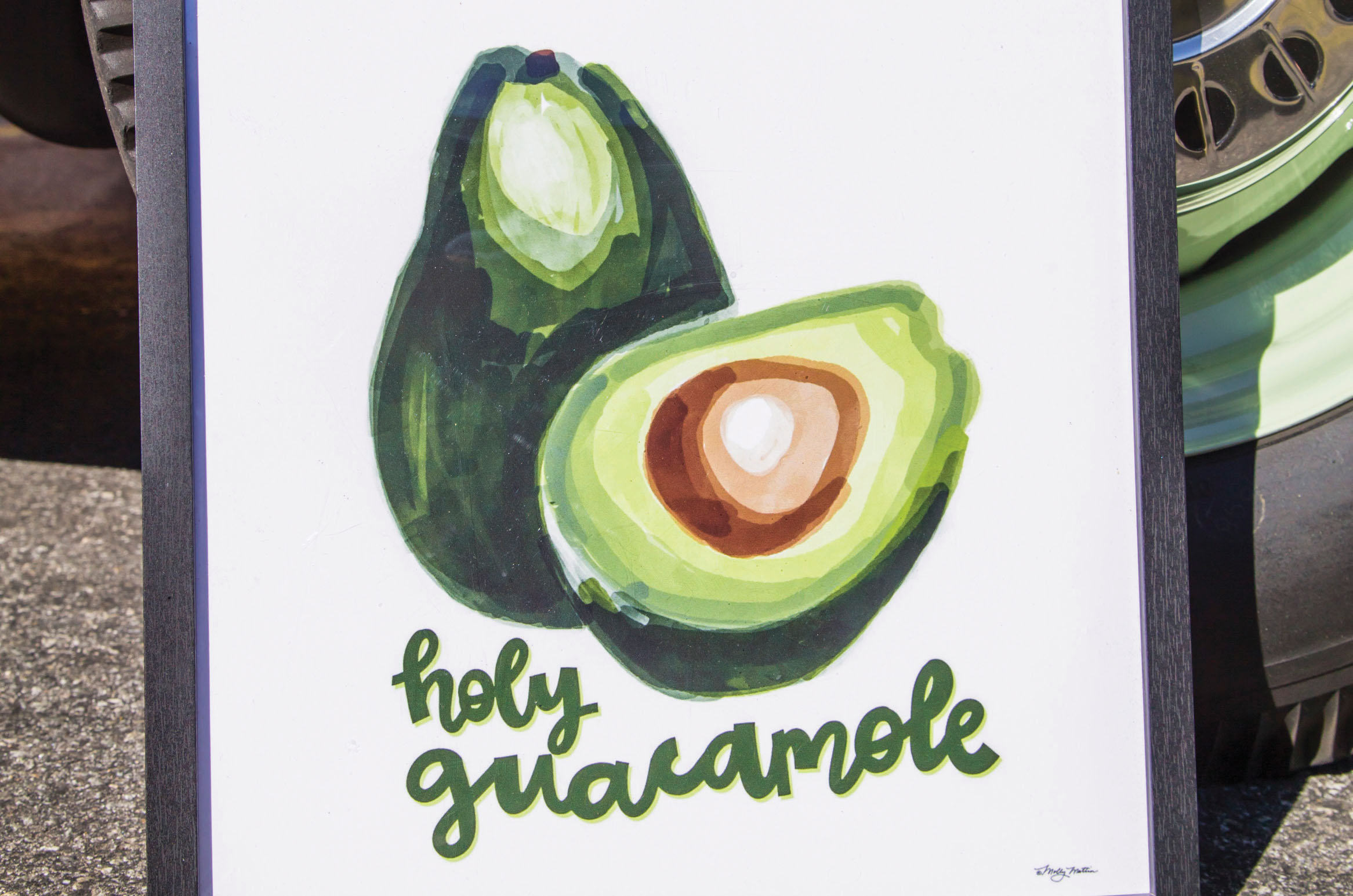
Art pays tribute to this Plymouth Belvedere’s nickname

“The block is a correct 413 with a 1962 casting date,” says Monty, who affectionately calls his Belvedere ‘Guacamole’. “But it’s over-bored by .030 to 418cu in.

“It runs forged pistons, connecting rods and crankshaft, a high-volume oil pump, a double-roller timing chain, and a Bullet Racing hydraulic roller camshaft and hardened pushrods.

“The carburettors are Edelbrock 525cfms. The distributor looks correct, but has an electronic conversion; the exhaust is a custom-built stainless system.”

Classic & Sports Car – Plymouth Belvedere ‘Max Wedge’: street fighter

The Plymouth Belvedere Max Wedge’s 413 Super Stock engine probably makes more power than the 410bhp that was quoted

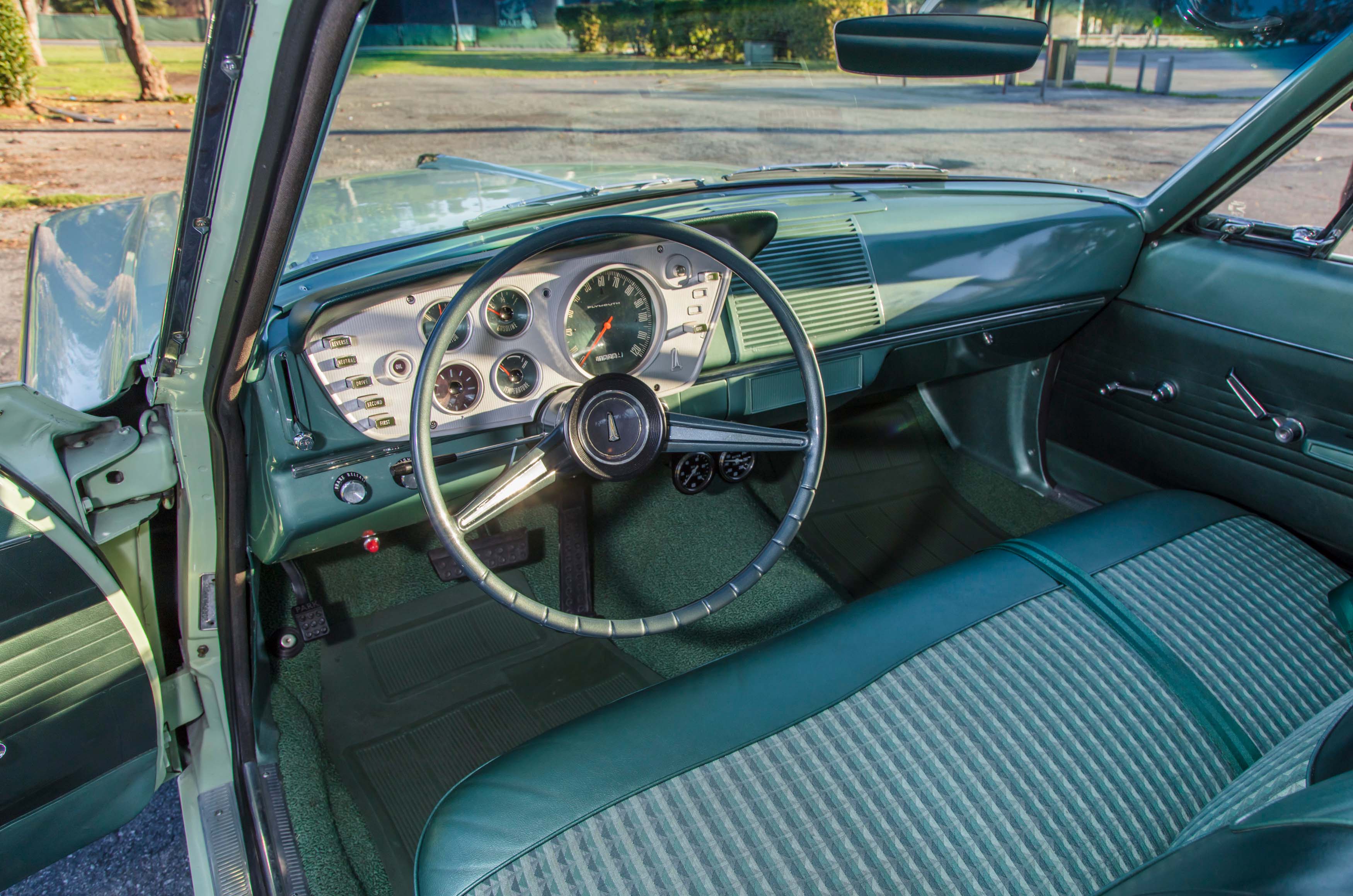
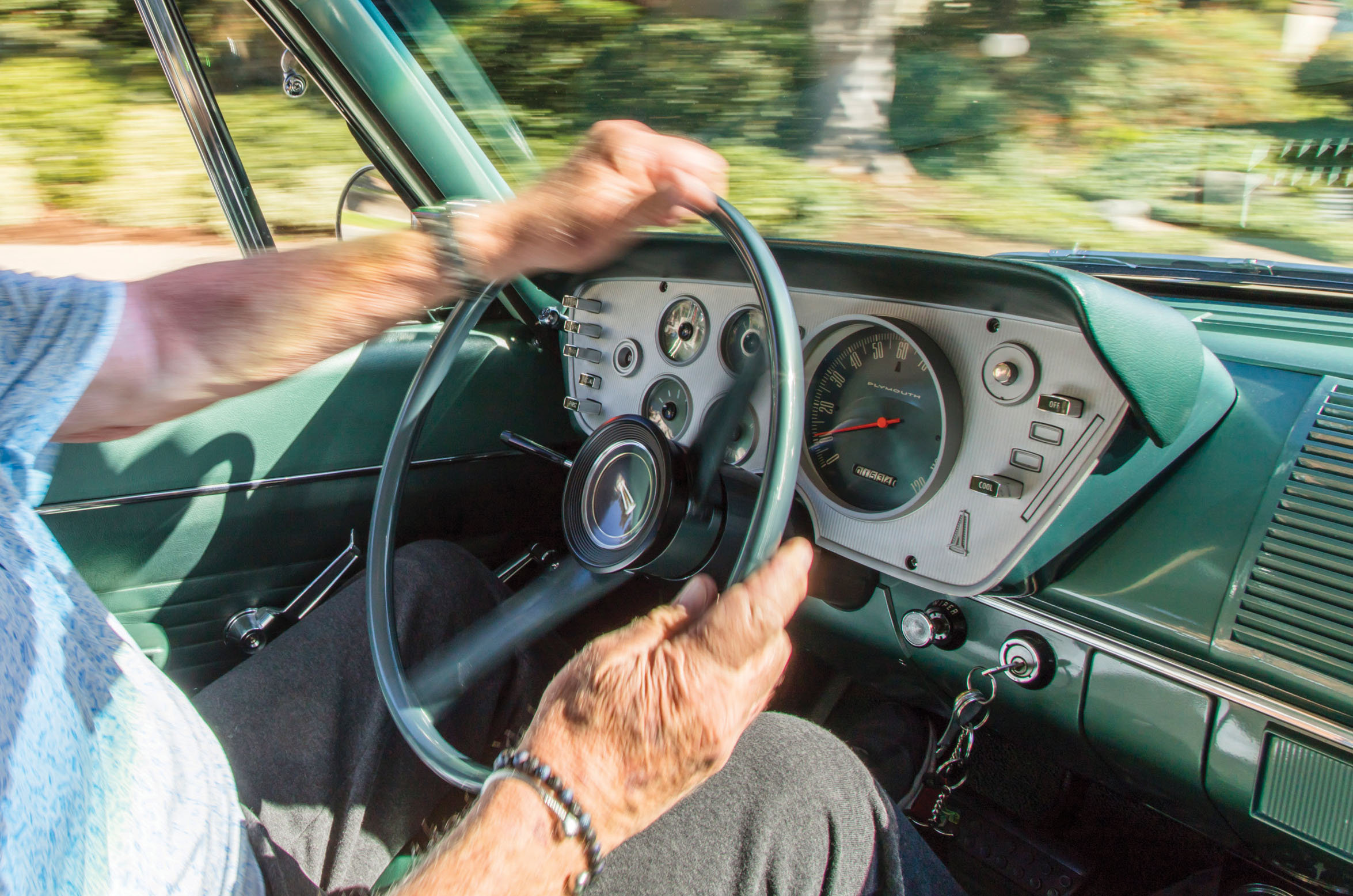
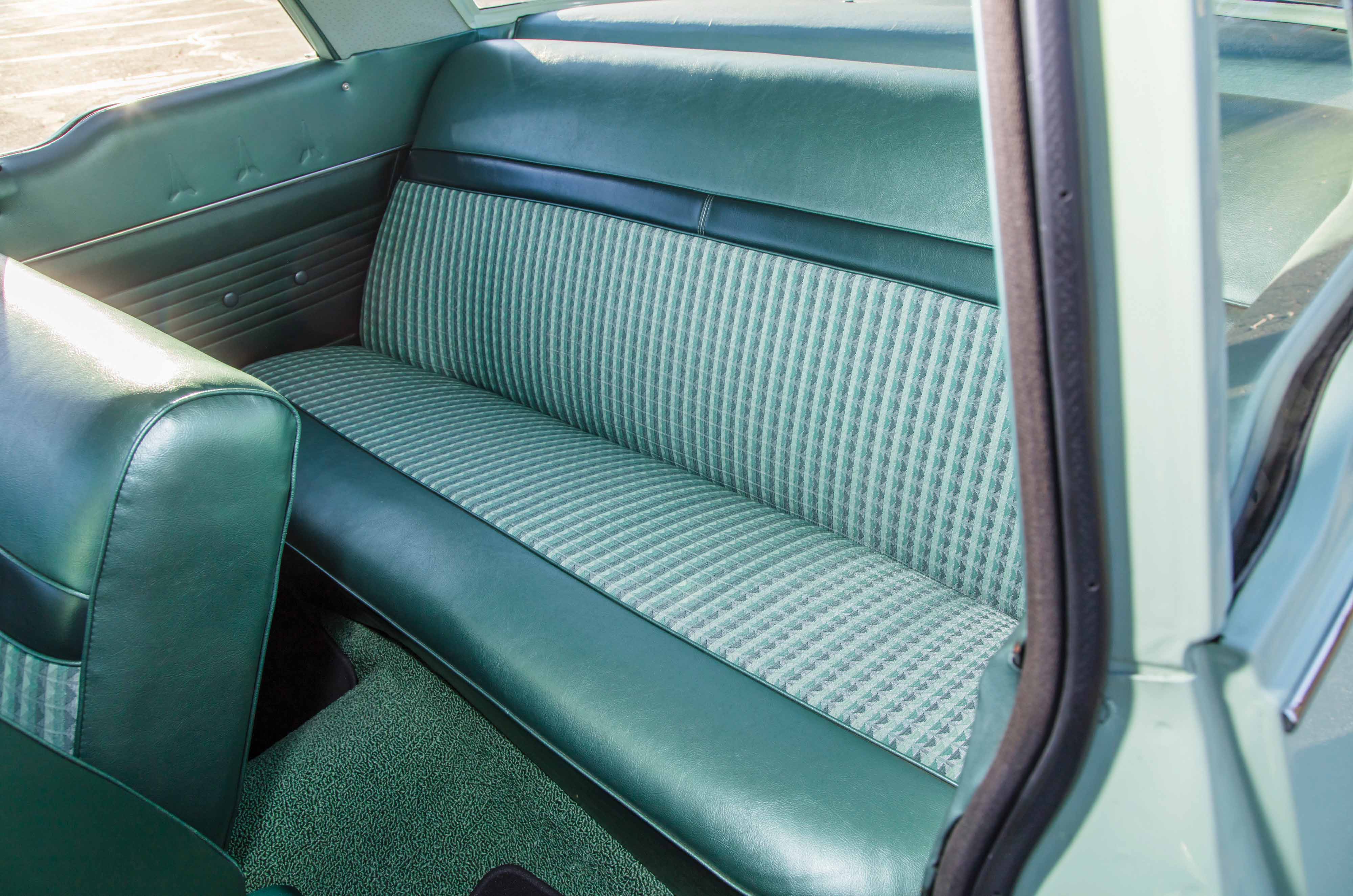
The workmanlike, no-frills theme continues inside, with vinyl and cloth trim for the bench seats, no armrests, wind-down windows and, directly ahead of the steering wheel, basic instruments that comprise a 120mph speedo and separate charging, fuel and temperature gauges in a neat binnacle.

There is no rev counter, which seems an omission for a thinly disguised, street-legal drag car, and no heater – the buttons and slider controls are blanked off.

The steering wheel is large and slender-rimmed like the standard Belvedere’s.

Classic & Sports Car – Plymouth Belvedere ‘Max Wedge’: street fighter

The Plymouth Belvedere Max Wedge’s cloth and vinyl trim

Like many Max Wedge 413s, this one is an automatic.

There was a three-speed, close-ratio manual option with a ‘crash’ first, but the Torqueflite 727 auto, with its stronger kickdown bands and clutches, could get off the line just as well and with no fluffed changes.

None of its Super Stock rivals could field an auto ’box that would take this kind of power and torque.

It fires readily and has a high, slightly rough-sounding idle.

Classic & Sports Car – Plymouth Belvedere ‘Max Wedge’: street fighter

Martin Buckley was blown away by the ‘Max Wedge’ Plymouth Belvedere Super Stock

The hollow rumble from the twin rear pipes changes to a deep, urgent roar when the throttle is blipped, rocking the unassuming-looking Plymouth on its springs.

Even with your foot hard on the brake it snatches into Drive, but it moves along happily enough at low speeds, helped no doubt by this car’s modern electronic ignition.

Squeeze the throttle and there is nothing geriatric about this beast of a machine.

The acceleration is instant and epic, with no slack to take up or flab to account for as its 410bhp takes over your world.

Classic & Sports Car – Plymouth Belvedere ‘Max Wedge’: street fighter

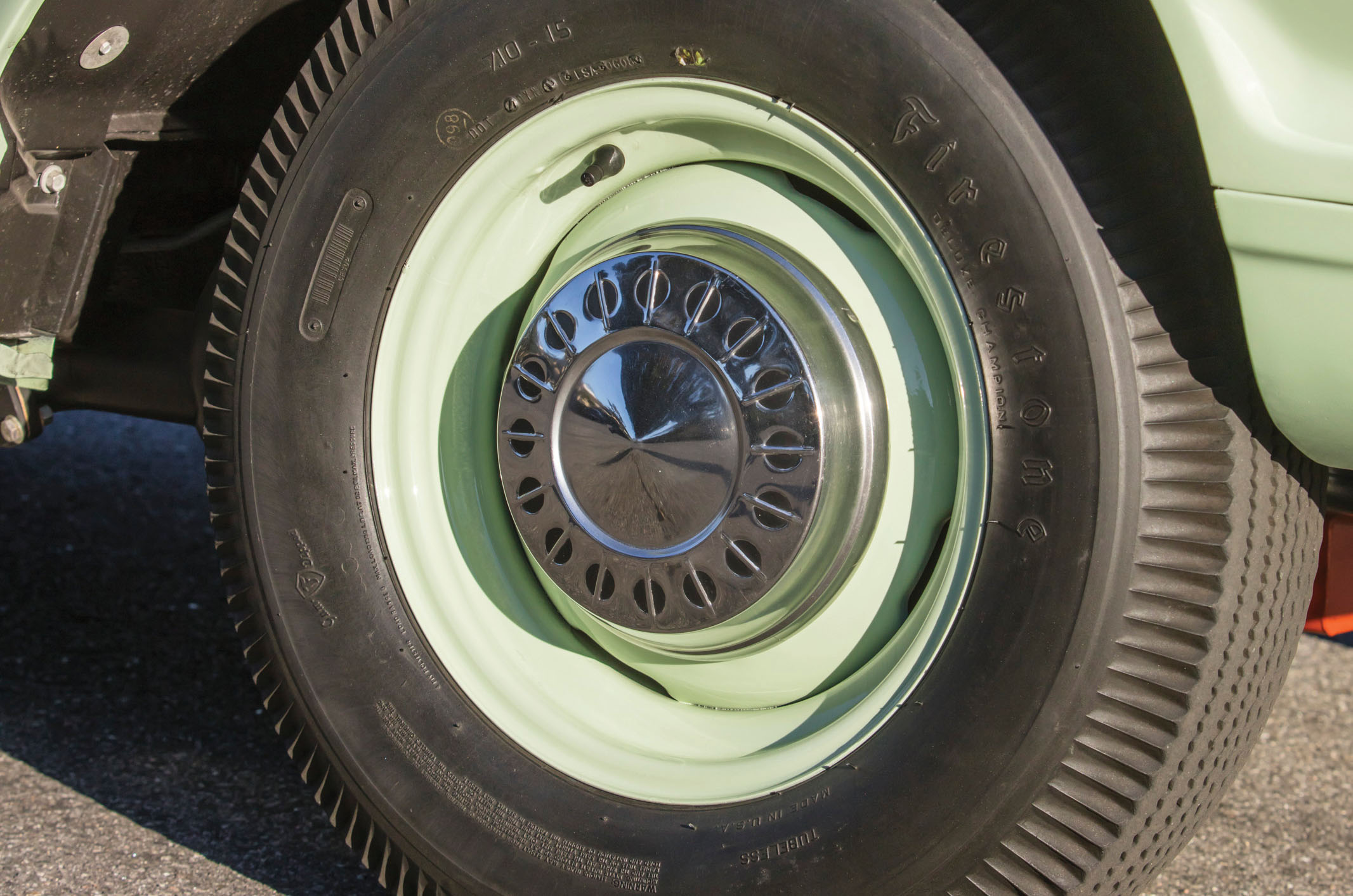
Hubcaps on the Plymouth Belvedere Max Wedge’s body-coloured, painted steel wheels

Looking out across the shuddering, aircraft-carrier-deck bonnet, there is barely time think about anything other than holding on to the slim steering wheel as the nose lifts and the Max Wedge thunders ahead with a raging turmoil of rushing air and thrashing valvegear that you can feel reverberating in your solar plexus.

It lunges forward with renewed aggression as each gear engages and you’re thrown back into the unsupportive settee that is the front bench seat.

Handling? Brakes? Who cares! The unassisted, single-line four-wheel drums are at least adequate, as long as you’re prepared to shove hard on the pedal, while the firmly damped, heavy-duty suspension feels slightly at odds with the light, low-geared steering that you sense is better suited to supermarket car parks than it is to drag strips. 

Classic & Sports Car – Plymouth Belvedere ‘Max Wedge’: street fighter

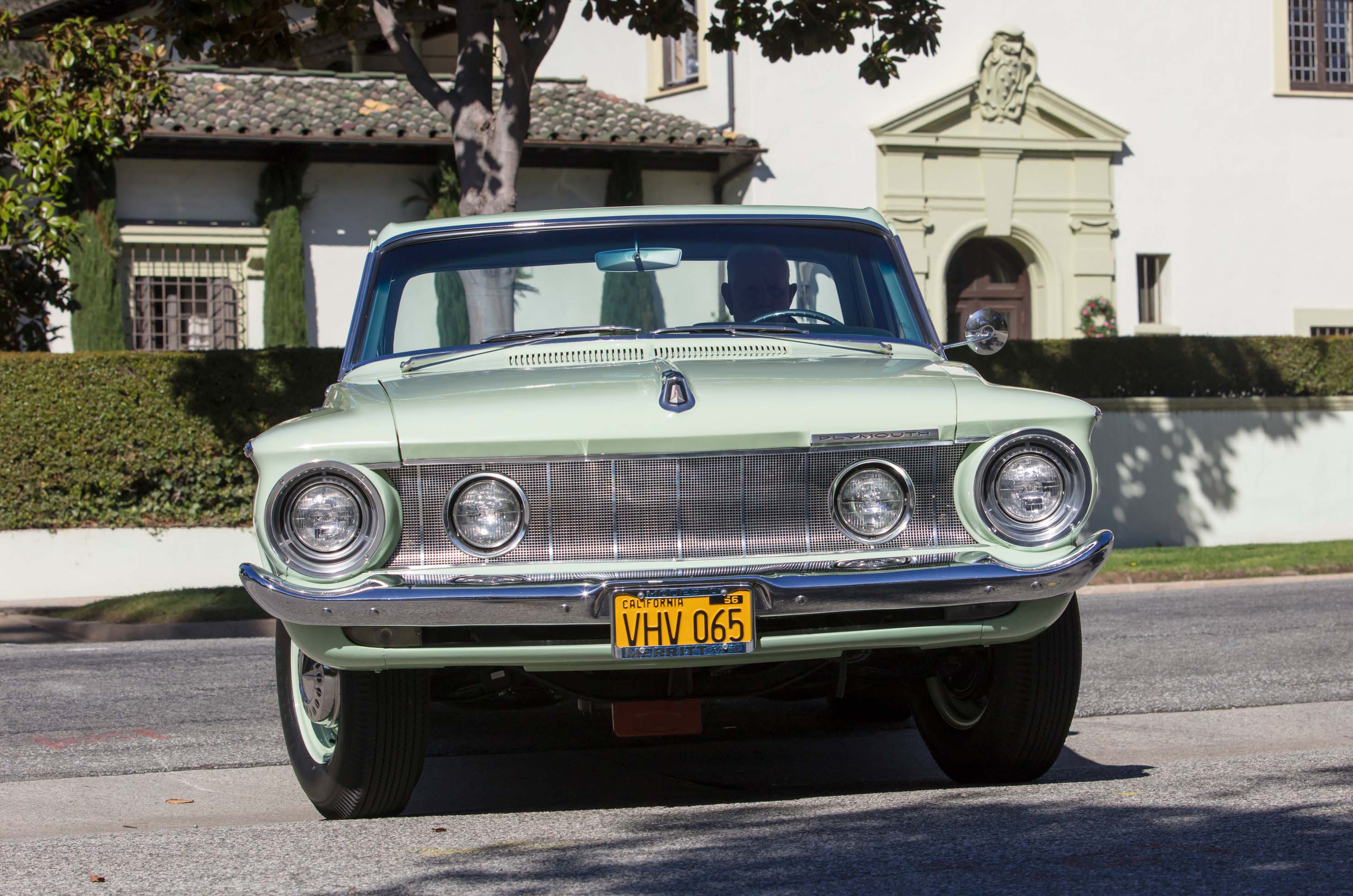
The mid-range Plymouth Belvedere sat between the entry-level Savoy and the flagship Fury

Beyond that, there is nothing unruly or difficult about driving the Max Wedge Plymouth Belvedere.

What will stay with me, though, is the noise.

The demonic sounds are out of place with the modern traffic that appears quite apart from this innocuous-looking car that Americans of a certain age would associate with the sort of thing their granny might have driven – call it The Little Old Lady from Pasadena syndrome.

Wasn’t that a Jan & Dean song?

Images: Pawel Litwinski


Factfile

Classic & Sports Car – Plymouth Belvedere ‘Max Wedge’: street fighter

Plymouth Belvedere ‘Max Wedge’

  • Sold/number built 1962/298
  • Construction steel unibody
  • Engine all-iron, ohv 6771cc V8, twin Carter four-barrel carburettors
  • Max power 410bhp @ 5400rpm
  • Max torque 460lb ft @ 4400rpm
  • Transmission three-speed automatic, RWD
  • Suspension: front independent, by wishbones, torsion bars, anti-roll bar rear live axle, semi-elliptic leaf springs; telescopic dampers f/r
  • Steering ball and nut
  • Brakes drums
  • Length 16ft 10in (5131mm)
  • Width 6ft 3½in (1920mm)
  • Height 4ft 6in (1372mm)
  • Wheelbase 9ft 8in (2946mm)
  • Weight 3185lb (1445kg)
  • 0-60mph 5.3 secs
  • Top speed 120mph
  • Mpg 9
  • Price new $3300
  • Price now $100,000*

*Price correct at date of original publication


Enjoy more of the world’s best classic car content every month when you subscribe to C&SC – get our latest deals here


READ MORE

Pontiac GTO at 60: American hustle

Dragstalgia: meeting the stars of the strip at Santa Pod

Heavy metal thunder: Chevrolet Chevelle, Pontiac GTO, Plymouth SuperBird, Dodge Charger and Ford Torino